Bikesrepublic

Wahid Ooi

  • Forced-induction – also known as “boosted” – motorcycles are not new.

  • Japanese manufacturers toyed with the turbocharging concept especially in the early 1980’s.

  • The Kawasaki Ninja H2, Ninja H2R and Ninja H2X are currently the only bikes that are boosted.

The Kawasaki Ninja H2 and H2R made huge waves that crashed onto the shores of the motorcycle industry when they were introduced; but they weren’t the first forced-induction (by way of supercharger or turbocharger) production motorcycles by a long shot.

The Big Four Japanese manufacturers had flirted with the concept during the “turbo era” of the mid-80’s. You see, after Porsche launched their 911 (930) Turbo in 1975, “turbo” was not only prevalent in the motor industry but went on to invade almost every part of culture (just like how the word “millennium” did towards the end of the 90’s). Suddenly, almost every car had a turbo sticker on it. And remember “TURBO BOOST” in Knight Rider? Judas Priest even had a hit song named Turbo Lover (click here for our list of top 10 riding songs).
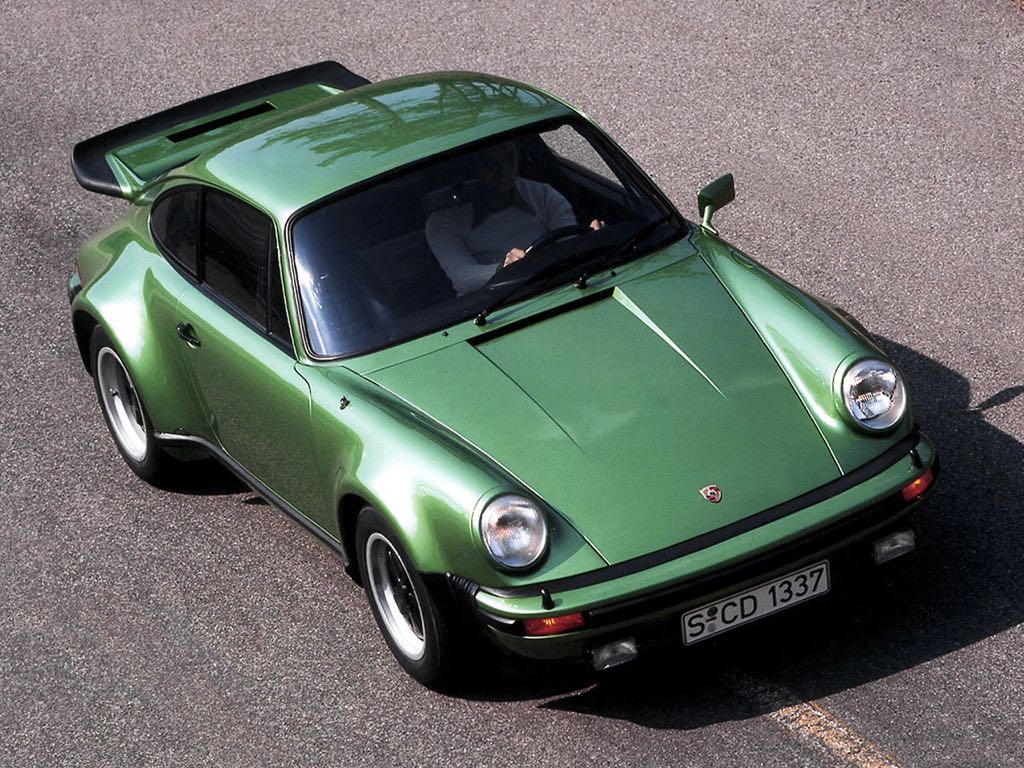
1975 Porsche 911 Turbo – Courtesy of 911-guide.com

Motorcycle manufacturers were also caught in the trend, apart from seeking more specific power output, of course. A forced-induction engine inducts more air, hence more fuel could be added to it, producing more power per given engine displacement.
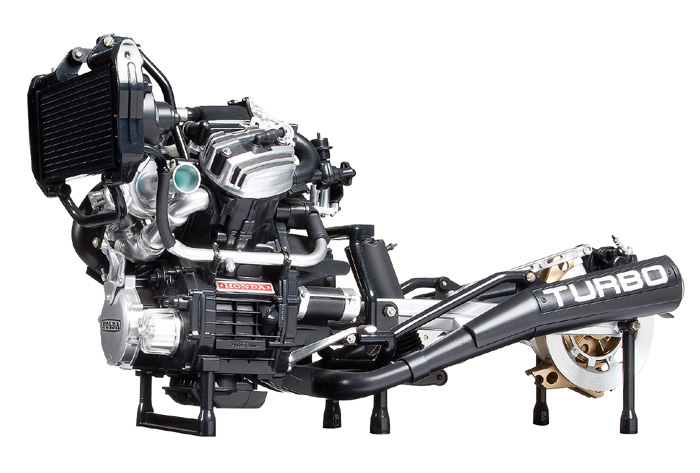
Honda CX500 Turbo engine – Courtesy of www.tamiya.com

Here are seven forced-induction production motorcycles including the latest Kawasaki Ninja H2SX.

Kawasaki Z1R-TC (1978)

Guess you could call this the granddaddy of the H2. But while the Z1R-TC wasn’t produced by the Kawasaki factory itself, it was a factory approved special model sold exclusively through dealers in the USA. The bike was the Z1R with a “Turbo-Pak” bolted directly to it without any change to chassis and brakes. Horsepower was kicked up to 130 bhp from 90 bhp. Riders found it a handful to ride but oh, it’s so pretty.
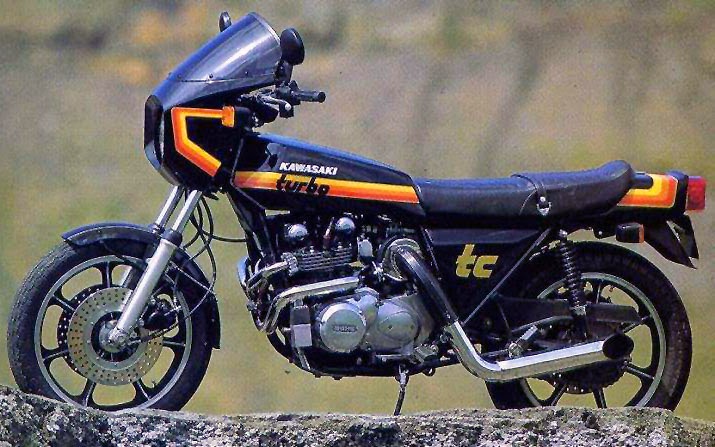
Kawasaki Z1R-TC -Courtesy of jannys-xxx.blogspot.my

Honda CX500 Turbo (1982)

The Honda CX500 Turbo (also known as the CX500T and CX500TC) was built on the CX500 Standard (pejoratively called “The Plastic Maggot”) that started production from 1978. The CX500 Standard was already different by Honda’s standards as it had a transversely (across the frame) mounted 80o V-Twin with pushrod actuated overhead valves (OHV). The Turbo version broke many technological grounds apart from turbocharging, including the distinction as the first production motorcycle to feature programmed fuel injection. The turbocharger was dialed up to deliver a peak boost of 19 psi, doubling the engine’s horsepower to 83 bhp and took the bike to 193.6 km/h (121 mph). Unfortunately, high boost pressure means too much turbo lag and production was ended in 1982 itself.
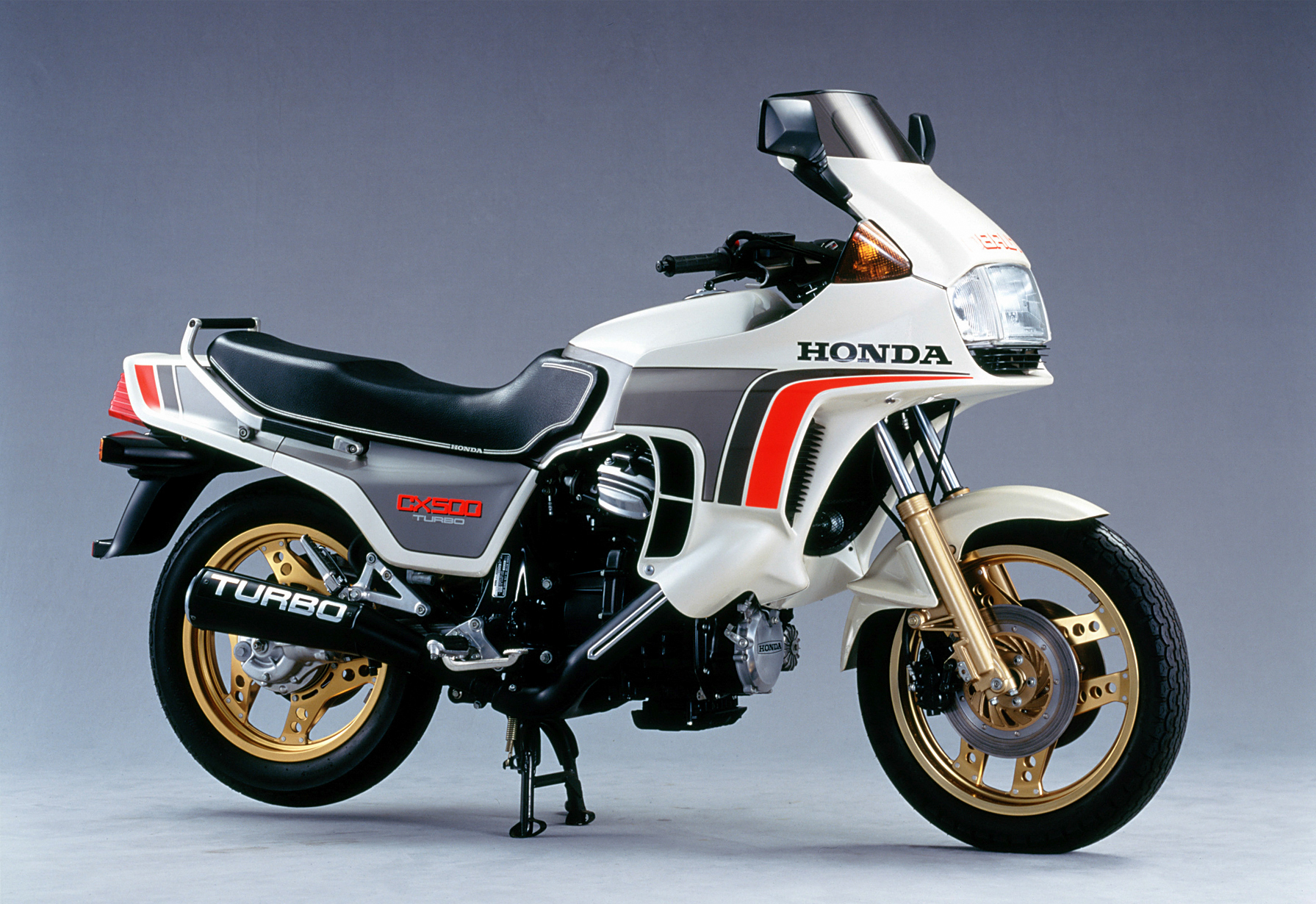
Honda CX500 Turbo – Courtesy of silodrome.com

Yamaha XJ650 Seca Turbo (1982)

It was as if all four Japanese manufacturers sat down together and decided to build forced-induction bikes, because Yamaha too, introduced one in 1982. Of the four, the XJ650 Seca Turbo looked more futuristic (in a 1980’s way, of course). Yamaha’s engineers had simpler ideas from the others when it came to build a turbocharged bike. The engine breathed through four carburetors and routed the right muffler’s exhaust gas to power the turbo’s turbine. The engine’s compression ratio was also the highest amongst its contemporaries to battle turbo lag. However, the bike was reputed to not handle well and was phased out soon.
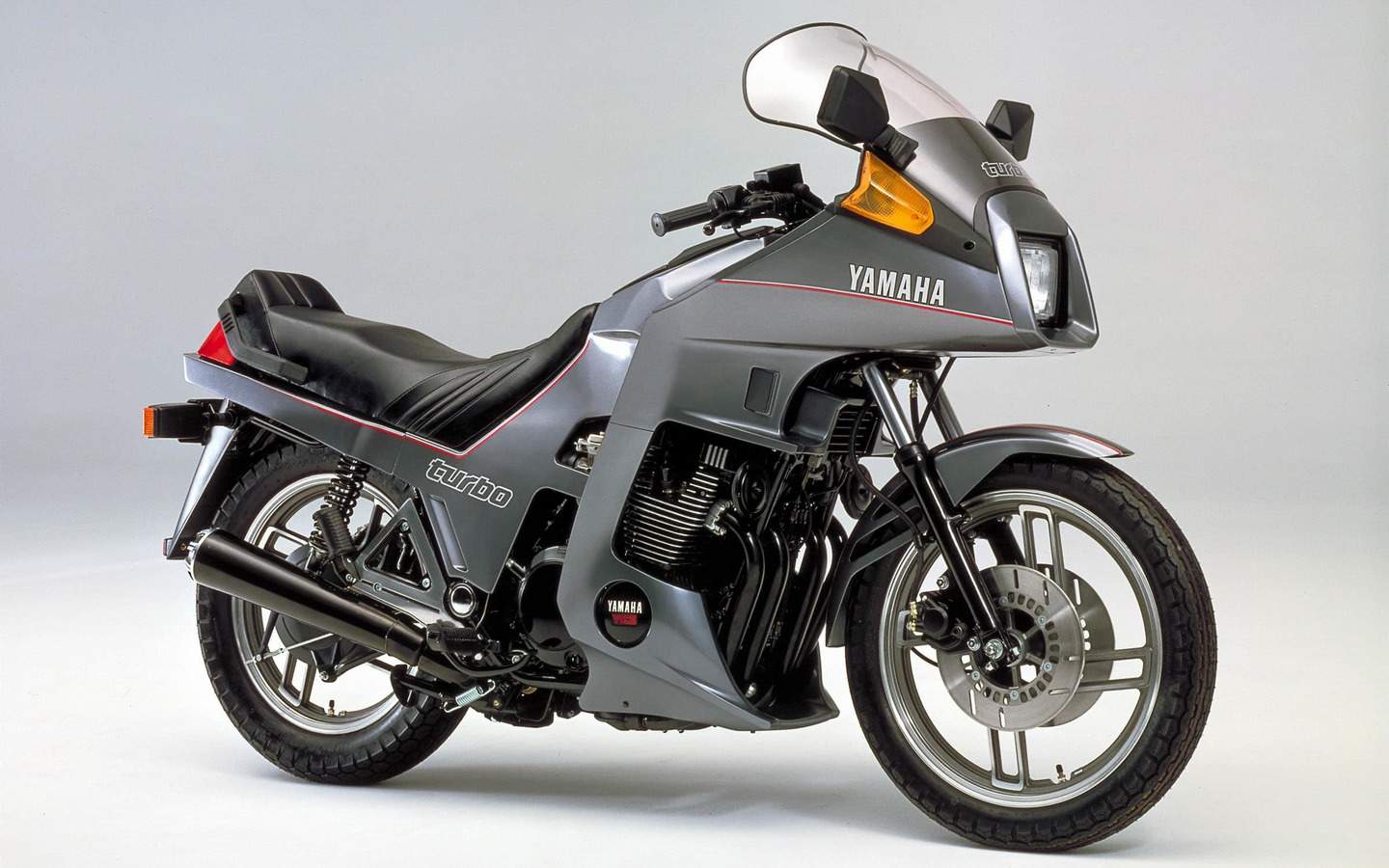
Yamaha XJ650 Seca Turbo – Courtesy of nippon-classic.de

Honda CX650 Turbo (1983)

Honda isn’t a company that gives up quickly. Honda had mostly fixed the turbo lag issue of the CX500 with the 673cc CX650 Turbo the very next year, by upping the compression ratio and decreasing the boost pressure (it still made 100 bhp). The CX650 Turbo was arguably the best developed turbocharged motorcycle but it couldn’t find many customers due to its high price. It was also dropped within the same year it debuted, together with the CX-series. However, only 1,777 units were made, making it one of the rarest Hondas.
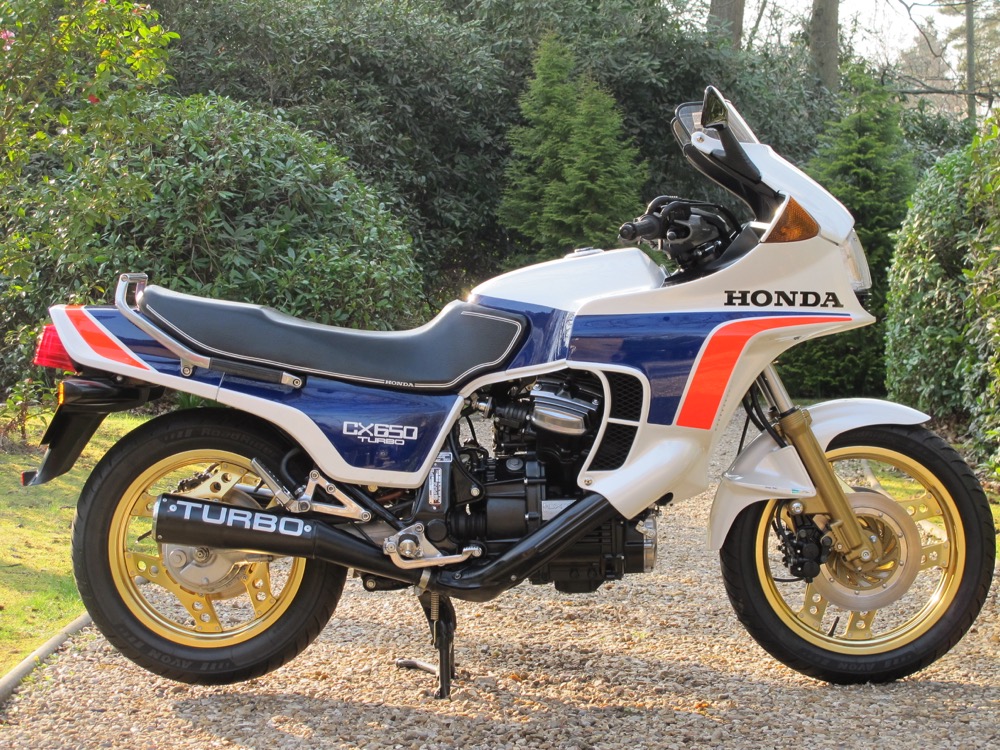
Honda CX650 Turbo – Courtesy of www.classicsuperbikes.co.uk

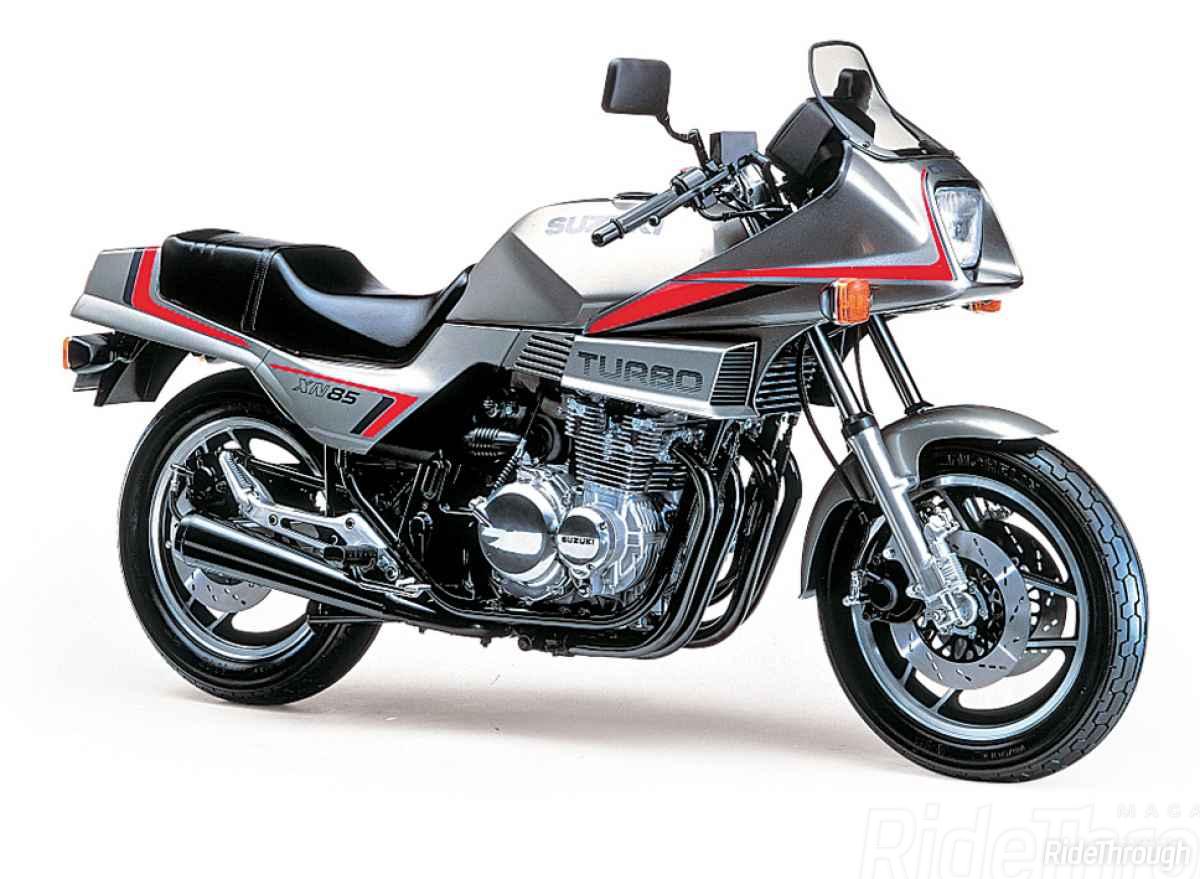
Suzuki XN85 (1983)

The Suzuki XN85 was probably the prettiest of the 80’s turbo bikes, by adopting the groundbreaking Katana’s design. The 673cc inline-Four engine made 85 bhp (hence the “85” in its name) and pulled hard above 5000 RPM but it couldn’t match the overall performance of the larger sportbikes of the period. Although it handled well due to the 16-inch front tyre (the first production bike to use it), it was bugged by reliability issues and replaced by the cheaper and faster GS750ES the next year.
Suzuki XN85 – Courtesy of pinterest.com

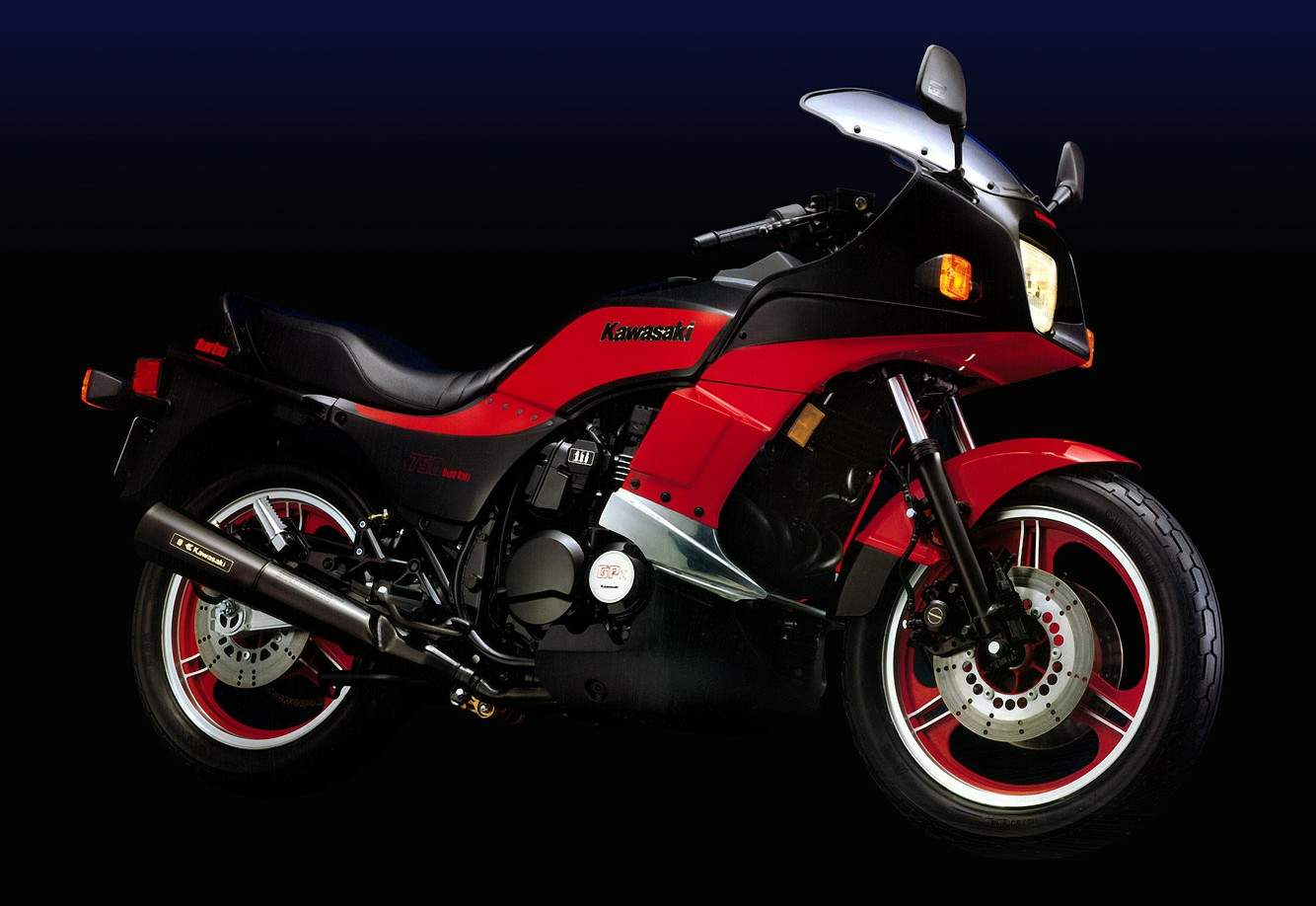
Kawasaki GPz750 Turbo (1984)

Just as the rest were giving up on turbo, in came Kawasaki with the best turbo bike of the lot. Kawasaki hadn’t just bolted a turbocharger onto the GPz 750 engine, they gave the bike all sorts of top notch components: electronic fuel injection, lower compression pistons, stronger gearbox, modified oil pan with an extra oil pump, boost indicator, stiffer Unitrak monoshock linkage, and a “turbo” spoiler. It made 112 bhp and was claimed as the “World’s Fastest Production Motorcycle” at the time. Indeed, it smashed through the quarter-mile (400 metres) in 11.2 seconds at 201 km/h, before going on to hit a top speed of 238 km/h.
Kawasaki GPz750 Turbo – Courtesy of www.motorcyclespecs.co.za

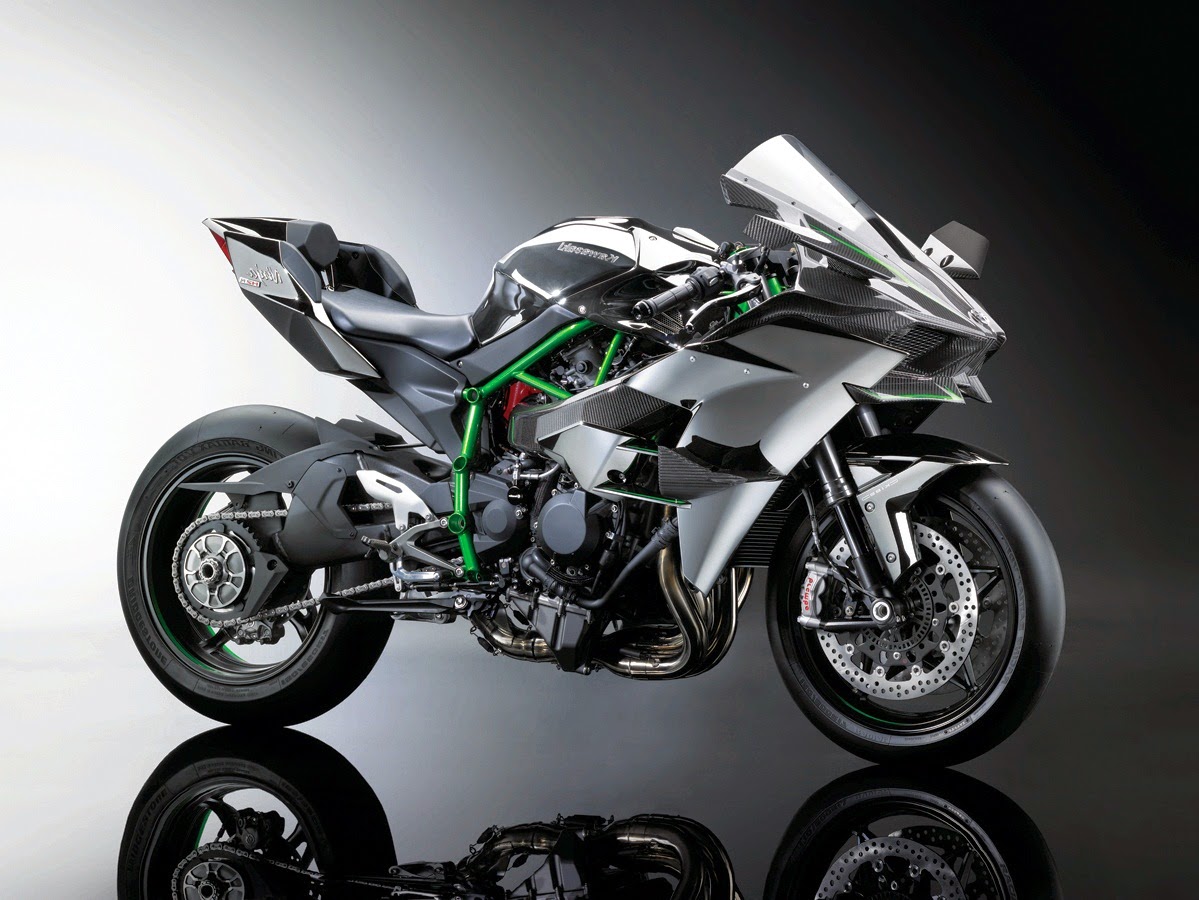
Kawasaki Ninja H2R and Ninja H2 (2015 and 2016)

Kawasaki claimed that they had wanted to shake up a “sleeping” motorcycle industry by introducing the Ninja H2R and Ninja H2. Instead of sticking with laggy turbos, they learned from the past and went the supercharger route. The track-only H2R made 250 bhp, while the road-legal H2 pumped out 200 bhp. While the latter number may not be the highest among 1000cc sportbikes, one has to remember about the stupendous acceleration of the bike. Sure, they’re expensive and complex but they definitely buried the hyperbike bragging rights, when pro racer Kenan Sofluoglu hit 400 km/h on a stock H2R filled with race gas.
2015 H2R

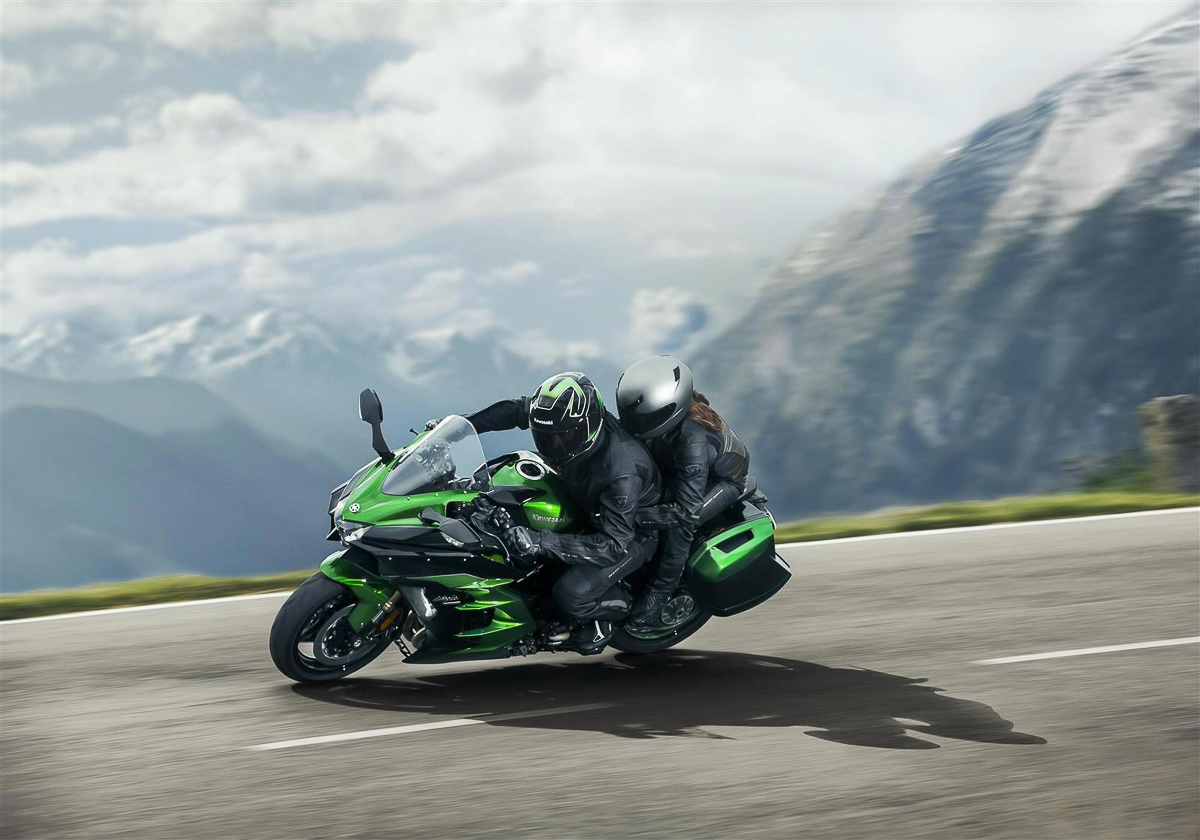
Kawasaki Ninja H2SX (2018)

Of course, Ninja H2 couldn’t go touring. Kawasaki said okay, we’ll build you a sport-tourer based on the H2, called the Ninja H2 SX. To fit its role as a tourer and more practical everyday machine (huh?) Kawasaki retuned the engine to provide more midrange torque (as if it wasn’t enough already), gave it a bigger and more protective bodywork, upright seating position and luggage. Want aggressive touring? This is it.
Kawasaki Ninja H2SX
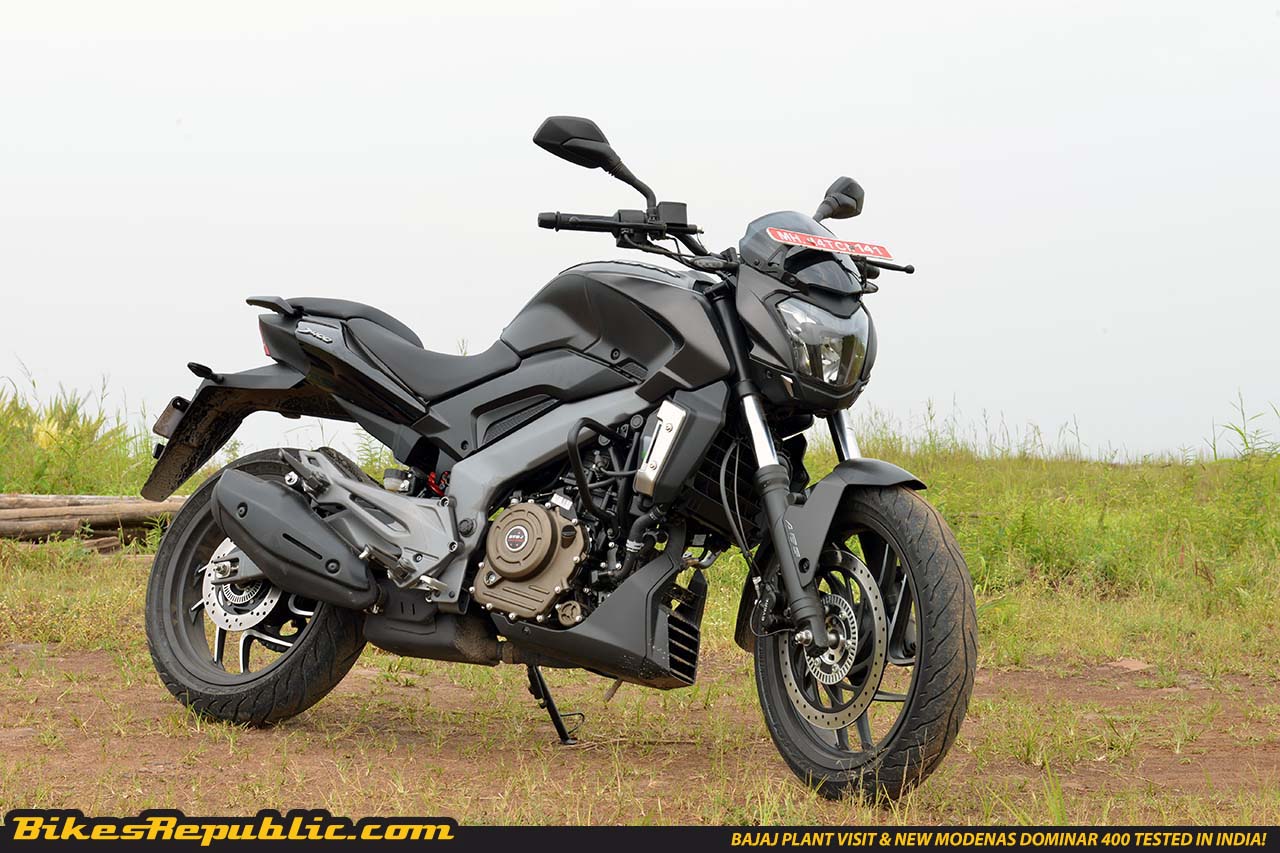
  • Modenas is launching the Dominar 400 on 18th April 2018.

  • The launch follows the highly popular Pulsar RS200, Pulsar NS200 and V15.

  • The Modenas Dominar 400 will shake up the entire sub-400cc segment.

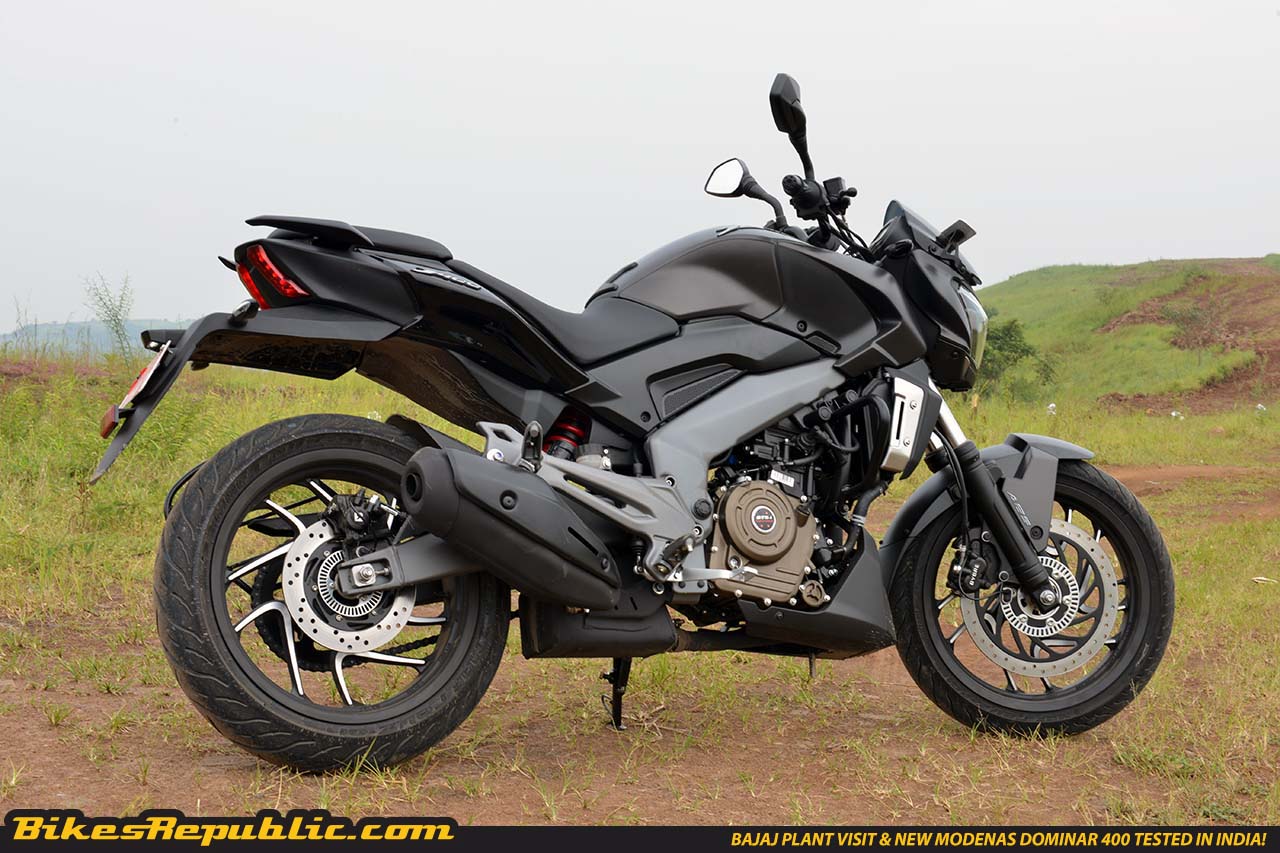
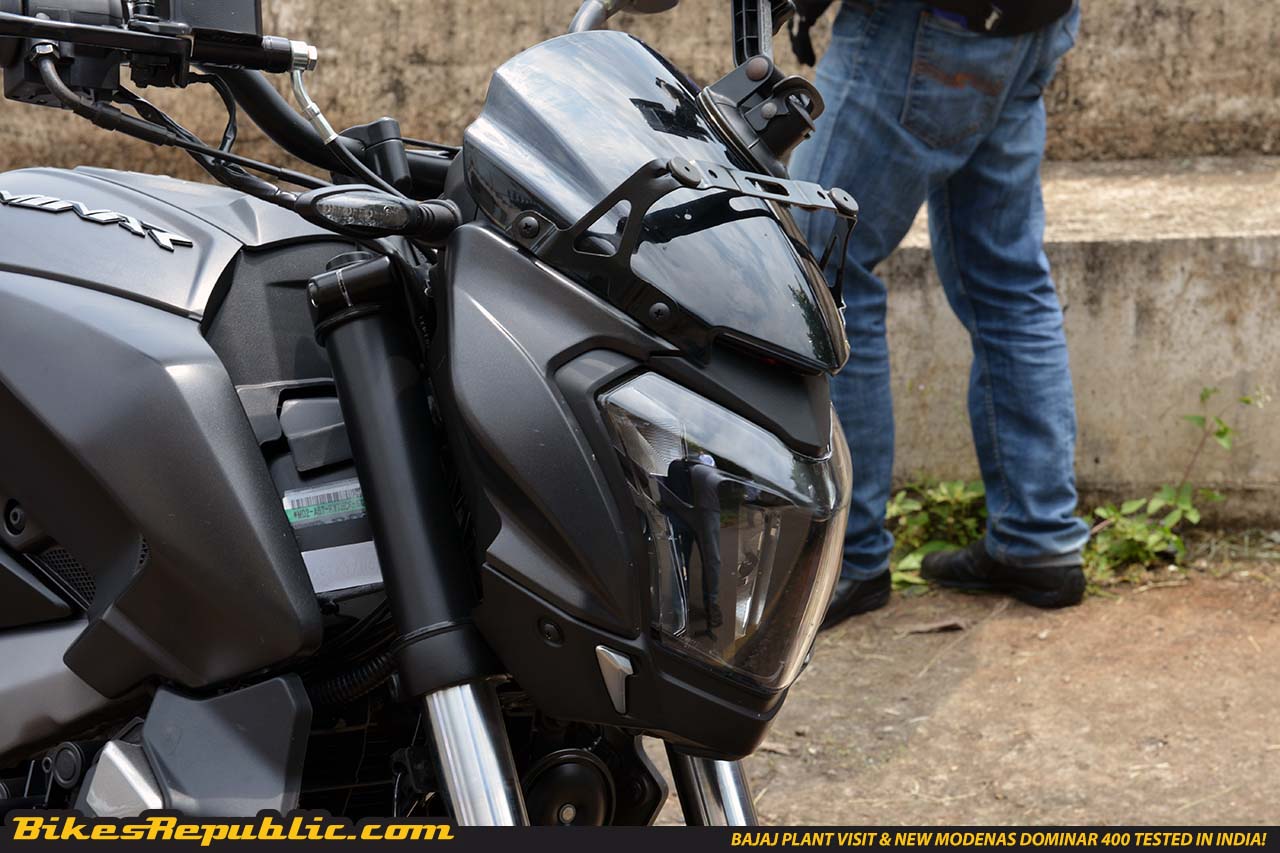
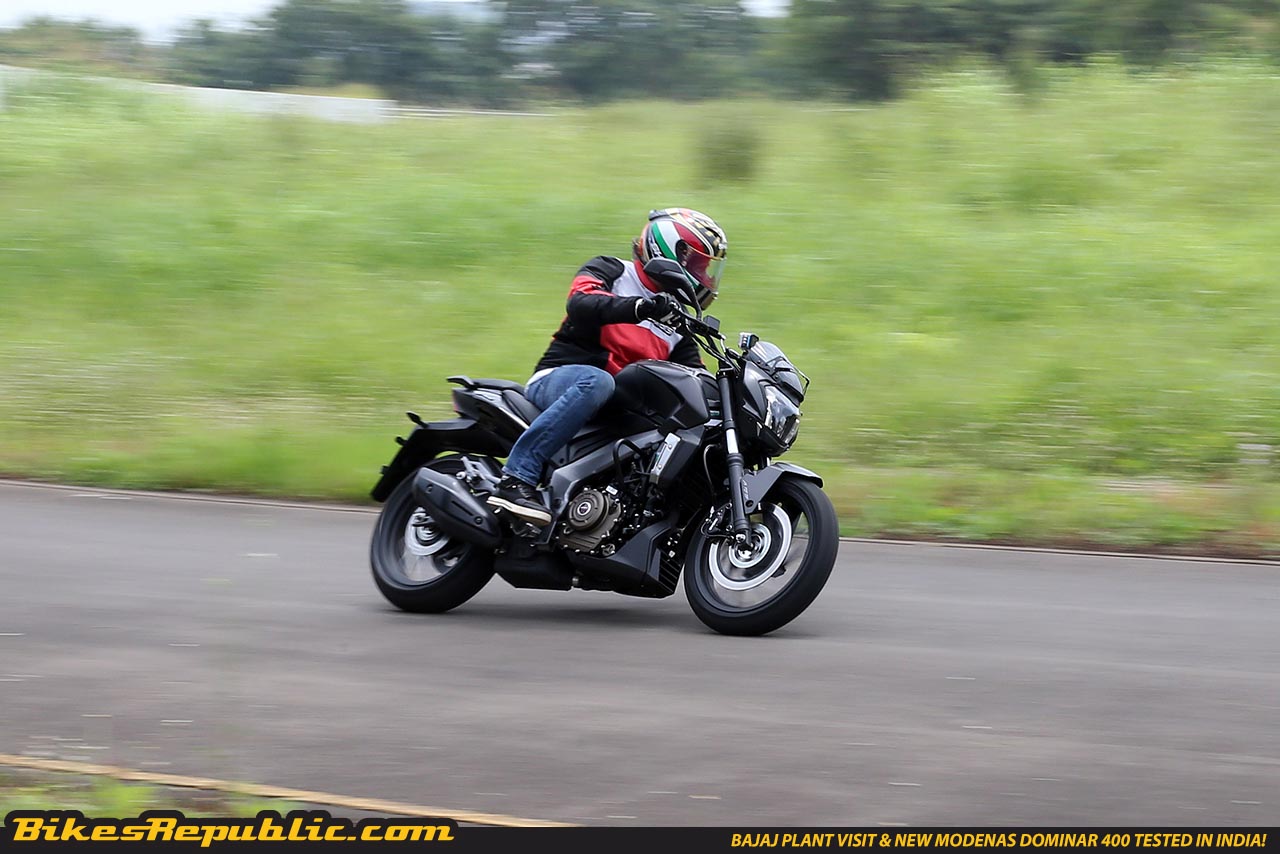
Modenas (Motosikal dan Enjin Nasional Sdn. Bhd.) is set to launch another motorcycle which hails from their collaboration with Bajaj Auto Limited. Called the Dominar 400, it marks Modenas’ return to the big bike scene after the Jaguh in 1999.

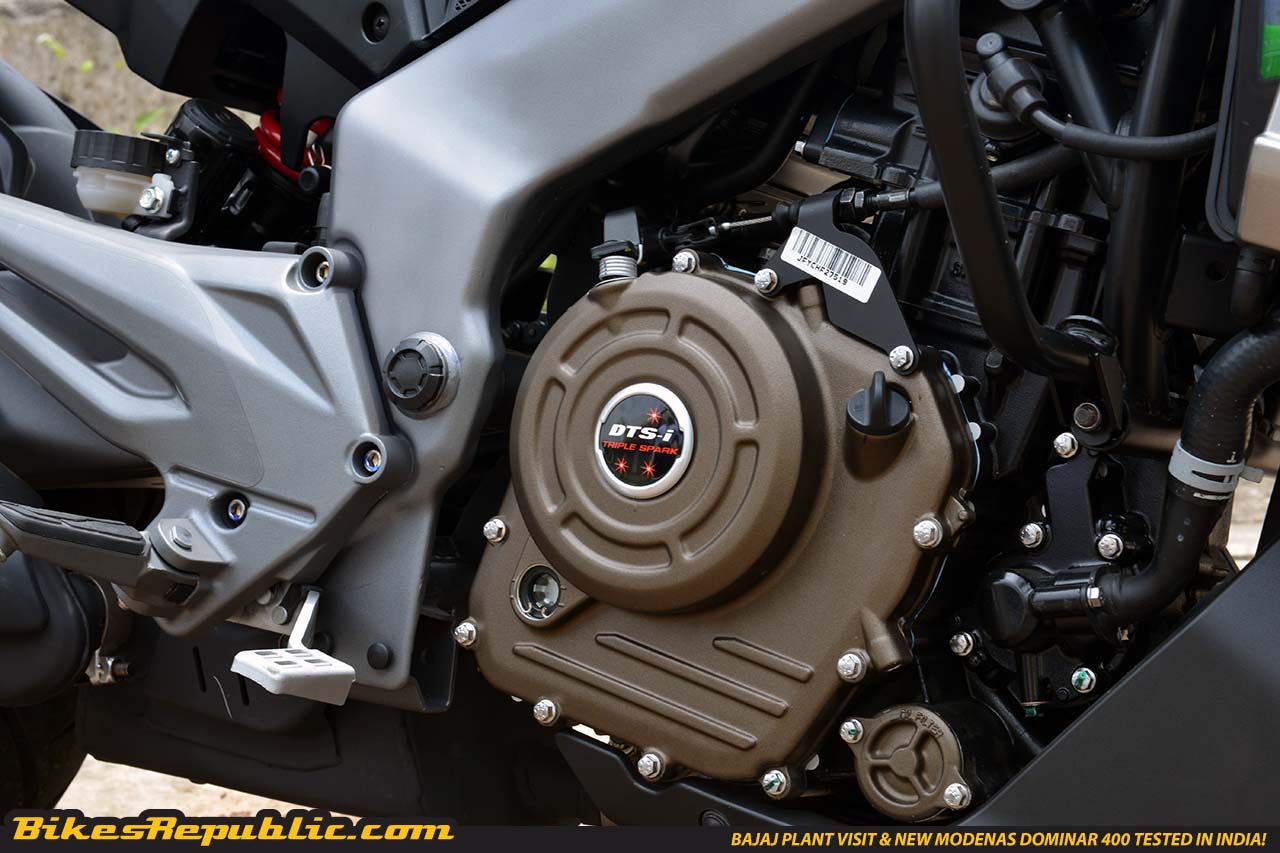
Hailed as a sport-tourer by Modenas, the Dominar 400 is powered by a liquid-cooled, triple-spark, 373cc single-cylinder engine which produces 32bhp and 35Nm of torque. That gives the bike lots of pulling power and is able to hold high sustained cruising speeds. The 6-speed transmission has a slipper clutch for smoother corner entries.

Click here for our first impressions when we rode it in Pune, India.

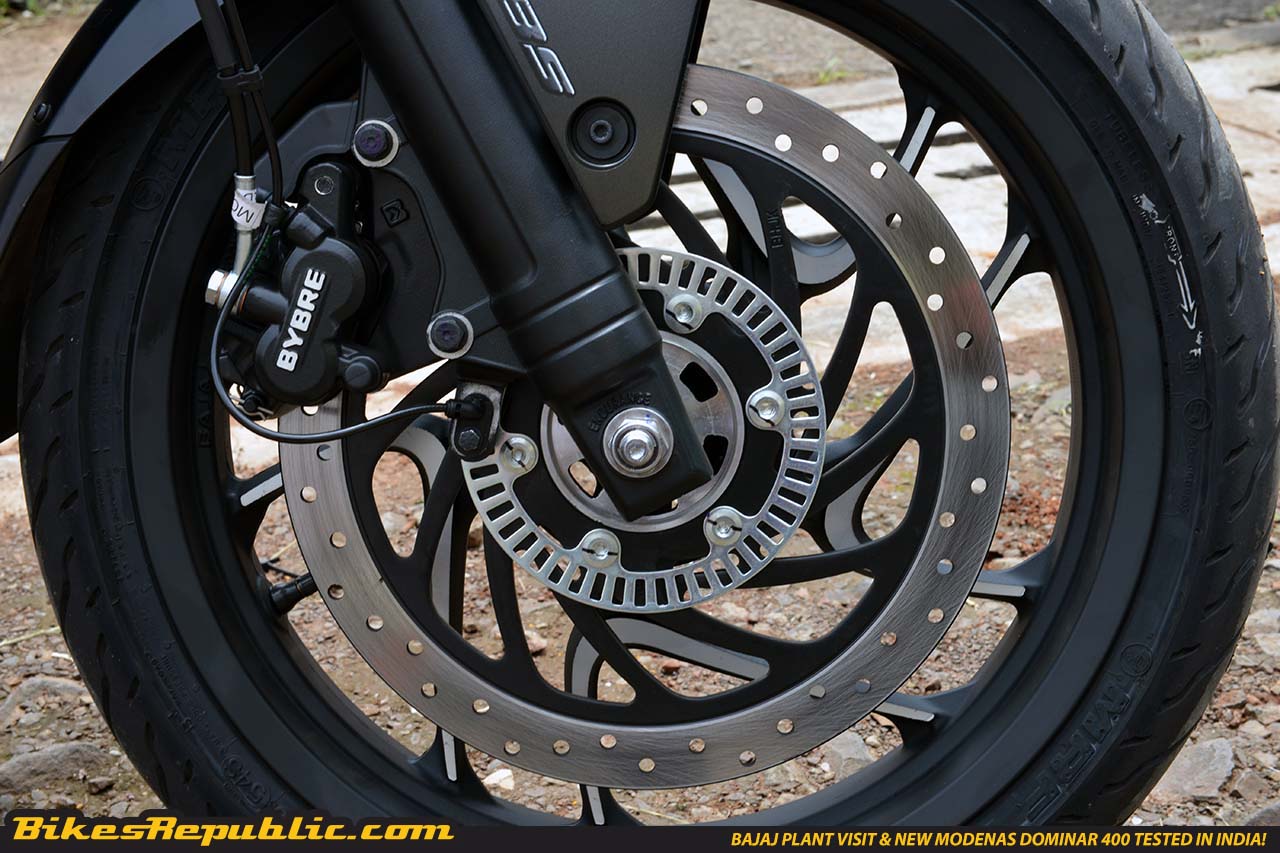
The seating position is more upright for all-day comfort. The suspension is set on the plusher side to soak up bumps, also contributing to the overall comfort. ABS is standard on both ends.

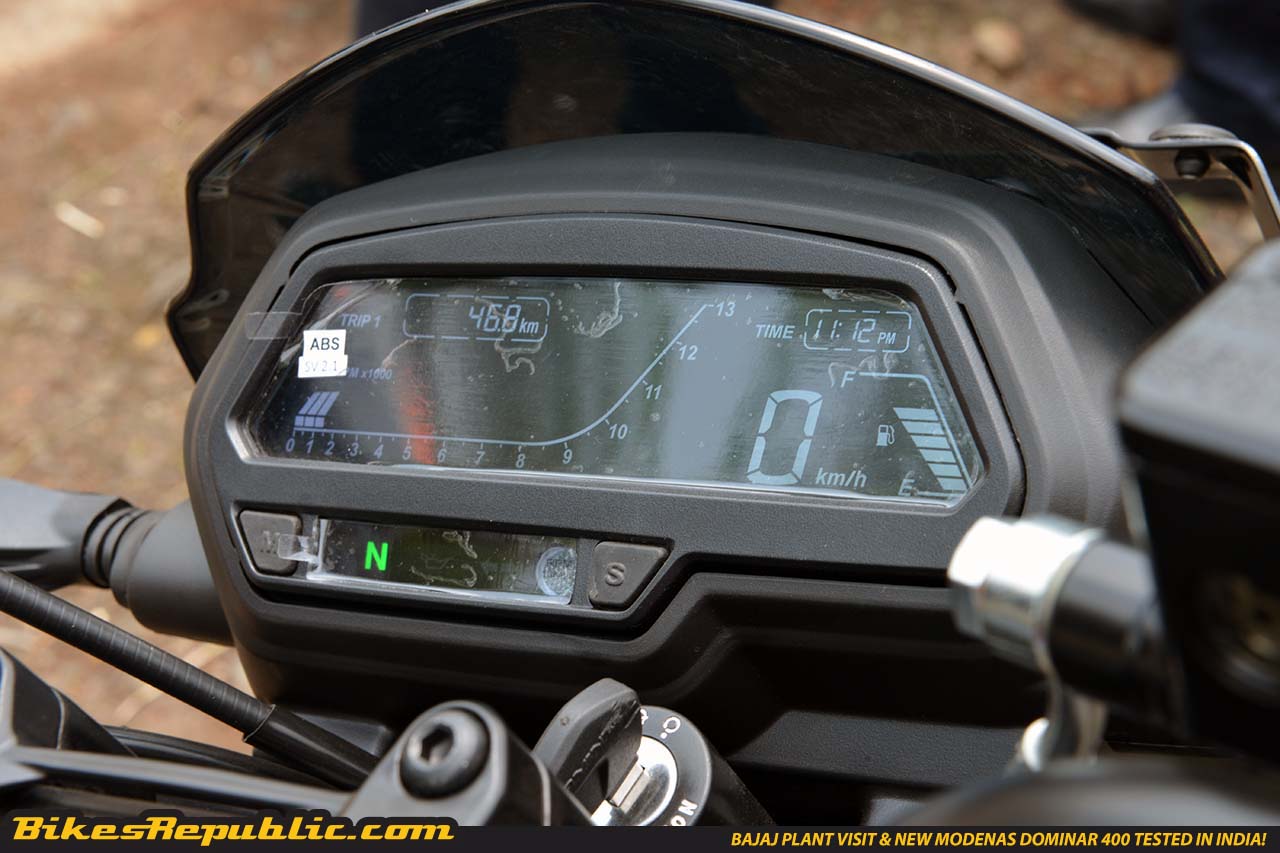
Other contemporary touches include not one, but two LCD screens, the smaller one integrated into the fuel tank.

Check out the video below for our first impressions.

But what is more interesting is how much the Dominar 400 will be priced when it makes its entry into the Malaysian market. From our sources, it will cost under RM18,000.

That pricing will no doubt shake up the sub-400cc market. No 400cc motorcycle is priced as such, at the moment. Judging by how well the Pulsar RS200, Pulsar NS200 and V15 sold, we could expect the Dominar 400 to dominate that segment as well. Who knows, we may see more such larger bikes on Malaysian roads compared to mopeds in the future.

So, is the Modenas Dominar 400 a game-changer? You bet! The bike will be launched on 18th April 2018, so stay tuned.

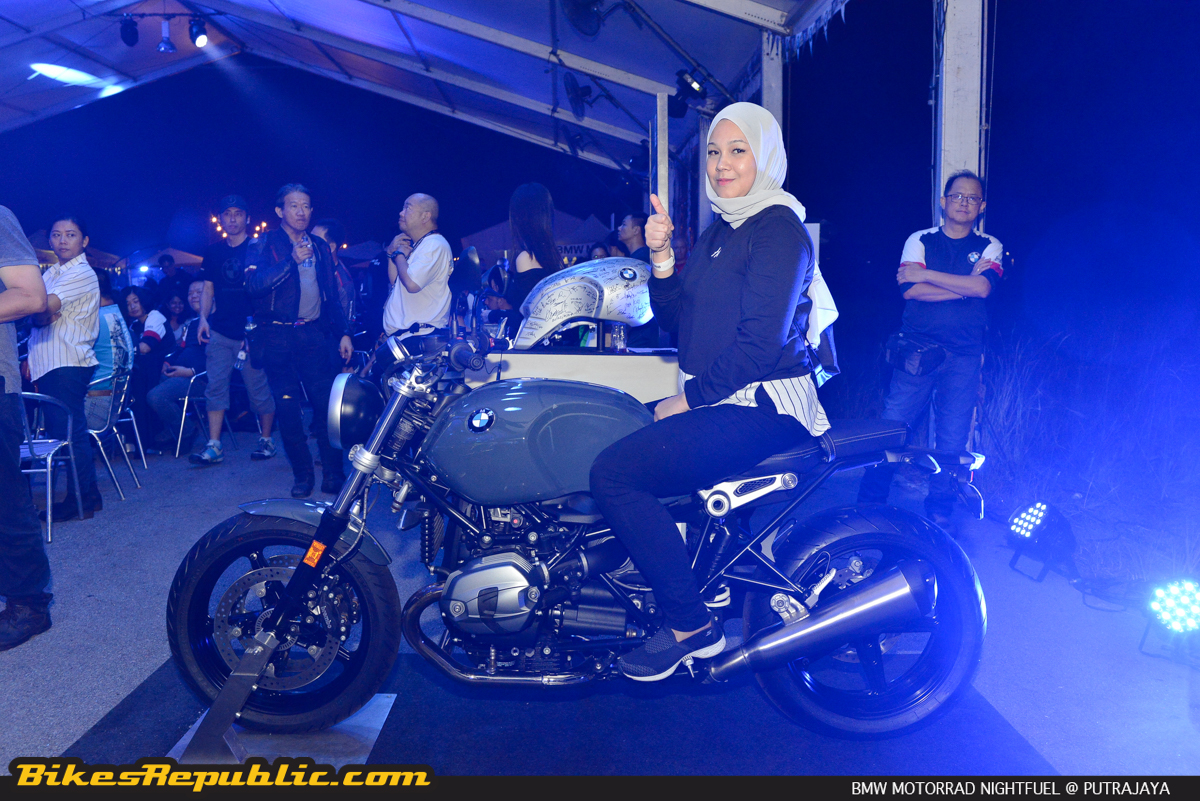
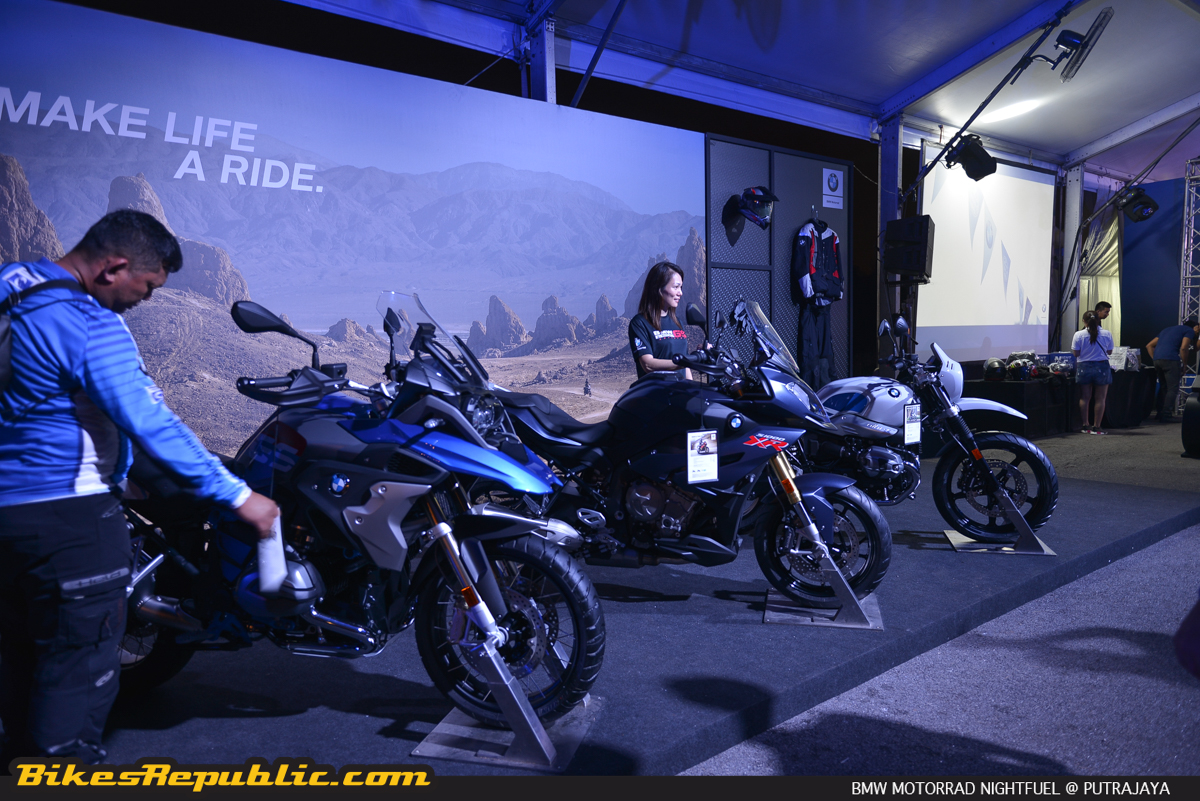
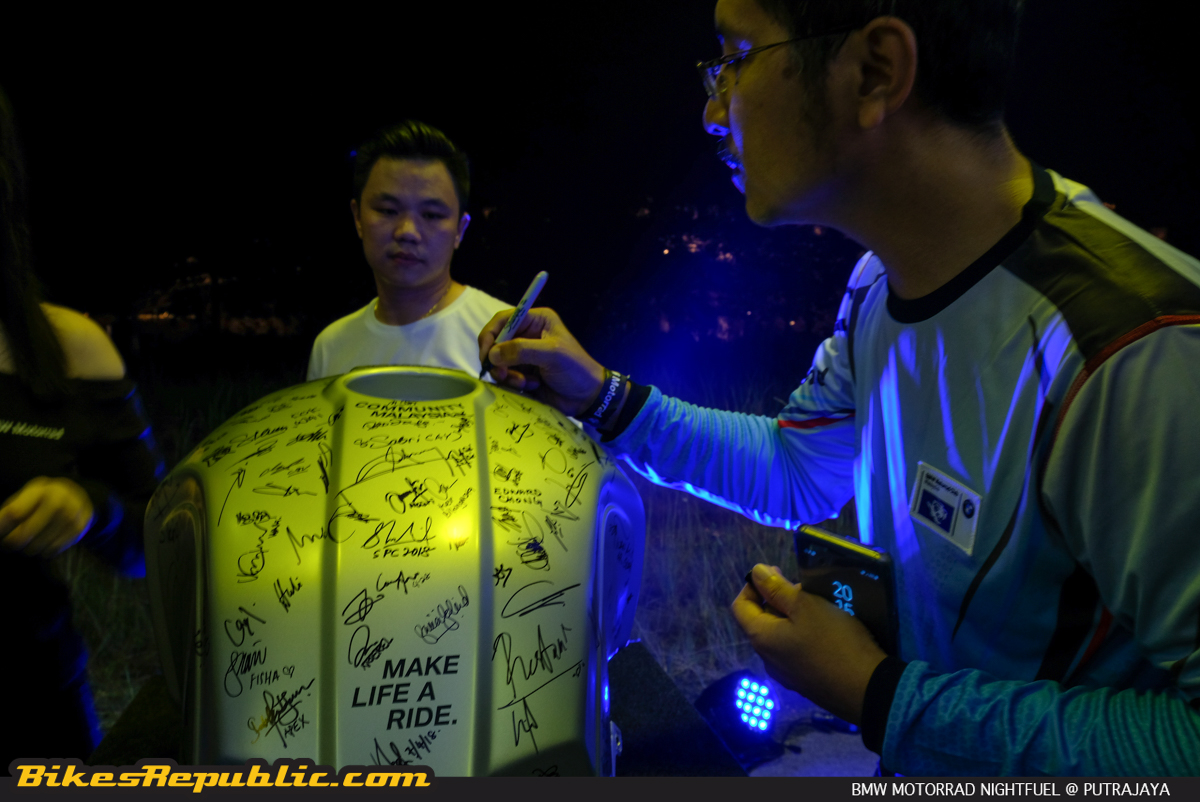
  • BMW Motorrad Nightfuel 2018 kicked off at Putrajaya.

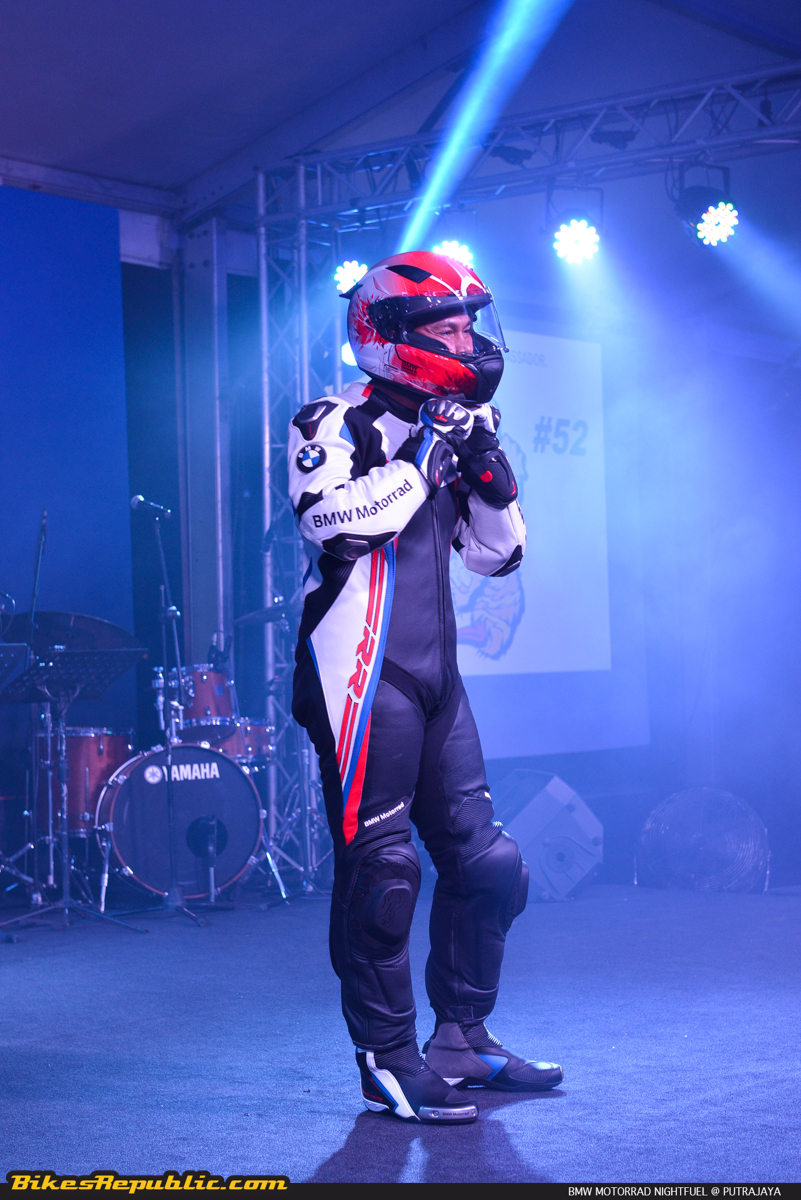
  • BMW Motorrad Malaysia showed off the latest riding gear, accessories for the R nineT and BMW motorcycles.

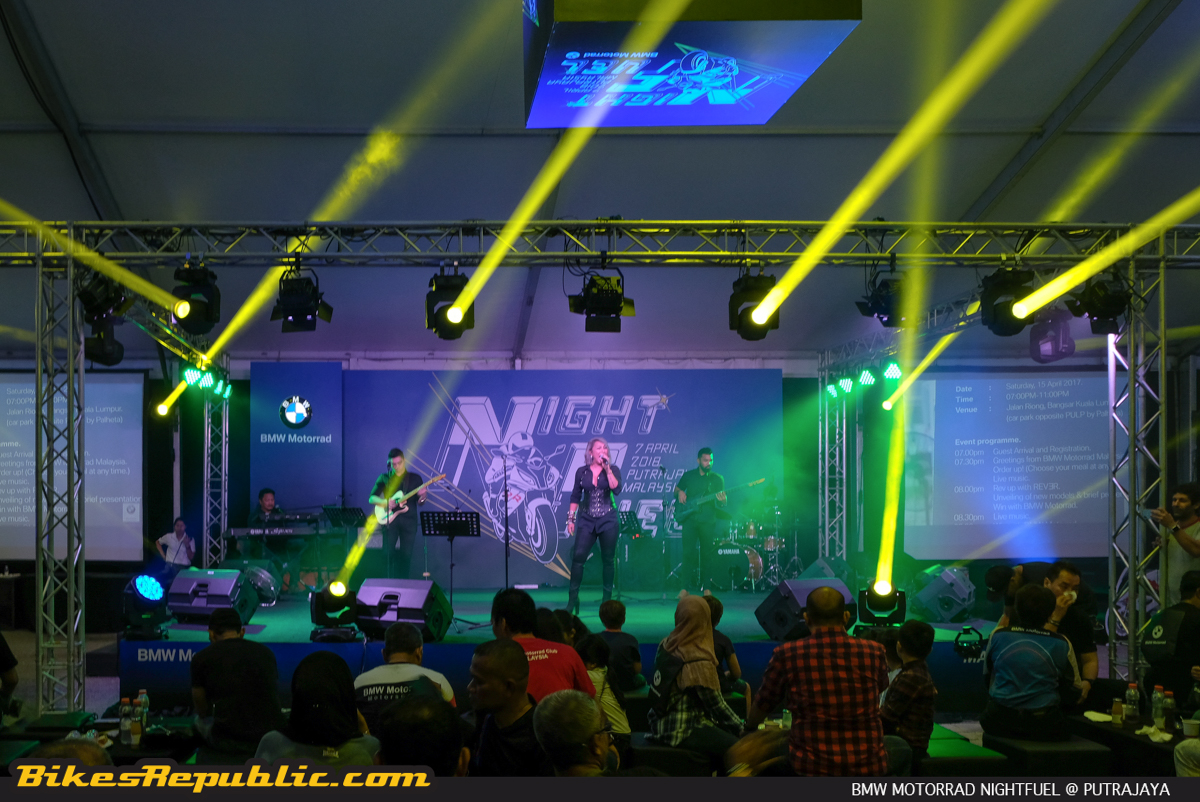
  • There were also lucky draws, live band performances and great food.

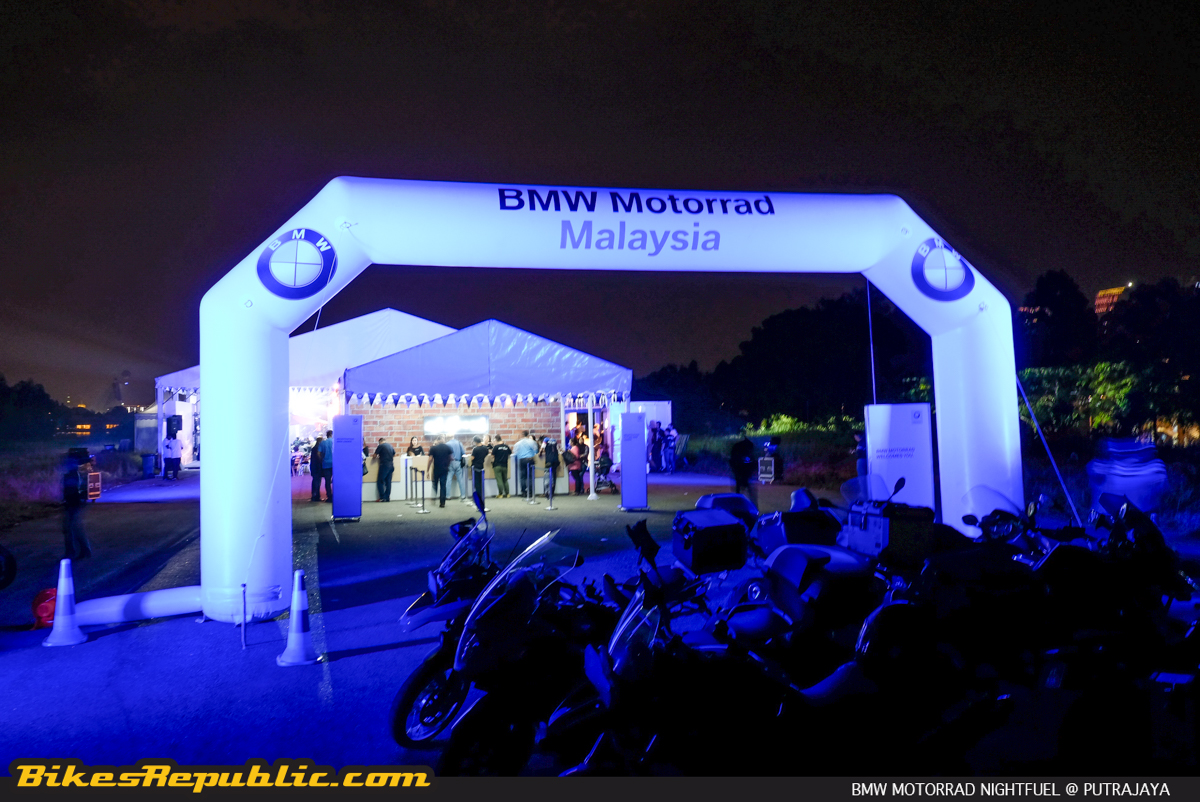
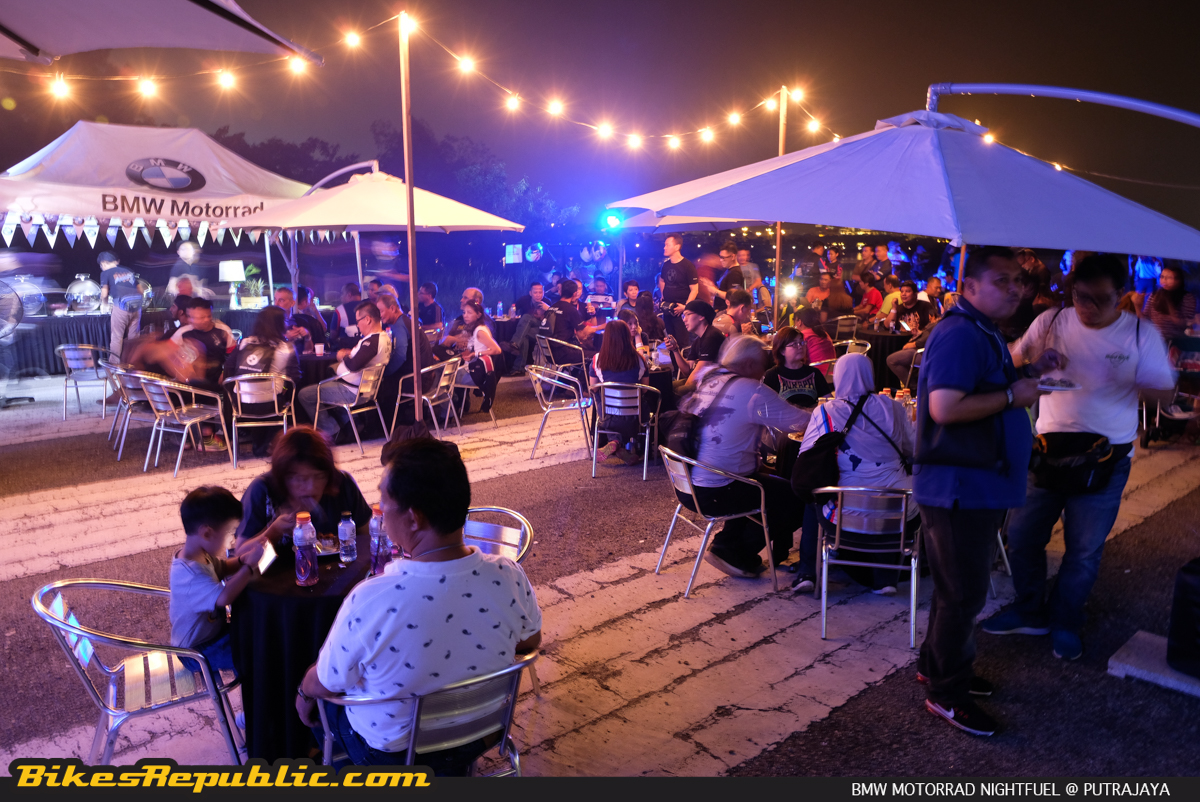
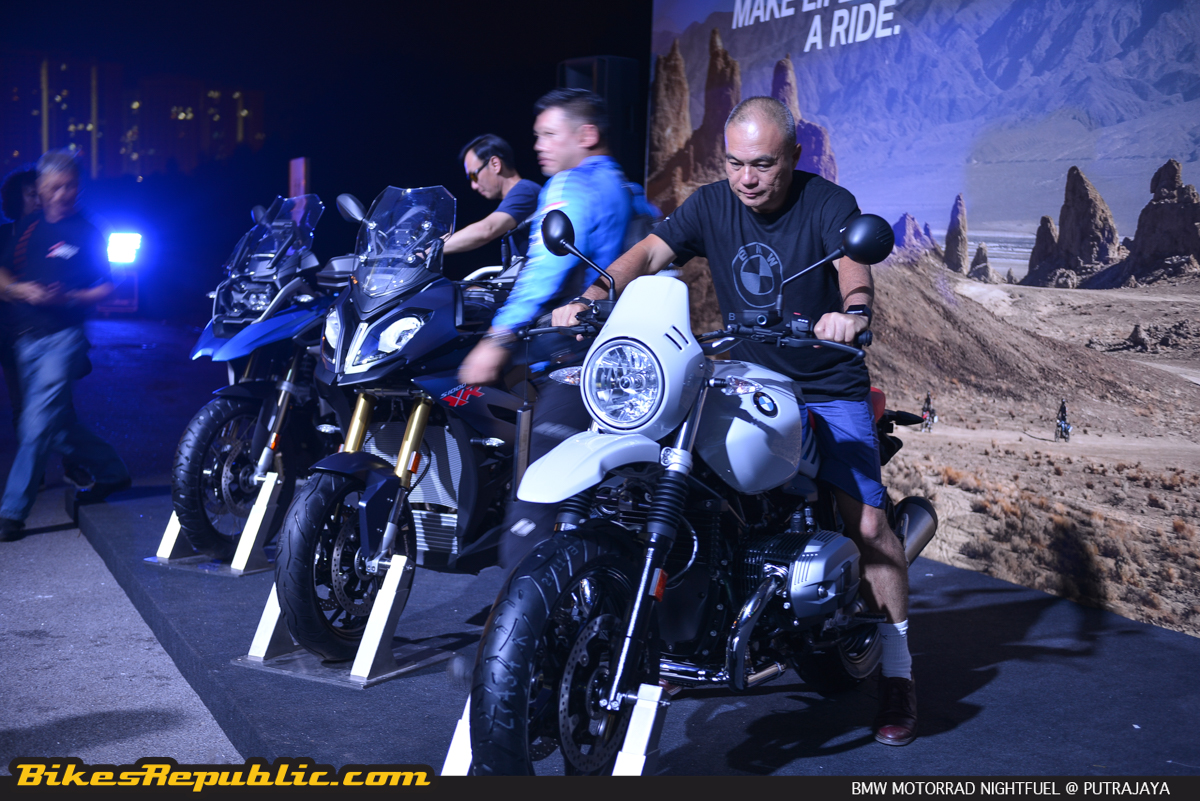
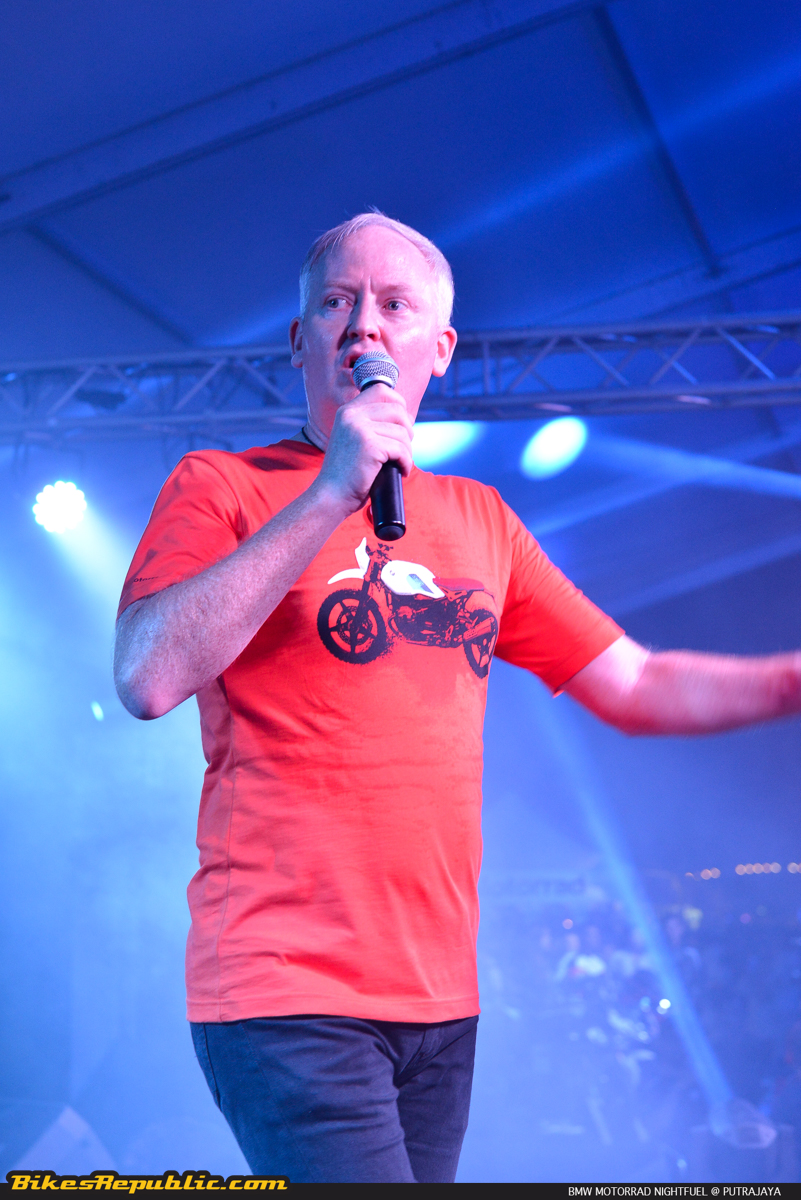
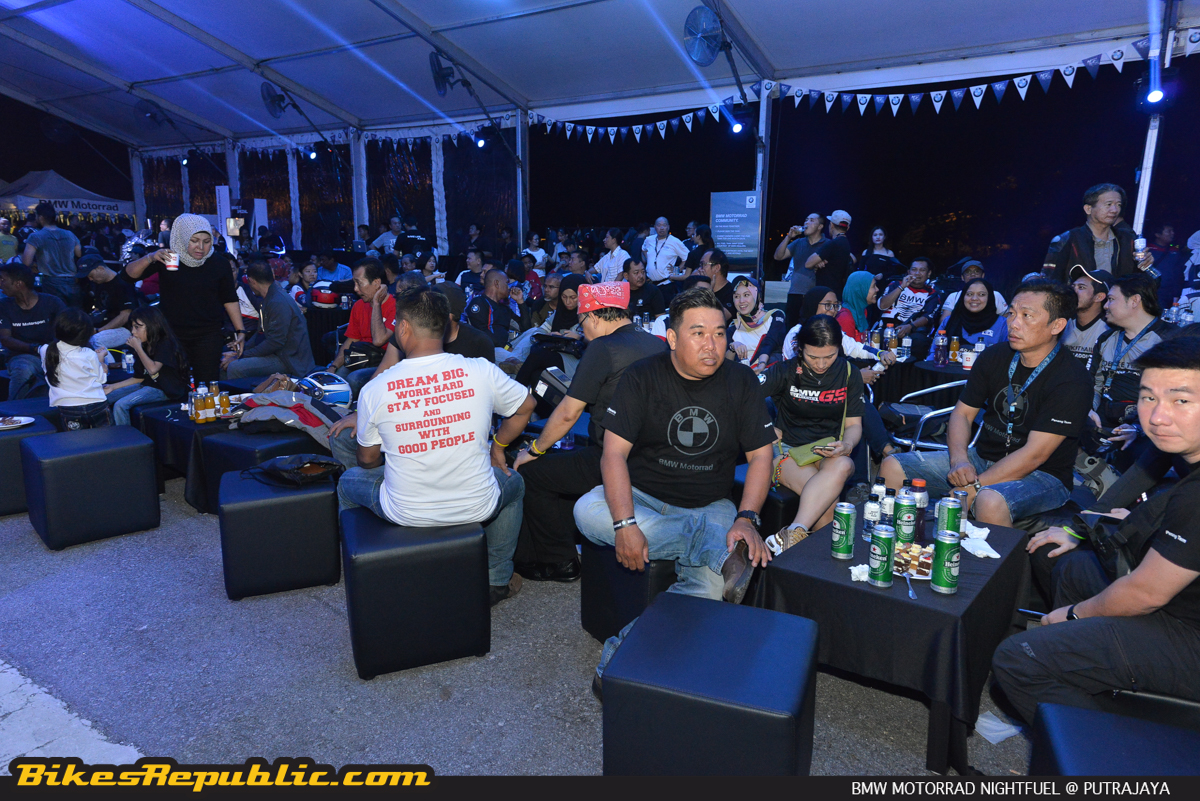
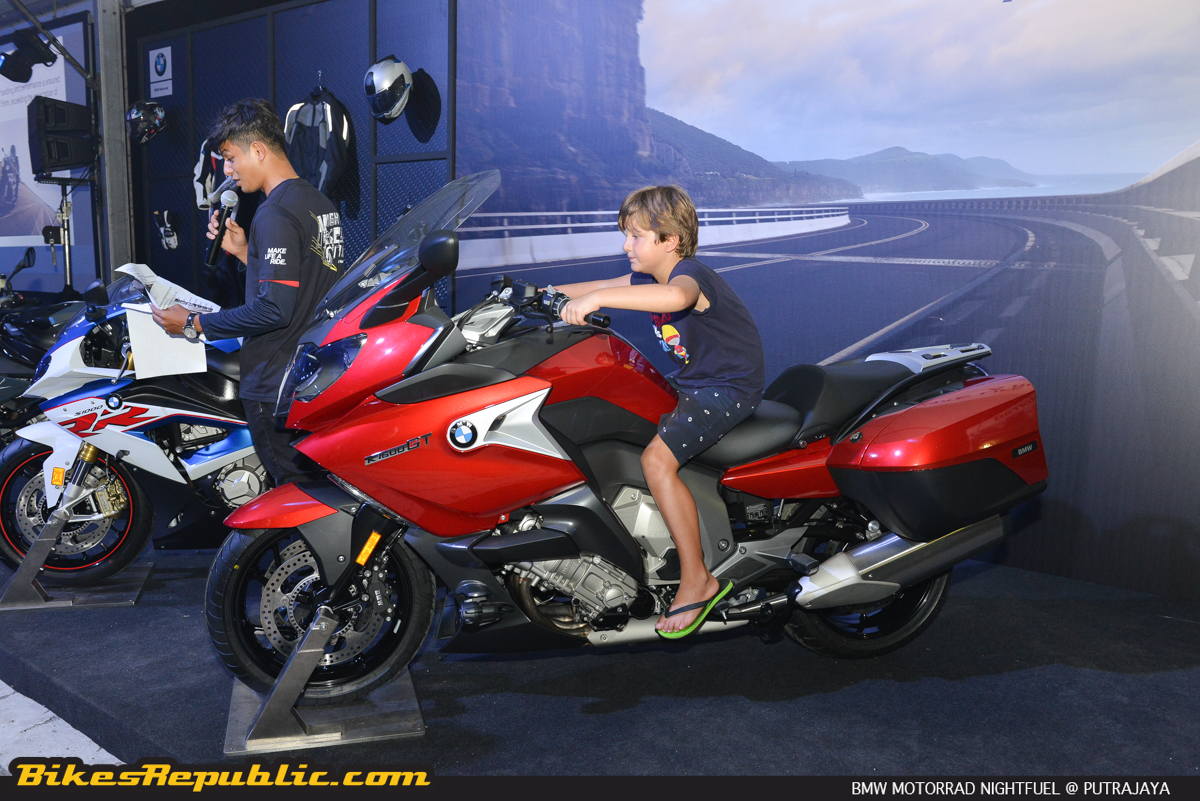
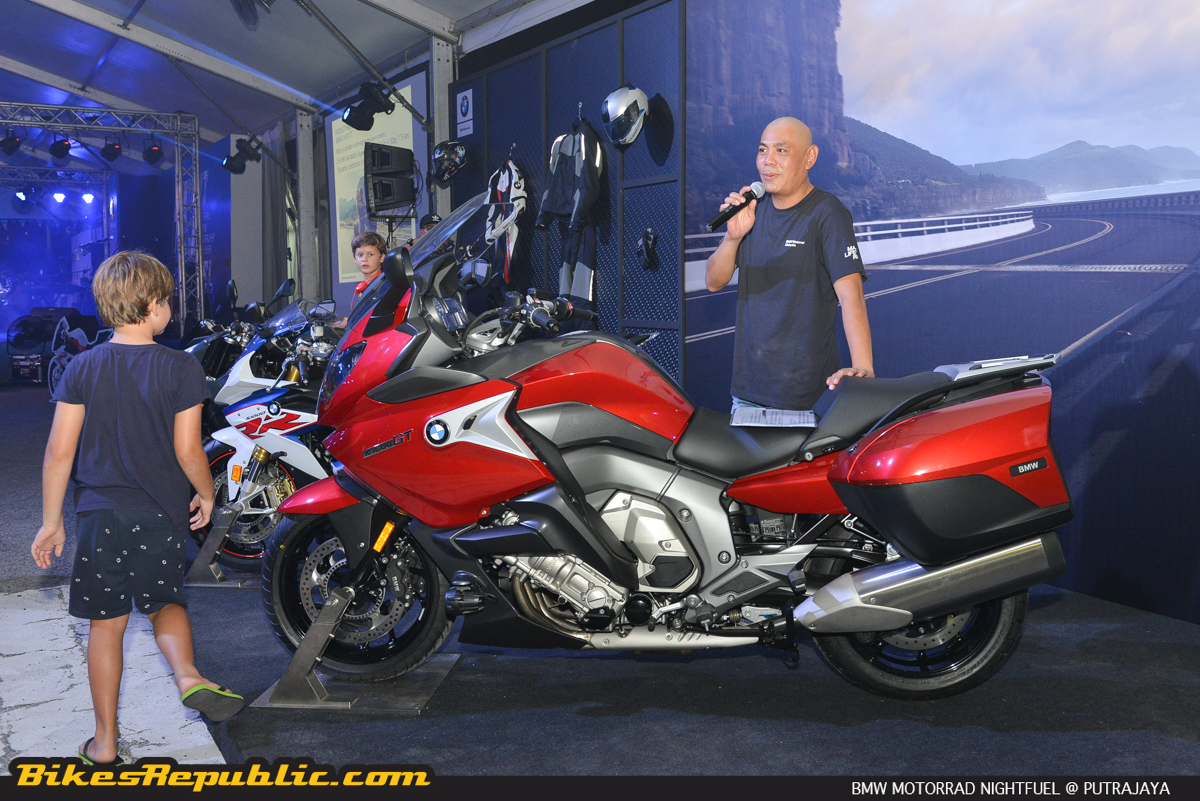
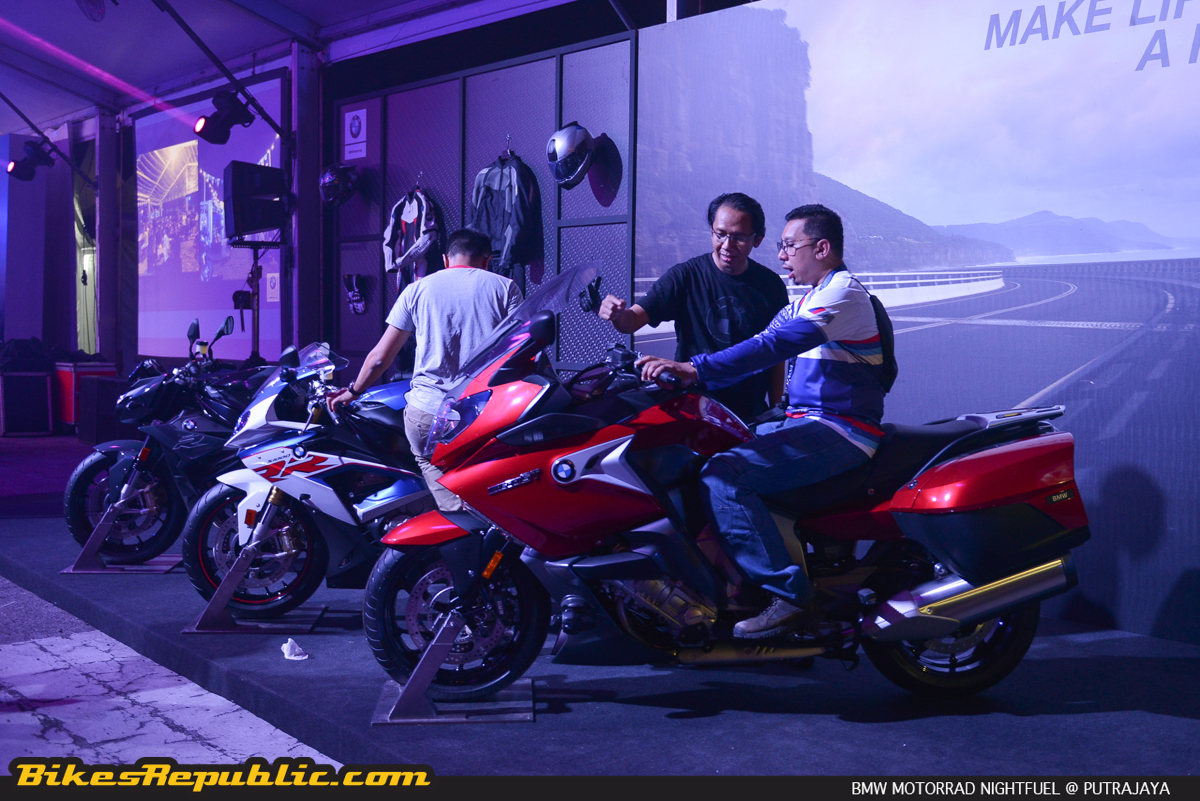
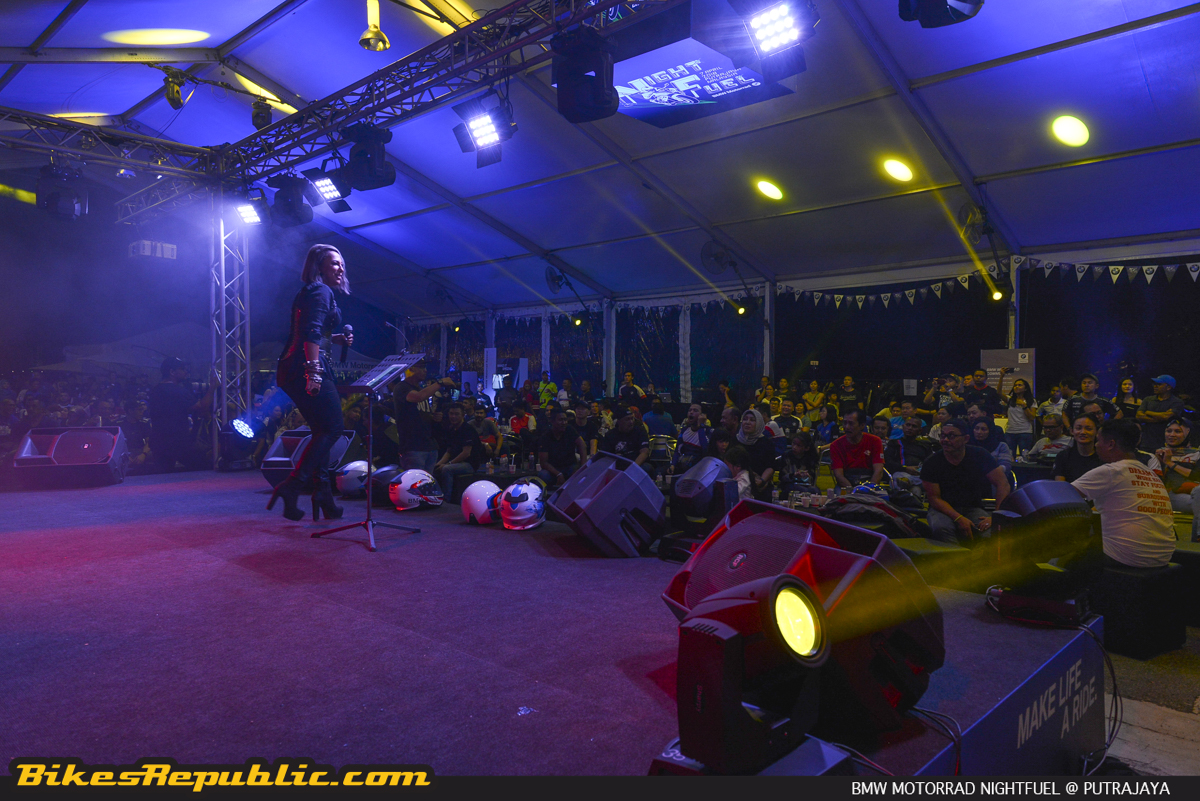
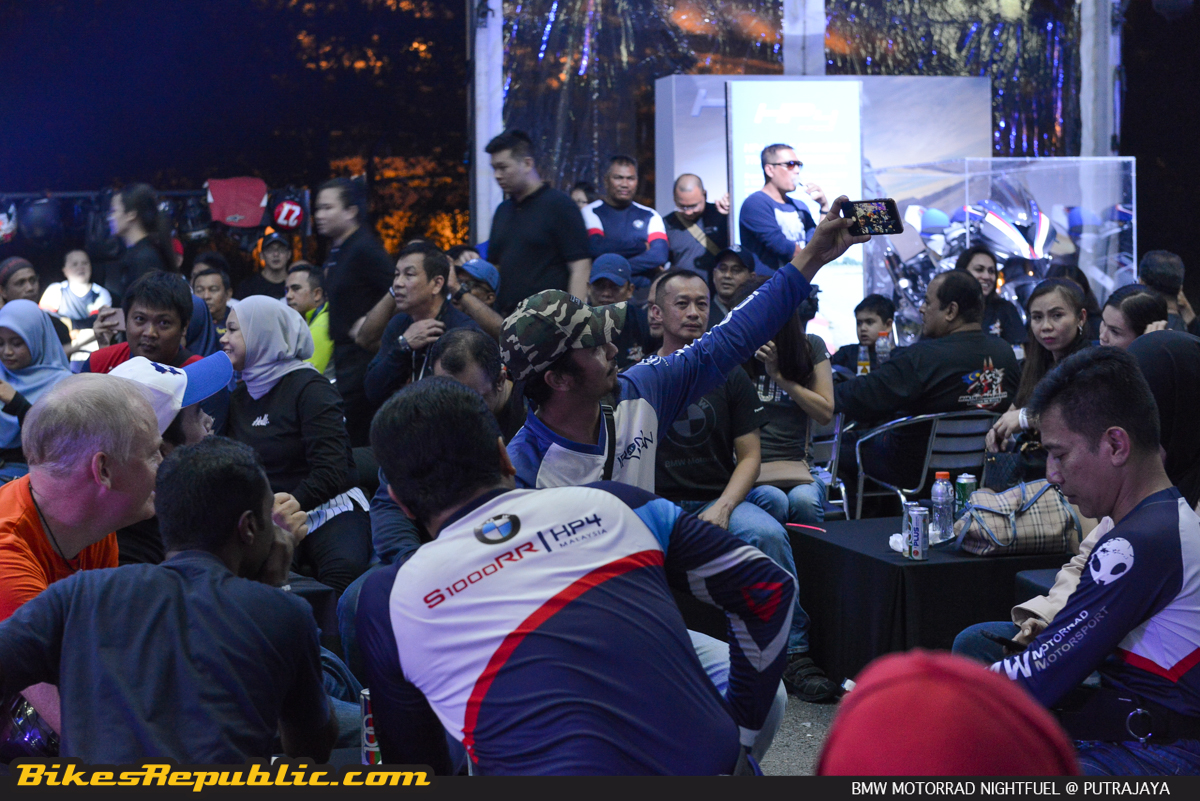
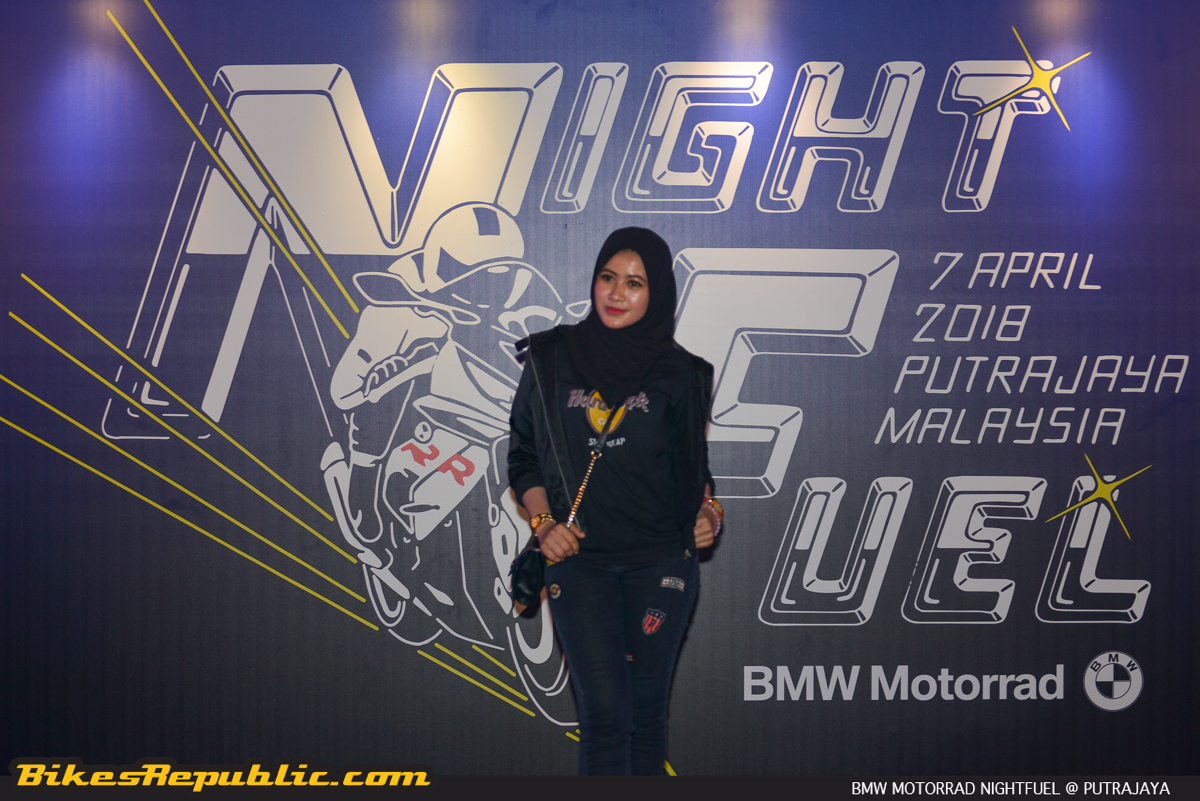
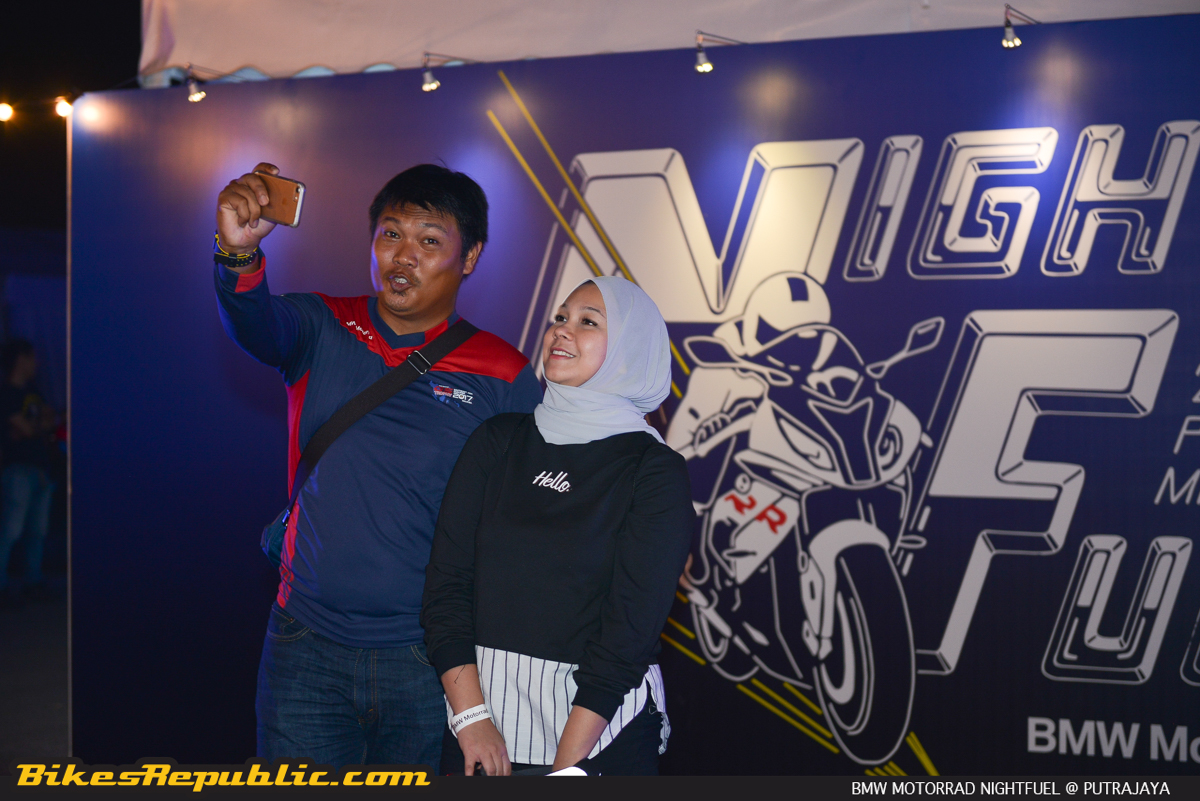
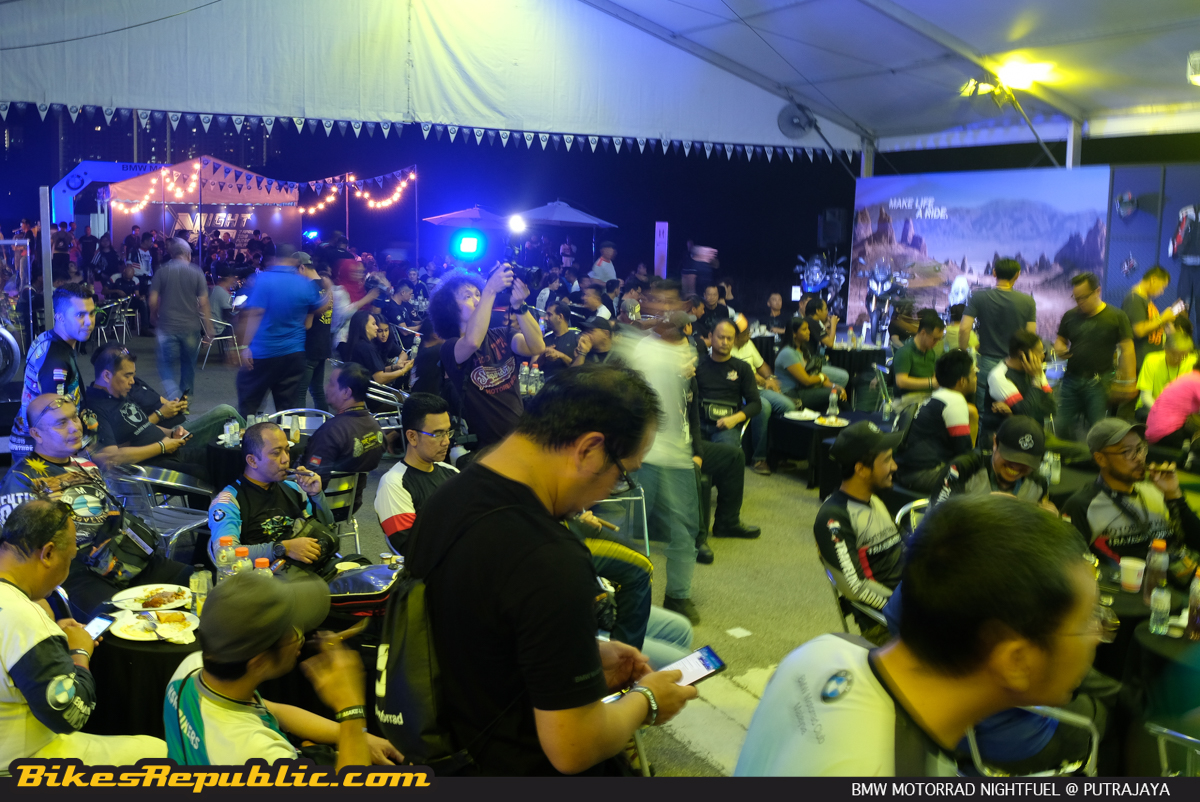
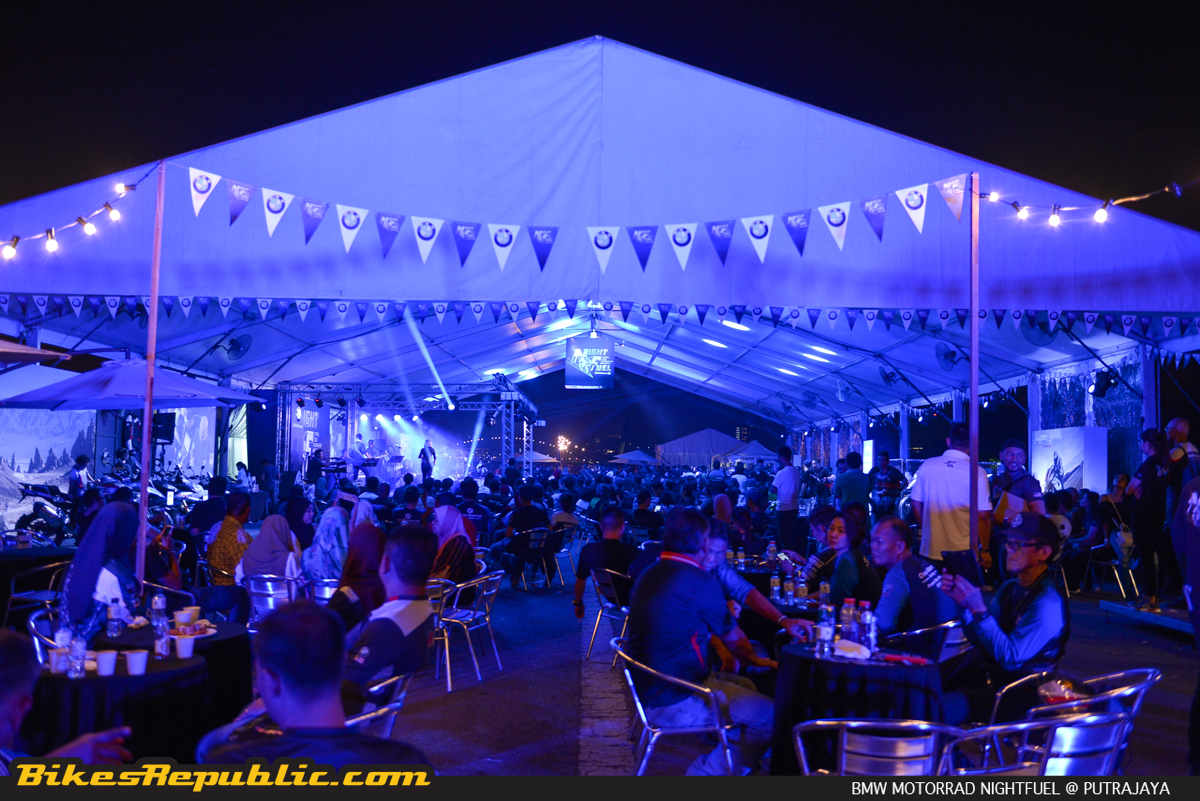
BMW Motorrad Malaysia’s ultimate lifestyle event – BMW Motorrad Nightfuel – is back for 2018, kicked off at the Putrajaya Recreational Airport on 7th April 2018.

The event has always served as a platform for BMW motorcycle owners as well as those of other brands, to enjoy themselves over great a great atmosphere, food and music. They are also where bikers get to catch up with their riding buddies.

BMW Motorrad Malaysia on the other hand, seeks provide BMW motorcycle owners and event as a reward for their faith in the brand. Besides that, BMW Motorrad Malaysia had always announced new BMW models or products during Nightfuel.

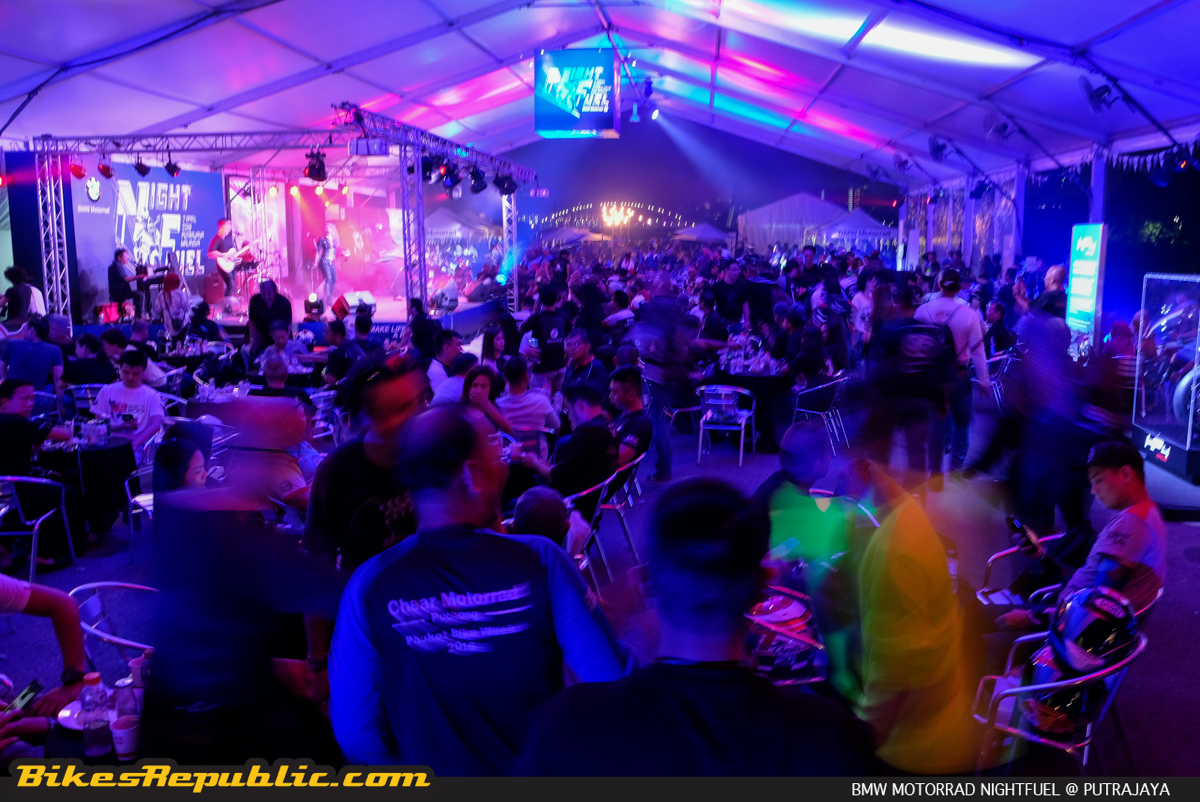
Close to 1000 motorcycle owners turned up for this edition, the bikes were parked two-deep on both sides and the middle of the runway.

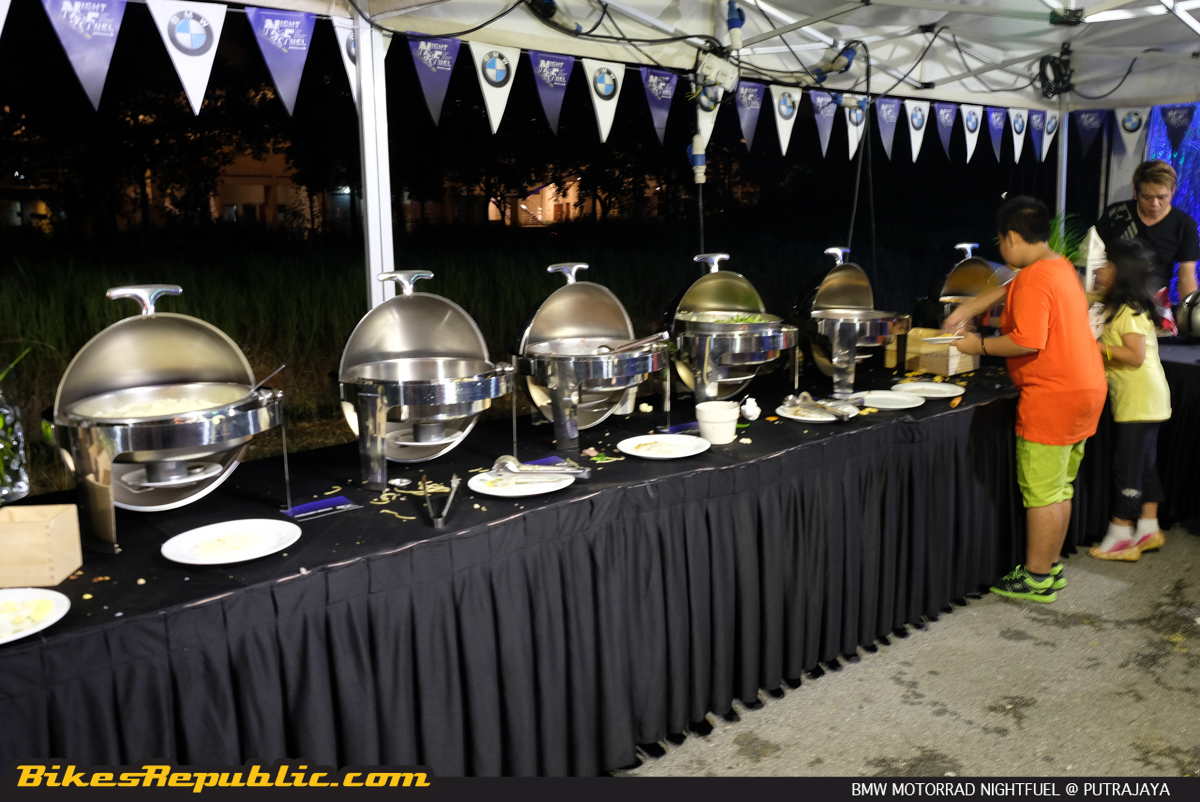
Each attendee received a welcome pack, lucky-draw voucher and wristband for the wonderful food. The lucky draw was carried out throughout the evening, with the winners going home with some terrific prizes.

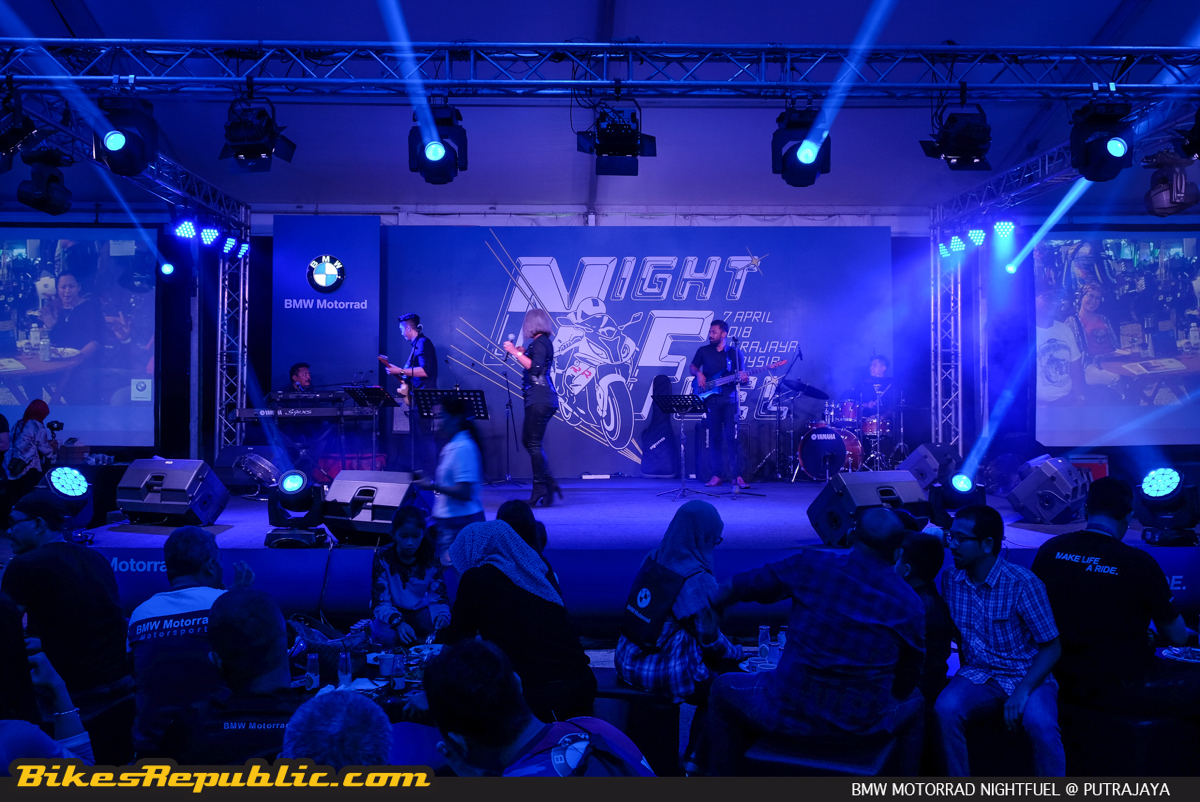
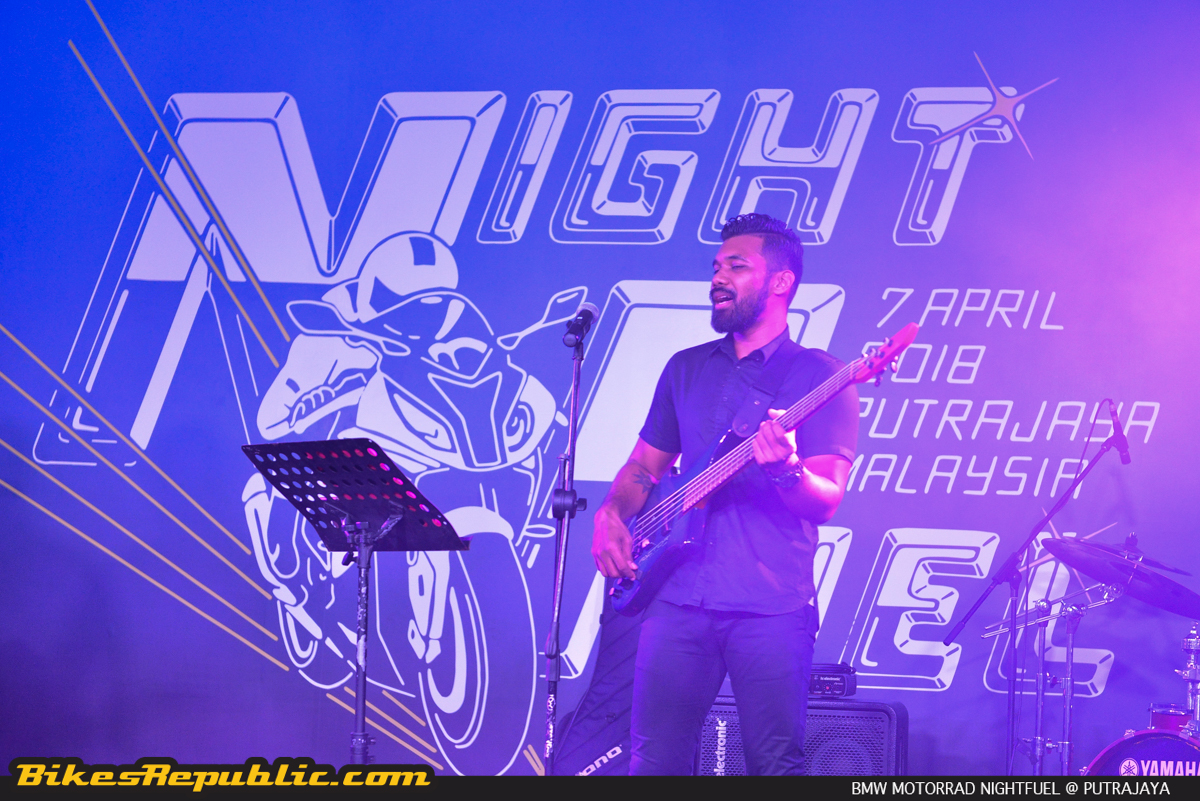
The Malaysian band 9 Lives kept the party mood going as they belted out hit after hit.

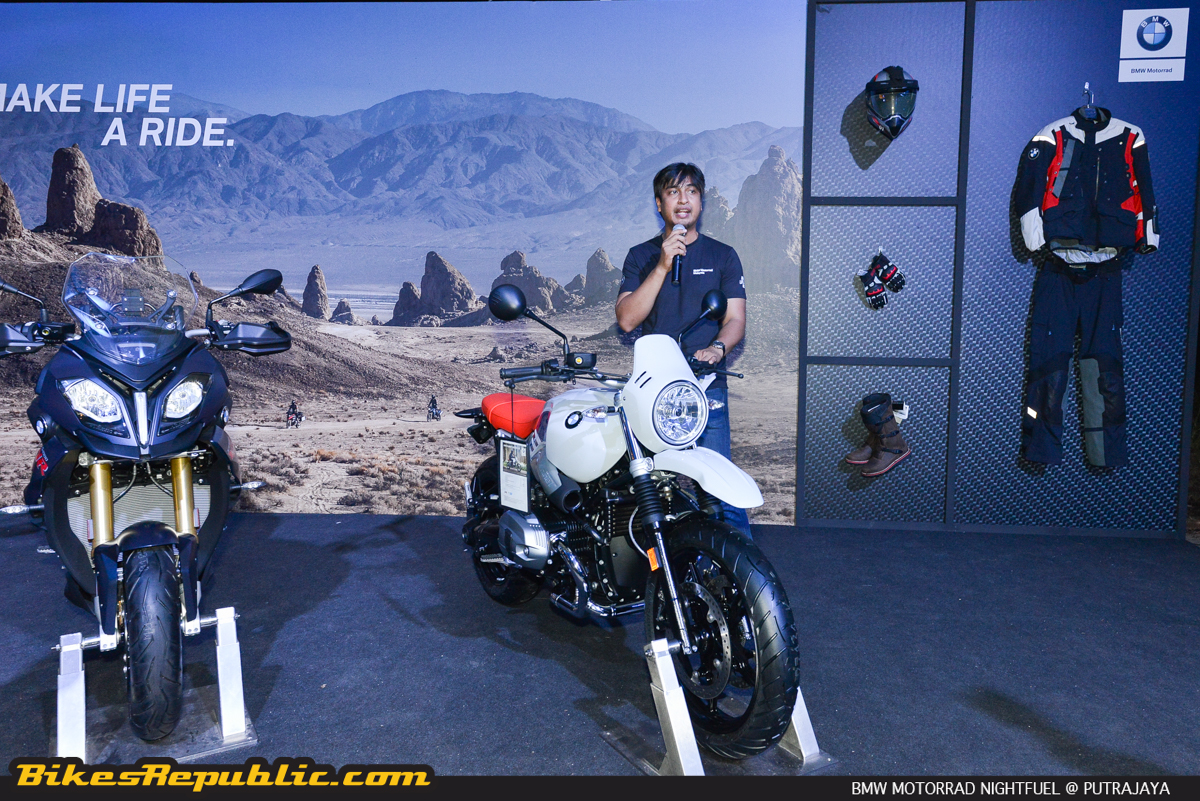
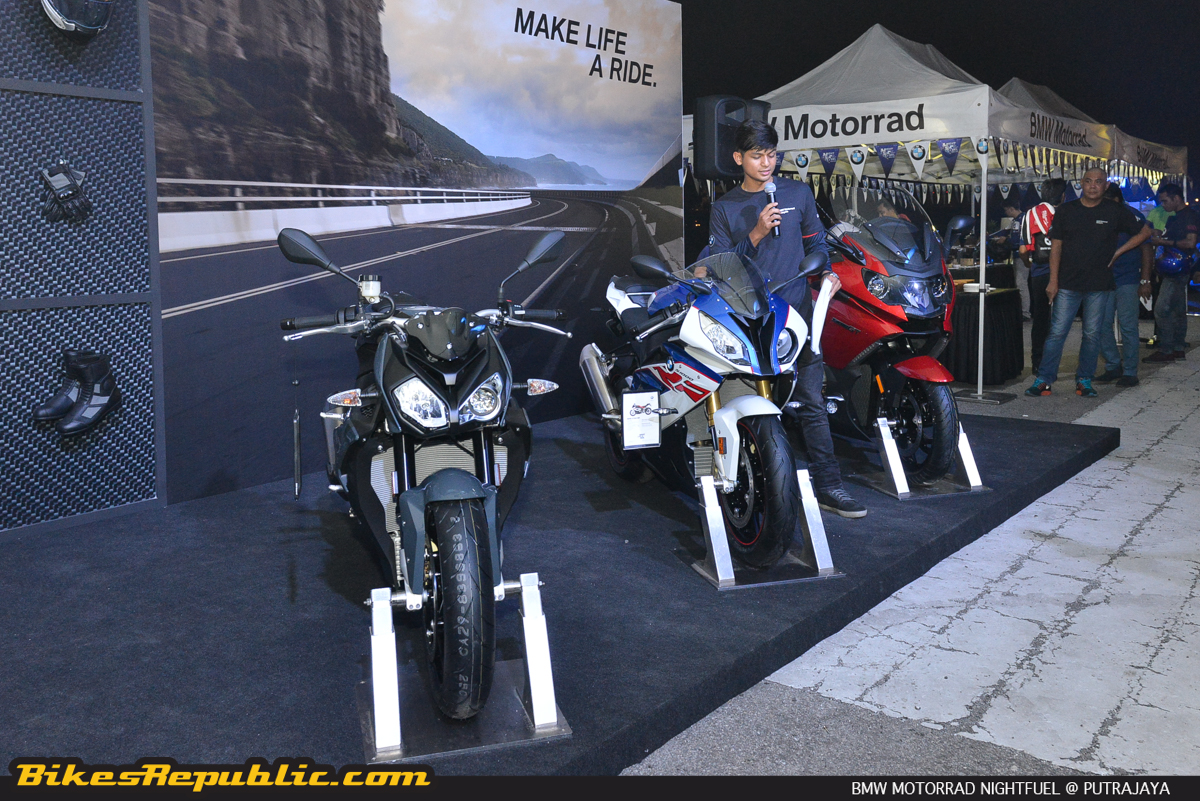
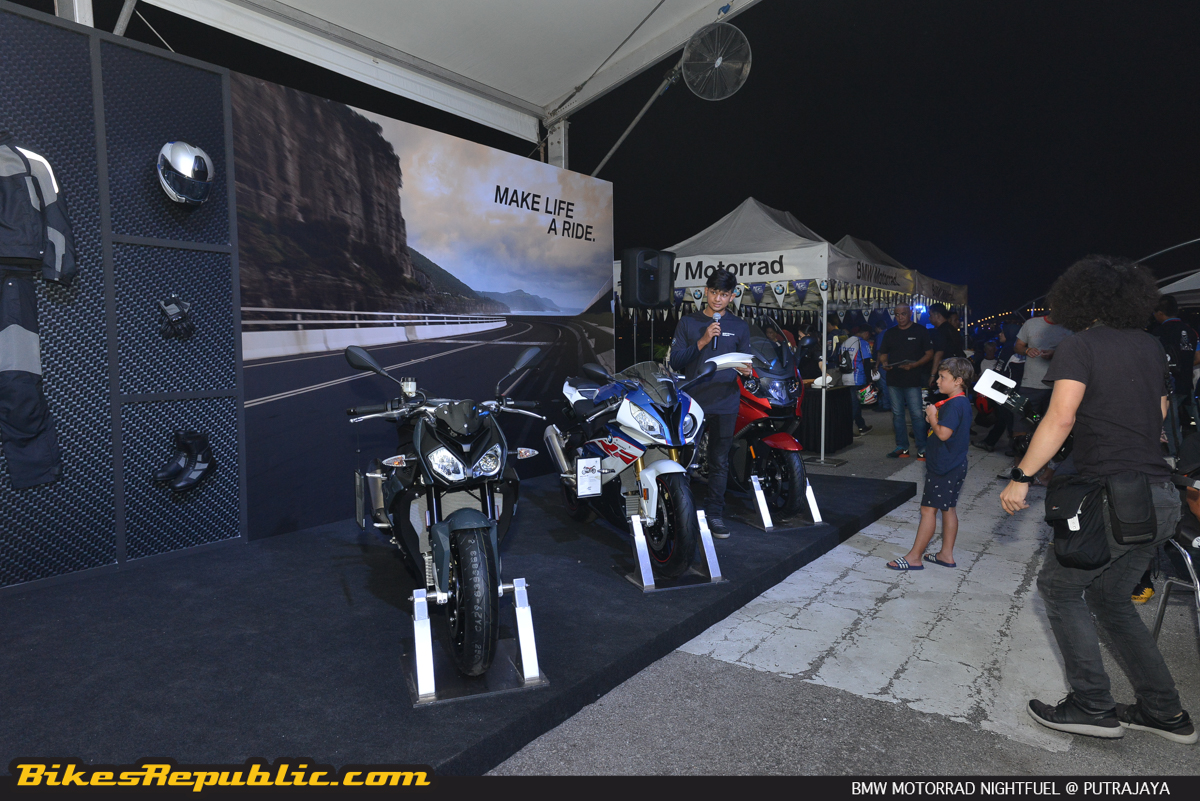
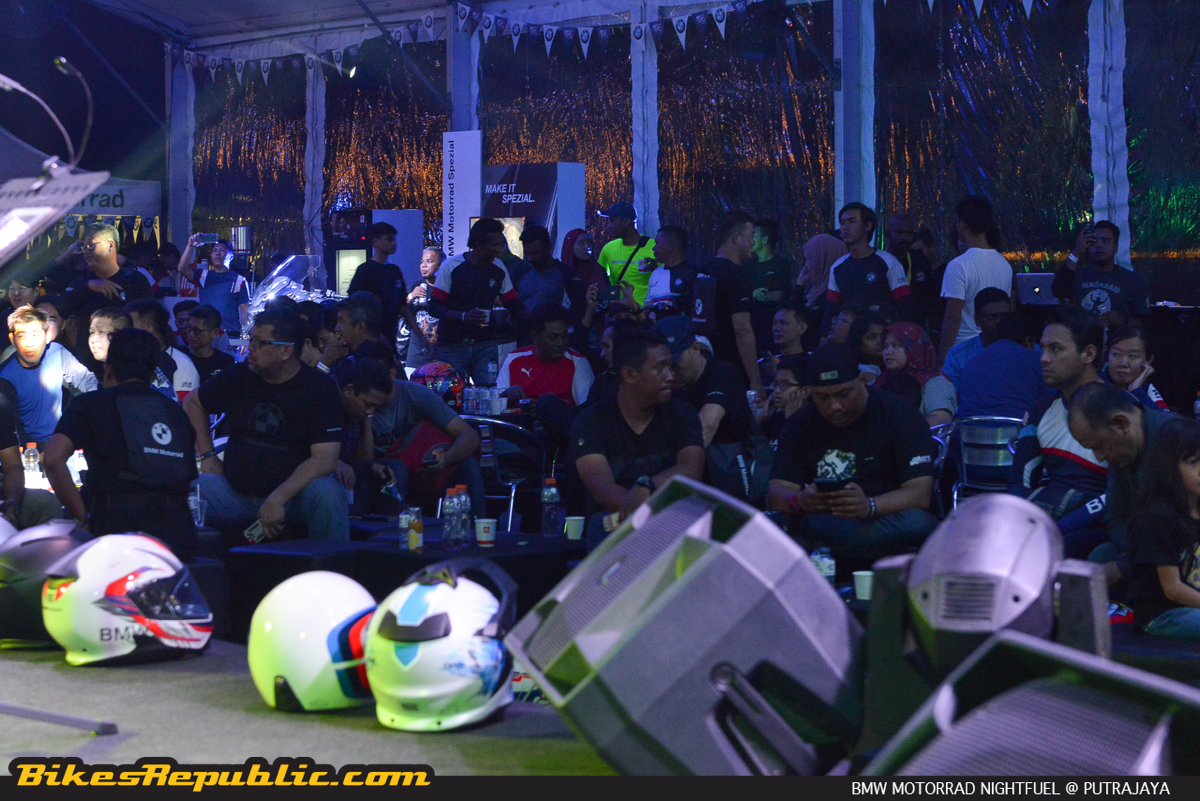
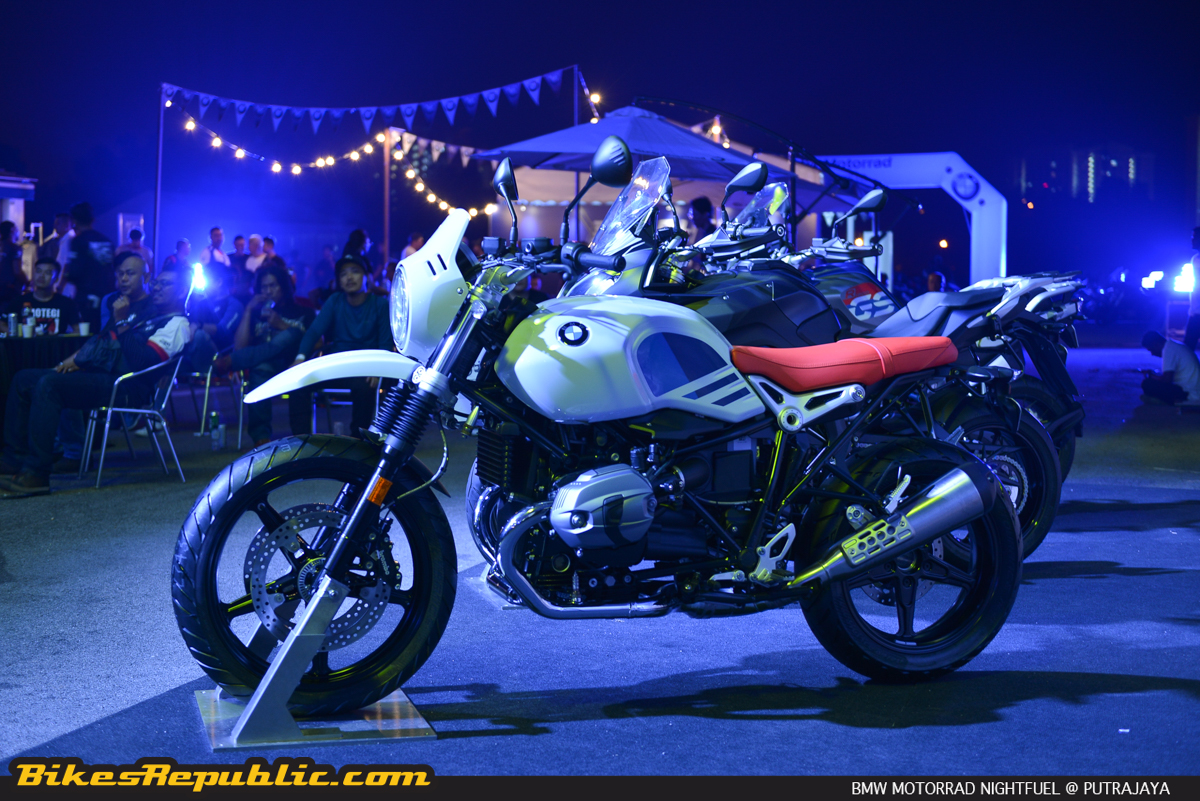
There was also a fashion show where the models showed off the latest BMW Motorrad branded riding equipment, including a one-piece racesuit. The crowd were also the first to view the BMW Motorrad Spezial range of customization options for the R nineT.

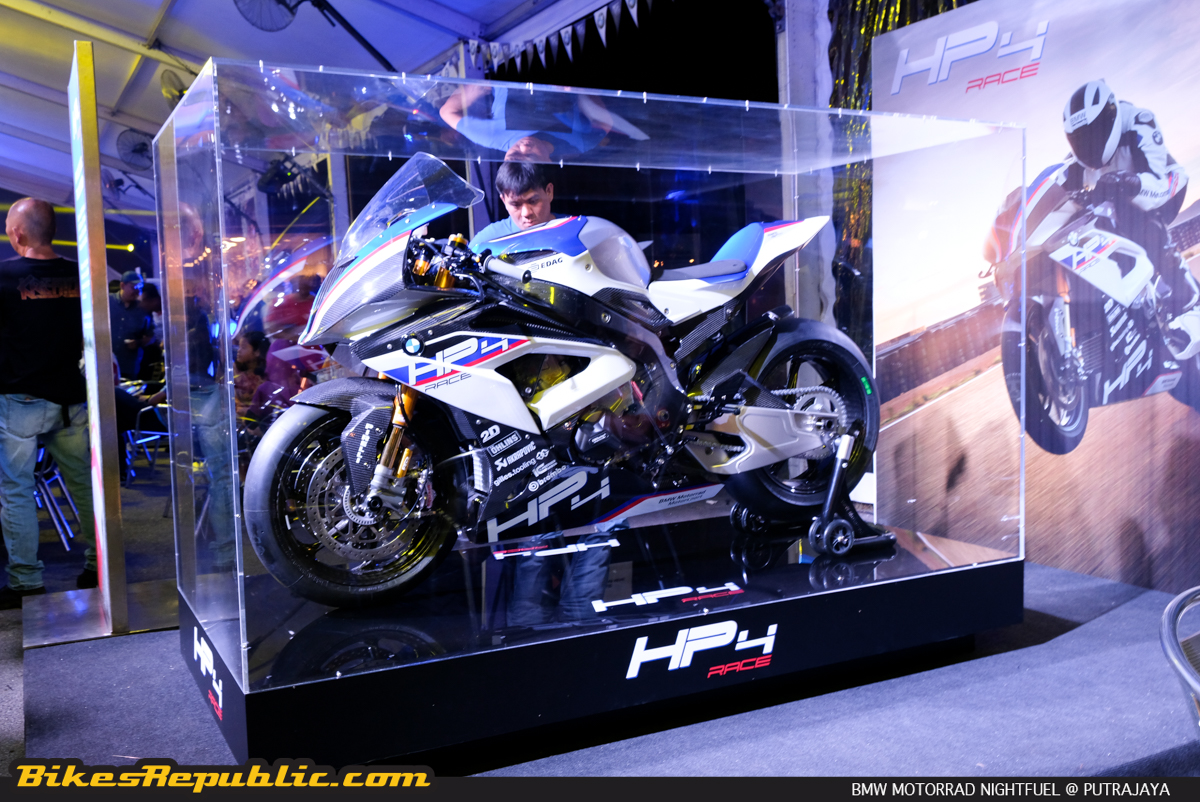
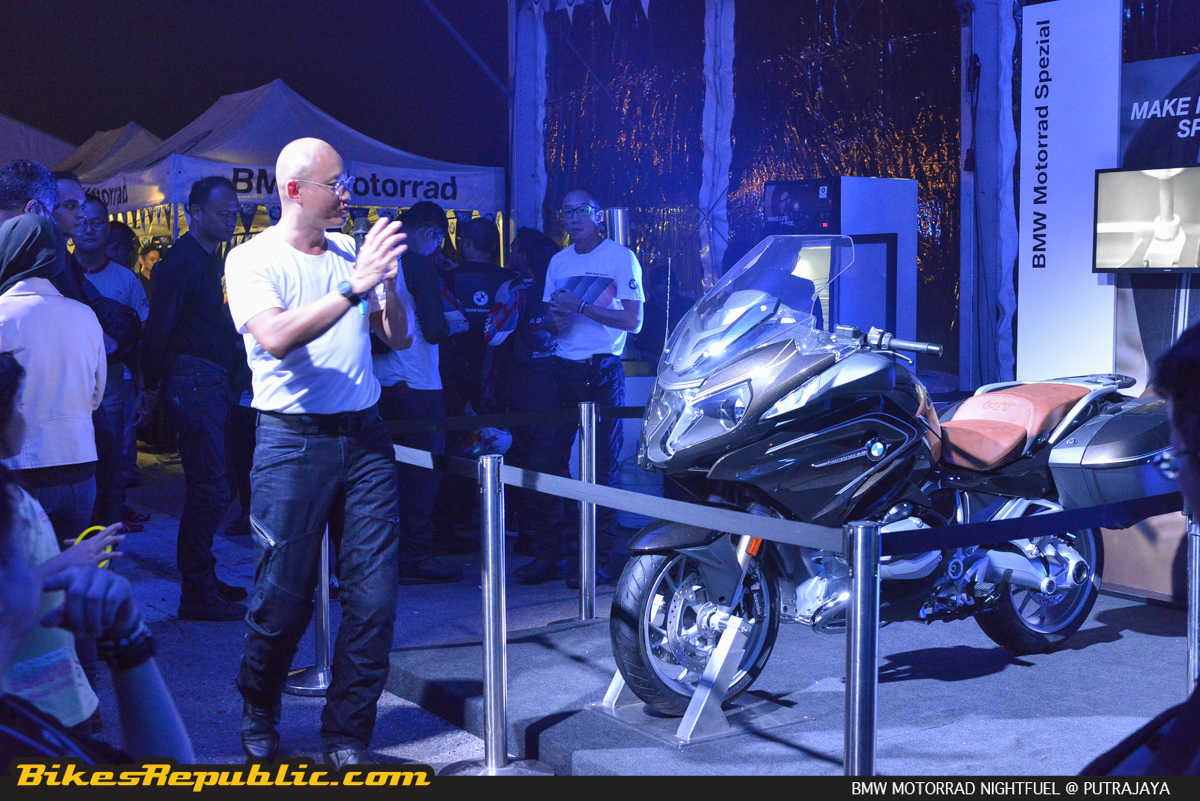
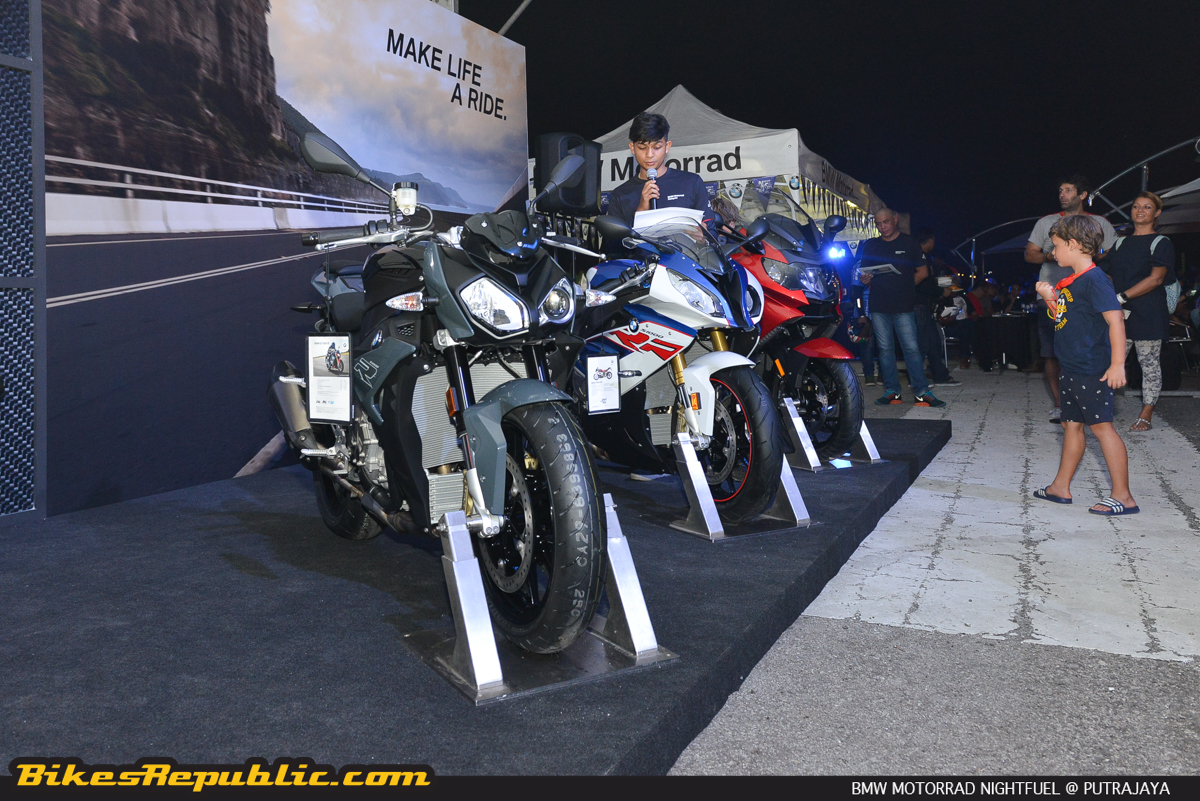
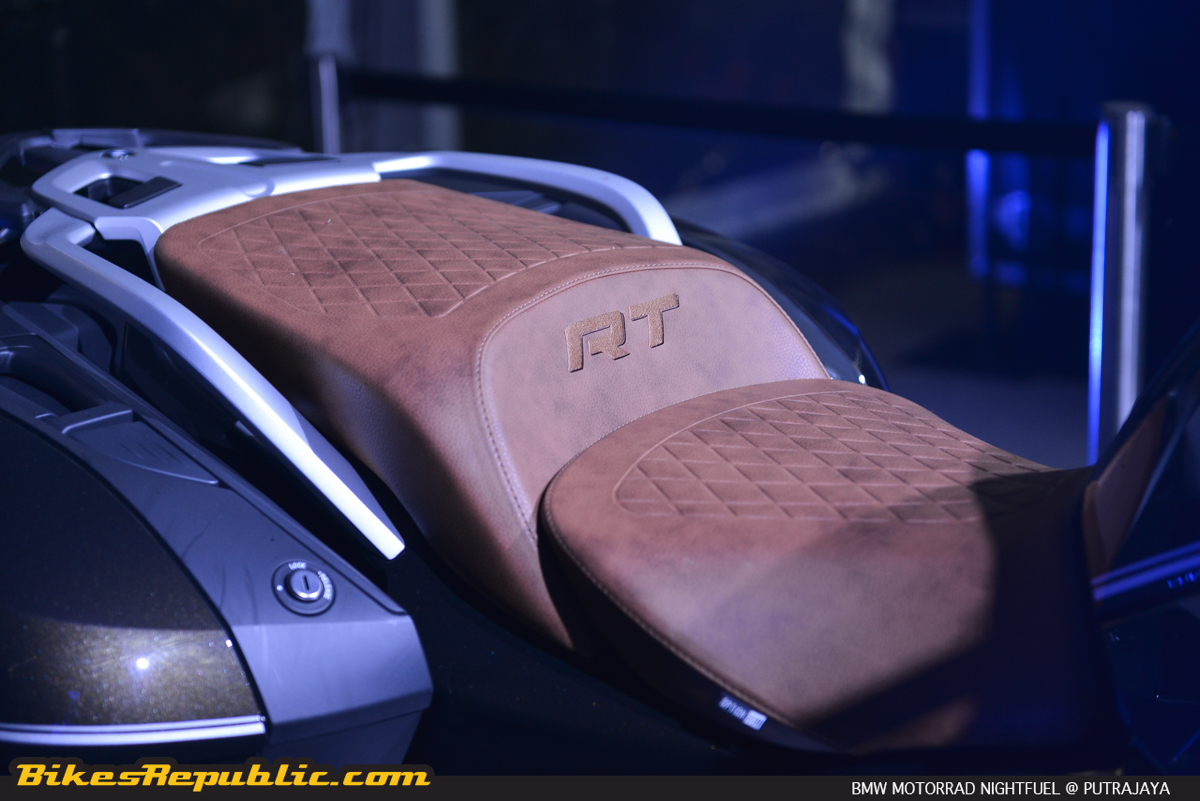
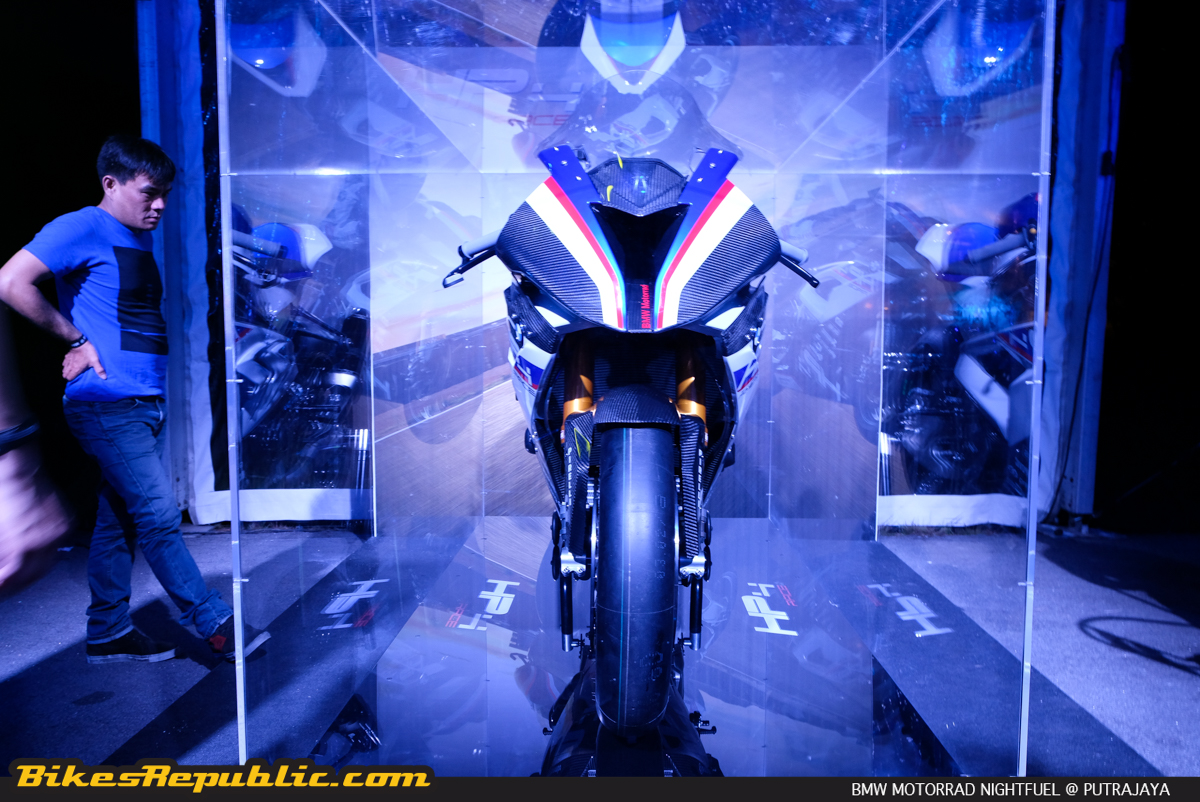
On display were the R 1200 GS Rallye, S 1000 XR, R nineT Urban G/S, S 1000 R, S 1000 RR, K 1600 B, R nineT Pure, R 1200 RT and the ultra-exclusive S 1000 RR HP4 Race encased in a Perspex err… case.

Attendees were welcomed to try on the bikes (except for the R 1200 RT and HP4 Race).

It was another great evening for everyone who attended. Bring on the next Nightfuel!

PICTURE GALLERY

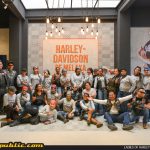
  • The Ladies of Harley Malaysia is a group of female Harley-Davidson riders.

  • They get together to share their love for riding motorcycles.

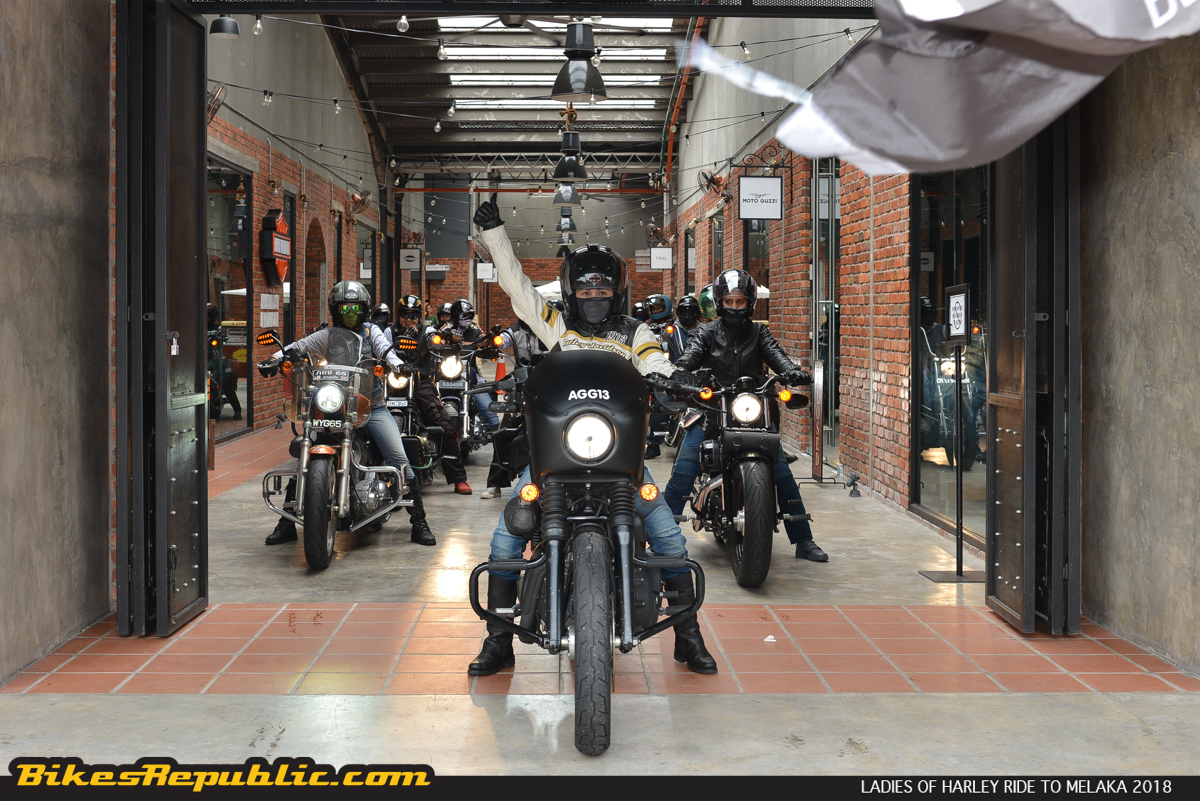
  • The ladies started their ride to Melaka from Harley-Davidson of Petaling Jaya for the first time.

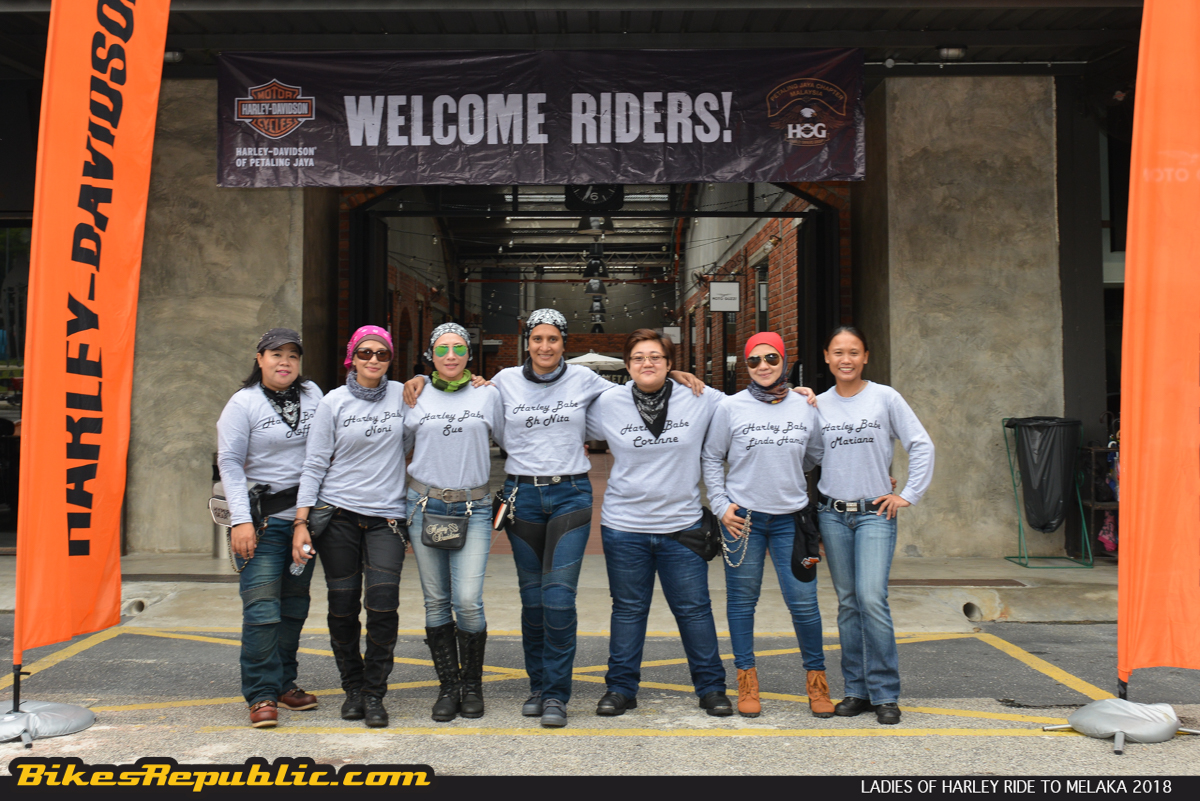
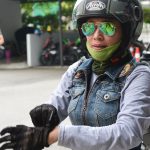
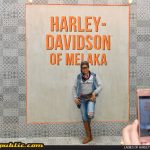
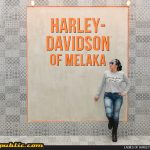
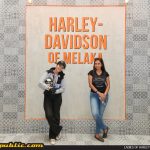
While it always feels good to see a fellow biker on the road, it’s undeniably better to see one of the fairer gender, “Not as a pillion, but riding her own bike, instead.” That was what Mariana Mohamad, ex-national cyclist said while awaiting the flag-off of the Ladies of Harley Malaysia’s 2018 ride to the historic city of Melaka.

Mariana Mohamad is the first lady from the right

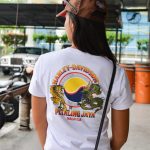
The ride was historically historic as well, since it marked the first time the ladies began their ride from the new Harley-Davidson of Petaling Jaya.

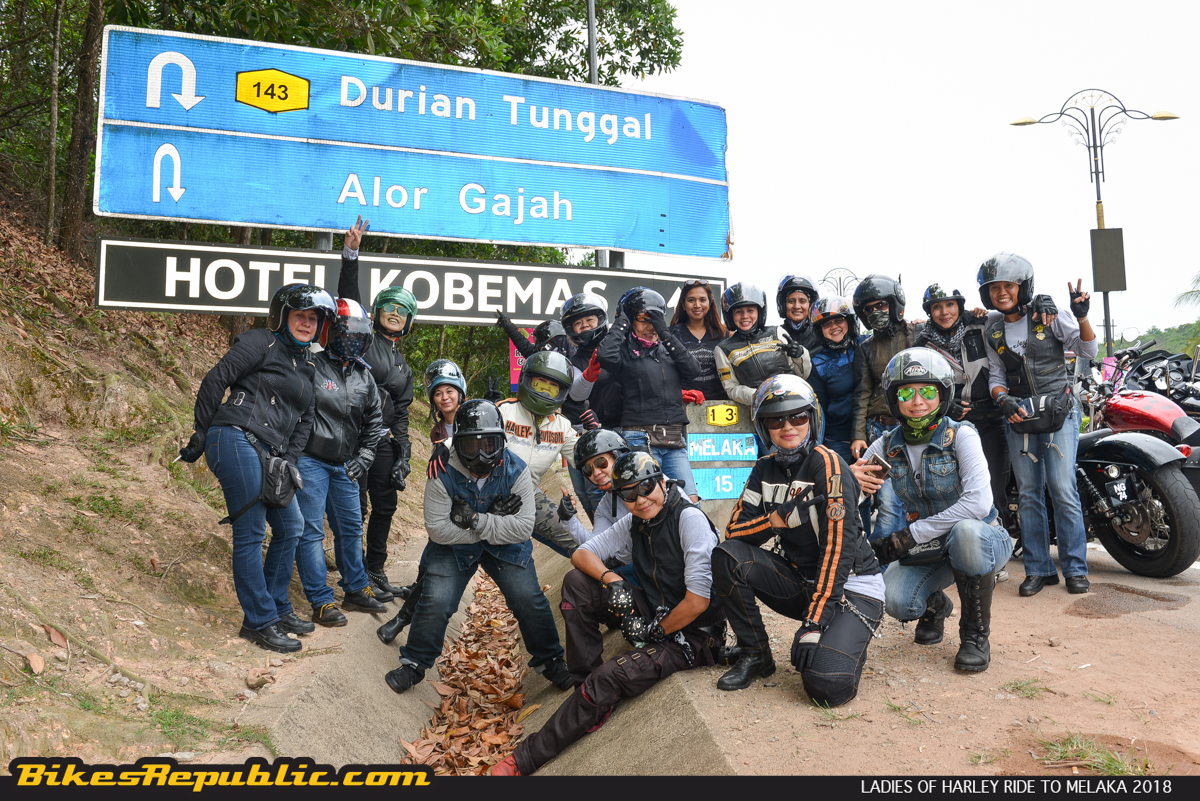
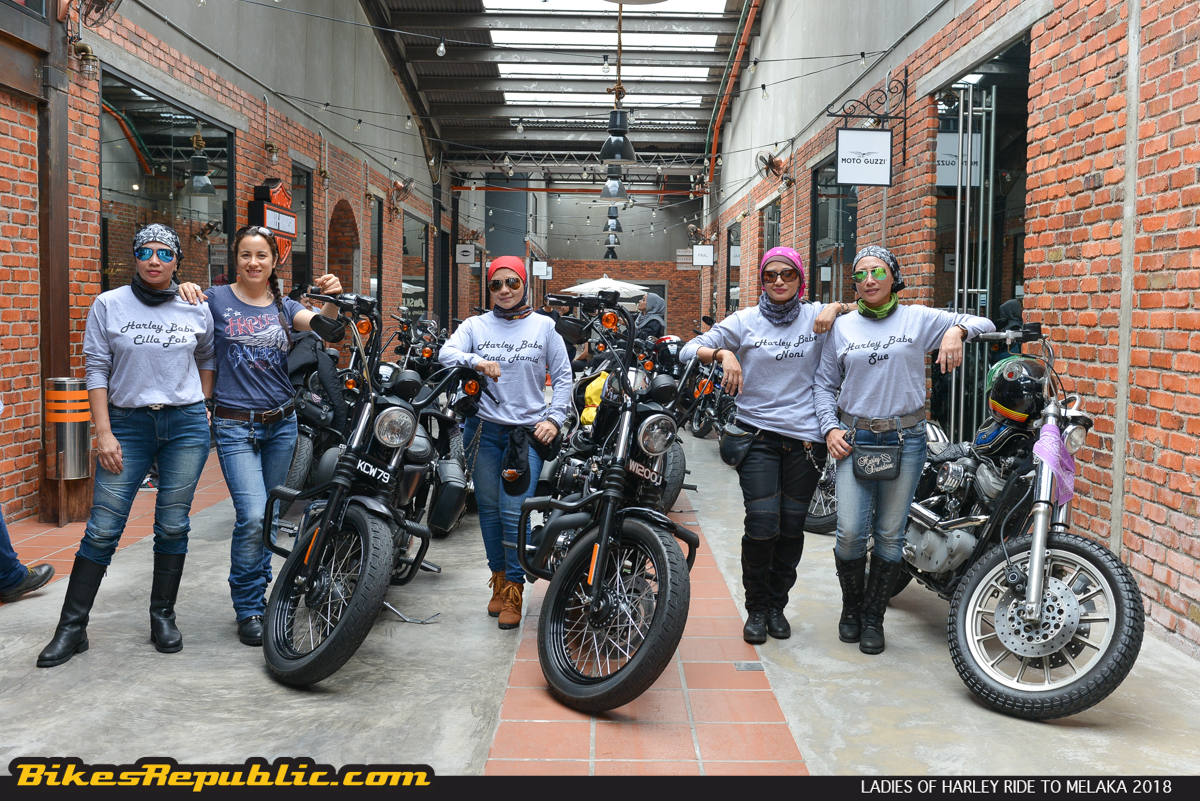
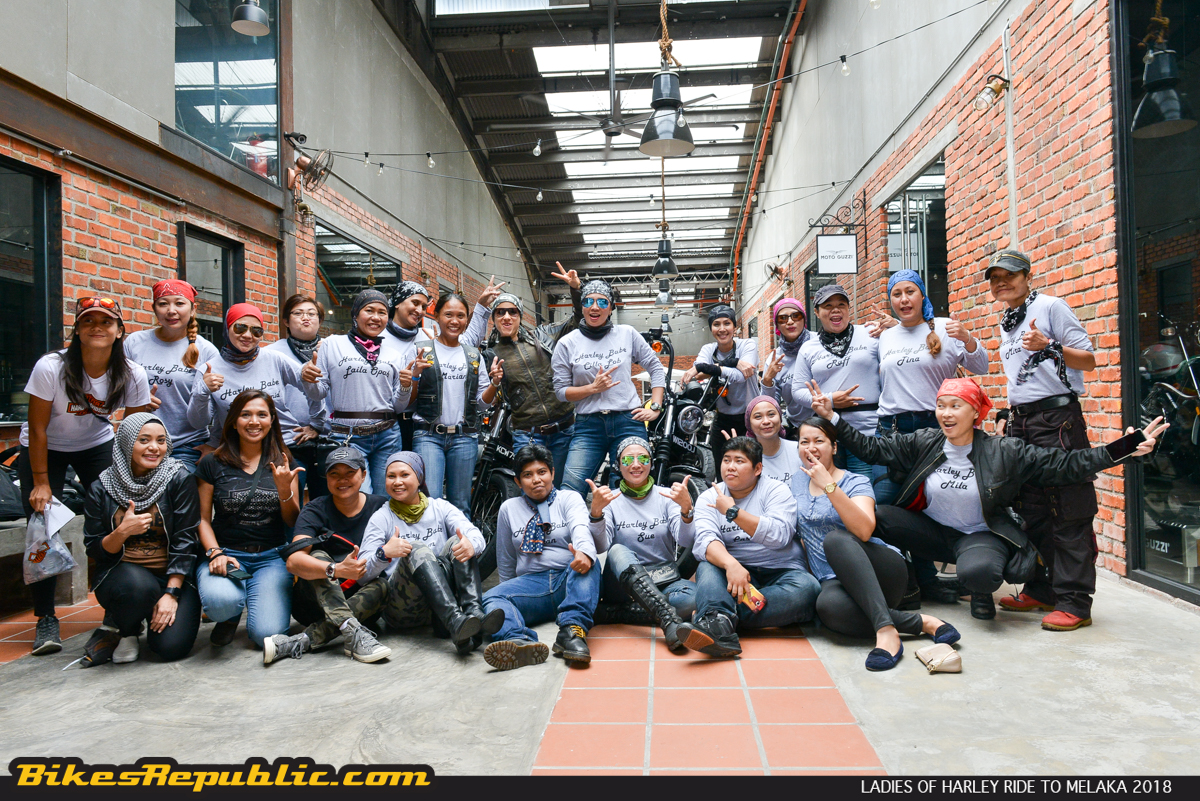
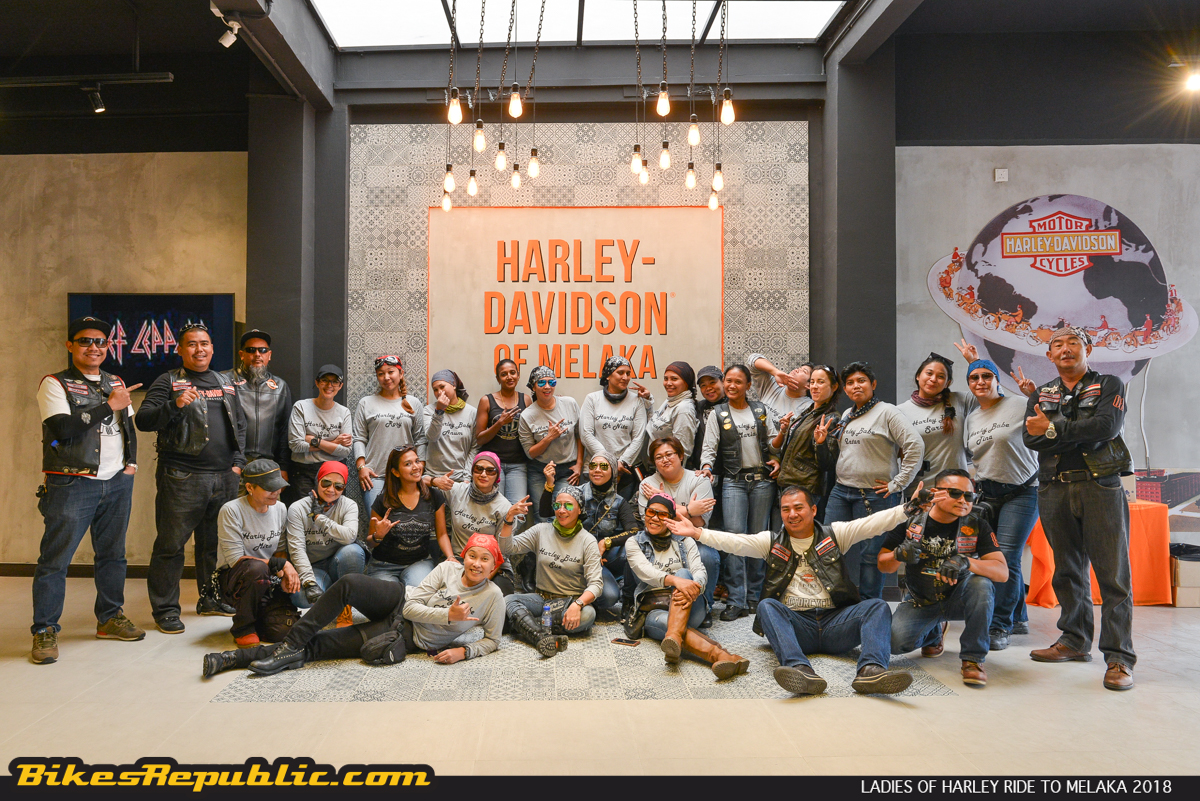
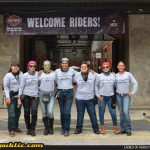
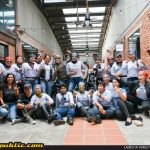
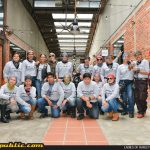
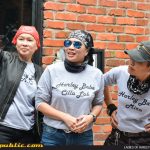
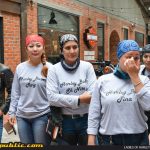
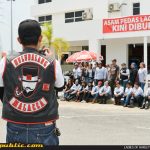
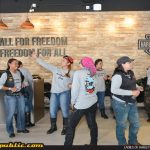
The 20-odd ladies had gathered at the dealership from early morning, for some light breakfast and catching up. Everyone was smiling and laughing, the air was thick with cheerfulness and anticipation. Among them were Mariana Mohamad, the aforementioned ex-national cyclist and, singer and actress, Fauziah Latiff. Also present were Nor Cilla Omar and Sura (Sue) Rahman who were the Champion and First Runner Up, respectively at the recent Inaugural Bikers Invitational Golf Charity Classics 2018.

“I’ve ridden with the Ladies of Harley Malaysia many times since I started motorcycling. That time, we rode to Melaka and today feels like an anniversary as we ride there but from a new home, HDPJ,” continued Mariana.

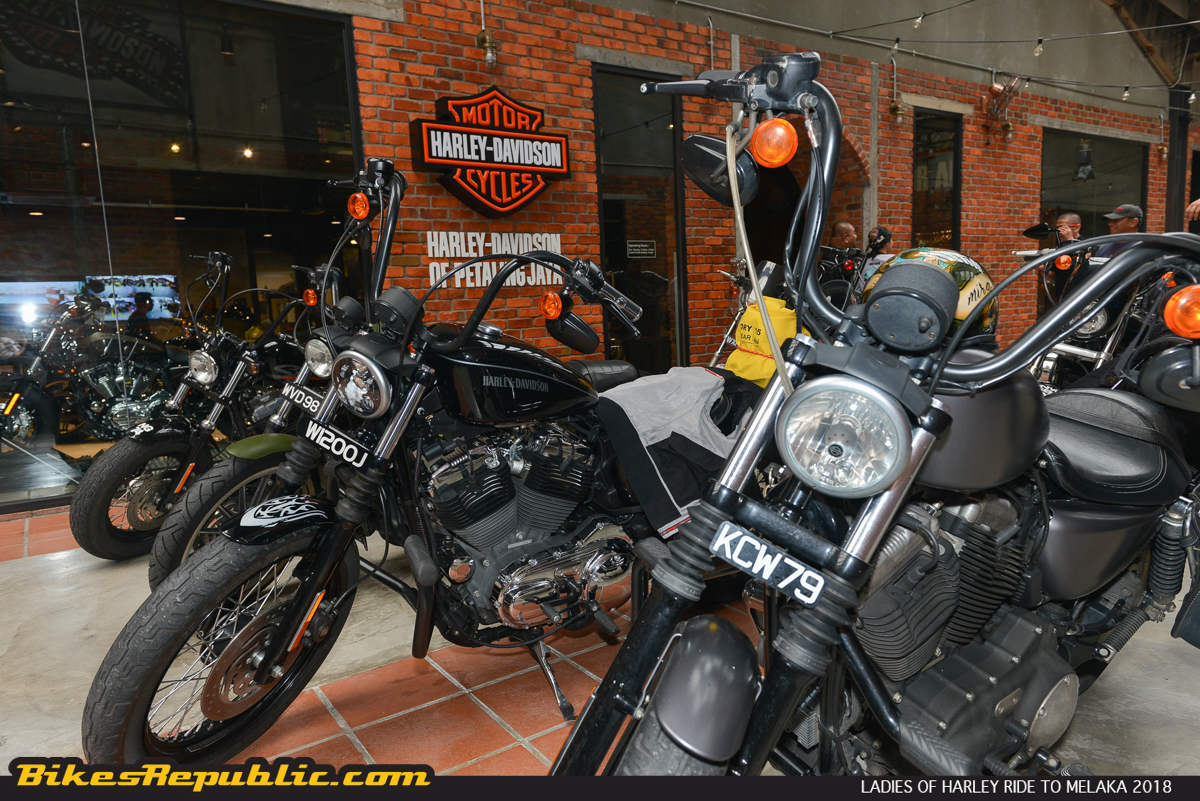
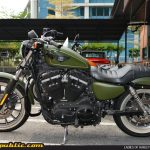
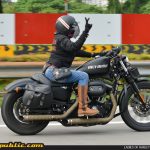
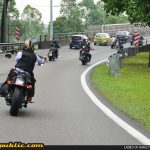
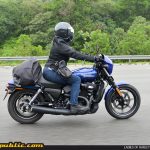
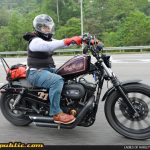
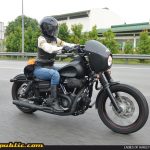
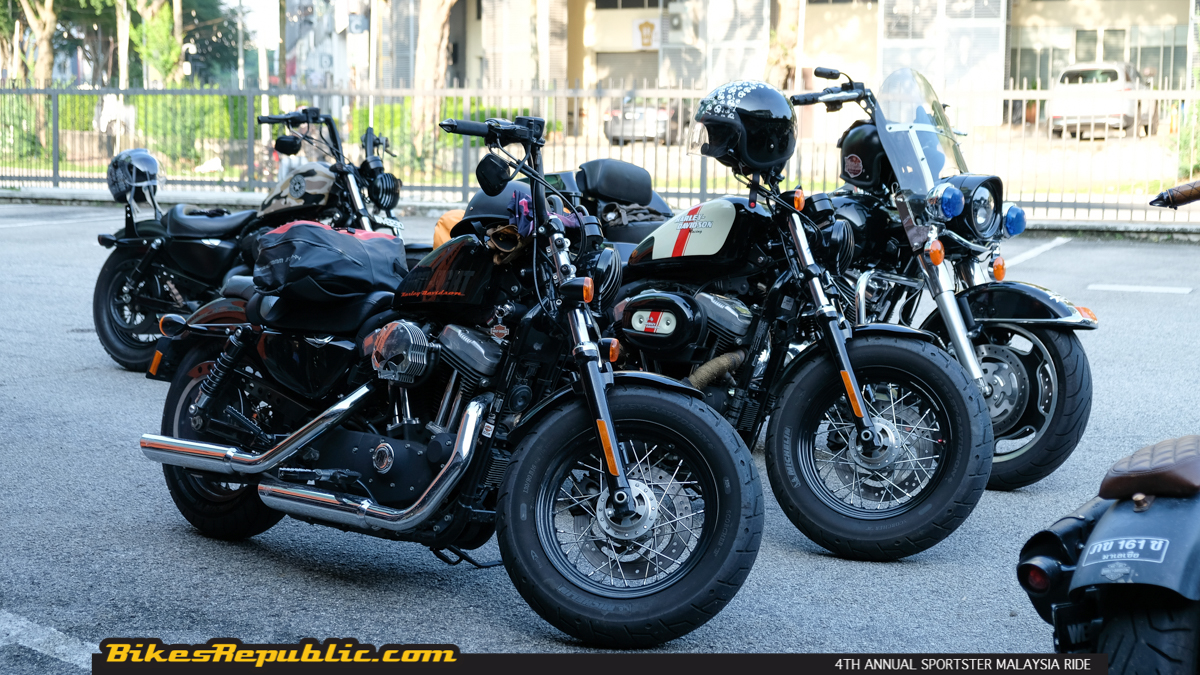
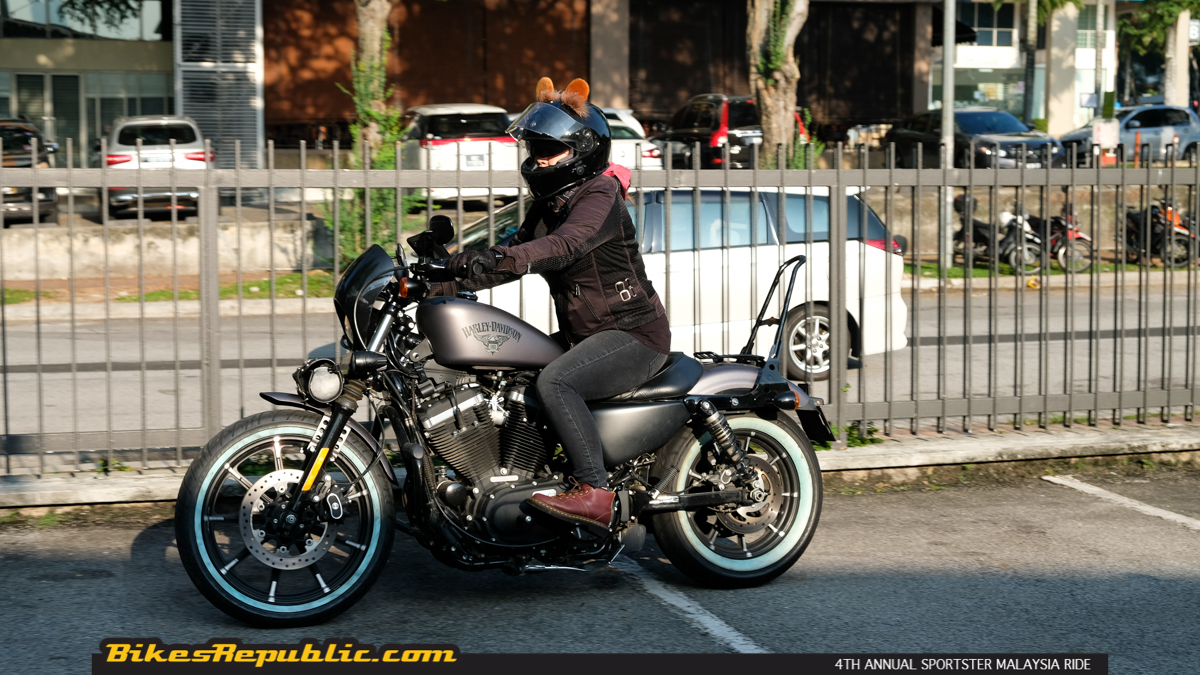
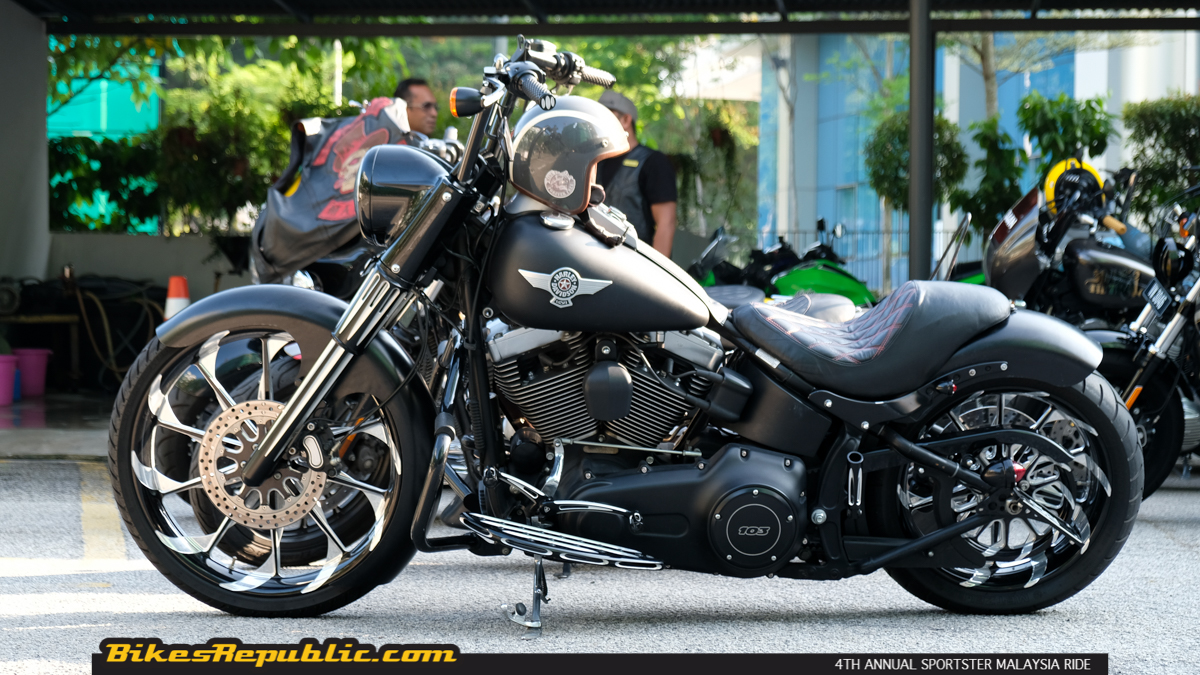
The ladies rode mostly Harley-Davidson Sportsters, but there were a number of other models, including a Softail Slim, Street 750, Dyna Low Rider and “Sons of Anarchy” Dyna Low Rider.

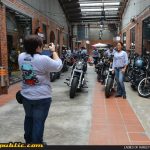
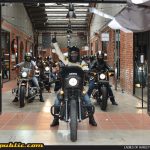
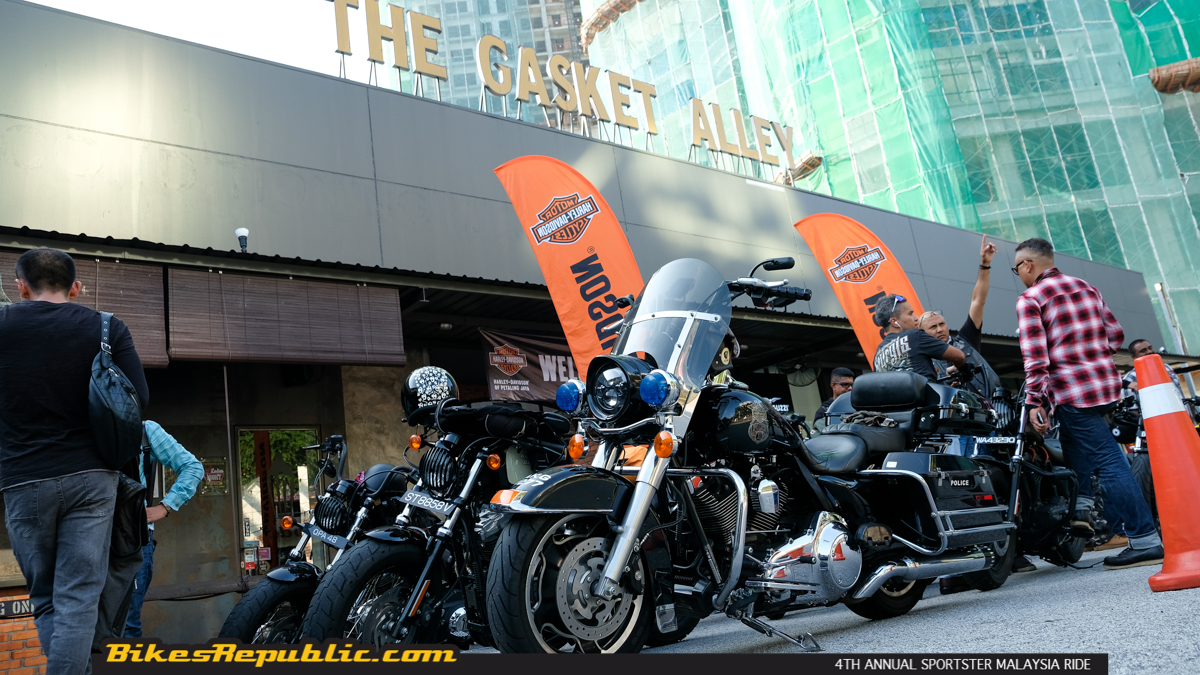
As usual, they held a short safety briefing before the “On the bike” call. They suited up and rode out from the hallway in The Gasket Alley (as there weren’t too many of them).

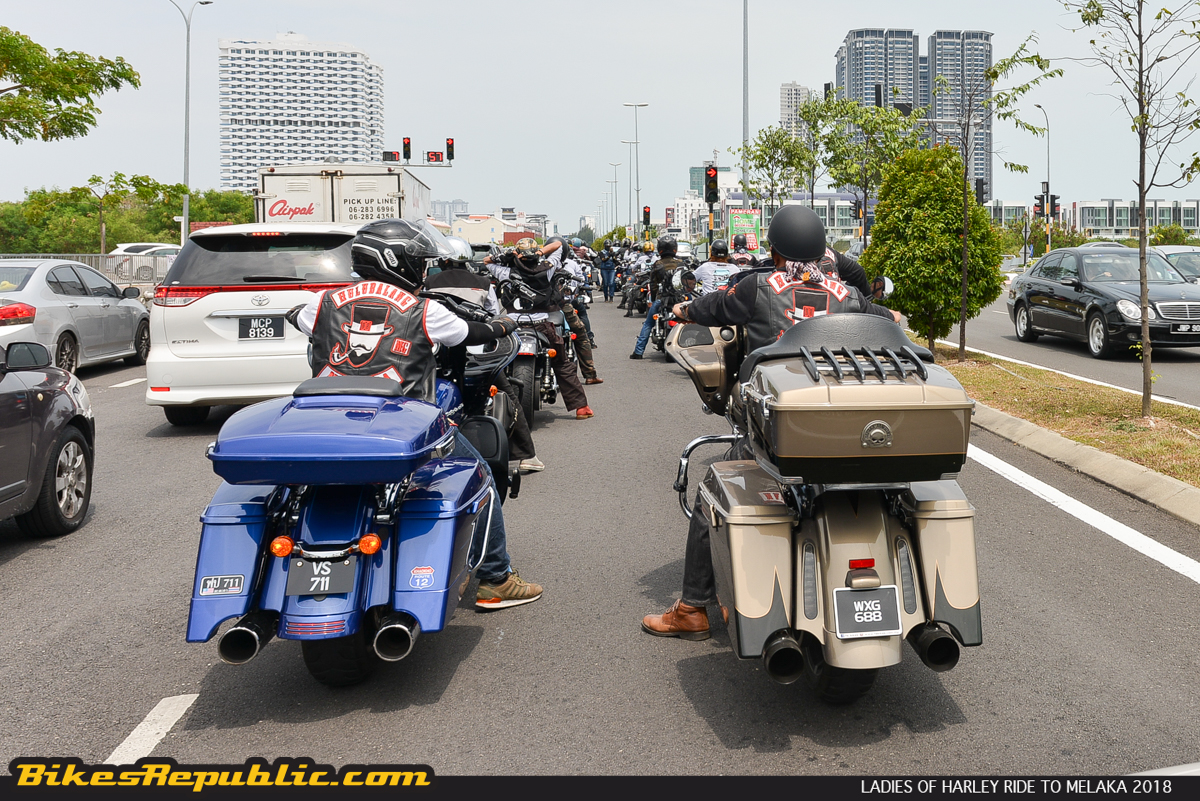
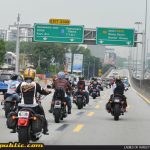
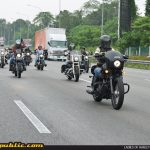
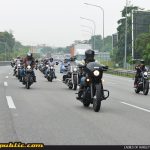
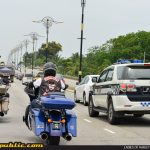
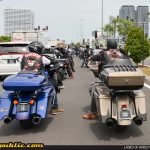
Out on the roads and highways, the group was expertly led by Nor Cilla with Fauziah Latiff as the sweeper. The group maintained great discipline and cohesiveness throughout the trip, besides displaying good control over their machines.

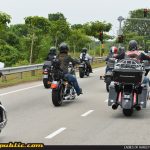
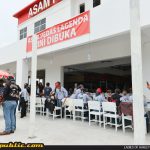
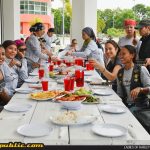
The ladies stopped for fuel first at the Seremban R&R before stopping again after passing the Ayer Keroh toll plaza, where fellow Harley-Davidson riders Hulubalang MG waited to guide the convoy into Asam Pedas Lagenda for lunch. By the way, the word hulubalang means the Sultan’s royal guards and palace guards – knights, in other words – during the Malaccan Sultanate during the 15th and 16th centuries.

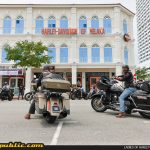
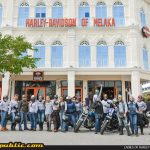
From there it was to Harley-Davidson of Melaka in Taman Kota Laksamana. The dealership is undergoing completion and will be formally launched in May 2018.

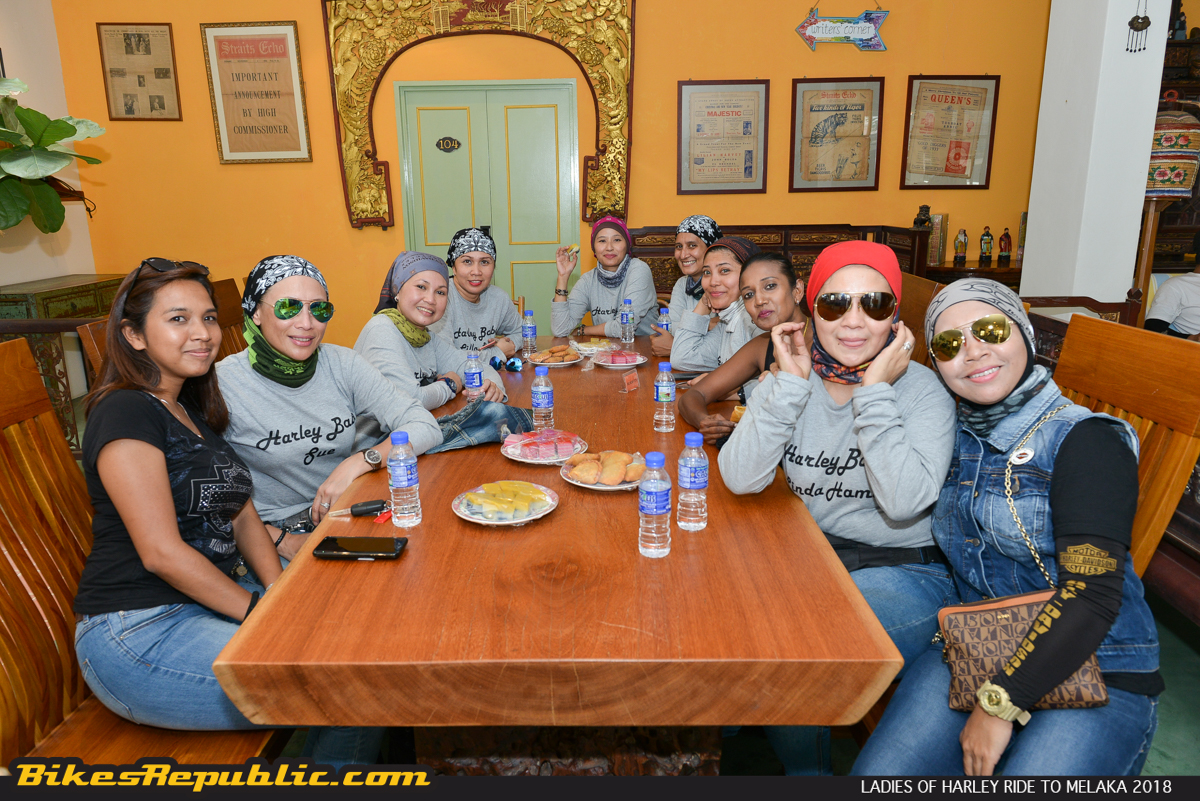
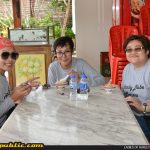
The dealership’s crew escorted the entire group to a restaurant called Nyonya Lin’s Kitchen for refreshments including the famous cendol nyonya and kuih nyonya. The restaurant was bedecked with period paraphernalia such as vintage furniture, motorcycles, trinkets and toys. Even the interior design resembled that of Melaka’s pre-World War II houses.

From Harley-Davidson of Melaka, it was to another round of coffee (real coffee, not those one finds in pubs) at a beach. The Ladies of Harley Malaysia finally headed over to the Villa Lisa at A’Famosa Resort at Batu Gajah.

Before we conclude, this writer observed that the riders never failed to wave their gratitude to other road users who had given way. All the riders of Ladies of Harley Malaysia and Hulubalang MG were really friendly and not stand-offish to strangers who had requested selfies or to pose with their bikes. Whoever said Harley riders were unfriendly?

Great respect from us to the ladies and gentlemen during the ride.

PICTURE GALLERY

  • The subject of tyre width has been constantly debated.

  • Is a fatter tyre better i.e. 240-section rear tyre?

  • Does it mean a skinnier tyre is bad i.e. tayar sotong?

Just like most parts on a motorcycle, this is a debate that has raged over time. There are bikes of the same capacity and power output but shod with different sized tyres, while there are some bikes that are heavier and still powerful but equipped with narrower tyres.

Click here to check out our guide on choosing the correct tyres.

But what actually brought our attention to writing this article is seeing some bikes rolling on extremely narrow tyres, colloquially known as tayar sotong.

Tayar sotong – courtesy of www.sinarharian.com.my

Every tyre hence selection is a compromise of sorts. But a wider tyre has a larger footprint thus has better grip, right? You’re not wrong, but it’s a little more complex than that. Let’s take a look.

WIDE TYRE

Pros

  • More potential grip especially when cornering.
  • Allows for higher speeds in corners.
  • Allows for deeper lean angles when cornering.
  • More stable in corners.
  • Able to take more engine power.
  • Allows for harder throttle application when leaned over.
  • Safer to trail brake.
  • Allows for harder braking.

Cons

  • Usually costs more.
  • Feels “heavier” to steer.
  • Leaves more unused areas at the sides (called “Chicken Strips”) if not fully utilized.
  • Leans the bike further over into a corner than a skinnier tyre.
  • More mass means more power is needed for acceleration (rolling resistance).
  • More mass also means the suspension and brakes have to work harder.

SKINNY TYRE

Pros

  • Usually costs less.
  • Easier to steer.
  • Easier to utilize the whole tyre.
  • Less rolling resistance for faster acceleration and lower fuel consumption.
  • Less need for heavier springs in the suspension.
  • Leans less into a corner at a given speed compared to a wider tyre.

Cons

  • Less potential side grip, limiting cornering speed and lean angles.
  • Bike feels less stable, sometime skittish.
  • Too much throttle will overwhelm the small contact patch.
  • Less force for trail braking or not at all.
  • Must brake less aggressively.

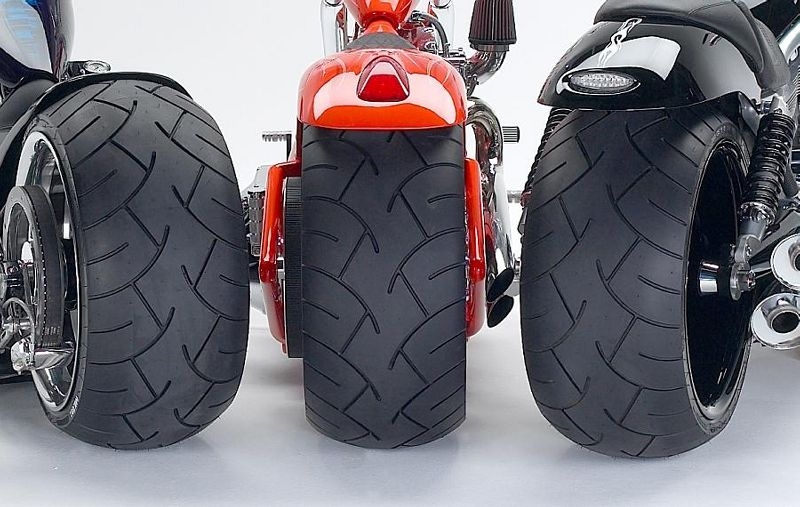
There is also an element to having a wider tyre: Style. To most bikers, a wider rear tyre makes the bike look more aggressive, sportier. But in our experience of testing almost every motorcycle in the market, having a wider or skinnier tyre doesn’t truly matter. There are times when the wider tyres actually felt harsh over public roads.

Fat rear tyres for cruisers – courtesy of harley-davidson-luebeck.de

Back to the subject of tayar sotong, these guys are all for straightline acceleration, as seen on those drag bikes (called “sprint” in Malaysia). They may be good for that kind of racing as no cornering is involved but are downright dangerous on the road. That’s because the tyres are just too skimpy for emergency braking and turning. Being too thin and low-profiled also run the risk of damaging the rims over sharp bumps. Plus, this writer has personally witnessed a tayar sotong on another bike burst in front of his eyes.

On the other hand, we’ve also come across tyres too wide for certain rim sizes i.e. a 180-section tyre on a rim for a 160 – due to the misconception that a wider tyre means more grip. Too wide a tyre will have the rim flanges pinch the tyre, resulting in SMALLER footprint than the recommended width.

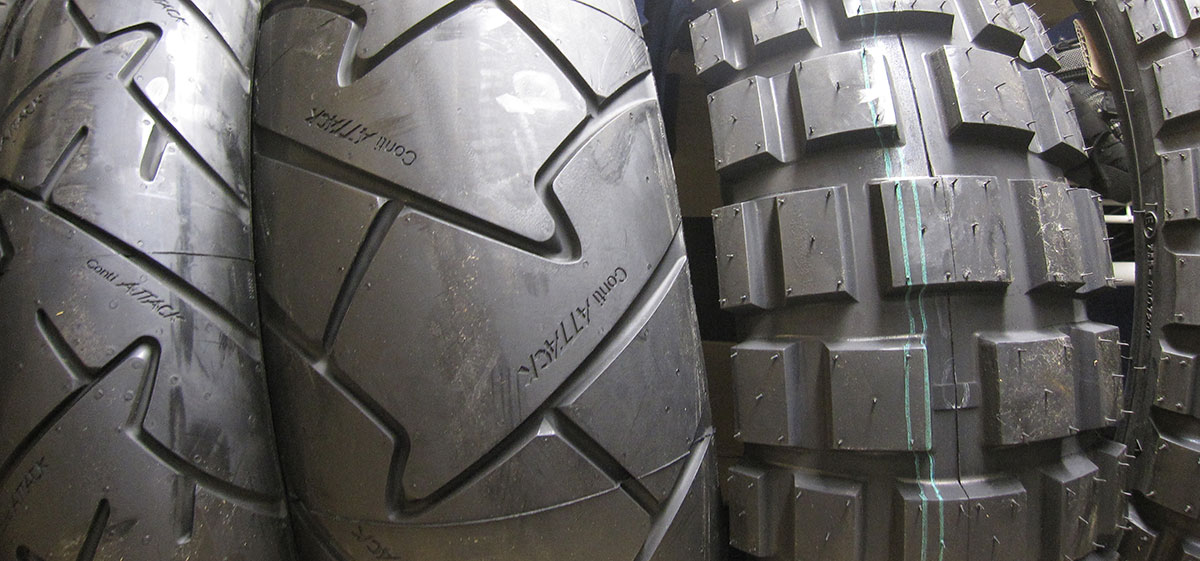
Types of tyres – courtesy of www.canyonchasers.net

To conclude, the best thing to is to adhere to the motorcycle and tyre manufacturers’ recommendations. Want more grip? Choose one with softer compound. Want more mileage? Choose a sport-touring tyre.

  • Indonesian blogger Stephen Langitan is on a solo ride from Jakarta to London.

  • He’s doing so on the Kawasaki Versyx-X 250 lightweight adventure bike.

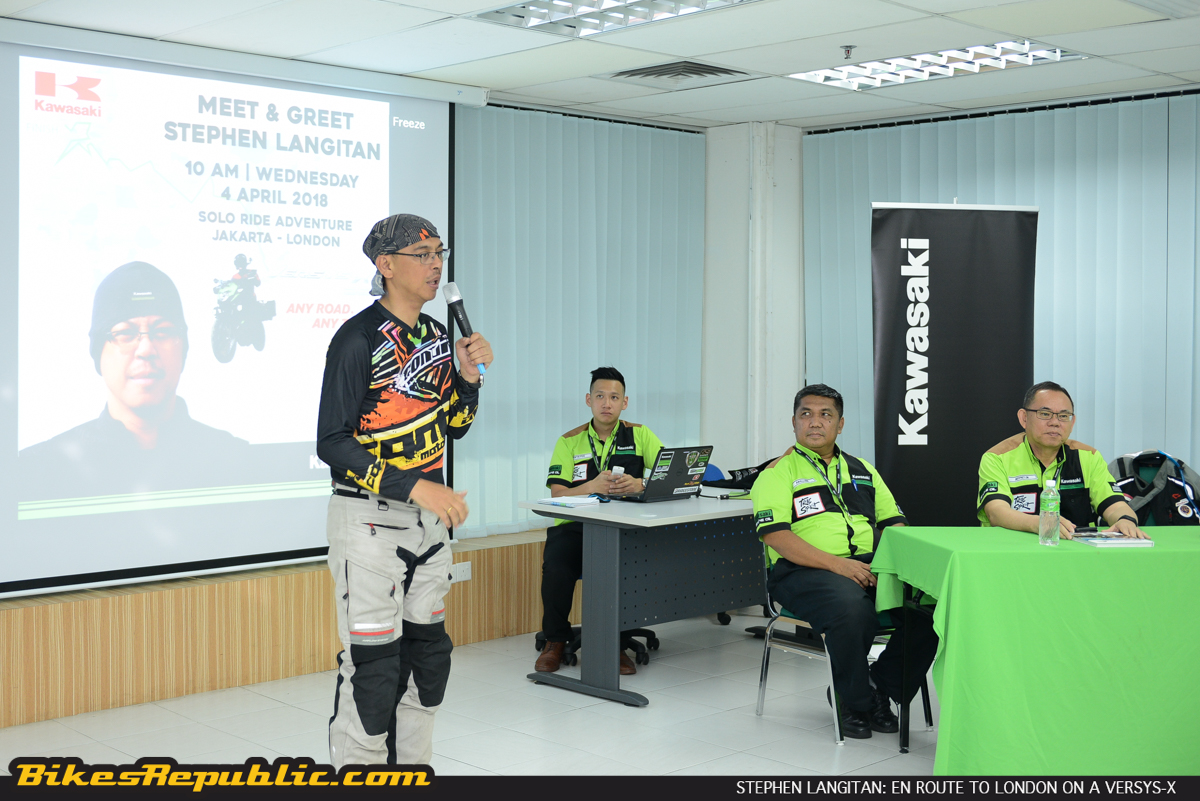
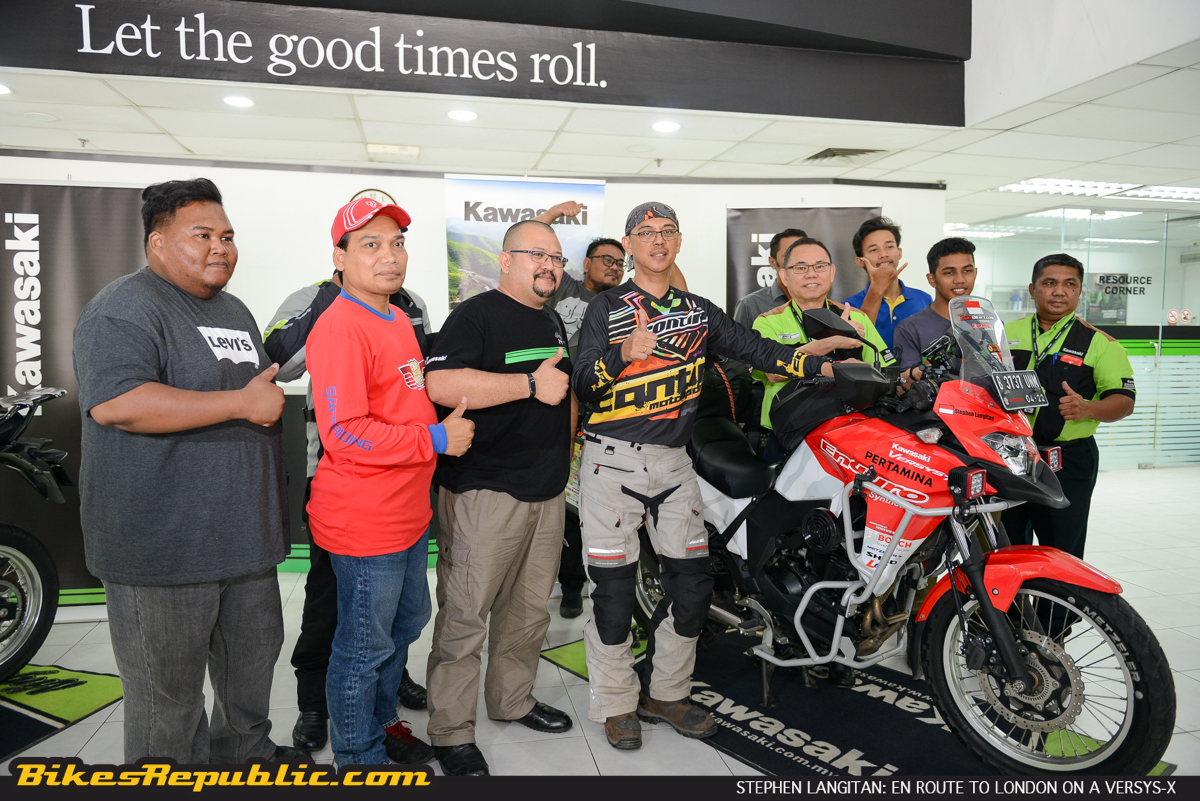
  • He visited Kawasaki Motors (Malaysia) Sdn. Bhd. for a meet and greet session.

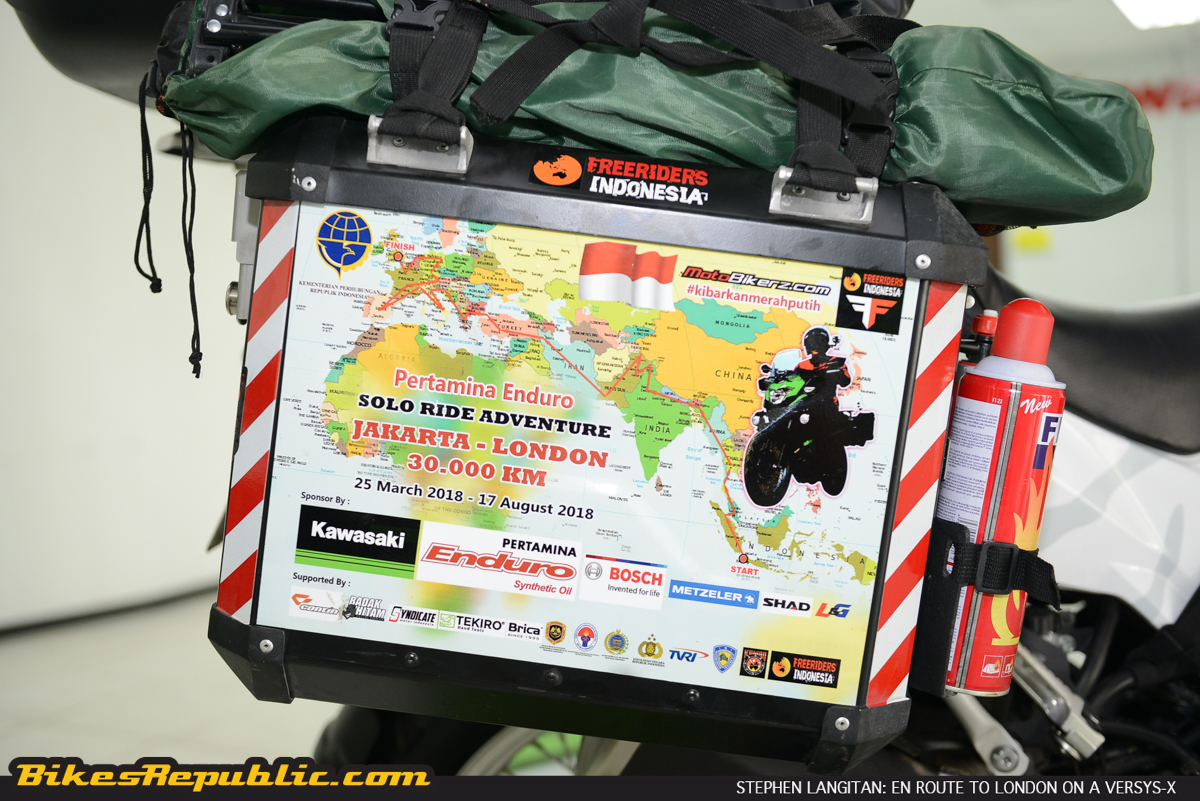
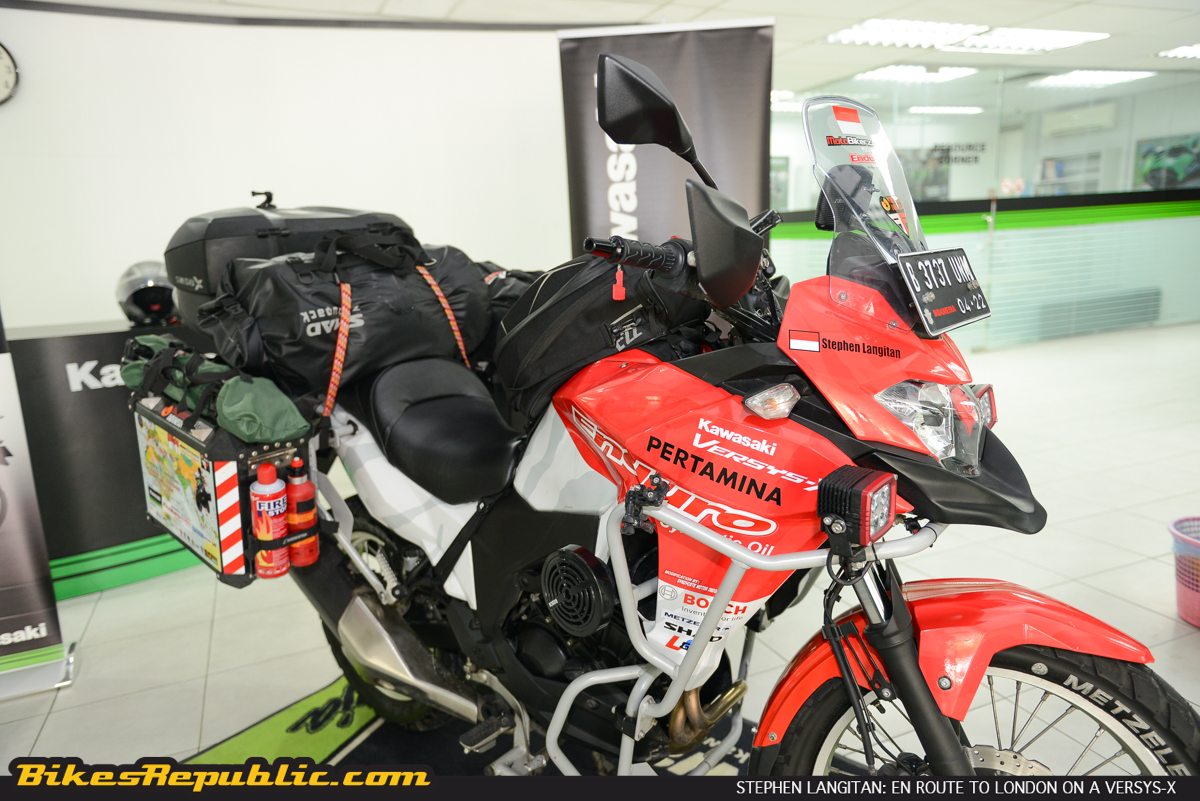
Inspired by those before, Stephen Langitan decided to see the world on a motorcycle, and his chosen steed is the Kawasaki Versys-X 250.

Stephen had started out from Jakarta on 25th March 2018, rode through south Sumatra to Medan before hopping over to Kuala Lumpur, Malaysia. From here, he will travel north first to Thailand and then continuing on a north-westerly tack towards Europe and ultimately London. He expects to reach the UK’s capital by 17th August 2018 to commemorate Indonesia’s Independence Day there.

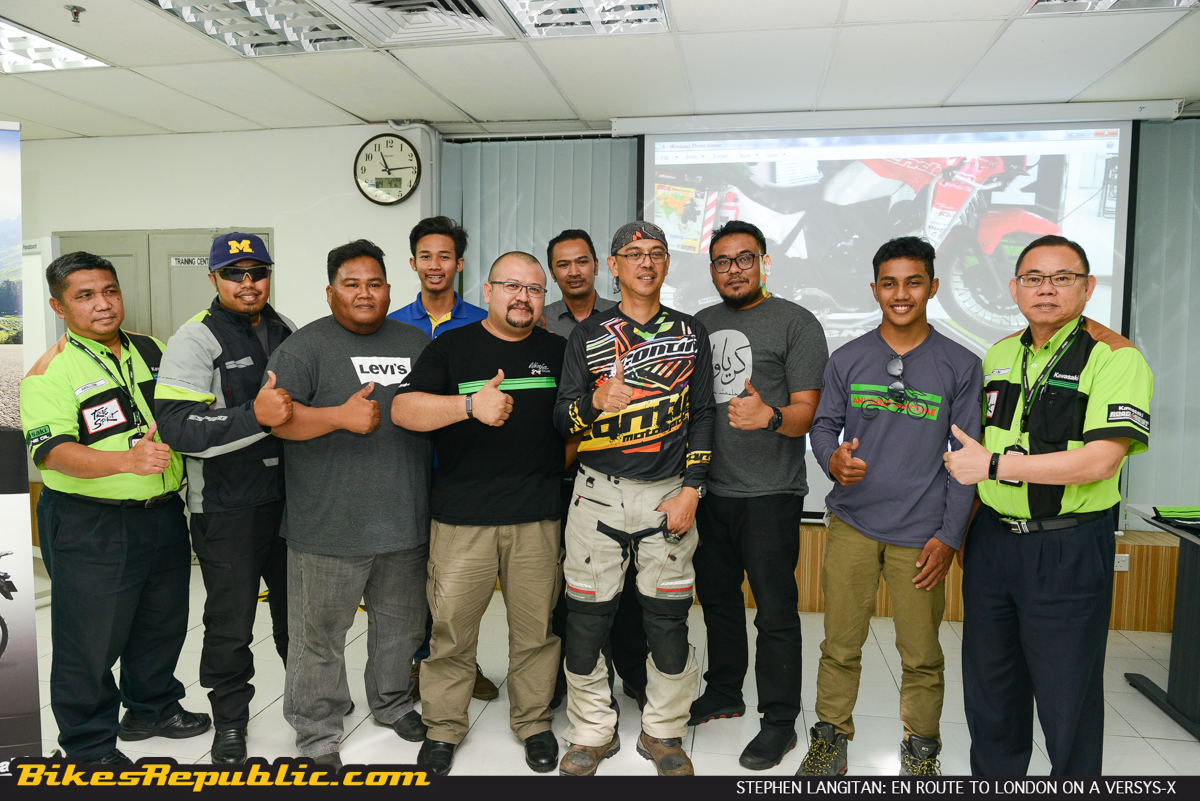
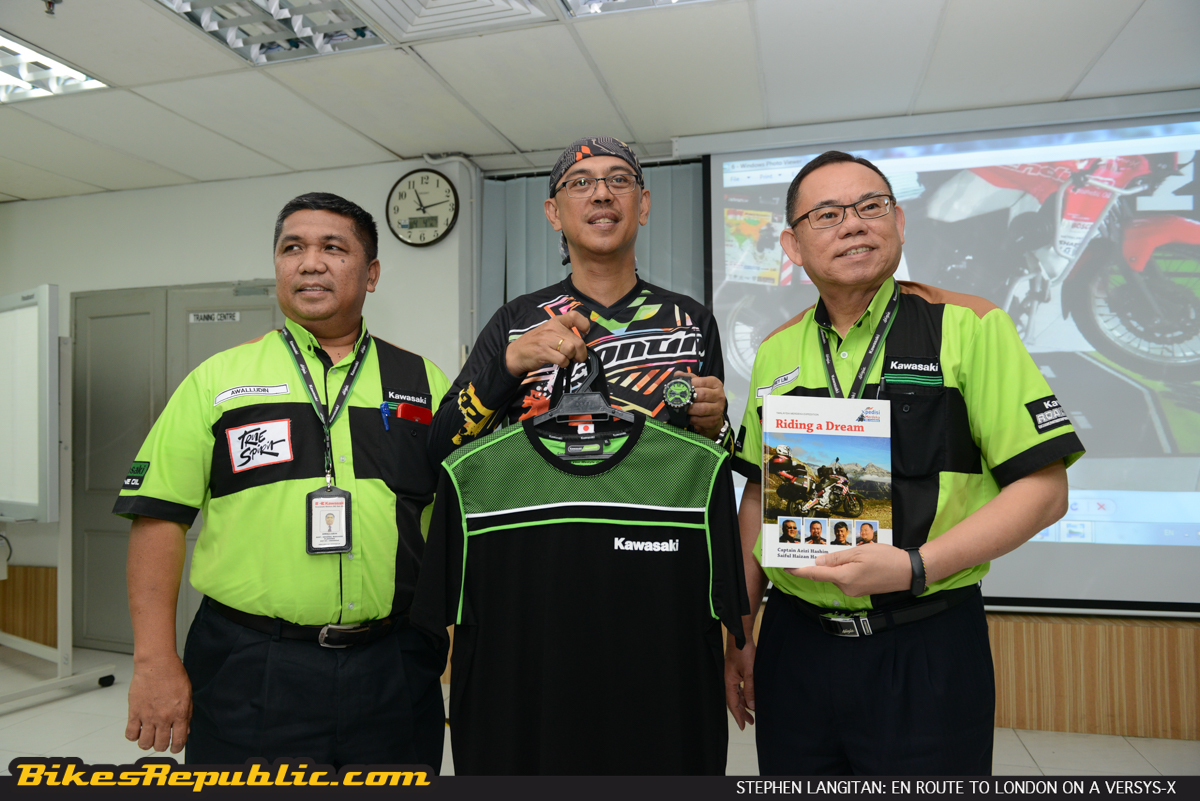
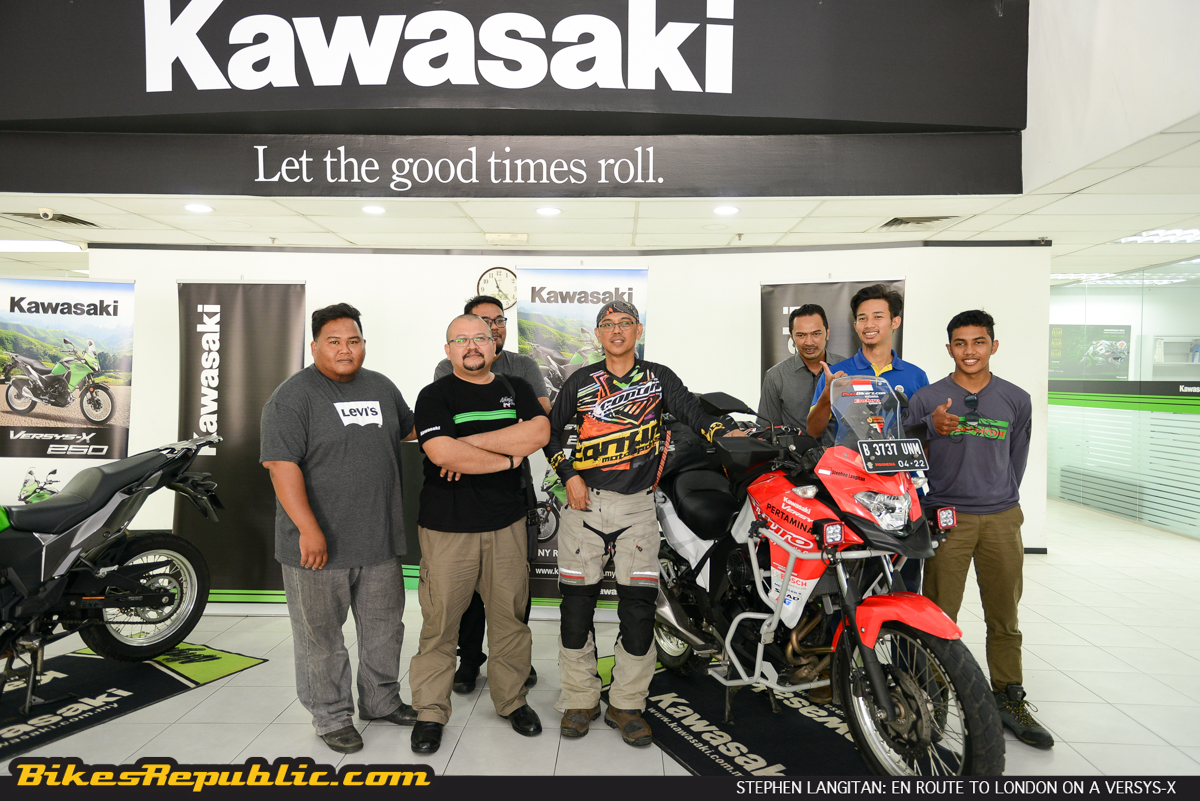
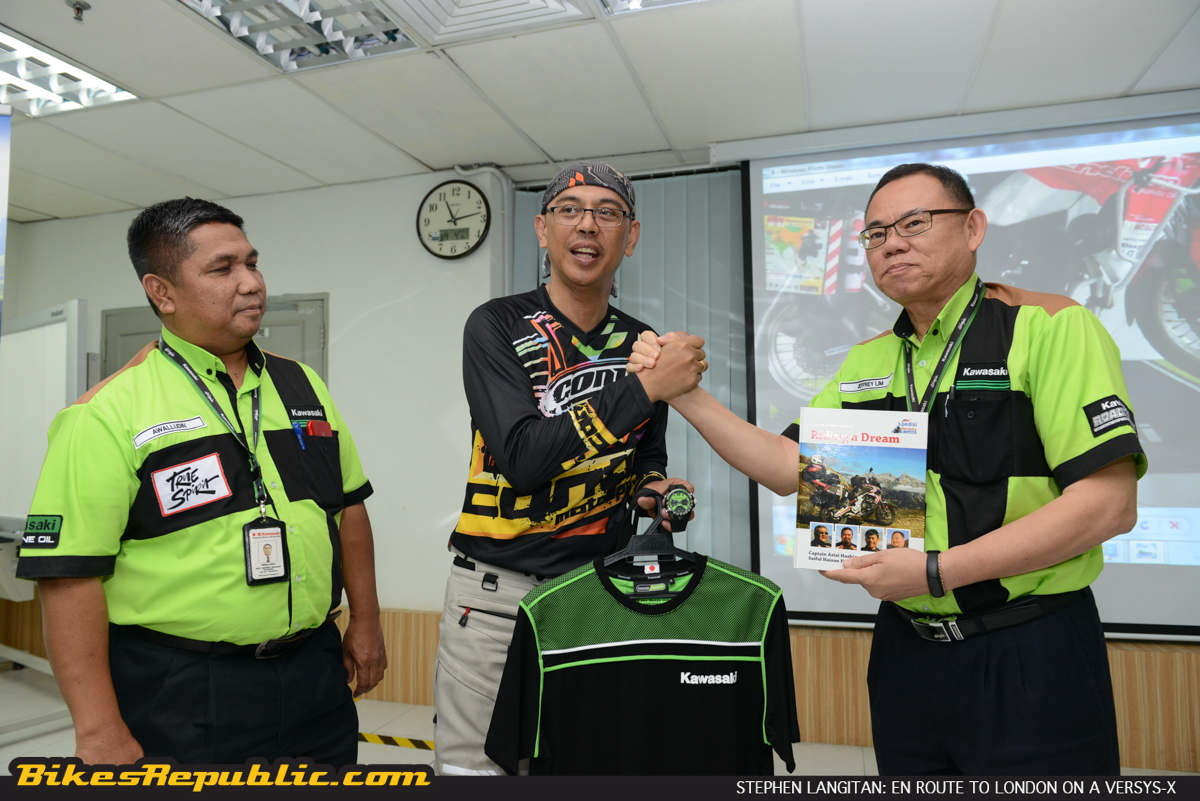
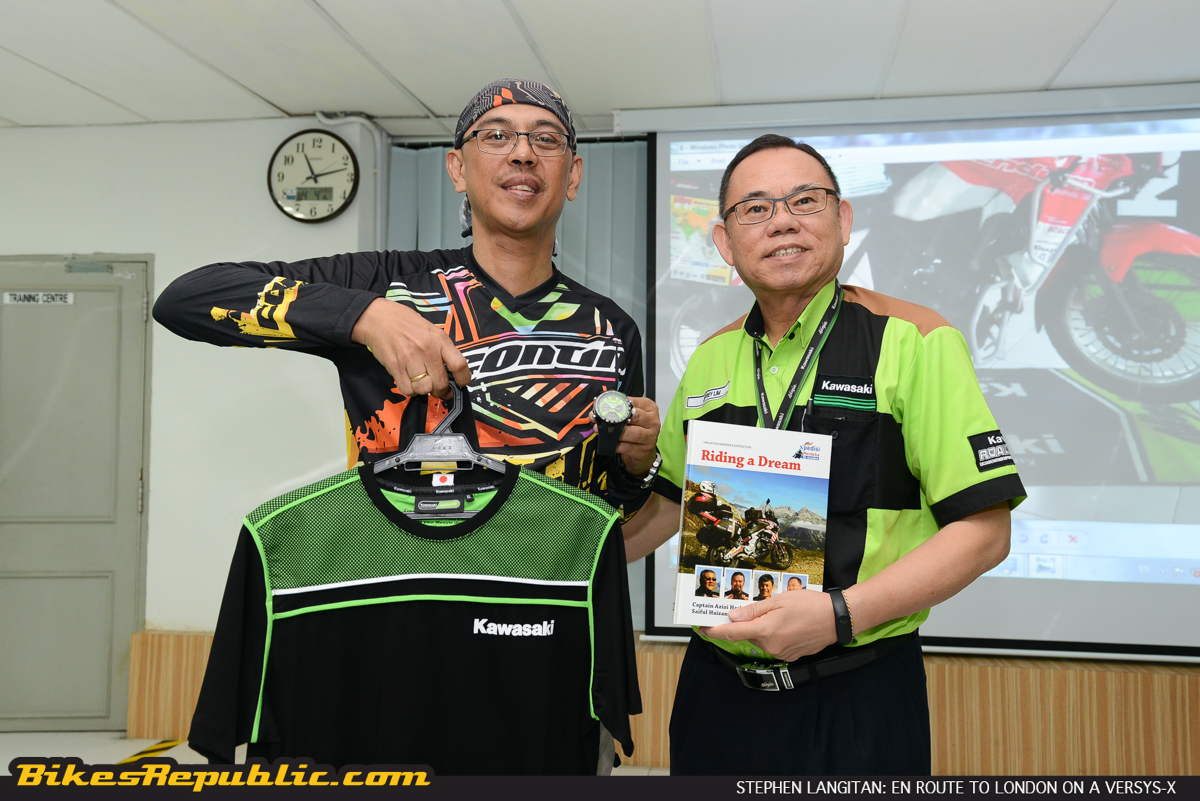
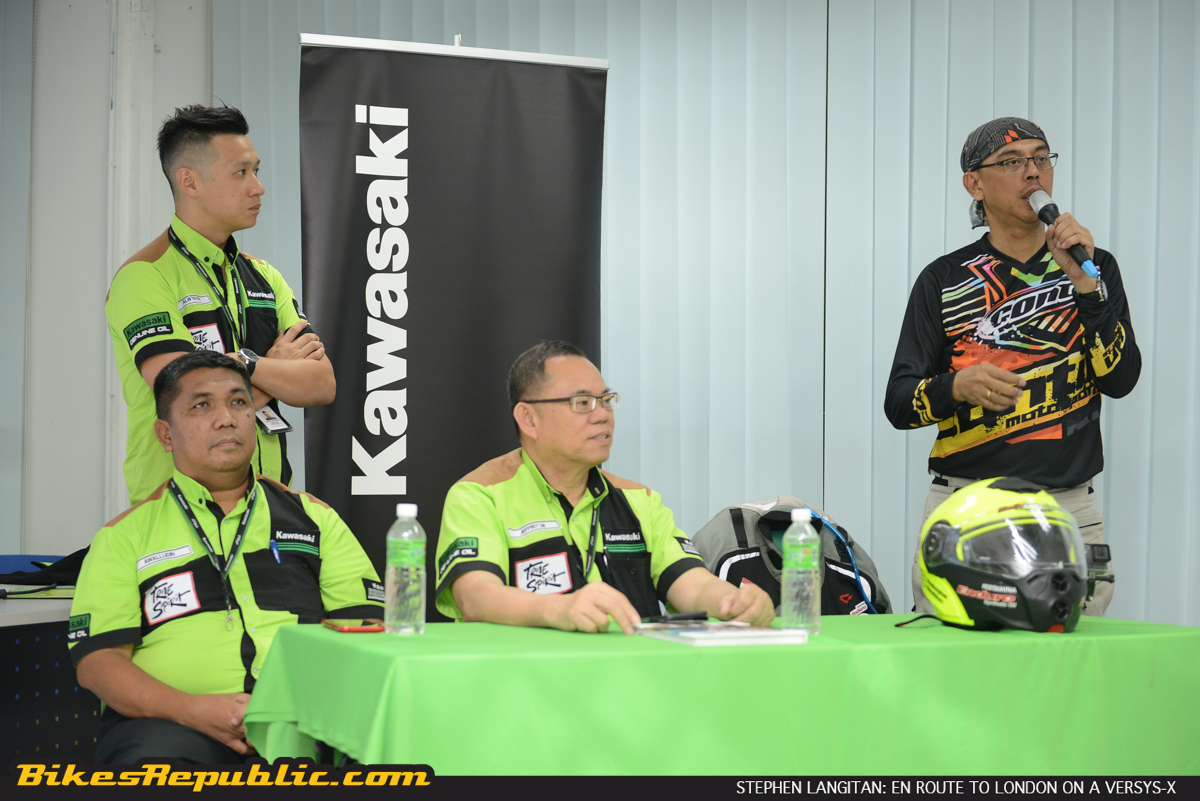
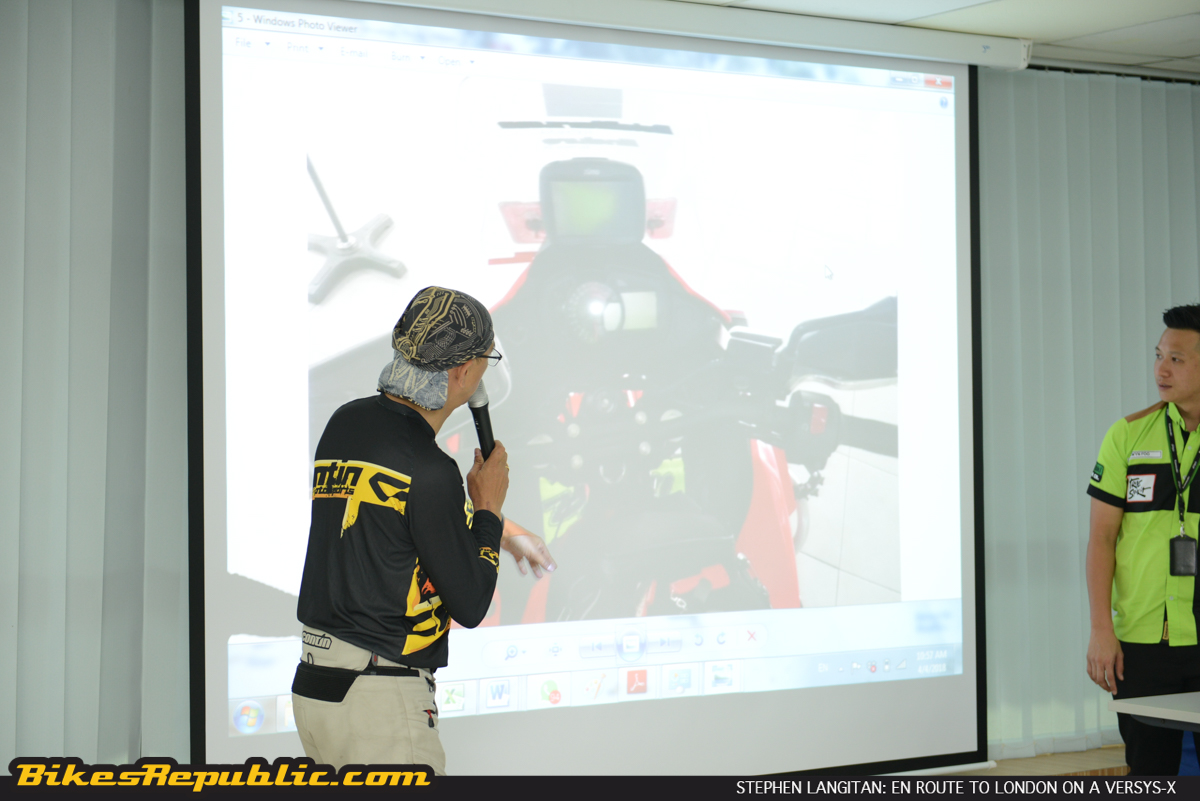
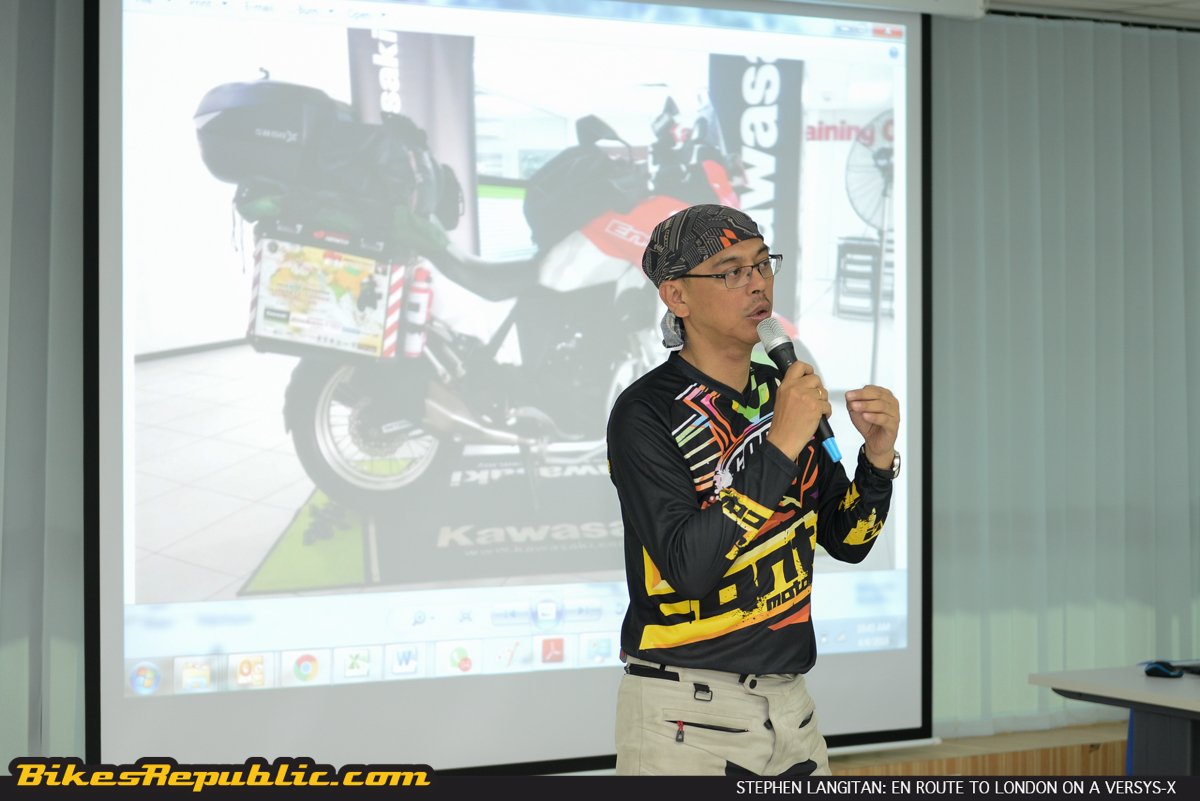
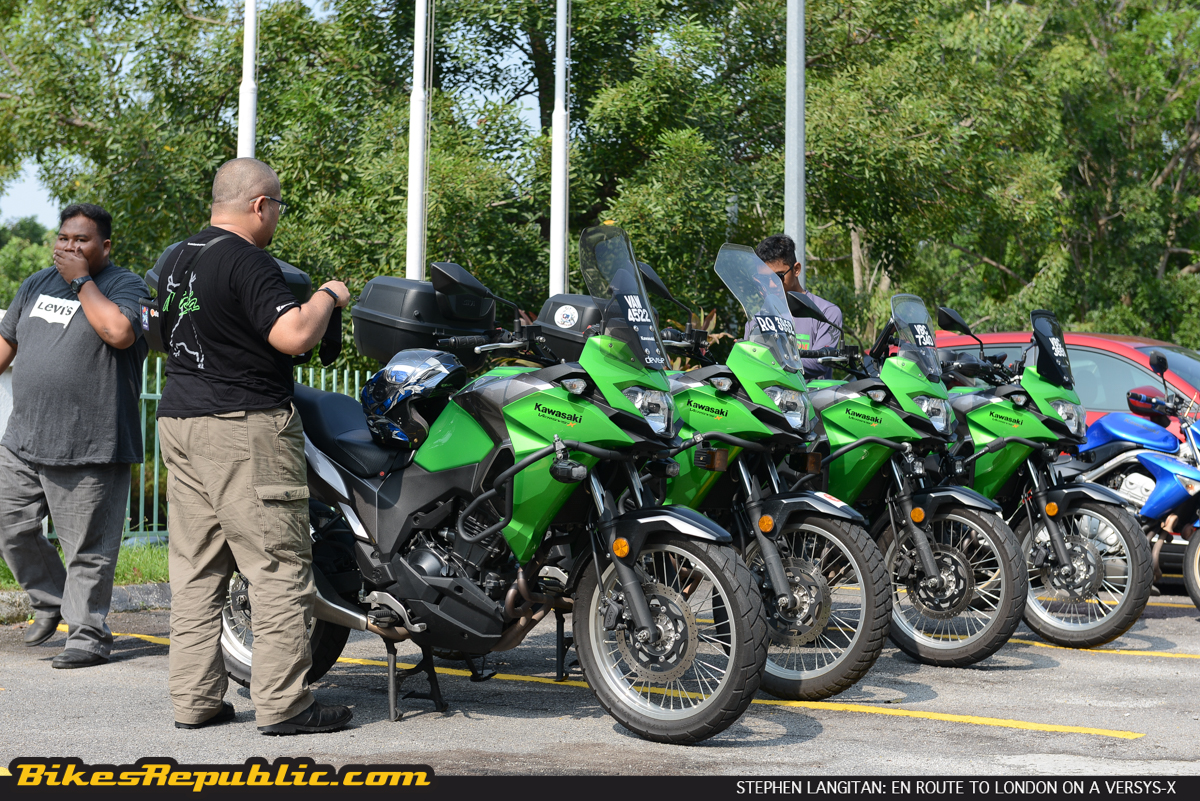
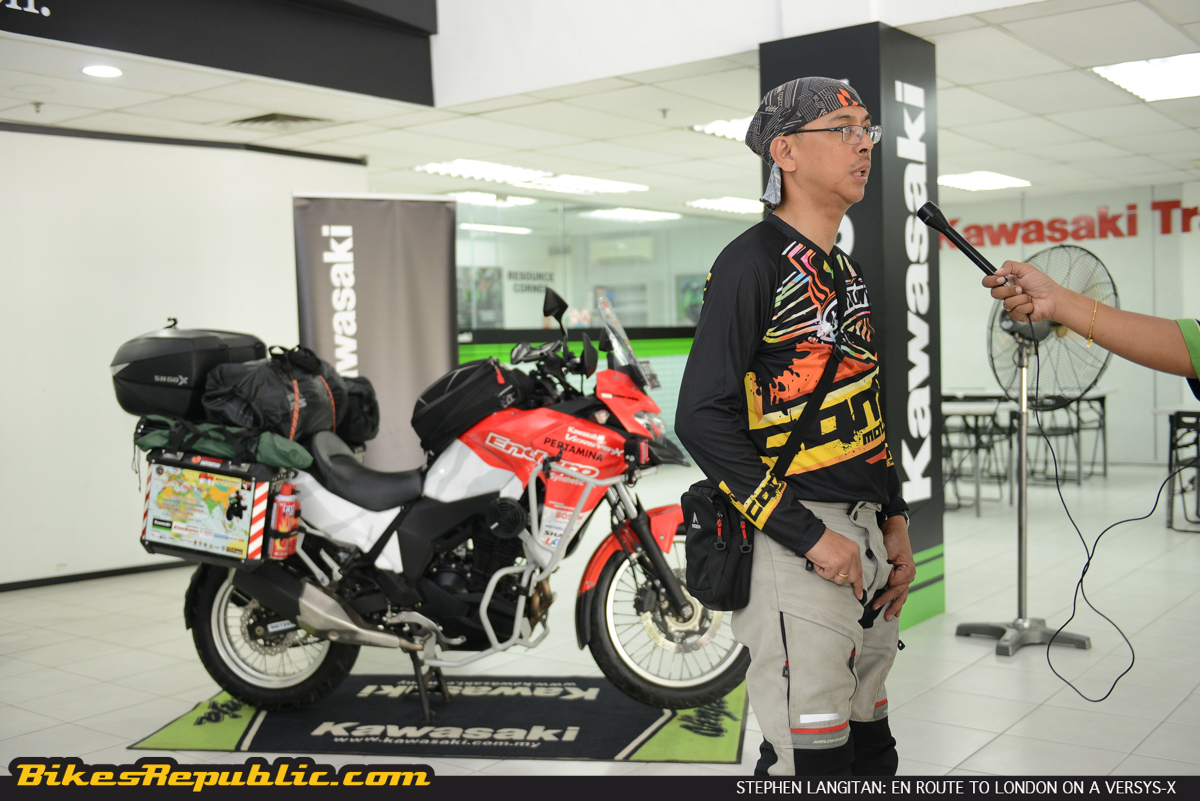
Stephen was invited to Kawasaki Motors (Malaysia) for a Meet & Greet session with the Versys-X club members and media, to share his views, experience and knowledge on his solo ride.

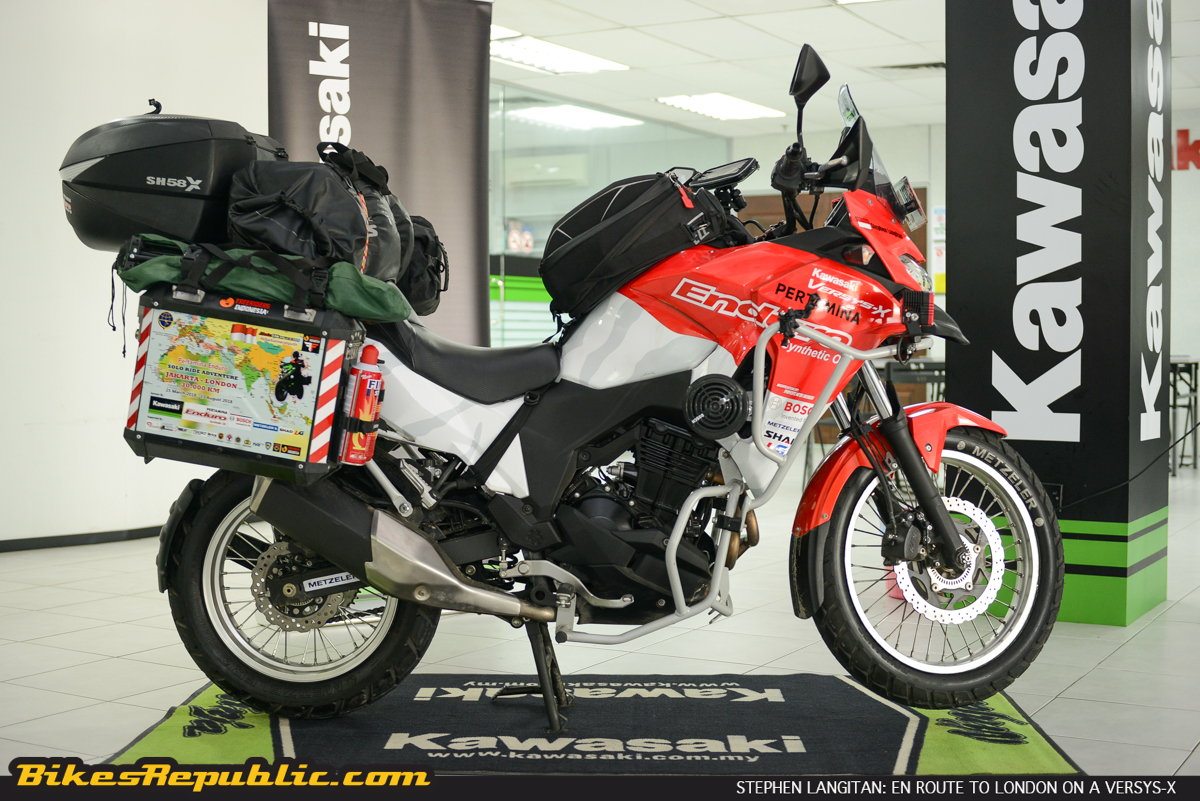
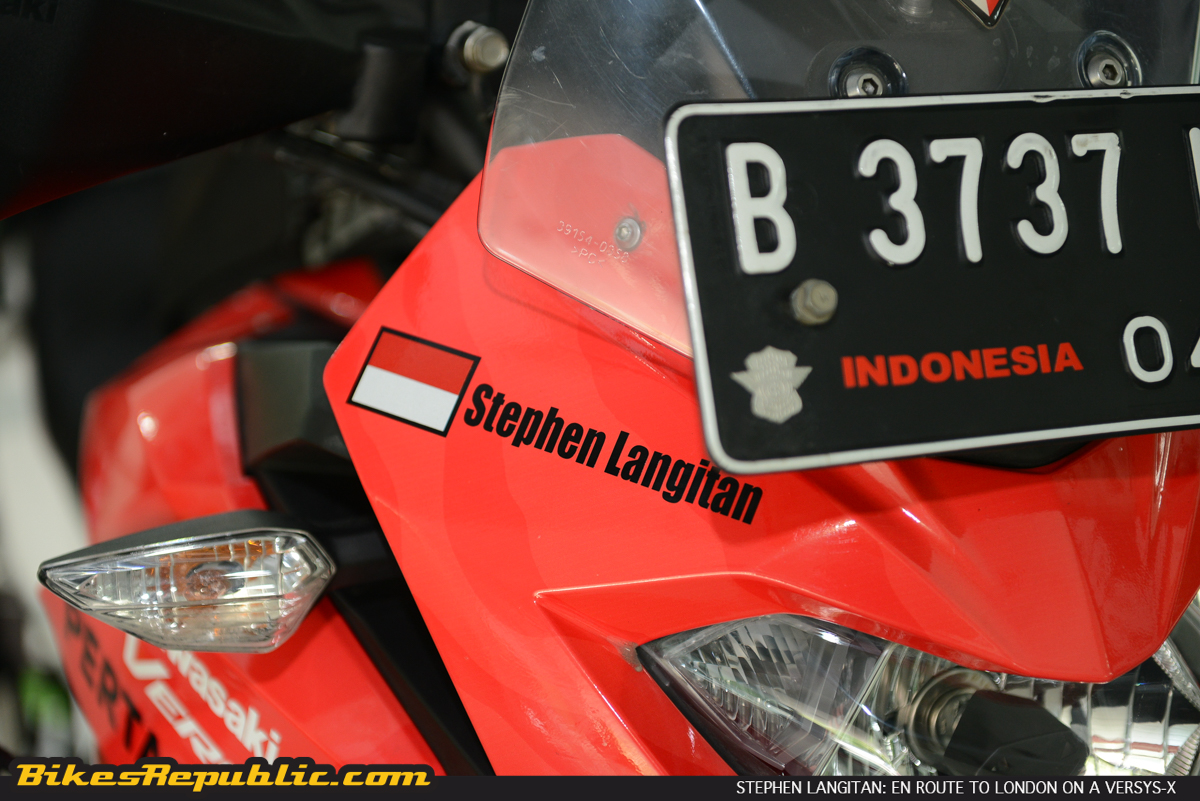
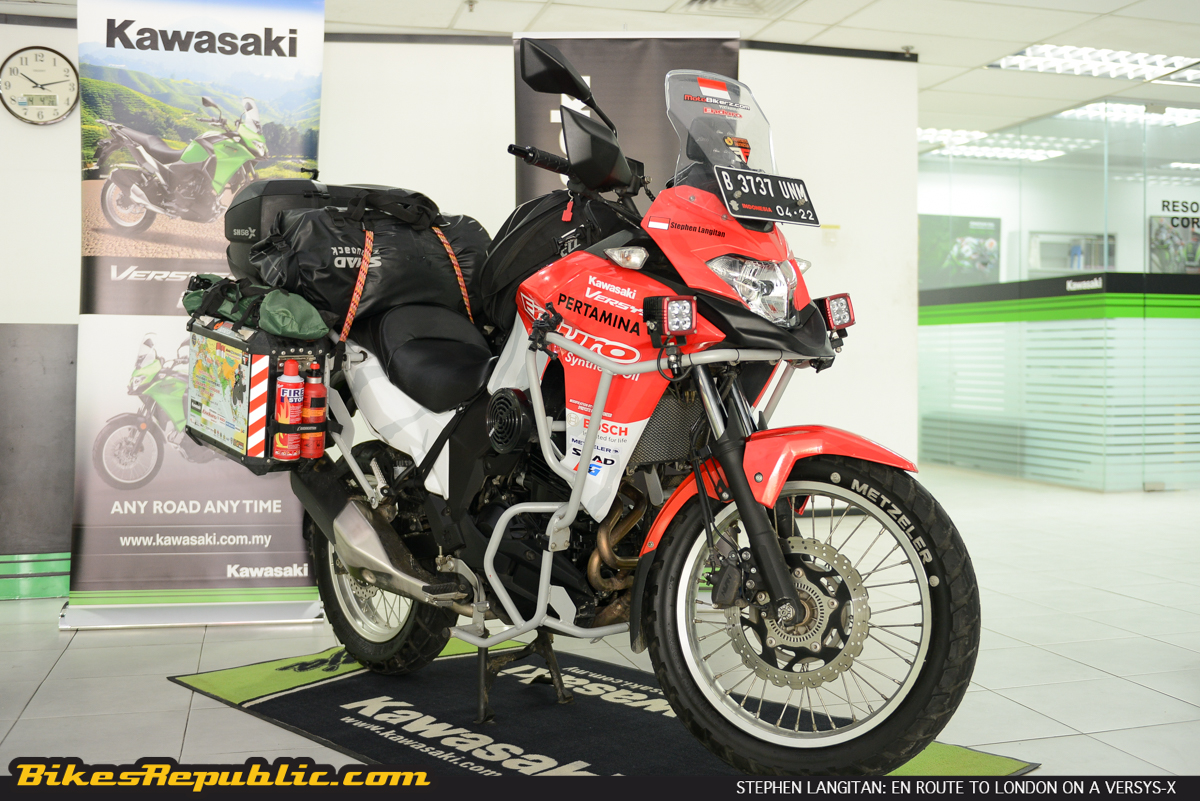
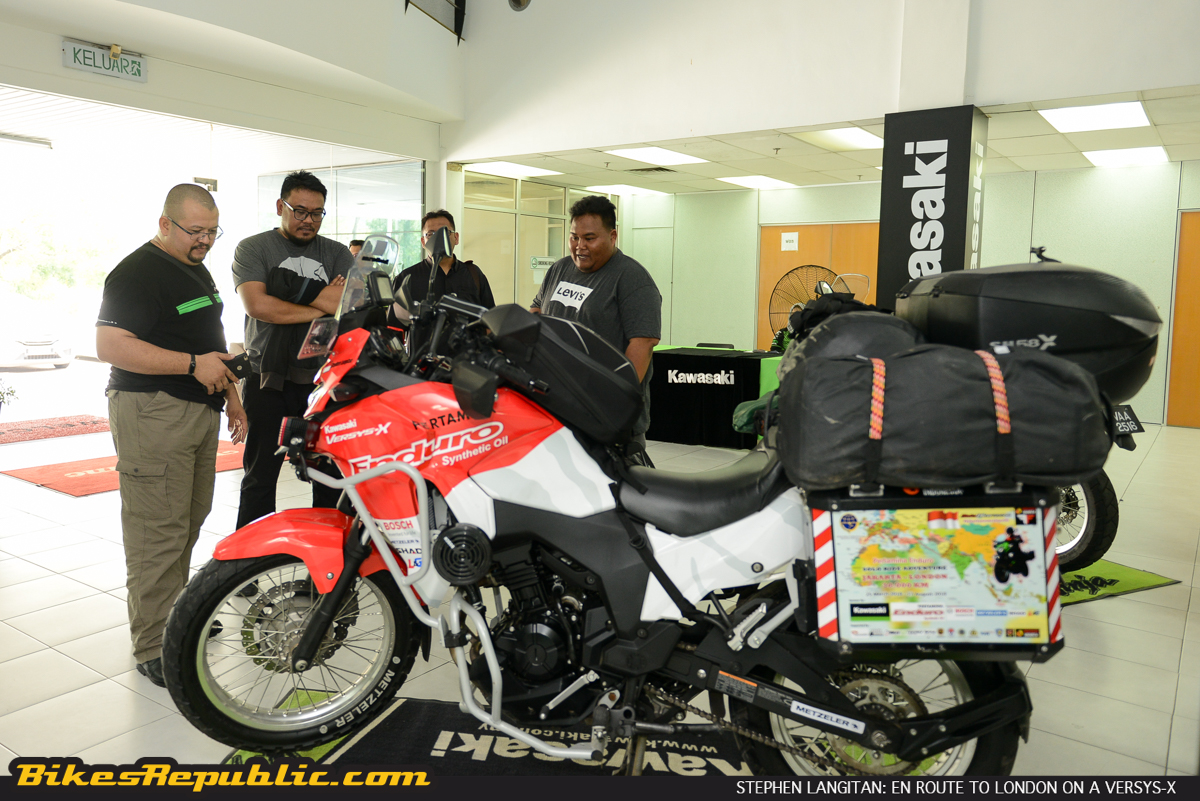
What spurred him to embark on this ambitious ride? “I wanted to prove to myself that I could do it. I also wanted to fly the Indonesian flag all the way throughout the trip, that’s why my bike is painted in the red and white Indonesian flag.”
The conversing point on everyone’s lips was Stephen’s choice of bike, the Versys-X 250. We’ve written before that it is one of the best choice for an adventure bike (click here for the article), on account of its affordability, reliability and light weight. It turned out to be the same sentiments echoed by Stephen: “The main reason is because it’s light. One must always be prepared about dropping the bike when adventure riding and the Versys-X 250 is light enough for me to lift it back up by myself. Sure, you could ask for help, but what if I dropped it where there’s no one around? All I need to do is remove the tank bag, sleeping bag, and other luggage and get it back onto its wheels.”

“The second reason is of course fuel economy. I don’t ride fast – normally around 80 to 90 km/h. The Versys-X averages approximately 30 kilometres per litre of petrol at that pace, hence I could touch up to 450 kilometres per tank, through multiplying 30 km by 15 litres with 2 litres as reserve.”

“I have a very tight schedule due to Visa constraints through a number of the 26 countries I’m riding through, and that’s is why I cannot afford to stop too often, unless I feel sleepy and need to refresh myself,” Stephen explained.

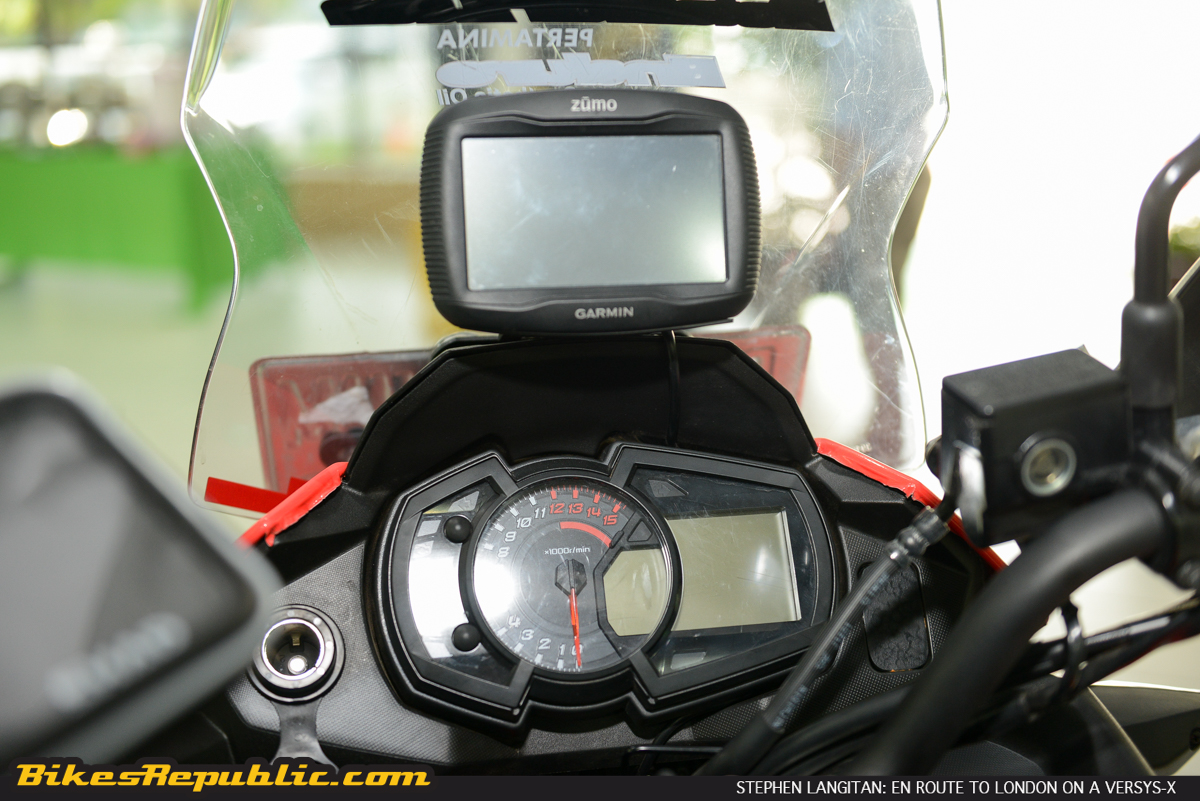
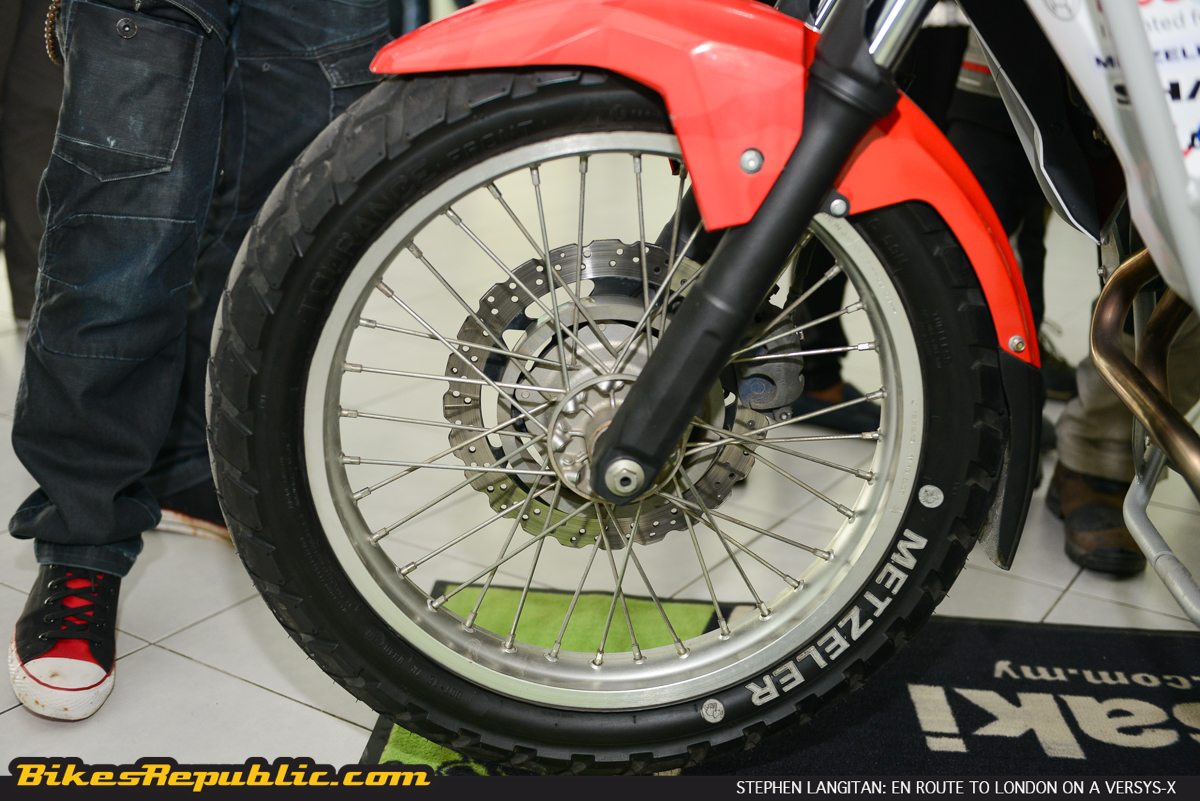
His Versys-X is decked out in luggage and the aforementioned paintjob, besides a few accessories. We asked if it had been modified in any way. “No, the motorcycle is fully stock. I’ve only added accessories such as the engine protection bars, brackets for the panniers and top case, a GPS holder, high-powered spotlights, except for the stock rims which have been made to support tubeless Metzeler Tourance tyres.”

“As for challenges so far, I think I’ve travelled on the worst roads through southern Sumatra already. The roads ahead should be well-built and I hope for a smooth ride.”

Stephen’s final message before the end of the event was, “Thank you Kawasaki Malaysia for welcoming me, thank you Kawasaki Versys-X Club of Malaysia for coming out to meet me. I’m very touched by your support.”

You may follow Stephen Langitan’s further progress on his Kawasaki Versys-X 250 on his blog http://stephenlangitan.com/archives/115906.

PICTURE GALLERY

  • The golf tournament was intended to raise funds for a number of charity organizations.

  • The event was organized by Cigaros MC and Momxys MG.

  • A total of 128 participants took part.

  • Moto Guzzi Malaysia and Harley-Davidson of Petaling Jaya, among others sponsored a number of prizes.

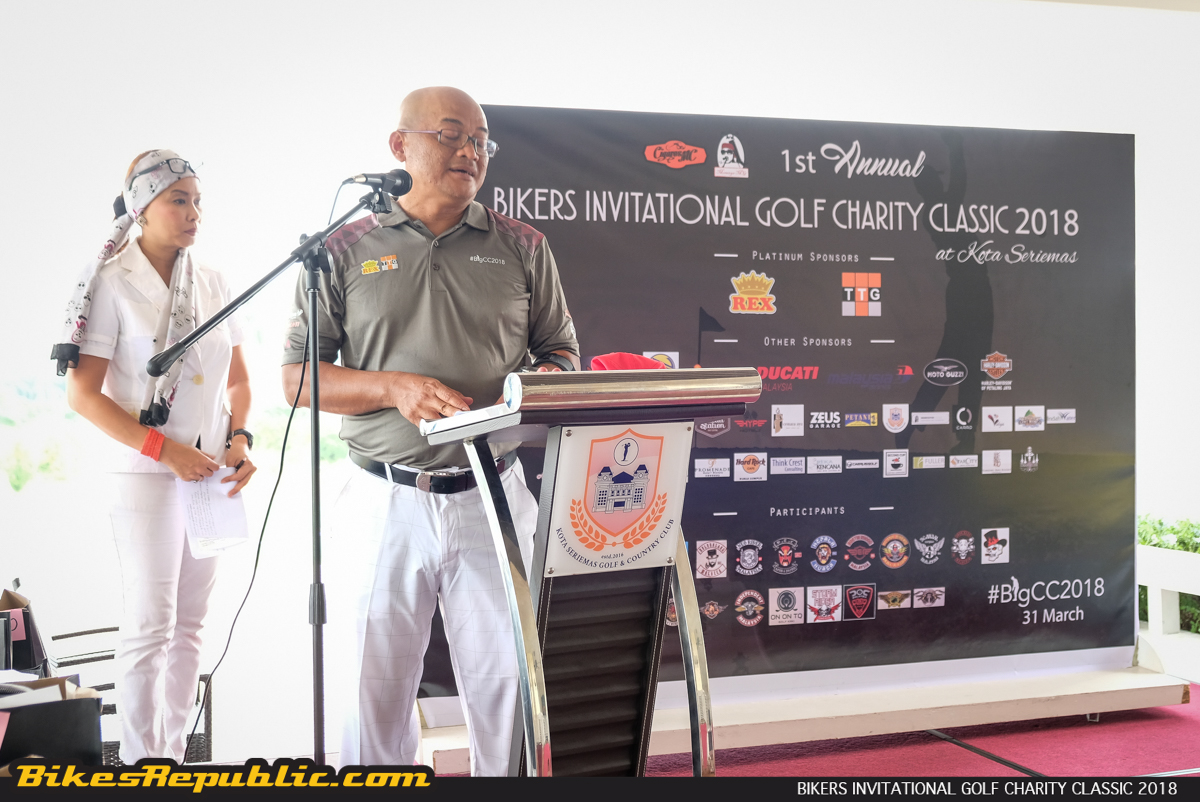
Kota Seriemas Golf & Country Club, 31st March 2017 – While most of us consider any motorcyclist or biker as just that, the community is actually made of an eclectic mix of people, from all walks of life. It’s the shared passion for motorcycles that drove us to unite.

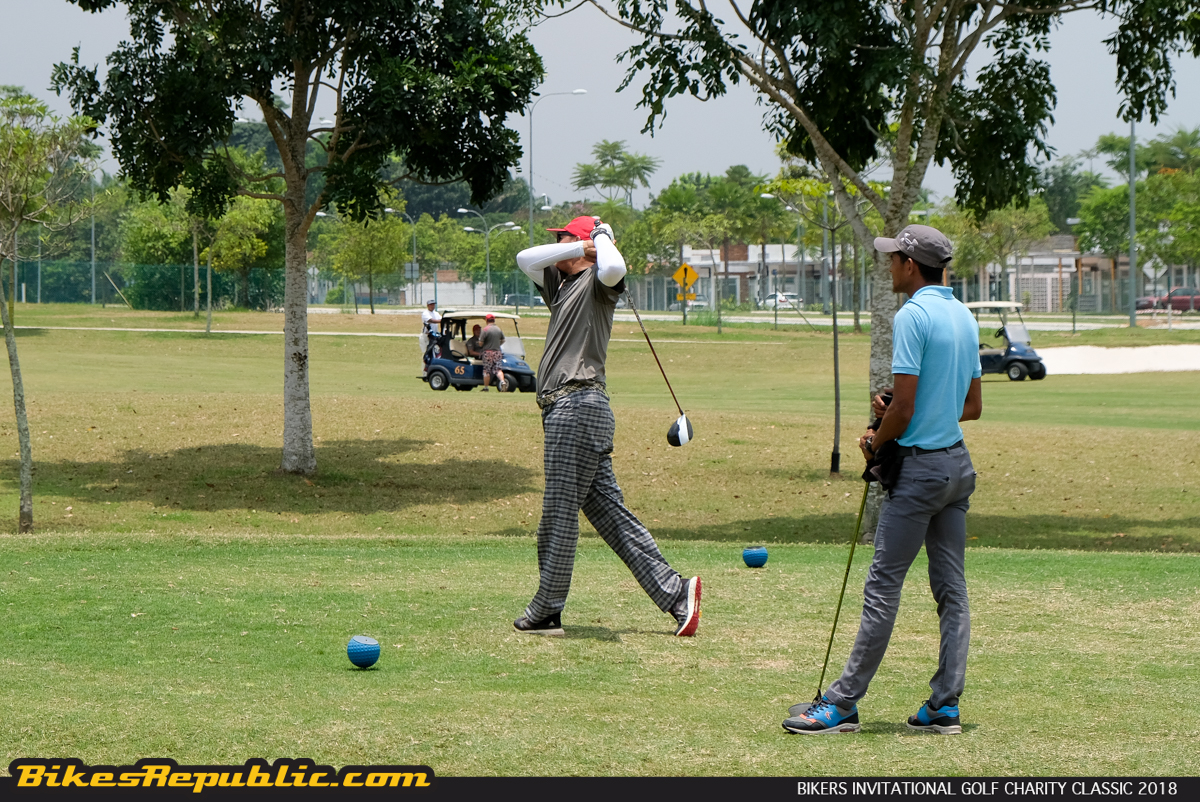
With this in mind, Cigaros MC and Momyxs MG organized the 1st Annual Bikers Invitational Golf Charity Classic (BigCC) 2018 event, bringing together bikers who are also golf enthusiasts.

The friendly competition aimed to raise awareness and funds for two charity homes. The first is Rumah Pakats in Bukit Kerayong, Selangor which is under the auspices of Pertubuhan Amal dan Kebajikan Anak-ank Islam Tersisih Selangor. The home cares for children who are HIV positive, orphans and the poor. The second organization is PJ Caring Homes, which provides care for mentally challenged individuals.

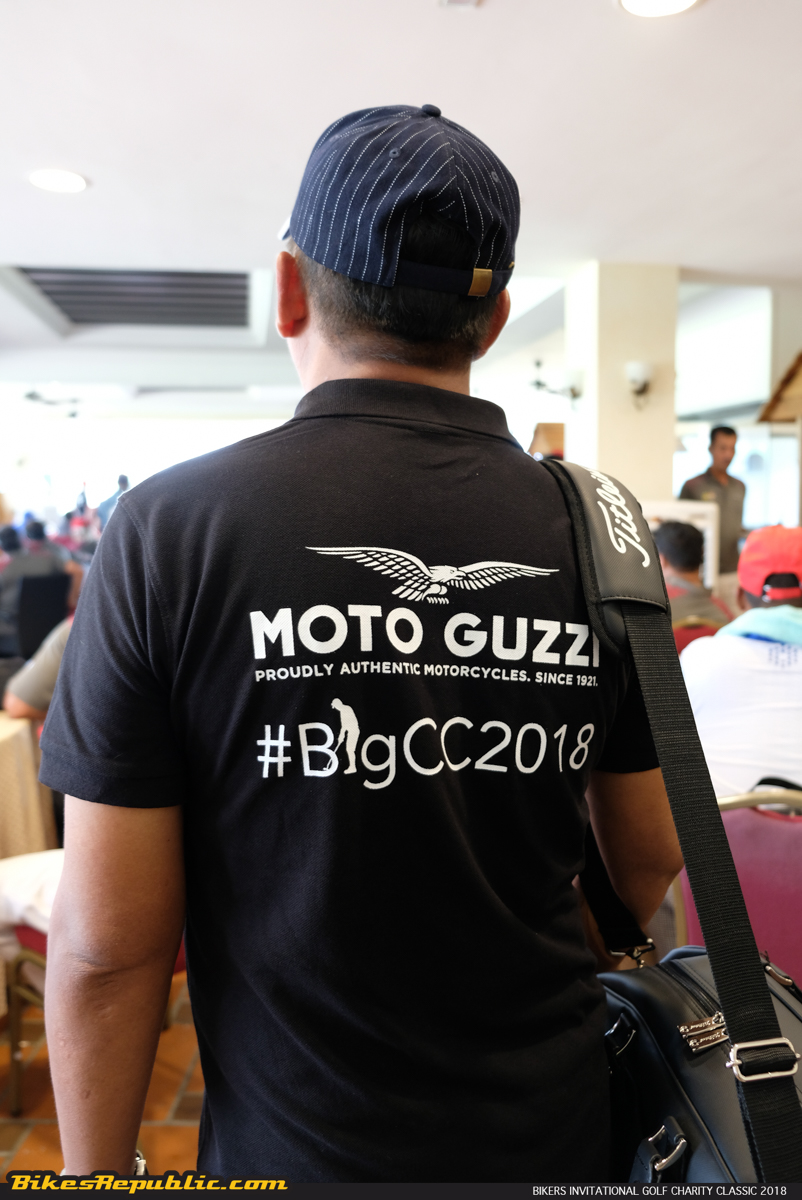
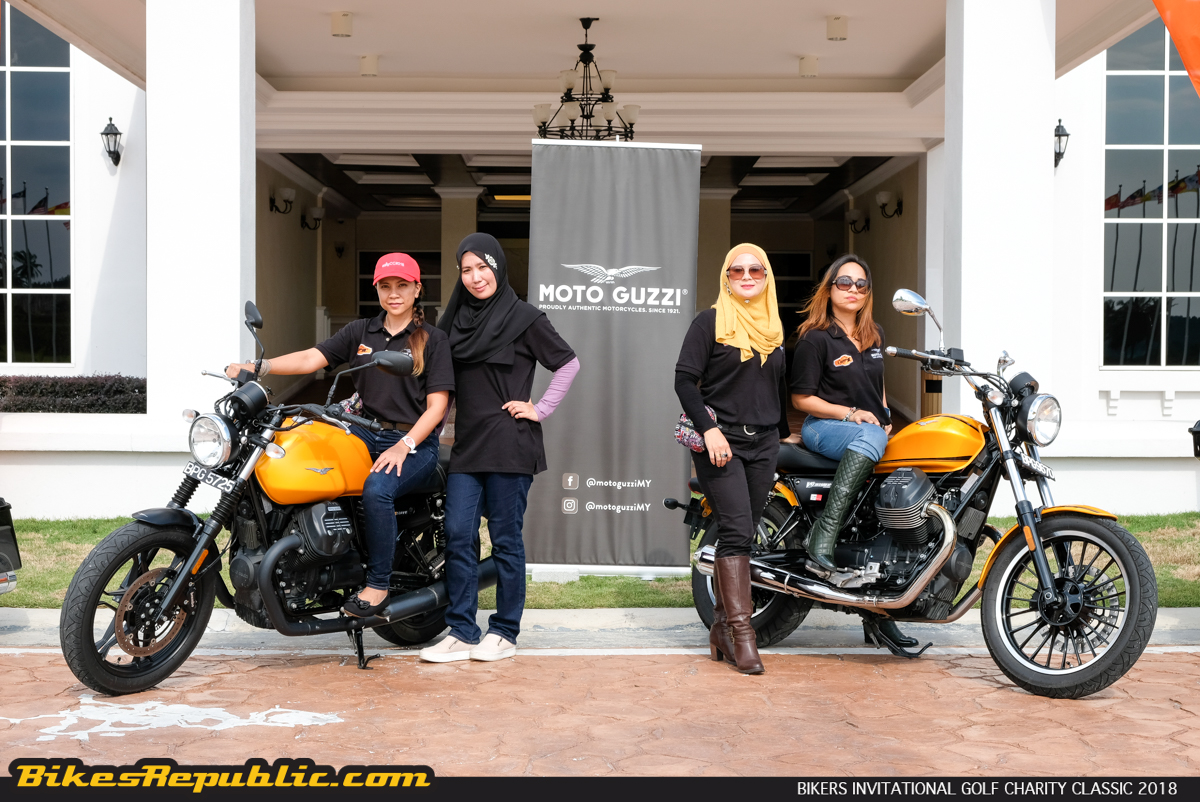
A number of motorcycle brands also sponsored the event, including Moto Guzzi Malaysia, Harley-Davidson of Petaling Jaya and Ducati Malaysia. Ducati Malaysia put up an XDiavel as the prize for the player who scores a hole-in-one. At the same time, Moto Guzzi Malaysia and Harley-Davidson of Petaling Jaya sponsored some fantastic goodies as lucky draw prizes. A few of the products were also put up for auction, and the proceeds that were raised went to the aforementioned homes. Other corporate sponsors were Malaysia Airlines, Holiday Villa Subang, Tanjung Rhu Resort Langkawi, Awana Resort and StarCity Hotel.

The Kota Seriemas Golf and Country Club sponsored provided the venue at a very special rate.

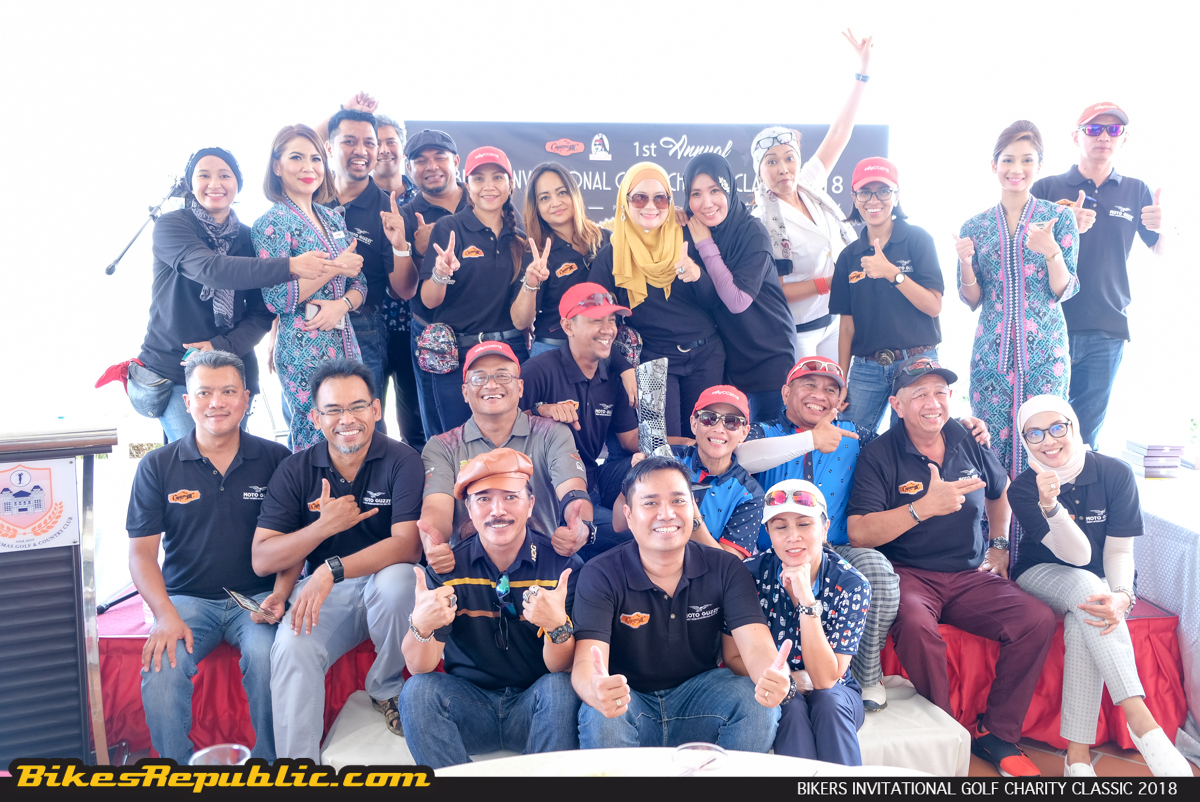
A total of 128 participants who represented different motorcycle clubs and groups took part in the tournament, vying for team, men’s individual, ladies’ individual and novelty categories. There were those who came from as far as Singapore, Brunei and Labuan.

Lucky draw and auction sessions were held throughout the day. Participants and other visitors had the opportunity to test ride the Moto Guzzi V9 Roamer and V7 Stone.

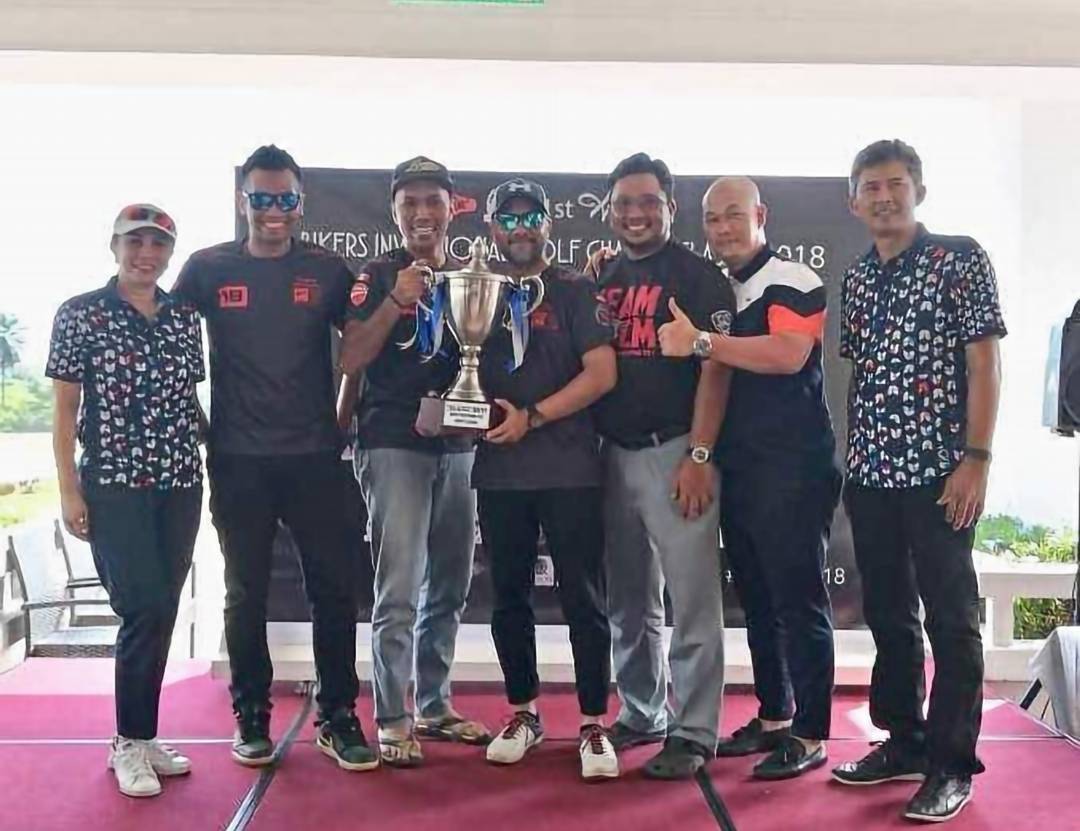
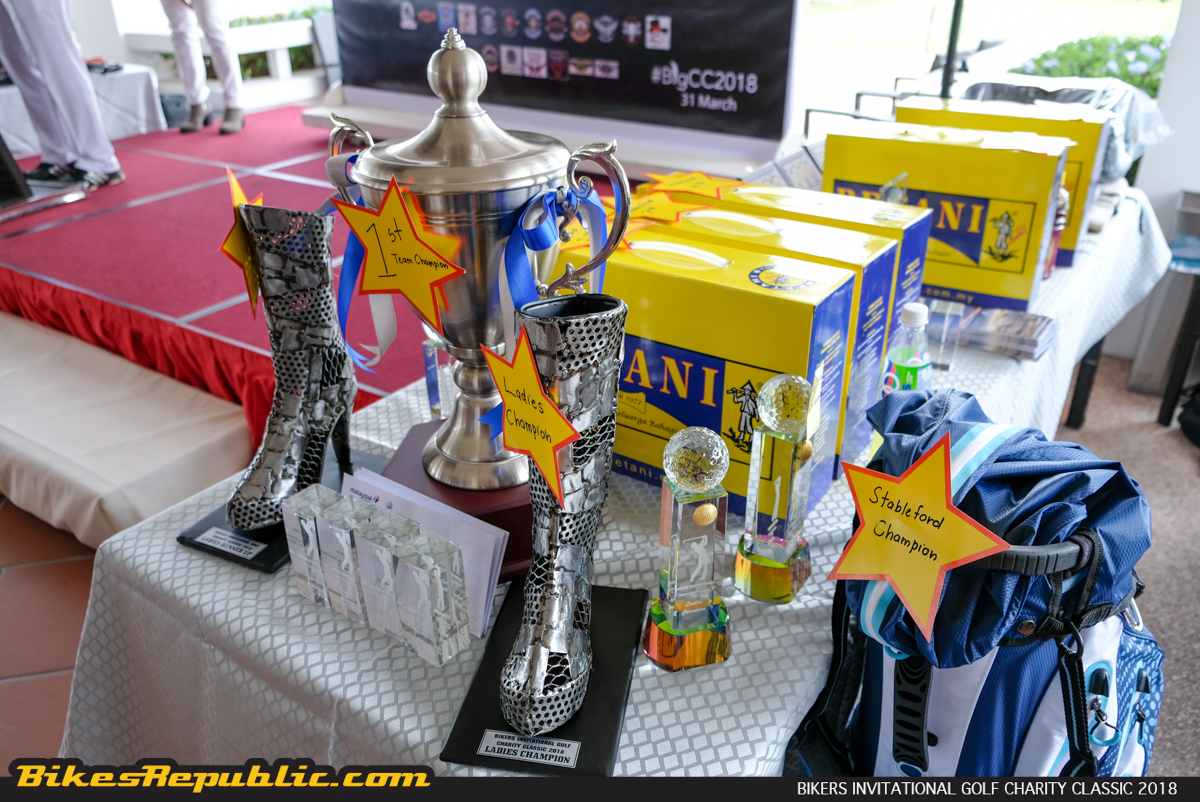
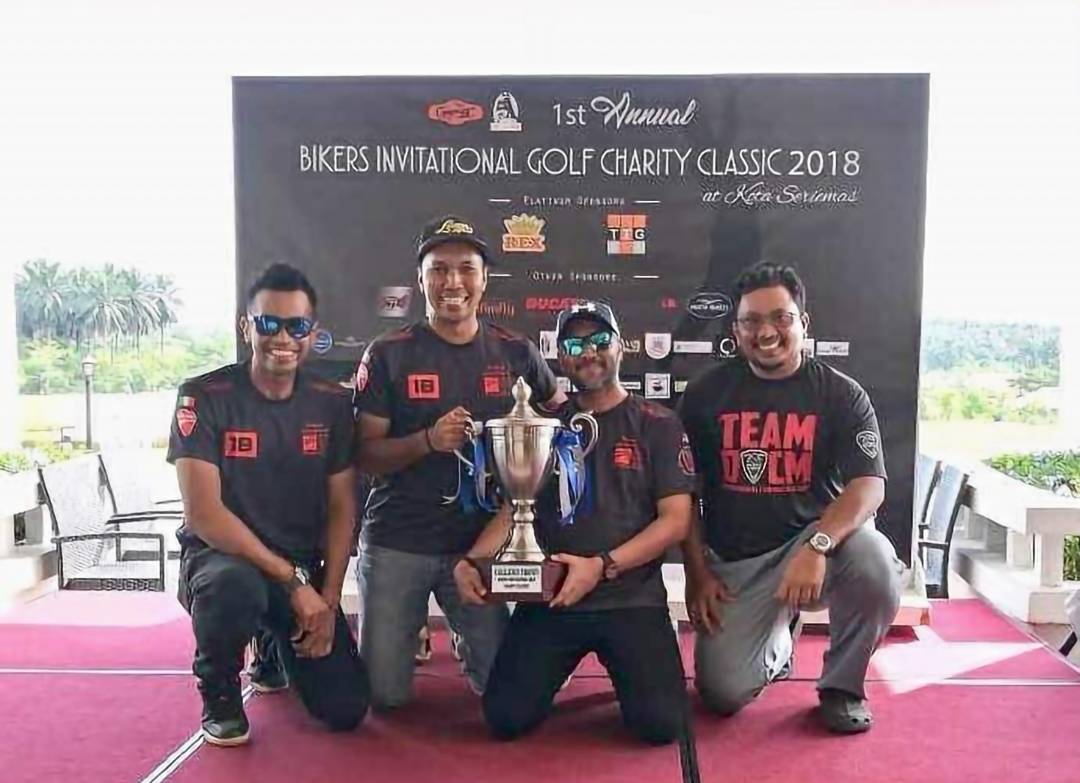
The results were tallied, and the Ducati Desmo Owners Club Malaysia was declared as the winning team, earning each member Malaysia Airlines tickets to Jakarta, besides the champion’s trophy and other prizes.

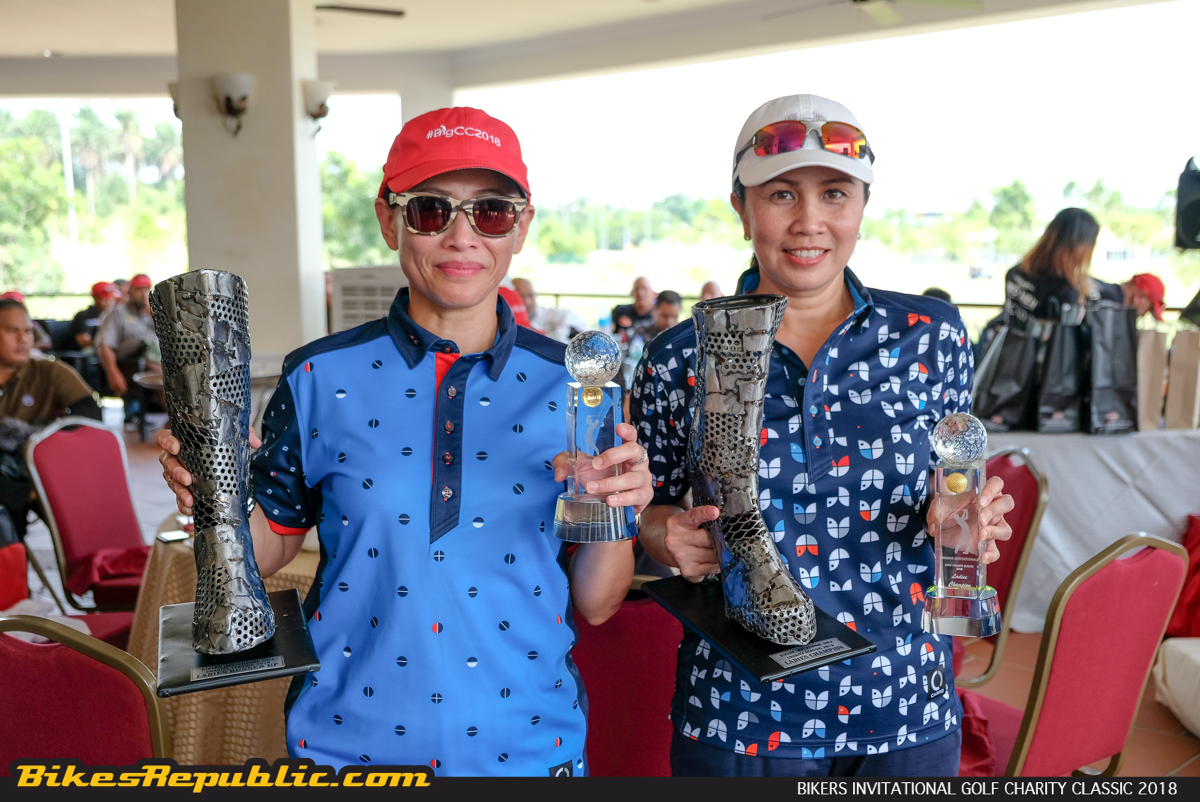
As for the ladies’ individual category, Nor Cilla Omar emerged victorious while Sura Abdu Rahman was the first runner up.

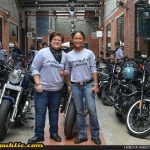
Sura Abdu Rahman (right), Nor Cilla Omar (left)

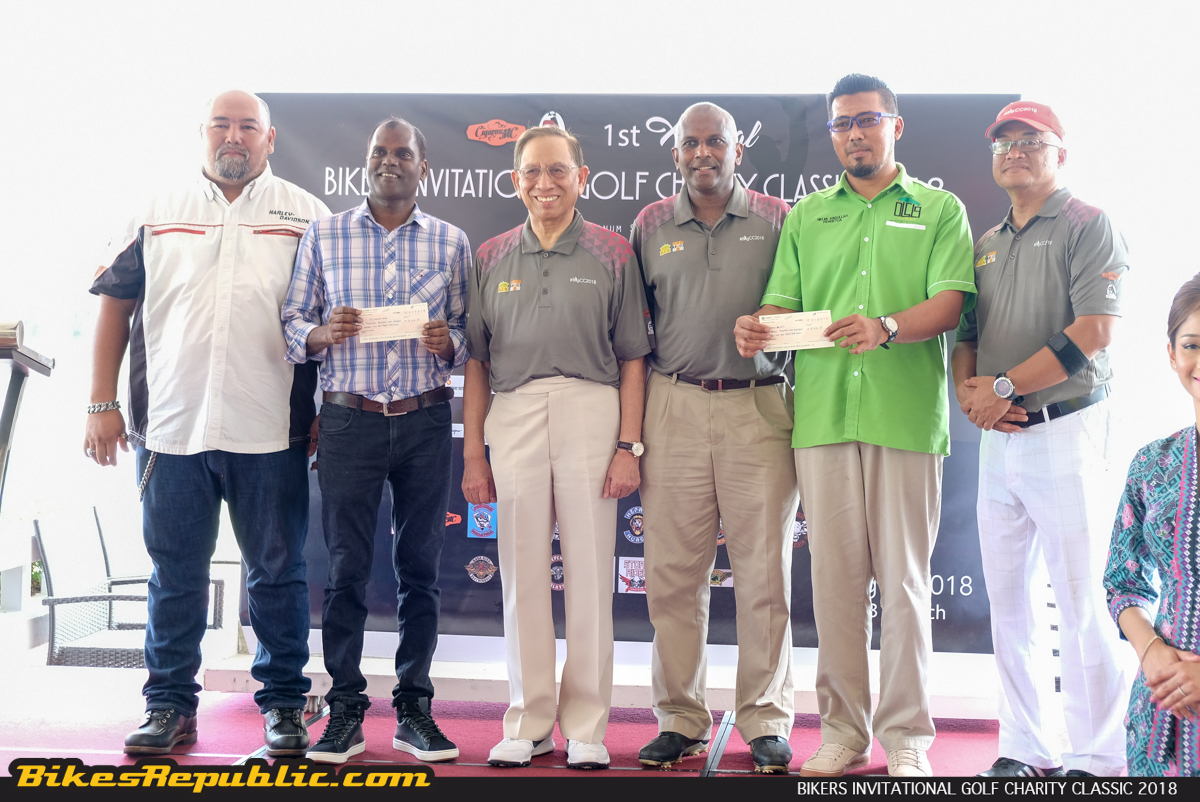
It was also announced that each home will receive RM 20,000 through the donations and proceeds of the auctions.

Of note, the organizers Cigaros MC and Momxys MG have always been campaigning actively for charities apart from the two during this event. They had organized charity rides for other orphanages, back-to-school relief for flood victims, food for the homeless during Ramadhan, among many others.

PICTURE GALLERY


  • It’s the “touring month” again as riders tour around Malaysia or head into Thailand.

  • Long-distance touring needs planning.

  • Here are items to make your touring experience something more safer and more fun.

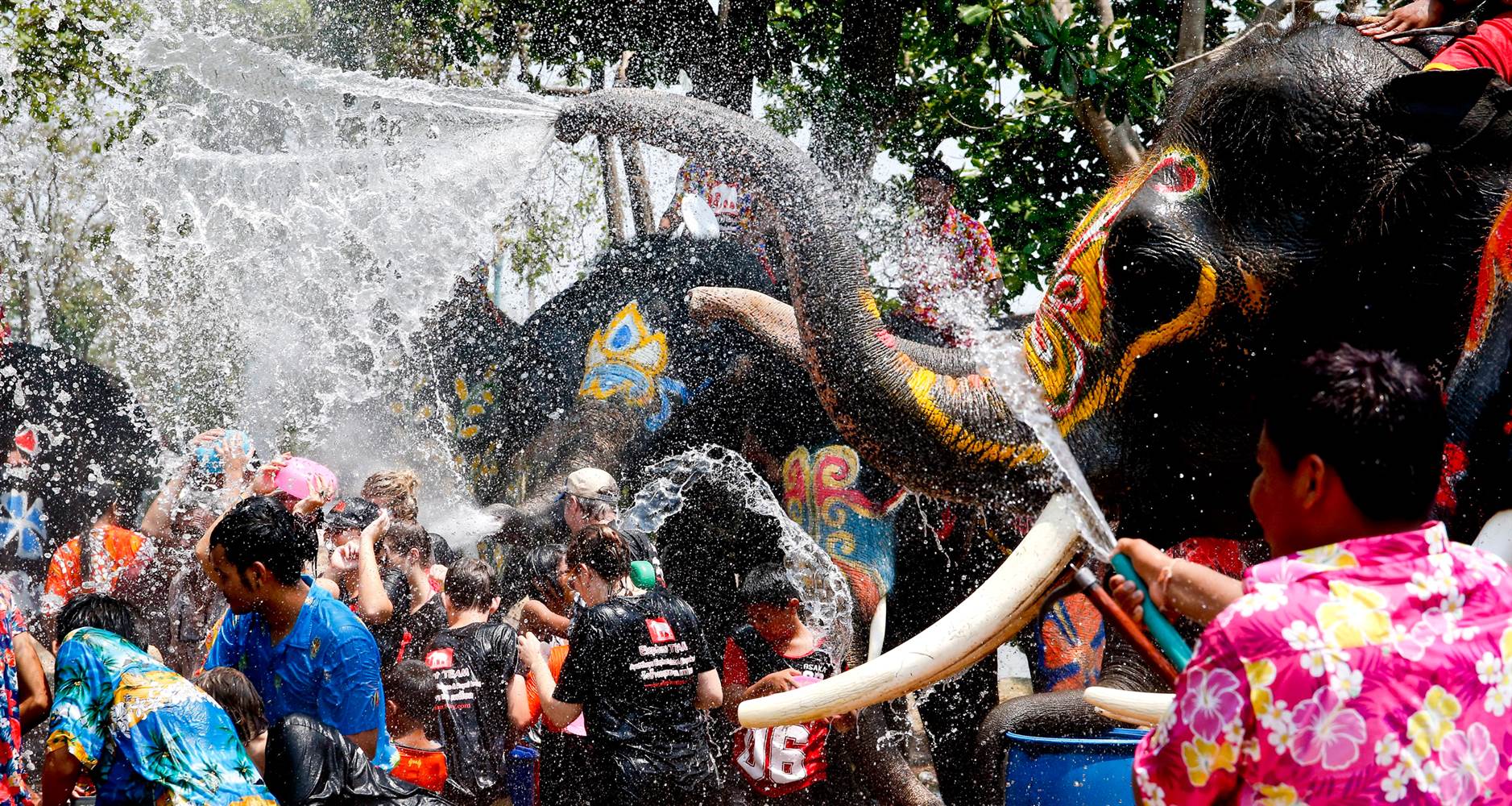
The month of April is here and it’s time for some touring, around Malaysia, but usually to Thailand. Yes, it’s time for the Phuket Bike Week and Songkran (the Thai new year).

It’s during March and this month that the winds and tides hitting the Thai west coast are still benign, as the monsoon season starts in mid-May, which brings heavy rain and higher surfs (and lots of debris) to the beaches.

Songkran

Also, as the holy month of Ramadhan is in May this year, you can expect many more Malaysian riders rushing north during this month.

But long-distance touring shouldn’t be carried out without proper planning – you can’t just hop on your bike and ride to Thailand like how you ride to Karak for nasi lemak. For one, you need the necessary documentation if you ride into Thailand, and you should bring along these items when you tour.

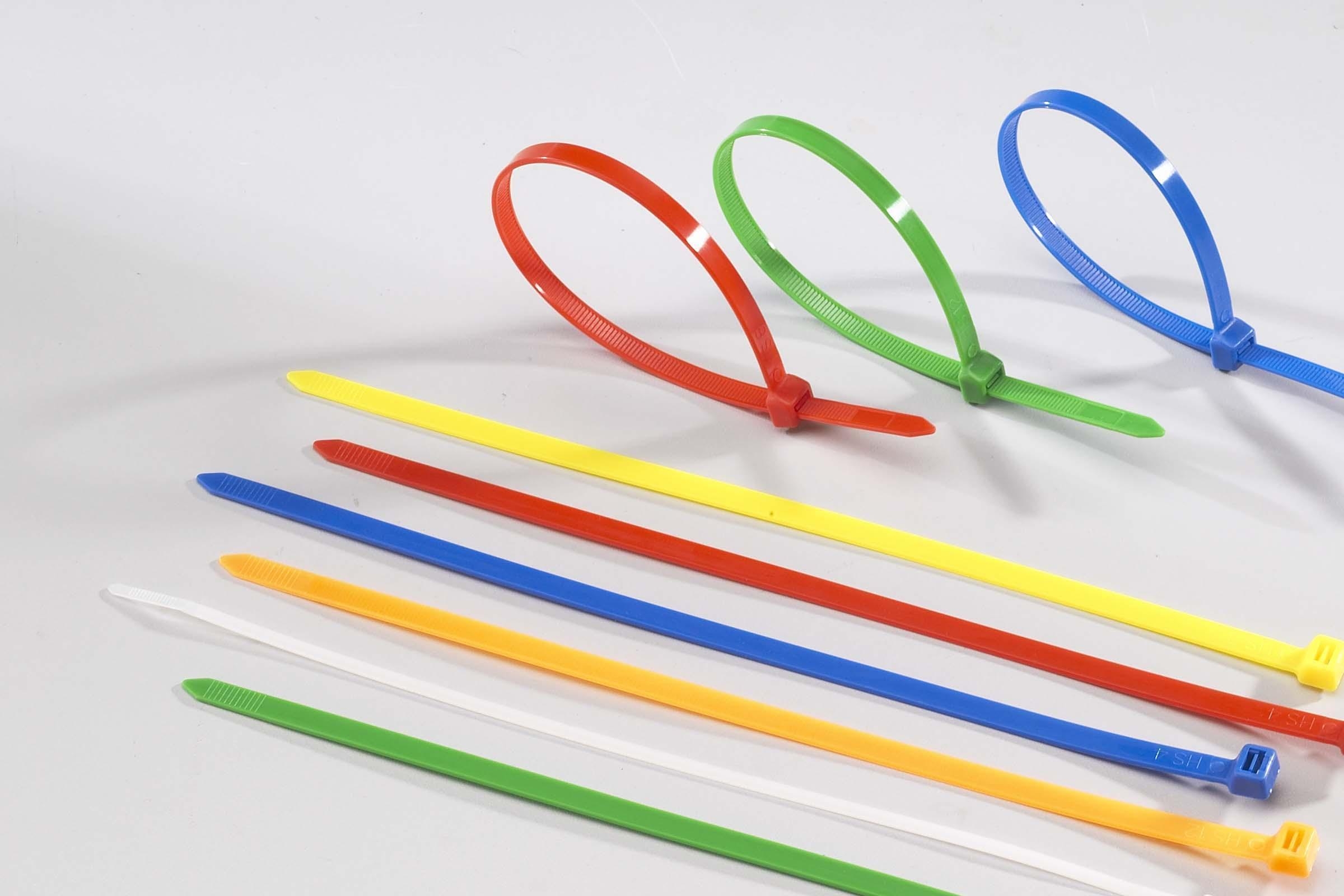
1. Cable Ties (Zip Ties)

The cable tie is probably the most universally useful item you should never ride without. It serves almost any purpose during emergency roadside repairs. Brake pedal dropping out? Cable tie it. Bodywork came loose because the fastener had gone down the rabbit hole? Cable tie. Number plate screws fell out? Cable tie. Snapped your shoes laces? Cable tie. Etc., etc., etc.? You got it – cable tie!
Cable ties a.k.a. zip ties

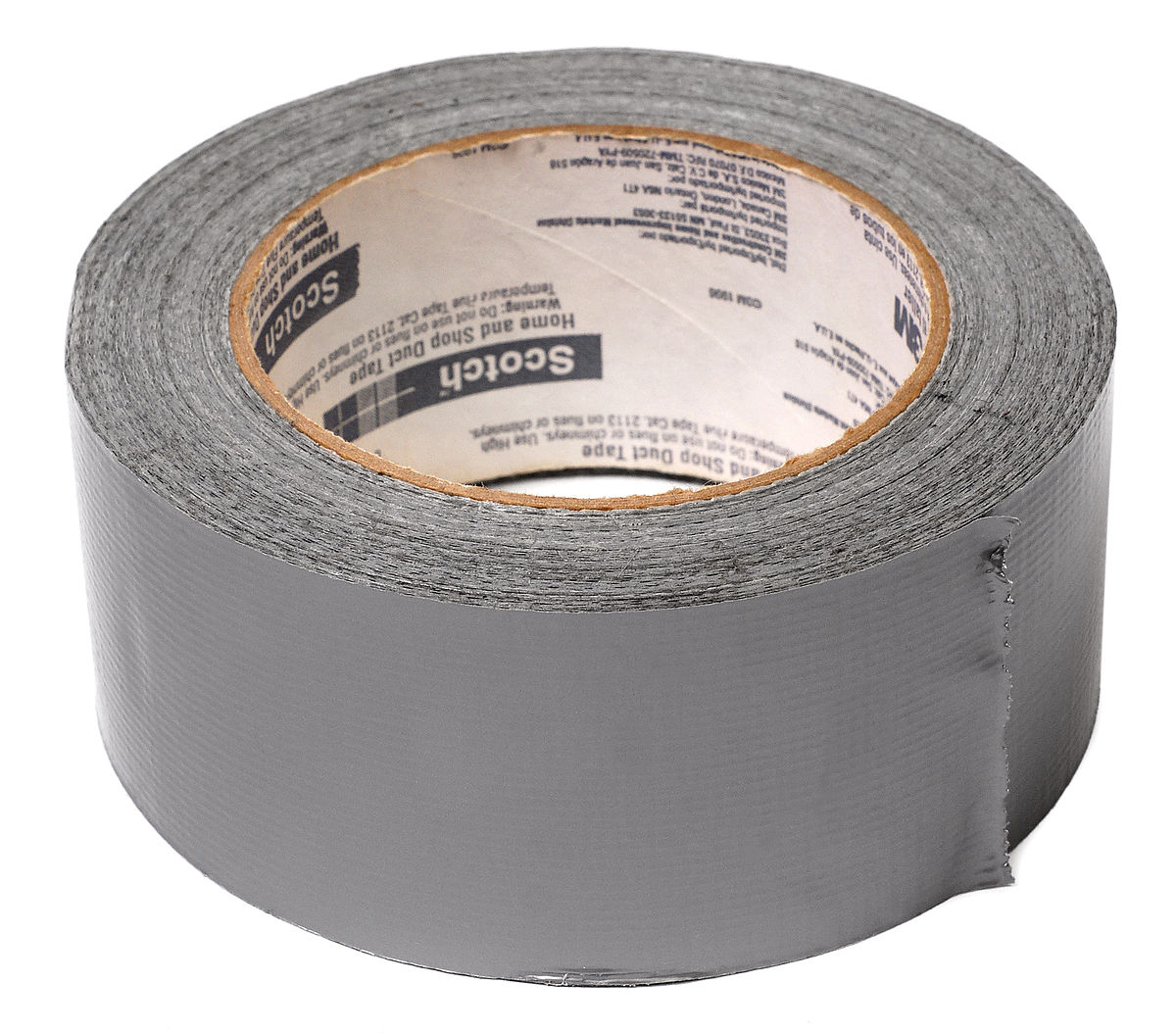
2. Duct Tape

Along with the cable tie, duct tape is indispensable. It’s especially useful as a temporary repair for tears. We’ve used it on a riding boot which mimicked a “crocodile’s mouth” (the sole split open). Sealing pants legs to prevent water getting in. As a bandage by wrapping it around a piece of cloth placed on a wound.

Duct tape

3. Bungee Cords and Cargo Nets

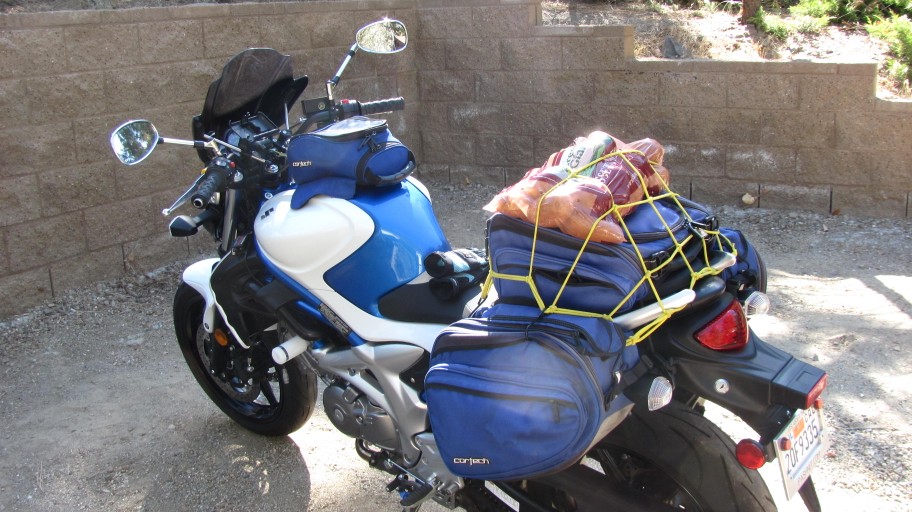
Always ride with at least one bungee cord under the seat and use it to tie down extra luggage.

Bungee cords and cargo nets – from bikebandit.com

4. Tool Kit

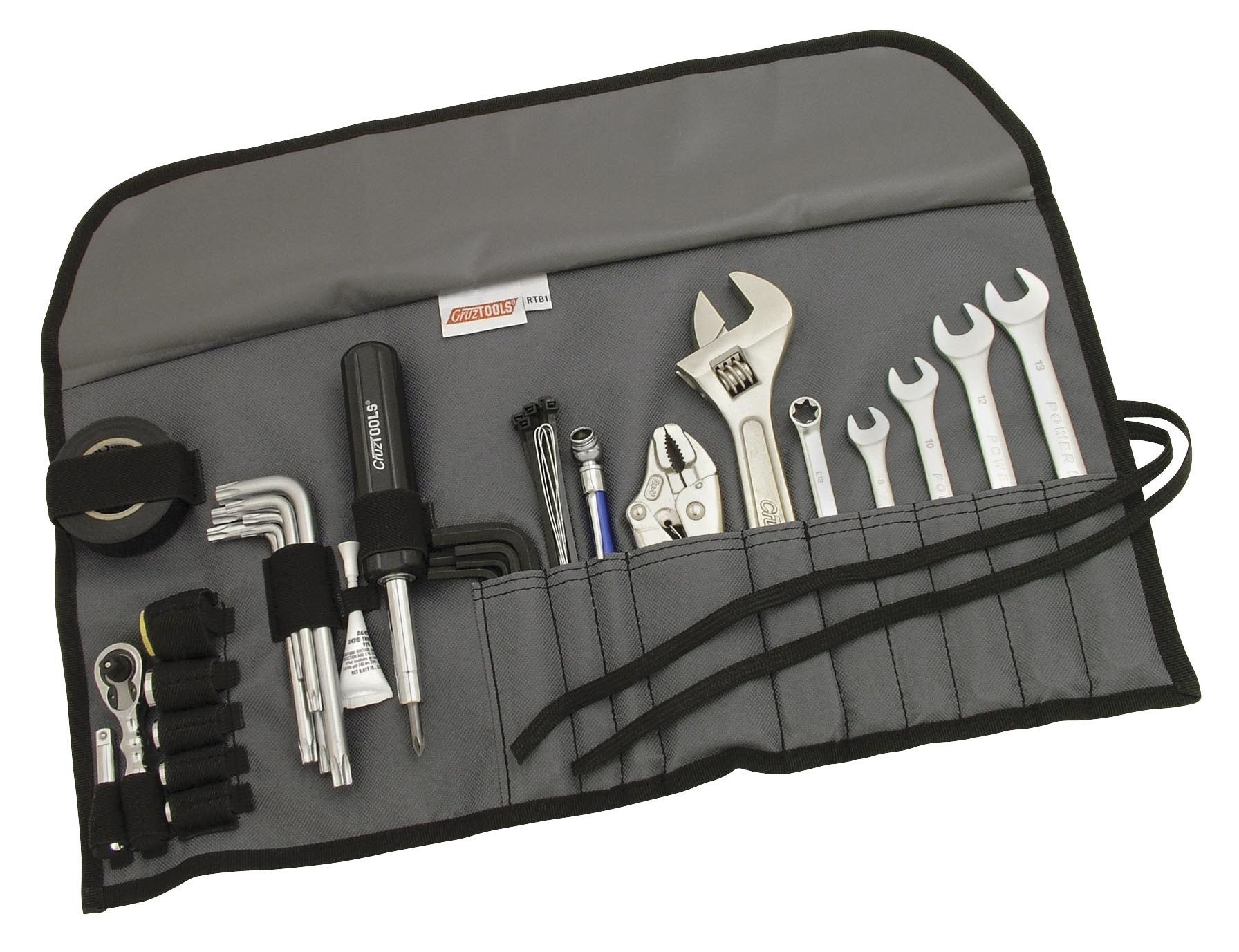
Depending on your bike’s manufacturer, what’s supplied may not be enough. There are plenty of tool “packs” offered to bikers these days. Get a set that includes wrenches and Allen keys for the majority of fasteners on your bike.

Cruz Tools – from Revzilla.com

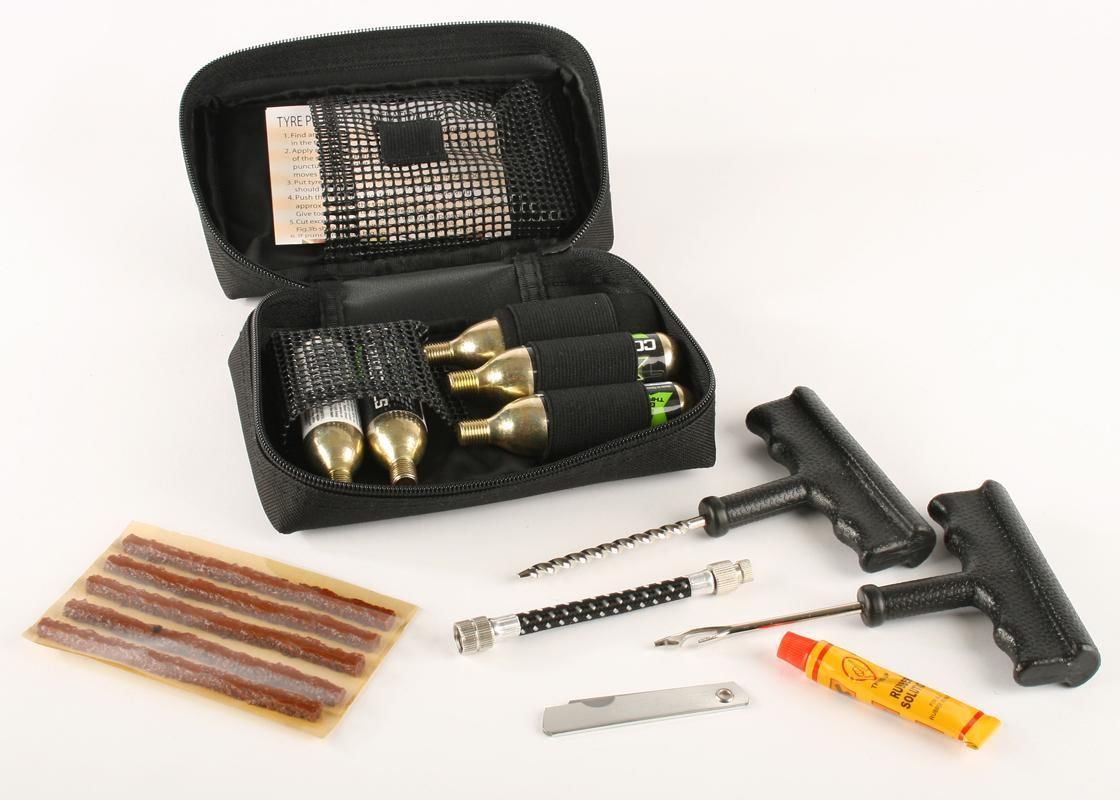
5. Tyre Repair Kit

Never, ever tour without a tyre repair kit. Along with a mechanical breakdown, a tyre puncture destroys your hopes of a wonderful holiday in no time err… flat. Get a kit with CO2 inflation canisters.
Tyre repair kit – from ebay.com

6. First Aid Kit

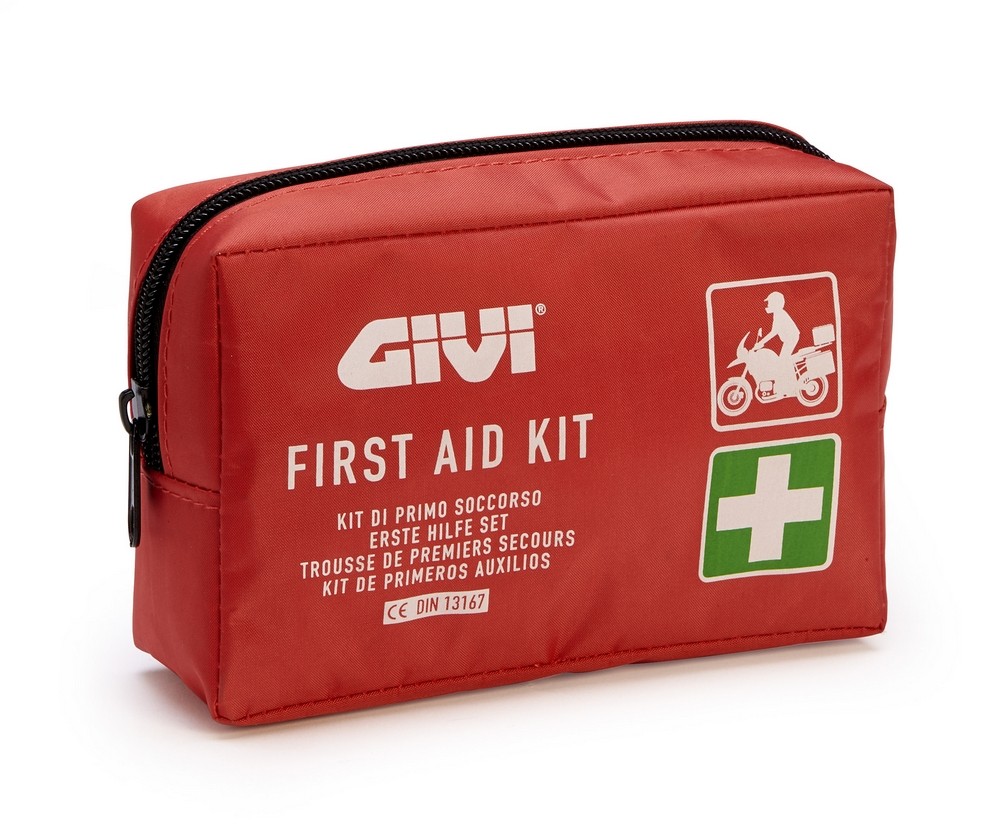
Almost no rider carries one, for some reason. GIVI offers a set the size of a thick wallet, so it’s easy to carry in your backpack, tankbag or waist pouch.

GIVI first aid kit – from givi.it

7. Chain Lube

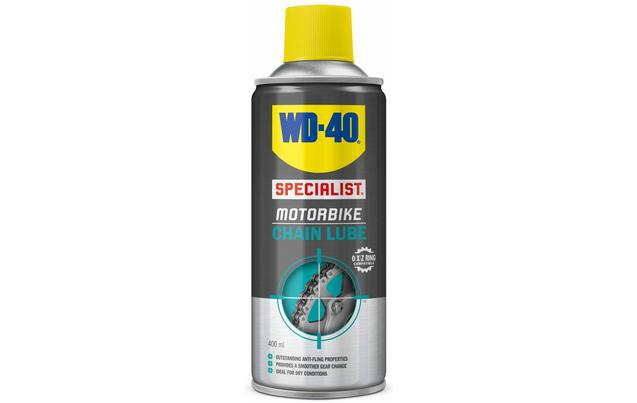
The chain needs to be lubed every 400 km or so. Most makers offer them in small cans that could fit under most bikes’ seats. A chain without proper lubrication will grind down the sprockets quickly, cause the roller links to wear, besides robbing engine power and fuel economy.

Chain lube – from WD-40.com

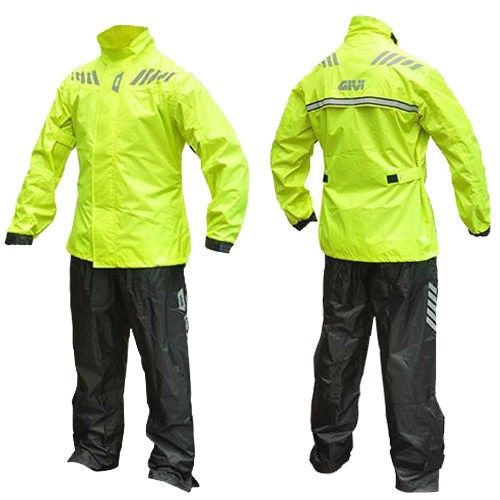
8. Rain Gear

April may be the hottest month in Thailand, but that doesn’t mean you won’t encounter heavy rain along the way. Trust us, it rained on us on our every trip to the Phuket Bike Week. There are many brands in the market, but the best is by GIVI. They’re expensive, no doubt, but they really work and are tough (proven during the Golden Triangle Adventure).

GIVI CRS.02 rain gear – from givi.vn

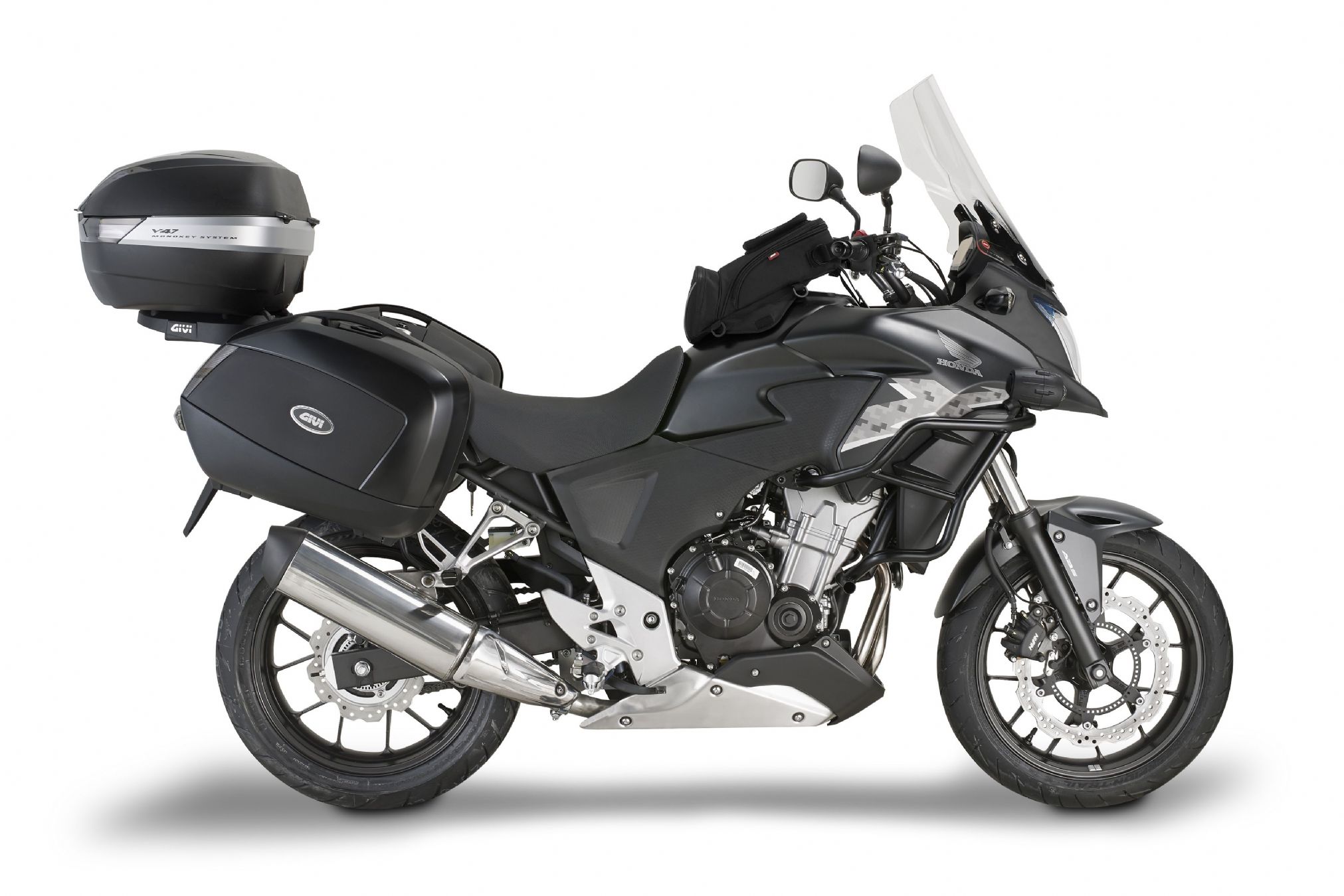
9. Luggage

If you’re riding a sport-tourer or adventure-tourer/dual-purpose bike, it’s a no-brainer to install some luggage. Needless to say, having a luggage system beats strapping on a backpack or tying stuff to the bike anytime (more space for the above items too). There are many brands in the market that offer many solutions, including panniers, tank bags and top cases of different designs and materials. GIVI has the largest selection. (We’ve ridden in South Africa and Indochina with them and boy, are they useful and strong.)

GIVI V47 and V35 – from www.nativeviking.com

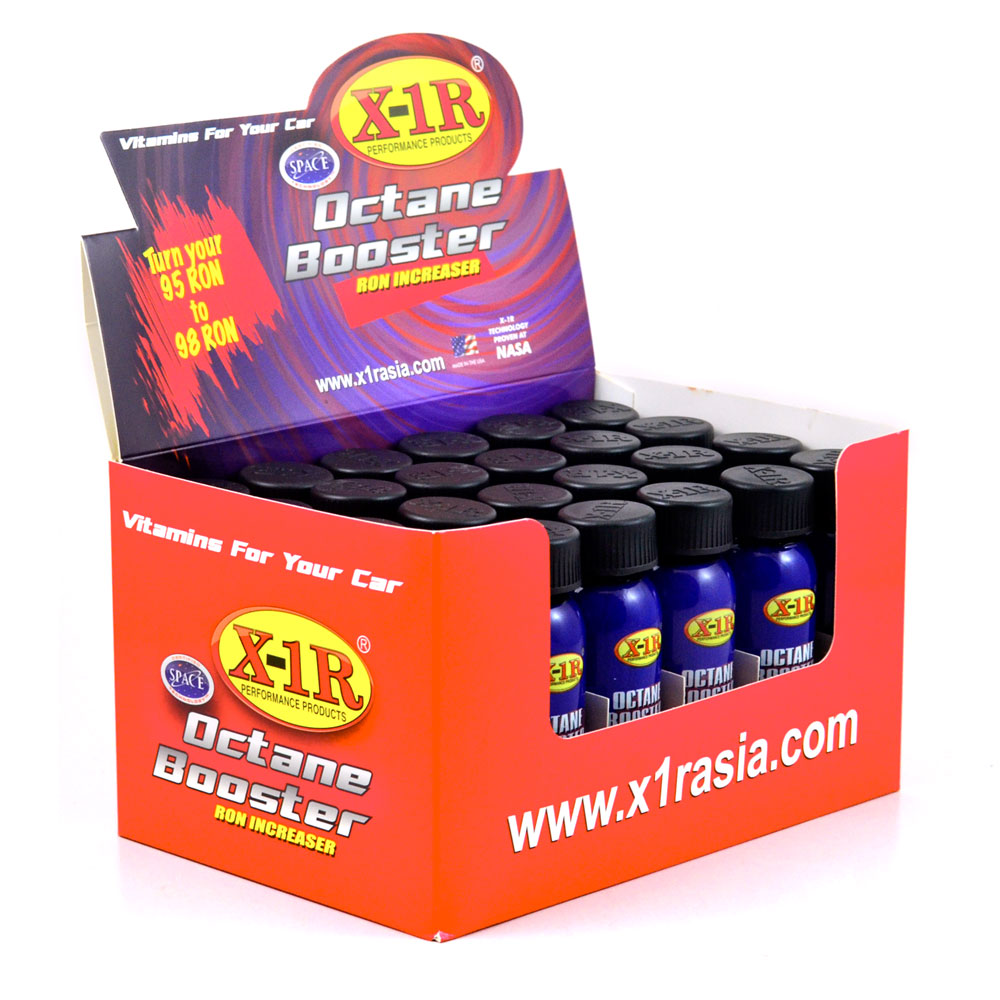
10. Octane Booster

You may not need this but bring a few bottles along as insurance. Thailand does have RON 95 petrol but there have been times where riders mistakenly filled up with lower RON fuel. Using fuel with an octane number lower than the recommended grade is at least detrimental to the engine’s performance, if not cause catastrophic damage. We’ve tested X-1R’s Octane Booster during the said Indochina ride and came away impressed.

X-1R Octane Booster
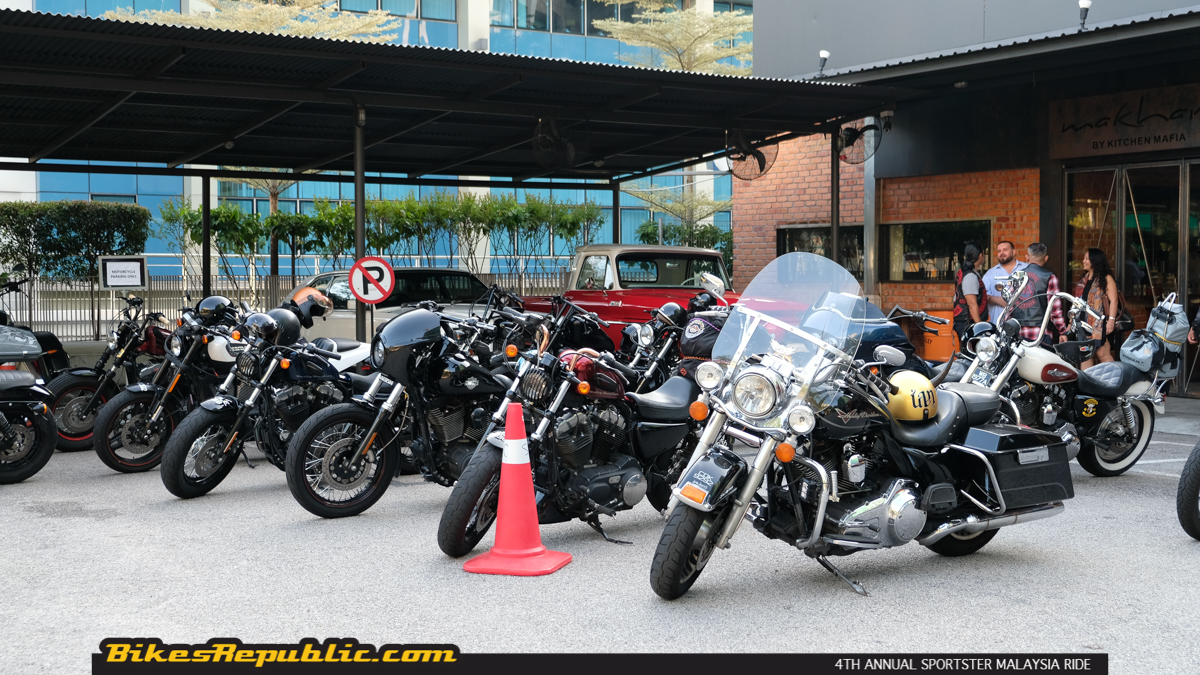
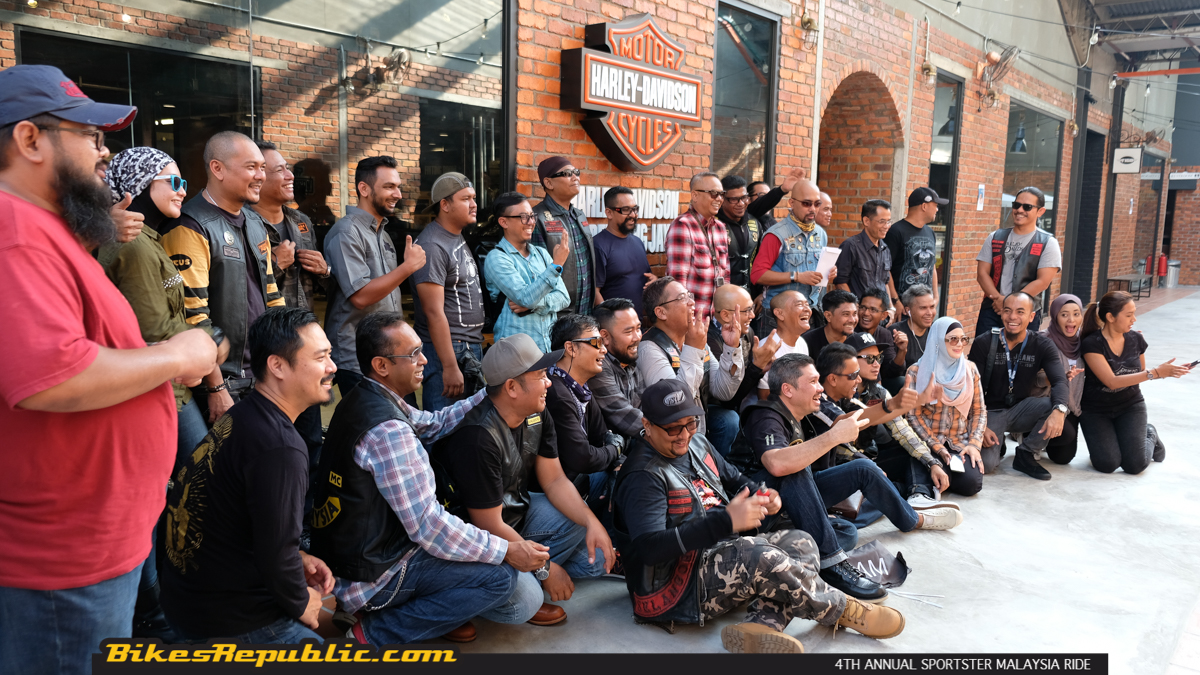
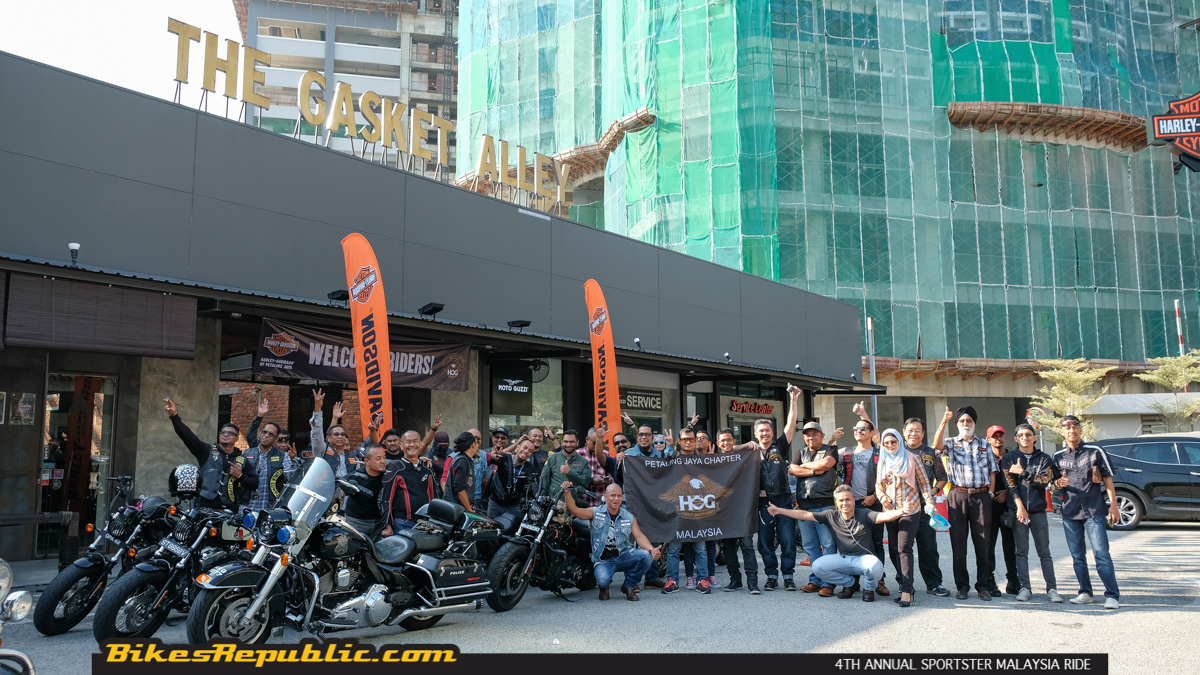
  • As promised by Harley-Davidson of Petaling Jaya during their launch, there will be many rides and activities.

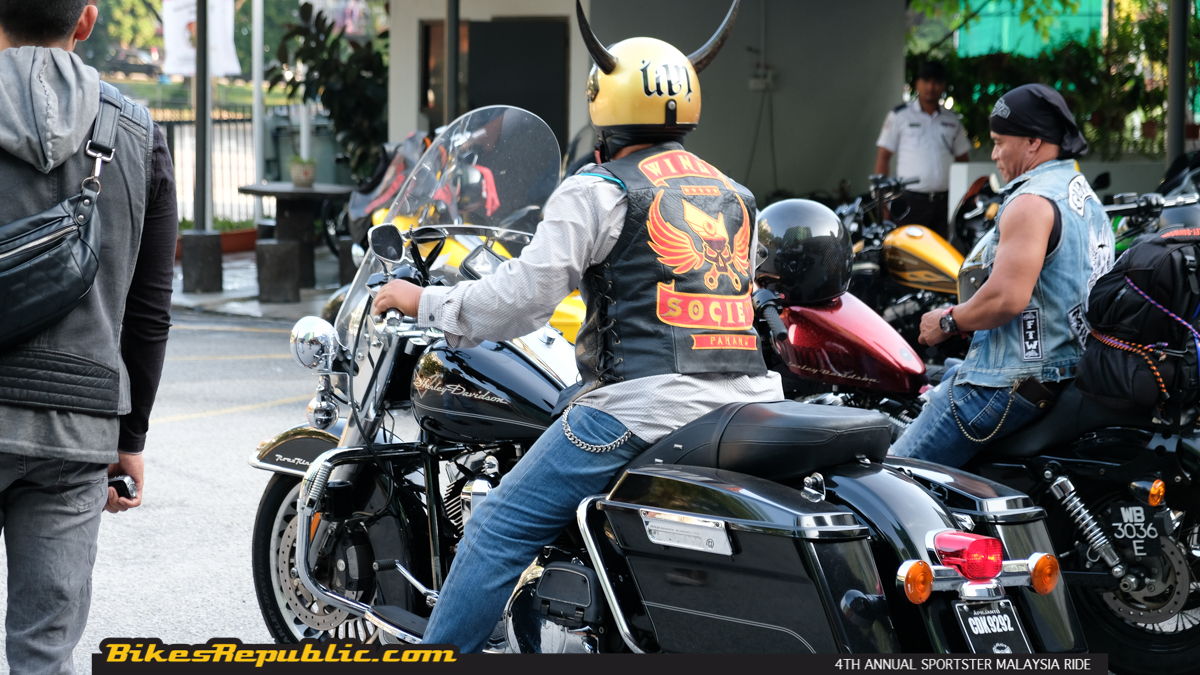
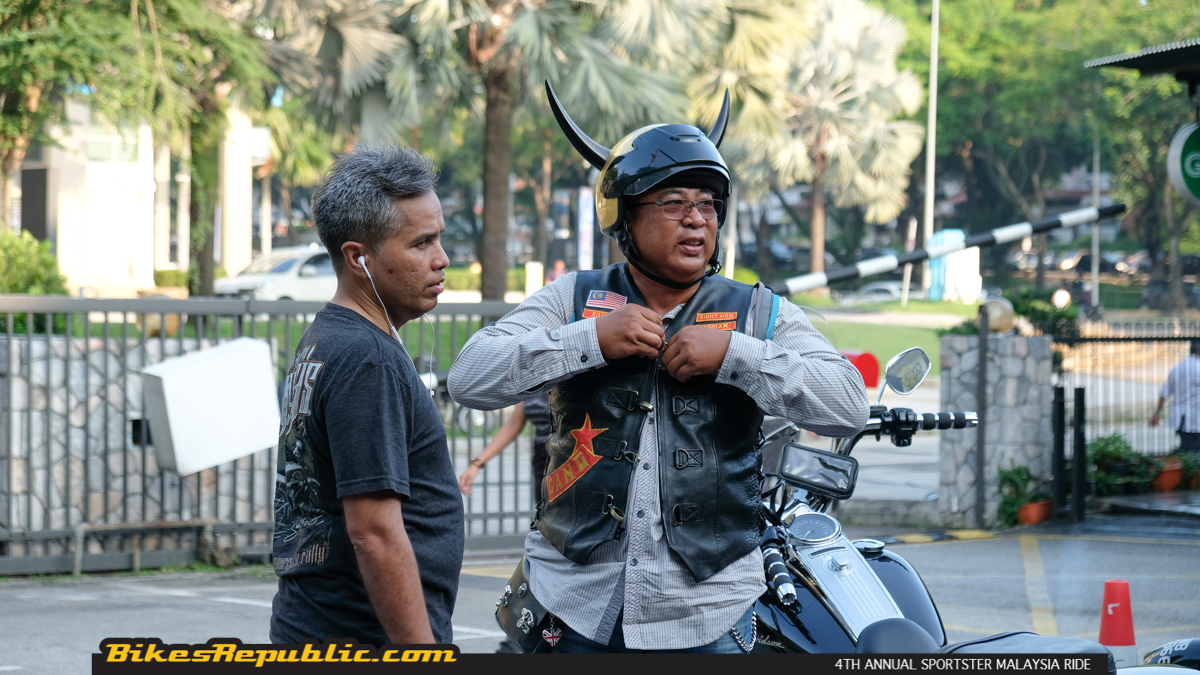
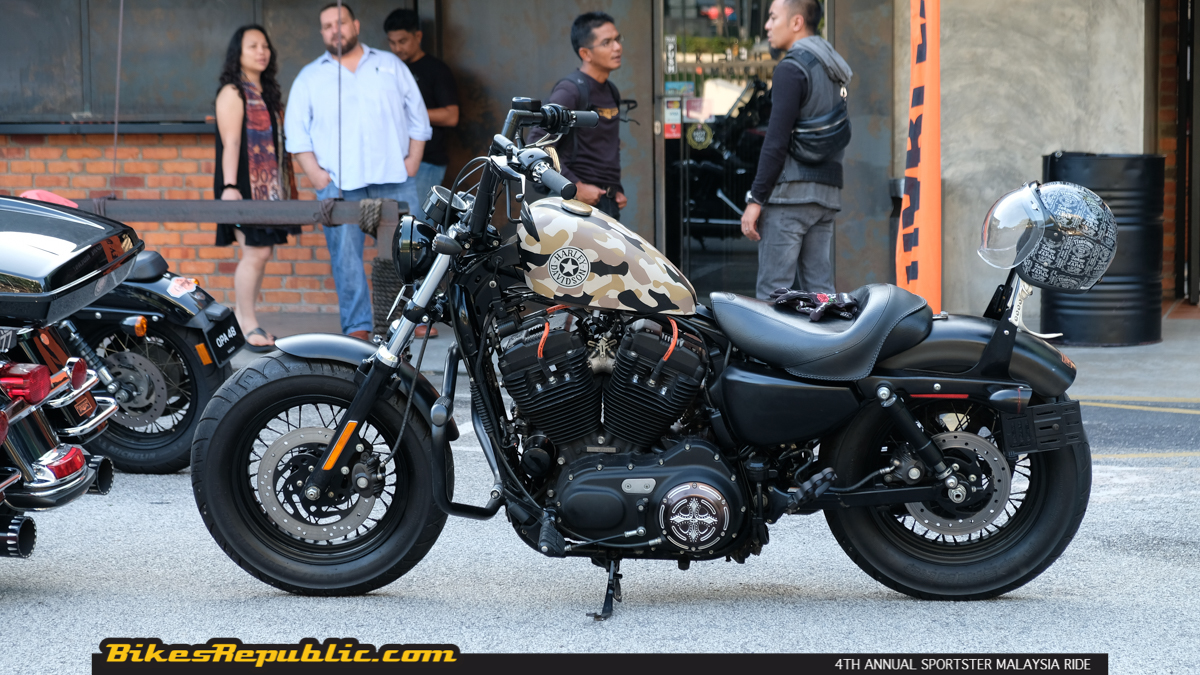
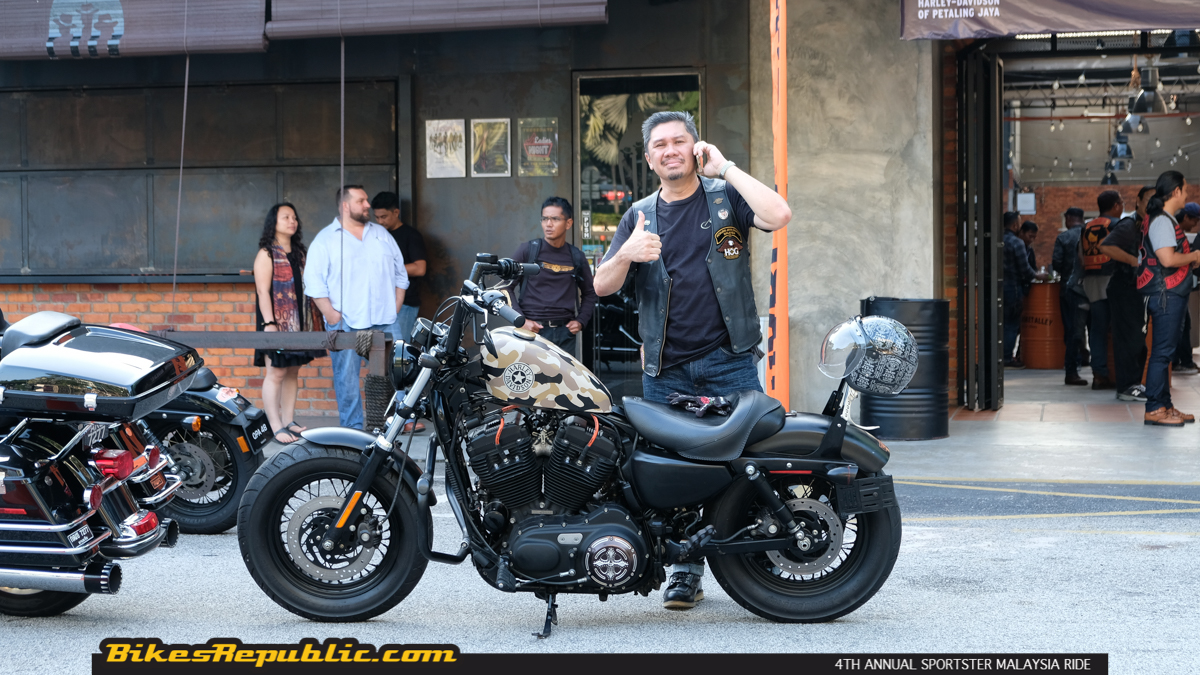
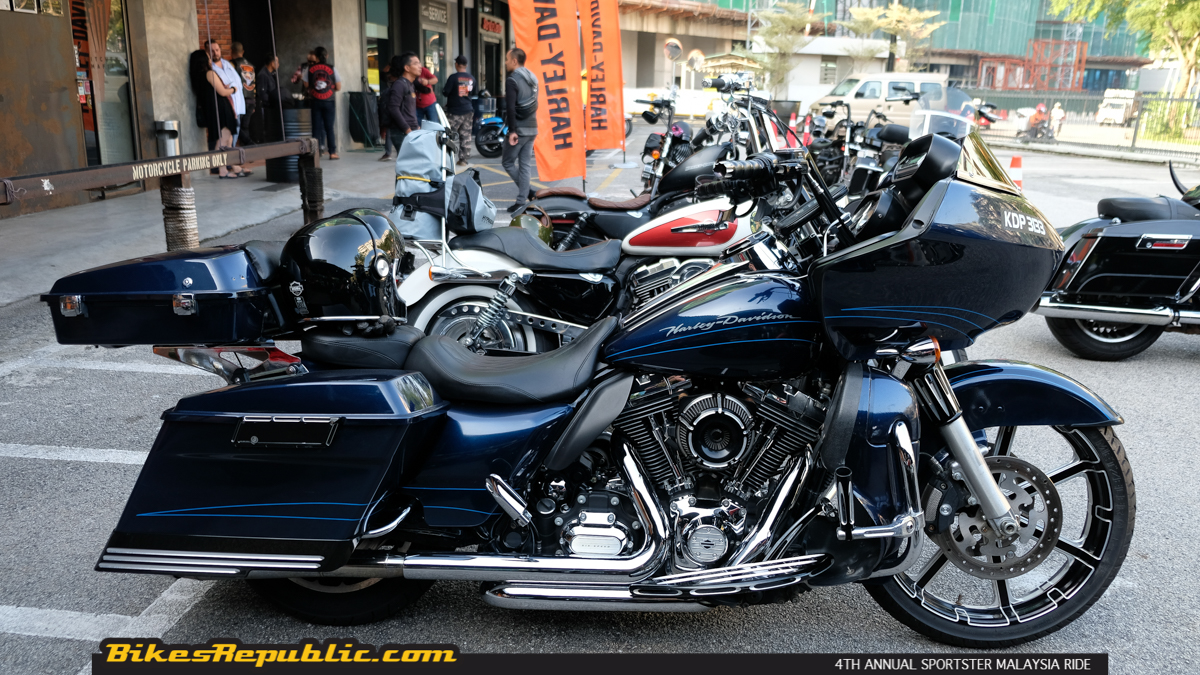
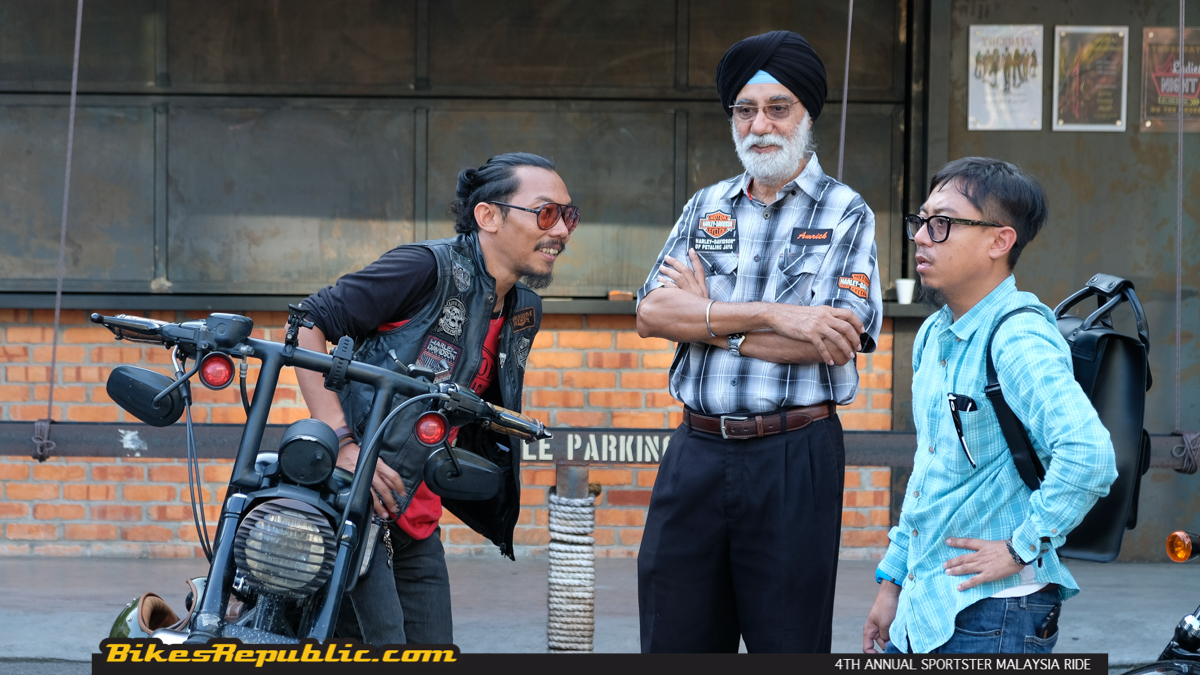
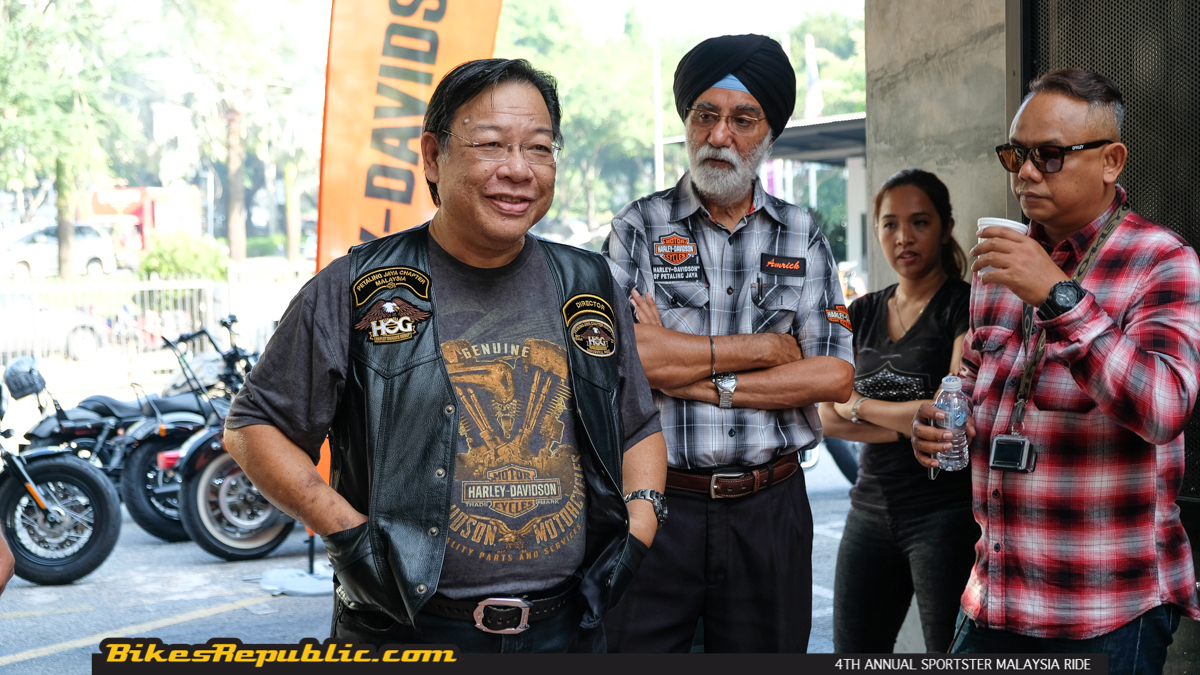
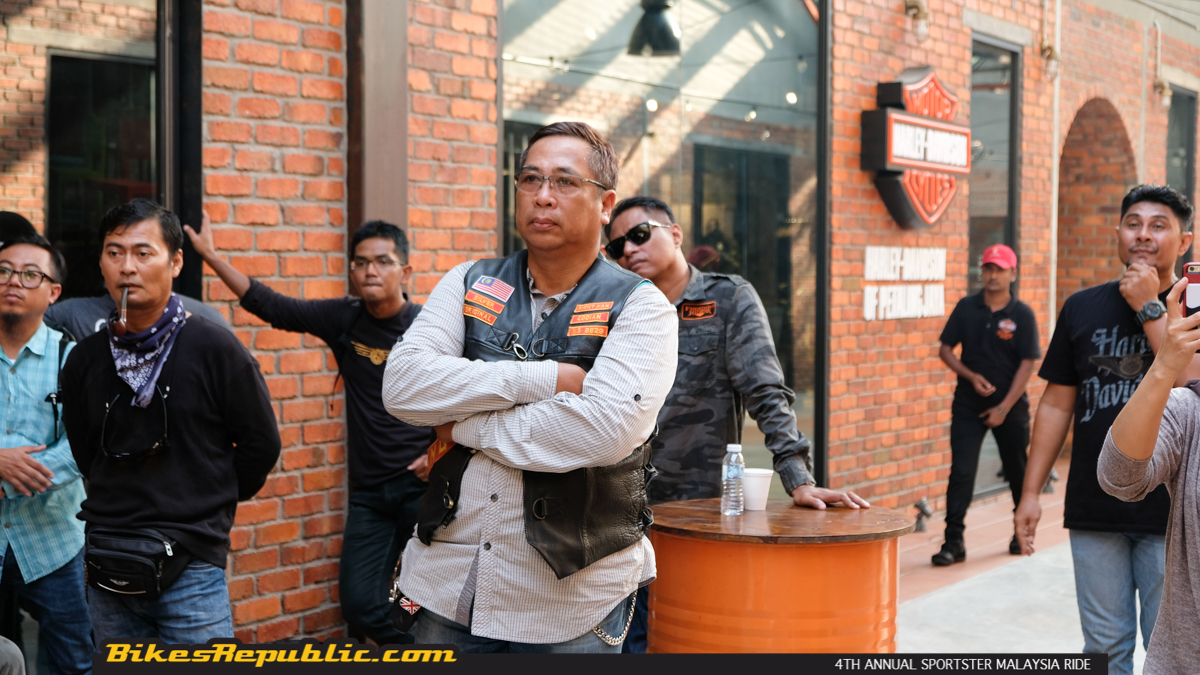
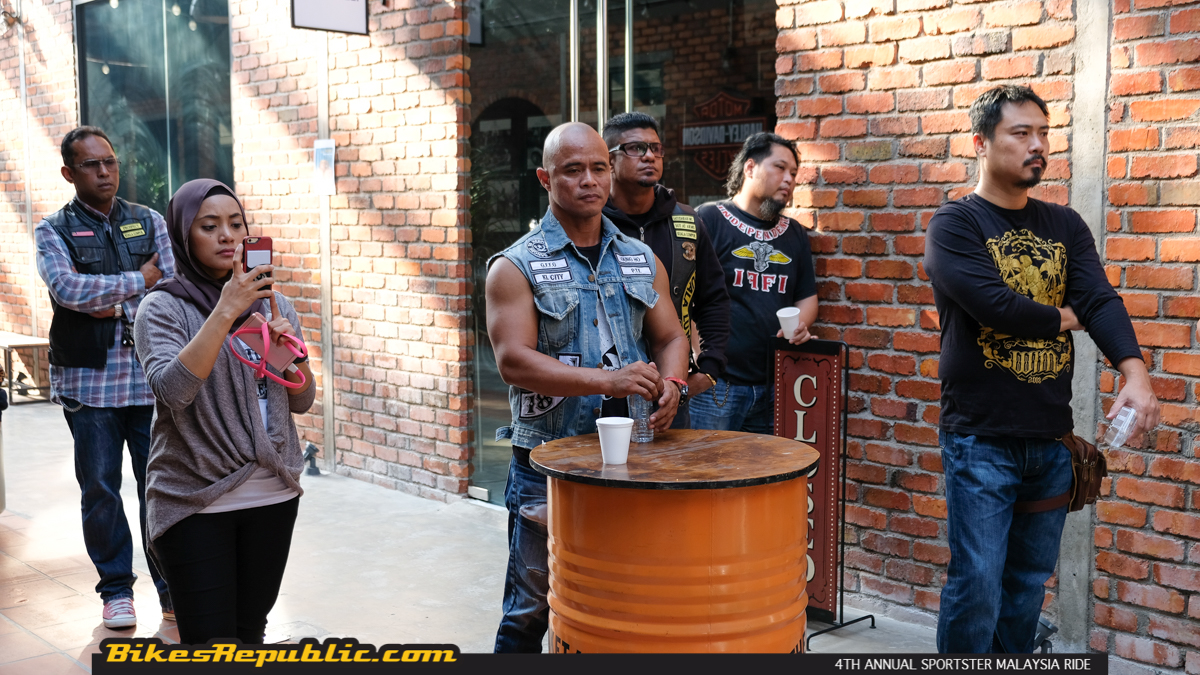
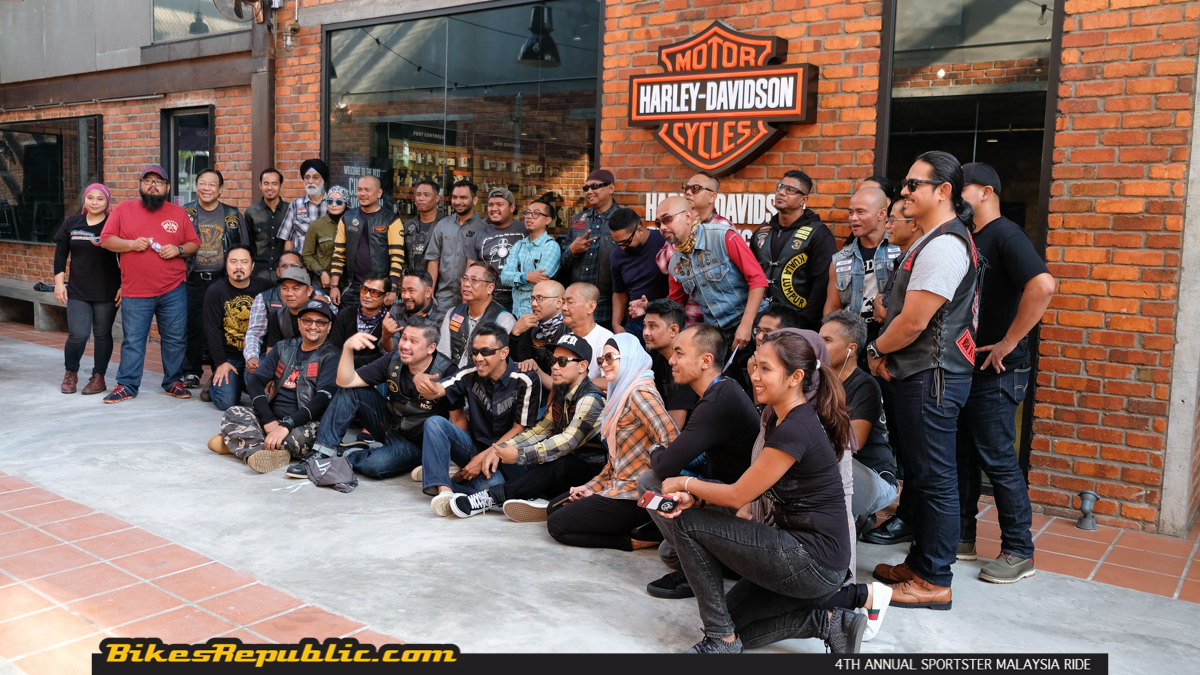
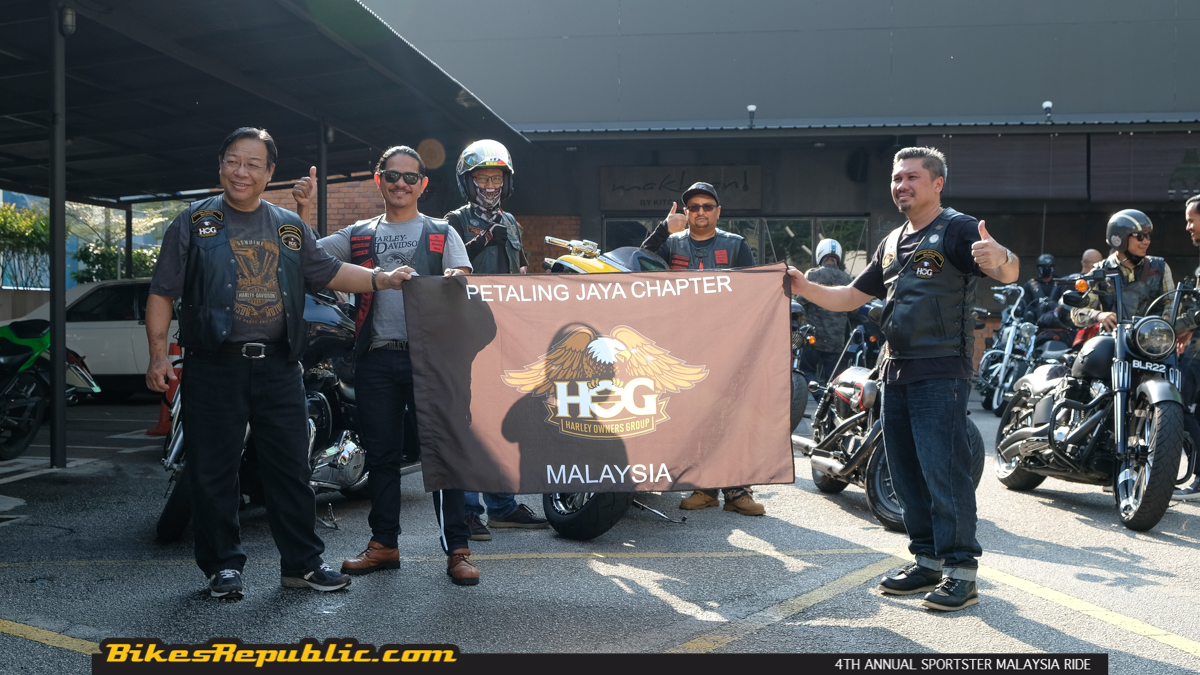
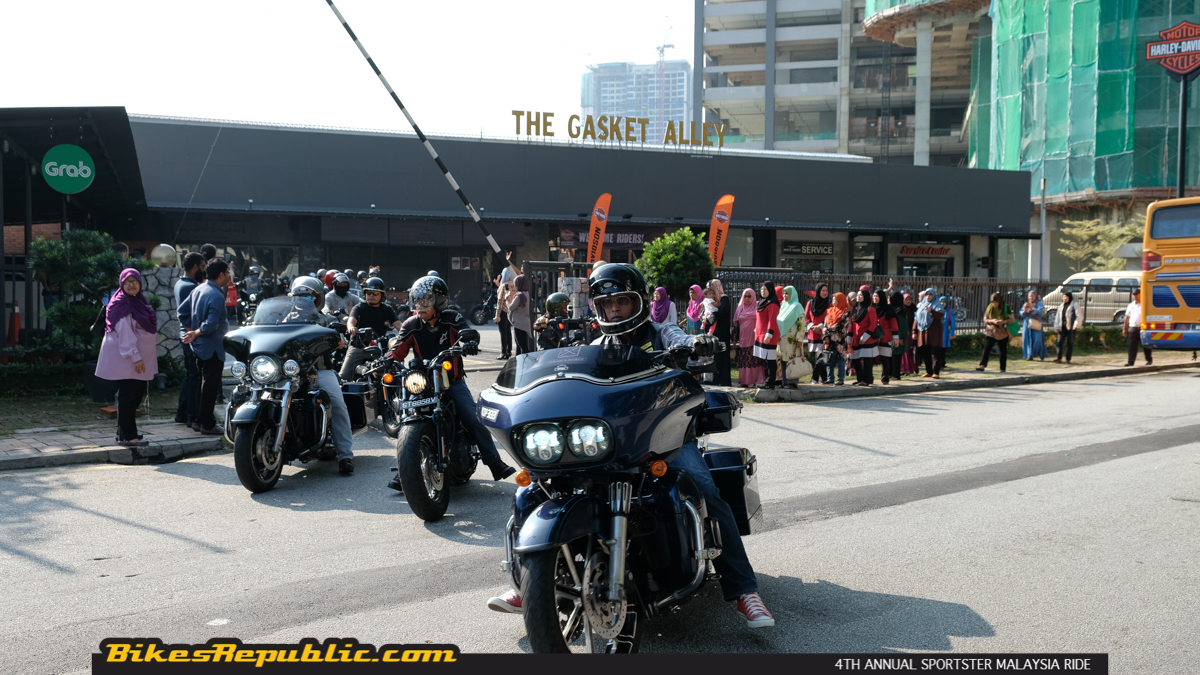
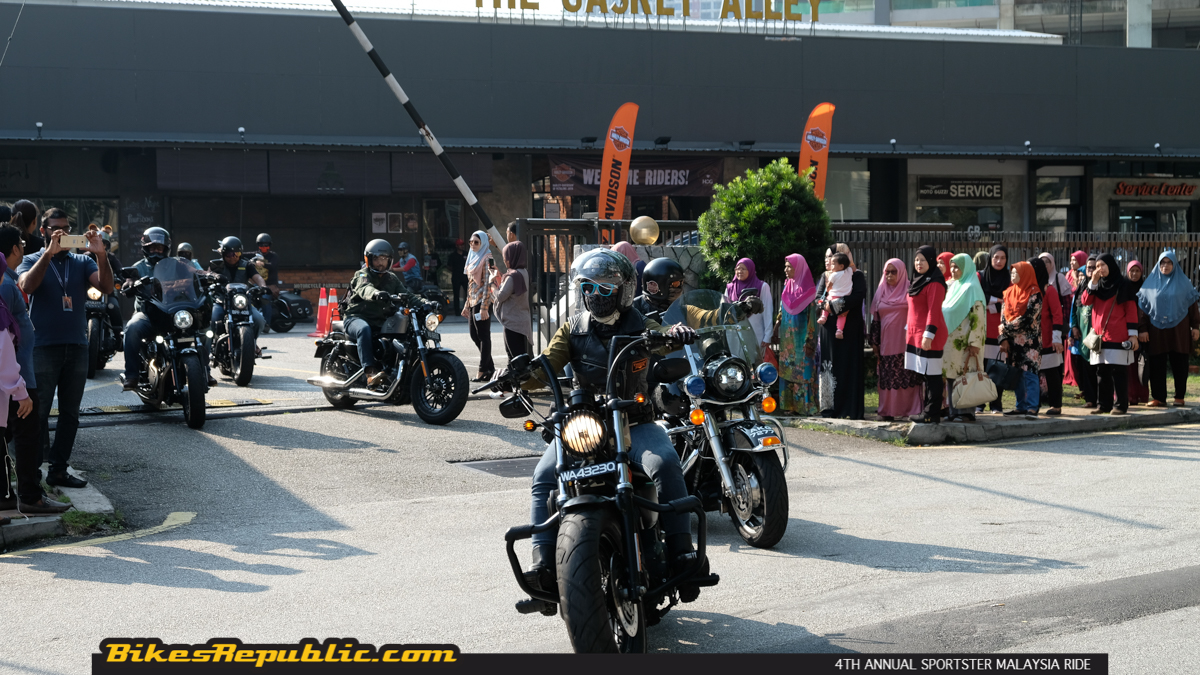
  • Apart for the inaugural Harley Owners Group of Petaling Jaya ride last month, the Sportster Malaysia group held their 4th Annual Run today.

  • Harley-Davidson of Petaling Jaya welcomed the return of the Sportster Malaysia group.

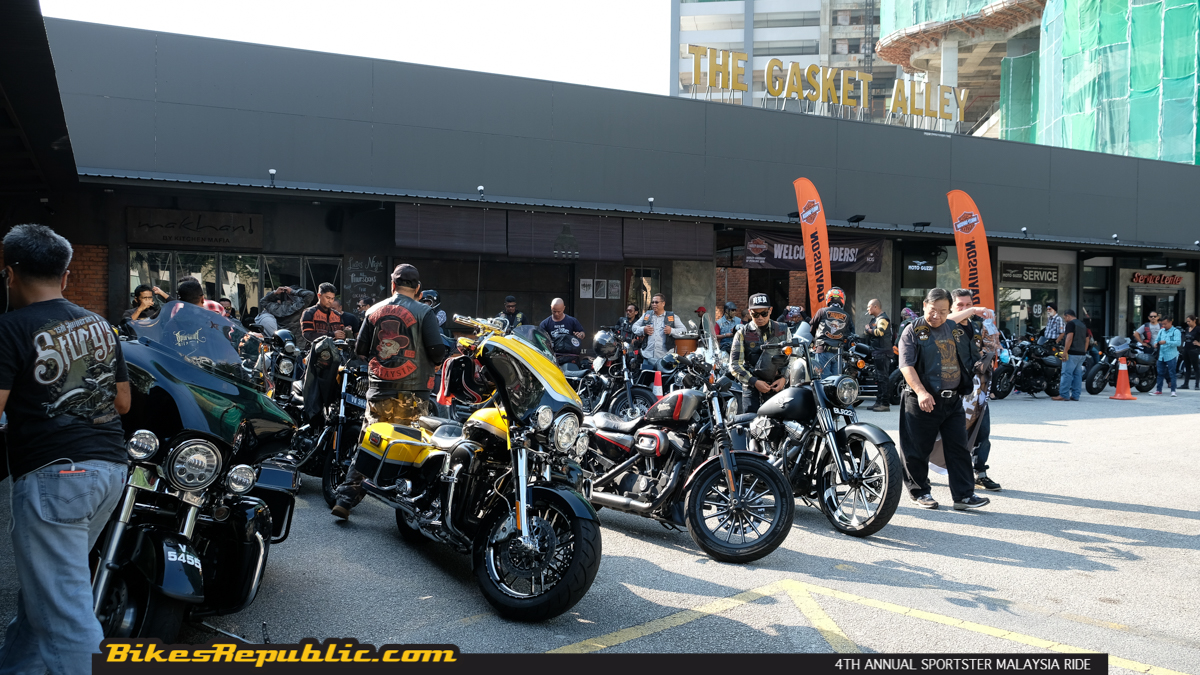
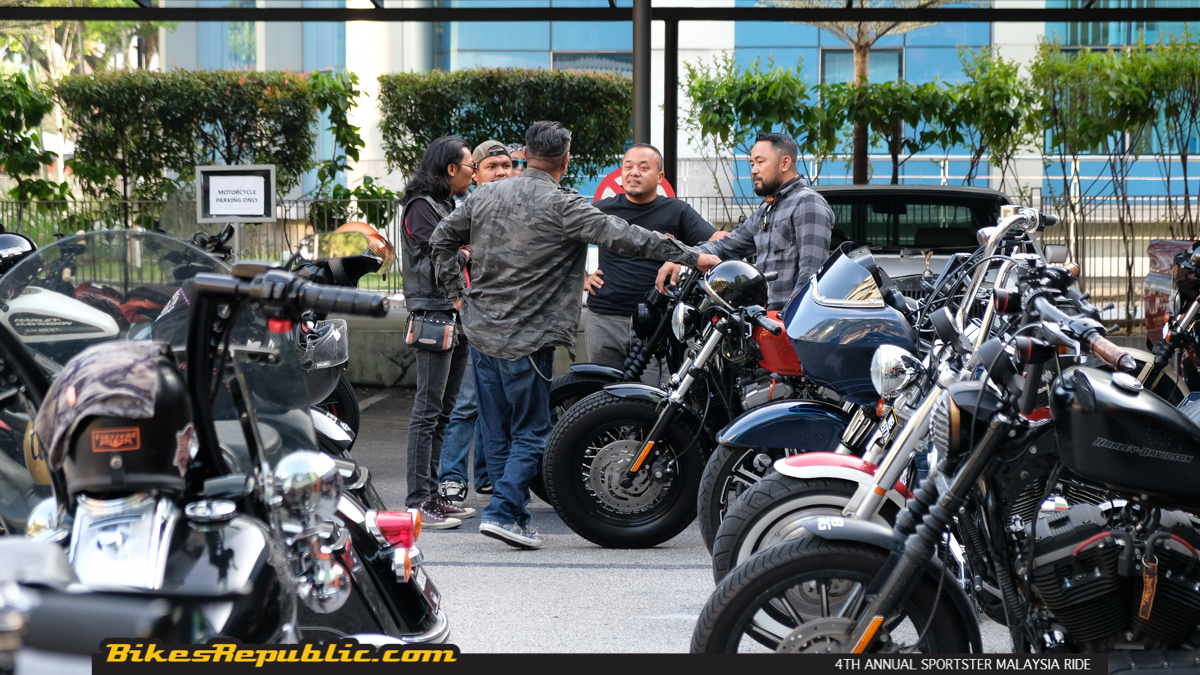
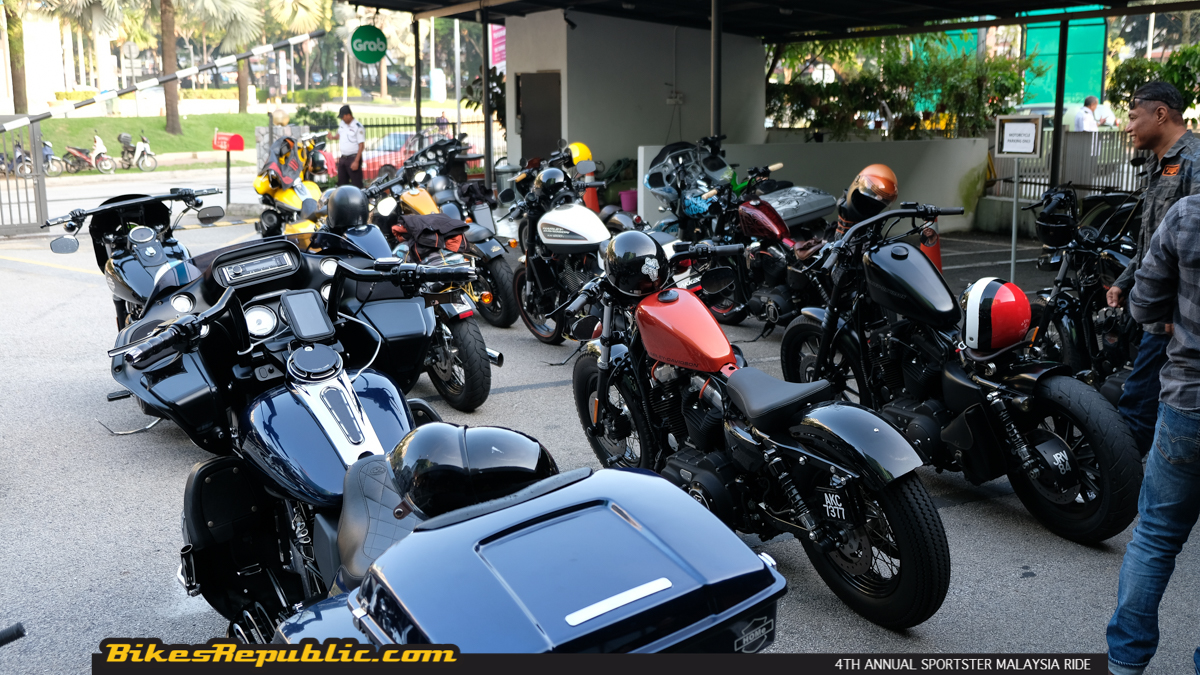
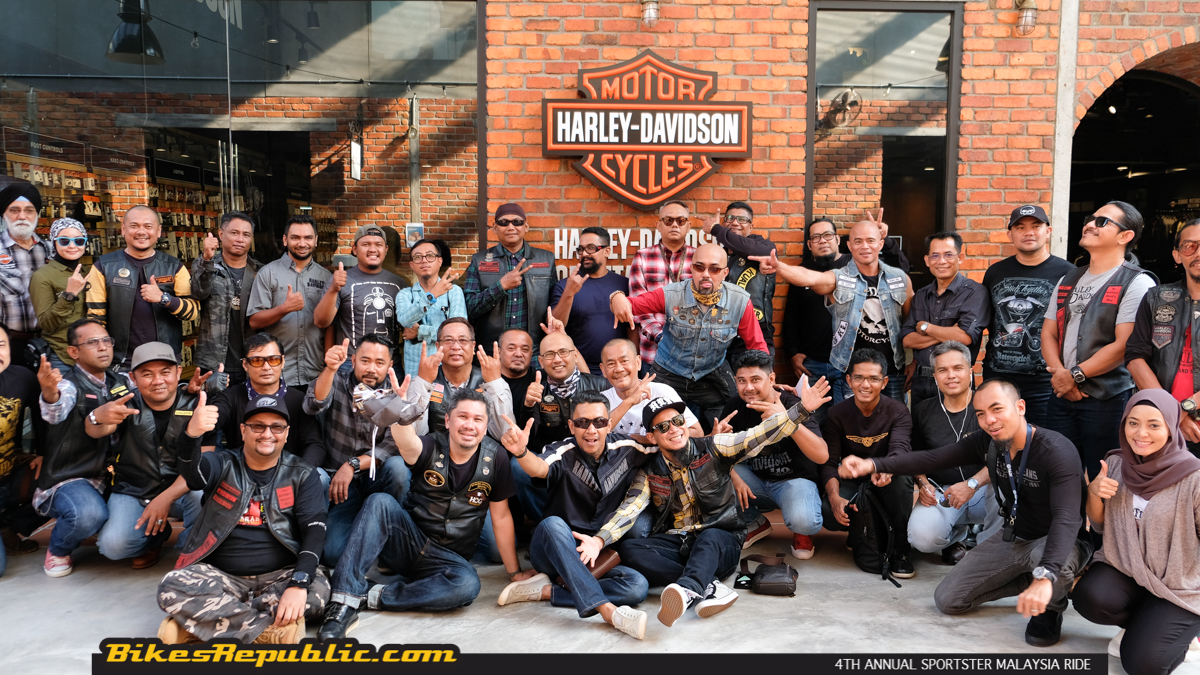
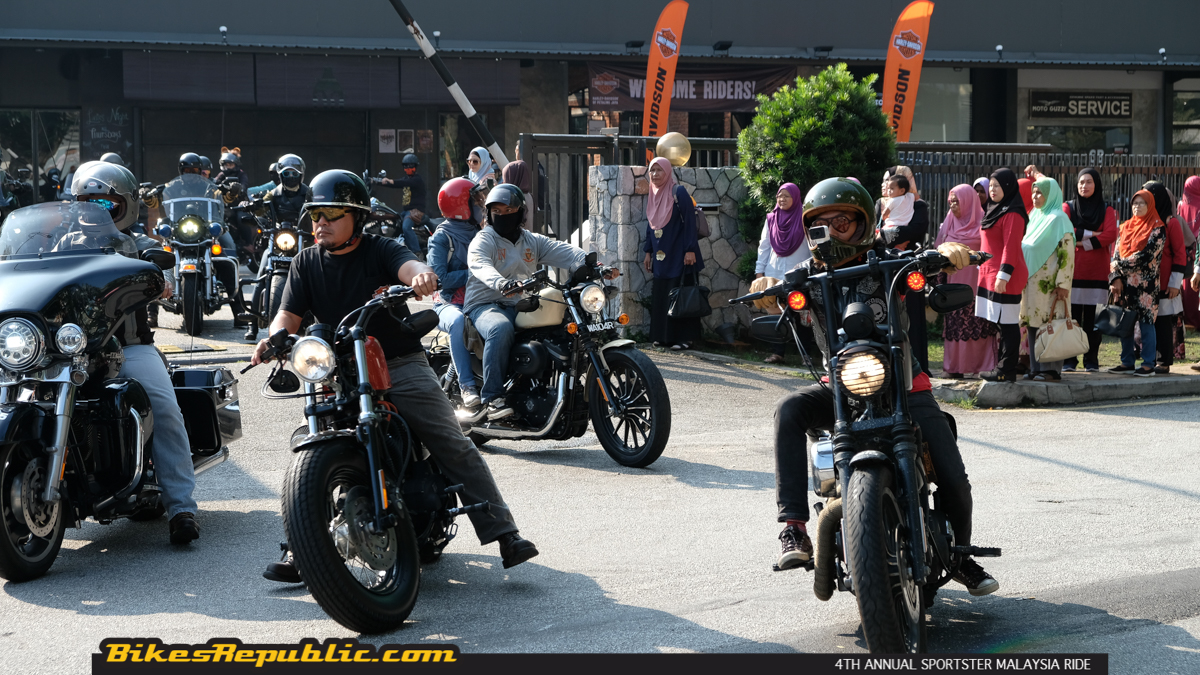
30th March 2018, Petaling Jaya – The Sportster Malaysia 4th Annual Run got off to a great start today.

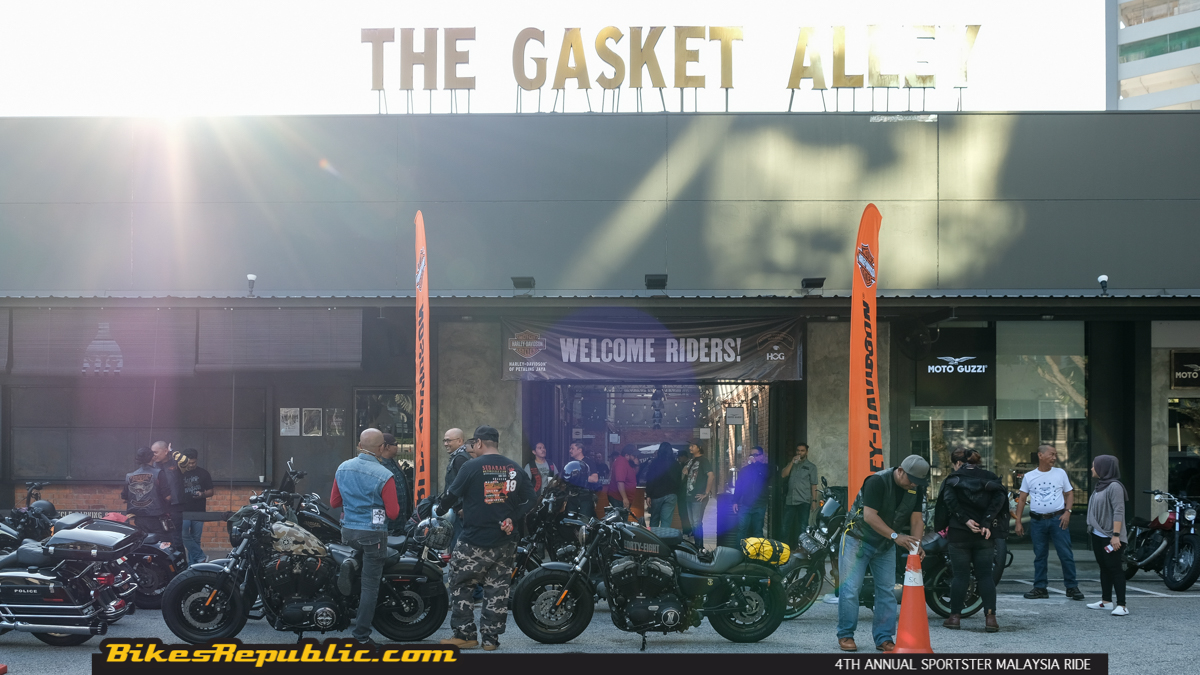
As promised by the new Harley-Davidson of Petaling Jaya (HDPJ) during their official launch, the Sportster Malaysia 4th Annual Run is one of many activities to come for Harley owners. Starting from here, there will be more ambitions rides in the future.

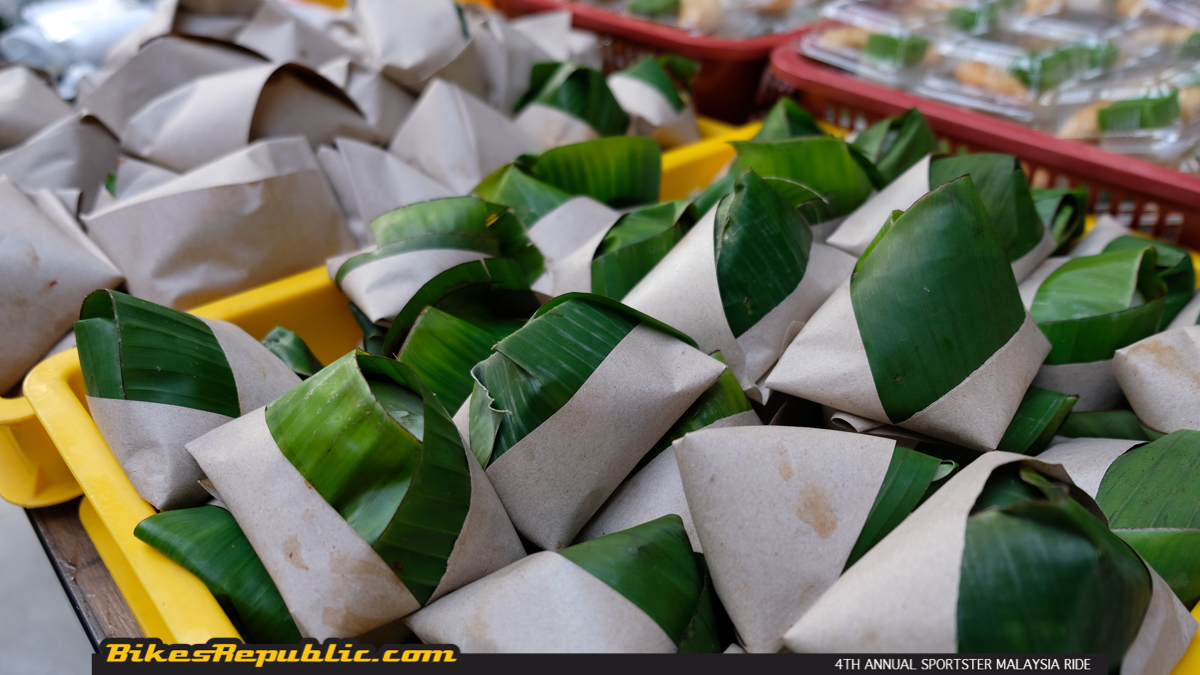
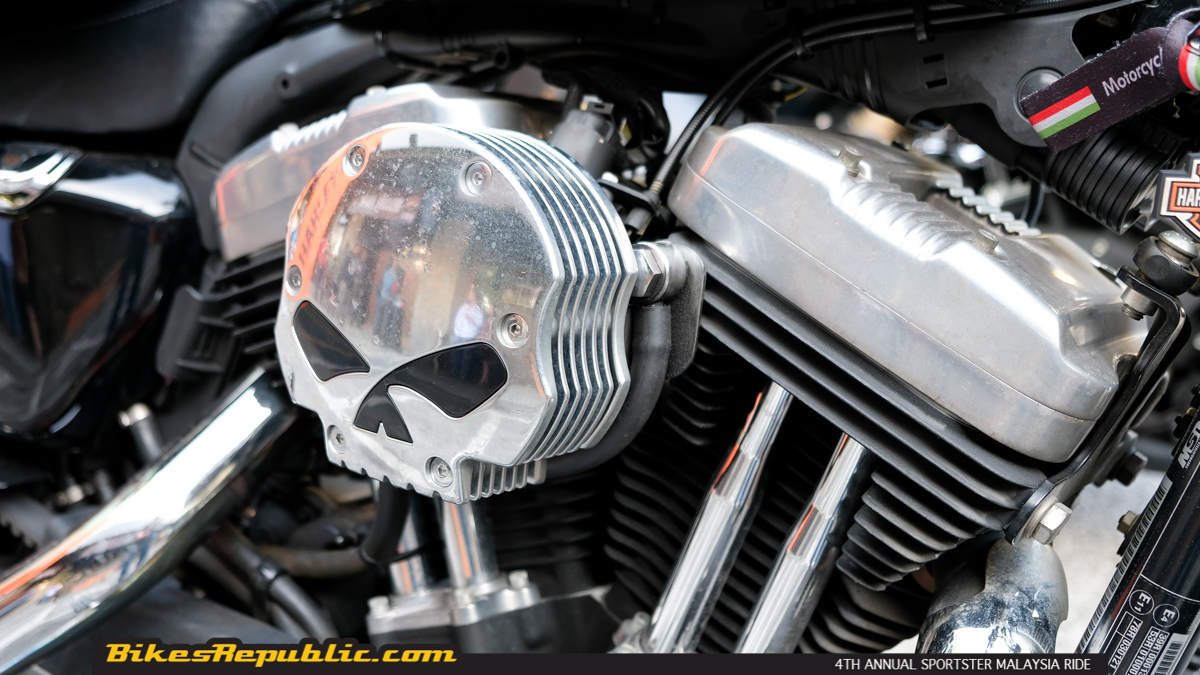
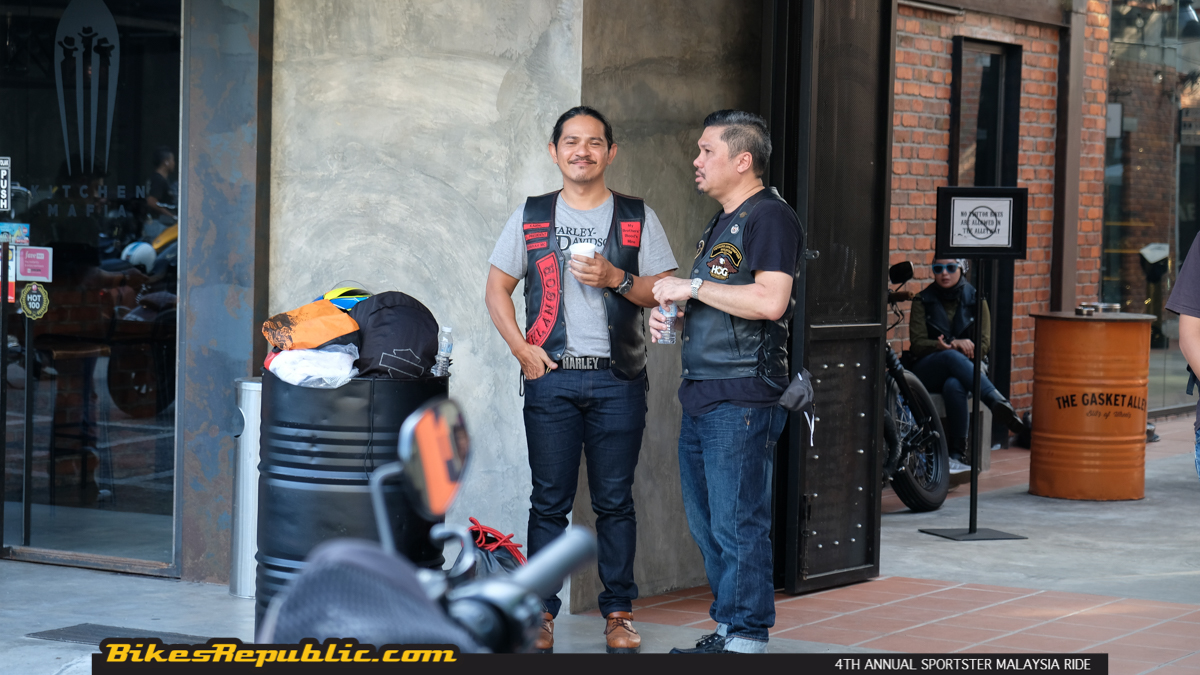
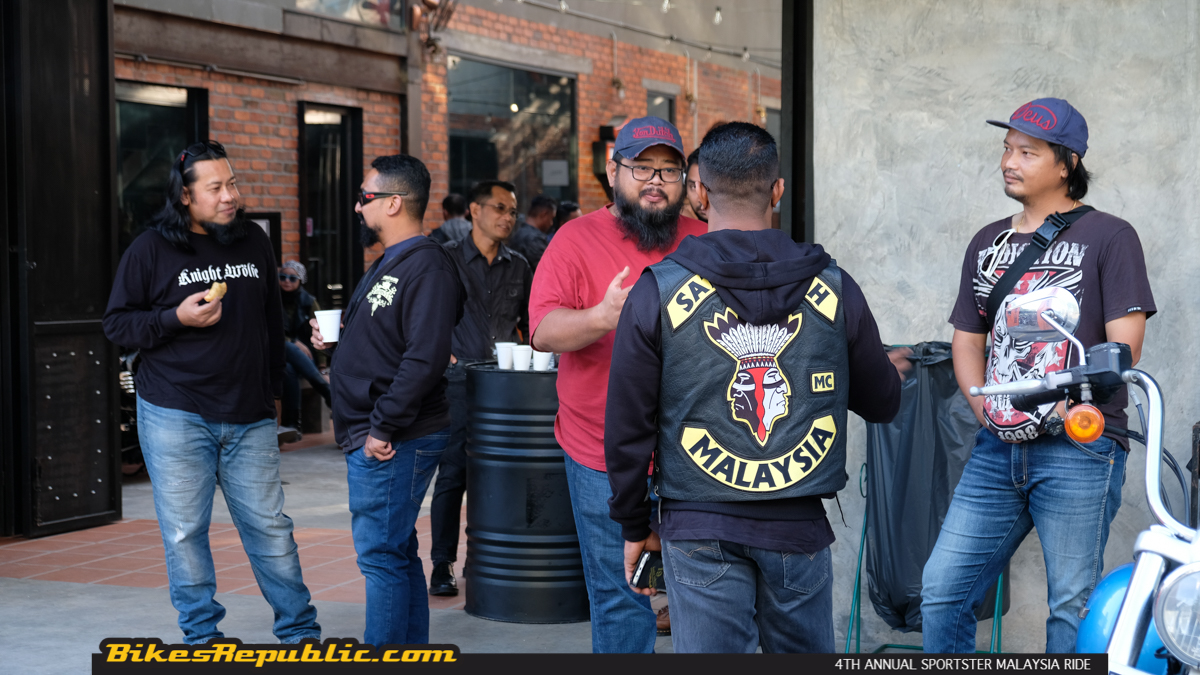
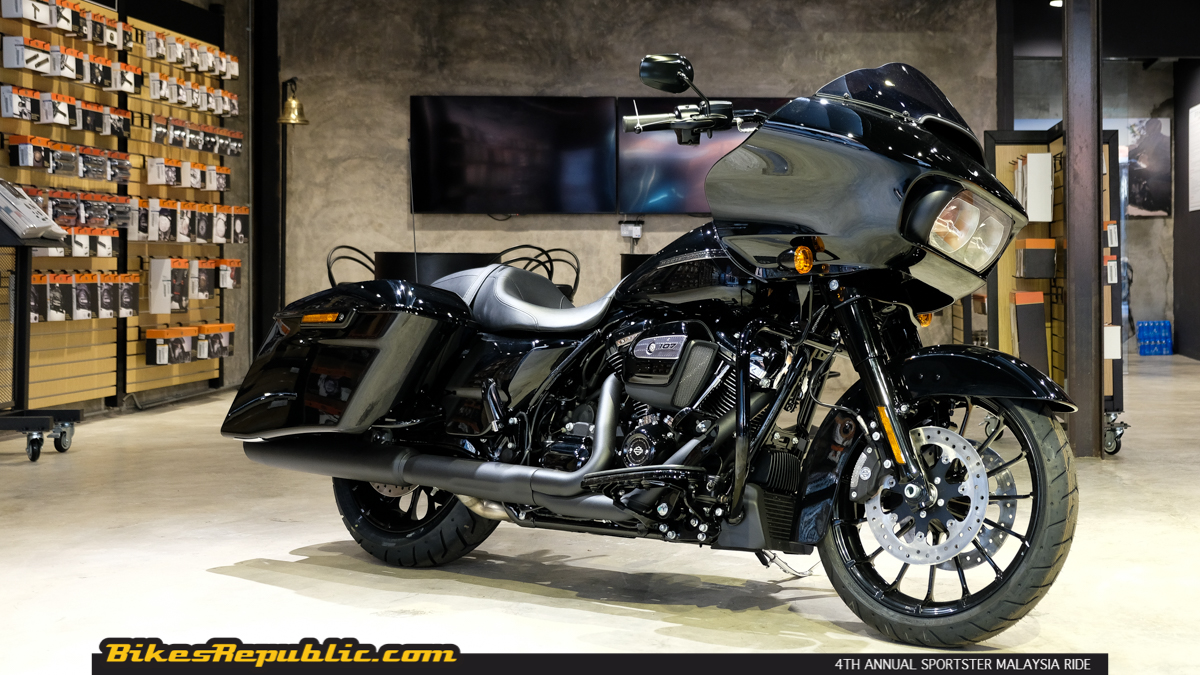
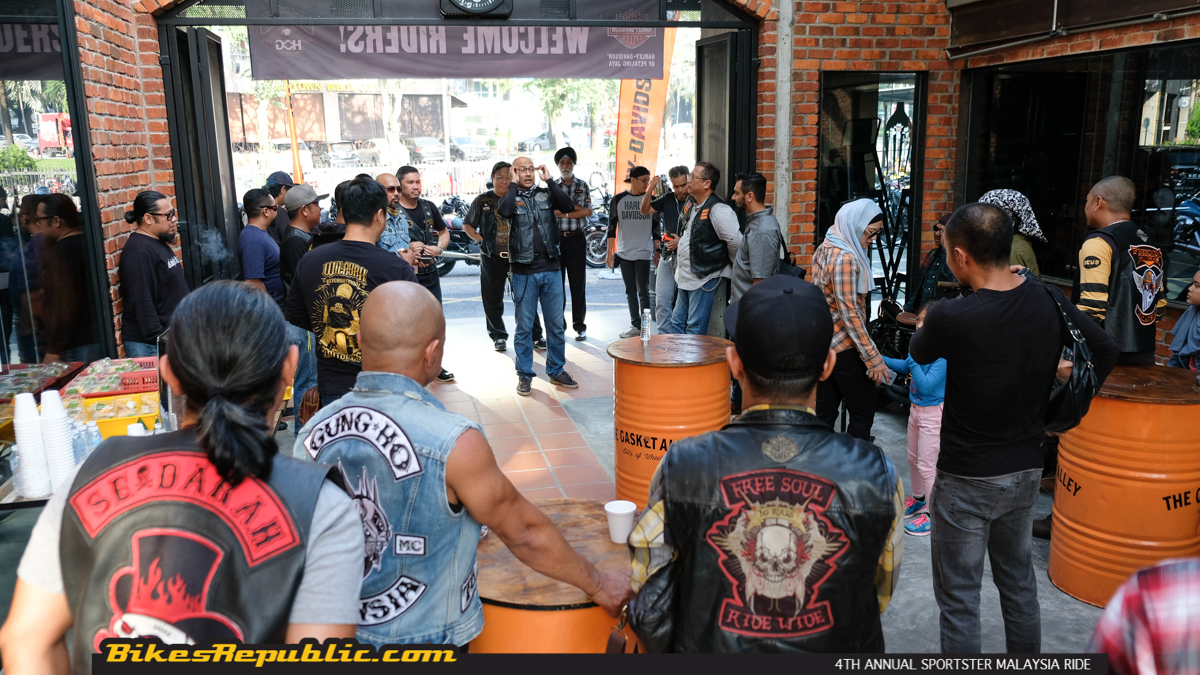
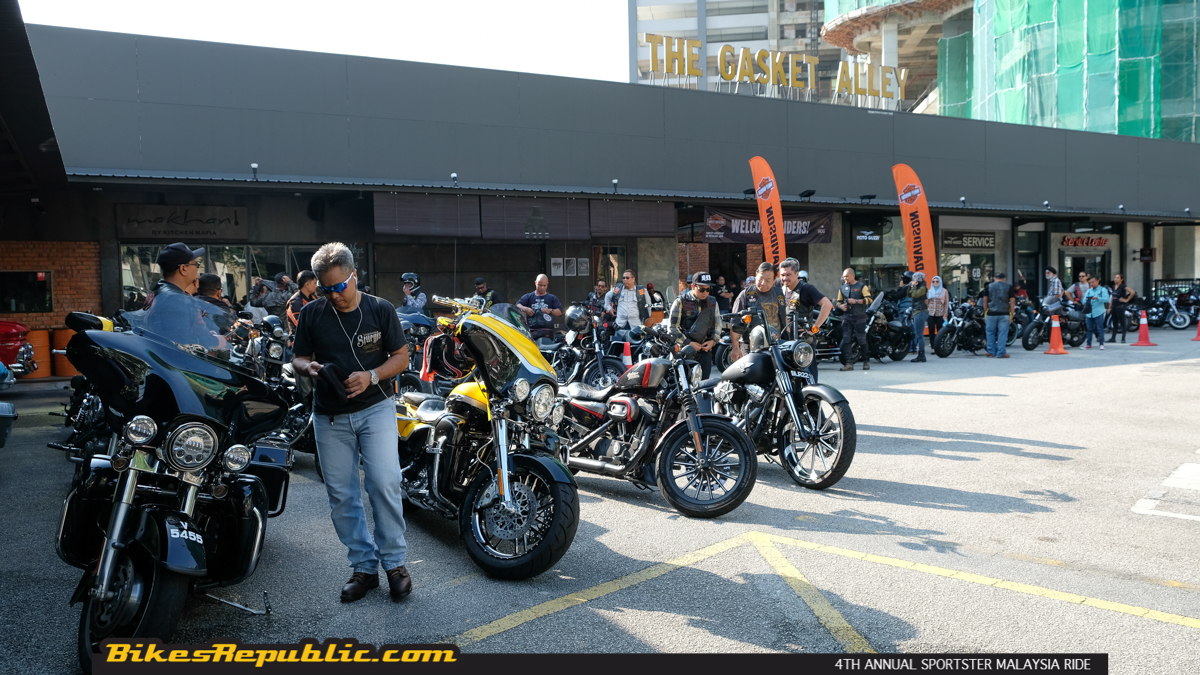
The ride began at the Harley-Davidson of Petaling Jaya (HDPJ) dealership. Some 35 riders on 30 motorcycles assembled at The Gasket Alley from 7.30am. HDPJ provided a light breakfast and refreshments for the riders while awaiting the flag off.

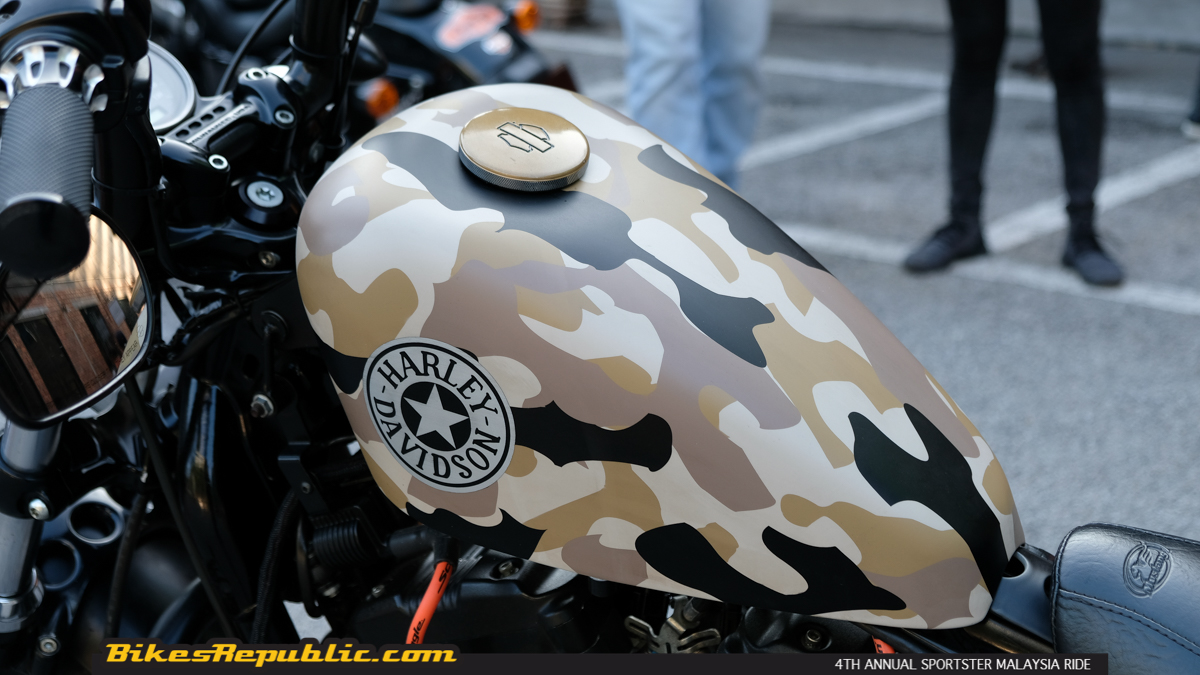
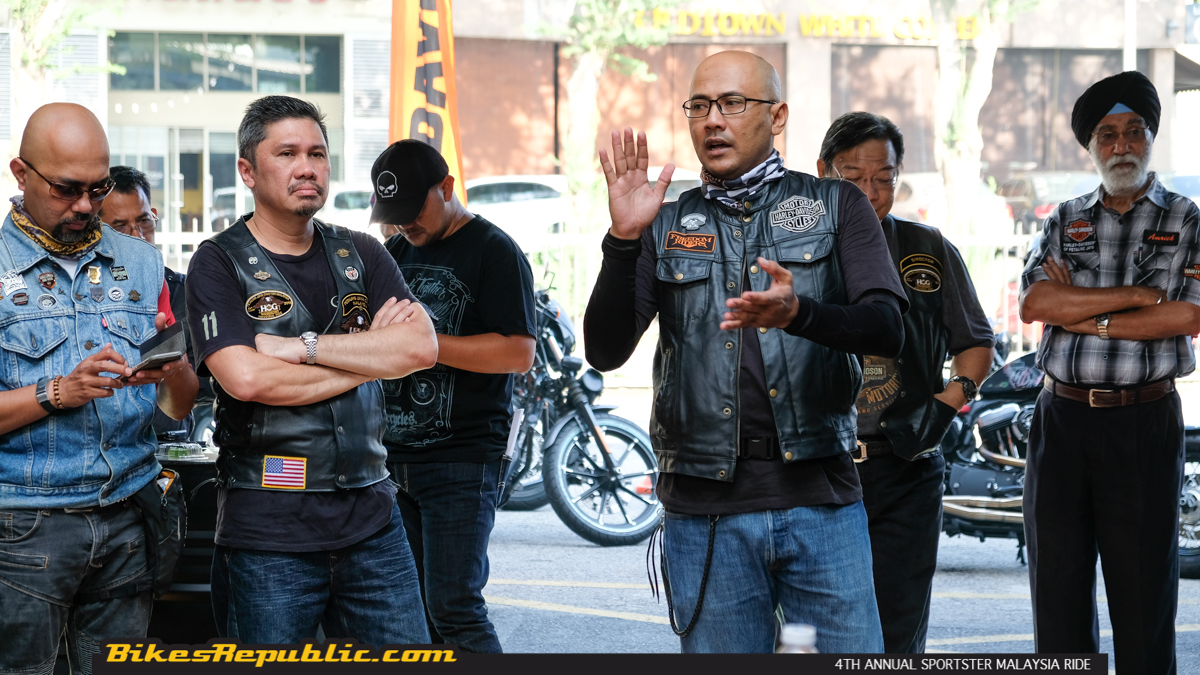
A safety briefing was called afterwards and participants were given a explanation of safe riding techniques in the convoy, such as spacing, formation riding, hand signals, and road etiquettes They were also briefed on the route and filling points, with attention given to those bikes with the peanut tanks (8 litres). The convoy will ride through towns such as Batu Pahat on the way to their destination at the Mutiara Hotel in Johor Bahru.

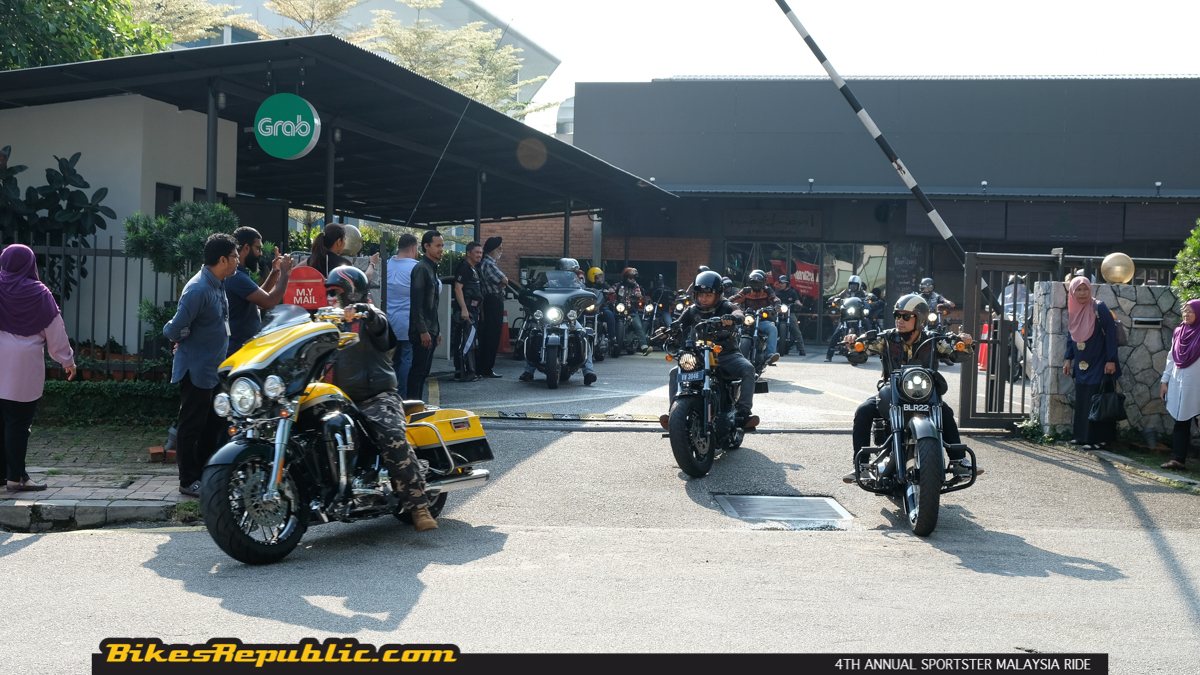
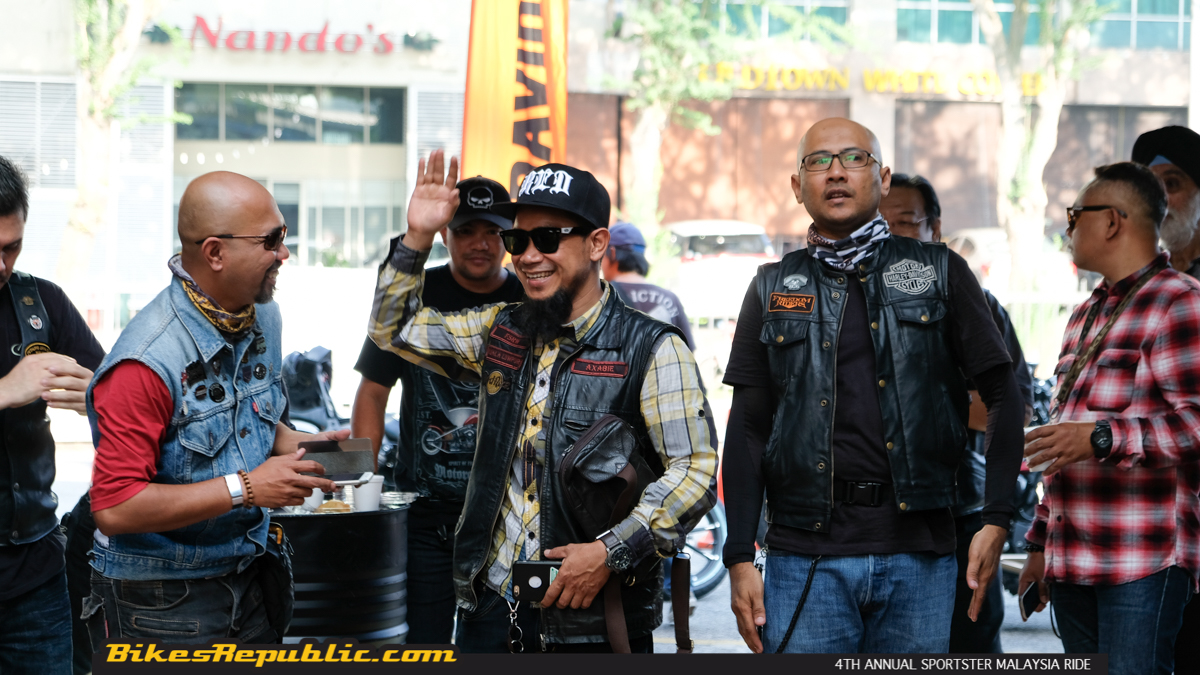
The ride was flagged off at 9.30am, with the bigger bikes leading the convoy.

Have a safe ride, guys and gals!

PICTURE GALLERY

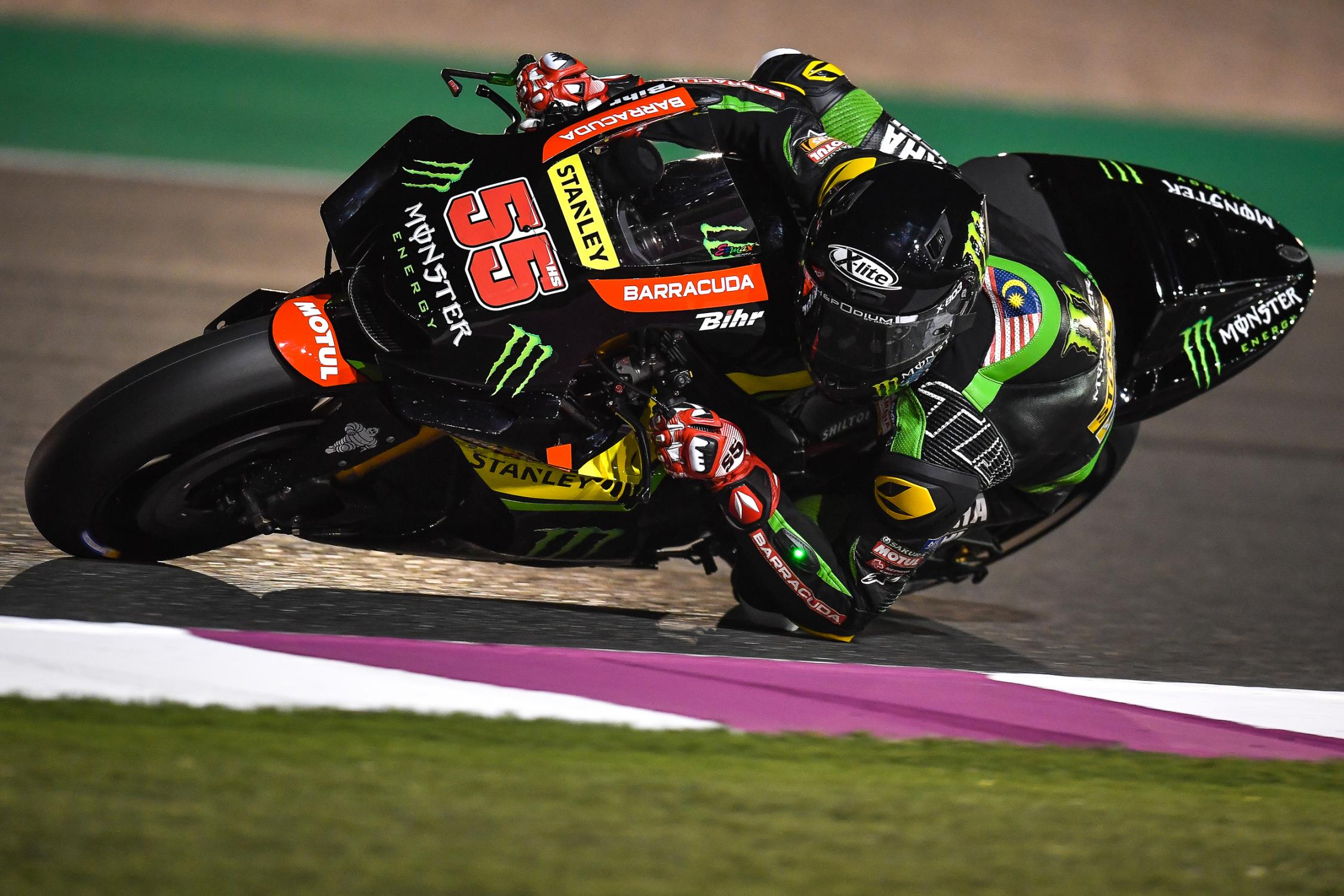
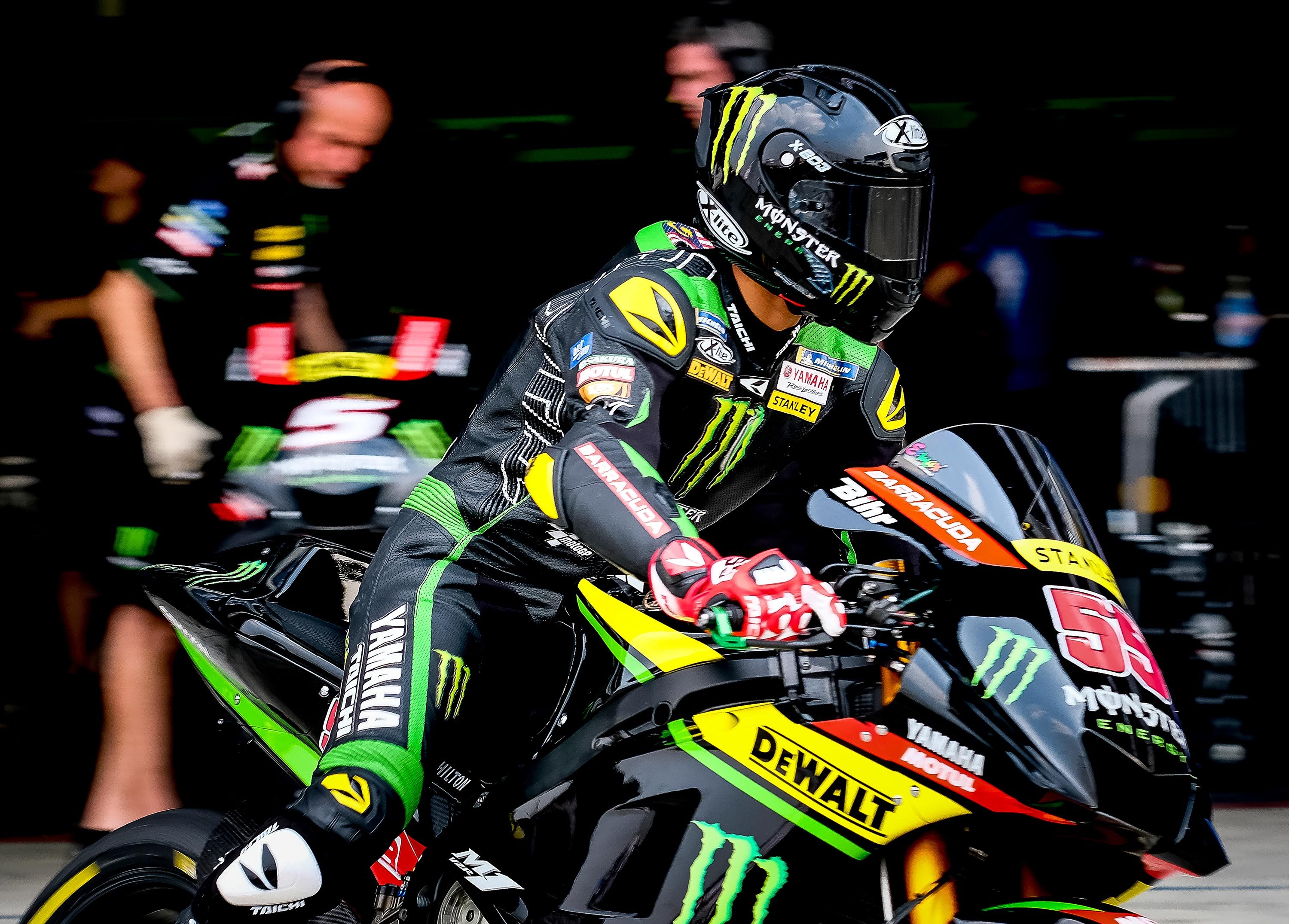
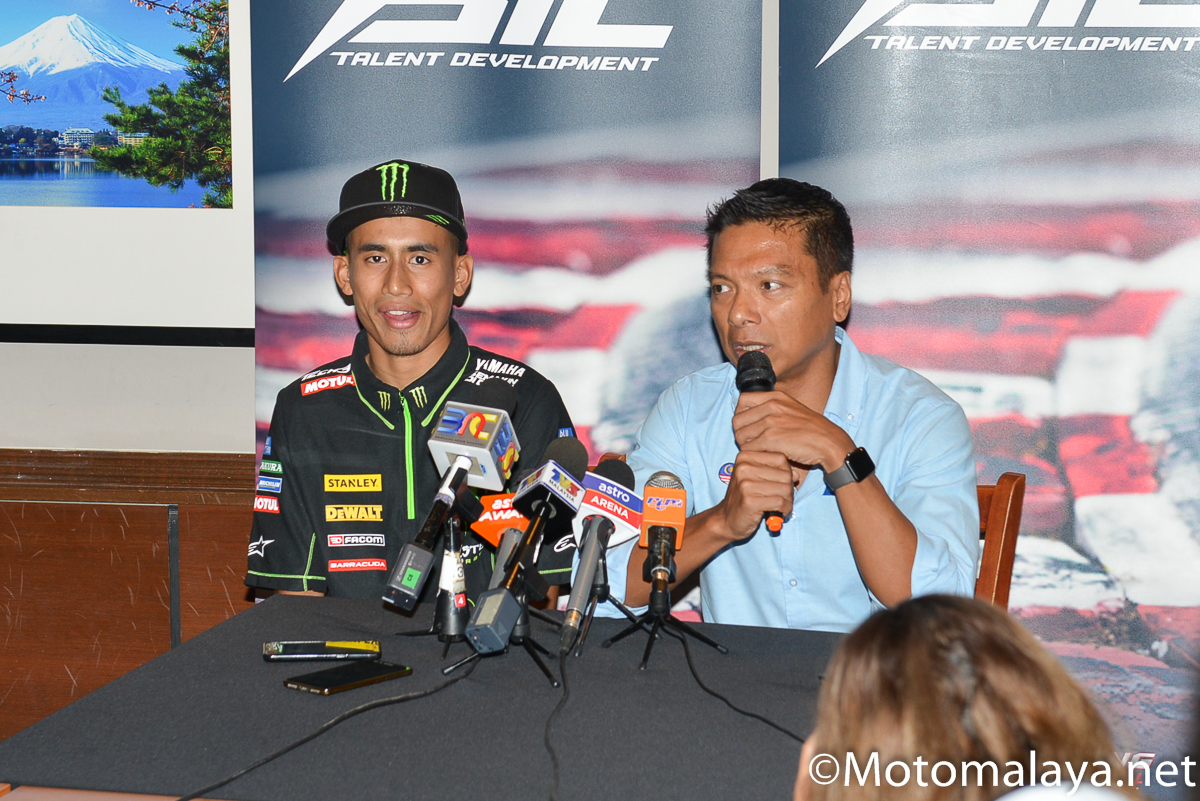
  • There are many speculations on how Hafizh Syahrin was picked to ride for Monster Yamaha Tech 3 in MotoGP.

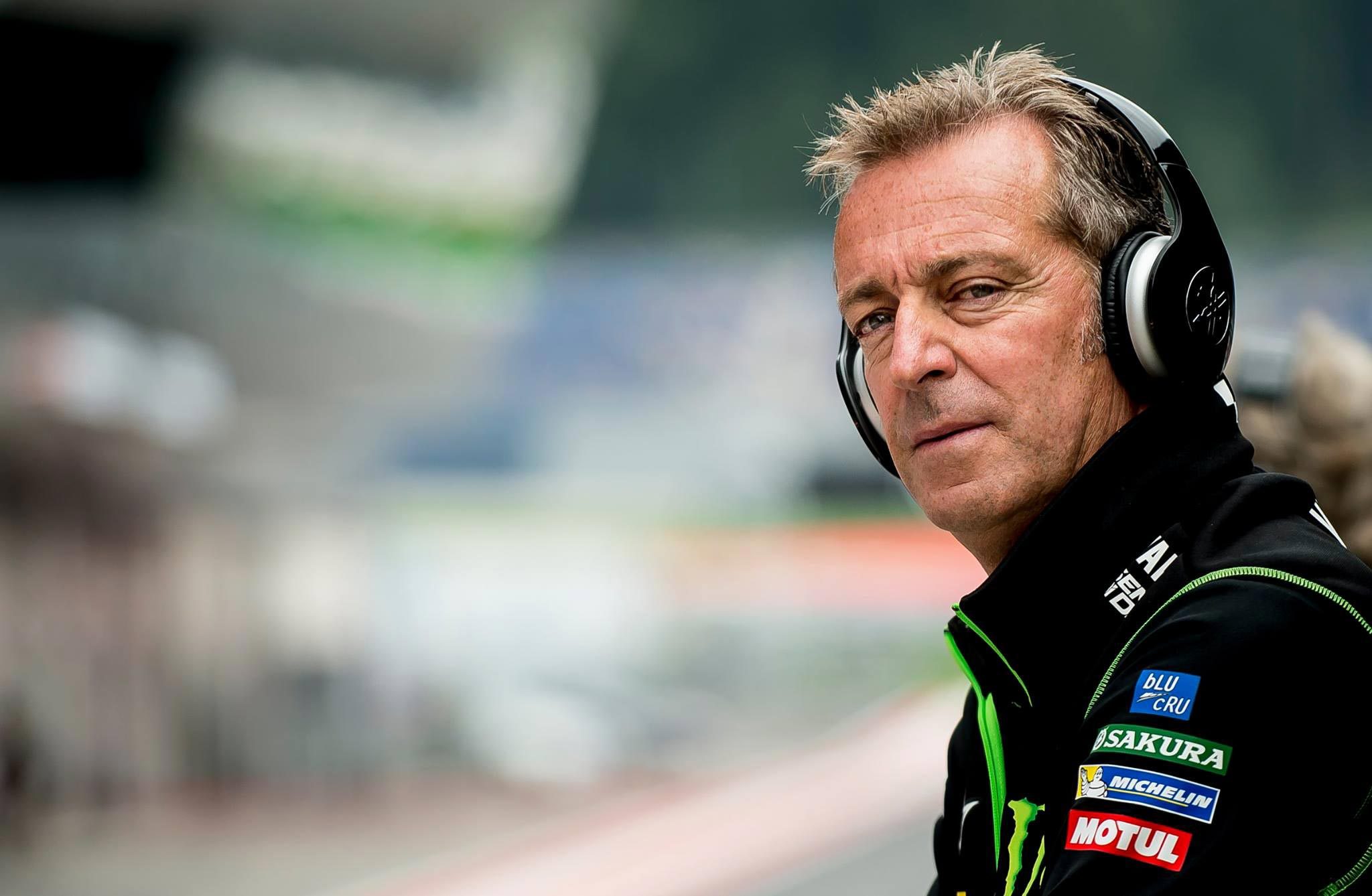
  • Team principal, Herve Poncharal revealed what happened in an interview with MotoGP.

  • Hope his revelation puts all skepticism to rest.
This may sound like a bad sector in your laptop’s hard disk: It keeps playing back a certain track. That’s how it probably sounds like when it comes to Hafizh Syahrin, patriotism notwithsanding.
Specifically though, it’s about many – some Malaysians included, unfortunately – who still call Hafizh Syahrin’s viability as not only as a MotoGP rider (click here for our report when the news broke), but a MotoGP rider in arguably the top satellite team apart from Alma Pramac Ducati. There were vicious hissings on social media that some Malaysian governing body or SIC had “paid for his seat.”

YBhg. Dato’ Ahmad Razlan Ahmad Razali, Chief Executive Officer of Sepang International Circuit (SIC), had dispelled the rumours during the official announcement of Hafizh been contracted by Monster Yamaha Tech 3 (click here for our coverage of the event).

Now Monster Yamaha Tech 3’s boss, Herve Poncharal put the record straight during an interview with MotoGP.

Poncharal said, “I met (Dato’ Ahmad Razlan) Ahmad Razali, the CEO of Sepang and talking to him I had a crazy idea. I asked him, ‘What about Syahin in MotoGP?’ He thought I was joking.”

He continued, “The sponsors and suppliers were asking me who I was talking about; the’d never heard of him. From then on I had to convince everyone that he was a good rider. And I would have continued even if there had been more resistance. We’re here to enjoy ourselves.”

But what prompted Poncharal to consider Hafizh. For starters, we knew that Yonny Hernandez didn’t impress during his test at SIC. To be brutally honest, the Columbian had campaigned in MotoGP for many years so that wasn’t his first outing on a MotoGP bike. Additionally and probably the deciding factor was because he had already signed on with a WSBK team. Poncharal had himself iterated that he isn’t interested in a rider who’s already contracted to others.

His answer was, “When you choose a rider, there is always an element of risk. I like people who take risks and I do it too. In competition, you have to like the challenge – if you don’t, you’re in the wrong place.”

It was also fortunate for Haifzh and us Malaysians as Monster Yamaha Tech 3 team is a non-factory team, to see Pescao 55 get his big break, as it meant that Poncharal could make his own decisions, “Team Managers of the official factories can choose the best riders because they have more money to pay them… Instead of signing a top rider, because I can’t, I prefer to take a risk on something that could turn out exciting.”

What is Poncharal’s thoughts about Hafizh now? “Now I’m really happy. I’m not saying he’s going to be the fastest but he’s doing well.”

So, it was the Frenchman who sought out Hafizh Syahrin, not the other way around, and he likes taking risks. Compris? Oui? Très bien!

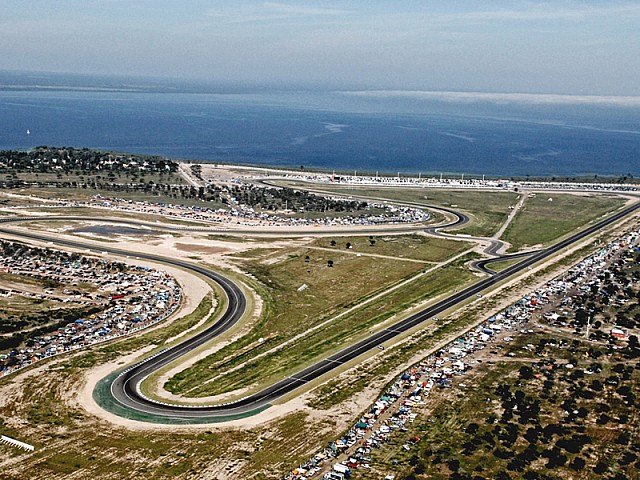
The next Grand Prix round takes place at the Termas de Rio Hondo Circuit in Argentina, from 6th to 8th April. Stay tuned for the latest news and race reports.

  • It’s sport-tourers for Part 2 of the Top Motorcycles for the Touring Season.

  • Sport-tourers are fast bikes that are also practical.

  • The appeal of sport-tourers are practicality, comfort and some good speed.

In Part 1 of Top Motorcycles for the Touring Season, we’ve covered dual-purpose bikes. (Please click here for the article.) If you could recall, dual-purpose bikes are called such since they could be ridden on both the road and off-road.

In Part 2 here, let’s take a look at sport-tourers, motorcycles that combine the speed and handling of sportbikes with the practicality of touring and dual-purpose motorcycles.

LIGHTWEIGHT

There aren’t specific lightweight sport-tourers in the sub-400 to 500cc segment. In this case, we could call any bike a sport-tourer unless they are dual-purpose bikes such as the Kawasaski Versys-X and BMW G 310 GS. Case in point is the Kapcai Touring Malaysia group who equip their Yamaha Y15ZRs with large GIVI top cases and go touring. Another great example is Anita Yusof who toured around the world on a Yamaha FZ150i. Let’s proceed to the middleweight section.

MIDDLEWEIGHT

There are so many bikes that occupy this segment but we’ve picked a few.

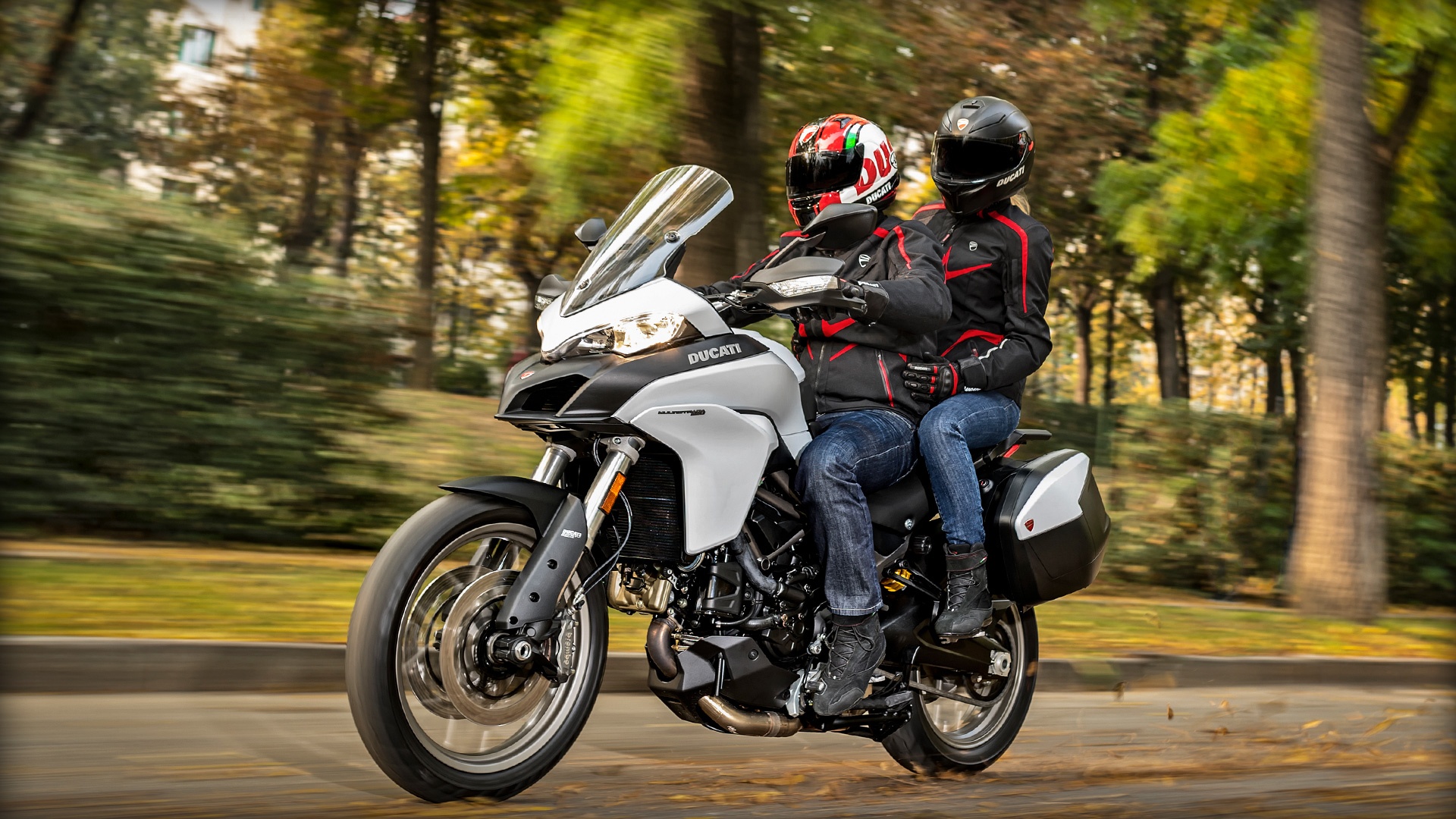
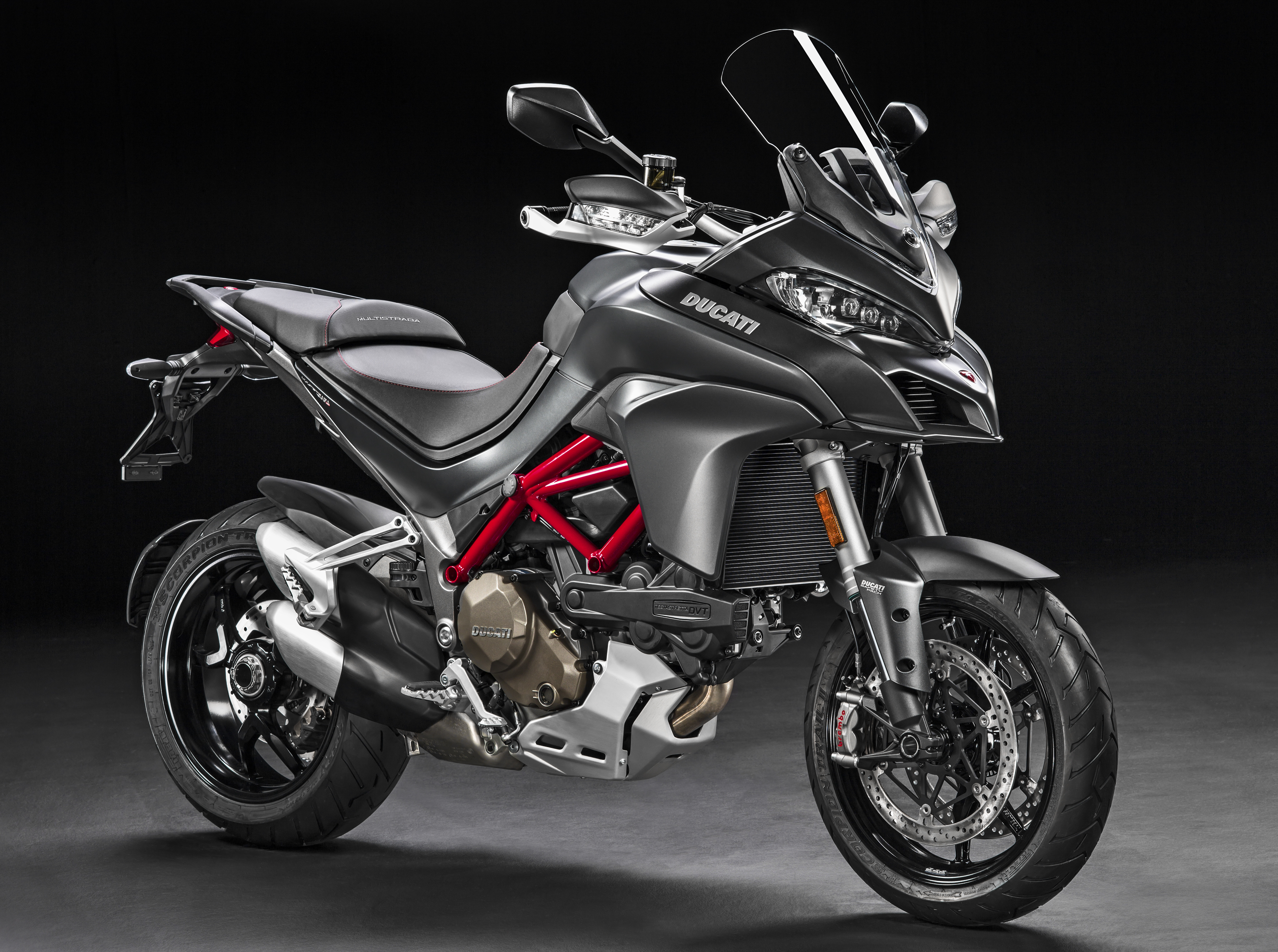
DUCATI MULTISTRADA 950

The Multistrada 950 was born from Ducati’s decision to introduce a range of bikes that are more affordable and accessible to a wider range of riders. Consequently, the 950 is bereft of high technologies such as the semi-active suspension and single-sided swingarm of its 1200cc and 1260 brothers. But that only means that the 950 is lighter and a joy to ride without needing to think about setting the electronics.

Engine type Liquid-cooled, DOHC, four valves per cylinder, 90o V-Twin
Displacement 947 cc
Maximum power 111 bhp (83 kW) @ 9000 RPM
Maximum torque 96 Nm @ 7750 RPM
Seat height 840 mm
Dry Weight 205 kg
Fuel capacity 20 litres
KAWASAKI VERSYS 650

The Versys 650 has gone through many cosmetic changes with each generation, although the engine and hardware stayed the same. The current model’s design follows the distinctive look of all current Kawasaki motorcycles. The 648cc parallel-Twin is torquey and has enough grunt up top for a spirited run. The windscreen and bodywork protect the rider from windblast well enough while the long-travel suspension is comfortable for most applications. Speaking of the suspension, it features a remote preload adjuster and the seat height isn’t too tall for most riders. There are plenty of cargo solutions in the market for this bike.

Engine type Liquid-cooled, DOHC, four valves per cylinder, parallel-Twin
Displacement 649 cc
Maximum power 68.4 bhp (51 kW) @ 8500 RPM
Maximum torque 64 Nm @ 7000 RPM
Seat height 840 mm
Kerb weight 214 kg
Fuel capacity 21 litres
MV AGUSTA TURISMO VELOCE 800

The Turismo Veloce 800 came about when AMG pumped in some capital into MV Agusta, and signaled a small but significant change of direction in terms of product development and features. Hence, the Turismo Veloce was the first MV Agusta to feature a fully LCD instrument panel which includes all the pertinent data. Scrolling, instead of rummaging, through the menus was also thankfully painless. The suspension was also made suppler and the Lusso model includes large-size panniers. MV Agusta had also managed to get rid of the snatchy throttle. The bike still looks beautiful after a couple of years.

Engine type Liquid-cooled, DOHC, four valves per cylinder, inline-Triple
Displacement 798 cc
Maximum power 110 bhp (81 kW) @ 10150 RPM
Maximum torque 80 Nm @ 7100 RPM
Seat height 850 mm
Dry weight 191 kg
Fuel capacity 21.5 litres
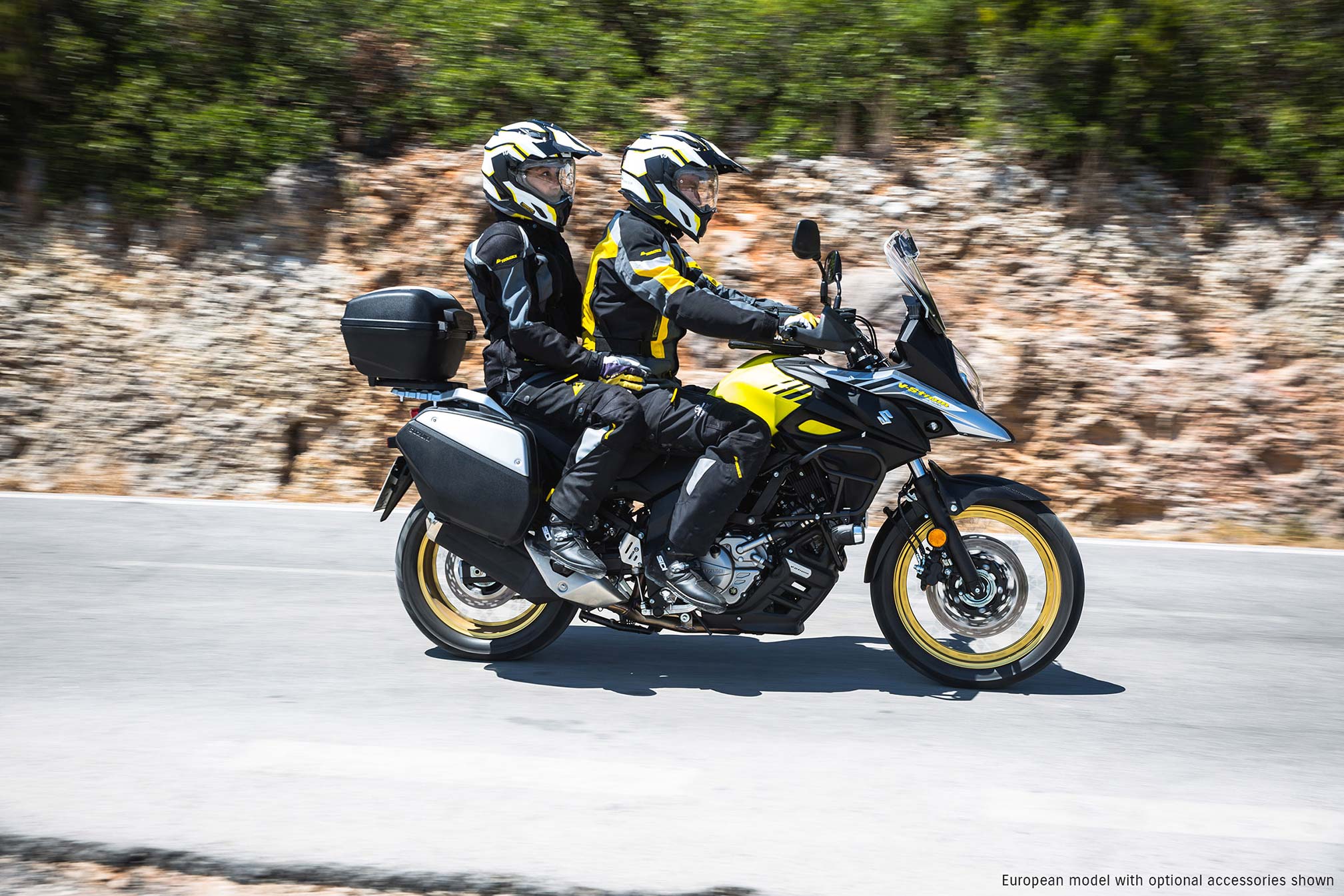
SUZUKI V-STROM 650 XT

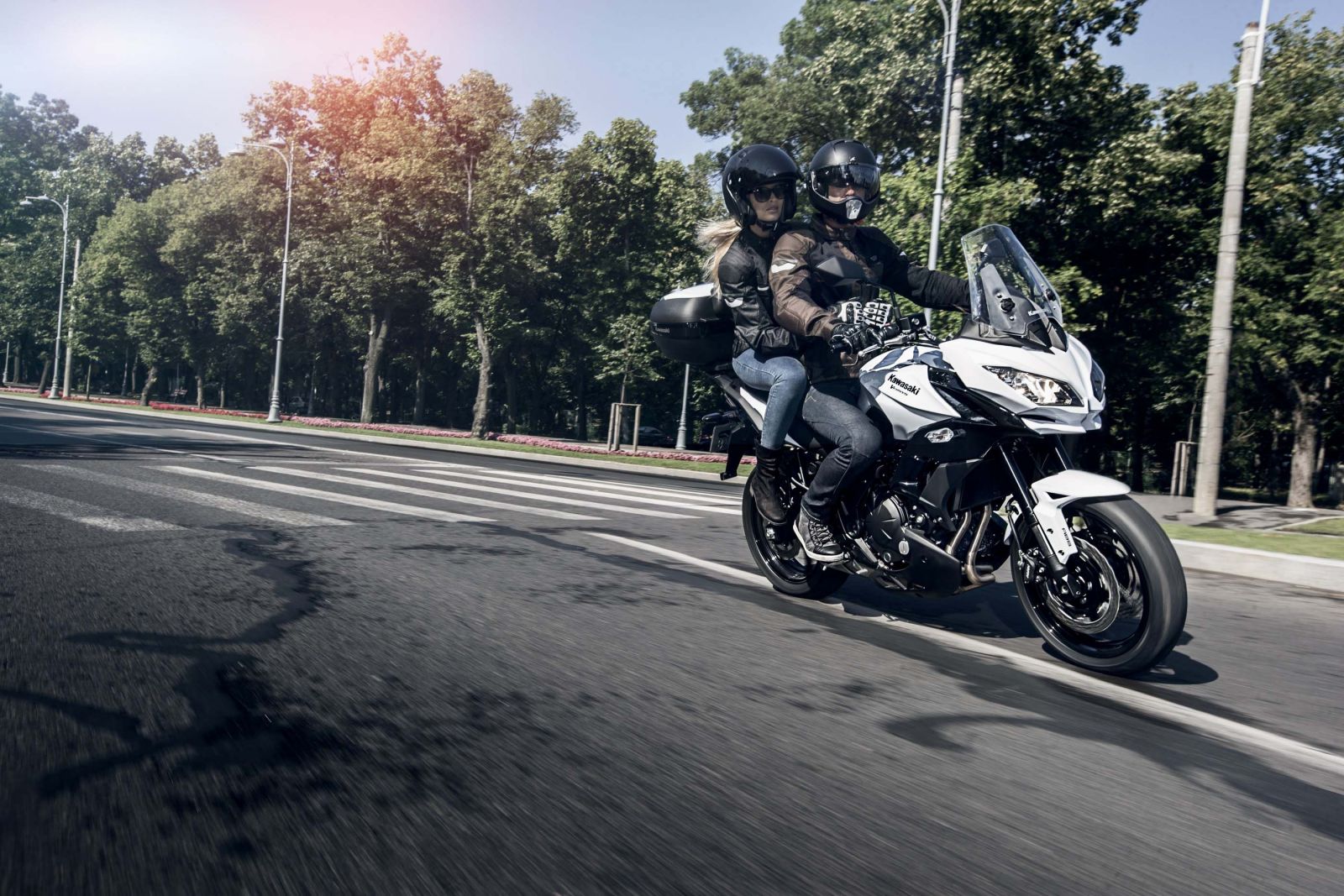
The V-Strom 650’s engine has been in circulation for more than 15 years and it’s more popular than its 1000cc brethren. It’s because the 650 has a smoother and more linear power. Compared to the Kawasaki Versys 650, the V-Strom 650 is larger hence wider and longer seats. The suspension is also rather plush. It goes by carrying out its duties quietly to stage of being blamed as “bland.”

Engine type Liquid-cooled, DOHC, four valves per cylinder, 90o V-Twin
Displacement 645 cc
Maximum power 66.6 bhp (49 kW) @ 8800 RPM
Maximum torque 60 Nm @ 6400 RPM
Seat height 835 mm
Wet Weight 216 kg
Fuel capacity 20 litres
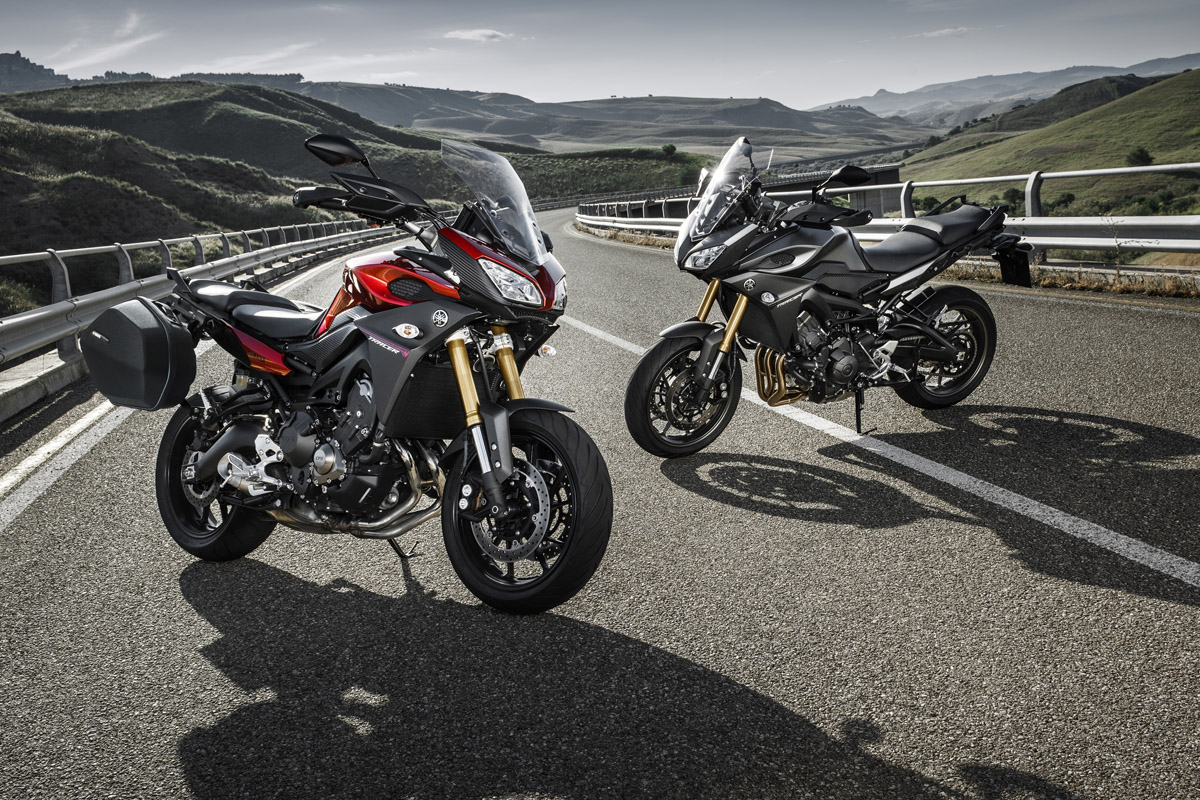
YAMAHA MT-09 TRACER

The Tracer is the sport-touring version of the MT-09 naked bike, hence it is light, fast and quick on its feet. The bodywork does an adequate job of keeping wind off the rider’s torso, while the large-sized LCD panel is lifted from the Super Tenere. The long-travel suspension is quite soft.

Engine type Liquid-cooled, DOHC, four valves per cylinder, inline-Triple
Displacement 847 cc
Maximum power 114 bhp (84.6 kW) @ 10000 RPM
Maximum torque 87.5 Nm @ 8500 RPM
Seat height 845 – 860 mm
Wet Weight 207 kg
Fuel capacity 18 litres

HEAVYWEIGHT

We’ve come to the top of the crop. These are the Concordes should we compare them to airliners.

BMW S 1000 XR

With the engine derived from the S 1000 RR superbike, the S 1000 XR is BMW’s weapon to attack the big bore sport-touring segment. It’s got everything here including the ESA semi-active suspension, ride modes, traction control, and panniers. That inline-Four is an ultra-flexible power unit: It’ll pull hard from just below 60 km/h in sixth gear all the way to its top speed without batting an eyelid.

Engine type Liquid-cooled, DOHC, four valves per cylinder, inline-Four
Displacement 999 cc
Maximum power 165 bhp (121 kW) @ 11000 RPM
Maximum torque 112 Nm @ 9250
Seat height 840 mm
Wet weight 228 kg
Fuel capacity 20 litres
BMW R 1200 RT

For a little bit more character compared to the uber machine S 1000 XR, the R 1200 RT fits the bill nicely. It shares that same wasser-Boxer of the R 1200 GS which means torque everywhere. The RT is also well-appointed in its instrumentation and creature comforts, as well as the suspension which is again similar to GS’s. Those large panniers are… er… large and you could fit almost anything in them.

Engine type Liquid-cooled, DOHC, four valves per cylinder, Boxer-Twin
Displacement 1170 cc
Maximum power 125 bhp (92 kW) @ 7750 RPM
Maximum torque 125 Nm @ 6500 RPM
Seat height 805 – 825 mm
Wet weight 274 kg
Fuel capacity 25 litres
DUCATI MULTISTRADA 1260

Ducati launched the Multistrada 1260 to compete with the other monsters in the segment. (As if the 1200 wasn’t fast enough.) Well, it wasn’t about speed, said Ducati; they fitted the 1262cc DVT engine from the XDiavel to address the flat spot at 5500 RPM of the 1200 DVT engine. Surely enough, there’s an 18% torque increase at that RPM. The swingarm has also been lengthened by a significant 48mm for more stability when carrying a passenger and cargo. The S model includes a bi-directional quickshifter, Ducati Link App and electronic suspension as well as colour-coded luggage.

Engine type Liquid-cooled, DOHC, four valves per cylinder, 90o V-Twin
Displacement 1262 cc
Maximum power 156 bhp (116.2 kW) @ 9500 RPM
Maximum torque 129.5 Nm @ 7500 RPM
Seat height 825 – 845 mm
Dry weight 209 kg
Fuel capacity 20 litres
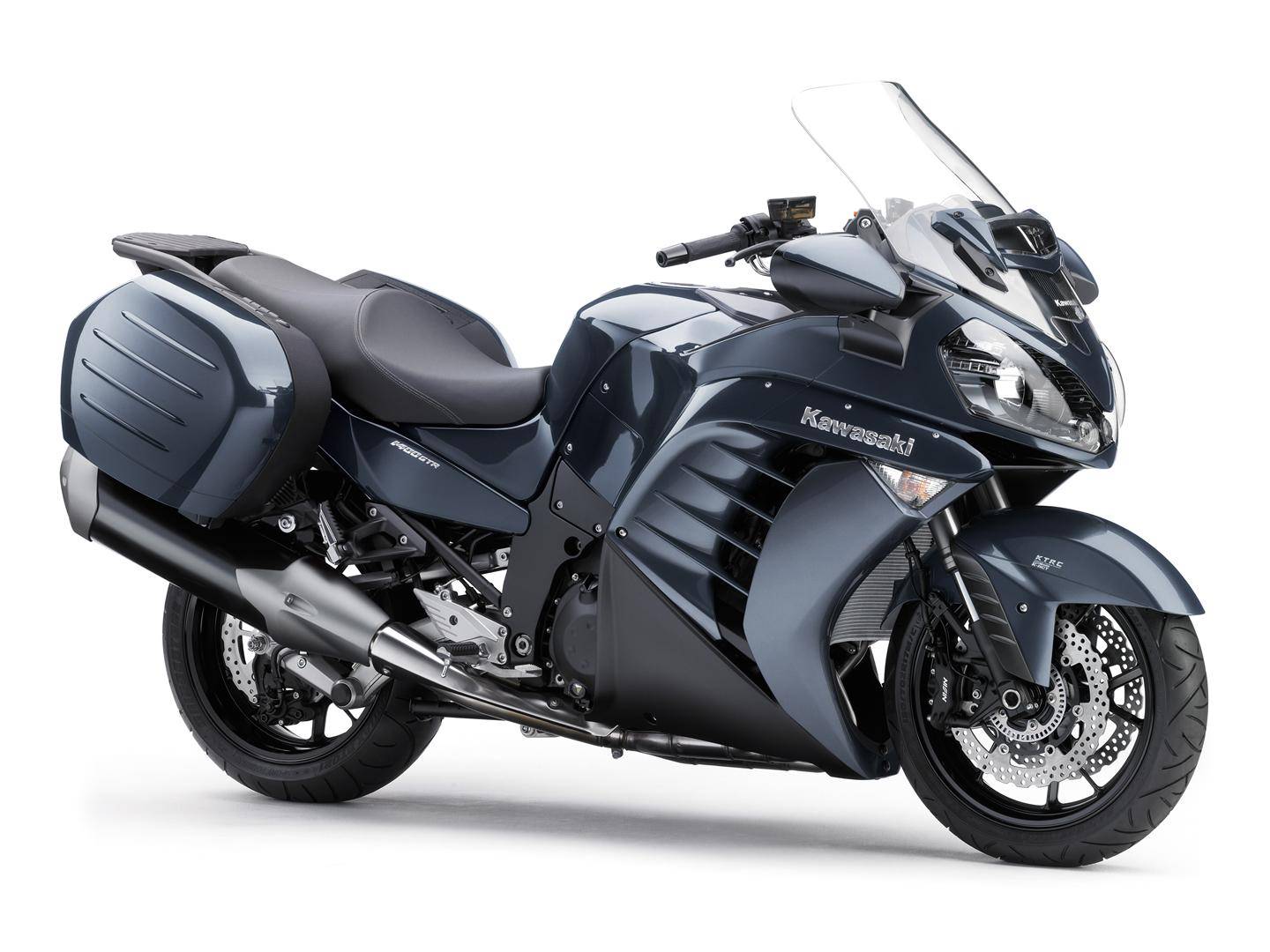
KAWASAKI 1400GTR

The GTR found massive popularity in Malaysia and the world over. It’s fast – having an engine derived from the Ninja ZX-14 has that effect – yet comfortable. The seating position is neutral behind that large nose and tall screen. There is plenty of storage space, too.

Engine type Liquid-cooled, DOHC, four valves per cylinder, inline-Four
Displacement 1362 cc
Maximum power 153 bhp @ 8800 RPM
Maximum torque 138.3 Nm @ 6200 RPM
Seat height 815 mm
Wet weight 313 kg
Fuel capacity 22 litres
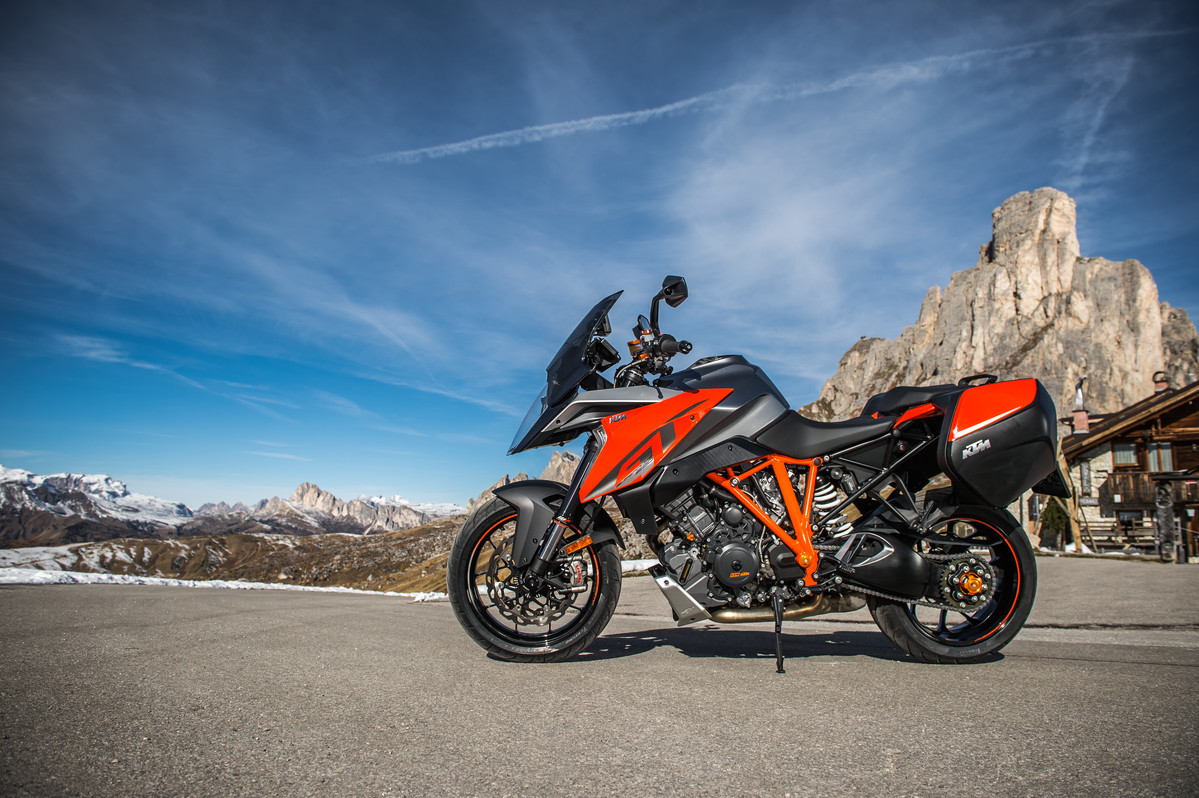
KTM 1290 SUPER DUKE GT

Dubbed “The Missile” during its launch, this bike is the epitome of leaning towards sport in the sport-touring equation. Its super-powered by the engine of the 1290 Super Duke R, punching out 173 bhp and 144 Nm of torque. But what makes the 1290 Super Duke GT such a great bike is how the bike “assists” you in becoming a better rider through the power mode, traction control and semi-active suspension strategies. But it isn’t all about speed on the GT as it’s equally docile when ridden at sane speeds in urban settings. This is one bike for riders who wish to get there quickly and have more time to enjoy himself.

Engine type Liquid-cooled, DOHC, four valves per cylinder, 75o V-Twin
Displacement 1301 cc
Maximum power 173 bhp (129 kW) @ 9500 RPM
Maximum torque 144 Nm @ 6750 RPM
Seat height 835 mm
Wet weight 228 kg
Fuel capacity 23 litres
  • It’s touring season for Malaysian bikers again.

  • While one could tour with any bike, riding one which is designed specifically for the purpose would be perfect.

  • We start with dual-purpose (DP) machines.

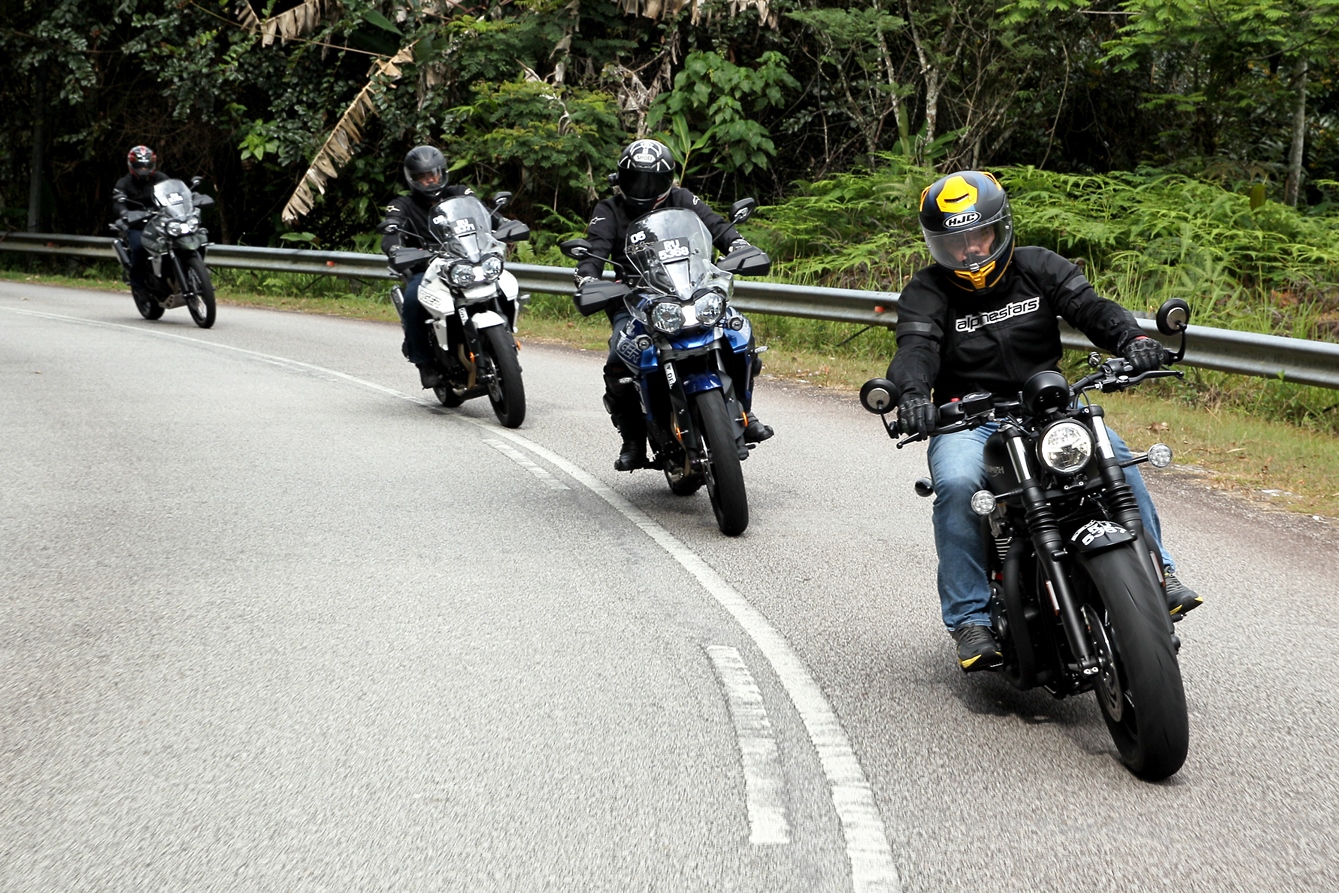
Touring season is upon us Malaysian bikers head out to tour the country as well as to Thailand for Songkran, Phuket Bike Week and various our locations. As the saying goes, “Always use the right tool for the right job,” it applies to the type of bike, too. Of course, there are hardcore riders who tour all the way to Chiang Mai in northern Thailand on 1970s Vespas and Lambrettas or mopeds, but there’s nothing like riding purpose-built machines.

We’ve put together a collection of bikes that we’ve tested and a (very) few that we hadn’t. However, we start with dual-sports (DP) motorcycles in Part 1.

As the designation implies, dual-sport motorcycles are suited for rough road and off-road riding, hence you could safely handle difficult situations (such as broken roads, dirt from a previous landslide should they arise handle well even at low speeds. They are also able to carry lots of luggage in addition to a passenger with ease. Long travel suspension soaks up surface irregularities, contributing to rider comfort. Adventure-tourers usually have bigger fuel tanks too, for longer ranges. Many, if not all, feature lower engine compression ratios meaning they could accept lower octane fuel.

Please note that we’ve left out the enduro-style DPs as they have limited range and luggage carrying capacity for long-distance touring.

LIGHTWEIGHT

The lightweight DP motorcycle segment isn’t necessarily new if you include enduros and trail bikes; but the segment is now joined by the “mini” Versys and GS.

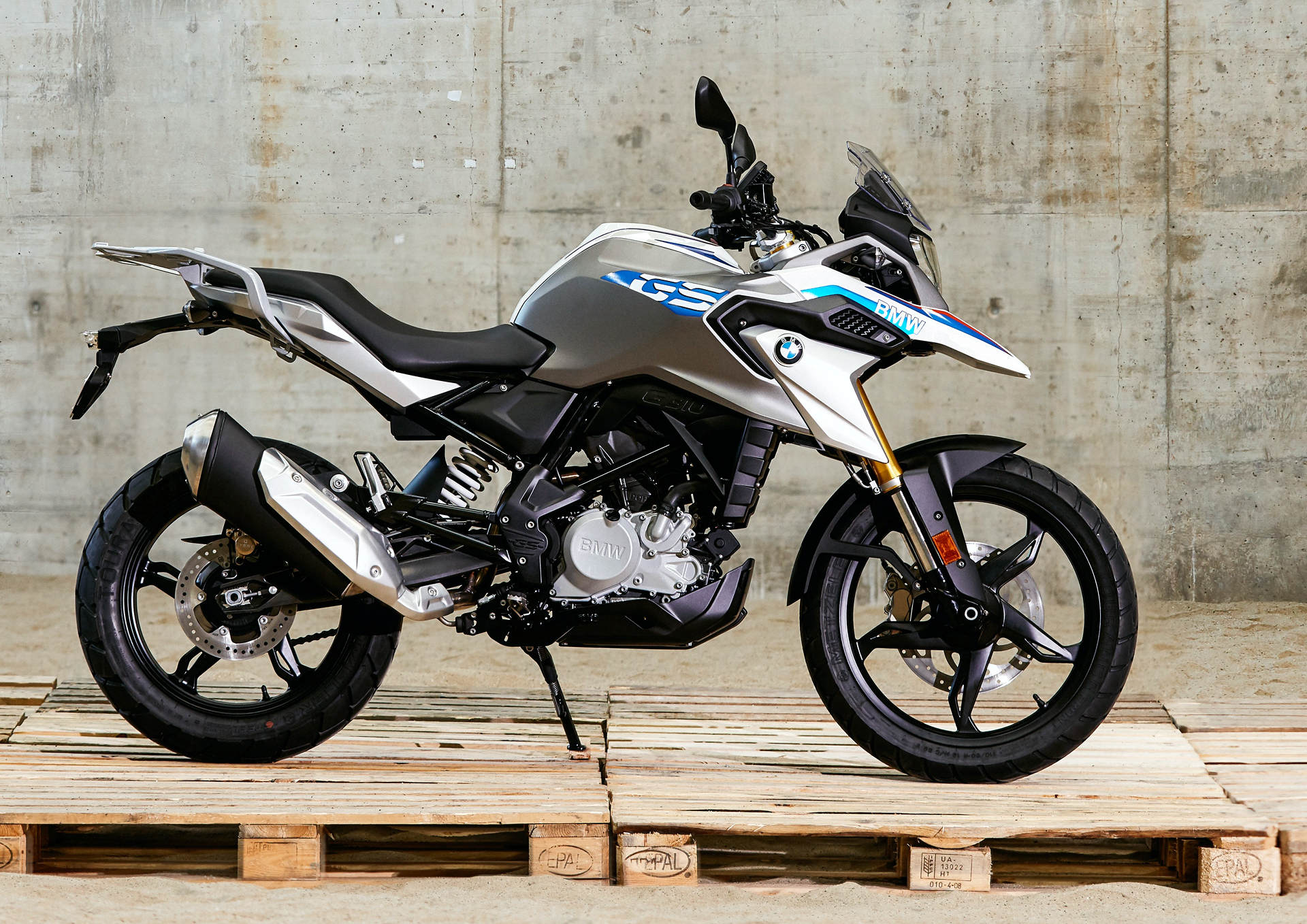
BMW G 310 GS

The G 310 GS is the adventure version of the G 310 R roadster. (Please click here for our full review.) BMW Motorrad intended the bike for the far-flung markets hence the affordability and simplicity of these models. The G 310 GS is commendably fast on tarmac and has a great balance when ridden off-road.

Engine type Liquid-cooled, 4-stroke, DOHC, 4-valves, single-cylinder
Displacement 313 cc
Maximum power 34 bhp (25 kW) @ 9500 RPM
Maximum torque 28 Nm @ 7500 RPM
Seat height 835 mm (unladen)
Wet weight 169.5 kg (ready to ride)
Fuel capacity 11 litres
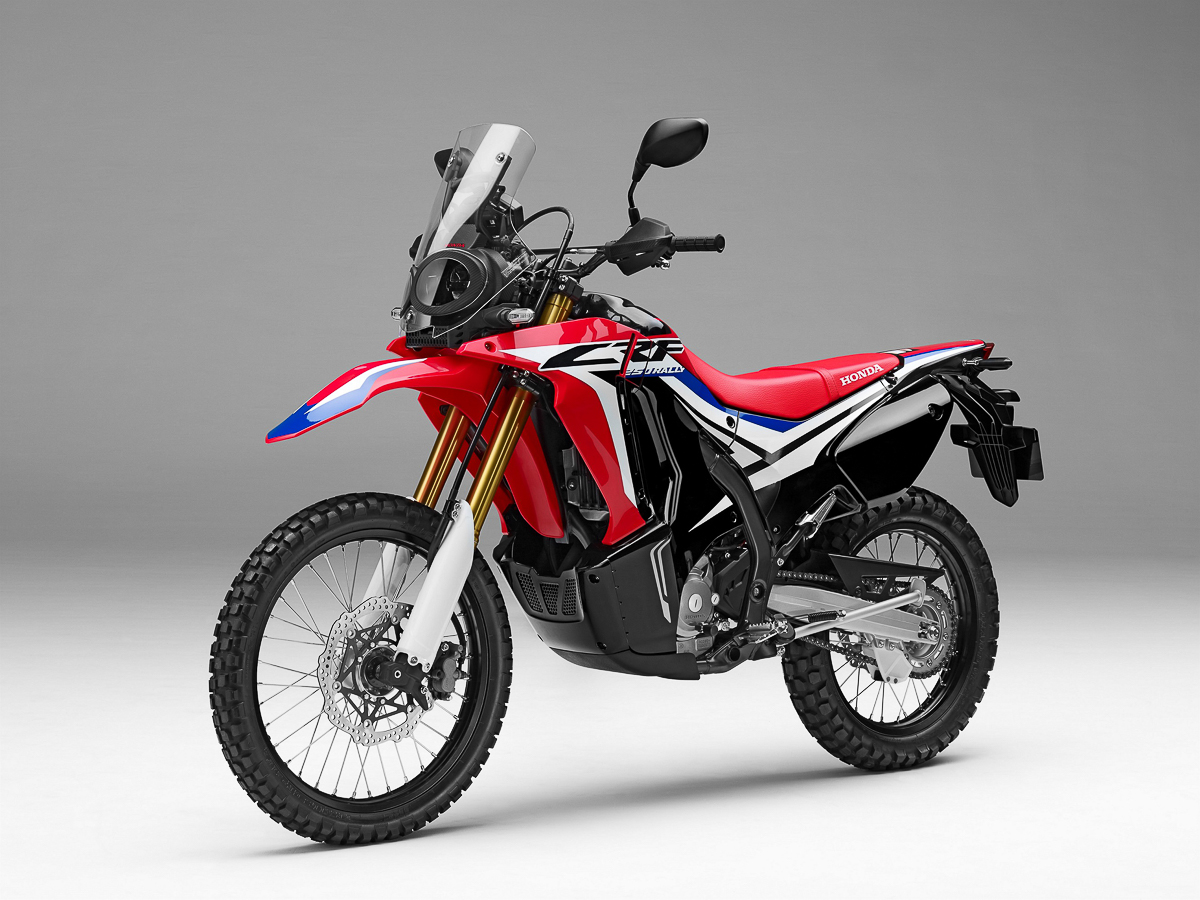
HONDA CRF250 RALLY

The CRF250 Rally is probably the best-looking bike in this lightweight group. (Please click here for our full review.) It features a handsome bodywork, along the lines of its CRF1000L Africa Twin bigger brother and will all the beautiful Honda quality you can shake a stick at. The engine is derived from the CBR250 and its got a nice set of LED headlamps. The CRF250 Rally is geared more towards relaxed off-road trail riding, hence it isn’t a real roadrunner. But if your holiday plan calls for riding off-road and camping, it’s hard to beat this bike.

Engine type Liquid-cooled, 4-stroke, DOHC, 4-valves, single-cylinder
Displacement 249 cc
Maximum power 23 bhp (24.7 kW) @ 8500 RPM
Maximum torque 22 Nm @ 7000 RPM
Seat height 895 mm
Wet weight 157 kg
Fuel capacity 10 litres
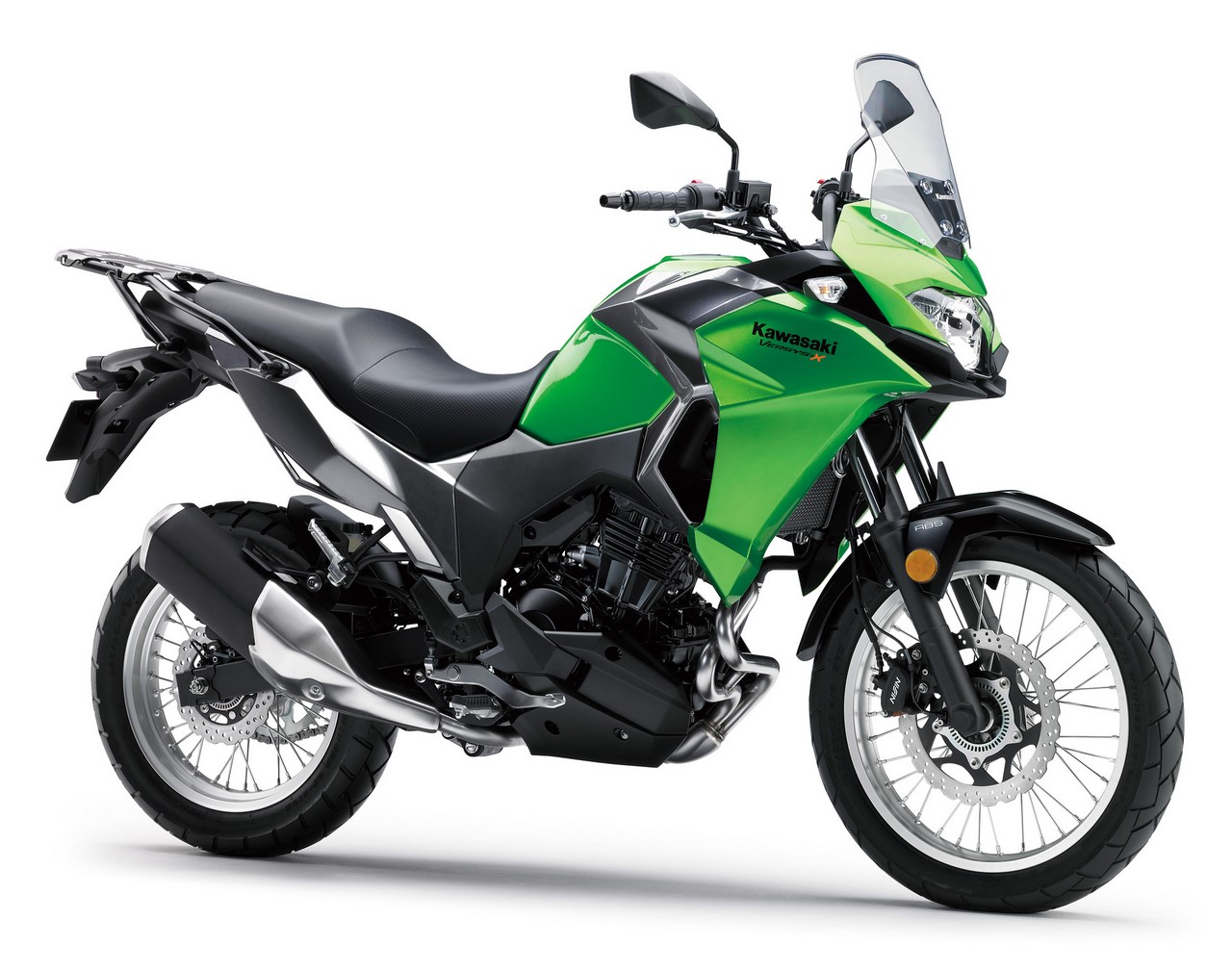
KAWASAKI VERSYS-X 250

It could be said that the Versys-X burst onto the scene. (Please click here for our full review.) Here was a bike that resembles the popular KLR650, is very light and has a lively 250cc engine sourced from the Ninja 250. Kawasaki had given the Versys-X longer legs (presumably for off-road riding), incidentally making it a quick road bike. The suspension may feel a little simple but it gets the job done in absorbing hard bumps supporting the occupants’ weight plus luggage.

Engine type Liquid-cooled, 4-stroke, DOHC, 4-valves, parallel-Twin
Displacement 249 cc
Maximum power 33.1 bhp (24.7 kW) @ 11500 RPM
Maximum torque 21.7 Nm @ 10000 RPM
Seat height 815 mm
Curb weight 173 kg
Fuel capacity 17 litres

MIDDLEWEIGHT

While the middleweight sport-touring segment is the most hotly contested, there are not many middleweight DPs except for BMW and Triumph in Malaysia.

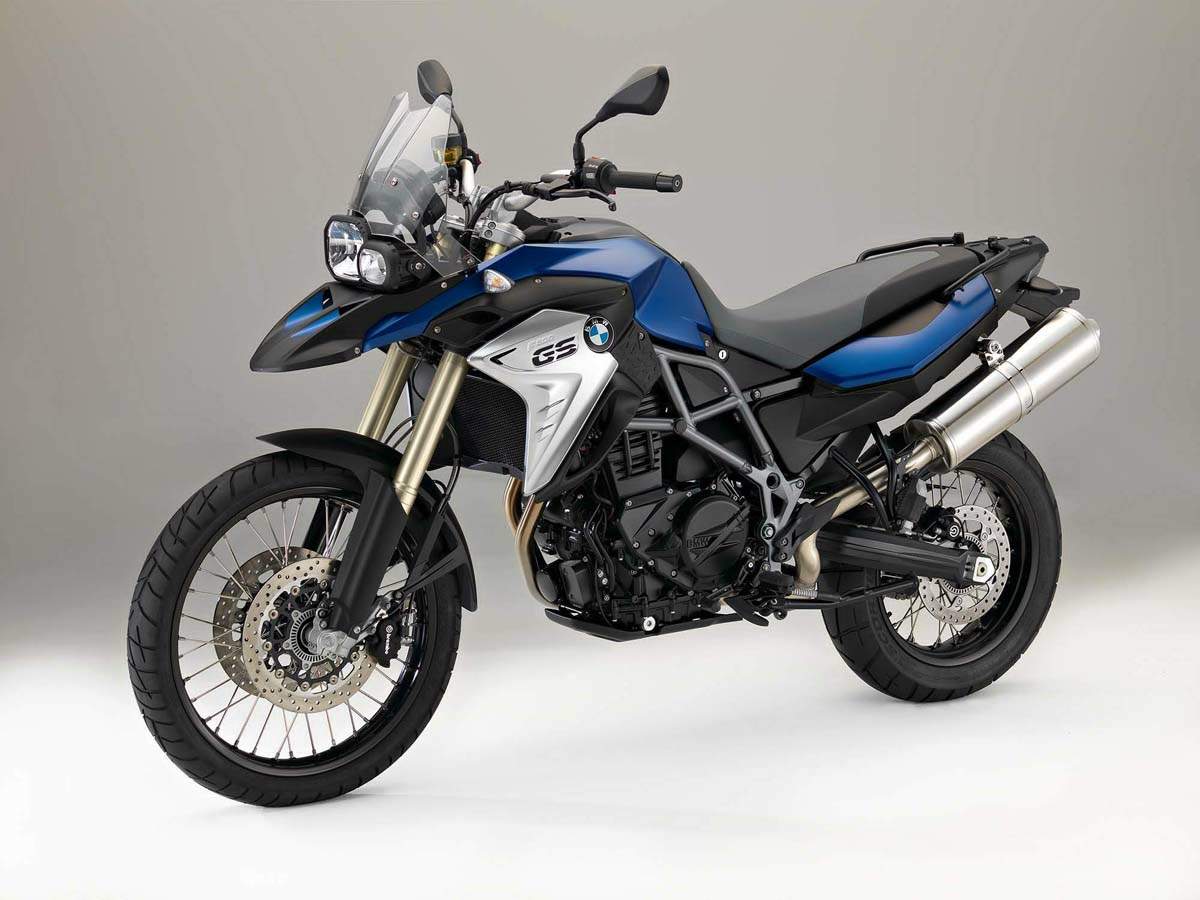
BMW F 800 GS / F 800 GS ADVENTURE

The BMW F 800 GS and its Adventure variant has been around for some time. Slender cross-section and midsection, long travel suspension, ability to haul luggage, simplicity in maintenance and repair makes it the favourite among BMW riders who love to ride off-road. The model is slated for replacement by the new F 850 GS.

Engine type Liquid-cooled, 4-stroke, DOHC, 4-valves, parallel-Twin
Displacement 798 cc
Maximum power 85 bhp (62.5 kW) @ 7500 RPM
Maximum torque 80 Nm @ 5750 RPM
Seat height 890 mm
Wet weight 229 kg
Fuel capacity 24 litres

*Specifications based on the F 800 GS.

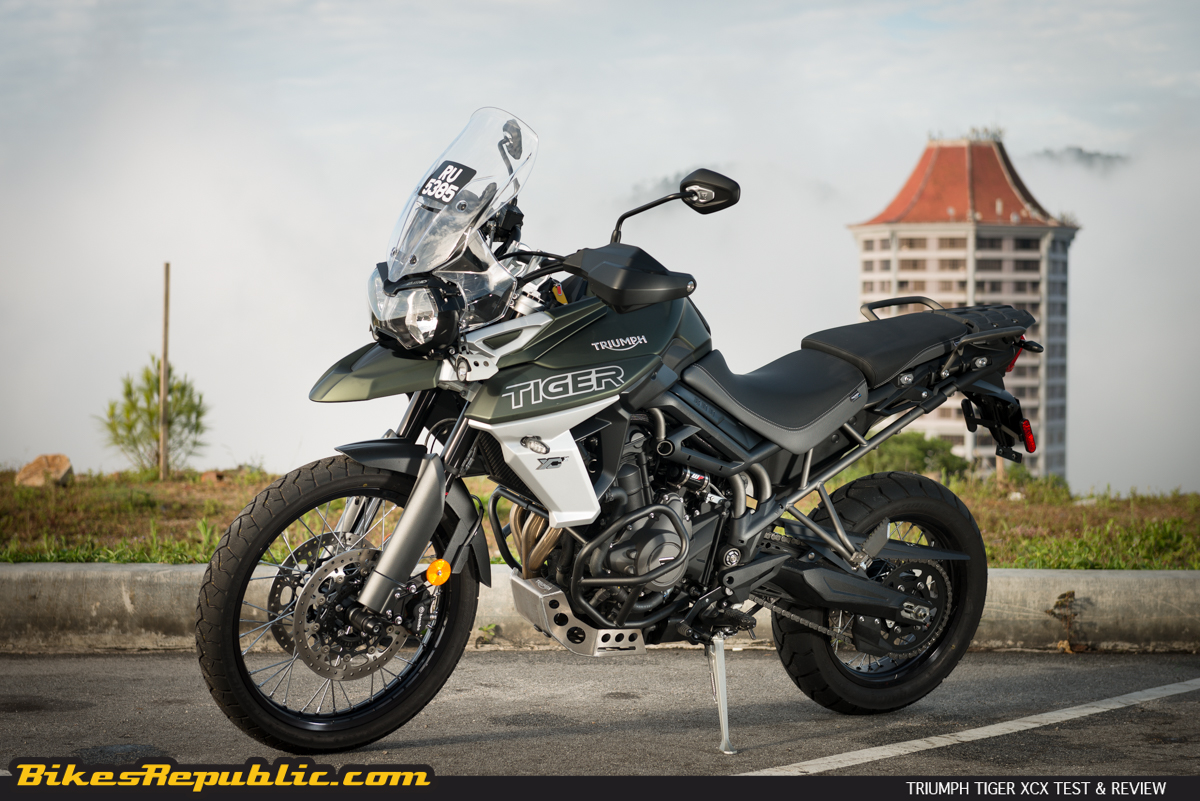
TRIUMPH TIGER 800

The Triumph Tiger 800 had enjoyed splendid sales and following from the previous model and the Hinckley-based manufacturer had successfully updated the 2018 model to make it even better. (Please click here for our full review.) There were 200 revisions just to the engine and chassis, there’s a new TFT screen and switchgear lifted from the Street Triple RS, bigger and adjustable windscreen and comfy seats, among other things. Updates to the chassis has resulted in a surefooted, confident ride. Refined Ride Modes, traction control and smooth engine power delivery sets new standards. The Triumph Tiger 800 is currently the best 800cc DP.

Choose from two different lines and six specs: XCx and XCa are adventure oriented, while the XR, XRx, XRx LRH and XRt are more road-oriented.

Engine type Liquid-cooled, 4-stroke, DOHC, 4-valves, inline-Triple
Displacement 800 cc
Maximum power 95 bhp (62.5 kW) @ 9500 RPM
Maximum torque 79 Nm @ 8050 RPM
Seat height 840 – 860 mm
Dry weight 205 kg
Fuel capacity 19 litres

*Specifications based on the Tiger 800 XCx.

HEAVYWEIGHT

This segment is populated by the technologically-laden heavy hitters. Everything from electronic suspension to lean-sensitive traction control and ABS are found here.

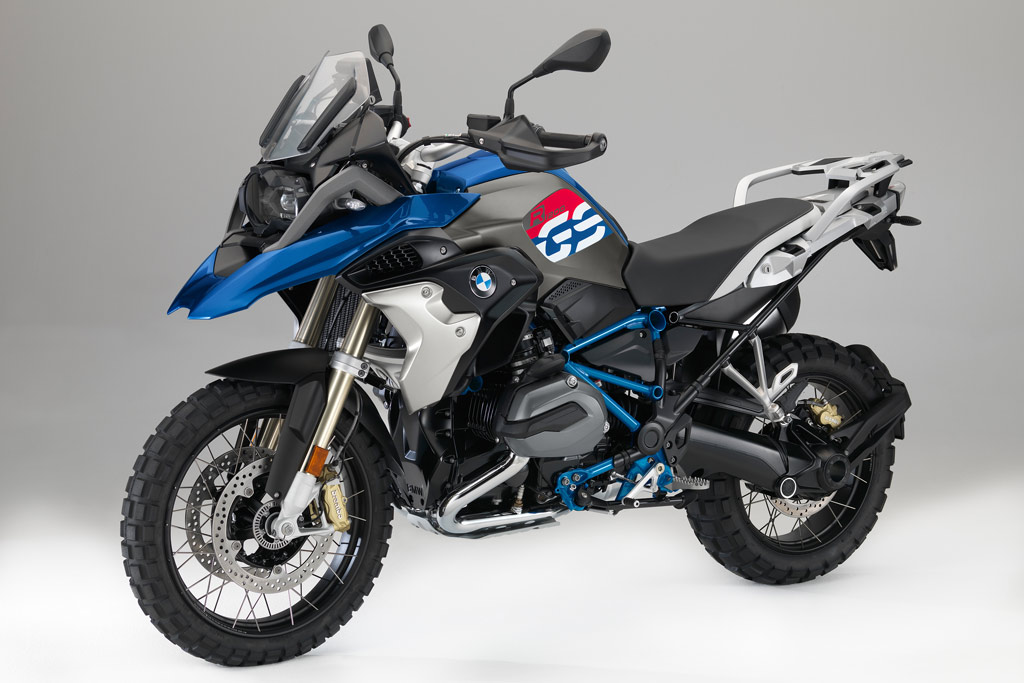
BMW R 1200 GS / R 1200 GS RALLYE / R 1200 GS ADVENTURE

What else could be written about the massively popular BMW R 1200 GS that hasn’t been? Long-range comfort, ability to haul everything apart from the house itself (216 kg permissible payload), goes anywhere, etc. etc., and it just keeps getting better and better.

Engine type Liquid-cooled, 4-stroke, DOHC, 4-valves, Boxer-Twin
Displacement 1170 cc
Maximum power 125 bhp (92 kW) @ 7750 RPM
Maximum torque 125 Nm @ 6500 RPM
Seat height 850 – 870 mm
Kerb weight 244 kg
Fuel capacity 20 litres

*Specifications based on the BMW R 1200 GS Rallye.

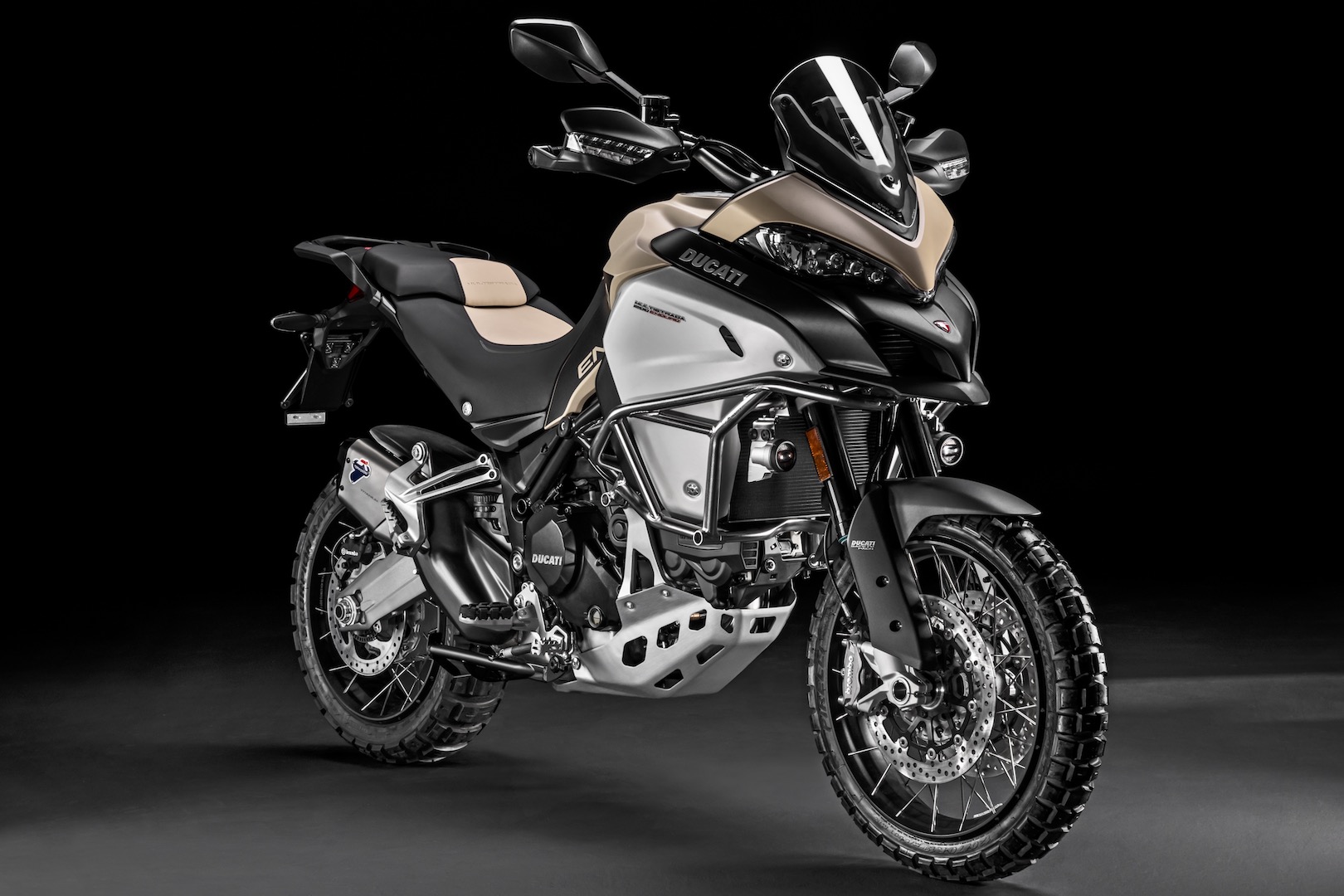
DUCATI MULTISTRADA 1200 ENDURO / MULTISTRADA 1200 ENDURO PRO

Although the Multistrada 1200 (and Multistrada 1200S) include an “Offroad” ride mode setting, it isn’t truly capable of taking on the gnarlier stuff other than a kampong (village) trail. Ducati knew they had a great sport-tourer but they were missing out on the go-anywhere territory, which is dominated by BMW and KTM.

Ducati revised the bike to give the Enduro more offroad capabilities such as the riding position, wheels, suspension, seat, handlebar, windscreen, gearing, traction control and a 30-litre fuel tank. The Enduro Pro version is fitted out with offroad accessories. The wonderfully smooth DVT-equipped engine is retained.

Engine type Liquid-cooled, 4-stroke, DOHC, 4-valves, 90o V-Twin
Displacement 1198 cc
Maximum power 160 bhp (117.7 kW) @ 9500 RPM
Maximum torque 136 Nm @ 7500 RPM
Seat height 870 mm
Kerb weight 254 kg
Fuel capacity 30 litres

*Specifications based on the Multistrada 1200 Enduro.

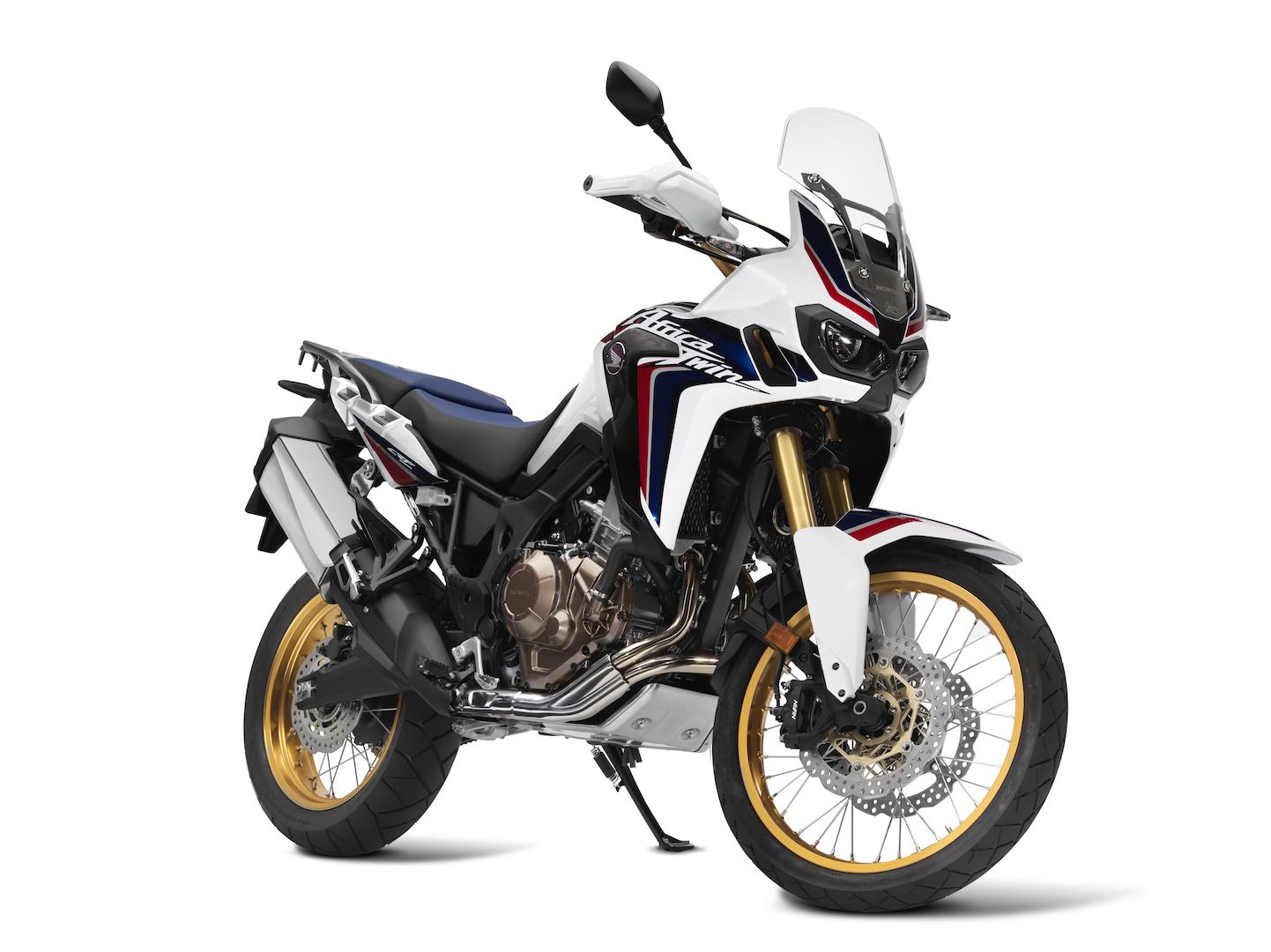
HONDA CRF1000L AFRICA TWIN

The Africa Twin name is one which is synonymous with DP that many fans cursed and swore when production stopped from 2004. Its comeback in 2016 was hailed as one of the biggest events and it has been selling steadily since then. Honda’s quality is on every control and surface you see and touch, and it’s offered in manual or Honda’s proprietary DCT automatic transmission. It’s one of the easiest big bore machines to ride.

Engine type Liquid-cooled, 4-stroke, DOHC, 4-valves, parallel-Twin
Displacement 998 cc
Maximum power 93.8 bhp (70 kW) @ 7500 RPM
Maximum torque 98 Nm @ 6000 RPM
Seat height 850 – 870 mm
Kerb weight 232 kg
Fuel capacity 19 litres

*Specifications based on the manual transmission option.

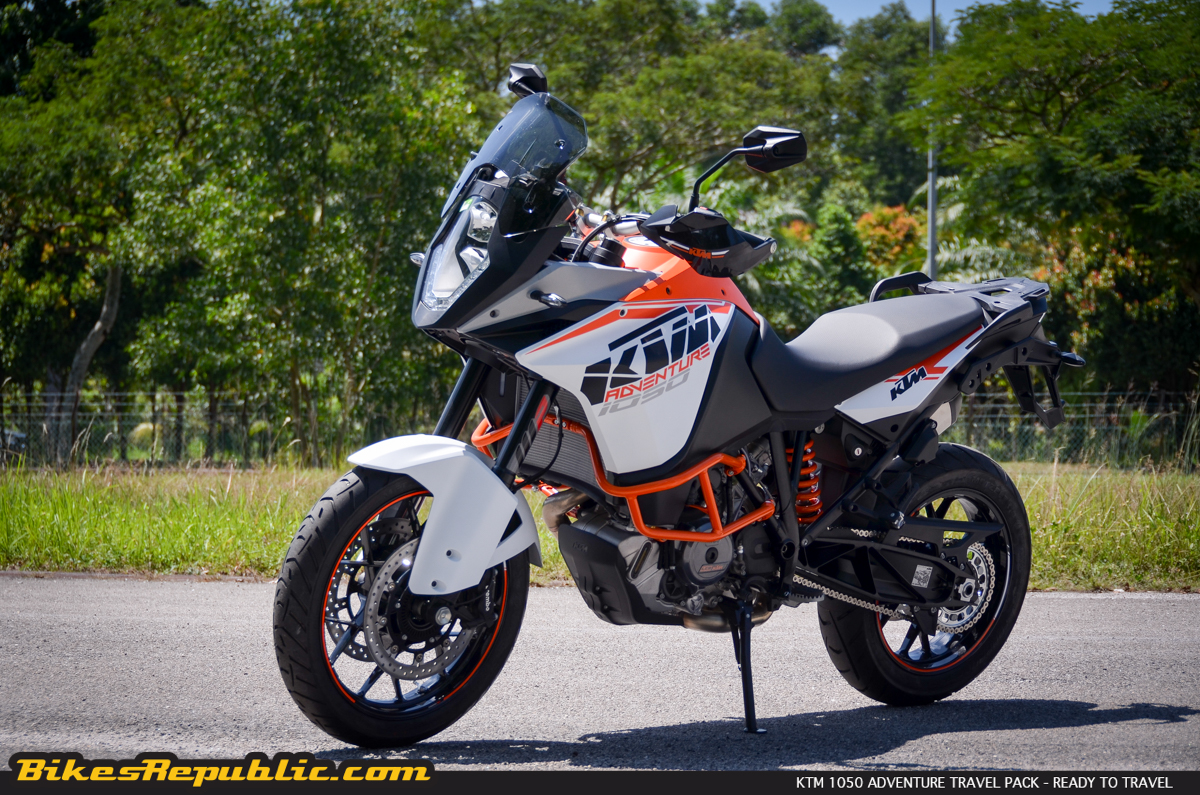
KTM 1050 ADVENTURE

The KTM 1050 Adventure is the model to entice new adventure riders into the Austrian giant’s adventure lineup.

Low seat height, low weight, easy handling are its core characteristics. It may not have as much technology such as the 1290 range but it holds its own with stuff like three Power Modes, assist and slip clutch, two-channel ABS, and a torquey engine. It may be a road-centric bike but all you need is a set of adventure tyres to ride both on and off-road.

Engine type Liquid-cooled, 4-stroke, DOHC, 4-valves, 75o V-Twin
Displacement 1050 cc
Maximum power 93.8 bhp (68.8 kW) @ 6200 RPM
Maximum torque 107 Nm @ 5750 RPM
Seat height 850 mm
Dry weight 212 kg
Fuel capacity 23 litres
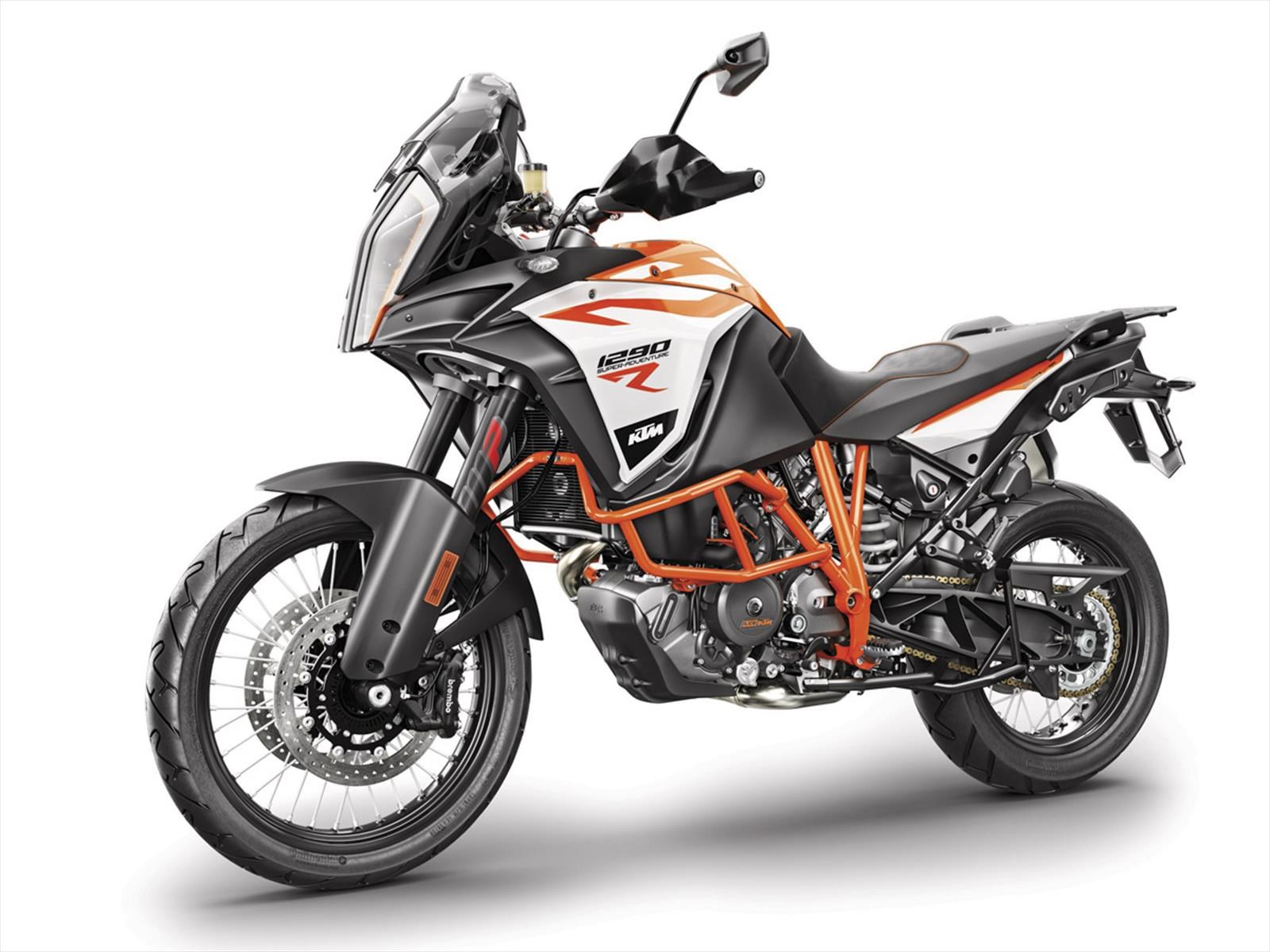
KTM 1290 SUPER ADVENTURE R

There are two versions of the 1290 Super Adventure. The 1290 Super Adventure S is for the road (although it could do off-road too), while the 1290 Super Adventure R is geared for off-road riding. The 1290 Super Adventure lineup consists of technological marvels and are “fierce” bikes if you choose to ride fast (only 5 kg more than the 1050 Adventure but with 160 bhp on tap), but they are also civil when ridden at sane speeds. The new 1290 Super Adventure R also look great with that distinctive LED headlight. As we mentioned before there are so much technology to list down but the main ones are electronically controlled WP Semi-Active suspension, lean-sensitive traction control and ABS, five riding modes. Owners can opt for the Travel Pack which includes Hill Hold Control, Motor Slip Regulation, up and down Quickshifter+, KTM My Ride which turns the 6.5-inch LCD instrument panel into your communications centre. The 1290 Super Adventure R differs from the S-version in the wheels, windscreen and off-road traction control strategy.

Engine type Liquid-cooled, 4-stroke, DOHC, 4-valves, 75o V-Twin
Displacement 1031 cc
Maximum power 160 bhp (118 kW) @ 8750 RPM
Maximum torque 140 Nm @ 6750 RPM
Seat height 890 mm
Dry weight 217 kg
Fuel capacity 23 litres

Archive

Follow us on Facebook

Follow us on YouTube