Bikesrepublic

Latest News

Please click here for Part 1 (Suzuki RE5), here for Part 2 (Honda CBX1000)here for Part 3 (Yamaha GTS1000)here for Part 4 (Suzuki Katana)here for Part 5 (Böhmerland)here for Part 6 (MTT Y2K and 420RR)here for Part 7 (Honda DN-01)here for Part 8 (BRP Can-Am Spyder), and here for Part 9 (Honda NR).

We’ve reached the final motorcycle in this collection. We’ve decided to leave out the older motorcycles prior to the 80’s and 90’s as they were too far back and most of the successful technologies and methodologies have been transferred to motorcycles in the following decades.

That doesn’t mean manufacturers have stopped researching and developing new ideas. Far from it, in fact. But manufacturers are more in tune to what the majority of potential buyers want these days to design bikes that don’t look totally out of this world, apart from a few.

Without much further ado, let’s check out this last bike.

BIMOTA TESI 3D

Truth is, any Bimota would be considered unusual compared to virtually any stock production bike, but that would mean all ten would be Bimotas in this article. Picking just one out from the Rimini, Italy-based company’s family isn’t easy either, like the 1998 SB8R and SB8 RS, DB3 Mantra.
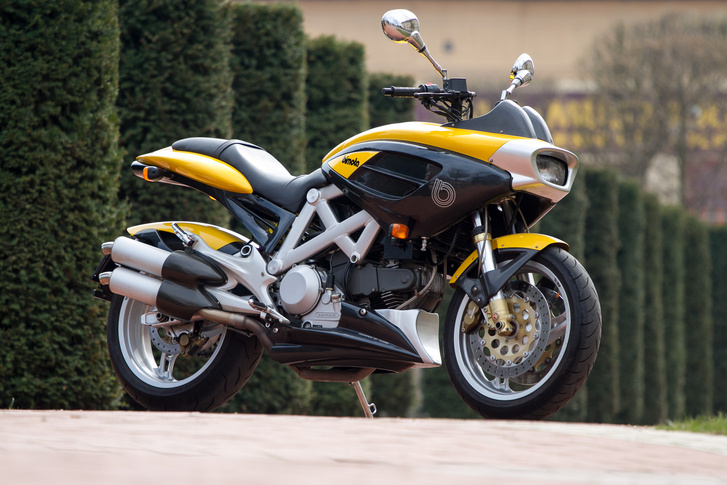
Bimota Mantra DB3

For example, the YB4EI which come agonizingly close to winning the inaugural World Superbike Championship in 1988, ridden by one Davide Tardozzi. Tadozzi had won eight races that season but because of point scoring technicalities, Fred Merkel won on the Honda RC30 despite having just two victories.

Bimota YB4EI

Bimota only builds frames, chassis and other technologies around engines from other manufacturers. The first letter of a Bimota denotes where the engine was sourced from, for example: YB means Yamaha-Bimota, BB stands for BMW-Bimota, DB for Ducati-Bimota and so forth. As such, production is low volume. Only the Suzuki GSX-R1100 powered SB6 saw 1,144 bikes being produced from 1994 to 1996, while the next highest figure was just 600 bikes.
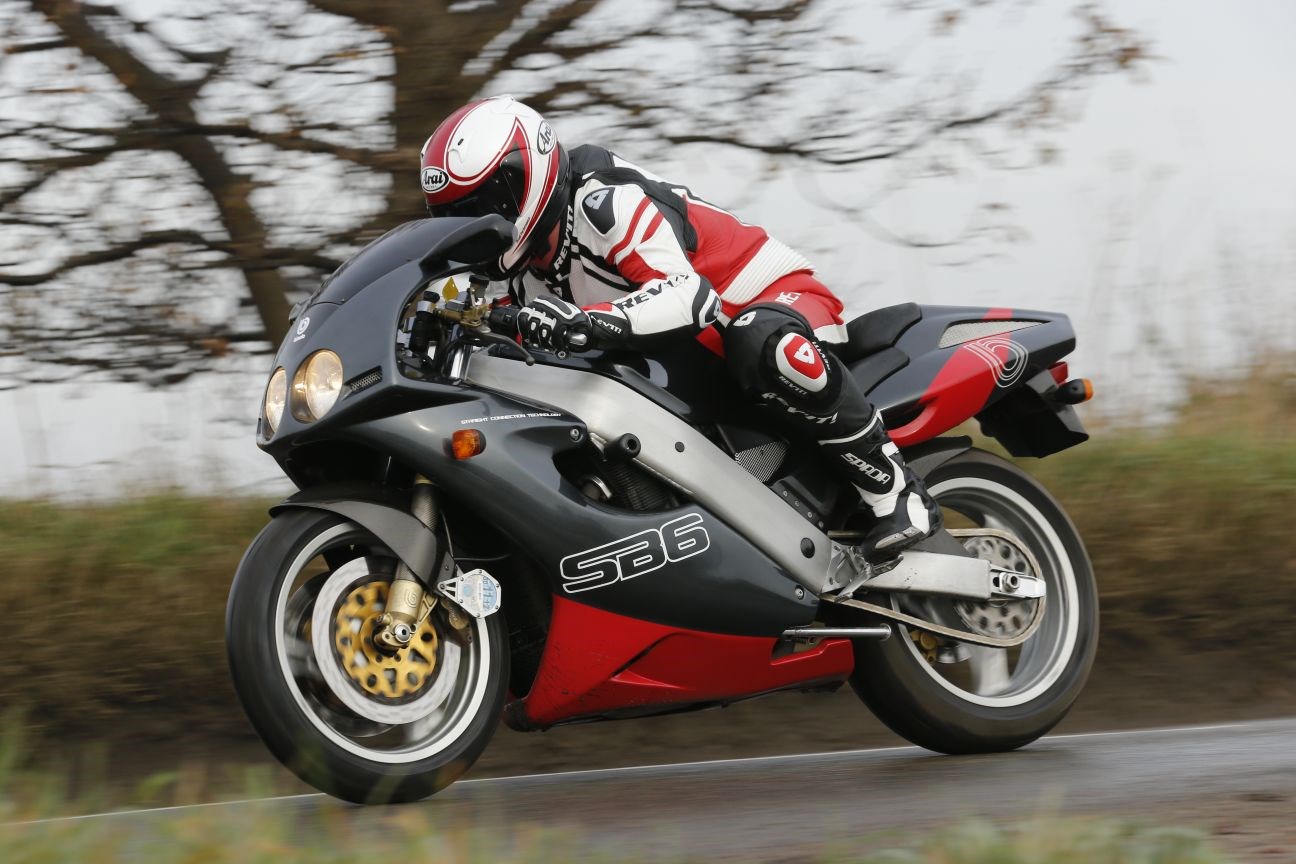
Bimota SB6 – Courtesy of totalmotorcycle.com

As such, one model, in our opinion which truly reflects upon that philosophy is the Tesi 3D which made its first appearance in 2007.
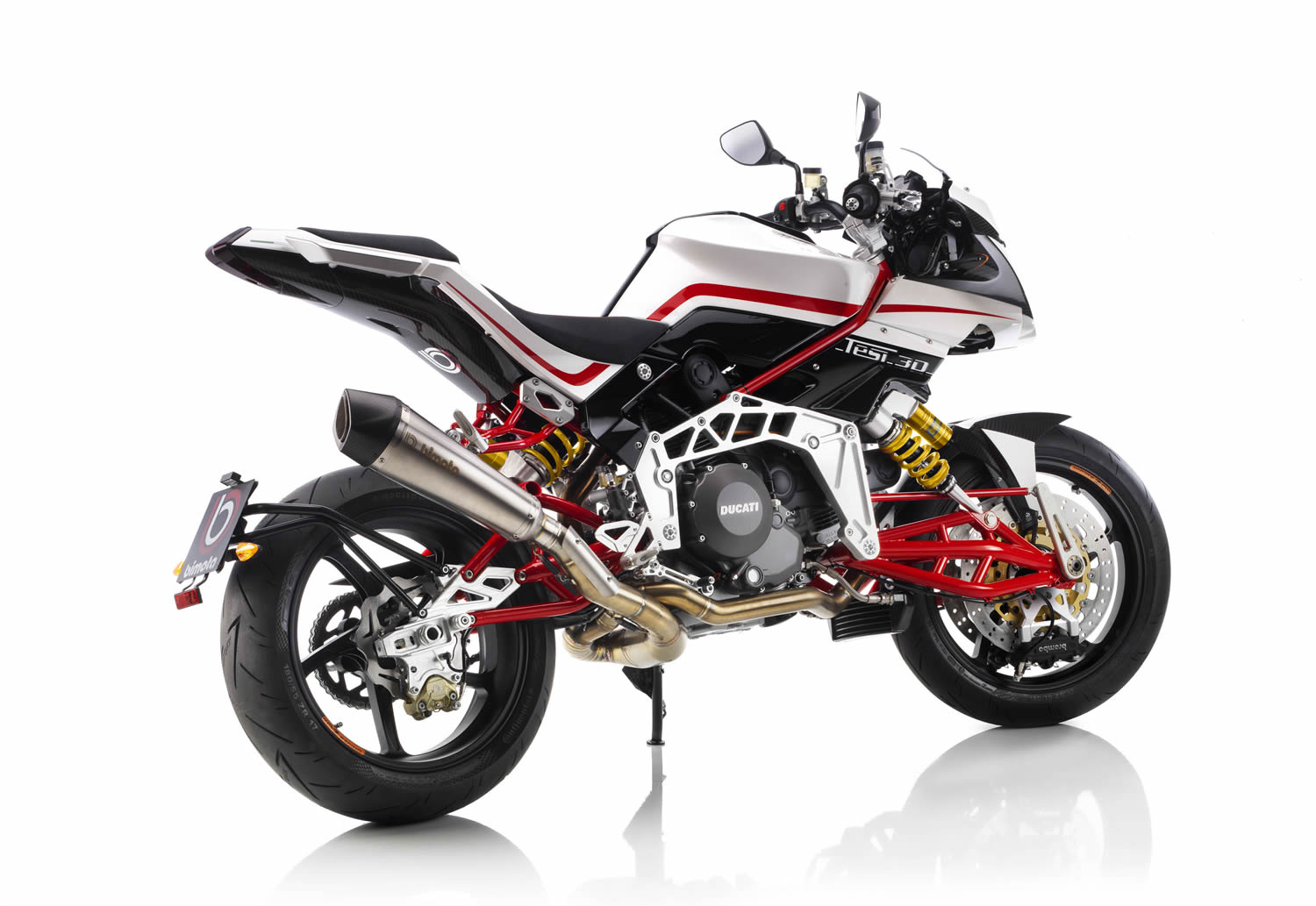
Remember we covered about the attempt to move away from hydraulic forks for the front suspension on the Yamaha GTS in Part 3? The Tesi was also developed in this vein. The concept of the Tesi differs slightly from the Yamaha GTS’s, however.

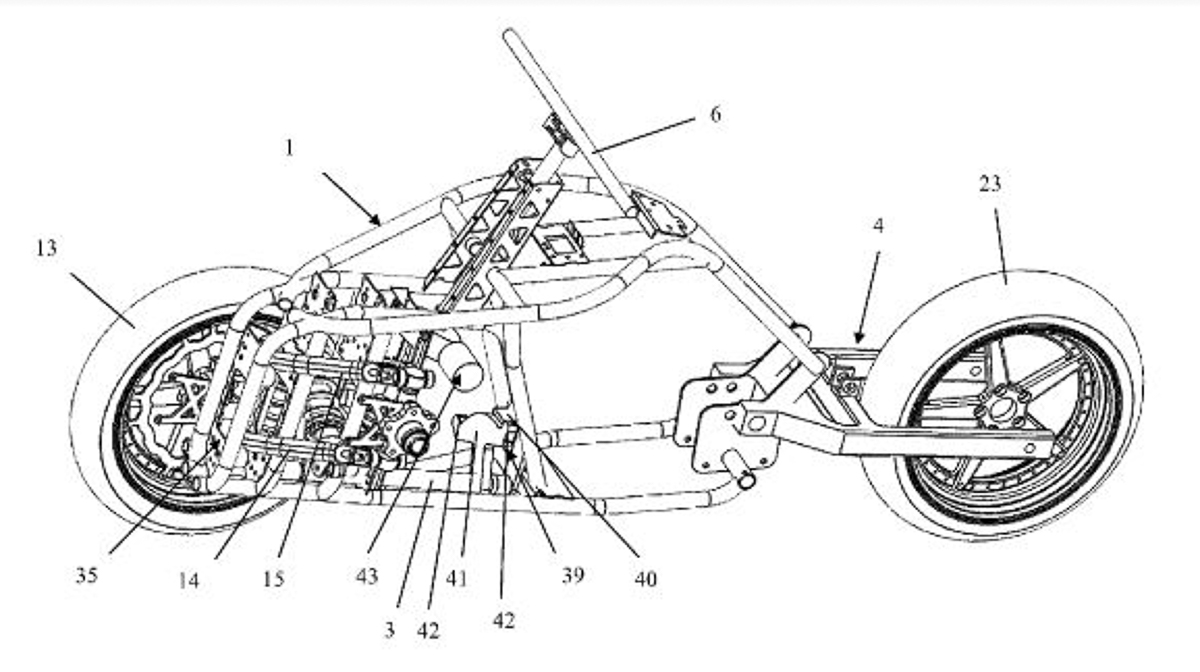
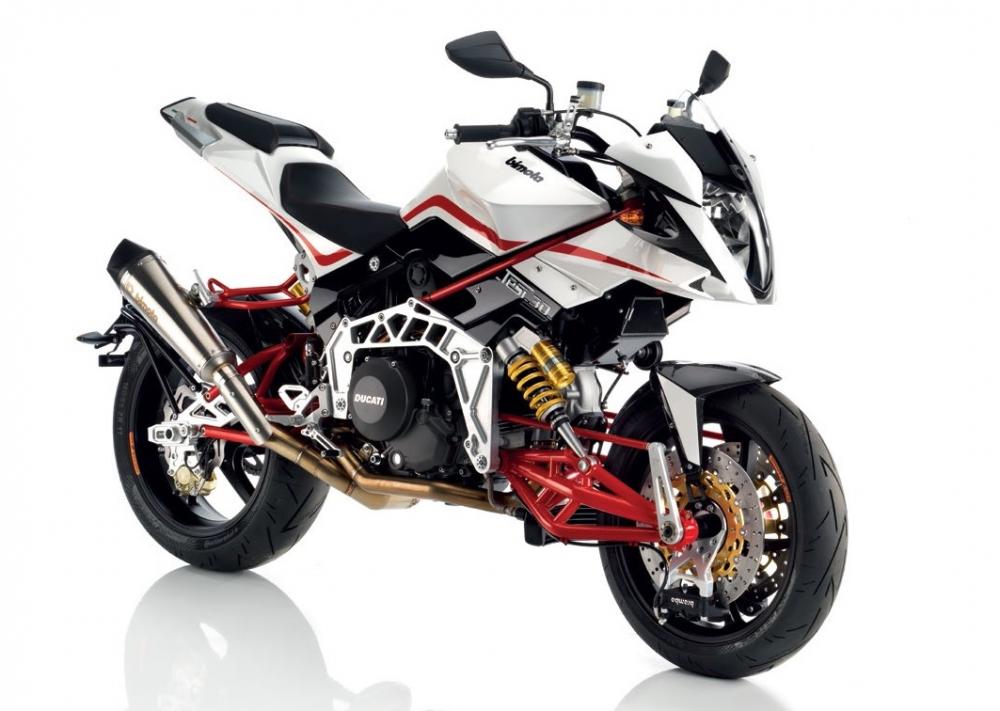
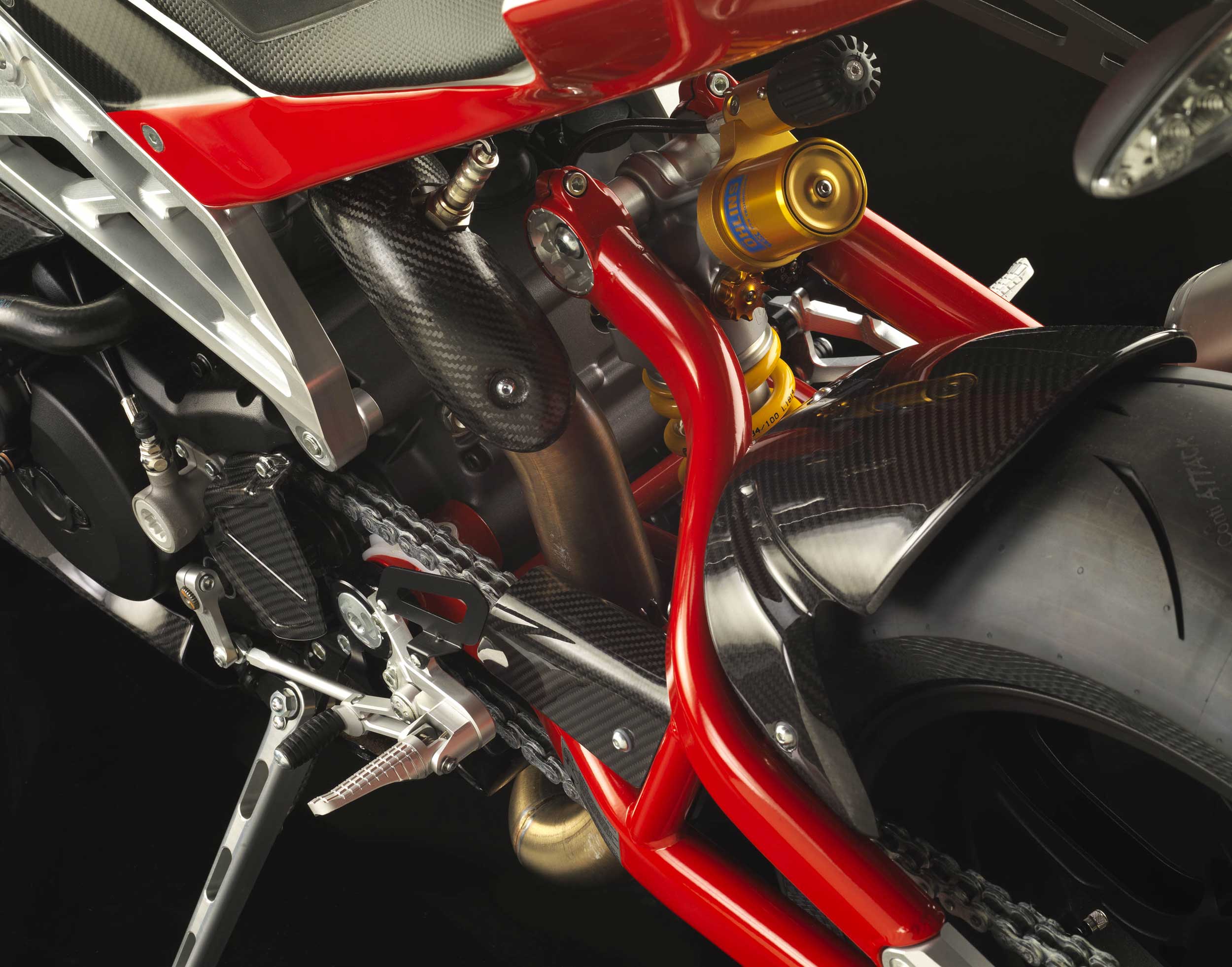
The Tesi 3D is the third iteration of this project, powered by the powerful Ducati 1098 engine. The engine is clamped between two machines aluminium plates, with all other components mated to these plates, including both front and rear swingarms.
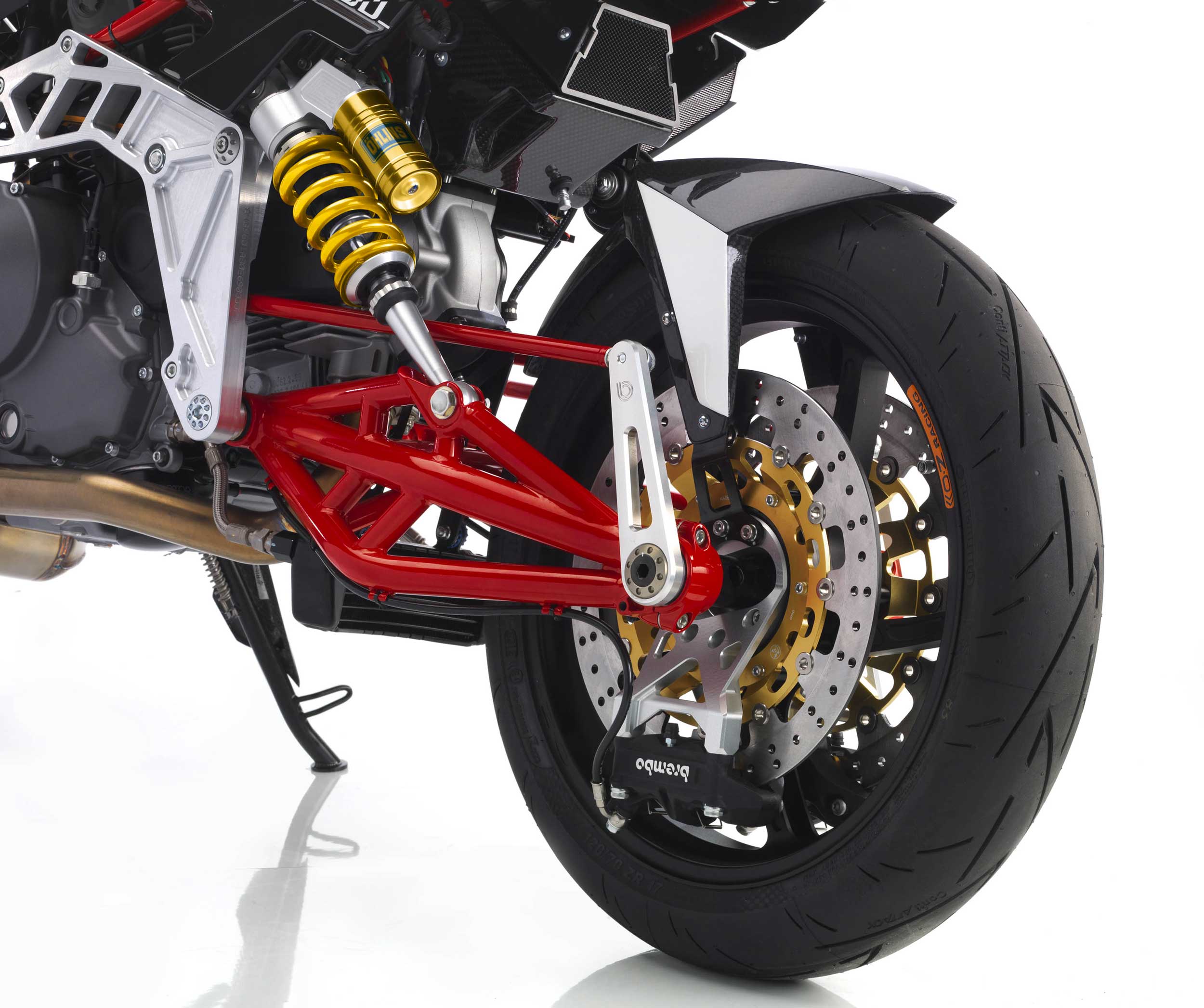
The front swingarm mates to plate on both sides, with an Ohlins shock attached to the right in a cantilevered position. The handlebar’s shaft is connected to horizontal shafts on each side that steers the front wheel, for a hub centre steering setup.

Bimota is currently building the new Tesi 3D to celebrate their 40th year, called the Tesi 3D 40 Anniversario (pictured here). Only 40 examples will ever be built.
BONUS UNUSUAL PRODUCTION MOTORCYCLE

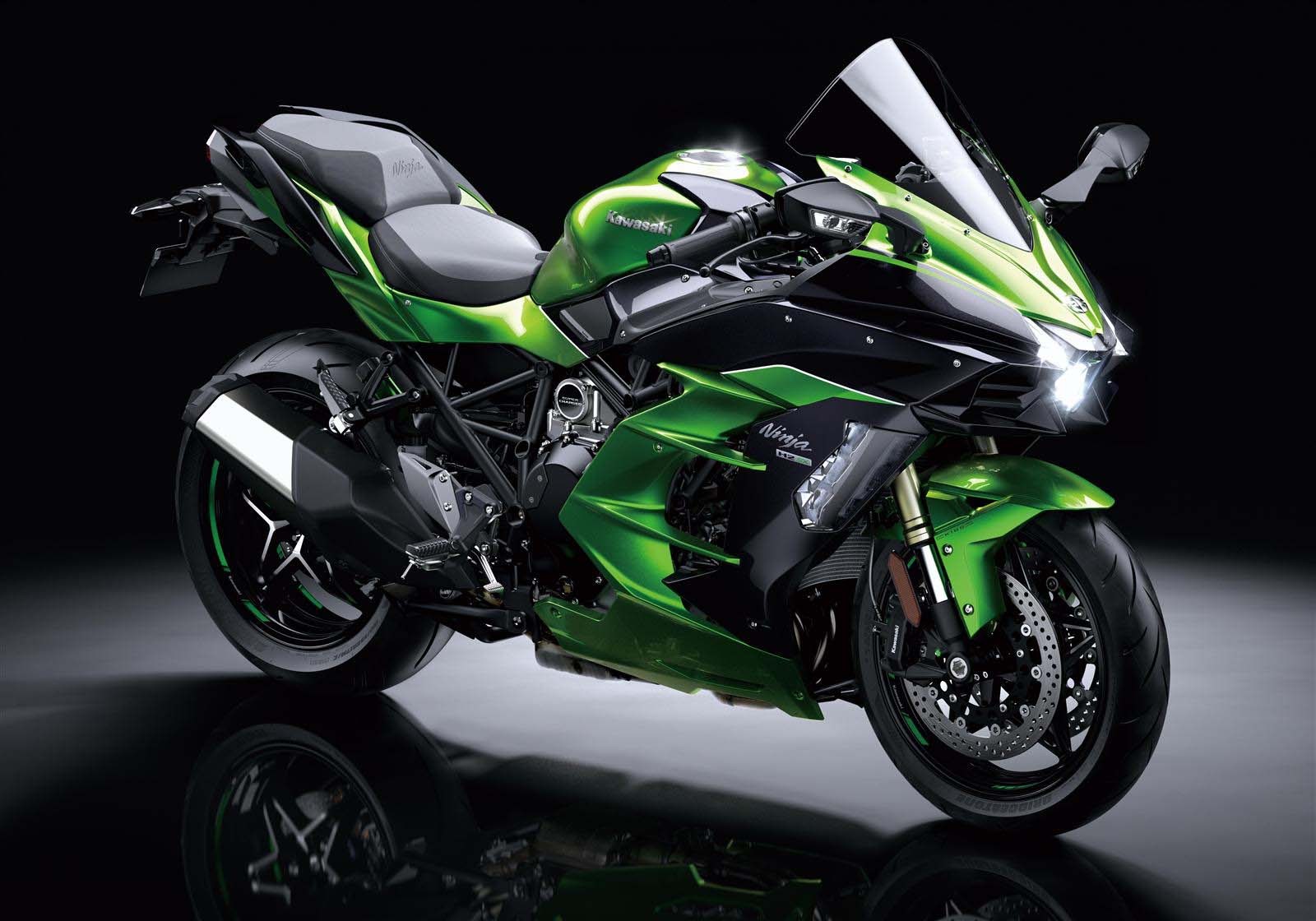
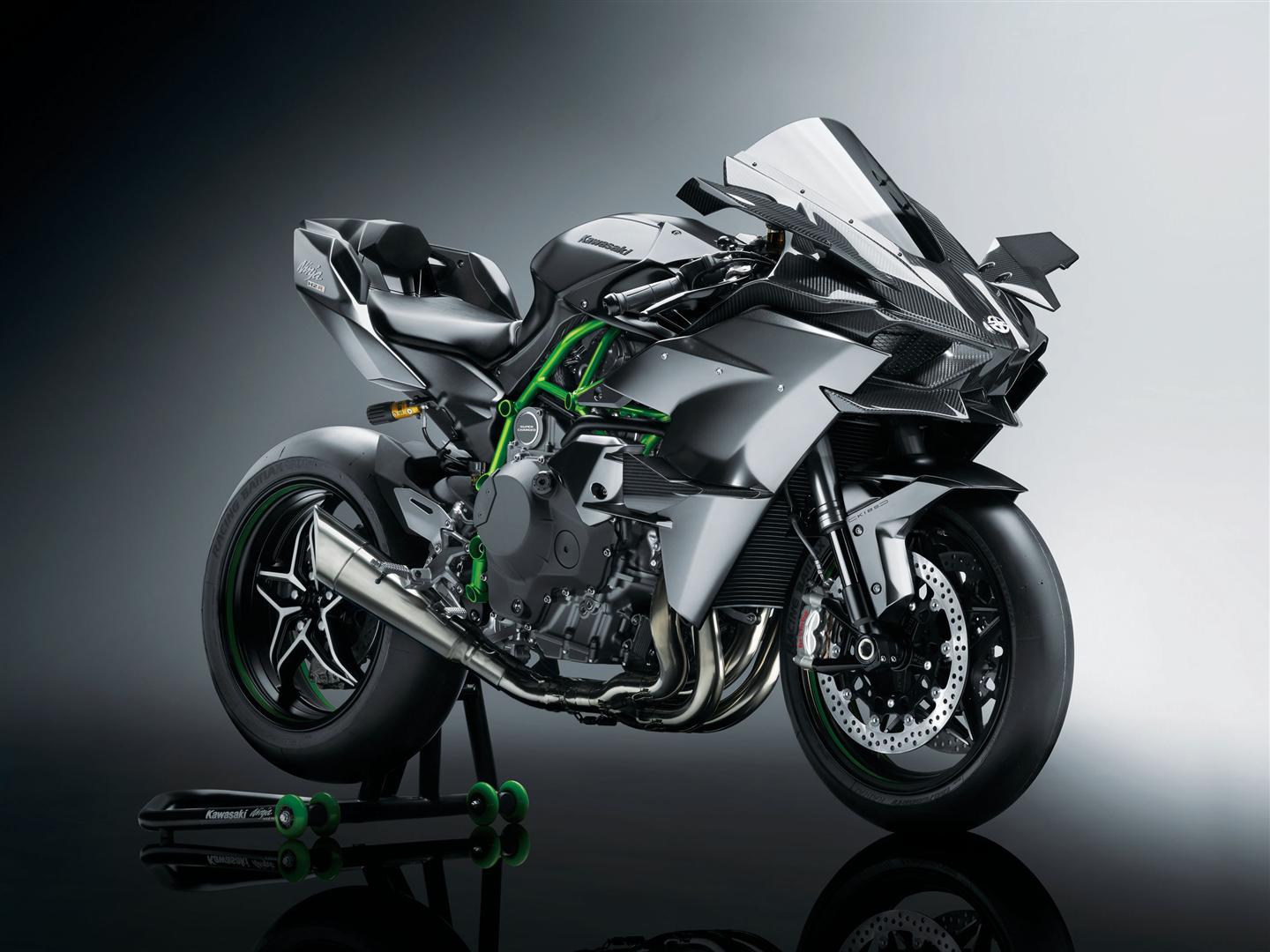
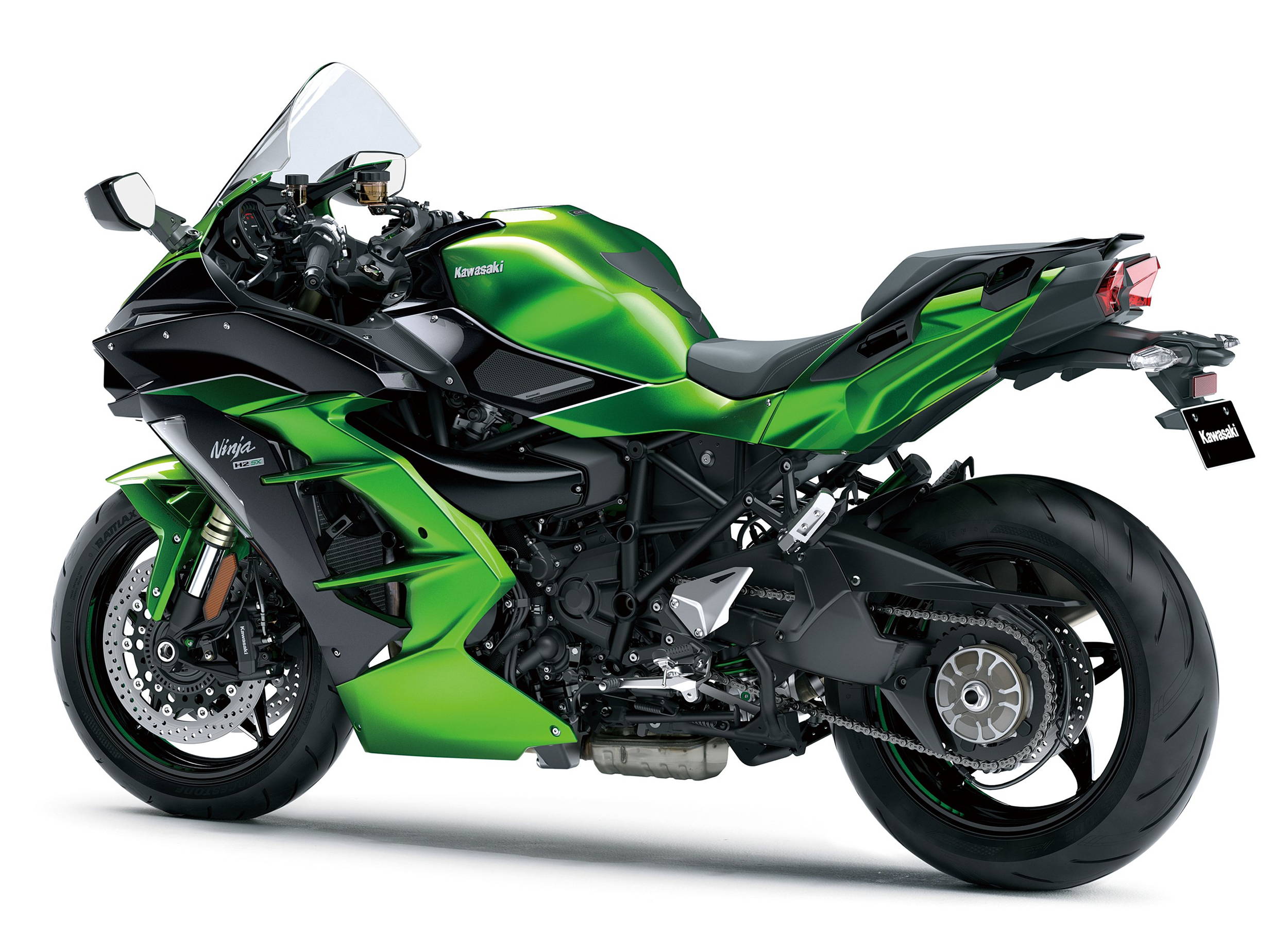
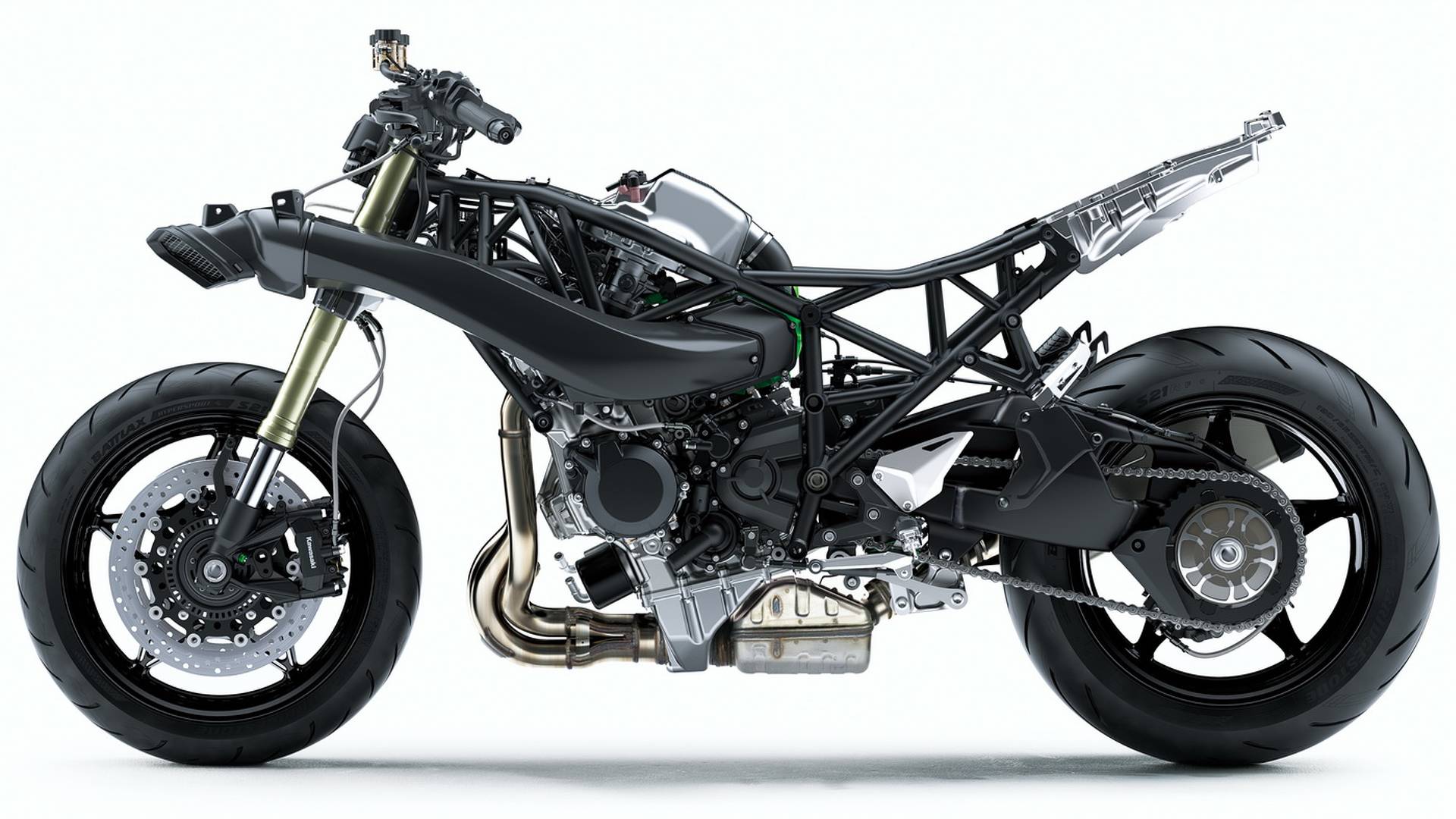
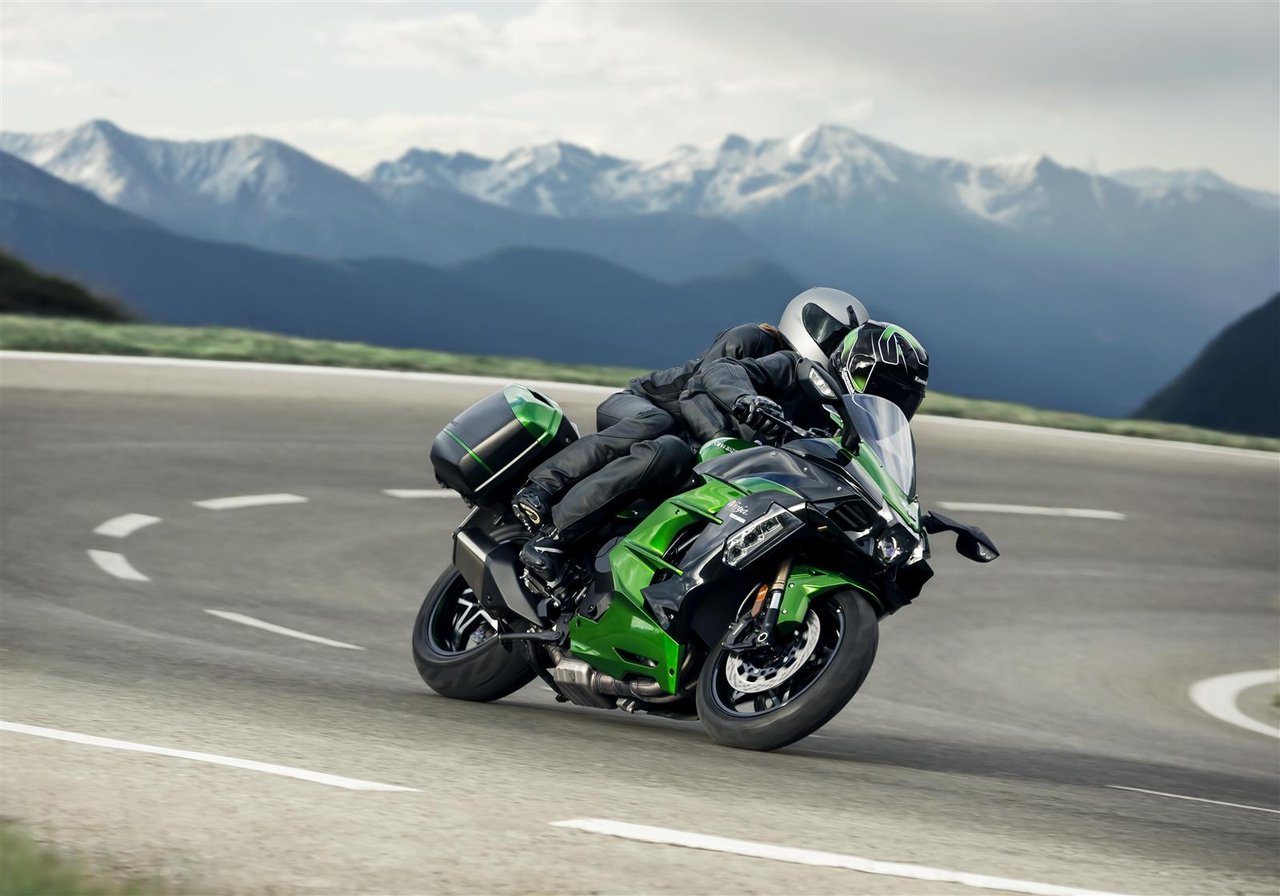
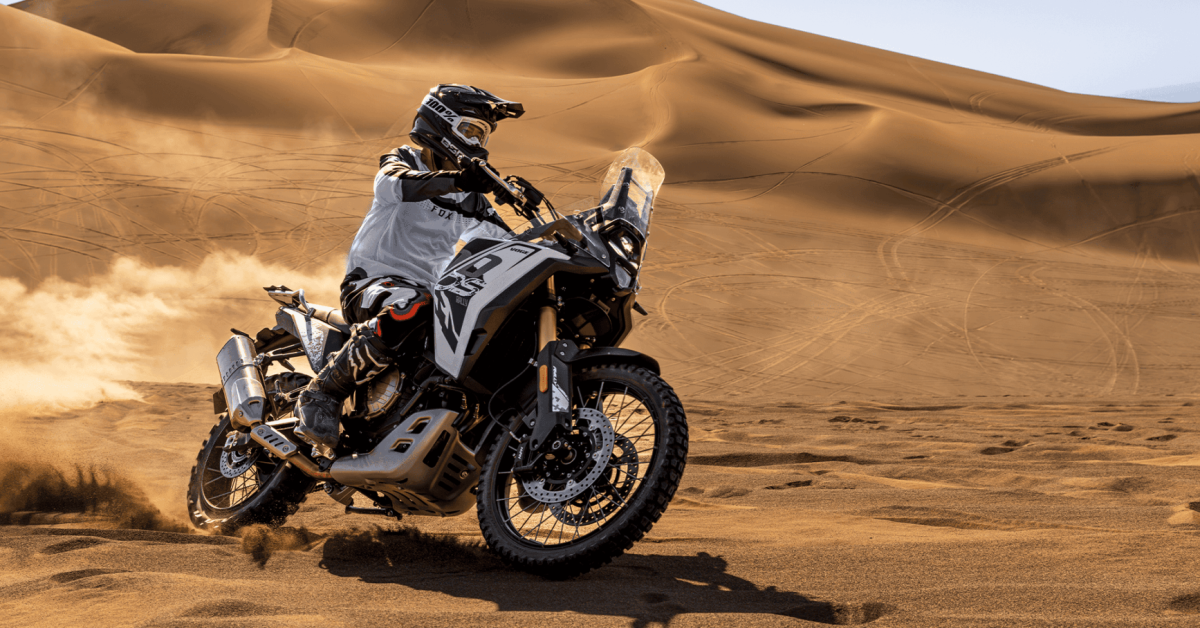
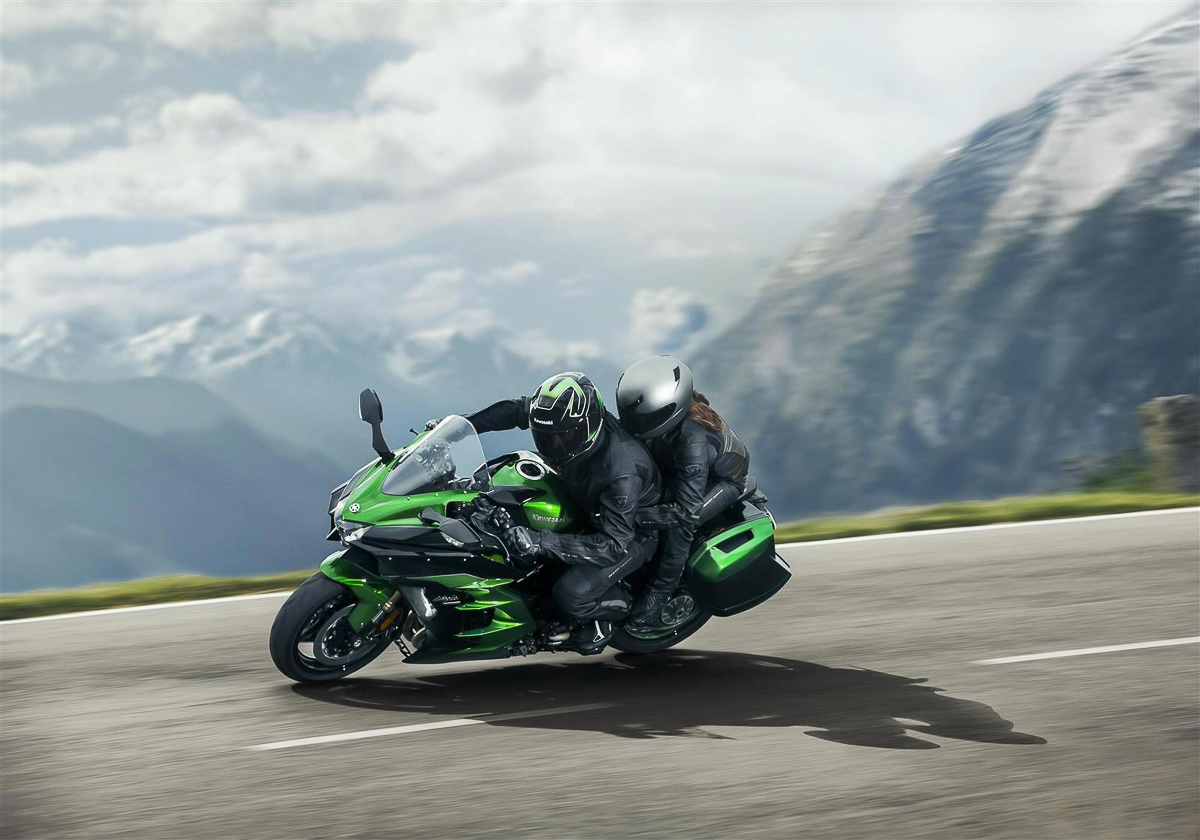
How could we leave out the Kawasaki Ninja H2 and its variants? Unleashed by Kawasaki in 2015 to be the bike to conquer the world, it’s supercharged.
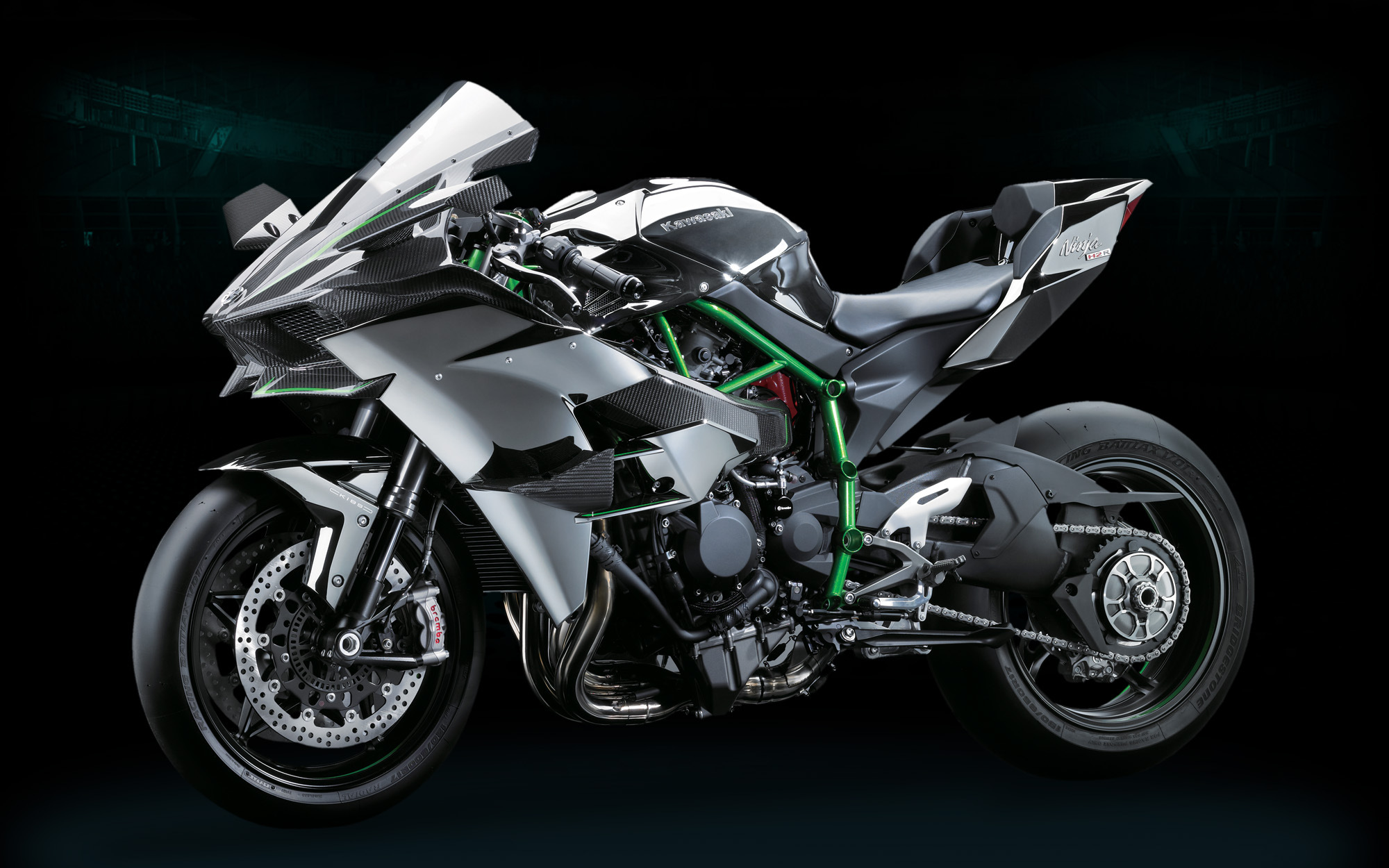
The track-only H2R produces 300 bhp, while the road-legal version pumps out 200 bhp. Kawasaki had just announced the H2 SX and H2 SX SE sport-tourer. Still supercharged but made practical for daily riding and touring. (Please click here to know more about the H2 SX.)
Please click here for Part 1 (Suzuki RE5), here for Part 2 (Honda CBX1000)here for Part 3 (Yamaha GTS1000)here for Part 4 (Suzuki Katana)here for Part 5 (Böhmerland)here for Part 6 (MTT Y2K and 420RR)here for Part 7 (Honda DN-01)here for Part 8 (BRP Can-Am Spyder), and here for Part 9 (Honda NR).
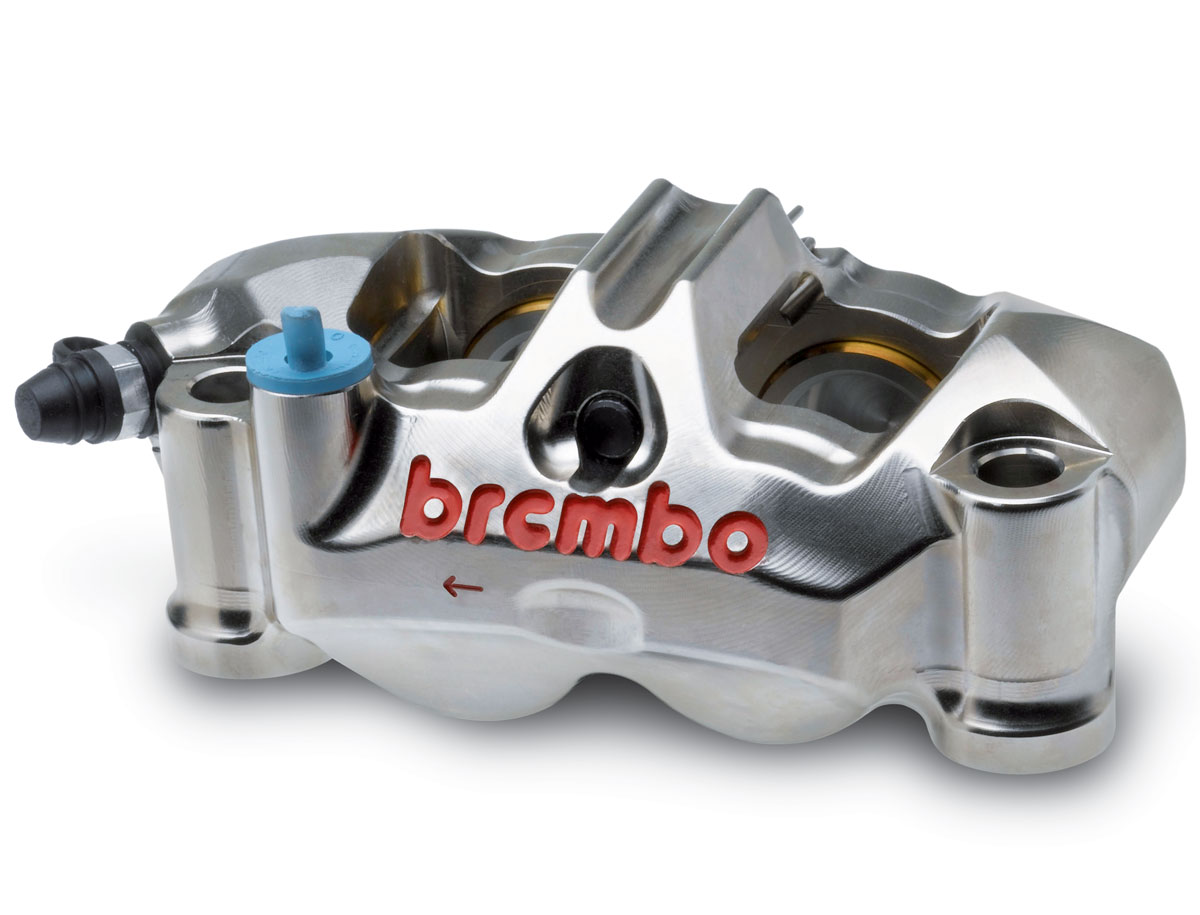
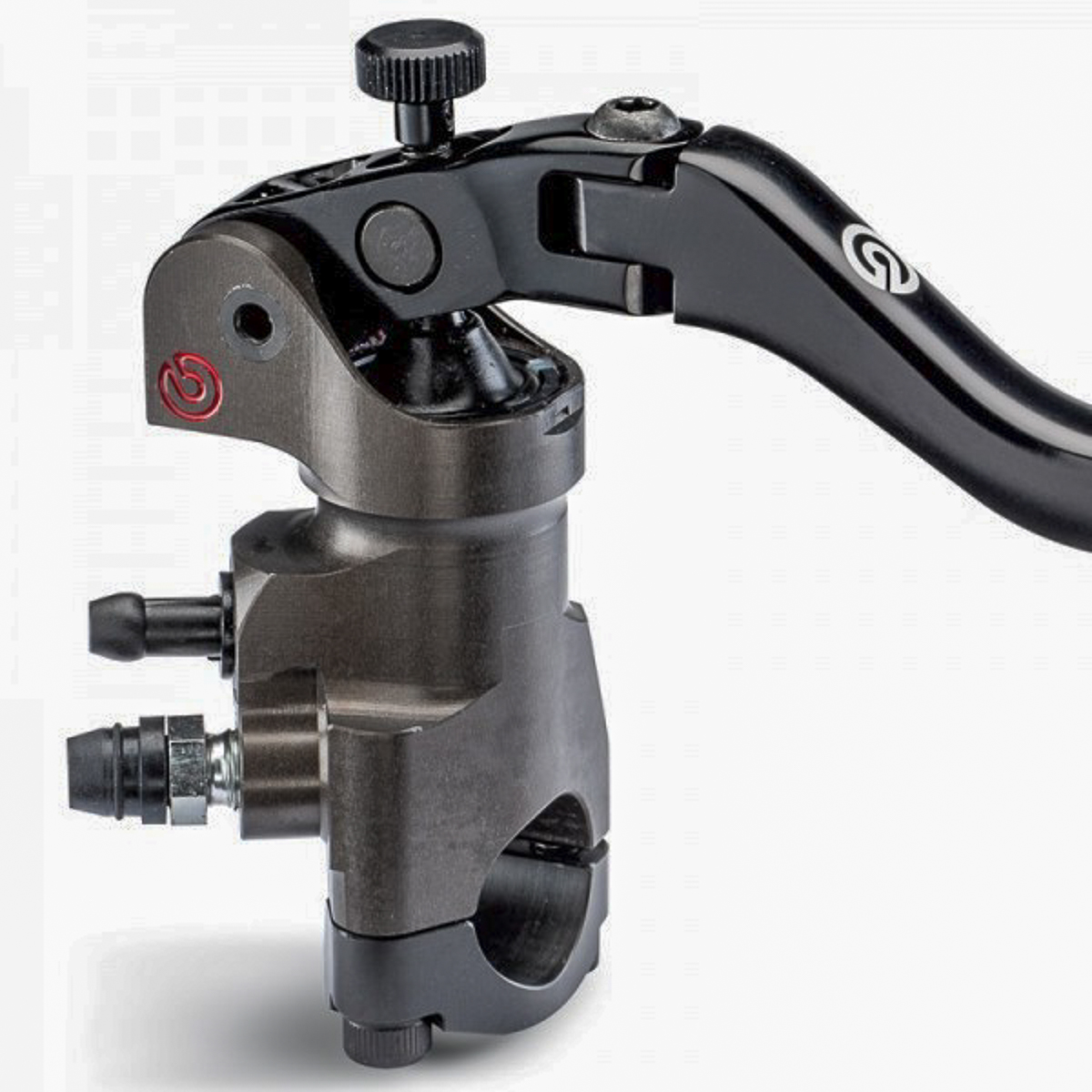
After the recall issued by Ducati and Aprilia in the US regarding the PR16 front radial master cylinder unit, a Brembo official statement has finally been released.

Brembo has stated that the manufacturers that are affected are Aprilia, Ducati, KTM, MV Agusta, TM Racing, Moto Morini and Horex.

Models from 2015 to 2017 which uses the PR16 front radial master cylinder are typically used with Brembo M50 callipers.

It was only a few days ago at the beginning of the year where news broke out regarding a possible recall for a Brembo master cylinder unit. Manufacturers in the US like Aprilia and Ducati have since released official notices to owners with bikes that use the Brembo PR16 front radial master cylinder unit which is typically used with the Brembo M50 calliper package. (more…)

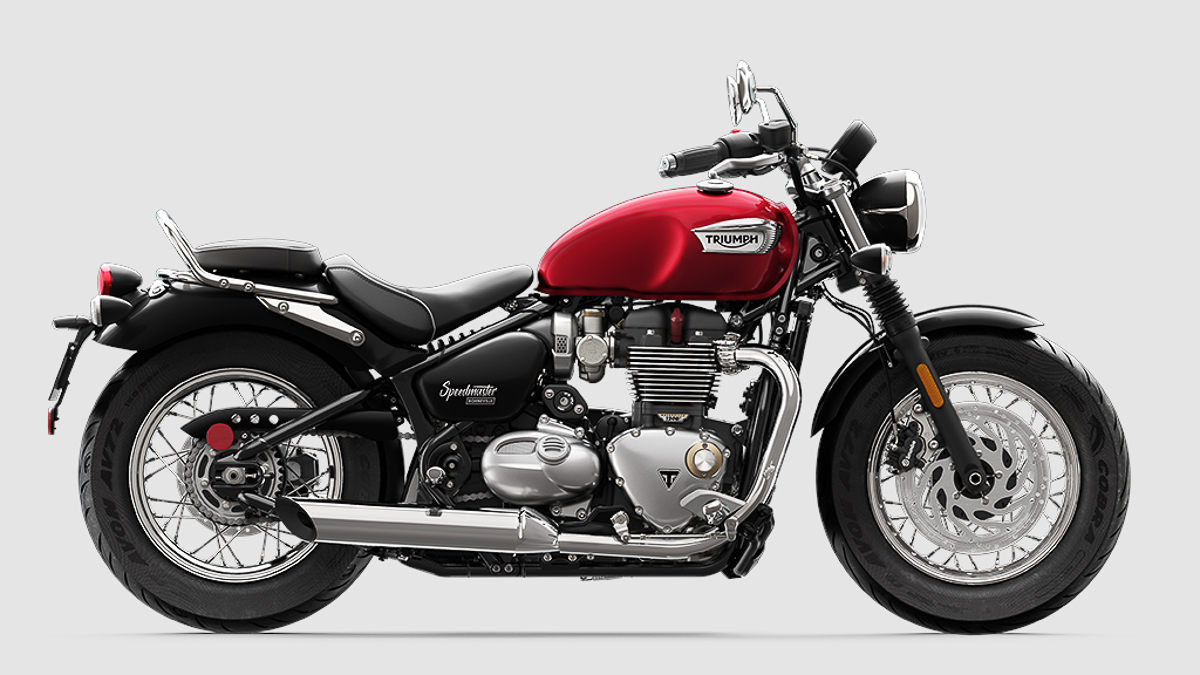
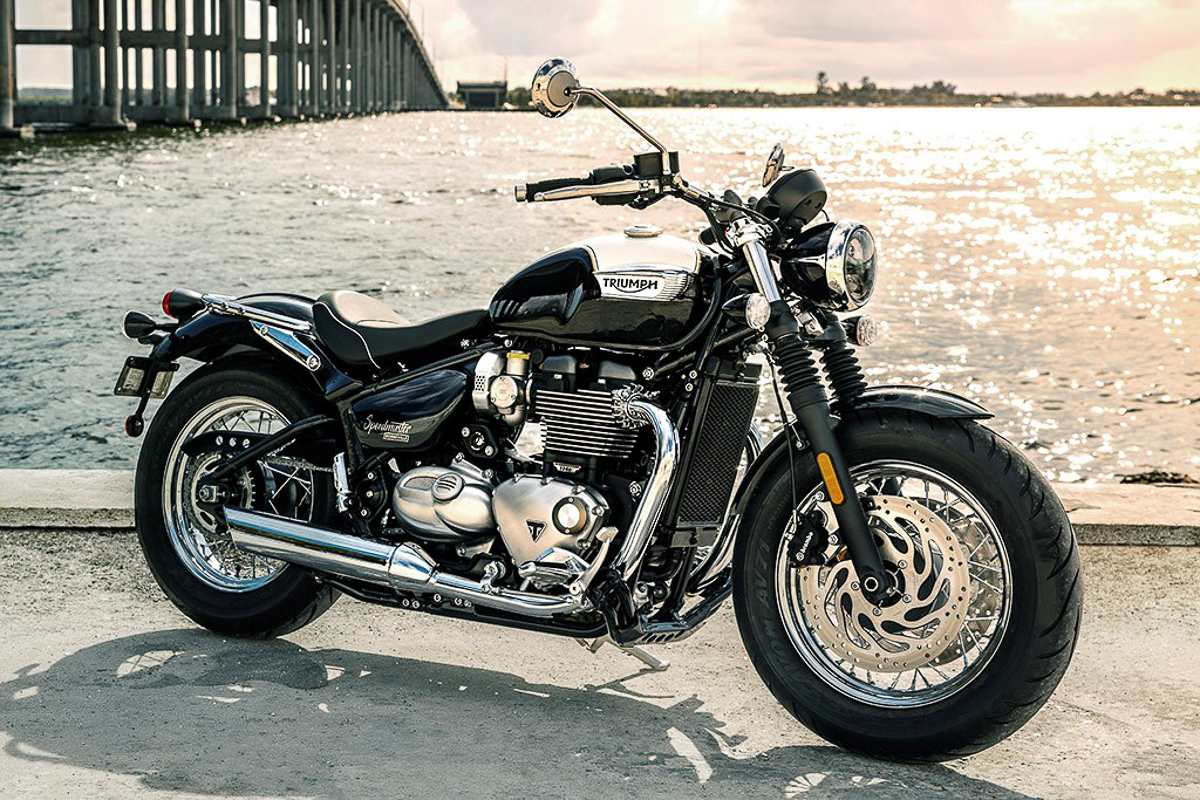
Triumph Motorcycles Malaysia has announced that the 2018 Triumph Bonneville Speedmaster will come at an expected price of below RM80,000.

Triumph’s latest modern classic cruiser is a combination of the Bobber’s chassis and the T120’s 1200cc high-torque engine.

Expect the 2018 Triumph Speedmaster to arrive on Malaysian shores sometime in the first quarter of 2018.

Triumph Motorcycles Malaysia has announced on their official Facebook page that the highly-awaited 2018 Triumph Bonneville Speedmaster will be available soon with a price tag of below RM80,000 (and also open for booking). The latest addition into the Triumph modern classic family was just launched globally just a few months ago in October 2017.
(more…)

HJC Helmet Malaysia is now offering the limited edition HJC RPHA 11 Cars 3 full face helmets here in Malaysia.

The two helmets come in the HJC RPHA 11 Lightning McQueen and the HJC RPHA 11 Carbon Jackson Storm.

The recommended retail prices for the limited edition Cars 3 HJC lids are from RM2,729 to RM3,389.

Look alive, folks! The new HJC RPHA 11 Cars 3 full face helmets are here and complete with all sorts of excitement. If you are as big of a Cars movie franchise fan as we are, then these two babies are indeed something you should consider owning as fast as they race in the movie. (more…)

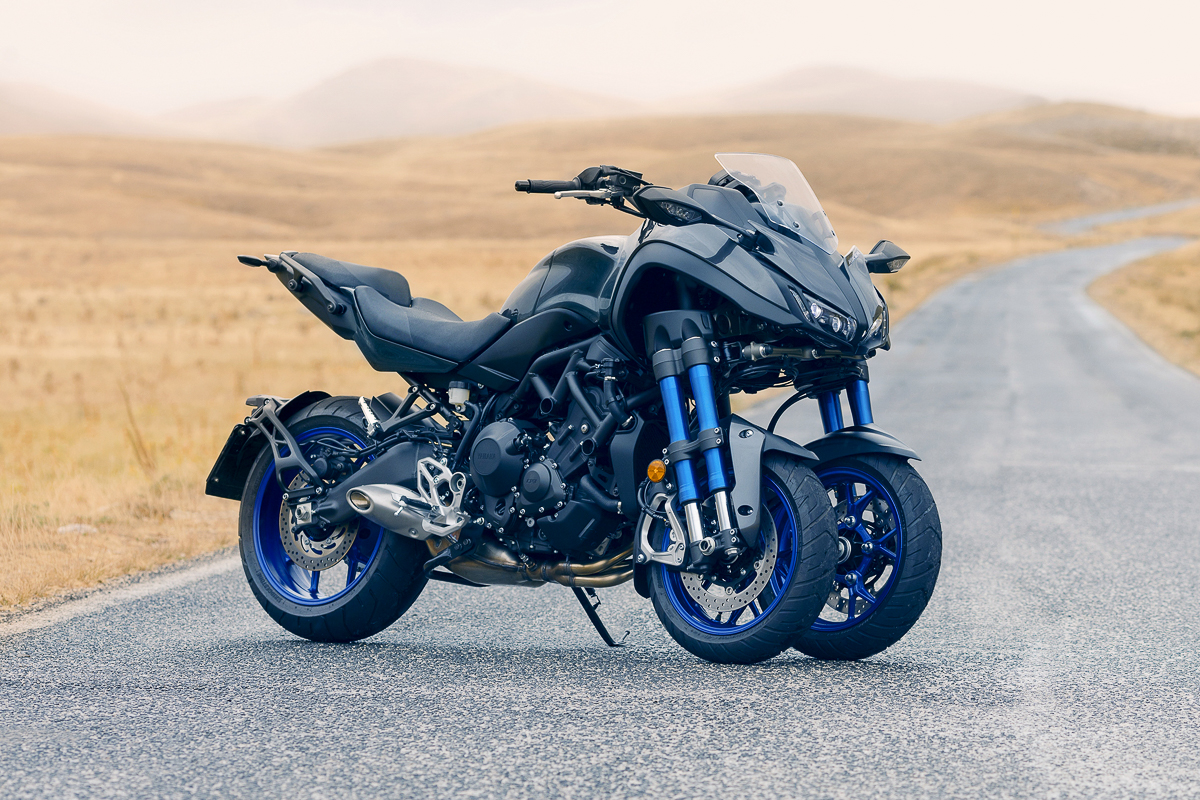
Yamaha Motor Japan has revealed that they have purchased some amazing three-wheeled motorcycle patents from Brudeli Tech.

The Norway-based company focuses a lot on automotive technology and their Brudeli Leanster vehicles are proof on how far they have come.

This purchase shows that Yamaha is indeed very interested in further developing their investment of their three-wheeled efforts following the Yamaha Niken launch at EICMA 2017.

Yamaha has revealed that they have purchased a bunch of patents from Norway-based Brudeli Tech who specialises in the leaning vehicle segment thanks to their Leanster bikes. The update was released soon after the launch of the Yamaha Niken or MWT-9 during last year’s EICMA show in Milan, Italy. (more…)

  • More excitement is inbound with the reveal of the Kawasaki Ninja H2 SX.

  • Kawasaki has revised many aspects of the bike.

  • The H2 SX will be more practical for everyday riding and touring.

When Kawasaki unveiled the supercharged Ninja H2R at 2014 Intermot show and the Ninja H2 a month later, they went straight into history as the world’s fastest production motorcycles. Love them or loathe them, the duo will hold a special place in everyone’s hearts many years from now, just like how we still revere the 1969 H1 Mach III, 1972 H2 Mach IV, 1972 Z1, 1984 GPz900R Ninja, among many other Kawasakis.

The track-only H2R was nothing if not shocking with an engine produced 300 bhp. The street-oriented H2 produced 197.6 bhp, on the other hand. Both bikes were wrapped in a bodywork whose styling has never been seen before. Designed by the Kawasaki Aerospace Company, every wedge on the bike was to create more downforce.

However, the H2R and H2 were true sportbikes, so touring or commuting on them meant that the rider had to suffer. Many had pondered if the H2 could be made more practical.

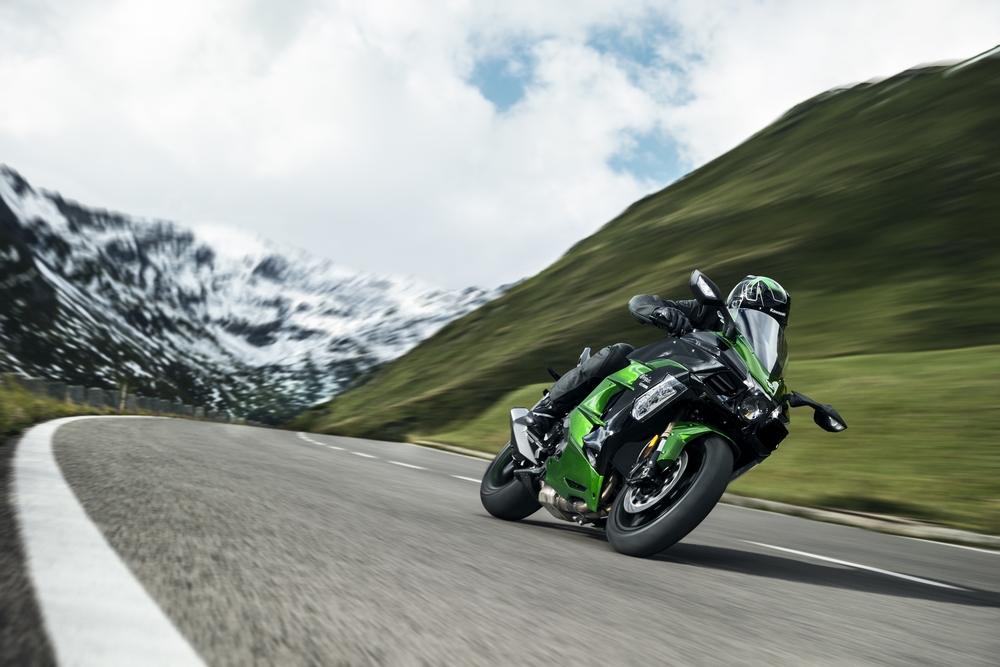
Well, your prayers have been answered when Kawasaki took the covers off the H2 SX at the 2017 EICMA show. Kawasaki now has a supercharged sport-tourer, like how John McLain now has a machine gun. Ho ho ho.

Here are 5 things we’re expecting from the Kawasaki Ninja H2 SX.

1. Revised Ergonomics

What is a sport-tourer if not for its accommodating ergonomics.

The H2 SX’s steel trellis frame is based on the H2, but has been strengthened and and lengthened. Along with a new passenger seat, they are thicker and wider. The handlebar has been raised higher for a more upright riding position.

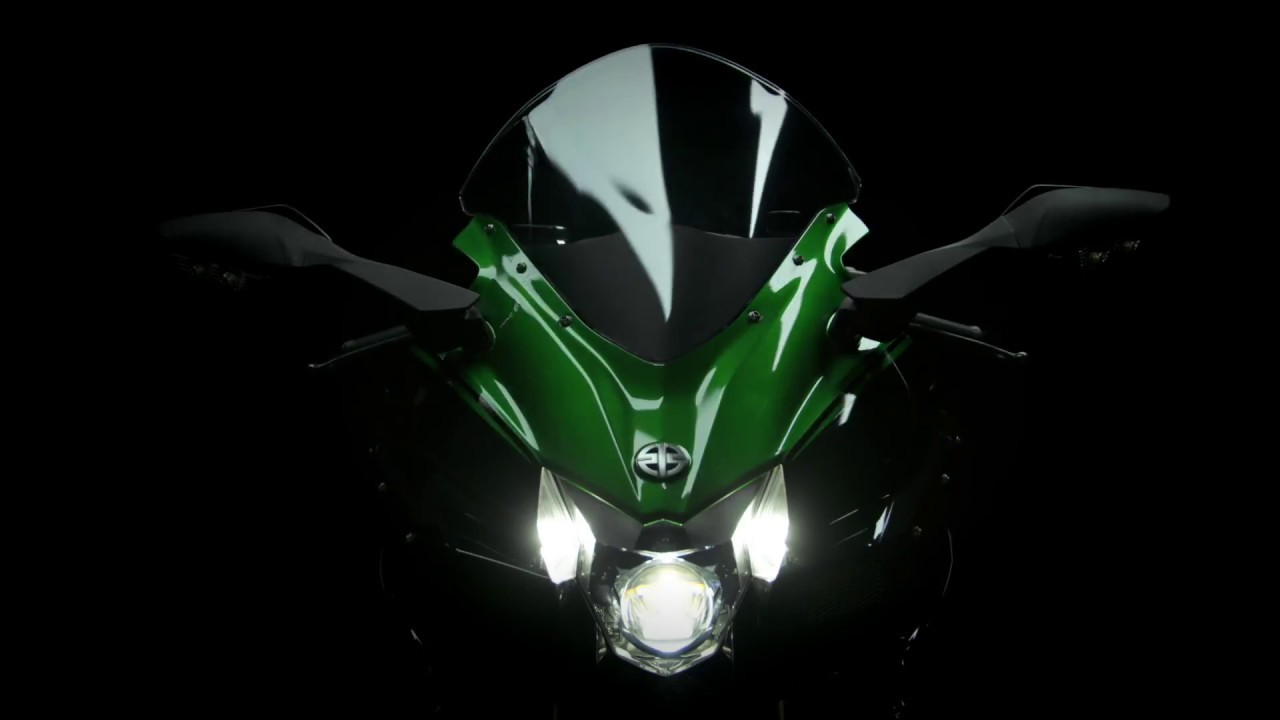
While the styling is still unmistakable shouts H2, it’s now rounder, larger and has a taller windscreen.

Higher Load Capacity

Another benefit of the revised frame is the ability to carry a passenger and luggage. The H2 SX has been rated to carry 195.5 kg. The swingarm has been lengthened by 15mm for added stability, while the steering lock angle has been increased by a substantial 30 degrees on both sides to ease low-speed maneuverability.

Refined Engine

The H2R and H2’s manic engine has undergone some changes make it easier for both street riding and touring. The objective was to provide more low- and mid-range torque.

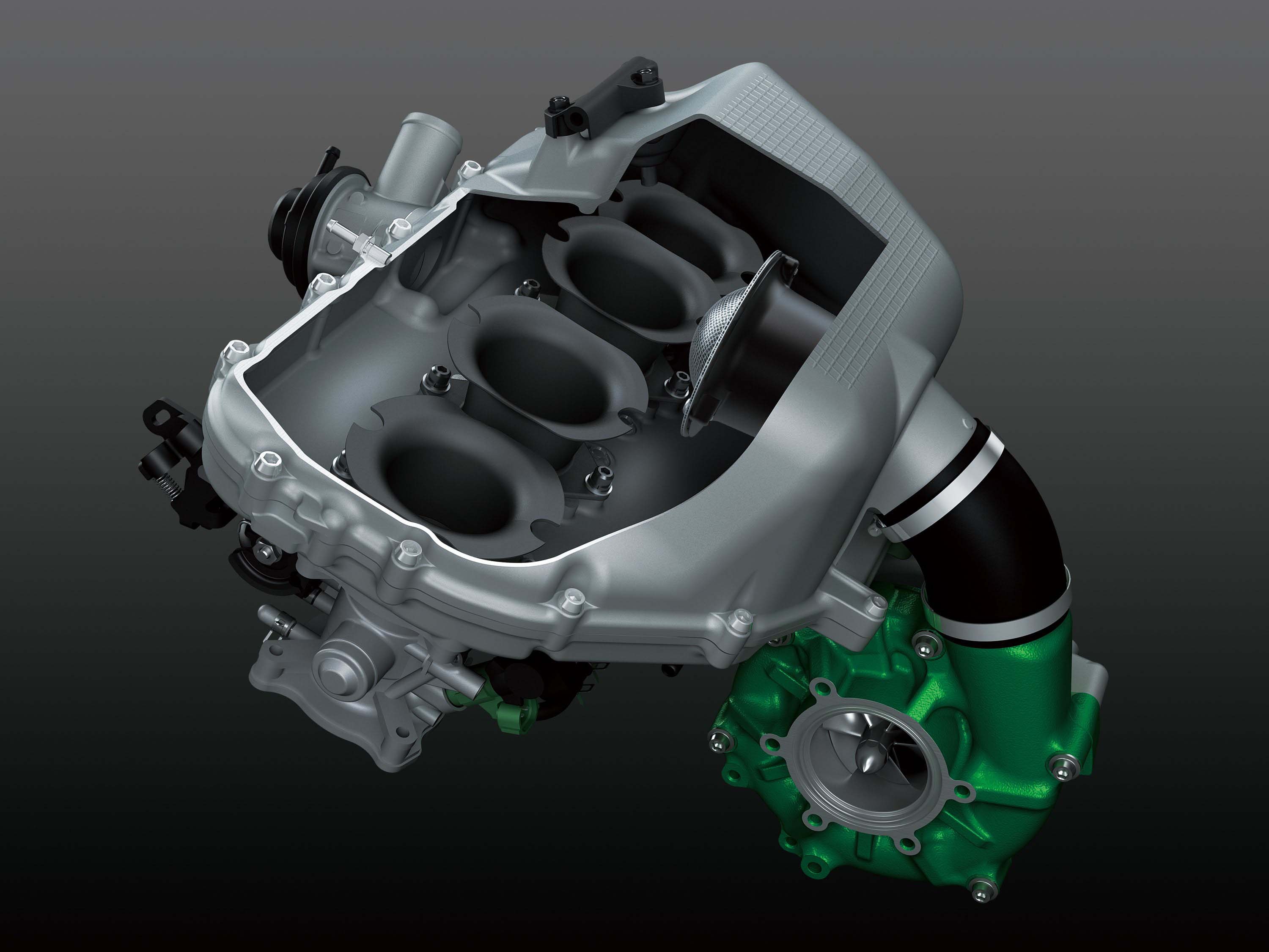
The supercharger’s impeller was completely redesigned, with new intake chamber, cams and exhaust. The engine’s thermal efficiency was also increased by upping the compression ratio to 11.2:1 from 8.5:1; along with new cast aluminium pistons, cylinders, and cylinder heads. Both intake and exhaust cam profiles were shortened for the requirements of street riding.

These changes still yield the exact same 197.6 bhp and 101 Nm of torque.

Further Range

Another important aspect for a sport-tourer is range, for you can’t expect to tour in a realistic manner if you have to stop for fuel every 200/250 kilometres.

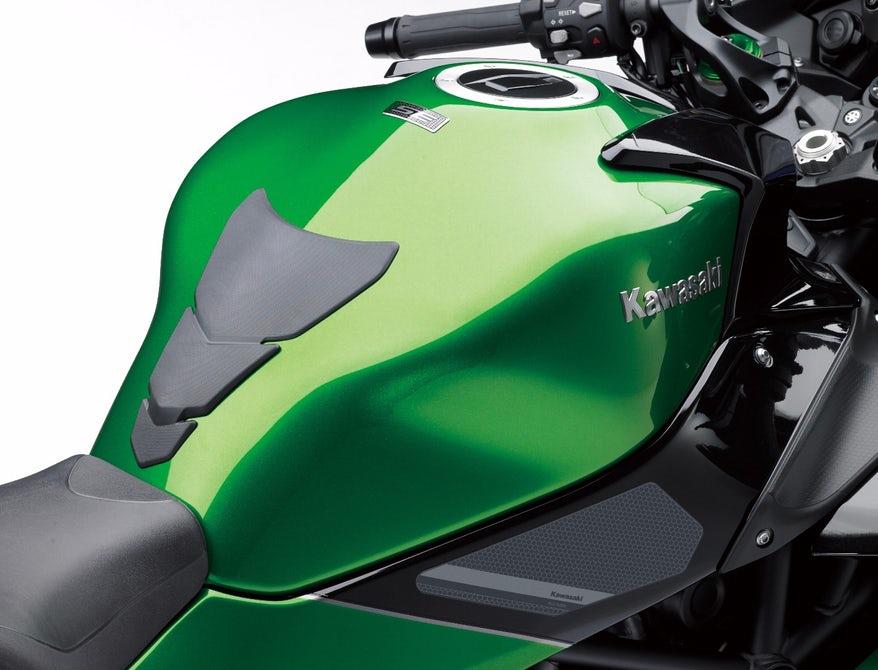
The H2 SX now has a 19-litre fuel tank. The revisions to the engine’s character has resulted in a fuel mileage figure that matches the Kawasaki Ninja 1000 (Z1000SX) and Versys 1000.

New Electronics Package

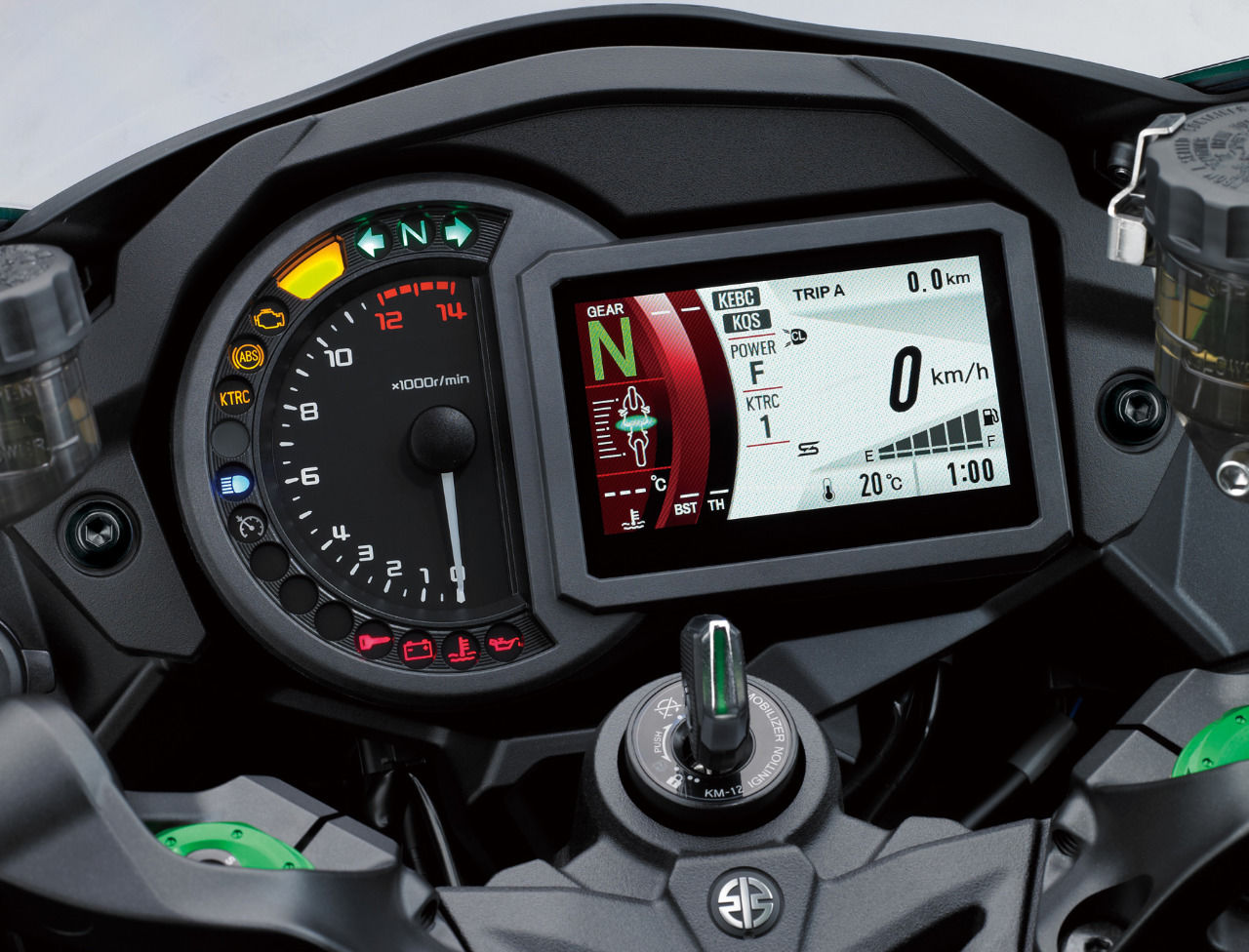
The H2 SX will feature a new 2-mode LCD display.

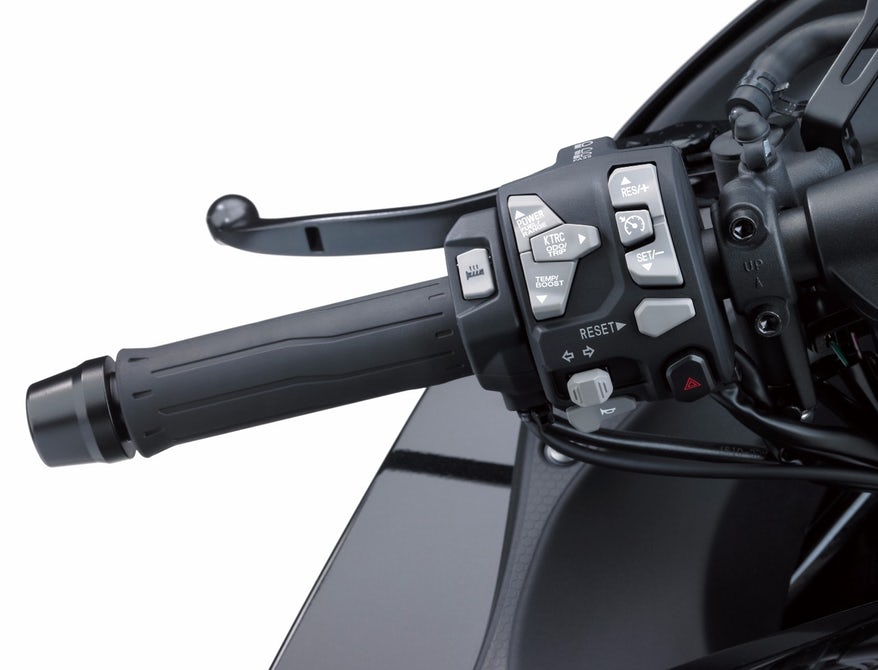
Apart from that, it also utilizes electronic cruise control, all-LED lighting, 3-mode Kawasaki Traction Control (KTRC), Kawasaki Intelligent ABS (KIBS), engine brake control, three power modes, together with a 5-axis Bosch Inertia Measurement Unit (IMU) with an extra sixth-axis (yaw) calculated by Kawasaki’s own software developed in World Superbike.

The H2 SX SE adds full-colour LCD, LED cornering lights, a larger windscreen, Kawasaki Launch Control Mode which controls wheelie and wheel spin, quickshifter for both up- and downshifts, braided steel brake lines, heated grips and centrestand.

Both models are suspended by fully adjustable 43mm KYB forks and 40mm rear shock with revised Uni-Trak linkage.

Brakes are 320mm discs up front, squeezed by 4-piston calipers, although they aren’t Brembos.

Conclusion

We expect there’s a lot more than just specs when the H2 SX and H2 SX SE makes its appearance in Malaysia. Here’s to getting there quick so you’ve more time to enjoy your destination.

“Supercharge your journey,” as Kawasaki calls it.

Archive

Follow us on Facebook

Follow us on YouTube