Bikesrepublic

Latest News

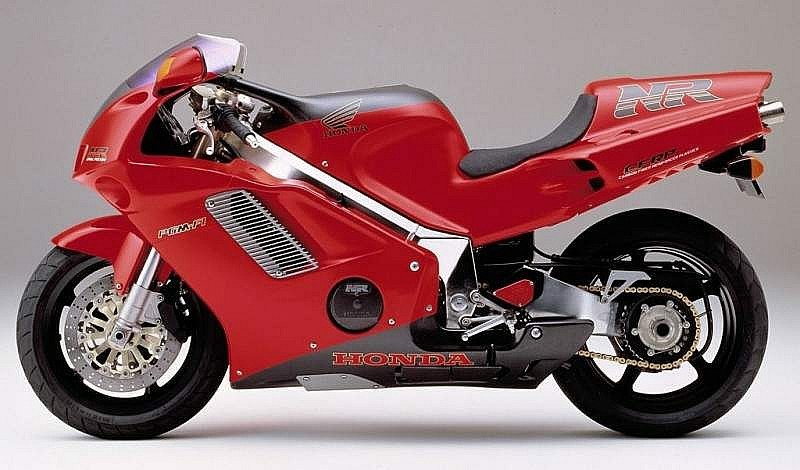
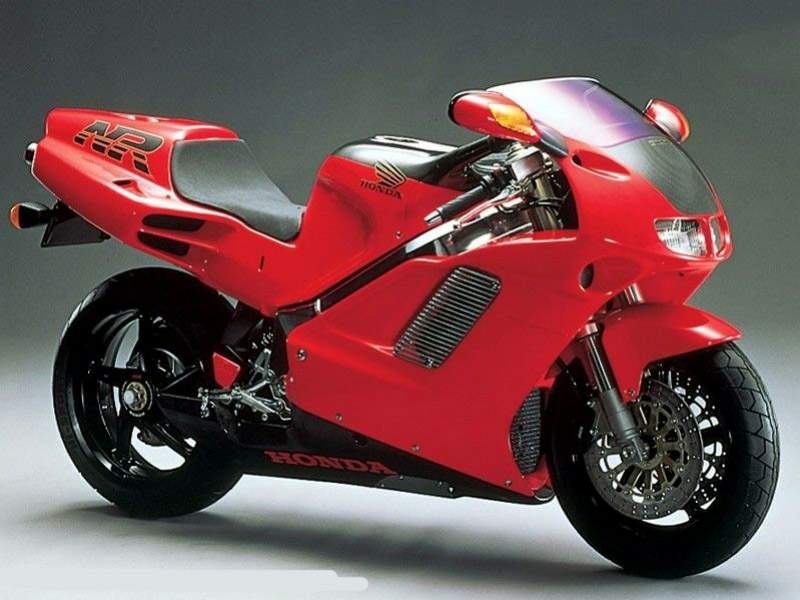
Honda NR

The 1992 Honda NR (often mistakenly referred to as the NR750) was the most expensive production motorcycle at the time.

Please click here for Part 1 (Suzuki RE5), here for Part 2 (Honda CBX1000)here for Part 3 (Yamaha GTS1000)here for Part 4 (Suzuki Katana)here for Part 5 (Böhmerland)here for Part 6 (MTT Y2K and 420RR)here for Part 7 (Honda DN-01), and here for Part 8 (BRP Can-Am Spyder).

Honda had pulled out of motorcycle grand prix racing in 1967, only to re-enter in 1977. Two stroke machines had taken over the entire field in their absence, but Honda has always preferred to develop and race four-stroke bikes.
Honda knew that they’d be beaten by two-strokes and there was no allowance for bigger capacity four-strokes to compensate. The rules had stated 500cc engines with a maximum of four-cylinders, regardless if they’re two- or four-strokes.

Honda engineers worked around this by creating a high-revving V-4 engine, but with oval pistons. The oval pistons looked like two pistons being joined as one (think of a burger oblong).
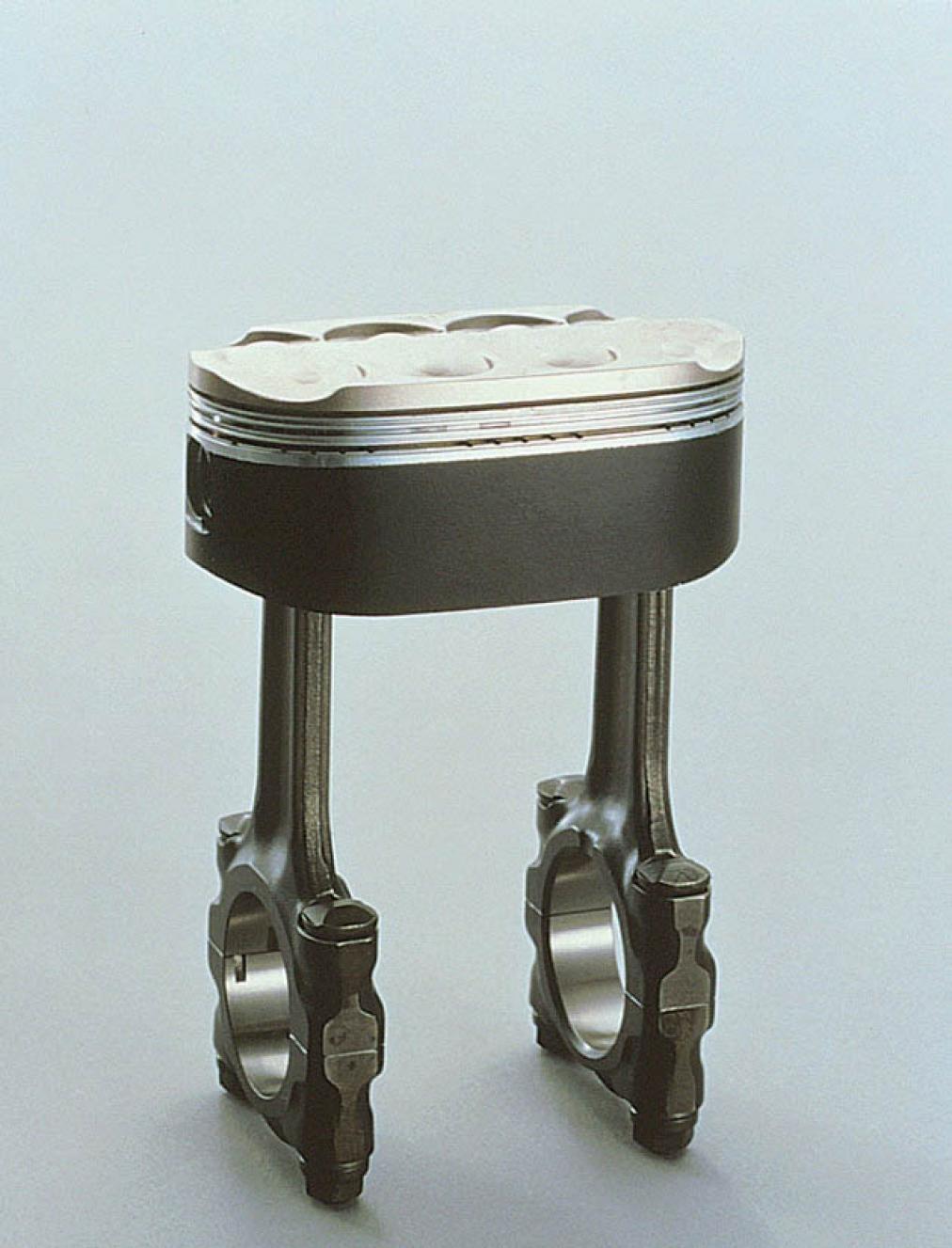
 

With two conrods and eight valves per cylinder (yes, eight, for a total of 32 valves!) the engine gave the impression of a V-8. The engineers hoped that the bigger piston area would provide a higher volume air/fuel mixture, resulting in more power.
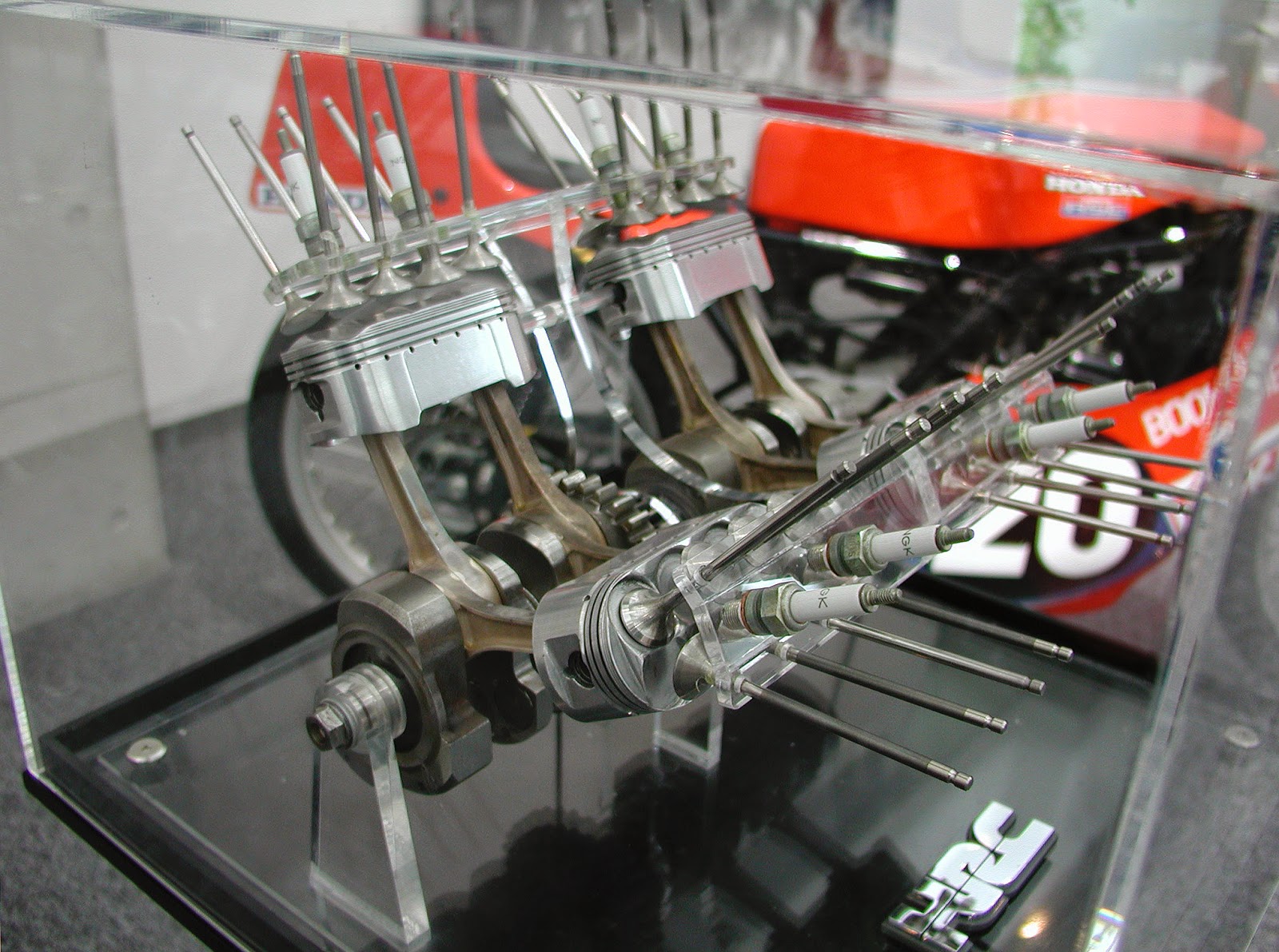
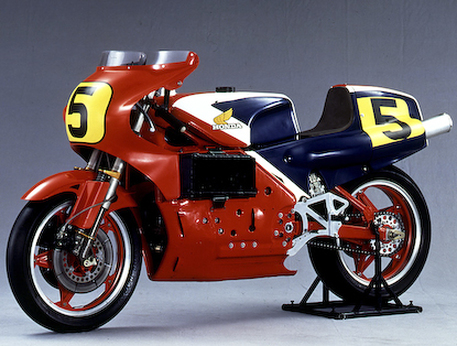
Honda unveiled the NR500 (NR stands for New Racing) in 1978 but the bike only made its debut in the 11th round (British GP) of the 1979 racing season. However, both bikes retired. The engine was overly complex. But Honda kept developing the bike and engine and came away with 130 bhp at over 20,000 RPM, matching the two-strokes.
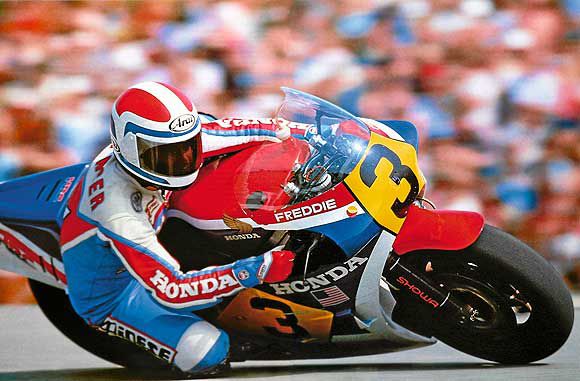
Yet, the bike wasn’t competitive and Honda ultimately went on to develop the NS500 two-stroke tiple in 1982, ridden by Freddie Spencer, Marco Lucchinelli and Takazumi Katayama.
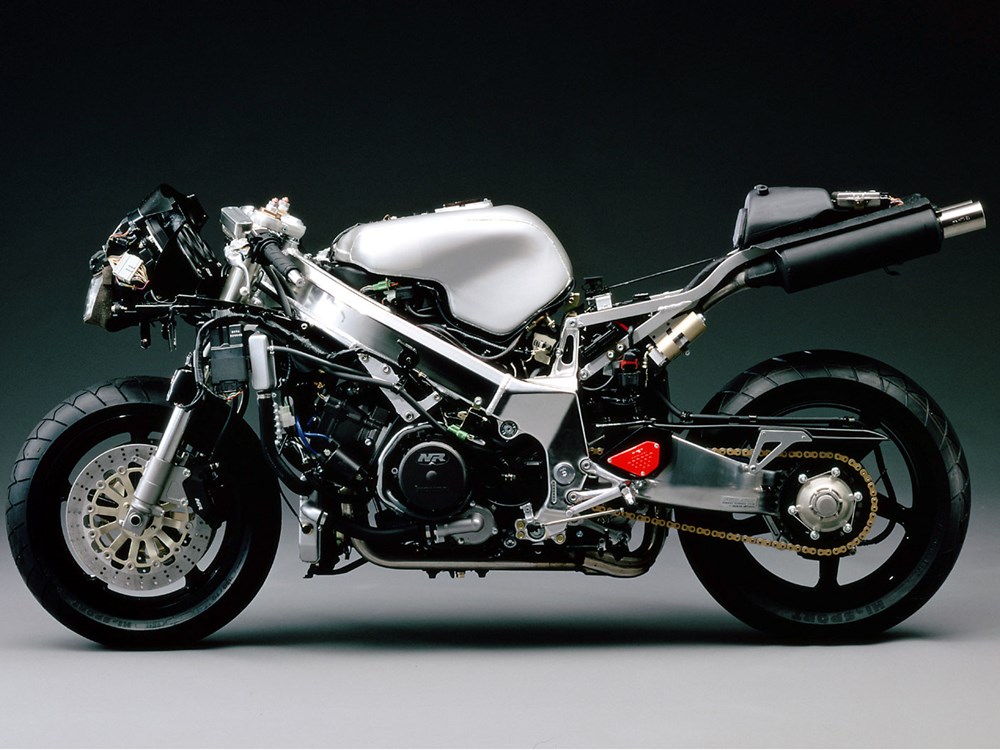
Still, Honda kept plugging away and came up with the NR750 endurance race bike. The technology was finally transferred to a road bike in 1992. Built in limited numbers, the NR (also known as the RC40) made 125 bhp at 14,000 RPM in the standard configuration. Priced at US$50,000, only 300 were built.
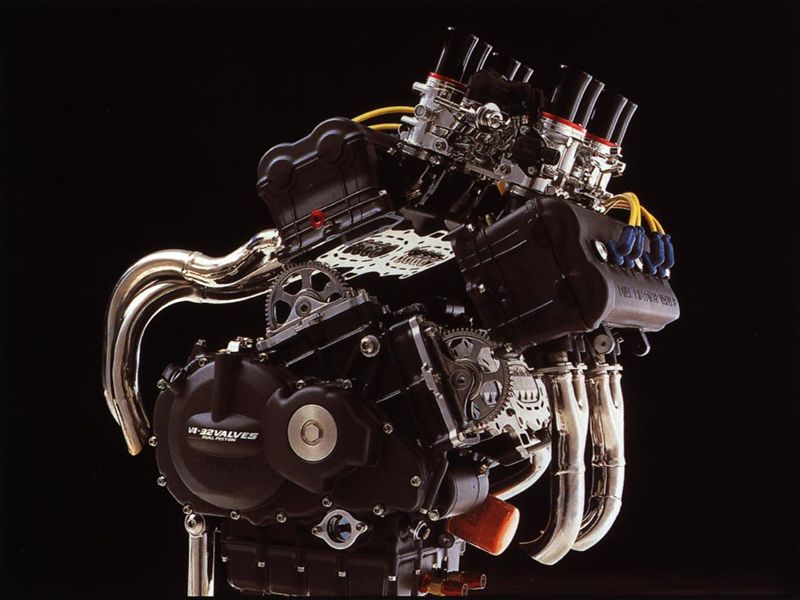
The NR featured many other innovative technology, including a single-sided swingarm, side-mounted radiators (a la NR500), and underseat exhausts, among other things. It’s also no secret that Massimo Tamburini was inspired by the Honda NR when he penned his iconic Ducati 916.
BONUS TRIVIA:

One of the engineers who worked on the oval piston project revealed that while trying to reduce the number of valves to the more conventional 4 valves per cylinder to improve combustion and power in the low- and middle-RPM range. That development led to one of Honda’s most famous technology and was first featured on the CB400 Super Four.
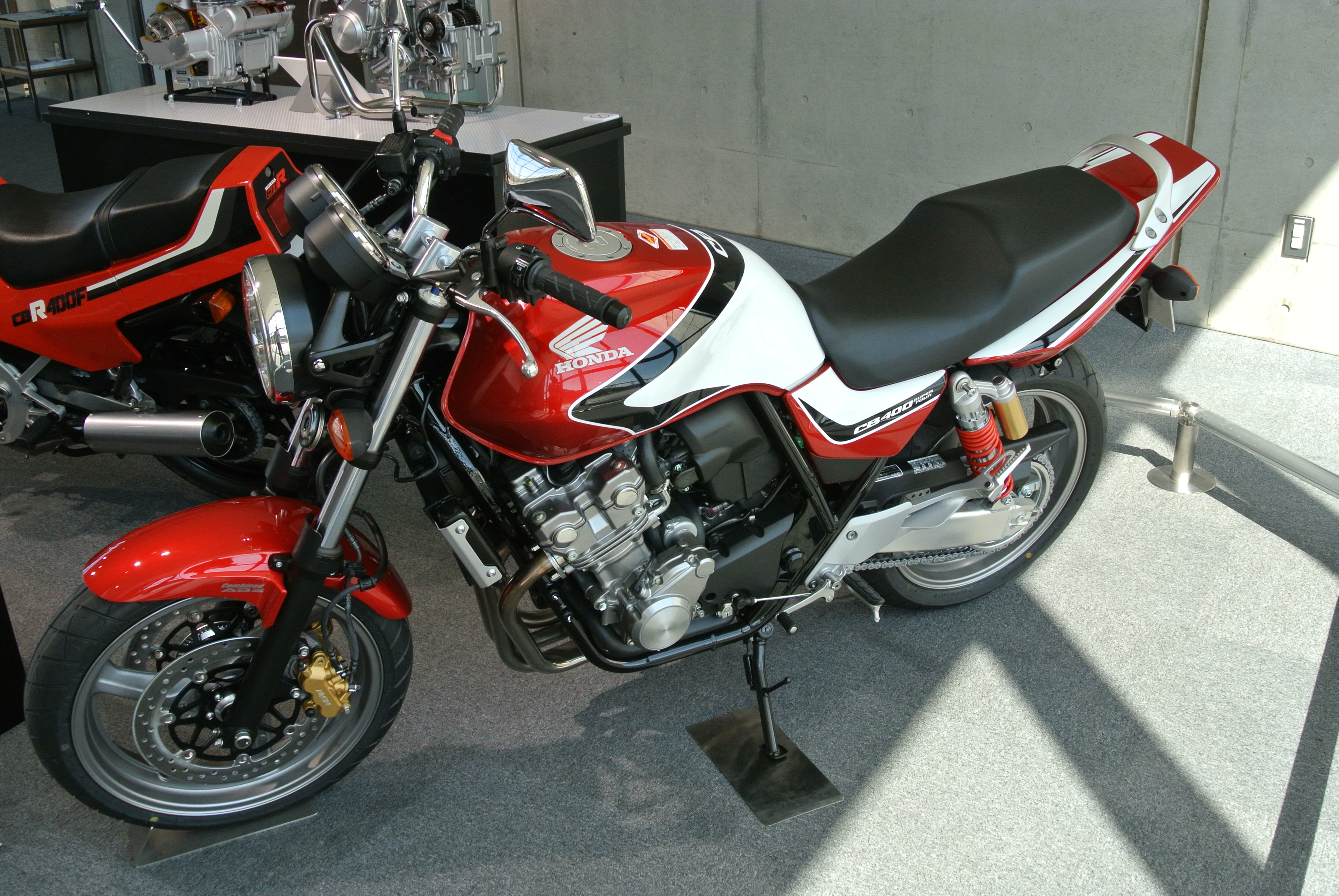
The VTEC.

So, the VTEC wouldn’t have been possible if not for the oval piston research and development.

Please click here for Part 1 (Suzuki RE5), here for Part 2 (Honda CBX1000)here for Part 3 (Yamaha GTS1000)here for Part 4 (Suzuki Katana)here for Part 5 (Böhmerland)here for Part 6 (MTT Y2K and 420RR)here for Part 7 (Honda DN-01), and here for Part 8 (BRP Can-Am Spyder).
BRP Can-Am Spyder

Please click here for Part 1 (Suzuki RE5), here for Part 2 (Honda CBX1000)here for Part 3 (Yamaha GTS1000)here for Part 4 (Suzuki Katana)here for Part 5 (Böhmerland)here for Part 6 (MTT Y2K and 420RR), and here for Part 7 (Honda DN-01).

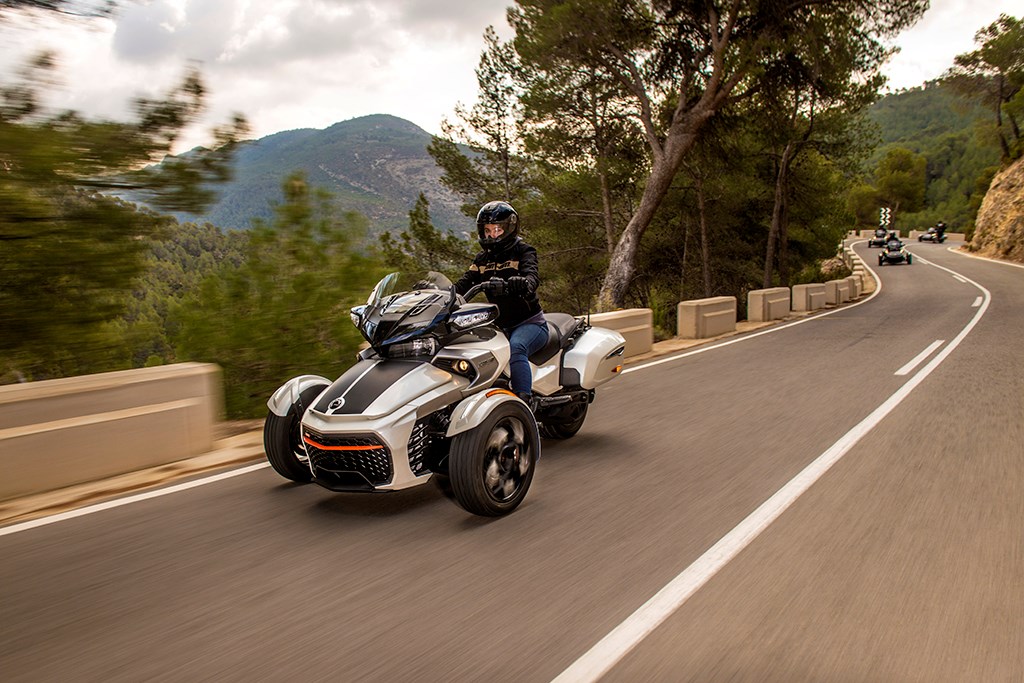
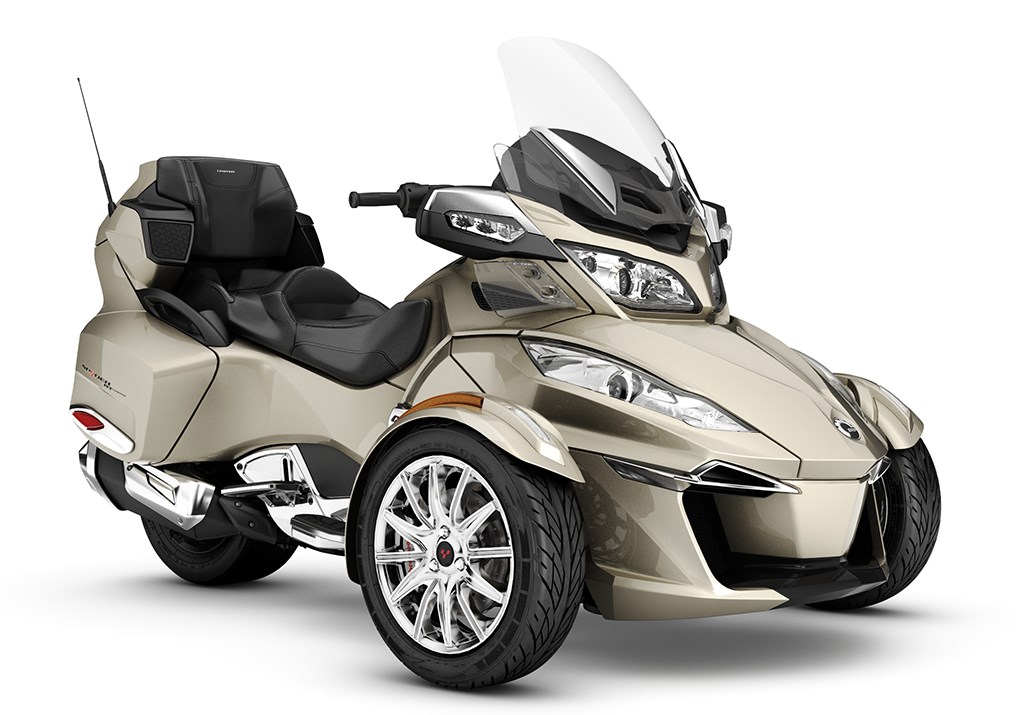
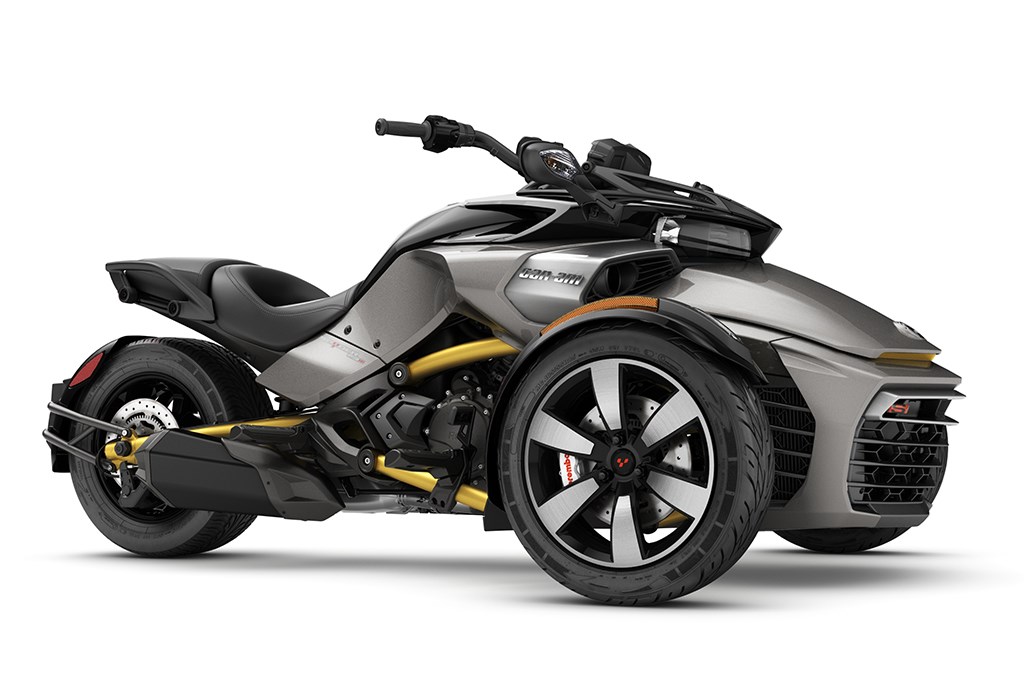
Wait a minute… This isn’t a motorcycle. It isn’t a car either. It’s a trike but two wheels are in front. So, that makes the Can-Am Spyder a reverse-trike, which means it’s a motorcycle.

Since Can-Am is a subsidiary of Bombardier Recreational Products (BRP), it fashioned like a snowmobile for the road: Tyres in place of a caterpillar tread behind and skis in front. There’s a large trunk space up front.

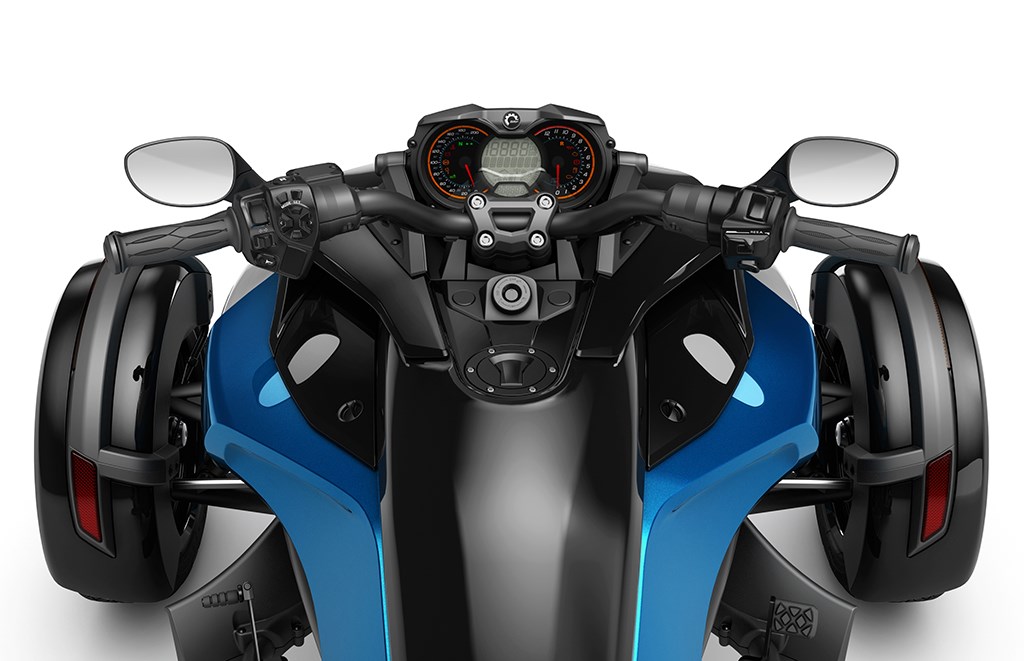
The bike… err… trike is built around an ATV-like chassis, called Surrounding Spar Technology (SST). But just a car, the front suspension features double A-arms with anti-roll bar. There’s Dynamic Power Steering, too.

There are four models, called the F3-S, F3-T, RT-S and RT Limited, powered by either a Rotax 998cc, liquid-cooled, V-Twin or a Rotax 1330cc liquid-cooled, fuel-injected, inline-Triple. Both engines utilize electronic throttle. Other electronics include ABS, traction control and stability control.

Can-Am Spyder range updated for 2017

Besides that, the Spyder’s brakes are linked front and rear. There are also four types of transmission, 5-speed manual with reverse, 5-speed semi-automatic which uses paddle to shift, 6-speed manual with reverse, and a 6-speed semi-automatic with shift paddles.

First launched in 2007, the Spyder’s variants had sold more 100,000 units worldwide. They’ve found a large audience here in Malaysia too.

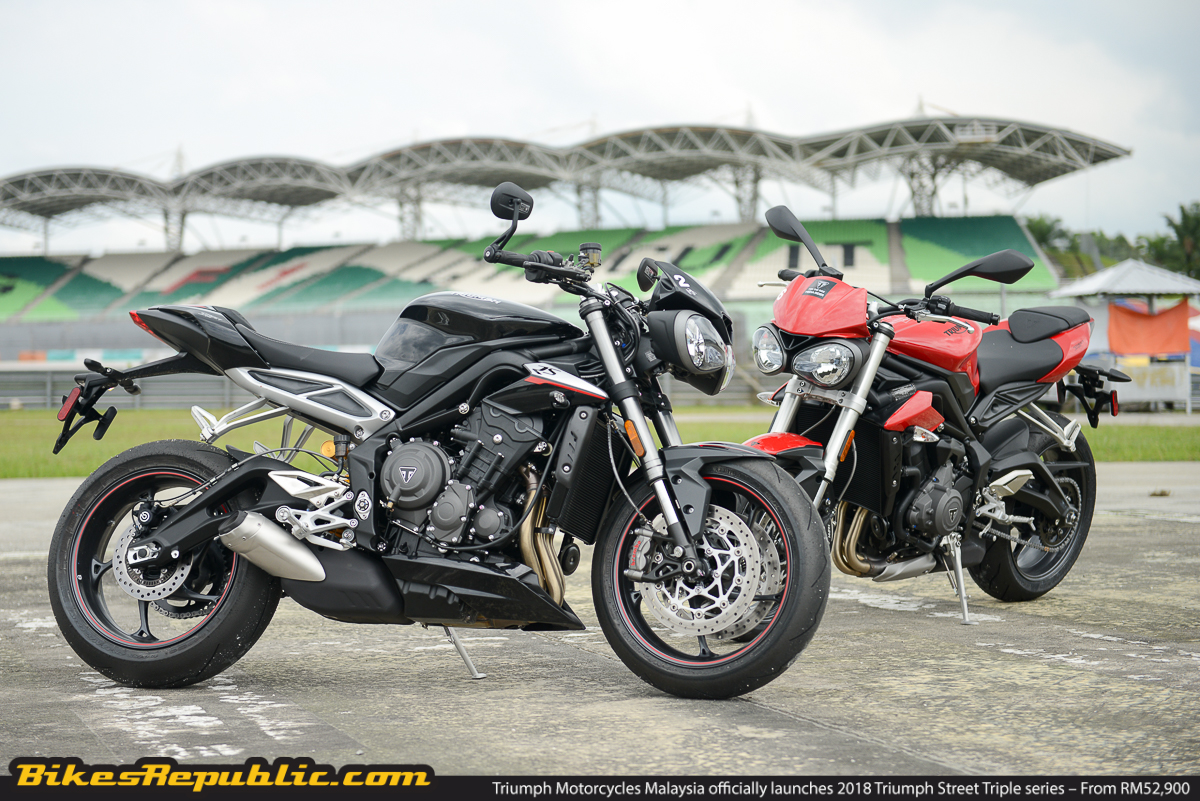
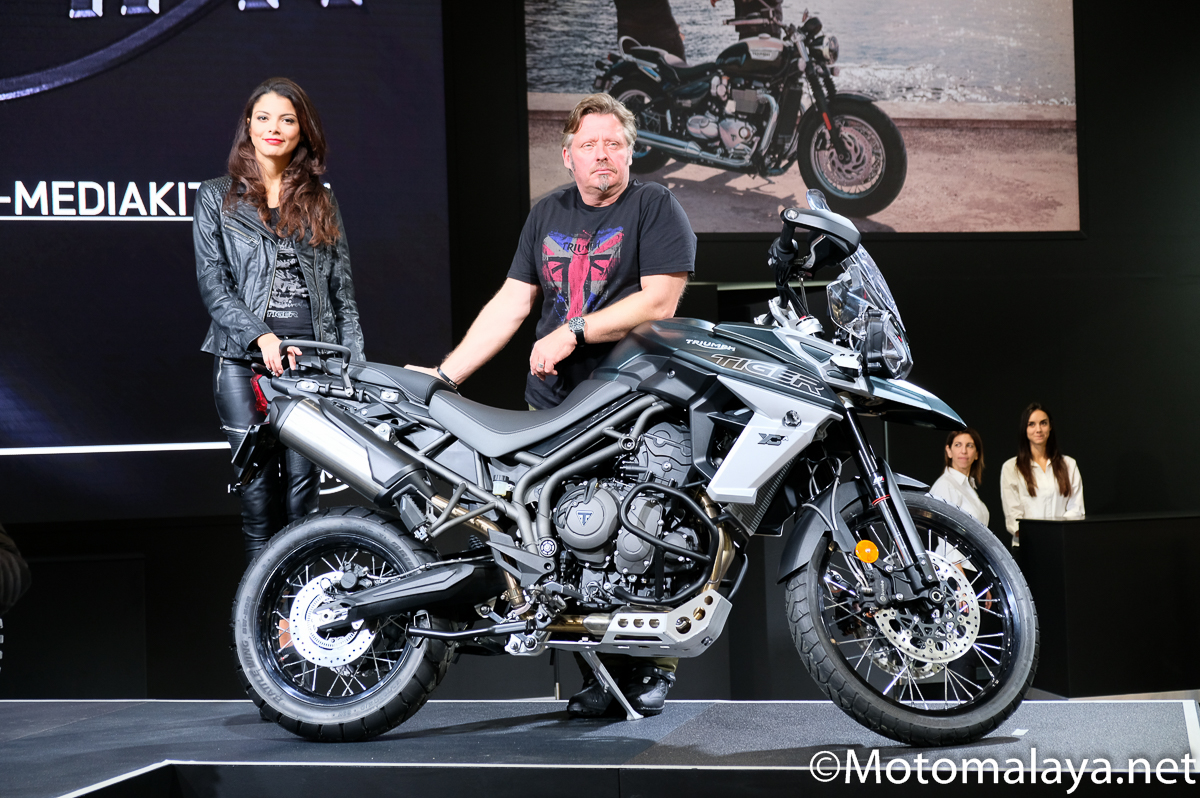
For 2017, Triumph Motorcycles sold over 63,000 motorcycles from their dealerships around the globe.

63,404 units were sold which translates to £498.5 million (RM2.7 billion) in sales revenue.

Triumph made £24.7 million (RM134 million) in profits which is a 48% increase thanks to a 22% rise in sales worldwide.

With the current standpoint of the world’s ever fluctuating market for motorcycles, Triumph Motorcycles was proud to announce that they have seen a growth in sales for 2017 despite the economic conditions in which some other manufacturers experienced a significant drop. (more…)

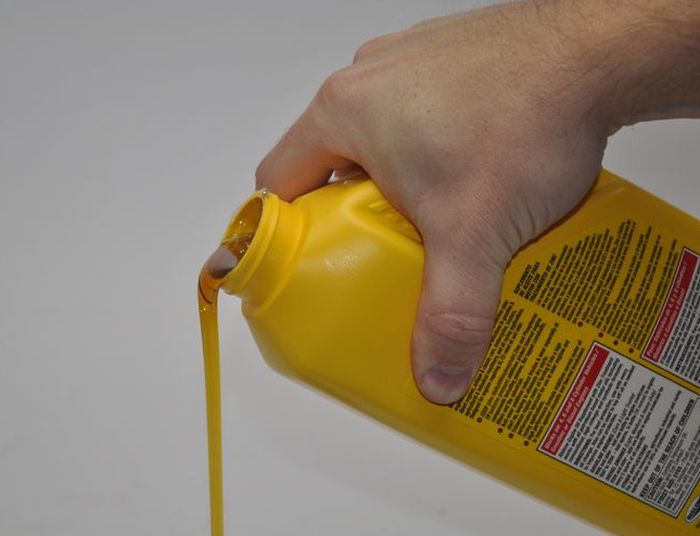
  • Ever wonder why bike shops don’t sell car engine oils?

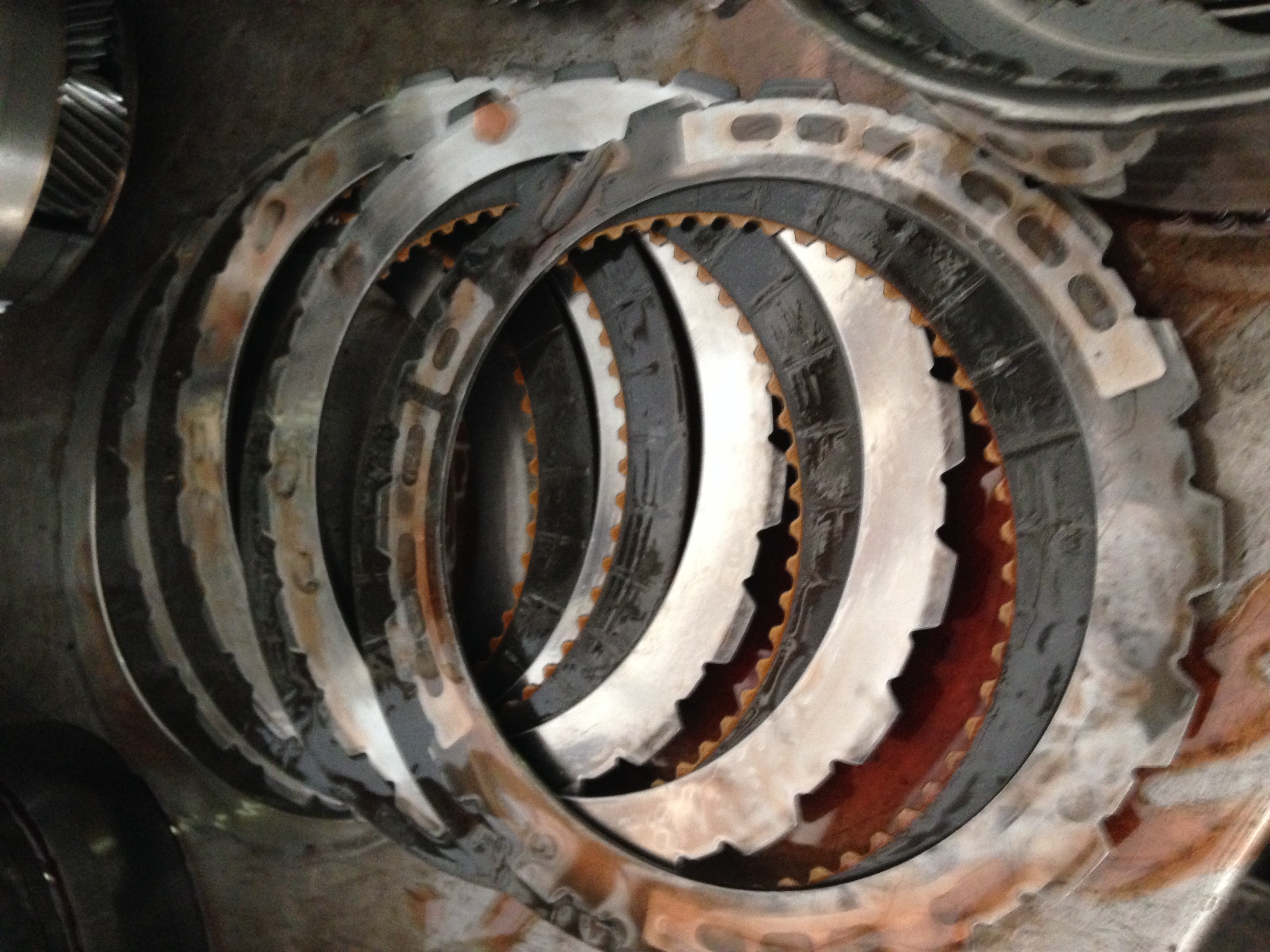
  • Using a car-specific engine oil for motorcycle engines is bad.

  • But worse are those who don’t listen.

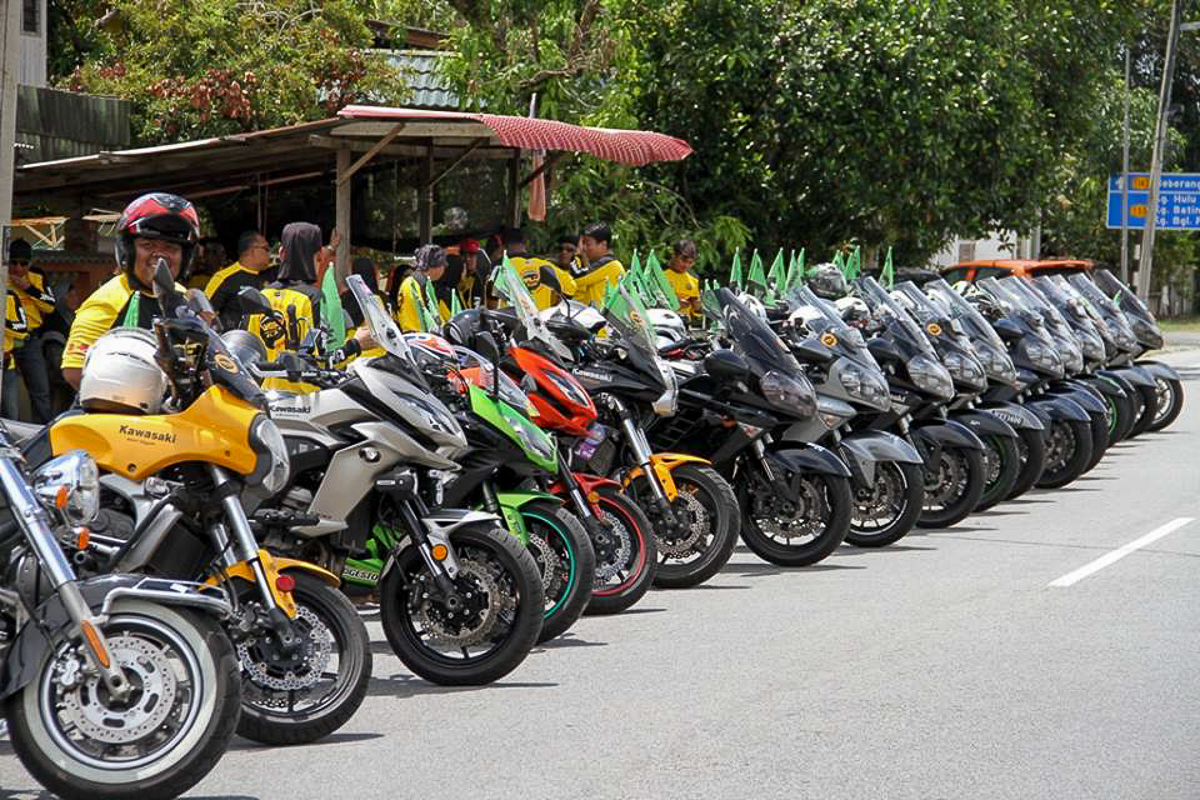
I used to hang out with a bike club many years ago and the last TTS (teh tarik session) with them was in 2012.

The group consists of the more senior crowd, from their mid-30’s and up. A few guys have been riding for a long, long time. Although I had been (legally) riding for 25 years up to that point, there were two guys who started riding even earlier.

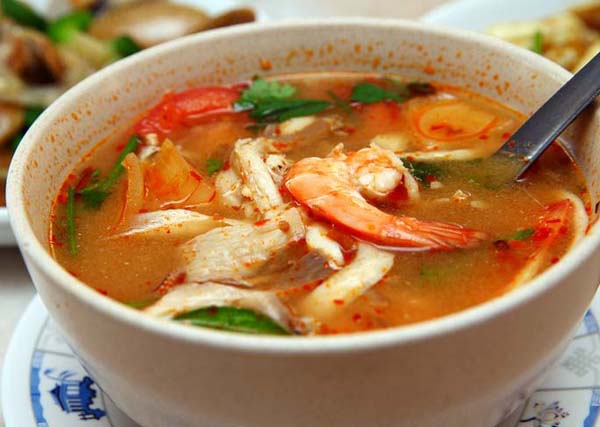
I’m usually the quiet one, sitting silently in the corner, always enjoying my tomyam ayam kurang pedas while mosquitos fed on me in return. Symbiosis with nature, albeit in a stupid way.

One night, they started discussing about engine oil. Now, that’s one subject I’d abstain from because no other topic has the kind of passion to create an animosity just short of a new world conflict. Brader X (not his real name nor pet name), who’s the group’s “mechanic” spoke the loudest. He proudly proclaimed that he’s now using Mobil 1 for cars, which he has plenty around his car workshop anyway. (There’s a Mobil 1 for motorcycles but this guy was using the one for cars.)

The others took interest for some inexplicable reason. Maybe it was a full moon night, or Jupiter was aligned to the Earth, I didn’t check, but no one spoke up about using automotive engine oil in a bike! Or maybe it’s because Brader X can patch a tyre leak while we’re out riding.

So, out of helpfulness, I broke my code of silence and offered, “I’m not a major in this subject, but I’m very certain that we shouldn’t use a car’s engine oil for our bikes. None of us is using a bike with dry clutch, and even if we did, we should best stick to a lubricant for bikes.”

“Car lubricants are different because they contain friction modifiers and is not shared with the clutch. All our bikes are the wet clutch, which means the engine oil goes there too. A car’s engine oil will cause the clutch to slip and ultimately wear out the plates,” I explained.

I continued further, “That’s why we need to use oils that are either JASO MA or JASO MA2 certified. Those aren’t found on car engine oils for that very reason. You might just as well use minyak masak Saji (Saji cooking oil) if you want to use car oil!”

I swear to you that I said that not because I had bad childhood thus I craved attention, credit and affirmation. Instead, I did that because I just wanted to help, so I didn’t expect any “Thank you.”

But I didn’t expect to get lambasted either.

Mr. A (for a word which starts with that letter and ends with an “e”) straight up accused me of “supporting a petroleum brand that’s bankrolled by Jews.” Brader M said, “All engine oils are the same, their only job is to ensure the engine doesn’t seized solid, anyway.” Brader S, our group’s leader said, “We should just try it.”

Still, I protested, “Please. Don’t.” “Just get back to your tomyam and let the old men talk. We’ve been riding since you were just a kid,” Mr. A castigated me.

Fine. I shrugged and ordered another teh-o ais limau.

I missed the next entire month’s TTS as I was busy and rejoined them after that.

Again, I ordered my favourite tomyam and sipped quietly in the corner. But my curiousity got the better of me and I decided to ask, “How’s the oil in your bikes?”

They half-turned to me and then Brader M pulled out his phone abruptly, stuck his face into his Facebook newsfeed as if another 9-11 happened. Mr. A suddenly got Mr. S’s attention and interest in a lawn bowl telecast on TV (who the heck watches lawn bowl anyway?). Mr. X was missing, he’s never missed a TTS.

It was only when I was leaving that Mr. S said, “You were right, the oil caused our clutch to slip. My new bike’s (a Z1000SX) clutch is gone.”

I just nodded and left, never to see them ever again.

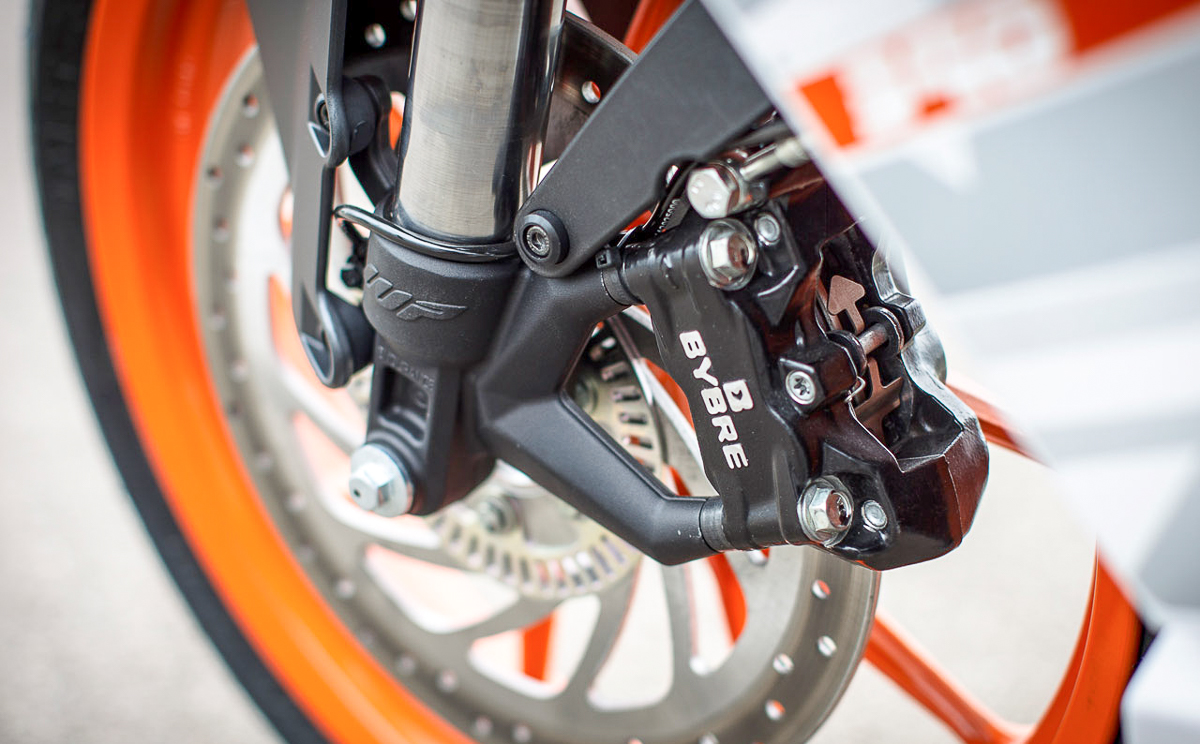
Recent news has shown that thieves are now beginning to steal ByBre brakes.

ByBre is short for ‘By Brembo’ is a brand developed by the major brake manufacturer specifically for small to medium displacement motorcycles.

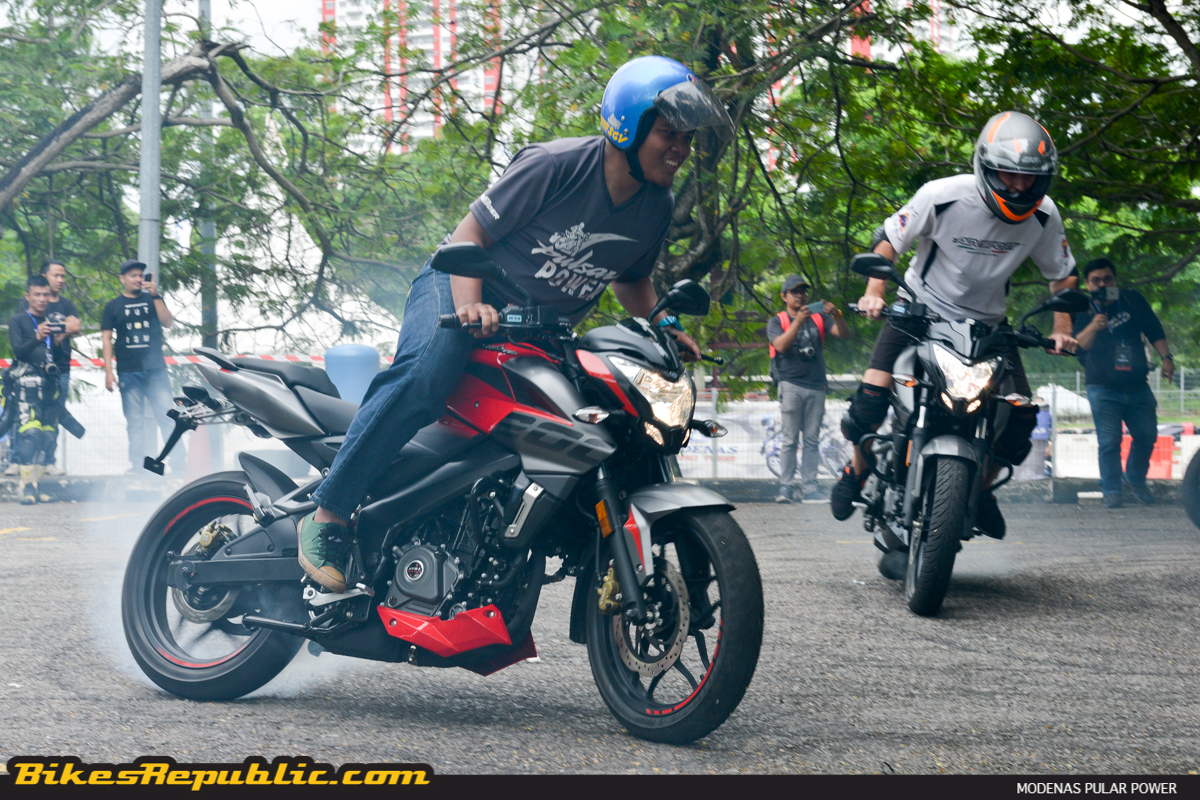
Bikes like the Modenas Pulsar RS200, Modenas Pulsar NS200, KTM 250 Duke, KTM 390 Duke and many more all use ByBre brakes.

Being a motorcycle owner has its ups and downs. Apart from owning some very lovely machines that make heads turn in excitement, we also have to constantly worry about the physical wellbeing of our beloved motorcycles. This is especially true when it comes to bike thefts. (more…)

Honda DN-01

Please click here for Part 1 (Suzuki RE5), here for Part 2 (Honda CBX1000)here for Part 3 (Yamaha GTS1000)here for Part 4 (Suzuki Katana)here for Part 5 (Böhmerland), and here for Part 6 (MTT Y2K and 420RR).

Certain parties weren’t happy about our recent review of the Honda CRF250L and CRF250 Rally. We called it as it was, “soft.” It has also to be said here that “we” here included Oh Kah Beng. So if you’re reading this, go ahead and tell off the legend if you’re not happy.

Honda CRF250L & CRF250 Rally Test & Review

Why did I open with the above “intro?” Because in that same review, I mentioned that sometimes manufacturers aimed for too many segments in one model and ended up with a product that’s diluted at best (read: neither here nor there).

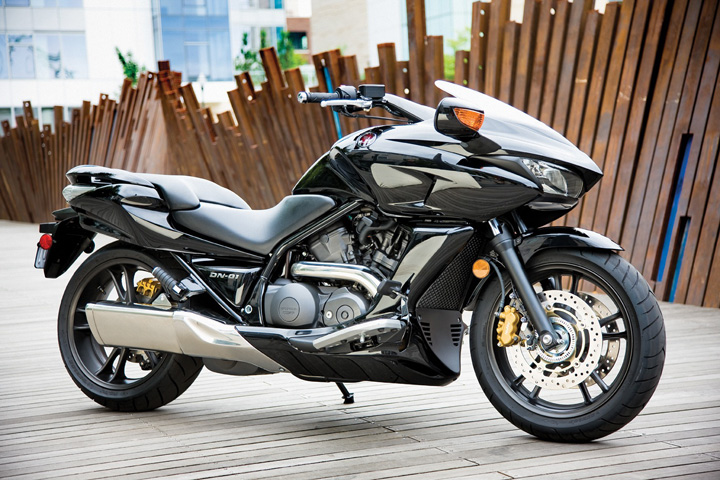
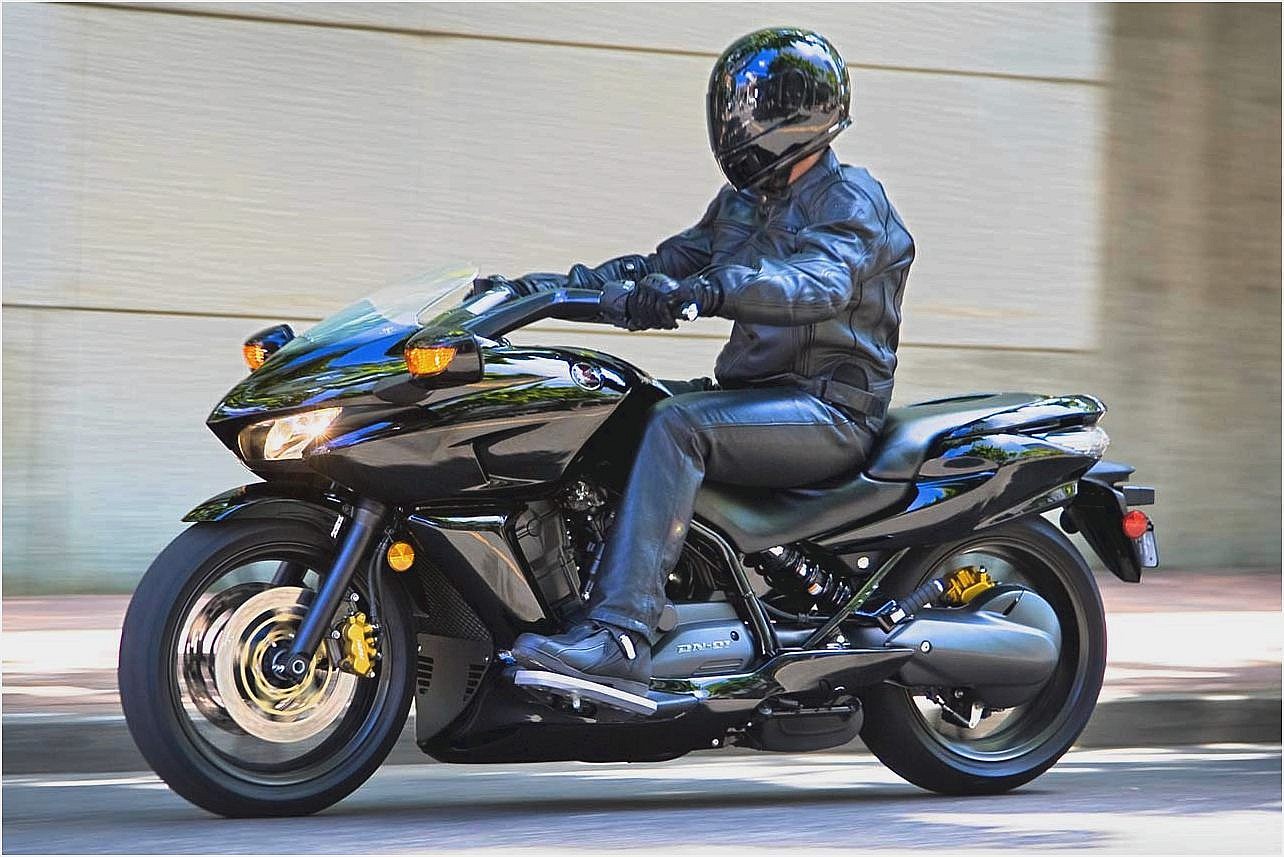
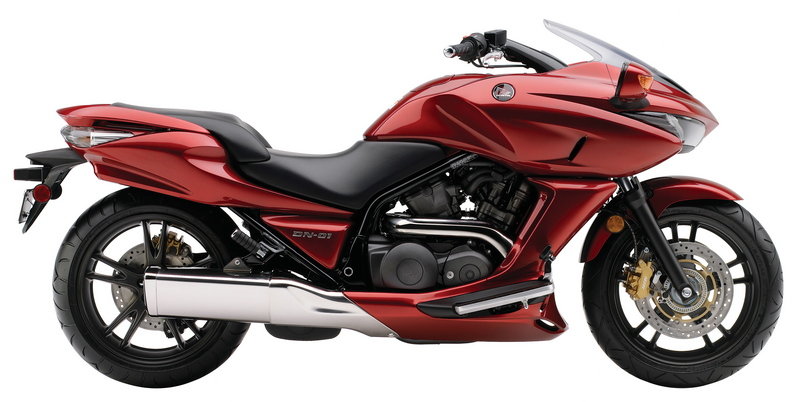
Take this bike, for instance. Honda meant the DN-01 to be a cruiser. Or more accurately, a cruiser/sportbike crossover. And a big scooter.

Courtesy of paratamoto.com

Firstly, the DN-01’s bodywork’s weird in anyone’s book, and wasn’t appealing to either the cruiser folks or sportbike fanatics. The ergonomics also took a bashing as was the lack of wind protection at speed, needing the rider to to hang on using the handlebar.

Customers were also unsatisfied due to the ridiculously low load capacity of only 147 kg. That meant if each the rider and passenger weigh 75 kg, their total weight of 150 kg has already overloaded the bike by 3 kg. That’s without figuring in luggage.

Wait, what luggage? There isn’t any storage space on the DN-01!

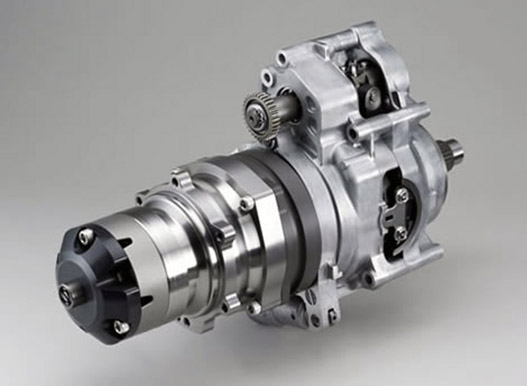
The transmission, however, was a different story. The continuously variable transmission (CVT) – marketed by Honda as “Human Friendly Transmission” – uses a hydraulic pump which varied the amount of fluid being pumped, changing the gearing as demanded. (It may sound the similar to the DCT in the current X-ADV, VFR1200X and CRF1000L Africa Twin, but no it isn’t.)

However, that brilliant CVT was mated to a 680cc engine (sourced from the Shadow) which produced an wheezing 43 bhp, which (sort of) propelled the 268kg DN-01 from 0 to 100 km/h in 7.41 seconds, and a quarter mile in 15.41 seconds at 140.7 km/h. Top speed? 182.0 km/h. Yawn.

Adding insult to injury was the US$15,599 asking price in 2009.

The DN-01 was only sold from 2008 to 2010.

Please click here for Part 1 (Suzuki RE5), here for Part 2 (Honda CBX1000)here for Part 3 (Yamaha GTS1000)here for Part 4 (Suzuki Katana)here for Part 5 (Böhmerland), and here for Part 6 (MTT Y2K and 420RR).

Archive

Follow us on Facebook

Follow us on YouTube