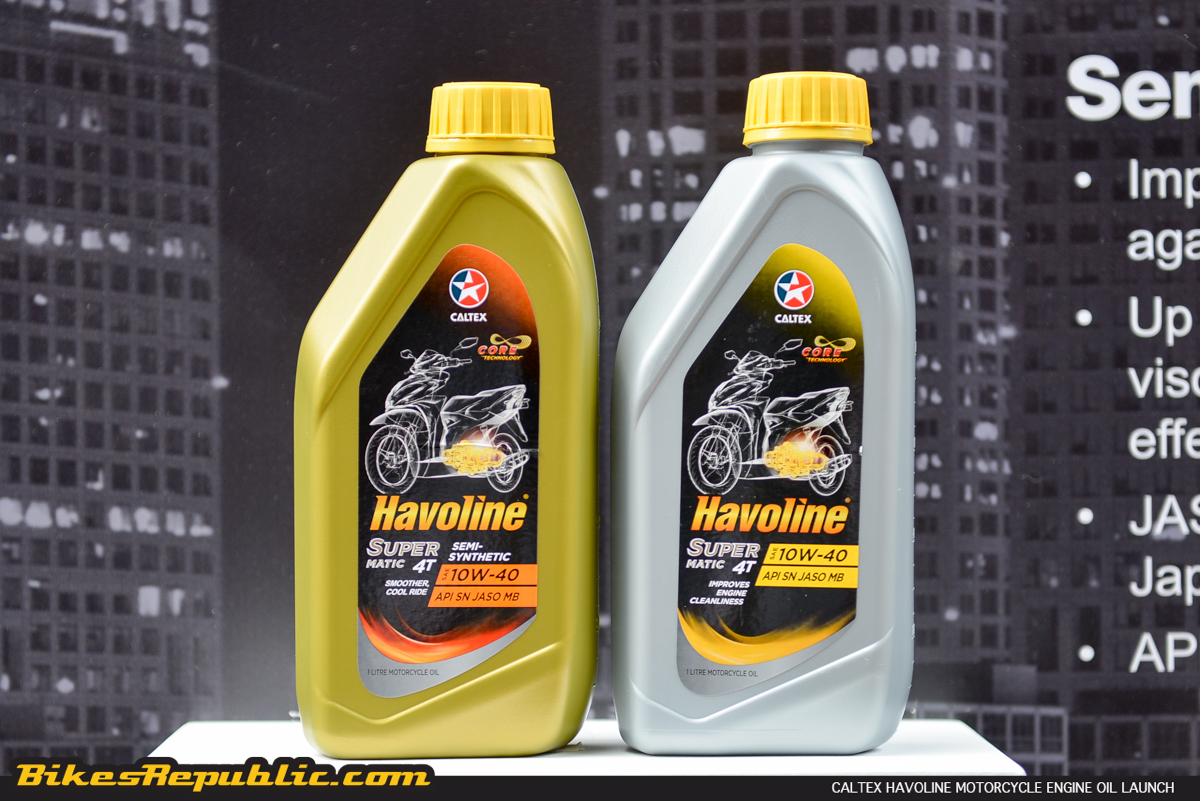
The new Havoline motorcycle engine oils are especially formulated for urban riding.
At the heart of some oils is the CORE Technology.
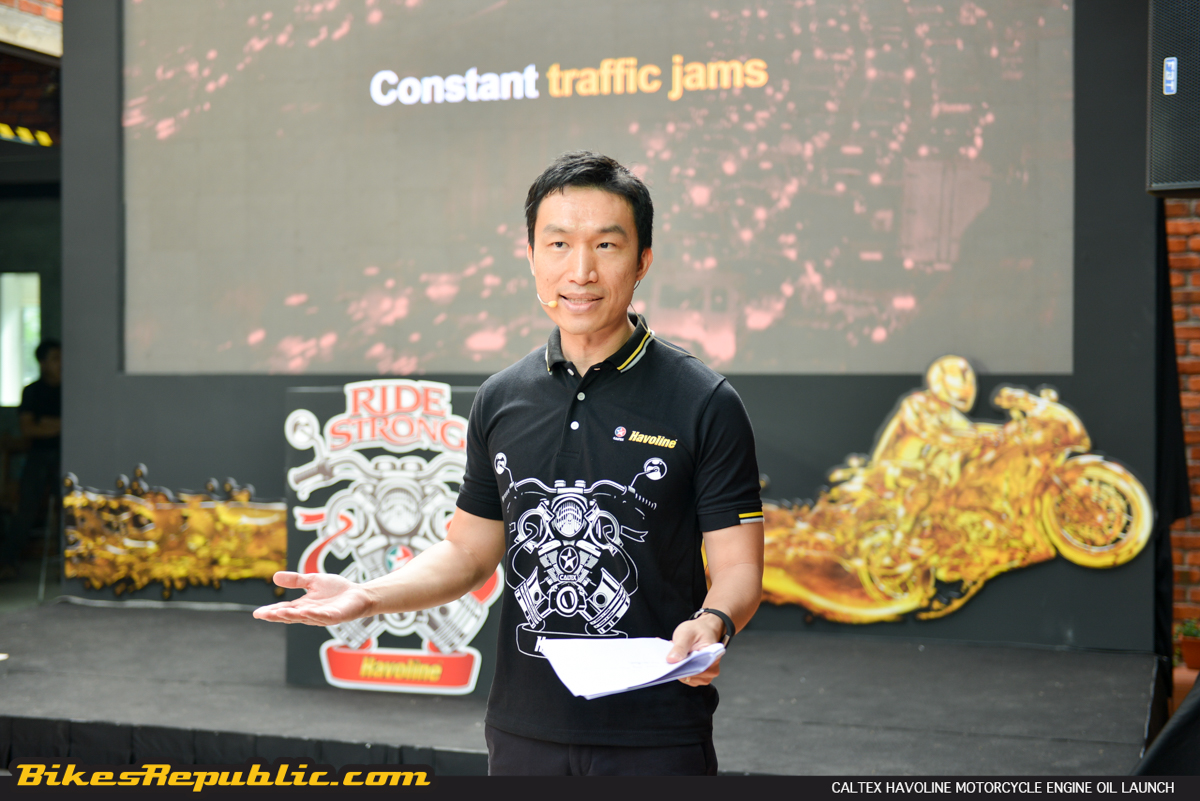
Caltex is also offering “Ride Strong” promotional package.
Subjected to extreme pressure and heat in the engine, coupled to variable operating and ambient temperature, fighting off affluent of the combustion process, resisting being oxidized by moisture, engine oils lead a hard life in order to protect, lube, cool, and clean the parts of an engine.
Racing is of course and activity that’s harsh on oils, but lugging the bike at slow speeds in traffic is just, if not worse.
At extra slow speeds like those encountered in inner city commuting, depending on the state of tune (in terms of valve overlap) an internal combustion engine may not produce enough positive pressure from combustion or negative pressure from the exhaust tract to evacuate the burned gasses, leaving behind residues that end up as carbon and so forth.
In the meantime, temperatures increase due to lack of airflow and it’s the job of the coolant (if the bike is liquid-cooled) and oil (especially critical if the engine’s oil- or air-cooled) to keep temperatures manageable. Oils break down quickly in this environment.
Yet, the oil has to avoid causing the clutch plates to slip while being sheer resistant to provide optimum protection to the engine and transmission. (This is why we should never use car engine oils in a motorcycle engine. Click on the link below for our earlier article on this subject.)
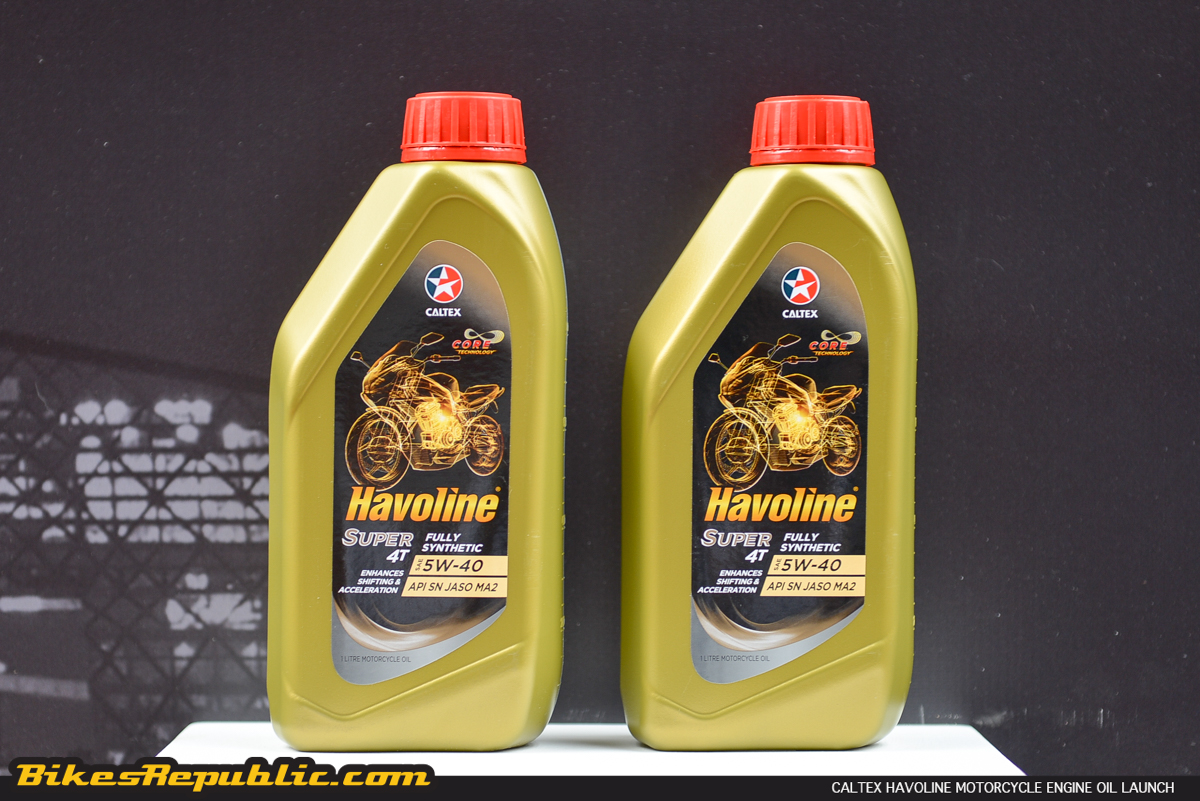
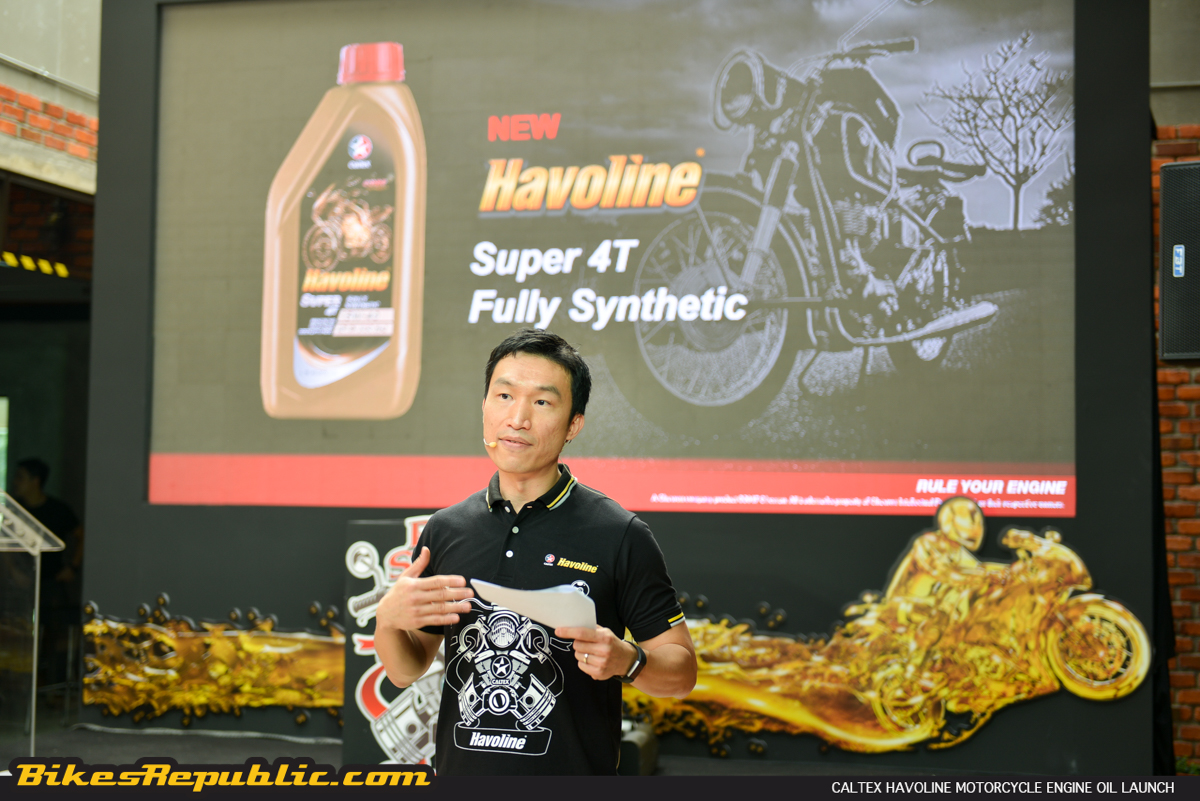
That’s the main aim of Caltex’s new line of engine oils, lead by the flagship Havoline Super 4T Fully Synthetic SAE 5W-40 for motorcycles and scooters. The family includes semi-synthetics and mineral grades, as well.
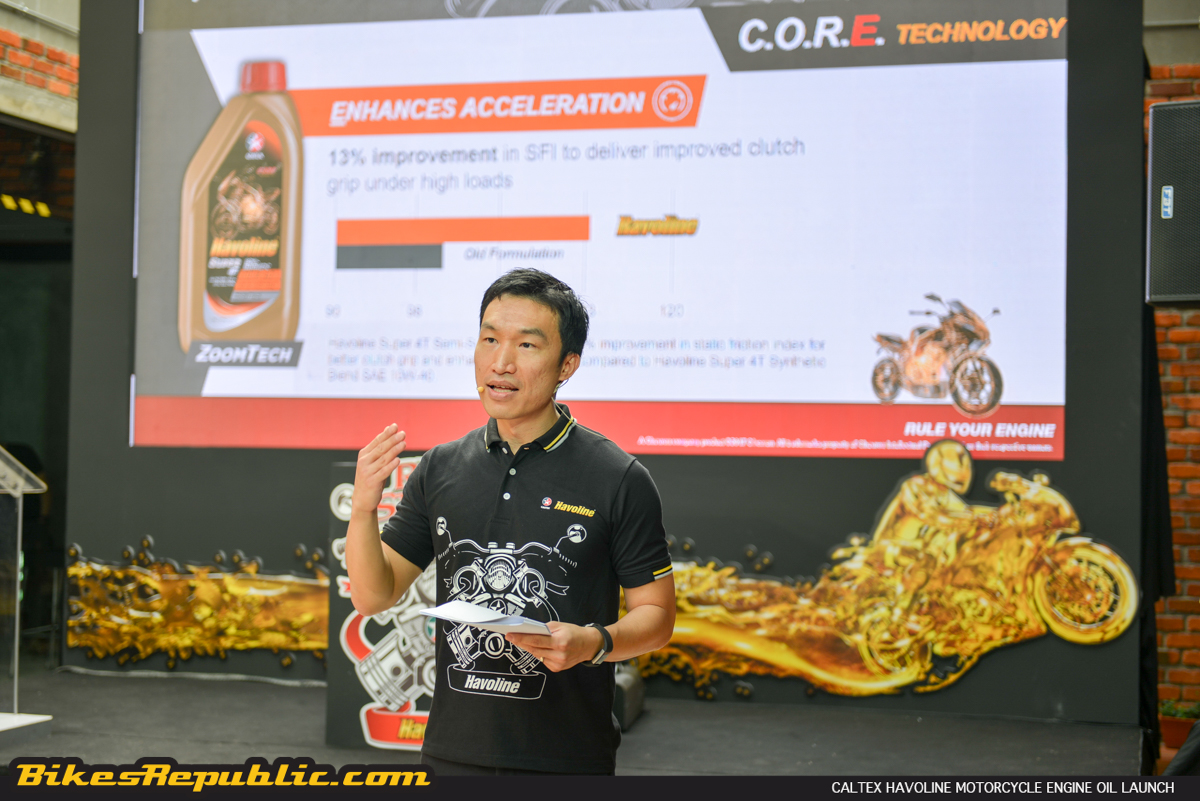
Caltex’s latest proprietary C.O.R.E. Technology was developed to address the concerns of today’s urban riders. The semi-synthetic range is further fortified with ZOOMTECH additive, to minimize clutch slip hence maximizing power transfer.
Lennard Kwek, Regional Marketing Manager, Asia Pacific, Chevron Lubricants said it best, “Motorcycles make up almost 46% of the registered vehicles on Malaysian roads and in start-stop city traffic and congestion, the vehicles are constantly under stress. For our consumers, our latest range of Havoline motorcycle engine oils with C.O.R.E. Technology and ZOOMTECH booster aims to give riders a reliable product that is especially suited for urban commuting.”
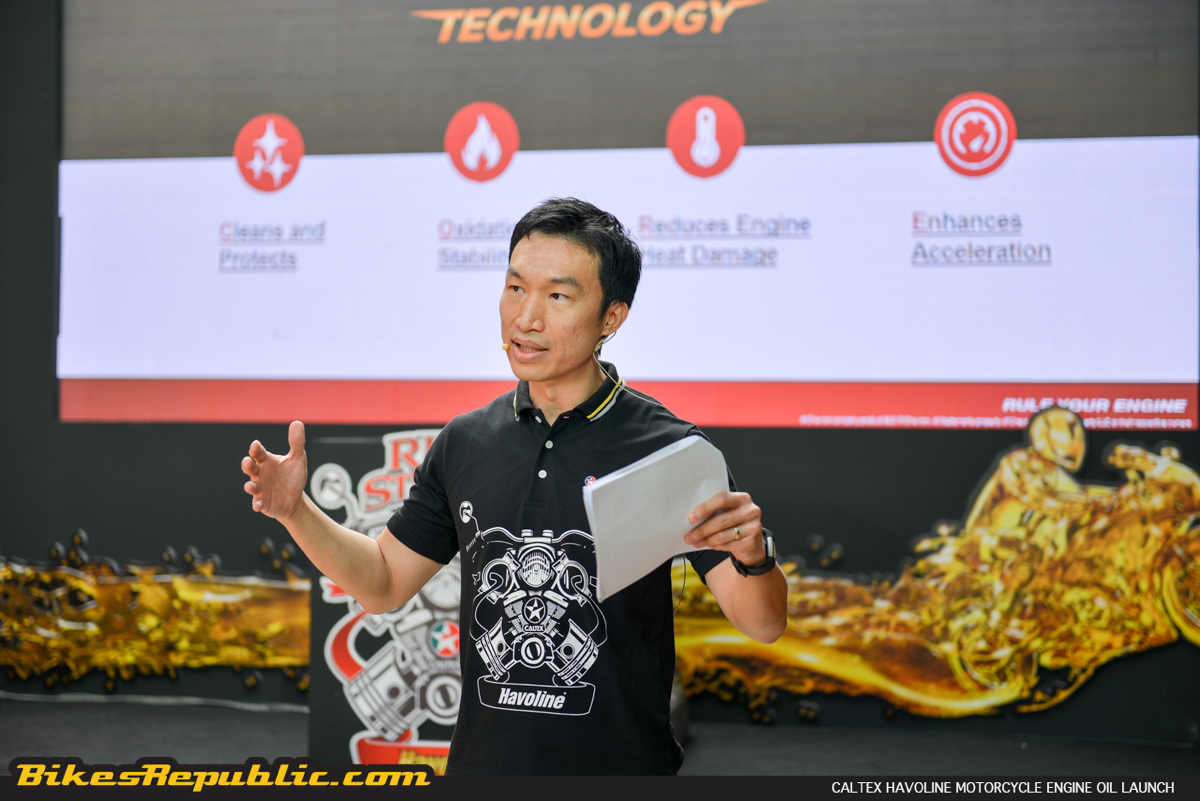
C.O.R.E. Technology stands for: Cleans and protects for a more efficient and cleaner engine to deliver superior performance. Oxidation stability provides heat protection against oil degradation. Reduces engine heat damage with superior oil stability for continuous protection. Enhances acceleration through improved clutch grip even under high loads.
CORE Technology is available in all products except for Havoline Ezy 4T.
The addition of ZOOMTECH in Havoline Super 4T Semi-Synthetic delivers a 13% improvement static friction index (SFI) when measured the JASO T903:2016 standard for better clutch grip over the Havoline Super 4T Synthetic Blend SAE 10W-40. The term “JASO” may sound familiar to you – that’s the certification for the MA or MA2 clutch grip standards.
The flagship Havoline Super 4T Fully Synthetic SAE 5W-40 with C.O.R.E. Technology is suited for high performance, large capacity motorcycles. To cope with the high revving engines which generate additional heat, this oil has been formulated to be 50% superior compared to the industry’s standard in oxidation stability. It means the engine will be better protected against heat damage, and last longer.
We presented a question during the Q&A Session on whether there’s a need for higher viscosity such as 5W/40 or 10W/50 in view of our climate’s higher ambient temperature. Caltex is confidence that the C.O.R.E. Technology addresses the issue since it’s formulated against high heat oxidation.
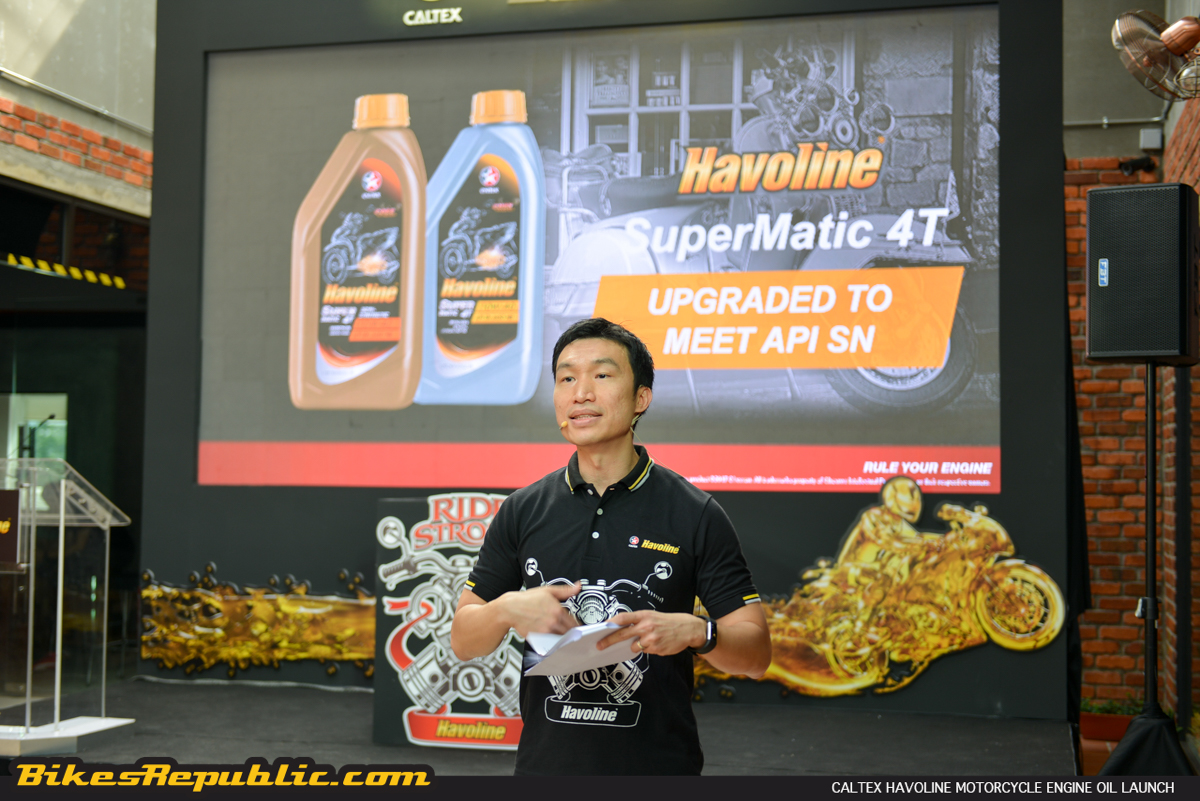
As for the scooter segment, Havoline’s scooter range has been upgraded to meet the latest API SN service standard, for both semi-synthetic and mineral grades. All products are JASO MB certified, as scooters do not use wet clutch.
“RIDE STRONG” PROMOTIONAL PACK
Chevron Malaysia Limited is offering a special bundle pack promotion in conjunction with launch. Customers will receive a free limited-edition microfiber towel with “Ride Strong” branding.
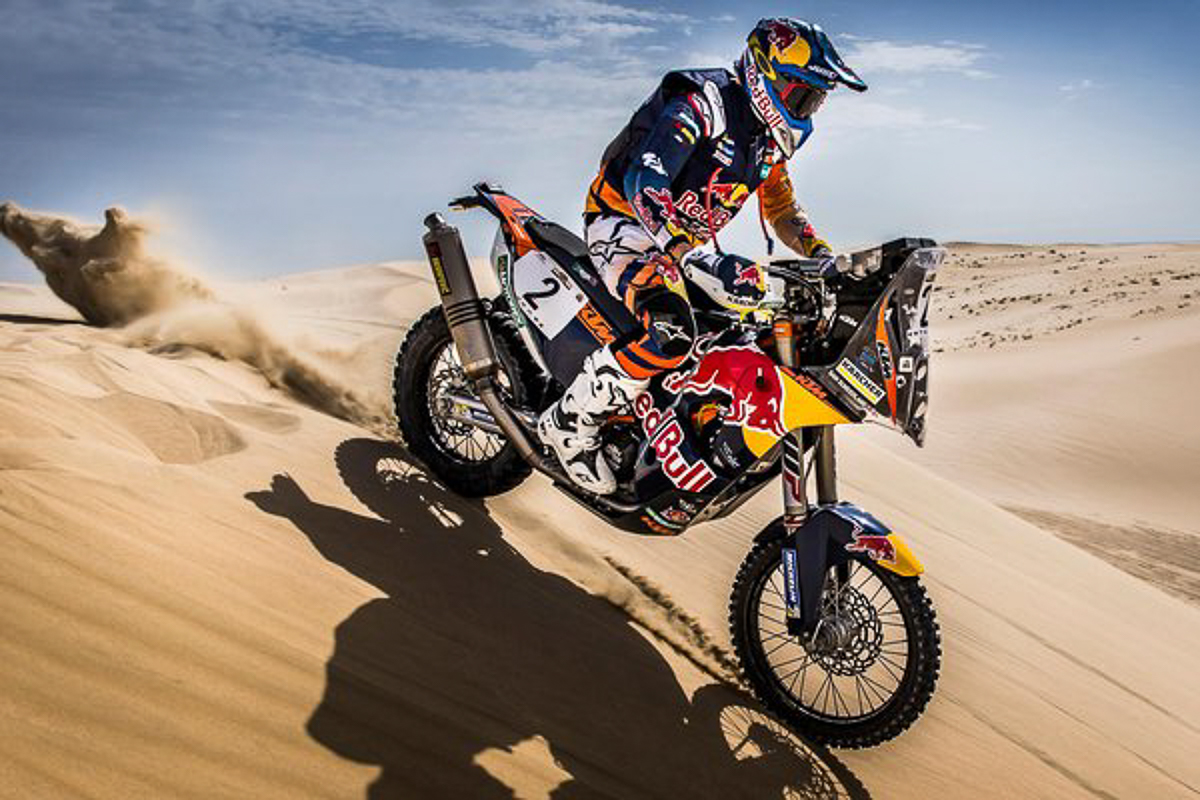
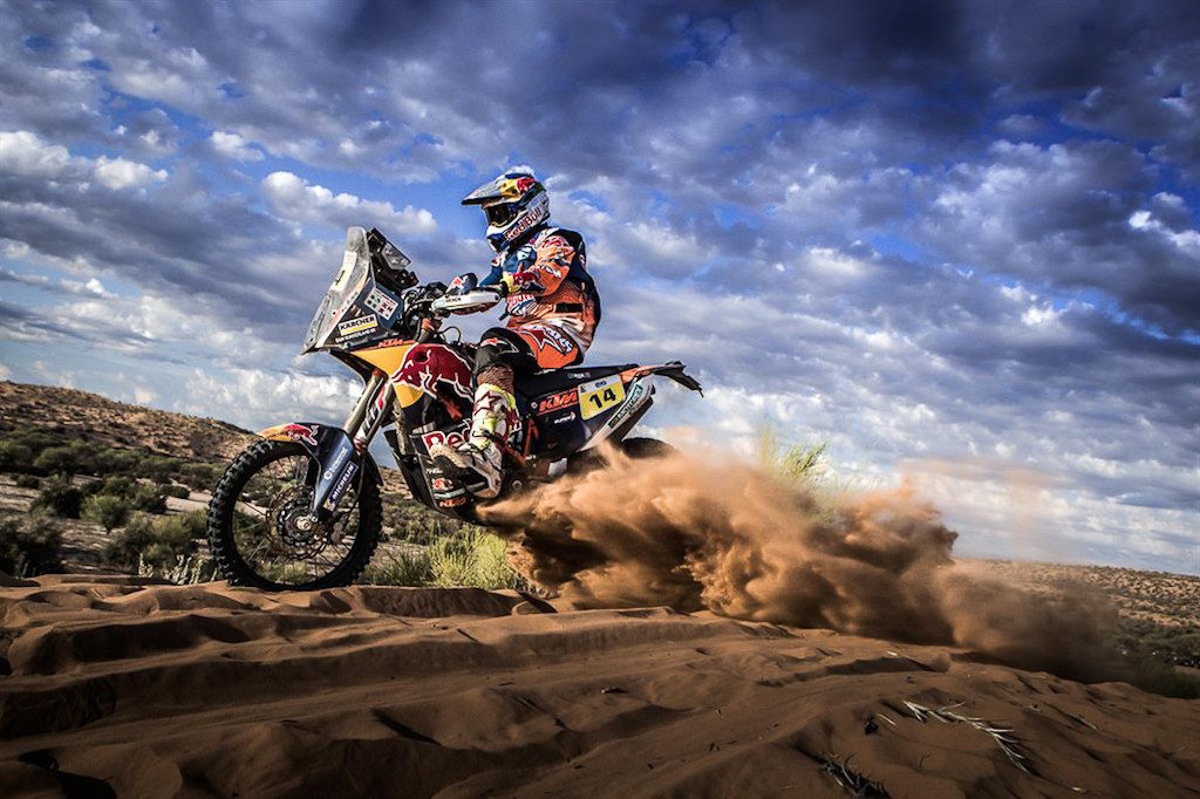
Defending champion Sam Sunderland is out of the Dakar Rally 2018 after suffering a crash in stage four of the race.
The 28 year old was leading the first two stages but a crash in stage four resulted in a back trauma which forced him out of the race.
Sam Sunderland was the first British Dakar Rally champion to ever win last year on board his KTM 450 Rally bike.
Image source: DriveMag Riders
It has been reported that the current defending champion of the Dakar Rally Sam Sunderland from the KTM squad is out of the Dakar Rally 2018 race after suffering a crash that ended his efforts. After four stages of gruelling racing, the first ever British Dakar Rally champion was forced to end his campaign after suffering some significant injuries. (more…)
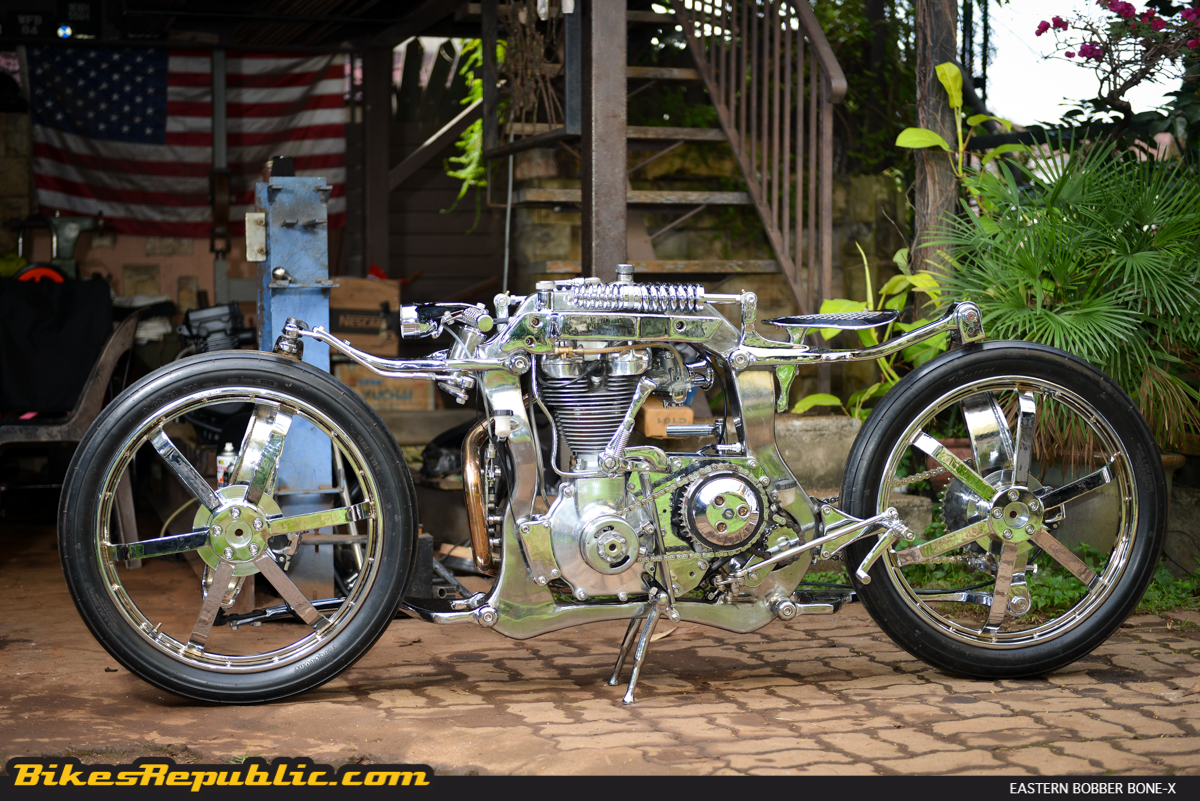
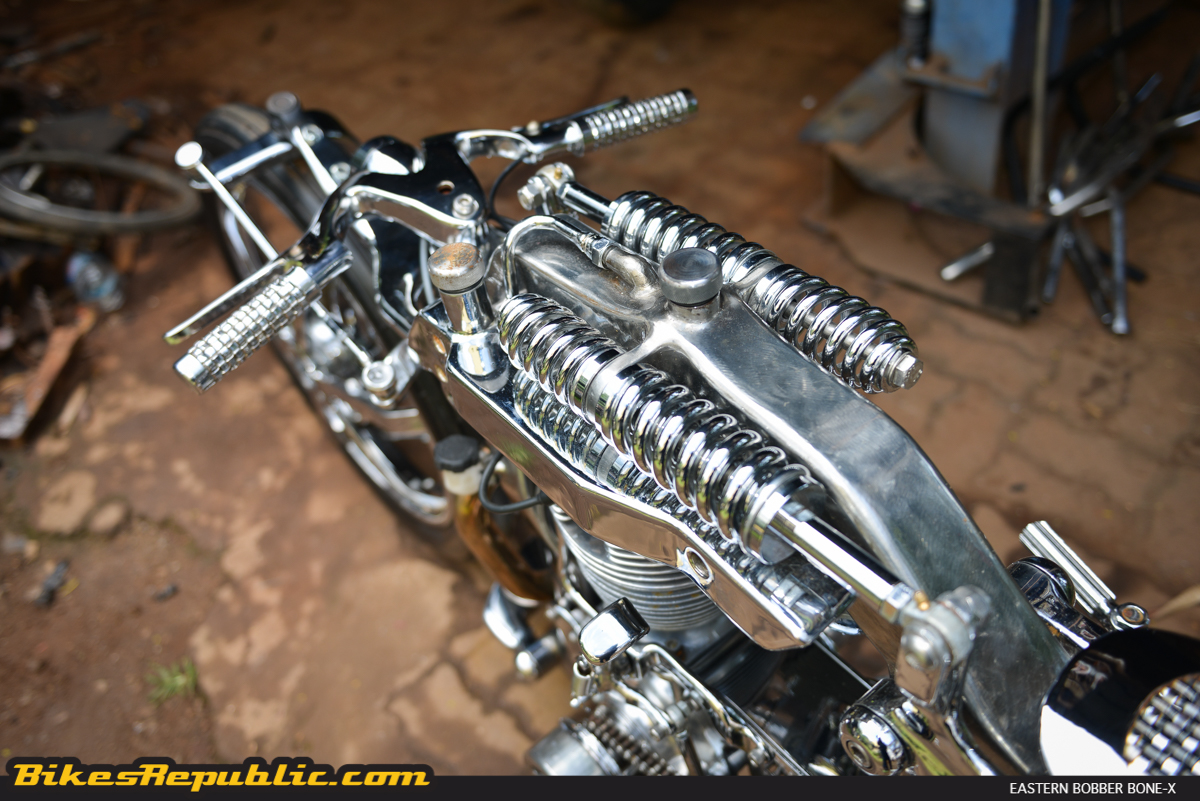
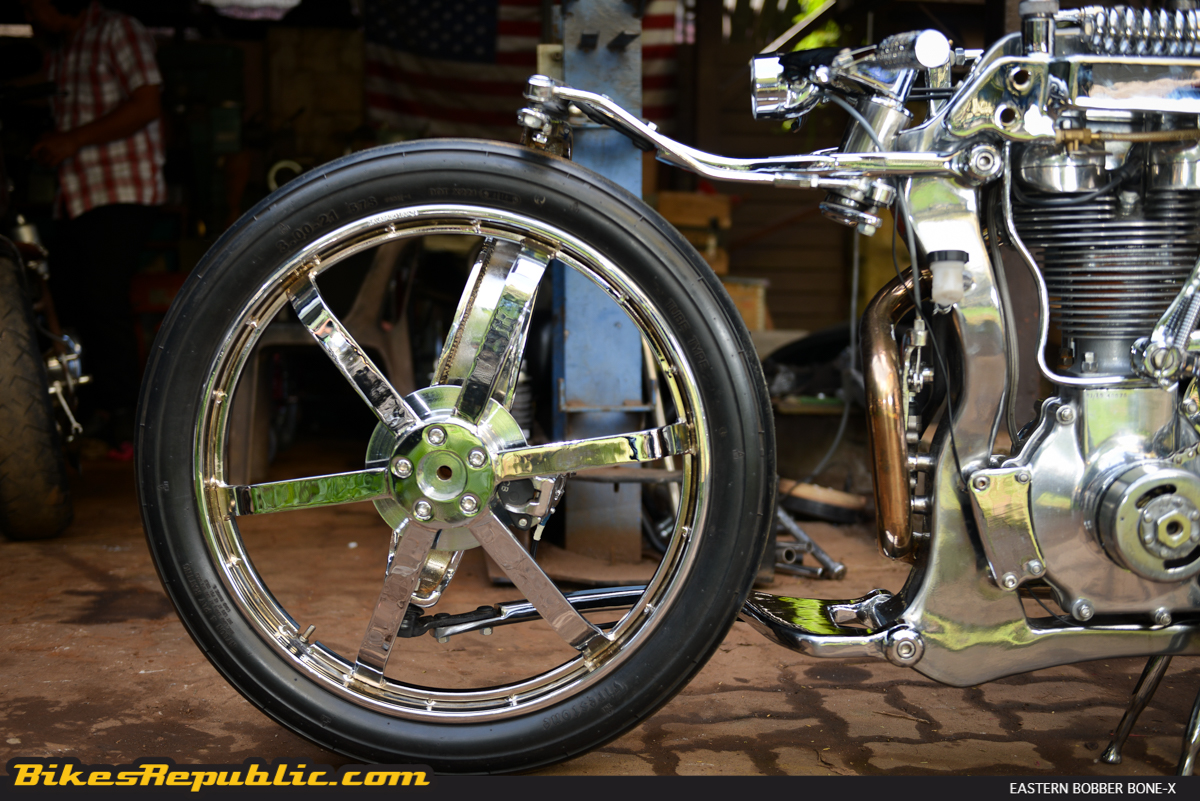
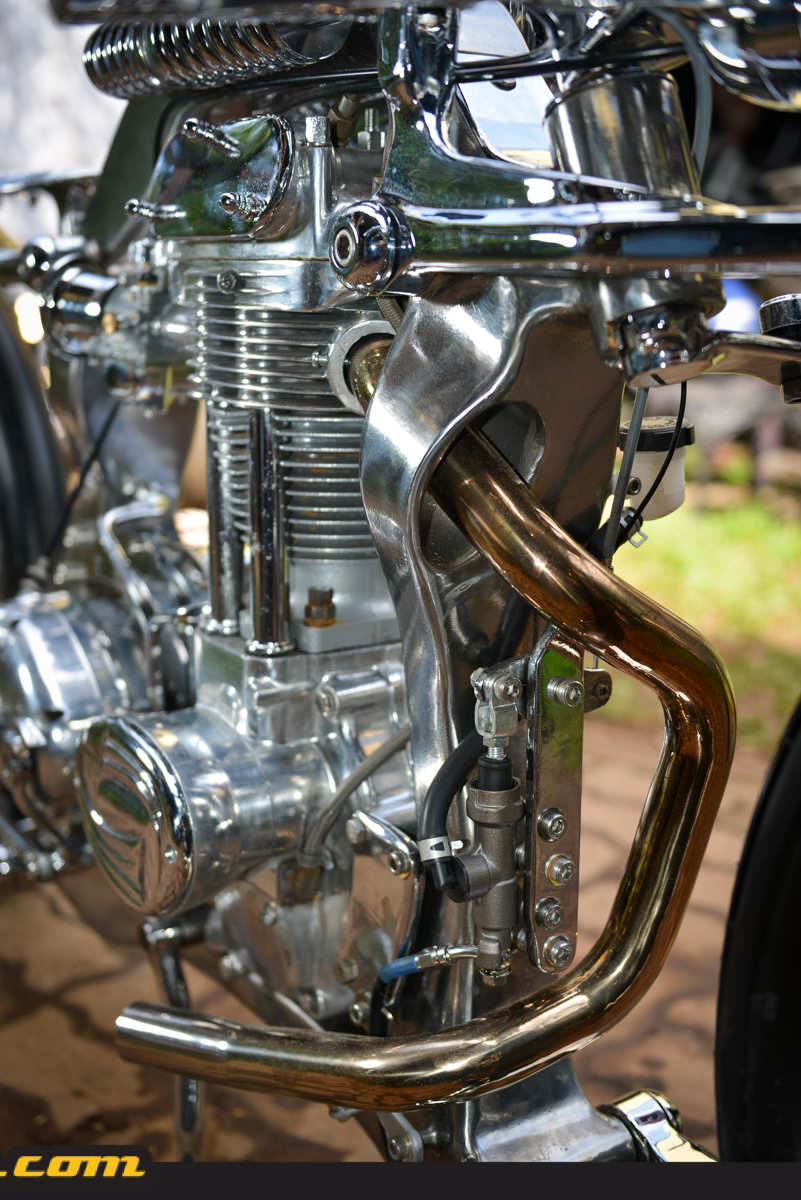
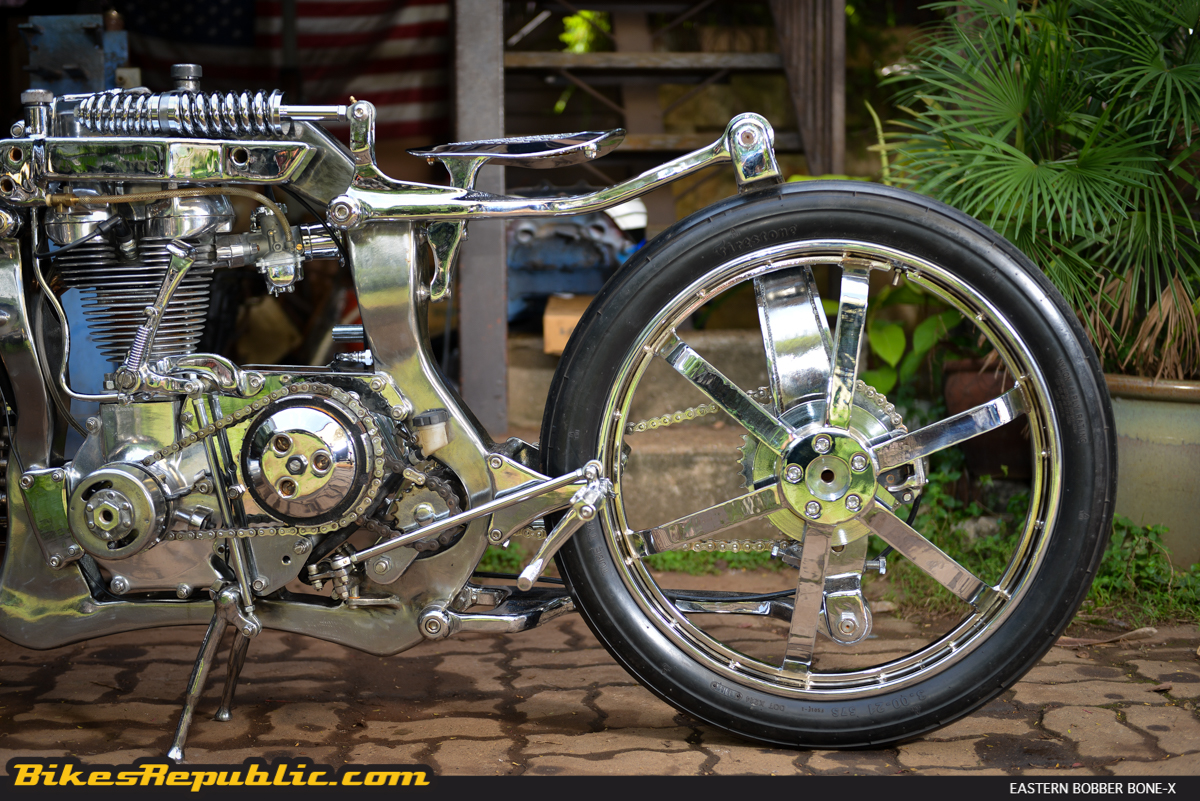
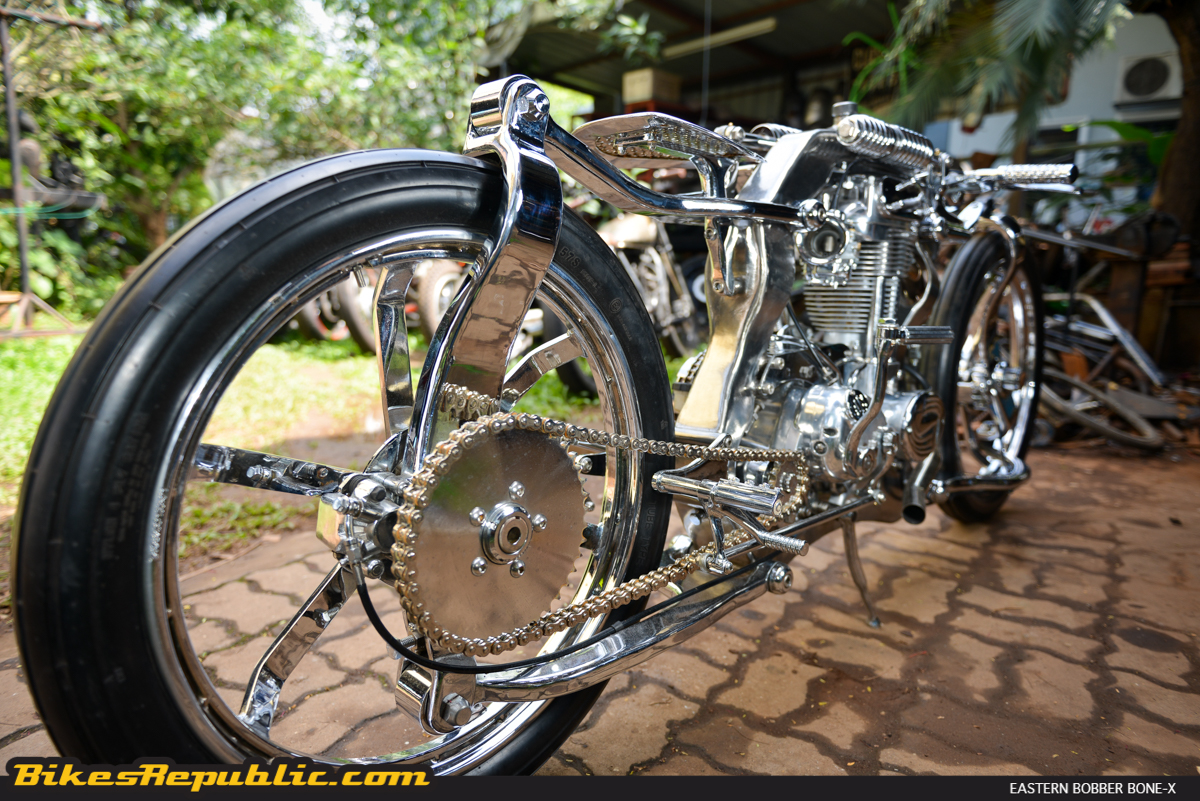
Eastern Bobber’s Bone-X will represent Malaysia at the AMD World Championship of Custom Bike Building at Intermot later this year.
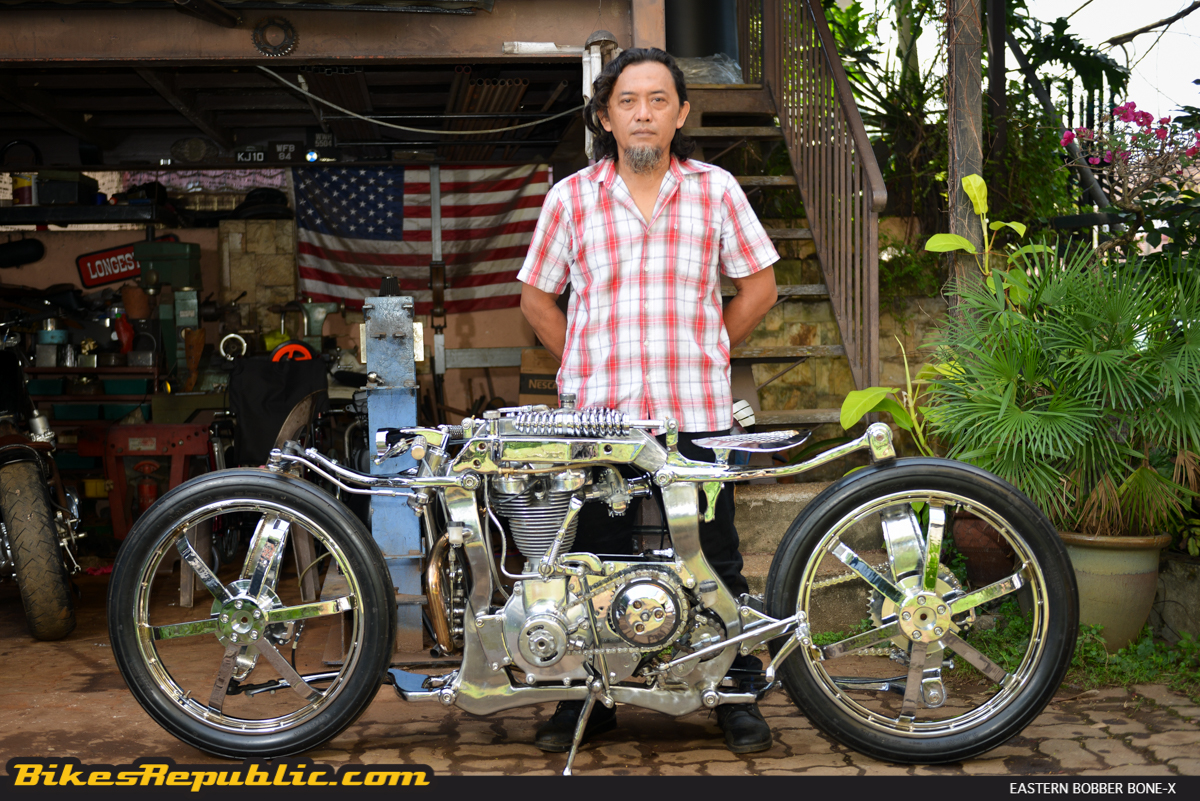
We caught up with Omar Jumiran to view and photograph the bike more closely.
Follow this space as we will bring you more updates from time to time.
It’s probably an injustice if we looked at custom bikes without studying the elements of art and philosophy. Production motorcycles are also works of art, but being produced on the scale of hundreds and thousands, they are considered as being the products of certain templates.
Custom bike builders, on the other hand, operate on the philosophy of one: The one and only. The best one. The One.
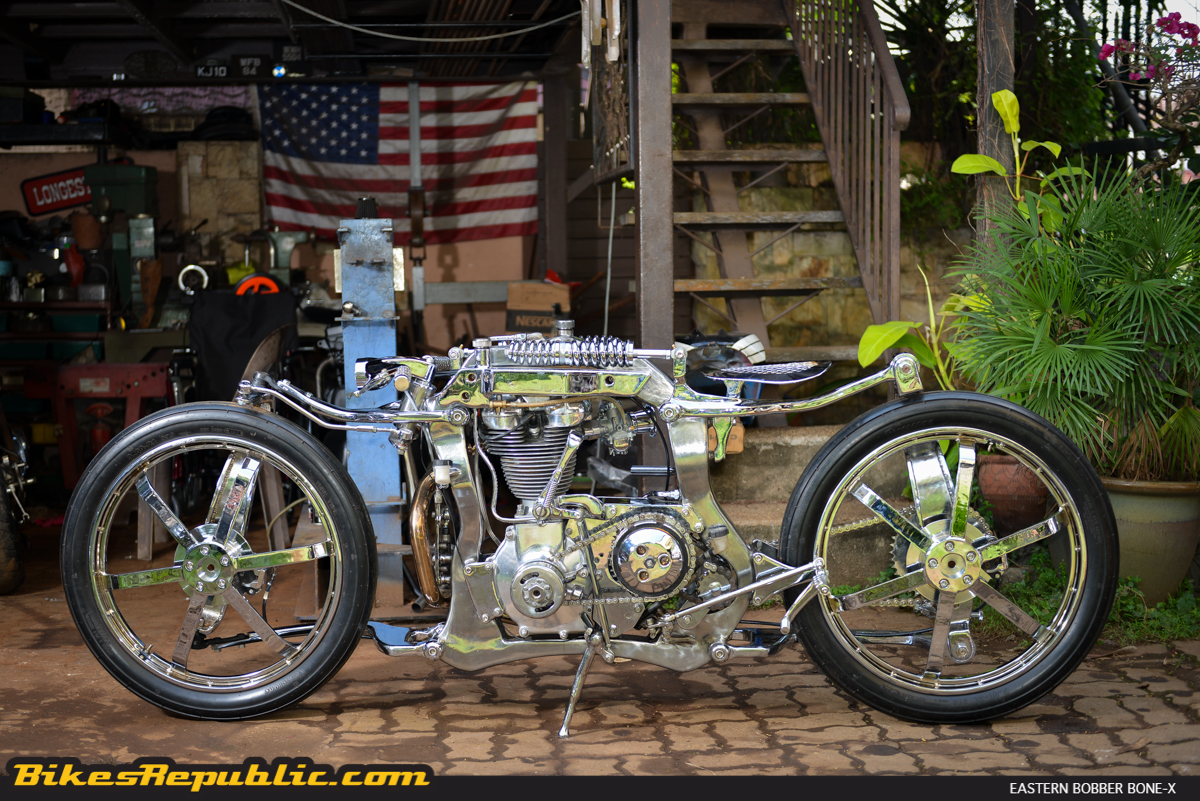
That’s certainly what Omar Jumiran, the proprietor of Eastern Bobber, one of Malaysia’s premiere custom motorcycle builders, had in mind when he created his master creation seen here known as the Bone-X.
The Bone-X has earned Omar and Eastern Bobber a spot at the AMD World Championship of Custom Bike Building at the Intermot show in Cologne, Germany, to be held in October this year, after winning the competition at the Motonation event in early December. Motonation is sponsoring Omar’s trip there. (Please click on the link below for our report from Motonation.)
I had first met Omar two years ago when I covered the Triumph Malaysia-Art of Speed Invitational Bike Build-Off in 2015. Eastern Bobber had been one of the four finalists. Meeting him at his home again, there’s the signature Eastern Bobber Batbike and, the space-framed and girder suspended bike. There were also robot sculptures scattered around the yard.
“I had wanted to build something totally unseen before. So much so, I couldn’t even name the concept for Bone-X,” laughed the soft-spoken ex-metal welder and wrought iron artist.
It’s through this expertise that Omar bent and welded parts of Bone-X, without resorting to CNC machining. Almost every part of the bike is metal, save for the tyres and parts of the brake and clutch cables.
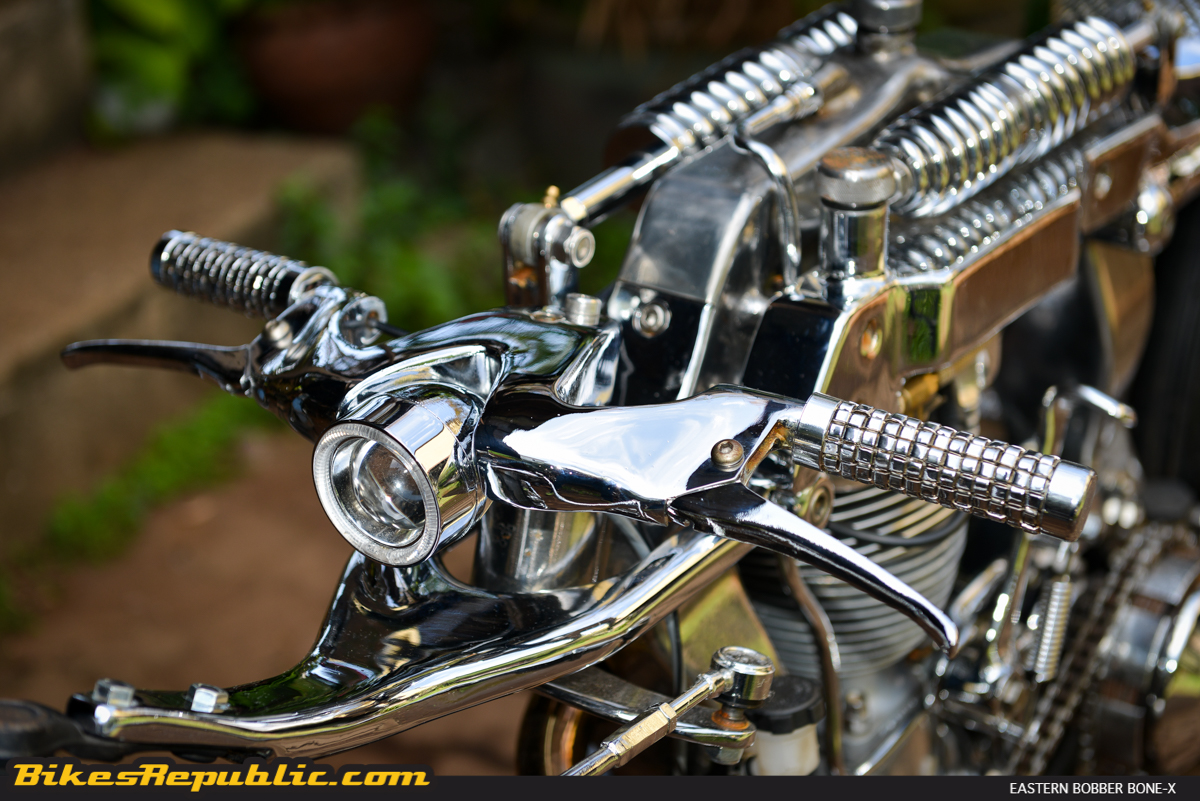
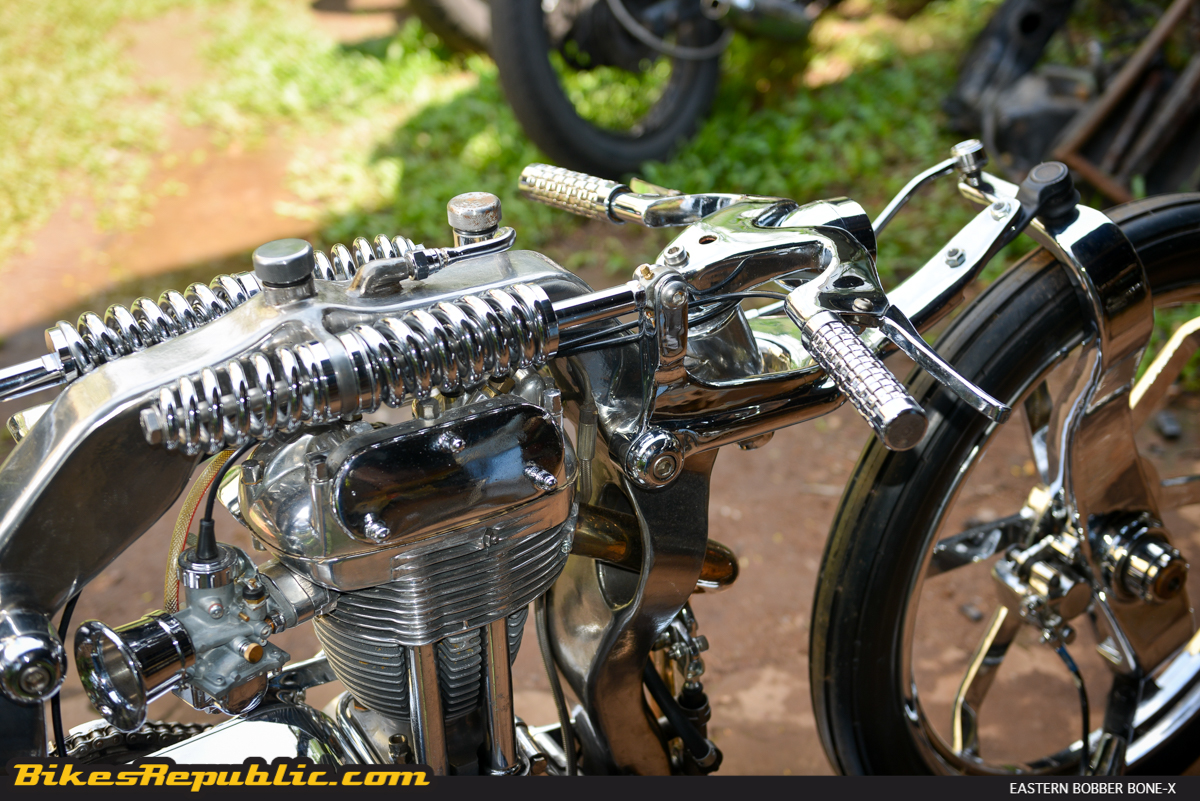
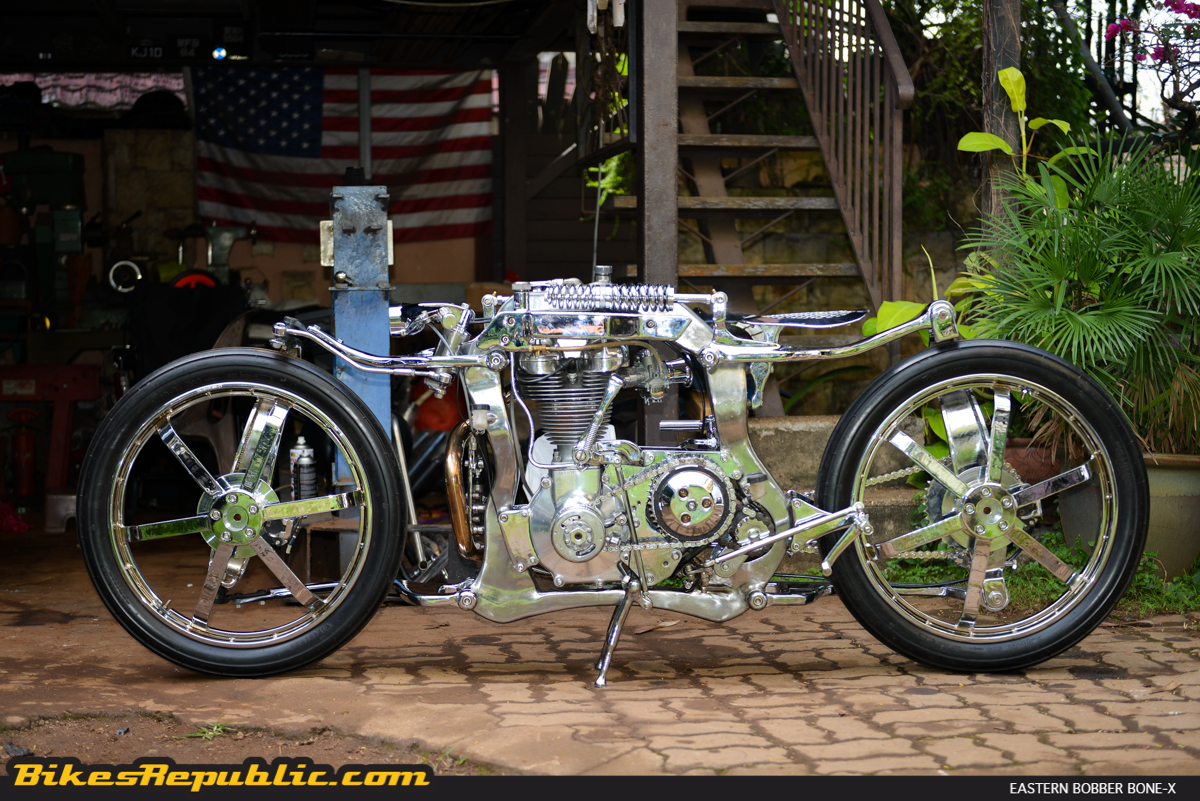
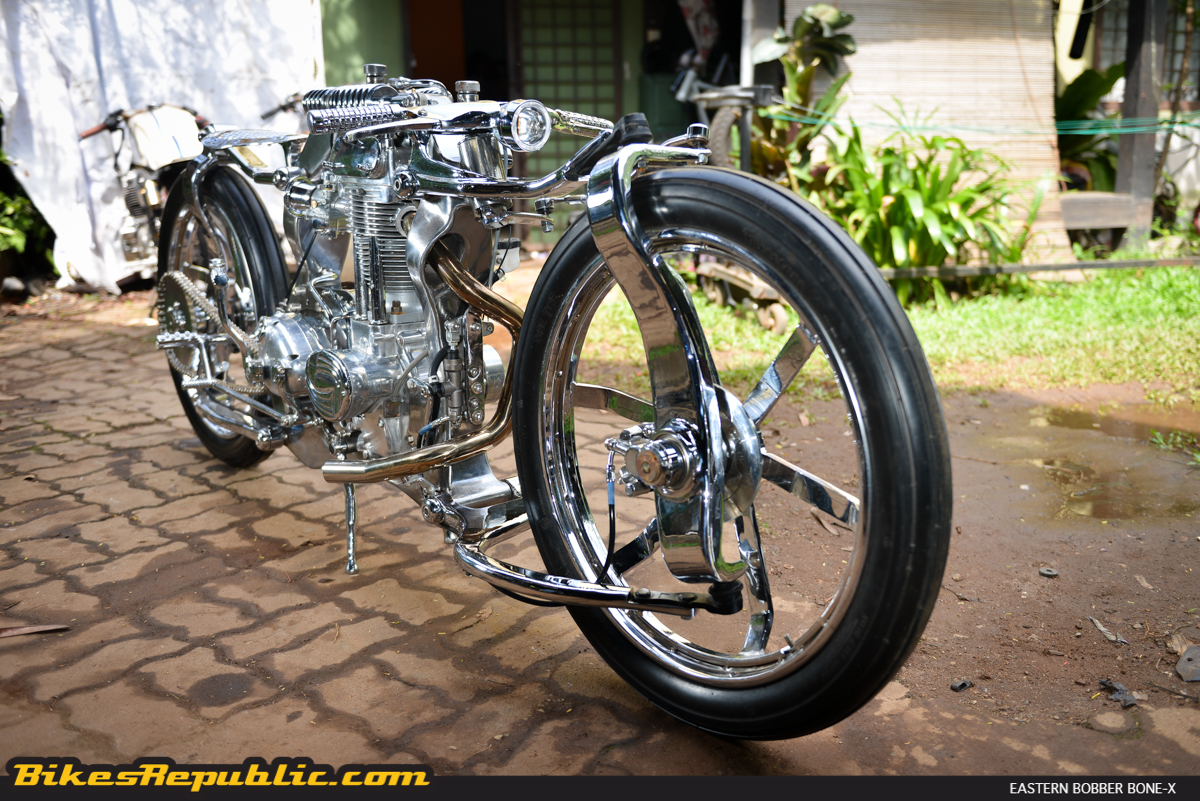
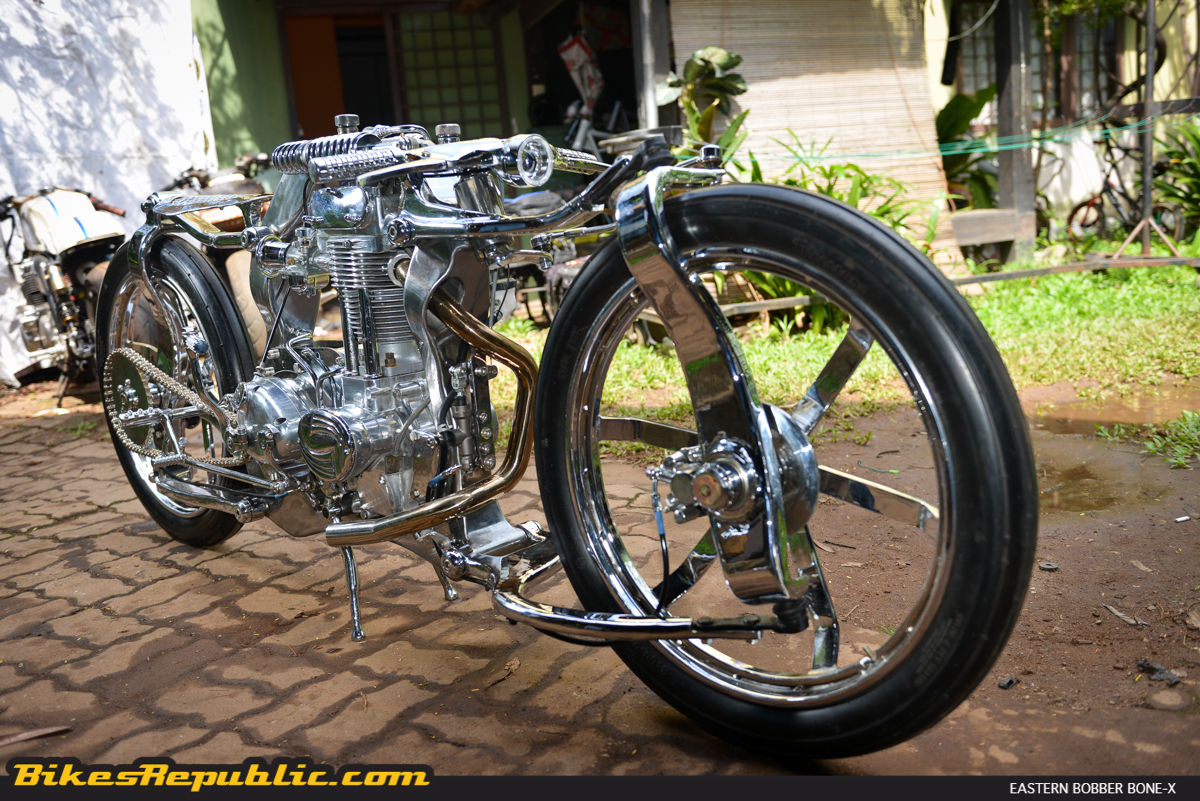
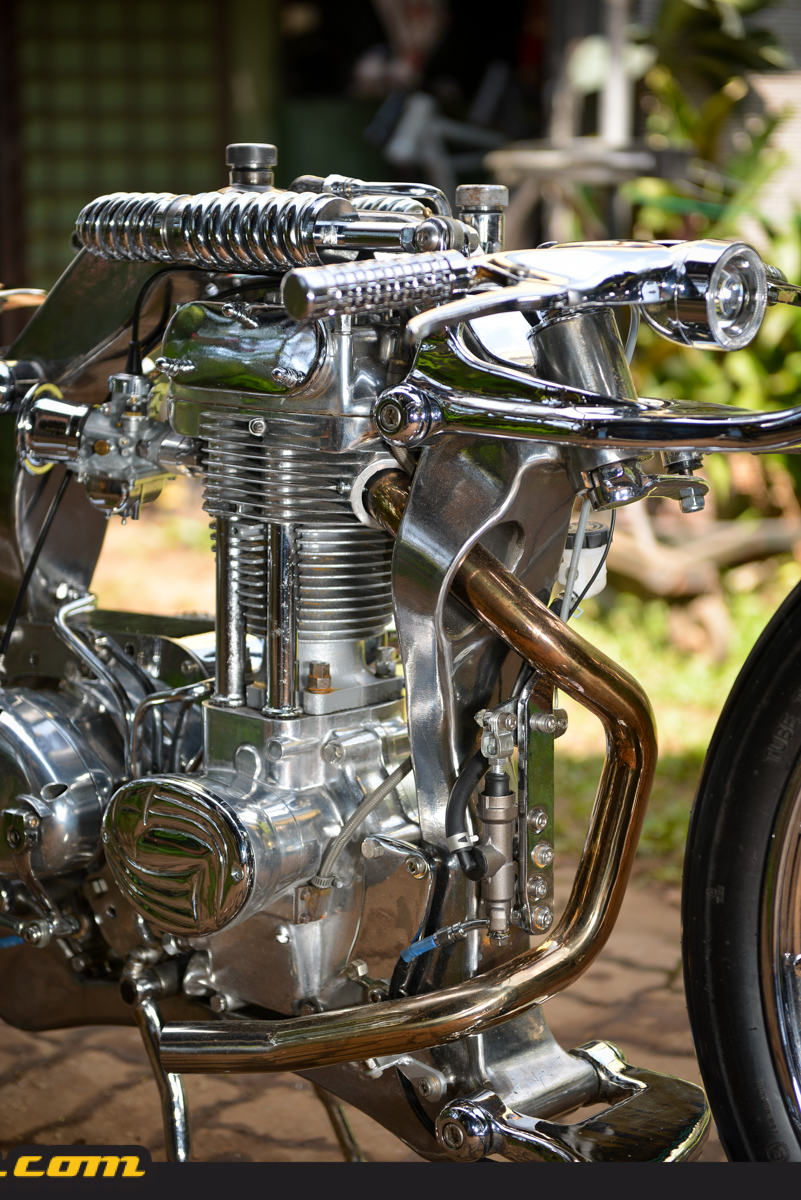
Everything on the bike is radical, starting from two large springs sitting on top of the miniscule rectangular gas tank which forms the bike’s backbone.
The springs are attached to the fore and aft upper suspension levers. Upon closer inspection, one half of each spring is double coiled. “The single coiled part takes care of compression damping, while the double sprung part handles rebound. The levers are long so it needs more spring strength to suspend each end of the bike,” explained Omar. The springs are laid down flat thus more spring tension is needed, compared to most production bikes whose shocks are mounted almost vertical.
Regardless, the springs contribute to something that looks like a rib cage.
Omar aimed for a symmetrical look on each end of the bike, using large diameter, 21-inch wheels. While the rear assembly forms a single-sided swingarm, the front results in a hub centre-steering suspension. The handlebar is attached to the front suspension’s upright link via a shaft on ball joints.
“I’ve always been fascinated by the hub-centre steering front suspension layout ever since I saw the Elf Honda GP race bike in the 80’s, ridden by Ron Haslam. I was just a kid back then.”
Omar opened up a little more, “In my opinion, forks have their distinct shortcomings, hence the single arm setup was explored to take its place. I liked the Yamaha GTS when it came out and I feel it’s a real shame that manufacturers have not continued down that route.” (You can read about the Elf Honda and Yamaha GTS here.)
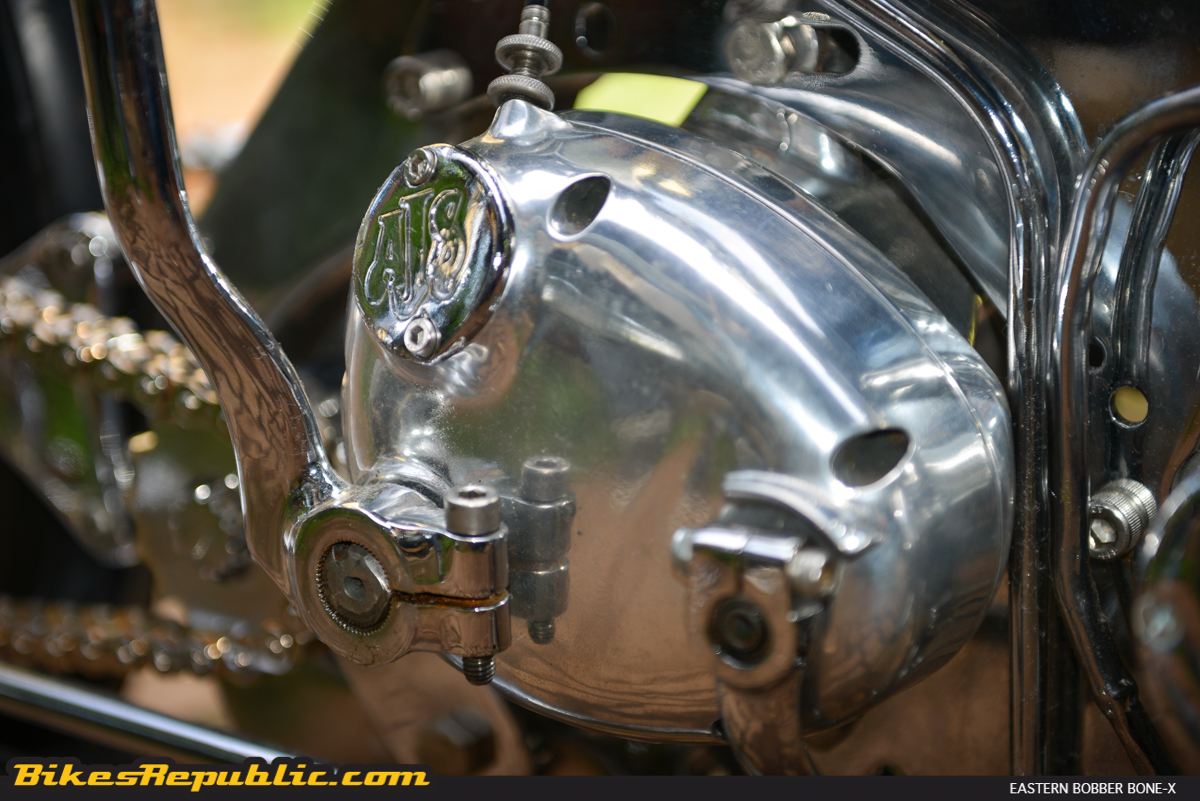
Heading downwards, the 1967 AJS engine has been either been chromed or polished to fit the overall chromed theme. It’s impossible to miss the exhaust downpipe being routed through the frame’s vertical member.
There’s a vertical lever next to the left side of the engine. Everyone had first thought it was the gear shifter, but it turned out to be the lever for the centrestand, instead. “Ah, the handshifter is overdone and too mainstream now, so I wanted to do something different.”
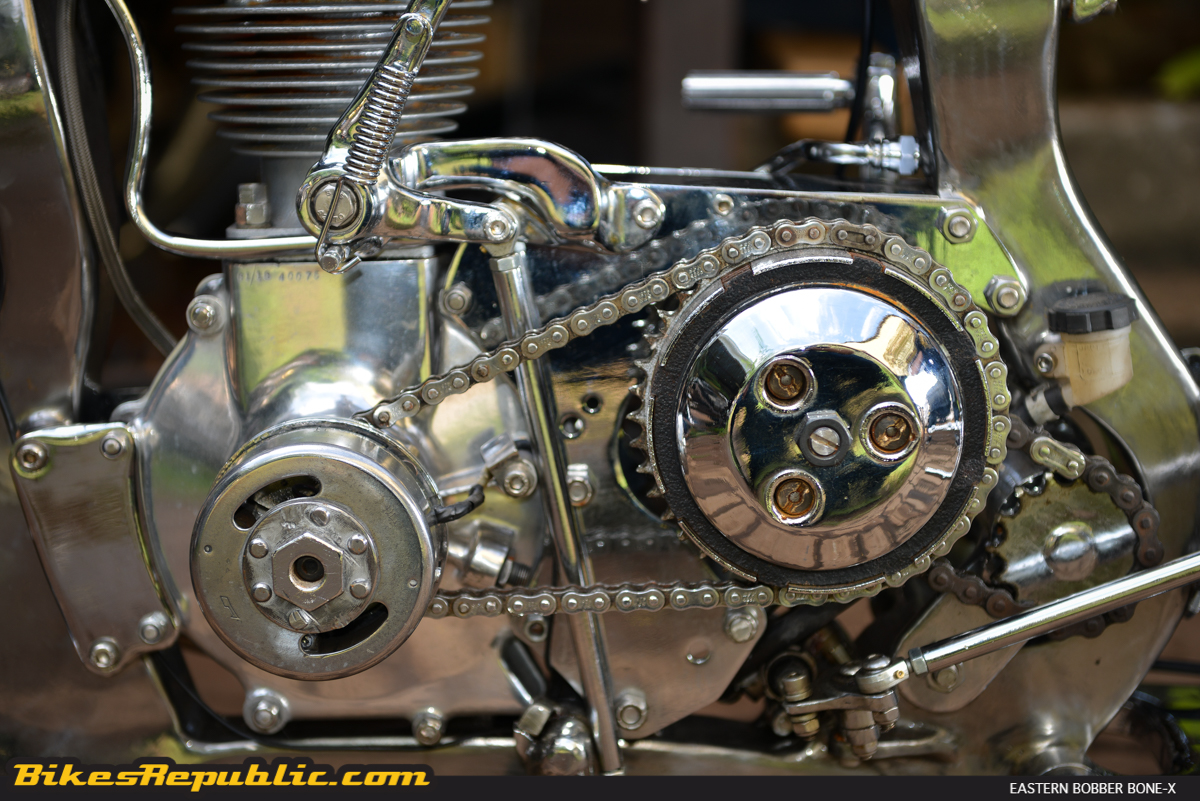
The powertrain arrangement’s beautiful simplicity is set out in plain sight. A primary drive chain transmits power from the crankshaft to the dry clutch, whose shaft is also the input shaft to the gearbox. But Omar performed some modifications to the final drive. “The final drive chain exits on the left side originally, but I can’t let it run on the outside (left side) of the wheel. So I attached the final drive to an idler shaft to drive the sprocket on the right side.”
The rear wheel’s hub carries the rear sprocket and disc brake.
The result is an organic-looking bike. To Omar’s and his peers, the Bone-X looks skeletal, thereby earning its namesake. However, to the unitiated Joe Public, the bike resembles something inspired by H.R. Giger’s biomechanical concepts.
To our eyes, the Bone-X is as good as it gets, but in the eyes of the artist, there’s room for improvement. “Certain parts of the bike still need better finishing. It looks alright under the lights currently, but we are required to also display the bike outdoors in Germany. It’s during this instance when the imperfections will stick out like sore thumbs.”
“I do hope there are kind souls out there who sees the importance of a Malaysian bike actually competing at the international show. I wouldn’t want to embarrass Malaysia with an unfinished bike, and while it’s hard for me to say this, I will appreciate sponsors who could assist me in completing the Bone-X. it’s time we step out from being Jaguh Kampung,” hopes Omar.
Omar is fully dedicated to the Bone-X now, as The One bike for him. As for us and together with Omar, we hope Bone-X will be The One in the hearts of the international judges and peers in Germany.
Do follow this story all the way to Intermot in Germany.
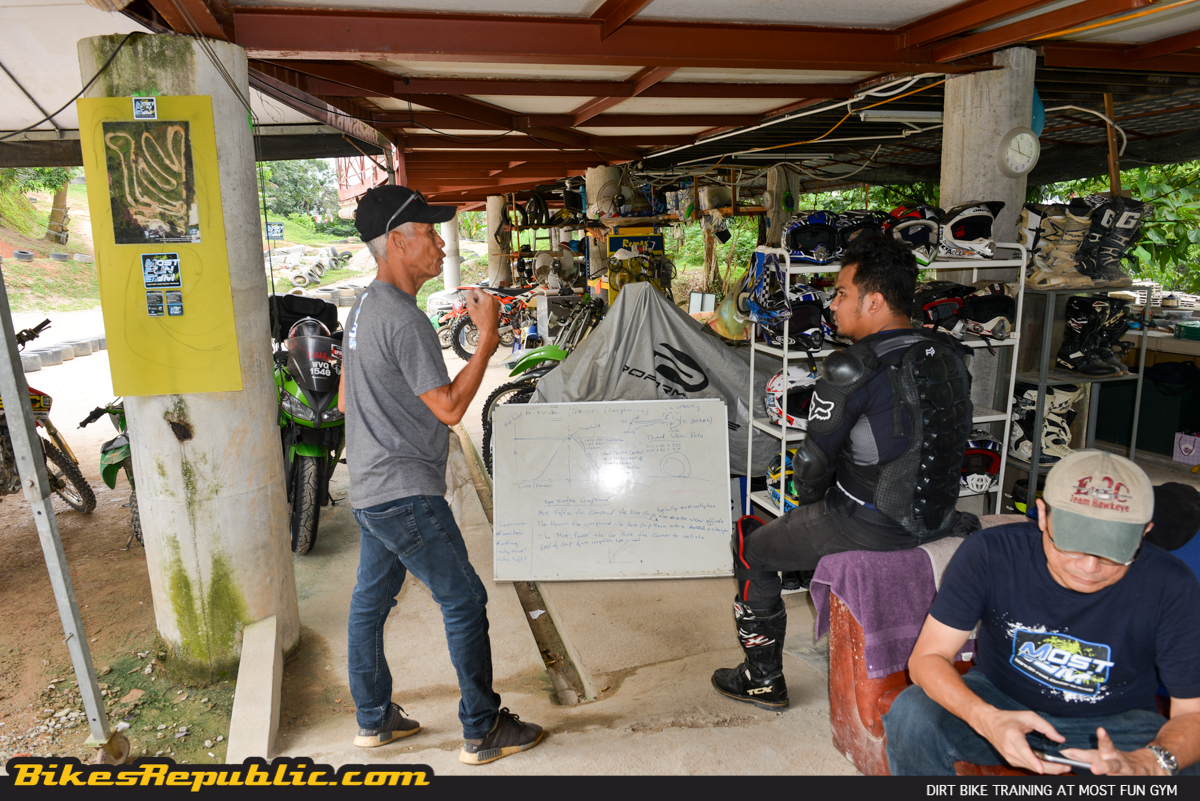
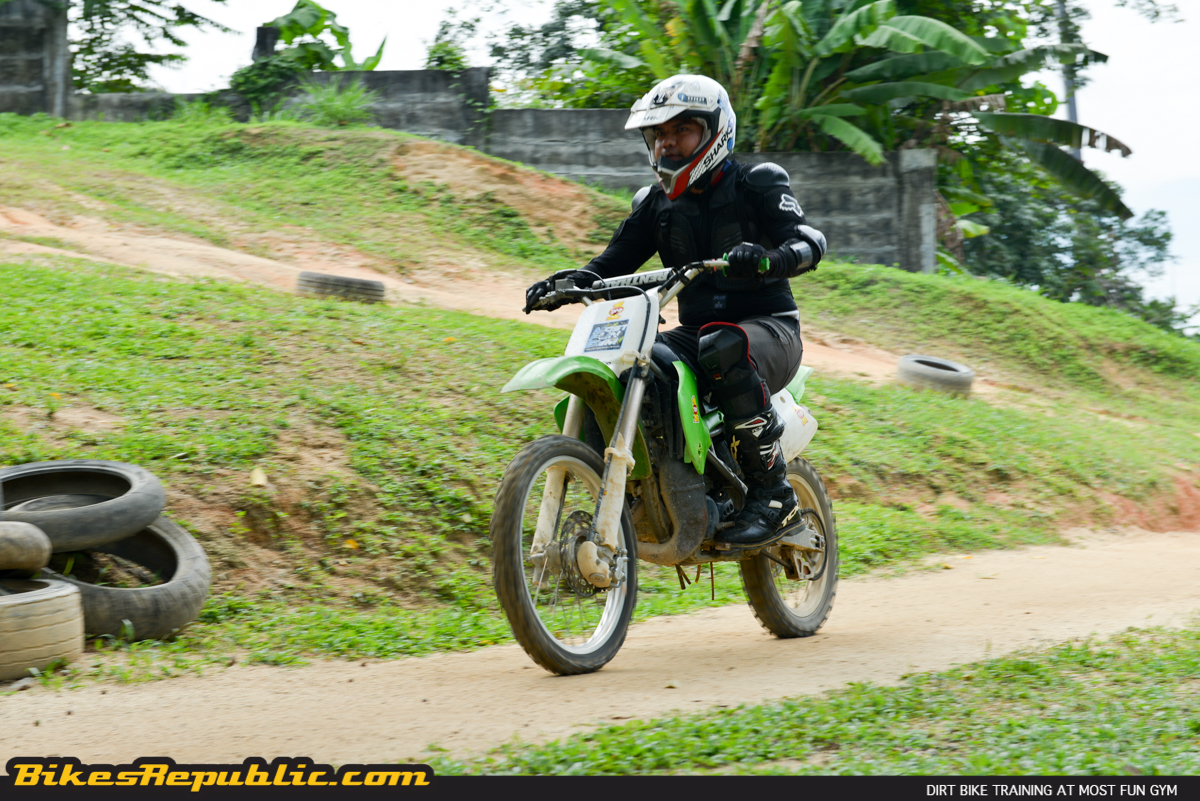
All riders should learn motocross and dirt riding.
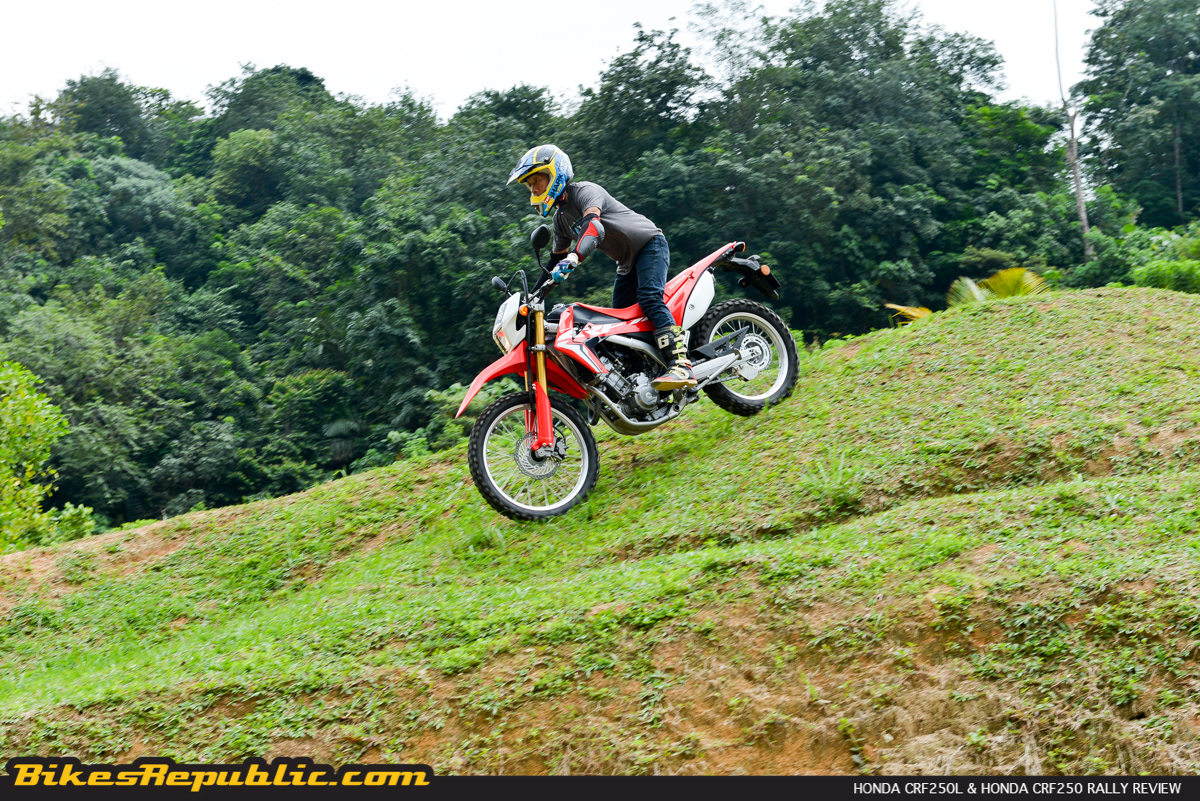
Dirt riding trains each rider the very core basics of motorcycle control.
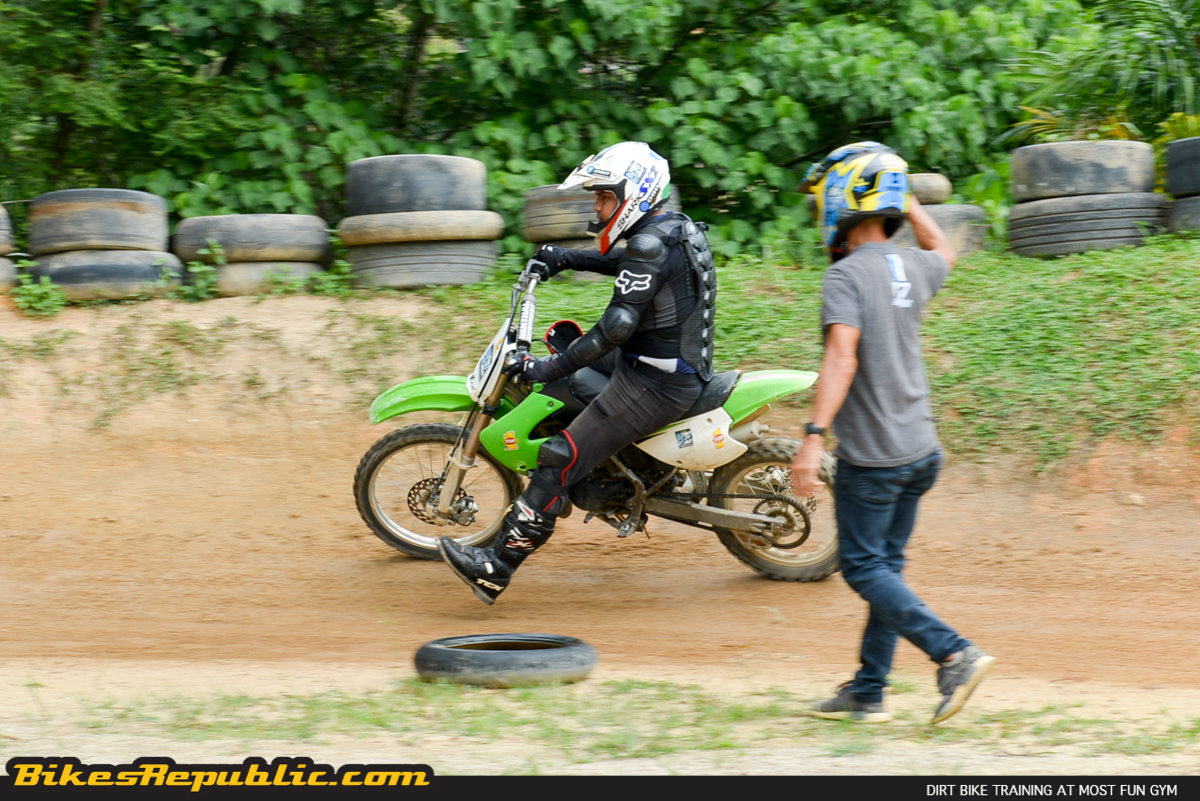
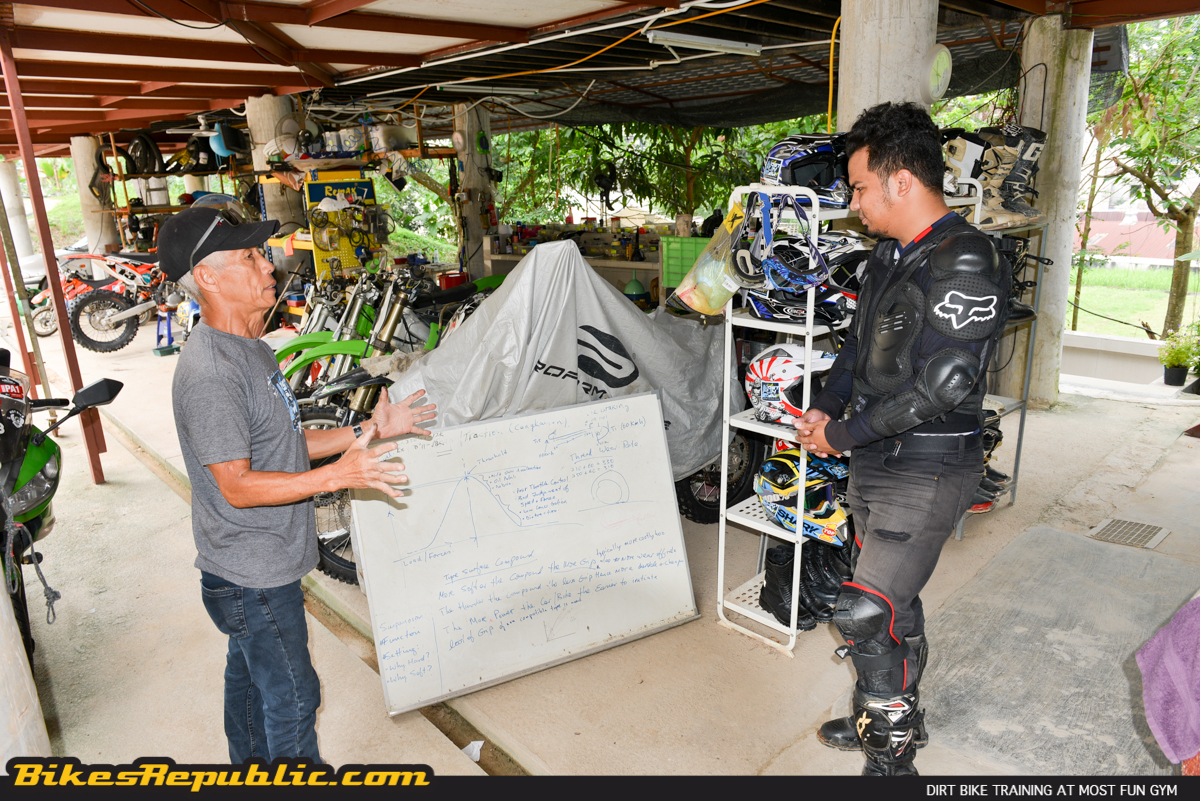
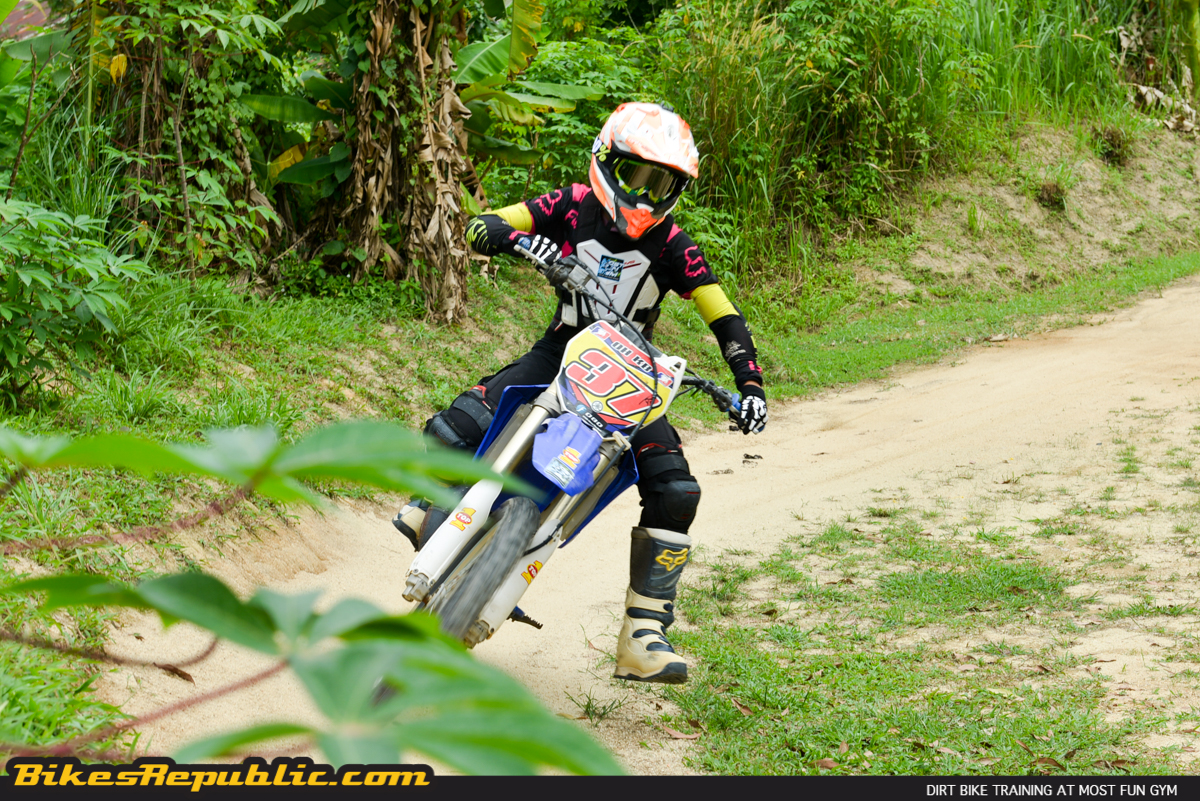
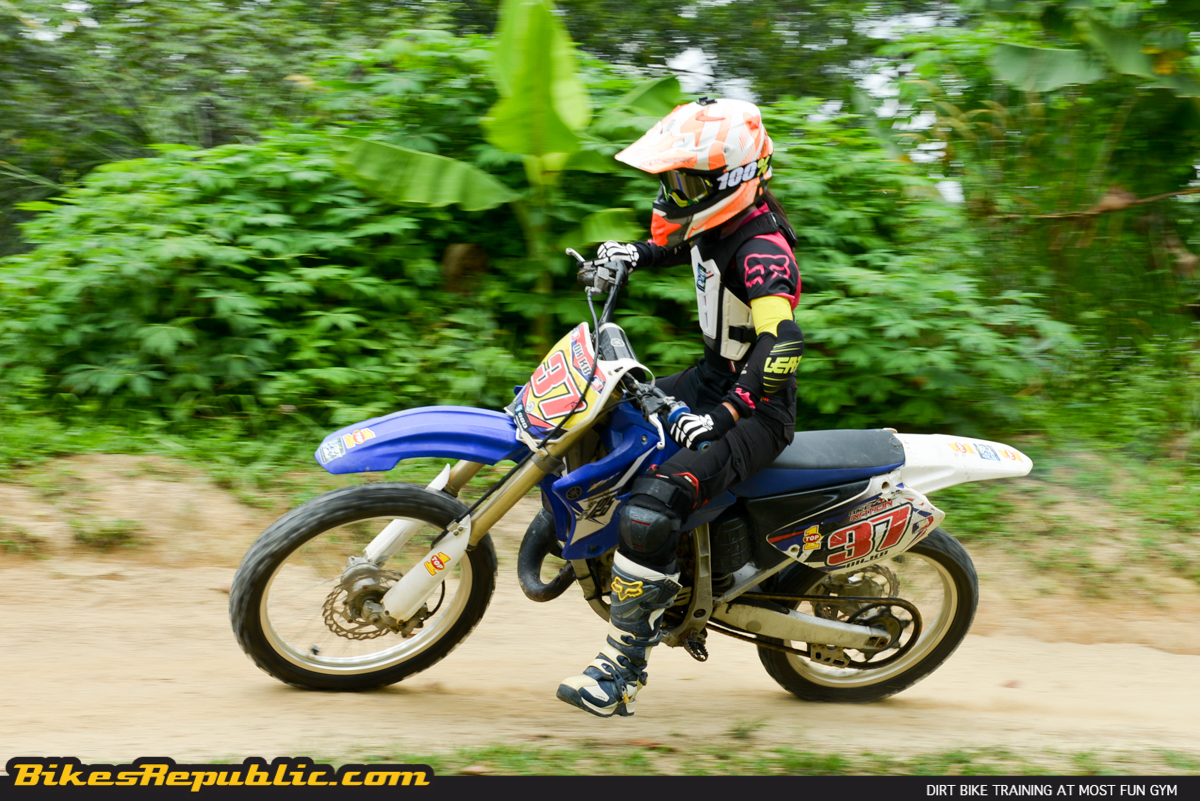
We train extensively at Most Fun Gym (MFG), operated by Malaysian motorcycle legend, “Foreman” Oh Kah Beng.
Scenario 1:
20km outside Chiang Mai under the blazing sun, I started to feel groggy. I knew I should’ve avoided the heavy lunch, but how could one possibly resist authentic Thai food in Thailand herself?
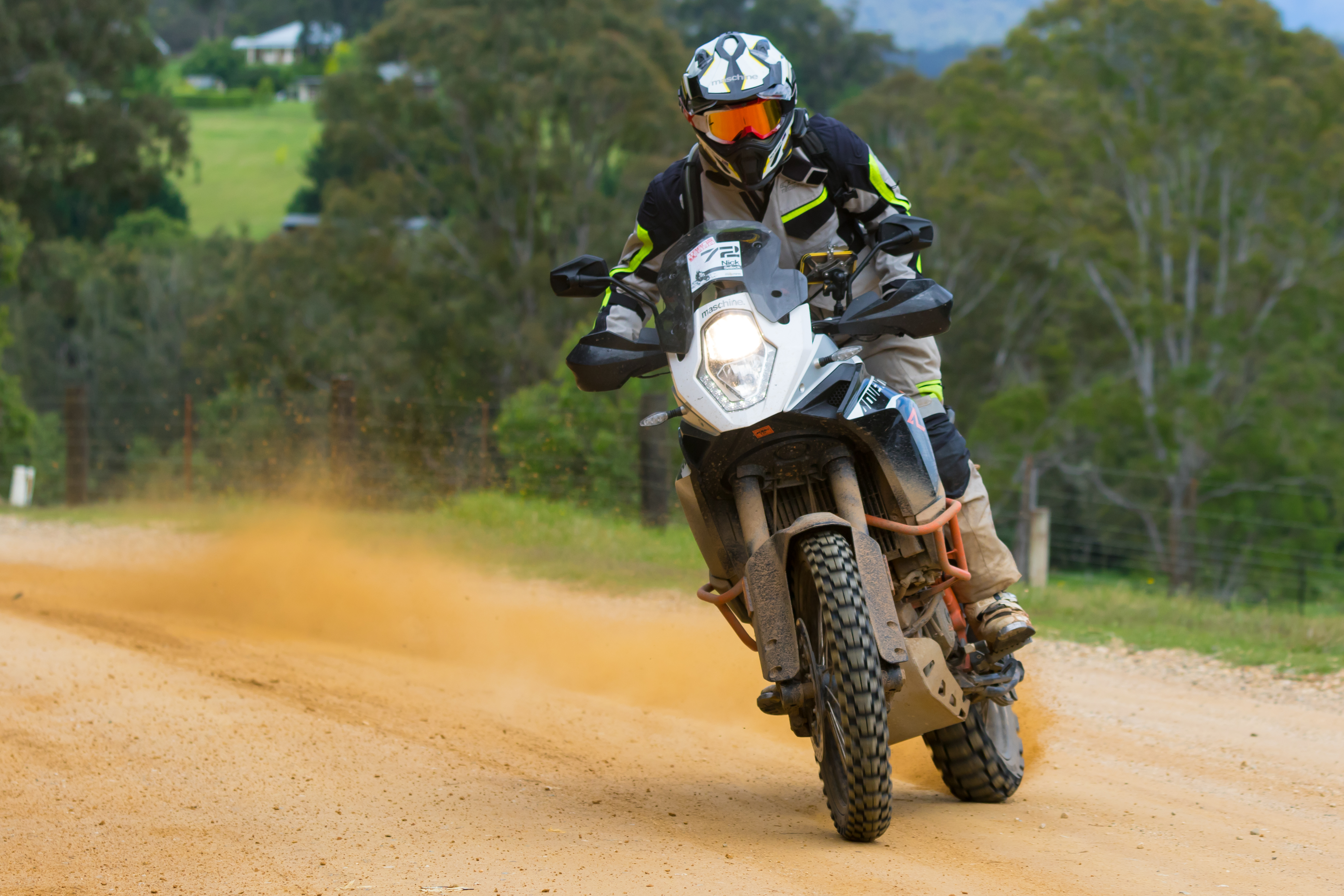
Coming to a three-way junction, the bikes ahead turned right. Seeing it as an exciting opportunity to invigorate myself, I took a wider line into the corner without backing off. But as I soon as I flicked the Ducati Monster 821 in, the rear wheel kicked out to left, and sliding like a supermoto!
Chopping the throttle now would be a disaster because the if rear tyre suddenly regained traction, it’d pitch me over the bike in a high side.
Through MX training, I just kept the throttle pinned as I pushed on the ride side of the handlebar while pushing my left leg into the footpeg to lift the bike up slightly off its present lean angle. In a split second the engine power tapered off and both tyres tracked back in line.
Later that night, the Ducati bigwig in charge of the event proclaimed in both happiness and relief, “Best of all, we didn’t have any crash during the trip!”
Scenario 2:
A few months later I was riding in South Africa in the GIVI Wilderness Adventure.
We crossed an offroad section on the third day. A few participants had asked the marshals if the section was going to be tough, but they were confidently assured, “Nah, it’s a hard-packed dirt road so it’s super easy. Just relax and have fun. We’ll clear it in 30 minutes tops.”
Unfortunately, that hard-packed dirt road had become entirely different since the last time they recced it. It was now covered in ankle-deep sand!
I was right behind the Indonesian journalist when he dropped his bike in less than 1 km onto the trail when his front tyre hit a deep sand groove. Reacting immediately to the situation, courtesy of MX training, I stood up on the footpegs, relaxed my arms and just kept giving gas, instead of backing off.
Among the 15 participants, only the four marshals and I didn’t hit the ground on that day. The rest had dropped it at least once; one guy dropped it fifteen times and another suffered a broken ankle.
In the end, it took the convoy three-and-half hours to clear the section.
The above two scenarios were the most memorable so far in my 30-year riding experience, not to mention many more smaller ones on an almost daily basis.
I had met “Foreman” Oh Kah Beng (OKB) during the final round of the Malaysian Supermoto Championship at the end of 2014. During our conversation, he invited me to learn from him at his then fledgling motocross school, Most Fun Gym. Please click on the link below to learn more about “Foreman” Oh.
Since then, I had discovered a change in my riding. I no longer panic or freeze on the bike whenever I saw dirt, water and oil on the road. Apart from that, his offroad training had allowed me to break through my personal riding limit which had plateaued at a very low level. Needless to say, I am more comfortable with riding and enjoy it so much better now, not the least of being able to go a little bit faster than I could in 30 years.
This is not just a case of overpromising. Many have attended his school and came away as better riders. A great example was his nephew, Oh Jin Seng (JS), the son of Sunny Oh.
Although JS had been riding a BMW R 1200 GS for some time, he had not done much offroading. But he registered to participate in the BMW GS Trophy Malaysian Qualifier earlier this year anyway. JS started training with OKB in order to prepare for that prestigious event, and came away scoring the second highest number of points on the first day.
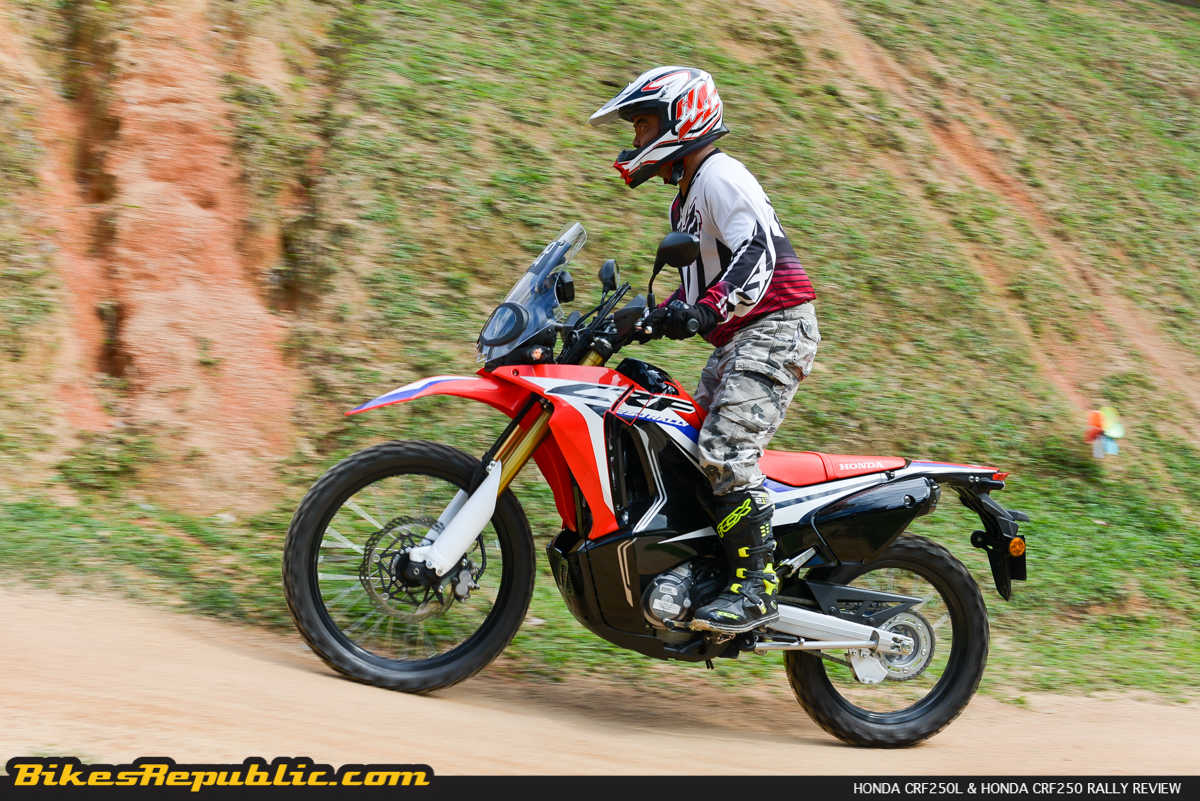
Apart from training, it’s also the place we headed to as soon as we received adventure of dirt bikes to review.
So, is dirt training really that good? Or more accurately, important for every rider? And why is it important?
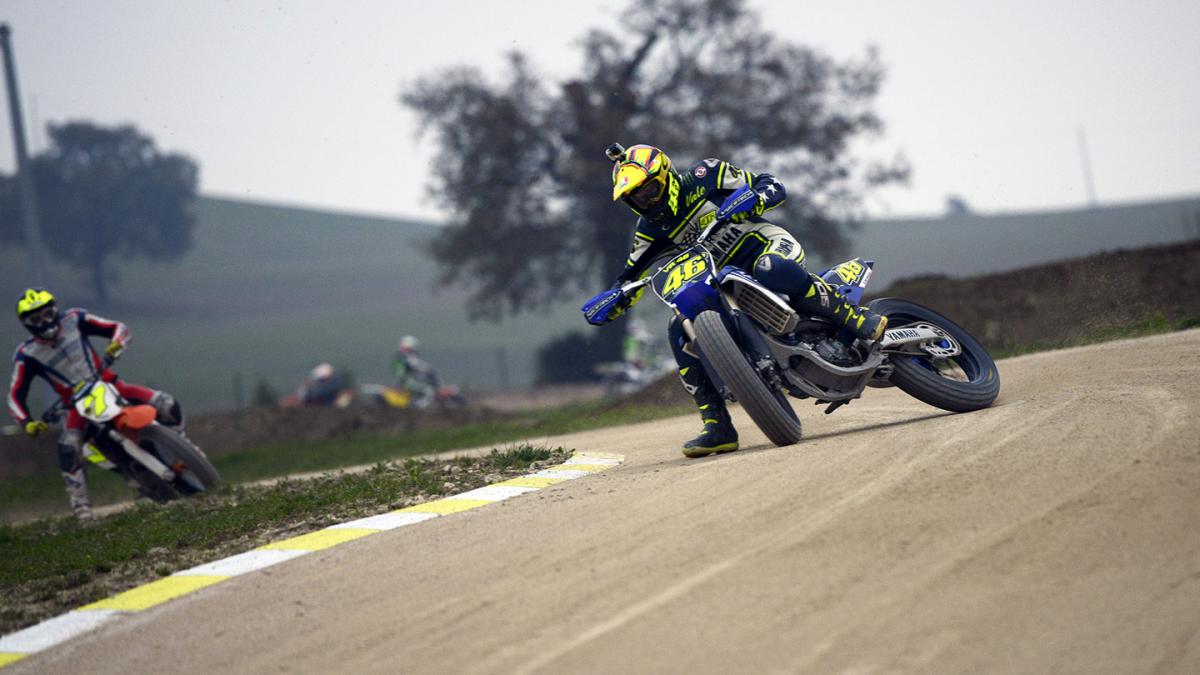
The answer to the first question is the reason multi-time world champions such as Marc Marquez, Valentino Rossi and almost the entire MotoGP field train in the dirt during their free time.
It’s true that road- or track-based training also teaches the fundamentals, the core basics of riding a motorcycle, but dirt forces the rider to learn in a low-traction environment where the bike slides around all the time.
There are five basic points of total motorcycle control: Throttle control, steering, braking, vision and body control. All these individual skills need to come together as one skill set to allow you to ride better. Let’s analyze how dirt training could benefit those skills.
THROTTLE CONTROL
As we highlighted in an earlier article, throttle control affects the weight distribution, hence the tyres’ traction.
When you accelerate, the rider and motorcycle’s combined mass transfers to the rear wheel. Conversely, when you brake, that mass transfers to the front. Correct throttle control seeks to bring these two extremes to being as equal as possible when you’re leaned over in a corner, providing you optimum traction.
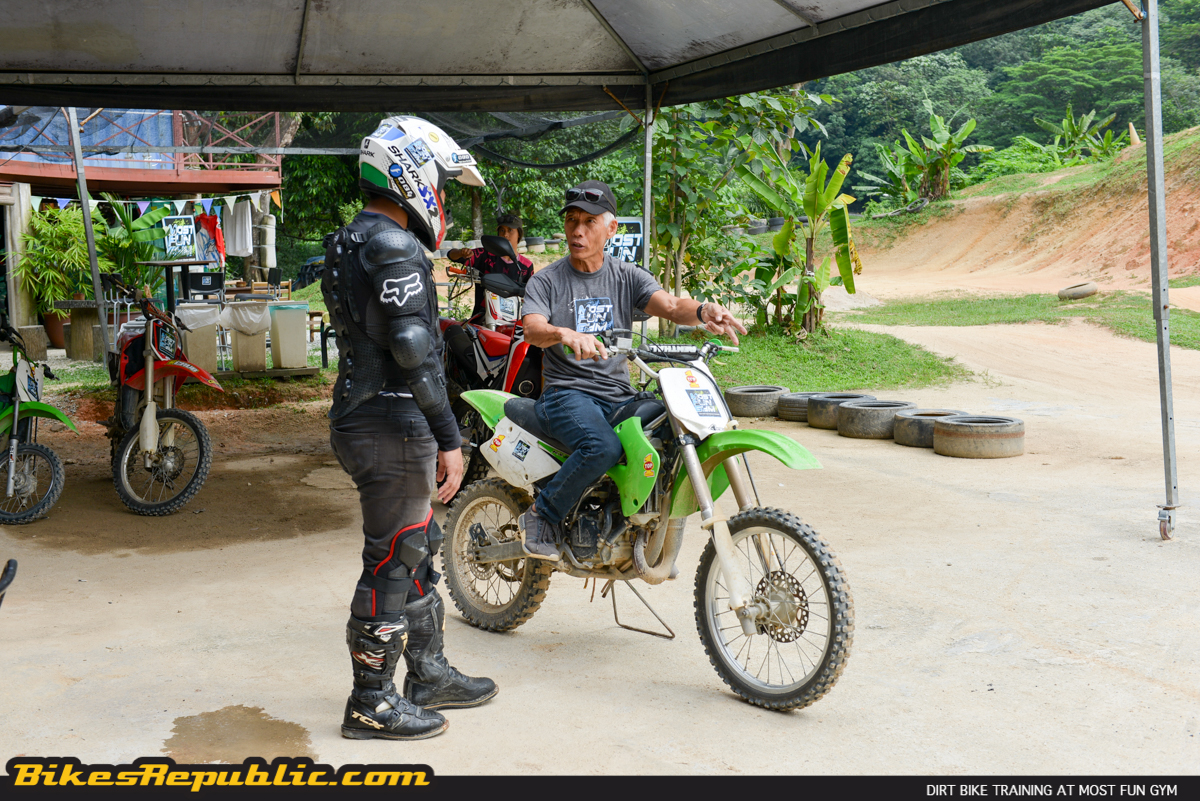
OKB instructing Sep on how to control the throttle
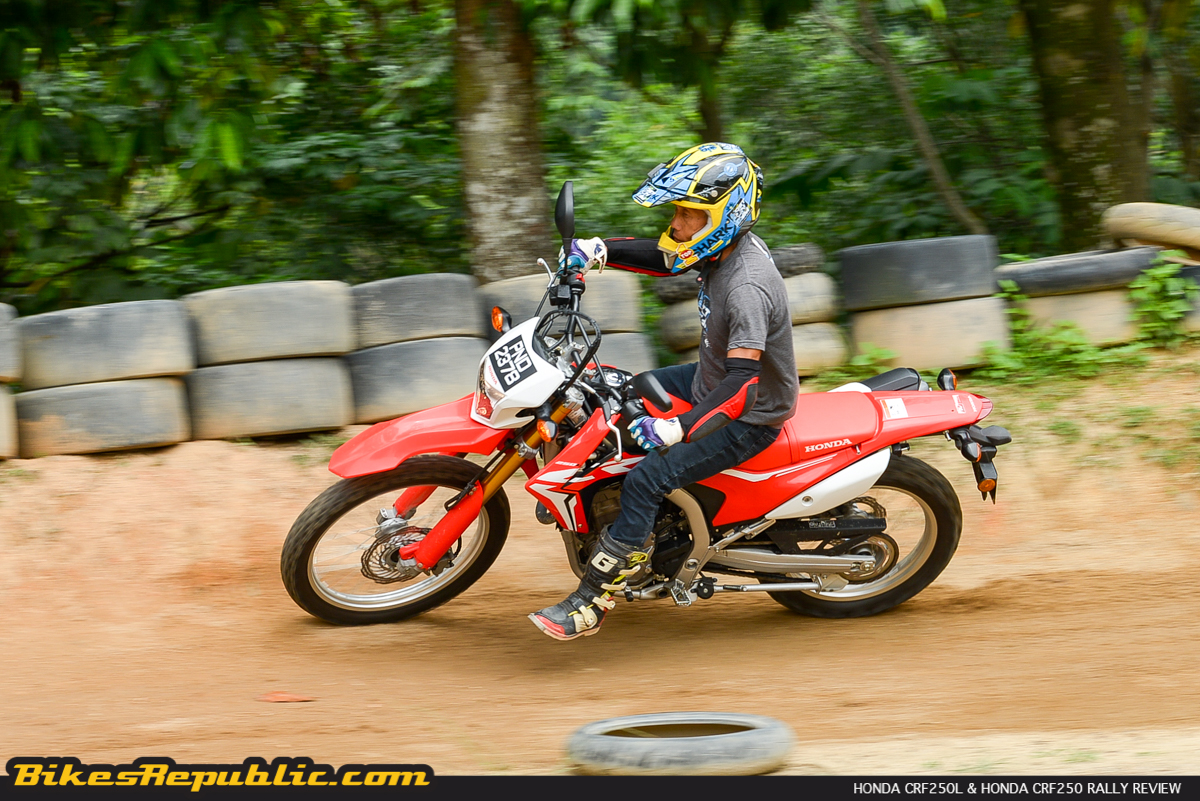
In a low grip environment on the dirt track, that forces you to control the throttle with more finesse instead of treating it as an on/off switch. Steady throttle manipulation is the ultimate goal in this exercise.
It also teaches you another very crucial aspect: What do you do with the throttle when the tyres start to slide?
Our first Survival Instinct (as Keith Code calls it) is to kill the throttle, to just chop it. It may not be something you choose to do, but your built-in instinct may react by thinking you’re going too fast and forces your hand to subconsciously slam shut the throttle or even grabbing the brake.
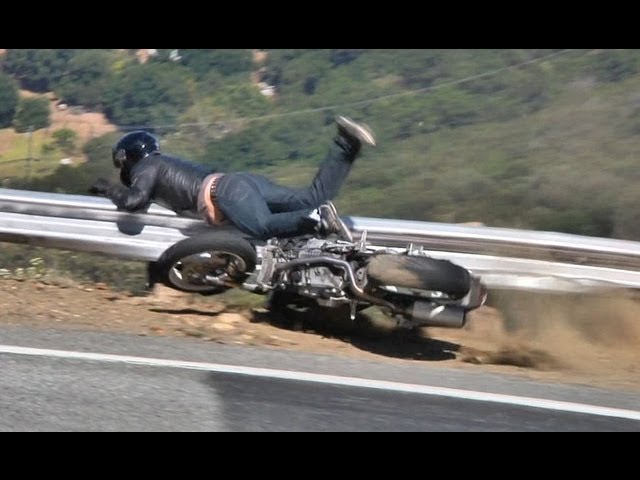
It’s not that bad if this happens in the dirt as you slide out due to the much lower speed, but on the road or track, it could very well you to overshoot the corner. Why? Because weight is transferred abruptly to the front wheel causing the bike to stand up while being leaned over. When a bike is straight up, the only way forward is straight ahead.
In a worst-case scenario, chopping the throttle when tyres slide (especially the rear) causes the tyre to slide even more, as all the weight has gone to the front. In extreme cases, an abrupt resumption of traction will send you over the high side.
This is one main cause to the spate of big bike crashes: Chopping the gas or over-braking in a corner.
With repeated training, dirt riding will teach your instincts to either roll out of the throttle smoothly or even to actually accelerate when the tyres slide. Doing so means you are in control of the slide, instead of the slide controlling of you.
It looks pretty cool too!
STEERING
Another common cause of crashes on the road is steering, or rather, ineffective steering.
It’s a normal reaction – another Survival Instinct.
You charged into a corner only to find self-doubt whether the bike will continue to steer through the corner. It’s usually caused by being surprised by a suspicious-looking patch on the road. You instinctively tense up and chop the throttle. The bike reacts by standing up and overshoots.
In the dirt, you’d be surprised that a bike could actually continue to steer even when it’s sliding, due to momentum. From this, you tie it in to throttle control.
How does this translate to road riding?
You lean your body into a corner on the streets. Coming up to a slippery patch, all you need to do is to keep your upper body leaned in, while you push on the outside handlebar (remember countersteering?) to reduce the bike’s lean angle. Since your upper bodyweight is displaced off the bike, your bike will still track through on your chosen line despite the reduction in lean angle.
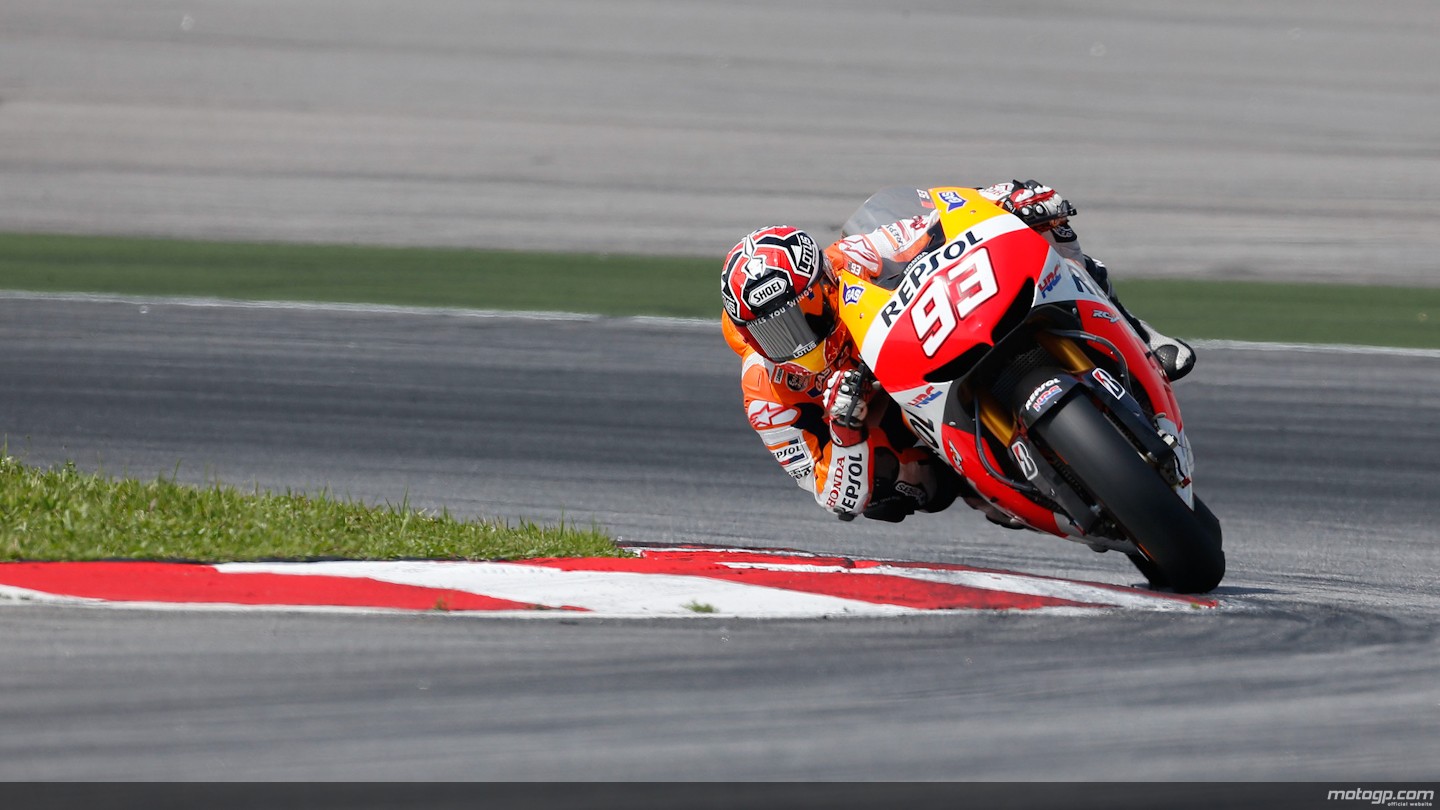
This technique is very noticeable when racers accelerate out of corners.
Marc Marquez exiting a corner
Your Survival Instincts will soon learn to quiet down when this happens, allowing you to get around the corner with confidence and safety.
BRAKING
Brakes are often misused, treated no differently from a light switch i.e. ON/OFF. It should not be so unless you’re coming to a stop.
As we’ve mentioned earlier, applying hard braking in the middle of a corner will force your bike to stand up and head to the outside of the corner.
You need to learn that brakes are used to set your target speed when approaching a corner or rolling up to a traffic jam. But most of all, how do you react with the brakes when your bike slides around.
Again, without proper conditioning, our Survival Instincts will subconsciously cause your hand to chop the throttle and grab the brakes.
Dirt training teaches you to apply the brakes progressively (braking from soft to hard), and more importantly, to stay off the brakes when sliding. What if the bike is heading up the berm of going wide? Learn to apply the rear brake to tighten your line.
Apart from that, you’d learn on how to “feel the tyres” when you brake in low traction conditions. This means you’d discover how the tyres feel like depending on how much you brake in different conditions. This is most useful on the streets especially when it rains or if you encounter sand or oil in a corner.
OKB said it best, “Your senses will become finely tuned and you will know what’s the true limit. Not knowing your limits will either cause you to lose confidence and ride with fear, or riding too fast when it’s not safe to do so.”
VISION
As we mentioned before, you go where you look. Yes, we know that many of us know this very important law but what about when the tyres suddenly break traction?
Again, the untrained Survival Instinct will cause you to 1) Tense up with panic; 2) Chop the gas; 3) Jab the brakes; 4) Bike stands up and you don’t know how to steer; 5) Your vision tunnels down and is locked on where the bike is headed, instead of where it should be heading; and 6) Kablooie! (Crash.)
Dirt riding trains you to focus your vision on where you want to go regardless of what the tyres are doing. Your bike may be sliding and buckling around like a wild horse but your throttle control, steering, and braking actions WILL submit themselves to where you look.
The rider is Ahirine Aminuddin, as she trains for an MX race. See how she looks through the corner
Keith Code said in his video, “Whatever great skills you have is only as good as your visual skills.”
BODY CONTROL
You’ve may have noticed above that we kept mentioning about what bad will come by if the body tenses up when the tyres lose traction.
You must always remember to allow your bike to carry out its duties, including when it slides. A sliding or skidding tyre doesn’t mean that your next of kin can claim your insurance thereafter. No, what it means is that the tyres and bike are “hunting” for a stable position. Your job as the rider is to allow that to happen by not being tense.
Tied in with throttle control, steering, and vision it means that you are using those control inputs to assist the bike instead of wrestling with it.
Braking with a tense body is also unproductive as your senses will be fooled into thinking you’ve reached yours or the bike’s limits, when there’s actually much more to go. Tensing up will likewise undermine your ability to steer while braking. This is another common cause of motorcycle crashes.
Besides that, being tense will result in the bike transferring all the loads and bumps from the road to you. It will tire you out quickly.
Watch the motocross and supercross riders on TV and see just how relaxed their bodies are despite being trashed around like rodeo riders, and that’s exactly what dirt riding trains you to do.
OTHER BENEFITS
You will become a better skilled rider not only in terms of speed, but more importantly, how you take charge when critical situations arise. As a direct consequence of this, you are more confident and confidence breeds enjoyment. You will also see your riding breaking through to a new, higher level.
Another great aspect of dirt riding means you are truly exercising the majority of your muscles while doing what you love best: Riding. That’s why OKB’s school is called Most Fun Gym. Ask how much weight OKB’s apprentice, Ryan, lost by training in MX.
One last note. Learning motocross doesn’t mean you have to ride like a motocross pro. At MFG, you can learn at your own pace and you don’t have to jump if you don’t want to. You don’t have to ride fast to learn either. You’re there to learn how to ride a motorcycle that’s “not gripping” so that you may ride will full confidence on the road or track.
As for me, I’m truly thankful for OKB’s persistence in training me. It’s saved my skin and limbs many times over.
Please click on the link below for more details of Most Fun Gym (MFG).
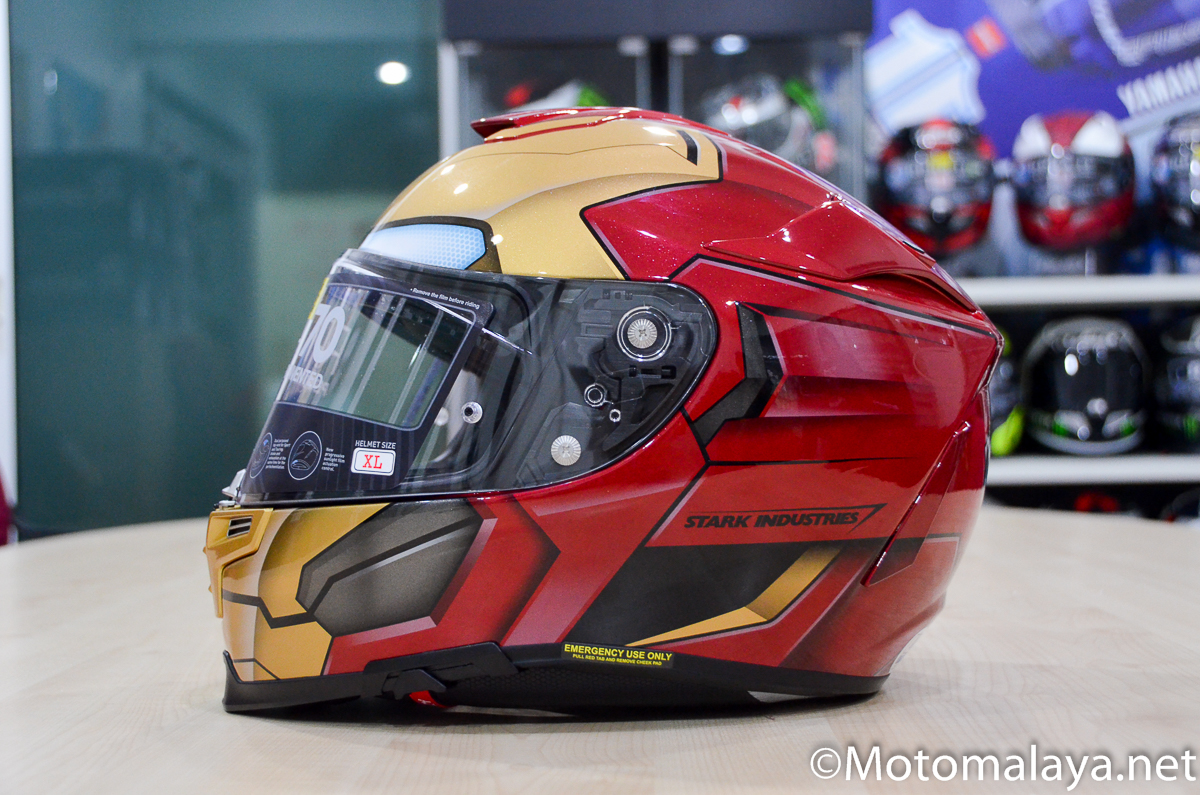
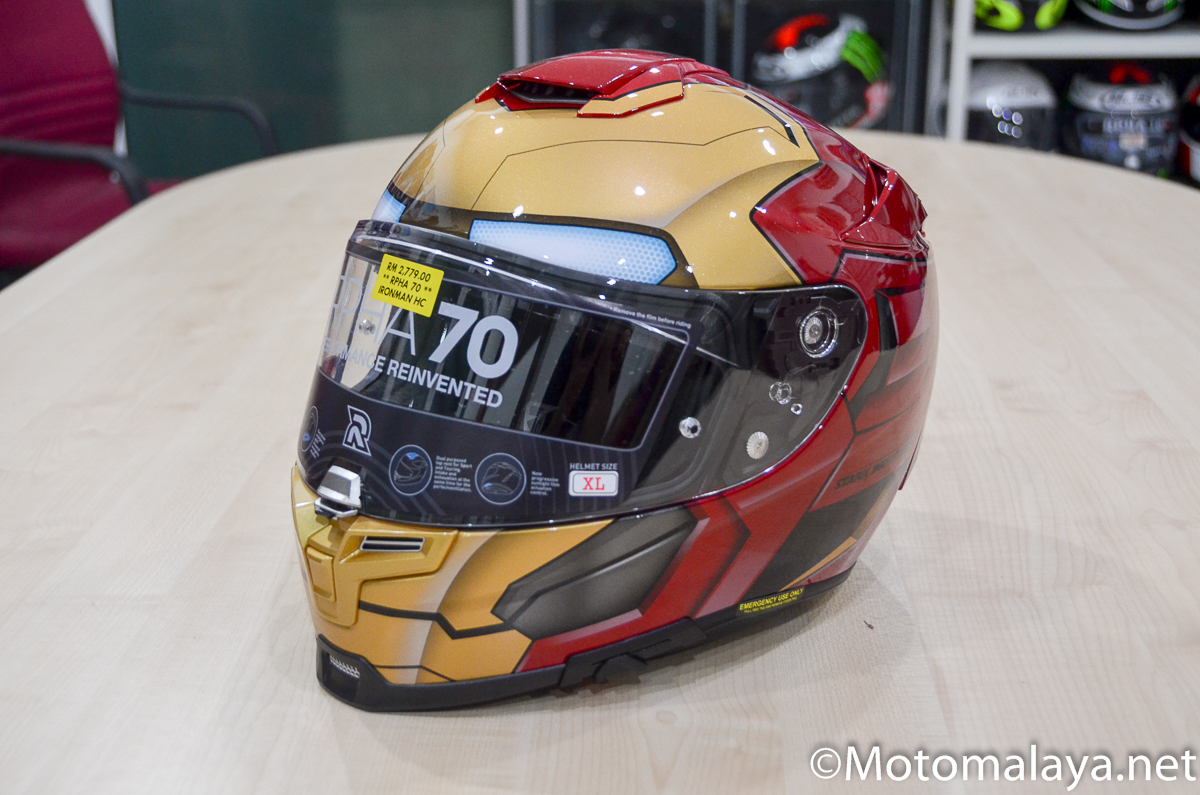
HJC Helmet Malaysia has brought in the latest HJC RPHA 70 Iron Man Homecoming sport-touring helmet.
The latest Iron Man helmet was inspired from the Spider-Man: Homecoming movie by Marvel.
Priced at RM2,779 (recommended retail price), the RPHA 70 is perfect for street use which is also race-certified for track riding.
Attention to all Marvel fans and motorcycle enthusiasts, lend me your ears! The all-new HJC RPHA 70 sport touring helmet now comes in the latest Marvel’s Iron Man graphics based on the Spider-Man: Homecoming movie which was released back in July of 2017. (more…)
We’ve reached the final motorcycle in this collection. We’ve decided to leave out the older motorcycles prior to the 80’s and 90’s as they were too far back and most of the successful technologies and methodologies have been transferred to motorcycles in the following decades.
That doesn’t mean manufacturers have stopped researching and developing new ideas. Far from it, in fact. But manufacturers are more in tune to what the majority of potential buyers want these days to design bikes that don’t look totally out of this world, apart from a few.
Without much further ado, let’s check out this last bike.
BIMOTA TESI 3D
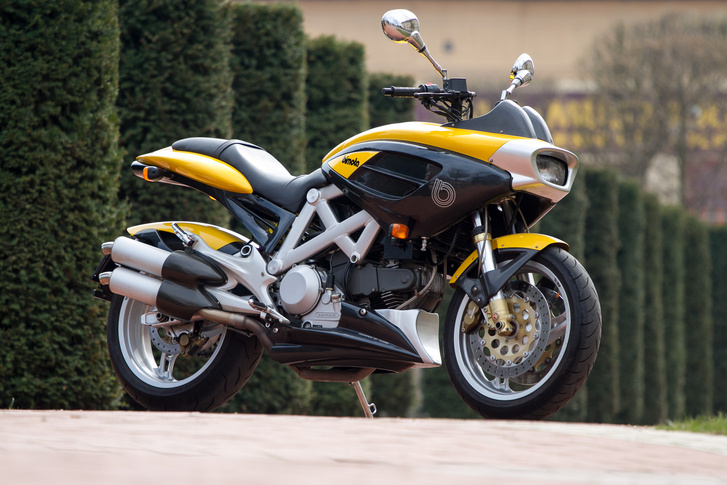
Truth is, any Bimota would be considered unusual compared to virtually any stock production bike, but that would mean all ten would be Bimotas in this article. Picking just one out from the Rimini, Italy-based company’s family isn’t easy either, like the 1998 SB8R and SB8 RS, DB3 Mantra.
Bimota Mantra DB3
For example, the YB4EI which come agonizingly close to winning the inaugural World Superbike Championship in 1988, ridden by one Davide Tardozzi. Tadozzi had won eight races that season but because of point scoring technicalities, Fred Merkel won on the Honda RC30 despite having just two victories.
Bimota YB4EI
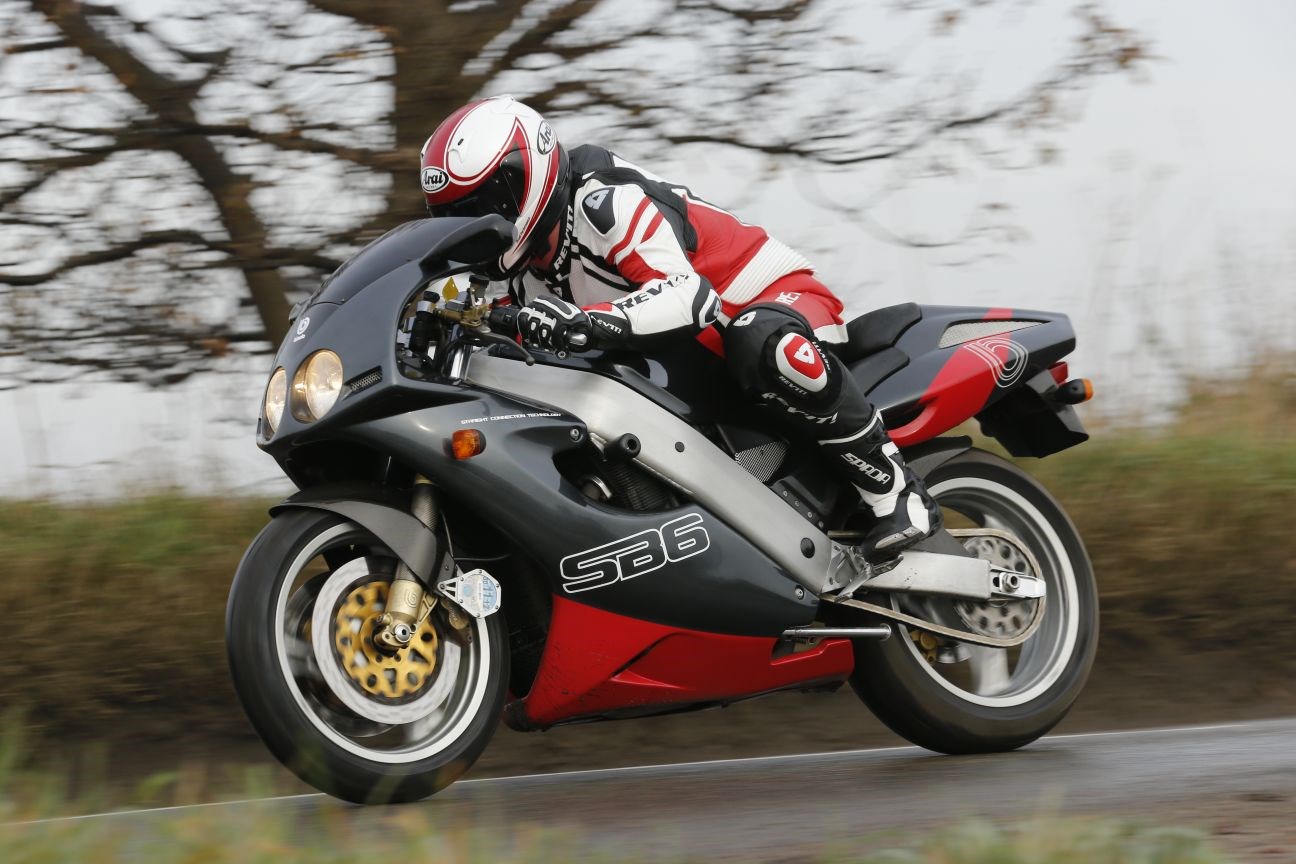
Bimota only builds frames, chassis and other technologies around engines from other manufacturers. The first letter of a Bimota denotes where the engine was sourced from, for example: YB means Yamaha-Bimota, BB stands for BMW-Bimota, DB for Ducati-Bimota and so forth. As such, production is low volume. Only the Suzuki GSX-R1100 powered SB6 saw 1,144 bikes being produced from 1994 to 1996, while the next highest figure was just 600 bikes.
Bimota SB6 – Courtesy of totalmotorcycle.com
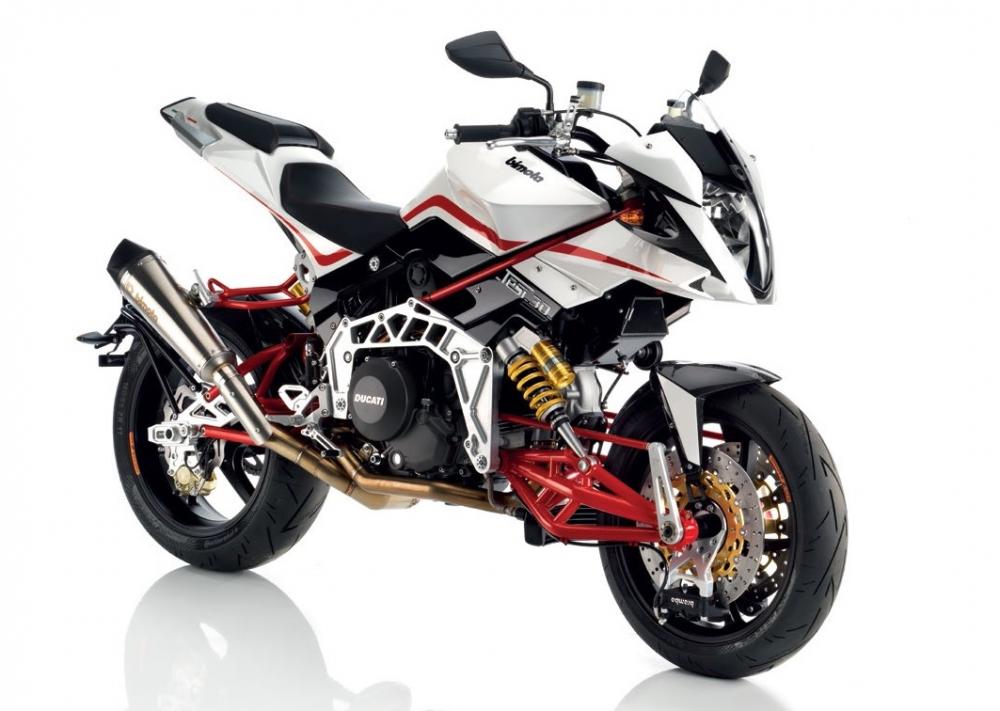
As such, one model, in our opinion which truly reflects upon that philosophy is the Tesi 3D which made its first appearance in 2007.
Remember we covered about the attempt to move away from hydraulic forks for the front suspension on the Yamaha GTS in Part 3? The Tesi was also developed in this vein. The concept of the Tesi differs slightly from the Yamaha GTS’s, however.
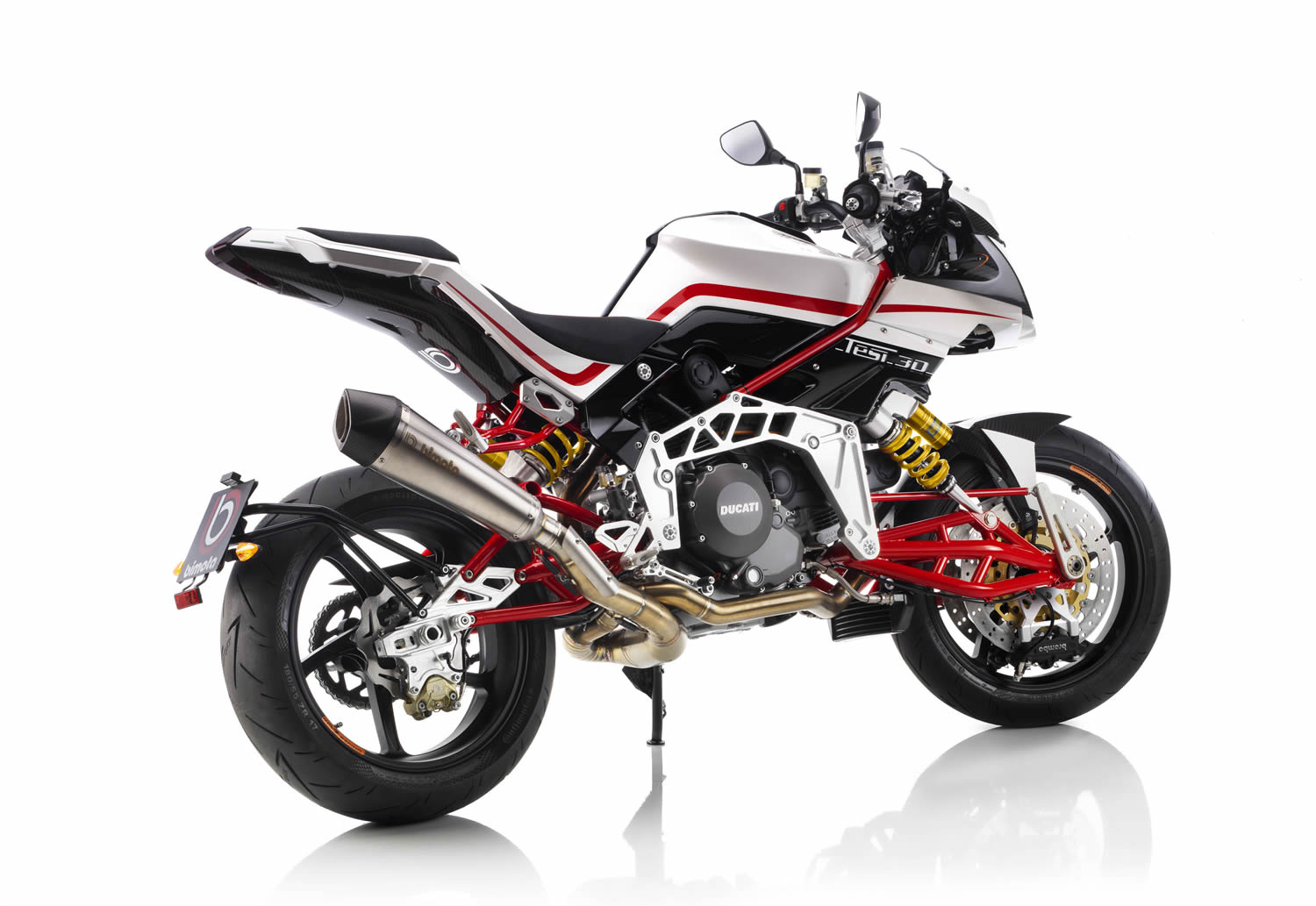
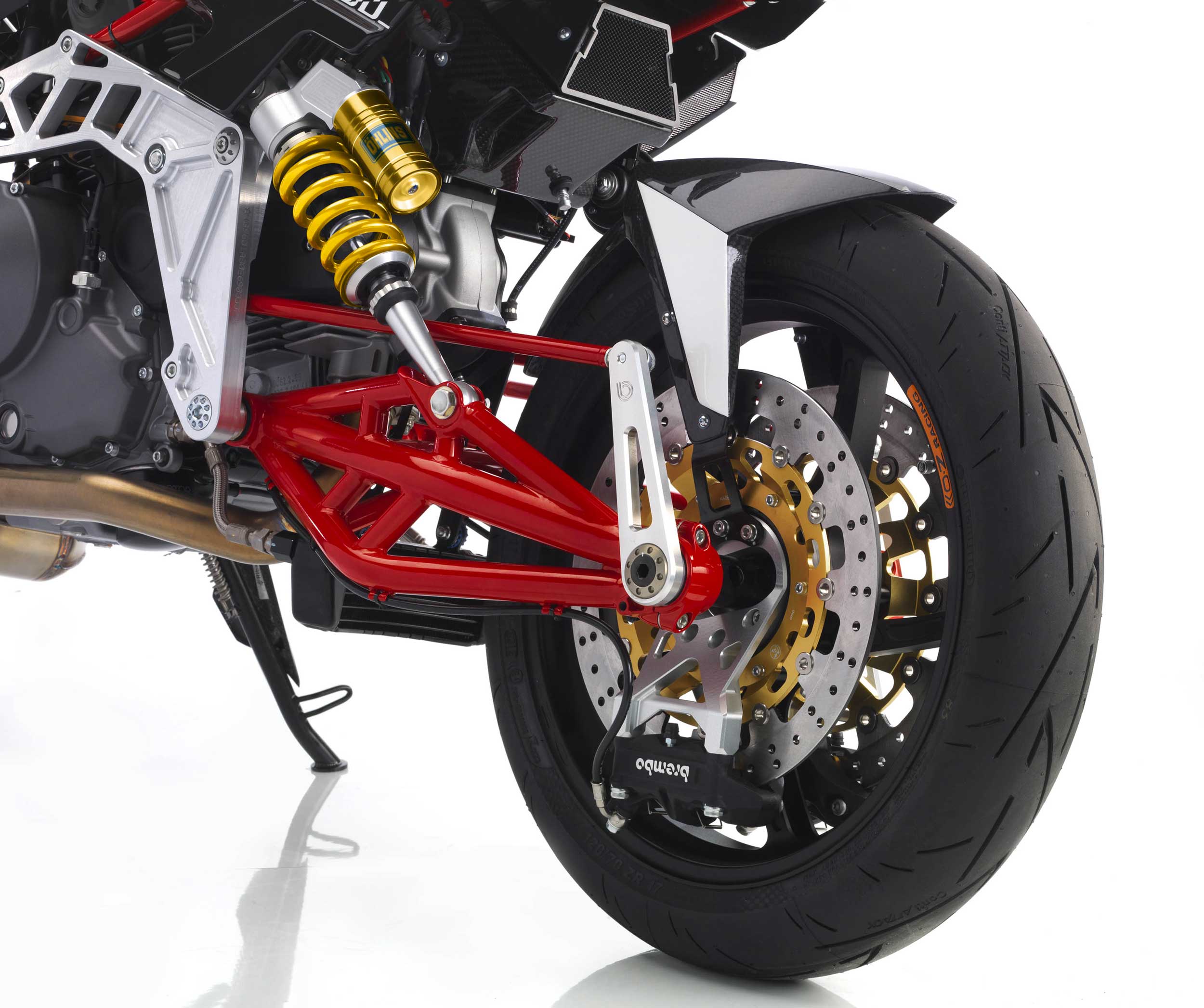
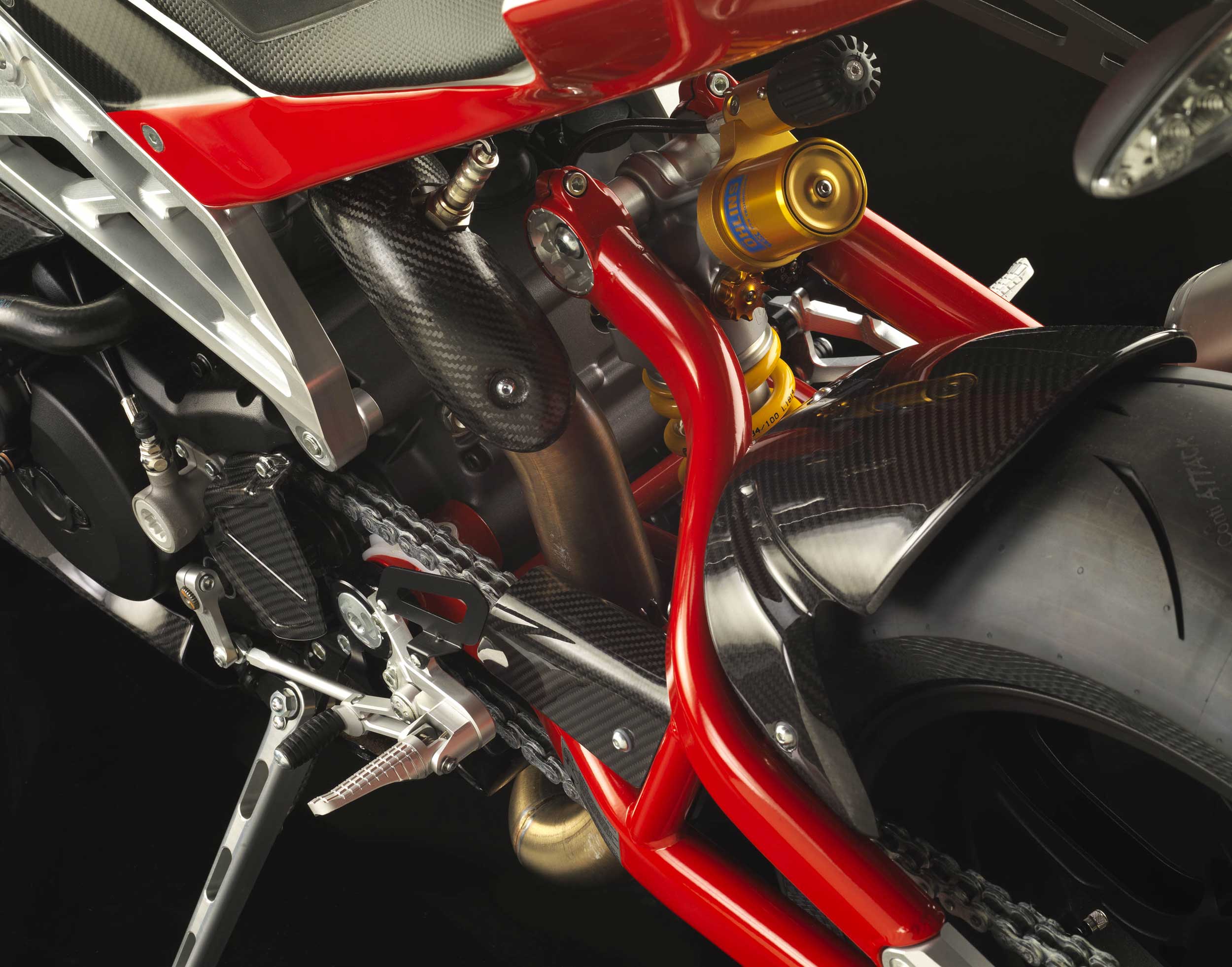
The Tesi 3D is the third iteration of this project, powered by the powerful Ducati 1098 engine. The engine is clamped between two machines aluminium plates, with all other components mated to these plates, including both front and rear swingarms.
The front swingarm mates to plate on both sides, with an Ohlins shock attached to the right in a cantilevered position. The handlebar’s shaft is connected to horizontal shafts on each side that steers the front wheel, for a hub centre steering setup.
Bimota is currently building the new Tesi 3D to celebrate their 40th year, called the Tesi 3D 40 Anniversario (pictured here). Only 40 examples will ever be built.
BONUS UNUSUAL PRODUCTION MOTORCYCLE
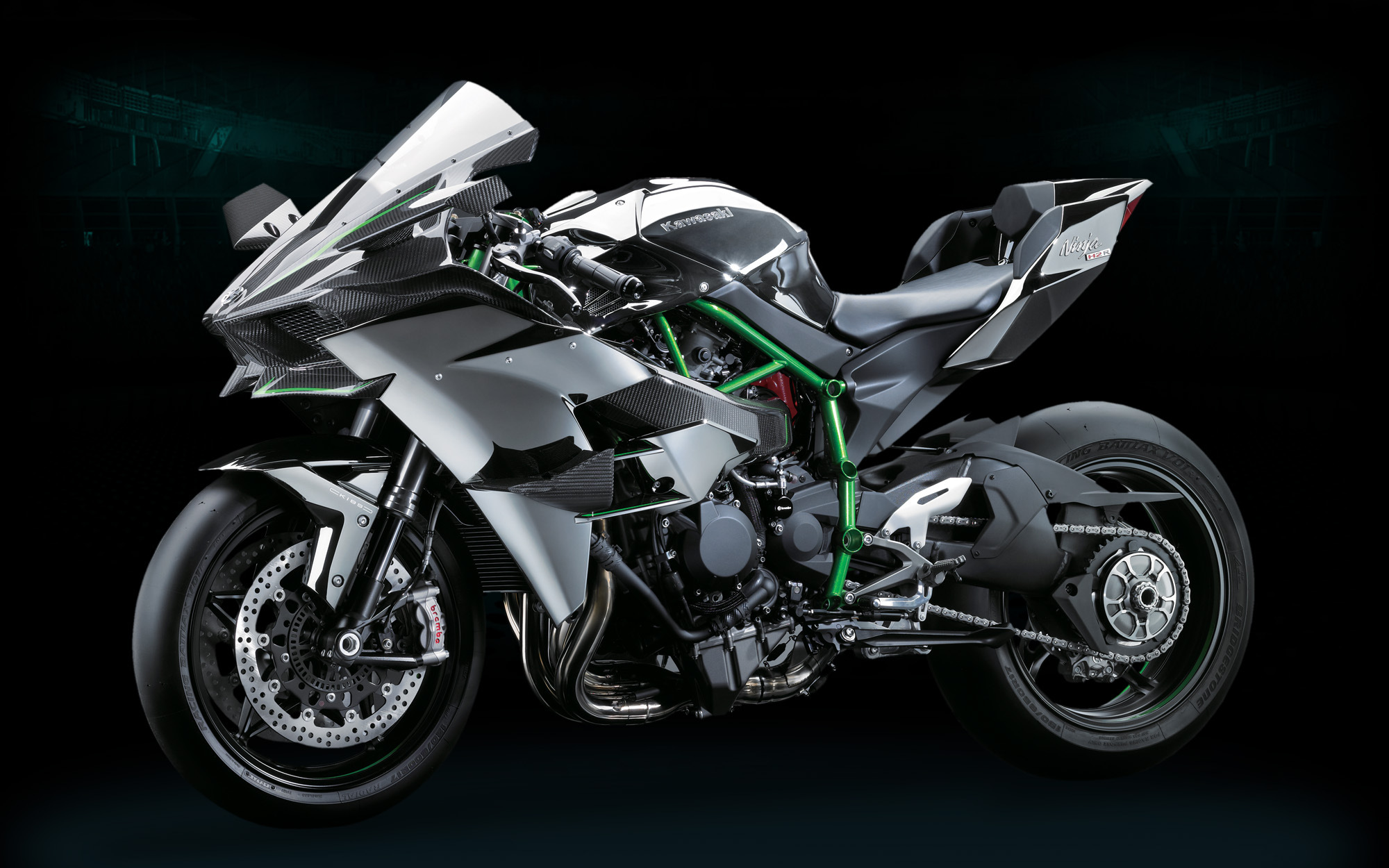
How could we leave out the Kawasaki Ninja H2 and its variants? Unleashed by Kawasaki in 2015 to be the bike to conquer the world, it’s supercharged.
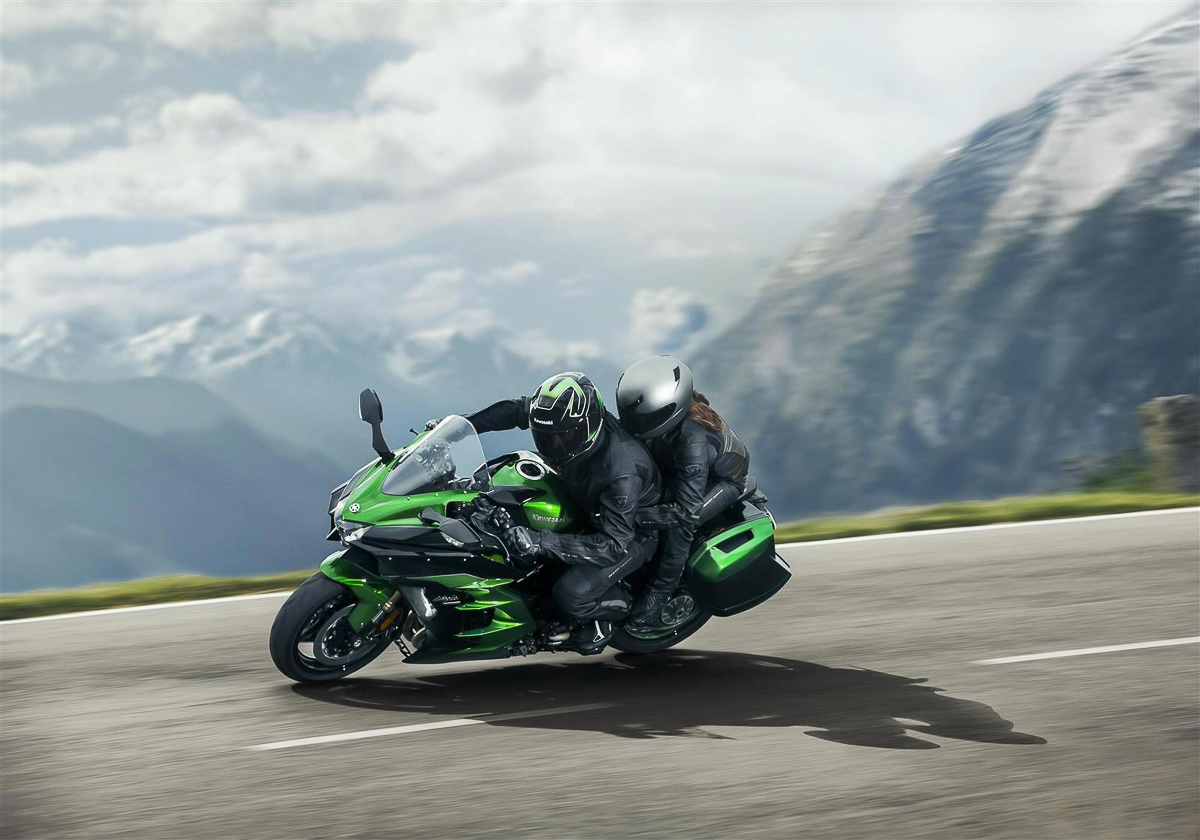
The track-only H2R produces 300 bhp, while the road-legal version pumps out 200 bhp. Kawasaki had just announced the H2 SX and H2 SX SE sport-tourer. Still supercharged but made practical for daily riding and touring. (Please click here to know more about the H2 SX.)