Bikesrepublic

Wahid Ooi

  • 2020 will be a watershed year for motorcycles.

  • The push to comply with Euro5 resulted in awesome bikes.

  • These are among the many 2020 bikes we can’t wait to ride.

It goes without saying that 2020 bikes will be a watershed. 

Manufacturers need their products to conform with the new Euro5 emissions regulations which takes effect from 2020. As such, while there are updated models held over from previous years, most are totally new from the ground up.

The real initial concern was that the new bikes will lose power as Euro5 is much more restrictive than the already-strict Euro4. Euro5-compliant vehicles need to produce very low emissions, while being fuel efficient and produce less noise.

But the manufacturers worked around the challenge and produced bikes that are more advanced, lighter, more powerful and faster. Kudos!

So, here are the bikes we can’t wait to ride in 2020, in alphabetical order.

1. Aprilia RS 660
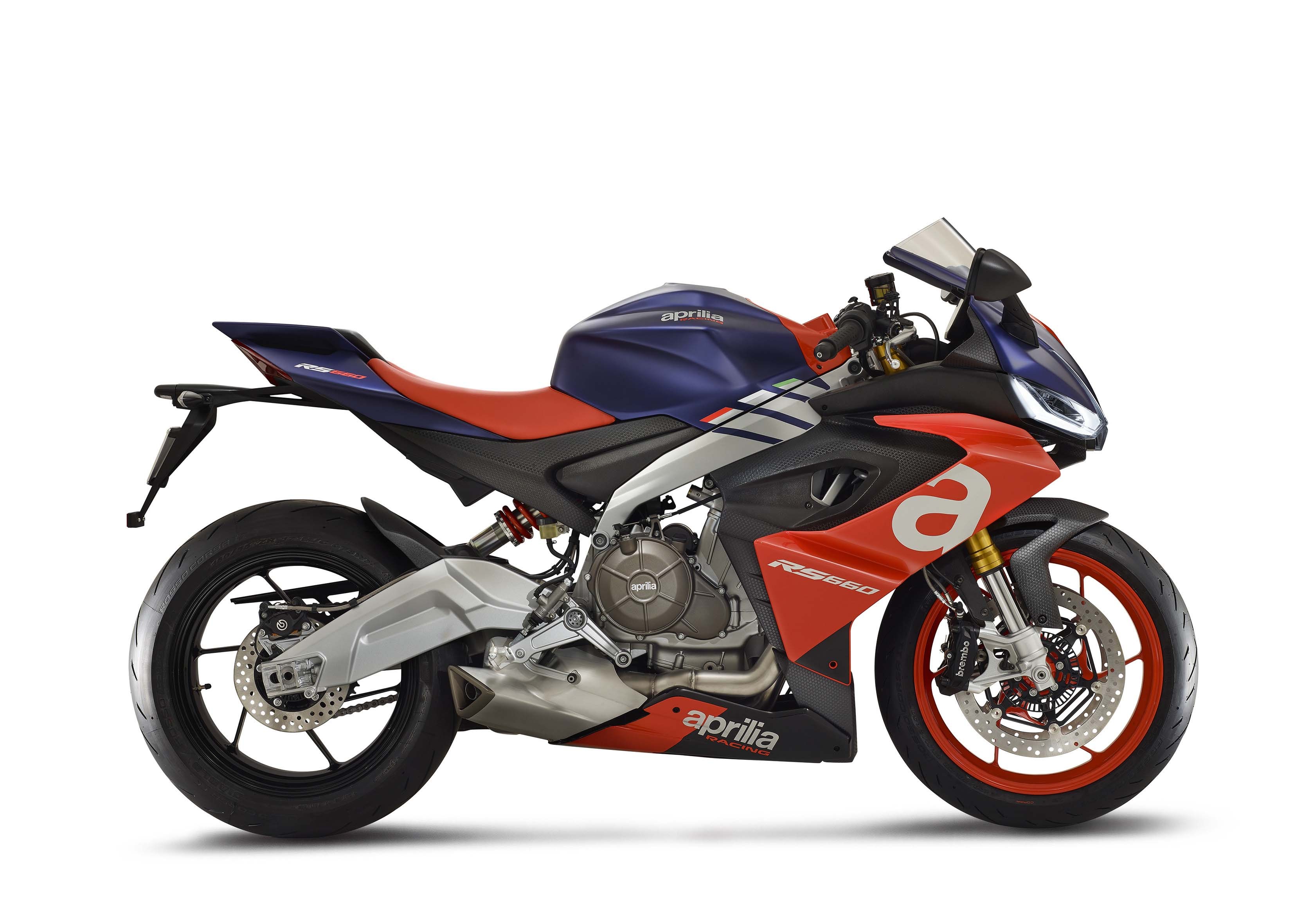
 

Aprilia created the RS 660 to “revolutionize” the middleweight sportbike category. The obvious place to start was to lob off the two rear cylinders of the RSV4 1100 engine, and giving 100 bhp. On top of that, the bike weighs only 168 kg.

We want ours in the classic purple and red paint scheme, please.

2. BMW S 1000 XR
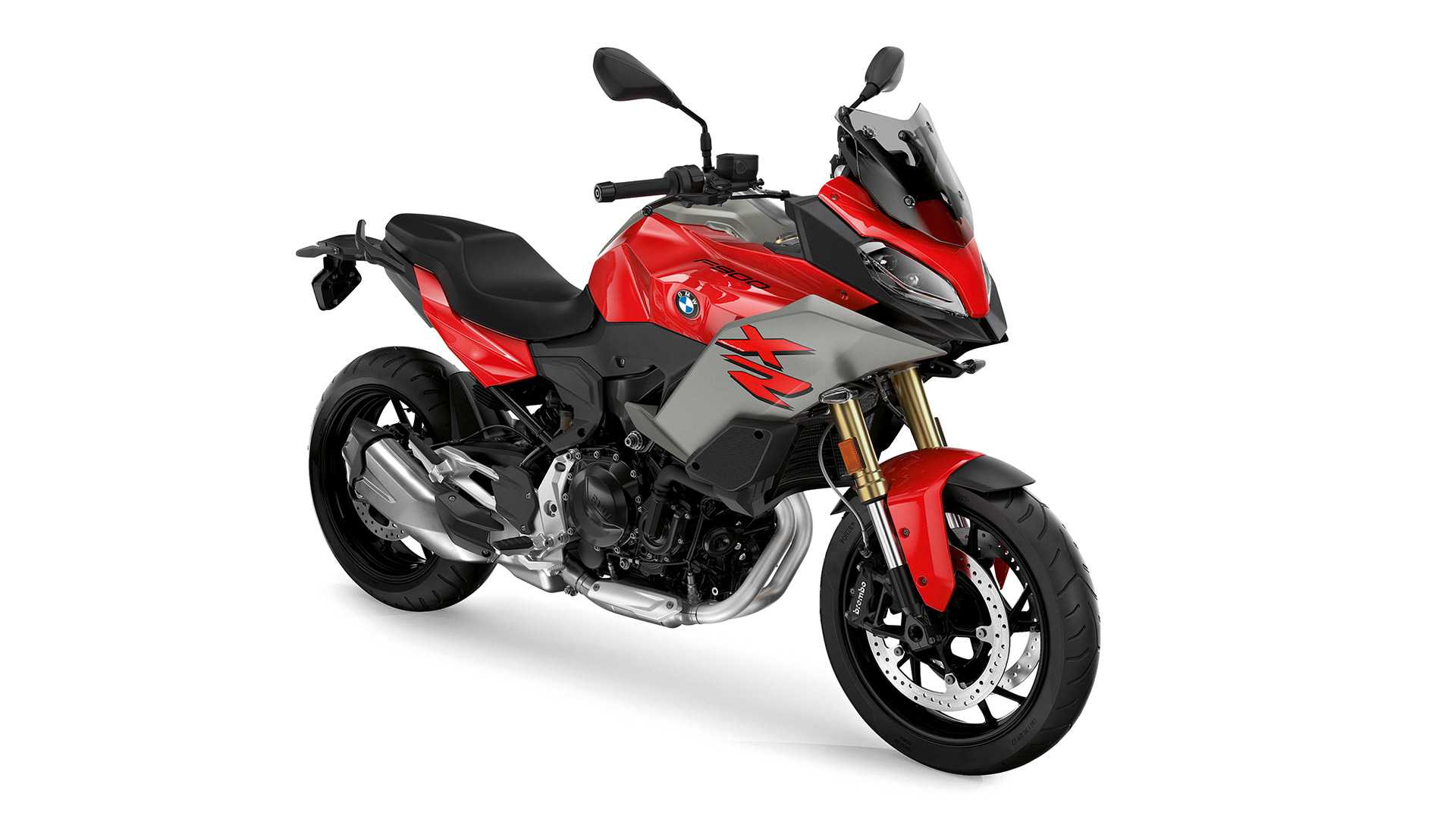
The 2020 S 1000 XR may not have the ShiftCam VVT/L technology found in the S 1000 RR, but power remains the same despite having two catalytic converters. The new bikes is 10 kg lighter and there’s more power in the midrange. There’s also the Flexi Frame adopted from the S 1000 RR which would provide better feel when riding.

3. Ducati Streetfighter V4
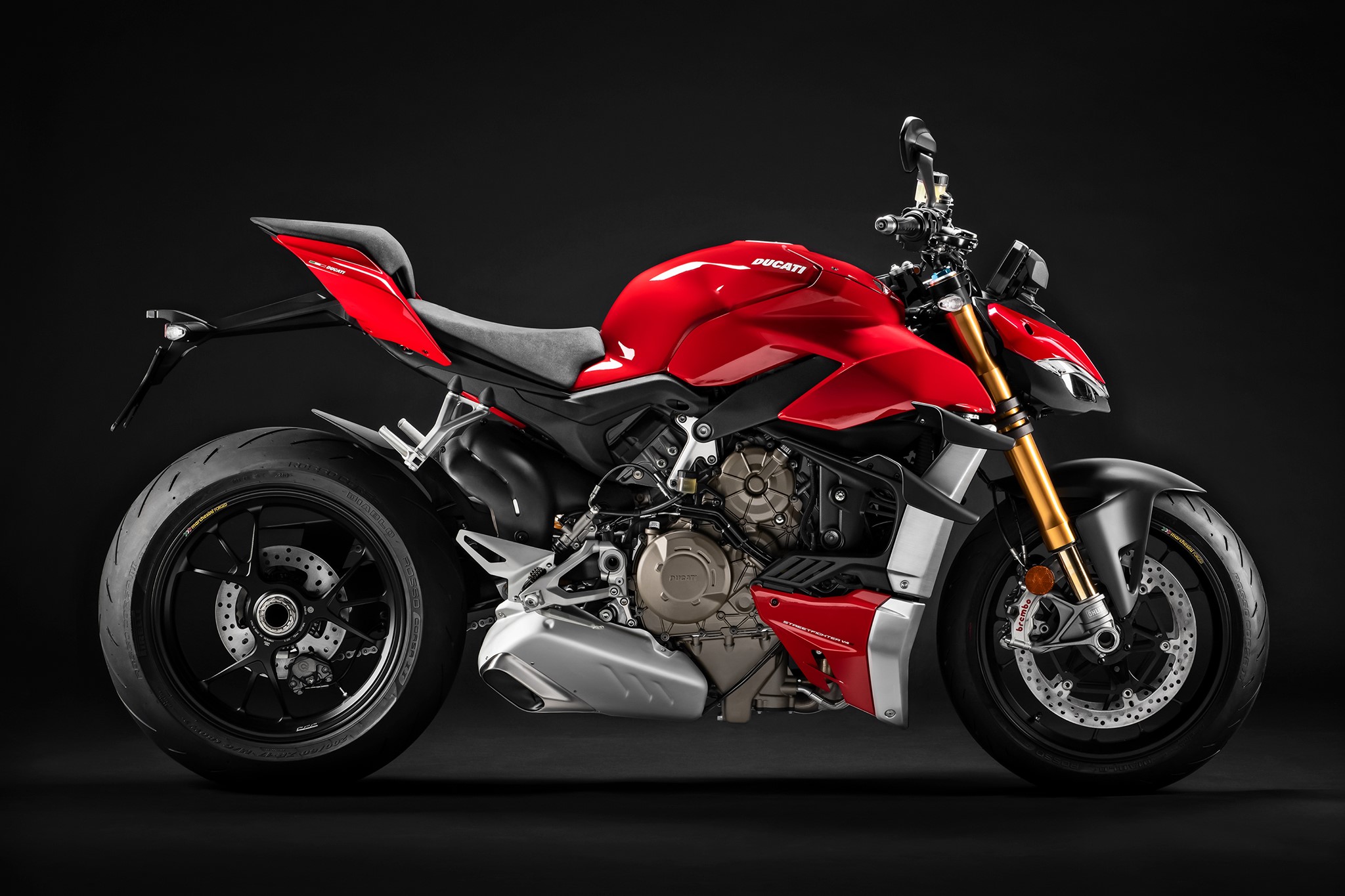
This list would’ve been more interesting if we counted down but then again, we love all bikes. But the one highest on our list is definitely the Streetfighter V4. It’s essentially a Panigale V4 in bikini with a higher handlebar. 208 bhp makes it the most powerful hypernaked but wait, the “S” version does 126 bhp. We want to see if it’s the most thrilling ride or one that scares our TCX off.

4. Honda CBR1000RR-R Fireblade
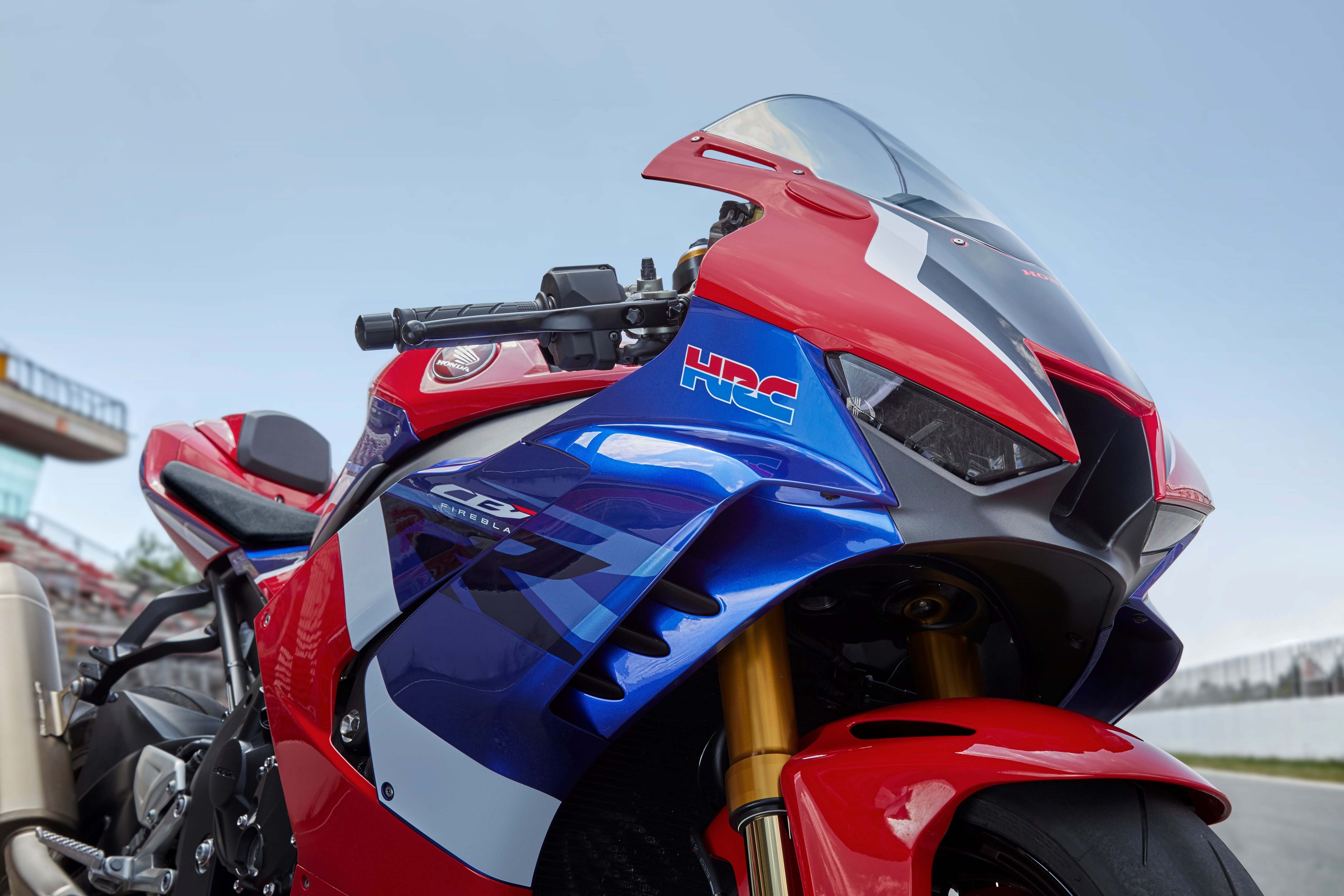
Oh yes! The big CBR earns an extra “R” and more horses courtesy of HRC — 215 bhp, to exact, way up from 189 bhp. But that’s not all, Honda made the new bike more track-focused as they attempt to wrest the WorldSBK title away from Kawasaki. Other features include aerobodies, new TFT screen Öhlins S-EC 2.0 suspension (for the SP), Brembo Stylema calipers (SP), 200mm wide rear tyre amongst many other new stuff.

5. Kawasaki Ninja ZX-25R
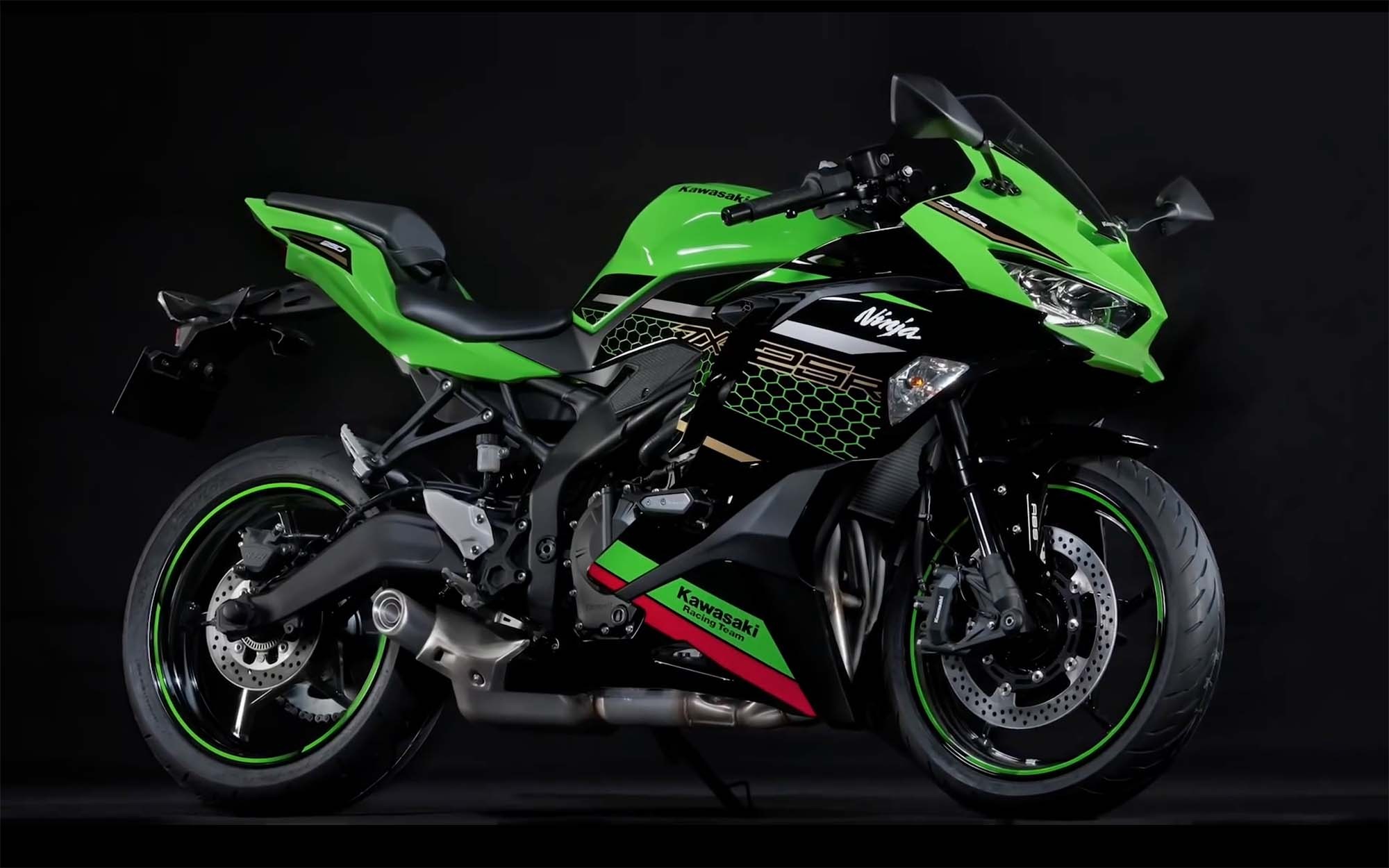
Welcome back! Kawasaki builds an inline-Four 250cc sportbike again after the Ninja ZXR-250 in 1989. But the new bike isn’t all engine only, as the manufacturer threw the best components in the 250 segment. They include Showa SFF-BP (Separate Function Fork – Big Piston) forks, radially-mounted monobloc front brake caliper, Kawasaki Traction Control, Power Mode Selector.

Oh, don’t forget the up- and downshift quickshifter!

6. Kawasaki Z H2
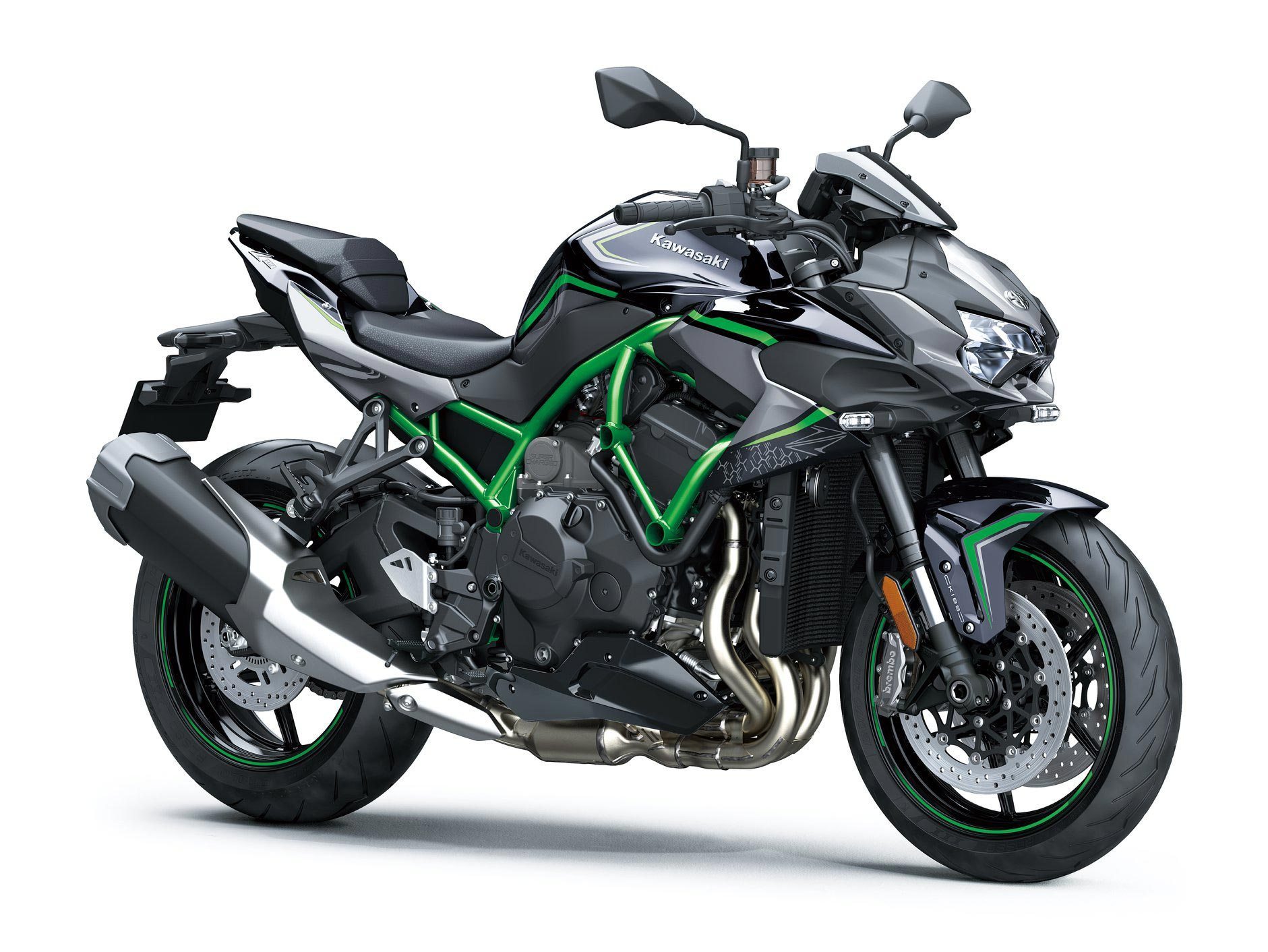
We relished at the thought of a supercharged naked “Z” bike being the most powerful hypernaked. And the Z H2 did just that.

For a few hours. Its 200 bhp was quickly eclipsed by the Streetfighter V4’s 208 bhp (216 on the Streetfighter V4 S) on the same day.

But no matter, the Z H2 will be exciting to ride due to that stupendous kick from the supercharger. We want to see how we could hang on!

7. KTM 390 Adventure
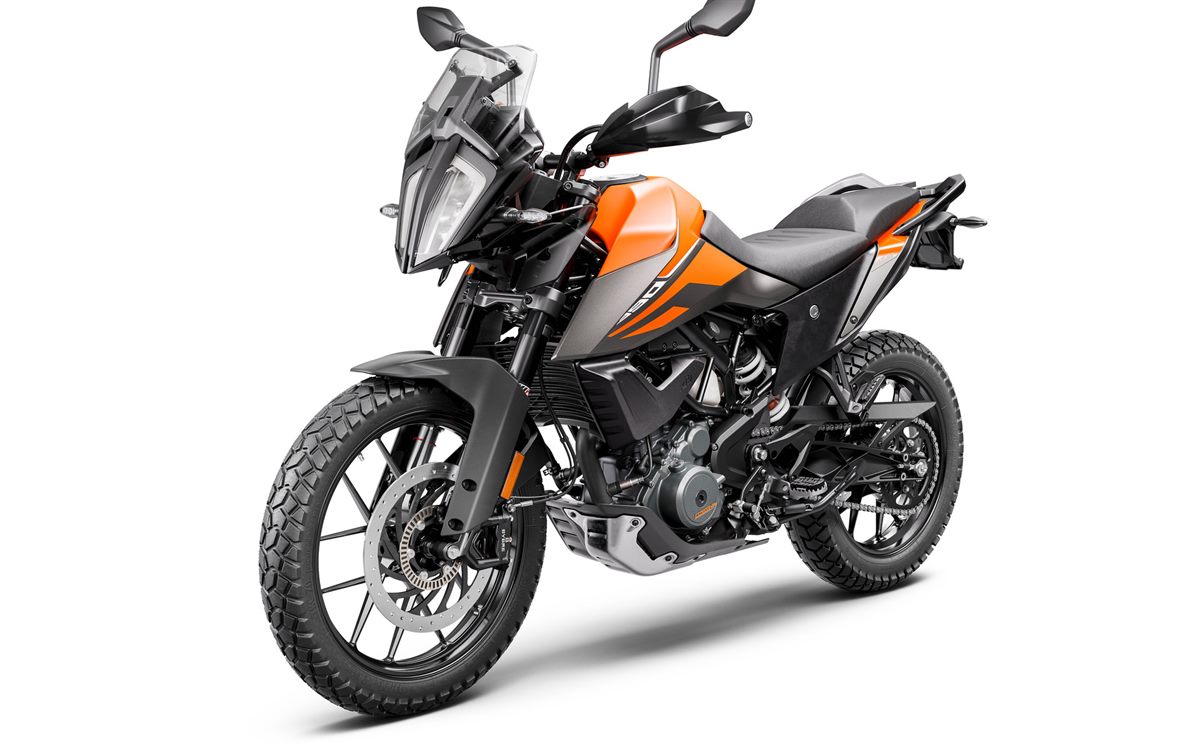
The 390 Adventure is a model that took 7 years to come by. But it’s probably worth the wait. It’s styled after the 790 Adventure, is lightweight and more affordable. We hope it’ll spur more off-roading among Malaysian bikers.

8. KTM 1290 Super Duke R
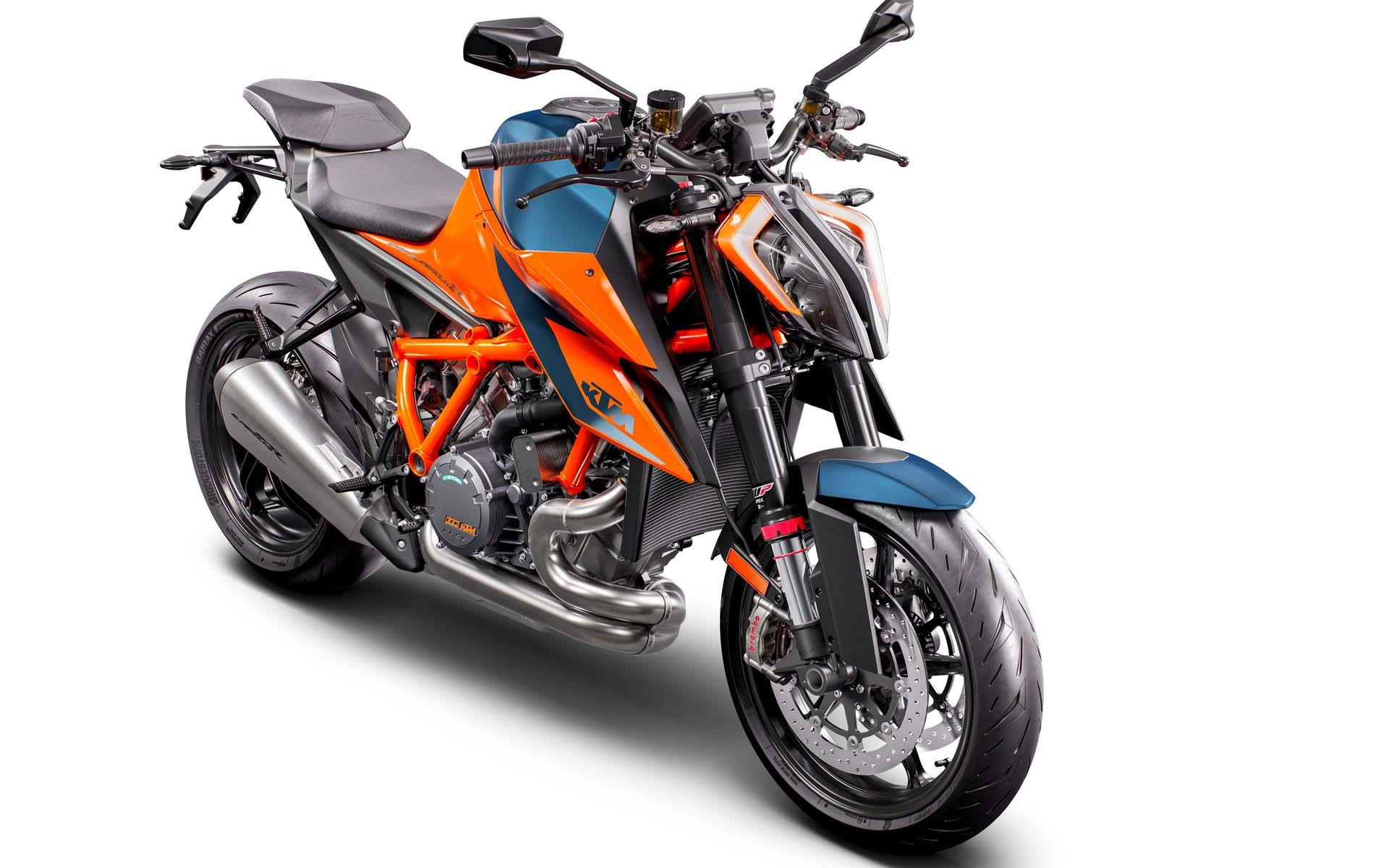
A piece of advice: Don’t tout you product over the top when you can’t fight back years later. That’s exactly what happened to the 1290 Super Duke R. KTM shouted from the rooftops and pounded their chest, calling it the “Beast” and all. Suddenly, its 177 bhp looks meh when compared to their over-200 bhp behemoths, and the bike was unveiled quietly.

Nah, we shouldn’t look at it that way. Although KTM had done much to calm the Beast’s demeanour in the 2018 1290 Super Duke R, it was one kick-a** motorcycle. 177 bhp, while not the highest in 2020, is still bloody fast on any motorcycle, let alone a naked bike.

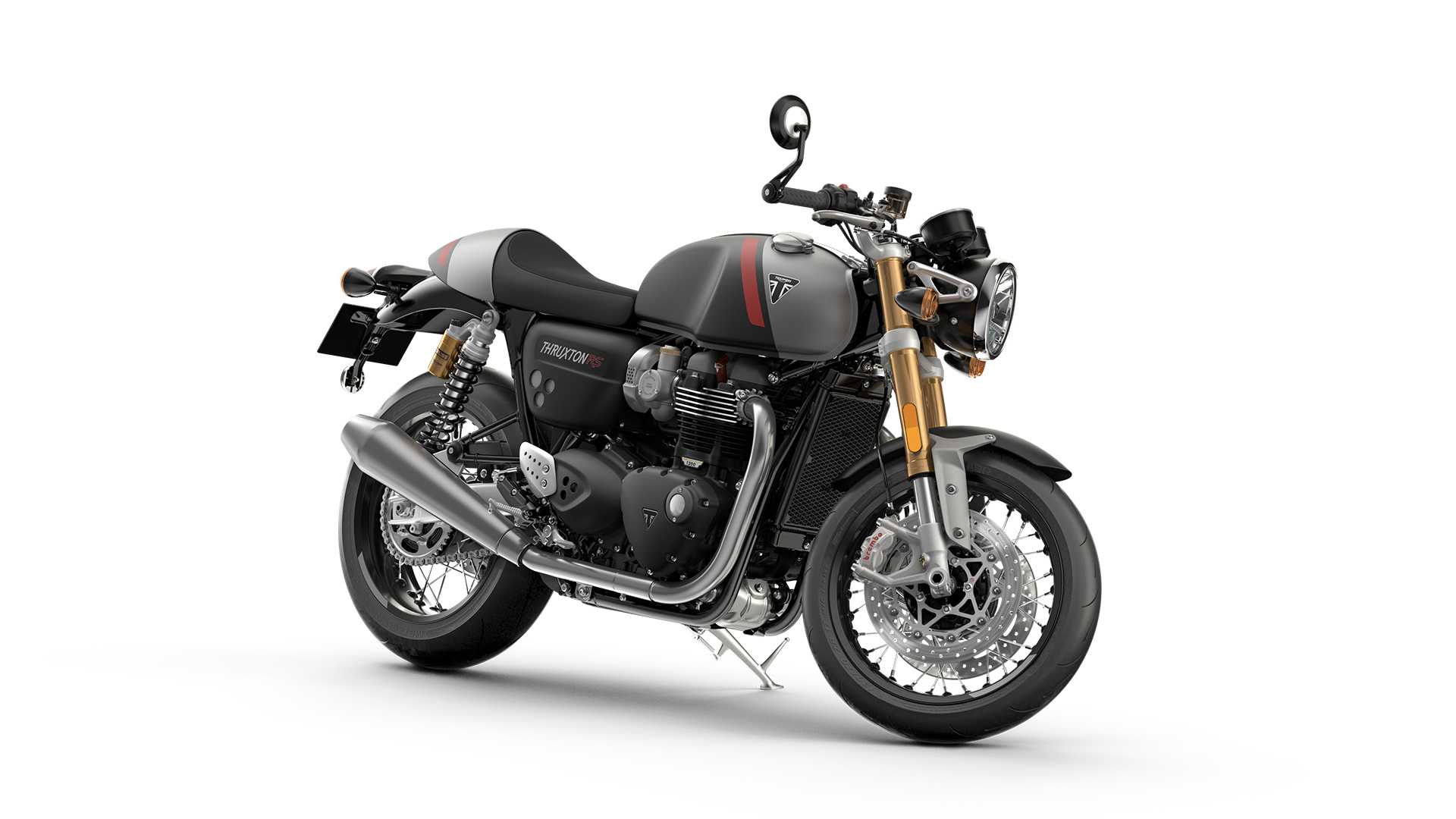
9. Triumph Thruxton RS
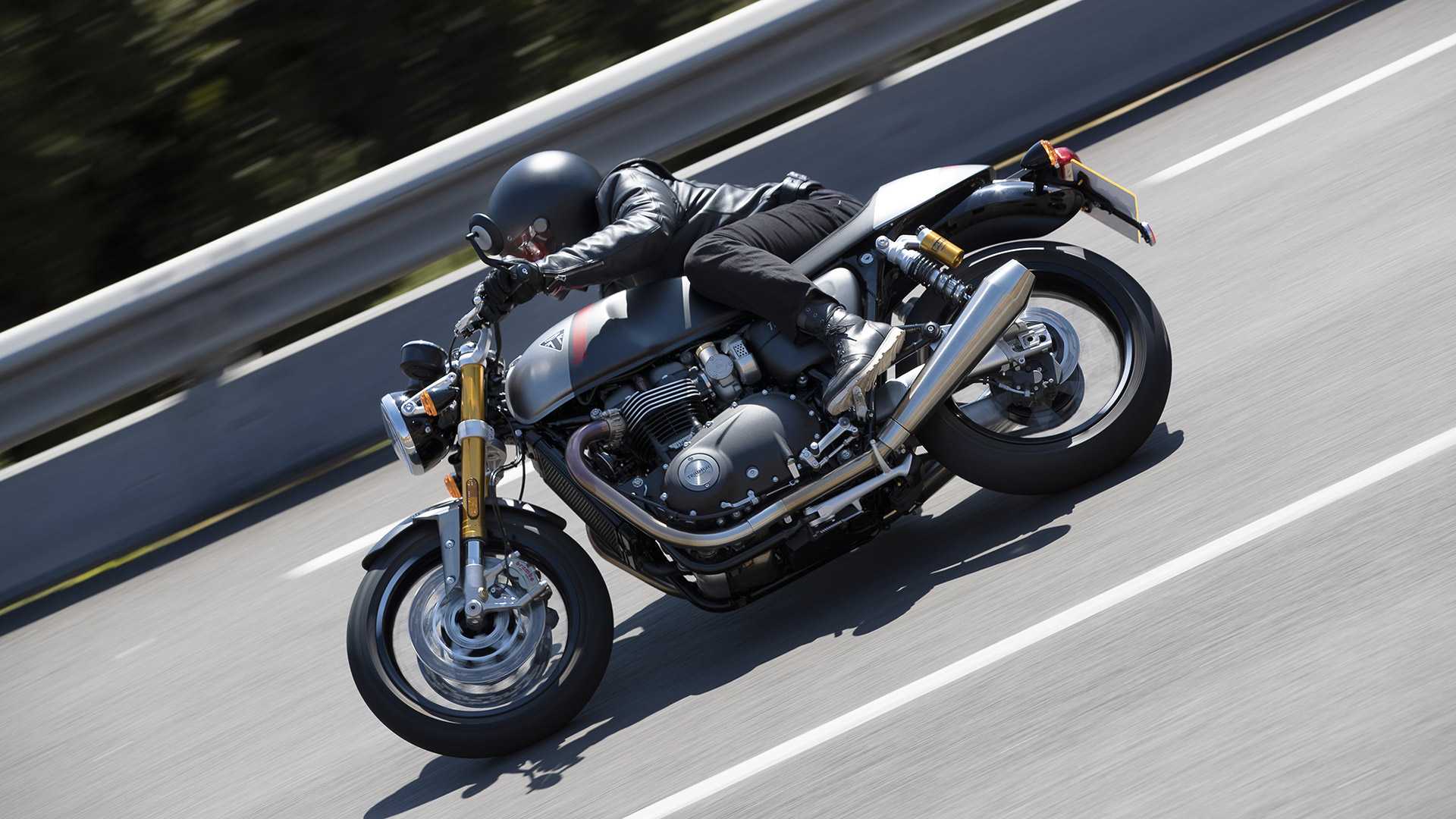
 

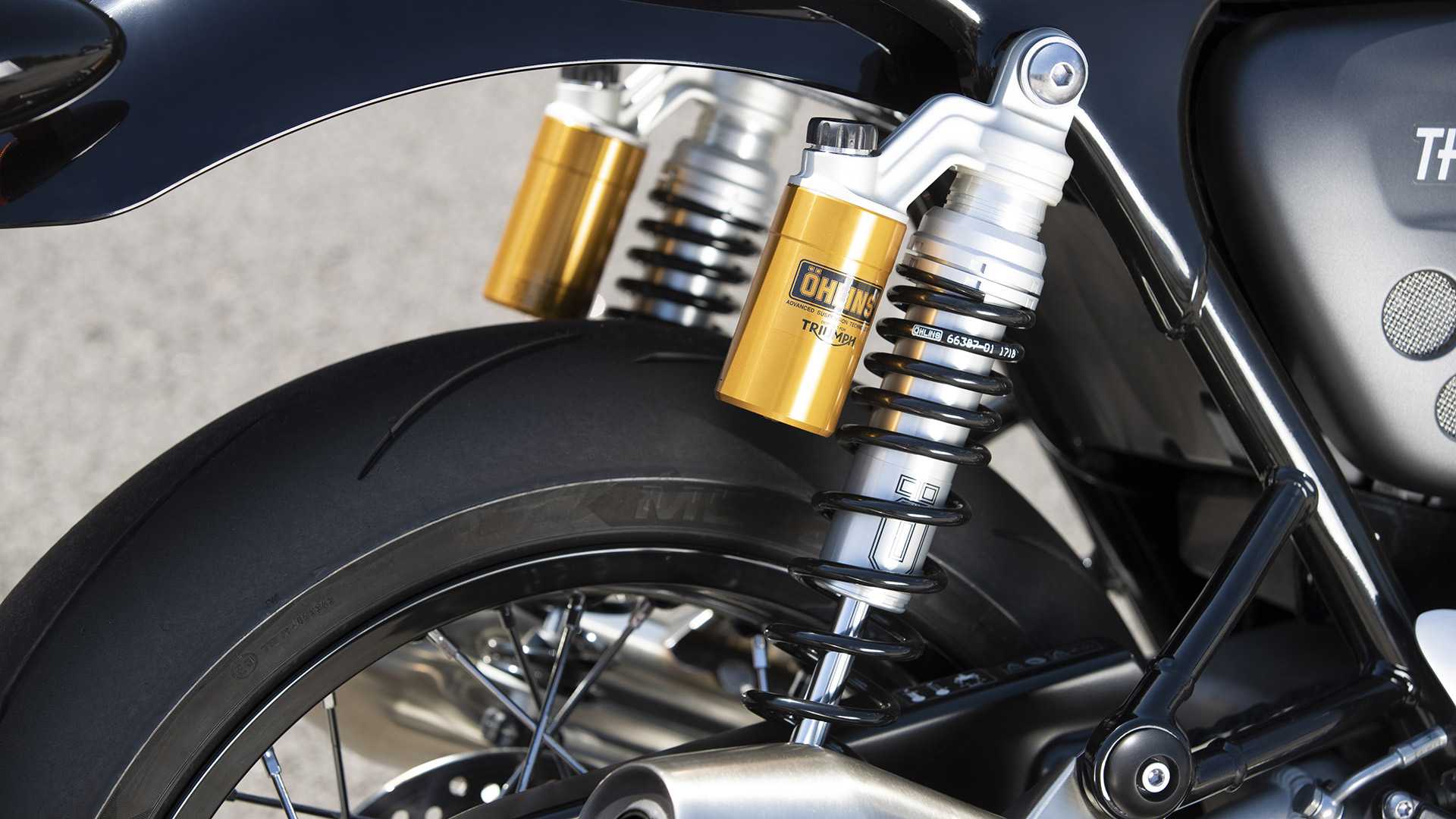
As if the 2017 Thruxton R wasn’t already on of our favourite rides. The RS has more power, more torque and is 10 kg lighter. Bling include Brembo monobloc calipers, Öhlins rear shock, Showa BPF forks. Looks like the best factory cafe racer will be “best-er” next year. The Thruxton shows that butt-kicking torque is a whole lot more fun.

10. Triumph Street Triple RS
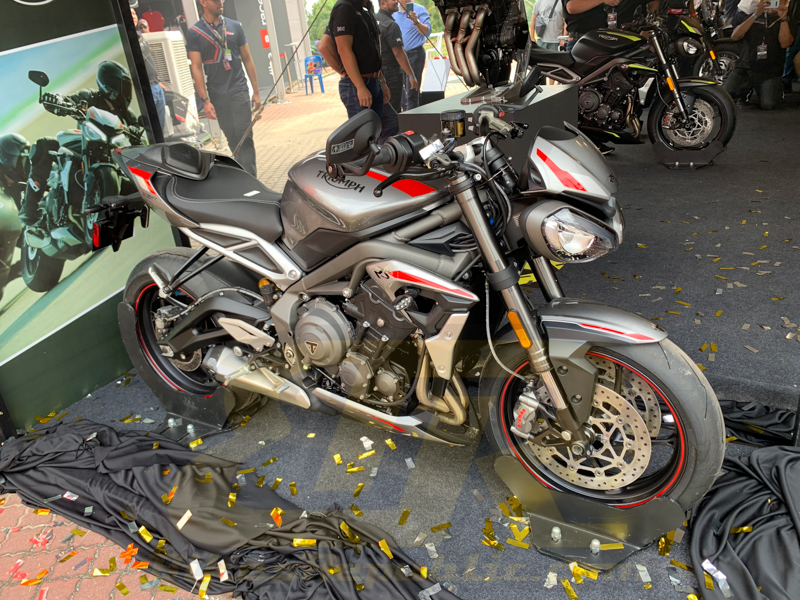
Again, the best gets “best-er.” Truth be told, we’re a little frustrated about the perception that more horsepower equals more fun. It’s horse manure (that’s the politically correct word)! Because through our experience of testing virtually all bikes in the market, it isn’t necessarily so.

The Street Triple RS shows that the combination of a compact and light bike, with enough horsepower, superb handling is what makes riding so pleasurable. It’s a bike that makes you grin non-stop after riding it.

And don’t start about how it looks. It’s a factory-issue streetfighter.

Honourable mention

BMW S 1000 RR
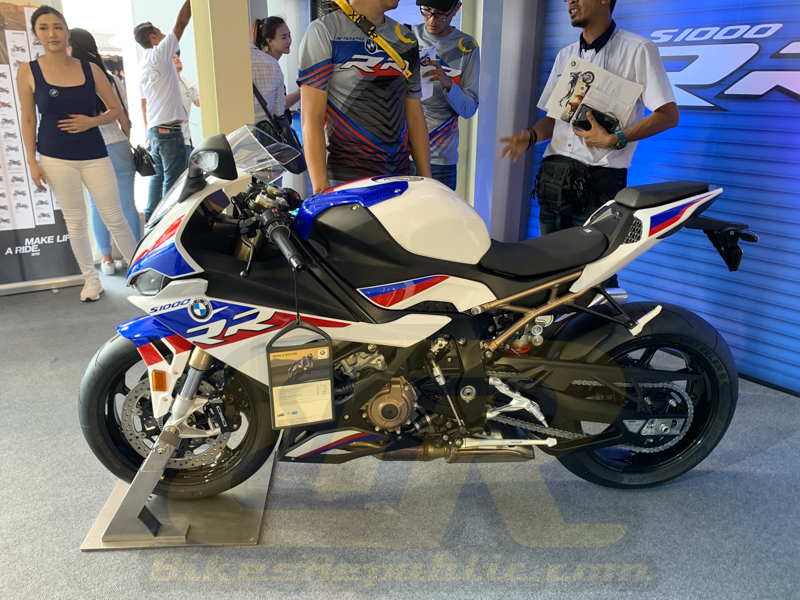
The S 1000 RR wasn’t included in the list above as it made its debut in 2019. However, the bike will be available in 2020 in Malaysia as the Munich factory was surprised by the overwhelming demand for it. Available in the base version and M Sport package, it’s the latter that’s the most seductive. All new, it’s compact and the new ergonomics will cut down on rider effort and fatigue, while enhancing overall control.

Horsepower was published at 207 bhp but BMW always under-claims their power output.

Triumph Tiger (900?)
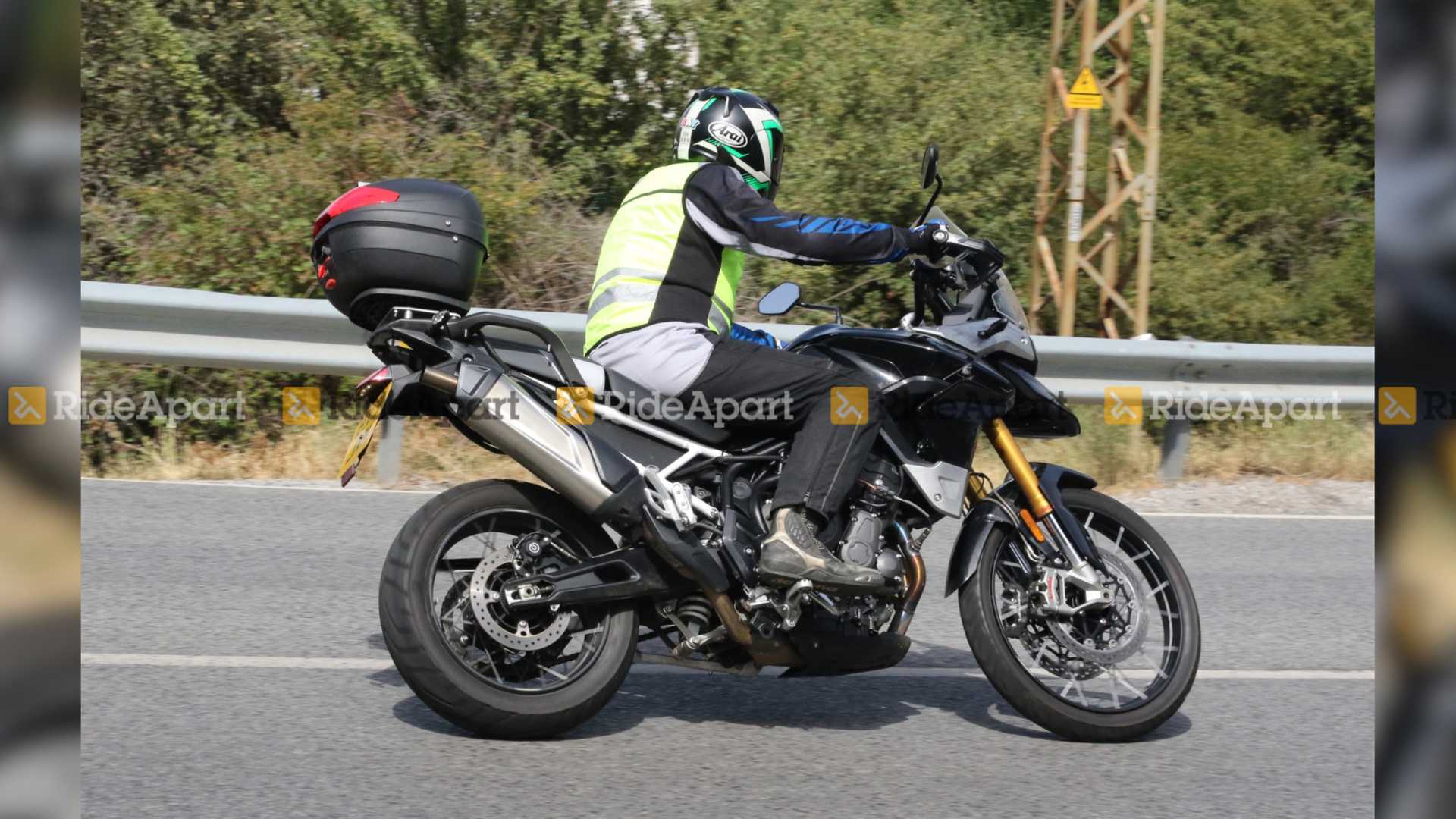
This was one bike we were hoping to see at EICMA 2019, but it was a no-show. The 2018 Tiger, especially the XC variants, were amazing bikes that made riders feel like they were heroes. There were so many enhancements from its predecessor that it felt like an entirely new bike. But the new Tiger looks more compact, with many new components and may feature a new 900cc Triple.

Although there’s no indication of when and where it’ll be launched, we do hope it’s in 2020.
  • The Royal Malaysian Police (PDRM – Polis DiRaja Malaysia) arrested six parents over the weekend for letting their children ride basikal lajak.

  • The parents could face up to RM 20,000 fine and/or up to 5 years in jail.

  • Police have been cracking down on the activity but this is the first time parents were arrested.

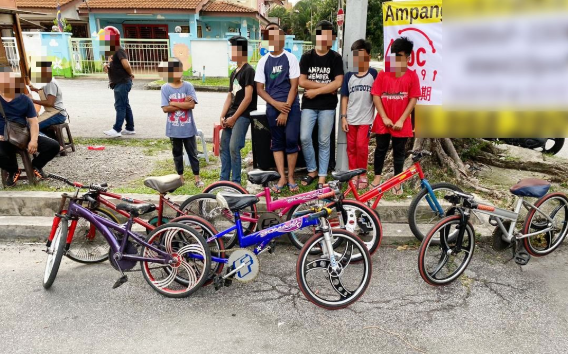
The Royal Malaysian Police (PDRM – Polis DiRaja Malaysia) arrested six parents over the weekend for letting their children ride basikal lajak.

PDRM have warned last month that parents who allow their children on such contraptions could face fines up to RM 20,000 and/or jail up to 5 years. The measure was put in place after a car crashed into a group of basikal lajak riders on a highway at 3am. The accident took the lives of 8 youngsters.

The police had cracked down on the errand riders since January this year and nabbed some 116, all aged under 18 years old.

The latest crackdown in Ampang caught six kids aged between 11 to 16 years old. Police then hauled in their parents and legal guardians to the Pandan Indah police station.

Photo credit China Press

Fines were handed to the children and their bicycles confiscated with accordance to Section 112(3) of the Road Transport Act 1987. The parents were charged under Section 33 of the Child Act 2001 for negligence but were released on police bail.

Police say that these cases will be handed to the deputy public prosecutor (DPP) for further action. The parents could very well face hefty fines and/or jail time.

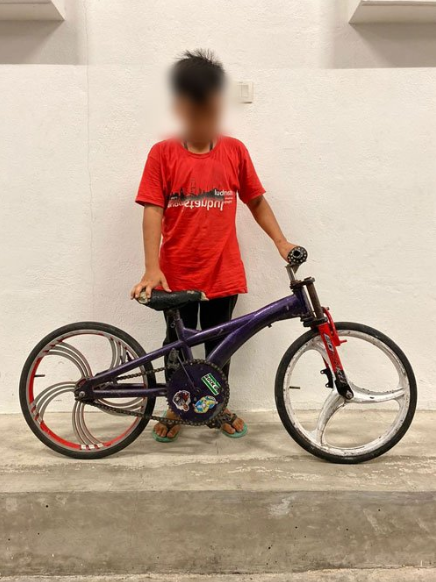
Basikal lajak refers to bicycles that are modified to ape (for want of a better word) the ergonomics of sport and race motorcycles i.e. head down, arse up in the air for better aerodynamics. The riders then race them downhill using gravity and pedal power. The bikes are usually devoid of brakes. The real problem is that the riders would usually congregate in built up areas, endangering themselves and other road users.

Source: World of Buzz
Photos: China Press

  • Max Biaggi’s Moto3 Team, Max Racing, will use the Husqvarna FR 250 GP in 2020.
  • The Husqvarna FR 250 GP was launched at EICMA 2019.

  • THe Swedish marque is currently under KTM.

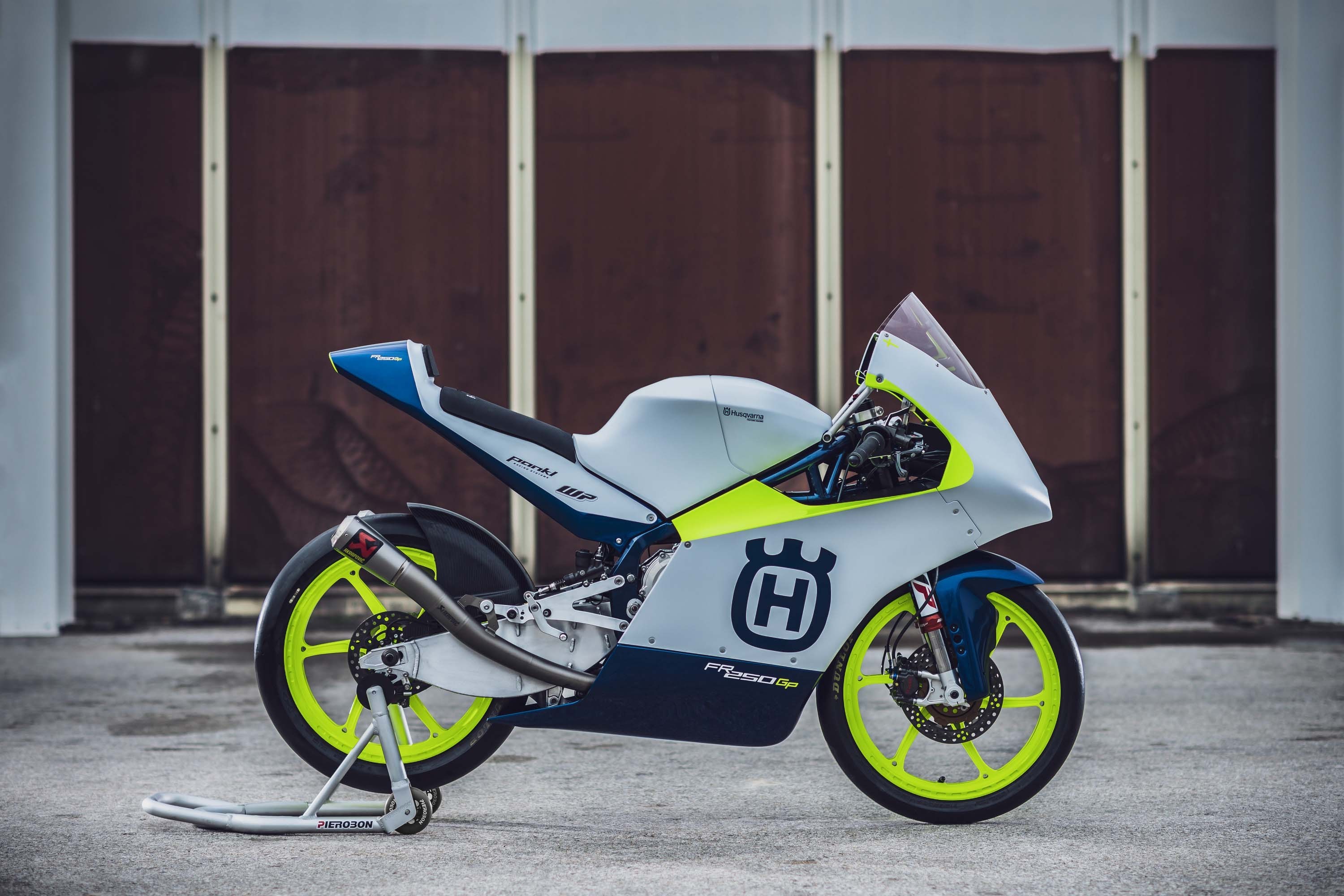
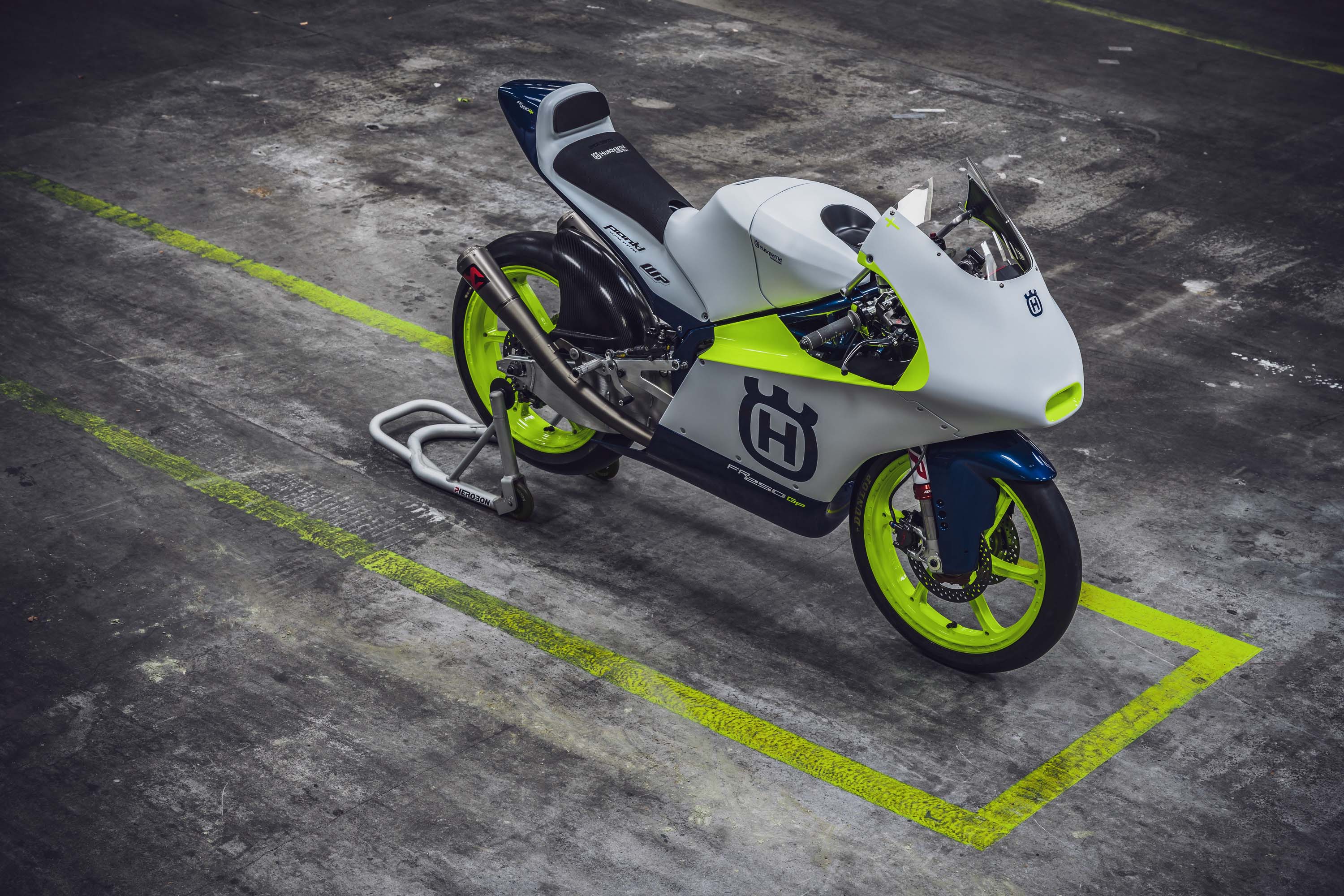
Max Biaggi’s Moto3 team, Max Racing, will campaign the 2020 Moto3 season with the newly-launched Husqvarna FR 250 GP.

Husqvarna has made a timely return to grand prix racing, given that the class is as hotly contested as before, and that Max Racing is heading into their second season with Romano Fenati and Alonso Lopez.

Fenati may had been a hothead, but he possesses streaks of raw talent evidenced by his 2nd overall placing in the 2017 Moto3 championship.

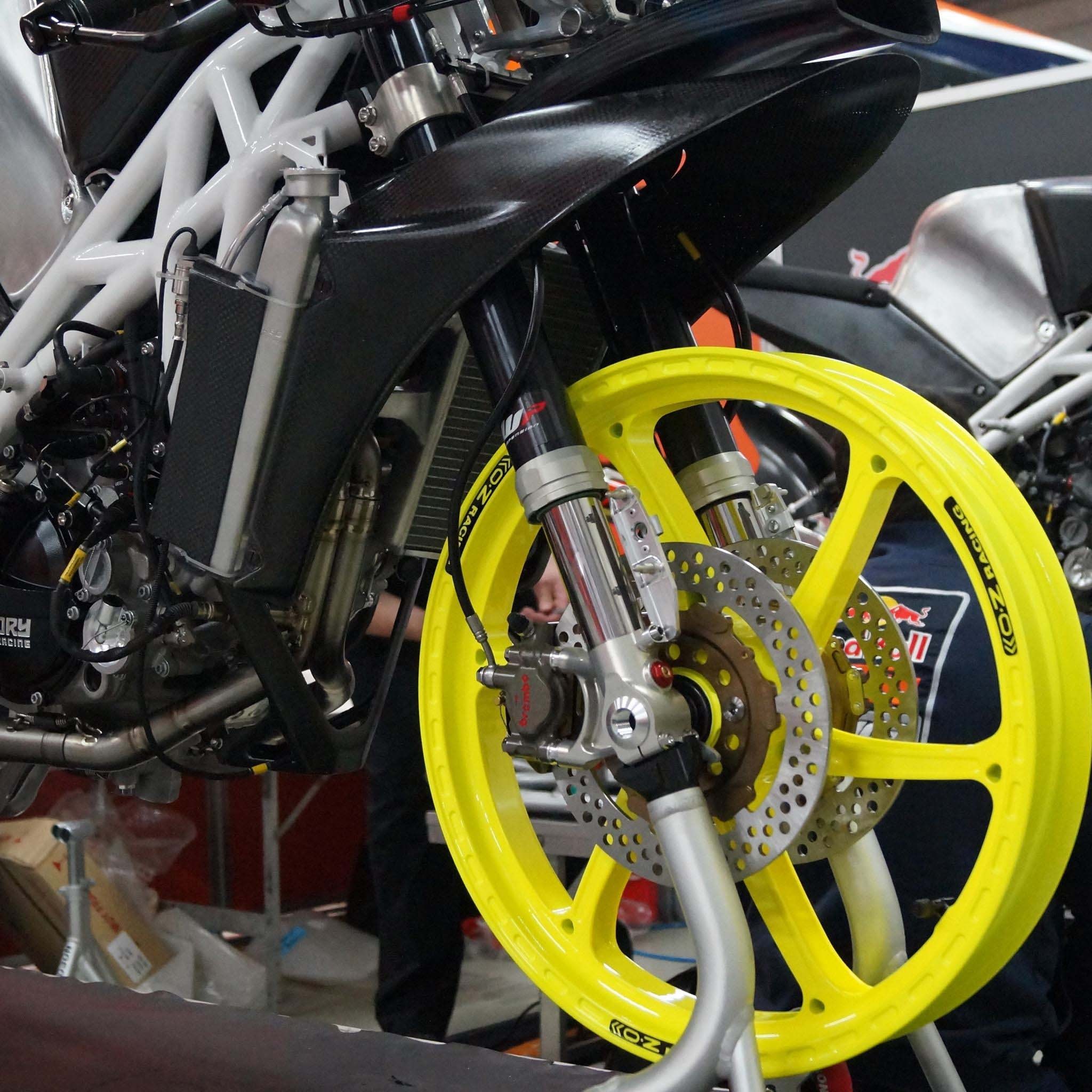
Anyway, the FR 250 GP is actually the KTM Moto3 bike. Hardware includes WP suspension and O.Z Racing wheels.

The blue, white and yellow Husqvarna brand is currently under the ownership of KTM through KTM CEO Stefan Bierer’s vision to consolidate two premium off-road brands into one.

While the differences between Husqvarna and KTM motorcycles are just skin (err.. paint) deep, the former does have a number of street models that differ from KTM’s line-up. Take the Svartpilen and Vitpilen, for example.

The biggest question is will we see a road version of the Husqvarna FR 250 GP? Perhaps a road-tuned version with lights. Oh, yes please!

  • Rumours of Kawasaki buying a stake in Bimota turned out to be true.

  • They purchased 49.9% of the shares.

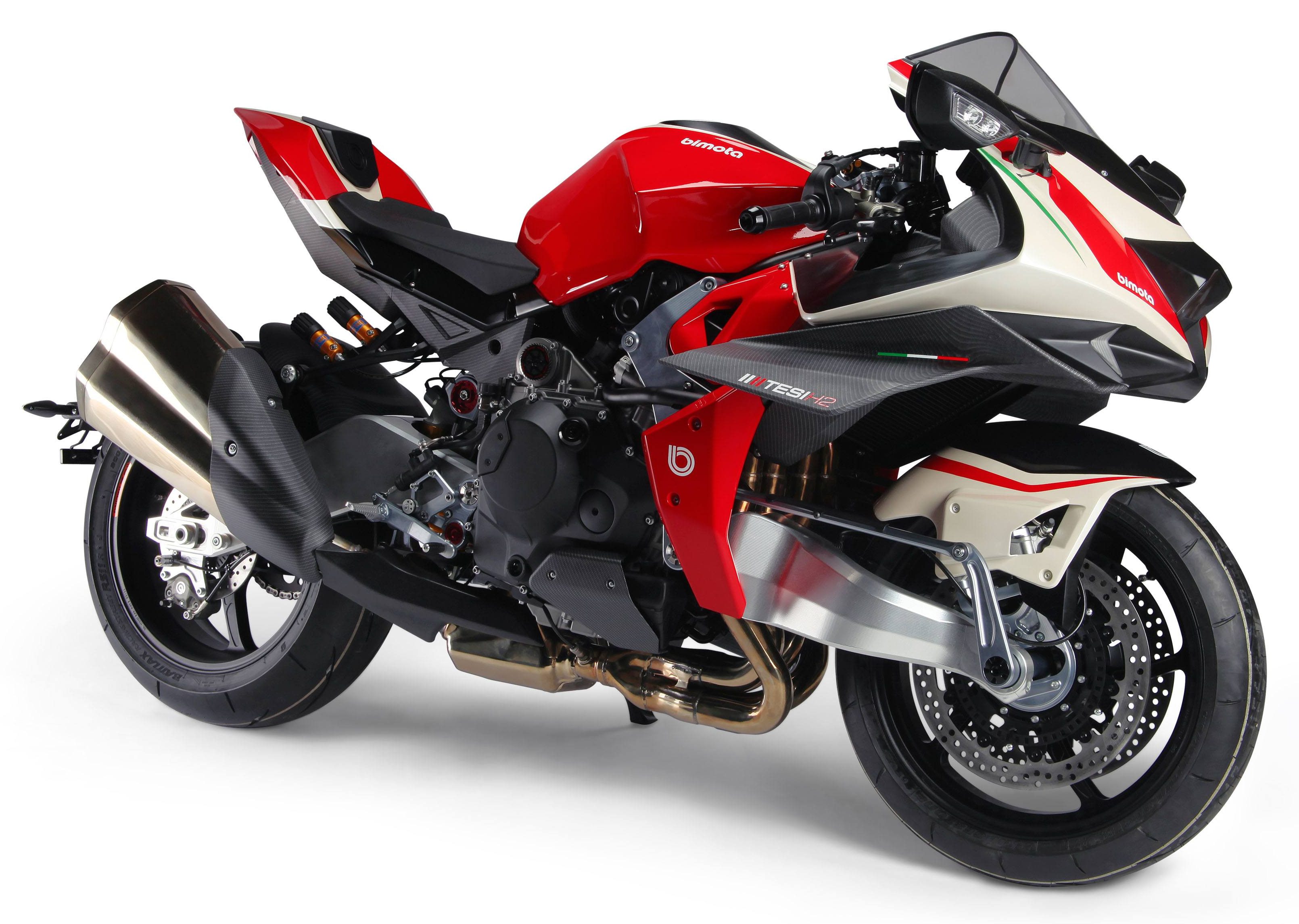
  • The Bimota Tesi H2 made its debut at EICMA 2019.

There were earlier rumours about Kawasaki buying into Bimota and it turned out to be true when they unveiled the Bimota Tesi H2 at EICMA 2019.

It seemed that some time was needed to discover that the Italian Motorcycle Investment S.p.A. who purchased 49.9% stake in Bimota was set up by Kawasaki Motors Europe. In turn, Kawasaki Motors Europe is actually wholly owned by Kawasaki Heavy Industries.

The previous Swiss-Italian owners Marco Chiancianesi and Daniele Longoni still hold a 50.1% controlling stake in what will soon be known as Bimota S.p.A. Operations will remain at Rimini. It was reported that the deal took three years to conclude.

Launched at EICMA 2019, the Bimota Tesi H2 which is a H2 supercharged engine stuffed into the Tesi chassis.

The Tesi is radical that it uses a swingarm for the front instead of forks and hub centre steering. The concept was already explored in the previous Tesi and Tesi 3D. However, the Tesi H2 will be a faired bike instead of the naked 3D.

You can read more about the Tesi 3D and other Bimotas here.

Future bikes will most probably be designated as KB, now that Kawasaki is onboard.

It’s all good news because Bimota have always pushed the enveloped of motorcycle technology, specifically in terms of chassis design, where manufacturers fear to tread.

  • The Ducati Desert X concept was unveiled at EICMA 2019.

  • The sketches were first shown at the Ducati World Premiere.

  • It’s based on the Scrambler 1100 platform.

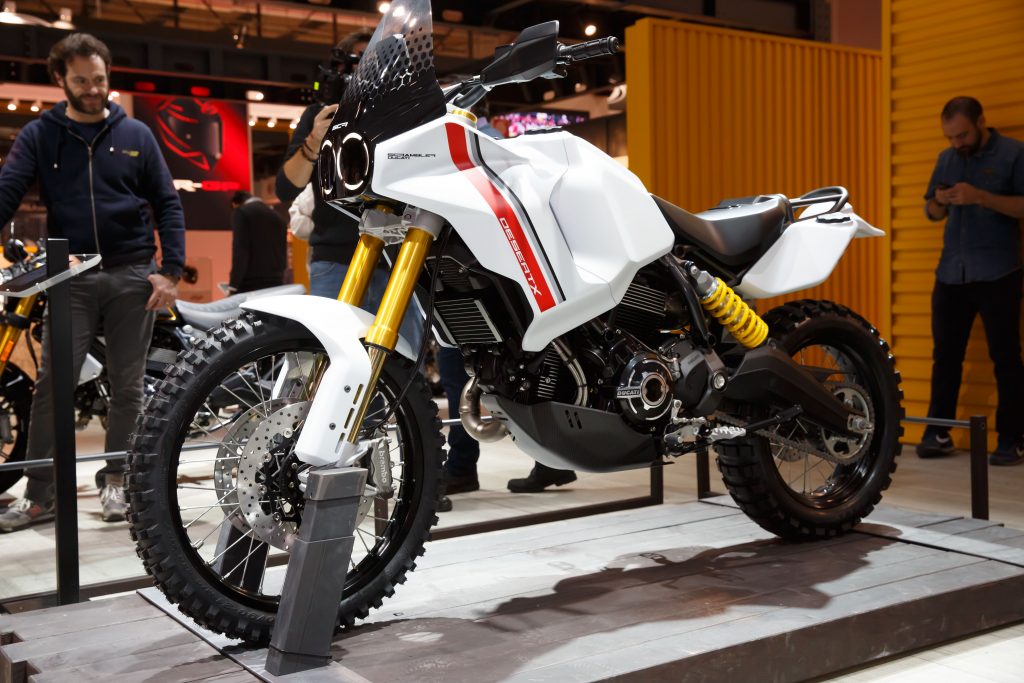
The Ducati Desert X concept was unveiled at EICMA 2019 as the manufacturer promised during the Ducati World Premiere last month.

It’s the last day of the show and we wondered if the Desert X was going to be unveiled at all. It finally has and it looks great.

Designed along the lines of the Cagiva Elefant (when Cagiva owned Ducati) and meant as homage to the Paris-Dakar Rally winner, it’s a stunning-looking bike. Ducati will have line of true retro off-roader, should it go into production.

But rather than build a new bike from the ground up, the Desert X uses the Ducati Scrambler 1100 Sport (as with the concept) as the platform, along with the Öhlins suspension. As such, it gets the retro scrambler’s thumping 1079cc, air-cooled, 90-degree V-Twin.

The bike does get a lift in ride height courtesy of the longer travel suspension, along with 21-inch front and 18-inch front and rear wheels. Apart from that, there is also a steel luggage rack above the classic taillight and mudguard situated below

Look closer and you’d see that the fuel tank has filler caps on both sides. These are for the front tank, while another filler is located behind the rider for the rear fuel tank.

Other nice bits we can see are the new TFT screen which looks a lot like a max-sized smartphone, taking the place of the map-roller.

But the truly nice feature had to be the headlamps. Instead of having two bug-eyed Cibie-like units, they’re enclosed behind a plastic shroud and surrounded by a ring of LED’s.

According to Asphalt & Rubber, Ducati says that the respond they received is “overwhelming.” That could very much mean Ducati may well consider putting it into production.

  • Wayne Rainey rides again 26 years after his debilitating accident.

  • It was his first time since the accident that left him paralysed from the chest down.

  • He is the current President of MotoAmerica, the organisers of the US Superbike series.

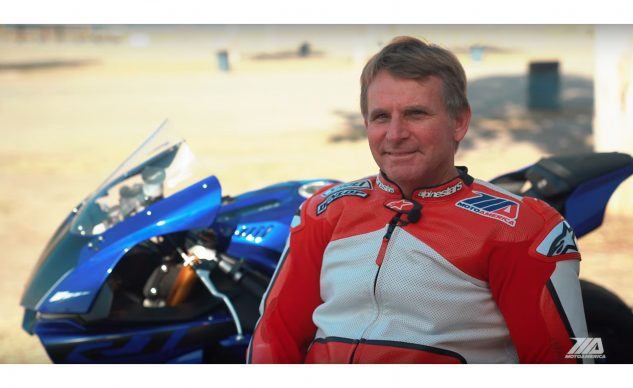
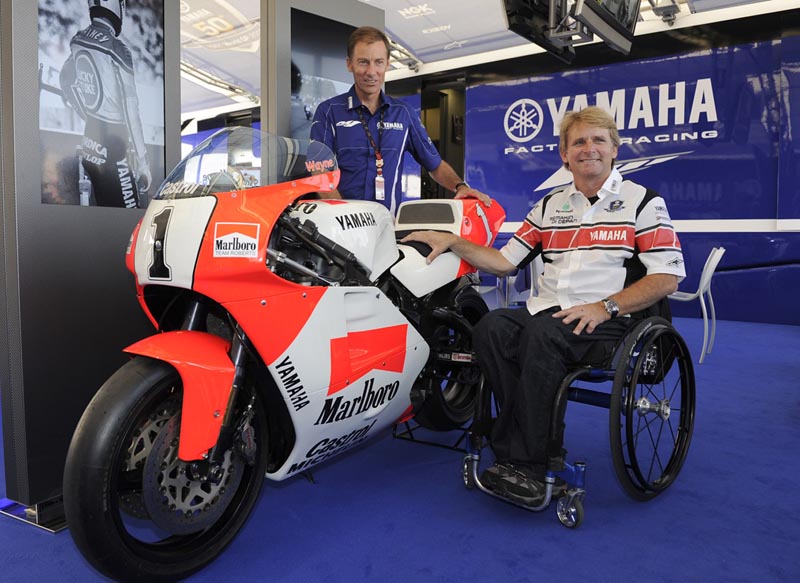
Wayne Rainey rides again 26 years after his debilitating accident.

It was the first time he’s ridden a motorcycle since his accident at the 1993 Italian 500cc GP at Misano, which left him paralysed chest down.

From the video, we could see that a pneumatic gear shifter was fitted to the Yamaha YZF-R1. The device allows the rider to shift gears via buttons on the handlebar. The R1 was also fitted with thicker seats and Dunlop tyres (like the the brand of tyres on his YZR-500cc machine). He even donned his signature Shoes helmet.

Two guys helped the current MotoAmerica President to steady the bike as it rolled and Rainey did the rest on the track. You could see he wasn’t exactly slow.

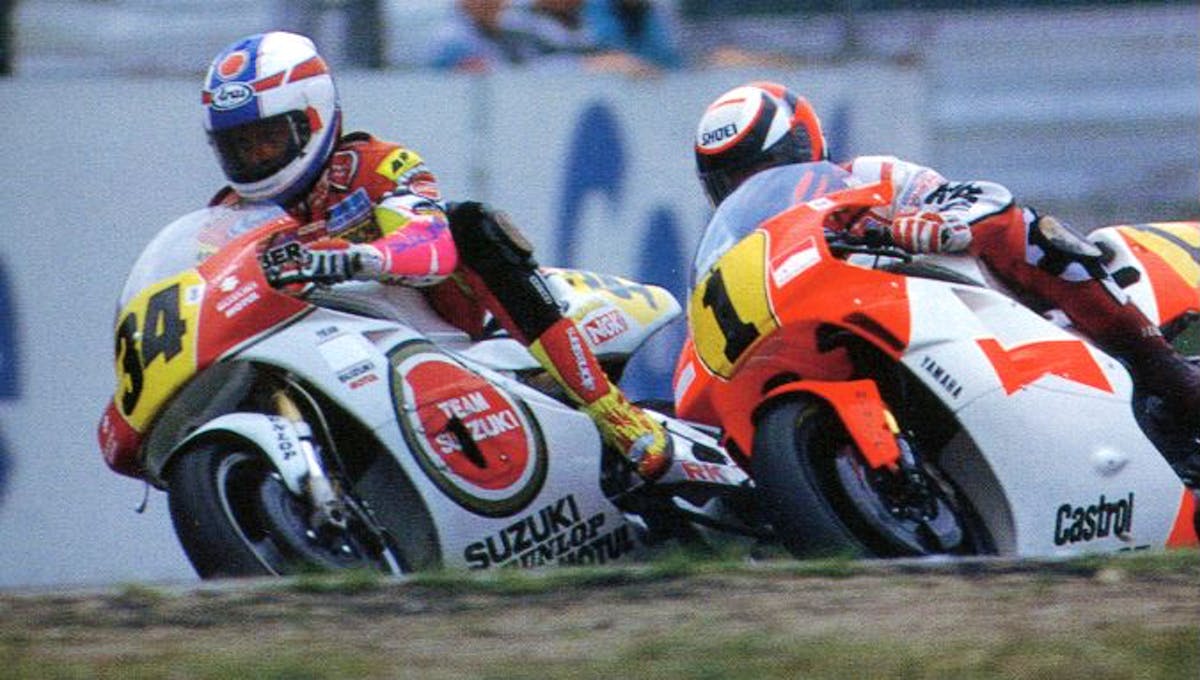
Rainey was a real legend. The three-time world champion raced against other greats such as Kevin Schwartz, Mick Doohan, Luca Cadalora, John Kocinski, Alex Barros, Eddie Lawson, Randy Mamola, et al. But it was Schwantz who was his greatest rival — a bitter rivalry they brought over from the AMA Superbike Championship.

Schwantz vs Rainey – Courtesy of drivetribe.com

Rainey was on his way to his fourth consecutive world title when his Yamaha YZR-500 slid out from under him. It looked like the most innocuous lowside that even street riders would walk away from. Unfortunately, as he tumbled, he ended up burying his head into the “waved” gravel pit, and then clouted by his own bike. The gravel was deeply grooved to stop Formula One cars, not bikes. 

Many long-time GP fans, this writer included and fellow riders were heartbroken to learn that he had fractured his spine, paralysing him from the chest down. We would never watch motorcycle grand prix the same way again.

His injury also had a telling implication on Schwantz, who suddenly lost his motivation and started questioning his own mortality. Schwantz did win the 1993 title but would go on to retire halfway through the 1995 season.

The duo, plus Eddie Lawson are close friends now. Both Rainey and Schwartz recently admitted that they didn’t know why they hated each other.

Please click here to read about their intense rivalry: https://www.bikesrepublic.com/featured/ten-fiercest-motorcycle-racing-rivalries-part-2/

In any case, this video almost brought us to tears.

  • The 2020 KTM 890 Duke R was also launched at EICMA 2019. 

  • Updates to the bike refines what the 790 Duke was bad at.

  • The new bike weighs only 166 kg, dry.

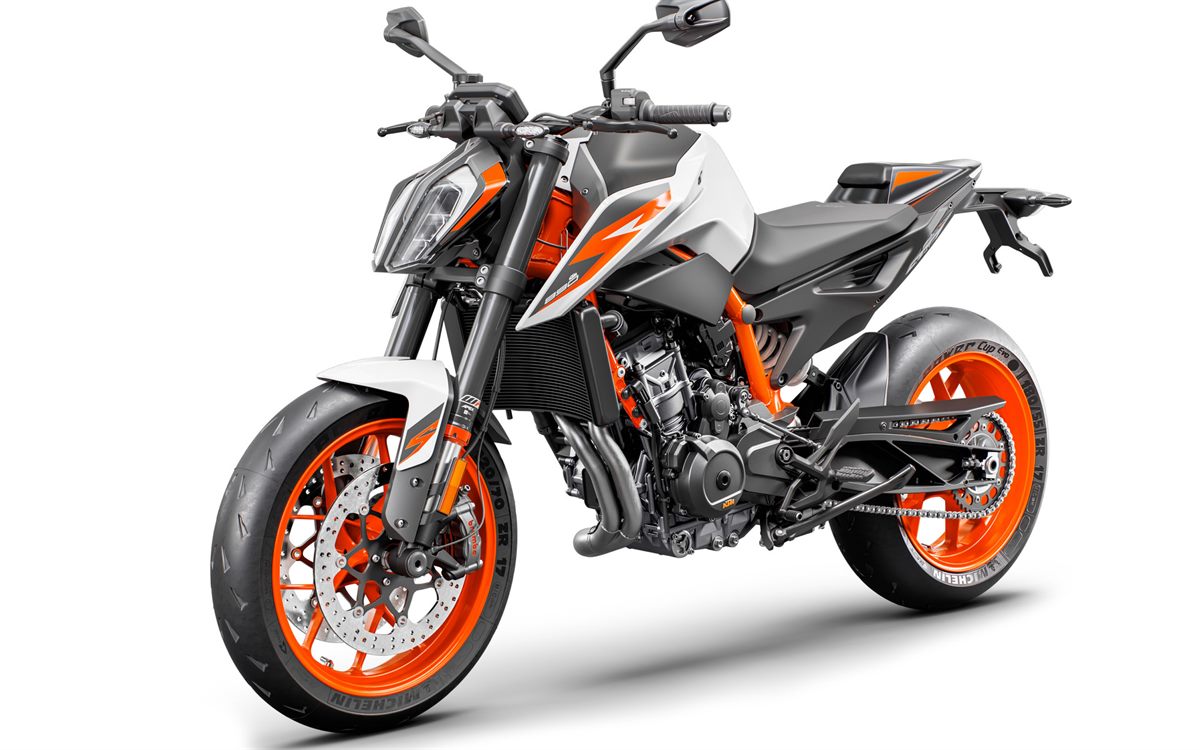
The 2020 KTM 890 Duke R was also launched at EICMA 2019.

While looking almost identical, the 890 Duke R is what the 790 Duke should’ve been and more.

Starting from the engine, KTM increased both bore and stroke to 90.7 mm and 68.8 mm. Doing so ups power to 120 bhp and 99 Nm of torque, from 105 bhp and 87 Nm.

As with other new KTMs the 890 Super Duke R also receives front and rear WP Apex suspension. The Austrian manufacturer chose to bin the 790’s J. Juan front brake calipers, too. In their place are now Brembo Stylema calipers that have so far been seen on bigger bikes only.

Cornering traction control, ABS are present and motor slip regulation (MSR), thanks to an inertial measurement unit (IMU), along with the “supermoto mode” to drift the rear wheel. The up and down quickshifter is optional, of course.

The bike weighs only 166 kg, dry despite the revisions. KTM dubs it the “Super Scalpel.”

No price yet but it’s expected to cost more than the old bike. Another thing is we wonder if it’ll debut in Malaysia. Although the 790 Duke was super cheap overseas it became rather expensive when it reached our shores.

  • The KYMCO RevoNEX was revealed at EICMA 2019.

  • It’s a high-performance electric motorcycle.

  • Features include a six-speed gearbox and traction control.

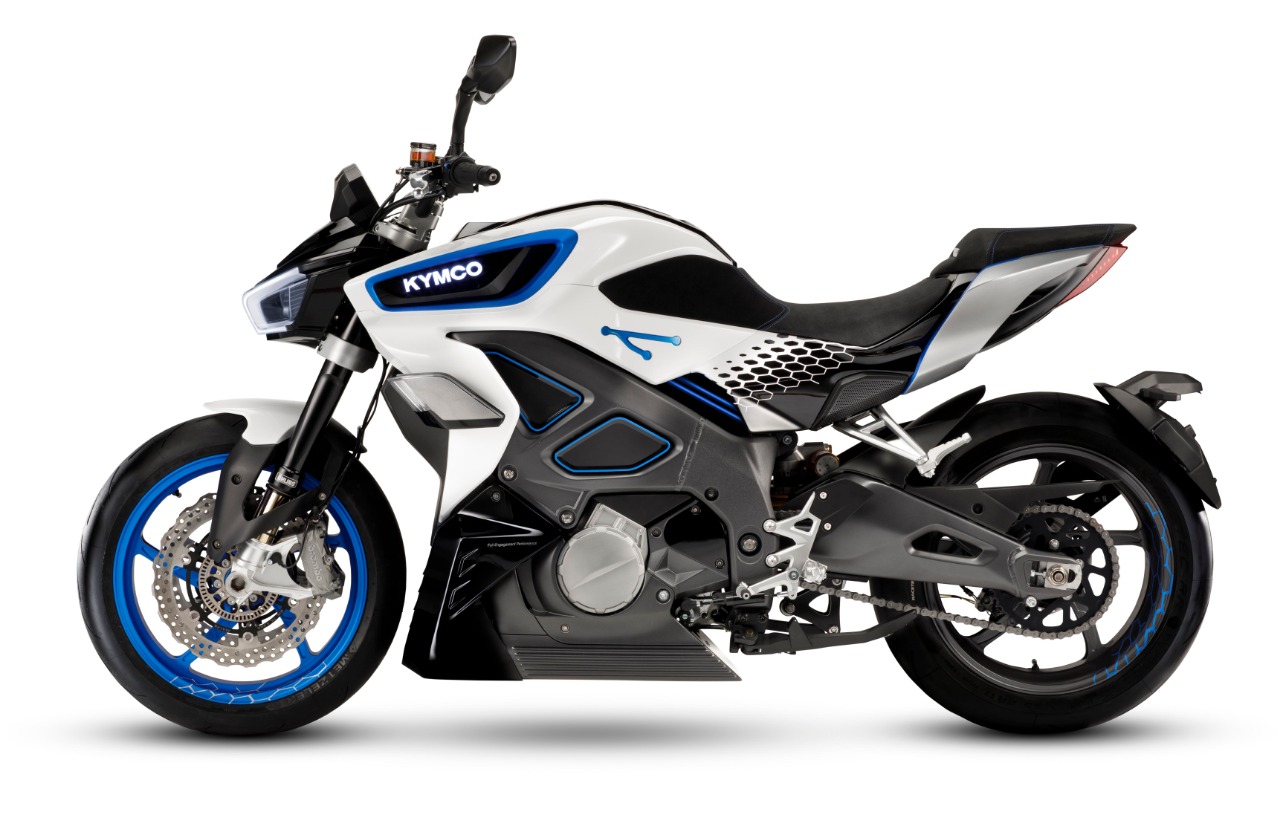
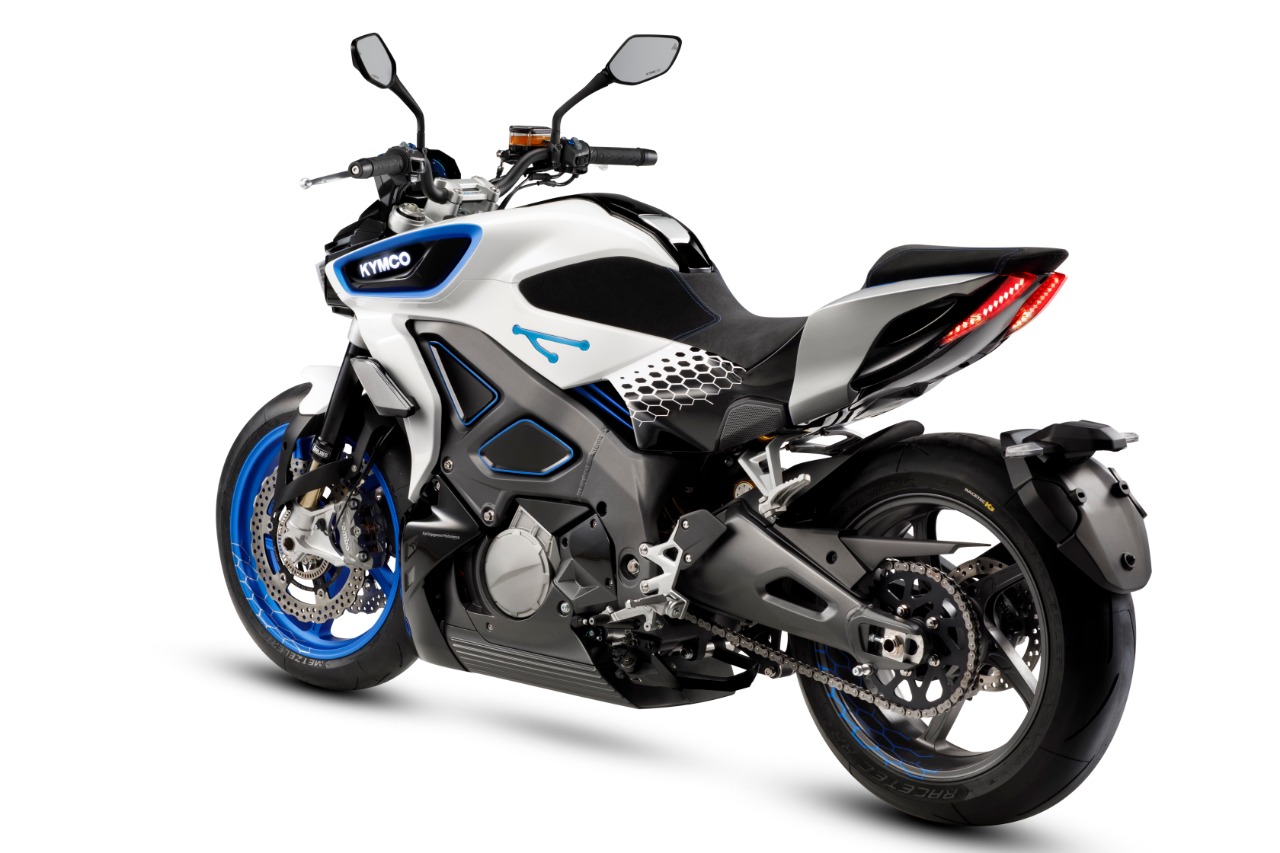
The KYMCO RevoNEX revealed at EICMA 2019 shows that scooter maker is stepping to the plate to bat.

Primarily a scooter maker, the company surprised everyone with the RevoNEX, a high-powered electric bike with some pretty high specifications.

Mated to a 6-speed manual gearbox, the electric motor pushes the bike from 0 -100 km/h in 3.9 seconds. It then continues to accelerate from 100 km/h to 200 km/h in 8.7 seconds.

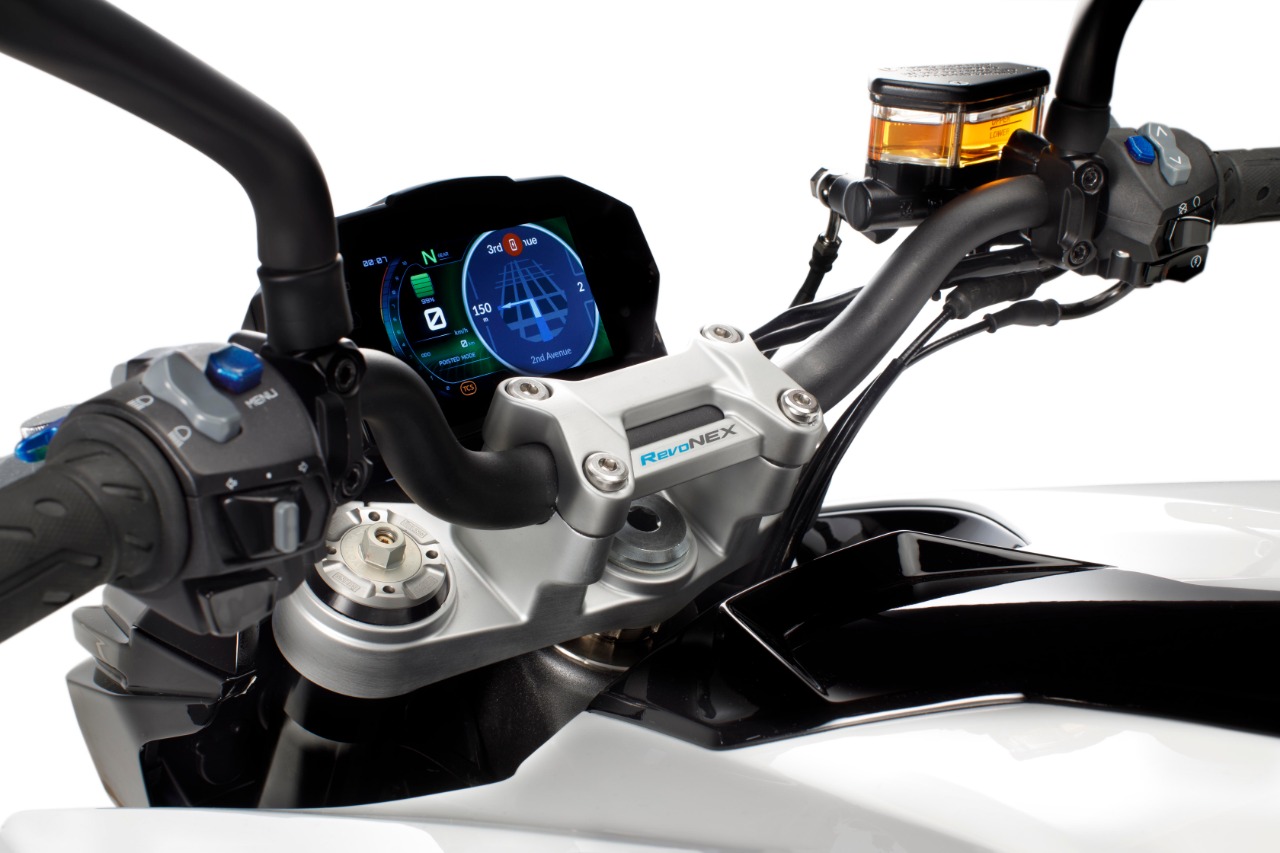
But get this, it’s also fitted with launch control plus traction control.

KYMCO did not share more technical details, specially about the bike’s battery pack and motor. However, look closer at the photos and you will spot Öhlins suspension from and rear, plus radially-mounted Brembo monobloc brake calipers up front.

If the RevoNEX has better performance, it will then be a real challenger to other electric motorcycle brands like Zero and Lightning.

The manufacturer says the RevoNEX should be available from 2021.

While many of us are used to knowing KYMCO as a scooter maker, they have been building BMW Motorrad engines for many years now. Engines for the F 800-series now F 850-series and next year’s F 900-series besides the C 400 and C 650 engines are produced by them.

  • The 2020 Benelli Leoncino 800 and 2020 Benelli Leconcino 800 Trail were launched at EICMA 2019.

  • Both share the same engine and frame.

  • The Trail has a 19-inch front wheel.

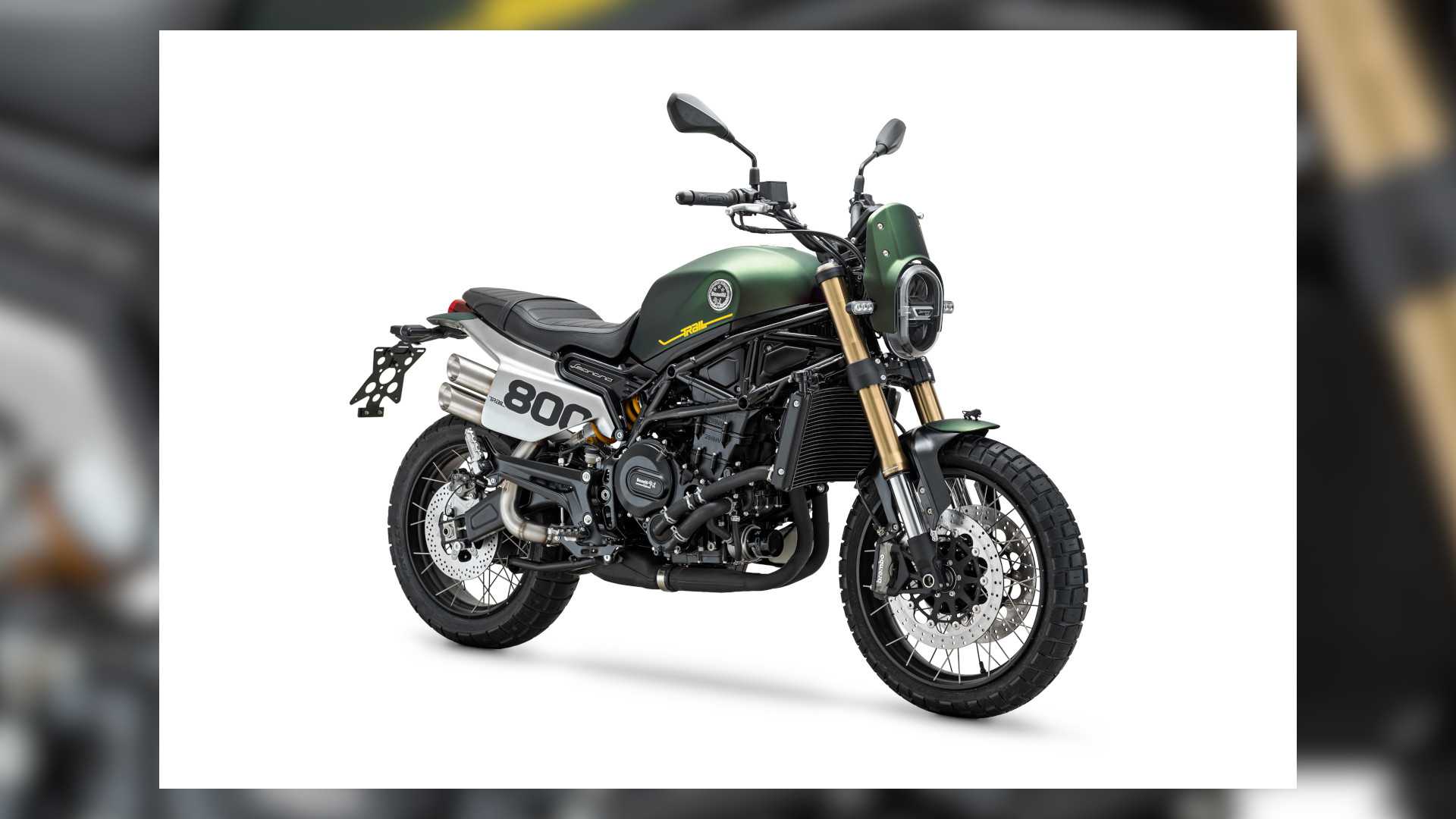
As expected, the 2020 Benelli Leoncino 800 and 2020 Benelli Leconcino 800 Trail were launched at EICMA 2019.

Pictures of the bike were leaked a couple of months back, but they didn’t indicate that there will be two variants. Both bikes share the same engine and frame platform. They are powered by a754cc liquid-cooled parallel-twin which produces 81.6 bhp at 9,000 RPM and 67 Nm of torque at 6,500 RPM. It’s power may not be as high as its contemporaries but the 2,500 RPM spread of power between maximum torque and horsepower shows that the engine has a wide powerband — “flexible” as we usually call it.

Both “Lion Cubs” (that’s what “Leoncino” means) use Benelli’s signature steel trellis frame.Stopping duties are handled by Brembo (instead of Benelli) monobloc brake calipers and 320 mm discs up front. ABS is standard.

The base version feature 17-inch wheels front and rear, while the Trail sees a 19-inch front and 10mm more suspension travel. The Trail’s most significant design cue are the twin upswept exhaust pipes.

The Leoncino pair are rather heavy. The base, street-oriented variant tips the scales at 220 kg, while the Trail is 224 kg.

  • The Aprilia RS 250 SP was also launched at EICMA.

  • It’s a purpose-built race bike.

  • Aprilia will hold a 6-race championship next year.

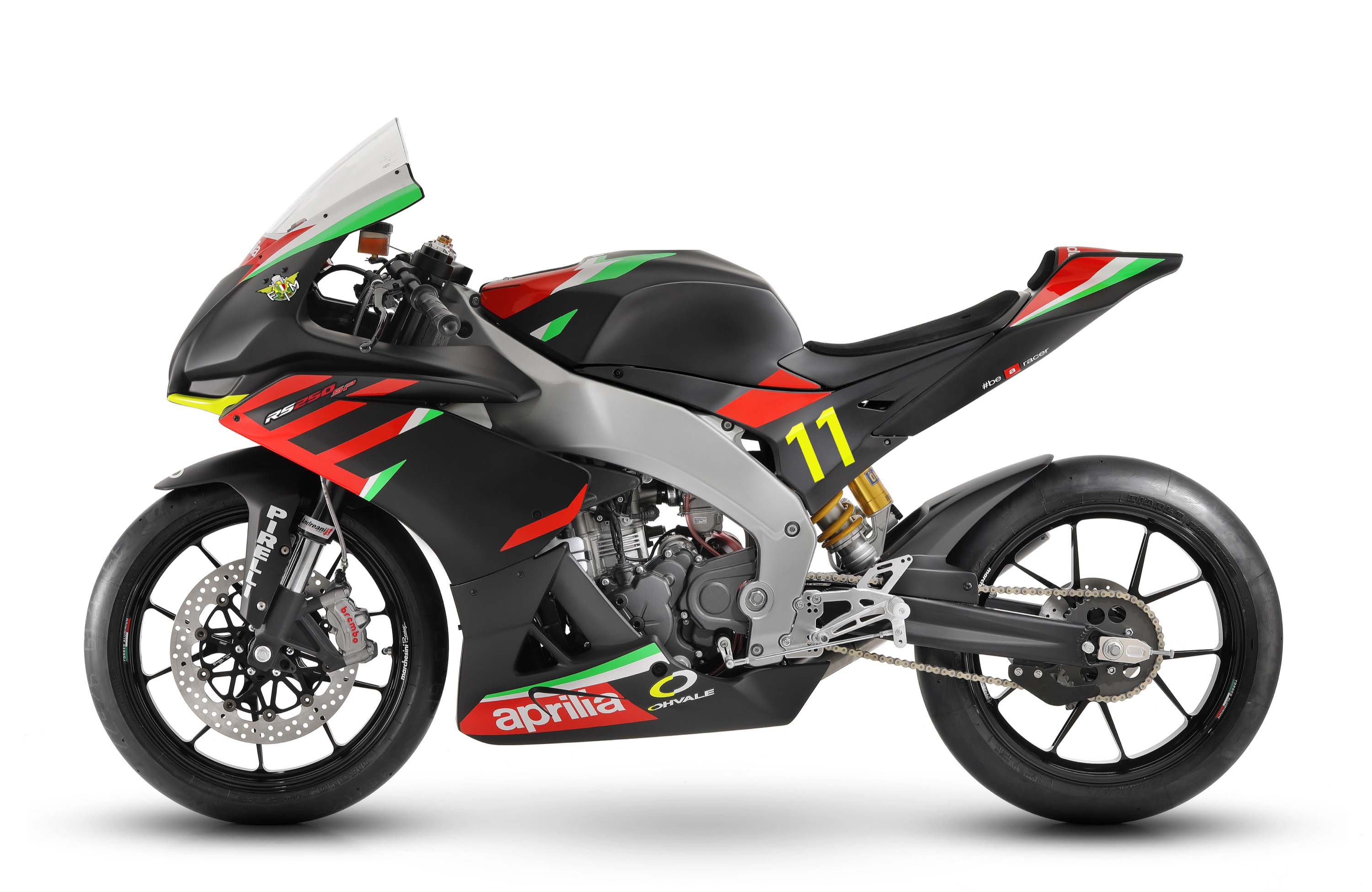
Aprilia is on a roll. Besides the RS 660, Tuono 660 and updated RSV4 1100, they’ve added this Aprilia RS 250 SP.

It’s a purpose-built race bike which the manufacturer aims to find the next grand prix superstar.

The bike is the result of a collaboration between Aprilia and Ohvale.

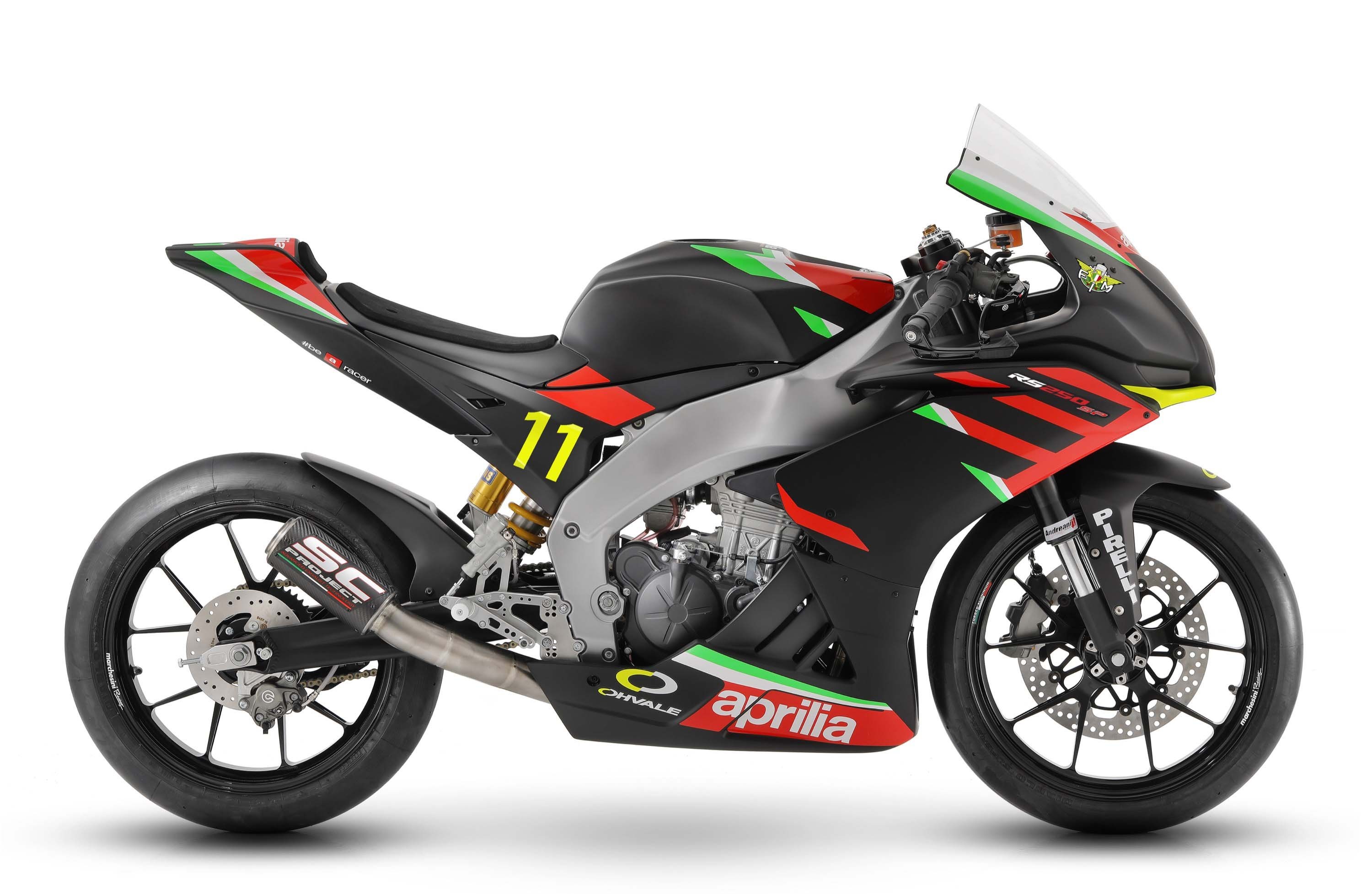
It’s fitted with the right high performance bits such as 17-inch wheels that will fit Pirelli race tyres, Brembo brakes, Ohlins suspension, SC Project race exhaust, among others.

The engine is sourced from Aprilia, while Ohvale will be in charge of production.

As promised, the Aprilia RS 250 SP will be the star of the Italian FMI Aprilia Sport Production Championship. The single-make series will run through six rounds in 2020, and Aprilia hopes to find the next Capirossi, Biaggi or Rossi.

“The new championship takes up a tradition that makes Aprilia unique, a brand that has taken generations of young people onto the track and that has raised up great champions,” said Massimo Rivola, CEO of Aprilia Racing.

“From 2020, thanks to the partnership with the Federation, we will once again be providing fun for young people who, in this championship, will find a way to make their dreams come true and perhaps, this is our wish, the start of a path in the world of competitive motorcycling.”

“This is why we have designed an easy bike and formula that will attract the highest number of young people to competitive motorcycling.”

  • Triumph Motorcycles Malaysia organised a paddock walkabout to witness Moto2 operations during the 2019 Shell Malaysia Motorcycle Grand Prix.

  • It’s in conjunction with Triumph’s role as exclusive engine supplier.

  • Moto2 operations is hectic yet a little bit more laid back compared to MotoGP.

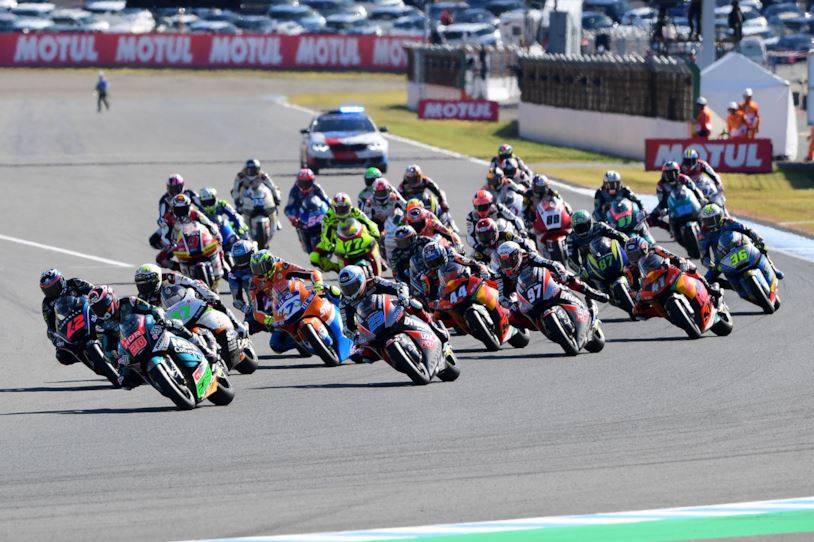
Triumph Motorcycles Malaysia organised a paddock walkabout to witness Moto2 operations during the 2019 Shell Malaysia Motorcycle Grand Prix.

As many are aware now, Triumph is the official engine supplier to the Moto2 championship. Unlike Moto3 and MotoGP classes, all Moto2 teams use the same engine, albeit different frames. This is why we see outfits such as Kalex and Speed Up — they build the frames around the engine. Similarly, manufacturers such as KTM and MV Agusta build their own frames around the Triumph engine.

Dorna Sports and the FIM wanted to build a series based on a single engine to emphasise rider skill, resulting in close racing.

The Engine

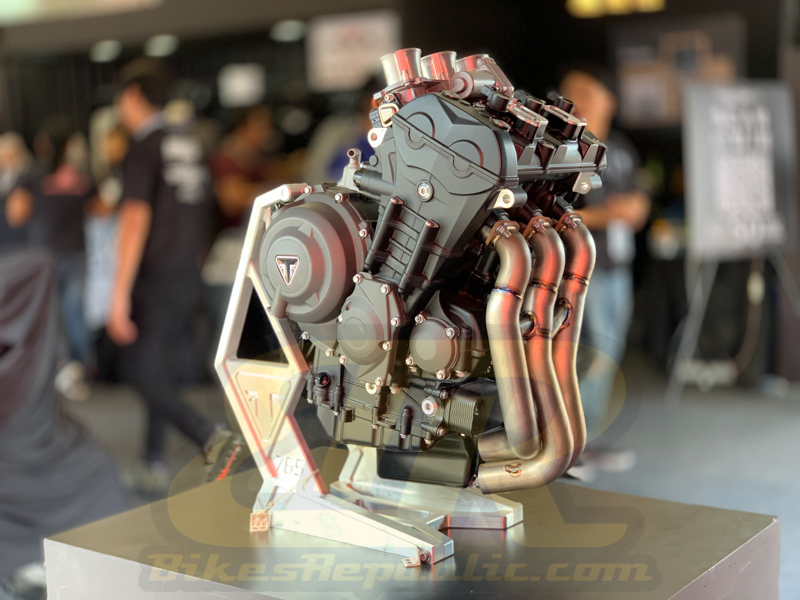
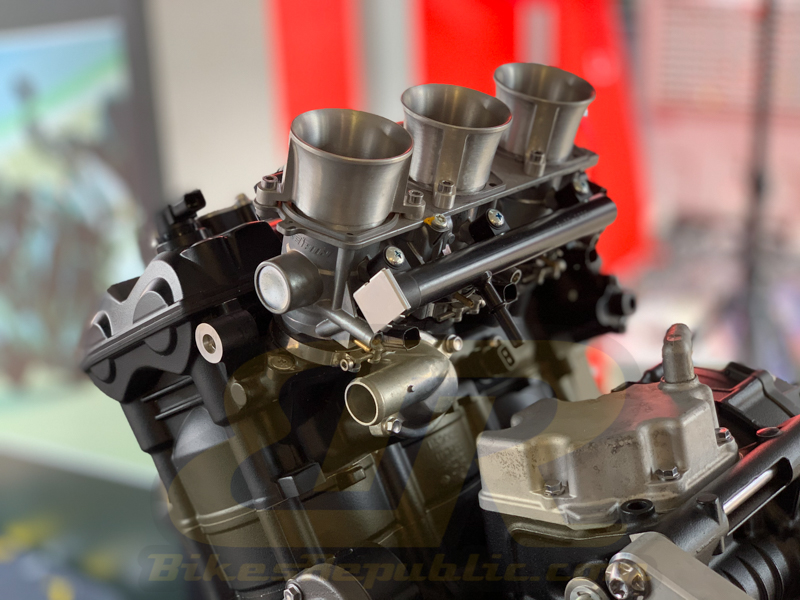
Triumph’s three-cylinder 765cc engine (based on the Street Triple RS) produces lots more torque and linear power band compared to the previous Honda CBR600RR-based inline-Four engine. Whereas the inline-Four needed to be kept within a narrow powerband, riders can utilise the triple’s power and torque almost anywhere in the powerband.

Having a narrow powerband forces riders to take one specific line around corners, making overtaking a risky affair. Besides that, a rider could not catch back up when he made a mistake. Consequently, racing was spread out.

Conversely, a linear powerband means that riders could choose different lines — especially when overtaking — and still have the grunt to accelerate. Consequently, riders aren’t afraid to overtake, resulting in close racing.

Having more grunt off the corners, especially the slow ones will results in higher speeds down the straights, contributing to faster lap times.

Lap Records

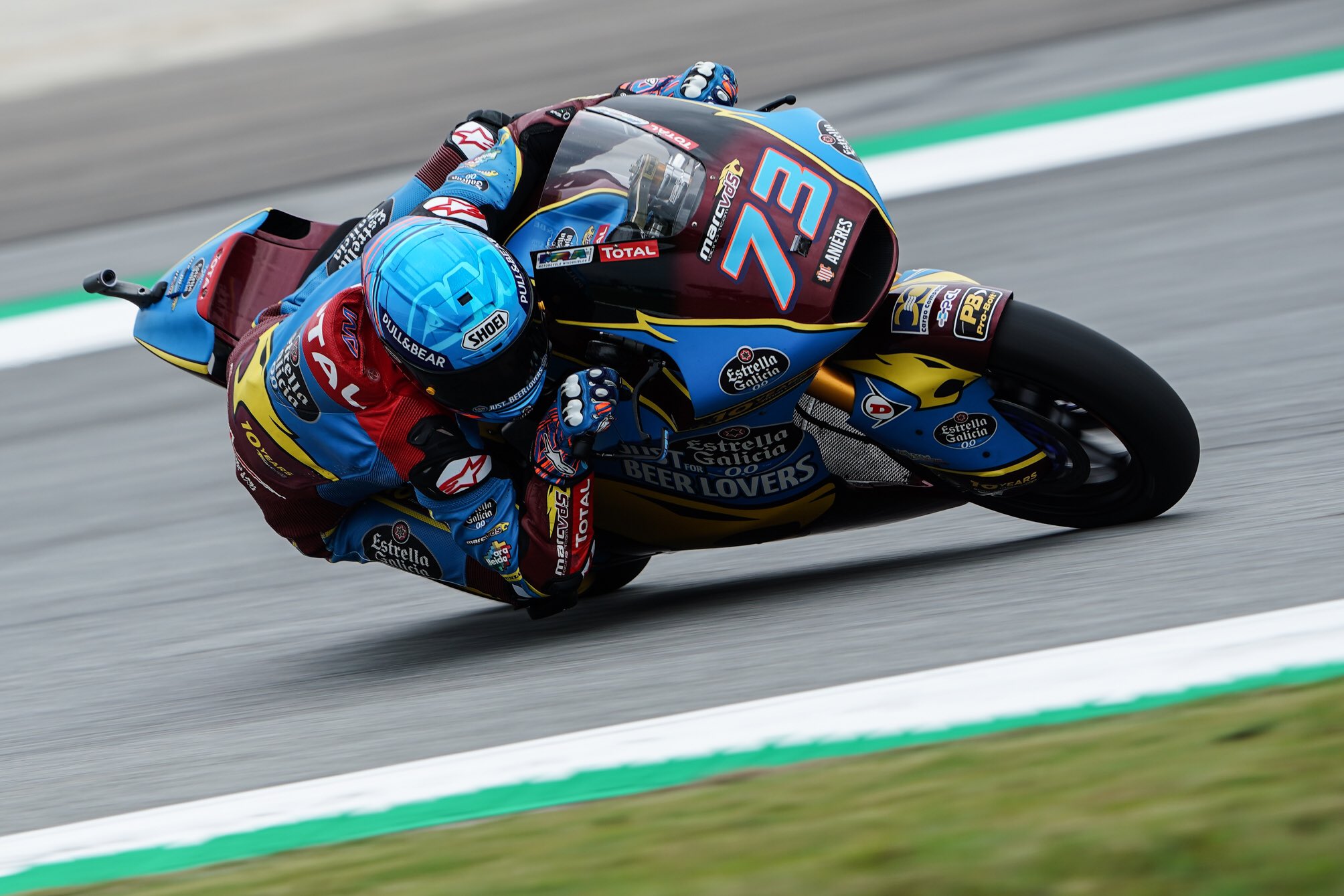
Alex Marquez in the 2019 Malaysian GP – Photo credit MotoGP.com

The Moto2 class has seen some phenomenal lap times and top speeds since the Triumph engine was introduced. Lap times and fastest top speed records tumbled all season long. 

Mugello saw a Moto2 bike hit 300 km/h for the first time the series was introduced in 2010. But by FP3 at the Sepang International Circuit, four riders went faster than 300 km/h.
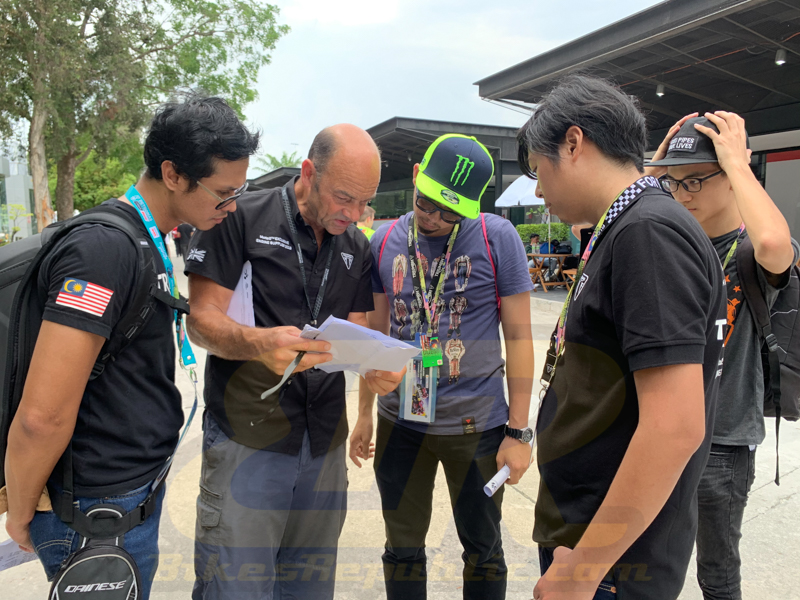
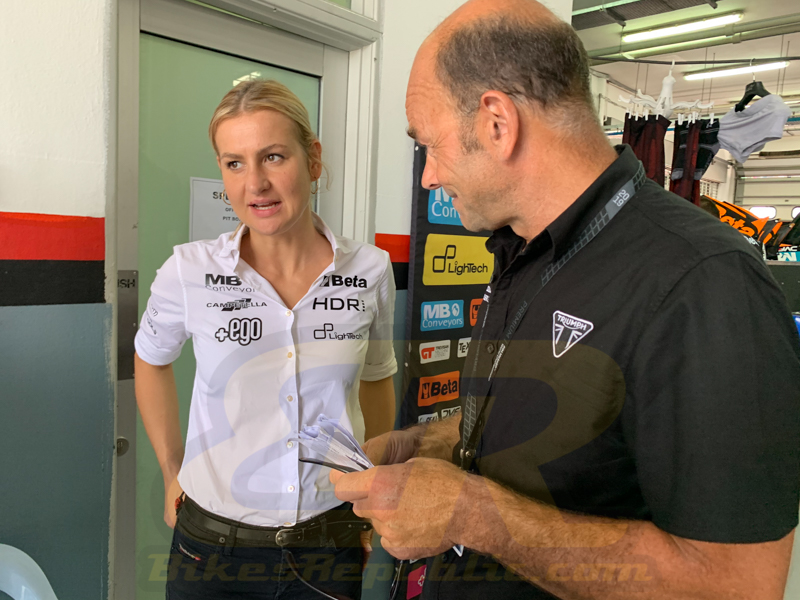
The Moto2 teams had just completed FP3 when we visited the paddock. David Dew, Triumph’s PR guy showed us the lap time printouts. We were shocked. The top four riders were under the 2018 all time lap record of 2:05.629 set by Alex Marquez. Brad Binder smashed the old record with a time of 2:04.769 which was almost a whole second faster. And it’s not even qualifying yet!

Alex Marquez would go on to capture pole position with a time of 2:05.244. In the race, he put in the fastest lap of 2:05.860 on Lap 2, breaking Miguel Oliveira’s 2017 record of 2:06.952. That’s nearly 1.1 seconds faster.

1 second may not sound much of a big deal to the layman but consider this: Competitors from 1st to 15th were covered by 1 second in qualifying.

Speed Up Paddock Visit

Only five persons were allowed to visit the pit in each session. It may be a carnival to fans but each MotoGP round is work time for the teams.

I had picked the afternoon session after lunch and was joined by four others who were Triumph owners. Such a paddock walkabout programme is great them as it adds immeasurable value and experience to their ownership.


It was a new experience for me, as well, because this was the first time I’ve visited and seen Moto2 operations up close although I’ve covered MotoGP continuously for the past five years. Whereas MotoGP teams are stationed in the main paddock building, Moto2 and Moto3 teams are sequestered in either the South Paddock or tents. Besides that, no Moto2 team had ever provided passes to visit them, compared to those in MotoGP.


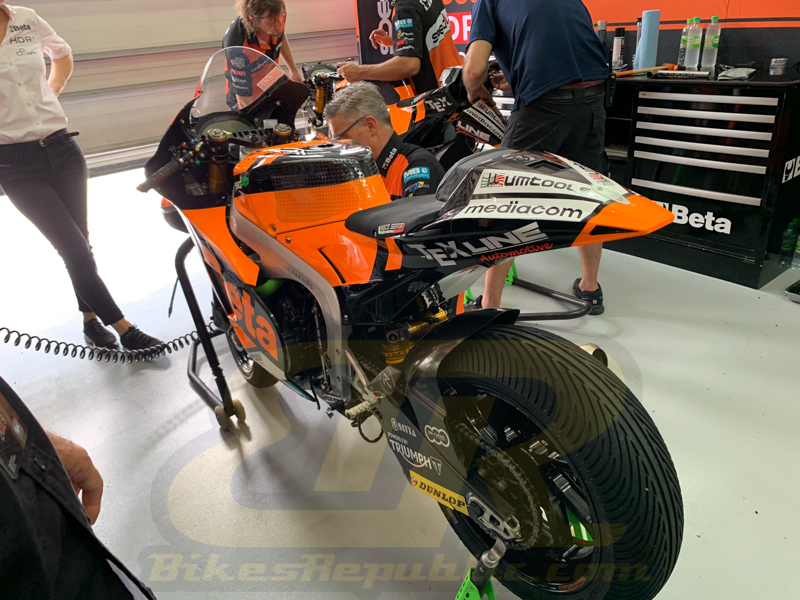
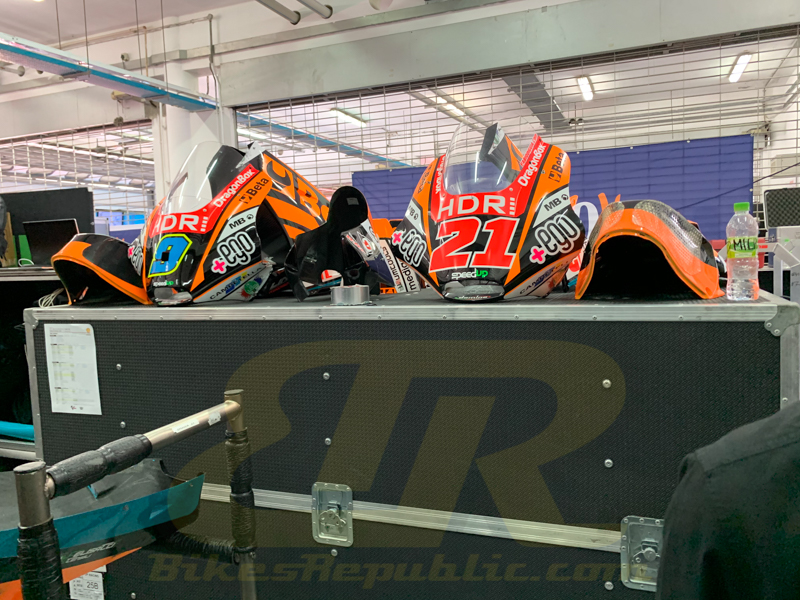
Our first stop was the Beta Tools Speed Up garage.

The team was readying the bikes for qualifying. One bike was all dressed up and ready to go and were allowed to shoot photographs of it. 


As Moto2 teams run only one bike per rider, there wasn’t many bike components lying about, except for a few pieces of bodywork placed on top of a shelf.


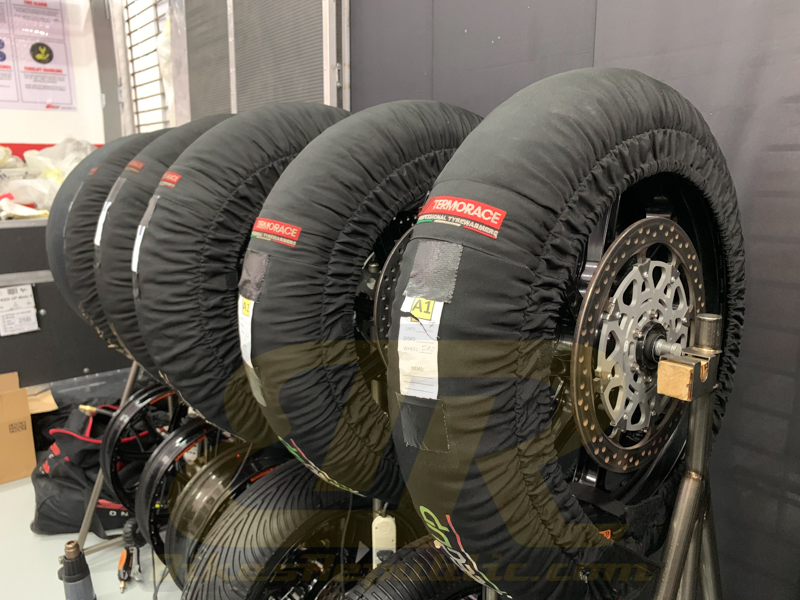
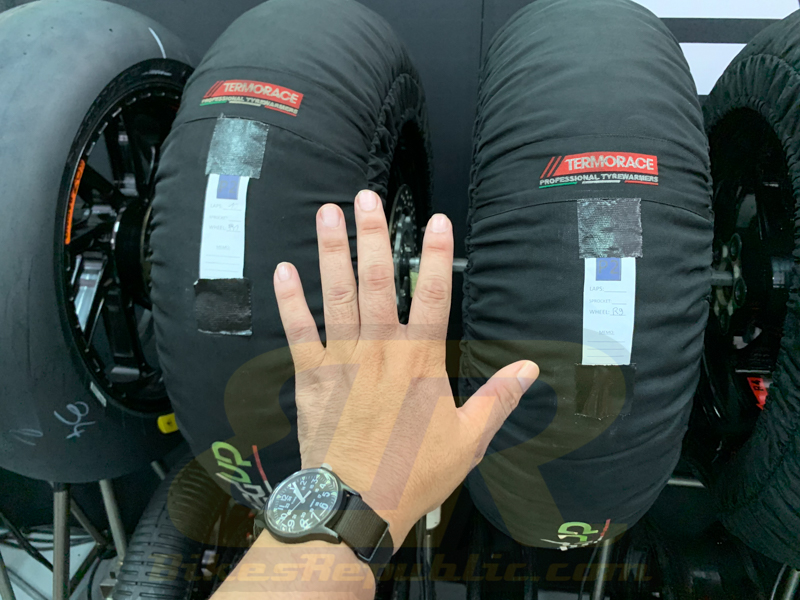
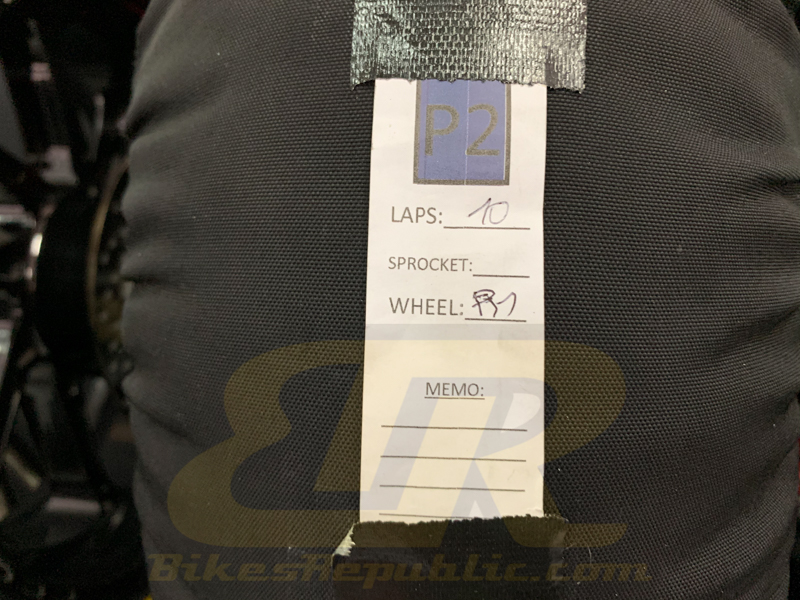
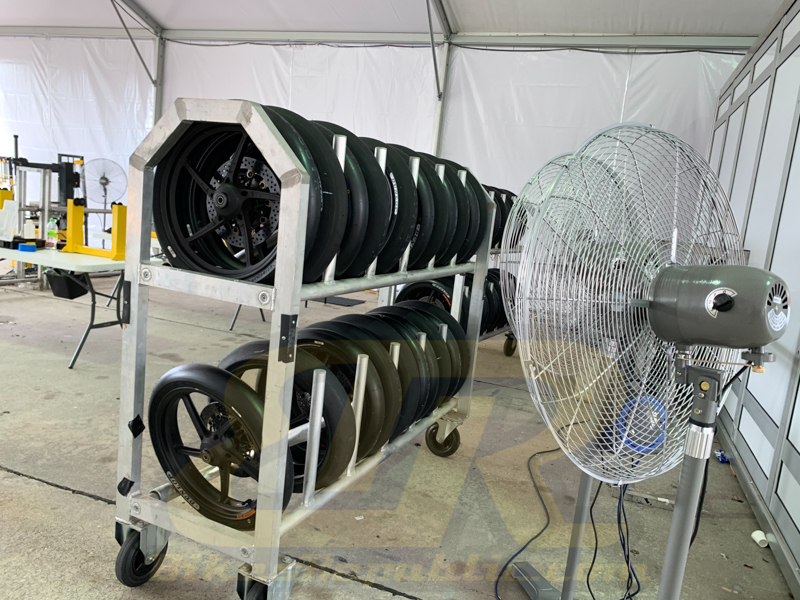
Instead there were rows of tyres wrapped in warmers. We could feel the heat from half a metre away, since they’re kept at around 90 degree Celsius. There were tags on the warmers showing the state of each tyre i.e. how laps it’s gone through or if it’s new, etc. The wet weather tyres at the bottom rack weren’t wrapped in warmers.


It was also apparent that all Moto2 bikes use steel brake discs rather than carbon. Dorna Sports wanted to keep racing costs down to allow more teams to join the series.

Dunlop Paddock

Dunlop is the exclusive tyre supplier to the Moto2 and Moto3 championships.

The first thing we saw were racks of tyres being cooled by industrial fans. The tyres were delivered in four shipping containers months before and were now being aired out.

There were multiple work benches here complete with hydraulic tyre removers.

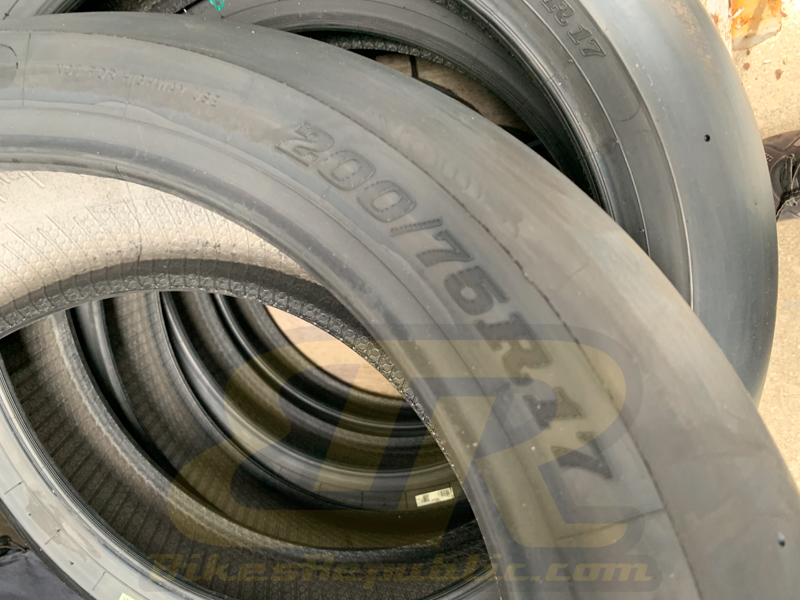
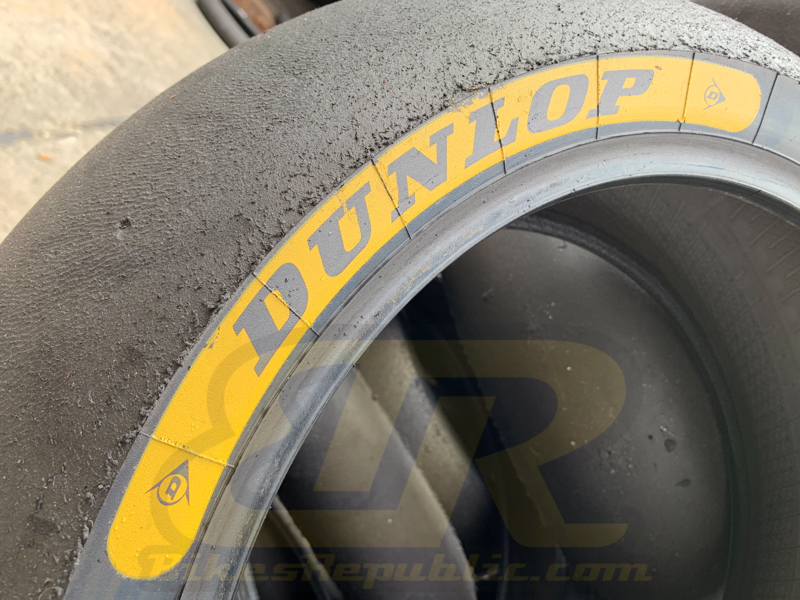
David showed us a rear tyre. The largest size was 180 when the series began but it’s grown to 200/75-R17 now. The higher aspect ratio allows the crown of the tyre to wrap around in a smoother fashion, giving a wider contact patch.

Each new tyre was barcoded and earmarked for individual teams. The teams will push in the racks we saw in the Speed Up garage and the Dunlop crew will fill them up with tyres mounted on wheels and inflated to the correct tyre pressures.

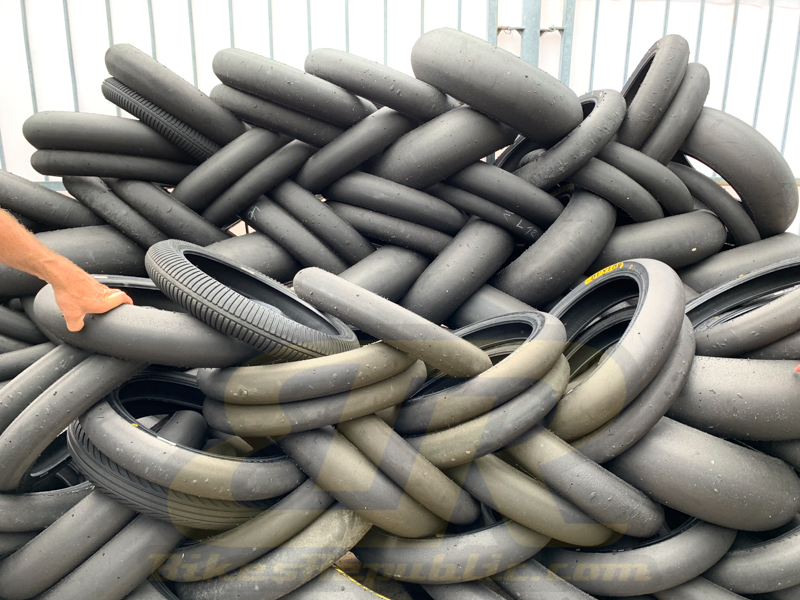
Used tyres were stacked in a large pile before being shipped back to headquarters. There, each tyre’s bead (the part which attaches the tyre to the wheel) will be cut out, rendering it useless for vehicle use. They are then recycled for children’s playgrounds.

Track Side

A visit to Extern Pro was planned but was unfortunately cancelled as Q1 had begun by the time we finished our visit to Dunlop. Extern Pro is the party responsible in modifying the 765cc street engine to race spec, and maintaining them afterwards.

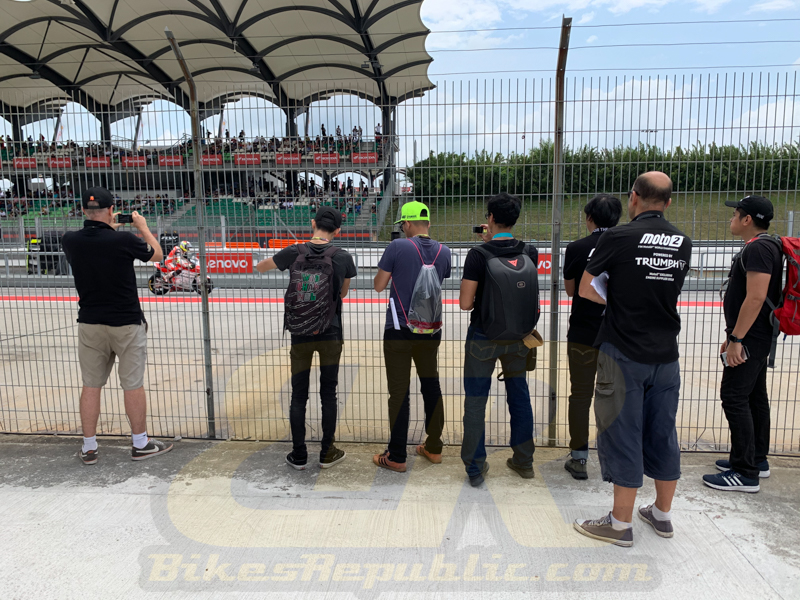
We were brought to the area just next to the main paddock building. Here, one can see bikes going past on their pit lane speed limiter, sounding like the pod racers from Star Wars: The Phantom Menace. They disengaged the limiter after crossing the pit lane exit and slammed open the throttle, serenading us with a warble and roar very much different to an inline-Four’s howl.

David then bade us goodbye after an eye-opening experience for everyone, this hack included. Prior to that, he said that he hopes such paddock walkabouts will continue in the future and might be expended to all tracks in the GP calendar.

So, get your Triumph and get ready for next year’s event!

  • The 2020 Triumph Thruxton RS was also launched at EICMA 2019.

  • Triumph reworked the engine to produce more power and character.

  • It’s also lightened by 10 kg.

The 2020 Triumph Thruxton RS was also launched at EICMA 2019.

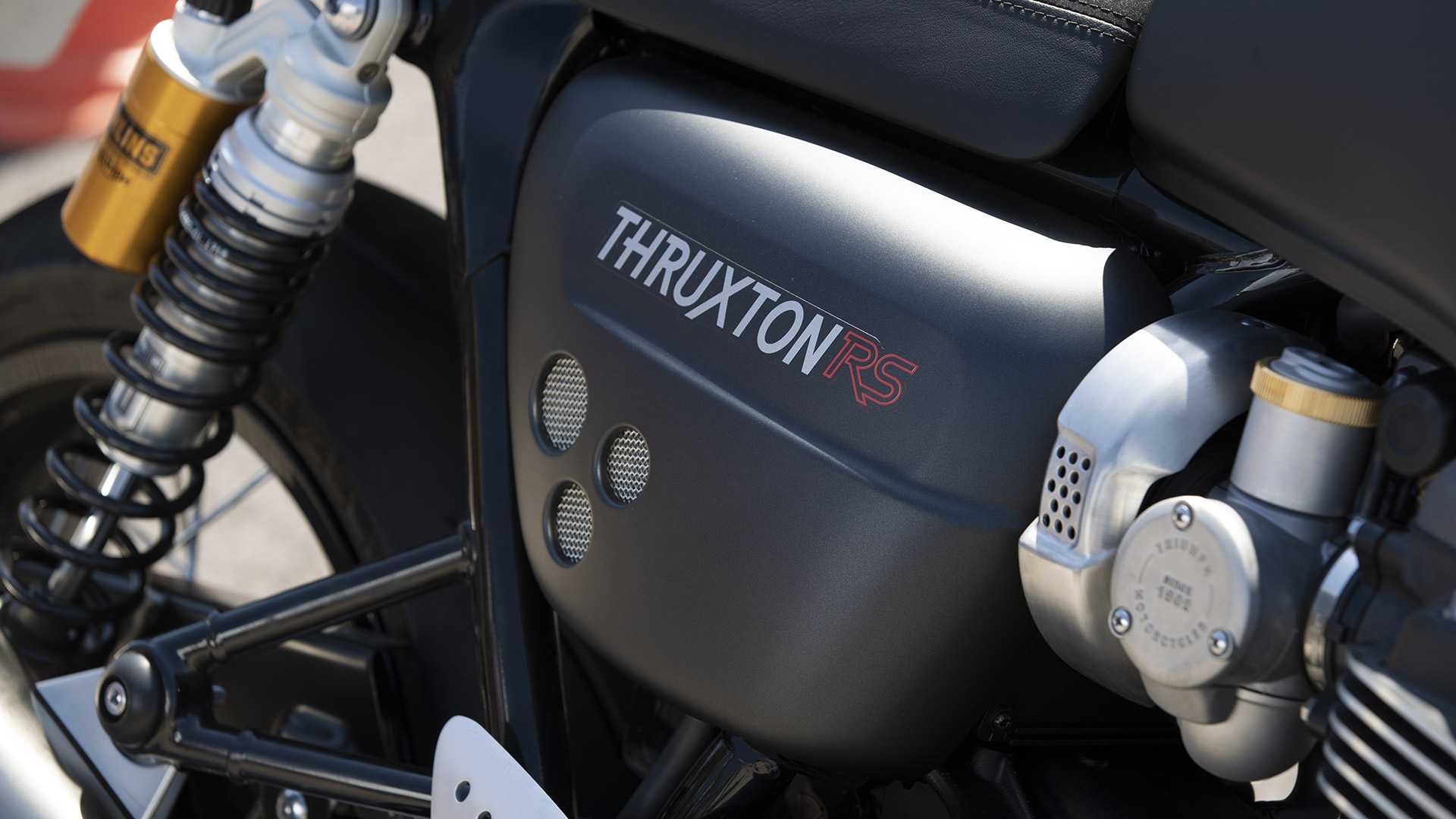
Triumph had teased the bike just before the mega show, by showing the bike’s side panel with the Thruxton RS badge. We relished the prospect of a hotted-up Thruxton anytime.

You see, the Thruxton R was an experience to ride, not merely an enjoyable ride. Its handling, the throttle and engine response, the way the engine feels, everything makes for a ride like no other.

So, how do you make something already great greater?

You start with the engine, obviously. Triumph hotted up the “High Power” 1200cc, liquid-cooled, 270-degree crank, parallel-Twin with a low-inertia crankshaft, revised ports, high-compression pistons, plus other lightweight internals. The revisions bring maximum power to 104 bhp, while torque remains at 112 Nm. The manufacturer says that the new engine is more responsive and characterful (as if the old one wasn’t responsive and characterful enough already). There’s also a torque-assist clutch.

In combination with other lightening work, the Thruxton RS is almost 10 kg lighter than the base Thruxton, weighing in at 196 kg. That’s light for a bike that consists of mostly metal parts!

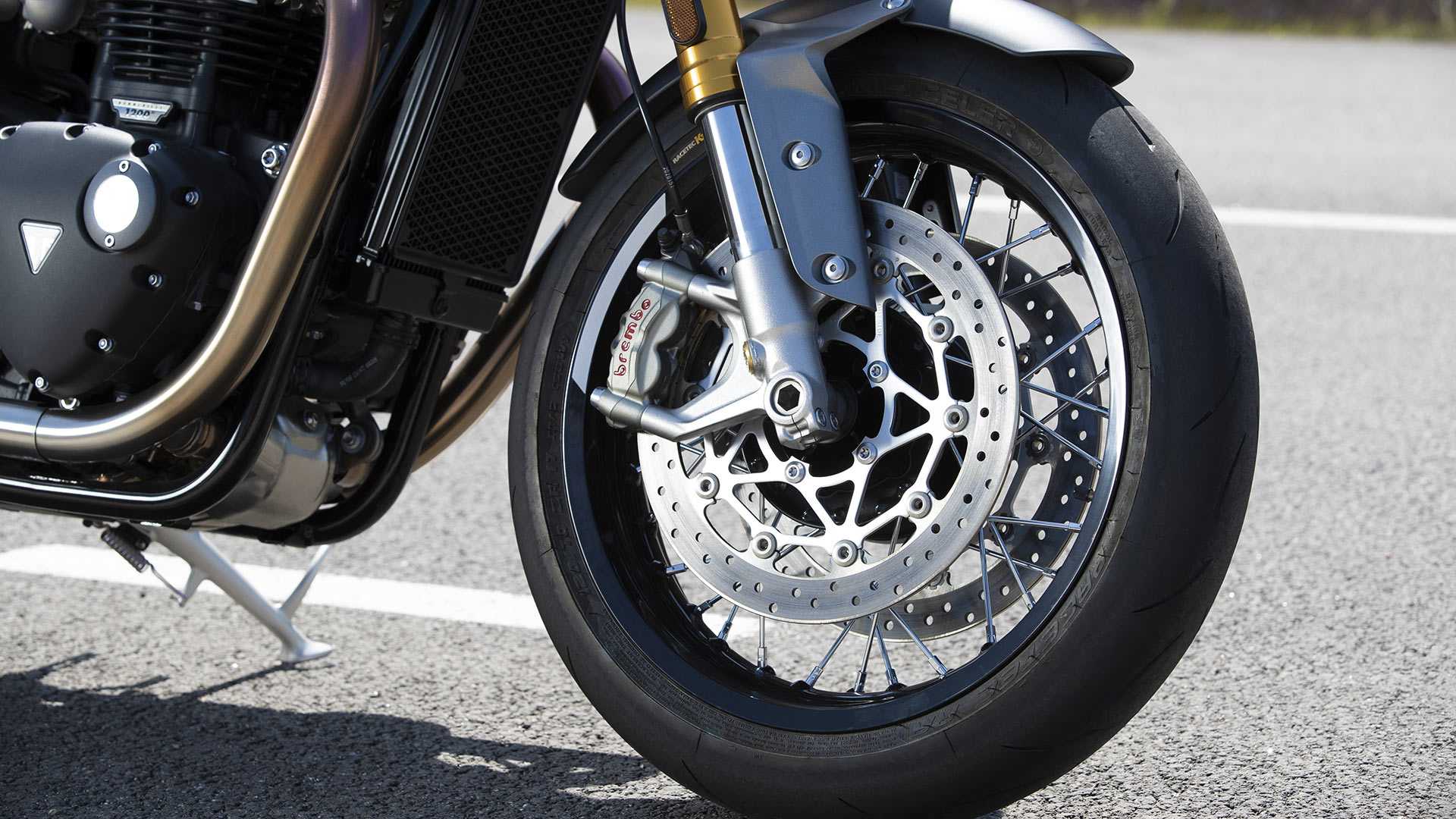
Chassis and running gear are retained from the previous Thruxton R. The forks are fully-adjustable Showa BPF, while the rear shocks are fully-adjustable Öhlins with piggyback reservoirs. The front brakes are the same radially-mounted Brembo 4-piston monobloc calipers. 

Electronics include Sport, Road, and Rain ride modes. ABS is standard.

Design remains the unmistakable Triumph silhouette. Colour schemes include an optional matte grey on black with red striping (pictured).

The bike’s American price is USD 16,200.

Archive

Follow us on Facebook

Follow us on YouTube