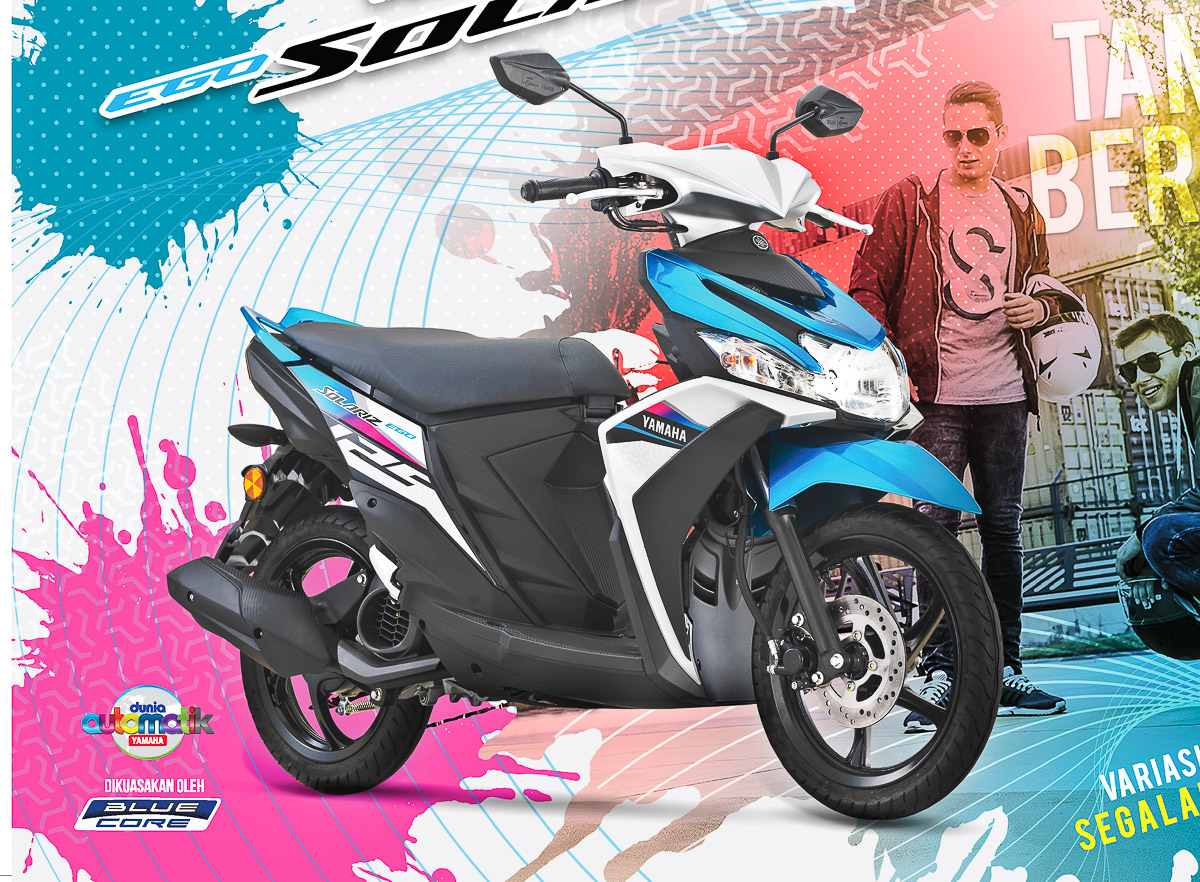
Hong Leong Yamaha Motor (HLYM) has announced that their 2019 Yamaha Ego Solariz will now be available in four new exciting colours. These new colour options are Red, Blue, Cyan, and Gold. Those who are looking for their very first scooter to roll around right after getting your license can consider the Ego Solariz for its styling as well as rider-friendly qualities. (more…)
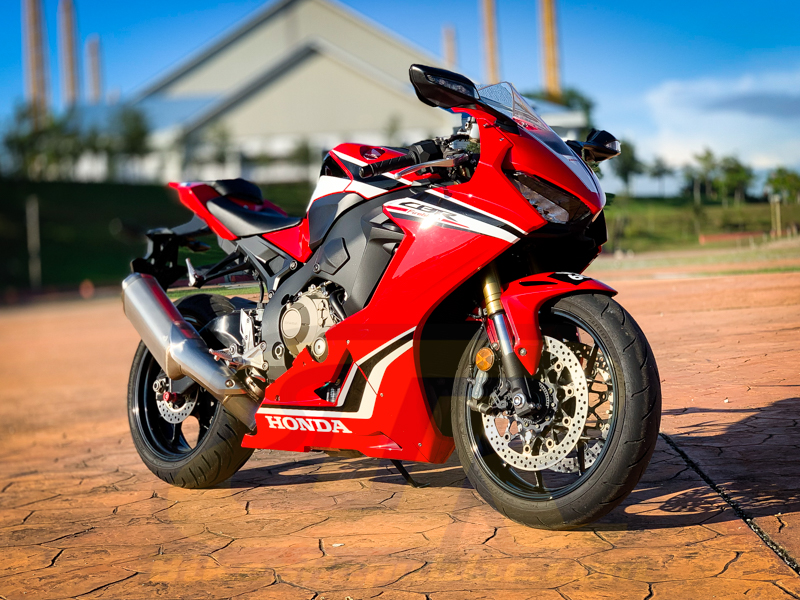
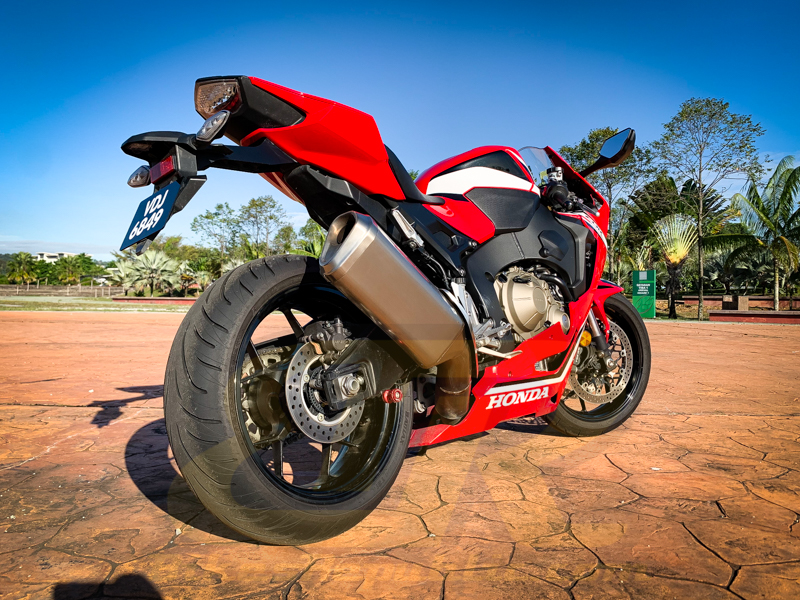
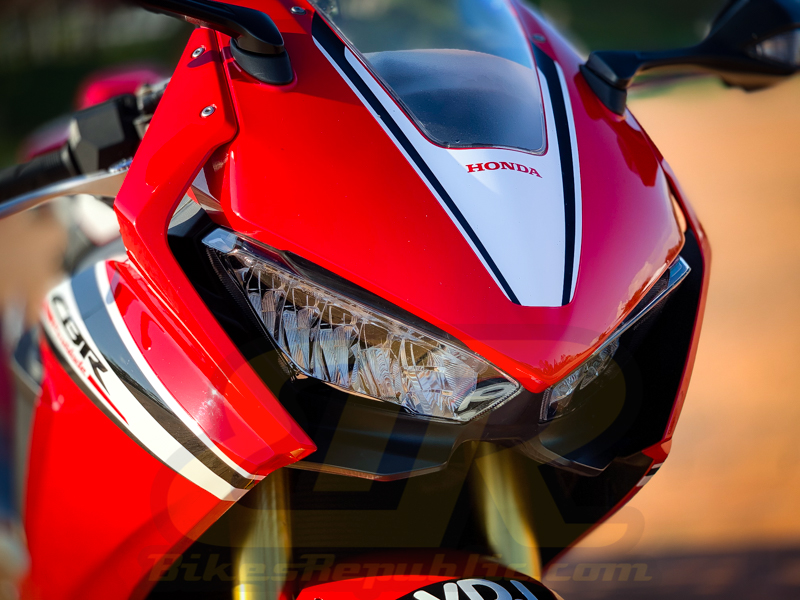
The 2019 Honda CBR1000RR Fireblade is designed to be the everyday superbike.
It’s easy to ride and live with on a daily basis.
It’s fast and far from being slow.
It may be that Honda has shown off the 2020 Honda CBR1000RR-R Fireblade, but there’s still lots of significance to the 2019 Honda CBR1000RR Fireblade.
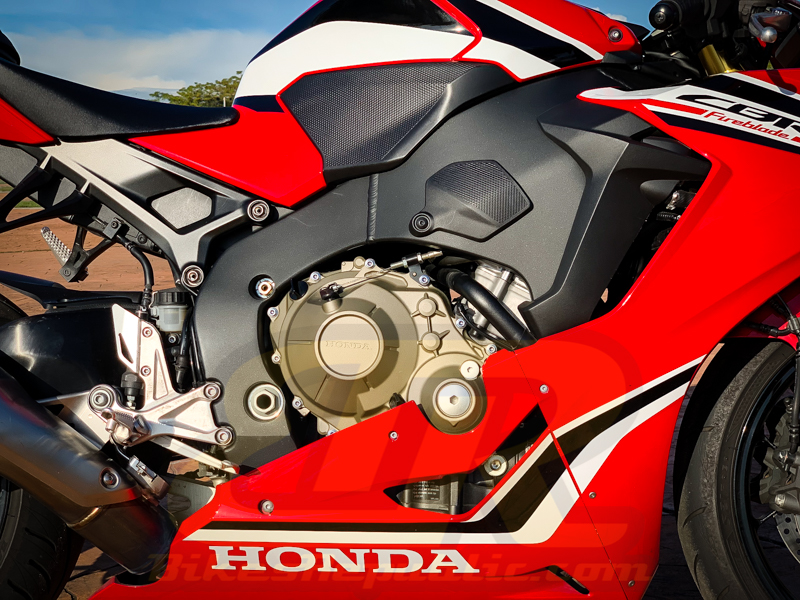
First and foremost, it’s the base model for the SP which we tested earlier. Of course, the SP was all spec’ed-out including Öhlins electronic suspension with OBTi user interface, Brembo monobloc calipers, Brembo brake discs, quickshifter and a single seat. The fuel tank was titanium, so was the exhaust system. The SP was cosmetically different, too, with gold wheels, polished aluminium frame spars and HRC tri-colour racing scheme.
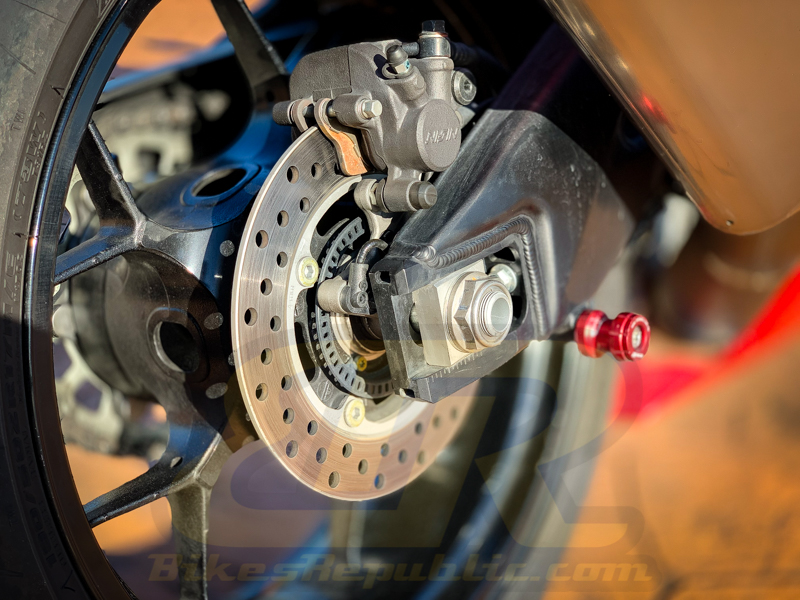
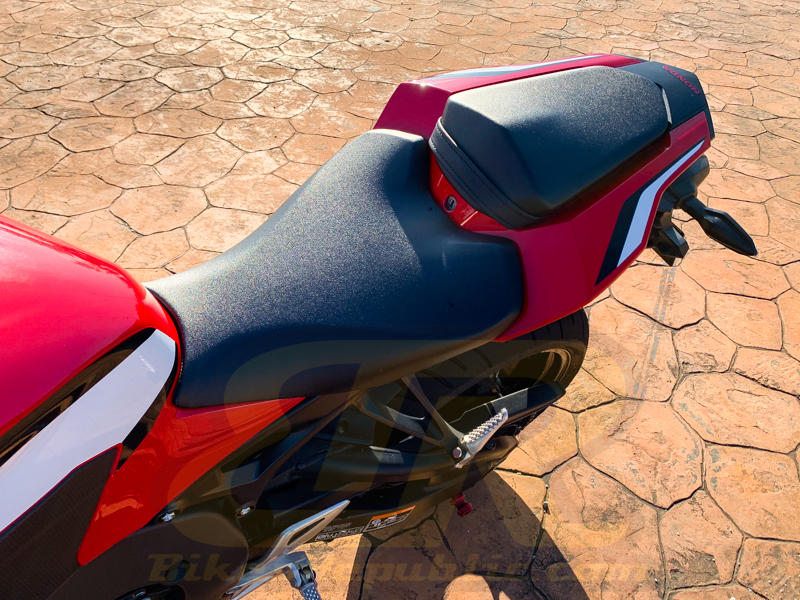
On the other hand, this base model makes do with Showa Big Piston Forks and rear shock, Tokico monobloc front brake calipers, anodized black frame and wheels, dual seats. Electronics wise, it doesn’t have the OBTi suspension controls since the suspension is manual. Most tellingly, it doesn’t include a quickshifter.
Does that make the bike less “better”?
Ergonomics is exactly the same, as with the engine power and performance.
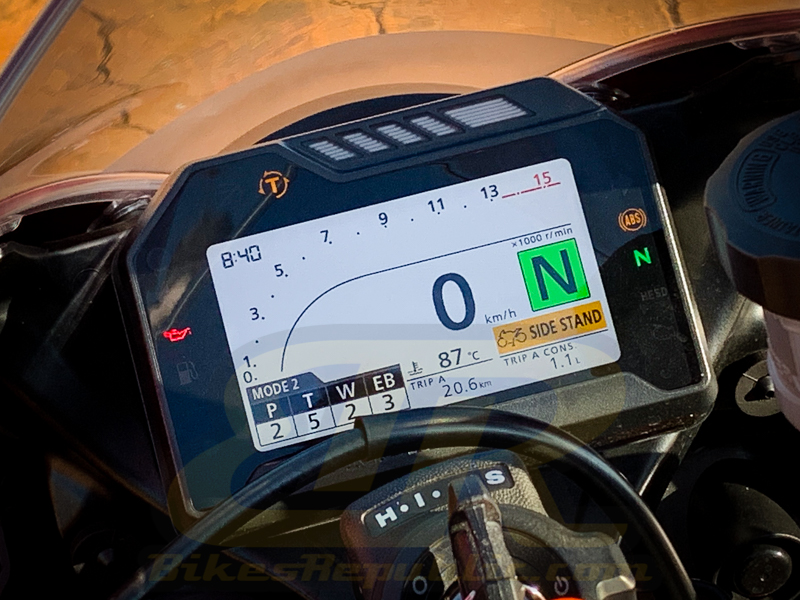
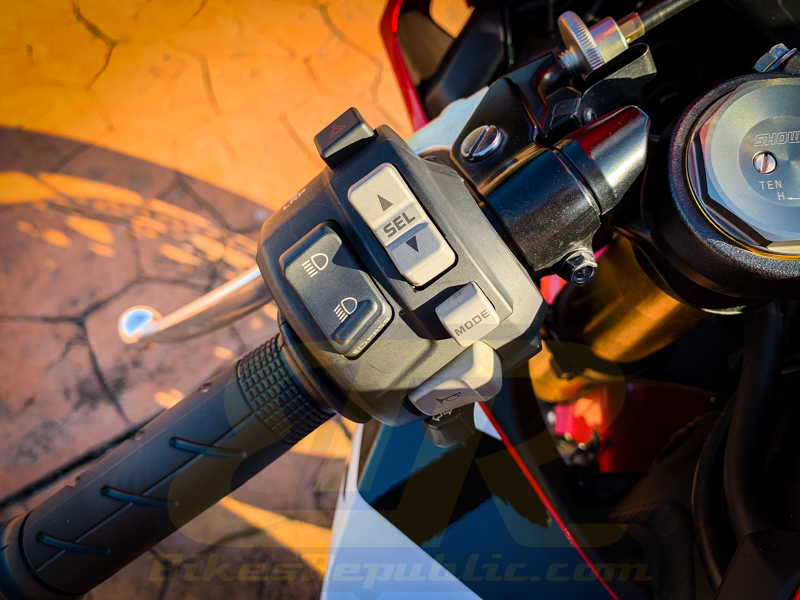
Firing it up exuded that soul-stirring deep vroom from the exhaust, telling you that it’s ready to ride. Setting the electronics was easy-peasy, given three preset modes and two user-customizable modes. From left to right, there’s P for power (1 highest, 5 lowest); T for traction control (1 the least intervention, 8 the most); W for wheelie control (1 for highest intervention, 3 for the least); EB for engine braking (1 the least, 3 the highest). That’s it. One look and you know how the bike will respond.
Each setting returns really perceptible changes. For example, the bike takes off as soon as the throttle was twisted in Level 1, whereas you need to turn the throttle more in Level 5. But if anything, engine braking (EB) showed the biggest change. In level 1, the bike almost freewheeled (great for attacking corners) while the bike slowed a lot off the throttle in level 3.
Although not electronic, the factory suspension settings were already in the ballpark. No, wait. They were superb. We found that we didn’t need to adjust anything at all. Only once did it get of shape as I had to brake hard when keeled way over in a corner, because a car cut into my lane. The forks dived hard, causing the bike to wobble. However, adding just two turns of compression and rebound damping solved the issue.
Compared to the electronic suspension, the biggest difference was that the manual suspension felt soft in its initial stroke but was stiffer when you hit larger bumps. It’s the true opposite for the electronic set up. Yet, the CBR1000RR’s suspension was the most compliant on the street as opposed to all other superbikes we’ve ridden.
The bike isn’t slow, not at all. It’ll own everything thrown against it because it’s so easy to ride on the street. While you need more effort on other bikes, the CBR took all steering efforts in its stride. Think it, turn in.
In corners, the softer suspension settings let the tyres bite into the road surface and hook up early just as you add balancing throttle. That confidence goads you into opening the gas sooner without the risk of pushing the bike wide. I found myself adding too little throttle many times during the initial two days of testing, but I was punching in plenty of throttle soon enough.
There’s a corner on MEX Highway which I’ve never ridden through faster than 160 km/h (on the KTM 1290 Super Duke GT). One day, I hammered the CBR through it to see how far I could lean the bike. I looked down and saw 188 km/h and the knee was still far away from the road!
But it isn’t all about aggression. Feel the need to cruise? Just raise your body, switch to MODE 3 and putt along in sixth gear. The bike happily obliged even when we rode it at 80 km/h in sixth. Not only it didn’t stutter but it pulled hard as soon as I opened the throttle. From there it would blow through 100 km/h, 150 km/h, 200 km/h and all the way.
That inline-Four has gobs of low-down and midrange torque unlike its contemporaries. It punched hard from the standing start and acceleration only slowed down a little (just a little) past 8,000 RPM. Hard acceleration was accompanied by a mix of warble and whoosh from the intake with a howling and roaring exhaust, as if it was a small V-Four. The stock exhaust was loud enough – all the better for such a distinctive tone that’s totally different from all other inline-Four superbikes.
But it wasn’t all about aggression.
It’s so easy to ride in any circumstance, including in heavy traffic. Whereas I found it difficult to maneuver other sportbikes in really slow traffic, I could cilok (swerve around) on the CBR1000RR like a Honda CB250R. I’m not kidding! Even U-turns were easy because there was plenty of steering lock. Carrying a passenger wasn’t much of a bother, either.
That’s the central theme to the Honda CBR1000RR Fireblade. The CBR1000RR team wants to give the rider Total Control. Total control breeds confidence, and confidence turns to enjoyment. Total control also means that the bike is forgiving.
You’re always in control with those clip-ons positioned just right in relation to the seat. While other superbikes have their handlebars placed on the same level as the seat, the Fireblade’s are about 2.5 cm (1 inch) higher. In doing so, it gives the rider more leverage on the bars as well as better comfort, without sacrificing sportiness.
The more I rode the bike, the more I discovered that it’s Honda’s obsession with the little details. For example, like the previously mentioned abundance of steering lock and ergonomics. Going further, the design of the fuel tank made it easy to hook your upper arms and knees to it when you’re leaning into a corner. Apart from that, the seat height was at a comfortable level, yet the footrests didn’t touch down at all.
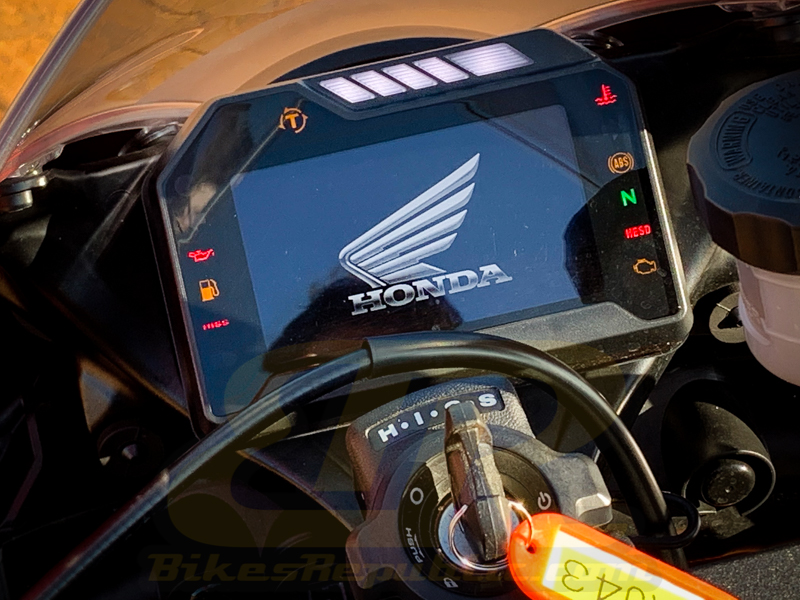
Honda also showed their obsession with quality and finish. Look down into the space between the TFT screen and handlebar and all you’d see is the clutch cable. No wayward cables and parts. Even the steering damper’s hidden away underneath the fuel tank’s cover.
Was there anything we didn’t like? Not really, but we know that detractors will bash the lack of a quickshifter. What? You’ve forgotten how to shift gears? Just joking. But trust us: You won’t miss it. The first two gears and downshifting may require the clutch lever but hooking up the next gears without the clutch was almost as good as using a quickshifter. It felt more rewarding too. The clutch pull was very light anyway, requiring on the middle finger to work it.
Another point excuse we always heard is the lack of top end power. The CBR1000RR has the lowest in the class at 189 hp. But unless you want to race the bike in MSBK or MSF, why does it bother you? What’s more important is the bike’s ability to accelerate faster from idle and while rolling compared to the others.
Let’s also not forget that the bike looks great from every angle.
Conclusion
It’s apparent that the Honda CBR1000RR Fireblade was designed to do almost everything as a sportbike. By that we meant that you could ride it everyday while carrying a pillion, head into the mountains on weekends or convoy, and still be able to turn and burn at the track.
And it’s surprisingly cheap as well (in relation to other 1000cc sportbikes, not our bank accounts) from RM 91,999 making it a superb value for money. (The CBR1000RR Fireblade SP is priced from RM 114,999.)
So, if you can only own one 1000cc sportbike that you have to use for everything, this is the bike.
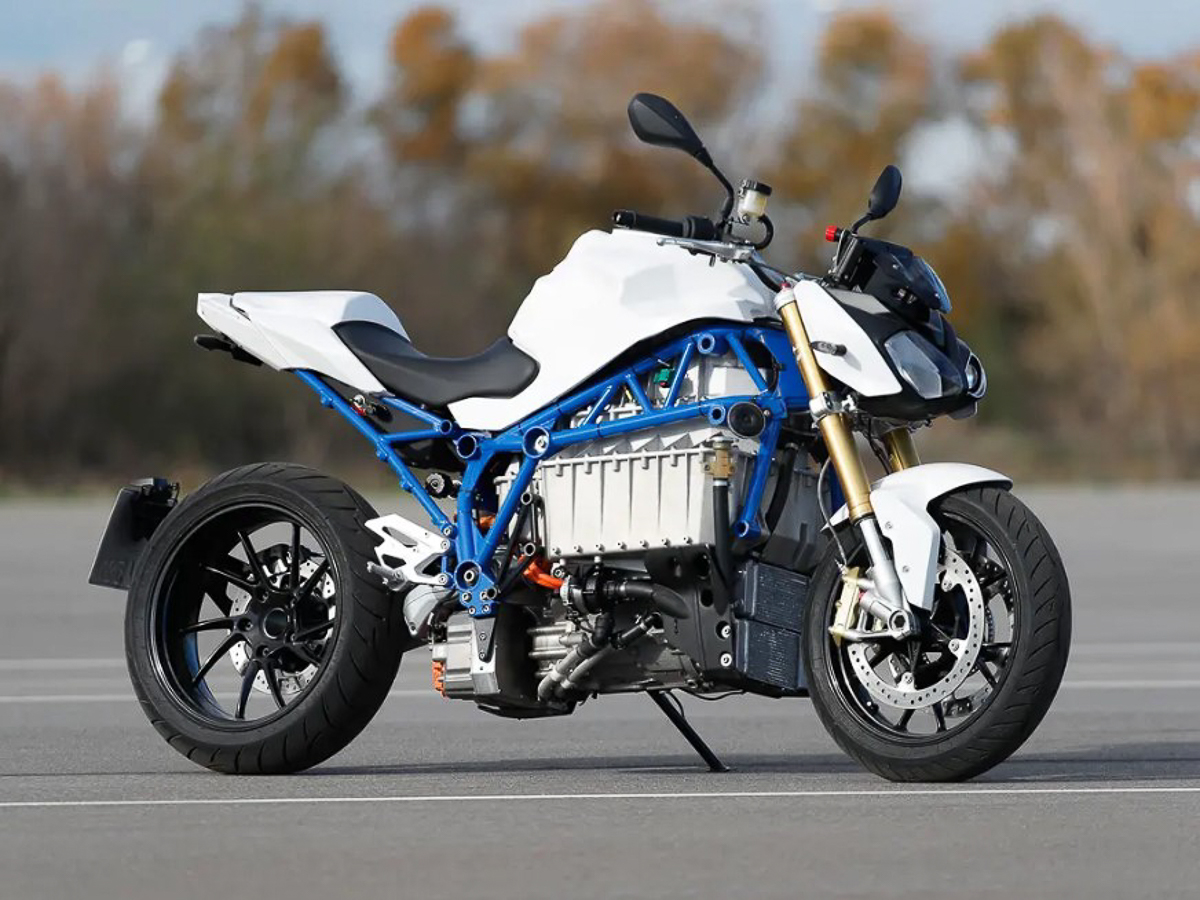
Electric power is without a doubt the future of mobility and BMW Motorrad has been working in closed quarters regarding their latest project, the BMW E-Power Roadster Concept. With years of R&D, this is the bike that’ll most likely go into production compared to the other electric concepts the brand has introduced in the past years. (more…)
Ducati together with Ducati Corse has just launched their latest Ducati Memorabilia project where fans and enthusiasts have a very rare and unique opportunity to buy and own authentic race bike parts used by their riders in MotoGP and WorldSBK! (more…)
SAM or Safe Aim Mutual Sdn Bhd, the organiser and promoter of the Petronas AAM Malaysian Cub Prix, plans to build more permanent tracks and circuits in Malaysia. Their ultimate goal is to work together with respective states in providing a venue that everyone will have easy access to further develop Malaysia’s motorsports talents of the future. (more…)
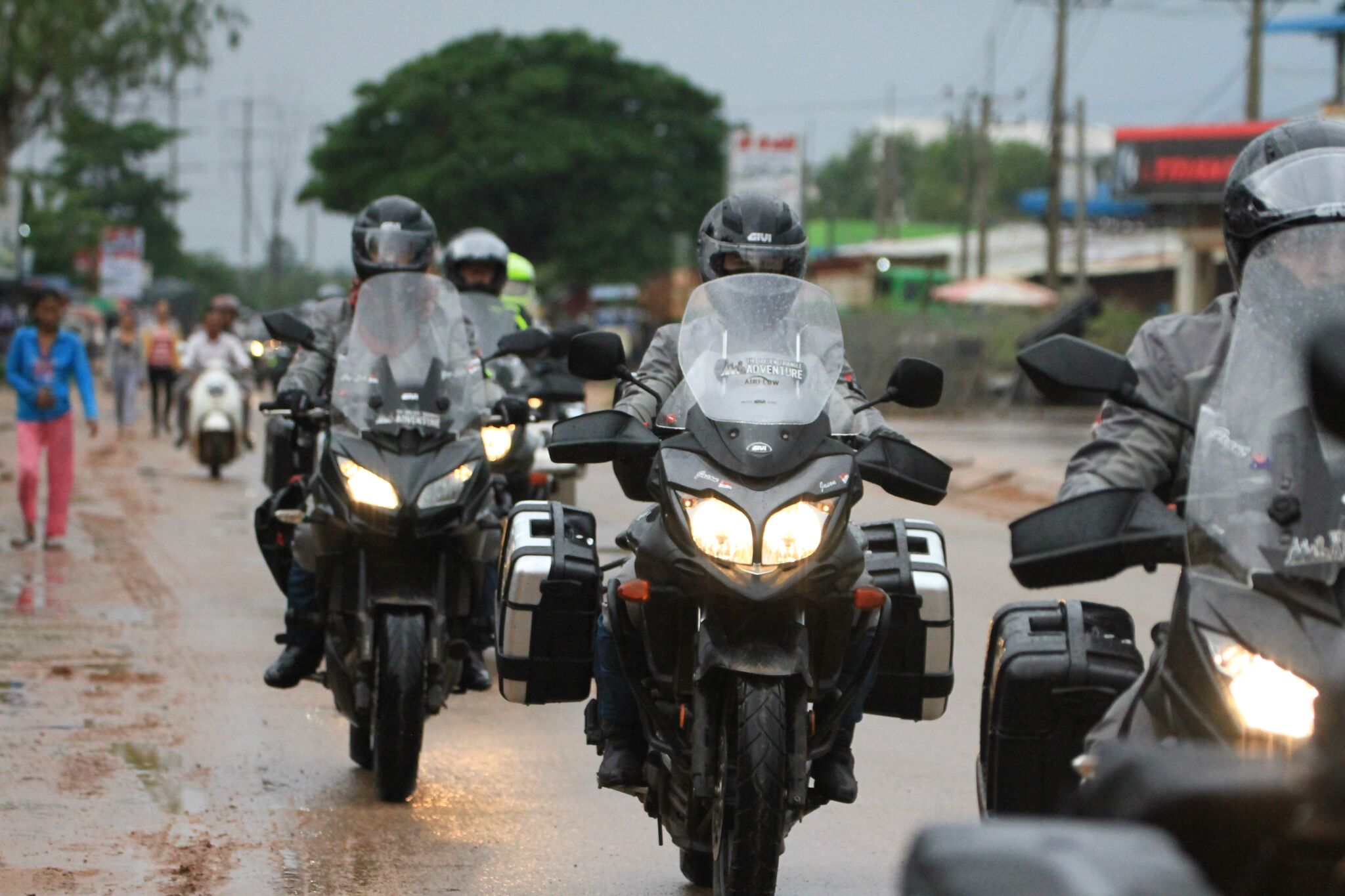
Many Malaysian bikers will start touring to Thailand.
Here are 10 basic tips to get you up to speed.
It’s that time of year again when we will have long holidays. As such, it’s also the time when many among us will be touring to Thailand.
Riding through our neighbouring country is a different experience altogether, with lots of great sights to see, awesome food, and amazing hospitality (hence why Thailand is known as the “Land of Smiles”).
However, there are certain things we should look out for to remain safe and have a happy ride. Seasoned cross-border riders know these, so let’s take a look at the dos and don’ts.
1. Documents
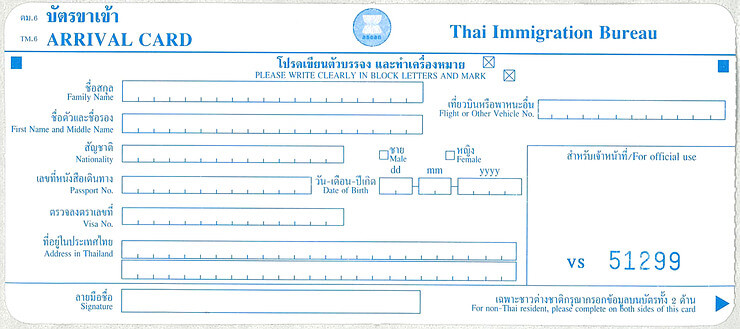
Your travel documents are No. 1. No documents, no entry. It’s as simple as that. You need your Malaysian international passport (or border pass for those staying in northern Peninsular Malaysia), of course, but you also need to bring along the necessary documents for your bike.
Sadly, many Malaysians still fail to buy travel insurance when they travel. Unlike the normal insurance, travel insurance is one-off and cheap. Good ones will cover for lost or damaged luggage, documents, currency, personal effects and so forth. But do check for those that provide for PERSONAL LIABILITIES, which covers damages to the other party. We remind you that foreigners are always considered the wrongful party, even if it was the local at fault.
Travel Trip Map Direction Exploration Planning Concept
Always plan your route to your destination beforehand, unless you’ve been there many times before. That’s because everything may look similar and it’s a bother to turn around. Also, we recommend that you use Google Maps instead of Waze. We’ve experienced the latter app sending us all over the place!
4. No buts for Thai Baht
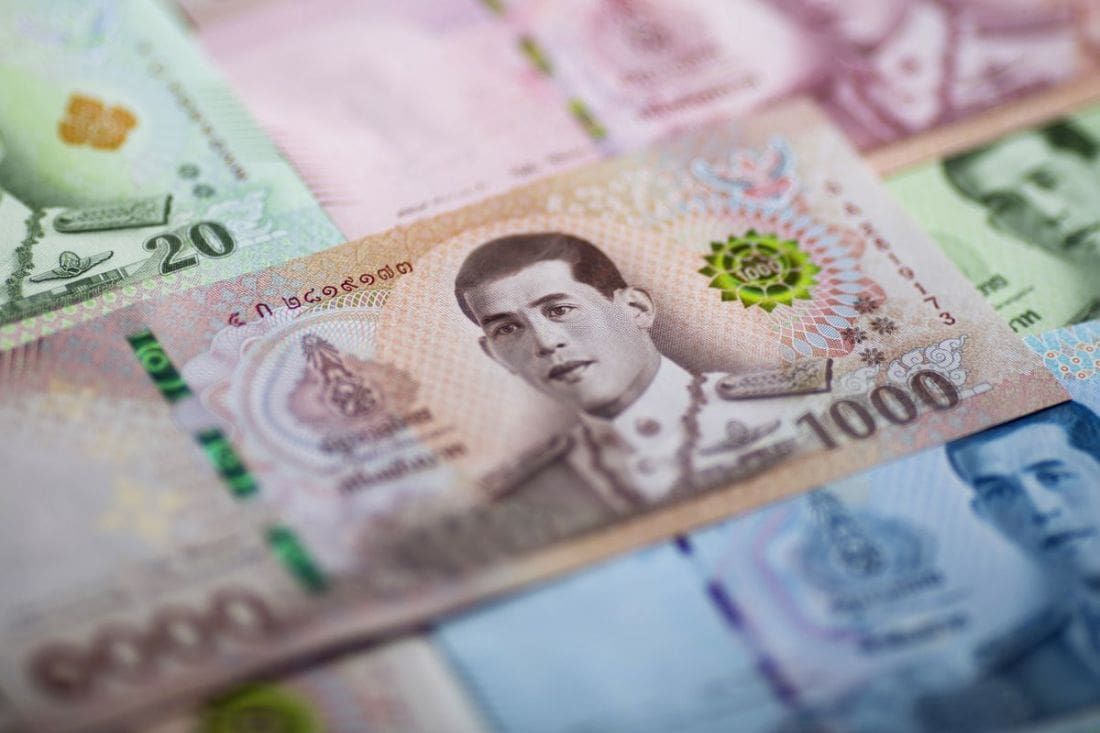
Do carry some cash with you as most places outside of the hotel and malls deal in hard currency. However, remember to change to Thai Baht before you enter the kingdom. If you didn’t get the chance to do so in the city, there are plenty of places to do so around Changlun as you near the border. Thai businesses generally don’t accept the Ringgit anymore; and you’ll lose a lot if they do.
5. Be prepared for the weather
Weather in Thailand can be varied from one province and time of the year to another. It’s generally hot and humid throughout the year but you can run into sudden heavy downpours along the way. Arm yourself with a set of rainsuit and waterproof materials for your luggage and belongings. Thankfully, there are many PTT petrol stations along the way for you to stop for fuel and refreshments.
6. Learn Some Thai
A few Thai words will take you far. Even just sawadeekahp (hello) and kohkhunkahp (thank you) will be nice. If you’re a lady saying those words, replace “kahp” at the end of “kah,” for example, sawadeekah. Most Thais know English, but you could use Google translate if you tour to less touristy areas. As for the Thai traditional greeting called the “wai” (palms together and a slight bend at the waist), don’t get all Taliban and think it’s some sort of prayer, for it’s just the Thais’ formal greeting. So do return it in kind.
7. Get a tourist sim card
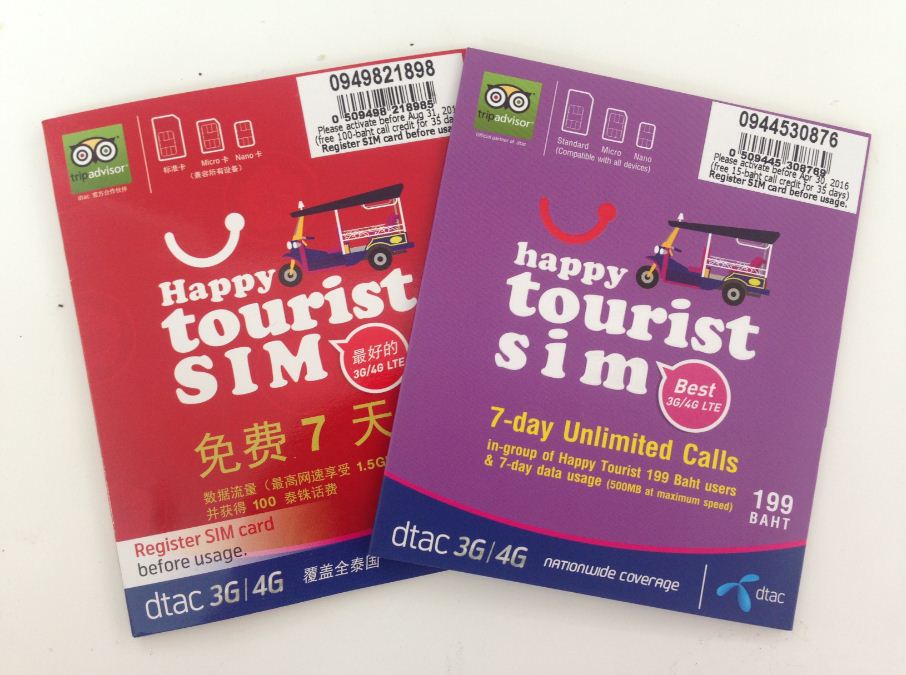
We usually recommend this to anyone who goes there as it saves a LOT of money. A local tourist simcard usually costs you between THB 200 to THB 400, and is valid for 14 days. Compare this to roaming charges of between RM 28 to RM 38 per day or up to 3 days. Voice calls are also super cheap, costing between THB 1.00 to THB 3.00 per minute.
8. Respect
Respect the Thais and their customs like how you would respect our own. Bear in mind that we are the ambassadors of Malaysia and that a good image must be maintained at all times, whether when we’re on or off the bike. So, don’t hog the right lane if you’re not overtaking; or don’t pressure other drivers to get out of the way; or worse, stop traffic for your buddies to pass. Don’t rev your engine all over the place and don’t even think about racing with the locals, even if they want to. The Thais are among the most hospitable and friendly people, but if you raise your voice at them, it’s considered that they lose face and they will show you the way out – not necessarily in a good way.
9. Ride carefully and with full attention
Riding in Thailand isn’t like riding in Malaysia. The only expressways are in Bangkok and even then, motorcycles aren’t allowed on them. So, you’ll be riding on trunk roads all the time. Watch your speed and always keep an eye out for the locals. Thai roads are also very slippery due to their surface aggregate so no abrupt throttle, brake and steering inputs, please. Keep a cool head at all times.
10. Scooter/Car Rental
Make sure you purchase extra collision waiver insurance if you want to rent a scooter or car when you get there. Remember the two cases of Malaysians who got stuck in the country? Besides that, it’s best to get yourself an International Driving Permit. It’s probably best to wear your own helmet on the scooter, as they will provide kids’ bicycle headwear. Always take good care of the vehicle and return in good condition.