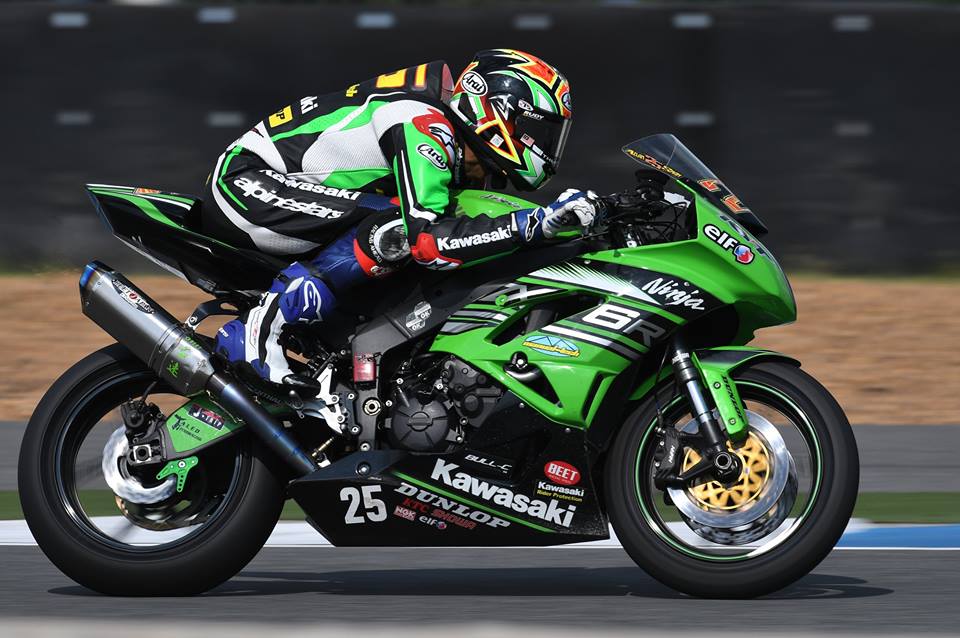
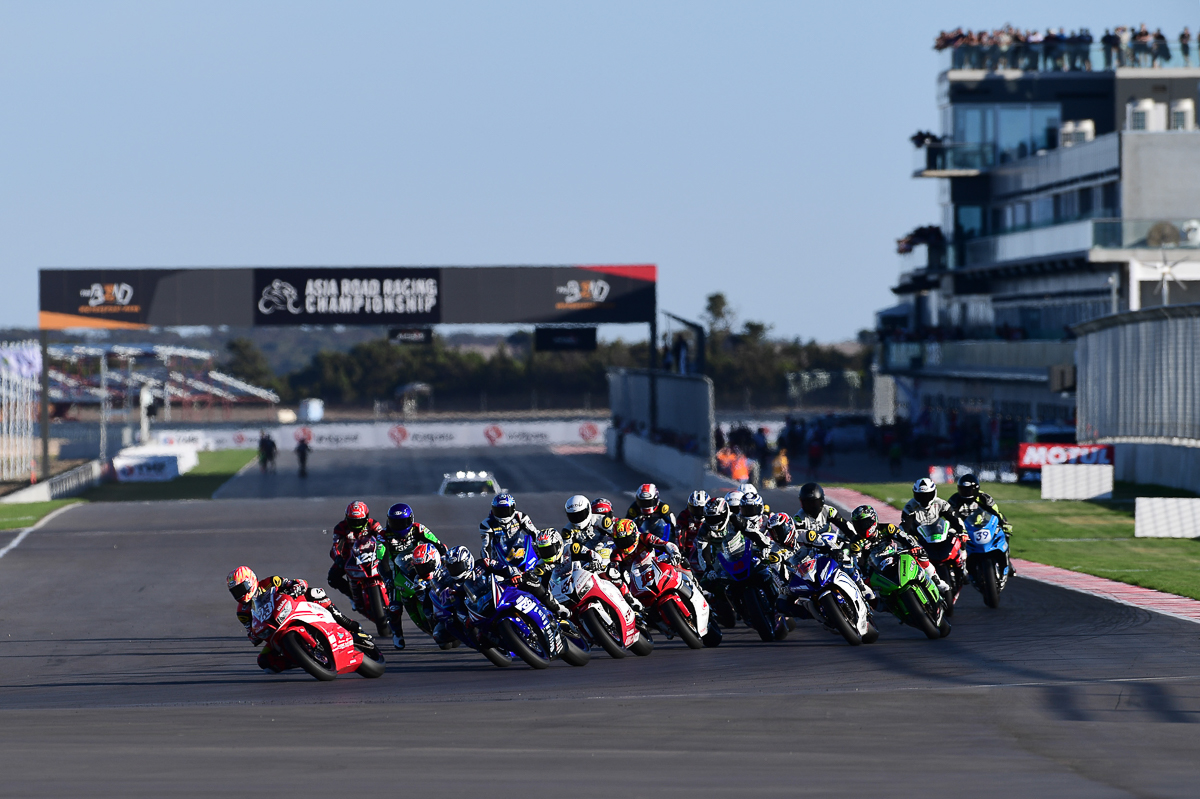
The official ARRC 2019 calendar has been released where a total of seven rounds will commence next season.
For the very first time, The FIM Asia Road Racing Championship will feature a brand new 1000cc premier class, the ASB1000 (Asia Superbike).
The first round will take place at the Sepang International Circuit (SIC) from 8 to 10 March 2019.
Attention to all fans and enthusiasts of the FIM Asia Road Racing Championship (ARRC), this news is for you. The 2019 season calendar is officially released and a total of seven rounds will take its course from 8 March 2019 all the way to 1 December 2019 right after the official test session will commence on 5 and 6 March 2019 at the Sepang International Circuit (SIC). (more…)
All competitors’ helmets need to conform to a single FIM standard.
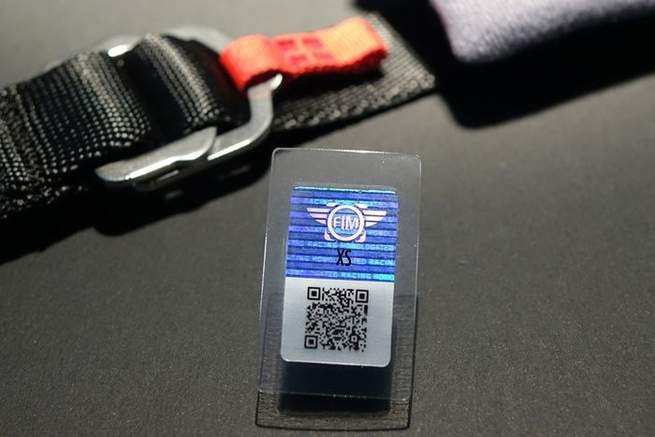
The certified helmets will receive a label with hologram and QR label.
The regulatory body hopes such helmets will be available to the public to improve safety.
All helmets in MotoGP, Moto3, Moto2 must conform to a new FIM standard.
Although there is still contention to whether this ruling is beneficial, there may be a positive aspect to it. Current helmet manufacturers may seek a certain safety certification, although most, if not all, conform to the ECE 22.06 standard. However, a manufacturer may produce helmets to conform primarily to other standards. Current helmet certification are standards JIS (Japan), Snell Foundation, DOT (American) and so forth.
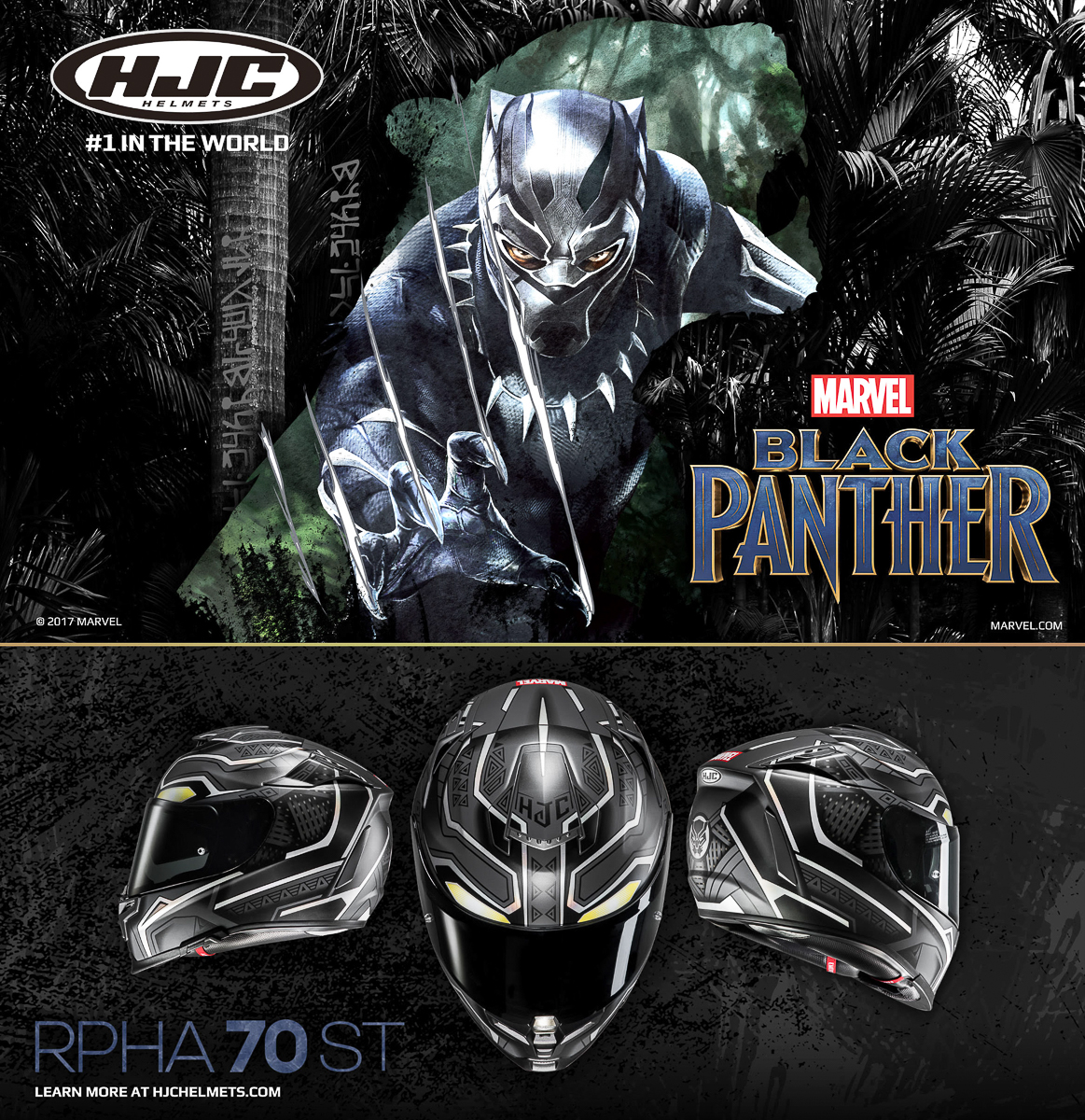
For example, AGV and HJC (among others) conform primarily to the ECE 22.06 standard. Arai helmets need to pass the tougher Snell Foundation tests, on the other hand.
Each standard has different testing methods to qualify for certification.
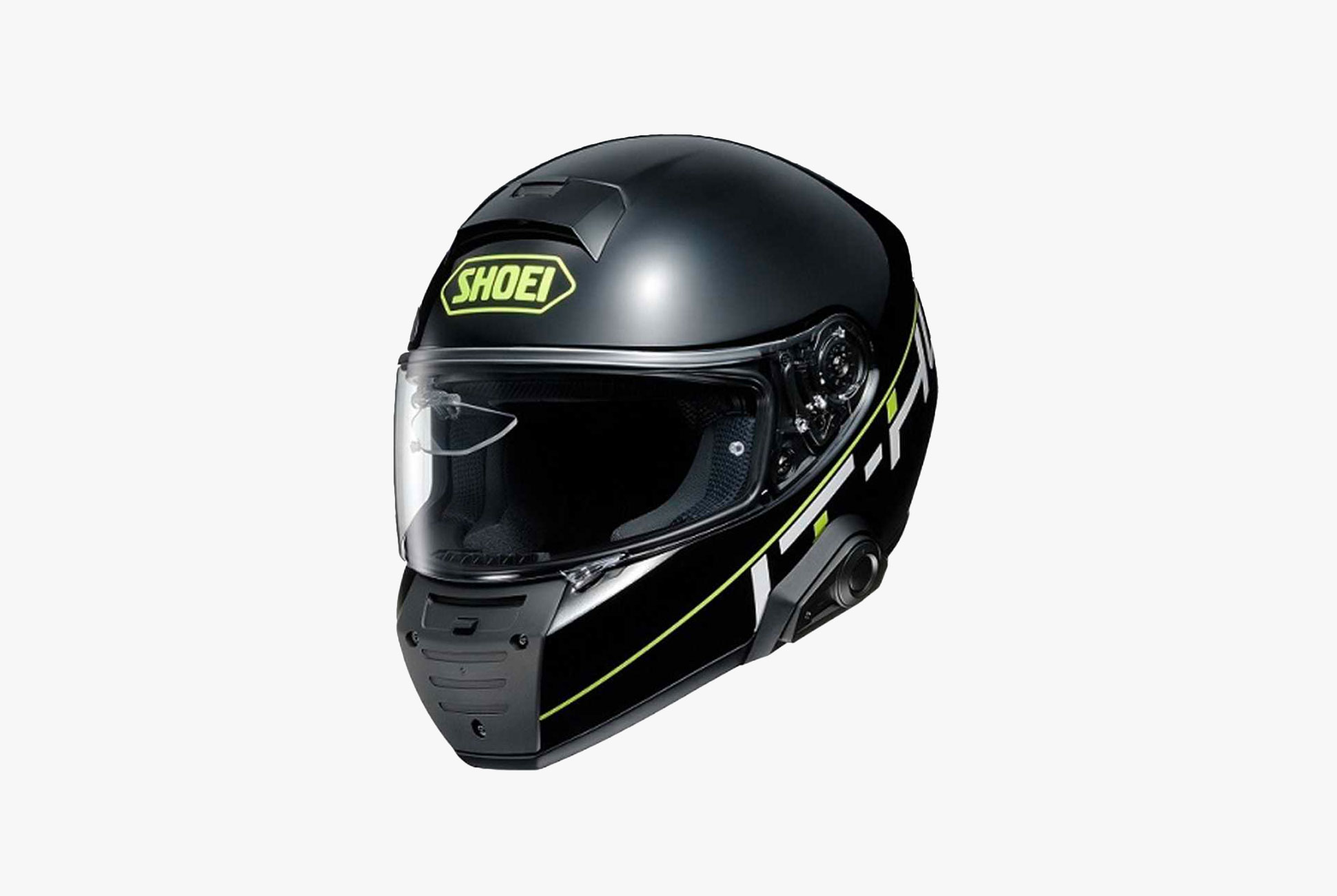
With the new FIM mandate in place, helmets from AGV, Arai, Bell, HJC, Scorpion, Shark, Shoei, Suomy, X-Lite, et al need to conform to a single standard.
The FIM has not provided the parametres of their tests, however. But we can expect the helmets will be tested for a variety of criteria such as impacts at low, medium and high speeds as well as penetration.
An FIM-certified helmet will receive a hologram label with QR code. The QR code allows race officials to scan, identify and track each helmet used in competition.
The FIM hopes that such measures will result in truly race-tested helmets making their way to consumers.
The changes include riders, qualifying and technical areas.
Looks like it is going to be another exciting season.
The 2018 MotoGP season had just ended nary a week ago, but the MotoGP 2019 season has already begun.
The MotoGP field is now testing in Valencia. Certain riders have made the move to their new teams, new teams are formed, and new bikes have arrived. There are many changes for next year and it’s going to be another exciting season.
So, let’s take a look at the ten things to look forward to.
1. Hafizh Syahrin on Factory KTM
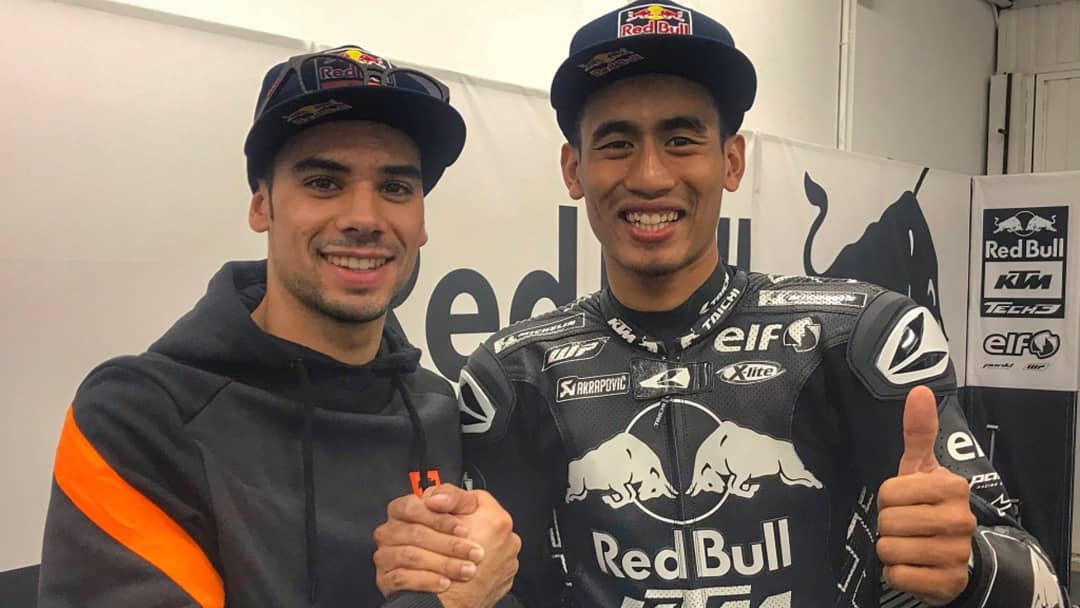
Hafizh Syahrin and teammate Miguel Oliveira – Courtesy of Malaysiazine
Hafizh Syahrin is retained by the Tech 3 team for the 2019 season. As we’ve reported earlier, Tech 3 made the move as KTM will supply the team with full factory bikes. There was no doubt that his performance in the second half of 2018 had been hampered by the 2017 Yamaha YZR-M1. Hafizh will certainly climb the rankings once he gets to grips with the RC16. Hafizh’s teammate is ex-Moto2 rider Miguel Oliveira. The KTMs will be developed by test rider Dani Pedrosa.
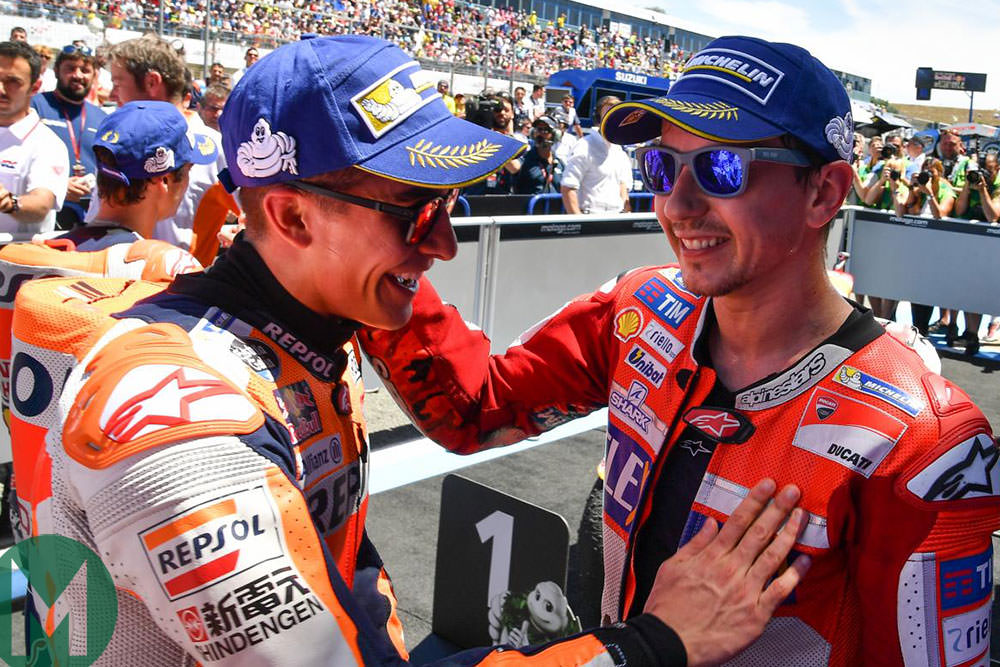
It was a big surprise when five-time world champion Lorenzo announced his move to Repsol Honda to join nine-time world champion Marc Marquez. Honda had made it clear that they will not produce two different bikes to suit each rider, but will it be a compromise or will it still favour Marquez? Both riders have distinctively different riding styles, after all.
4. Johann Zarco on Factory KTM
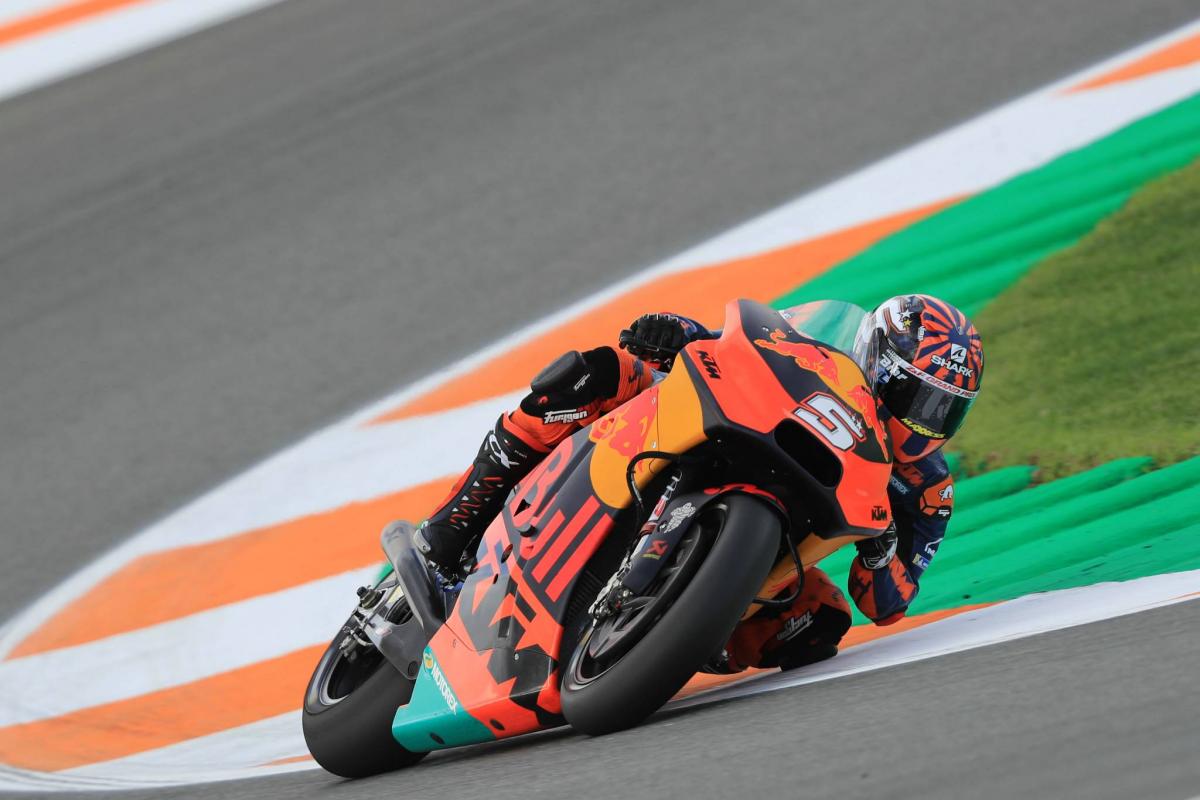
Johann Zarco on KTM – Courtesy of visordown
Two-time Moto2 Champion, MotoGP Rookie of the Year 2017 and top independent rider for two years running, Johann Zarco is promoted to the factory Red Bull KTM team for 2019. Zarco isn’t shy to run up front with the leaders and we hope he’ll do it again, besides securing his maiden MotoGP win.
5. Danilo Petrucci on Factory Ducati
Danilo Petrucci had proved himself well on the satellite Pramac Ducati since 2017. His efforts have been rewarded with a factory ride from next year, partnering Andrea Dovizioso. Will that elusive first MotoGP victory happen in 2019?
6. Jack Miller on Ducati GP19
Jack “Jackass” Miller will relish his chances on the Ducati Desmosedici GP19, the same bike as factory riders Dovizioso and Petrucci. Miller is already a winner in the class and had qualified on pole position a number of times in 2018. Look out for this guy.
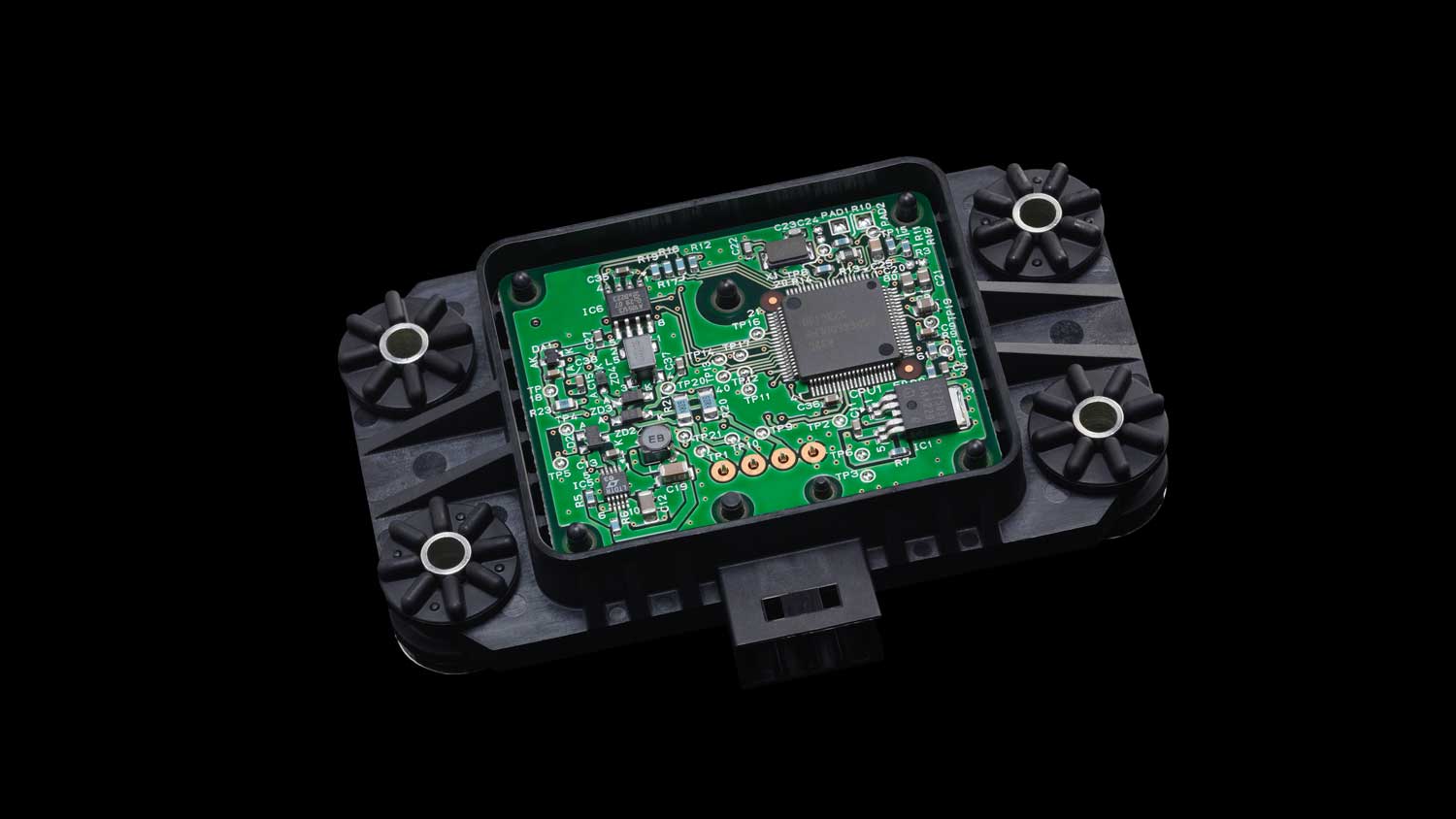
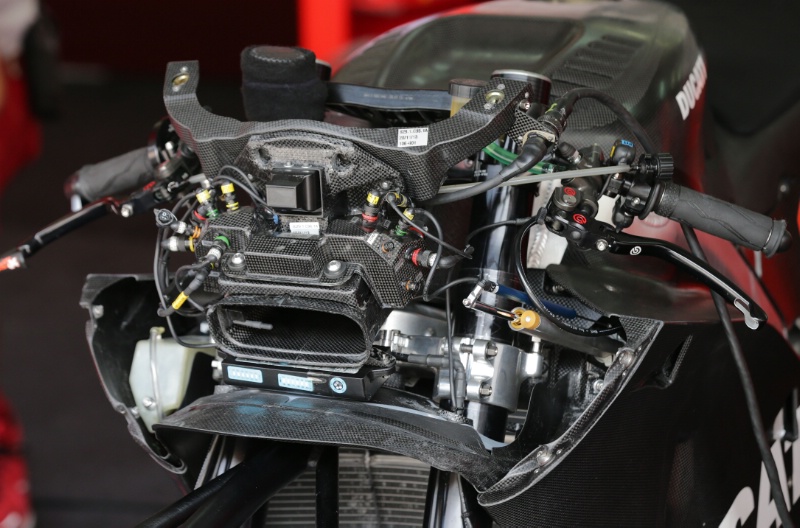
7. Standard IMU
Unlike Formula 1, technical changes seem to have worked wonders for MotoGP. Racing is now much closer since the introduction of a standard ECU since 2016.
The IMU measures the pitch, yaw and lean angle of the bike and sends the signal to the ECU to formulate precise traction control strategies. This technology is currently used on certain road bikes for the same purpose, plus Cornering ABS. But ABS is not allowed in MotoGP.
There’ve been concerns that there may be teams who are manipulating the signals from their own IMUs to trigger advantageous strategies from the ECU. The results are telling especially in terms of tyre wear. A standard IMU should close the gap between rival teams further.
8. Standard CAN Bus Connector
CAN (Controller Area Network) bus connectors are the “middle men” between the sensors and ECU. Similarly, there is also suspicion that electronics are used inside the connectors to manipulate signals that are being sent to the ECU.
As such, MotoGP will also issue standard CAN bus connectors in 2019.
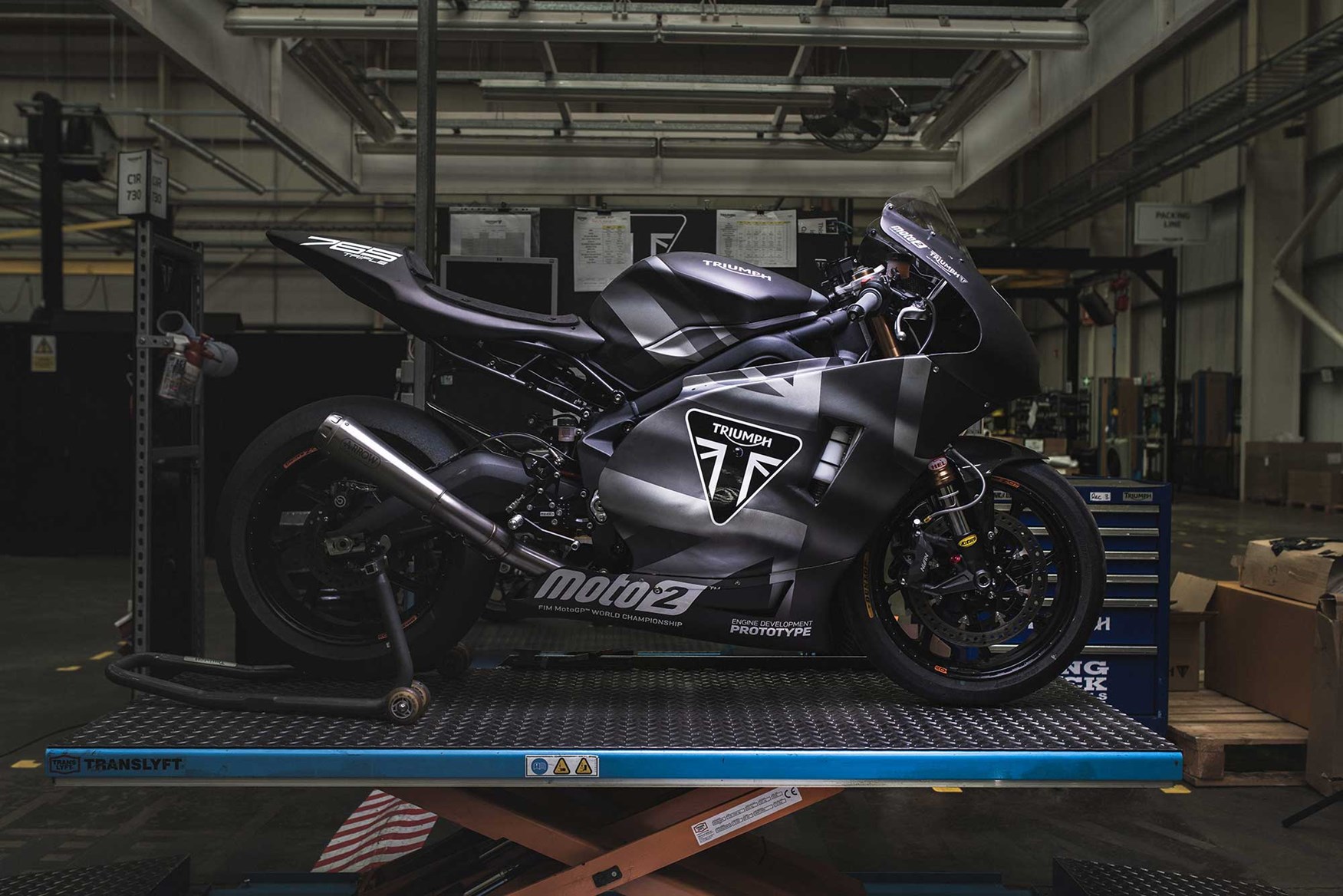
9. Triumph in Moto2
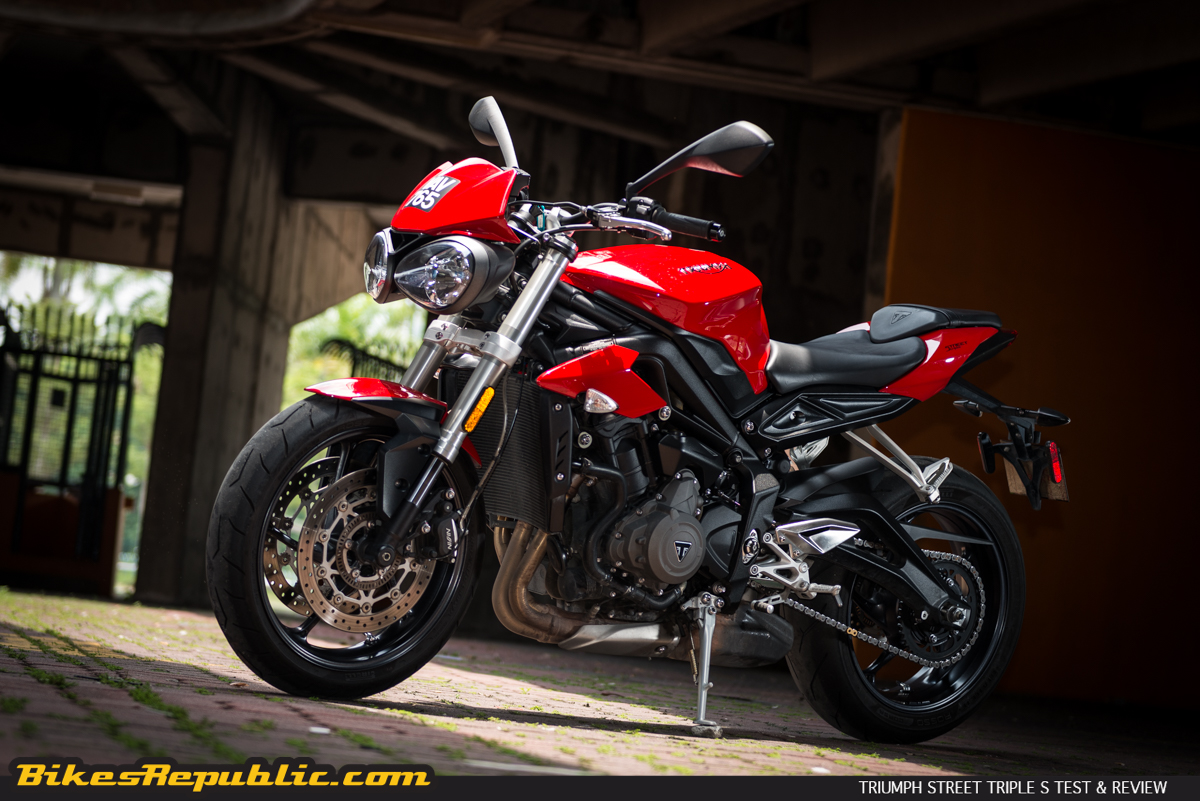
Let’s head over to Moto2. Triumph is the exclusive engine supplier beginning next year. The 765cc triple is based on the Street Triple RS. Riders who had tested the new engine loved it for its mix of torque and horsepower. It has even broken lap records before the start of the official testing season!
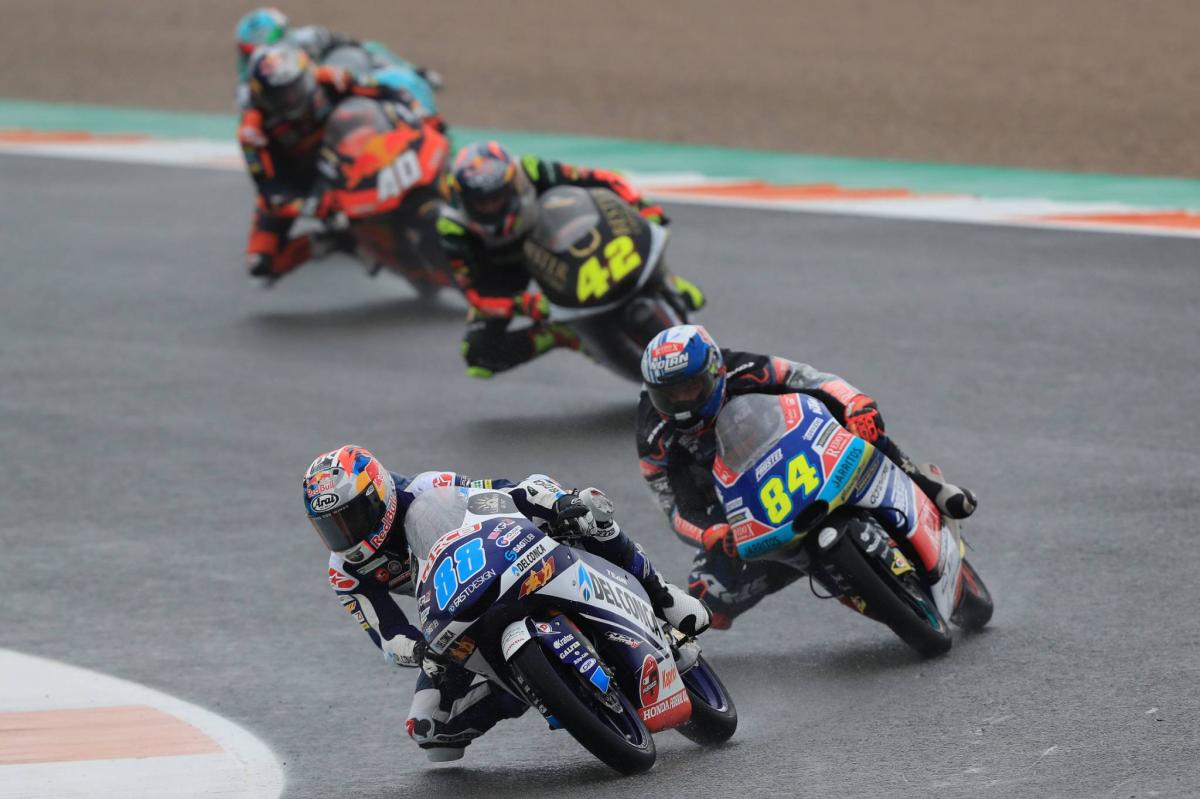
10. New Moto3 and Moto2 Qualifying Format
The two classes will see a new practice and qualifying format as MotoGP. The difference is the 14 fastest riders on combined times from FP1, FP2 and FP3 will automatically go through to Qualifying 2 (Q2). The 4 fastest riders in Q1 are promoted to Q2.
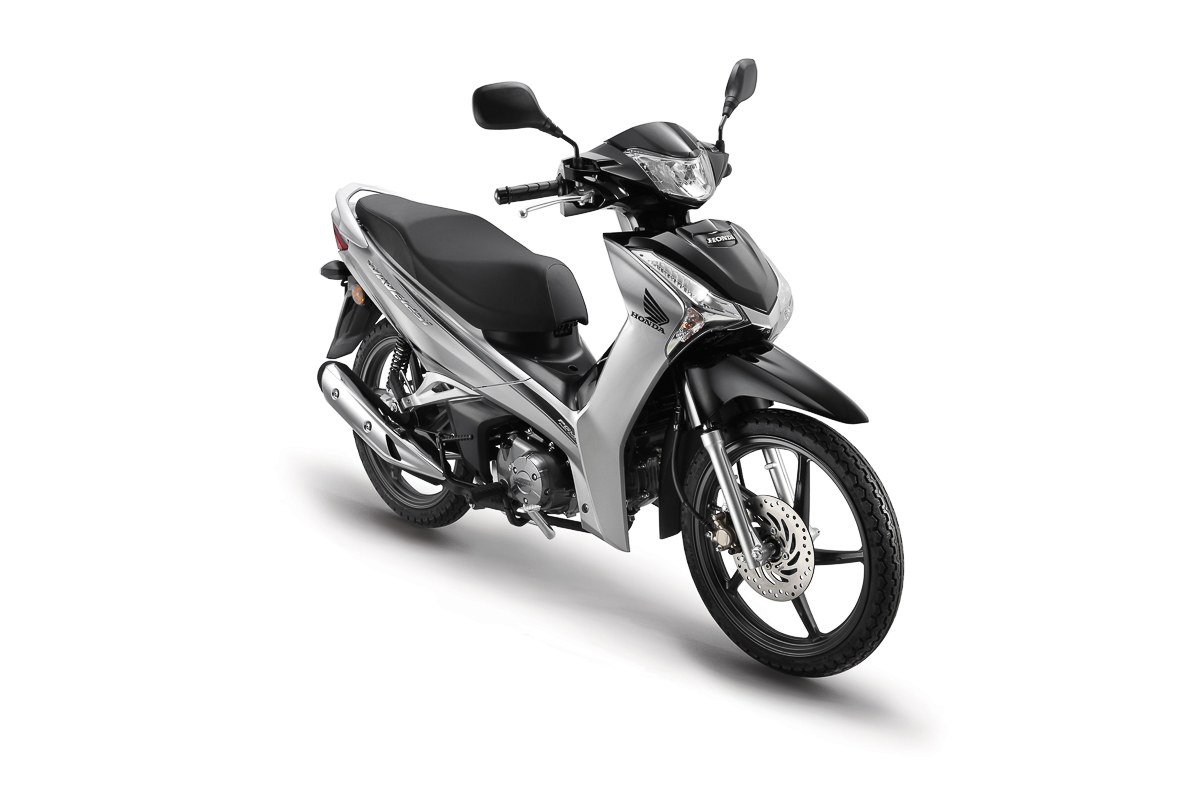
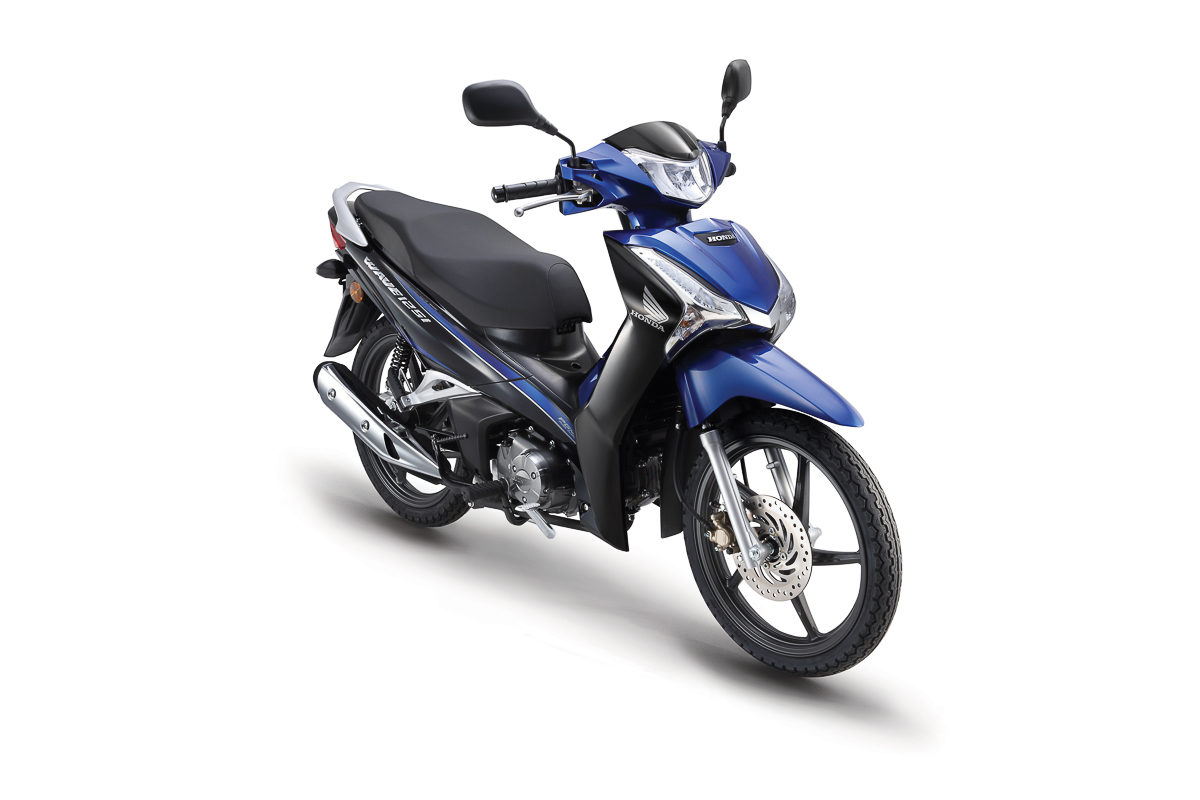
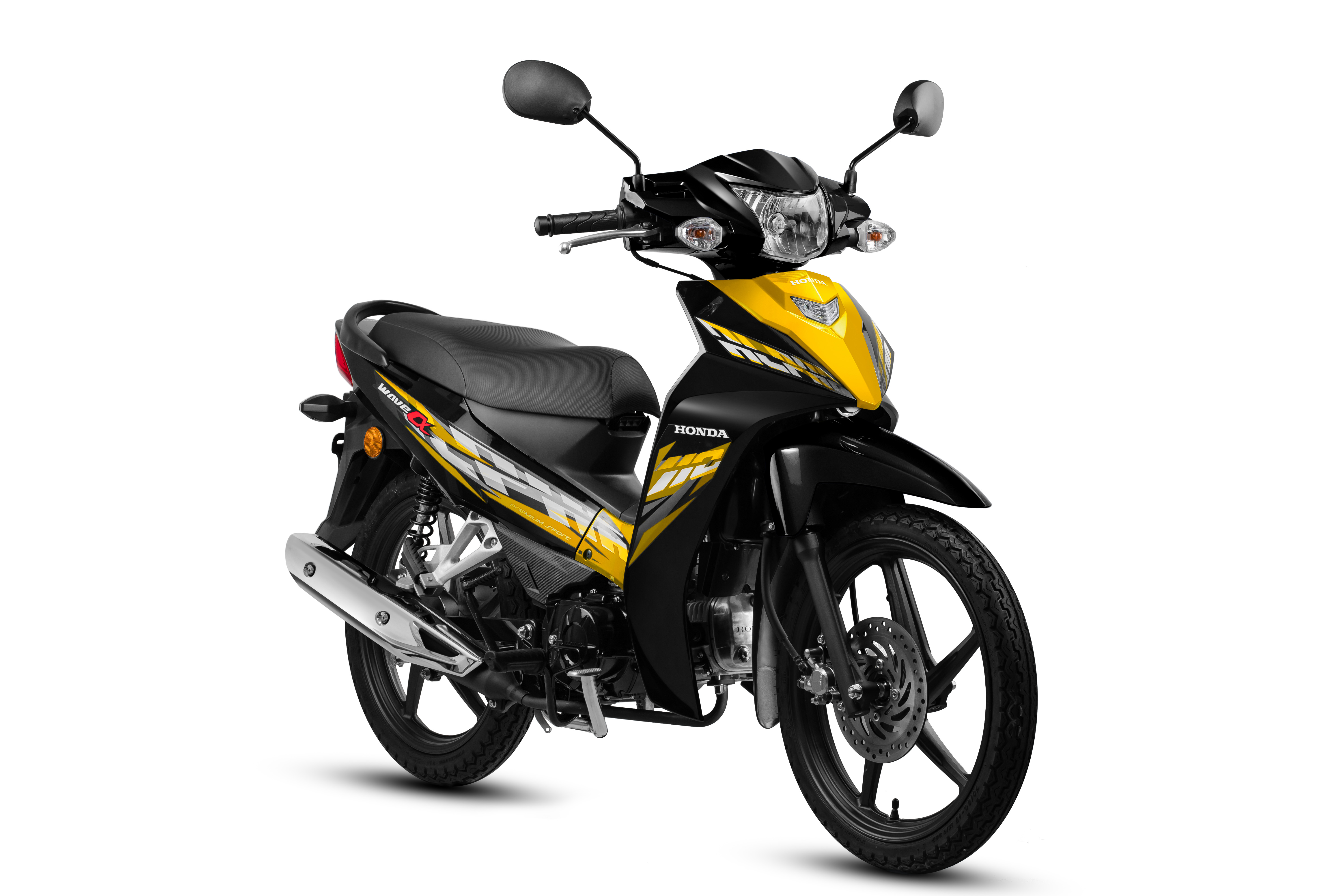
Boon Siew Honda (BSH) has unveiled the all-new Honda Wave 125i.
The versatile and robust 125cc cub now features a more fresh and modern design.
BSH has priced the new Honda Wave 125i at from RM5,999 to RM6,299 (basic price without road tax & insurance).
Ahead of the Kuala Lumpur International Motor Show 2018 (KLIMS 2018) where we’re informed that Boon Siew Honda (BSH) will be launching three new exciting models, they’ve decided to serve their appetiser before the big show with the introduction of the all-new Honda Wave 125i. (more…)
Triumph Motorcycles maintains the Number 1 position as a Western big bike maker in Thailand.
The manufacturer managed the feat despite an overall downturn in the Thai motorcycle market.
Triumph Motorcycles Thailand remains optimistic as the next two months usually mark high demand.
Triumph Motorcycles is still the best-selling Western motorcycle brand above 400cc in Thailand.
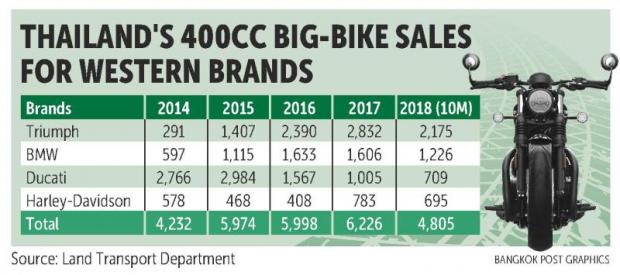
The British brand sold a total of 2,175 units by end-October despite a downturn which impacted all brands.
The number represents a 14.7% drop year-on-year, the first for Triumph since its entry into the market. Yet, the brand beat out other western brands by a large margin in total sales. In second place is BMW which has sold 1,226 units thus far, followed by Ducati with 709 units, and Harley-Davidson with 695.
Courtesy of Bangkok Post
The country’s general manager Jakkrapong Santirat remains upbeat, however. “But we are confident sales will improve over the two remaining months as the fourth quarter is the high season for motorcycles.”
Santirat cited a number of reasons for the drop. The country’s entire big bike market had shrunk due to lower purchasing power of the Thais. Additionally, potential buyers hesitated to purchase big bikes while current owners are still servicing their loans. Financial institutions have also tightened their approvals for loans.
Thailand’s Land Transport Department reported a total of 1.506 million new motorcycle registration, a decrease of 1.4% year-on-year.
We had the pleasure of visiting Triumph’s manufacturing facilities in Thailand in 2016, courtesy of Triumph Motorcycles Malaysia.
Triumph was the first Western big bike manufacturer to enter the kingdom. The first factory was opened in May 2002, producing components such as frames, fuel tanks, headers, swingarms, engine covers and chrome-plated parts.
The second Thai factory opened in 2006, complete with a painting facility and assembly line. Finally, the third plant opened in 2007 with high-pressure die casting and machining facilities. All factories are located in the Amata City Industrial Estate in Chon Buri. The three facilities have a combined investment of THB 3 billion.
A workforce of 1,100 workers produce some 80,000 bikes a year. The motorcycles are shipped to 57 countries afterwards. The number represents 65 to 70% of Triumph’s worldwide sales.
We continue with the Triumph Motorcycles Malaysia London Adventure – Day 2 with more historic and important landmarks.
Westminster Abbey should be high on everyone’s list should you fancy history.
Big Ben and The Houses of Parliament are the landmarks no one should miss.
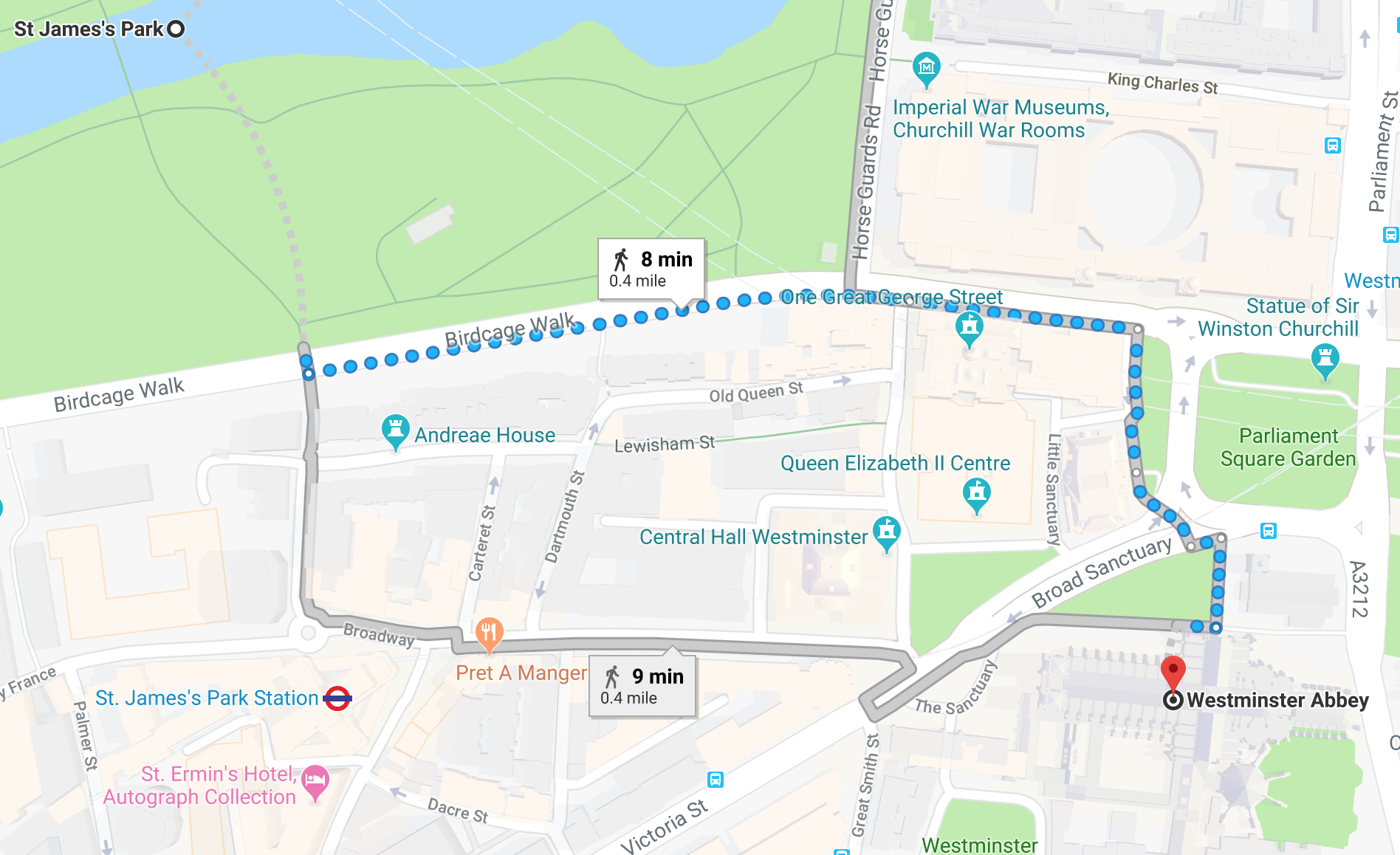
It was another short jaunt from St. James’s Park to Westminster Abbey. All these sites were set up close to Buckingham Palace.
Seeing it all in pictures was nothing compared to the first-hand experience of being there yourself. The sights, the sounds, the cool air, the sunshine, the people and everything else contribute an immersive experience none could forget.
WESTMINSTER ABBEY
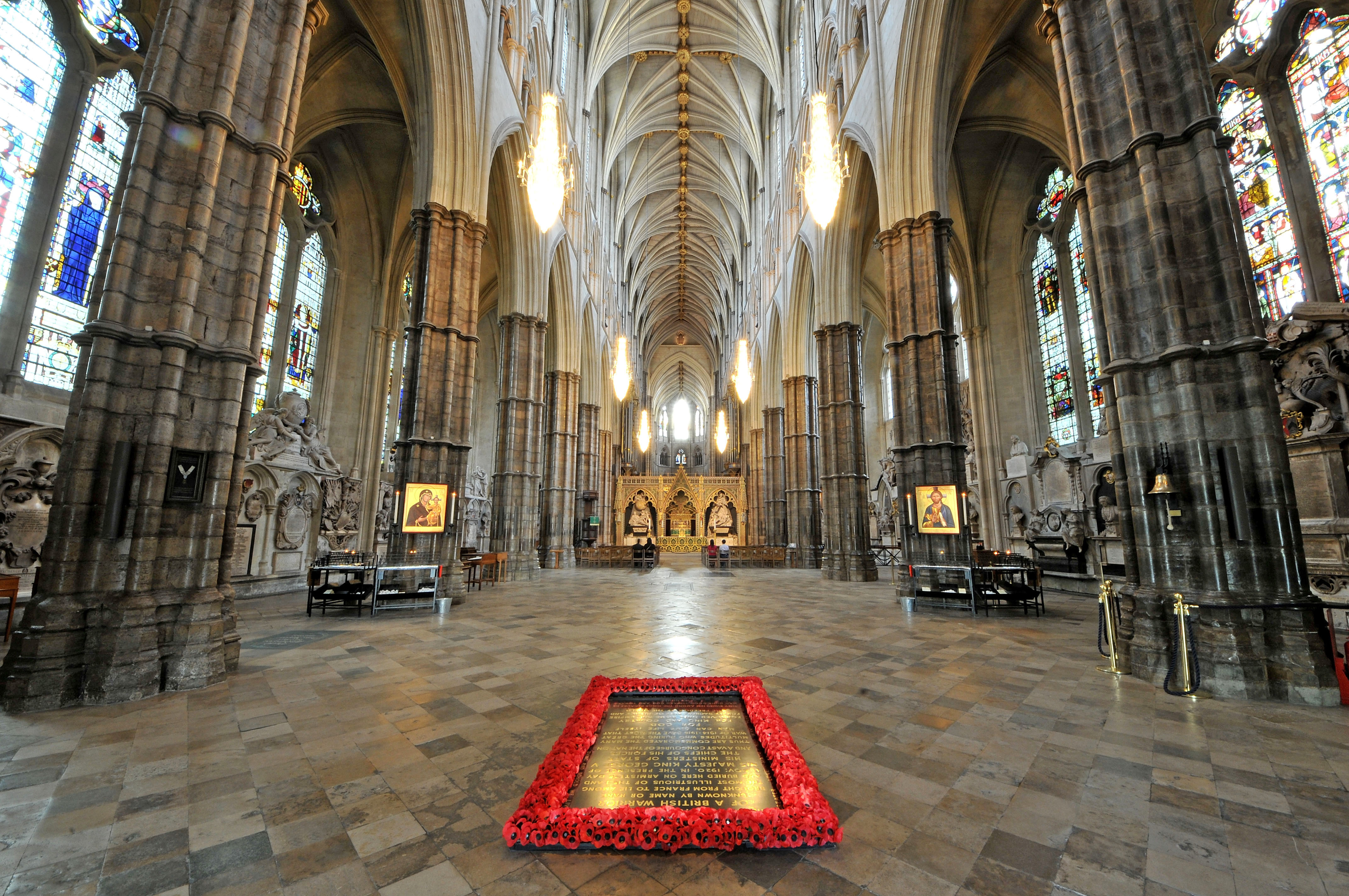
Yes, Westminster Abbey is a gothic church, but I don’t have a fixation for anything goth. Nevertheless, it is where monarchs, royalties, Sir Isaac Newton, Charles Dickens and Stephen Hawking (among other luminaries) are interned (buried). It was also the site in a number of famous movies.
But first, who was Sir Isaac Newton?
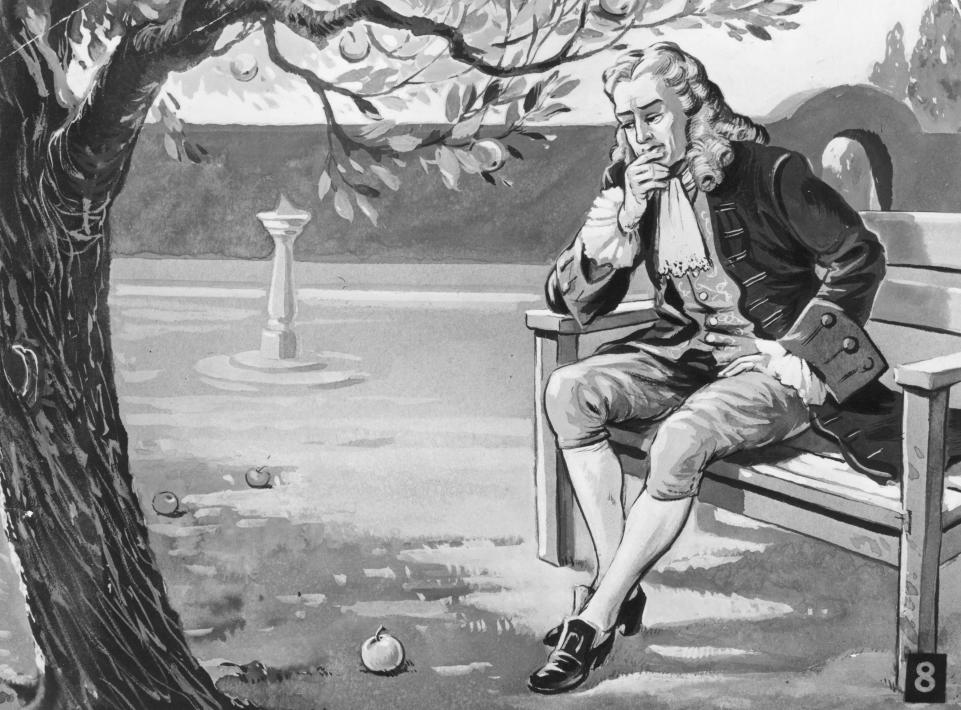
You’ve probably learned in school about the guy who discovered gravity when an apple fell on his head. That guy was Sir Isaac Newton. However, the part about an apple knocking Sir Newton’s noggin was a myth. Truth was, he sat under a tree and wondered why apples always drop perpendicularly to the ground, instead of sideways or upwards.
There are stronger connotations to why I venerate Sir Isaac Newton. I love the subjects of physics and motion, besides history and astronomy. The first two are innately connected with how engines and motorcycles work. In fact, an engine’s torque is measured (among other units) in “Nm,” as in Newton-metre. Additionally, there are Newton’s three laws of motion.
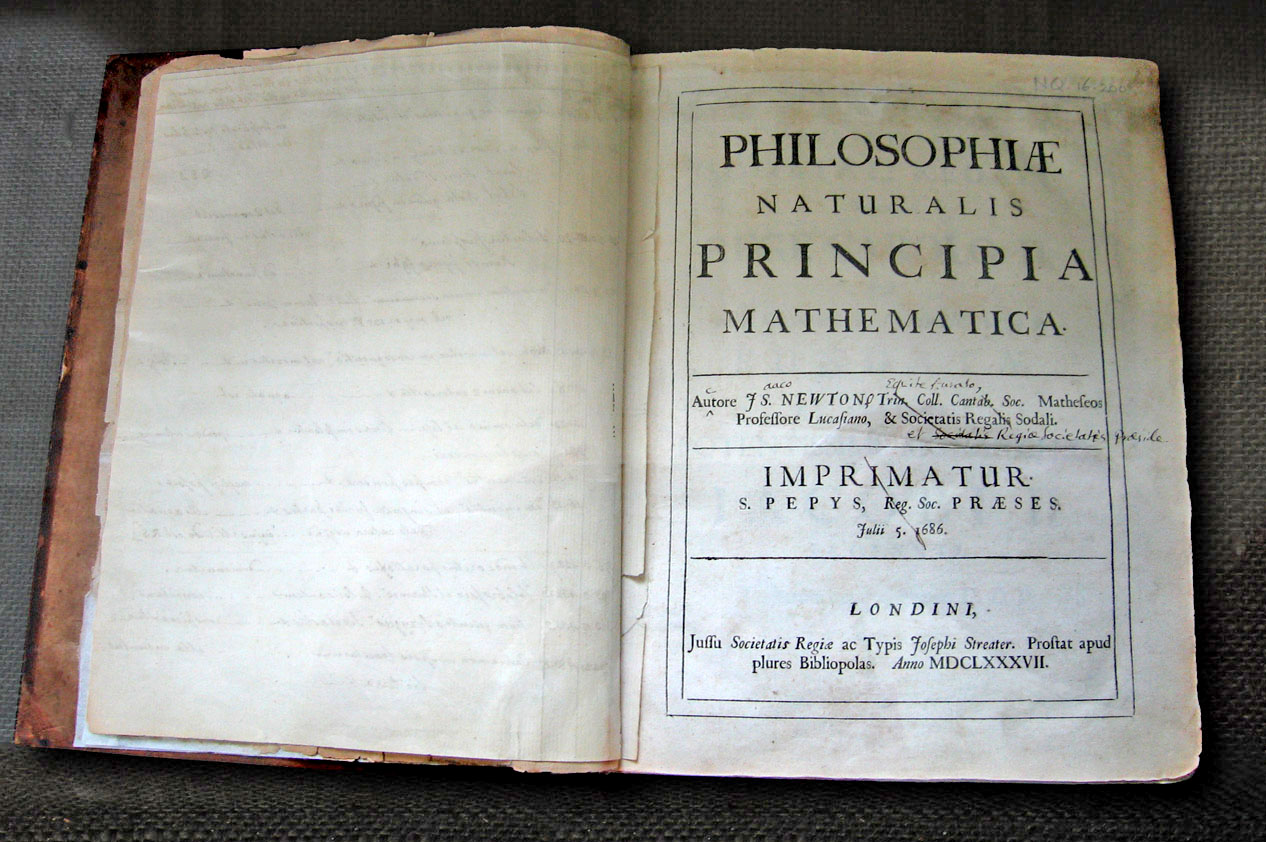
It was Newton who gave us the laws of universal gravity, laws of motion, calculus, among many more which he published in the groundbreaking book Philosophiæ Naturalis Principia Mathematica– better known as just “Principia.” It was one of the most important works in the history of science, marking the epoch of a great revolution in physics.
Financed by Astronomer Royal Edmond Halley (remember this name), Principia was published in 1687. We came to understand the motions of the planets, comets and other celestial bodies.
Without Newton’s work, we wouldn’t have satellite communications and GPS because we wouldn’t be able to keep satellites orbit. Worse, we won’t be watching MotoGP “live” on weekends (plus all the football matches). In fact, scientists and engineers today still use Newton’s formulas to send spacecrafts into space and the orbits of other planets.
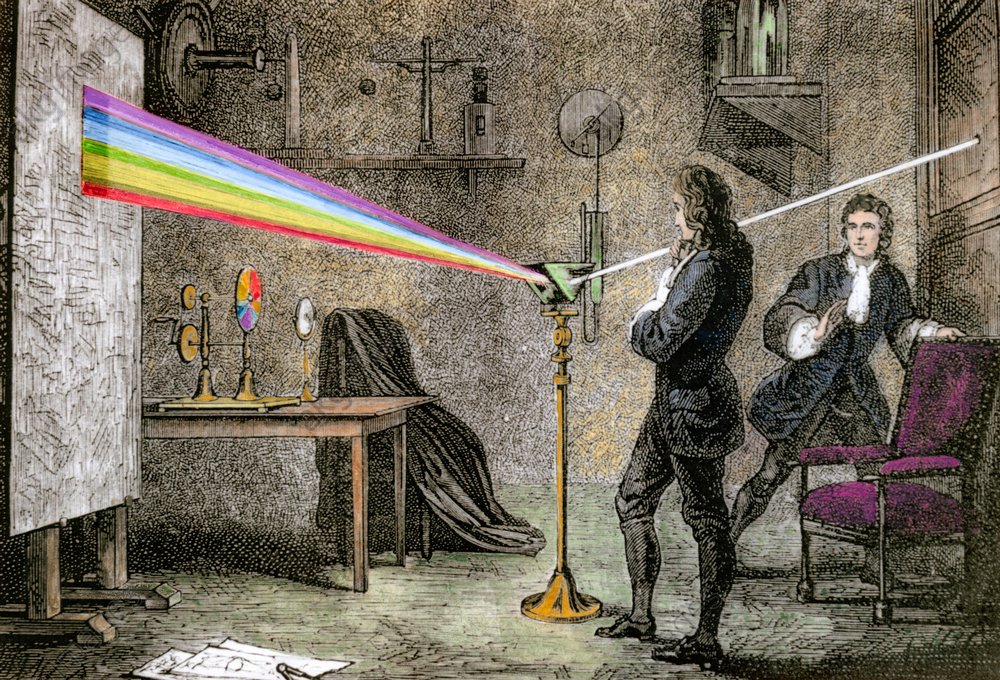
It was he who created the first practical reflecting telescope, so much so the type is often referred to as the “Newtonian.” He also discovered that a prism separates white light into the colours of the spectrum and continued to research the subject. His findings were published in another book called “Opticks” in 1704.
This was why he’s oft regarded as the “father” of modern physics.
Newton passed away in his sleep in London on 20 March 1727 (NS 31 March 1737) aged 84 and was buried in Westminster Abbey.
Back to Westminster Abbey, the site was established in 960 (1,058 years ago) when King Edgar installed a community of Benedictine monks. It was then expanded and extended by various monarchs through the centuries.
Since the coronation of William the Conqueror in 1066, all coronations of English and later British monarchs had been performed at Westminster Abbey. There were also 16 royal weddings since 1100. Princess Diana’s funeral service was held here in 1997.
I got goosebumps as I walked in the yard, while looking at all those huge centuries-old stones that were used to build it. Immense buttresses supported the walls. Visitors entered through the magnificent North Entrance façade which is decorated with tracery, arcading and figurative carvings.
The ticket counter’s in the narthex. Entrance fee for a single adult is £22, inclusive of an audiobook and guided tour. Unfortunately, photography wasn’t allowed, and I had a schedule to adhere to. I decided that Sir Isaac Newton’s tomb is one compelling reason to revisit London.
BIG BEN
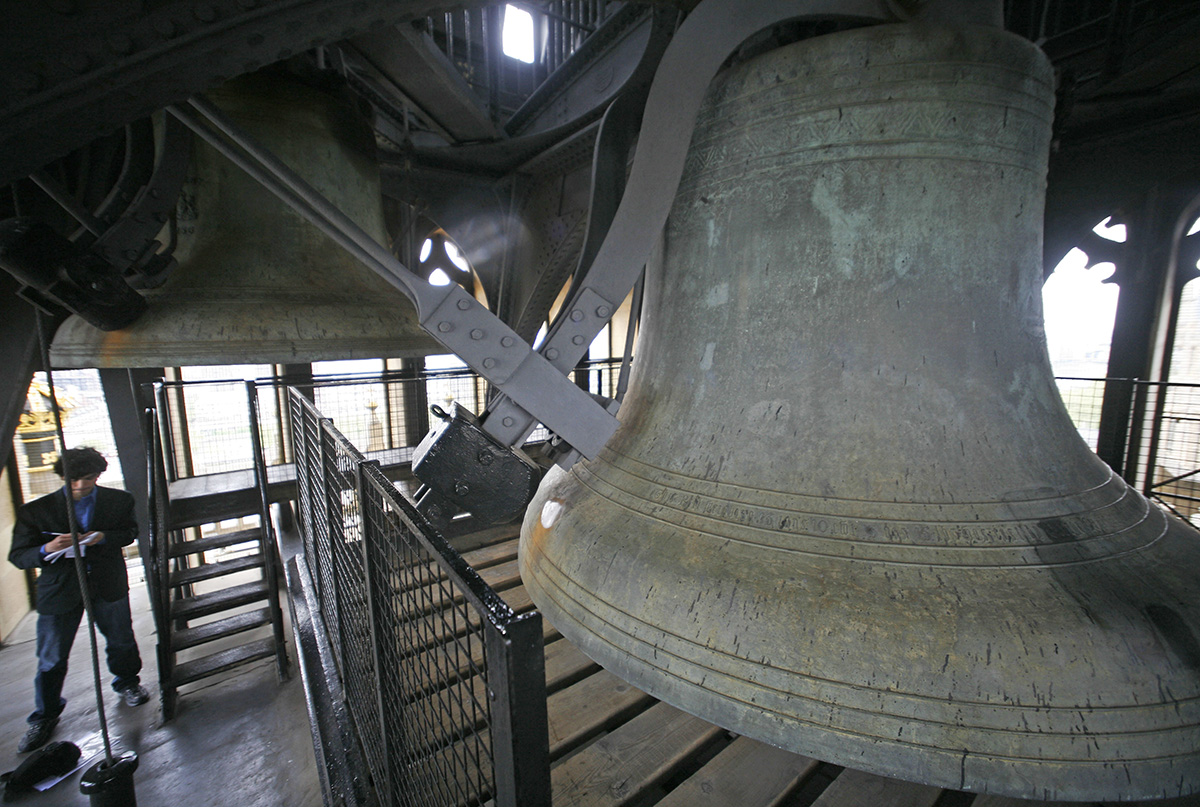
It’s amazing when you do some of research. I never knew that “Big Ben” is in fact the name of the largest of five bells in the clock tower. The tower’s name was simply the “Clock Tower” before being renamed as Elizabeth Tower in 2012. Did you know that? I didn’t.
Did you know that the main bell, officially known as the “Great Bell” and “Big Ben” to us, was installed in the tower’s belfry in 1858 (160 years ago)? At 2.9m high, 2.74m in diameter and weighing 13.76 tonne (13,760kg), it was the largest and heaviest bell in the British Isles until the 17-tonne (17,000kg) “Great Paul” bell was cast for the St. Paul’s Cathedral in 1881.
Apart from that, do you know the musical chime of alarm clocks? (Please click on the link below to listen.) It had originated from the four Quarter Bells in the tower.
I used to listen to the BBC radio broadcasts with my late-Dad. The channel always used the tolling of Big Ben to mark 12 midnight, Greenwich Meridian Time (GMT). The practice began in 1923!
(AP Photo/Lefteris Pitarakis, File)
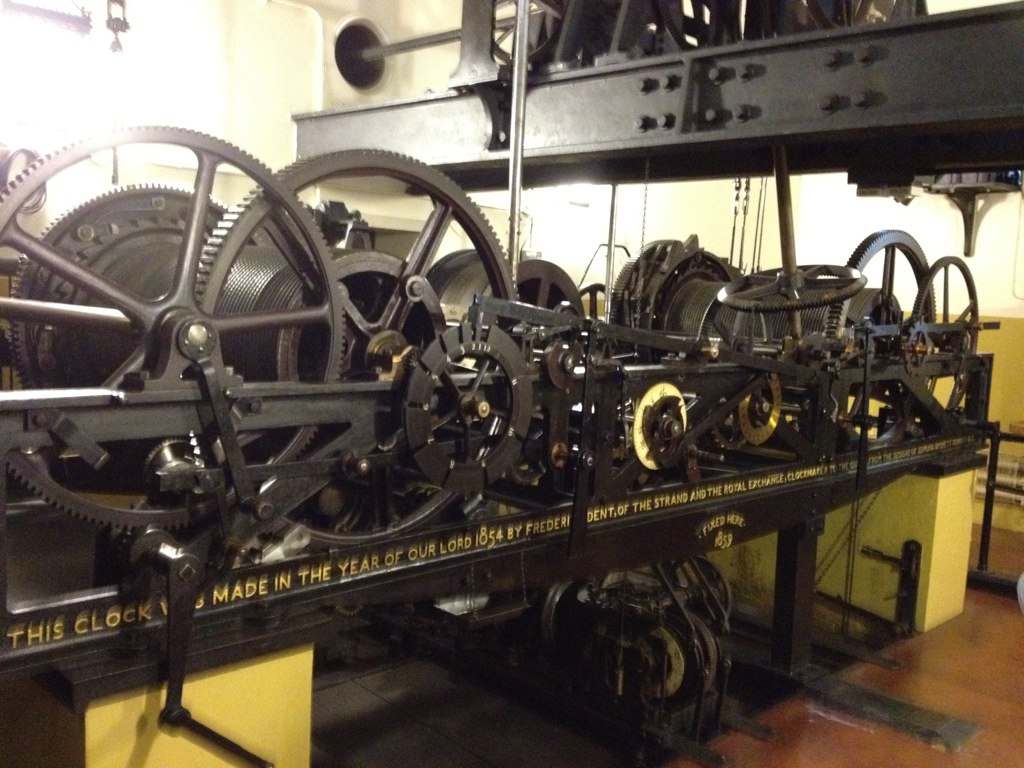
The movement of the four-faced clock was designed by horologist Edmund Beckett Denison and George Airy, a Astronomer Royal (remember these names. They will show up again). What makes the clocks tick? A pendulum! Yes, like those in grandfather clocks. And like all old clocks it needs to be wound three times a week. The process takes 1½ hours.
The clock was the largest and most accurate when it was completed in 1859. It was so accurate that removing or adding a penny adjusted the clock by 0.4 seconds.
The clock’s mechanism – Courtesy of Wikimedia Commons
Big Ben was hit by a bomb one occasion and an anti-aircraft shell during WWII, but it kept working and ringing. It was taken as one of the symbols of British defiance and stoicism during the war.
Big Ben is probably the most famous landmark of London. There’s no doubt every one of us has seen it in a movie or on TV.
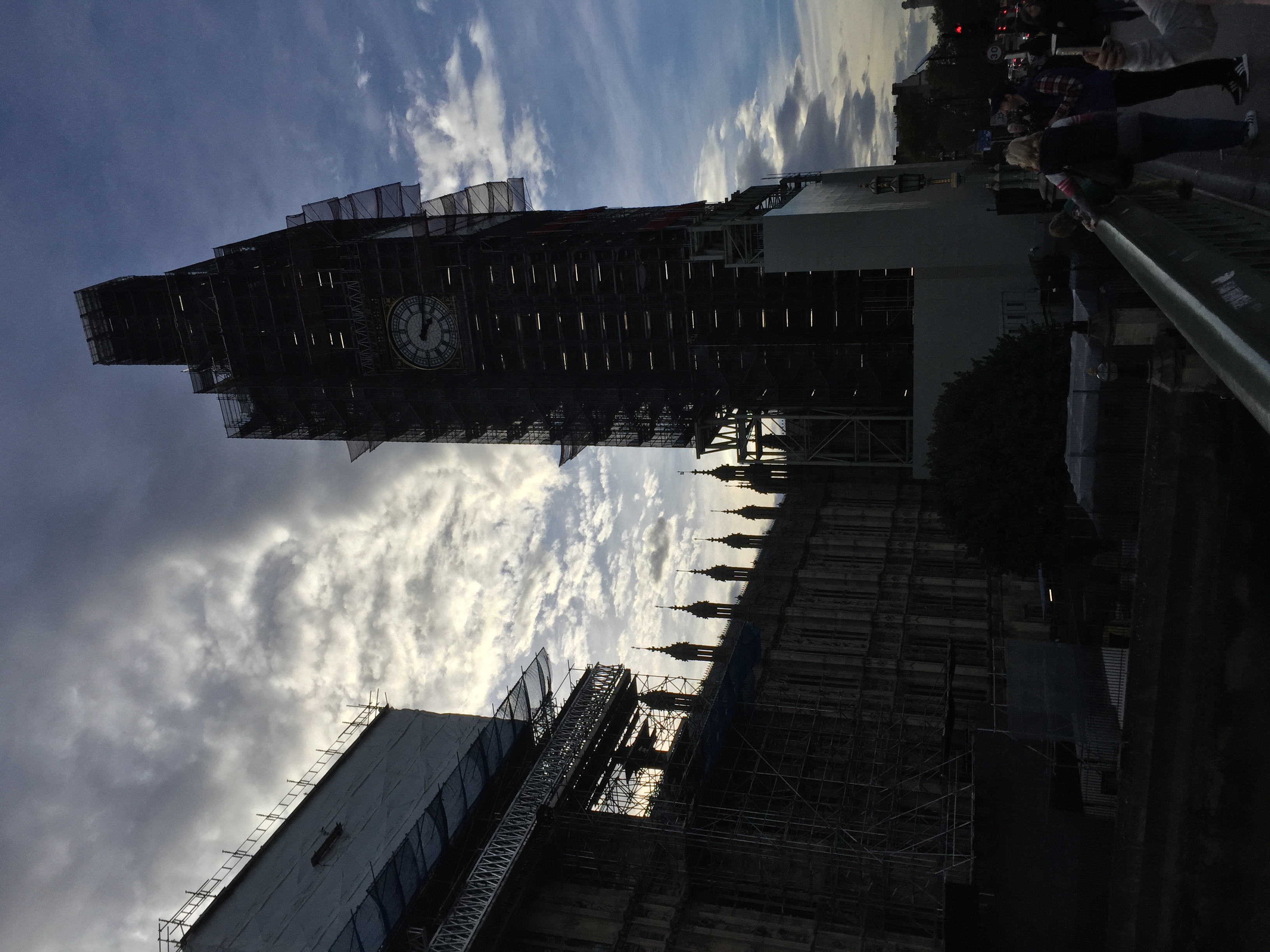
However, it’s covered in scaffolding since 2017 for a four-year refurbishing project and the bell silenced. The works will also add a lift inside the tower. The renovation costs add up to£61 million as of September 2017.
Was I disappointed for not being able to view Big Ben? I was at first, but I knew the restoration will sustain the building for ages to come.
THE PALACE OF WESTMINSTER A.K.A. HOUSES OF PARLIAMENT
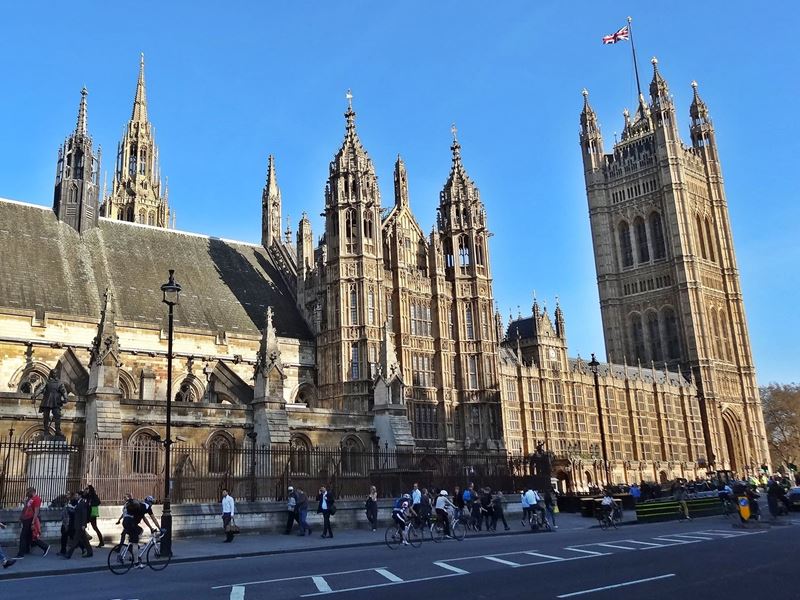
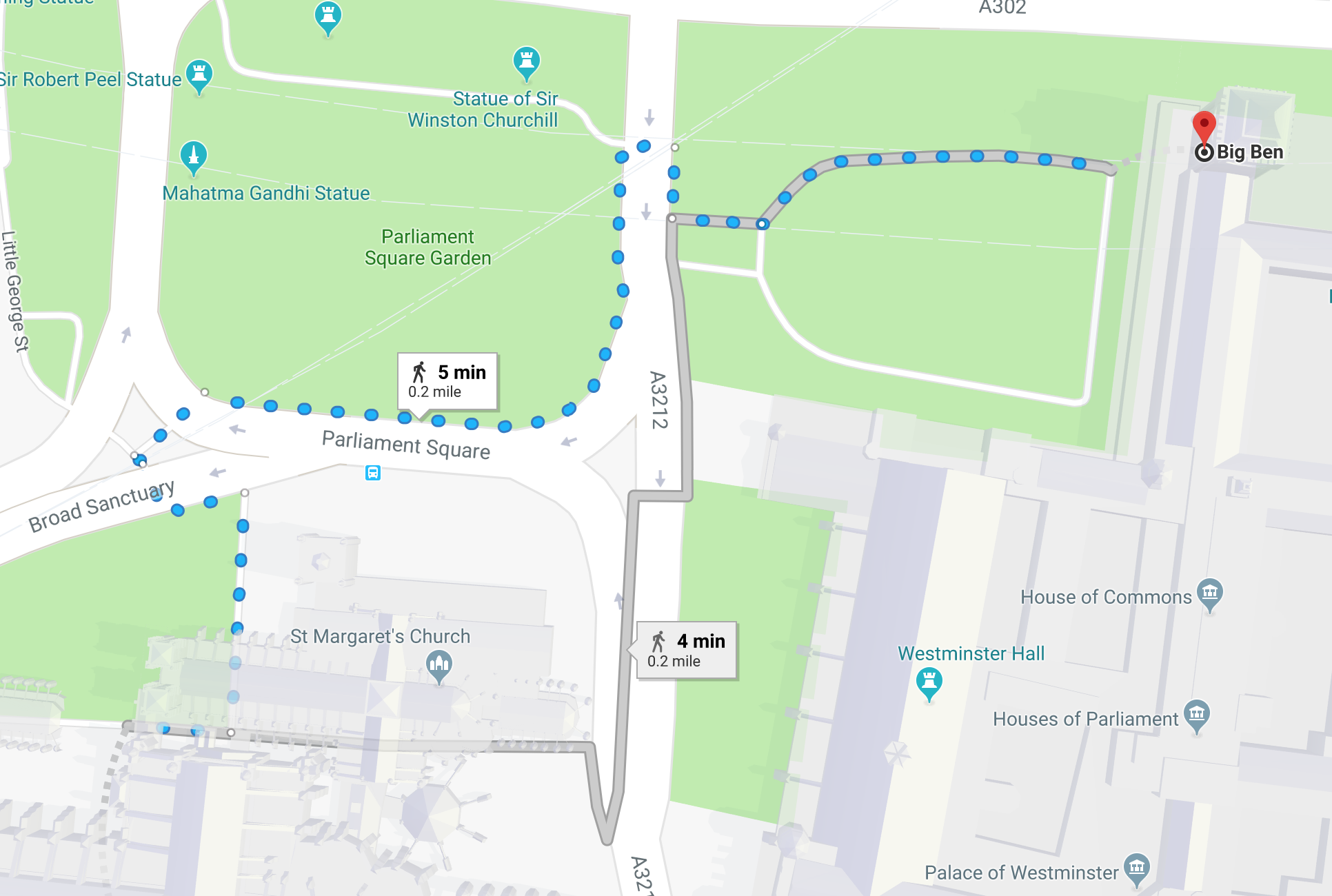
“Big Ben” is located at the northern end of The Palace of Westminster, better known as Houses of Parliament. The two structures are so famous that almost everyone on earth would recognize them as part of the City of London.
It is called Houses of Parliament because the House of Commons and House of Lords convened there.
The first royal palace was built on the site in 1016 and served as the primary residence for the Kings of England until a fire destroyed much of it in 1512. The Parliament of England had been meeting there since the 13thcentury but used the palace full-time afterwards.
Another fire broke out in 1834, destroying both Houses of Parliament and most buildings in the palace complex. The job to rebuild the site was awarded after reviewing 97 proposals. Work began in 1840 and was only completed in 1876. This was when the building acquired its current Gothic architecture.
The Blitz (German air bombing) in WWII hit the Palace of Westminster on fourteen separate occasions.
The building is old and in need of urgent restoration. There were reports of the ceiling dropping onto MP’s desks. Consequently, MP’s voted in 2016 to vacate the building in 2022.
Walking up close past the building was quite another experience compared to looking at it in pictures. Pictures all but show the outlines and little else. I was totally in awe while standing right in front of a structure that I’ve seen thousands of times in books and visual media. There are so many intricate details that need to be experienced. It was an imposing structure, as well. Of course, it had been a residence for the King, after all.
The Houses of Parliament has seen some serious cases of security breaches. As such, like Big Ben, tours are only allowed for British nationals who had obtained an authorization letter from their MP’s.
INTERMISSION
We’ll take another break here because the last part of Day 2 is another long article as it covers The Imperial War Museum London, a River Thames ferry ride and the Tower Bridge.
Please click here for the Triumph Motorcycles Malaysia London Adventure Day 1 and here for Day 2 (Part 1).