The Kuala Lumpur Police have reminded the public not to engage in any activities that disrupt routes, events, and public order throughout the 47th ASEAN Summit.
Kuala Lumpur Police Chief, Datuk Fadil Marsus, stated that these three matters must be adhered to, and if any party violates them, it could be considered a criminal offense where the police will take firm action.
According to him, any party planning to hold assemblies during the conference period must fully comply with security guidelines.
“I wish to remind any party intending to hold an assembly not to disrupt the related events.”
“There cannot be any activities that affect the event, routes, or public order. Such actions will be considered a criminal offense,” he said at a press conference at the Kuala Lumpur Contingent Police Headquarters here today.
Fadil said public cooperation with enforcement agencies and government departments is crucial to ensure the success of the summit.
“This is an important event for Malaysia because the whole world will be watching how we manage ASEAN.”
“As the main enforcement agency together with other government agencies, we will ensure public order is always maintained throughout this summit period,” he said.
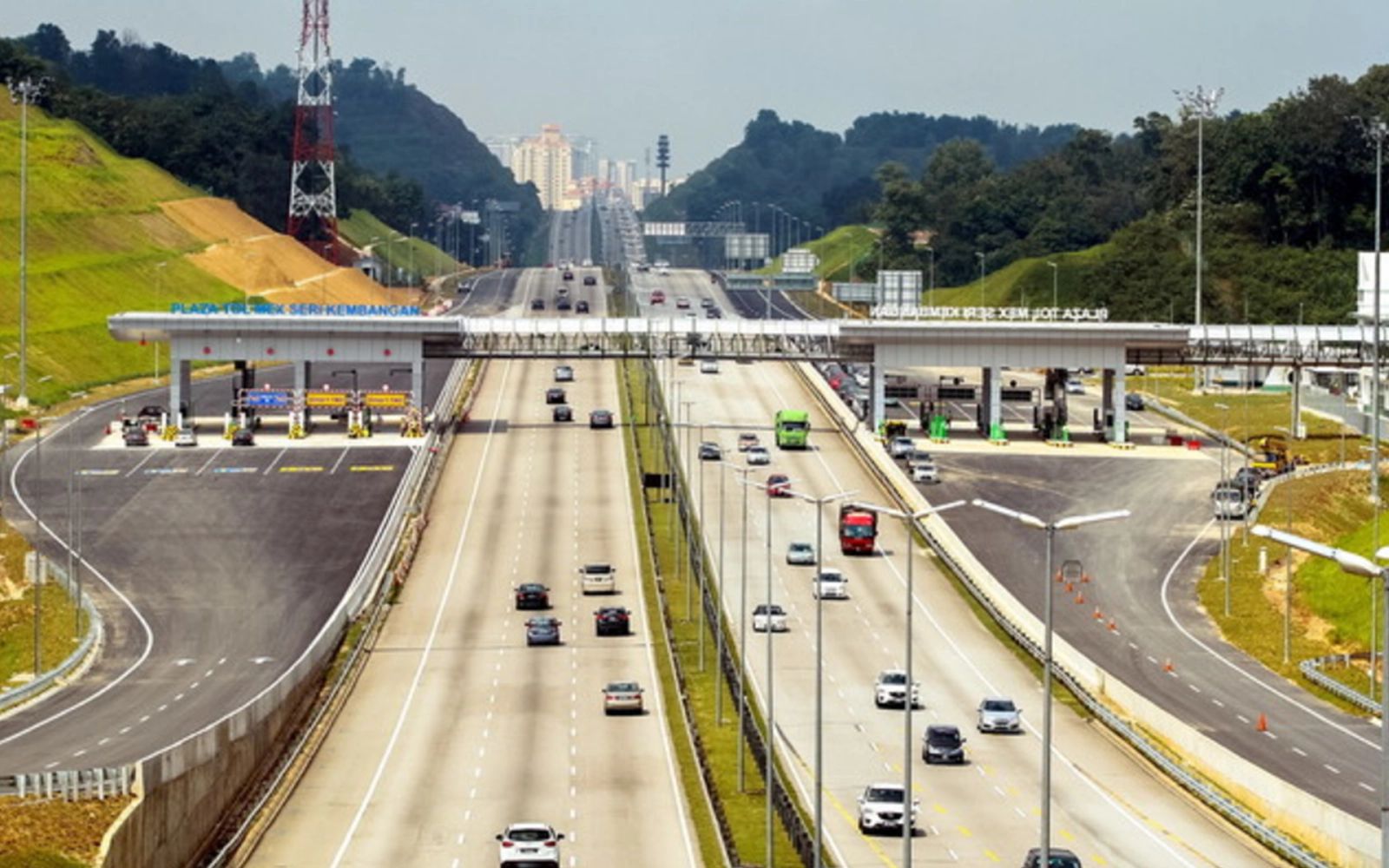
Furthermore, he urged the public to pay attention and avoid using the involved routes or the diversions set up for the ASEAN Summit.
“Alternative roads provided can be used to reduce traffic congestion in the capital city.”
“We anticipate traffic challenges throughout this major event, so we request public cooperation to avoid the mentioned routes and plan their journeys in advance,” he said.
He added, as previously informed, please arrange your activities properly during the summit dates and follow the instructions of traffic police personnel on duty at the locations.
“Commercial vehicles also need to adhere to the restricted travel times.”
“The public is encouraged to use public transport to help reduce congestion,” he said.
On October 18, Deputy Director of the Bukit Aman Department of Internal Security and Public Order (Operations), Datuk Fisol Salleh, stated that over 10,000 police officers and personnel from various units, including the Traffic Investigation and Enforcement Department (JSPT), Special Branch, and Special Actions Unit (UTK), have been mobilized under Op ASEAN 47 ahead of the summit.
The 47th ASEAN Summit is scheduled to take place at the Kuala Lumpur Convention Centre (KLCC) from October 26 to 28, with the participation of all 10 ASEAN member state leaders, as well as dialogue partners and guests including from the United States, China, Japan, and India.
Additionally, six highways and 25 main roads around the Klang Valley will be closed in stages.
The road closures will be implemented from October 23 to 28, involving access routes to and from key locations, particularly to the Kuala Lumpur Convention Centre (KLCC), the National Palace, and Kuala Lumpur International Airport (KLIA).
Polis Kuala Lumpur menegaskan orang ramai supaya tidak mengadakan aktiviti yang mengganggu laluan, acara dan ketenteraman awam sepanjang Sidang Kemuncak ASEAN ke-47 berlangsung.
Ketua Polis Kuala Lumpur, Datuk Fadil Marsus berkata, tiga perkara itu perlu dipatuhi dan jika ada mana-mana pihak melanggarnya ia boleh dianggap melakukan kesalahan jenayah di mana polis akan mengambil tindakan tegas.
Menurutnya, mana-mana pihak yang merancang untuk mengadakan perhimpunan ketika tempoh persidangan itu perlu mematuhi sepenuhnya garis panduan keselamatan.
“Saya ingin mengingatkan mana-mana pihak yang bercadang untuk mengadakan perhimpunan supaya jangan ganggu acara berkenaan.
“Tidak boleh ada sebarang aktiviti yang menjejaskan acara, laluan atau ketenteraman awam. Tindakan sedemikian akan dianggap sebagai satu kesalahan jenayah,” katanya pada sidang media di Ibu Pejabat Polis Kontinjen (IPK) Kuala Lumpur, di sini, hari ini.
Fadil berkata, kerjasama orang ramai bersama agensi penguat kuasa dan jabatan kerajaan amat penting bagi memastikan kejayaan sidang kemuncak berkenaan.
“Ini adalah acara penting untuk Malaysia kerana seluruh dunia akan melihat bagaimana kita menguruskan ASEAN.
“Sebagai agensi penguat kuasa utama bersama agensi kerajaan lain, kami akan memastikan ketenteraman awam sentiasa terpelihara sepanjang tempoh sidang ini,” katanya.
Dalam pada itu, beliau menggesa orang ramai supaya memberi perhatian dan mengelak daripada menggunakan laluan yang terbabit atau lencongan yang diwujudkan sempena Sidang Kemuncak ASEAN.
“Jalan alternatif yang disediakan boleh digunakan bagi mengurangkan kesesakan lalu lintas di ibu negara.
“Kami menjangkakan cabaran trafik sepanjang acara besar ini, jadi kami memohon kerjasama orang ramai untuk mengelak laluan berkenaan dan merancang perjalanan lebih awal,” katanya.
Katanya, seperti yang dimaklumkan sebelum ini, sila susun aktiviti anda dengan baik sepanjang tarikh sidang kemuncak dan patuhi arahan anggota trafik yang bertugas di lokasi.
“Kenderaan komersial juga perlu mematuhi waktu perjalanan terhad.
“Orang ramai digalakkan menggunakan pengangkutan awam bagi membantu mengurangkan kesesakan, katanya.
Pada 18 Oktober lalu, Timbalan Pengarah Jabatan Keselamatan Dalam Negeri dan Ketenteraman Awam (Operasi) Bukit Aman, Datuk Fisol Salleh berkata, lebih 10,000 pegawai dan anggota polis daripada pelbagai unit termasuk Jabatan Siasatan dan Penguatkuasaan Trafik (JSPT), Cawangan Khas serta Unit Tindakan Khas (UTK) telah digerakkan di bawah Op ASEAN 47 menjelang sidang kemuncak berkenaan.
Sidang Kemuncak ASEAN ke-47 dijadualkan berlangsung di Pusat Konvensyen Kuala Lumpur (KLCC) dari 26 hingga 28 Oktober ini dengan penyertaan kesemua 10 pemimpin negara anggota ASEAN serta rakan dialog dan tetamu termasuk dari Amerika Syarikat, China, Jepun dan India.
Dalam pada itu, sebanyak enam lebuh raya dan 25 jalan utama di sekitar Lembah Klang akan ditutup secara berperingkat.
Penutupan jalan dilaksanakan bermula 23 hingga 28 Oktober membabitkan laluan masuk dan keluar ke lokasi-lokasi utama khususnya ke Pusat Konvensyen Kuala Lumpur (KLCC), Istana Negara dan Lapangan Terbang Antarabangsa Kuala Lumpur (KLIA).
2028 telah dijadualkan untuk menjadi tahun yang penting untuk MotoGP kerana akan berlaku banyak perubahan signifikan kepada motosikal kelas MotoGP. Namun, ia bukan satu-satunya kelas yang akan mengalami perubahan ini, kerana kelas pelapis Moto3 juga akan terjejas. Kini timbul khabar angin bahawa Yamaha mahu menjadi pembekal enjin eksklusif untuk Moto3 mulai tahun 2028.
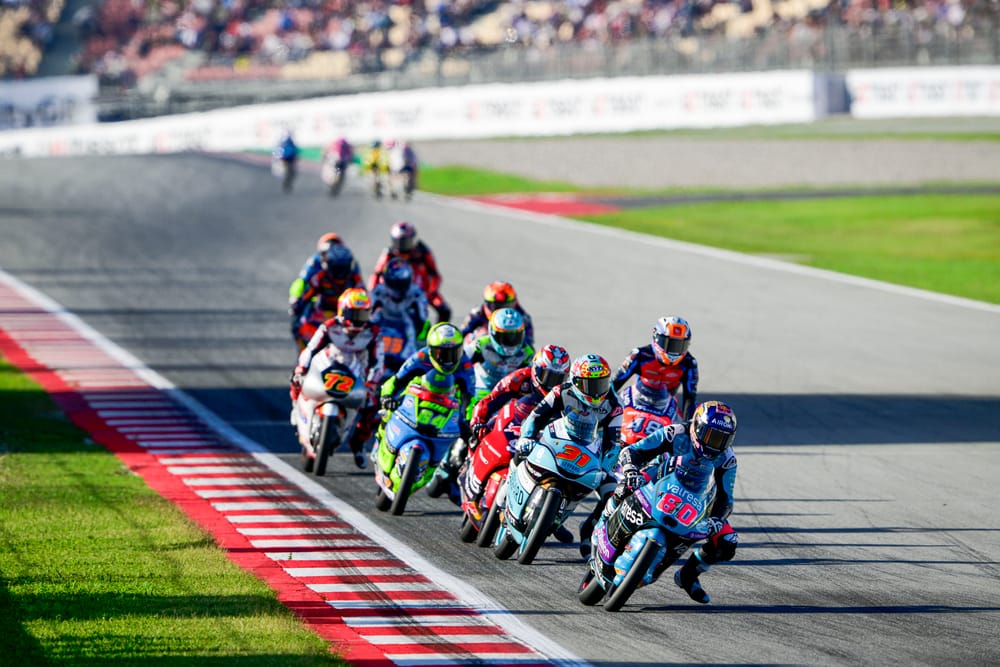
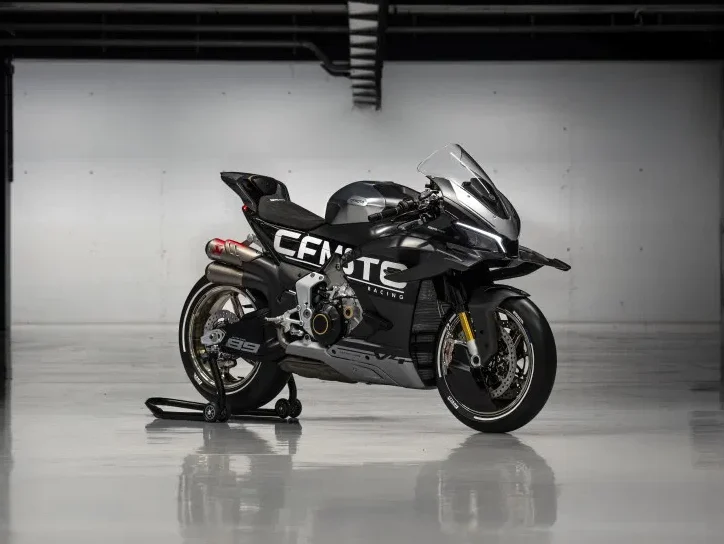
Formula Moto3 semasa membenarkan pengeluar berbeza untuk bersaing. Oleh itu, kita telah melihat pengeluar seperti Honda dan KTM bersaing untuk mengejar kemenangan. Pada tahun-tahun kebelakangan ini, pengeluar lain telah “menyewa” motosikal KTM RC250GP dan meletakkan nama mereka (seperti CFMoto) untuk tujuan penjenamaan.
Bagi mengawal kos, peraturan menetapkan bahawa pasukan boleh menggunakan sehingga enam unit kuasa sepanjang musim penuh, dengan had kos dilaporkan sebanyak €60,000 (MYR295,302.00). Casis juga dihadkan kepada sekitar €85,000 (lebih kurang MYR418,344.50).
Namun, kos pembangunan yang ditanggung oleh Honda dan KTM sudah tentu tinggi, kerana tiada siapa yang suka kalah. Oleh itu, wujud perbincangan untuk mengubah Moto3 menjadi perlumbaan satu pengeluar seperti Moto2 – di mana satu pengeluar membekalkan enjin, manakala pasukan menyewa atau membeli rangka, casis, dan komponen lain daripada menyewa motosikal lengkap.
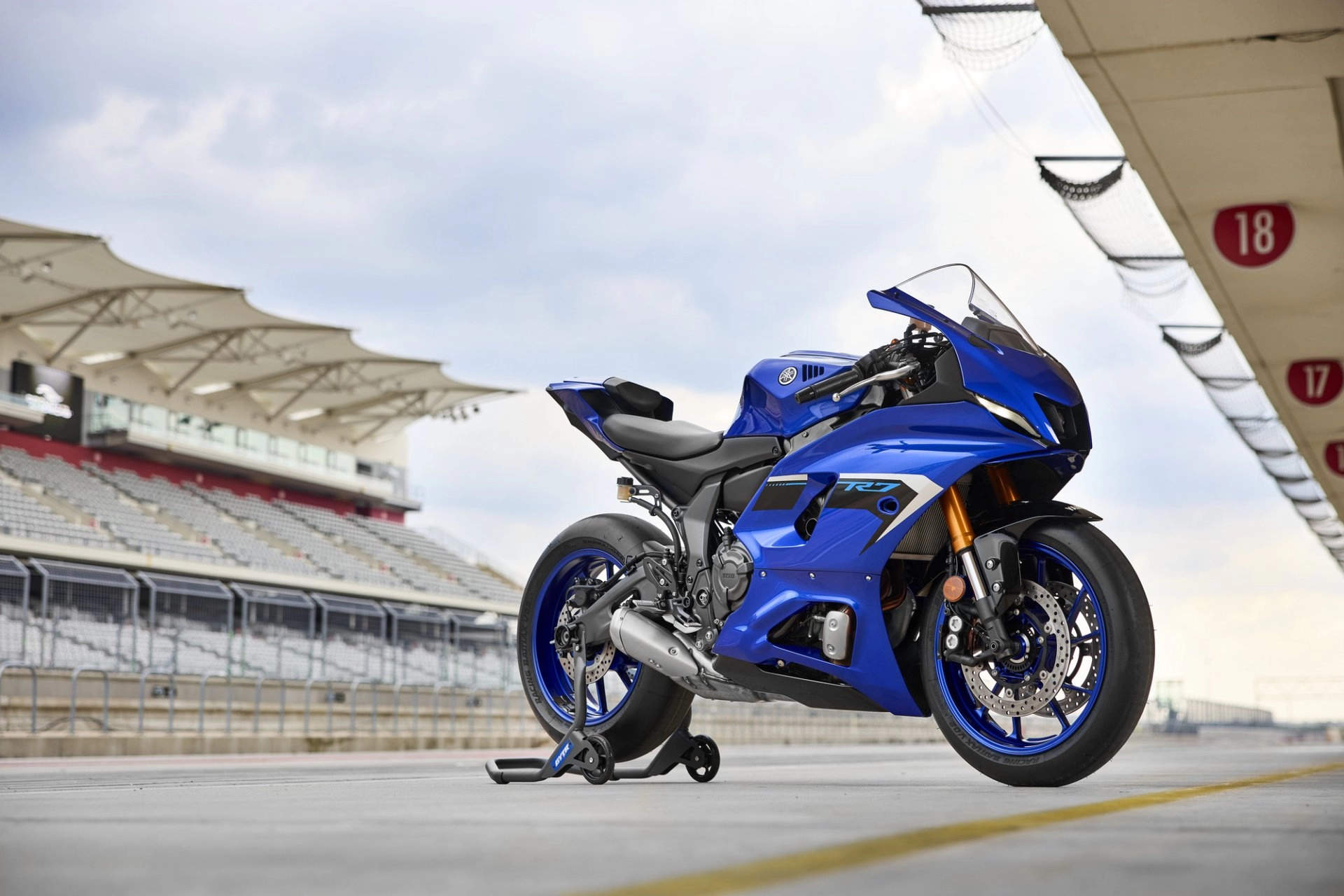
Sekiranya khabar angin ini benar, kita mungkin akan melihat motosikal Moto3 menggunakan enjin 689cc, dua silinder daripada Yamaha R7. Enjin-enjin ini tentunya akan diubahsuai untuk perlumbaan.
Turut dilaporkan bahawa terdapat pengeluar lain yang berminat untuk membekalkan enjin: Honda, KTM, dan CFMOTO.
2028 is already slated to be an important, if not watershed year for MotoGP as there will be many significant changes to the premier class bikes. However, it will not be the only class seeing these changes, as the feeder Moto3 class will be affected. Now a rumour has surfaced that Yamaha wants to be the exclusive engine supplier for Moto3, in 2028.
The current Moto3 formula allows for different manufactures to compete. As such, we have been seeing the likes of Honda and KTM vie for glory. In more recent years, other manufacturers have “rented” the 250cc, single-cylinder KTM RC250GP 250cc bike and slapping their names on it for branding.
To keep costs under control, the rules stipulate that teams can use up to six power units over the course of a full season, with a cost cap reported to be €60,000 (MYR295,302.00). Chassis are also limited to a cap of around €85,000 (roughly MYR418,344.50).
However, the development costs borne by Honda and KTM are undoubtedly high, as no one likes to lose. As such, there is talk of turning Moto3 into a single-make race like Moto2 – where one manufacturer supplies the engines, while teams rent or buy frames, chassis, and other components rather than renting the complete bike.
If the rumours are true, we may just see Moto3 bikes using the Yamaha R7’s 689cc, twin-cylinder engine. The engines will modified for racing, of course.
It was also said that other manufacturers are interested in supplying the engines: Honda, KTM, and CFMOTO.
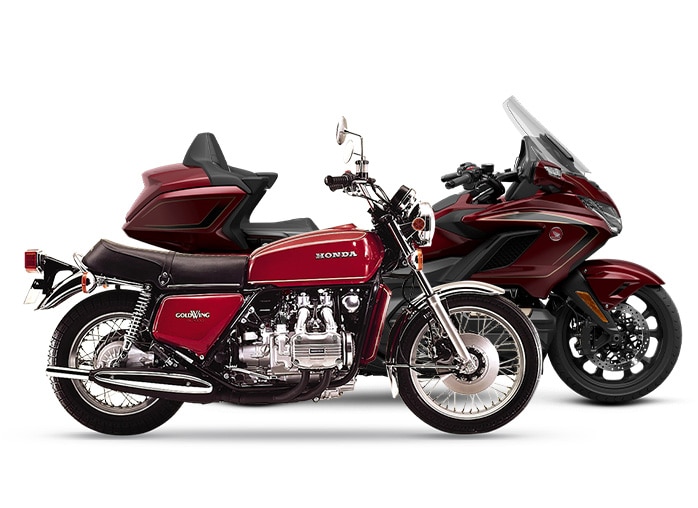
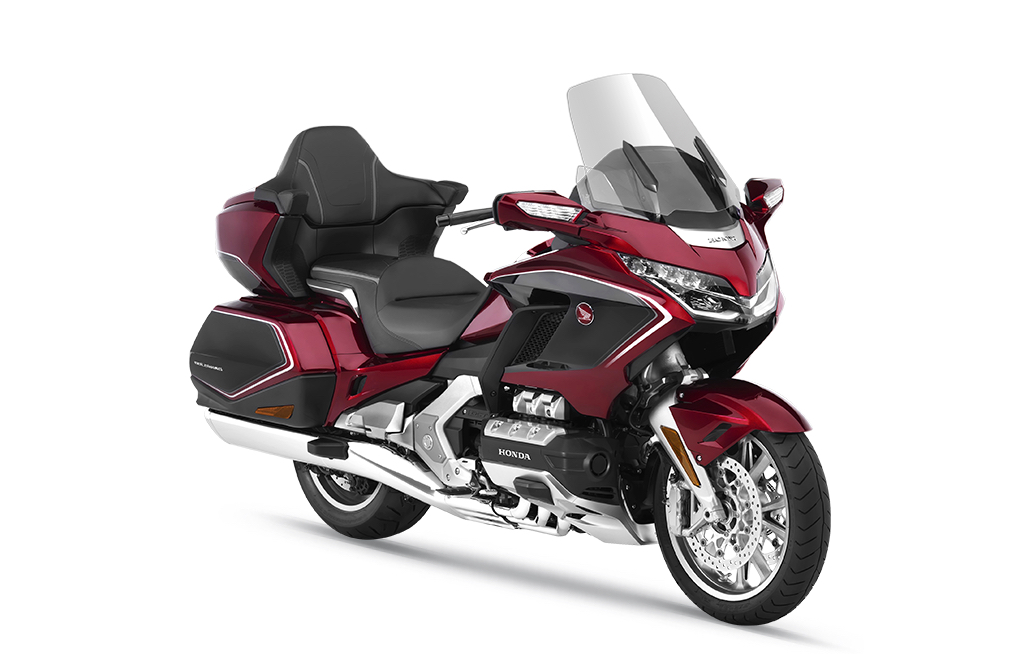
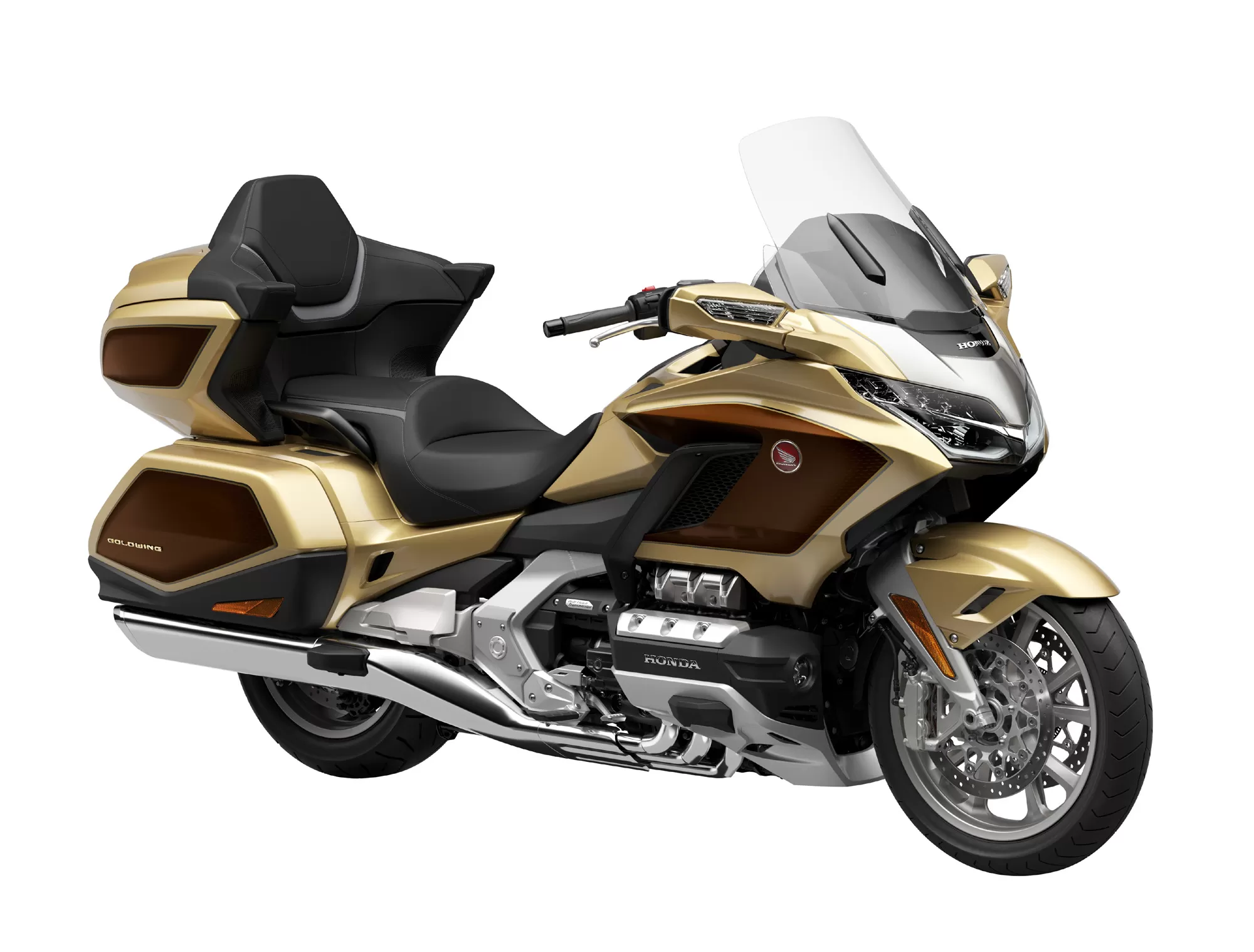
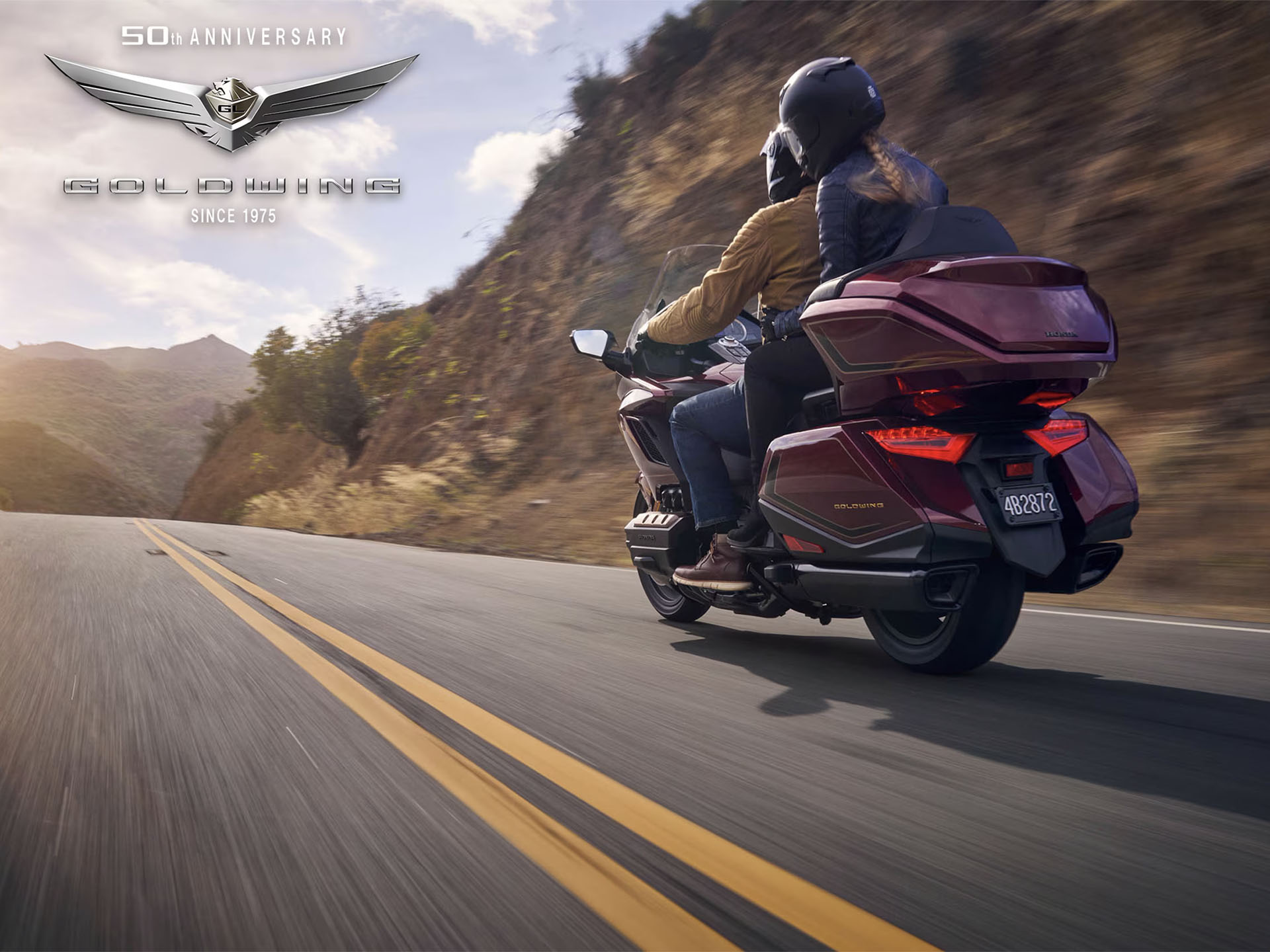
2025 marks the 50th anniversary – the Golden Jubilee – of the Honda Gold Wing. 50 years is a long time for any motorcycle model production, and the Gold Wing has been through several significant moments in history.
In the pantheon of motorcycling icons, few machines command the respect and admiration of the Honda Gold Wing. It is the undisputed monarch of the long-distance touring realm, a two-wheeled institution synonymous with comfort, innovation, and continent-devouring capability. Yet, its journey to the throne was anything but predictable. The evolution of the Gold Wing is a fascinating tale of a motorcycle that repeatedly reinvented itself, evolving from a purist’s sport-tourer into a technological flagship that continues to define the luxury touring category.
The Genesis: A “Naked” Superbike (1975-1979)
The story begins not with the fairing-clad behemoth we know today, but with a revolutionary engineering exercise.
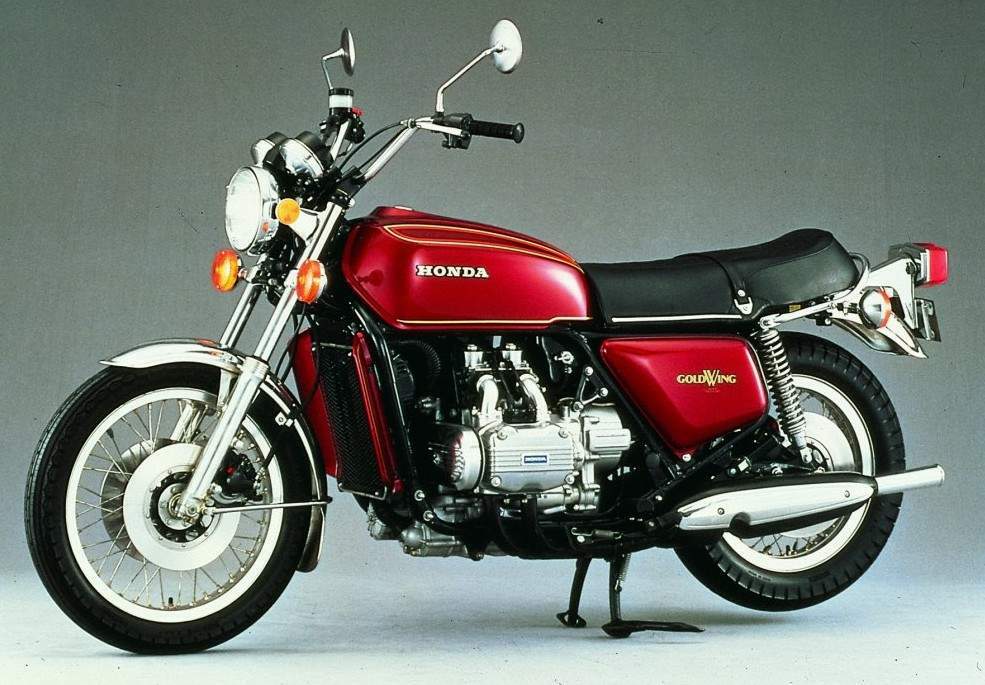
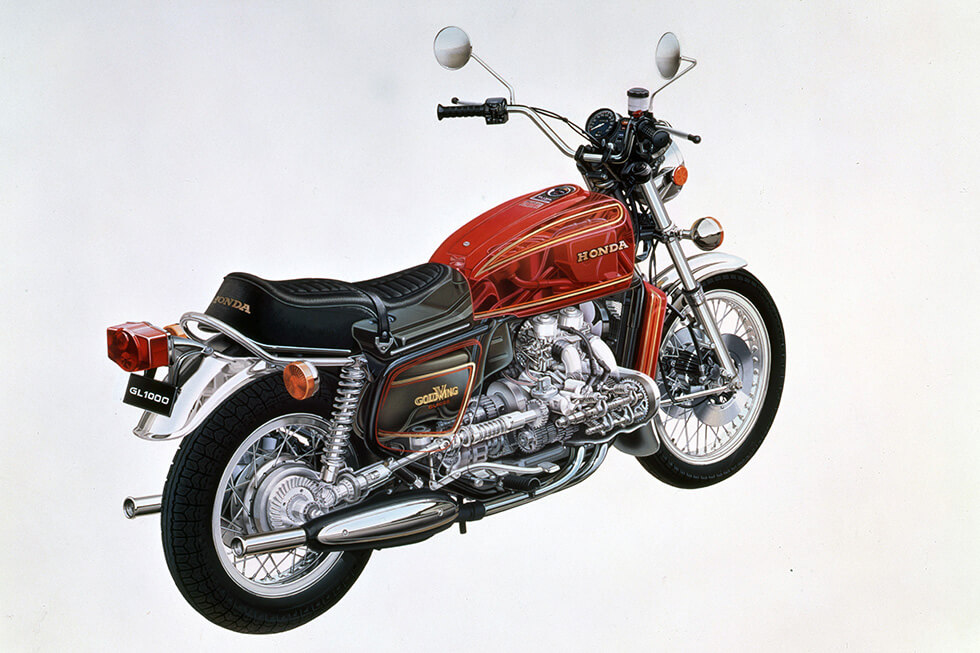
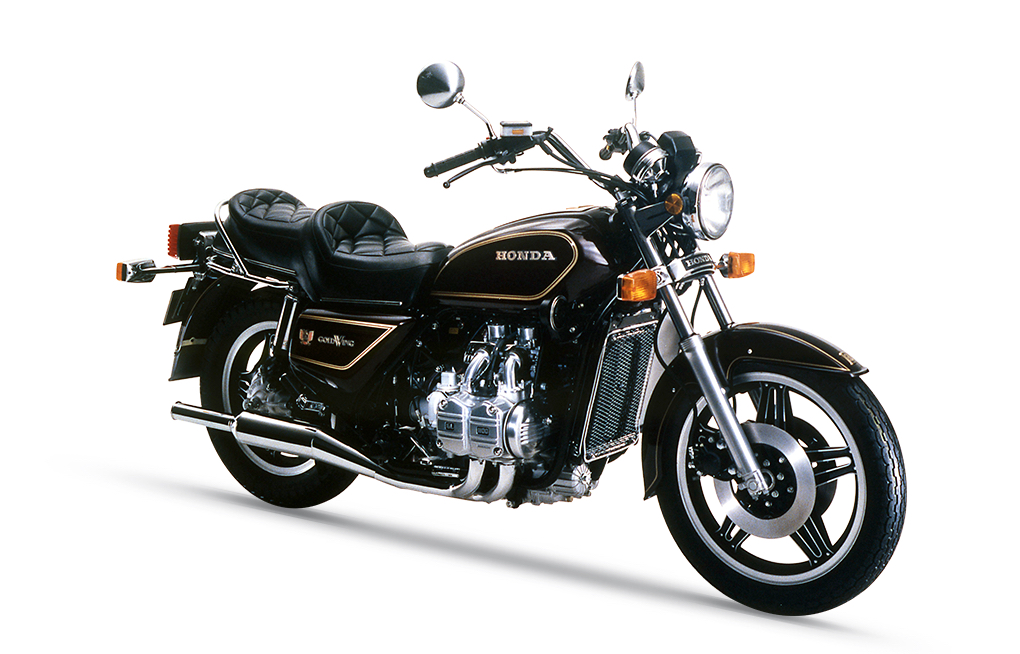
When Honda unveiled the GL1000 in 1975, the motorcycling world was stunned. At its heart lay a masterpiece: a liquid-cooled, horizontally opposed four-cylinder engine. This “flat-four” configuration, reminiscent of a sports car’s powertrain, provided a incredibly low center of gravity and an exceptionally smooth, vibration-free power delivery. With nearly 1000cc and 80 horsepower, it outperformed many contemporary superbikes, including Honda’s own CB750, which was universally called “the world’s first superbike.”
Surprisingly, the original Gold Wing was a minimalist. It arrived without a fairing, sporting only a simple fuel tank (though the actual tank was hidden under the seat to lower weight) and a solitary, dual-purpose seat. It was a “high speed tourer” according to Honda, a sleek and potent machine that enthusiasts quickly recognized as an unparalleled platform for long-distance travel. Riders began to customize them, adding aftermarket fairings and saddlebags, signaling to Honda a latent demand they had not yet fully anticipated.
The Transformation: Becoming the Tourer (1980-1983)
Honda is a company that listens, and the 1980s marked the Gold Wing’s definitive shift in identity, and in doing so, differentiate itself from the performance-oriented CB range.
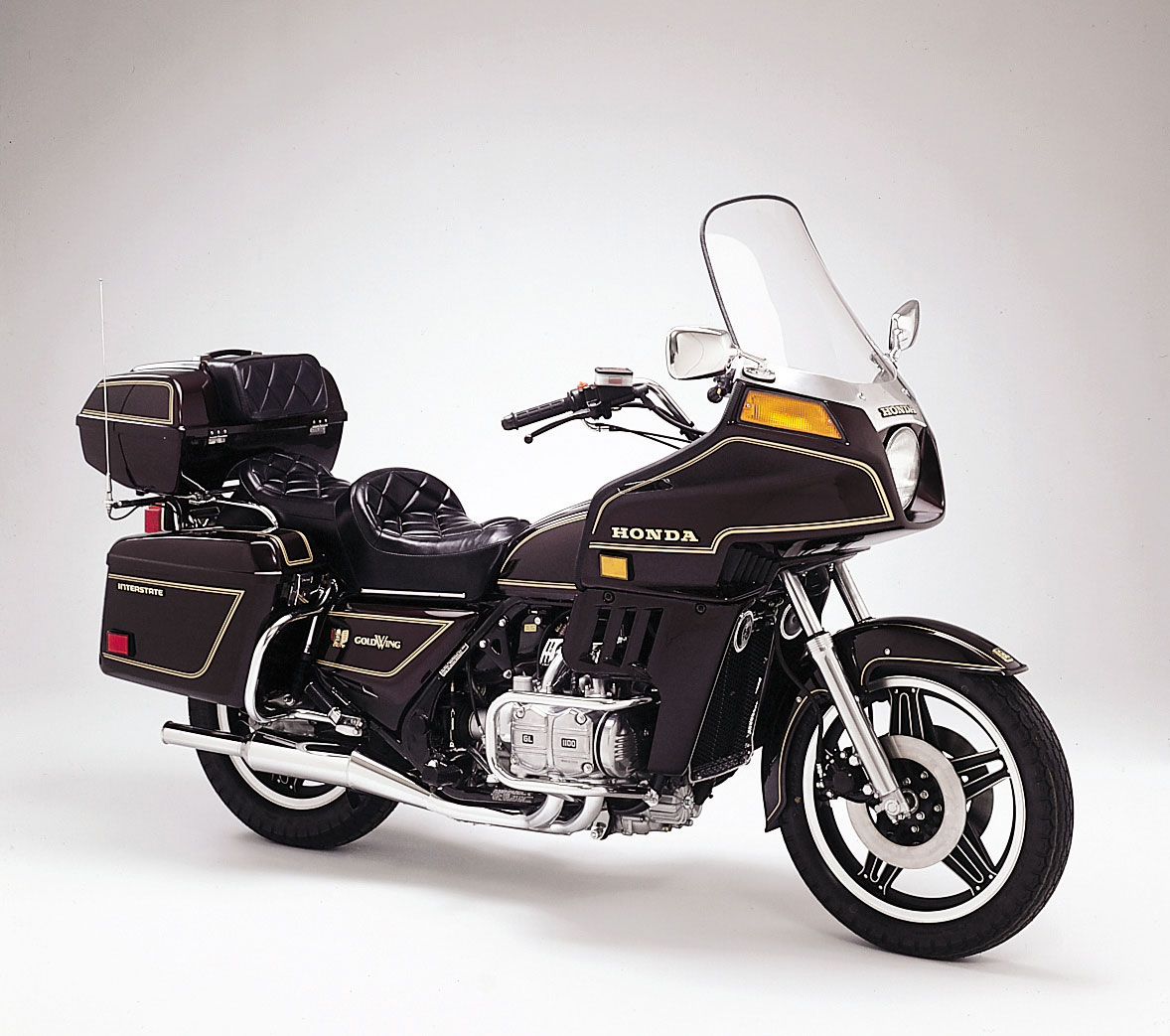
The GL1100, introduced in 1980, was offered from the factory with optional factory-fitted fairings and luggage.
The Shape of the Future: The Full-Dress Tourer Debuts (1984-1987)
The market responded overwhelmingly to the GL1100 and by 1984, the GL1200 series had cemented the Gold Wing’s new silhouette. The Interstate model provided the full-dress experience, while the Aspencade added luxury touches like a digital dashboard and a premium sound system.
GL1200 Gold Wing Interstate
This was no longer just a motorcycle; it was a rolling living room. Comfort became paramount. The engine grew in displacement and refinement, designed not for peak horsepower but for a broad, seamless wave of torque. The riding position became more relaxed, and the chassis was engineered to handle the increasing weight of the amenities. The Gold Wing had found its calling: to isolate its rider and passenger from the hardships of the road, transforming a cross-country journey into a serene, effortless event.
The Apex of Analog: The Mighty Six-Cylinder Era (1988-2000)
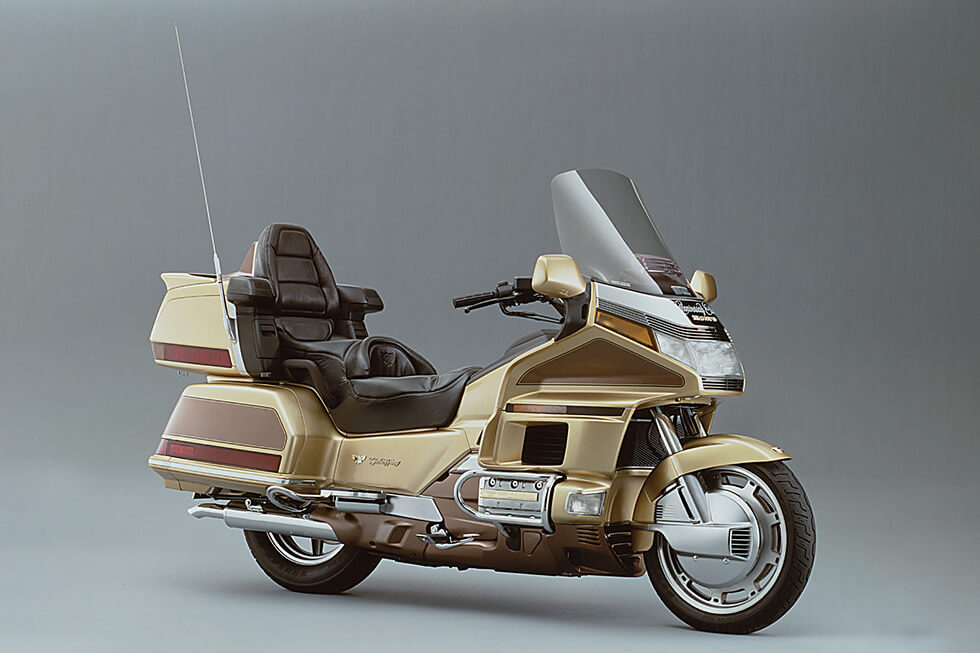
If the 1200cc model solidified the concept, the 1988 GL1500 perfected it. This was a monumental leap. Honda replaced the flat-four with a majestic, 1520cc horizontally opposed six-cylinder engine. The increase in cylinders translated to an otherworldly level of smoothness and torque. The motorcycle’s profile became broader, more authoritative, and undeniably grand.
The GL1500 was a marvel of pre-digital analog engineering. It featured a complex, multi-speaker audio system, cruise control, reverse gear, and enough storage capacity to rival a small car. It was the ultimate expression of the “bigger is better” philosophy, a machine that prioritized supreme comfort and presence above all else. For over a decade, it reigned supreme, facing little competition and building a cult-like following among touring purists.
The 21st Century Flagship: The Technological Leap (2001-2017)
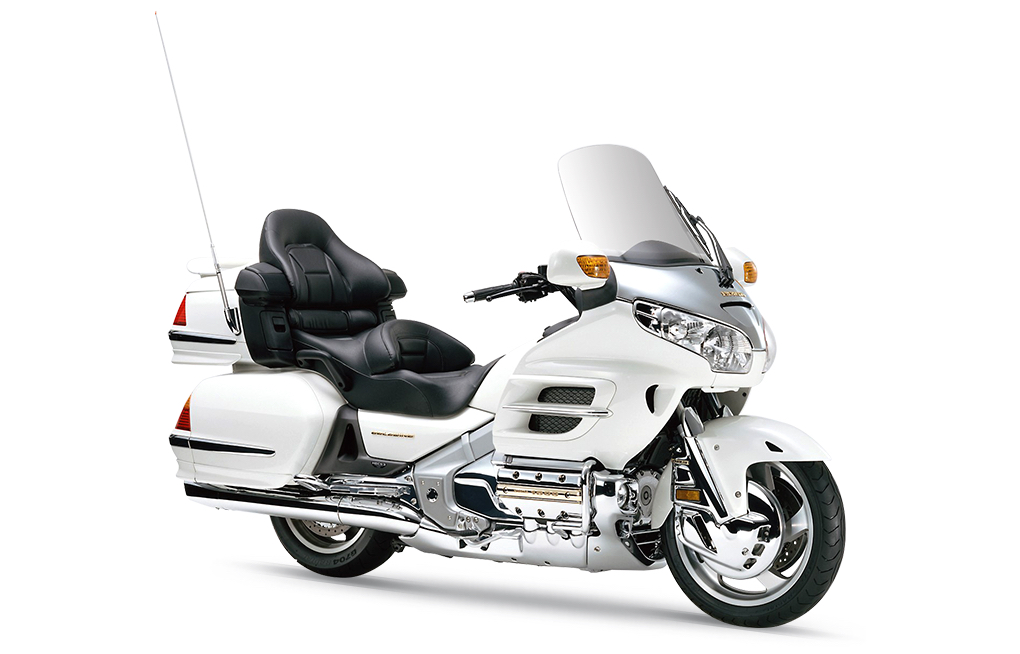
In 2001, Honda unveiled the GL1800, a machine that was as much a feat of structural engineering as it was a motorcycle. The new 1832cc flat-six engine was now a stressed member of the frame, which was a single-piece, die-cast aluminum unit. This resulted in a stiffer, lighter chassis that transformed the bike’s handling, making the colossal machine feel surprisingly agile.
The GL1800 became the new benchmark for two decades. It incorporated cutting-edge technology, including optional satellite navigation and, in a world-first for production motorcycles, an optional airbag. Its audio system was concert-hall quality, and its weather protection was absolute. It was the pinnacle of the fully integrated, all-in-one touring package, a technological fortress on two wheels.
The Modern Rebirth: The Agile Grand Tourer (2018-Present)
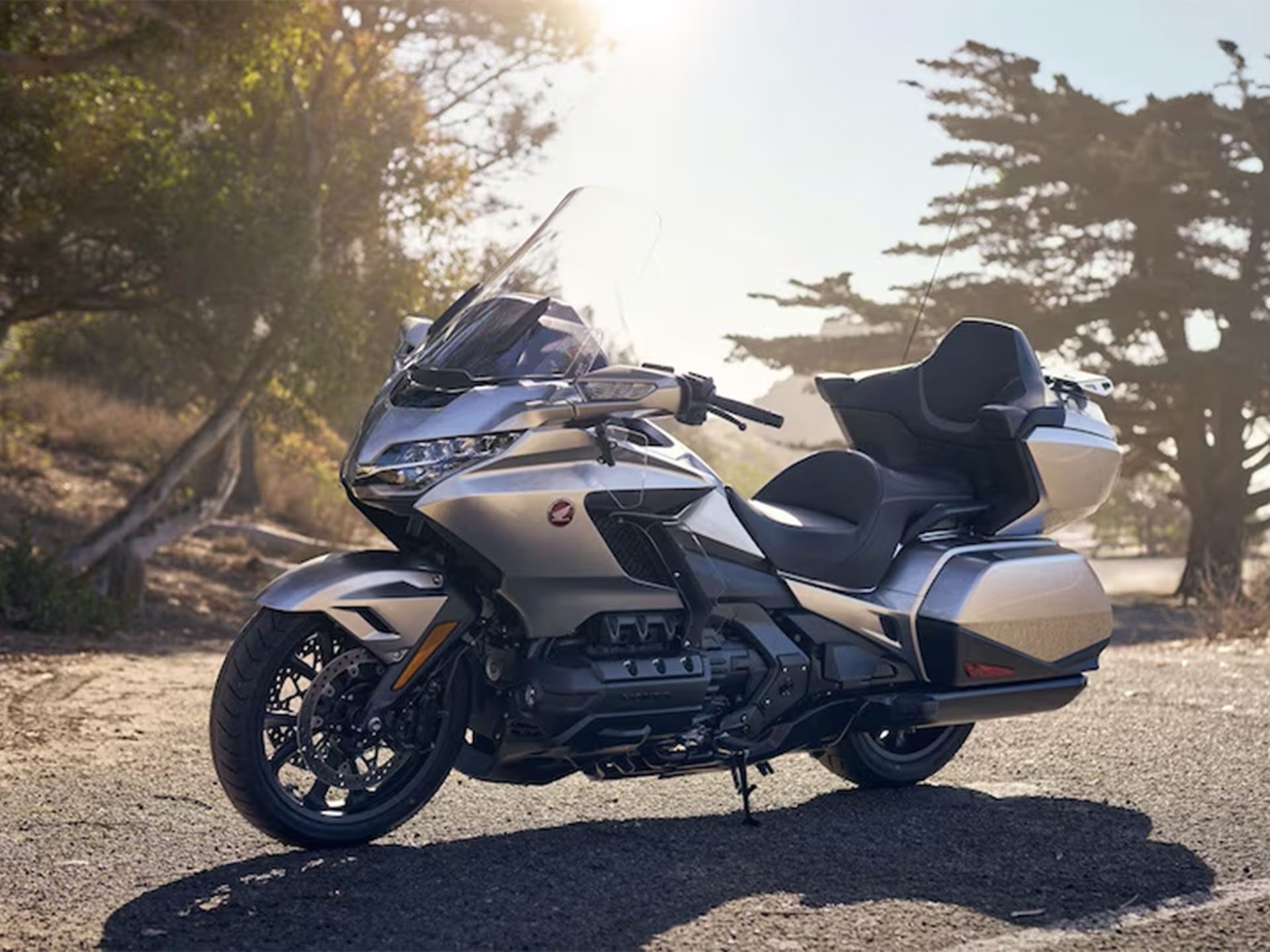
By the 2010s, the touring market was changing. Riders, including an aging core demographic, sought lighter, more manageable machines. Honda’s response in 2018 was a comprehensive and daring redesign. The new Gold Wing underwent a dramatic diet, shedding nearly 50 kg. The most radical change was at the front, where a double-wishbone suspension system replaced the traditional telescopic fork, improving handling and reducing front-end dive under braking.
Most significantly, the cockpit was catapulted into the modern age. A full-color TFT display became the command center, integrating with Apple CarPlay and Android Auto. Multiple riding modes, hill start assist, and a 7-speed DCT automatic transmission option broadened its appeal. Honda had successfully re-engineered a legend, preserving its core luxury and comfort while gifting it with a newfound spirit of agility and modern connectivity.
And, finally, the 2025 Honda Gold Wing 50th Anniversary
The 2025 Honda Gold Wing 50th Anniversary is a rolling monument to a half-century of touring supremacy. To honour this legacy, Honda has adorned its flagship tourer with two stunning Eternal Gold and Bordeaux Red Metallic paint scheme, a direct and elegant homage to the iconic colours of the original 1975 GL1000. This visual tribute is complemented by exclusive 50th Anniversary badging on the saddlebags and fuel tank, along with gold-coloured alloy wheels and meticulously embroidered seats, ensuring that its celebratory status is recognised at every glance.
Conclusion
The Honda Gold Wing’s evolution is a masterclass in listening to riders and daring to lead. It has grown from a sophisticated engine in search of a purpose to the most complete and capable touring machine on the planet. It is a testament to Honda’s engineering philosophy, proving that even a legend can continue to evolve, ensuring that the king of the tourers remains as relevant tomorrow as it was half a century ago.
Pernahkah anda dengar ayat ini? “Produk rosak tepat sehari selepas waranti tamat.” Kami bukan mengatakan ia pernah atau akan berlaku pada motosikal atau kereta Honda, atau setiap produk yang kita beli, tetapi kami pernah mengalami beberapa produk yang mengalami situasi sebegitu. Oleh itu, program waranti lanjutan sentiasa menjadi satu perkara baik untuk memiliki ketenangan fikiran, sama seperti Program Waranti Lanjutan ‘Honda X-tend’ yang baharu ini.
DARIPADA KENYATAAN AKHBAR
DARIPADA KENYATAAN AKHBAR
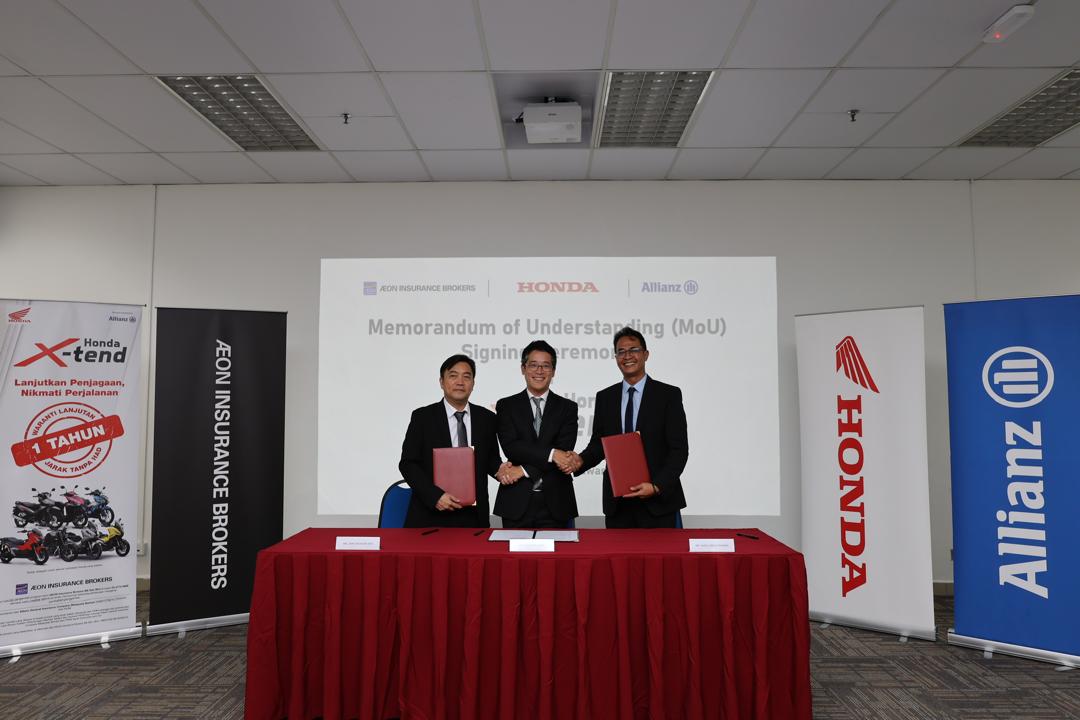
Boon Siew Honda Sdn. Bhd. telah melancarkan program waranti lanjutan baharunya, Honda X-tend, semalam, hasil kolaborasi bersama AEON Insurance Brokers (M) Sdn. Bhd. (“AEON Insurance Brokers”) dan Allianz General Insurance Company (M) Berhad (“Allianz”).
Inisiatif ini mencerminkan komitmen BSH dalam meningkatkan pengalaman pemilikan dengan menawarkan perlindungan berterusan serta ketenangan fikiran melebihi tempoh waranti standard.
Pembawa Insurans Berlesen: Allianz General Insurance Company (M) Berhad
Pelancaran rasmi program ini disempurnakan dengan Majlis Menandatangani Memorandum Persefahaman (“MoU”) yang diadakan di Ibu Pejabat BSH di Batu Kawan, Pulau Pinang.
Dengan Honda X-tend, pelanggan dapat menikmati:
Waranti lanjutan tambahan 1 tahun di atas liputan waranti standard 2 tahun.
Perlindungan tanpa had mileage sepanjang tempoh waranti lanjutan 1 tahun.
Di samping itu, waranti lanjutan ini meliputi komponen utama seperti enjin, brek dan kotak gear, dengan faedah tuntutan sehingga RM20,000 setahun, sekaligus menjamin keyakinan dan perlindungan jangka panjang yang lebih baik untuk setiap penunggang.
Tambahan pula, Program Waranti Lanjutan Honda X-tend kini tersedia untuk semua pendaftaran motosikal Honda baharu dan boleh diperoleh dengan mudah di mana-mana Pengedar Sah Honda di seluruh negara, menawarkan jaminan tambahan dan ketenangan fikiran sepanjang perjalanan pemilikan.
Bagi memperingati pelancaran Program Honda X-tend yang baharu ini, Boon Siew Honda menawarkan ketenangan fikiran tambahan terutamanya untuk pemilik RS-X dan RS-X Winner dengan liputan waranti 3 tahun (2+1 tahun). Bermula dari 17 Oktober hingga 31 Disember 2025, pelanggan yang membeli mana-mana model tersebut akan menerima waranti lanjutan 1 tahun percuma di bawah Program Honda X-tend.
“Di Boon Siew Honda, kami menginginkan setiap pelanggan mengalami ‘Joy of Riding’ yang sebenar dengan keyakinan dan ketenangan fikiran.
Melalui program Honda X-tend bersama Allianz dan AEON Insurance Brokers, kami melanjutkan penjagaan melebihi waranti standard, supaya pelanggan kami dapat terus menikmati perjalanan mereka dengan penuh kepercayaan dan jaminan.” – Kunitomo Asano, Ketua Pegawai Eksekutif BSH
“Honda X-tend menandakan langkah penting ke hadapan dalam mengukuhkan perlindungan pelanggan dan menyampaikan nilai jangka panjang. Kami berasa terhormat dipilih oleh Boon Siew Honda sebagai rakan kongsi yang dipercayai untuk program ini. Di AEON Insurance Brokers, kami kekal komited dalam menyediakan penyelesaian insurans inovatif yang melengkapkan kekuatan rakan kongsi kami dan menyokong pelanggan sepanjang perjalanan pemilikan mereka.”- John Tan, Pengarah Urusan AEON Insurance Brokers
“Di Allianz General, kami komited untuk menyediakan perkhidmatan terbaik dan meningkatkan nilai yang kami berikan kepada pelanggan kami. Kami berharap dapat bekerjasama dengan AEON Insurance Brokers dalam menyediakan perlindungan lanjutan kepada pelanggan Boon Siew Honda, memastikan mereka dapat menunggang motosikal baharu mereka dengan gembira dan yakin dengan mengetahui bahawa mereka dilindungi sekiranya berlaku pembaikan yang tidak dijangka dan berpotensi tinggi kosnya.” – Sazali Abdul Rahman, Timbalan Ketua Pegawai Jualan Allianz General
Dengan pengenalan Honda X-tend, Boon Siew Honda mengukuhkan komitmennya untuk meningkatkan penjagaan pelanggan dan menyampaikan ‘Joy of Ownership’ kepada penunggang di seluruh Malaysia.
“The product broke just one day after the warranty ended.” Ever heard that line before? We are not saying that it happened or will happen to a Honda motorcycle or car, or every product, but we have had several products do exactly that. Thus an extended warranty program is always a good thing to have for a peace of mind, just like this new Honda X-tend Extended Warranty Program.
FROM THE PRESS RELEASE
Boon Siew Honda Sdn. Bhd. launched its new extended warranty programme, Honda X-tend yesterday, in collaboration with AEON Insurance Brokers (M) Sdn. Bhd. (“AEON Insurance Brokers”) and Allianz General Insurance Company (M) Berhad (“Allianz”).
This initiative reflects BSH’s commitment to enhancing the ownership experience by offering continued protection and peace of mind beyond the standard warranty period.
Policy Owner: Boon Siew Honda Sdn. Bhd.
Program Manager: AEON Insurance Brokers (M) Sdn. Bhd.
Licensed Insurer: Allianz General Insurance Company (M) Berhad
The official launch was marked by a Memorandum of Understanding (“MoU”) signing ceremony held at BSH’s Headquarters in Batu Kawan, Penang.
With Honda X-tend, customers can enjoy:
An additional 1-year extended warranty on top of the standard 2-year warranty coverage.
Unlimited mileage protection throughout the 1-year extended warranty period.
In addition, this extended warranty covers key components such as the engine, brakes, and gearbox, with claim benefits of up to RM20,000 per year, ensuring greater confidence and long-term protection for every rider.
Furthermore, the Honda X-tend Extended Warranty Program is now available for all new Honda motorcycle registrations and can be conveniently purchased at any Honda Authorized Dealer nationwide, offering added assurance and peace of mind throughout the ownership journey.
To commemorate the launch of the new Honda X-tend Program, Boon Siew Honda is offering added peace of mind especially for RS-X and RS-X Winner owners with 3 years of warranty coverage (2+1 years). From 17th October to 31st December 2025, customers who purchase either model will receive a complimentary 1-year extended warranty under the Honda X-tend Program.
“At Boon Siew Honda, we want every customer to experience the true Joy of Riding with confidence and peace of mind.
Through the Honda X-tend program with Allianz and AEON Insurance Brokers, we extend our care beyond the standard warranty, so our customers can continue to enjoy their journeys with trust and reassurance.” – Kunitomo Asano, CEO of BSH
“Honda X-tend marks an important step forward in strengthening customer protection and delivering long-term value. We are honored to be chosen by Boon Siew Honda as a trusted partner for this programme. At AEON Insurance Brokers, we remain committed to providing innovative insurance solutions that complement our partners’ strengths and support customers throughout their ownership journey.” – John Tan, Managing Director of AEON Insurance Brokers
“At Allianz General, we are committed to providing best-in-class services and enhancing the value we deliver to our customers. We look forward to working alongside AEON Insurance Brokers in providing extended coverage to Boon Siew Honda’s customers, ensuring that they can ride their new motorcycles with joy and confidence in knowing that they are protected in the event of potentially costly and unforeseen repairs.” – Sazali Abdul Rahman, Deputy Chief Sales Officer of Allianz General.
With the introduction of Honda X-tend, Boon Siew Honda reaffirms its commitment to enhancing customer care and delivering the Joy of Ownership to riders across Malaysia.
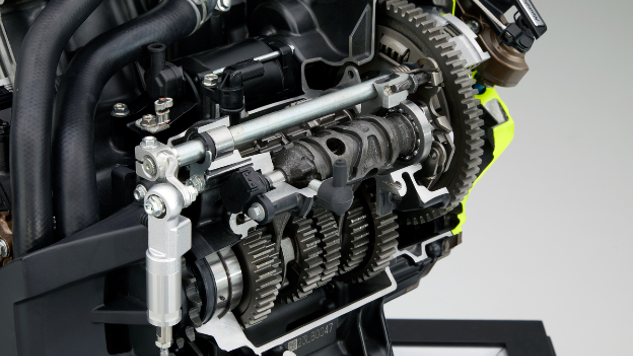
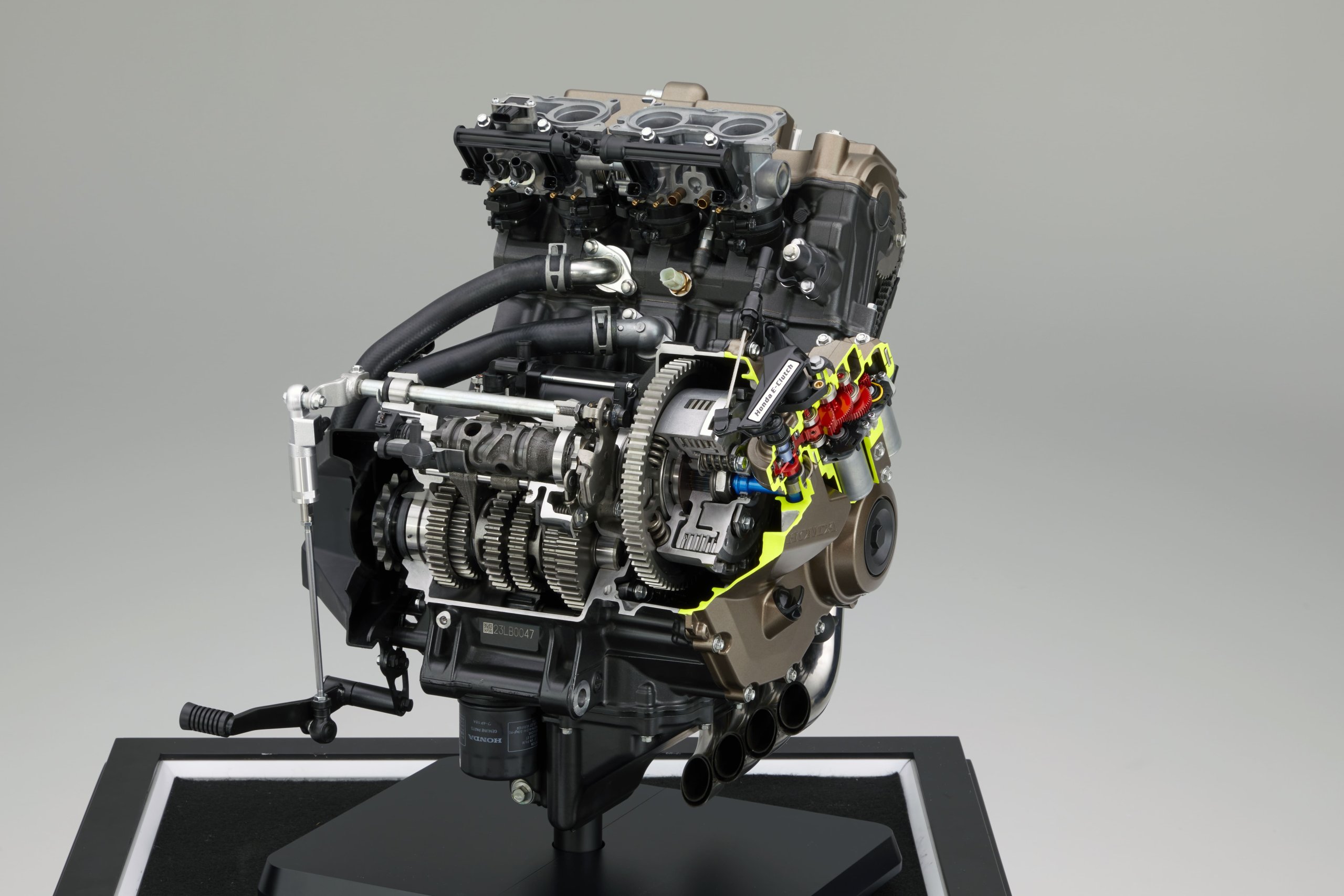
This is probably a little late, but better late than never, right? The Honda e-Clutch has been in the market for a while now, but there still exists some confusion among motorcycle enthusiasts. So we decided to describe how the system actually works. It turns out that such system is fitted to several of the manufacturer’s cars, too.
The Core Concept: A Robot for Your Clutch Lever
In simple terms, the Honda e-Clutch system is an add-on electro-mechanical system that operates the clutch pedal for you on a traditional manual transmission. Unlike Honda’s own Dual Clutch Transmission (DCT) the e-Clutch does NOT change the gears for you—you still have to move the gear lever yourself.
Think of it as a robot that sits on the left handlebar and presses the clutch lever with perfect timing and smoothness, every single time. You get the engagement and fun of shifting your own gears, but without the physical effort or the risk of stalling – useful for navigating a congested urban landscape.
Key Components of the System
To make this magic happen, the system uses several key components:
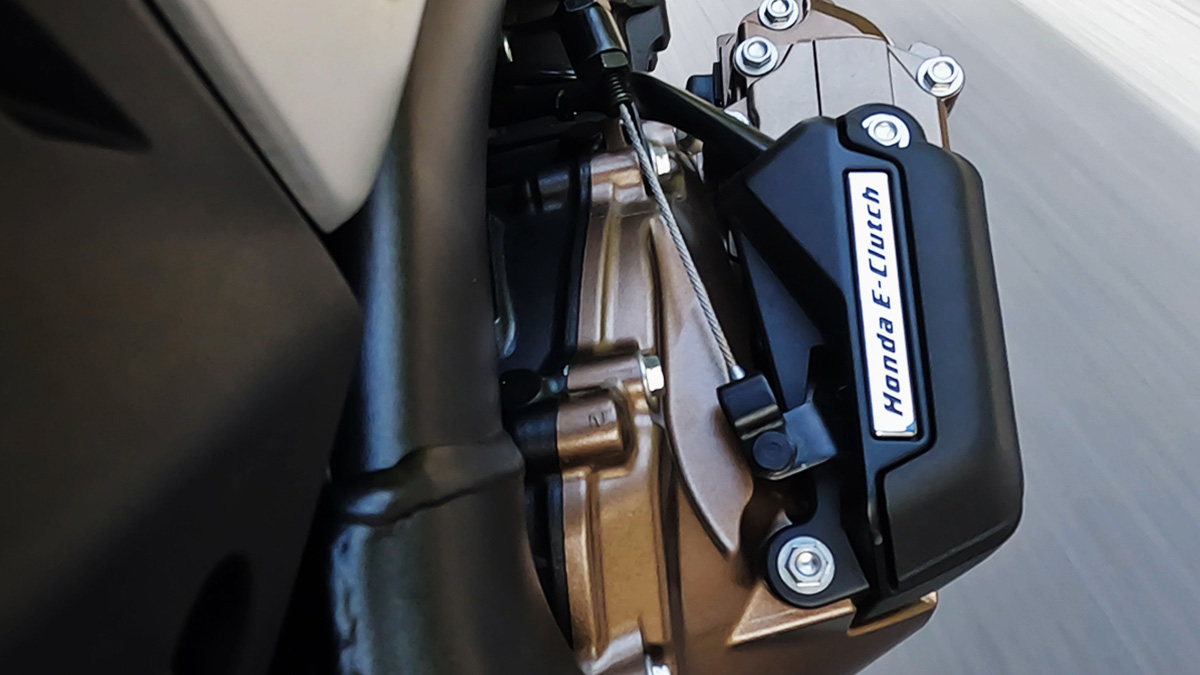
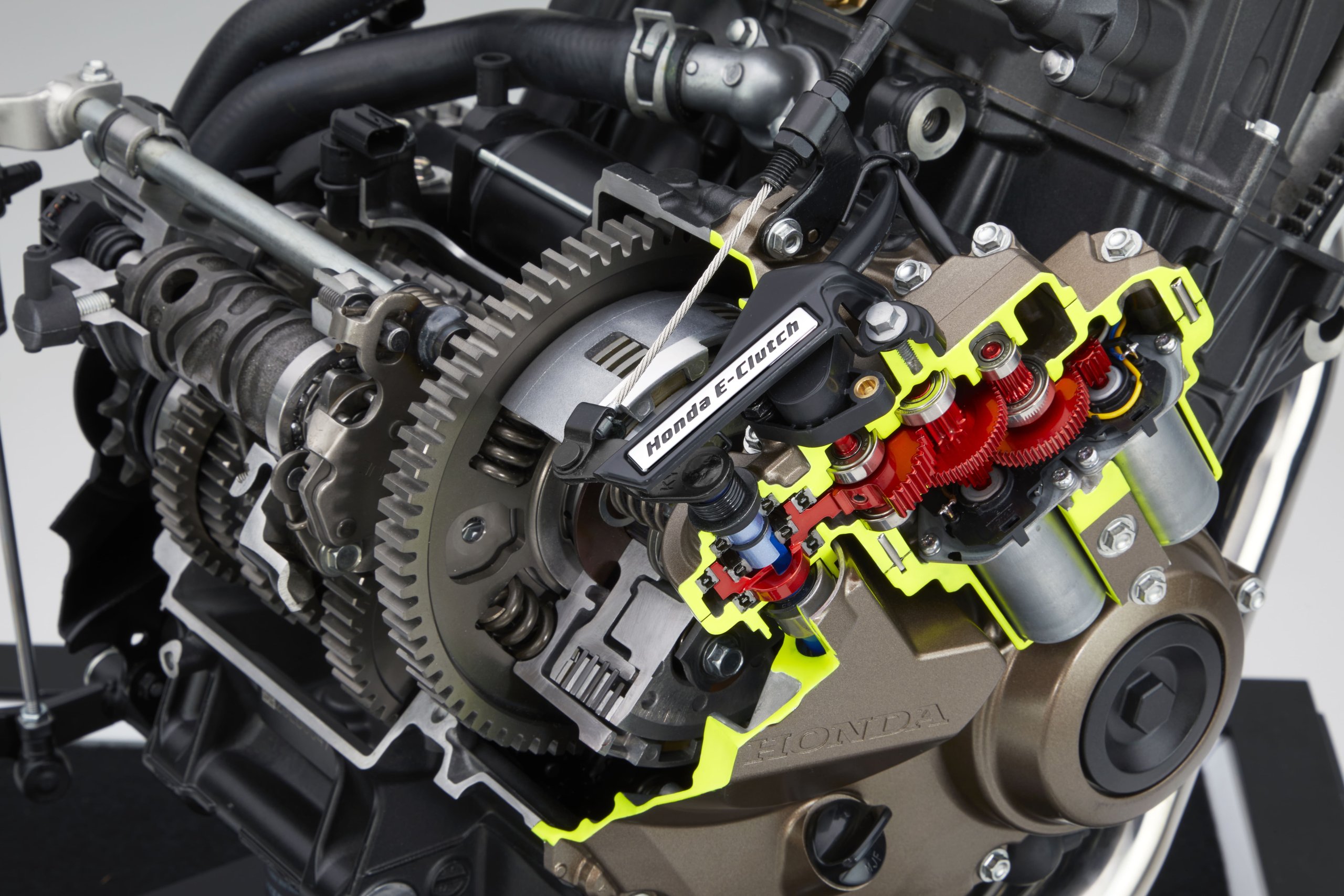
Clutch Actuator: This is the heart of the system. It’s an electric motor and gear mechanism physically attached to the clutch lever arm. When activated, it pushes or pulls the arm to engage or disengage the clutch.
Stroke Sensor: This sensor monitors the position of the clutch lever. It tells the motorcycle’s computer (ECU) how far you’re pressing the lever, allowing for manual override.
Gear Position Sensor: This tells the ECU which gear you are currently in or if you are in neutral.
Engine Control Unit (ECU): The brain of the operation. It processes data from all the sensors and decides when and how to command the clutch actuator to engage or disengage.
How It Works in Different Riding Scenarios
Here’s where the system truly shines, making riding with a manual transmission incredibly easy.
1. Starting from a Stop (The #1 Reason People Stall)
This is the system’s most useful feature. In a normal manual car, you have to carefully balance the clutch and throttle to move off without stalling.
With e-Clutch: You simply press the gear lever, select first gear, and then press the accelerator. The system automatically engages the clutch smoothly to get the bike moving. It’s impossible to stall. Once you’re moving, you can shift to second gear without pulling the clutch lever, nor do you need to back off the throttle, as the system turns into a quickshifter.
In this mode, the clutch lever’s cable tension goes slack. For long-time motorcycle riders, it is as if the cable came loose. But not to worry here, because it is the e-Clutch system telling you that it is now working.
2. Normal Gear Shifting (Utilising the clutch lever)
When you are riding and want to change gears, the process is seamless:
Move the gear lever into the next gear (do not touch the clutch lever).
You do not have to roll out of the throttle, just keeping it open is fine.
The system detects your gear lever movement and automatically disengages the clutch for a split second to allow the shift.
Once the new gear is selected, it automatically re-engages the clutch smoothly.
3. Coming to a Stop
As you slow down, the system will automatically disengage the clutch just before the engine RPM gets too low, preventing a stall.
You can come to a complete stop, and the motorcycle will remain in gear without stalling. You then simply put it in neutral or keep it in gear.
4. Manual Override & “Traditional” Mode
This is a crucial feature for driving purists. The physical clutch lever is still there. You can pull it at any time to take full manual control, just like in a traditional manual motorcycle. The system immediately disengages and lets you drive as you normally would with the bonus of a quickshifter.
Benefits of the Honda e-Clutch
Impossible to Stall: The bike’s computer prevents it, making it ideal for stop-and-go traffic and new learners.
Reduced Rider Fatigue: No constant clutch work in heavy traffic makes for a much more relaxed ride.
Retains Riding Engagement: You are still physically changing gears, maintaining the connection and fun of a manual transmission.
Smoother Operation: The system can engage the clutch more smoothly than most human drivers, leading to a more refined feel.
Great for Learning: It’s a perfect tool for teaching someone how to ride a manual motorcycle, as it removes the fear of stalling while they learn gear patterns and timing.
What It Is NOT
It’s important to understand the limitations:
It is NOT an Automatic Transmission: It does not select gears for you. You must move the gear lever for every shift.
It is NOT a Single-Clutch Automated Manual (like an older Smart car): Those systems often have jerky shifts because they control both the clutch and the gearshift robotically. With the e-Clutch, the human provides the smoothness and decision-making for the gear change.
It is NOT a Dual Clutch Transmission (DCT): Honda’s DCT is actually an automatic-manual transmission. It consists of all the gears of a manual transmission instead of the CVT found on scooters. However, the system is fully clutchless and the bike does not even have a clutch lever. Thus the rider can select AUTO and leave it to shift by itself, or choose MANUAL and shift using buttons.
Summary
The Honda e-Clutch is a clever, pragmatic technology. It removes the most tedious and difficult parts of riding a manual motorcycle (stalling, traffic jams) while preserving the joy and control that enthusiasts love. It’s the best of both worlds for many riders.
As of now, Honda has fitted the e-Clutch to the CB650R, CBR650R, and Rebel 300. There are plans to expand this option to other models in the catalogues.
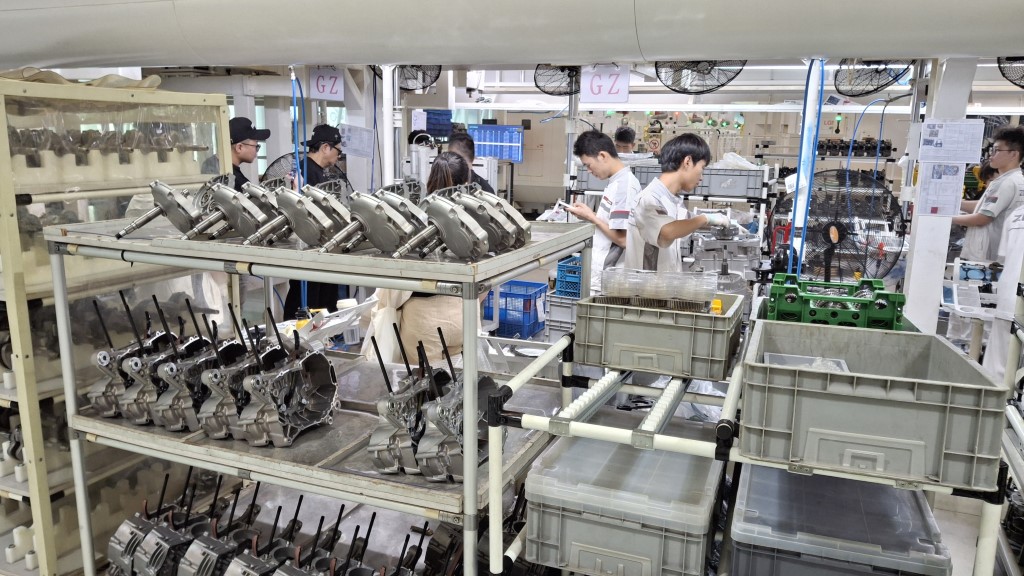
Sekiranya anda tidak tahu yang motosikal China mula mendominasi atau sudah pun mendominasi pasaran tertentu, kami ucapkan “Selamat pulang ke rumah” dari pengembaraan anda ke alam semesta. China telah menjadi sebuah kuasa pembuatan global selama lebih 20 tahun, dan industri automotif mereka menunggang gelombang kejayaan ini.
Sejarah
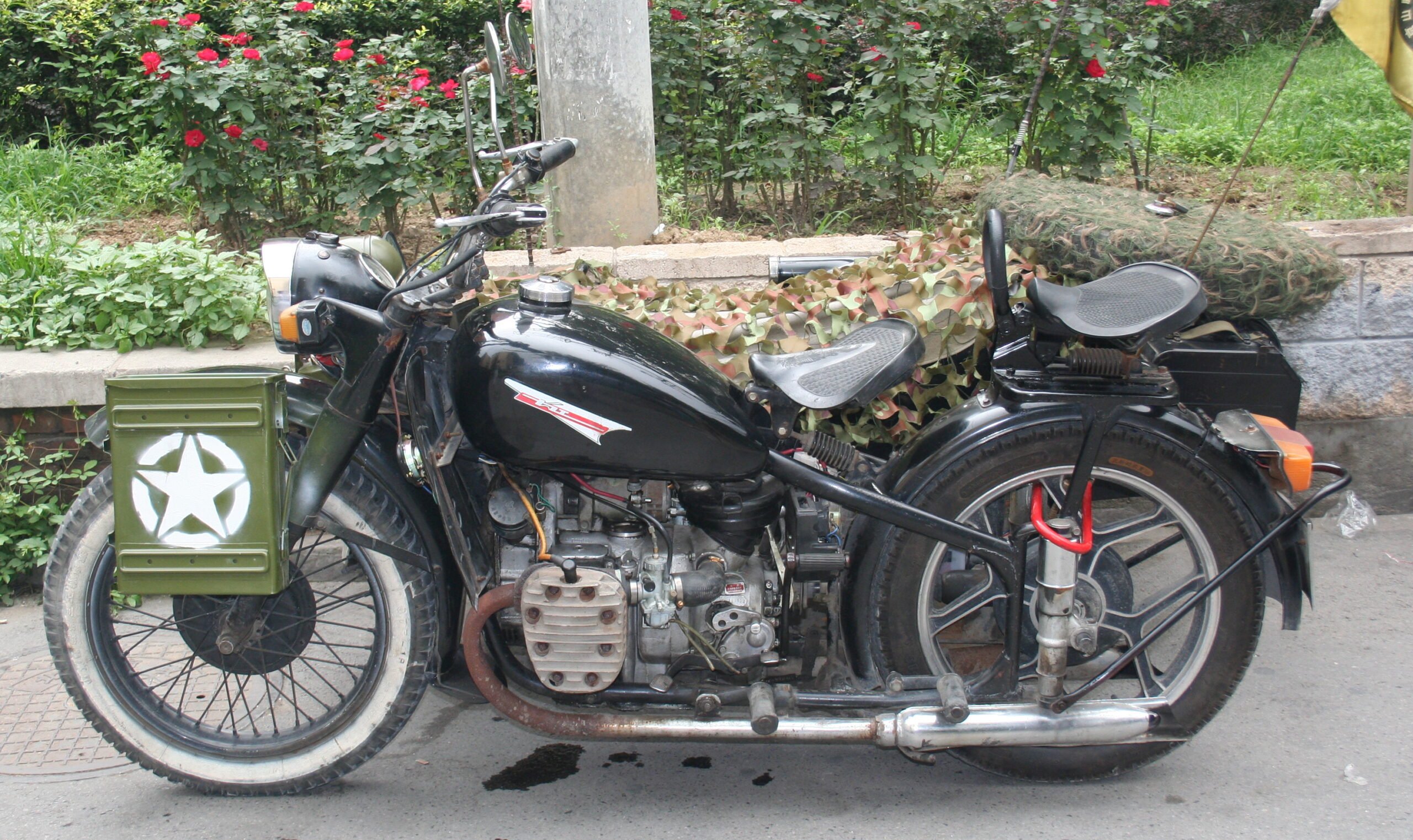
Pengeluaran motosikal di China bermula pada tahun 1951, apabila Tentera Pembebasan Rakyat mula menghasilkan sebuah motosikal 500cc untuk memenuhi keperluan ketenteraan negara semasa Perang Korea. Ia dibangunkan berdasarkan model K500 dari Jerman yang digunakan dalam Perang Dunia II.
Sebelum akhir 1970-an, motosikal yang dikeluarkan di China kebanyakannya digunakan oleh pihak perkhidmatan tentera. Walaubagaimanapun, Beijing Motorcycle Factory telah menghasilkan motosikal untuk orang awam yang berasaskan model BMW R71 Jerman pra-perang, serta model Ural dan Dnepr Rusia (yang juga berasaskan R71) bermula dari tahun 1958 dan seterusnya.
People’s Liberation Army motorcycle, Picture by Gabriele Battaglia
Pada tahun 1979, di bandar Chongqing, sebuah kilang persenjataan tentera China iaitu Jialing Industrial Company mula mengeluarkan motosikal secara bebas untuk kegunaan awam, sekaligus membuka era pengeluaran motosikal moden di China. Pada tahun 2000, industri China mengambil alih tempat sebagai pengeluar motosikal terbesar di dunia, dan kedudukan itu dikekalkannya sehingga kini.
Pembuatan: Pengeluar Motosikal Global
Skala pembuatan China adalah sangat besar. Pada tahun 2023, negara itu menghasilkan lebih 18.3 juta unit motosikal. Didorong oleh permintaan domestik dan antarabangsa yang kukuh, pengeluaran diunjurkan mencecah hampir 20 juta unit pada tahun 2024 dan mengekalkan momentum peningkatan ini sehingga 2025.
Ciri utama pembuatan ini adalah perbezaan yang jelas antara model tradisional dan elektrik. Walaupun enjin petrol kekal penting untuk eksport, sebahagian besar dan semakin meningkat daripada pengeluaran didedikasikan untuk kenderaan dua roda berkuasa elektrik, bagi mengukuhkan lagi status China sebagai hab global untuk kedua-dua segmen tersebut.
Jualan Domestik: Kerajaan Elektrik
Di dalam China, pasaran didominasi oleh kenderaan elektrik. Pasaran domestik dikuasai oleh skuter dan motosikal ringan elektrik yang murah dan mudah. Kenderaan ini bukan untuk tujuan rekreasi, tetapi merupakan alat penting dalam kehidupan seharian; berperanan sebagai pengangkutan utama bagi berjuta-juta pengguna dan sebagai tunjang kepada rangkaian penghantaran dan logistik negara yang luas.
Angka jualan seiring dengan tahap pengeluaran, dengan puluhan juta unit dijual setiap tahun. Permintaan untuk model elektrik terus melonjak, didorong oleh keperluan mobiliti bandar, dasar kerajaan yang menyokong kenderaan elektrik (EV), serta infrastruktur pengecasan yang mantap.
Eksport: Menakluk Dunia dengan Dua Roda
China juga merupakan pengeksport motosikal terunggul di dunia. Pada tahun 2023, negara itu mengeksport sebanyak 8.83 juta unit motosikal. Data dari separuh pertama tahun 2024 menunjukkan peningkatan sebanyak 11% yang meletakkan negara ini di landasan untuk mengeksport lebih 9.5 juta unit untuk tahun tersebut (angka 2024 belum disahkan lagi). Momentum ini dijangka berterusan, dengan jumlah eksport tahunan diramal mencecah 11 hingga 12 juta unit menjelang tahun 2026.
Eksport ini memenuhi dua pasaran global yang berbeza:
Motosikal Petrol untuk Ekonomi Membangun: Motosikal yang boleh dipercayai dan berharga rendah dihantar dalam kuantiti yang besar ke negara-negara di seluruh Asia, Afrika, dan Amerika Latin untuk pengangkutan harian.
Motosikal Elektrik untuk Pasaran Maju: Eksport skuter elektrik ke Eropah dan Amerika Utara merupakan segmen industri yang paling pantas berkembang, dengan kadar pertumbuhan melebihi 36% selaras dengan ledakan permintaan global bagi mobiliti bandar yang bersih.
Jenama dan Pengeluar Terkemuka: Pemain Utama
Terdapat kira-kira 200 pengeluar motosikal di negara itu, yang terdiri daripada gabungan gergasi milik kerajaan, firma swasta yang berkuasa, serta jenama premium yang baru muncul.
Jenama Elektrik Utama:
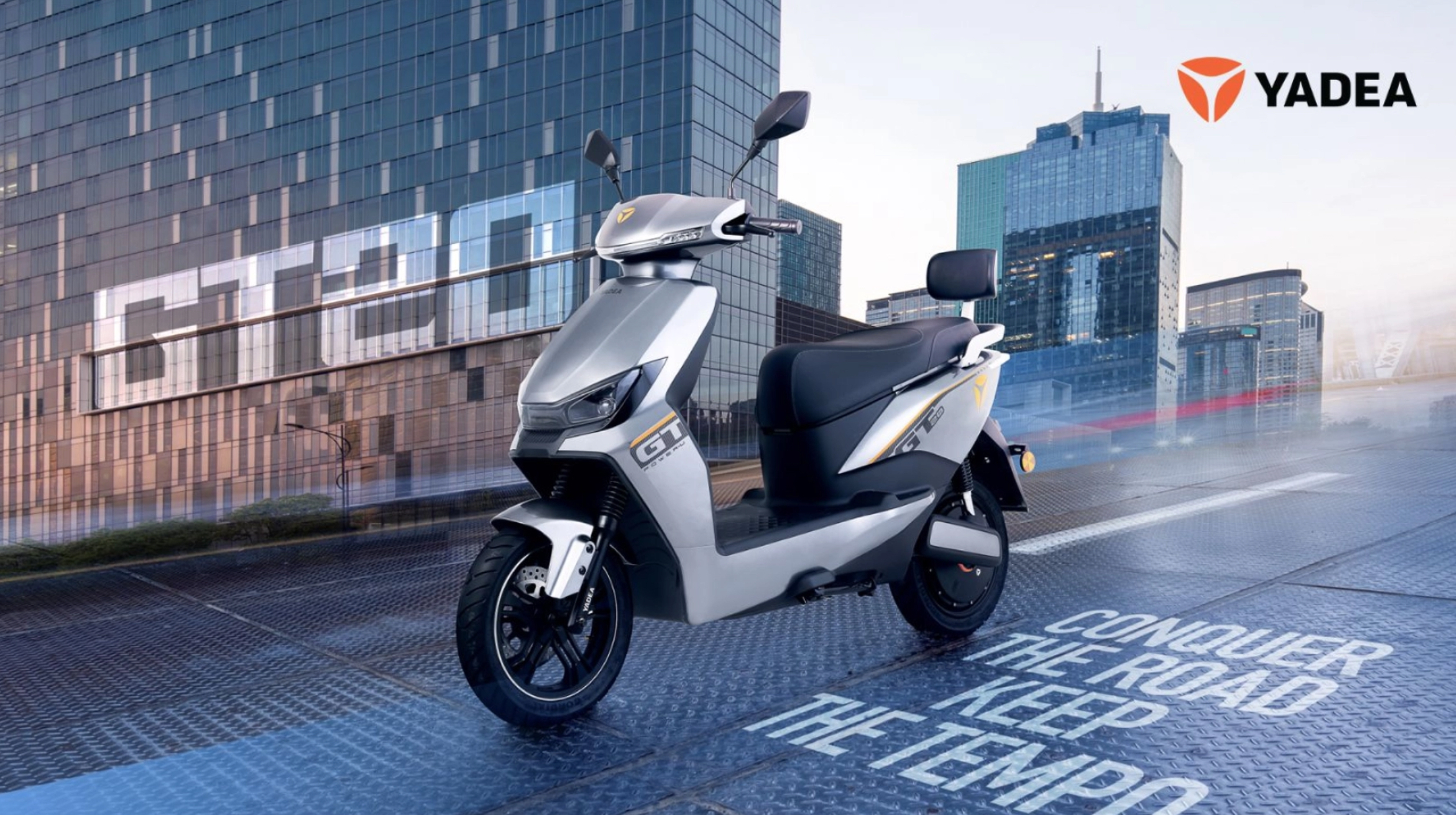
Yadea: Sebuah peneraju global dalam kenderaan dua roda elektrik, terkenal dengan pelbagai skuter dan basikal elektriknya yang luas, serta mendominasi pasaran domestik dan eksport antarabangsa.
Aima: Sebuah lagi gergasi kenderaan elektrik yang bersaing secara langsung dengan Yadea untuk mendapatkan bahagian pasaran di dalam China dan luar negara dengan tumpuan kepada inovasi dan kemampuan harga.
Niu Technologies: Terkenal dengan skuter elektrik premium dan pintarnya yang dilengkapi ciri-ciri perkakasan, Niu mempunyai kehadiran yang kukuh di China dan pasaran Barat yang semakin berkembang.
Pengeluar Motosikal Petrol Utama:
Loncin: A massive manufacturer that produces millions of engines and vehicles annually. It is also a key production partner for international brands like BMW Motorrad.
Zongshen Industrial Group: A powerhouse in engine and motorcycle manufacturing, with a strong export business and a growing presence in the electric vehicle sector.
Lifan: A long-established player in the industry, producing a wide range of motorcycles, particularly known in export markets.
CFMoto: A standout brand that has successfully moved upmarket. CFMoto manufactures high-quality, larger-displacement motorcycles and is a direct competitor to established Japanese and European brands. It also has a renowned partnership with KTM.
2025: Lebih Bijak, Lebih Hijau, dan Lebih Global
Hala tuju dan strategi industri motosikal China adalah jelas:
Menuju ke Pasaran Atasan: Jenama seperti CFMoto mempelopori usaha ini, membuktikan bahawa pengeluar China mampu bersaing dari segi kualiti dan teknologi, bukan hanya harga.
Integrasi Teknologi Pintar: Ciri-ciri seperti sambungan aplikasi, pengurusan bateri termaju, dan bantuan pemanduan akan menjadi standard, bahkan pada model julat pertengahan.
Dominasi Lestari: Peralihan global ke arah pengelektrian sangat selari dengan kekuatan China, sekali gus menjamin kedudukannya sebagai sumber utama kenderaan dua roda elektrik dunia untuk tahun-tahun mendatang.
Menuju 2026: Lebih Pintar, Berpautan dan Berfokuskan Kualiti
Perjalanan menuju tahun 2026 akan dicirikan oleh tiga tren utama:
Pekakalan Pintar: Motosikal akan bergabung dengan lancar ke dalam “Internet untuk Segala”. Ciri-ciri seperti geo-fencing, penjejakan anti-kecurian, analitik pemanduan, dan kemas kini atas-talian dijangka menjadi standard, bahkan pada model julat pertengahan.
Pembinaan Jenama dan Peningkatan Premium: Pengeluar China akan terus menghilangkan imej bajet mereka. Mengikut jejak CFMoto, lebih banyak jenama akan melabur dalam R&D untuk melancarkan model premium berprestasi tinggi yang bersaing di peringkat global dari segi kualiti dan reka bentuk.
Dominasi Rantaian Bekalan: Kawalan China ke atas rantaian bekalan bateri dan EV akan menjadikannya pengeluar kenderaan dua roda elektrik yang paling kos efektif, sekaligus mewujudkan kelebihan daya saing yang signifikan dan berkekalan sehingga 2026 dan seterusnya.
Kesimpulannya, industri motosikal China bukan sekadar mengekalkan gelarannya sebagai kilang dua roda dunia; ia sedang berkembang menjadi makmal inovasinya. Menjelang 2026, industri ini akan diiktiraf sebagai sebuah industri canggih yang didorong oleh teknologi, yang menetapkan piawaian global untuk mobiliti elektrik dan mencabar pemain-pemain mapan dengan jenama berkualiti tinggi mereka sendiri.
If you do not know that China’s motorcycles are beginning to dominate or have already dominated certain markets, then we say, “Welcome home” from your travels through the multiverse. China has been a global manufacturing powerhouse for more than 20 years now, and riding this wave is their automotive industry.
History
Motorcycle manufacture in China first began in 1951, when the People’s Liberation Army began producing a 500cc motorcycle to meet the country’s military requirements during the Korean War. It was developed on the lines of the K500, a German model used in World War II.
Before the end of the 1970s, motorcycles produced in China were mainly used by the military services. However, the Beijing Motorcycle Factory, produced motorcycles for the general public that were based on the German pre-war BMW R71, and Russian Ural and Dnepr (in turn, based on the R71) from 1958 onwards.
People’s Liberation Army motorcycle, Picture by Gabriele Battaglia
In 1979, in Chongqing city, military munitions factory China Jialing Industrial Company began to independently manufacture motorcycles for civilian use, ushering in the modern era of Chinese motorcycle production. In 2000, the Chinese industry took over as the biggest motorcycle producer in the world, a position that it has maintained.
Manufacturing: The World’s Motorcycle Factory
China’s manufacturing scale is immense. In 2023, the country produced over 18.3 million motorcycles. Driven by strong domestic and international demand, production is projected to reach close to 20 million units in 2024 and maintain this upward trajectory into 2025.
A key feature of this output is the clear split between traditional and electric models. While gasoline engines remain important for export, a massive and growing portion of production is dedicated to electric two-wheelers, cementing China’s status as the global hub for both segments.
Domestic Sales: The Electric Kingdom
Within China, the story is overwhelmingly electric. The domestic market is fueled by affordable, convenient electric scooters and light motorcycles. These vehicles are not for recreation but are essential tools for daily life, serving as the primary mode of transport for millions of commuters and the backbone of the country’s vast delivery and logistics networks.
Sales figures closely mirror production, with tens of millions of units sold annually. The demand for electric models continues to surge, driven by urban mobility needs, supportive government policies for EVs, and a well-established charging infrastructure.
Exports: Conquering the World on Two Wheels
China is also the world’s top exporter. In 2023, it shipped 8.83 million motorcycles abroad. Data from the first half of 2024 shows an 11% increase, putting the country on track to export over 9.5 million units for the full year (the 2024 figures are not confirmed yet). This momentum is expected to continue, with annual exports projected to reach 11-12 million units by 2026.
These exports serve two distinct global markets:
Gasoline for Developing Economies: Reliable, low-cost motorcycles are shipped in huge numbers to countries across Asia, Africa, and Latin America for everyday transport.
Electric for Developed Markets: Exports of electric scooters to Europe and North America are the industry’s fastest-growing segment, with growth rates exceeding 36% as global demand for clean urban mobility explodes.
Top Brands and Manufacturers: The Key Players
There are some 200 motorcycle manufacturers in the country, consisting of a mix of state-owned giants, powerful private firms, and emerging premium brands.
Major Electric-Only Brands:
Yadea: A global leader in electric two-wheelers, known for its extensive range of scooters and bikes, dominating both the domestic market and international exports.
Aima: Another electric vehicle giant, competing directly with Yadea for market share in China and abroad with a focus on innovation and affordability.
Niu Technologies: Known for its smart, premium electric scooters with connectivity features, Niu has a strong presence in China and a growing footprint in Western markets.
Major Gasoline and Mixed Manufacturers:
Loncin: A massive manufacturer that produces millions of engines and vehicles annually. It is also a key production partner for international brands like BMW Motorrad.
Zongshen Industrial Group: A powerhouse in engine and motorcycle manufacturing, with a strong export business and a growing presence in the electric vehicle sector.
Lifan: A long-established player in the industry, producing a wide range of motorcycles, particularly known in export markets.
CFMoto: A standout brand that has successfully moved upmarket. CFMoto manufactures high-quality, larger-displacement motorcycles and is a direct competitor to established Japanese and European brands. It also has a renowned partnership with KTM.
2025: Smarter, Greener, and More Global
Looking ahead, the Chinese motorcycle industry’s strategy is clear:
Moving Upmarket: Brands like CFMoto are leading the charge, showing that Chinese manufacturers can compete on quality and technology, not just price.
Smart Technology Integration: Features like app connectivity, advanced battery management, and rider aids will become standard, even on mid-range models.
Sustainable Dominance: The global shift towards electrification plays directly into China’s strengths, ensuring its position as the world’s essential source for electric two-wheelers for years to come.
The Road to 2026: Smarter, Connected, and Quality-Focused
The journey through 2026 will be defined by three key trends:
Intelligent Connectivity: Motorcycles will become seamlessly integrated into the “Internet of Things.” Expect features like geo-fencing, anti-theft tracking, ride analytics, and over-the-air updates to become standard, even on mid-range models.
Brand Building and Premiumization: Chinese manufacturers will continue to shed their budget-image. Following CFMoto’s lead, more brands will invest in R&D to launch premium, high-performance models that compete on a global stage for quality and design.
Supply Chain Dominance: China’s control over the battery and EV supply chain will make it the most cost-effective producer of electric two-wheelers, creating a significant and lasting competitive advantage through 2026 and beyond.
In conclusion, the Chinese motorcycle industry is not just maintaining its title as the world’s two-wheeled workshop; it is evolving into its innovation lab. By 2026, it will be recognized as a sophisticated, technology-driven industry that sets the global standard for electric mobility and challenges established players with its own high-quality brands.
Next up: A quick look at the top Chinese motorcycle manufacturers.
Adakah anda bersedia untuk suatu revolusi? CFMoto baru sahaja mengatasi jualan jenama-jenama mapan seperti Suzuki, Ducati dan KTM di Perancis.
Ya, Perancis agak jauh dari Malaysia, namun penunggang motosikal Perancis terkenal dengan pilihan yang sangat teliti, dan sentiasa mencari motosikal yang mempunyai prestasi dan kelengkapan terbaik. Oleh itu, adalah menarik melihat mereka memilih motosikal China yang masih lagi dipandang serong di beberapa negara, termasuk di Malaysia.
Menurut majalan Perancis, Moto-Station, CFMoto telah menjual 4,741 unit, yang bersamaan dengan 3.38% daripada jumlah jualan industri dalam tempoh Januari hingga September 2025. Itu cukup untuk meletakkan pengeluar itu di tangga ke-6 secara keseluruhan, di belakang Honda, Yamaha, BMW, Kawasaki, dan Triumph.
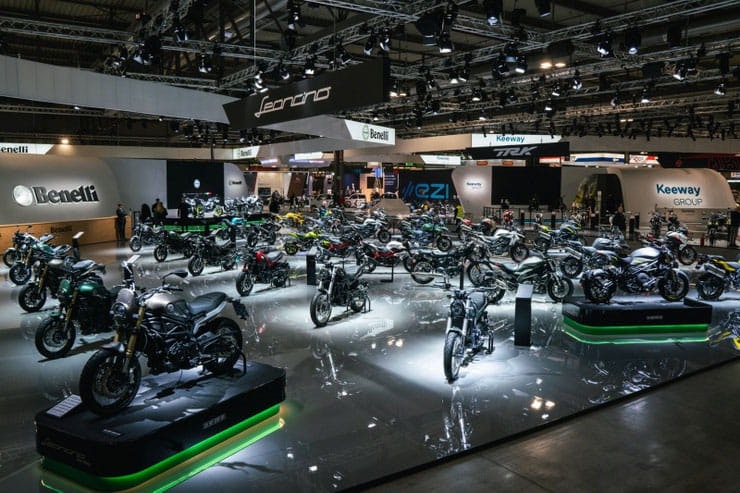
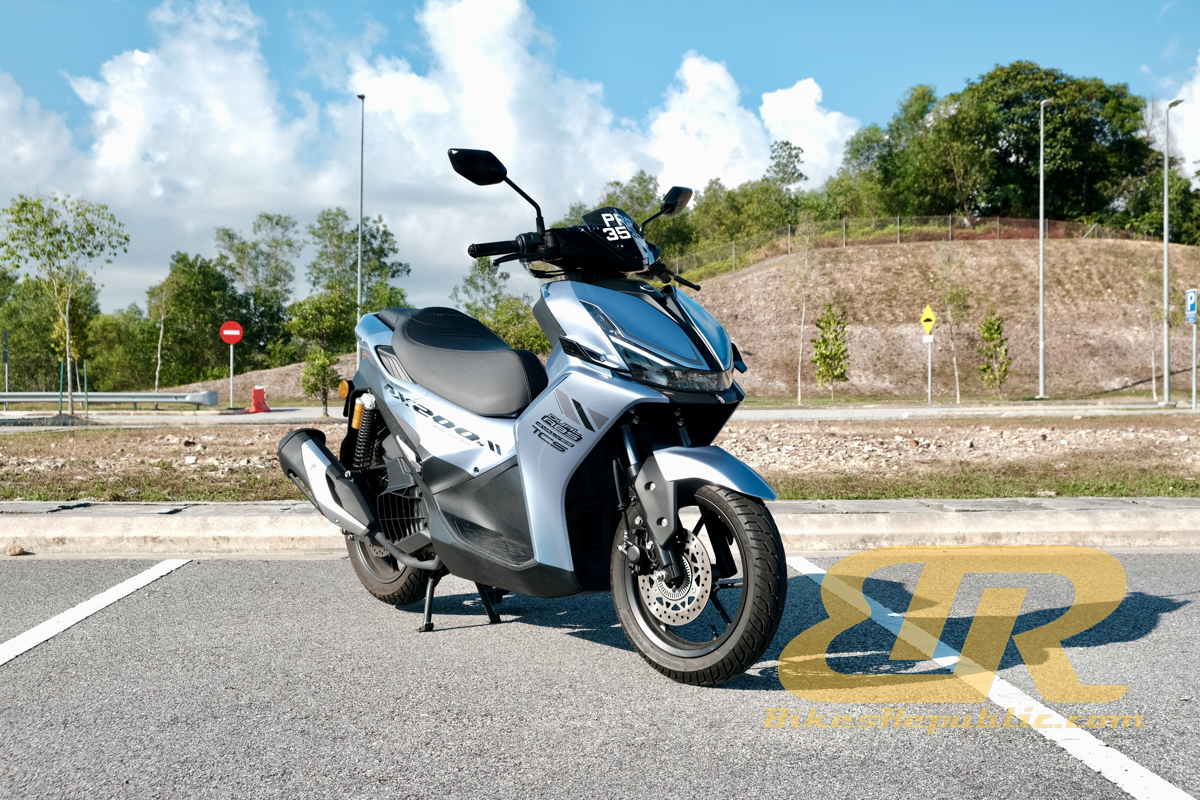
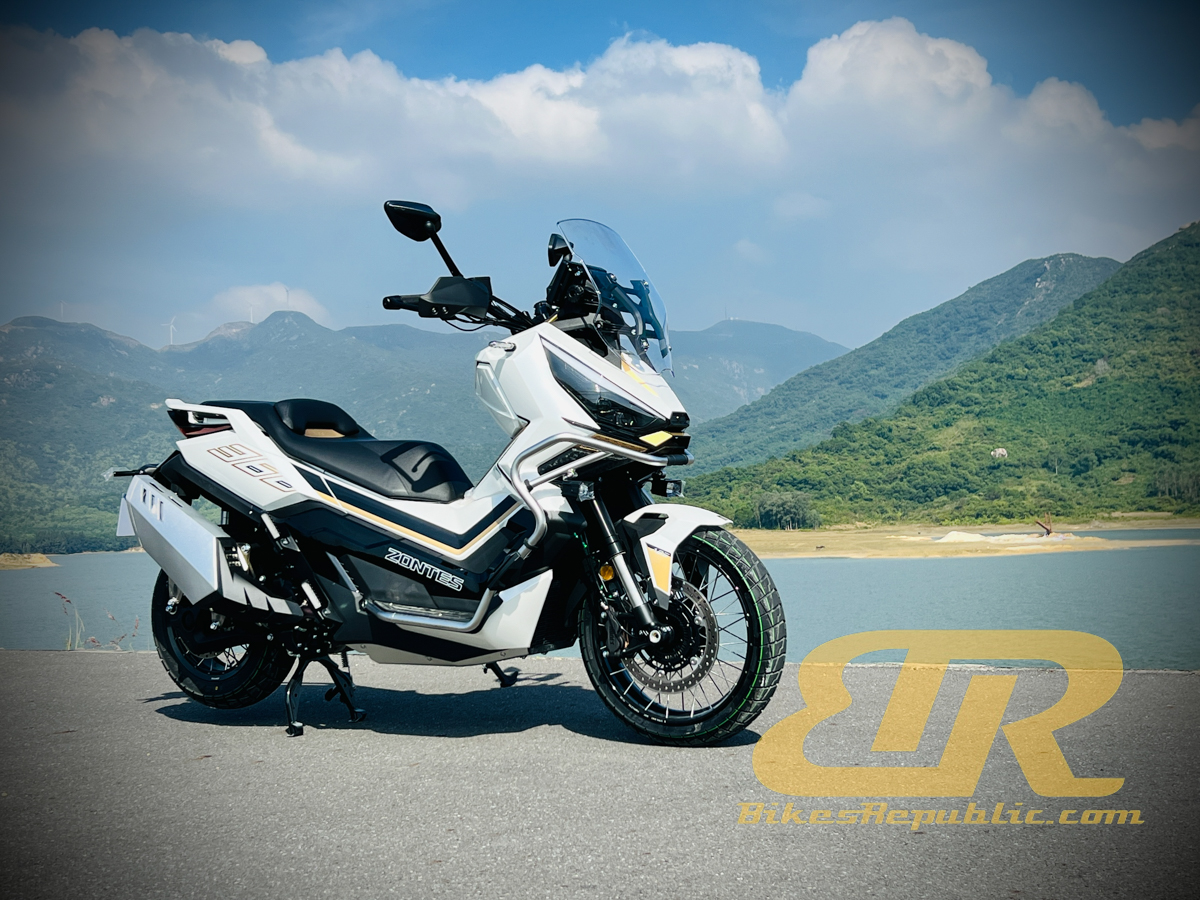
Namun, CFMoto bukanlah satu-satunya pengeluar China yang meninggalkan kesan. Malah Voge, Zontes, QJMotor, Benelli, Benda, Kove, dan Moto Morini turut berada di dalam senarai tersebut.
Berikut adalah angka-angka yang diterbitkan oleh Moto-Station.com:
Honda : 31,677 (22.58%)
Yamaha : 22,485 (16.02%)
BMW : 14,591 (10.4 %)
Kawasaki : 11,101 (7.91 %)
Triumph : 8,583 (6.12%)
CFMoto : 4,741 (3.38%)
Suzuki : 3,936 (2.81%)
Ducati : 3,175 (2.26 %)
Piaggio-Vespa : 3,119 (2.22%)
Voge : 3,038 (2.17%)
KTM : 2,977 (2.12 %)
Zontes : 2,808 (2.0%)
Aprilia : 2,637 (1.88 %)
Royal Enfield : 2,625 (1.87%)
Harley-Davidson : 2,053 (1.46%)
Kymco : 1,846 (1.32%) – Daripada Taiwan
Sym : 1,539 (1.10%) – Daripada Taiwan
QJMotor : 1,212 (0.86%)
Moto Guzzi : 1 104 (0,79%)
Peugeot : 1 081 (0,77%)
Indian : 918 (0,65%)
Benelli : 877 (0.63%) – di bawah QJMotor
Orcal : 849 (0.61%)
Husqvarna : 658 (0.47%)
Benda : 563 (0.40%)
Mash : 483 (0.34%)
Sherco : 482 (0.34%)
Kove : 378 (0.27%)
Rieju : 223 (0.16%)
Moto Morini : 139 (0.10%) – di bawah Zhongneng Vehicle Group
MV Agusta : 127 (0,09%)
Pengeluar motosikal China telah memasukki banyak pasaran selama sekurang-kurangnya dua dekad. Produk awal mereka adalah tiruan bulat-bulat, tidak boleh diharap, dan sukar untuk mencari alat ganti. Namun, beberapa syarikat termasuk CFMoto dan QJMotor sejak itu telah berkhidmat sebagai rakan teknikal kepada jenama-jenama terkenal. CFMoto membina enjin KTM LC8c 790, 890, dan 990, manakala QJMotor yang memiliki Benelli sepatutnya menghasilkan model Harley-Davidson dan MV Agusta yang lebih kecil. Loncin pula membuat enjin untuk model-model BMW siri-F 750 dan F 850.
Daripada sudut yang lain, pengeluar seperti Zontes, Kove, dan Benda telah mendorong teknologi dan ciri terkini dengan kadar yang sangat pantas.
Di seberang Selat Taiwan pula, gergasi Taiwan SYM dan Kymco juga turut mengikut rentak. Kymco, khususnya, telah menghasilkan enjin untuk skuter BMW siri-C.
Walaupun motosikal China belum mengambil alih keseluruhan pasaran di Malaysia, kesannya mula dirasai dalam kategori kapasiti kecil, iaitu motosikal kapcai dan skuter.
Jadi, sekali lagi kami bertanya: Adakah anda bersedia untuk revolusi?
Are you ready for the revolution? CFMoto has just outsold established marques such as Suzuki, Ducati and KTM in France.
So okay, France is a little far from Malaysia but French motorcyclists are known to be very discerning in their choices, and are always looking out for the best performing and equipped motorcycles. Therefore, seeing them pick up on Chinese bikes that are still being maligned is interesting.
According to Moto-Station, from the period between January to September 2025, CFMoto had sold 4,741 units, which equates to 3.38% of the industry’s total sales volume. That was enough to put the manufacturer in 6th place overall, behind Honda, Yamaha, BMW, Kawasaki, and Triumph.
But CFMoto was not the only Chinese manufacturer to make a mark. Further down the list, we can see Voge, Zontes, QJMotor, Benelli, Benda, Kove, and Moto Morini.
Moto Morini : 139 (0.10%) – under the Zhongneng Vehicle Group
MV Agusta : 127 (0,09%)
Chinese motorcycle manufacturers have been knocking on the doors of many markets for at least two decades now. Their first products were outright copies, unreliable, and good luck in finding parts. But several, including CFMoto and QJMotor, have since served as technical partners to the established brands. The former builds the KTM 790, 890, and 990 LC8c engines, while QJMotor who holds Benelli was supposed to produce smaller Harleys and MV Agustas. Loncin used to produce engines for the BMW F 750 and F850 series.
On the other hand, manufacturers such as Zontes, Kove, Benda have been pushing for the latest technologies and features at breakneck pace.
Across the Taiwan straight, er… Taiwanese giants SYM and Kymco have kept pace. Kymco, in particular, had been producing engines for the BMW C-series of scooters.
While Chinese motorcycles have not taken over the entire market yet in Malaysia, the impact is being felt in the small cc categories, namely mopeds and scooters.
So, again, we ask: Are you ready for the revolution?