Bikesrepublic

Wahid Ooi

  • Stile Italiano is based in Italy and specializes in high-end classic, collectable and exotics.

  • Launched in 1999, they create café racers for themselves.

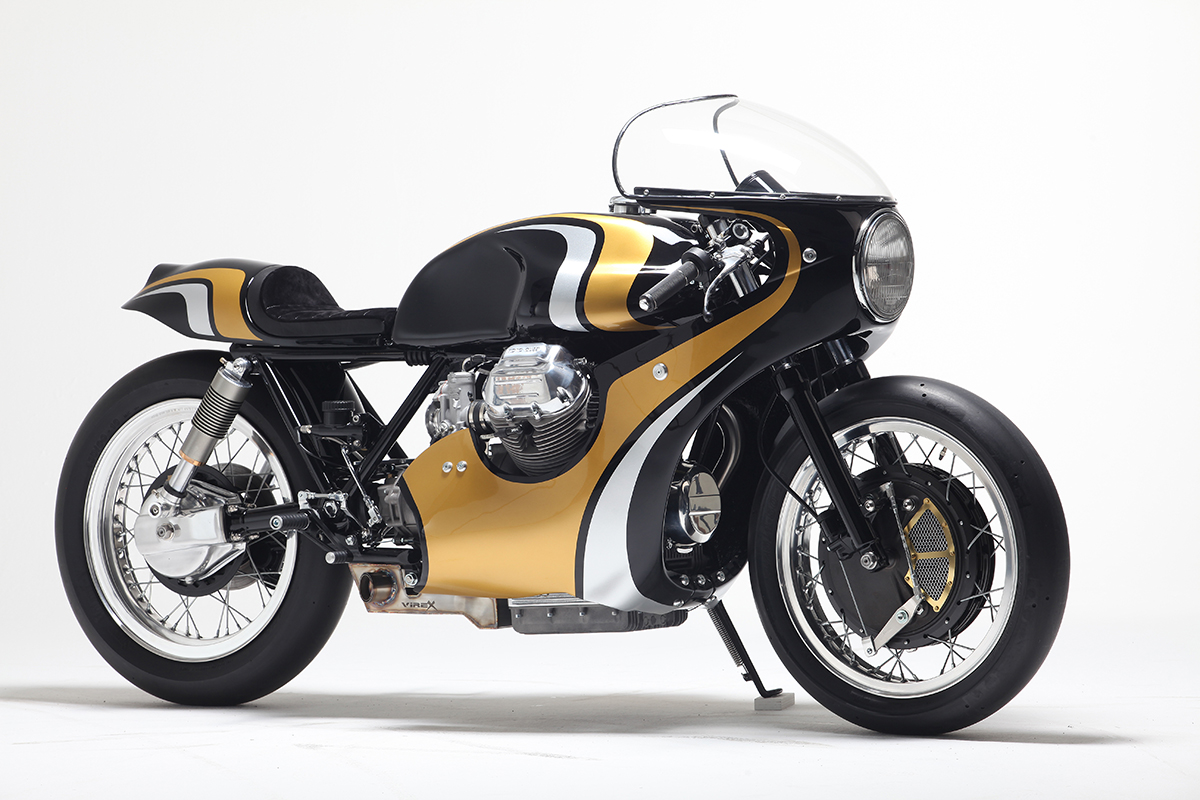
  • This Moto Guzzi CR950 took four months to build.

This Moto Guzzi 950 from Stile Italiano had made café racer/custom bike news some time ago, but it’s just too beautiful not to share.

Stile Italiano was launched in 1999 and specializes in selling high-end classic, collectable and exotic motorcycles and cars, which include a Ducati 900NCR Endurance racer ridden by Virginio Ferrari, Moto Guzzi 850 Le Mans Mk I, and, and, and, and…. Just too many to list! (Please click here to visit their website.)

But hidden in their workshop lies another passion – building exquisite, ball-achingly beautiful café racers.

However, Stile Italiano’s founder Gianluca Tieppolo, business parner Chritian Diana, skilled mechanic of 25 years, Loris Lession, and his team of skilled builders only build café racers for themselves. That way, they could pour their souls into their creations and conform not to what others want.
Courtesy of Max Trono

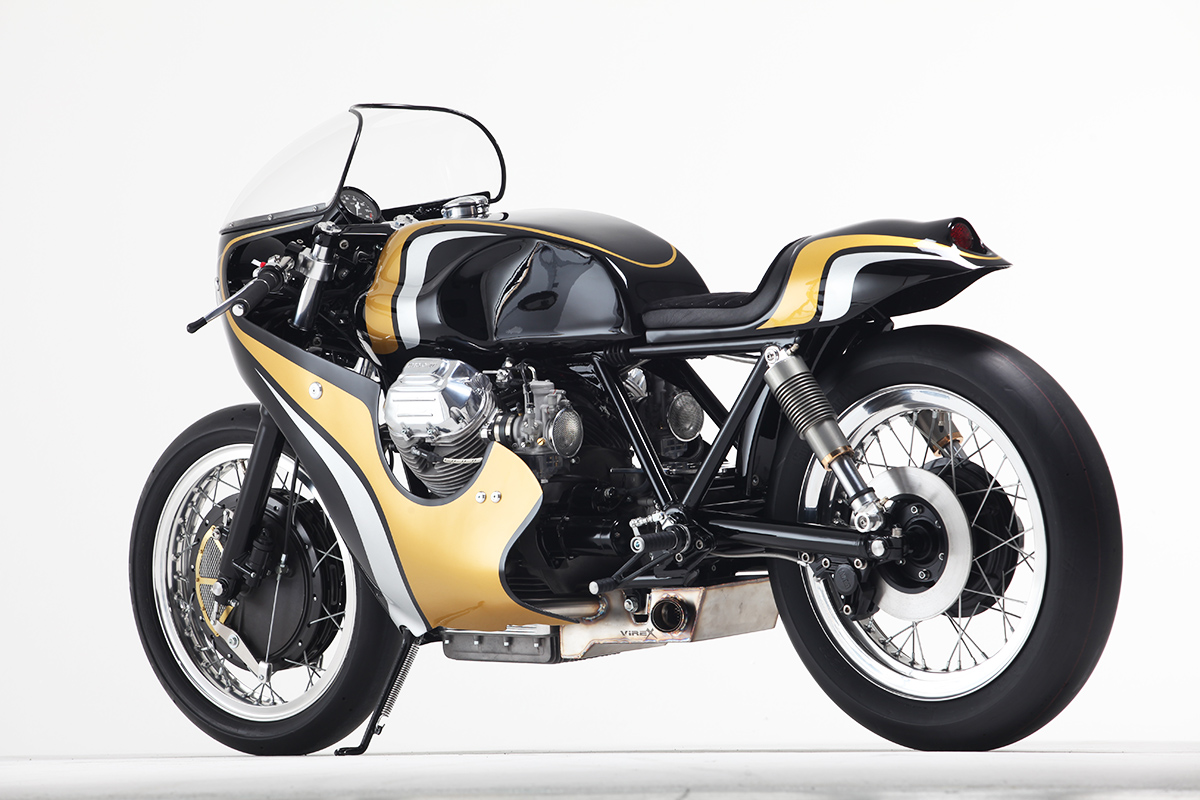
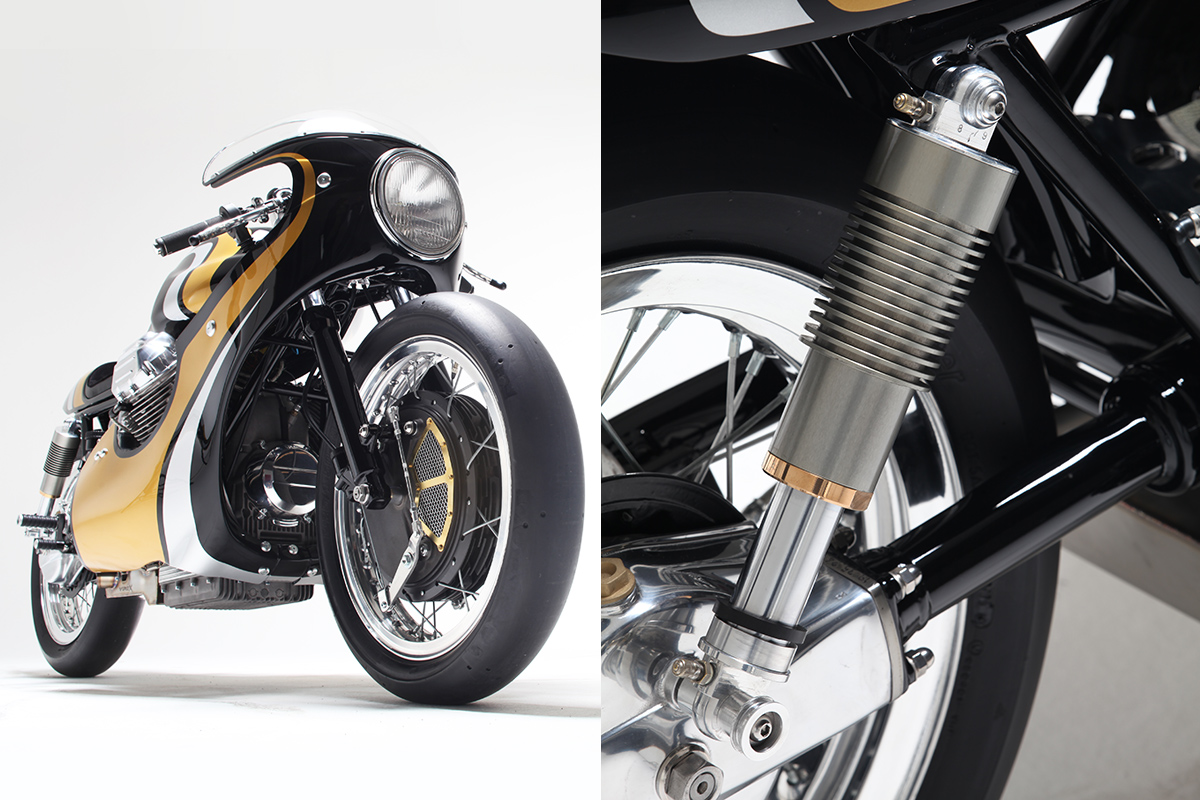
They work on mostly Moto Guzzis. This “950” here started from the Moto Guzzi 850 T3, first introduced in 1975. As Stile Italiano took the design cues from Honda’s legendary CR750 race bike, this project was then christened as “Moto Guzzi CR950.” Gianluca wanted this to be their most elegant project and chose a 70’s racebike styling.

First, the Guzzi’s frame was modified to it the revised bodywork. The stock forks were replaced with a pair of 80s-era anti-dive forks, while a pair of rare FOX air shocks took up the job of suspending the rear.
Courtesy of Max Trono

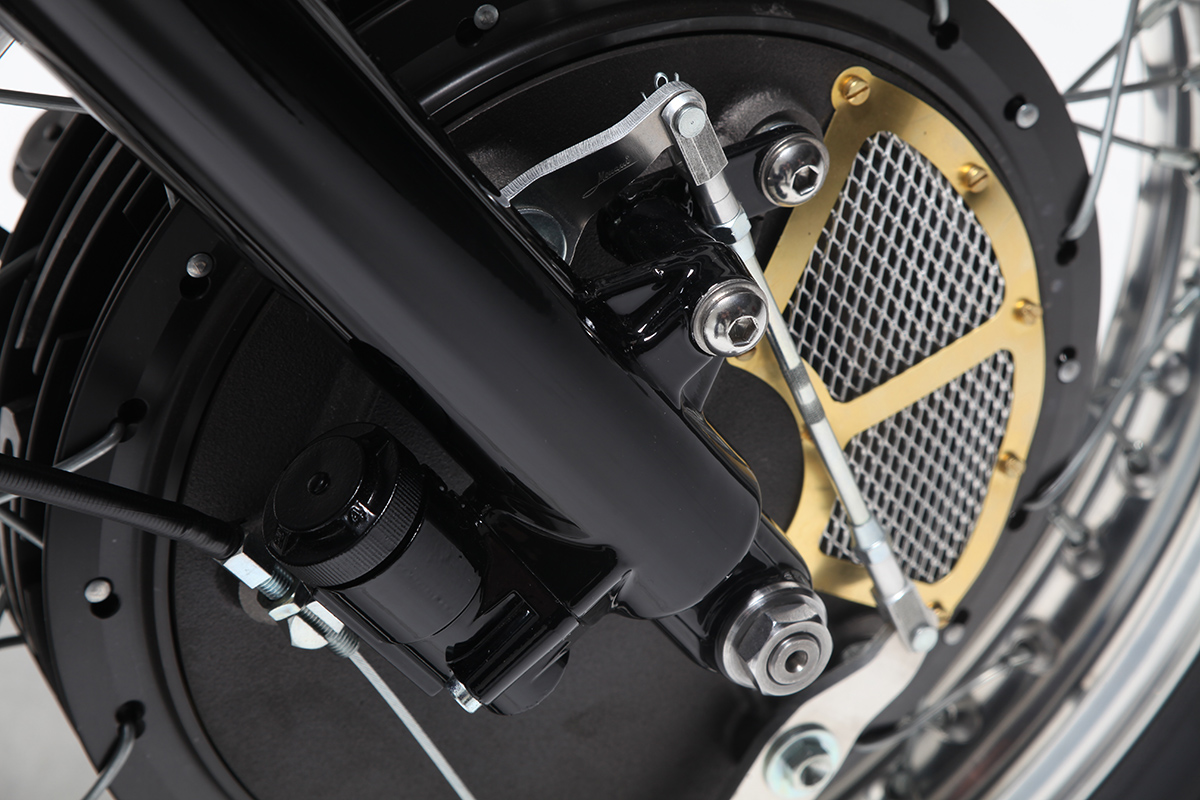
But take a closer look at that front brake. It was considered the ultimate drum brake of its time. This is a 300mm magnesium drum/hub Fontana item, usually found on the Triumph Trident racebikes of the 60’s.
Courtesy of Max Trono

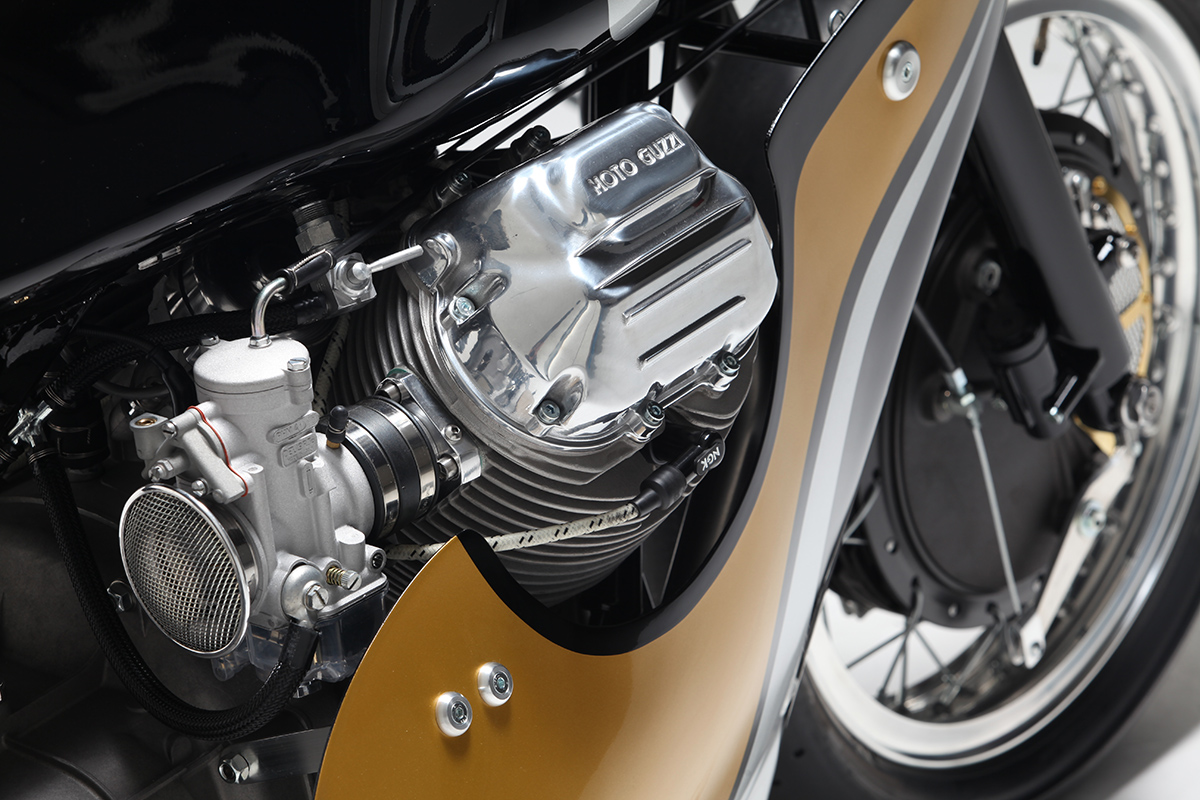
Since the bodywork came from the aforementioned Honda CR750, it had to be modified to allow the engine’s transverse cylinders to poke through, creating an integral form rather than two separate “skin-and-bones” look. A new rear end was fashioned to complete the bike’s lines, instead of leaving the original 850 T3’s fender.
Courtesy of Max Trono

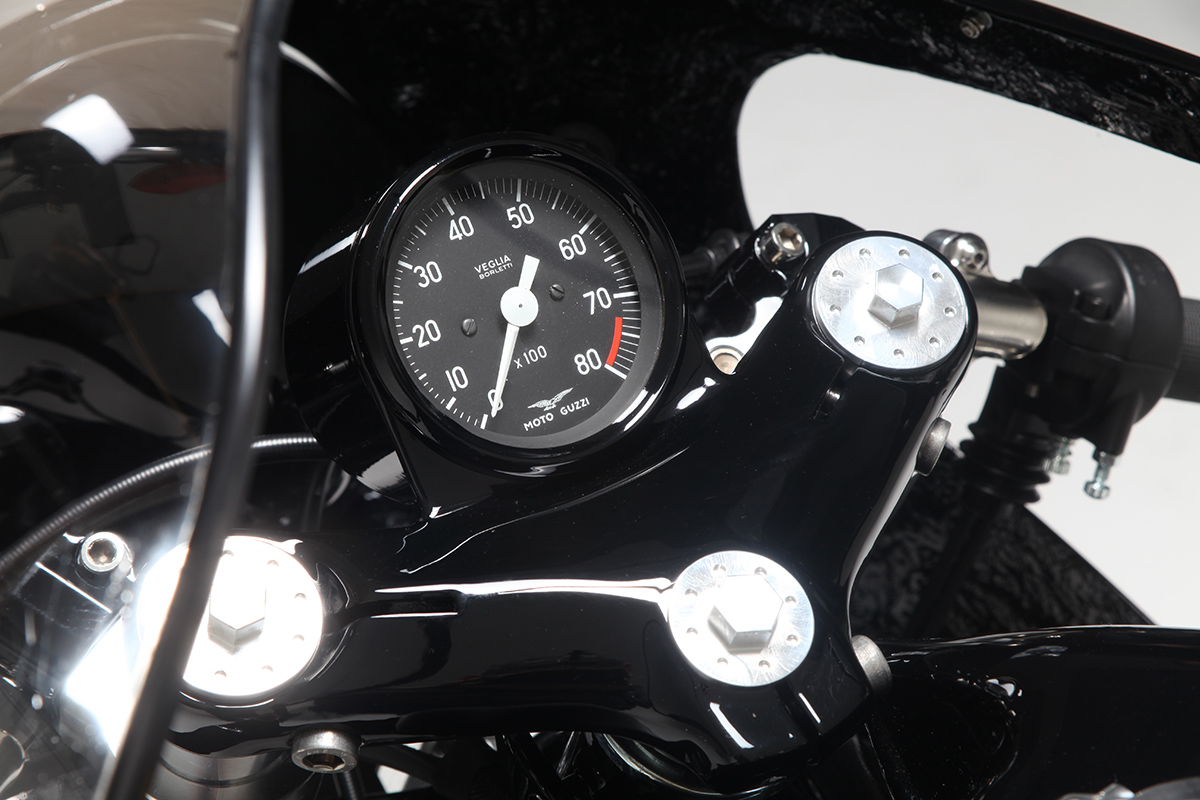
Other beautiful bits include clip-on handlebars and an original Moto Guzzi V7 tachometer. The tank is handmade from alloy and has a battery housing underneath it.
Courtesy of Max Trono

As for the engine, it has been modified from stock. The heads were ported, and the capacity increased to 950cc. The heads are twin spark using a Dyna ignition system. The original 30mm Dell’Orto VHB carburetors were changed to Dell’Orto 40mm items. Spent gasses exit through a custom Virex system whose muffler box wraps up tight underneath the bike.

Finally, when it came to completing the bike, Stilo Italiano would not compromise on the best paint scheme, fit and finish as a reflection of their shop being specialized in high-end classics. Gianluca chose the special “mirror effect” like what you’d see on a grand piano. There were touches of brass to complement the black and gold paint scheme.

It took the team a total of four months of painstaking work to complete the CR950. Worth it, in our books.

Let’s see what these guys can come up with next!

Source: Return of the Café Racers, photography by Max Trono
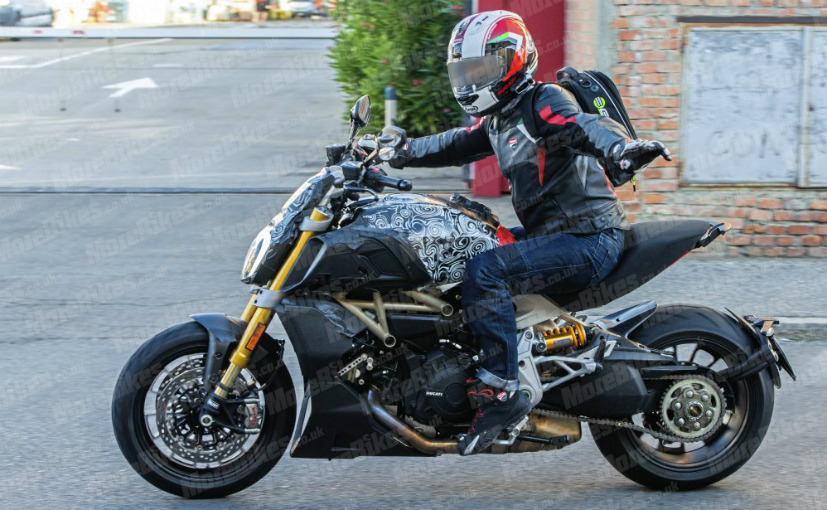
  • Ducati introduced the DVT (Desmodromic Variable Timing) in the 2015 Multistrada 1200.

  • It will now be carried over to the 2019 Diavel 1260.

  • But what is DVT and how does it work?

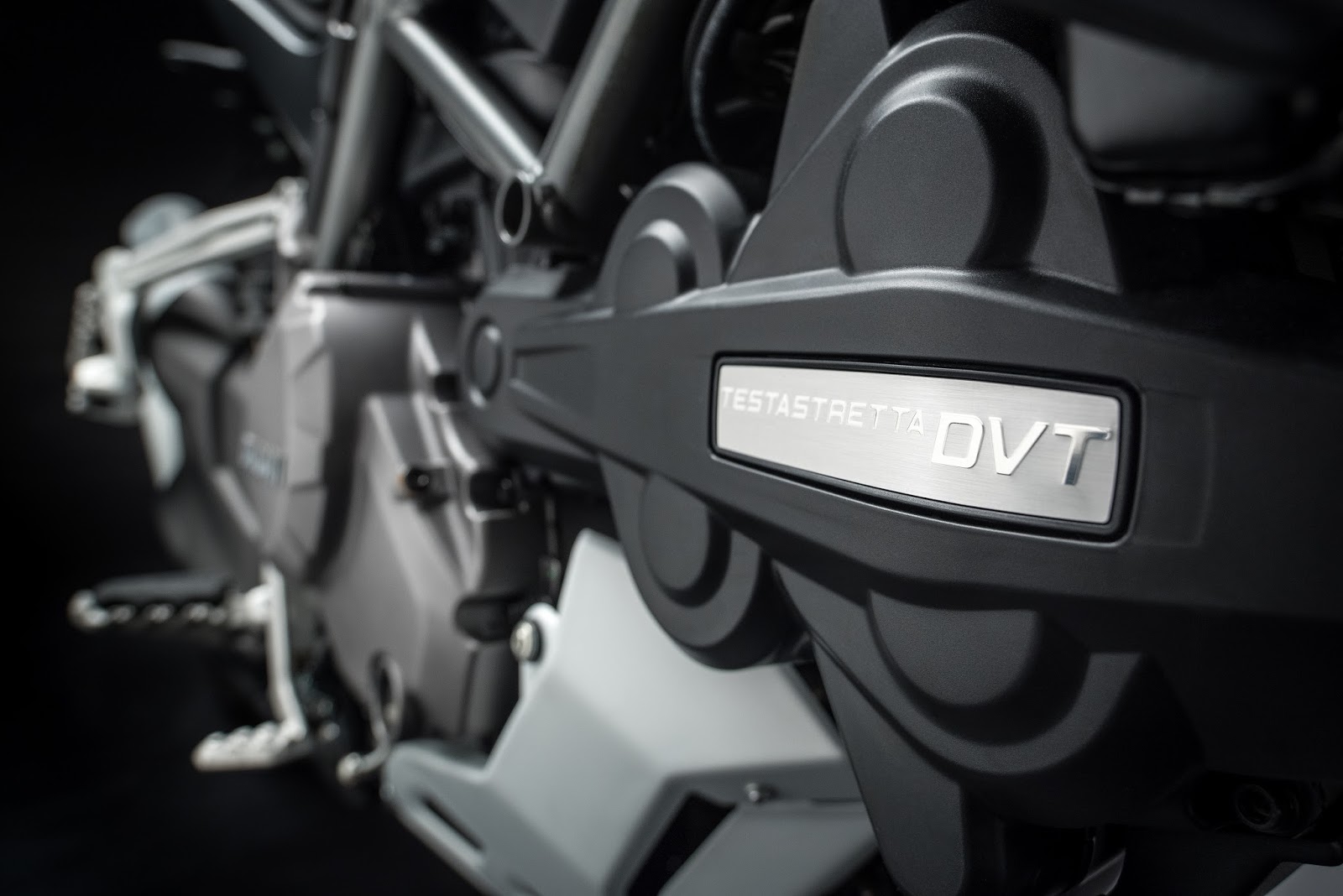
Ducati had first introduced the DVT (Desmodromic Variable Timing) in the 2015 Multistrada 1200 to a great reception and will now be carried over to the 2019 Diavel 1260, in addition to the Multistrada 1260 and XDiavel.

But what exactly is DVT and what does it do?

To understand DVT, we need to understand about valve timing.

Truth is, there are many considerations when it comes to valve timing. For one, if the intake valves open for a short duration, less fuel-air mixture can be inducted, compared to the valves being kept open longer. At low-RPMs less fuel-air mixture (also called “charge”) should be inducted for it to burn quicker, resulting in higher torque. Conversely, the valves need to be kept open longer for more charge to enter to produce higher maximum power.

Hang on, that’s not all, because there’s “valve overlap.”

The term describes the timing when both intake and exhaust valves are open together – hence “overlap.” Overlap occurs when as the exhaust valves are starting to close and the intake valves are starting to open. This way, the exiting exhaust gas causes a vacuum which helps to suck in fresh fuel-air mixture and fills the combustion chamber quickly.

So high overlap timing is the magic bullet? Not necessarily.

A racing engine profits from prolonged overlap because each piston travels 20,000 times up and down at 10,000 RPM, thus each stroke lasts merely 0.003 second. The exhaust gas is able to evacuate quickly and draw in fresh charge.

But if the same engine is used as a road bike, there will not be enough time to push all the exhaust gas out and some of it will end up being sucked back into the combustion chamber and mixed with the fresh charge, contaminating and diluting it. That’s when the bike spits, sputters and backfires. And you will end up with a bike that’s sluggish at low- and mid-RPMs.

Of course, the fuel injection ECU could shoot in very specific amounts of fuel at any given load, but there’s not much way around the engine’s basic architecture.

From this, we can deduce that the perfect engine should have less overlap for good torque at low-RPM to mid-RPM, and maximum overlap at higher-RPM for high horsepower (read: top speed).

Problem is, you can only have one cam profile for either characteristic. Take your pick.

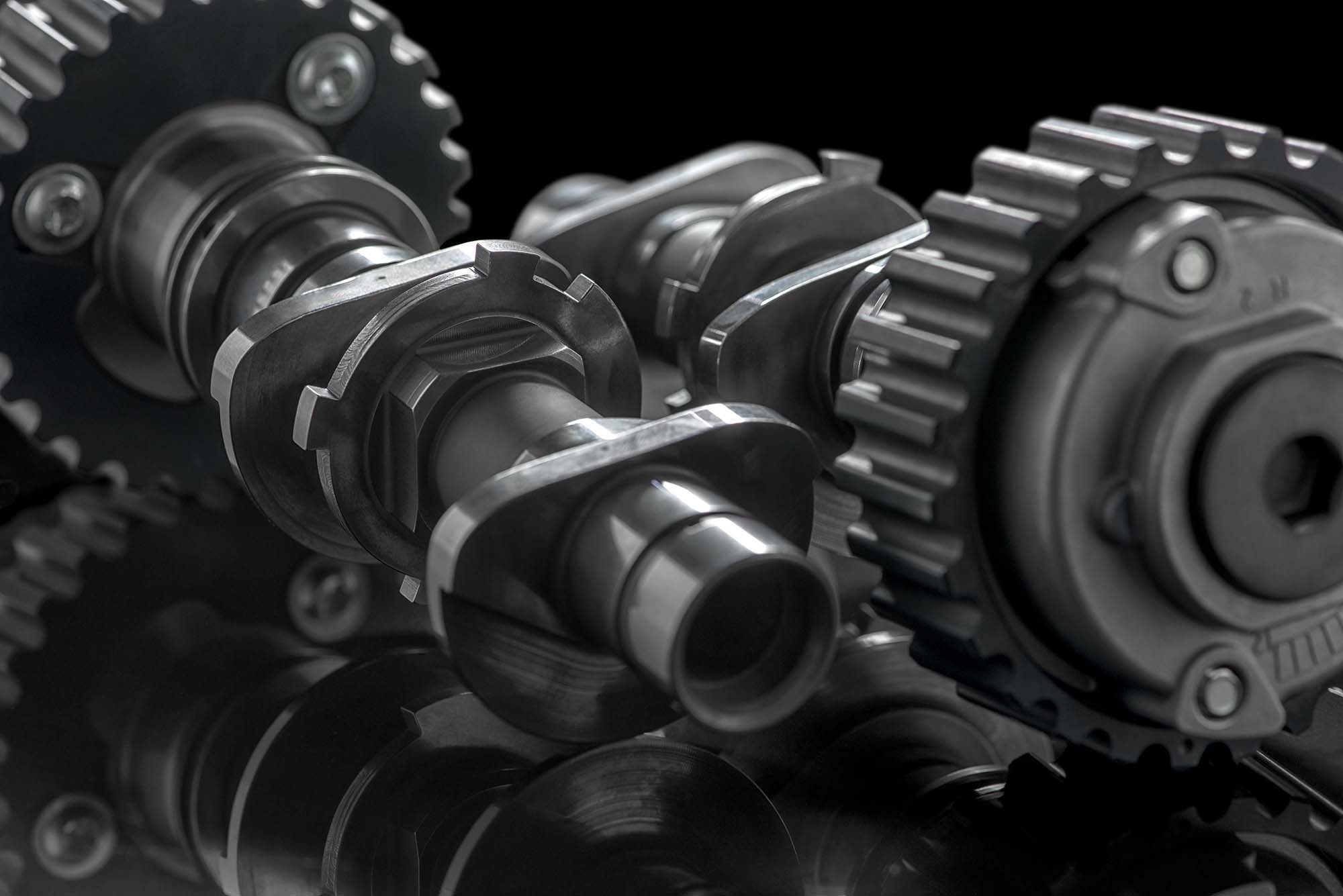
You may have heard of Honda’s VTEC (Valve Timing Electronic Control). Ducati’s DVT works on the same principle of varying valve timing but uses a different method to Honda’s copyrighted VTEC.

Ducati’s DVT uses an ECU to control valve adjusters to keep the valves totally shut; or delay, advance or prolong their opening. Each of this behavior translates to the character of the engine, resulting in a super-smooth powerband, enhanced throttle response, higher power production and optimized fuel economy.

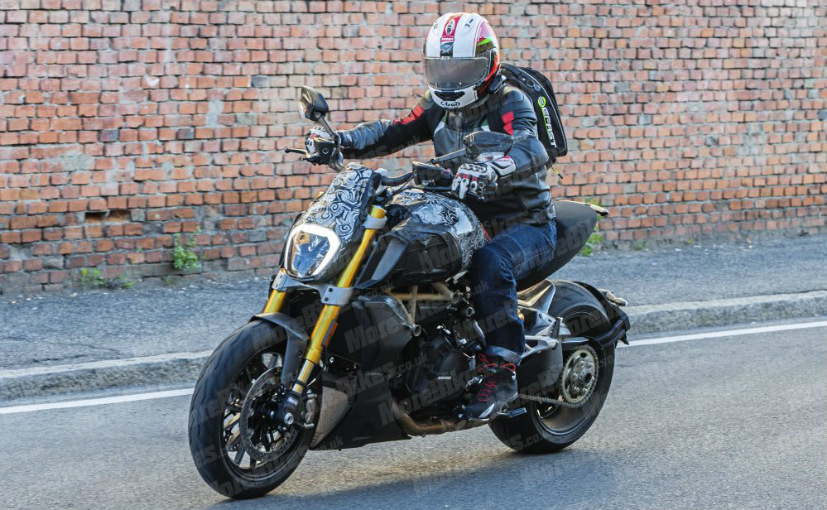
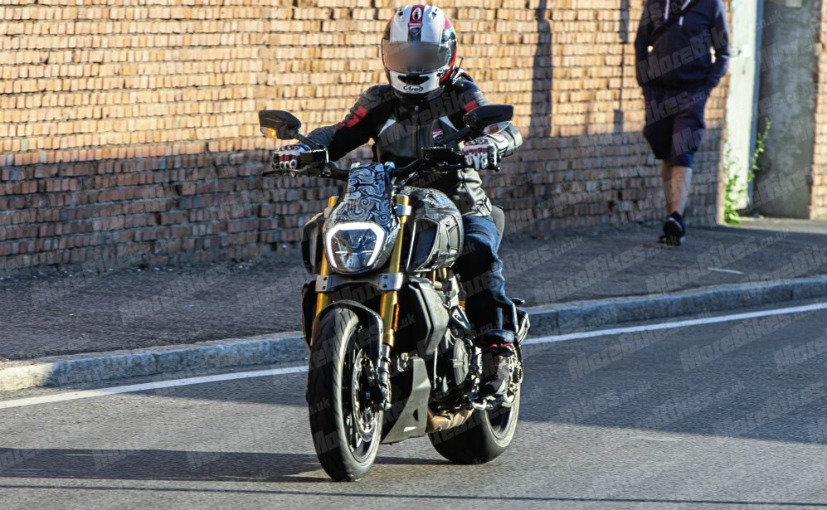
The addition of the DVT will surely make the 2019 Diavel 1260 a much better all-round power cruiser to ride. To be unveiled at EICMA 2018, is it also slated to receive Bosch’s six-axis IMU (Inertia Measurement Unit) to enhance rider aids, Ohlins suspension, Bluetooth connectivity and cosmetic updates.

Stay tuned!

  • There was a time when manufacturers named their motorcycles after racetracks.

  • The names were as memorable as they were interesting.

  • Here’s the final part of this series, closing with a bike that’s currently in production.

We complained in Part 1 of this series about how boring new motorcycle names have become, but in Part 2 Ten Motorcycles Named after Racetracks, there is one current bike in production which is named so and thankfully, it goes as great as its name. Can you guess which one is it?

5. Moto Guzzi V50 Monza

Moto Guzzi V50 Monza – courtesy of www.madeinitalymotorcycles

Moto Guzzi was clearly in financial problems in 1973 when De Tomaso took over with the backing of the Italian government. The management decided that smaller, less expensive bikes was the solution, resulting in the 500cc V50 and 350cc V35 in 1976. They were less than popular, so Moto Guzzi created a more powerful version of the V50 called the Monza in 1980. V35 also went through a similar makeover and was named the Imola.

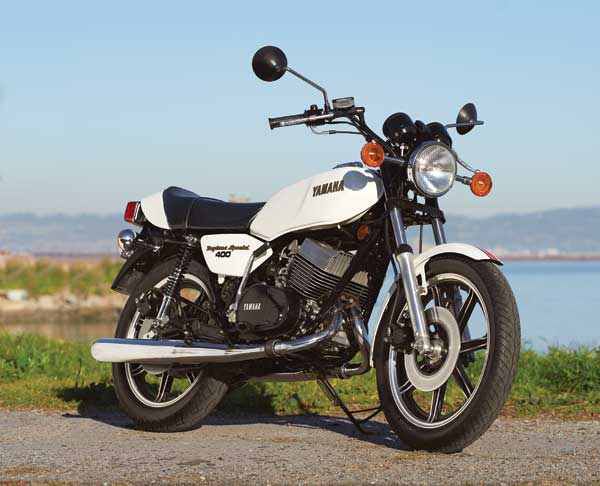
4. Yamaha RD400F Daytona Special

Yamaha RD400F Daytona Special – Courtesy of www.motorcycleclassics.com

Named after the infamous Daytona track, the 1979 RD400F Daytona Special commemorated Yamaha’s successes at the track and also the last of street-legal two-strokes in America. When the RD350LC introduced, it was only sold in Europe but imported in the States as a competition-only motorcycle.

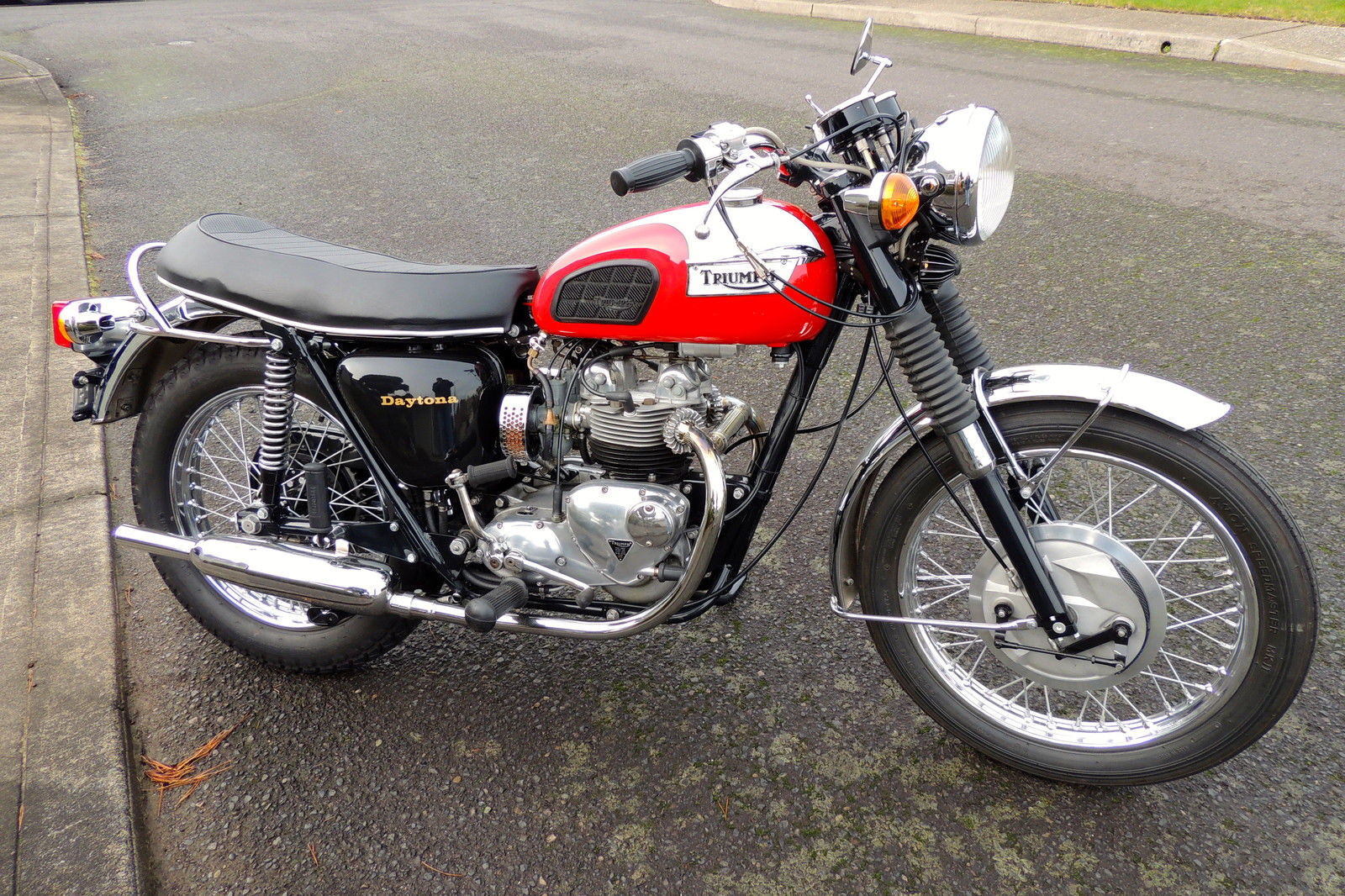
3. Triumph Daytona 500

Triumph Daytona 500 – courtesy of www.bikesrestored.com

When American racer Buddy Elmor won the 1966 Daytona 200 aboard a Triumph Tiger 100, it was the first victory at the track for Triumph. Triumph then launced a 500cc, twin-cylinder roadster called the Daytona to commemorate their feat (there was also a Tiger Daytona in 1967). Moving forward to the current Triumph Motorcycle Ltd era, the Daytona name was used specifically for the Hinckley-based manufacturer’s sportbikes. The Daytona lineup were universally praised for its performance and sublime handling until being phased out in 2017.

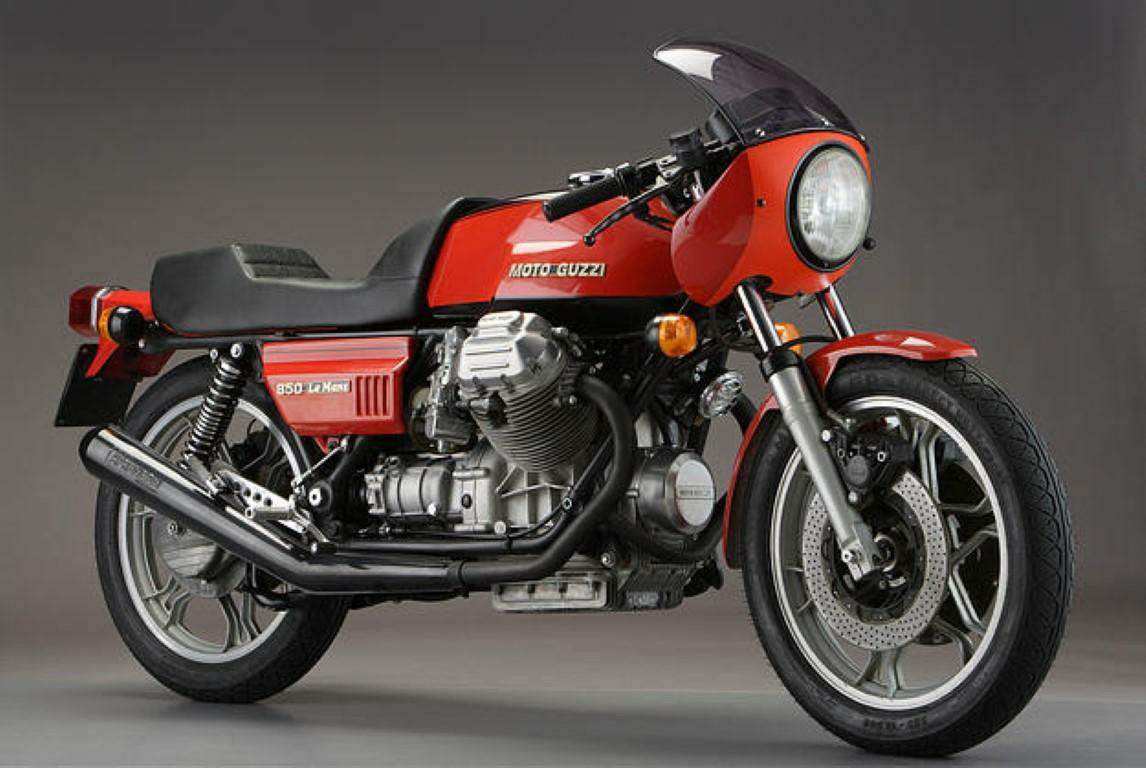
2. Moto Guzzi Le Mans

Moto Guzzi 850 Le Mans Mk I – courtesy of www.motorcyclespecs.co.za

Moto Guzzi build the 850 Le Mans Mk I from the iconic 1971 750cc V7 Sport, which was the first production motorcycle to feature a five-speed gearbox and hit 200 km/h. Guzzi upped the displacement to 850cc, as well as adding new disc brakes. It was the world’s fastest and best handling motorcycle of its time. Guzzi called it the “Le Mans” after the infamous racetrack in France. The 1976 Moto Guzzi 850 Le Mans Mk I is most collectible Italian motorcycle today (sorry, Ducati).

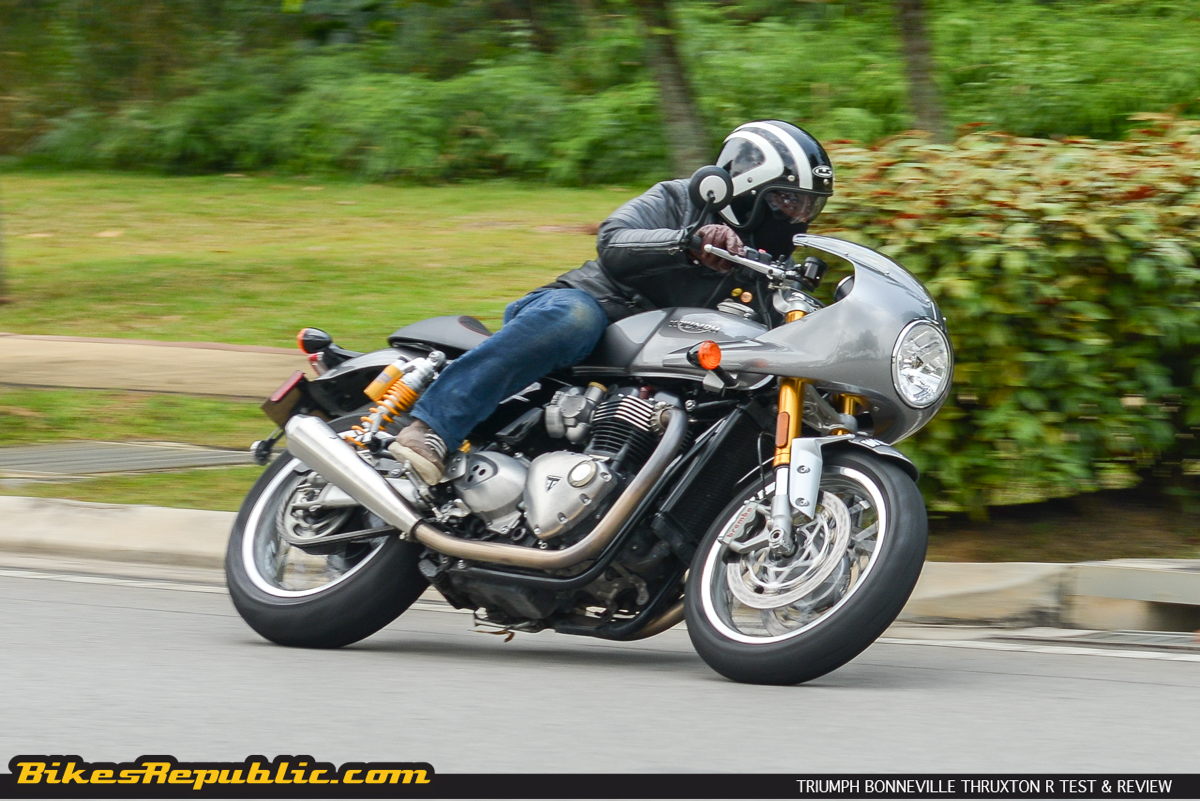
1. Triumph Thruxton/Thruxton R

In 1965, Triumph hand-built 52 bikes as homologation specials in order to contest in the Thruxton 500 mile (800 km) production endurance race. Many enthusiasts believe that it was this series of races that created the café racer era as standard production motorcycles were modified for extra performance.

In 2004, John Bloor’s Triumph Motorcycles Ltd. produced the new Thruxton 900 as the café racer of the new modern classic Bonneville lineup. In 2016, the Thruxton was revised and featured the new 1200cc liquid-cooled engine. A “hotter” R version was also added which featured Brembo brakes, Ohlins shocks and Showa BFF forks.

The result is the new Thruxton R is the best factory café racer in the market.

Triumph Thruxton R Test & Review

  • BMW Motorrad has announced a decline in sales for Q2 2018.

  • The sharpest drop was in Germany, driving overall results down.

  • BMW plans to reveal 9 new models this year and they should turn the figures around.

As the results of the second-quarter sales start filtering through from manufacturers, BMW Motorrad is the latest to show a decline due to a soft world motorcycle market. It’s very a surprising news considering that they have been enjoying record sales for the last 7 years.

Another Record Breaking Year for BMW Motorrad in 2017

BMW reported a total of 51,117 motorcycles sold worldwide, compared to the 52,753 units sold during Q2 last year, marking a 3.1% decline. Correspondingly, it translates 5.8% decline in revenue (€658 million) and 6.8% drop in profits before tax (€174 million).

This also works out to a 1.6% decline by unit volume with only 86,975 motorcycles and scooters sold to customers. As such, revenue dropped by 10.1% (€1,182 million) and a 23.7% decrease in profit (€196 million).

With the European Union being BMW’s largest market, which accounts up to 60 % of their sales, the manufacturer’s sales was dragged down by that very market by 7.9%. This is the biggest contributor to the overall sales decline.

However, if analyzed by countries, their sales was down by 18.8% in their home country of Germany, followed by -5% in Italy and -4% in France. Fortunately, there were modest gains in other European countries such as Spain with a 1.3% increase.

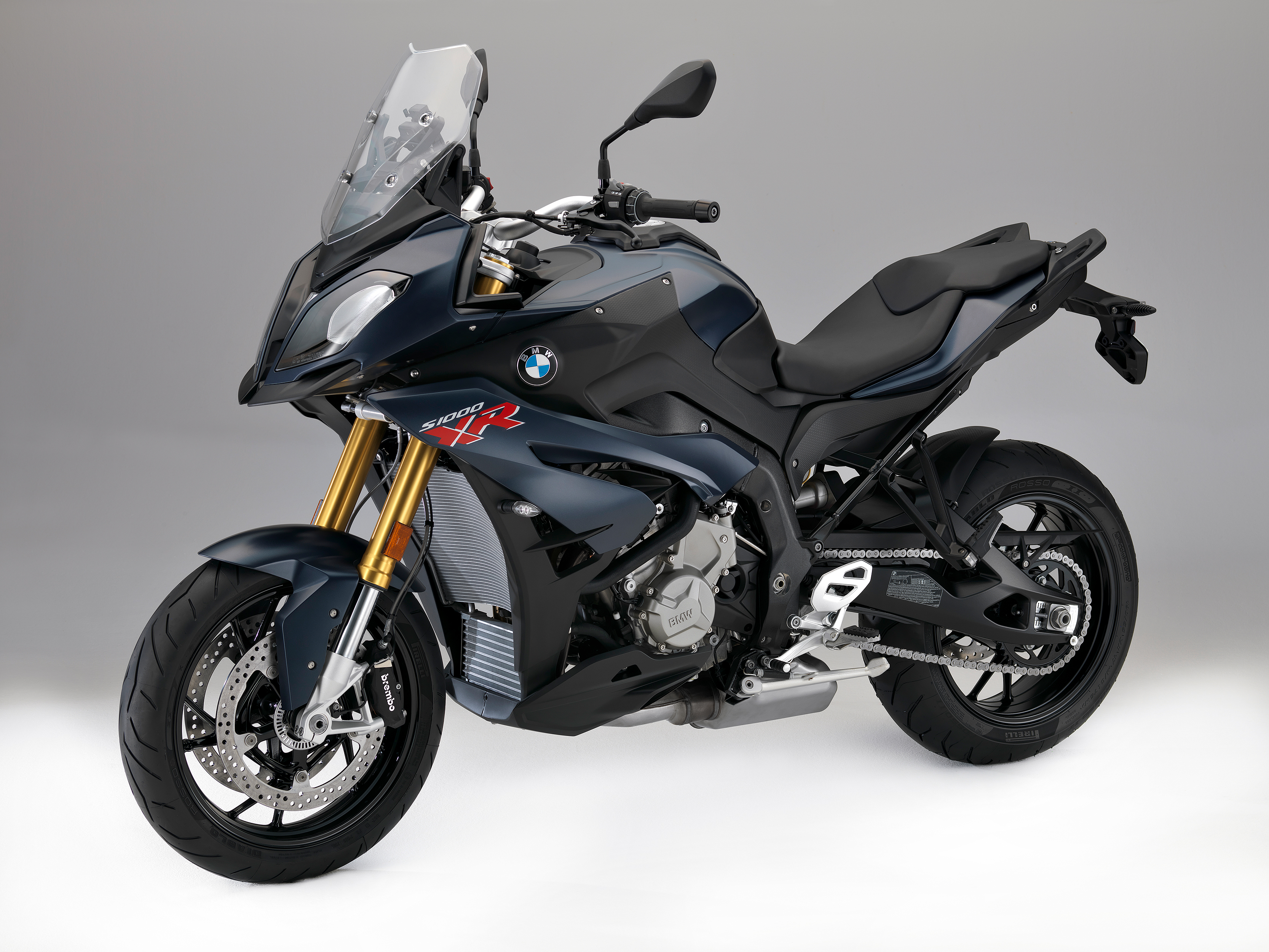
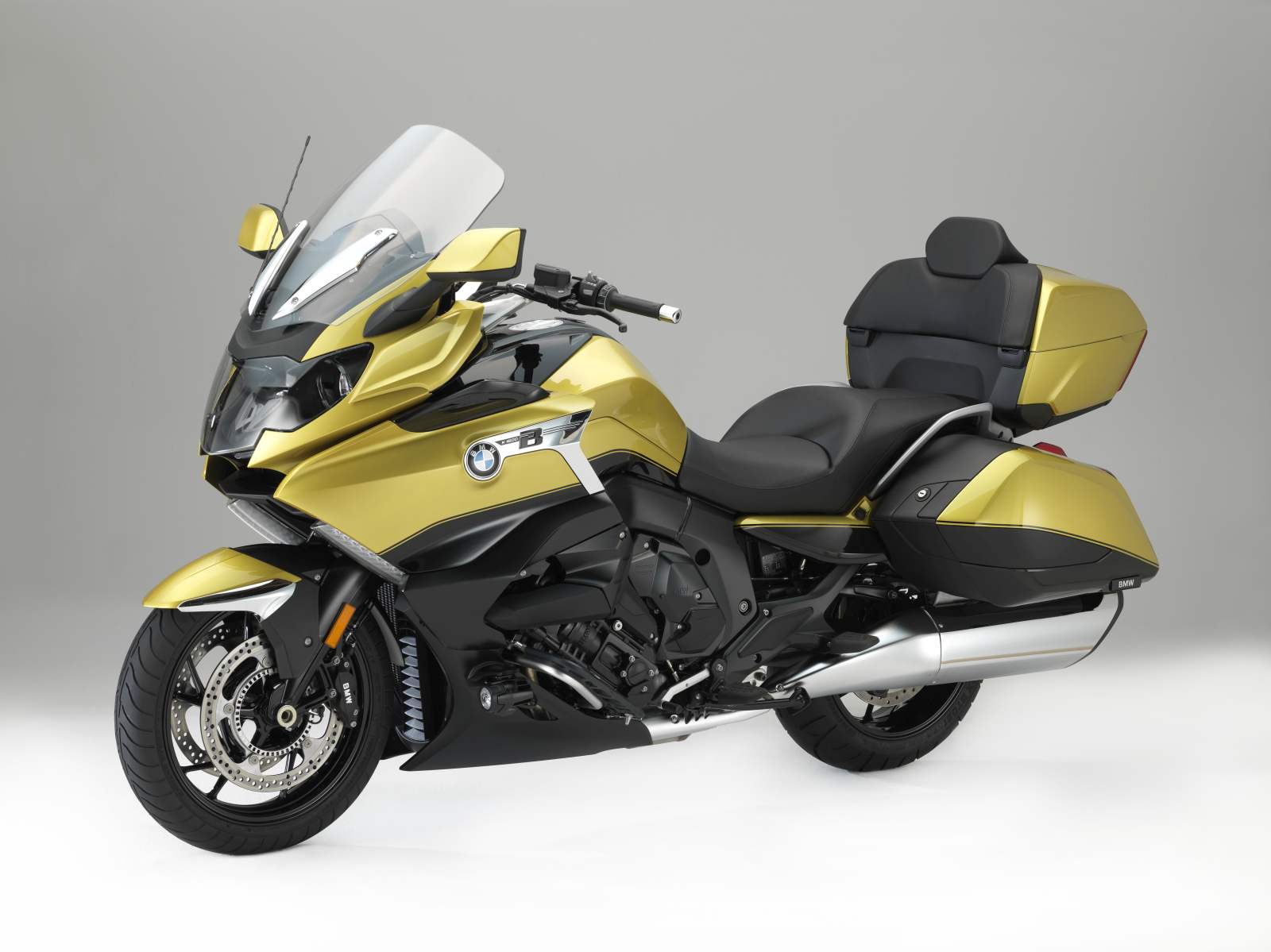
One big surprise however, was BMW Motorrad’s gain in the United States, given the soft motorcycle market there these days. BMW Motorrad USA reported a 3.1% increase on the first six months of the year. The gain upswing was in no doubt due to BMW’s new models, including the BMW K 1600 Grand America and updated middleweight GS. And while the ultra-exotic and ultra-limited S 1000 RR HP4 Race doesn’t help with the bottom line, 14 have been confirmed to be sold in there.
BMW Motorrad plans to launch nine new models this year (although we don’t know how many of those will be introduced in Malaysia) and they’ll most probably turn the sales figures around for the 8th record-breaking year. Would you dare to bet otherwise?

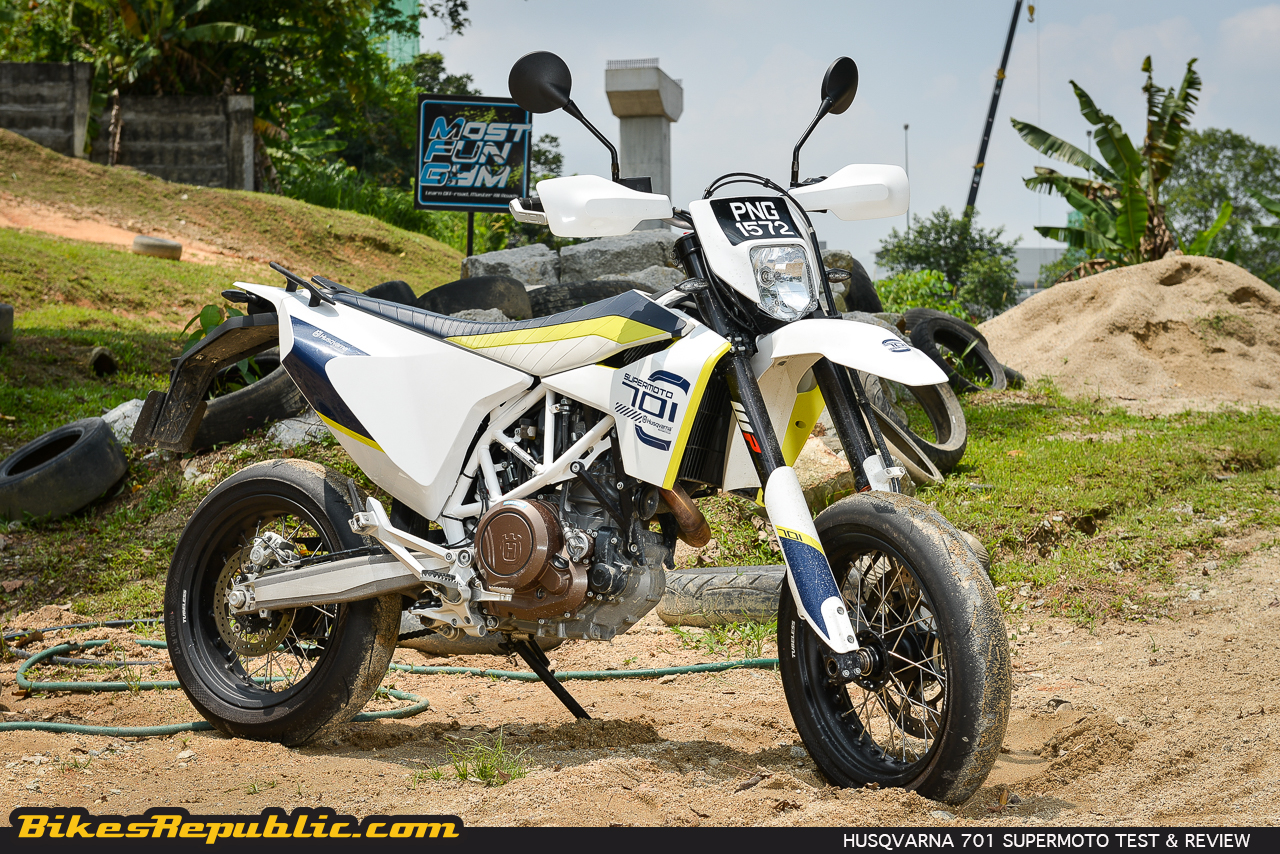
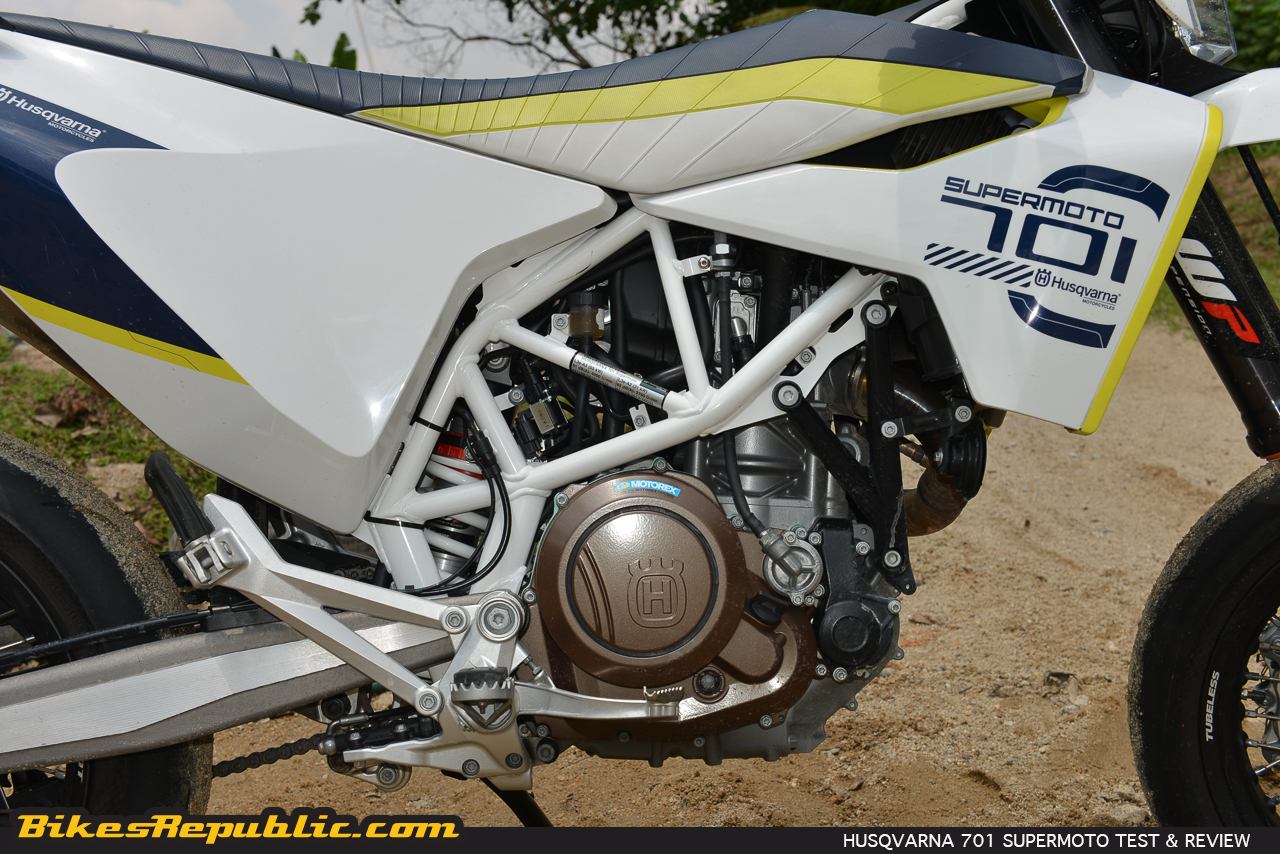
  • The Husqvarna 701 Supermoto brings the excitement of supermoto racing to the streets.

  • Supermoto combines dirt riding with road racing styles, meaning a bike that’s super agile.

  • Riding it is the best fun one could have.

Uncle next door smiled and nodded his head. “So, what are you riding today?” as he walks closer while scanning the white, blue and yellow Husqvarna 701 Supermoto. He looks like he was leaving to meet his buddies at the coffee shop to discuss the ways on how the country should be run.

“It’s a supermoto, a Husqvarna 701 Supermoto,” I answered.

“Looks like it to a plantation for durian kampung, I suppose” he replied, obviously oblivious to what’s termed as a supermoto.

“Oh… How much is this thing?”

I told him the price and cringed as soon as I did. Because I knew what was coming next.

“WAHLAO EH! You might as well get a mini-SUV!”

“Yeah, but bikes are more fun.”

“Fun? What kind of fun?”

And that opens up the question. How does one define “fun”?

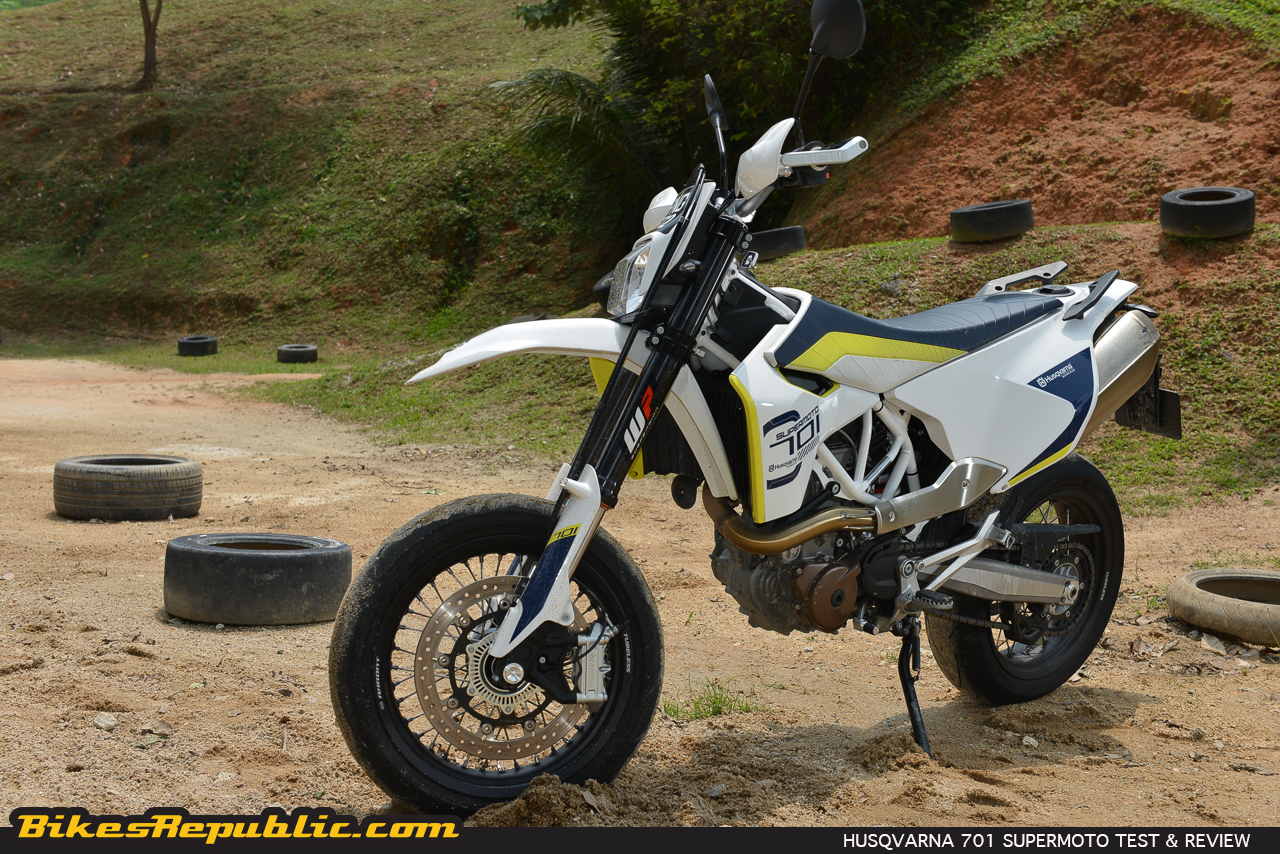
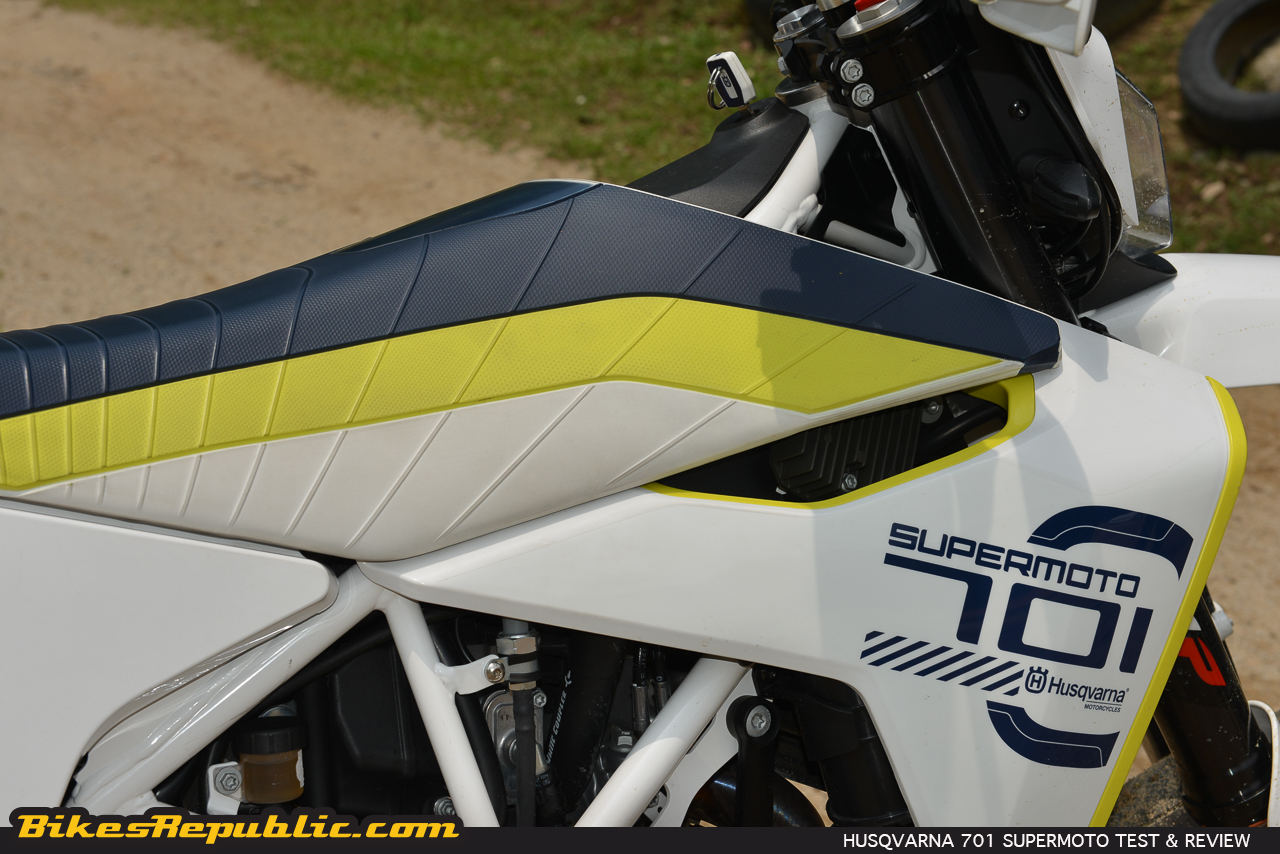
We’ve been salivating over the Husqvarna 701 Supermoto ever since it was unveiled to the public at the end of 2015. Although looks like a rebadged KTM 690 SMC R (KTM owns Husqvarna now), the bike was originally designed by Husky. It looked better in Husky’s white, blue and yellow livery, definitely.

But for 2017/2018, Husqvrna did the right thing to upgrade the engine like the one in this durian bike.


The engine is sourced not from the 690 Duke as most would believe but from the 690 SMC R

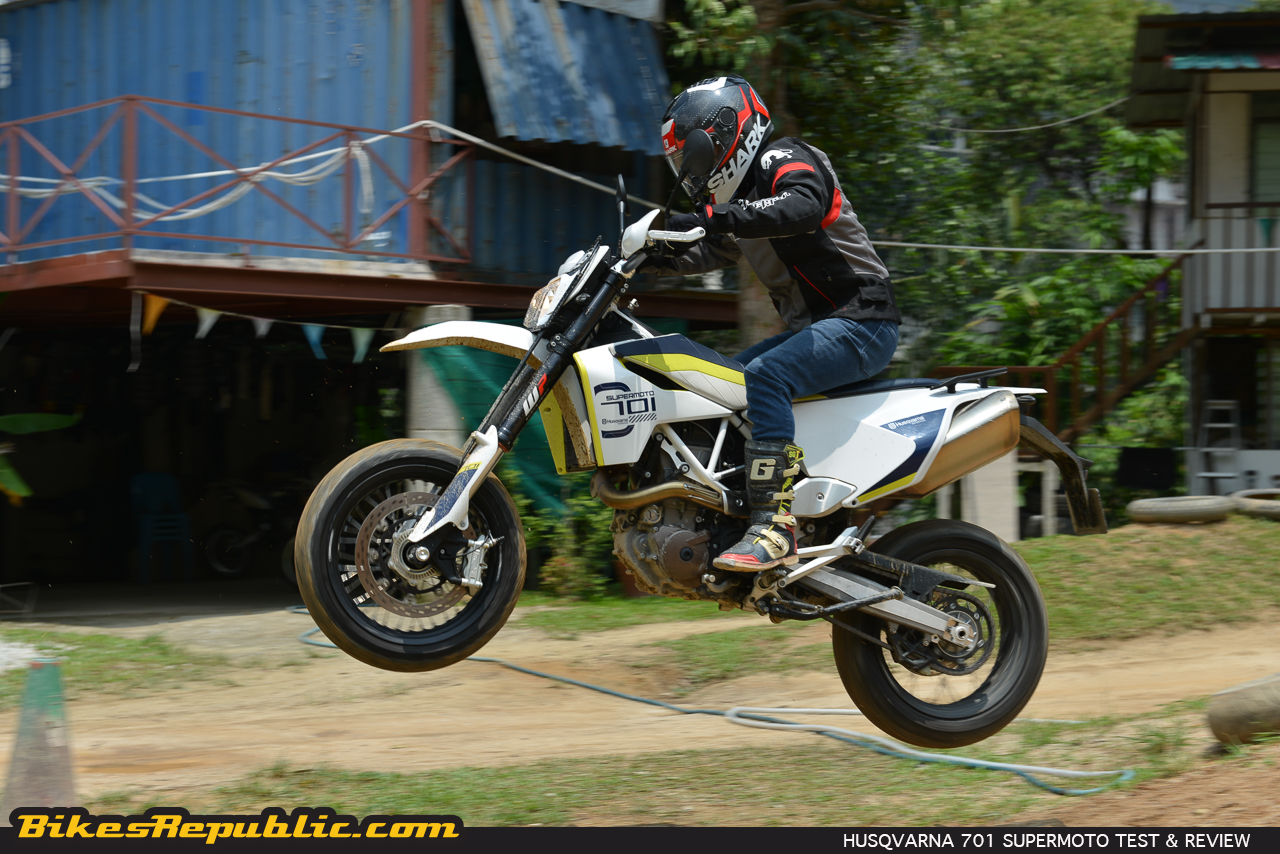
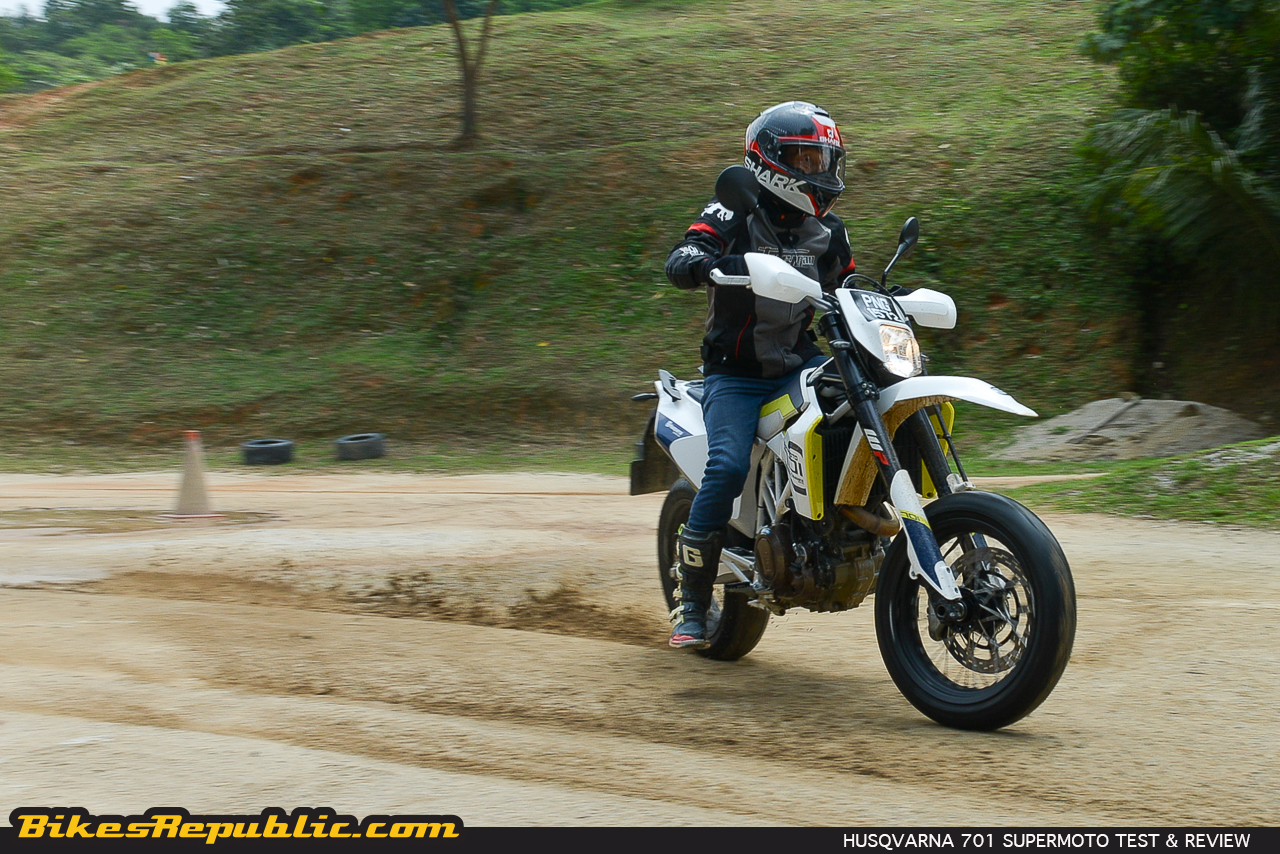
I first rode it around on the streets like I would on dirt-bikes: Gingerly. But it all changed as soon as I hit the first roundabout. But my road ridings habits took over subconsciously and I leaned into the corner. The Husky snapped over like a bicycle! I almost ran over the roundabout’s curb.

Now I let loose. For the next corner, I sat up on the outside, stuck my leg out and steered the bike. It responded immediately to the command, but the sole of my boot was still a long way from skimming the road surface.

While there are bikes on which you have to mind the throttle unless you want to discover how a Vellfire’s rear door feels like, the 701 Supermoto encourages to open up. And opening up on the throttle of the 701 Supermoto enriches your life.

That’s because the engine is incredibly smooth, regardless if you’re just trotting or on a last lap type charge. Speeds picks up quickly too but you are far from being intimidated and use it to blow away traffic like the bow waves behind a boat.

I’m sorry, did I say, “trotting”?

My bad, because the 701 Supermoto isn’t about trotting. It’s about summoning all your street, worries, grudges, and general unhappiness into one spot and blasting them away on this bike.

It’s not just about medium to long corners on the bike as you can readily chuck it into that pesky, off-camber corner at the intersection or even a decreasing radius corner, because changing lean angle is done without needing (too) much analysing.

In other words, it’s almost impossible to be a good boy on this bike. In fact, I got so guilty I handed the bike over to Sep and Oh Kah Beng for their turn of the fun.

“Man, it was so difficult to ride responsibly on this bike,” gushed Sep, “and it’s fast too. I grabbed some big throttle and it was off to more than almost twice the speed limit.”

Our MX-guru, “Foreman” Oh Kah Beng rode the bike at his Most Fun Gym facility on the standard road tyres. “We use road tyres in supermoto racing anyway,” he said.

“The Husky 701 Supermoto is just so much fun!” he exclaimed. “I could just do anything with the bike, whether it’s on the road of off.”

The fun factor also came from the engine which isn’t intimidating, which means you could ride the bike to its full potential. Sure a 160 bhp is faster but reaching its potential is often fraught with danger. The 701’s one bike which transcends the type of riding one would normally do, which needs lots of concentration. It allows you to ride any way you’d like, even sometimes pulling off impossible tricks like mad lean angles and the ability to square off any sharp corner.

In conclusion, the Husqvarna 701 Supermoto is just a wonderfully fun bike. Sure, it’s expensive but all that money is worth it.

So, how to define fun? Fun is when you don’t have to worry about the bike and riding to your heart’s content. It’s just you and the bike. Everyone else are in the weeds.

Oh Kah Beng, Sunny, William, Jack, Dato’ Eric, Dino, Marcus, Gabit, now I know why you guys are so happy all the time!

I wished Uncle Neighbour rides, because if he does, he’d ride the bike down to the coffee shop to meet his buddies and tell them what “fun” means over cups of kopi ‘o’ and half-boiled kampung eggs.

For more information, please follow Husqvarna Motorcycles Malaysia’s Facebook page, or pay them a visit at the location below.

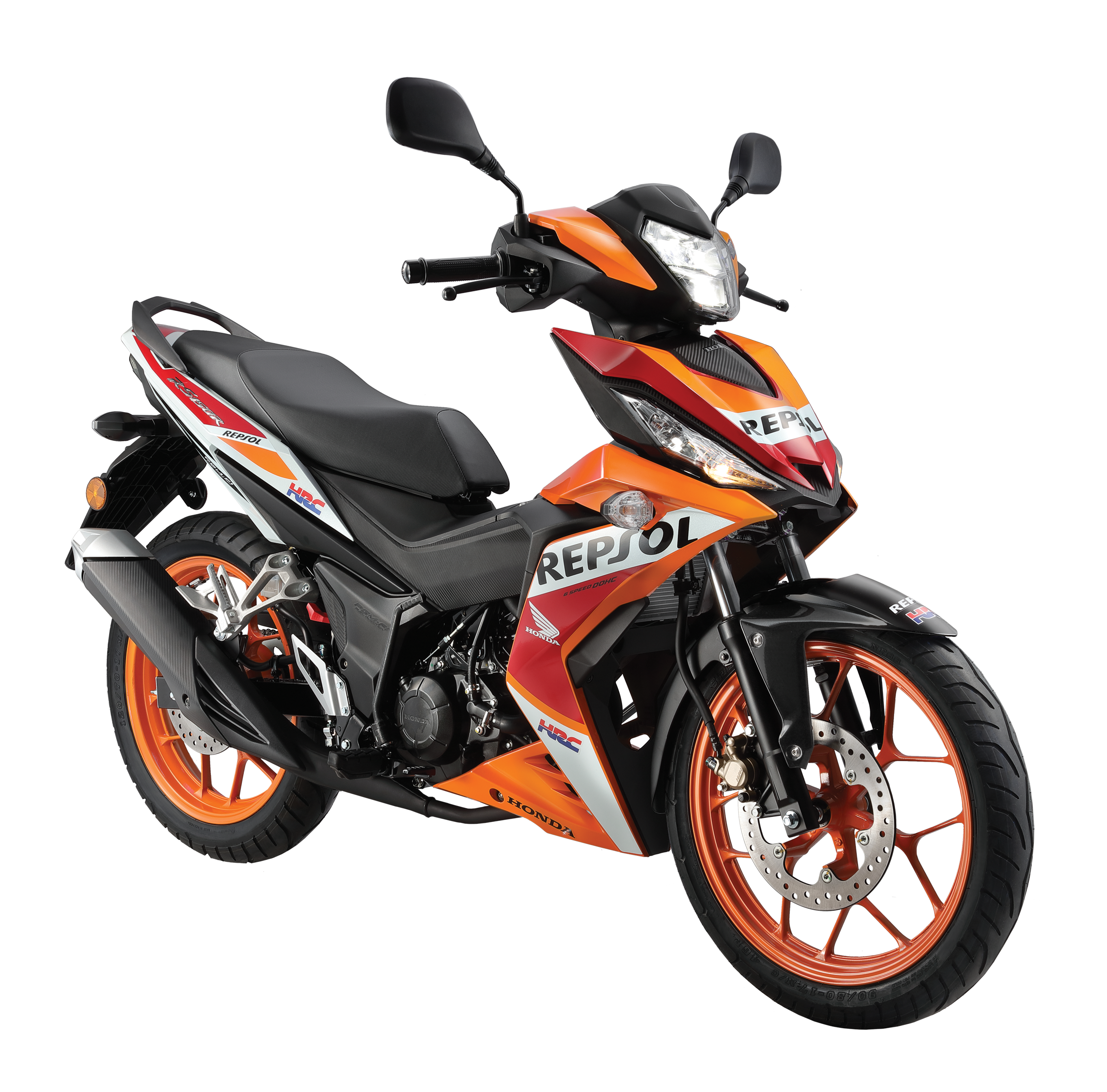
  • Boon Siew Honda has revealed the 2018 model year Honda RS150R.

  • The 2018 edition has a new colour called Pearl Magellanic Black.

  • The Black, Blue and Red editions are priced from RM 7,999 while the Repsol edition continues to be priced from RM 8,299.

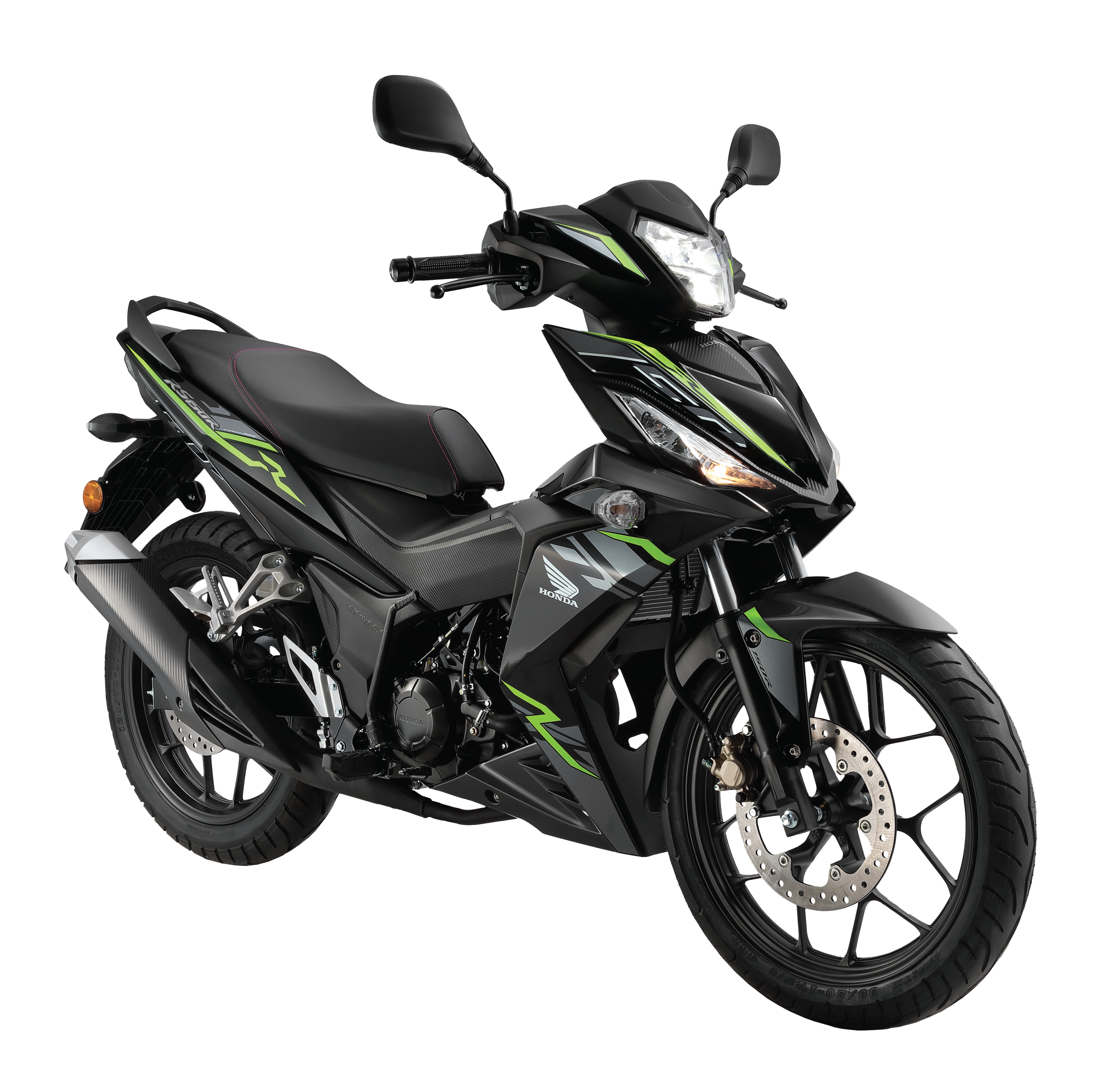
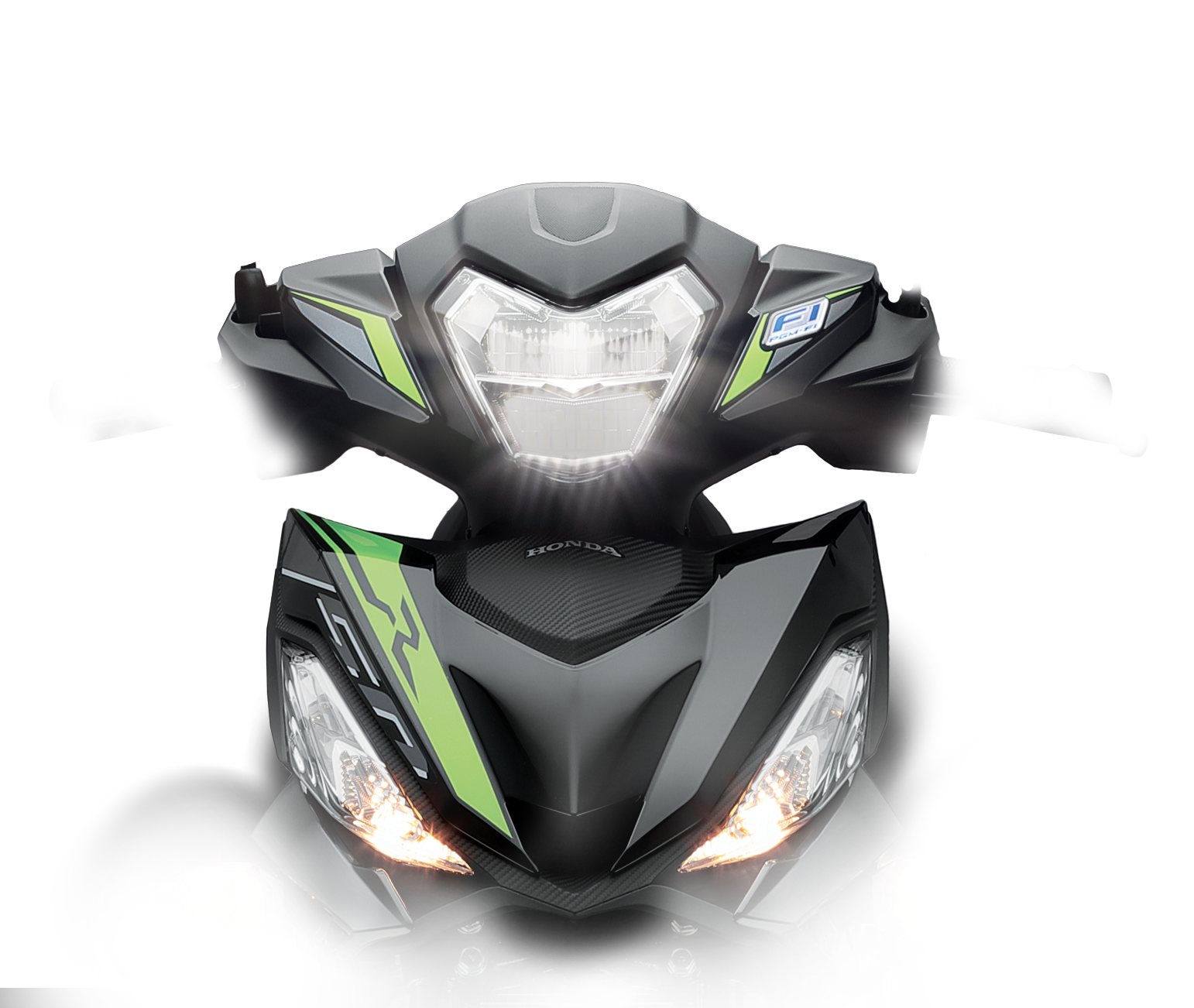
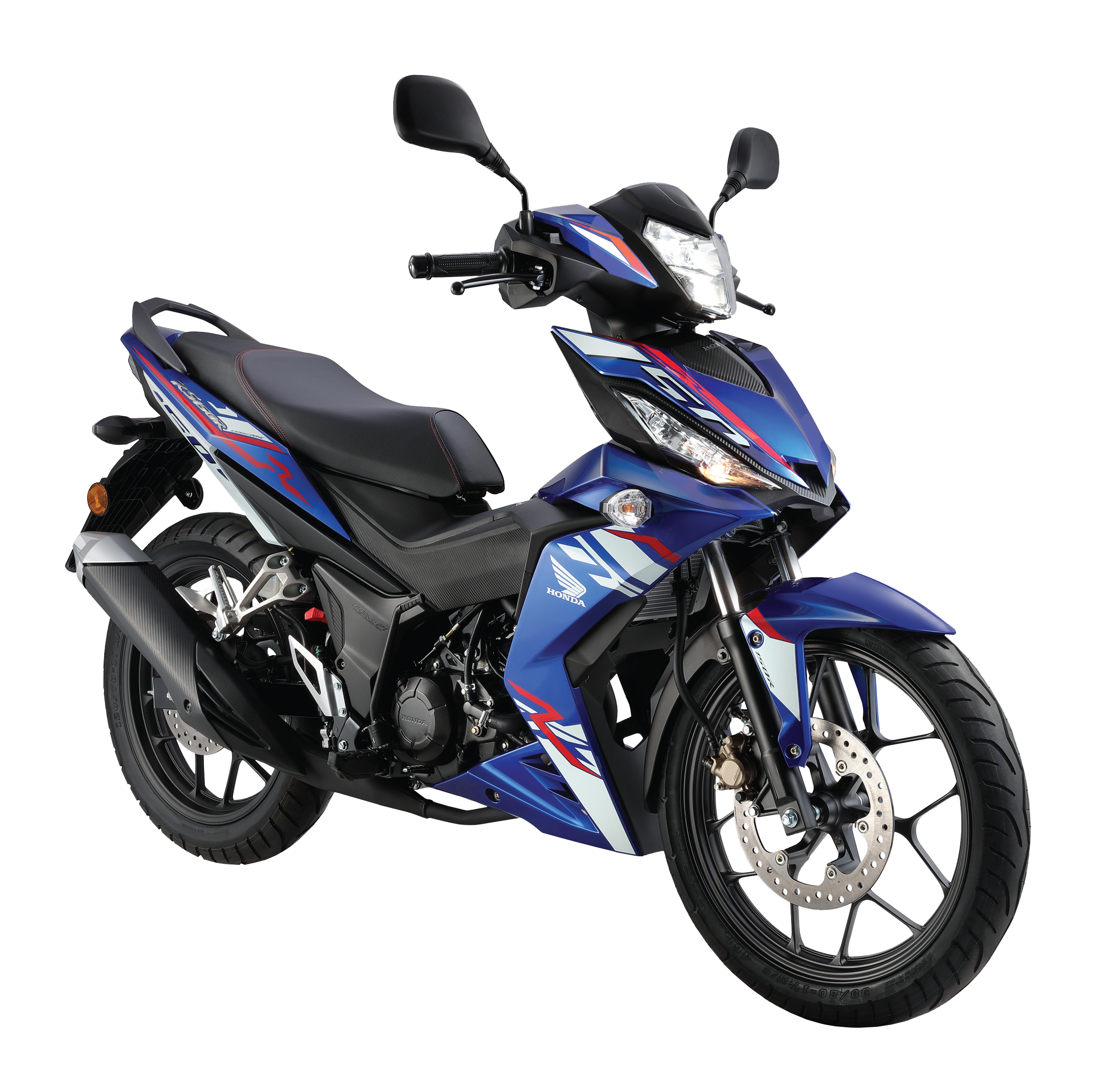
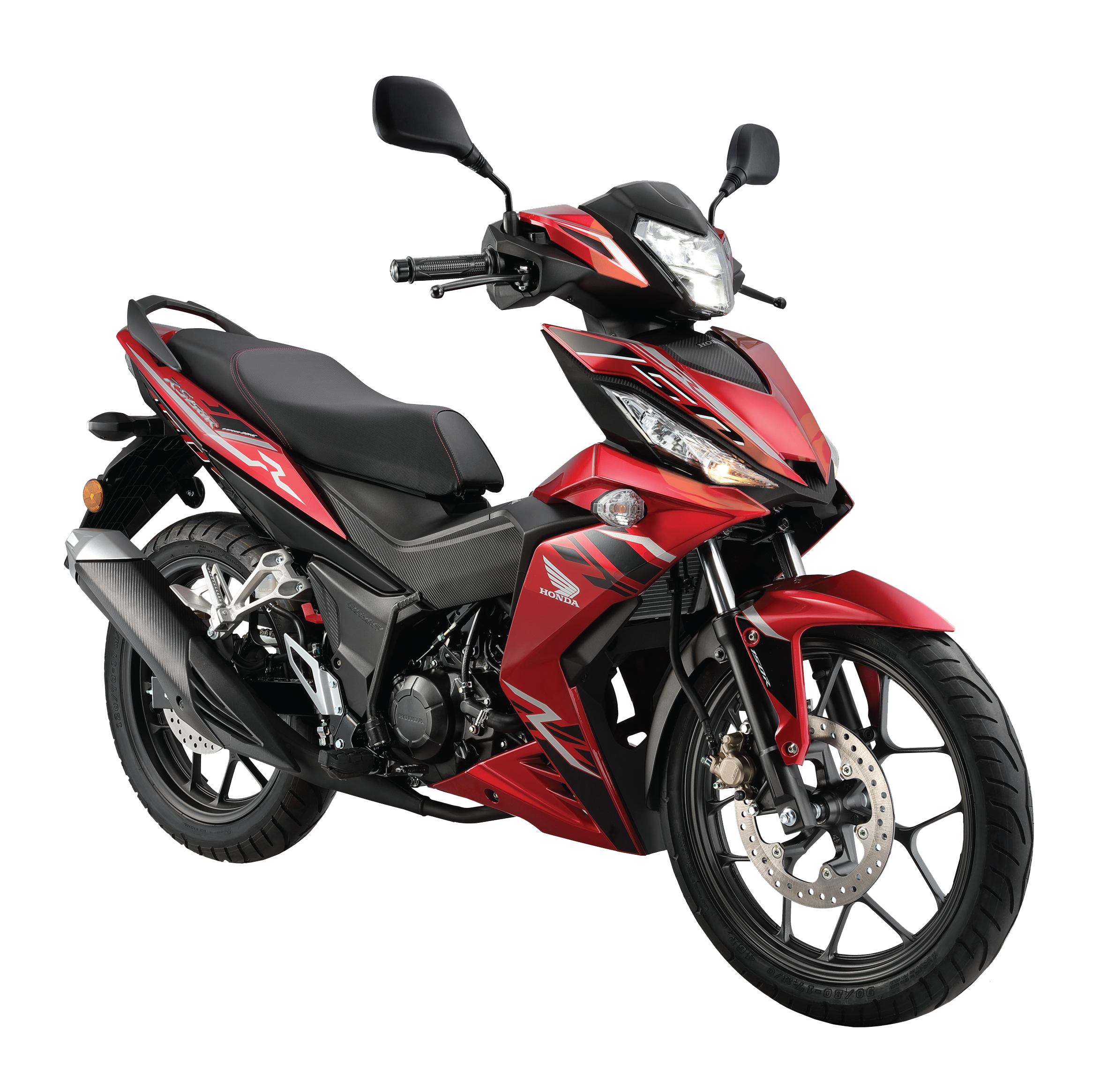
Malaysian Honda motorcycle distributor, Boon Siew Honda (BSH) has introduced the 2018 Honda RS150R, with a new livery.


The new colour, called Pearl Magellanic Black, is BSH’s response to RS150R owners who have been customizing their bikes to reflect their preferences. In other words, a new colour that allows owners the flexibility of changing the looks of their bikes without being encumbered by racing stripes and colours such as those currently available.

“We realize that the RS150R is selected and even customized to suit its owners’ identity,” said Keiichi Yasuda, CEO of Boon Siew Honda. “Therefore, the latest colour for the new 2018 edition of the Honda RS150R needs to be more imposing to complement its aggressive yet sublime looks.”

The RS150R is currently enjoying a popular following, hence brisk sales since its introduction in 2016. Targeted at the sports cub segment, it is one of the best-selling motorcycles in the BSH’s lineup.

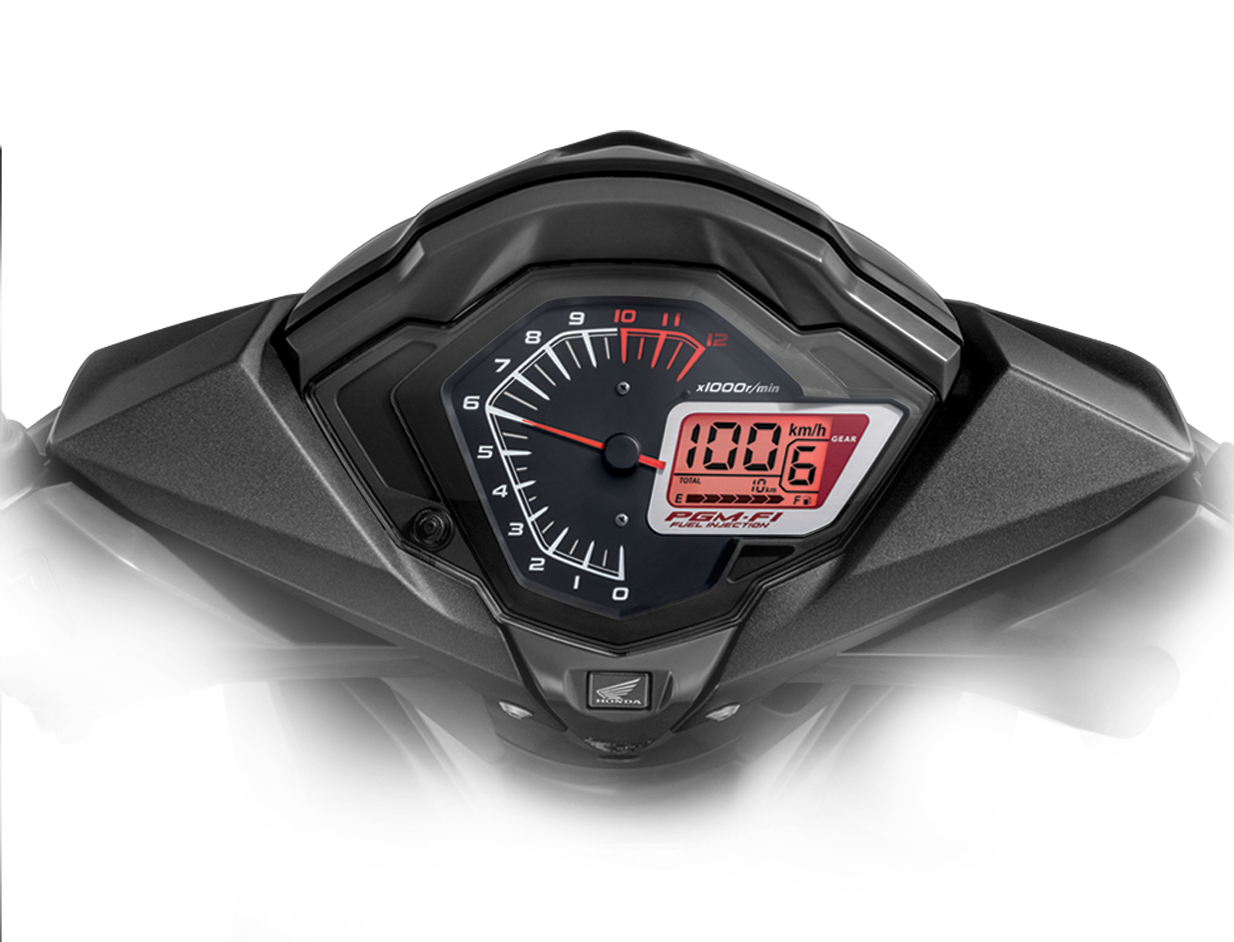
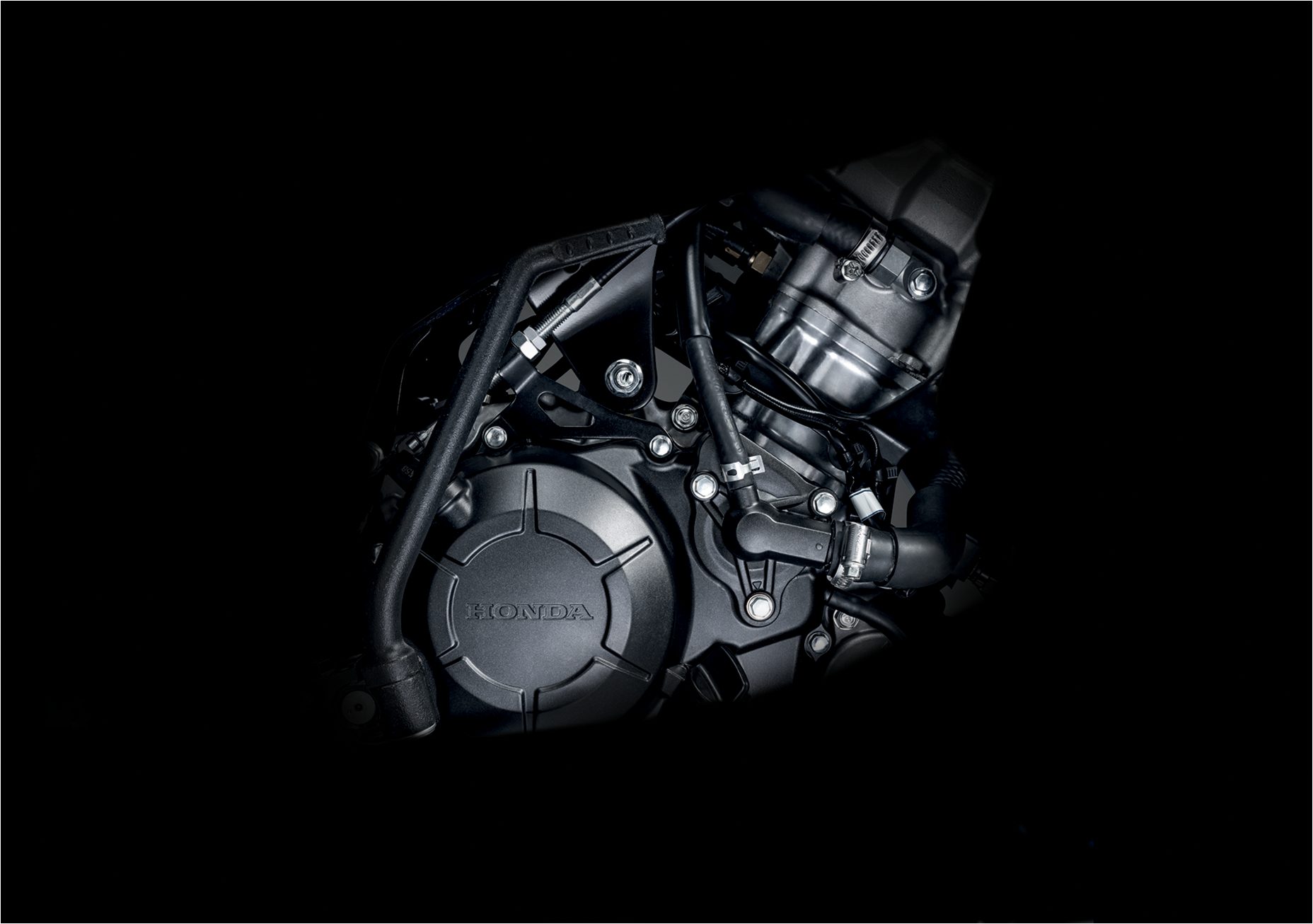
The bike is powered by a Euro 3-compliant fuel-injected, liquid-cooled, DOHC, four-stroke 149cc engine. The 11.3:1 compression ratio shows that the long-stroke engine is has sportier intentions, while Honda’s proprietary PGM-Fi fuel-injection system ensures optimum power delivery while being economical and environmentally-friendly at the same time. The engine is then set in a twin-perimeter welded frame, suspended by telescopic forks up front and a monoshock at the rear.

The new Pearl Magellanic Black complements existing RS150R colours, namely Trico Edition, Candy Scintillate Red, Pearl Nightfall Blue and of course, the Repsol Edition.

Pearl Nightfall Blue
Candy Scintillate Red
Repsol Edition
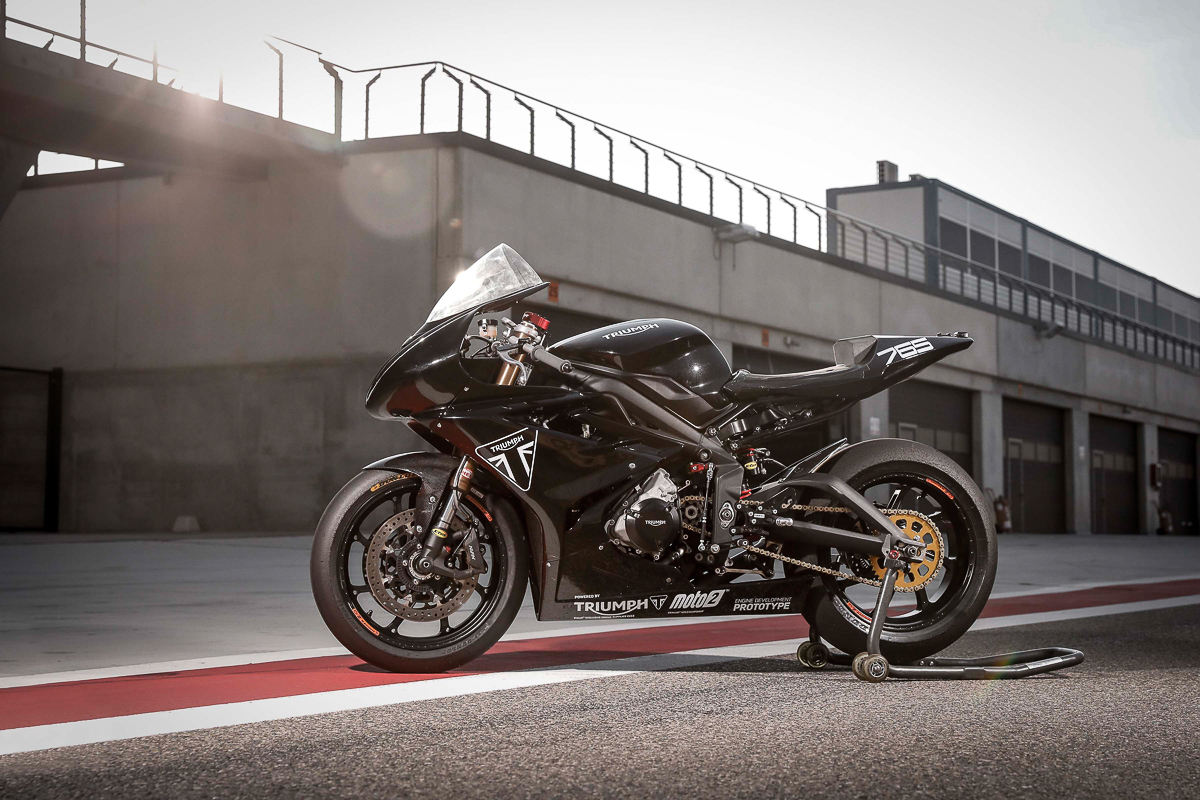
  • We’ve been hoping for a new Triumph Daytona 765.

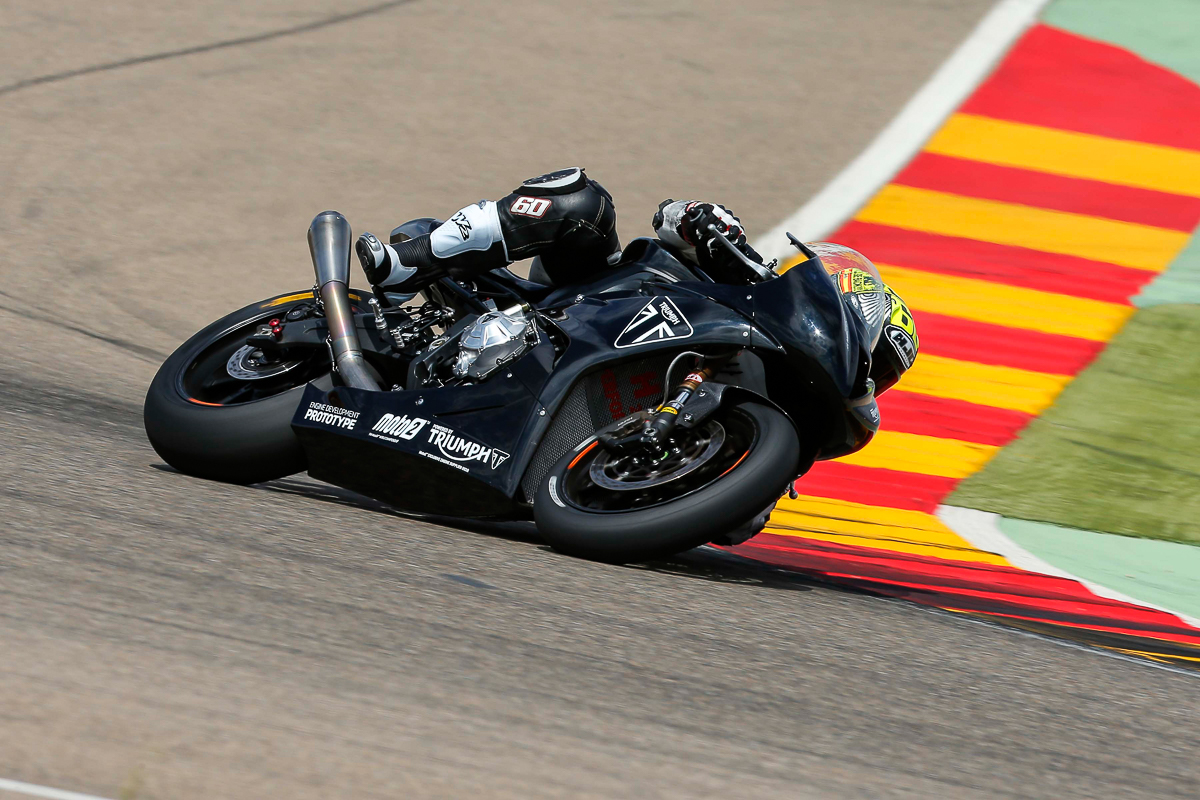
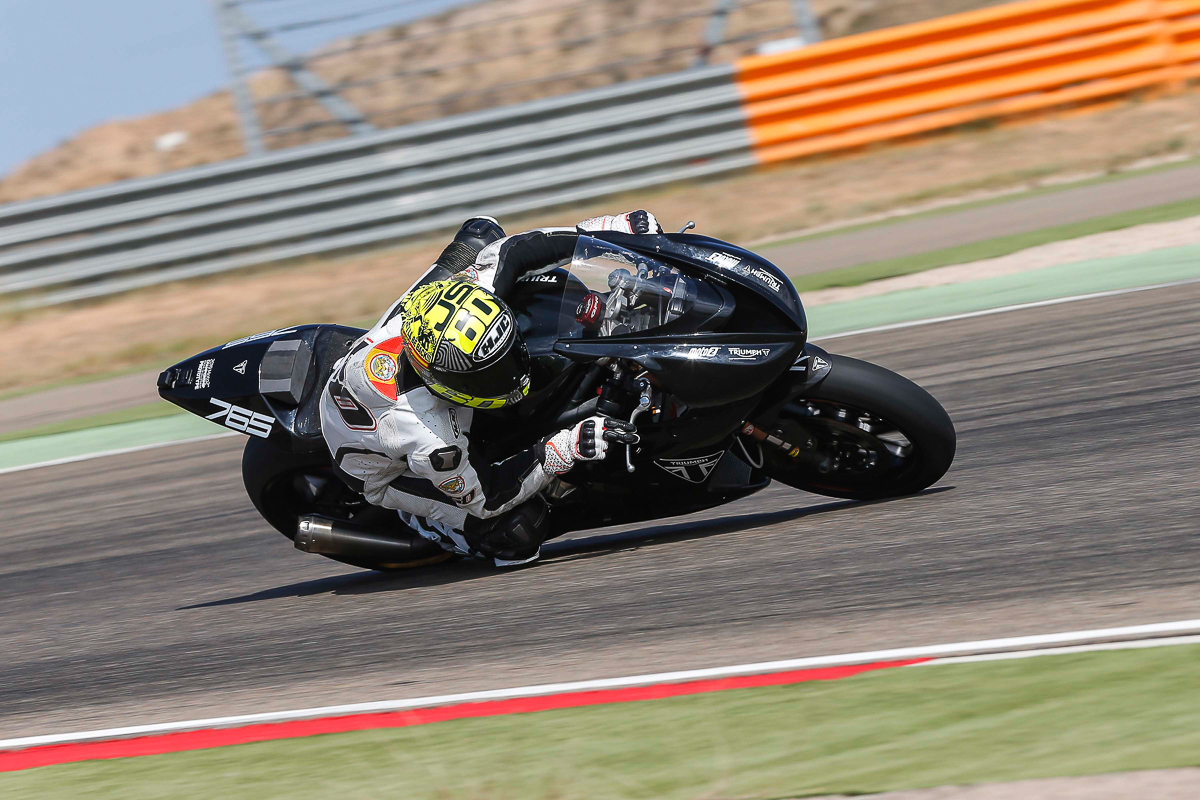
  • The excitement follows the British manufacturer supplying the 765cc engine to Moto2.

  • However, they have affirmed that there will be no Daytona 765 in 2019.

Excitement had started to build for a new Daytona even before the ink dried on the agreement with Dorna, when Triumph announced that they will be supplying engines to the Moto2 championship from 2019.

MotoGP: Triumph Confirmed as Engine Supplier for Moto2 in 2019

After all, the engine is the same but race-kitted 765cc inline-Triple found in the new Street Triple lineup. And if the new Street Triple (especially the RS) could slay plenty of bikes out there, a new Daytona 765 could bleed the souls of ZX-6R, GSX-R750, F3 800, R6 riders through their faceshields. Easy.

Additionally, Honda hadn’t capitalized on their involvement in the intermediate class since 2010. Did they launch a “CBR600RR based on lessons learned in eight seasons of competitive racing in Moto2”? Nope.

Triumph could certainly do so!

Well, bad news for those who await the Daytona 765 with bated breath. Triumph had said they will not debut it in 2019, reported Asphalt & Rubber.

But, but, but it would be incredulous to believe that Triumph hasn’t something up their sleeves other than capitalizing on such an awesome opportunity to take their branding to a higher plane, innit? The Hinckley-based manufacturer is in the best position to do so.

One thing we speculated is that the delay could be due to the Euro 5 emissions standards taking effect from 2020. Bikes Republic had reported that the manufacturer had filed a patent for the “Daytona” name in the United States earlier this year.

2019 Triumph Daytona 765 coming soon?

We also understand that the supersport/sportbike market is soft but supersport/sportbikes appear to be making a comeback, especially along with the sudden spurt of racing activities Malaysia.

In the meantime, or in the truly sad case that a new Daytona doesn’t come by, we could almost be certain that Moto2 technologies could be transferred into evolving the Street Triple. That’s already a great bike to increase your giggles-per-km quotient, anyway.

TESTED: 2018 Triumph Street Triple 765 RS test & review

  • Aprilia has been missing in the middleweight supersport segment.

  • Rumours surround the possibility of the company working on a two-cylinder engine.

  • The new engine could be based on the present RSV4 superbike engine.

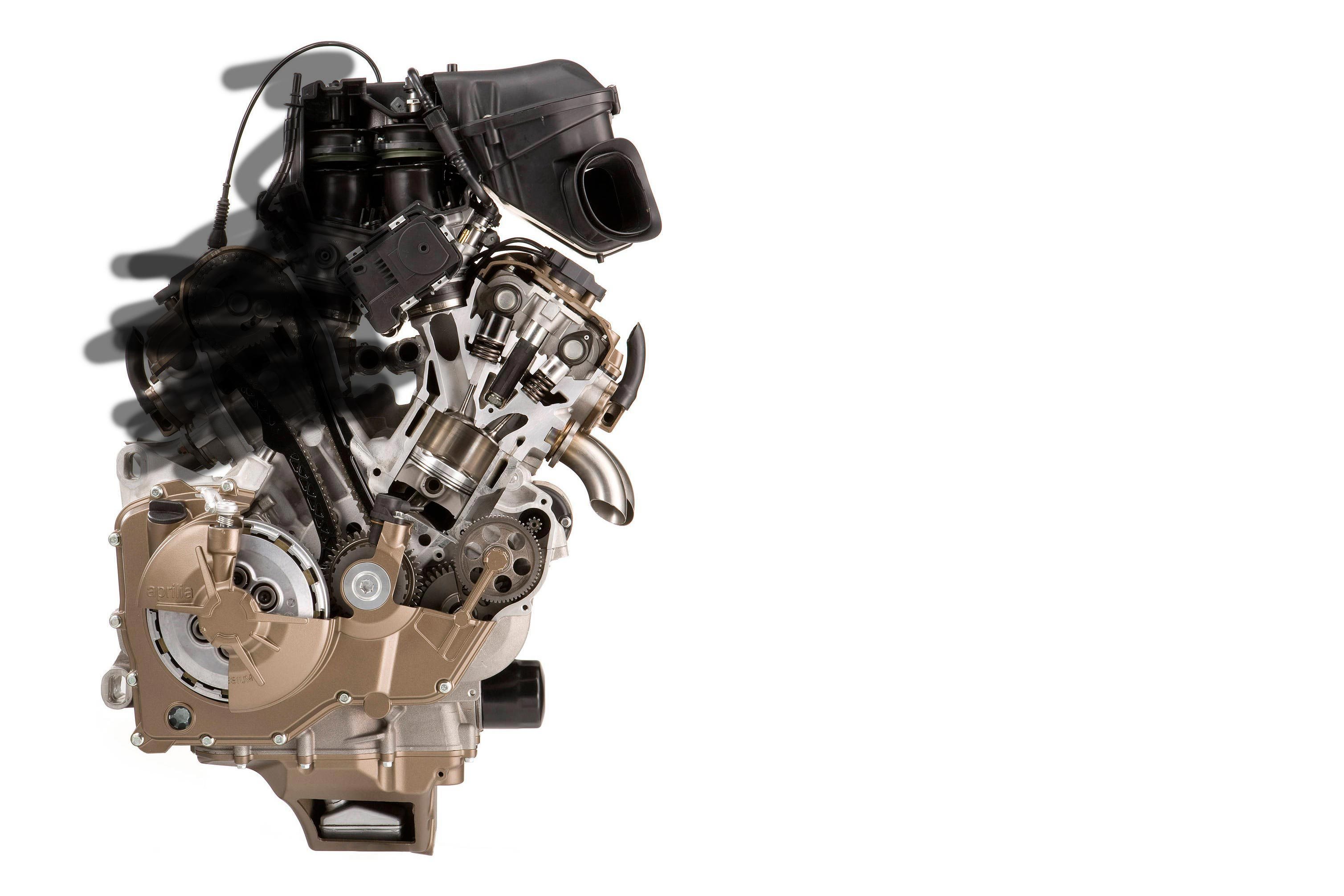
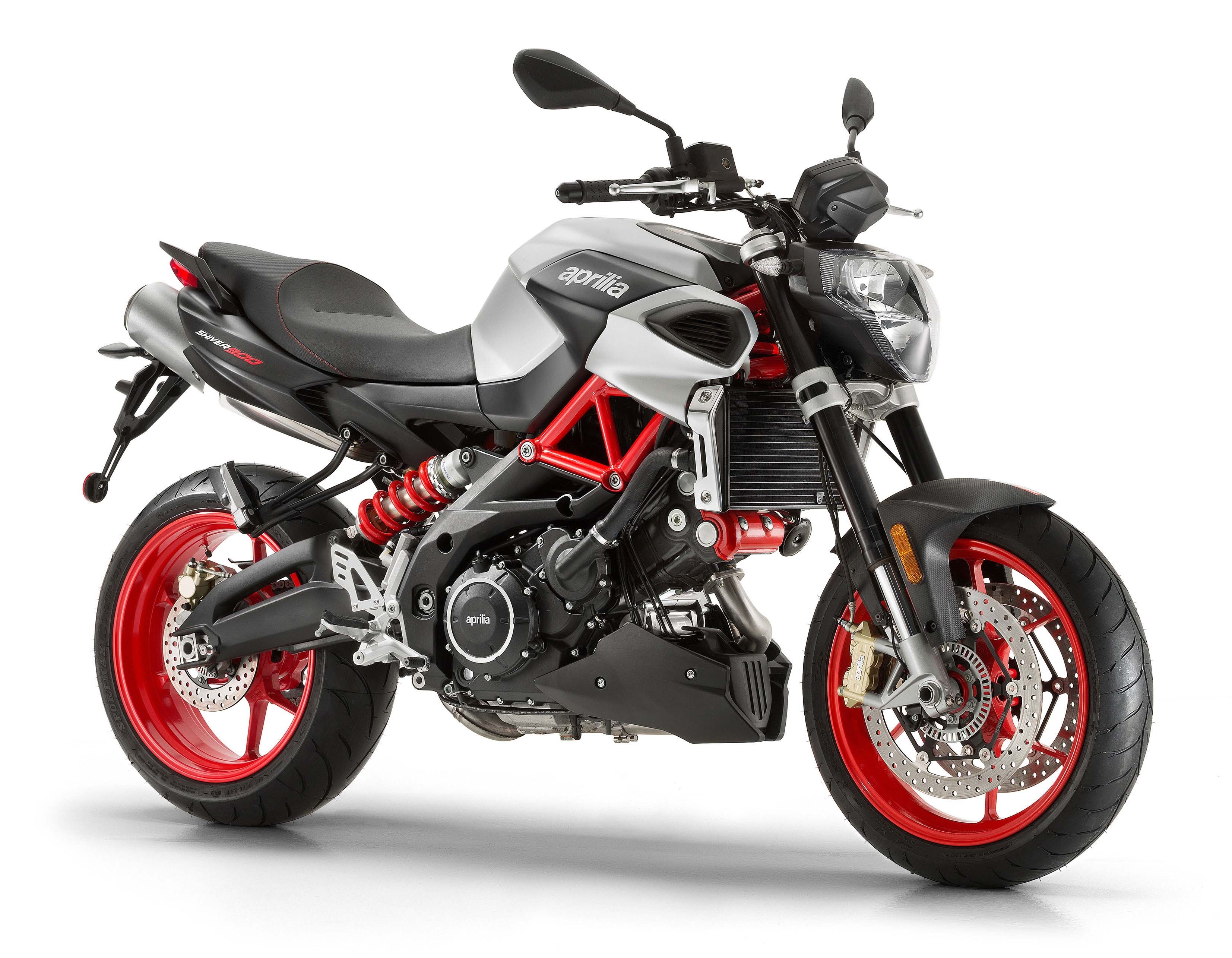
If there’s one manufacturer that’s glaringly missing from the middleweight supersport segment is Aprilia. Sure, sure, the Noale-based company has the Shiver 900 two-cylinder (V-Twin) bike, but that’s a naked sportbike/standard which started as a 750 in 2007.

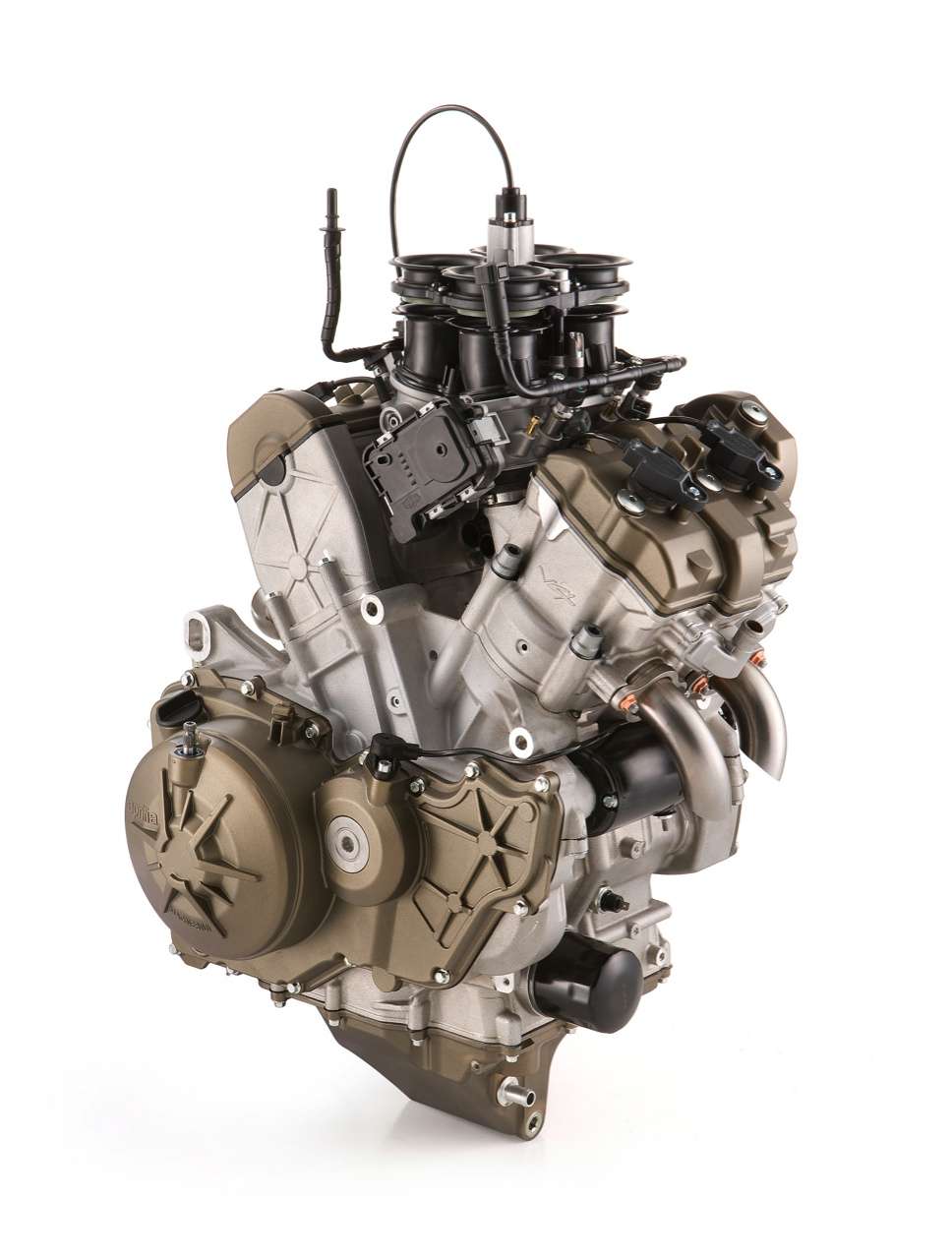
Well, Asphalt & Rubber reported that Aprilia’s R&D department is in fact working on a two-cylinder supersport bike. It is also believed that the factory will remove the two rear cylinders of the RSV4 engine, turning it into a parallel-Twin.

Parallel-Twins are more compact dimensionally and easier to pack within the tight constraints of a compact frame, for a compact machine overall. A compact frame and chassis should definitely be on the cards, since it’s a supersport bike. KTM has already gone this route by adding a cylinder to the 690 Duke single-cylinder thumper, resulting in the parallel-Twin LC8c in the new 790 Duke.

However, if Aprilia’s engine does come to fruition, you can bet that it will not be a 500cc powerplant, since the “new middleweight” segment for two-cylinder engines had moved up to 800cc.

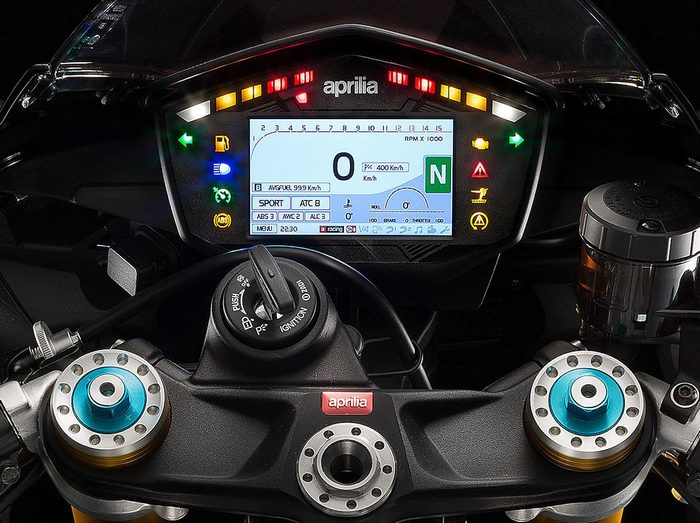
You may also recall that it was Aprilia who brought out the APRC (Aprilia Performance Ride Control) rider aid suite to mass-produced motorcycles. It should be no different in this sense as the MV Agusta F3 800 will be the first middleweight supersport to be equipped with an IMU (Inertia Measurement Unit). The IMU is the key to lean-angle sensitive traction control and ABS (besides others) rider assistance.

Aprilia RSV4 RF TFT showing APRC settings

Having a new middleweight engine should also serve as a positive for Aprilia, as they could have a new range of bikes based on the engine as the platform.

When could we expect to see the new middleweight Aprilia? Possibly at INTERMOT or EICMA in 2019, as the motorcycle industry gears up for the introduction of Euro 5 emissions standards in 2020.

So what is next for Aprilia in Malaysia?

  • There was a time when manufacturers liked to name their sportbikes after racetracks.

  • They did so to commemorate race victories or to allude to the bikes’ character.

  • Here’s Part 1 of Ten Motorcycles Named After Racetracks.

There was a time when sport motorcycles had great names (some not so great, fair enough) rather than the invariable bowl of alphanumeric soup like “CSRXY1000RSSRR,” for instance. Boring. Looks more like a serial number.

Manufacturers used to name their bikes to commemorate their wins at certain tracks. There were also those named in such fashion as a… well, fashion statement, but hey, it was cool. There thankfully a few that still do these days, so we’ll get to them later in this list.

So, here are the Ten Motorcycles Named After Racetracks.

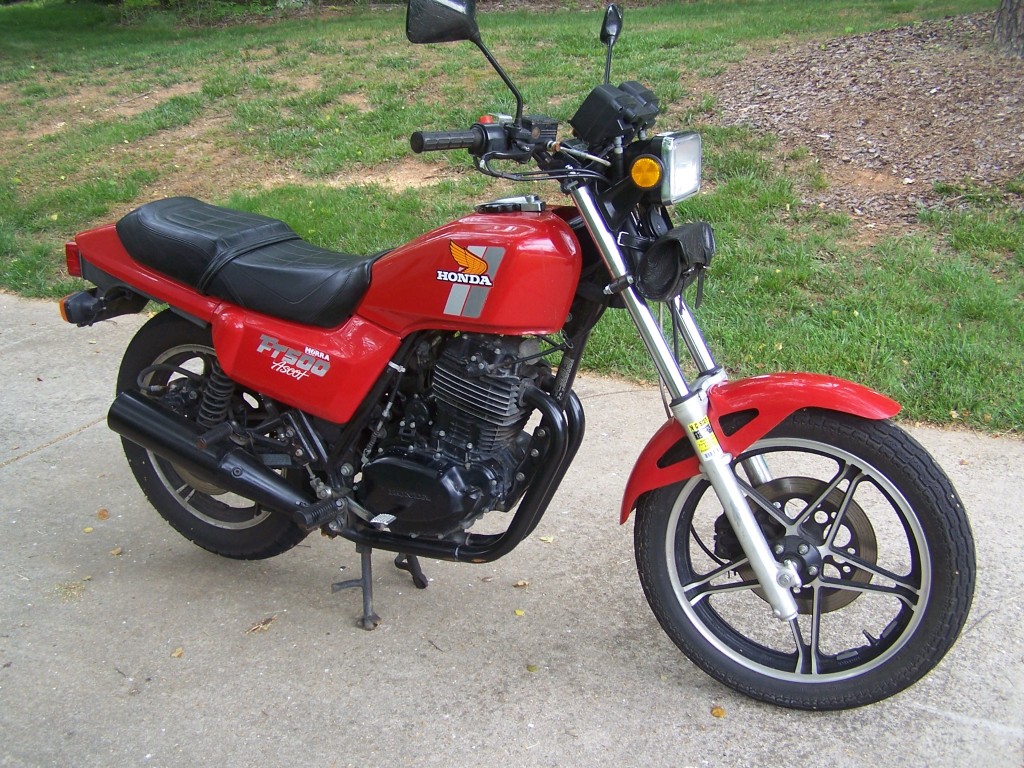
10. Honda FT500 Ascot

Honda FT500 Ascot – courtesy of cx500forum.com

Honda had never named their motorcycles after racetracks, except for one in 1982 called the FT500 Ascot. “FT” stood for “flat-track” and Ascot is the dirt oval in California. But while the name eludes to great riders powersliding the rear tyre, the FT500 was meant to be a “street tracker.” The 497cc, single-cylinder engine was derived from the XL and XR dirtbikes and produced an anemic 36 hp. Not surprisingly, it went out in a whimper. Perhaps this is why Honda doesn’t want to name its bikes after racetracks again?

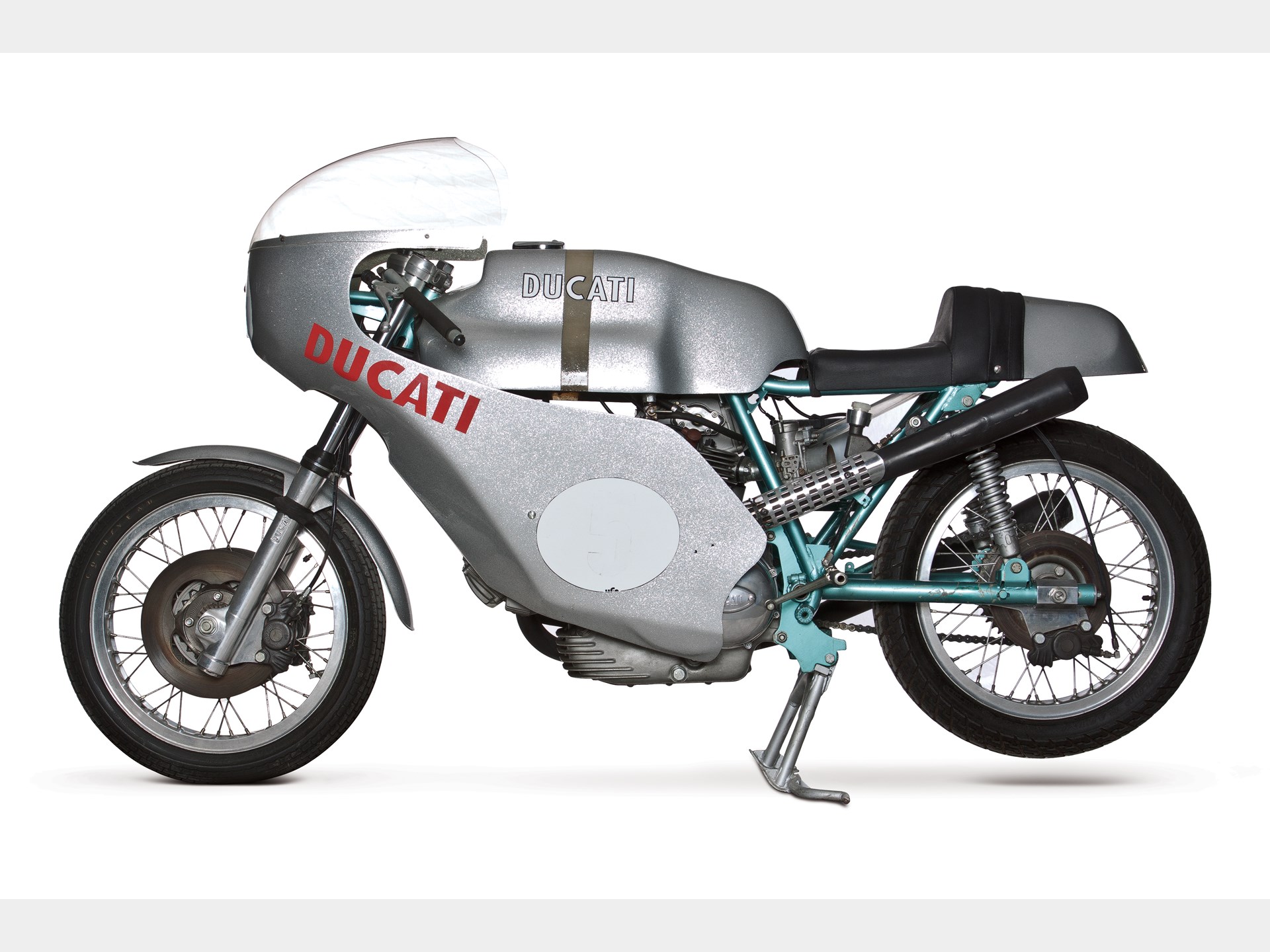
9. Ducati 750 Imola

The Ducati that Paul Smart rode to the infamous victory at Imola in 1972 was actually based on a touring bike. We’ll let that sink in for a moment.

Yep, it was adapted from the Ducati 750 GT and was the first Ducati to feature their signature Desmodromic valve actuation. Smart beat everyone on the bike, including one Italian racer by the name of Giacomo Agostini on his MV Agusta.

Ducati immediately released the replica of Smart’s bike and called it the “750 Imola.”

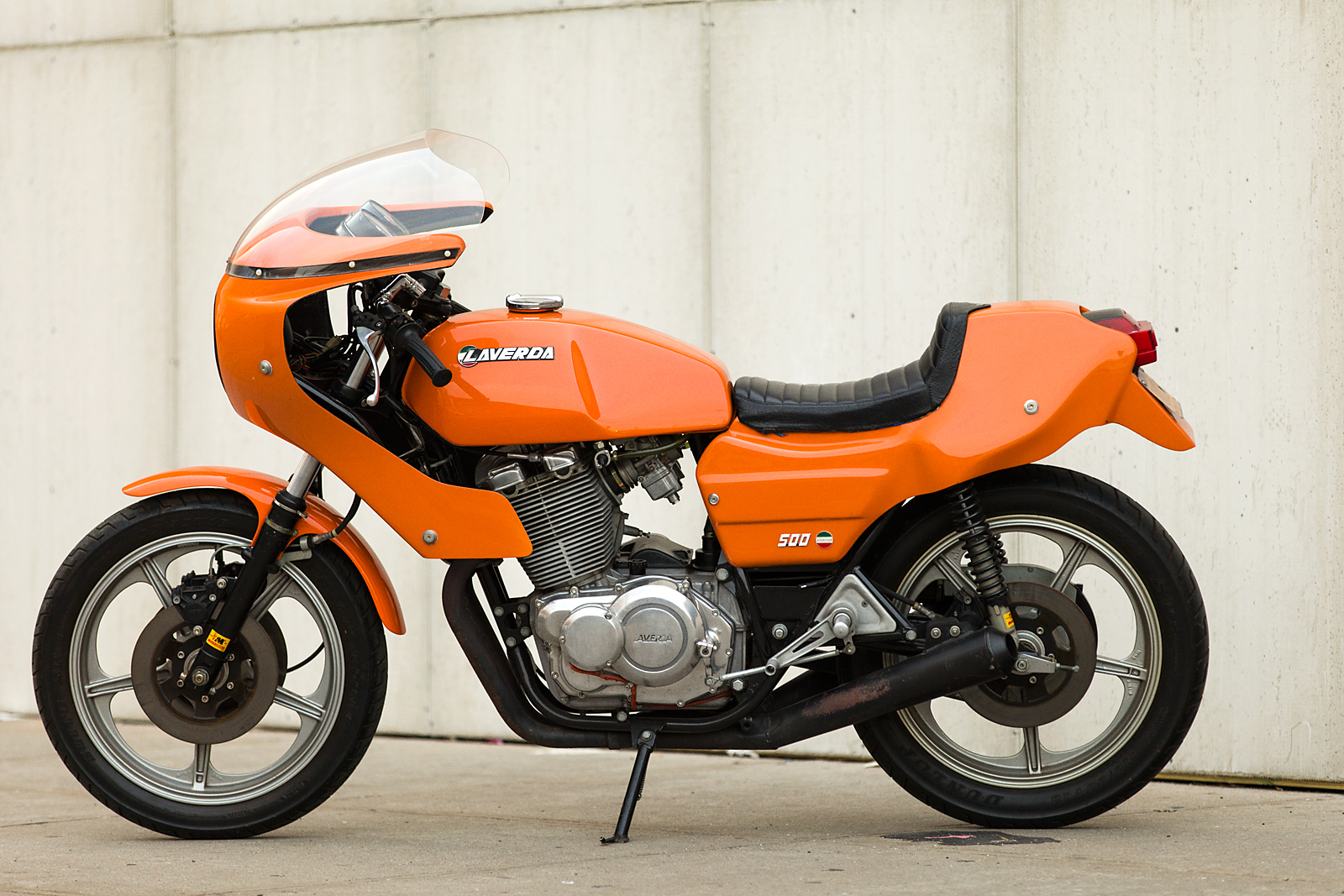
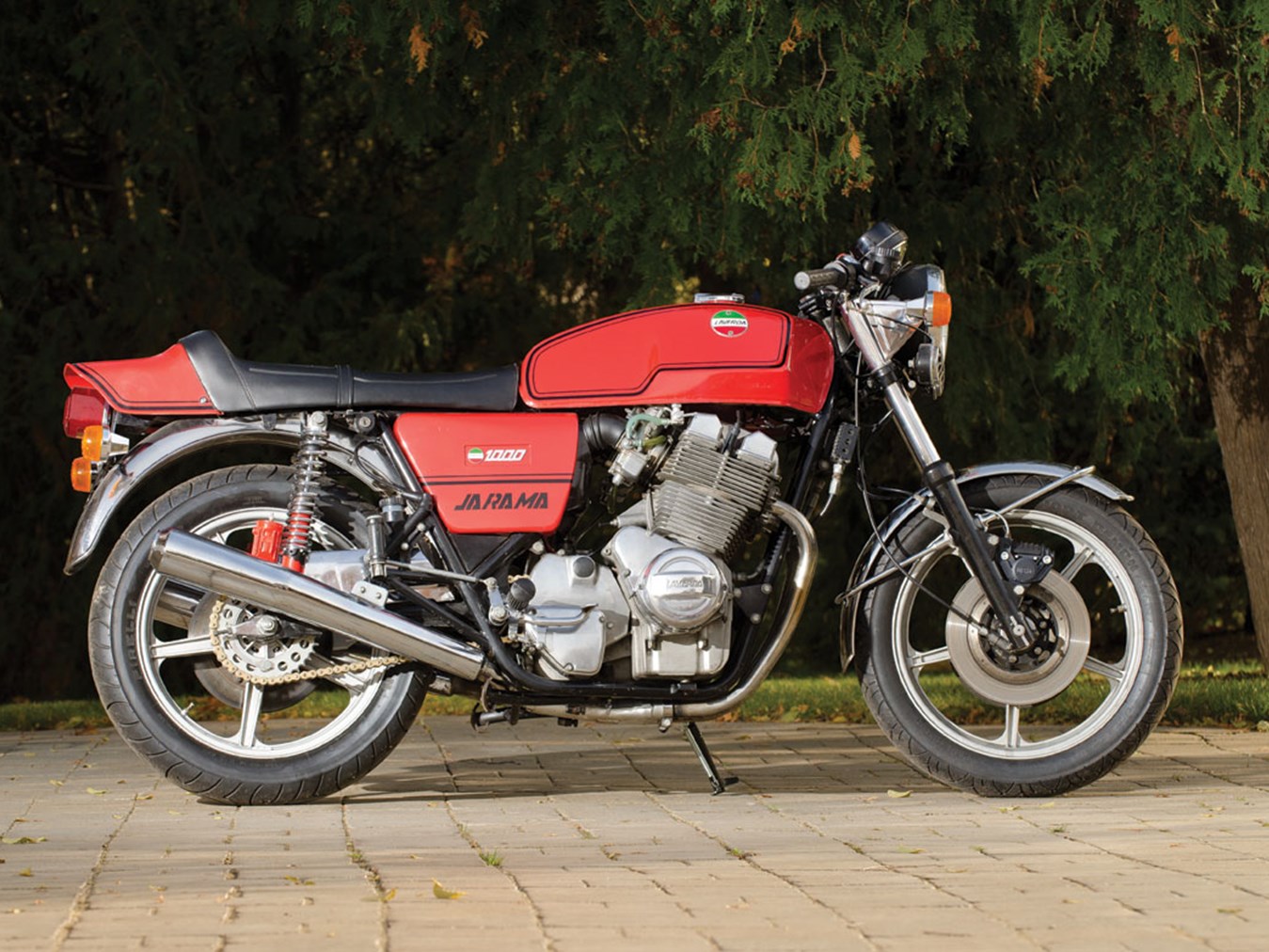
8. Laverda Jarama

Laverda Jarama – Courtesy of rmsothebys.com

The Laverda Jarama was named after the infamous Spanish racetrack when it was imported into the US, although it was the same bike as the 3CL sold in Europe. However, Laverda was also selling the Jota at the same time and the latter was more successful, prompting dealers to upgrade the Jarama to the Jota’s higher specs, hence what some call it “Jarota.”

7. Laverda Montjuic

Courtesy of Moto Borgotaro

In the Jarama’s fashion, the Montjuic was also named after a racetrack in Spain. However, the Montjuic wasn’t a pretty road bike with a pretty name, as it started as a Formula 500 racing motorcycle. Laverda decided to sell the bike to the general public on the encouragements of the British importer to produce the road legal version and was christened the “Montjuic.” It was the most exotic middleweight of its time.

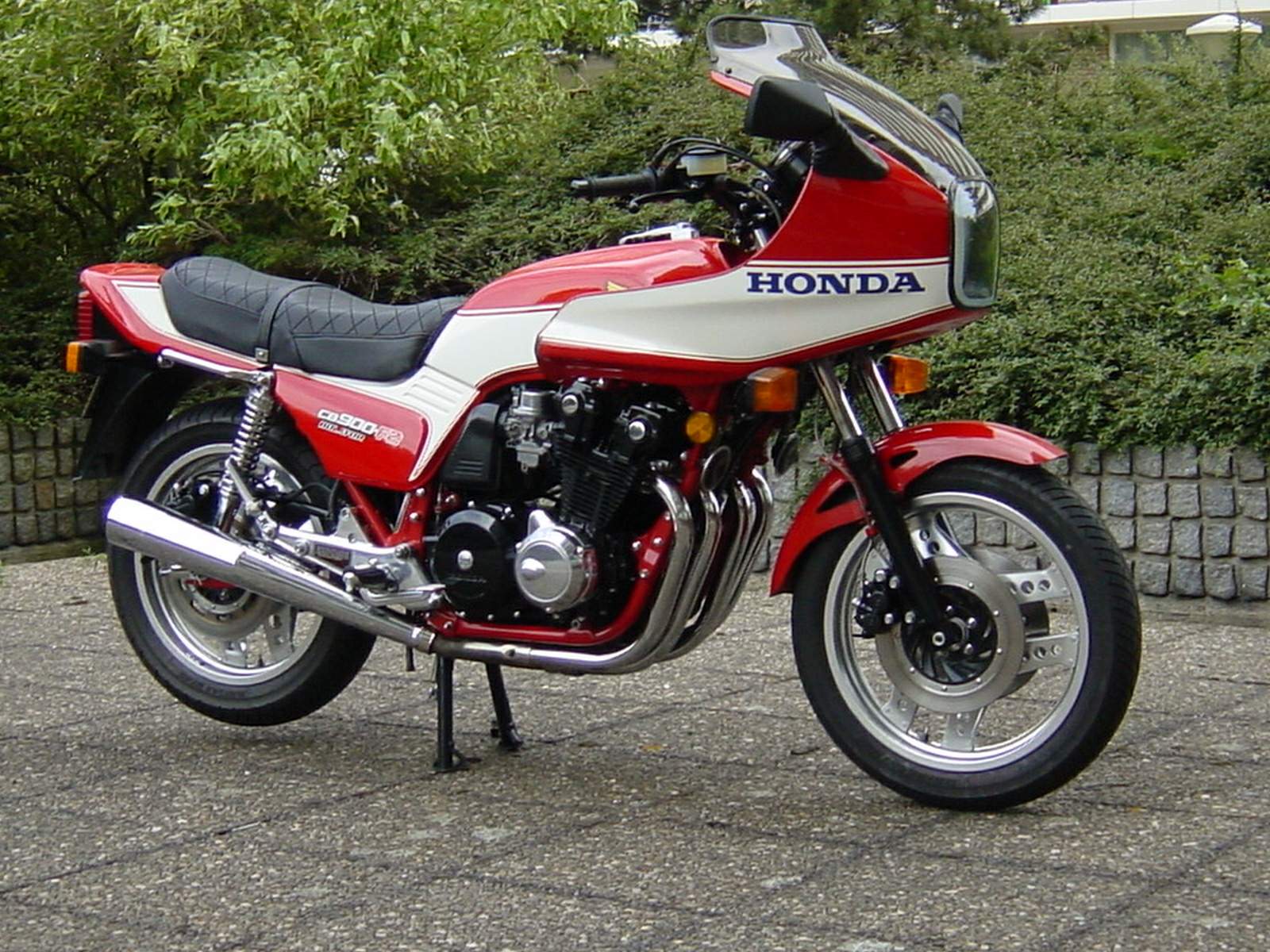
Honda CB900F2 Bol d’Or

Honda CB900F2 Bol d’Or – Courtesy of www.motorcyclespecs.co.za

Okay, okay we’re cheating because the Bol d’Or isn’t a racetrack but the 24-hour endurance race in France.

Still, how could we ignore this awesomely beautiful motorcycle? Built to replace the single-cam CB750F, the CB900F and CB900F2 were sold in Europe instead of the US and has more in common with the CBX1000 six-cylinder superbike. That fairing still allows the engine to be seen while being protective, and the design went on to inspire the Windjammer fairings.

  • The FIM has confirmed Malaysia as a new round for the Endurance World Championship (FIM EWC).

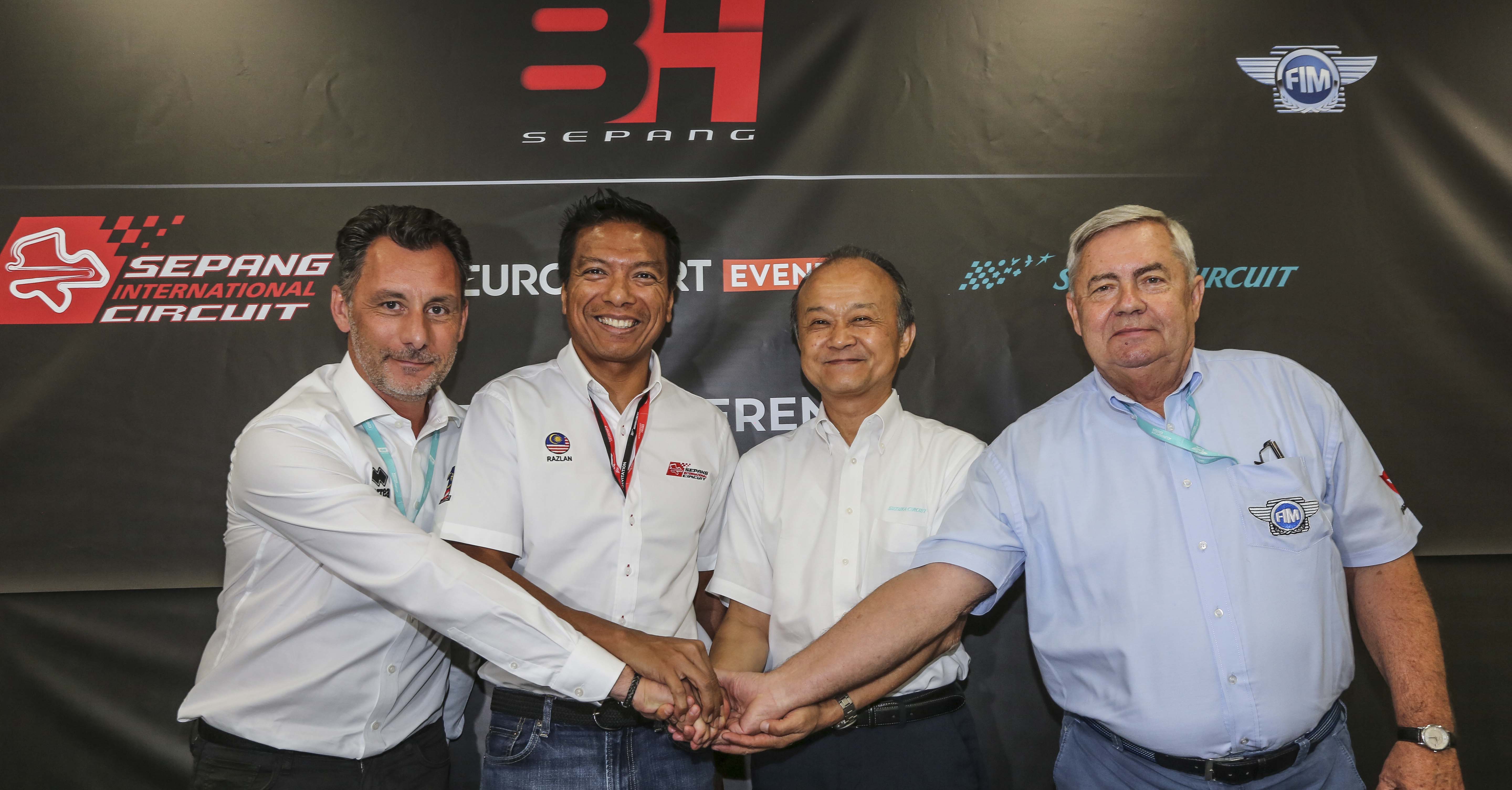
  • The 8-hour race will be held at the Sepang International Circuit (SIC) on 7th December 2019.

  • The Malaysian round will also serve as the qualifying round for “part-timers” to join the permanent FIM EWC teams at the Grand Finale in the Suzuka 8-Hours.

Speaking of Zaqhwan Zaidi and the Honda Asia-Dream Racing team’s great result in last weekend’s Suzuka 8-Hours endurance race, the FIM has confirmed the Sepang International Circuit (SIC) as one of the venues for the 2019 and 2020 FIM Endurance World Championship (FIM EWC).

Please click on the link below for our news on the Honda-Asia Dream Racing Team at the Suzuka 8-Hours.

Zaqhwan Zaidi and Honda Asia-Dream Racing Team Celebrates P7 at Suzuka 8-Hours Endurance

The announcement was made during the Suzuka 8-Hours race, along with a change in the FIM EWC’s program.

The SIC round will serve as a qualifying event for the Grand Finale at Suzuka, Japan. It will have the same format as the Suzuka 8-Hours, including a Superpole Top 10 Trial and ends after nightfall. That means Asian teams who wish to take part in the Suzuka event will have to qualify through the SIC round. This is to create a parity for the FIM EWC’s permanent teams. The permanent and Japanese teams will be invited to SIC and the cost will be covered by Eurosport Events.

Also, as we mentioned earlier about coverage, the Discovery Group had stepped in to provide televised coverage on all five continents.

Sepang International Circuit CEO, Dato’ Ahmad Razlan Razali said, “Based on a public survey that SIC conducted for 3 months last year, we are pleased that this FIM EWC series was voted by Malaysians as an event they would like to see at SIC as a replacement for Formula One.  We are also pleased that the Sepang International Circuit will be the qualification round for Japanese and Asian teams for the grand finale at the iconic Suzuka 8-Hours.”

Dato’ Ahmad Razlan Razali during the press conference – courtesy of fimewc.com

The SIC has just completed its floodlighting project, allowing for night races. Dato’ Ahmad Razlan also hinted at having the 2019 SIC MotoGP team’s riders taking part in the event. (Please click on the link below for more information on SIC’s MotoGP team.)

SIC, Angel Nieto Team, Yamaha Join Forces from MotoGP 2019

This is very exciting news for Malaysian motorcycle sports fans, indeed. It is time we pit our national riders against the world. It’ll also be interesting to foresee the Malaysian Superbike Championship teams taking part in this prestigious FIM Endurance World Championship event.

The FIM EWC Sepang round will be held on 7th December 2019.

  • Bajaj Auto Limited is going all out to capture the entry-level and 110- to 125cc segments.

  • They are doing so by selling their bikes at aggressive pricing.

  • The lower pricing brought about lower profit margins but Bajaj hopes to make up through sheer volume sold.

Although Bajaj Auto Ltd’s push for higher market share has consumed their profit margins, the world’s sixth largest and India’s second largest manufacturer remain unfazed.

Bajaj is pushing for a larger share of the Indian motorcycle market through aggressive product pricing, according to Mint. “Aggressive product pricing” could be construed as the cheapest two-wheelers in India.

Competition for motorcycle sales is expected to peak in the next few months with the coming festive season. Most of the exponential growth is expected from rural areas where consumer spending sentiment is on the rise.

Bajaj seeks to increase the 110- to 125cc category in addition to their sub-100cc entry-level segment, said Kevin D’sa, Bajaj’s President of Finance said. The company intends to achieve 20% domestic market share this fiscal year and sees 25% as the long-term goal.

“We want to expand the bottom of the pyramid and take the entry-level segment share to 45% to 50% from 33% at present,” he said, adding that the new 110- to 125cc motorcycles are expected to debut in the last quarter of this fiscal.

According to the Society of Indian Automobile Manufacturers (SIAM), Bajaj Auto Ltd’s market share in the three months to June had expanded to 16.27% from 13.96%, compared to a year ago.

Bajaj’s plans to conquer both segments are likely a sore thumb in the eyes of their rivals Hero MotoCorp Ltd., Honda Motorcycle and Scooter India Pvt. Ltd. and TVS Motor Co. Ltd. who had lost marginal market share to Bajaj last quarter.

Investors were disappointed with Bajaj Auto’s announcement of lower than expected June quarter earnings (due to lower profit margins). They expect to witness a downtrend in profit margins for the next six to eight quarters if there are no further price cuts.

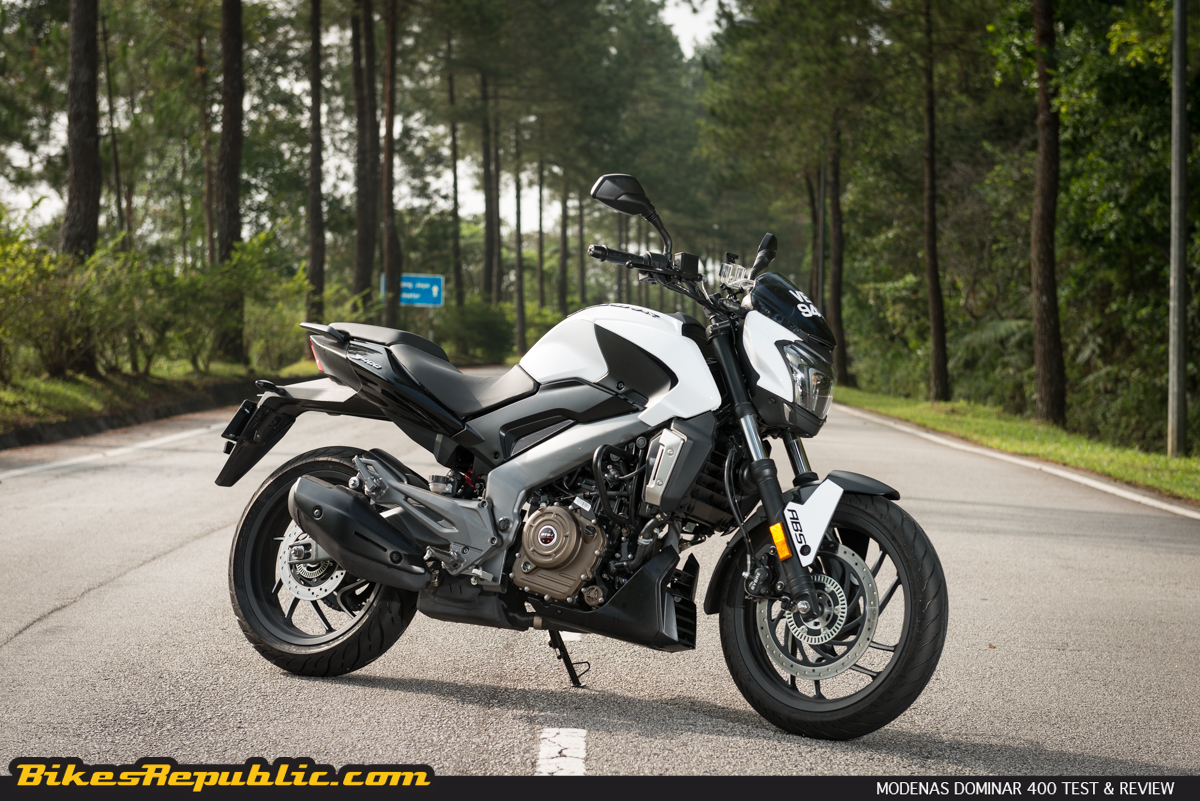
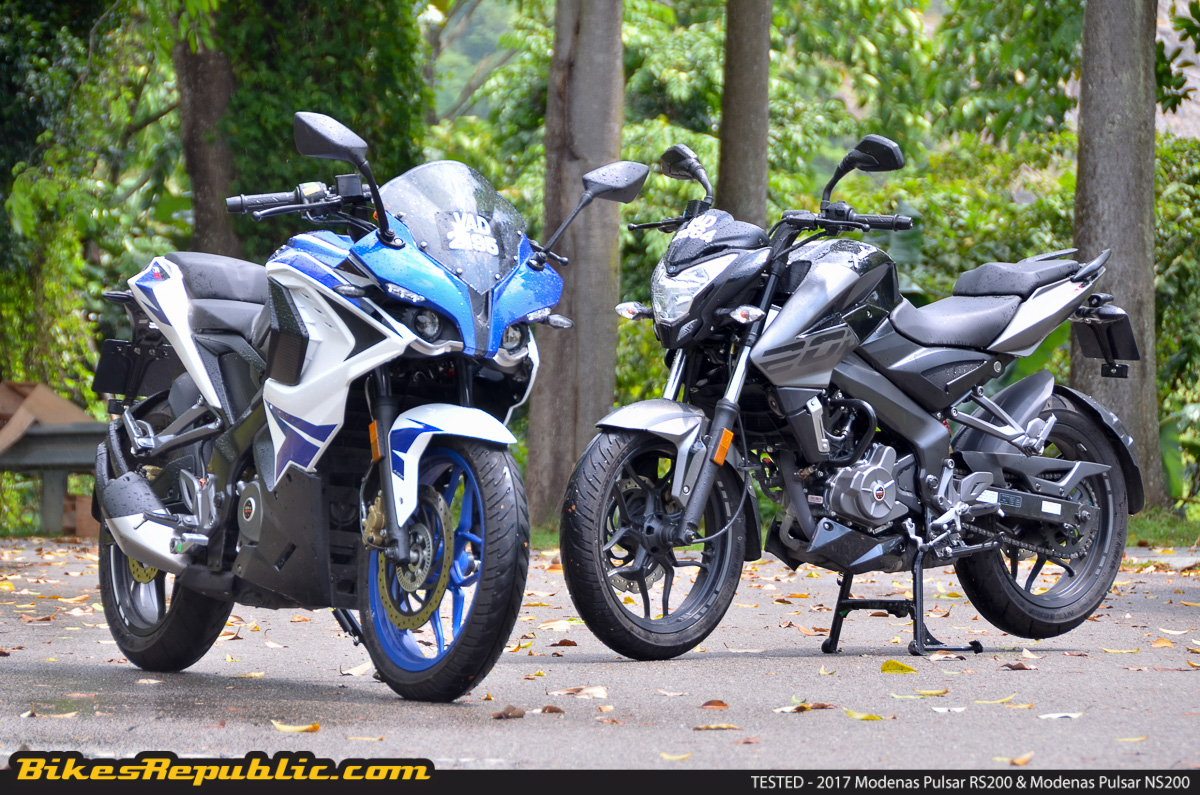
Bajaj Auto Ltd is also the technical partner to KTM Motorrad AG in building the lower capacity KTM Duke models. The Indian manufacturer has also exported the Pulsar 150, Pulsar 200 and Dominar 400 models to Malaysia.

  • Zaqhwan Zahidi and his teammates steered their Honda Asia-Dream Racing Team to a well-deserved 7th place.

  • They finished ahead of many works factory teams.

  • The results meant they finished on position higher than they did in 2017.

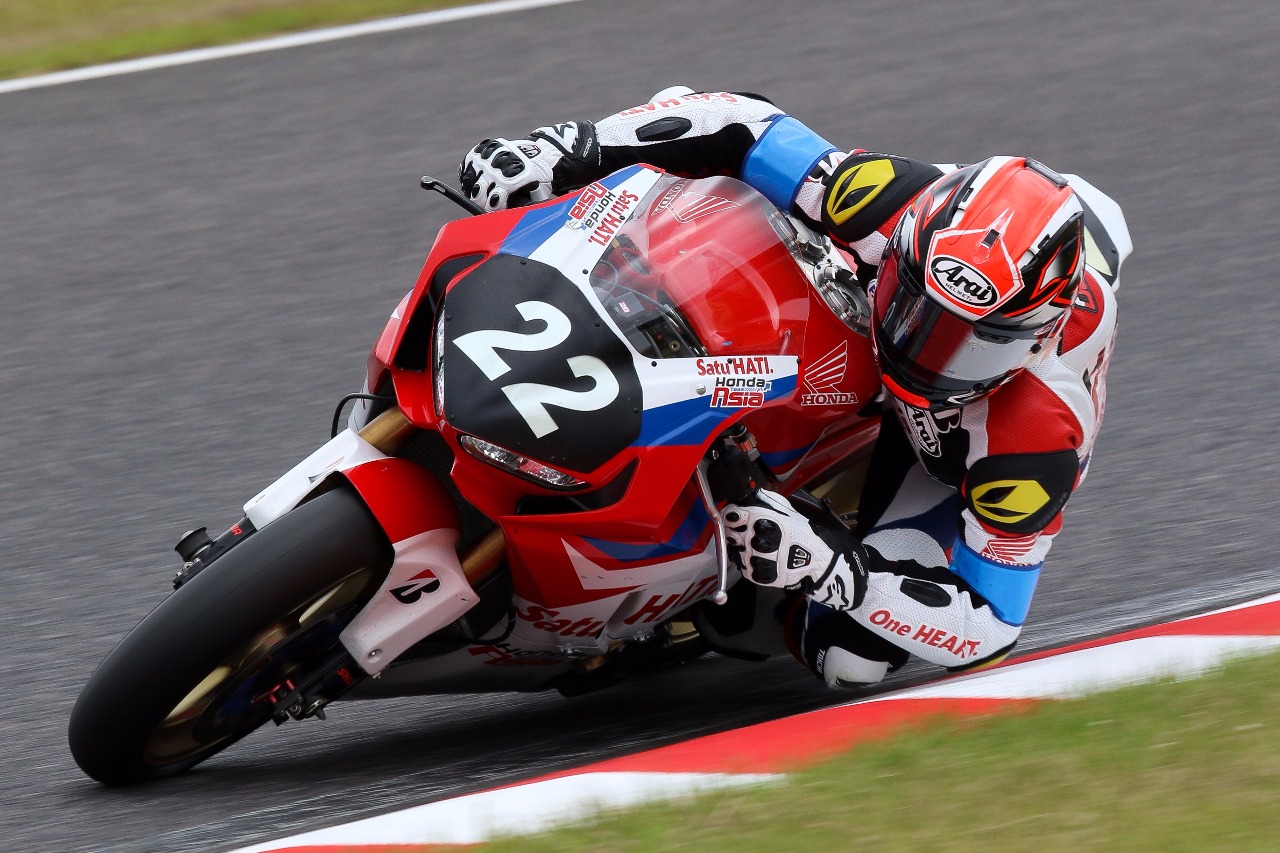
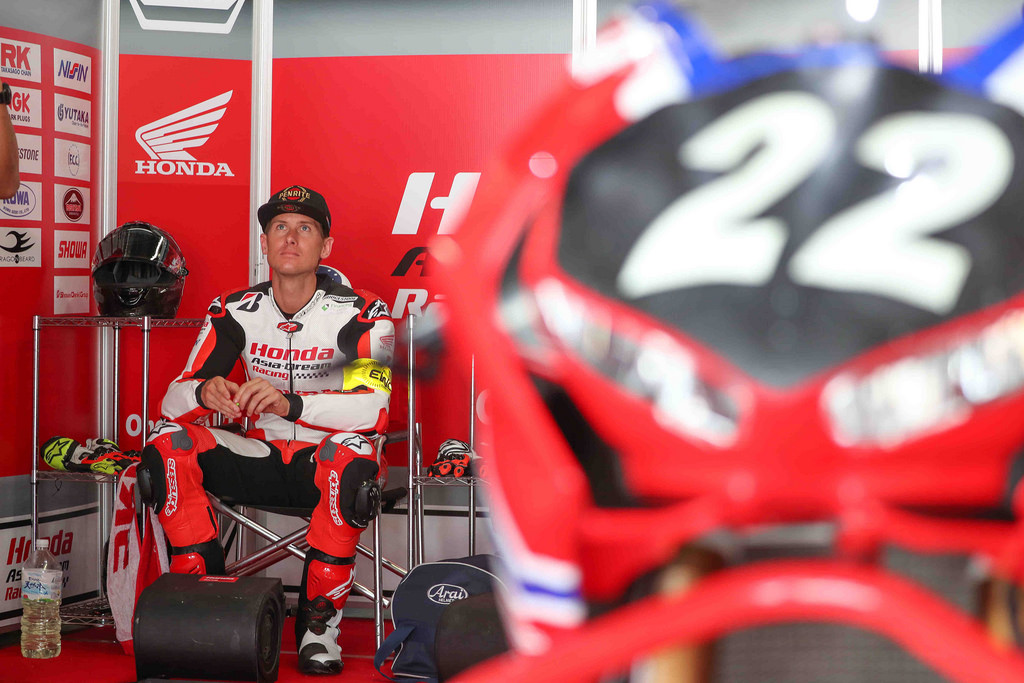
Malaysian rider, Zaqhwan Zaidi and this Honda Asia-Dream Racing Team teammates Tory Herfoss from Australia and Andi Farid Izdihar of Indonesia achieved an incredible 7th position at the prestigious Suzuka 8-Hours endurance race over the weekend.

Troy Herfoss, Zaqwan’s teammate – Courtesy of fimewc.com

Suzuka circuit typically plays host to the final round to the FIM Endurance World Championsip (EWC). Since the circuit is Honda-owned, the Honda Asia-Dream Racing Team’s result was even sweeter.

Honda introduces Honda Asia-Dream Racing team with Zaqhwan Zaidi!

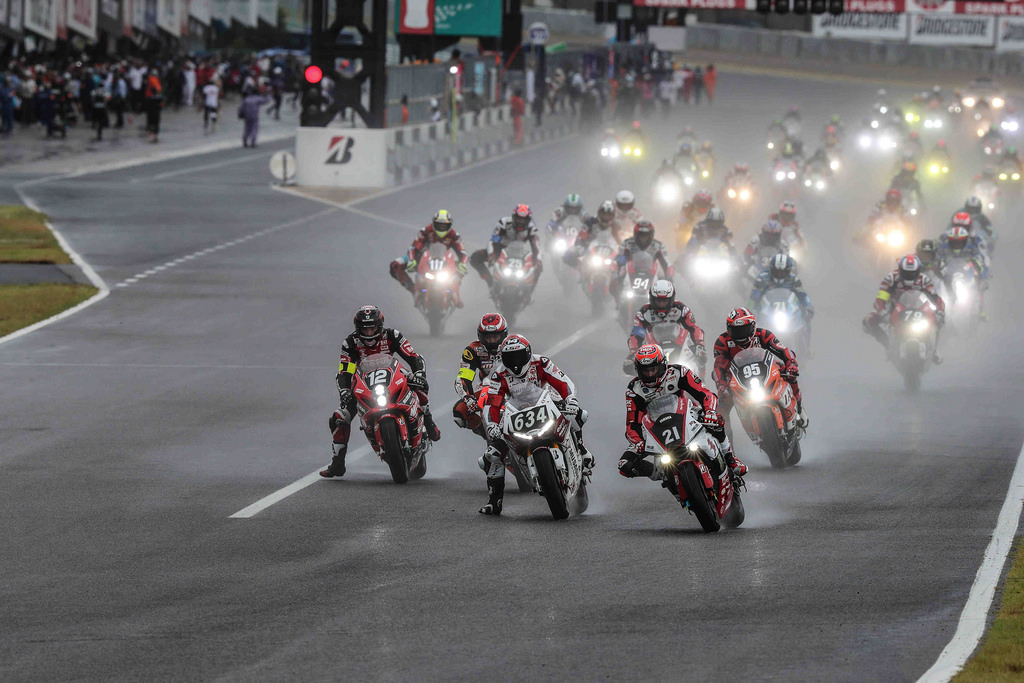
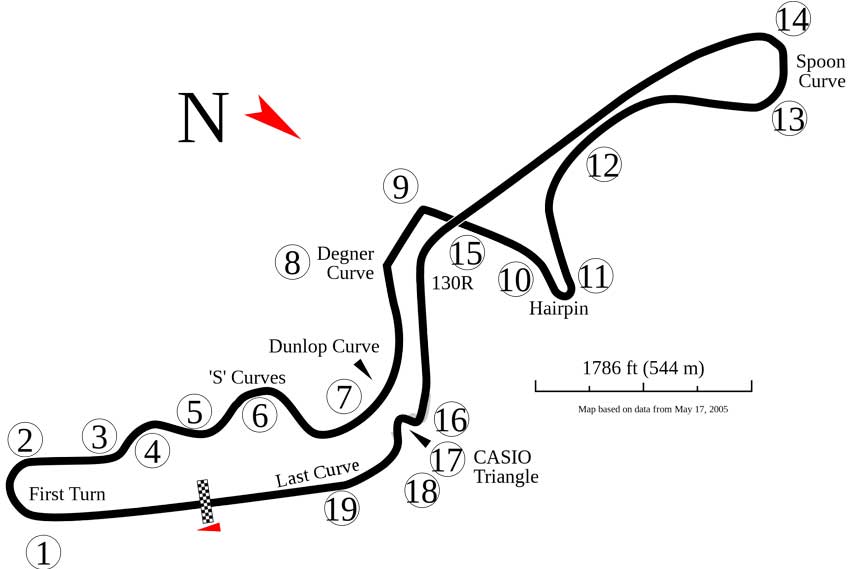
But it was not easy as it seemed. The 5.821-km Suzuka Circuit is challenging in itself, featuring corners upon corners that lead into one another in combination with slow and fast sections, forcing the riders to be on top of their game without places to rest. Now throw in 63 other bikes into the mix.

If having to contend with that many man and machine on the track and pits wasn’t enough, the weather played tricks on the field this year by being unpredictable at best. There were top-class riders who crashed when they caught out by a rainstorm.

In fact, the circuit was lashed by a typhoon which brought 170 km/h winds with it the night before, but repair crews worked through the night to fix the damaged facilities. (Respect to the Japanese for their hardwork.)

Start of the Suzuka 8-Hours – Courtesy of fimewc.com

“It’s a lot harder this year due to unpredictable weather,” said Zaqhwan afterwards. Honda Asia-Dream Racing team manager, Zulhelmi Ahmad said he noted that the weather had impacted the team’s temperament, but it didn’t sway them from their determination of achieving a Top-10 position at the finish.

“It’s not an easy feat to get P7!” exclaimed the joyful 23-year-old Zaqhwan Zaidi. The team had started from 12th on the grid.

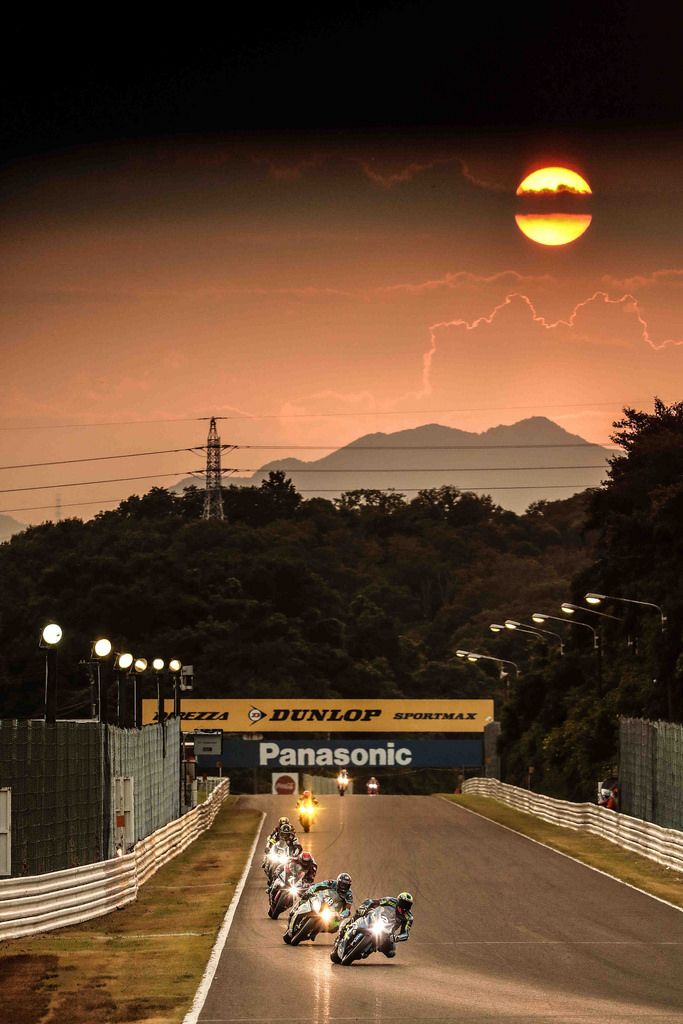
Into the R130 – Courtesy of fimewc.com

However, the aforementioned Zulhelmi Ahmad, who is also Boon Siew Honda’s Motor Sports manager, admitted that he has mixed feelings about the results, “I can’t say that I am delighted with the result today as we failed to reach our full potential.” The team could’ve finished on position higher if not for a botched pit stop. “But we cannot ignore the fact that the team did better this year in terms of overall timing and we finished one position above (last year’s P8),” he continued.

The Honda Asia-Dream Racing team finished the tough race with a total time of 8h00m:05.666s compared to the winner’s time of 8h00m:01.728s, with just 4 laps down. They will definitely do better next year.

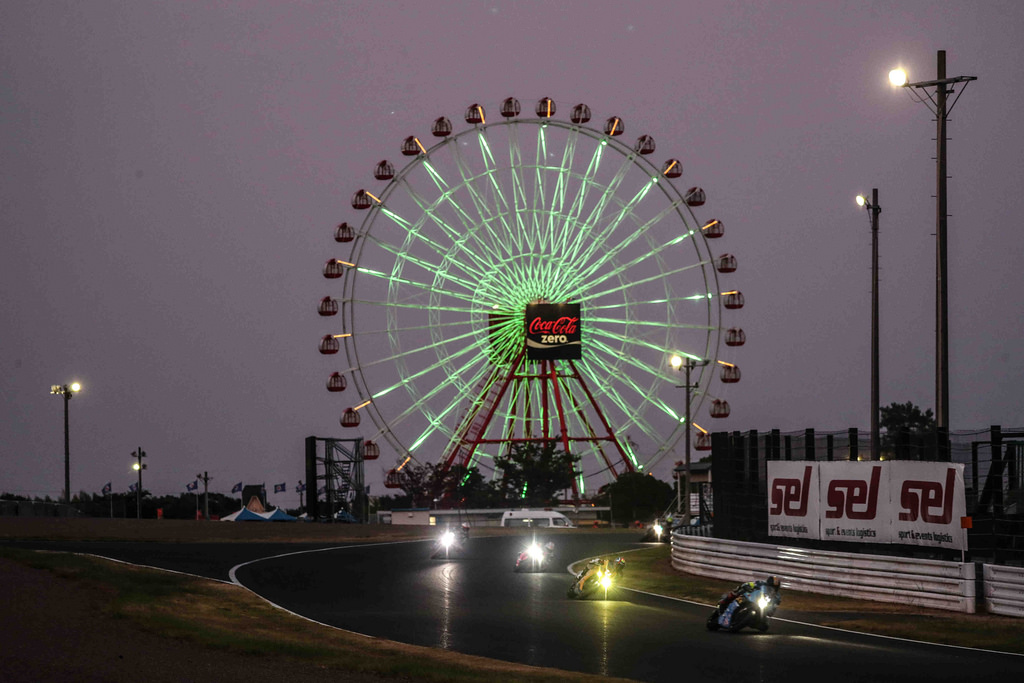
The signature ferris wheel at Suzuka – courtesy of fimwec.com

Before we end, and before anyone starta slagging off the 7th place result and the Suzuka 8-Hour Endurance race, let us provide some background.

The Suzuka 8-Hours endurance race actually began in 1978 for prototype TT-F1 (Tourist Trophy Formula One) motorcycles, but as superbikes became more and more popular through the years, the FIM scrapped the TT-F1 class altogether to the benefit of a production-based race.

Also called the Suzuka 8-Hours, the race is an immense event all by itself, usually attracting between 85,000 to 100,000 race fans.

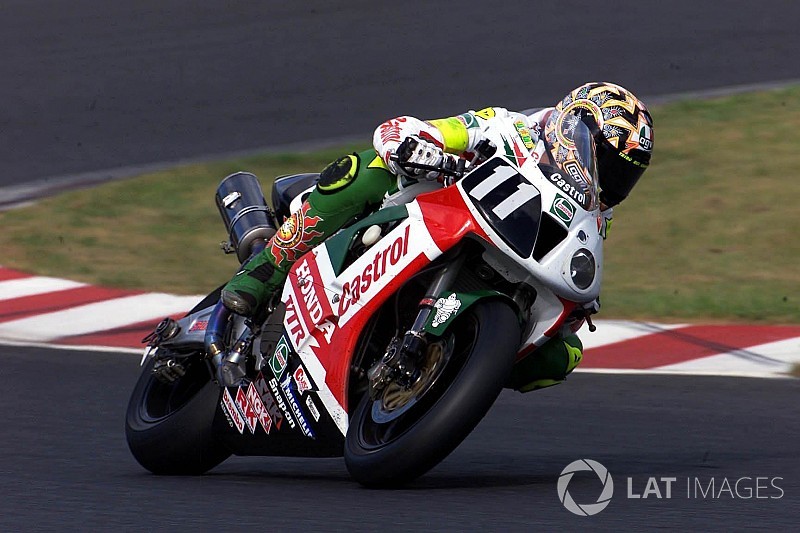
As such, motorcycle manufacturers pay lots of attention to the race and they will field top riders from MotoGP, World Superbike, All-Japan Superbike, and among other prestigious championships around the world to pair up as teams of 3 riders each. Check through the Suzuka 8-Hours history and you’ll come across great names such as Wes Cooley, Mike Baldwin, David Aldana, Fred Merkel, Wayne Gardner, Wayne Rainey, Scott Russel, Aaron Slight, Doug Polen, Noriyuki Haga, Colin Edwards, Mick Doohan, Carlos Checa, Casey Stoner, Jonathan Rea, and even Valentino Rossi (in 2001 when he partnered Colin Edwards to win the race).

Rossi at 2011 Suzuka 8-Hours – Courtesy of LAT Images

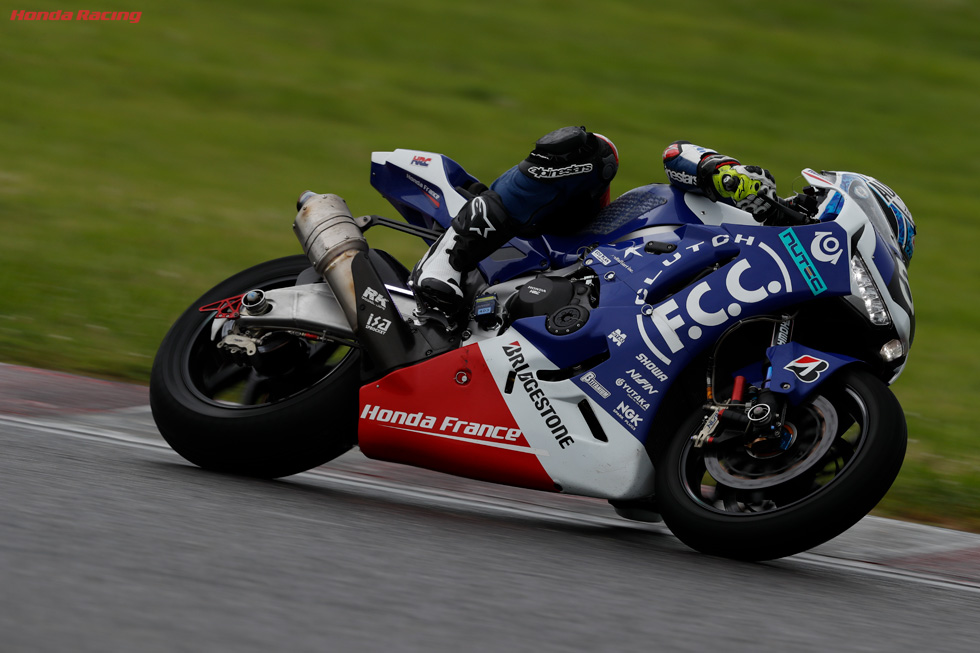
So what Zaqhwan Zaidi said is right, to come home in 7th ain’t easy, given the level of competition. The Honda Asia-Dream Racing team had actually finished behind F.C.C. TSR Honda France, who are the 2018 EWC Champion and one of the regulars in the GP scene; while finishing ahead of the Moriwaki and Yoshimura Suzuki works teams.

FCC TSR Honda France – Courtesy of www.honda.co.jp

The problem with many racing series around the world, apart from MotoGP, is due to lack of telecast in mass media, resulting in most people being misinformed. But keep in mind that it doesn’t mean the race isn’t prestigious if it isn’t televised.

Anyhow, let’s celebrate our national rider, Zaqhwan Zaidi and Honda Asia-Dream Racing team’s great result. We hope there will be more from the likable rider and team.

Archive

Follow us on Facebook

Follow us on YouTube