Bikesrepublic

Wahid Ooi

  • Ducati CEO Claudio Domenicali said there could be more V4 models on the way.

  • Ducati fans hope a new Streetfighter V4 is among them.

  • In the meantime, Officine GP Design built this Ducati Streetfighter V4.

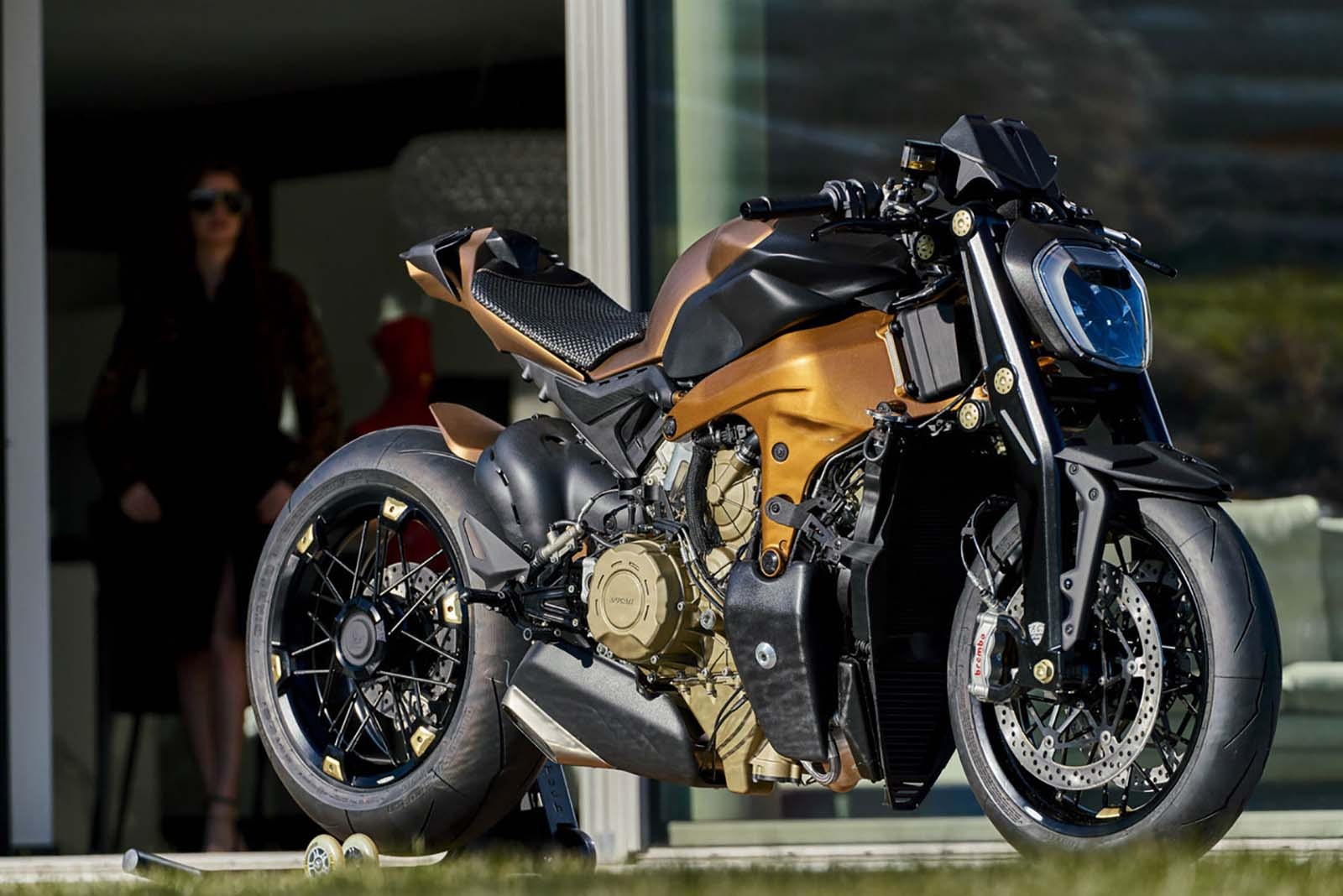
Raise your hands if you are one of many who miss the Ducati Streetfighter and looking forward to a new one. But here’s the Officine GP Design Ducati Streetfighter V4 while we wait.

The anticipation for a new V4-powered Streetfighter became a storm when Ducati CEO Claudio Domenicali said there will be more Ducati V4 models in the future. It’s a news well received because Ducati doesn’t have a true blood naked sportbike, apart from the current Monster 821.

However, Italian design house Officine GP Design went ahead and built their own Streetfighter. They will produce ten of these exquisite bikes. While it was built independently from the manufacturer, it goes to show that the V4 and frame platform have the potential to be turned into other bikes.

Besides the lack of bodywork, the most striking feature are the girder forks in place of the stock Öhlins items. The girder forks are supplied by FG racing and they are machined from solid billet. The Jonich SX wheels add even more drama to the entire package.

The tank and frame aren’t just painted, instead they are covered with a specially made textured copper. The headlight was sourced from a Ducati Diavel. The instrument display is stock but is mounted on a 3D-printed mount.

The leather seat is by Foglizzo with a V4 Penta logo. The bike’s tailsection was also redesigned. Other components are mostly from Rizoma.

Let’s hope Ducati’s V4 naked bike will look as good as this or even better.

All photos by MCN

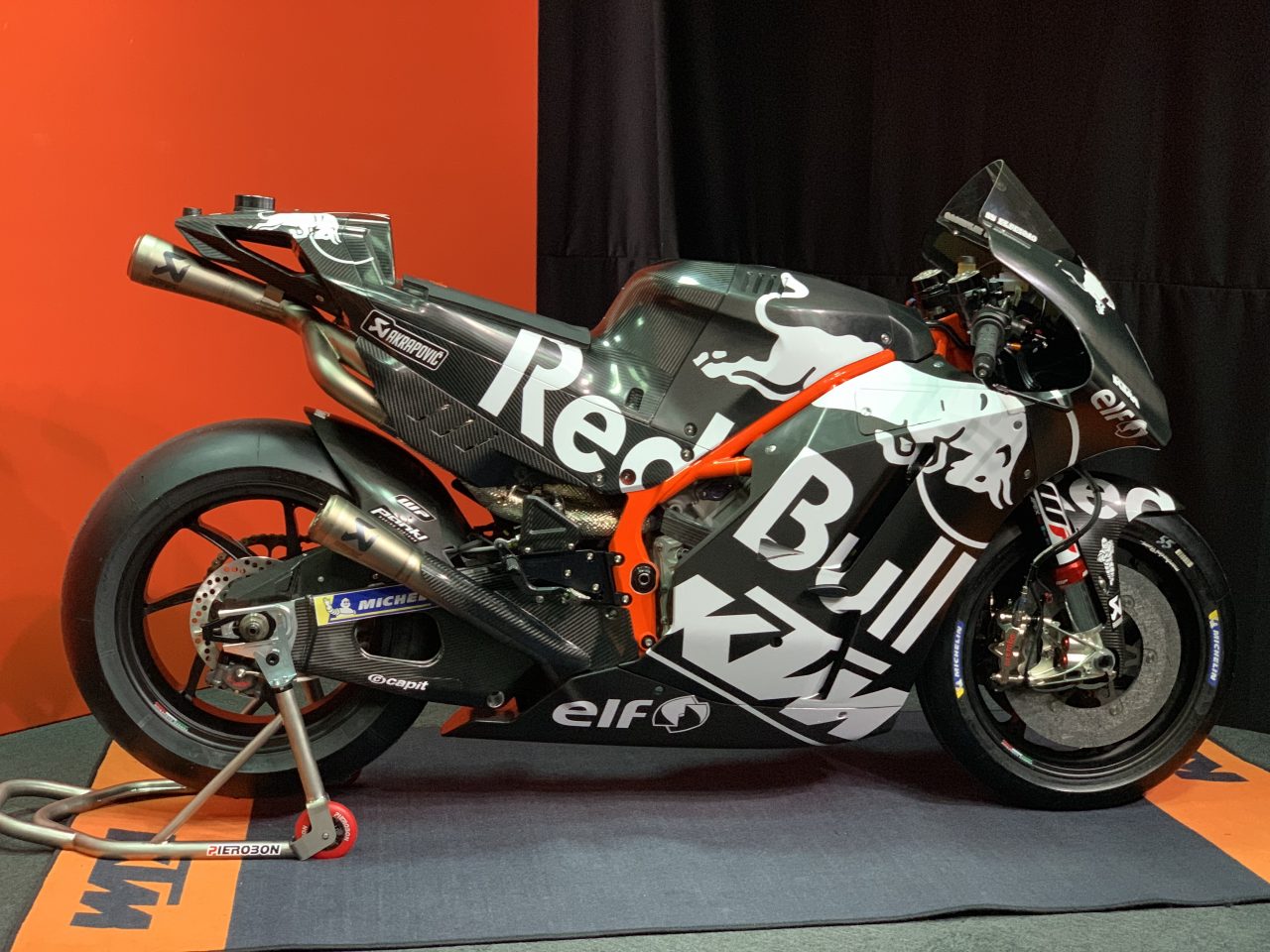
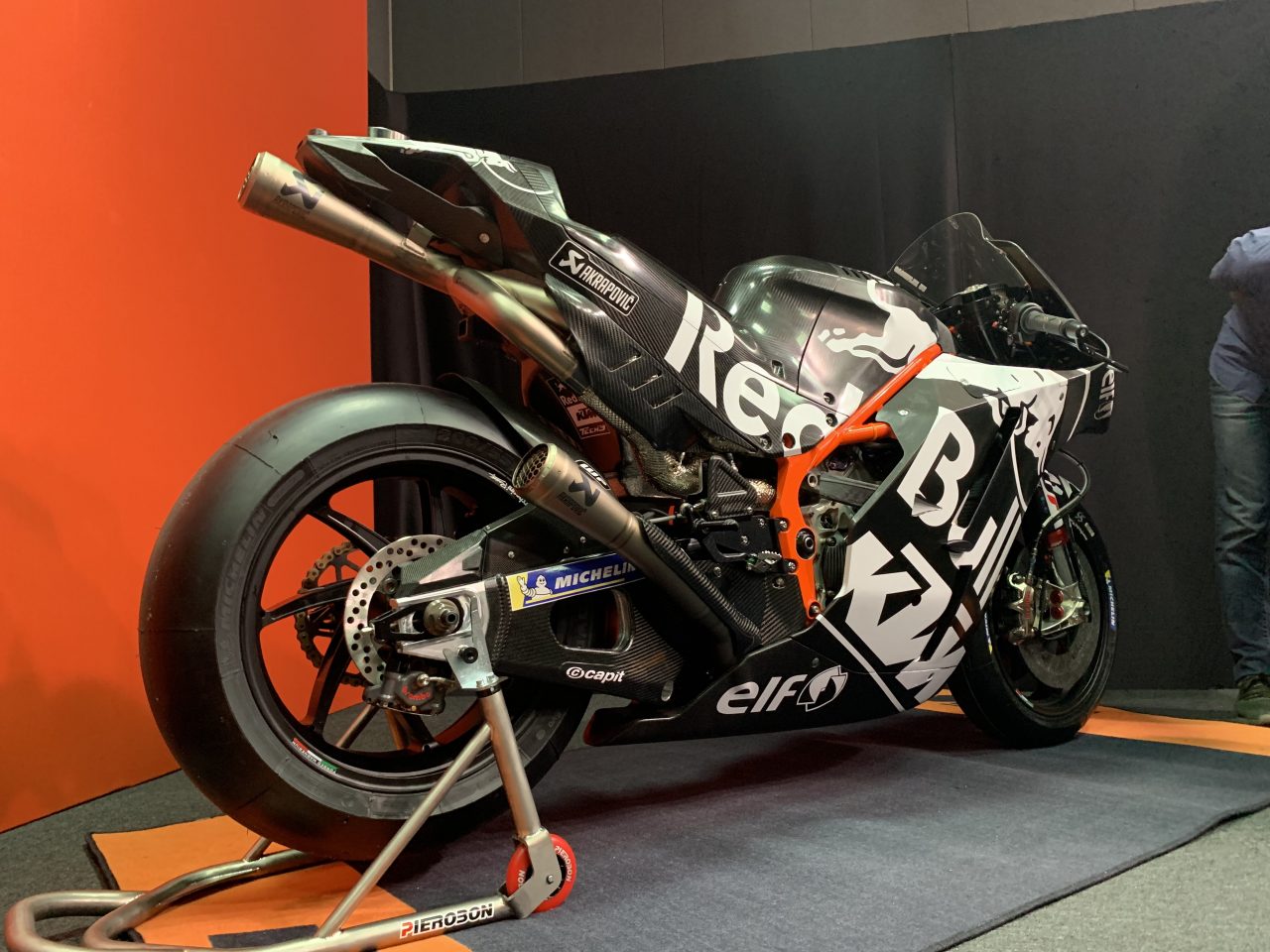
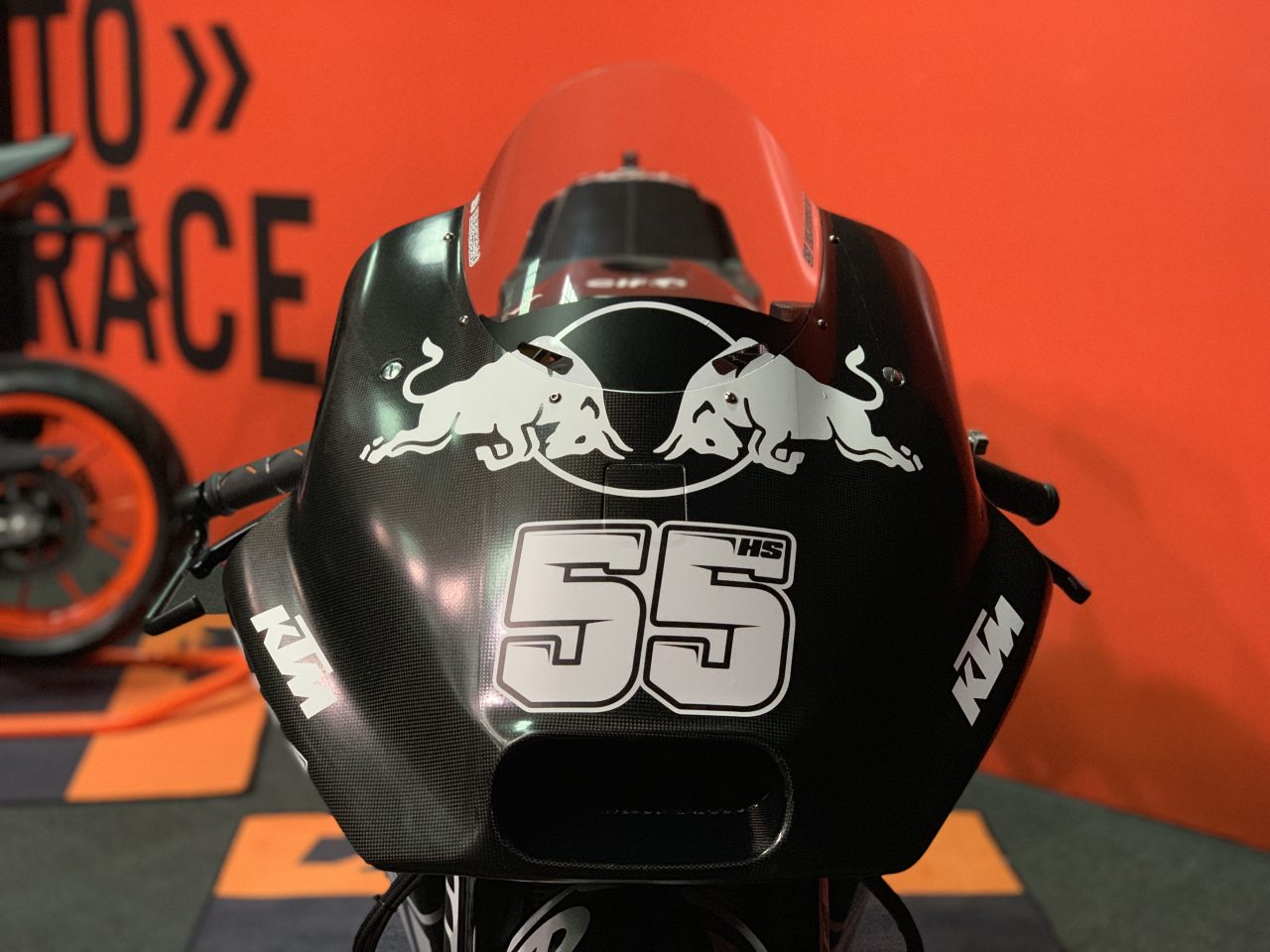
  • We got up close with the KTM RC16 that Hafizh Syahrin rides in MotoGP 2019.

  • Most of the bike was hidden in tight-wrapping bodywork.

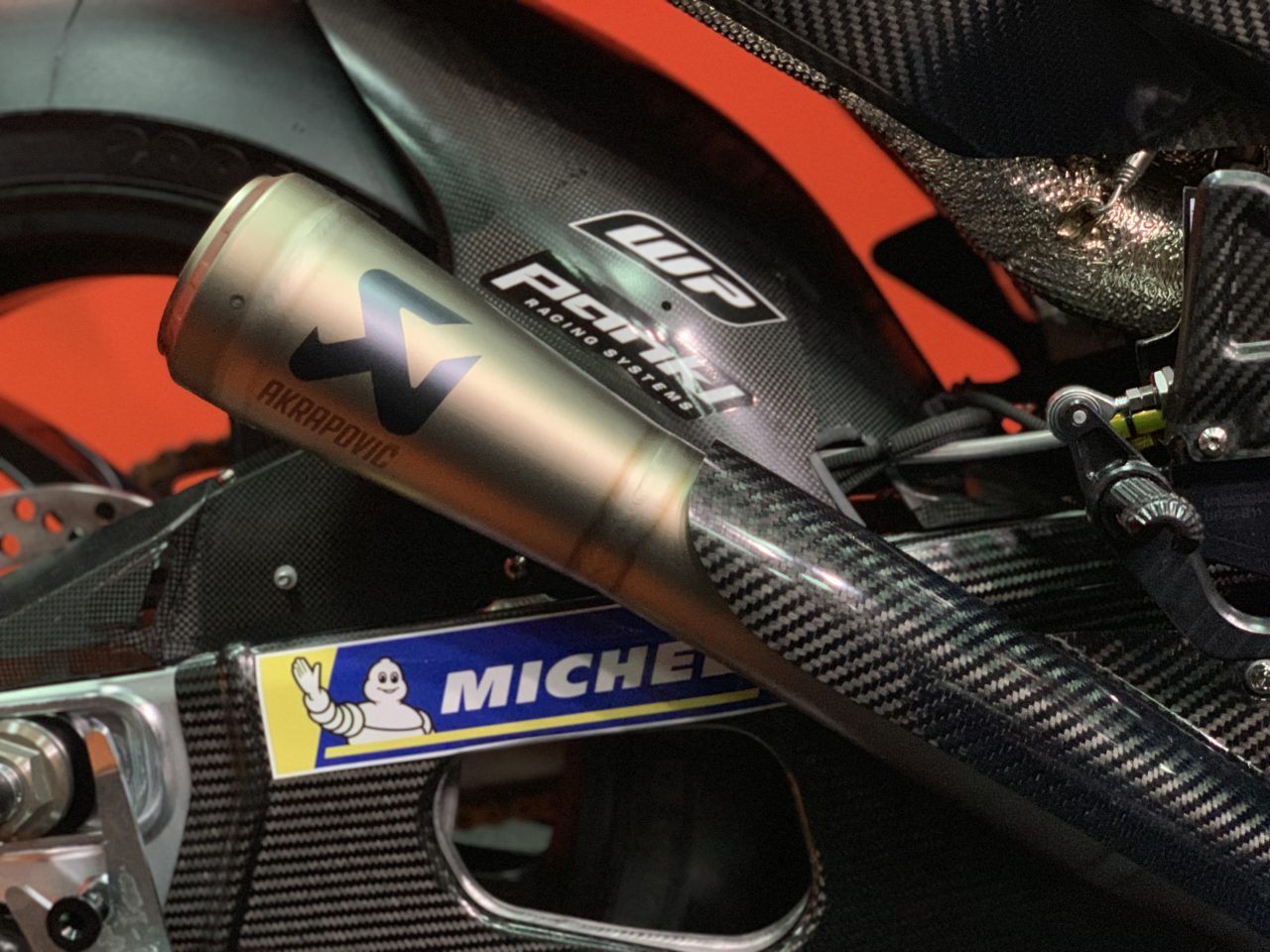
  • But there were a number of details that caught our eyes.

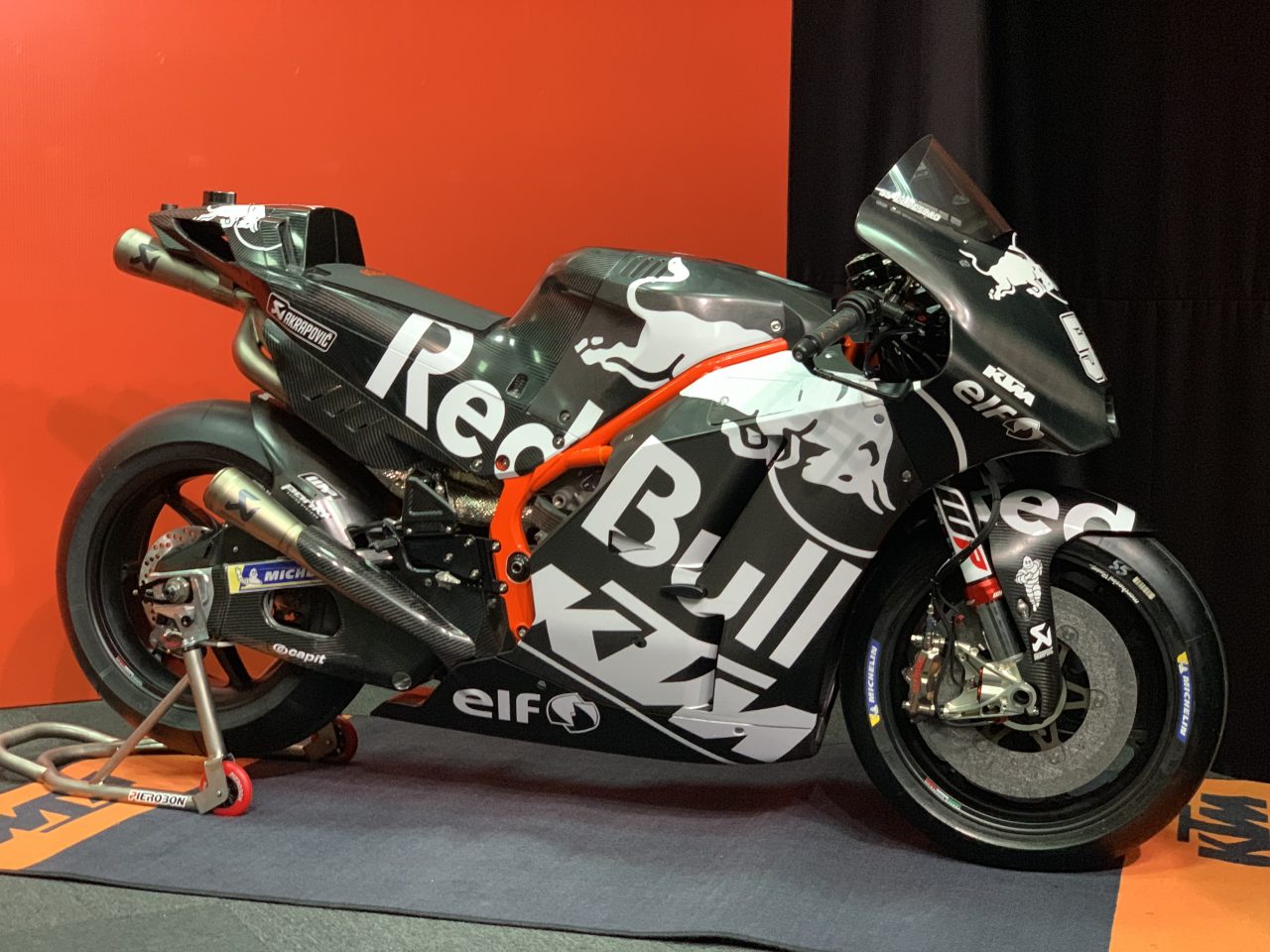
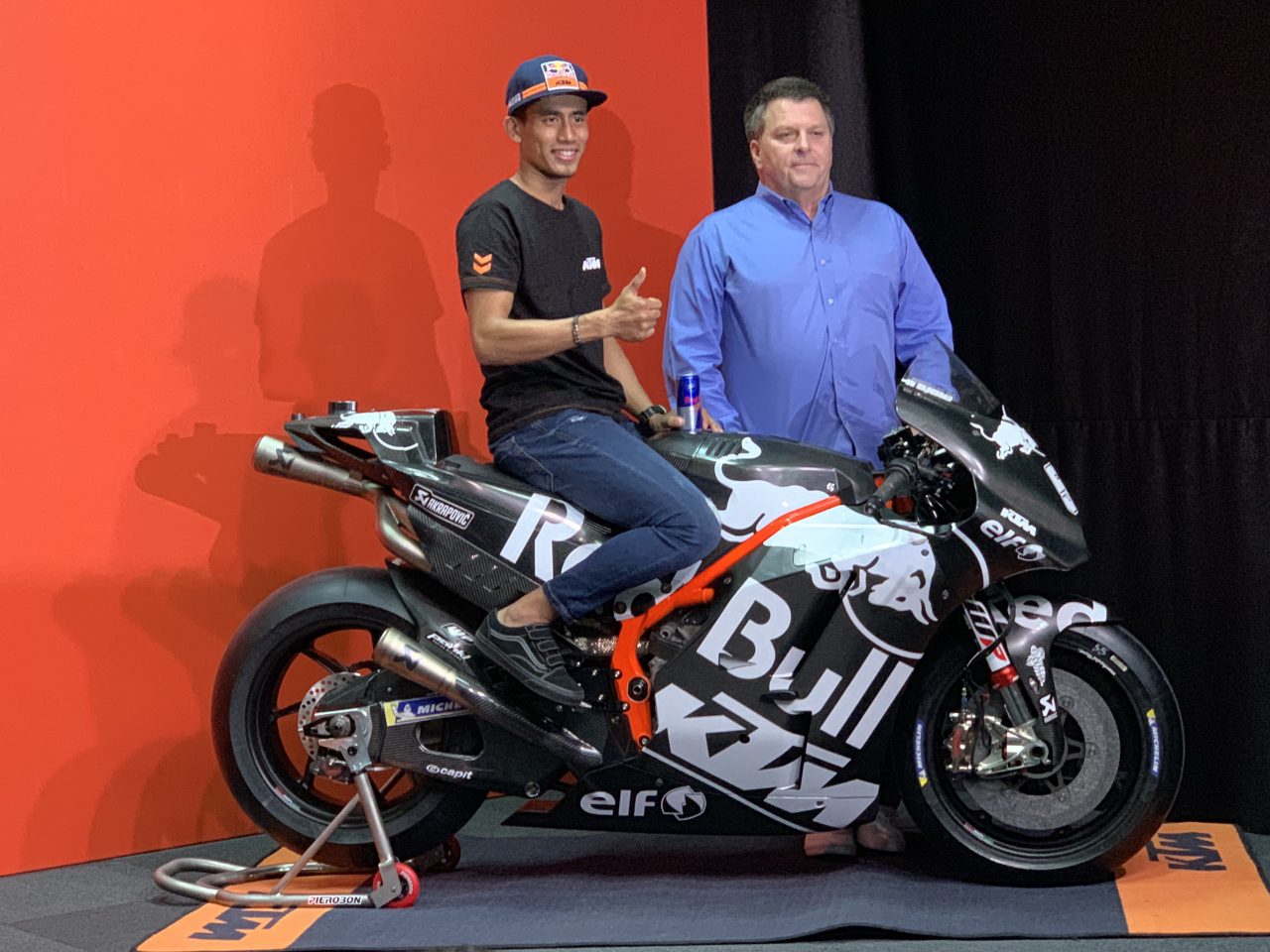
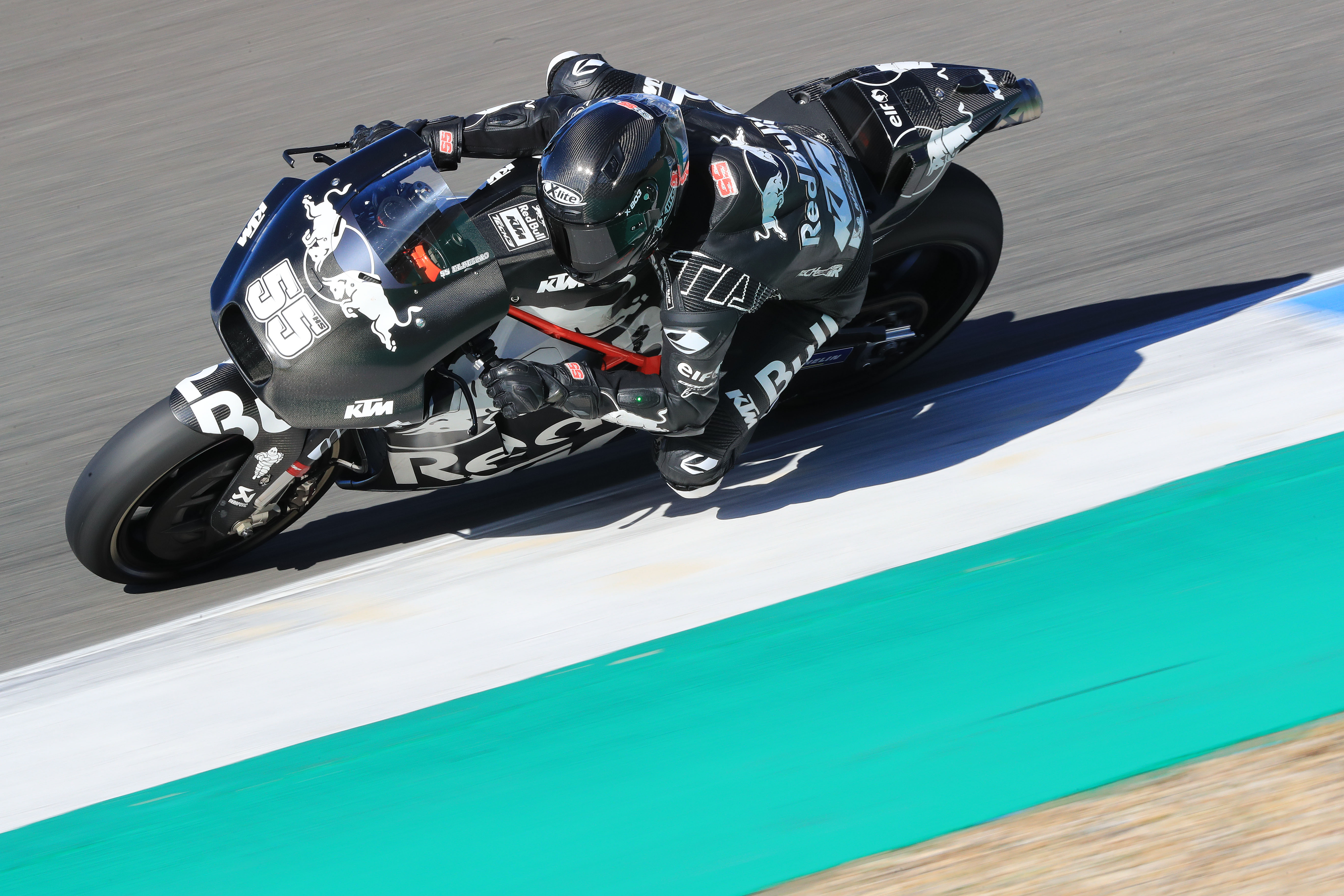
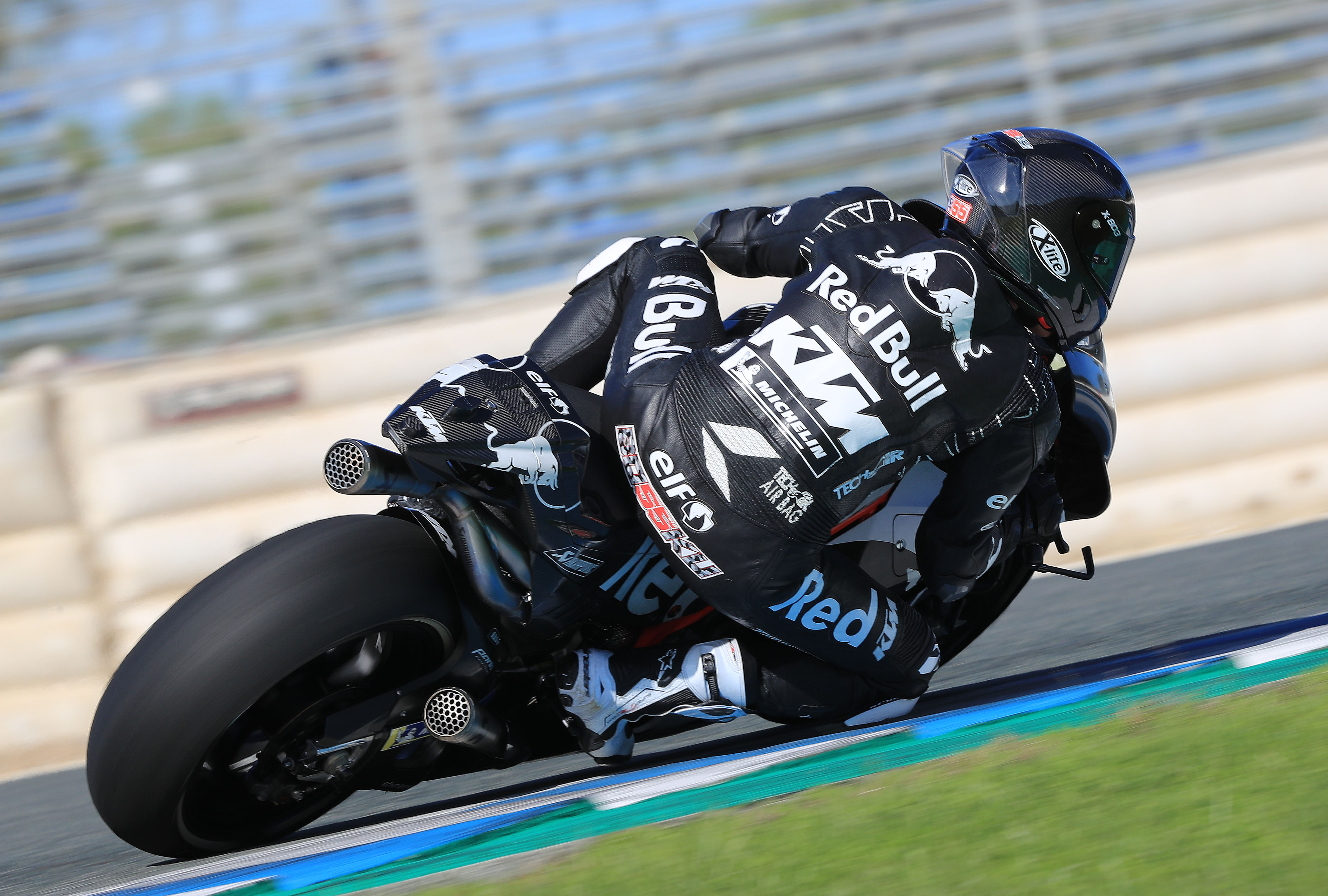
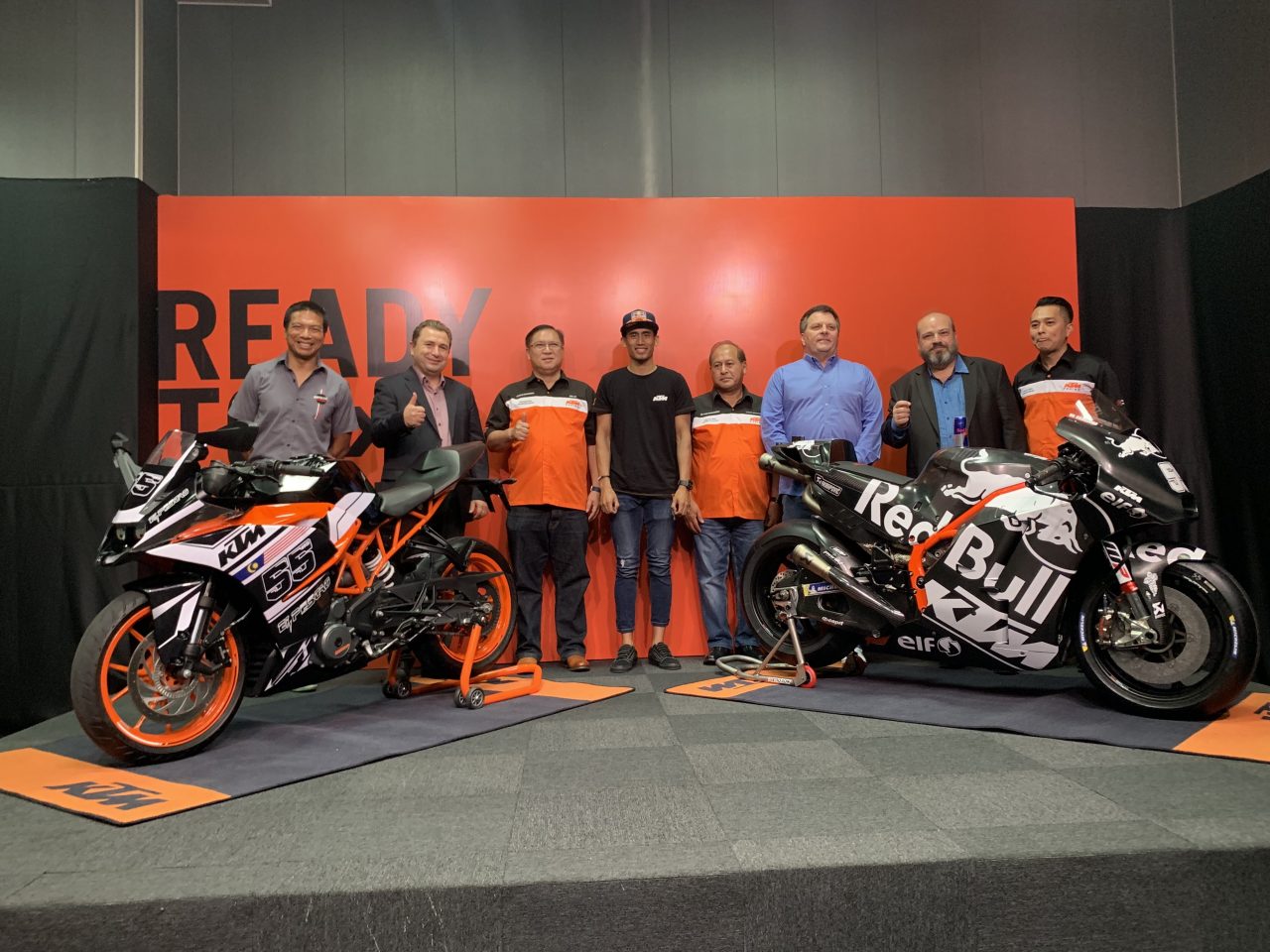
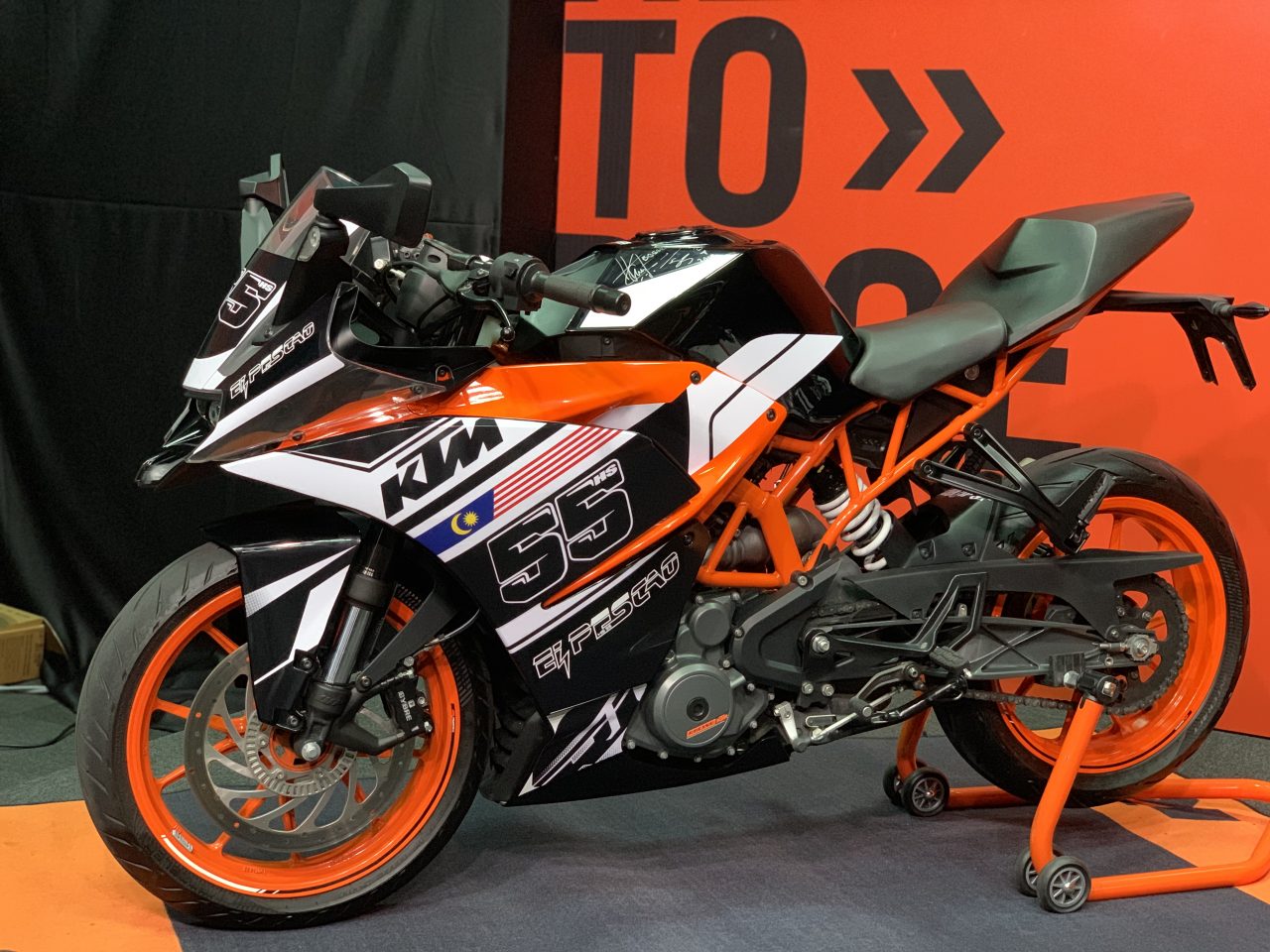
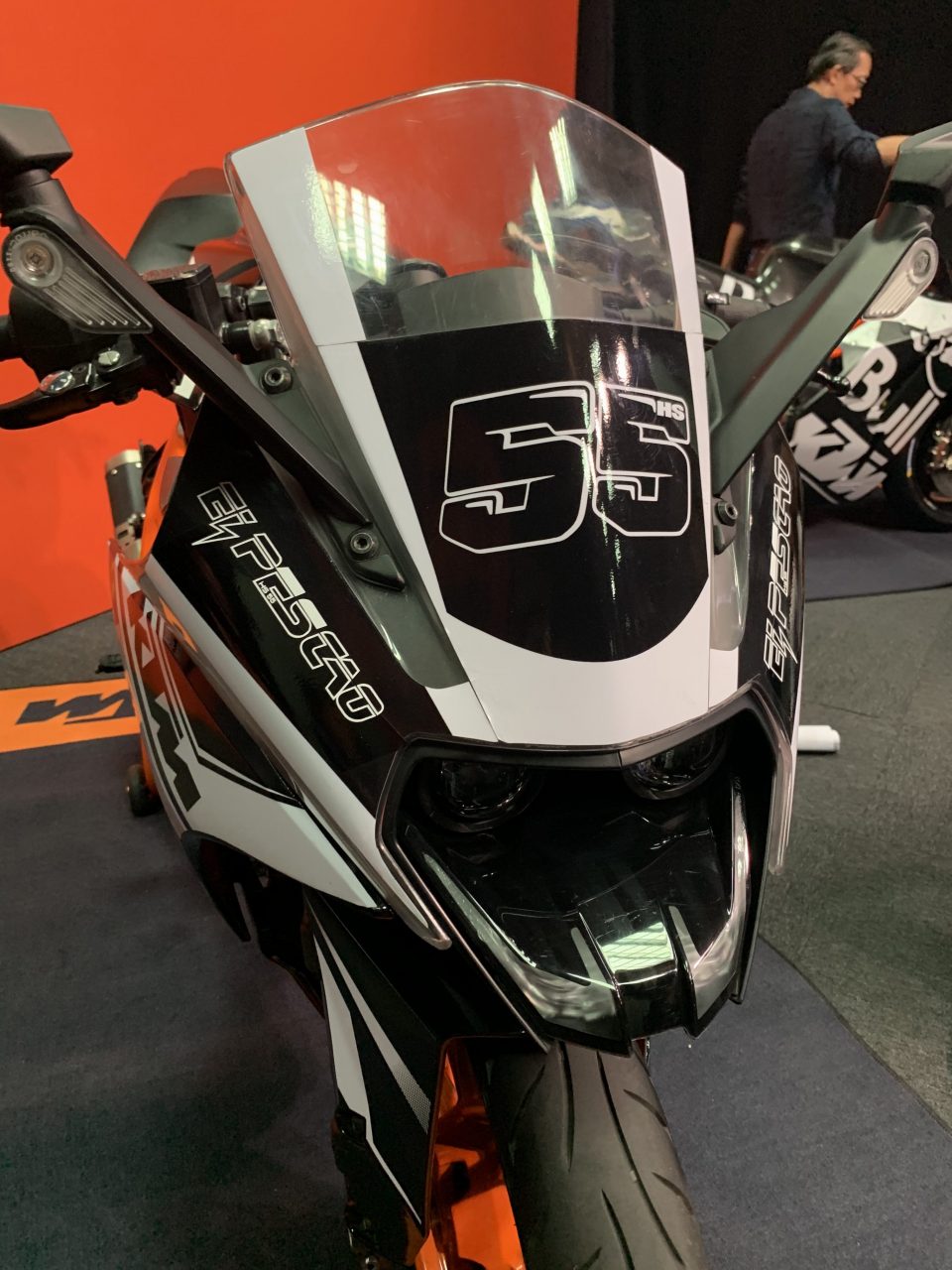
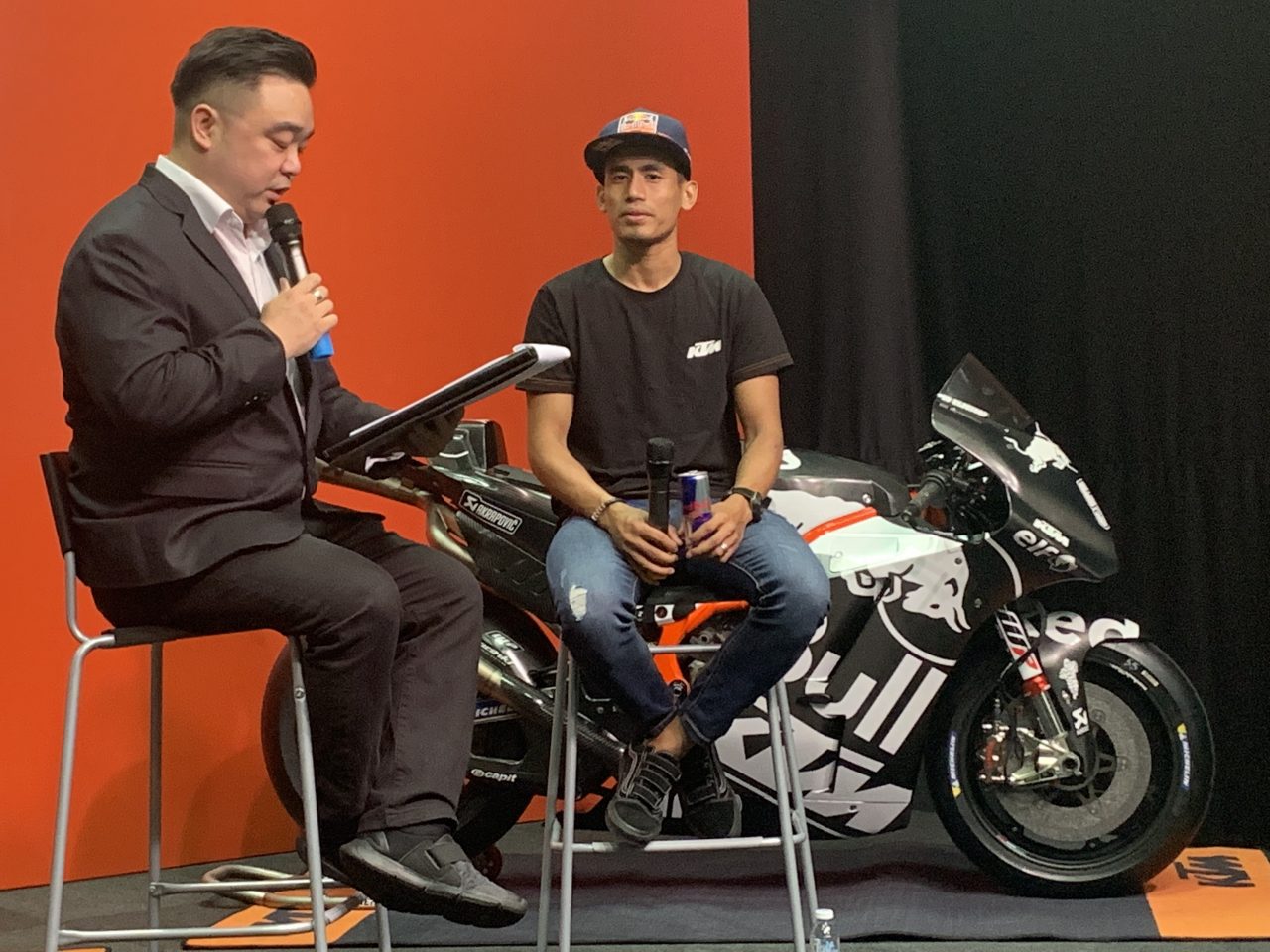
You must have noticed the KTM RC16 which Hafizh Syahrin posed on during yesterday’s press conference. Yes, it’s the bike he’ll be riding in the MotoGP 2019 season.

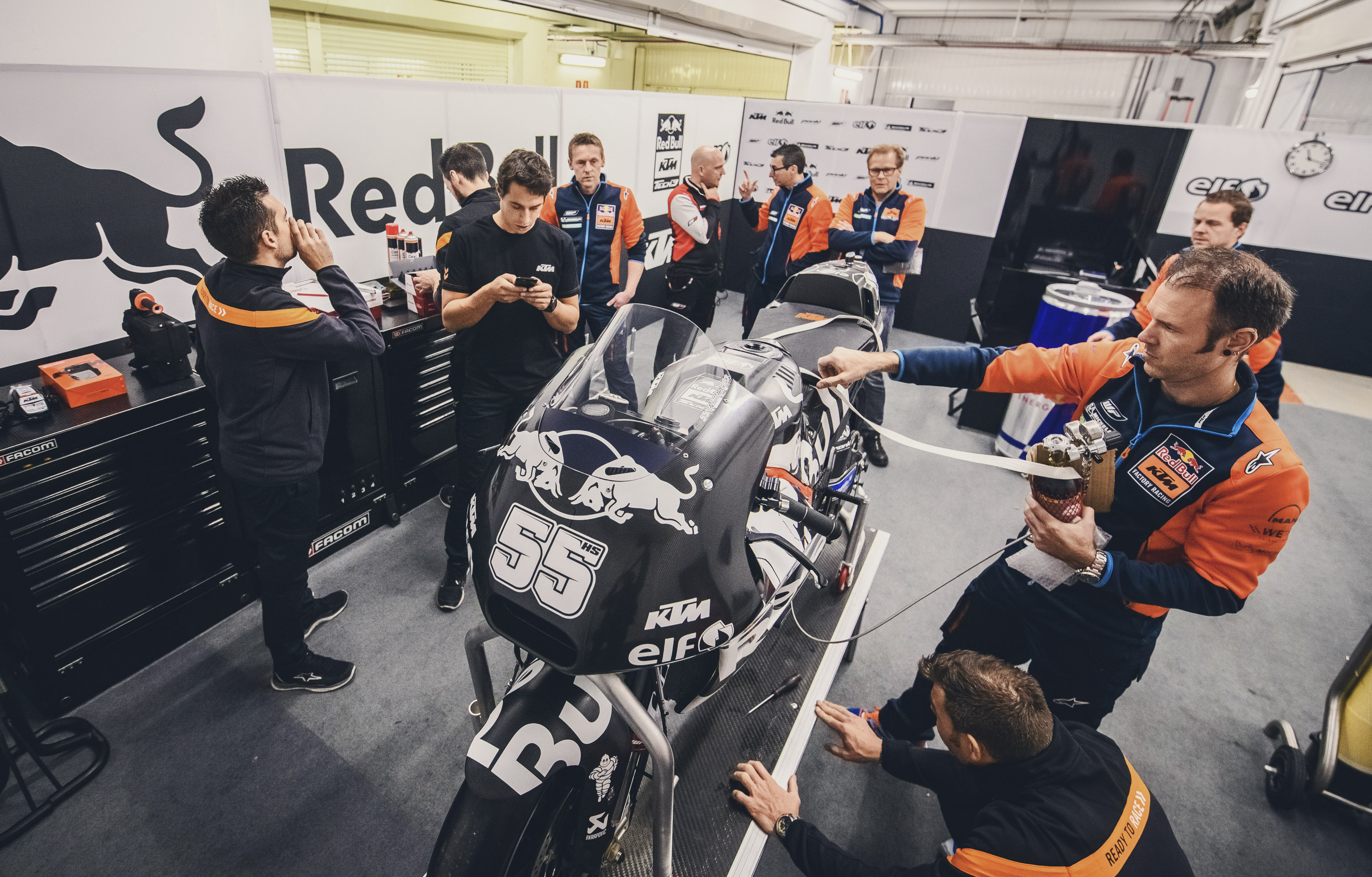
We’ve seen almost all the MotoGP bikes up close before and have grown used to them. However, there are a number of intriguing details on the KTM RC16 that aren’t found on other MotoGP bikes.

WP Suspension

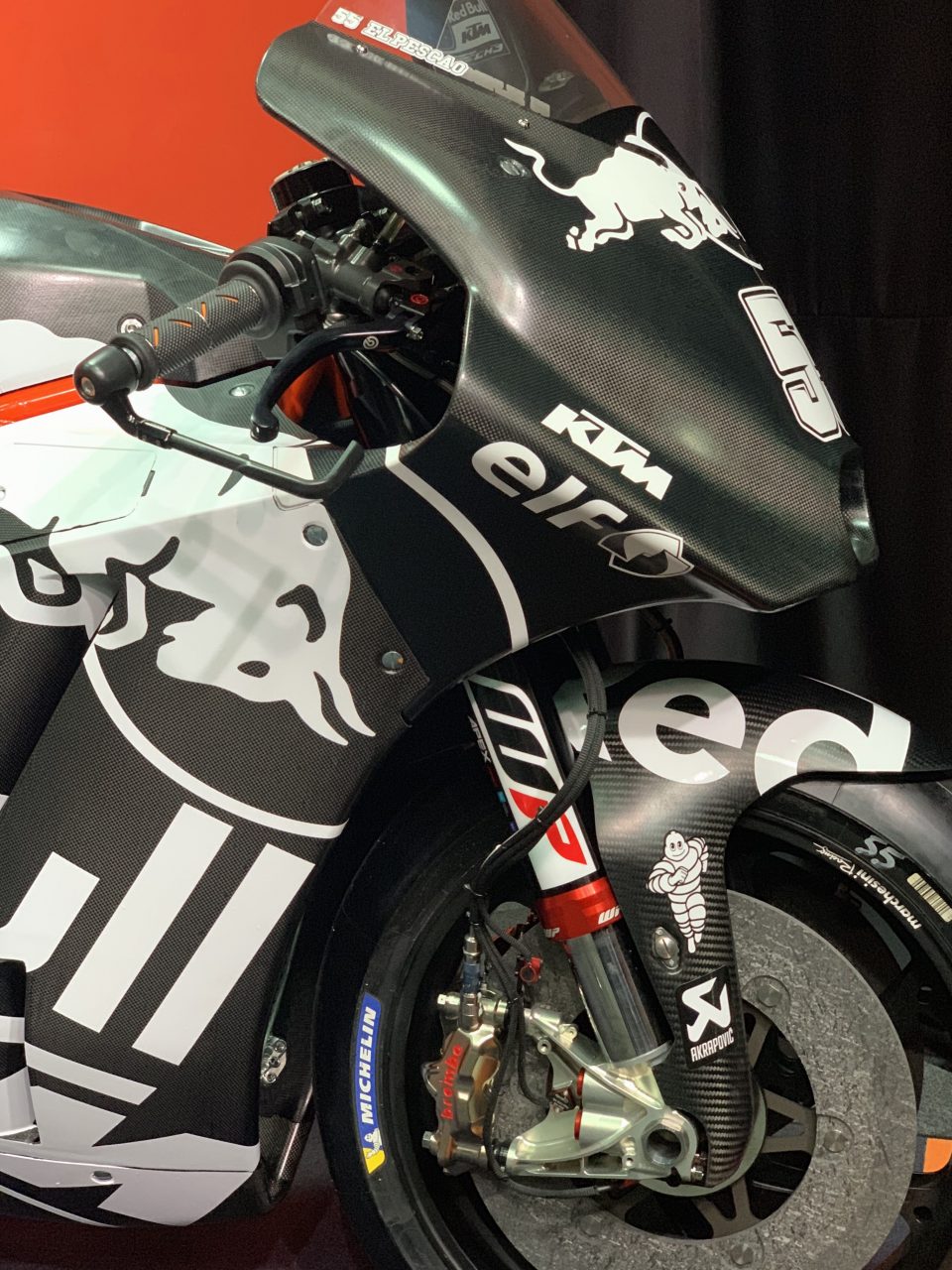
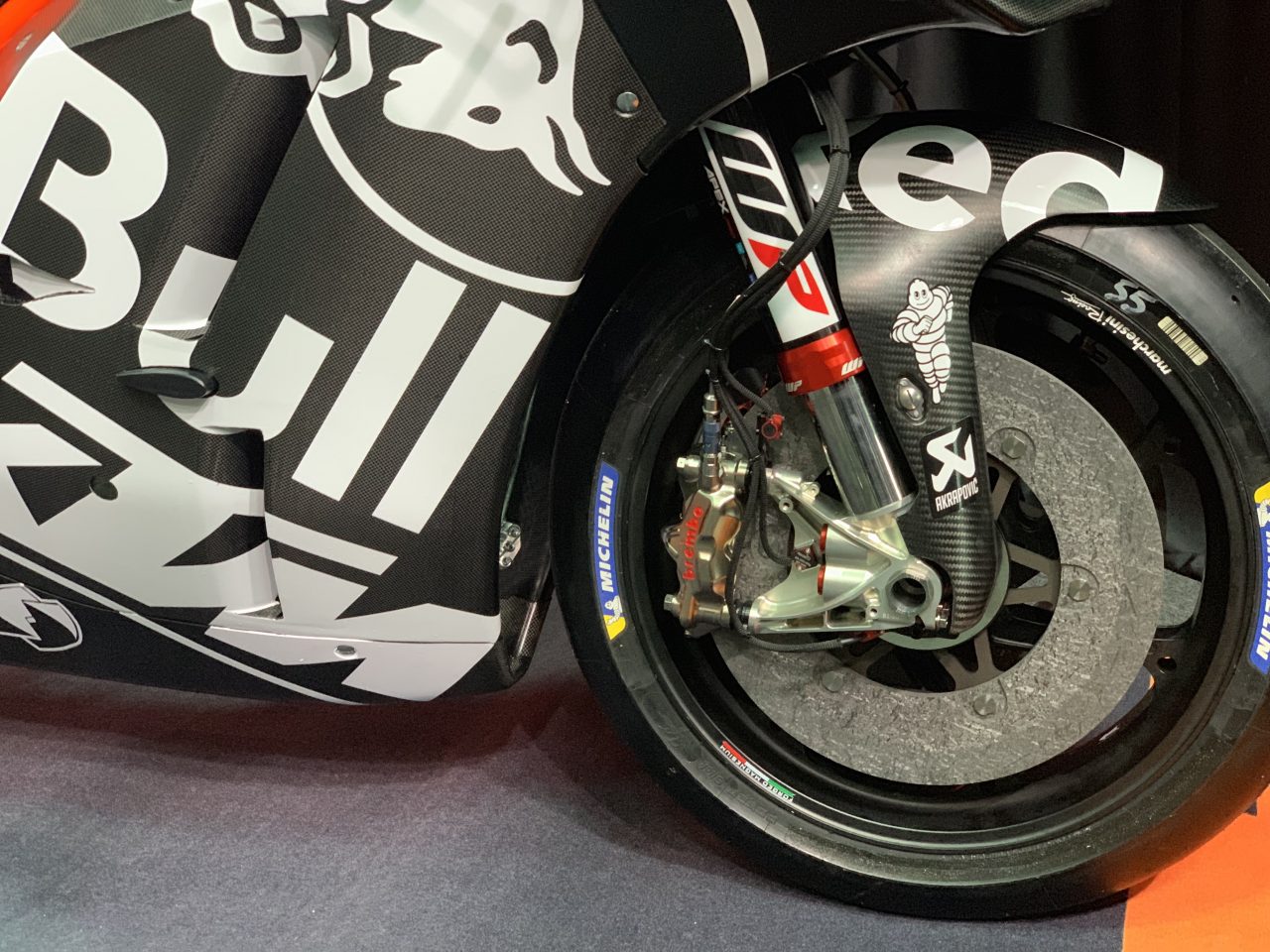
Virtually all bikes (Moto2 and Moto3 included) in the paddock run Öhlins suspension. WP Suspension is a Dutch company set up in 1978, but it currently fully-owned by KTM. That’s why all on-road and off-road production KTMs wear WP suspension.

The use of the suspension brand also extends to KTM’s factory race teams in Moto2 and Moto3, so it’s natural to use them in MotoGP.

Hafizh said during the press conference that he needs to adapt to the new suspension. That’s because he had been riding bikes with Öhlins for a long time.

Look at the size of that thing!

One of our BikesRepublic.com Instagram follower observed, “Whoa! Look at the size of those front brake discs!”

He’s right, those are the 340mm carbon discs. They are only used at a small number of racetracks on the MotoGP calendar, such as Motegi. Motegi is called a “stop-start track” where long straights precede super-hard braking zones before corners.

Increasing the size of the discs isn’t about extra braking power. That’s because the standard 320mm discs already generate enough power for the riders to lift the rear wheels off the ground.

Instead, the increased diameter is for cooling purposes, so that the discs don’t overheat.

Talk about an evolution. When carbon brakes first appeared on the grid many years ago, riders had to drag their brakes at the beginning of the race to build up and retain heat in the discs. Now, they can even overheat!

Show some backbone

All KTM road bikes utilize the steel trellis frame, so KTM decided to use what they know best in the RC16, too. In fact, KTM’s Moto2 and Moto3 bikes use the trellis layout, as well.

You can see the orange-coloured frame’s top truss just jutting out from above the fairing, besides the downtubes which anchor the swingarm.

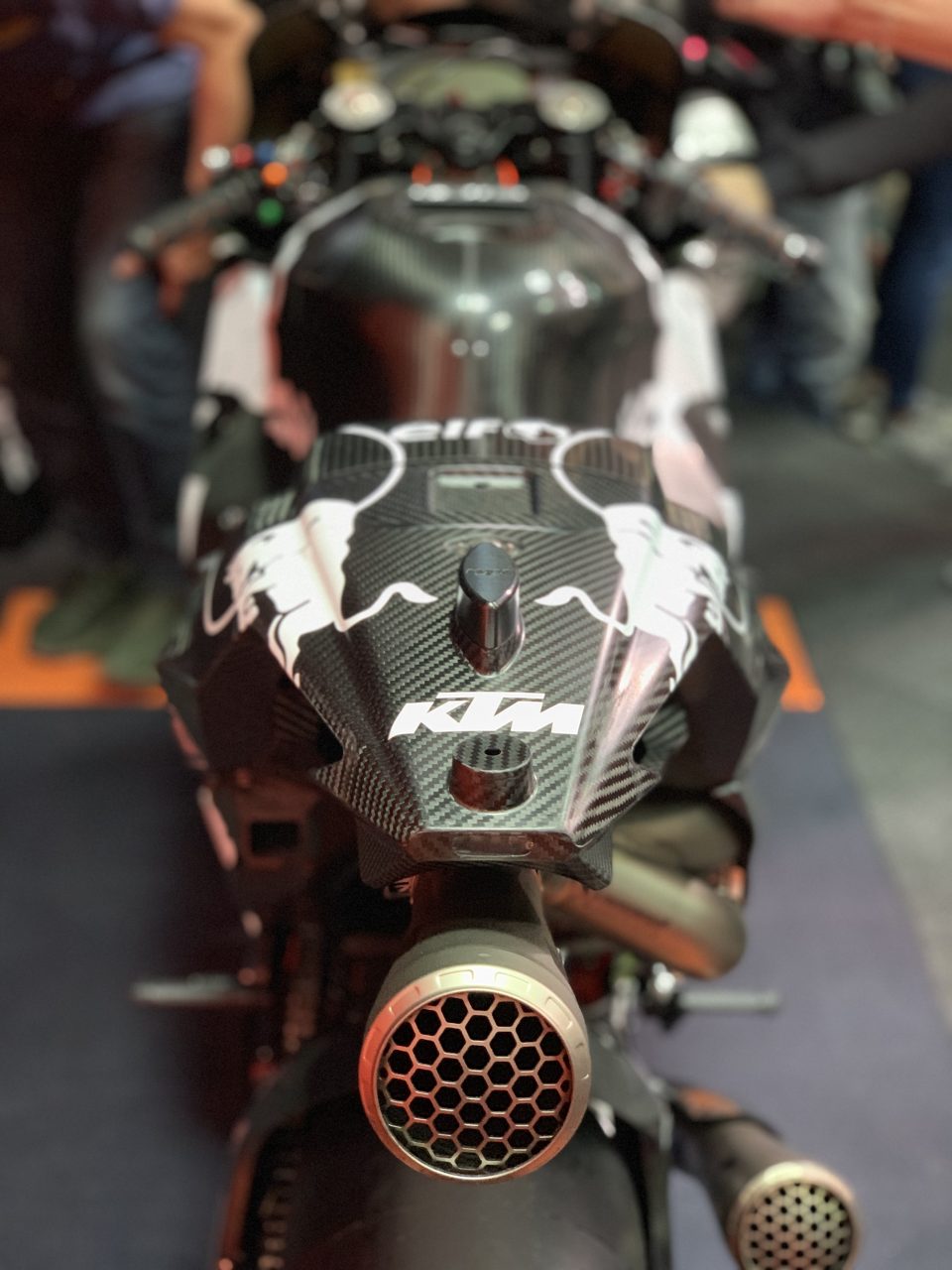
Everything else then bolts to this frame. The seat and tail unit not only includes the rider, but also most of the fuel tank. Yes, MotoGP fuel tanks actually start from just behind the normal fuel tank and extend to underneath the rider’s seat. The front part of the “tank” includes the airbox and electronics.

In your face

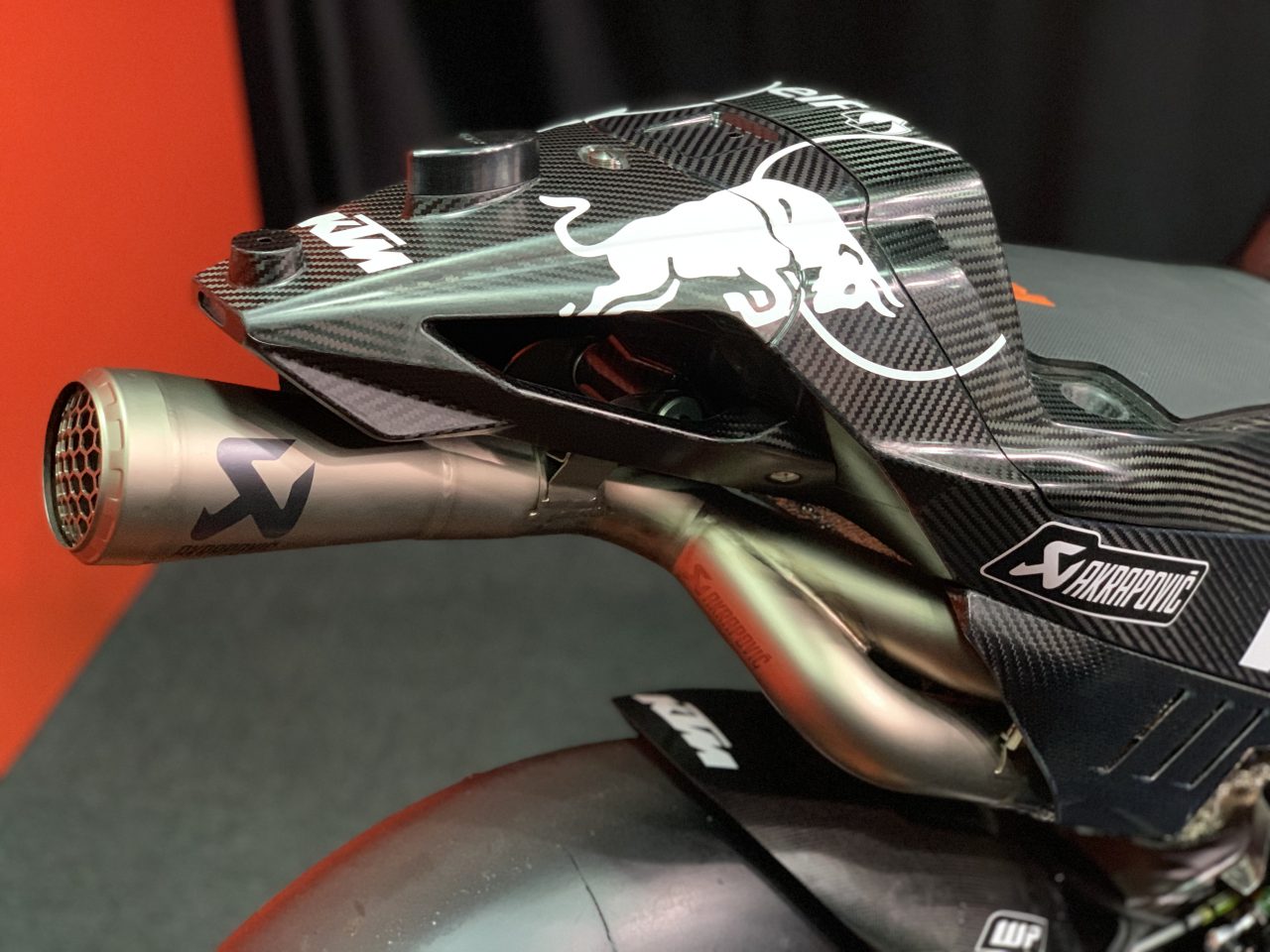
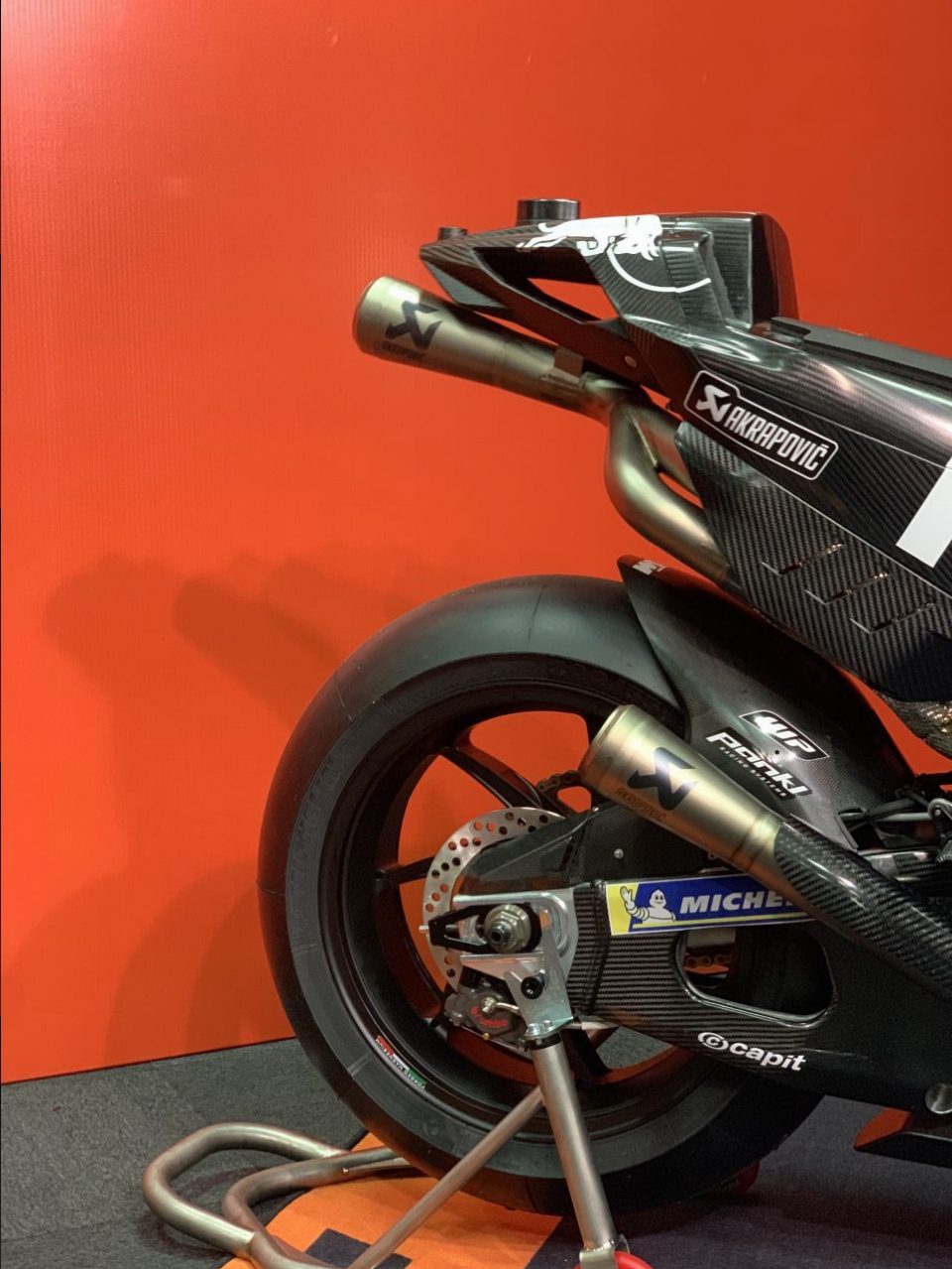
The exhausts of the RC16 looks familiar to MotoGP observers, of course. Their arrangement is similar, if not identical to those on the Honda RC213V.

The RC16 is also a V-Four. Consequently, the front pair of cylinders vent their gases through a pipe down low, while the rear pair vents through a pipe set high underneath the seat.

Hafizh’s office

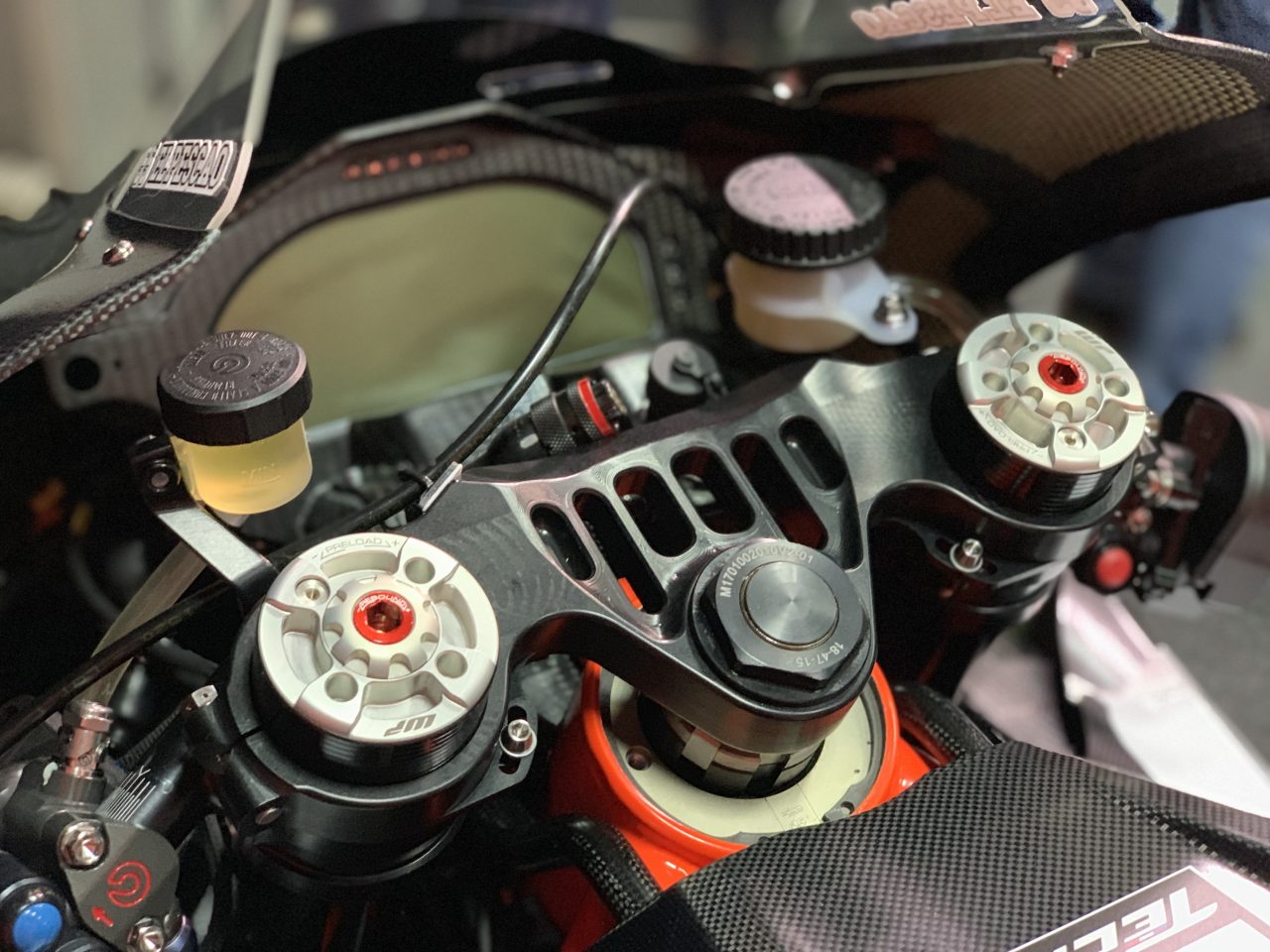
The bike’s cockpit is clear of clutter, as it should be.

Note the machined-from-billet upper triple clamp. This one turns back down at the ends to bring the centerline of the forks closer to the centerline of the headstock. Doing so reduces trail, making the bike turn into corners quicker.

There could be other triple clamps as well with different arrangements to affect the trail or even rake angle of the front end.

The KTM teams are carrying out their shakedown tests for the next three days beginning today at the Sepang International Circuit.

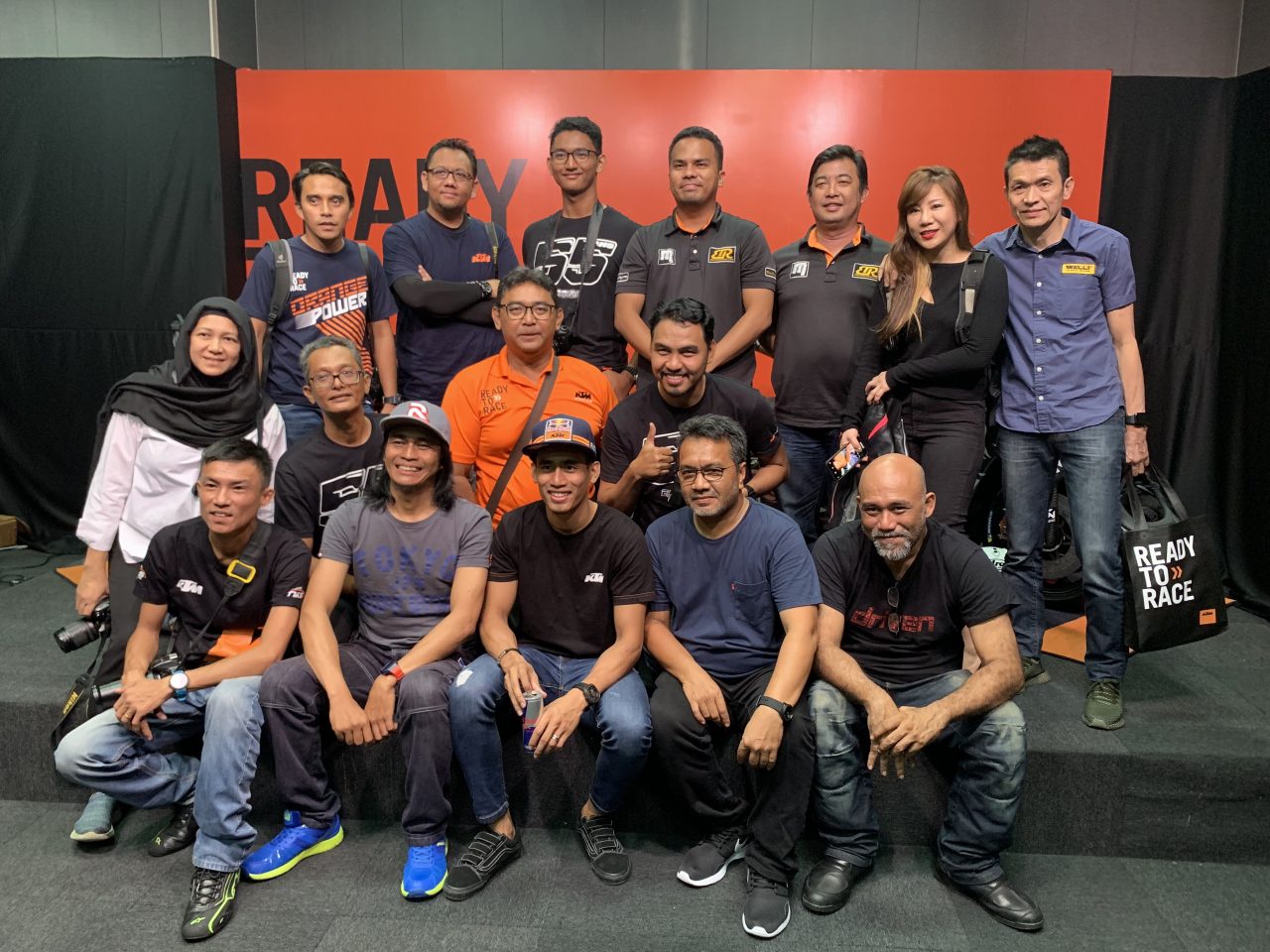
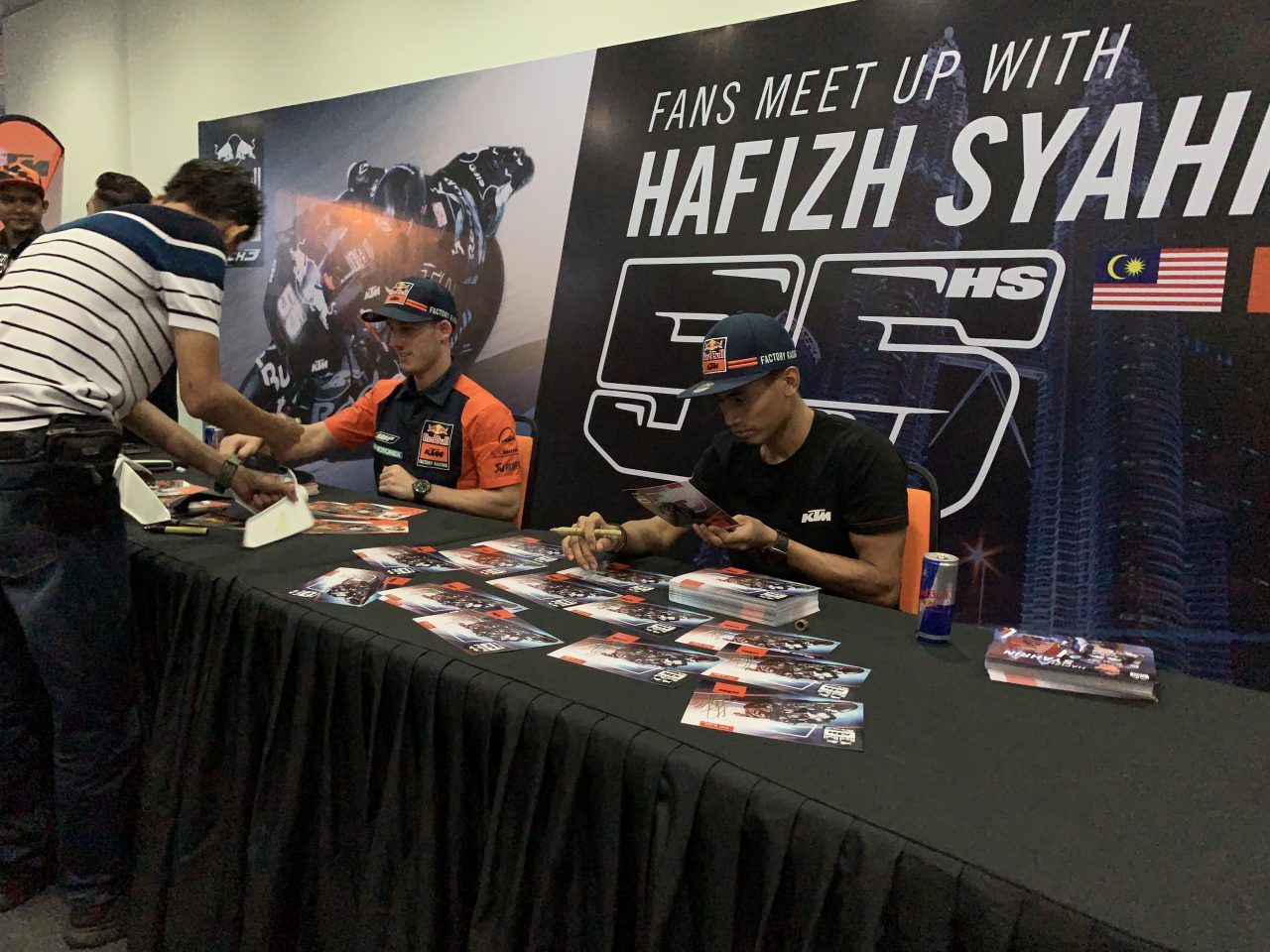
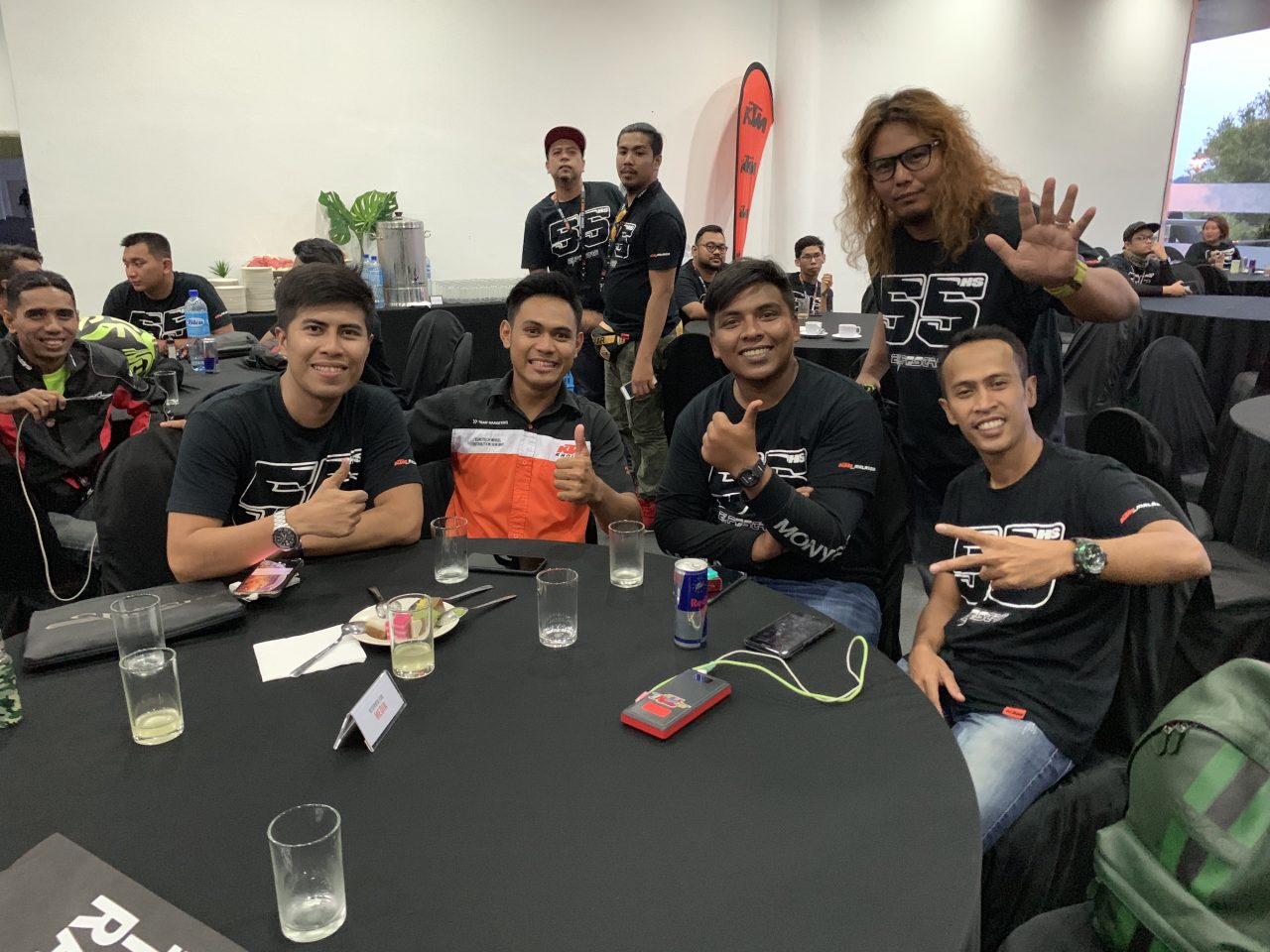
  • KTM organized a Meet the Fans session at the Sepang International Circuit.

  • There was also a special press conference.

  • Hafizh’s Tech 3 team has switched to KTM for the 2019 MotoGP season.

It was a shock when Tech 3 announced their move to the KTM after being associated with Yamaha for 20 years. The announced was made almost immediately after the signing Malaysia rider Hafizh Syahrin to the team when it was called Monster Energy Tech 3 Yamaha.

But Hafizh’s determination shone through in his rookie season when he very nearly captured the Rookie of the Year crown, instead of Franco Morbidelli.

For the 2019 season, the now Red Bull Tech 3 KTM team retains Hafizh’s services. He is set to partner Miguel Oliviera who stepped up from KTM’s Moto2 team.

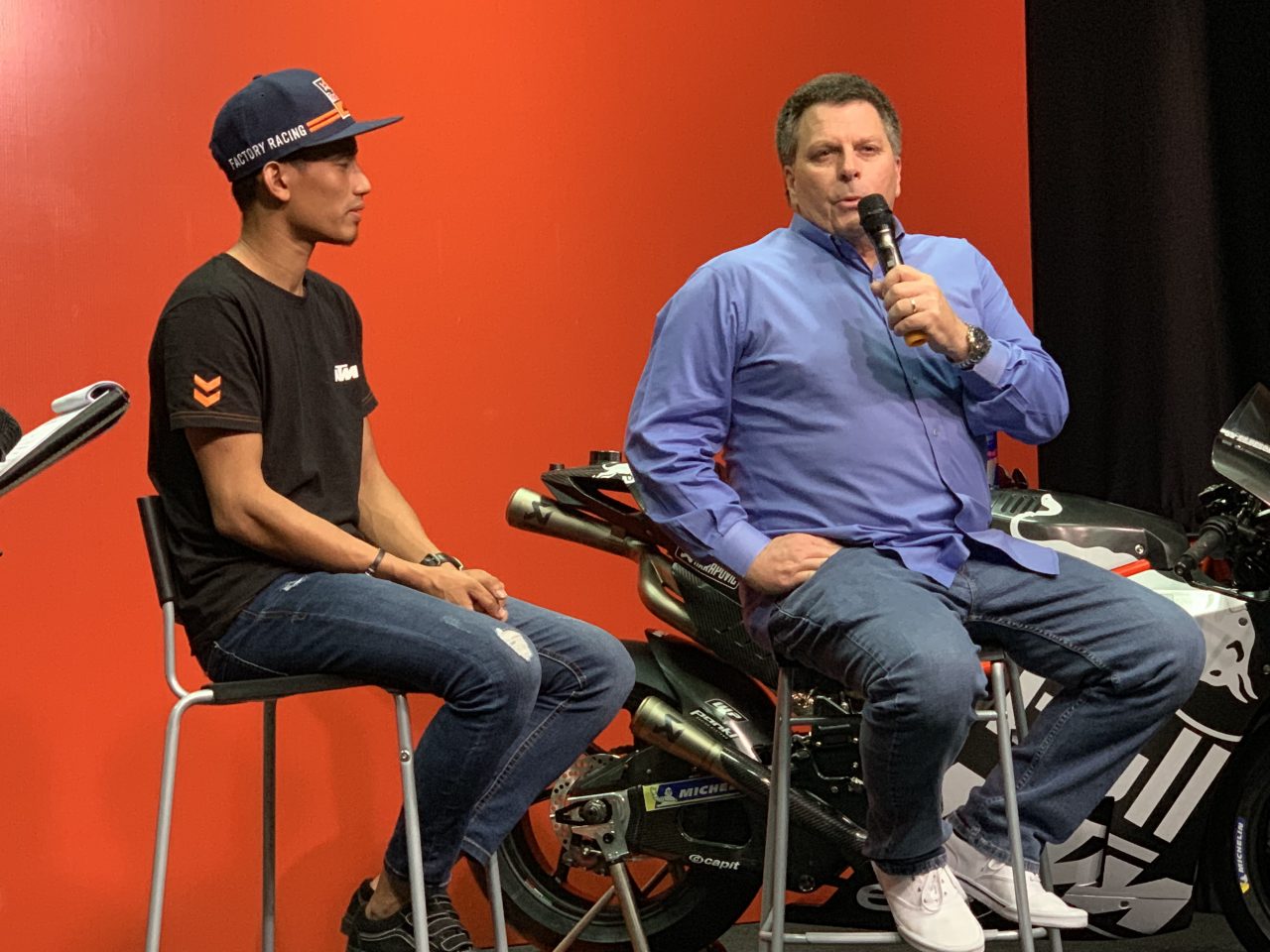
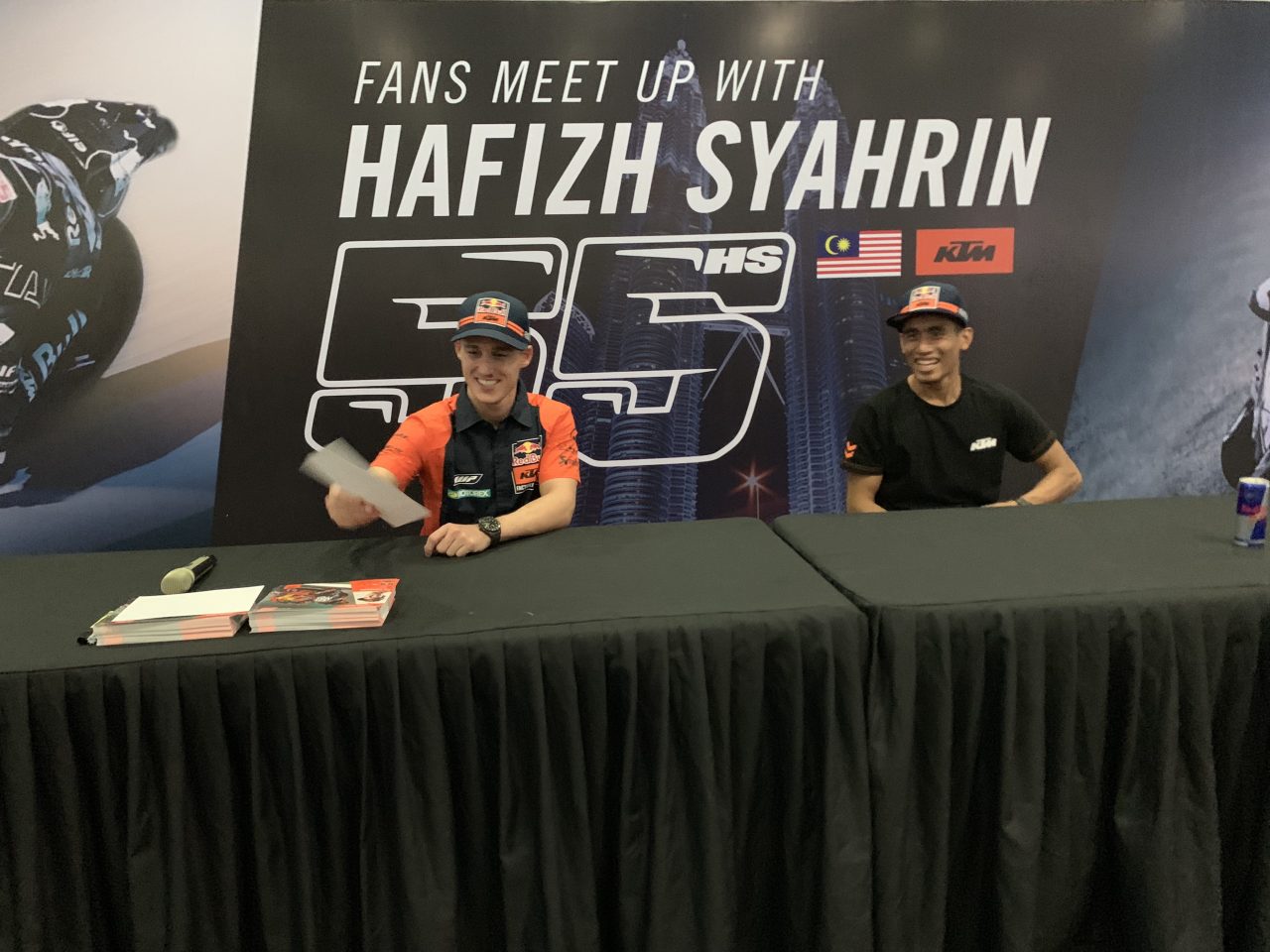
Anyway, KTM Malaysia, the KTM regional office, dignitaries and Tech 3 teams members held a special conference for the Malaysian media featuring Hafizh Syahrin on the eve of the shakedown run which begins from 1st through 3rd February 2019.

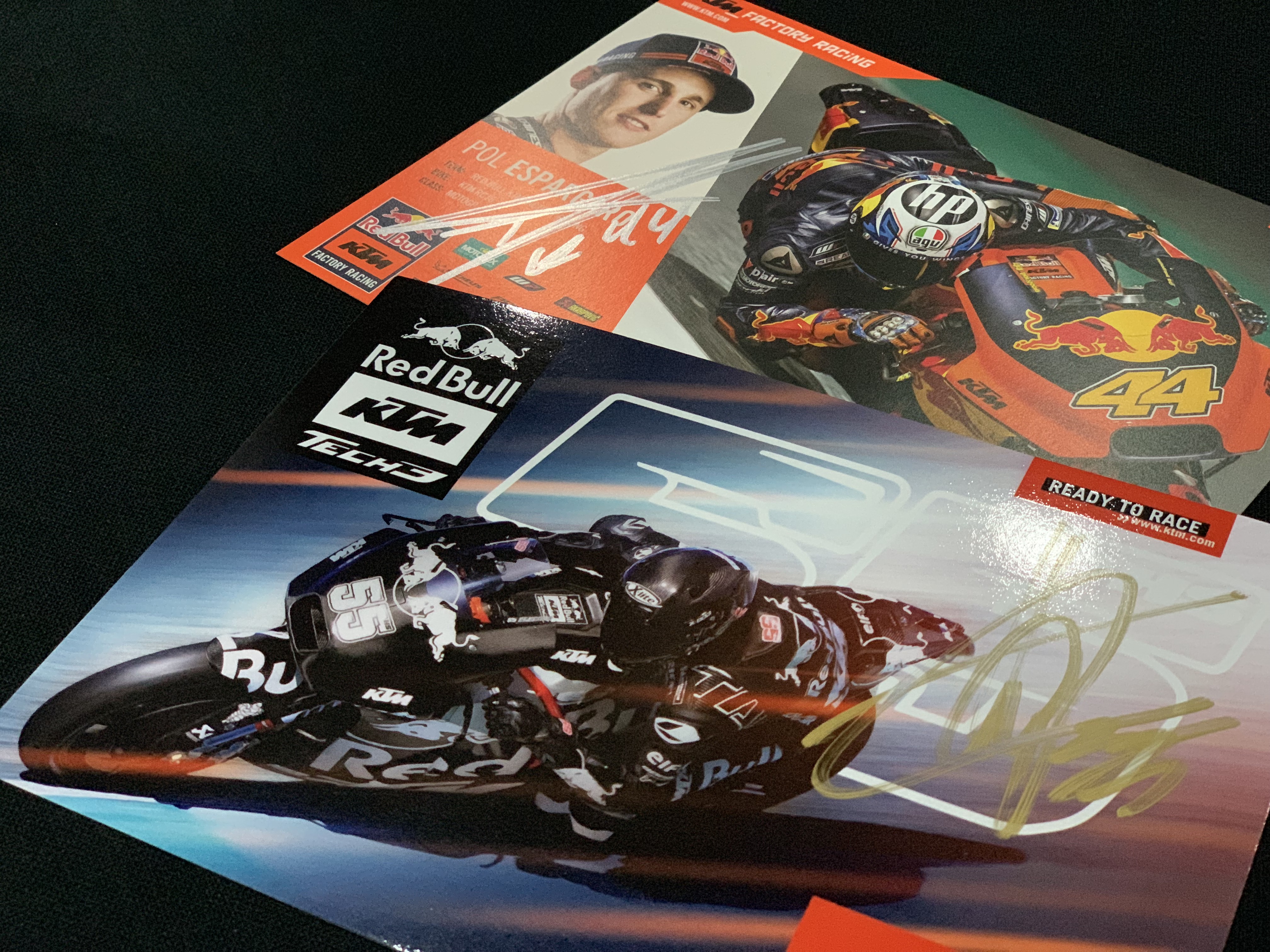
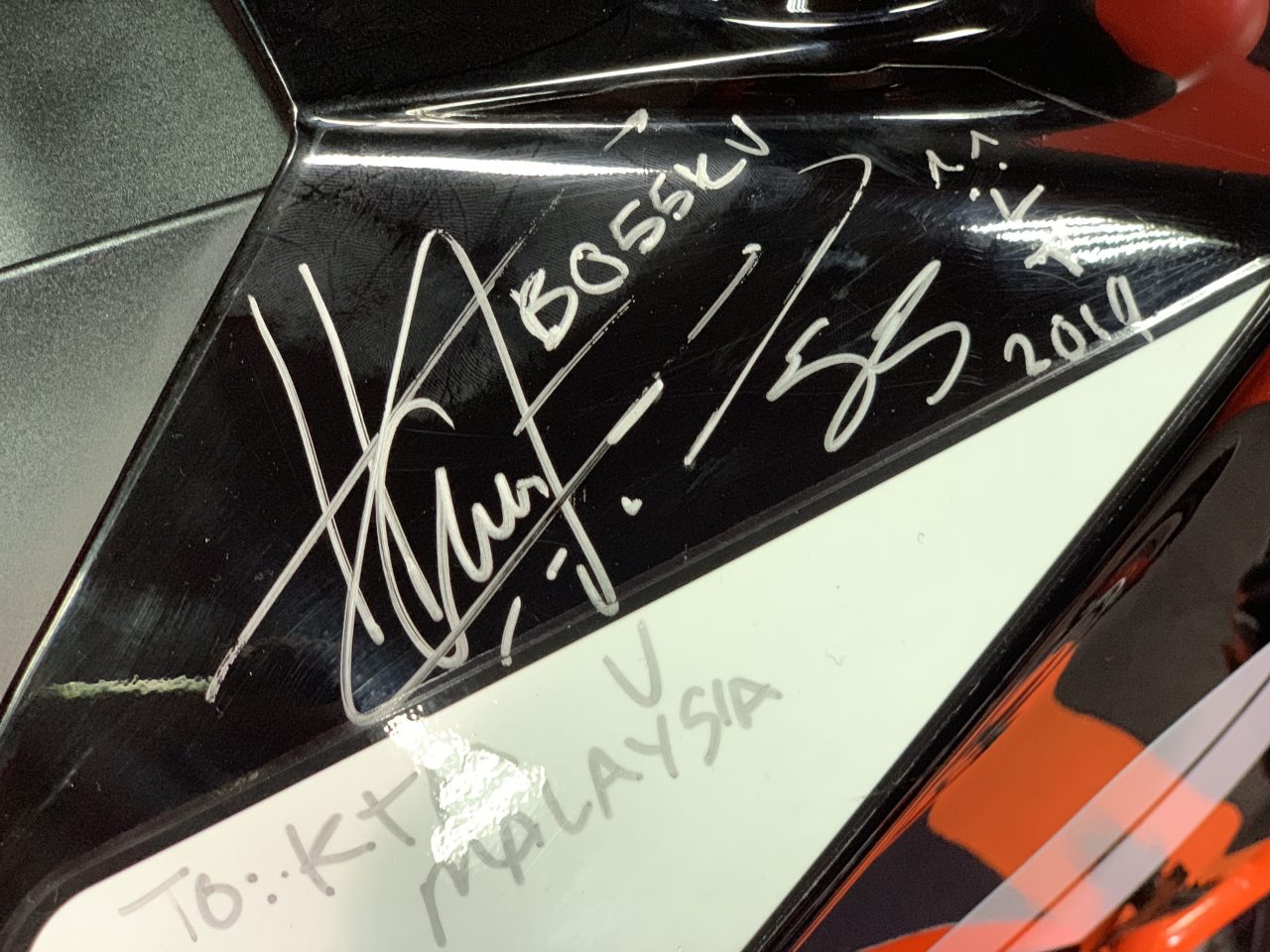
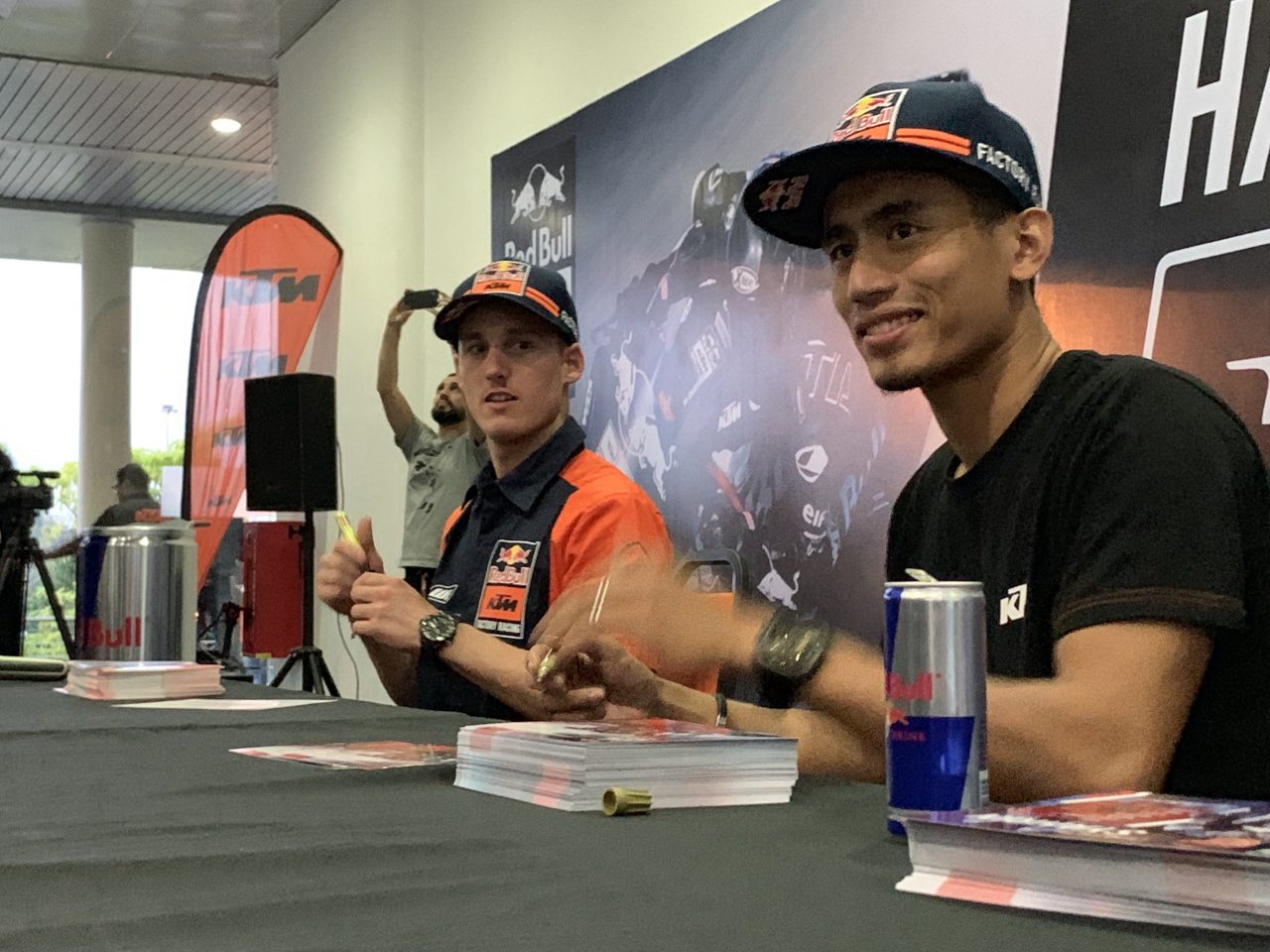
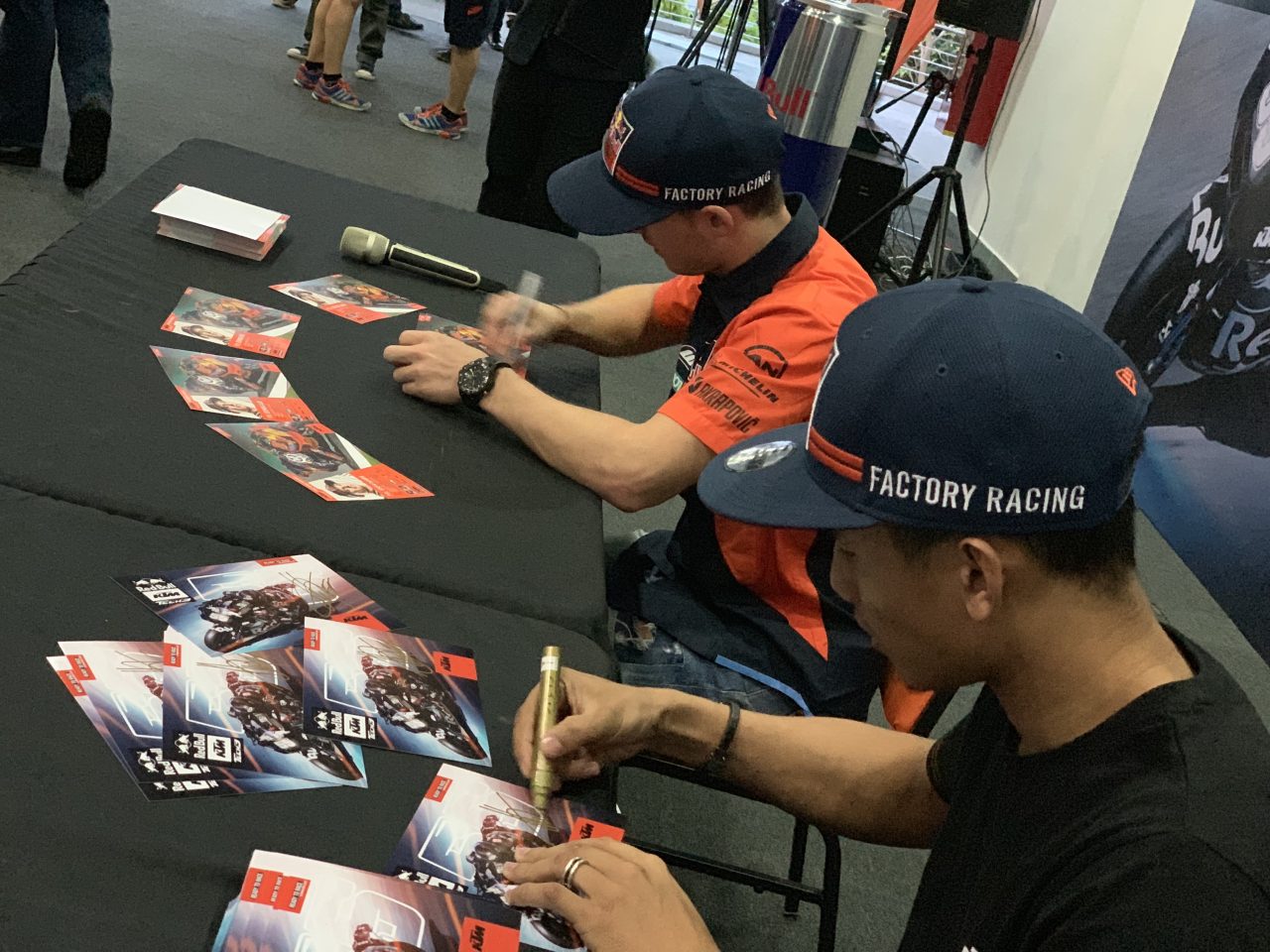
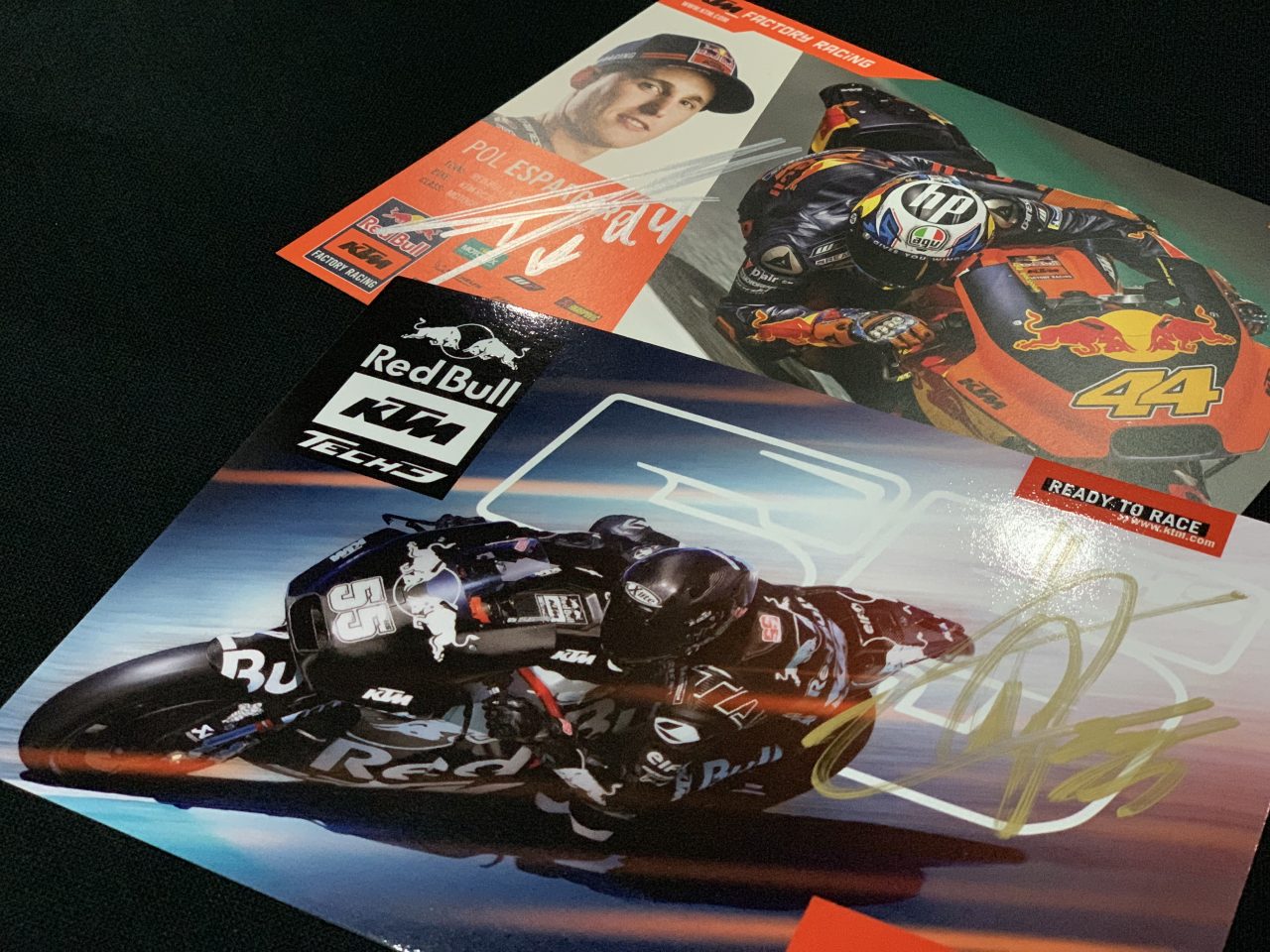
KTM motorcycle owners also supported the event, and were rewarded with Hafizh Syahrin and Pol Espargaro’s autographs.

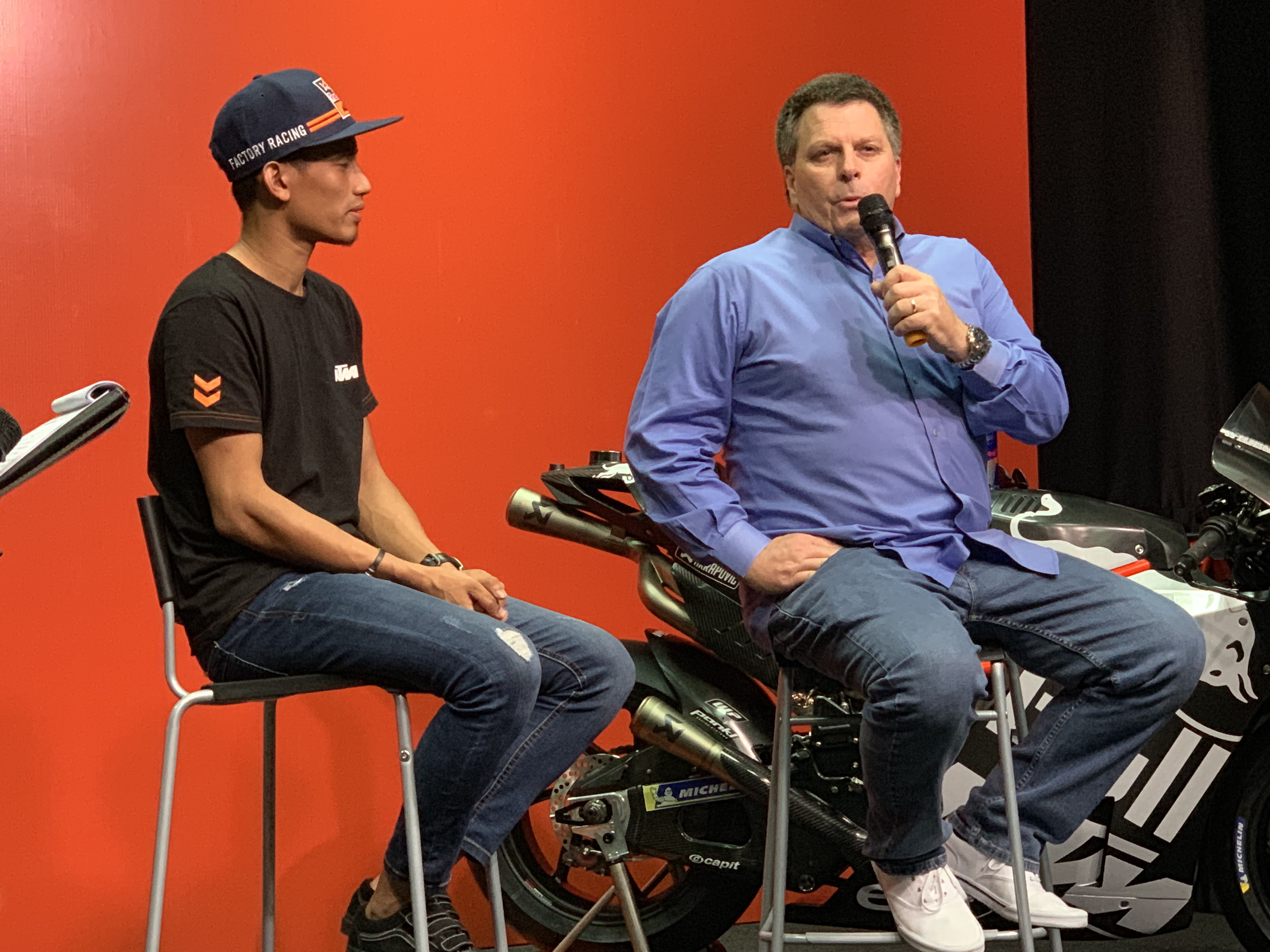
The Q&A session was held between Hafizh Syahrin and the emcee.

It was apparent that Hafizh is a competitive person. When asked why he started racing, he replied succinctly, “Because I like to race. I’m determined to procure what I want so racing fits into my character.”

There were questions into his preferences, including his race number 55. “Personally, race numbers should mean something. My race number is actually my birthday – 5th May 1994.”

On his nickname El Pescao, “I was in the Spanish CEV series in 2012. I was very new and alien to what needs to be done. My first race was wet, and my crew was doing the best to replace the tyres. I started from the pits in 24th position but charged up the field to finish 5th. The crew had trouble calling my name one of them decided to call me El Pescao, which means fish in Spanish.”

“I felt that El Pescao looked good when designed as graphics, so I decided to stick with that nickname.”

However, Hafizh is associated with another nickname recently called, “#BO55KU.” “It started in Sabah. I was training with the National Cycling Team and they kept using the term ‘Bossku’,” elaborated Hafizh. “It can mean ‘Bro’ and also ‘Boss’. I started using it a year ago and it’s now viral.”

Back to business, Hafizh was queried on how he felt about his 2018 season. “I didn’t expect to be in MotoGP in 2018. I’d like to say thank you to Dato’ Razlan (Razali, CEO of Sepang International Circuit) and also Hervé(Poncharal, Principal of Tech 3 Racing) for making this happen.”

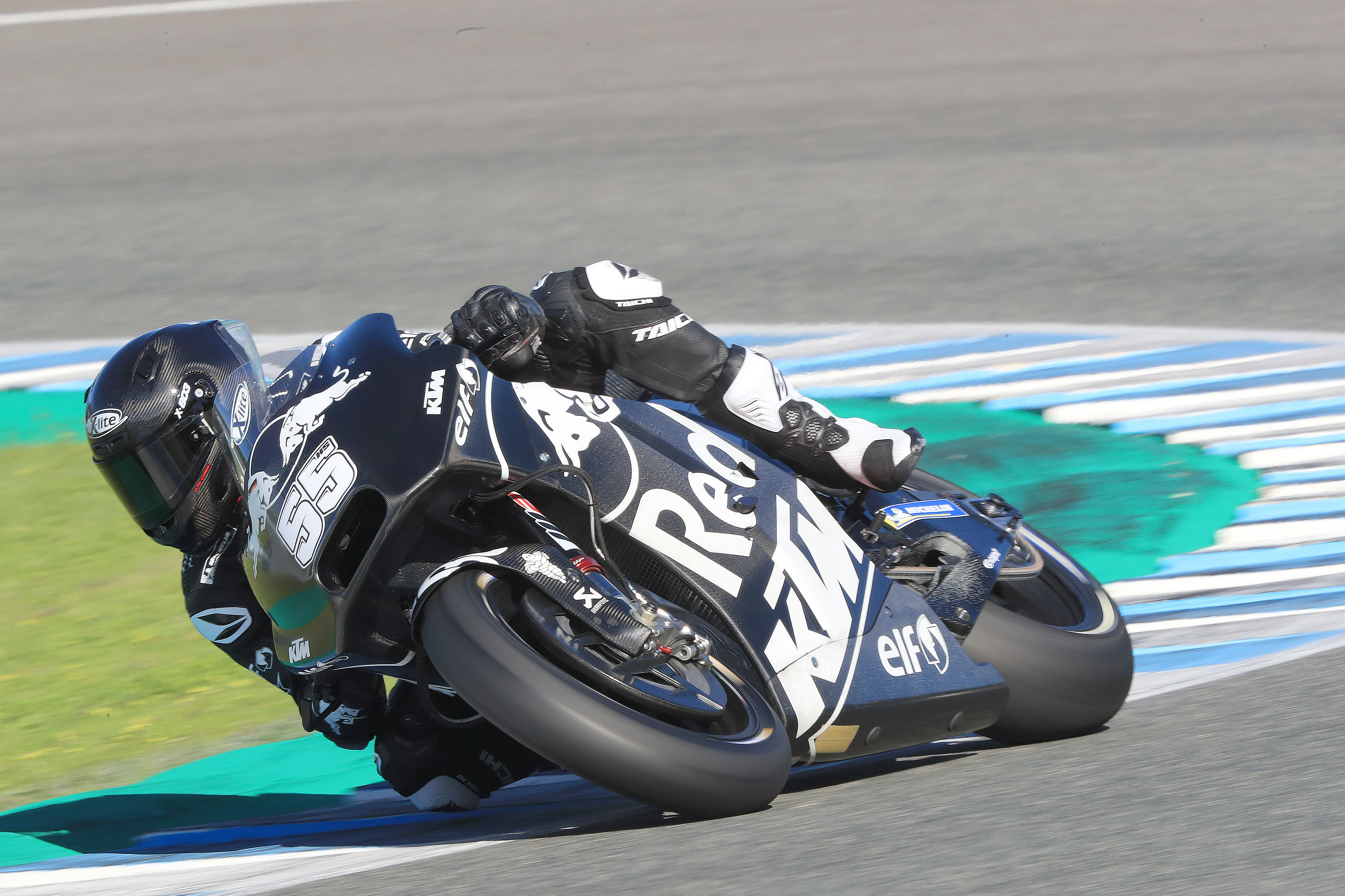
Syahrin, Jerez MotoGP test, 2018

Of course, the question we expected was asked, “What is the difference between the KTM RC16 and Yamaha YZR-M1 last year?”

Hafizh: “The KTM RC16 really looks good (he’s probably alluding to ‘if it looks good, it goes good).” He added, “The Yamaha felt soft when accelerating off corners but the RC16, being a V-Four has more torque at the bottom (of the RPM range). It feels more aggressive.”

“I did enjoy myself on the bike (during the Valencia and Jerez post-season tests) but I need more time to fully learn it.”

Syahrin, Jerez MotoGP test, 2018

“It’s not easy for me and the team as they have been with Yamaha for more than 20 years. The bike itself is new, the chassis, suspension (WP instead of Öhlins). However, I’m happy to be with this team because they provide me with many things to understand the bike. The crew went to the KTM factory in Austria during the 2-month break to improve the bike.”

“I got some feedback from the team and can’t wait to try the bike beginning tomorrow, for 6 days (including the first pre-season test). 6 days may seem a lot but it allows use to work more on the bike.”

Syahrin, Jerez MotoGP test, 2018

The question on everyone’s minds, Malaysian KTM fans in particular is whether there will be a “Hafizh Syahrin” replica. KTM Malaysia will issue a special liveried RC 390 which mimics the Winter Test bike. It will be announced later in the year and will wear Hafizh Syahrin’s colours.

“We have new colour that’s very nice. I think it’s different from everyone else’s. I hope you guys can wait until 12thFebruary as we are launching the new MotoGP bikes in Austria.”

“Lastly, I would like to thank everyone who has supported me, including my fans. For sure I will do my best in 2019. I made some rookie mistakes last year which cost me some good positions. I’ve learned from my mistakes and hope not to repeat them.”

PICTURE GALLERY
  • The FIM is lobbying the International Olympic Committee to include Trial-E riding.

  • Trials riders are supreme athletes in order for them to scale and clear obstacles.

  • If accepted, Trials-E will be the first motorsport in the 2024 Paris Olympics.

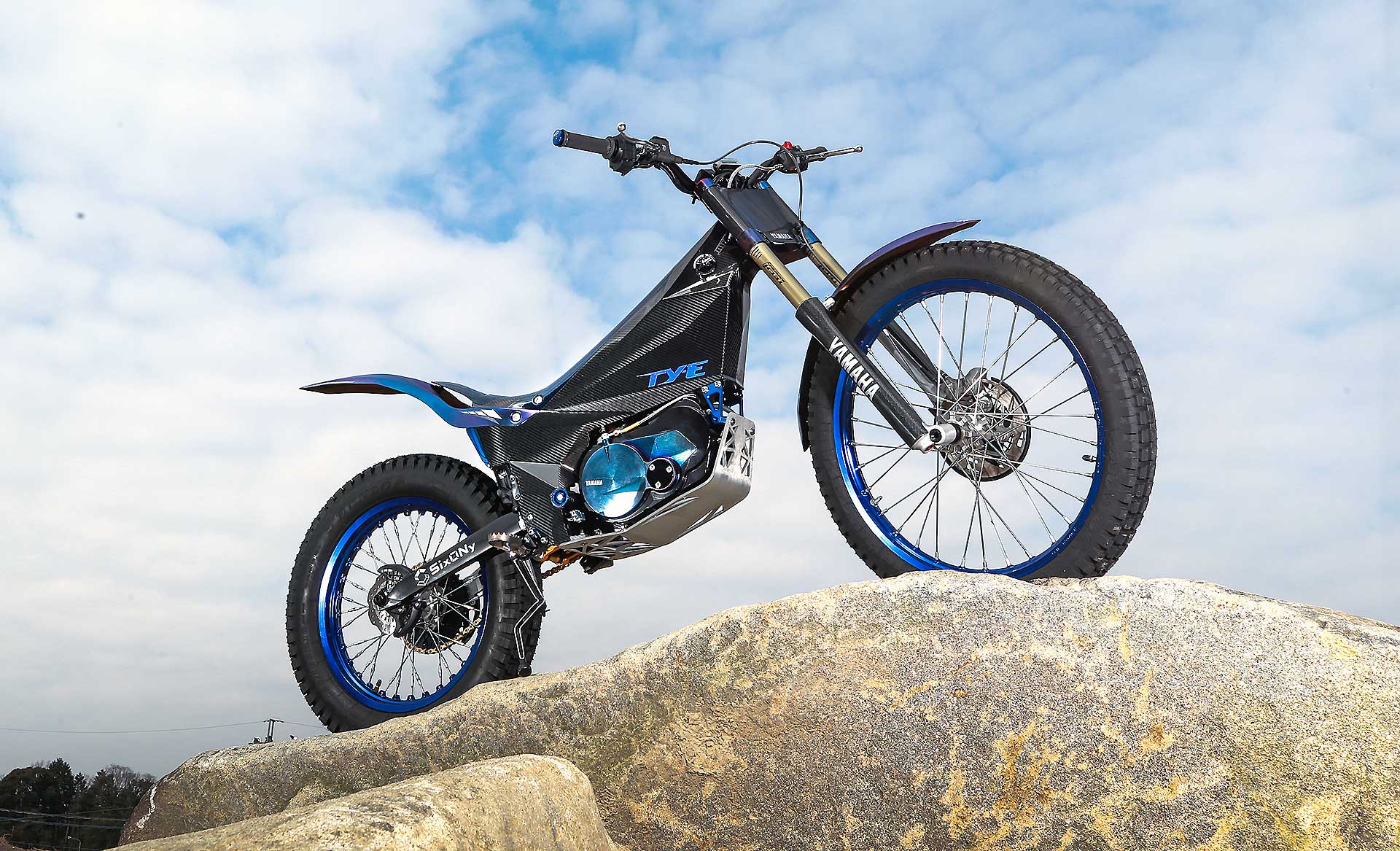
The FIM (Federation Internationale de Motorcyclisme) is lobbying to the International Olympic Committee (IOC) to include electric trial motorcycle competition in the Olympic Games.

Trial riding is an awe-inspiring motorcycle sport in which competitors are challenged to ride over seemingly impossible obstacles. As such the riders are true athletes who have gone through years of conditioning and training.

The FIM is already organizing their own E-Trial series as part of the Trial World Championship. The riders ride electric trial bikes in the E-Trial series, which began in 2017.

Yamaha-TY-E

In view of this, the FIM hopes the IOC will include Trial-E in the 2024 Paris Olympics.

Each Olympics games add new sports. For example, baseball, softball, surfing, sports climbing, karate and skateboarding will be added to the 2020 Tokyo Olympics. In order to enter a new sport, the IOC states that the activity must be youth-focused, allows both men and women to join, sustainable, spectacular, available on all continents and requires no new infrastructure. Trials riding does look like it meets all these requirements.

Jorge Viegas, FIM president, says “We are convinced that the Olympic Games in Paris in 2024 represent a unique and historic opportunity to allow Trial-E to become the first motorsport discipline to be part of the Olympic Games. This great première will be the foundation for a strong relationship that will bring the FIM, the IOC and all the Olympic family closer together for many years to come.”

Trial-E will become the first motorsport in the Olympics if it is accepted. Malaysia has our own premier trial rider, Acoi Pangkolo.

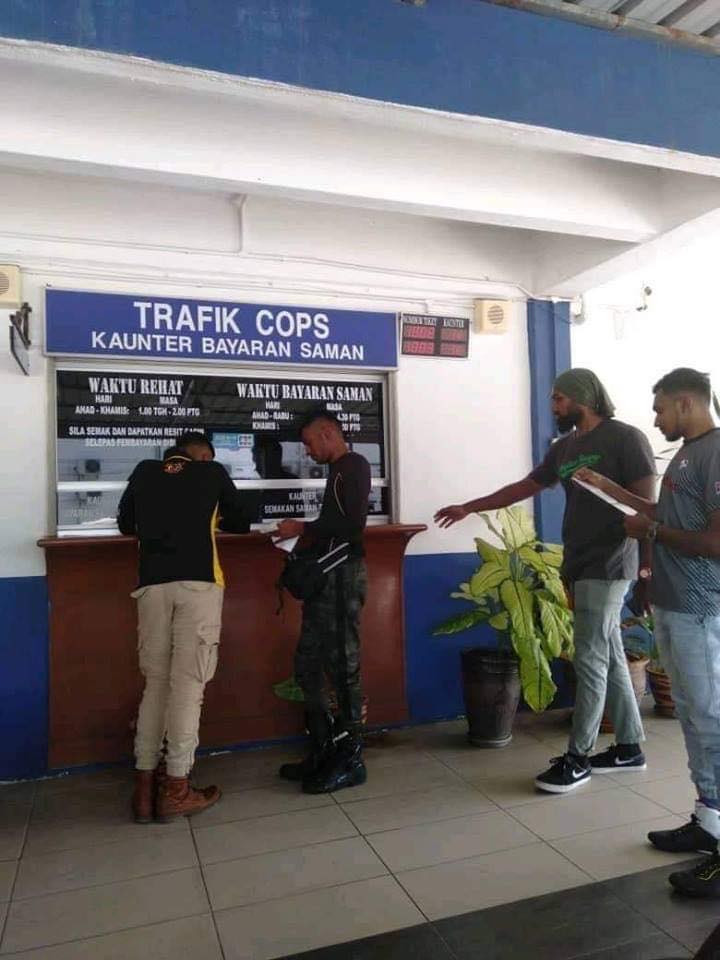
  • Minister of Transport, YB Anthony Loke insists on no discounts for JPJ summonses.

  • Such measure seeks to educate road users and not let offenders off lightly.

  • He may also talk to local authorities to not provide discounts for traffic offences.

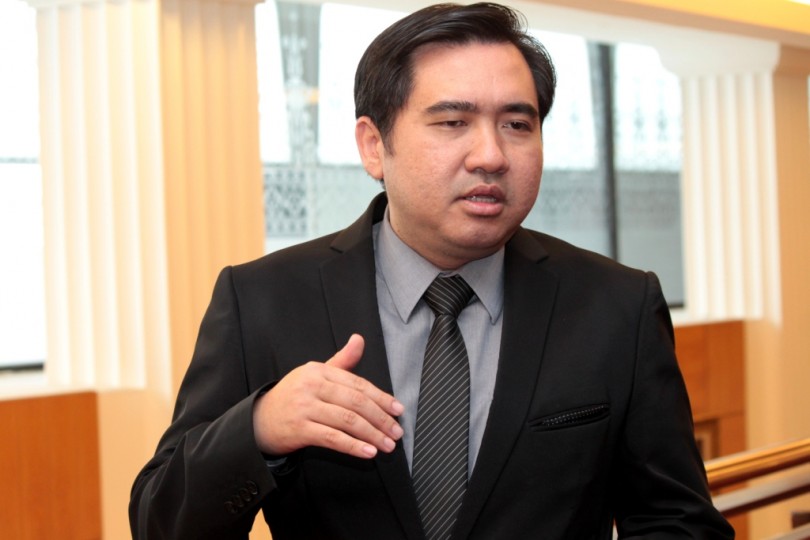
It is very evident that the Minister of Transportation, YB Anthony Loke is determined in revamping the transportation system and lowering accident rates in Malaysia.

Consequently, he is aware that certain quarters of the Rakyat will feel angry at his measures. “You can be angry at the Minister of Transport if you want to,” he said during the launch of Ops Bersepadu (Integrated Ops) and Road Safety Campaign 2019 in conjunction with the Chinese New Year, at the southbound Dengkil R&R.

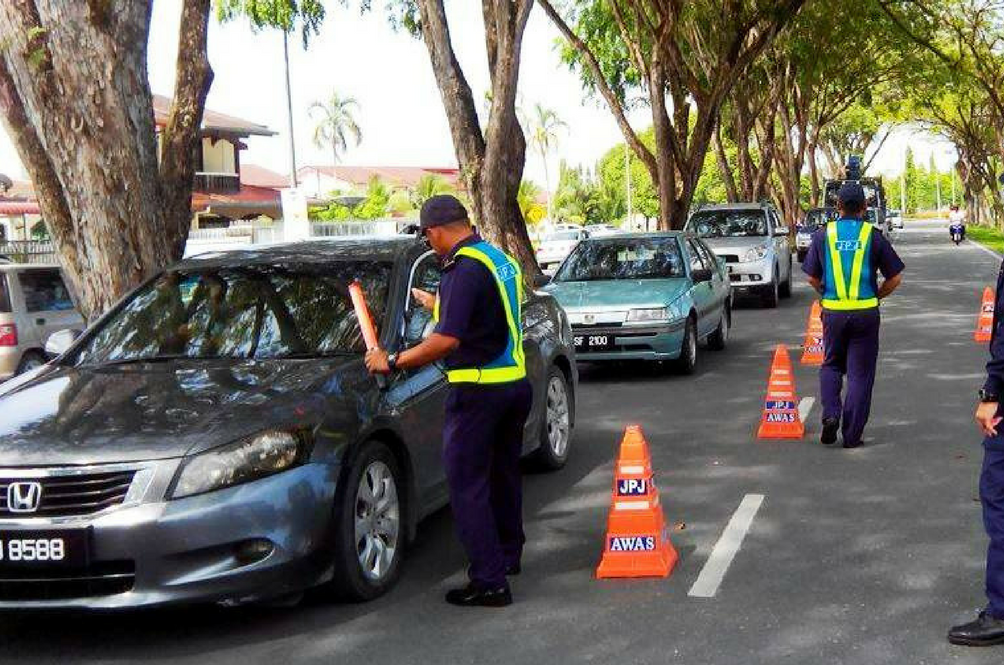
The Minister made the remark after insisting that no discounts will be considered for the summonses for traffic offences issued by the Road Transport Department (JPJ – Jabatan Pengangkutan Jalan).

He justifies the decision as a move to reduce traffic accidents hence deaths among road users. To him, the attitude of waiting for discounts gives the impression that the summonses are unimportant, instead of educating road users to road safety.

“We don’t want road users to take the summonses lightly,” YB Anthony said.

He further added that he knows the measure will incur the ire among road users in the country.

“You can be angry at the Minister of Transport, if you want. But my task is to lower the accident rates in the country. That is part of my Key Performance Index (KPI),” he said.

He also said that he will intends meet with local authorities to not provide discounts for traffic summonses.

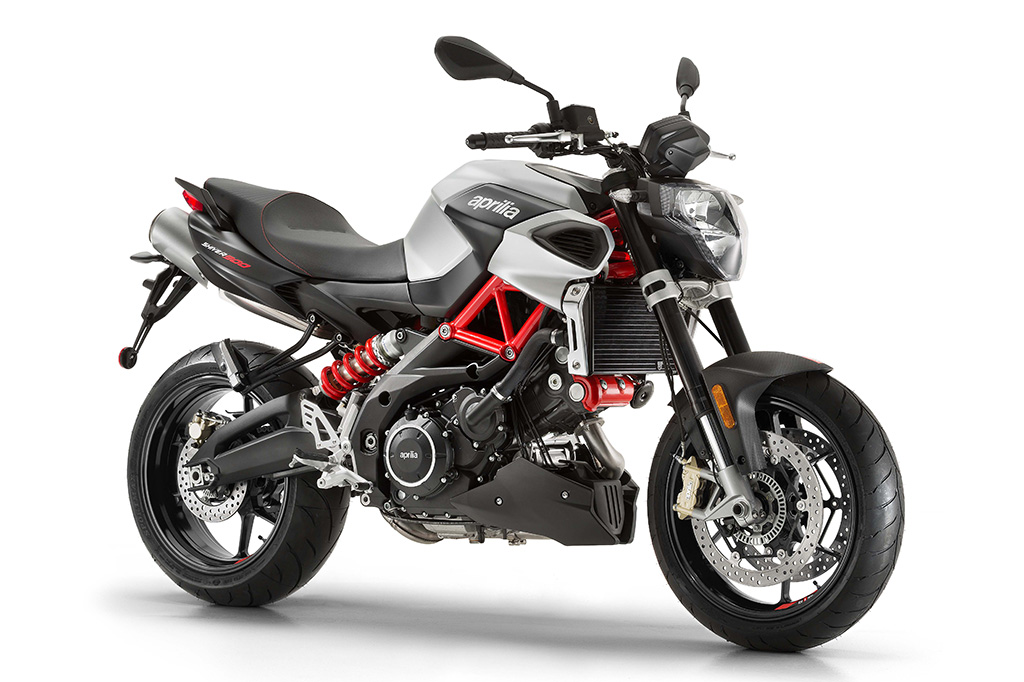
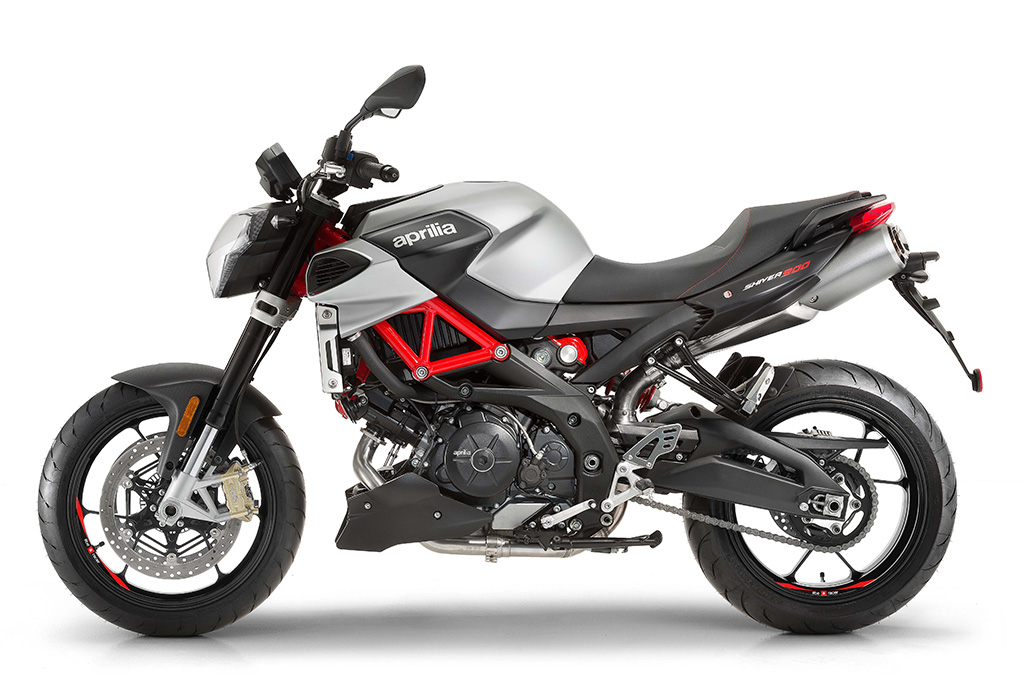
  • Didi Resources Sdn. Bhd. launched the 2019 Aprilia Shiver 900 today.

  • It features a number of redesigns, mechanical and electronic updates.

  • It also shares a number of components with the RSV4 and Tuono V4 1100.

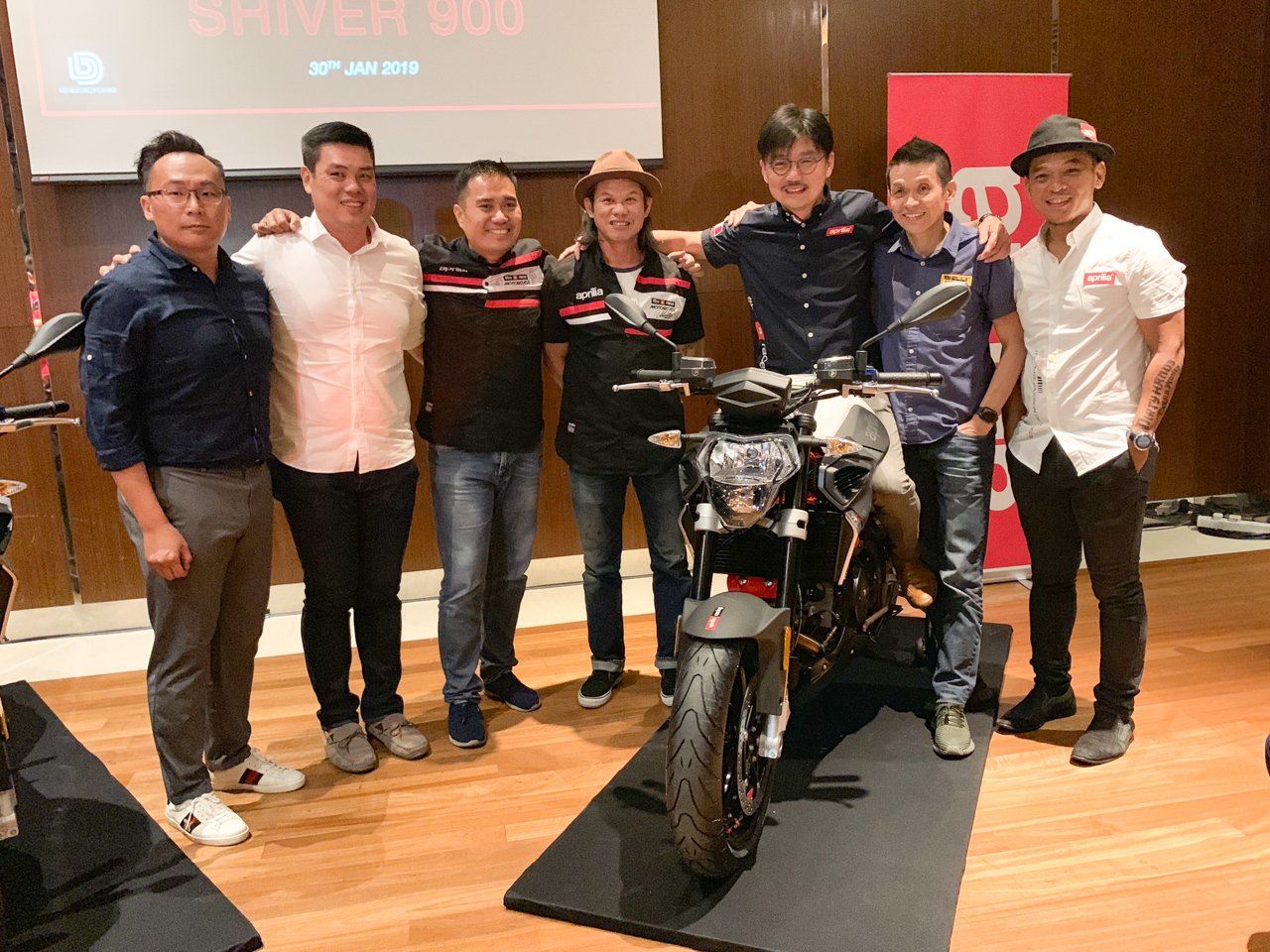
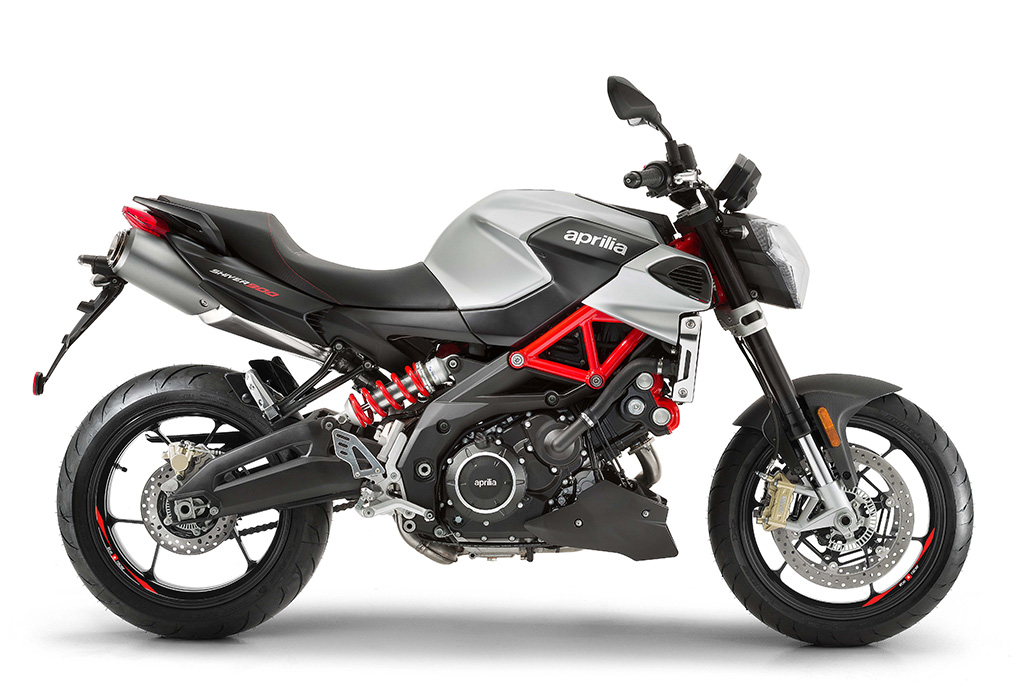
Didi Resources Sdn. Bhd. launched the 2019 Aprilia Shiver 900 today.

The Shiver 900 marks the first model launched by the new Aprilia Malaysia, since their confirmation as the new distributor, their inaugural track day and opening of a new service centre at The Gasket Alley located in Petaling Jaya. Mr. Goh Kian Sin and Mr. Juan Chow Wee, the Managing Director and General Manager of Didi Resources Sdn. Bhd., respectively, unveiled the new bike.

Being a naked standard, the Shiver 900 should open the door to more Malaysian bikers to the Aprilia brand. It is undoubtedly more accessible than the RSV4 superbike and Tuono V4 1100.

Its predecessor, the Shiver 750 sold well in Malaysia and well-known worldwide as a supremely reliable motorcycle.

The 2019 Shiver 900 was introduced at Intermot 2018.

Highlights:

  • 896.1cc, liquid-cooled, DOHC, 8-valve, 90oV-Twin engine.
  • The engine produces 95.2 bhp (70 kW) at 8,750 RPM, 90 Nm of torque at 6,500 RPM.
  • New more efficient exhaust system.

  • Pistons with reduced friction.
  • Semi-dry internal lubrication circuit reduces power losses.
  • More efficient fuel-injectors.
  • Automatic decompressor to ease starting when the engine is cold.
  • Redesigned clutch reduces lever effort by 15%.

  • The 2019 Shiver 900 enters its third year of production since 2017.
  • Ride-by-wire (rbw) throttle (the Shiver 750 was the first production bike to use that technology).
  • 3 ride mode modes: Sport, Touring, Rain.
  • Marelli 7SM ECU shard with the RSV4 and Tuono 1100 V4.
  • Advanced traction control with three level and switchable.
  • Continental dual-channel ABS.
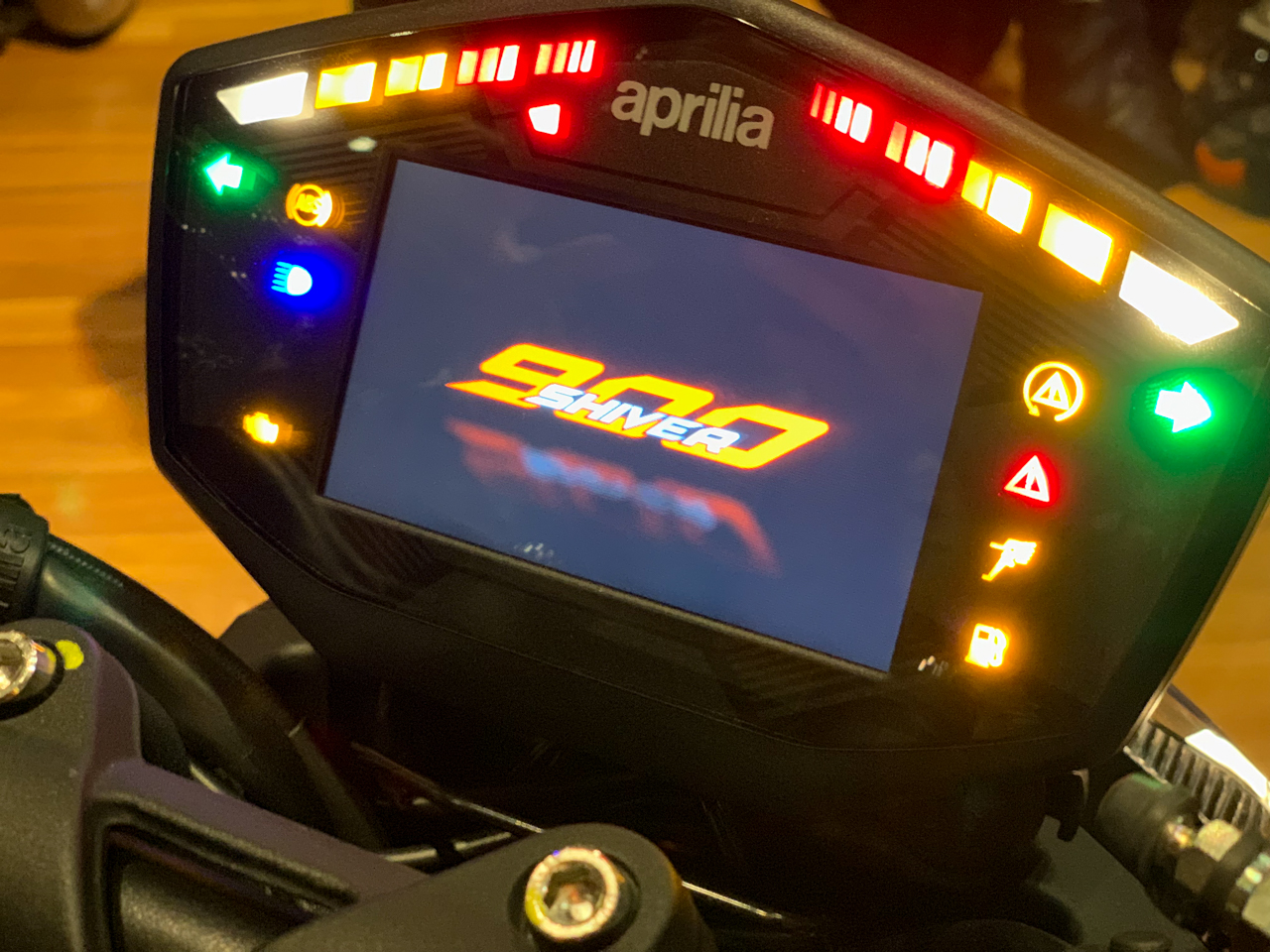
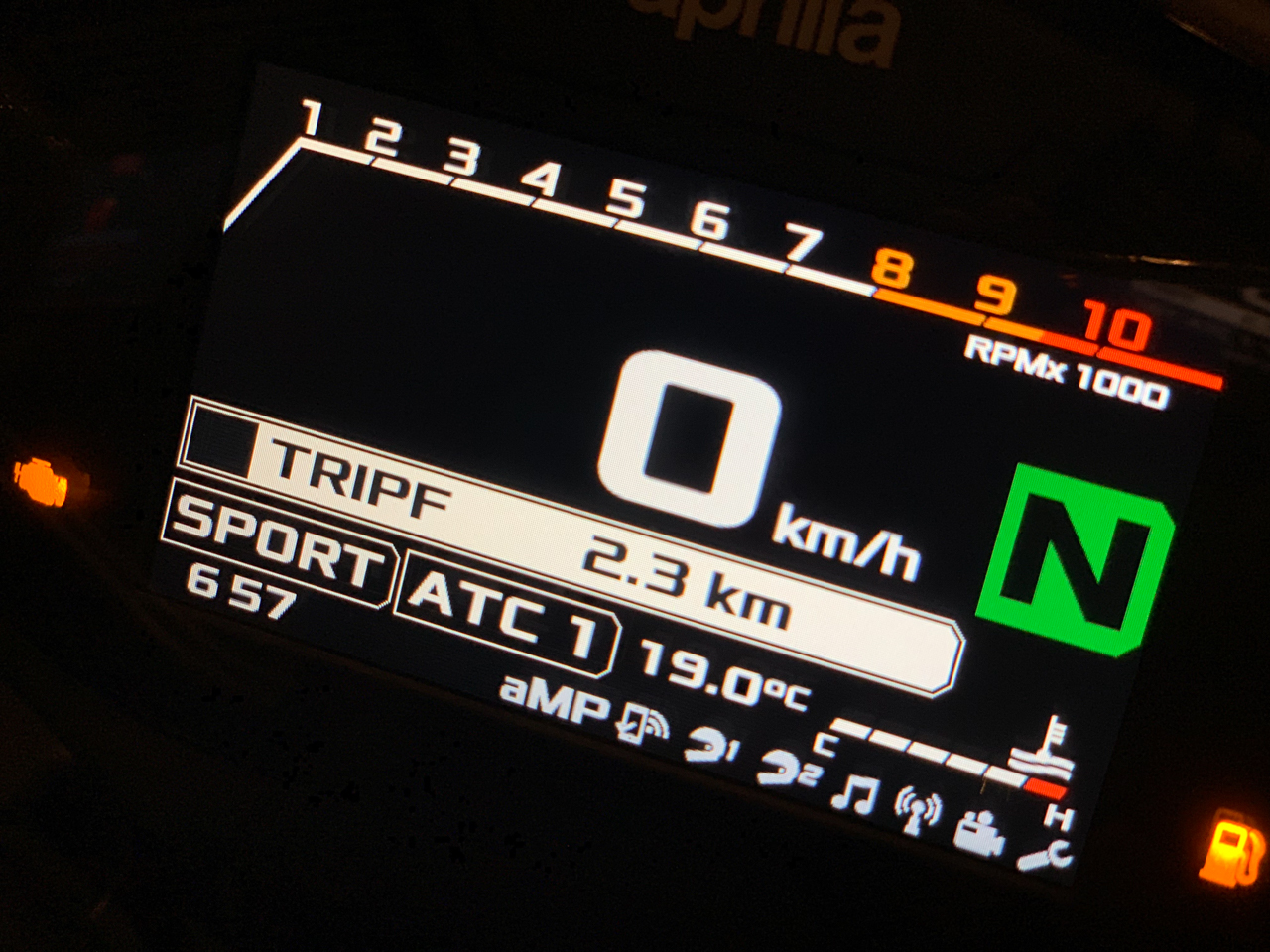
  • 4.3-inch TFT screen (adopted from the RSV4 and Tuono).

  • The TFT features Aprilia MIA multimedia and phone connectivity, plus navigation (through the smartphone app).

  • Redesigned fuel tank side covers, side panels, tail and front mudguard.
  • Kayaba forks adjustable for preload and rebound damping.

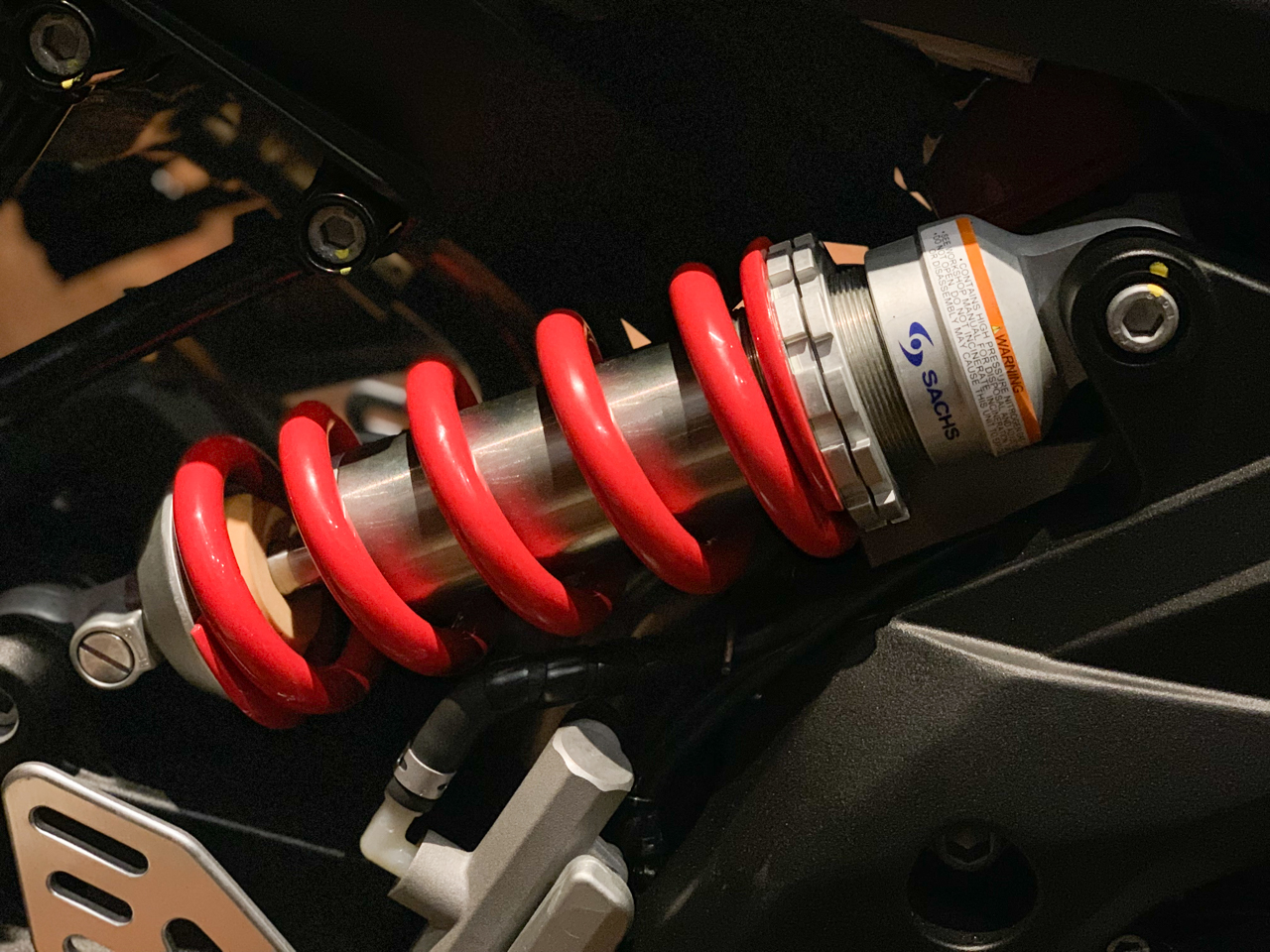
  • Sachs rear shock is adjustable for preload and rebound damping.
  • Offered in Challenging Red and Innovation Dark colours.

95 bhp may not seem much, but the most important factor here is the spread of 2,250 RPM between maximum torque and peak horsepower. This is what’s known as an engine’s “flexibility.” A wider spread means the torque curve is smoother, besides allowing the bike to accelerate quickly in any gear.

The Shiver 900 ought to inherit the Shiver 750’s great handling characteristic, since it retains similar chassis architecture.

The 2019 Aprilia Shiver 900 is fully-imported and priced from RM 72,000 (including SST but not on-the-road).

The bike is available from Aprilia Malaysia at The Gasket Alley, Welly World Cycle Sg. Buloh and Sheng Fatt Sdn. Bhd. in Penang. Please visit the Facebook page https://www.facebook.com/apriliaofficialmalaysia/ and https://www.aprilia.com/en_EN/ for more information.

2019 APRILIA SHIVER 900

ENGINE
Engine type 4-stroke, DOHC, 8-valve, liquid-cooled, parallel-Twin
Displacement 896.1 cc
Bore x Stroke 92.0 mm x 67.4 mm
Power 95.2 bhp (70 kW) @ 8,750 RPM
Torque 90 Nm @ 6,500 RPM
Compression ratio 11.6:1
Transmission 6-speed
Fuel system Electronic fuel injection with ride-by-wire throttle and 3 ride modes
Clutch Multiple-plate wet clutch, hydraulically-operated
CHASSIS
Frame Modular tubular steel frame fastened to aluminium side plates. Dismountable rear frame.
FRONT SUSPENSION ø 41 mm upside-down forks, adjustable for preload and rebound damping
REAR SUSPENSION Monoshock adjustable for preload and rebound damping, aluminium swingarm
FRONT BRAKE 2 X radially-mounted four-piston calipers, ø 320 mm floating discs
REAR BRAKE 1 X Single-piston caliper, ø 240 mm brake disc
TYRE FRONT; REAR 120/70-ZR17; 180/55-ZR17
STEERING HEAD ANGLE 25.9o
TRAIL 109 mm
WHEEL BASE 1465 mm
SEAT HEIGHT 810 mm
FUEL TANK CAPACITY 15 litres
KERB WEIGHT 218 kg (with full tank)
  • Boon Siew Honda wants to be the top brand in Malaysia in 2019.

  • BSH sold nearly 156,000 motorcycles in 2018.

  • As such, they hold 30% market share.

Boon Siew Honda (BSH) aims to put the Honda brand in top position in 2019.

BSH is confident in achieving this goal by setting the benchmark in each motorcycle segment through their range of models and brand positioning.

BSH Managing Director and Chief Executive Officer Keiichi Yasuda said that their confidence was boosted by the company’s performance in 2018. The official Honda motorcycle distributor in Malaysia sold almost 156,000 units last year. It marks an outstanding 28.7% gain from the 121,000 units sold in 2017.

(more…)

  • The 2019 WorldSBK BMW S 1000 RR was unveiled in Portugal.

  • Details of the bike show some of the high-tech components.

  • However, there are a number of more interesting details.

BMW Motorrad unveiled their new S 1000 RR 2019 WorldSBK season contender in Portugal last night. However, they only released the picture Shaun Muir Racing (SMR) team and riders Tom Sykes and Markus Reiterberger.

Asphalt & Rubber, on the other hand, sent in their photographer Steve English to shoot the following details. Here they are in their full glory.

Thumb brake

The most interesting thing one could pick out is the thumb brake lever on Tom Sykes’ bike. Thumb brakes are becoming the norm in racing as more and more riders dangle their legs during hard braking. The only way to activate the rear brake while dangling the right leg is with a thumb brake lever.

Also, a thumb brake can allow riders to press it subtly while leaned over in a corner to tighten their lines. It may also be helpful in helping to control wheelies out of corners.

The multi-colored buttons on the handlebars control the bike’s electronics such the pit lane speed limiter, traction control, engine mapping, etc.

Swingarm

The swingarm on the S 1000 RR WorldSBK racer looks similar to the stock unit. However, the hollow space (where the Regina and Akrapovic decals are) has been filled in, most probably in the interest of adding rigidity.

The stock 2019 BMW S 1000 RR’s swingarm already looks like the race unit’s. It just shows BMW Motorrad’s commitment to winning the WorldSBK and other superbike racing crowns, by designing something that’s pretty much race-ready.

Nissin front brake calipers

The main surprise are the Nissin brake calipers instead of the usual Brembos. The Japanese brake manufacturer has been trying to break Brembo’s dominance in the racing fraternity. In any case, we hope Nissin will trickle down the lessons learned in WSBK to their road products.

Source: Asphalt & Rubber
Pictures: Steve English for Asphalt & Rubber


GALLERY

  • The Ducati MIG-RR electric mountain bike is now on sale in Europe.

  • It is produced through a joint venture between Ducati and Thok E-bikes.

  • It features high-end components.

While we await Ducati’s first electric bike, the manufacturer launched an electric mountain bike called the MIG-RR, instead. The bike was first unveiled at EICMA 2018.

Ducati believes they are tapping into a growing segment. Being mountain bike means the rider can take the bike into otherwise unreachable areas and terrain.

The MIG-RR was produced through a partnership between Ducati and Thok E-bikes. Thok are downhill mountain biking and BMX experts. Ducati’s Design Centre and Aldo Drudi’s D-Perf are also involved in the project. The Drudi name may be familiar to most motorcyclists as the designer of Valentino Rossi’s and other helmets.

The bike is an upgrade to Thok’s current MTB range hence it is equipped with the latest componentry in the MTB world.

Components:

  • Fox 36 Float forks with 170mm travel.
  • Fox DPX2 Factory Series shock with 160mm travel.
  • Renthal carbon fibre handlebar.
  • Dropper seat post
  • Shimano Saint 4-piston hydraulic brake calipers.
  • 11-speed Shimano XT gearset.
  • 29-inch Mavic front wheel.
  • 27.5-inch Mavic rear wheel.

As for drive, the bike features a 250-Watt Shimano Steps E8000 mid-drive motor which produces 70 Nm of torque. Weighing in at only 2.8 kg, it is one of the lightest in the electric bicycle market. Powering the motor is a 504 Watt-hour battery.

The Ducati MIG-RR is priced at €6,250.

  • The TMC Dumont was built around a Rolls-Royce aircraft engine.

  • It rolls on a pair of 36-inch hubless wheels.

  • It won the Best of Show accolade at the 77thDaytona Bike Week.

If you want to see what creativity… well, more like eccentricity, audacity and insanity in the automotive world, look no further than motorcycles. The TMC Dumont illustrates that point to a tee.

The TMC Dumont was built by Tarso Marques and his team. The Brazilian raced for the Minardi team in Formula 1 from 1996 to 2001. It was Malaysian driver Alex Yoong who replaced him in 2001 with three races to go.

F1 career aside, Marques ventured into custom motorcycle building.

The bike looks stunning enough with the those massive 36-inch hubless wheels alone but do spare some amazement for the engine. That’s because it’s a Rolls-Royce Continental V6 aircraft engine which punches out 300 bhp.

The Dumont makes true the adage of a motorcycle consisting of nothing else but an engine and two wheels. The rider sits behind the engine between his legs and in front of the unshielded rear tyre. Its entire chassis sits just a couple of inches above the ground. Hope there’s not speed bump ahead…

Yes, we also wondered where the brakes?

While it may be as practical as using a samurai sword to shave, the custom world heaped praises on the TMC Dumont. In fact, it was conferred the Best of Show award at the 77thDaytona Bike Week.

Who says being eccentric doesn’t get you places?


  • The PETRONAS Yamaha Sepang Racing Team was launched today.

  • It is Malaysia’s and Southeast Asia’s first MotoGP team.

  • The team riders are Franco Morbidelli and Fabio Quartararo.

PETRONAS are fielding teams in MotoGP, Moto2 and Moto3 championships in 2019. The MotoGP team is formally called PETRONAS Yamaha Sepang Racing Team (PETRONAS Yamaha SRT), while the Moto2 and Moto3 teams are named PETRONAS Sprinta Racing Team (PETRONAS SRT). (more…)

  • We’ve put together a troubleshooting suspension symptoms guide.

  • A troubleshooting guide is easier to remember and use.

  • We conclude the series with compression damping.

We provided a guide on troubleshooting preload adjustment and rebound damping previously. We shall deal with compression damping in this last part.

What is compression damping?

To recap, compression damping is opposite of rebound damping. It controls how quickly the wheel travels upwards when it contacts a bump in the road.

Think of compression damping as the resistance when the spring is squeezed.

Too little compression damping (Front)

  • The front dives excessively under braking.
  • Pitches the motorcycles weight on the front wheel when braking making the bike hard to turn it in or causing the handlebar to “waggle.”
  • The forks can bottom out and hit the bump stops when hitting sharp bumps.
  • The rear end of the bike feels like “coming around” when the front brakes are jabbed hard.
  • Steering feels vague and mushy (lack of feedback) similar to too little rebound damping.

Too much compression damping (Front)

  • The forks feel very hard when the wheel contacts the bump.
  • Every ripple and bump on the road are transmitted directly to the chassis and the rider. Big bumps could deflect the wheel completely off the road. (Conversely, too little compression will have the wheel travel all the way up before punching the front end off the road surface.)
  • May cause the front end to ride high in some cases.
  • While dive is reduced while braking hard, the front wheel can become loose when braking over uneven road (as the suspension does not absorb the bumps).
Compression damping is adjusted by the screw in the middle

Too little compression damping (Rear)

  • The rear end tends to “squat” or “sit down” too much during acceleration, causing the bike to run wide (the front end is pushed up causing lack of traction from the front tyre).
  • Hitting bumps and dips at speed causes the rear shock to bottom out.
  • Chassis balance is over-affected by large dips (for example sunken road surface at Sungai Koyan).
  • Steering becomes difficult and erodes confidence.

Too much compression (Rear)

  • Ride is harsh and it gets worse the faster you go. However, too much rebound damping causes the rear to feel even harsher.
  • Too much compression causes rear tyre to hop over bumps, especially when decelerating.
  • Bigger bumps will kick the rear end of the bike up and the rider off the seat.

Conclusion

So, there you have it.

Always “mark” the factory settings before you start and note them down. For example, turn the compression damping to fully minimum and count many clicks to get there. Then, turn it to maximum, noting the number of clicks. Finally, turn it back to the original position and start from there.

Our advice is to adjust one parameter at a time, say start with rebound damping before moving on to compression damping. Adjusting everything all at once will confuse you.

Another advice, do not go to the maximum unless you really, really need to (for example poor quality forks). Having a little less of something may actually gain you more in terms of enjoyment.

Lastly, please do not think you need to add more preload/compression/rebound just because you ride faster. You can do so at the track but that does not necessarily mean going all the way to the maximum. Conversely, adjust what is necessary to allow the bike to work for you, not vice versa.

Archive

Follow us on Facebook

Follow us on YouTube