Fueling these rumors was also Ducati’s CEO Claudio Domenicalli’s statement that the Italian manufacturer is working on more affordable V4-engined models.
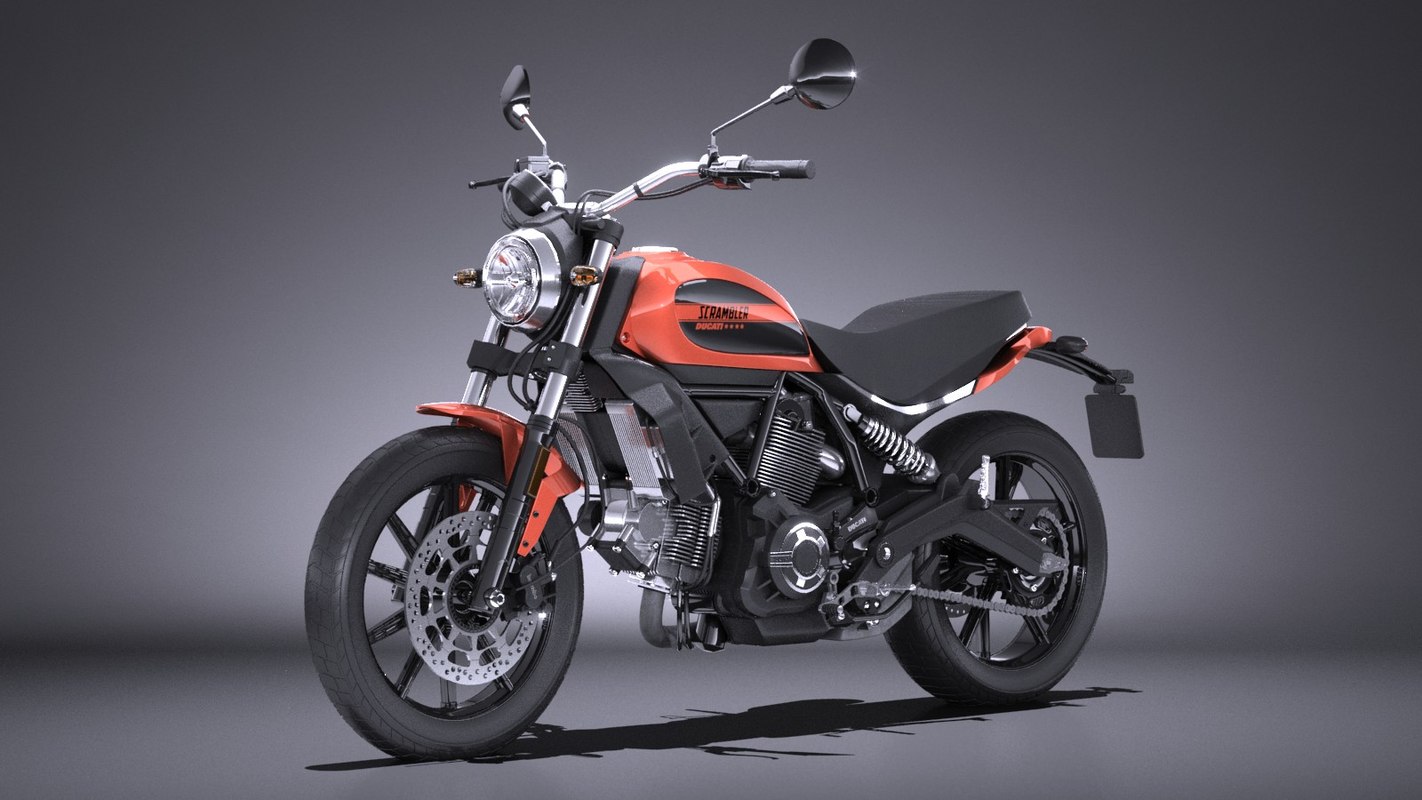
Ducati are among the few premium manufacturers who does not have an affordable sub-400cc bike in their line-up, except for the Scrambler Sixty2 (400cc V-Twin), while the rest have taken the initiative to produce smaller capacity bikes for growing market consumption, such as India and the rest of Southeast Asia.
Ducati Scrambler Sixty2
KTM were the first to tie up with an Indian manufacturer, Bajaj Auto Limited in this case, to produce the smaller 125, 200, 250 and 390 Dukes and RC models, and receiving the engines for the 200cc Pulsar and 400cc Dominar range in return.
Other manufacturers include Triumph Motorcycles Limited who have signed a Memorandum of Understanding with Bajaj to explore the possibilities of producing 400cc motorcycles in the future. BMW co-operated with TVS to produce the popular G 310 R and G 310 GS models.
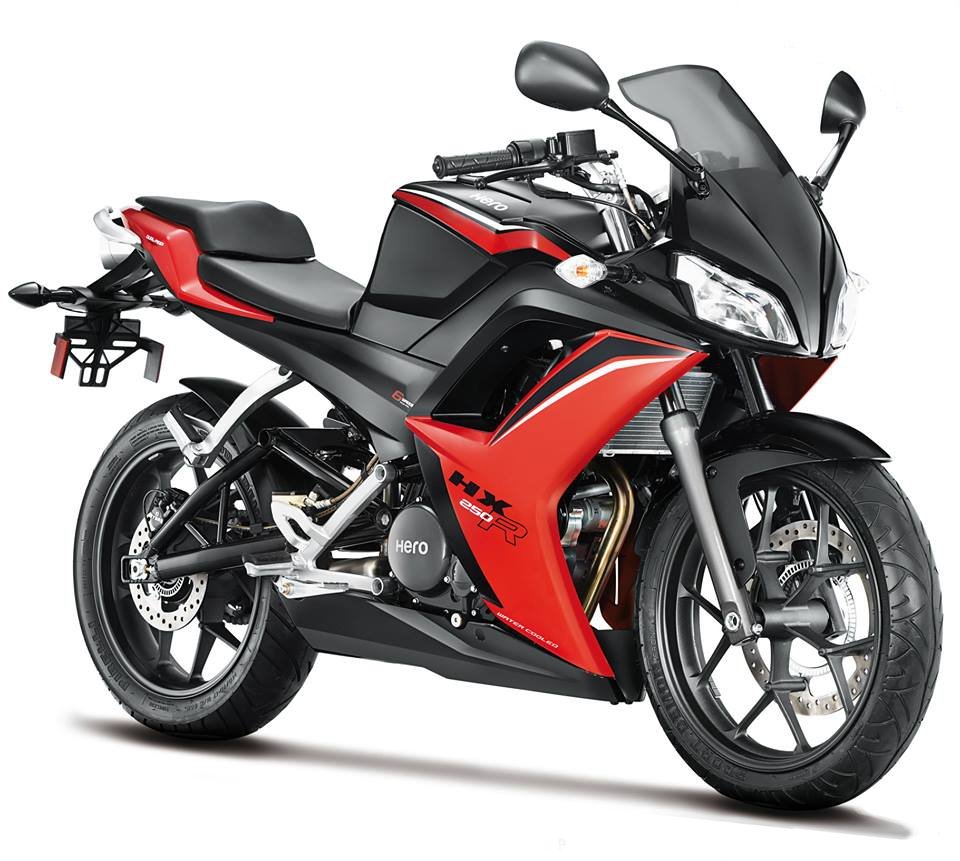
HeroCorp is currently the world’s largest motorcycle manufacturer and is no stranger to tie-ups with other brands, having co-operated with Honda and Buell in the past, although the Indian manufacturer has been producing commuter bikes.
If Ducati and HeroCorp do tie-up, the Italians could do the R&D while HeroCorp produces the bikes.
It’s easy to forget that pros too started from basics.
It’s when they master the basics that they developed their unique riding styles.
Here are Ten Riding Tips from Ten Pro Riders (Part 1).
We watch in awe as the pros battle it out among themselves every weekend; they make going fast seem so easy. But if you’ve ever spoken to any one of them, you will be surprised that the riding basics are the similar – if not the same. In other words, they first learn the basics then evolve it into their personal styles. All riders are cultivated, not born. That’s what prompted us to put together this Ten Riding Tips from Ten Pro Riders article.
Furthermore, there is no such thing as one rider being braver than the next. It all comes down to not only skill but how one rides intelligently.
Here are the tips we collected over time, from interviews or read about throughout the years.
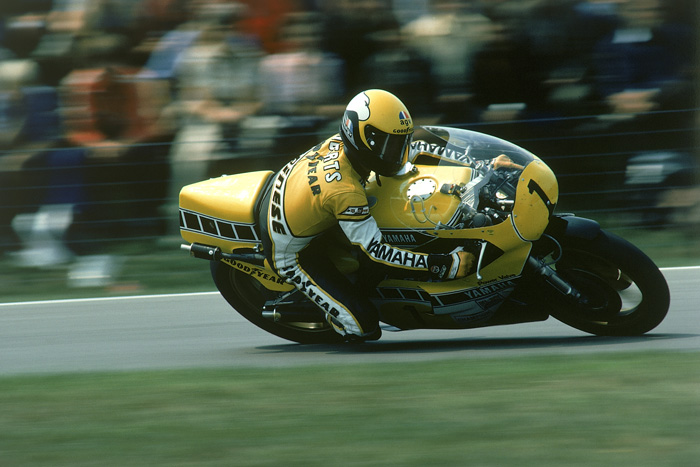
1. Kenny Roberts Sr. – “Go fast in the fast parts”
Kenny Roberts Sr. – courtesy of yamaha-motor.com
Being a vocal rider, Kenny Roberts Sr. was one of the first riders who revealed that there’s no such thing as riding fast and stupid. Instead it came down to analyzing how you ride. That’s how he won three 500cc World GP titles in a row. “King” Kenny doesn’t believe in coasting with the throttle off: You’re either on the gas or braking. The most important parts of a racetrack are the corners with long straights proceeding them and that’s where he rode faster. There’s no point in trying to ride faster in slow corners as the risks outweigh the benefits – in other words it’s easier to crash that way.
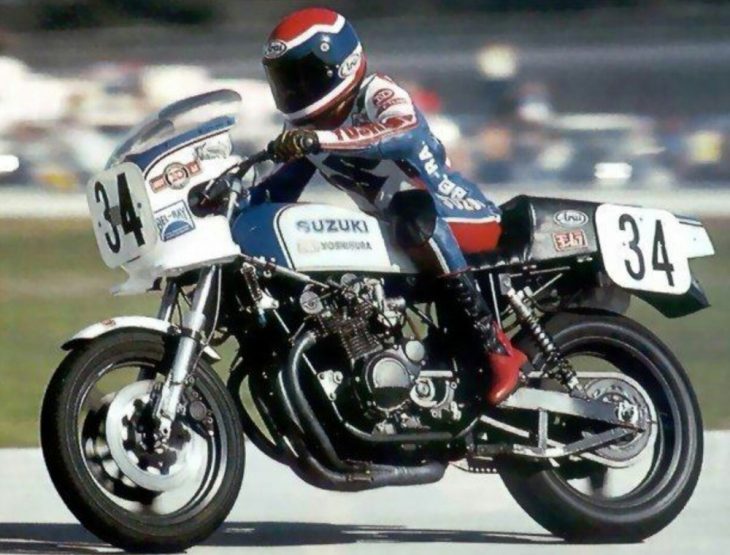
2. Wes Cooley – “Keep your chest on the tank”
Wes Cooley – courtesy of www.cyclenews.com
As a rider of late-70s and early-70’s superbikes, Wes Cooley always kept his chest close to the tank. Doing so puts more weight on the front tyres to help the bike handle. That’s why modern sportbikes are designed the way they are now, besides being more aerodynamic.
Cooley once recounted his story, “One day I came in from practice and my Dad told me I needed to stay tucked in. I told him I had, so he tied shoelace from my suit’s zipper to the ignition key. When I came back in after the next session, my racesuit was unzipped to my waist.”
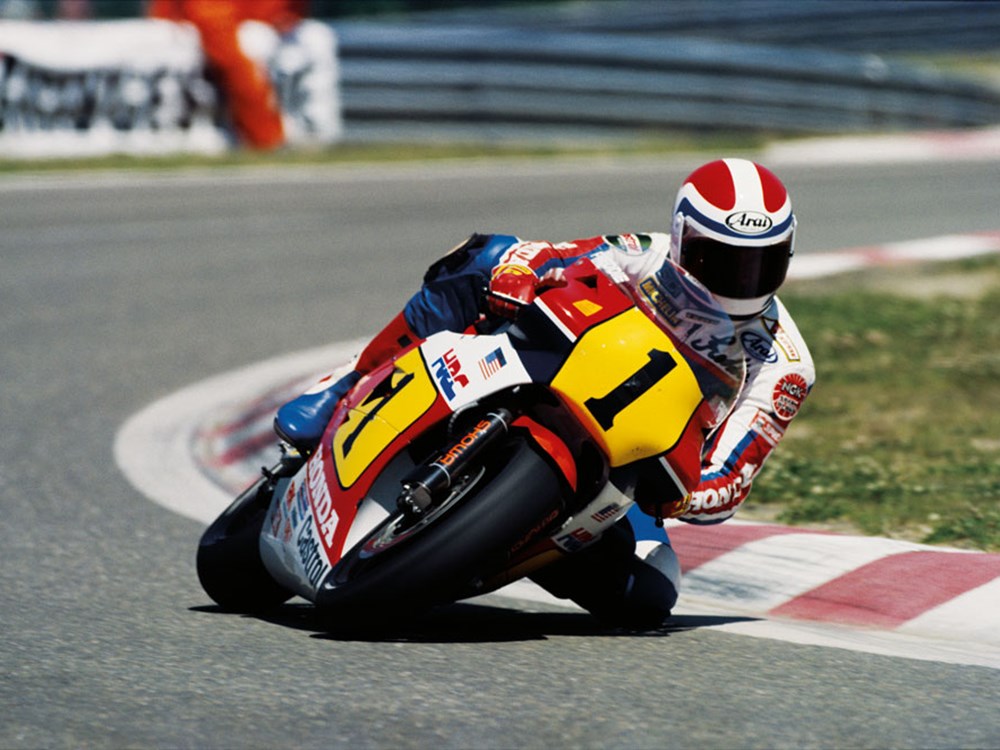
3. Freddie Spencer – “Brake where you need to, not where you think you should”
Freddie Spencer – courtesy of www.motorcyclenews.com
“Fast” Freddie Spencer had his own approach to races. While others would keep detailed notes on braking points, turn-in points, reference points, etc., Spencer was more flexible and played by ear. Doing so allowed him to adjust quickly to fading tyres or changing track conditions. His method netted him the 500cc GP titles in 1983 and 1985, and also the 250cc GP title in 1985. He’s still the only man who had ever achieved such a feat.
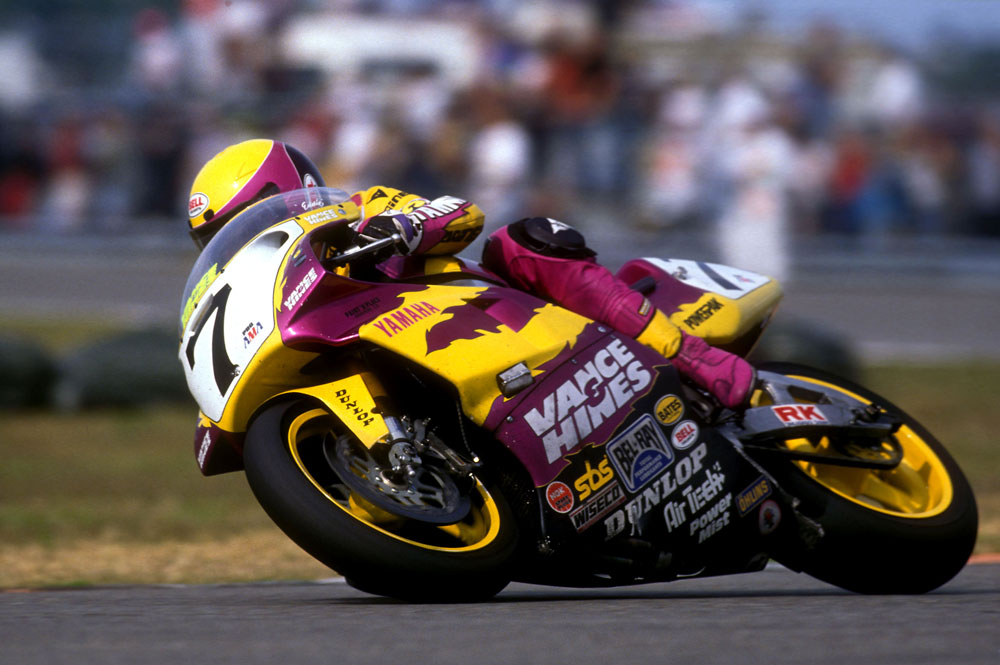
4. “Learn how your suspension works” – Eddie Lawson
Eddie Lawson – courtesy of www.cyclenews.com
“Steady” Eddie Lawson is as cool a rider as it gets. Nothing ever seems to flutter him on and off the track. His cool personality is also a reflection of his super smooth riding style. Additionally, Lawson is a methodical rider who pays lots of attention to his bike settings. Take for example when he returned to the US in 1993 to race in the Daytona 200. He had no prior experience to riding the Vance & Hines Yamaha FZR-750 superbike so he went through the entire range of suspension adjustments in the practice session to settle on the optimal setting. His effort paid off when he went on to beat “Mr. Daytona” Scott Russell.
5. Scott Russell – “Steer with the rear”
Soctt Russell – courtesy of racingcafe.blogspot.com
Say what you will about the enigmatic rider from Georgia, USA but the man is fast. He won the Daytona 200 a record five times due to not only his uncanny tyre management but also his skill in riding a superbike with worn tyres. When grip levels drop, Mr. Daytona would apply a different lean angle in order to use a different part of the tyres. Apart from that, he would gas the bike to spin the rear tyre to tighten his lines. Modern bikes may have traction control to avoid tyre spin but the race mode on most sportbikes do allow the rider to spin the rear tyre, just like what Russell did.
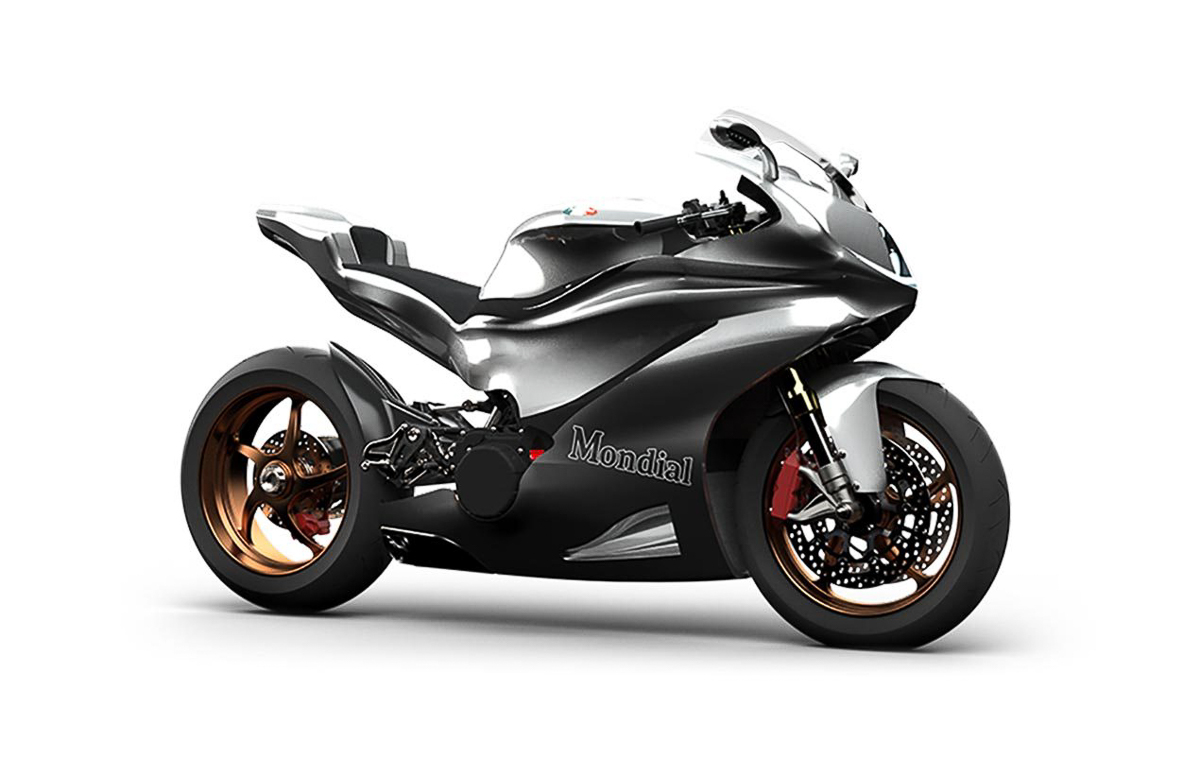
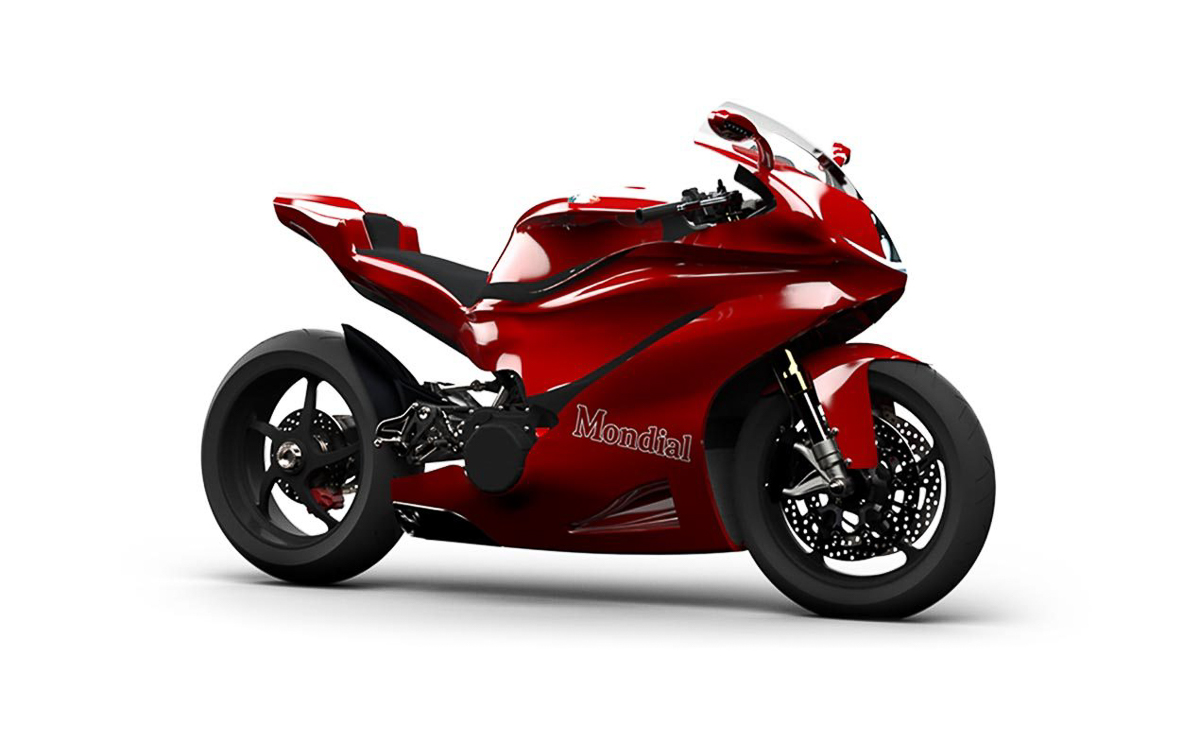
The 2019 MondialMoto V5 superbike set for a spectacular debut supposedly at the end of the year.
With vast experience in motorcycle racing, their latest-generation superbike will be powered by a 200hp 1,000cc V5 engine.
Bookings are now open from €27,995 to €35,995 (around RM130,084 to RM167,225).
A lot of new superbikes rumours have been floating around all around the Internet and the latest one proves to be quite an interesting one indeed. While everyone is working on the already performance-proven four-cylinder configuration, the folks from MondialMoto is going for a step further (or step back) for their next-generation superbike. (more…)
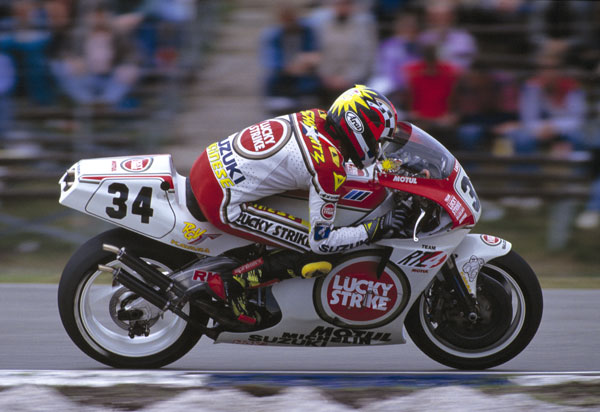
Many motorcycle GP fans no doubt remembers Kevin Schwantz.
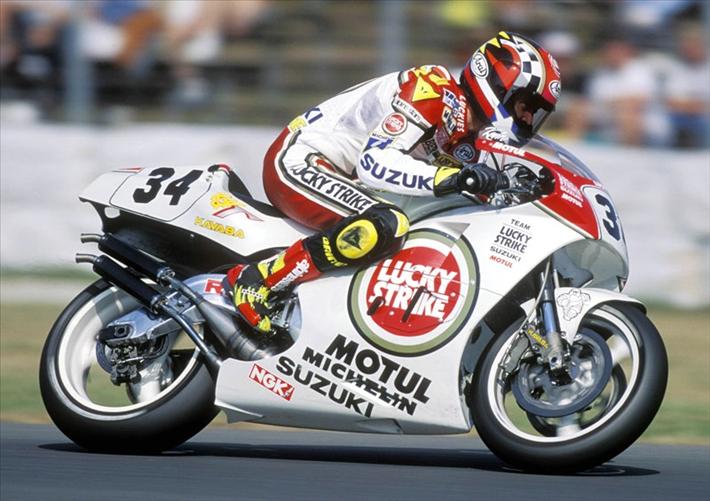
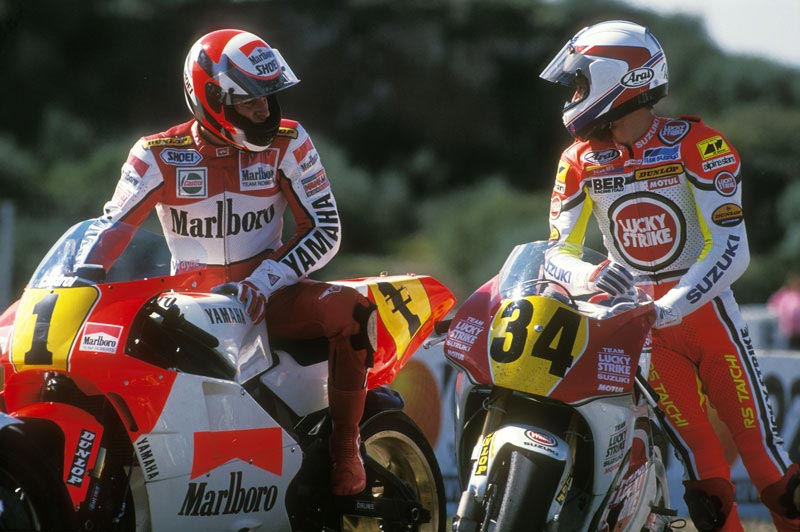
The #34 from Texas was always the favourite rider for his do-or-die attitude.
Schwantz is already in the AMA Hall of Fame and will be inducted into the multi-discipline Motorsports Hall of Fame of America in 2019.
Many long-time fans of the 500cc Grand Prix World Championship will tell you that the golden age of GP racing was in the late-80s and early-90s, due in part to the on-track exploits of rider #34, Kevin Schwantz. As such, it’s only fitting that the Motorsports Hall of Fame of America has announced that they will induct the lanky Texan next year.
Schwantz has already been inducted into the AMA’s (American Motorcyclist Association) Hall of Fame in 1999 and the Fédération Internationale de Motocyclisme (FIM) has since retired his #34 race number in honour of his contributions to the sport besides naming him as a “Legend” in 2000.
Schwantz was born in Houston, Texas to parents who owned a motorcycle shop. He started riding when he was just 3 years old, before competing as a trials rider in the footsteps of his uncle Darryl Hurst whose racing number was 34. He progressed from trials to motocross in his teens and became the regional champion. However, a bad crash in the 1983 Houston Supercross saw him quitting the sport.
During the next year, the Yoshimura Suzuki Superbike team held an audition for riders. Among those who decided to try out was Kevin Schwantz, and the rest was history.
He soon moved up to the World 500cc GP class, where his fiercest AMA Superbike rival, Wayne Rainey had moved to as well. The pair would battle incessantly between themselves and other great riders such as Mick Doohan, Wayne Gardner, John Kocinski, Eddie Lawson, Randy Mamola, et al.
While Schwantz’s smoking rear tyre powerslides won him many admirers, it was his do-or-die attitude that won him endless veneration until this day. In fact, a young Valentino Rossi was also a great fan of #34.
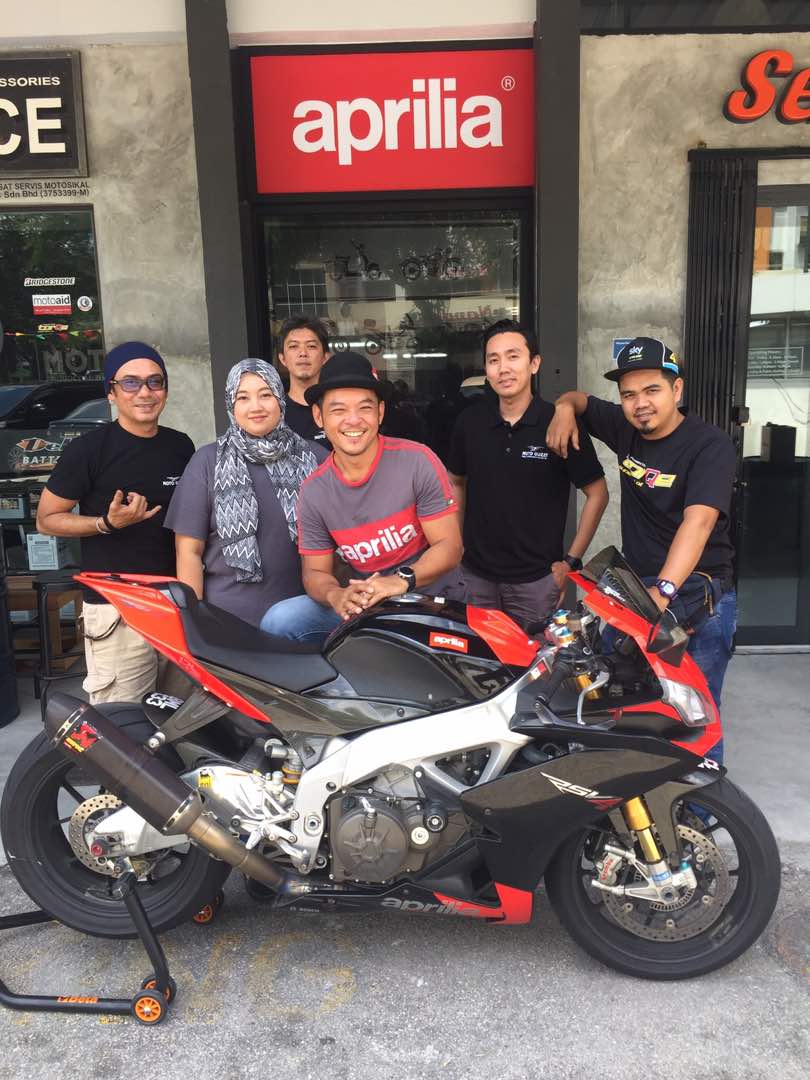
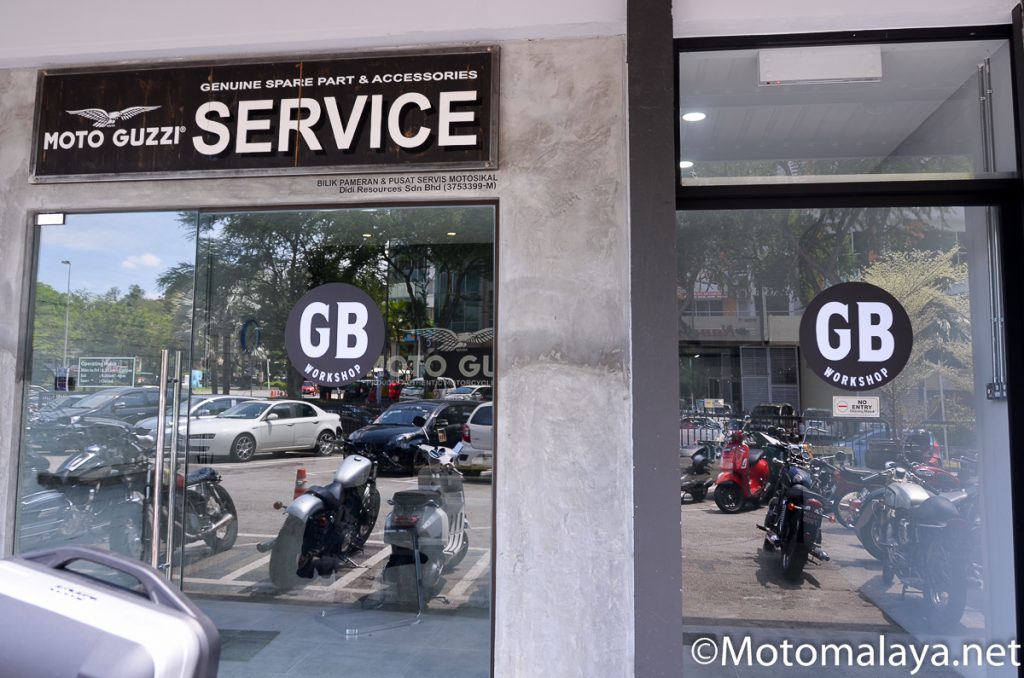
GB Workshop has announced that it is ready to accept all Aprilia bikes for servicing and repair works.
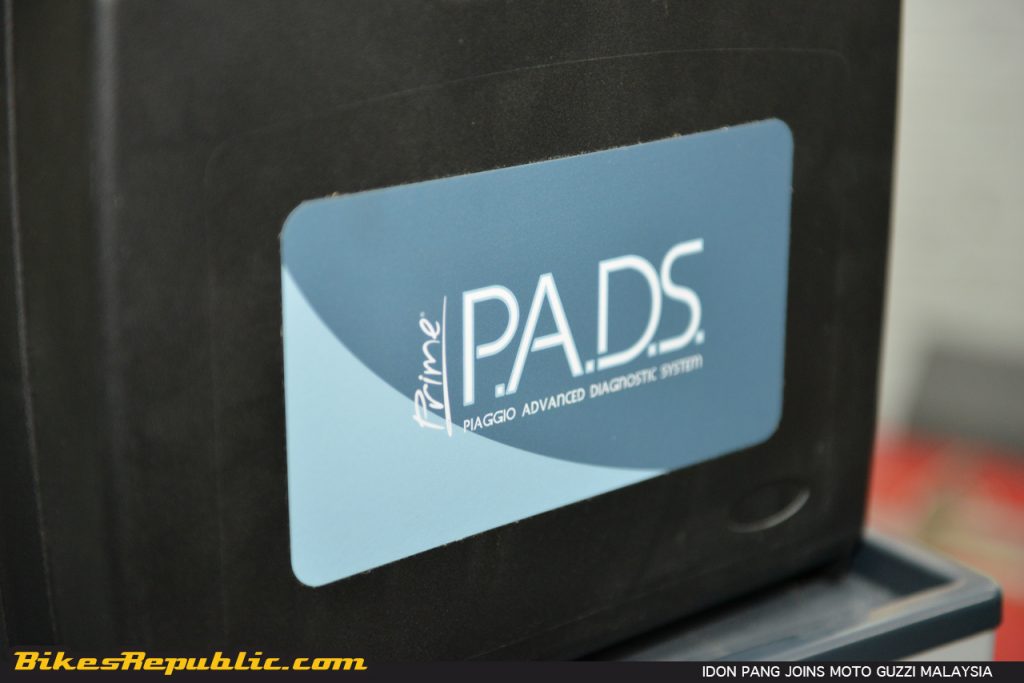
The workshop is equipped with all the latest tools including the all important Piaggio Advanced Diagnostics System.
The workshop is owned and operated by Didi Resources Sdn Bhd, the importer and distributor of Aprilia in Malaysia.
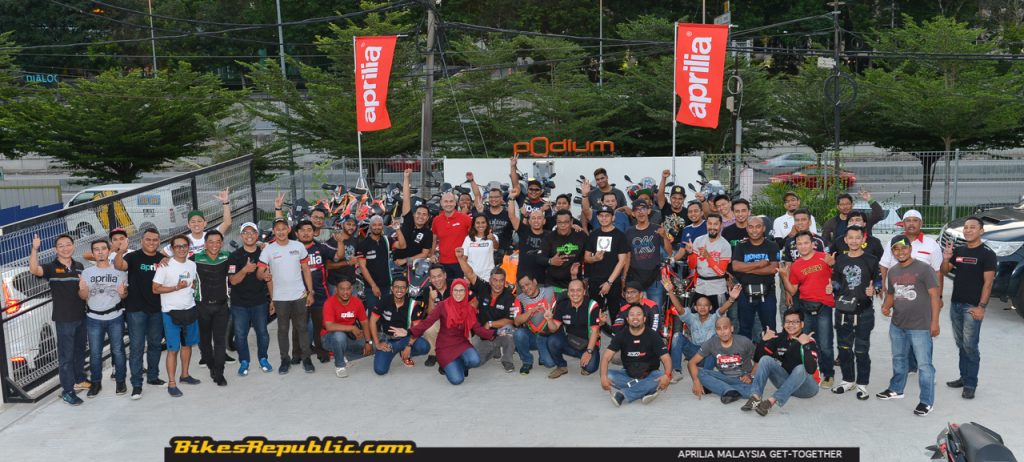
Aprilia owners in Malaysia have plenty to be happy about as they now have someone capable to turn to when it comes to maintaining their machines.
GB Workshop which is located at The Gasket Alley has opened its doors to all Aprilia motorcycles. In a Facebook announcement today by the company’s head of aftersales, Idon Pang, GB Workshop has already been and will continue to carry out all maintenance and repair work for any Aprilia motorcycles, old or new.
GB Workshop is owned by Didi Resources Sdn Bhd, which was recently announced as the new importer and distributor of all Aprilia motorcycles in Malaysia (read that announcement here). The company also manages the importation and distribution of Harley-Davidson and Moto Guzzi in Malaysia.
The workshop is equipped with all the latest diagnostic tools such as the all important Piaggio Advanced Diagnostics System which is required to maintain all Aprilia machinery. Not only that, but the team at GB Workshop has also been properly trained and have years of experience working on Aprilia bikes. Idon Pang for one was the former head of aftersales when the brand was still being managed by its previous distributor.
So when it comes to maintaining your Aprilia, trust that there is no other workshop more capable than GB Workshop.
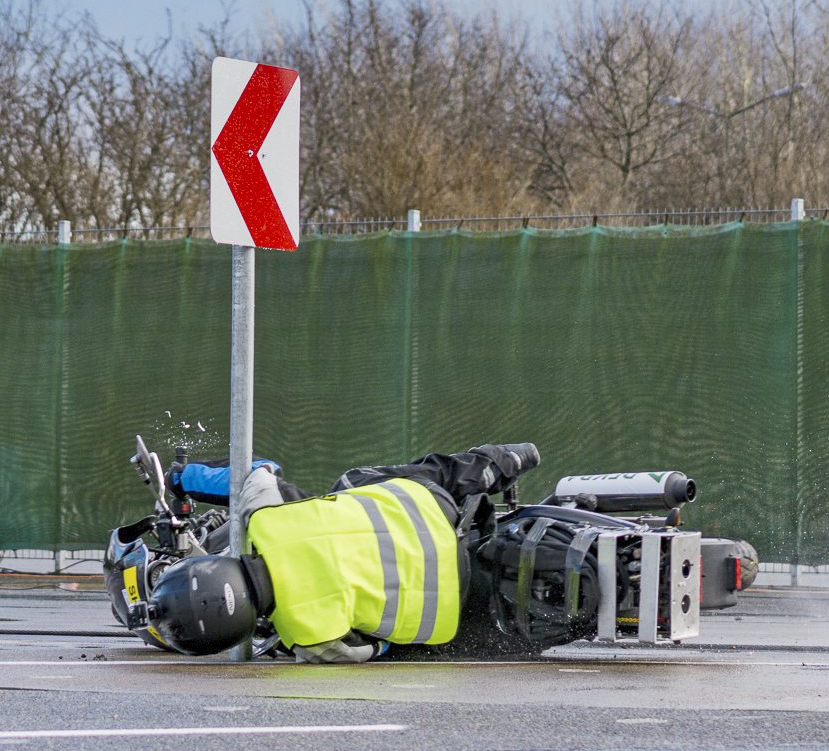
We motorcyclists have known for a long time that contact with metal road signs results in serious injuries or even fatalities.
The UN and EU have recommended that metal signs and barriers be removed.
Germany is taking the lead to replace steel road signs with plastic ones.
Apart from the steel barriers we see lining highways here, there are also steel road signs which are dangerous to motorcyclists. How many times have we seen bikers losing their limbs and lives after colliding with these “safety barriers”?
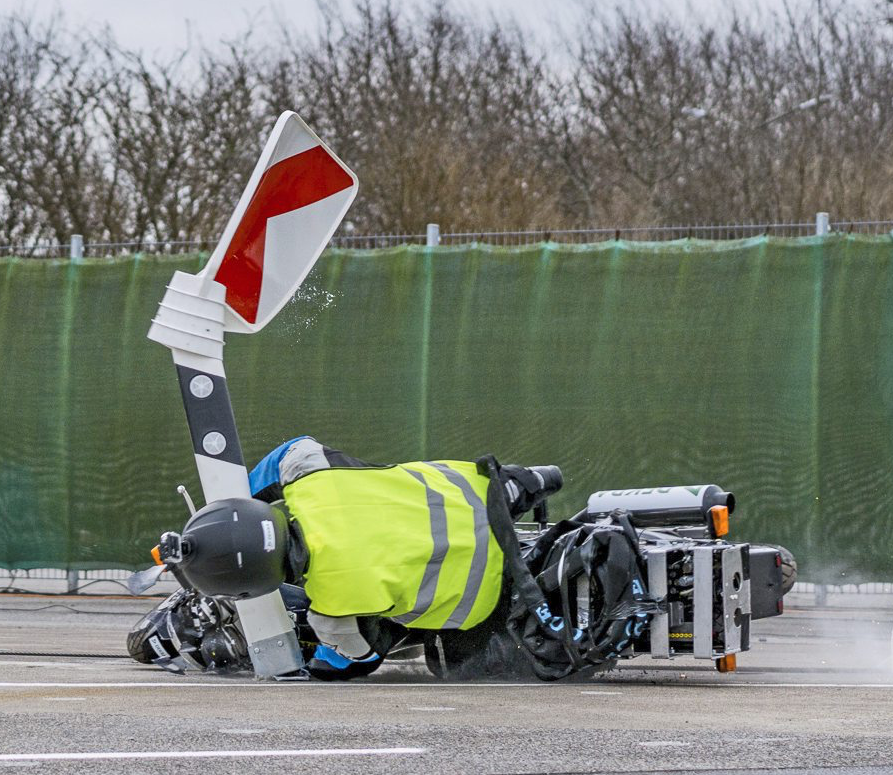
Many developed countries around the world are taking steps to replace their road barriers. Germany, on the other hand is taking the initiative to replace steel road signs with plastic ones, in addition to barriers. Check out the main picture of this article.
While we motorcyclists have long known about the dangers of crashing into a road sign, the German safety research facility DEKRA (seen this logo on Michael Schumacher’s cap) researched the hazard for quantifiable results. They found (no surprise) that motorcyclists are likely to be killed if they hit steel signs.
As such, they are advocating plastic road signs. Please watch the DEKRA video below.
The United Nations conducted a road safety survey and published a report in 2017. Among the recommendations are calls to remove roadside hazards that are proven to cause injuries and fatalities among motorcyclists. The 108-page paper by the World Health Organization found that motorcyclists are 15 times more likely to be killed compared to crashing where there is no hazard. The severities of injuries are also increased.
Hitting a steel sign post – Courtesy of Dekra
The Federation of European Motorcyclists’ Associations (FEMA) and European Union Road Federation (ERF) have also published a report called “Improving infrastructure safety for powered two-wheelers” which echoed the call by the WHO, which includes installing motorcycle protection systems on guardrails, maintaining skid resistance of pavement markings (i.e. lines) and ensuring that road surfaces are maintained.
Speaking about those hazards we need to point out that while our roads in Malaysia are actually quite good compared to our immediate neighbours but there are still much to improve for safety. Our observations are:
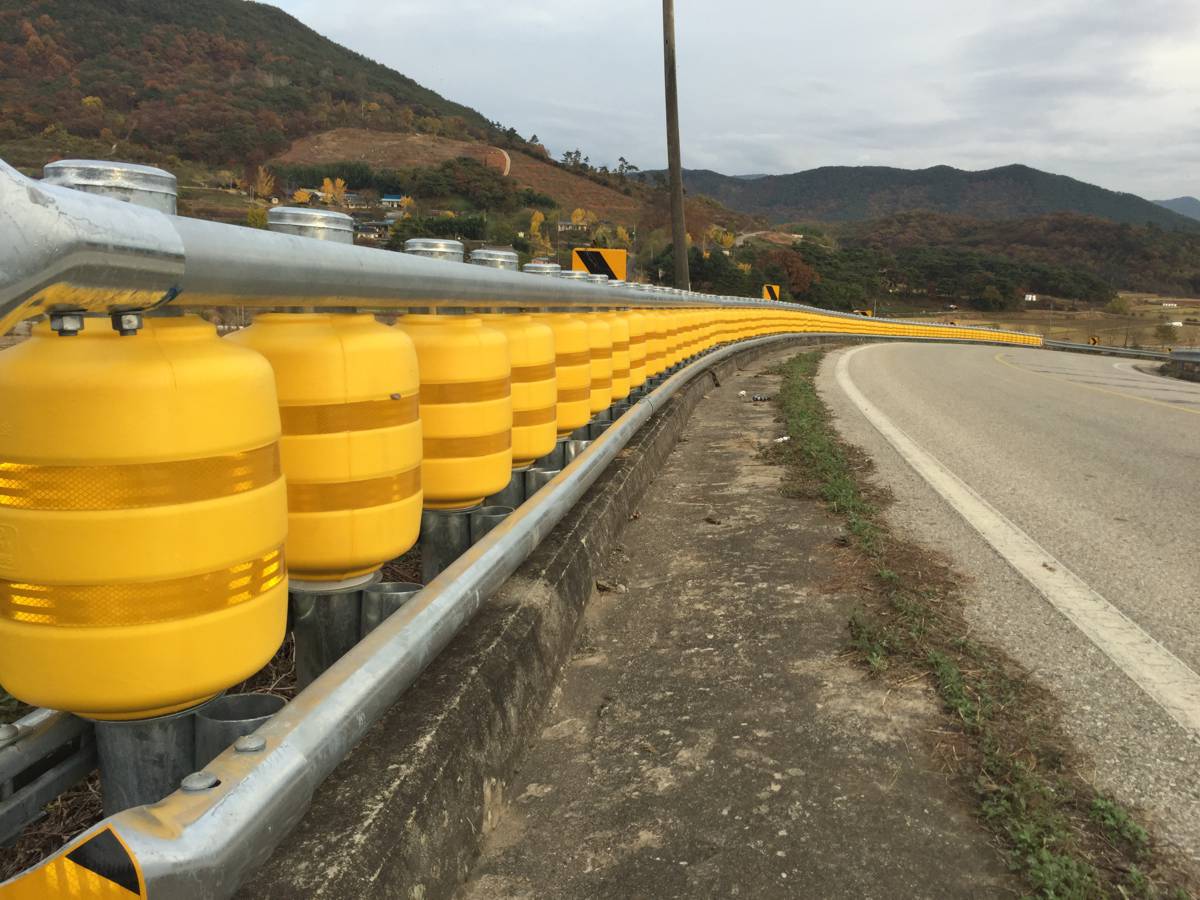
We’ve seen the new rolling guardrail barrier at a corner along the Karak Highway and hope more are installed.
The lines on the road are hardly “skid resistant” and are slippery even when dry.
While they highways are generally well-maintained, there still potholes that rival the craters on the moon.
We hope that the new Minister of Transport and the Road Transport Department will view these seriously.
Rolling guardrail in Korea – Courtesy of highways.today