Bikesrepublic

Latest News

  • Suzuki Motorcycle Italia posted a picture of a “special” GSX-R1000.

  • The hashtags seemed to suggest it will appear at the San Marino GP this weekend.

  • We hope it is a homologation model for WSBK in 2019.

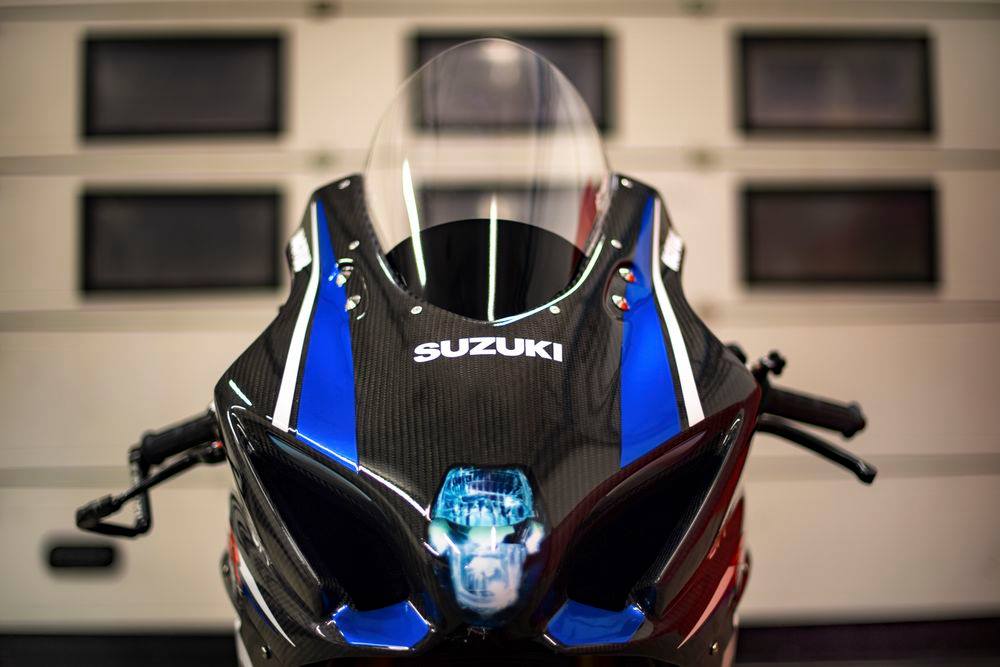
Suzuki Italy had done a naughty thing by posting a picture of a special carbon-clad GSX-R1000 on their Facebook page along with #spotted #staytuned #motogp #2019 hastags. It’ll probably give Suzuki fans sleepless nights.

It seems to be a special edition Gixxer, by the looks of it since it is fitted with carbon-fibre fairing, lever guards and racing style windscreen. Plus, judging from the hashtags, it will probably break cover during this weekend’s San Marino MotoGP and is a 2019 model in accordance with the #2019 hashtag.

But of course, it may not be a high-volume production bike, instead it would very well be a limited production, high-end homologation model for the World Superbike Championship. Remember that WSBK is productions-based, hence manufacturers need to produce a certain number of homologation models in order to be eligible in the series. Being production based also means that the race bikes has to be as close to the bikes you and I can buy, so manufacturers build these special models with as close as they are to racing specs. Case in point: The 2019 Kawasaki Ninja ZX-10RR with titanium connecting rods and finger follower valve actuation.

Other manufacturers have followed such path for example the Ducati 888 SPS, Ducati 916 SP/SPS, Ducati 1199 Panigale R, Yamaha YZF-R1M, Aprilia RSV4 APRC Factory, the aforementioned Kawasaki Ninja ZX-10RR, Honda CBR1000RR Fireblade SP2, and many more.

Let us hope that Suzuki does build this special model, instead of being a one-off for the San Marino GP and reclaim the World Superbike Championship title they won in 2005 with Troy Corser.

Stay tuned.

  • The provisional 2019 MotoGP has finally been revealed.

  • Mexico and Finland are not included.

  • The 2019 season will kick off earlier.

Dorna has revealed the 2019 MotoGP calendar.

As speculated earlier, the 2019 season will not include Mexico and Finland as expected earlier, as the track in Mexico City is deemed too dangerous for 350 km/h motorcycles while the Kymiring circuit in Finland is still under construction. They are expected to join in the 2020 season.

Next year’s calendar may look the same as this year’s, but there are a few changes.

The 2019 season begins at Qatar on 10th March, which is earlier than usual and one week ahead of *cough* F1, instead of the other way around. Argentina follows three weeks later and the United States after that in two weeks.

The championship will only head to Europe for the first of the five – yes, five! Greedy buggers –  Spanish rounds at Jerez on 5th May. The customary 3-week summer break follows after Sachsenring, Germany.

The British GP will still be held at Silverstone. The circuit needs to solve the drainage problems if it wants to remain on the MotoGP calendar, after this year’s embarrassing cancellation. Dorna has demanded the changes.

A big change is the San Marino GP at Misano which will be moved a week later to 15th September to avoid clashing again with the high-speed procession that’s F1 at Monza. This means San Marino and the other Spanish round at Aragon back-to-back. It is going to be a challenge for logistics as the two tracks are separated by 1500 kilometres.

The final five rounds follow the same order, including the Malaysian MotoGP at Sepang International Airport on 3rd November 2019 as the penultimate round.

Date Grand Prix Venue
March 10th Qatar* Losail International Circuit
March 31st República Argentina Termas de Río Hondo
April 14th Americas Circuit of The Americas
May 5th Spain Circuito de Jerez
May 19th France Le Mans
June 2nd Italy Autodromo del Mugello
June 16th Catalunya Barcelona – Catalunya
June 30th Netherlands TT Circuit Assen
July 7th Germany Sachsenring
August 4th Czech Republic Automotodrom Brno
August 11th Austria Red Bull Ring – Spielberg
August 25th Great Britain Silverstone Circuit
September 15th San Marino e della Riviera di Rimini Misano World Circuit Marco Simoncelli
September 22nd Aragón MotorLand Aragón
October 6th Thailand Chang International Circuit
October 20th Japan Twin Ring Motegi
October 27th Australia Phillip Island
November 3rd Malaysia Sepang International Circuit
November 17th Comunitat Valenciana Comunitat Valenciana – Ricardo Tormo
  • Yamaha’s patent for a road-going “seamless” transmission for the YZF-R1 has been leaked online.

  • The seamless transmission was a revolution when Honda introduced it to their MotoGP bike.

  • The transmission is designed to provide a “seamless” drive.

When Honda innovated and used the “seamless” transmission it their MotoGP bikes a few years back, other manufacturers scrambled to produce their own. Now every MotoGP bike uses the transmission. We remembered when Yamaha was struggling to develop their own “seamless” gearbox during the 2014 Winter Test at the Sepang International Circuit. Jorge Lorenzo had pushed for his then team to debut it quickly as he was opinion that the system helped with stability during braking.

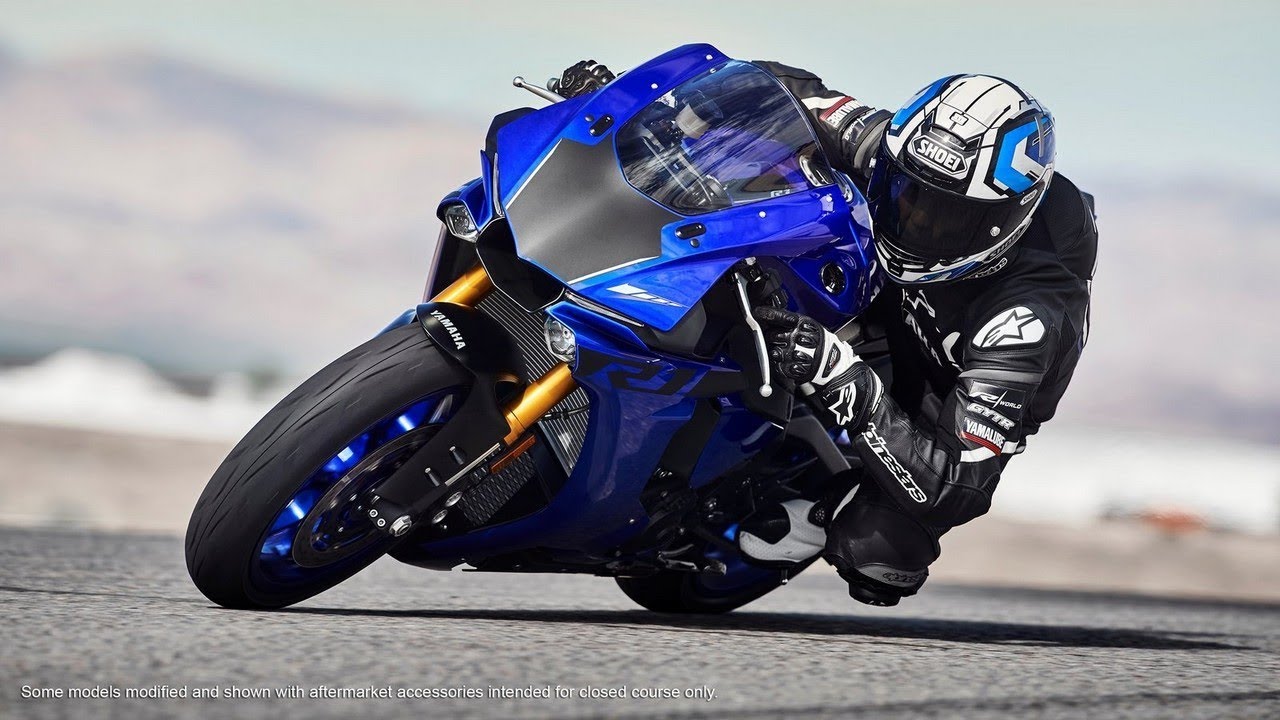
Well, now it’s Yamaha who had filed a patent for a similar system to be fitted to the YZF-R1.

The design for such a gearbox is complex but the idea is to deliver a seamless flow of power, even while shifting gears, hence the name. A quickshifters, on the other hand, actually interrupts power transmission momentarily when another gear is selected.

As an in-depth explanation will take something shorter than a thesis, we’ll be brief.

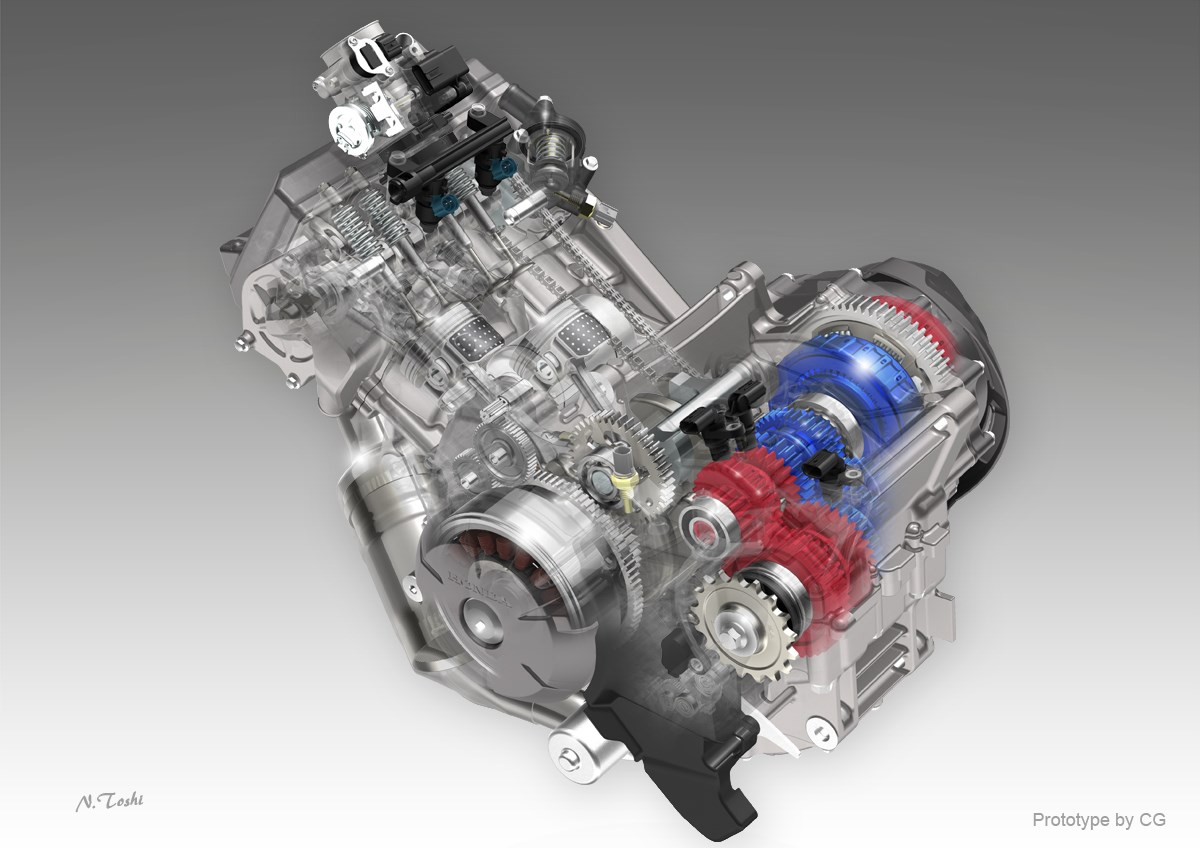
The seamless transmissions in MotoGP use a large number of pawls inside gear wheels that lock and unlock gears like ratchets, allowing two gears to be engaged at the same time. With the slower gear is freewheeling on the pawls, power from the engine is uninterrupted.

Truth is, there are a couple transmission systems on road bikes that transmit power without interruption – the CVT in scooters and Honda’s proprietary dual-clutch transmission (DCT) which is used in the Africa Twin, X-Adv, NC750, VFR1200 and Gold Wing among others. But these are different to the seamless gearboxes used by MotoGP bikes.

Yamaha’s design avoids the extra weight of Honda’s DCT and uses the normal hand-controlled clutch and foot-operated gearchanges. But just like its MotoGP counterpart, two gears are briefly connected during upshifts and downshifts. You may think it’s something like DCT but using gears instead.

While the benefits of seamless transmission may be negligible on the road except for bragging rights, it will may certainly benefit the Yamaha YZF-R1 in World Superbike racing.

The road technology is still in patent stage, so let’s hope to see it in production sooner or later.

  • BMW Motorrad Malaysia has published the prices with SST.

  • The SST (Sales & Service Tax) came into effect on 1st September 2018.

  • The rate is 10%.

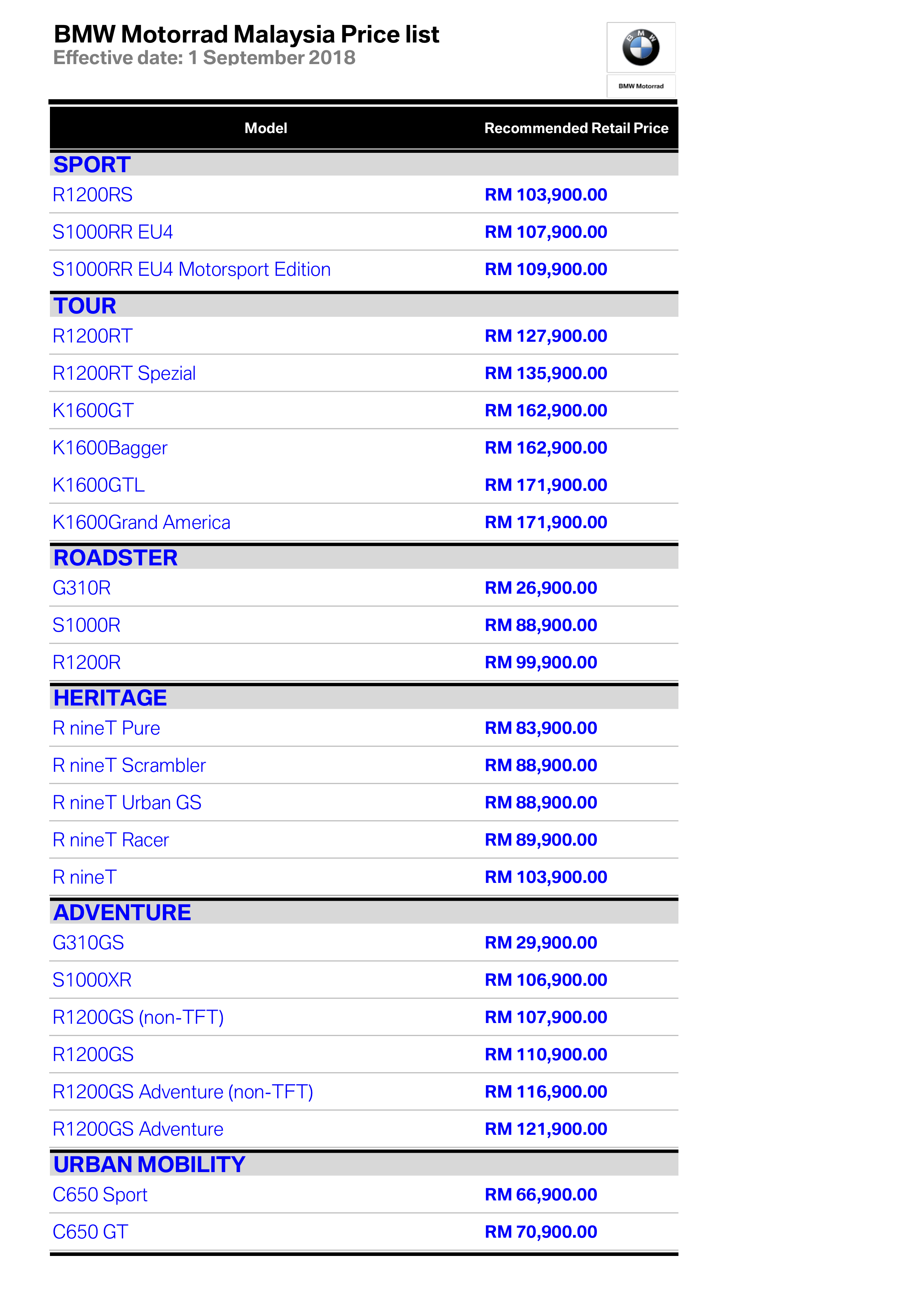
BMW Motorrad Malaysia has released the new prices of BMW motorcycles following the re-implementation of the Sales & Services Tax (SST) which took effect from 1st September 2018.

As outlined by the Ministry of Finance, motorcycles under 250cc are exempted from SST, without other details. This meant that 10% SST is charged on motorcycles above 250cc regardless if they are CKD (completely knocked-down i.e. locally assembled) or CBU (completely built-up i.e. fully-imported).

Please refer to the table below.

Generally, prices have definitely hiked compared to when GST was set at 0% but they are perhaps more accurate if compared to the prices when 6% GST was implemented. Almost all models see price increases between RM 1,000 to RM 3,000 compared to when 6% GST applied but there are exceptions where the prices remained the same.

A check with BMW Motorrad Malaysia clarified that, “We wanted to make it affordable for everyone.”

Let’s take a look at a few key models.

In the Sports category, the prices of the ever-popular S 1000 RR superbike went up by RM 7,000 compared to 0% GST, but only increased by RM 1,000 over their 6% GST prices. The R 1200 RS went up by RM 2K.

2018 BMW S 1000 RR test & review – “German Masterpiece”

Price in the Touring range which includes the R 1200 RT and K 1600 variants however, increase between RM 2,000 to RM 3,000 compared to compared to 6% GST.

2018 BMW R 1200 RT Test & Review

The Roadsters, or “nakeds” for want of another definition, see their prices hiked by RM 2,000, except for the G 310 R, whose price remains at RM 26,900.

Over to the Heritage line-up, prices for the R nineT range see an increase of RM 1,000 except for the R nineT Pure and R nineT Racer variants.

BMW R nineT Racer Test and Review – Looks are Everything

As for the Adventure category where the R 1200 GS resides, the price of the G 310 GS remains the same at RM 29,900, while the rest see their prices increased.

BMW G 310 GS Test & Review

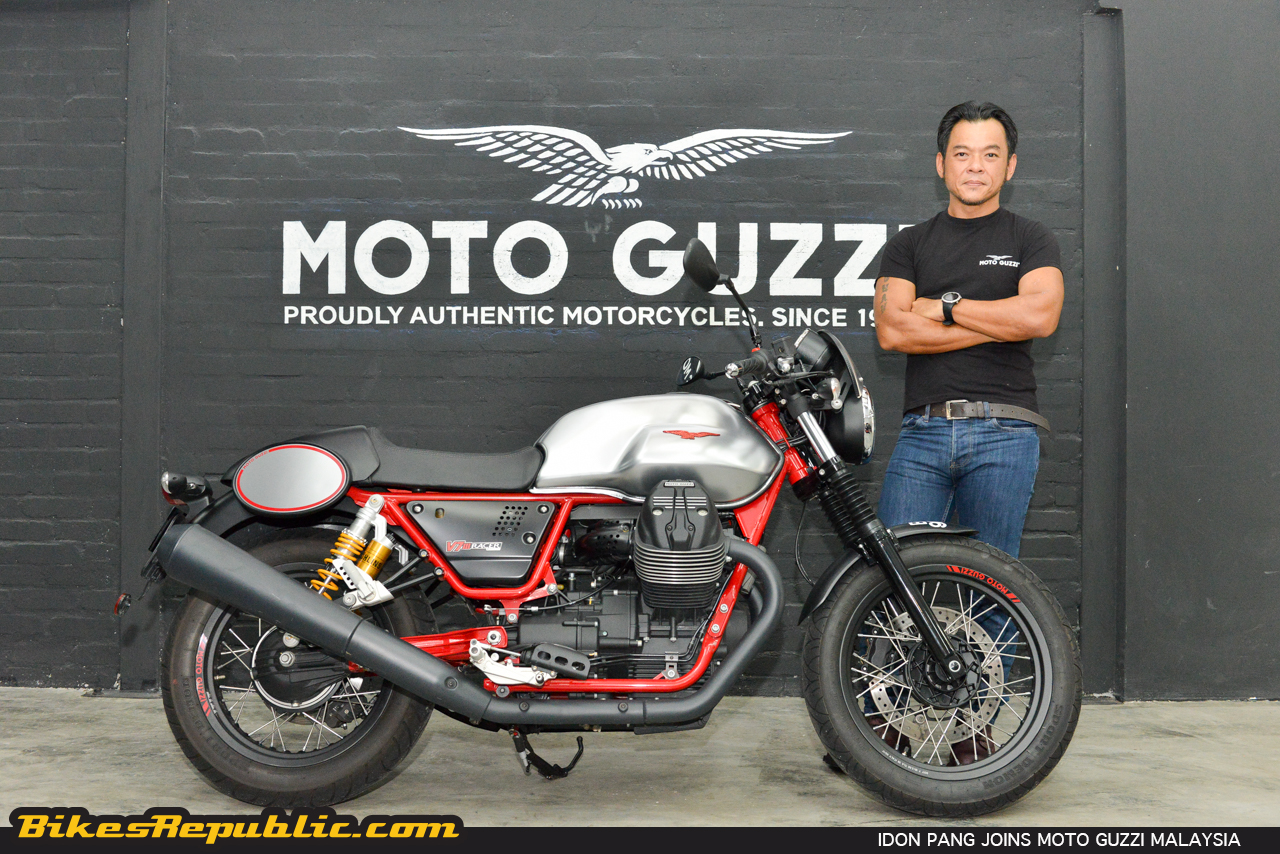
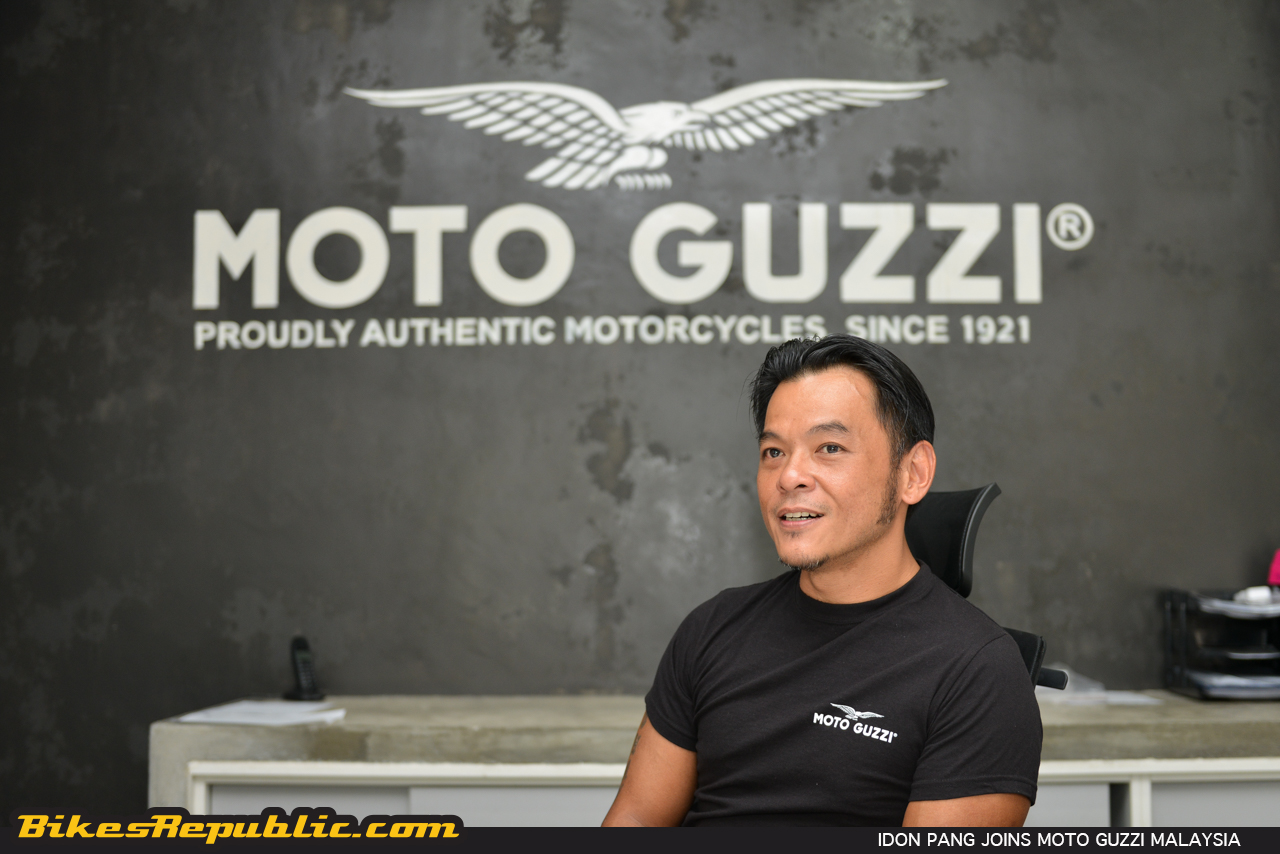
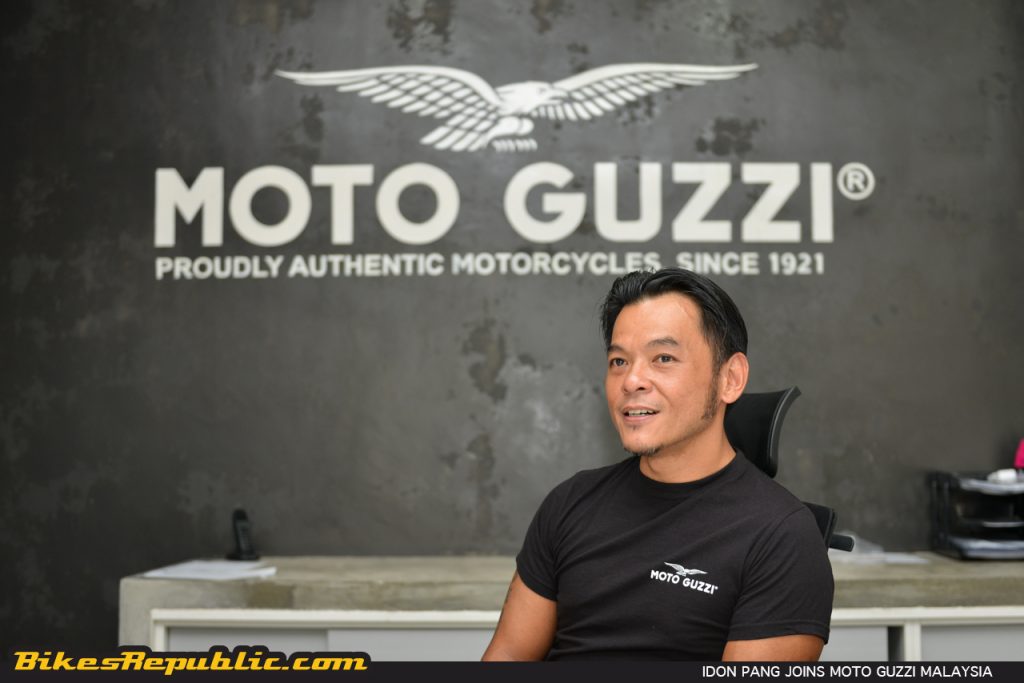
  • We spoke to Idon Pang, the Aftersales Manager for GB Workshop, the official aftersales service centre for Aprilia and Moto Guzzi Malaysia about certified technicians.

  • Idon iterates that there is a shortage of certified technicians in market.

  • Especially that motorcycles are now more and more complex due to electronics.

Since we have been posting about certified motorcycle technicians, we decided to speak to a well-known aftersales manager on his thoughts on the matter.

The person we spoke to was Idon Pang, who is known for his dedication to motorcycle aftersales, his resourcefulness, customer-centric ethics and experience in Moto Guzzi, Vespa and Aprilia motorcycles, among others.

Bikes Republic (BR): Hi Idon, we’d like to talk about your thoughts on certified motorcycle technicians.
Idon Pang (IP): Yes, sure. I have met some people and read about TOC Automotive College’s Superbike Technician Course recently and I think it’s a fantastic idea.

Certified Superbike Technicians are in demand!

I’ve been in the industry for more than ten years right now and my challenge in aftersales is having enough certified technicians to carry out the work. Many people don’t see it, but I think TOC have noticed this issue. There is a big gap between current motorcycle technology and the people who are certified to handle and maintain these technologies or making it even better. The gap is very big.

The European countries and also America have many certified technicians, called “engineers,” who are able to handle these new technologies.

Asia, on the other hand, is the fastest growing motorcycle market but the level of our workforce is very, very far behind.

That’s why I’m very happy to see TOC pick this up.

BR: What’s the difference in working with certified and non-certified technicians?
IP: I’ve been very fortunate to work with both throughout the years. In fact, I am a bit of both, as well.

I am certified for a number of motorcycle brands; as you know I’m more skilled towards Italian bikes. I learned through non-certified methods in the beginning. My sifus like the late Mr. Eddie Chia and later his sons, and a number of small motorcycle workshops taught me the tricks and tips of the trade. It’s from here that I saw both extremes.

Having certified technicians means that things had to be done to a certain standard. For example, Malaysia is now adopting standards for mechanics, so we are hopeful that this will provide better quality work for customers.

To be honest with you, certification alone isn’t enough as the student may study really hard just to pass exams, but they didn’t brush up on their practical skills they will lose them.

And I meant simple skills just as catching engine timing, using sensors to detect problems or troubleshoot, mechanical failures and so forth.

Why It is Important to have a Certified Technician Working on Your Bike

BR: Speaking about new motorcycle technology, how do you see the progress?
IP: It’s moving at a very rapid pace. Manufacturers are increasingly adding more new technologies every year to add value to their products.

The biggest thing now is of course electronics such as traction control, anti-wheelie, ABS. Things like APRC (Aprilia Performance Ride Control rider assist suite) have been around for about 10 years but it’s now being more and more prevalent throughout the industry.

But there are very feel few people who could understand, maintain and repair it. There are not more than two-handful of people who could work on these technologies currently in Malaysia.

So, certification in that area is very important. But that certification must also include practical training.

(Editor’s note: 70% of the TOC Superbike Technician Course consists of practical training, preparing the students for the real world.)

BR: How do you see the career paths of certified technicians?
IP: Firstly, it’s true that there are very good non-certified technicians who learned through the hard way and from the experience passed down through many generations. This is why there are motorcycle owners who send their bikes to them. There’s nothing wrong with that, of course.

But again, technology is outgrowing our skills. We are at this paradigm change in motorcycle technology and industry. And yet we aren’t churning out certified or skilled technicians fast enough.

Secondly, many of these experienced old-hands have retired or retired without passing on their knowledge to the new generation.
BR: What could the graduates of certified technicians expect in the market?
IP: The market is very lucrative. The aftersales market will keep growing regardless of the economy as owners will still need to maintain and repair their bikes.

We’ve seen this for many years. When the economy picks up, so do bike sales, consequently aftersales picks up too. When the economy slows down, bike sales will follow suit. However, instead of dropping, aftersales still picks up. That’s because instead of changing bikes, owners will maintain their bikes to make it last longer. Additionally, they will accessorize their bikes.

So what are you waiting for? If it has always been your dream to work in the motorcycle service line, or to start your very own motorcycle workshop, then this is the perfect platform to get you started on the path to achieving your dreams. Don’t wait, find out more about the TOC Superbike Technician Course at www.toc.edu.my or call (+603) 7960 8833 for more details.

CLICK HERE to know more about TOC’s Superbike Technician Course.

Study to be a Certified Superbike Technician at the TOC Automotive College
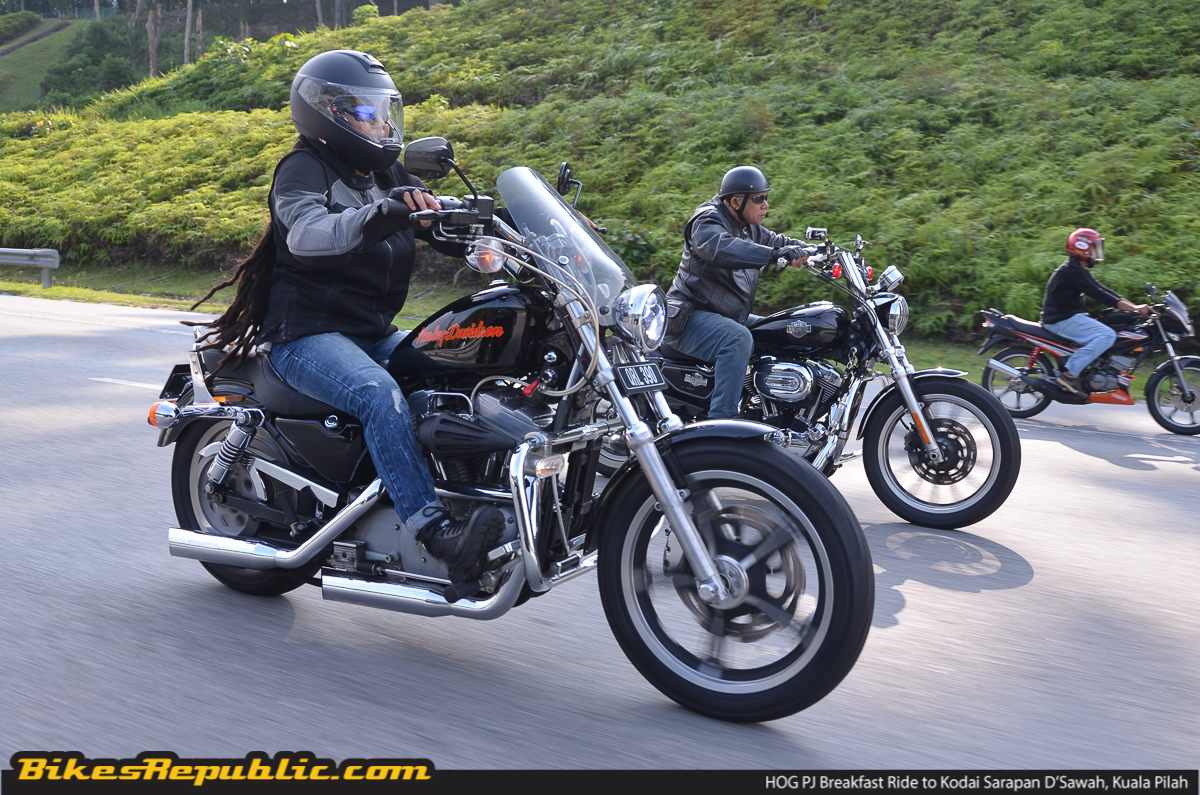
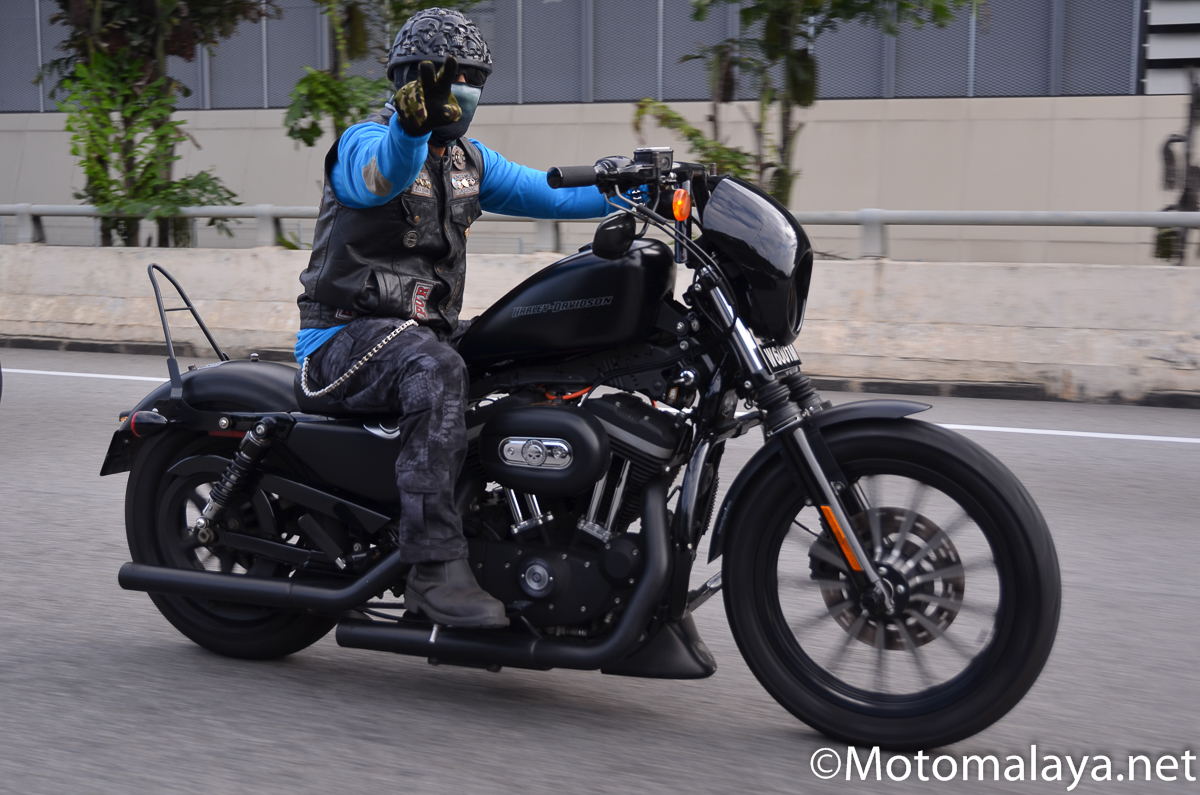
  • Harley-Davidson Petaling Jaya hosted the HOG PJ Breakfast Ride to Kodai Sarapan D’Sawah in Kuala Pilah yesterday.

  • Around 80 bikers consisting of current and new HOG PJ chapter members joined in festivities.

  • The famous breakfast destination was chosen due to its great food located near a beautiful paddy field surrounded by a mountainous background.

For a lot of bikers here in Malaysia, Sunday morning is the time to get their bikes rolling for a nice ride to their favourite routes and locations. These include having a nice breakfast with good friends at beautiful destinations, which was what the Harley Owners Group (HOG) Petaling Jaya chapter did yesterday. (more…)

Archive

Follow us on Facebook

Follow us on YouTube