Bikesrepublic

Latest News

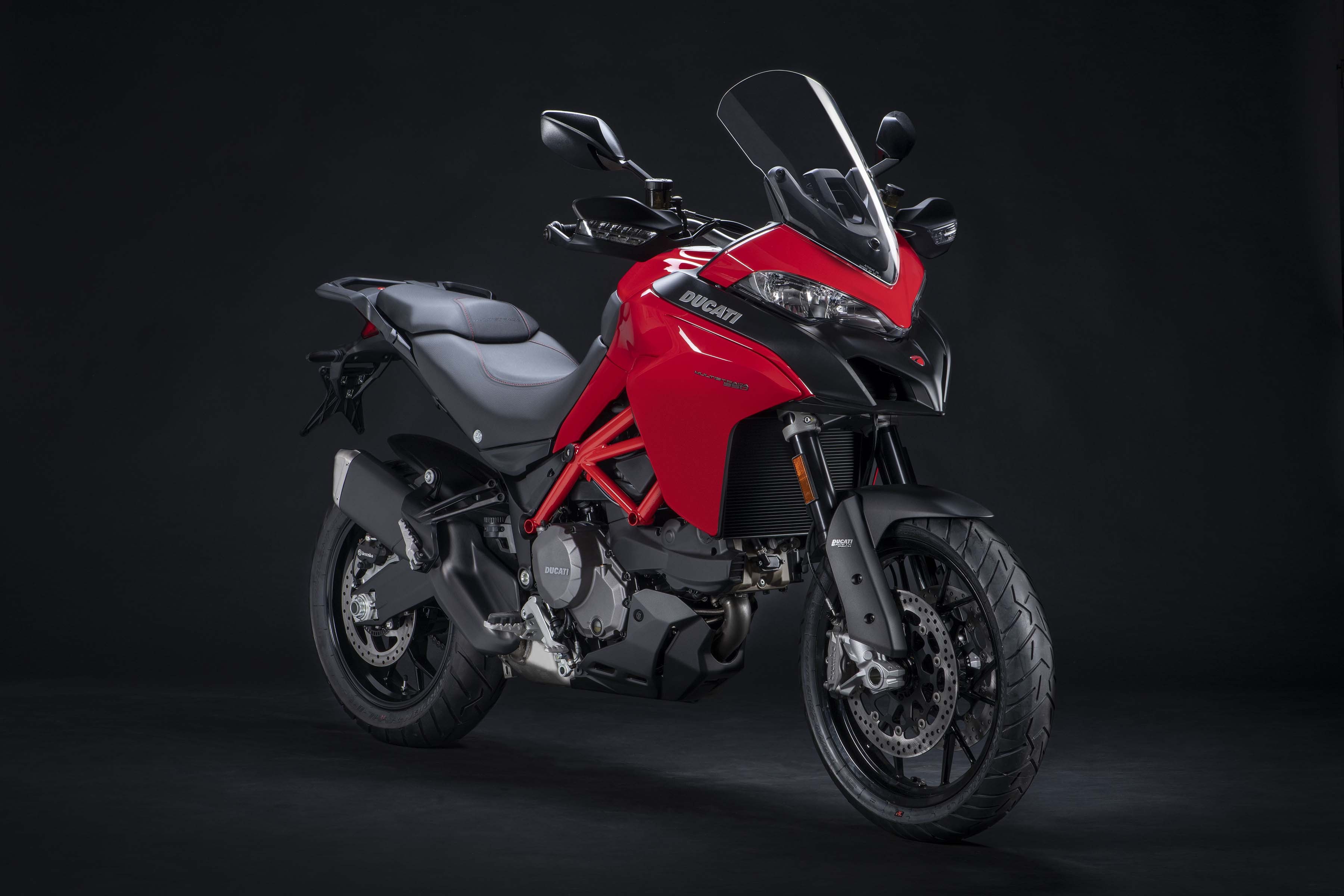
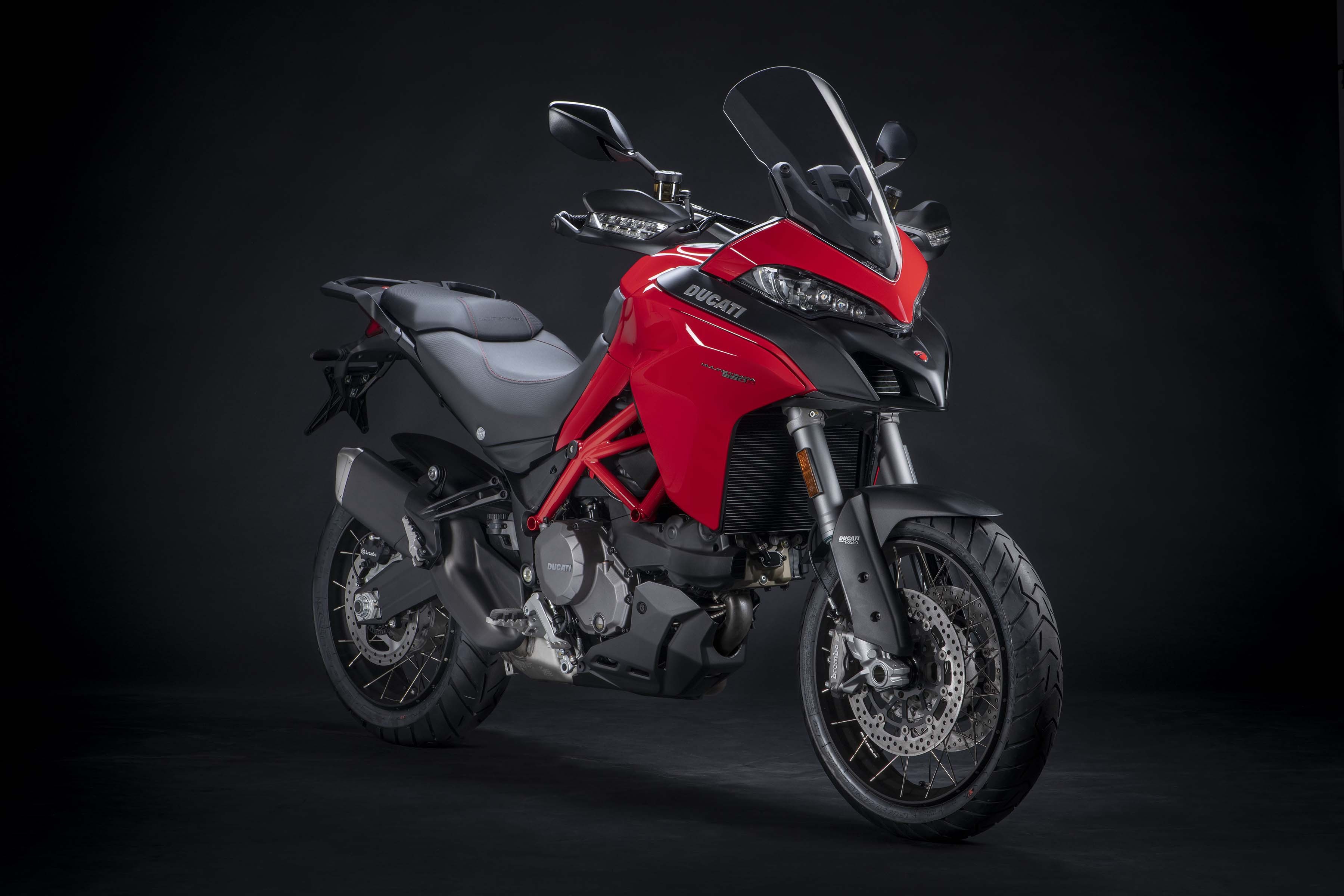
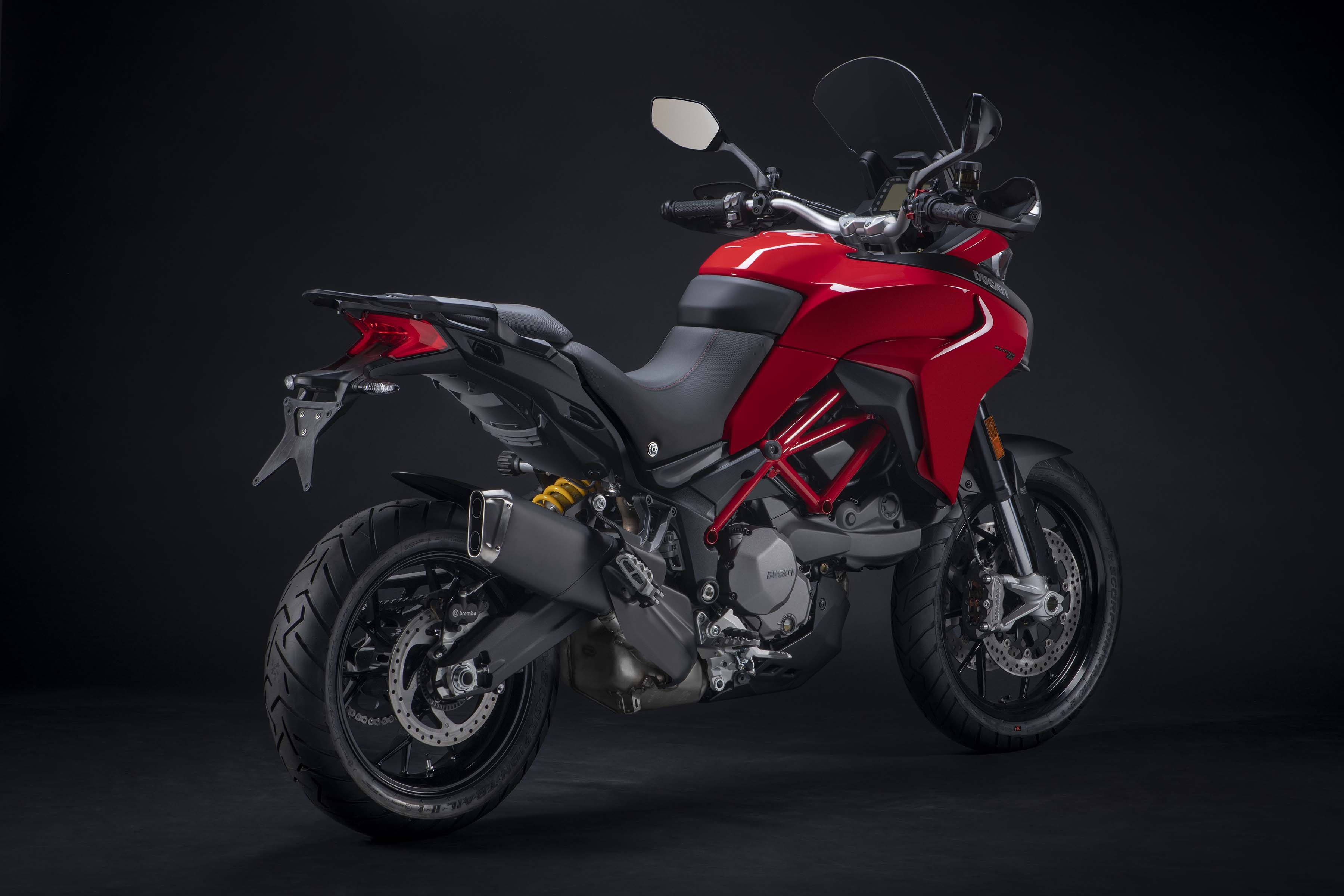
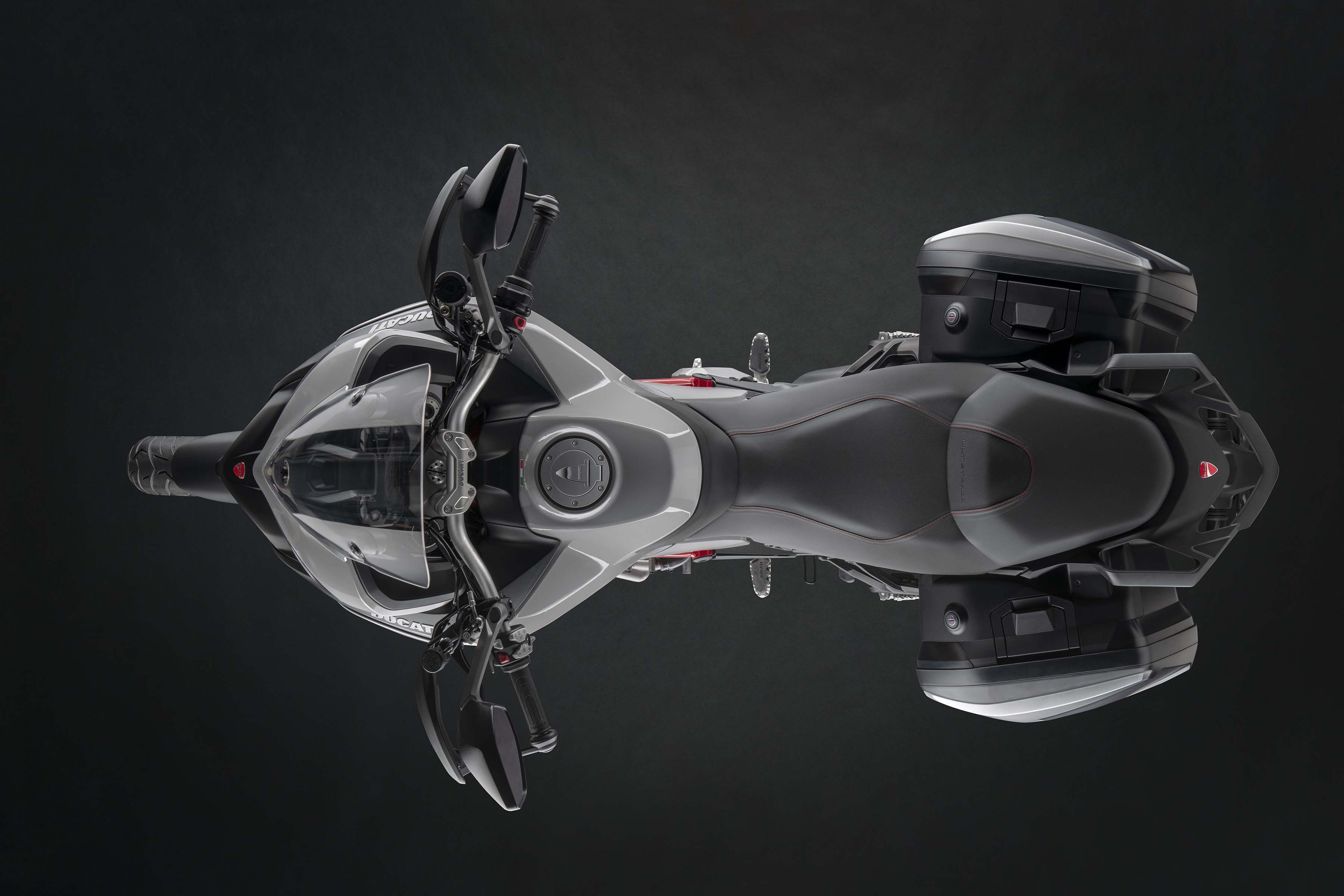
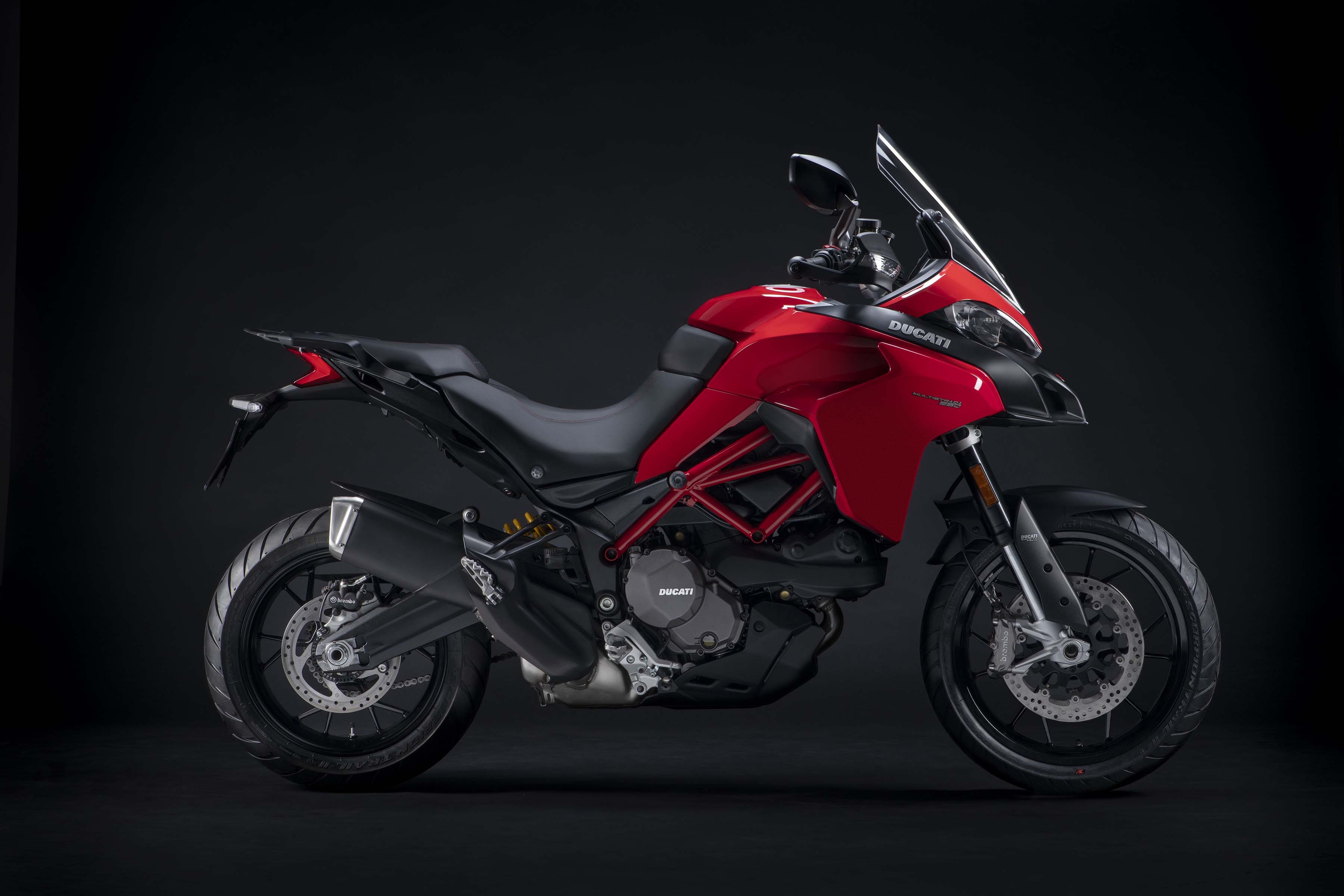
  • The 2019 Ducati Multistada 950 S and 2019 Ducati Multistrada 950 have been launched at EICMA 2018.

  • Both are updated with new features, but the “S” model has a higher specification.

  • The 950 S closes the gap to the Multistrada 1260.

We reported earlier that Ducati was seen testing a new Multistrada 950 and the rumour turned out be true. Ducati has launched the both 2019 Ducati Multistrada 950 S and base 2019 Ducati Multistrada 950 have been launched at EICMA 2018.

Updated Ducati Multistrada 950 Spotted Testing

True to the “S” designation, the 2019 Ducati Multistrada 950 S offers more features. It will be the model that closes the gap between the base Multistrada 950 and the big bore Multistrada 1260. The base Multistrada 950 will remain the entry-level option but it too, will include a number of new features.

New features for both Multistrada 950 S and Multistrada 950 are:

  • Vehicle Hold Control for uphill starts;
  • Hydraulic clutch;
  • Auto-off turn signal;
  • Bosch Cornering ABS.

In addition to the above, the Multistrada 950 S is equipped with:

  • Sach semi-active “Skyhook” electronic suspension;
  • Up and down quickshifter;
  • Full LED headlight;
  • TFT display;
  • Backlit switchgear.

The IMU-based Cornering ABS is part of Ducati’s move to arm all their 2019 models with the feature.

Additionally, the 2019 Multistrada 950 S has a new fairing burrowed from the Multistrada 1260. The swingarm has also been painted black.

Customers may opt for wire spoke wheels should they want to take the bike off-road (read: Rimba Raid).

The engine remains unchanged from the based Multistrada 950. The 937cc 90o V-Twin (Ducati calls it “L-Twin”) produces 111 bhp (83 kW) and 96 Nm of torque. The 950 S weighs 230 kg with a full 20-litre tank. The base 950 weighs 223 kg, on the other hand.

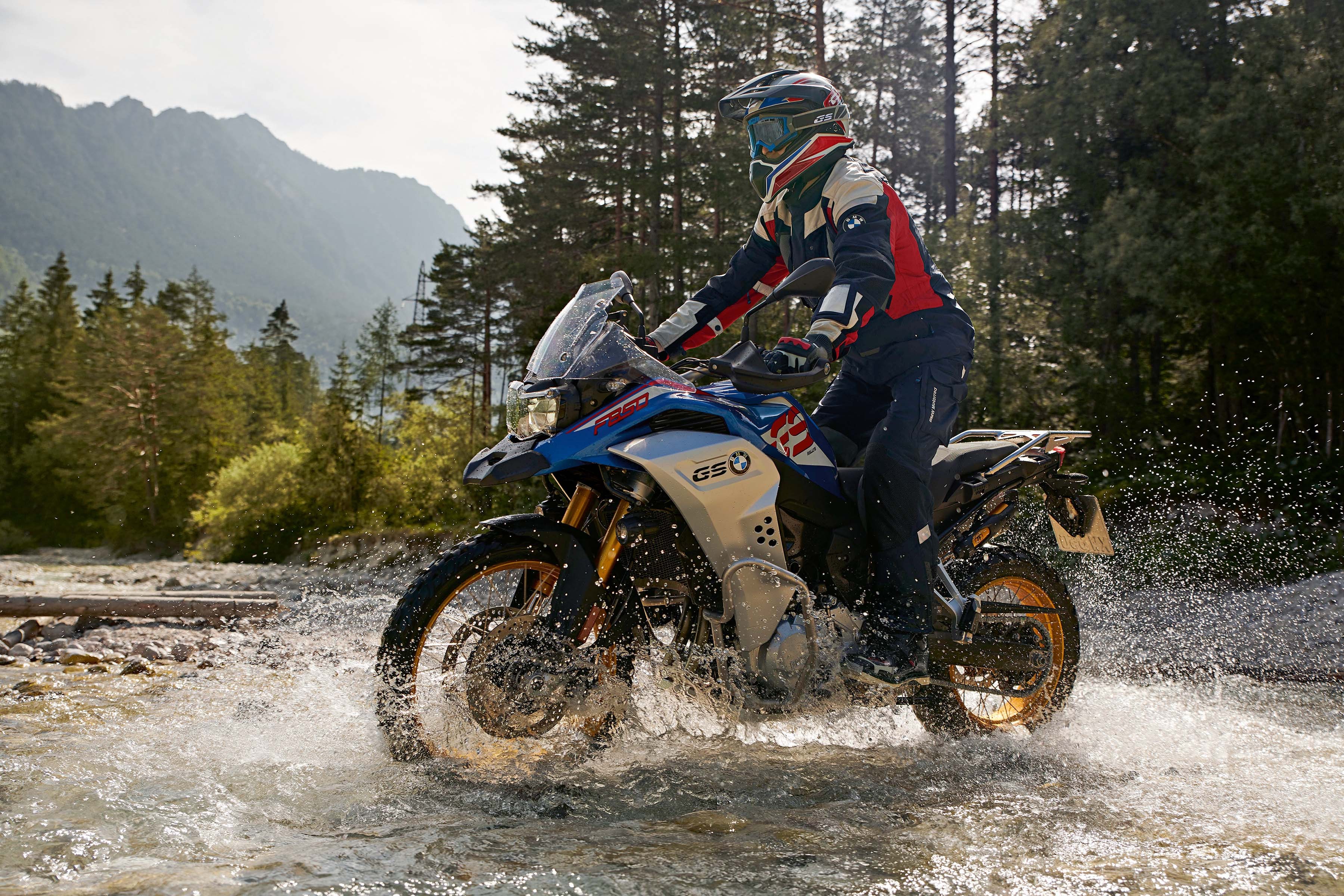
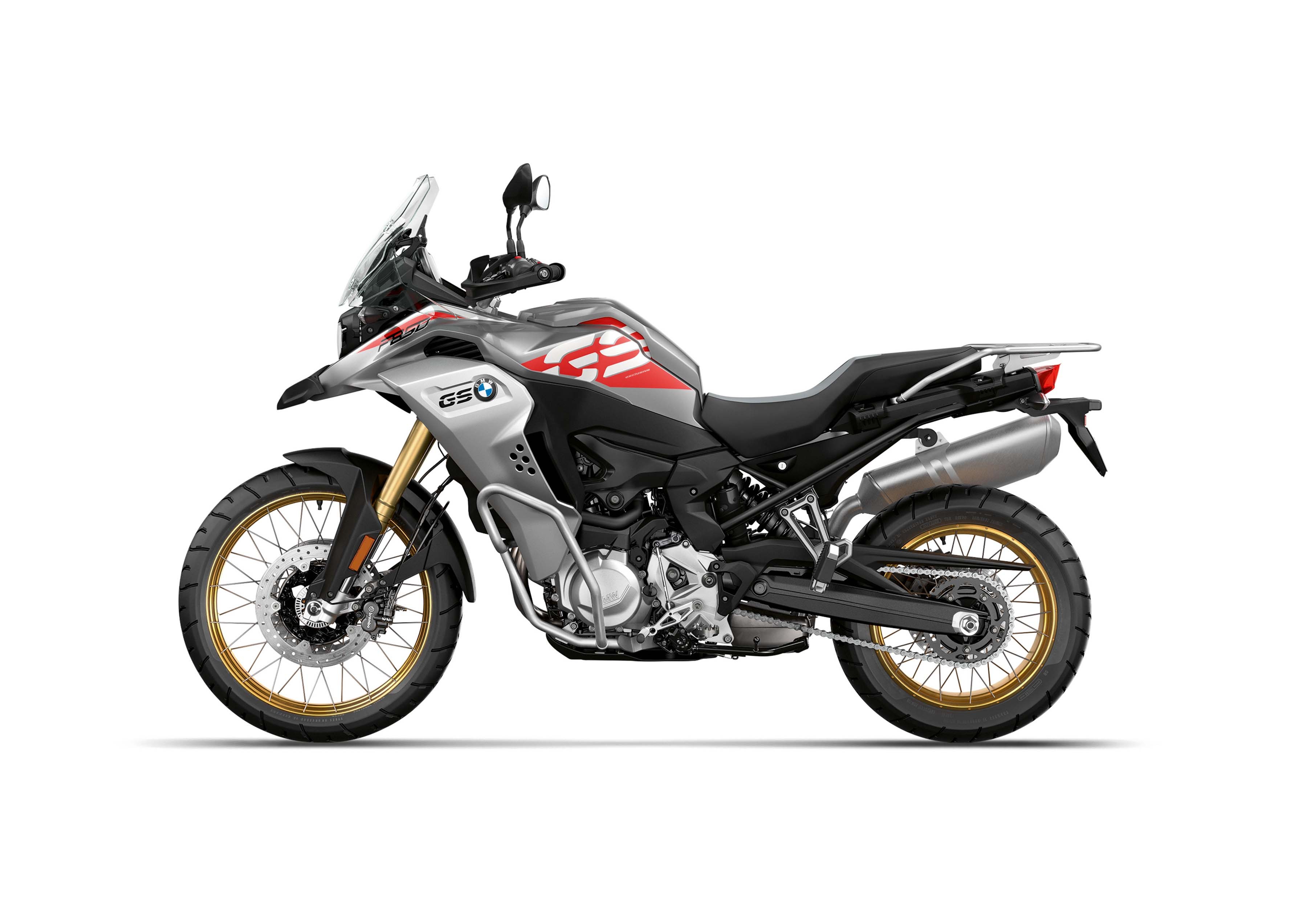
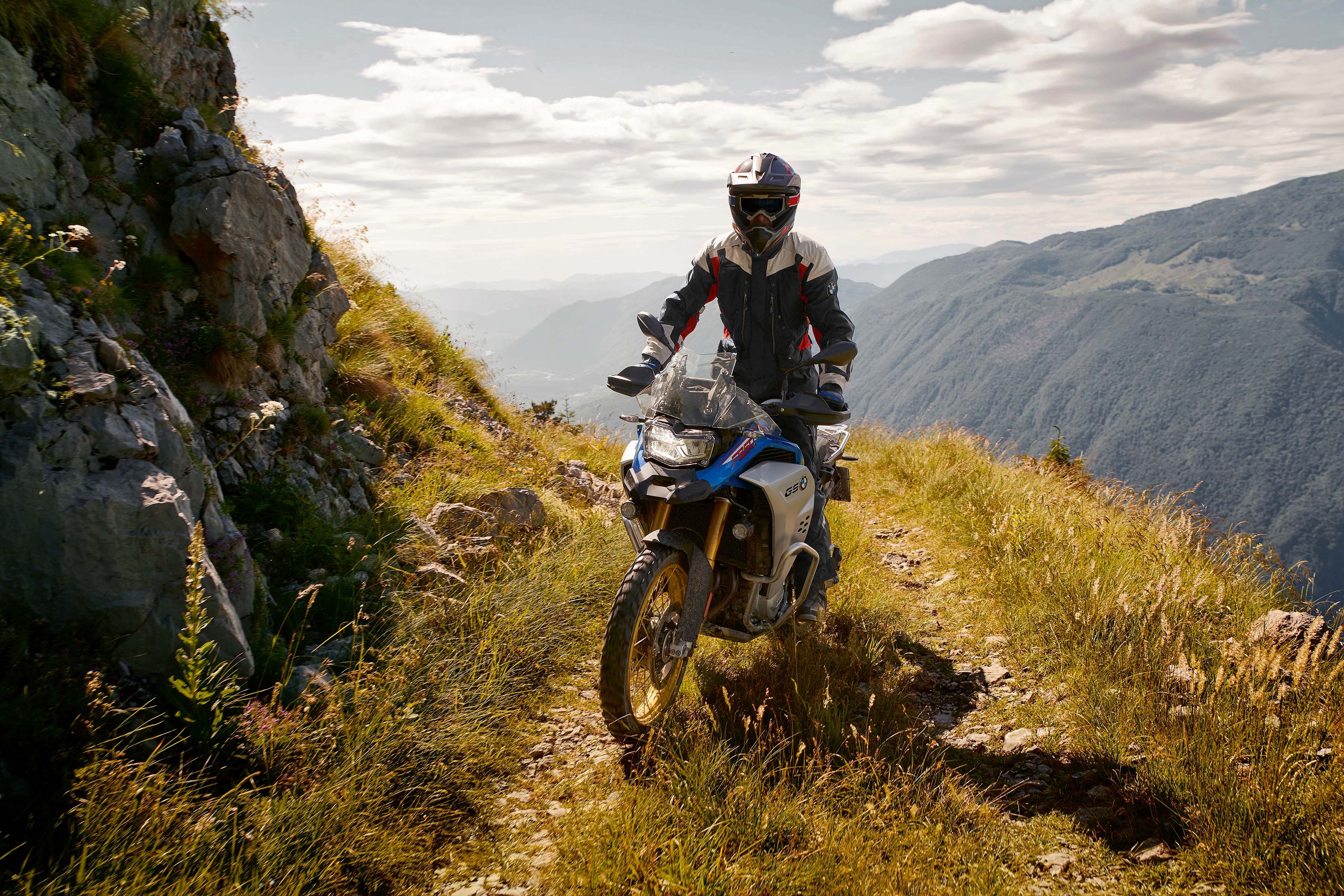
  • The 2019 BMW F 850 GS Adventure has been launched at EICMA 2018.

  • It has the same specs as the standard model except for its 23-litre fuel tank.

  • The F 850 GSA is geared towards off-road riding.

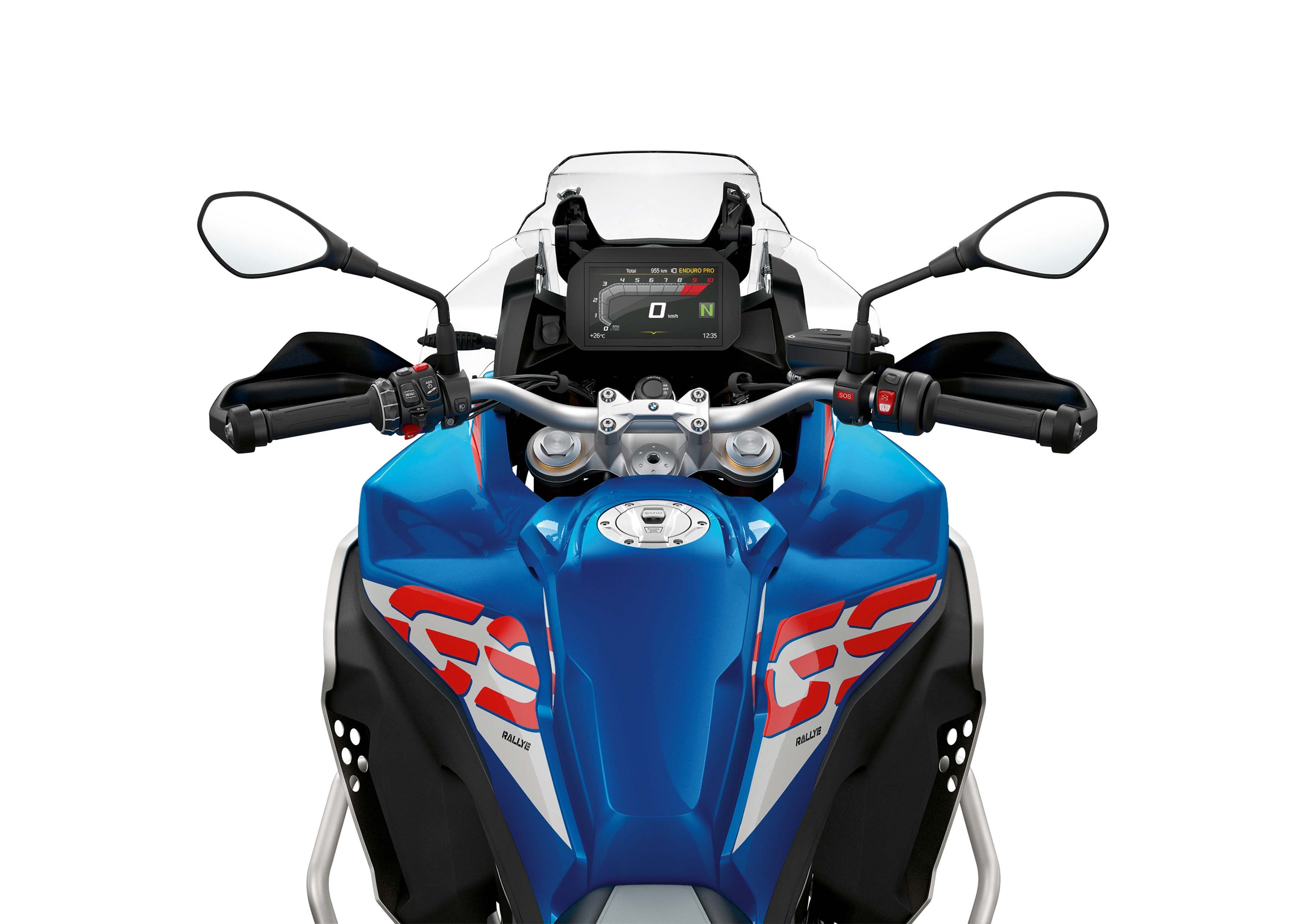
The 2019 BMW F 850 GS Adventure made its debut at EICMA 2018 as expected.

Its introduction is hot on the heels of the F 850 GS. BMW Motorrad now have four adventure motorcycles on offer.

The F 850 GS Adventure or just “F 850 GSA,” is the German brand’s assault on the middleweight adventure segment and takes off-road capability to a higher level.

Its engine is the same 853cc, parallel-Twin which also powers its F 850 GS sibling. It produces 95 bhp and 92 NM of torque. However, the GSA’s weight made a jump to 244kg wet and ready to ride. Much of that gain results from the 23-litre fuel tank.

Most riders would probably not complain as the fuel capacity allows for a range of 550km.

The GSA has a larger touring windscreen, adjustable gear shifter and brake lever.

Electronics include ABS and stability control as standard. Standard riding modes are “Road” and “Rain.” Customers may opt for the Riding Modes Pro option which adds “Dynamic,” “Enduro,” and “Enduro Pro” besides dynamic brake light and Dynamic Traction Control. BMW Motorrad also offers electronic suspension. LED headlight is standard.

The 2019 BMW F 850 GS Adventure will be equipped with the 6.5” TFT instrument display.

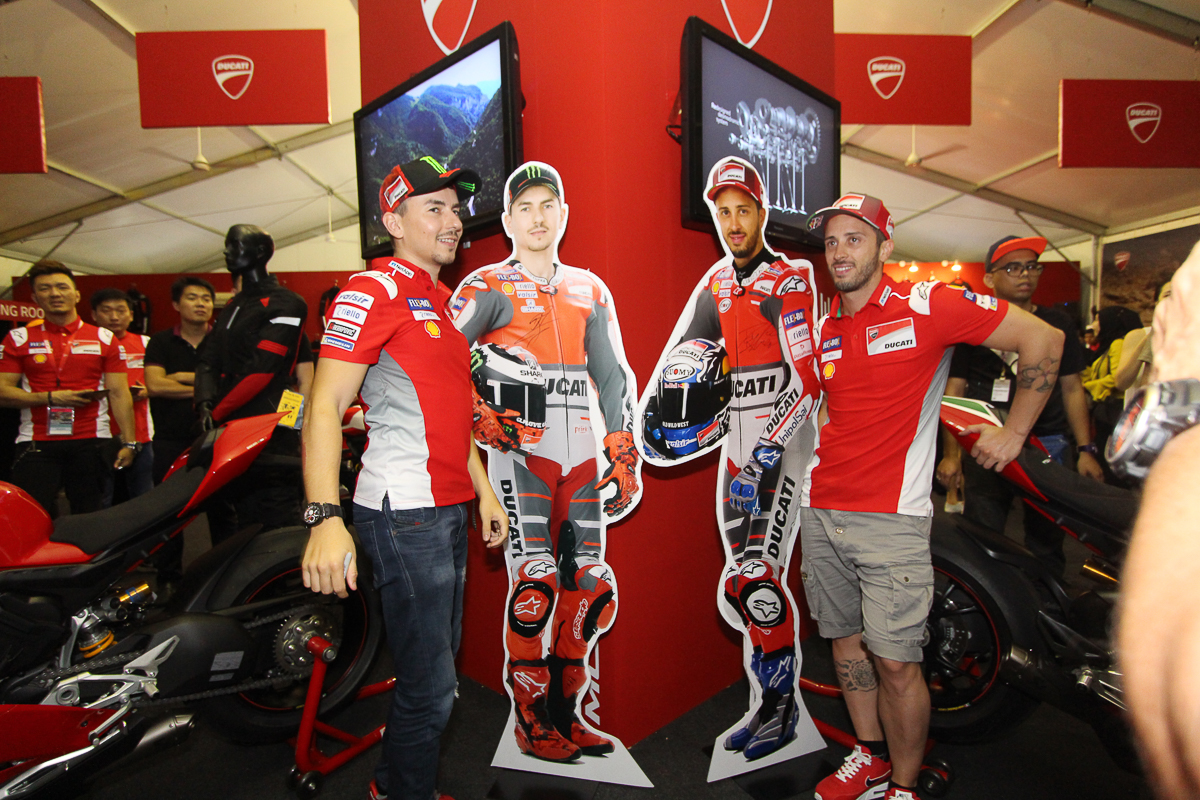
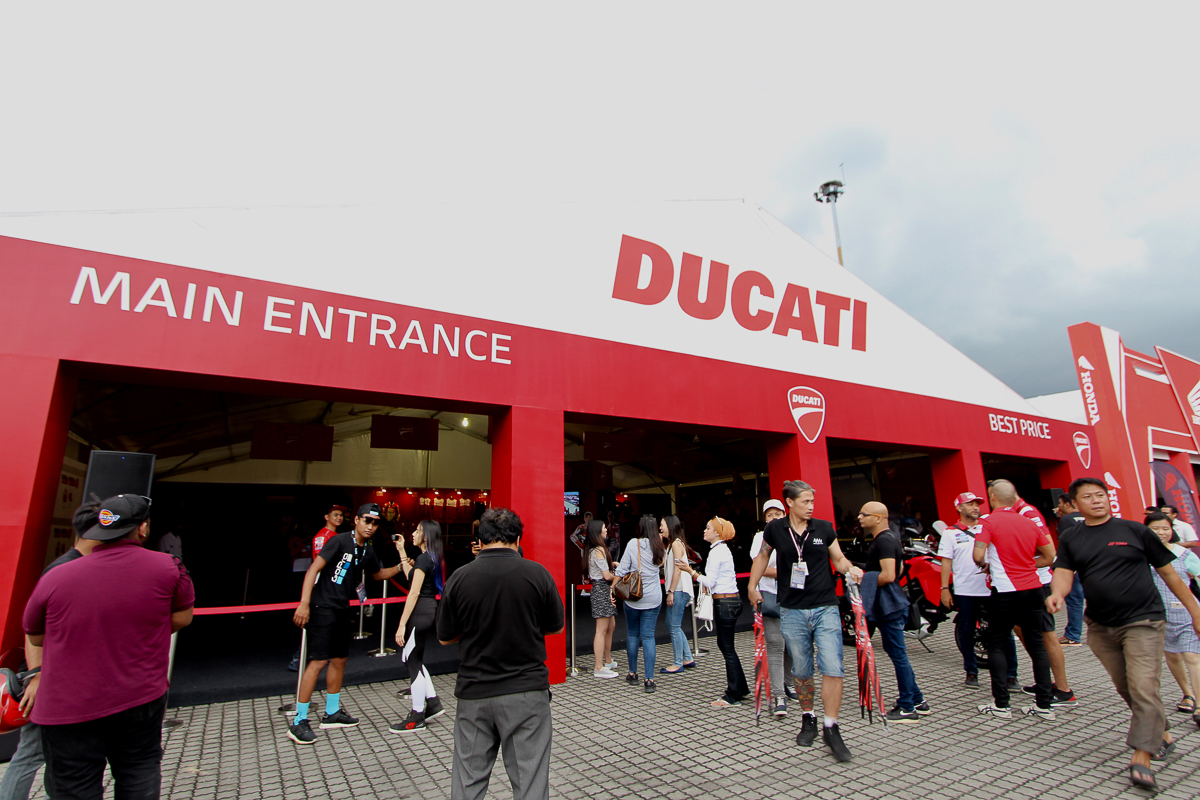
  • Ducati Malaysia presented Ducati fans with the ultimate MotoGP 2018 experience during the recent Malaysian GP round at Sepang last weekend.

  • A special meet and greet session with Ducati riders, Jorge Lorenzo and Andrea Dovizioso, was organised at the Ducati Booth.

  • Over 100 Ducati owners joined the annual convoy to SIC where they witnessed historic moments like the crowning of the Moto3 and Moto2 world champions.

It was only last weekend when the Shell Malaysia MotoGP 2018 round took place at the iconic Sepang International Circuit (SIC) where fans witnessed a number of historic moments. Ducati Malaysia took part in this momentous occasion by presenting Ducati owners and fans as well as specially-invited guests for the ultimate MotoGP 2018 experience. (more…)

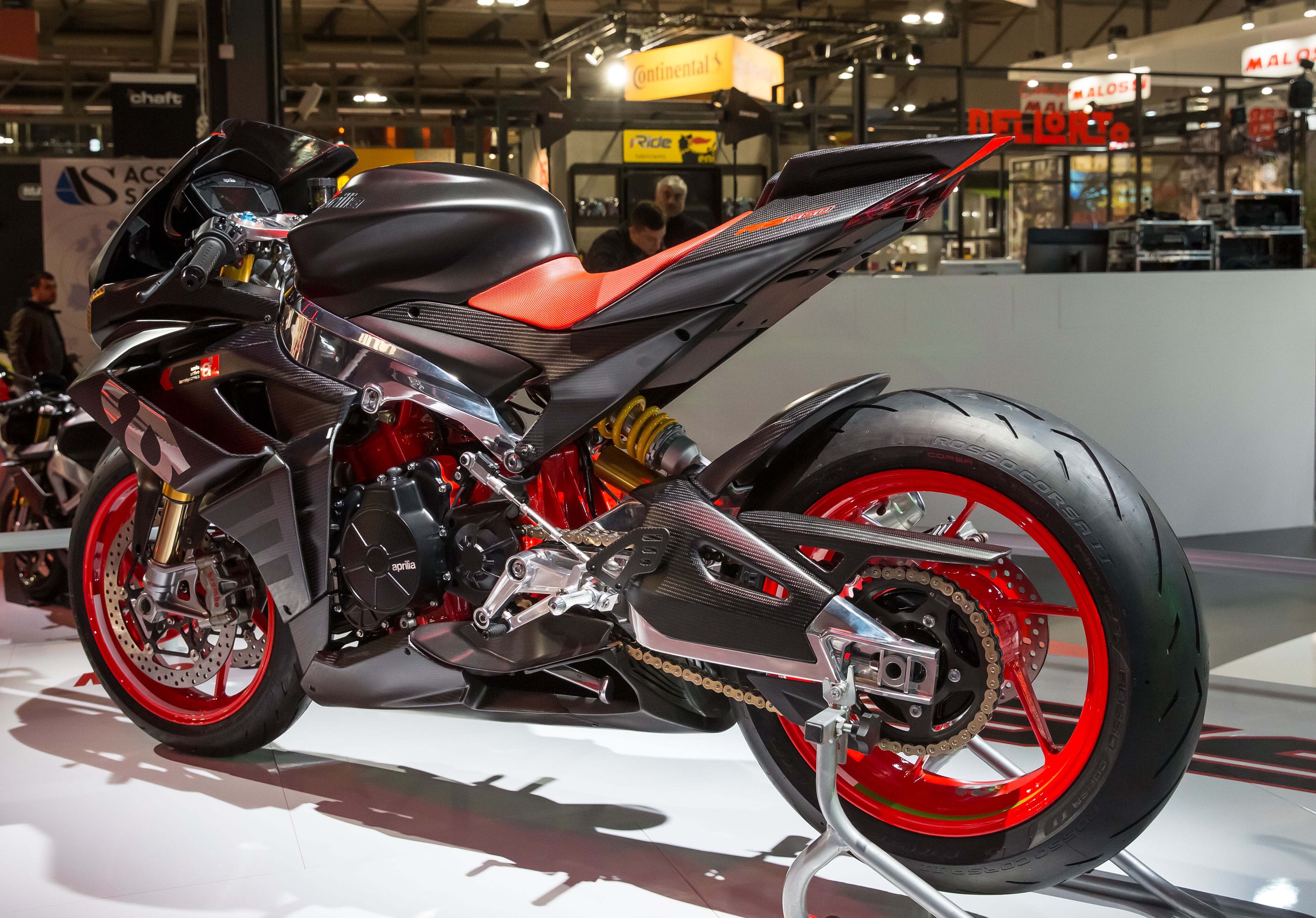
  • We published the rumor of Aprilia working on a two-cylinder middleweight.

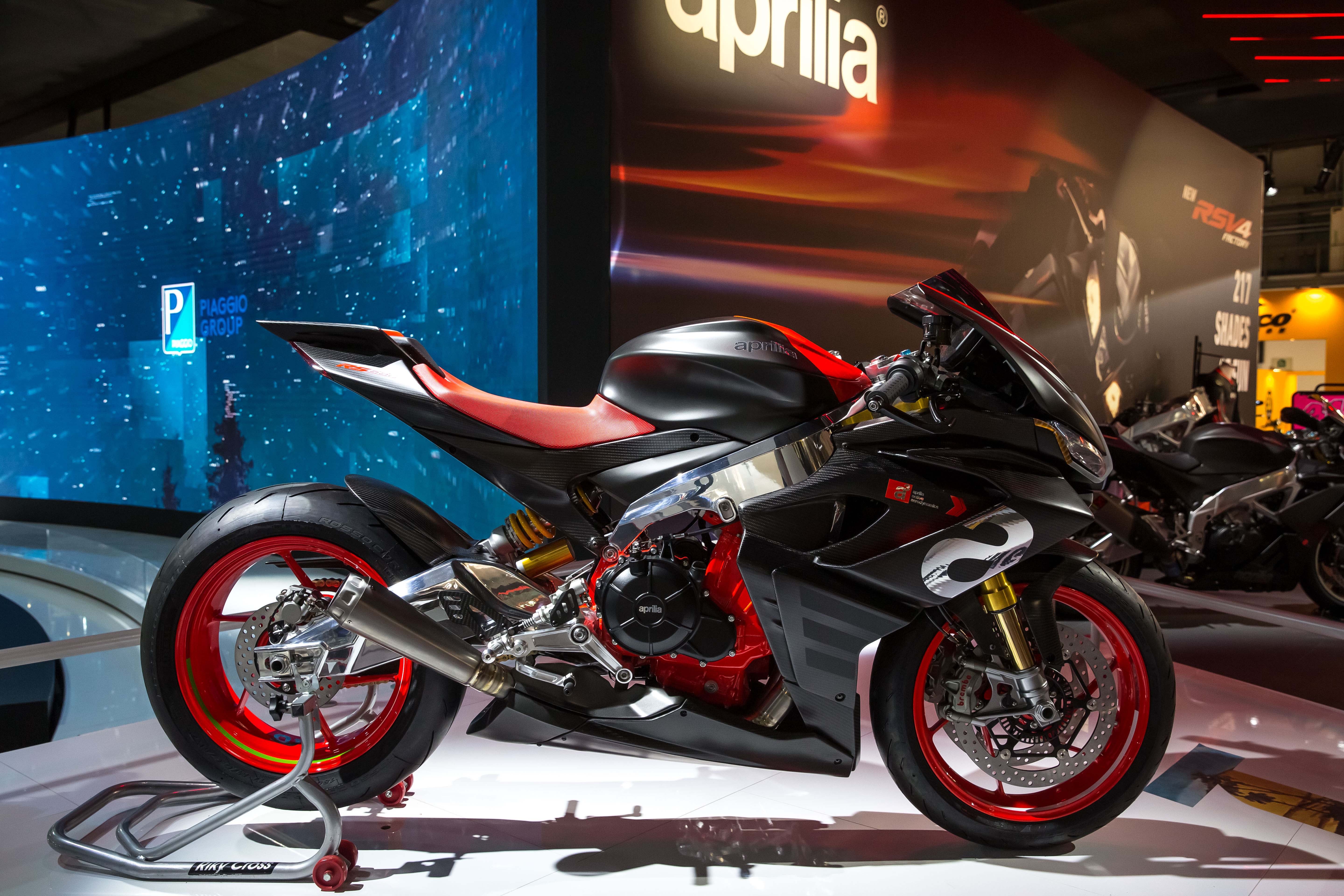
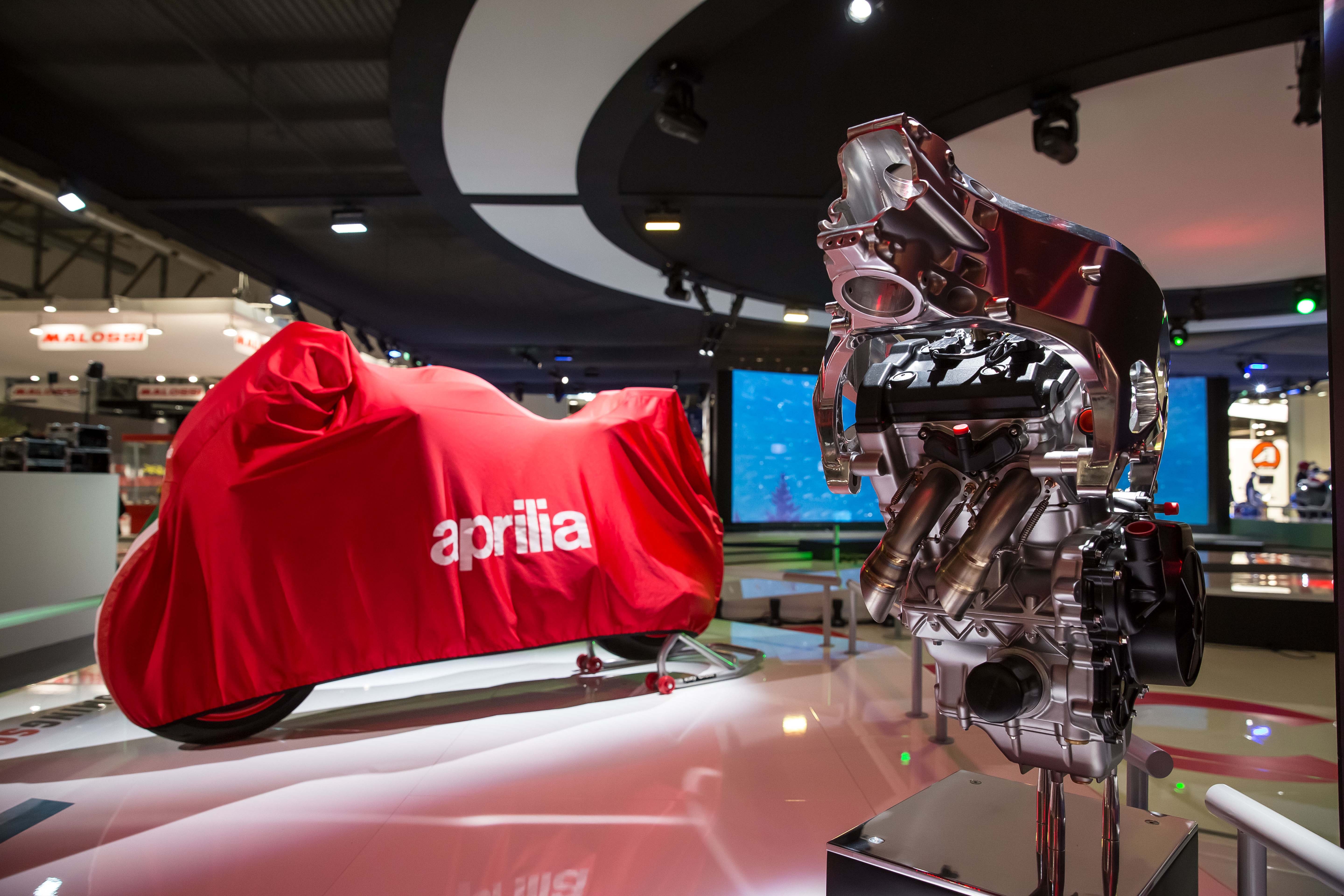
  • The Aprilia RS 660 concept was unveiled at EICMA 2018.

  • The engine is a parallel-Twin based on the RSV4 1100/Tuono 1100 V4.

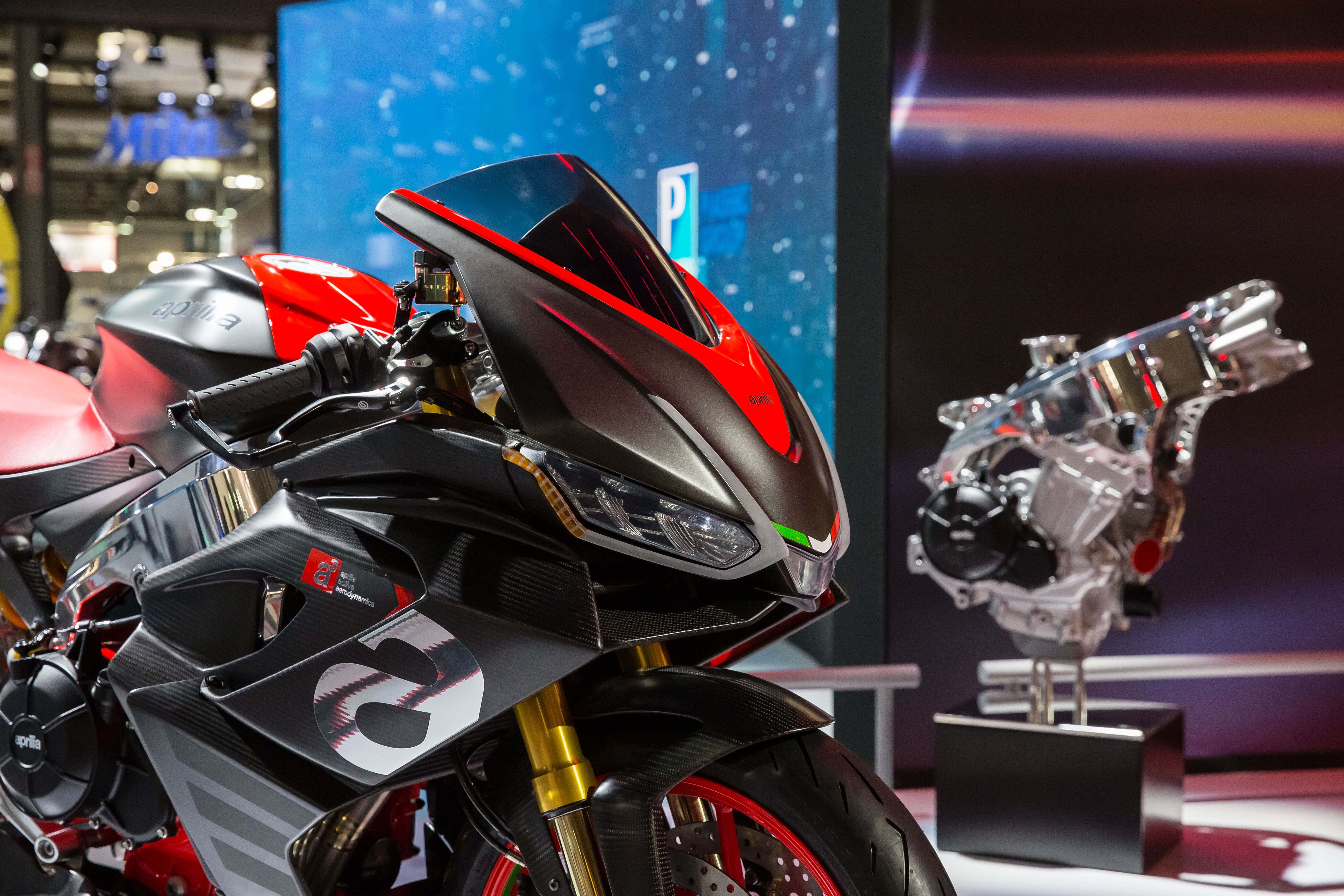
We published a report on the rumors of Aprilia working on a two-cylinder middleweight model back in August, based on Asphalt & Rubber’s report. Well, it turned out that they’ve got a pretty good intelligence network; because Aprilia has unveiled the Aprilia RS 660 Concept EICMA 2018.

Rumours of Two-Cylinder Aprilia Middleweight Supersport Gaining Momentum

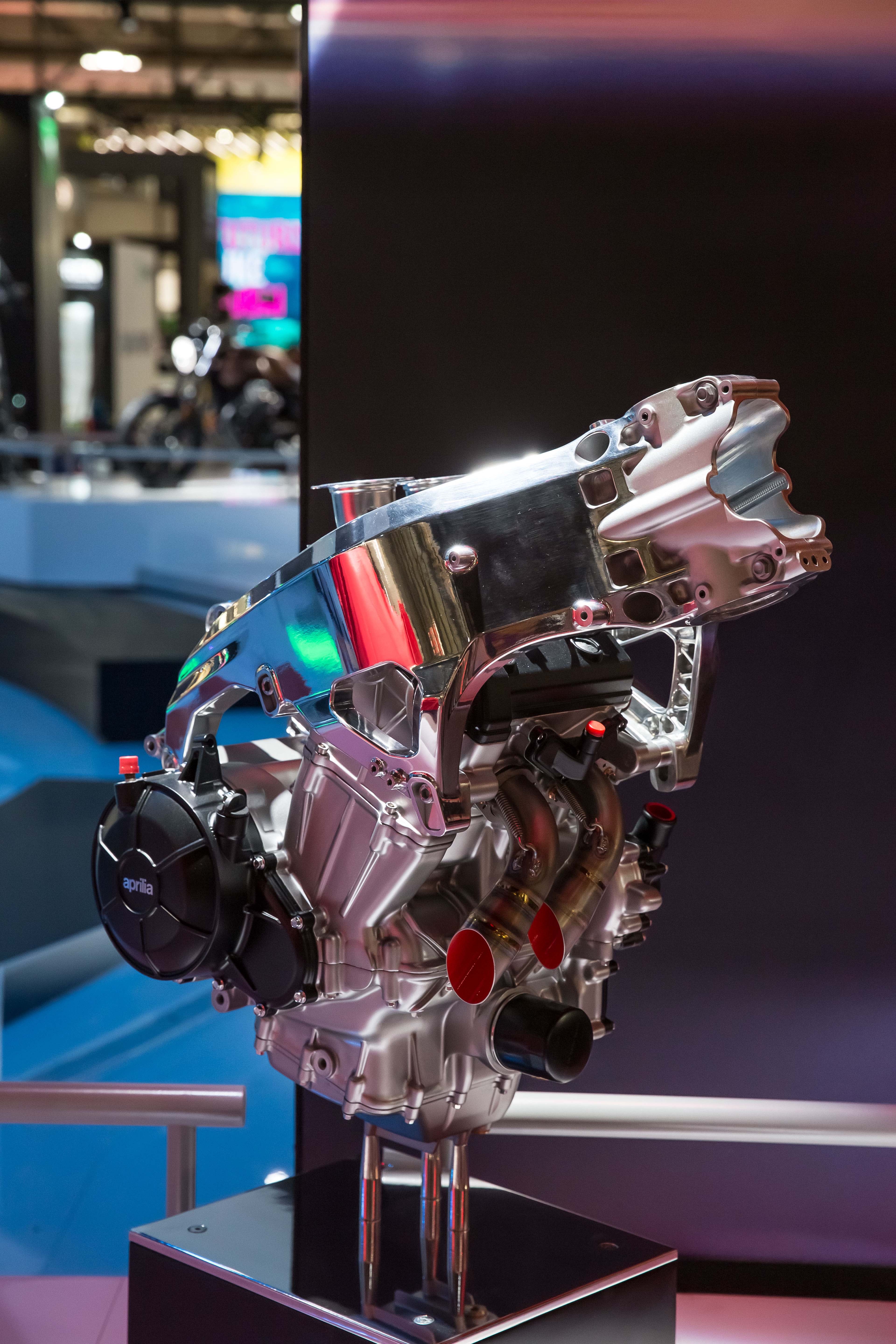
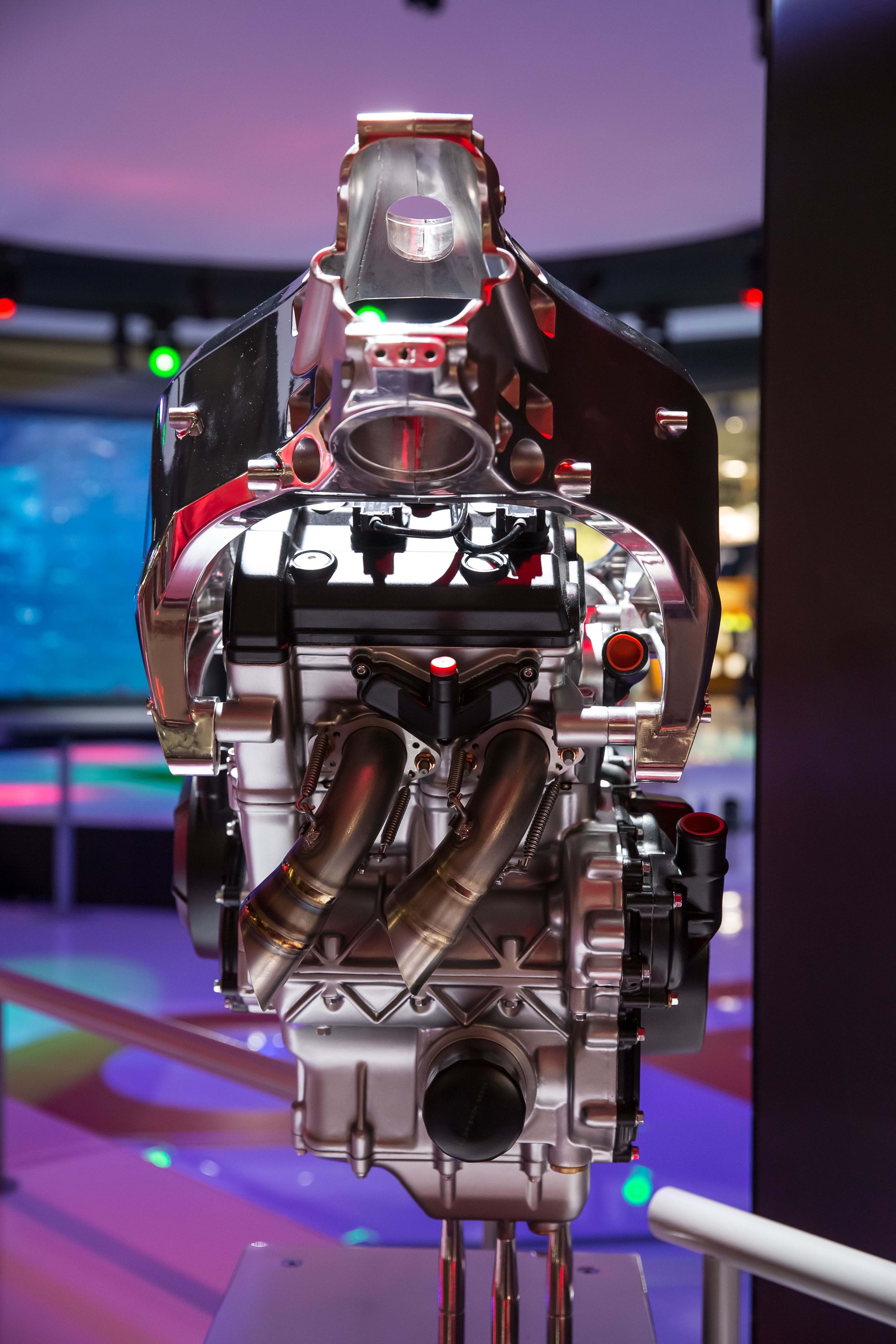
As per the rumours, the engine is based on the long-running RSV4 1100/Tuono 1100 V4 engine minus the two rear cylinders. The exclusion of the rear bank of cylinders turns the RS 660’s engine into a parallel-Twin.

The Truth About Parallel-Twins

Our market may frown upon the “bad perception” over the parallel-Twin in the previous Kawasaki ER-6 and Versys 650 models. However, the parallel-Twin engine is more compact and less complex than a V-Twin. It is also cheaper to produce.
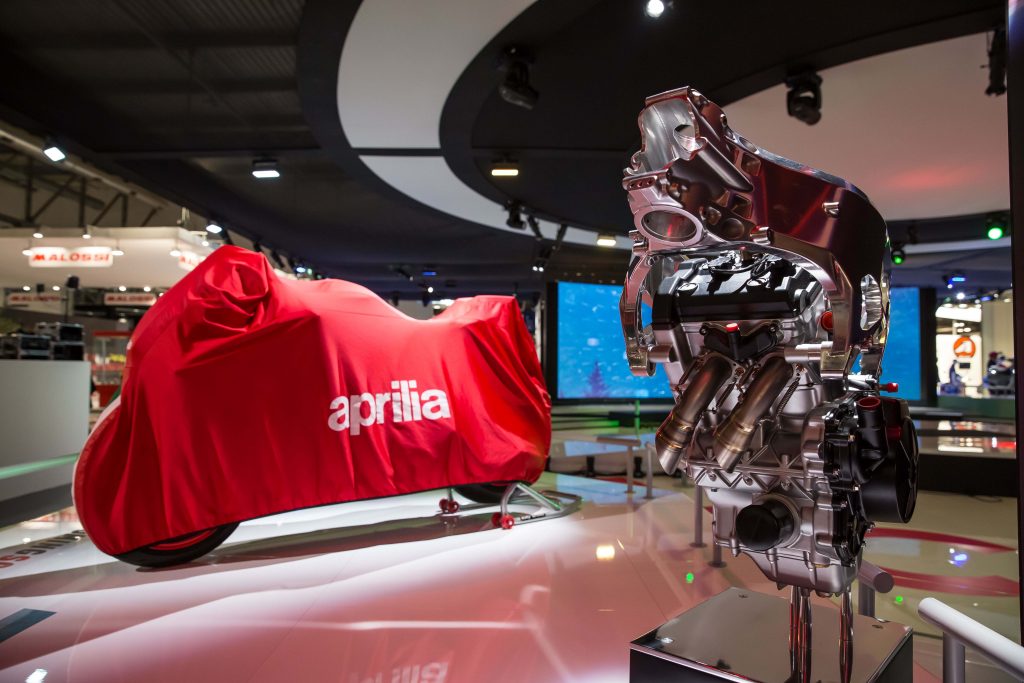
A V-Twin needs a lot of space front-to-aft in the frame, thus necessitating a shorter swingarm to achieve a correspondingly short wheelbase. But a shorter swingarm begets more tangential forces from the chain which in turn causes the rear end to squat under acceleration and lift the front wheel. This means the rider cannot open the throttle early to avoid pushing the bike wide in corners. Look at how stubby is the Ducati Panigale’s swingarm.

Besides that, if you locate the front cylinder of a V-Twin closer to the front to put more weight on the front wheel, you may not be able to employ a steep steering angle. As you know, a steeper steering angle is necessary for agility. Sure, you can tilt the cylinders upwards. But now you don’t have enough weight on the front wheel. Besides that, the bike becomes taller to clear the top of the cylinder head covers.
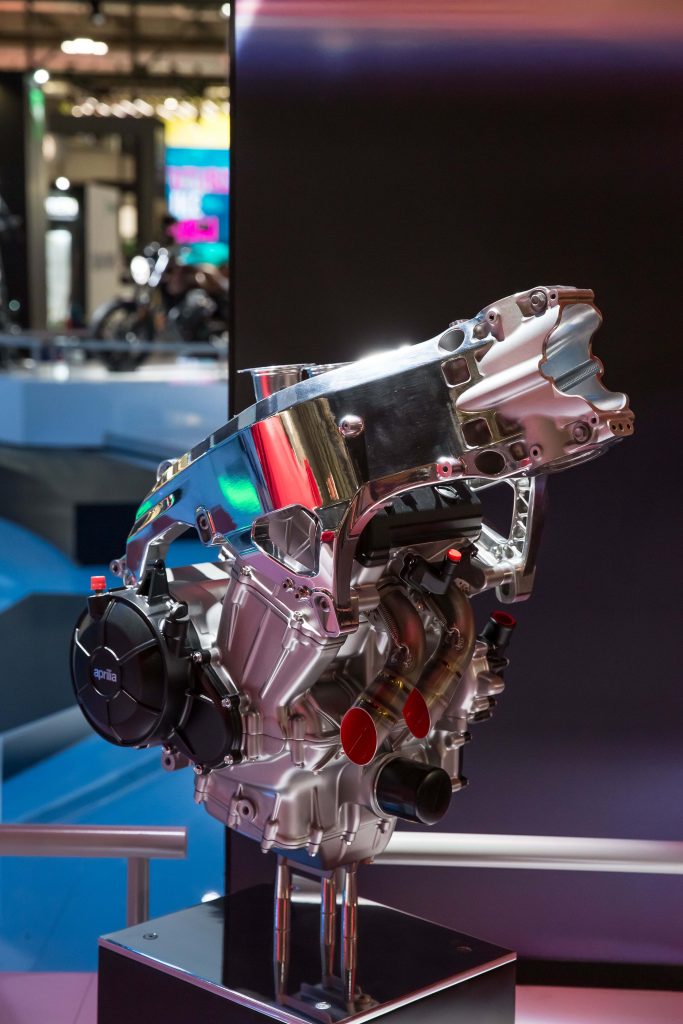
A parallel-Twin (or any inline-engine), on the other hand, solves lots of packaging headache. There’s lots of room behind the cylinders to pack in the throttle bodies and shock absorber. You can tilt the cylinders towards the front wheel.

The benefits are:

  1. More weight on the front wheel.
  2. A longer swingarm still allows for a short wheelbase and less rear end squat.
  3. The rear shock absorber is not exposed to heat from exhaust header(s) like on a V-Twin or V-Four.
  4. Throttle bodies can “shoot” the air/fuel mixture straighter into the combustion chambers.
  5. More efficient cooling.

A parallel-Twin has more efficient cooling as both cylinders face the airflow. That’s why the riders of V-Twins and V-Fours feel as if their inner thighs are being roasted to perfection.

Back to the RS 660, we hope Aprilia uses a different crankshaft spacing than the traditional 180o. The 270ocrank like that on the Triumph Bonneville mimics a 90oV-Twin in both engine vibration and torque characteristics.
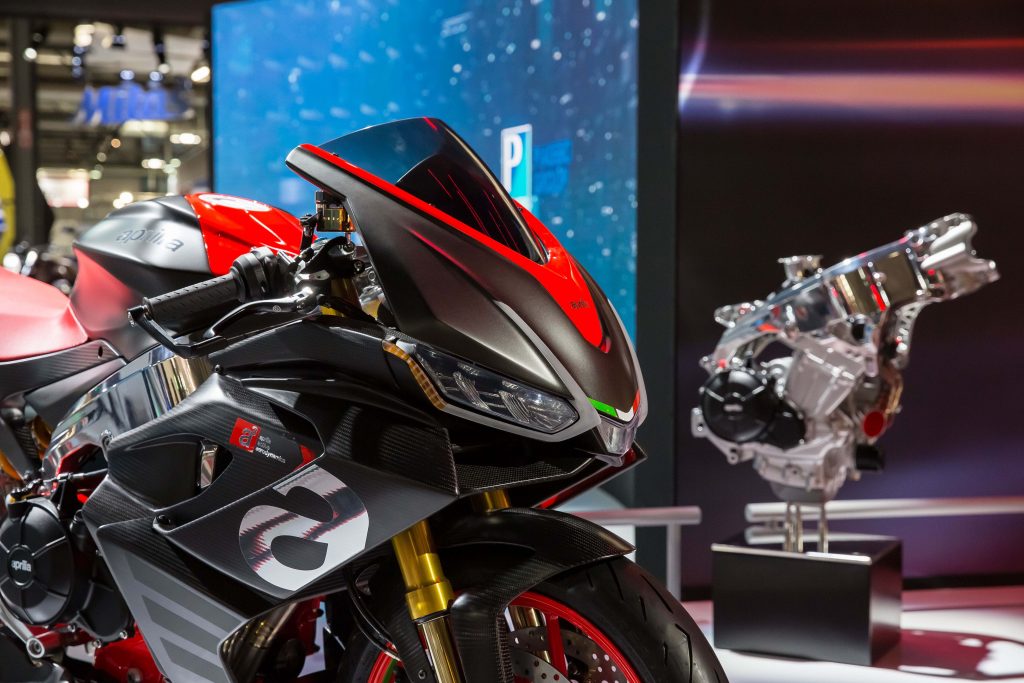
Aprilia wanted a middleweight that is compact, light and agile hence a parallel-Twin makes perfect sense. Aprilia designed the RS 660 concept like their 250cc race bike. The (polished) aluminium frame uses the engine as a stressed member. The swingarm is also aluminium and curves over the exhaust on the right side. There is space for the rear shock to mount directly to the swingarm in the central position.

Aprilia also introduced the Aprilia Actice Aerodynamics (A3) concept on the RS 660. As the name suggests, the bike has the ability to change its front aerodynamic profile for the amount of downforce.
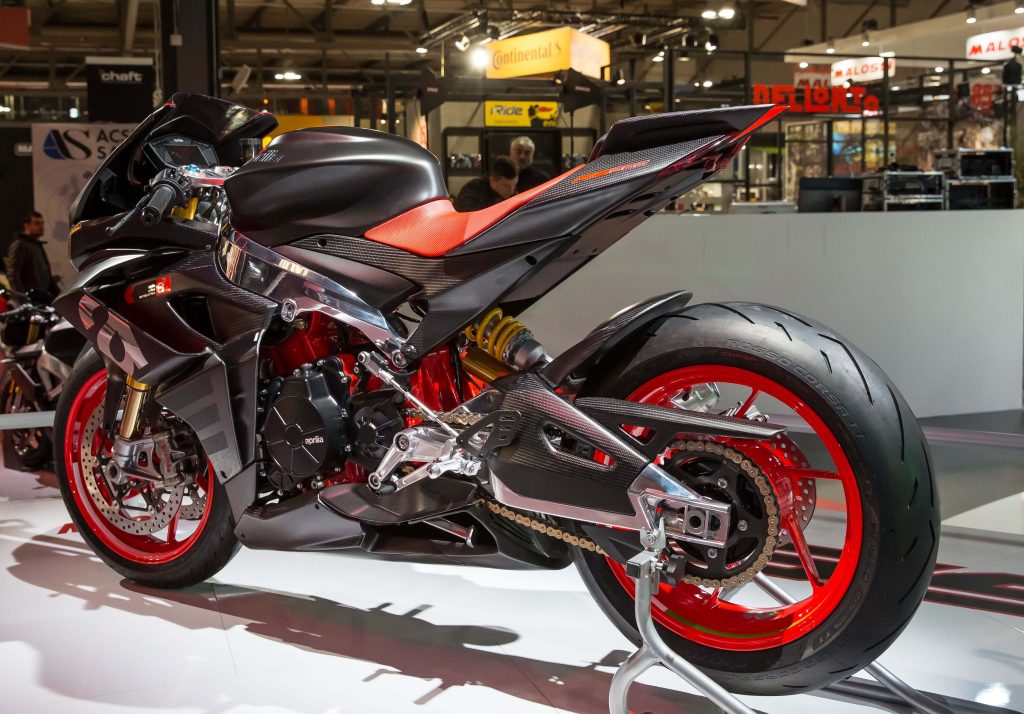
Aprilia says that the RS 660 will be produced for Europe, America and Asia.
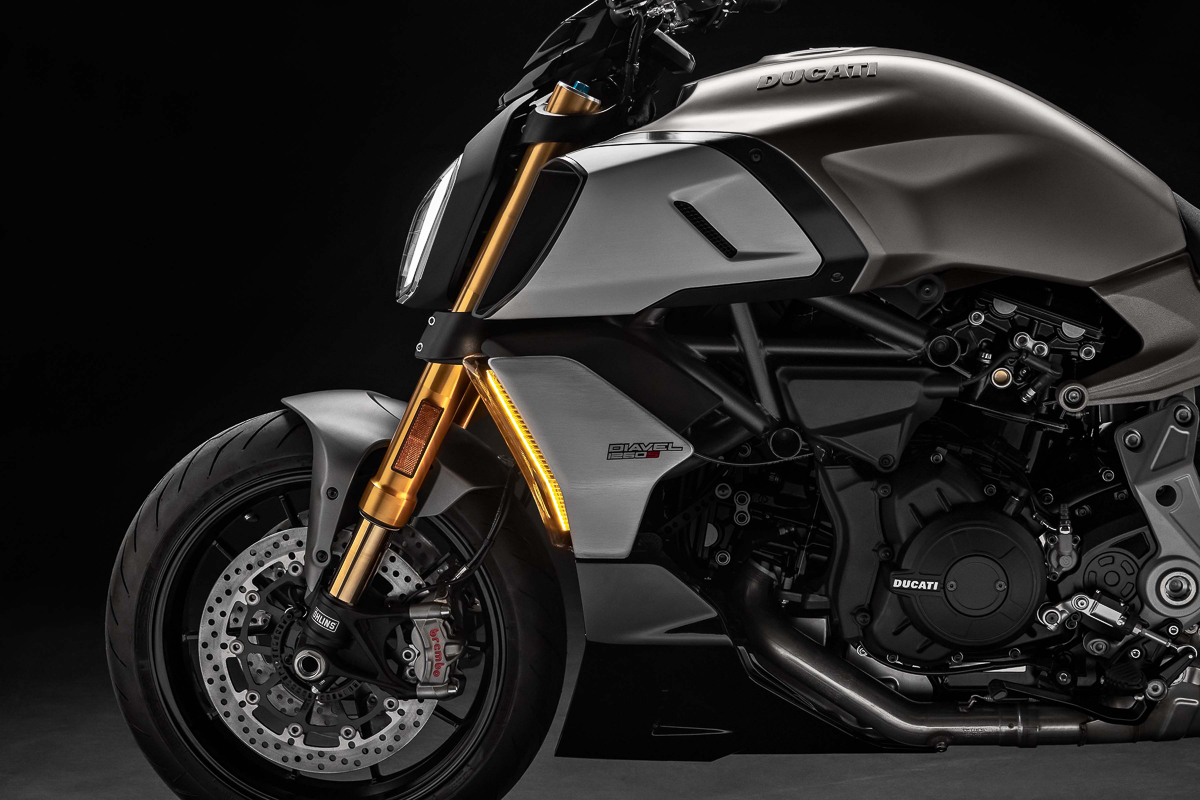
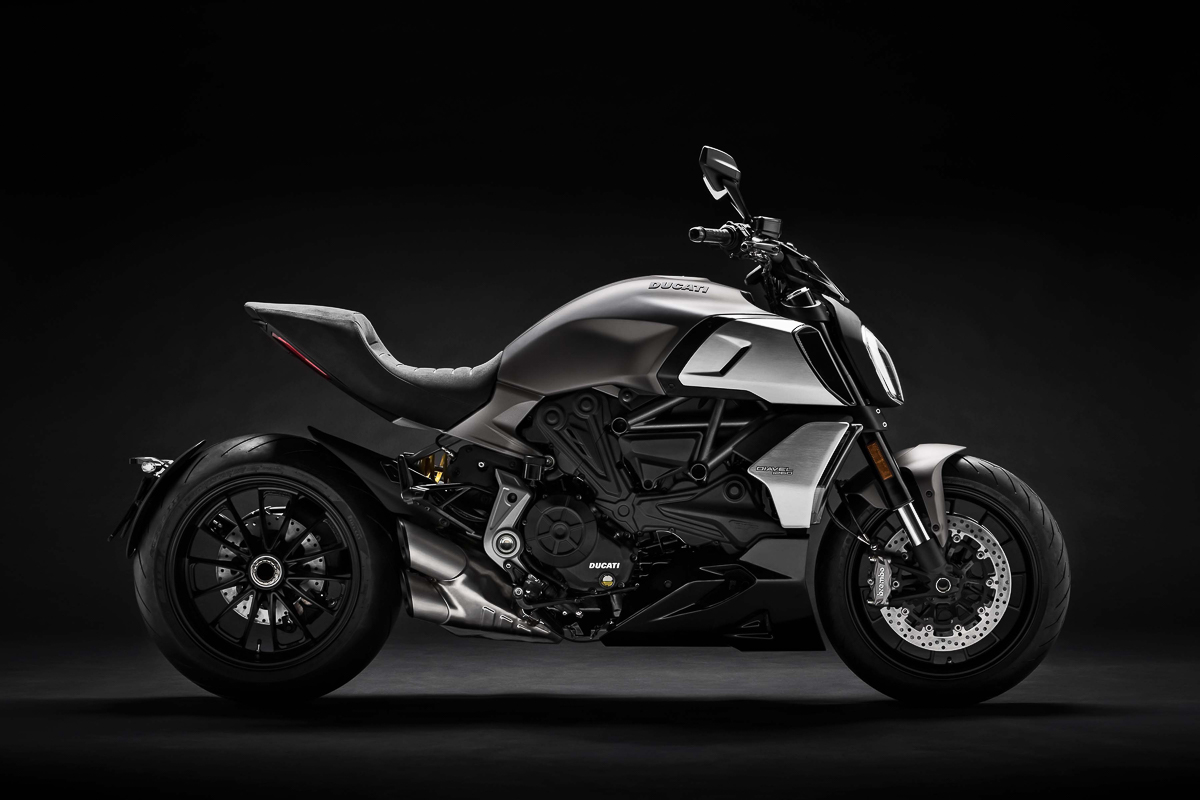
  • The latest generation 2019 Ducati Diavel 1260 has been introduced with even more power and sophistication.
  • The biggest highlight is its 1,262cc Ducati Testastretta DVT L-twin engine which produces 159hp and 129Nm of torque.

  • Its electronics package has been significantly-elevated with specs such as Cornering ABS, Wheelie Control, Power Launch Control, plus more.

Looking for pure Italian muscle? Well, look no further than the 2019 Ducati Diavel 1260 which is the next-generation power cruiser from Ducati with more power and agility than ever before. As stated by Ducati “the new Diavel 1260 combines the performance of a maxi-naked with the ergonomics of a muscle cruiser.” (more…)

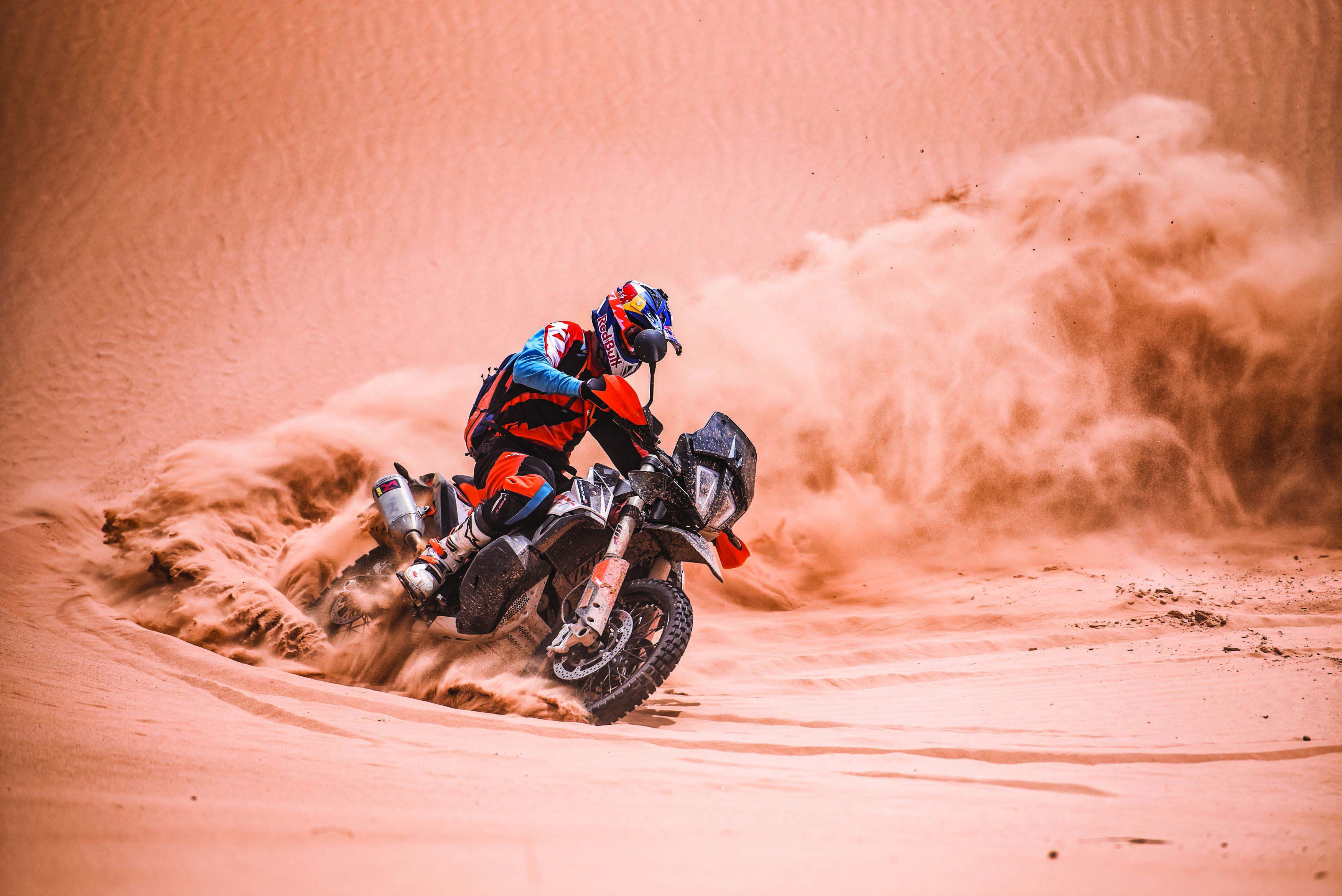
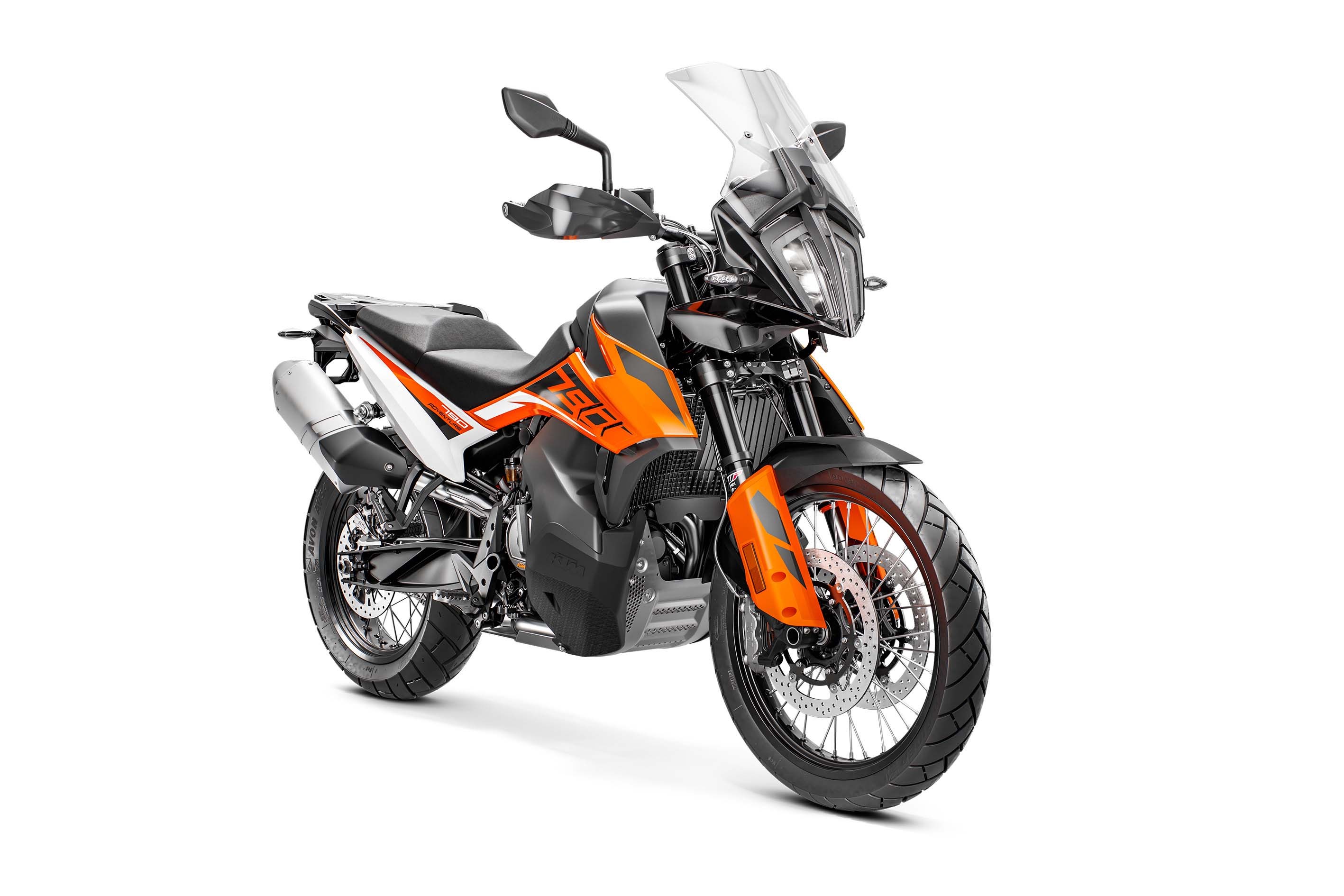
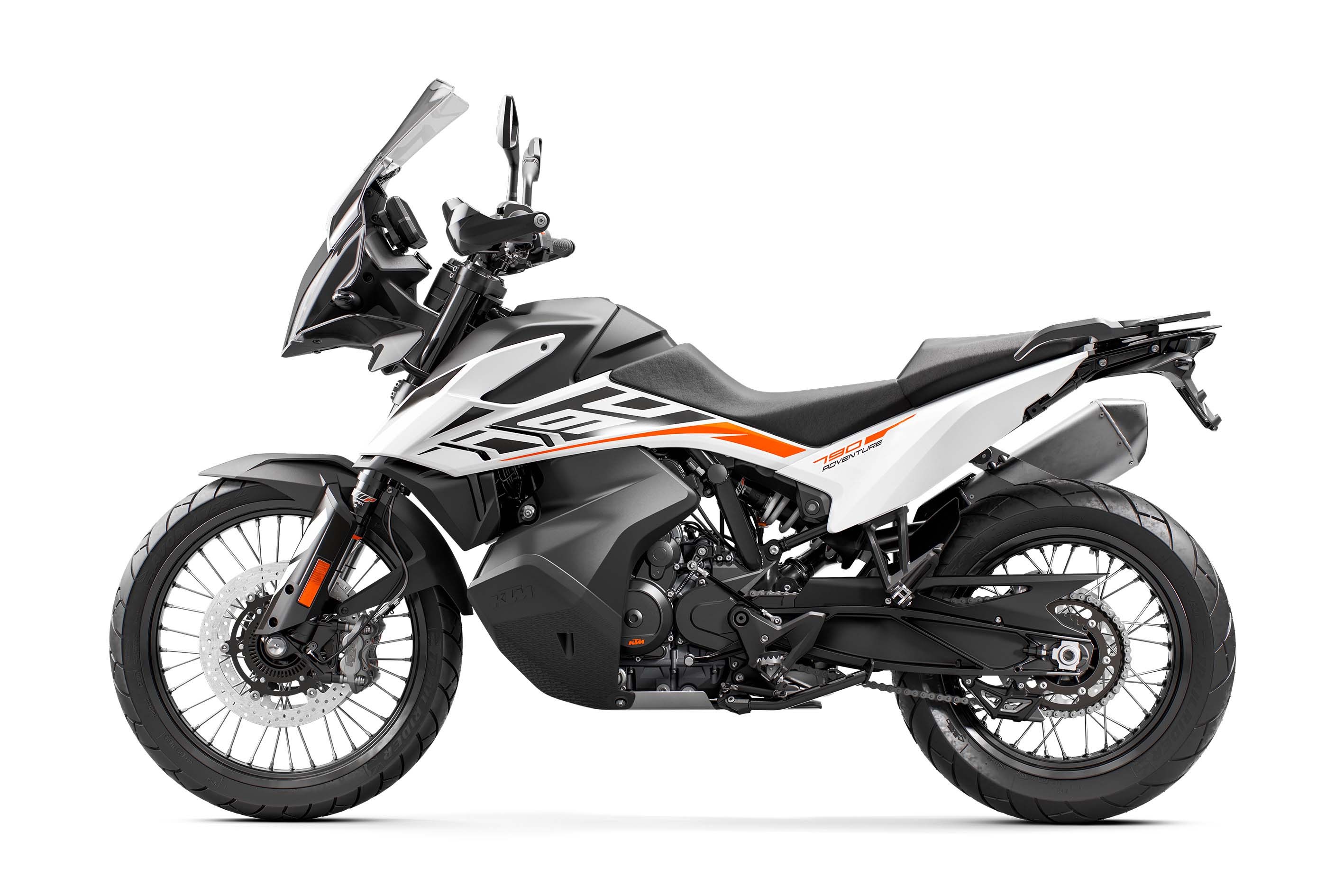
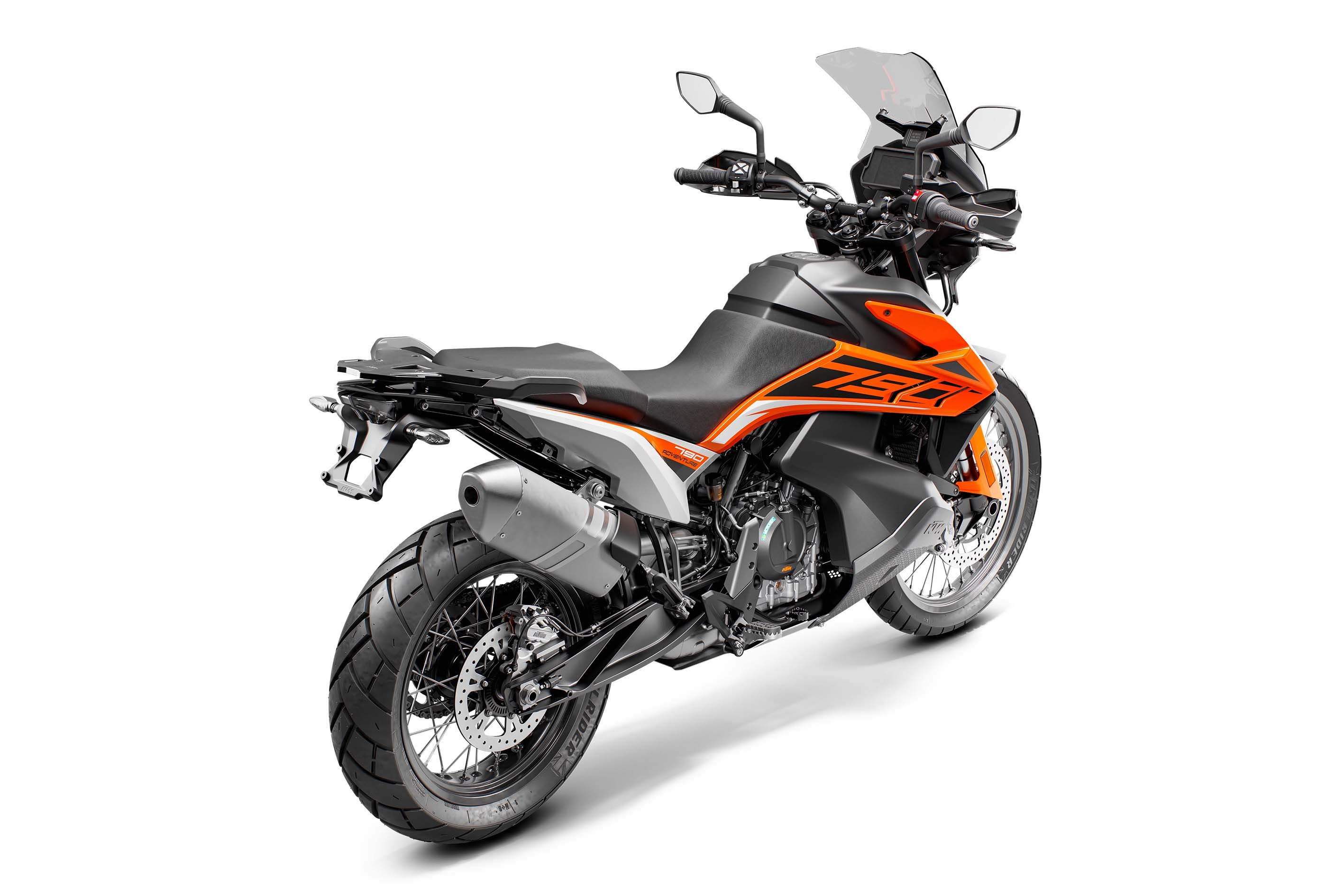
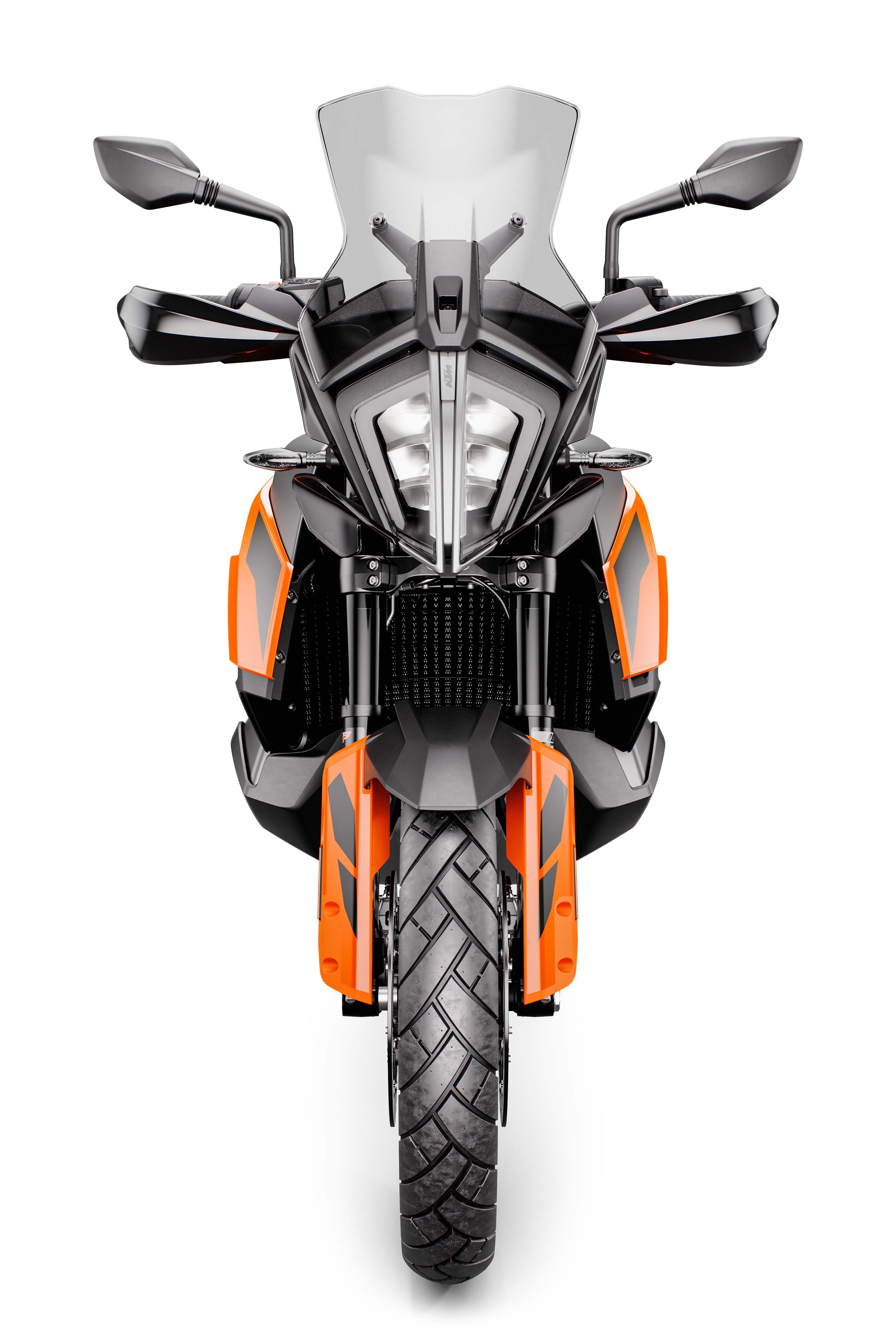
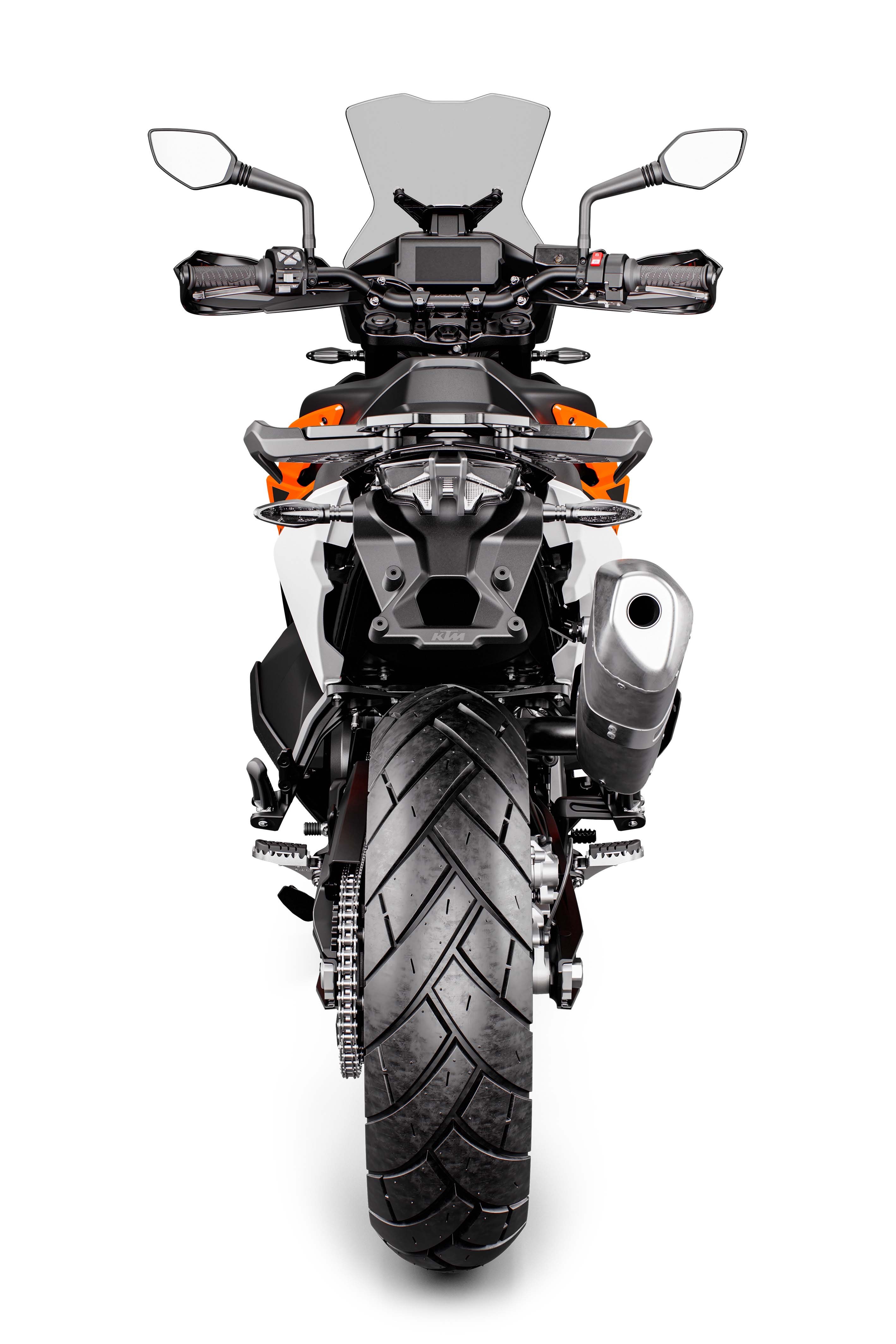
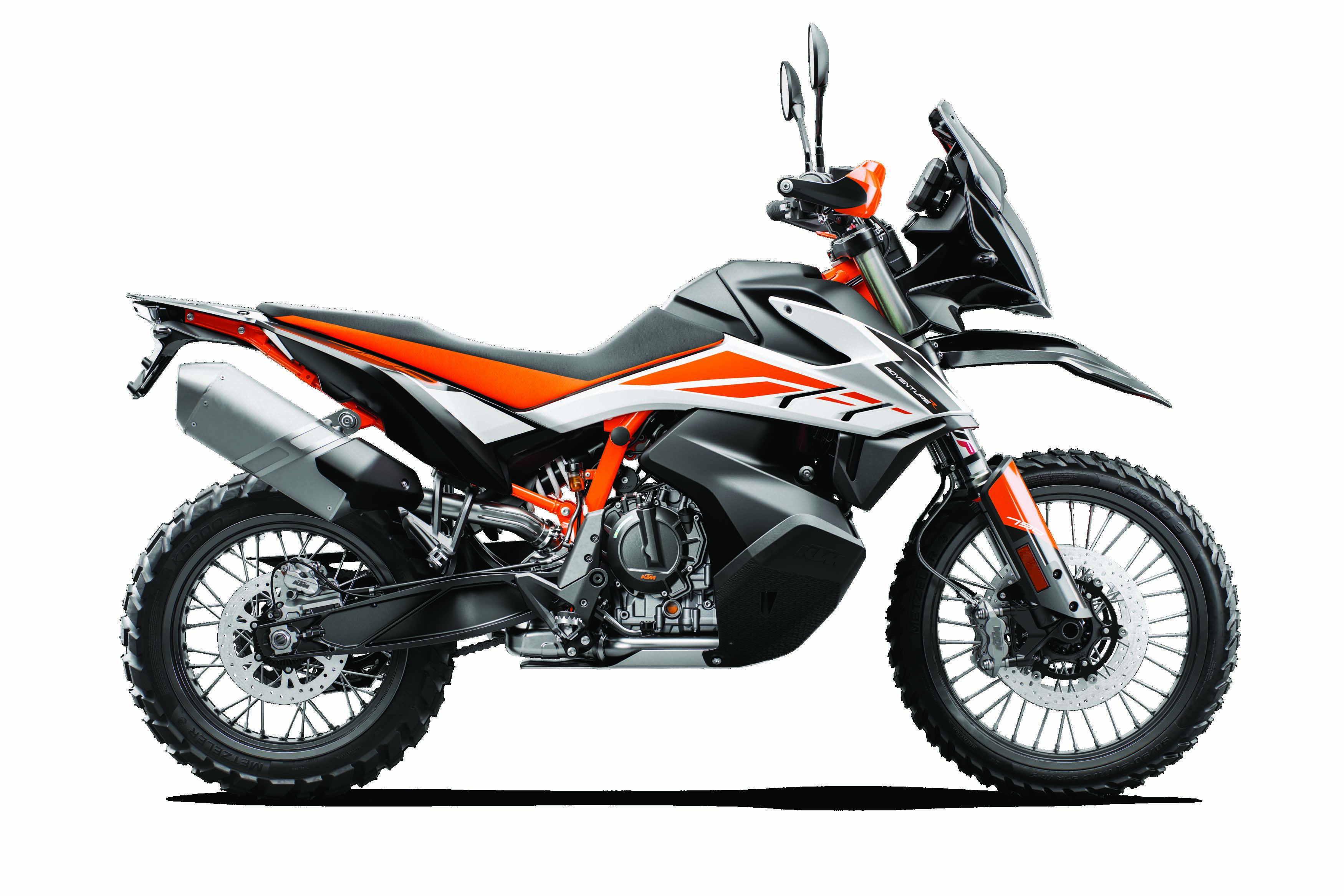
  • The 2019 KTM 790 Adventure and 2019 KTM 790 Adventure R have finally been launched.

  • The base model is more road-centric while the R version is for off-roading.

  • They were unveiled at EICMA 2018.

The 2019 KTM 790 Adventure and 2019 KTM 790 Adventure R have been finally unveiled at the EICMA show.

The two models have spent much time in development, while KTM launched the 790 Duke first.

There are two versions with both sharing the same basic specs. However, the base 790 Adventure is biased more for road use, while the 790 Adventure R is for hardcore off-roading.


As with any KTM, there are a bucket load of features, but we’ll cut to the chase. The engine produces 94bhp and 88 Nm of torque. The engine power is down by 11bhp from the 790 Duke’s engine, as it tuned for a broad spread of torque rather than outright speed.

The base 790 Adventure uses the WP APEX 43mm forks and WP rear shock, providing 200mm of travel on both ends. On the other hand, the 790 Adventure R is equipped with WP XPLOR forks and WP rear shock, both with 240mm travel for more ground clearance. Both models use 21” front and 18” rear wheels.

Besides that, the base model’s seat is a flat 2-seater, while the R has a stepped dual-seat arrangement.

As for electronics, both bikes utilize an IMU (inertial measurement unit) for lean-sensitive Cornering ABS and traction control. The ABS can be turned entire off or just for the rear wheel.

There are three standard riding modes in addition to an extra “Rally” mode. Rally modes is optional for the base model and standard on the R.

The styling gives the bike the look of a Dakar Rally race bike and utilizes the split LED headlamp.

Archive

Follow us on Facebook

Follow us on YouTube