Bikesrepublic

Latest News

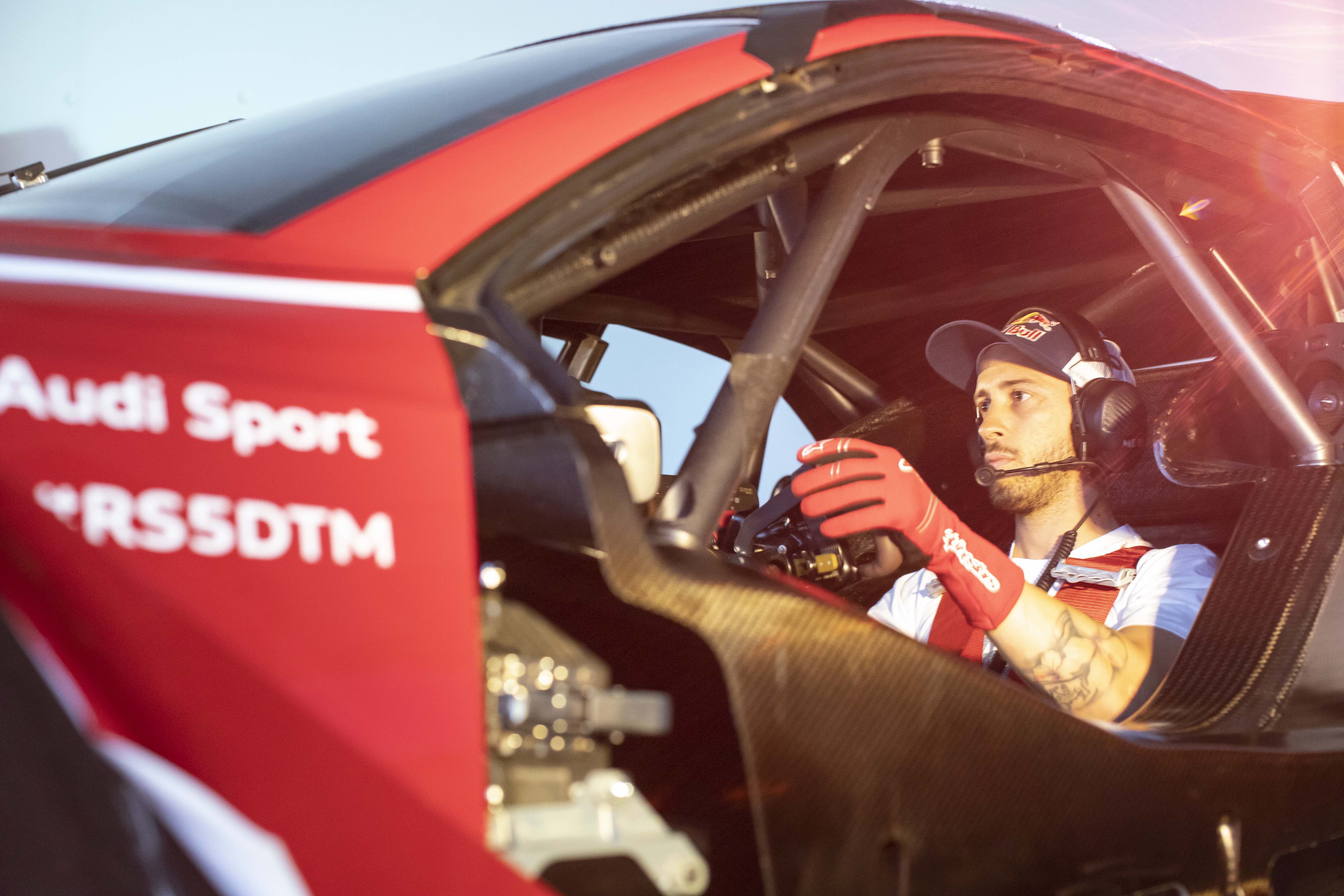
  • Mission Winnow Ducati rider Andrea Dovizioso will drive in the DTM (German Touring Car Championship) at the Misano round next month.

  • He will be behind the wheels of an Audi RS 5 DTM.

  • The round takes place on 8th to 9th June.

Mission Winnow Ducati rider Andrea Dovizioso will drive an Audi in the DTM (German Touring Car Championship) at the Misano round next month.

He will head to San Marino track on 8th to 9th June for the DTM race immediately after the Italian MotoGP round at Mugello. Dovizioso will drive the Audi RS 5 DTM for the one-off outing, in replacing Pietro Fittipaldi in the Audi WRT Team as the latter attends to his duties in Formula 1. Fittipaldi is the Reserve driver at Haas for the Canadian F1 Grand Prix.

Dovizioso first test the Audi RS 5 DTM at the Neuburg track on 7th May and will test again at Misano on 22nd to 23rd May as his final preparation.
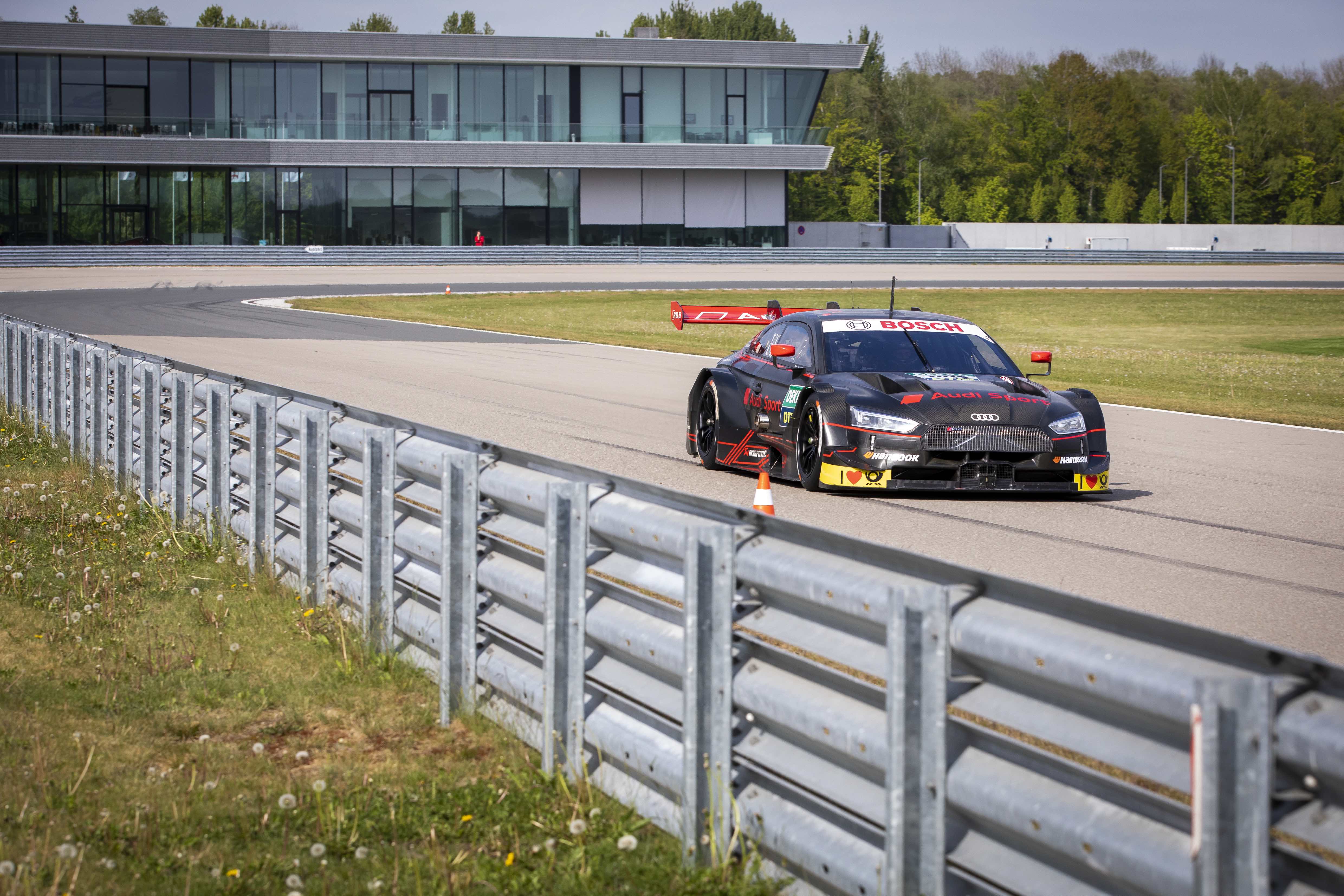
“I love cars and I feel lucky to be able to race with the Audi RS 5 DTM,” Dovizioso said. “It’s tough to find the time to prepare for it during the MotoGP season but I am really looking forward to compete in such a high-level context such as the DTM.”

Head of Audi motorsport Dieter Gass is naturally thrilled to welcome Dovizioso to his DTM fold and is thankful to Ducati bosses for permitting the Italian’s one-off outing.

“I’m delighted that in Andrea Dovizioso we managed to get a real superstar to race as a guest in the DTM,” Gass said. “MotoGP riders are true heroes in Italy.

“Andrea hails from the Misano area, won the Motorcycle Grand Prix there last year and is going to attract many additional fans.

Audi is Ducati’s parent company and focuses in DTM, Formula E, TCR and GT racing.

As for the DTM, three guest drivers made their appearances last year including World Rally Champion Sebastien Ogier (driving a Mercedes), 2016 World Rallycross Champion Mattias Ekstrom (driving an Audi) and former F1 and Indy Car driver and paralumpian Alex Zanardi (driving a BMW).

Other MotoGP riders have tried their hands in four-wheeled racing, including Marc Marquez and Dani Pedrosa, who tested for the Red Bull F1 team last year. Valentino Rossi competes in the Monza Rally annually.
  • A team from the Czech Technical University stuffed a BMW S 1000 RR engine into a UL-39 light aircraft.

  • It propels the 350kg plane to 290 km/h.

  • Skyleader Aircraft is now selling the plane.

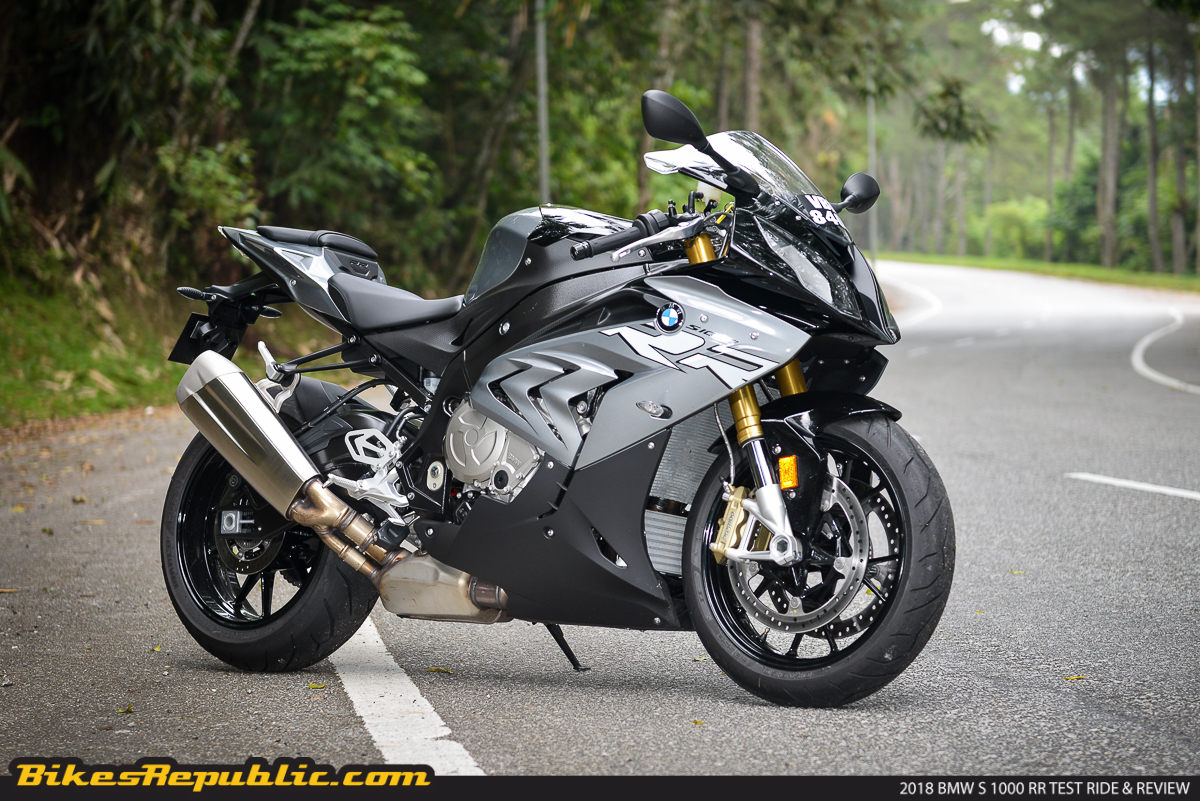
We sometimes get the sensation of flying too low especially when riding fast bikes such as the BMW S 1000 RR.

Why not? Snapping the throttle open from 80 km/h in sixth gear had us seeing more than 200 km/h in a jiffy, while the scenery flew by in multi-coloured ribbons.

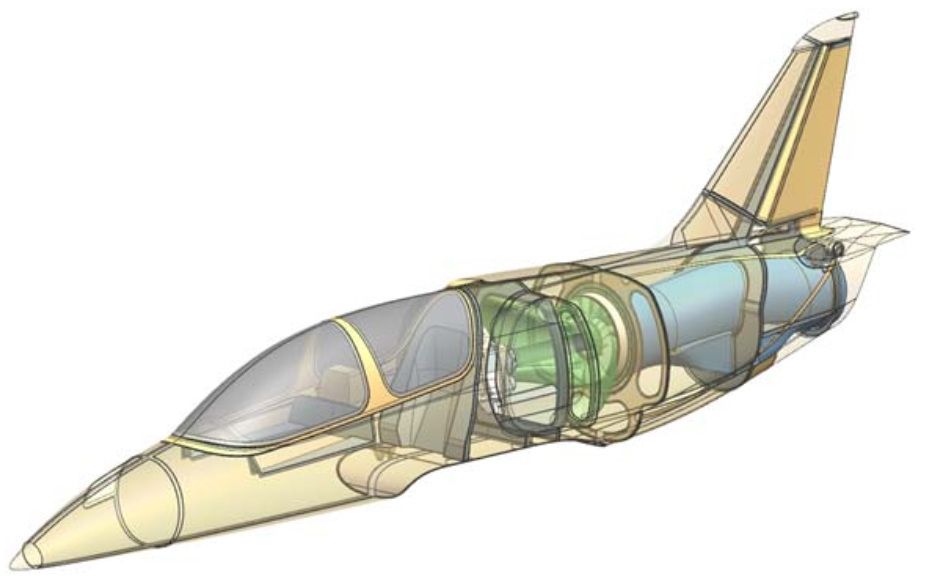
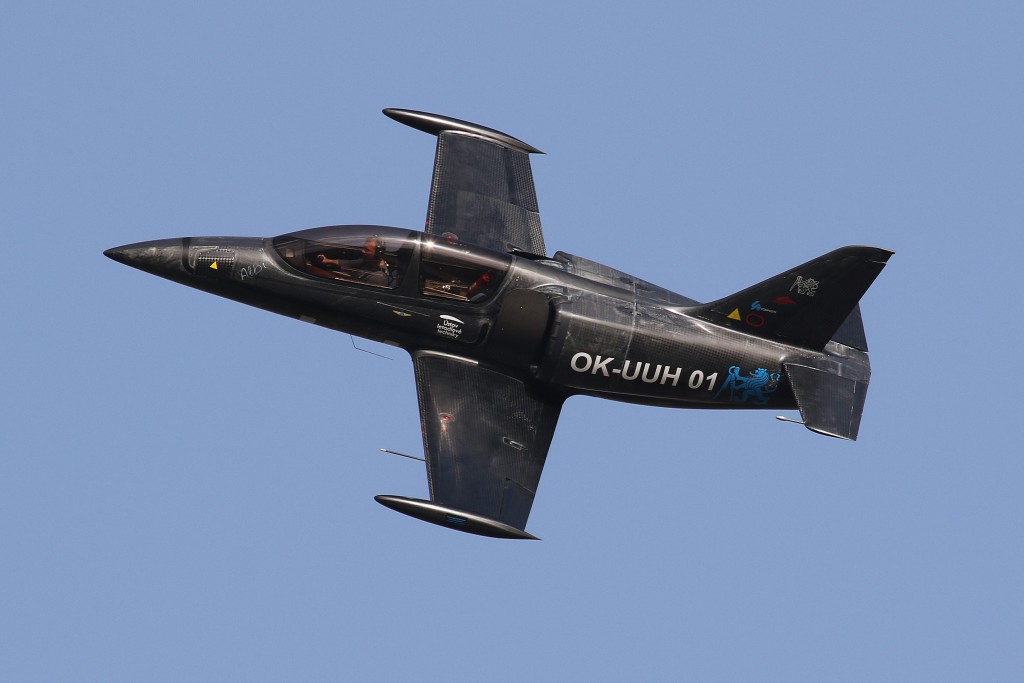
But now, thanks to a team from the Department of Aerospace Engineering at the Faculty of Mechanical Engineering of the Czech Technical University and their collaborators LA Composite and Zall Jihlavan Airplanes, the S 100 RR takes flight. Well, the engine anyway.

The UL-39 Alb is a replica of the original L-39 Albatross flown by the Czechoslovak Air Force in the 70s. However, the team swapped out the Ivchenko Al-25 jet engine with the previous generation’s BMW S 1000 RR inline-Four which produces 193 bhp.

The engine is placed in a duct and drives multiple blades, hence called a “ducted fan jet.”

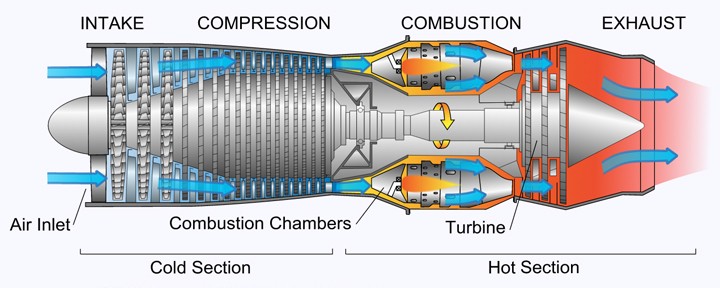
For your knowledge, a “true” jet engine ignites fuel in nozzles at high pressures at the back of the engine. The combustion expands gases which blast out the back of the engine, driving the turbine blades. The turbine blades are mounted to a shaft which the compressor blades are mounted to at the front of the engine (you can see them when you board a passenger aircraft). The compressor draws in and compresses the air for combustion, creating thrust which propels the aircraft forward.

The S 1000 RR engine, on the other hand, drives compressor blades at the front like a propeller plane. But since the air is ducted, the fans create a higher pressure than chopping at air in the open.

The UL-39 is made mostly from carbon fibre and weighs just 350 kg and has a top speed of 290 km/h for up to a 547km range. It carries two occupants.

The plane is now part of the Skyleader Aircraft line-up. The company has been producing light aircraft since the 1990s.

  • A Kawasaki Ninja ZX25R prototype was spotted testing in Indonesia.

  • It was reported to feature a 250cc inline-Four engine.

  • It may be officially unveiled at the Tokyo Motor Show in October.

There’s a tasty rumour that a Kawasaki Ninja ZX25R with an inline-Four engine is being developed.

A prototype was recently spotted undergoing testing at a facility in Indonesia. The report also stated that it was equipped with a racing exhaust system.

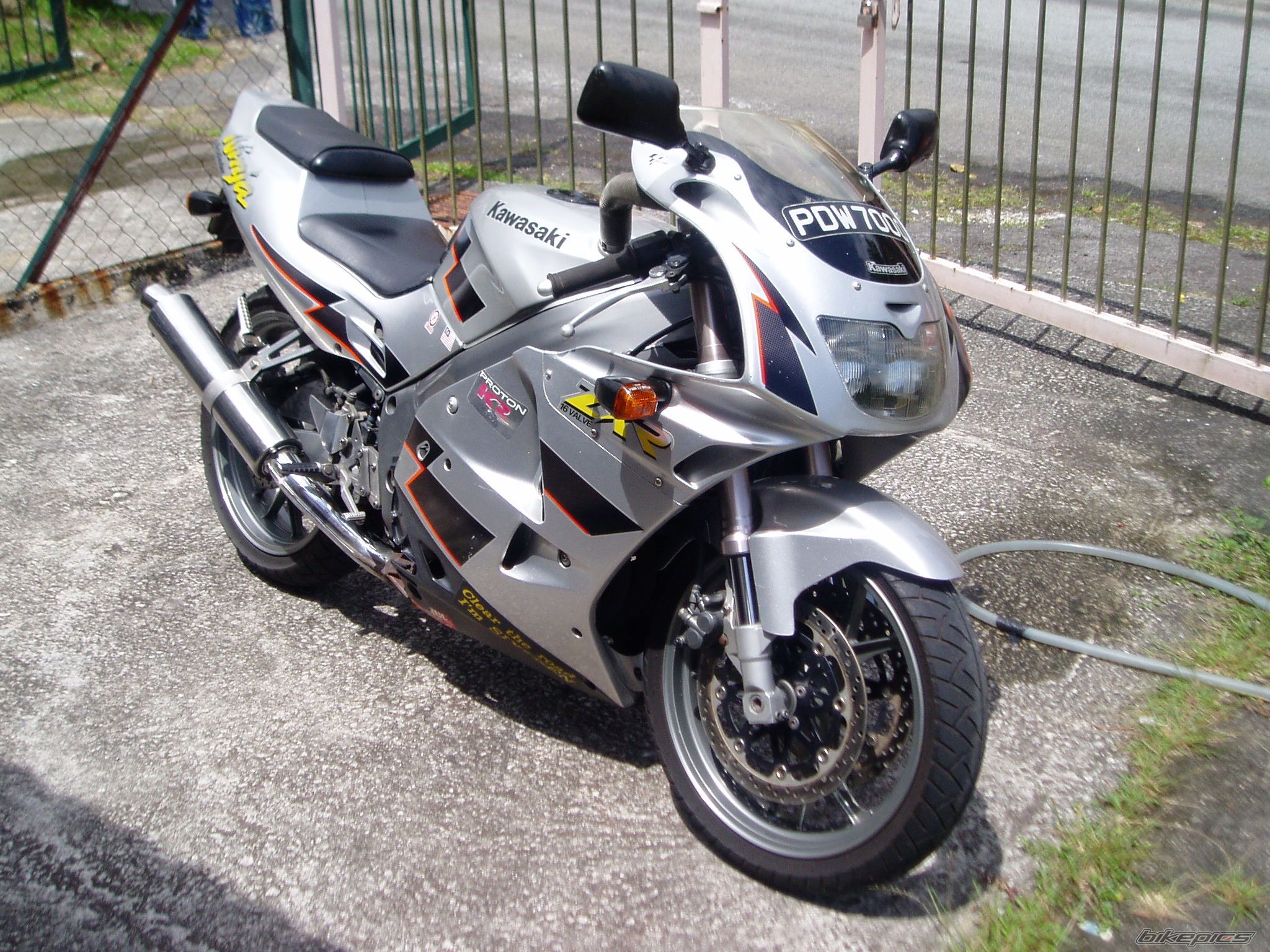
Remember the Kawasaki Ninja ZXR250 which appeared in 1997? It had a screaming inline-Four engine with an astronomical 18,000 RPM redline. But most of all, it looked a lot like a ZXR400, or better yet, the ZXR750 (better known as the ZX-7) superbike racer. It even had those iconic “washing machine drain pipe” air intakes. Oh, those were the days (wiping off a tear).

1997 Kawasaki ZXR250 – Photo credit www.bikepics.com

So, a 250cc inline-Four should spark the interest of many enthusiasts. It not only covers those who reminisce the old machine but also new fans who favour the sound of an inline-Four over parallel-Twins that currently flood the market.

However, we wonder how a current 250cc inline-Four will fare against a parallel-Twin of the same capacity. Sure, an inline-Four sounds better while producing more horsepower but Twins are better at producing low- and midrange power. For comparison, the current Ninja 250 produces 38.2 hp, making it the most powerful 250cc production four-stroke.

Anyway, the new bike should be equipped with LED lighting, assist and slipper clutch, in addition to up-to-date chassis and electronics.

The Kawasaki Ninja ZX25R could be unveiled at the Tokyo Motor Show in October.

Source: Zigwheels

  • As we’ve posted before, accident videos can help us learn.

  • In this video, two bikes crashed together through improper braking and target fixation.

  • We’re not criticizing anyone, but here are tips on how to avoid such tragedy.

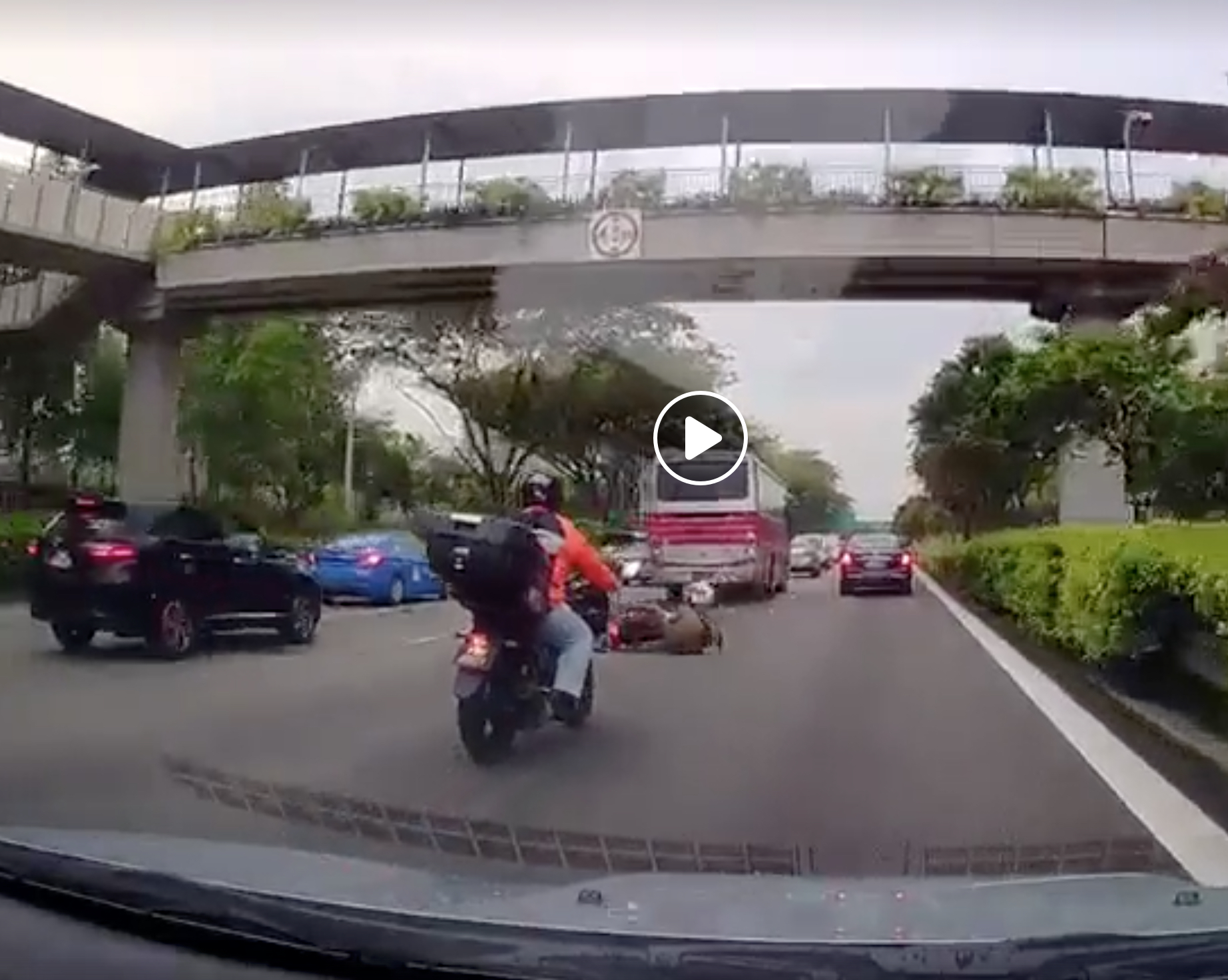
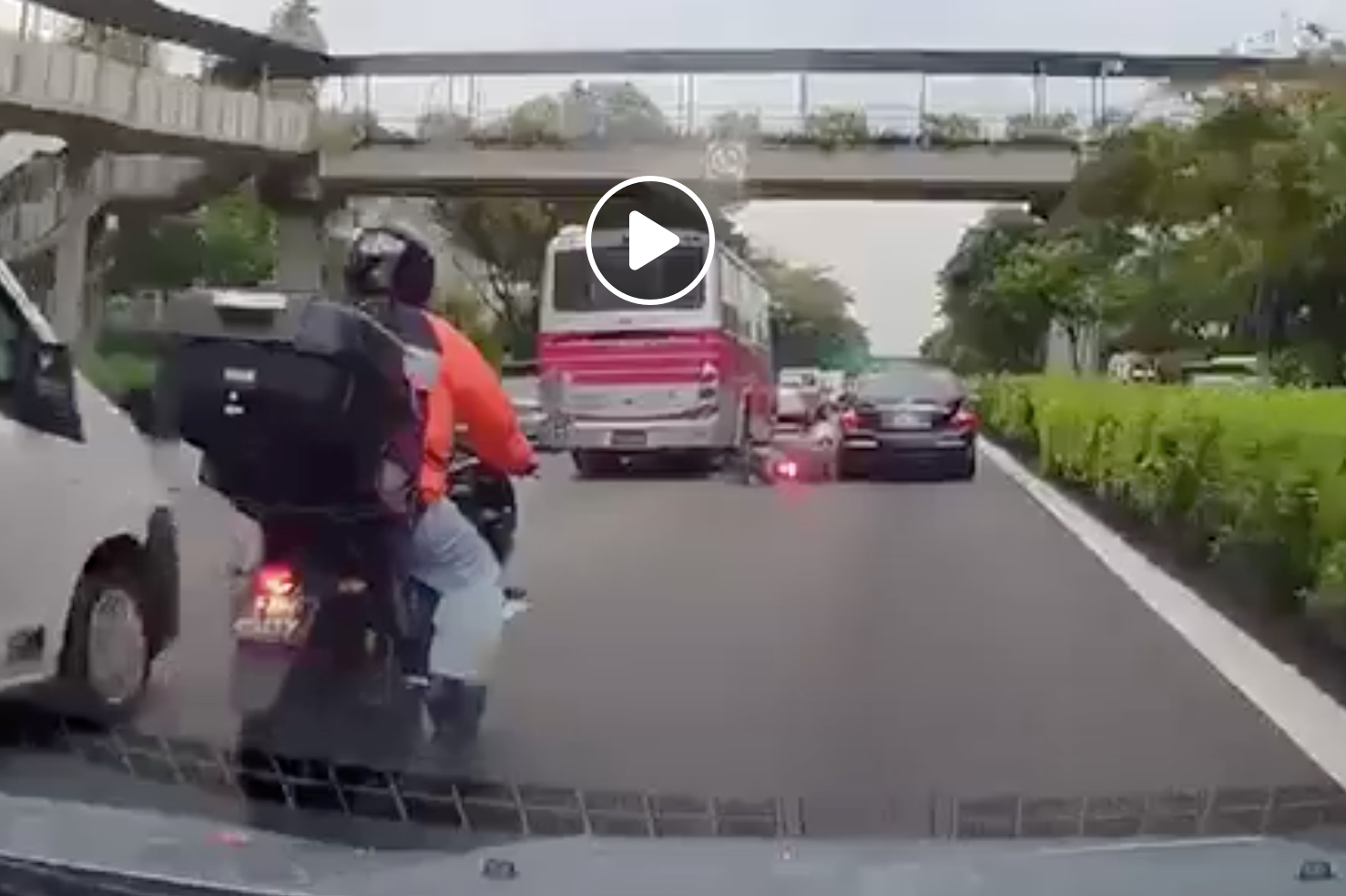
A Singaporean Facebook page shared a video of an accident involving two motorcycles this morning. But rather than just condemning the parties involved we could perhaps learn that target fixation and improper braking is dangerous for us motorcyclists.

We are not trying to be experts here either. But after years of practice and riding in the same situation at least three times per trip per day, one tends to learn.

Watch the video below:

Part 1 – First rider

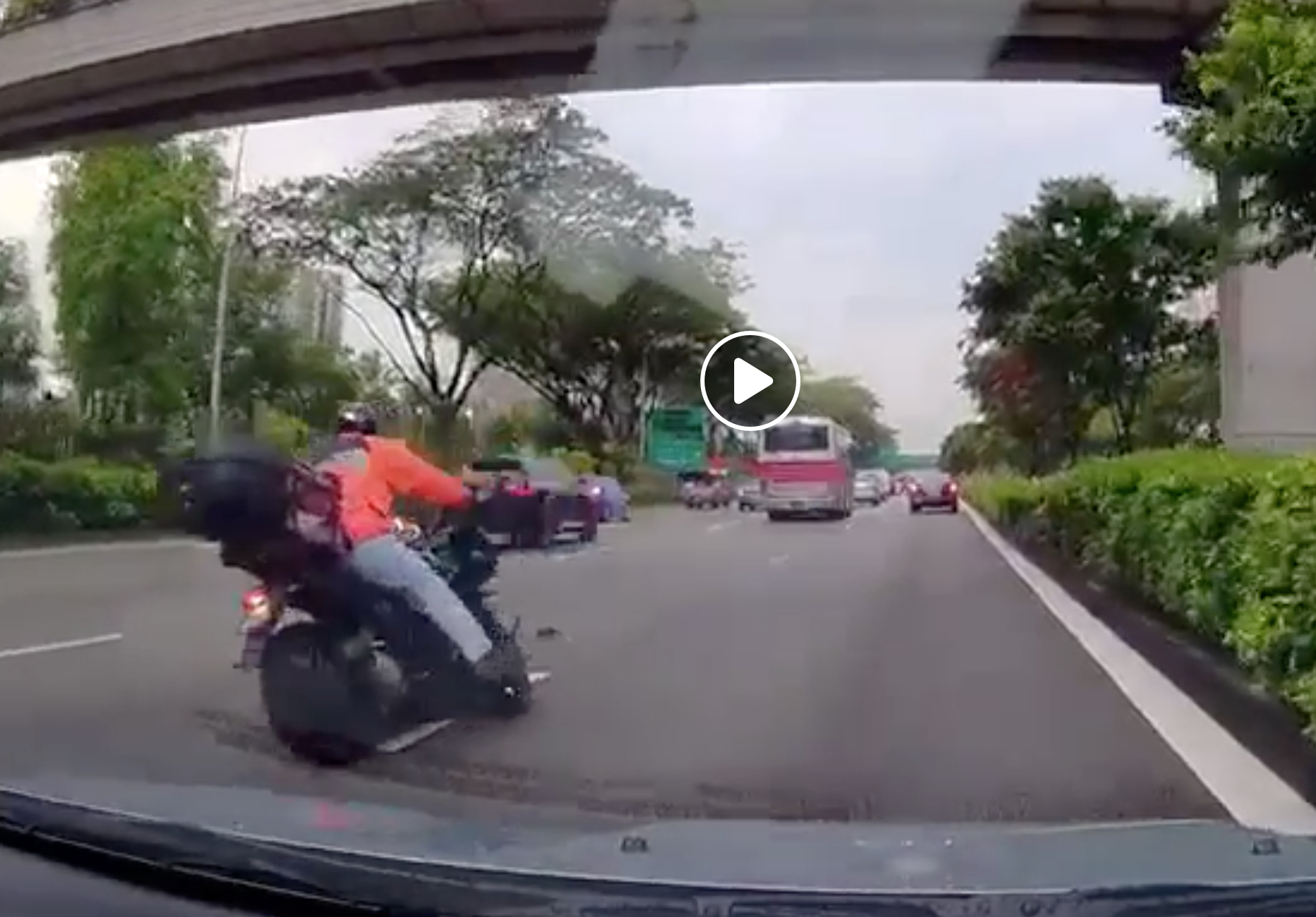
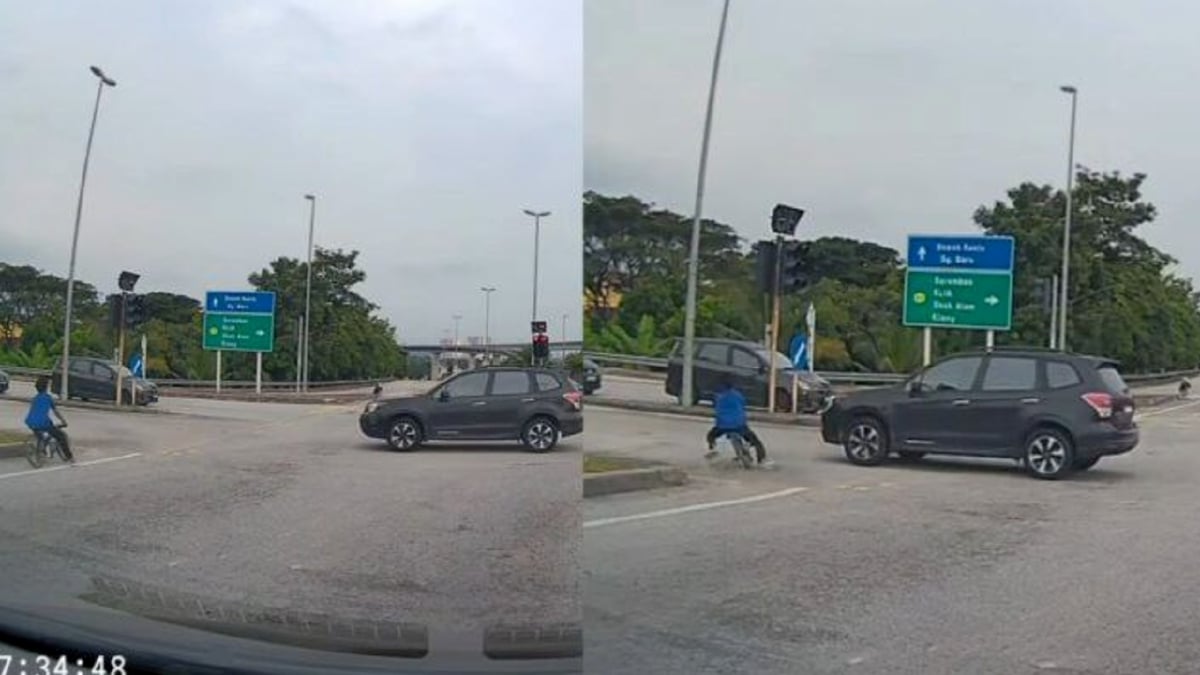
First rider panicked as he was trying to slip between the bus and car. He grabbed his front brake with full power, resulting in the front tyre washing out.

First lesson: Overtaking
  • If you need to overtake, do it quickly to get out of the “sandwich zone.”
  • But don’t ride more than 40 km/h faster than the vehicles around you.
  • Too fast and you won’t have time to react.
  • We humans normally take 0.5 second to react.
  • A vehicle covers 13.8 metres in 0.5 second at 50 km/h, and 27.7 metres in 1 second at 100 km/h. You decide.
First rider applied brakes too hard
What if he didn’t overtake?
  • Better to just follow the car if you’re not confident enough of overtaking.
  • The best place to follow is NOT directly behind, but to the side where there’s a good chance of the driver picking you up in the rearview mirror.
  • Additionally, it gives you room to avoid the car should he brake suddenly.
How should we brake?
  • Never, ever grab your front brake lever full-on.
  • Always increase the braking pressure progressively even when under threat.
  • Applying the front brake progressively allows the front suspension and tyre to soak up the weight transfer progressively, as well.
  • Jamming on the brake, on the other hand, transfers weight abruptly, causing the weight transfer to overwhelm the suspension and tyre.
Solution:

We know it’s easier than it sounds, but every motorcyclist should practice emergency braking. And we’re not talking about dragging the locked rear wheel like in JPJ tests!

  • Find yourself a large and empty parking lot.
  • Ride to 30 km/h and pull in the front brake lever progressively harder and harder until the bike stops.
  • Increase the speed you being to brake from gradually if you feel confident enough.
  • If you always ride at 150 km/h, we suggest you practice stopping from that speed – a lot.
Would ABS have helped?

It may but the first bike looked like a kapchai/scooter, hence it probably isn’t equipped with ABS. Even then, the best way is to ease up on the pressure at the lever to let the bike’s momentum stabilize itself. This can be helped through practice.

But what if there’s ABS?
  • It doesn’t mean one can get away with crashing even if there’s ABS.
  • We must first learn how it feels like when ABS activates.
  • The lever will pulsate when ABS activates, surprising some riders to let go of the lever too abruptly and the system stops functioning.
  • Secondly, ABS keeps the previously locked wheel rolling in order to provide the chance of swerving away from danger. However, this is always defeated by target fixation (refer part 2 below).
  • Thirdly, ABS can cause some riders to keep holding on to the brake lever will full power until the bike stops dead. The rider will then lose balance and topple over (jatuh bodoh).
  • So, if the ABS activates, keep braking until you scrub off enough speed for you to still retain control of the bike and maneuver. But let go of the brakes progressively.

Part 2 – The following rider

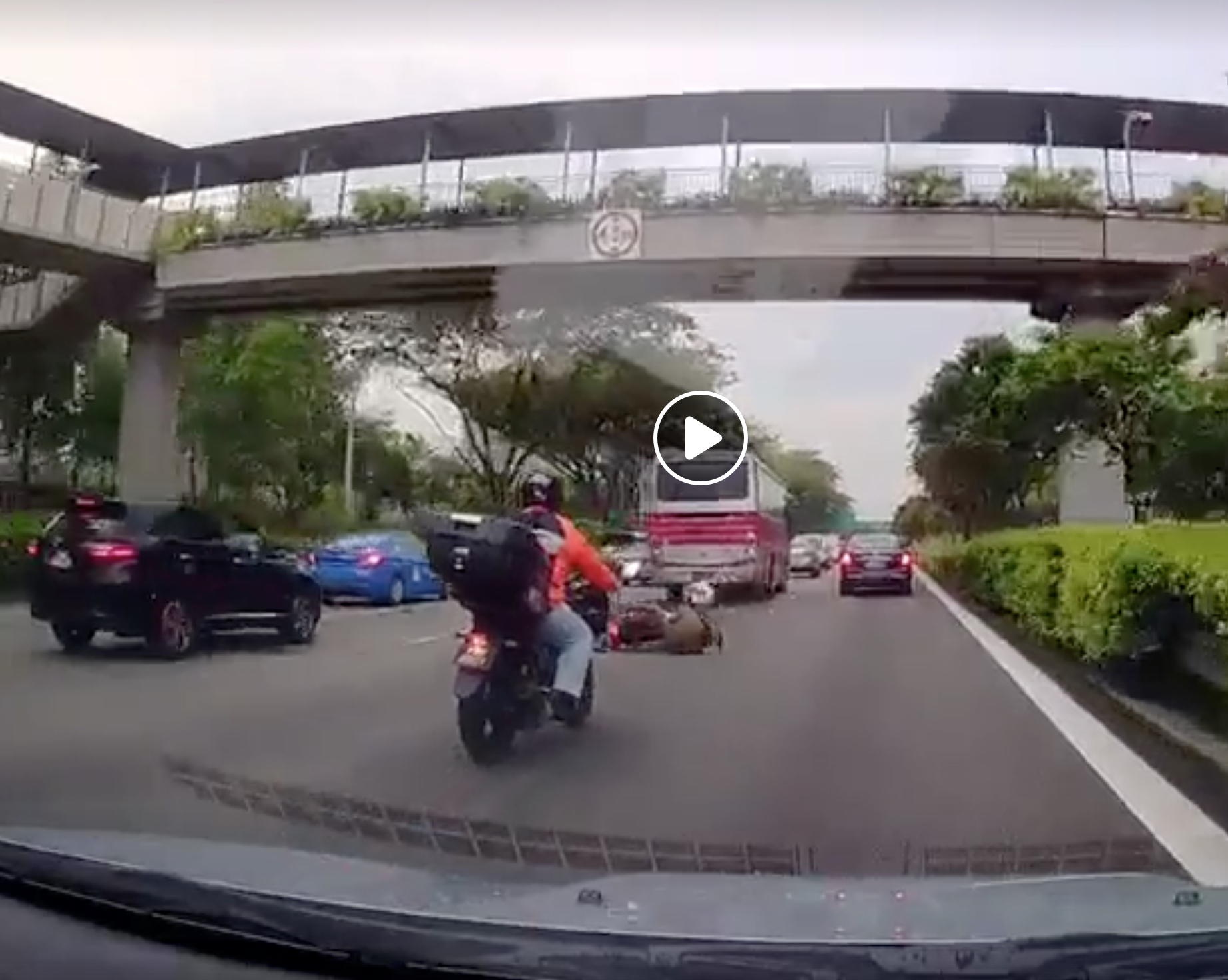
The following rider saw the crashed bike ahead and applied his brakes a fraction later. Remember? A human’s nominal reaction time is 0.5 second. He kept braking but still ran into the poor man on the road.

What went wrong?
  • First and foremost (remember these words): Target fixation.
  • Keep in mind that the motorcycle goes where you look.
  • In this case, he was looking directly at the first rider (he didn’t turn his head at all).
Target fixation sent second rider directly toward the fallen rider
What is target fixation?
  • Target fixation is a subconscious human instinct which instructs us to keep our eyes on a dangerous situation.
  • Yes, it helped us to survive through almost a million years, but it doesn’t agree when you’re riding or handling any vehicle at speed.
  • Being fixated on the first rider, he jumped on the brakes in panic, his body tenses up, his arms went straight.
  • Now he has no way of steering the bike even with the ABS on (see the front pogos up and down).
What should have been his response?
  • He should’ve looked to either side of the crashed rider ahead.
  • Both vehicles on either side have slowed down, leaving both lanes empty.
  • So, he could’ve swerved to avoid the fallen rider and apply some gas to get away, even without needing to slow down.
  • Situational awareness helps here, consequently he would know if either side were clear without needing too look.
  • Not tense up and lock his arms. Having relaxed arms allows the rider to steer even during hard braking. See how the MotoGP riders do it even when they’re braking from 330 km/h to 80 km/h to make a corner?
Second bike ran into first rider
What are the solutions to target fixation?
  • Overcoming target fixation needs practice.
  • Next time you come across a pothole, look to either sides and steer.
  • You’ll be surprised at how easy that was.
  • Keep practicing when traffic is clear.
  • You can even ride up to an imaginary hazard on the road, look to the sides and steer.
  • This practice will suppress your instinct to target fixate.
What are the solutions to braking hard and still being able to steer?
  • On braking and body position, do recall that fuel tanks have knee cutouts for a reason.
  • Hence, clamp your knees on the tank to support yourself and take the pressure off your arms and torso.
  • This way, you can brake much harder and have a better feel of the suspension and tyres’ limits.
  • Please refer above about brake practice.

Conclusion

Every rider needs to be critical about his/her own riding skills and learn. It’s far better than relying on others to give way.

Oh, and look up videos or articles on riding tips. It’s time and energy well spent rather than be like keyboard warriors who only know how to criticize.

Video source: Xianghui Chaw on ROADS.sg


  • A patent filing for the new Suzuki GSX-R1000 was leaked online.

  • The chassis looks similar, but the bodywork sees some changes.

  • The real change should be the engine where it features a new VVT system.

It’s not surprise that a new Suzuki GSX-R1000 is on the way, given that the Euro 5 regulations are coming into effect in 2020.

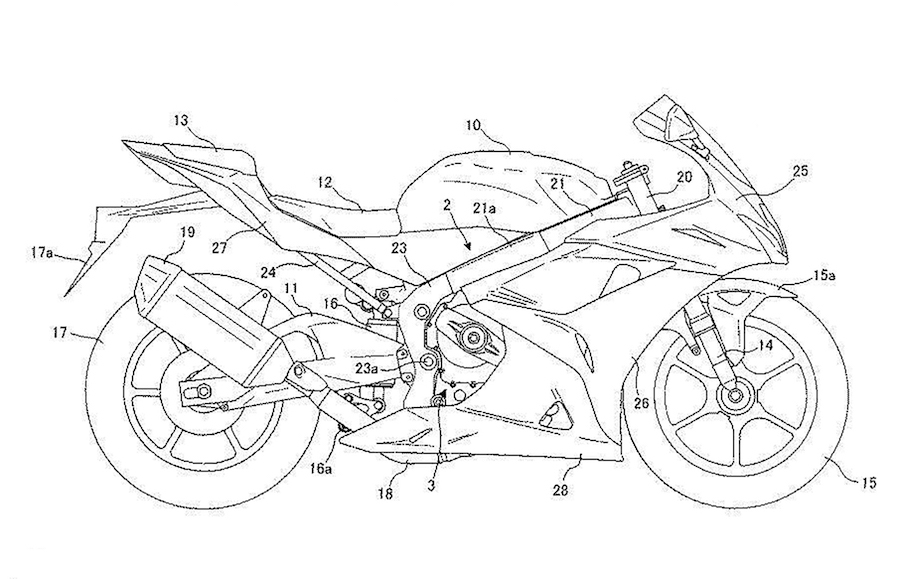
But just what will be new in the new Suzook? The patent filed in Japan has been revealed.

The patents show a new outline for the new Gixxer. The fuel tank seems a little longer, the seat a bit thinner, there’s a new vent on the main fairing, the tailsection is slimmer and the nose is sharper plus lower. The frame and swingarm look identical to the current bike.

But the biggest change ought to be in the engine.

There was another Suzuki patent filing months ago, particularly for a new variable valve timing (VVT) system.

New Suzuki GSXR-1000 VVT patent

In the current GSX-R1000, Suzuki uses the centrifugal forces of the inlet camshaft to drive the advancer. To sum it up, the faster the camshaft spins, the longer the inlet valves stay open. Suzuki did this to circumnavigate MotoGP’s ban of electronic and hydraulic VVT systems.

The system seems to work better in MotoGP, since the riders usually utilize the upper RPM ranges. It’s a different story on the streets.

In that patent we mentioned earlier, the manufacturer may switch to a hydraulic system with actuates both inlet and outlet cams. The hydraulics are computer-controlled, in turn. This should cater for the wide range of RPM utilization on the streets which usually hovers in the low and mid RPM ranges.

We should be able to see the new bike at the Tokyo Motor Show in October, if bike is slated for 2020.

  • Like beauty is subjective, so is everyone’s preference for motorcycle exhaust note.

  • V-Four engines are among the best – if not the best – sounding.

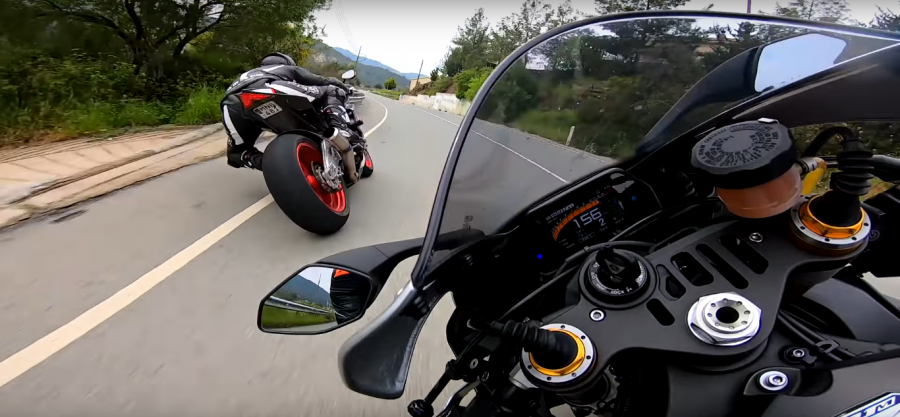
  • Listen to this Yamaha YZF-R1 and Aprilia RSV4 RF.

Just as beauty is subjective, so is everyone’s preference for motorcycle exhaust note. To bikers, the exhaust note is another aspect which stirs the sould. However, V-Fours sound the best in our books as demonstrated by this Yamaha YZF-R1 and Aprilia RSV4 RF.

Yes, yes, the Yamaha R1 isn’t a V-Four but an inline-Four, instead. But I’m sure you already know that the “crossplane” crankshaft is arranged in such a way that the engine fires like a V-Four, hence sounding like one. Or like some say, sounds like Valentino Rossi’s YZR-M1 MotoGP bike.

The crossplane crankshaft spaces the crankpins at 90ofrom each other. Therefore, the R1’s firing order mimics the firing order of a V-Four with a 180ocrank, which gives it a 270o– 180o– 90o– 180oignition timing. The irregular firing order is what gives the bike its distinctive exhaust note compared to traditional inline-Fours.

The Aprilia RSV4, on the other hand, uses a 65oV-Four with a 180ocrankshaft. As such, the firing order is a regular 180o– 115o– 180o– 245o, giving it another distinctive and gloriously LOUD(!) exhaust note.

By the way, the numbers with degrees denote the crankshaft rotation angle.

NOTE: Please ride responsibly on public roads.

Video credit: SuperBike Racer

Archive

Follow us on Facebook

Follow us on YouTube