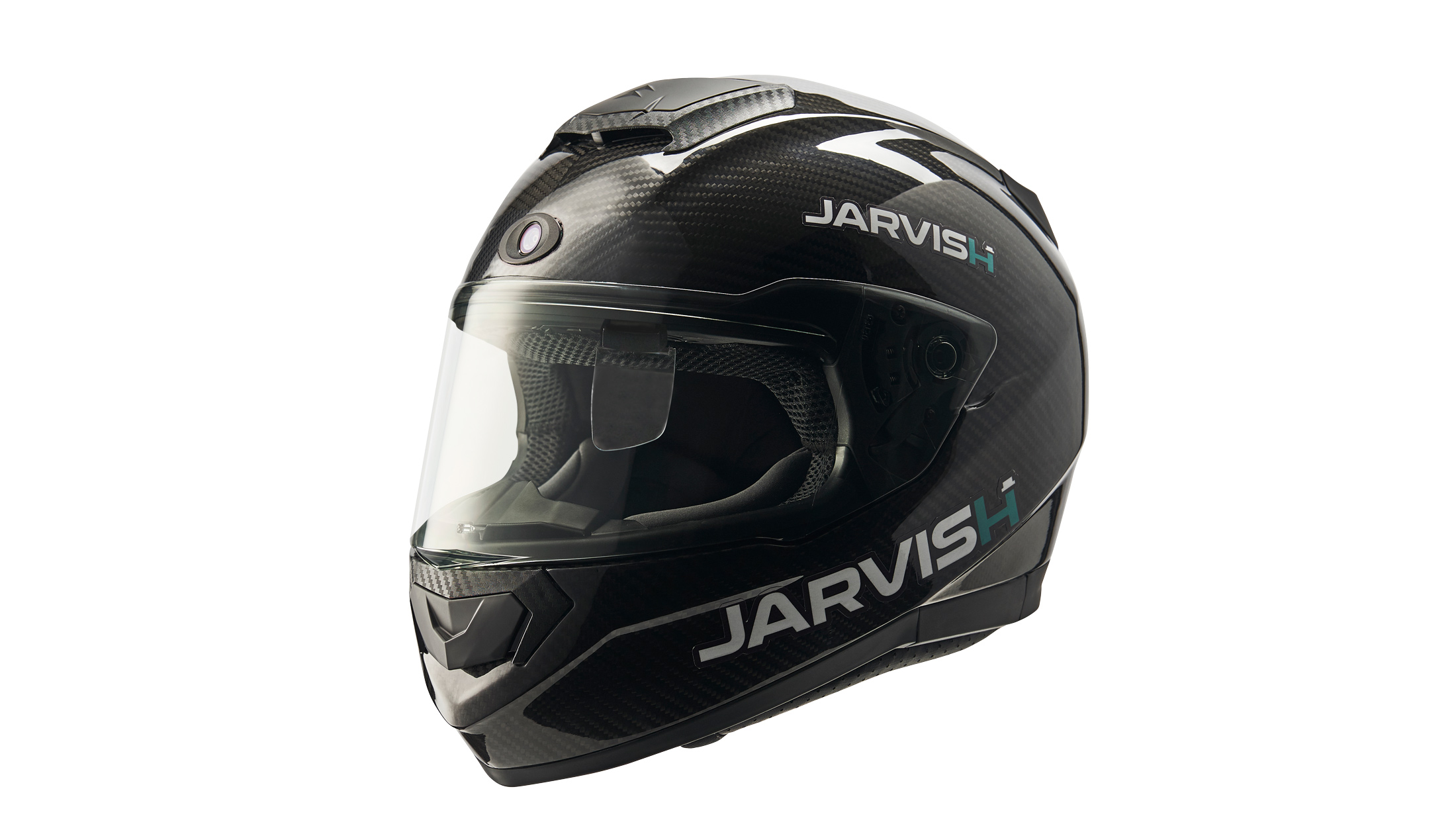
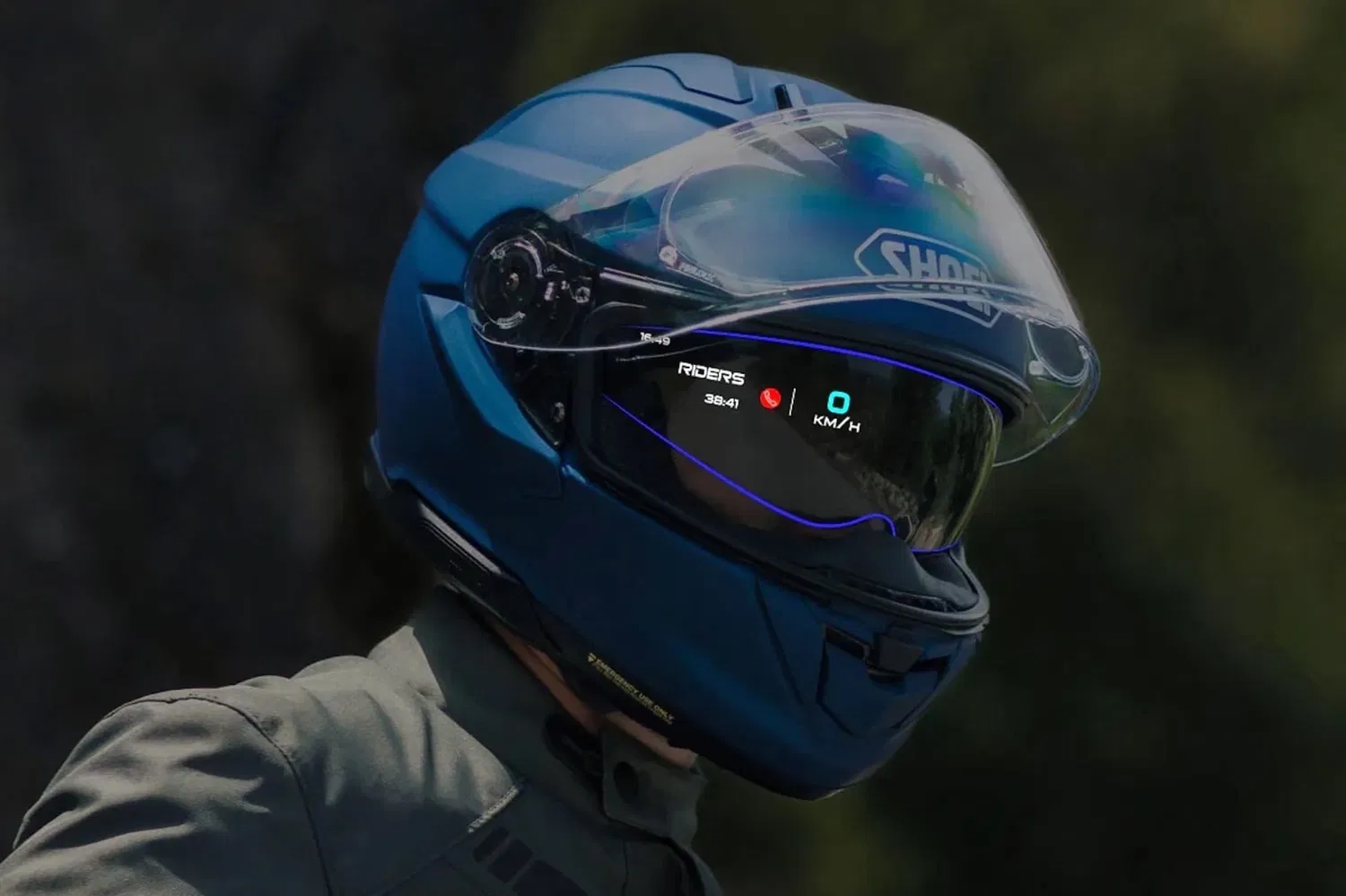
The firm offers the X and X-AR futuristic helmets.
Both are technology packed, with the X-AR including cameras and HUD.
Jarvish, a helmet maker from Taiwan is offering two technology-packed and futuristic helmets via Kickstarter.
The two helmets called X and X-AR are made of carbon fibre. According to the them, they have been supplying the original product to the public and hundreds of police officers in Taiwan.
Both models feature a built-in 2K camera up-front but there are differences in other features. Audible directions are available in both helmets and the features are rider voice activated.
The key features of the X-AR model include a heads-up-display (HUD) which shows speed, weather information and navigation via the Jarvish app. Data is stored on a removable 16GB memory card. The rider can insert up to 256GB. Bluetooth and WiFi capabilities are also available. The battery lasts up to four hours.
According to Jarvish, the features allow the rider to concentrate on the road with distraction.
The two Jarvish helmets comply to the ECE 22.05 standard. The helmets are expected to be available through Amazon. The X-model is expected to cost £500 while the X-AR should cost £1000.
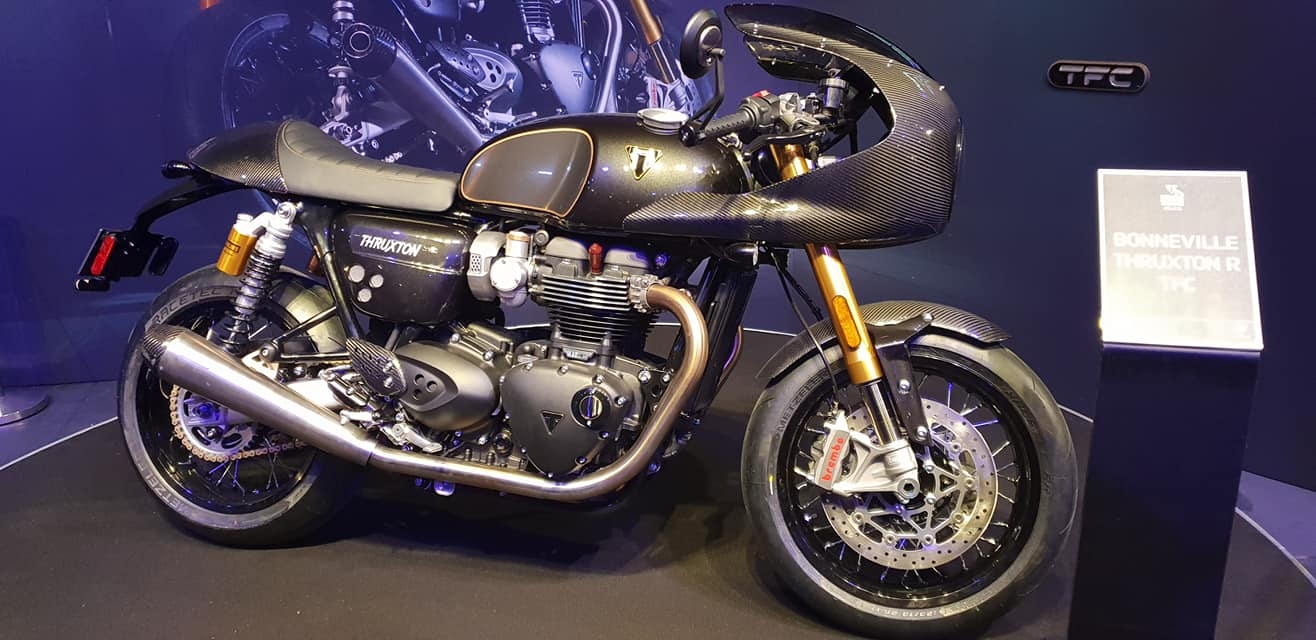
The Triumph Thruxton R TFC is part of the Triumph Factory Custom range.
As the name suggests, it will be a limited-production, high-end flagship.
Only 750 will be built.
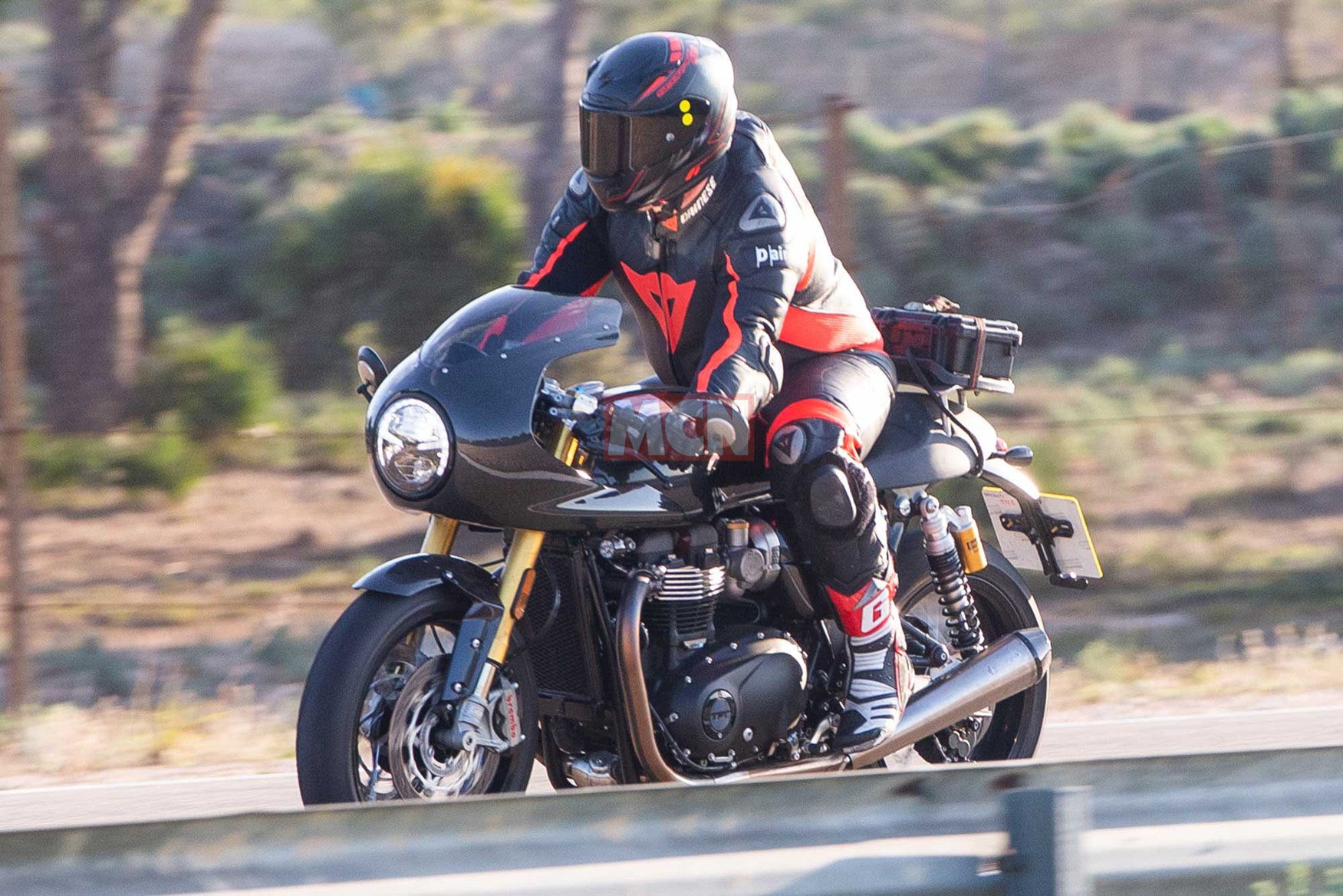
Triumph Motorcycles are definitely on a roll in debuting many exciting models in a short space of time. The Triumph Thruxton R TFC is the next model being tested on the road.
Photo credit MCN
In October, Triumph launched the 2019 Street Twin and 2019 Street Scrambler at Intermot, followed by the new Scrambler 1200 during the Global Dealer Conference (GDC) in London. It was during the conference that the manufacturer laid out their plans to introduce additional models in 2019. The new bikes included the 2019 Speed Twin (launched in early December), new 180-bhp Rocket III and this, the Thruxton R TFC.
The Thruxton R TFC is part of the Triumph Factory Custom range. The range consists of limited edition, flagship bikes. The TFC Bobber and Scrambler show bikes were first revealed in 2014.
The Thruxton R TFC features a hotted-up Hi-Power 1200cc parallel-Twin engine. The use of titanium Vance & Hines exhausts and remapped ECU raises its power from 96 bhp to 106 bhp.
In the chassis department, Öhlins NIX 30 forks replace the Showa BPFs. It should create an even better pairing with the Öhlins dual shocks currently in place. The Brembo front brake calipers will have the fluid pumped into them by a Brembo radial master cylinder. If that’s not racy enough, the Thruxton R TFC will wear Metzeler Racetec RR tyres.
Triumph has also pared nearly 5kg off the bike’s weight.
The Thruxton R TFC will be fitted with a carbon-fibre “bullet” fairing as standard. Only 750 examples will be built. Lucky owners can stare at the production number on the billet top triple clamp.
We named the Thruxton R as the funnest café racer we’ve tested. The TFC should be even better!
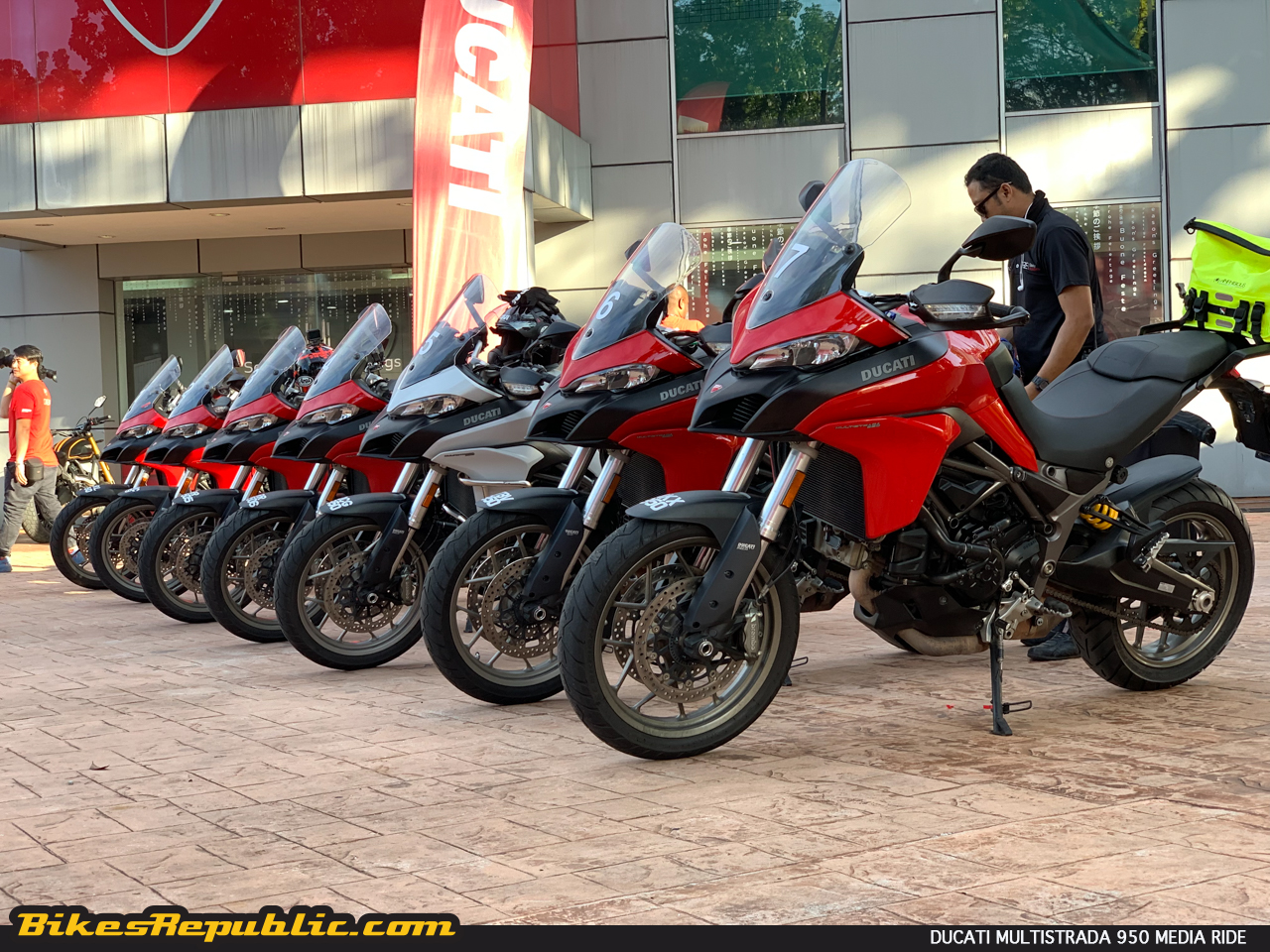
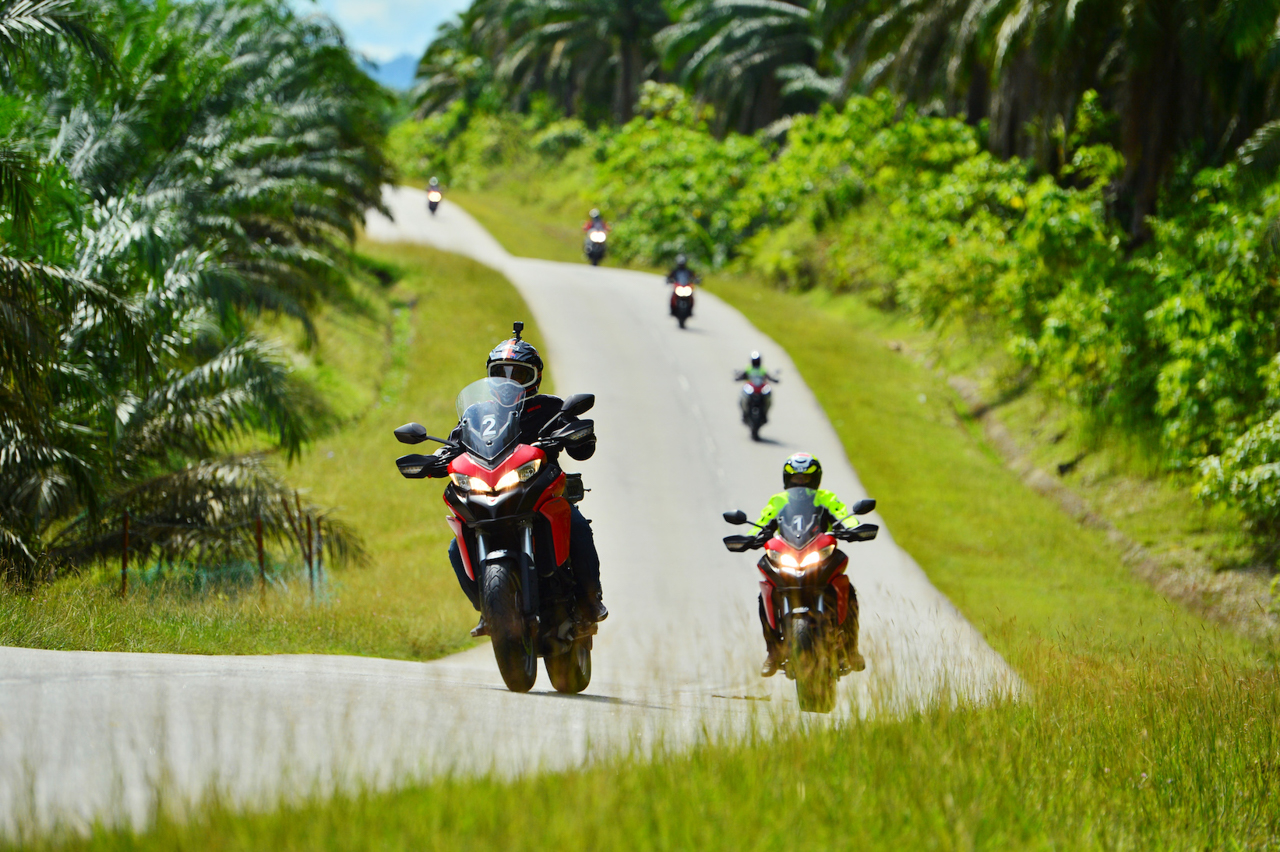
Despite riding different bikes up here, they didn’t feel very special. Make no mistake, the Sungai Koyan – Ringlet route is probably one of the best riding roads in Peninsular Malaysia. It’s just that some of those bikes didn’t quite shine along this 80.3-km twisty asphalt ribbon.
But today is different.
Introduction
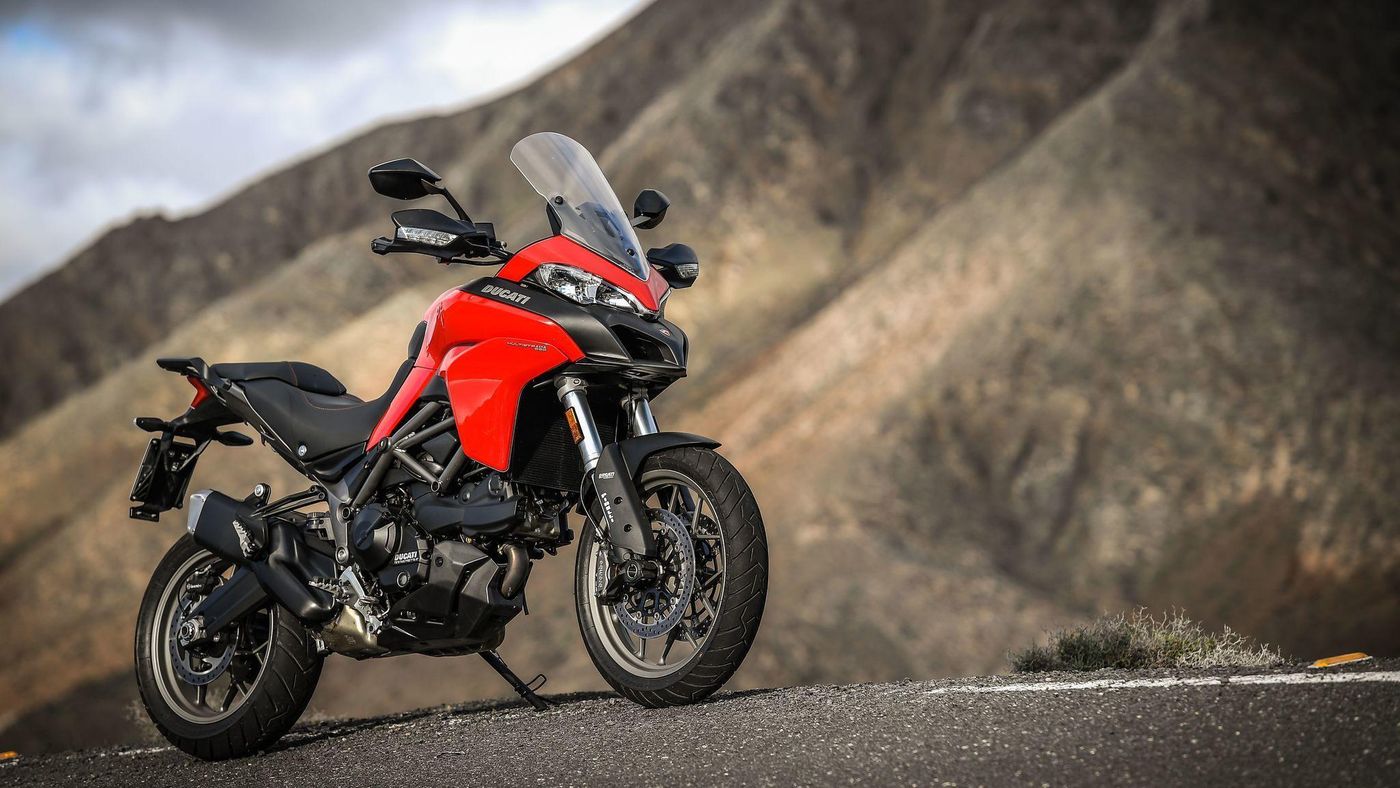
Ducati already had the Multistrada 1200 (prior to the Multistrada 1260) competing up there among the open class sport-tourers. However, they didn’t have a sport-tourer or adventure-tourer in the growing middleclass segment.
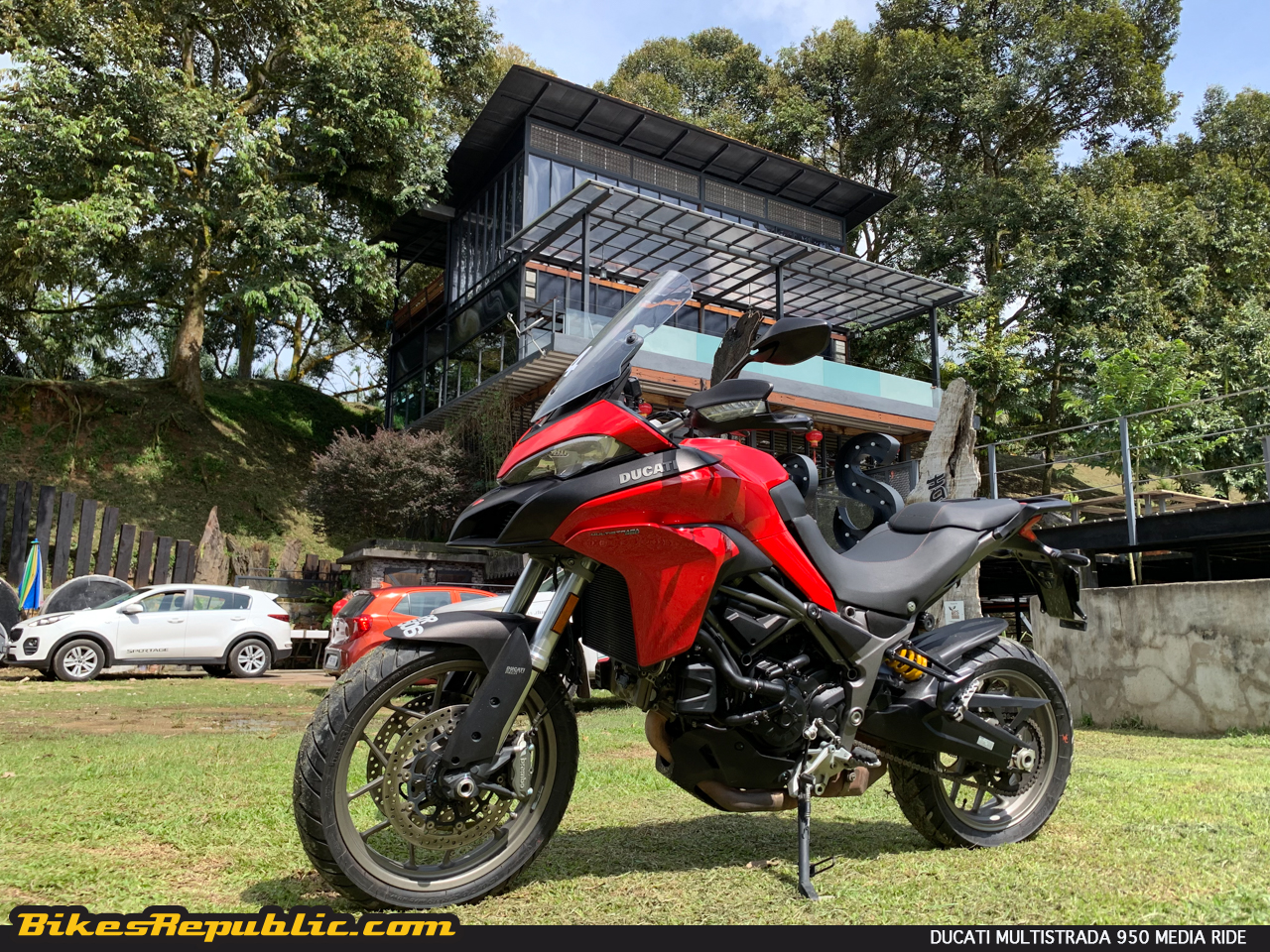
Price is the main factor in order to compete. Thus, the MTS 950 shares the same 937cc engine as the exciting Hypermotard and Supersport. In other words, there’s no Desmodromic Variable Timing (DVT). Besides that, there is only “standard” ABS and traction control (not IMU-based lean sensitive), double-side swingarm, Sachs rear shock and cable-actuated clutch. The front forks are fully adjustable, however.
Riding Impression
The L-Twin (90o V-Twin) engine pulls cleanly in any RPM. It produces 113 bhp and 95 Nm of torque of which 80% is available from 3,500 RPM. But it is still a Ducati and will chug-chugga if you use a gear too high. What’s more important here is that the bike pulls smoothly and predictably without scaring the rider.
The MTS 950 definitely felt smaller and lighter than the MTS 1200. It wasn’t psychological but that was the actual impression we got as soon as we climbed on. The former’s waist line was definitely narrower than it’s bigger brethern’s.
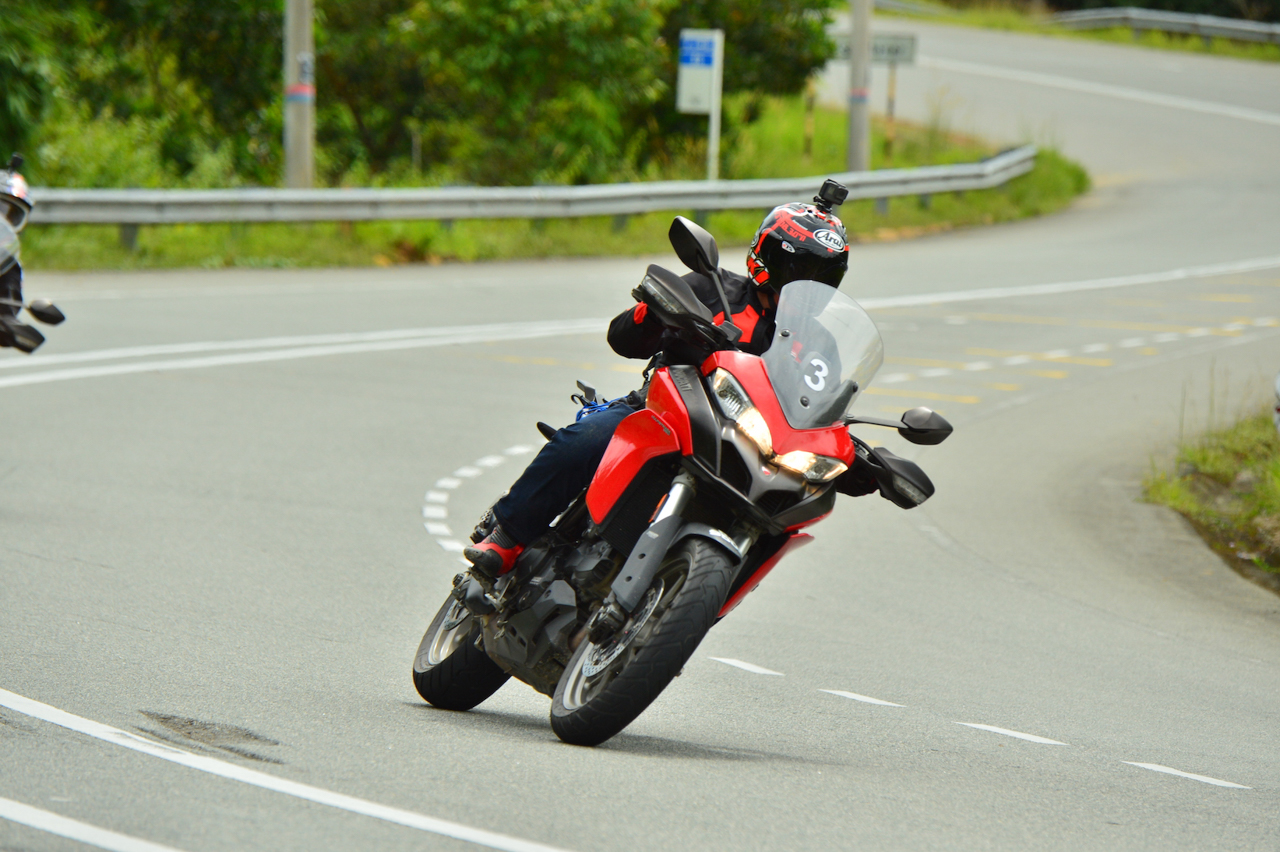
But what truly won our hearts was its handling. The wide handlebar made countersteering the bike into corners a breeze. Once it was on side, the bike tracks exactly to your chosen line. Adding initial throttle in the corners stabilized the chassis even further, yet the bike needed only a slight nudge on the handlebar or the drop of a shoulder to tighten the line.
This ability was first demonstrated along the Karak Highway, but we skipped the more challenging parts (read: decreasing radius turns with speed breakers).
The real test was along the Sungai Koyan – Ringlet route. The corners here require authoritative entry, ability to hold andtighten the line. The more dangerous factor, however, were the sunken parts of the road. No problem if those dips were on the straight sections, but they were usually just before the corner entrances or right at the apexes.
Of the many motorcycles I’ve brought here, one sent both wheels in the air on the suspension’s rebound, sending me across into the opposing lane. Another’s suspension kicked both my wife and I off the seat. Any harder and we would probably still be orbiting the Earth till today. The majority loaded their suspension so hard they grounded the footpegs, followed by going wide when the suspension unloaded.
On the other hand, there were a handful of bikes that handled these “whoops” beautifully – two 800cc dual-purpose bikes with WP suspension, a Multistrada 1200S with Skyhook suspension and a 2016 Multistrada 1200.
Those bikes had top-notch suspension, mind you.
We first approached those sections of the road with trepidation by keeping the bike as straight up as possible. But we soon discovered that the MTS 950’s suspension didn’t bottom out nor did it threaten to launch us off the seat and into orbit. We felt the bumps, of course, but we didn’t feel threatened. We swept through the turns at speeds more than 140 km/h. The bike didn’t even have a steering damper, but it felt uncannily stable in mid-turn.
The smooth throttle response helped too, of course. There was no almighty kick like you’d get from a bucking bronco. That smoothness laid the groundwork for beautifully controlled cornering lines and exits.
All these attributes came together seamlessly when we headed to Simpang Pulai on the second day. Anyone who has ridden on this road will attest to how tough and dangerous it is but the MTS 950 never once caught us out.
In short, it made even the most jaded among us feel like heroes.
Speed picked up quickly without intimidation. Heck it even felt lazy. Apart from that signature Ducati intake honk under the tank when we pinned the throttle, the engine just sounded louder instead of getting busier. It’s something that has to be experienced.
If it sounds easy, it was. None of us complained about aching joints or being exhausted during the ride. The MTS 950 made your job of riding it a whole lot easier.
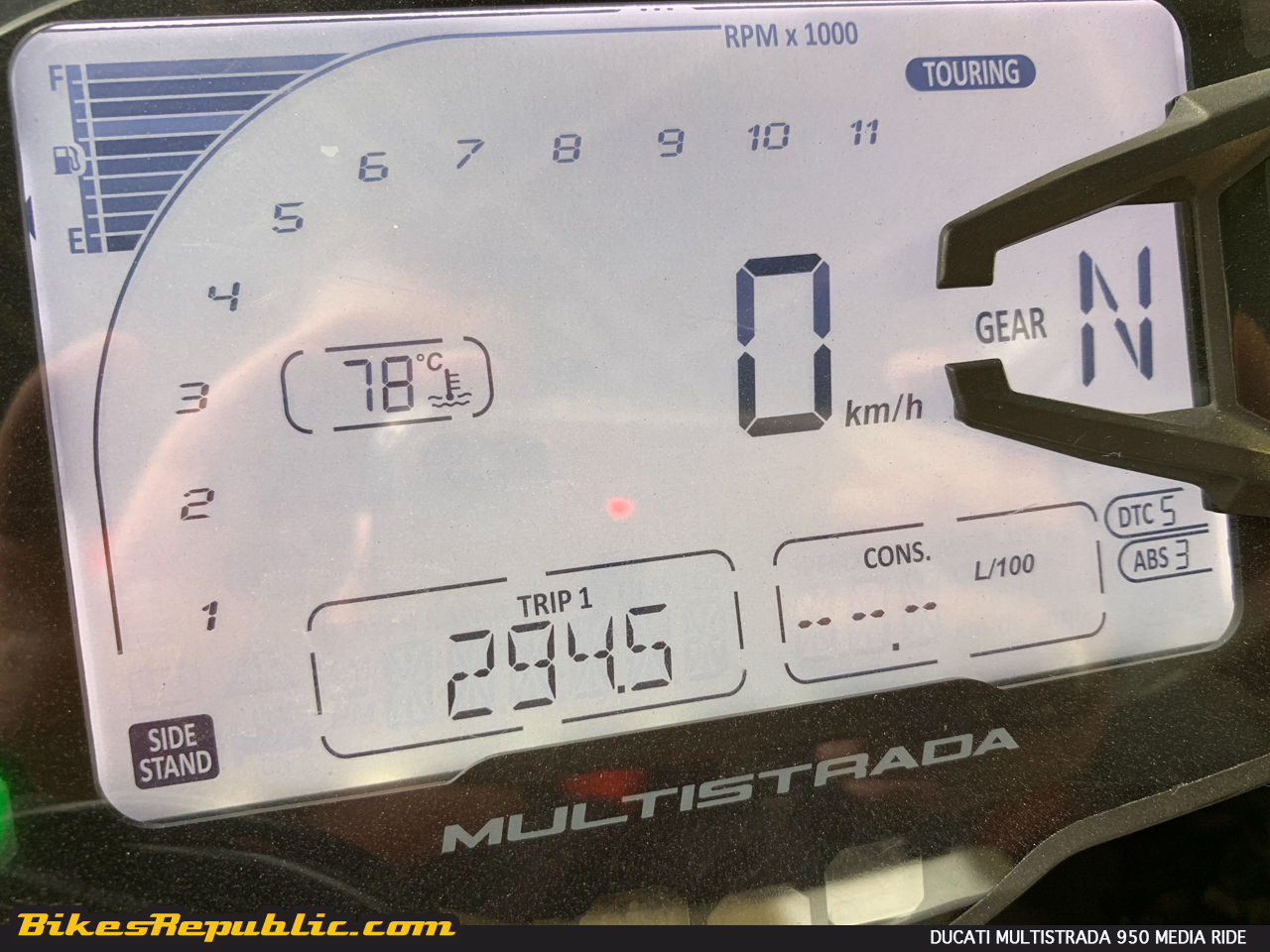
It was also rather economical, given the amount of blasting we undertook. We covered 294.5km with 30 km to go from one tankful since we left Ducati Malaysia.
It’s not all 100% perfect, that’s for sure. The gearshift lever needs a long press when downshifting. We missed gears many times during the first day of the ride. However, that was due to us attempting to shift too quickly and opening the throttle immediately. A more relaxed shifting method resulted in no missed shifts.
Conclusion
The Multistrada 950 may not be as technologically packed as the MTS 1200 but it was a lot of fun to ride. The simplicity also got rid of being distracted by experimenting with different settings. Instead, you just jump on and ride.
The bike is accessible to a wide range of riders. Although it sounds like a well-used cliché, it doesn’t intimidate newer riders, while keeping seasoned riders happy for a long time.
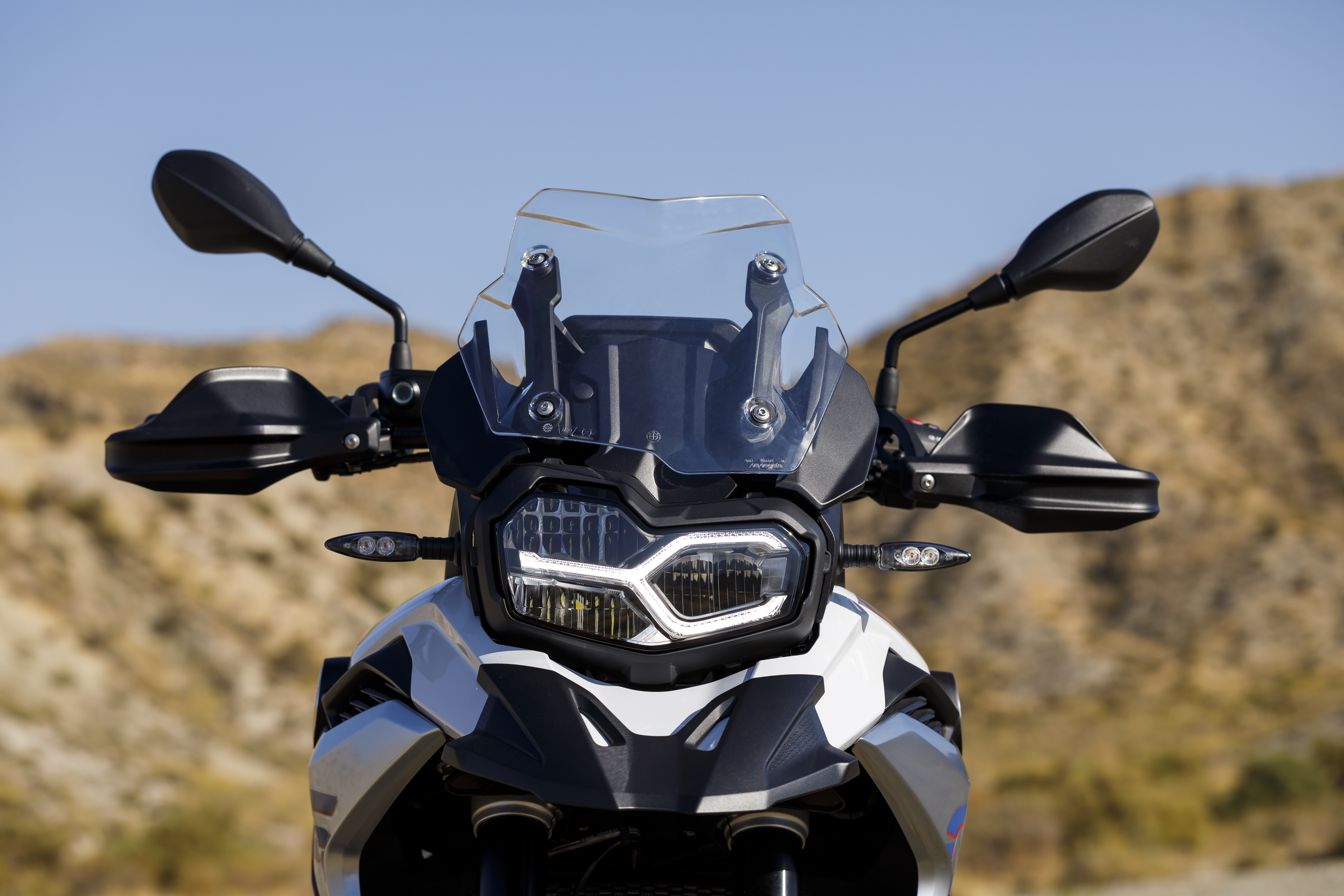
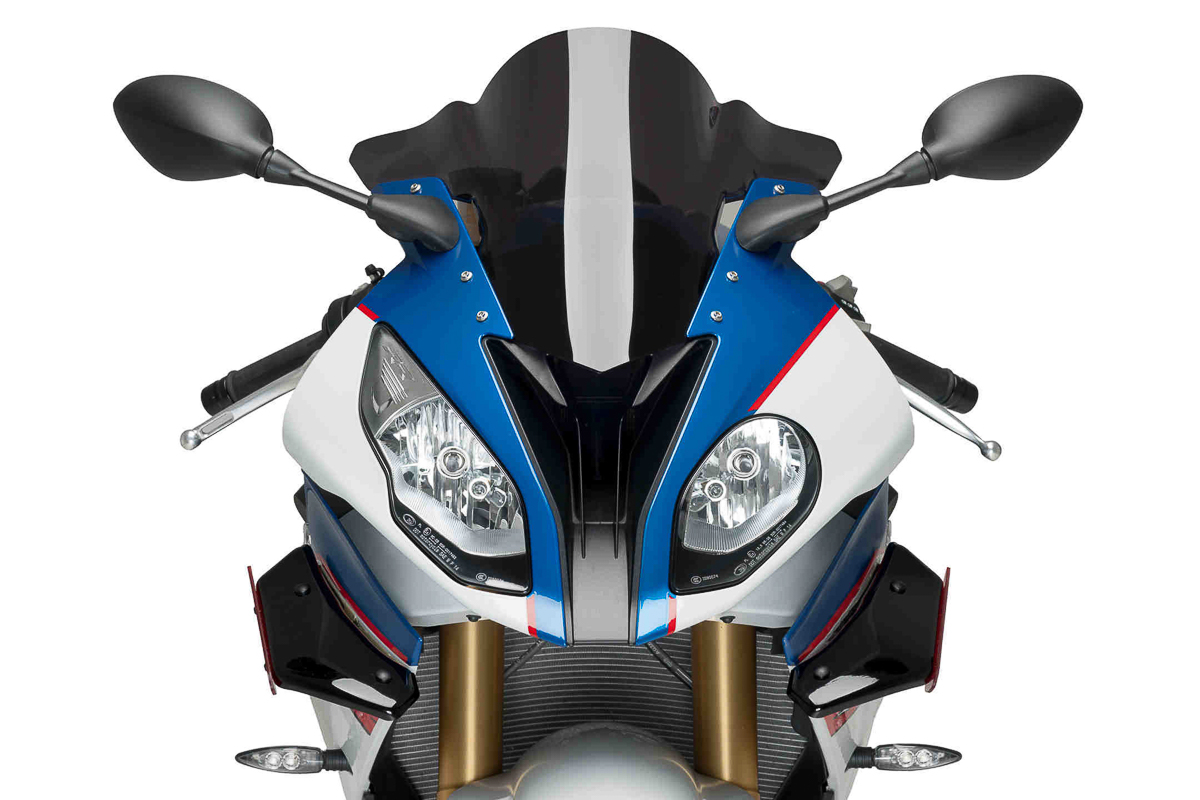
Why did the first BMW S 1000 RR feature asymmetrical headlamps?
Why does the 2019 S 1000 RR feature symmetrical headlamps?
It’s all about function.
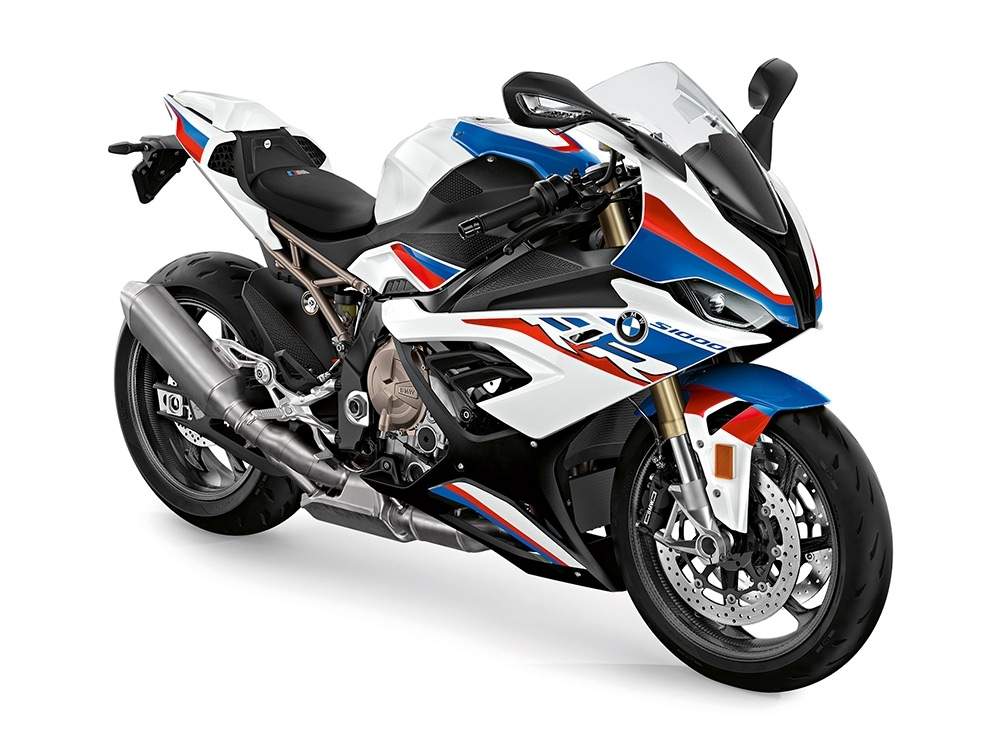
The previous BMW S 1000 RR featured an asymmetric headlamp design was no less than controversial when it debuted in 2008. Many had complained about how it looked. There was a buddy of ours who fashioned an eyepatch over the left lamp.
But it’s now happening all over again with the new bike. Well, we’re all human and humans are resistive to massive changes.
Yet, have you ever wondered why BMW Motorrad always used two different headlamp designs on almost every bike? This was so the GS models, but they did not look as prominent as on the S 1000 RR.
According to the Munich-based manufacturer, the headlamps of the 2008 to 2018 S 1000 RR look the way they did due to engineering rather than stylistic reasons. The left headlamp served as the low beam, but it was not bright enough. So, BMW added a larger lamp on the right to throw more light down the road. The left lamp was kept smaller to reduce 500g of weight.
Edgar Heinrich, BMW Head of Design told MCN, “We wanted to make the best bike we could, which for a race bike is the lightest. Whenever we could find a weight saving we did it, which ended in asymmetric items as the reduction in the high beam reflector saving 150g.”
For the 2019 model however, there was no need for asymmetrical headlights as it features LED lighting. Heinrich added that the design department had always wanted to “get rid” of the lights because “race bikes don’t have lights.”
“We could have made the LED components asymmetric, but it would have been stupid. We don’t do design for the sake of it.”
In other words, it was a case of form follows function.
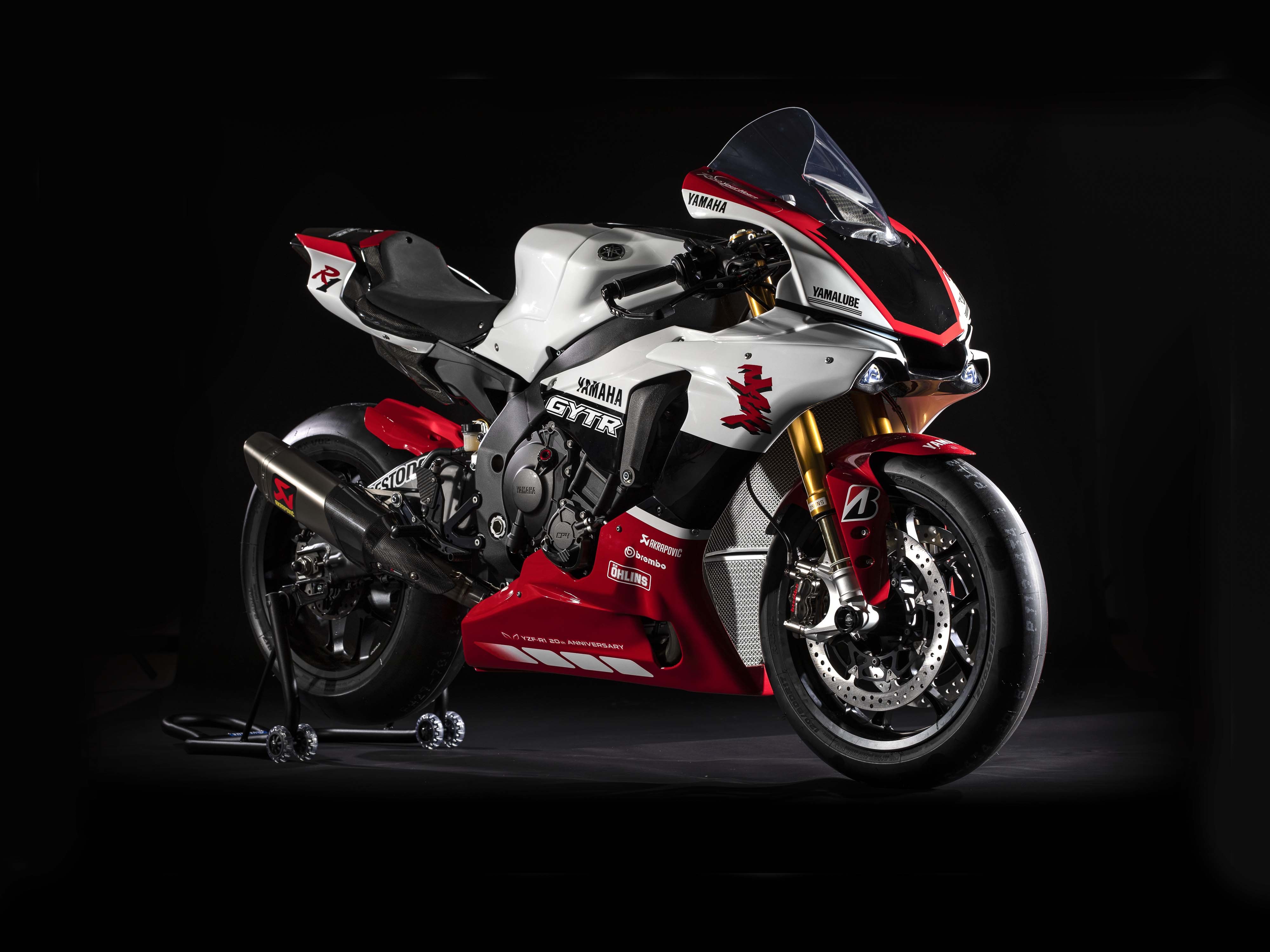
The Yamaha YZF-R1 GYTR totally sold out in less than 24 hours.
The Yamaha Racing Team crew who won the Suzuka 8-Hours Endurance built the bike.
There were only 20 offered at €39,500.
The Yamaha YZF-R1 GYTR sold out in less than 24 hours. Jack Bauer wouldn’t even have time to complete his mission. Bummer.
Only 20 were made to commemorate the Yamaha YZF-R1’s 20thanniversary. Additionally, the new YZF-R1 won the prestigious Suzuka 8-Hour Endurance this year. It was the fourth Suzuka 8-Hour victory for the bike in four consecutive years.
The bike was hand-built by the official Yamaha Racing Team who won at Suzuka. It’s evident from the pictures that the bike is completely festooned with performance parts from the GYTR catalog and sponsors.
However, the following parts are enough to make any serious performance rider drool. Brakes are Brembo GP4-RX front calipers gripping 320mm T-Drive discs. Brake fluid is pumped through the Brembo 19RCS Corsa Corta master cylinder. Ohlins FGRT 219 forks and TT36 GP shock. Tyres are Bridgestone V02 (soft) slicks. Akrapovic Evo 2 titanium exhaust system. The fairings are carbon fibre. And a partridge in a pear tree.
Each YZF-R1 GYTR is accompanied by a number engraved on the top triple clamp and certificate of authenticity.
It was offered at €39,500 but it didn’t stop the 20 lucky buyers. They have been real nice this year.
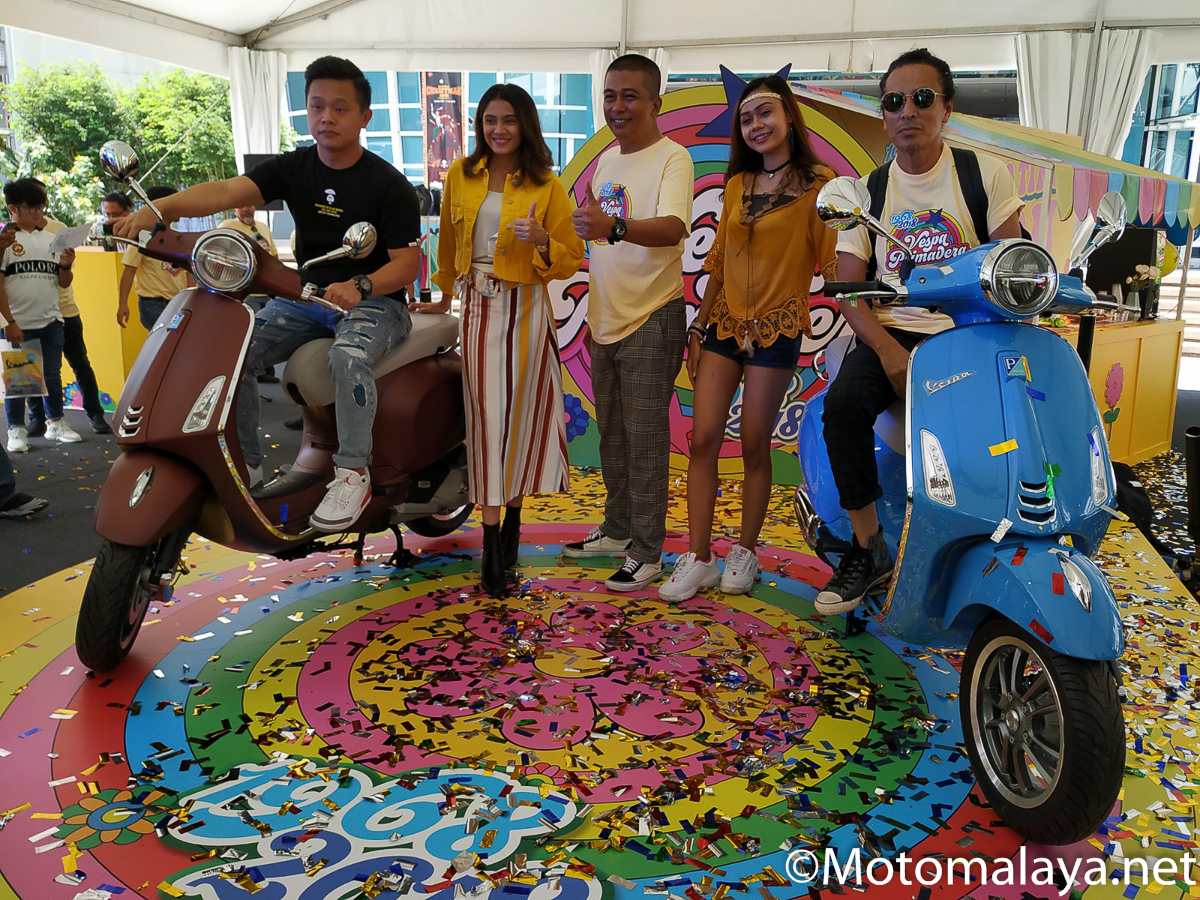
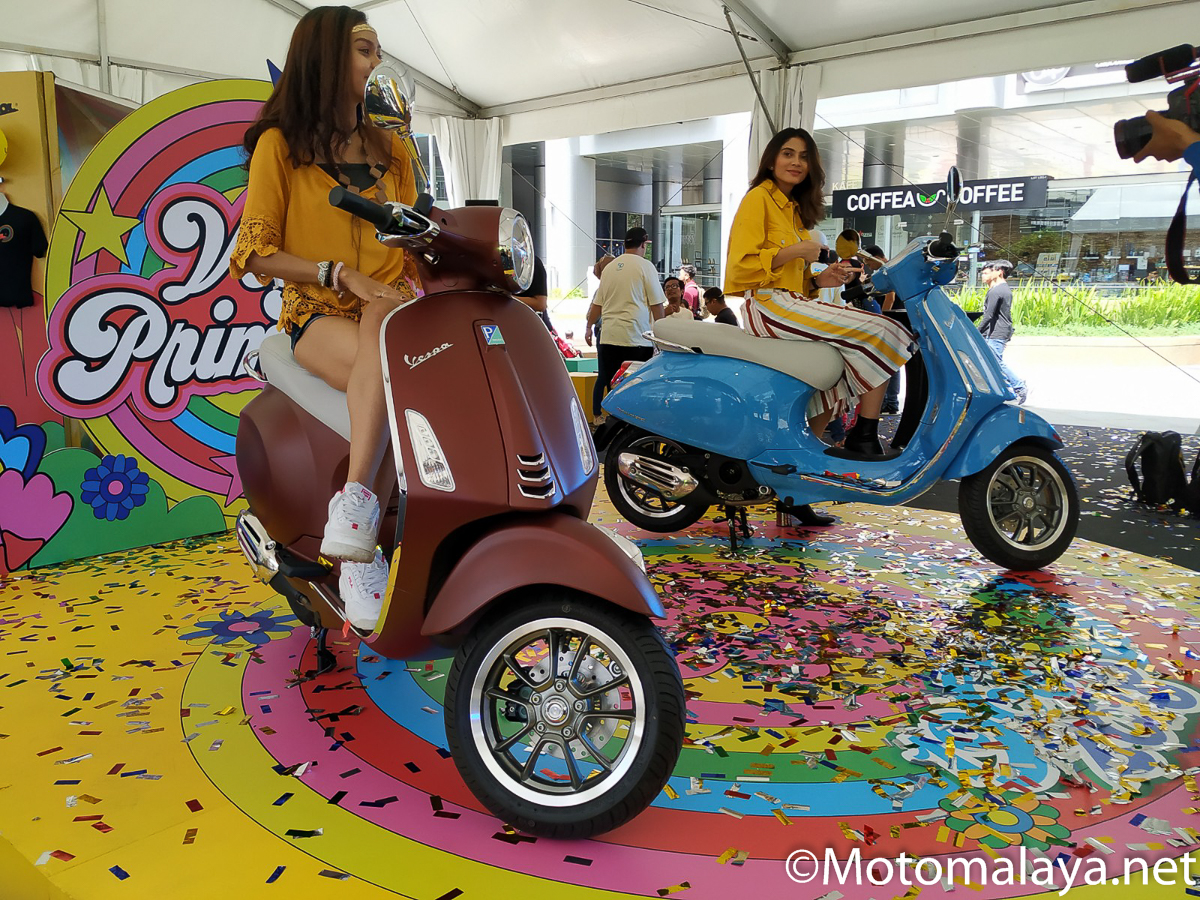
Naza Premira (Vespa Malaysia) has officially launched the 2019 Vespa Primavera 50th
The special edition was launched in conjunction with the Vespa Primavera 50th anniversary celebration held at the Curve, Mutiara Damansara.
The 2019 Vespa Primavera special edition model is priced from RM16,300 (on-the-road price without insurance).
In conjunction with the Vespa Primavera 50th anniversary celebration, the official custodian of the Vespa brand here in Malaysia (Naza Premira) officially launched the 2019 Vespa Primavera 50th Anniversary edition. The launch and festivities were celebrated at The Curve Mutiara Damansara in front of hundreds of loyal Vespa owners from across the country. (more…)