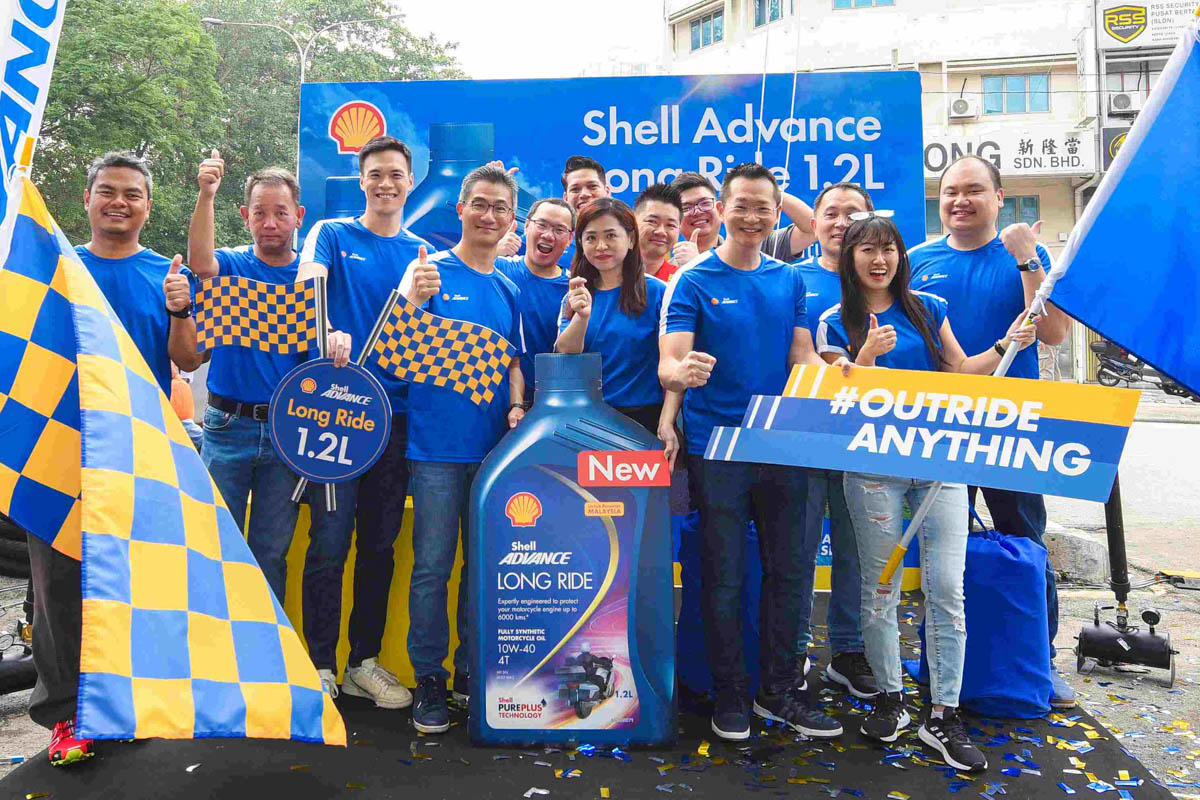
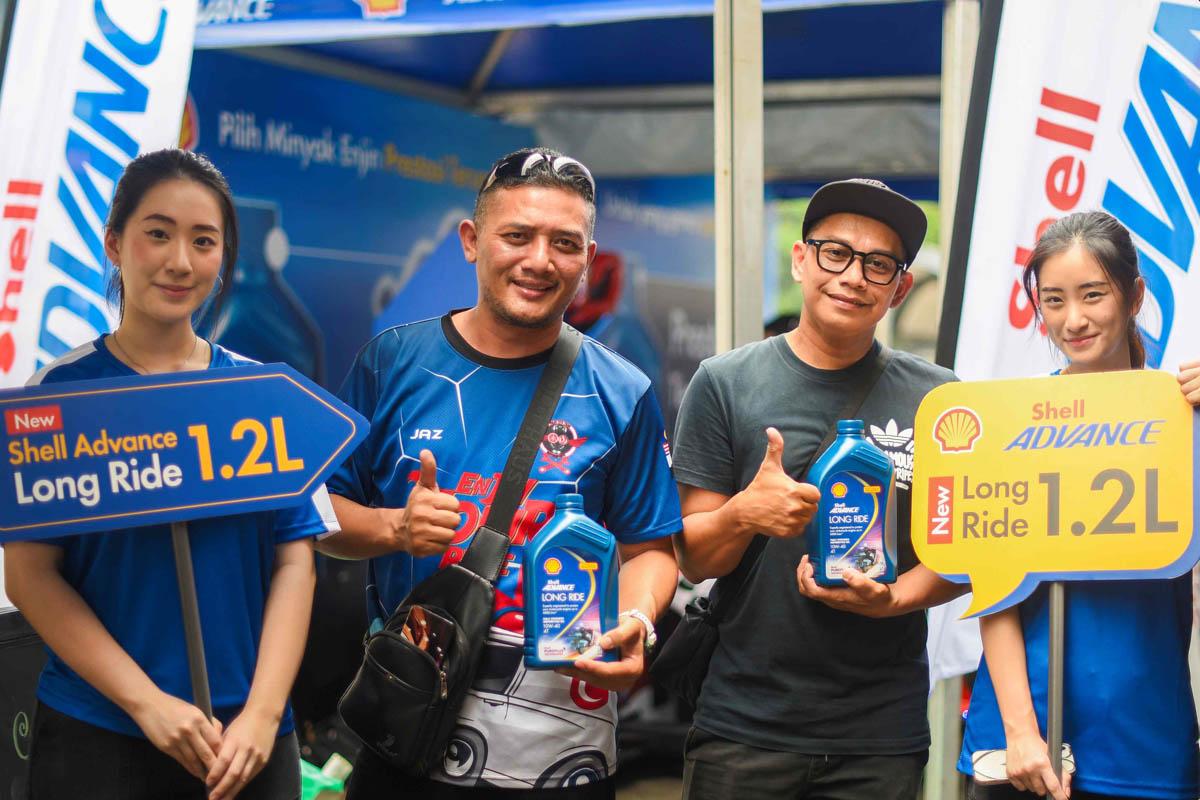
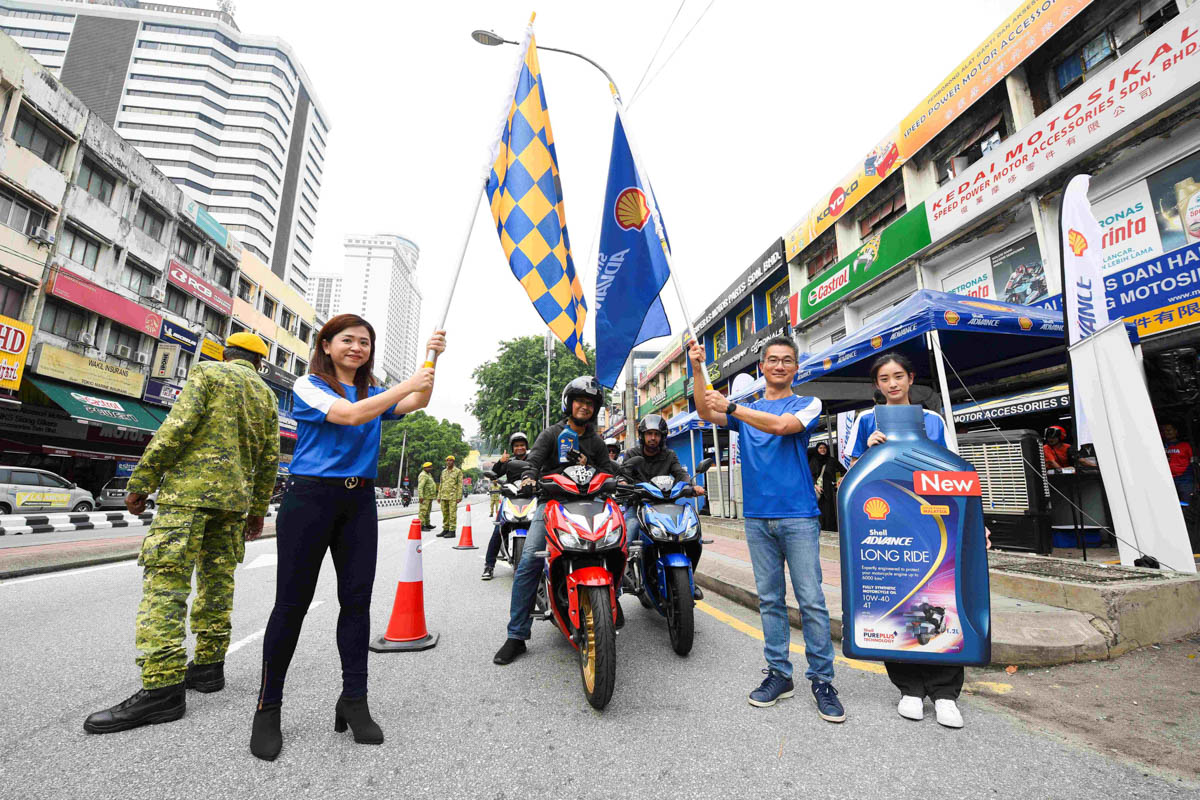
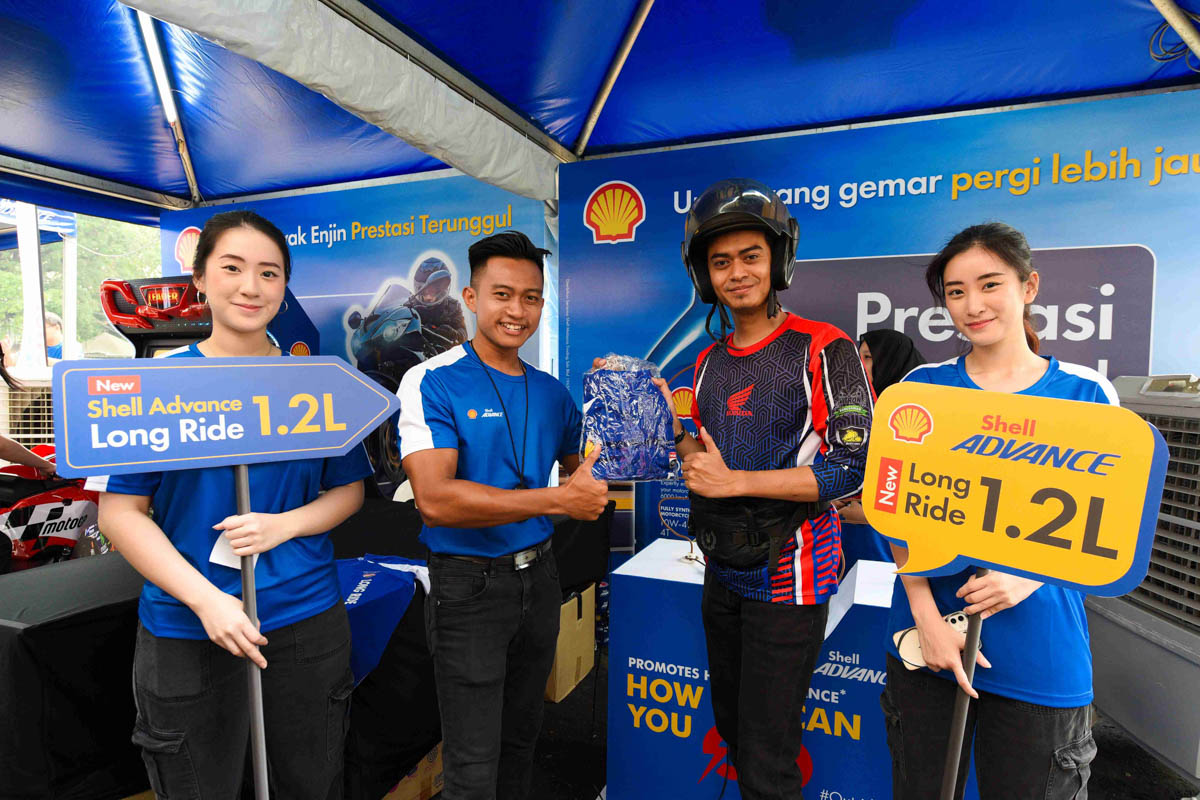
Shell Malaysia has answered the clamour of its customers by introducing a new 1.2-litre pack of the premium Shell Advance 4T Long Ride 10W-40 motorcycle engine oil.
This innovation aims to cater to the needs of modern motorcycles in Malaysia, which often require this particular volume for optimal performance and protection.
Priced at RM68.80 for Peninsular Malaysia and RM69 for East Malaysia, the Shell Advance 4T Long Ride is a fully synthetic 4-stroke motorcycle engine oil featuring PurePlus Technology.
Nyon Kam Yew, the General Manager of Shell Lubricants Business Malaysia and Singapore, highlighted the advantages of the new 1.2-litre pack, which not only meets market demand but also streamlines bike maintenance, reduces the need for multiple purchases, and ensures precise lubrication levels for peak engine performance and longevity.
Developed by Shell, PurePlus Technology utilizes a pioneering process to deliver a crystal-clear base oil that is 99.5% pure and derived from natural gas. This technology ensures the oil’s durability during extended journeys, spanning up to 6,000 kilometers, without compromising engine performance or protection.
Furthermore, the formulation includes Shell’s unique Active Cleansing Technology, which efficiently cleanses and sustains a cleaner engine. This extends the oil’s service life, allowing the engine to function trouble-free and more efficiently, particularly during lengthy excursions. Consequently, riders can anticipate reduced oil consumption and enhanced peace of mind.
The product is now available at participating Shell-branded and independent workshops, providing an efficient and convenient solution for motorcycle enthusiasts in Malaysia.
In preparation for the highly anticipated 2023 Japan Mobility Show, Yamaha, a renowned manufacturer, unveiled its impressive lineup of vehicles set to grace the event.
The exhibition is scheduled to take place at the Tokyo Big Sight venue from October 28 through November 5, 2023, with press preview days just prior. Yamaha’s latest creations promise to deliver an exciting array of innovative transportation options for enthusiasts and the general public.
One notable distinction in Yamaha’s presentation is the terminology used to categorize its vehicles. Instead of labeling them as “concept” vehicles, Yamaha has chosen to refer to each as a “reference vehicle.” This nomenclature shift signifies Yamaha’s commitment to the practicality and real-world potential of these innovations.
Additionally, Yamaha will showcase a range of vehicles, some categorized as “special exhibits,” and others as “special exhibits with cooperation from Yamaha Corporation,” emphasizing collaborative efforts within the Yamaha organization.
Among the star attractions at the 2023 Japan Mobility Show, Yamaha will unveil six World Premiere vehicles, four of which fall into the category of powered two- and three-wheelers.
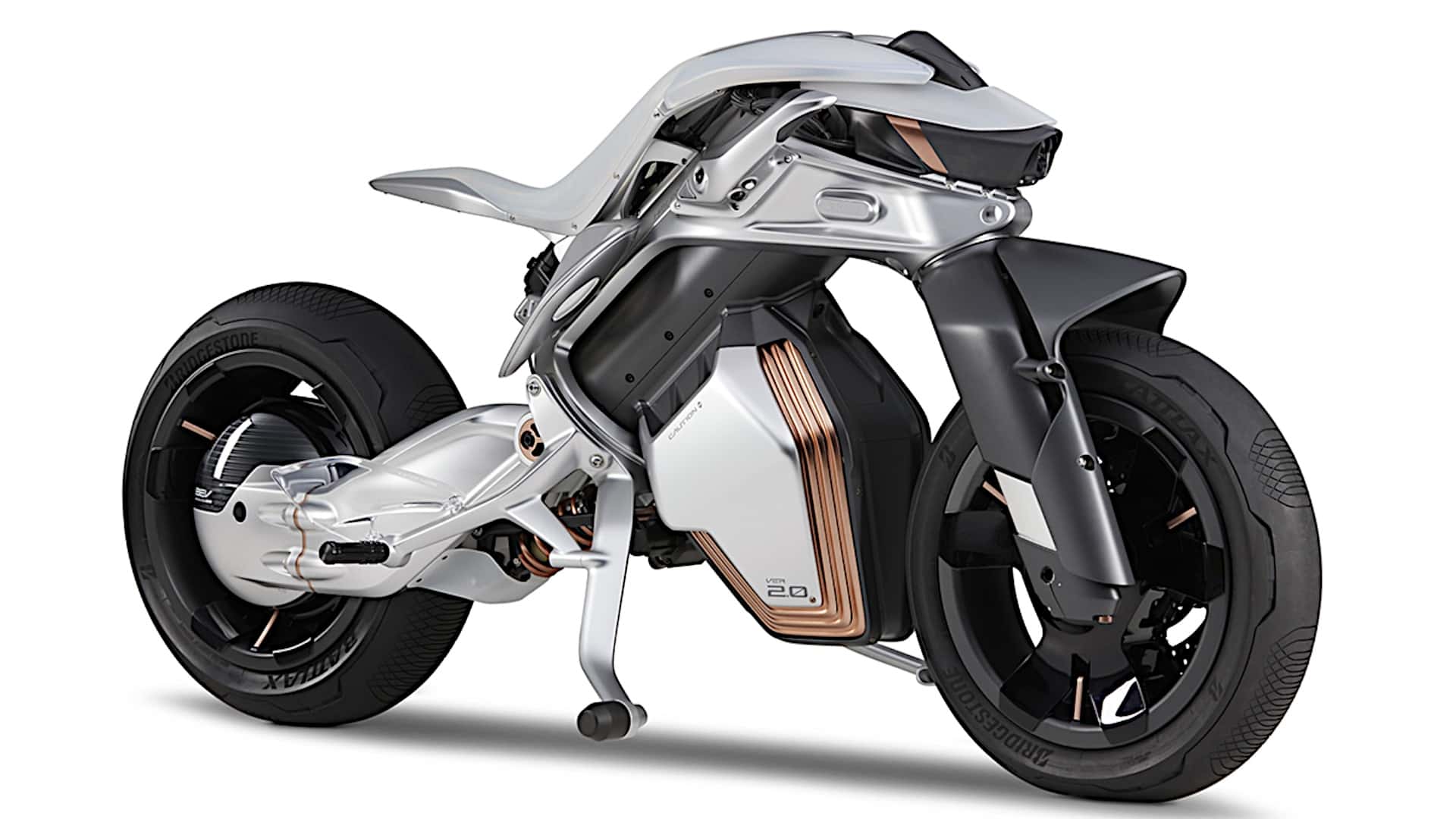
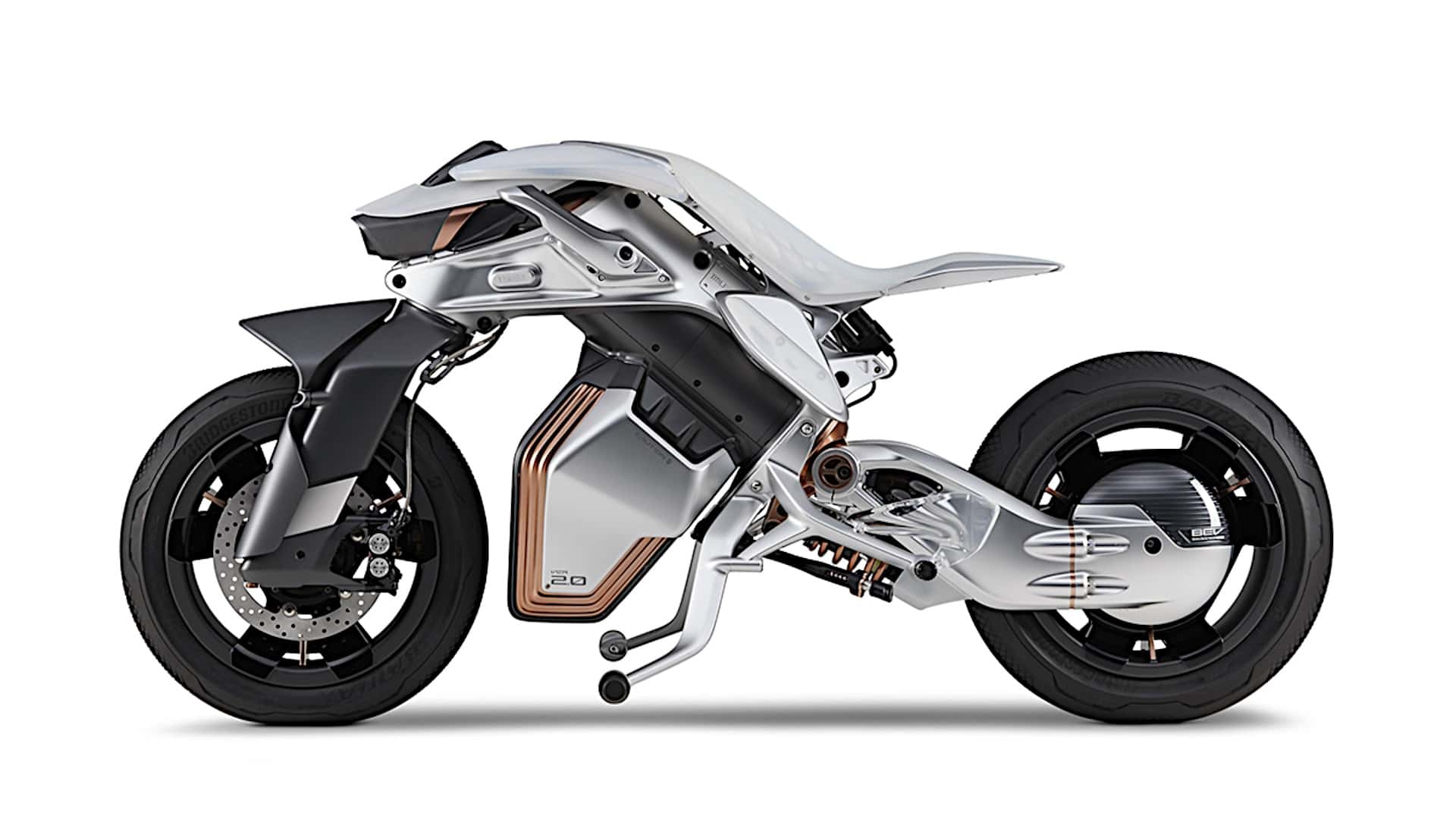
Motoroid2
The Motoroid2, an evolution of the original Motoroid concept introduced in 2017 at the Tokyo Motor Show, is one of the headlining exhibits. Yamaha describes the Motoroid2 as a personal mobility vehicle with the ability to recognize its owner, stand up from its kickstand, and move alongside its rider, offering a lifelike riding experience.
Yamaha has achieved this advanced functionality through its innovative “Active Mass Center Control System” (AMCES), which encompasses features like self-balancing and facial recognition. The company’s vision for the future seeks to establish an intimate connection between riders and their machines, promising a uniquely exhilarating experience.
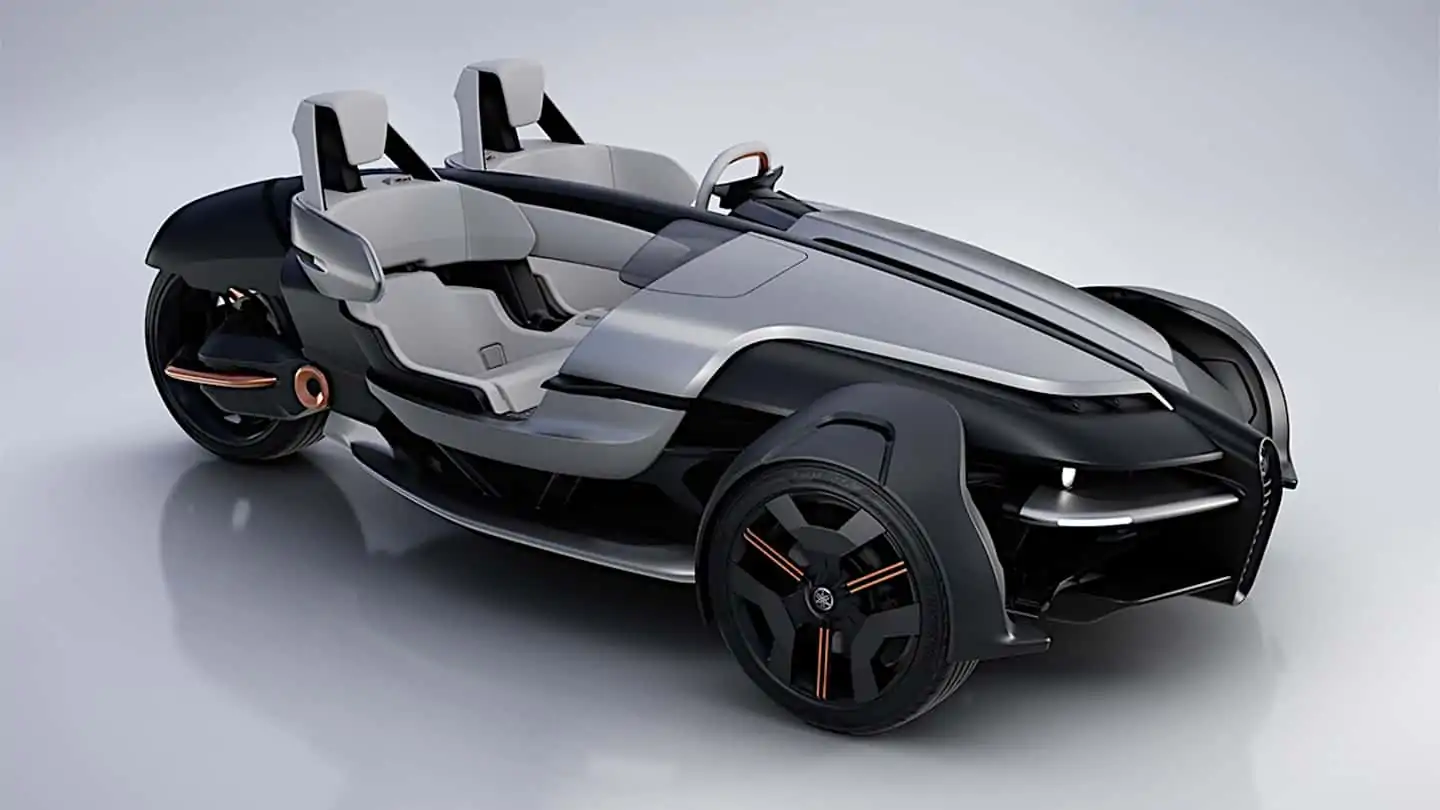
Tricera
The Tricera, Yamaha’s take on a three-wheeled vehicle, differs from its counterparts due to its electric powertrain and three-wheeled steering. This vehicle also includes a manual mode, allowing drivers to control the rear wheel’s steering, offering a more dynamic driving experience.
ELove
Yamaha’s ELove is a self-balancing electric scooter equipped with the “Advanced Motorcycle Stabilization Assist System” (AMSAS). This system eliminates the challenges of balancing at low speeds or when at a standstill. While Yamaha is not the first to explore this technology, its development aligns with the industry’s quest for a safer riding environment and the potential benefits for new, inexperienced, and disabled riders.
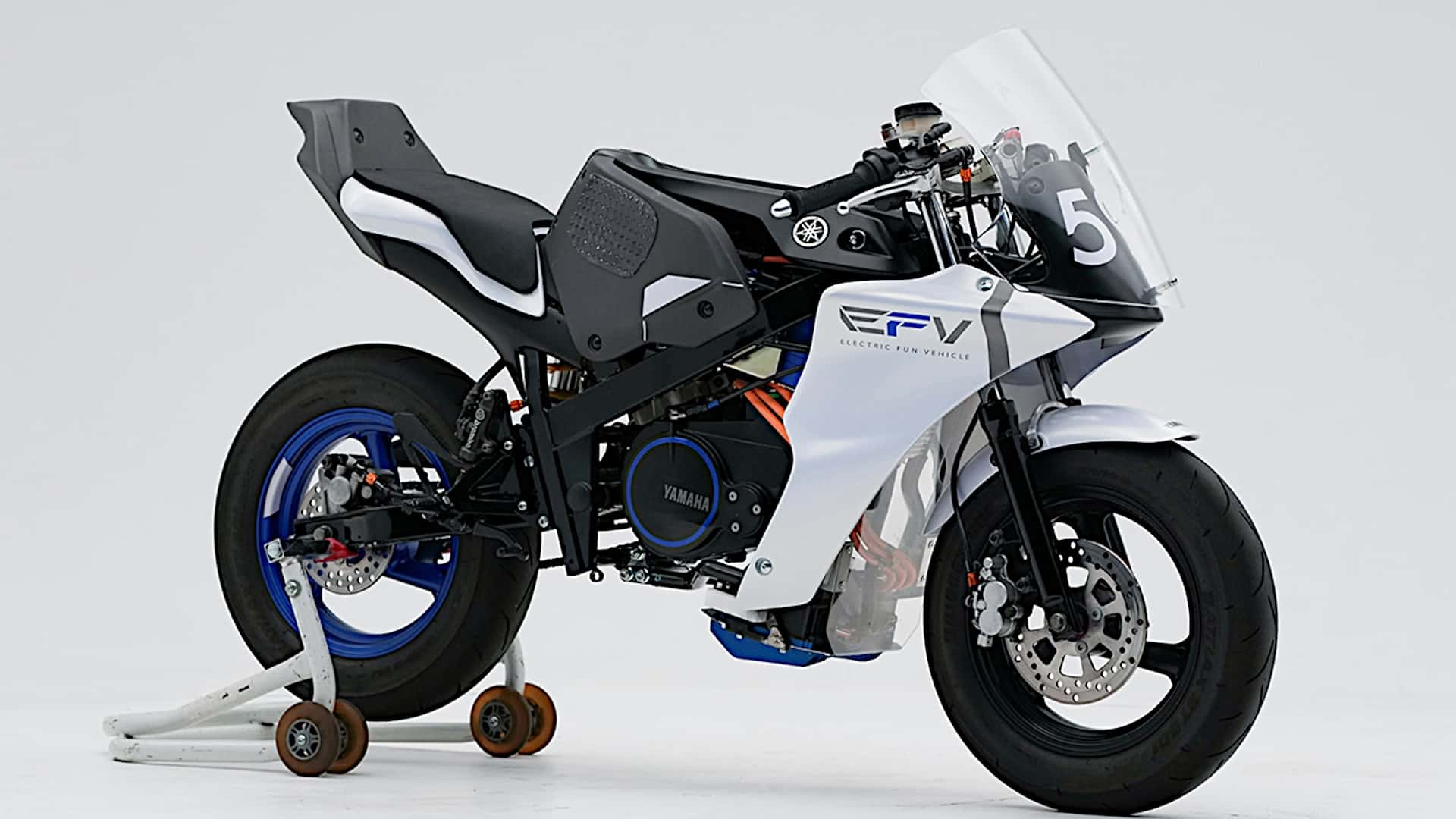
E-FV
The Yamaha E-FV (or EFV), short for “Electric Fun Vehicle,” is a minibike featuring the same powertrain as Yamaha’s TY-E electric trials bike. What sets it apart is the integration of Yamaha Corporation’s Active Sound Control technology, which simulates engine sounds when starting or shutting off the bike, enhancing the riding experience.
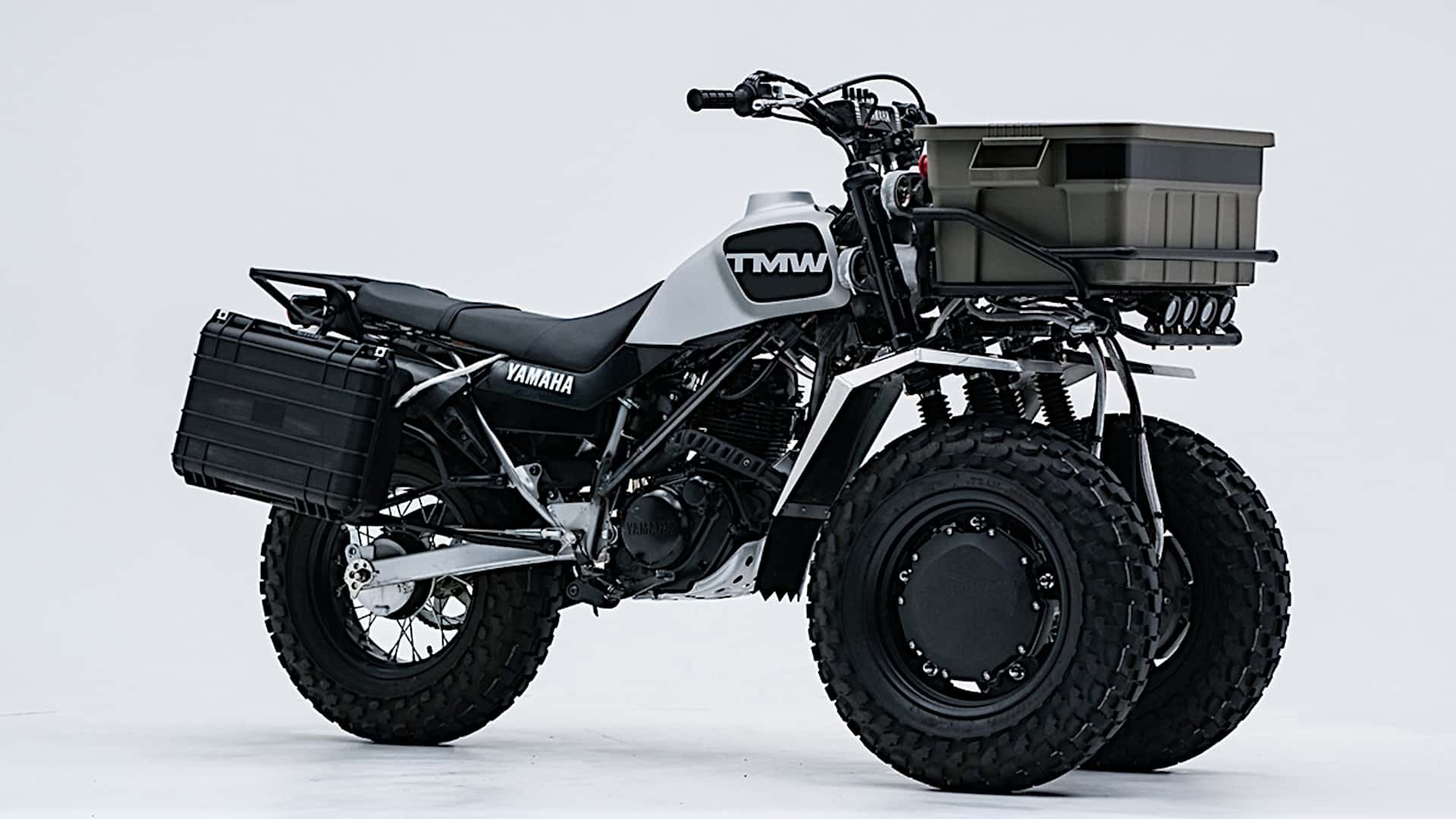
TMW
Although not a world premiere, the TMW offroad three-wheeler is a captivating addition to Yamaha’s showcase, demonstrating Yamaha’s proprietary leaning multi-wheel technology. This design promises off-road capabilities while maintaining stability on various terrains, thanks to its independent movement of the front two wheels and a hybrid engine configuration.
Yamaha’s commitment to innovation, practicality, and safety shines through its 2023 Japan Mobility Show lineup, offering a glimpse into the future of personal mobility and transportation solutions. The show promises to be a must-visit event for enthusiasts, industry professionals, and the public alike, showcasing Yamaha’s dedication to shaping the future of mobility.
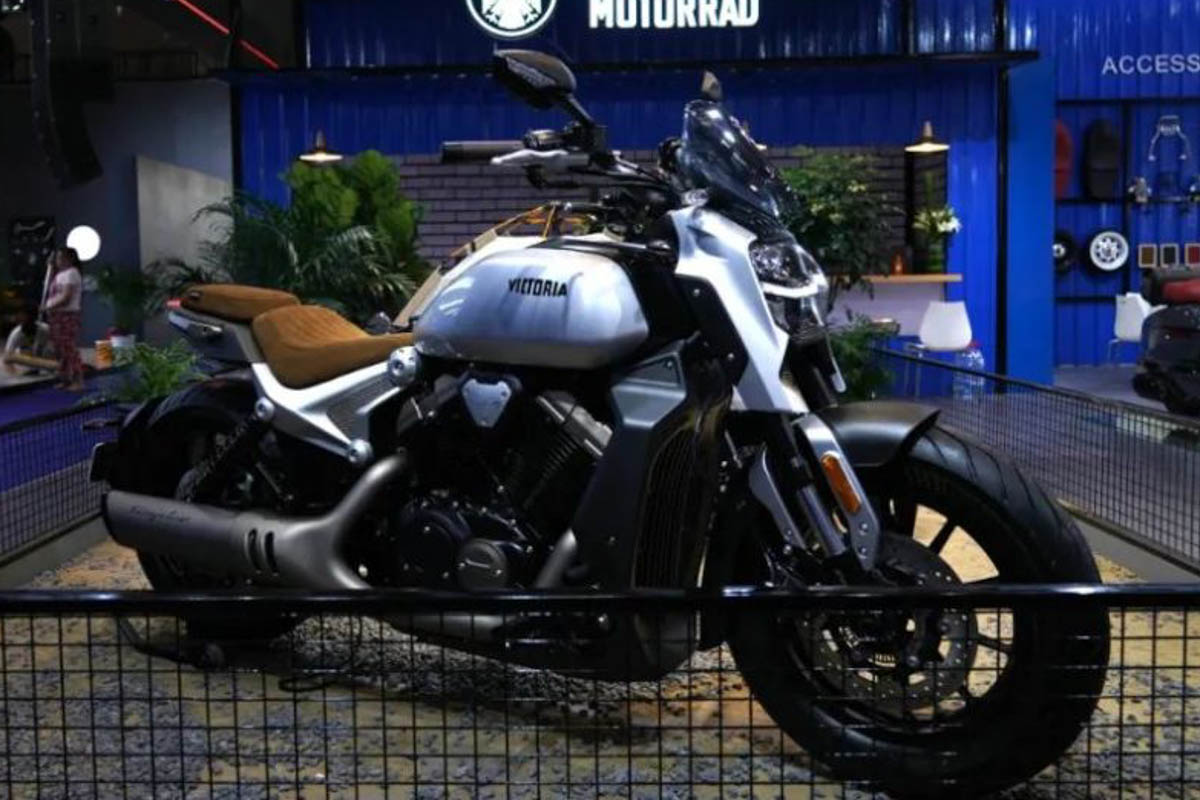
The CIMA Motor 2023 expo in Chongqing, China, witnessed a remarkable introduction with the debut of the Victoria Simplee V7 motorcycle.
Amidst a plethora of lesser-known Chinese brands, this new model stands out by carrying the legacy of a century-old German motorcycle manufacturer, Victoria-Werke.
This unexpected resurrection comes after the trademark rights to the Victoria Motorrad brand were acquired by a Chinese company, leading to the creation of the Victoria Simplee V7.
Victoria-Werke, a historic name in the world of motorcycles, originally commenced production in Nuremberg, Germany, in the year 1901. In its heyday, it was considered a prominent player within the German motorcycle industry, sharing the limelight with renowned brands like Zundapp, which has since transitioned its focus to electric bicycles.
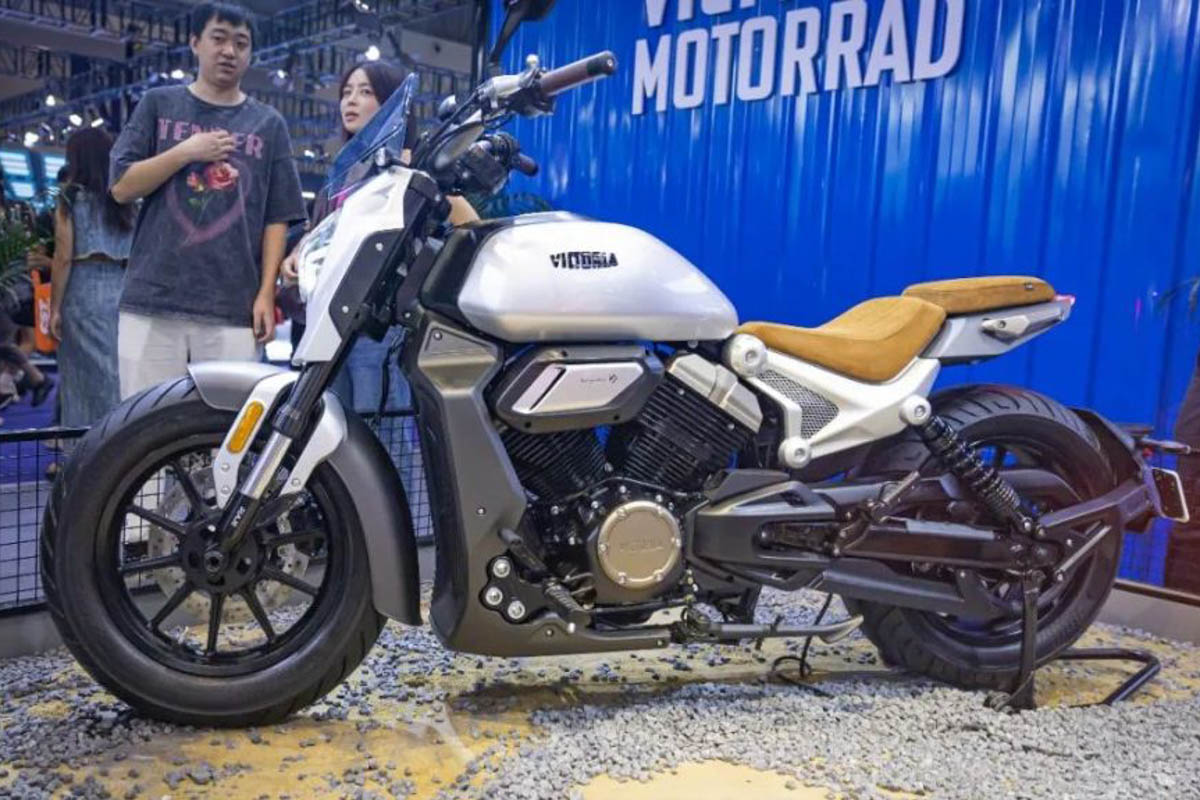
The Simplee V7, true to its heritage, prominently features the historic emblem, which includes an eagle and crowned human head, representing the coat of arms of Nuremberg.
While the historical influences are unmistakable, the 2024 Victoria Simplee V7 is undeniably a product of modern China. Aesthetically, the Simplee V7 represents a unique fusion of retro and contemporary design elements.
It avoids the classic motorcycle appearance and leans towards a neo-retro style. Key features include a prominent LED headlight, a distinctive fairing that extends to enclose the oil cooler, and a robust, bulky tail section.
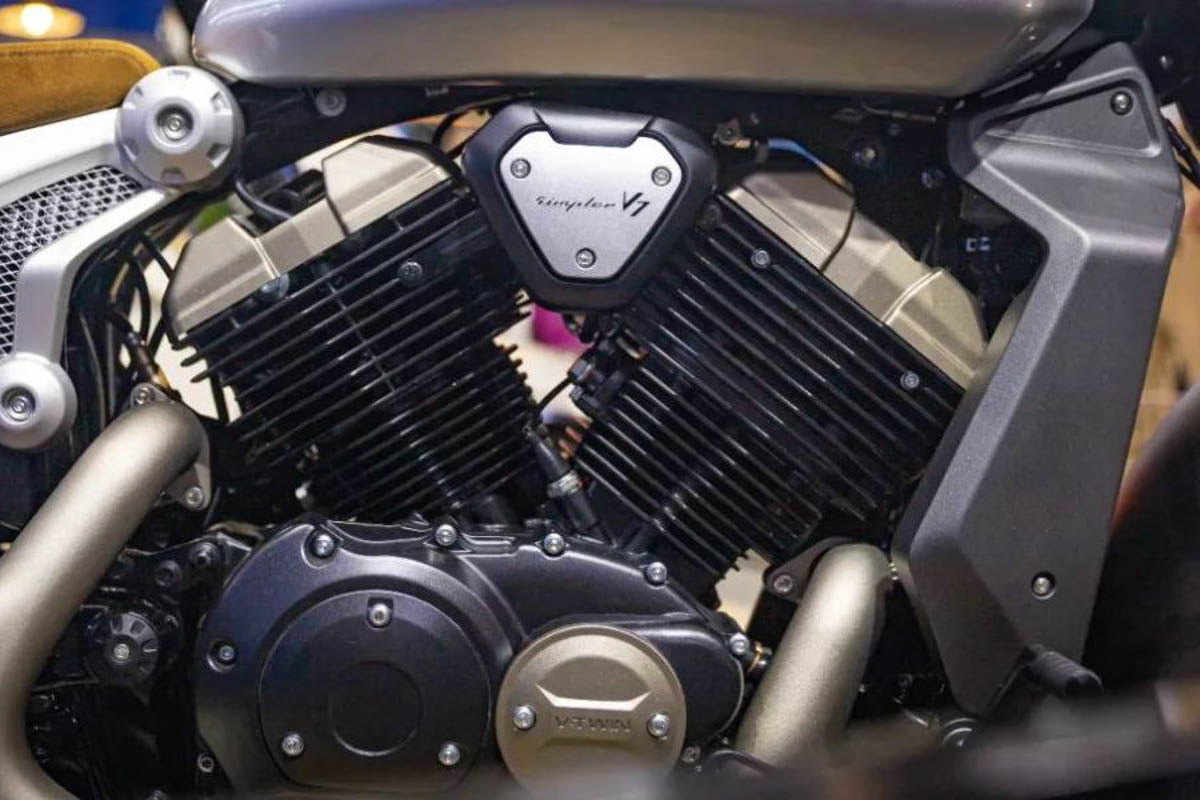
That said, the Simplee V7 boasts a 700cc air and oil-cooled V-twin engine equipped with Bosch electronic fuel injection. This powerplant generates a modest 43.5hp and 50Nm of torque, attributed to an 82.6-millimeter bore and a 63-millimeter stroke.
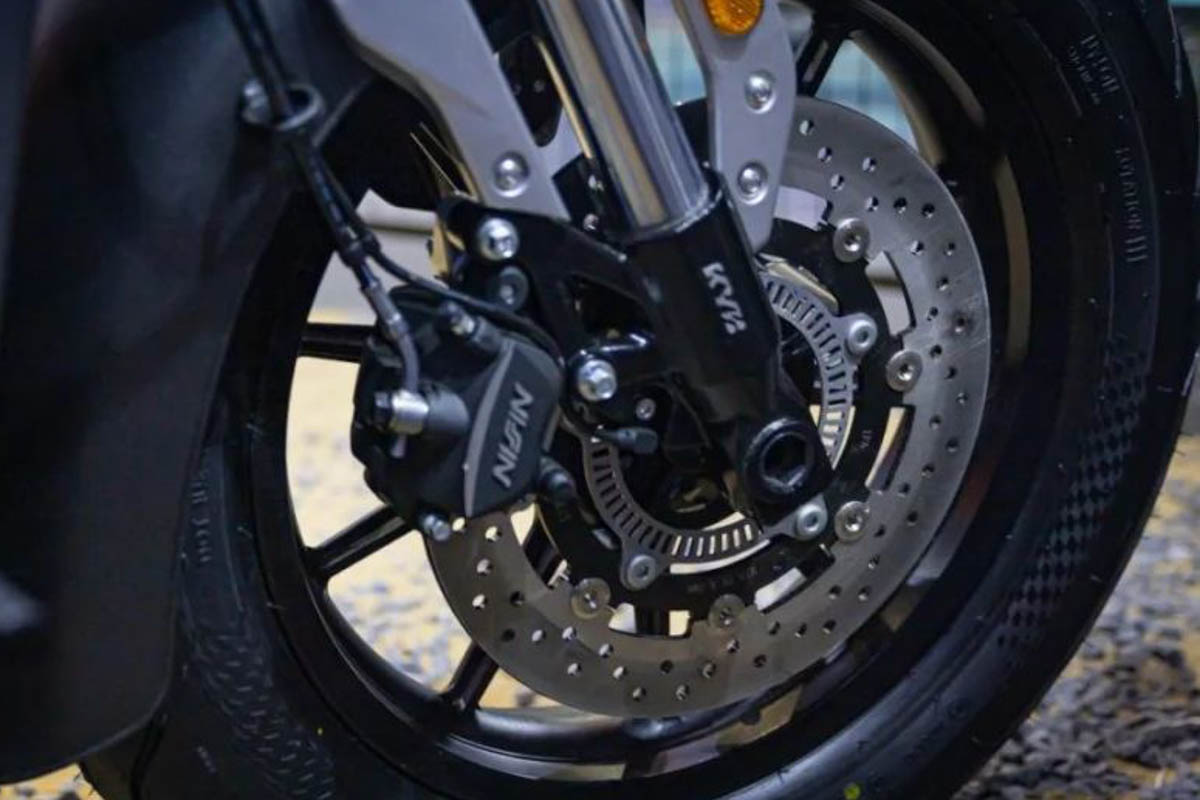
On the technological front, the motorcycle incorporates a KYB inverted front fork and preload-adjustable rear shocks. Nissin braking hardware, complete with dual-channel ABS, ensures efficient stopping power.
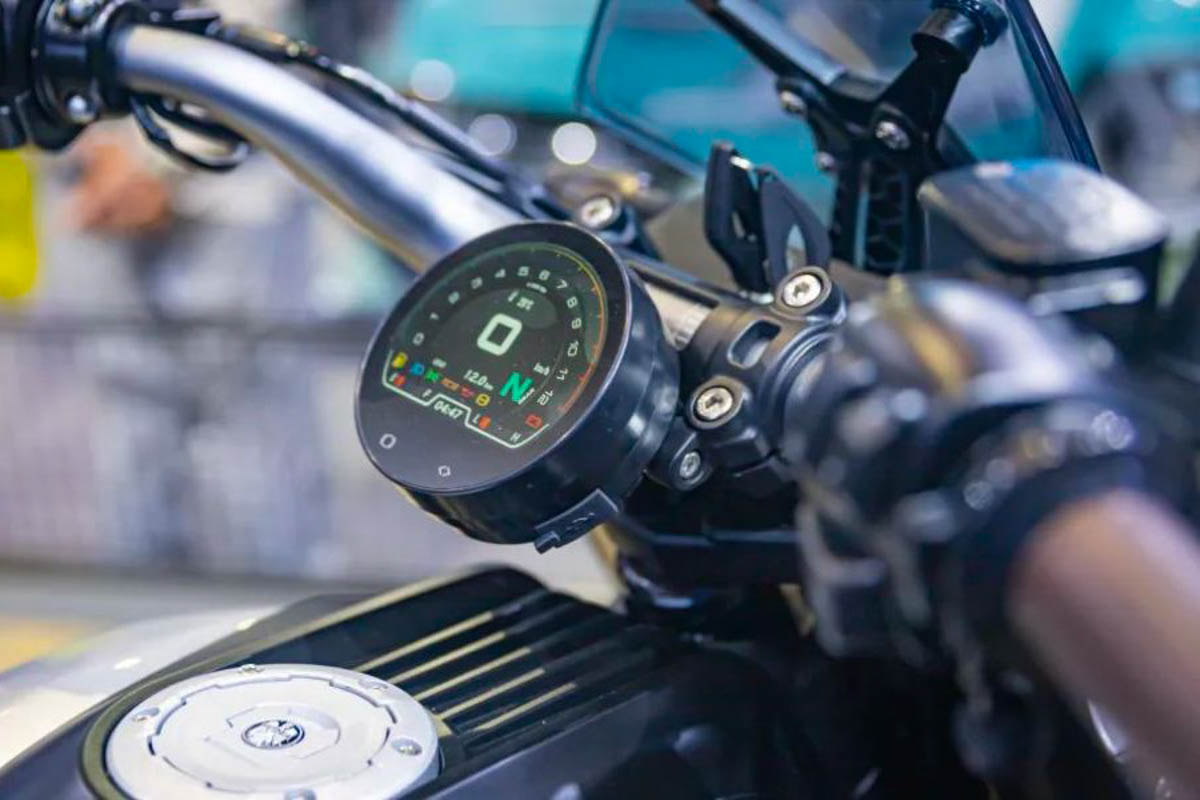
Additional safety features include traction control. However, given its relatively low power output and a substantial weight of 223 kilograms, this feature may prove superfluous. The motorcycle also offers a full-color 3.5-inch TFT display and the convenience of a built-in USB charger.
In the Chinese market, the Victoria Simplee V7 has been competitively priced at CNY25,777 that’s equivalent to RM16.7k.
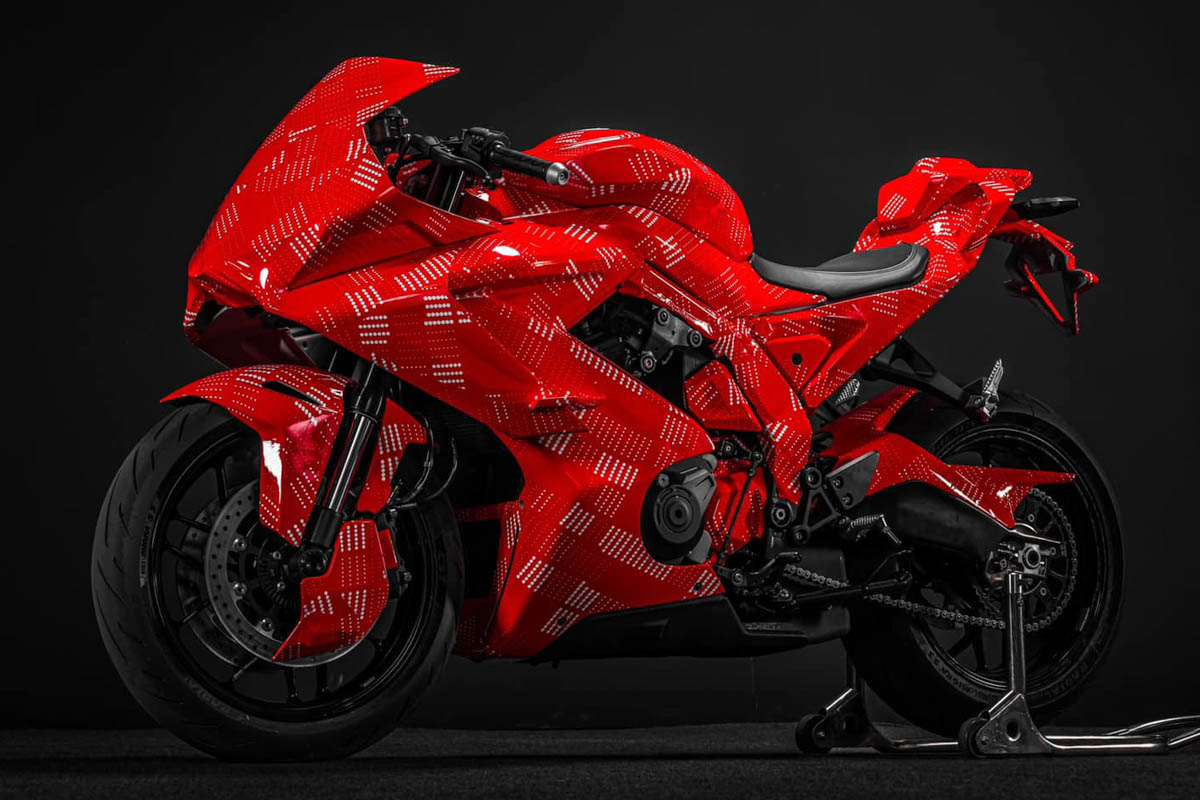
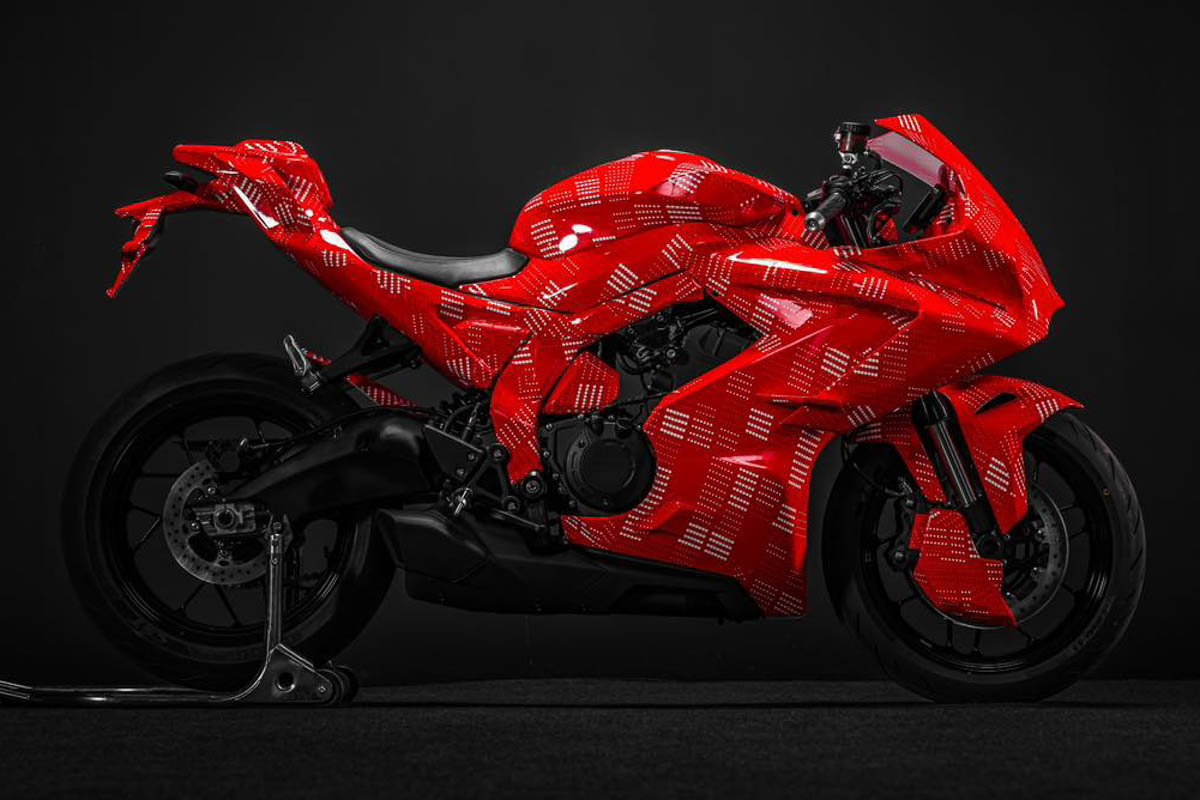
In a segment that has seemed dormant for some time, with prominent models like the Yamaha YZF-R6 and Honda CBR600RR facing challenges due to emission restriction, enthusiasts now have reason to be excited. CFMoto, recently unveiled a promising new addition to the supersports category at the Zhuzhou International Circuit during CFMoto Day—the 675SR.
The 675SR aims to fill the void left by the absence of iconic supersport models, boasting an inline-triple powerplant with a displacement of 675cc. While specifics remain limited, CFMoto has disclosed that it’s expected to produce approximately 74lb ft of torque per liter, totaling around 50lb ft—nearly matching the performance of the venerable Daytona 675.
Triumph, on the other hand, plans to reintroduce the Daytona name, but with a different approach. Their forthcoming machine, based on the Trident 660’s core, will have a 660cc engine and a more relaxed riding demeanor, targeting Honda CBR650R sales.
The CFMoto 675SR’s potential to outshine the new Daytona remains uncertain, but early indications are promising. The motorcycle appears to feature a unique engine design, with hints that it may have evolved from the CFMoto 450SR’s parallel-twin engine, incorporating additional capacity and an extra cylinder.
CFMoto has tantalizingly described the 675SR as possessing a “monstrous delivery to the rear wheel” and touting “first-class features” in areas crucial for both road and track performance, including brakes, chassis, equipment, and design.
With the 675SR seen in action at the Zhuzhou circuit, it’s evident that development is well underway. Enthusiasts eagerly await more information about this intriguing entry into the supersport arena. Stay tuned for updates on what could be a game-changer in the world of sportbikes.
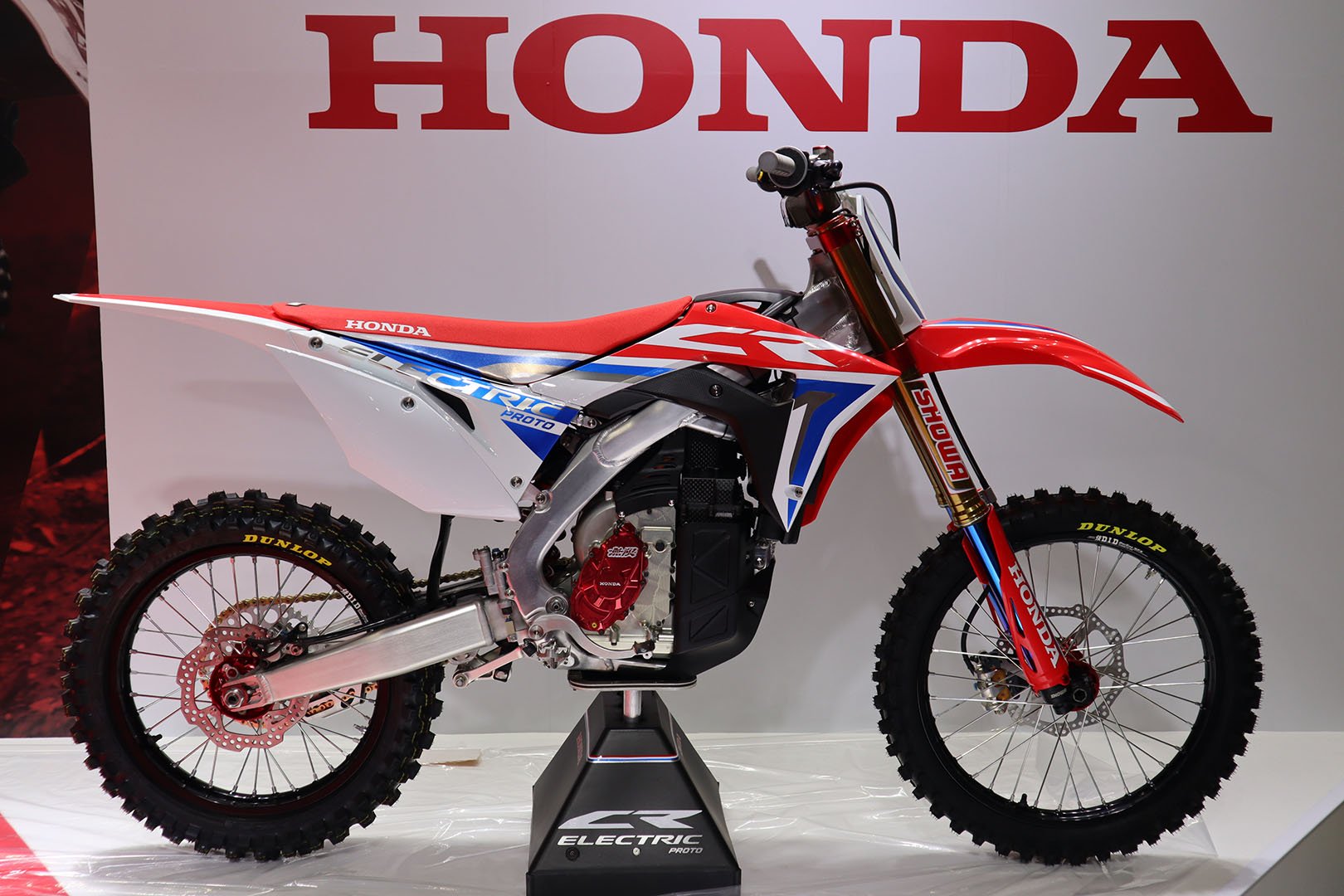
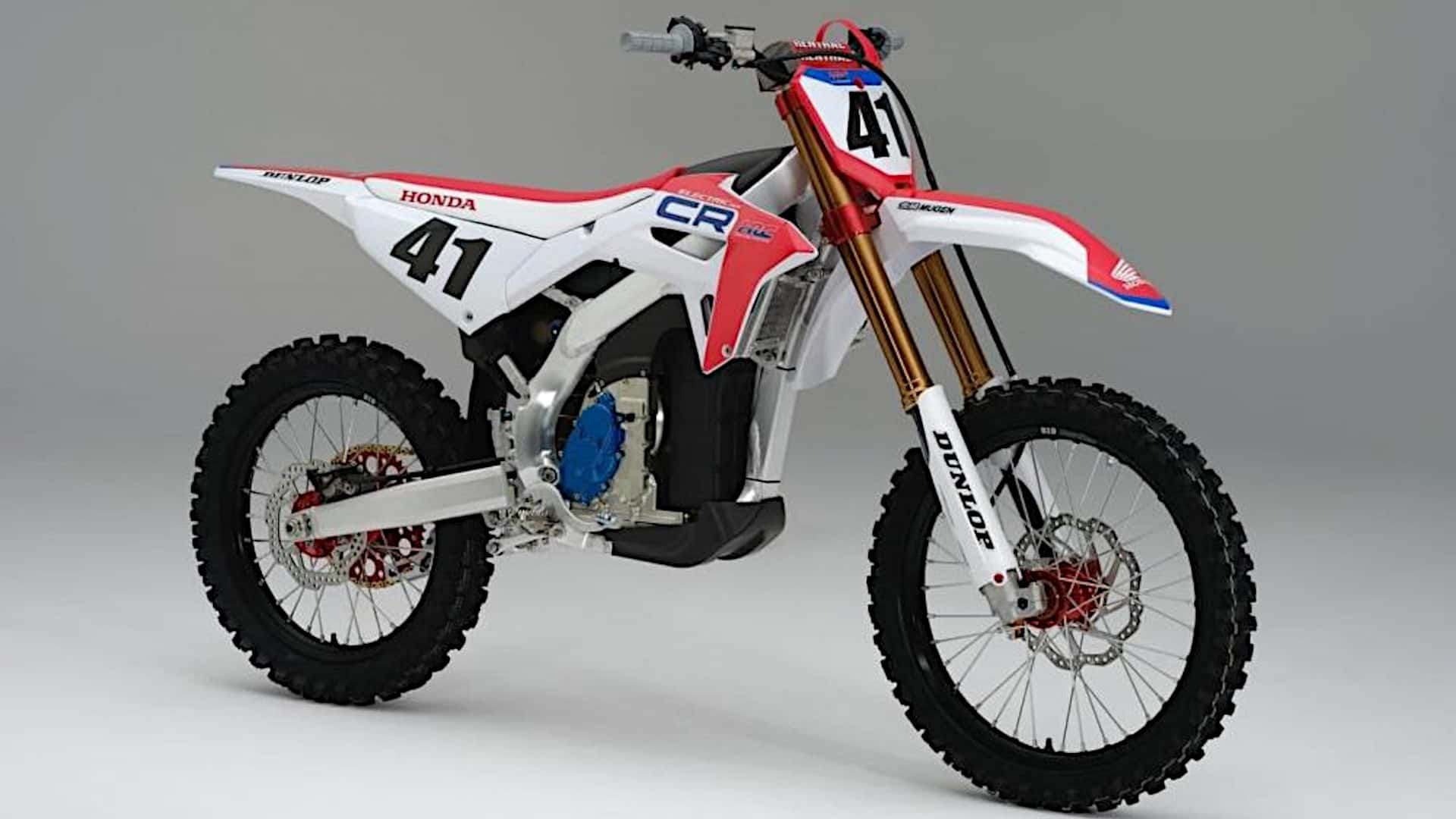
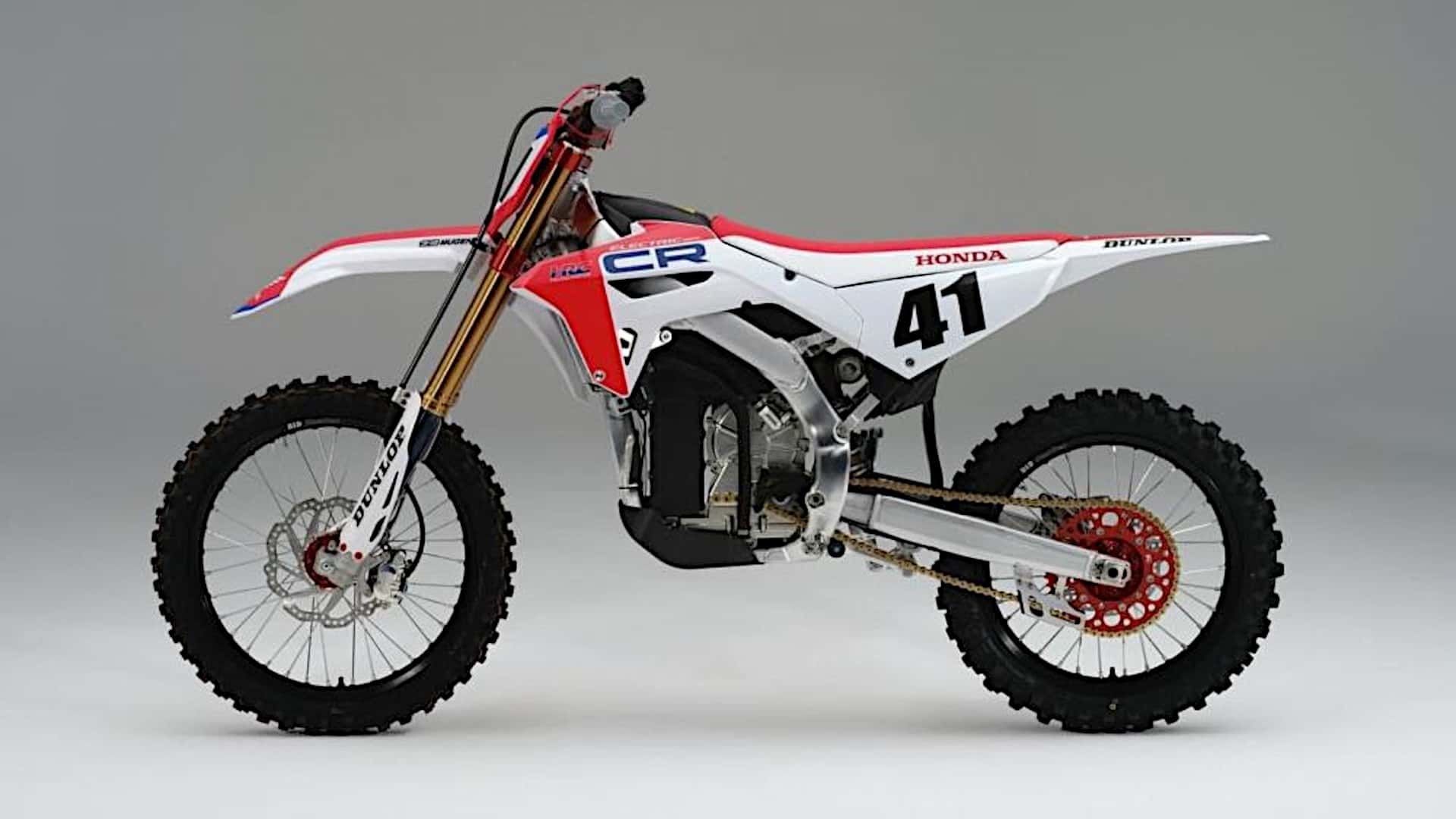
In a significant move towards promoting eco-friendly motorsports, Honda Racing Corporation is set to introduce the Honda CR Electric prototype in a formal competition for the first time.
Unveiled at the 2019 Tokyo Motorcycle Show, the CR Electric prototype garnered attention as an electric dirt bike innovation, shrouded in secrecy regarding its powertrain details.
Fast forward to 2023, Honda has chosen the Saitama Toyopet Cup, part of the D.I.D. All Japan Motocross Championship, as the platform for the CR Electric’s debut. This marks Honda’s inaugural foray into formal competition with an in-house developed electric motorcycle—a milestone moment for the industry as manufacturers strive to reduce carbon footprints.
Trey Canard, a former 2010 AMA Pro Motocross 250 champion and current team advisor at American Honda, will be piloting the CR Electric prototype as a wildcard entry.
Despite four years passing since its unveiling, Honda has maintained secrecy around the bike’s specifications, emphasizing its prototype status. Enthusiasts eagerly await official powertrain details, which may emerge if Honda progresses the CR Electric to production.
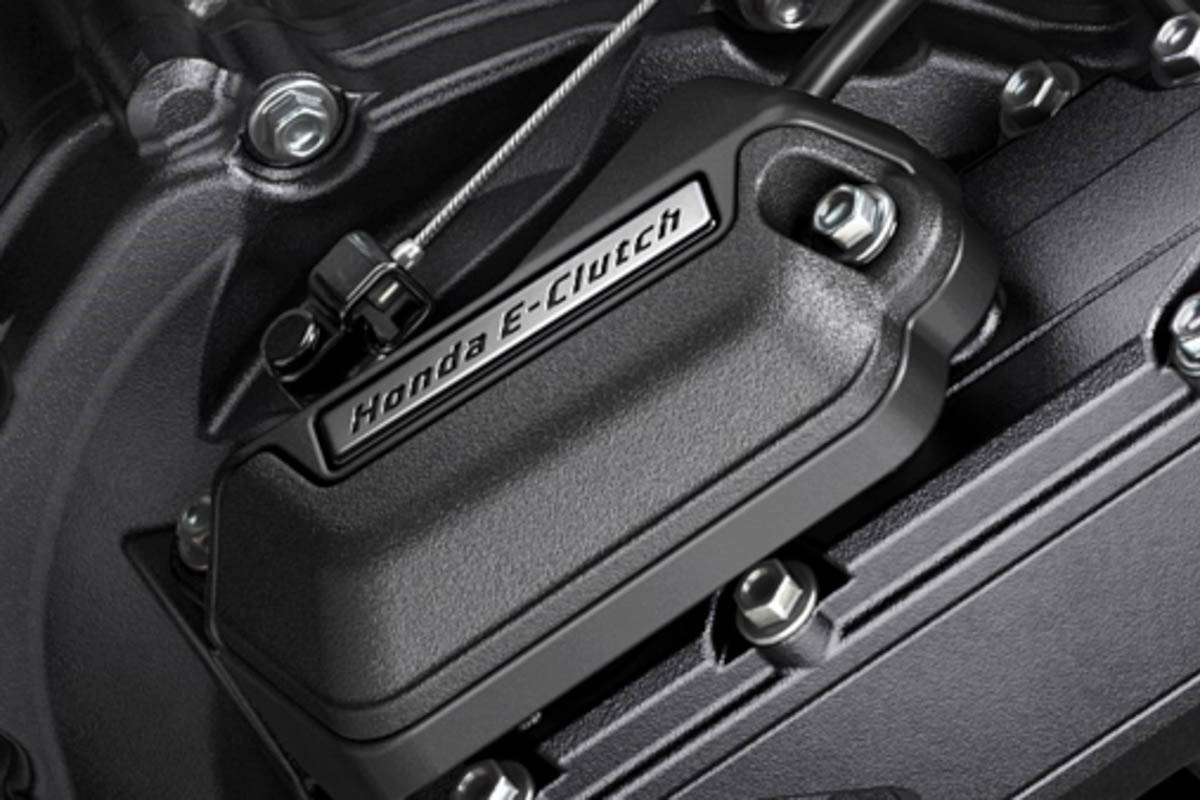
Honda has introduced the Honda E-Clutch, a pioneering technology designed to enhance clutch control during transitional moments in motorcycle riding.
This cutting-edge feature is poised to redefine the motorcycling experience by electronically managing clutch engagement when driving force fluctuations occur.
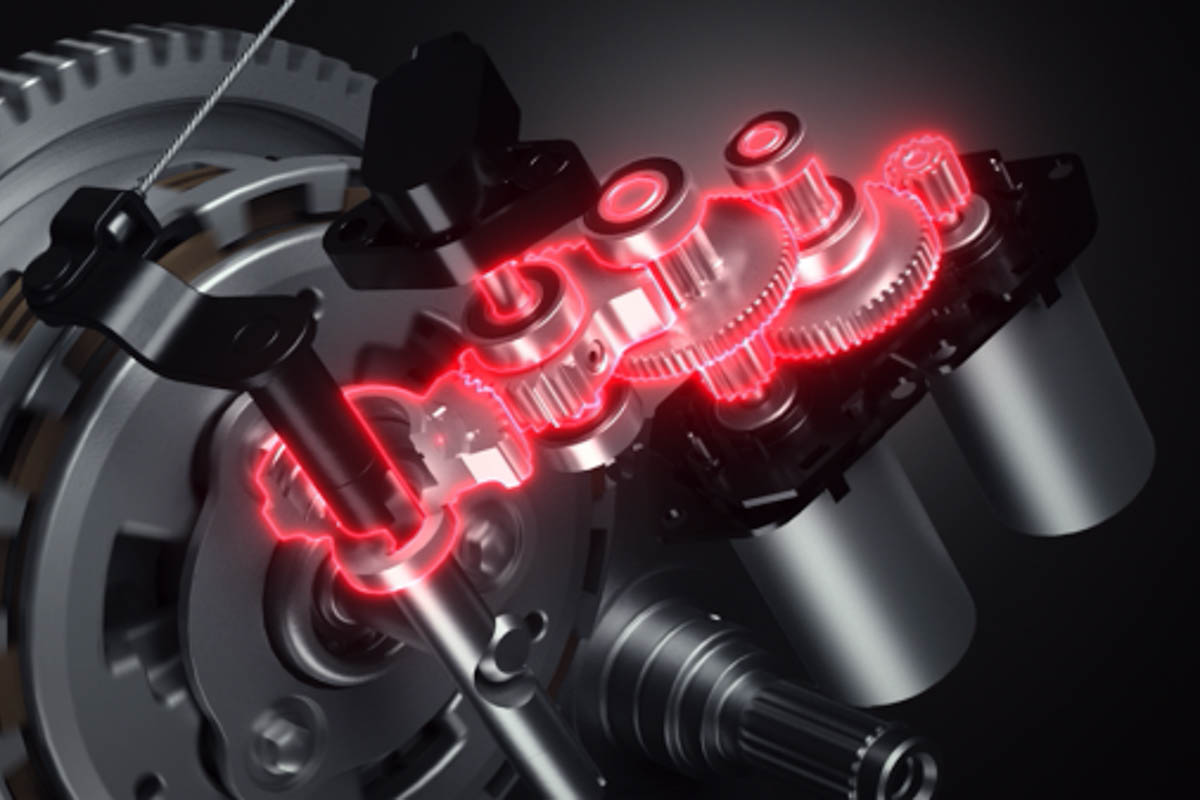
Described as a “clutch assist” by Honda, the E-Clutch represents a pivotal advancement in the world of motorcycling. It is specifically engineered to operate seamlessly during key moments of driving force variation, including starts, shifts, and stops. In these critical situations, the Honda E-Clutch will effectively eliminate the need for manual clutch manipulation by the rider.
However, it is important to note that the rider retains full control over the clutch even when the E-Clutch is in operation. Through the conventional clutch lever, motorcyclists can still engage the clutch manually.
Nevertheless, the electronic control system delivers “instantaneous, finely-tuned clutch control to optimise performance in scenarios where driving force alterations occur,” according to Honda.
The primary objective behind the introduction of the motorcycle E-Clutch is to allow riders to fully immerse themselves in the joy of riding, unburdened by the complexities of clutch management.
Honda proudly emphasises that this innovative system can be seamlessly integrated into existing engine layouts, necessitating no significant modifications. As a result, Honda intends to gradually implement the E-Clutch technology across its range of “fun” motorcycles in the foreseeable future.
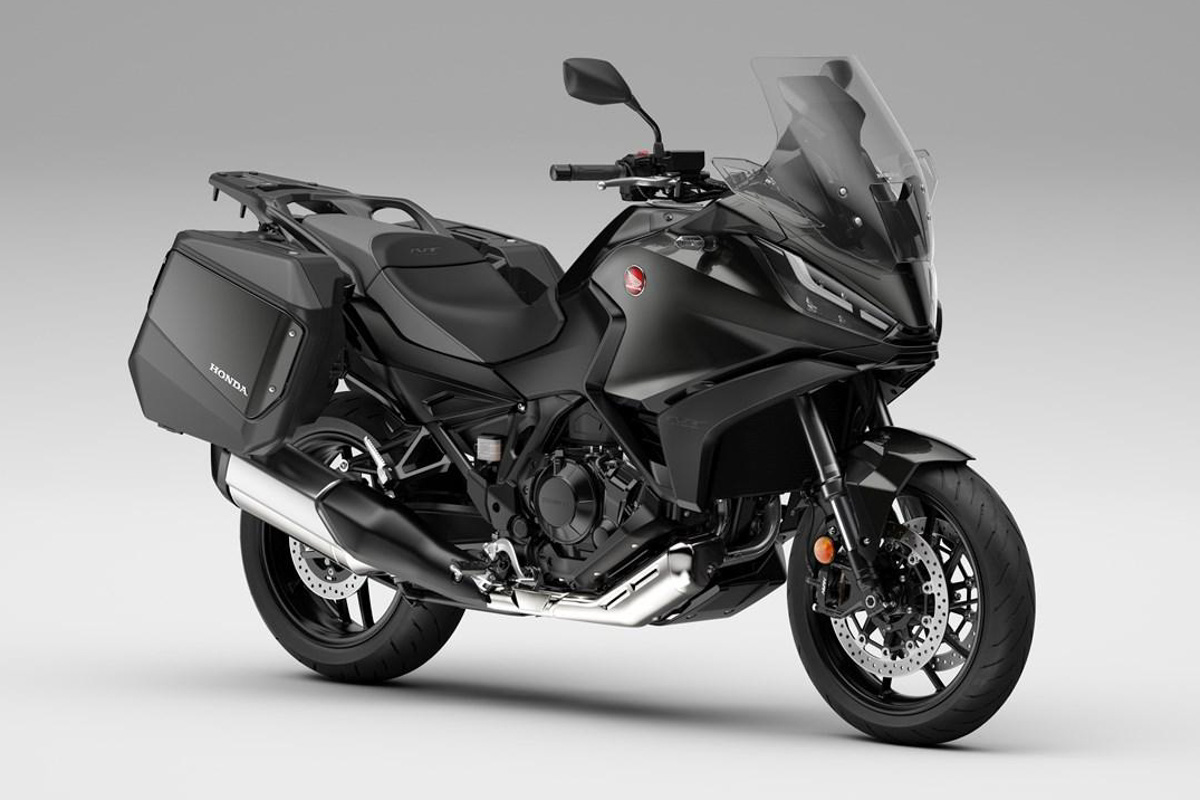
Notably, the E-Clutch is not Honda’s first foray into groundbreaking clutch innovations. The company has previously introduced the Dual Clutch Transmission (DCT), which has enjoyed considerable success on models such as the Honda NT1100 and the Honda Gold Wing.