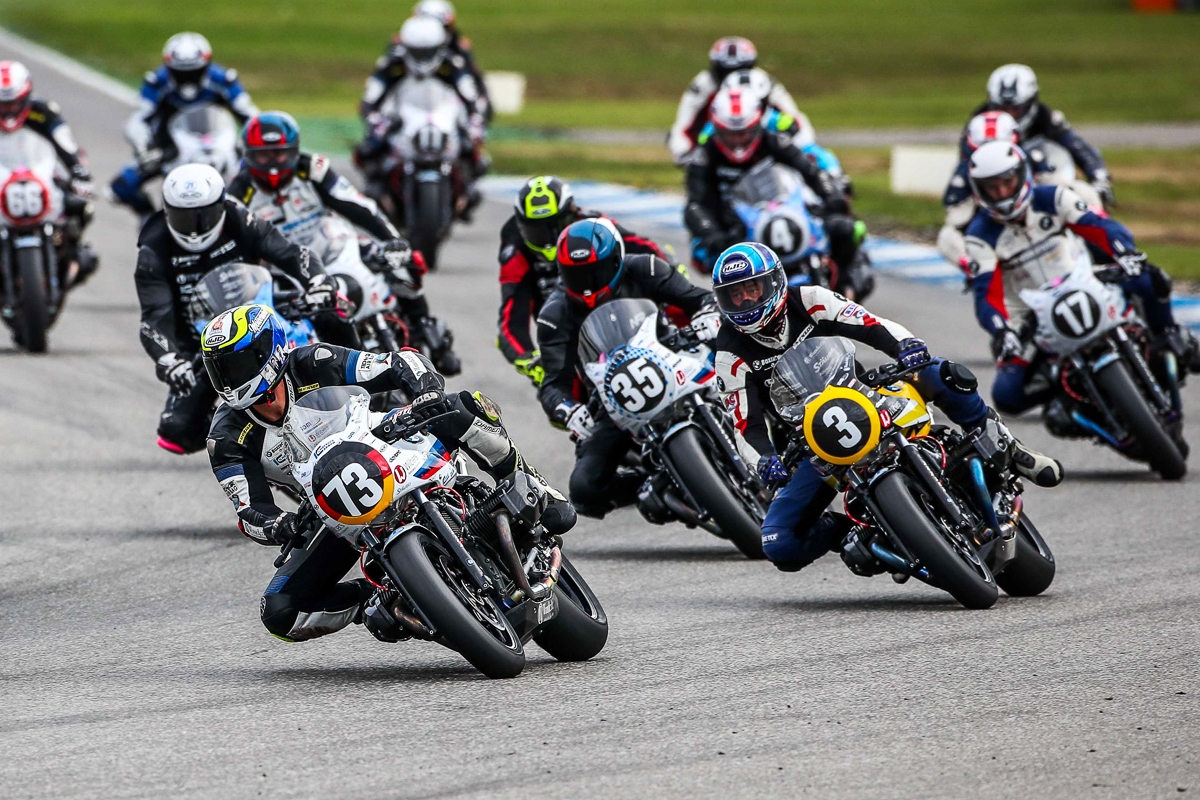
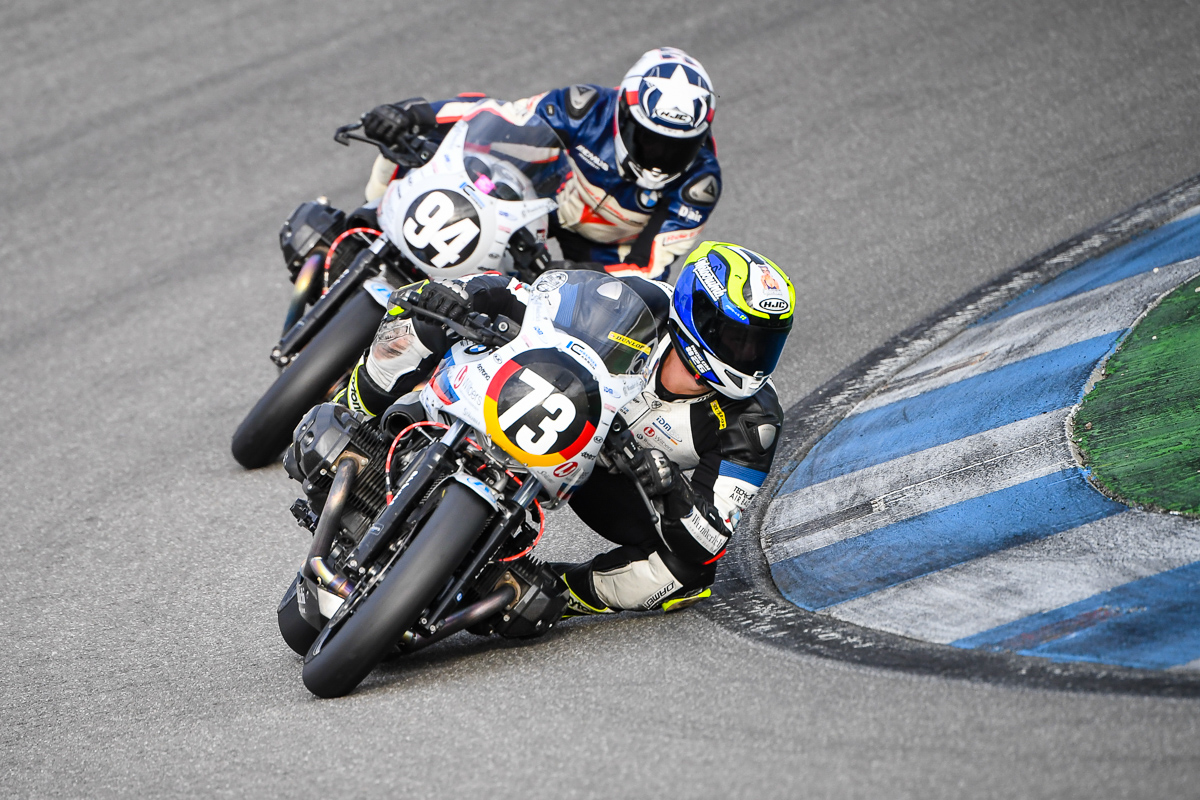
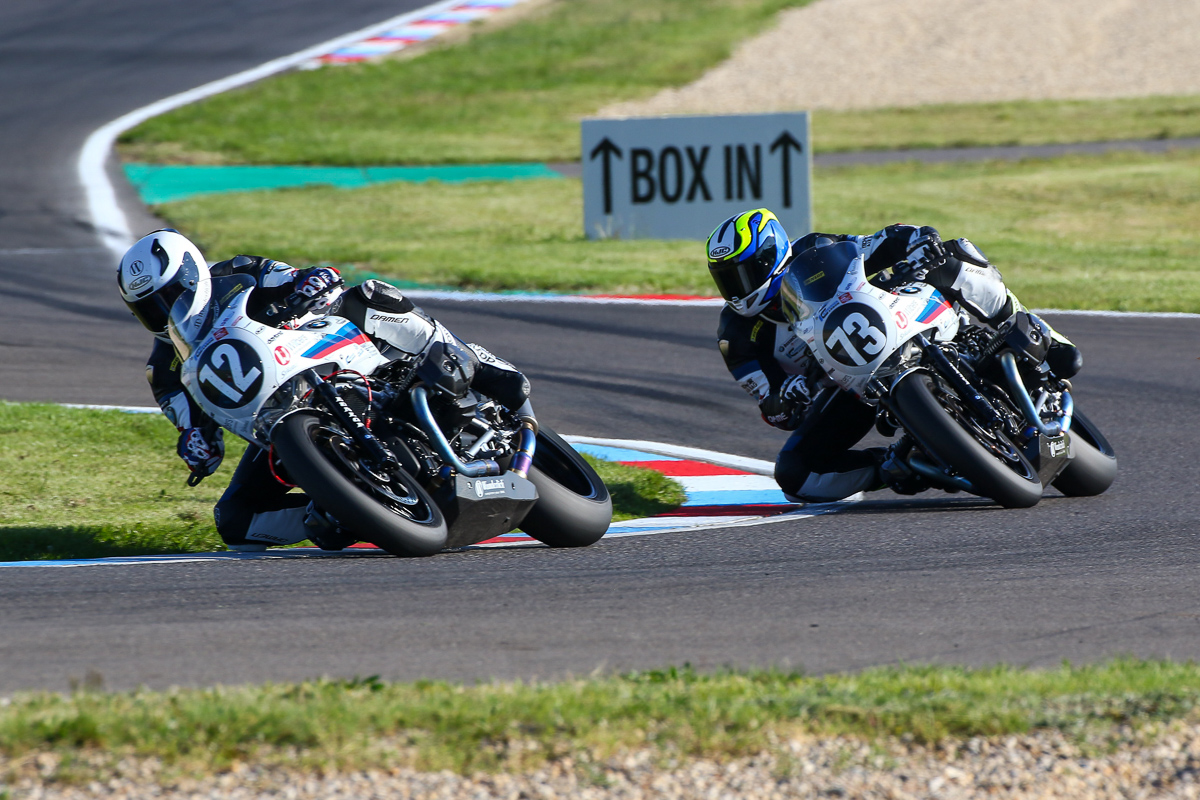
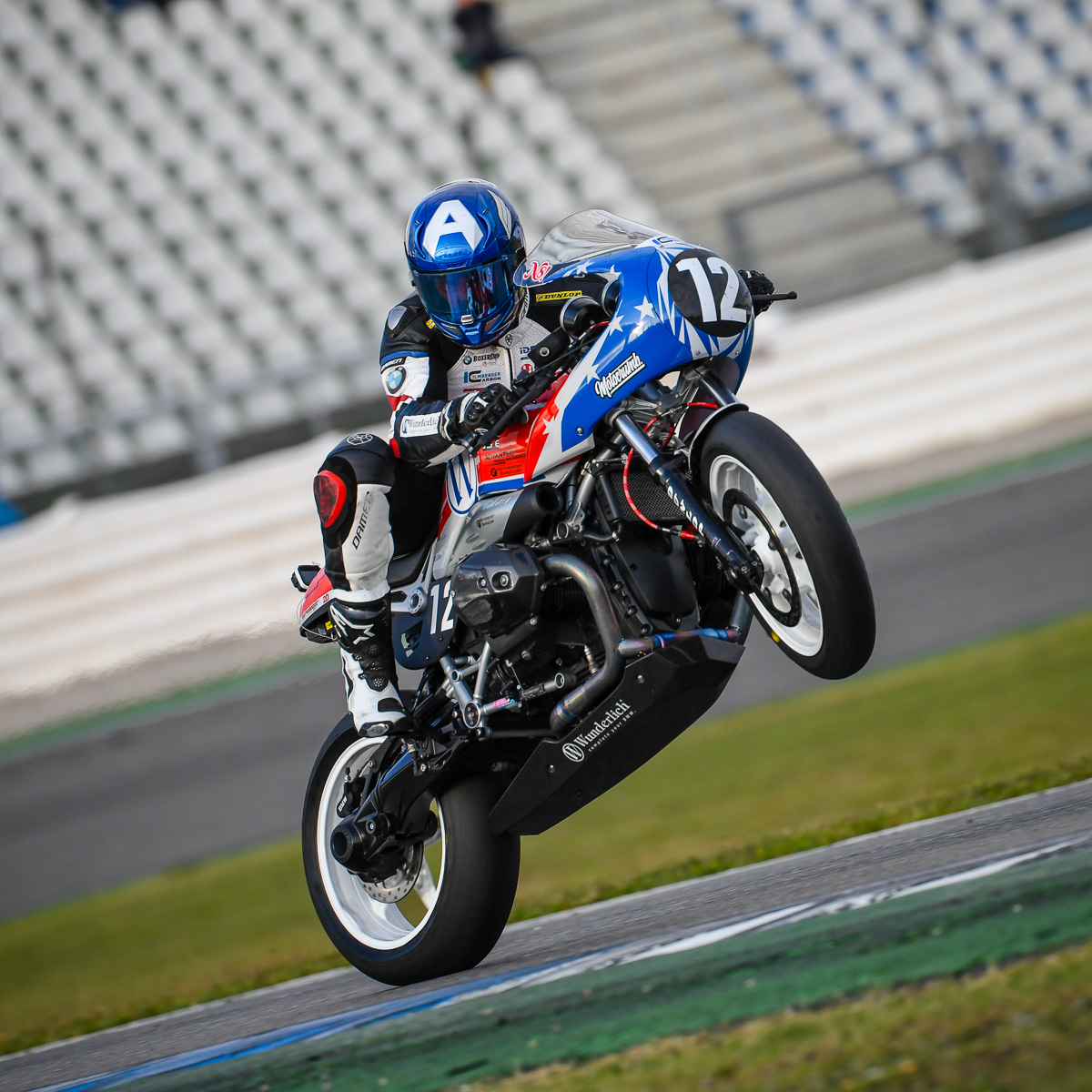
Apparently, there’s a race series out there with a bunch of cool guys and gals racing on the sexy BMW R nineT Racer and it’s called the BMW Motorrad BoxerCup. Its second season will commence in May until September covering seven rounds, mostly in Germany, Austria, Czech Republic, and the Netherlands.
Question: Why haven’t we heard about this regarding the first season (just for this particular editor)?? Well, you get some, you miss some. Anyway, The BMW Motorrad BoxerCup 2020 will be held in conjunction with the International German Motorcycle Championship IDM and there will two races per race weekend.
Think of it as a one-make race series where riders battle it out on the same identical BMW R nineT Racers which have been optimized for racing. We’re talking Wilbers fork and strut, carbon fibre cylinder head covers, Ilmberger rear end and engine spoiler (holy baloney), BOS titanium manifolds and mufflers, Staübli quick-release brake couplings, Wunderlich windshield and frame sliders, BMW Motorrad ABS racing software, Gilles Tolling footrest and race-spec shifter, and Dunlop race tyres.
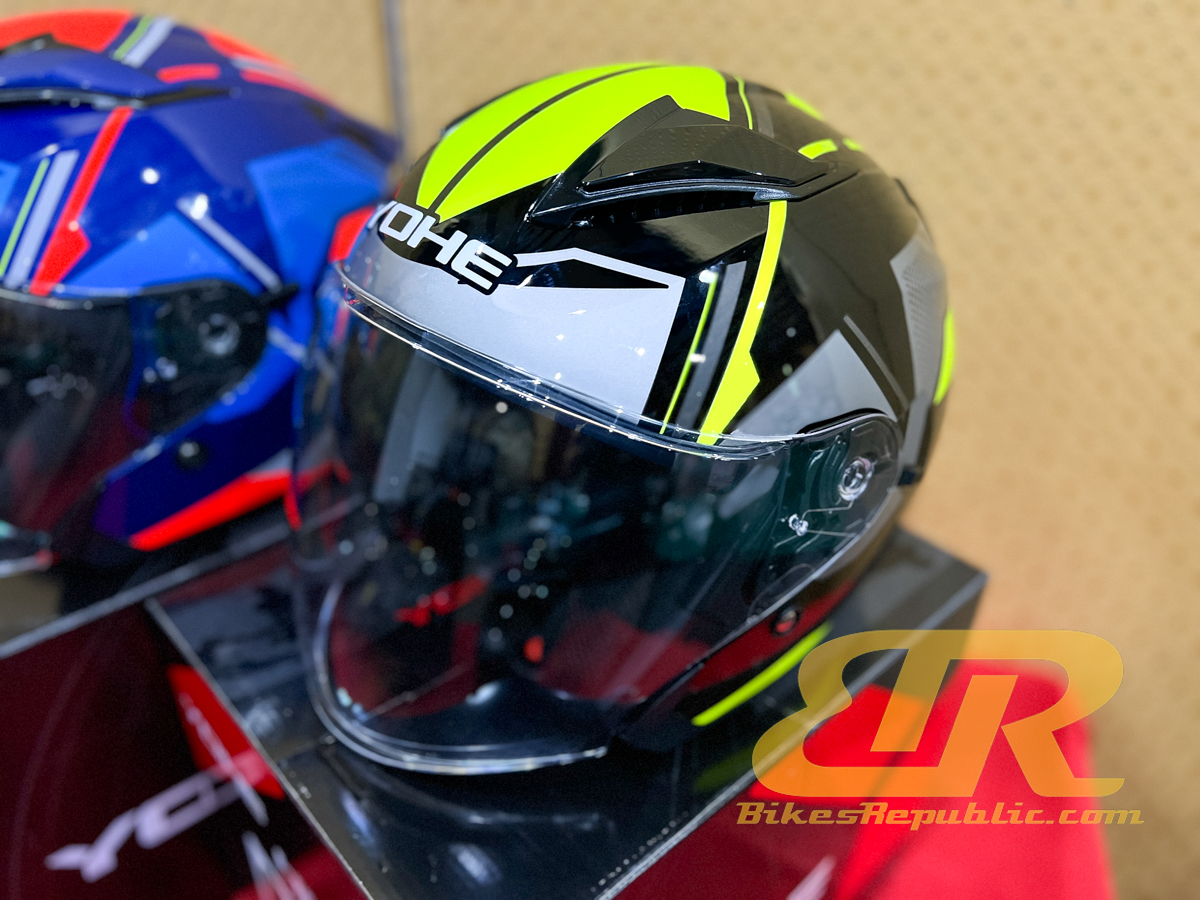
Another cool fact is that all participants are supplied by one of the most well-known brands in the business, HJC. In other words, the race will be based solely on riding skills as the bikes are identical with no added performance advantage whatsoever. So yeah, this might be one of the coolest one-make races on the planet.
For those who are interested to witness this spectacle, below is the racing calendar for the BMW Motorrad BoxerCup 2020.
22-24 May 2020 – Red Bull Ring, Austria
3-5 July 2020 – Most, Czech Republic
24-26 July 2020 – Schleiz, Germany
31 July-2 August 2020 – Oschersleben WSBK, Germany (confirmation pending)
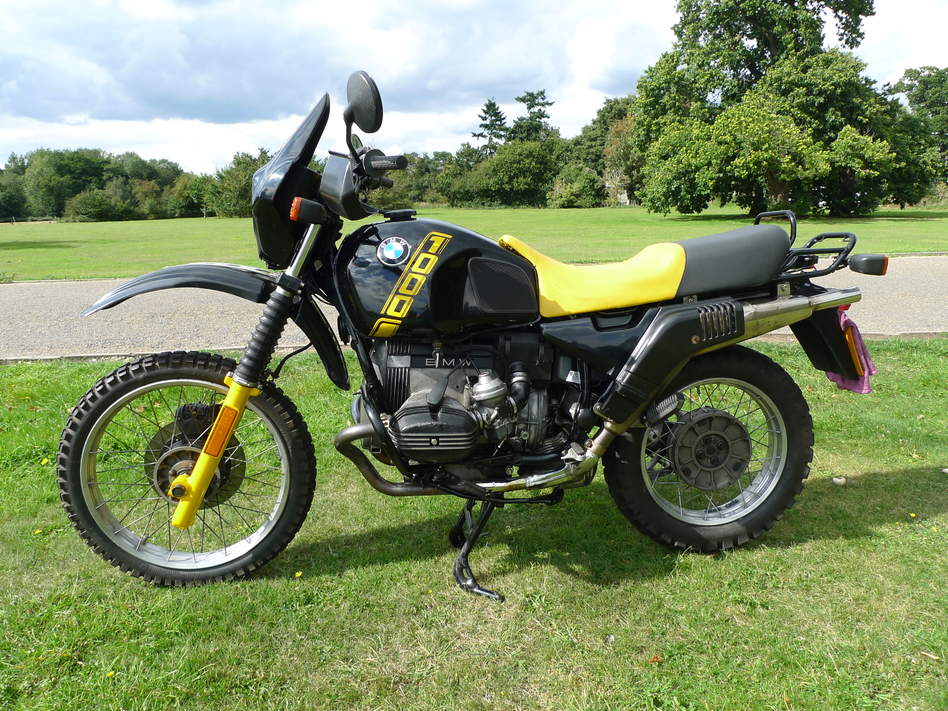
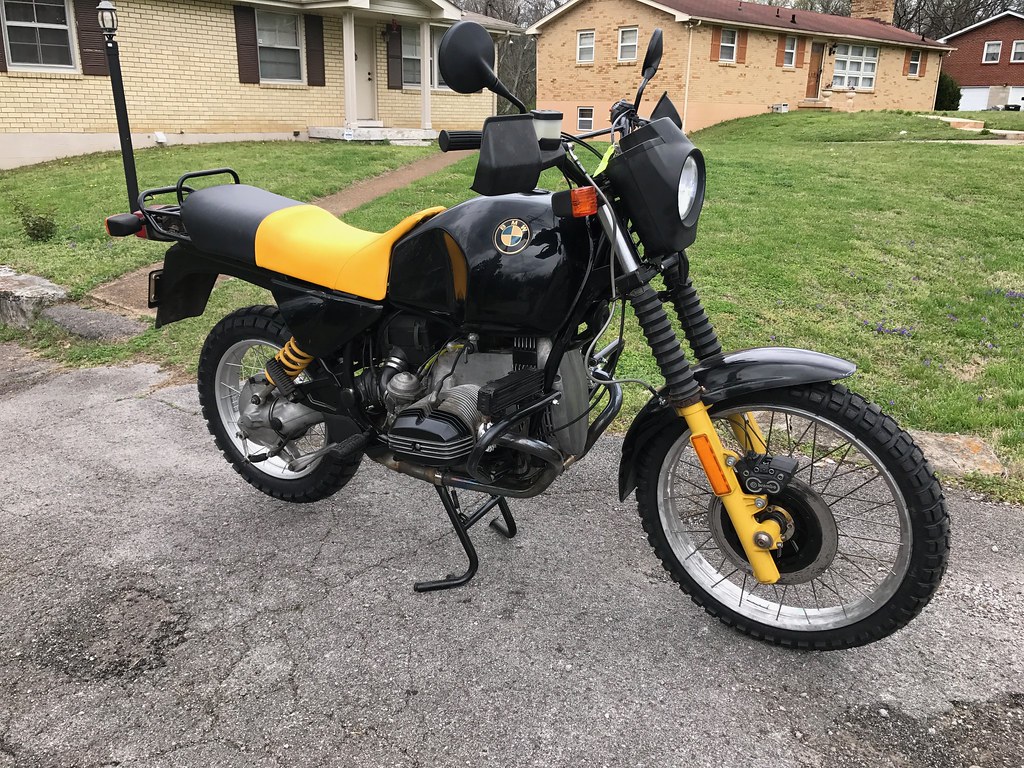
The second-generation GS was known as the BMW R 100 GS.
It featured a bigger engine along with the Paralever, among others.
We continue our 40 Years of the BMW GS series with the next generation of the GS called the BMW R 100 GS.
The R 100 GS was a watershed model, picking up from the success of the R 80 G/S, making its debut mid-1987. However, although the R 80 G/S was “discontinued” is evolved into the R 80 GS.
This time the both bikes would mean Gelände/Sport, instead of Gelände/Straße. This designation would be changed again in time to the original. Both models promised higher performance, improved comfort and better brakes.
The engine of the R 100 GS was adopted from the 1986 R 100 RS sport-tourer. If the latter’s name sounds familiar, it’s because it was the first production bike to be fitted with a full fairing. Doing so had given rise to the modern sport-tourer segment.
Going back to the GS, the RS’s brawny character means it produced 60 hp from its 980cc Boxer. The R 80 GS remained with the 798cc engine which produced 50 hp.
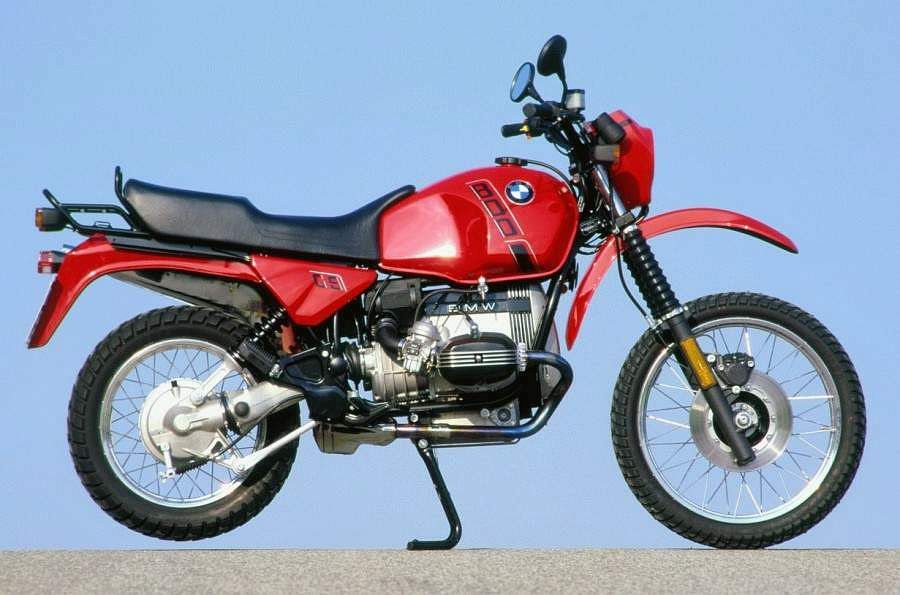
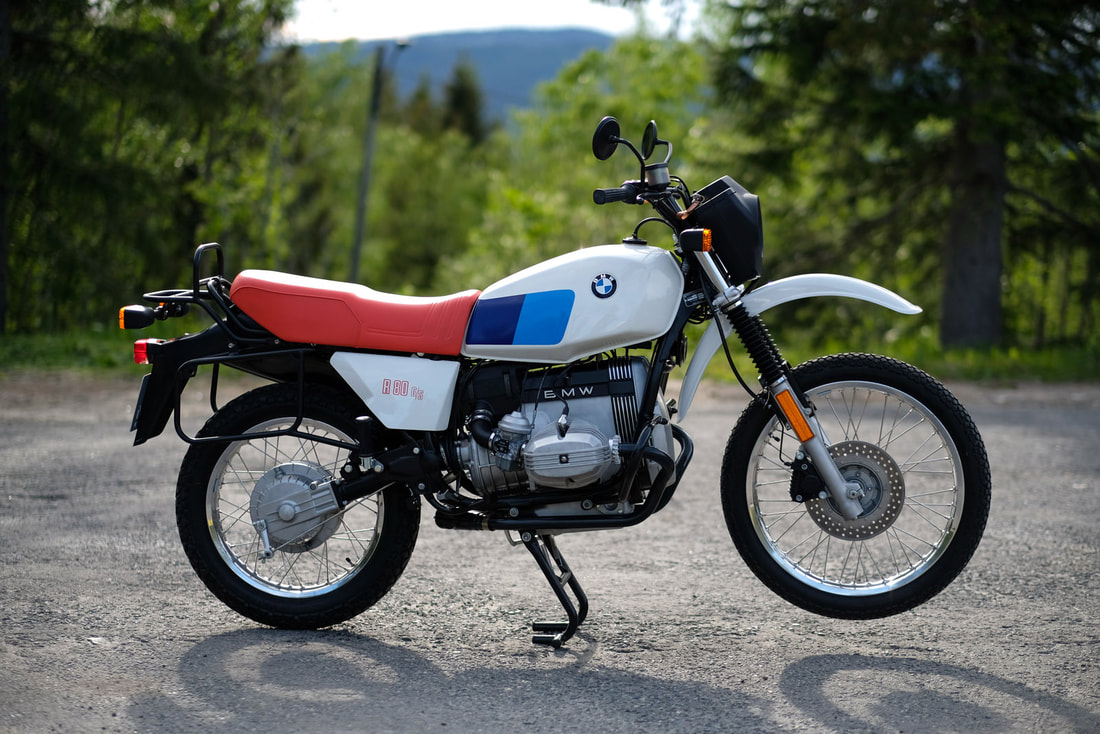
BMW R 80 GS – Credit ADVRider.com
The R 100 GS represented another important milestone in the GS evolution, as it was the first BMW production motorcycle to feature the now famous “Paralever” swingarm.
BMW engineers had known about “shaft jacking” from early on. The phenomenon meant that the rear of the bike rises against stiffening suspension under acceleration. The manufacturer’s race engineer Alex von Falkenhausen had actually fitted the factory race bikes with double-joint swingarms since 1955 to counter the effect.
The maker had secured the patent for this kit but was never transferred to their street bikes, until the new bigger engine’s torque produced more pronounced shaft jacking. The extra bar made the swingarm look like a parallelogram, hence the name “Paralever.”
1988 BMW R 80 GS – Credit motorcyclespecifications.com
It worked so well that is was later adopted to the R 80 GS.
BMW didn’t stop there.
To improve handling, travel-dependent damping also made its debut at the front. The forks were made stronger, while the left fork gained a conical bushing.
How it worked was like this: As the fork rises, the cone caused the gap between the spring coil started to grow smaller and smaller. In effect, it was like a rising rate spring. This ensured that the fork could withstand jump landings.
BMW also gave the bike a hollow front axle which avoided the forks from distorting.
Besides the suspension, BMW also looked at the wheels (rims).
The now commonplace cross-spokes made its debut on the R 100 GS. As the spokes are mounted to the outsides of the wheels, the rider could mount tubeless tyres. It also facilitated spoke replacement without the need to remove the wheel or tyre.
These spokes also had flat angles for elasticity that resulted in the ability to absorb impacts and overloading. This design was so successful that it’s continued to this very day.
The cross-spokes also provided more space for the new and larger brake calipers for the bigger brake discs.
The frame remained essentially the same as that of the R 80 G/S but was strengthened. However, a stronger subframe was fitted and upped the bike’s load carrying capacity.
Many customers requested for a more fuel capacity compared to the R 80 G/S’s. BMW answered with a 26-litre fuel tank. It was a good compromise between the standard R 80 G/S’s 19 litres and the Dakar’s 32 litres.
Even the front fender was redesigned with the help of a wind tunnel to reduce instability at highway speeds.
An allow plate was fitted to front of the centre stand to protect the oil sump and exhaust pipe.
The R 100 GS also received a new handlebar-mounted fairing with higher windshield. Apart from that, it also featured an oil cooler and crash bars.
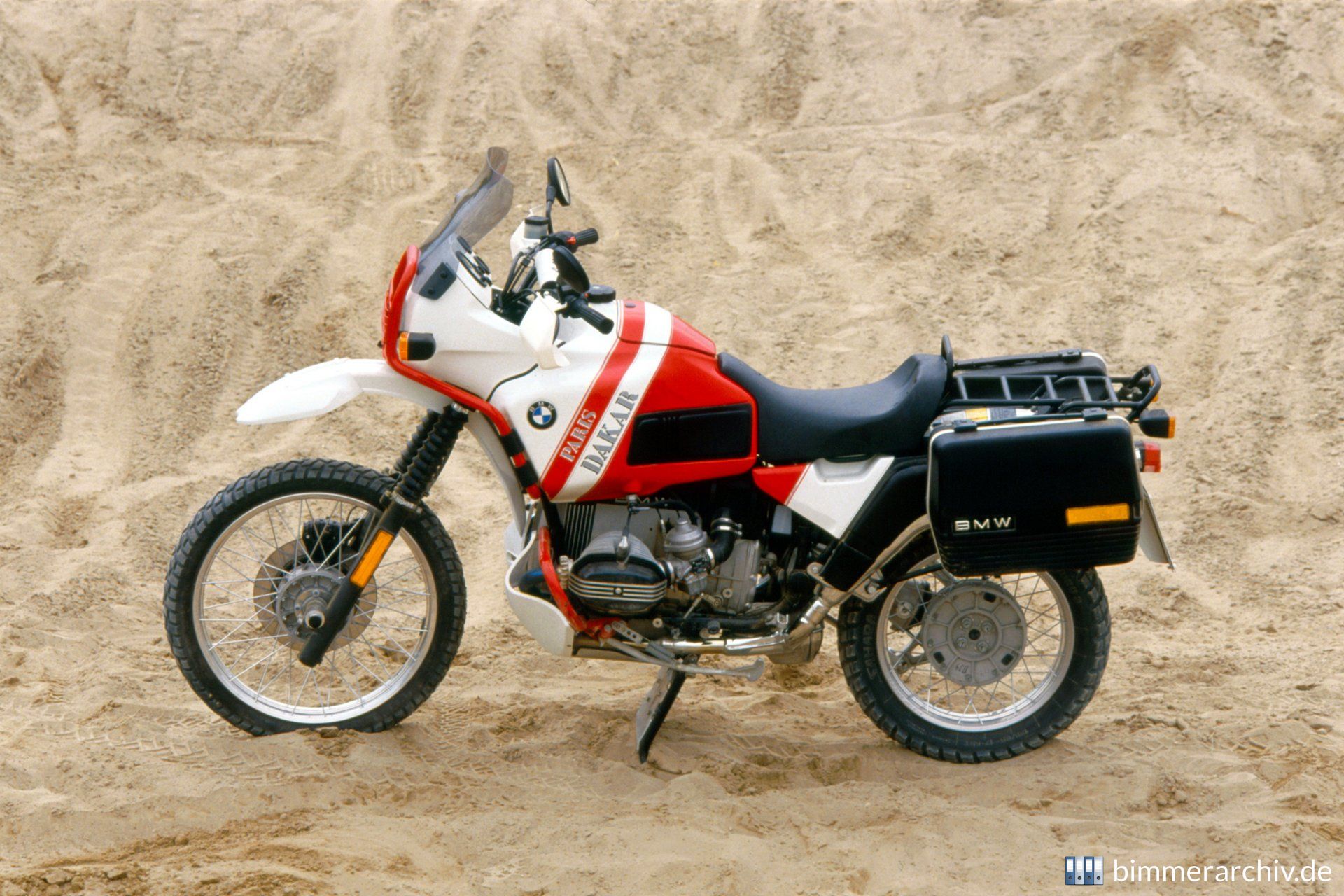
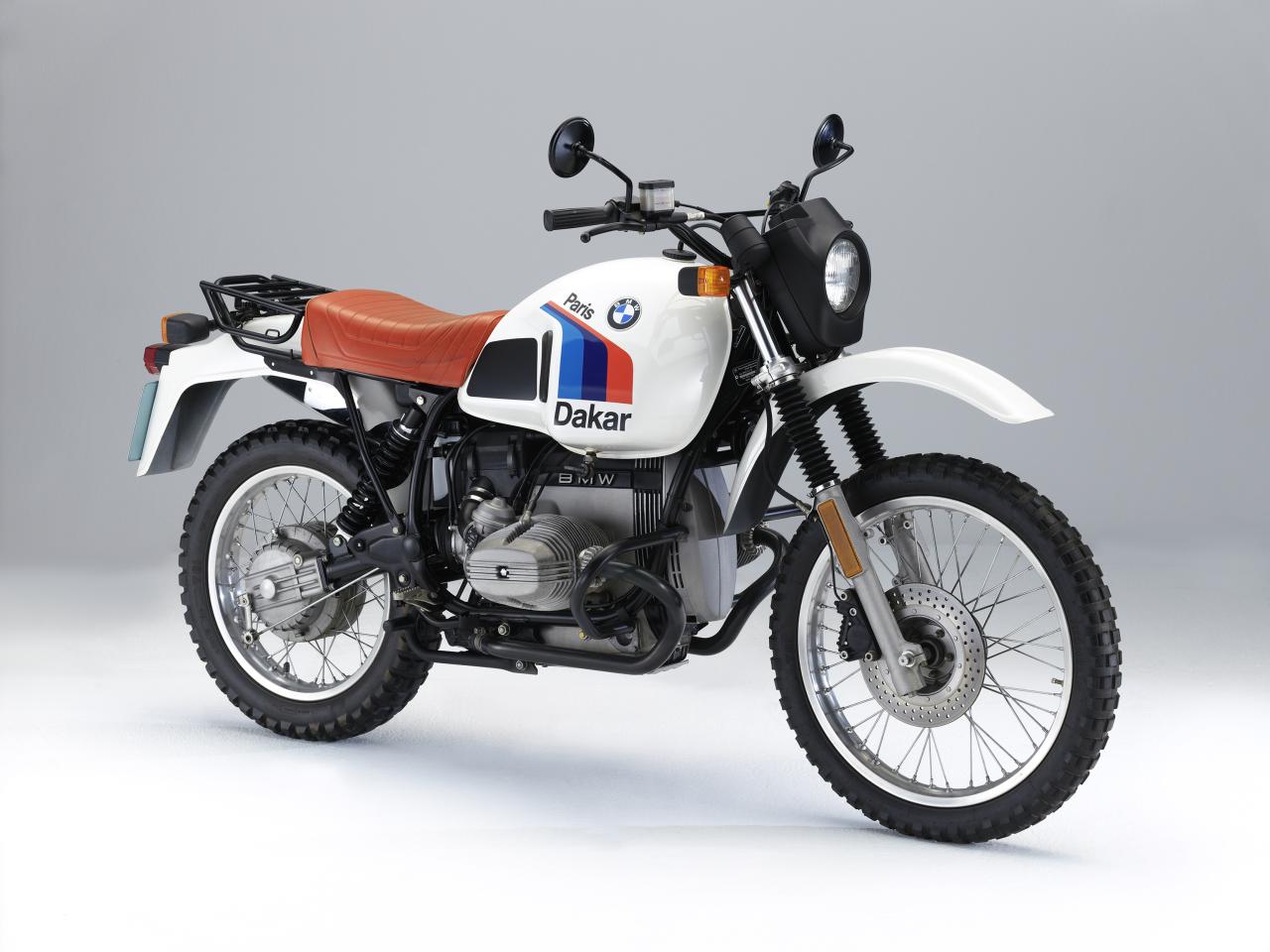
BMW R 100 GS Paris-Dakar
1989 BMW R 100 GS Paris-Dakar – bimmerarchive.de
BMW had initially conversation kits for the bike, but decided to produces full Paris-Dakar version in 1989.
The fairing was replaced with a frame-mounted kit which included the instrument cluster, unlike the standard model’s.
A 35-litre tank was fitted, as was a solo seat with luggage rack at the rear.
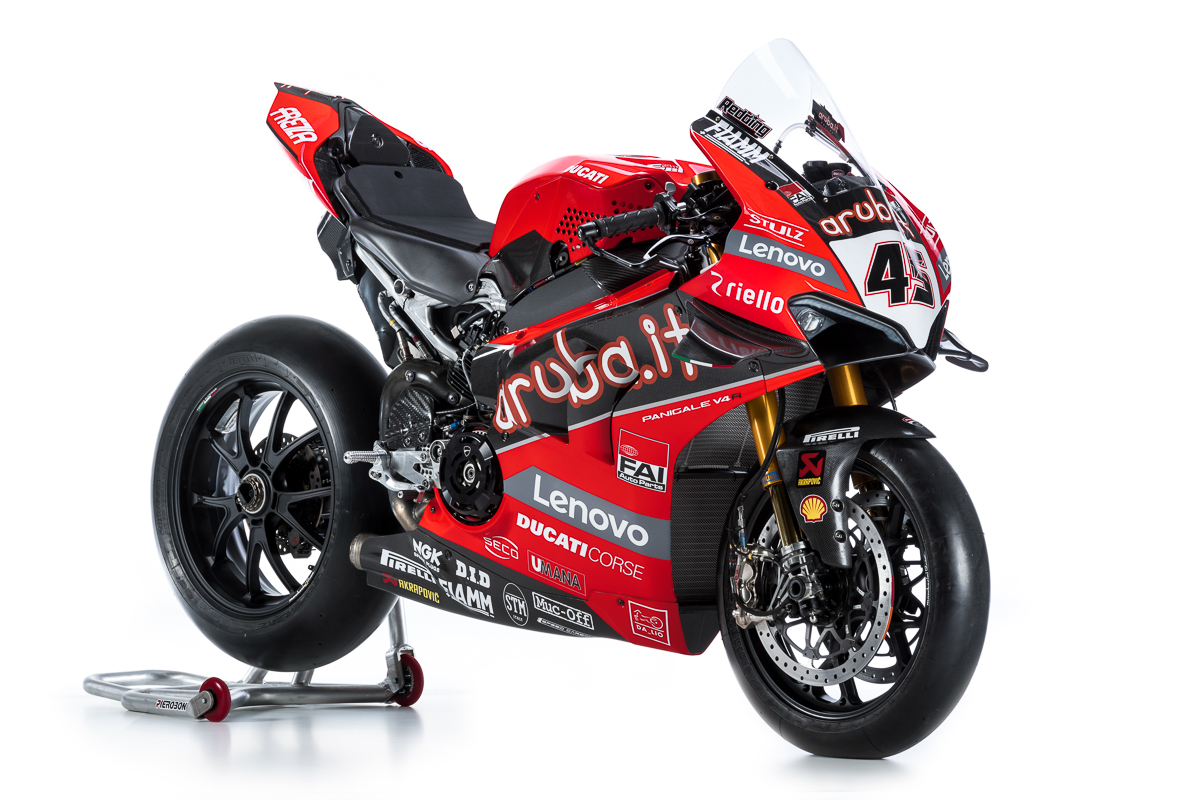
The Aruba.it Racing – Ducati squad presented their 2020 WorldSBK set-up earlier this week in Imola, Italy together with their star riders, Scott Redding and Chaz Davies. Riding the powerful 2020 Ducati Panigale V4 R, some would say that this might the year that Ducati takes over the World Superbikes series away from the dominating Kawasaki and their champion, Jonathan Rea. (more…)
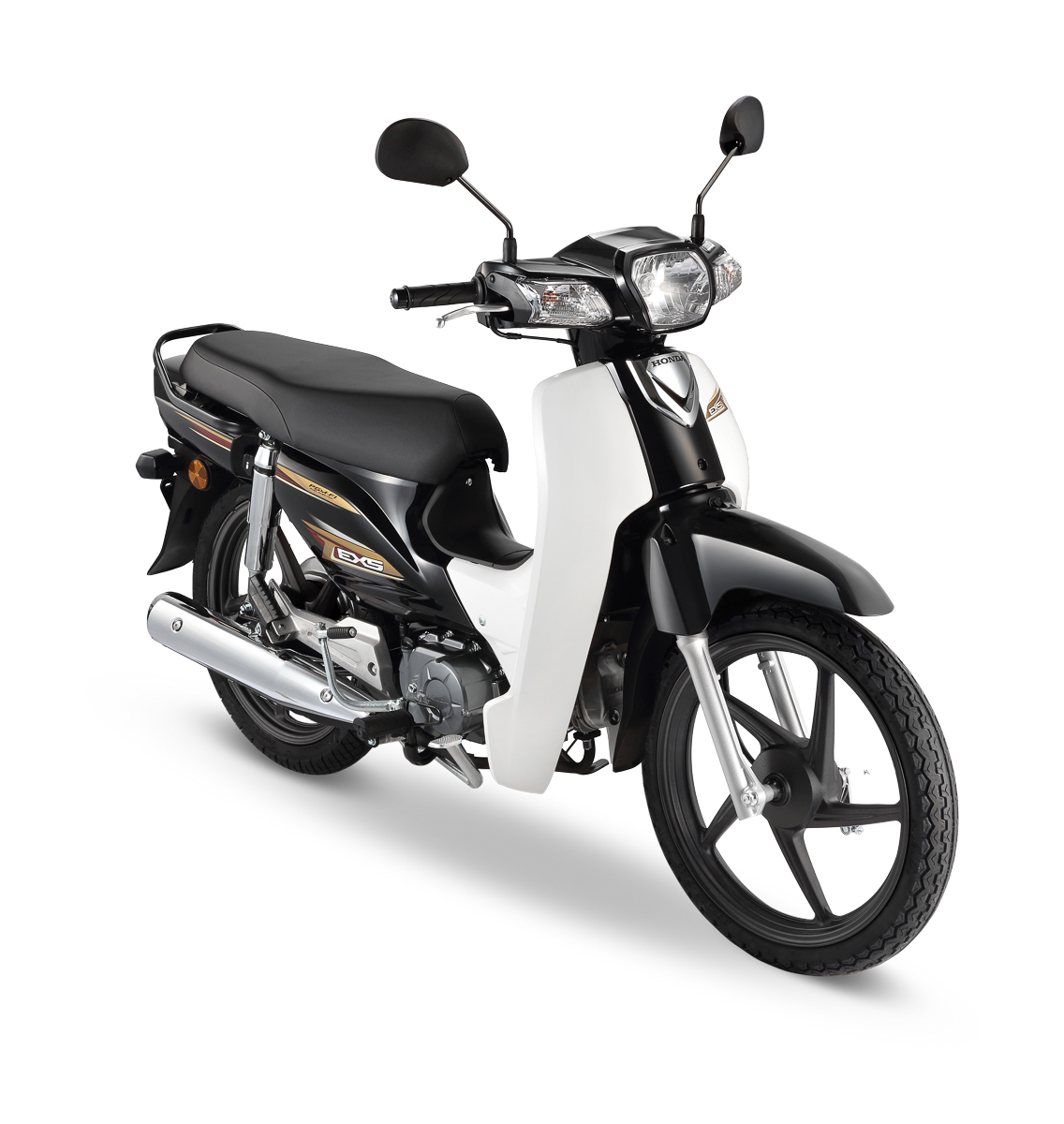
Looking for a reliable and affordable workhorse to travel around town? Boon Siew Honda has unveiled the latest Honda EX5 updated for 2020 for those looking for a reasonably priced and durable cub that has been a market favourite for generations now. (more…)
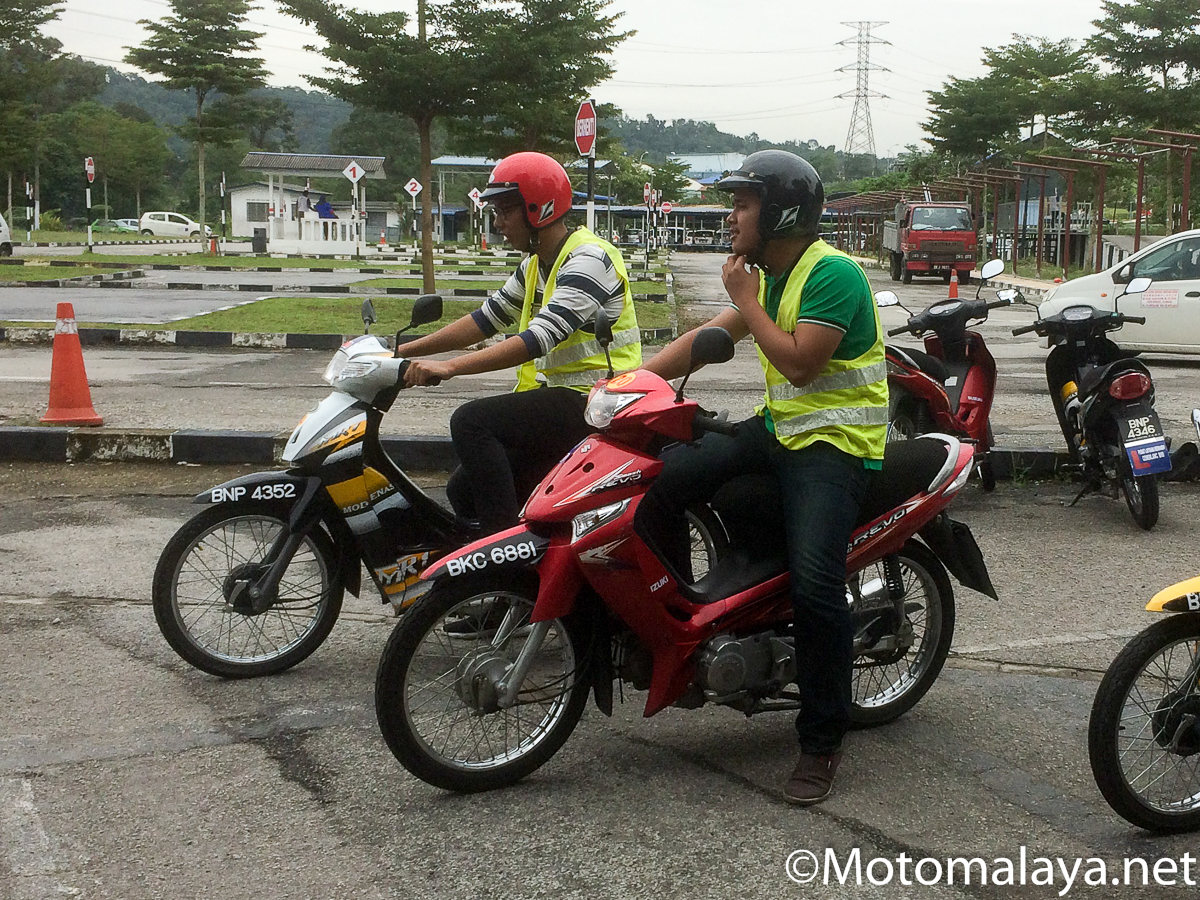
The Roda Darul Ehsan (RiDE) initiative will start rolling out its RM 1 million motorcycle license subsidy starting March 2020. The scheme plans to assist around 3,000 youths residing in Selangor to obtain their motorcycle licenses which will see each of them getting an RM350 subsidy in getting them legally sorted to ride on the roads. (more…)
The bike started the adventure-touring/dual-sport segment.
2020 marks 40 years of the BMW GS, which began with the R80G/S in 1980.
Love it or loathe it, the G/S began a new segment altogether and became not only BMW’s best-selling model, but the most popular worldwide.
Looking back over the 40 years, the GS has been at the forefront of BMW Motorrad’s study in engineering and innovations (apart for the S 1000 RR in 1999 for the superbike category). As such, the GS viewed by other manufacturers as the high watermark to beat.
BMW R100GS
Since each generation of G/S and later GS featured a huge host of innovations, we decided to split this article into parts. Squeezing all 40 year into one concise article does no justice for the bike’s heritage, besides glossing over too many important details.
Development
The Japanese had pretty much killed the European motorcycle manufacturers by the end of the 70s and capitalizing on the booming motorcycle market. BMW was in danger being viewed as a nostalgia brand (like how Harley-Davidson had become).
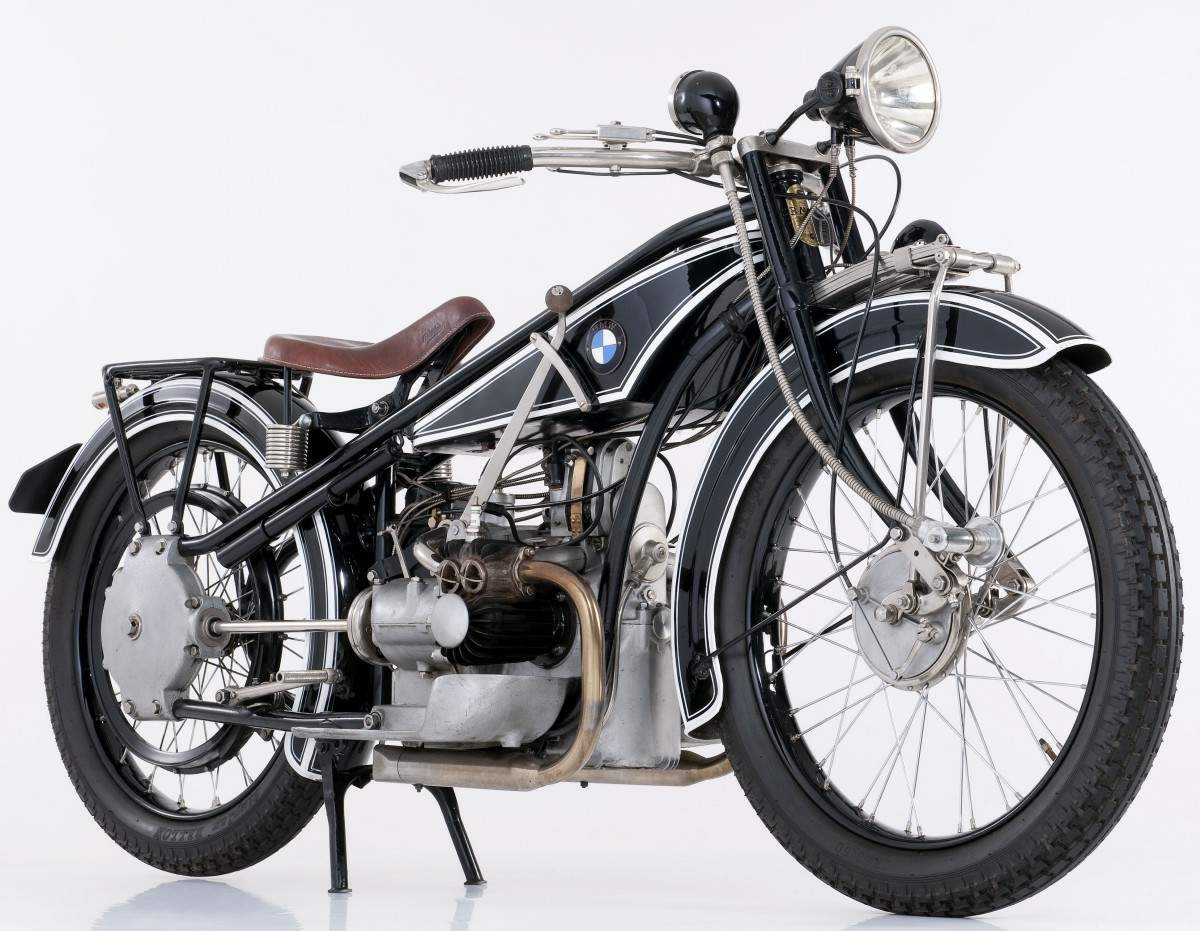
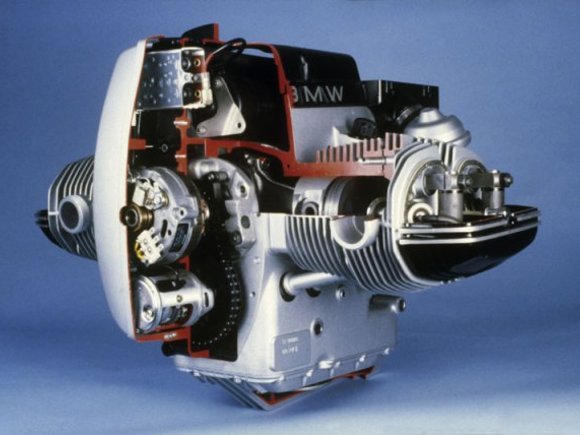
But there was no way BMW could let go of the Boxer modular concept. Hence the only way was to convince new buyers that the Boxer could perform despite being available since the R32 in 1923.
BMW R32
The factory’s testing engineer Lazlo Peres had been custom-building 800cc Boxer powered off-road machines for buyers. Being an experienced off-road rider himself, Peres knows that the engine could perform better than other large capacity rivals.
The break in fortune came in in 1978. It was the year when the German motorsport authorities created new class for above-750cc machines.
Thus, Peres got together with another two employees and built an 800cc race bike that weighed on 124 kg. Peres took the bike to second overall in the championship that year, thereby cementing notion that the Boxer can indeed perform.
Lazlo Peres in 1980 – Credit thereandbackagain.co.za
The bike was entered again in the 1979 Six Days Trials in West Germany (Germany was divided into East and West back then, remember?). The competition was regarded as the Olympics of enduro. Fritz Witzel Junior and Rolf Witthoft came away with a bunch of gold medals, when one was an outstanding achievement on its own.
This experience was brought into the development of a new model.
Back then, if you needed to buy an enduro bike to ride off-road. But enduro bikes were more or less motocross bikes with headlights. It meant that they had small fuel loads, were tall and uncomfortable for long-distance trekking.
Conversely, you needed to buy a standard or touring bike and fit it with luggage for long-distance riding. It had fuel and comfort for long distances, but it was heavy and riding off-road was akin to riding a café racer in the jungle.
The new BMW bike was to encompass both these attributes in one motorcycle in what was called the Reisseenduro (touring enduro).
Introducing the R80G/S
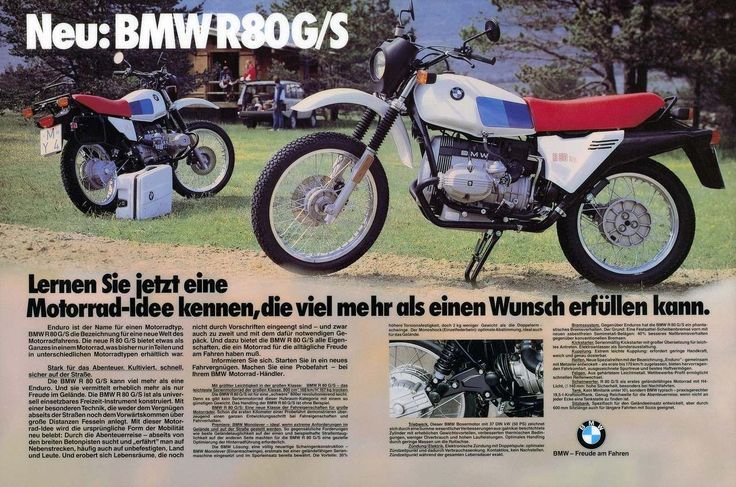
The R80G/S was introduced to the world press on 1st September 1980 in Avignon, France.
The letter “G” in its name stood for Gelände which the dictionary translates to open country, or terrain, thus adopted to mean “off-road.” The letter “S” was the acronym for Straße or Strasse meaning “road.”
Thus, began the adventure-touring segment. To highlight its versatility, the manufacturer used this tagline: “Sports machine, touring machine, enduro… Welcome to a motorcycle concept with more than one string to its bow.” It should be said that the bike spawned a whole new segment of riders along with it. It became the choice for adventure and long-distance touring.
Surely enough, the assembled press wondered how could an 800cc machine weighing some 200 kg could be ridden off-road. Some even had doubts if the machine could sell to save BMW Motorrad. But they came away proclaiming that a new age has dawned. German magazine Motorrad, perhaps including some patriotic vigour, called the R80G/S, “The best road motorcycle BMW has ever built.”
However, the bike wasn’t just about a concept. It showed off some innovations as well besides revisions of the present. For example, weight saving measures made the bike 30 kg lighter than the R80/7.
Innovations included:
Single-sided swingarm incorporating the driveshaft without a parallelogram, called the “Monolever.”
Maintenance-free, contact-free ignition system from Bosch.
Disc brakes – first time on an enduro bike – sourced from the R100/7.
Headlamp with H4 bulb – another first for an enduro.
New road/off-road tyres to withstand 180 km/h.
The world biking community went bananas over the bike. BMW sold 6,631 bikes by the end of 1981, which was more than double that of what the company had planned. One of every five was a G/S.
Sporting success
BMW Motorrad was ratcheting up their involvement in motorsports at the same time, in view of reviving the brand as a performance manufacturer.
Where else do you send an off-road bike to compete back then? The Paris-Dakar Rally, of course!
It’s always been known as the world’s toughest rally. Covering 9,500 km from France to Senegal, only 30% of it was paved roads. The event was highly publicized at the time which attracted the best riders and big manufacturers.
BMW had competed in the rally since 1980 with Jean-Claude Morellet (better known as Fenouil). He finished fifth that year.
Auriol in 1984 Paris-Dakar Rally
The manufacturer ramped up their effort in 1981 and contracted the specialists HPN to create a world-beating bike. Hubert Auriol stomped the competition by winning three hours ahead of the next rider, while Fenouil came home in fourth. A privateer BMW ridden by a French policeman named Bernard Neimer crossed finished in seventh.
Auriol would repeat the feat in 1983.
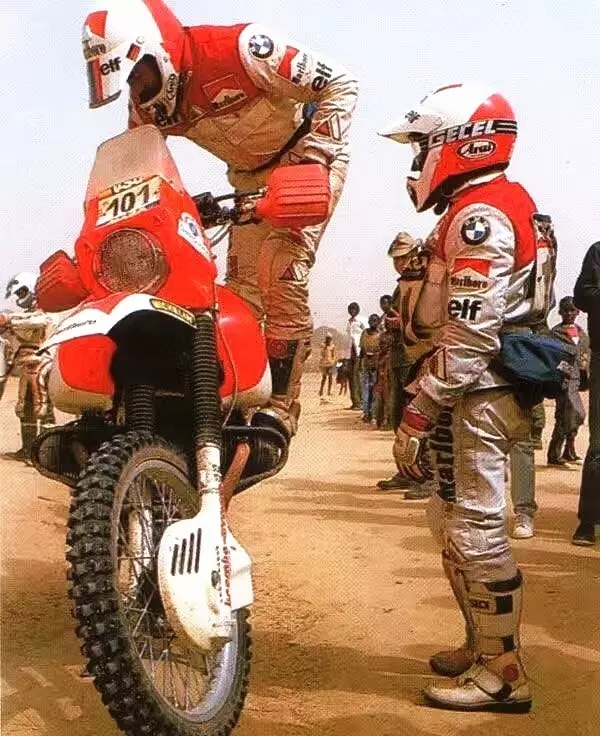
1984’s victory was perhaps the one of the most romantic and awe-inspiring in the rally’s history. The Belgian rider Gaston Rahier was a diminutive man and one picture showed him climbing onto the bike as if it was a camel. Despite this, he would beat the two-time Dakar winner Auriol.
Gaston Rahier climbing on the R80G/S
The one-two finish inspired BMW to issue the special-edition R80G/S-PD, better known as the “Dakar.” A bit more on the Dakar-edition later.
Rahier won again in 1985. It was BMW’s fourth victory in five years.
No less important were Rahier and Eddy Hau’s 1984 and 1985 victories in the 1,200-km Baja Rally in California, USA. The wins demonstrated the bike’s capabilities to the crucial American market.
R80G/S “Paris-Dakar”
This version featured a 32-litre fuel tank (sign of what was to come for the Adventure variant), single seat, luggage rack, crash bars, Michelin off-road tyres. The components were also available as kits or individually.
BMW sold some 3,000 of this version is one of the most sought-after motorcycles today.
End of Production
Production of the R80G/S, the granddaddy of the GS range came to a close in 1987. By July that year, BMW delivered 21,864 bikes which was a seven-fold increase over the figure in 1980.
The model was succeeded by the R 80 GS and R 100 GS.