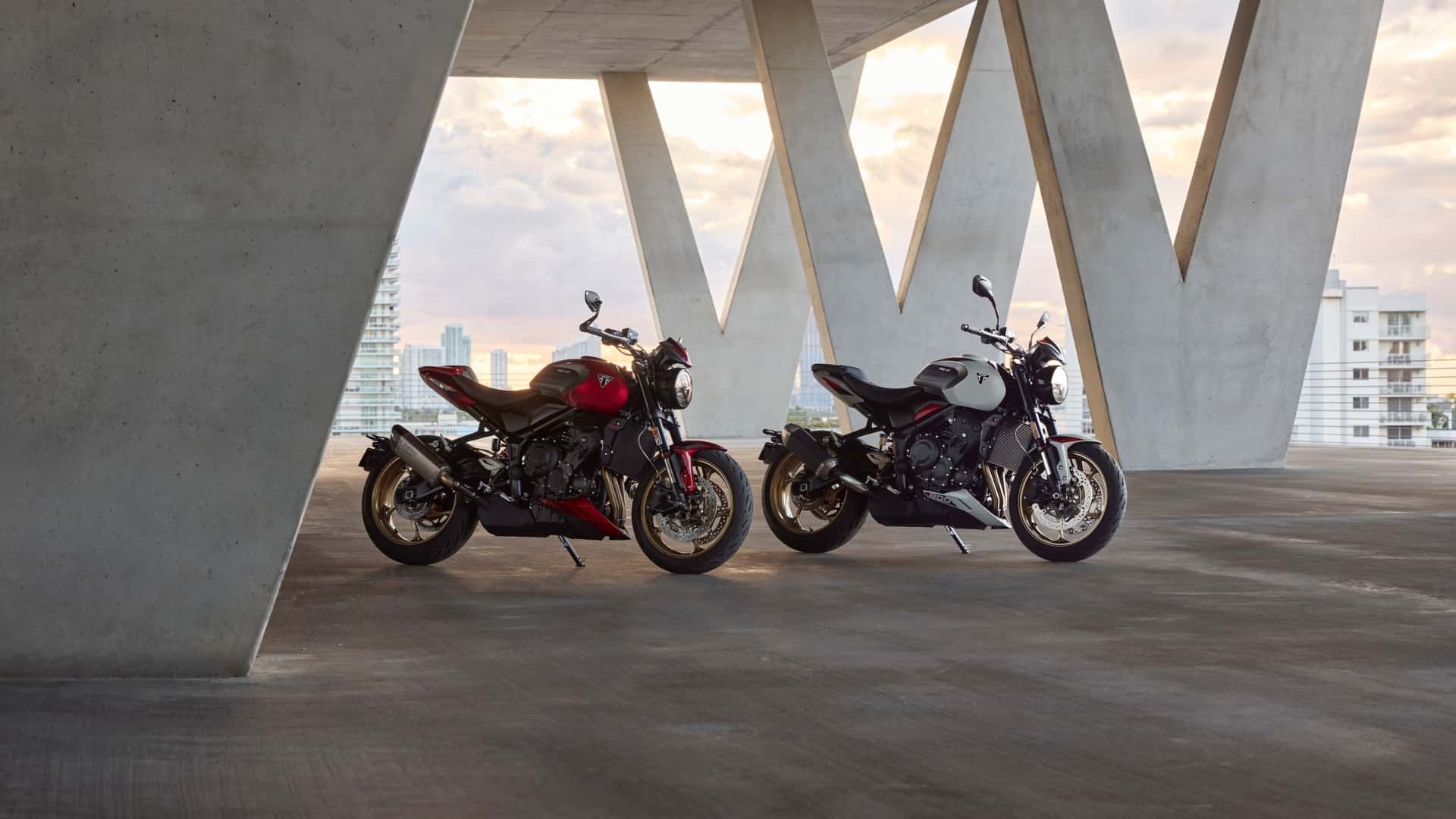
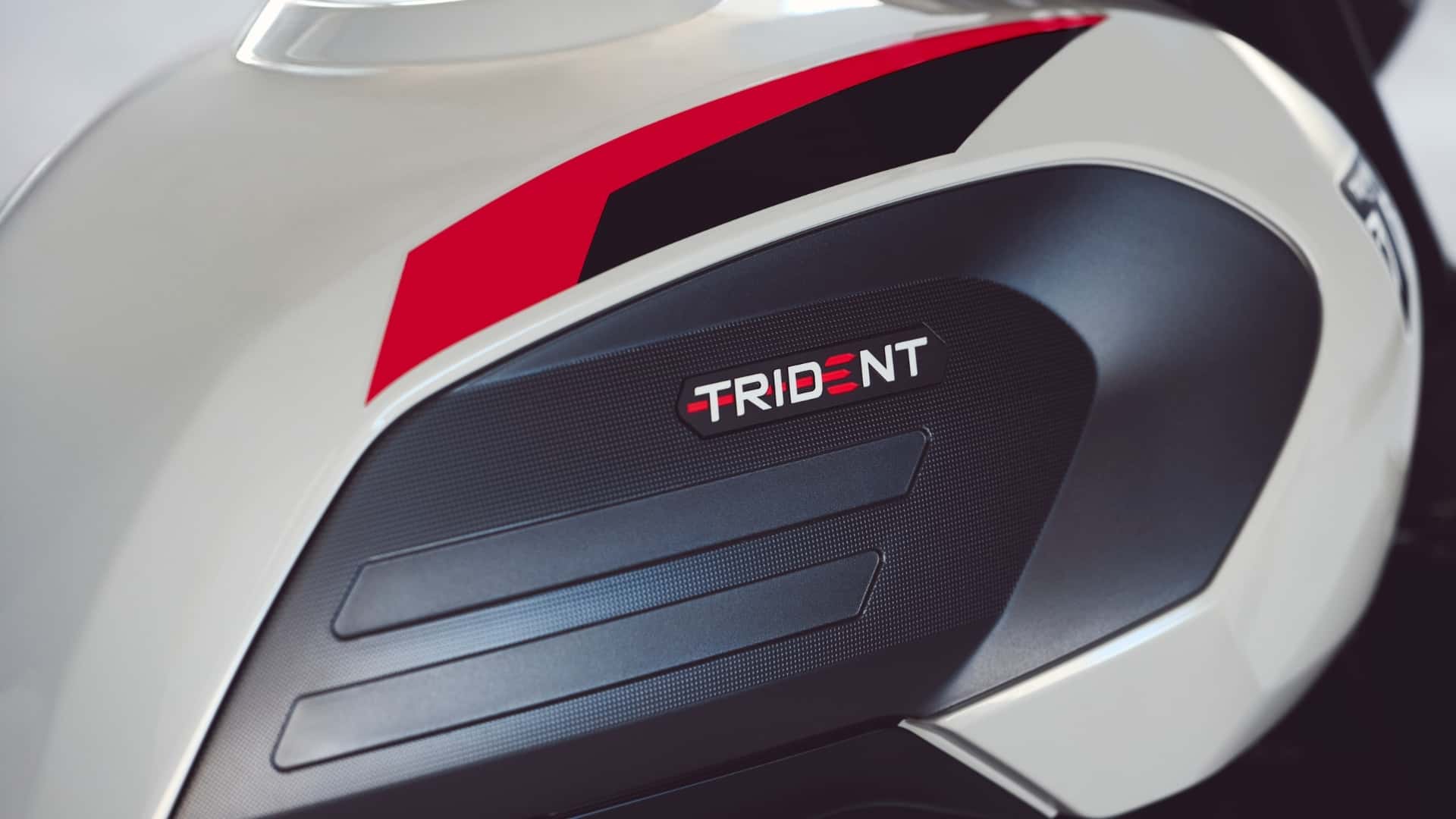
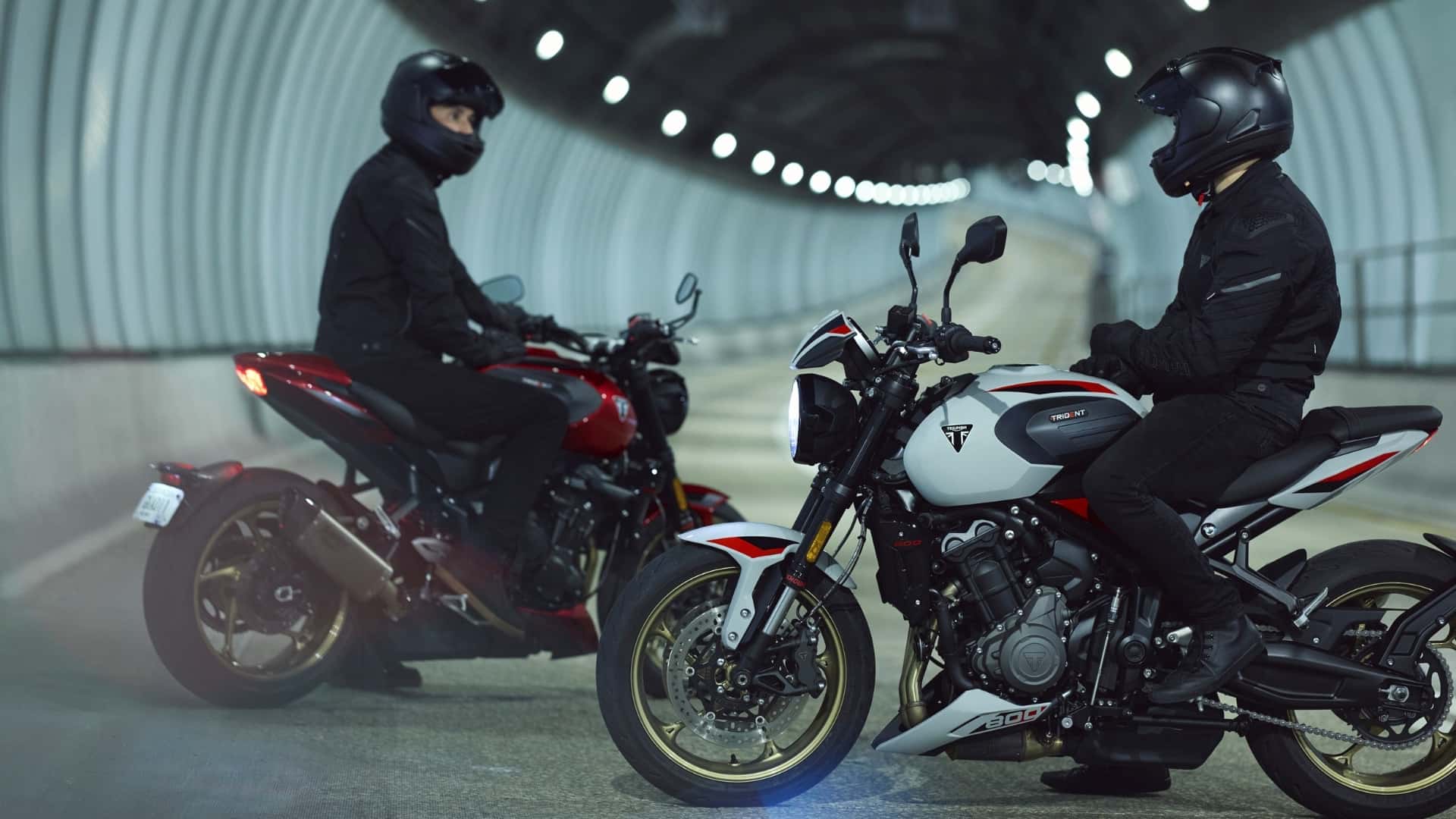
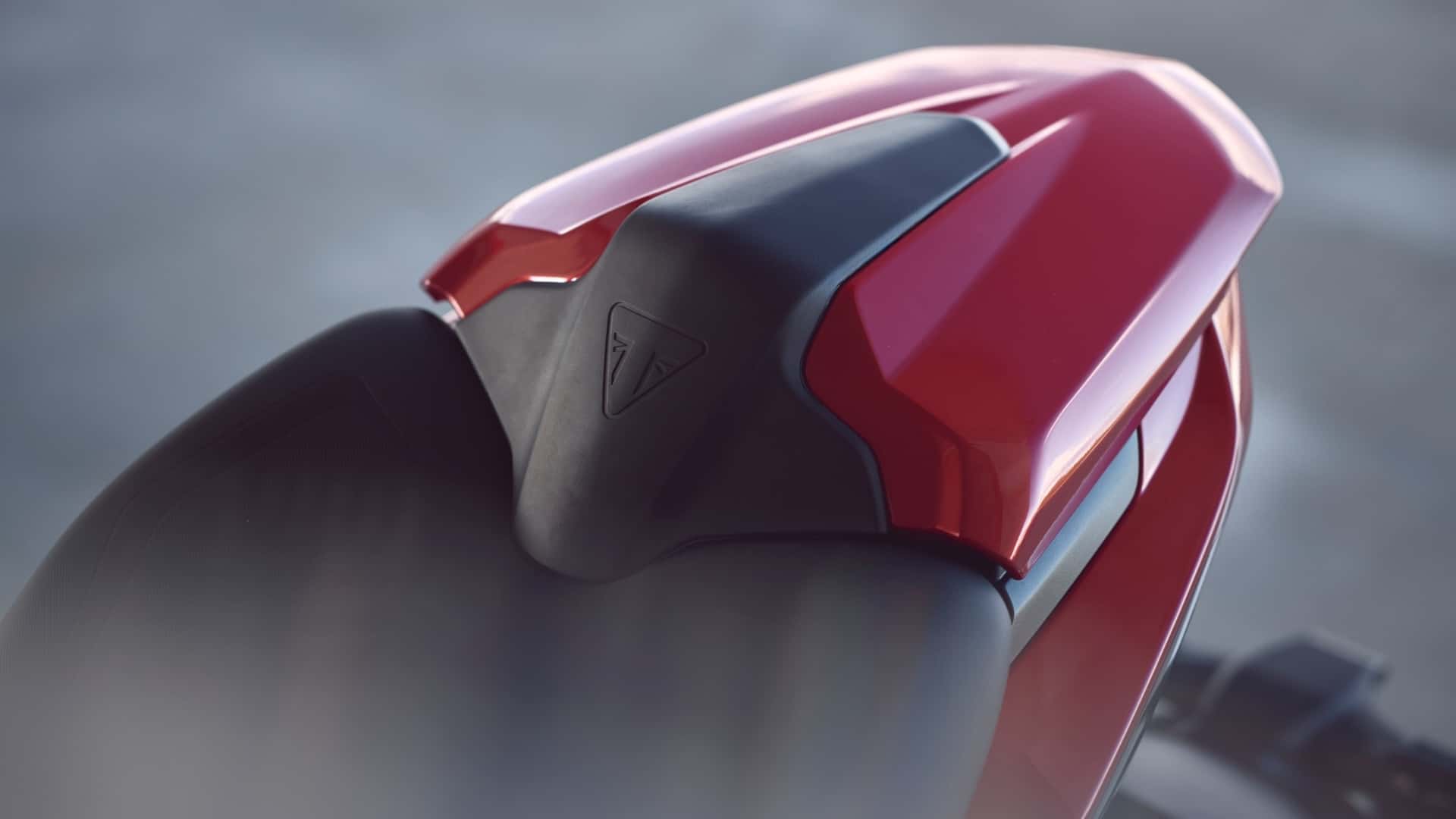
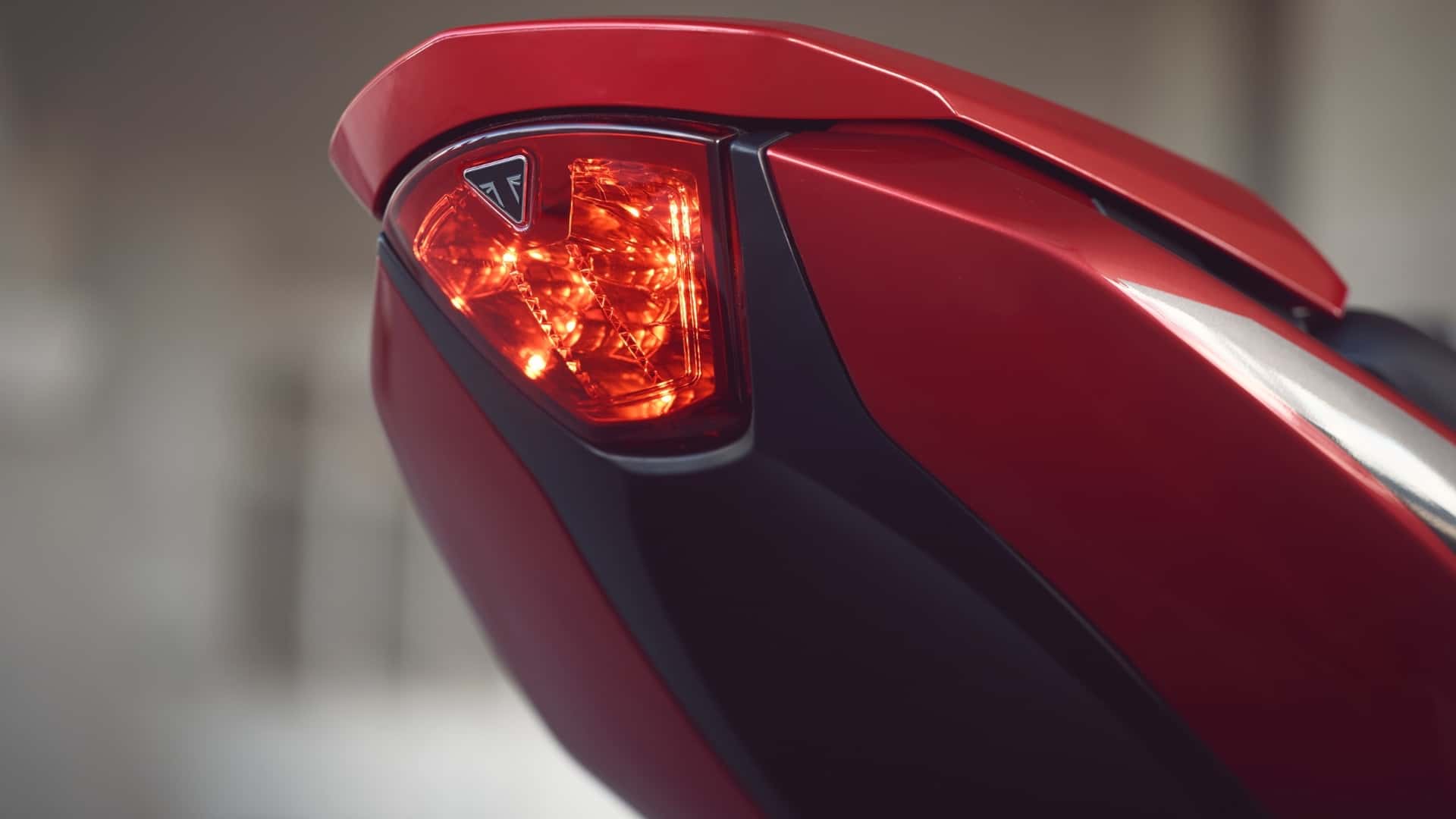
The Triumph Trident 660 was an instant hit as soon as it came out, and now Triumph wants to up the game with the 2026 Triumph Trident 800.
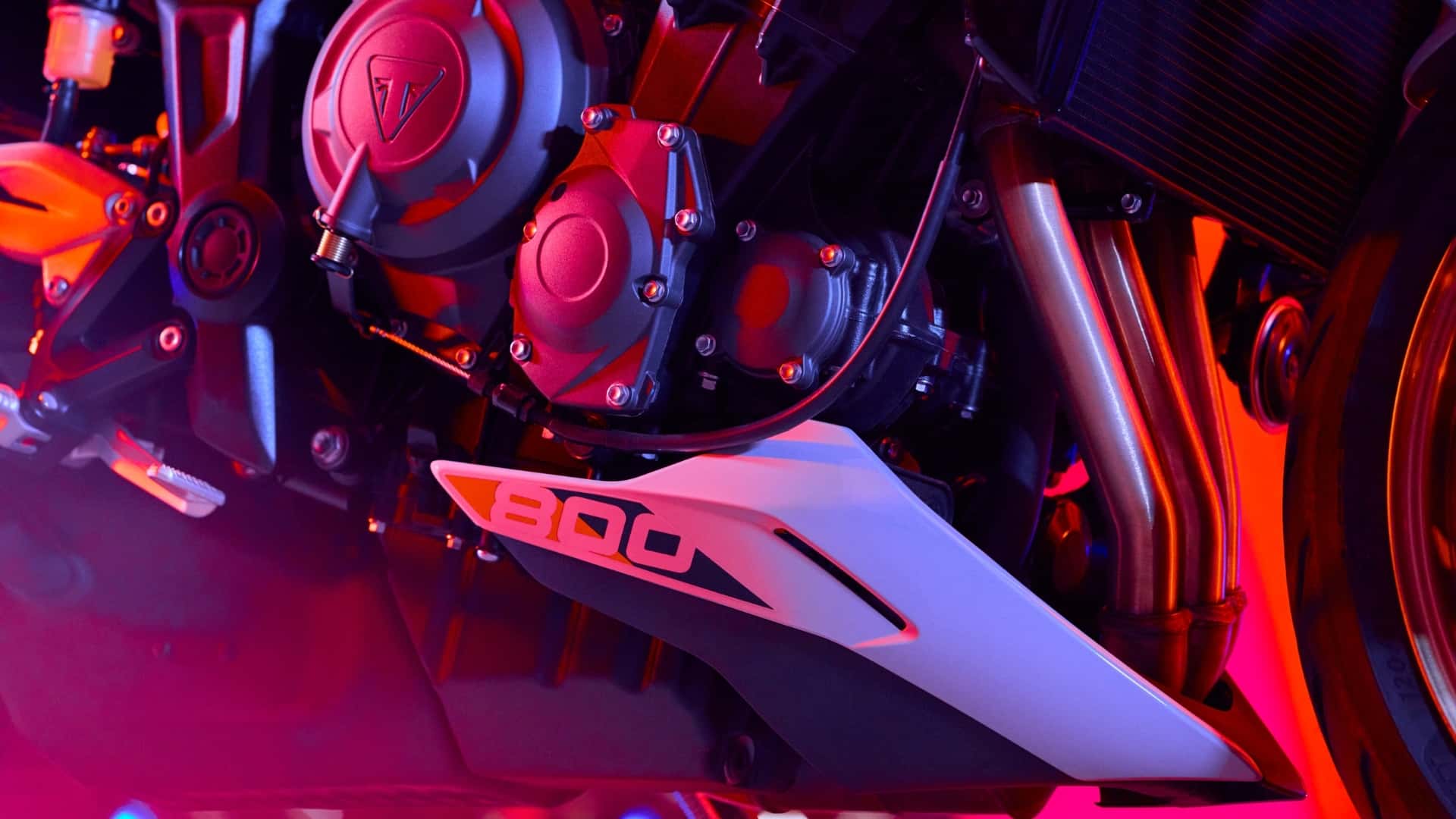
The 800-series of triples already exist for some time, powering the Tiger 800 then the Tiger Sport 800. However, the triple on the Trident 800 is all-new, rather than a direct carry over from the other models.
Triumph places it between the entry-level Trident 660 and the bonkers Street Triple 765RS. As such, the 800 boasts many additional features that are not available on the smaller 660, but not as comprehensive as the 765 RS’s.
Highlights
798cc, three-cylinder, DOHC engine which produces 113 hp at 10,750 RPM and 82.7 Nm at 8,500 RPM.
Triumph went ahead and gave the engine a twist-forged crank, high compression pistons, and three throttle bodies.
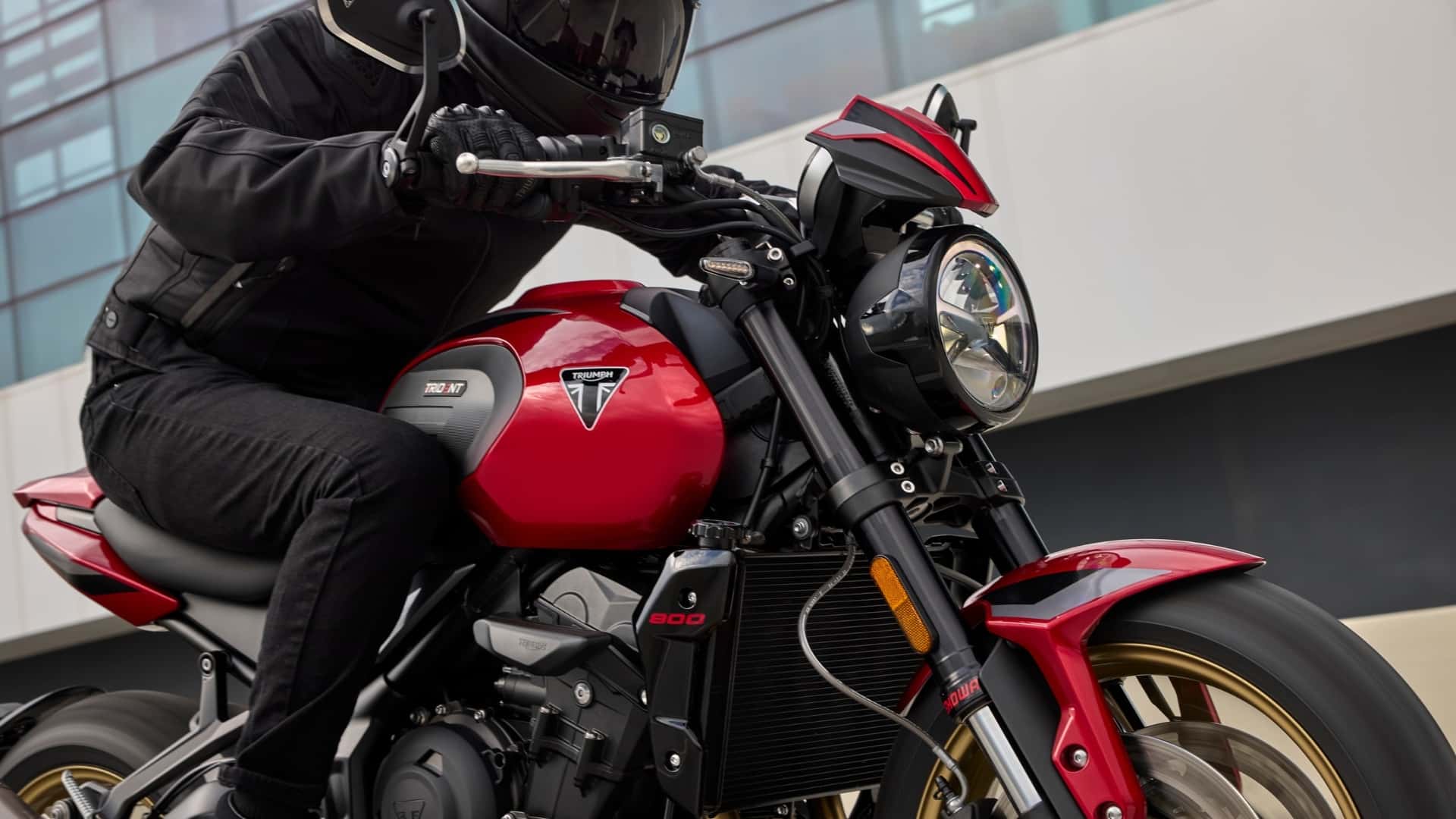
Suspension duties is handled by fully-adjustable 411mm upside-down Showa forks, while the rear monoshock features preload and rebound adjustments.
There are twin 310mm brake discs up front, along with a pair of radially-mounted four-piston calipers up front.
Seat height is only 810 mm high, which is a boon for any rider.
Lean-sensitive cornering ABS and traction control.
Three riding modes: Road, Sport, Rain.
Triumph Shift Assist quickshifter.
Cruise control is standard.
Bluetooth connectivity with the 3.5-inch TFT meter is also standard.
And of course, lighting is LED.
In terms of styling, the Trident 800 looks nearly identical to the Trident 660’s silhouette, but has more premium detailing.
The 2026 Triumph Trident 800 will be available in three colours called: Ash Grey, Carnival Red, and Jet Black. Gold-finished wheels are standard.
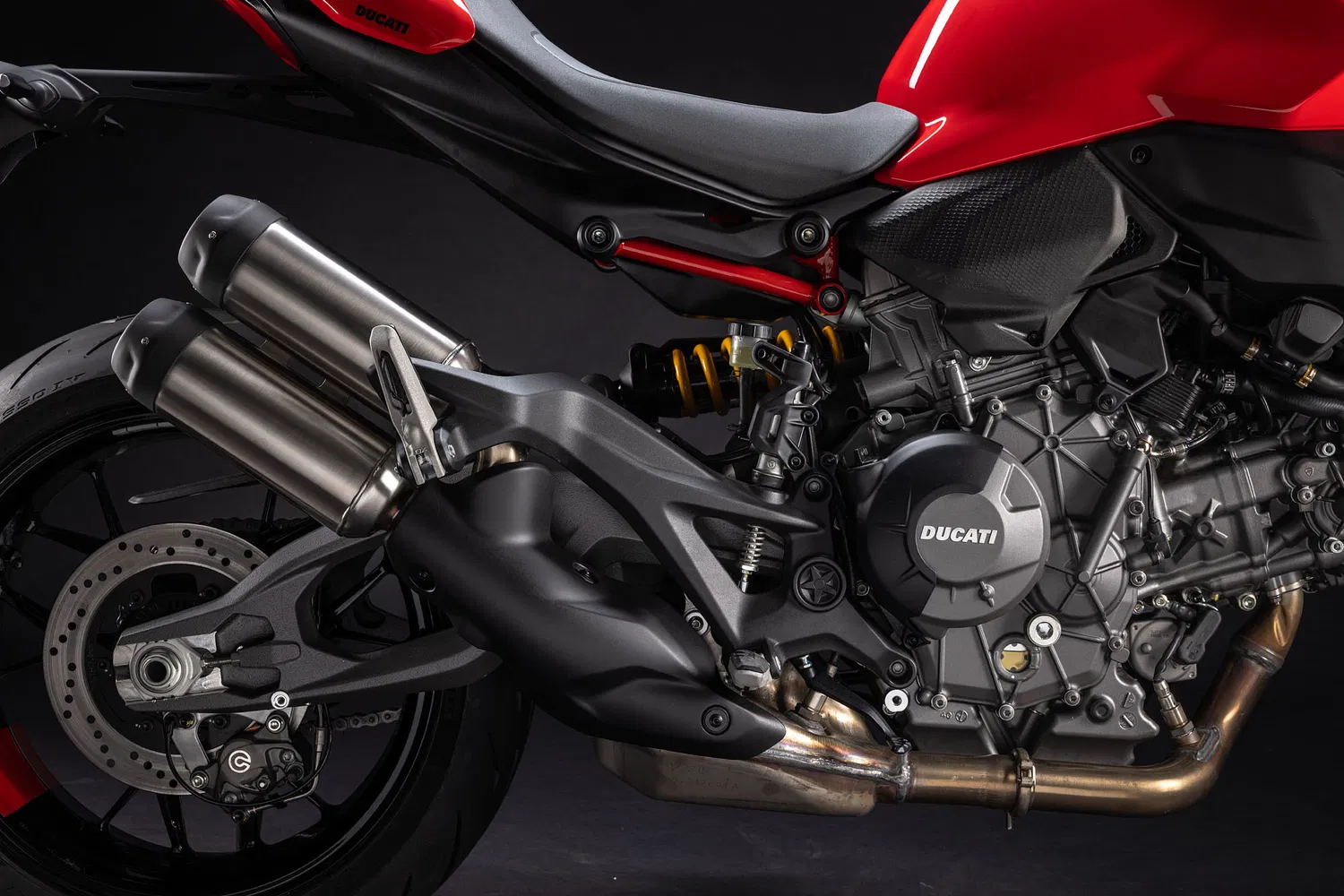
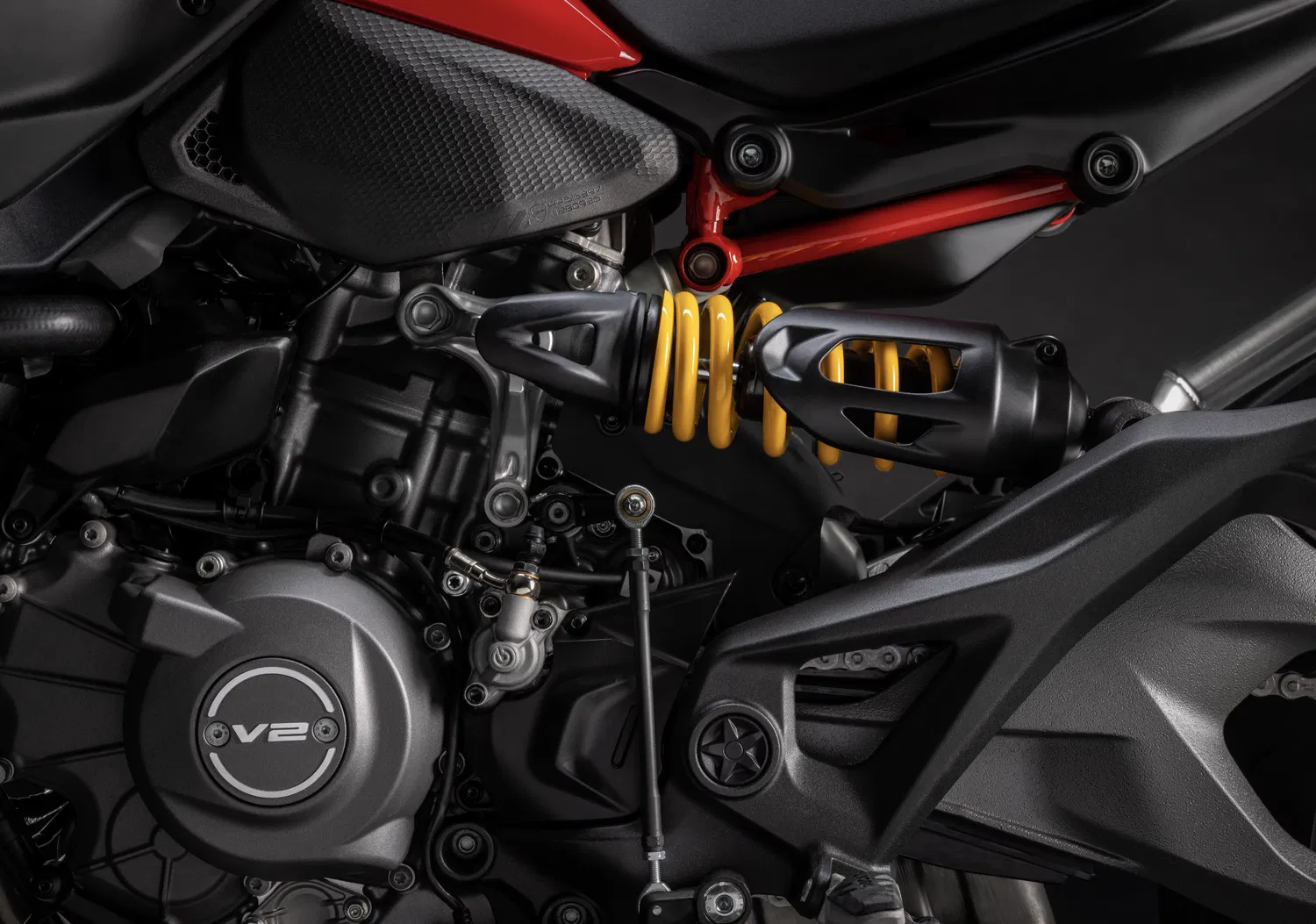
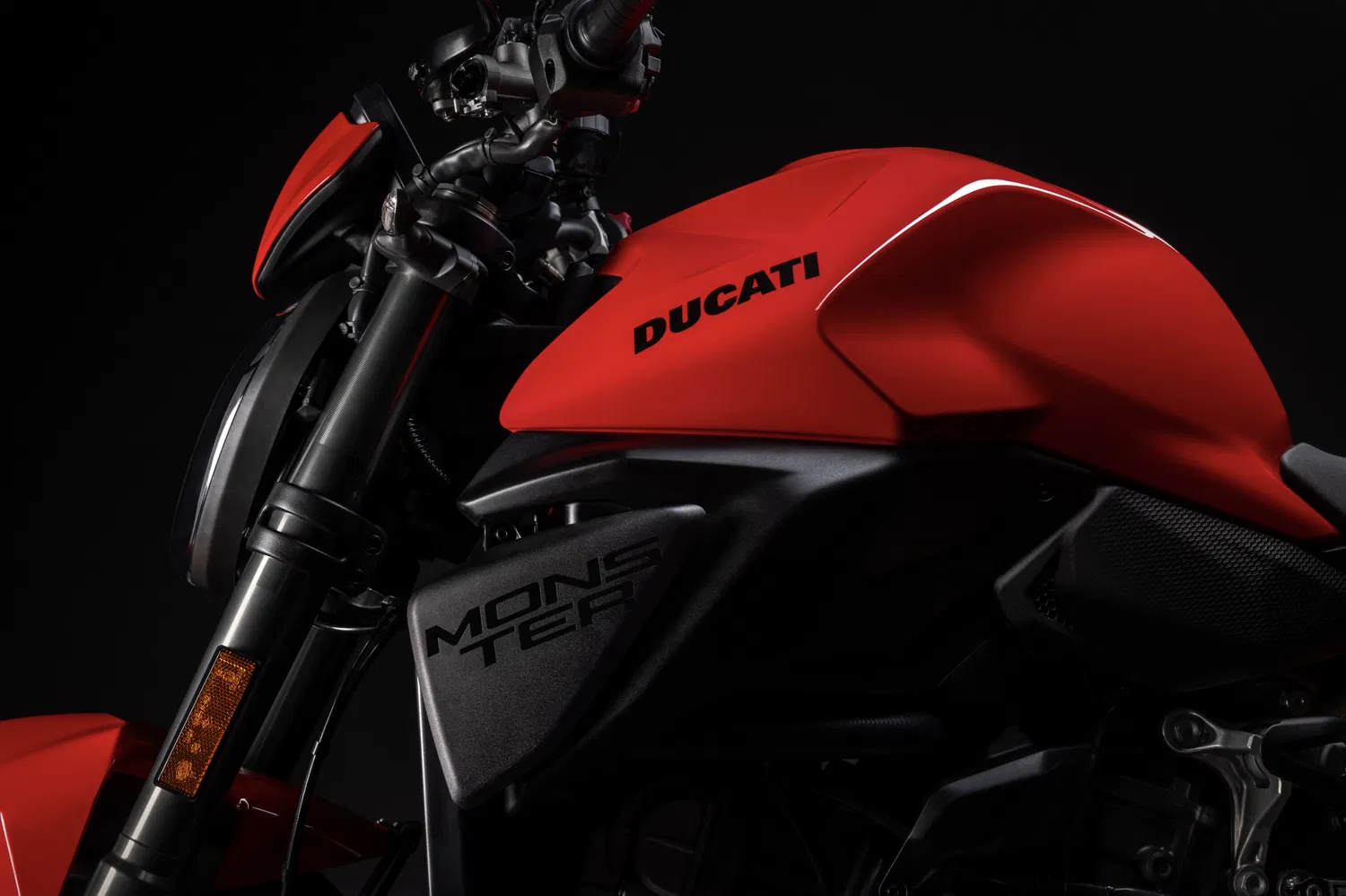
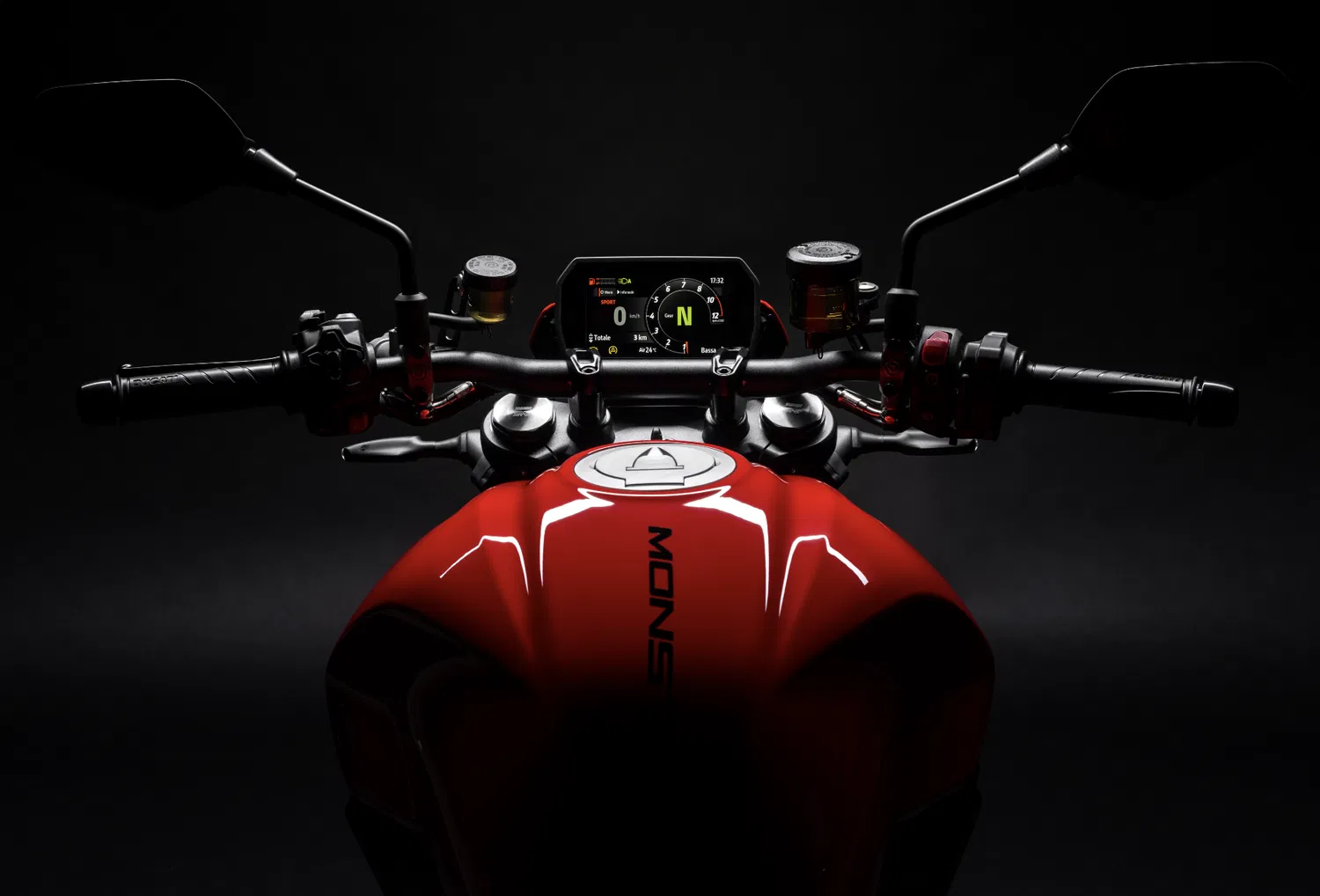
The 2026 Ducati Monster has been unveiled, marking the 5th generation of the venerable naked roadster. And it was something expected to happened, to utilise the 890cc V2 engine.
Highlights:
890cc, V2 engine with Intake Variable Timing (IVT) valvetrain – this engine is nearly 6 kg lighter than the previous Testastretta Evoluzione V2.
The engine produces 109.5 hp at 9,000 RPM, and 90.8 Nm at 7,250 RPM, but that’s just part of the story as 80% of that maximum torque is already available from 4,000 RPM.
That broad spread of torque provides better tractability when riding on the streets and twisty canyon roads.
As with newer Ducatis, this new engine features extended valve clearance checks at every 45,000 km.
Following the previous generation Monster, the 2026 model uses an aluminium monocoque frame to which the cylinder heads bolt directly to.
A technopolymer trellis-style subframe then connects to that “frame.”
The 2026 Ducati Monster uses a double-sided swingarm which looks similar to the new Panigale V4’s.
These changes shed 4 kg (now 175 kg dry) over the outgoing model.
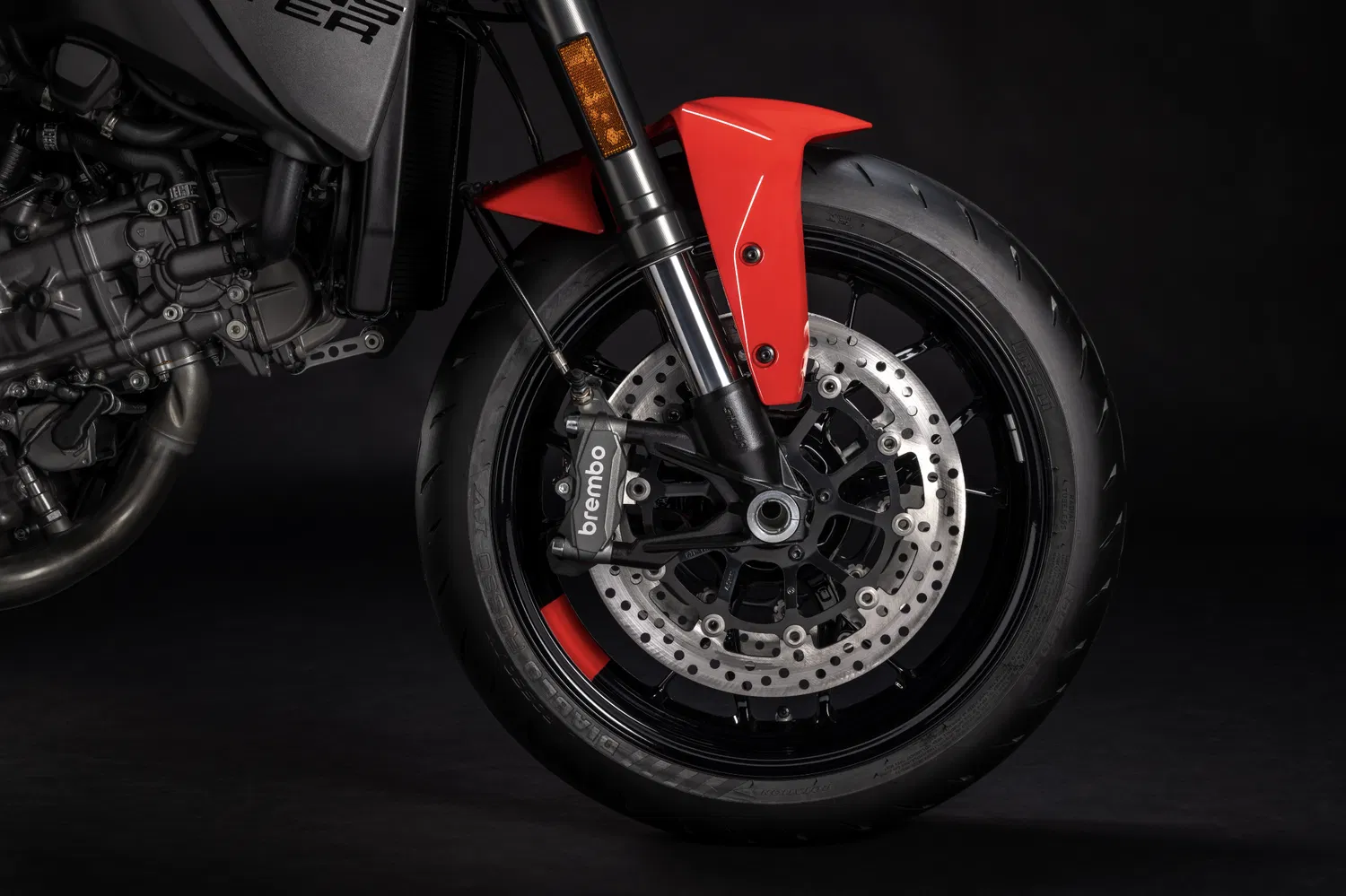
Showa 43 mm upside down forks handle suspension duties up front, a pre-load adjustable monoshock is at the back.
Brakes are Brembo M4.32 radial calipers gripping 320mm discs up front.
Electronics are the usual fare for Ducati: Six-axis IMU controlling cornering ABS, traction and wheelie control, engine braking, and the latest version of Ducati Quick Shift.
Four modes: Sport, Road, Urban, and Wet, through a new petal-style joystick on the left switchgear and a 5-inch TFT dash with day/night display modes.
The system is ready for Ducati’s Multimedia System and turn-by-turn navigation, and cruise control.
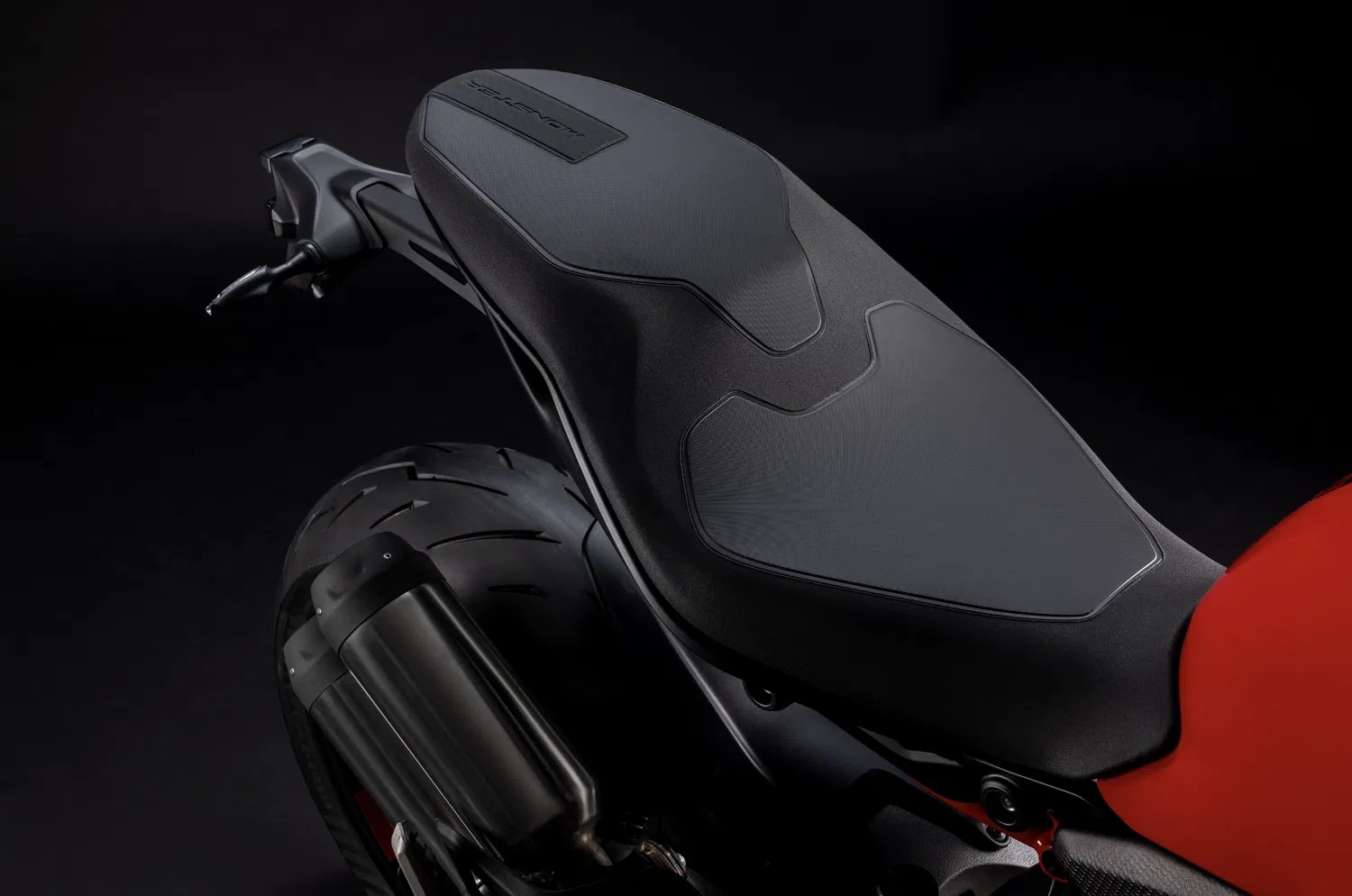
A new, narrower seat with a height of 815mm completes the ergonomic package.
There are two versions: The standard Monster, and a Monster Plus (will there be a Pro Plus, too? Just asking), besides two colour options namely Ducati Red, or Iceberg White.
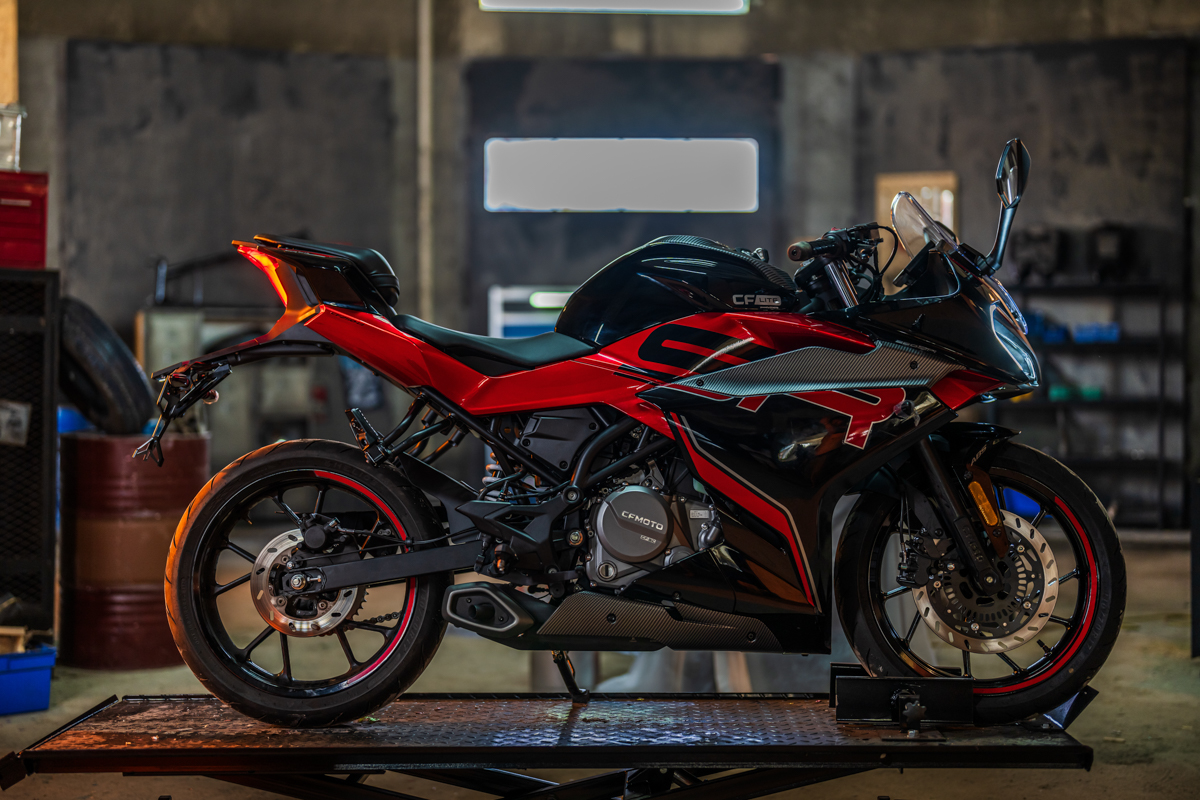
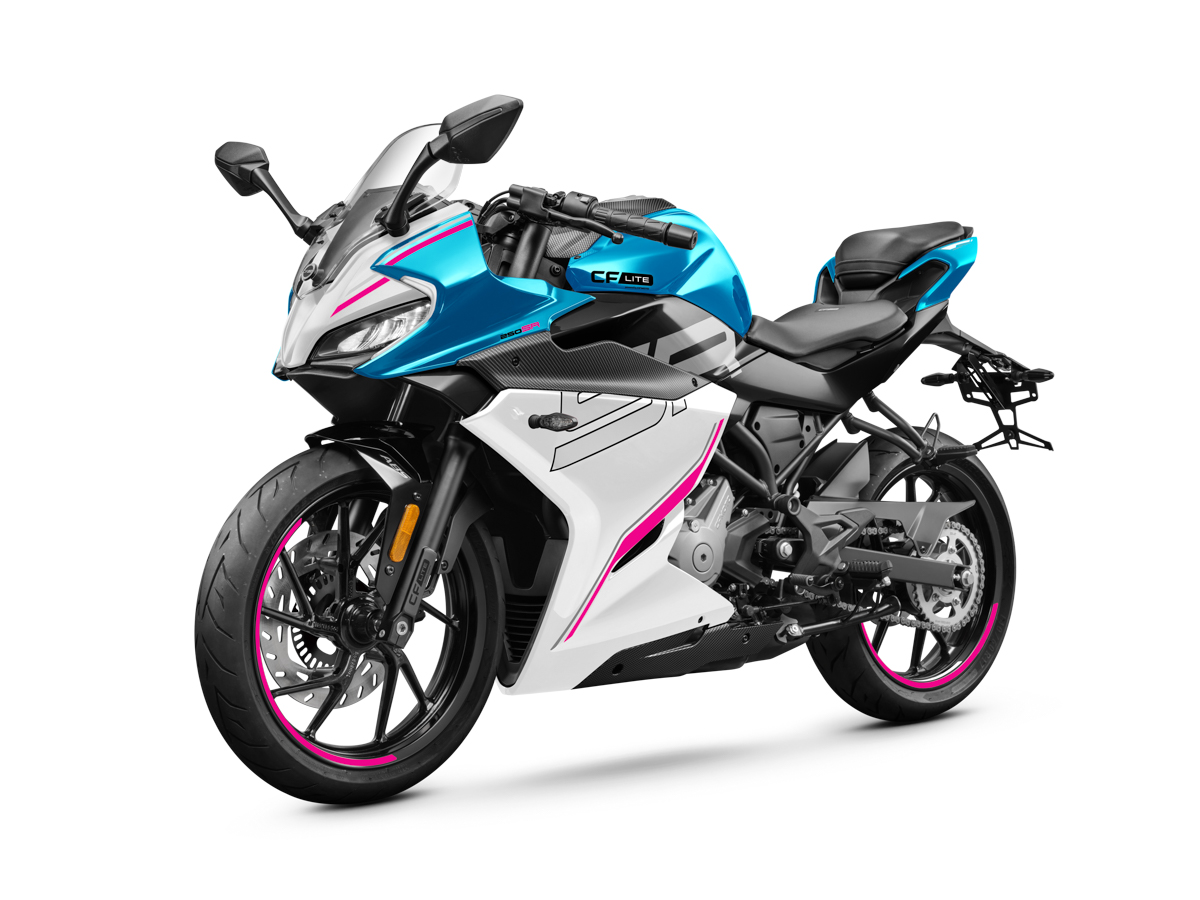
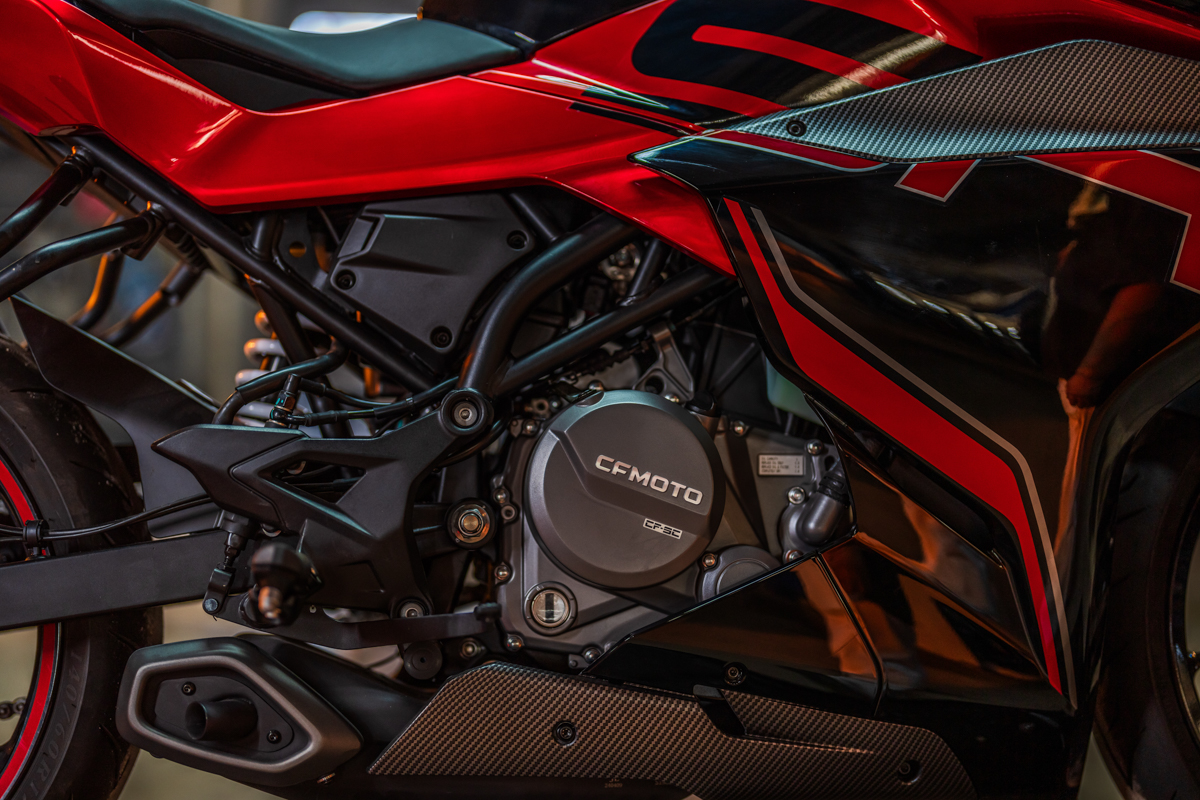
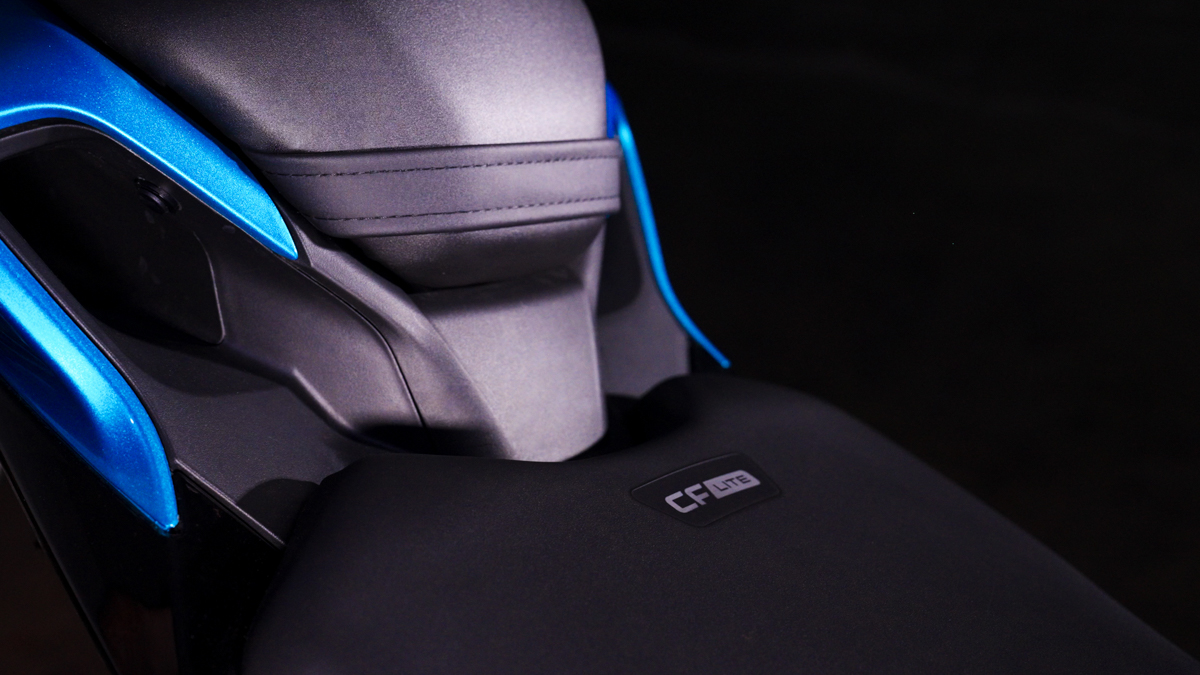
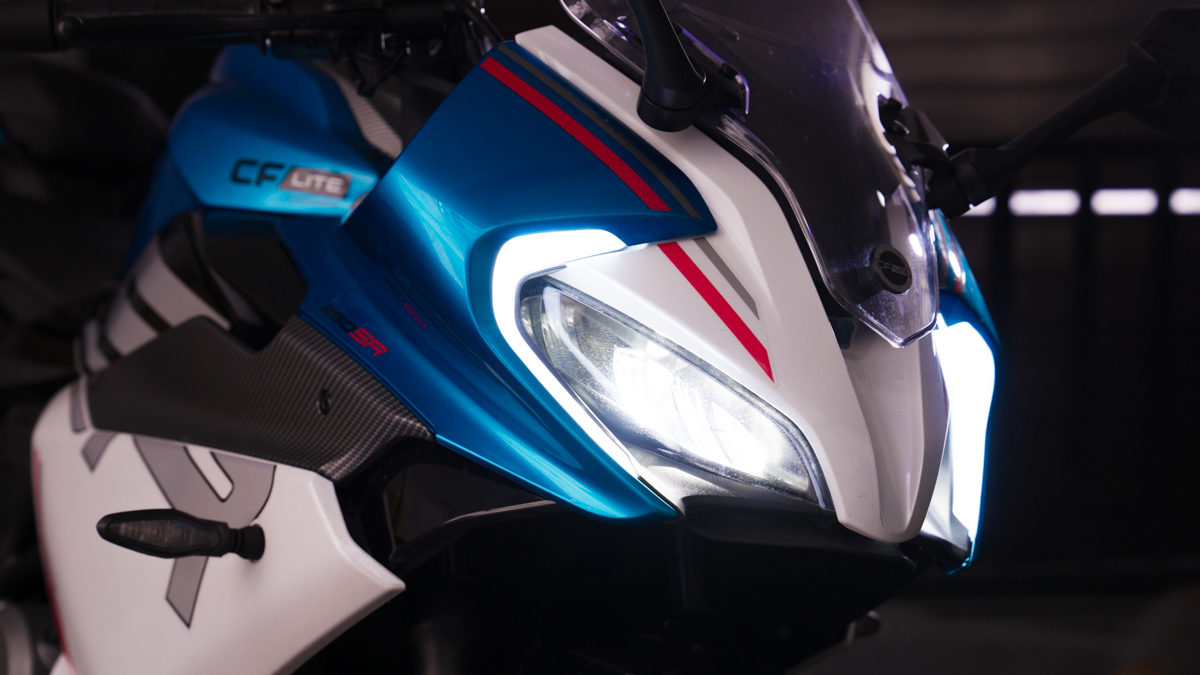
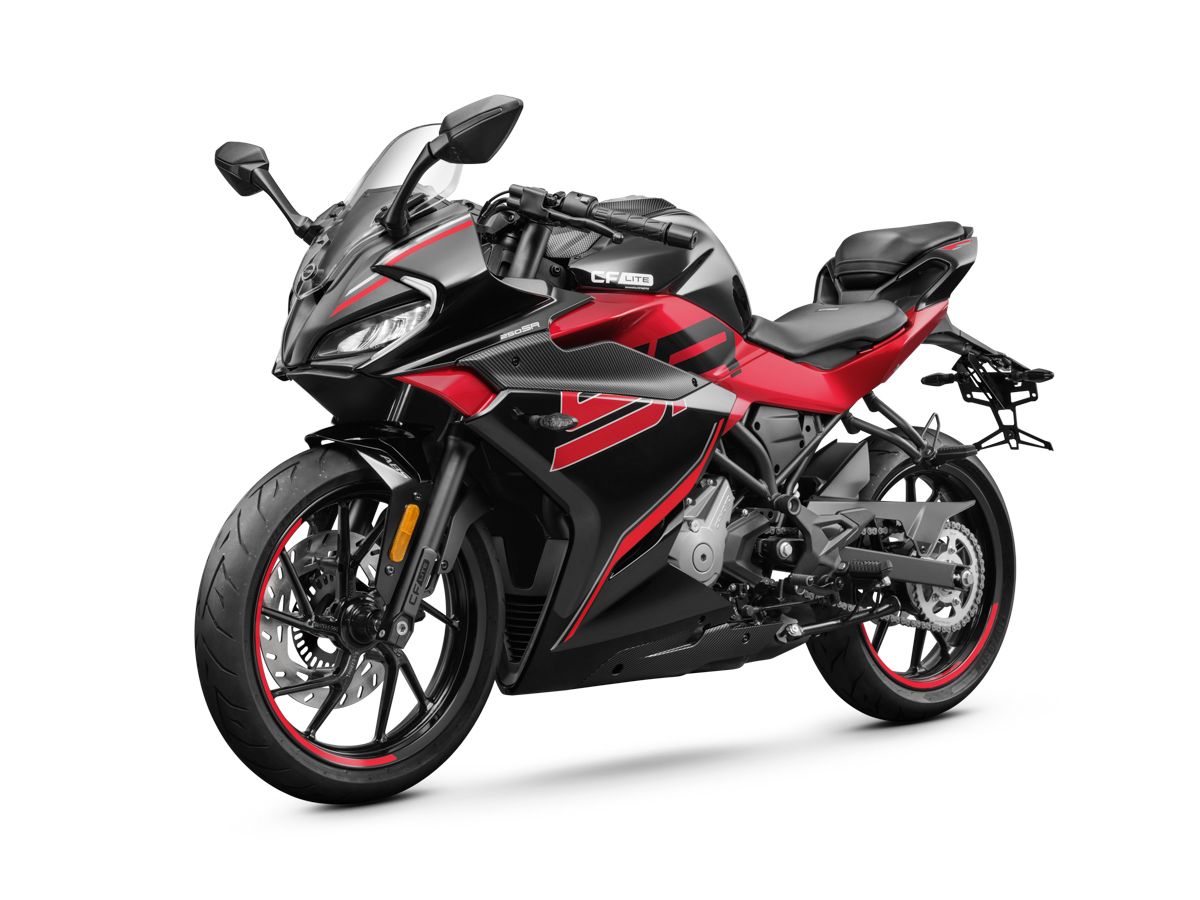
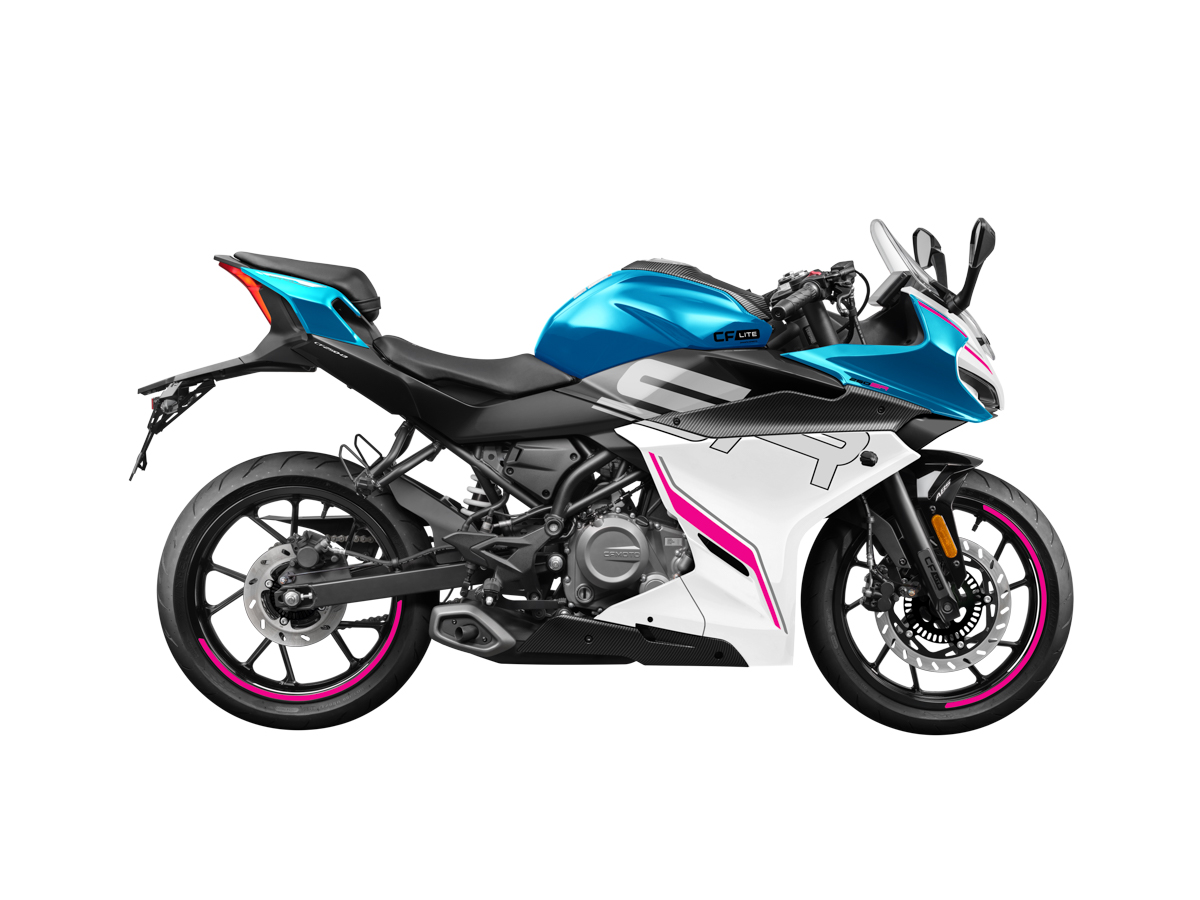
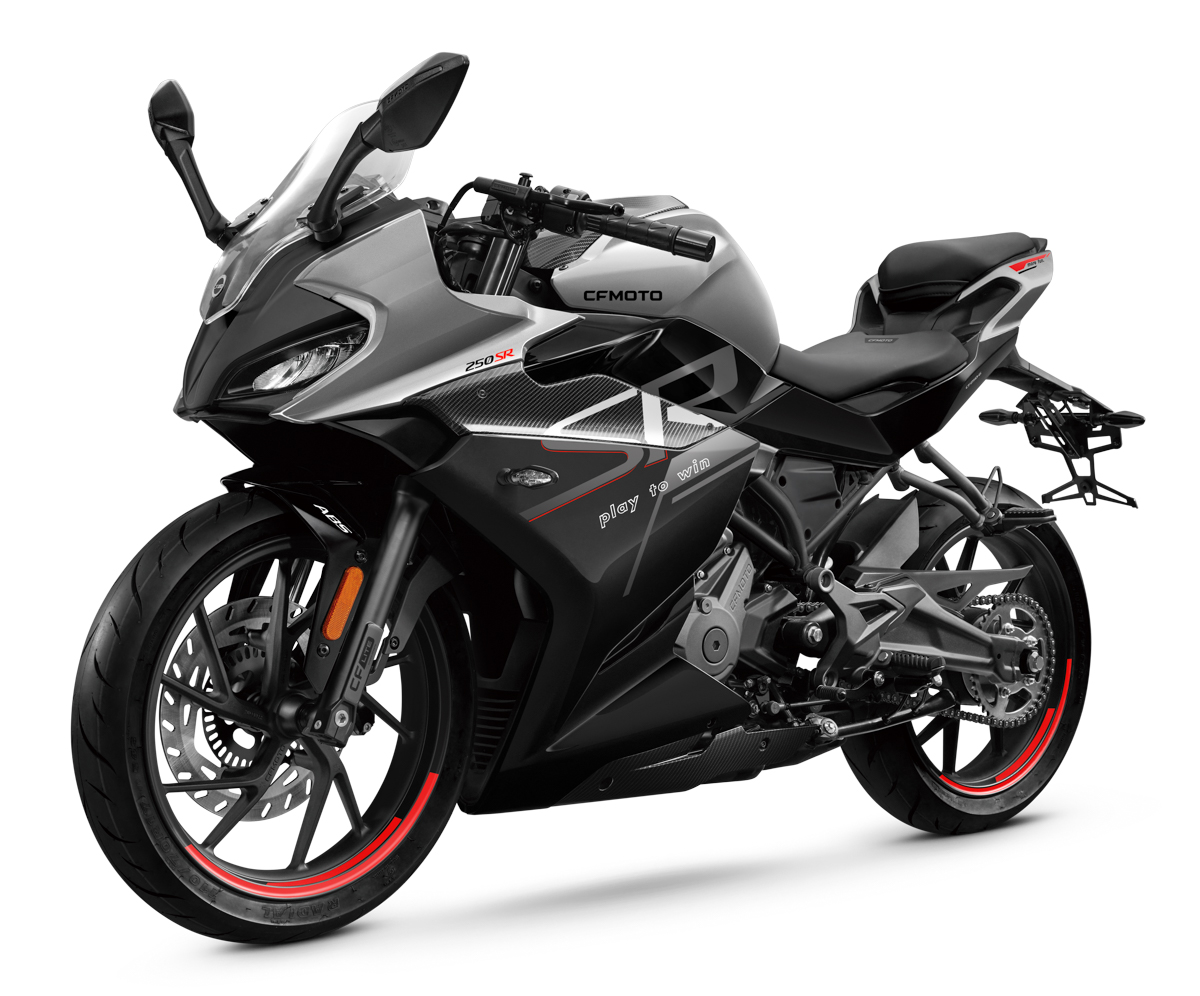
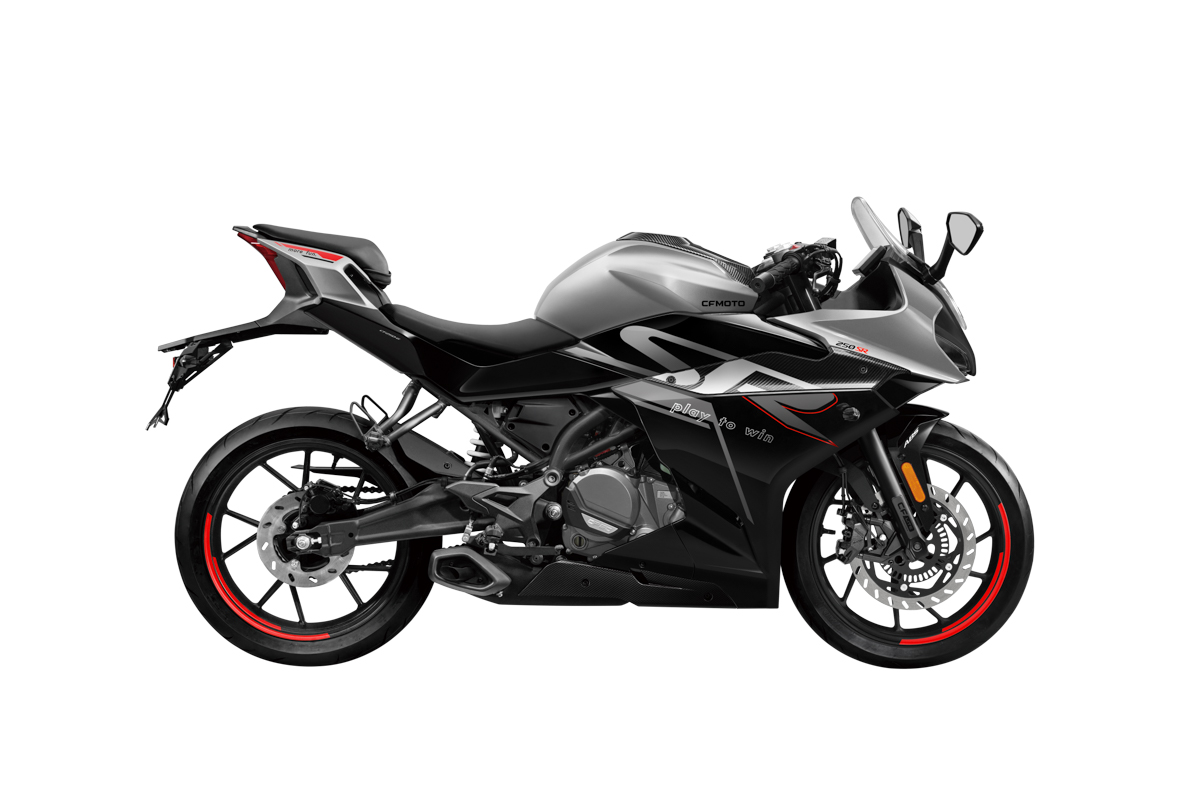
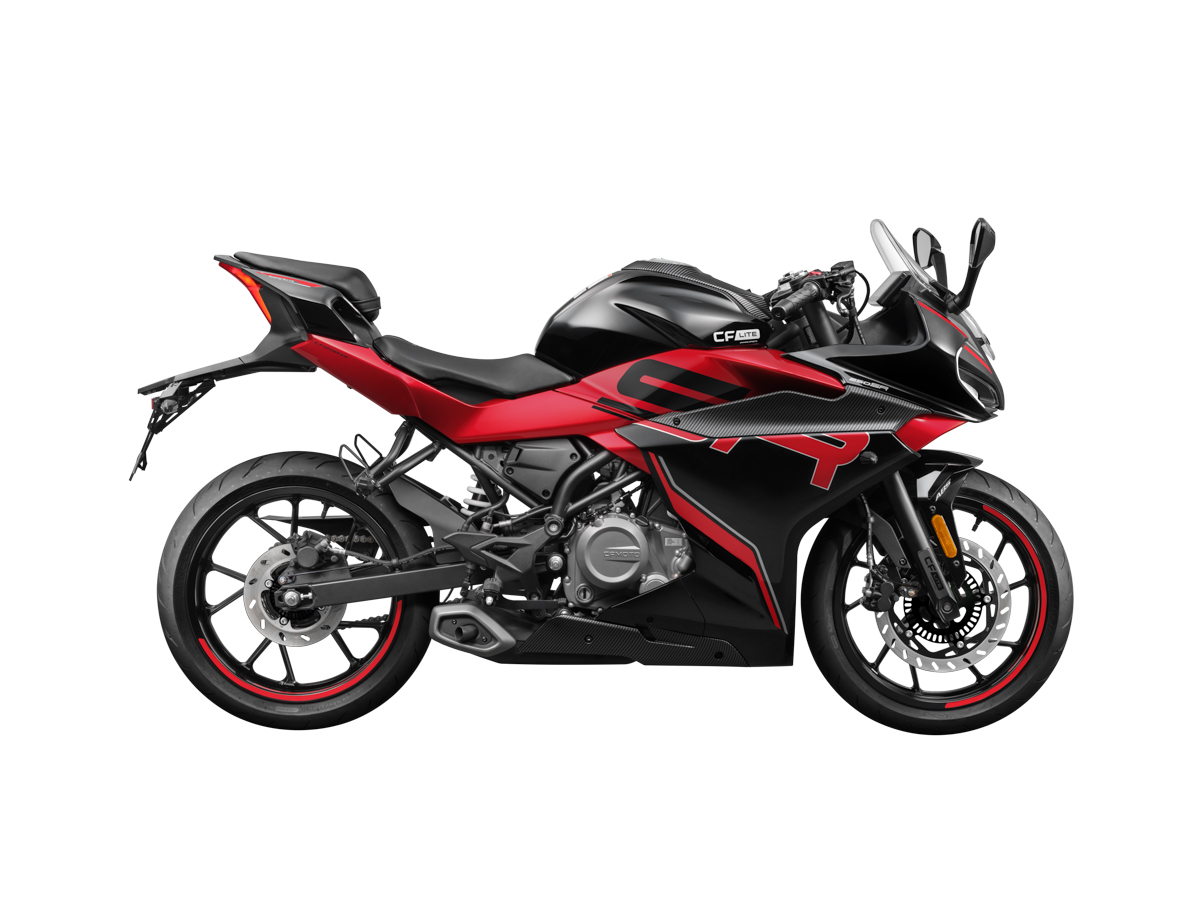
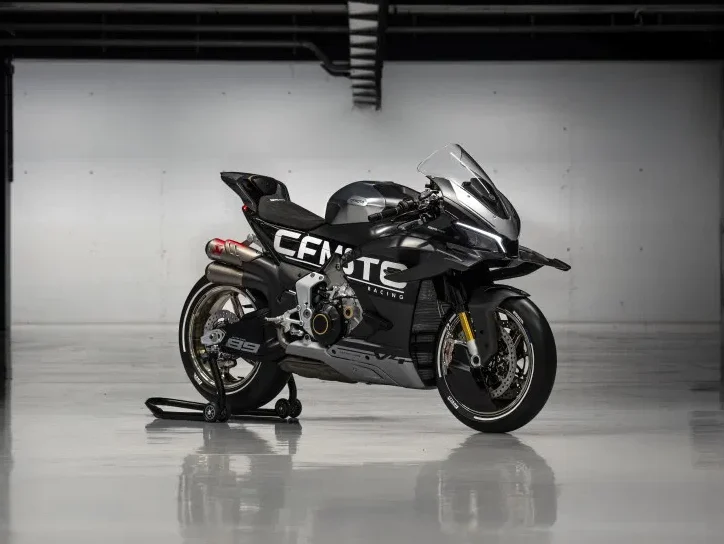
It looks like CFMOTO has gone up again by launching the CFMOTO 250SR Lite at the PETRONAS Malaysia MotoGP 2025.
It is clear that this lightweight (hence the name “Lite”) sportbike shares the same design DNA as its bigger SR brethren, although some of its architecture resembles that of the KTM 250 Duke. KTM is CFMOTO’s technical partner, and CFMOTO uses the KTM RC 250 GP to race in Moto3, but in CFMOTO colours and logo. As such there are bound to be comparisons between the two.
On the price front, the 250SR Lite is miles ahead at just RM9,988, which is less than some 150cc sportbikes in the market, while offering the performance to beat them.
Highlights:
Power comes from a 249 cc single-cylinder, 4-stroke, liquid-cooled DOHC engine, which produces 27.1 hp (20.5 kW) at 9,750 RPM and 22 Nm of torque at 7,250 RPM.
The engine’s power is transferred through a multi-plate slipper clutch.
For running gear, the bike uses telescopic forks up front, and a monoshock at the back.
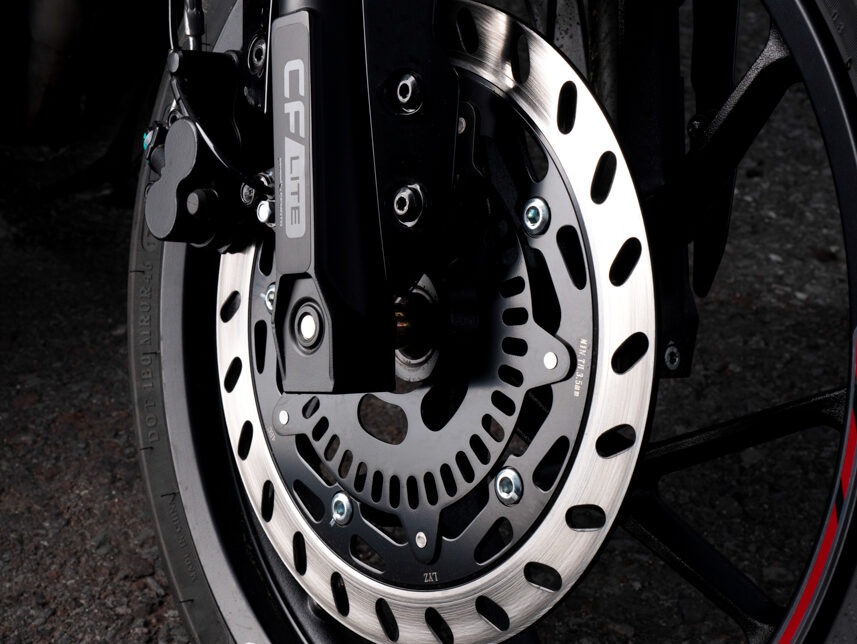
Braking is handled by a 292mm disc up front, gripped by a two-piston caliper, with a 220mm rear disc.
The seat is just 780mm high, which will ensure confidence in new riders.
Its fuel tank takes 12 litres of dinosaur juice.
The CFMOTO 250SR Lite weighs only 165 kg (curb weight).
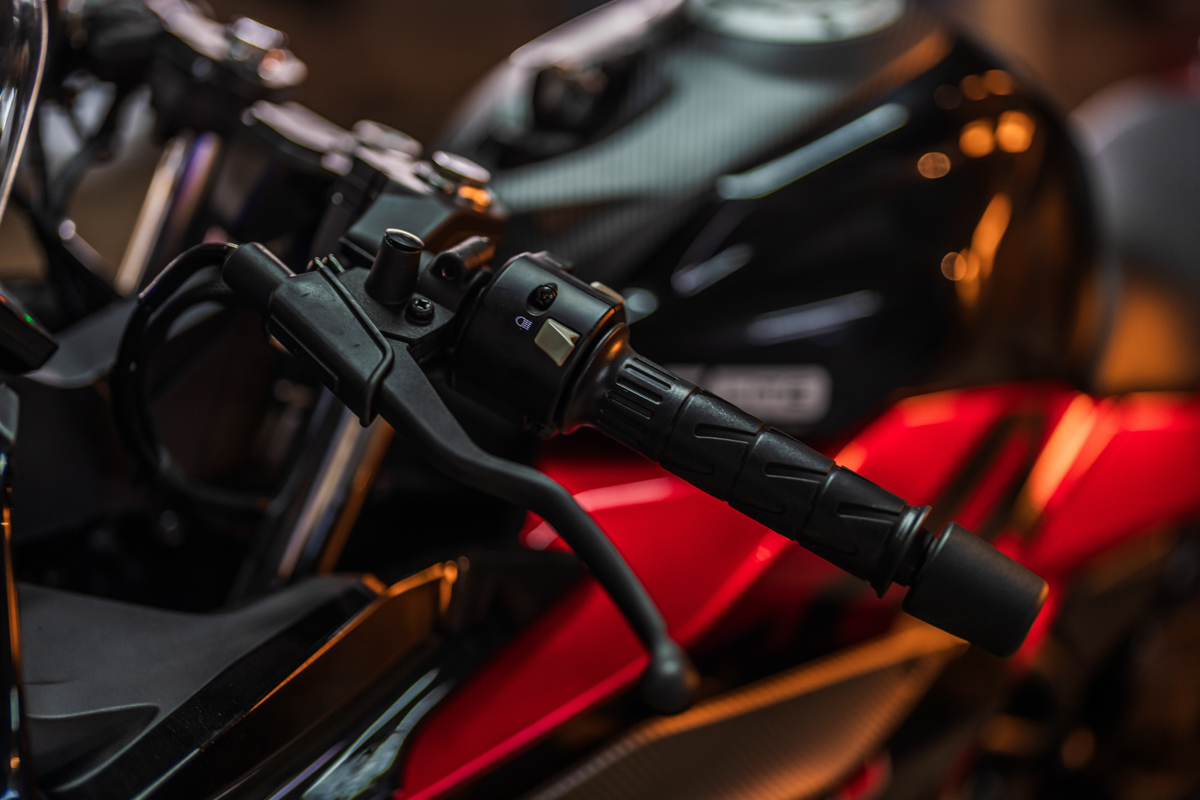
Other features include a bright fully digital meter display, dual USB charging ports (Type-A and Type-C) and complete LED lighting including headlight, taillight, and turn signals.
It is offered in three colours, namely Nebula Black, Gem Black, and Zephyr Blue.
Every purchase of CFMOTO 250SR Lite is covered by a two-year unlimited mileage warranty and access to genuine parts for online purchase through CFMOTO Malaysia.
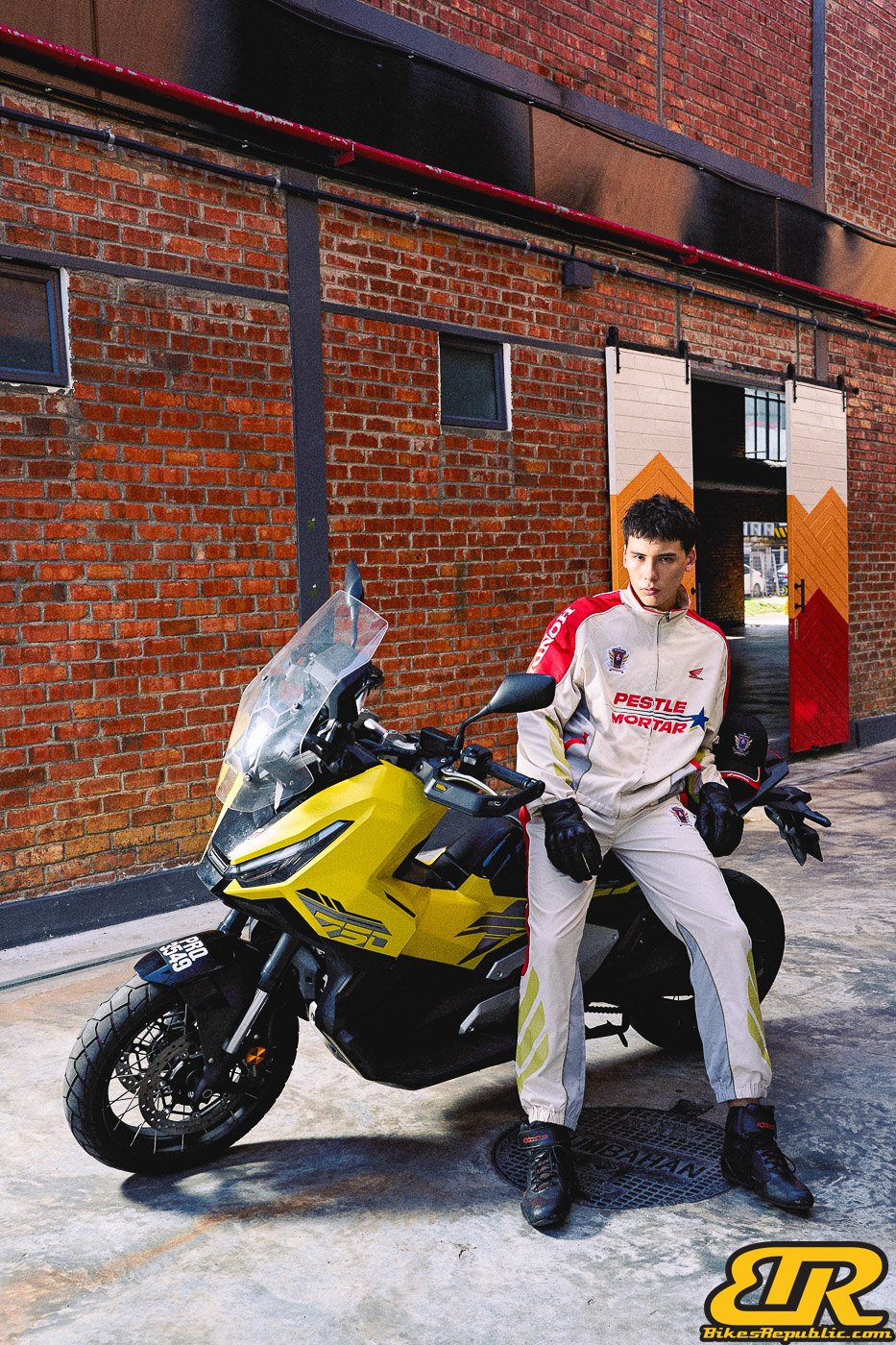
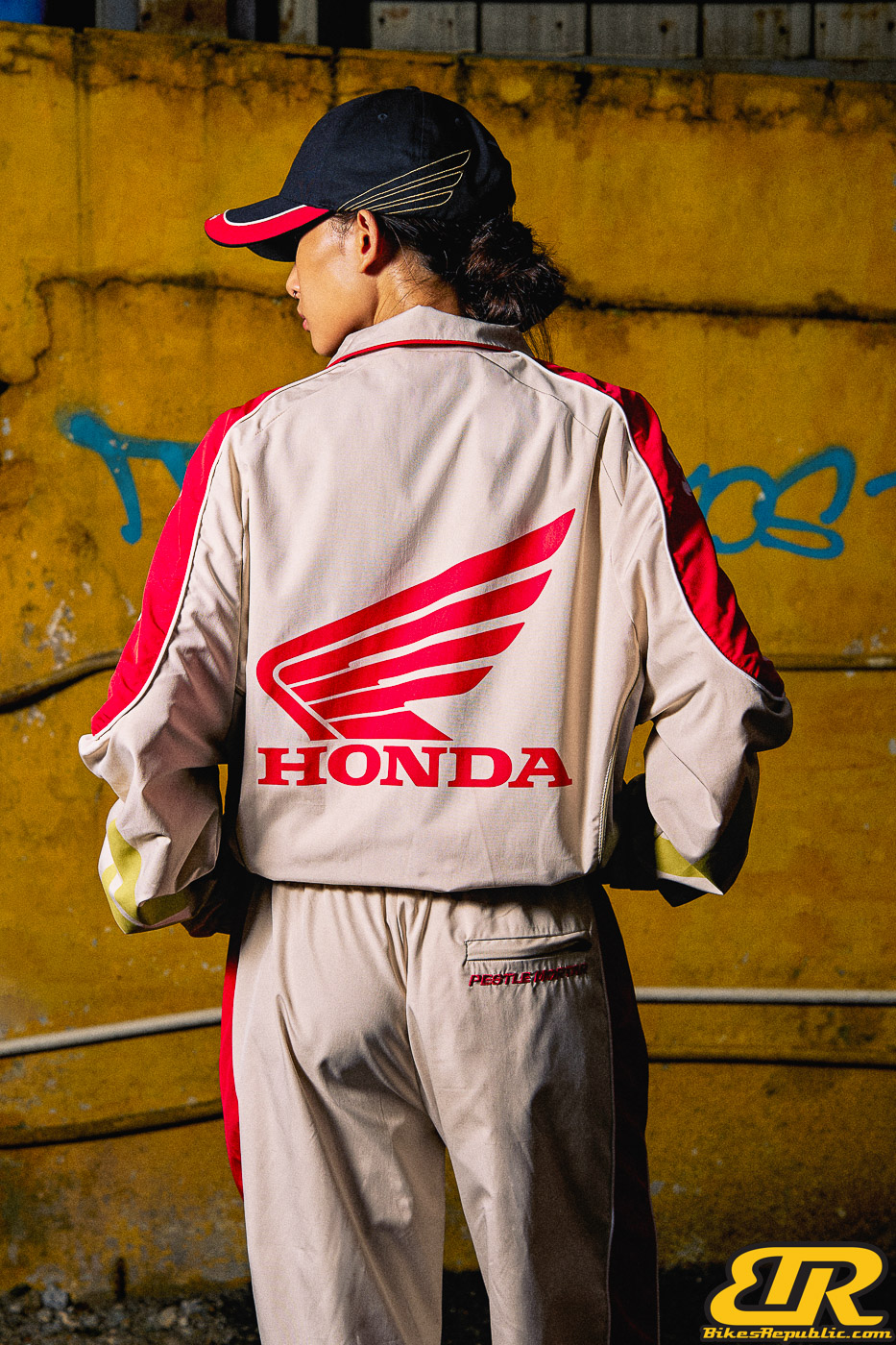
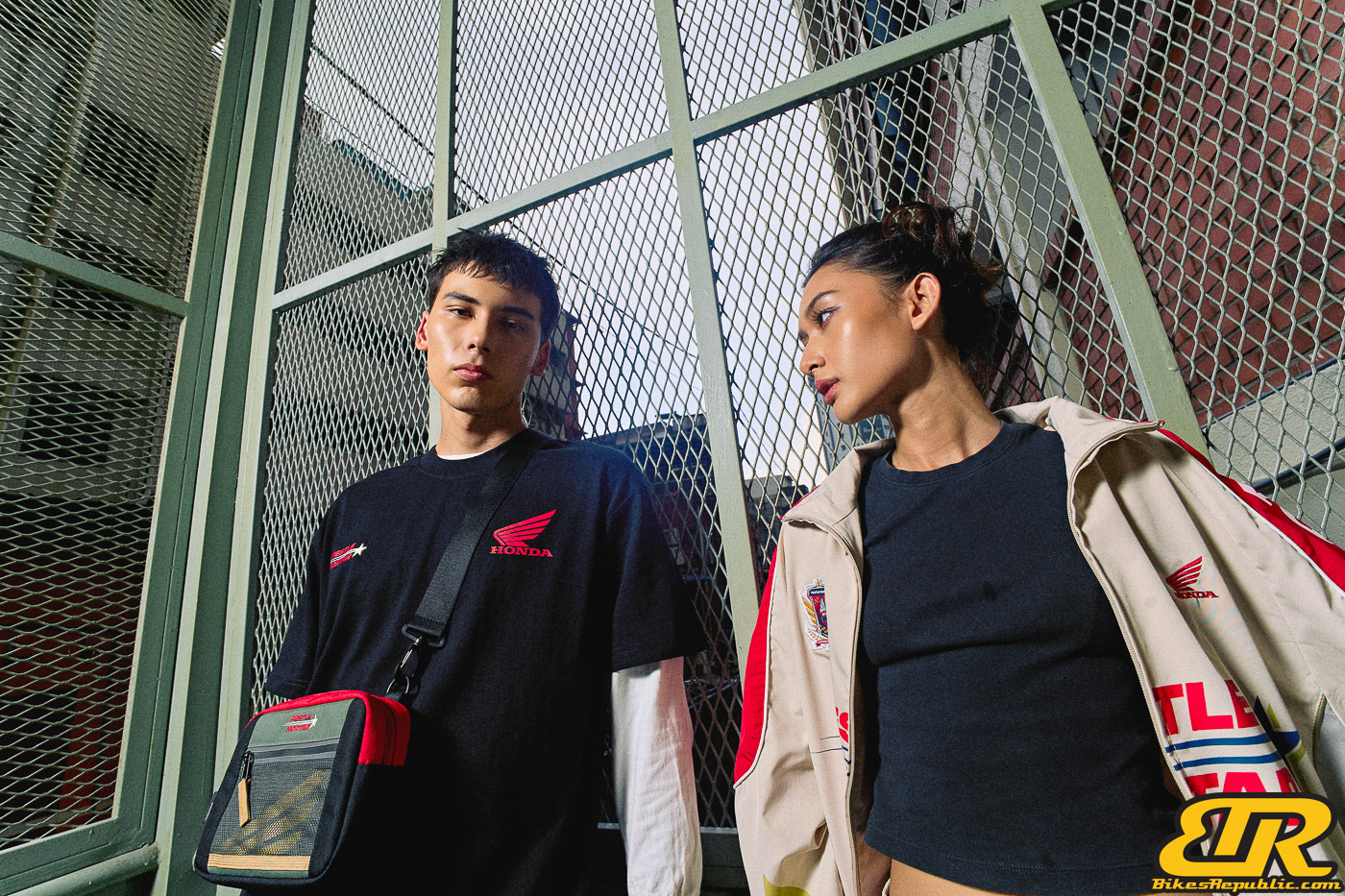
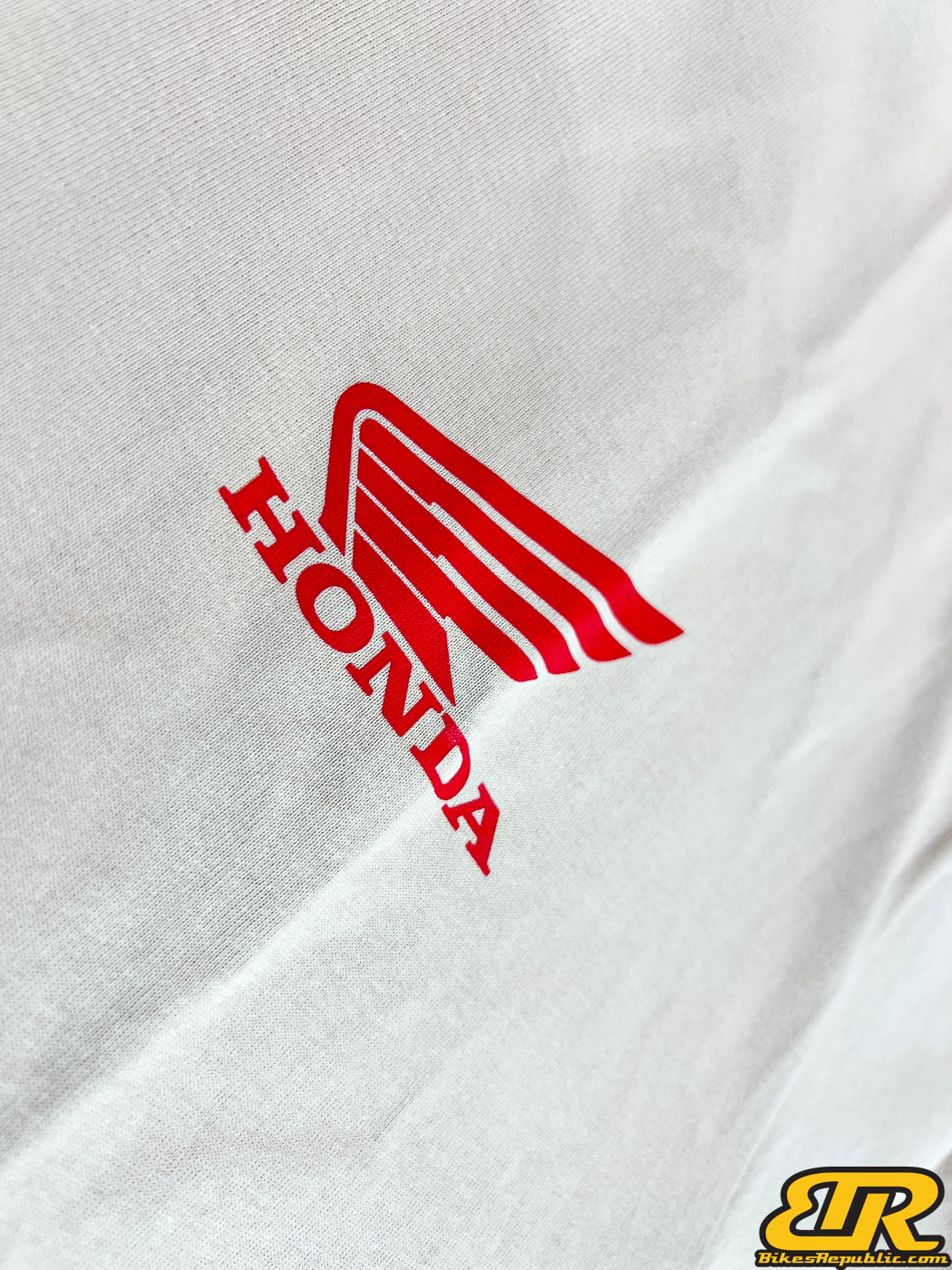
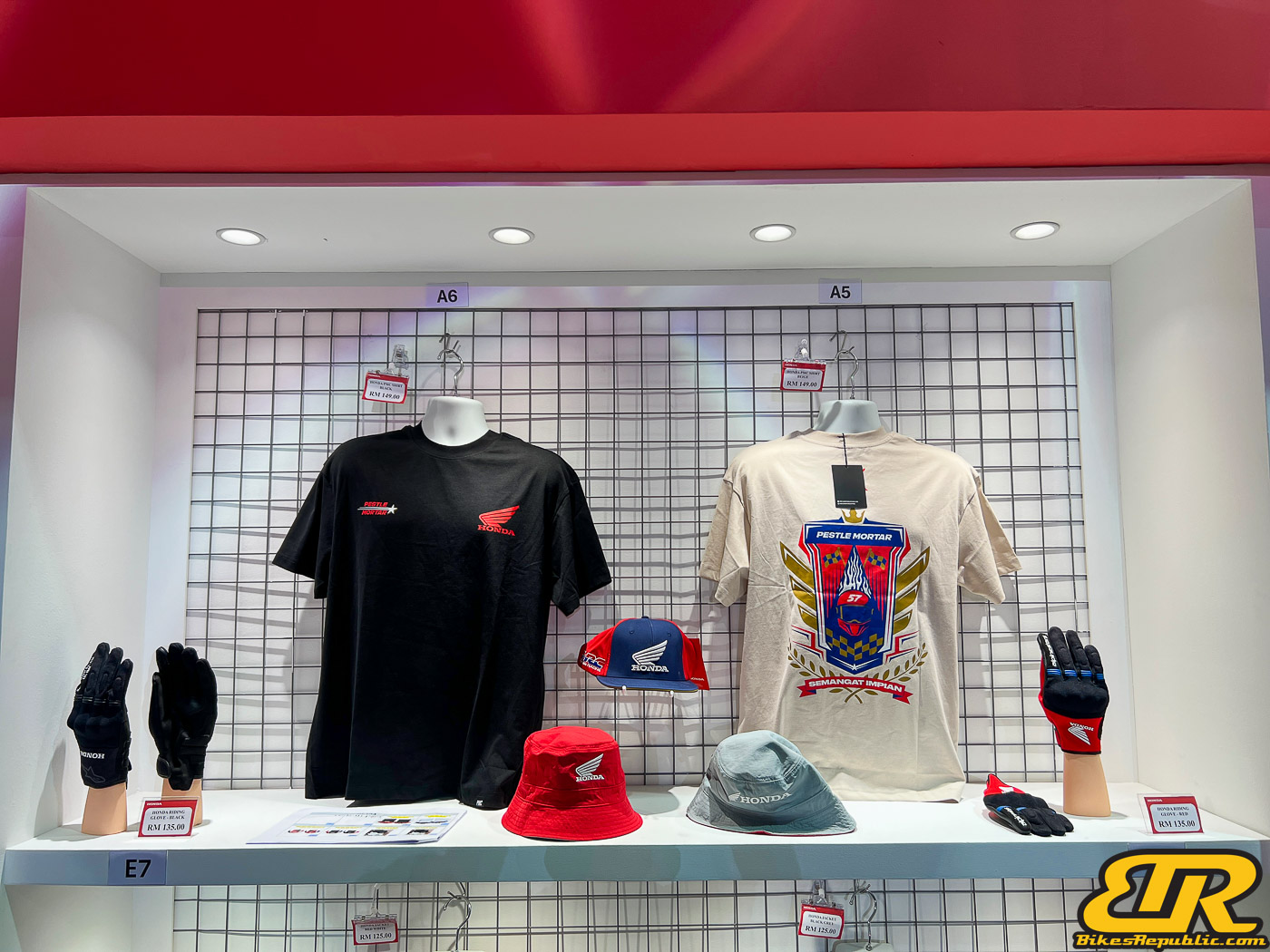
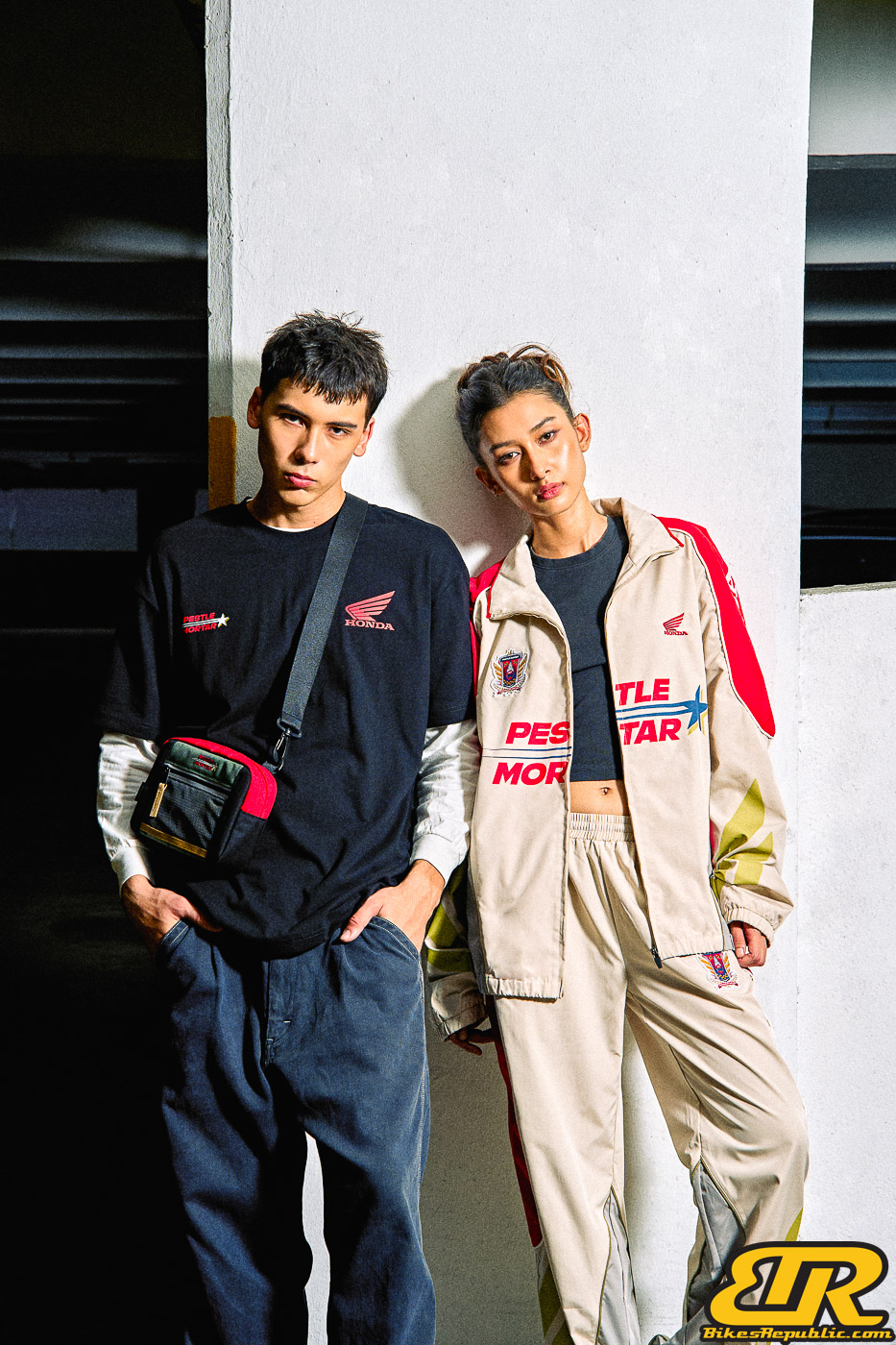
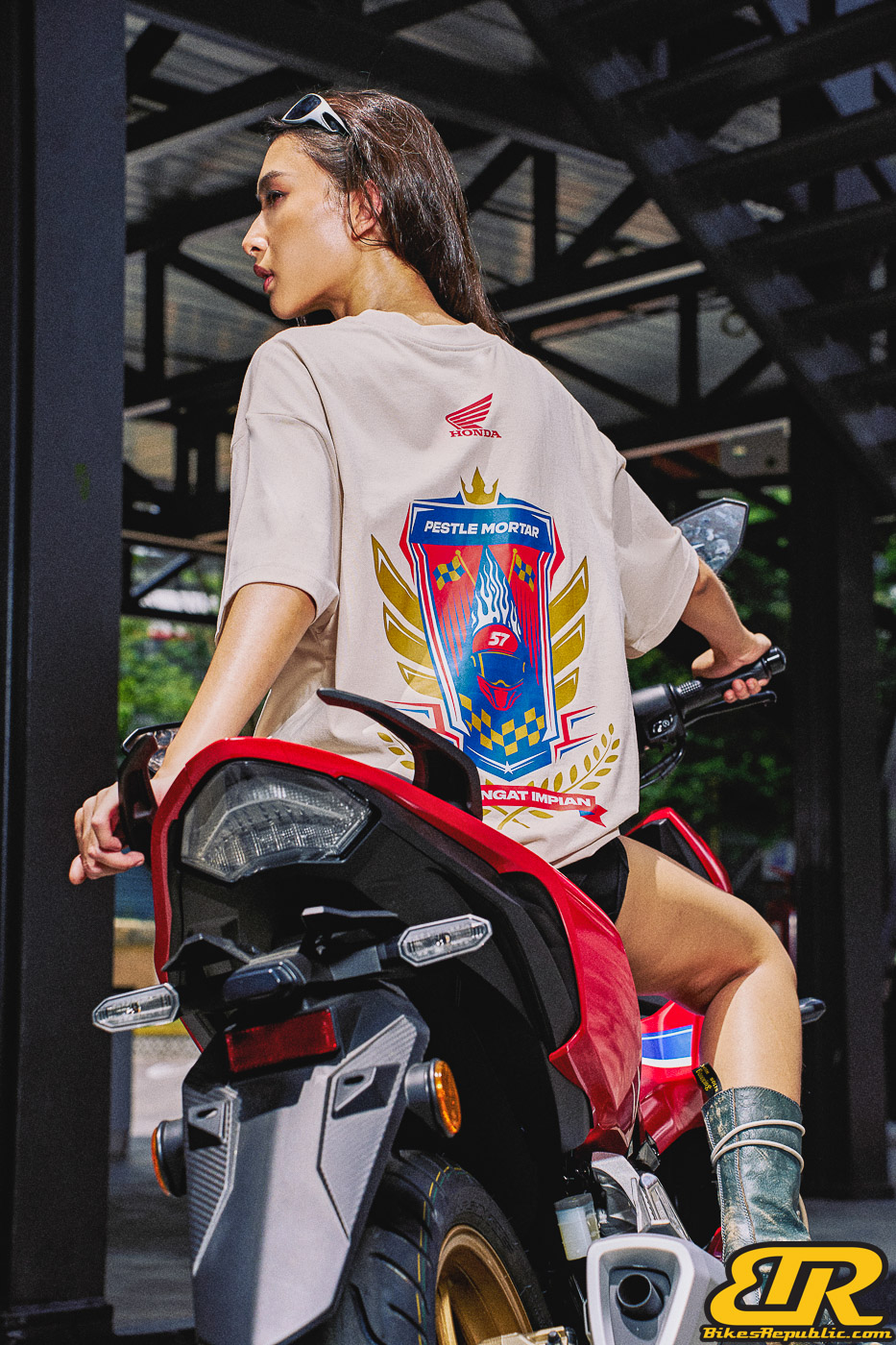
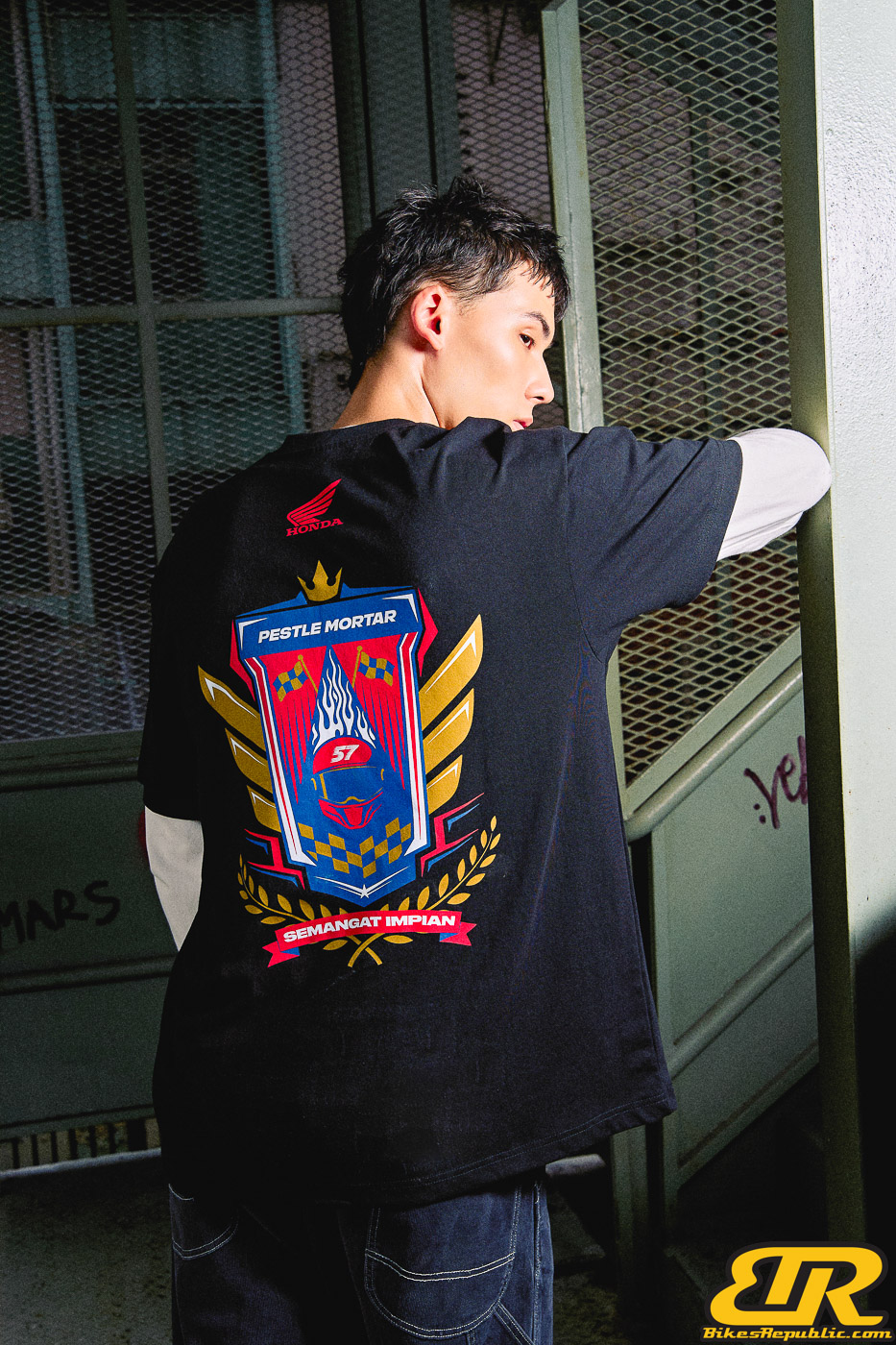
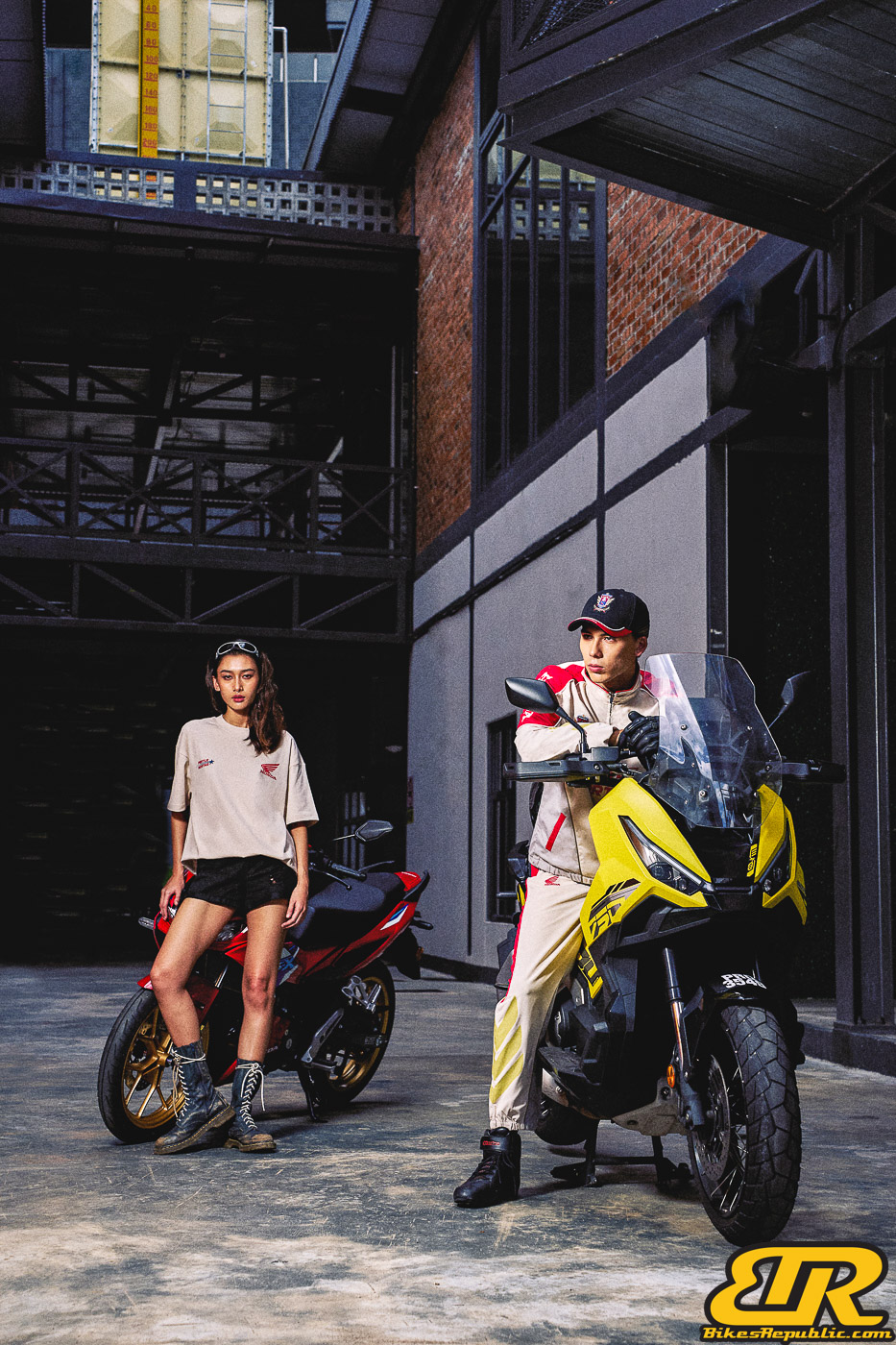
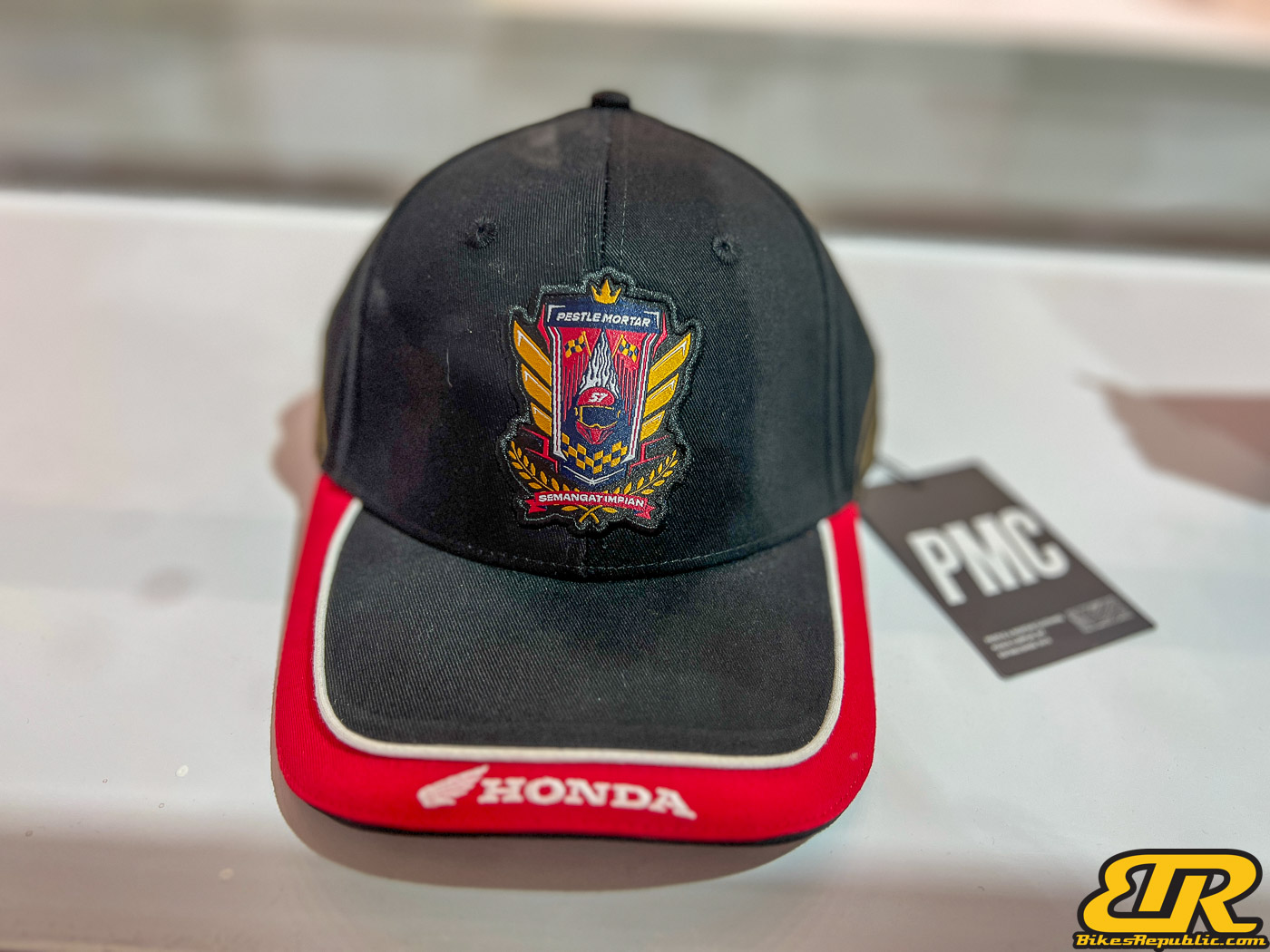
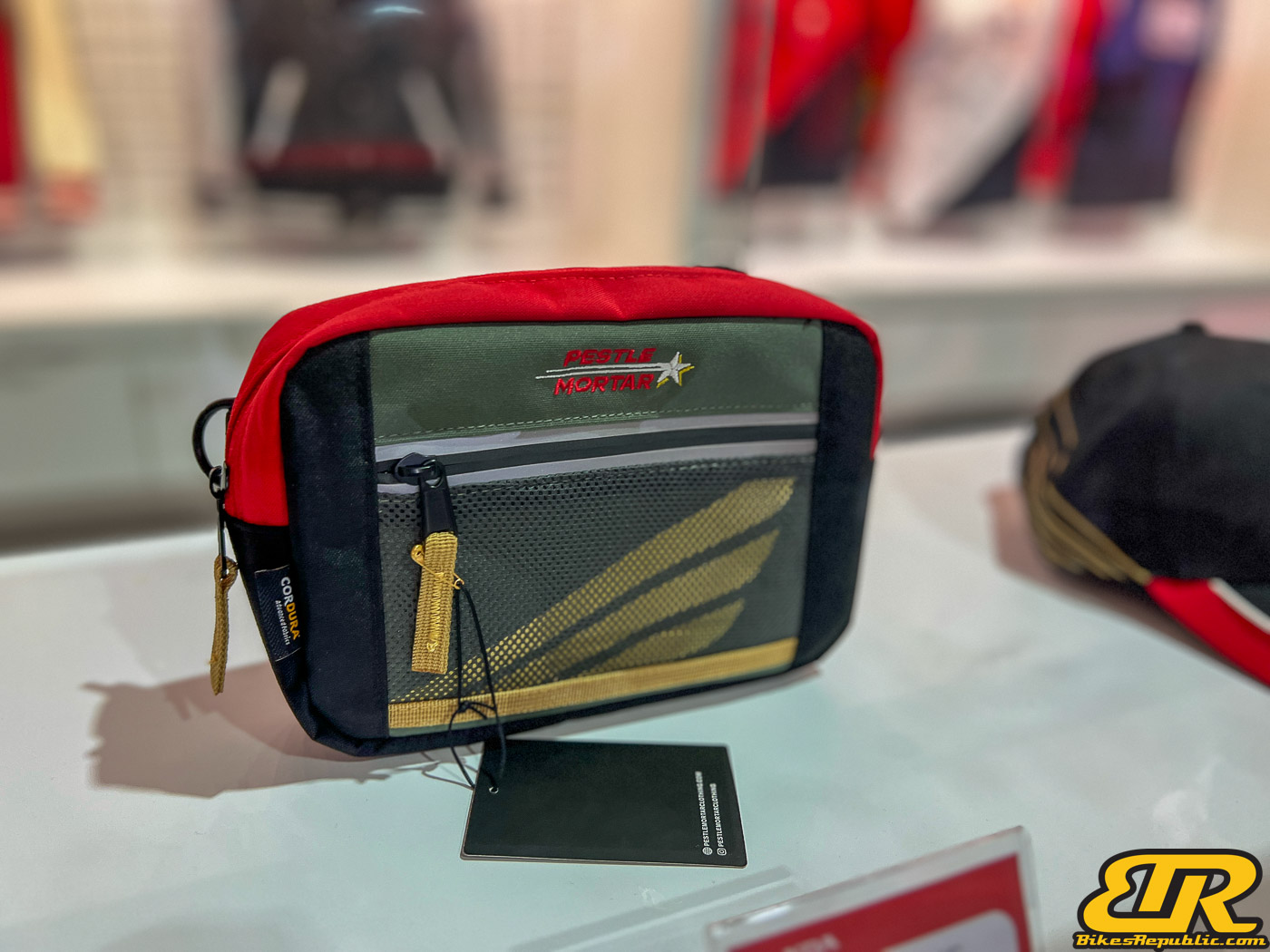
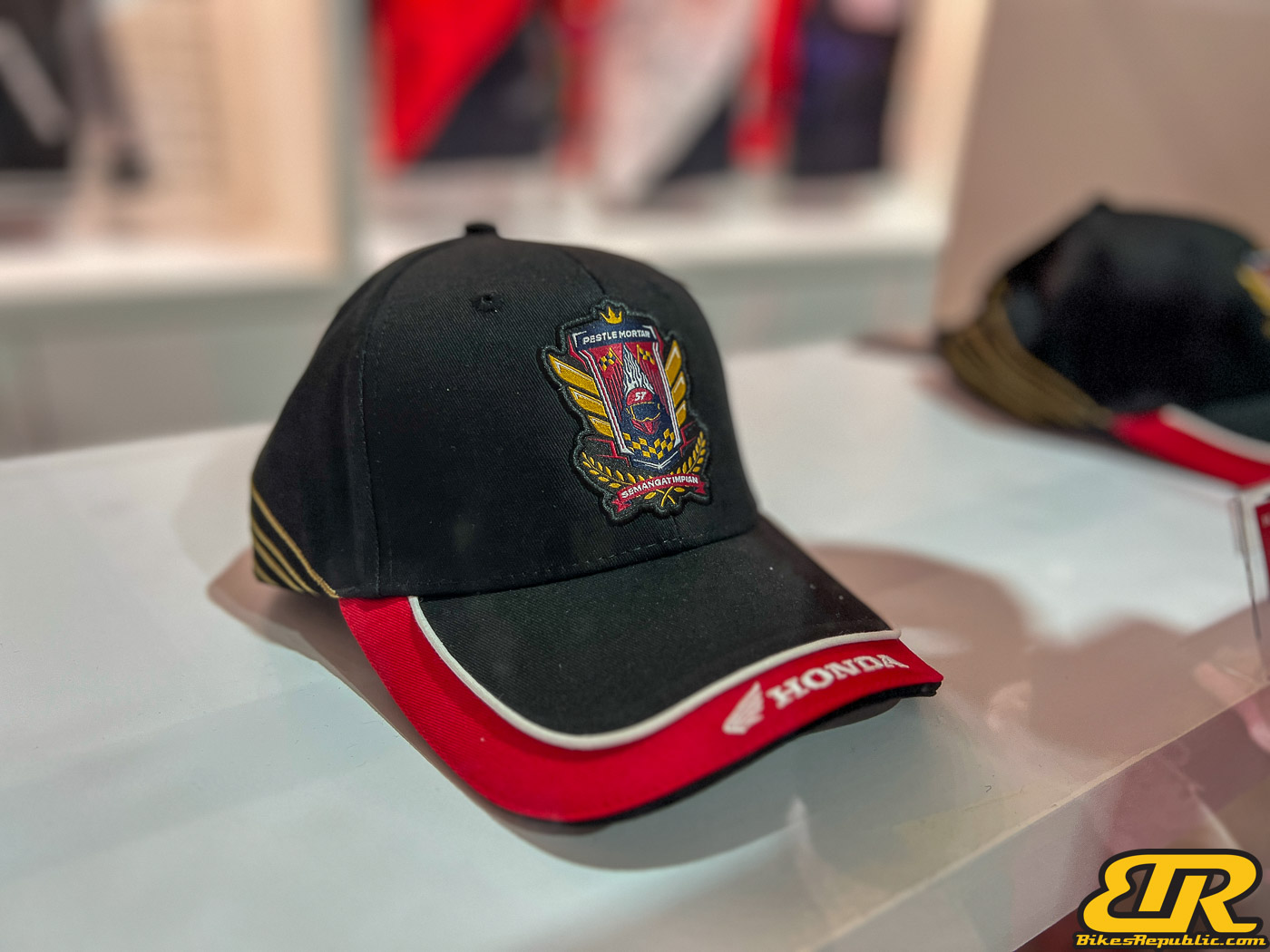
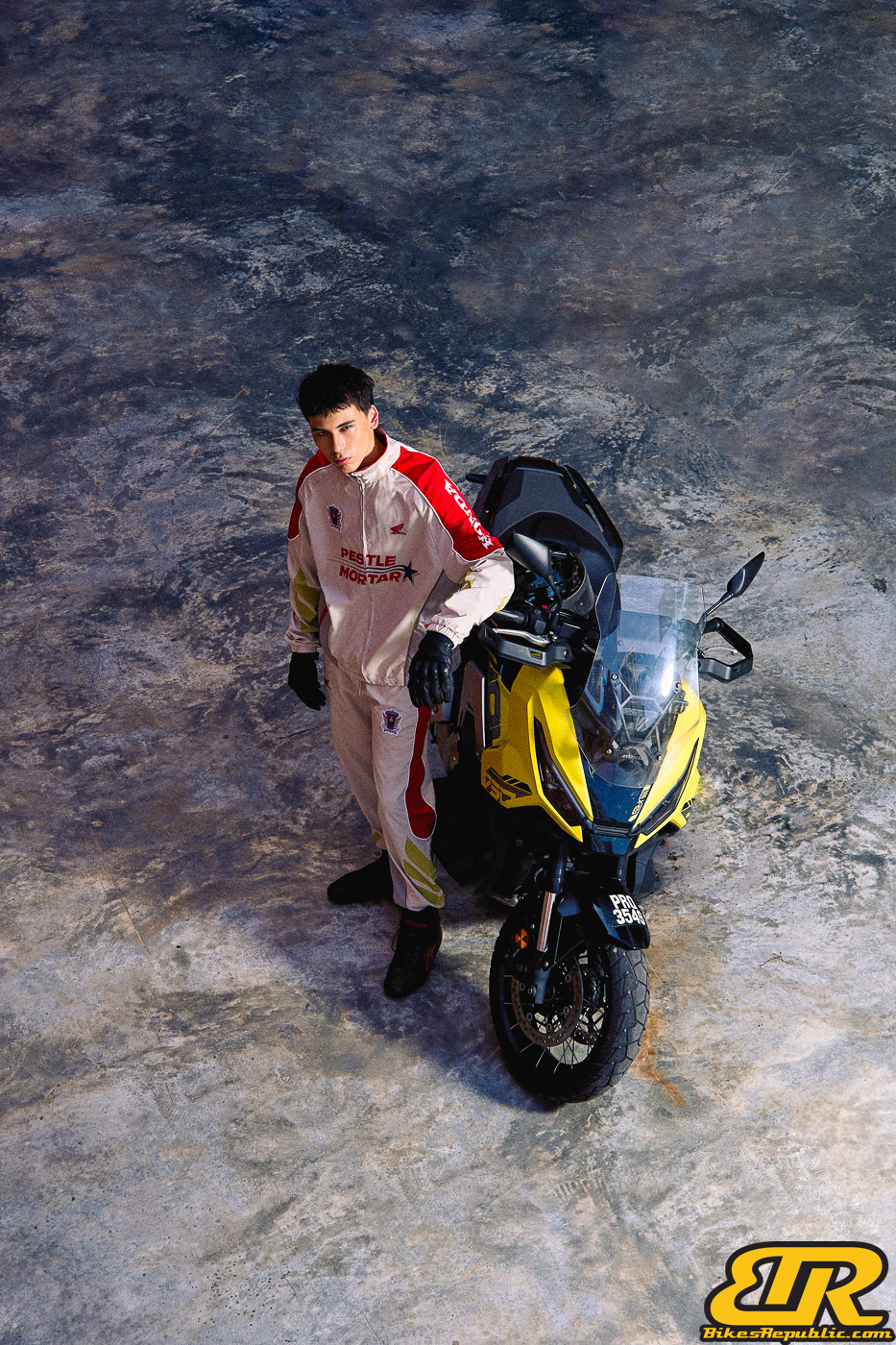
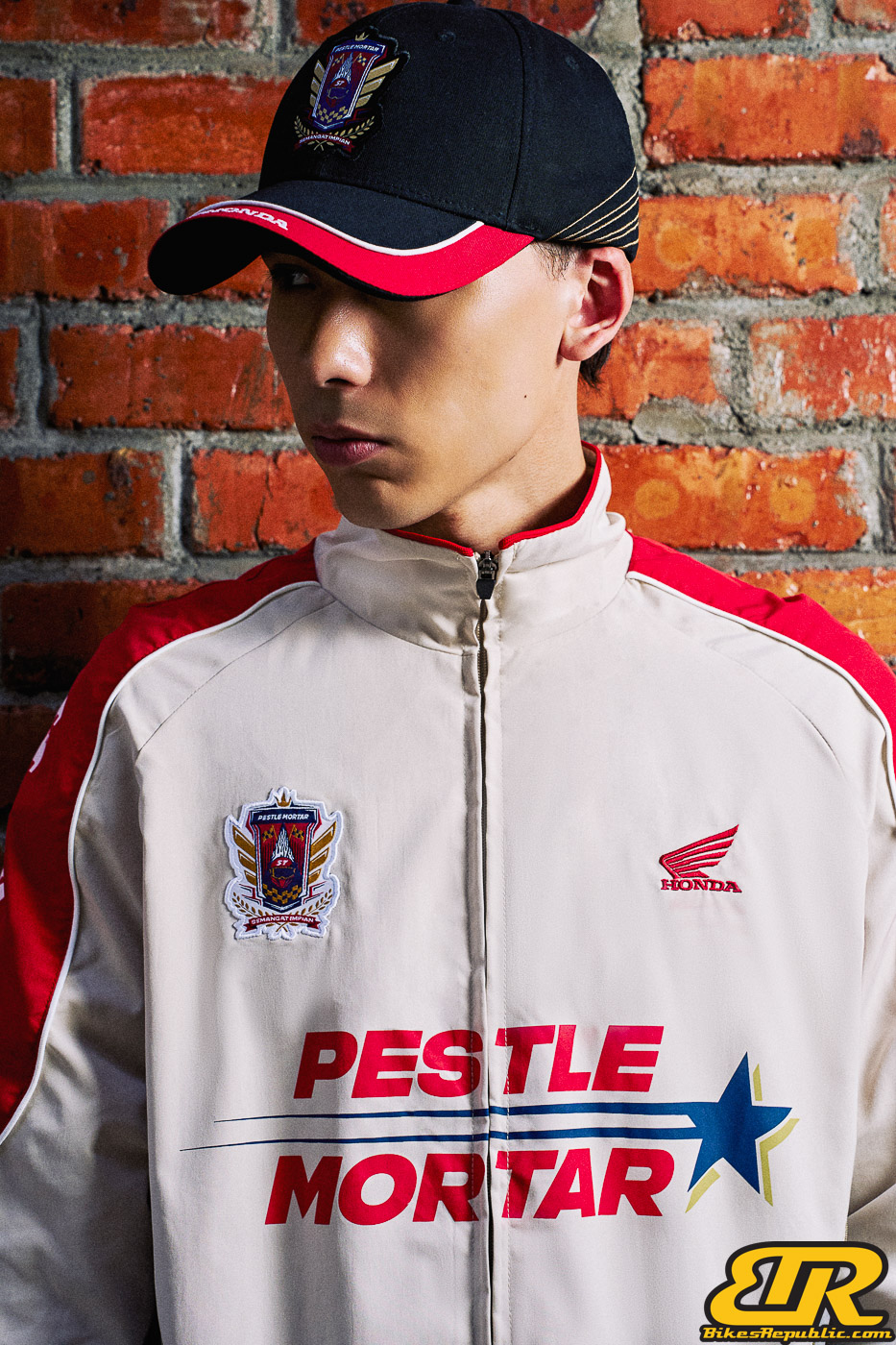
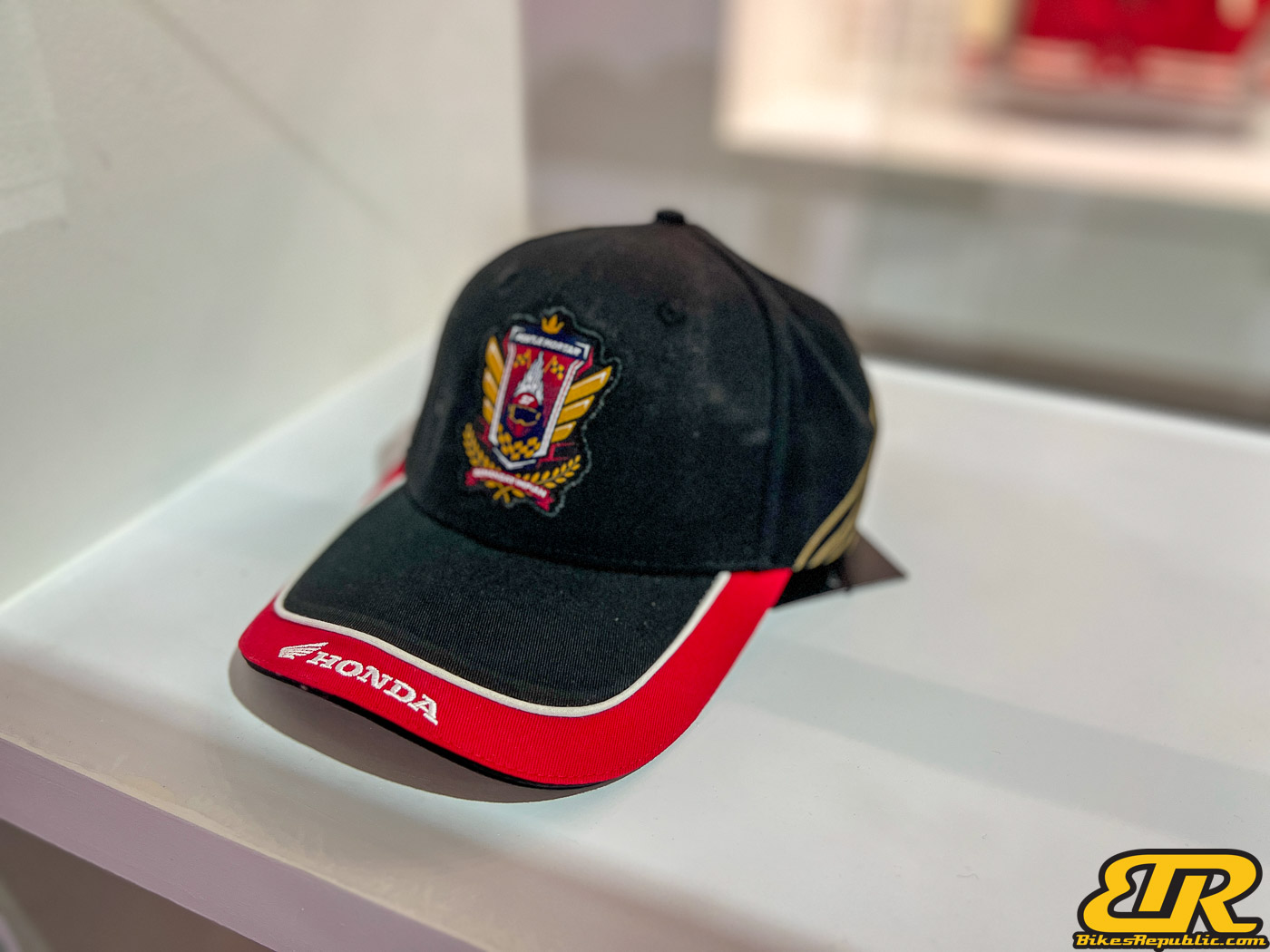
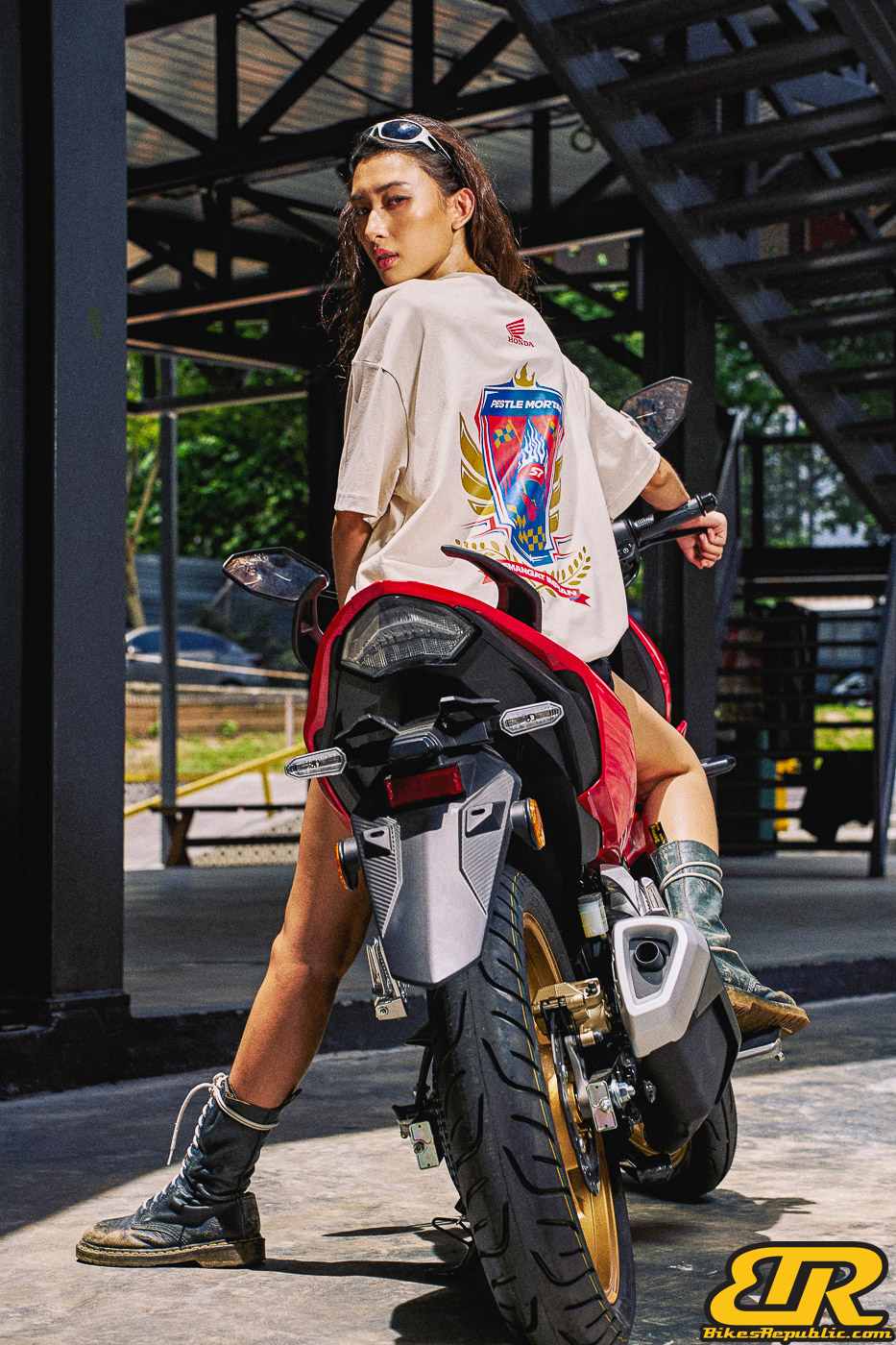
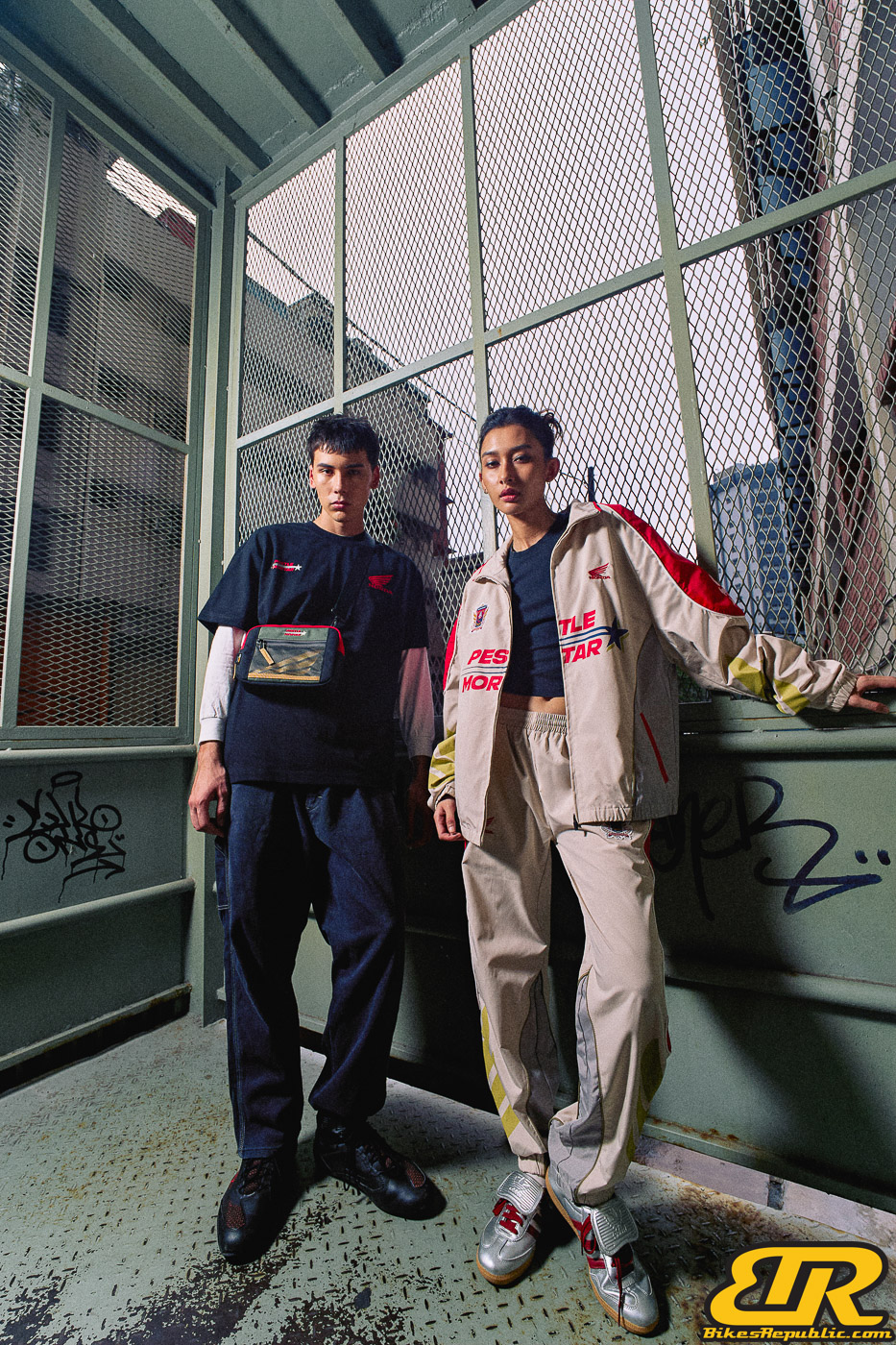
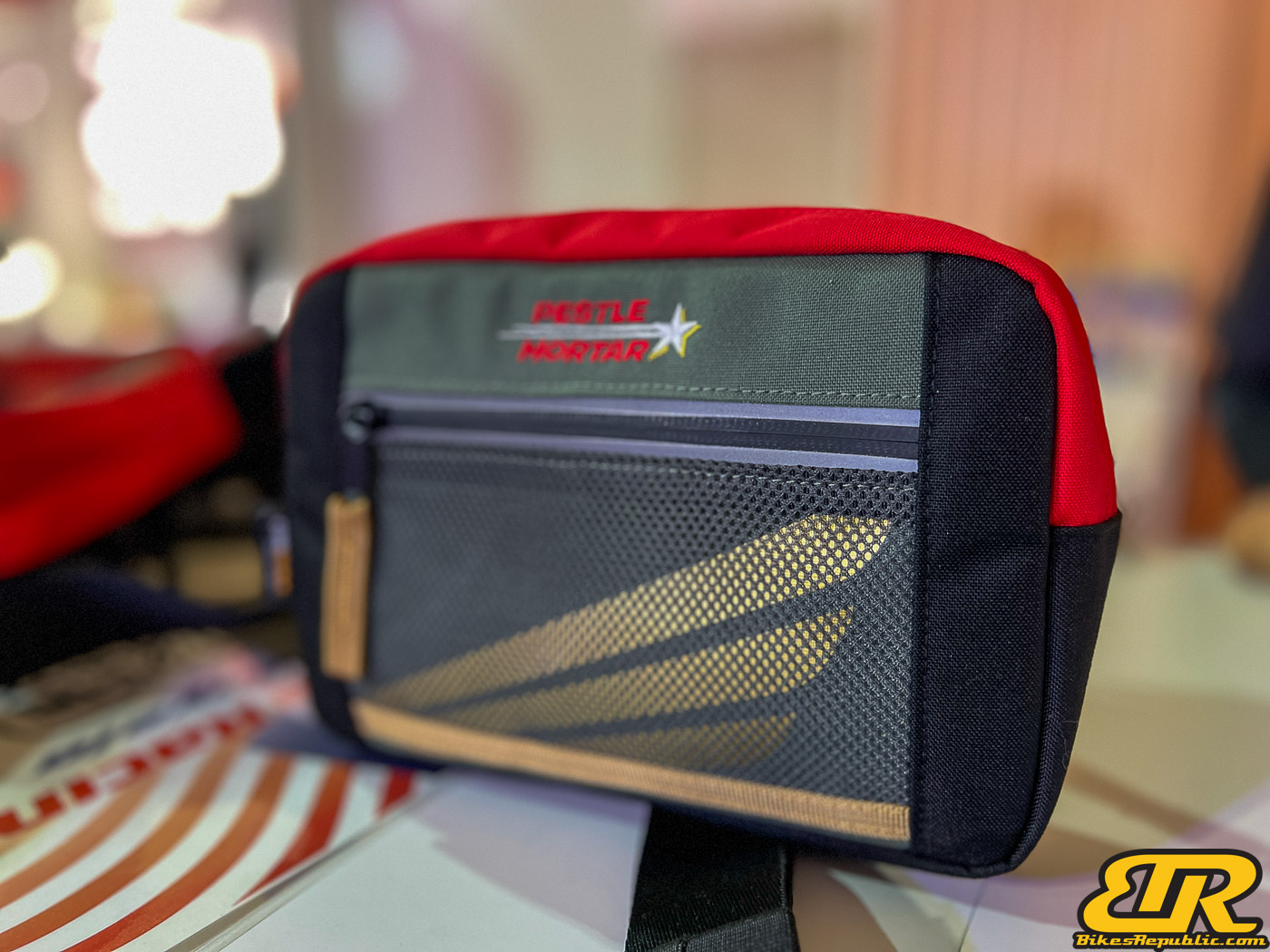
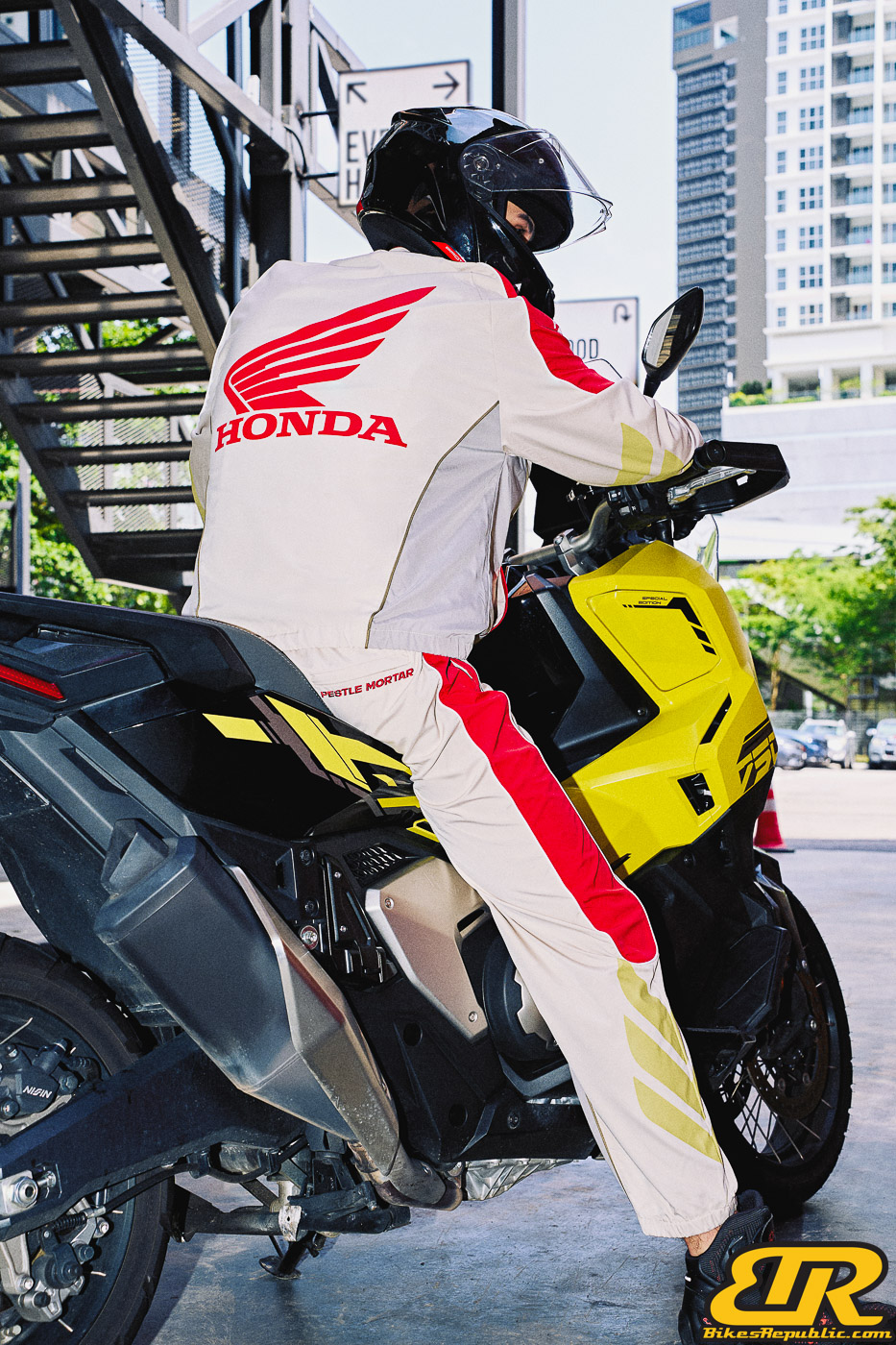
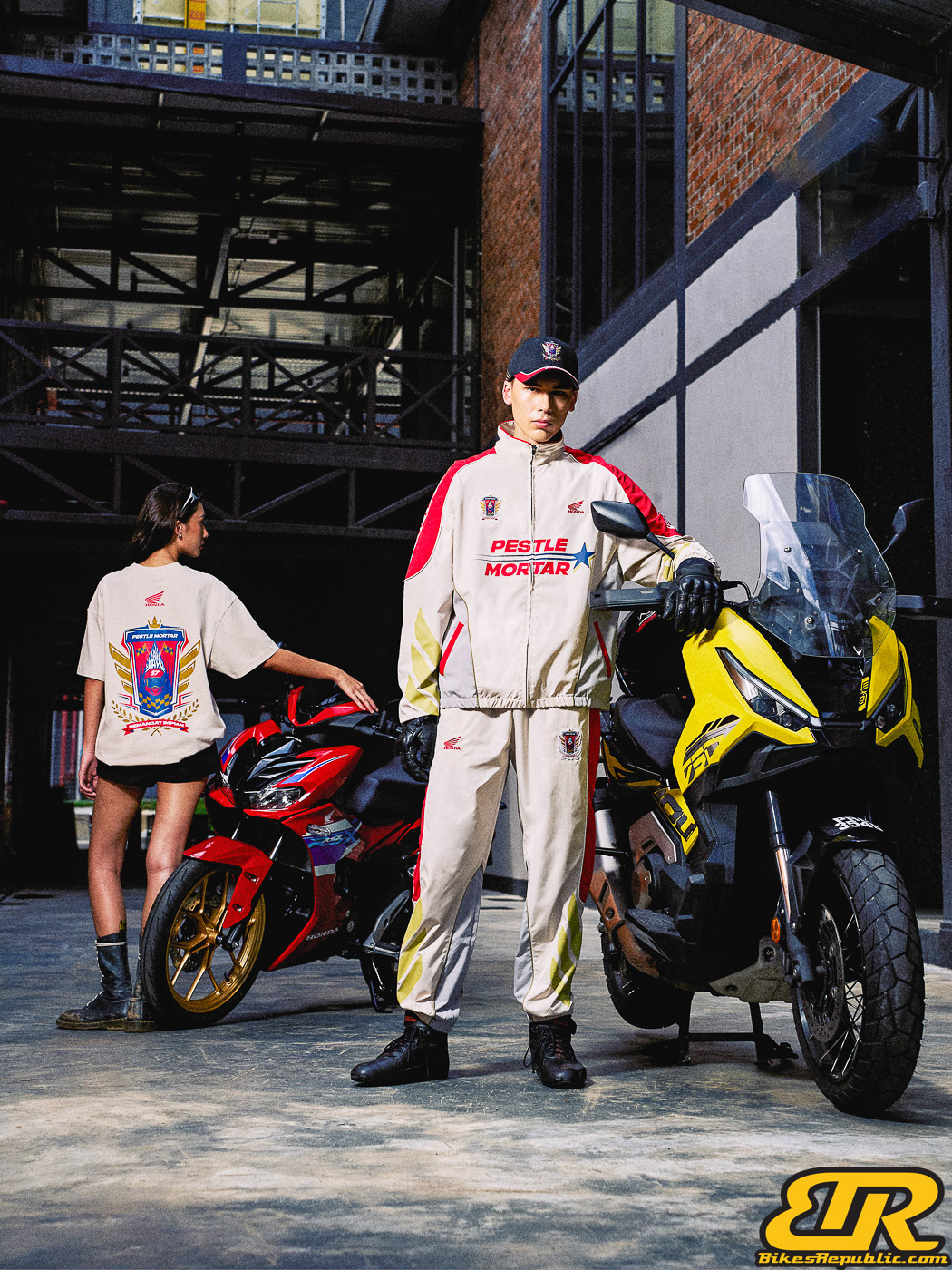
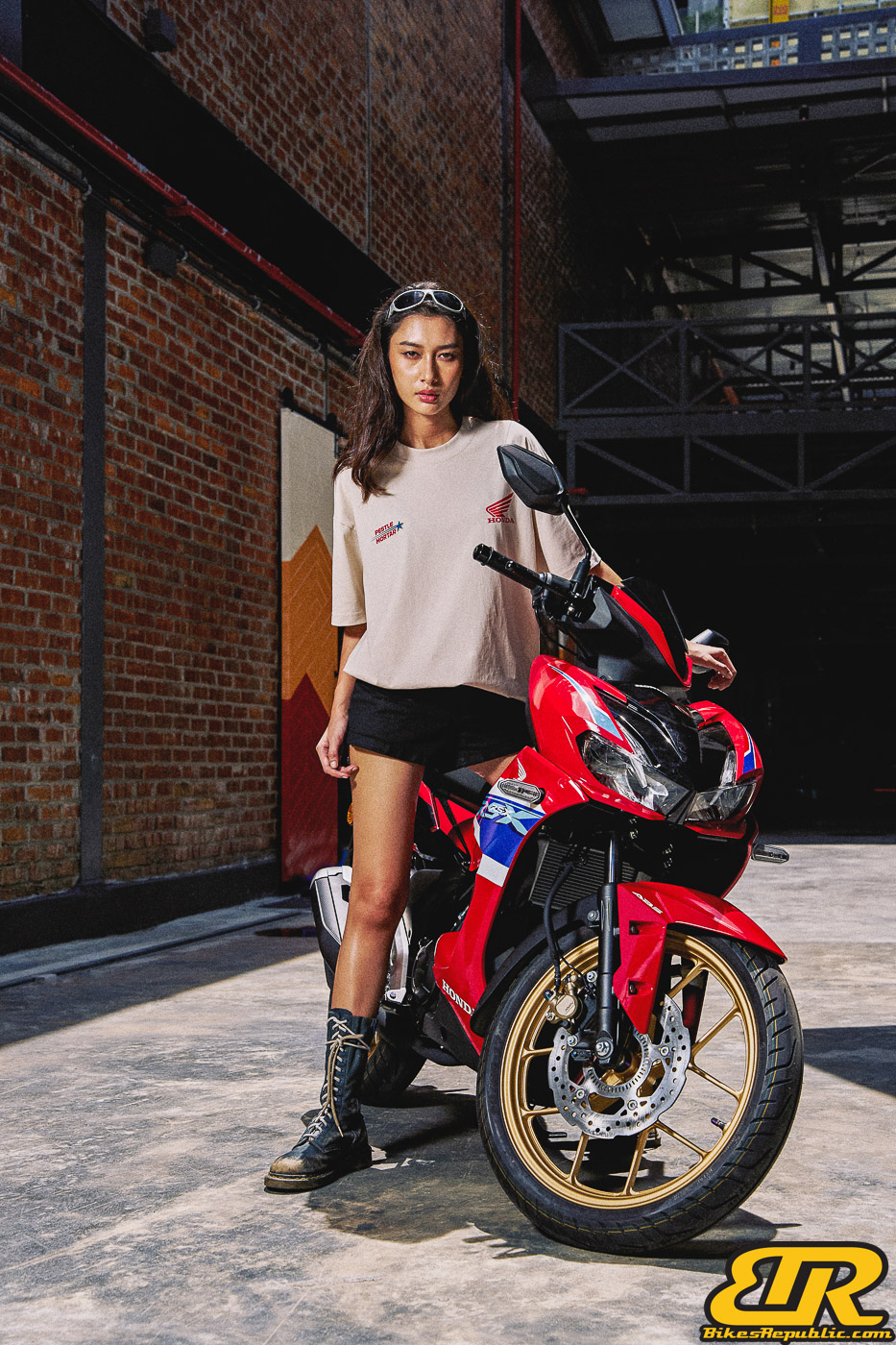
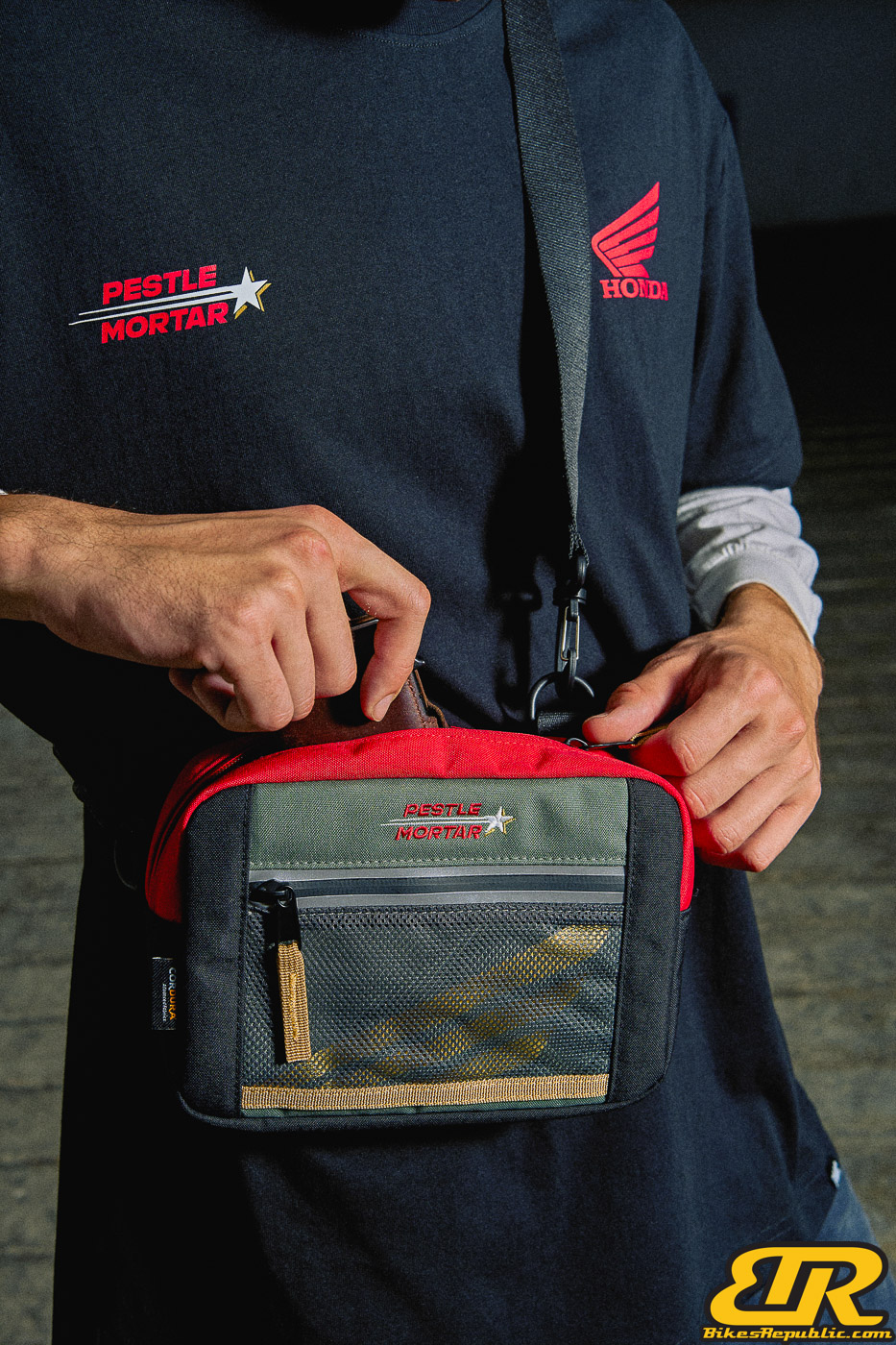
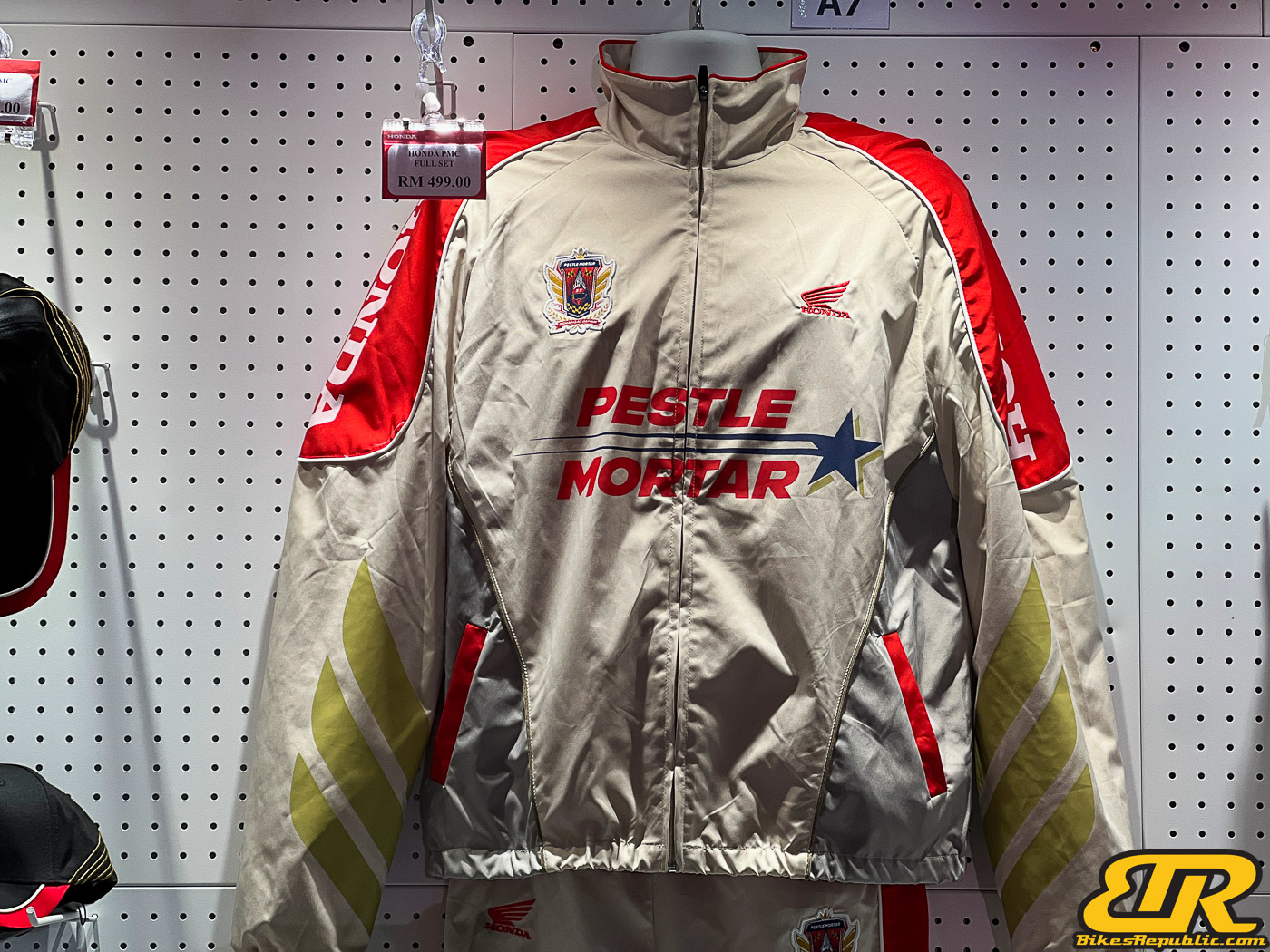
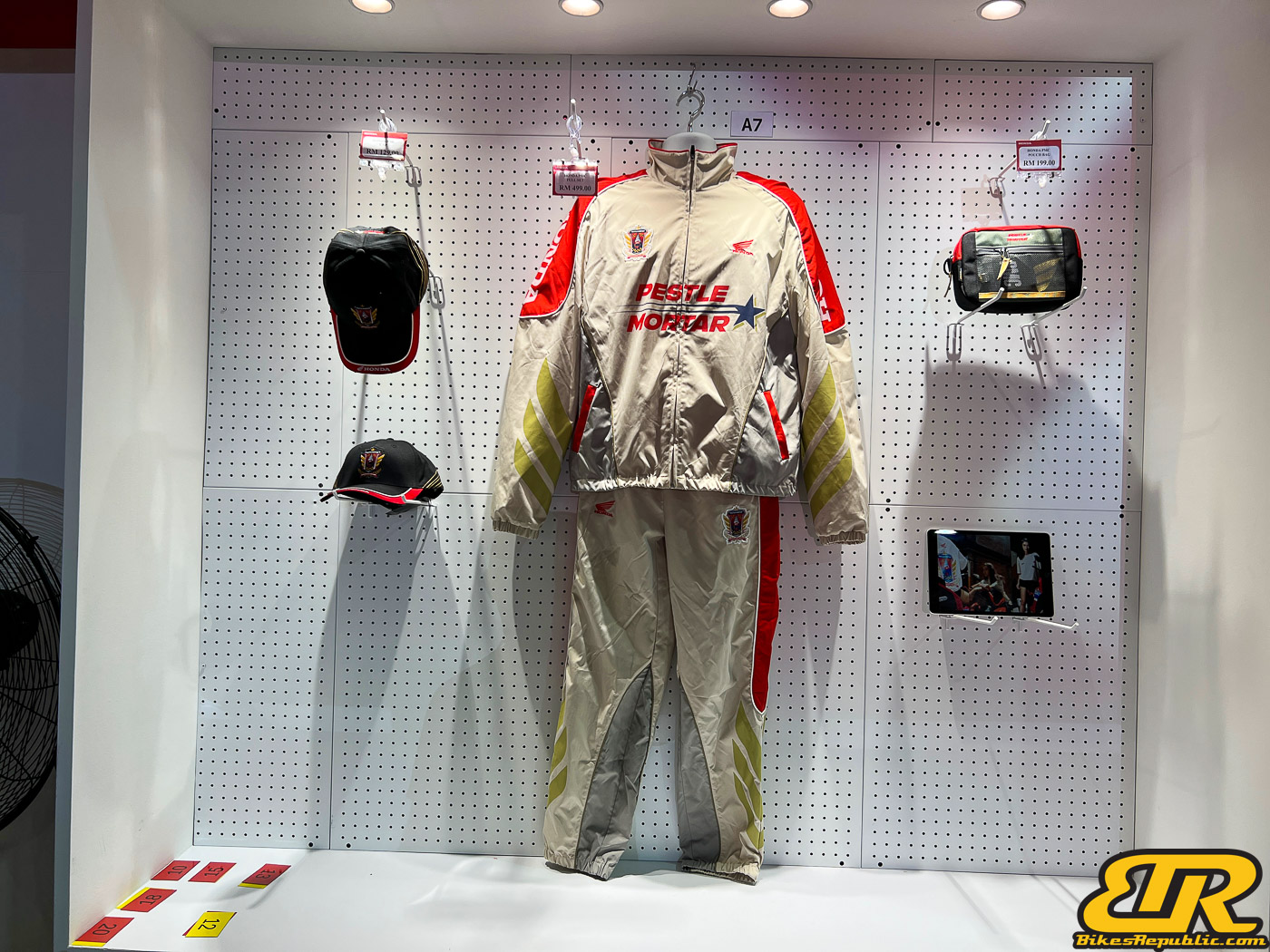
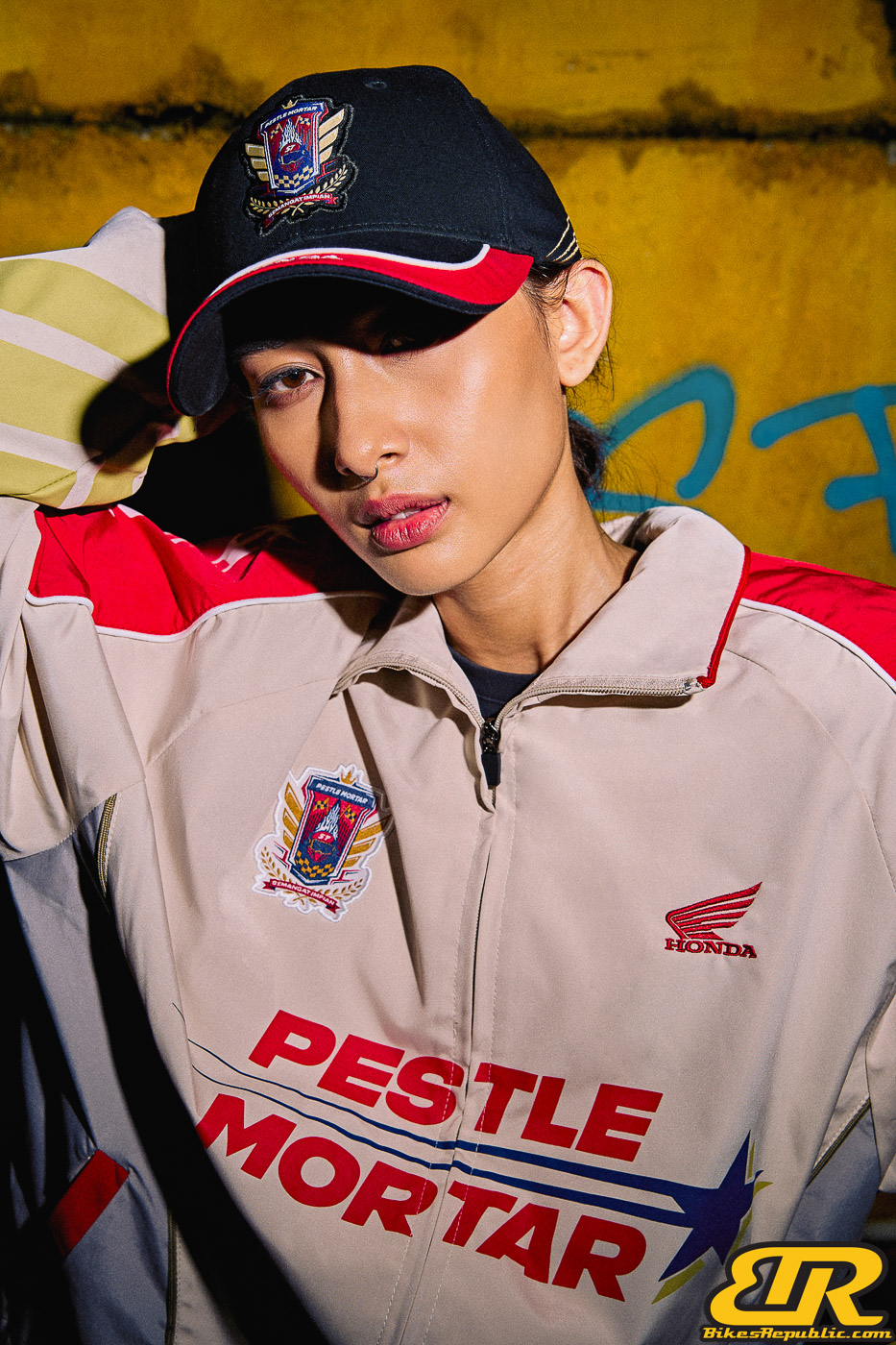
Why said anything about Honda being boring? Boon Siew Honda didn’t only have a dazzling booth space at this year’s Malaysian MotoGP, but they also took the opportunity to launch their latest clothing line.
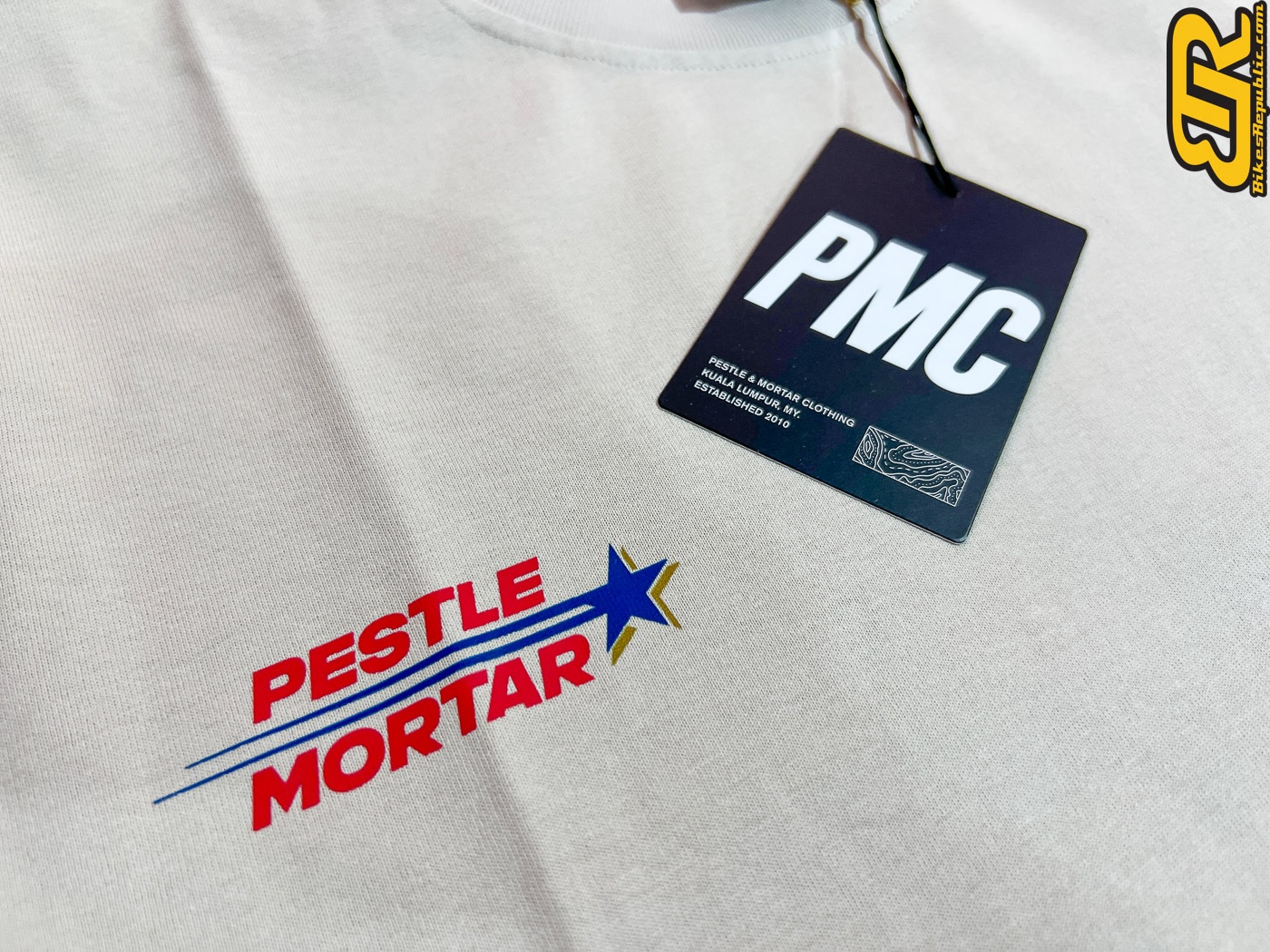
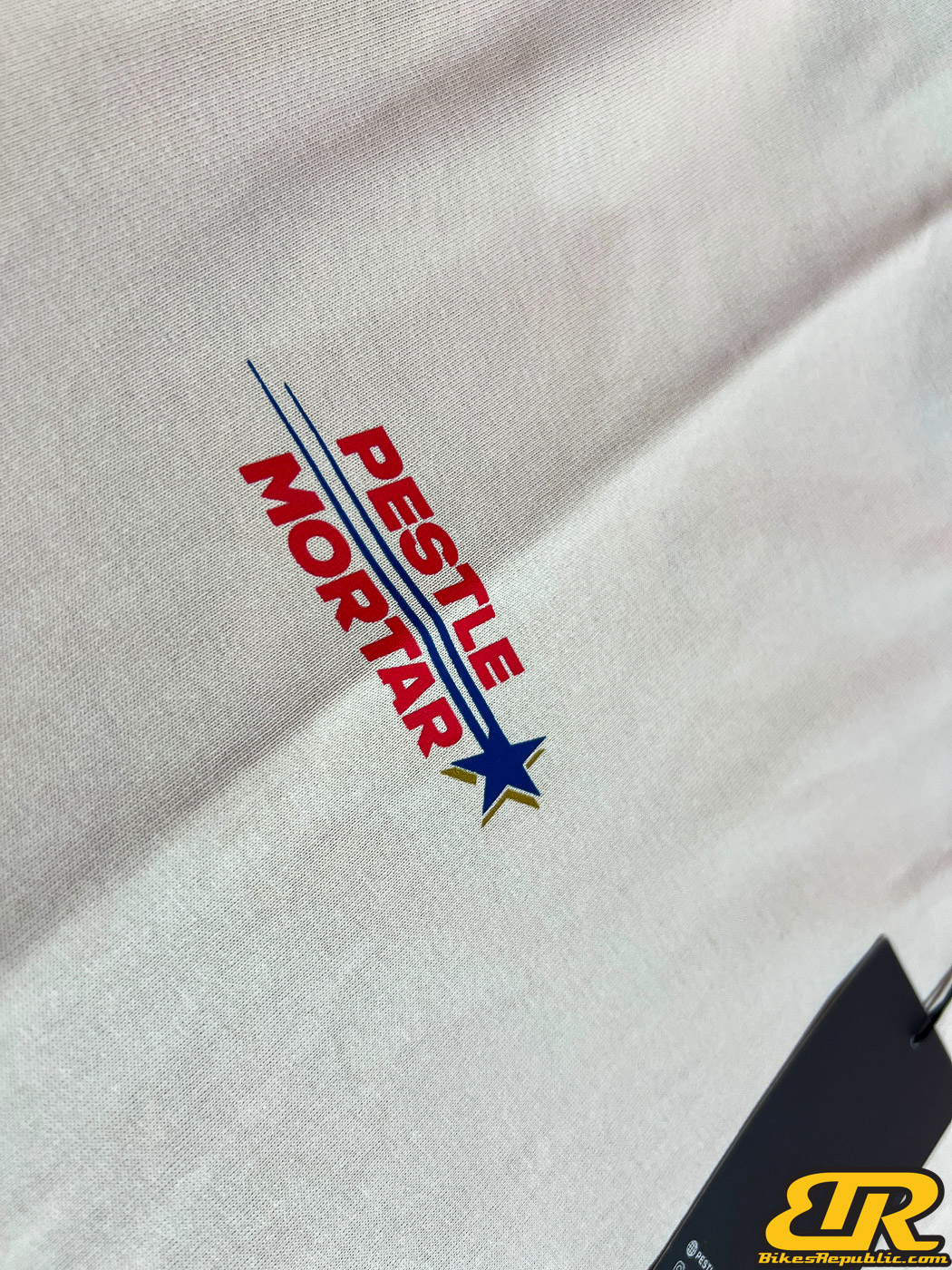
And it is not just any motorcycle clothing line, Boon Siew Honda’s latest clothing line is in collaboration with Malaysian streetwear powerhouse Pestle & Mortar.
For those now in the know, Pestle & Mortar, or more affectionately known among some as PMC, was founded in 2010 with a powerful motto – “The Pride of South East Asia”, and a mission to tell the stories of Southeast Asia and Malaysia.
The name Pestle & Mortar is inspired by a common cooking tool found in almost every Malaysian household, and that represents the different skills of the founders and the mix of local culture.
The company has collaborated with such international entities as XLarge, Space Jam 2, Ghostbusters, The Shining and even local icons like KFC Malaysia, Royal Selangor, AirAsia and the Olympics Council Malaysia.
As for their collaboration with Boon Siew Honda, it marks an exciting new chapter for the Japanese brand which has a colourful history in Malaysia dating back to 1957.
Boon Siew Honda has mobilised Malaysians for decades and this new collaboration signifies a new, youthful direction for the company.
Does this mean we will see an exciting new chapter for Boon Siew Honda? One that includes new models that will appeal to a younger audience? We certainly hope so.
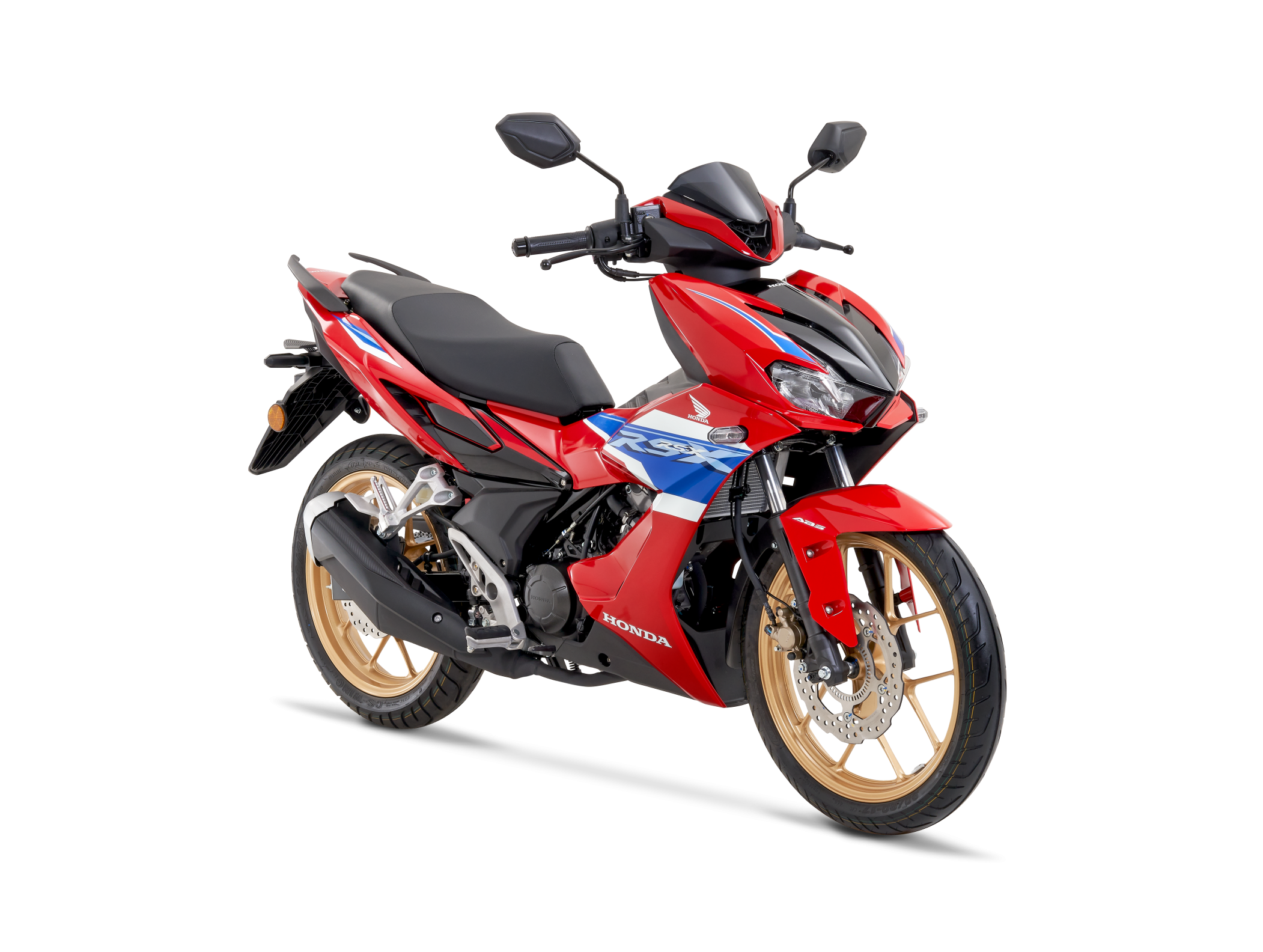
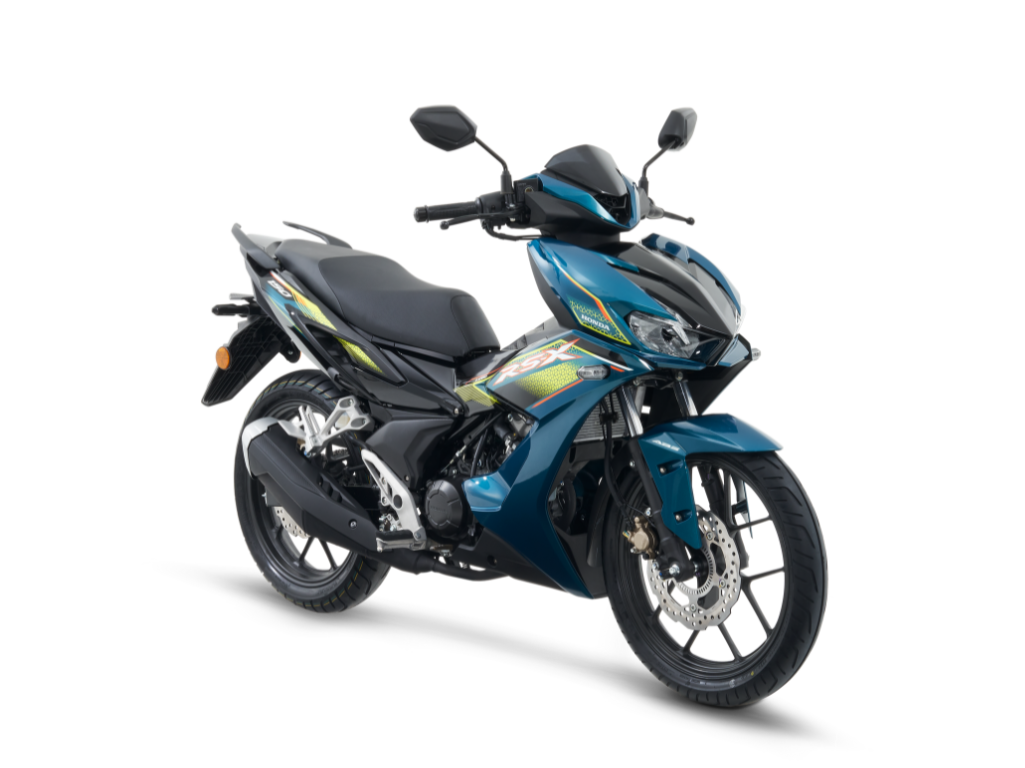
Boon Siew Honda Sdn. Bhd. (BSH) launched the Honda RS-X Winner in the iconic Honda Tricolor to the public during its inaugural Honda Thanks Day. The unveiling was carried out Honda MotoGP riders in the prestigious event. The striking livery pays homage to Honda’s proud motorsport heritage, embodying the true spirit of speed and competition.
To enhance the ownership experience, the RS-X Winner Tricolor Edition is not merely resplendent in special colours, but it also features premium RCB accessories, and is limited to only 800 units of production:
RCB Brake Caliper S-26 Series (30th Anniversary Edition).
RCB Handle Grip Nagamaki.
RCB Lever Guard.
In addition to its bold new look and premium accessories, the RS-X Winner Tricolor Edition offers even greater value with a 2-year or 20,000km manufacturer’s warranty (whichever comes first). Owners can also opt for the recently launched extended 1-year unlimited mileage coverage at no additional cost under the Honda X-tend campaign. This promotion is available until 31st December 2025.
The RS-X Winner Tricolor Edition expected to be available at all IMPIAN X and authorized Honda dealers nationwide from 1st December 2025, priced at RM 10,298.00 (Recommended Retail Price, excluding road tax, insurance, and registration).
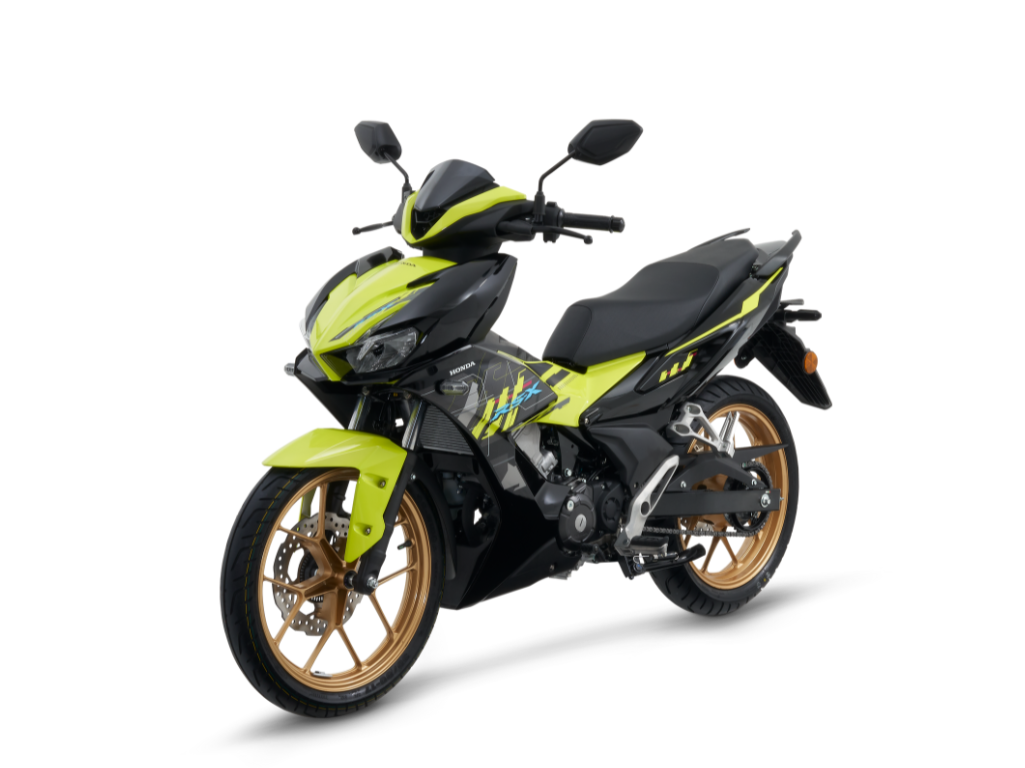
For those who prefer a more distinctive touch, the Yellow special color remains available,
offering a vibrant color accent that exudes power and confidence, its priced at RM10,298.00.
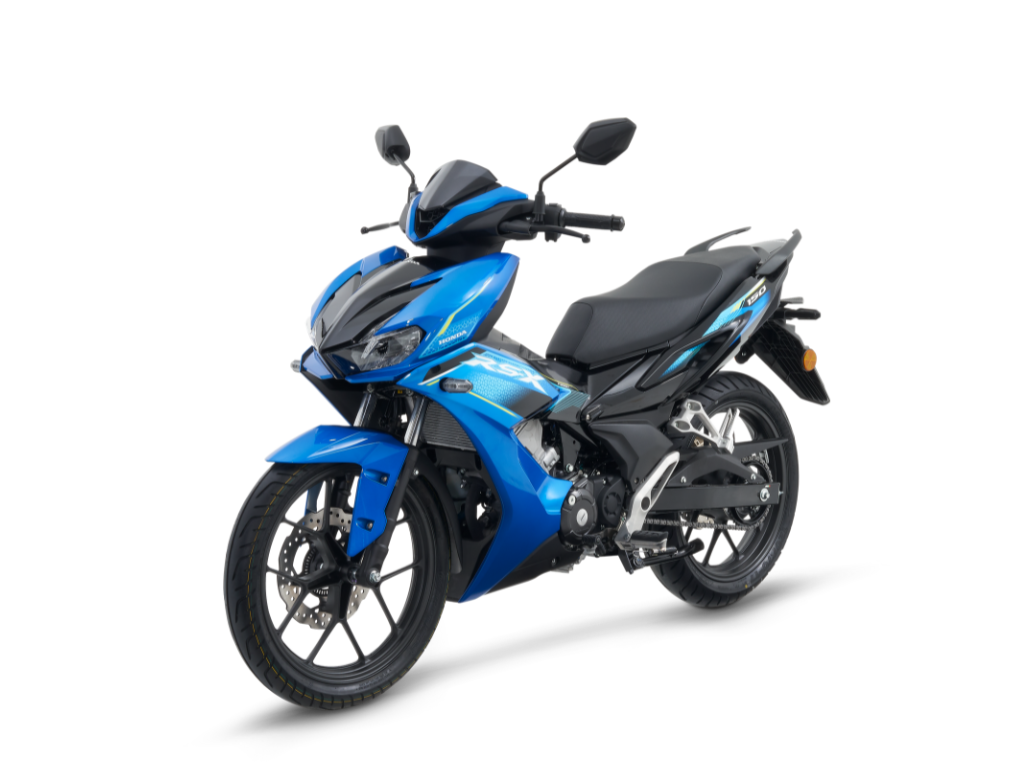
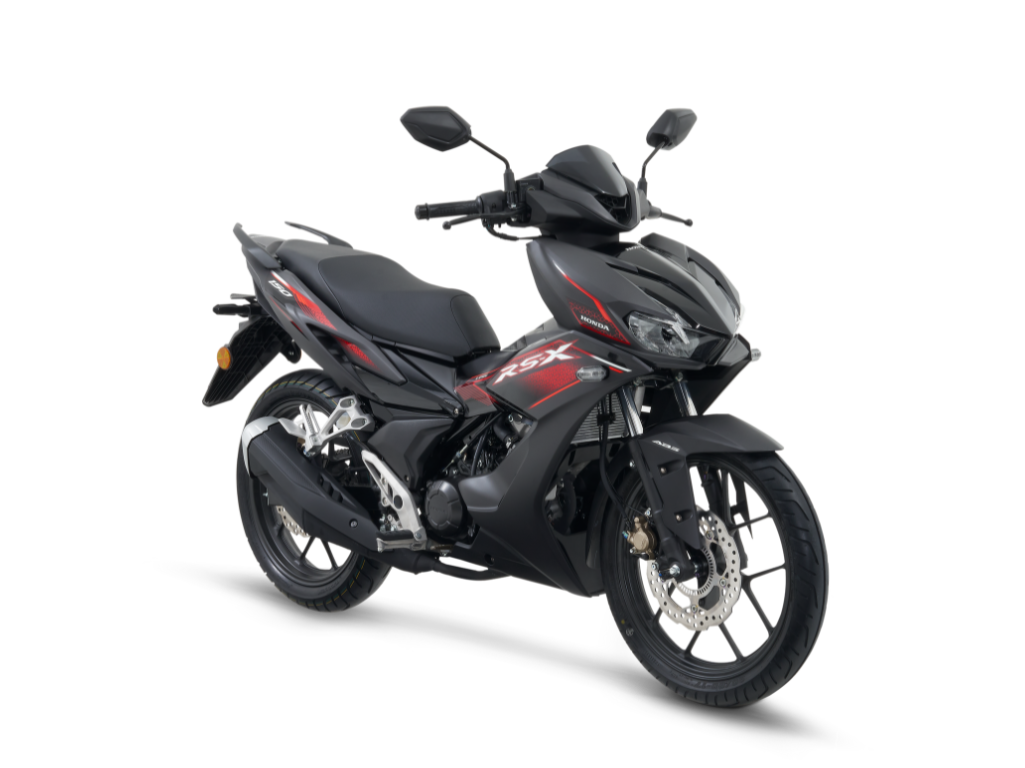
Meanwhile, for riders who appreciate a more classic appearance, the standard color options
Green, Matte Gray, and Blue, and continue to be available at RM9,998.00.
About Honda RS-X Winner
The RS-X Winner is powered by a 150cc DOHC, liquid-cooled engine that delivers 11.8 kW at 9,000 rpm and 13.6 Nm at 7,000 rpm.
The engine is coupled with a 6-speed transmission.
Certified as an Energy Efficient Vehicle (EEV), it combines strong performance with excellent fuel efficiency and lower emissions.
The Assist & Slipper Clutch provides a lighter clutch pull while on the move, and also prevents rear tire slippage especially during aggressive downshifting.
The rear monoshock suspension ensures a smooth, stable ride.
Safety is enhanced by a front-wheel Anti-lock Braking System (ABS).
The Smart Key System with Anti-theft Alarm and Answer Back features combine convenience and safety.
Riders can also stay connected with a waterproof USB charging port.
The All-LED Lighting System offers brighter, longer-lasting illumination for improved visibility in all conditions.
Adding to its dynamic appeal, the Aggressive Sports Styling—highlighted by a sporty muffler and newly designed cast wheels creates a bold, aerodynamic look.
The Separate Handle Switch Design allows easy access to controls.
Sealed O-ring chain improves durability and reduces maintenance.
Certified with a 5-Star Rating under the MyMAP Program, the RS-X Winner delivers a perfect balance of power, style, and confidence on every ride.
For more information, you may visit the official Impian X website at https://boonsiewhonda.com.my/product/rs-x-winner/ or visit the nearest Honda Impian X. Customers may also reach BSH via their toll-free number at 1-800-88-3993.
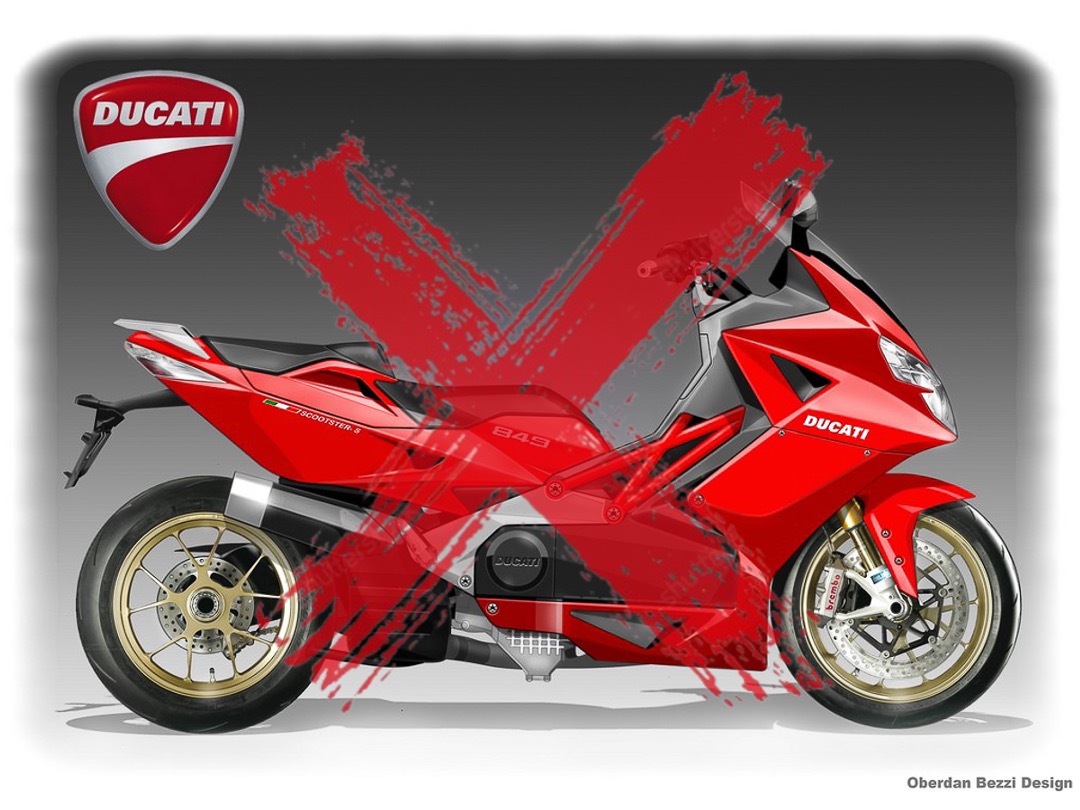
Virtually all European brands have made low-cost models, i.e. BMW, KTM, Triumph and see brisk sales, but not Ducati, despite the mounting pressure of current riders – both new and veterans – switching to these smaller bikes.
In an interview with MCN, Ducati’s Head of Product Communications, Giulio Fabbri, said that his company had made the decision “many years ago.”
However, the decision was not driven by keeping the brand’s “premium” reputation. Instead, it was due to the drive to equip their motorcycles with the best technologies, components, hence pricing.
For the record, Ducati did make 400cc models in the past.
One was the Monster 400 from 1997 to 1998. It was first intended for Japan, Singapore, and Italy but was subsequently exported Thailand, Taiwan, Indonesia, and the Philippines where there high taxes for bigger motorcycles. However, Ducati was under the Cagiva Group during this time.
The current Ducati management produce the 400cc Scrambler Sixty62 from 2016 to 2022. And yes, its downfall was due to being priced higher than its peers.
“Our pillars are style, sophistication and performance,” Fabbri said. “If you put these three together, and if you want to make a small bike, you are absolutely priced out of the market. So, this is the reason why you will never see a small Ducati.”
He emphasised further that Ducati are taking a different approach to younger riders. Instead of cheap, low-capacity machines, the company is using lower-cc performance machines to draw fresh blood to the brand.
“This is also one of the reasons why we decided to enter motocross and introduce the 698 Mono, (as) we need to take care of younger riders.”
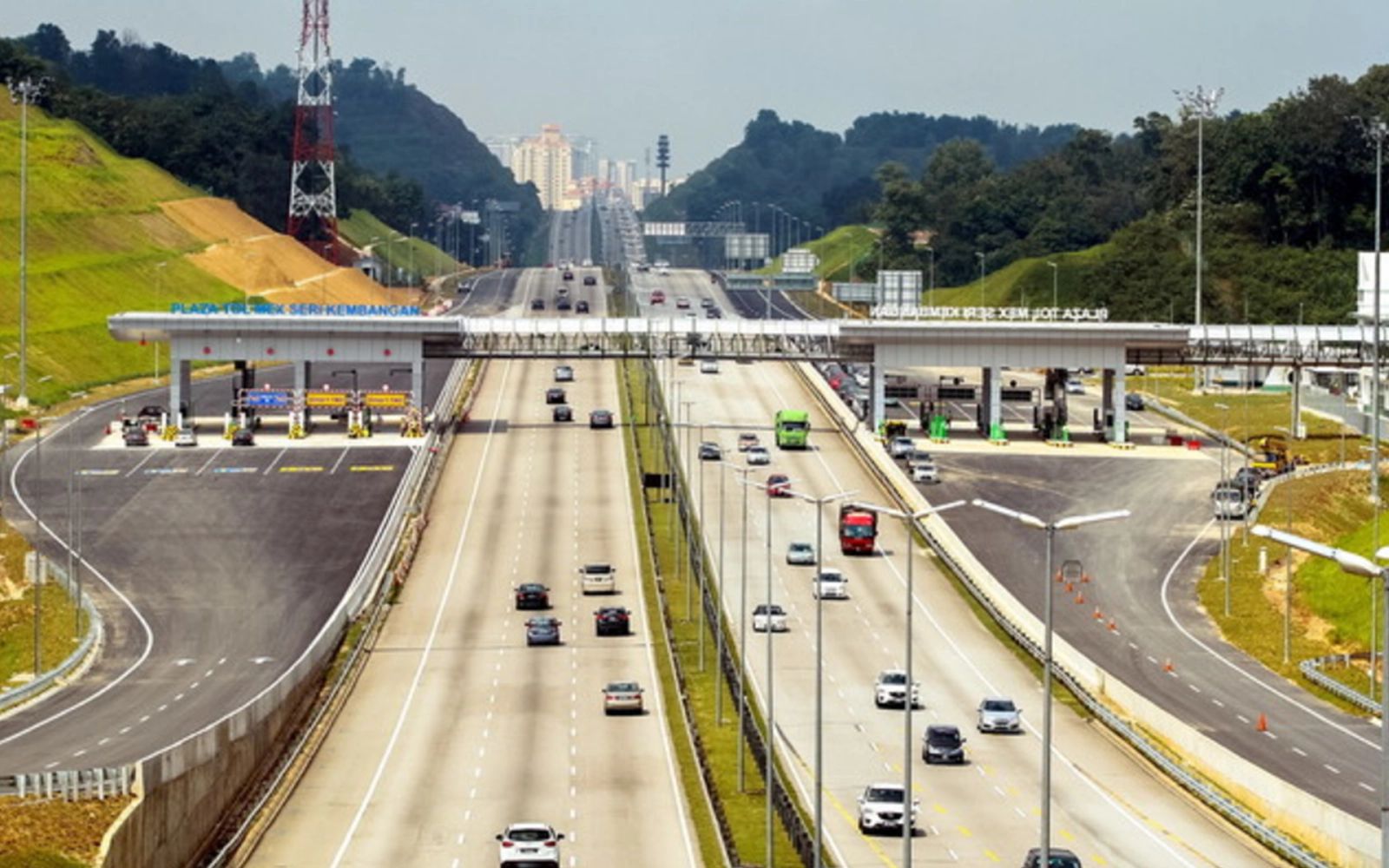
The Kuala Lumpur Police have reminded the public not to engage in any activities that disrupt routes, events, and public order throughout the 47th ASEAN Summit.
Kuala Lumpur Police Chief, Datuk Fadil Marsus, stated that these three matters must be adhered to, and if any party violates them, it could be considered a criminal offense where the police will take firm action.
According to him, any party planning to hold assemblies during the conference period must fully comply with security guidelines.
“I wish to remind any party intending to hold an assembly not to disrupt the related events.”
“There cannot be any activities that affect the event, routes, or public order. Such actions will be considered a criminal offense,” he said at a press conference at the Kuala Lumpur Contingent Police Headquarters here today.
Fadil said public cooperation with enforcement agencies and government departments is crucial to ensure the success of the summit.
“This is an important event for Malaysia because the whole world will be watching how we manage ASEAN.”
“As the main enforcement agency together with other government agencies, we will ensure public order is always maintained throughout this summit period,” he said.
Furthermore, he urged the public to pay attention and avoid using the involved routes or the diversions set up for the ASEAN Summit.
“Alternative roads provided can be used to reduce traffic congestion in the capital city.”
“We anticipate traffic challenges throughout this major event, so we request public cooperation to avoid the mentioned routes and plan their journeys in advance,” he said.
He added, as previously informed, please arrange your activities properly during the summit dates and follow the instructions of traffic police personnel on duty at the locations.
“Commercial vehicles also need to adhere to the restricted travel times.”
“The public is encouraged to use public transport to help reduce congestion,” he said.
On October 18, Deputy Director of the Bukit Aman Department of Internal Security and Public Order (Operations), Datuk Fisol Salleh, stated that over 10,000 police officers and personnel from various units, including the Traffic Investigation and Enforcement Department (JSPT), Special Branch, and Special Actions Unit (UTK), have been mobilized under Op ASEAN 47 ahead of the summit.
The 47th ASEAN Summit is scheduled to take place at the Kuala Lumpur Convention Centre (KLCC) from October 26 to 28, with the participation of all 10 ASEAN member state leaders, as well as dialogue partners and guests including from the United States, China, Japan, and India.
Additionally, six highways and 25 main roads around the Klang Valley will be closed in stages.
The road closures will be implemented from October 23 to 28, involving access routes to and from key locations, particularly to the Kuala Lumpur Convention Centre (KLCC), the National Palace, and Kuala Lumpur International Airport (KLIA).
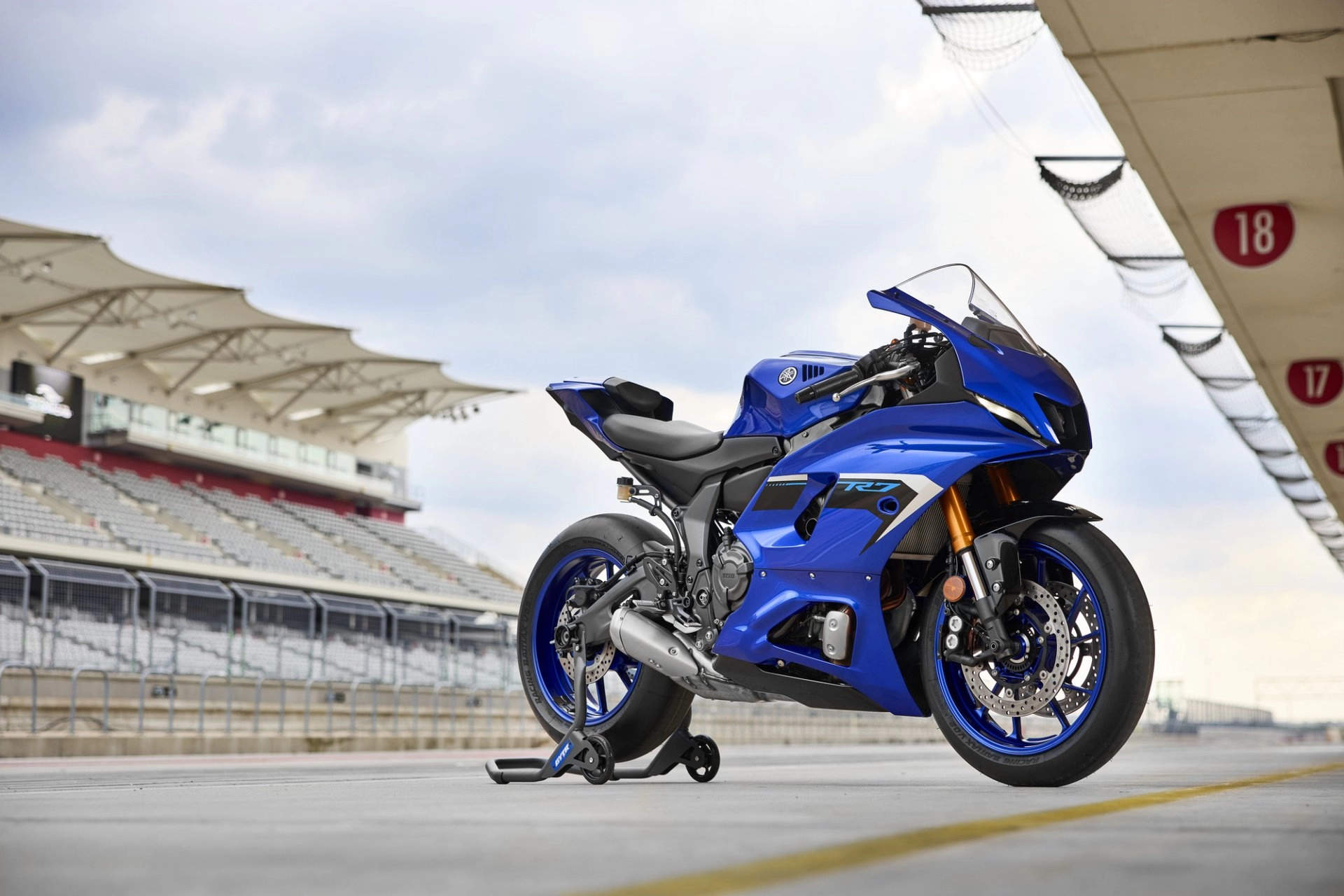
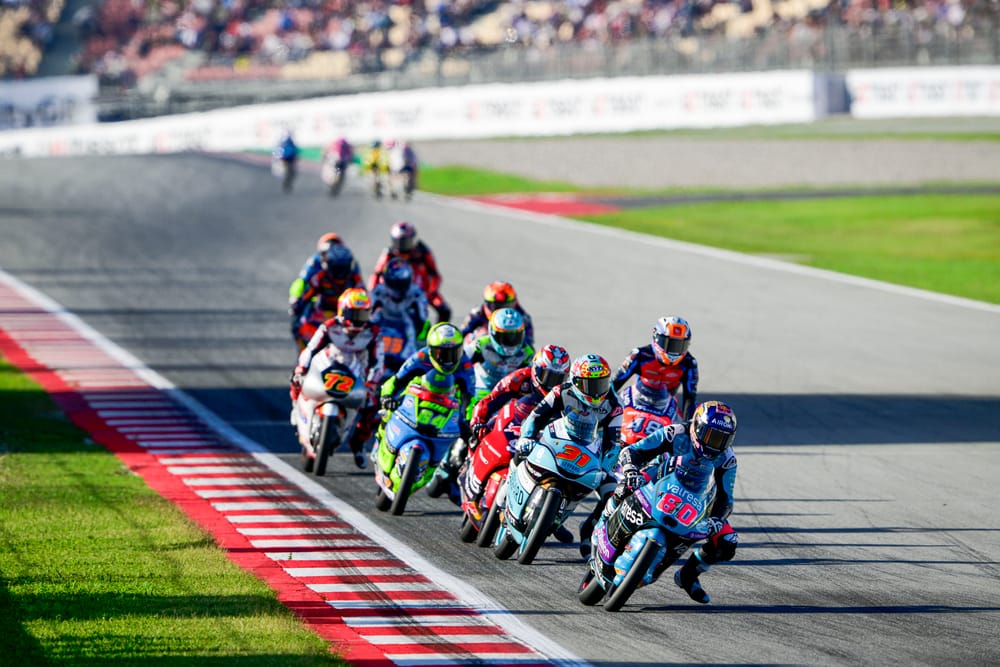
2028 is already slated to be an important, if not watershed year for MotoGP as there will be many significant changes to the premier class bikes. However, it will not be the only class seeing these changes, as the feeder Moto3 class will be affected. Now a rumour has surfaced that Yamaha wants to be the exclusive engine supplier for Moto3, in 2028.
The current Moto3 formula allows for different manufactures to compete. As such, we have been seeing the likes of Honda and KTM vie for glory. In more recent years, other manufacturers have “rented” the 250cc, single-cylinder KTM RC250GP 250cc bike and slapping their names on it for branding.
To keep costs under control, the rules stipulate that teams can use up to six power units over the course of a full season, with a cost cap reported to be €60,000 (MYR295,302.00). Chassis are also limited to a cap of around €85,000 (roughly MYR418,344.50).
However, the development costs borne by Honda and KTM are undoubtedly high, as no one likes to lose. As such, there is talk of turning Moto3 into a single-make race like Moto2 – where one manufacturer supplies the engines, while teams rent or buy frames, chassis, and other components rather than renting the complete bike.
If the rumours are true, we may just see Moto3 bikes using the Yamaha R7’s 689cc, twin-cylinder engine. The engines will modified for racing, of course.
It was also said that other manufacturers are interested in supplying the engines: Honda, KTM, and CFMOTO.
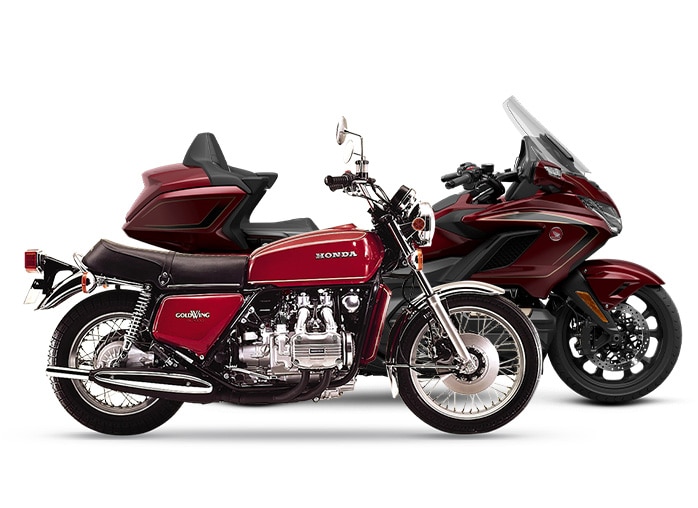
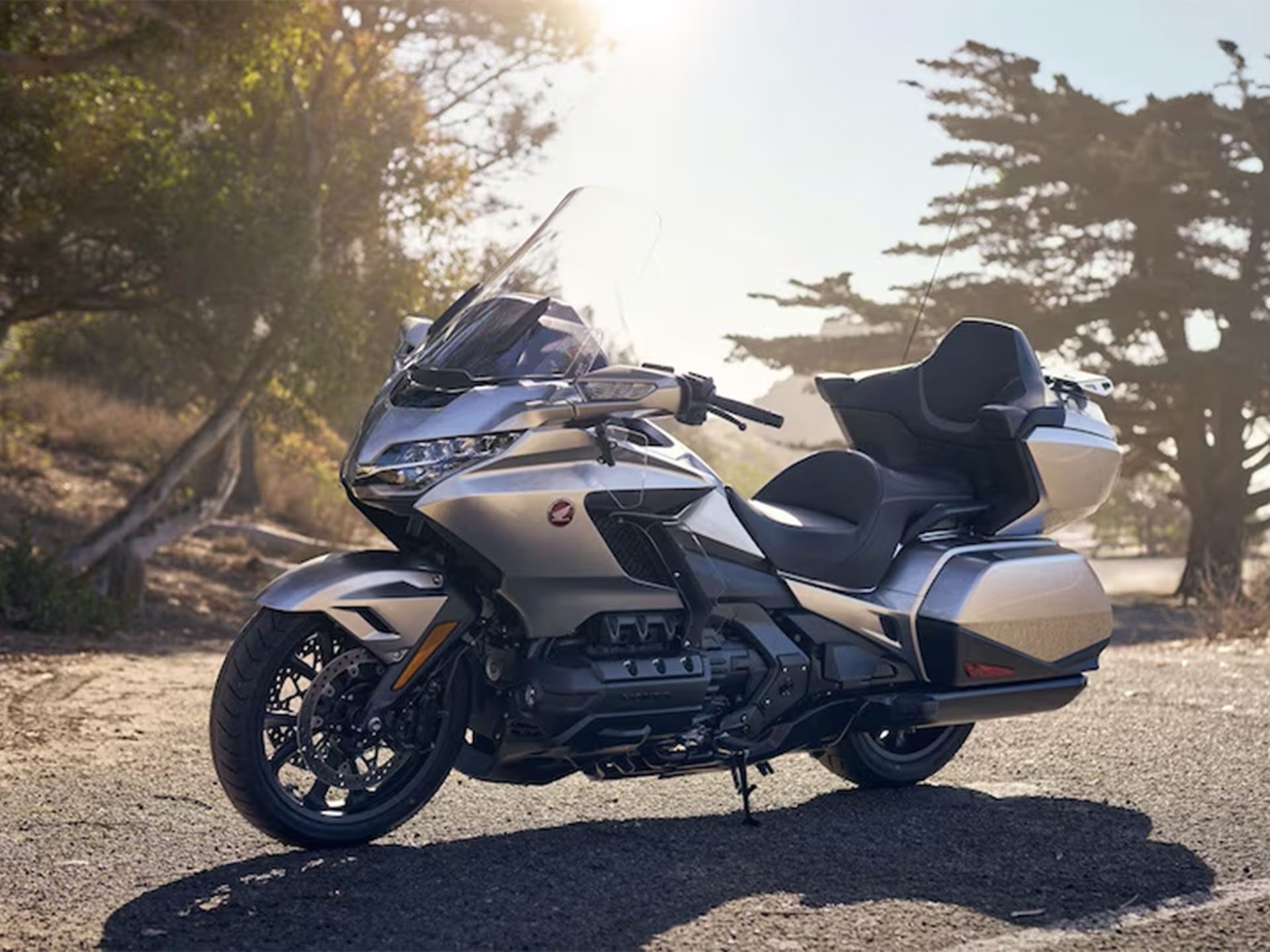
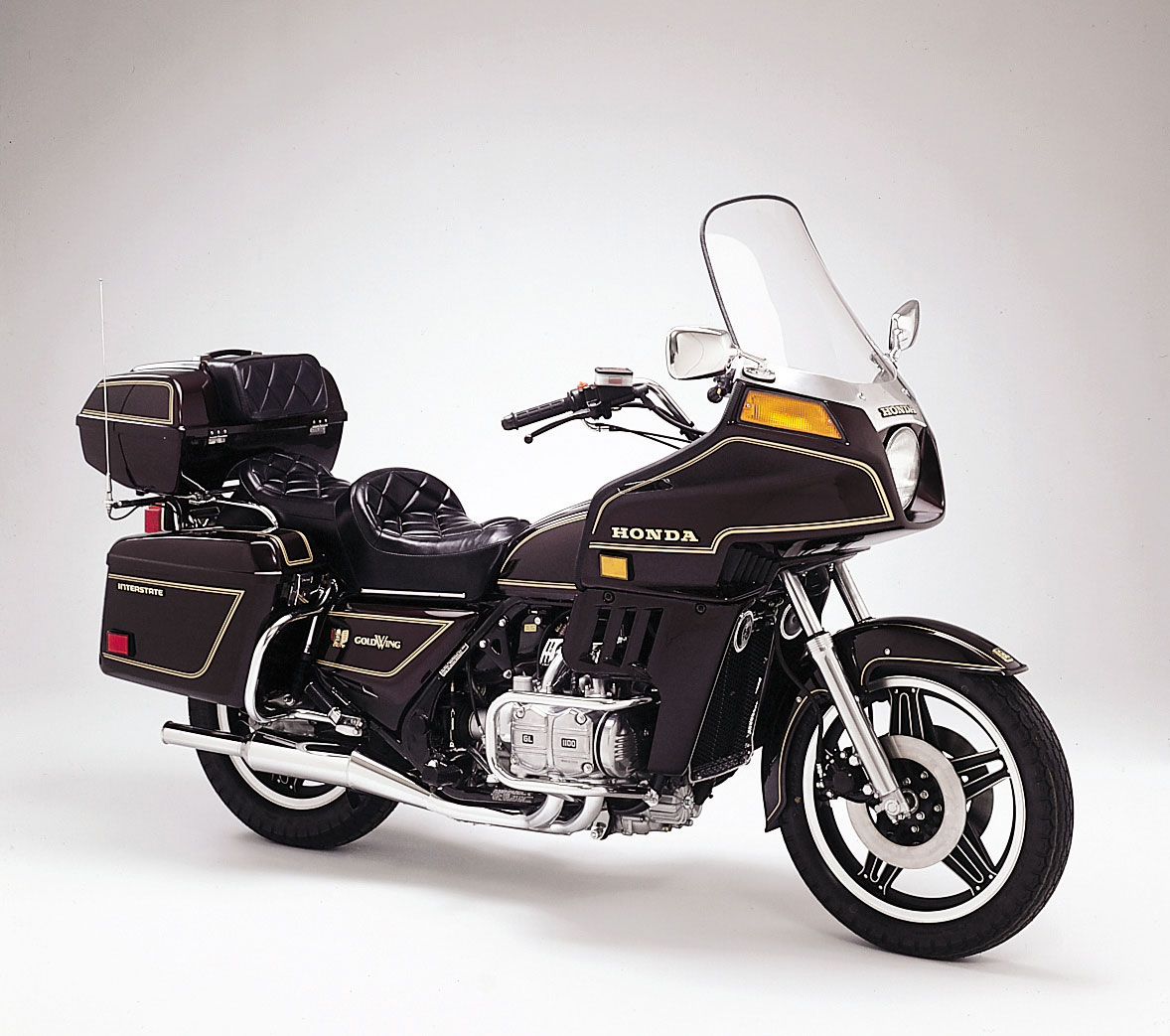
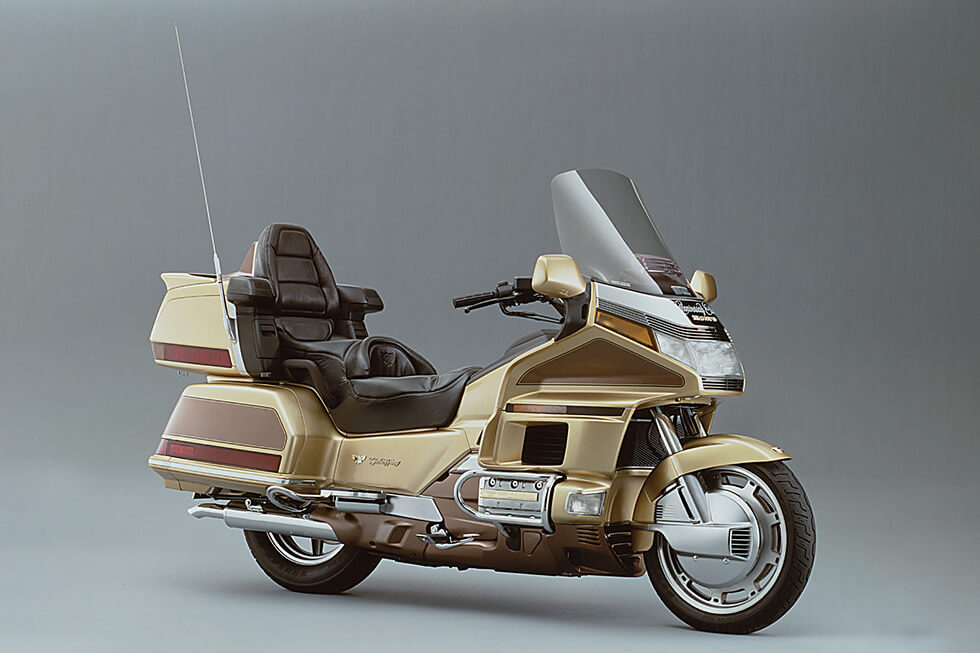
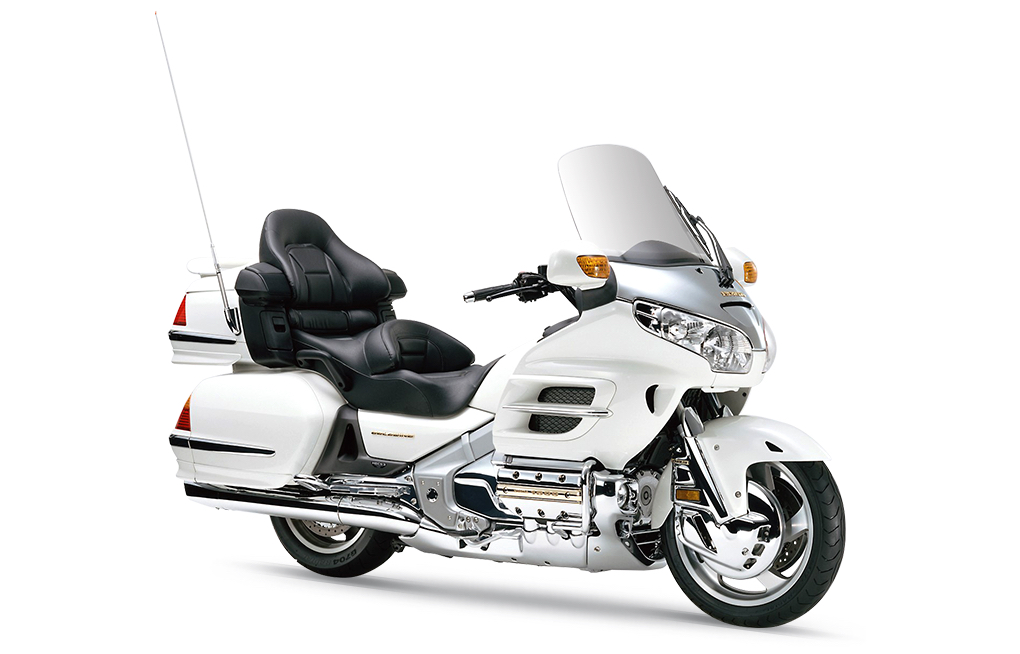
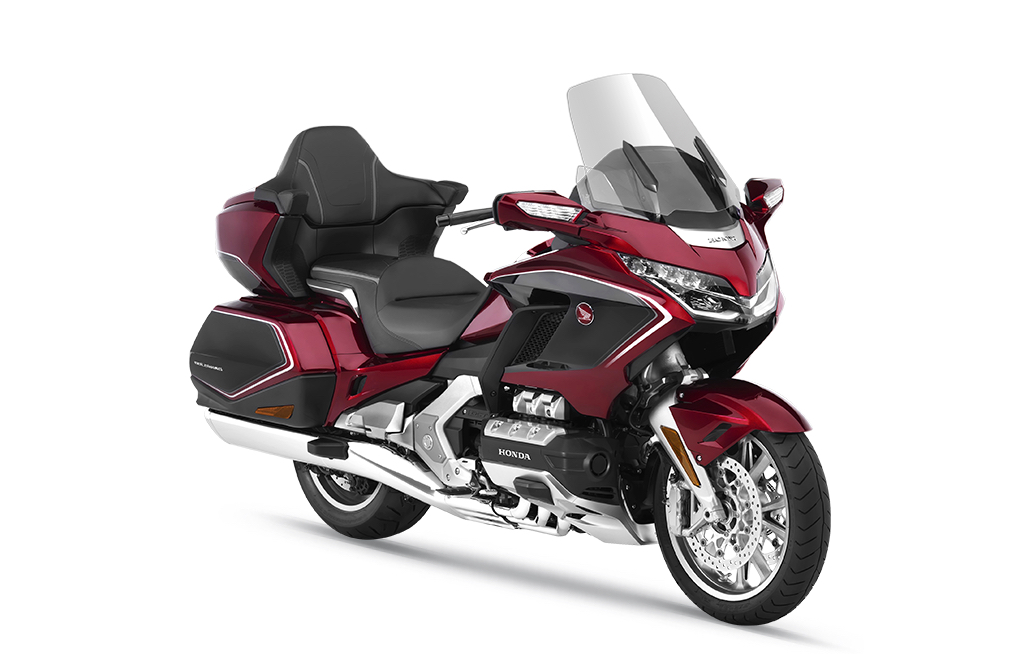
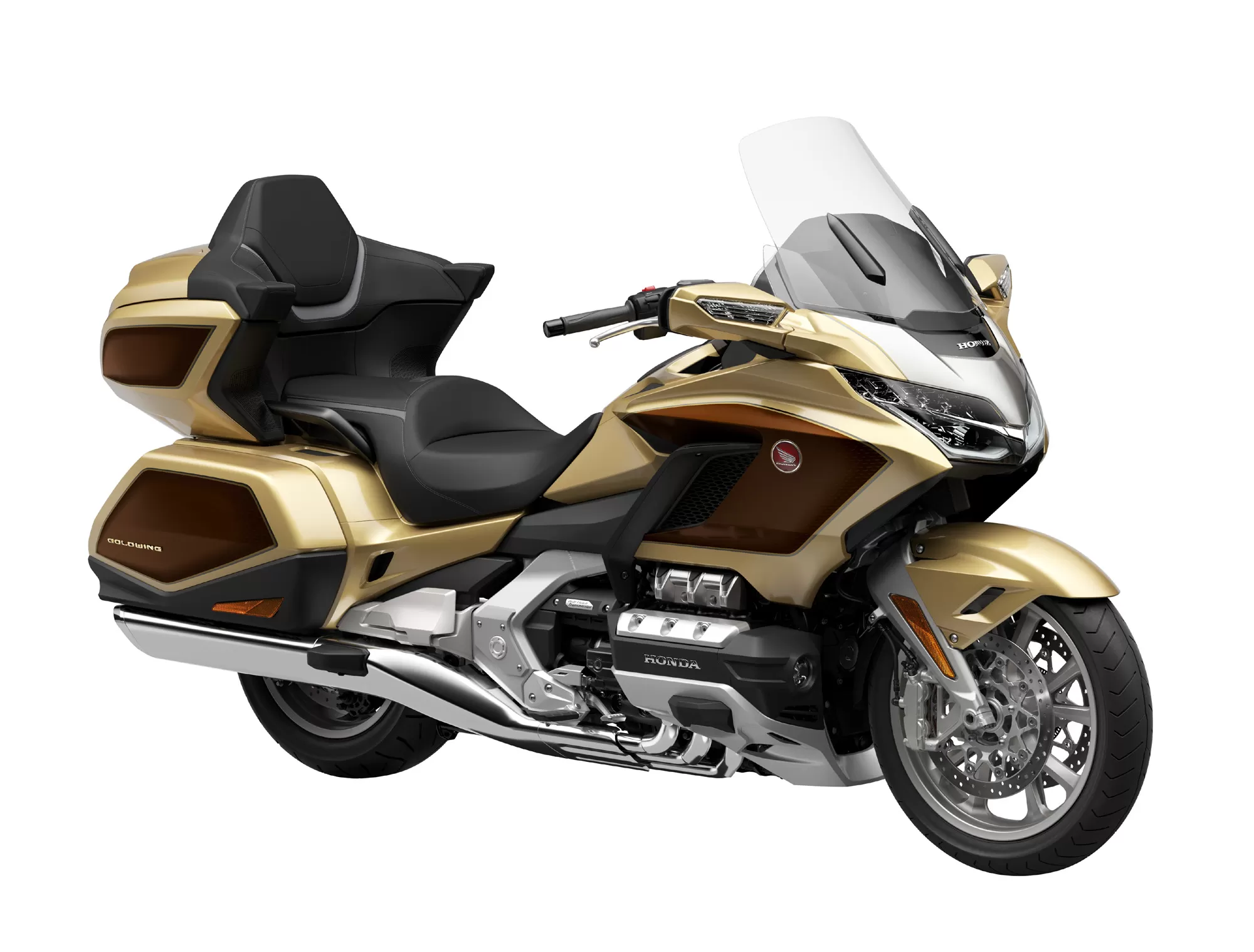
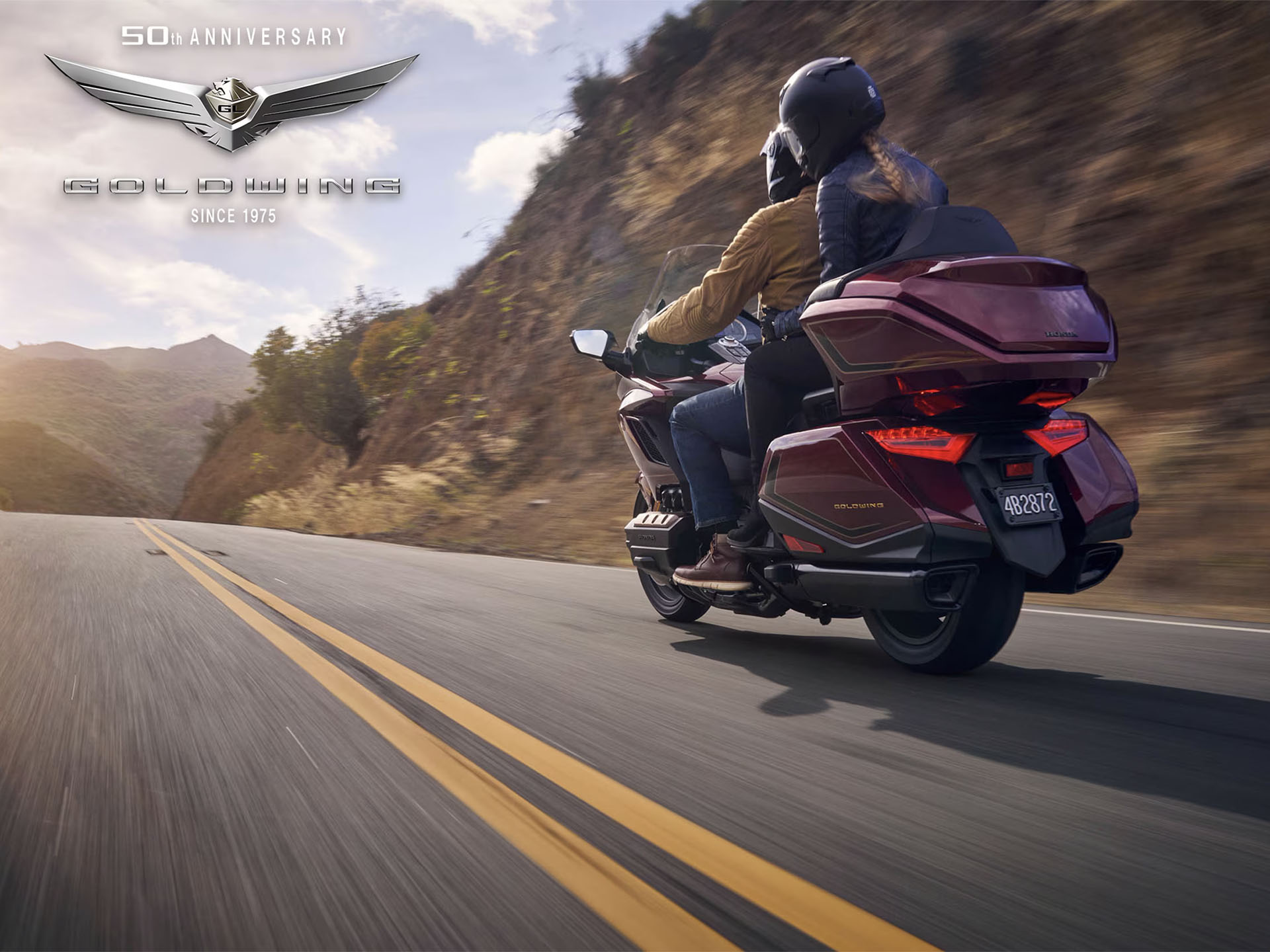
2025 marks the 50th anniversary – the Golden Jubilee – of the Honda Gold Wing. 50 years is a long time for any motorcycle model production, and the Gold Wing has been through several significant moments in history.
In the pantheon of motorcycling icons, few machines command the respect and admiration of the Honda Gold Wing. It is the undisputed monarch of the long-distance touring realm, a two-wheeled institution synonymous with comfort, innovation, and continent-devouring capability. Yet, its journey to the throne was anything but predictable. The evolution of the Gold Wing is a fascinating tale of a motorcycle that repeatedly reinvented itself, evolving from a purist’s sport-tourer into a technological flagship that continues to define the luxury touring category.
The Genesis: A “Naked” Superbike (1975-1979)
The story begins not with the fairing-clad behemoth we know today, but with a revolutionary engineering exercise.
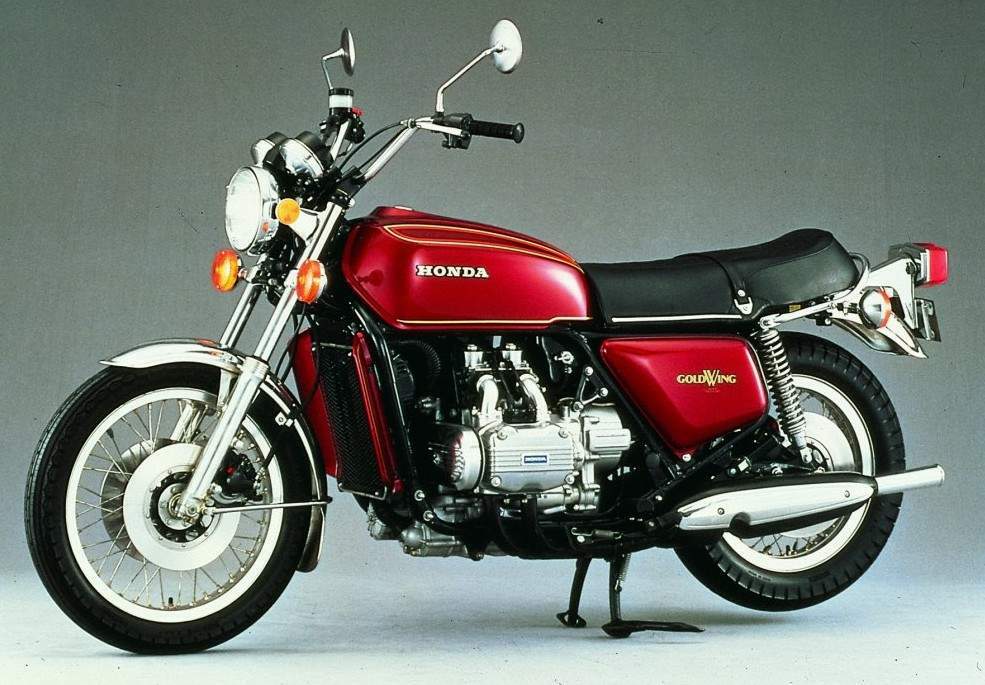
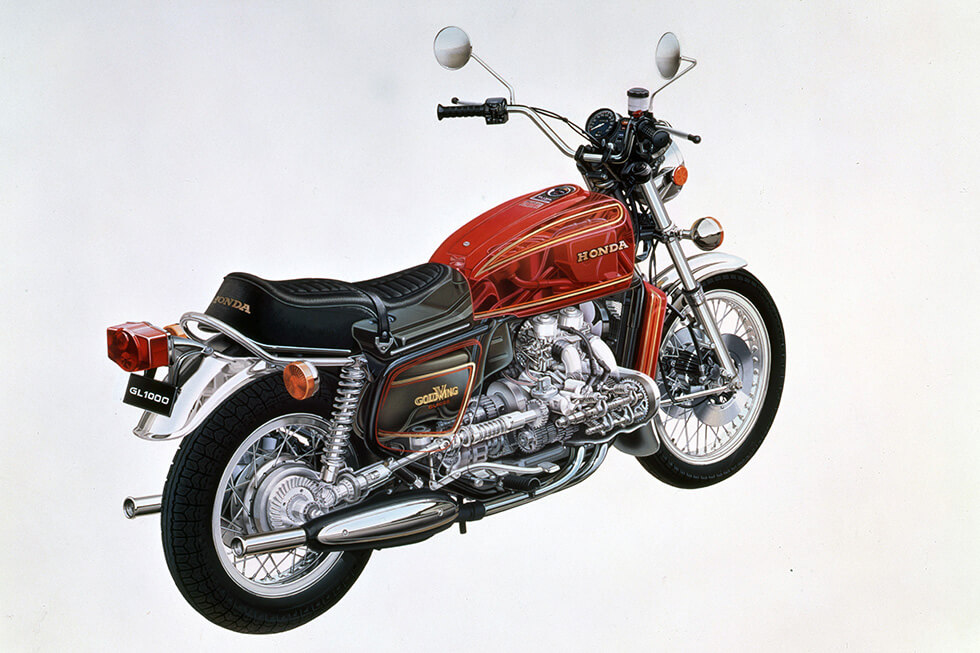
When Honda unveiled the GL1000 in 1975, the motorcycling world was stunned. At its heart lay a masterpiece: a liquid-cooled, horizontally opposed four-cylinder engine. This “flat-four” configuration, reminiscent of a sports car’s powertrain, provided a incredibly low center of gravity and an exceptionally smooth, vibration-free power delivery. With nearly 1000cc and 80 horsepower, it outperformed many contemporary superbikes, including Honda’s own CB750, which was universally called “the world’s first superbike.”
Surprisingly, the original Gold Wing was a minimalist. It arrived without a fairing, sporting only a simple fuel tank (though the actual tank was hidden under the seat to lower weight) and a solitary, dual-purpose seat. It was a “high speed tourer” according to Honda, a sleek and potent machine that enthusiasts quickly recognized as an unparalleled platform for long-distance travel. Riders began to customize them, adding aftermarket fairings and saddlebags, signaling to Honda a latent demand they had not yet fully anticipated.
The Transformation: Becoming the Tourer (1980-1983)
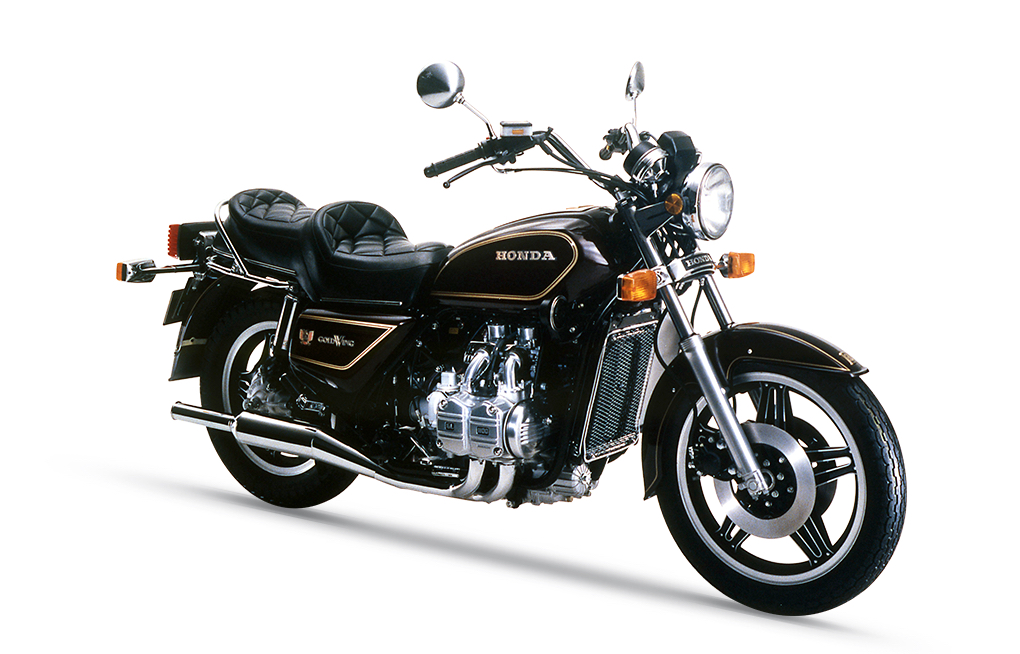
Honda is a company that listens, and the 1980s marked the Gold Wing’s definitive shift in identity, and in doing so, differentiate itself from the performance-oriented CB range.
The GL1100, introduced in 1980, was offered from the factory with optional factory-fitted fairings and luggage.
The Shape of the Future: The Full-Dress Tourer Debuts (1984-1987)
The market responded overwhelmingly to the GL1100 and by 1984, the GL1200 series had cemented the Gold Wing’s new silhouette. The Interstate model provided the full-dress experience, while the Aspencade added luxury touches like a digital dashboard and a premium sound system.
GL1200 Gold Wing Interstate
This was no longer just a motorcycle; it was a rolling living room. Comfort became paramount. The engine grew in displacement and refinement, designed not for peak horsepower but for a broad, seamless wave of torque. The riding position became more relaxed, and the chassis was engineered to handle the increasing weight of the amenities. The Gold Wing had found its calling: to isolate its rider and passenger from the hardships of the road, transforming a cross-country journey into a serene, effortless event.
The Apex of Analog: The Mighty Six-Cylinder Era (1988-2000)
If the 1200cc model solidified the concept, the 1988 GL1500 perfected it. This was a monumental leap. Honda replaced the flat-four with a majestic, 1520cc horizontally opposed six-cylinder engine. The increase in cylinders translated to an otherworldly level of smoothness and torque. The motorcycle’s profile became broader, more authoritative, and undeniably grand.
The GL1500 was a marvel of pre-digital analog engineering. It featured a complex, multi-speaker audio system, cruise control, reverse gear, and enough storage capacity to rival a small car. It was the ultimate expression of the “bigger is better” philosophy, a machine that prioritized supreme comfort and presence above all else. For over a decade, it reigned supreme, facing little competition and building a cult-like following among touring purists.
The 21st Century Flagship: The Technological Leap (2001-2017)
In 2001, Honda unveiled the GL1800, a machine that was as much a feat of structural engineering as it was a motorcycle. The new 1832cc flat-six engine was now a stressed member of the frame, which was a single-piece, die-cast aluminum unit. This resulted in a stiffer, lighter chassis that transformed the bike’s handling, making the colossal machine feel surprisingly agile.
The GL1800 became the new benchmark for two decades. It incorporated cutting-edge technology, including optional satellite navigation and, in a world-first for production motorcycles, an optional airbag. Its audio system was concert-hall quality, and its weather protection was absolute. It was the pinnacle of the fully integrated, all-in-one touring package, a technological fortress on two wheels.
The Modern Rebirth: The Agile Grand Tourer (2018-Present)
By the 2010s, the touring market was changing. Riders, including an aging core demographic, sought lighter, more manageable machines. Honda’s response in 2018 was a comprehensive and daring redesign. The new Gold Wing underwent a dramatic diet, shedding nearly 50 kg. The most radical change was at the front, where a double-wishbone suspension system replaced the traditional telescopic fork, improving handling and reducing front-end dive under braking.
Most significantly, the cockpit was catapulted into the modern age. A full-color TFT display became the command center, integrating with Apple CarPlay and Android Auto. Multiple riding modes, hill start assist, and a 7-speed DCT automatic transmission option broadened its appeal. Honda had successfully re-engineered a legend, preserving its core luxury and comfort while gifting it with a newfound spirit of agility and modern connectivity.
And, finally, the 2025 Honda Gold Wing 50th Anniversary
The 2025 Honda Gold Wing 50th Anniversary is a rolling monument to a half-century of touring supremacy. To honour this legacy, Honda has adorned its flagship tourer with two stunning Eternal Gold and Bordeaux Red Metallic paint scheme, a direct and elegant homage to the iconic colours of the original 1975 GL1000. This visual tribute is complemented by exclusive 50th Anniversary badging on the saddlebags and fuel tank, along with gold-coloured alloy wheels and meticulously embroidered seats, ensuring that its celebratory status is recognised at every glance.
Conclusion
The Honda Gold Wing’s evolution is a masterclass in listening to riders and daring to lead. It has grown from a sophisticated engine in search of a purpose to the most complete and capable touring machine on the planet. It is a testament to Honda’s engineering philosophy, proving that even a legend can continue to evolve, ensuring that the king of the tourers remains as relevant tomorrow as it was half a century ago.
“The product broke just one day after the warranty ended.” Ever heard that line before? We are not saying that it happened or will happen to a Honda motorcycle or car, or every product, but we have had several products do exactly that. Thus an extended warranty program is always a good thing to have for a peace of mind, just like this new Honda X-tend Extended Warranty Program.
FROM THE PRESS RELEASE
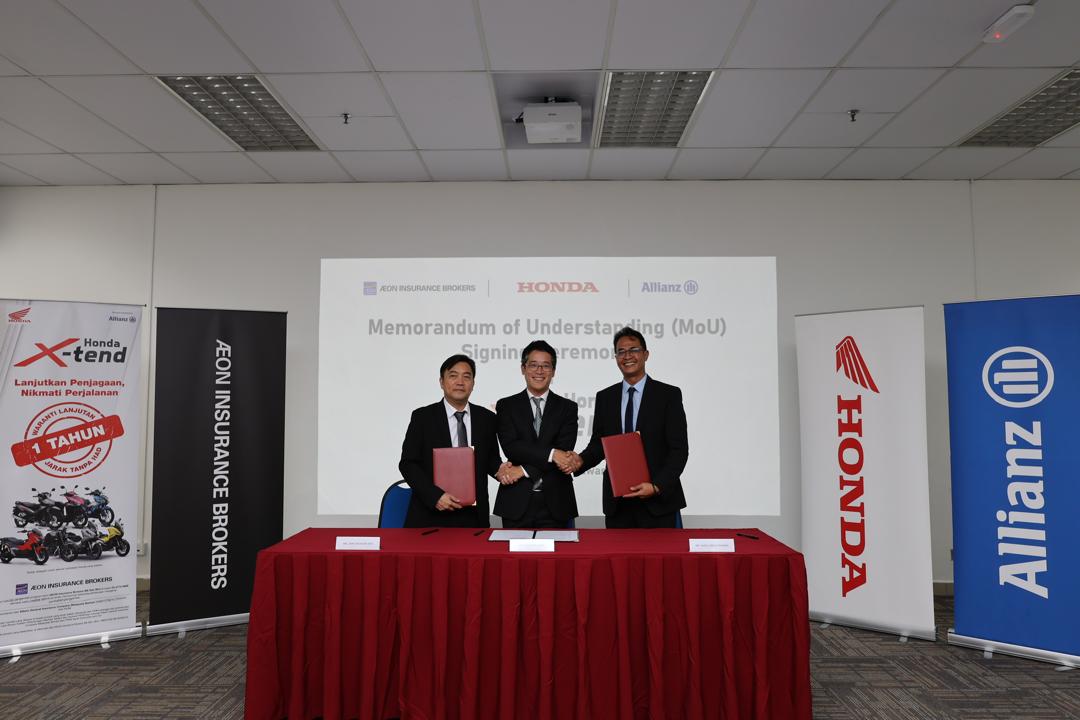
Boon Siew Honda Sdn. Bhd. launched its new extended warranty programme, Honda X-tend yesterday, in collaboration with AEON Insurance Brokers (M) Sdn. Bhd. (“AEON Insurance Brokers”) and Allianz General Insurance Company (M) Berhad (“Allianz”).
This initiative reflects BSH’s commitment to enhancing the ownership experience by offering continued protection and peace of mind beyond the standard warranty period.
Policy Owner: Boon Siew Honda Sdn. Bhd.
Program Manager: AEON Insurance Brokers (M) Sdn. Bhd.
Licensed Insurer: Allianz General Insurance Company (M) Berhad
The official launch was marked by a Memorandum of Understanding (“MoU”) signing ceremony held at BSH’s Headquarters in Batu Kawan, Penang.
With Honda X-tend, customers can enjoy:
An additional 1-year extended warranty on top of the standard 2-year warranty coverage.
Unlimited mileage protection throughout the 1-year extended warranty period.
In addition, this extended warranty covers key components such as the engine, brakes, and gearbox, with claim benefits of up to RM20,000 per year, ensuring greater confidence and long-term protection for every rider.
Furthermore, the Honda X-tend Extended Warranty Program is now available for all new Honda motorcycle registrations and can be conveniently purchased at any Honda Authorized Dealer nationwide, offering added assurance and peace of mind throughout the ownership journey.
To commemorate the launch of the new Honda X-tend Program, Boon Siew Honda is offering added peace of mind especially for RS-X and RS-X Winner owners with 3 years of warranty coverage (2+1 years). From 17th October to 31st December 2025, customers who purchase either model will receive a complimentary 1-year extended warranty under the Honda X-tend Program.
“At Boon Siew Honda, we want every customer to experience the true Joy of Riding with confidence and peace of mind.
Through the Honda X-tend program with Allianz and AEON Insurance Brokers, we extend our care beyond the standard warranty, so our customers can continue to enjoy their journeys with trust and reassurance.” – Kunitomo Asano, CEO of BSH
“Honda X-tend marks an important step forward in strengthening customer protection and delivering long-term value. We are honored to be chosen by Boon Siew Honda as a trusted partner for this programme. At AEON Insurance Brokers, we remain committed to providing innovative insurance solutions that complement our partners’ strengths and support customers throughout their ownership journey.” – John Tan, Managing Director of AEON Insurance Brokers
“At Allianz General, we are committed to providing best-in-class services and enhancing the value we deliver to our customers. We look forward to working alongside AEON Insurance Brokers in providing extended coverage to Boon Siew Honda’s customers, ensuring that they can ride their new motorcycles with joy and confidence in knowing that they are protected in the event of potentially costly and unforeseen repairs.” – Sazali Abdul Rahman, Deputy Chief Sales Officer of Allianz General.
With the introduction of Honda X-tend, Boon Siew Honda reaffirms its commitment to enhancing customer care and delivering the Joy of Ownership to riders across Malaysia.
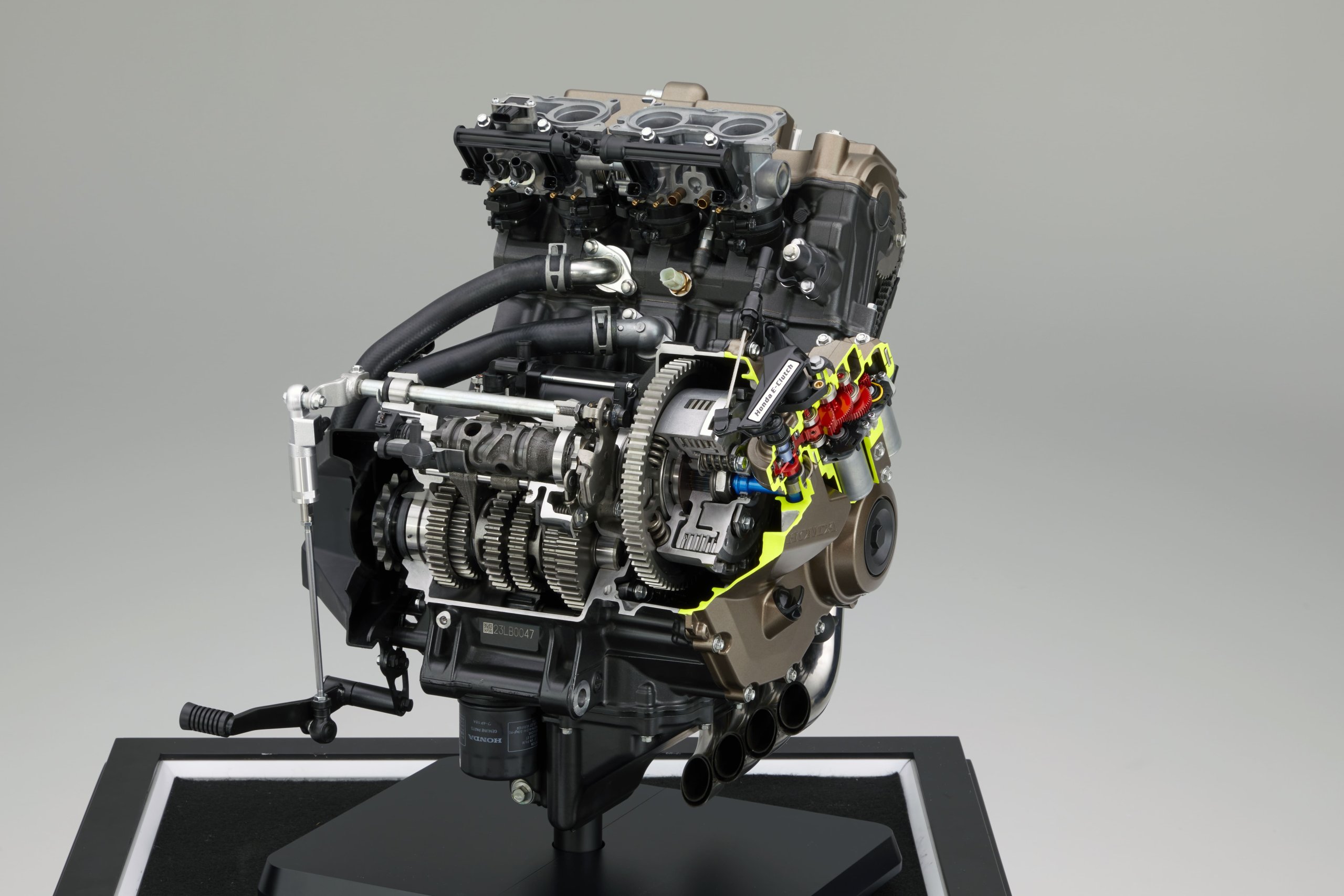
This is probably a little late, but better late than never, right? The Honda e-Clutch has been in the market for a while now, but there still exists some confusion among motorcycle enthusiasts. So we decided to describe how the system actually works. It turns out that such system is fitted to several of the manufacturer’s cars, too.
The Core Concept: A Robot for Your Clutch Lever
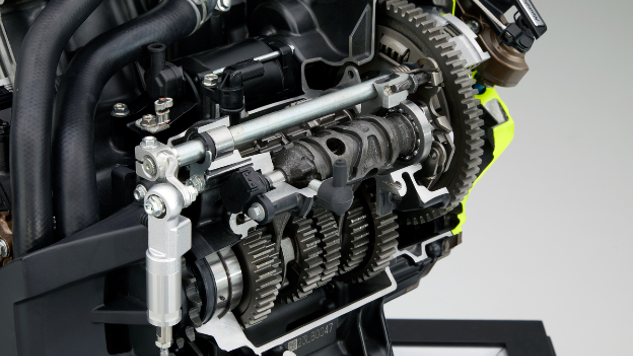
In simple terms, the Honda e-Clutch system is an add-on electro-mechanical system that operates the clutch pedal for you on a traditional manual transmission. Unlike Honda’s own Dual Clutch Transmission (DCT) the e-Clutch does NOT change the gears for you—you still have to move the gear lever yourself.
Think of it as a robot that sits on the left handlebar and presses the clutch lever with perfect timing and smoothness, every single time. You get the engagement and fun of shifting your own gears, but without the physical effort or the risk of stalling – useful for navigating a congested urban landscape.
Key Components of the System
To make this magic happen, the system uses several key components:
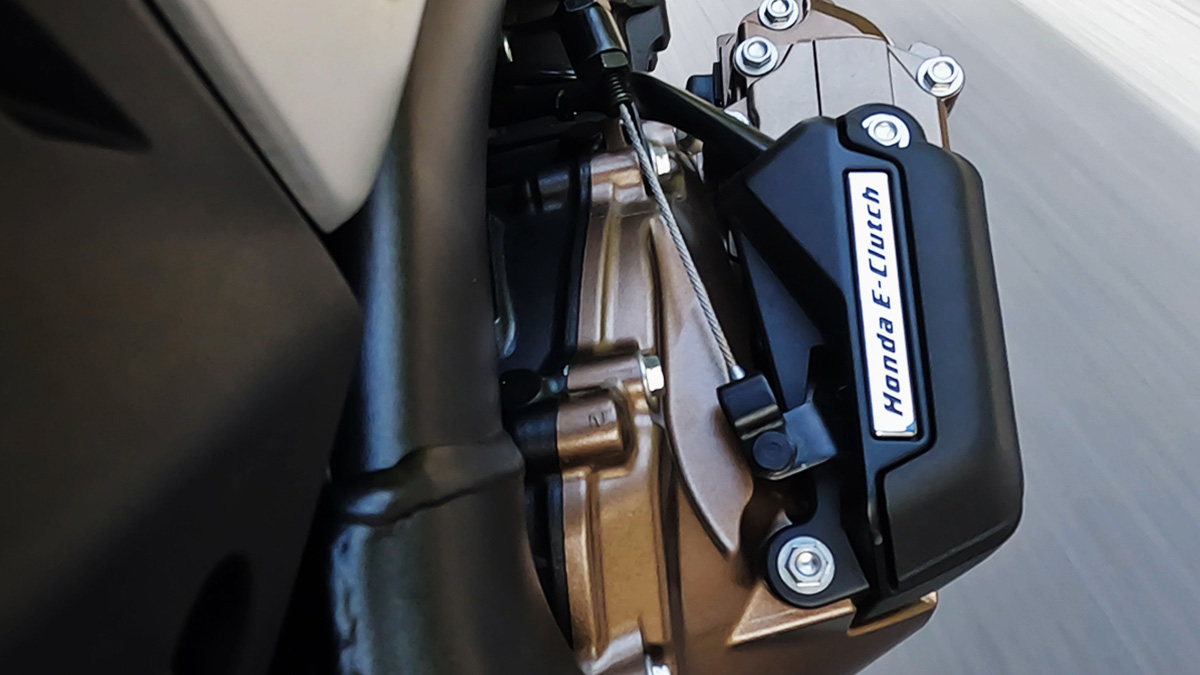
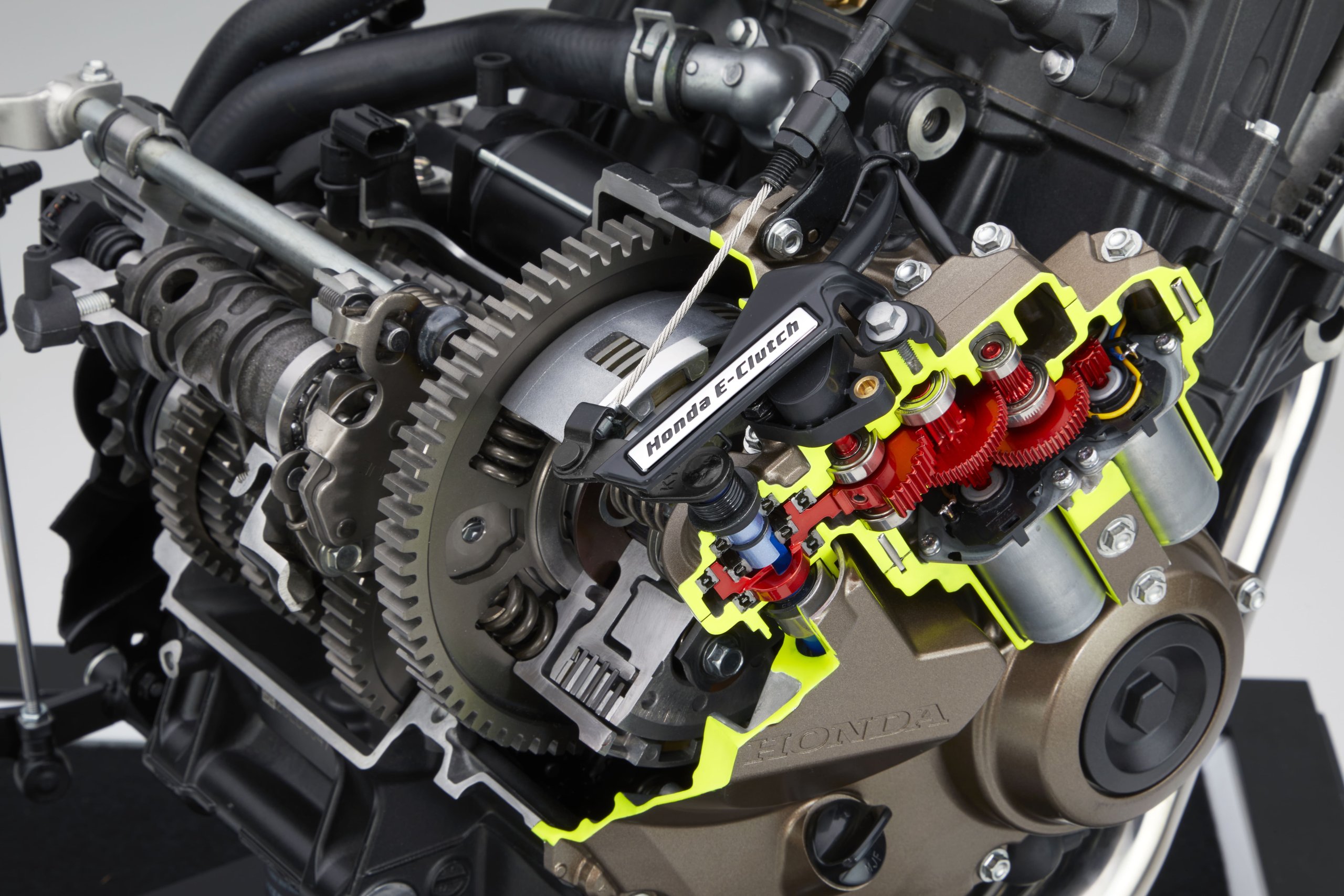
Clutch Actuator: This is the heart of the system. It’s an electric motor and gear mechanism physically attached to the clutch lever arm. When activated, it pushes or pulls the arm to engage or disengage the clutch.
Stroke Sensor: This sensor monitors the position of the clutch lever. It tells the motorcycle’s computer (ECU) how far you’re pressing the lever, allowing for manual override.
Gear Position Sensor: This tells the ECU which gear you are currently in or if you are in neutral.
Engine Control Unit (ECU): The brain of the operation. It processes data from all the sensors and decides when and how to command the clutch actuator to engage or disengage.
How It Works in Different Riding Scenarios
Here’s where the system truly shines, making riding with a manual transmission incredibly easy.
1. Starting from a Stop (The #1 Reason People Stall)
This is the system’s most useful feature. In a normal manual car, you have to carefully balance the clutch and throttle to move off without stalling.
With e-Clutch: You simply press the gear lever, select first gear, and then press the accelerator. The system automatically engages the clutch smoothly to get the bike moving. It’s impossible to stall. Once you’re moving, you can shift to second gear without pulling the clutch lever, nor do you need to back off the throttle, as the system turns into a quickshifter.
In this mode, the clutch lever’s cable tension goes slack. For long-time motorcycle riders, it is as if the cable came loose. But not to worry here, because it is the e-Clutch system telling you that it is now working.
2. Normal Gear Shifting (Utilising the clutch lever)
When you are riding and want to change gears, the process is seamless:
Move the gear lever into the next gear (do not touch the clutch lever).
You do not have to roll out of the throttle, just keeping it open is fine.
The system detects your gear lever movement and automatically disengages the clutch for a split second to allow the shift.
Once the new gear is selected, it automatically re-engages the clutch smoothly.
3. Coming to a Stop
As you slow down, the system will automatically disengage the clutch just before the engine RPM gets too low, preventing a stall.
You can come to a complete stop, and the motorcycle will remain in gear without stalling. You then simply put it in neutral or keep it in gear.
4. Manual Override & “Traditional” Mode
This is a crucial feature for driving purists. The physical clutch lever is still there. You can pull it at any time to take full manual control, just like in a traditional manual motorcycle. The system immediately disengages and lets you drive as you normally would with the bonus of a quickshifter.
Benefits of the Honda e-Clutch
Impossible to Stall: The bike’s computer prevents it, making it ideal for stop-and-go traffic and new learners.
Reduced Rider Fatigue: No constant clutch work in heavy traffic makes for a much more relaxed ride.
Retains Riding Engagement: You are still physically changing gears, maintaining the connection and fun of a manual transmission.
Smoother Operation: The system can engage the clutch more smoothly than most human drivers, leading to a more refined feel.
Great for Learning: It’s a perfect tool for teaching someone how to ride a manual motorcycle, as it removes the fear of stalling while they learn gear patterns and timing.
What It Is NOT
It’s important to understand the limitations:
It is NOT an Automatic Transmission: It does not select gears for you. You must move the gear lever for every shift.
It is NOT a Single-Clutch Automated Manual (like an older Smart car): Those systems often have jerky shifts because they control both the clutch and the gearshift robotically. With the e-Clutch, the human provides the smoothness and decision-making for the gear change.
It is NOT a Dual Clutch Transmission (DCT): Honda’s DCT is actually an automatic-manual transmission. It consists of all the gears of a manual transmission instead of the CVT found on scooters. However, the system is fully clutchless and the bike does not even have a clutch lever. Thus the rider can select AUTO and leave it to shift by itself, or choose MANUAL and shift using buttons.
Summary
The Honda e-Clutch is a clever, pragmatic technology. It removes the most tedious and difficult parts of riding a manual motorcycle (stalling, traffic jams) while preserving the joy and control that enthusiasts love. It’s the best of both worlds for many riders.
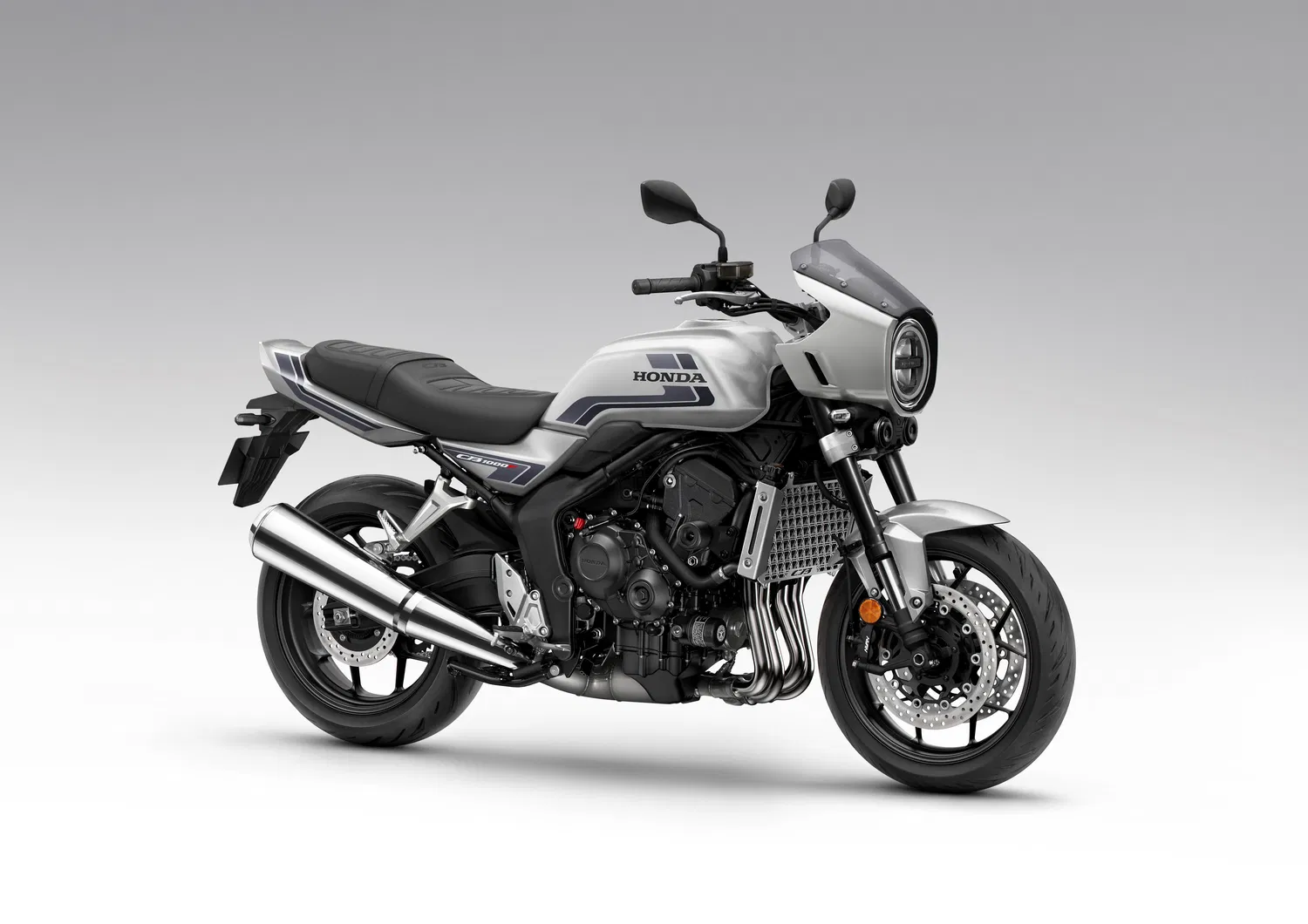
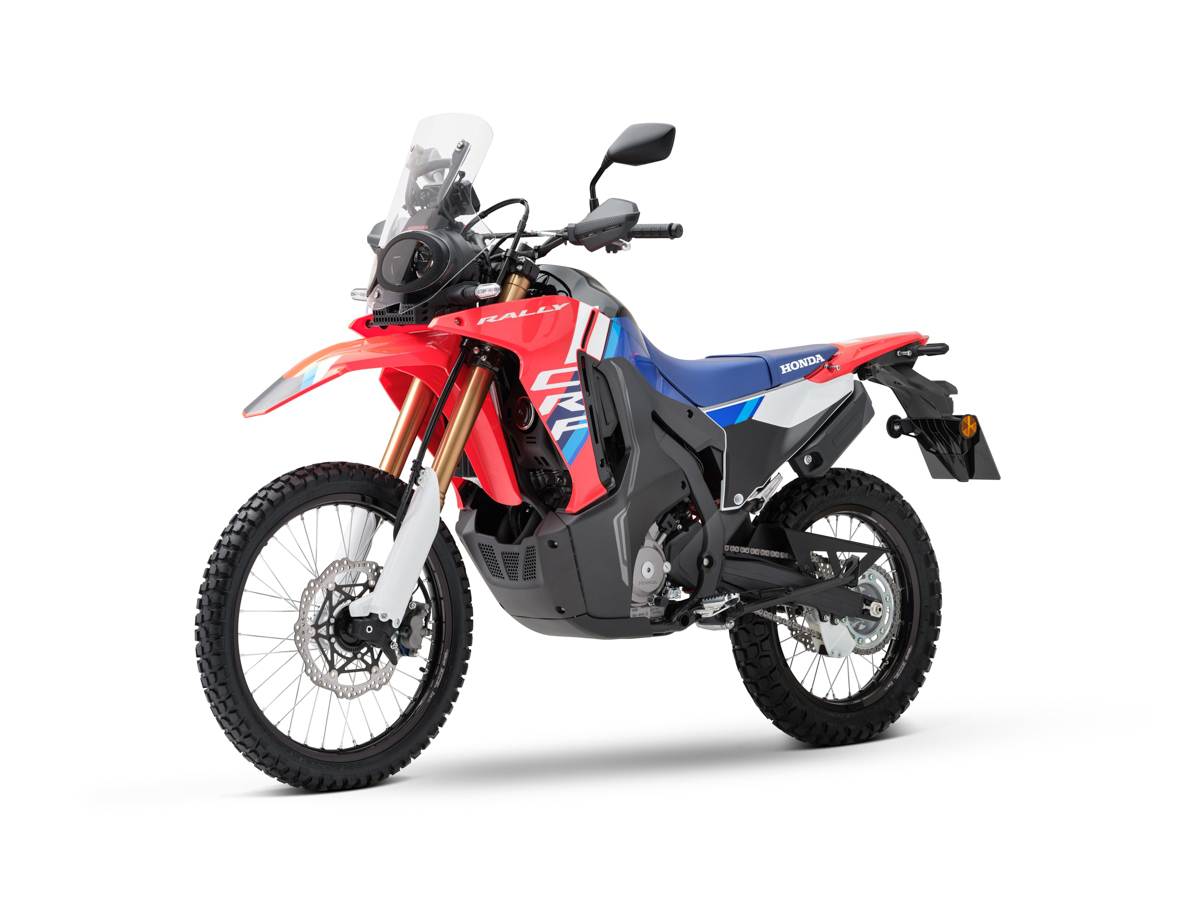
As of now, Honda has fitted the e-Clutch to the CB650R, CBR650R, and Rebel 300. There are plans to expand this option to other models in the catalogues.
If you do not know that China’s motorcycles are beginning to dominate or have already dominated certain markets, then we say, “Welcome home” from your travels through the multiverse. China has been a global manufacturing powerhouse for more than 20 years now, and riding this wave is their automotive industry.
History
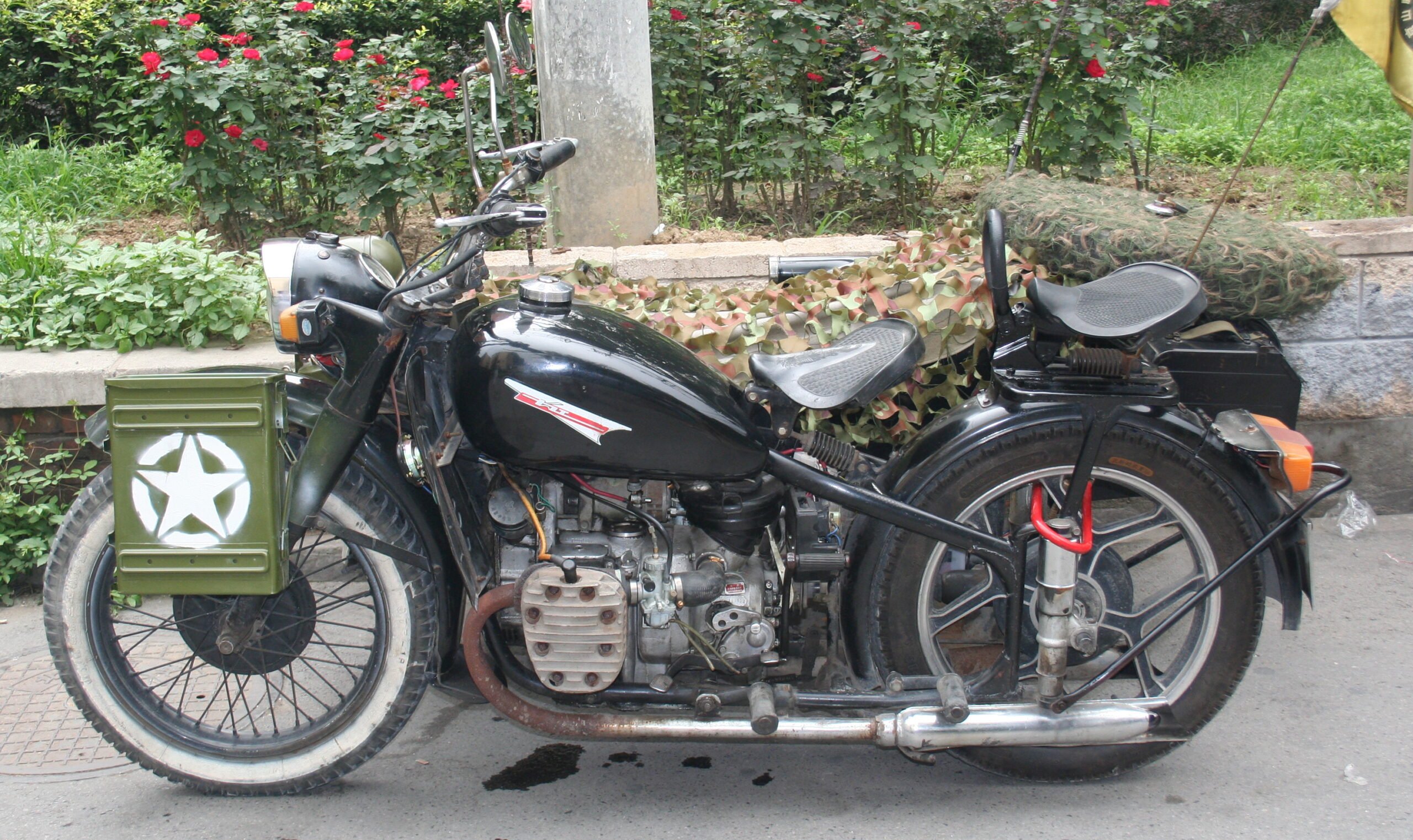
Motorcycle manufacture in China first began in 1951, when the People’s Liberation Army began producing a 500cc motorcycle to meet the country’s military requirements during the Korean War. It was developed on the lines of the K500, a German model used in World War II.
Before the end of the 1970s, motorcycles produced in China were mainly used by the military services. However, the Beijing Motorcycle Factory, produced motorcycles for the general public that were based on the German pre-war BMW R71, and Russian Ural and Dnepr (in turn, based on the R71) from 1958 onwards.
People’s Liberation Army motorcycle, Picture by Gabriele Battaglia
In 1979, in Chongqing city, military munitions factory China Jialing Industrial Company began to independently manufacture motorcycles for civilian use, ushering in the modern era of Chinese motorcycle production. In 2000, the Chinese industry took over as the biggest motorcycle producer in the world, a position that it has maintained.
Manufacturing: The World’s Motorcycle Factory
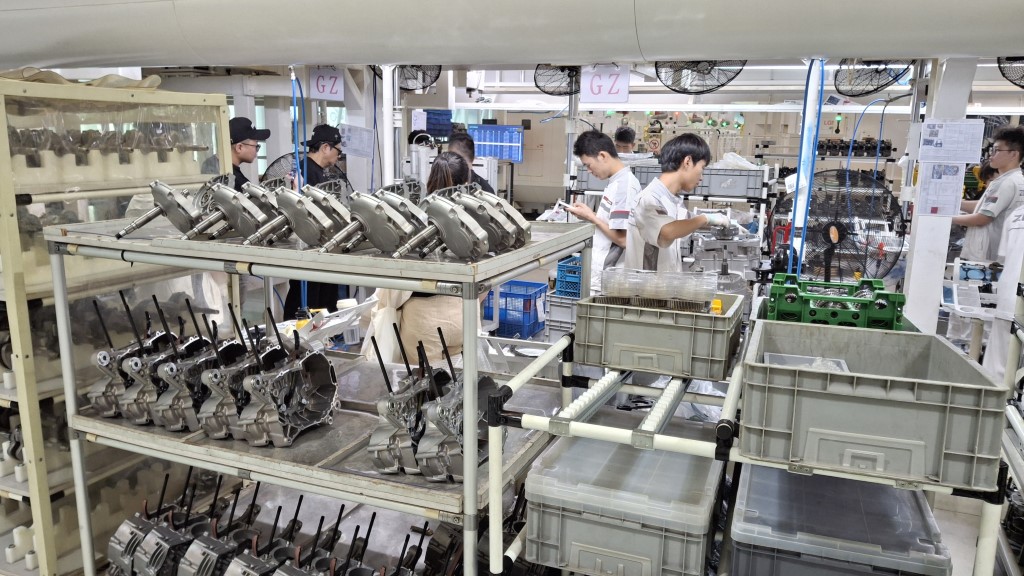
China’s manufacturing scale is immense. In 2023, the country produced over 18.3 million motorcycles. Driven by strong domestic and international demand, production is projected to reach close to 20 million units in 2024 and maintain this upward trajectory into 2025.
A key feature of this output is the clear split between traditional and electric models. While gasoline engines remain important for export, a massive and growing portion of production is dedicated to electric two-wheelers, cementing China’s status as the global hub for both segments.
Domestic Sales: The Electric Kingdom
Within China, the story is overwhelmingly electric. The domestic market is fueled by affordable, convenient electric scooters and light motorcycles. These vehicles are not for recreation but are essential tools for daily life, serving as the primary mode of transport for millions of commuters and the backbone of the country’s vast delivery and logistics networks.
Sales figures closely mirror production, with tens of millions of units sold annually. The demand for electric models continues to surge, driven by urban mobility needs, supportive government policies for EVs, and a well-established charging infrastructure.
Exports: Conquering the World on Two Wheels
China is also the world’s top exporter. In 2023, it shipped 8.83 million motorcycles abroad. Data from the first half of 2024 shows an 11% increase, putting the country on track to export over 9.5 million units for the full year (the 2024 figures are not confirmed yet). This momentum is expected to continue, with annual exports projected to reach 11-12 million units by 2026.
These exports serve two distinct global markets:
Gasoline for Developing Economies: Reliable, low-cost motorcycles are shipped in huge numbers to countries across Asia, Africa, and Latin America for everyday transport.
Electric for Developed Markets: Exports of electric scooters to Europe and North America are the industry’s fastest-growing segment, with growth rates exceeding 36% as global demand for clean urban mobility explodes.
Top Brands and Manufacturers: The Key Players
There are some 200 motorcycle manufacturers in the country, consisting of a mix of state-owned giants, powerful private firms, and emerging premium brands.
Major Electric-Only Brands:
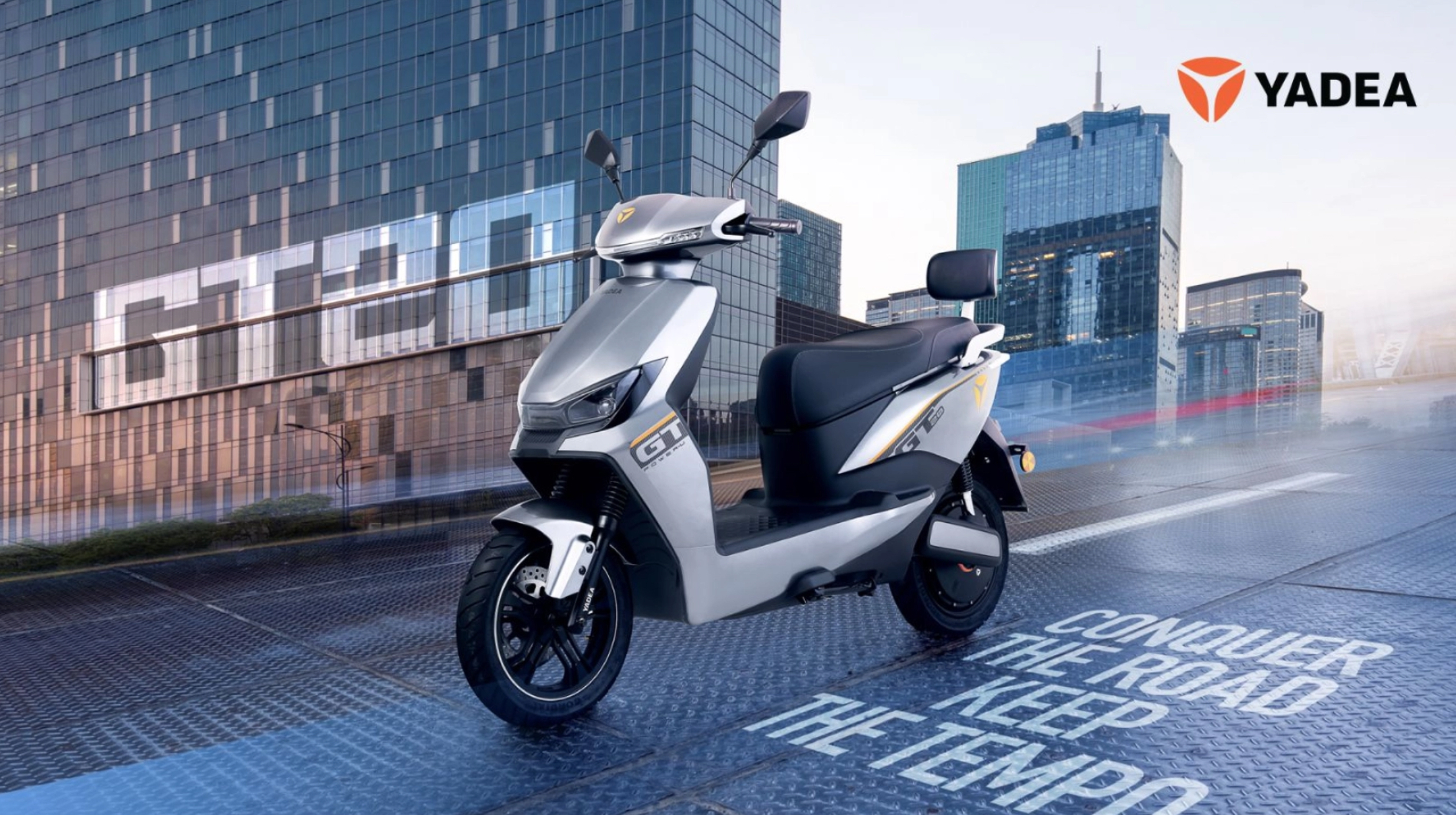
Yadea: A global leader in electric two-wheelers, known for its extensive range of scooters and bikes, dominating both the domestic market and international exports.
Aima: Another electric vehicle giant, competing directly with Yadea for market share in China and abroad with a focus on innovation and affordability.
Niu Technologies: Known for its smart, premium electric scooters with connectivity features, Niu has a strong presence in China and a growing footprint in Western markets.
Major Gasoline and Mixed Manufacturers:
Loncin: A massive manufacturer that produces millions of engines and vehicles annually. It is also a key production partner for international brands like BMW Motorrad.
Zongshen Industrial Group: A powerhouse in engine and motorcycle manufacturing, with a strong export business and a growing presence in the electric vehicle sector.
Lifan: A long-established player in the industry, producing a wide range of motorcycles, particularly known in export markets.
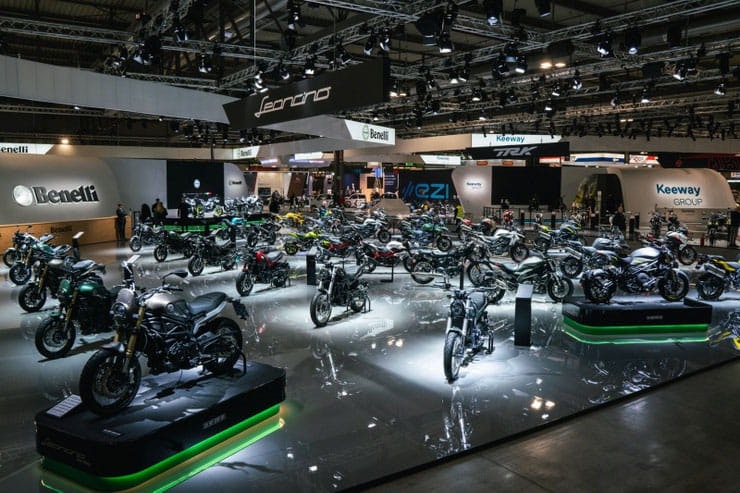
CFMoto: A standout brand that has successfully moved upmarket. CFMoto manufactures high-quality, larger-displacement motorcycles and is a direct competitor to established Japanese and European brands. It also has a renowned partnership with KTM.
2025: Smarter, Greener, and More Global
Looking ahead, the Chinese motorcycle industry’s strategy is clear:
Moving Upmarket: Brands like CFMoto are leading the charge, showing that Chinese manufacturers can compete on quality and technology, not just price.
Smart Technology Integration: Features like app connectivity, advanced battery management, and rider aids will become standard, even on mid-range models.
Sustainable Dominance: The global shift towards electrification plays directly into China’s strengths, ensuring its position as the world’s essential source for electric two-wheelers for years to come.
The Road to 2026: Smarter, Connected, and Quality-Focused
The journey through 2026 will be defined by three key trends:
Intelligent Connectivity: Motorcycles will become seamlessly integrated into the “Internet of Things.” Expect features like geo-fencing, anti-theft tracking, ride analytics, and over-the-air updates to become standard, even on mid-range models.
Brand Building and Premiumization: Chinese manufacturers will continue to shed their budget-image. Following CFMoto’s lead, more brands will invest in R&D to launch premium, high-performance models that compete on a global stage for quality and design.
Supply Chain Dominance: China’s control over the battery and EV supply chain will make it the most cost-effective producer of electric two-wheelers, creating a significant and lasting competitive advantage through 2026 and beyond.
In conclusion, the Chinese motorcycle industry is not just maintaining its title as the world’s two-wheeled workshop; it is evolving into its innovation lab. By 2026, it will be recognized as a sophisticated, technology-driven industry that sets the global standard for electric mobility and challenges established players with its own high-quality brands.
Next up: A quick look at the top Chinese motorcycle manufacturers.