Bikesrepublic

Archive

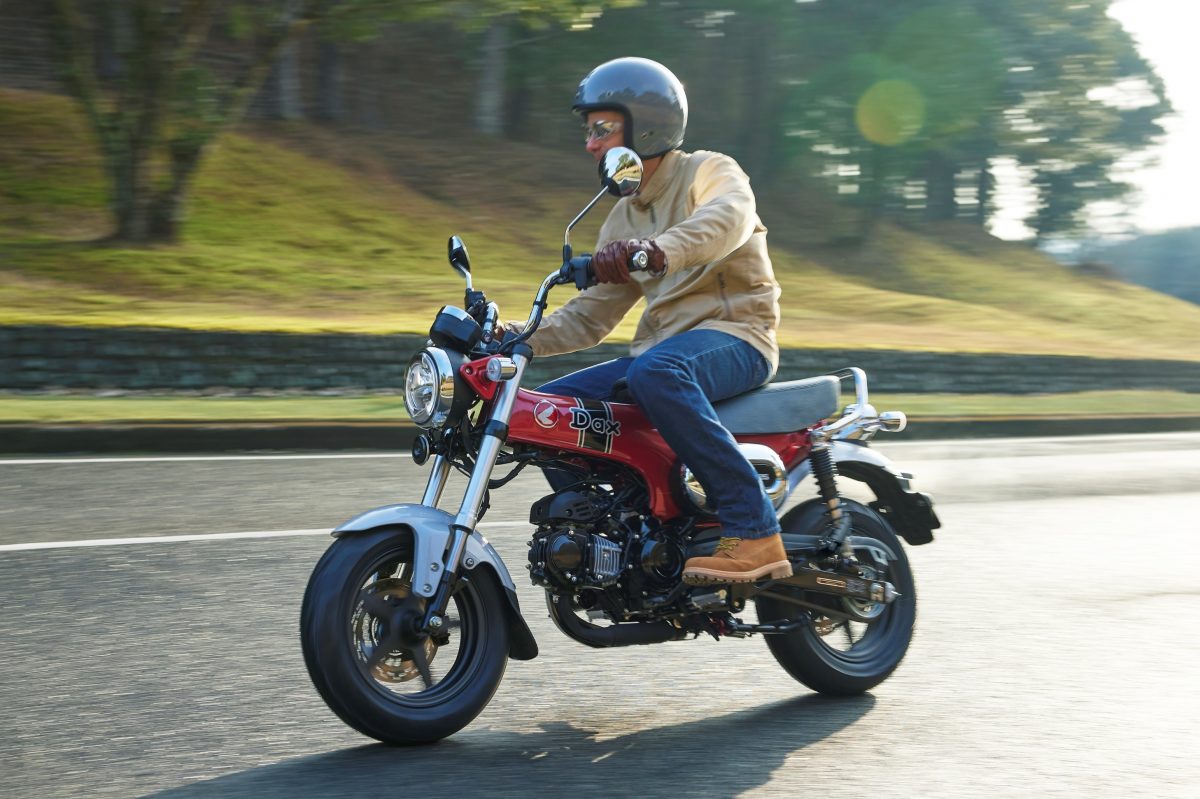
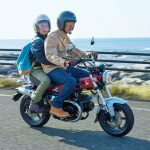
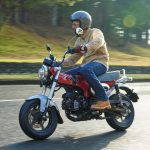
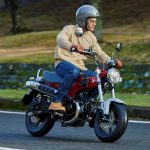
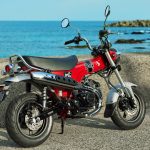
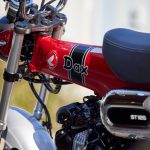
Honda has officially announced the return of the Dax to its MiniMoto portfolio alongside the Monkey and MSX125 Grom.

Japanese publication, Young-Machine, revealed the so-called ‘speculative’ render image back in February, but boy, the finished product looks suspiciously similar.

At this point, we firmly believe they have someone working on the inside.

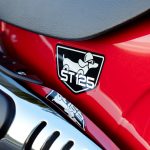
Back to the bike, which has been missing from Honda’s lineup for more than 40 years, the ST125 Dax returns with a 124cc SOCH air-cooled motor that makes 9.25hp and 10.8Nm.

While power is delivered to the rear-wheel via a four-speed gearbox, the bike also comes with a centrifugal clutch.

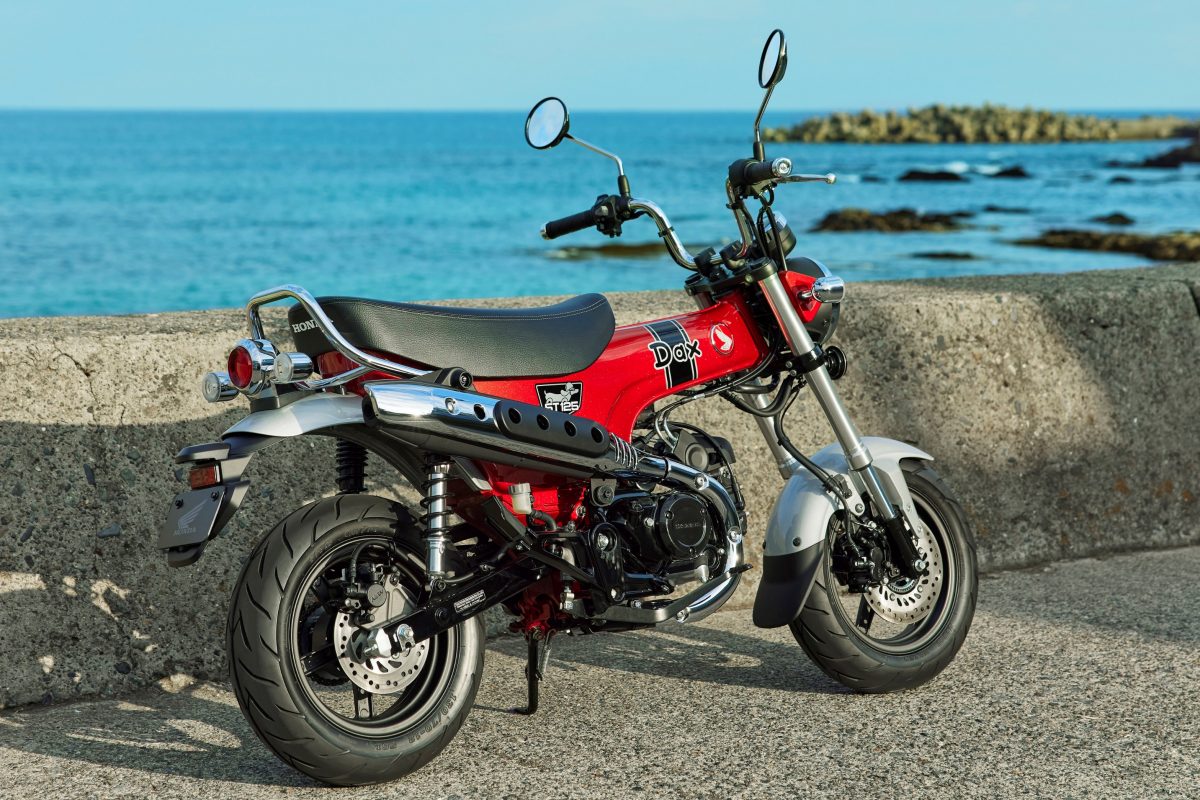
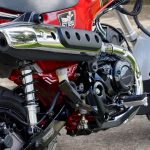
The Dax weighs 107kg and gets a 31mm upside-down fork, twin-rear shocks, 12-inch mini bike wheels wrapped around with balloon tyres and a full LED light setup.

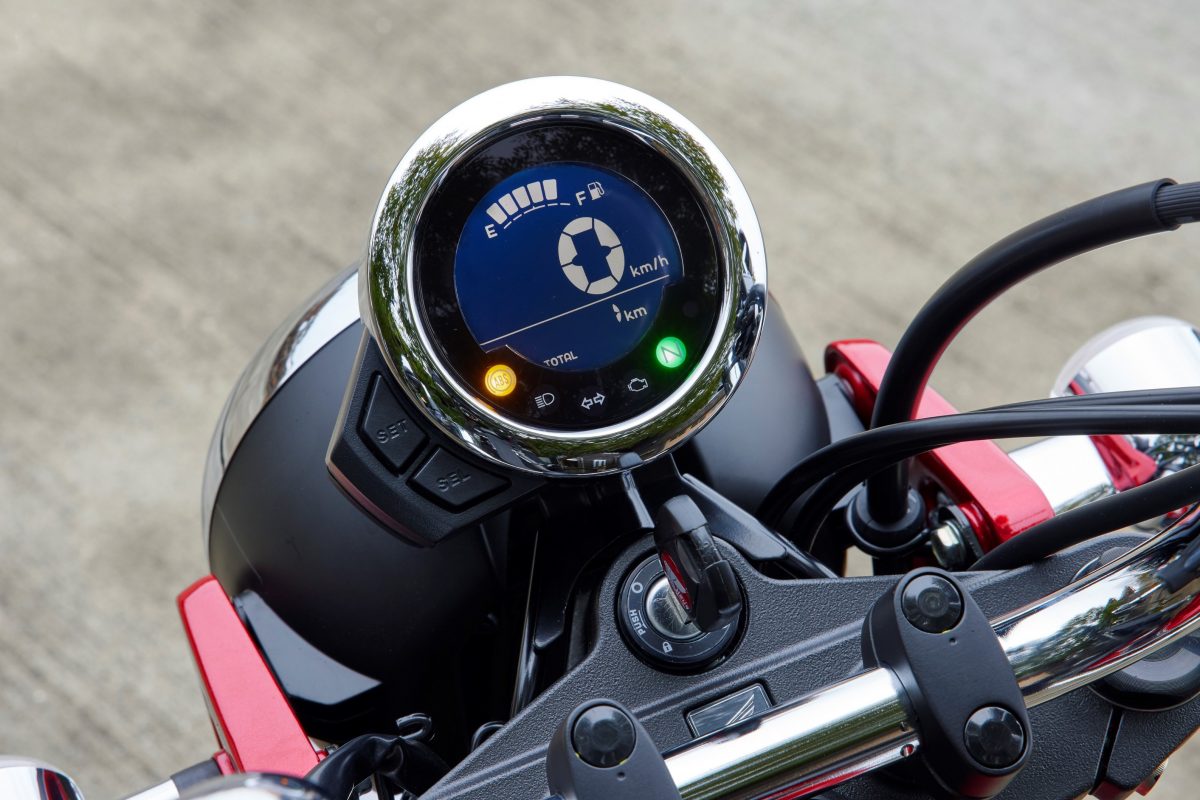
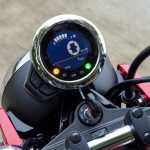
Other notable features include an LCD and chrome handlebars.

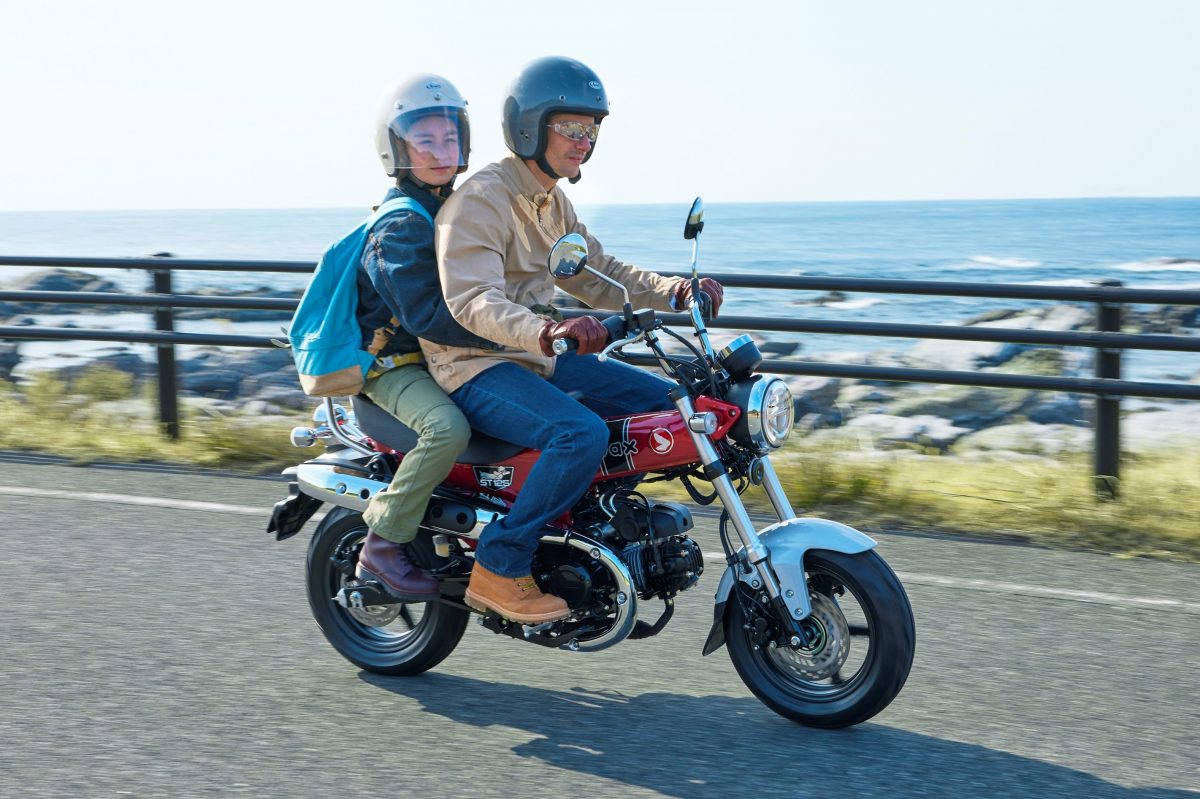
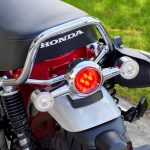
Despite the miniature size, Honda fitted the Dax with a pillion grab rail since the bike is designed from the get-go to support up to two people with the help of the steel frame.

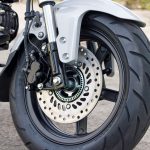
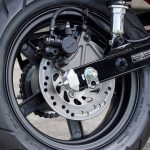
Additionally, the 2023 ST125 Dax will come with single-channel ABS paired to a 220mm front disc, 190mm rear disc and hydraulically-operated brake callipers.

The ST125 Dax is available in two colour options; Pearl Nebula Red and Pearl Cadet Grey.

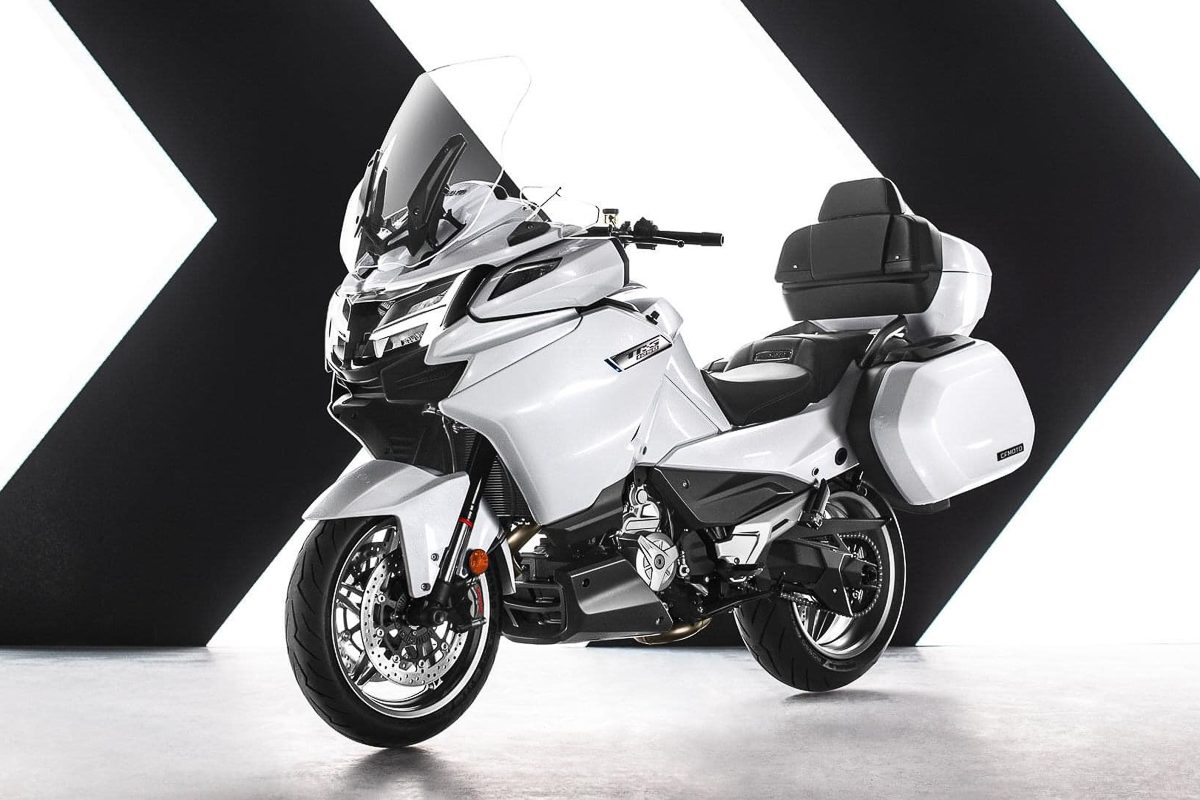
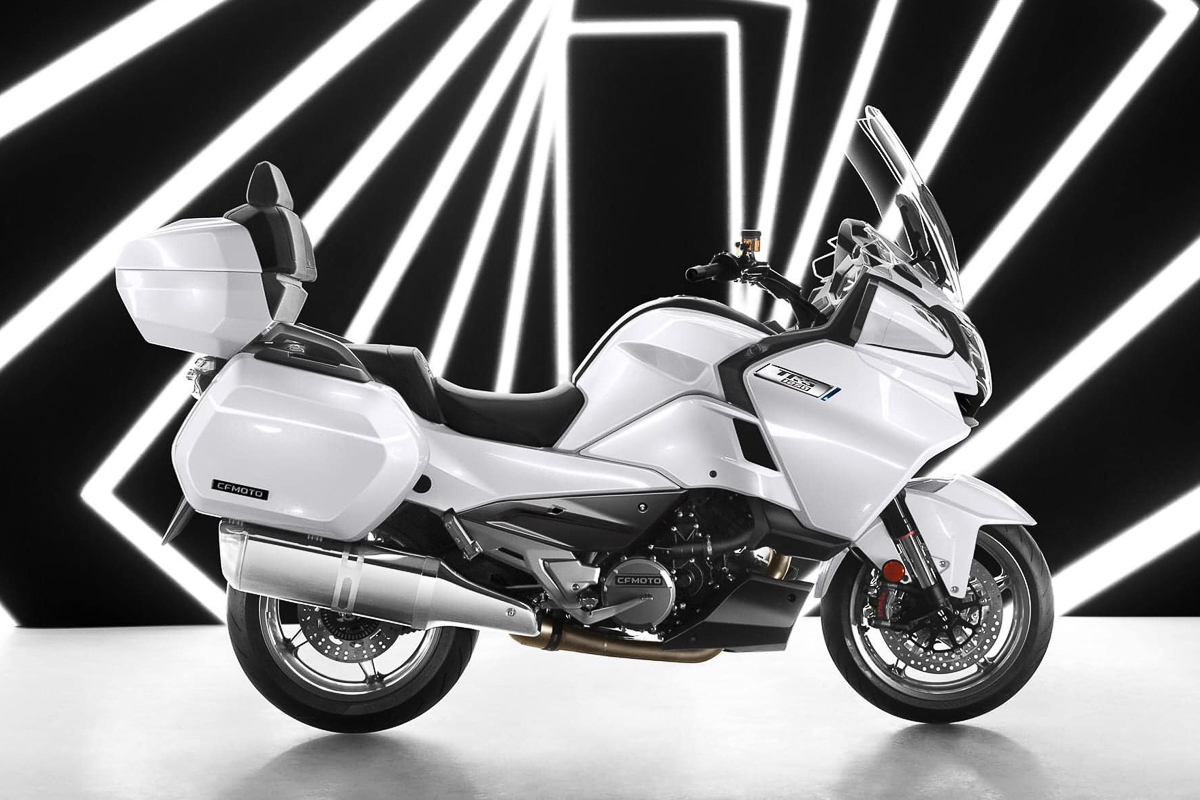
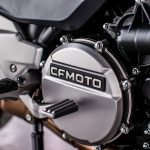
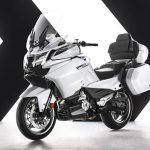
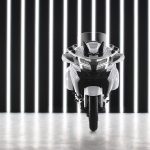
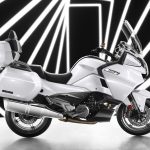
CFMoto is set to expand its reach in the European market with the 1250 TR-G.

First introduced as a police vehicle in China, CFMoto made the 1250 TR-G available to the public last year.

Now, CFMoto plans to introduce the big tourer in Europe, as reported by Motorrad.

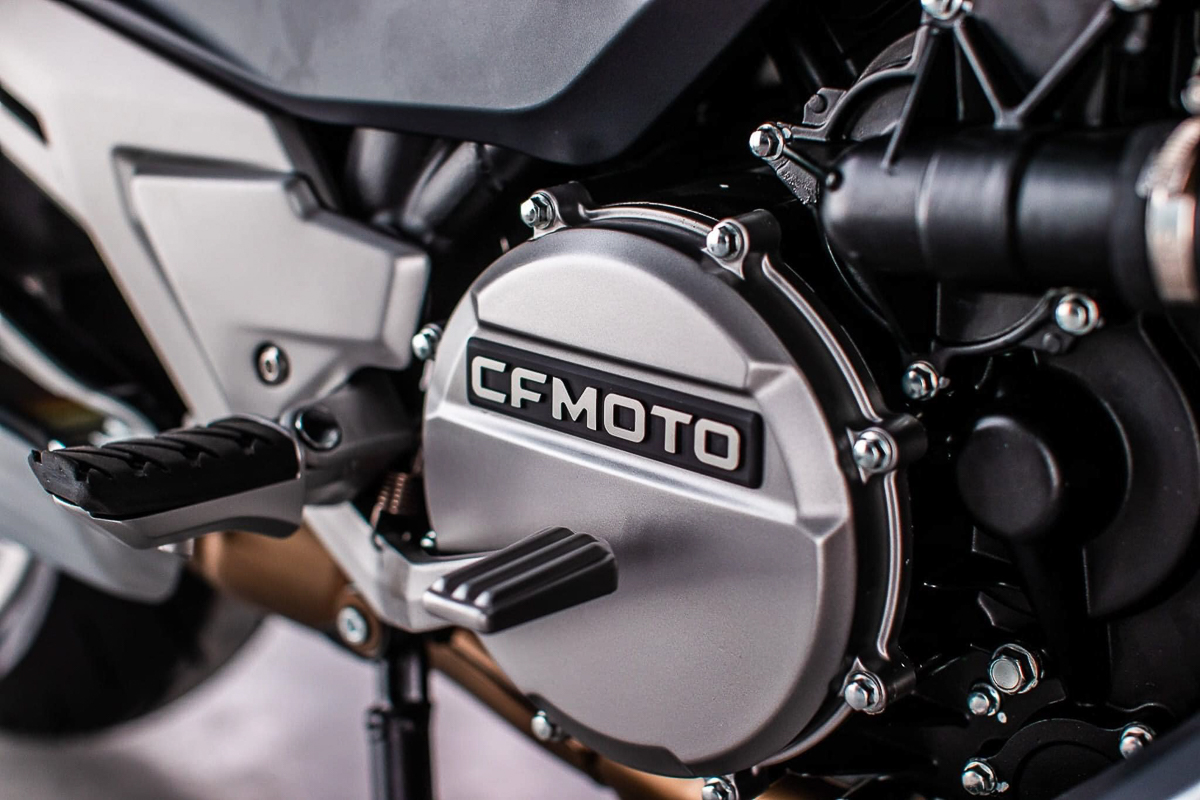
The 1250 TR-G features a reworked KTM LC8 V-Twin engine with new castings and different internal dimensions. The displacement now sits at 1279cc from the 1301cc V-Twin fitted on the 1290 Super Adventure and makes 140hp and 120Nm.

The power figures put the 1250 TR-G in the same segment as its European rivals; the BMW R 1250 RT that puts out 134hp.

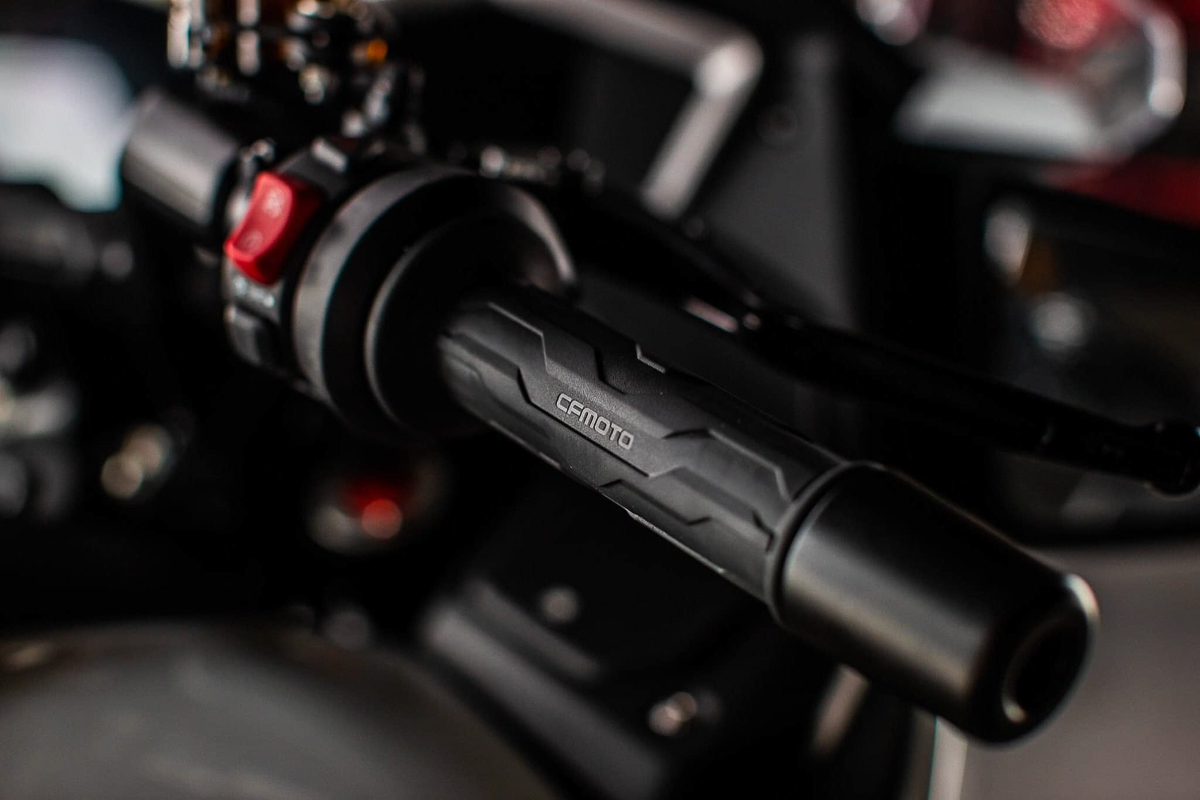
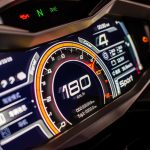
Away from the motor, the 1250 TR-G gets wet, multi-plate slipper clutch, 6-speed gearbox, electronic throttle and four riding modes; Athletic, Sport, Street and Rain.

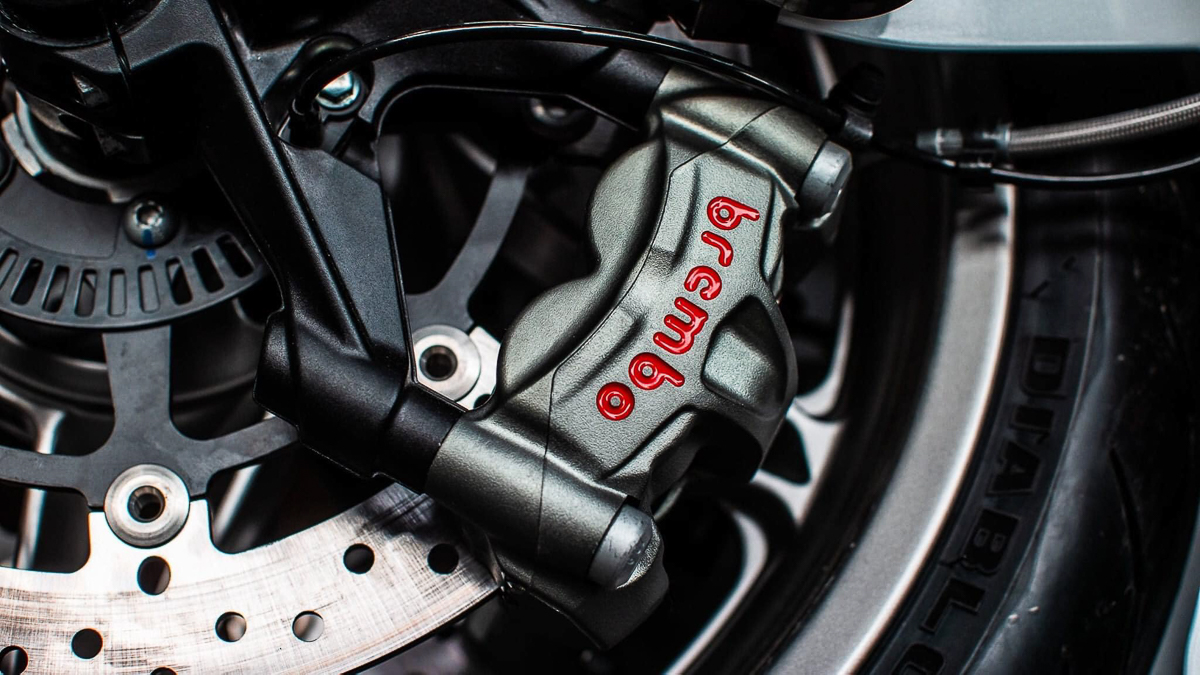
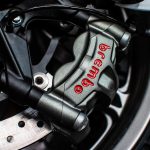
Other notable components include the trellis frame, Marzocchi front fork (130mm travel), Marzocchi rear shock (128mm travel), aluminium swingarm, 320mm floating front disc, and single 270mm rear disc and Brembo brakes.

The motorcycle also features electronic aids, including the fancy Bosch Cornering ABS.

The CFMoto 1250 TR-G is currently on sale in China for CNY99,980, translating to RM66k.

In conjunction with the 30th anniversary of the iconic CBR Fireblade, Honda invites all proud owners of the legendary superbike the opportunity to experience a day of testing at the Misano World Circuit Marco Simoncelli.

Dubbed the Fireblade Day, the iconic track will be reserved exclusively for all Honda Fireblade owners – from 1992MY to current – to enjoy their bikes to the fullest.

However, only CBR900RR, CBR1000R, CBR1000RR-R with stock exhaust or homologated race exhaust with dB-killer can enter the track.

Participants will have access to the track for three rounds of 20 minutes each, with timing service and transponder rental included in the EUR60 (VAT included) fee.

A tyre change service is also available at the track.

Those who are interested in participating in the Fireblade Day on April 23 2022, can signup via https://www.honda.it/motorcycles/experience-honda/eventi/fireblade-day-2022.html and download the attached application form.

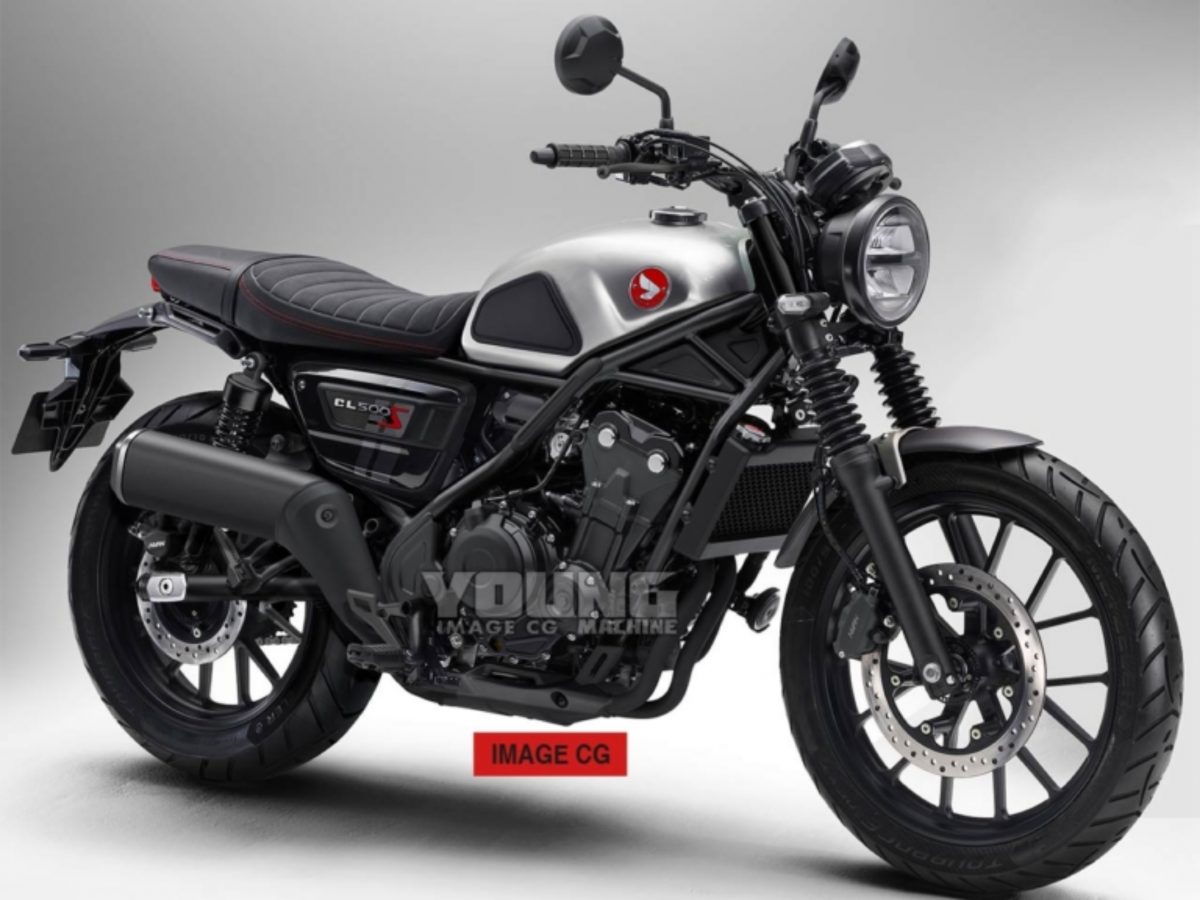
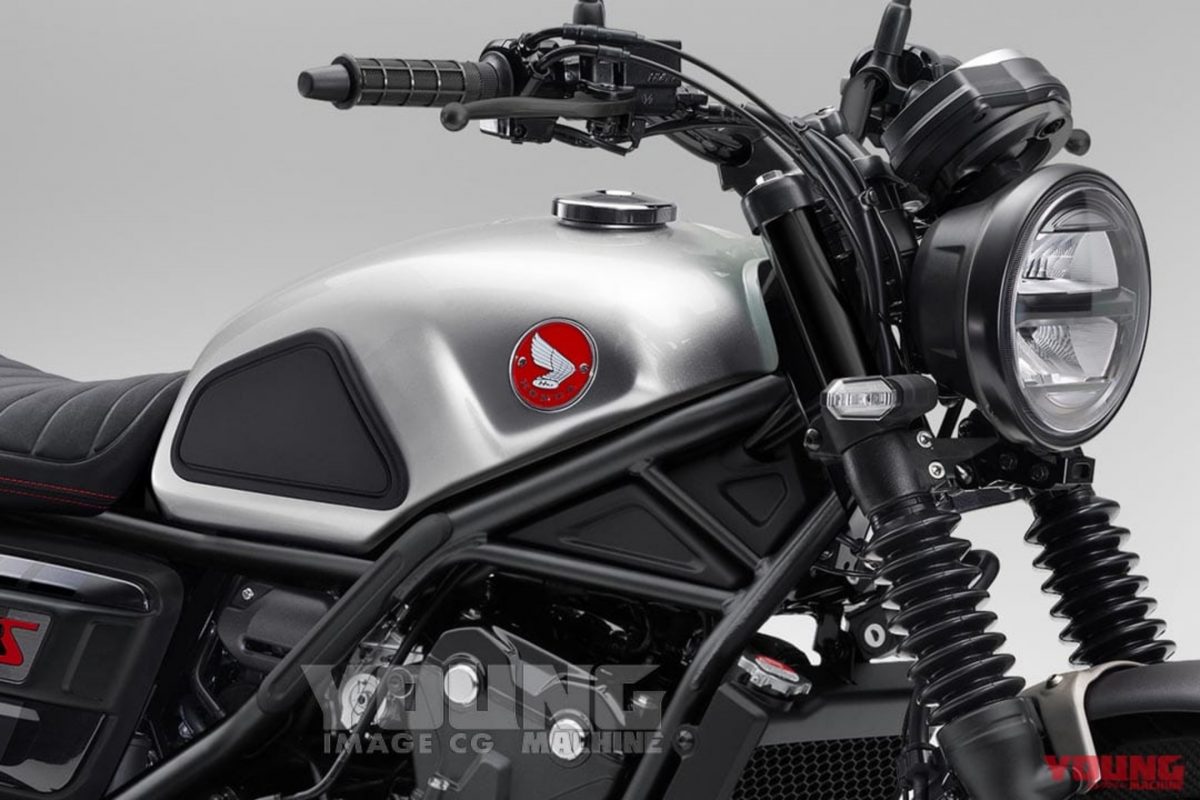
A few weeks ago, a Japanese publication, Autoby claimed that Honda plans to expand the 250 and 500cc range with an all-new scrambler-style motorcycle.

Japanese render artist Shinji Miyakubo also recently created a CG render of the CL250 and CL500.

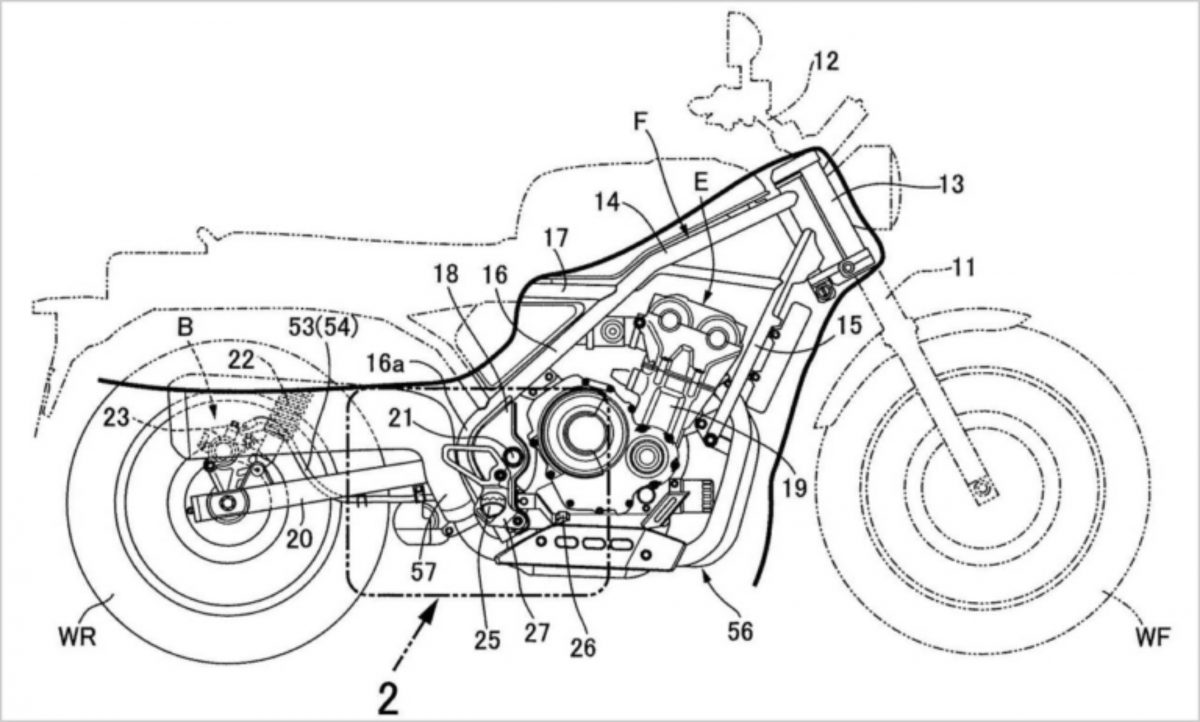
However, in the latest report by another Japanese publication Young-Machine, patent drawings from 2018 could relate to Honda’s anticipated CL500 Scrambler.

Using Honda’s design concept all these years, YM has created their version of the rumoured CL500.

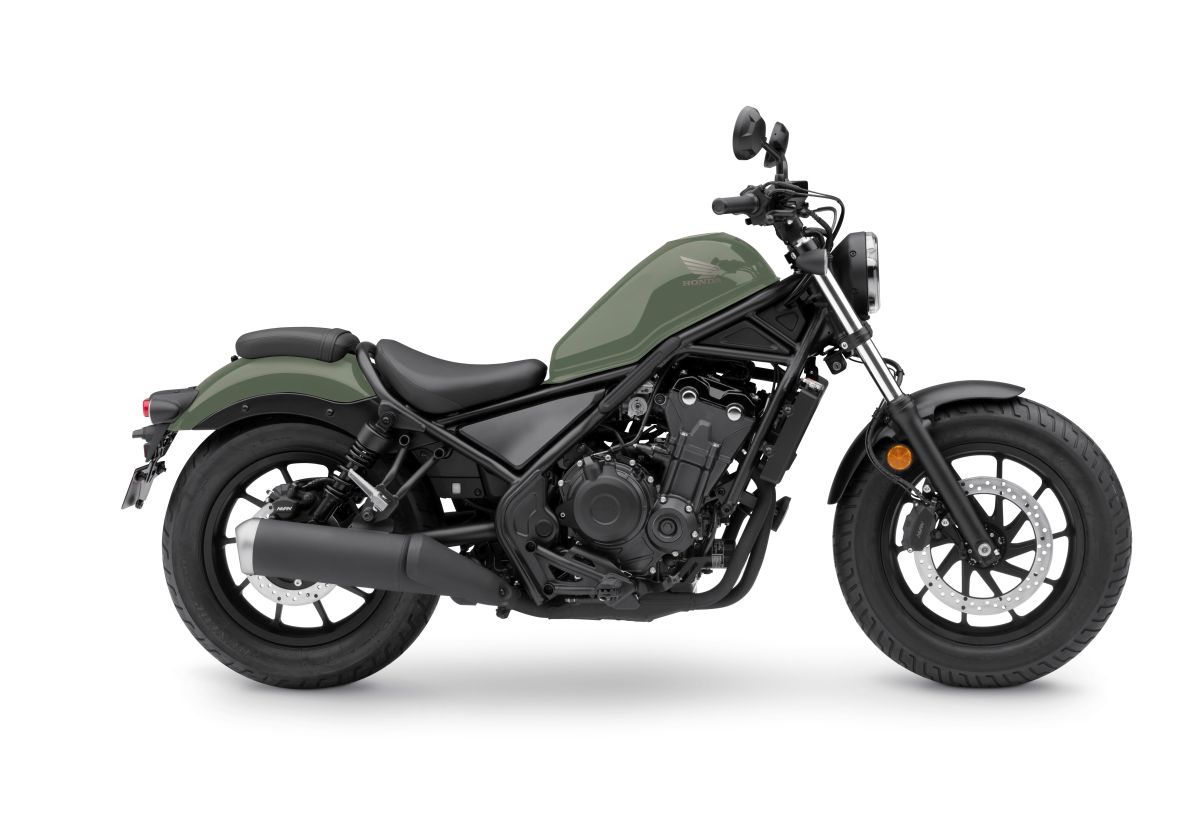
YM suggest that the CL500 will maintain most of the components from the CL250, particularly the brakes and suspension. However, the frame will be adjusted to accommodate the larger displacement engine similar to the Rebel 500.

In fact, the patent drawings showcased a similar resemblance with the Rebel.

The patent drawings also show a flat saddle, square fuel tank and a conventional shape exhaust compared to Miyakubo-san’s high-mounted twin pipe.

Meanwhile, it is safe to assume that the CL500 will carry the same 471cc DOHC parallel-twin engine that makes 46.9hp @ 8,500rpm and 43Nm @ 7,000rpm.

At the moment, there are absolutely zero words coming from the Japanese firm regarding the rumoured scrambler range; however, when YM is on to something, those rumours tend to carry something tangible.

(Source: Young-Machine)

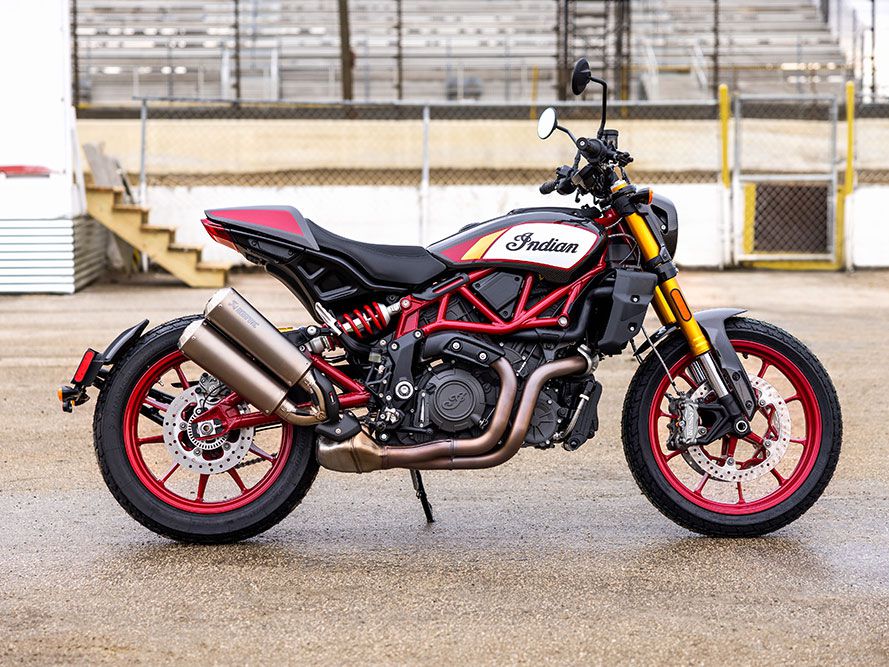
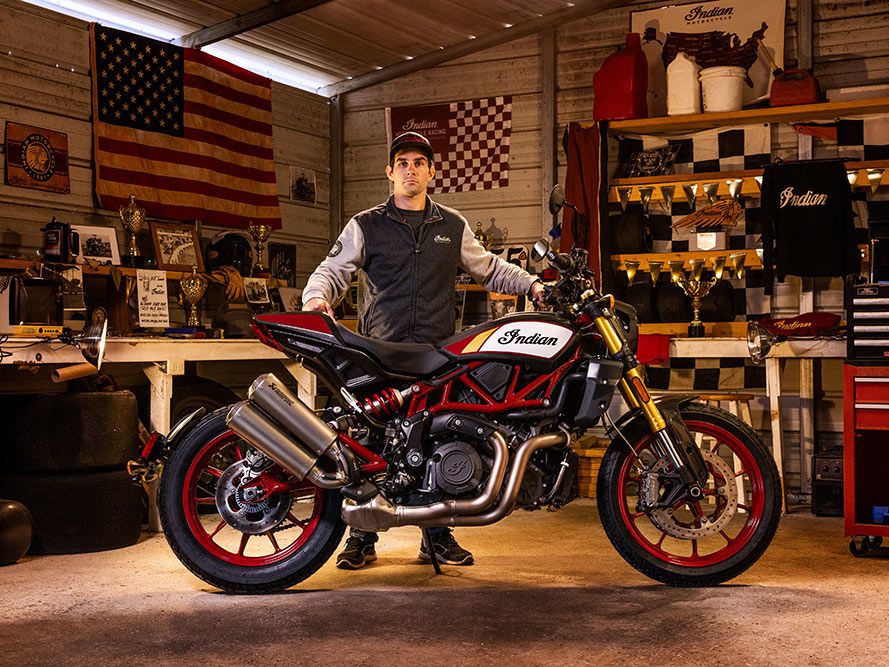
Indian Motorcycle welcomes its latest addition to the FTR range with the Championship Edition to celebrate the FTR success at the American Flat Track race series.

The FTR Championship Edition debuted last week during the opening of the AFT season at the Volusia Half-Mile. With just 400 made, the 2022 FTR Championship Edition features a mechanical combination of existing FTR models.

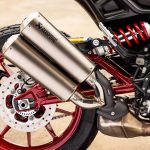
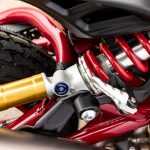
First and foremost, the FTR CE gets the Scrambler tall seat height, longer suspension travel and 18-inch front and 19-inch rear wheels, fully adjustable Sachs front fork and piggyback shocks.

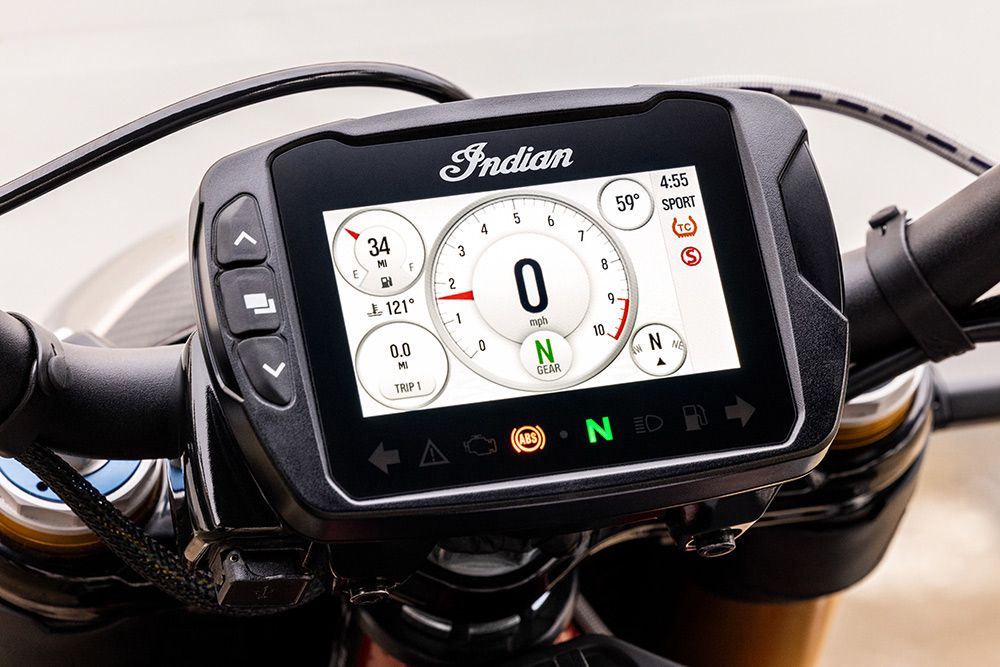
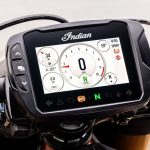
The FTR CE also fitted with the same ride mode selection, ABS and TFT instrument cluster with touchscreen capability found on the S and the R Carbon variants. This, in turn, made the FTR CE a different variant altogether, not just an esthetic upgrade.

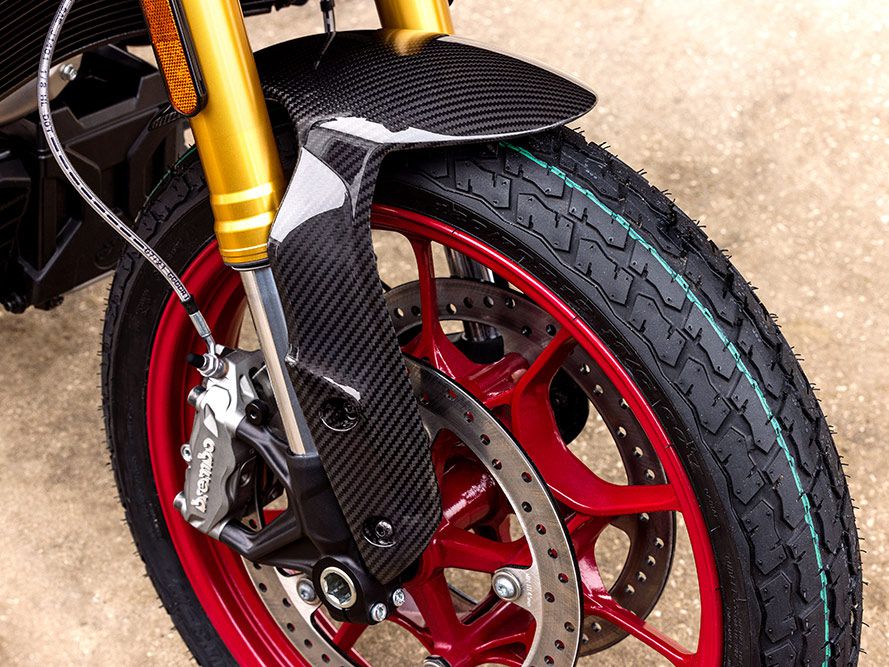
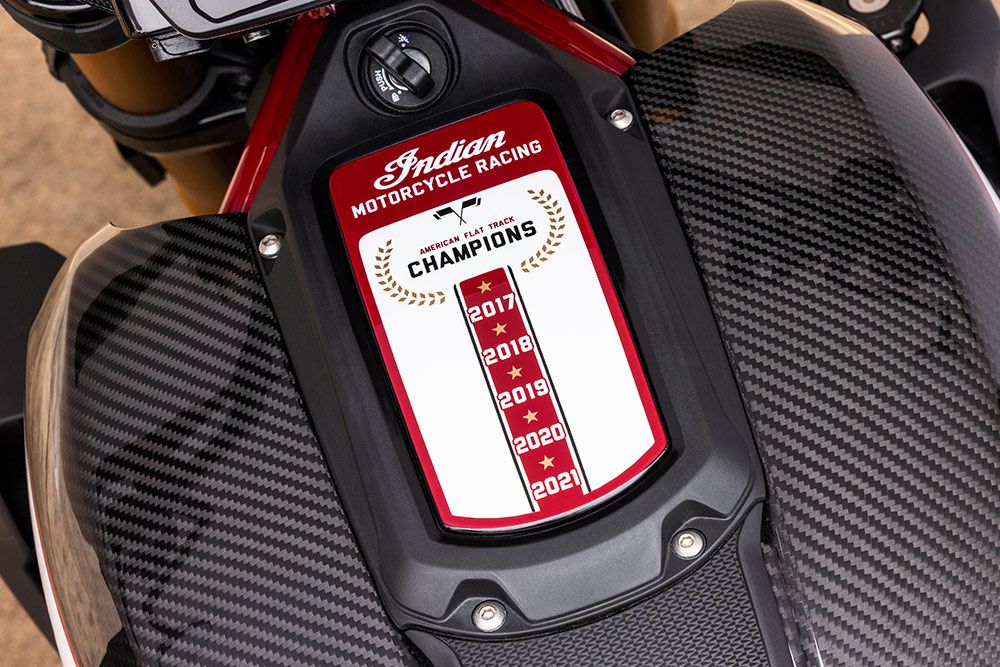
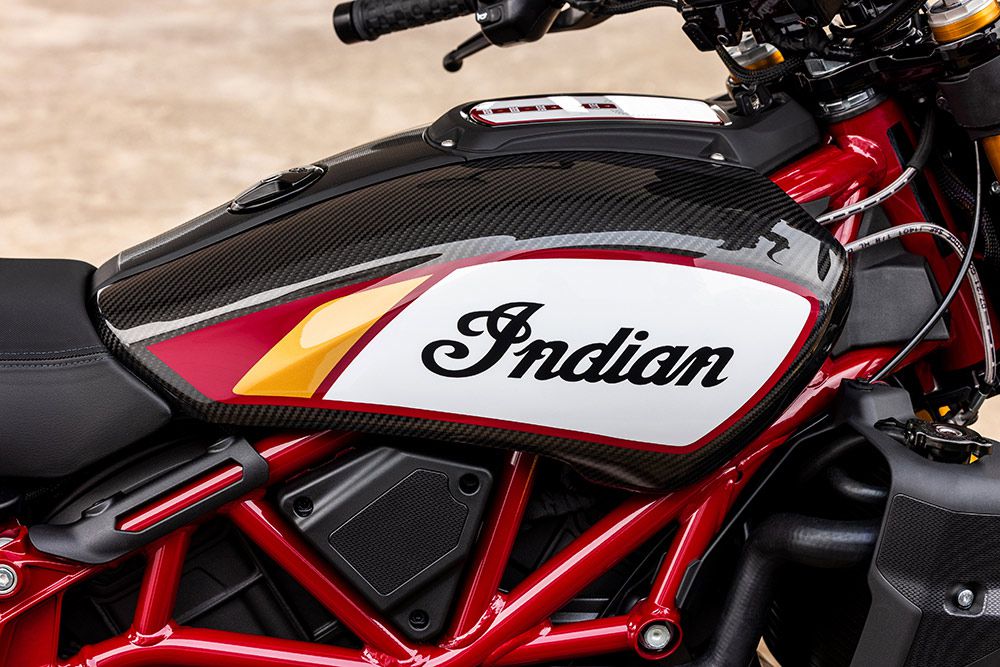
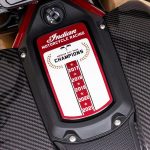
Nevertheless, FTR Championship Edition does not fall short on the cosmetic end either as it gets exclusive red spoked wheels, red frame, colourful tank and tail accents, and a championship commemorative bezel mounted on the tank.

By the way, the bike also features a host of carbon fibre components, including the front fender, seat cowl, airbox covers, and headlight.

According to the American firm, the FTR Championship Edition is priced at USD16,499 (RM70k).

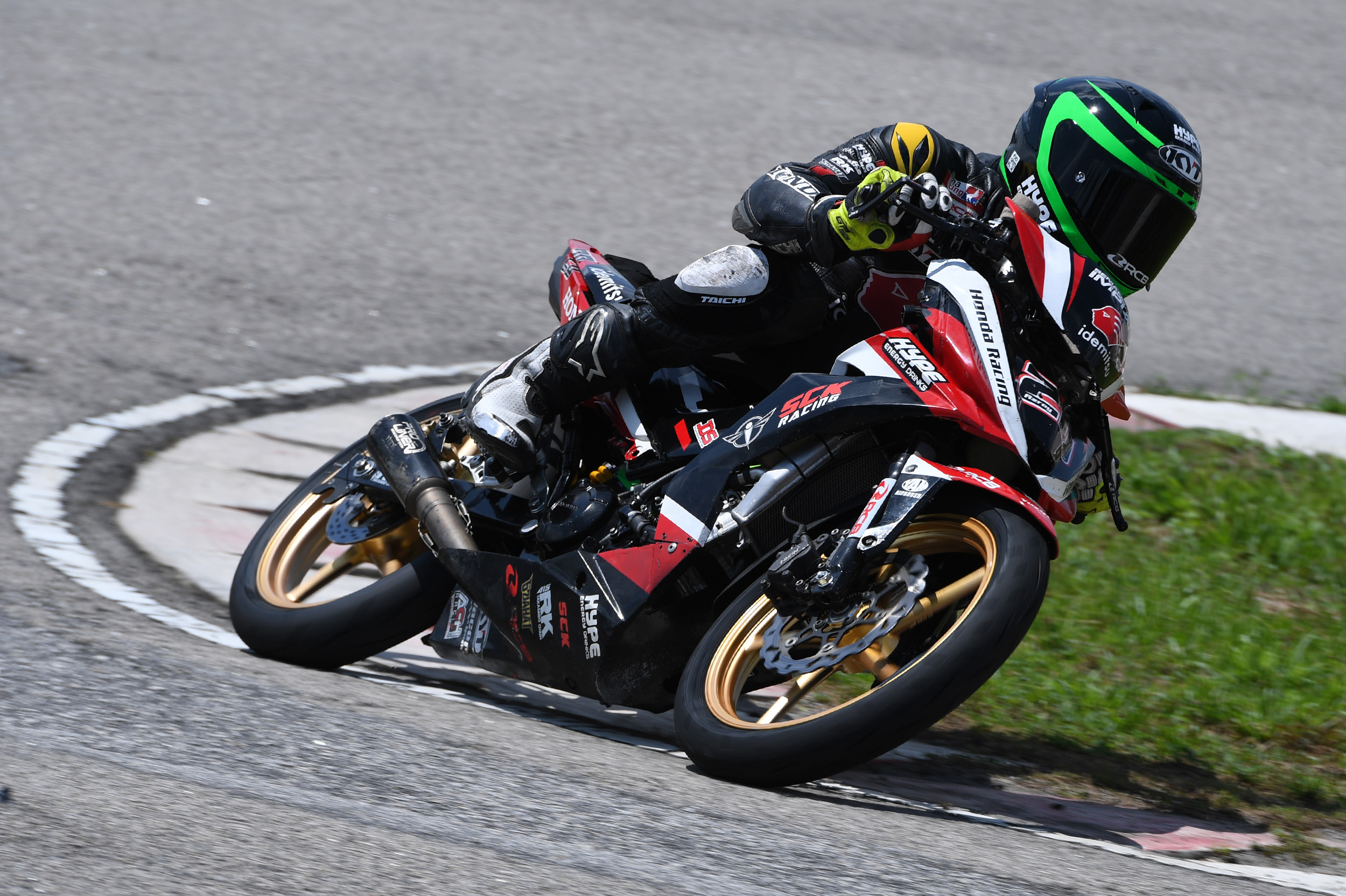
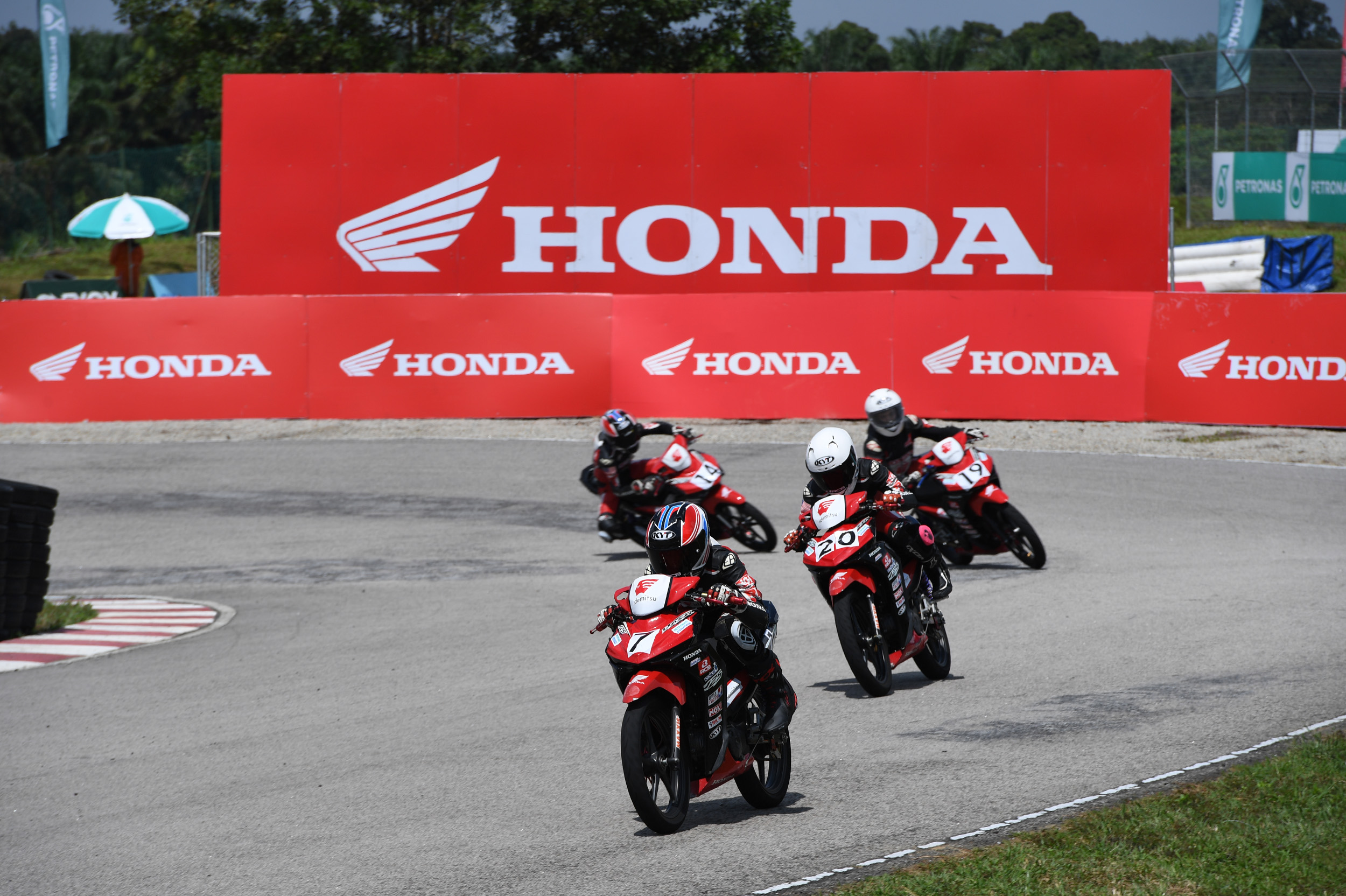
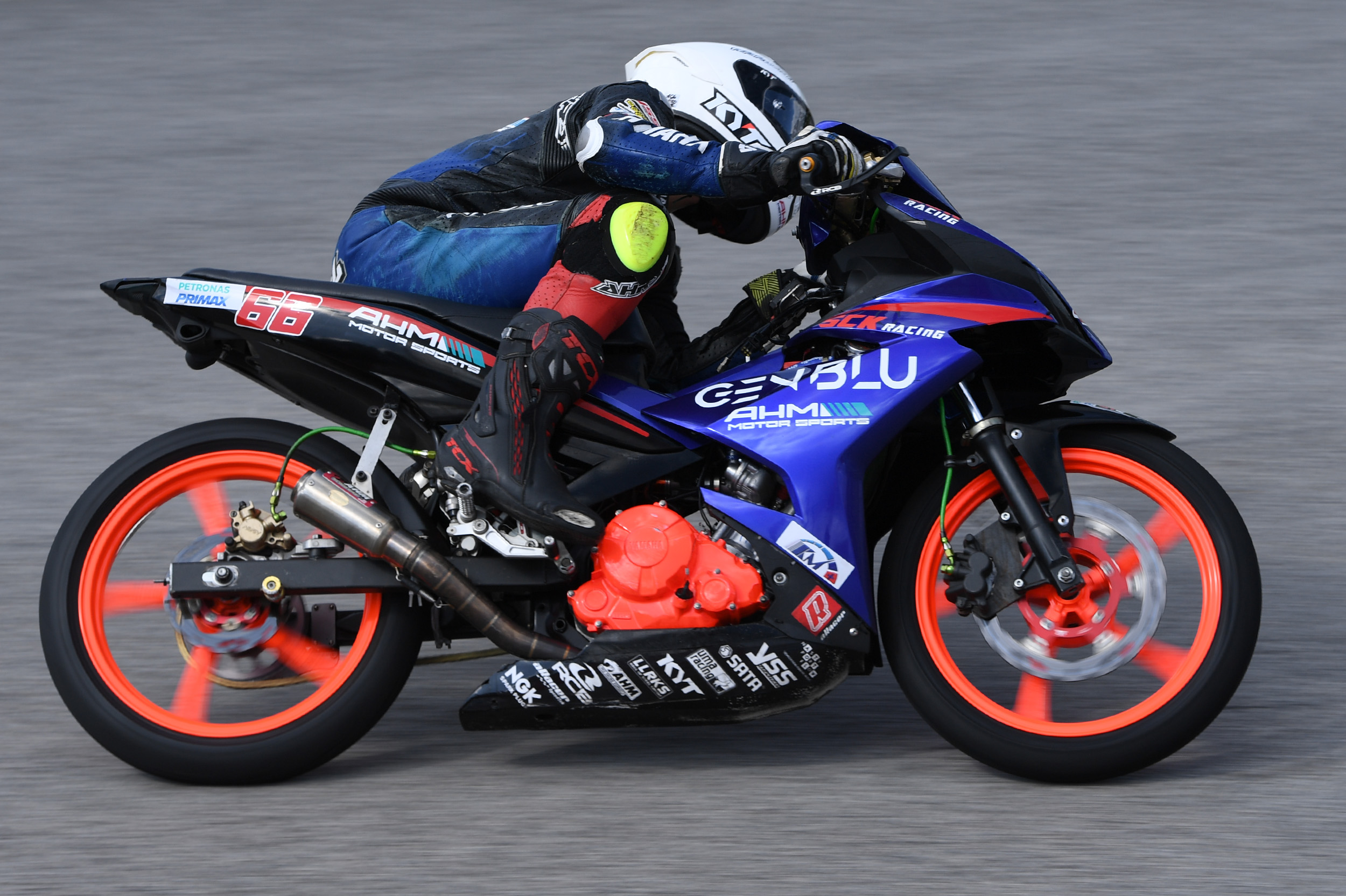
For this writer, the Malaysian Petronas Cub Prix has been the scene of awe and wonder for as long as can be remembered.

Founded in 1994, the series set about with the intention of creating a race series that was “accessible to people from all walks of life”.

According to the wikipedia page of the series, Petronas Cub Prix remains the “only mobile motorsports event that brings the excitement of motorcycle racing to its fans throughout the country”.
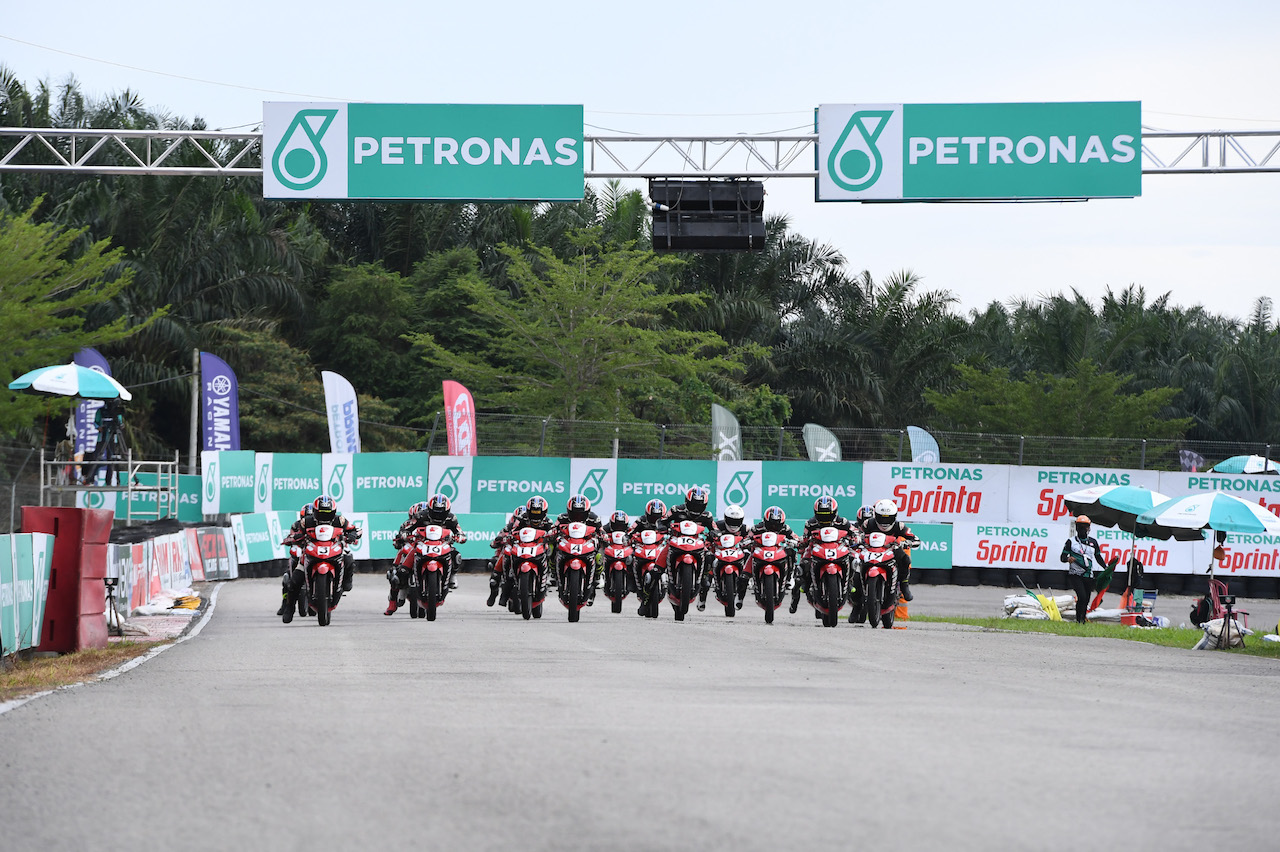
The Malaysian Petronas Cub Prix Championship is typically organised on a tight road racing format rather than on a traditional racing circuit.

It is this format that has made the series so nail biting and has also brought it closer to the fans as the series does not rely on tracks, but is able to set up a race track just about anywhere.
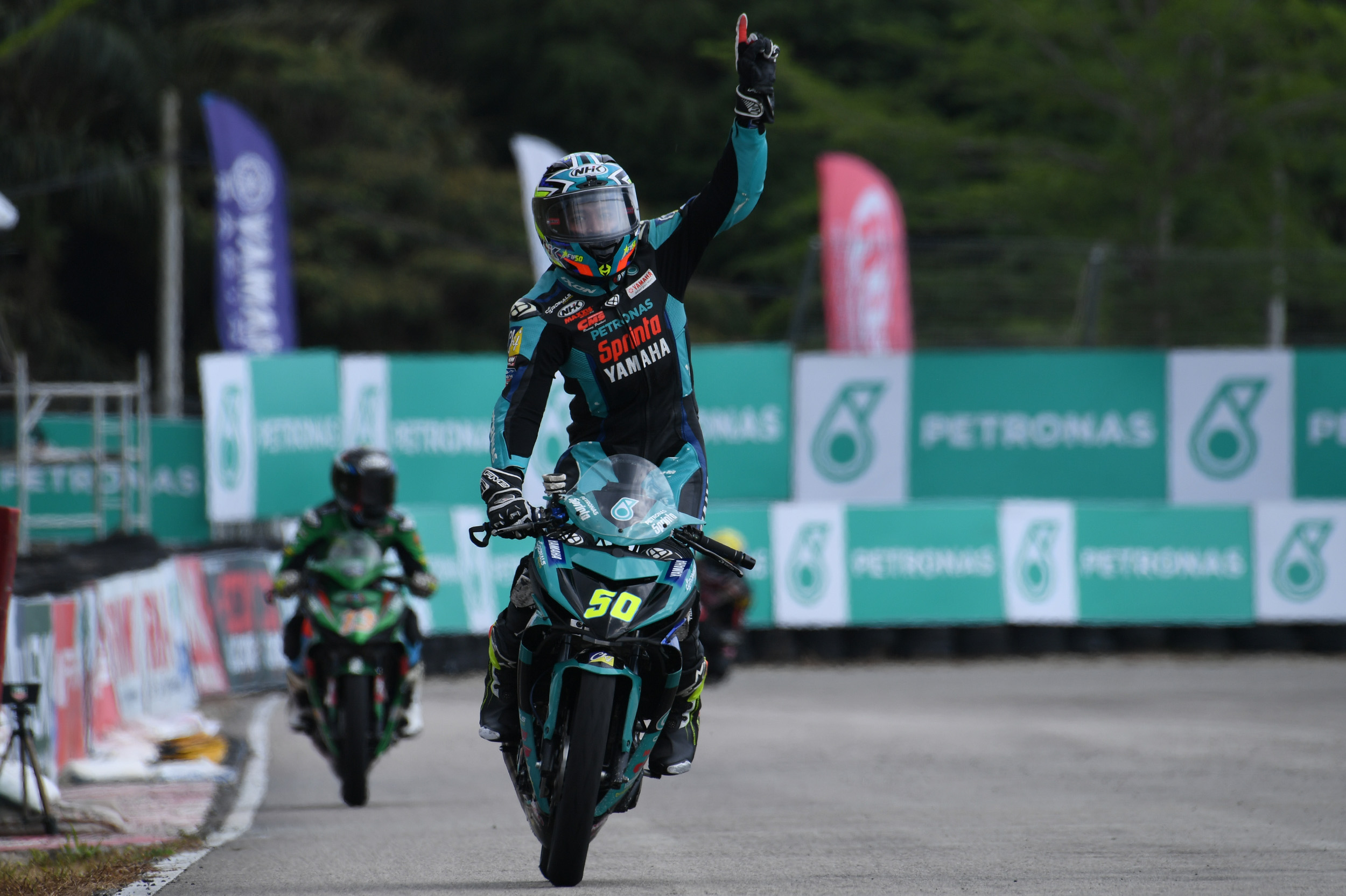
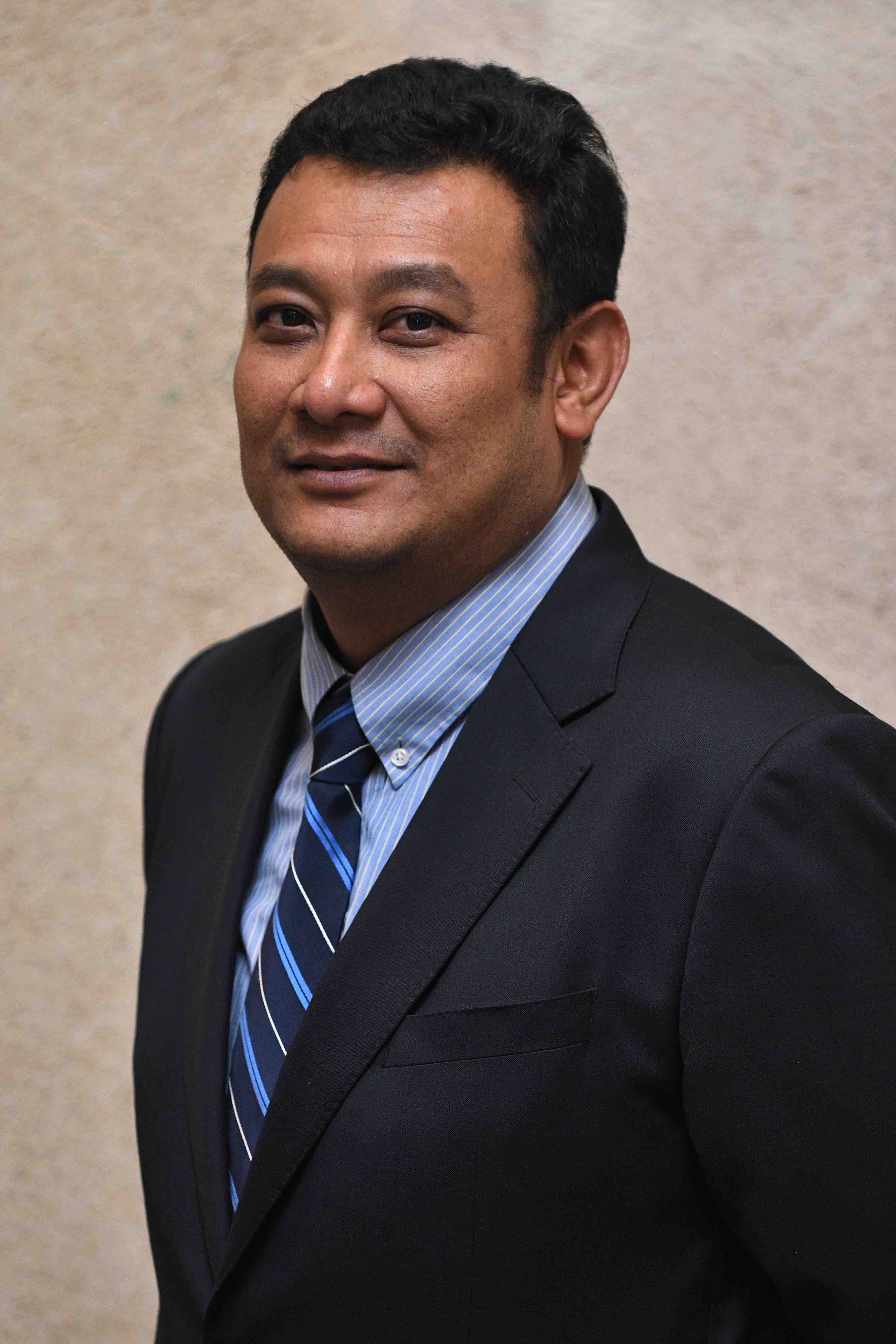
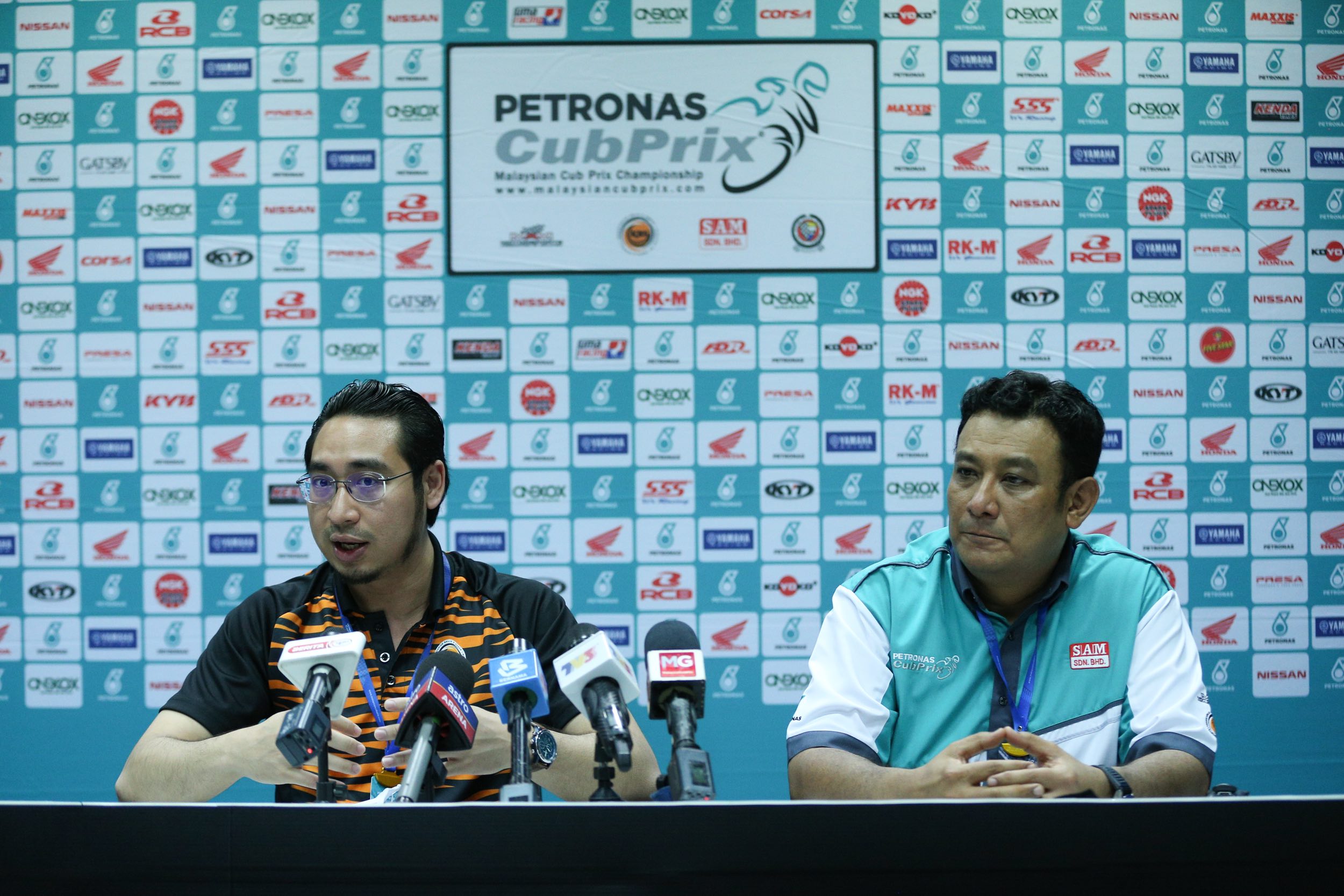
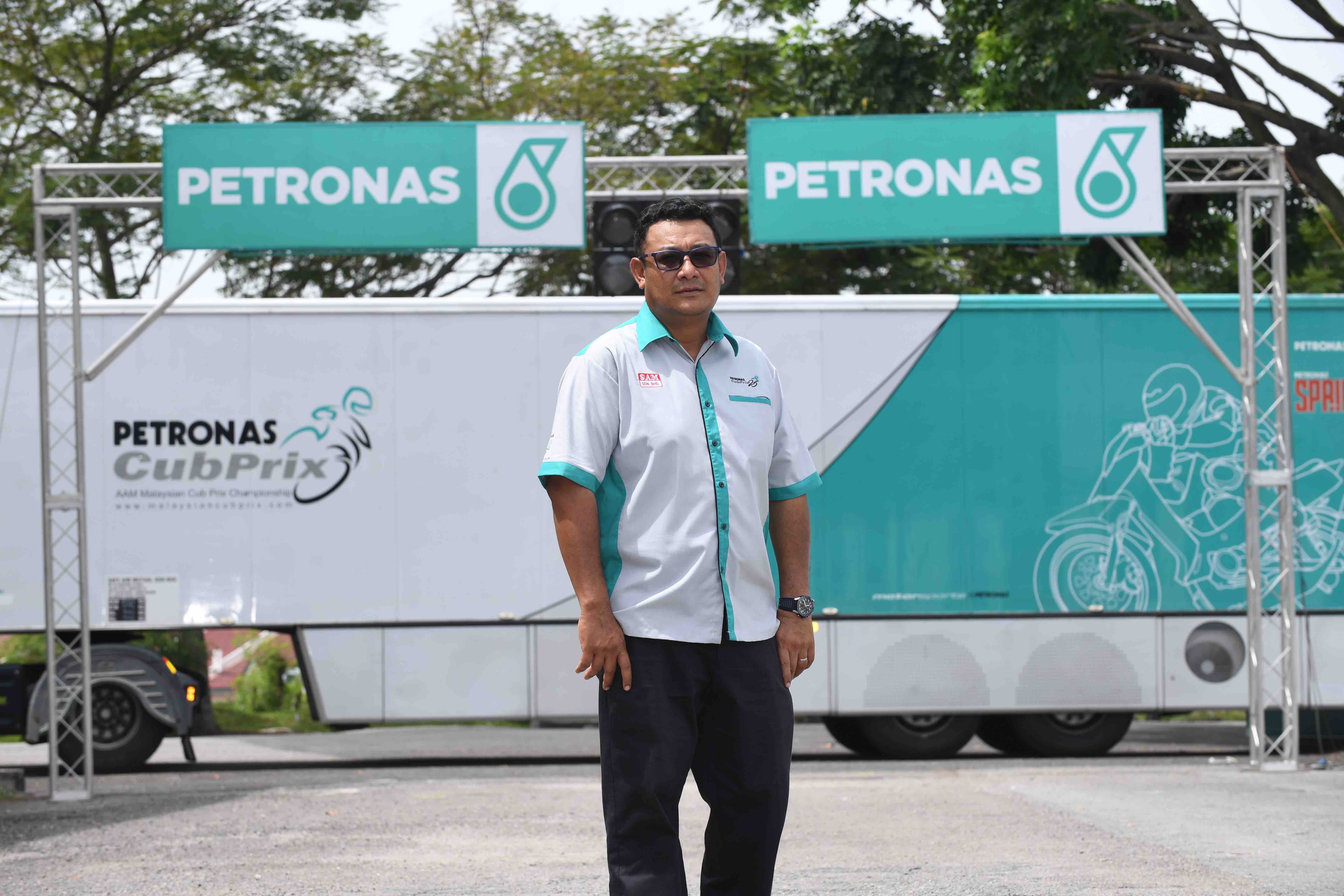
The company behind the iconic race series is Two Wheel Motor Racing Sdn Bhd, while the man steering the ship is Ron Hogg (below).

The job landed on Ron’s laps because it was actually his father that started it all.
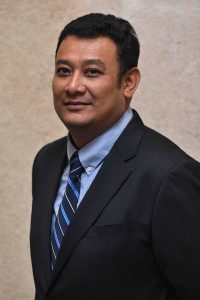
“I kinda got sucked into it. I used to help my dad out every time I came back for holidays, I was actually studying law at that time, but as fate would have it, I ended up liking what I used to do with my dad, and next thing you know, it has been 30 years already,” said Ron in a recent interview.

The series has been largely successful and has brought Malaysians some household names such as M.Meganathan, Shahrol Yuzi, Wazi Hamid as well as Zulfahmi Khairuddin and more recently Hafizh Syahrin.
But it hasn’t always been that, motorsport is not easy and life can be difficult for a race organiser.

We have had a couple of difficult times in our 30 years, We had the Asian Financial Crisis of the 90s, We were also badly affected when the government banned tobacco advertising. And the lockdowns from the Corona Virus was really bad for us also because we could not organise any mass gatherings and our race series always attracts a crowd. So that effectively stopped all the funding we were receiving, but not the expenses we were facing,” explains Ron.
The challenges faced by Ron were not just limited to the local scene because Two Wheel Motor Racing is also the organiser of the Malaysian Superbike Championship as well as the Asia Road Racing Championship that travels around countries in South East Asia.

“We could not travel because of the restrictions and lock downs, but I am happy to say that in 2020 and 2021, we were the first motorsport series to be given the green light to restart with some help with KBS and KKM.”
Ron is quick to point out that it would have been easy to simply call it quits and pull the plug on the entire thing when everything got really tough during the pandemic. But it would have created a massive chain reaction because the series has given employment to dozens if not hundreds of people.

“Teams rely on us to organise the series, and in the teams you have a lot of people that rely on a salary from the team such as the mechanics, the riders, the people involved in the management of the team. Many people rely on us, and I had to ensure that we kept going because they need us to keep going.”
But besides successfully steering the company out of the woods, Ron says that he particularly loves spending time in the pits, amidst the smell of oil and petrol and under the tropical sun.

“There’s just something about that which I can’t explain. I love being in the pits, I love being among the teams, of course I can’t do much of that these days as I am involved in the commercial side of the business, but that is where my heart lays and what I truly love about my job.”
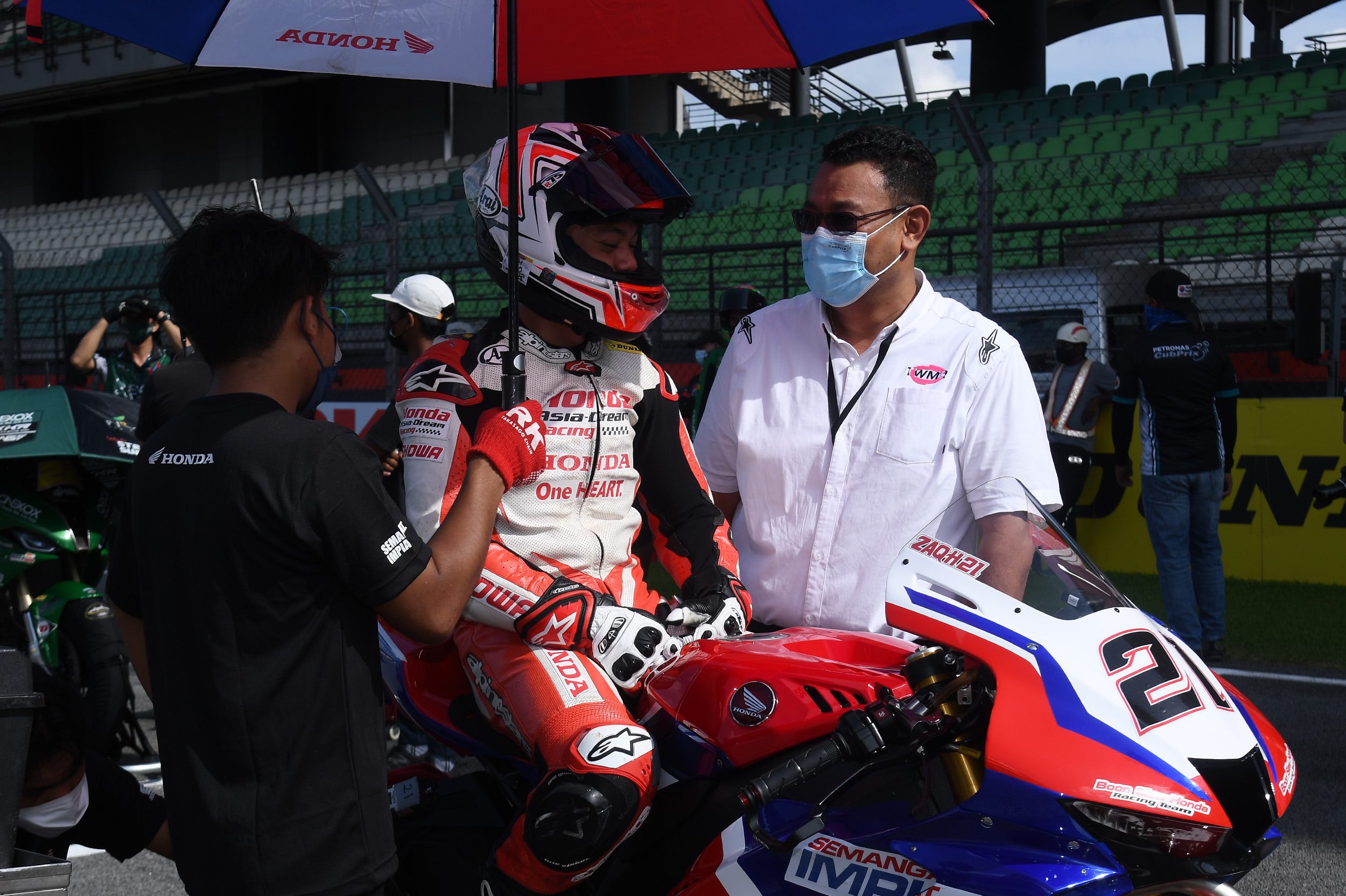
“But on the flip side, what I don’t like about my job is the bureaucracy involved, especially how motorsport has not progressed enough in the country. For 25 years we have been fighting for more circuits. We don’t need more circuits like Sepang, but smaller ones like Pasir Gudang. It is a pity that Shah Alam is gone. But we need those types of circuit.”

“If you compare with other sports like badminton and football for example, they have all the facilities. In every Malaysian state there are badminton courts and a football stadium. But the reality is, we are not producing the ideal results despite all those facilities. I am not going to get into what’s wrong with the other sports, but if motorsport was given the same opportunity with more circuits, not in all the states but just a few more, I am sure we can produce more results.”
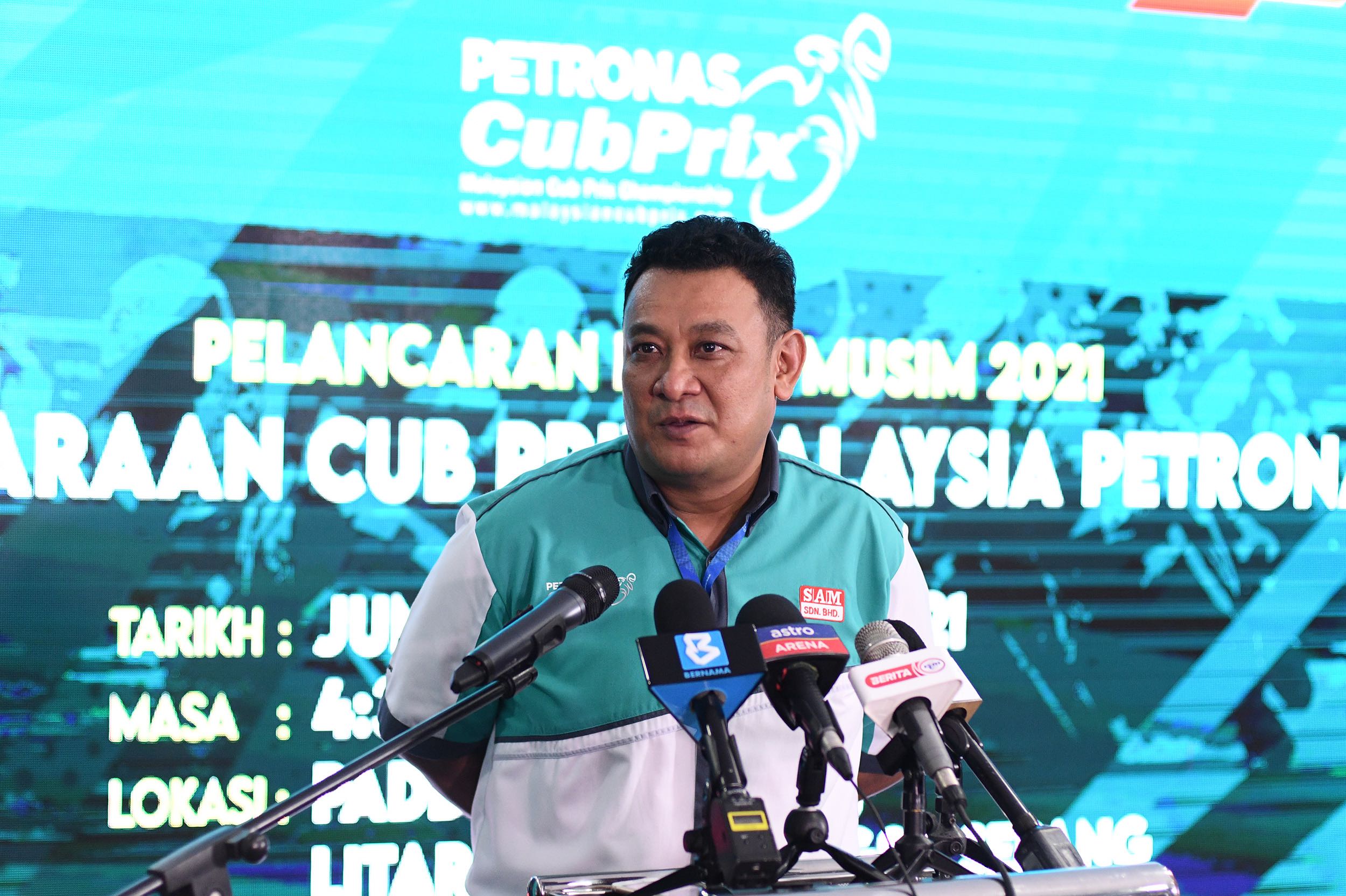
“You just have to look at Malaysian drivers like Alex Yoong and Fariqe Hairuman. They both used to follow their dads to the local circuit. Alex followed his dad to Batu Tina in Shah Alam while Fariqe followed his dad in Johor. Look at what that little opportunity has produced. Both are great world-class drivers, among the best Malaysia has ever produced.”

“We have seen some success in motorsport in Malaysia. And we have a lot of talent that comes from everywhere and anywhere. Be it four or two wheels, we have a lot of talent in Malaysia. We just need to give motorsport an opportunity.”
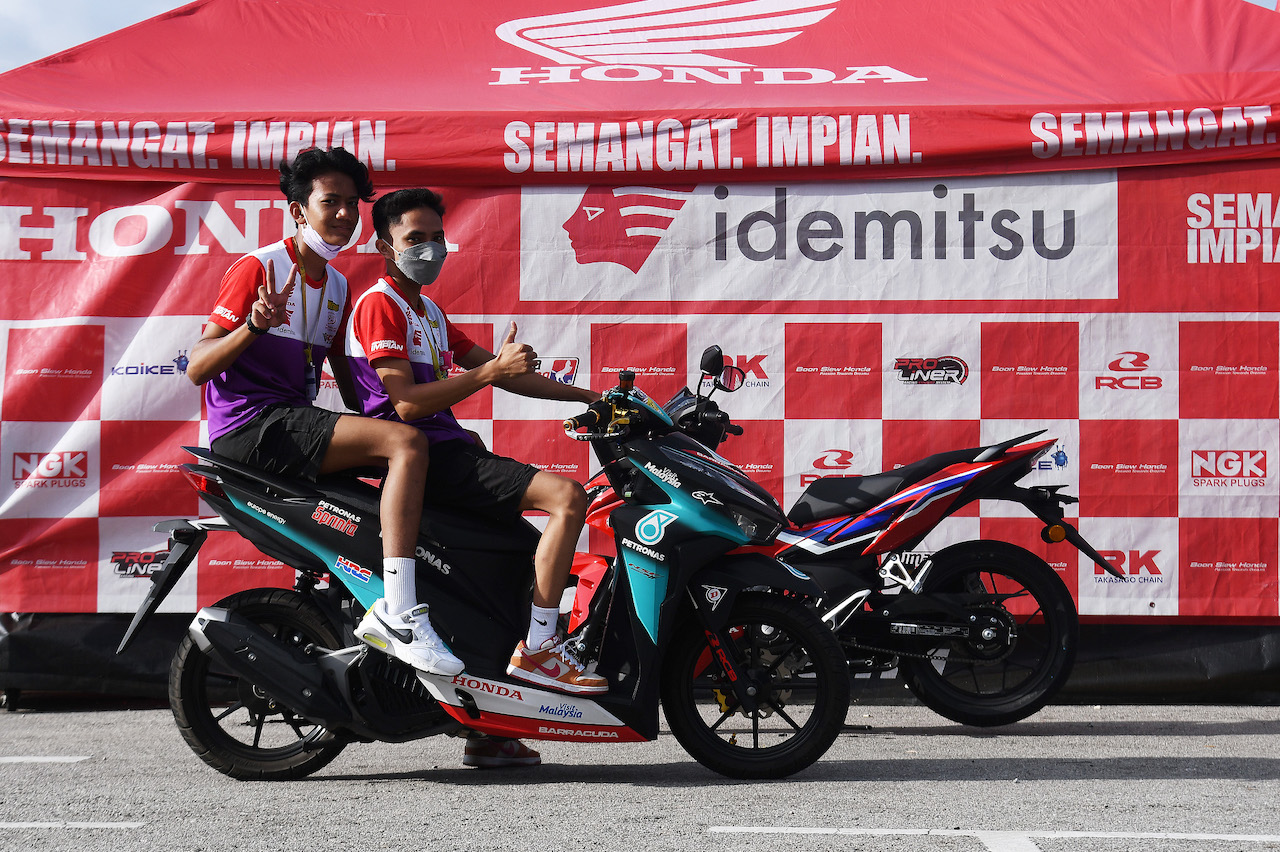
Ron is undoubtedly right about the need for more circuits around the country, perhaps even drag strips for that matter. But for a man who has been on the helm of arguably one of the most successful motorsport company in the country, I ask him what is his proudest achievement after all these years. And perhaps unsurprisingly, he simply mentioned that he is proud to still be around 30 years after the series first started.

“Every sport needs a strong fundamental base. You just have to take a look at the now defunct A1GP. It sounded good, it started off with a bang, but it wrapped up two years later.”
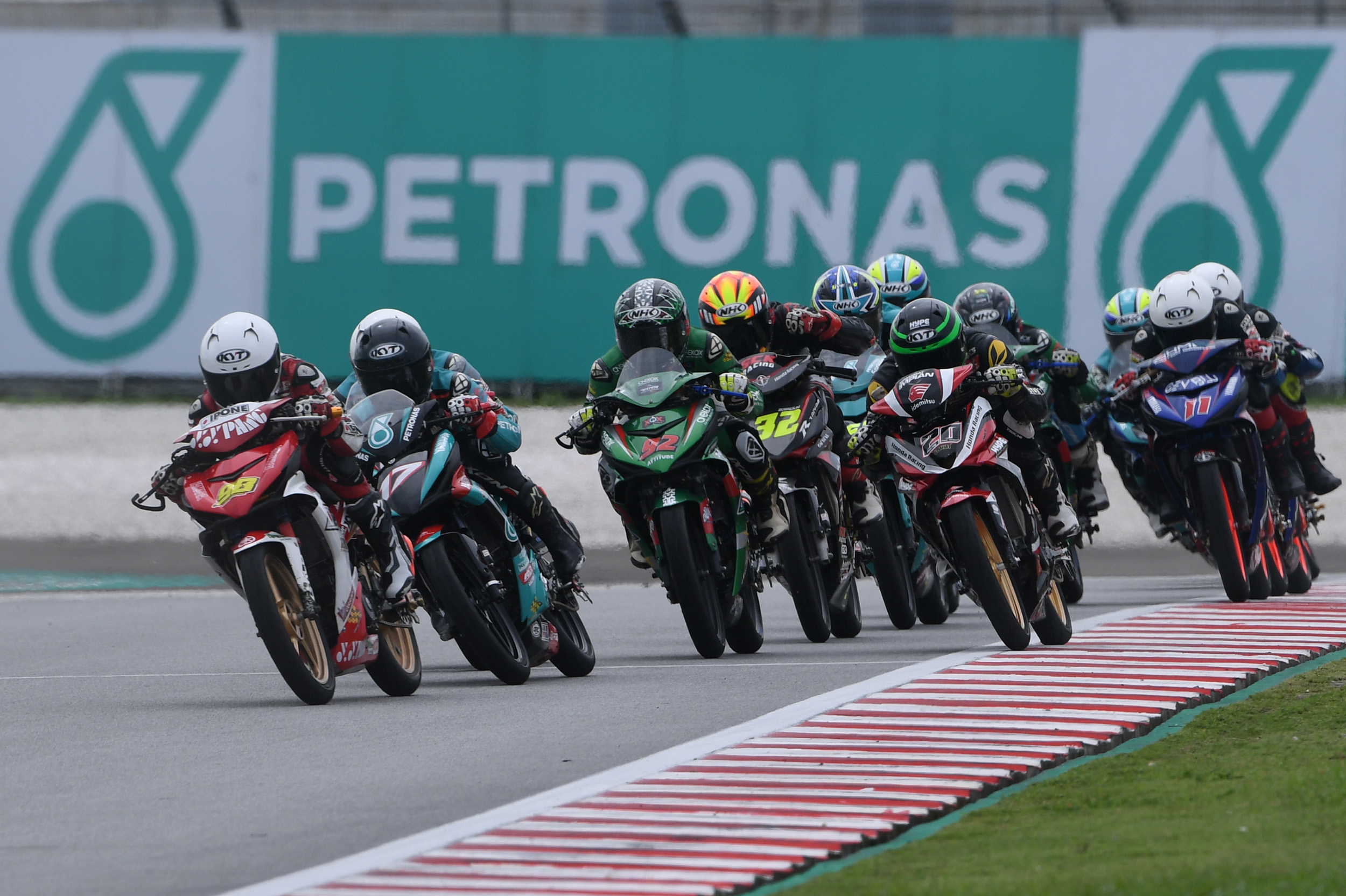
“After the success of Petronas Cub Prix, we looked around and realised that there was not much going on on the regional level, so we started the Asia Road Racing Championship. I won’t deny that we got lucky too. At that time we had tobacco sponsorship. We had a very good relationship with Philip Morris, and they loved what we were doing and they supported us and our growth.”

“We were always levelling up also. From Petronas Cub Prix to ARRC. But when tobacco sponsorship stopped, we were left out by ourselves. We had to absorb everything ourselves, somehow we managed because we already had strong foundations. Today, I am proud to say that every professional motorcycle racer in Malaysia can trace his roots to Petronas Cub Prix. I am proud of that.”
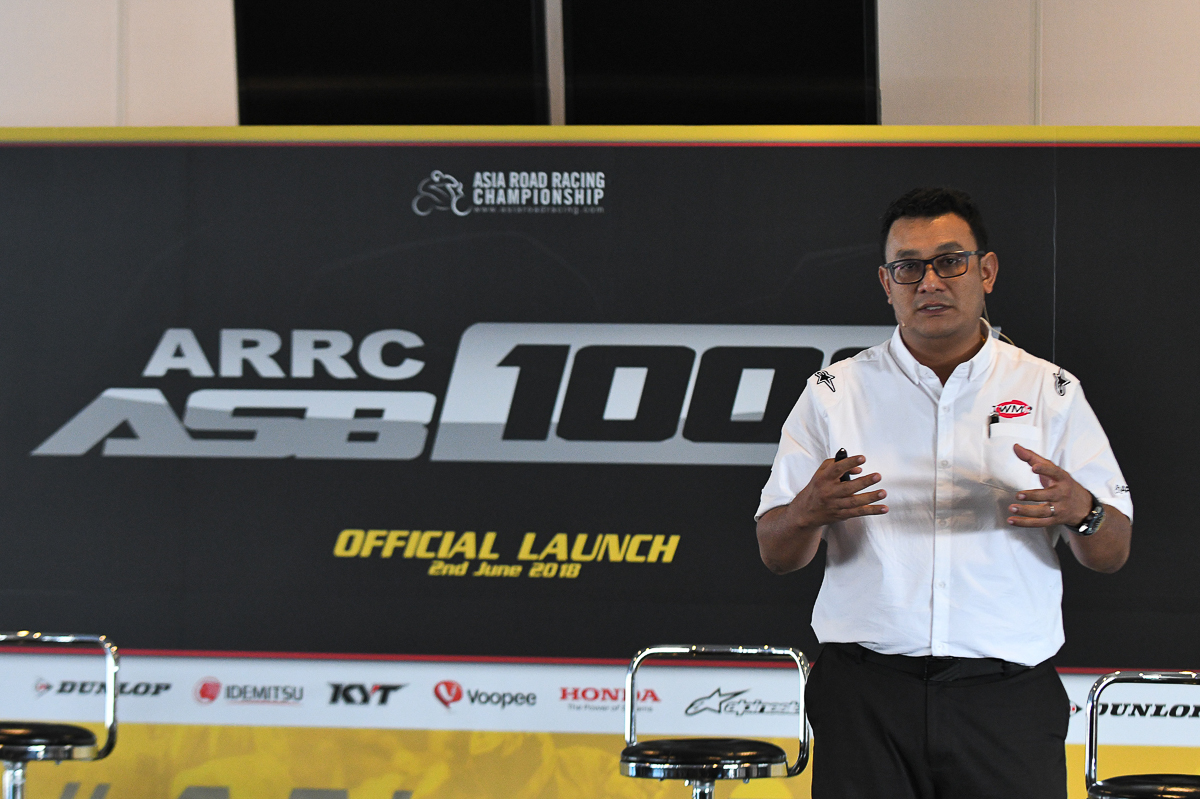
“But now we have to level up again. We now have MSBK (now MSC) which was managed by Sepang Circuit initially, and now us. At first, it was viewed as a playful series where riders do it for fun. But we turned it into a professional series where the best riders in the country can compete in. If you want to prove yourself on the international platform, doing it in MSC is where you should start first.”

“It is not cheap though, the minimum investment for a team to race in a year will be about RM500,000, and that is just the initial investment and does not involve any crashes or repairs. I want the Petronas Cub Prix team to graduate to MSC now because they have done a fantastic job, but I know it won’t be easy and it won’t be cheap for them.”
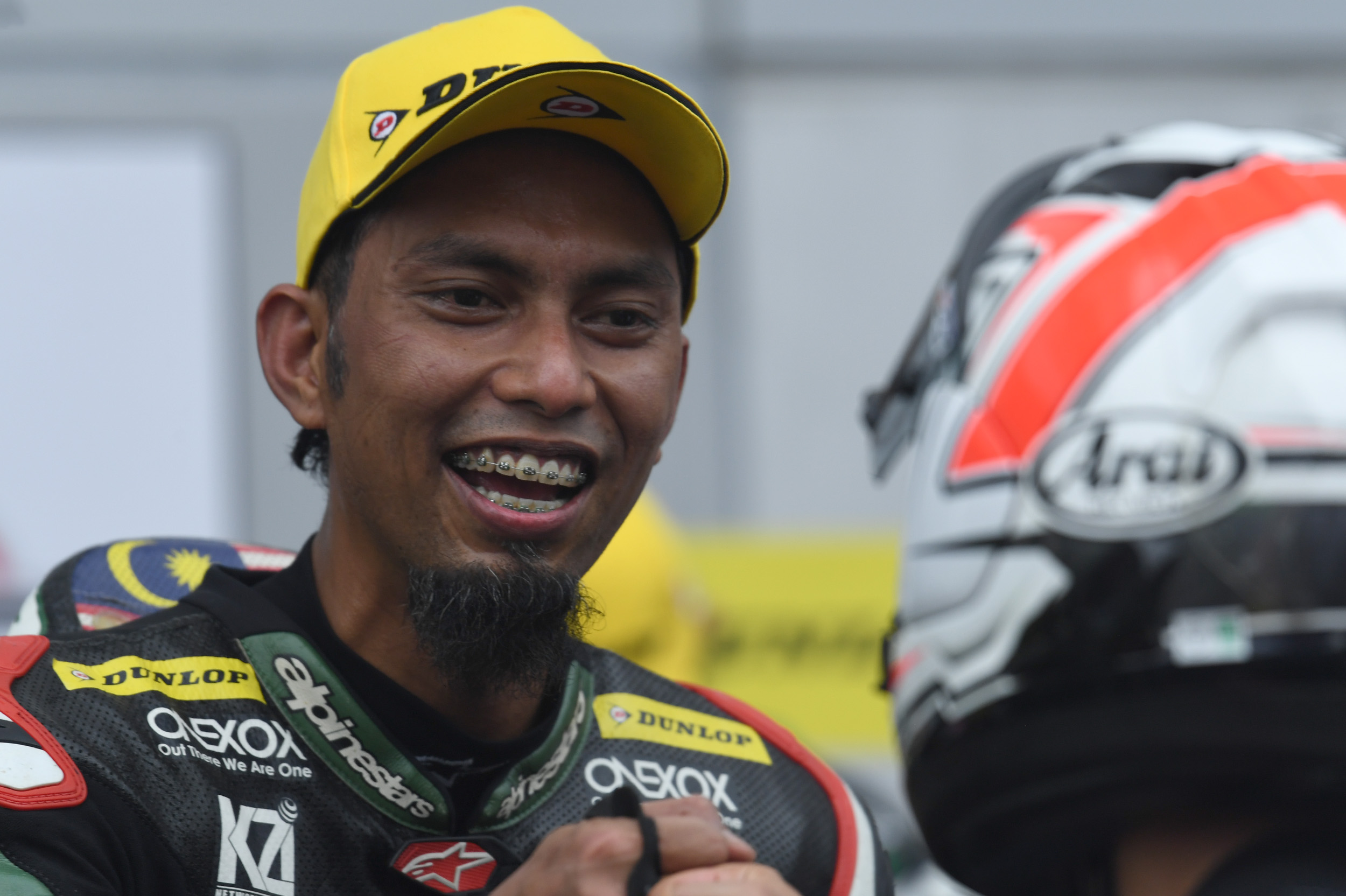
As previously mentioned, Malaysia does not lack riding talent. For a small country that arguably lacks motorsport support from the establishment, Malaysia has produced some impressive talent. But Ron argues that some of them retire too early and don’t contribute back to the industry with their experiences.

“We obviously have had some riders that have made it to the CEV series, Moto2 and even Moto3. Some have done well too, while others perhaps have not. But making it that far is not easy and requires talent by itself, together with discipline and a good attitude. I feel that some riders who have made it that far should come back and contribute to help others make their way up there as well. And that is what helps all our local series become relevant, because it becomes the platform for young riders to launch their careers with the guidance of those who have made it up there.”
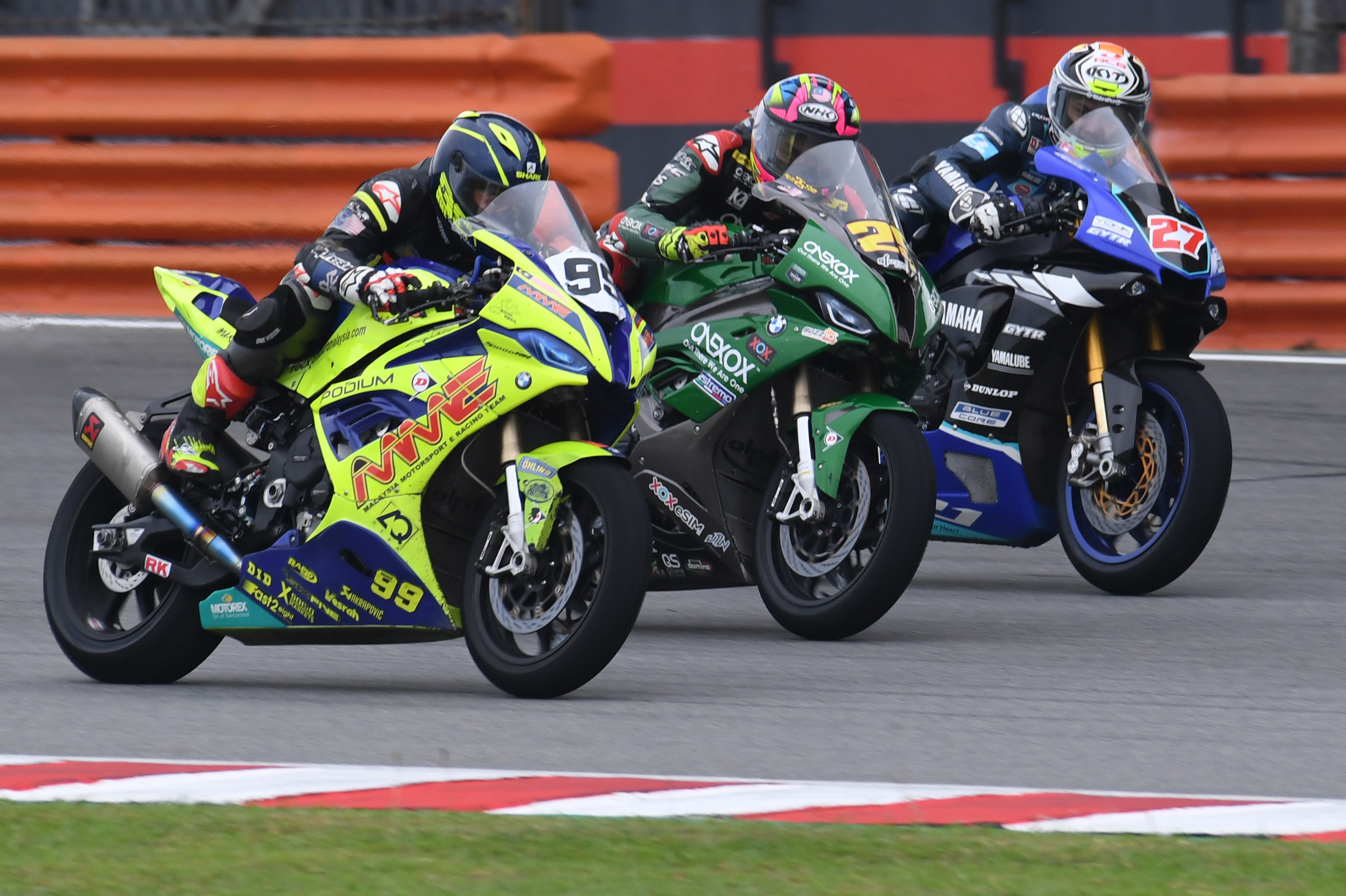
But racing is not cheap and to make it big in motorsport, sponsorship is important. So how does a rider with talent but with no money make it in motorsport?

Ron admits that money is essential in motorsport, but he also points that talent is equally or perhaps more important than money, as well as discipline and a good attitude.
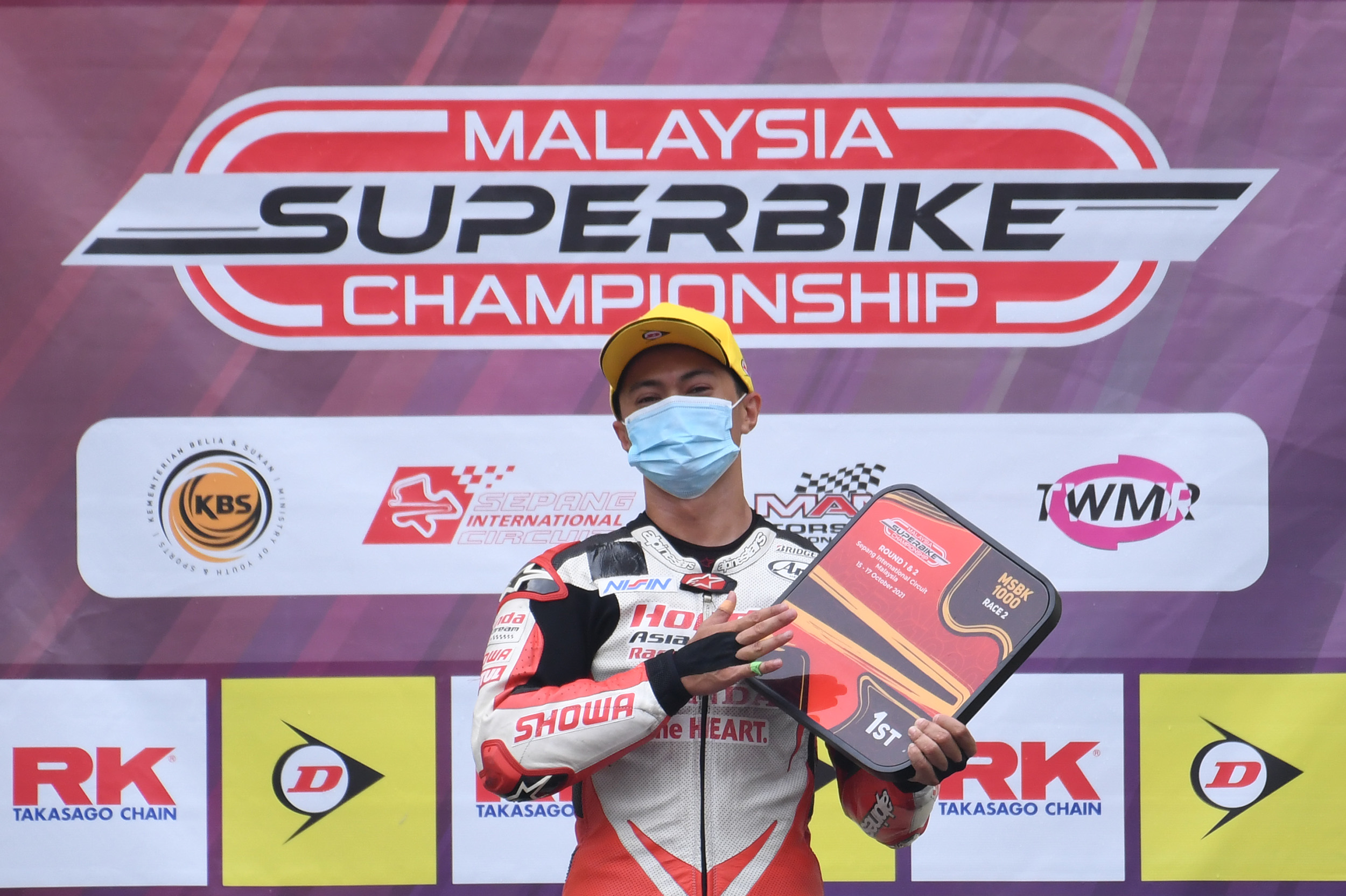
“Talent gets you noticed, and from there on, if you have good discipline and a good attitude with the right people to support you, they will be able to help you secure the funds to go racing. Everyone wants to be the new Marquez or Rossi, but the trinity of talent, discipline and attitude is important. Manufacturers and sponsors will always support good riders, especially now where there has been a lot of exposure for two-wheel racing. So good riders can get the support quite easily, but riders need a good manager that can help them secure the funding they need to get far.”

Having steered the company and the race championships through some of the most turbulent times for any business in the world, Ron perhaps faces one of the biggest challenge now with the rise of electric motorcycles and with electric race bikes popping up all over the world.
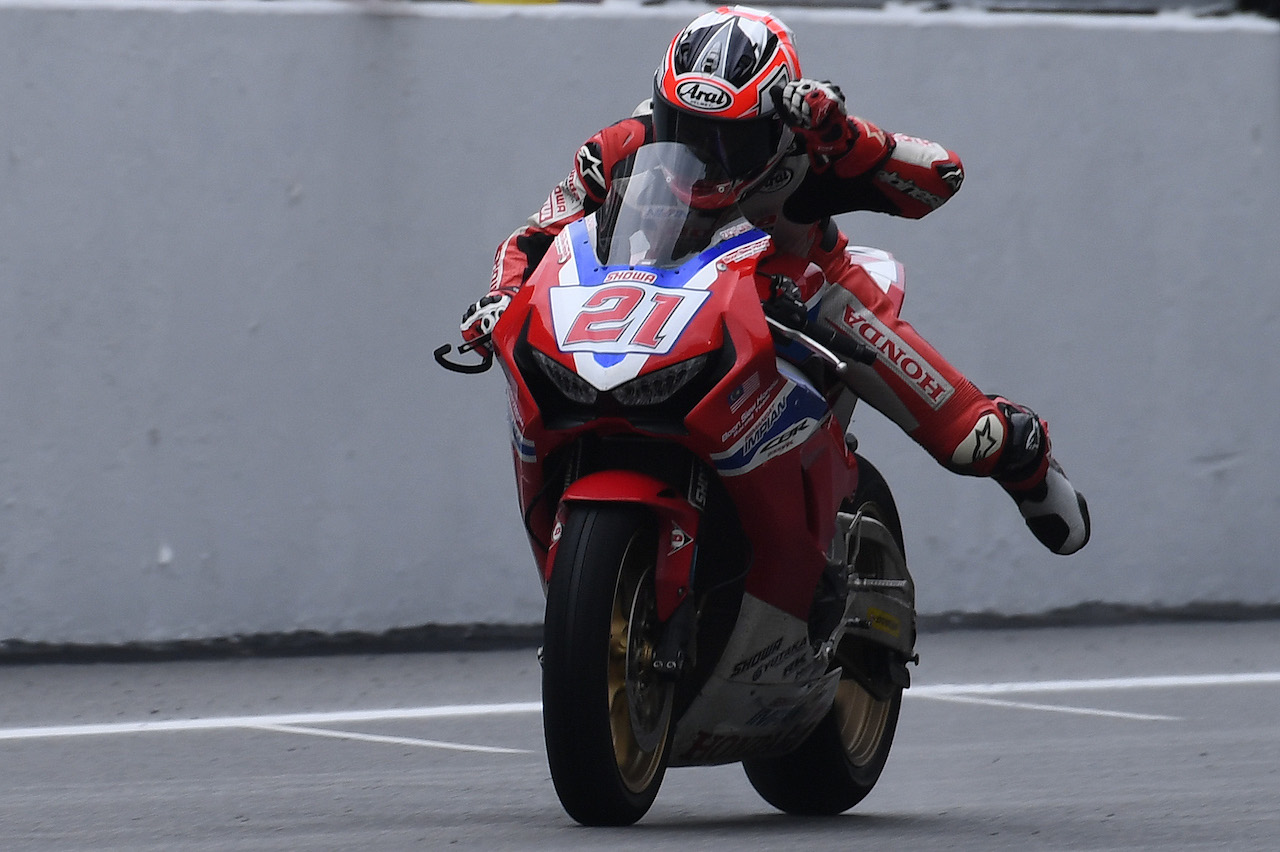
“We are already looking into electric race bikes, but sustainability is key. We lack infrastructure currently but I foresee that we will eventually have an electric race bike series. Of course this poses its own set of risks because electric bikes have different risk factors when compared to regular race bikes, but this is something that will definitely happen. We will see when to start on that.”
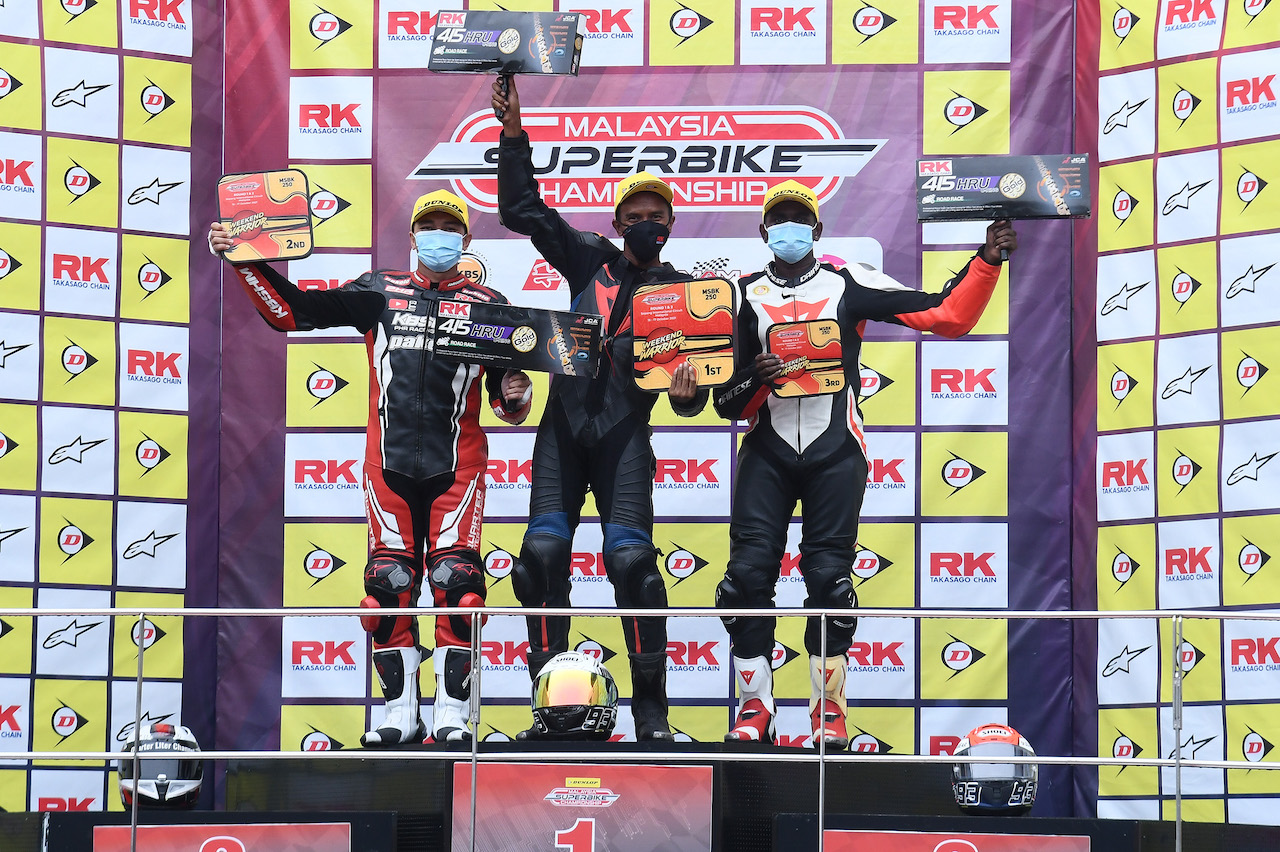
Finally, no interview with any two-wheel icon of Malaysia is complete with asking about the country’s ‘rempit’ culture.

“It is unfortunately a culture, and changing a culture requires a long long time. If I were in charge, I would say forget about the current generation, and focus instead on those that are around five years old instead.”
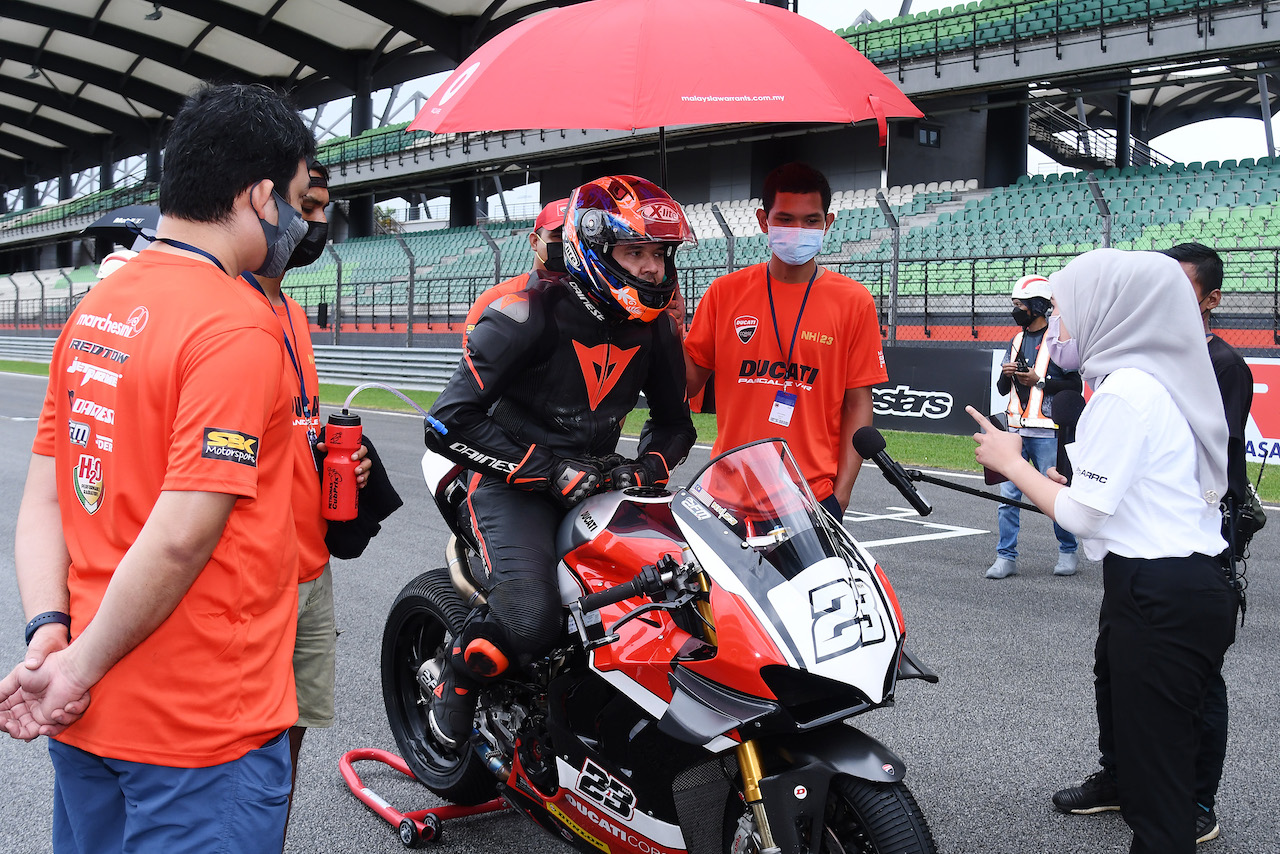
“Rempit culture came from the BMX culture, it is a natural progression for those that started with a BMX to move to motorcycles, and likewise, the wheelie culture moved from the BMX to motorcycles.”

“Unfortunately, rempit’s have got a very bad name. But fact of the matter is, only 2% of motorcyclists are what you call rempit’s.”
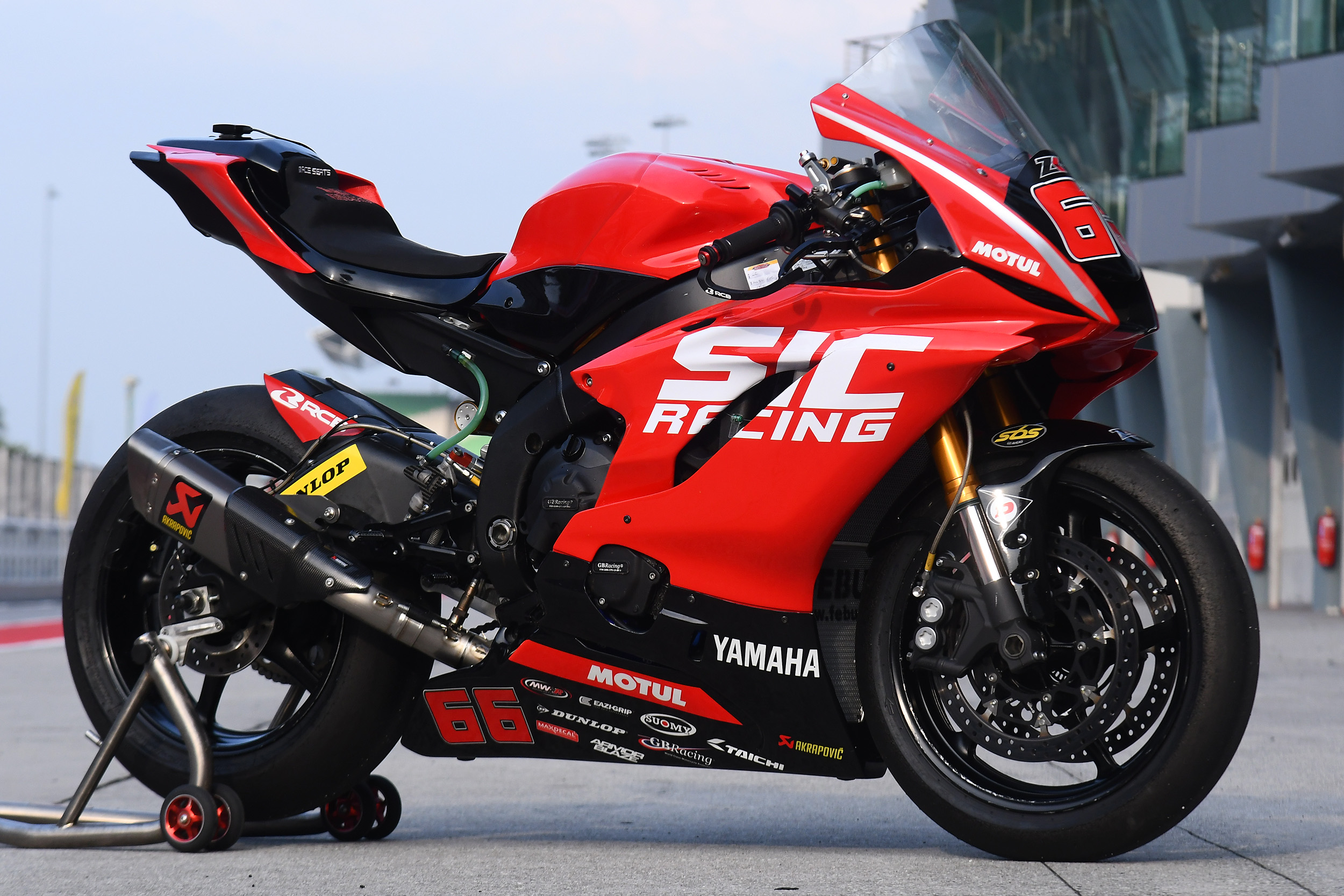
Motorcycle racing is undoubtedly one of the things that Malaysia has been good at, and in the hands of passionate and knowledgeable individuals such as Ron who have an obviously good track record, perhaps it is safe to say that Malaysians can only expect great things to come from the two-wheel racing industry.

Ron Hogg would like to take this opportunity to thank all partners for their continued support while he and his team do their best to continue developing the sport to greater heights.
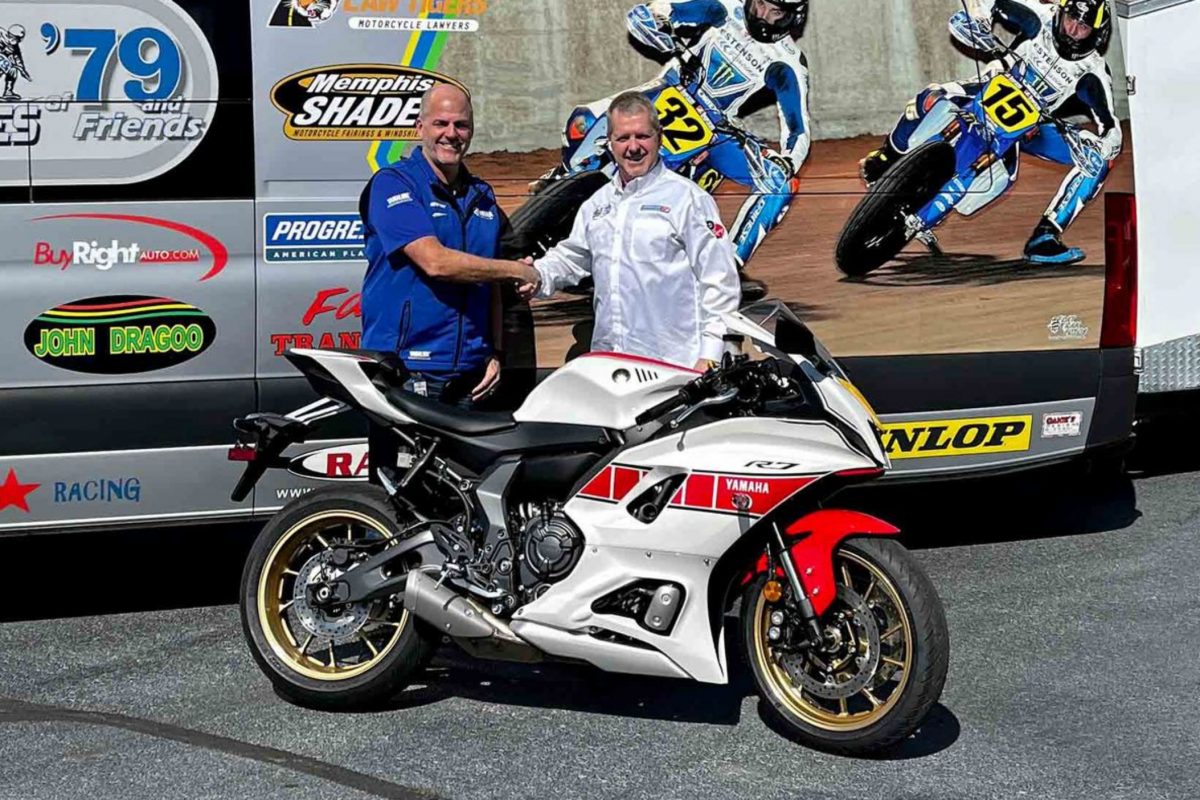
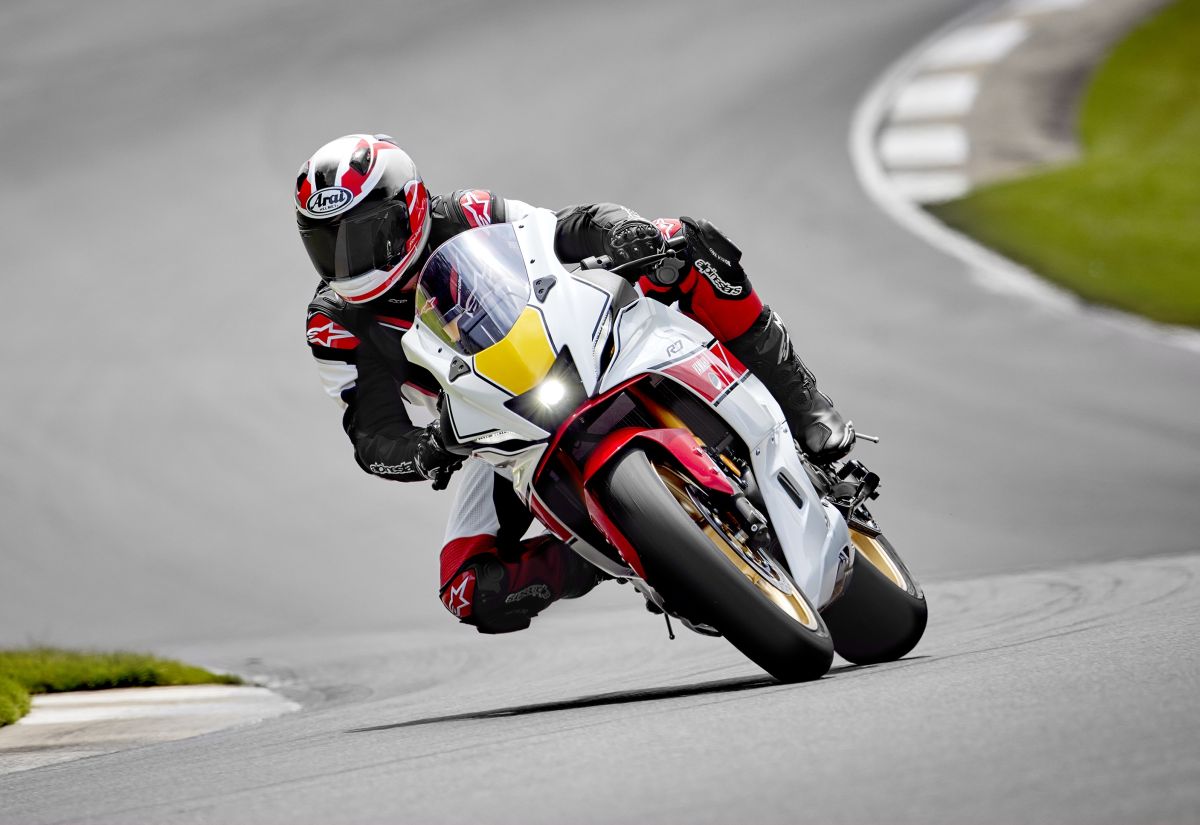
Yamaha Motor Corp USA has donated one 2022 YZF-R7 to a charity raffle that supports injured American Flat Track (AFT) racers.

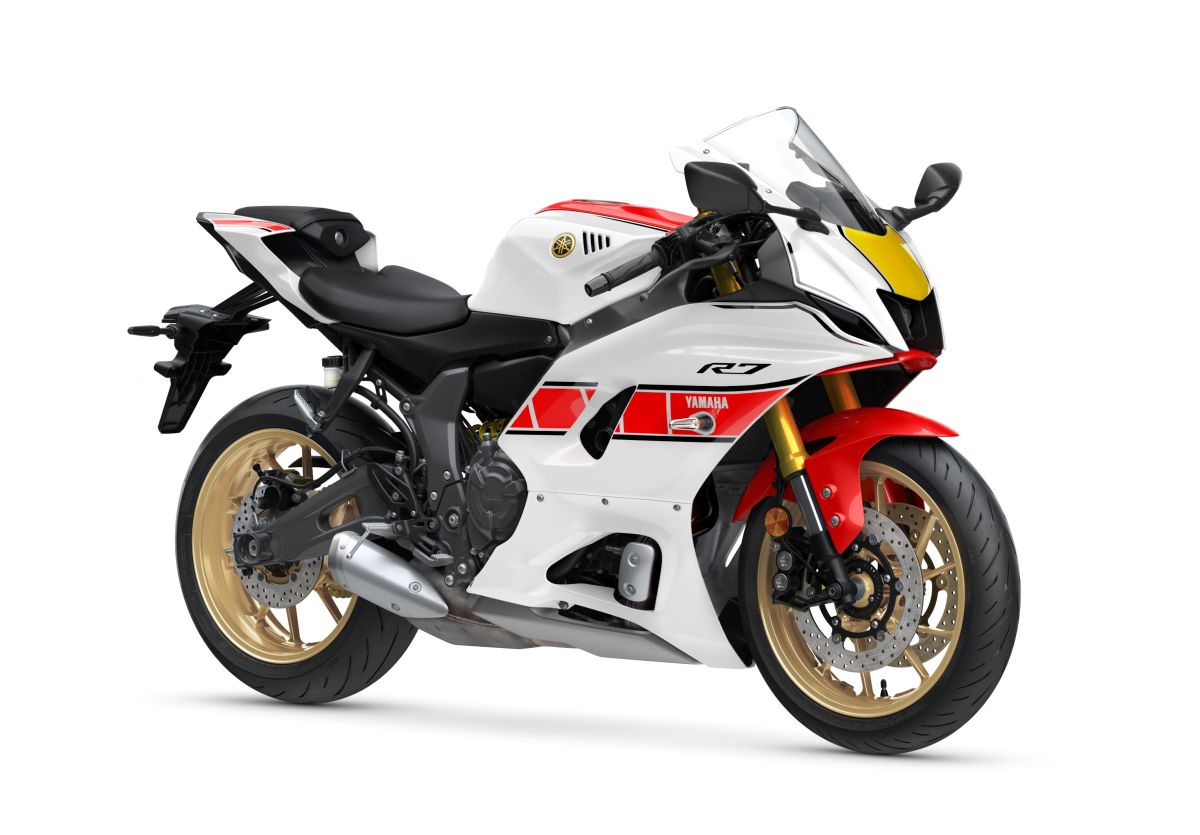
However, it’s not just any R7 because the raffle bike is the World GP 60th Anniversary Edition.

The bike features Yamaha’s iconic white/red colour scheme, gold fork, GP-inspired Tuning Fork emblems and gold cast aluminium wheels wrapped in Bridgestone Battlax Hypersport S22 tyres.

The Yamaha R7 is up for grabs as the main raffle prize of the Rookies of ’70 season-long fundraiser.

“I’m proud and pleased that we were able to donate this Yamaha YZF-R7 to The Rookies of ’79 charity, allowing them to raise money to achieve their mission of helping riders and families in need.

“They are a fantastic organization that does incredible work for the racing community. And as an ex-flat tracker myself, it’s a cause very near and dear to my heart,” said Derek Brooks, Yamaha Motorcycle Product Line Manager.

Those interested in getting their hands on the bike while donating to charity can get the raffle tickets sold at every AFT round.

The winner will be drawn at the season finale on October 15, 2022, at Florida’s Volusia Speedway.

As its name implies, the Rookies of ’79 and Friends Charity were created by the rookie flat track class of 1979 that comprises Wayne Rainey, John Wincewiz, Ronnie Jones, Charlie Roberts, Scott Parker and Tommy Duma.

The charity’s main objective is to help provide financial assistance to riders affected by injuries sustained while racing.

Over the years, funds were produced through sales and raffles of donated memorabilia from fans, riders and corporate sponsors.

Meanwhile, to sweeten the deal, Yamaha also offers a free year of Yamaha Extended Service warranty coverage on the R7 to whoever is lucky enough to win the raffle.

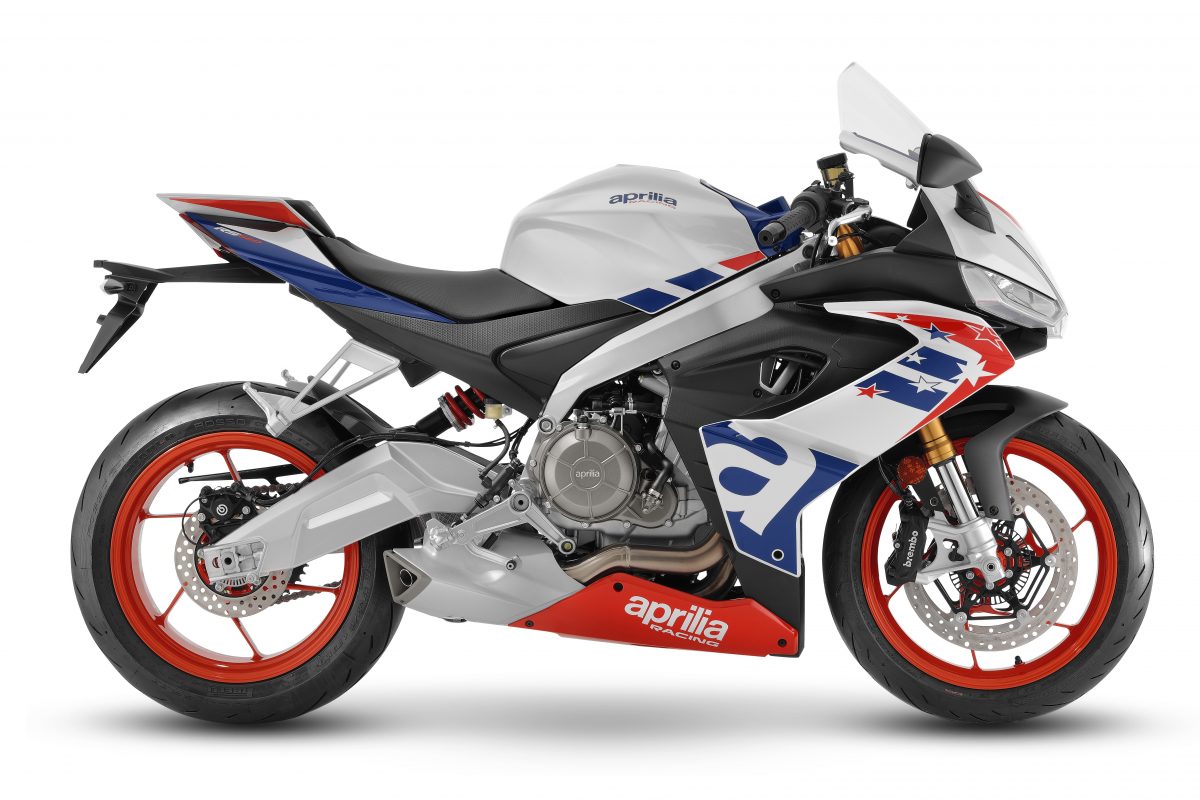
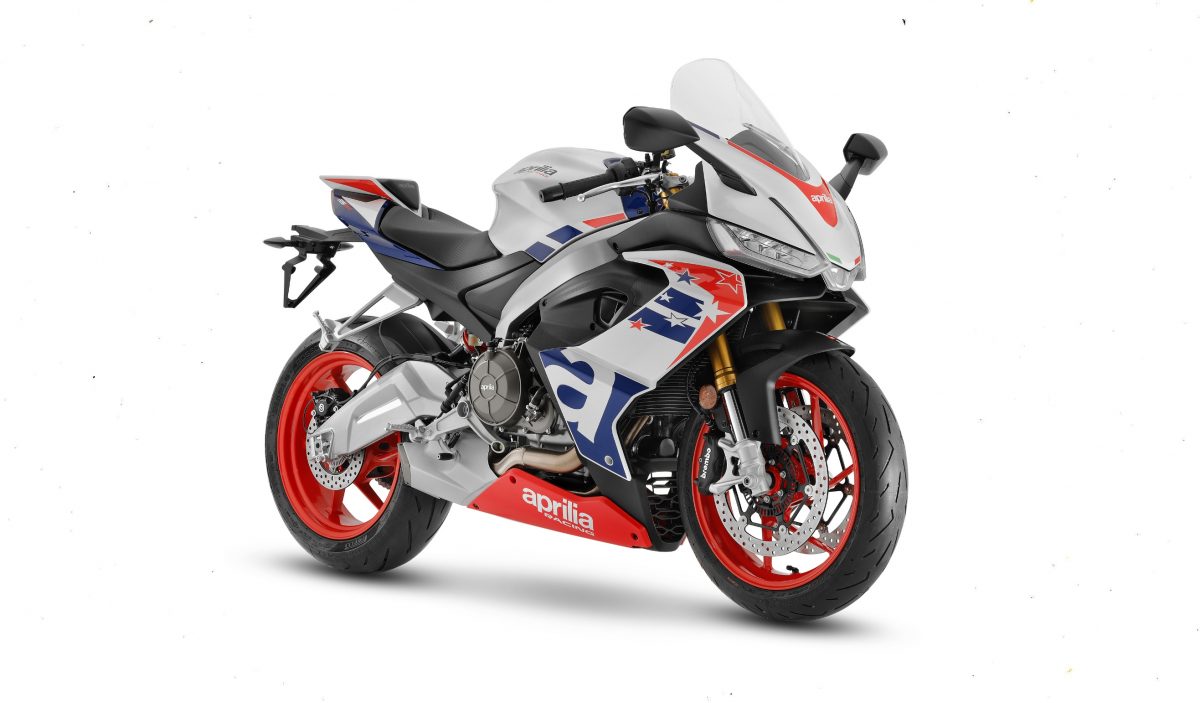
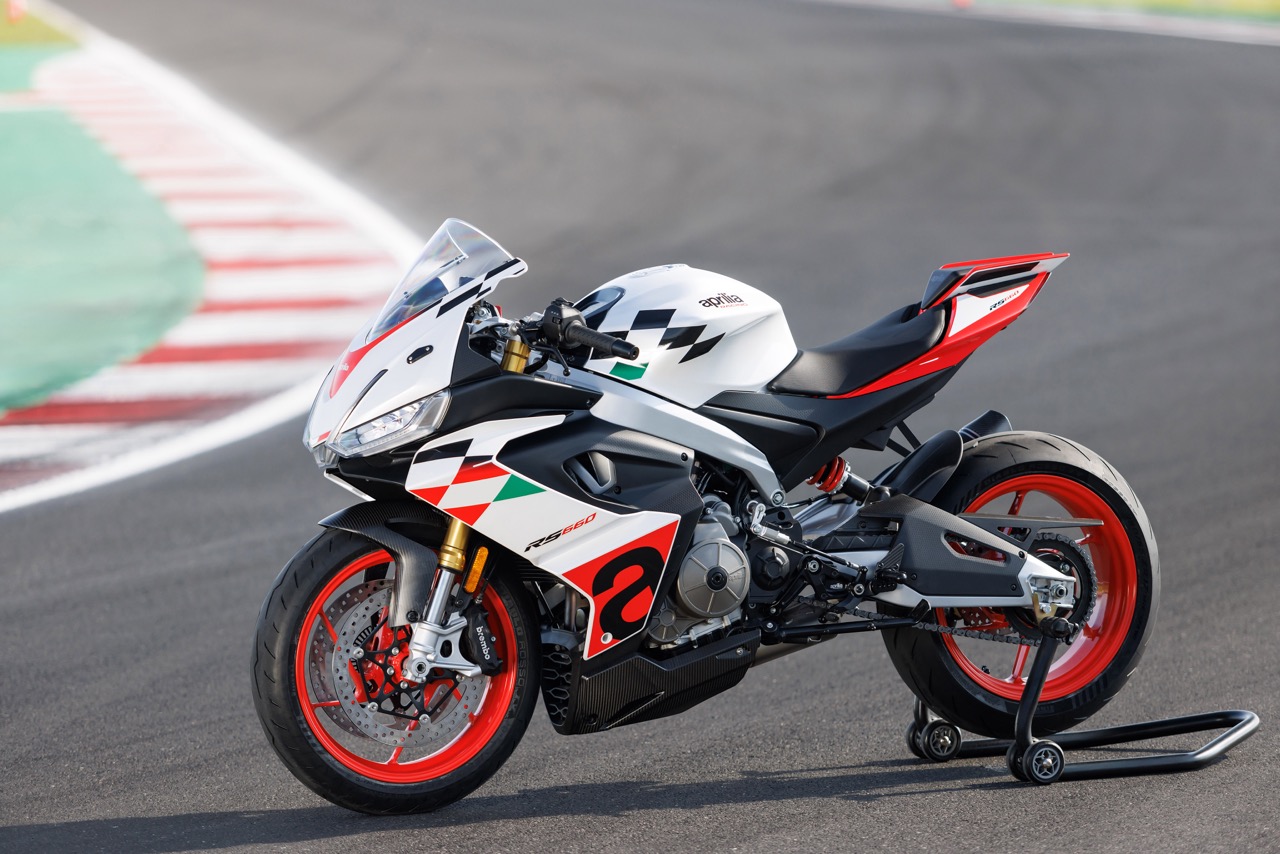
Aprilia has just unveiled a limited-edition RS 660 that features some minor technical and aesthetic updates.

Inspired by the American Motorcyclist Association’s (AMA) success in the United States’ AMA National Road Racing Championship, in which Aprilia won the Twins cup, the limited-edition RS 660 gets some exciting tweaks.


According to the Italian firm, the RS660 gets an electronically adjustable gearbox that can be set to an inverted pattern (GP shift) similar to the bike used in racing.

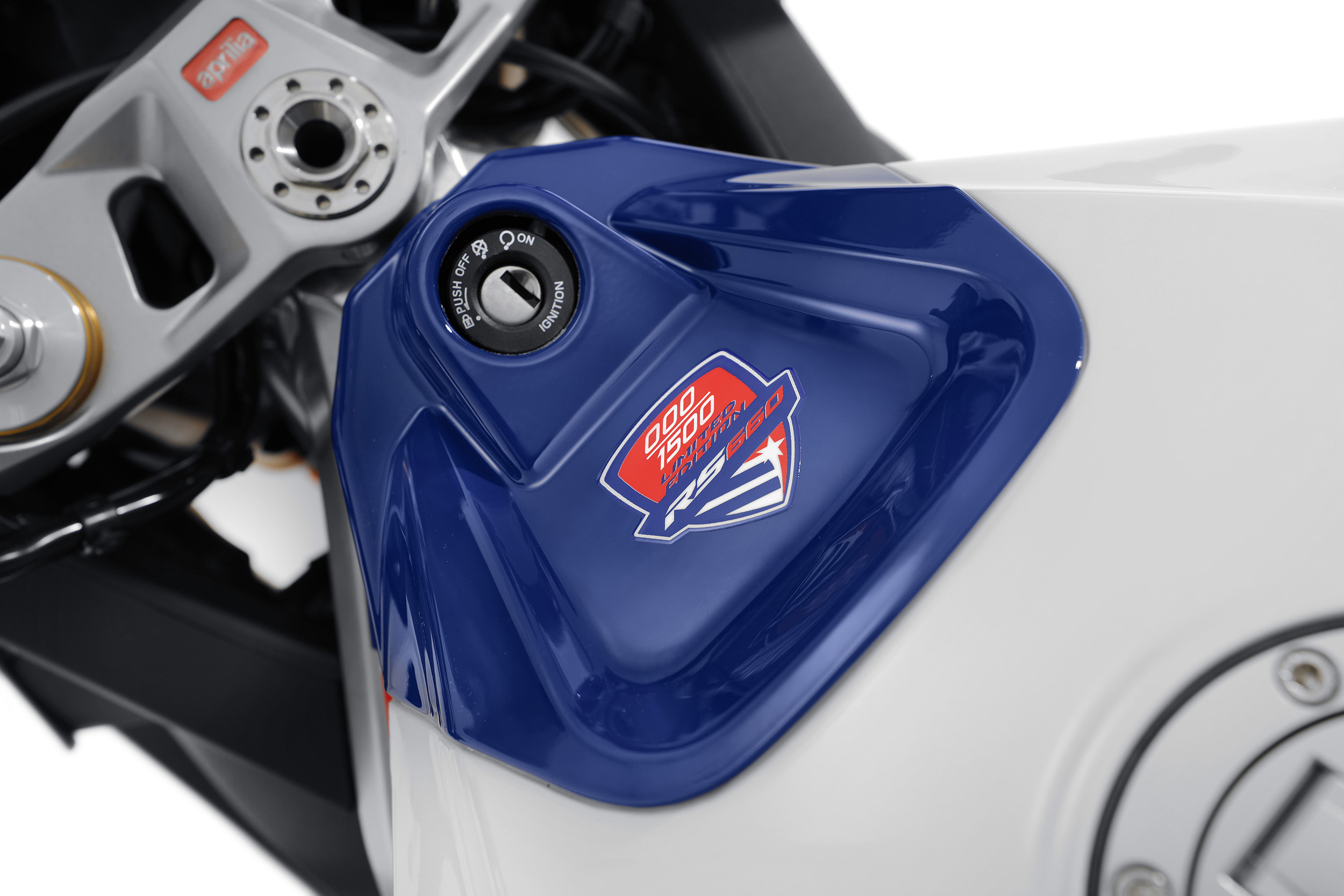
Limited to 1,500 units, the limited-edition RS 660 also gets a rear seat cowl and enlarged fairing for better airflow and aerodynamics.

Each of the 1,500 units produced has its unique number featured in a badge on the fuel tank.

While some limited edition motorcycles only feature new colours and graphics, Aprilia put their hands into ensuring the AMA-inspired RS 660 is unique in its own way.


Nonetheless, zero changes are done to the two-cylinder 659cc engine, which continues to offer 100hp @ 10,500rpm and 67Nm @ 8,500rpm.


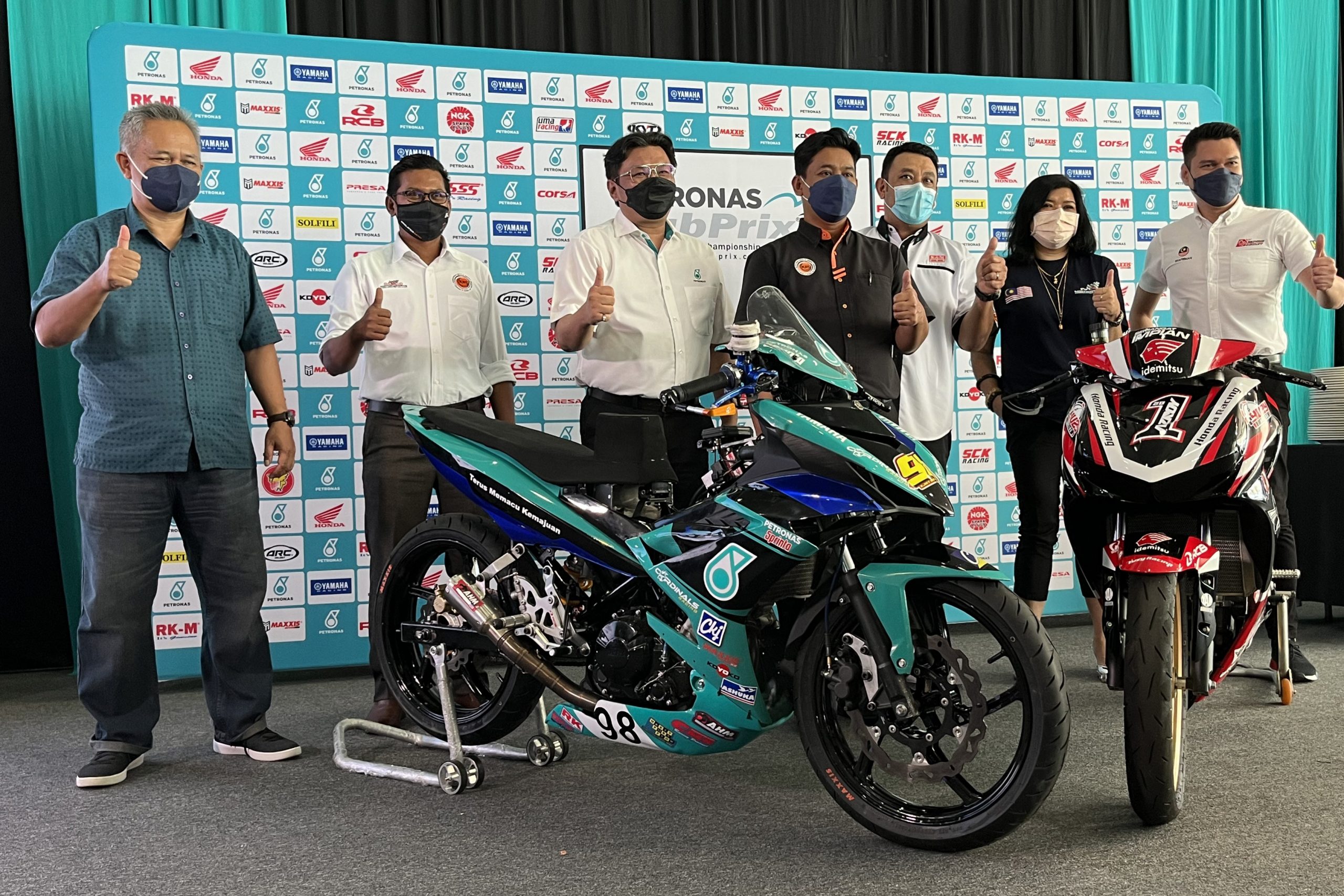
The Petronas Malaysian Cub Prix is set to return this weekend, with the first round to take place at the Sepang Circuit (North) on 12-13 March.

The 2022 edition is set to kick off with a bang after two previous seasons was hampered with the ongoing pandemic and Movement Control Order (MCO).

Nevertheless, the 29 edition Cub Prix will return in full blast as the team and riders prepare to hunt the 2022 championship.

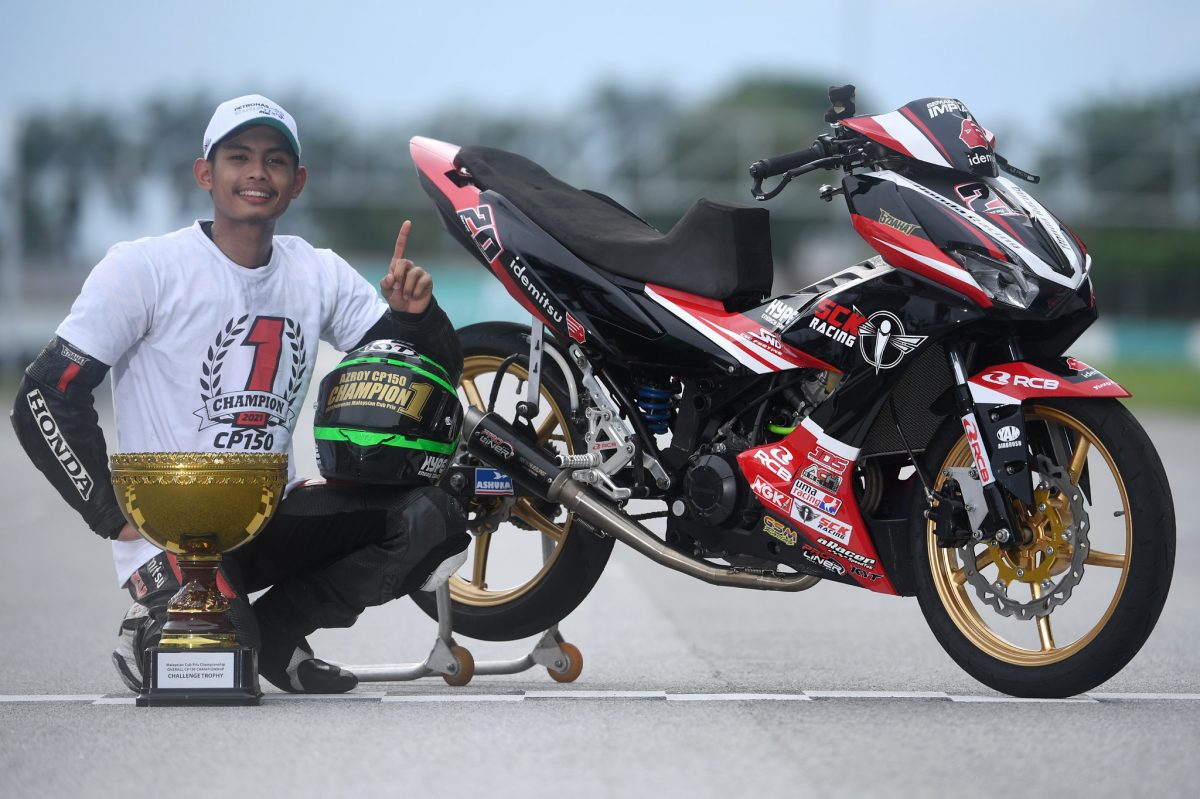
CP150 defending champion Azroy Hakeem Anuar will return to the grid feeling refreshed after taking the 2021 crown with Honda Yuzy Idemitsu.

However, this time around, the 24-year-old will pilot the all-new Honda RSX 150, replacing the RS150R.

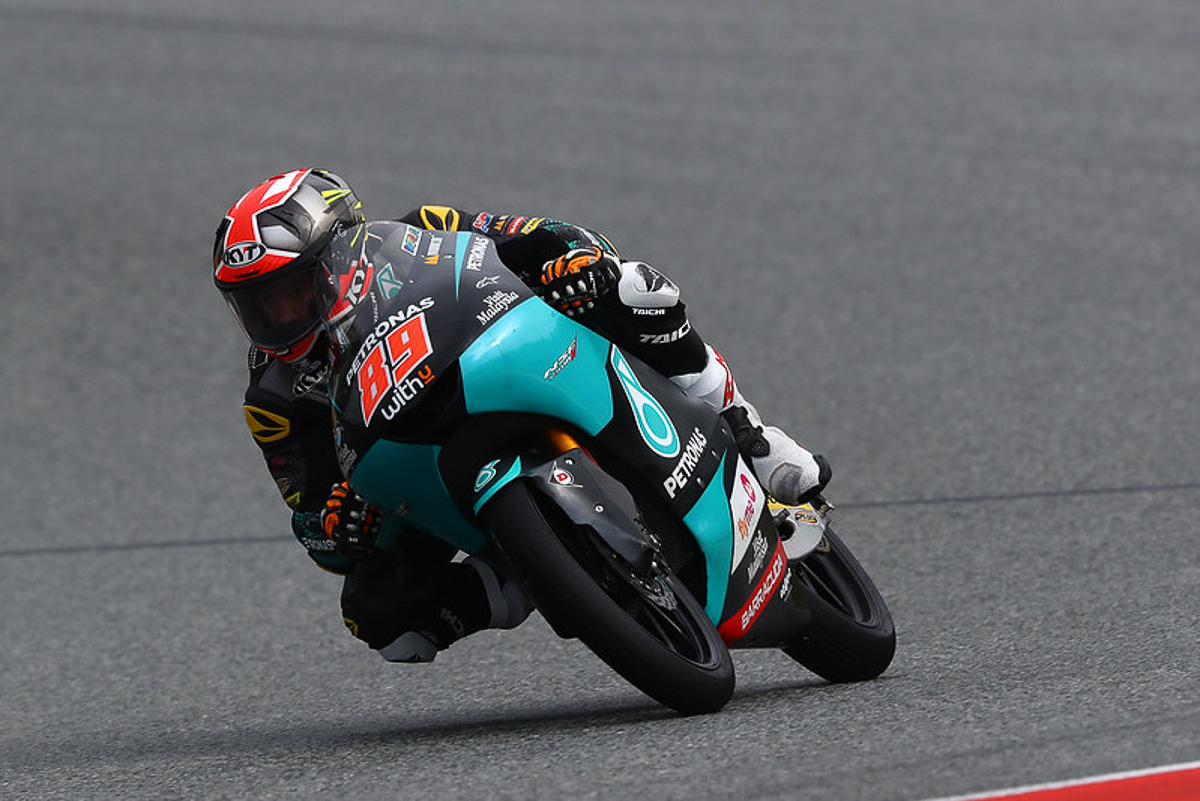
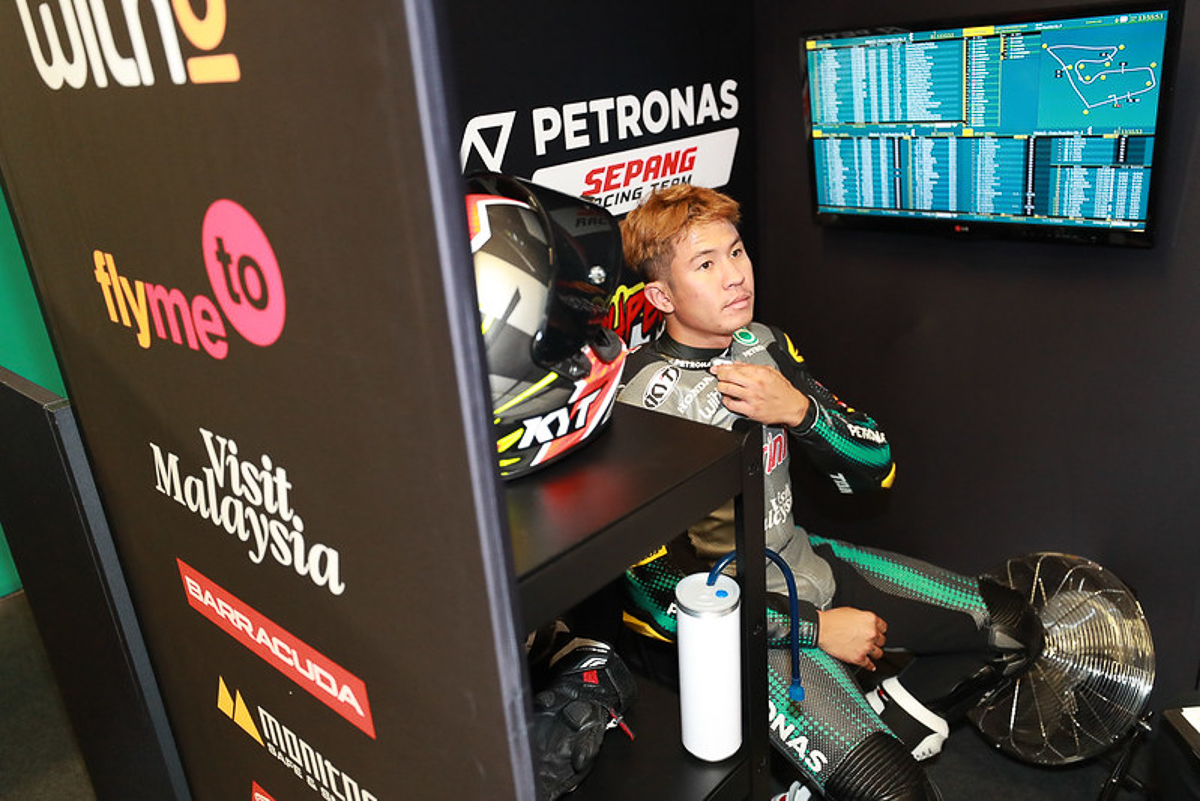
Meanwhile, the 2022 season also witnessed the return of former two-time Moto3 stage winner Khairul Idham Pawi.

The ex-Petronas Sprinta Racing rider made a u-turn to two-wheel racing after announcing his retirement in December 2020 after his contract with the Malaysian outfit ended.

SuperKIP will feature alongside former CP150 champion Helmi Azman at SCK Honda Racing Team.

The Petronas Malaysian Cub Prix will continue to pursue its primary objective as a significant platform to raise future world championship racing riders.

The first round of the 2022 Petronas Malaysian Cub Prix will be at the Sepang Circuit (North) from 12 to 13 March.

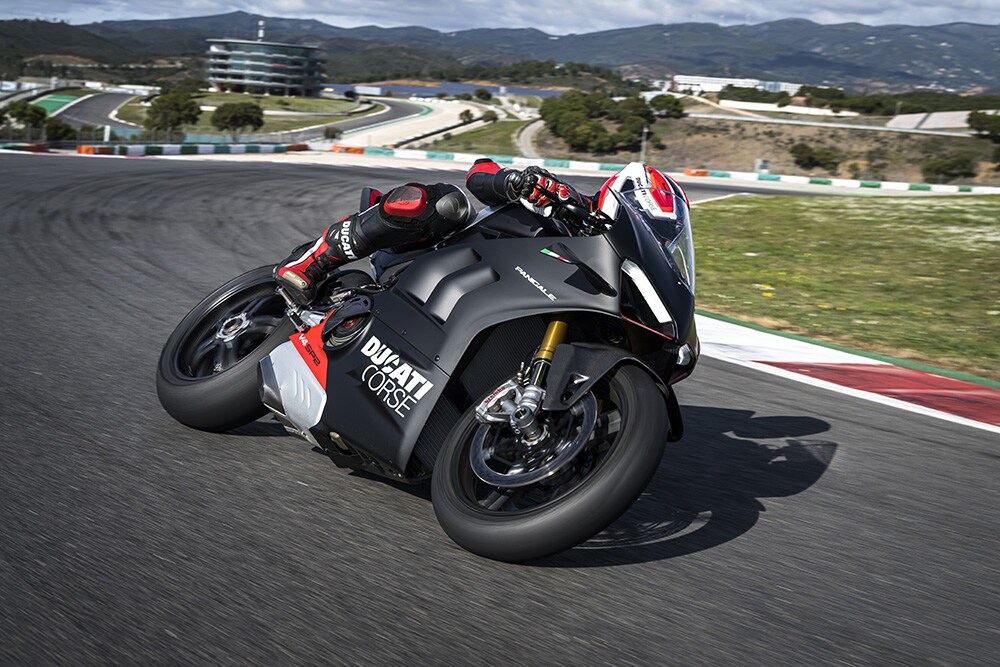
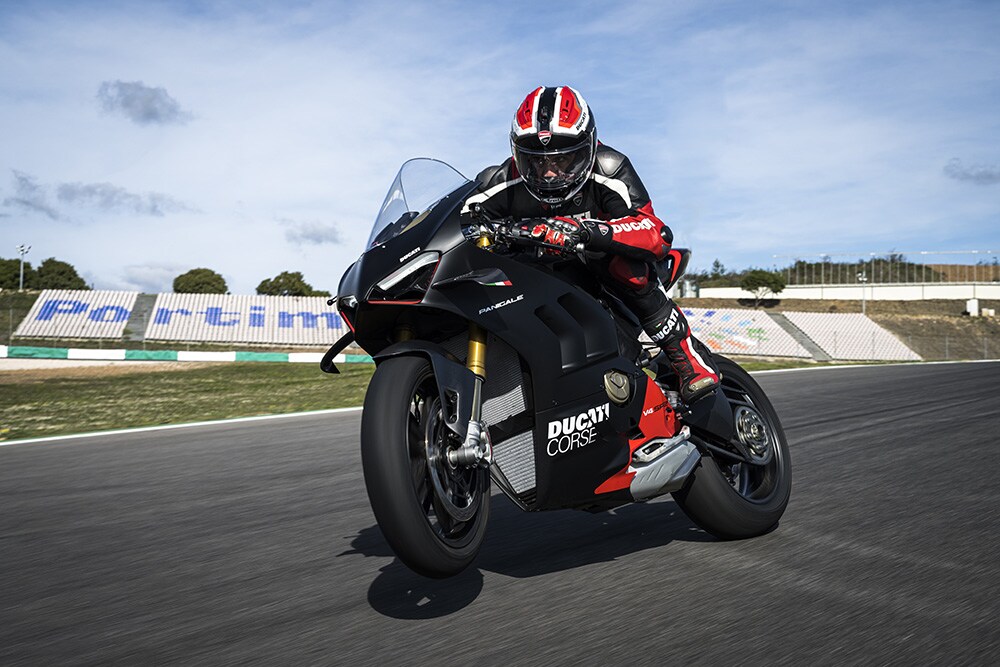
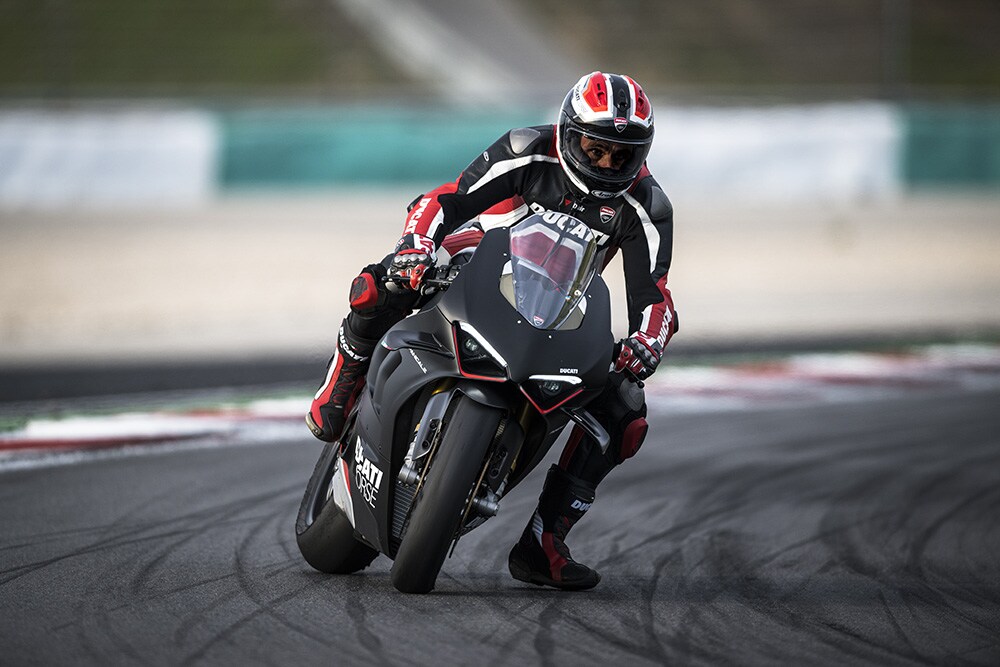
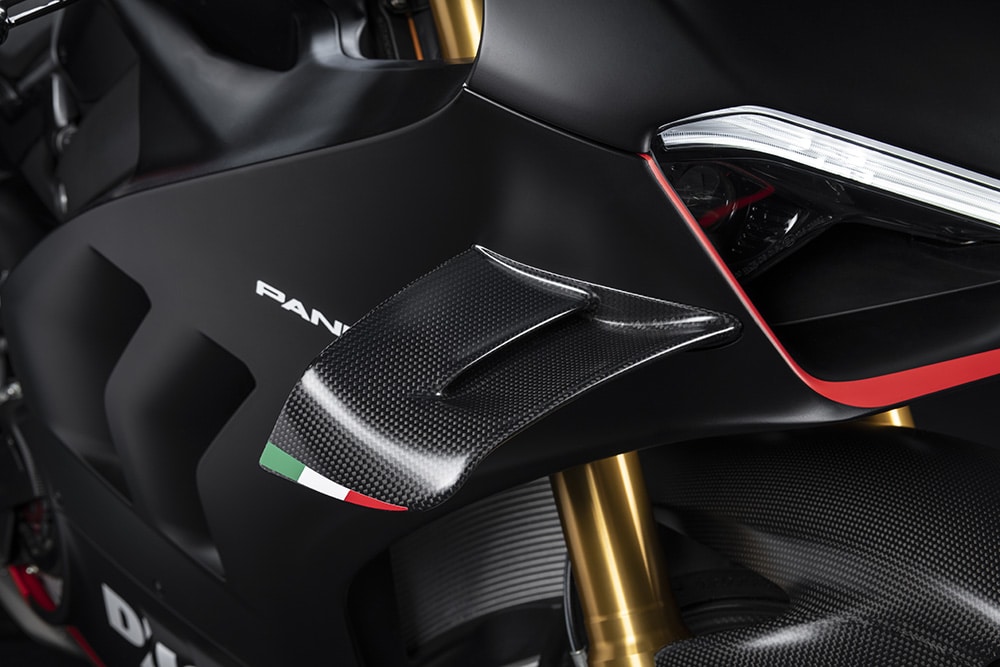
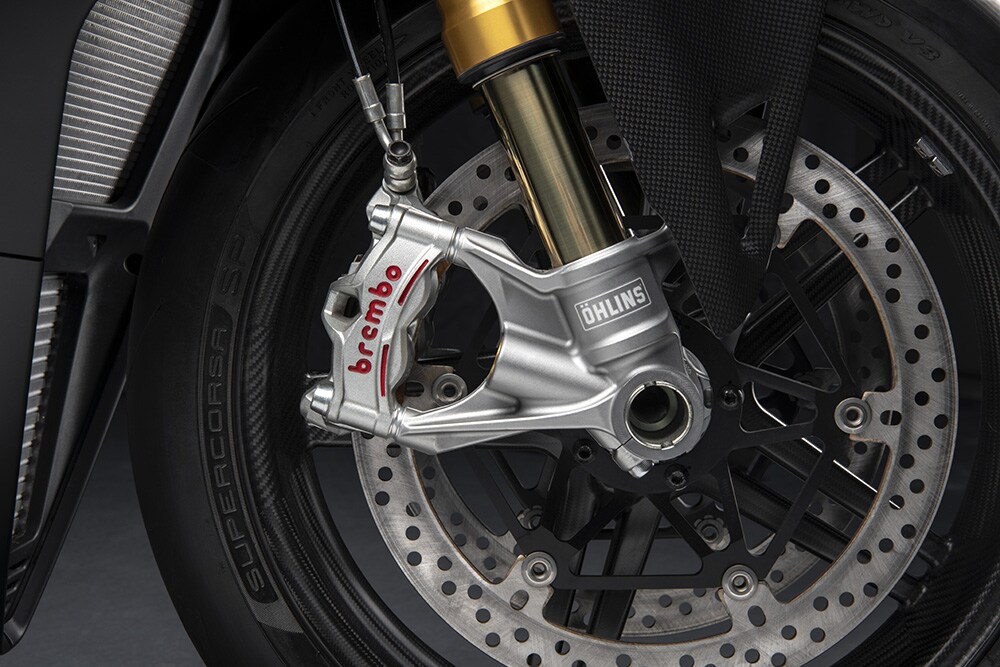
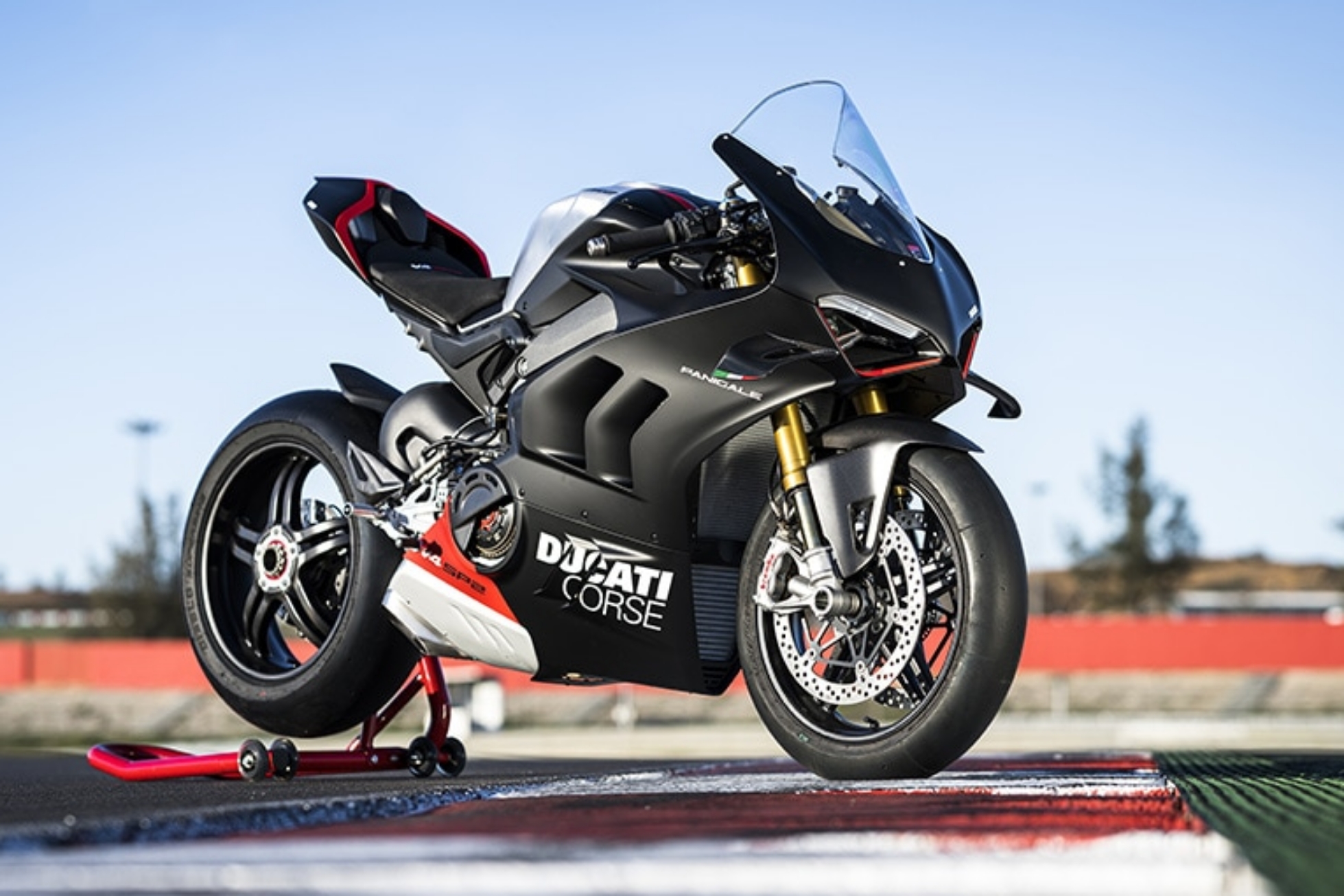
Ducati has officially completed its 2022 model year range by introducing another top-notch performance motorcycle, the Ducati Panigale V4 SP2.

The SP2 is the second generation of the Panigale V4 SP launched in 2020. The latest build focused on weight reduction and increased performance thanks to upgraded parts and accessories unique to the bike.

Despite nursing the same 1103cc Desmosedici Stradale V4 engine, the mill is now housed in an aluminium front frame to reduce weight.

The SP2 also gets a new full-titanium Akrapovic exhaust system, which helps to reduce unnecessary weight by 5 kilograms and bumps the power to 228hp.

Other premium components fitted on the Panigale V4 SP2 include:

  • Ohlins NPX 24/30 front end
  • TTX36 rear shock and steering damper
  • Ohlins Smart EC 2.0 system
  • four power modes (Full, High, Medium and Low)
  • Brembo MSC 19.21 master cylinder

Stopping power comes from twin Brembo Stylema R callipers with STM EVO dry clutch, developed for the Ducati WorldSBK machine.

To ensure the best on-track experience, the Panigale V4 SP2 features Street and Sport ride modes (with Race A and Race B presets), Track Evo display option and Ducati Data Analyser with GPS module.

Meanwhile, if you think 228hp is too much power, worry not as the Panigale V4 SP2 comes with a host of safety features:

  • Cornering ABS EVO
  • Ducati Traction Control (DTC) EVO
  • Ducati Wheelie Control (DWC) EVO
  • Ducati Slide Control (DSC)
  • Engine Brake Control (EBC) EVO
  • Auto tyre calibration
  • Ducati Power Launch
  • Ducati Quick Shift (DQS) EVO 2

The final touch comes in the form of a matt black Winter Test livery design purely to let everyone knows that a beast is lurking among the crowd.

Scheduled maintenance is at every 12,000km wwhile the valve clearance adjustment (Desmo Service) is set at every 24,000km.

The Ducati Panigale V4 SP2 is already available for booking in Europe for GBP34,295 (RM188k).

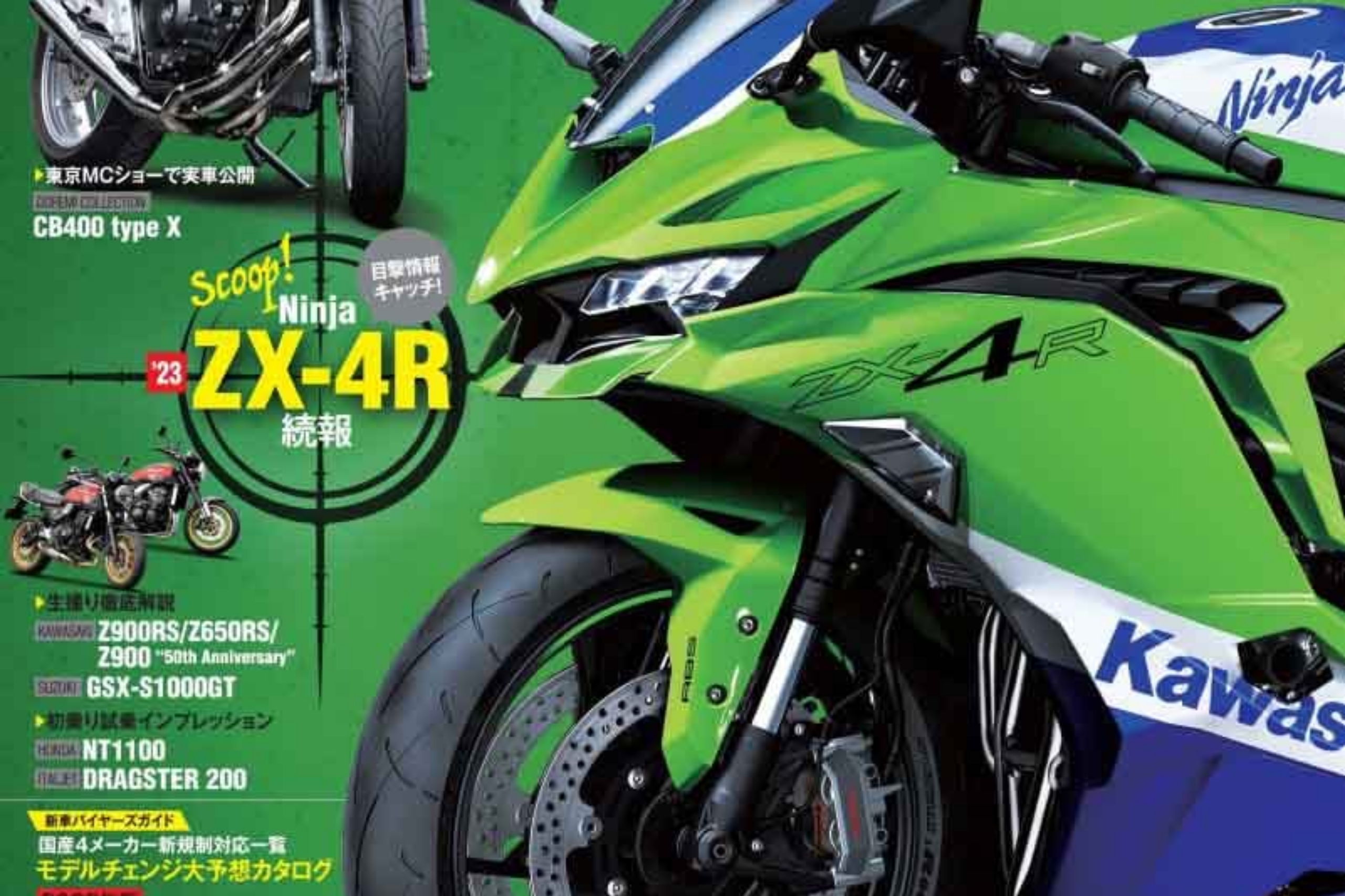
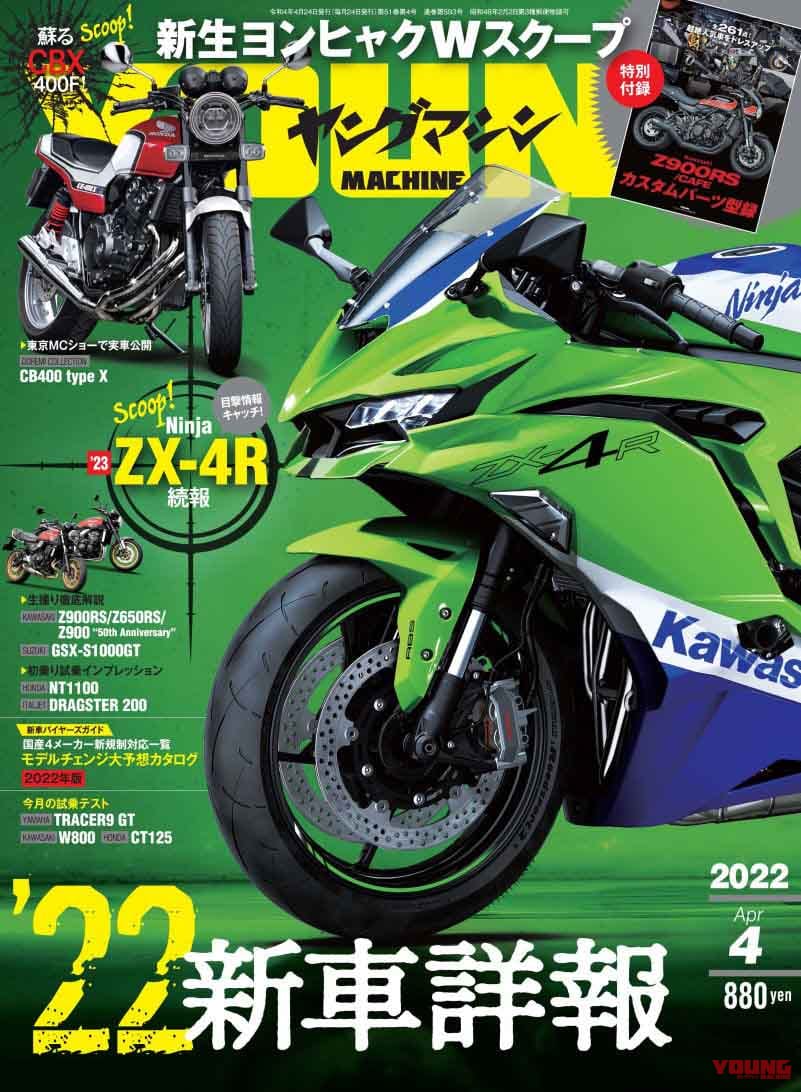
The highly anticipated Kawasaki ZX-4R looks to be on its way, as confirmed by the latest reports.
Talk of a new 400cc inline-four sports bike has been around for quite some time, ever since the introduction of the quarter-litre ZX-25R.

Japanese publication, Young-Machine – known for getting the latest insight for Japanese motorcycles – has made the ZX-4R its latest cover for April with a render that is likely to be close to the final product.

The headline also suggests that Kawasaki is prepping for an official reveal very soon.

While the ZX-4R is somewhat related to the ZX-25R, the former will follow the ZX-10R design, prominently the sunken headlight and the air-duct.

Reports also suggest that the new bike will feature premium components, from Kawasaki Traction Control (KTRC), USD forks and riding modes.
We have yet to secure any information regarding how much power it might produce, but rumours have that it could be around 75hp and above.
The Triumph Street Triple 765 is probably among the best middleweight street machine we have yet to test out since its launch in Malaysia back in 2019.

Nevertheless, we still adore the bike from afar, appreciating the British-built machine from the get-go.

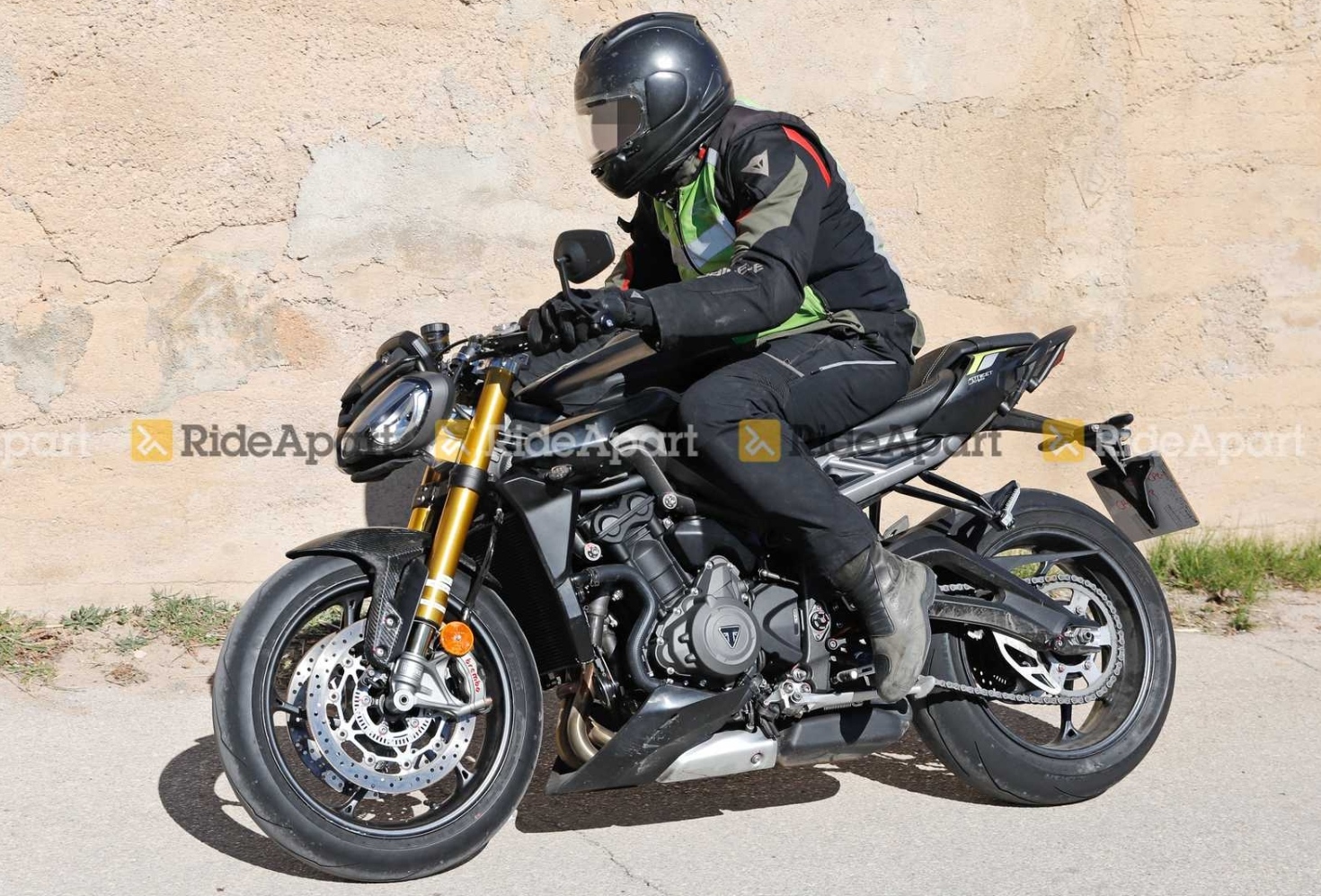
Fast forward to 2022, it seems the boys at Hinckley is already busy working on an updated version of the Street Triple, as proven by these new spy shot published by RideApart.

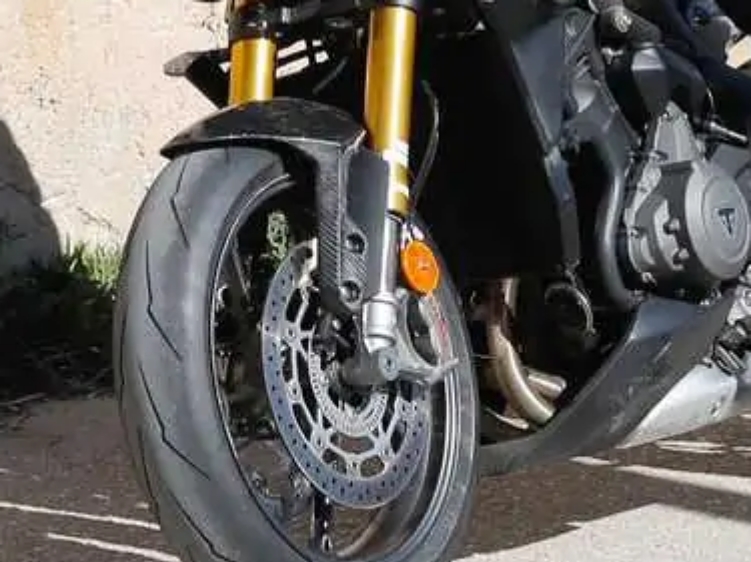
Instantly, the first thing you’ll capture is probably the shining golden glow of the new Ohlins front fork.

The Ohlins suspension system replaces the fully-adjustable 41mm upside-down Showa Big Piston Fork that’s currently available on the Street Triple R and Street Triple RS.

Despite the significant updates, whether the rear suspension matches the new model’s front Ohlins setup is unclear. 

The Street Triple R is currently fitted with a Showa monoshock, while the RS gets the fully-adjustable Ohlins STX40 monoshock.

Other notable cosmetic changes include a belly pan similar to the current RS, a carbon fibre hugger and new grab rails at the rear of the pillion seat.

The Street Triple might also get additional colour options and other electronics upgrades.
However, further details will remain a mystery, and we could only speculate what’s in store for us from Triumph.

Nonetheless, since the test mule is already looking like a production-ready unit, it is safe to assume that it could be ready for launch later this year as a 2023 model.

(Source: RideApart)

Archive

Follow us on Facebook

Follow us on YouTube