Bikesrepublic

Wahid Ooi

The 2024 Honda CB350RS has been launched in Malaysia.

Honda calls it a “road sports model” but calling it a modern retro or more specifically the UJM (universal Japanese motorcycle) would hit closer to the mark. In any case, this was the shape of all motorcycles in the old days. You take one of these, mod it up, and race it regardless on- or off-road, then ride to work the next day.

Anyway, the 2024 Honda CB350RS is a modern thoroughly modern motorcycle with likewise modern features, wrapped up in a more cohesively designed body, compared to the mishmash “neo retro” design of the Honda CB250.

Highlights:
  • Powered by a 348cc, air-cooled, four-stroke, OHC, single-cylinder engine.
  • It produces 15.5 kW (20.8 hp) at 5,500 RPM and 30 NM at 3,000 RPM.

  • The engine is fuel-injected and features Honda’s signature Programmed Fuel Injection (PGM-FI) system.
  • The cylinder is placed at an offset from the crankshaft’s vertical centreline. This reduces friction on the thrust face of the piston against the cylinder as it is pushed up from BDC to TDC.

  • The engine also has an asymmetrical connecting rod (conrod) to reduce energy losses.
  • Power is transferred to the gearbox via an Assist and Slipper Clutch. It was Honda who invented the slipper clutch, anyway.

  • Semi-double cradle steel frame which Honda says balances vertical, horizontal, and torsional rigidity.
  • Electronic features include the Honda Selectable Torque Control (HSTC) traction control system.

  • The bike’s braking system consists of a single disc brake up front and at the back.
  • Dual-channel ABS is standard.

  • Wheel and tyre sizes are 100/90-19 front and 150/70-17 rear.
  • A classic shaped round headlamp, with LED lighting all around.

  • Digital-analogue metre panel displaying some useful data including gear position, battery voltage, and distance to dry fuel status.

The 2024 Honda CB350RS is offered in two colours, namely Mat Massive Gray Metallic and Athletic Blue Metallic, and retails from RM20,500 (not on the road).

2024 Honda CB350RS photo gallery

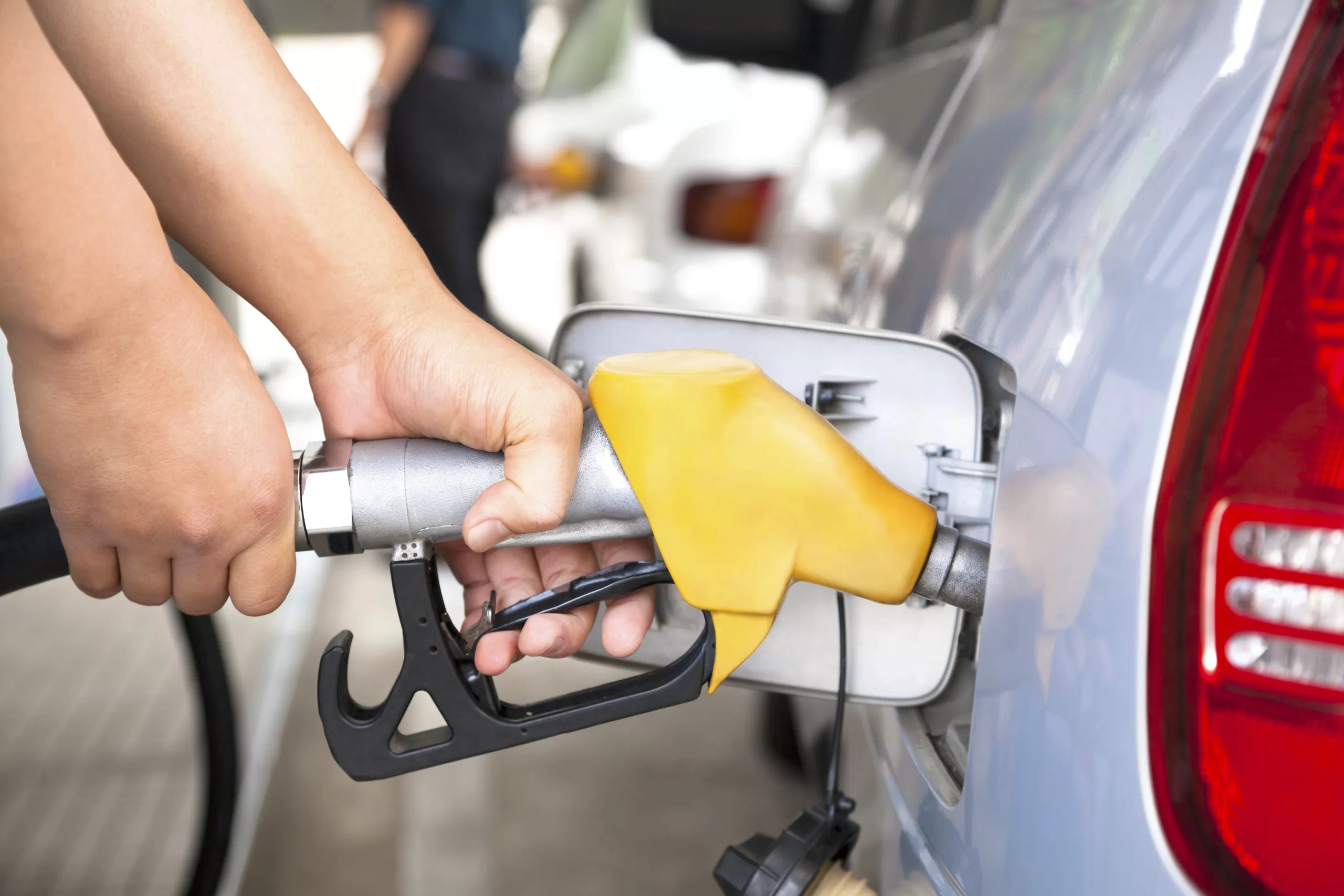
The government is studying the need to rationalise the RON95 petrol subsidy.

The Minister of Economy, Rafizi Ramli however said, focus and priority is given to the implementation of the diesel subsidy for now until the targeting becomes stable.

“It thus achieves the set objectives, among which is to strengthen the country’s fiscal sustainability as well as reduce the leakage in the distribution of diesel subsidies.

“If the rationalization of subsidy on RON95 petrol is implemented in the future, the government will take appropriate measures to ensure that the affected people will be given appropriate assistance,” he said in a written reply in Parliament today.

He said this in response to Datuk Seri Richard Riot Jaem’s (GPS-Serian) question whether implementing the reduction of petrol subsidies had a positive impact on the people.

Commenting further, Rafizi said that the targeted implementation of diesel subsidies from June 10 is also expected to save RM4 billion a year.

In the meantime, he said, the implementation of the subsidy targeting initiative also helped the government to strengthen its financial policy position and utilize available resources.

“Savings from the subsidy retargeting initiative will be returned to the people through the implementation of programs and projects that are more beneficial and really needed by the people, such as improvements in the provision of social services and public facilities including health, education, transport and security,” he said.

Kerajaan sedang meneliti keperluan rasionalisasi subsidi petrol RON95.

Menteri Ekonomi, Rafizi Ramli bagaimanapun berkata, buat masa ini tumpuan dan keutamaan akan diberikan kepada pelaksanaan subsidi diesel sehingga penyasarannya menjadi stabil.

“Ia sekali gus mencapai objektif yang ditetapkan, antaranya untuk memperkukuh kemampanan fiskal negara serta mengurangkan ketirisan dalam pengagihan subsidi diesel.

“Sekiranya rasionalisasi subsidi ke atas petrol RON95 dilaksanakan pada masa akan datang, kerajaan akan mengambil langkah yang bersesuaian bagi memastikan golongan terkesan akan diberikan bantuan sewajarnya,” katanya dalam jawapan bertulis di Parlimen hari ini.

Beliau berkata demikian menjawab pertanyaan Datuk Seri Richard Riot Jaem (GPS-Serian) adakah melaksanakan pengurangan subsidi petrol memberi impak positif kepada rakyat.

Mengulas lanjut, Rafizi berkata, pelaksanaan pemberian subsidi diesel secara bersasar bermula 10 Jun turut dijangka dapat memberikan penjimatan RM4 bilion setahun.

Dalam pada itu katanya, pelaksanaan inisiatif penyasaran subsidi turut membantu kerajaan memperkukuhkan kedudukan dasar kewangan dan memanfaatkan sumber yang ada.

“Penjimatan daripada inisiatif penyasaran semula subsidi akan dipulangkan kepada rakyat melalui pelaksanaan program serta projek yang lebih memberi manfaat dan benar-benar diperlukan oleh rakyat, seperti penambahbaikan dalam penyediaan perkhidmatan sosial serta kemudahan awam termasuk kesihatan, pendidikan, pengangkutan dan keselamatan,” katanya.

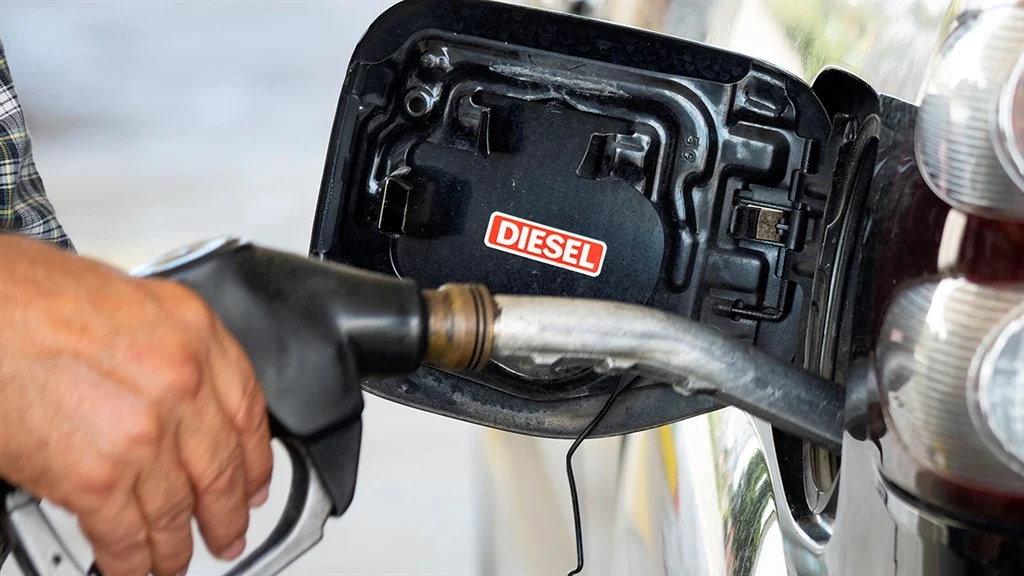
Diesel sales at the border declined by 30 percent thus confirming the existence of diesel smuggling activities before the government announced the floating of diesel subsidy prices.

Finance Minister II, Datuk Seri Amir Hamzah Azizan said that the subsidy targeting measures that started on June 10 saw the total retail sales of diesel at petrol stations drop by almost eight million liters per day or 30 percent for the first week after the implementation of the diesel price reset, compared to the week before implementation.

“Furthermore, commercial diesel sales increased by four million liters per day, which indicates that some of the subsidized retail diesel consumption over the years has already been used by the industrial sector which should have bought diesel at the market price.

Commenting further, he said, the floating of diesel prices does not mean that the government will completely abolish the subsidy on the fuel since at the moment, the government is still subsidizing diesel up to RM10 billion, down from RM14 billion last year, thus witnessing a saving of RM4 billion a year.

“The government is able to achieve annual savings of RM4 billion. These savings can certainly be used to improve the quality of life of the people through the provision of quality public infrastructure as well as more comprehensive social protection,” he said.

He said, the country’s diesel subsidy expenditure increased 10-fold, from RM1.4 billion in 2019, to RM14.3 billion last year.

“The trend of increasing diesel subsidies can no longer be accommodated by the government continuously. The increase in subsidy spending is not only due to the increase in market prices, but also due to the increase in leakage of subsidized diesel.

“The amount of subsidized diesel used rose sharply by 80 percent from 6.1 billion liters in 2019 to 10.8 billion liters last year, although there was no significant increase in new diesel vehicles in the same period.

“At the same time, the total sales of non-subsidized commercial diesel fell by two billion liters during that period. The increase in the use of subsidized diesel is very significant due to the large price gap between the commercial price and the retail price of subsidized diesel at the Malaysian pump,” he said.

He said, Malaysia’s diesel retail price is much cheaper than neighboring countries, including Thailand around RM4.20, Indonesia around RM4.40 and Singapore almost reaching RM9 per liter allowing a number of local commercial sector businesses that should buy diesel at the market price to take advantage of enjoying and deviating subsidized diesel.

“For example, they buy subsidized diesel from gas stations and misuse it for gene sets in factories, construction sites or oil palm plantations.

“The more important issue is that due to our cheap diesel prices, it makes diesel smuggling activities to neighboring countries difficult to curb. This is what the Ministry of Domestic Trade and Cost of Living (KPDN) discovered during Op Tiris,” he said.

Jualan diesel di sempadan merosot 30 peratus mengesahkan kewujudan aktiviti penyeludupan diesel sebelum kerajaan mengumumkan pengapungan harga subsidi diesel.

Menteri Kewangan II, Datuk Seri Amir Hamzah Azizan berkata, langkah penyasaran subsidi bermula 10 Jun lalu menyaksikan jumlah jualan runcit diesel di stesen minyak menurun hampir lapan juta liter sehari atau 30 peratus untuk minggu pertama selepas perlaksanaan penetapan semula harga diesel, berbanding minggu sebelum perlaksanaan.

“Selain itu, jualan diesel komersial pula meningkat sebanyak empat juta liter sehari yang memberi isyarat bahawa sebahagian penggunaan diesel runcit bersubsidi selama ini, sudah digunakan oleh sektor industri yang sepatutnya membeli diesel pada harga pasaran.

Mengulas lanjut, beliau berkata, pengapungan harga diesel tidak bermaksud kerajaan memansuhkan sepenuhnya subsidi ke atas bahan bakar itu memandangkan ketika ini, kerajaan masih menanggung subsidi diesel sehingga RM10 bilion, menurun berbanding RM14 bilion tahun lalu, sekali gus menyaksikan penjimatan RM4 bilion setahun.

“Kerajaan mampu raih penjimatan tahunan RM4 bilion. Penjimatan ini tentunya dapat dimanfaat untuk menambah baik mutu hidup rakyat melalui penyediaan infrastruktur awam berkualiti serta perlindungan sosial yang lebih menyeluruh,” katanya.

Beliau berkata, perbelanjaan subsidi diesel negara meningkat 10 kali ganda iaitu daripada RM1.4 bilion pada 2019, kepada RM14.3 bilion pada tahun lalu.

“Trend kenaikan subsidi diesel ini tidak mampu lagi ditampung kerajaan secara berterusan. Peningkatan belanja subsidi bukan hanya disebabkan kenaikan harga pasaran, tetapi juga akibat peningkatan ketirisan diesel bersubsidi.

“Jumlah diesel bersubsidi digunakan naik mendadak 80 peratus iaitu daripada 6.1 bilion liter pada 2019 kepada 10.8 bilion liter tahun lalu, walaupun tiada peningkatan kenderaan diesel baharu yang ketara dalam tempoh sama.

“Pada masa sama, jumlah jualan diesel komersial tanpa subsidi turun dua bilion liter dalam tempoh itu. Peningkatan penggunaan diesel bersubsidi amat ketara ini disebabkan jurang perbezaan harga besar antara harga komersial dengan harga runcit diesel bersubsidi di pam Malaysia,” katanya.

Katanya, harga runcit diesel Malaysia jauh lebih murah berbanding negara jiran, antaranya Thailand sekitar RM4.20, Indonesia lebih kurang RM4.40 dan Singapura hampir mencecah RM9 seliter membolehkan sebilangan perniagaan sektor komersial tempatan yang sepatutnya membeli diesel pada harga pasaran mengambil kesempatan menikmati dan menyeleweng diesel bersubsidi.

“Contohnya, mereka beli diesel bersubsidi daripada stesen minyak dan disalah guna untuk gen set di kilang, tapak pembinaan atau ladang sawit.

“Isu lebih utama ialah akibat harga diesel kita murah, ia menyebabkan aktiviti penyeludupan diesel ke negara jiran sukar dibendung. Inilah yang ditemui Kementerian Perdagangan Dalam Negeri dan Kos Sara Hidup (KPDN) semasa Op Tiris,” katanya.

Pasaran motosikal Jepun merosot -8.2 peratus dalam lima bulan pertama 2024. Ini berikutan penurunan -9.1% pada suku pertama tahun berbanding tempoh yang sama tahun lalu.

Berita ini tidak benar-benar mengejutkan kerana generasi baru di negara itu tidak menggemari motosikal sebagai alat pengangkutan dan rekreasi. Sistem pengangkutan Jepun amat baik dan menyediakan banyak alternatif yang lebih menjimatkan kos daripada menunggang atau memandu.

Tinjauan Piece of Japan jelas menunjukkan majoriti penunggang motosikal berumur antara 50 hingga 60 tahun.

Walaubagaimanapun, berita ini sememangnya mempunyai kesan ironi kerana jenama motosikal Jepun masih menguasai pasaran motosikal global.

Malah, Honda yang menerajui pasaran global merosot sebanyak -8.5%, Yamaha mencatatkan kemerosotan besar -18.1%, dan Suzuki juga menyaksikan susutan dua digit pada -12.1%.

Walau bagaimanapun, pengeluar Jepun yang lain, Kawasaki menyaksikan kenaikkan besar sebanyak +31%.

Pengeluar lain seperti Harley-Davidson melantun semula ke arah keuntungan pada +4.6% (ya, Harley masih popular di Jepun), Triumph meningkat +10.7%, dan KTM menunjukkan peningkatan +23.1%.

Pasaran keseluruhan Jepun masih merosot walaupun terdapat peningkatan oleh jenama lain ini hanya menunjukkan jumlah motosikal yang dijual oleh Honda, Yamaha, Suzuki, dan Kawasaki.

Data ini disusun oleh MotorCycles Data yang menjejaki penghantaran sebenar kepada pembeli dan bukannya jualan daripada pengilang kepada pengedar.

The Japanese motorcycle market declines -8.2 percent in the first five months of 2024. This follows a -9.1% drop in the first quarter of the year compared to the same period last year.

This news came as not truly surprising since the newer generation is shunning the motorcycle as a means of transportation and recreation. Japan’s transportation system is excellent and provides many cost effective alternatives to riding or driving.

A survey by Piece of Japan clearly showed that the majority of motorcyclists are between 50 to 60 years old.

However, this news does have a sense of irony since Japanese motorcycles still dominate the global motorcycle market share.

Indeed, Honda who leads the global market declined by -8.5%, Yamaha took a huge -18.1% hit, and Suzuki also saw a double digit drop at -12.1%.

However, the other Japanese manufacturer, Kawasaki saw a big +31% gain.

Other manufacturers such as Harley-Davidson rebounded into the black at +4.6% (yes, Harleys are still popular in Japan), Triumph was up +10.7%, and KTM showed a +23.1% boost.

Seeing the market still declining despite the gains by these other brands just shows the sheer volume of motorcycles sold by the Honda, Yamaha, Suzuki, and Kawasaki.

This data was put together by MotorCycles Data who tracks the actual deliveries to buyers rather than sales from the manufacturer to dealers.

A total of 652 road accidents involving heavy vehicles were reported in the first quarter of 2024.

The alarming statistics were revealed by the Deputy Minister of Transport, Datuk Hasbi Habibollah. Of that number, there were 287 fatal cases, 95 serious and 270 minor injuries.

He said the accidents were caused by various factors including the negligence of sleepy drivers, driving above the permitted speed limit, overloaded vehicles, and not being properly maintained.

He also said the Road Transport Department (JPJ) is stepping up enforcement activities, particularly in terms of vehicle load limit regulations and speed limits for heavy vehicles.

“In addition to operating 53 enforcement stations across the country, JPJ is also supplied with 75 units of mobile weighing equipment for enforcement purposes.

“Last year, a total of 45,015 summons notices were issued involving dangerous goods offences, while up to April this year, a total of 9,214 summons notices were issued.”

Explaining further, Hasbi said that the Ministry of Transport together with the Ministry of Public Works is in the final process of developing the High Speed ​​- Weigh in Motion (HS-WIM) system.

“Through the use of the HS-WIM system, heavy vehicle enforcement activities can be carried out in real time or automatically without the need for the vehicle to stop to be weighed.

“The use of the HS-WIM system will also be able to reduce the dependence on a high amount of manpower or enforcement personnel,” he said.

In addition, he said, members will be able to carry out enforcement activities in other locations where the HS-WIM system is not installed.

“The HS-WIM system is expected to be able to expand reach, increase compliance and further strengthen the effectiveness of enforcement on motor vehicle load limit regulations as well as be a long-term solution in dealing with the issue of heavy vehicle load limits,” he said.

It should be noted that the number of accidents may be higher because there are cases that were not reported to the authorities.

Sebanyak 652 kemalangan jalan raya yang melibatkan kenderaan berat dilaporkan pada suku tahun pertama 2024.

Statistik yang membimbangkan itu didedahkan oleh  Timbalan Menteri Pengangkutan, Datuk Hasbi Habibollah. Daripada jumlah itu, terdapat 287 kes maut, 95 parah dan 270 cedera ringan.

Beliau berkata, kemalangan tersebut berpunca daripada pelbagai faktor termasuk kecuaian pemandu yang mengantuk, memandu melebihi had laju dibenarkan, dan kenderaan membawa lebih muatan serta tidak diselenggara dengan baik.

Beliau turut berkata Jabatan Pengangkutan Jalan (JPJ) sedang menggiatkan aktiviti penguatkuasaan, khususnya dari segi peraturan had muatan kenderaan dan had laju bagi kenderaan berat.

“Selain mengoperasikan 53 stesen penguatkuasa di seluruh negara, JPJ turut dibekalkan dengan 75 unit alat timbang mudah alih bagi tujuan penguatkuasaan.

“Tahun lalu, sejumlah 45,015 notis saman dikeluar membabitkan kesalahan muatan bahaya, manakala hingga April tahun ini pula, sejumlah 9,214 notis saman dikeluarkan.”

Menjelaskan lanjut, Hasbi berkata, Kementerian Pengangkutan bersama Kementerian Kerja Raya sedang dalam proses akhir membangunkan sistem ‘High Speed – Weigh in Motion’ (HS-WIM).

“Menerusi penggunaan sistem HS-WIM, aktiviti penguatkuasaan kenderaan berat boleh dilaksanakan secara masa sebenar atau automatik tanpa memerlukan kenderaan itu berhenti untuk ditimbang.

“Penggunaan sistem HS-WIM juga akan dapat mengurangkan kebergantungan pada jumlah tenaga manusia atau anggota penguatkuasa yang tinggi,” katanya.

Selain itu, beliau berkata, anggota akan boleh melaksanakan aktiviti penguatkuasaan di lokasi-lokasi lain yang tidak dipasang sistem HS-WIM.

“Sistem HS-WIM dijangka dapat memperluas capaian, meningkatkan pematuhan dan memperkukuh lagi keberkesanan penguatkuasaan ke atas peraturan had muatan kenderaan motor serta menjadi penyelesaian jangka panjang dalam menangani isu had muatan kenderaan berat,” katanya.

Harus diingatkan bahawa jumlah kemalangan tersebut mungkin lebih banyak kerana terdapat kes-kes yang tidak dilaporkan kepada pihak berkuasa.


Spesifikasi CFMoto 675 SR untuk lesen kelas A2 telah didedahkan.

Seperti yang kami nyatakan sebelum ini, CFMoto sedang bersiap untuk melancarkan dua motosikal sportbike kelas pertengahan. Yang pertama ialah dengan enjin 500cc empat silinder sebaris yang dipanggil CFMoto 500 SR Voom, dan yang kedua dengan enjin 675cc tiga silinder yang dipanggil CFMoto 675 SR.

Pengilang ini telah pun menunjukkan edisi khas 675 SR-R Aspar pada bulan lepas. Ia dihiasi dengan segala warna Aspar serta grafik yang agak bersemak. Kini, CFMoto telah memfailkan permohonan kelulusan jenis untuk versi 675 SR yang standard.

CFMoto telah berkata bahawa enjin tiga silinder ini akan menghasilkan “lebih daripada 100hp” semasa di EICMA 2023, tetapi dokumen itu menunjukkan pada 70kW (94hp). Kenapa pula begitu? Itu adalah kerana 94hp merupakan kuasa maksimum menurut sekatan Kesatuan Eropah untuk pemegang lesen kelas A2. Adakah terdapat versi yang tidak mematuhi kelas A2? Kita akan nantikan.

Dokumen kelulusan juga menyatakan kapasiti enjin pada 674cc dengan tiga silinder dan gerek 72mm. Ini bermakna lejang mestilah sekitar 55mm, memberikan lejang yang lebih panjang daripada enjin 675cc Triumph (gerek 73mm) dan MV Agusta (gerek 79mm). Ini boleh bermakna bahawa enjin CFMoto mungkin mempunyai RPM maksimum yang lebih rendah tetapi menghasilkan tork lebih tinggi khususnya dalam julat RPM rendah dan pertengahan.

Spesifikasi 675 SR standard ini tidak mempunyai sayap yang lebih panjang dan lebih besar berbanding dengan 675 SR-R Aspar, tetapi ia mempunyai ekor yang lebih panjang dan pelana pembonceng, serta pemijak kaki untuk pembonceng. Edisi Aspar dikatakan motosikal trek sahaja, justeru tidak mempunyai lampu, lampu isyarat, cermin. Namun, berita baiknya ialah 675 SR standard ini mengekalkan fairing brek daripada prototaip yang menyalurkan udara penyejuk ke kaliper brek empat piston J.Juan.

Mungkin terdapat fork KYB boleh laras seperti pada CFMoto 800 NK dan lengan ayun aluminium. Jarak roda adalah 1399.6mm, lebih pendek sedikit daripada Honda CBR650R. Berat basah ialah 195kg.

Bagi anda yang taksub top speed, pengeluar meletakkan kelajuan maksimum CFMoto 675 SR pada 219km/j untuk versi A2 ini, jadi versi standard mungkin akan lebih pantas.

As we mentioned previously, CFMoto is in the midst of launching two midrange sportbikes. One, a 500cc with an inline-four engine called the CFMoto 500 SR Voom, and a 675cc with a three-cylinder engine called the CFMoto 675 SR.

The manufacturer had shown off the 675 SR-R Aspar edition last month, wearing all the necessary Aspar colours and busy graphics, and they have just filed the type approval application for the production ready standard 675 SR.

CFMoto had said that the three-cylinder engine will produce more than 100hp during EICMA 2023, but the document shows on 70kW (94hp). What gives? Well, that is because of Europe’s restriction for A2 licence holders. Will there be a non-A2-compliant version? We shall see.

The approval document also stated the engine’s capacity at 674cc with three cylinders and a 72mm bore. That means the stroke must be around 55mm, giving a slightly smaller bore and longer stroke than 675cc triples made by the likes of Triumph (73mm bore) and MV Agusta (79mm bore). This could mean that the CFMoto’s engine has a lower rev ceiling but more torque in the lower and middle rev range.

Apart from the engine, this standard 675 SR lacks the longer and bigger winglets of the 675 SR-R Aspar, but it does have a longer tail and pillion seat, passengers footpegs. The Aspar edition is said to be a track-only bike, thus does not have lights, turn signals, mirrors. Good news is the bike retains the prototype’s brake ducts that feed cooling air to the J.Juan four-piston brake calipers.

There may be adjustable KYB forks like those on the CFMoto 800 NK and an aluminium swingarm. The wheelbase is 1399.6mm, slightly shorter than the Honda CBR650R’s. Wet weight is 195kg.

As for you top speed boffins, the manufacturer put the CFMoto 675 SR’s top speed at 219km/h for this A2 version, so the standard version should go faster.

Susulan pengumuman kembalinya jenama lagenda Itali, Lambretta ke Malaysia, model-model Lambretta X250 (2024) dan Lambretta G350 (2024) kini berada di dalam pasaran.

Kedua-dua model itu dipasang oleh Mofaz Motosikal Sdn. Bhd. (MOMOS) di Malaysia.

Lambretta X250 (2024)

X250 mempunyai kerangka separa ‘monocoque‘, yang mana semua komponen lain dipasangkan padanya. Enjin 250cc, 4-injap disejukkan cecairnya menghasilkan kuasa maksimum 24.8hp pada 8,250 RPM dan tork maksimum 24.5Nm pada 6,250. Lambretta mengatakan bahawa liang-liang angin di tepi radiator berkesan untuk memastikan enjin sejuk dan menyediakan udara yang diperlukan untuk pembakaran bahan api.

Terdapat sepasang penyerap hentakan di bahagian belakang, manakala suspensi depan menampilkan jenis ‘double pull‘ yang sinonim dengan Lambretta.

Tangki bahan api memuatkan 7 liter petrol, dan berat kering ialah 165kg.

Other features include ABS which is standard fitment for European bikes above 125cc, smart key ignition, and LED lighting.

Ciri-ciri lain termasuklah sistem brek anti kunci (ABS), seperti mana yang diwajibkan di Eropah untuk motosikal yang lebih besar daripada 125cc dan ke atas. Selain daripada itu, ia turut menggunakan sistem nyalaan smart key, disampaing lampu LED.

Harga jualannya bermula daripada RM22,800.

Lambretta G350 (2024)

Model G350 ini merupakan ialah model perdana untuk Lambretta, dan menampilkan enjin 330cc,  silinder tunggal dengan penyejukan cecair, yang menghasilkan 25.8hp pada 7,500 RPM dan 25.5Nm pada 6,250 RPM.

Walaupun saiz badannya kelihatan seakan sama dengan X250, G350 mempunyai tangki bahan api yang lebih besar iaitu 9 liter, dan jumlah berat keringnya ialah 173kg

Suspensi juga serupa dengan X250 seperti jenis ‘double pull‘ di depan dan penyerap hentakan berkembar di belakang.

Terdapat beberapa perbezaan utama lain juga, seperti skrin TFT dan ruang simpanan barang di depan dengan pengecas USB.

Harga jualannya bermula daripada RM29,800.

Galeri gambar Lambretta Lambretta X250 (2024)
Galeri gambar Lambretta G350 (2024)

Archive

Follow us on Facebook

Follow us on YouTube