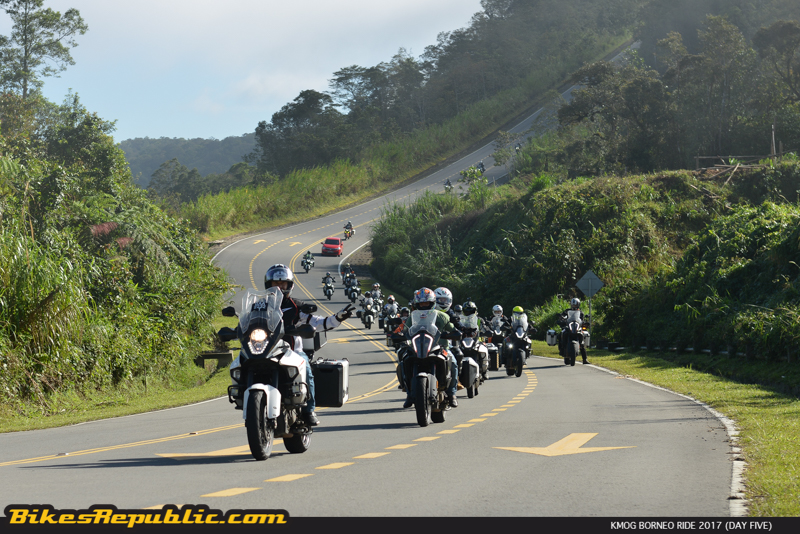
The just-completed KMOG Borneo Ride 2017 was truly memorable in many ways. it covered cities and villages, great roads and broken roads, mountains and sea, heat and rain, as the participants encountered excitement and exhaustion.
But as of every ride, it’s not only the journey or destination that truly makes a mark, it’s also the people and what they experience on their bikes. That’s right, rides or convoys as we like to call them in Malaysia, is what motorcycling is about.
It’s also worth mentioning the hard work and dedication put in by members of KMOG (KTM Malaysia Owners Group) and KTM Malaysia in ensuring the success of the ride.
So here is a collection of our favourite photos to relive the KMOG Borneo Ride 2017. It’s a shame that we could not follow the ride to its ultimate destination in Kuching, Sarawak.
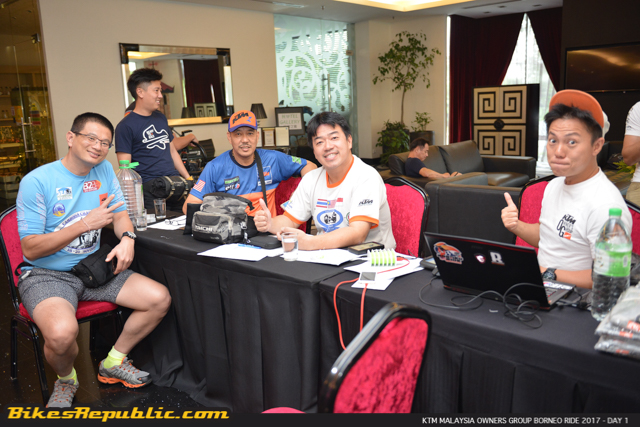
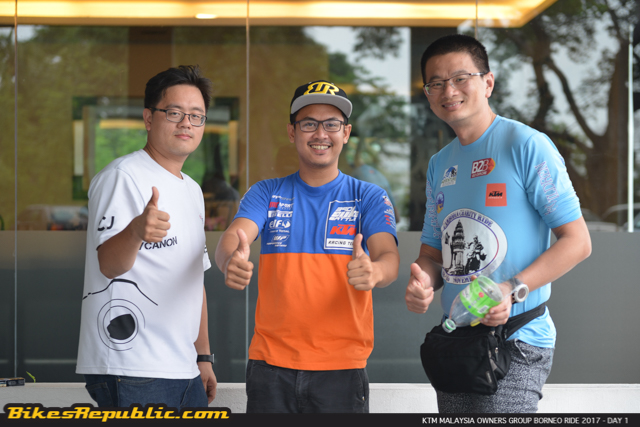
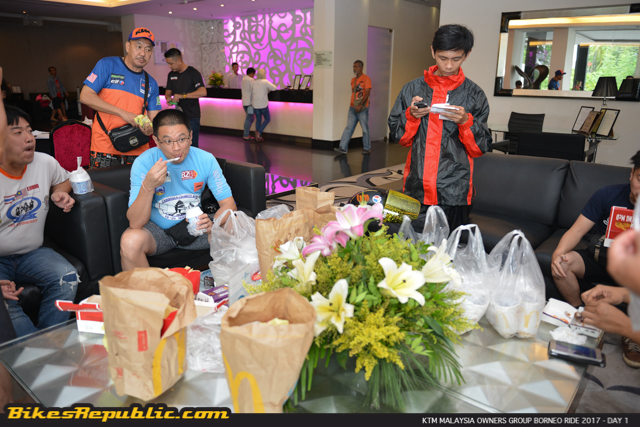
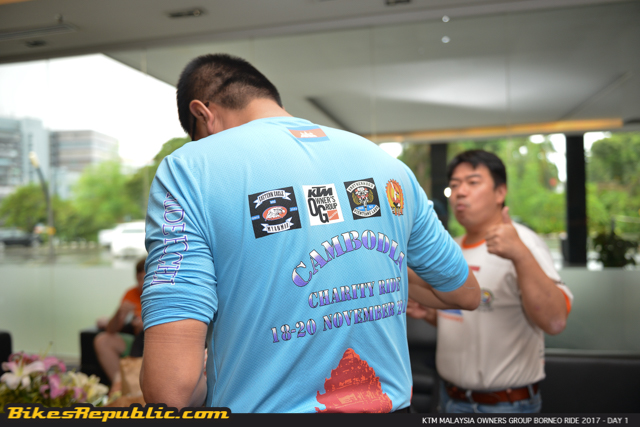
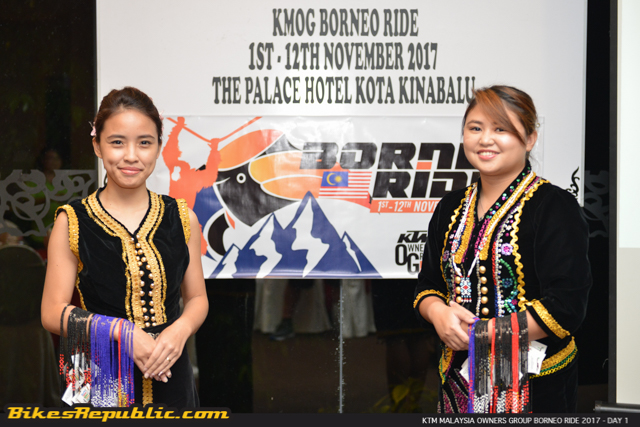
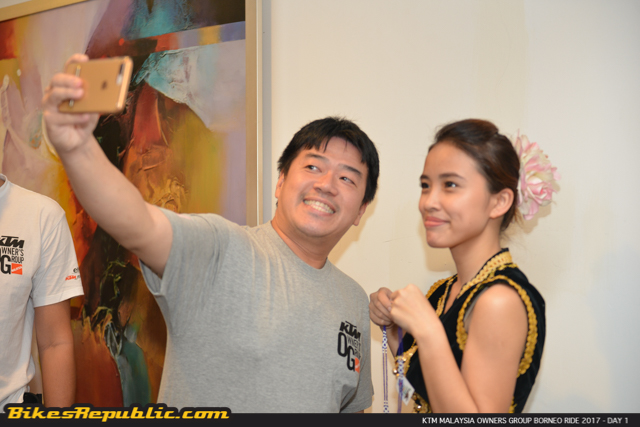
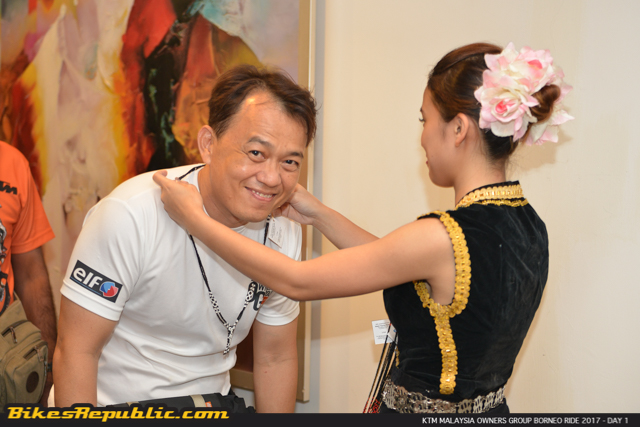
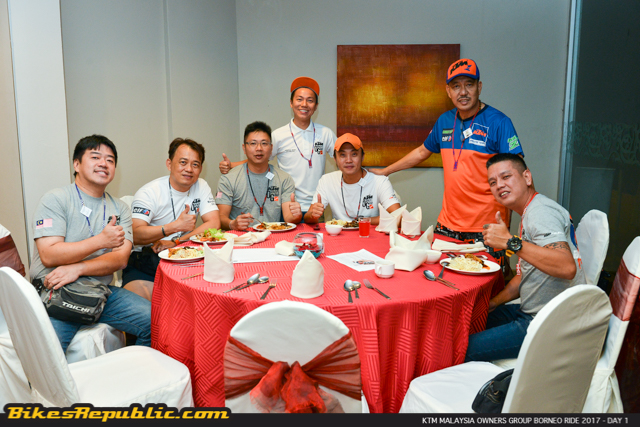
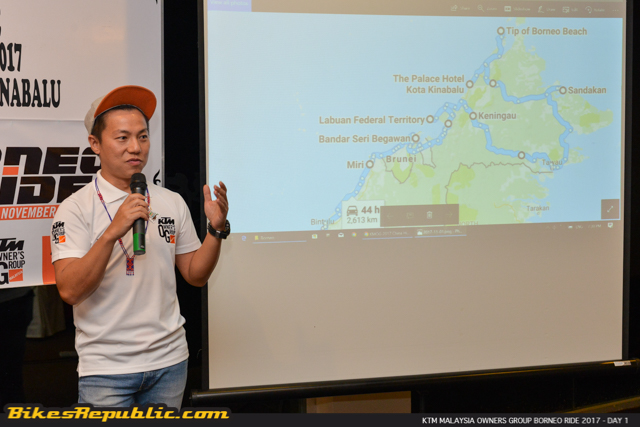
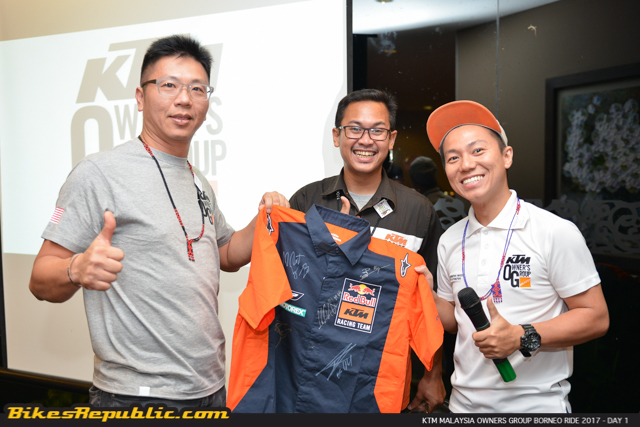
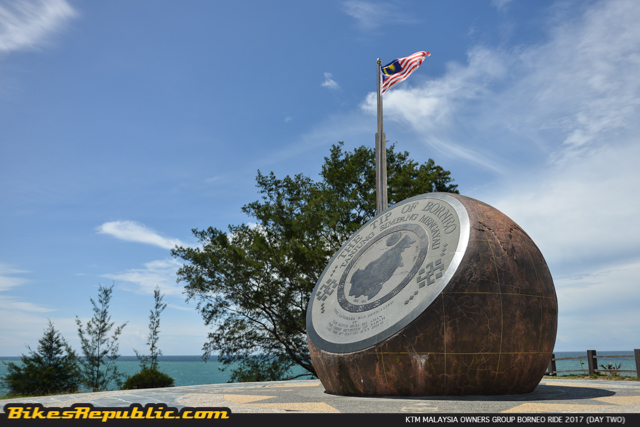
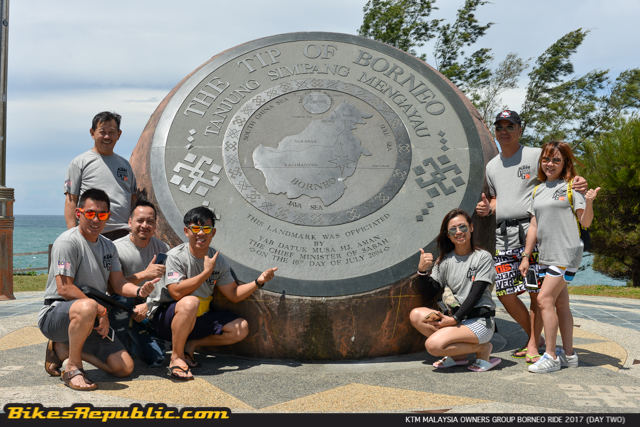
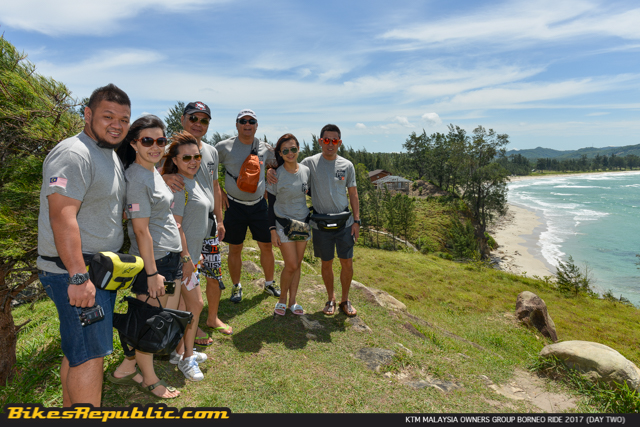
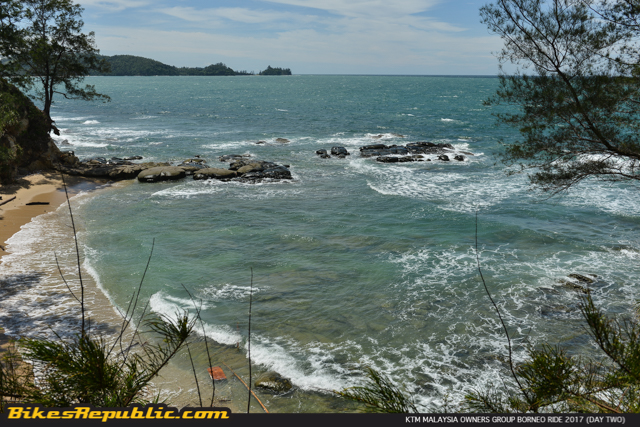
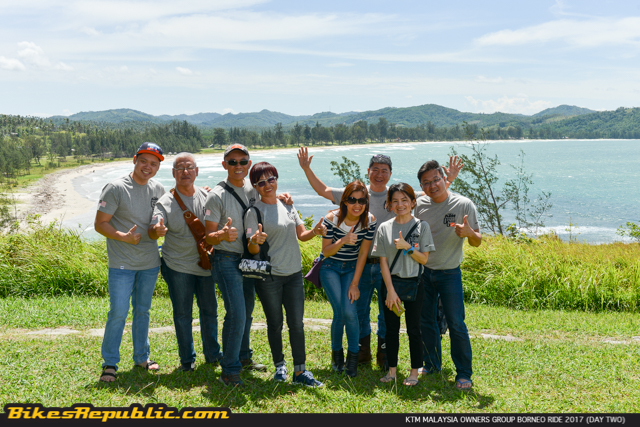
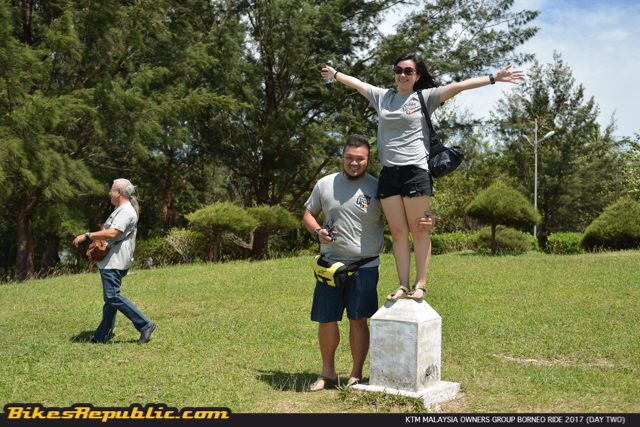
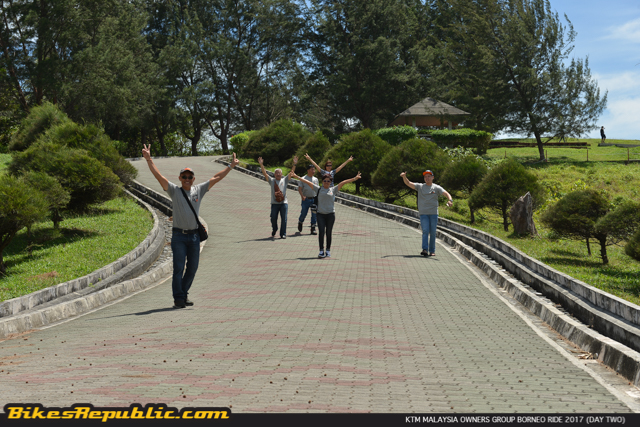
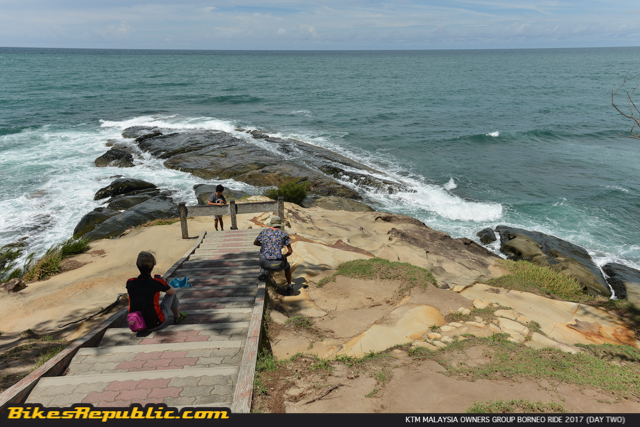
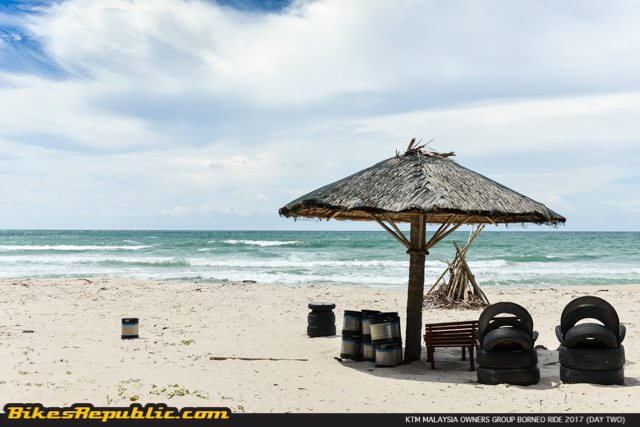
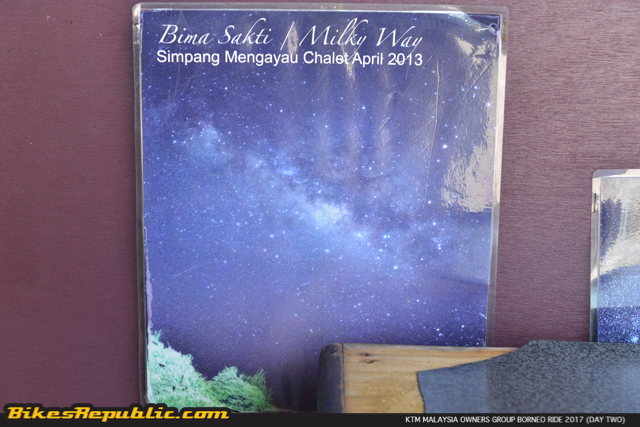
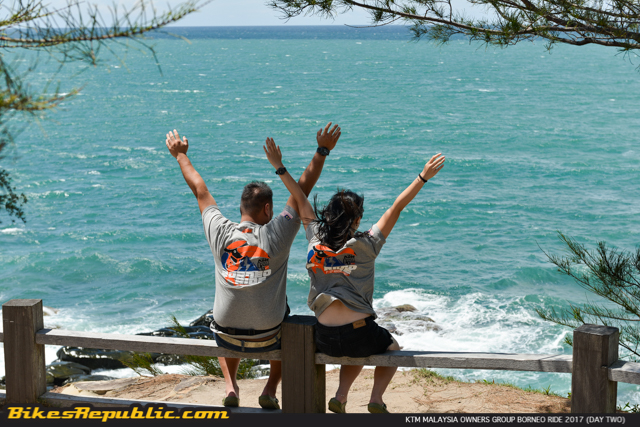
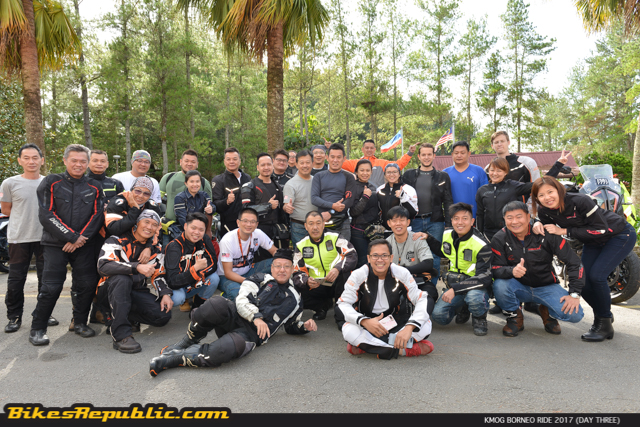
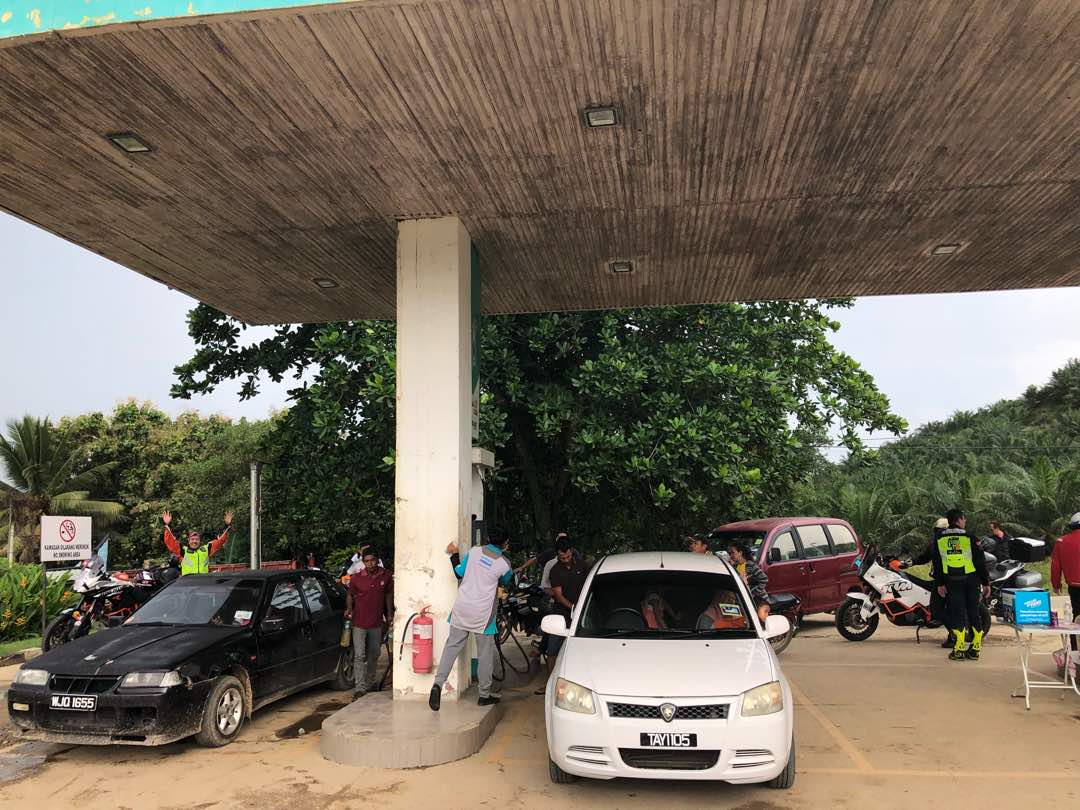
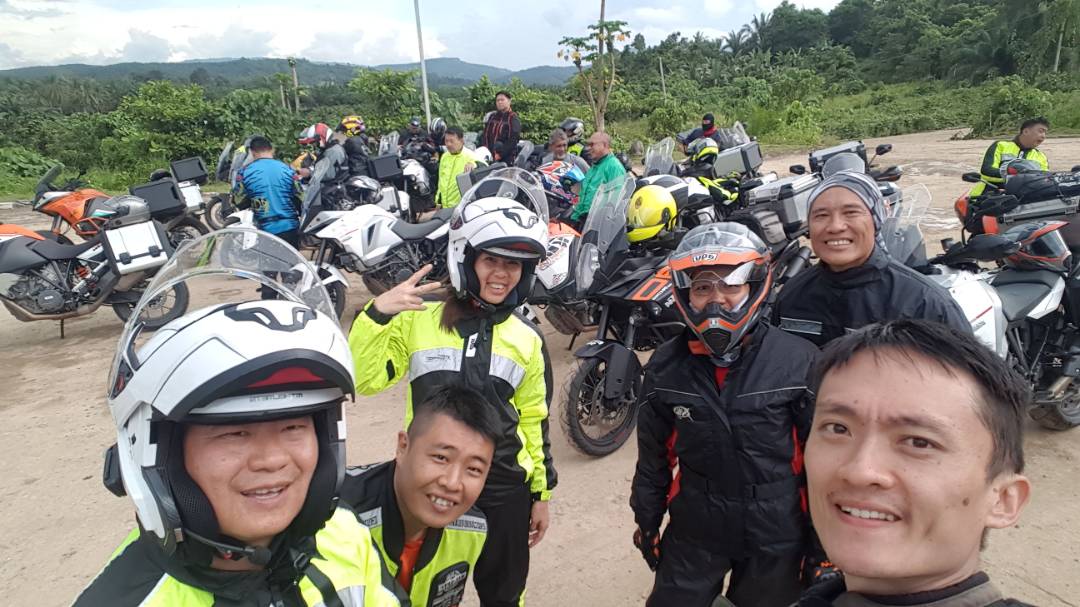
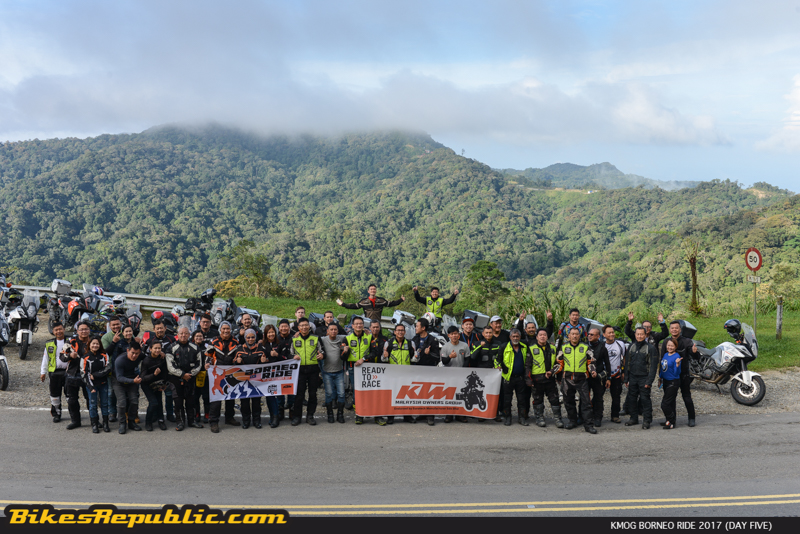
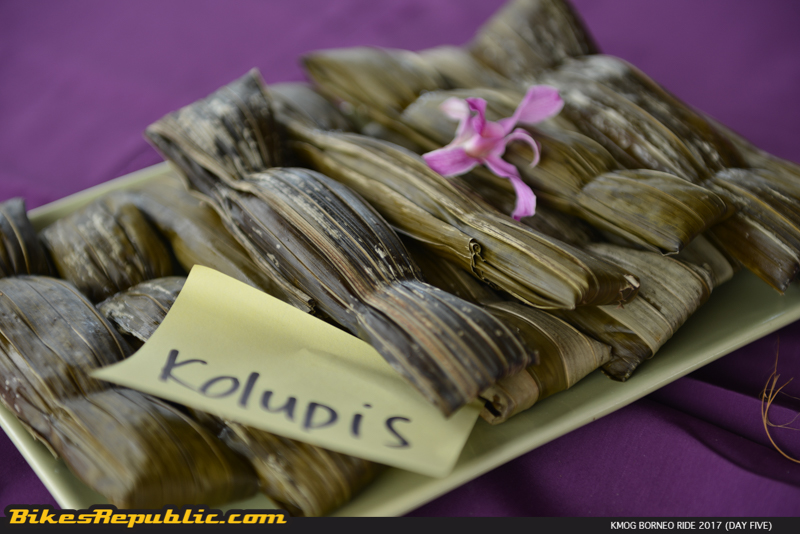
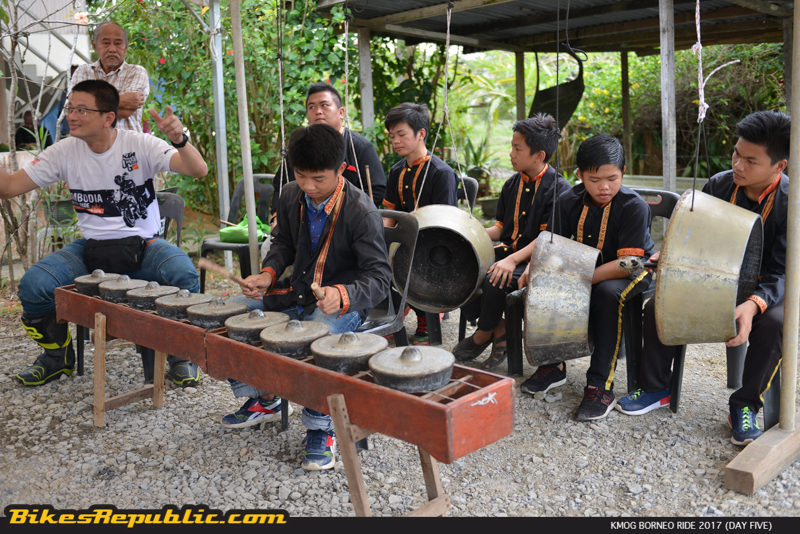
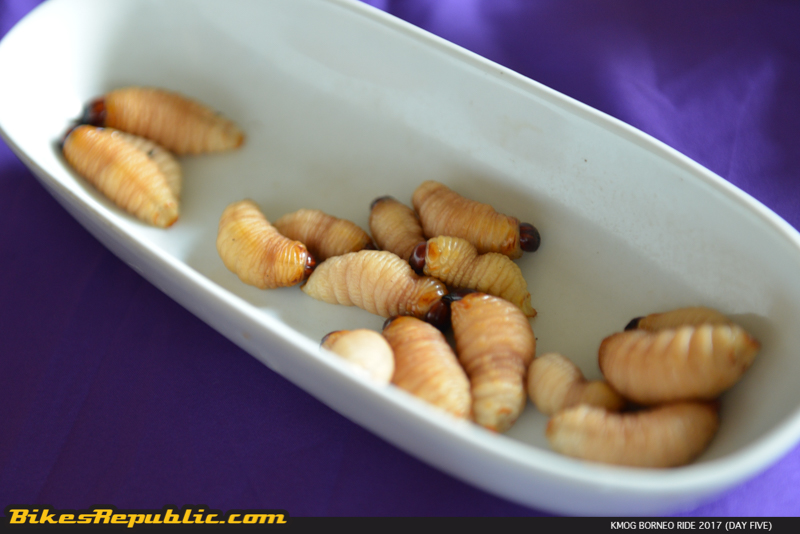
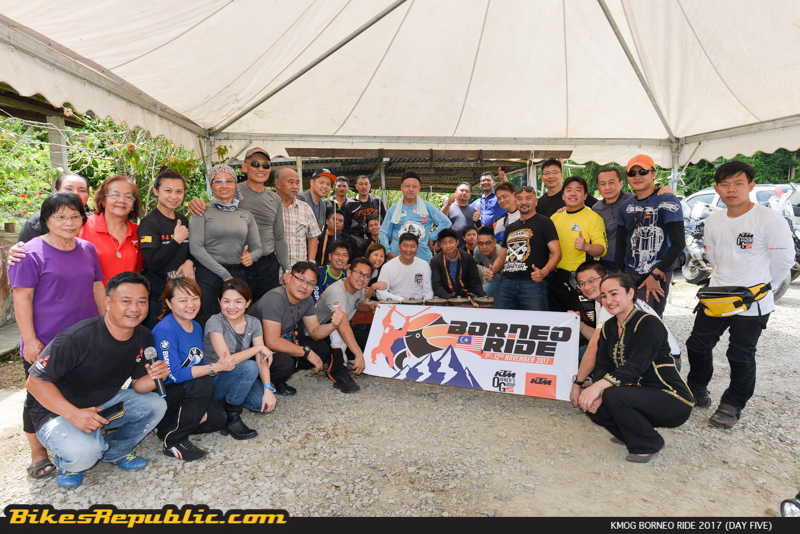
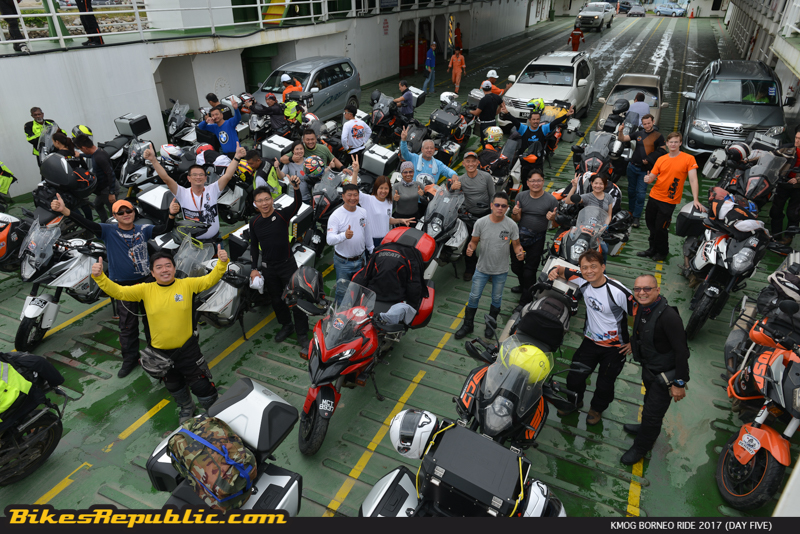
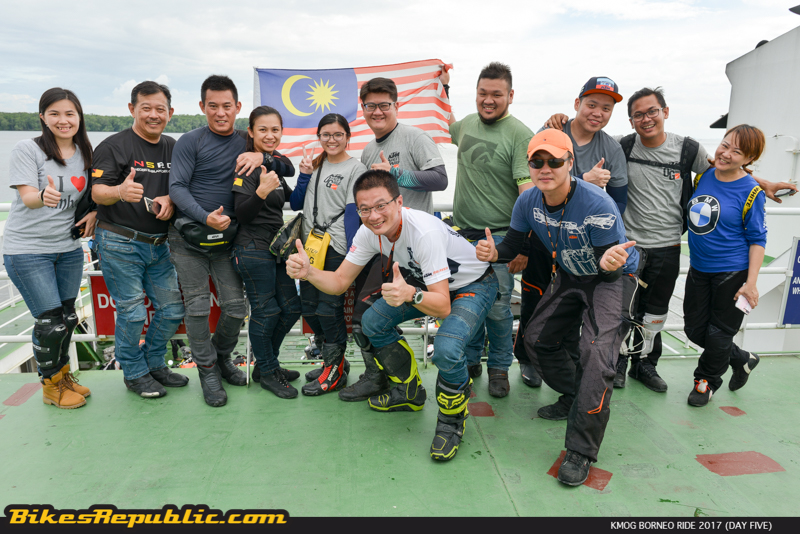
The KMOG Committee members awaiting the arrival of participants and more importantly, the bikes!Among the hardworking KMOG and KTM Malaysia crewKudos to this McDelivery rider (in GIVI rainsuit) who sent the food in heavy rain!These guys have many kilometres of touring experiencePretty Sabahan girls welcomed us to the dinnerSelfie!All smiles as the participants were welcomed with traditional bead necklacesCouldn’t wait to the ride to beginOng Soo Yong delivering the ride’s briefingThe KTM factory racing shirt was signed by KTM’s factory riders and presented to Soo Yong, who put it up on lucky drawParticipants visited the Tip of Borneo 2nd November – by bus – as the bikes have yet to arriveGroup photo at the special plaqueOne for the momentThe current may be a bit rough but it was clearGroup shot with the cove in the backgroundI’m the Queen of the world!We’re here!Great view of the sea from the rocks belowDown at the coveThe Milky Way (our home galaxy) is visible on clear nights
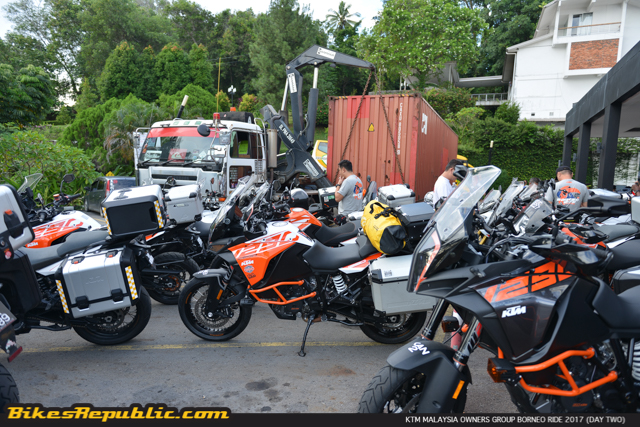
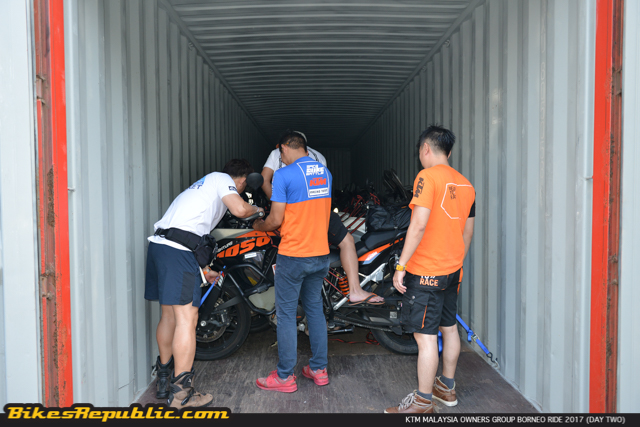
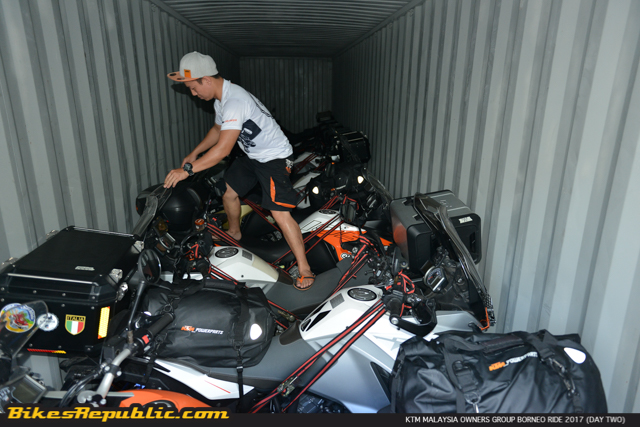
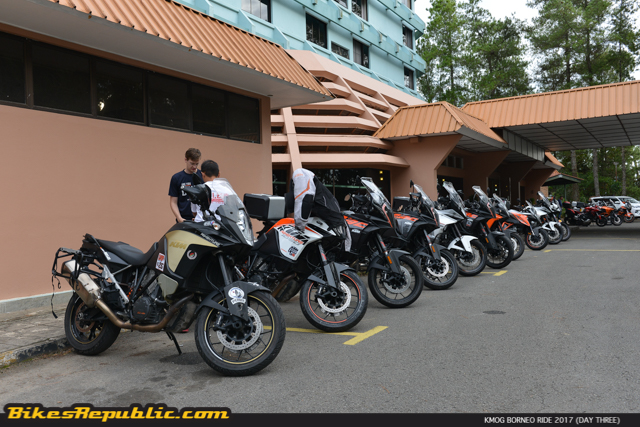
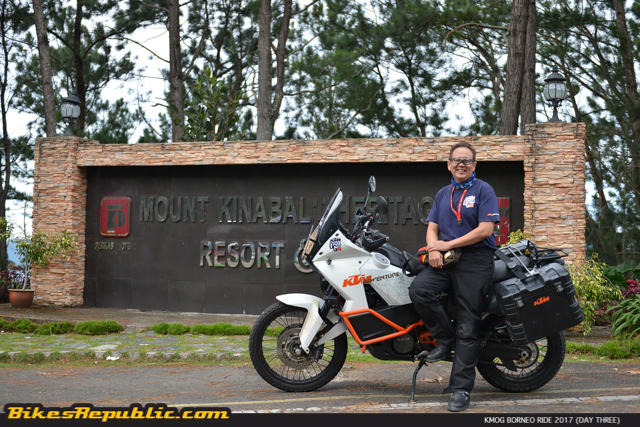
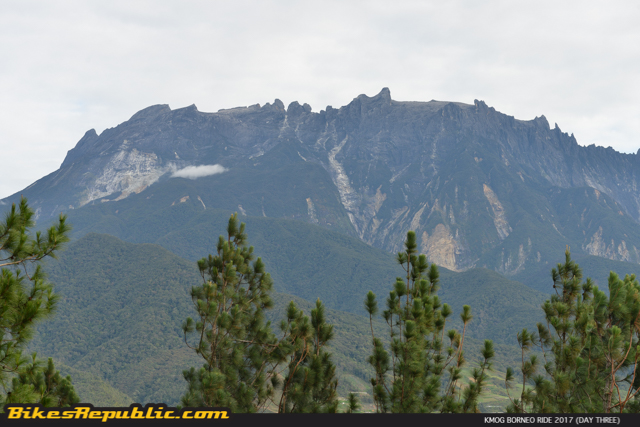
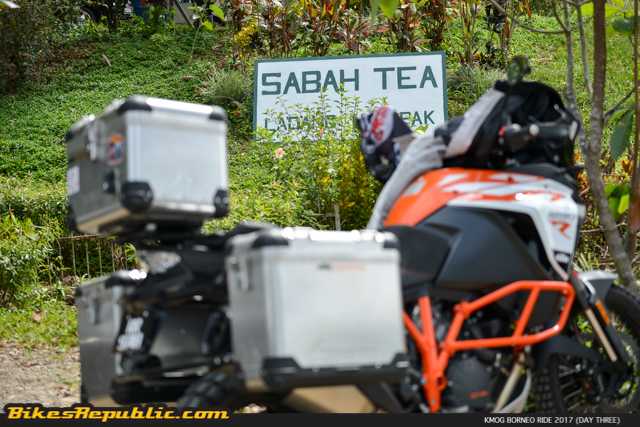
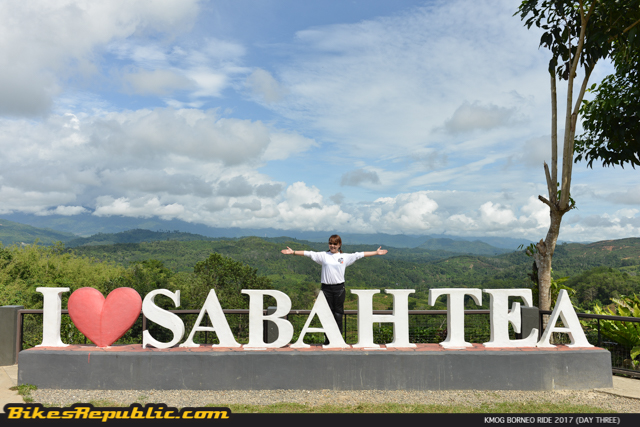
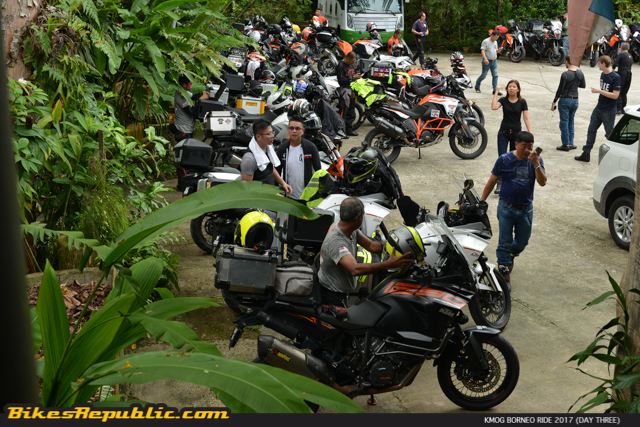
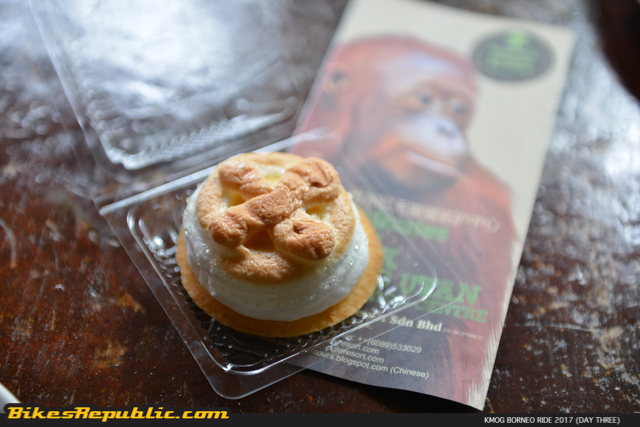
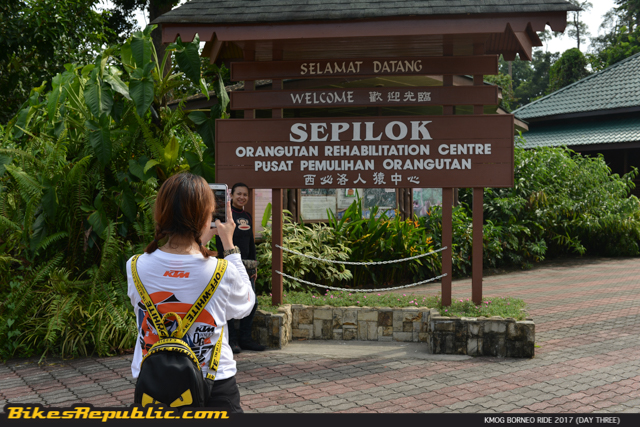
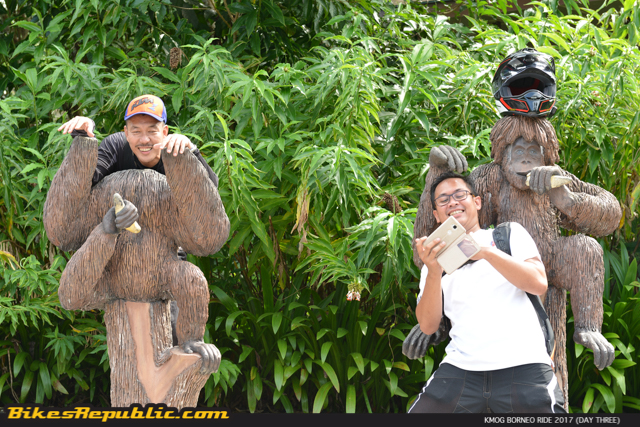
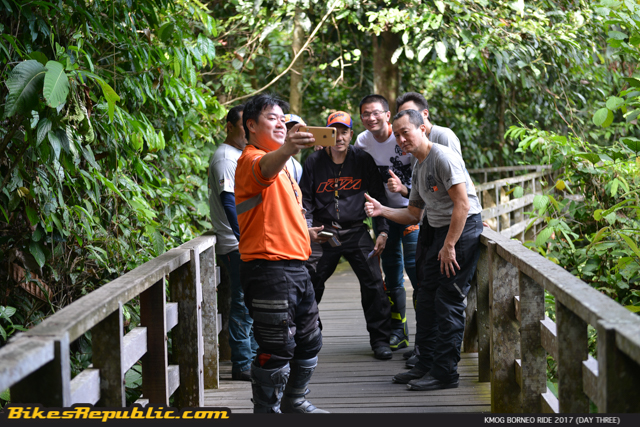
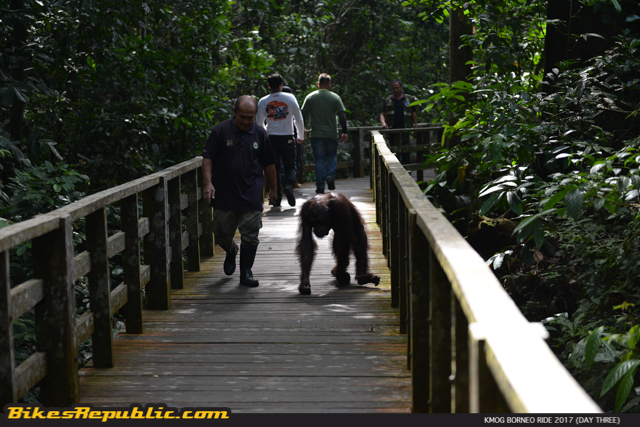
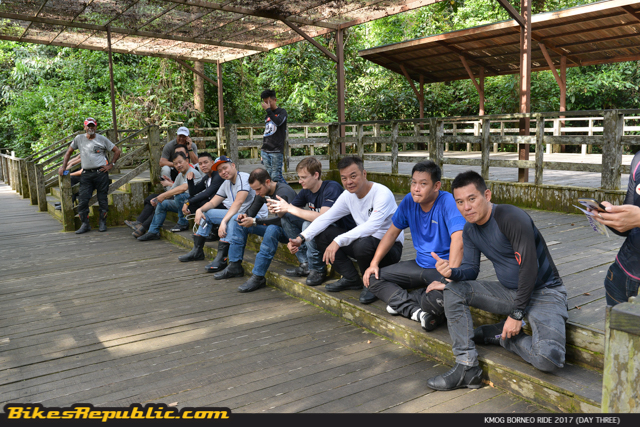
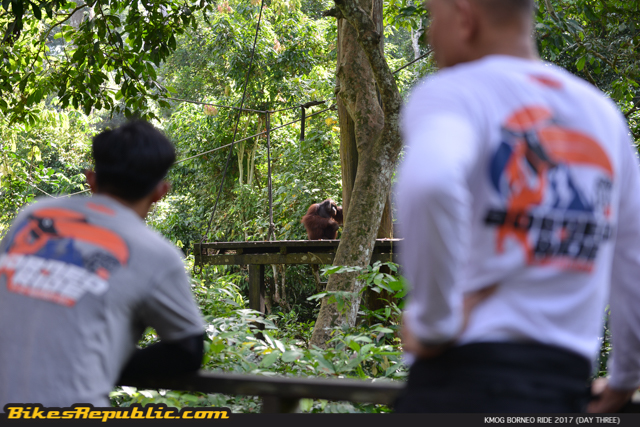
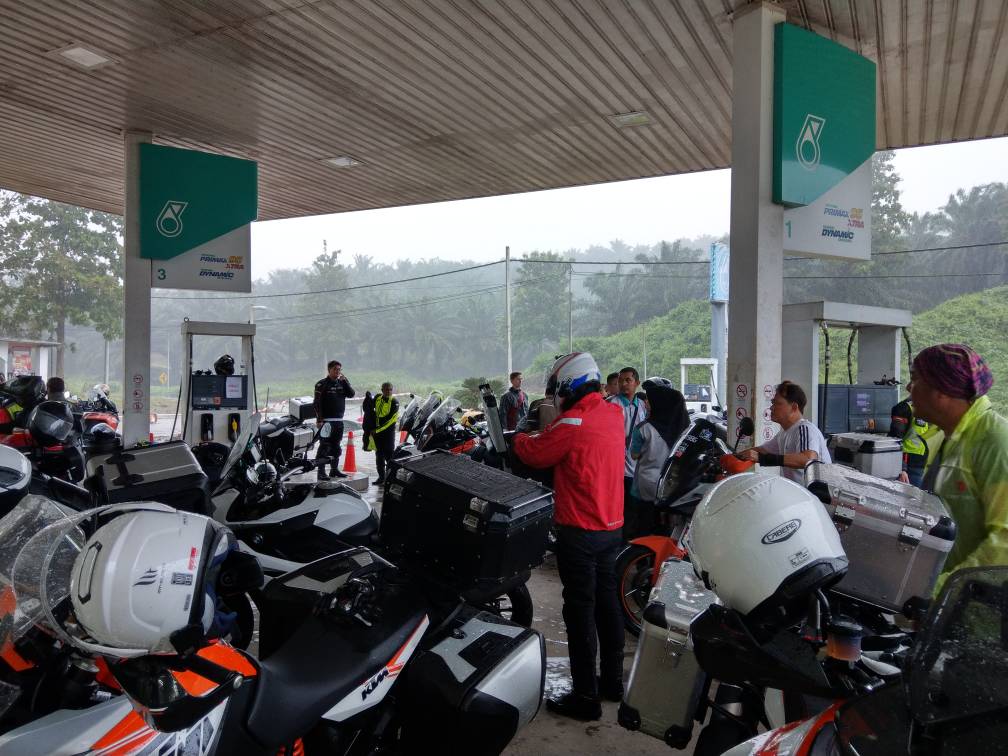
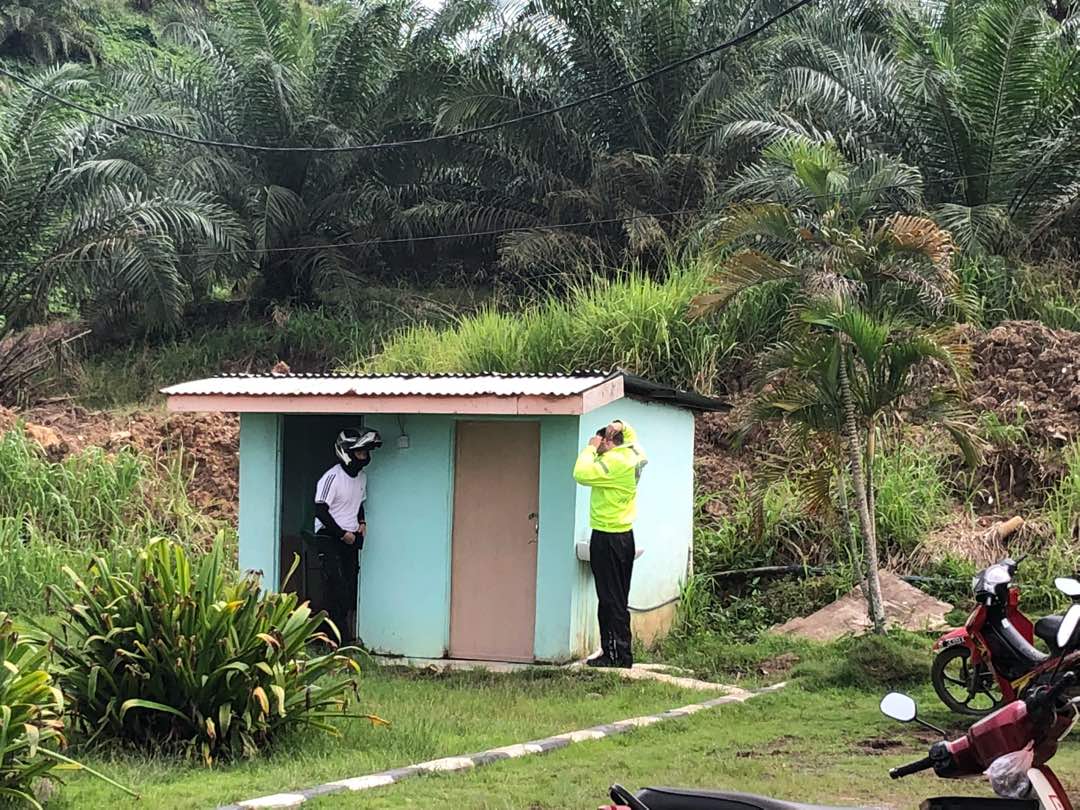
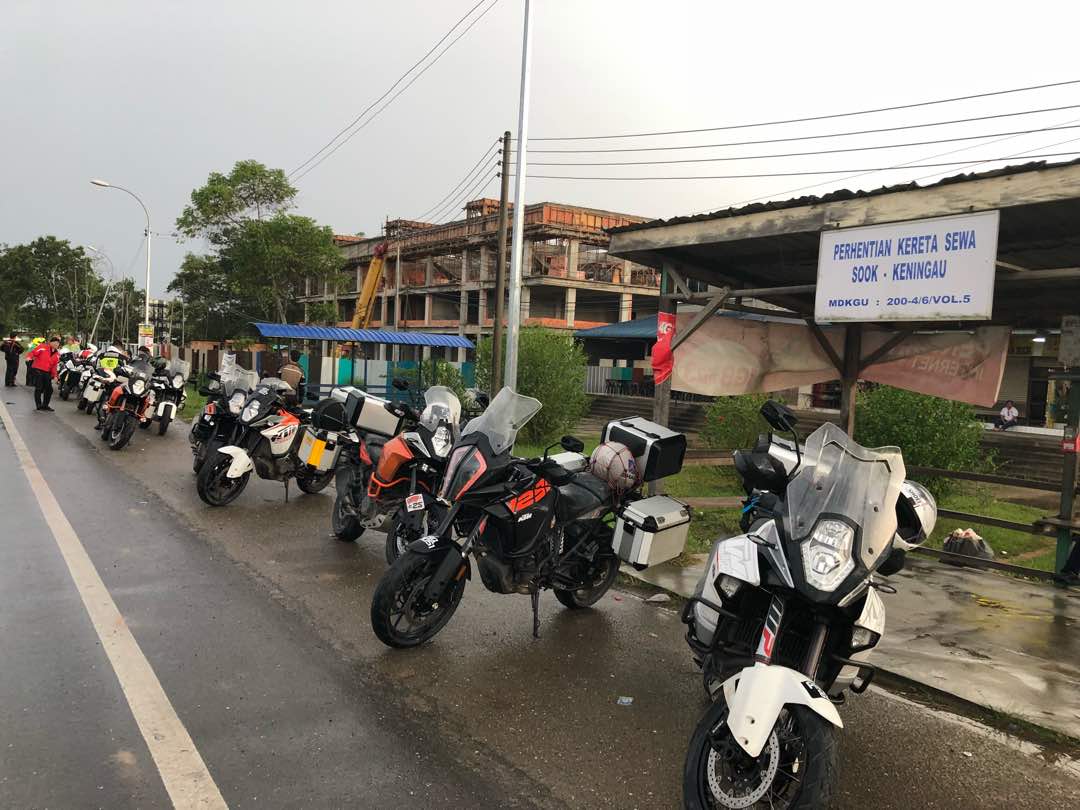
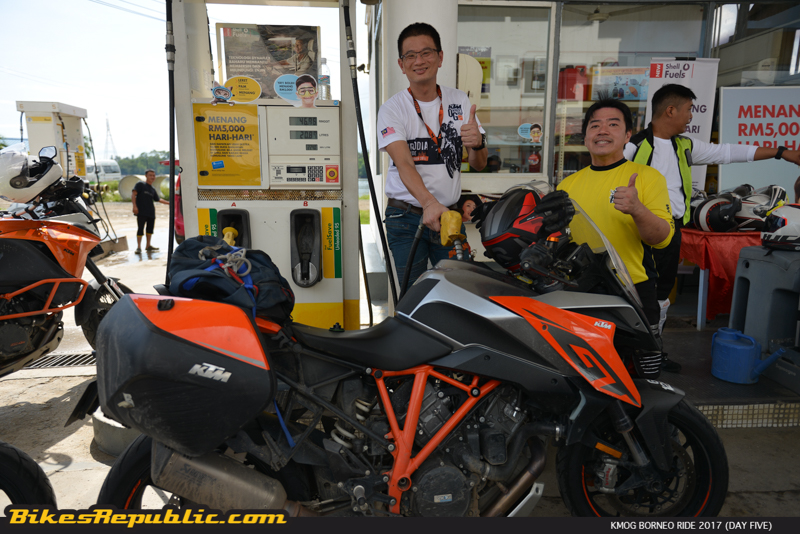
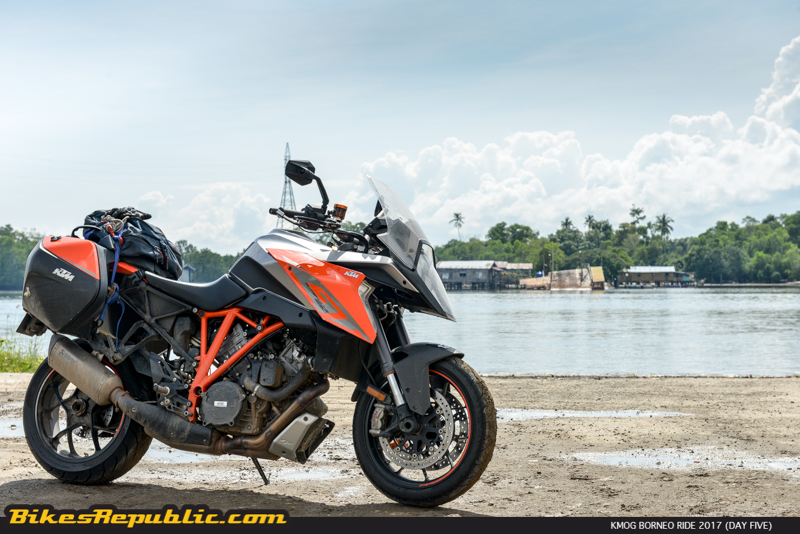
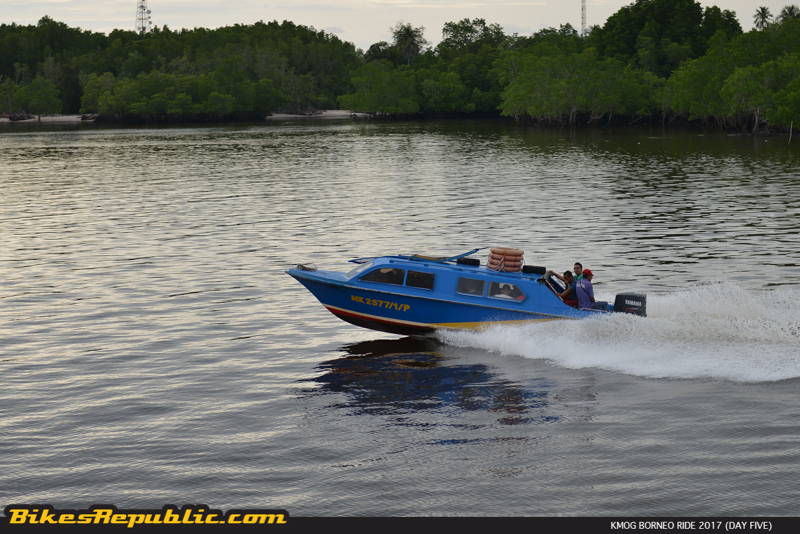
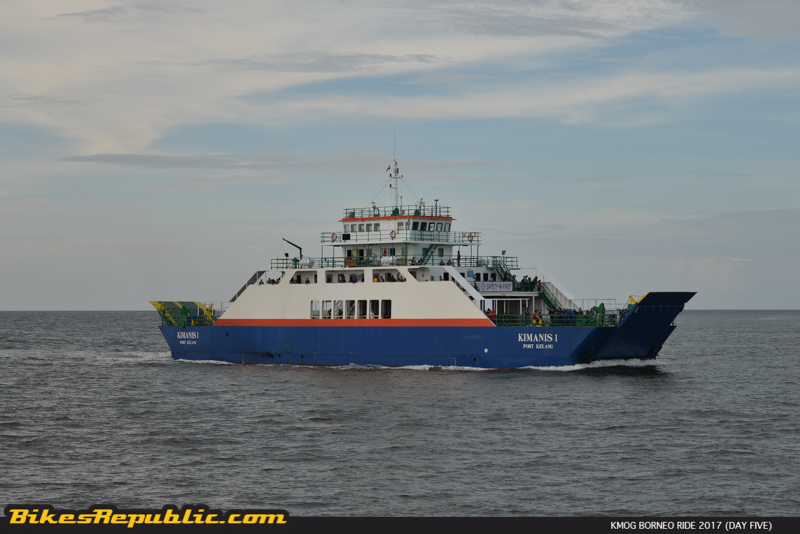
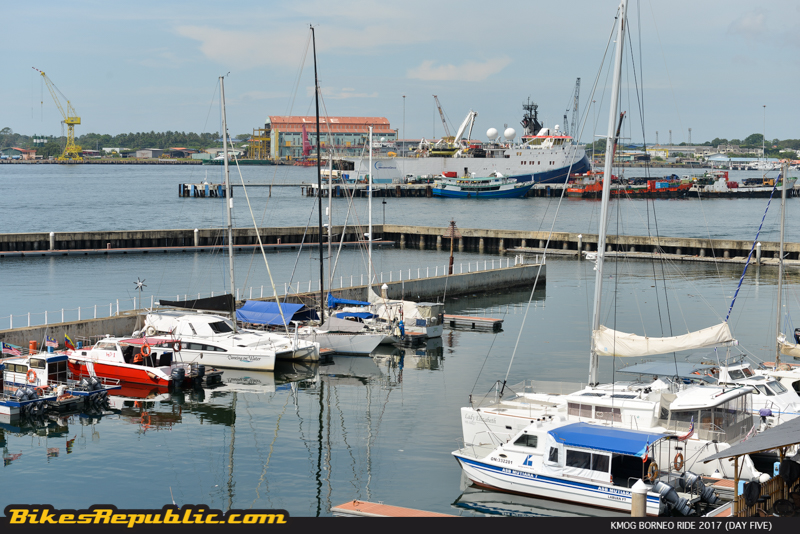
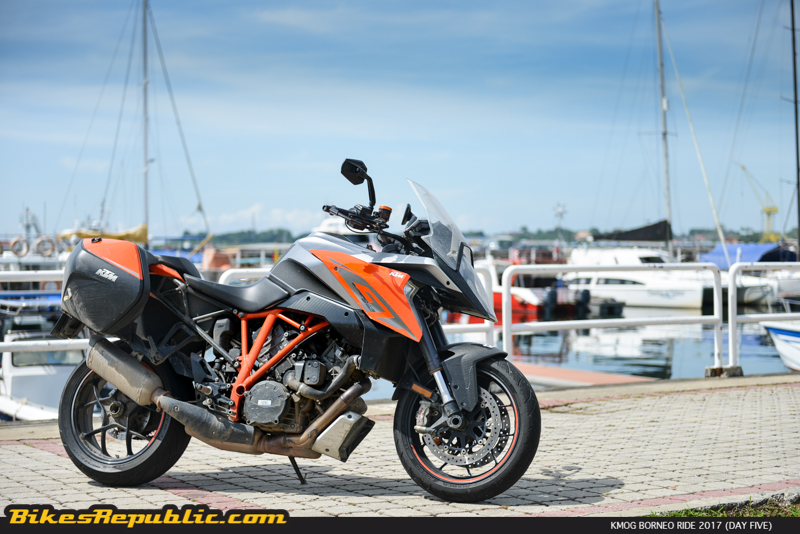
Romantic settingThe third and final container of bikes arrived just as returned to the hotel!The guys got right to workUp and over!Outside the hotel at KundasangPhillip Ho and his roaring 900R AdventureMount Kinabalu. Note the evidence of landslides due to the 2015 Ranau earthquakeGroup photo before continuing on the rideStopping at the Sabah Tea Plantation for tea……and picturesAt a restaurant in SepilokThe owner of restaurant treated us to the UFO cakeAt the Sepilok Orangutan Rehabilitation CentreThese guys couldn’t help monkeying aroundWefie timeWe were told to stay out of this guy’s wayWaiting for feeding timeThe orangutan is waiting to be fedStopping fuel on the way to TawauStopping for lunch in TawauGot hammered by heavy rain just after we left TawauStopping to fuel up the 990R AdventuresStill time for a wefieVisiting the looOutside Keningau after a 12-hour and 600km slogRiding over the famed Crocker Range not far from KeningauComing off the Crocker RangeRefuelling at Kuala Penyu before lunchA great view should not go to wasteKuih KelupisWe were welcomed by a traditional bandButod (sago tree weevil larvae) – a local delicacyA group photo before we moved onOn the ferry to LabuanA group shot on the ferryThe quicker way to Labuan, locals call these boats “flying coffins”Full view of the ferry like the one we boardedThe marina behind the hotelAnother great setting for a KTM
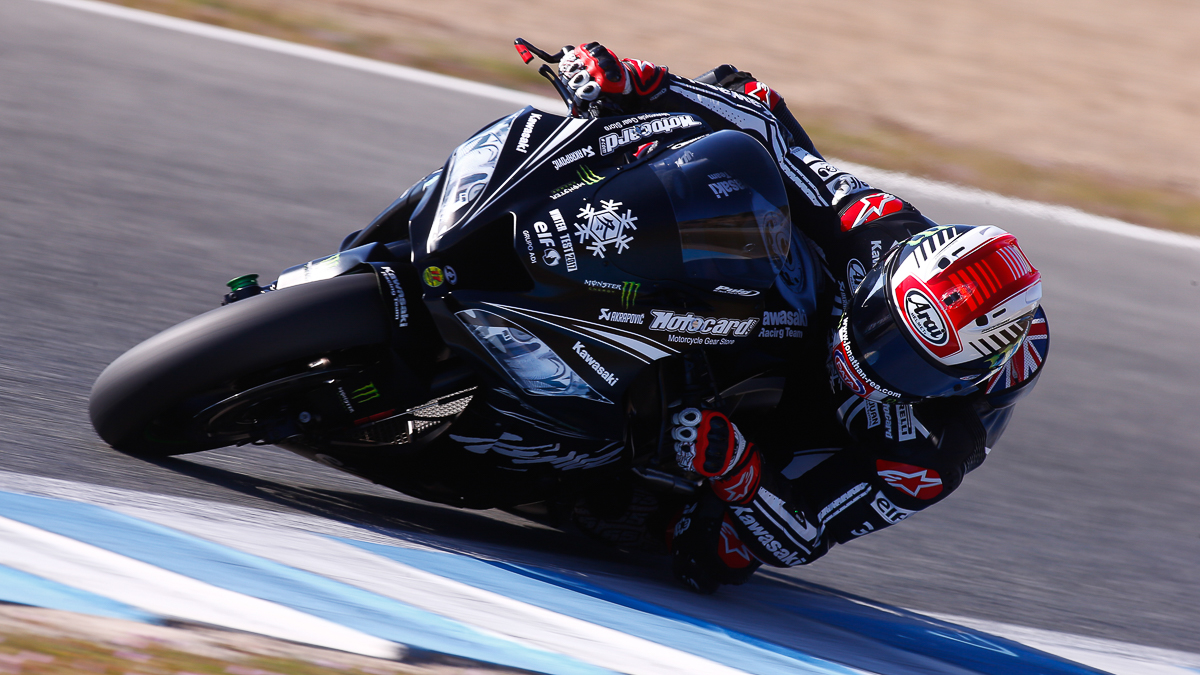
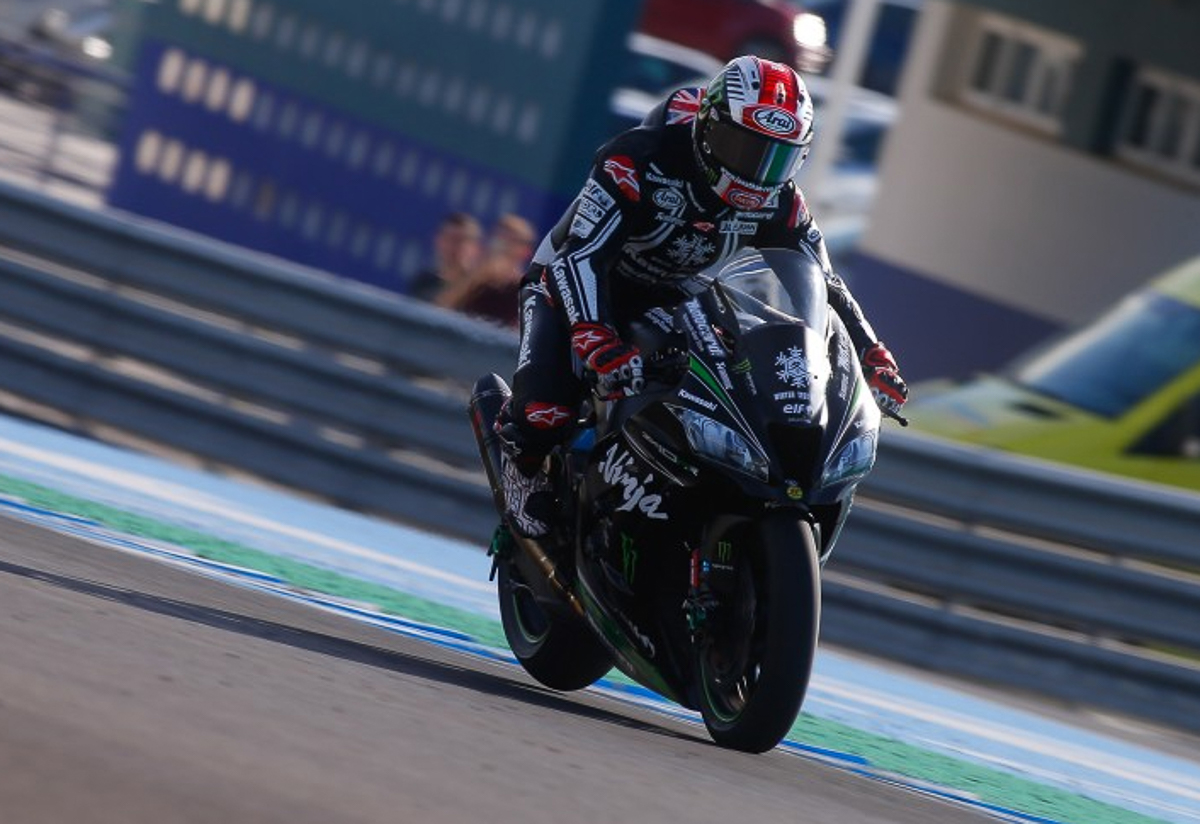
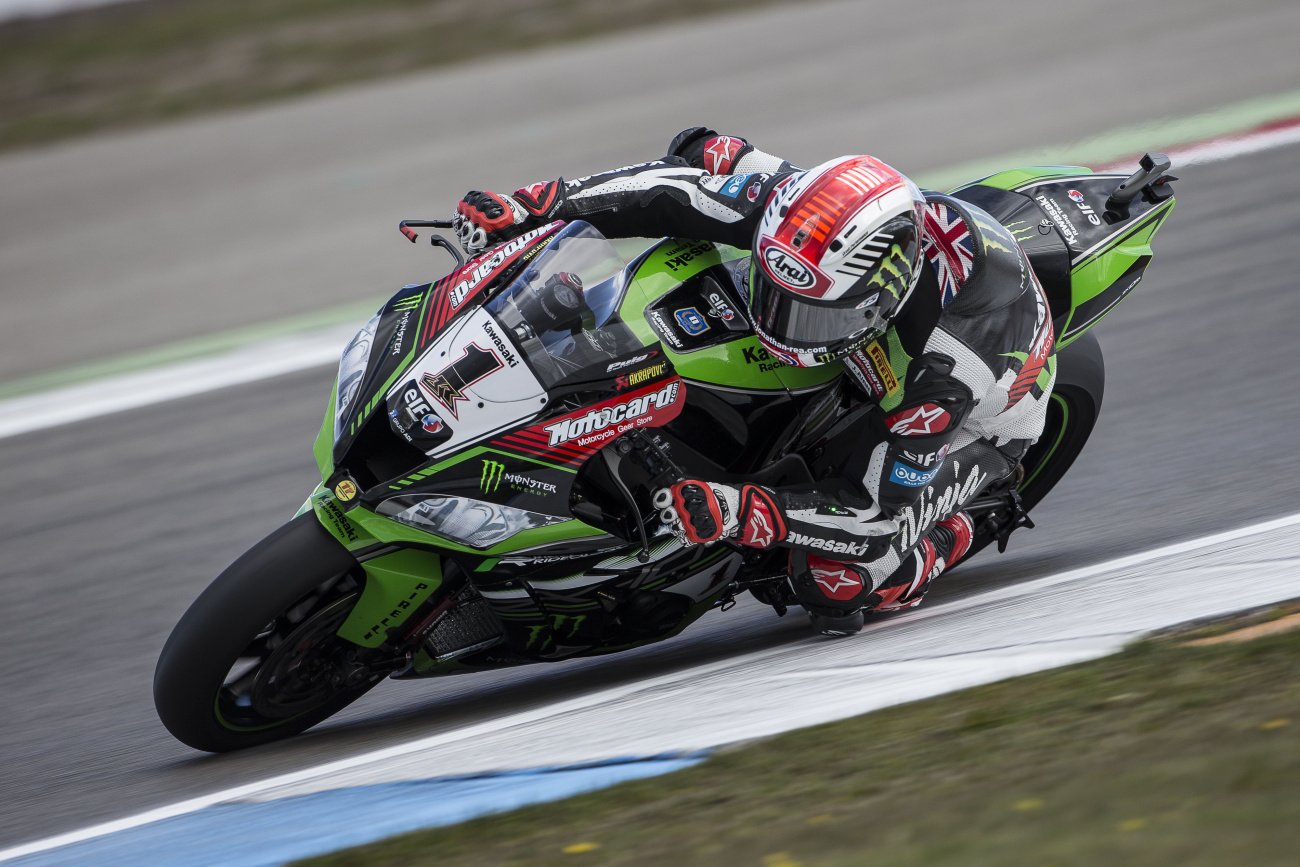
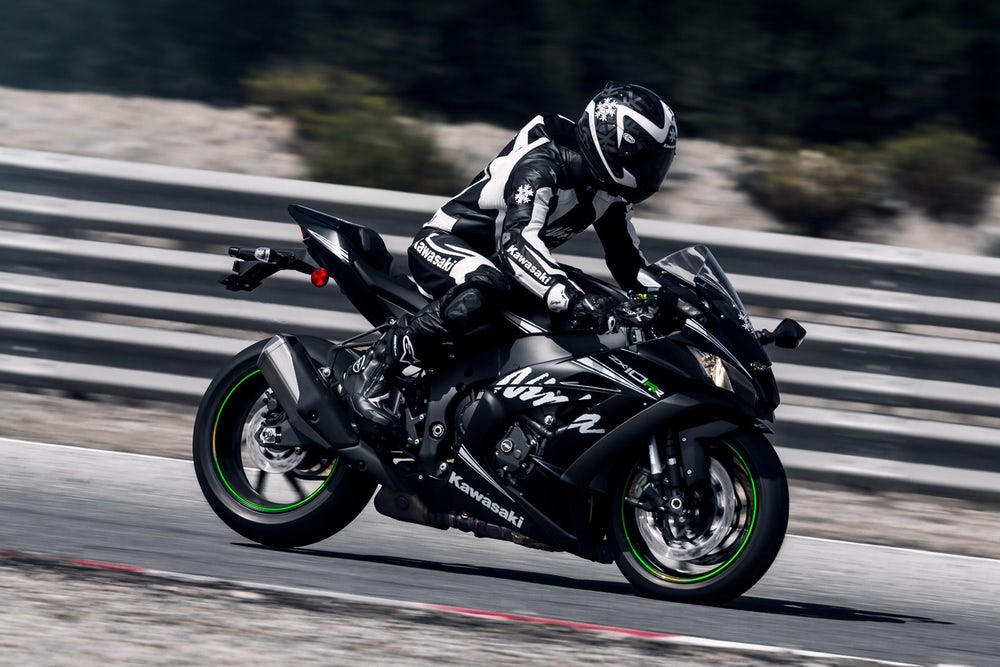
Jonathan Rea and his 2018 Kawasaki Ninja ZX-10RR set the fastest time in Friday’s testing session in Jerez, Spain last week.
The three-time WorldSBK champion was faster than all eight other MotoGP riders who were testing their machines on Friday as well.
The four-day testing session concluded with Rea as the fourth fastest which was only 0.323 seconds slower than Andrea Dovizioso and his Ducati Desmosedici MotoGP bike.
Jonathan Rea (Image source: WorldSBK)
It was only last week when the Jerez circuit was full of action from both the MotoGP and WorldSBK teams testing out their latest machines for the 2018 season. The last day of the testing sessions concluded last Friday and the results are quite astonishing. Jonathan Rea (Kawasaki Racing Team) and his factory Kawasaki Ninja ZX-10RR set the fast time at 1:37.986. (more…)
The Kawasaki ZX-10R has been dominating the WSBK Championship.
It has been built with winning the championship from the outset.
The 2018 Ninja ZX-10RR revealed at EICMA seeks to continue the dominance.
There’s much to learn from the cut-throat world of racing. Almost every modern-day technology on a motorcycle available to the public was trickled down from racing. That applies not only to sportbikes and race replicas but also to all types of motorcycles from the tyres up.
Motorcycle frames, chassis, engine power delivery, materials, and the way they look, were born out of the necessity to trump the competition in races and ultimately championships.
There are two premier racing classes in the racing world, namely MotoGP and World Superbike.
The motorcycles that race in MotoGP are thoroughbred prototypes, meaning they do not share similarities with motorcycles that are available to the buying public, although the technologies may soon find their way to road-going models.
The World Superbike Championship (WSBK) on the other hand, is production based. But what does that mean?
Being production-based means the machines racing around the world on weekends must be based on bikes that are available to you and I when we visit the bike shop. To be eligible for WSBK competition, the manufacturer must produce a certain amount of motorcycles similar to the one they’d be campaigning with – this process is called “homologation”. The minimum number of homologation models to be produced depends on the total output of the manufacturer – the bigger they are, the more homologation models they have to produce.
While the racebikes aren’t 100% stock, they are much closer to production machines than one might think, since they have to conform to certain stipulations laid out by WSBK. Among them: Frame design and dimensions (therefore chassis dimensions such as rake, trail and wheelbase), the engine’s cylinders’ dimensions, throttle body size, and bodywork dimensions and look must not be altered.
Thus, in order for their bikes to be competitive on the track, manufacturers must create homologation specials that are already imbued with high performance – or shall we say, ready to race. Think of the difference between the standard ZX-10R and ZX-10RR Racing and you get the picture.
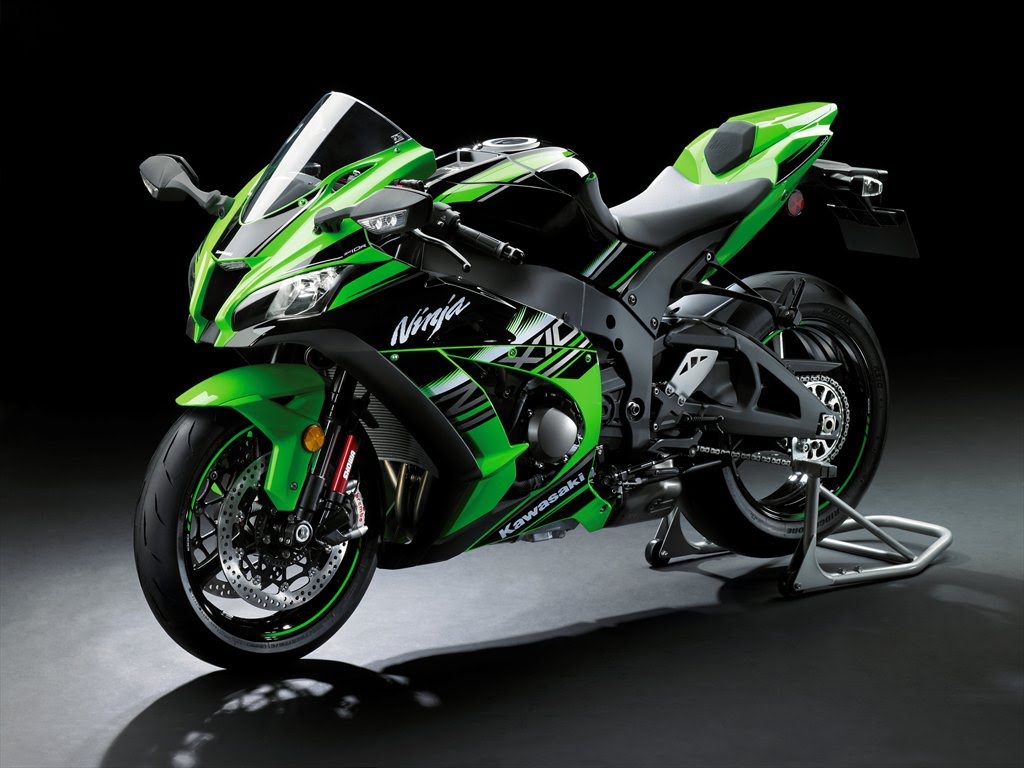
2017 ZX-10RR
It’s not only customers who reap the enjoyment of these engineering marvels. Because it truly goes both way as they are also beneficial to the riders too.
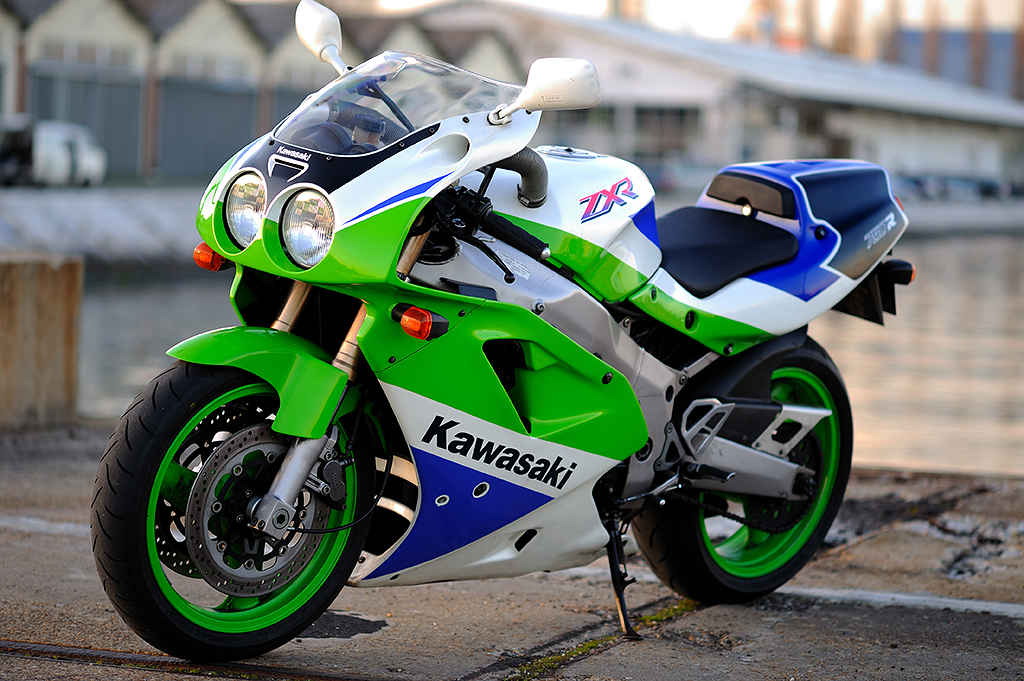
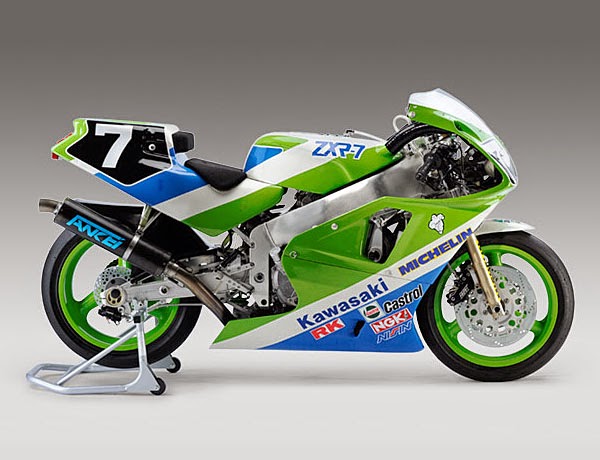
Kawasaki has won the World Superbike Championship five times times, including four in the last five years (2013, 2015, 2016, 2017, plus the first in 1993).
Scott Russel
Kawasaki for one is a manufacturer who’s never afraid to push engineering boundaries.
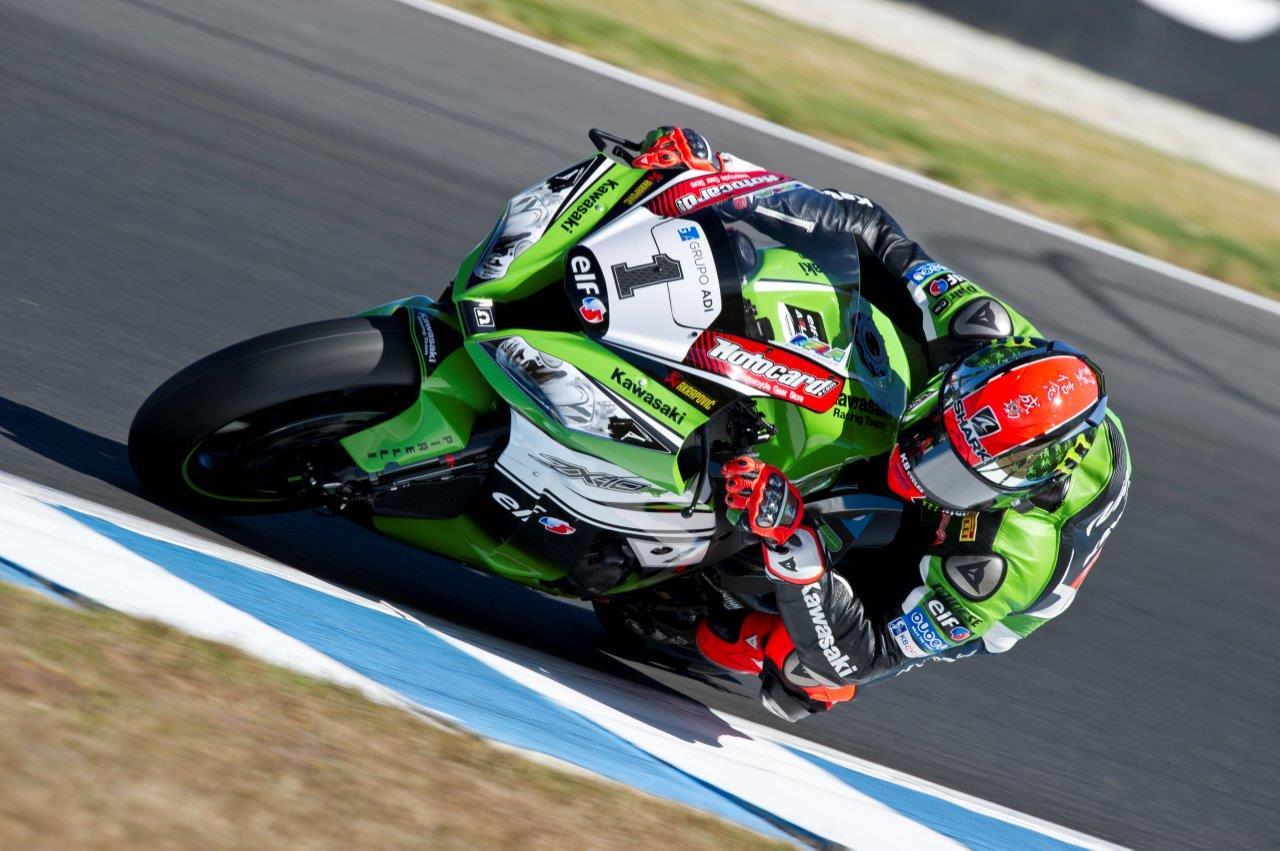
Tom Syke’s 2013 championship-winning ZX-10RR had actually been carried over from 2011. The 2013 model is well-known for its exceptionally linear power delivery, great handling, good ergonomics and advanced K-STRIC traction control electronic package. That meant Sykes and co had something good to work on from the beginning. The ZX-10RR’s 998cc was in fact so good that Colin Edwards’ CRT MotoGP team used it in 2013 MotoGP season.
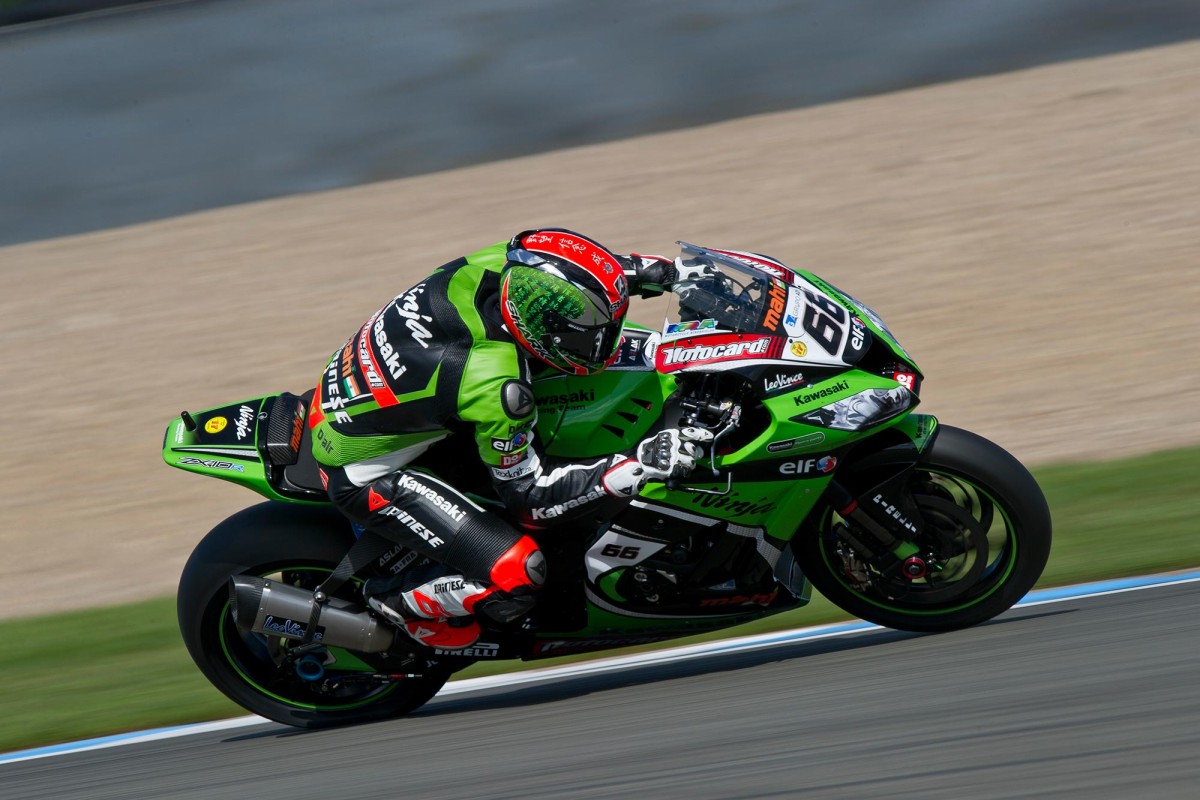
Tom Sykes in Donington Park, 2013
Sykes was close to defending his title in 2014, but ultimately losing out to Sylvain Guintoli by an agonizing six points due to a single retirement in Malaysia.
The 2015 Ninja ZX-10R wasn’t changed much in terms of hardware, testament to how well it was designed from the outset. It was this year that Jonathan Rea won his first WSBK crown, in his first full season on a Kawasaki. Rea amassed a total of 548 points at season’s end, 132 more than the next rider, Chaz Davies on the Ducati.
Jonathan Rea, 2015
Kawasaki revamped the Ninja ZX-10R in 2016, after taking cues from both factory riders Rea and Sykes. Project leader, Yoshimoto Matsuda even said that his team wasn’t looking at the aesthetics so much as improving the bike’s mechanicals.
The engine had gone on to develop 197 bhp, while weight was reduced to 205 kg. The crankshaft and primary gear were lightened to reduce inertia. The steering head was moved 7.5mm closer to the rider for better control. The swingarm was elongated by 15.8mm to put more weight on the front wheel and reduce wheelies. Both the steering head angle and swingarm pivot are adjustable.
2016 Ninja ZX-10R
Rea went on to dominate the 2016 season and successfully defend his title.
Jonathan Rea, 2015
For 2017, Kawasaki brought back the Ninja ZX-10RR in Winter Test black and single seat. The biggest change was to the engine, where the new cylinder head was designed to readily accept the high lift cams in the race kit. Only 500 units were built.
2017 Ninja ZX-10RR
On the track, Rea decimated the field to win his third successive title, to become only the second rider to have achieved the feat.
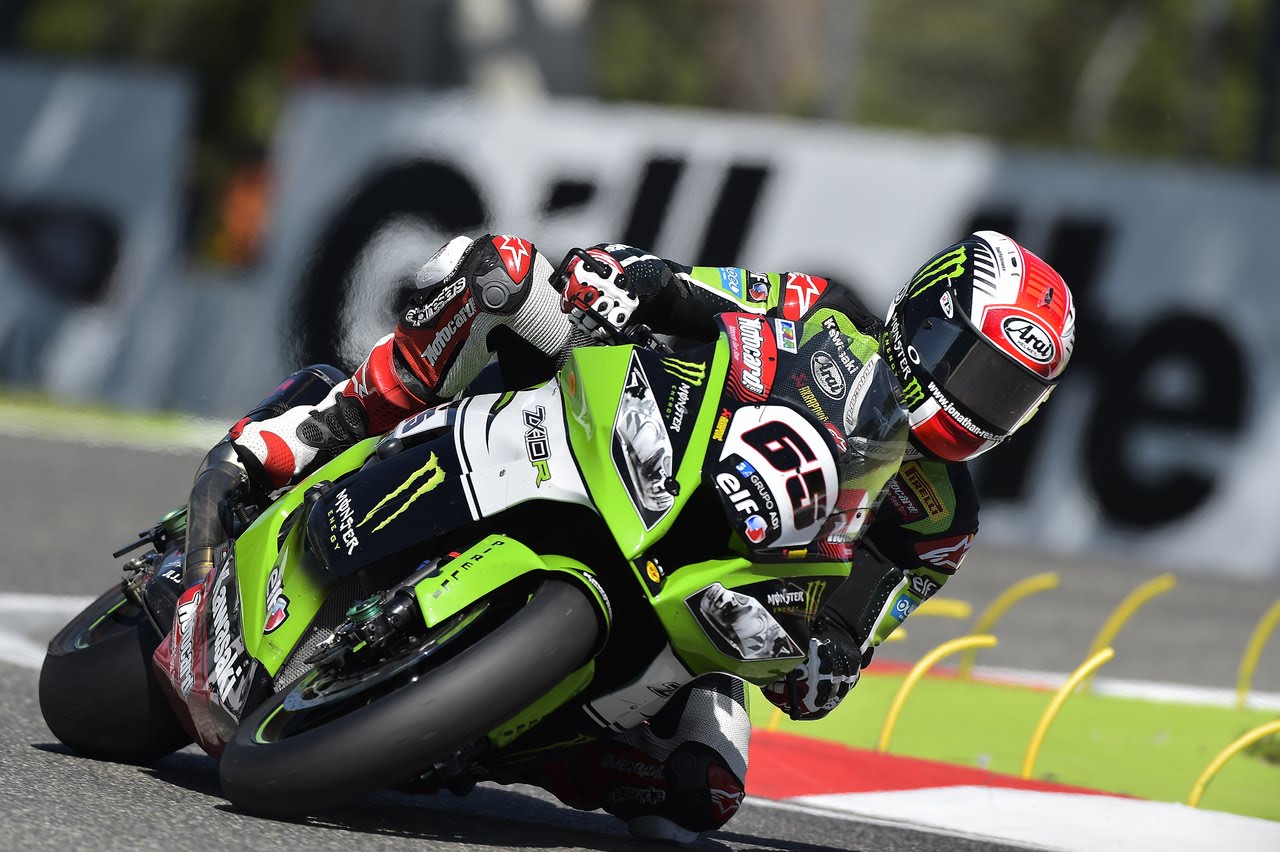
Jonathan Rea at Assen, 2017
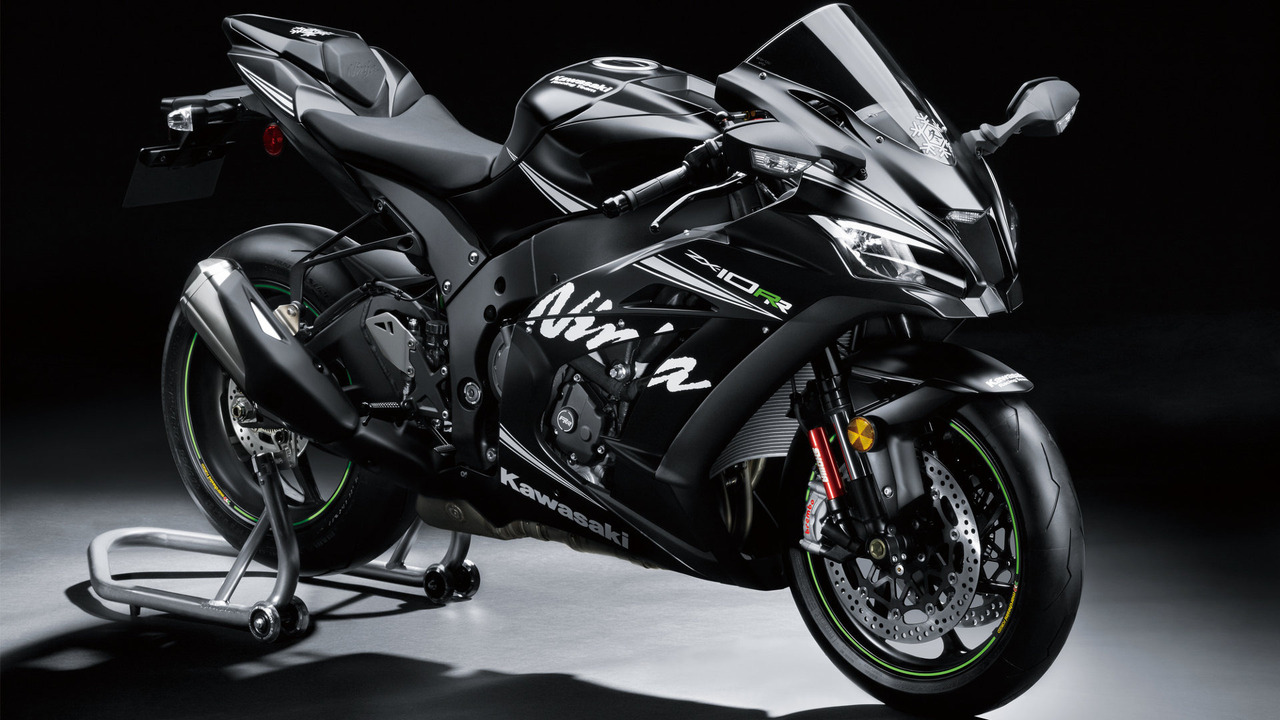
Kawasaki has also revealed the 2018 Ninja ZX-10RR during EICMA (complete with snowflake logos). Again, because the bike is already so good, almost no changes were made except for cosmetic ones. Will Rea and Sykes dominate again in 2018? It’ll be unwise to bet against them.
2018 Ninja ZX-10RR
That’s the main appeal of the Kawasaki ZX-10RR, as it’s made to dominate on the track from the time it went out of the factory’s doors. As such, customers will get their hands on the best sportbike in the world.
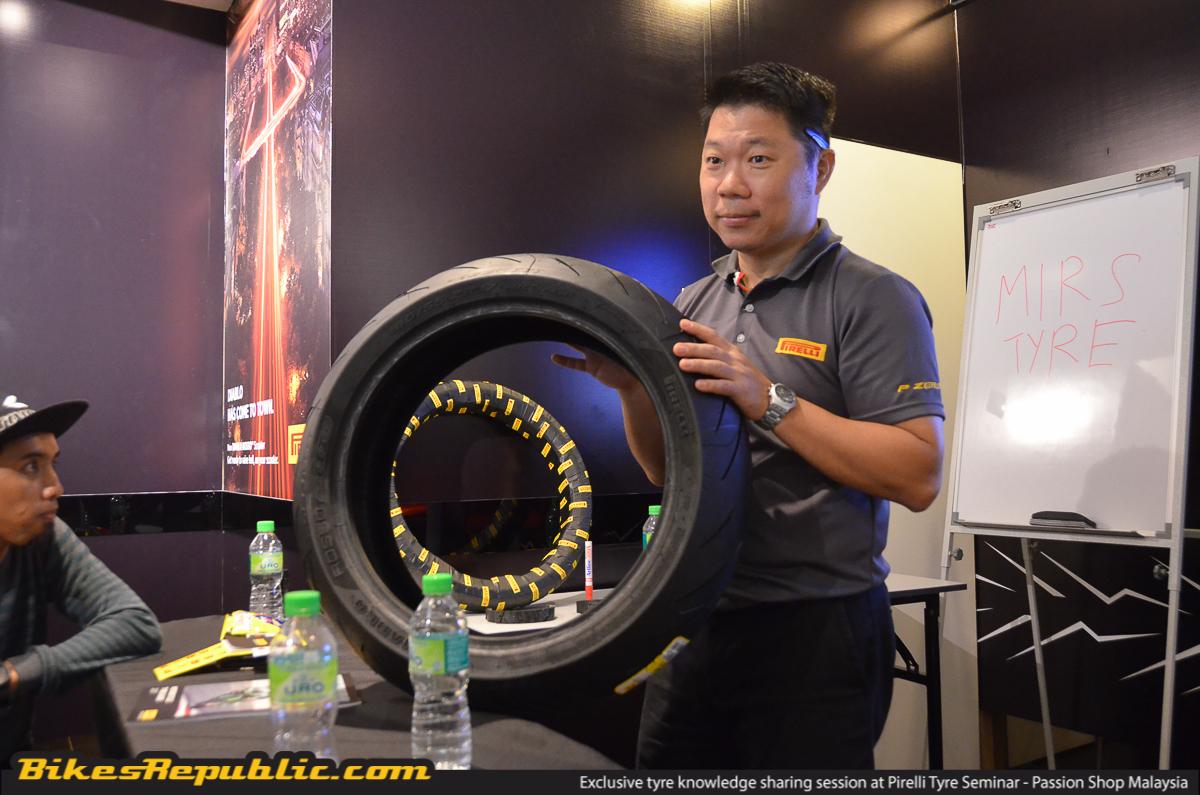
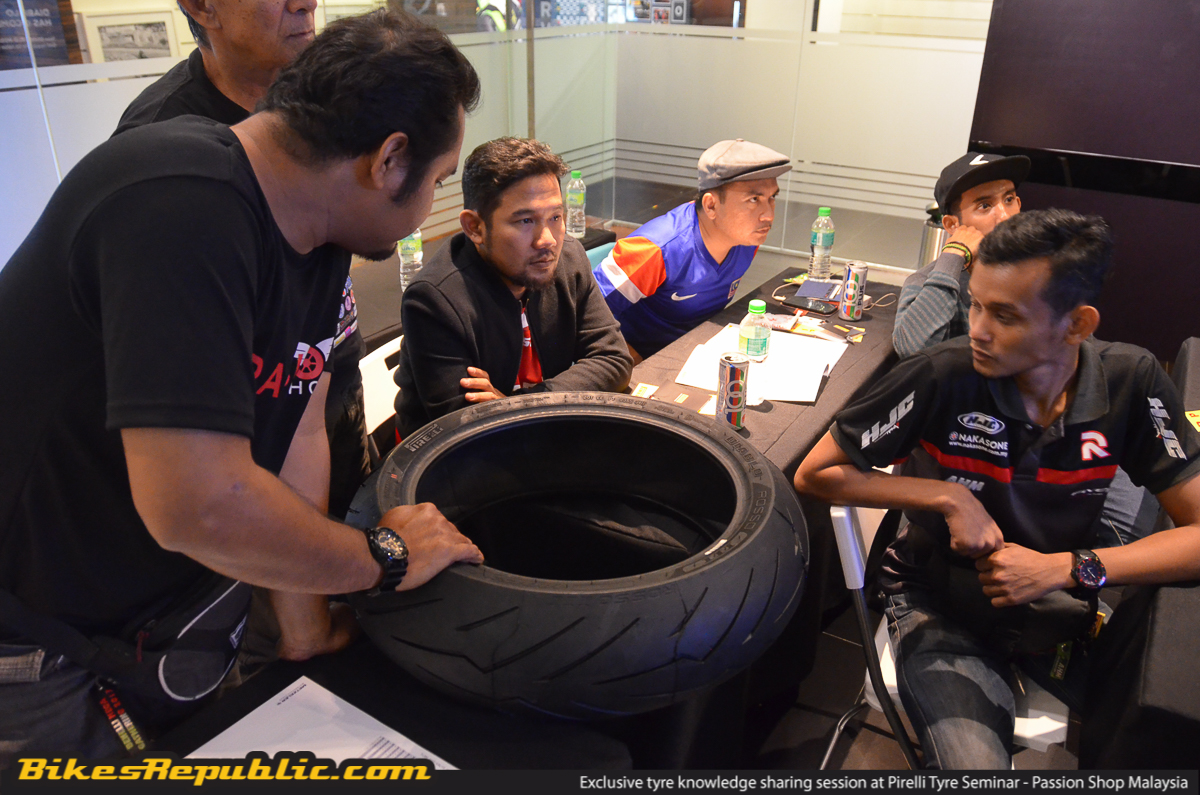
The Pirelli Tyre Seminar was conducted yesterday at Passion Shop Malaysia located in Sentul, Kuala Lumpur.
The exclusive and free workshop focused on basic tyre knowledge, functions, and other useful information to dealers and bikers.
Things such as tyre types, fitment and proper repairs helped participants gained some practical and real-world understanding.
The folks from the legendary tyre manufacturer Pirelli conducted a very special seminar yesterday to a group of motorcycle enthusiasts. Organised at the grand Passion Shop Malaysia located in Sentul (right next to GIVI Point), two groups consisting of dealers and bikers where presented with some very useful knowledge about Pirelli motorcycle rubbers. (more…)
The Malaysian MotoGP is one of the busiest periods in the Bikes Republic calendar. There usually is a bunch of PR events, launch events, meet & greet events and exclusive dinners to attend. A busy period but also a good period as this is the time we meet all our heroes, and are sometimes given a chance to meet heroes from the past.
One of those exclusive dinners was hosted by Alpinestars, the maker of ultra-sophisticated leathers, gloves, shoes and other motorcycle riding gear that are all clinically designed to keep the rider safe in all situations.
The dinner took place at Sama-Sama Hotel the night before race day, and was attended by selected media, Alpinestars distributors from Malaysia and the region and staff of Alpinestars. The dinner was also attended by MotoGP legend Randy Mamola, who was well-known for his on and off track antics.
The American still has his electrifying personality; when Randy speaks, you automatically shut up and listen. He was there as the ambassador of Alpinestars, so he took centrestage and began to share his experiences on track and such.
Randy was about 10-minutes into his talk when suddenly the door opens and Cal Crutchlow walks in. The Brit is also known for his “no-holes-barred” conversation style as he always speaks his mind and does not hold back.
Seeing the two talk about modern races, technology, and Marc Marquez was indeed an honour, an honour we captured on our phone.
We hope you enjoy this video as much as we did being in the same room with these two legends. We did not capture the moment when Cal drops in, but here is how the rest of the conversation goes:
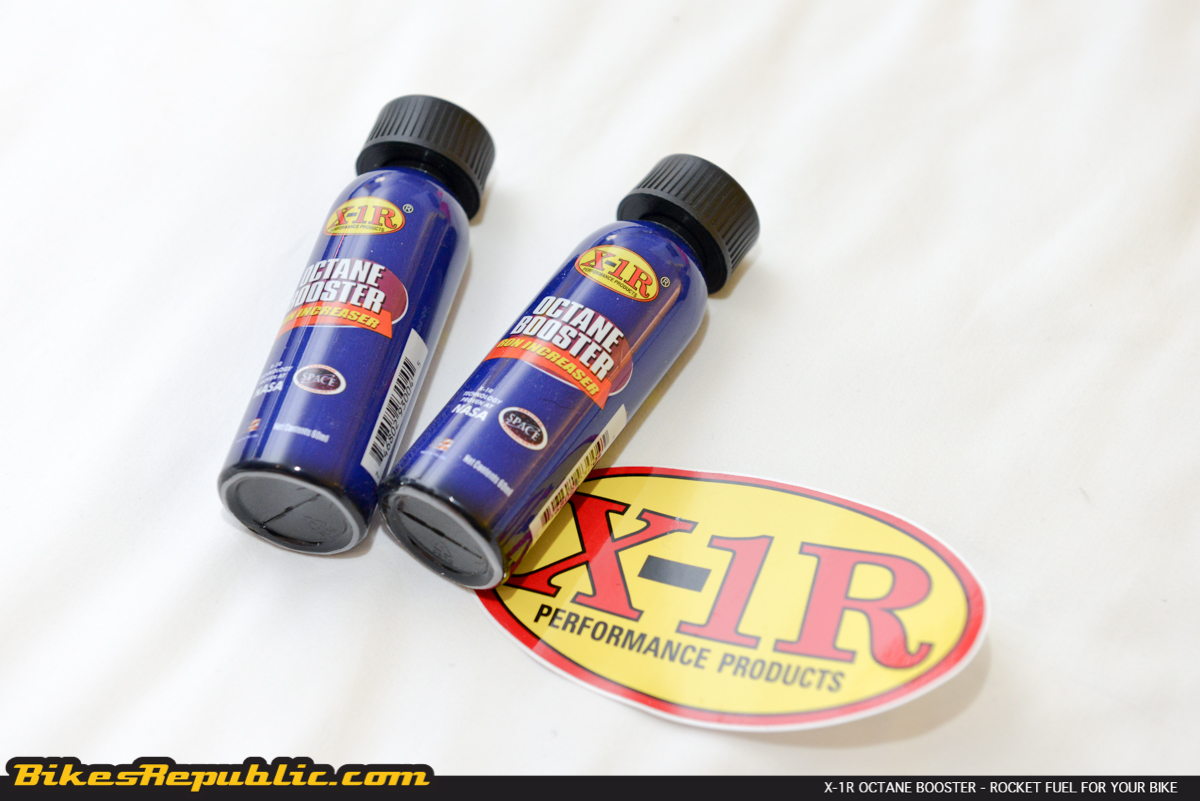
X-1R Octane Booster helps when the petrol station has run out of higher octane petrol
Or when you’ve filled in petrol with lower RON or if you can’t trust what you’ve filled.
Always carry a bottle or two when you go touring be it in Malaysia or across the border.
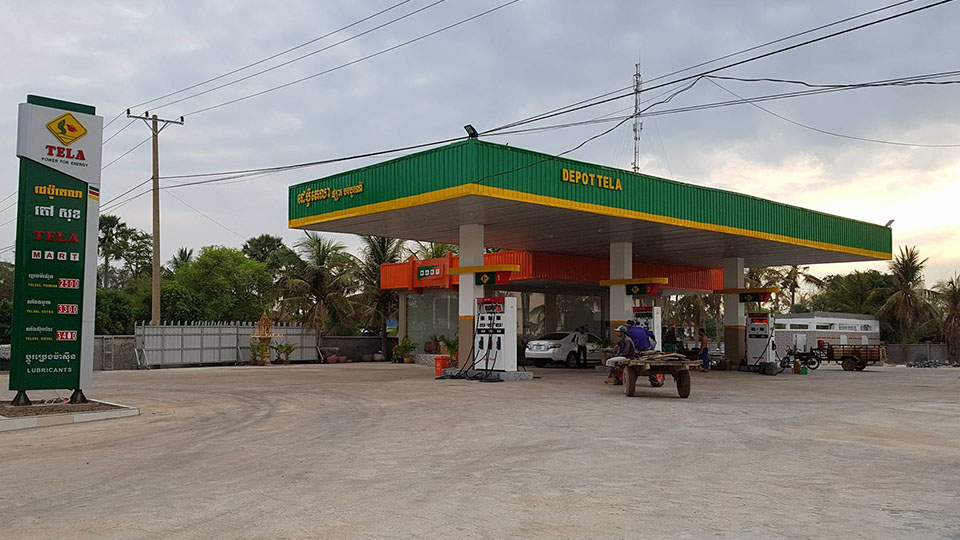
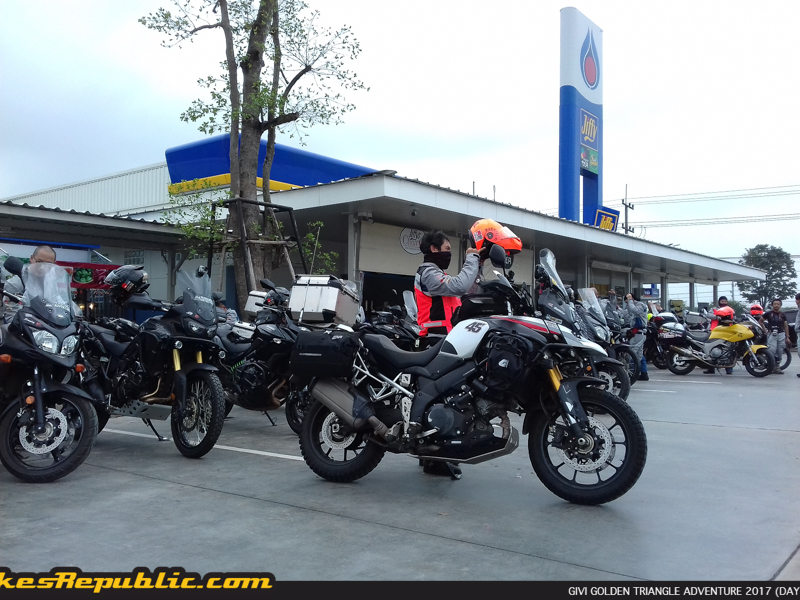
As we toured for eight days in Thailand, Cambodia and Vietnam during the GIVI Golden Triangle Adventure 2017 (click here for our coverage), we had to stop regularly for fuel. Both Cambodia and Vietnam has RON 95 fuel these days and modern service stations in their major cities but out there in the countryside, some of the stations were downright dodgy-looking. I asked the station attendants for RON 95 or 95 octane and they replied, “What is octane?”
While we do not want to doubt the quality of their fuel, since no one would bring along a fuel quality tester during tours, but how could we be certain? But how about if the wrong fuel was filled?
We filled up at one station just before descending the mountain at Bokor, Cambodia and the Versys 650 I was on started to stumble and sputtered everytime I opened the throttle. It would also back fire through the exhaust or spat through the throttle bodies when I shut the throttle, right before the engine flamed out. I needed to shift down everytime I wanted to overtake or speed up.
Adding further to the confusion was the mix of different bikes during the tour. There were Kawasaki Versys 650s, Suzuki DL1000 and DL650 V-Stroms, Honda CRF1000 Africa Twins, a BMR F 800 GS and a BMW R 1200 GS.
The Suzukis have been reprogrammed to run on the minimum of RON 91 (despite the compression ratio remaining unchanged), the Hondas and BMWs on a minimum of RON 93 and the Kawasaki… well, no one’s sure about the Kawasaki’s minimum RON requirement so we could only assume it’s RON 95, as what’s recommended in Malaysia.
But we hand over our bikes to the marshals for a group refueling – meaning all bikes were refueled from the same pump – everytime we stopped, so while one fuel works for certain bikes, it may not for the others. The fuel type was all written in Khmer so I wouldn’t know what went into the tank.
There was also speculation that water may have entered the tank since we rode under the rain for hours for a few days in a row, or water was present in the fuel at the station. But the engine was still misbehaving everytime after filling up.
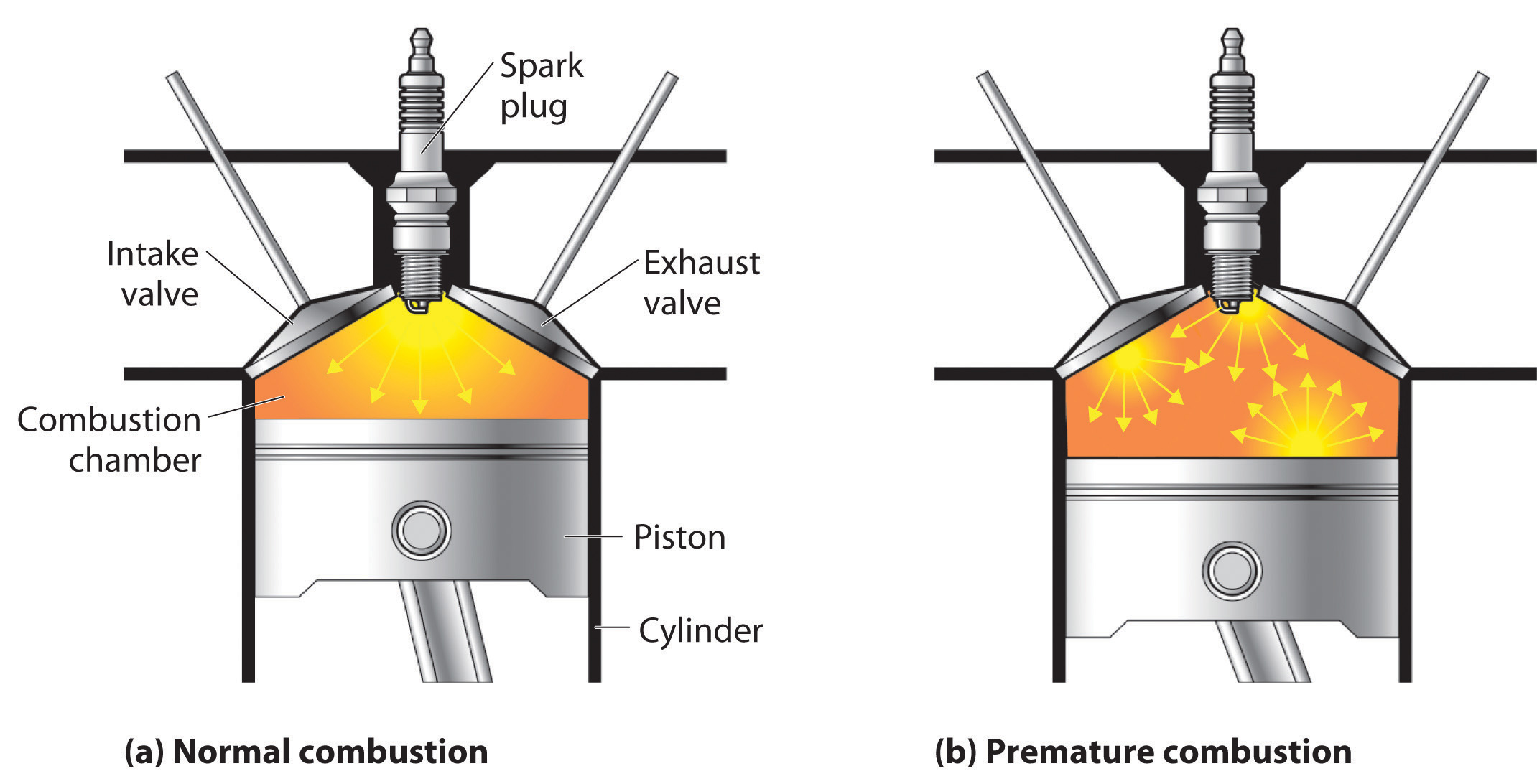
Using a fuel with too low octane (RON) is bad for the engine, as it could lead to the phenomenon known as “knocking” or “pinging.”
How does that happen?
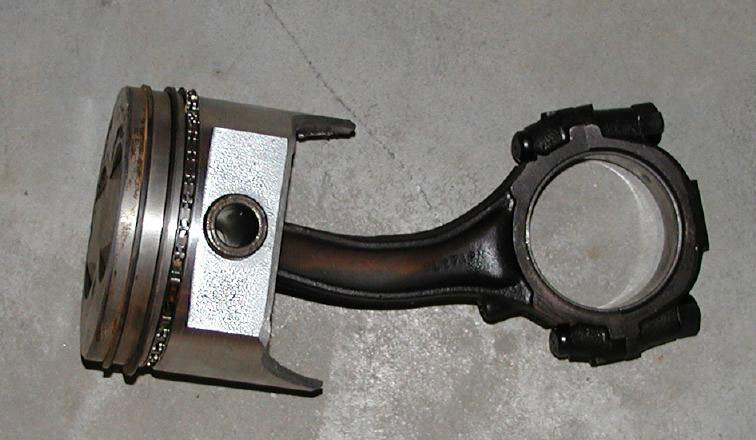
Let’s first consider a low octane fuel. A hot combustion chamber in an engine will have “local hotspots,” usually on the cylinder wall or piston top. As the piston rises, the fuel-air mixture is compressed causing the latter to heat up, leading to the mixture detonating in more than one location as the spark plug emits a spark. The soundwave from this detonation bounces throughout the combustion chamber, causing a loud pinging or knocking sound that’s audible to the rider, hence the name knocking or pinging.
Knocking is bad, because combustion at those hotspots will erode the metal. Also, imagine the pressure from the combustion trying to push down on the piston, connecting rod and crankshaft while the piston is still rising.
A higher octane fuel combats pre-detonation, until the fuel-air meets the correct temperature administered by the spark plug.
Thankfully, there’s a simple solution.
I’ve been on many long-distance tours and I never failed to bring along X-1R’s Octane Booster for assurance. The main ingredient of the Octane Booster is nitroglycerine, the fuel used in pure from in Top Fuel dragsters. The product was a companion not only during rides across the border but also on any trip within Malaysia, by the way.
I dropped some Octane Booster into an almost full tank when we stopped for pictures. One bottle treats up to 75 litres of fuel, thus a third of a bottle is enough for a 22-litre tank.
The ticking noises from the engine disappeared within a few kilometres. As I was assigned as an assistant marshal, quick blasts of speed wass necessary and I was thankful that I could now do so without the engine sputtering and cutting out.
From then on, the engine ran smoother than before. Besides that, fuel mileage picked up from below 300km per tank to close to 320km per tank.
I’ll share another experience.
I rode with the Aprilia Riders Group to Phuket two years ago.
During a stop, an RSV4 rider and another on a Tuono V4 had mistakenly filled RON 91. These are high performance machines so they require petrol with higher RON rating.
Again, the X-1R Octance Booster came to the rescue! They didn’t suffer any problem after adding the product.
So, the lesson is this. Always bring along a bottle wherever you go.