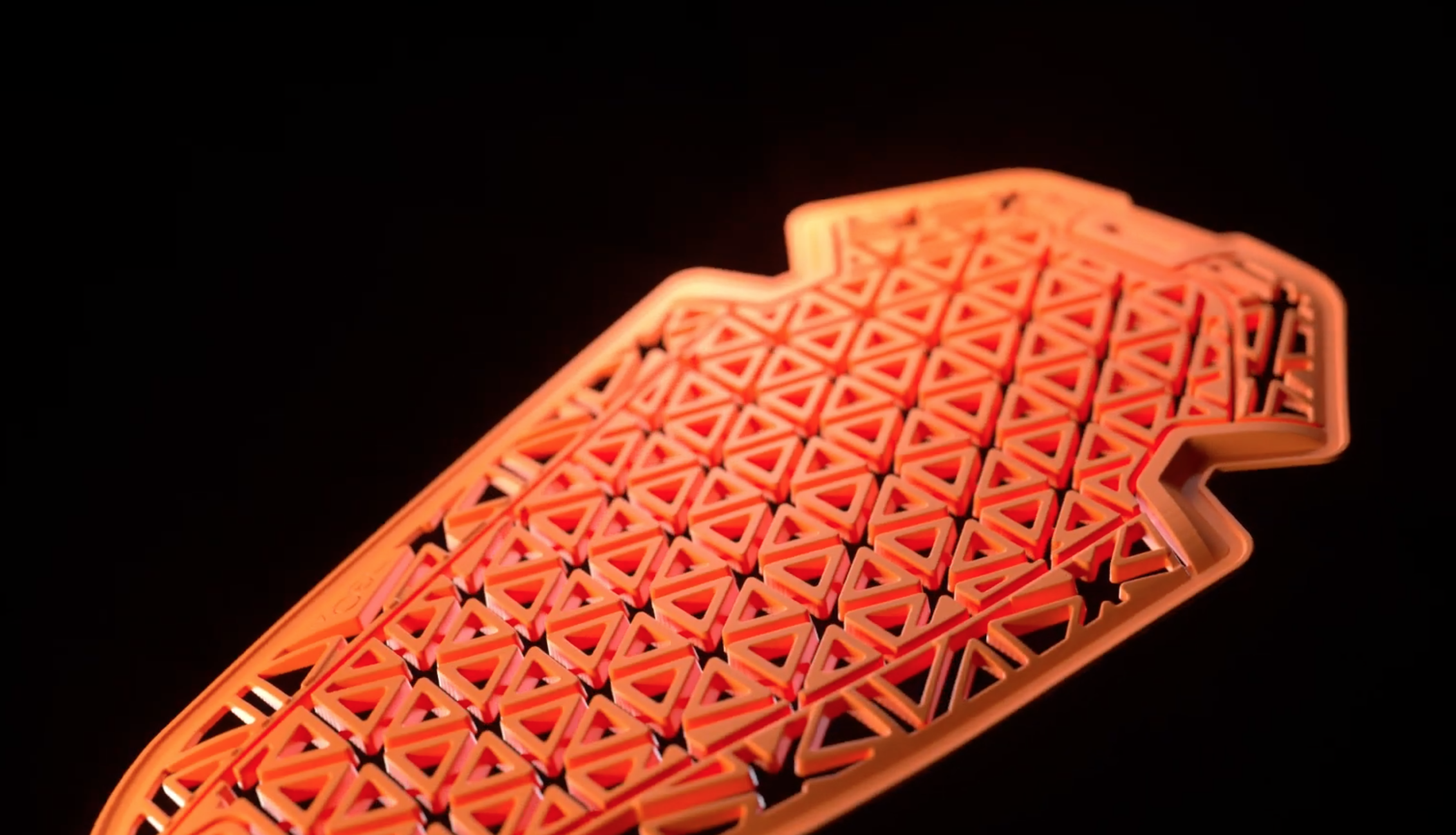
The new D3O Ghost ultra-thin limb protector may just revolutionise protection for motorcyclists.
It features Impact Print technology for direct imprinting into fabric.
It allows for freedom of movement and breathability.
The new D3O Ghost ultra-thin limb protector may just revolutionise protection for motorcyclists.
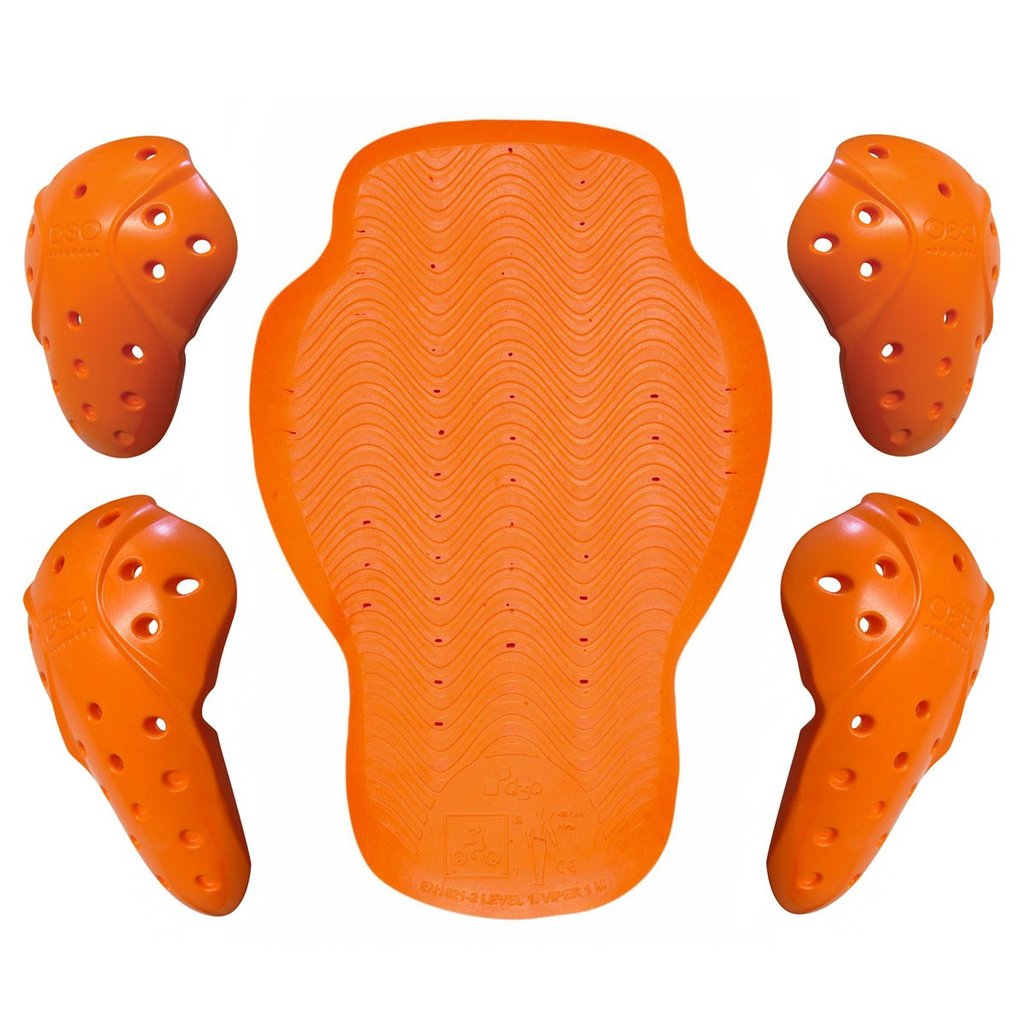
Here’s a little bit of background on D3O. The company’s orange-coloured protectors are already pretty thin, malleable and soft compared to virtually all protectors in the market. That seems to fly in the face of convention where harder armour may be considered as providing better protection.
However, the protectors have a special property: The molecules close the space among them quickly at the point of contact to provide protection. We’ve seen the test where a man places his finger underneath a piece of D3O armour and whacking it with a large hammer.
Being soft and malleable provides comfort to the rider, especially to those who thinks that wearing protective gear is akin to wearing a medieval armour.
Now, the D3O Ghost does it a step better as it features Impact Print technology, which allows the material to be imprinted directly into fabrics and substrates.
The company has already imprinted it into black lycra to provide unrivalled and unprecedented freedom of movement. The fabric will be used for knee, elbow, shoulder and hip protectors for cycling and motorsports.
It bodes well for those who complain about the discomforts of protective gear because the new material is highly breathable. And since it conforms to the limbs and body, style-conscious riders can’t use the excuse of riding gear spoiling the silhouette of their perfect bodies.
No word yet of when it’ll be fully integrated into motorcycle gear but we do hope it’s soon.
There are a number of brands that currently employ D3O protectors (although not the Ghost yet) including Furygan, Klim, Fox, TCX, Held, Scott, Icon, Triumph, Mechanix, among others.
You can check out D3O-equipped Furygan jackets at our store. They will be available on online marketplace soon.
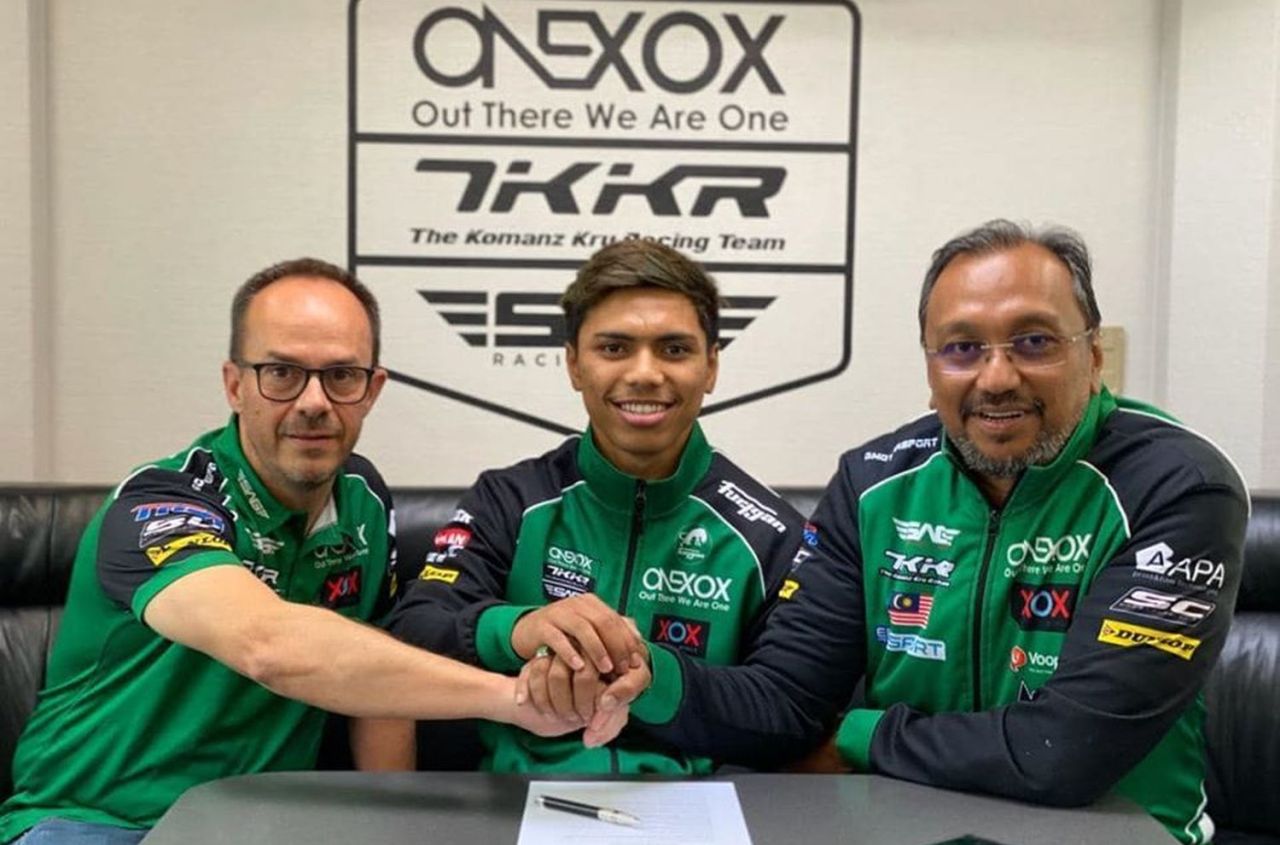
Malaysian rider Kasma Danial will contest in the 2020 World Moto2 season with the ONEXOX TKKR SAG team.
He will be the one of two Malaysians in the class next year.
He raced in the Spanish CEV Moto2 and ARRC 600cc SuperSport classes in 2019.
Malaysian rider Kasma Danial will contest in the 2020 Moto2 season with the ONEXOX TKKR SAG team.
The news was shared by team on their website tkkr.my recently. The 19-year-old rider, who the team calls “Dragon Boy,” will replace Tetsuta Nagashima who will join Red Bull KTM Ajo. It means Kasma will partner Remy Gardner, the son of former World 500cc Grand Prix champion Wayne Gardner.
ONEXOX TKKR SAG on the other hand, is a Malaysian team with race teams in the Malaysian Cub Prix, Malaysian Superbike, Asia Road Racing, Spanish CEV Moto2 and World Moto2 championships.
Kasma has been racing in the FIM Spanish CEV Moto2 championship in Spain with the Dynavolt SIC Junior Racing Team. The series is seen as the spawning ground for up and coming Moto2 riders on the world stage. Besides CEV Moto2, Kasma was riding in the 600cc SuperSport category in the FIM Asia Road Racing Championship.
His participation in Moto2 brings the number of Malaysian riders to just two at the moment. But it is the highest class the country’s riders are in. The other rider is Hafizh Syahrin who has since signed up with the Angel Nieto team.
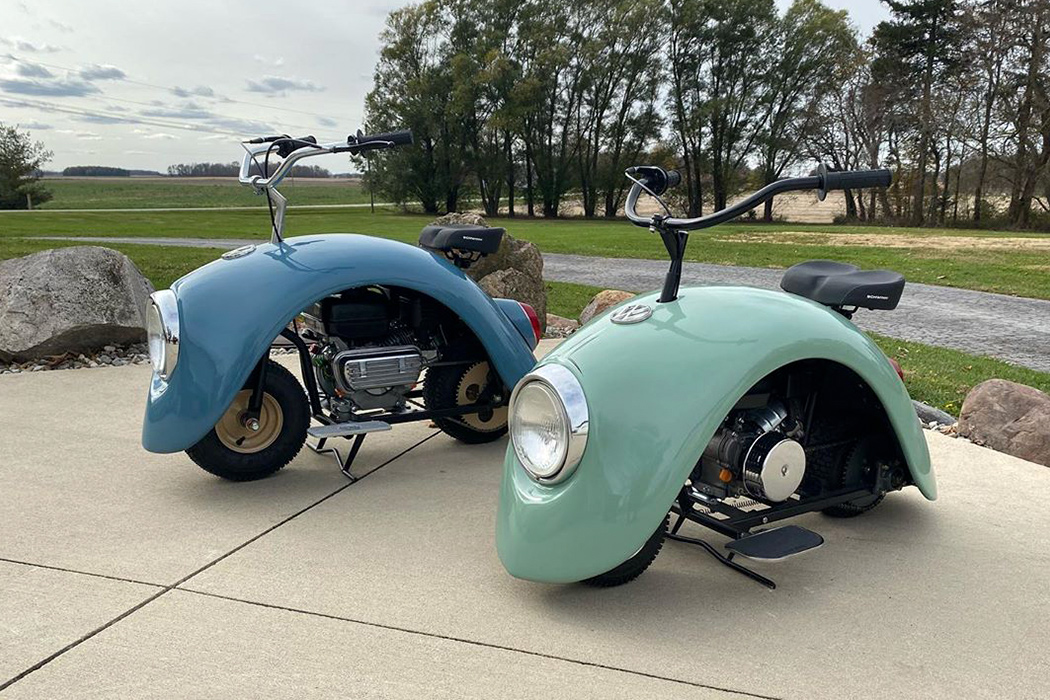
The Volkspod VW Minibike was build as an homage to the VW Beetle Type 1.
The creator took the fenders of VW and placed them over a minibike chassis.
It results in something cute and radical at the same time.
Remember the end of the movie “Cars” when the credits showed the characters in “A Bug’s Life” as Volkswagen Beetles? Well, the Volkspod VW Minibike definitely reminded us of that scene all too well.
The Volkswagen Beetle Type 1 enjoys a cult status shared among vintage car collectors and customisers everywhere. For Brent Walker it was an opportunity to unit both two sides into the VW Mini Bike, which he fondly calls “Volkspod.”
Photo credit yankodesign.com
Brent took the bulbous fender from each end of the car as the bodywork of the minibike. Each piece is equipped with both headlight and taillight, so it’s almost like a complete car when you put two Volkspod together.
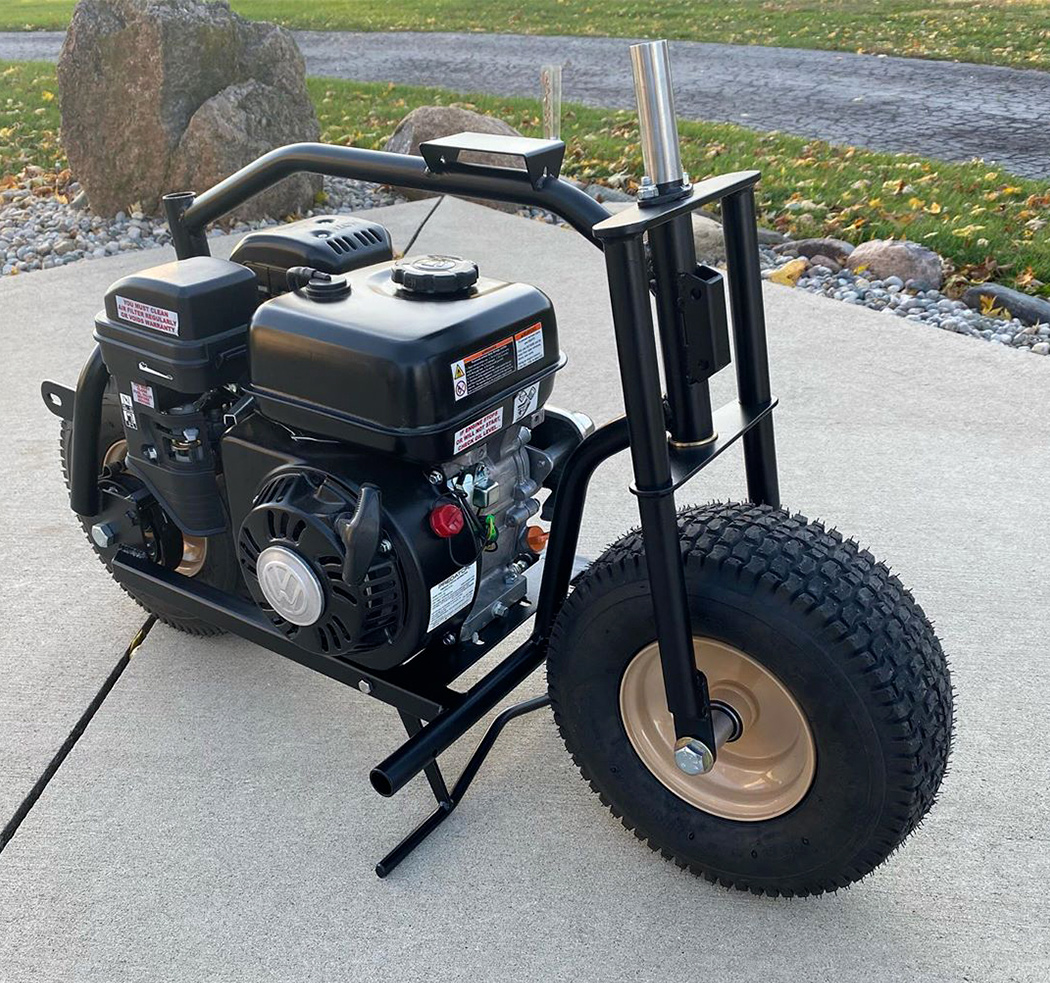
There wasn’t much technical detail but the source quoted the engine at 79cc. It looks like one of those found in lawnmowers or gas-powered generators. The engine drives a chain final drive. Brent built a compact steel tube frame around the engine to tie all parts together and support the “bodywork.” There are also footboards and brakes. The creator thoughtfully installed the VW logo on the engine case.
Photo credit yankodesign.com
The result is something cool and a whole lotta cute. Hmm… the green one kinda looks like Mike Wazowski.
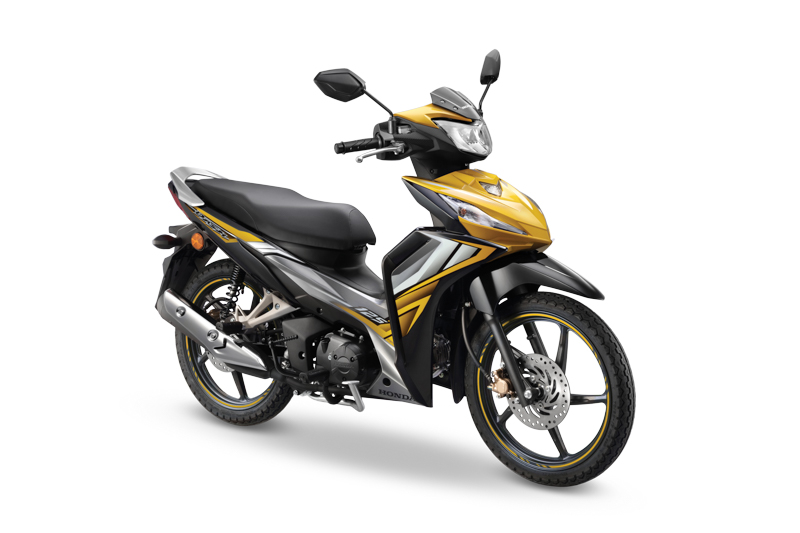
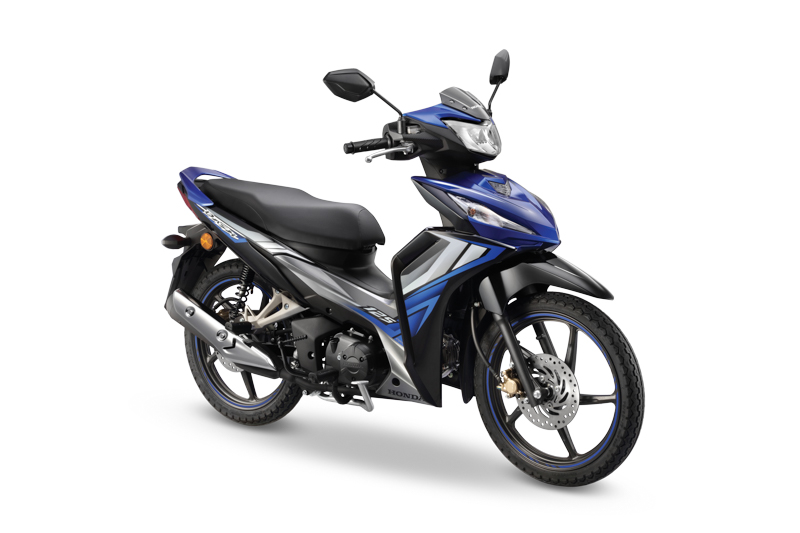
Boon Siew Honda announced new colours and stripes for the 2020 Honda Dash 125.
The Dash 125 is economical to own and maintain.
Prices start from RM 5,999.
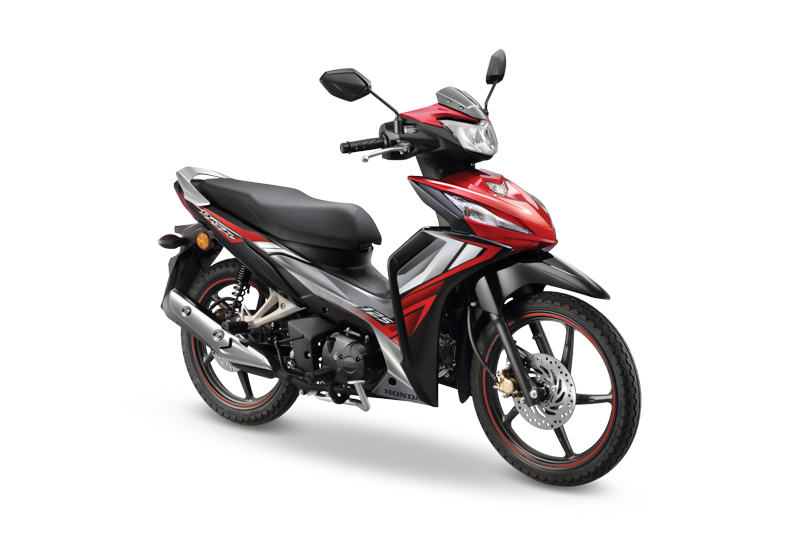
Boon Siew Honda announced new colours and stripes for the 2020 Honda Dash 125.
The Dash 125 is a great bike to those who want economical and ease of ownership but with a slightly sporty edge. Equipped with a smooth 125cc engine, it may not be the fastest, but it certainly isn’t the slowest out there.
Honda calls the new graphics brings out a more striking appearance and makes the bikes look a lot sportier than a nondescript daily commuter.
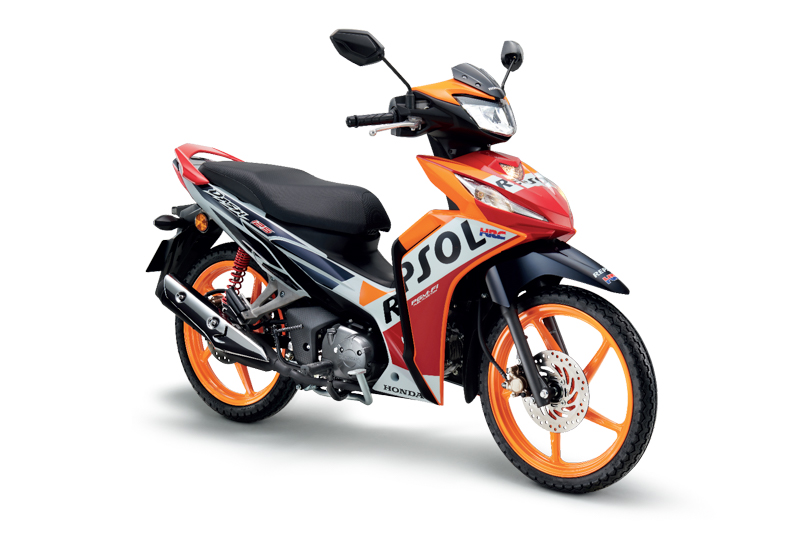
There are two new colours, namely Clipper Yellow and Candy Scintillate Red. They join the now restyled Pearl Nightfall Blue. The current Repsol edition continues to be sold alongside, albeit in dual disc brake version only.
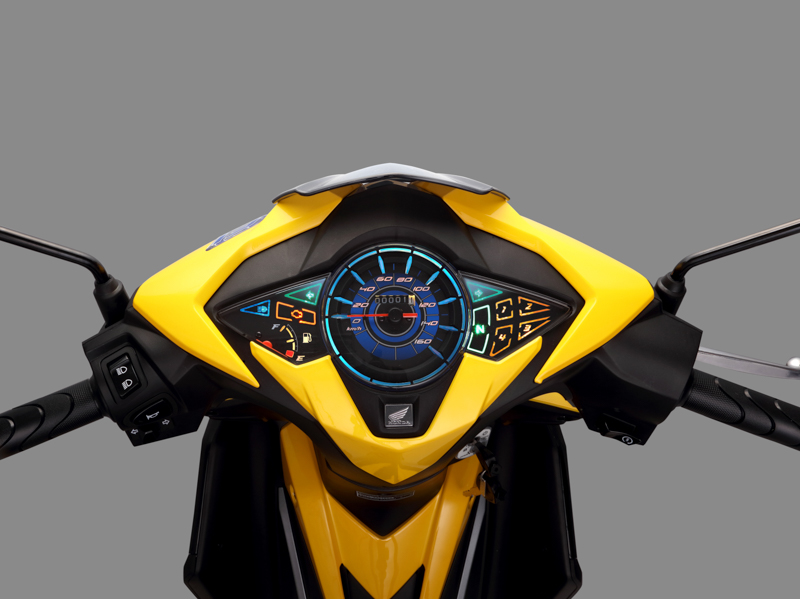
New features include LED headlight and new visor atop.
Prices begin from RM 5,999 for the single-disc brake edition for the three colours; RM 6,299 for the double-disc brake variant for the three colours; and RM 6,499 for the Repsol edition (dual disc brakes as standard).
Please visit Honda dealers nationwide or log on to www.boonsiewhonda.com.my for more information. Customers can also call Boon Siew Honda’s toll-free number at 1-800-88-3993.
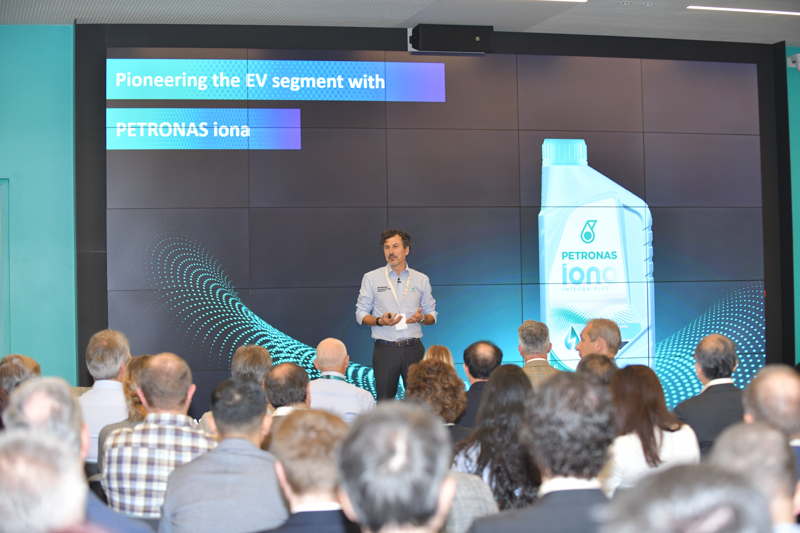
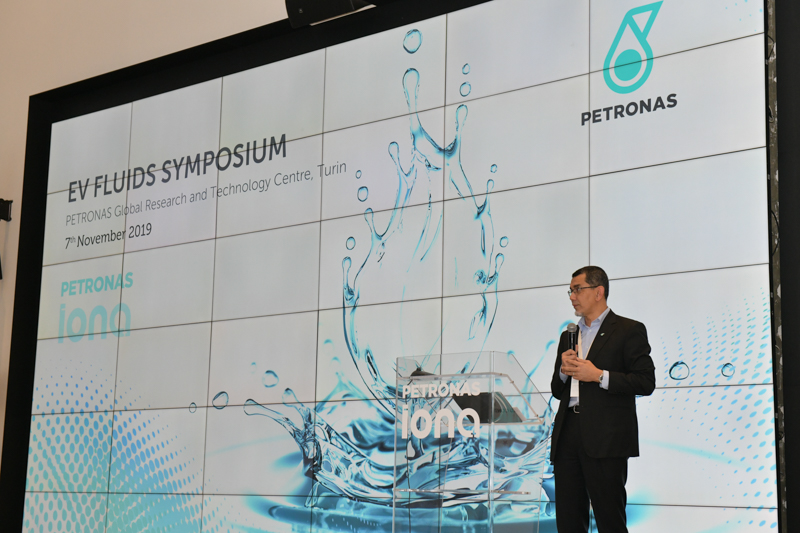
PETRONAS Lubricants International (PLI) organised the inaugural Electric Vehicle Fluids Symposium in Turin, Italy recently.
The symposium discussed several issues including the sustainability of e-mobility and climate “challenge.”
Electric vehicles (including motorcycles) do require lubrication in several crucial areas.
PETRONAS Lubricants International (PLI) organised the inaugural Electric Vehicle Fluids Symposium in Turin, Italy recently.
Perhaps many are unaware, but electric vehicle motors and batteries do require lubrication, especially since the motor can speed up to 15,000 RPM. Hence, lubrication is crucial for cooling the motor, as well as in several areas such as the gear reducer (electric vehicle’s transmission).
These fluids have specific properties compared to the usual engine oil since they are subjected to high voltages and temperatures in places such as the coils. The fluid must protect them from corrosion and prevent short circuits.
Held at their Global Research and Technology (R&T) Centre, the one-day event saw the attendance of more than 120 participants consisting of industry-leading experts from across the world. The participants discussed and featured EV innovations to support a cleaner, energy-efficient and more sustainable e-mobility future. It was also a platform for these experts to share future EV technology trends, respective market relevance and the role of fluids in the evolution of e-transmission and battery technologies.
Additionally, the event aimed to encourage discussions on managing the climate challenge through EV technological developments and operational discipline.
Giuseppe D’Arrigo, PLI CEO & MD
“At PLI, we’ve pledged to double our investments and dedicate 75 per cent of our R&T expenditure in projects that contribute to reducing CO2 emissions. PLI’s venture into the EV market that was announced earlier this year through PETRONAS iona range of e-fluids reinforces our commitment to the development and deployment of fluid technology. The EV Fluids Symposium is our next initiative to work together, deliberate possibilities and set a shared agenda towards a cleaner future,” said PLI Managing Director and Group Chief Executive Officer, Giuseppe D’Arrigo.
During the symposium, PLI also shared the findings of the industry’s first global study in EV Technology and Fluids focusing on Electric Drive Units and Batteries. The study, carried out in collaboration with FEV Consulting, concluded that innovation is crucial in advancing EV performance and durability, and continued improvement is needed to promote increased adoption rates of electric transportation by consumers.
Commenting on the state of the industry, Electric Vehicle Outlook Founder & Event Host, Roger Atkins said, “Change is a challenge, and with the rapid integration of electric vehicles into the global mobility eco-system, that challenge is being met with unprecedented and active collaboration between OEMs, academia, and the world’s smartest engineering teams. I am encouraged to see the focus and ambition here at the EV Fluids Symposium. The twin imperatives of climate change and air quality can only be tackled by truly maximising the efficiency of our planet’s mobility machines, amongst others.”
Dato’ Sri Syed Zainal, Vice President DOWNSTREAM Marketing PETRONAS and Chairman of PLI
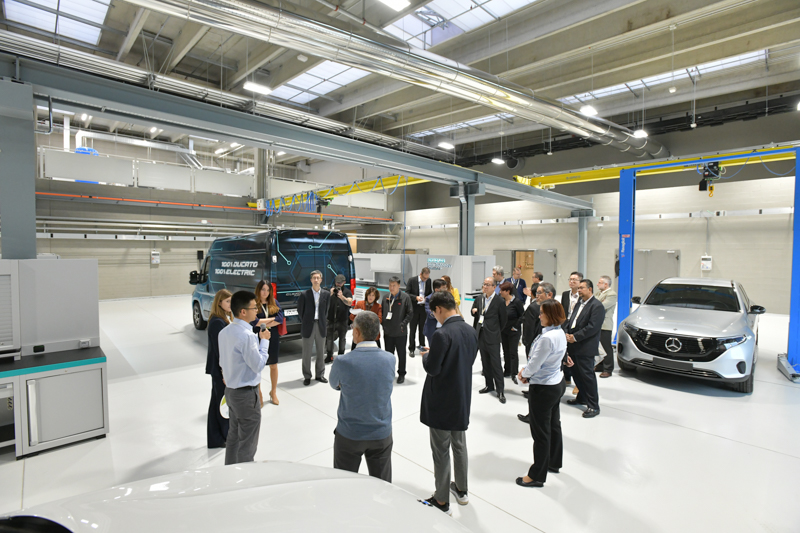
At the PETRONAS Global R&T Centre, attendees enjoyed the opportunity to tour the productdevelopment laboratory and mechanical testing facilities to understand the experimental work that goes into developing PETRONAS e-fluids.
Since the introduction of PETRONAS Carbon Commitments in 2012, the company has decreased its monitored carbon footprint by 13% from 2017, which is a cumulative 12 million tonnes of greenhouse gas emissions reduction. PETRONAS is also collaborating with Daimler Automotive in green projects towards low-carbon fuel and vehicle emissions control.
More recently, PETRONAS’ efforts towards a sustainable future included the establishment of PETRONAS Carbon Commitments Guidelines and a New Energy unit to enhance capabilities in the renewables sphere.
Source and photographs: PETRONAS Lubricants International (PLI)
Triumph says the Triumph-Bajaj prototype is currently undergoing tests.
The formal agreement between the two companies will be signed in December.
The bike is wholly developed by Triumph and will be marketed as Triumph.
The Triumph-Bajaj joint venture bike prototype is undergoing tests and the long-awaited agreement will be signed before December 2019.
According to Money Control, Chief Product Officer of Triumph Motorcycles, Steve Sargent said, “We have been working with Bajaj for a couple of years now and we are close to finalising an agreement with them. Our cooperation on product development has been progressing well.”
He also confirmed that Triumph has built a prototype which has been making rounds of testing. Bajaj Managing Director, Rajiv Bajaj visited the factory in Hinckley, United Kingdom in October and was pleased to see the progress.
In the deal, Triumph will not use existing platforms by Bajaj, KTM or Husqvarna but will instead use their own engine and bike design. Bajaj will then manufacture the bike and market it domestically as well as throughout parts of South East Asia.
The bike will bear the Triumph marque. Triumph didn’t provide the specifics but mentioned only that the capacity ranges between 250cc to 750cc. The smallest engine capacity for Triumph is currently 765cc — the triple found in the Street Triple.
Triumph as well as other premium motorcycle brands are making the move to produce lower capacity bikes for the Asian and other emerging markets. KTM was the first to do so by producing the smaller Duke models in India, while Harley-Davidson is expecting a 338cc model from China. Even MV Agusta will build smaller capacity models in China.
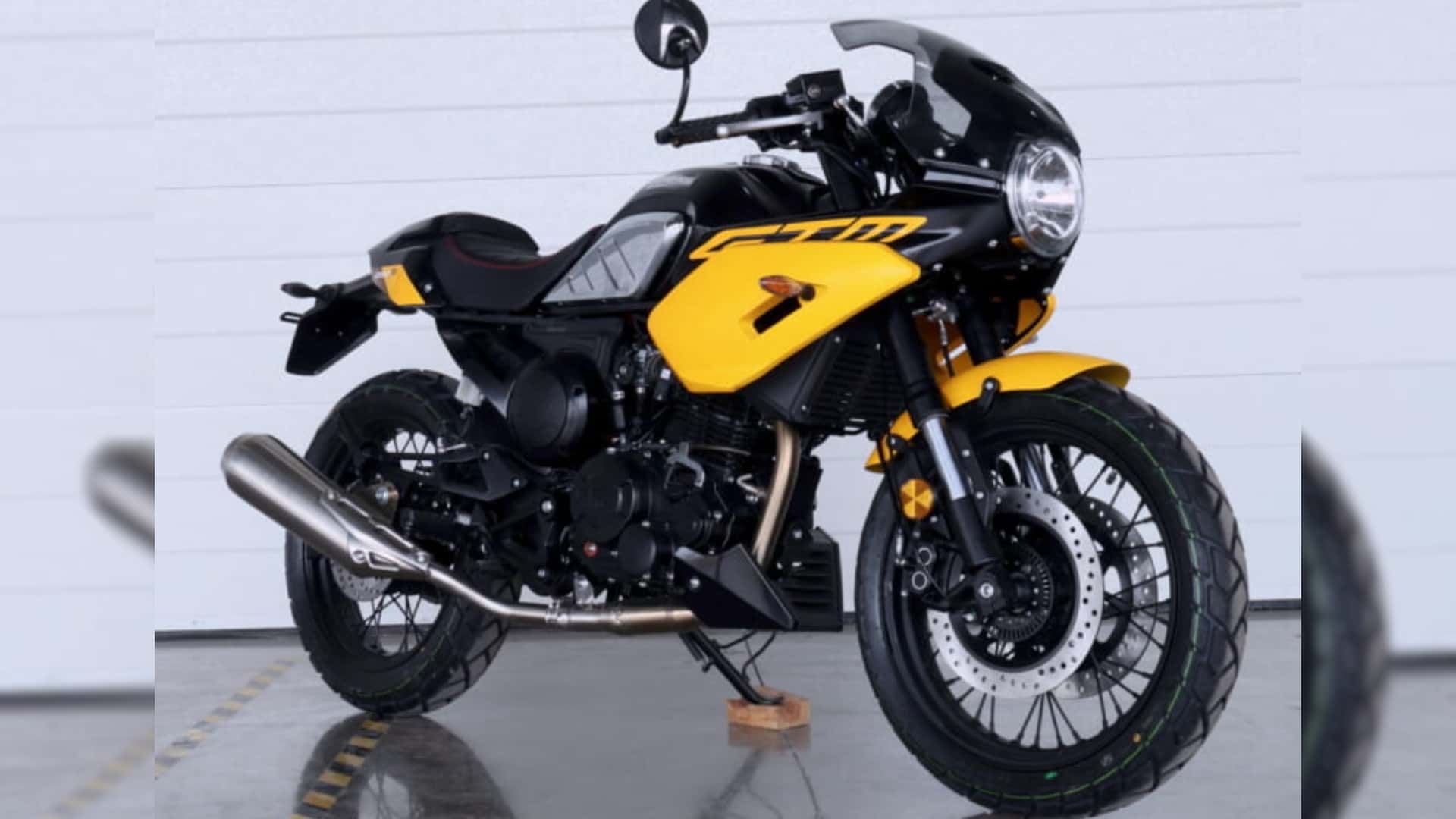
It’ll be interesting to see if the bike will be Bonneville-like modern retro or the Street Triple-like naked sportbike.
The manufacturer added that the bike will be ready by 2022.