Bikesrepublic

Latest News

Here in Part 4 of the Ten Most Unusual Motorcycles, we look at a Suzuki which has gone on to a cult status.: The GSX1100 and GSX750 Katana.

Please click here for Part 1 (Suzuki RE5), here for Part 2 (Honda CBX1000), and here for Part 3 (Yamaha GTS1000).

The name “Katana” alludes to the Japanese Samurai sword, hence the symbol. The name and logo went on to grace many other Suzukis thereafter. Here in Malaysia, remember Suzuki Best and RG owners would apply the stickers to their bikes? That was part of the Katana’s legacy.
The Suzuki Katana was designed by Hans Muth and his company, Target Design. Muth was the ex-design chief at BMW and was tasked with overhauling the Japanese manufacturer’s image.

Suzuki chose one of Muth’s designs and the first production Suzuki GSX1100S Katana was made public in 1980. While they didn’t follow the concept’s design to the letter, many important design cues were adopted.
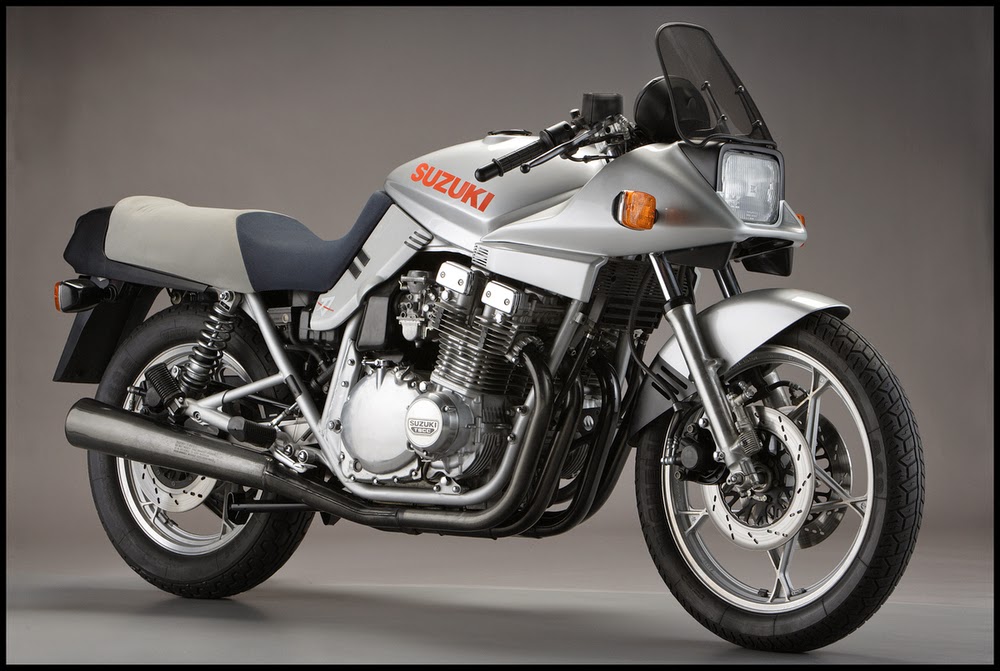
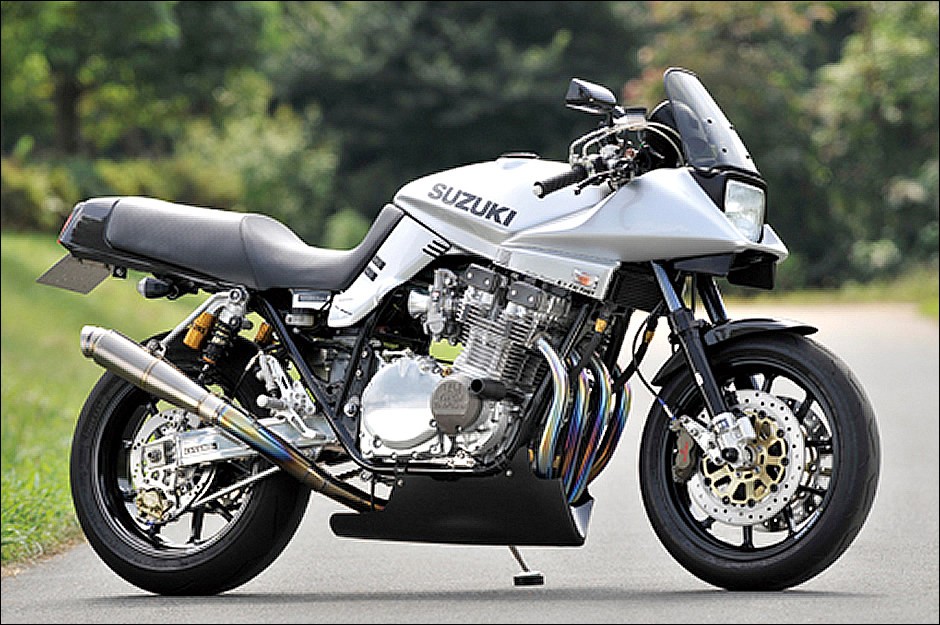
The design was avant-garde from the cookie cutter bikes of the era. Most notable feature was how the rear part of the fuel tank and front portion of the seat blended together. Also, the passenger’s seat was slightly raised and coloured differently, lending to a solo-seater look. Yes, it was the Suzuki Katana that started it.

The 1075cc, air-cooled, DOHC, inline-Four produced 109.5 bhp and Suzuki claimed the Katana as being the fastest production motorcycle. It ran the ¼-mile (400m) in 11.9 seconds at 191.5 km/h.

Following in the 1100’s tyre tracks, Suzuki launched the GSX750S Katana in 1981 and it had no windscreen. The model with the windscreen was the 750SS. The 747cc, air-cooled, DOHC, inline-Four produced 68 bhp.
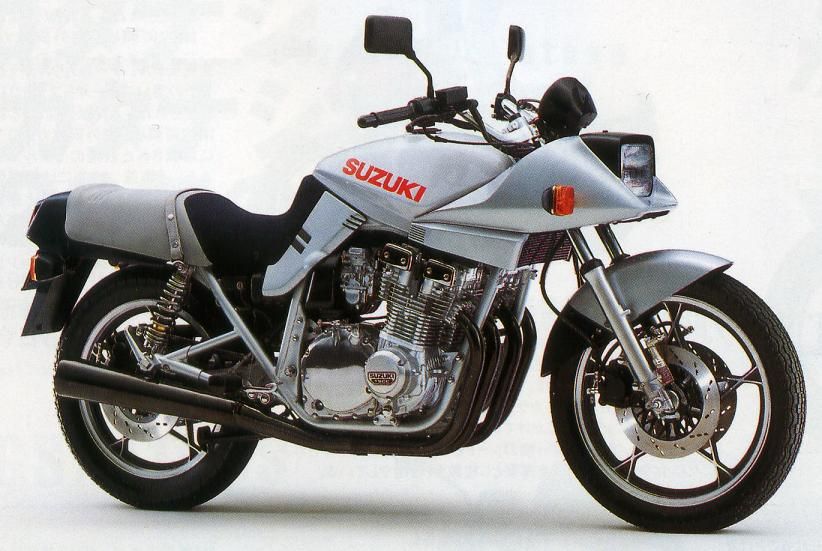
1981 also saw the superbike racing homologated 1000S, since superbike racing capped the engine capacity at 1000cc. it had Mikuni smooth-bore carburettors among other racing accoutrements. This was the rarest Katana and collectors will pay a ransom for one!
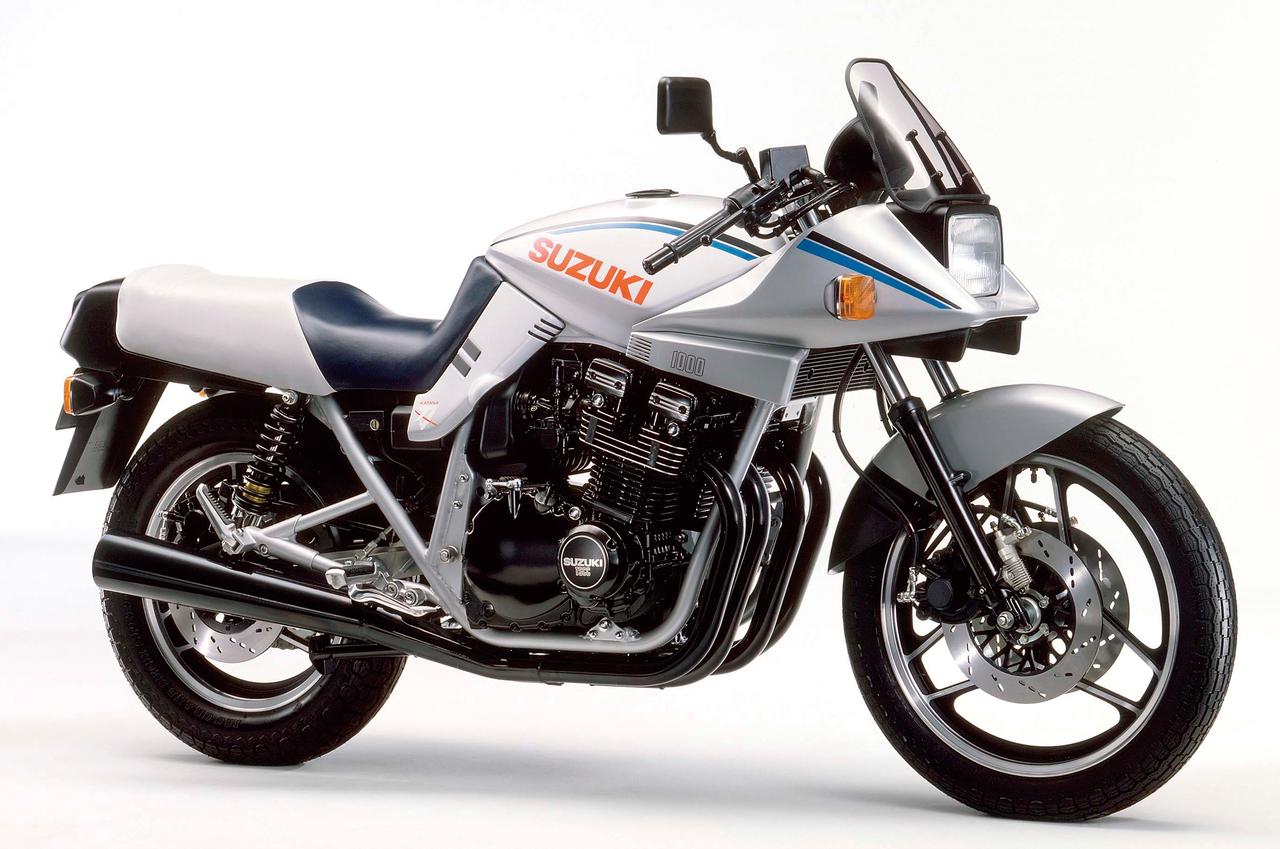
1982 saw the Katana’s futuristic looks being modified to feature a round headlamp and tail unit from the previous year’s GSX1100E for the American market. Buyers there were obviously slow in adapting to change.
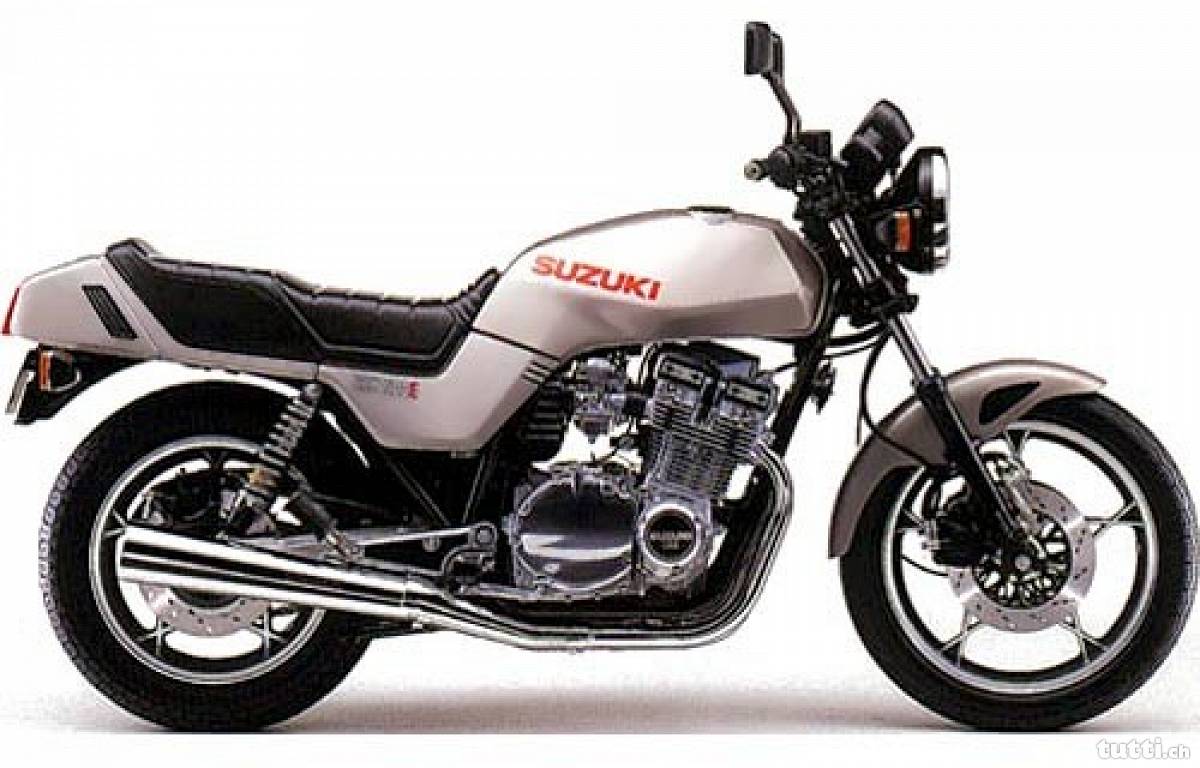
Not many changes were afoot for the Katanas in 1983, but it was 1984 when the 750 was forever known as the legend.

For that year, the GSX750SE Katana was a completely new model. The 16-valve, oil-cooled, inline-Four was taken from the GSX750R/ES/EF and made 90 bhp. It was also given the Positive Damping Forks up front and Suzuki Full Floater rear suspension which did away with the dual shocks. The frame, parts of the wheels and engine were painted in gold.

The most well-known feature was of course the pop-up headlight.
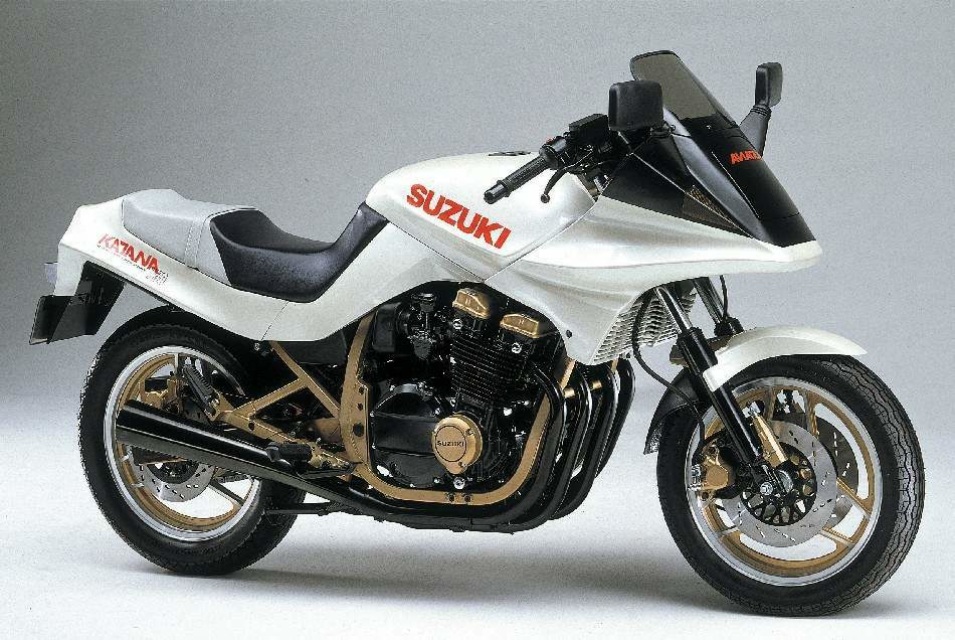
The Suzuki GSX750S continued into its last year of production in 1985 for the worldwide market and 1986 for the domestic market, making these models somewhat rare. Many collectors would love to have one in their collection.
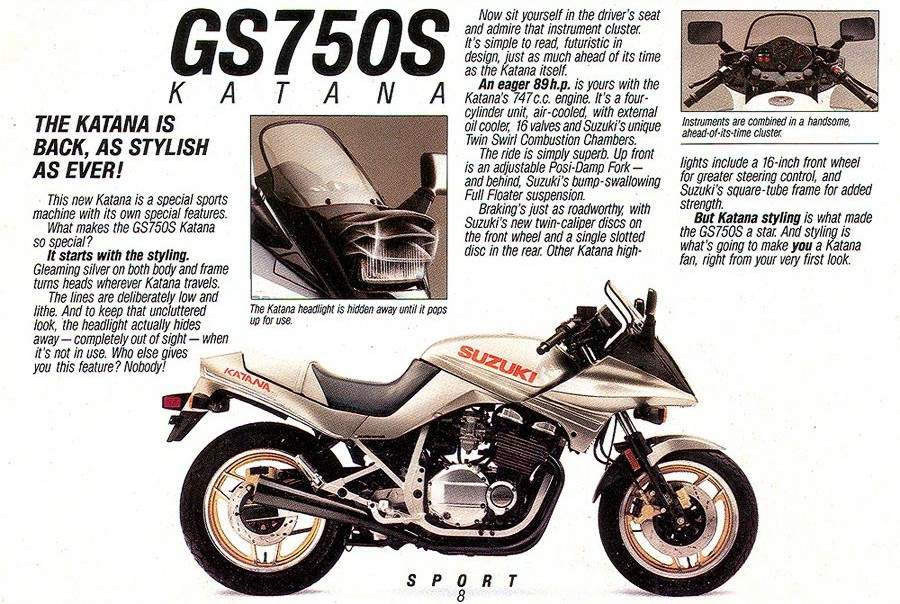
It was sadly the same on the GSX1100S Katana front as it faded in obscurity as Suzuki had launched the GSX-R750F sportbike in 1985. Affectionately known as the “Slabside” or “Slabby,” the first Gixxer heralded the new age of race replica sportbikes and Suzuki went all out to capitalize on it.
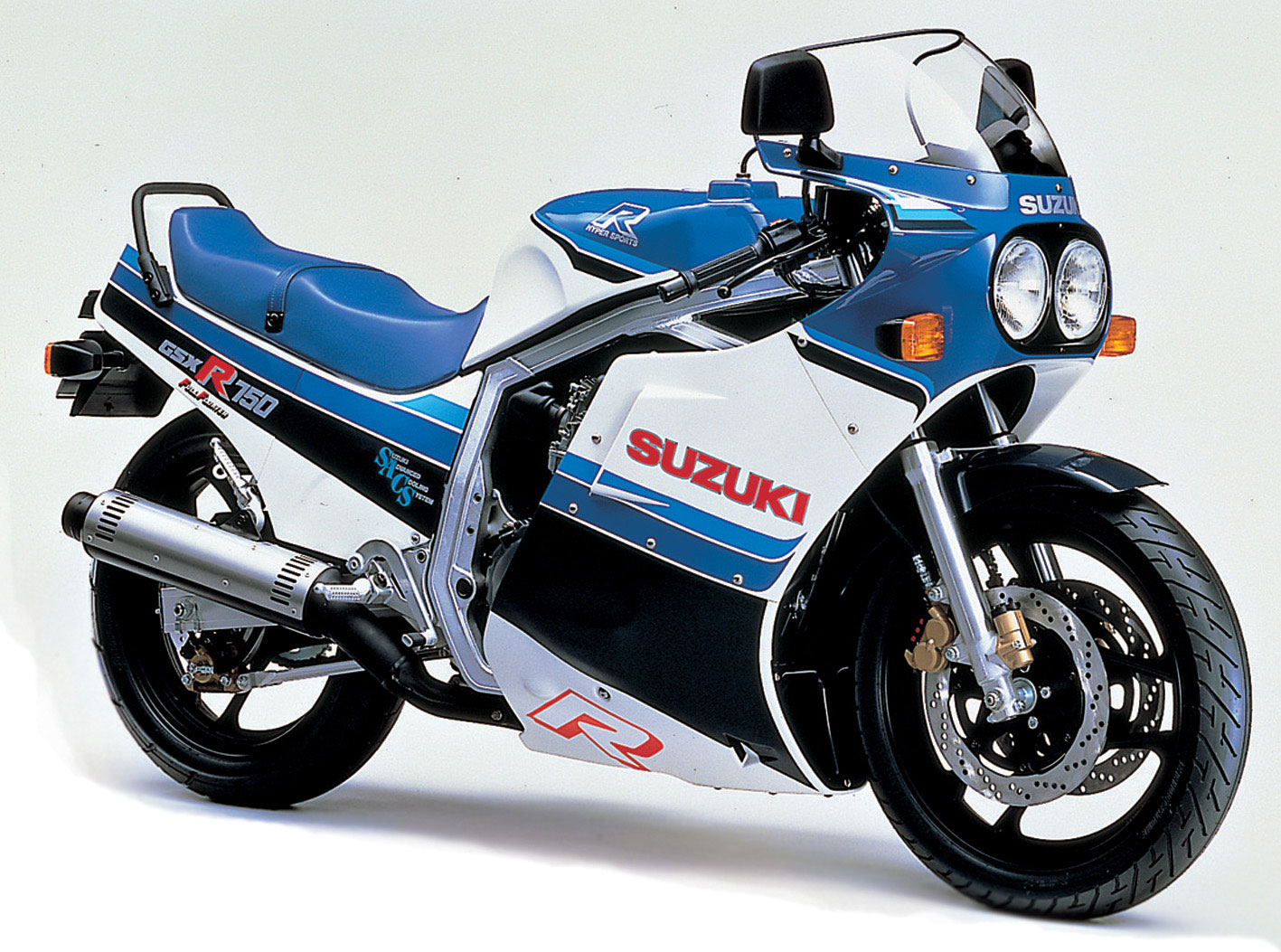
Perhaps realizing their mistake, Suzuki in America tried to revive the Katana name in 1988, by slapping the name and symbol on a host of sport-touring and touring models, but it was not to be the same.
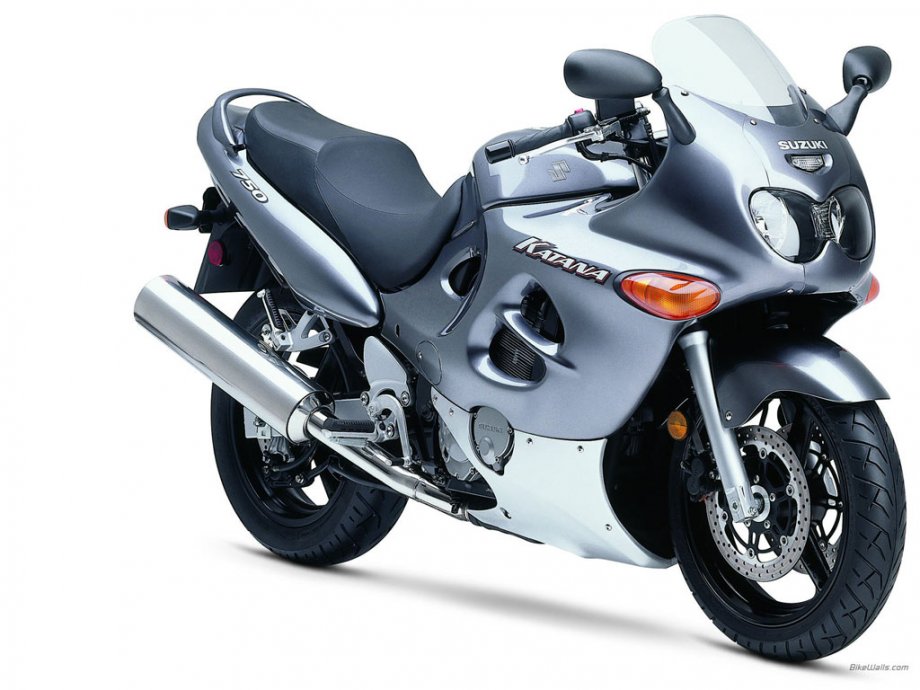
It’s a great shame to lose the Katana as it is still beautiful even after 27 years. It was truly unusual for its time and it still is somewhat today (that’s why there are many customized Katanas around today).
Please click here for Part 1 (Suzuki RE5), here for Part 2 (Honda CBX1000), and here for Part 3 (Yamaha GTS1000).
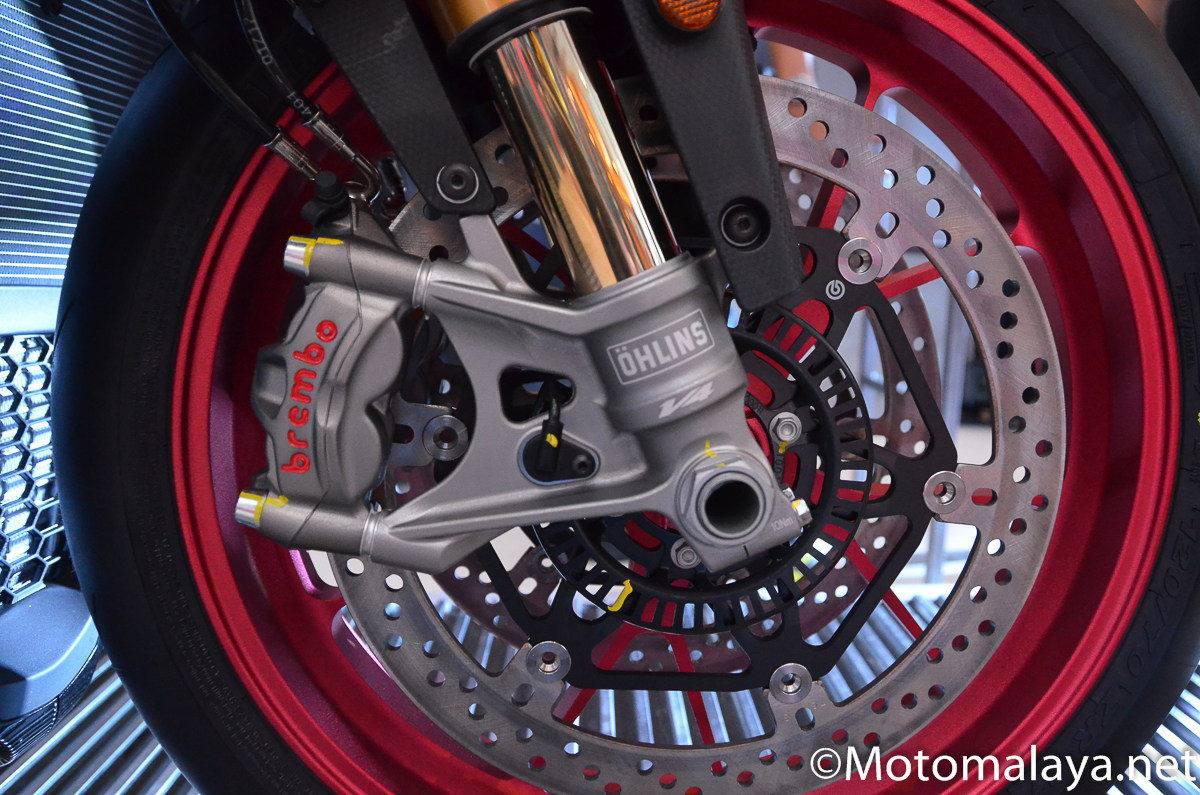
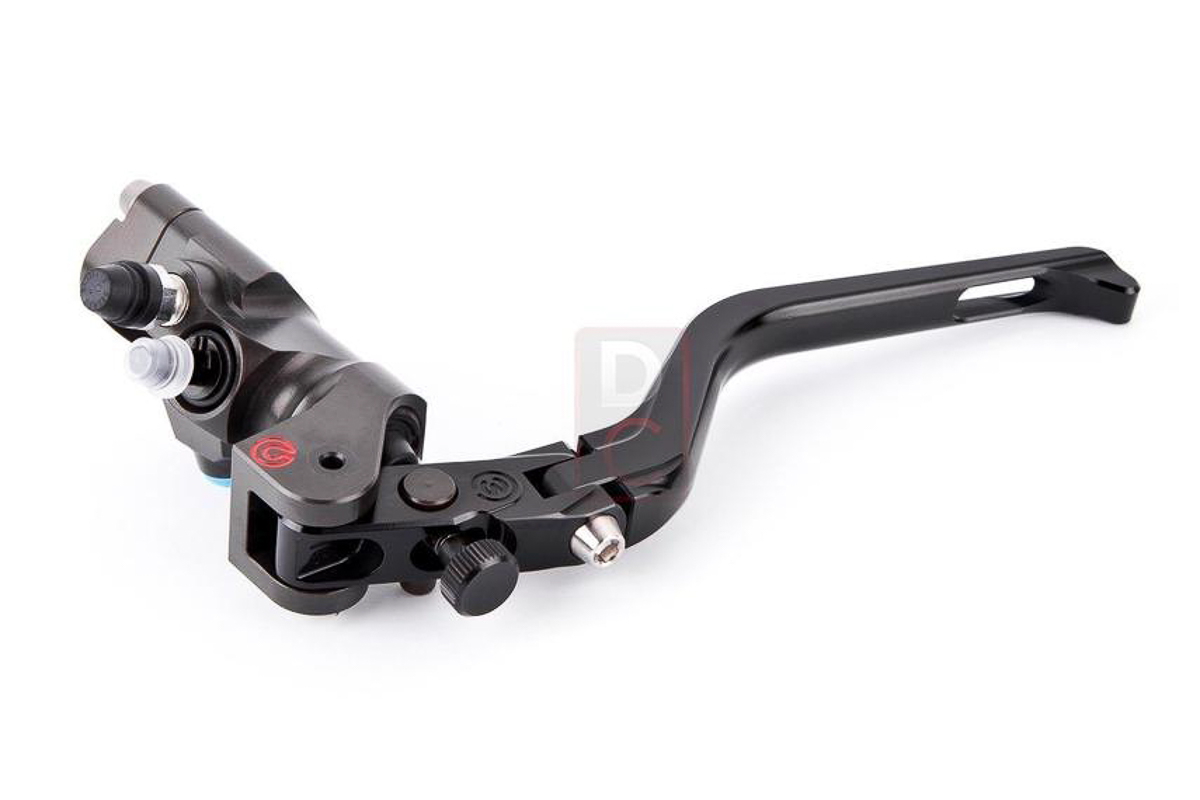
A huge Brembo brake recall has been issued in the US in reference to their popular PR16 radial master cylinder unit commonly paired with Brembo M50 calipers.

Apparently, the internal piston in the master cylinder made out of plastic is prone to cracks which may lead to major brake failure.

The recall for some models from Ducati and Aprilia in the US has been confirmed and Brembo will issue a new aluminium master cylinder piston as replacement.

In reference to a recent report made by Asphalt and Rubber, the gods of braking technology Brembo has officially issued a massive recall on their PR16 radial master cylinder unit which is the master cylinder usually found together with the Brembo M50 calipers. (more…)

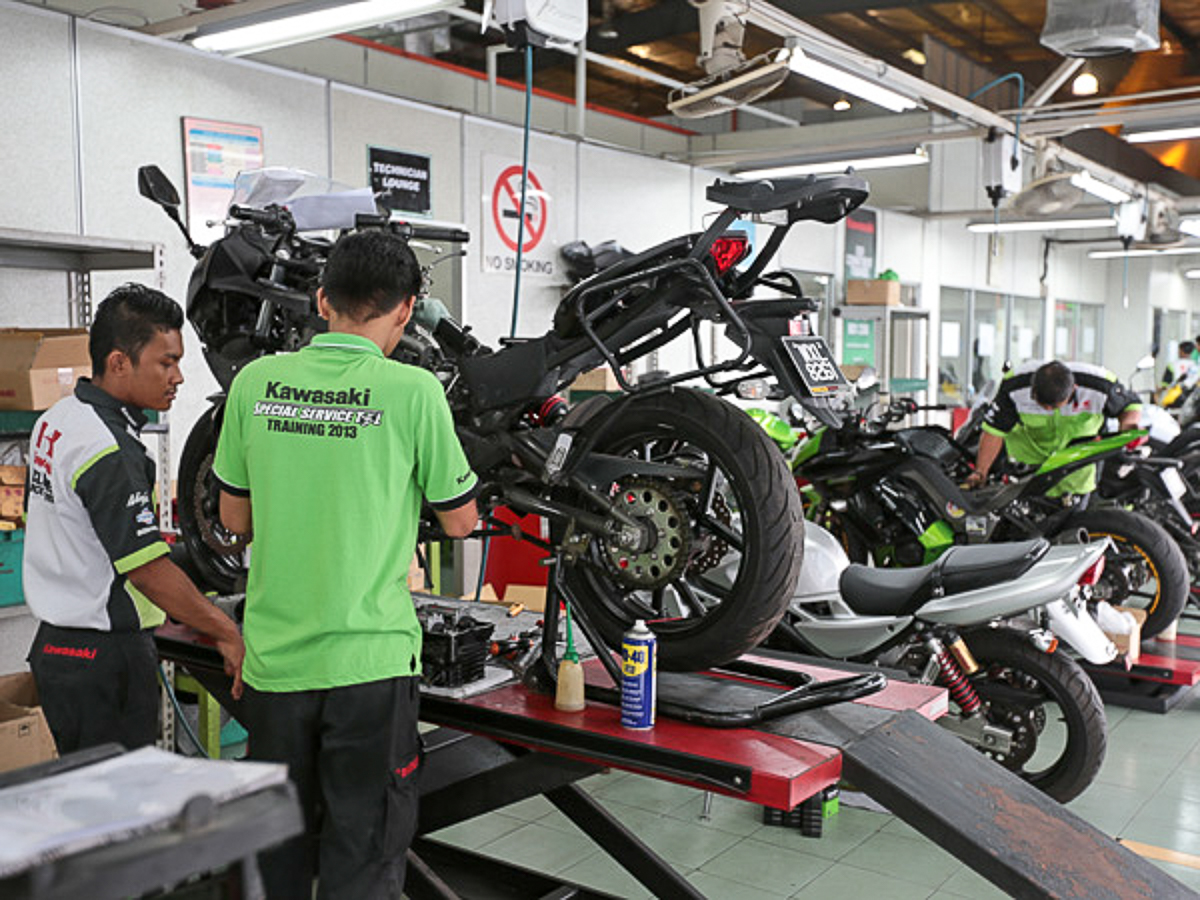
There are several advantages of getting your bikes serviced at any of the Kawasaki Exclusive Service Centre (KESC) across the country.

Equipped with the latest tools and equipment, all KESC are ready to service or fix any issue as fast as possible.

Combined with trained mechanics plus Kawasaki genuine and approve parts, only the best are allowed as part of Kawasaki Motors Malaysia’s great after-sales services.

There comes a time in every motorcycle owner’s life where they have to send their beloved bikes for its regular maintenance service. While there are many reliable private workshops out there who claim that they can do anything and everything under the sun for your motorcycles, Kawasaki Motors Malaysia took a step further with their Kawasaki Exclusive Service Centre (KESC). (more…)
Please click here for Part 1 (Suzuki RE5) and here for Part 2 (Honda CBX1000) of the Ten Most Unusual Production Bikes series.

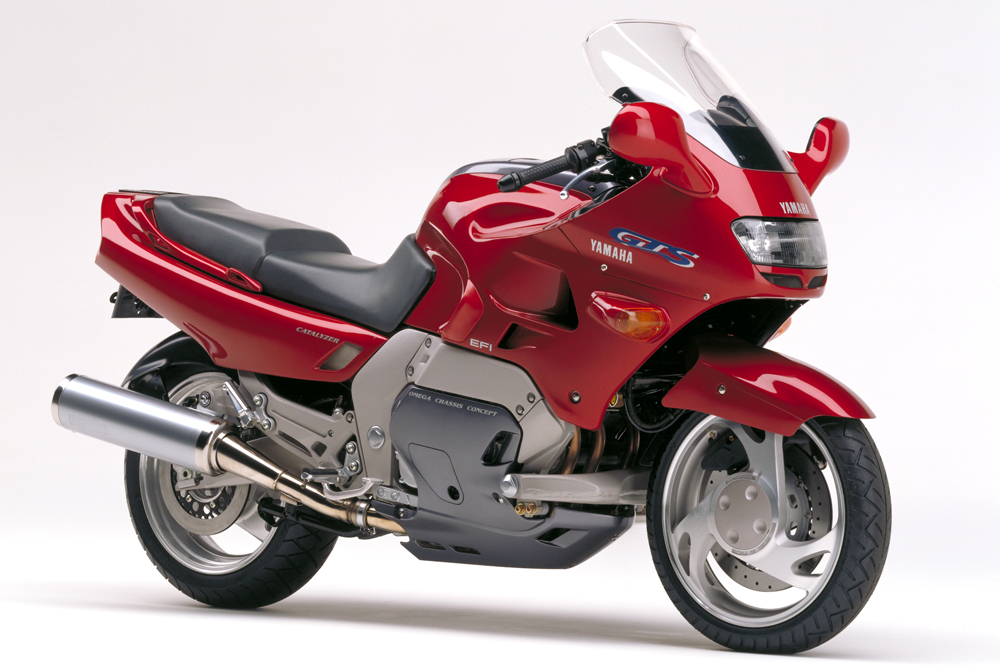
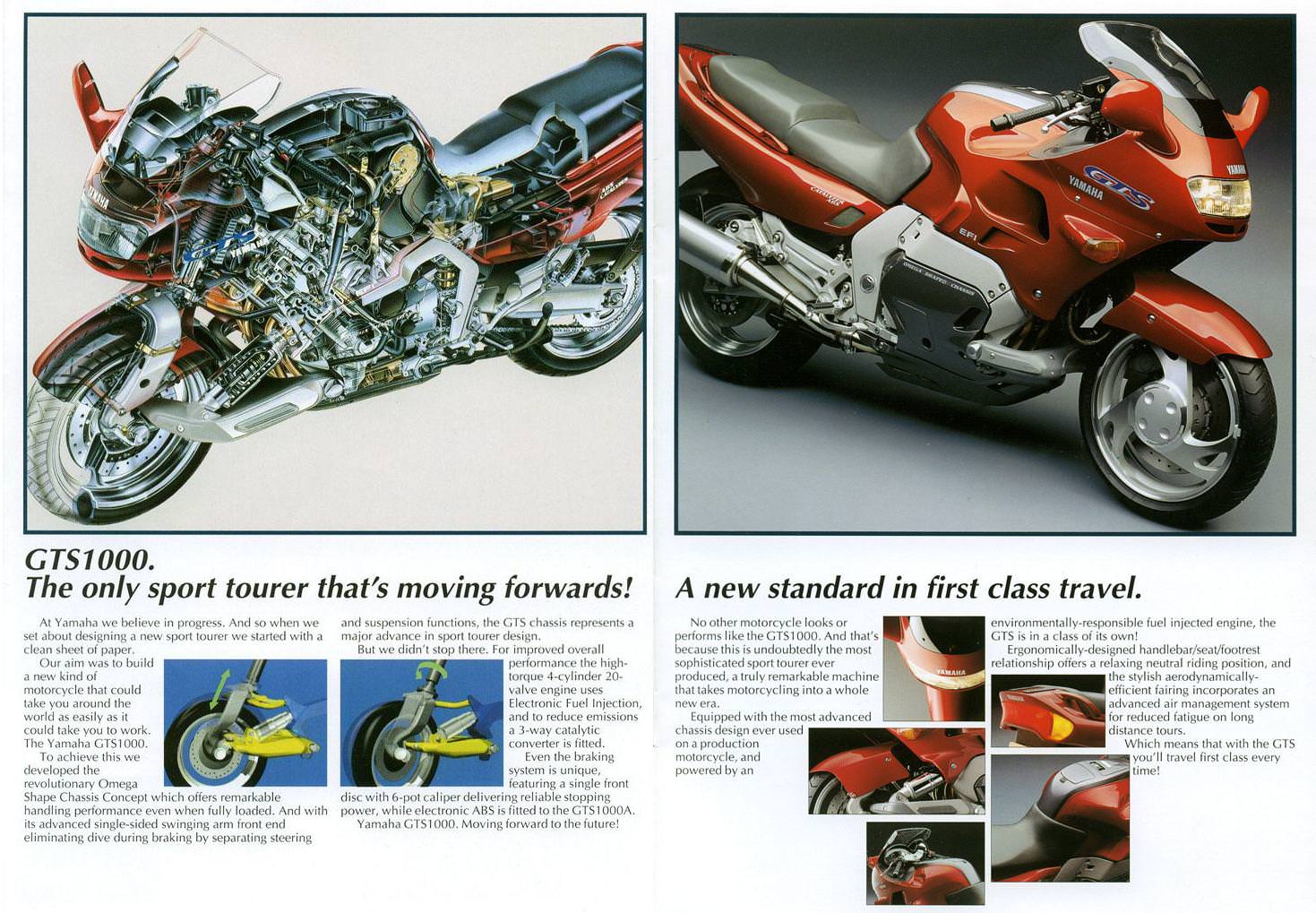
YAMAHA GTS1000

Fork dive – compression of the forks when the brakes are applied – has been something that gave chassis and suspension engineers migraine headaches ever since BMW featured the first production hydraulically damped telescopic fork on the R12 in 1934.

Fork dive is counter-productive; as little suspension travel is left to soak up bumps in order to keep the front wheel planted to the road. If the bumps are large enough or if there are multiple successive ones, the front wheel will start to hop as it runs out travel, causing loss of traction, instability and potentially loss of control. (Or a rolling stoppie!)

Besides that, most riders find it disconcerting when the forks bottom all the way down, leading to loss of confidence, leading them to either release the brakes and/or failing to turn into a corner.

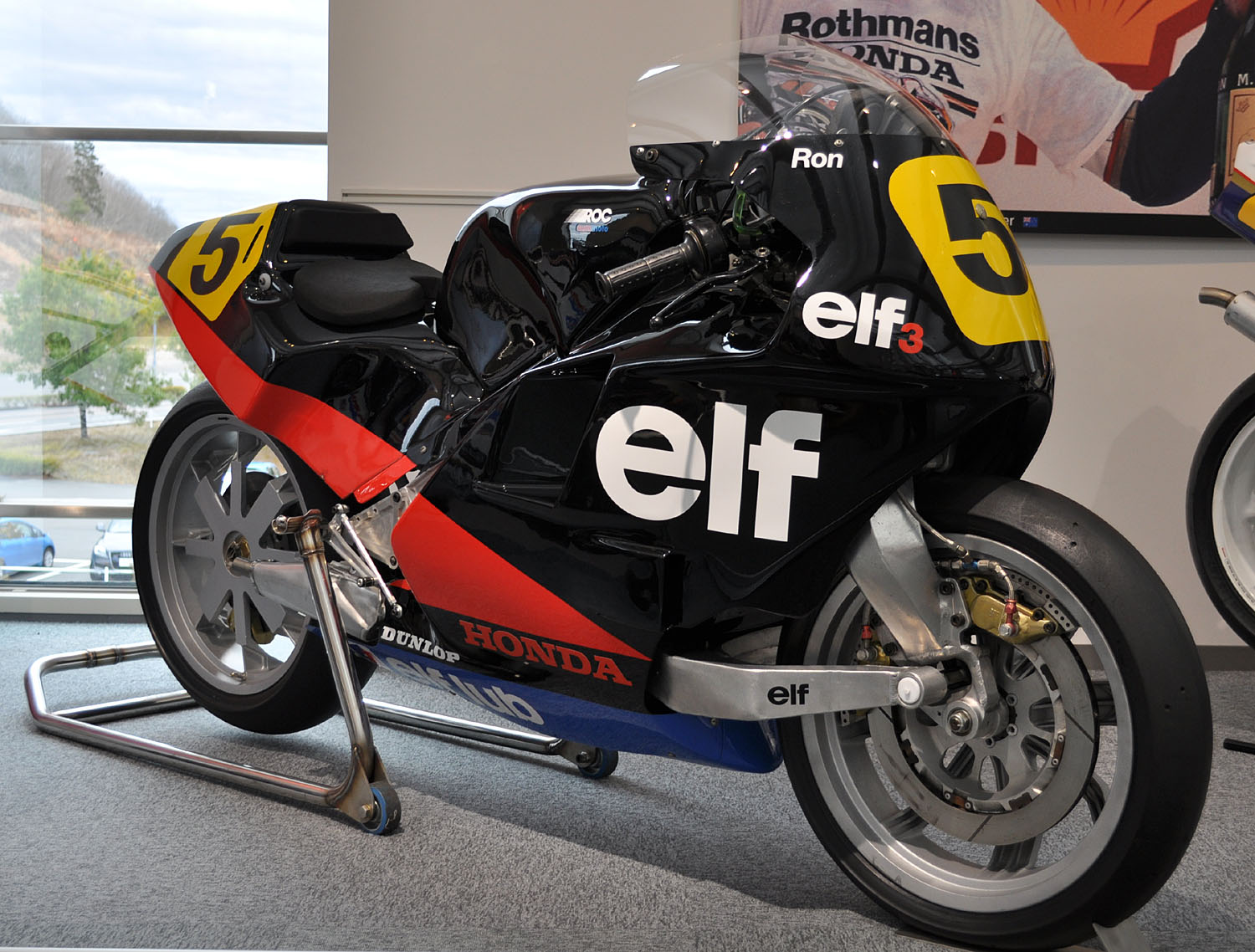
Well, many folks decided it was time to eliminate front end dive, and one notable solution was presented by the ELF Racing Team GP racer in the late-70’s through to the late-80’s, ridden by one Ron Haslam. The single-sided swingarm front suspension removed shock absorbing and damping duties from the steering head, in the pursuit of making the front end more stable under extreme braking. Honda saw a potential in the program and started supplying racing engines to the team.

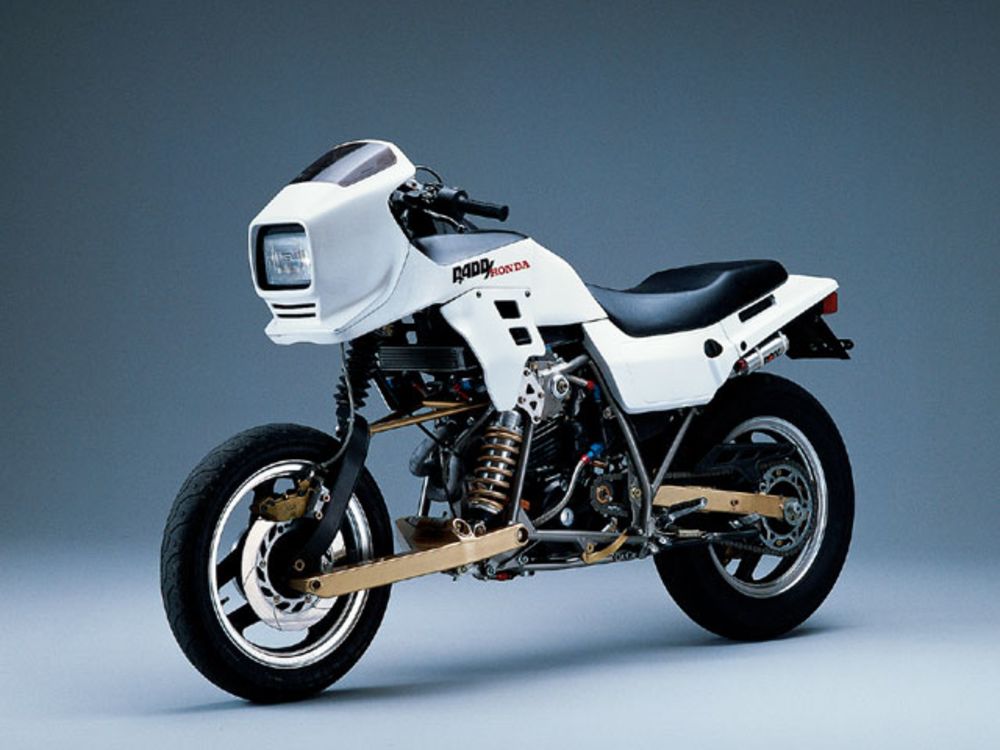
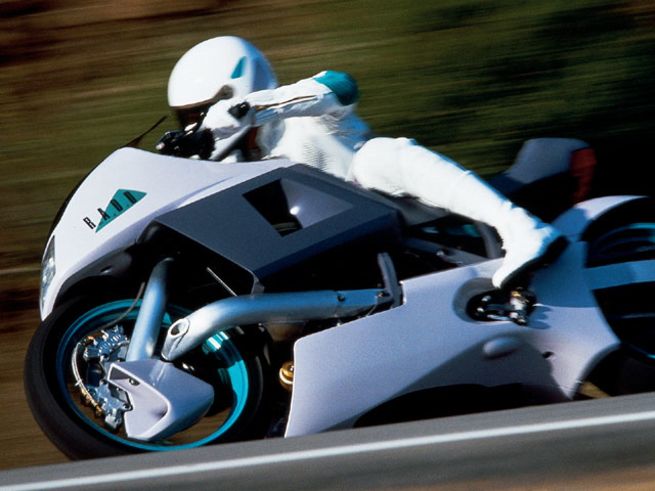
A designer named James Parker also saw the capability of the single-sided swingarm front suspension and went about designing his own, which he then named together with his company, Rationally Advanced Design Development – RADD.

His first prototype was based around a Honda XL600R engine and frame, donated by Honda USA, which he got a young dirt tracker and Superbike rider, one who will one day become a 3-time 500cc World Champion, to test ride it. He was Wayne Rainey.

Rainey was impressed by the handling and feedback of the front suspension. Honda Japan wasn’t interested, however, as they were already involved with ELF.

Parker went on to work on a Yamaha FZ750 next and the finished project named RADD MC2 was revealed at the 1987 Milan Motorcycle Exhibition.

Yamaha Japan got wind of the MC2 and began work on their own project, called the Morpho, without Parker’s approval. When Parker found out, he negotiated with Yamaha to license his designs before the Morpho was unveiled in 1989. But the project hit a roadblock as Yamaha has always outsourced fork production to contractors.

However, there’s light at the end of the tunnel for Parker’s RADD concept as Yamaha Europe demanded that Yamaha Japan build a new sport-tourer. That’s where the RADD chassis found a place.

The result was the GTS1000 in 1993. Besides the RADD front suspension, it also boasted other new technologies such as electronic fuel injection, ABS, and for the first time on a motorcycle, a catalytic convertor. The engine was lifted from the FZR1000, but detuned to 102 bhp.

The GTS1000 looked great and was generally praised by the media, unfortunately the price tag of US$ 12,999 put many potential buyers off as they felt the improvements and added weight did not justify the extra cost.

Plus the fact that Ducati launched the 916 in the same year, which overshadowed every single bike for the next two years, the GTS1000 included.

Please click here for Part 1 (Suzuki RE5) and here for Part 2 (Honda CBX1000) of the Ten Most Unusual Production Bikes series.

Continuing our unusual production motorcycles series, here’s the second instalment. (Please click here for Part 1.)

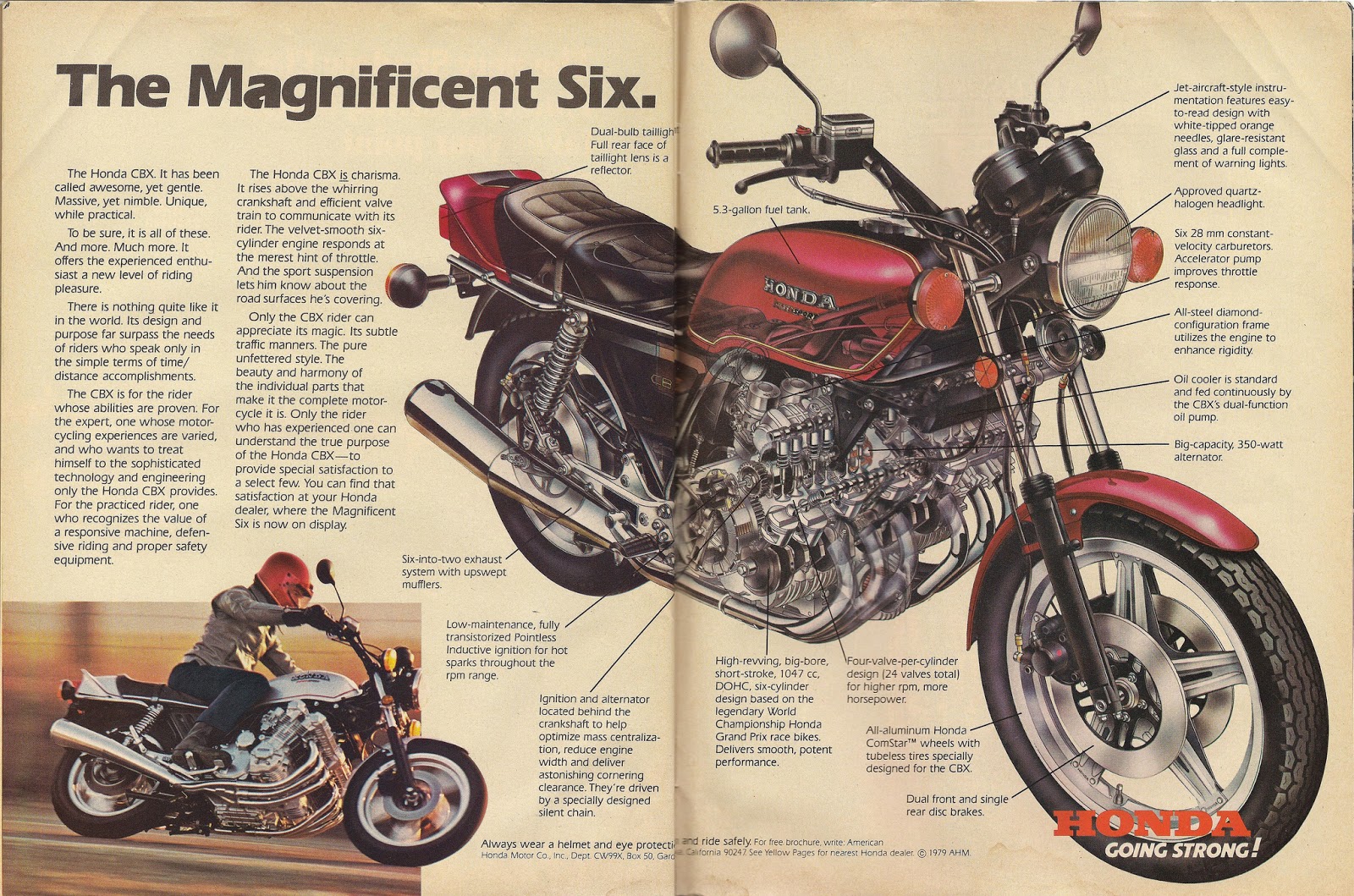
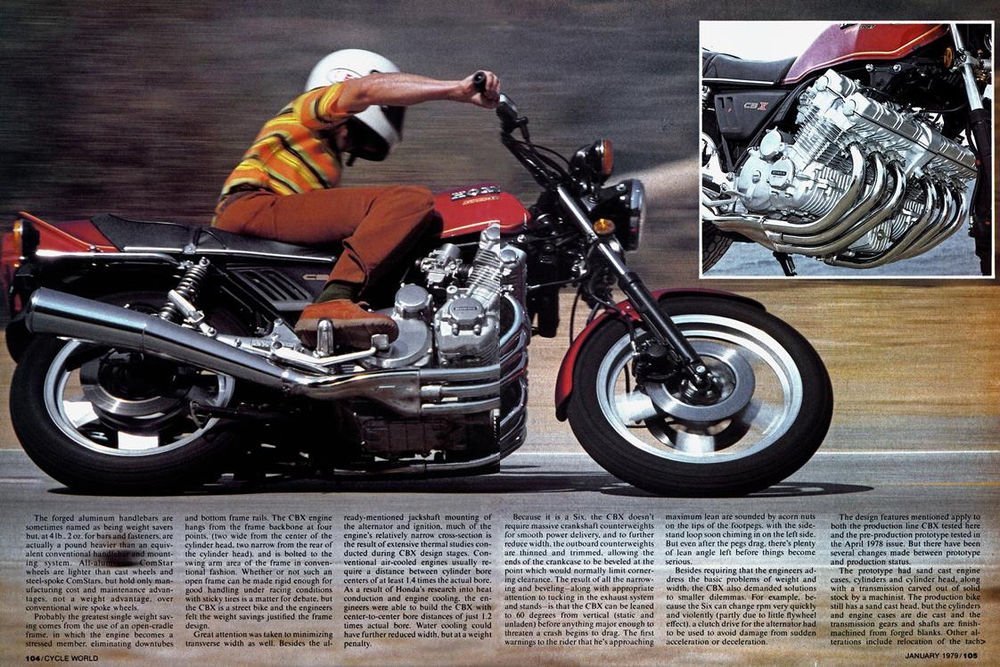
While most of the bikes on this list were a little too outrageous and tanked in terms of sales, there were a few that went on to become classics and icons. One of them was the 1978 Honda CBX1000, also known as the “Super 6.”

Honda was locked in an arms race with Kawasaki (also Suzuki) who slaughtered everyone with the Z-1. 10 years after the world’s first “superbike,” the CB750, Honda was on the warpath again and introduced the CBX1000 in 1978.

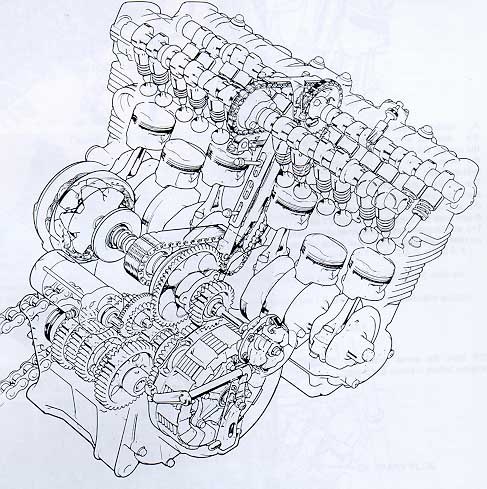
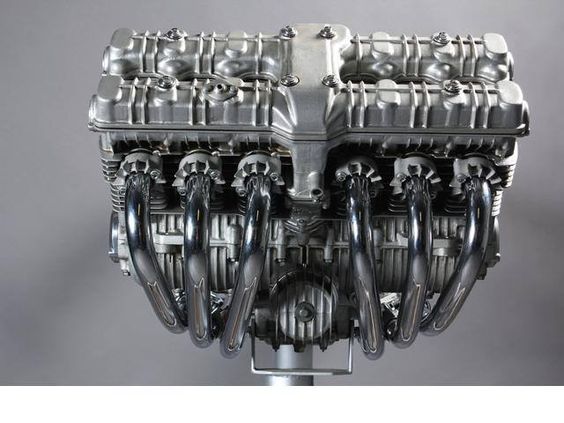
While multi-cylinder engines have been around for many years, the CBX1000’s engine was an air-cooled, DOHC, 24-valve, 1047cc, inline-Six. (But the Honda wasn’t the first production inline-Six, that honour went to the Benelli Sei in 1972. The Sei was based on the inline-Four Honda CB500, interestingly.)

The engine may look like an engineering monstrosity, but look closer and the careful considerations shine through in terms of minimizing the engine’s dimensions placement. For example, the cylinder block was tilted forward to lift the crankcase up higher from the ground. Similarly, the engine was only wide at the top while relatively shorter across the crankshaft. Honda’s engineers did so to avoid the critical items from scraping during full lean and or in a crash.

Weight was on the hefty side, as expected, tipping the scales at 272 kg, wet. But with 105 bhp on tap,  the CBX1000 from blitzed the ¼-mile.

Cycle World ran a whole host of acceleration tests and found the production CBX1000 was in fact faster than the pre-production unit. In 1978, the test bike clocked a ¼-mile (400 m) time of 11.64 seconds at 188.72 km/h. A year later, they tested the production CBX and it blasted through the ¼-mile at 11.36 seconds, although the terminal speed was identical at 188.72 km/h. Top speed was 214 km/h. (The speeds may seem “normal” these days, but do remember that this was in 1978 – 79.)

Cycle World testing the CBX1000

Those performance figures confirmed that the CBX1000 was the fastest production motorcycle of its time and was immediately likened to the Vincent Black Shadow.

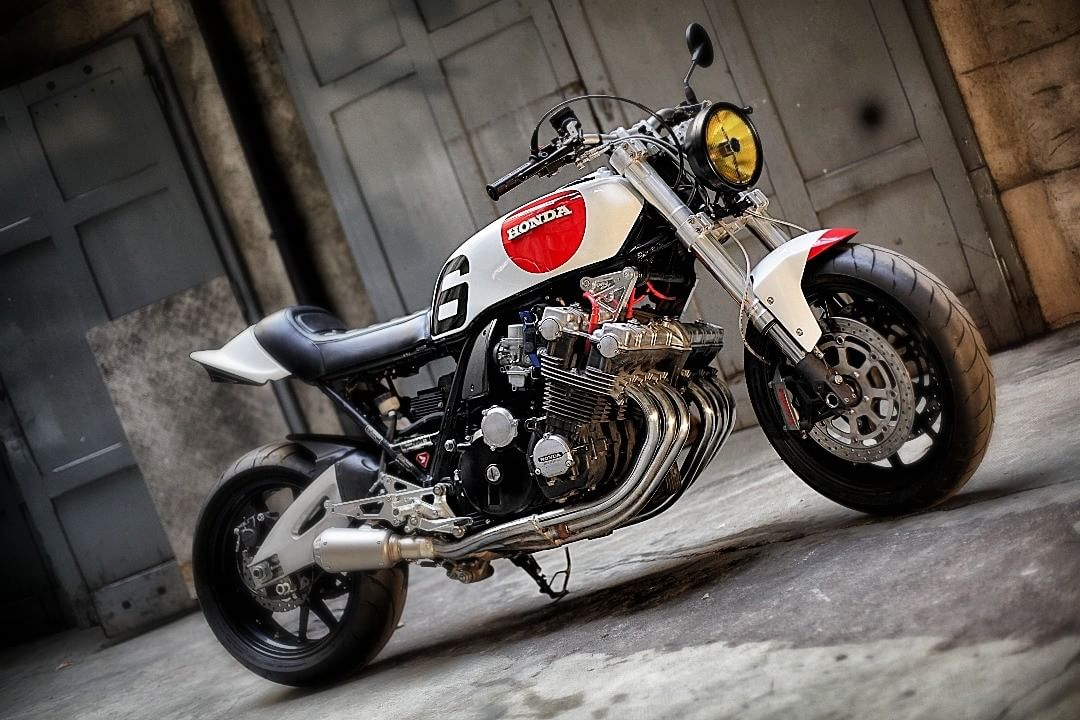
The Honda CBX1000 and its beautiful engine survive to this day, favoured by motorcycle customizers.

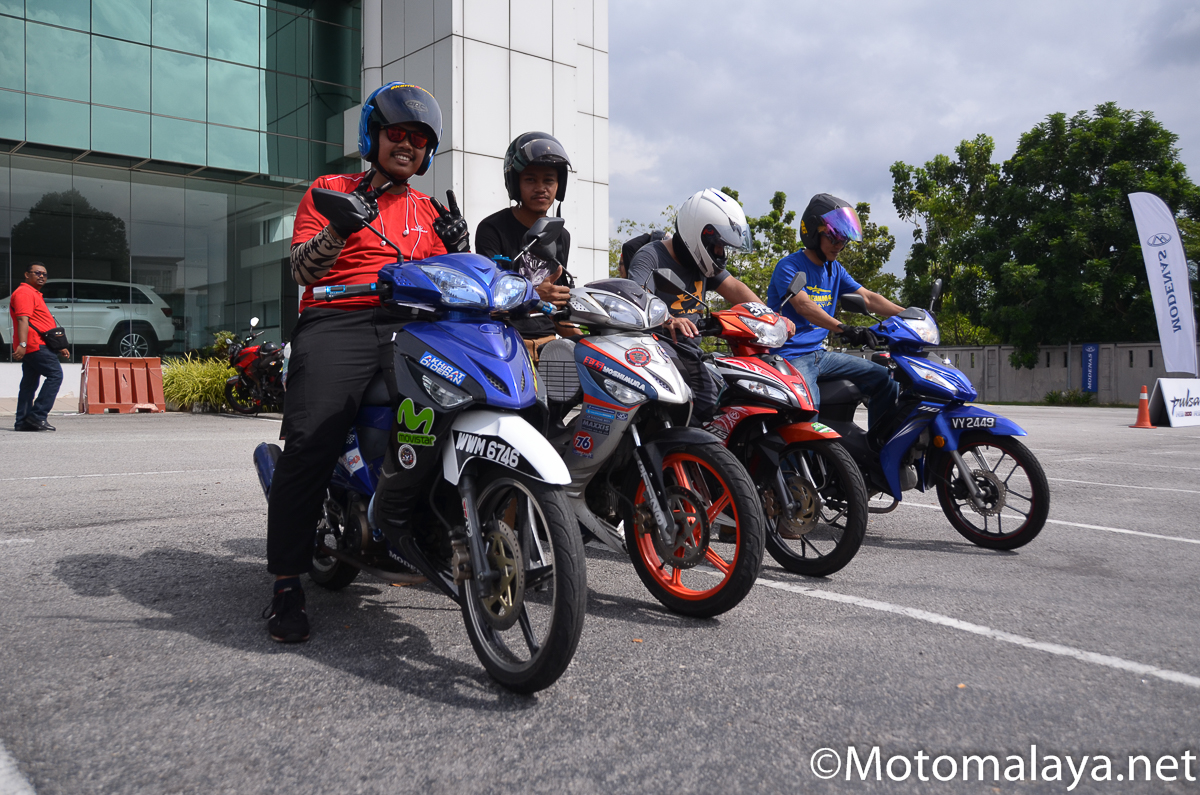
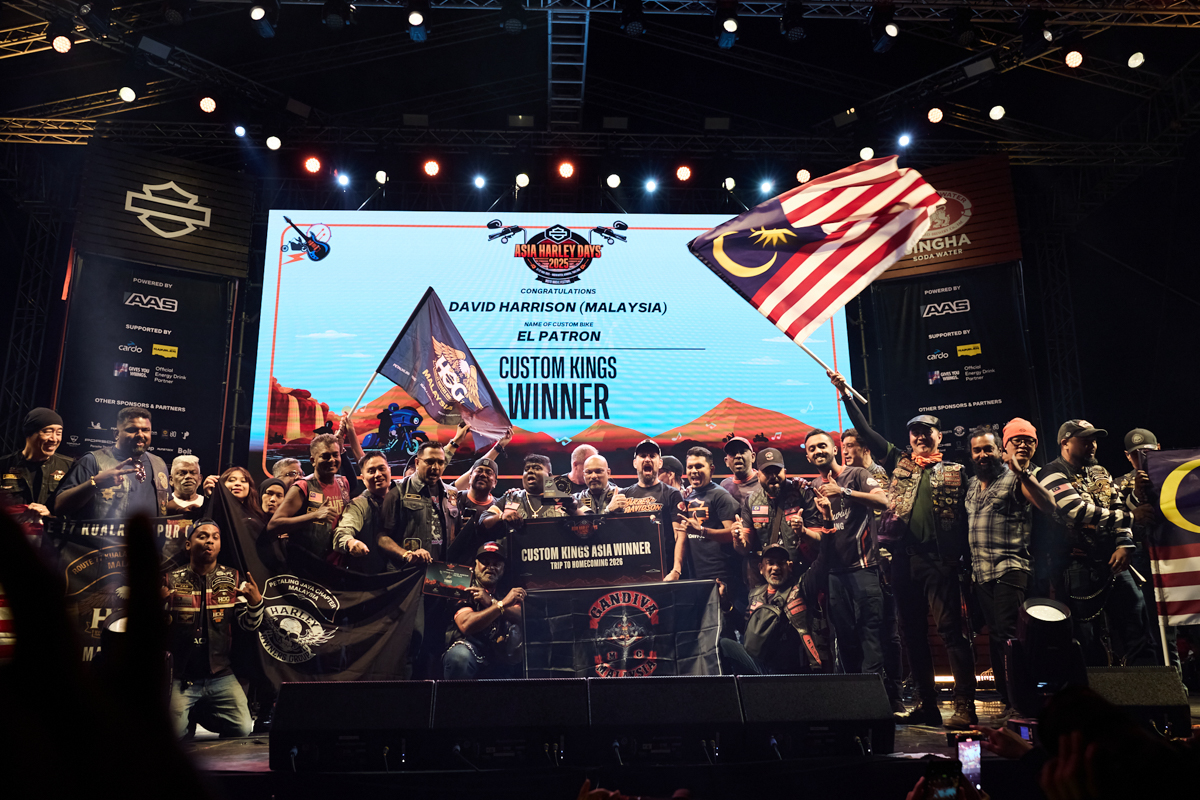
Modenas organised a very special program for some 300 Modenas bike owners earlier today called the Gempak Santai Modenas.

All those who attended earlier today enjoyed some fun activities including lucky draws, test rides, and service campaigns for their beloved bikes.

The aim of the program was to strengthen the relationship between the brand and all of its customers here in the country.

Malaysia’s national motorcycle manufacturer Modenas conducted a very special event today called the Gempak Santai Modenas Volume 1. Over 300 Modenas bike owners from across the country gathered at the EON Head Office Complex in Glenmarie Shah Alam where Modenas hosted some very interesting activities for all those who attended earlier today. (more…)

Archive

Follow us on Facebook

Follow us on YouTube