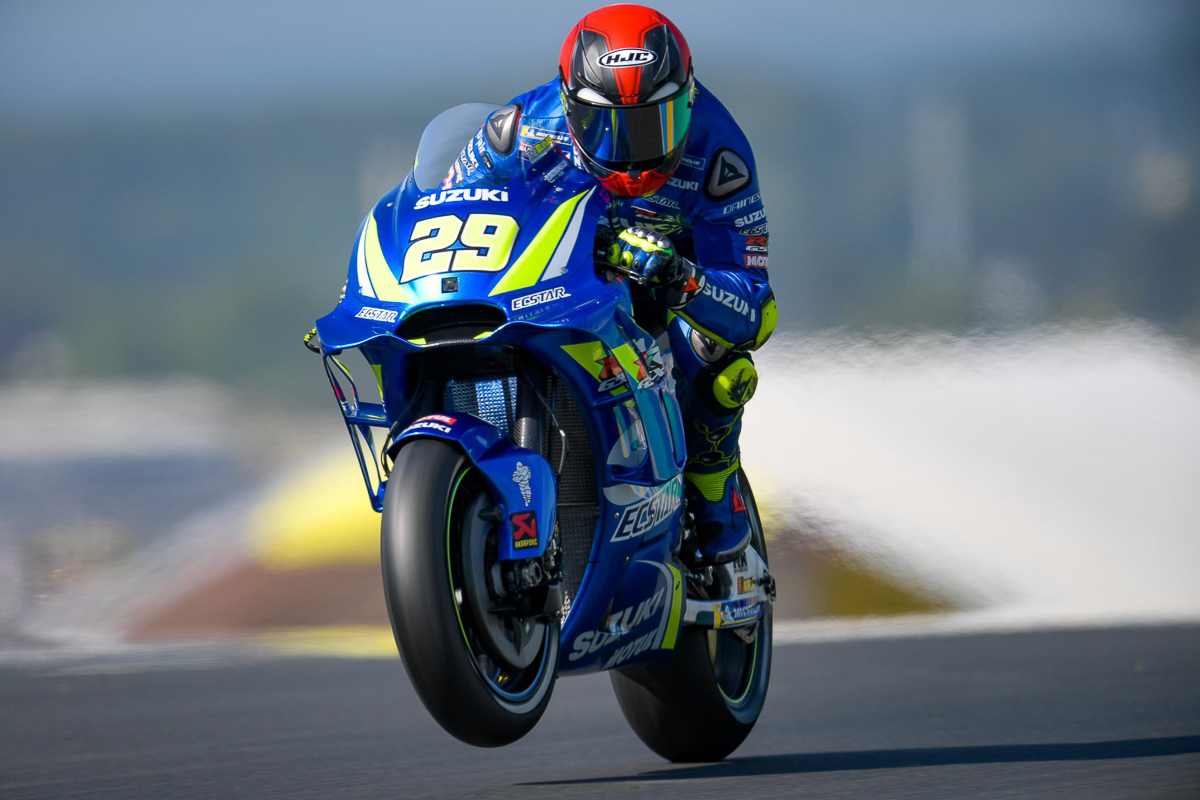
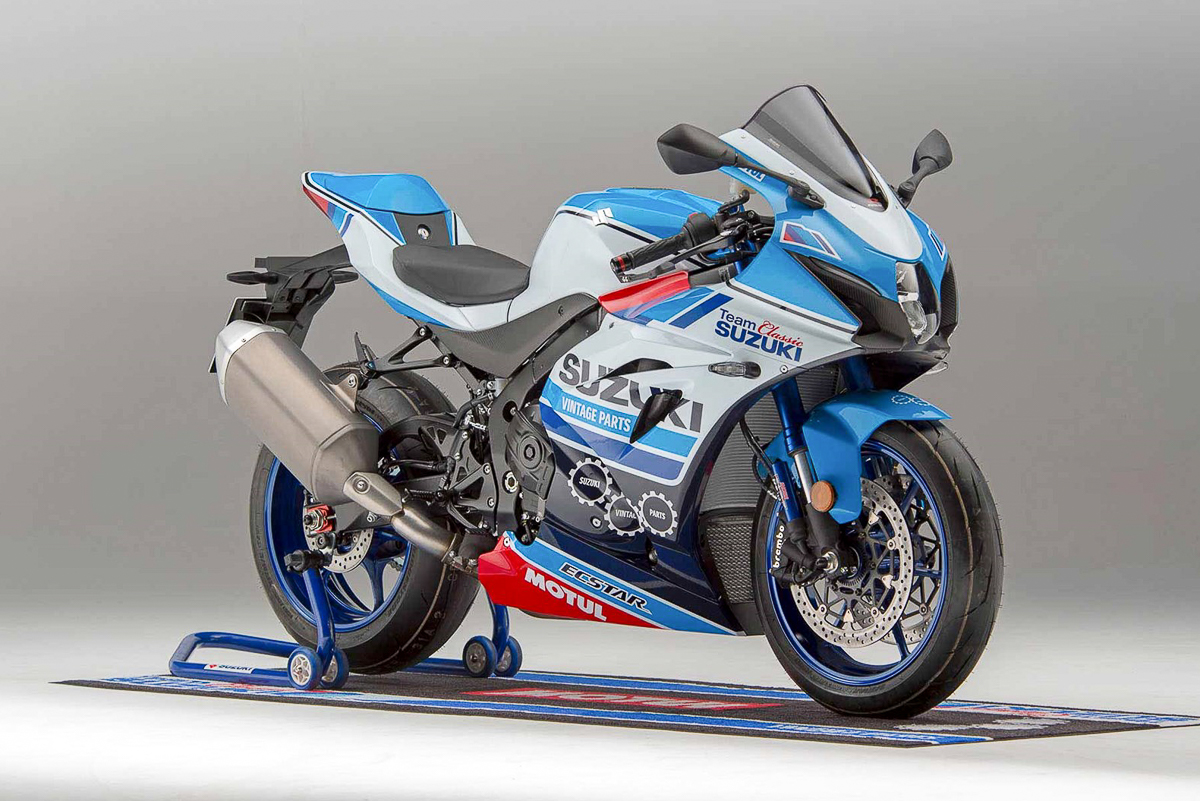
Andrea Iannone has confirmed his place in the 2019 MotoGP season after signing a two-year deal with Aprilia.
The 28-year-old Italian will partner up with Aprilia’s current rider, Aleix Espargaro.
This also means that Scott Redding will be out of the Italian factory squad at the end of the 2018 season.
The current Team Suzuki Ecstar rider Andrea Iannone has announced that he will be riding for the Aprilia factory squad for 2019 and 2020. This comes to as no surprise thanks to a number of rumours floating around for a while and further discussed after announcing his exit from Suzuki at the end of the season. (more…)
Many of today’s motorcycle technologies were pioneered by BMW Motorrad.
They innovations included solutions for performance, safety, practicality, reliability and comfort.
These ten innovations by BMW Motorrad are only a small number of the total.
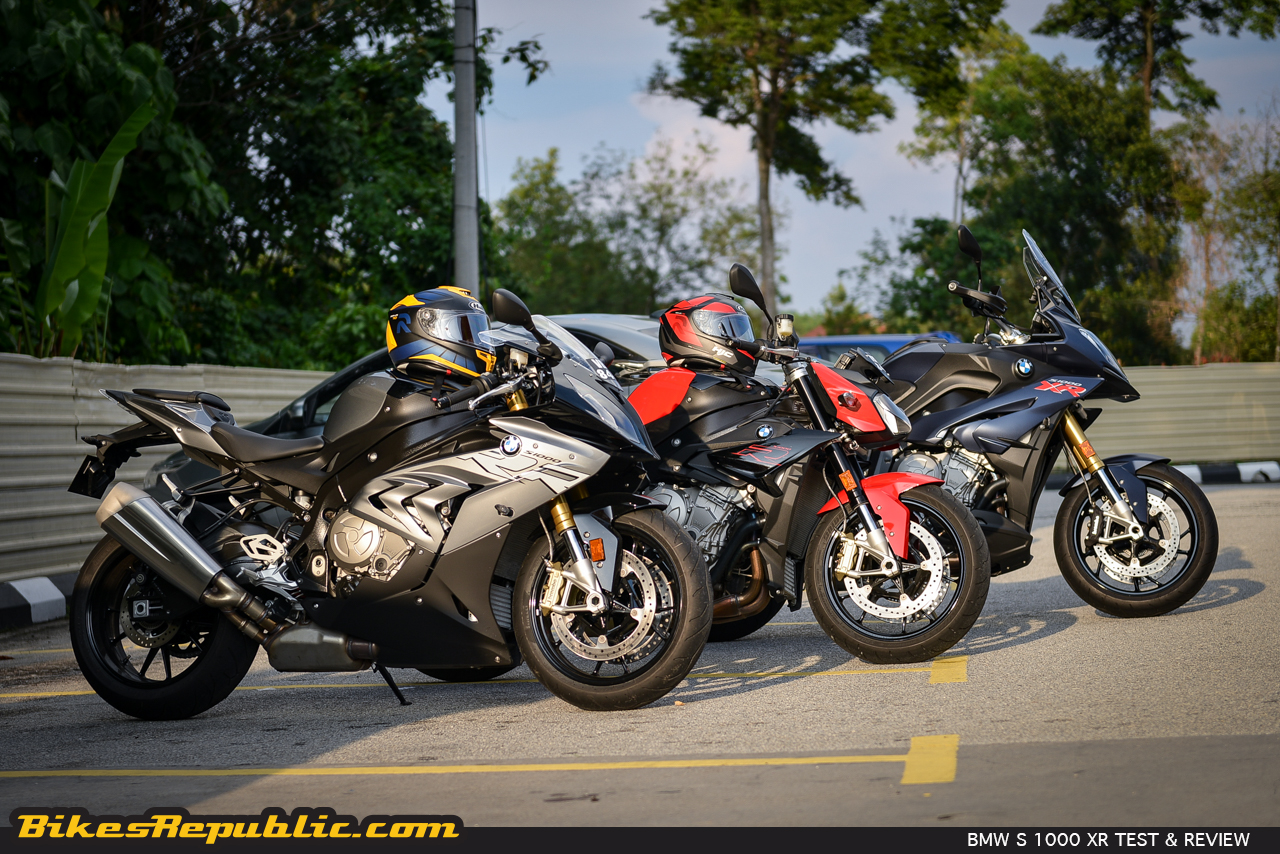
We’ve just completed a thorough testing of three BMW motorrad (motorcycles), all based on the S-Series inline-Four engine: S 1000 RR superbike, S 1000 R “roadster” (as BMW calls it, usually known as “naked” in the industry), and S 1000 XR sport-tourer.
All four carried out their roles superbly, of course. But before we roll out the video and full reviews, here’s a bit of filler about BMW motorcycles.
BMW Motorrad, just like their automotive division, had always been innovative in pushing out new technology for their motorcycles and most of these innovations found industry-wide implementation later on.
Here are Ten Innovations by BMW Motorrad, in chronological order.
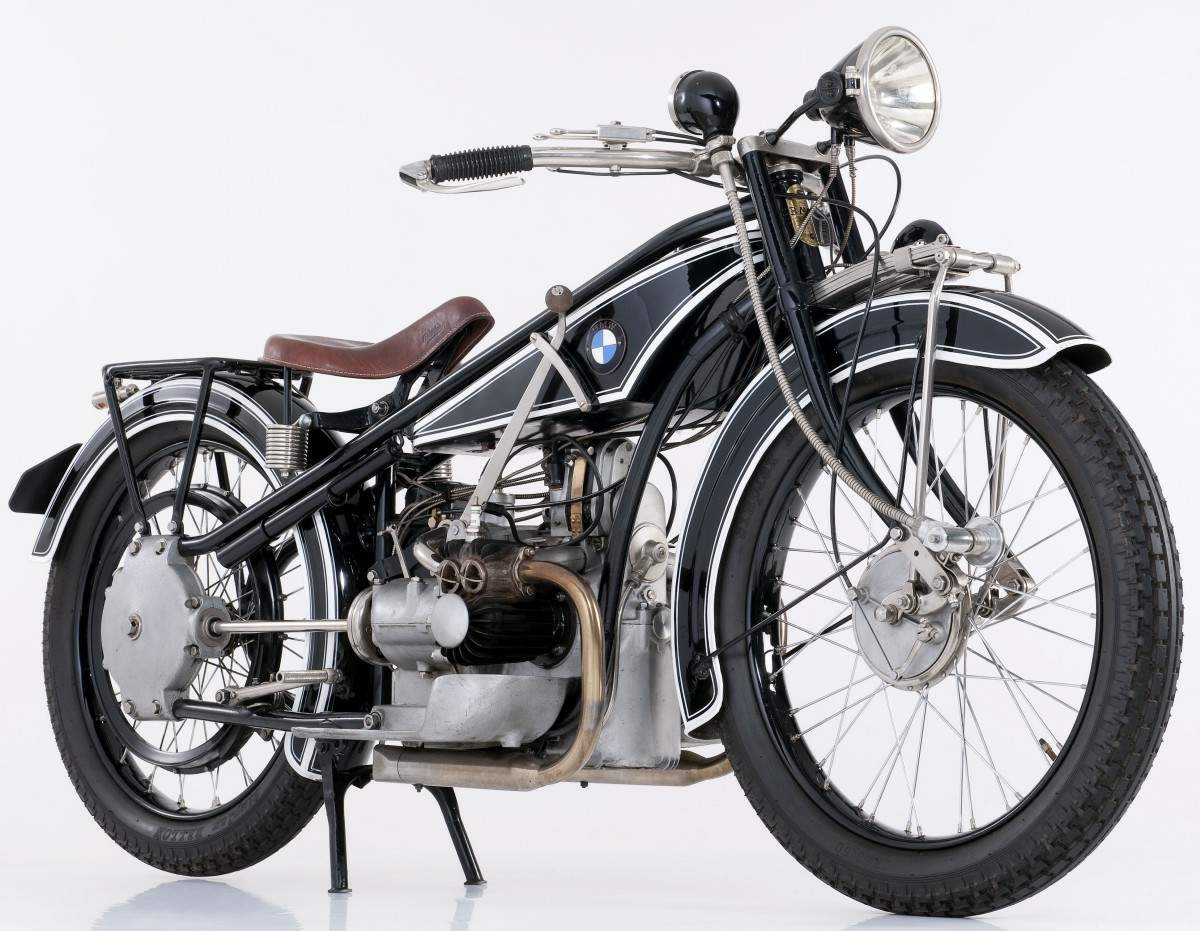
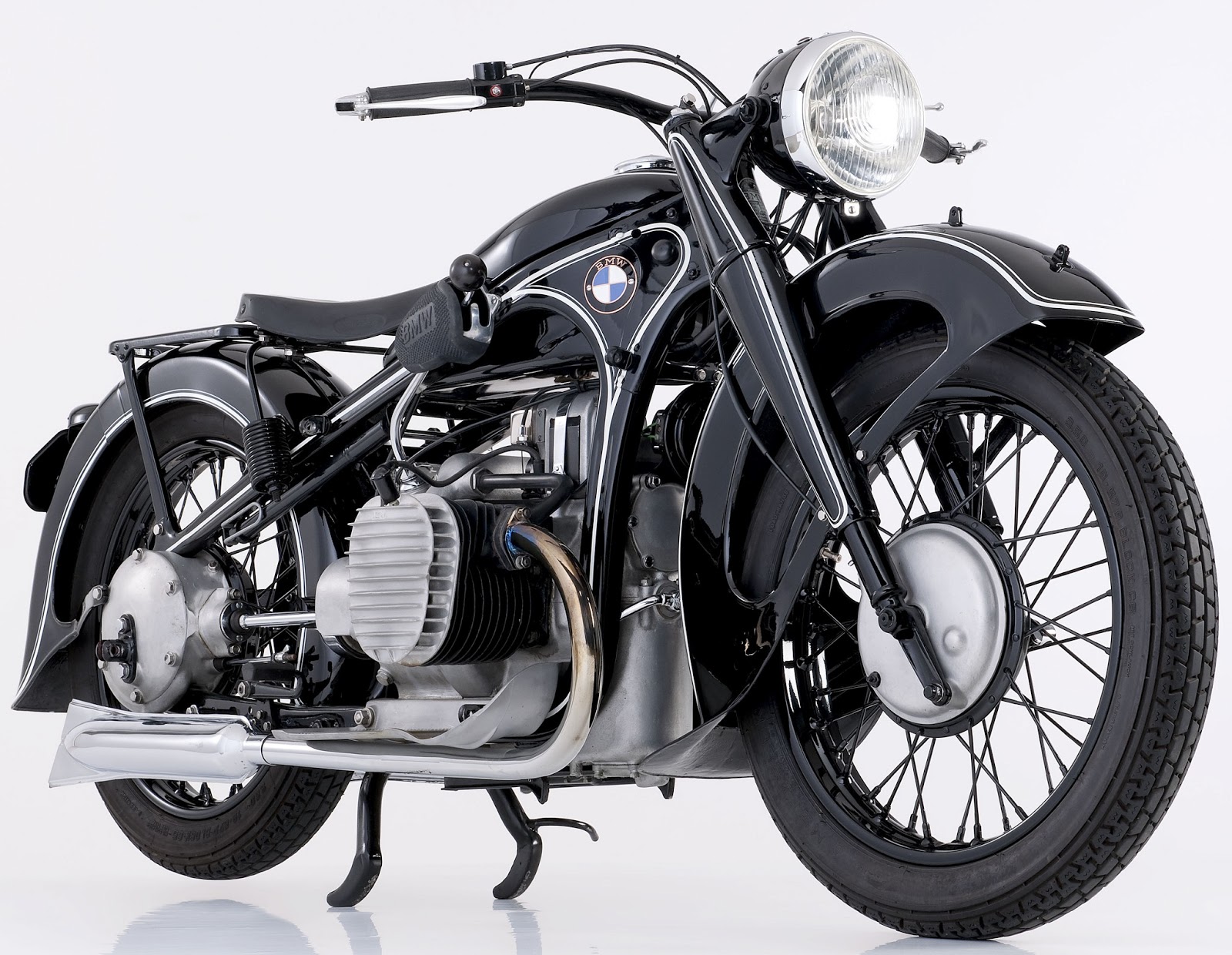
10. R32 (1923) – BMW’s first motorcycle
BMW R32
BMW had begun in 1916, through the reorganization of Rapp Motorenwerke who produced aircraft engines in WWI. However, as the Luftwaffe (German air force) was banned in the Treaty of Versailles after WWI, the company produced industrial engines, air brakes, agricultural machinery, toolboxes and office furniture, instead, before turning to motorcycles and cars.
BMW then built a flat-twin (Boxer) in 1921 for motorcycles and were most notably used in Helios motorcycles. BMW then merged with the makers of Helios called Bayerische Flugzeugwerke in 1922, inheriting the Helios.
That led to the R32 in 1923. Unveiled at the Berlin Motor Show, it marked the beginning of BMW’s drive concept – air-cooled, twin-cylinder, four-stroke Boxer engine with a manual gearbox mated directly behind and a shaft final drive.
While the R32 didn’t break technological grounds, its engine served as the DNA for all Boxer-powered BMW motorcycles until today.
9. R12 (1935) – Hydraulic telescopic forks
BMW R12
Earlier telescopic forks consisted of just springs inside them without any “juice.” BMW debuted the hydraulically damped forks on the R12 and has since been adopted by every manufacturer now. Hydraulically damped forks have paved the way for the use of valves, orifices and cartridges to control damping rates in modern suspensions.
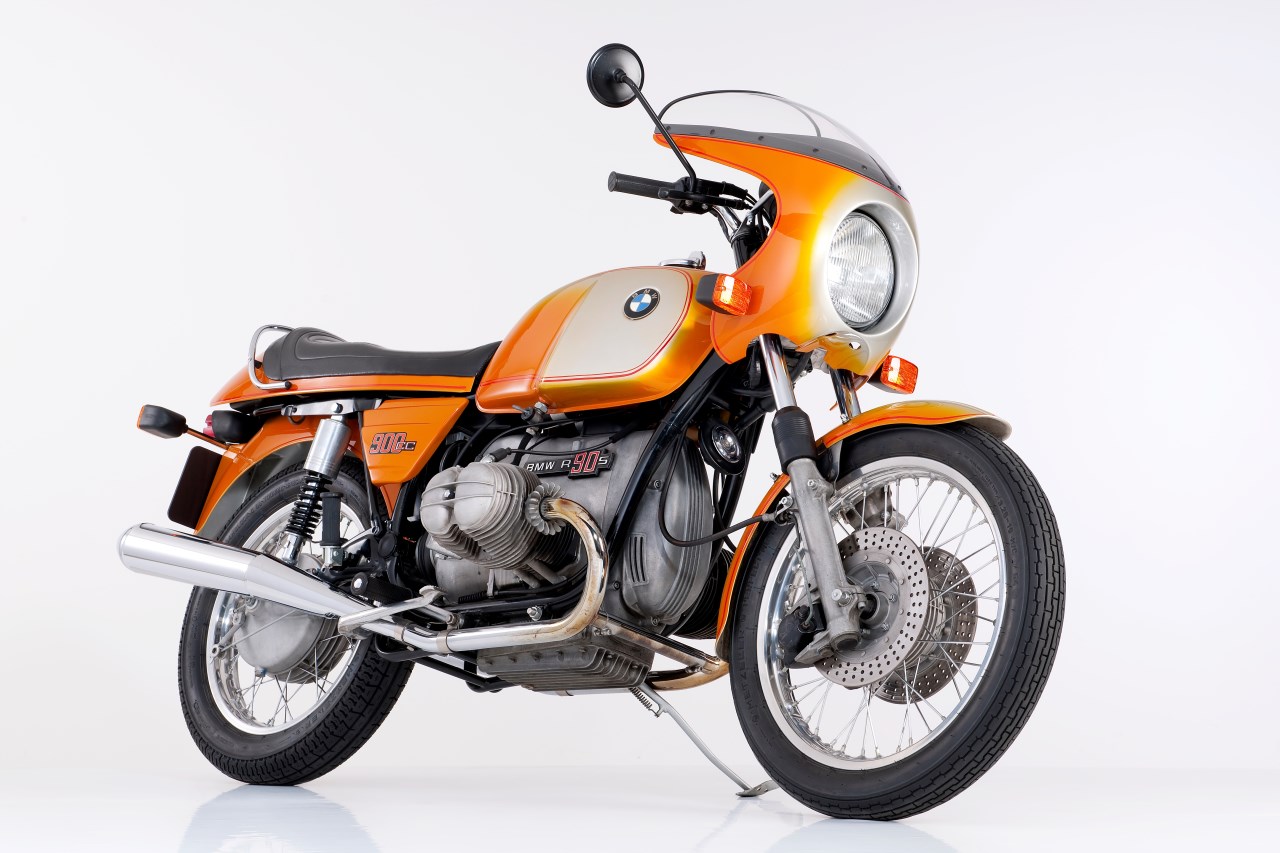
8. R90S (1973) – Headlamp fairing
BMW R90S
Sure, other motorcycles have had fairings mounted around their headlamps before the R90S, but it was BMW who used it on a volume production motorcycle. The R90S was designed by Hans Muth, the same guy who went on to design the Suzuki Katana, while the two-tone Daytona Orange paint commemorated the bike’s inaugural win at the Daytona International Speedway in 1976. (Please click here for our feature on Race Replica Motorcycles with the Best Paint Schemes.)
7. R100RS (1977) – Full-fairing
BMW R100RS
As with the R90S, full-fairings were the mainstay of racebikes up until when BMW featured it on the R100RS. It was also designed by Hans Muth, but with the aid of a windtunnel. The R100RS’s headlamp cowl, side panels and belly pan were rigidly mounted to the bike, and the handblebar turned independently, something we’ve grown accustomed to today.
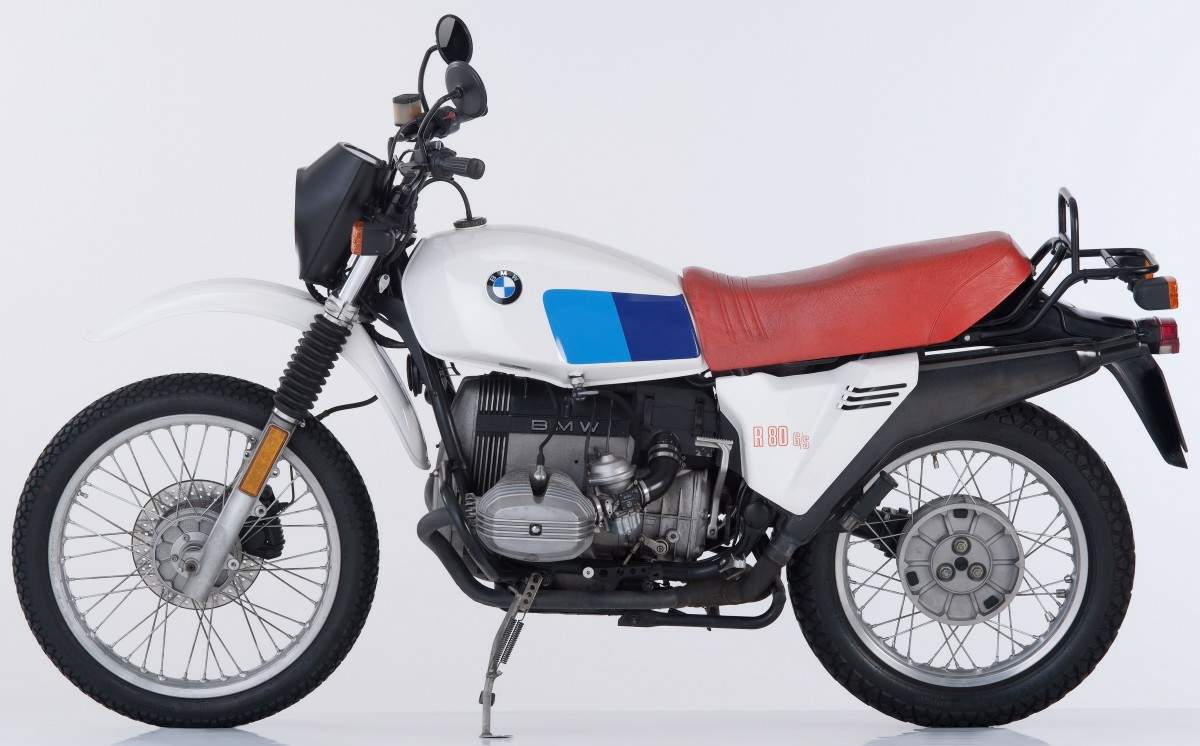
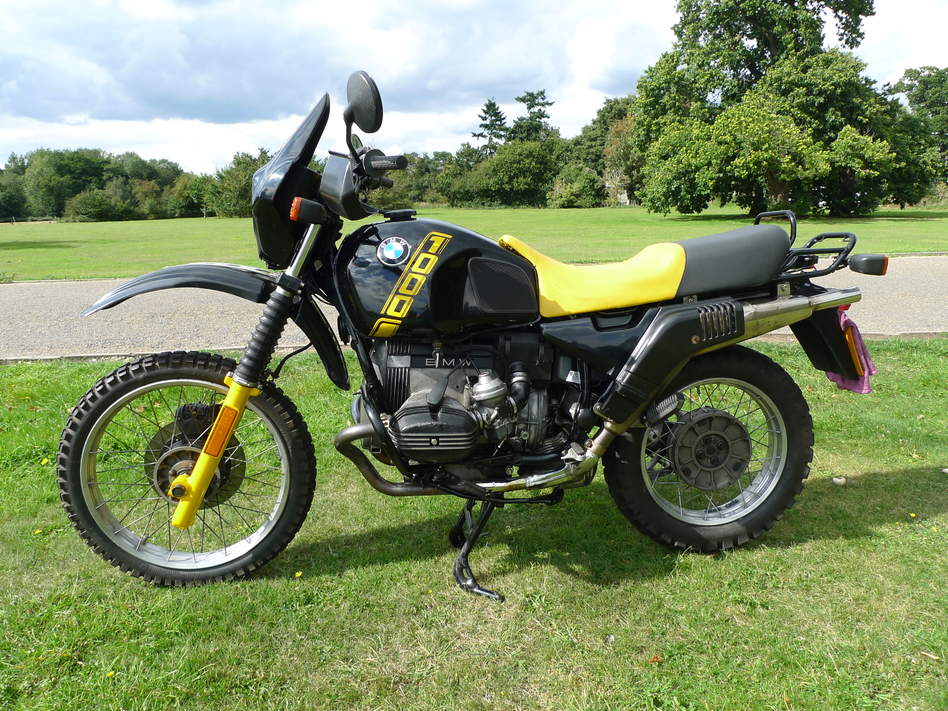
6. R80G/S (1980) – First adventure-tourer and single-sided swingarm
BMW R80G/S
As we’ve written before in the R nineT Urban G/S’s full review (please click on this link to read more), adventure motorcycles prior to the R 80 G/S were based on enduros. While they’re great for blasting down trails, they lacked the range, luggage carrying capacity and comfort for extended off-road rides and the road leading there. BMW saw this vacuum and released the R 80 G/S in 1980, which gave birth to the whole new adventure-touring segment.
Apart from that, the R 80 G/S was also the first mainstream motorcycle to be equipped with a single-sided swingarm.
Yes, the R 80 G/S, which stands for Gelande/Strasse (Off-road/Road) was the granddaddy of the best-selling GS.
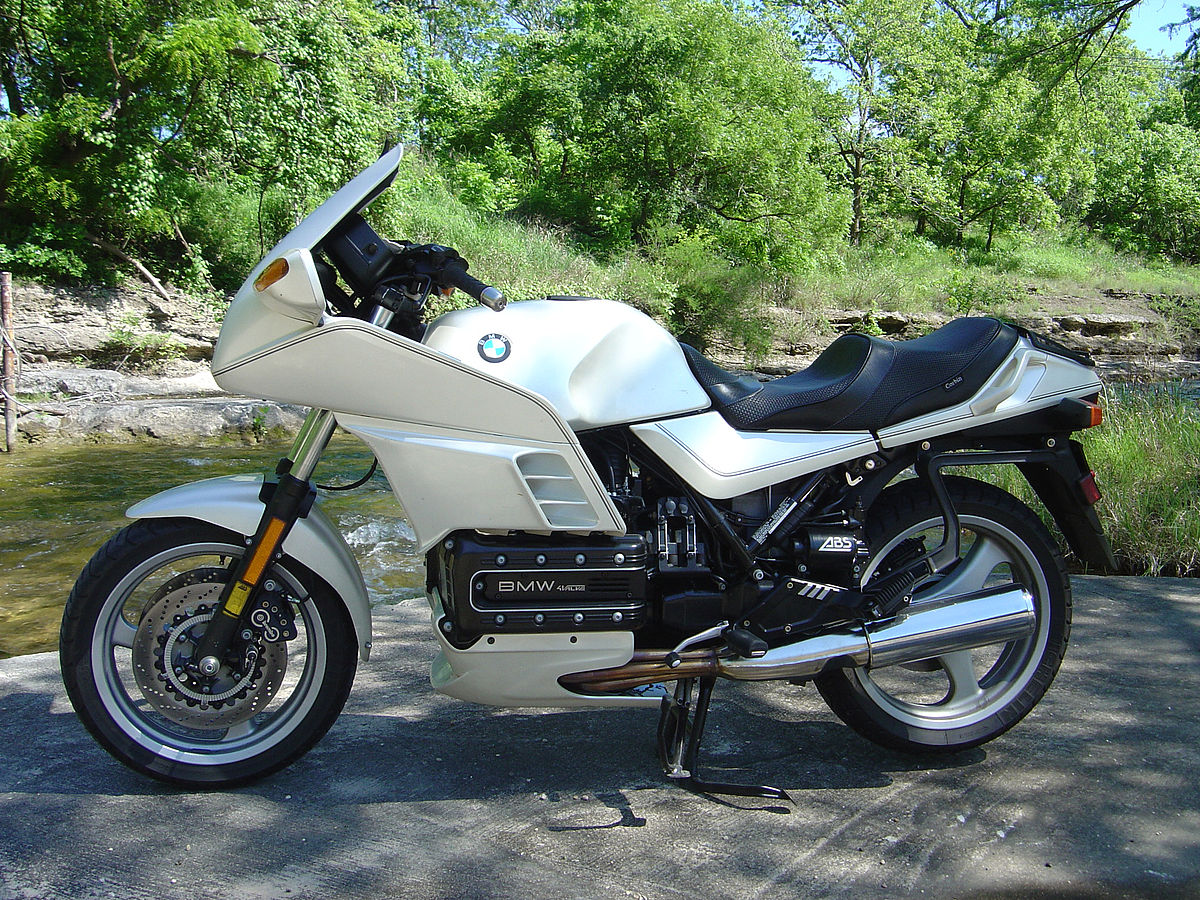
5. K100 (1987) – ABS brakes
BMW K100
ABS is compulsory on every new motorcycle in Europe now and it’s as indispensable as the brakes themselves. The first ever motorcycle ABS system was called ABS-1. It had that trademark pulsing at the levers when activated, scaring some riders who aren’t accustomed to its workings. The current 10th generation ABS has improved by leaps and bounds since then.
4. R100GS (1988) – Paralever rear suspension
BMW R100GS
A drive shaft causes reactions that are peculiar to riders on chain or belt drive motorcycles. The tangential forces acting on the wheel hub causes the rear of the bike to jack up, instead of squatting under weight transfer during acceleration. BMW countered by installing an extra lever along the axis of the driveshaft, creating a parallelogram – hence the name Paralever. BMW engineers went on to further tune the Paralever to introduce some degree of squat associated with any vehicle when accelerating. The Paralever was also adopted to other shaft driven BMW motorcycles of different engine configurations, starting from the K1, also in 1988.
3. R1100RS (1993) – Telelever front suspension
BMW R1100RS
Along with the Paralever rear suspension, the Telelever has become a hallmark for BMW motorcycles. We’ve also written about the Telelever at length (please click here for the full article) and its functions. But of important note is how normal the Telelever front end feels to riders who have never experienced it.
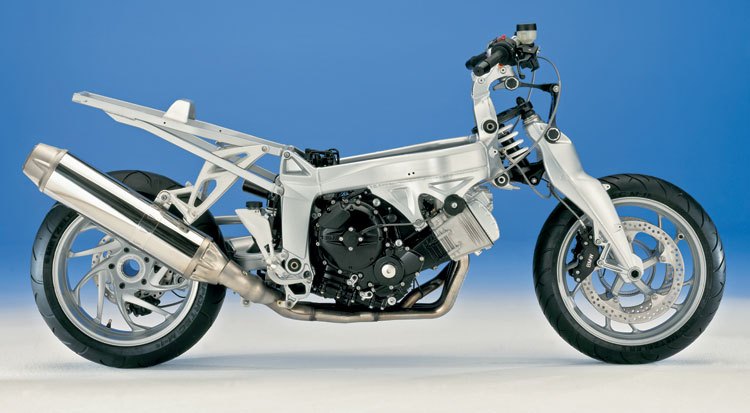
2. K 1200 S (2004) – Duolever front suspension
BMW K 1200 S chassis
The Hossack-style Duolever front end detaches braking and cornering loads from the handlebar, thus allowing the rider to keep the bike turning, besides the given comfort. While the concept didn’t find widespread adoption in the industry, there was an extraordinary maker who used it to great results – Britten.
It was reported that BMW Motorrad had contemplated using the Duolever for the S 1000 RR superbike.
First fitted to the K 1200 S, the Duolever equips the K 1600 tourers now. The set up gives the huge bikes superlight and agile handling (no kidding).
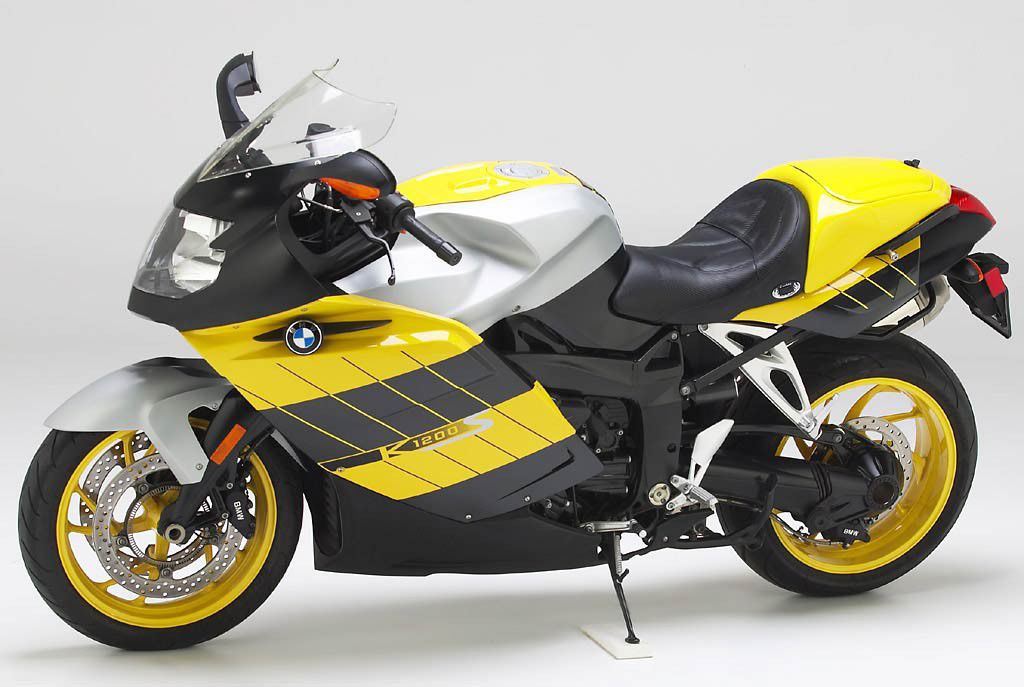
1. K 1200 S (2004) – Electronic Suspension Adjustment (ESA)
BMW K 1200 S
We had to split these two innovations although they made their debut on the same bike, as the ESA was an extra option for the K 1200 S. It’s now a standard feature on the R 1200 GS lineup.
Fitted with it, the K 1200 S was the world’s first production motorcycle to feature an electronically adjustable suspension. Just as how it works now, the rider could select the preload based on load and damping based on his preference.
It was ESA which paved the way for ESA II, Dynamic ESA and DDC (Dynamic Damping Control) found on BMW’s S 1000 range we had just tested.
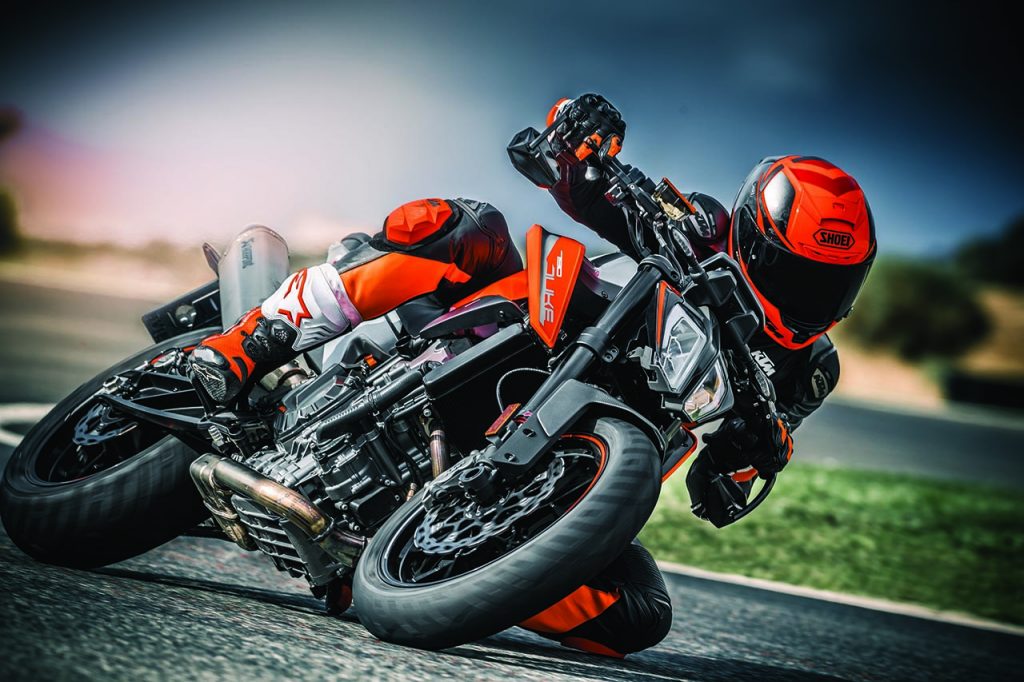
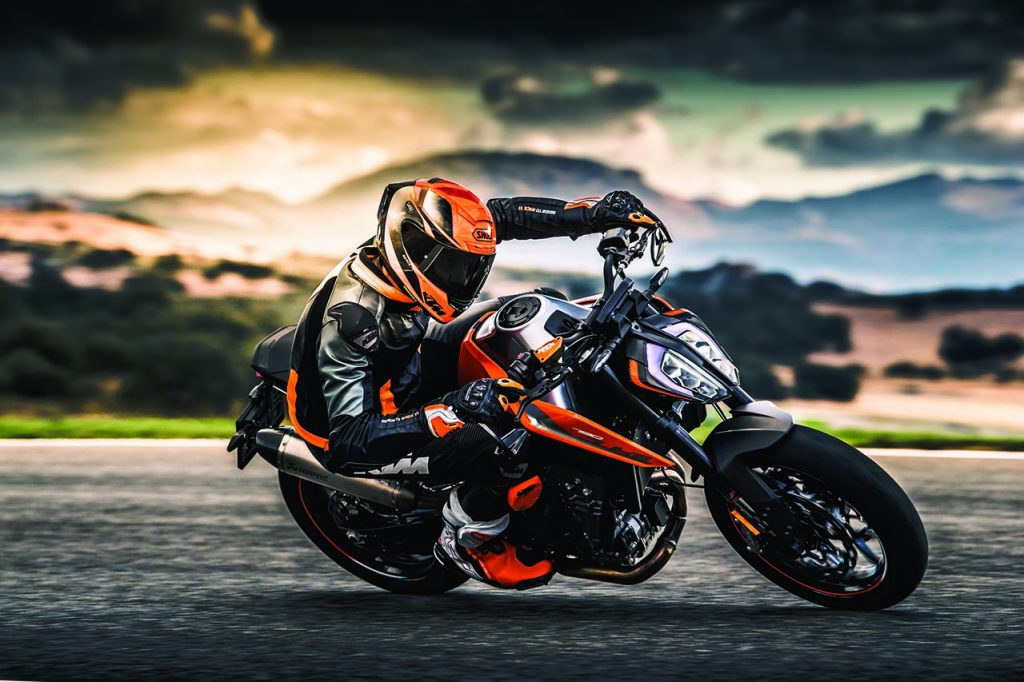
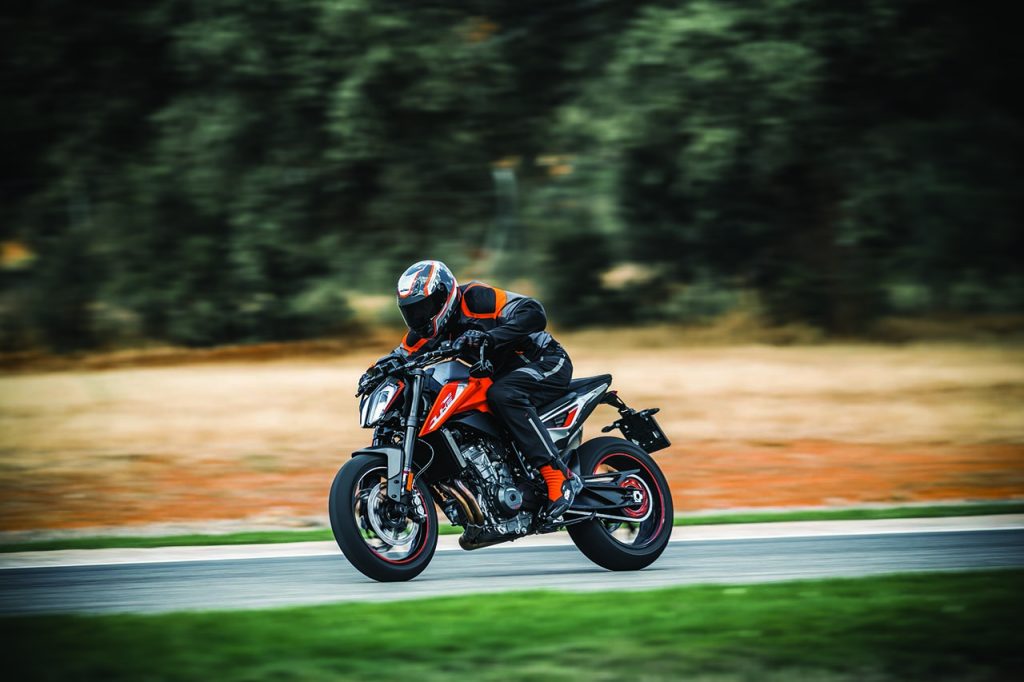
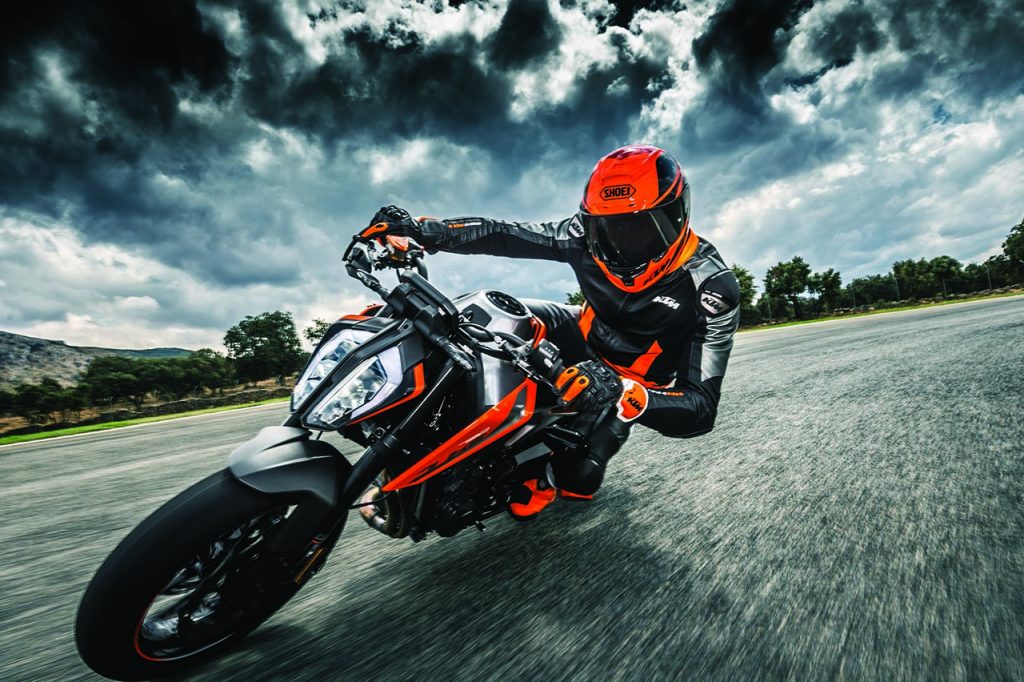
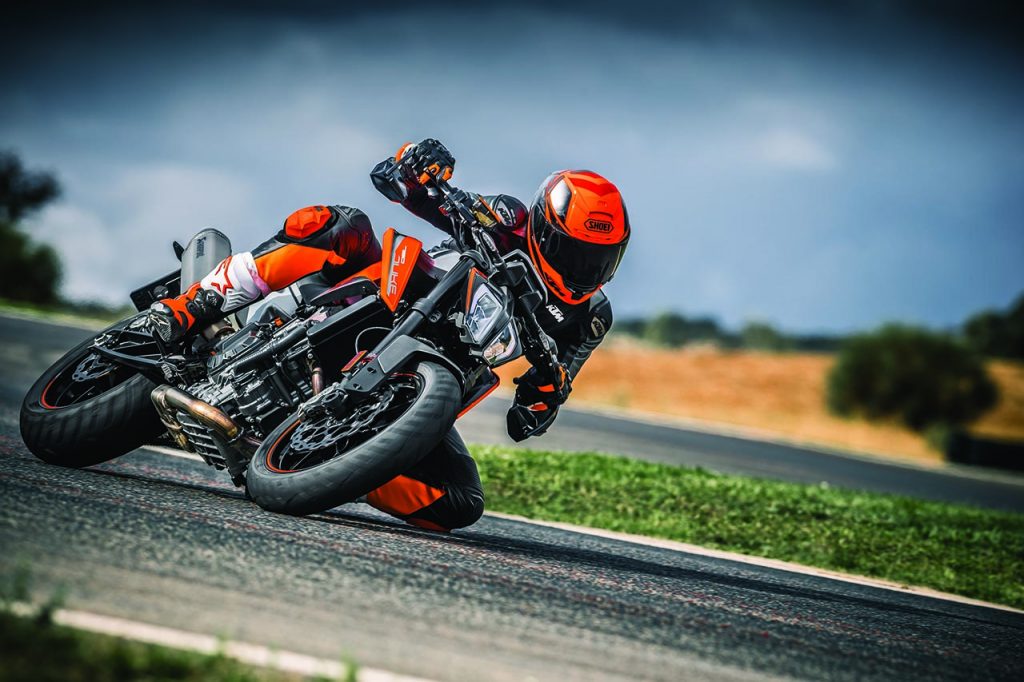
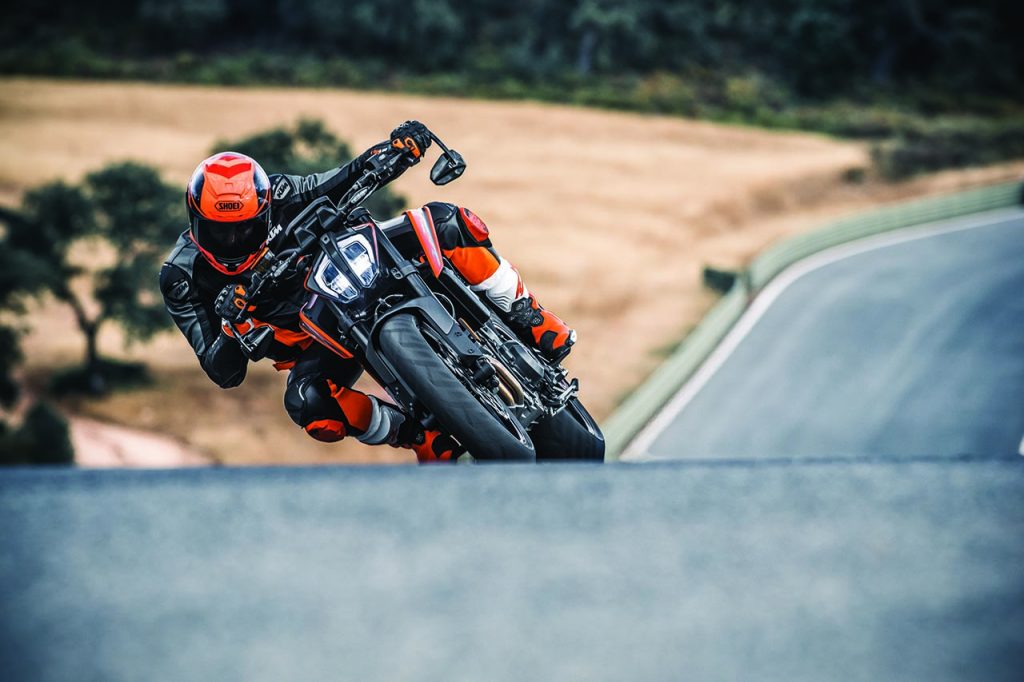
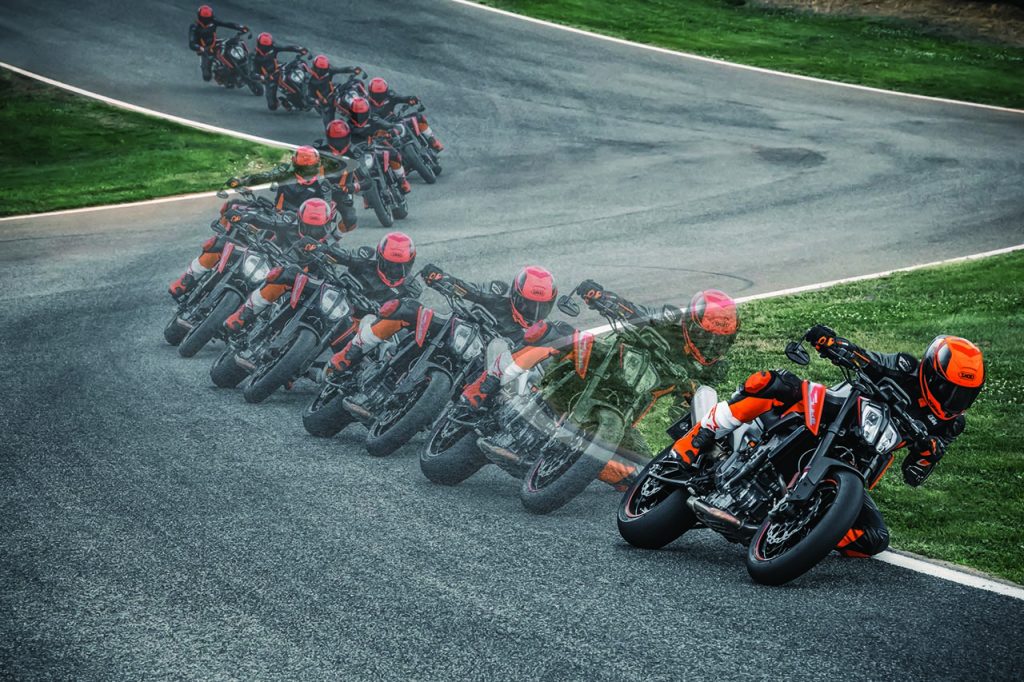
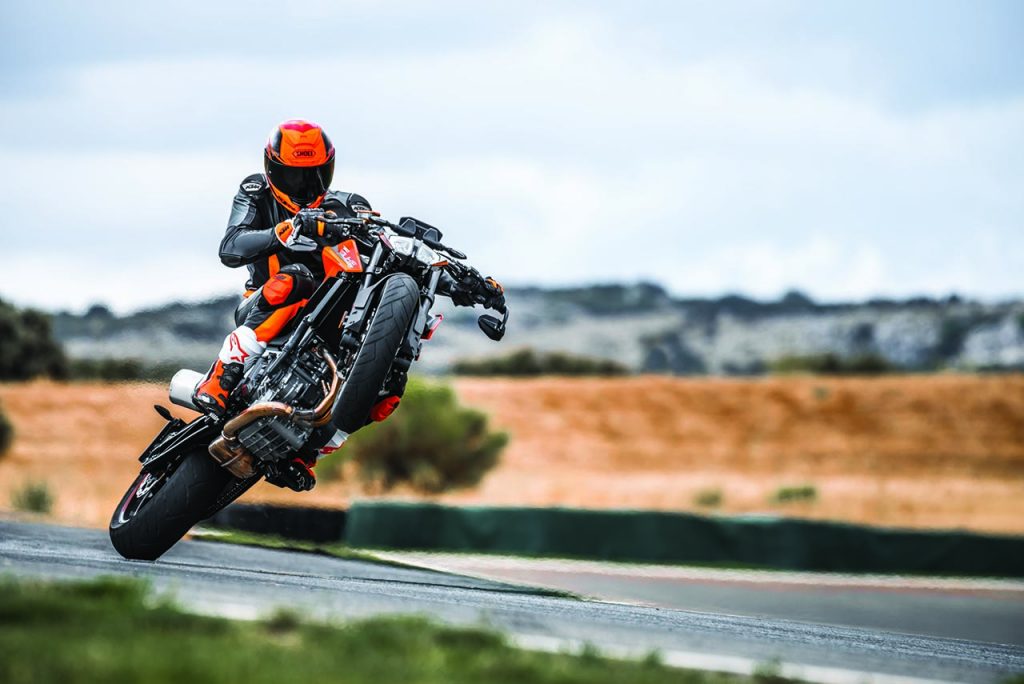
KTM Motorcycles Malaysia has officially announced the price of the new 790 Duke.
New 790 Duke offers the most bang for the buck when it comes to onboard features.
Features include cornering ABS, quickshifter +, colour TFT screen, traction control, and more!
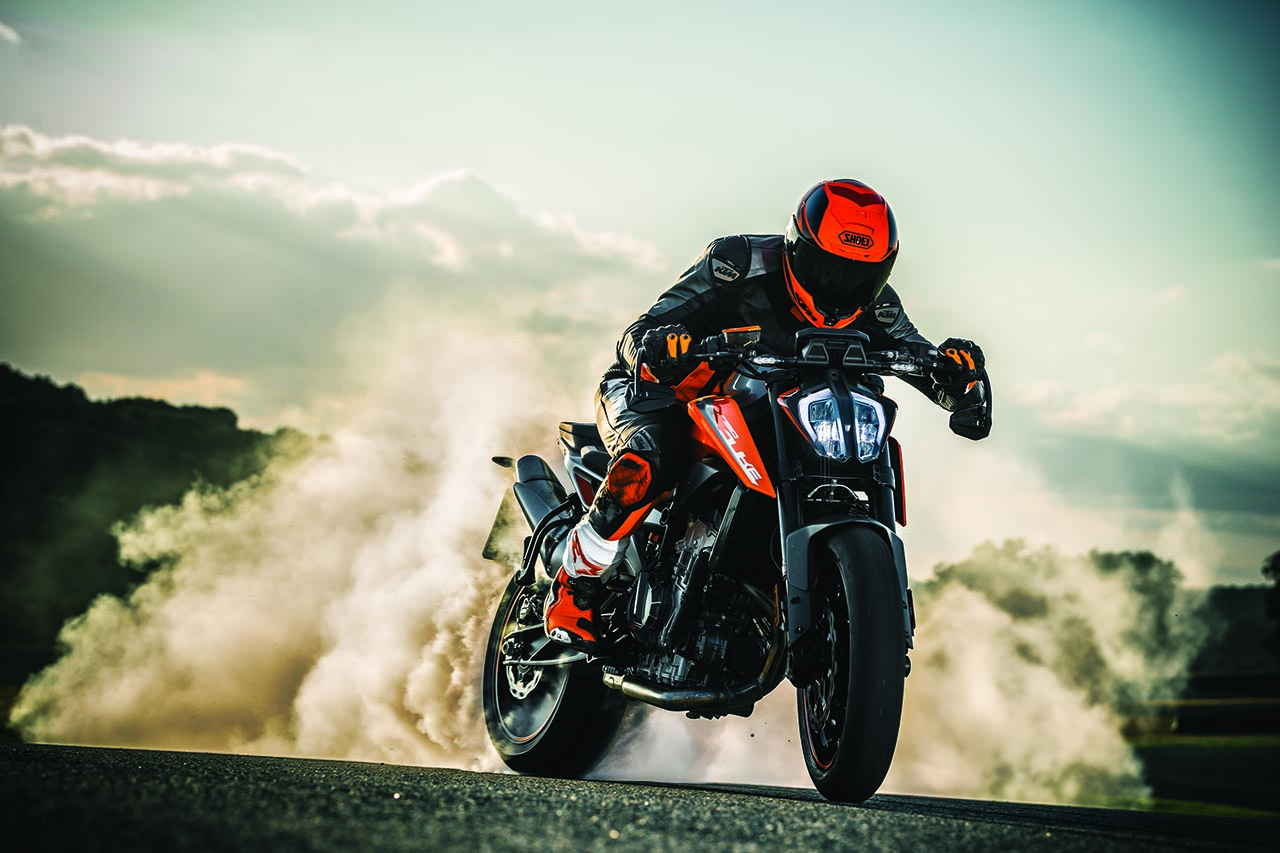
After months of speculation, the day has finally arrived and KTM Motorcycles Malaysia has officially announced that the much awaited KTM 790 Duke is now available in Malaysia for an unbelievable RM64,800 with zero rated GST, excluding insurance and road tax.
Dubbed ‘The Scalpel’, the new 790 Duke continues on the success of its single-cylinder 690 Duke, this time powered by a new 799cc, LC8c DOHC, 8-valve, liquid-cooled parallel-twin engine featuring a 75 degree crankpin offset. The offset was chosen to mimic the firing of order of its manic 1290cc 75-degree V-Twin big brother. KTM reverted to a parallel-Twin instead of a V-Twin for a more compact packaging, in aiming for better weight distribution and weight savings, hence a better power-to-weight ratio.
The new engine produces 105bhp at 9,000rpm and 87Nm of torque at 8,000rpm. It now features two balancer shafts to dampen vibration for a smoother ride.
The engine is mated to a six-speed gearbox with KTM’s PASC power assist slipper clutch, that allows for ultra fast downshifting or decelerating without locking up the rear wheel, thus improving safety.
The new 790 Duke engine is then set in an all-new frame as a stressed member. The new frame comes with unique sections that have thinner-walls with molybdenum steel sections. KTM says the frame has a finely tuned rigidity distribution to offer the best possible sporty feel with maximum feedback to the rider.
A consequence of the new frame gives the 790 Duke an attribute which Malaysians will love: Its seat height is only at 825mm. It’s very light, too, weighing in at 169kg dry.
As for the suspension, the 790 Duke uses specially-developed WP 43mm open-cartridge upside-down forks up front with 140mm of stroke. The rear suspension is a gas-assisted WP shock absorber and adjustable for preload. A WP steering damper keeps front end movements in check.
Other than that, the aluminium triple clamp has been tuned to match the flex of the forks. Steering rake angle is at 24 degrees while trail measures in at 98mm. Note that those are sporty numbers for a nimble handling bike. As with all KTMs, the handlebar is adjustable in four positions.
As for the electronics, the 790 Duke features ride-by-wire technology (RBW), lean angle sensitive Motorcycle Traction Control (MTC), cornering ABS, Motor Slip Regulation (MSR) for controlled engine braking, Quickshifter + for quicker up and downshifts with auto blip, and a full-colour TFT display with the optional KTM MY RIDE smartphone integration.
The new KTM 790 Duke is available in Malaysia as a CBU model and priced RM64,800 with 0% GST without insurance and road tax.
The current laws regarding the minimum age for motorcycle license are currently being revised.
In order to curb street hooligans and street racing, there have been voices saying that the minimum age should be lowered.
Malaysian Institute of Road Safety Research (MIROS) has set up an online survey in order to collect information from the public.
Discussions and proposals are currently being submitted to the Ministry of Transport with the idea of increasing the overall safety of road users here in Malaysia. One of the said ideas is changing the minimum age requirement to obtain a motorcycle license. (more…)
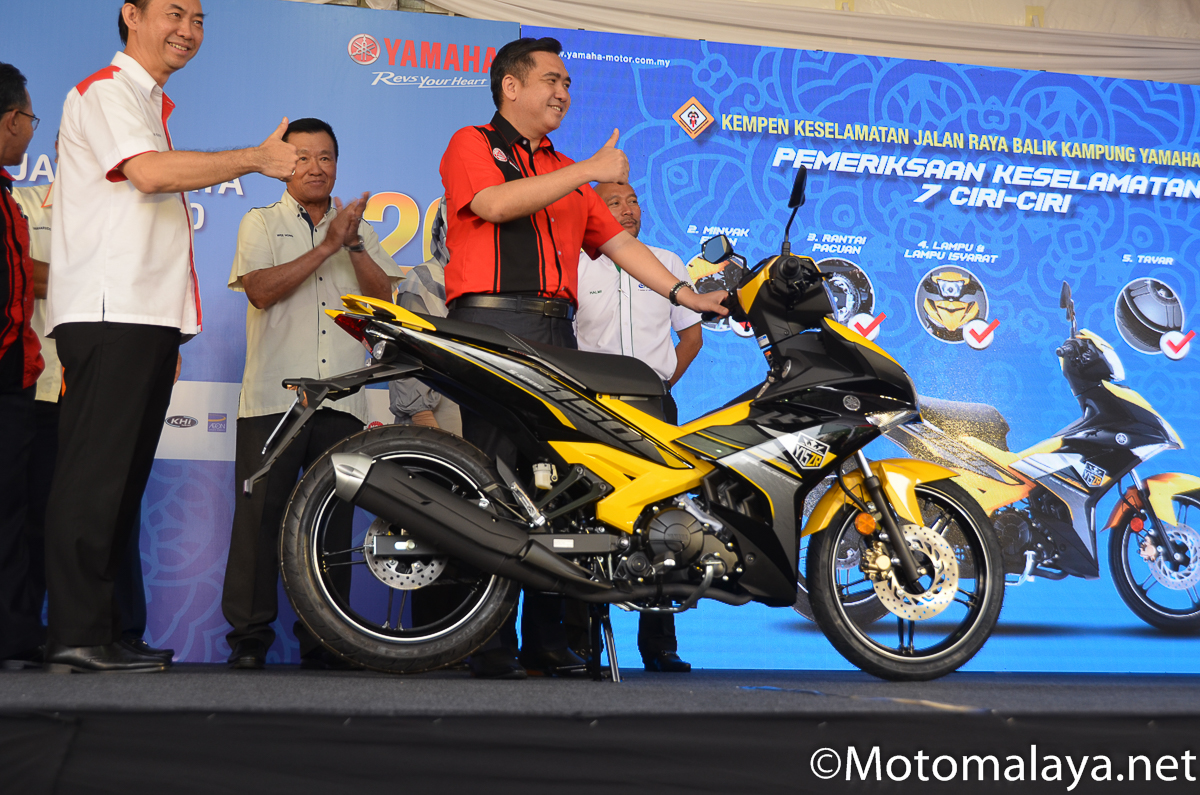
Hong Leong Yamaha Motor (HLYM) launched their 20th Yamaha Balik Kampung Road Safety Campaign.
The event was held earlier today at the Sg Besi Toll Plaza (Southbound).
In conjunction with the launch, all Yamaha branches will be providing complimentary 15-point safety checks from today until 11 June 2018.
In the name of road safety and corporate social responsibility, the good folks from Hong Leong Yamaha Motor (HLYM) organised their 20th Yamaha Balik Kampung Road Safety Campaign. The event was held at the Sungai Besi Toll Plaza (Southbound). The event was officiated by Yang Berhormat Loke Siew Fook, Transport Minister of Malaysia. (more…)
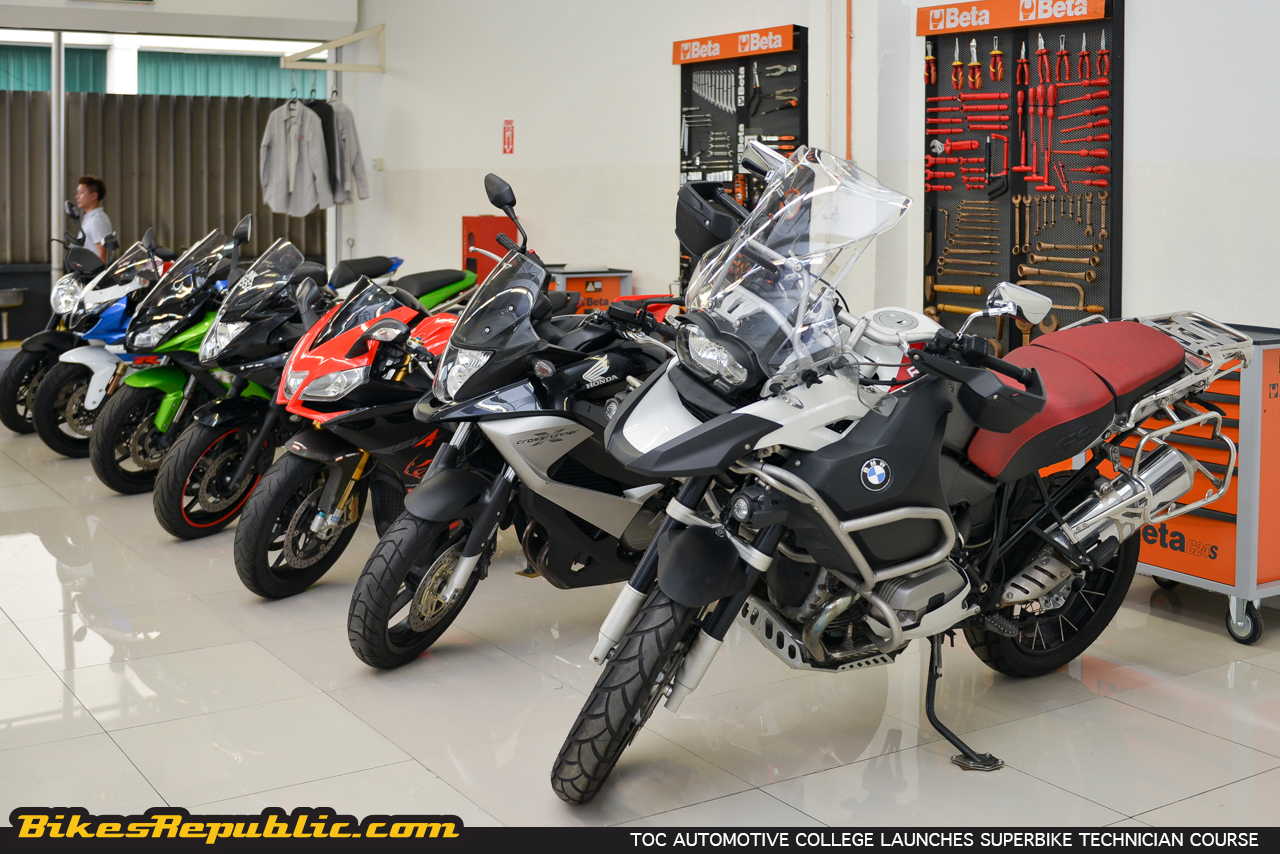
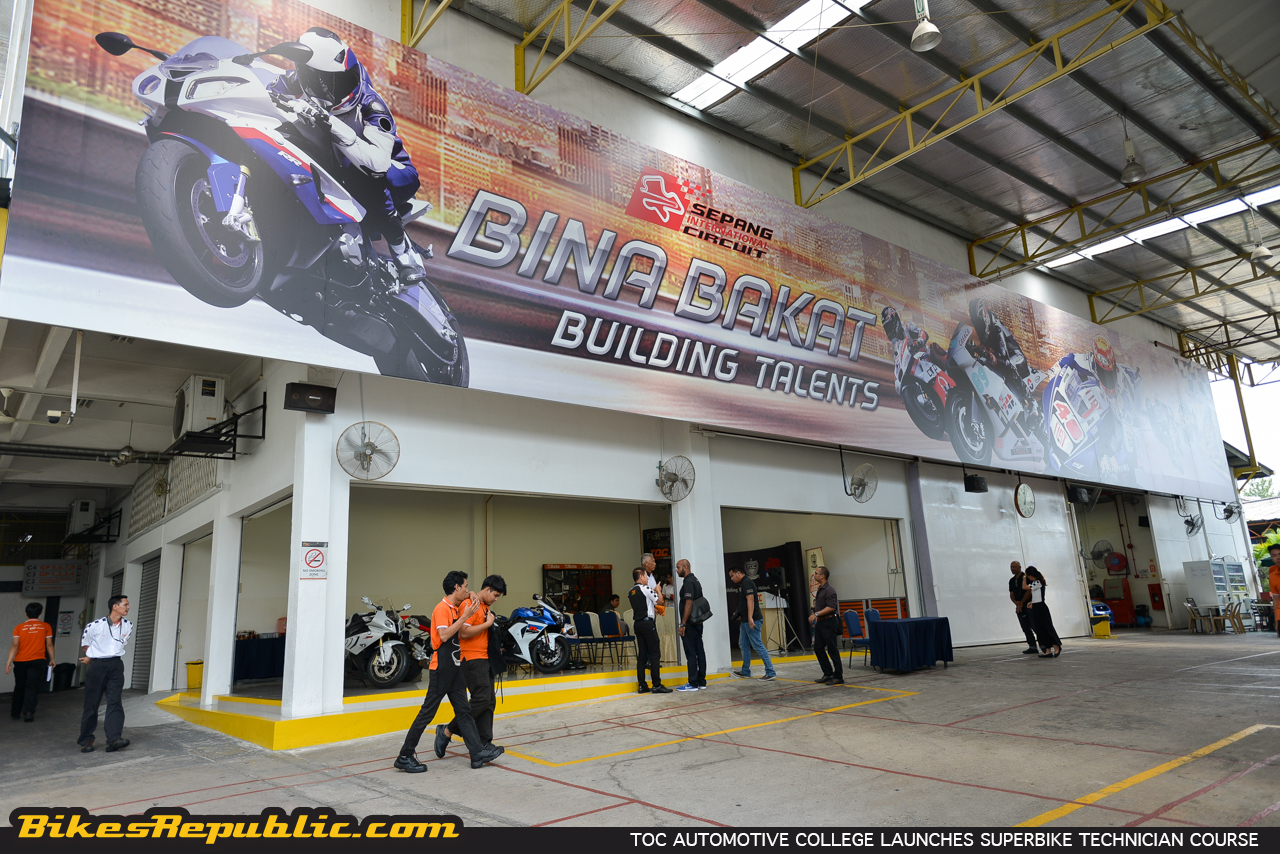
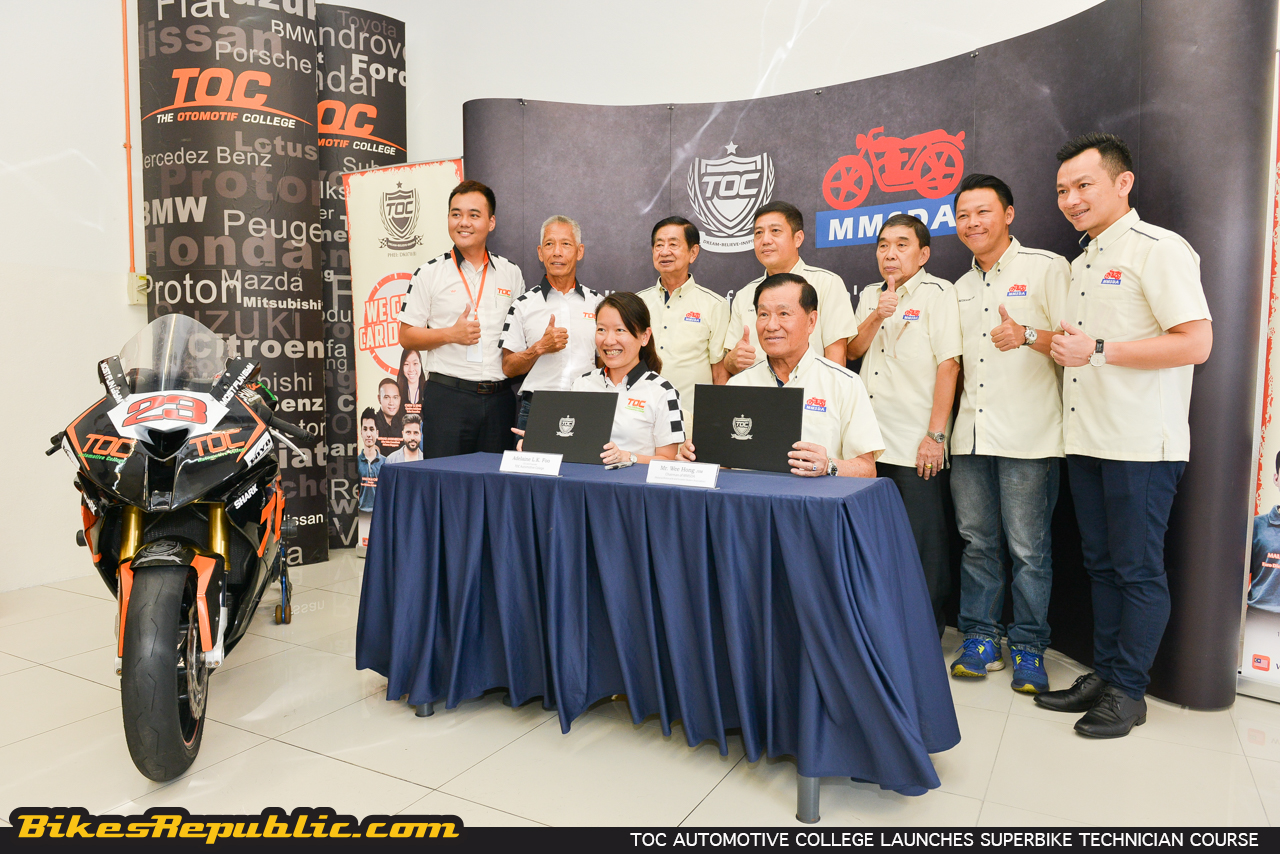
TOC Automotive College provides funding for students interested to pursue the Superbike Technician Course!
The Bina Bakat option funds up to 100% of the course fees.
Bina Bakat students only repay after they have secured employment after completing the course.
Education is one of the most important aspects of modern life, if not the most important. Lives are built based on education, and goals too are achieved through good education. Unfortunately education sometimes is out of reach for the regular person due to accessibility issues such as the costs associated with education.
While there are many scholarships available in the market, these are usually reserved for top tier students with near perfect results. Options are not as great for others, and that is what TOC Automotive College aims to change through a special financing program called TOC Bina Bakat Program.
Launched at the beginning of 2018, the TOC Bina Bakat Program which translates to Building Talents Program in English, works to provide financing to students who need it the most. It offers both apprenticeship programs and loan repayment plan for students where an education loan is provided for the enrolled courses and the students will only need to make the repayments through a monthly deduction from their salary or allowance. This deduction will only take place once the student obtains apprenticeship or a permanent job placement.
“With living costs increasing steadily, more parents and students find themselves struggling to pay for tertiary education cost. Our role as the pioneering educator in Malaysia’s automotive industry is committed towards overcoming external challenges which could deprive higher learning opportunities among the younger generation. Through the TOC Bina Bakat Program, we hope to bridge the financial differences and provide easier access to quality education for everyone,” said Adelaine Foo, Founder of TOC Automotive College.
Foo further added, “TOC Bina Bakat Program strikes long term mutual benefits for students and TOC’s Industry Partners as these students will be groomed in the very organization they hope to secure permanent placement with, be it in after sales-service or in the technical area.”
Students who are interested to pursue this course will be able to secure a 100% loan to finance their education, repayable only when they secure a job.
Click here for more information regarding TOC Bina Bakat Program and the Superbike Technician Course.