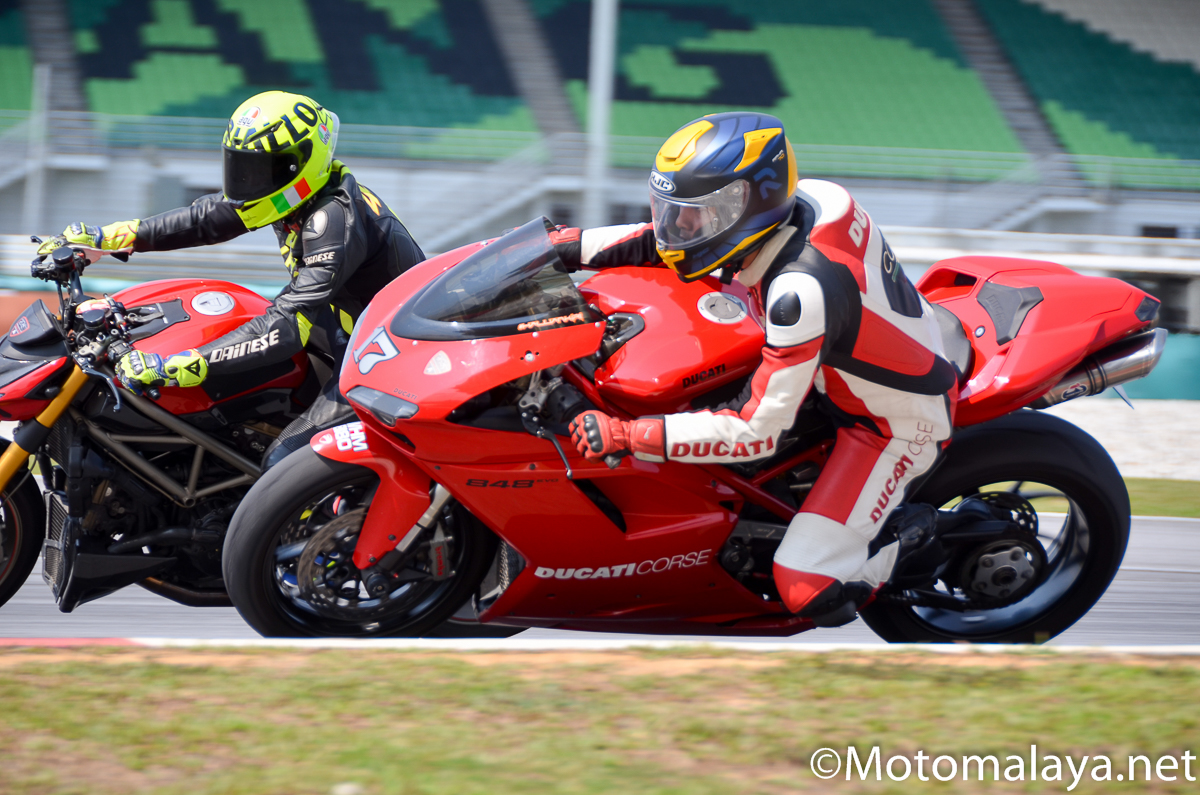
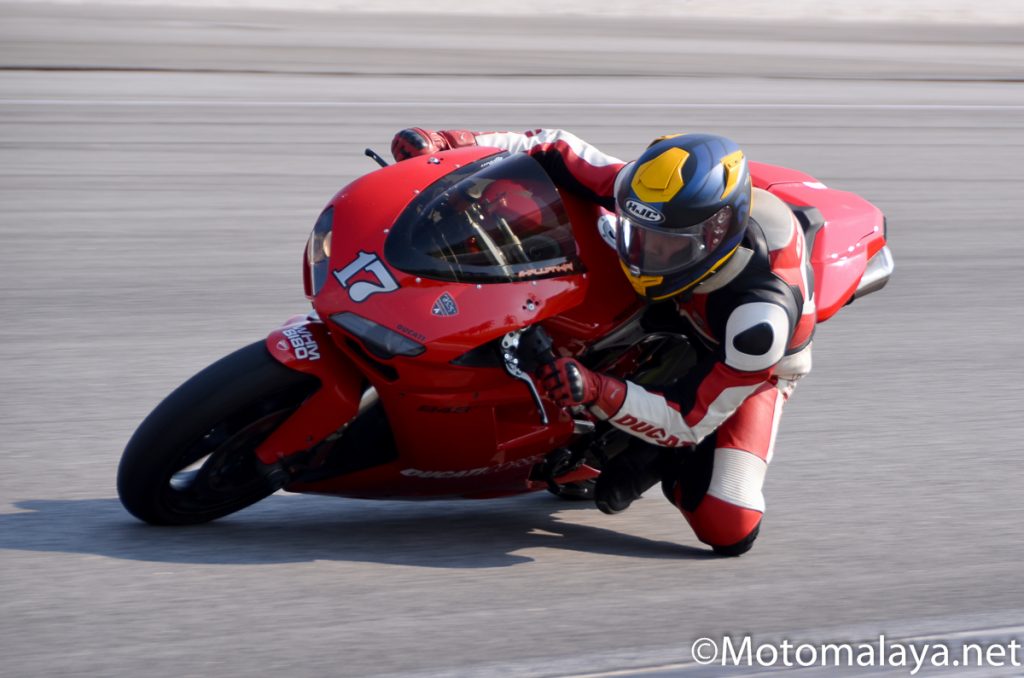
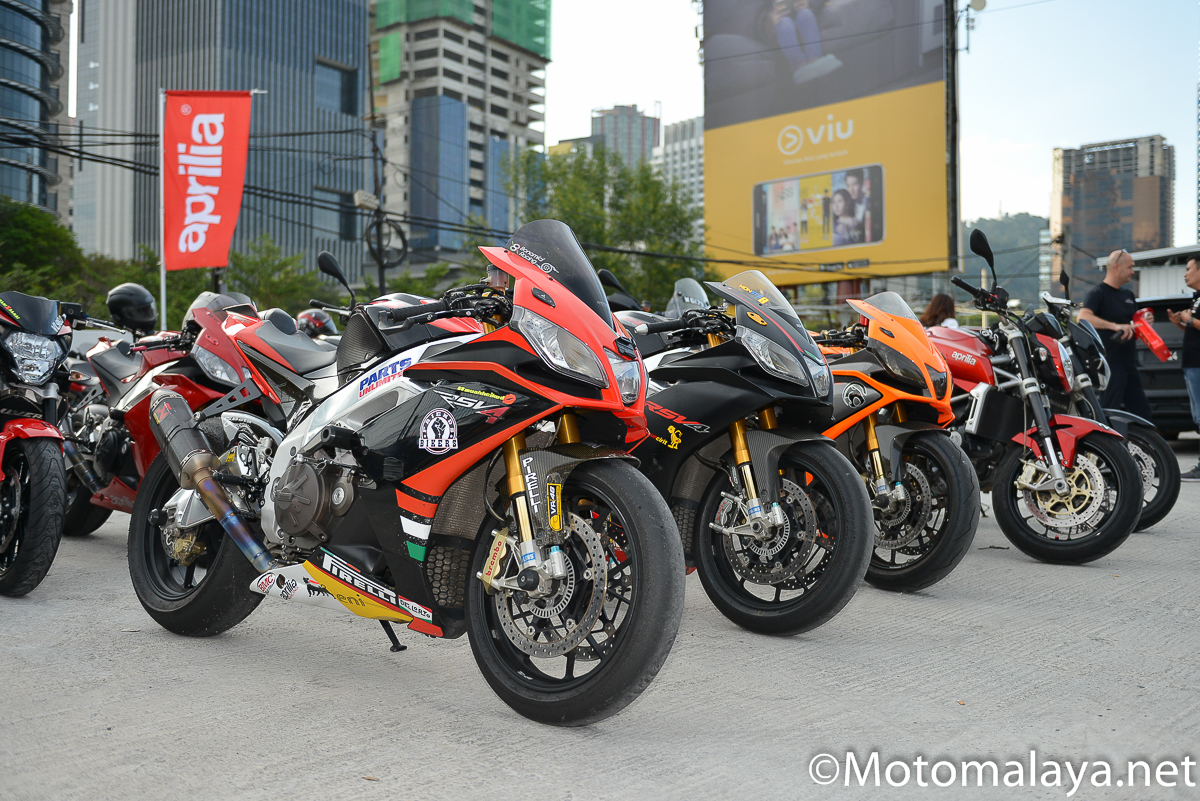
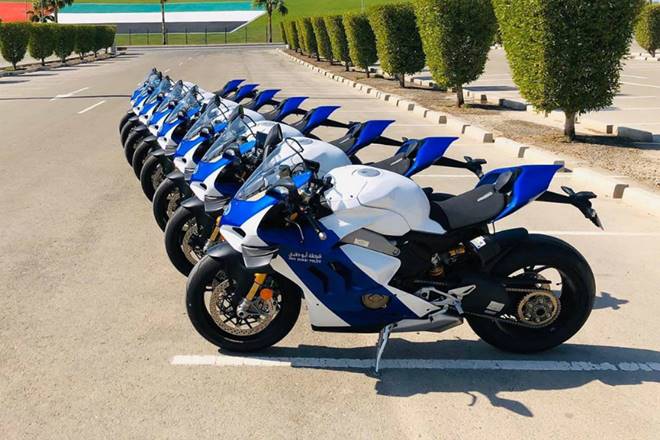
The TOC Desmo Cup is the best way for Ducati owners to fully exploit the potential of their bike.
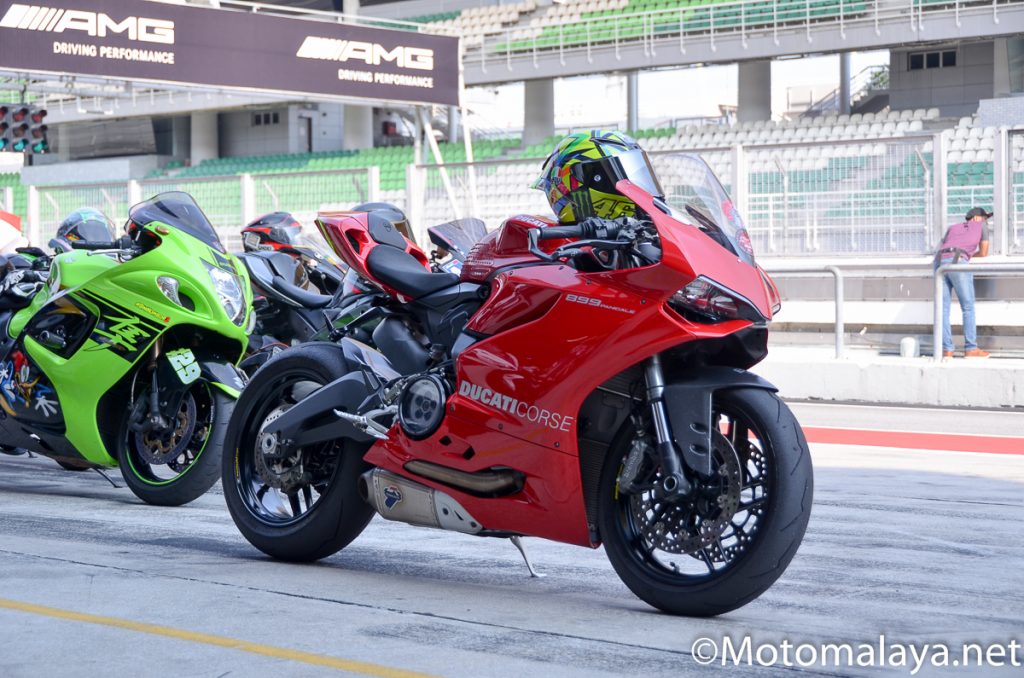
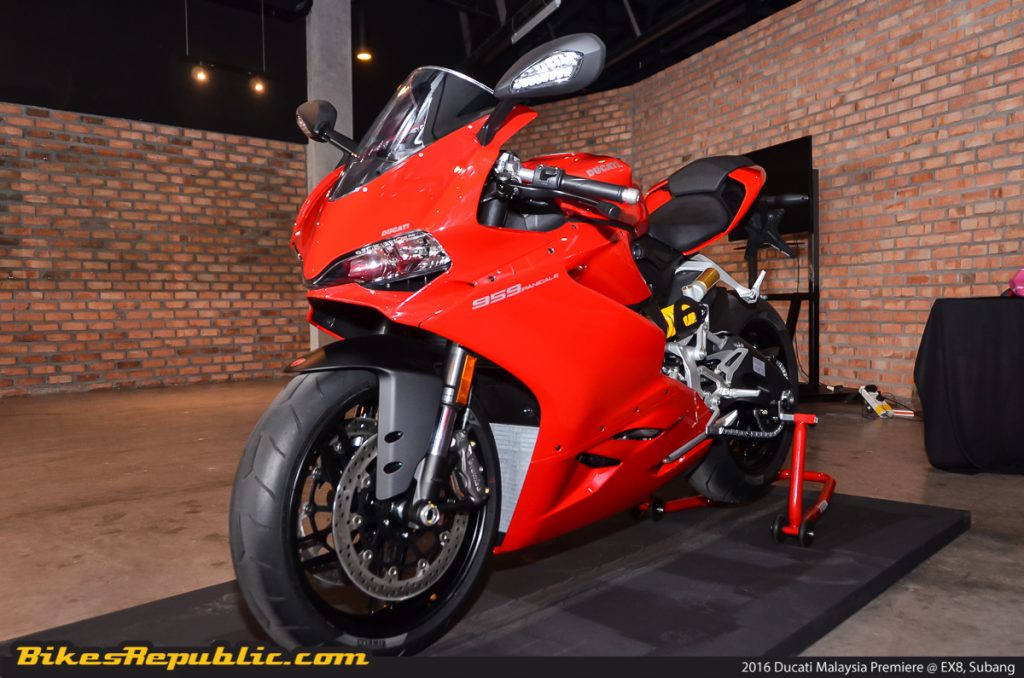
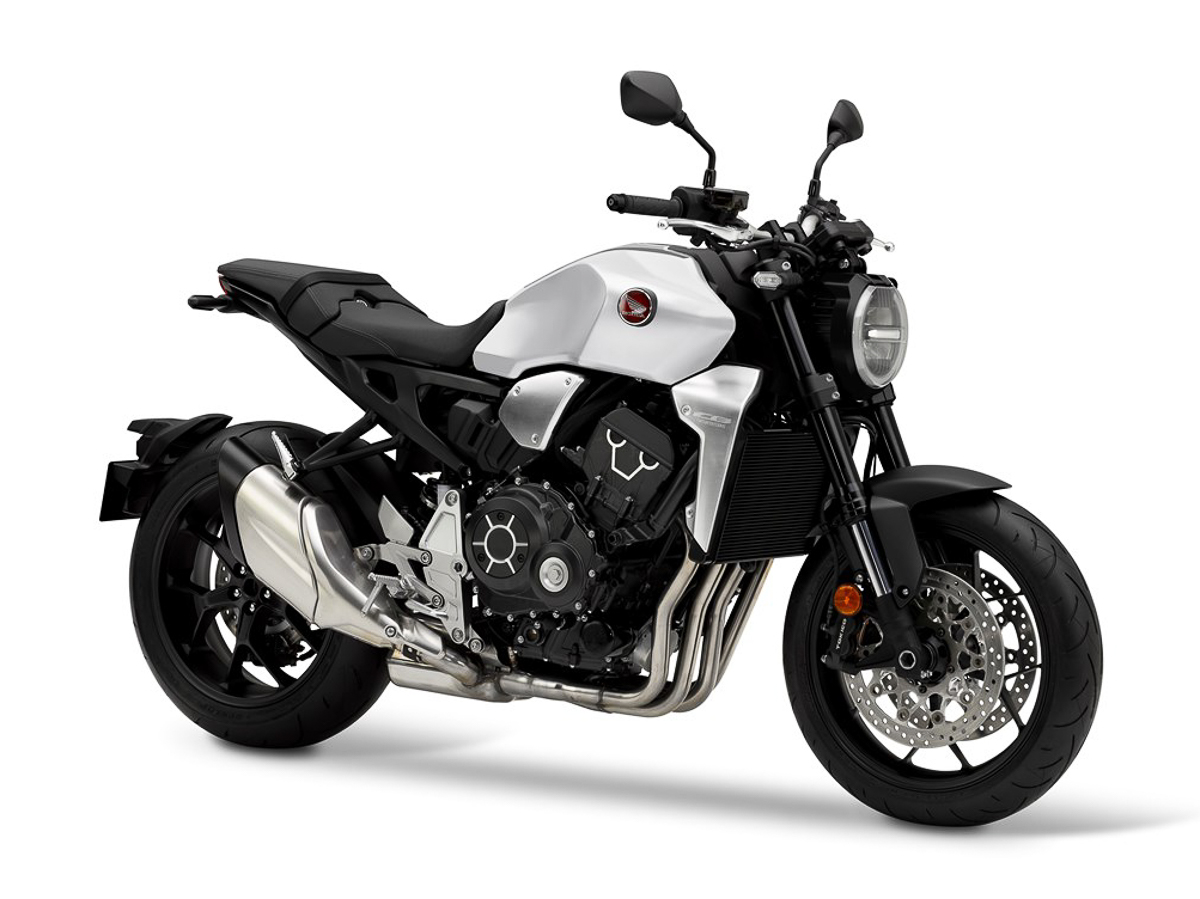
Race is open to all owners of the Ducati 848, Panigale 899 and 959, the 1098, 1198, Panigale 1199, 1299 and the brand-new Panigale V4.
Registration is open.
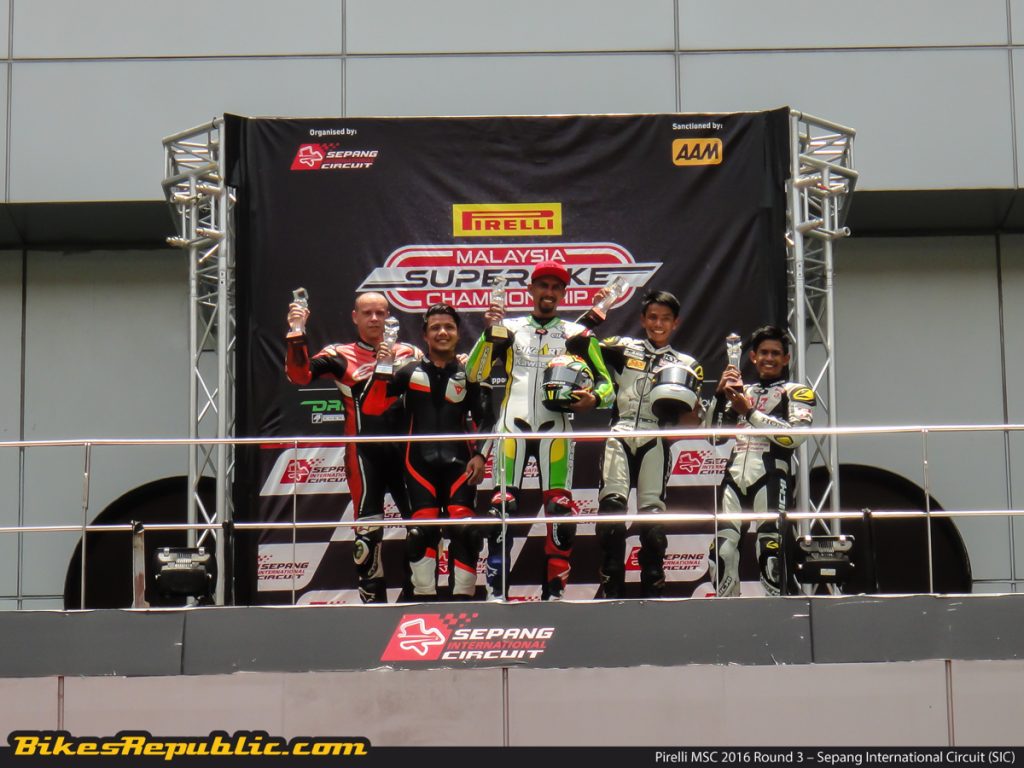
Round 1 takes place this weekend during the Malaysia Superbike Championship.
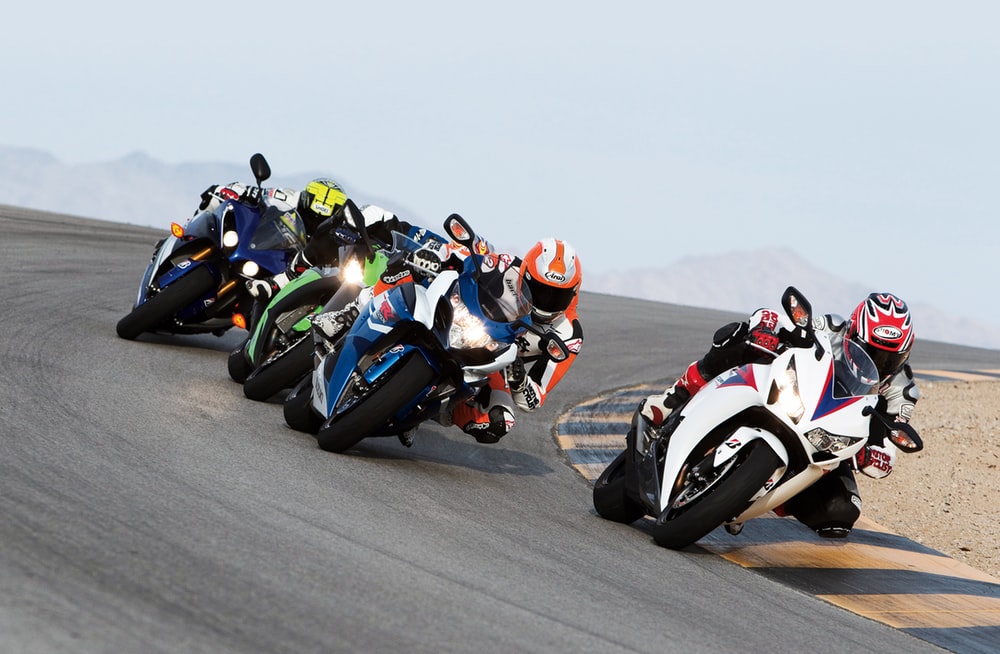
The Desmo Owners Club Malaysia (DOCM) will be hosting the first round of the TOC Desmo Cup 2018 during the second round of the Malaysian Superbike Championship.
However, unlike the MSC series which has two race rounds per weekend, the TOC Desmo Cup will only race once in a 10 lap race format.
Taking place on the 27,28 and 29 of July at the Sepang International Circuit, the 2018 installation of the TOC Desmo Cup sees DOCM partnering the TOC Automotive College who comes on board as the title sponsor of the series.
Participants taking part in the series will be racing on their own bikes and the series is open to those riding the Ducati 848, Panigale 899 and 959, the 1098, 1198, Panigale 1199, 1299 and the brand-new Panigale V4.
Entry fee to the series is set at just RM500, while the price is as follows:
Race winners:
– 1st RM600 and trophy
– 2nd RM500 and trophy
– 3rd RM400 and trophy
– 4th trophy only
– 5th trophy only
Overall season championship prize money as follows:
– Overall points champion RM3000 and thropy
– Runners up champion RM2500 and trophy
– 3rd Overall RM2000 and trophy
– 4th Overall RM1500 and trophy
– 5th Overall RM1000 and trophy
The series will receive technical support from Ducati Malaysia who will be sending their trained mechanics to work on bikes. Lubricants will be supplied by Toyo Lubes while Kratos Motorsport, the distributor of K-Tec suspensions in Malaysia, will offer ride and handling support to all riders.
All riders intending to join the series must have a valid AAM license to take part in the races.
The following is the MSBK TOC Desmo Cup Supersport and Superstock Calendar:
– Round 1 : July 27th, 28th and 29th 2018
– Round 2: September 14th, 15th,16th 2018
– Round 3 and 4 : October 5th, 6th, 7th 2018
Motorcycles are still getting more and more advanced.
However, there are a number of technological advancements that improved the motorcycle.
These have made motorcycling both more enjoyable and safer.
Motorcycles have advanced by leaps and bounds over the years (thank you, Capt. Obvious), but there are certain technologies that are the most important. These are the ten technological advancements make riding safer and more enjoyable.
10. Alloy frames
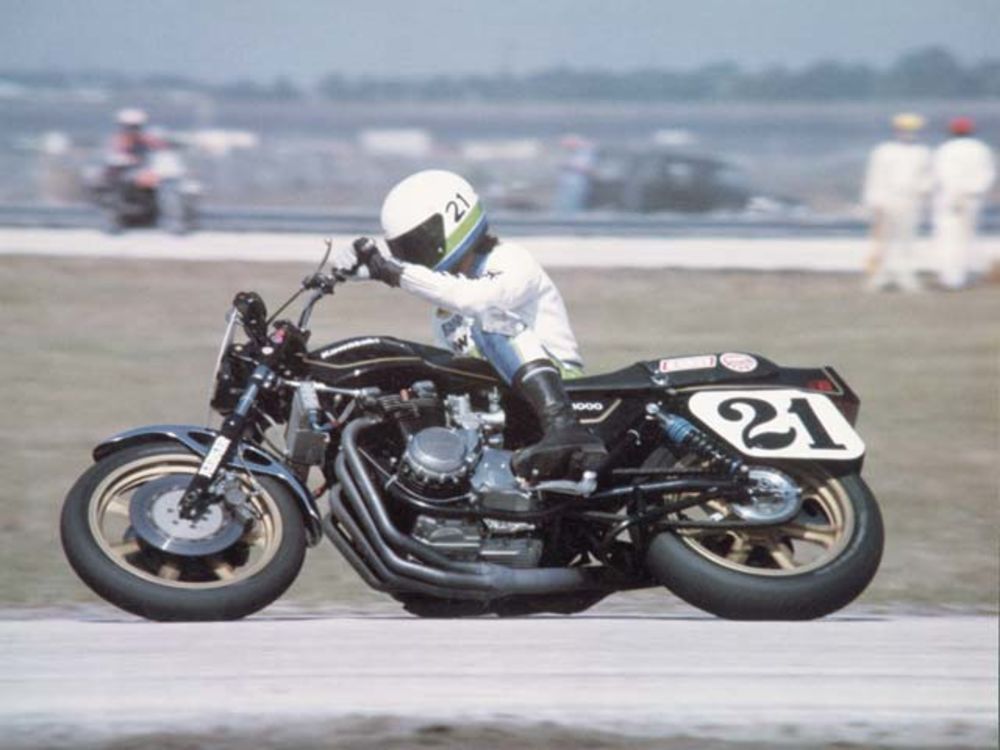
The progress of stickier tyres meant that engines could be built with more power but the steel tube frames of the 70s and early 80s couldn’t keep up with the progress. It wasn’t uncommon to find the world’s fastest bikes of the period wobbling in the corners.
Eddie Lawson on the Z1000. Look at that spindly frame and swingarm steel tubes!
The tubes had to be made bigger and bigger, causing its weight to offset the power gains of the engine. Besides that, steel is inflexible and caused tyre wear as well as grip issues.
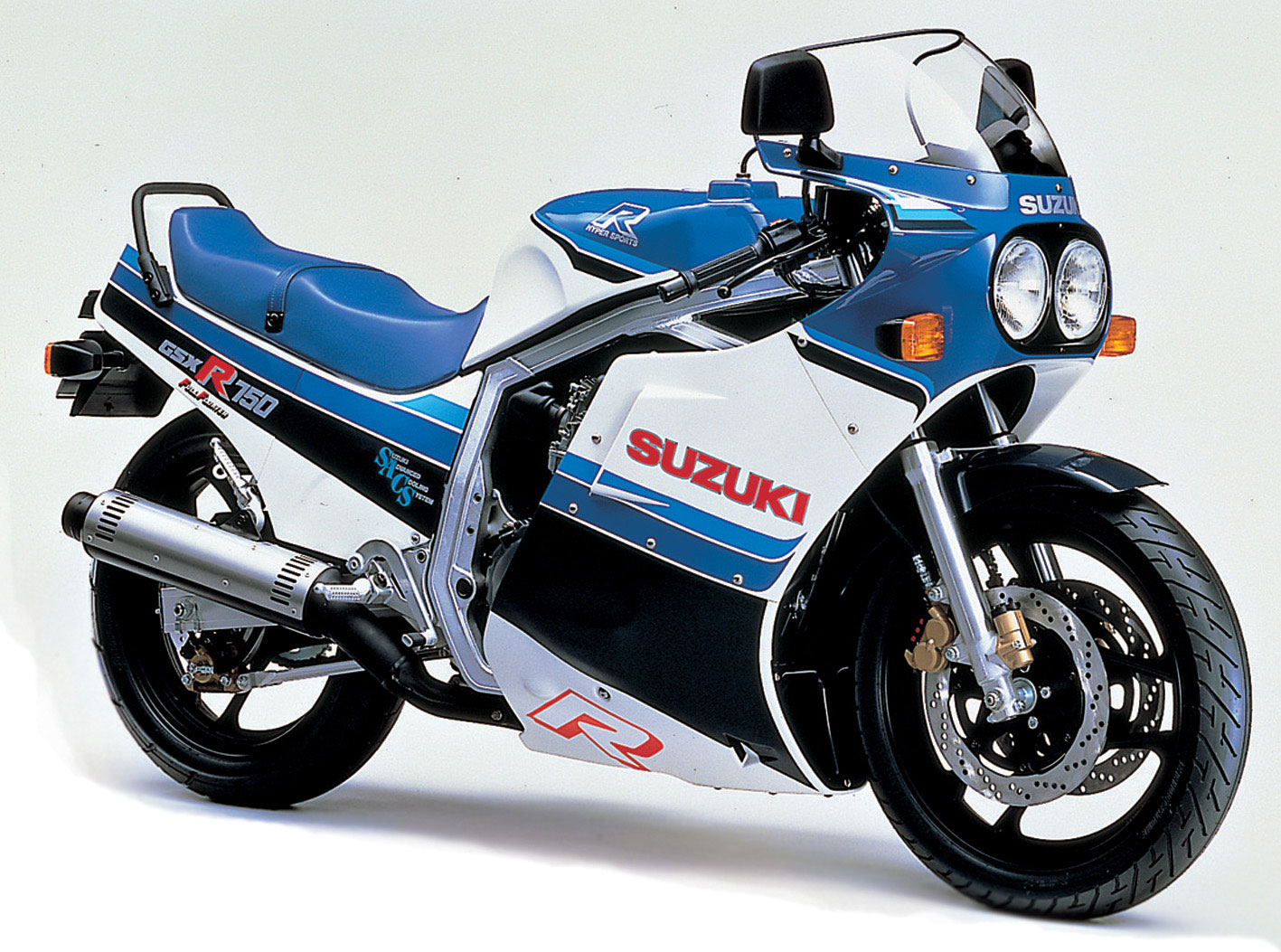
Suzuki was the innovator during the manufacturer’s peak years. They decided to go aluminium for the frame. The first aluminium frame’s first appeared in the iconic 1986 Suzuki GSX-R750, otherwise affectionally known as the “Slabside” or “Slingshot.” Aluminium was the answer as the material was both strong and light. The engineers could tune its stiffness characteristic through different thickness or webbing to achieve specific flex attributes.
Almost all high-performance motorcycles are fitted with aluminium frames these days.
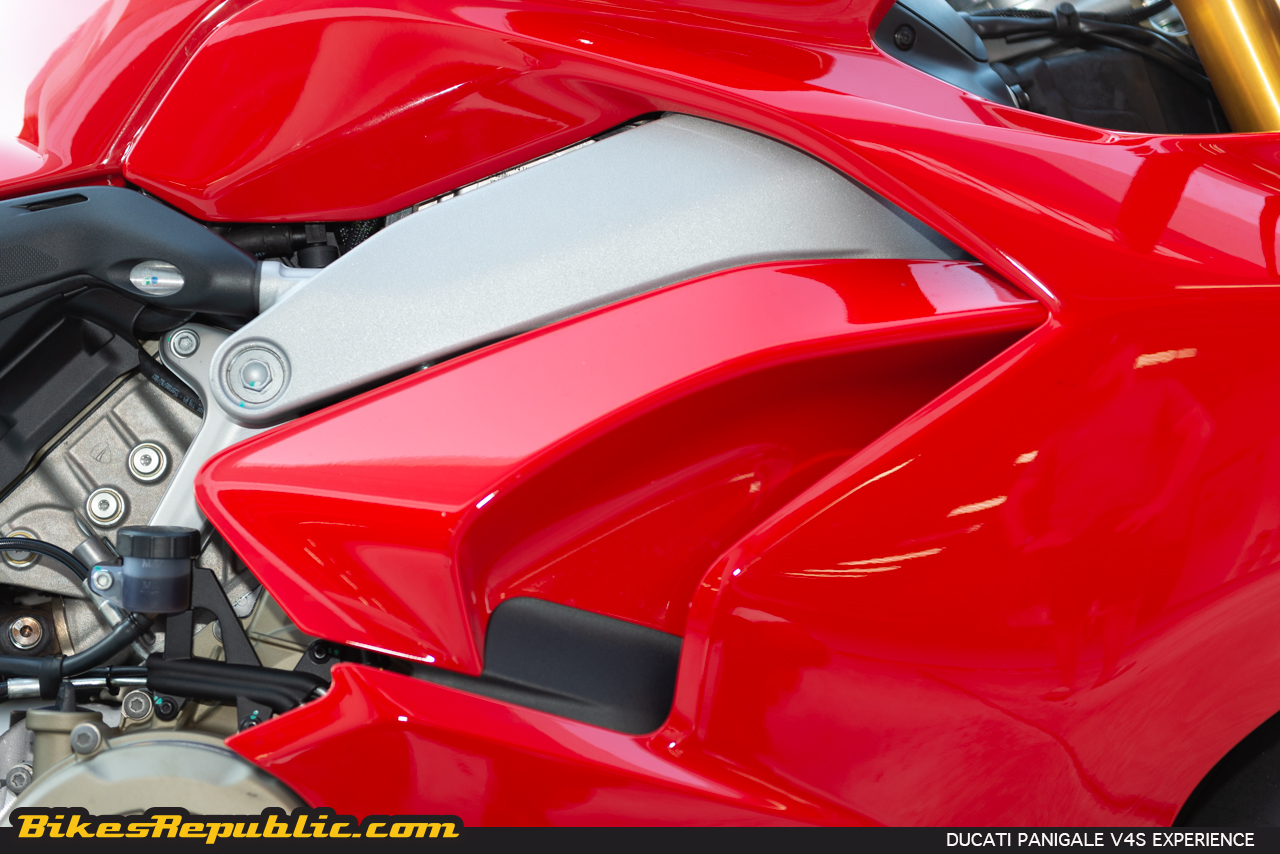
Aluminium has replaced the monocoque structure on the Ducati Panigale V4
9. Fairings
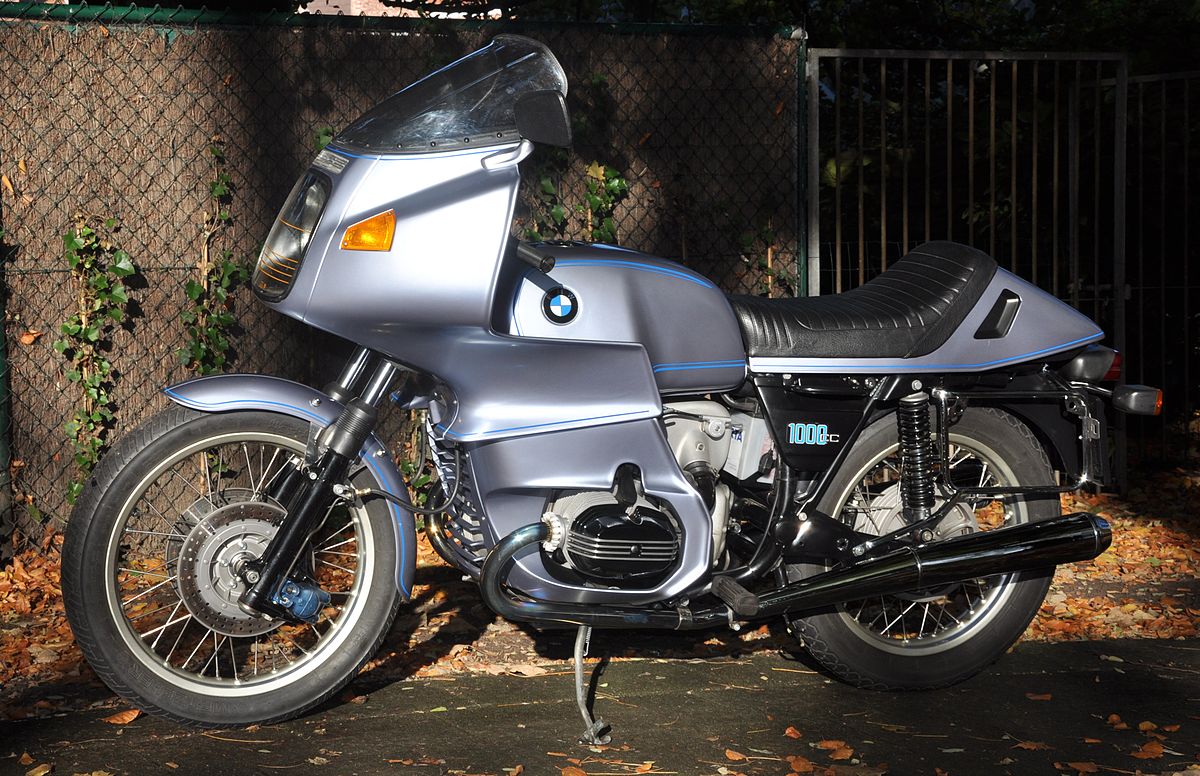
Race teams and riders had known for many years that fairings on the motorcycle allow for better aerodynamic flow and consequently more speed. But fairings didn’t make it to production motorcycles until 1973 when BMW launched the R90S. Its successor, the R 100 RS in 1976 was the first production motorcycle to be fitted with a full fairing. Street riders could now seek protection from windblast.
1976 BMW R 100 RS
8. Disc brakes
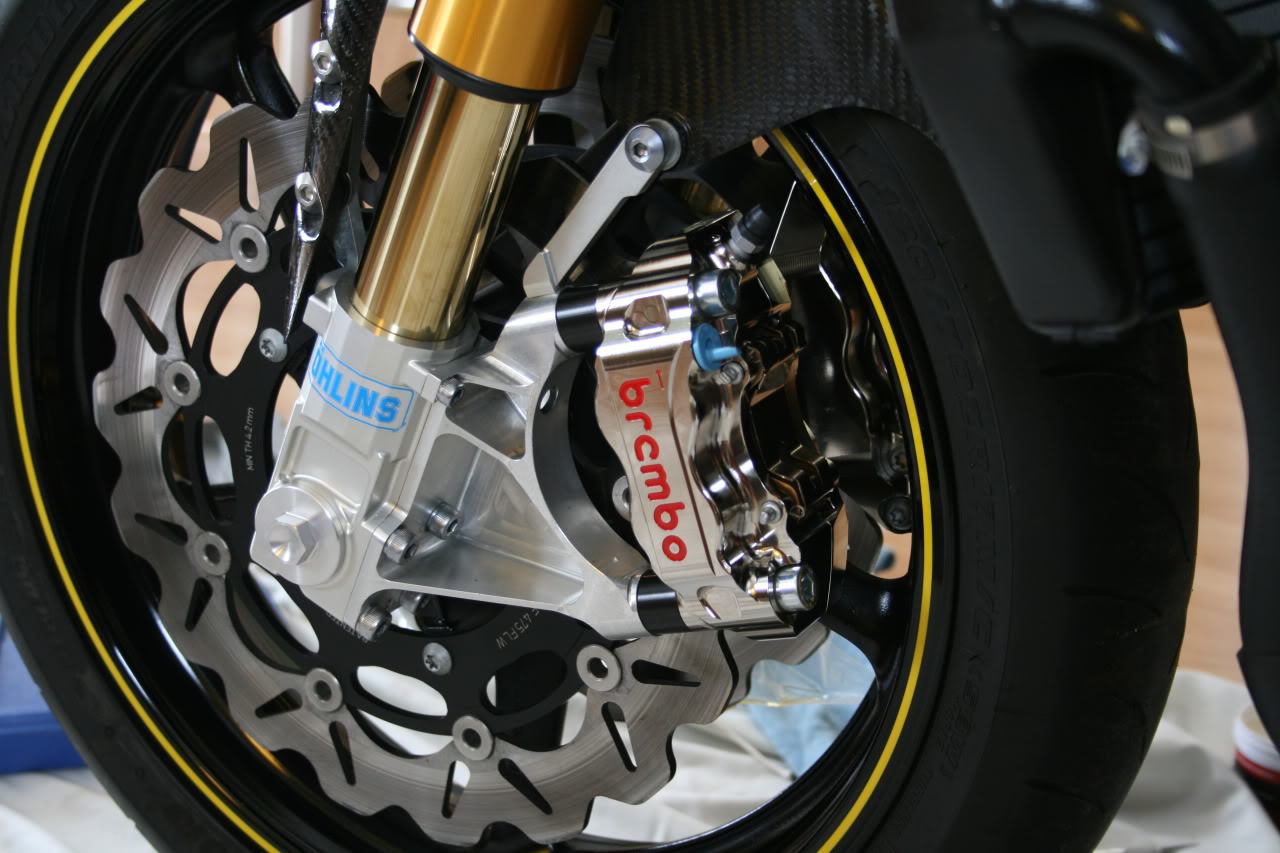
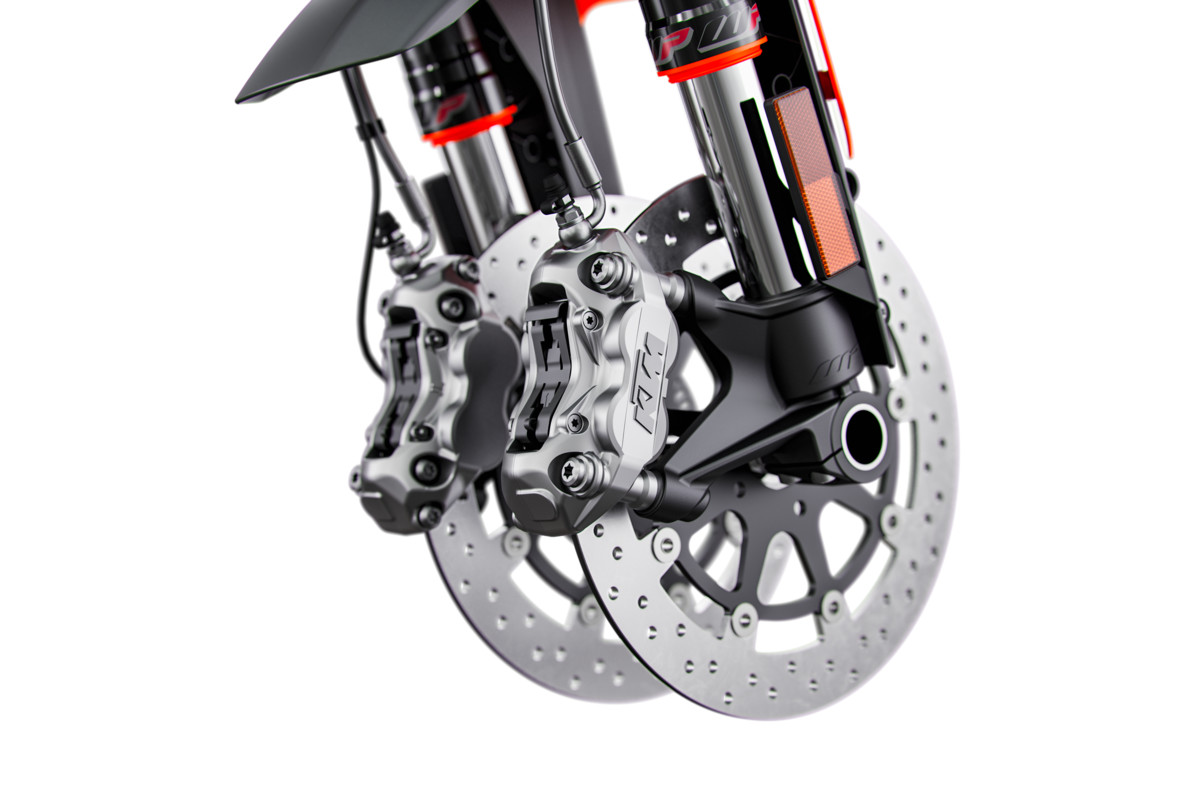
There’s no substitute the hydraulic disc brake system. The working principles are very easy to understand: Hydraulic fluid is squeezed through a tube to push the calipers that hold the pads onto a disc that’s mounted solidly to the wheel. (Please click on this link to find out how it works.)
2018 KTM 790 Duke’s front brakes
The disc brake has many other advantages over its drum brake predecessors, too. It is self-cleaning as brake dust is blown away, it cools faster since the disc and pads are in the airflow, doesn’t get waterlogged, suspension movements doesn’t affect braking, and easier to check for wear.
That’s why the hydraulic disc brake system hasn’t been replaced. Instead, improvements are sought elsewhere as in disc/pad material, hoses, master cylinder, calipers and caliper mounting.
7. Anti-Lock Brake System (ABS)
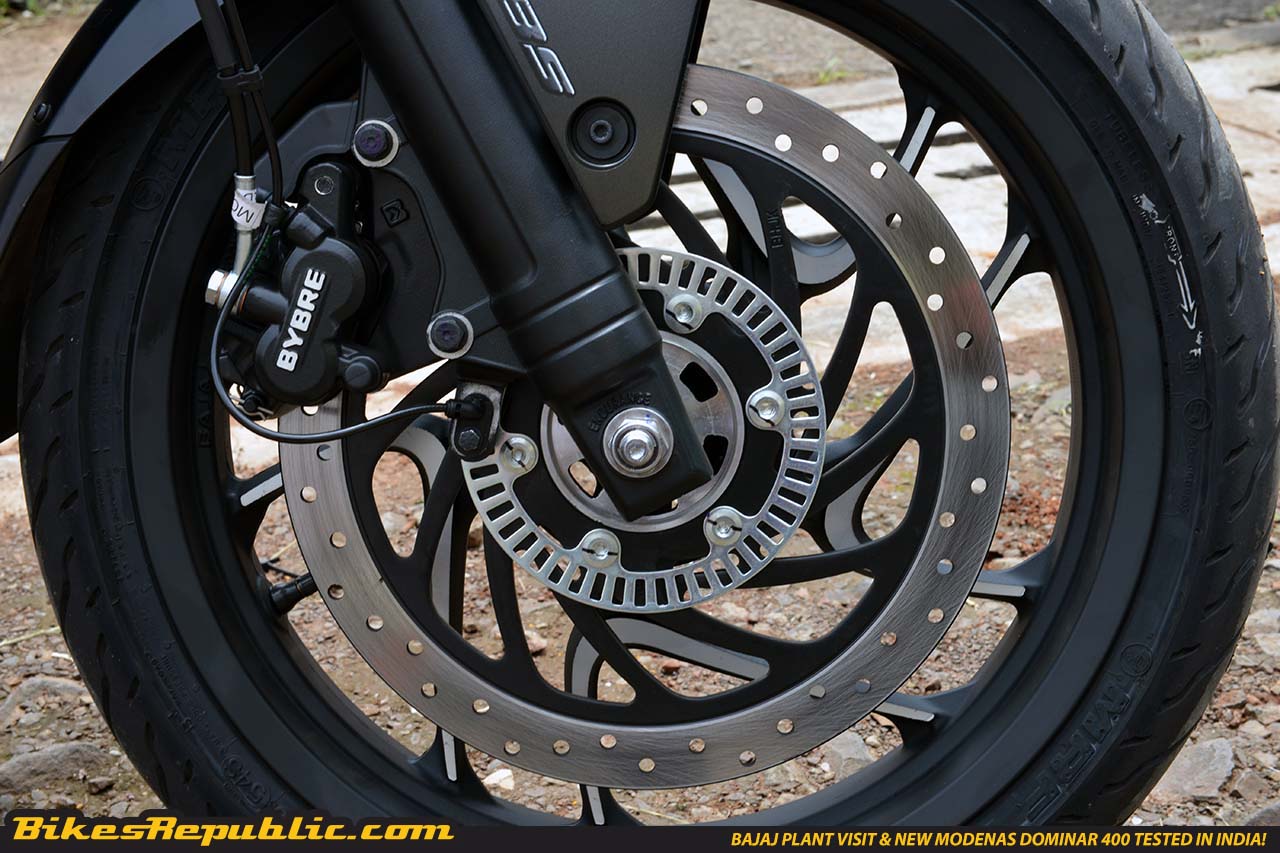
There was a time when ABS was scorned by riders for being unreliable and adds extra weight to the motorcycle. But truth is, ABS is the one technology which has saved many lives and limbs. ABS have been developed extensively through the years to include cornering ABS or work with other systems such as traction control. (Please click on this link to discover how ABS works.)
ABS ring on the Modenas Dominar 400’s front brake
6. Multi-cylinder engines
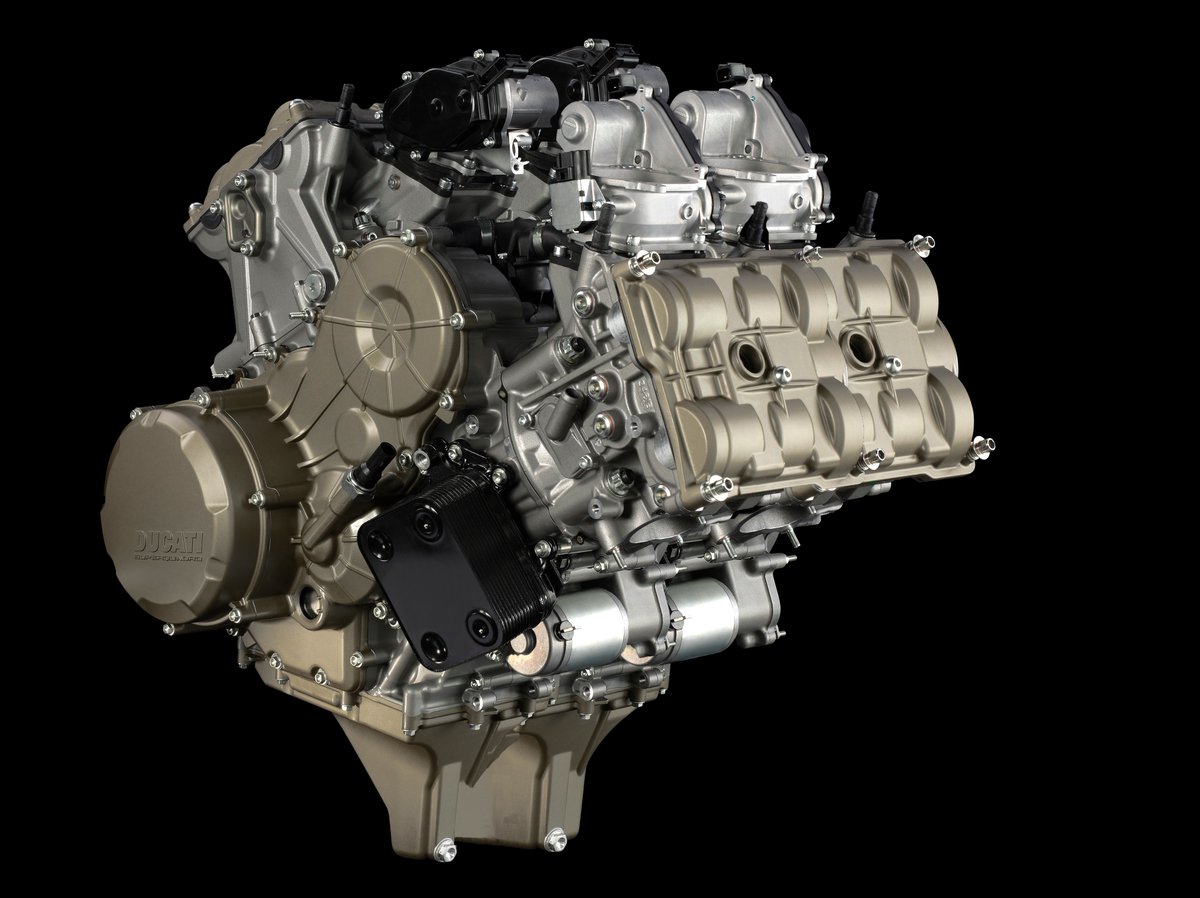
The earliest combustion engines were single-cylinders. However, as the quest for ever more power production took hold, more cylinders were added to give birth to Twins, Triples, Fours, Sixes and even Eights of various layouts and crankshaft spacings. Imagine how our motorcycling world would be if we had none other than single-cylinder thumpers now.
Ducati Panigale V4 engine
5. Hydraulically damped telescopic forks
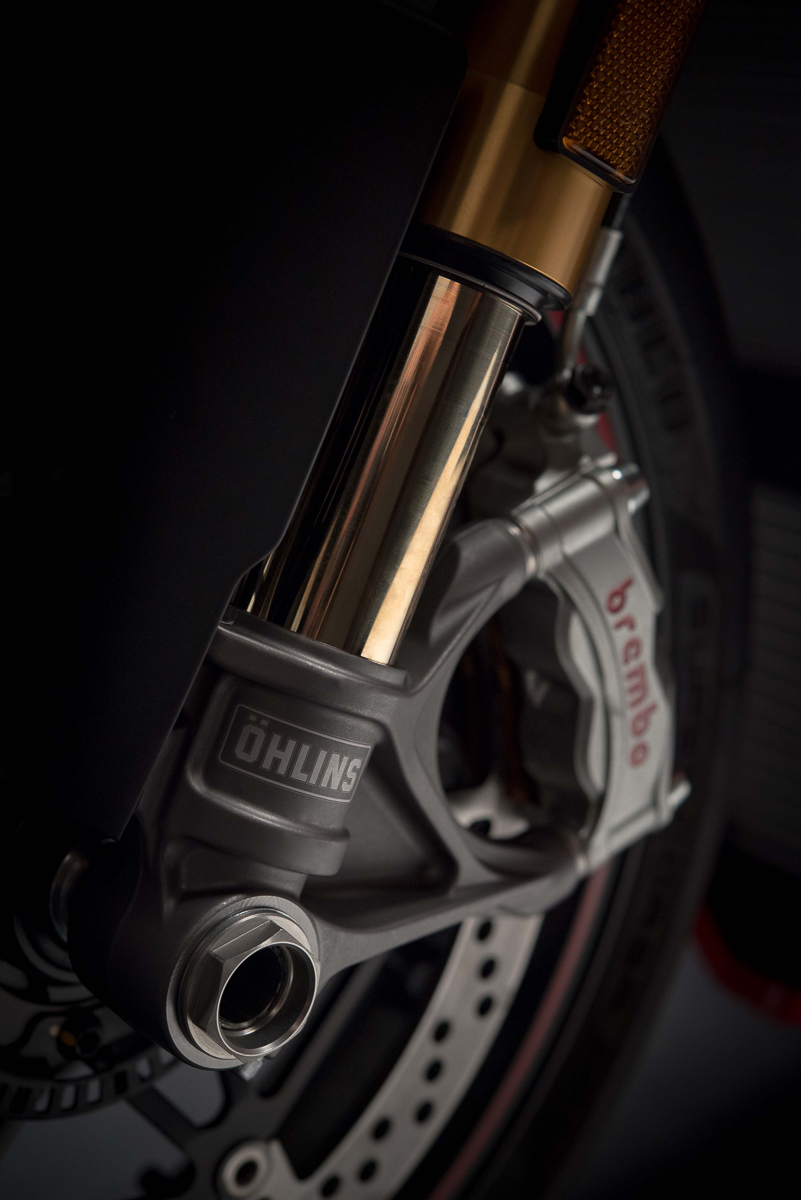
Forks were first designed to connect steering stem with the wheels at one time and they didn’t provide any damping. It all changed when BMW Motorrad introduced hydraulically-damped forks in the R12 in 1935. Motorcycle forks have seen so much development since then and even alternative solutions such as hub-centre steering, girder fork arrangements, et al couldn’t unseat hydraulic forks as the preferred front suspension set up.
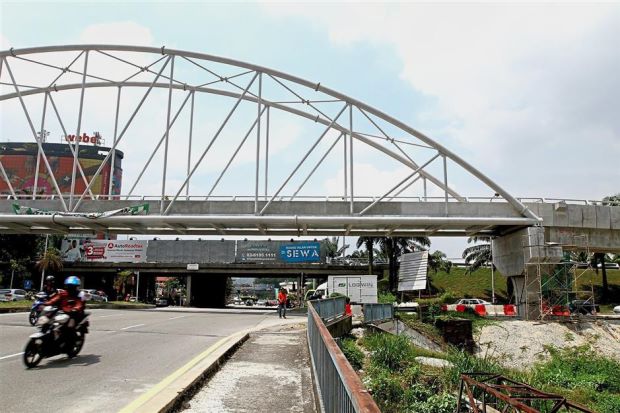
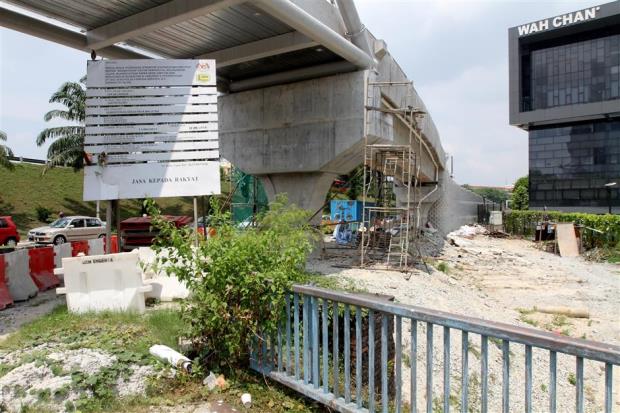
The Federal Highway motorcycle lane upgrading project will include a motorcycle-only bridge.
It spans the busy Jalan 222 – Jalan Templar – Federal Highway intersection.
The project had been delayed and is slated to be ready by early-October 2018.
The Jalan 222 – Jalan Templar – Federal Highway may be the most congested during the rush hours, but it is for a good thing in the future, reports The Star.
As part of the 8.1km-long motorcycle lane and drainage upgrade project which costs RM28 million, a motorcycles-only bridge which spans the intersection will be ready for use by early October. The project starts from Kelab Gold Negeri Selangor along the Federal Highway near Subang Parade and ends at the Kota Darul Ehsan arch, which marks the Selangor-Kuala Lumpur border.
The bridge’s underpass – Courtesy of thestar.com.my
The project had been slated to be completed in June this year, but heavy rain which began in May and change of design delayed it for over a month, explained a Public Works Department (JKR) spokesman. Other factors that caused the delays were theft of equipment, the general elections and long stretches of public holidays.
The project seeks to repair or upgrade damaged road surface and alleviate flooding problems in sections of the bike lanes which spans a total of 16km in both directions.
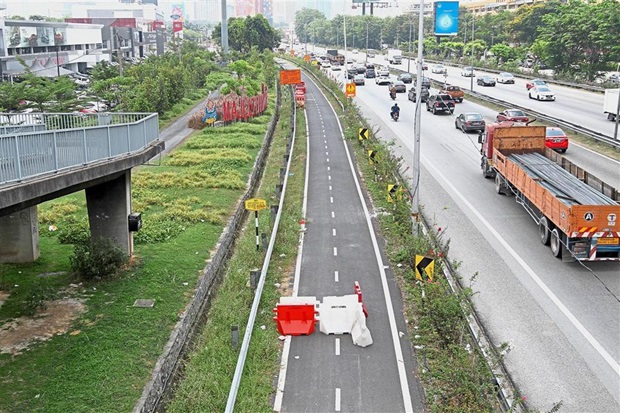
A check by Bikes Republic revealed that a section of the bike lane after Jalan Barat heading towards Kuala Lumpur had been given a new asphalt cover, although it had not been widened as most expected. However, the section remains closed for some reason.
A section of the bike lane near Jalan 222 is still closed – Courtesy of thestar.com.my
In the time being, motorcyclists are forced to share the Federal Highway’s main throughway with other heavy vehicles, putting their lives and those of others in danger. (Please click on the link below to read our earlier report.)
As such, we recommend that motorcyclists remain in the left lane as much as possible should you choose to use the Federal Highway. Since the old highway’s lanes are narrower, heavier vehicles drive closer to one another, and this represents dangerous challenges to motorcyclists, especially if you are caught in the faster lanes when the traffic suddenly becomes less congested and speeds of other vehicles pick up.
We hope the Public Works Department and their contractors pick up the pace and complete the project as soon as possible in the interest of safety of all road users.
TechTOC is a weekly technical column moderated by “Foreman” Oh Kah Beng (KB).
KB is now the Motorsports Consultant at the TOC Automotive College’s motorcycle racing venture and Principal Trainer at his Most Fun Gym (MFG) MX-school
Send in your technical questions, and the winner receives a complimentary session at KB’s Most Fun Gym MX-school!
We began with TechTOC last week, when “Foreman” Oh or as he likes to be called, “KB”, answered a reader’s query about engine operating temperatures (please click on the this link to read about it). This week, KB answers a good question about motorcycle suspension, namely the terminologies.
Question:
I always hear my friends talking about set up. Can you explain what is preload, compression and rebound damping?
— Wong Siew Seng, Selangor
Answer:
To answer your question needs to take up and entire article so I’ll try to be as brief as I can and cover only the basics.
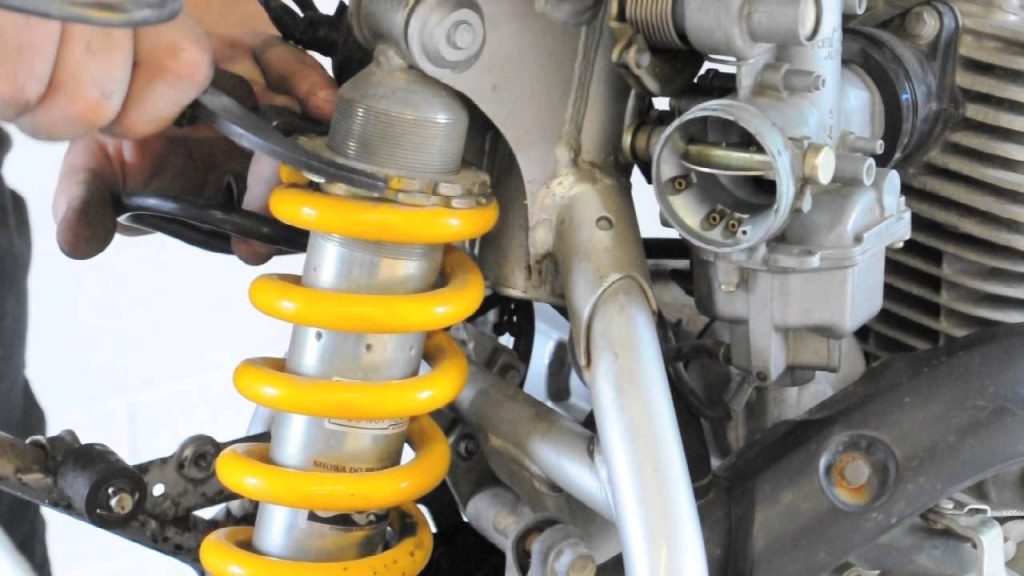
The short answer is, preload is to adjust suspension sag. Sag (there are unladed and laden sag) is the name given to the amount of suspension travel used up when the bike settles under the bike’s own weight (unladen) and when the rider sits on the bike (laden). You alter its settings by rotating the collars or ramp clockwise, which loads the spring. It will cause the spring to push back on the collar, thereby reducing the sag and raising that end of the bike’s ride height at the same time. Move the collars up and the ride height drops.
But do not be fooled! The frustrating misconception is that altering the preload also changes your suspension’s stiffness (spring rate). This is totally wrong! You DO NOT change the spring rate unless you replace the spring. The suspension feels harsh when you add in too much preload as you have reduced the sag too much and the suspension sinks into its stiffer stroke. Think of sag as “freeplay.” However, too little preload is also a bad thing, as the suspension will have to much “freeplay” and compress all the way to its bump stop.
Before we proceed to the subject of damping, let us get this out of the way:
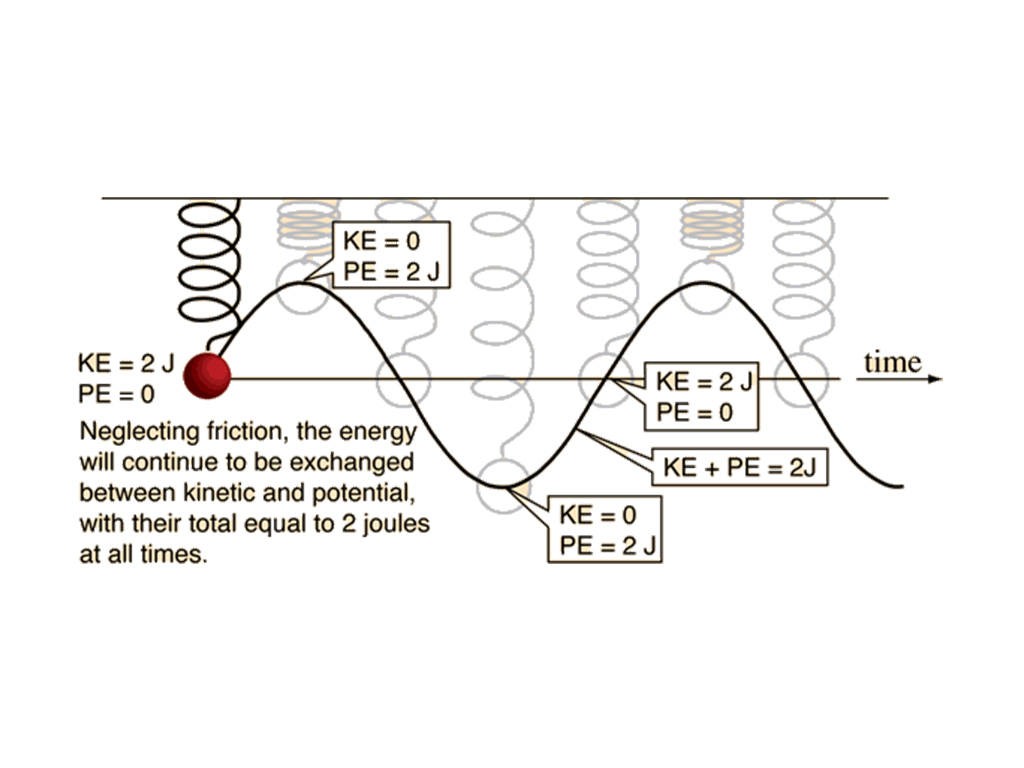
A spring if left to work alone (without damping) is prone “oscillations.” A compressed spring stores energy and when that energy is released, the spring will re-extend past its original length. When that happens, the elongated spring now stores potential energy and will recompress the spring when released. This process happens over and over again, the spring will “oscillate” until the energy turns translates totally to heat. You will feel the bike wallow up and down, like sitting on a motionless boat on a stormy sea – up and down, down and up, up and down.
Spring oscillation graph – hyperphysics.phy-astr.gsu.edu
This is where damping comes into play. Damping controls the movements of the spring.
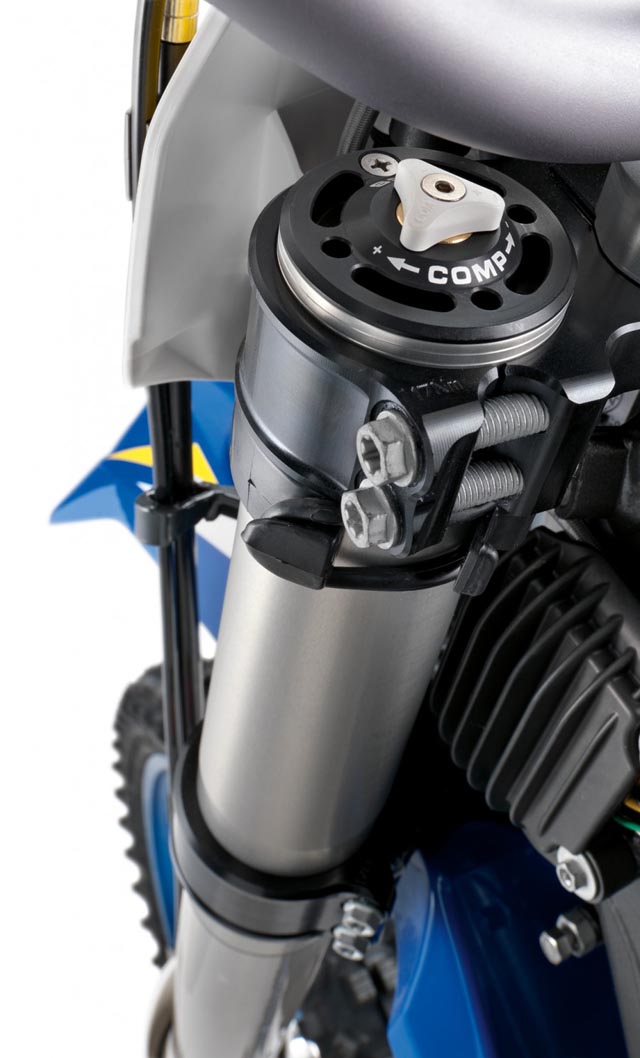
Compression damping (marked as “COM”on the fork/s or shock/s) pertains to how “quickly” or “slowly” the wheel is allowed to push upwards when it contacts a bump. If you increase compression, the valves inside the fork or shock shuts off the flow of hydraulic oil or gas, thereby resisting the wheel’s upward movement. Conversely, if you decrease compression, the valves open up and oil or gas is able to flow more freely, hence the wheel comes up faster.
But DO NOT go to extremes. Just because you ride fast, it does not mean you need more compression damping. If you increase it too much, there will be too much resistance to the wheel’s movement, rendering it difficult to “soak” up bumps i.e. the suspension could not comply with road irregularities. This will cause the wheel to hop and lose traction. Additionally, a lot of bump energy is transferred to the rider. A bit less compression works for cornering at times, allowing the tyre to absorb the bumps and “dig” into the road (better mid-corner stability, too).
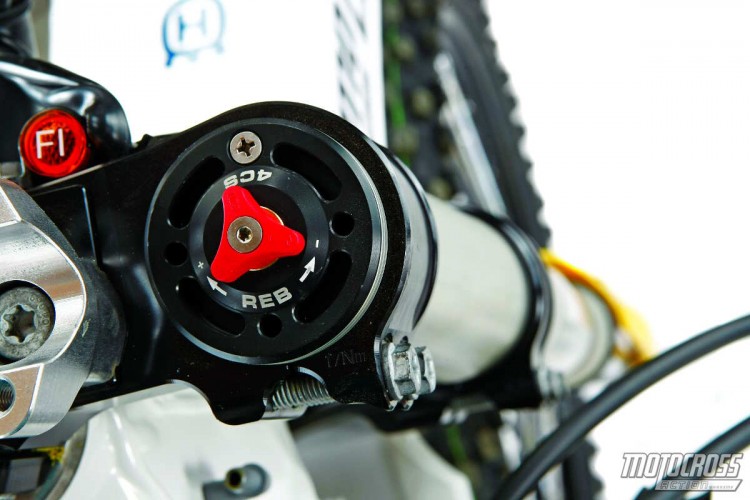
Rebound damping is opposite to compression damping. It regulates how quickly or slowly the wheel returns to its normal position after compression. Too much rebound will cause the suspension to “pack up,” as in it returns too slowly and that end of the bike will feel loose as the wheel stays up too long from its optimal position. Too little rebound, conversely, causes the wheel to be pushed back down too quickly (“packing down”) and the bike will feel harsh.
Too little rebound can be confused with too much compression but pay attention to whether the “hit” is felt immediately when you contact a bump or just after it. If it is felt immediately when you hit a bump, it is due to too much compression (or a spring that is too hard). Conversely, if the bump is felt after contacting it, it is due to too little rebound damping.
So, adjust the preload to obtain the correct sag (30 to 40 mm or 1/3 of total suspension travel) and ride height, compression damping for bump absorption and rebound damping for how the wheel returns after bump absorption. Understanding this will do wonders to the handling of your motorcycle.
Although suspension settings are subjective as every rider has a different comfort zone and riding environment, personally, I always like to set both compression and rebound damping on the softer side, and work my way up, using the factory (stock) setting as the baseline. An overly soft setting is more forgiving than overly hard one, as the former is more pliant while the latter is harsh and unforgiving, which could lead to extreme occurrences such as tyre slides and tank slappers.
You can learn more about this in the TOC Automotive College’s Superbike Technician Course. Please visit TOC Automotive College’s Facebook page or their campus (map below) or call call (+603) 7960 8833 for more information. Likewise, you can find more information about the TOC Bina Bakat Program here, or email info@toc.edu.my. Please click on this link for further information on the TOC Superbike Technician Course.
You may also visit Most Fun Gym for off-road training, as it improves your riding skills for all riding conditions. Please call +6012-2072516 for more enquiries or to book an appointment.
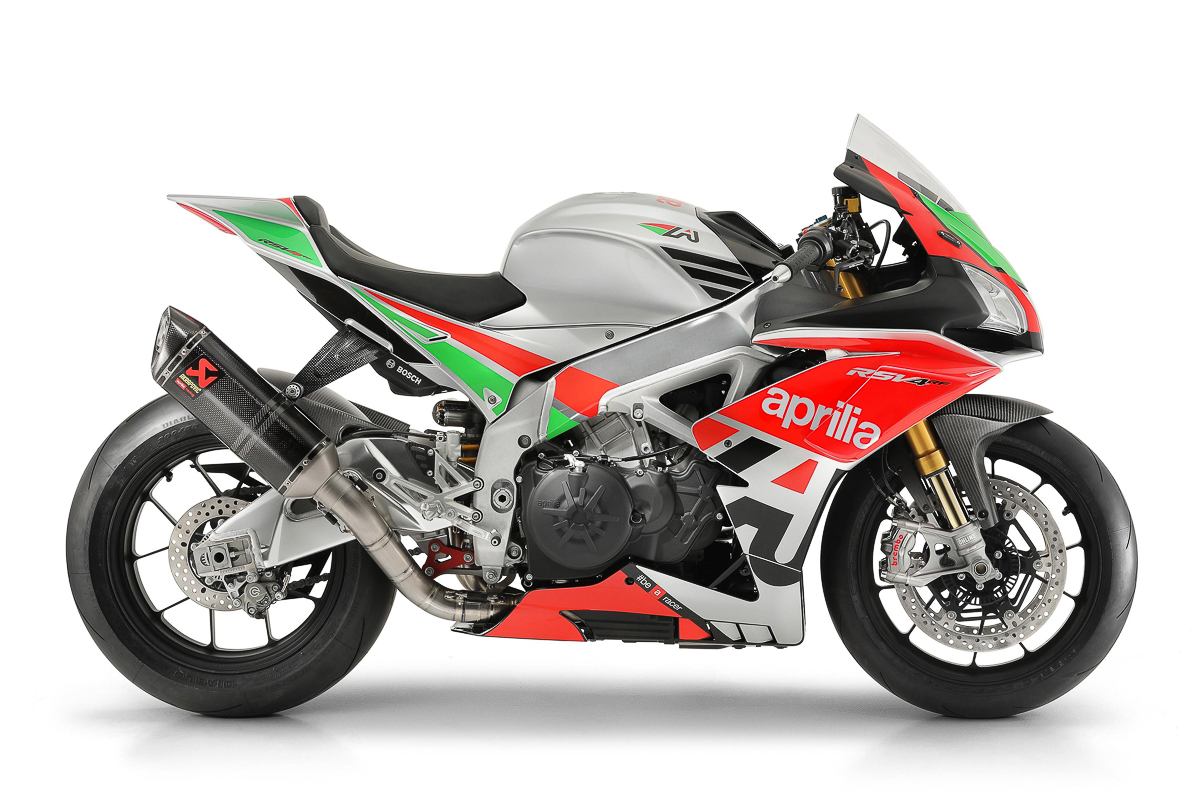
Talks about a possible 10th anniversary 2019 Aprilia RSV4 are currently ongoing in the world of motorcycling.
The 2019 model is set for the latest updates in order to stay ahead of the game, especially in WorldSBK.
We’re talking about a massive power increase, new chassis, the latest electronics, aero-fairings, and many more.
The Aprilia RSV4 superbike has been around for quite some time now and for 2018, it will be celebrating its 10th anniversary as one of the most unbelievable sports machines of all time. With that being said, is Aprilia planning anything special to celebrate this decade-long success? (more…)
While modern motorcycles are as reliable as the atomic clock, that doesn’t discount emergencies.
It’s always best to be prepared for the worst.
Roadside motorcycle repairs are almost extinct in these times as motorcycles become ever more reliable. However, that doesn’t rule out breakdowns due to say, minor accidents (touch wood!), such as experienced by this writer during the recent GIVI Rimba Raid Mat Daling.
Time to break out the tools kit.
This is no time to discover that either you’ve got no tools or crappy and/or inadequate ones that came with your bike (depending on the manufacturer).
Here are Ten Must Have Tools. You could choose to store them under your bike’s seat or in the tool box, but best to we ride while adhering to the Scouts’ principle of being ready.
Multi-tool
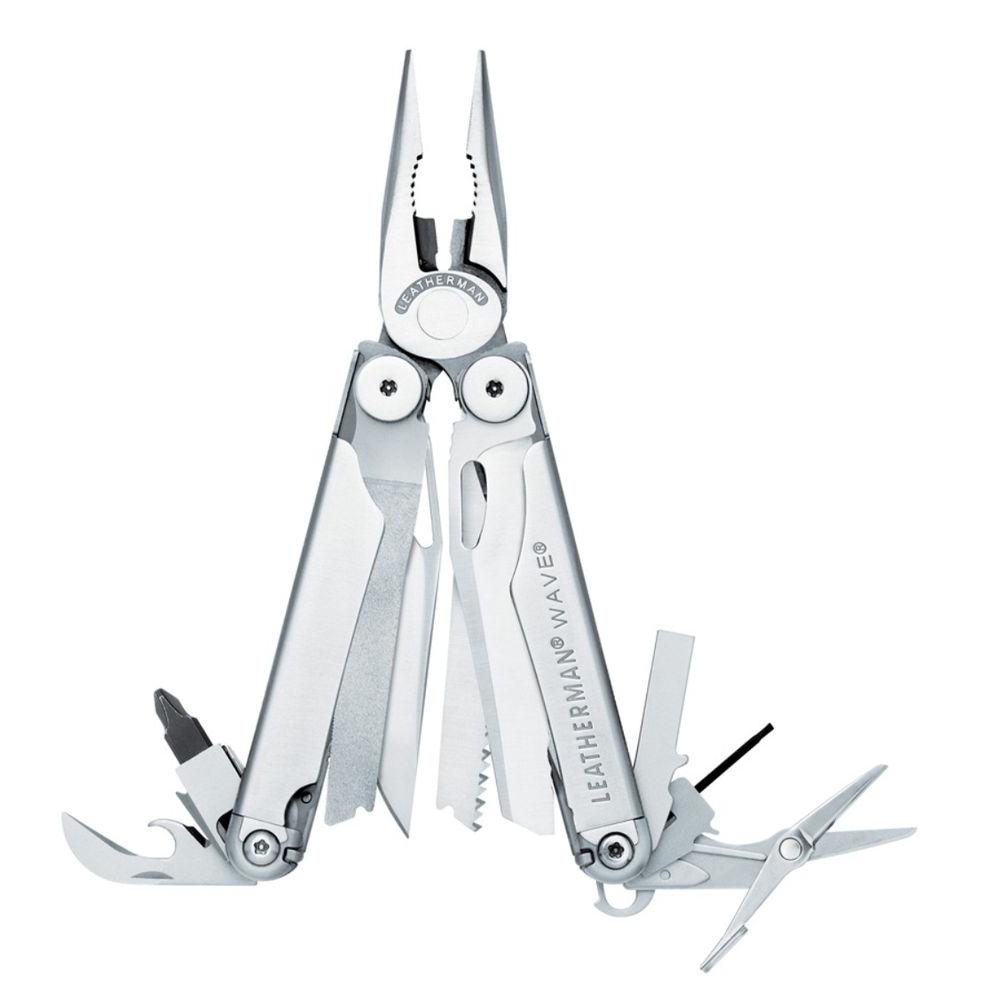
A multi-tool is always handy as it combines many tools into one compact package. You’d usually find a knife, a pair of pliers, a pair of screwdrivers with different heads. Do get yourself a sturdy set such as those from Victorinox (the ever-popular Swiss Army knife), Gerber or Leatherman.
The caveat of a multi-tool is that it only contains basic tools, leaving out the wrench, among others.
2. Screwdrivers
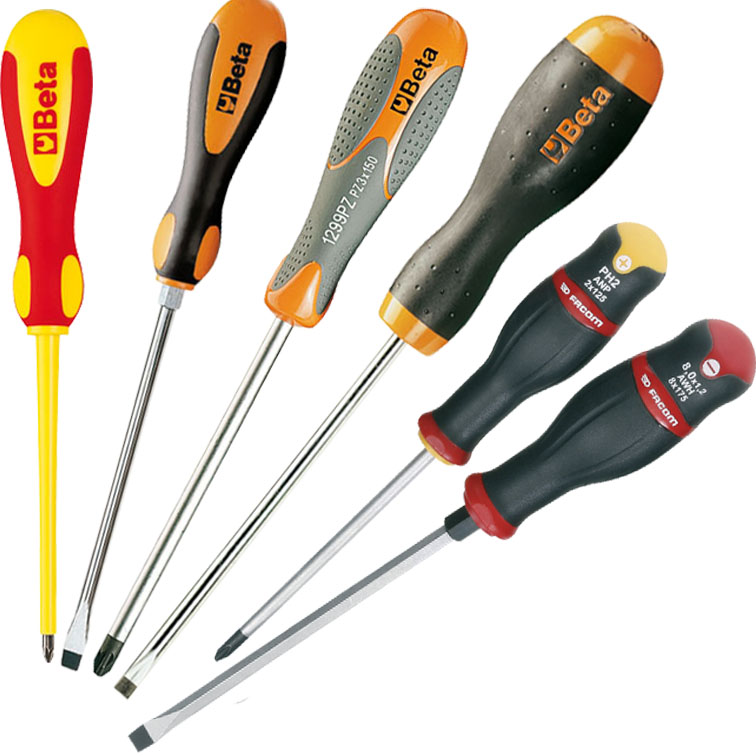
The screwdrivers included with multi-tools are too short, thereby lacking the torque to turn stubborn screws, besides being unable to reach difficult places. You ought to include a pair of 15cm (6”) long Phillips and straight-edged screwdrivers under the seat. Also, best that they have magnetic tips to help you in retrieving metal objects.
3. Pliers
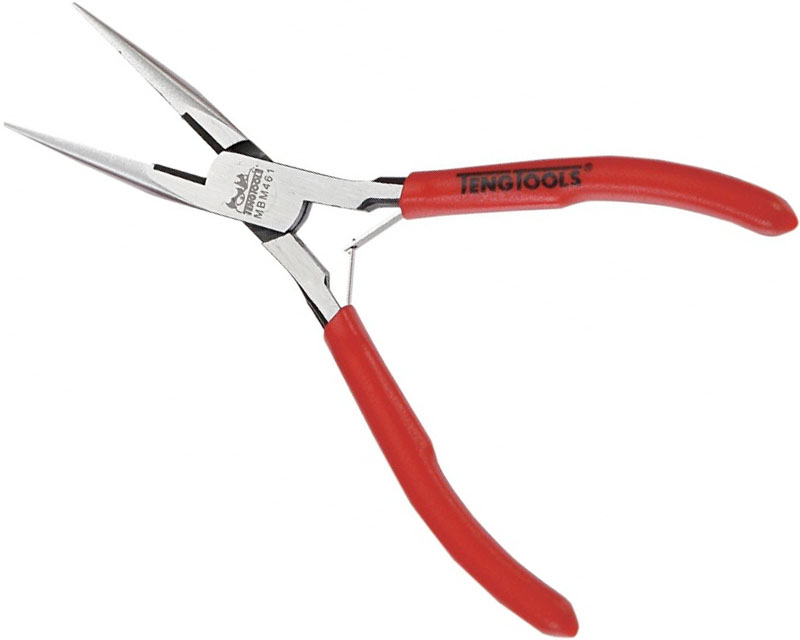
You may already have a multi-tool, but it’s still best to have a dedicated pair of pliers under the seat, in case you forget the multi-tool. We prefer the needle-nose (long nose) variety as it could fit into tight spaces. Do choose the pair with a sharp and strong cutter.
4. Allen/Hex Keys
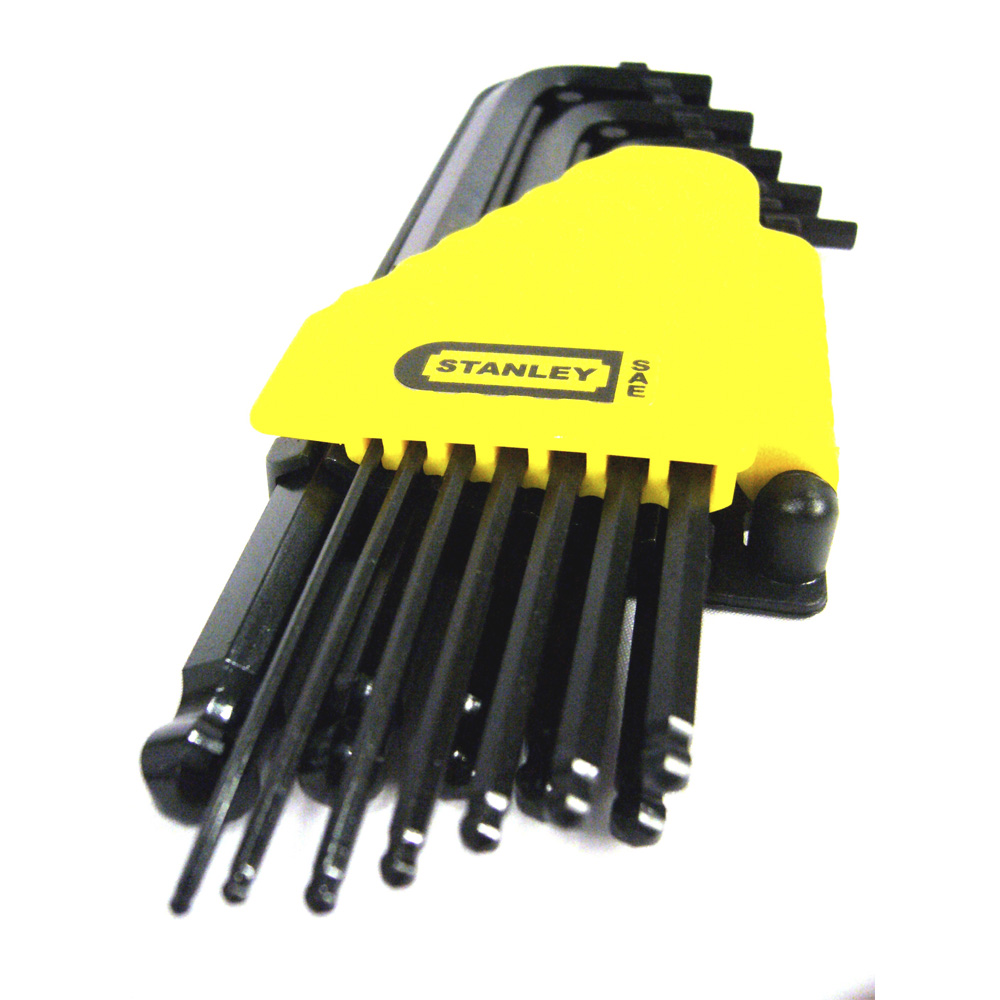
Most bikes use both normal screws in combination with allen or hex (usually called “flower” locally) screws. Yes, you can find an entire set contained in a flip-out style holder, but we recommend that you obtain ones with long handles for the necessary torque. Additionally, find those with ball-ends as they slot in easier at acute angles. You can bring those corresponding to the sizes of the screws on your bike and leave the rest at home.
5. Adjustable wrench (spanner)
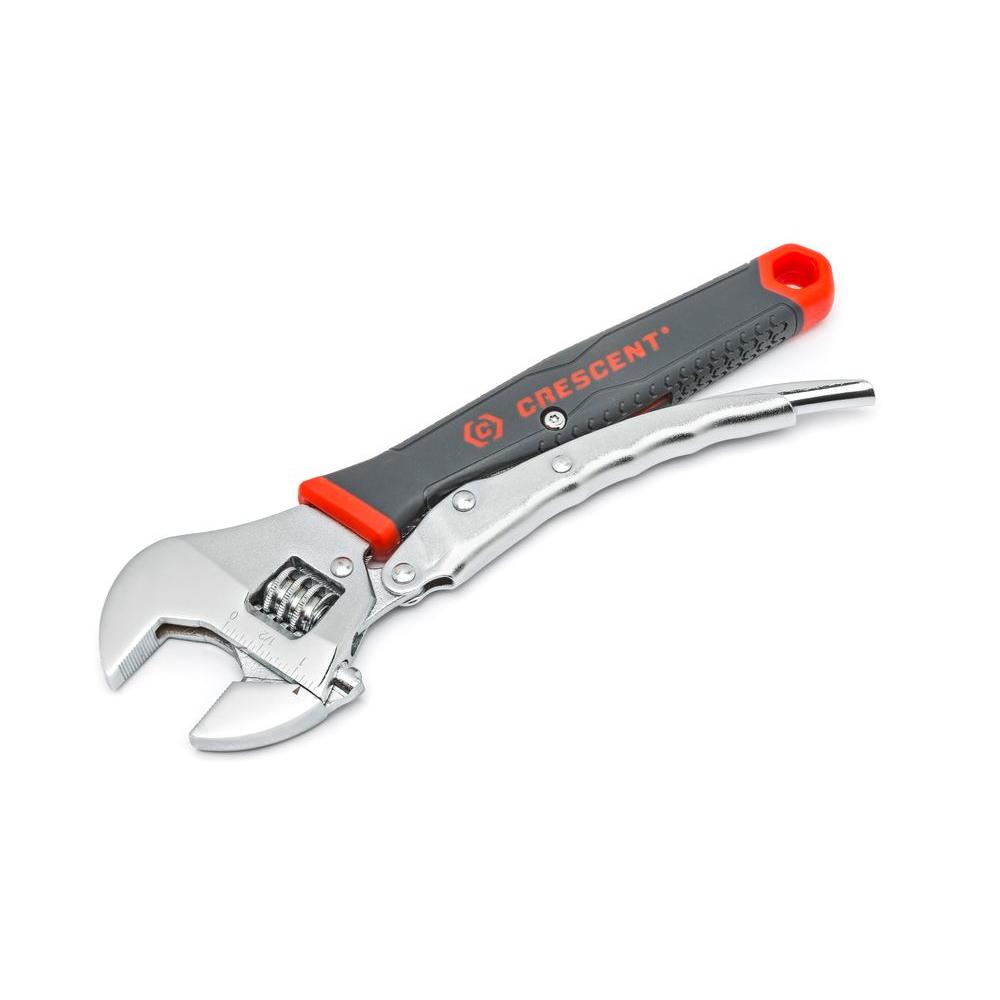
Honestly, we abhor the adjustable wrench as it never fits a bolt or nut exactly, leading to rounded bolts and nuts. Yet, it’s the only tool you could turn to when you don’t have enough wrenches or sockets. A locking type is recommended as it frees your hands to work on other things.
6. Wrenches (Spanners)
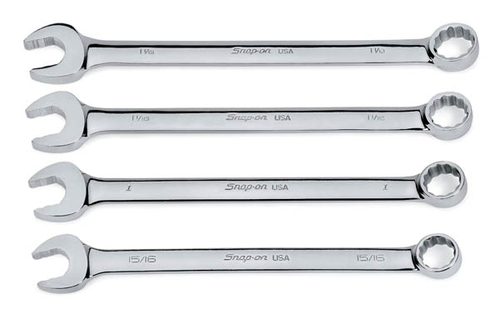
How could anyone leave these out? You don’t have to buy from the smallest to the largest, instead have those sizes on your bike. Please don’t be cheap when you shop for wrenches (or any tool for that matter) as low-quality ones with have you crying over rounded bolts and nuts.
7. Puncture repair kit
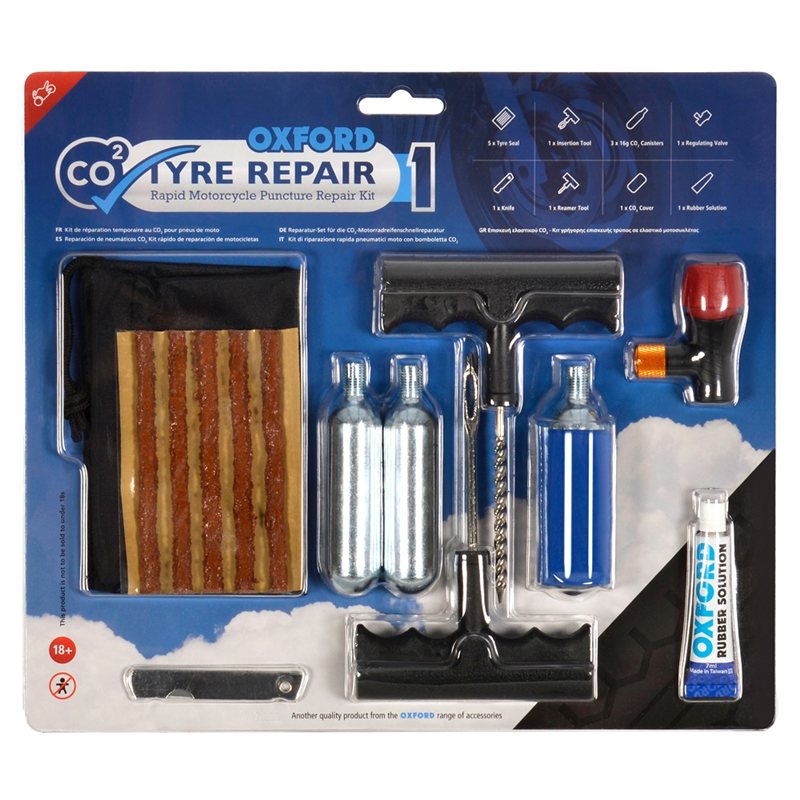
Every motorist, motorcyclists included, should learn how to fix a flat tyre and carry a set of puncture repair kit. Sure, you could call for assistance but what if you had a flat in some deserted location without telephone service. At night. We found this Oxford tyre repair kit in Hodaka Motoworld.
8. Torchlight
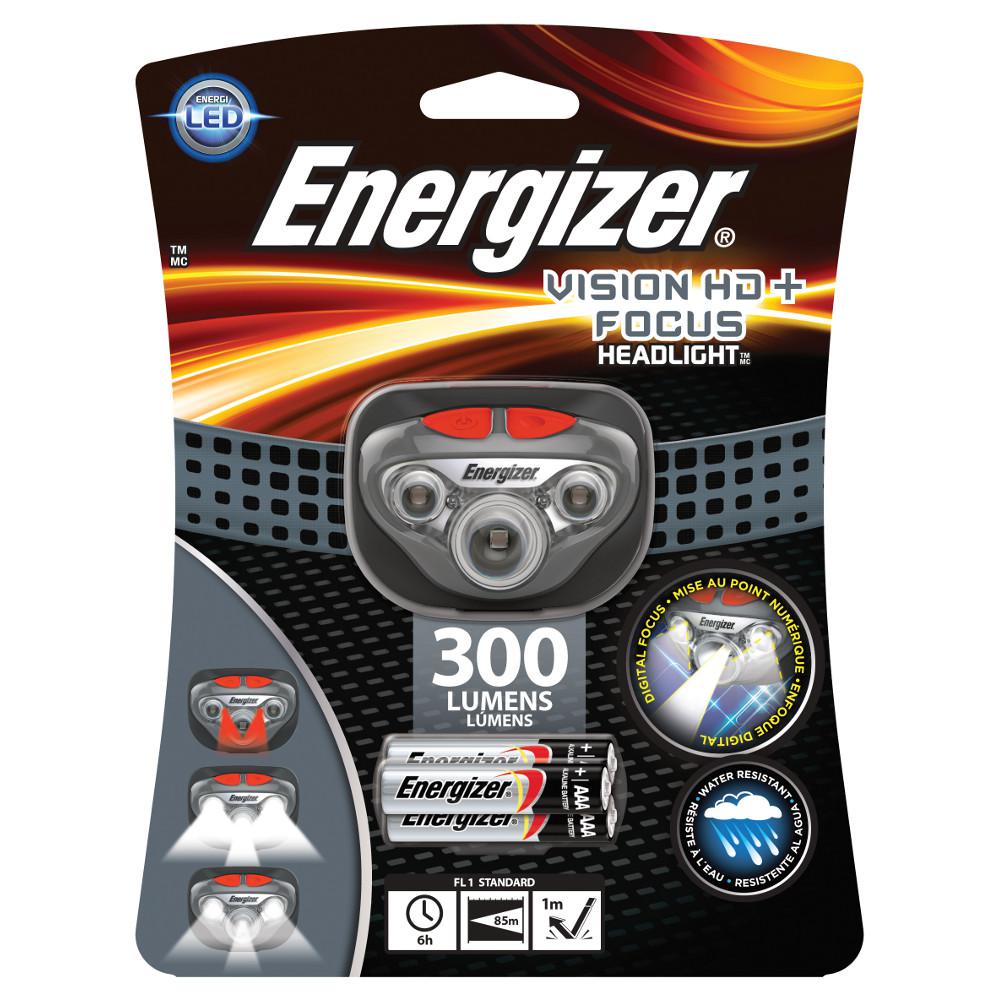
You could argue that any mobile phone has a torchlight function. Very true. But you need one hand to hold on to it or place it on somewhere secure. A headlamp is best. We found compact, bright, weatherproof and long-running LED ones from Energizer here in Malaysia.
9. Cable ties
No tool pouch or toolbox is complete without cable ties. You could repair just about anything with them, such a dropped number plate, loose bodywork, etc.
10. Duct Tape
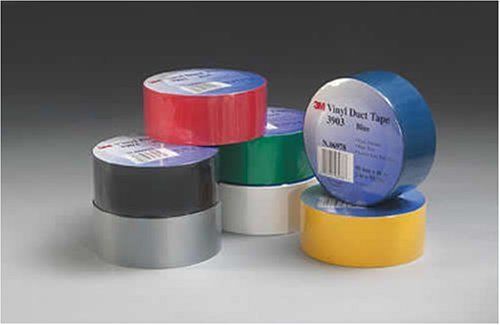
No ducks were harmed in making duck tapes. Hahaha. Sorry, just a little joke. Duct tapes are excellent for temporarily repairing leaks for example a hose (hence the name “duct”) or patching up small leaks.