Bikesrepublic

Latest News

  • KTM Malaysia organized the KTM 250 Duke and KTM 390 Duke Media Ride

  • The route ran through city traffic, Karak Highway and up Bukit Tinggi

  • The new Dukes are more refined and even more fun to ride than before
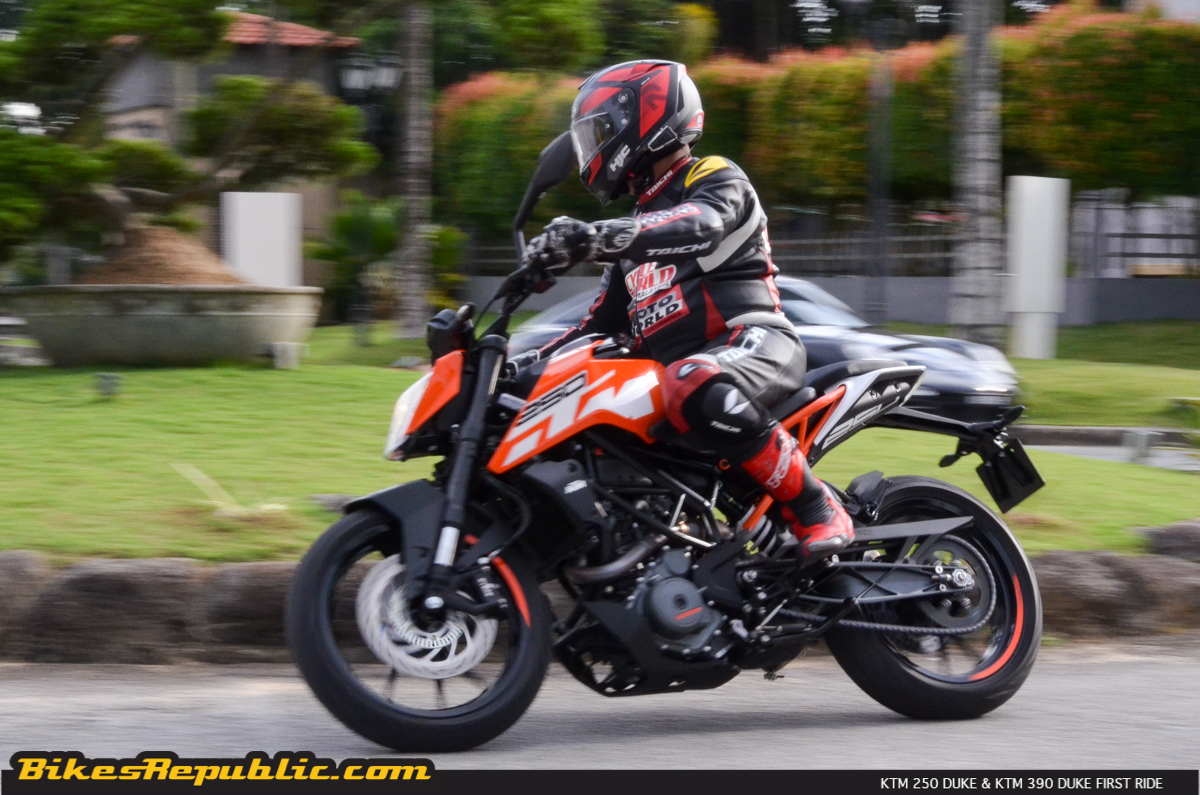
Hot on the heels of the KTM 250 Duke and KTM 390 Duke official last night (click here for the news), KTM Malaysia had organized a special program for the motoring media today (27th September 2017).

Known as the KTM 250 Duke & KTM 390 Duke Media Ride, members of the media were given the privilege to test ride both the new models for day.
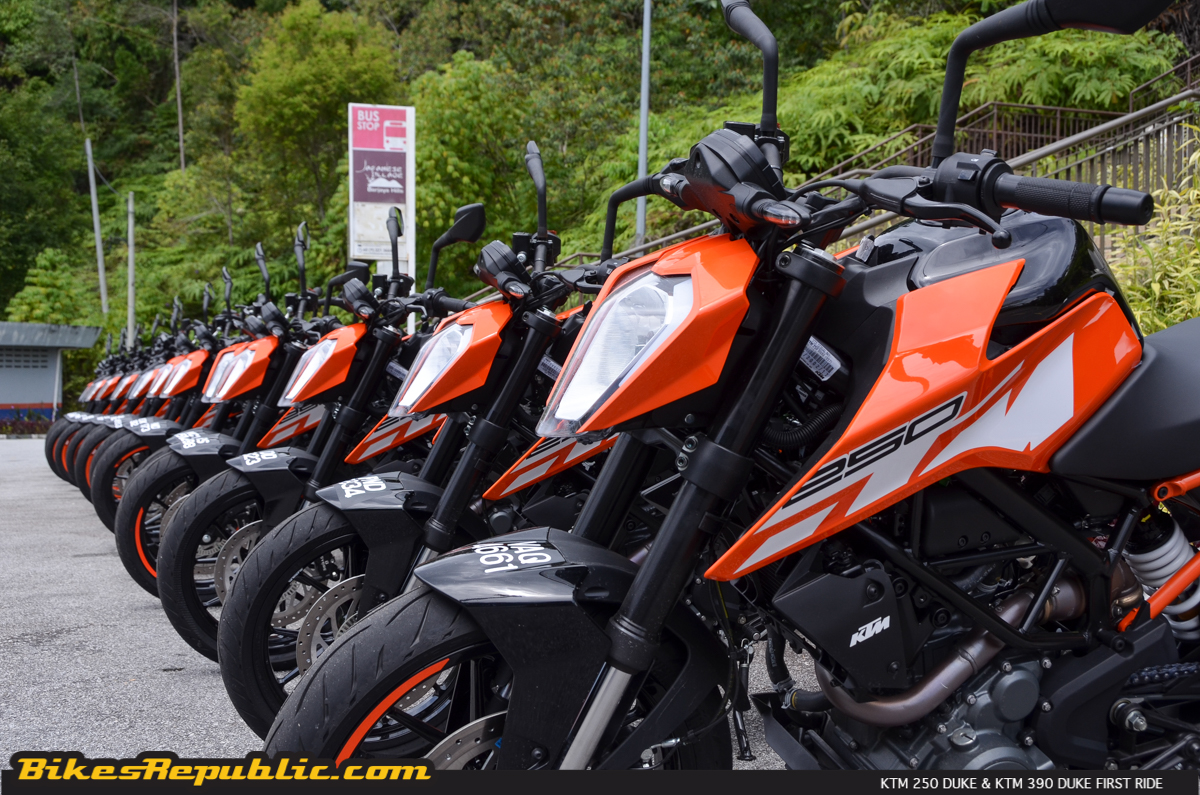
The Media Ride began from the eCity Hotel, just after a heavy rain squal.

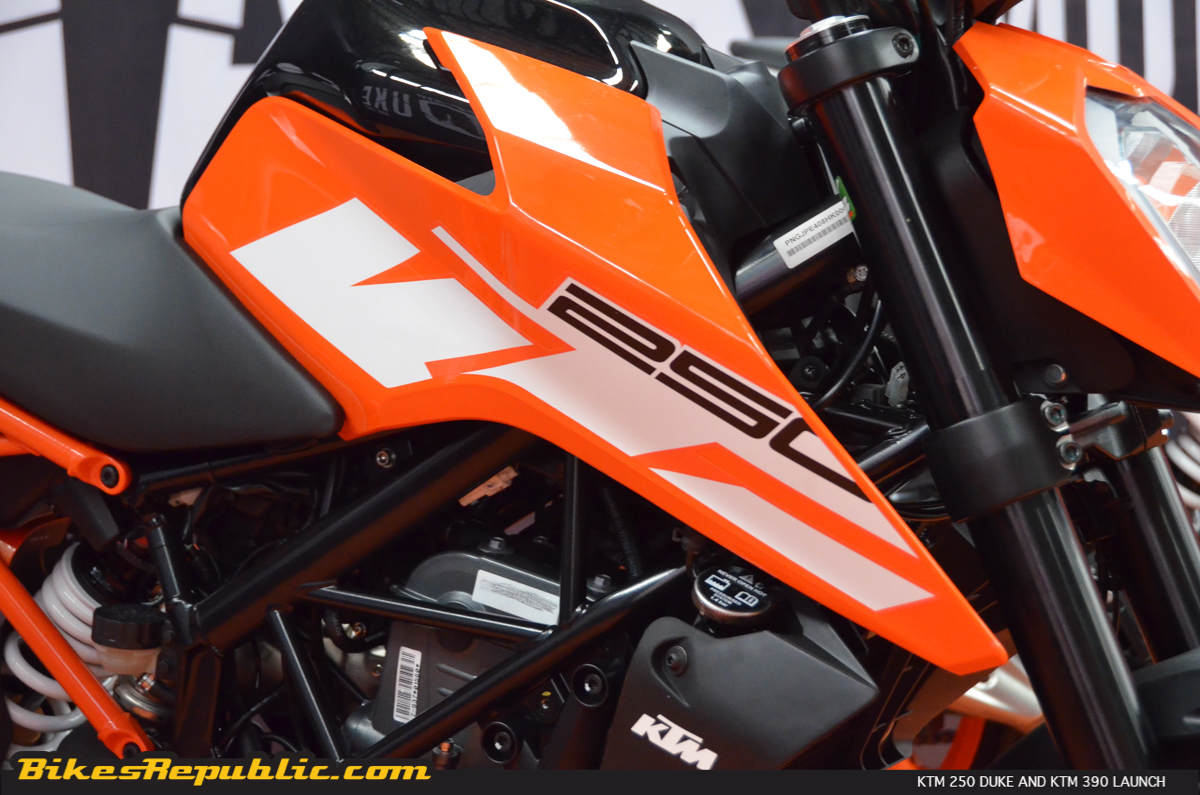
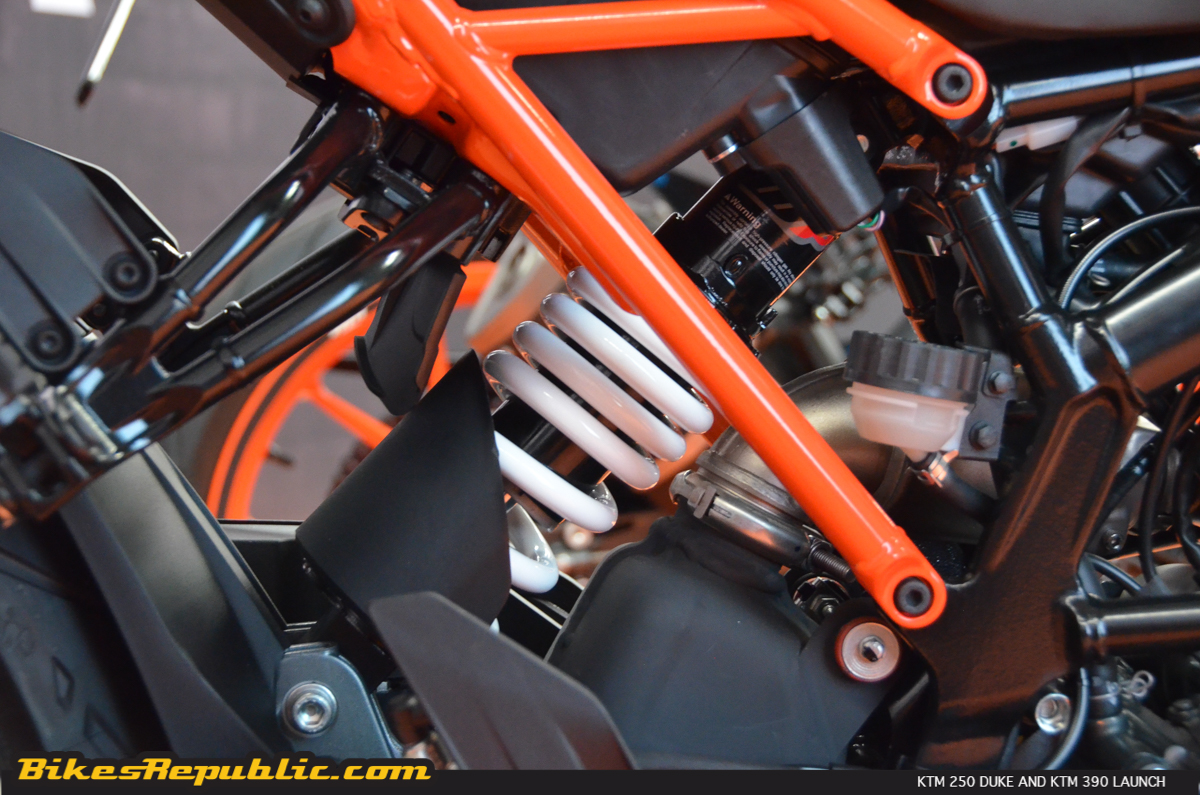
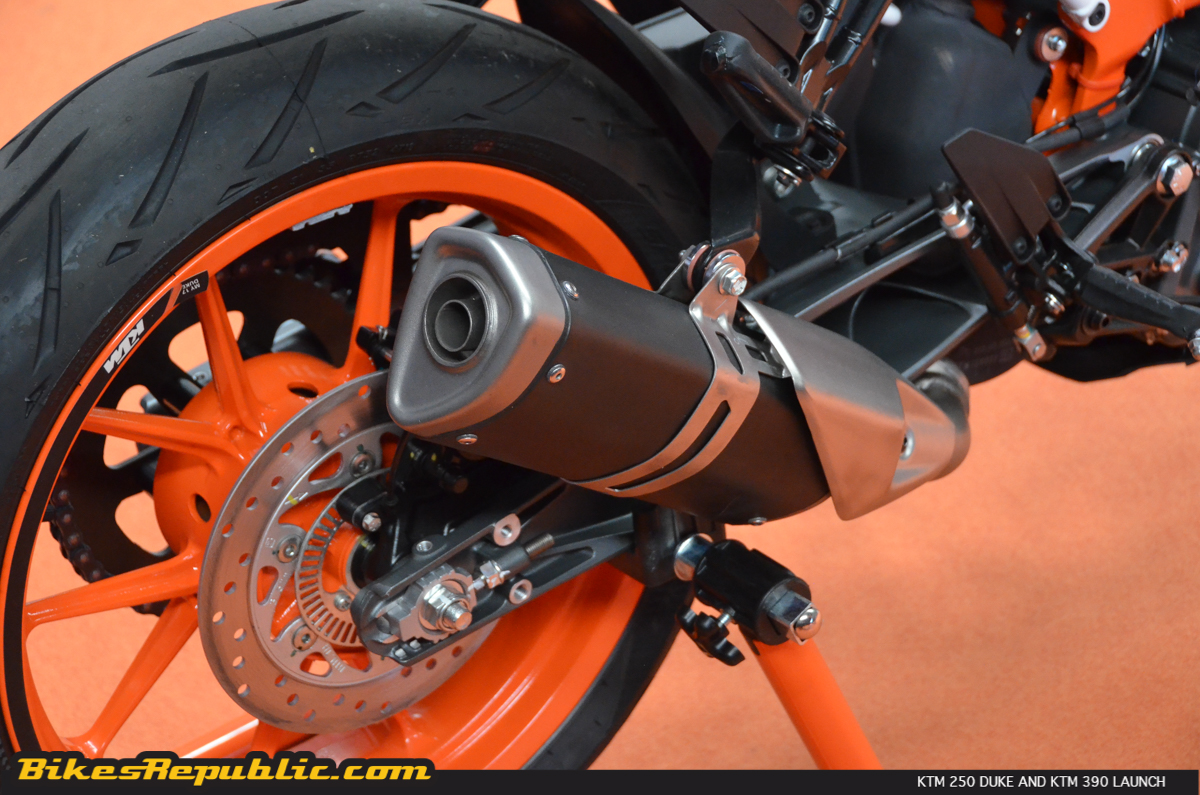
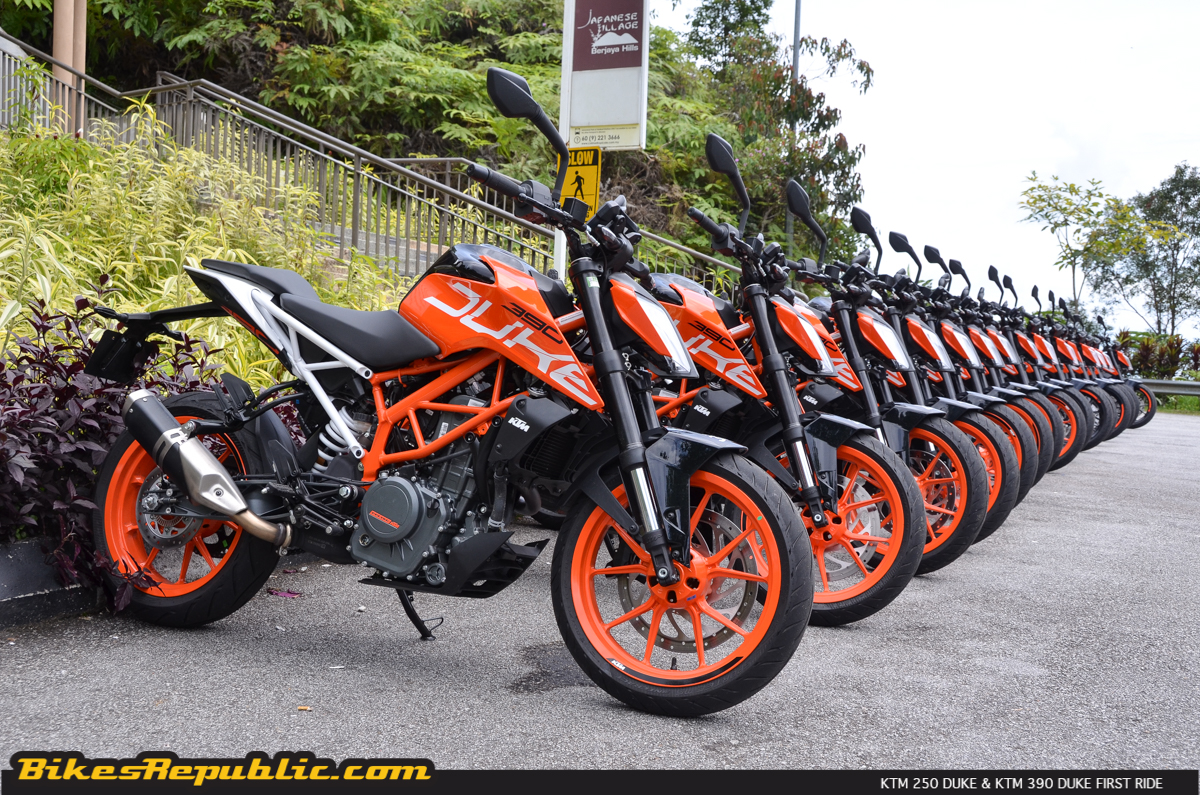
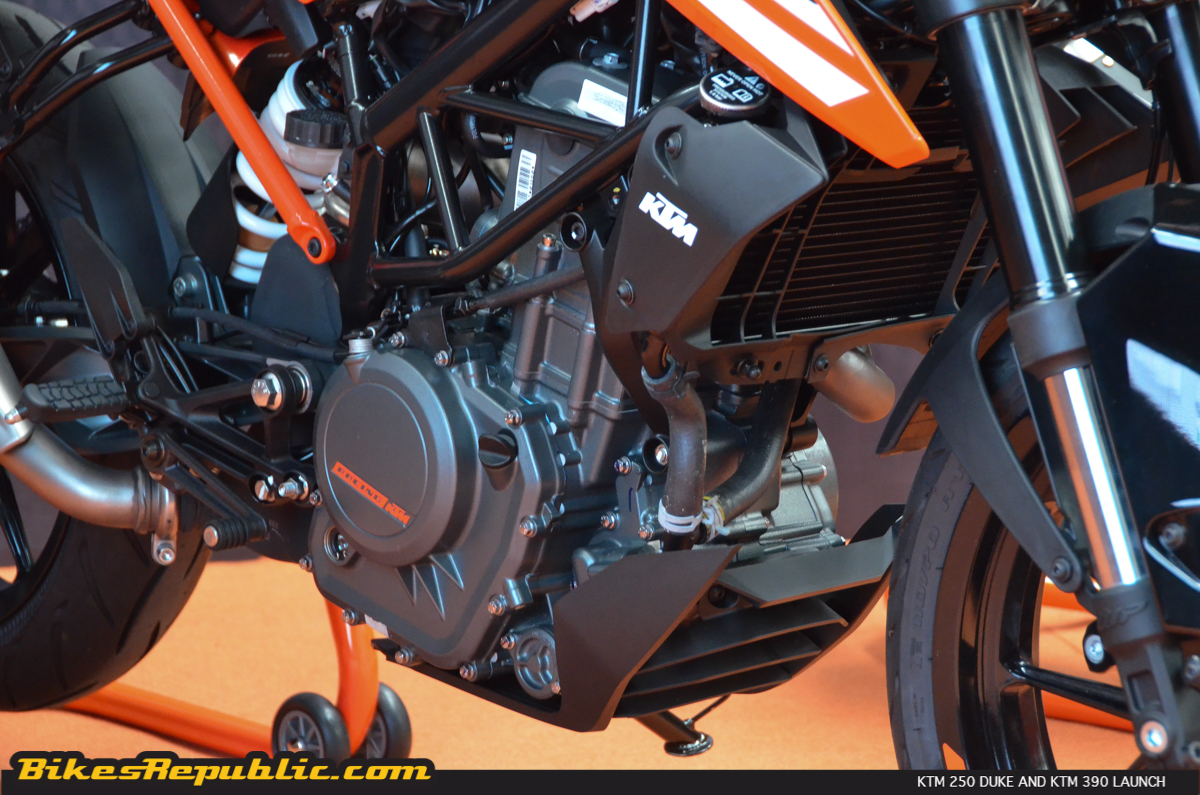
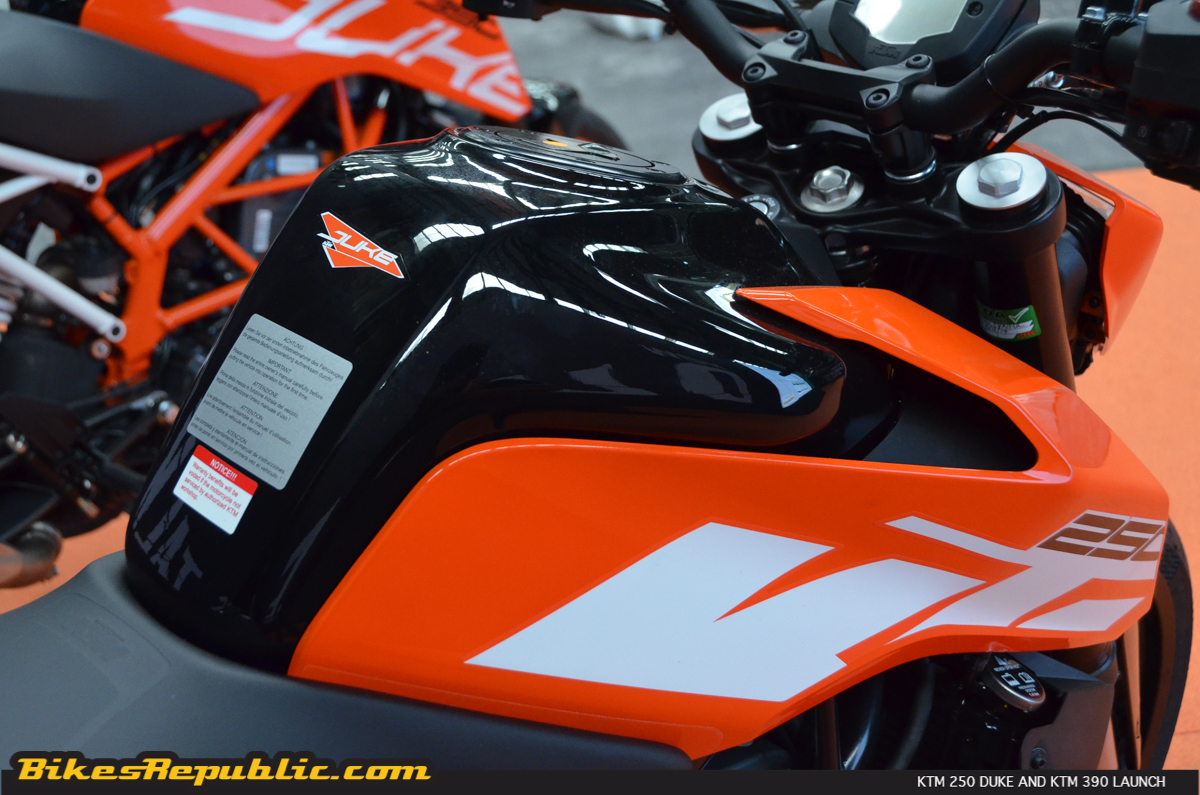
Inspected up close, the new 250 Duke and 390 Duke are much more refined with good build quality, fit, finish and feel. Gone are the ill-fitting panels and seemingly wayward welds on the frame. Gone too are the aluminium engine hangers of old – the engine is now attached directly to the frame. The paintjob is also even throughout.
The spec sheet quoted an increase of 30mm in the seat height. Some of us were concerned how it would affect average Malaysian who are shorter in stature compared to their Caucasian counterparts. But the rear spring sags downwards like a dirtbike as soon as we got on and most of us, including me who is only 167cm tall could place one foot flat on the ground or have both feet reaching terra firma comfortably.

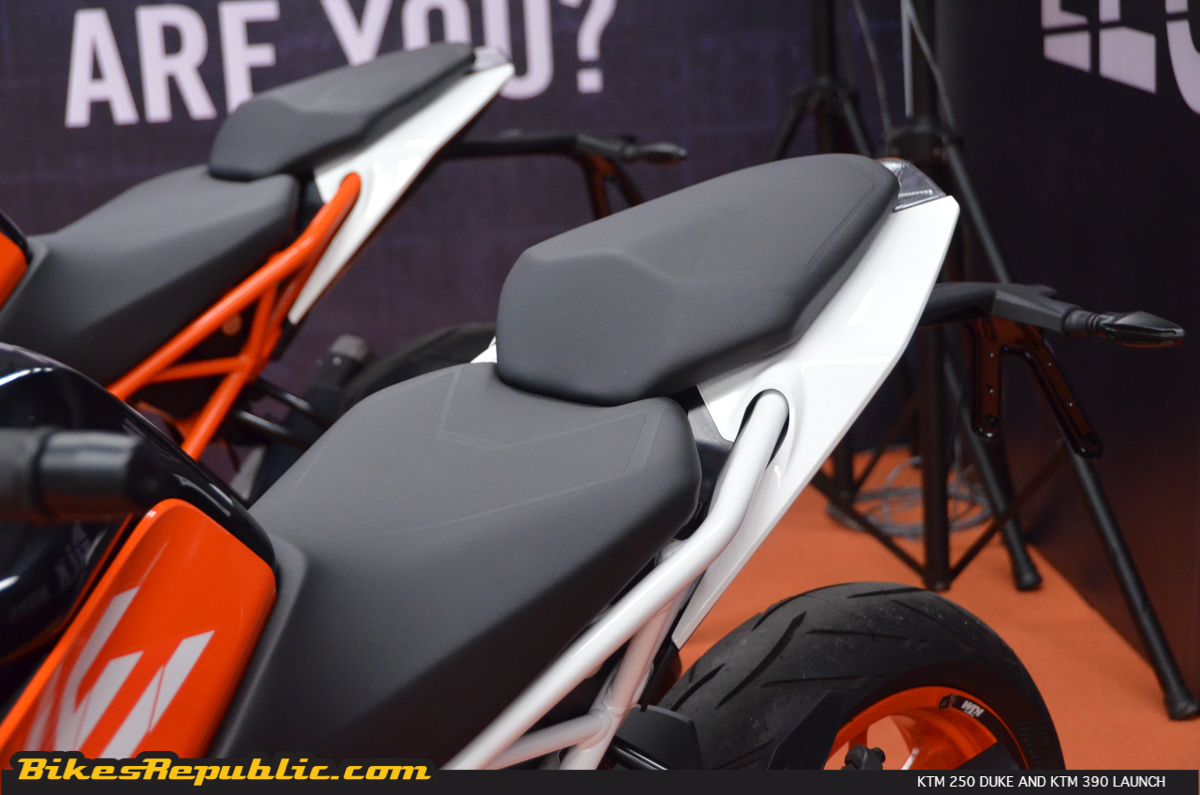
The redesigned seat was also comfortable and doesn’t feel like a piece of plywood painted black. It was comfy, wide and long.
The rider’s triangle – relationship of the seat to the footpegs and handlebar – has been revised for a much more comfortable reach. The handlebars are closer to the rider and set at just the correct height, without being too sporty or too upright. The footpegs were also placed high enough without being too rear set. The handlebar is narrower, like a naked sportbike’s instead of being wide like a motocrosser’s.

KTM Malaysia had prepared seven 250 Dukes and eight 390 Dukes. I started out on the 250 Duke when we left the hotel. We surprised as soon as we thumbed the starter button. Gone is the “loose piston” sound, replaced with a smooth throb (although muted).

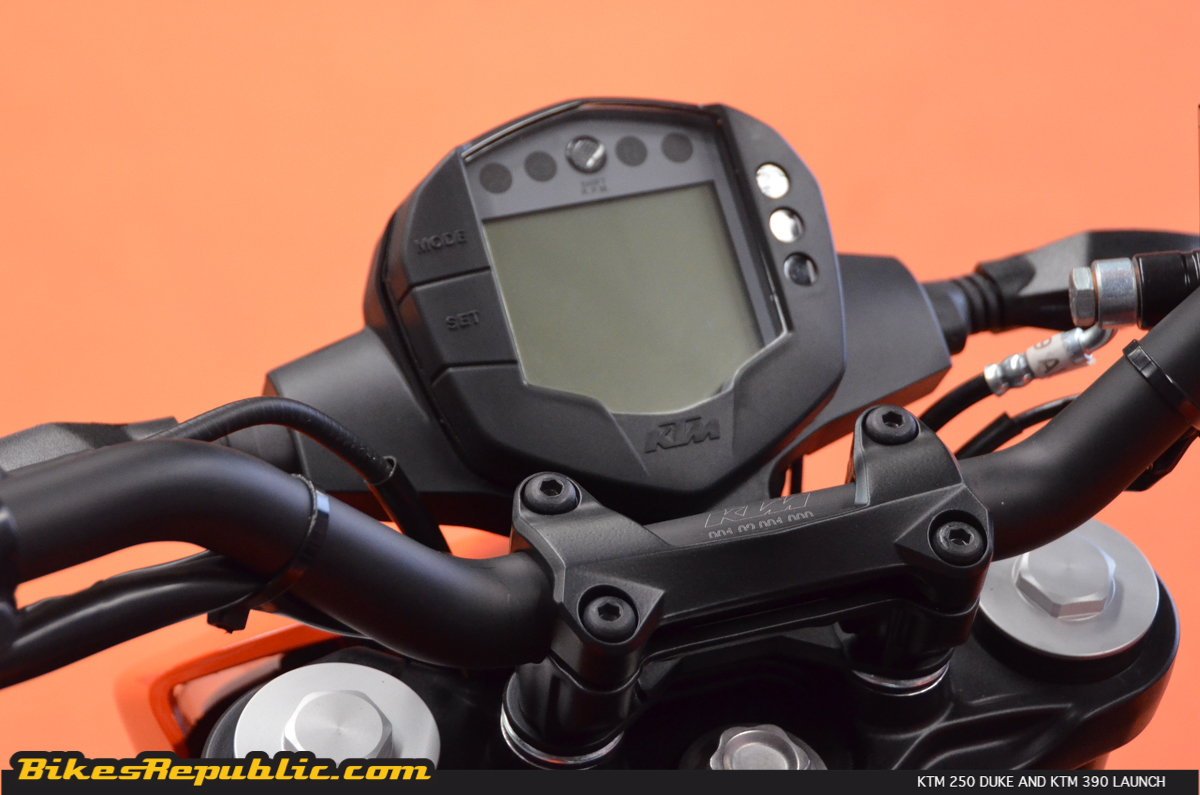
The Duke 250’s instrument panel had been carried over from the previous models, thus finding the information I sought took only a quick glance.
We headed to Bukit Tinggi, via the Karak Highway. We opened up as soon as we hit the NKVE. the 250 pulled smoothly through its rev range. There was a little vibration as expected from a single-cylinder motorcycle, but it was definitely much smoother this time around.

There was also an appealing “vroom” from the new exhaust and airbox below the tank.

We were expecting the 250 Duke to lack the grunt to punch through traffic, but we were pleasantly surprised to find that it could actually hold its own. The engine started to lose its breath at around 125 km/h but still pulled to 137 km/h in my hands, ( I was being careful as it was a new bike and I didn’t want to hurt it) but another journo had hit a tad over 140 km/h.

While that doesn’t sound a lot, bear in mind that it’s a one-cylinder engine and the speedometer is super accurate, plus the fact that these bikes have not being broken in.

The 250 Duke’s handling was predictably agile as it cut through the heavy traffic.

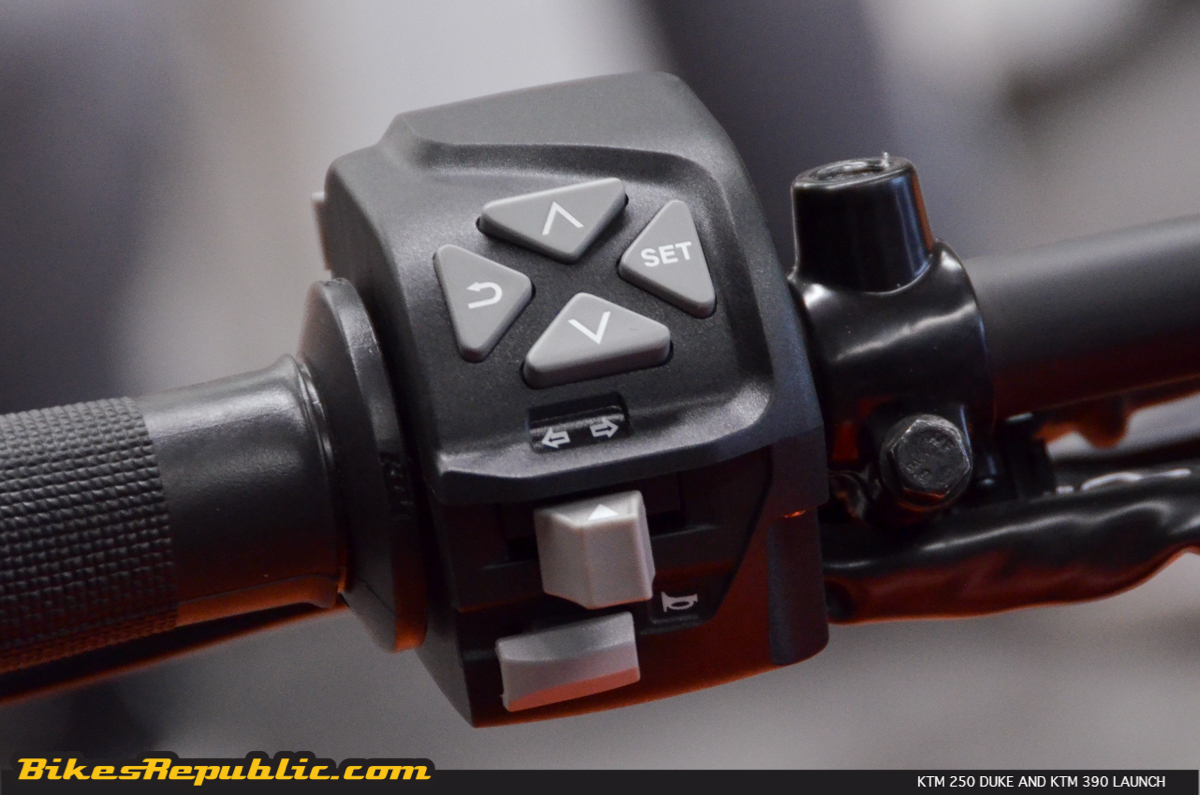
I switched over the 390 Duke at BHP Gombak. Facing me immediately was the new TFT-display and control buttons on the left handlebar. They reflected those on the 1290 Super Duke R.
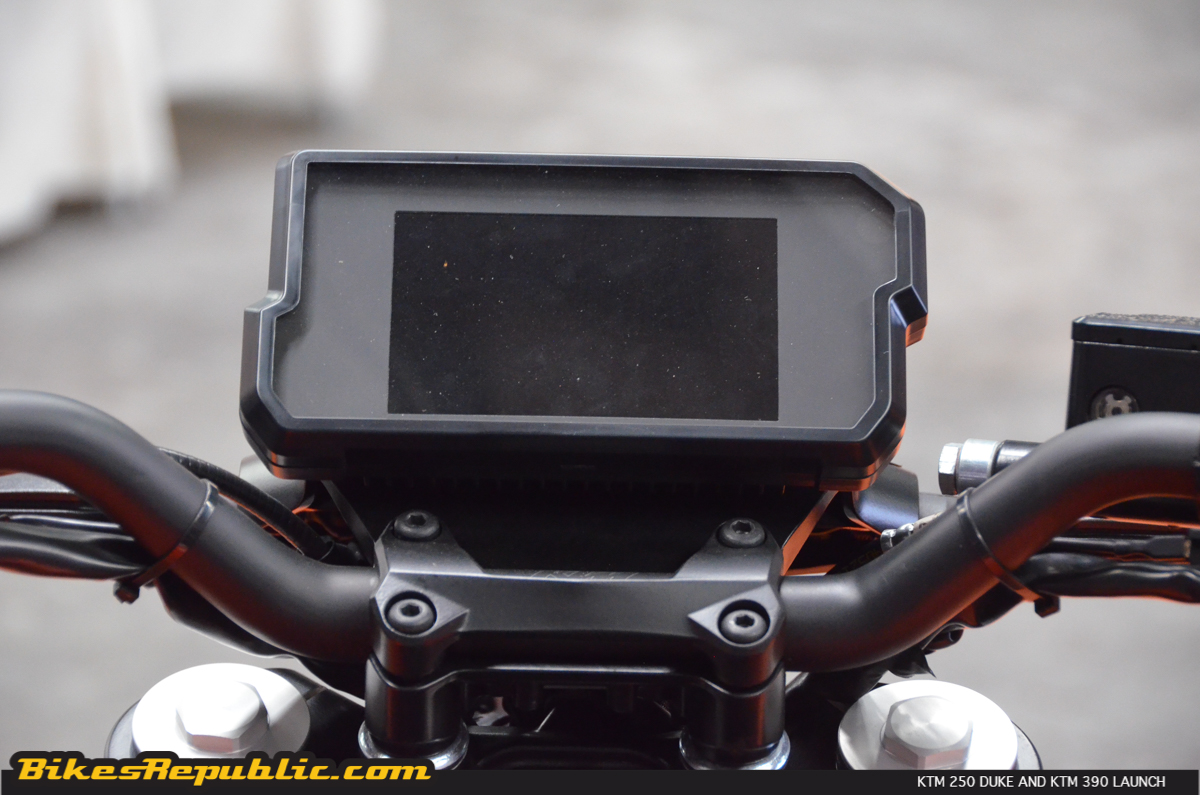
The engine fired up to a soft rumble, you knew there’s was something more substantial in there, compared to the 250 Duke.

Right from the off, the 390 Duke had a big torque, belying its 373cc. I kid you not, it felt like a bigger engine.
Out on Karak Highway, the 390 Duke’s engine pulled hard for its size and cleanly through its RPM range. But what was more enjoyable was how that torque and power was put to work around corners. Whereas you’d normally downshift for more push off a corner, you could usually select a higher gear and just leave it there, making it especially fun when charging up Bukit Tinggi.
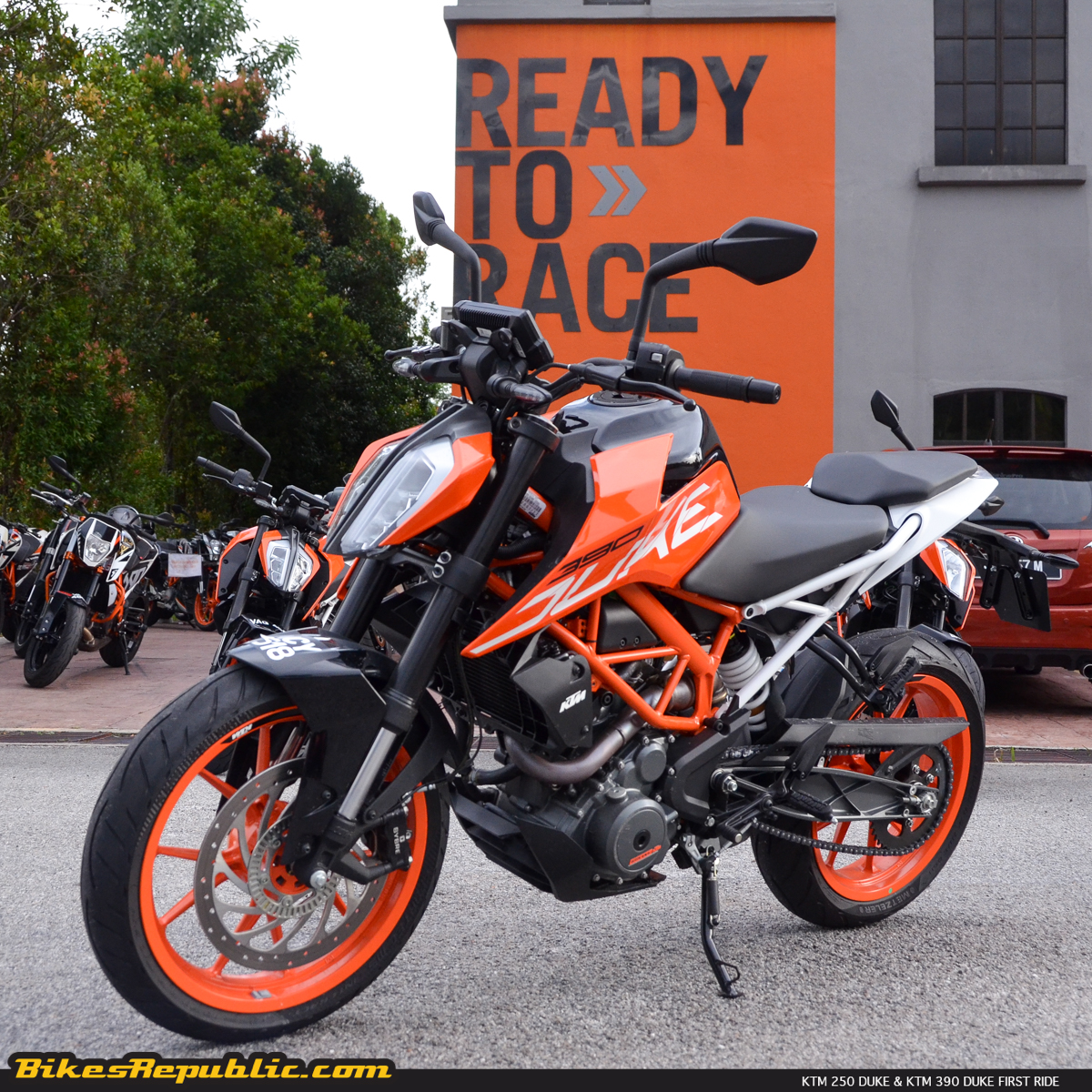
It has to be said that KTM had chosen the best location to highlight the characters of both bikes by choosing Bukit Tinggi. The feeder road is only one lane up and down, and the corners are sharp with many decreasing ones.

Both Dukes flicked through them so keenly there were many occasions when I realized that I didn’t countersteer.
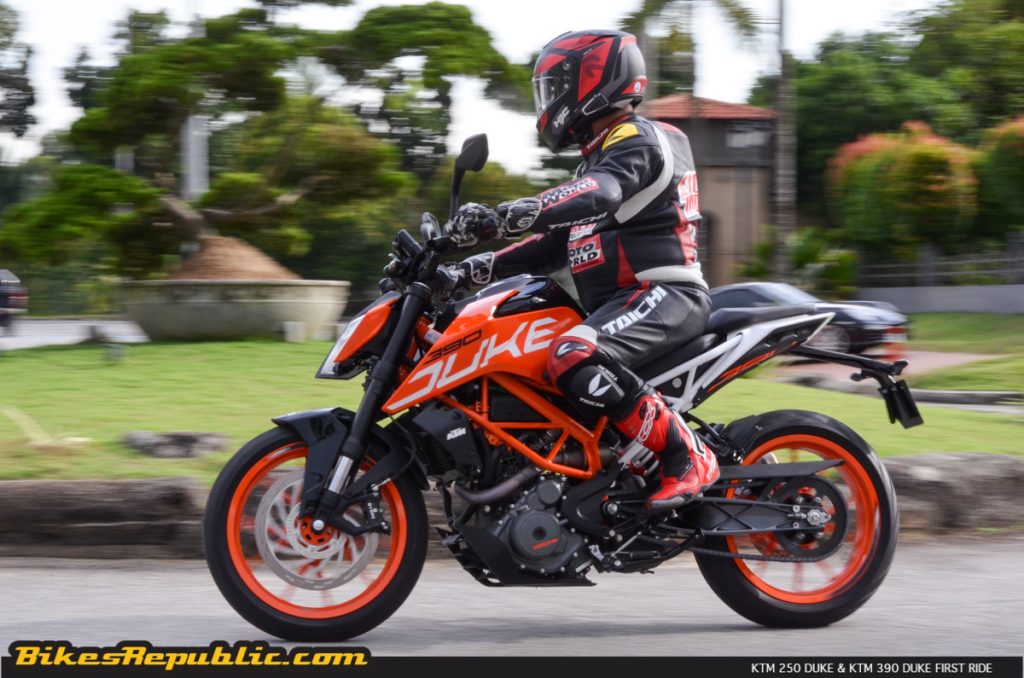
The suspension doesn’t throw you around like potato chips in a bag now and they certainly didn’t wobble or pump up and down in corners.

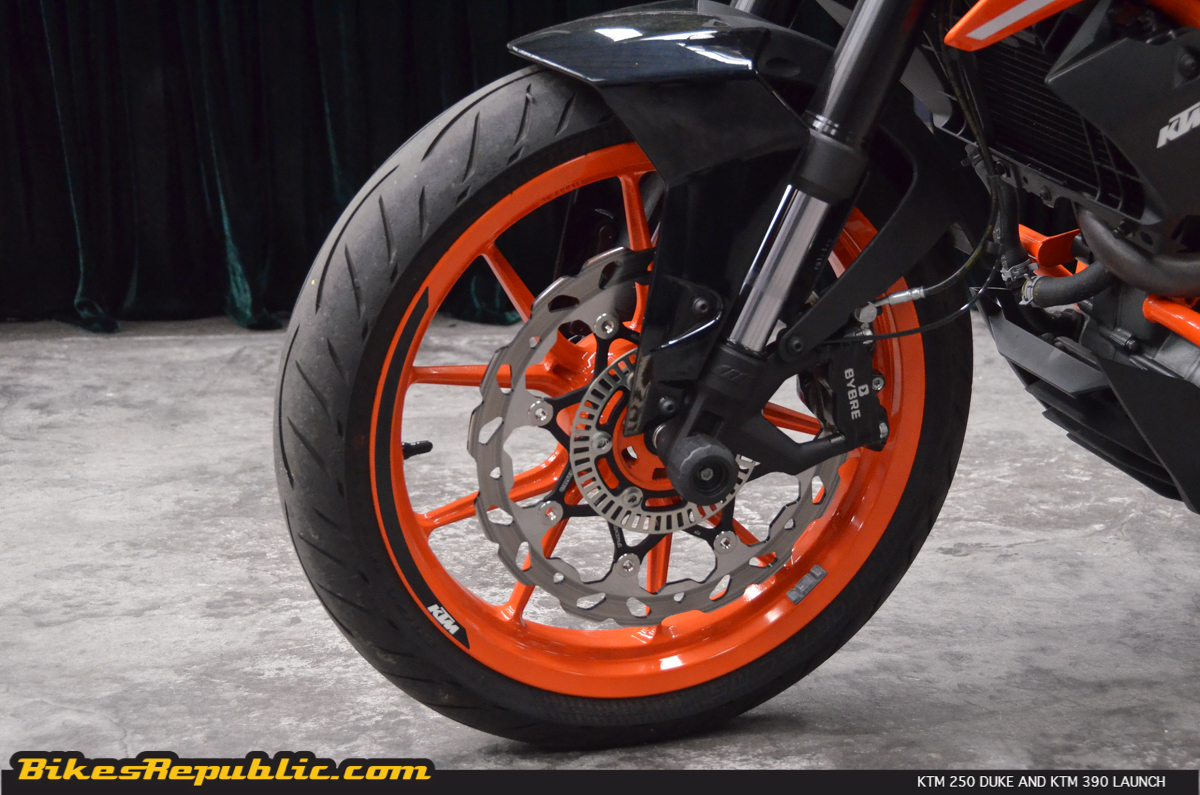
The 390 Duke’s front brake was mighty impressive too. A one-fingered pull was usually enough for most occasions.

Needless to say, we came away very impressed with the new Dukes. Stay tuned for the full review soon!
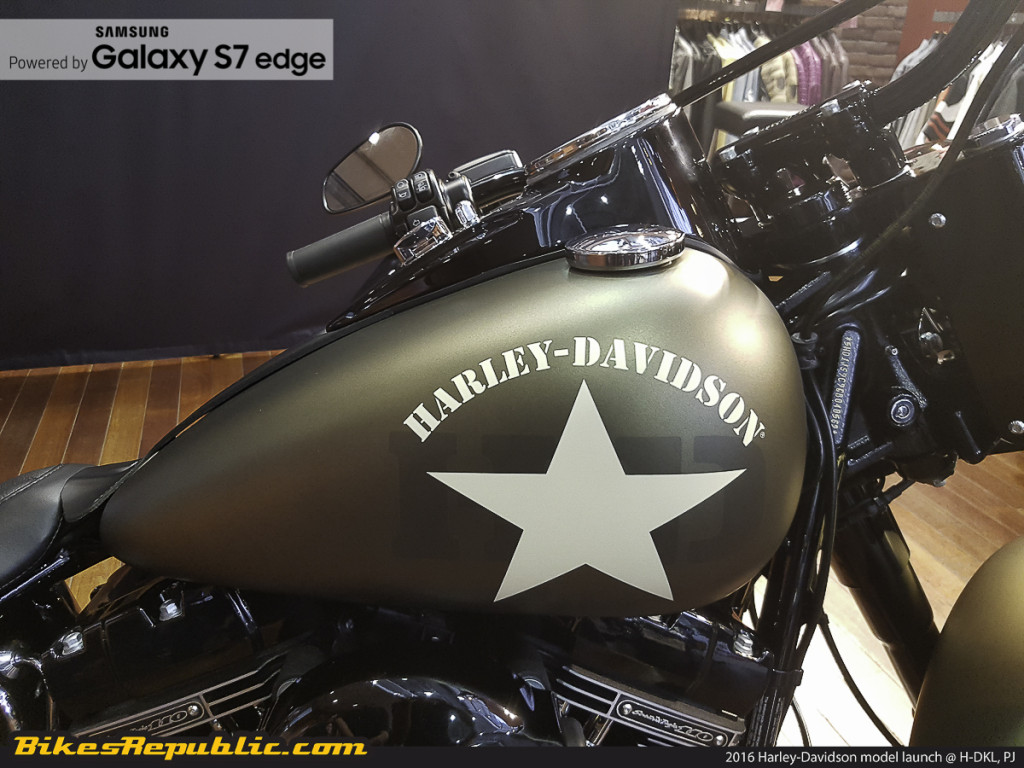
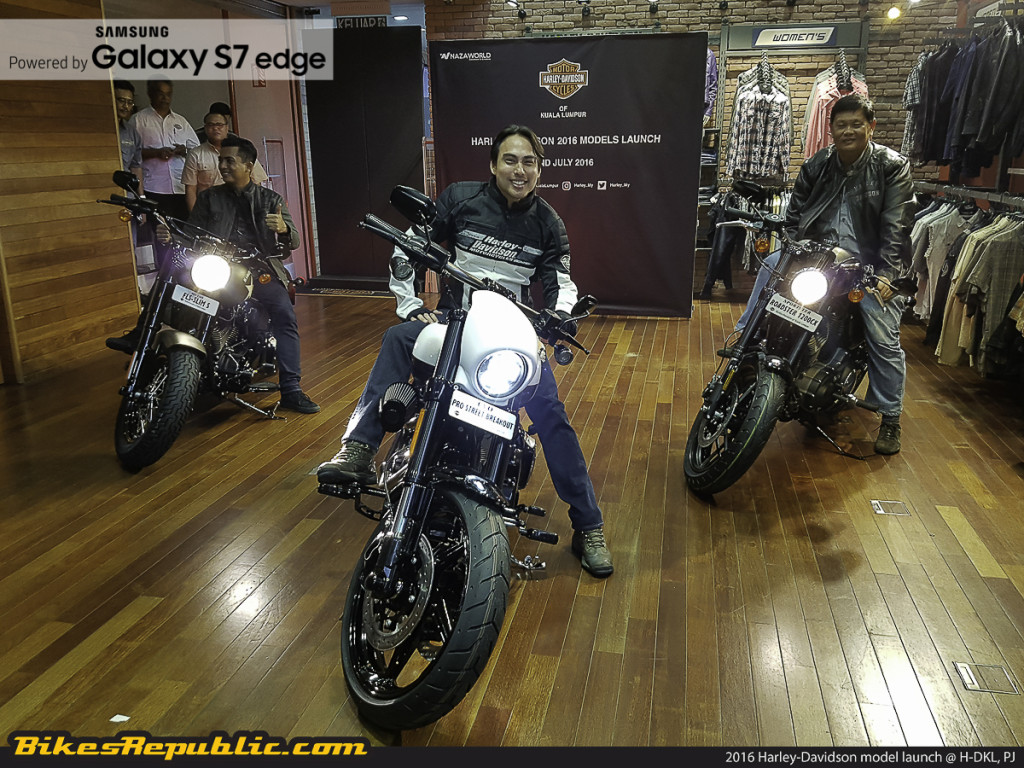
So it is officially official then, Naza has lost the Harley-Davidson dealership for the Malaysian market. Naza, under its sister company Naza Prestige Bikes Sdn Bhd, has been the exclusive dealers of the HD motorcycles in Malaysia for over a decade now, but the news does not come as a surprise for many industry insiders.

I personally heard of the news over two months ago, but was urged to keep mum about it, pending an official statement. Though that humble request went against every journalistic instinct in me looking for an “exclusive story”, friendship meant more to me than the story, so I toed the line.

It is not surprising that Naza lost the deal, the fact that the company used to sell grey import HD’s side by side to brand new HD motorcycles never really made sense for many. Why would you spend over RM100,000 for a brand new HD, when you could spend about RM60,000 for a slightly used, almost new, imported bike. And Naza even had the technical expertise and aftersales know-how to back you up after you buy the bike.

It made perfect business sense for Naza, but not for HD.

The big question on everybody’s lips right now is – what’s next for the HD brand in Malaysia? Who will take up the gargantuan task of managing such a elite brand in Malaysia. The only company that would step up to the challenge is a company that has huge experience in selling and maintaining mass market brands, and one that understands aftersales and has the capacity to do so.

There is a clear answer to that, and one that our friends at dsf.my have already hinted at (you can read their report here), is the big boys at The Gasket Alley. 

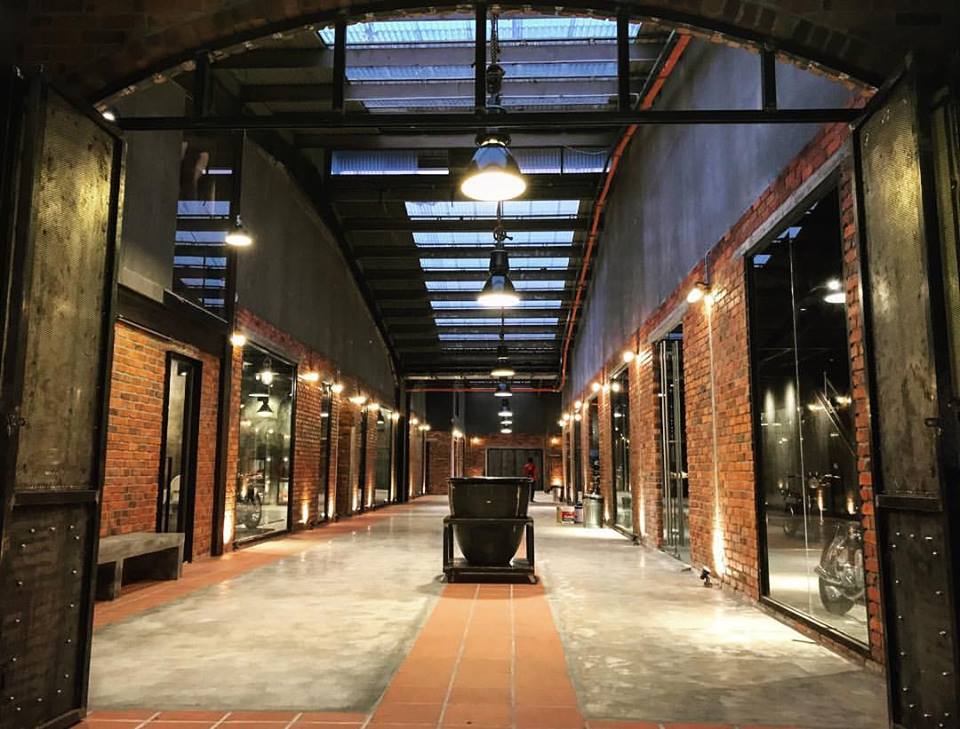
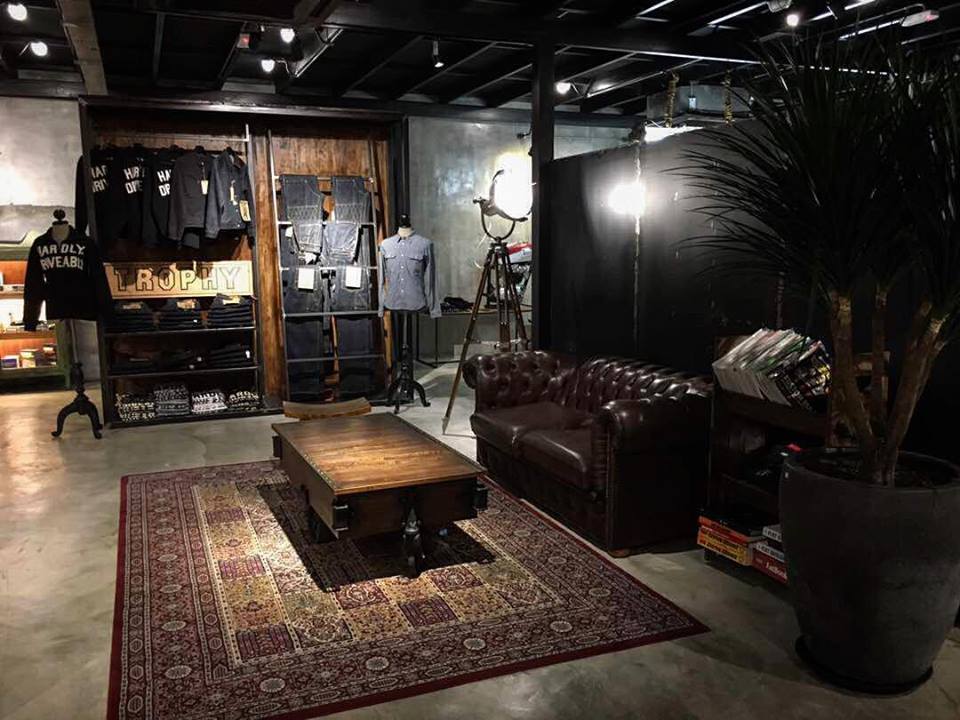
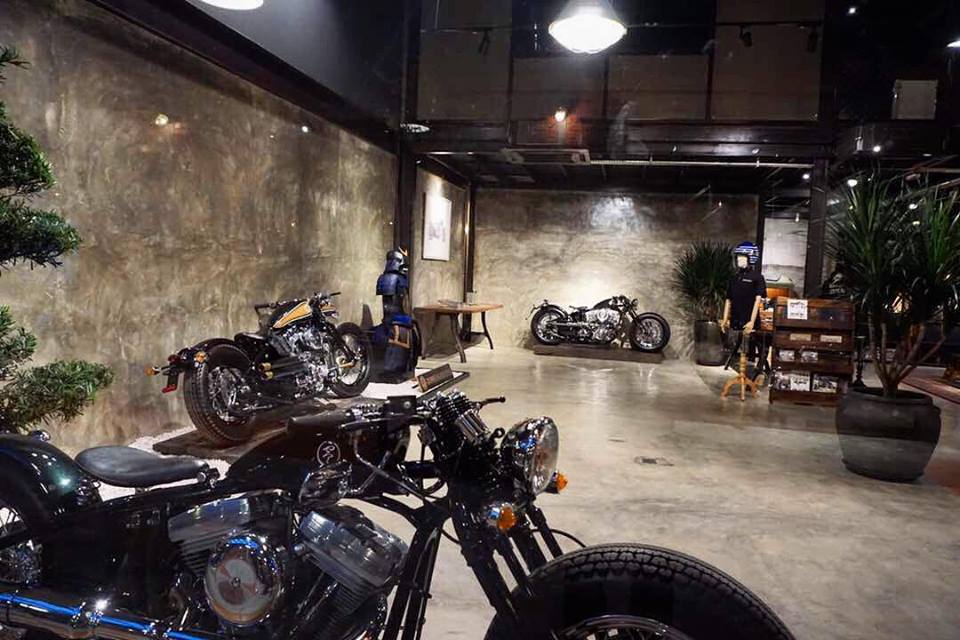
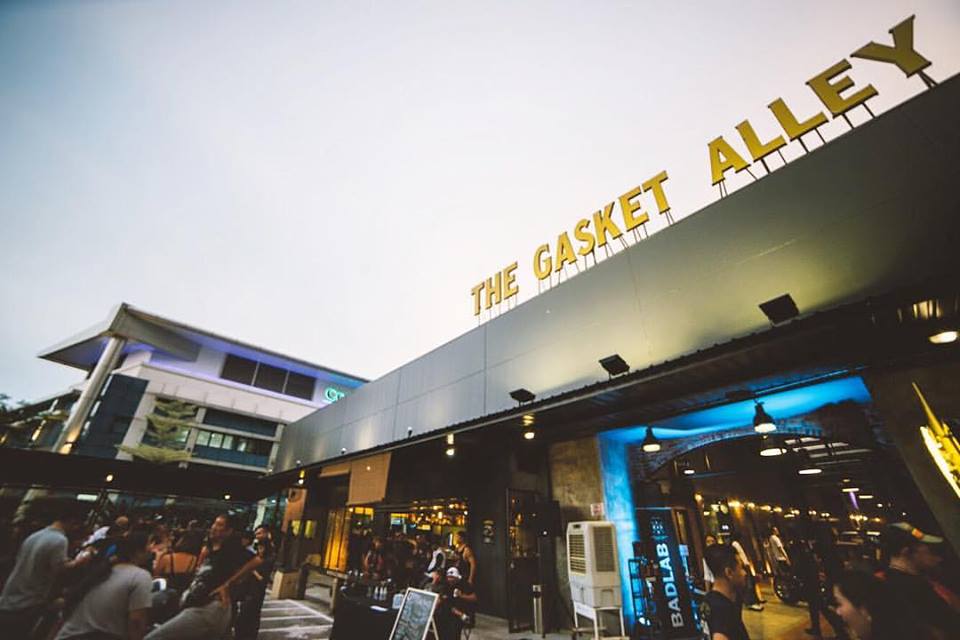
The Gasket Alley is a new showroom in Petaling Jaya located by Jaya 33 that serves as the headquarters for some unique brands like Moto Guzzi and the Japanese custom bike builder, Zero Engineering. They have the perfect location to house HD, and the people behind it are brighter than daylight when it comes to managing big brands like HD.

The Gasket Alley was founded by a few businessmen with some really deep pockets. I will not go into details but one of them is from a famed Malaysian automotive group with vast experience in managing automotive brands, including mass market brands, and a luxury brand. And the other is a successful bumiputra entrepreneur with interests in property development in Malaysia and abroad.

The collective experience of the company is perfect for a brand like Harley-Davidson because it already has vast experience in managing unique and luxurious brands, and has the capacity to facilitate aftersales service. In fact, the company is known for great aftersales service, and if they can manage a luxury brand which demands perfect aftersales service of all their dealers, then they can definitely do a good job at managing a brand like HD.

Other than that, The Gasket Alley also has a few key people who previously served at Naza and know a thing or two about managing a brand like Harley-Davidson. These people were key to the success of brands under Naza like HD and even Ducati, but were either let go for reasons unknown, or simply quit and moved on.

There is no official statement confirming whether or not The Gasket Alley will serve as one of the new importer and distributor of the Harley-Davidson brand in Malaysia, but you can consider it a done deal. Especially since the key person in charge of aftersales was recently spotted attending the prestigious Harley-Davidson University in Bangkok. So, it is safe to then assume that the new dealers for the HD brand in Malaysia would be – The Gasket Alley!
So Harley owners in Malaysia, worry not, you’re in good hands.

Photos courtesy of the The Gasket Alley Facebook page

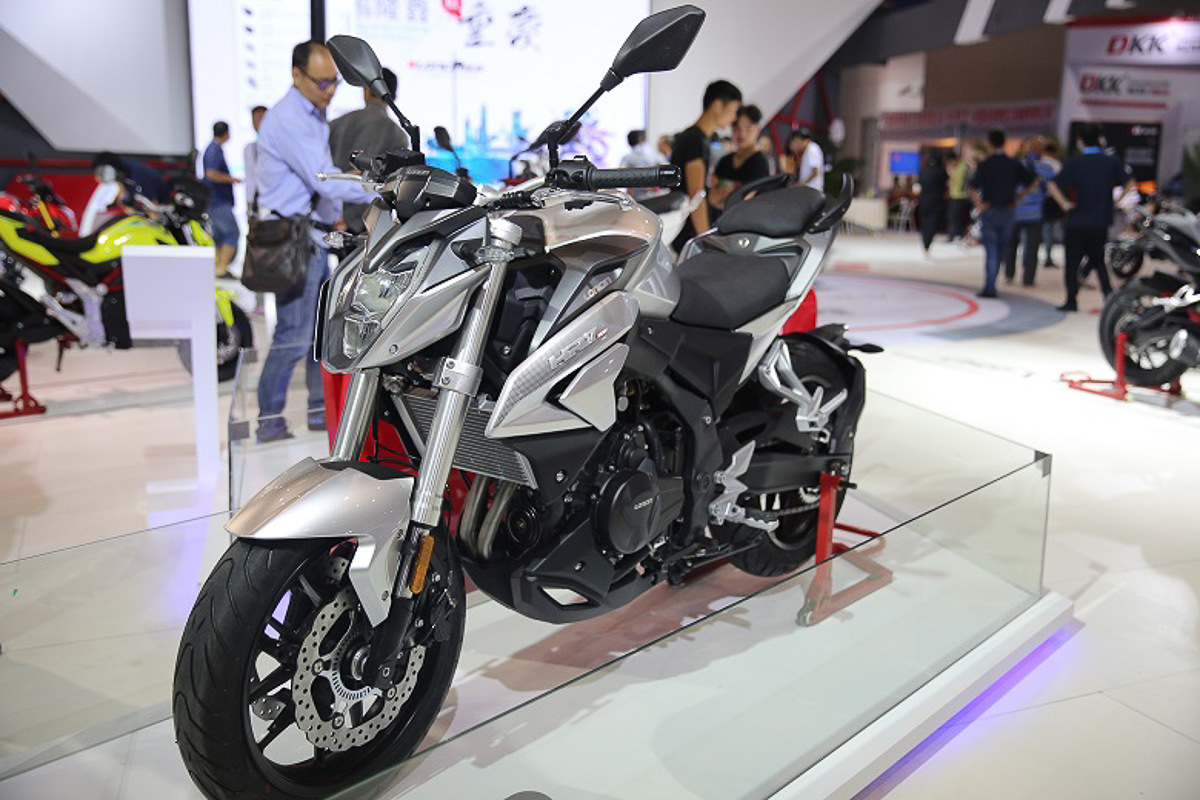
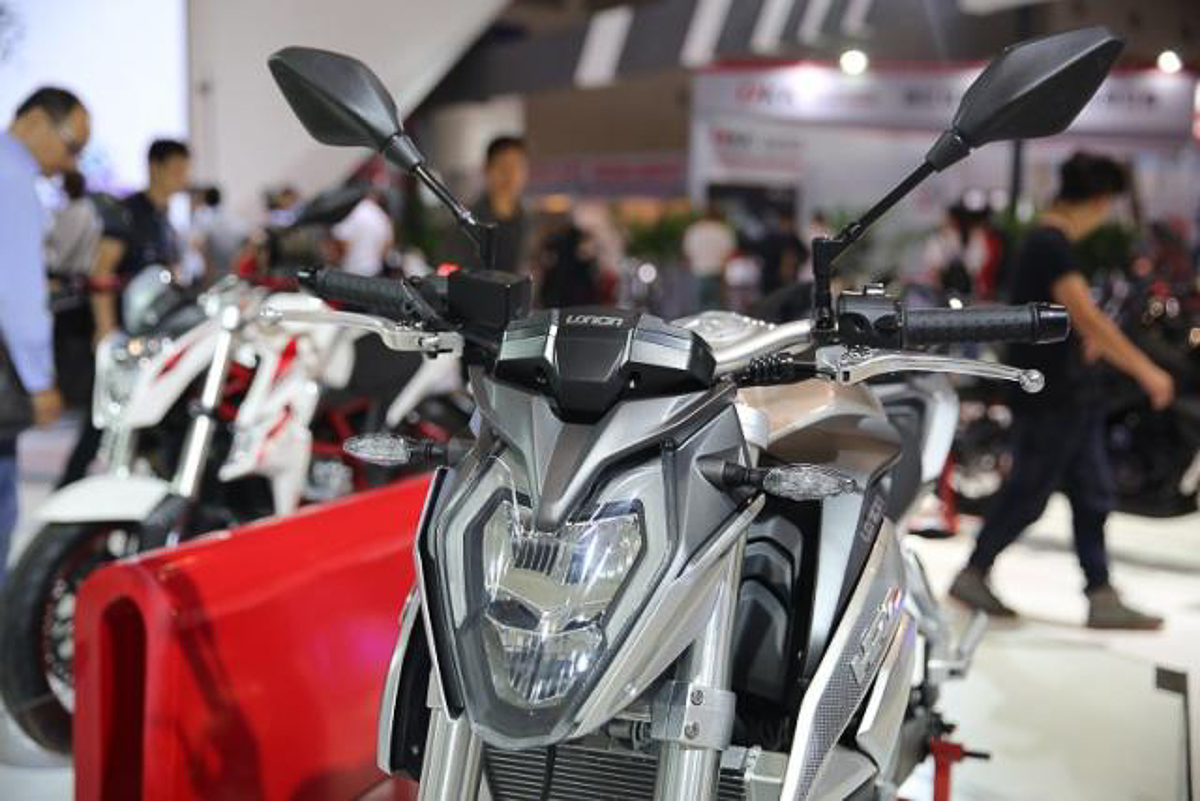
Chinese bike manufacturer Loncin has launched its first ever bike that is the 2018 Loncin HR7 500.

Based on the bike’s design and overall spec, it resembles the Honda CB500F very closely including its power and torque figure at 47hp and 44Nm.

There is no news on when the Loncin HR7 500 will be available in the market as it was only recently announced during the 2017 China International Motorcycle Trade Exhibition (CIMA Motor Show).

Chinese bike manufacturer Loncin has revealed its first 500cc twin-cylinder engine earlier this week dubbed the 2018 Loncin HR7 500. Reports by specialists in the motoring media industry stated that the engine used to power the HR7 is almost identical to the one used in the Honda CB500F. (more…)

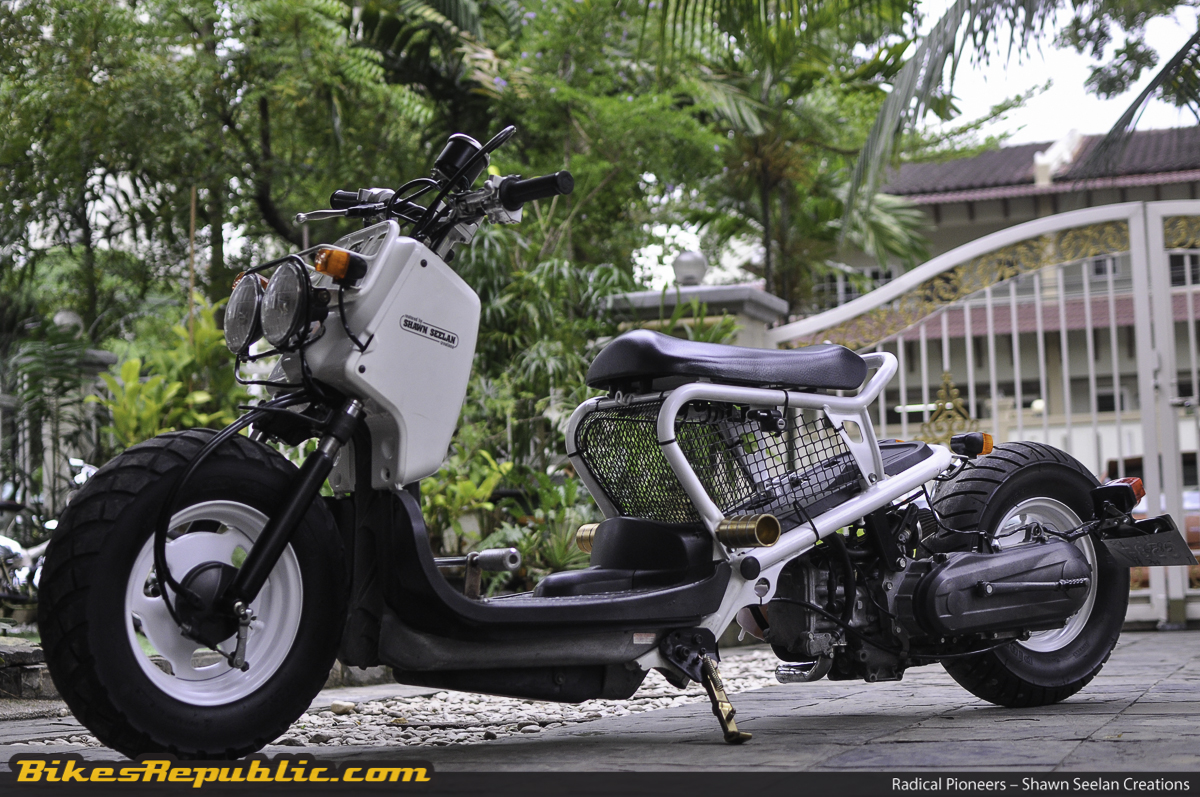
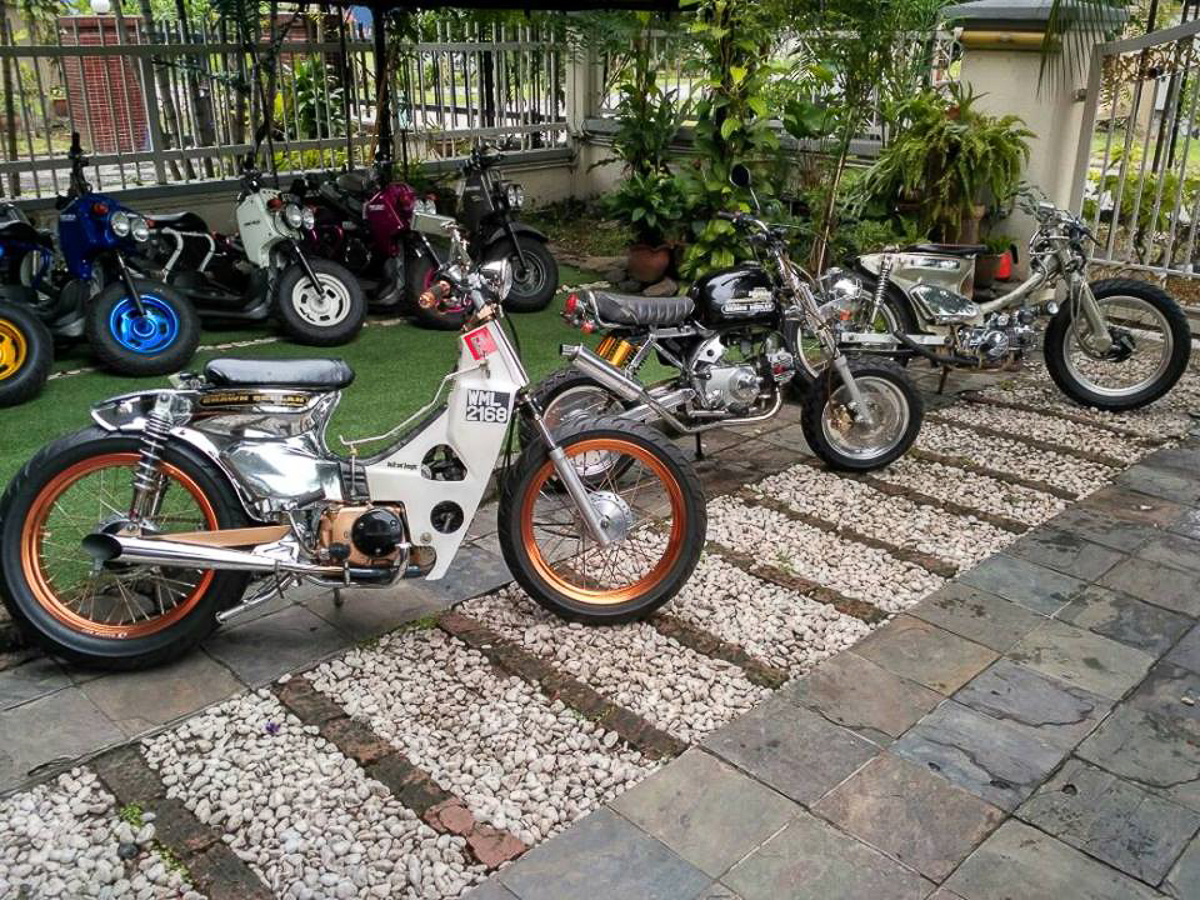
Local renowned bike builder Shawn Seelan of Shawn Seelan Creations is letting go almost all of his custom bikes.

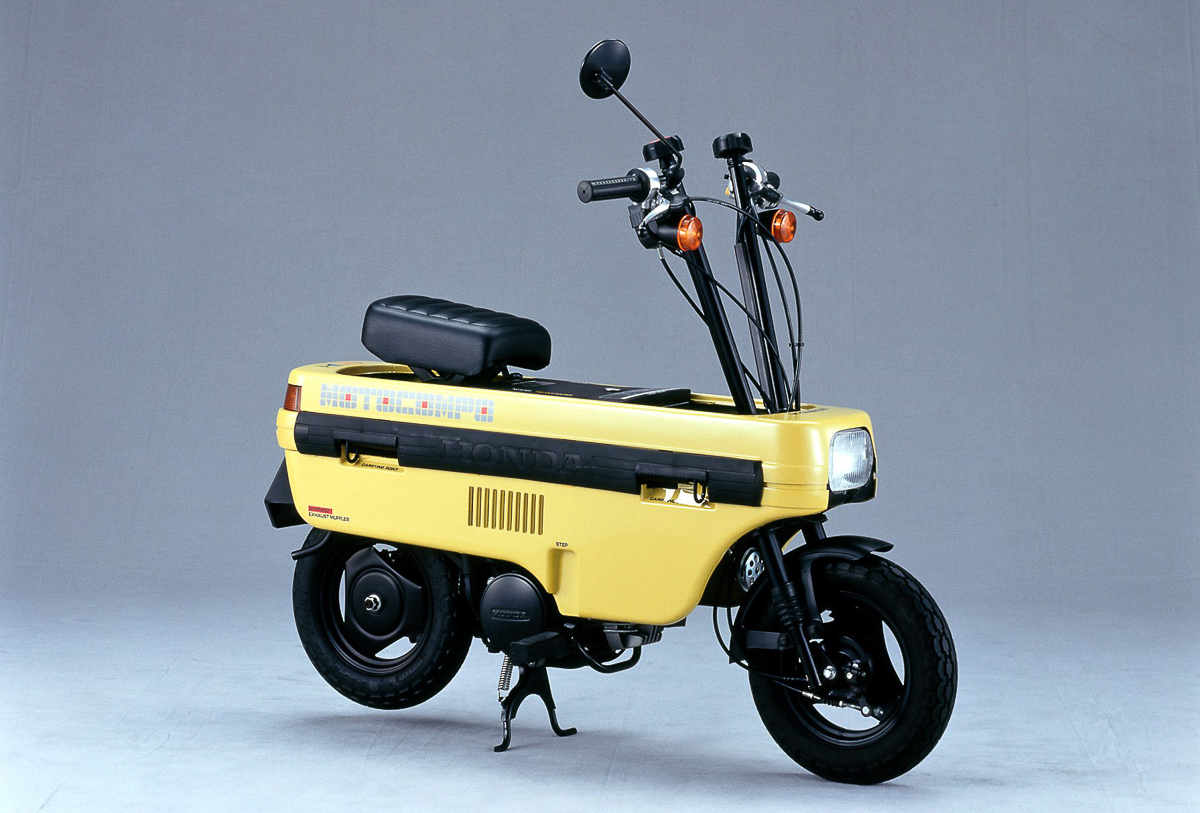
Custom motorcycles from tricked out Honda Ruckus to original condition Honda Motocompo and Suzuki Choi Nori, these are indeed super unique two-wheelers especially here in Malaysia.

To know more about the bikes that are on sale, head on over to the Shawn Seelan Creations official Facebook page and get ready to be amazed.

Shawn Seelan of Shawn Seelan Creations (part of the Custom Cartel) is letting go some of his prized possessions for those who are interested in owning one (or more) of his custom bikes. According to the Shawn Seelan Creations Official Facebook page, the local renowned bike builder will be letting go all of his beloved bikes except for a couple of special ones. (more…)

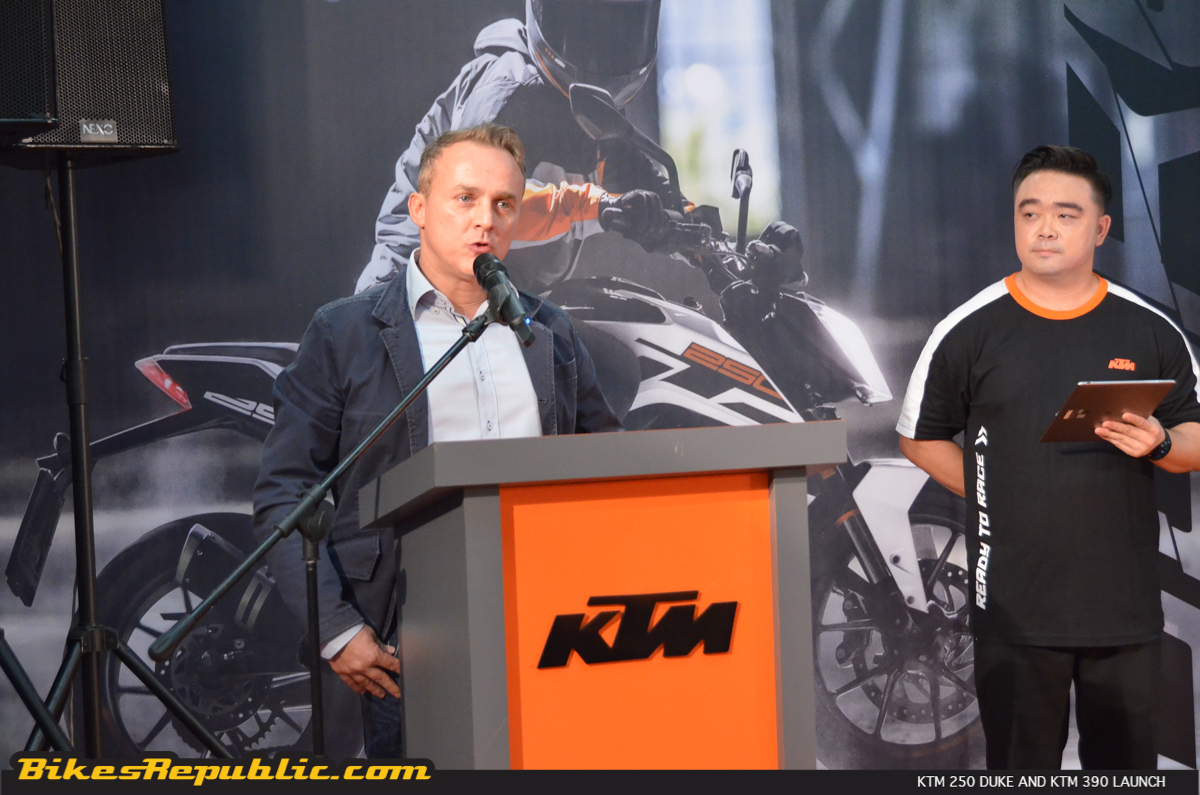
  • New KTM 250 Duke and KTM 390 Duke have been launched tonight

  • The KTM 250 Duke is priced from RM 21,730 (incl. 6% GST)

  • The KTM 390 Duke is priced from RM 28,800 (incl. 6% GST)

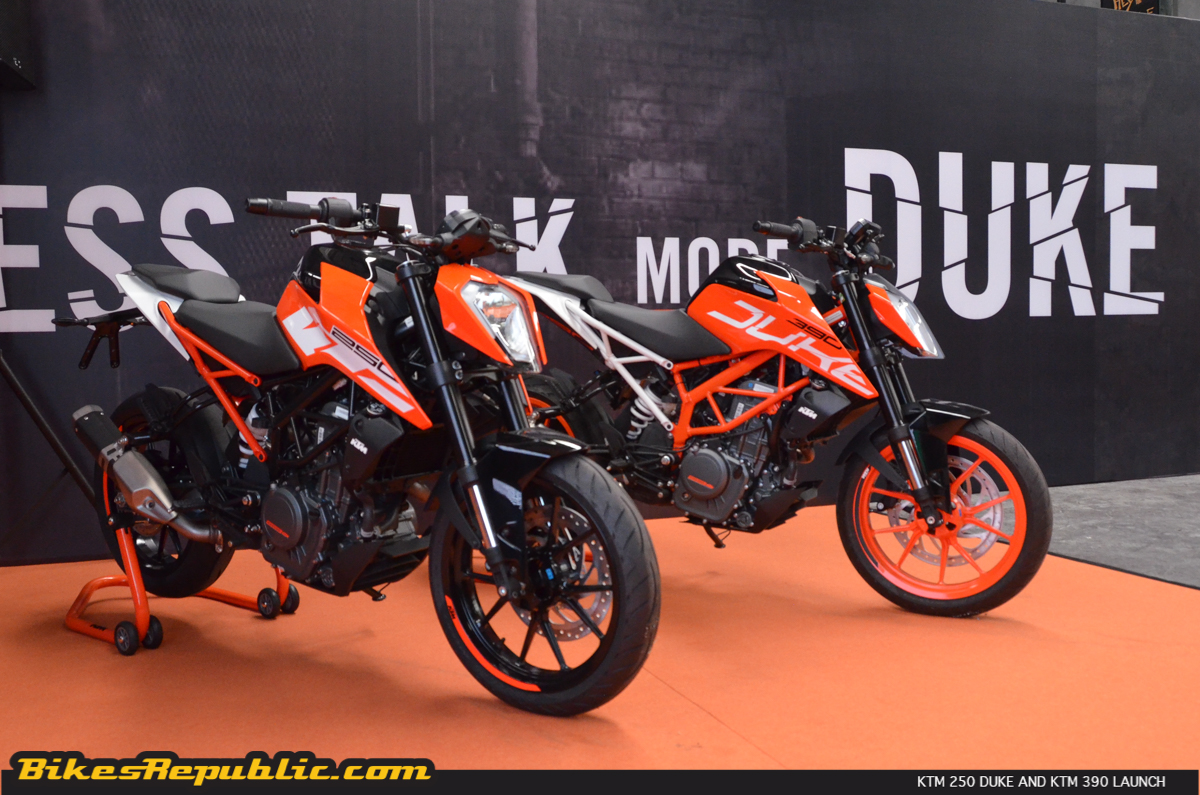
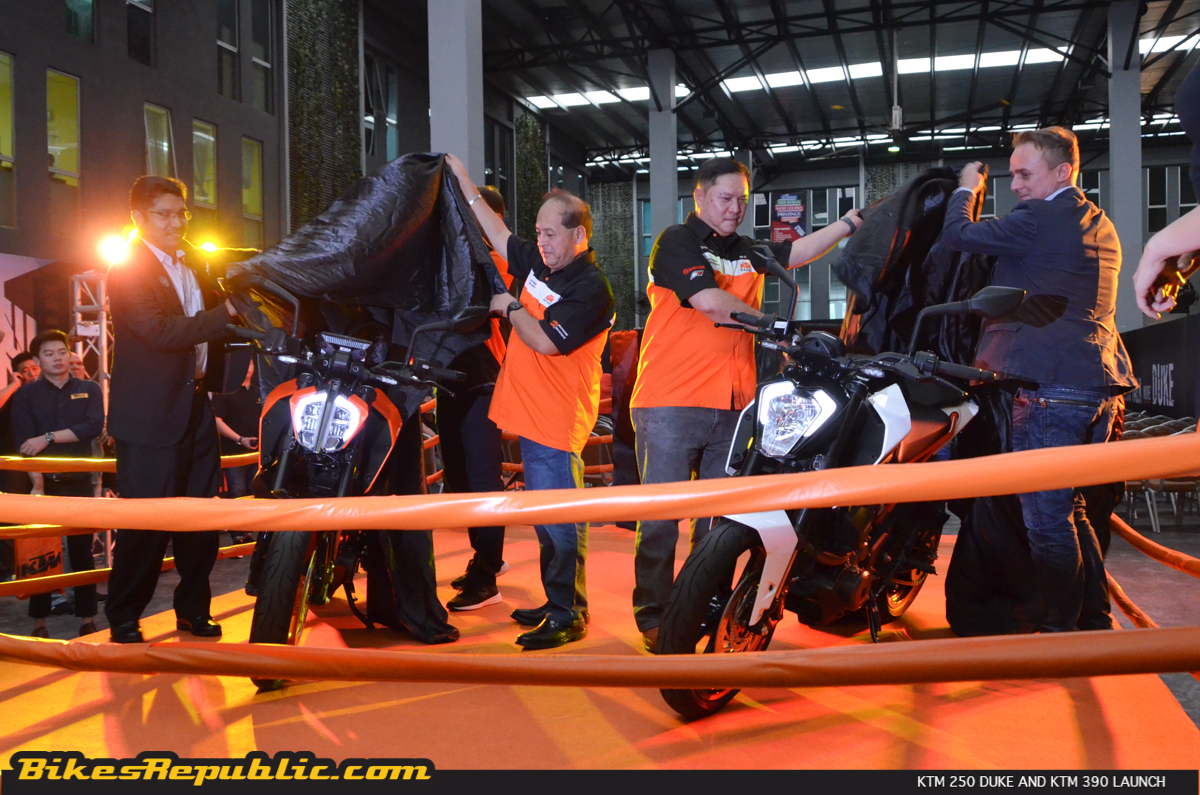
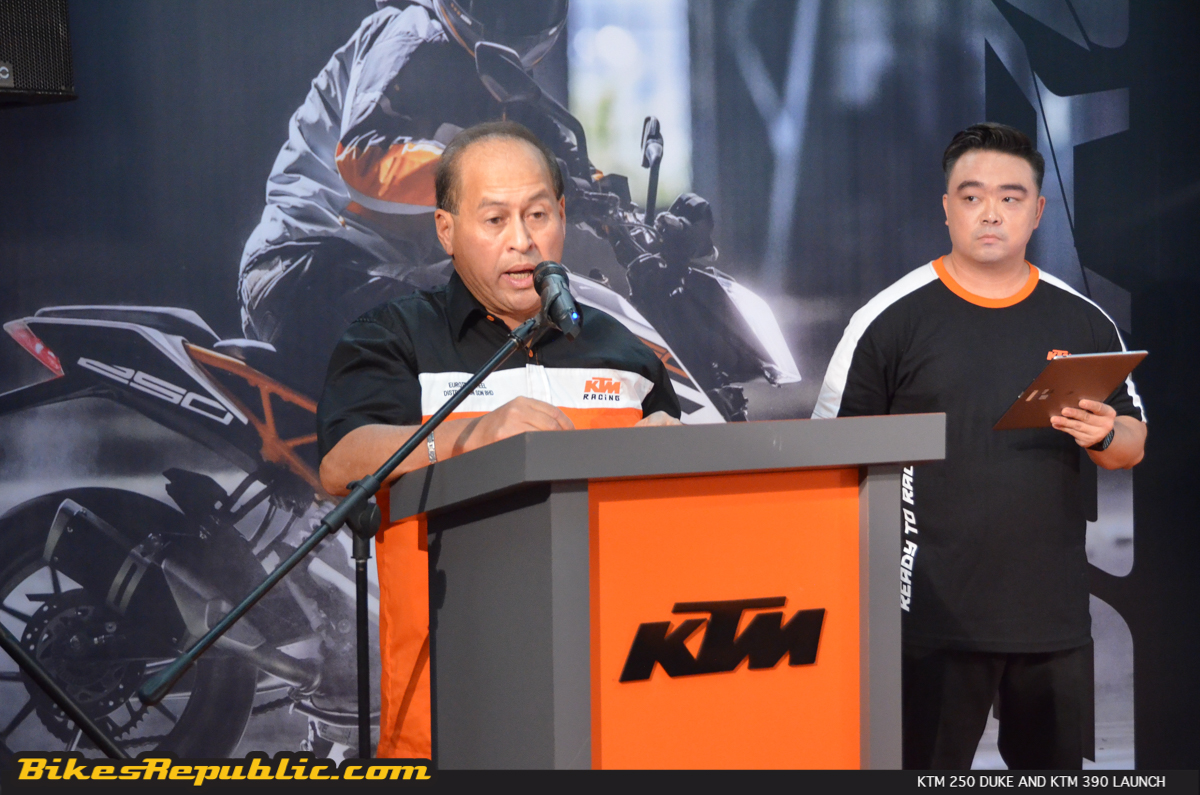
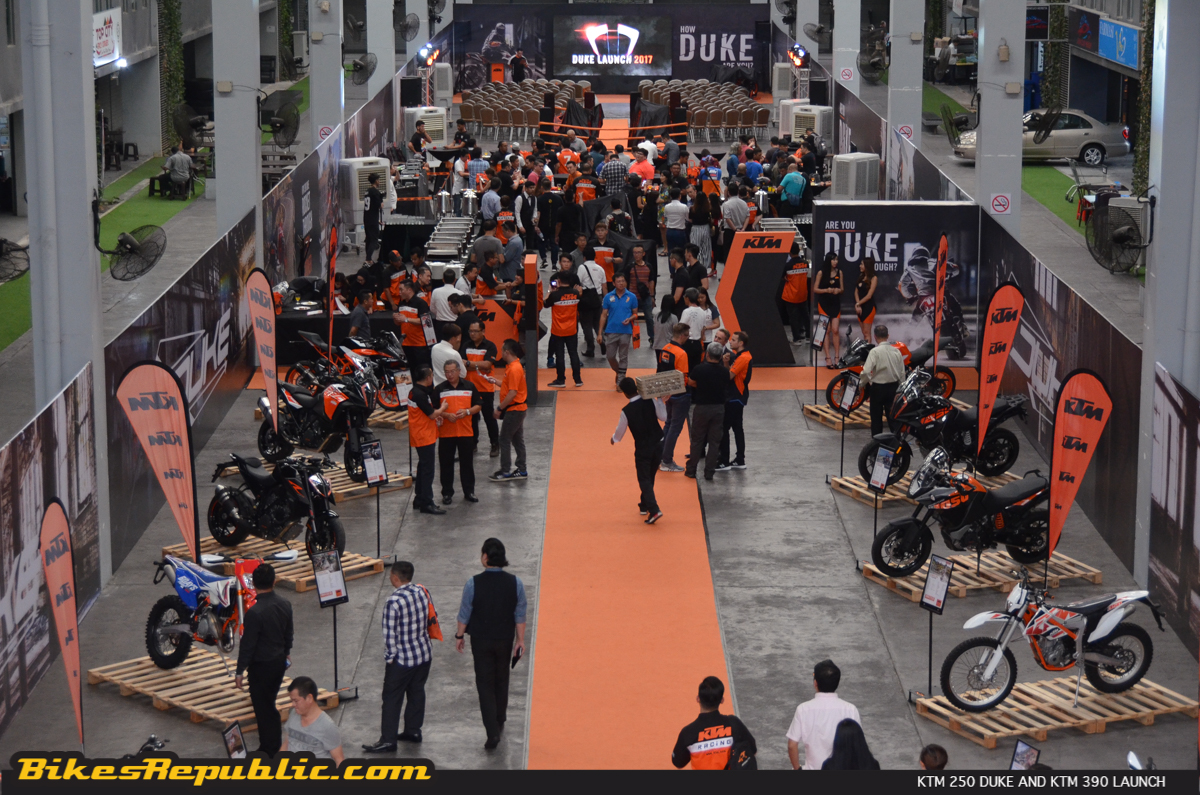
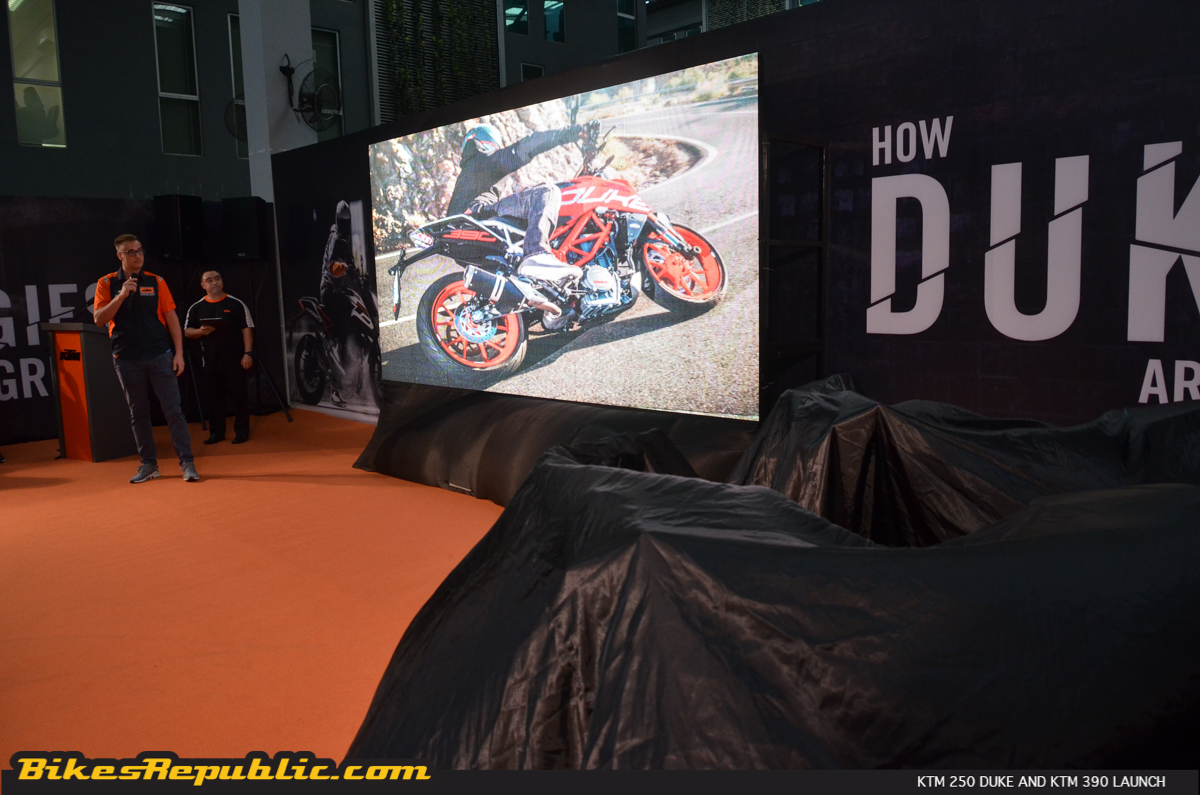
One City USJ, 26th September 2017 – The KTM 250 Duke and KTM 390 Duke has been launched to a great reception tonight.

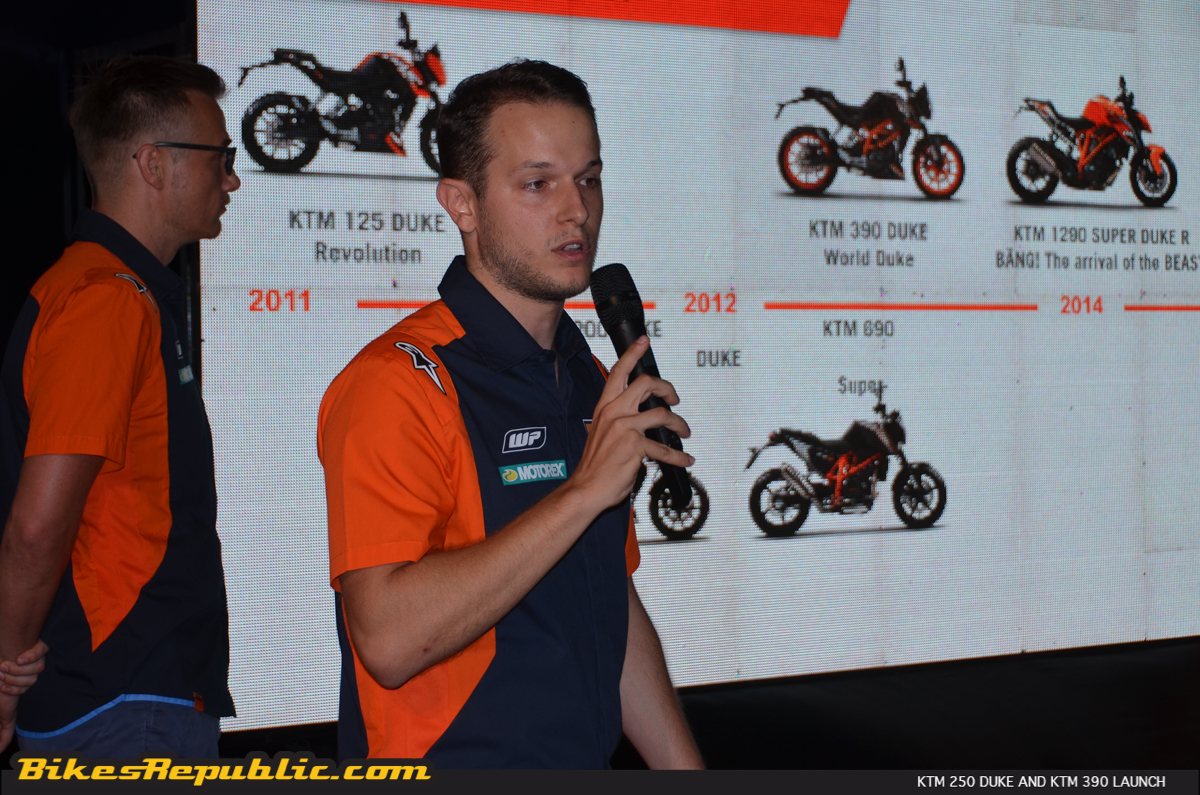
The launched of the KTM 200 Duke in 2012 caused a sensation short of a revolution in the small capacity naked sportbike market. For it marked the introduction of a motorcycle that performance in terms of speed (for a 200cc bike), handling and braking, wrapped in a frame and bodywork that was different from anything before it.

The KTM 390 Duke was launched soon after to even more resounding success, followed by the KTM 250 Duke, which had racier features such as a slipper clutch.

Since then, KTM’s rivals have launched models to rival the Duke’s success, prompting KTM to refresh the smaller Dukes.

KTM Malaysia had launched the new 1290 Super Duke R earlier this year, then when pictures of the new baby Dukes started circulating on the internet.

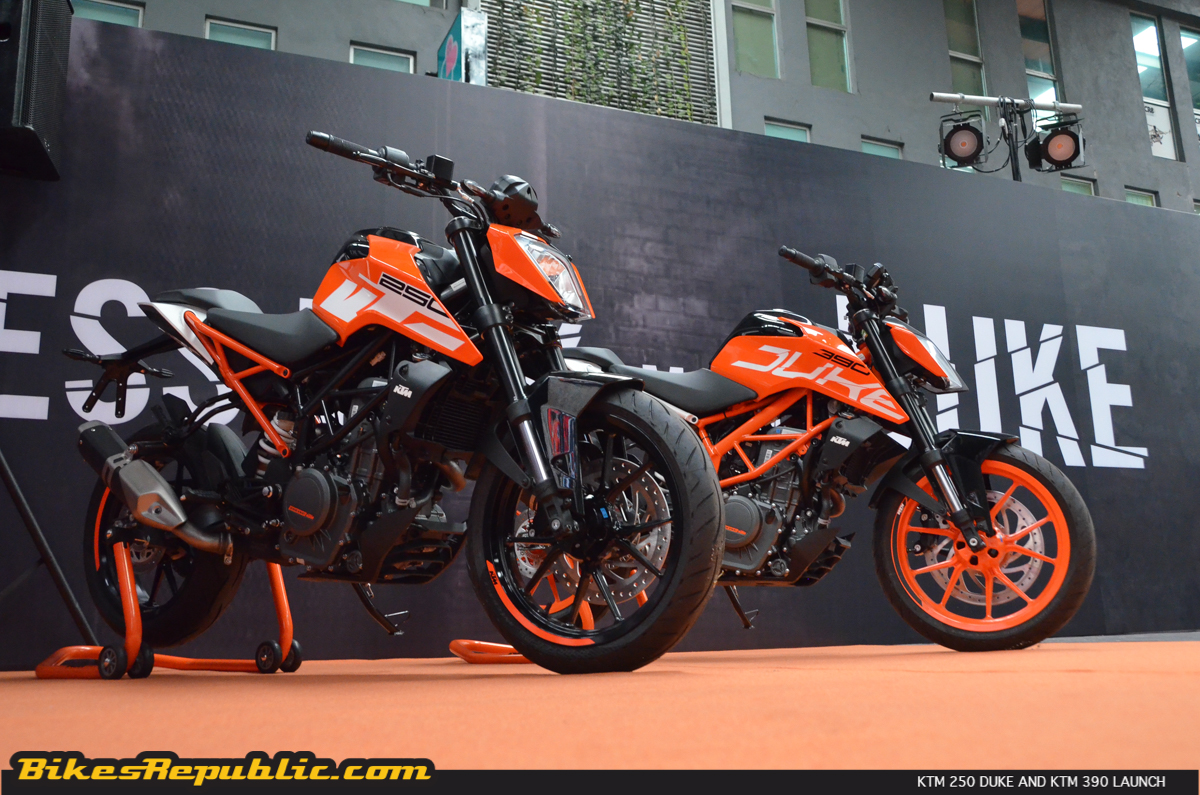
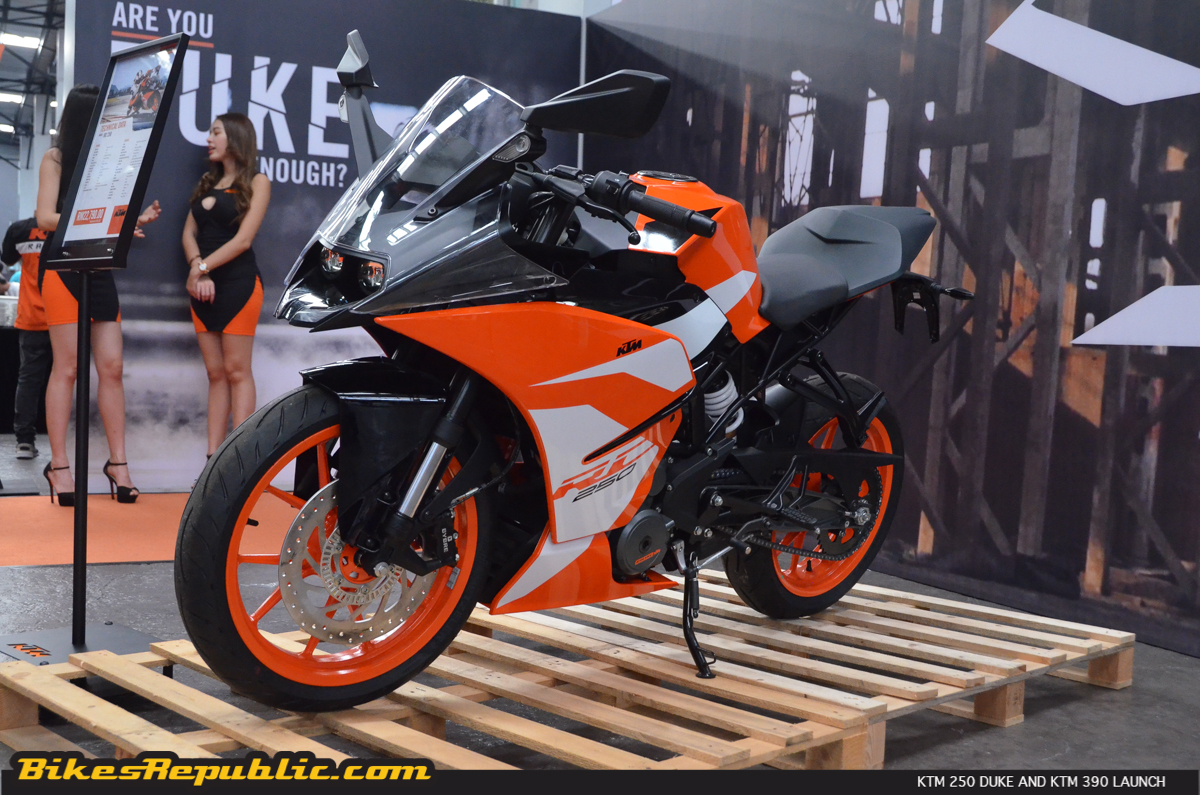
Instead of following the same template across the range, KTM has taken the step to give both the 250 and 390 new looks for their own identities. Yet, the styling of both models still unmistakenly within the Duke’s family’s looks.

KTM 250 DUKE

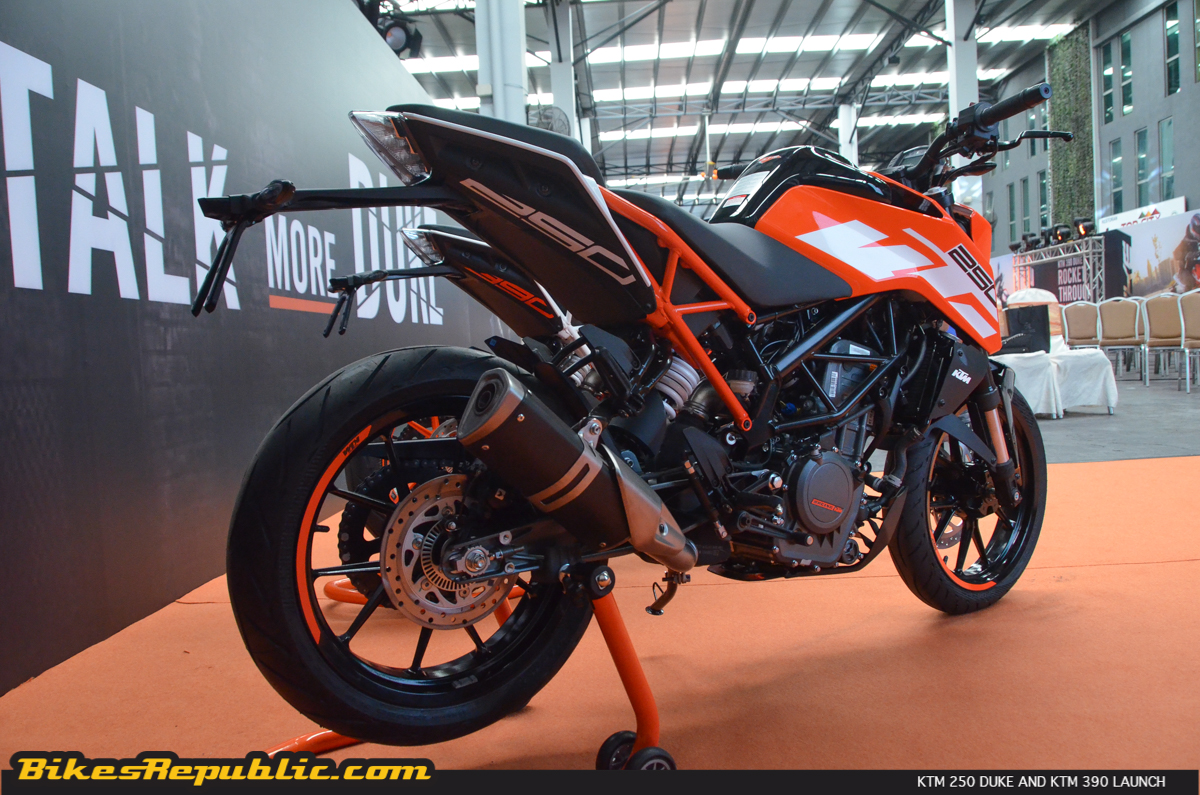
The new 250 Duke has received what KTM calls, “… more than just an aggressive makeover.”

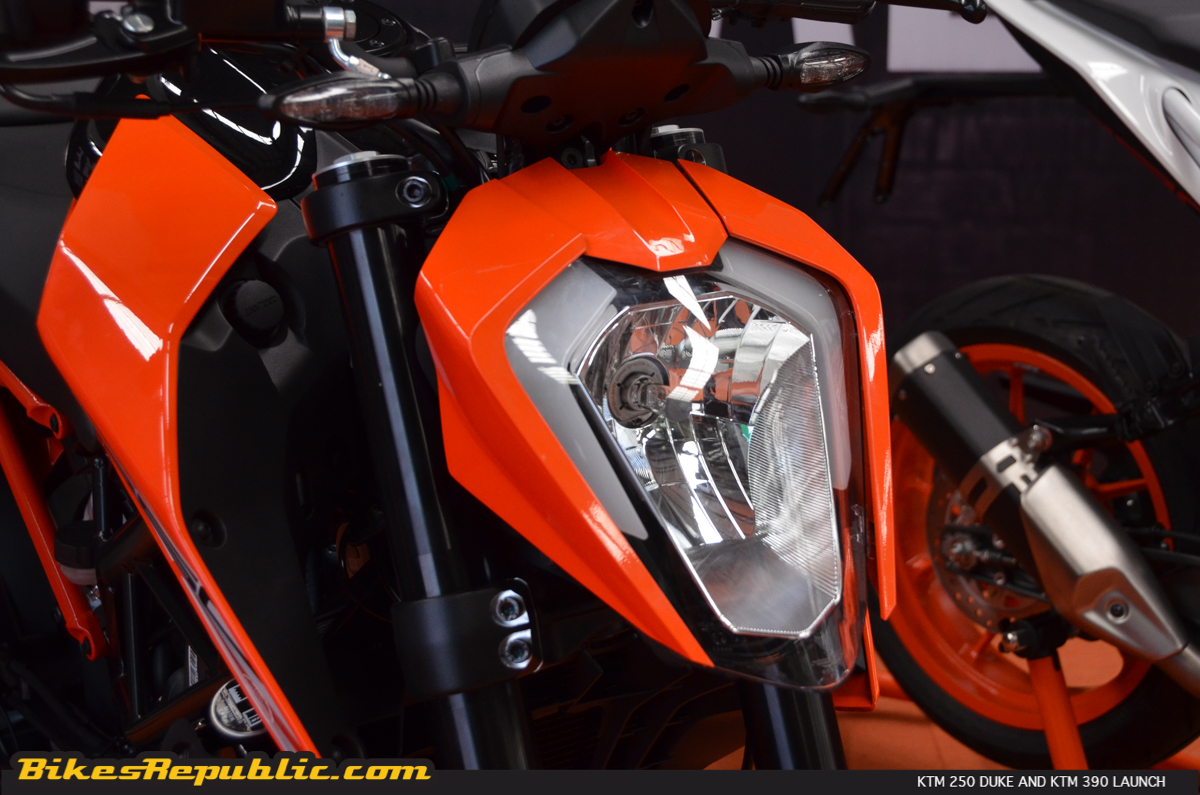
KTM has given the new KTM 250 Duke a newly designed headlamp, reminiscent of the 2014 KTM 1290 Super Duke R.

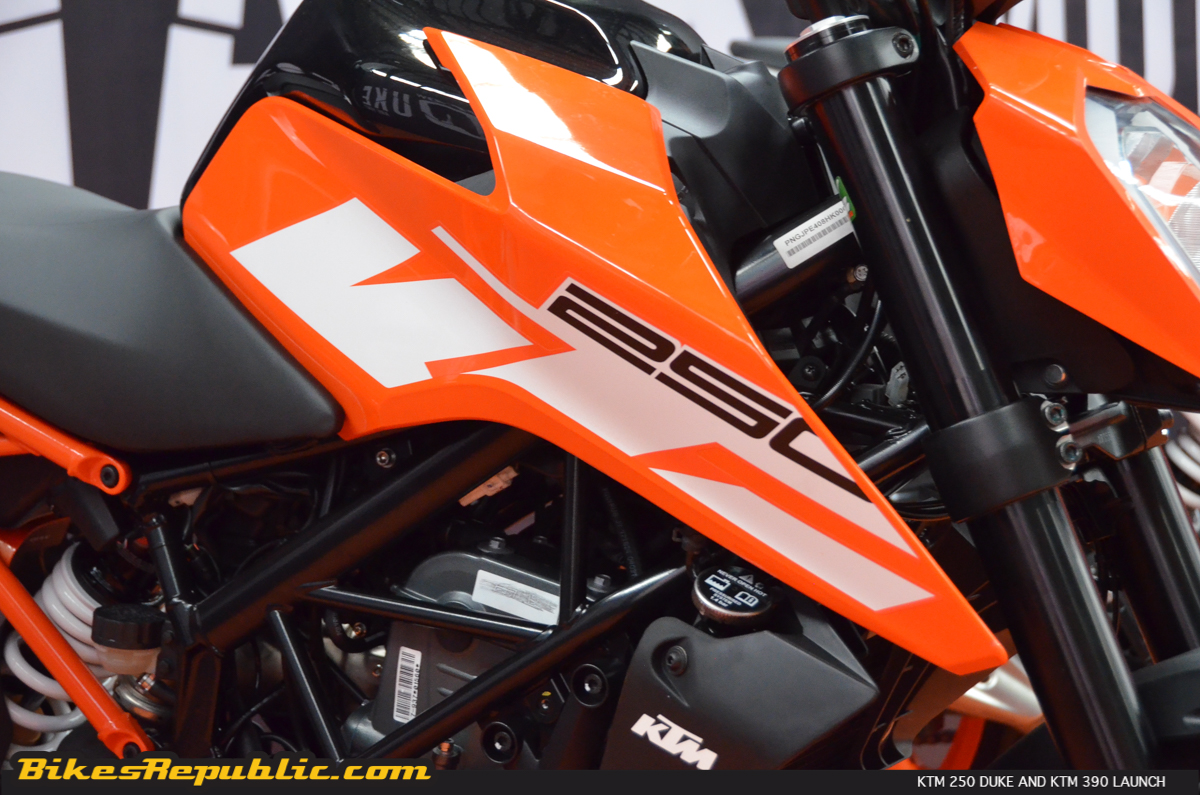
The new styling also brings along a bigger fuel tank (now 13.4 litres up from 11.1 litres), redesigned seats for sporty yet comfortable for long rides whether solo or with a passenger.

The Austrian manufacturer’s lay to claim has always been READY TO RACE, hence performance is always high on the list.

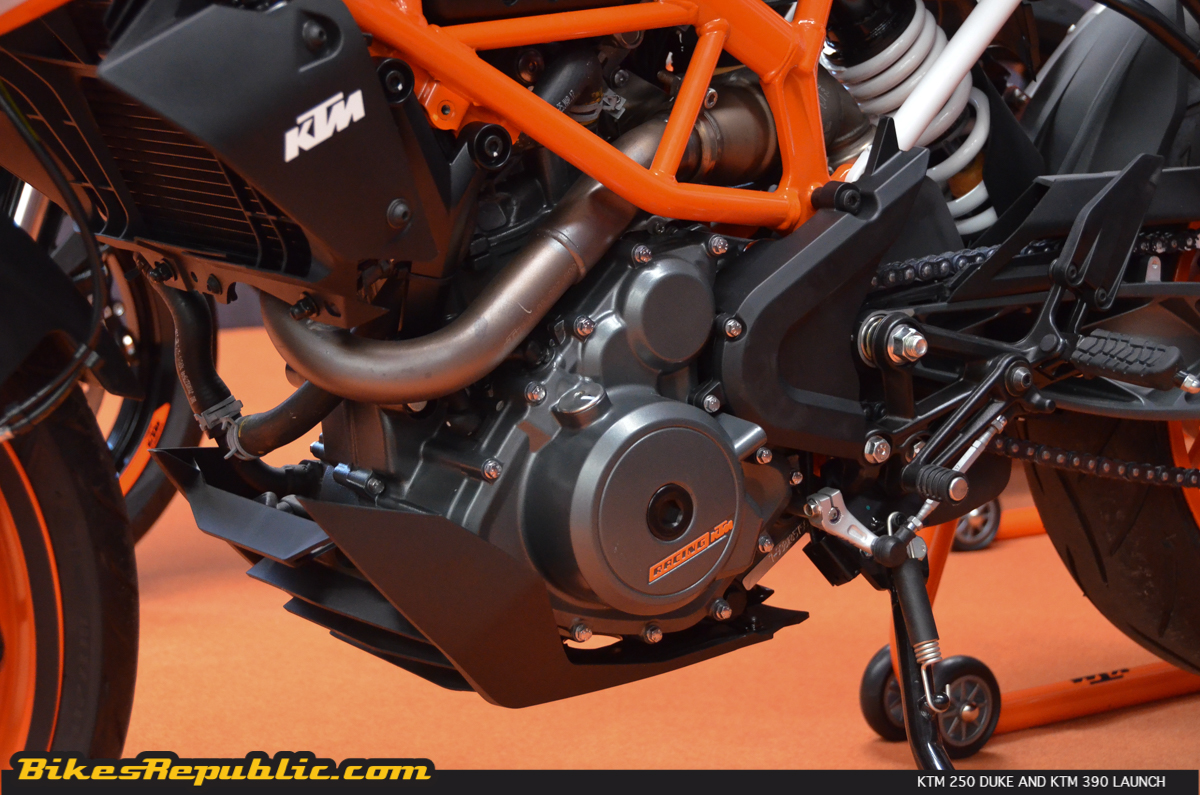
The 248.8cc, liquid-cooled, DOHC, 4-valve, single-cylinder engine packs a healthy 30 bhp, which is sent through a 6-speed gearbox with a slip-and-assist clutch for smoother corner entries. Spent gasses exit through a new exhaust system.

The forks are upsided-down WP (of course), but now features open-cartridges. The advantages are lighter weight and ease of maintenance due to fewer parts.

The frame and bolt-on sub-frame are also new.

Its lightweight steel trellis frame has been updated. The wheelbase is 10mm shorter for more agility, while the rider’s seat is now 30mm taller at 830 mm.

TECHNICAL SPECIFICATIONS

ENGINE
Engine type Liquid-cooled, 4-stroke, DOHC, 4-valves, single-cylinder
Compression ratio 12.6 : 1
Bore X Stroke 72.0 mm X 61.1 mm
Displacement 248.8 cc
Fuel system Bosch electronic fuel injection
Maximum power 30 bhp (23 kW) @ 9000 RPM
Maximum torque 24 Nm @ 7250 RPM
TRANSMISSION  
Clutch PASC slipper clutch
Gearbox 6-speed
CHASSIS
Front suspension WP 43mm USD forks, 142 mm travel
Rear suspension WP single shock, adjustable for preload, 150 mm travel
Front brakes Single 300 mm disc, single-piston radially mounted caliper
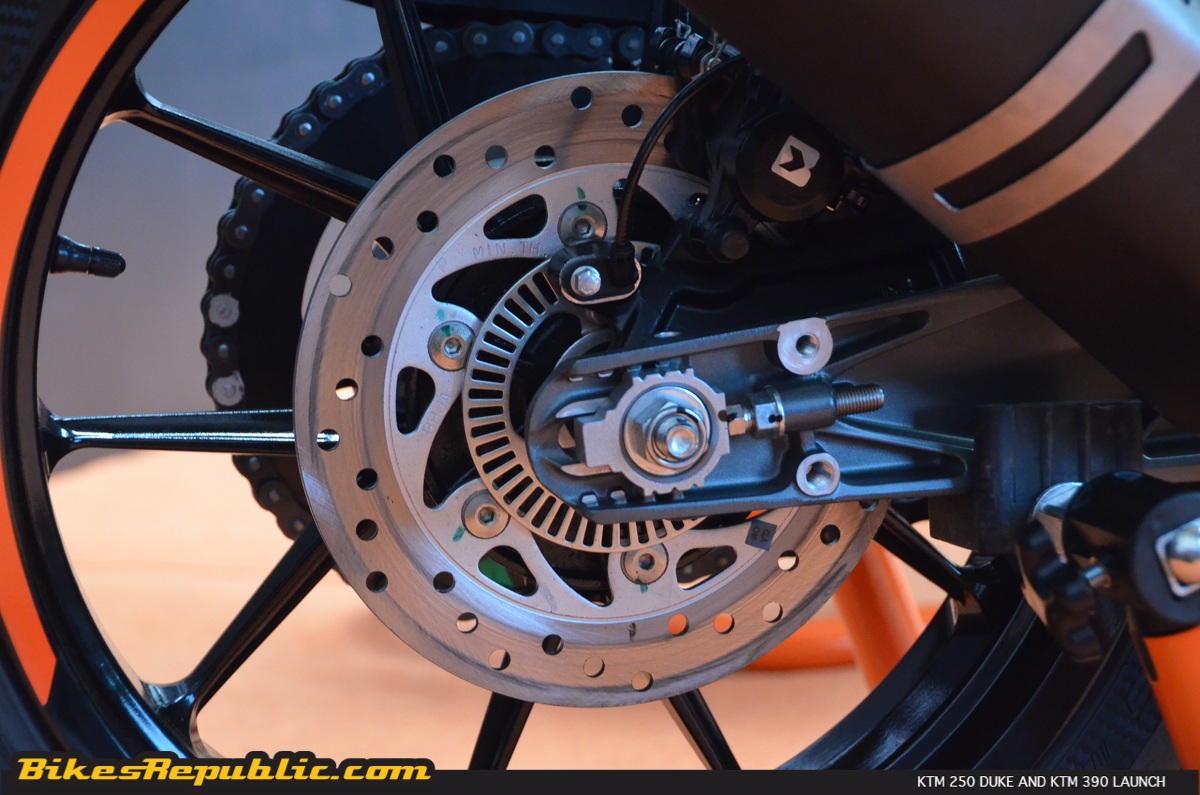
Rear brake Single 230 mm disc, single-piston floating caliper
ABS Bosch MB9.1 Two channel
Front tyre 110/70-ZR17
Rear tyre 150/60-ZR17
FRAME & DIMENSIONS
Frame Steel trellis
Swingarm Two-sided, cast aluminium
Trail 95 mm
Rake 25 degrees
Wheelbase 1357 mm
Seat height 830 mm
Dry weight 147 kg
Fuel capacity 13.4 litres


KTM 390 DUKE

The new KTM 390 Duke has similarly been updated, but the changes are more extensive.

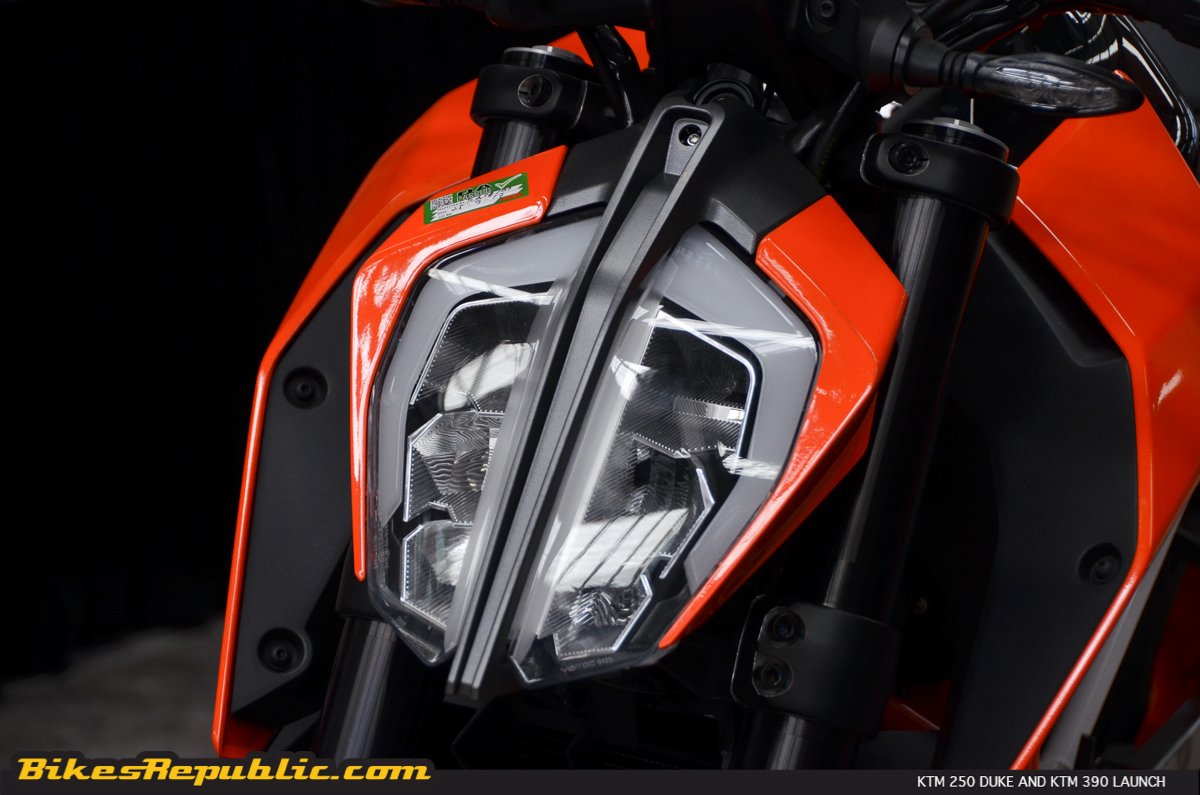
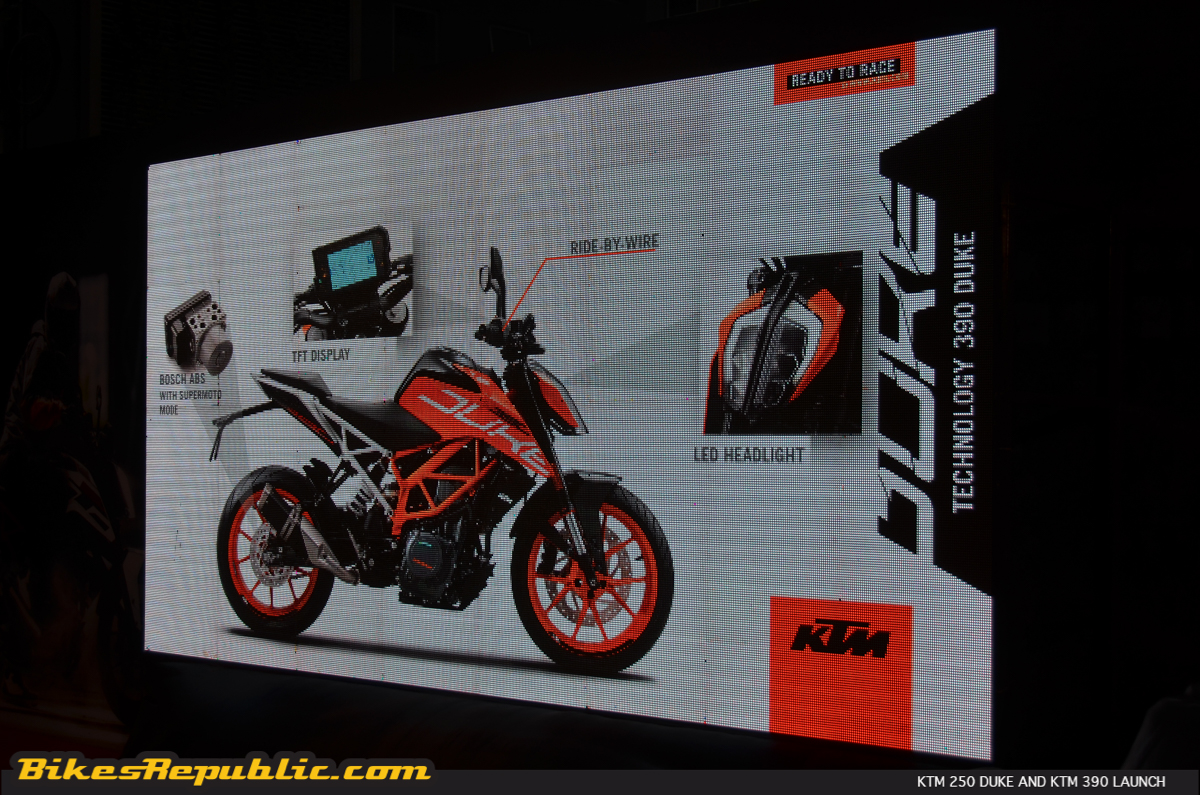
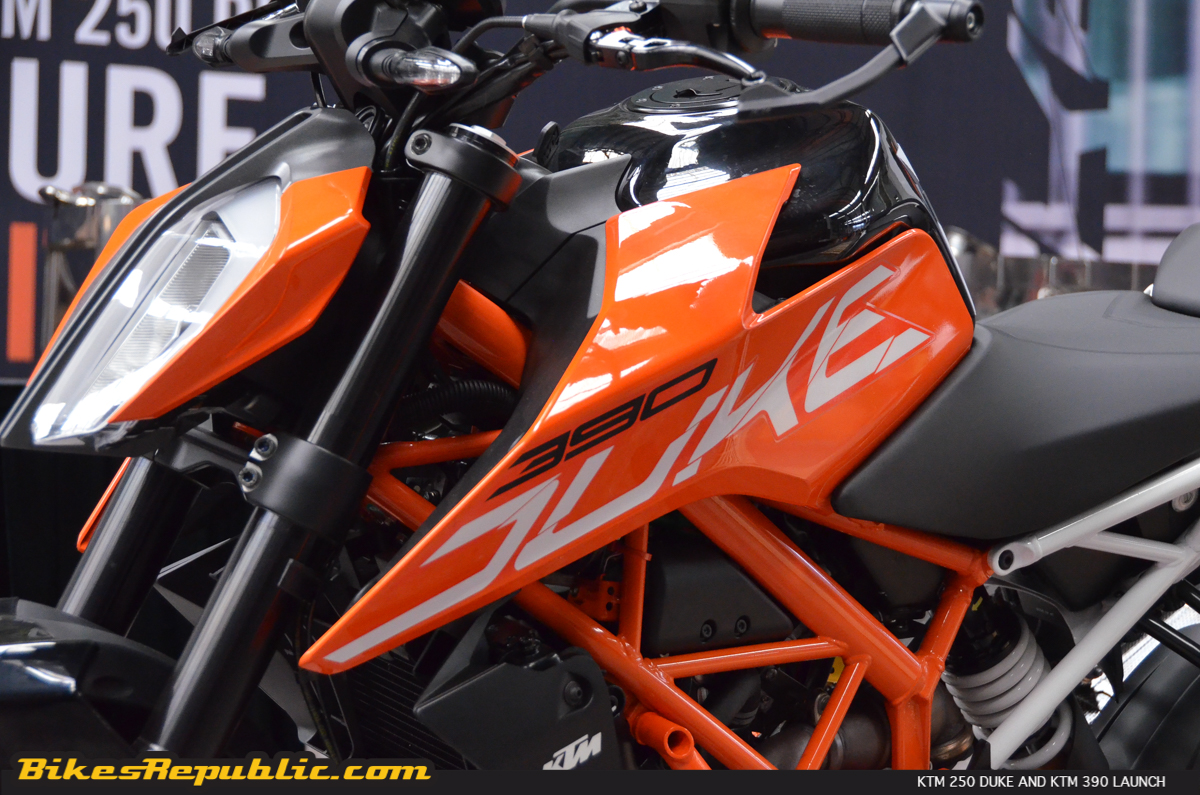
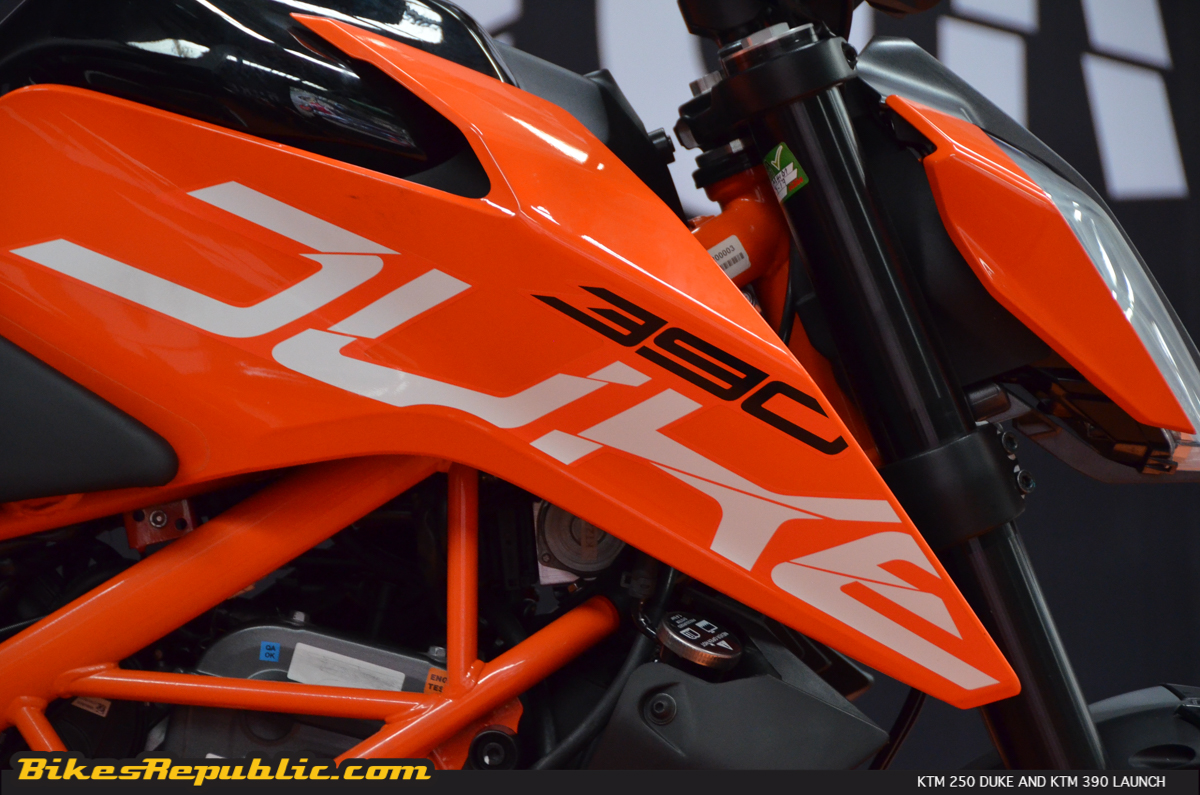
It’s overall appearance has taken on its top sibling’s – the 2017 KTM 1290 Super Duke R – appearance. The headlamp takes its inspiration directly from the latter complete with split LED day running light and headlamp. The fuel tank and its flanks have also been updated for a fiercer look.

The new 390 Duke also features a multi-function, multi-colour TFT instrument cluster similar to the 1290 Super Duke R’s. The display adjusts its brightness automatically depending on ambient lighting. It also features Bluetooth connectivity to a smartphone and is now controllable from the handlebar switches.

But it’s underneath all these new panels that matters the most.

The new model now features a Ride-by-Wire throttle, for smoother throttle response. The 390cc, liquid-cooled, DOHC, four-valve, single-cylinder engine has been upgraded to produce an impressive 44 bhp and 37 Nm of torque.

Additionally, a slip-and-assist clutch is featured in the new 390 Duke, compared to the previous model. The slip function eliminates rear tyre chatter in the event of aggressive downshifting, while the assist function helps to lighten clutch lever pull, besides performing as a self-servo function to apply more pressure on the plates when accelerating to ensure power is fully transmitted to the transmission.

The engine and chassis components are then attached to the new frame and bolt-on subframe.

With the increase in go, KTM didn’t forgo the stop department either. The new bike now features a larger, 320mm front brake disc with a Bosch ABS system providing a safety net.

TECHNICAL SPECIFICATIONS

ENGINE
Engine type Liquid-cooled, 4-stroke, DOHC, 4-valves, single-cylinder
Compression ratio 12.6 : 1
Bore X Stroke 89.0 mm X 60.0 mm
Displacement 373.2 cc
Fuel system Bosch electronic fuel injection
Maximum power 44 bhp (32 kW) @ 9000 RPM
Maximum torque 37 Nm @ 7000 RPM
TRANSMISSION  
Clutch PASC slipper clutch
Gearbox 6-speed
CHASSIS
Front suspension WP 43mm USD forks, 142 mm travel
Rear suspension WP single shock, adjustable for preload, 150 mm travel
Front brakes Single 20 mm disc, single-piston radially mounted caliper
Rear brake Single 230 mm disc, single-piston floating caliper
ABS Bosch MB9.1 Two channel
Front tyre 110/70-ZR17
Rear tyre 150/60-ZR17
FRAME & DIMENSIONS
Frame Steel trellis
Swingarm Two-sided, cast aluminium
Trail 95 mm
Rake 25 degrees
Wheelbase 1357 mm
Seat height 830 mm
Dry weight 149 kg
Fuel capacity 13.4 litres


PICTURE GALLERY

JOHN BRITTEN AND THE V-1000

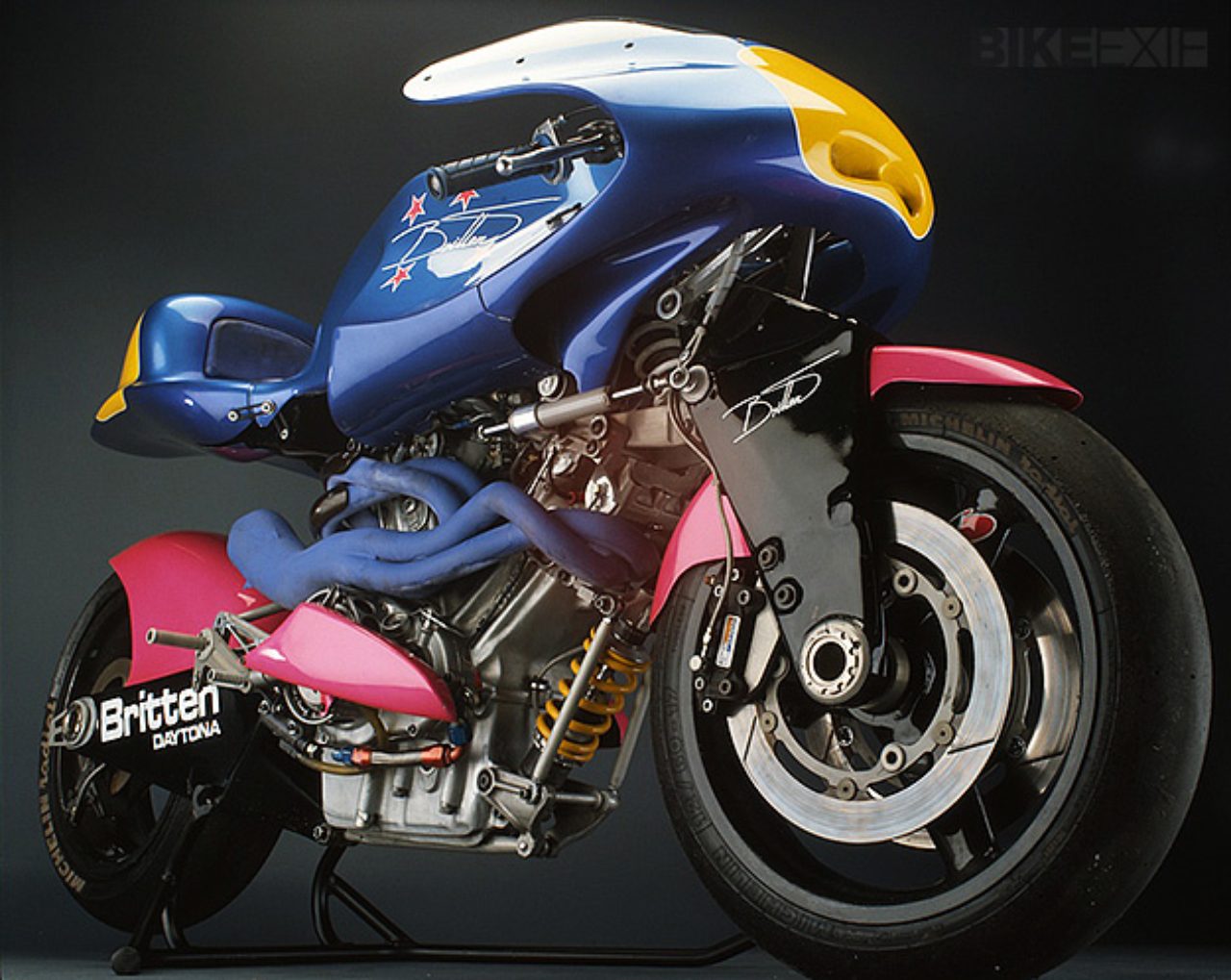
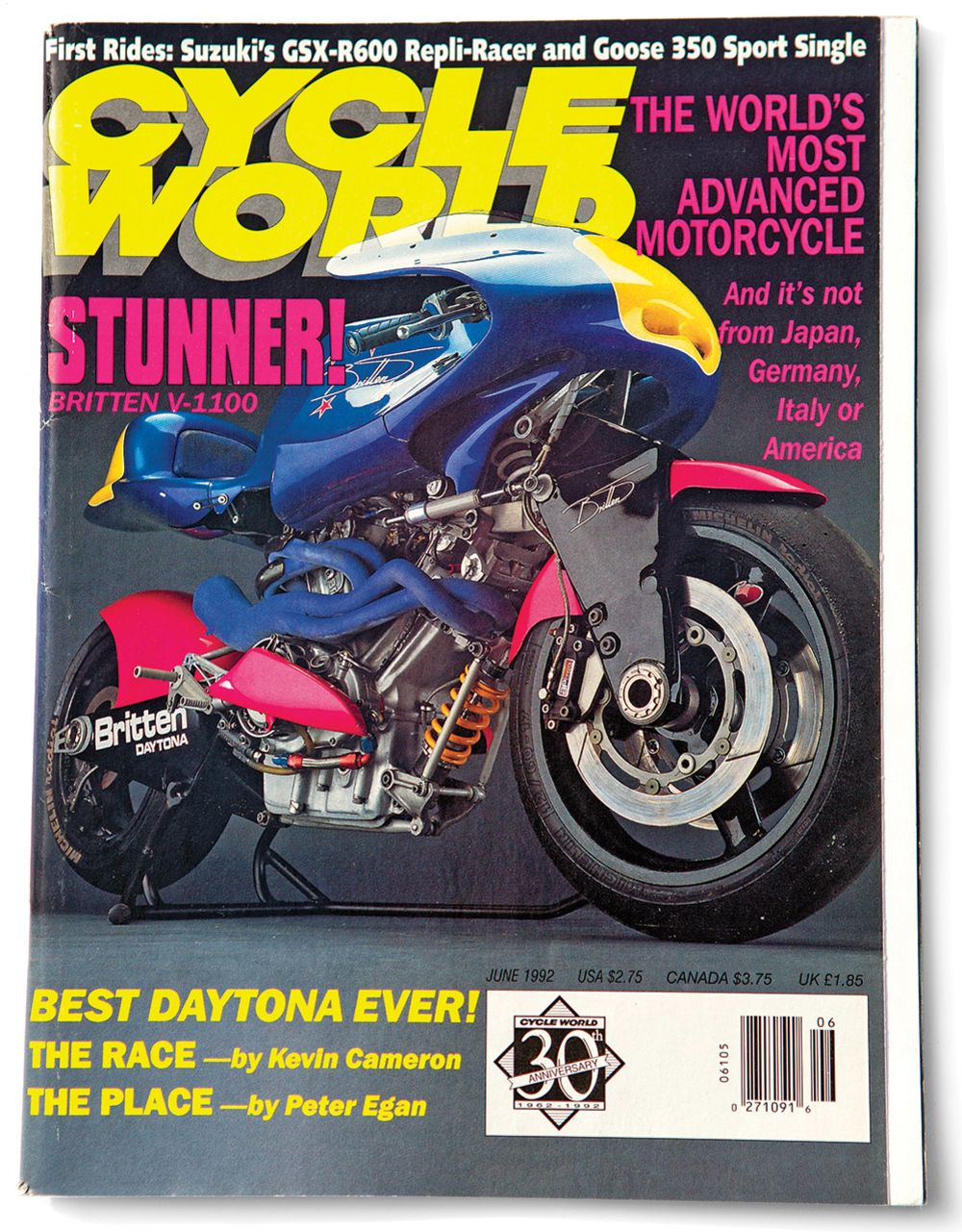
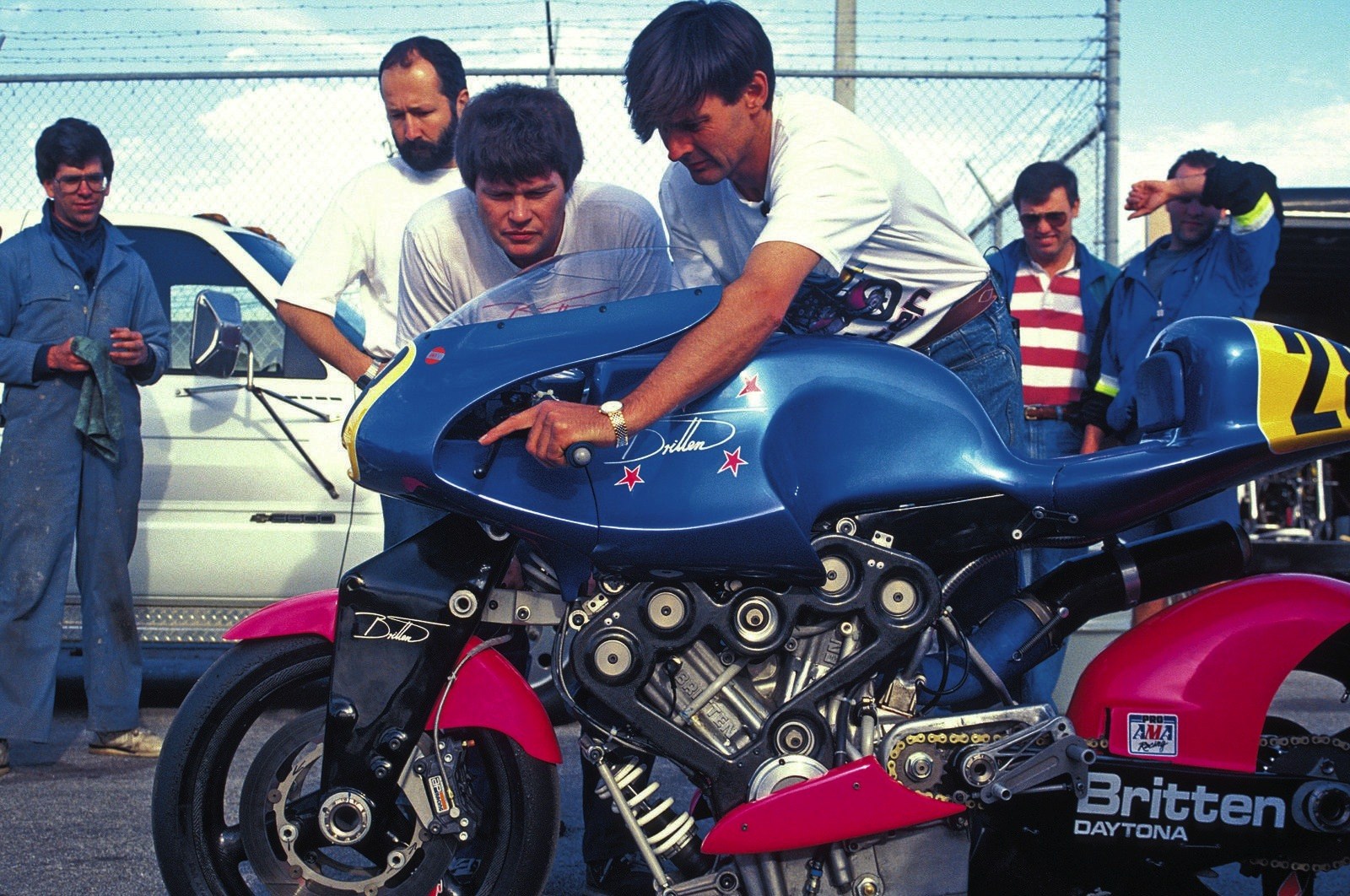
I could still remember my exact feelings when I picked up the June 1992 issue of Cycle World Magazine from a kiosk in Lot 10. On the cover was a so radical that it looked like a hippie Xenomorph (the alien in the Alien movie franchise) in blue and pink. Or at least this would be the Xeno Queen’s ride if she’s into motorcycles.

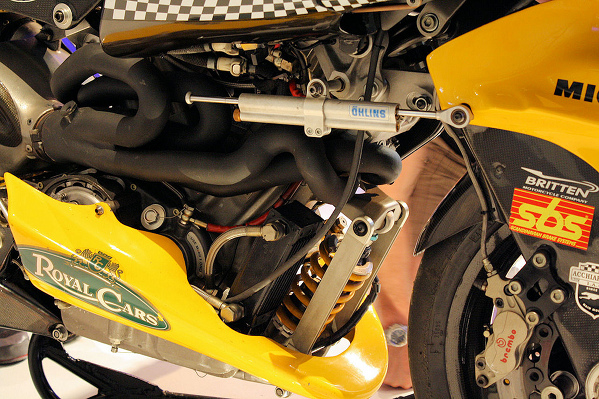
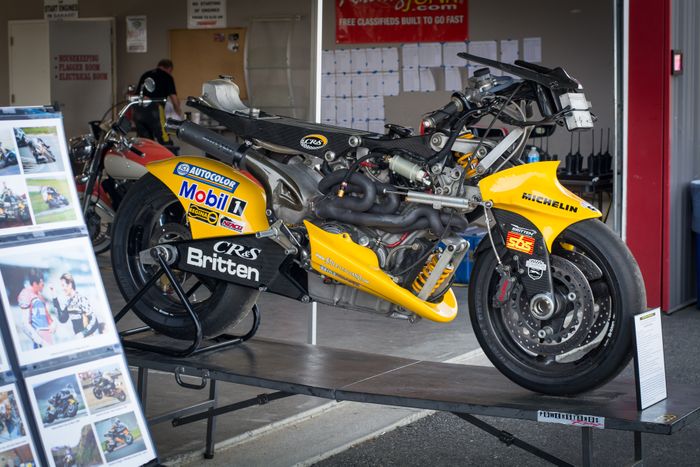
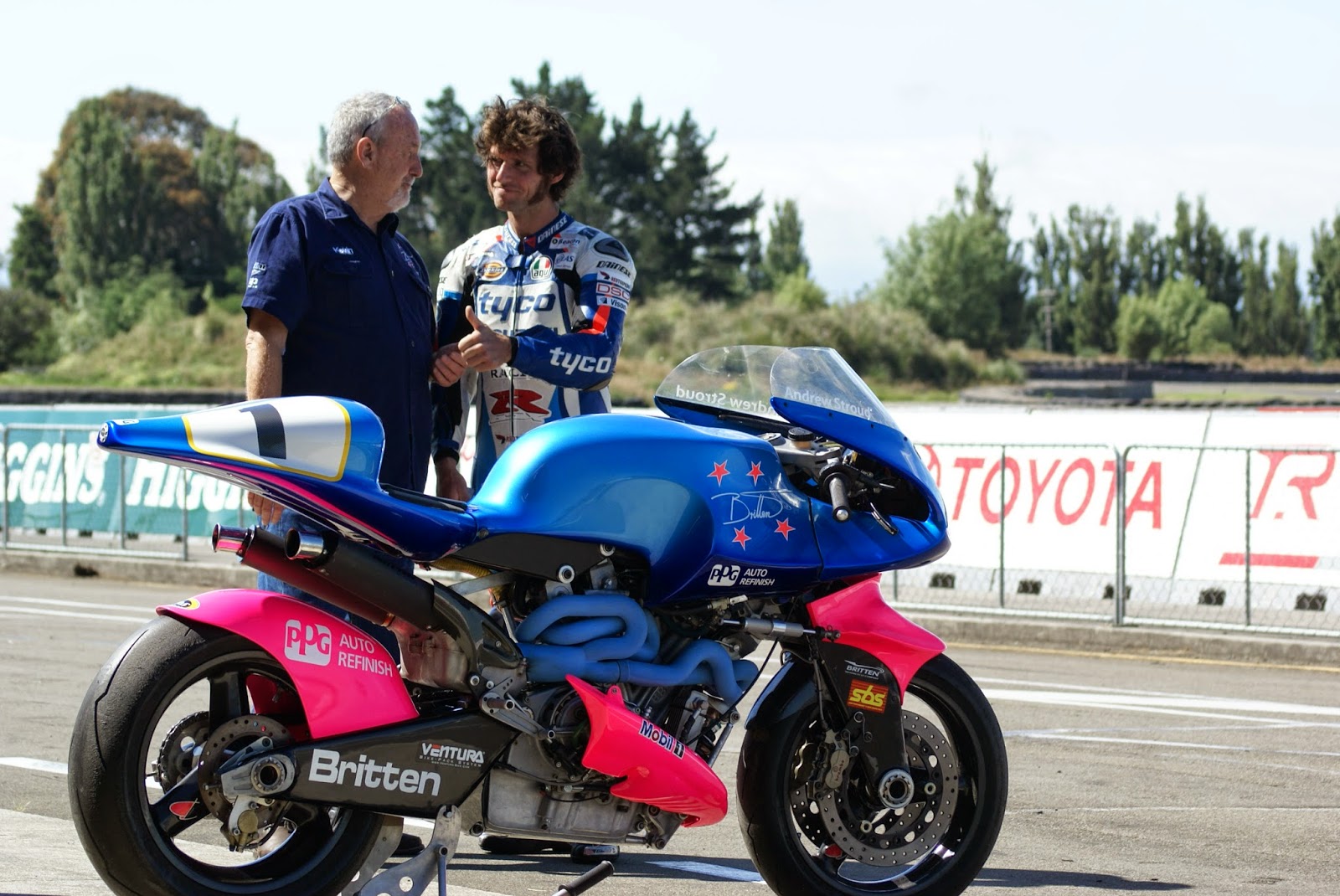
But look at those front “forks”! Those exhaust pipes! That big yellow Öhlins shock absorber hanging in front of the engine!

The copy on the magazine’s cover shouted, “THE WORLD’S MOST ADVANCED MOTORCYCLE”.

I promptly paid for the mag and hurried to the Delifrance café to read more about this “Britten V-1100.”

It was then that I discovered that was actually homebuilt. Yes, built in a certain genius’ backyard!

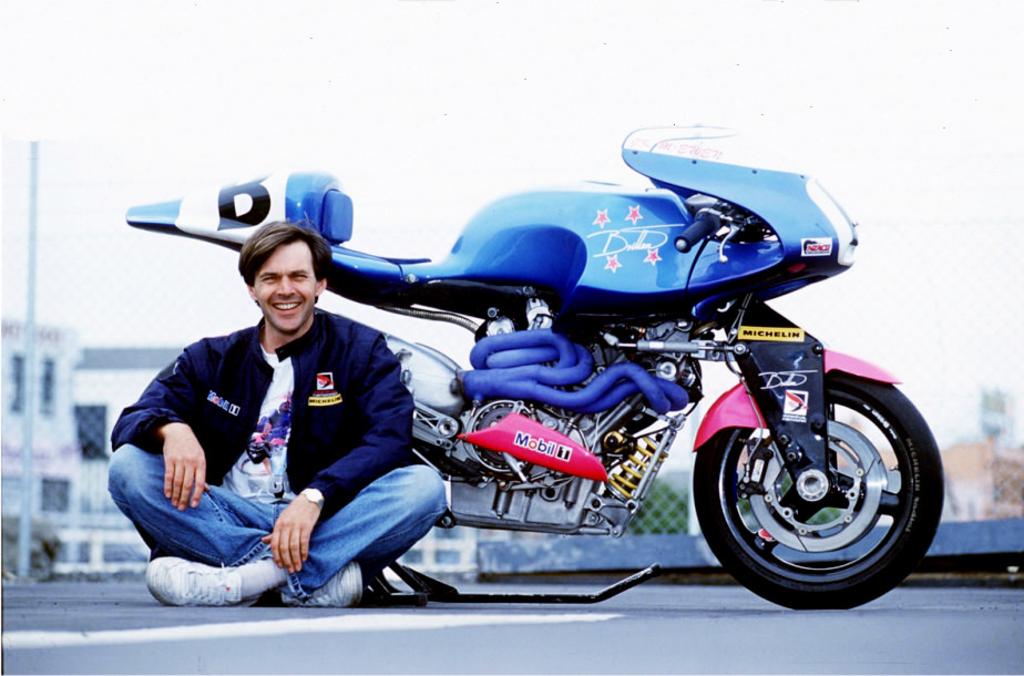
That guy’s name was John Britten.

John Britten didn’t hail from Italy, Germany or Japan, instead, he was a humble guy born in 1950, in Christchurch, New Zealand.

Britten studied mechanical engineering at a night school. This wasn’t mentioned in the mag, but I only found out while researching for this article. John Britten suffered from dyslexia.

He went to work with ICI as a cadet draughtsman afterwards. It was here that he learned to design moulds, patterns, metal spinning and other engineering designs.

Britten then embarked on a short stint in England, where he worked with a renowned civil engineering firm to build links to the M1 and M4 motorways.

When he returned to New Zealand, he became the design engineer for Rowe Engineering’s offroad equipment. He also built glass kilns and went into business as a fine artist designing and making glass lighting by hand, before joining the family property management and development business.

But John Britten had a love for motorcycles.

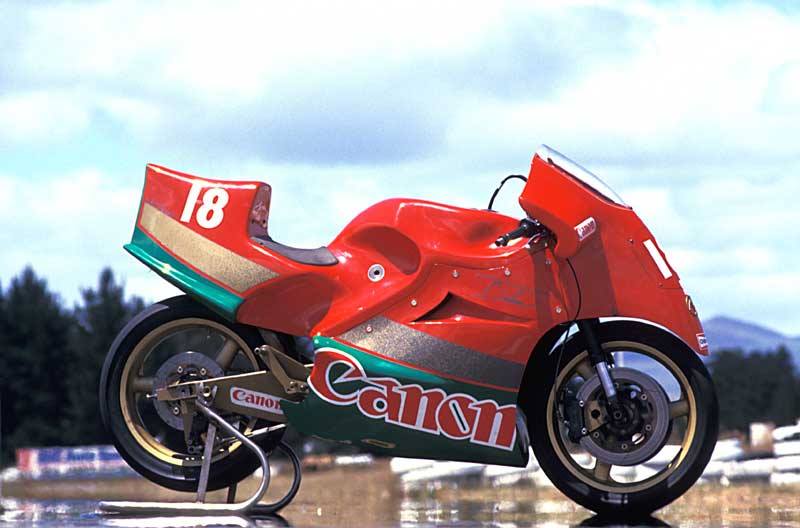
He was an amateur racer in New Zealand. He wanted to make something more out of his classic bevel-drive Ducati, but the engine was unreliable and the chassis didn’t handle the way he liked. He turned to a Denco engine from New Zealand, but that too proved to be unfeasible. Furthermore, ordering parts from the outside world meant they would take too long to find their way to New Zealand at the time. (It was before the internet an eBay.)

In search of the perfect race bike, Britten thus decided to build an entire bike himself.

That bike soon came to be known the world over as the Britten V1000.

But Britten didn’t have sophisticated CAD/CAM and CNC machines, windtunnels and, an army of engineers like the major manufacturers did. All he did have was his home’s garage and a few good friends.

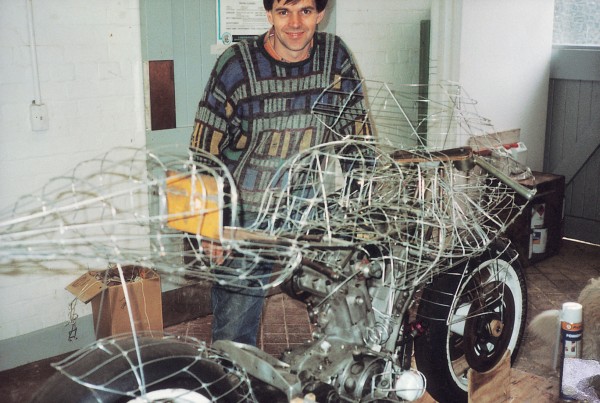
So how do you form the outline of a motorcycle then? Britten did it by cutting lengths of gardening wire and stuck them together with a glue gun. A clay model was then built around this frame which became the mould of the carbon fibre bodywork and other components.

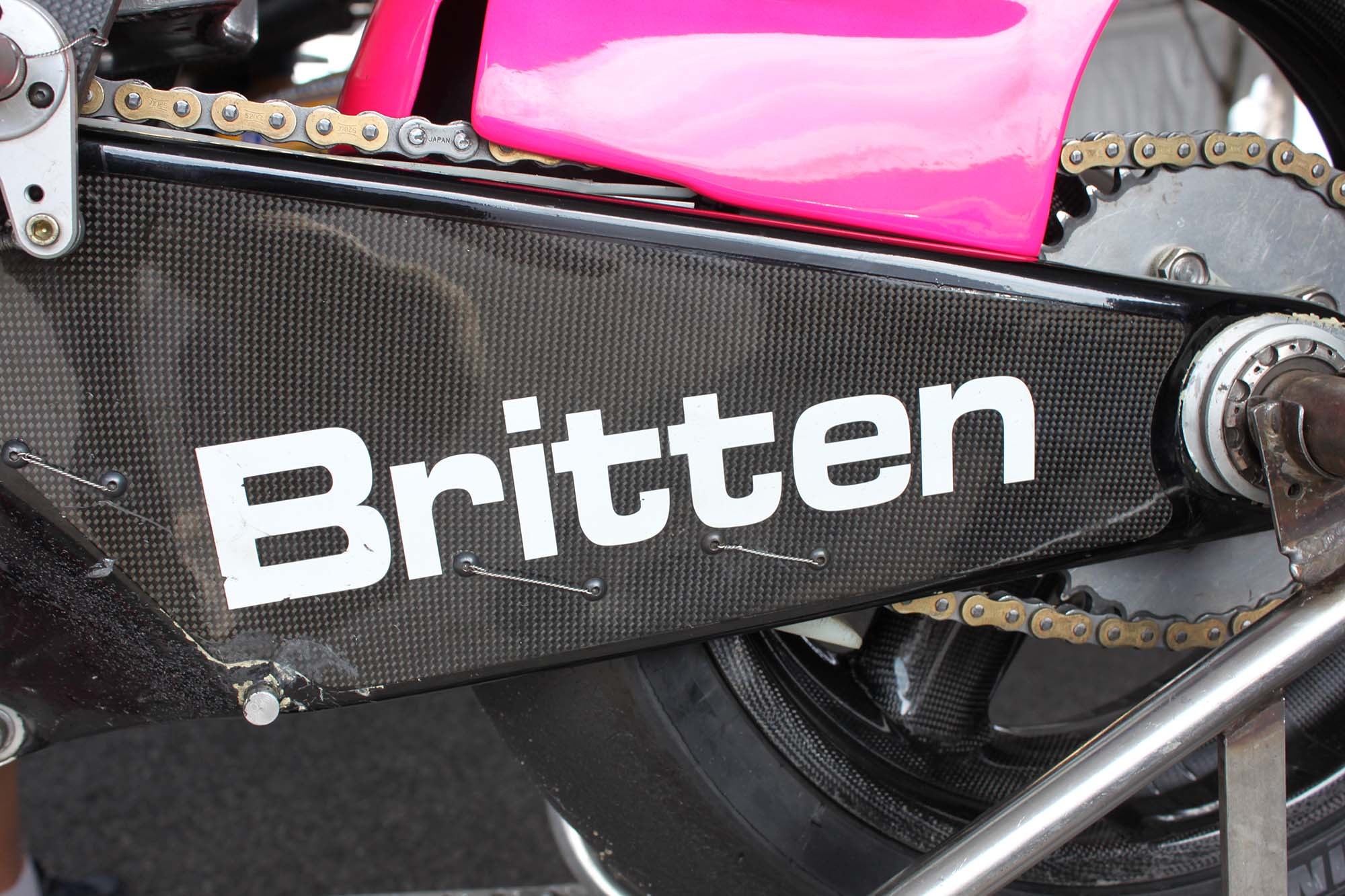
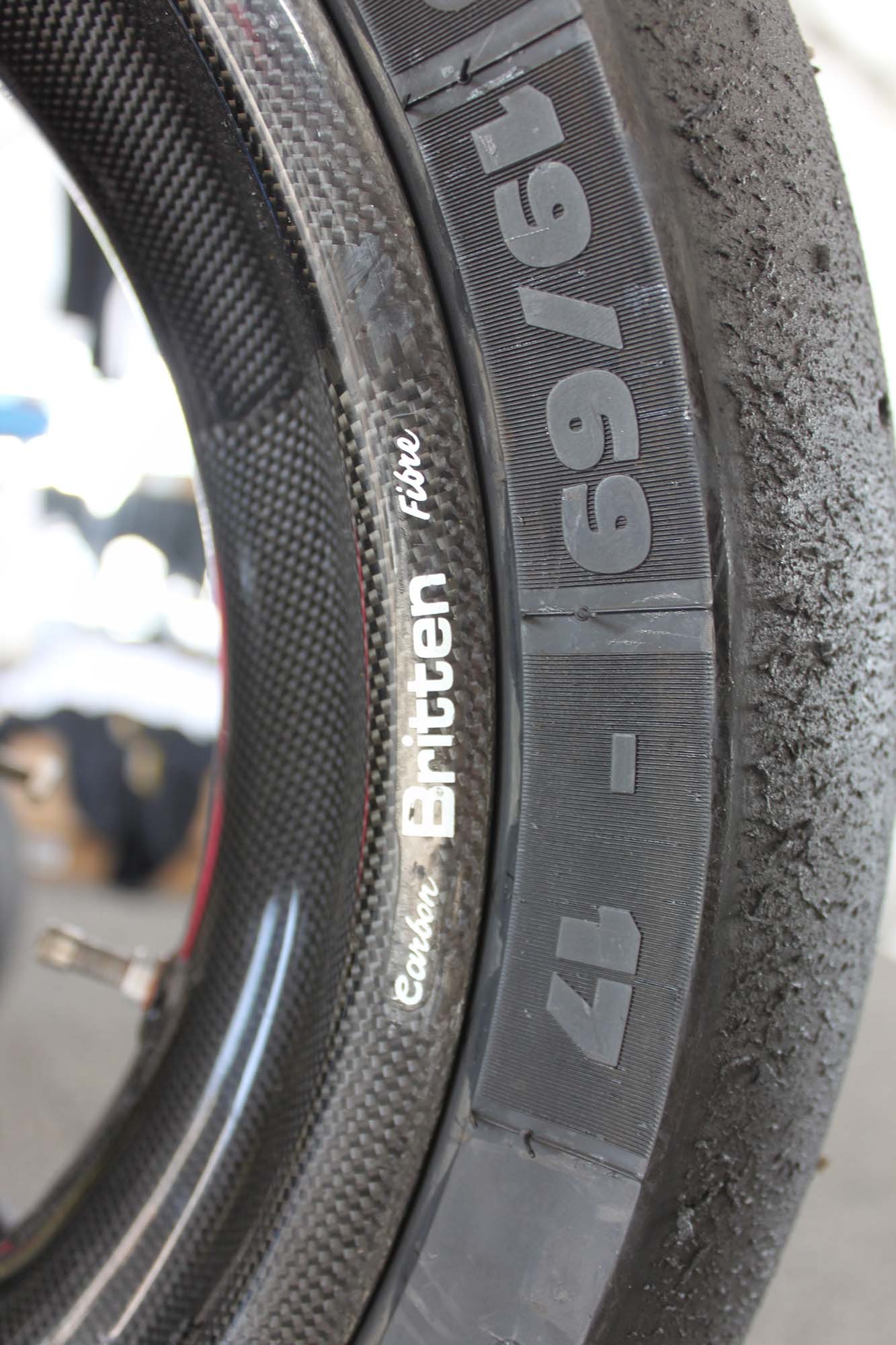
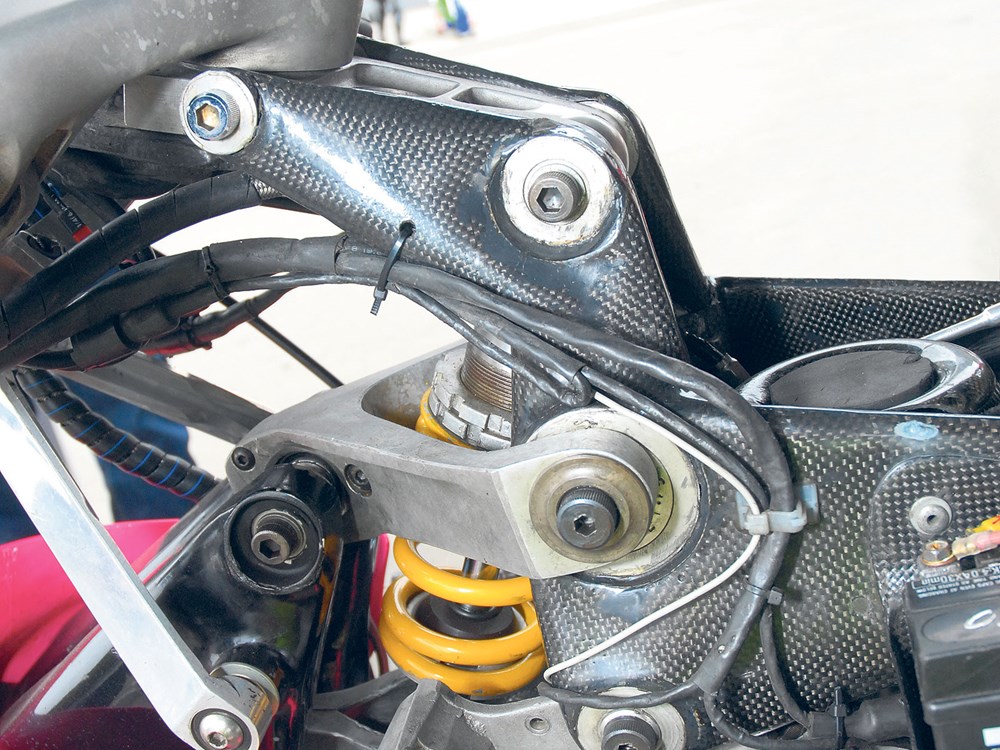
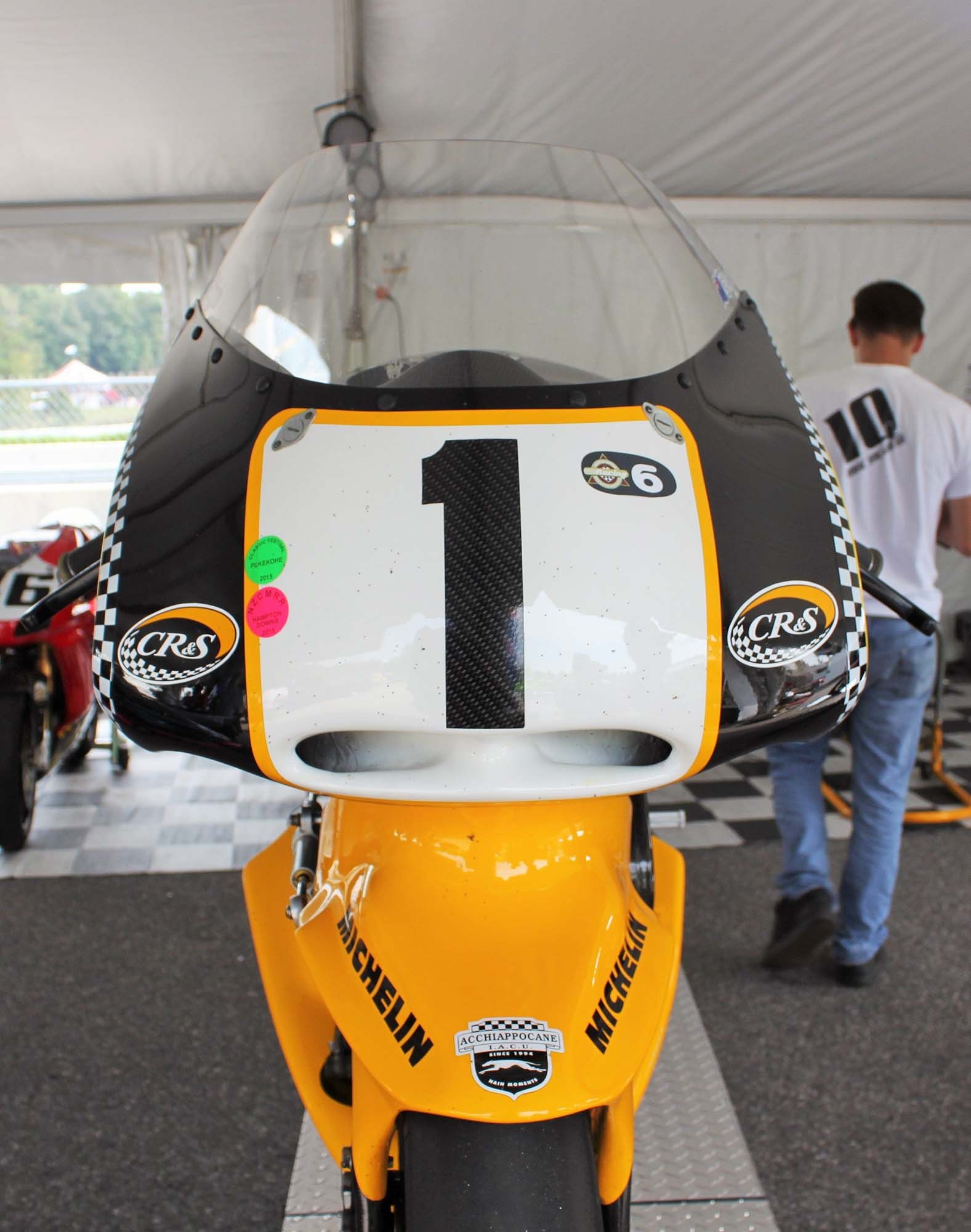
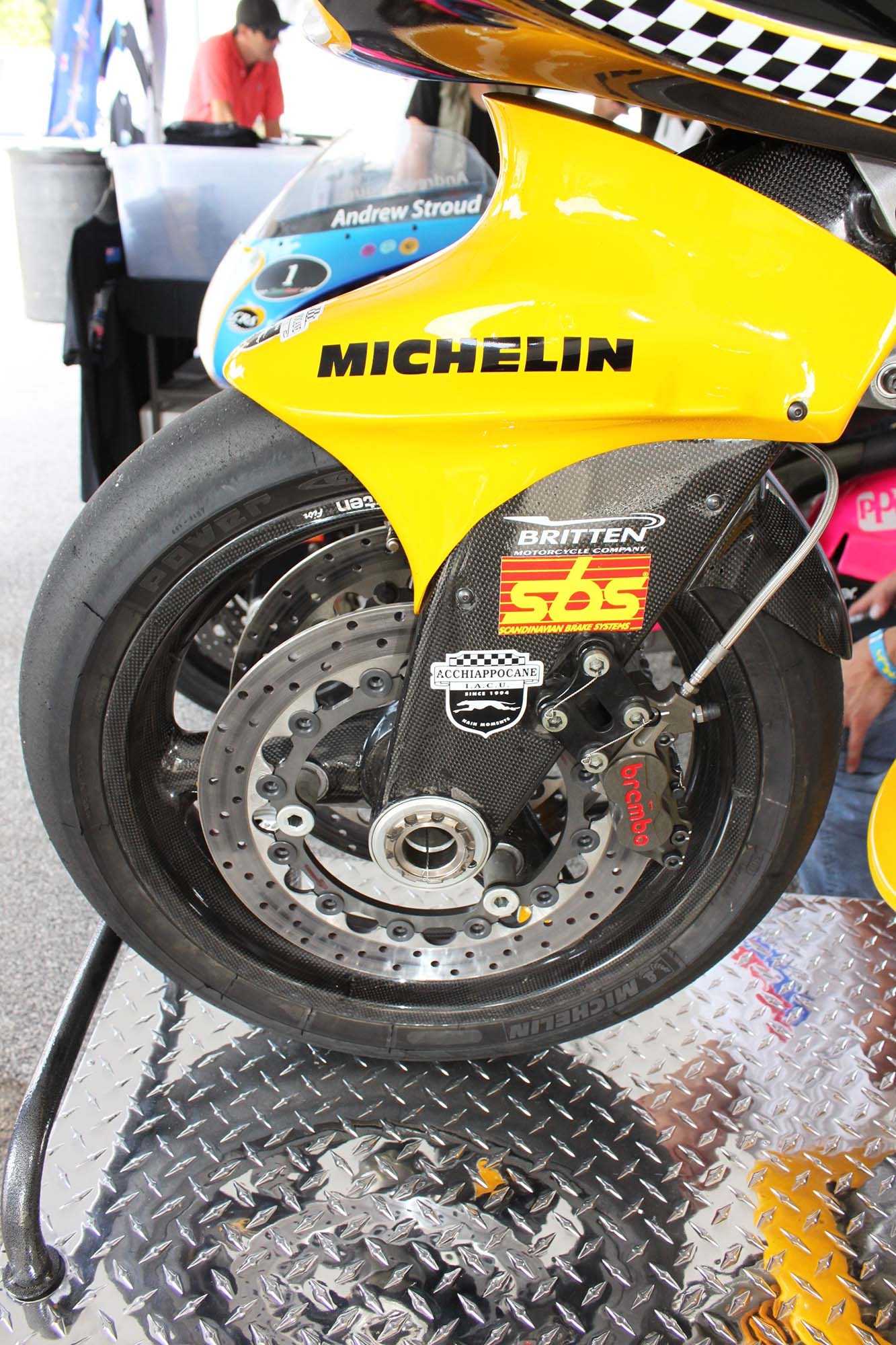
The front wishbone “forks,” swingarm, bodywork and even wheels were made of carbon fibre!

Speaking of carbon fibre, Britten didn’t draw up the parts and had them made by specialist makers. Nope uh-uh, he and his mates painstakingly laid the carbon fibre material and moulded the parts themselves at home. And since this was during the late-80’s and early-90’s – the black stuff was used extensively only in Formula 1 at the time.

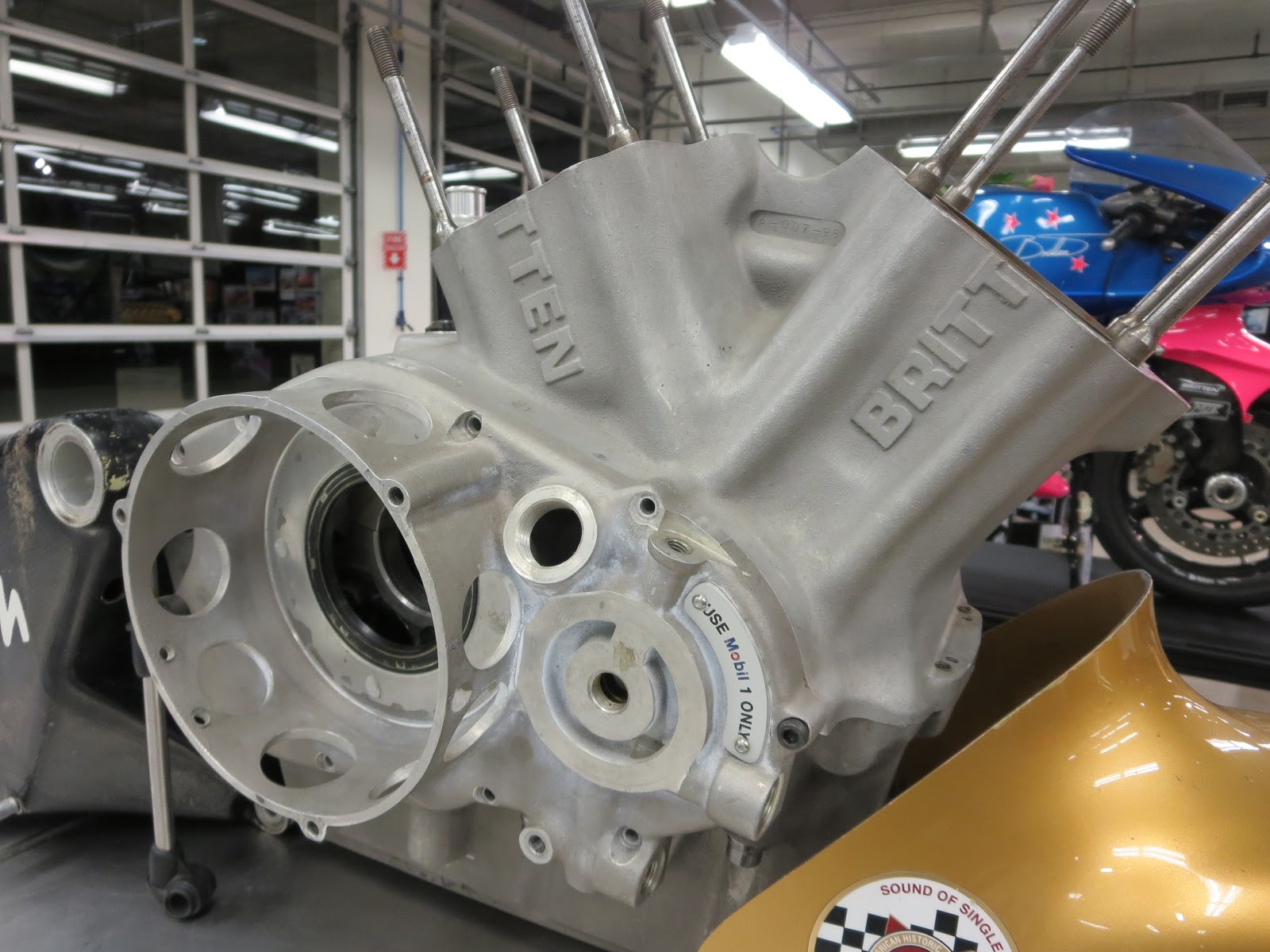
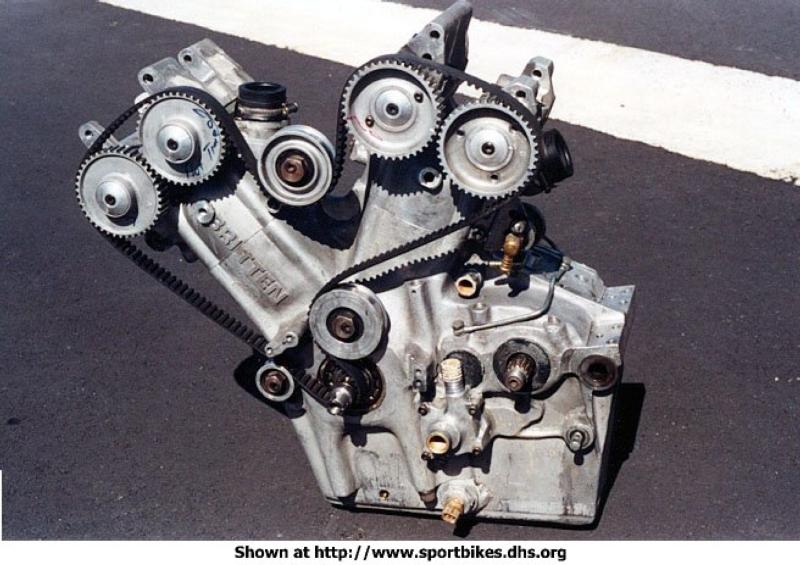
Homemade specials are usually the amalgam of the bodywork, frame, parts of the chassis, while the engine is usually sourced from existing motorcycles. But since Britten was frustrated by commercially produced engines and the lack of parts, the V1000’s engine would likewise be built from scratch.

Parts of the engine were hand cast and heat treated in Britten’s wife’s pottery kiln. There was a video of Britten extracting the oil sump from the kiln, then pouring water on it from plastic pails to cool it down. Some of the water came from the swimming pool.

The four-stroke, 8-valve, 60-degree, 999cc, V-Twin engine made 165bhp. Its ECU was programmable and also featured data-acquisition. Two versions of the engine were produced, one at 1000cc and another at 1100cc, as different race events allow different capacity caps. But most were 1000cc machines.

The innovations didn’t stop there. Everything on the bike conformed to the “design follows function” principle.

Britten didn’t like the way suspension systems of the day performed so he built the Hossack-style double wishbone front suspension system. The girders were attached to an Öhlins shock via linkages that allowed the rake and trail to be easily altered. This set up also isolated the front suspension from using up a good part of its travel during hard braking.

The large Öhlins shock behind the front wheel was in fact for the rear suspension, attached to the swingarm with linkages. Britten did so to isolate it from the rear exhaust’s heat which degrades a shock’s performance. Besides that, it made adjusting the shock much easier, compared to shoving hands and tools into a tiny space.

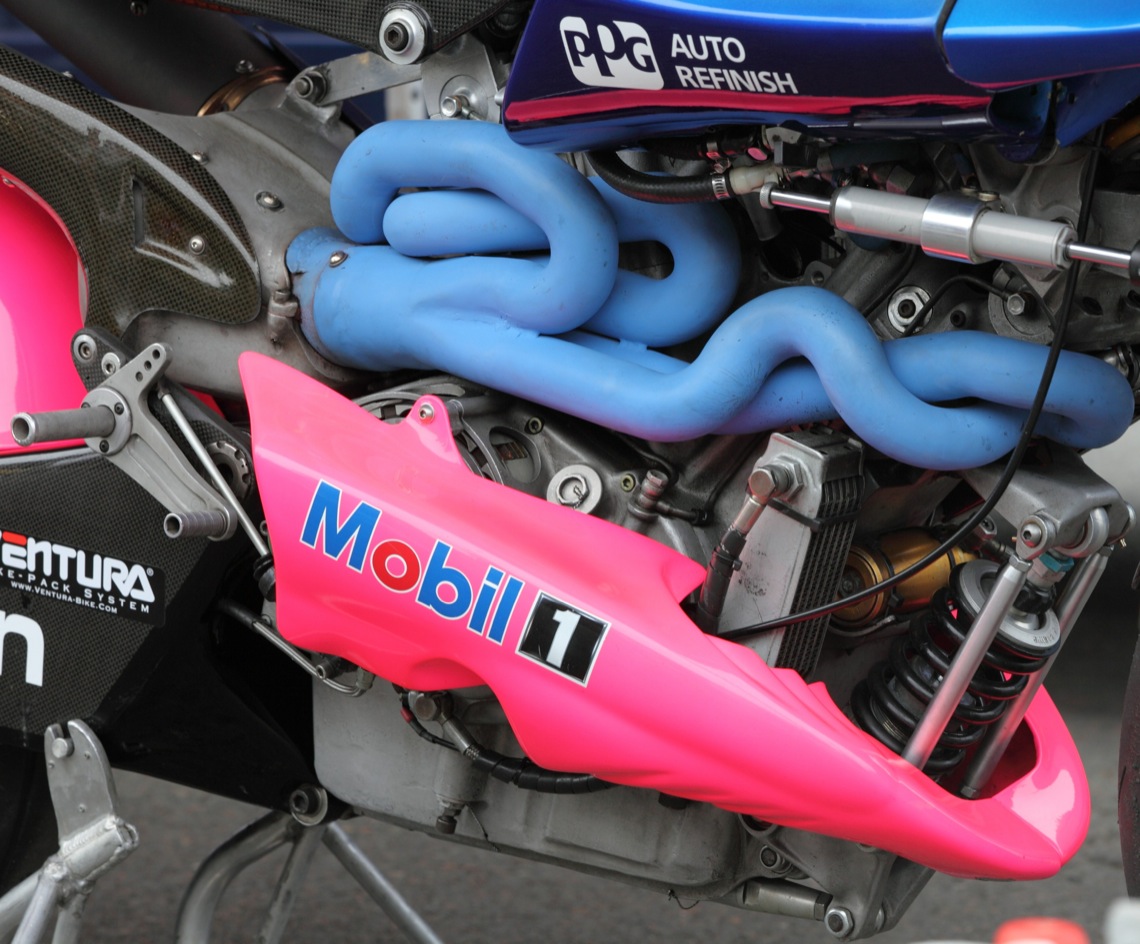
Speaking of the exhaust, those blue coloured, intestine-like exhaust downtubes took that form to achieve equal pipe lengths.

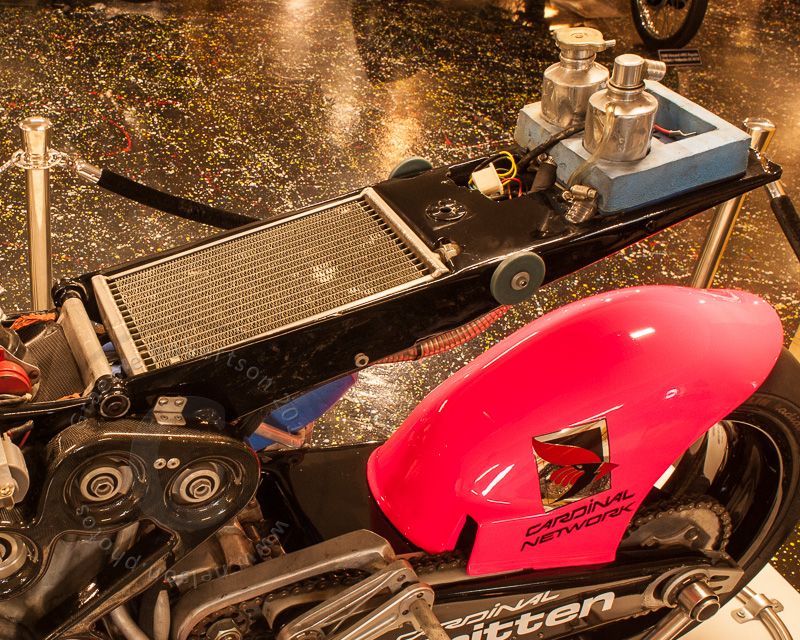
The radiator was mounted under the rider’s seat and intakes in the front of the fairing brought cooling air to it. It was done so to bring the front wheel closer to the engine to centralize mass and keep a short wheelbase, way before the major manufacturers had did anything about it.

The V1000 was essentially “frameless.” The front end and swingarm were connected directly to the engine, which was then connected to the tank as a fully stressed member, somewhat reminiscent of the groundbreaking Vincent Black Shadow/Black Lightning and the Kawaski KR500 GP racer. But those tanks were steel, unlike the V1000’s. The V1000’s frameless carbon fibre concept was later seen in the Ducati Desmosedici GP9 in 2009, followed by the Ducati 1199 Panigale in 2011.

The V1000 weighed in at 138 kg (that’s just 4 kg more than the KTM 200 Duke), and with 165 bhp, that equaled a magnificent power-to-weight ratio of 1.19 bhp/kg. Yes, current MotoGP racers and even some streetbikes do better than that but again, this was in 1991.

If these concepts were already mind-blowing to say the least, there’s probably no superlative to describe it as the V1000 was entirely home- and handmade.

But so what, if the concepts didn’t work right? The Britten V-1000 became a legend due to its performance on the racetrack.

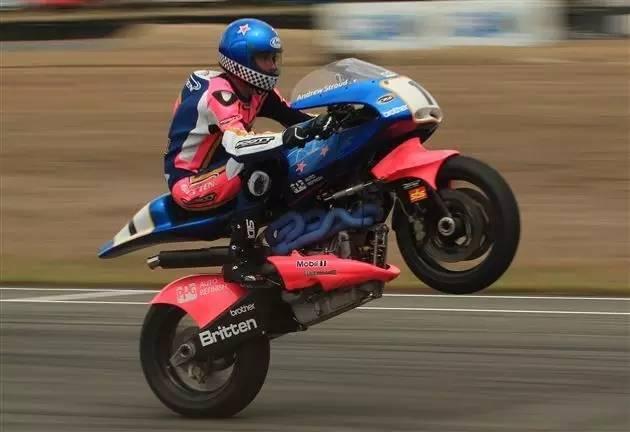
The most lasting impression in most people’s minds was the V1000 pulling a wheelie while passing the factory Ducati at the 1992 Daytona Supertwins race, propelling rider Andrew Stroud into the lead. The V1000 led until the penultimate lap when it stopped due to a faulty rectifier – ironically sourced from a Ducati. (One of the cylinder liners had also cracked on the previous day. Another part not built by Britten.) But the V1000 had cemented its place in history, having run up front in its maiden race. It was the indisputable proof that John Britten’s concept was viable!

The V1000 went on to dominate in 1993 and 1994, winning multiple races and the New Zealand National Championship and the British European and American Race Series (BEARS). Britten and team had developed the bike along the way and it won the 1995 BEARS Championship in commanding fashion by finishing 43 seconds ahead of its closest competitor.

Britten had tested the V1000 against the FIM World Speed Records in the 1000cc and under category, too. The bike broke the flying mile record at 302.705 km/h, the standing mile at 134.617 km/h, the standing mile start at 213.512 km/h, and standing start kilometer at 186.245 km/h. It was the fastest motorcycle in its class!

It may sound like a scary bike to ride but eminent motojournalists Alan Cathcart and Nick Ienatch, among the lucky few to have ridden the V1000 reported it to be smooth and easy to go fast on.

There was no doubt the V1000 would have gone further but it was not to be. John Britten was diagnosed with inoperable malignant melanoma (aggressive skin cancer) in 1995. He passed away on 5th September that same year, at the age of 45.

There were only ten Britten V1000 ever built, in addition to the one prototype.

Archive

Follow us on Facebook

Follow us on YouTube