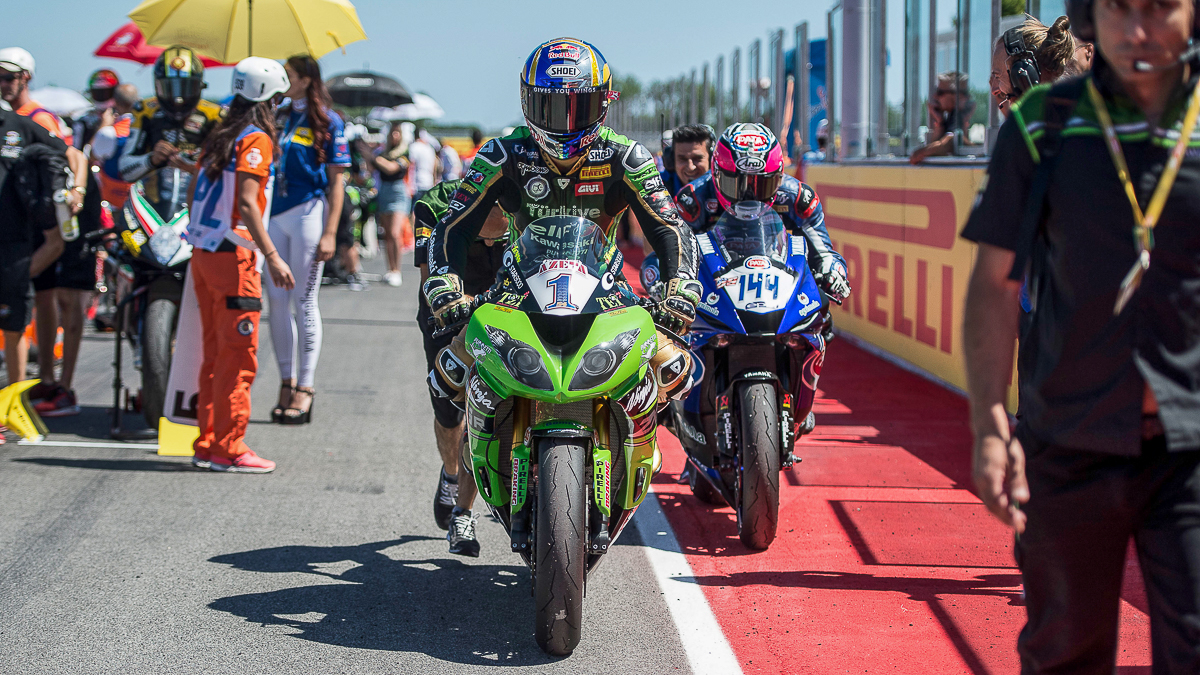
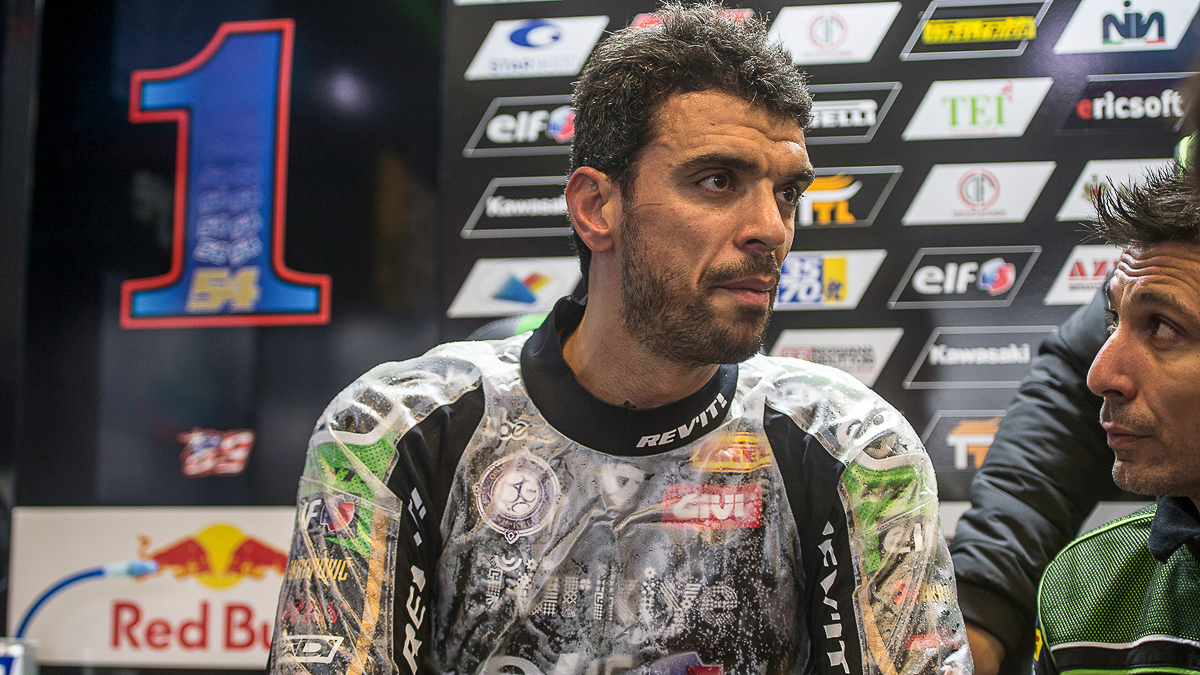
Five time WorldSSP champion Kenan Sofuoglu suffered a triple hip fracture during Saturday’s qualifying session when he crashed out at the Magny Cours Circuit in France.
The 33 year old Turkish rider was well on his way to a front row start before crashing out and declared unfit to race due to the extensive injury.
With only two rounds remaining, it is uncertain whether Sofuoglu can heal in time to fight for the 2017 WorldSSP title with the current leader, Lucas Mahias from GRT Yamaha Official WorldSSP Team.
The 2016 WorldSSP World Champion Kenan Sofuoglu (Kawasaki Puccetti Racing) recently missed the last French round at Magny Cours Circuit after crashing out during Saturday’s qualifying session. The five time World Supersport champion was declared unfit after suffering a horrendous triple hip fracture. (more…)
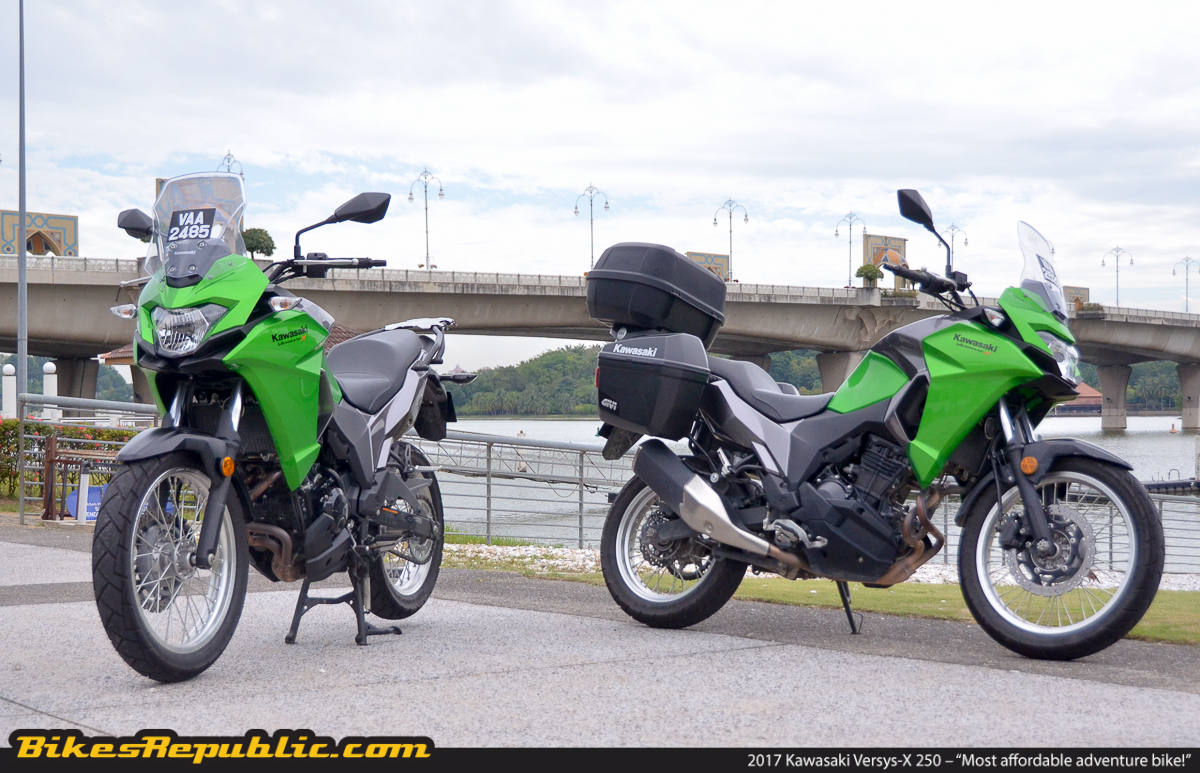
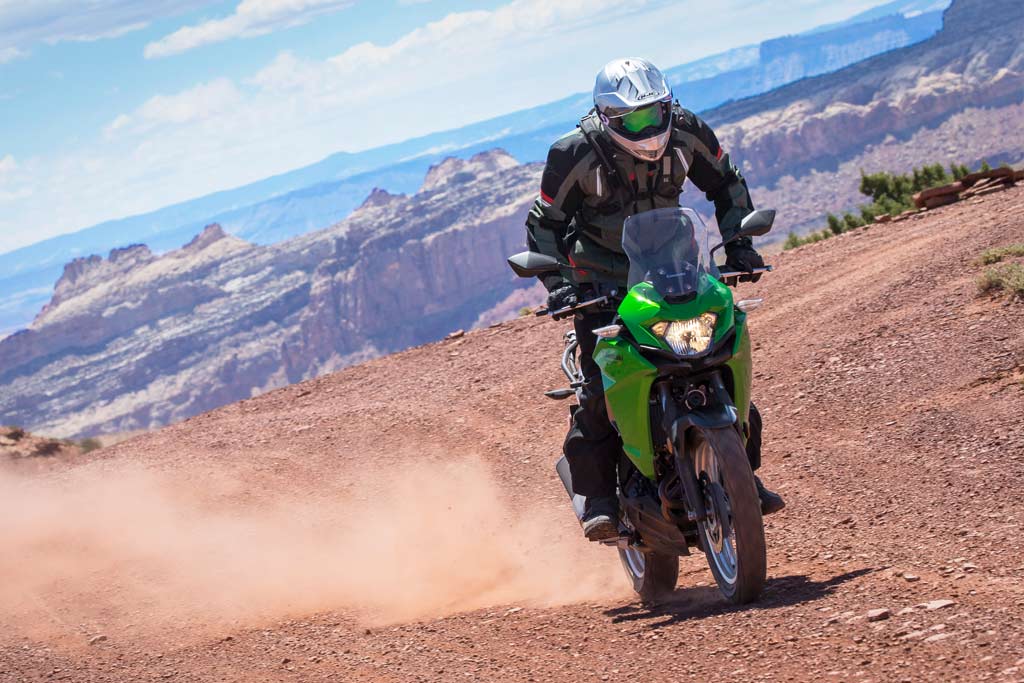
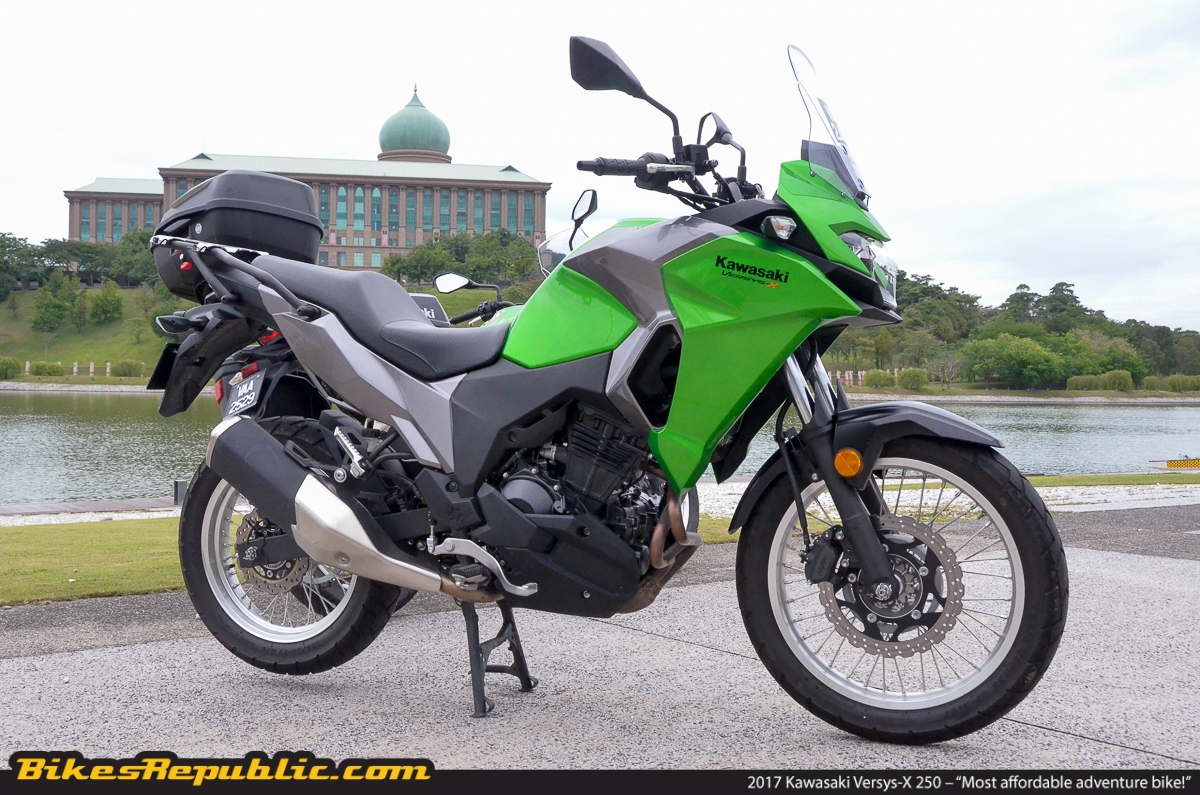
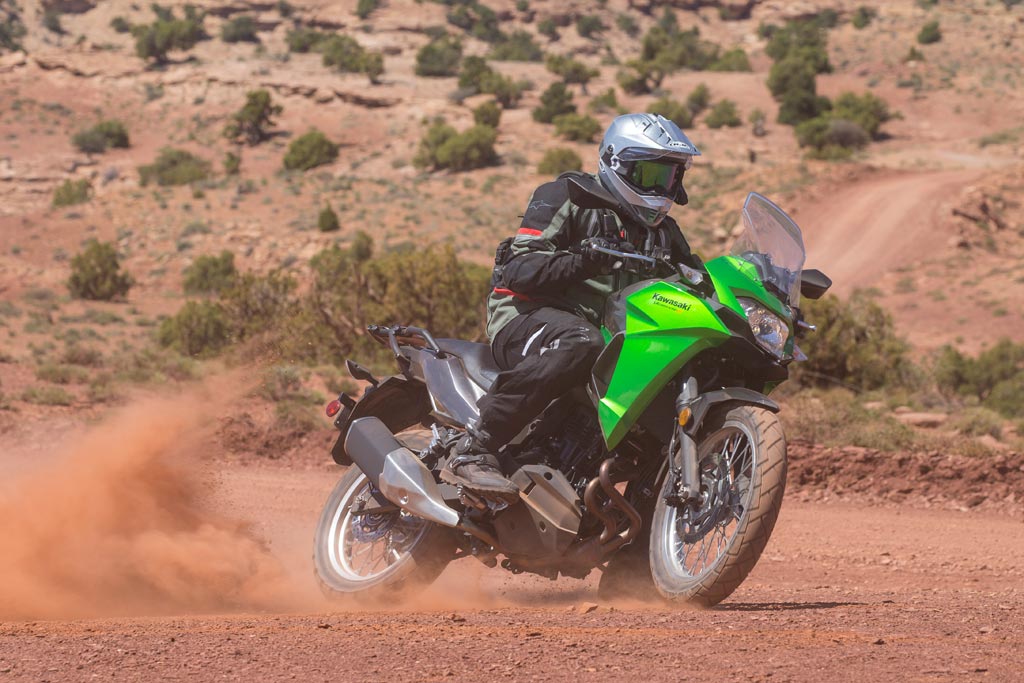
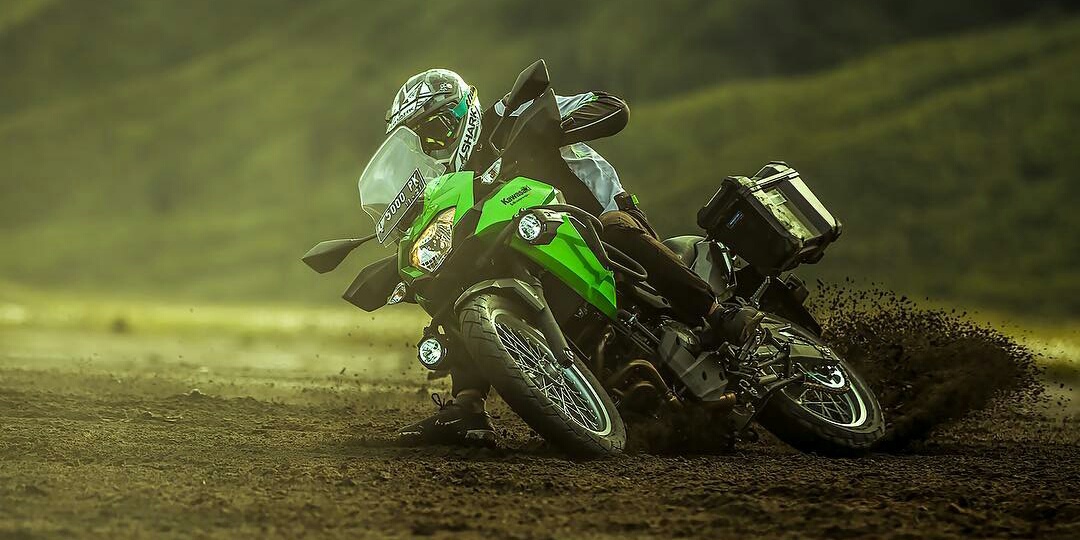
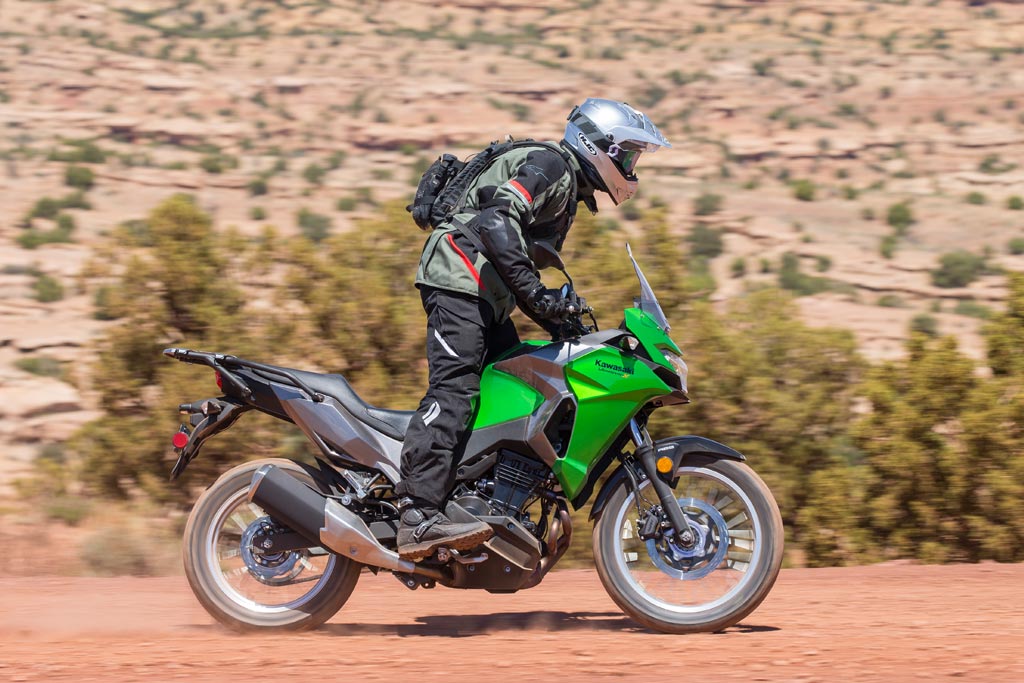
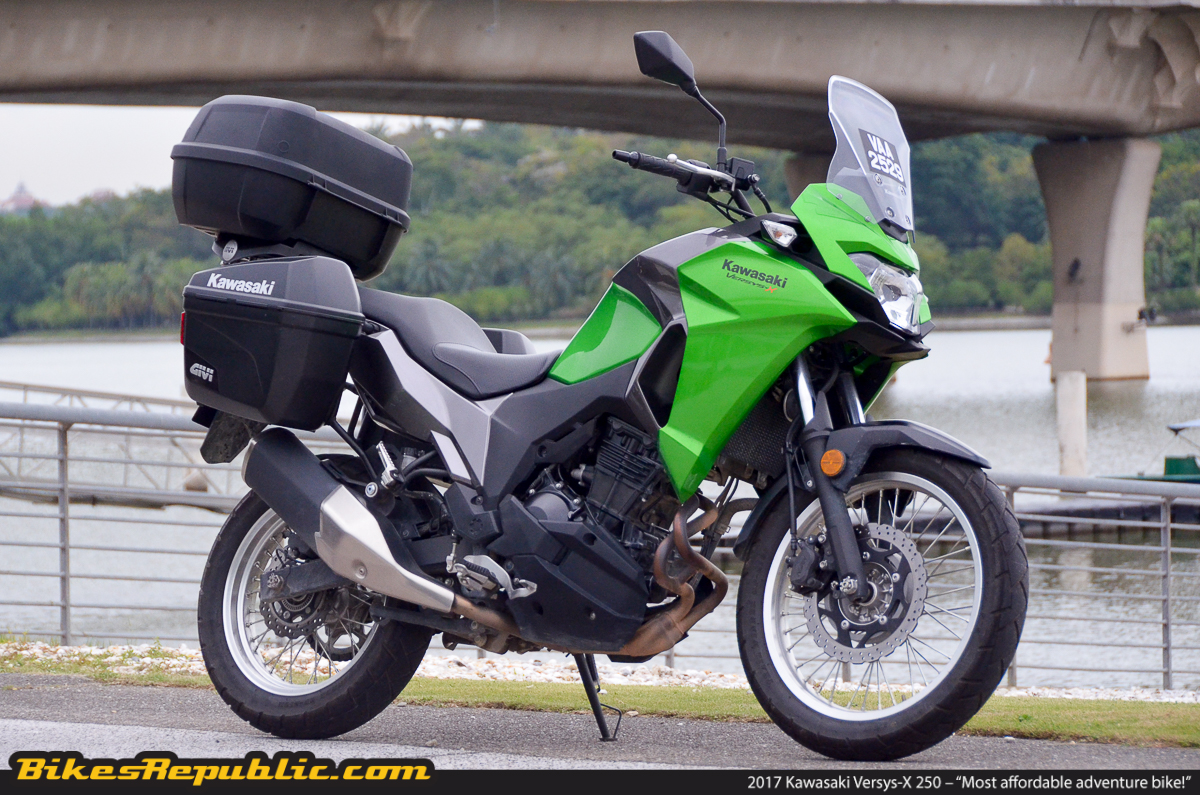
The Kawasaki Versys-X 250 offers the fun of adventure-motorcycling at a great price
It is also designed with features for adventure riding
It should appeal not only to beginners but also to seasoned riders
Courtesy of advpulse
The Kawasaki Versys-X 250 has come a long way from when adventure, adventure-touring, dual-purpose bikes that were big, tall, powerful beasts; runaways from the dunes of the Paris-Dakar Rally. Anyone remember those mighty 750cc and 900cc V-Twin DP (dual-purpose) bikes in the 90’s? Well, those were the granddaddies of adventure motorcycles.
The motorcycle class in the Paris-Dakar Rally (now Dakar Rally) had started out with competitors on smaller, single-cylinder bikes but as an arms war pushed the factories and riders to gain the upper hand against each other, the bikes became bigger and heavier, and of course more powerful. The single-cylinder, enduro-based bikes that were sold to the public and modified to race, gave way to purpose-built machines that were then sold afterwards as replicas.
However, with the increase in speed came increased number crashes and fatalities in the world’s toughest rally. That had the organisers knocking back the multi-cylinder format to single-cylinder bikes to cap the speeds, first from 690cc and to 450cc since 2011.
On the road, ironicaly, it went the other way in terms of engine capacities. Most true adventure and adventure-touring motorcycles in the market are being dominated by middleweight (750cc to 80cc) to open-class (1000cc and above) models.
The open-classers are not cheap for most motorcycle enthusiasts, unfortunately, ranging from around RM80,000. The middleweights on the other hand, are usually priced from RM50,000. Engine power range between 70bhp to 160bhp.
1. Smooth Power
Riding in the rough is not all about outright speed. Average offroad speeds are typically 30km/h, the fastest top speed being approximately 60km/h. Anything above that is for the pros, or if you’ve signed your last will and testament.
Let’s face it, most of us aren’t full-time or even part-time motocross or enduro riders.
The Versys-X 250 produces 33.5bhp and 21.7 Nm of torque, with a wet weight of 173kg, for a 5.2kg/bhp ratio. Comparing it to the Kawasaki KLX250 enduro, the KLX250 produces 23bhp and 21Nm of torque, but weighs only 136kg wet, for a 5.6kg/bhp ratio. They are actually very close to each other.
Why the lower horsepower on the KLX? Because too much speed in the rough isn’t necessarily a means to an end. Just like the big Dakar bikes of yesteryears.
For the Kawasaki Versys-X 250, beginners would appreciate it, pros would find it interesting.
Not only that, the throttle response is smooth and benign at the initial opening.
2. Controllability
Riding offroad is all about the ability to handle a bike that’s on the edge of tyre adhesion, besides being able to point it where you want it to go.
Courtesy of advpulse
Sure, the bigger bikes have more electronics but they are still heavier, taller and may have too much power for the rough for most riders to handle.
Smooth and predictable power delivery and throttle response is super important.
Controllability stems from acceptable power, smooth power delivery, lightness, narrowness of the bike, long-travel suspension and especially for beginners, an acceptable seat height.
3. Lightweight
The motorcycle will jump, drop, slide, squirm under you as your ride offroad. Soon, your arms, leg, back, and core muscles will start to feel “The Burn.”
Courtesy of Ksatria Pinandhita
Now imagine if you’re riding a 200+kg bike while all that’s happening.
Not fun.
Your body and mind might give up soon enough, followed by a spill. Talk about putting a damper in your enthusiasm for the ride.
Let’s cite an example: This writer has ridden in ankle-deep sands in South Africa. While most participants chose the 1200cc adventure-tourers, this writer opted for a much smaller and lighter 660cc enduro. Soon, every single 1200cc rider crashed in that section except for one, but this writer got through without a single scratch. And that sand was nothing compared to the sand dunes of the Tenerife desert!
Having ridden the Versys-X 250 offroad afterwards, it’s the perfect bike for the job.
4. Slender Body
Having a narrow midsection where the seat joins the tank is an important design factor. As covered in our offroading tips article last week (click here to read), you need to stand up.
As you stand, your legs ought to be parallel to the bike’s vertical profile, instead of being splayed outwards like on a cruiser. That way, you could help to steer the bike by pushing down with your legs, or clamping onto the midsection to stabilize the bike on the faster straight sections.
The Versys-X 250 does have a narrow midsection, but there’s also a bonus.
Notice how the fuel tank slopes precipitously downwards toward to seat? That’s for the rider, especially us of Asian heights, to push our upper weight forward onto the front wheel. The sloping tank means there’s much less likelihood of it upper cutting the rider in the groin, should the bike hit a bump.
5. Long-Travel Suspension
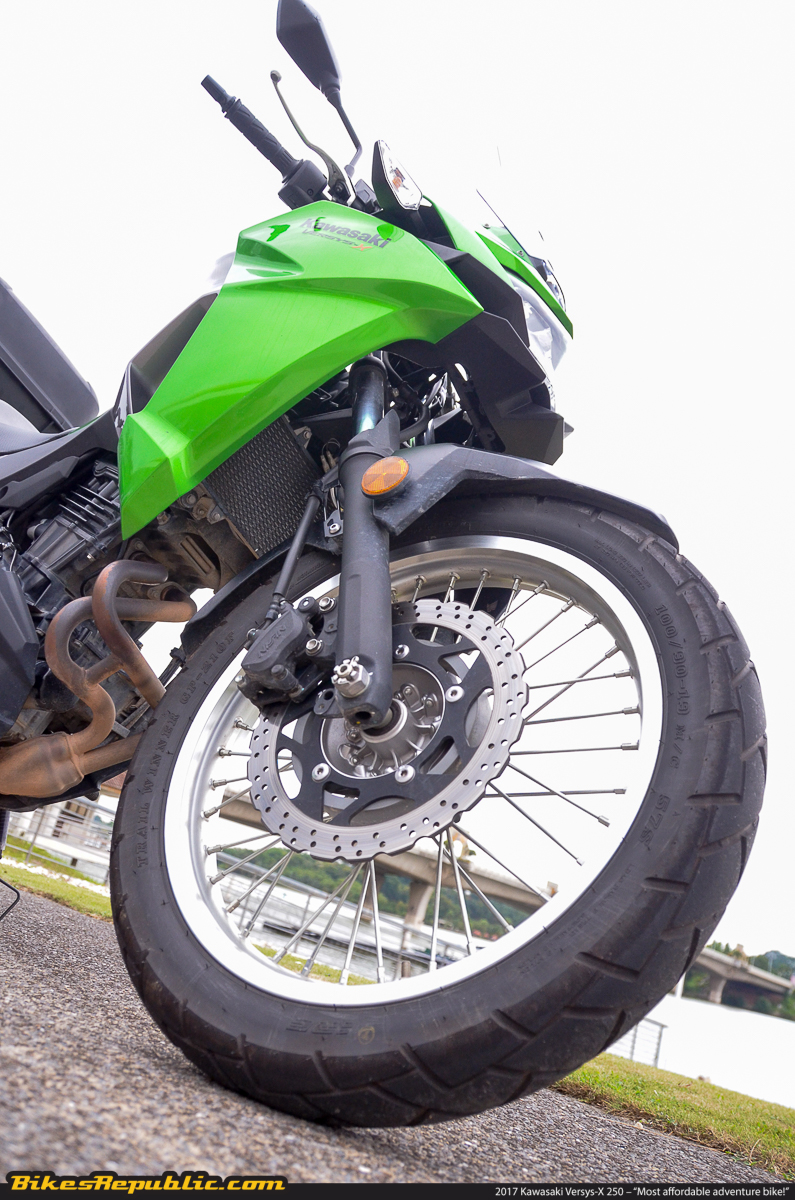
As with adventure motorcycle convention, the Versys-X 250 has 130mm front and 150mm rear suspension travel. The front wheel is 19-inches in diameter. That combination equals a relatively spacious ground clearance of 180mm.
A long-travel suspension means there’s more “space” for the suspension to absorb hits from the ground, especially on rough “no roads” to deliver a smoother, less jarring ride for the rider.
6. Low seat-height
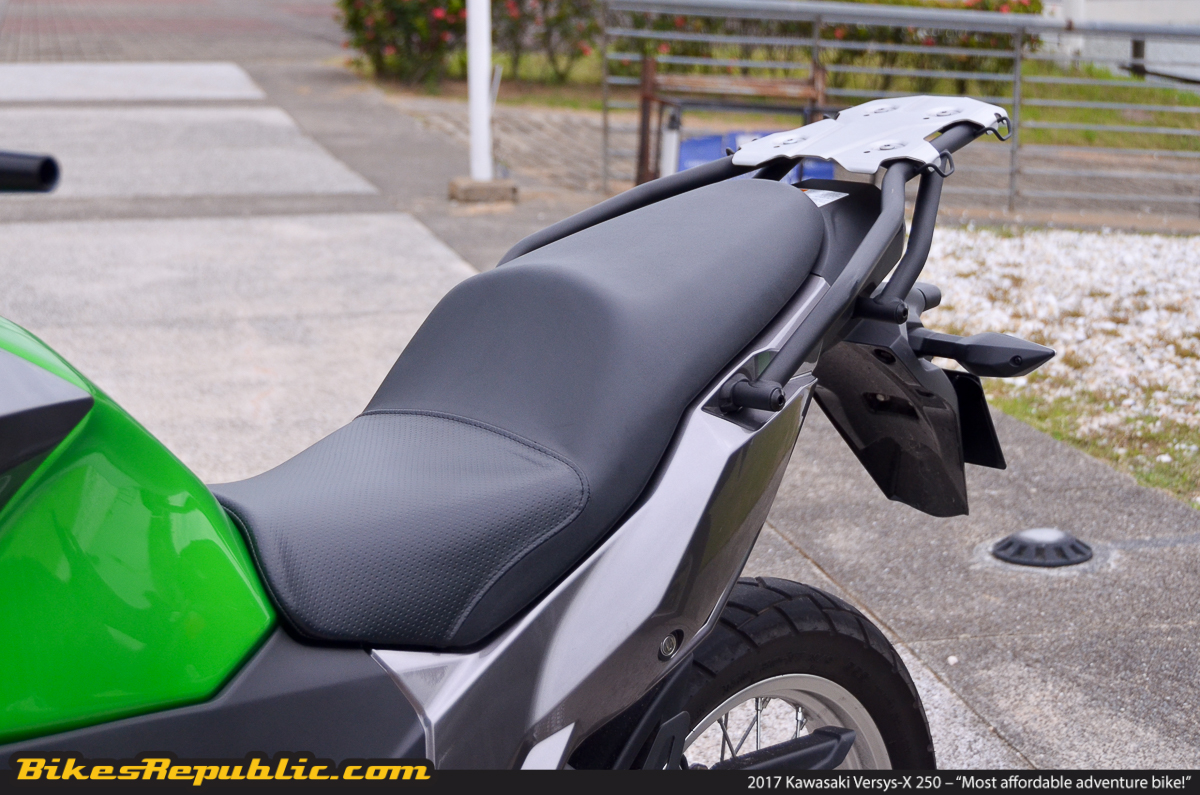
Although adventure bikes are generally tall, the Versys-X 250 features a low-seat height of only 815mm to accommodate beginners and us of shorter stature.
Being able to touch a foot down in while riding offroad is reassuring especially for beginners, but it’s also something which has to be done while cornering. The quicker the foot touches down means the less the bike has to lean into a corner, consequently the less chance of the tyres sliding out from underneath.
Back on the road, the lower seat height also contributes to security when the bike is at standstill or crawling through traffic.
7. Practicality
Bikes of this nature are practical and the Kawasaki Versys-X 250 is no different. But since it’s a smaller capacity bike, it has a slender profile with tall a handlebar. Coupled to its lack of weight and you have a great urban bike. Being slim with the tall handlebar means you could filter through traffic without much worry, while being lightweight means its agile.
Plus, since the bike is comparatively tall, it gives you a better field of vision ahead of the traffic all around you.
8. Touring Capability
Because the Kawasaki Versys-X 250 is an adventure bike, it has much room for luggage. Throw on a pair of GIVI panniers and a top case and voila! You’ve got yourself an adventure-tourer (just like the Versys-X 250 we reviewed here).
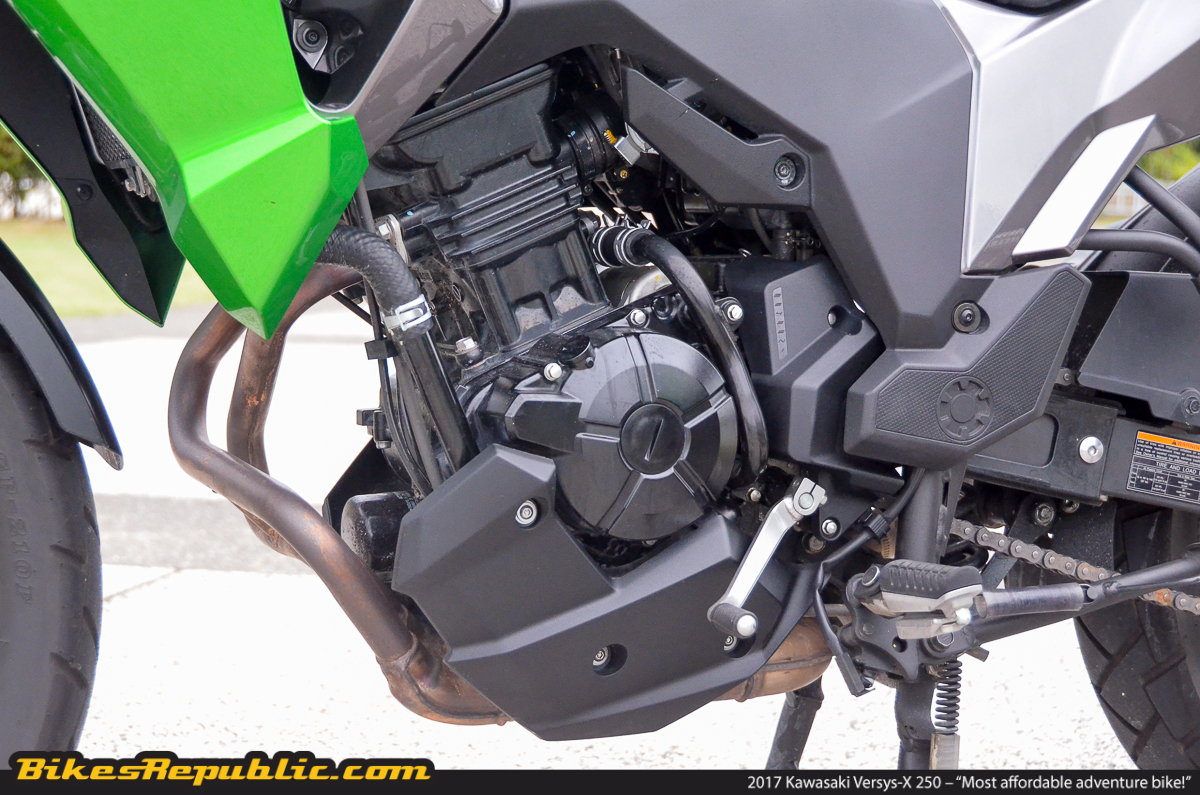
The liquid-cooled, four-valve per cylinder, DOHC, 249cc, parallel-Twin engine is also fuel efficient. Throughout our testing, we’ve extracted between 260 to 300km from the 17-liter fuel tank.
Top speed is a little above 150km/h and that’s fast enough for most applications.
Conclusion
In closing, the Kawasaki Versys-X 250 is the recommended for those who want to embark on the wonderful journey into adventure-riding. However, because it is practical, lightweight and agile, it should also appeal to seasoned road riders who want to try out the rough stuff. But remember that it’s also a very capable roadbike.
The enjoyment of adventure-riding shouldn’t need to be done on expensive machinery only, evidenced by the Versys-X’s wallet-friendly price tag of only RM23,789 (with GST). Truly the only kind in the Malaysian market.
TECHNICAL SPECIFICATIONS
Engine
Liquid-cooled, DOHC, 8-valves, parallel-Twin
Displacement
249cc
Bore x Stroke
62.0 mm x 41.2 mm
Compression ratio
11.3 : 1
Fuel system
Electronic fuel injection, 28mm with dual throttle valves
Maximum power
33.1 bhp (24.7 kW) @ 11,500 RPM
Maximum torque
21.7 Nm @ 10,000 RPM
Front suspension
41mm telescopic forks
Rear suspension
Bottom-link Uni-Trak gas-charged shock, adjustable for preload
Front brakes
1 x 290 mm petal disc, 1 x balanced actuation dual-piston caliper
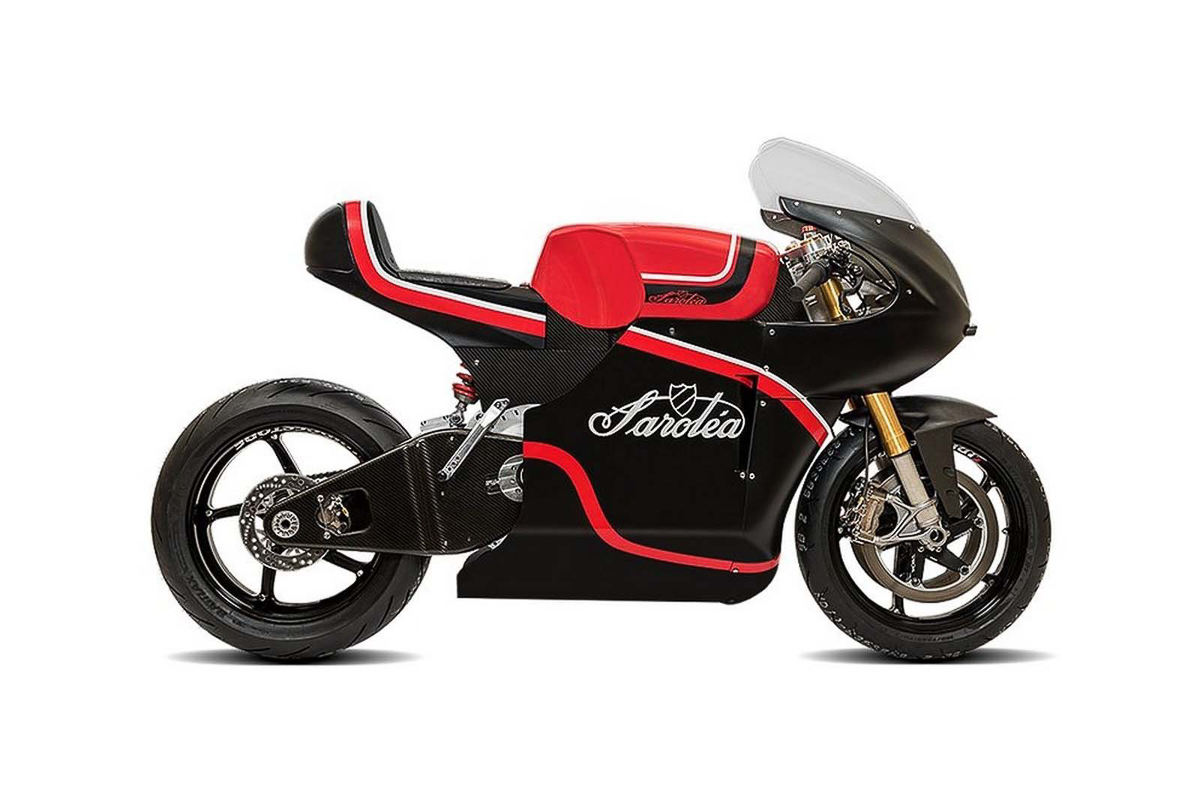
The Sarolea SP7 race bike has been considered as one of Dorna’s potential candidates as the 2019 electric MotoGP bike supplier for a one-make electric series in 2019.
MotoGP race direction representative Loris Capirossi just finished testing the Sorelea SP7 electric race bike ahead of the last MotoGP round in Motorland Aragon.
Other potential candidates include the Lightning LS-218 and Mugen’s Shinden Roku electric race bike which has won the Isle of Man TT Zero road race a total of four times.
It was just last week when ex-MotoGP racer and current MotoGP race direction representative Loris Capirossi conducted a private test on a very special bike at Motorland Aragon. Prior the MotoGP round, the 44 year old Italian went into the circuit on board the Sarolea SP7, a fully-electric race bike which is considered as a huge potential for a brand new MotoGP electric class set for 2019. (more…)
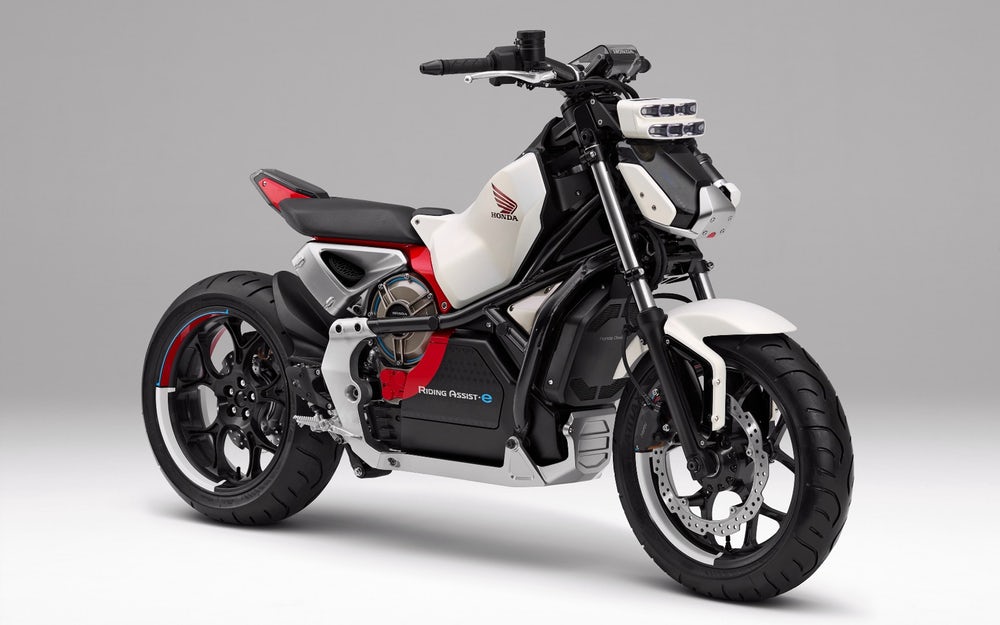
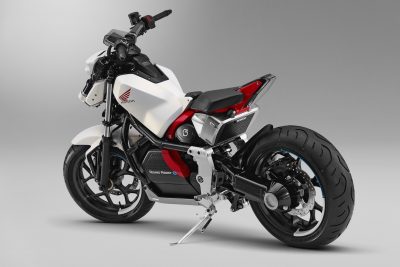
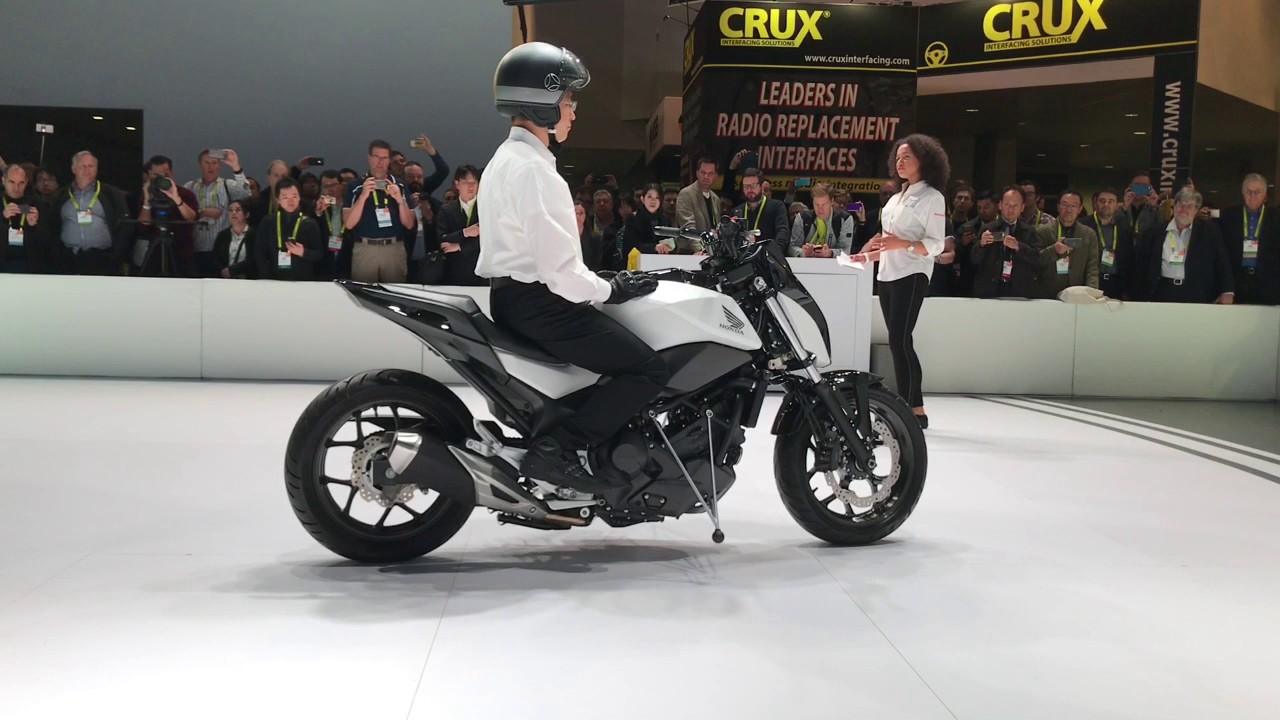
The Honda Riding Assist-e Concept is a self-balancing electric motorcycle
Shares the same frame with the Honda Riding Assist
The rider does not need to put a foot down at standstill
The Honda Riding Assist-e Concept at the upcoming Tokyo Motor Show.
Honda had earlier previewed the Riding Assist concept (click here for our coverage) but that was powered by a gasoline engine. However, both the e-bike and petrol engine bike were built upon the Honda NC700 frame.
Riding Assist in Honda’s term means that the bike keeps itself upright when stationary at the traffic lights without needing the rider to put a foot or feet down to balance it. Also, the bike keeps itself upright at slow speeds, possibly a good feature for tackling u-turns. But that doesn’t mean you can’t fall off it.
Interestingly, the self-balancing feature was built by Honda’s robotics division. Honda have long been developing robotics and humanoid walking robots like the ASIMO in year 2000 was a prime example.
the Honda Riding Assist-e uses an electric motor mounted under the seat which sends power through a driveshaft to the rear wheel, like that on Honda’s VFR series. A radiator sits behind the electric motor. However, the self-balancing technology doesn’t use gyroscopes.
That’s as much as we know about the Honda Riding Assist-e at the moment, until it is fully unveiled at the Tokyo Motor Show on 25th October 2017.
In any event, the Honda Riding Assist-e and Riding Assist look production-ready and it’ll be interesting to see if Honda can bring them to life.
In our opinion, attention should be paid to electric bikes or e-bike as more and more countries around the world and our region are pushing towards the full banning of new gasoline-powered vehicles in favour of electric vehicles, within the next decade or so. But do not fear electric vehicles as electric motors transfer immediate torque without lag, unlike gasoline engines.
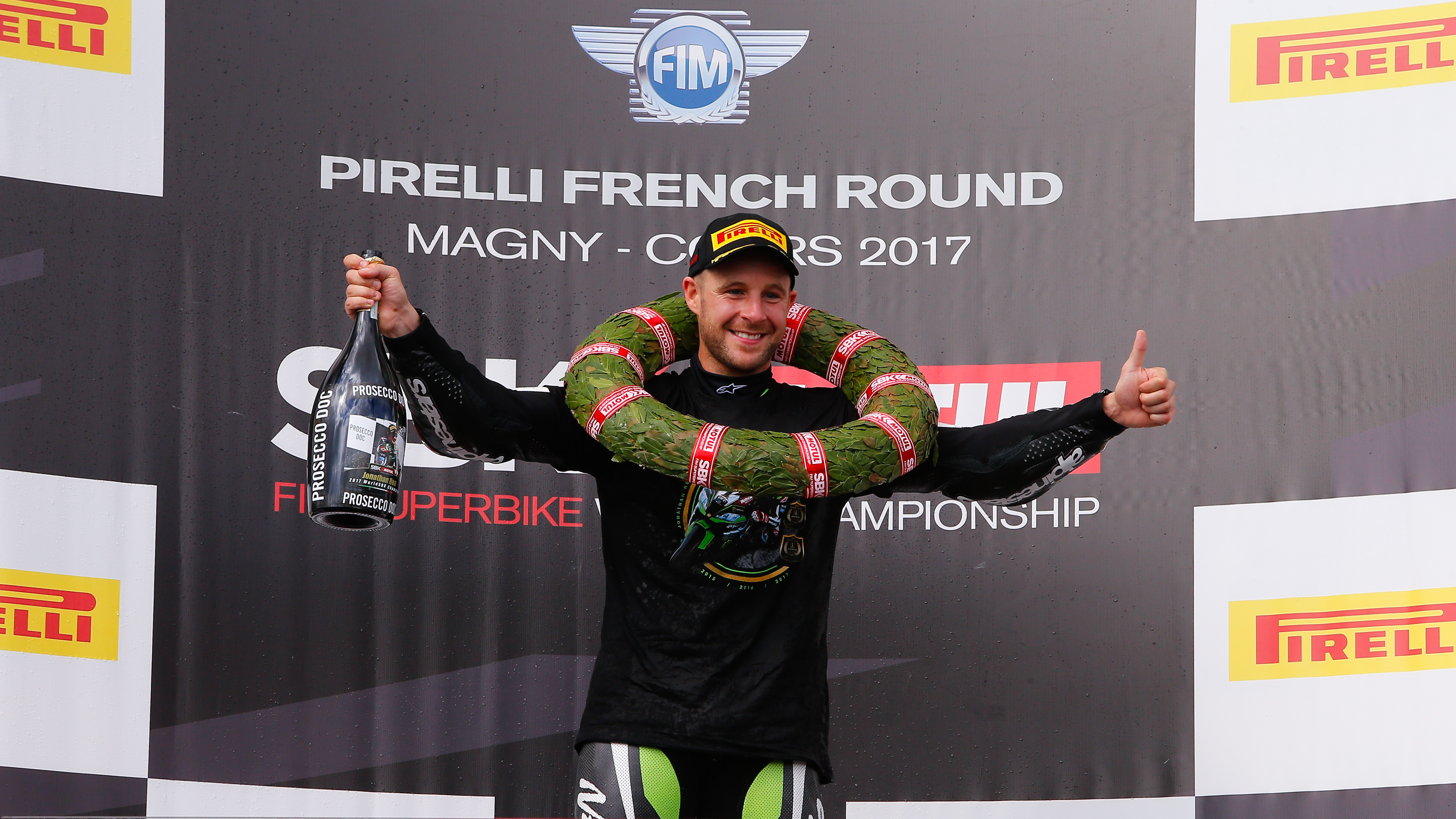
Jonathan Rea and Kawasaki are 2017 WorldSBK Champions
12th win of the season for Johnny Rea and KRT
Rea is the first rider to score three successive WorldSBK championships
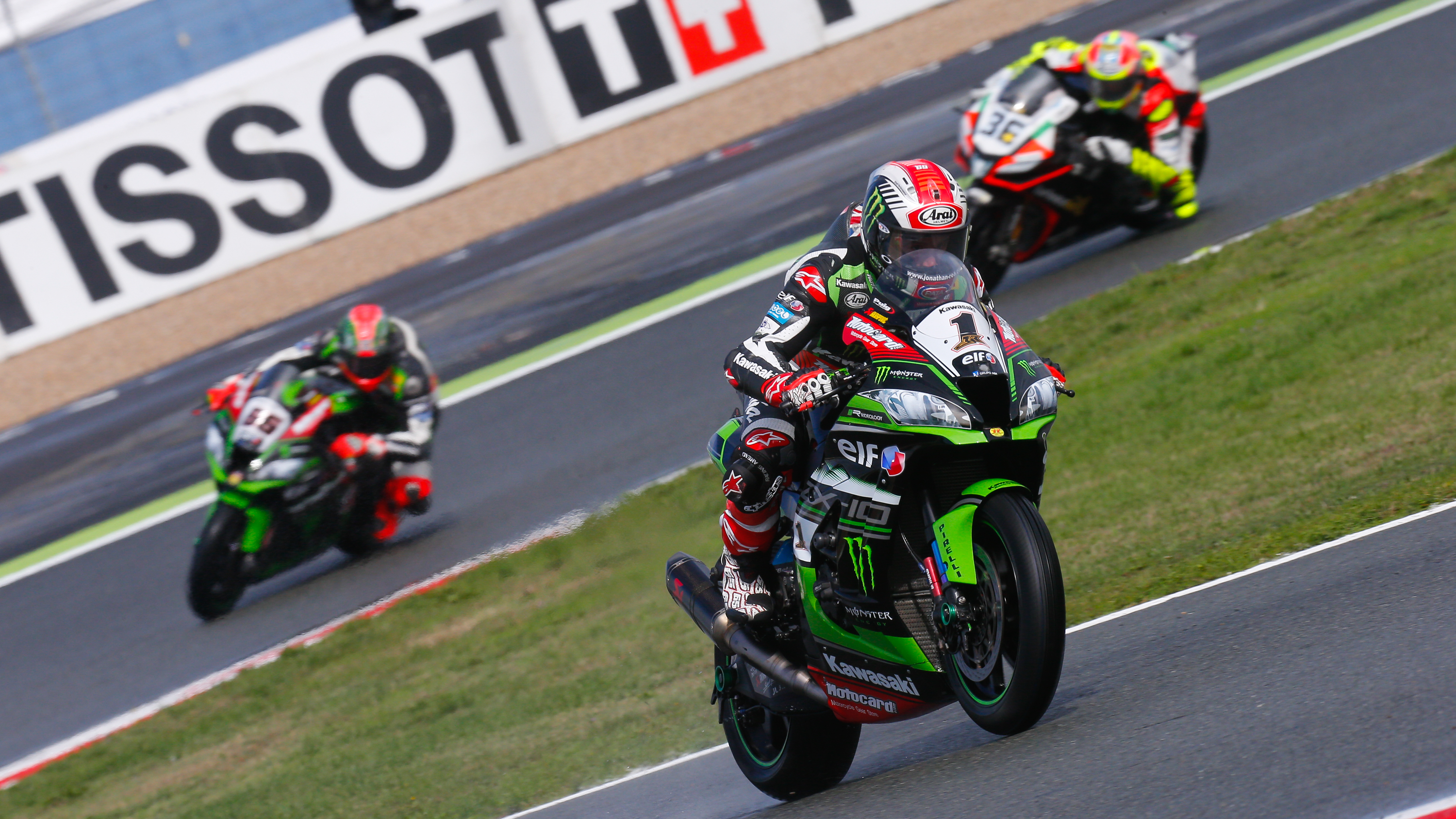
Jonathan Rea and Kawasaki Racing Team (KRT) are 2017 WSBK champions after blitzing the field in Race 1 at the Magny-Cours Circuit in France, with two rounds and five races to go.
Rea charged into the lead from pole positioned and pulled clear of the pack, and continued to put the hammer down throughout the 21-lap race in treacherous wet-drying conditions. This latest win gave him the 12th victory of the season, making him the first WorldSBK rider to win three successive titles.
Jonathan Rea charged to an excellent victory at the Magny-Cours circuit in France on Saturday to secure a historic third consecutive WorldSBK title, crossing the line over 16 seconds ahead of second placed Marco Melandri (Aruba.it Racing – Ducati), with Tom Sykes (Kawasaki Racing Team) finishing third.
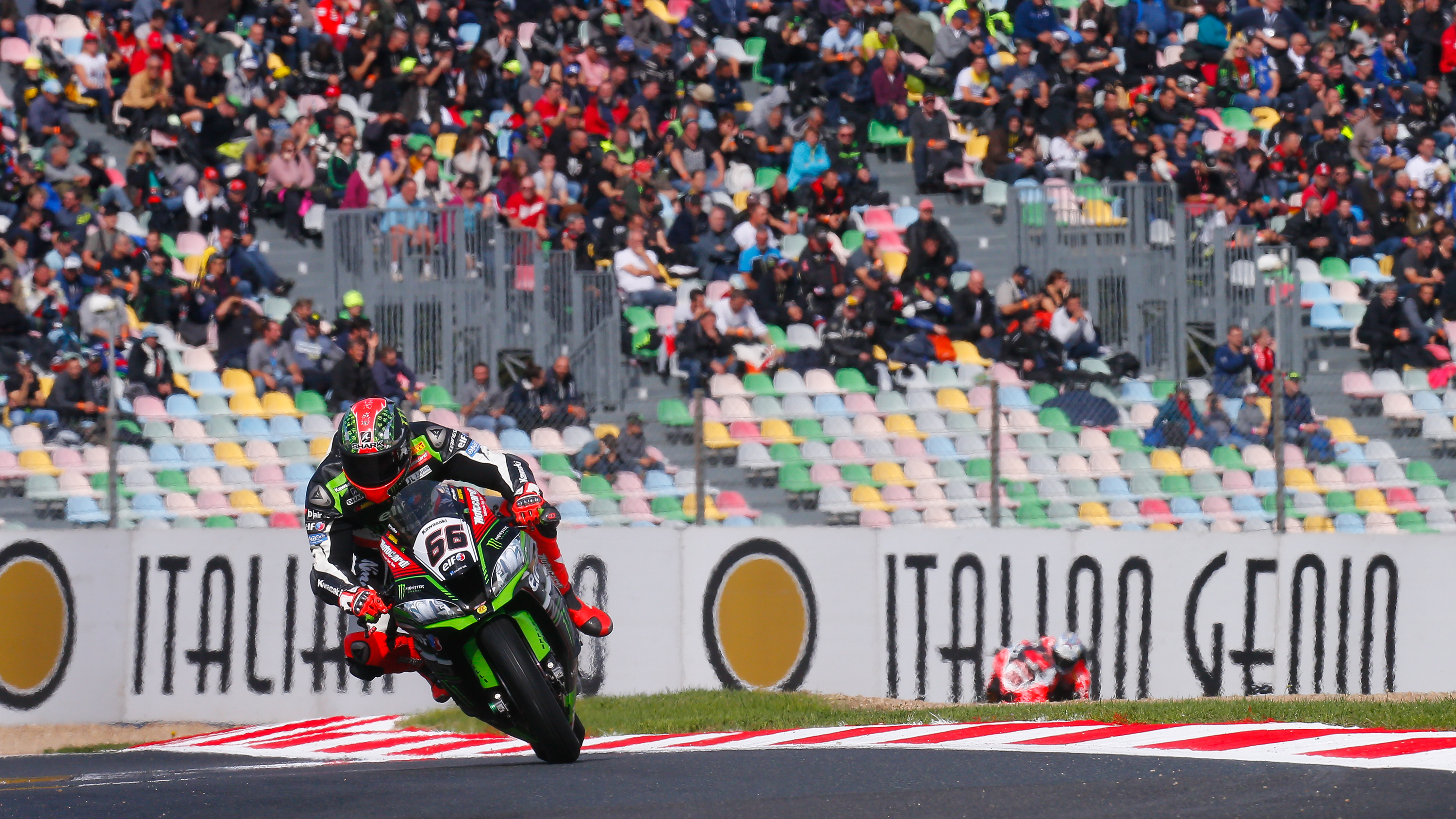
It was a truly gritty ride from Rea’s teammate Sykes as the Yorkshireman returned to action with a third place result, having had surgery on a finger injury less than two weeks ago – after a Portimao crash. Sykes completed the podium after just losing out on second place to Melandri in the final stages of the race.
Five seconds off the rostrum positions was Leon Camier who had another excellent ride for MV Agusta Reparto Corse. Another 19 seconds back on his compatriot Camier was Alex Lowes (Pata Yamaha Official WorldSBK Team) who rounded out the top five.
Eugene Laverty (Milwaukee Aprilia) and Leandro Mercado (IODARacing) were sixth and seventh respectively, whilst Davide Giugliano (Red Bull Honda World Superbike Team) was the eighth rider home.
Early in the race there was a crash for Michael van der Mark (Pata Yamaha Official WorldSBK Team), which also saw Xavi Fores (BARNI Racing Team) go down, but remarkably Dutchman Van der Mark fought back to finish ninth, ahead of Chaz Davies (Aruba.it Racing – Ducati).
Race 2 at the Pirelli French Round will get going at the 4.411km Magny-Cours track at 7pm Malaysian time on Sunday.