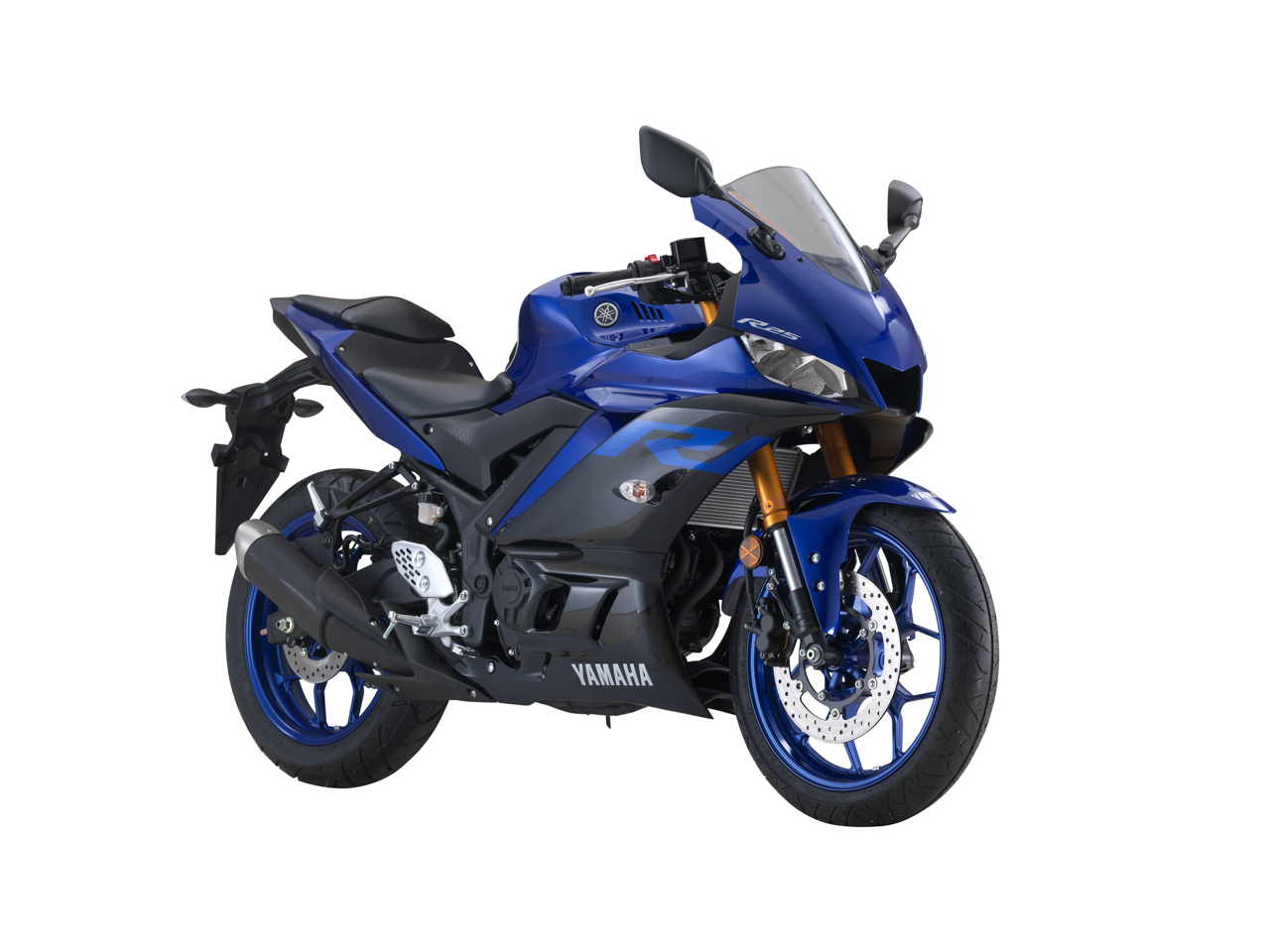
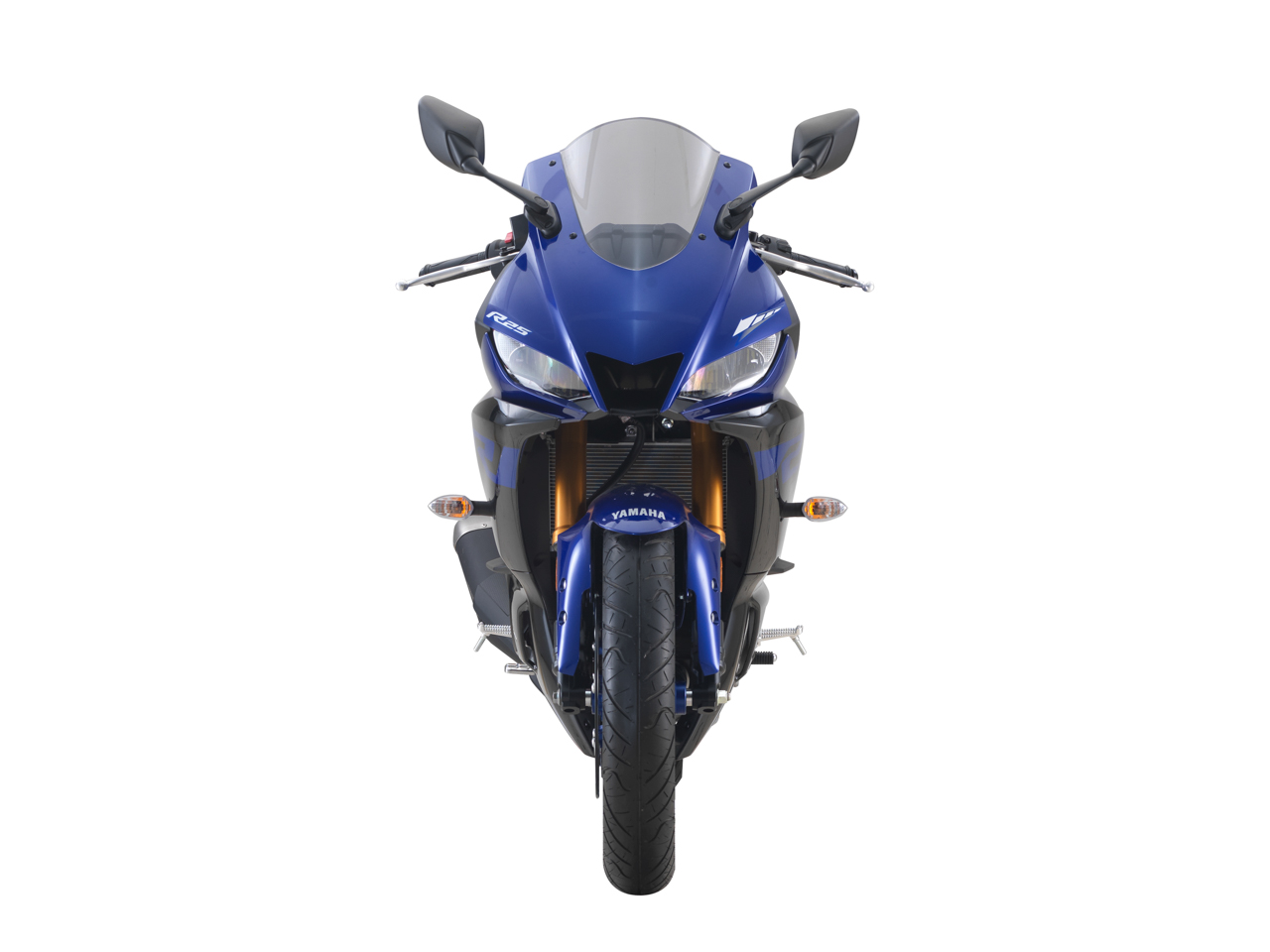
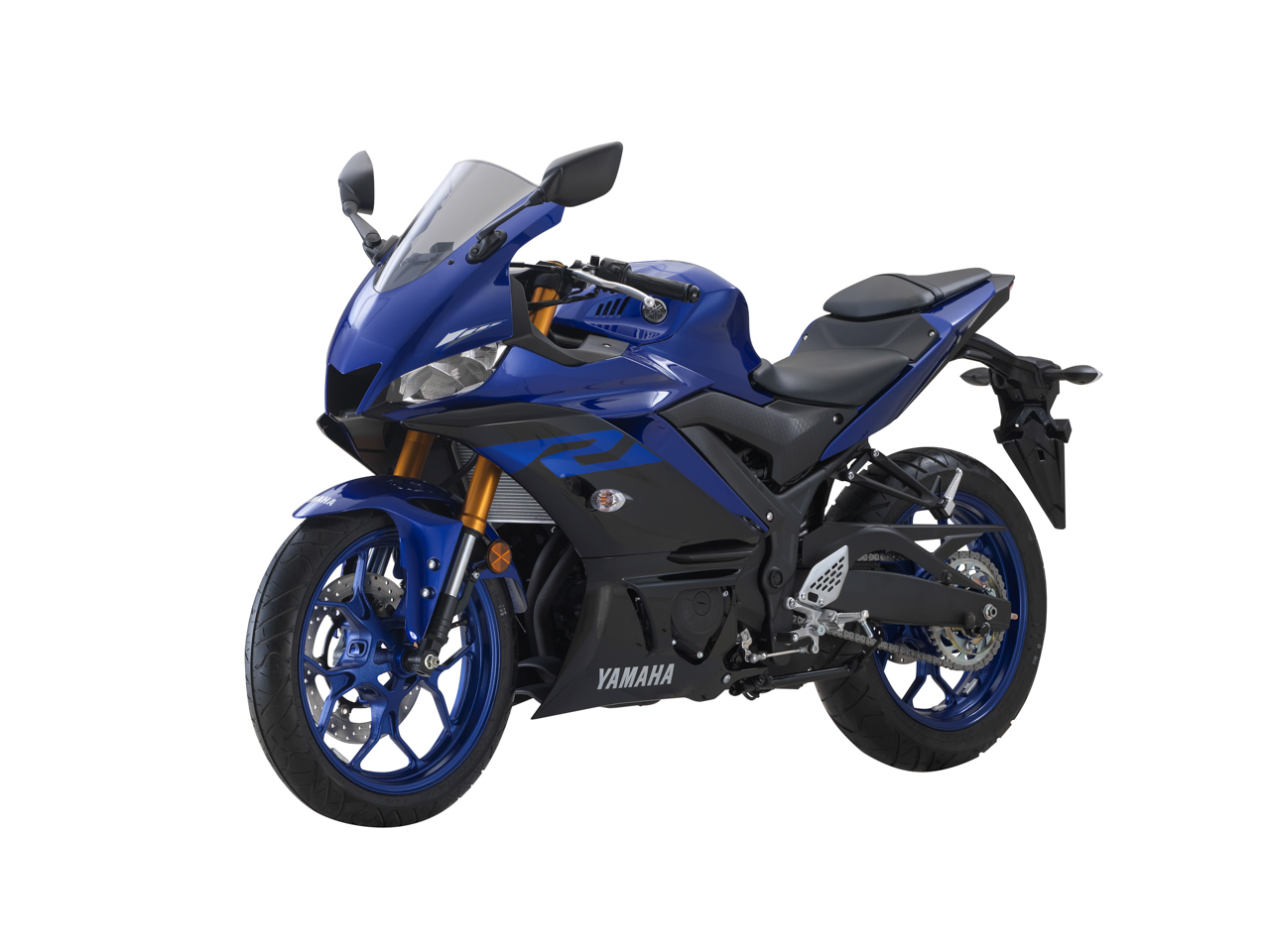
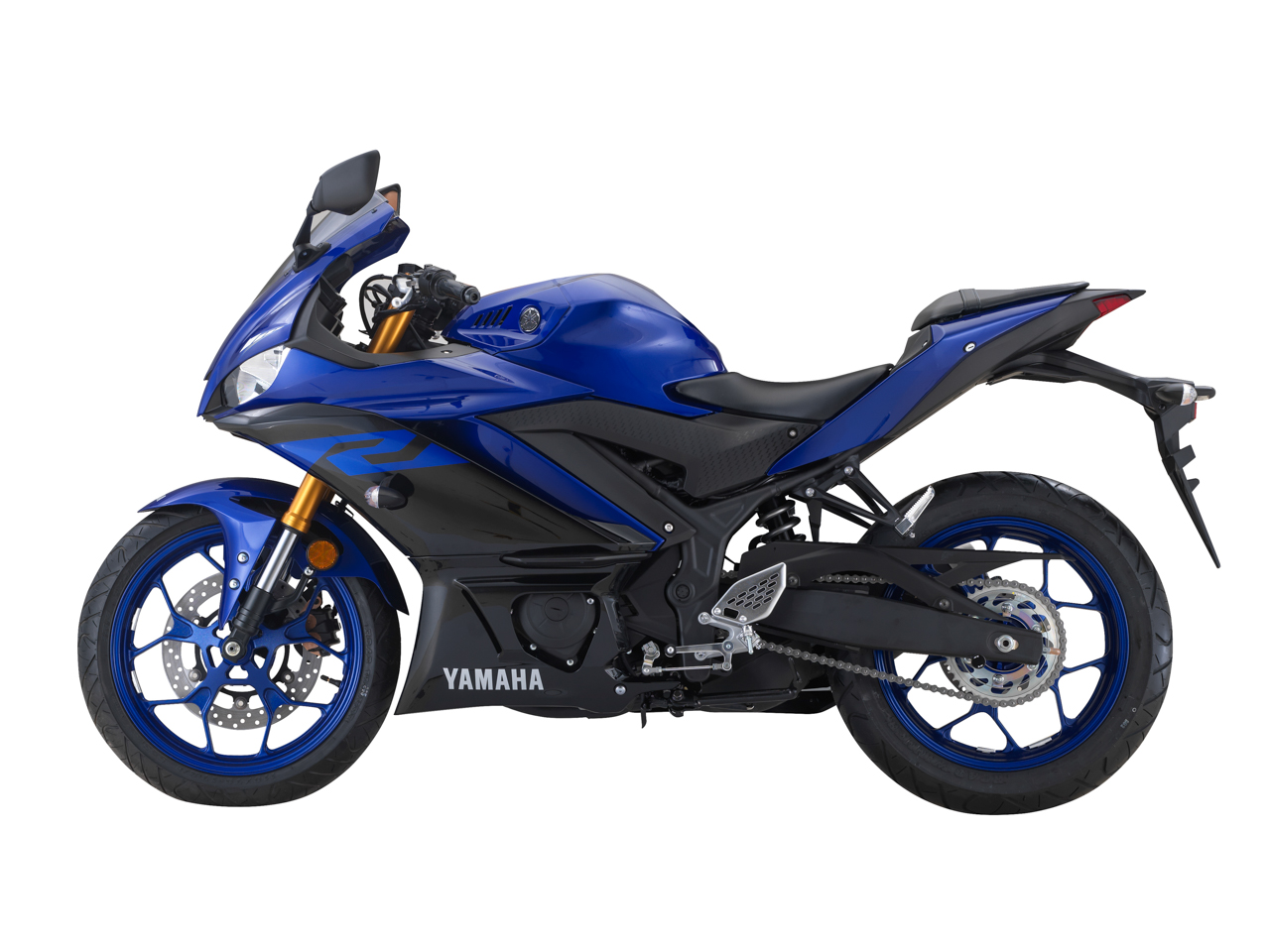
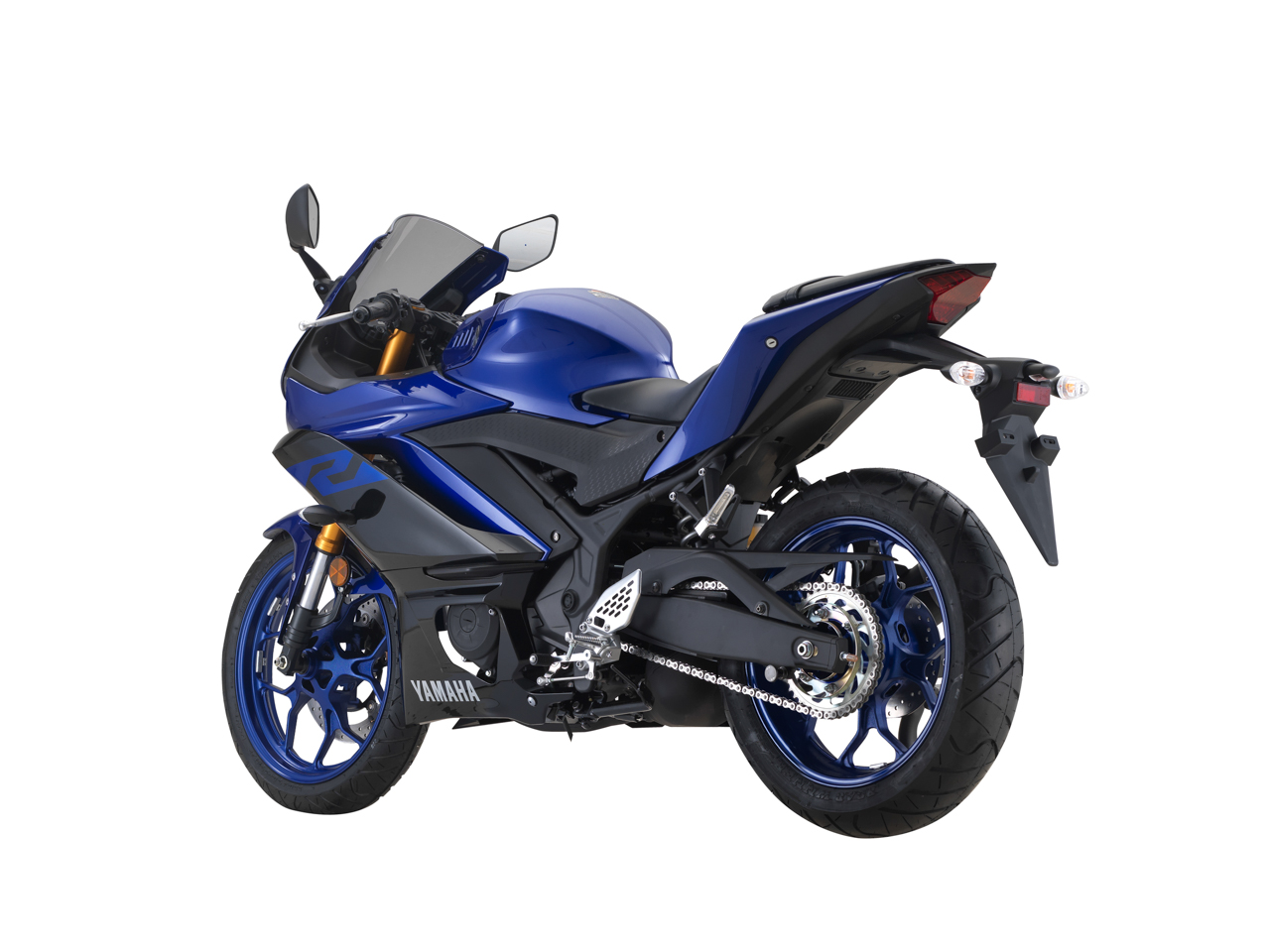
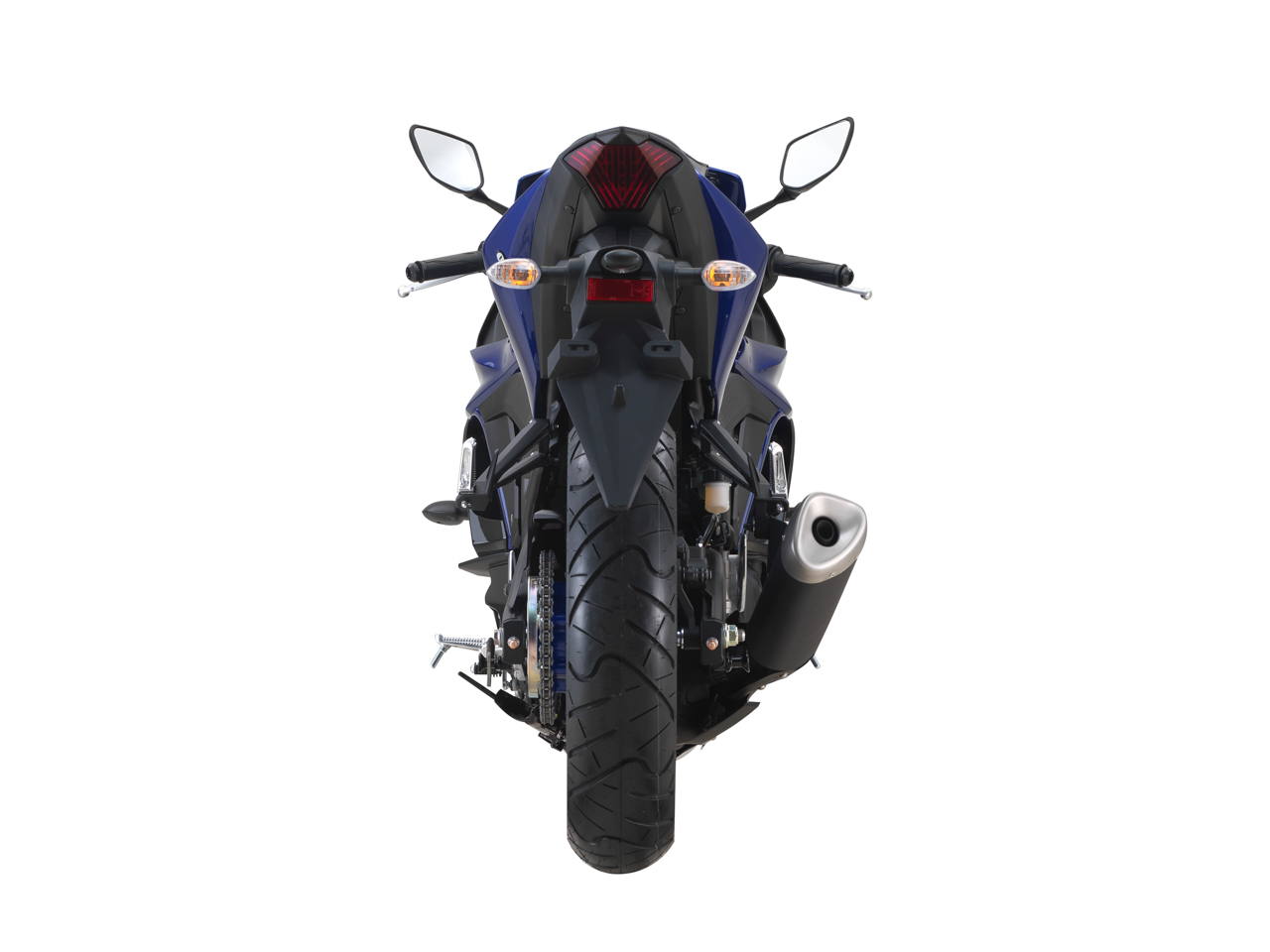
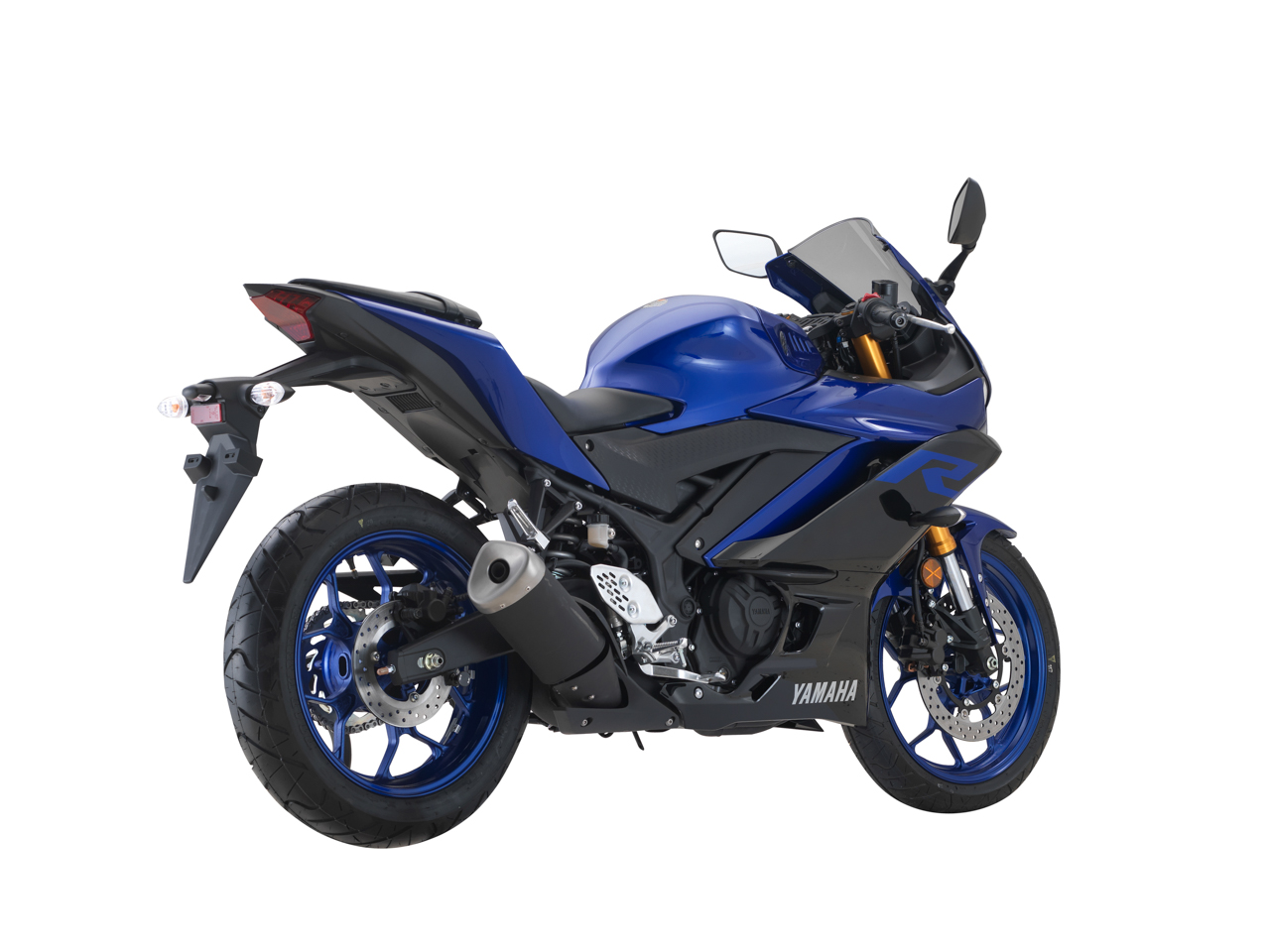
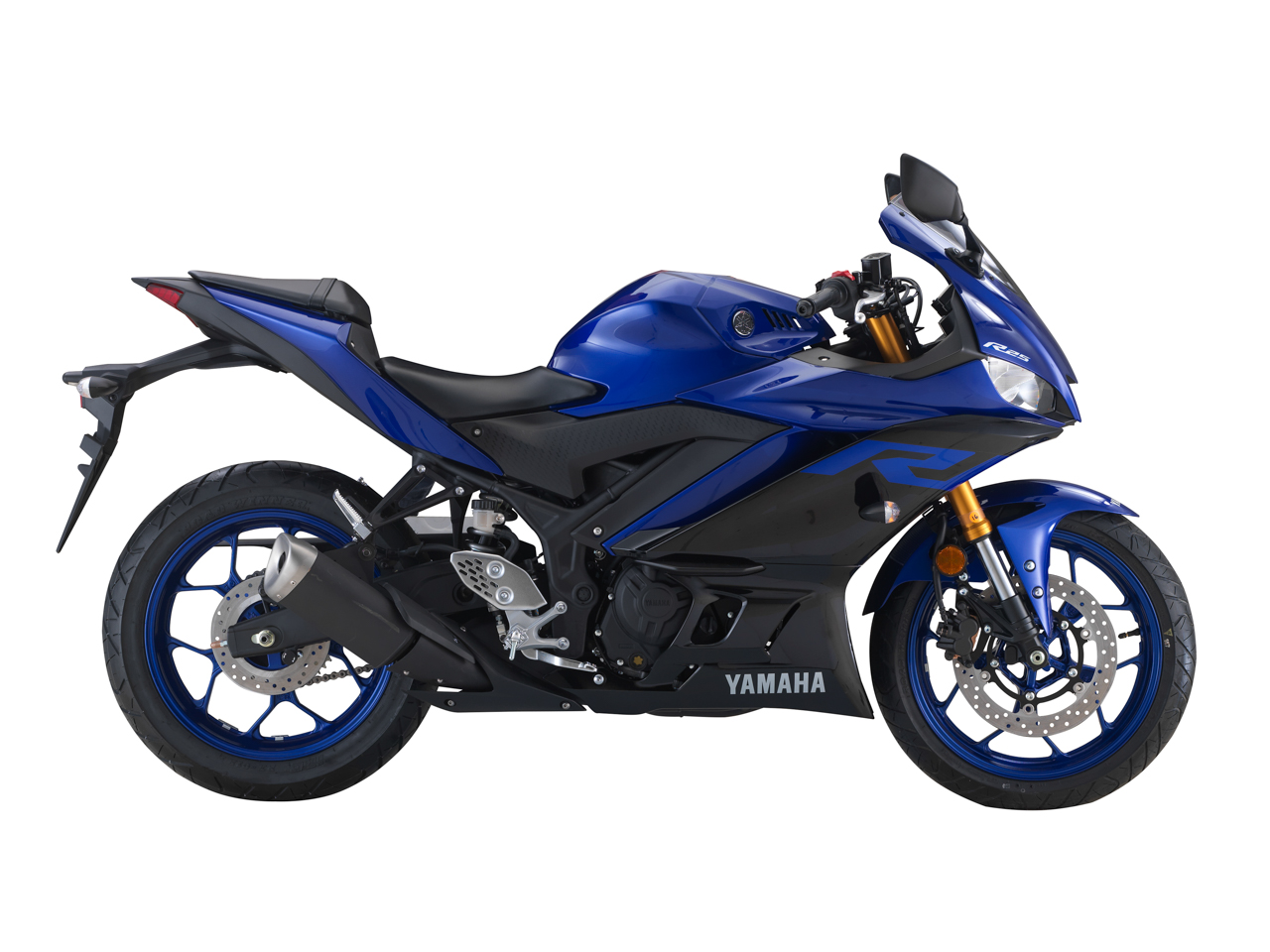
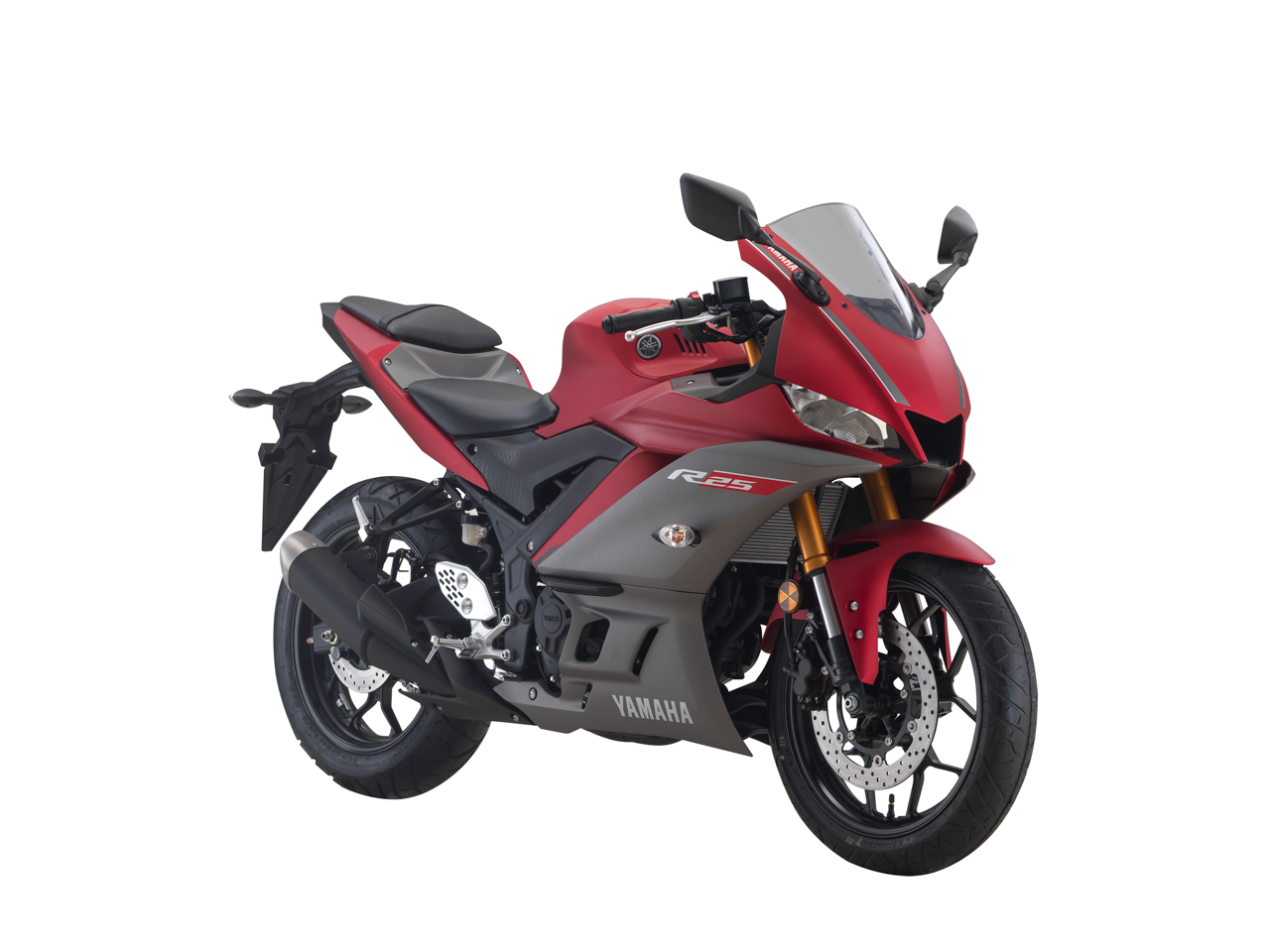
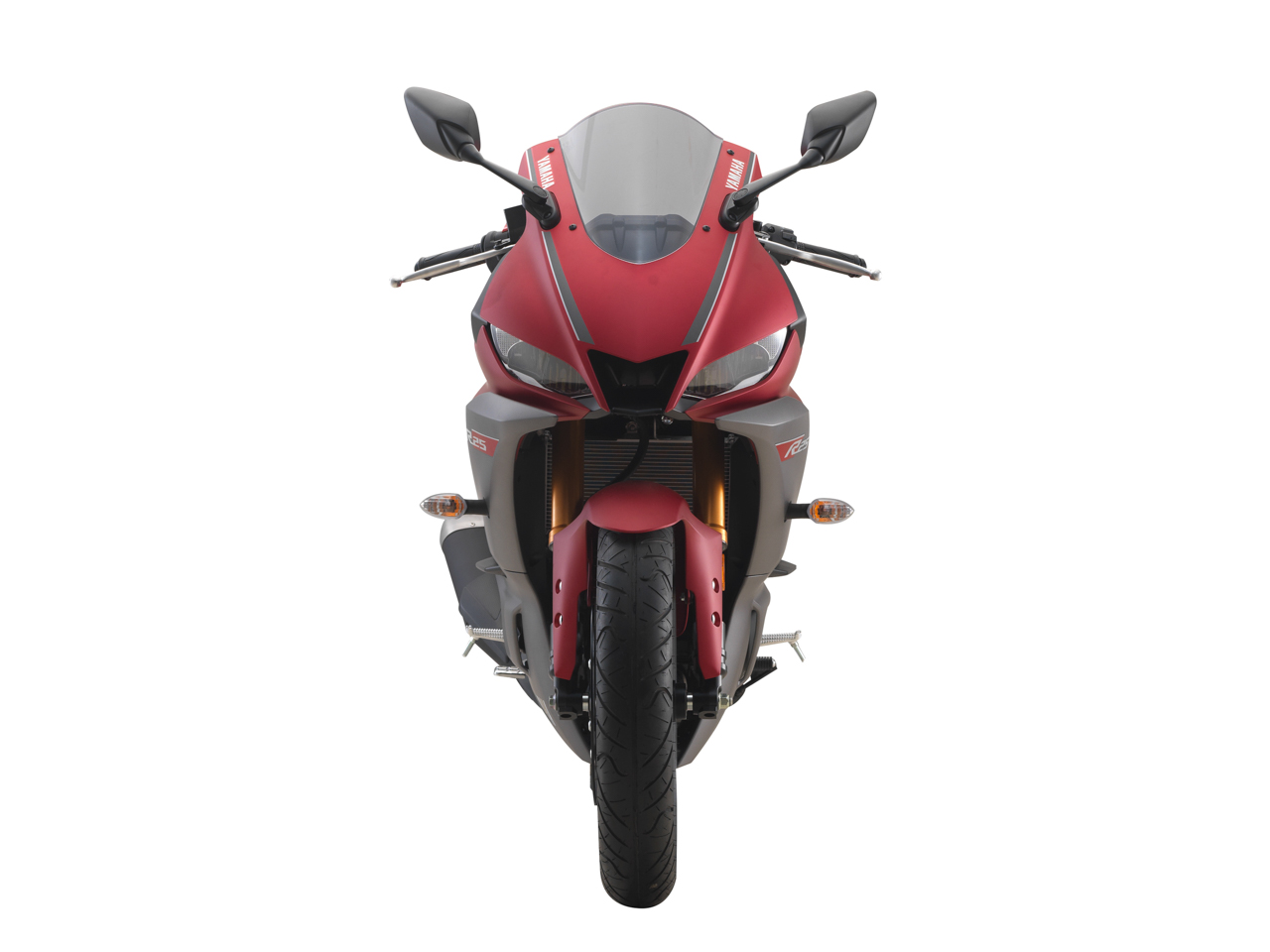
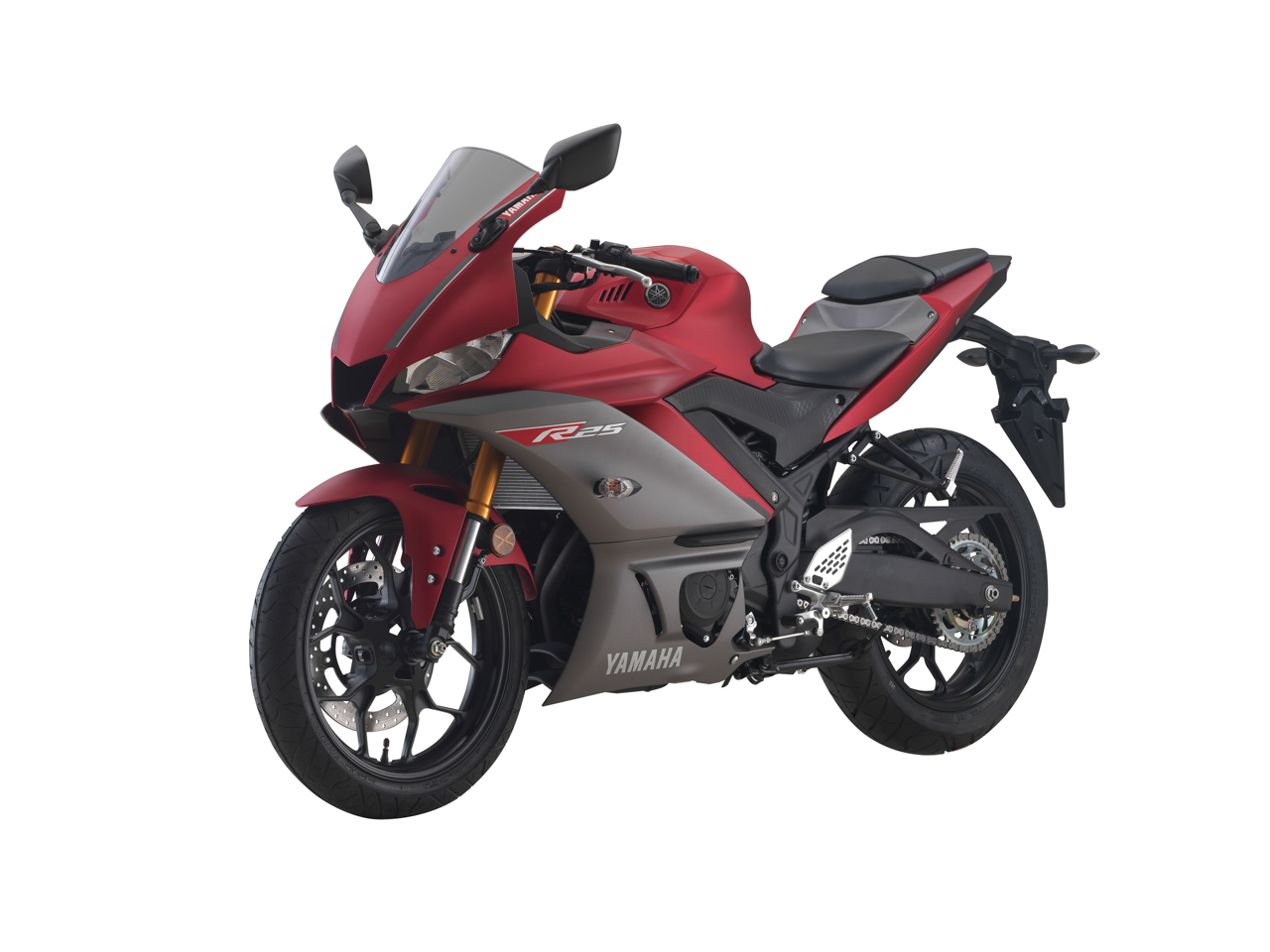
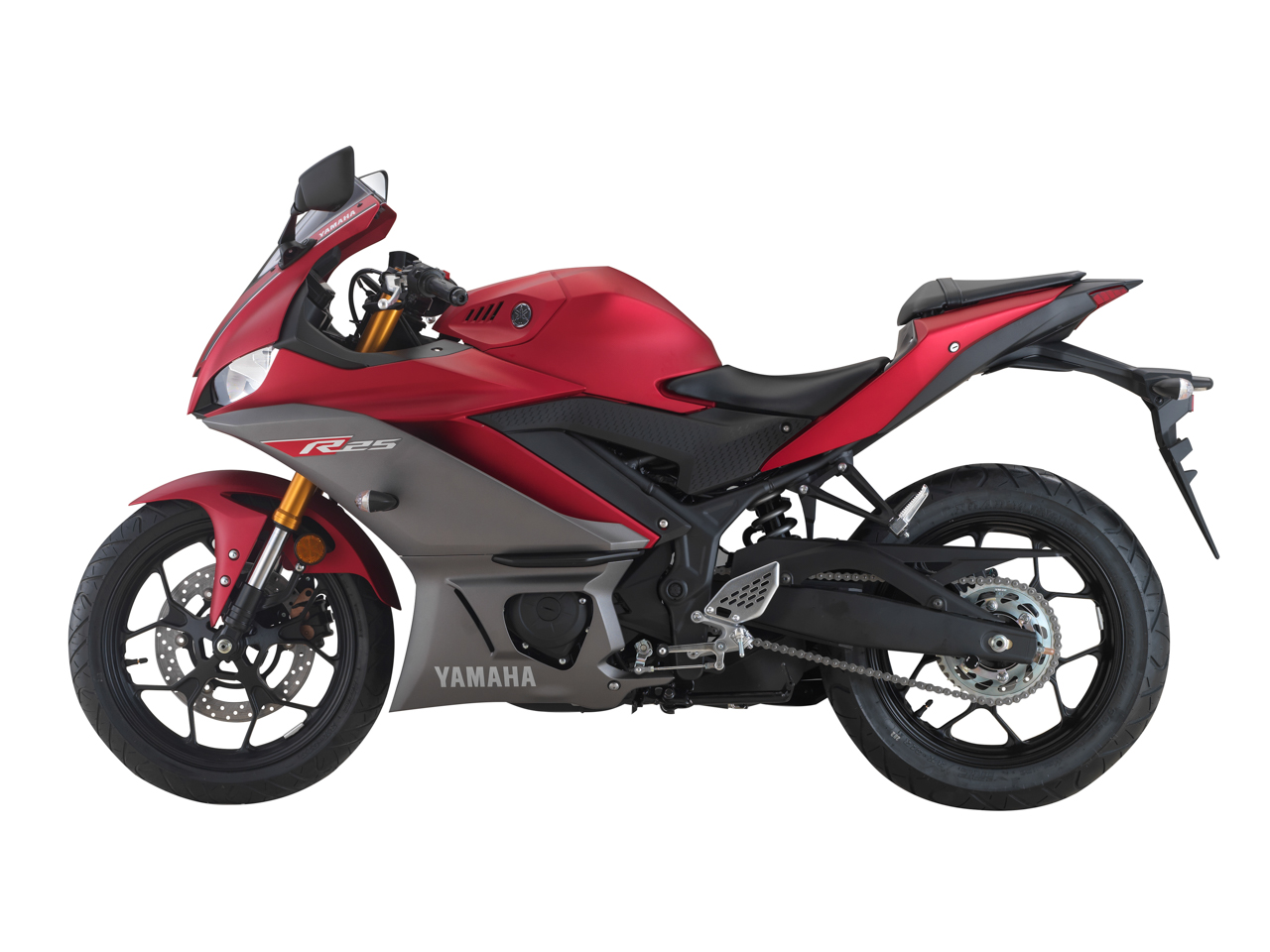
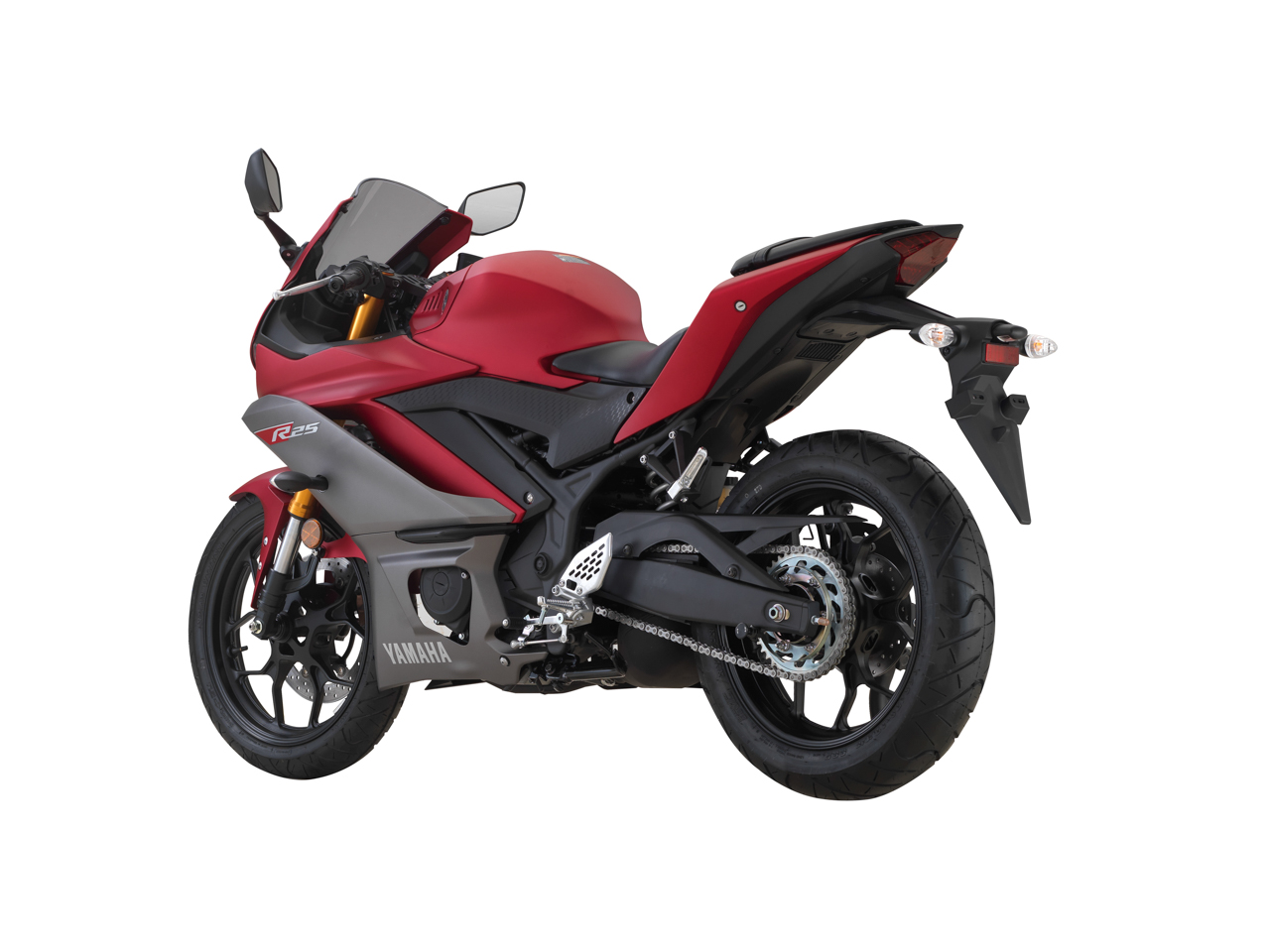
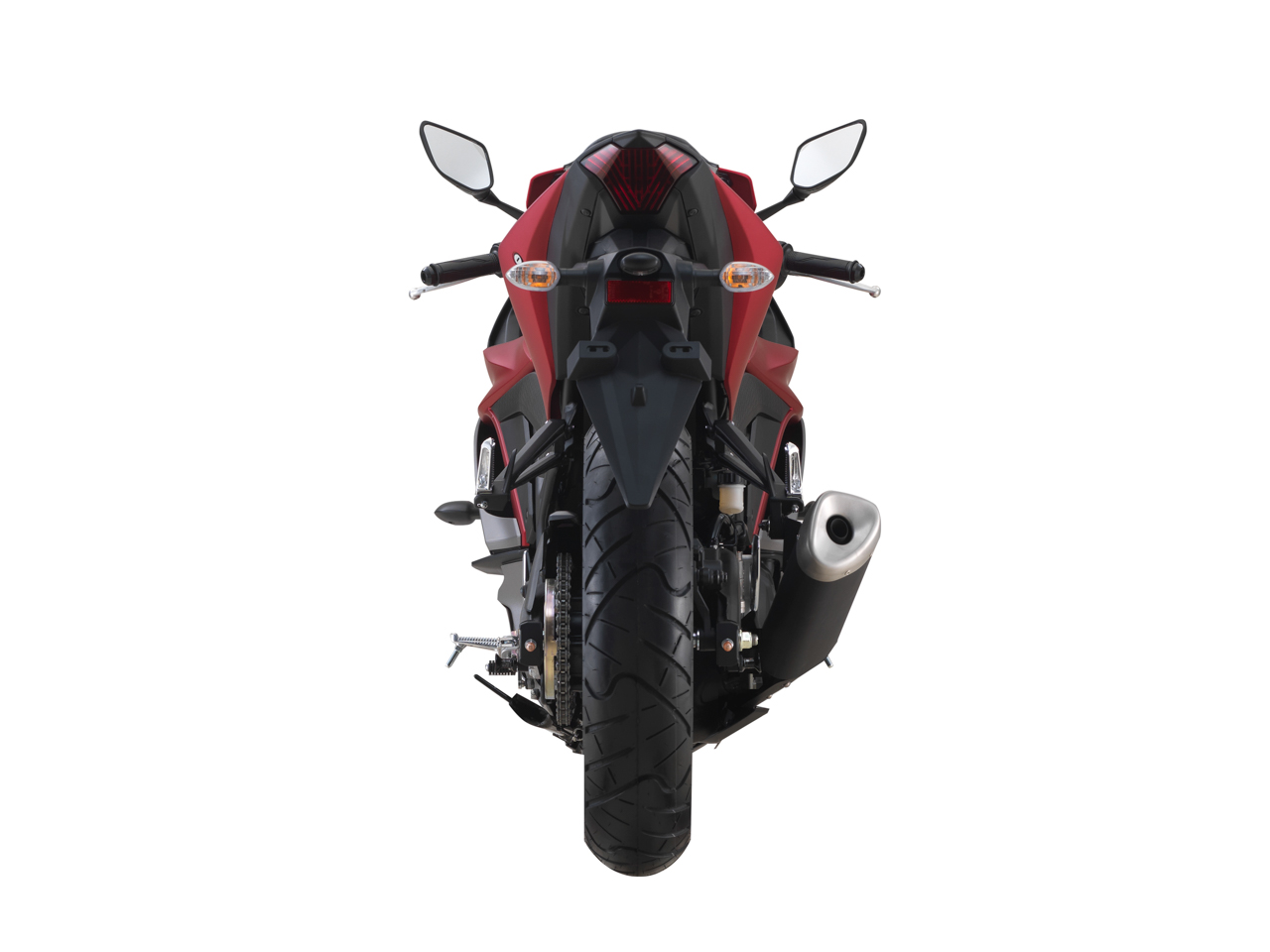
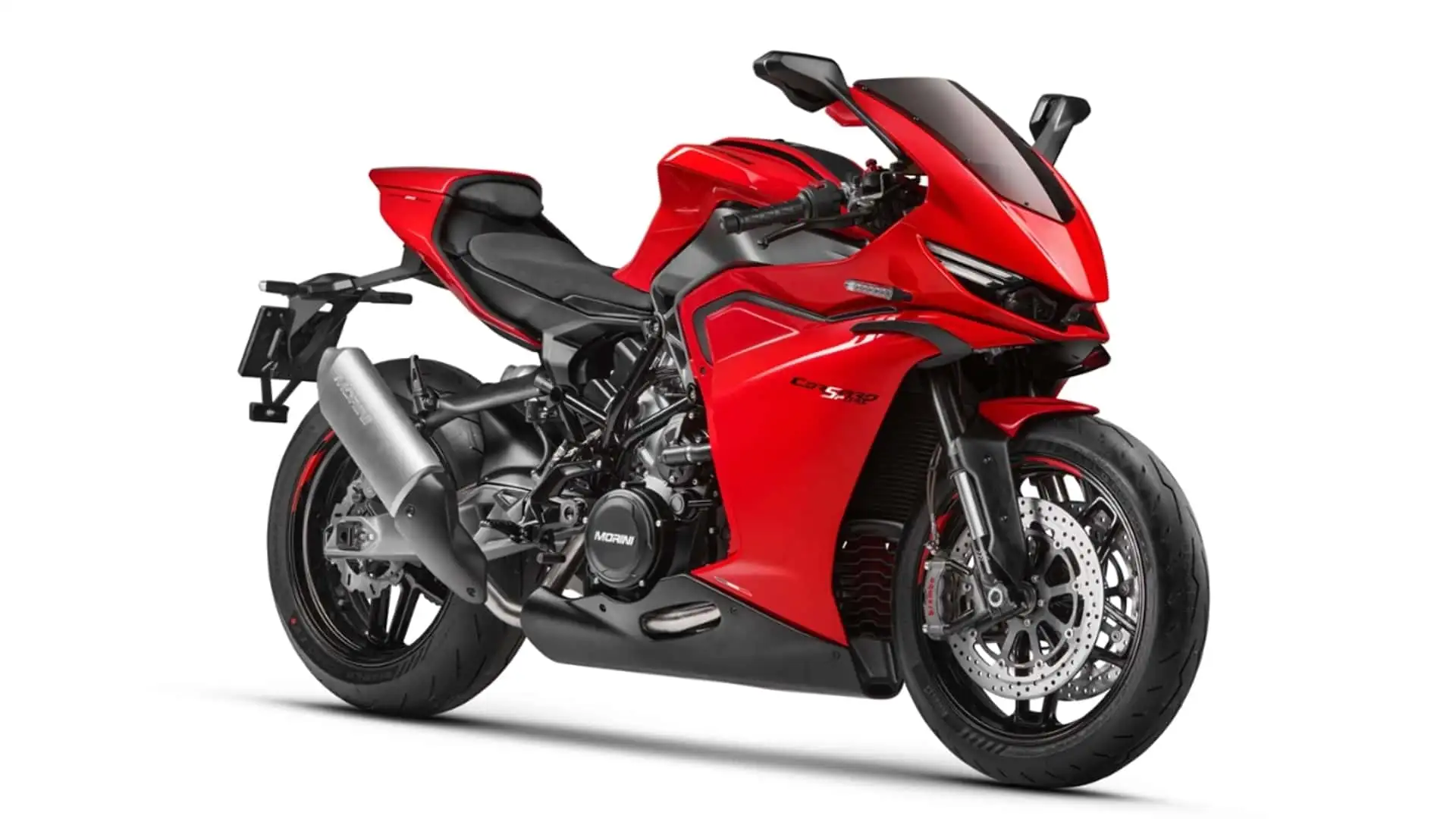
HLYM announced the price for the 2019 YZF-R25 today.
The 2019 R25 retains the engine of its predecessor.
But there are many new features.
Hong Leong Yamaha Motor (HLYM) has announced the pricing for the 2019 Yamaha YZF-R25 (R25) today, after the preview back in January this year.
The price from RM 19,998 (basic selling price, not on-the-road) remains unchanged from its predecessor’s.
But while the 2019 model retains the same 250cc, liquid-cooled, DOHC parallel-Twin engine, there are a number of new enhanced features:
Upside-down forks for better handling and road feedback.
New aerodynamic bodywork inclusive of YZR-M1 style air intake.
New fuel tank design for better seating position.
New handlebar and ergonomics for the roads and track.
LED lighting and new LCD instrument cluster.
The 2019 R25 is offered in two colours, Blue and Red and will be available from the 3rdweek of March. Buyers will receive exclusive stainless steel Yamaha Disc Lock complete with “reminder” cable.
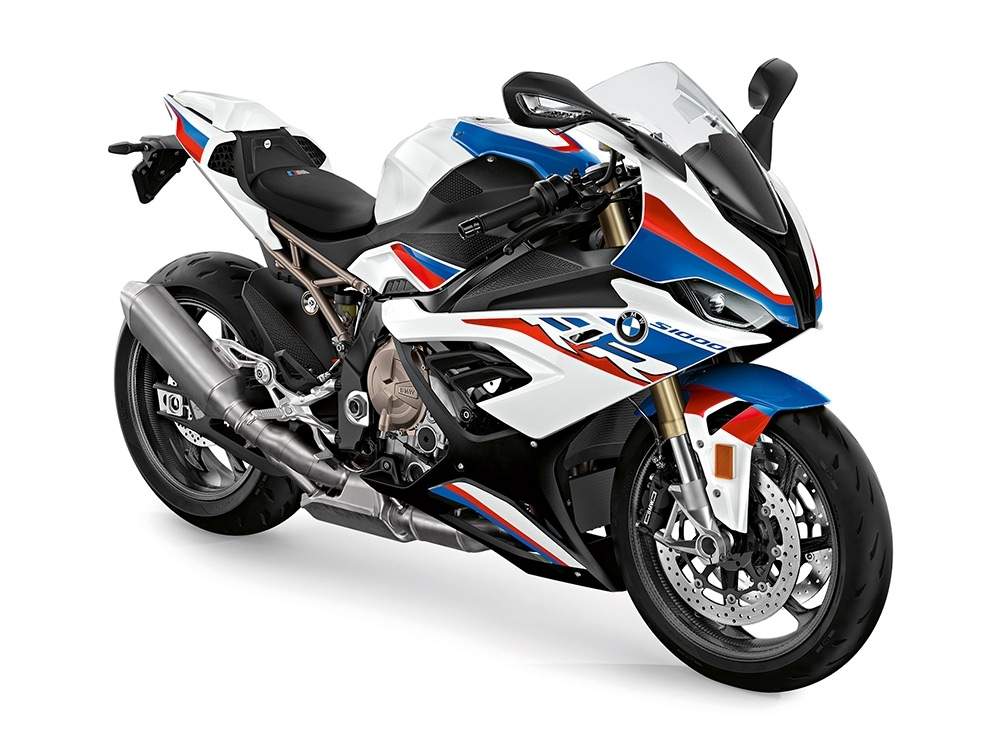
2019 BMW S 1000 RR price was finally revealed in the USA.
Starting at USD 16,999, owners could opt for different packages according to their needs.
The pricing looks like great value compared to other European supersport motorcycles.
Finally, we get an idea of how much the much-awaited 2019 BMW S 1000 RR will cost.
BMW Motorrad revealed the price at USD 16,999. However, that’s for the base model. As with all BMW motorcycles, there are different levels of “packages” to fit every rider’s fancy.
“Select” Package
For an extra USD 1,400, the package includes BMW’s DDC (Dynamic Damping Control) semi-active electronic suspension, cruise control, tyre pressure monitoring system and heated grips.
The bike now costs approximately USD 18,400.
“Race” Package
Top up another USD 1,600 (to the Select Package) and you get the “Race” package. It adds the “Ride Modes Pro” electronic suite which includes launch control, wheelie control, race modes, dynamic traction control, slide control, etc. etc. You will also receive a lithium-ion battery and forged aluminium wheels.
The bike now costs approximately USD 20,000.
“M” Package
For the ultimate built, get the “M” package and will receive carbon fibre wheels with everything else in place.
And finally, the price is now approximately USD 22,100.
We would like to add that you do get lots of goodies at USD 22,100, compared to other current European supersport models.
Of course, the pricing will be different when it arrives in Malaysia, but at least we have an inkling of how much we need to save for. Wished we started saving from when we were six-years-old…
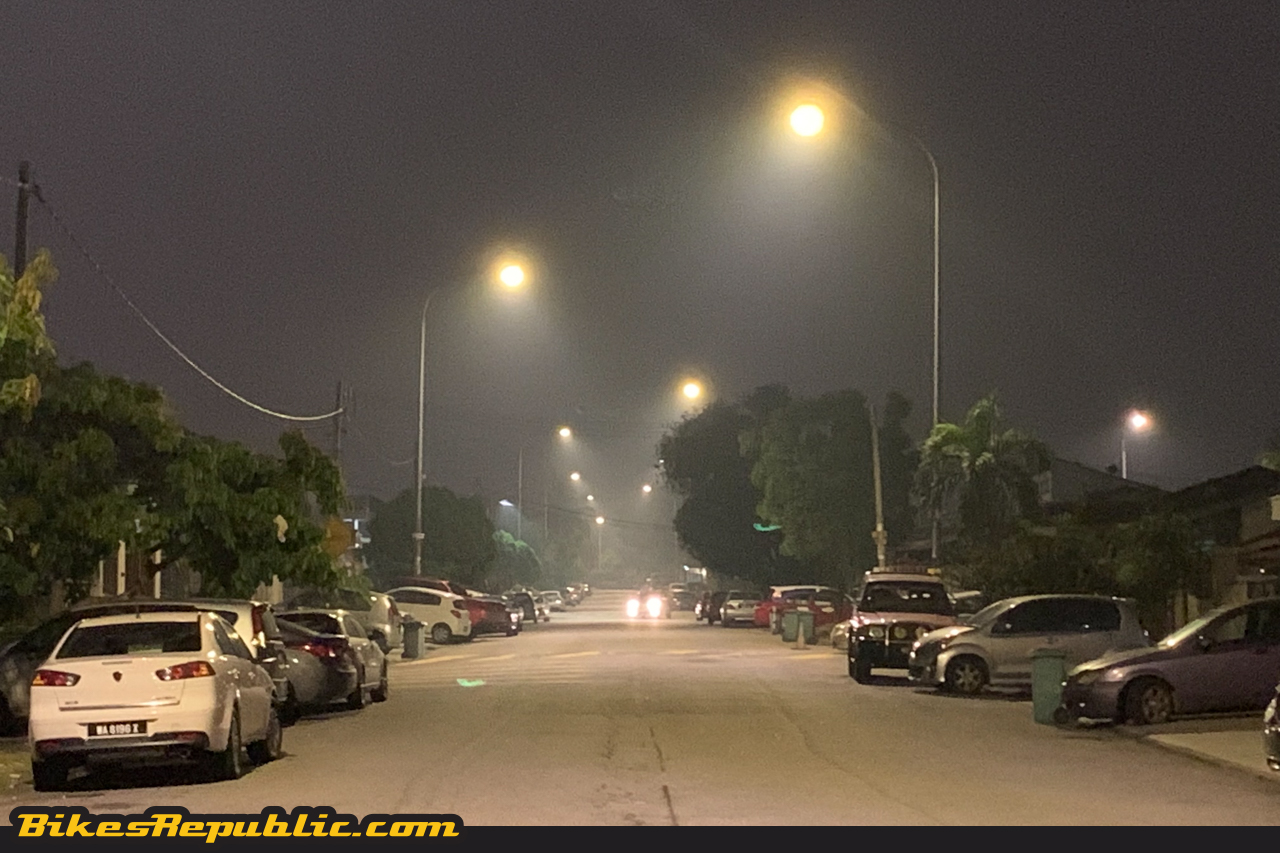
Just as we thought we’re riding out the heat, here comes the haze!
Here are a number of tips for riding in the haze.
Reduce your exposure as must much as you possibly can.
There seems to be no respite for us Malaysian motorcyclists when it comes to the weather, is there? First it was the superheated days and now the haze is back with a vengeance. What’s next?
But here are a few tips to ease our daily battles with the environment.
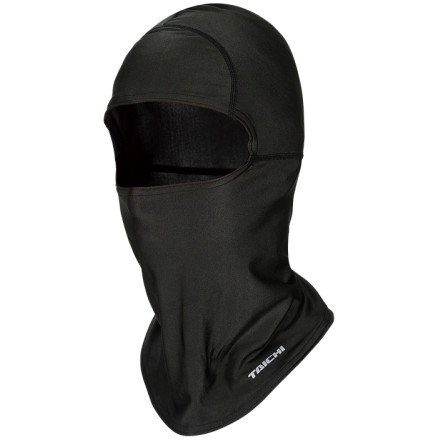
Wear a balaclava. Wearing a balaclava covers your nose and mouth and filters out particulates. As a bonus, it keeps dust out and protects your neck, too. While not as effective as a surgical mask in filtering out smoke, a balaclava is made to fit inside a helmet.
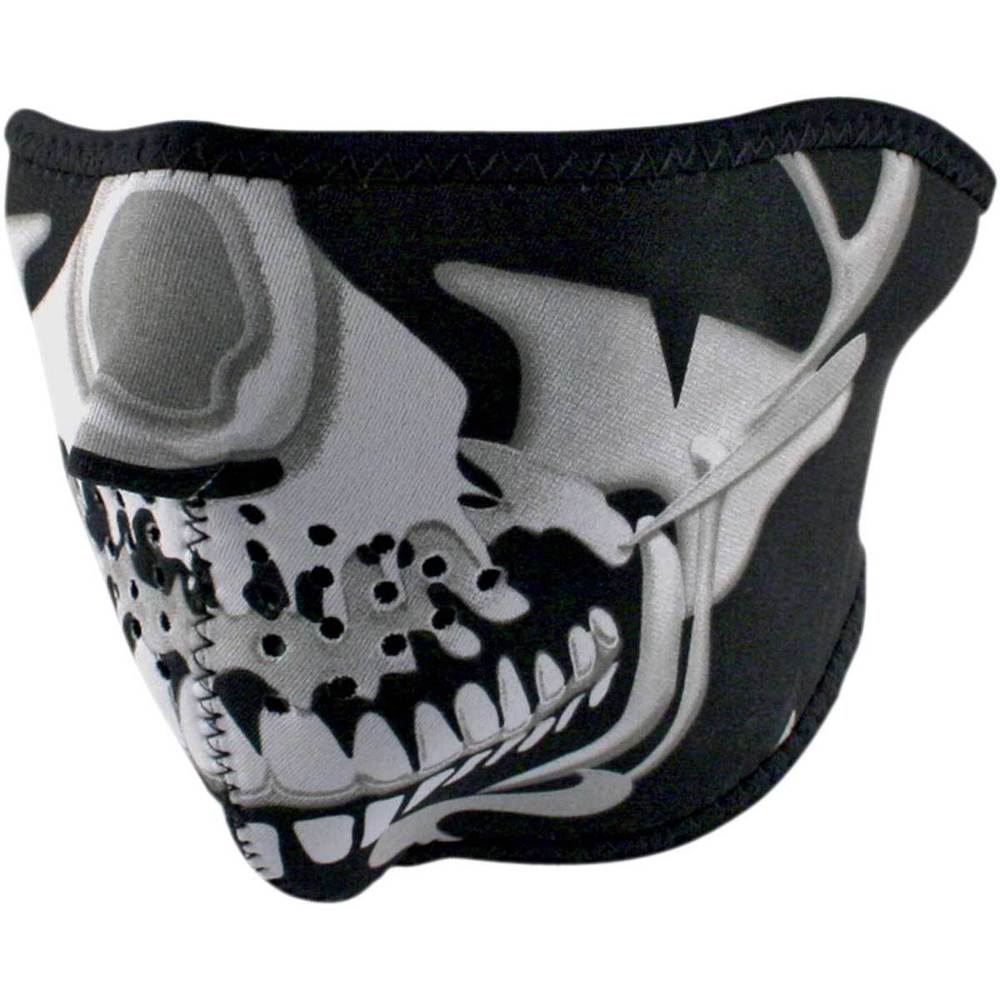
Riding mask/Surgical mask. This is the best option. There are many types of masks, including activated charcoal-infused ones and, the N95 type for the ultimate filtration. Try and see which is best for you. The drawback is that the mask becomes displaced when you pull on your helmet.
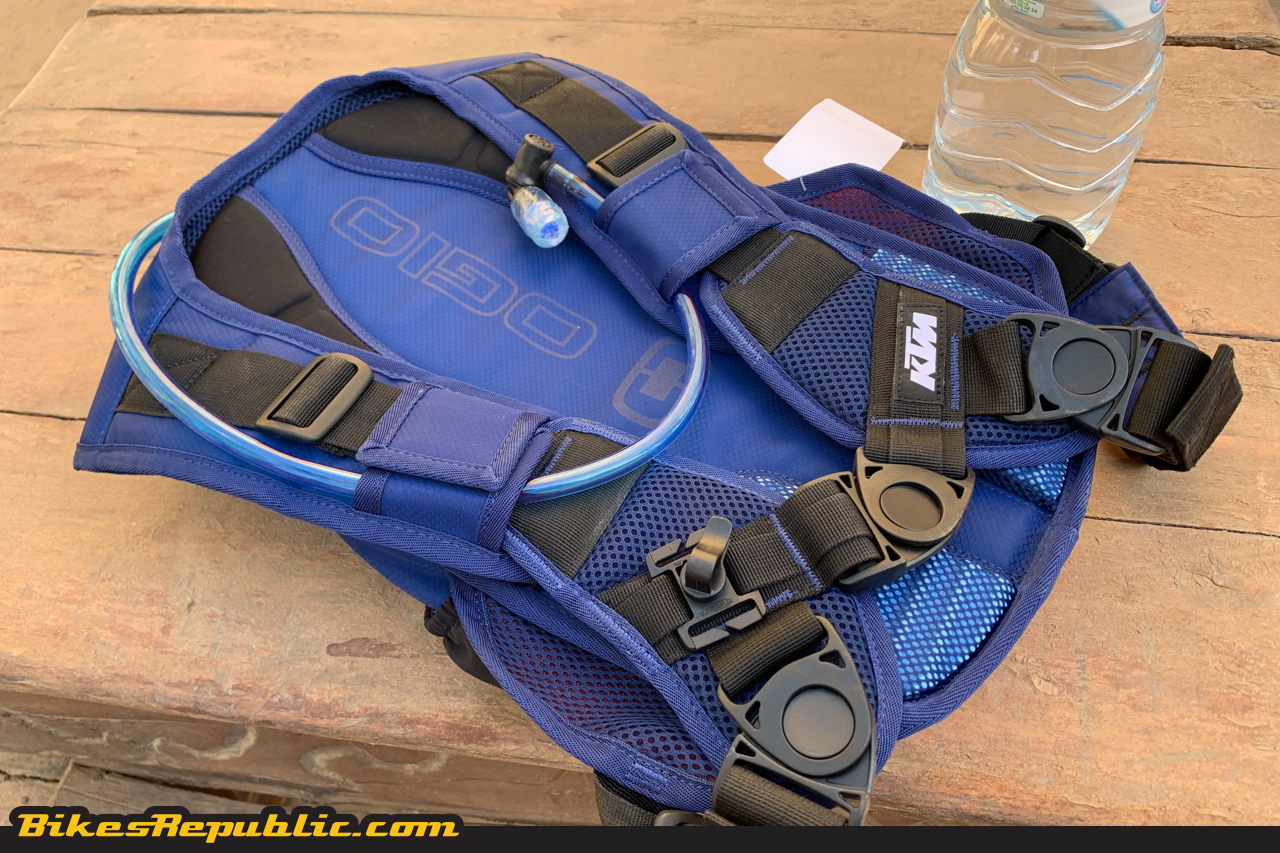
Hydrate. Drink plenty of fluids. Water is the best in this case with the haze. Being inert means you can wash your face with it, too. On what liquids are the best for bikers, please refer to our earlier article.
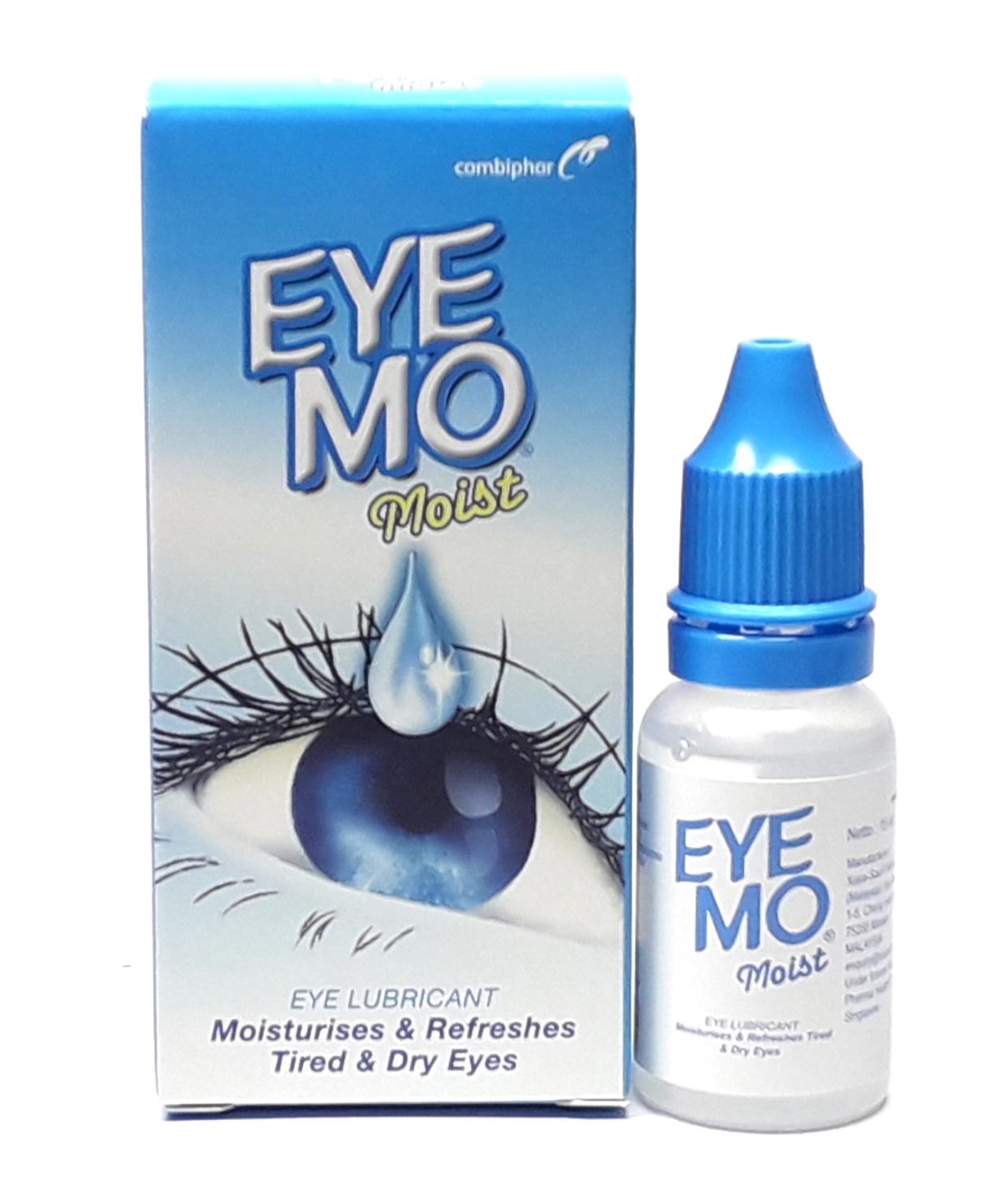
Eye drops. Get a bottle and keep it in your pocket. It truly helps to keep your eyes from getting irritated, cutting down the chance of squinting while riding.
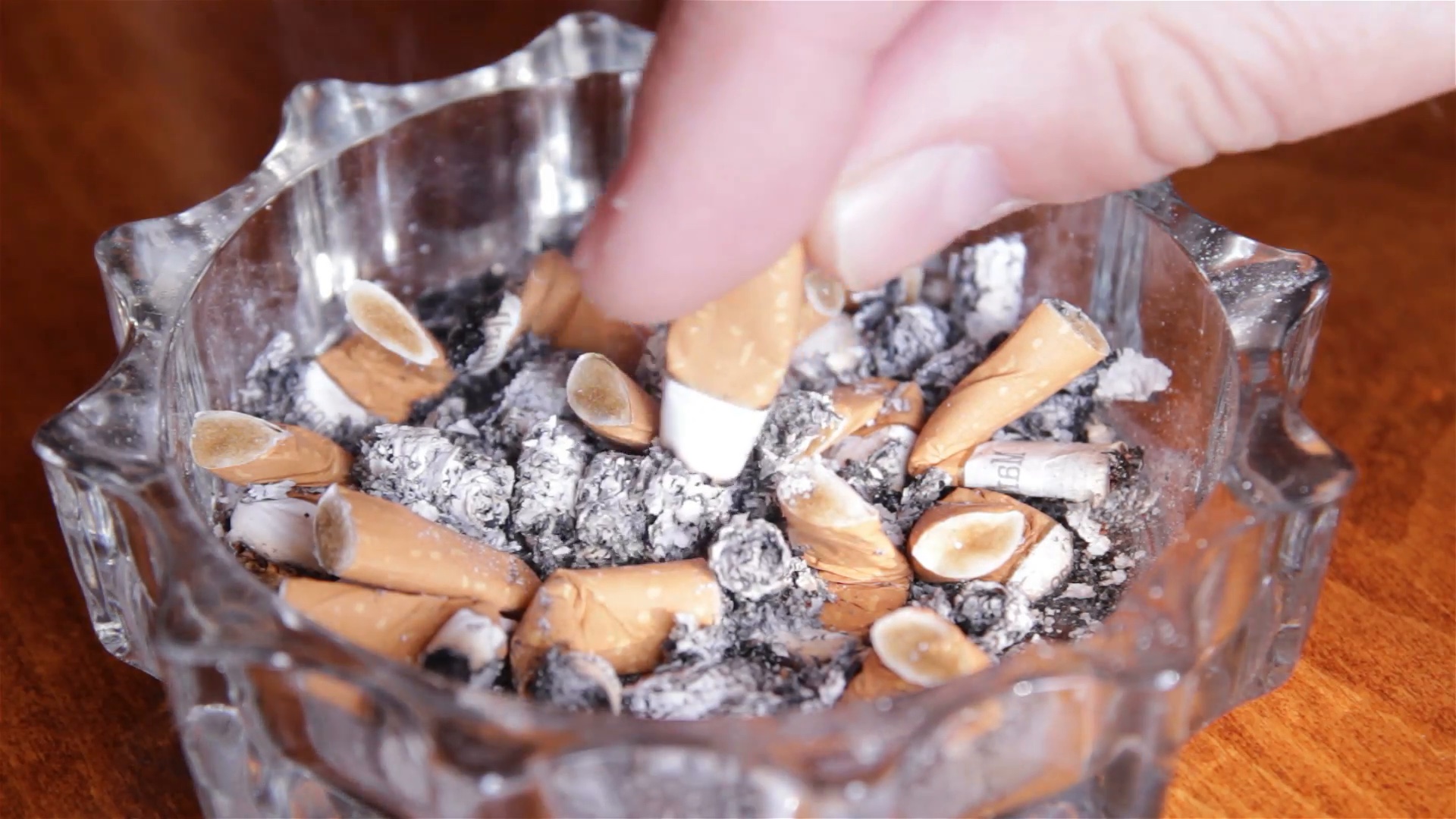
5. Quit smoking. We know, this is a long shot of a request. The haze presents the best chance of cutting back or even quitting altogether.
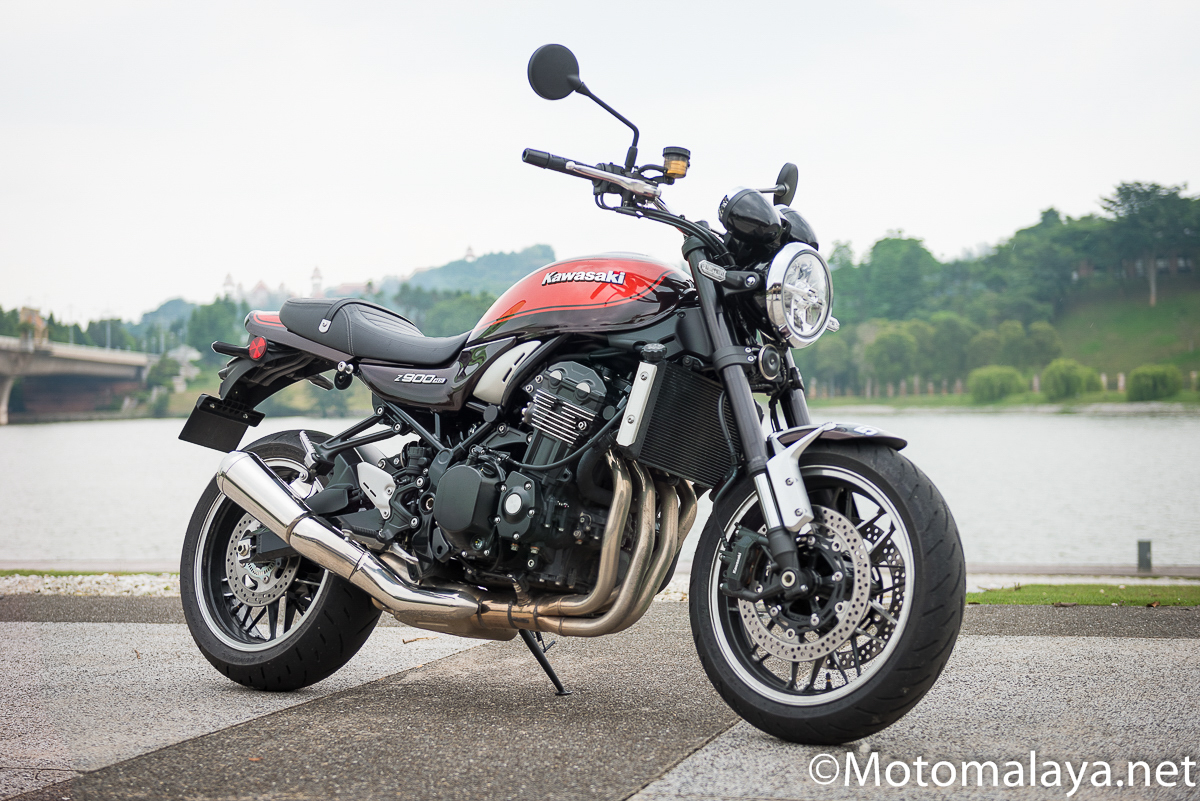
The recall for the 2019 Kawasaki Z900 line-up for a potential ABS issue applies to the US only.
There is no notice issued for Malaysian owners yet.
The issue arose after improper machining of the ABS pump.
The factory recall for the 2019 Kawasaki Z900 line-up over potential ABS issues is for the American market, only.
BikesRepublic.com has sought the confirmation from Kawasaki Motors (Malaysia) Sdn. Bhd. (KMMSB) over the matter. According to KMMSB, Kawasaki Heavy Industries have not issued a notice on the recall in Malaysia.
The current notice is issued by Kawasaki together with the American National Highway Transport Safety Administration (NHTSA). Therefore, it applies to Z900 line-up owners in the United States, at the moment.
The recall was made after the discovery of improperly machined ABS pump. The machining process has the potential of leaving aluminium debris inside. If this happens, the ABS pump could malfunction and cause the wheel or wheels to lock up.
Kawasaki USA confirmed that 497 units are involved in the recall and will notify the owners. If you are reading this from the United States, you may contact Kawasaki customer service line there 1-866-802-9381 (regarding recall number MC19-01). Please have your VIN ready. You may get in touch with the NHTSA at 1-888-327-4236 and quote campaign number 19V083000.
The parts are aluminium, not plastic. The 3-D printing process is called Selective Laser Imaging. In this bike’s case, it’s the fancy name of using lasers to superheat aluminium alloy powder to create specific shapes. 3-D printing can also be used for polymers and other materials, resulting in solid projects. (Check out the video below.)
Anyhow, a French design firm called VIBA 3-D bolt-on parts for a Honda Monkey.
These aren’t just bunch of aluminium knock-off parts, mind you. For example, the fuel tank has an internal honeycomb structure to avoid fuel from sloshing around. The headlight’s frame is one piece with the fender and includes a luggage rack. That necessitated the change of the headlamp.
Photo credit: Ride Apart
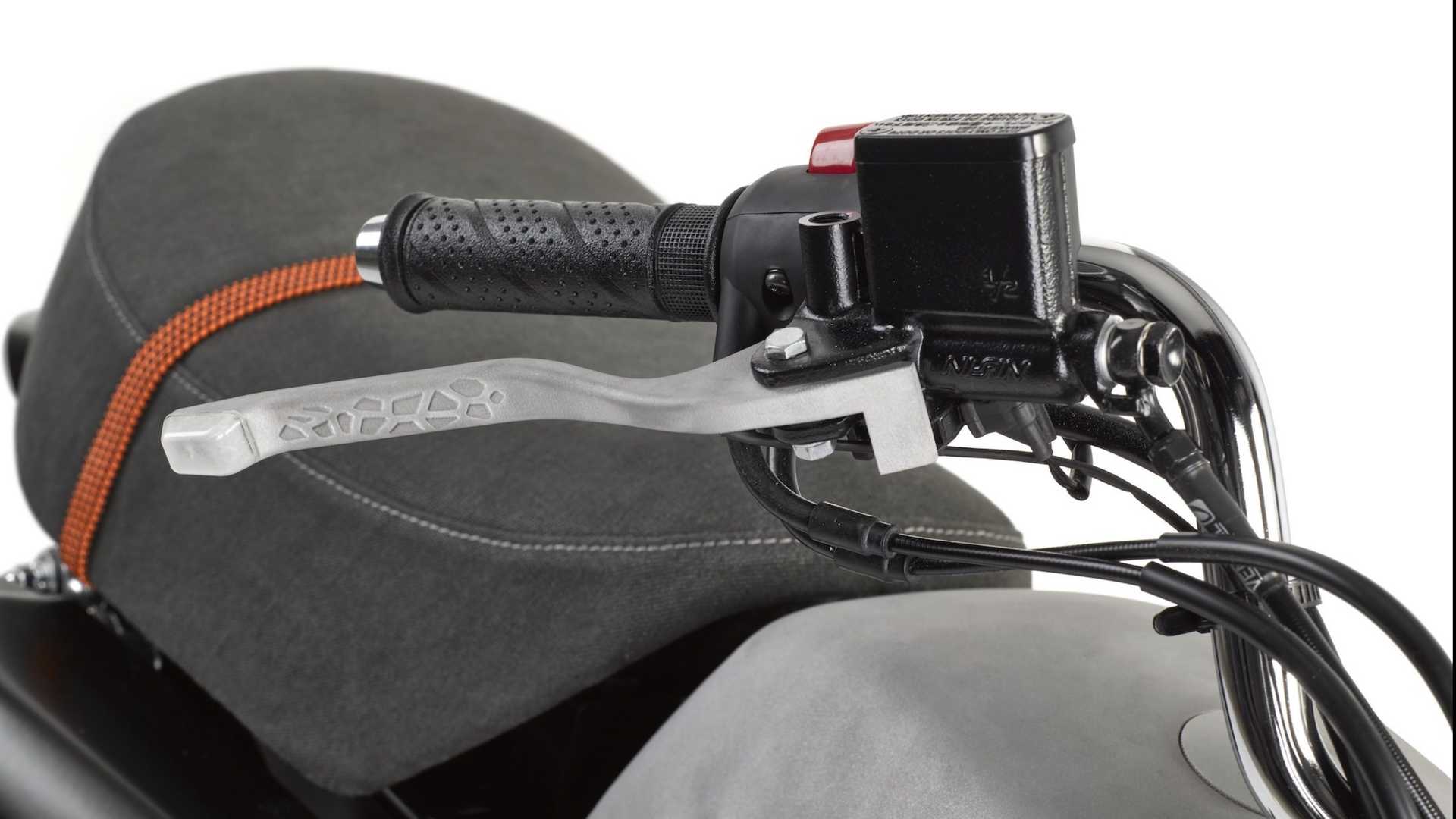
The brake and clutch levers are hollow to allow the wiring to run to the turnsignals at the end.
VIBA will only build 23 of these kits but did not specify if you could obtain the components individually. They look cool, though.
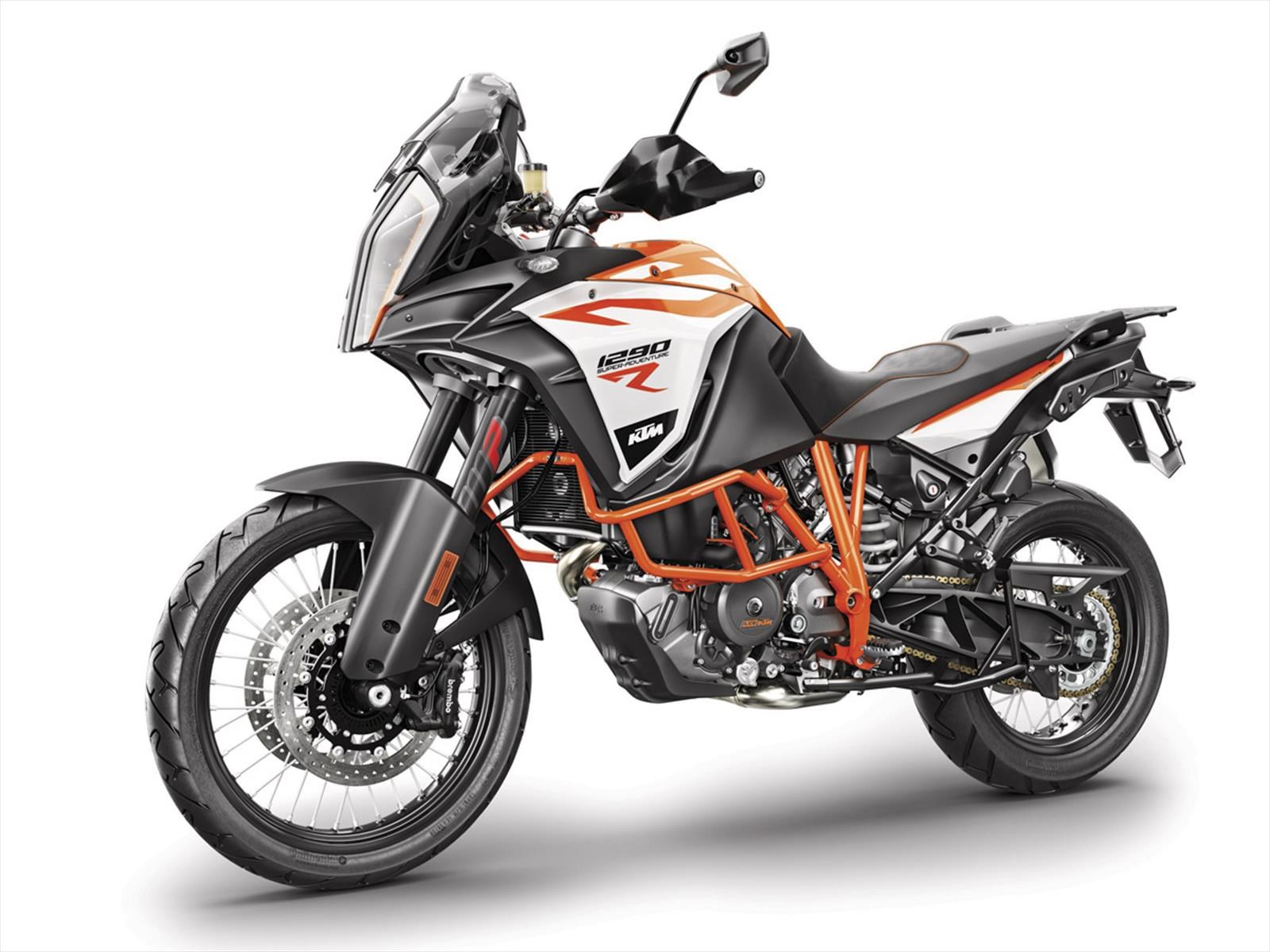
A prototype KTM 1290 Super Adventure was spied undergoing road tests.
It appears to carry the fuel low and forward like the 790 Adventure.
Carrying the fuel low and forward results in lower centre of gravity.
A prototype KTM 1290 Super Adventure was spied undergoing road tests over the weekend. According to Australian Motorcycle News, the mule was being tested alongside the new BMW R 1250 GS.
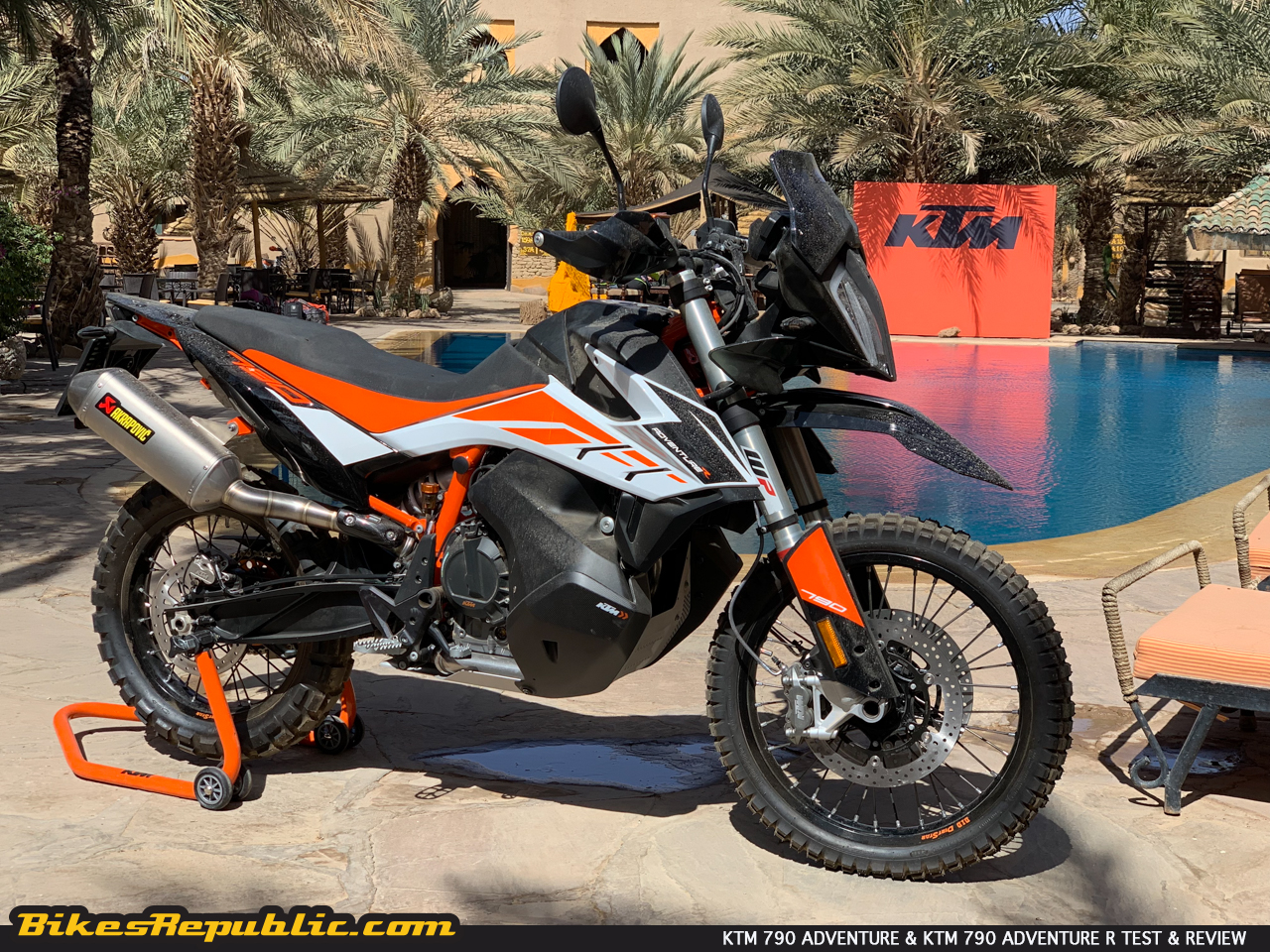
The first we spotted in the pictures were the large bulges down below, ahead of the rider’s shins. They indicated the Austrian manufacturer’s recent initiative in moving the bulk of the bike’s fuel to a more forward and low position. The idea was first implemented in the 790 Adventure and 790 Adventure R that we tested in Morocco, recently.
Moving the mass forward and low gives the bike a lower centre of gravity, consequently promoting stability and easy handling. It’s perhaps one of the most important revisions to the 1290 Super Adventure because of its tall height due to the 75o V-Twin engine.
Additionally, the radiators are split into two units, with the front cylinder head poking through. That could mean that KTM has shortened the fuel tank on top hence the frame, since the fuel’s moved to another location. Doing this allows the rider to move his weight further in front for an easier reach to the handlebars, but more importantly, better balance when standing up when riding off-road. Again, this design concept made was applied to the 790 Adventure.
Also apparent were the sidepanels enclosing the subframe beneath the rider. KTM used to leave this section exposed but has again taken the cue from the 790 Adventure to cover them up. Doing so adds storage space inside those panels. The 790 Adventure’s tool kit is carried in the left side.
Although unspecified and unseen in the photos, the new 1301cc LC8 engine will probably boast a power boost, too.
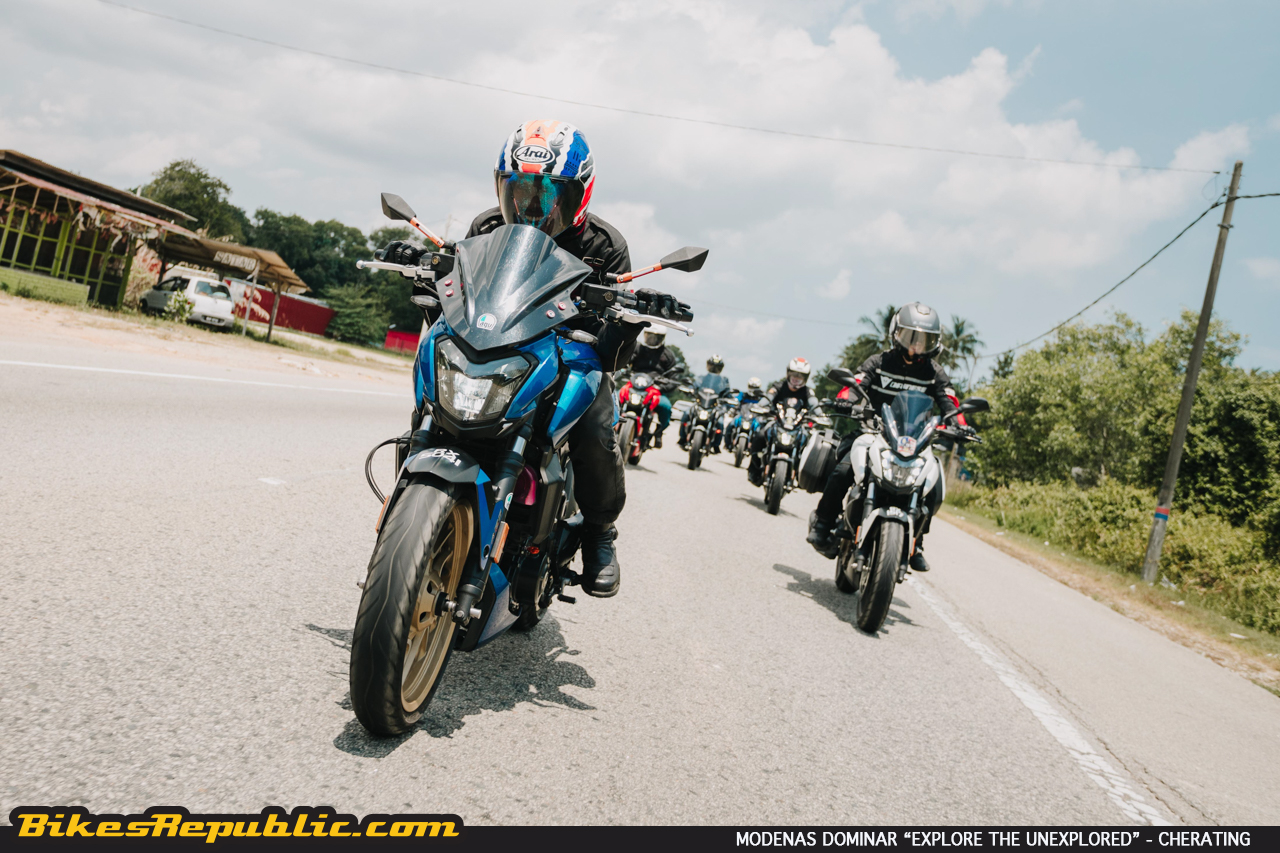
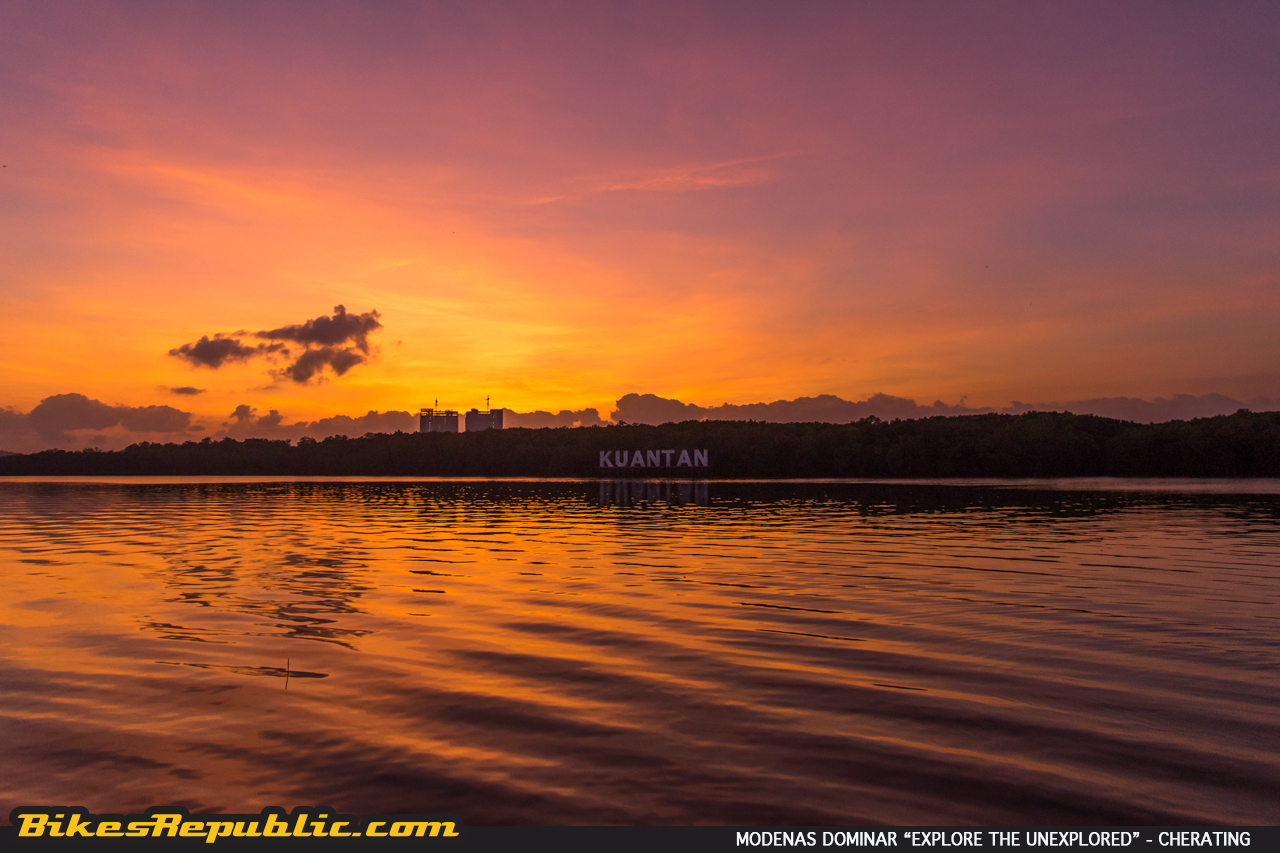
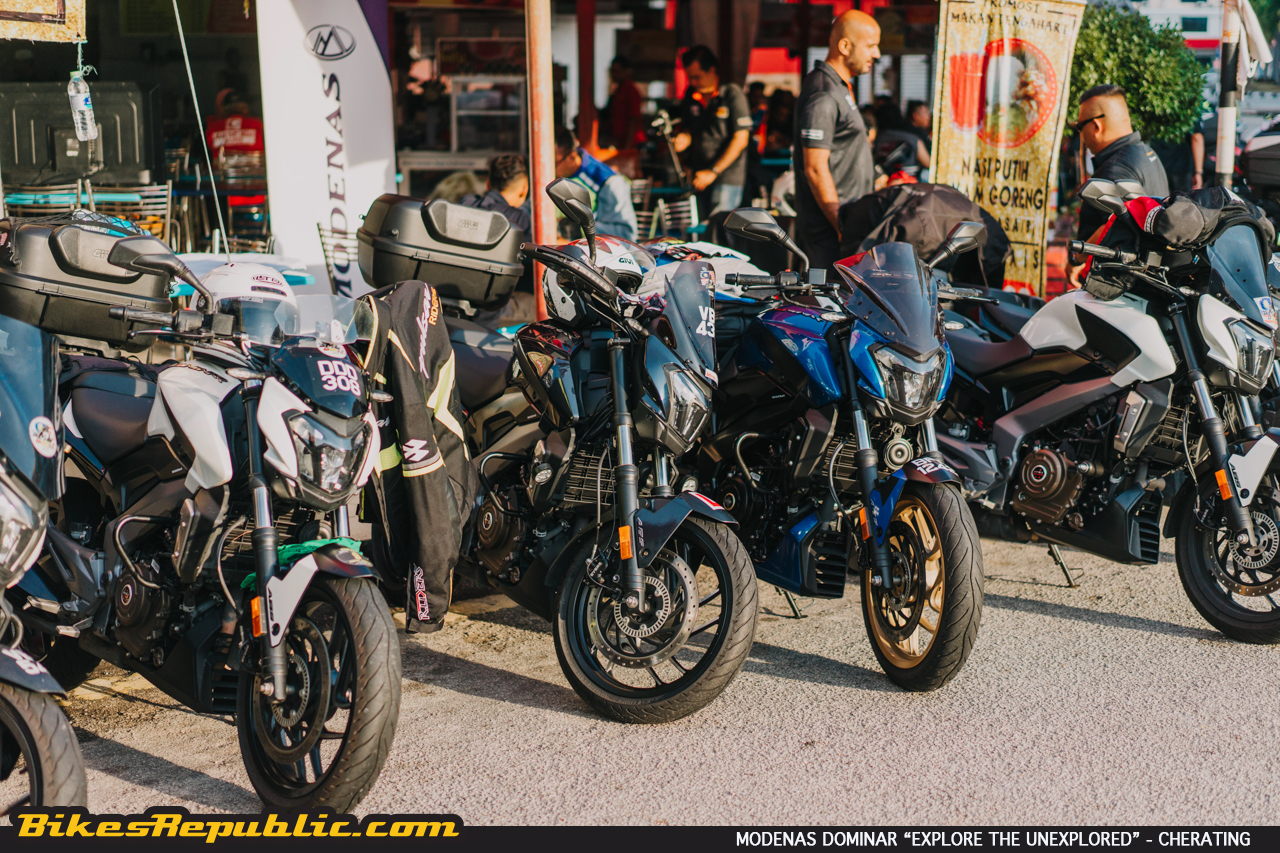
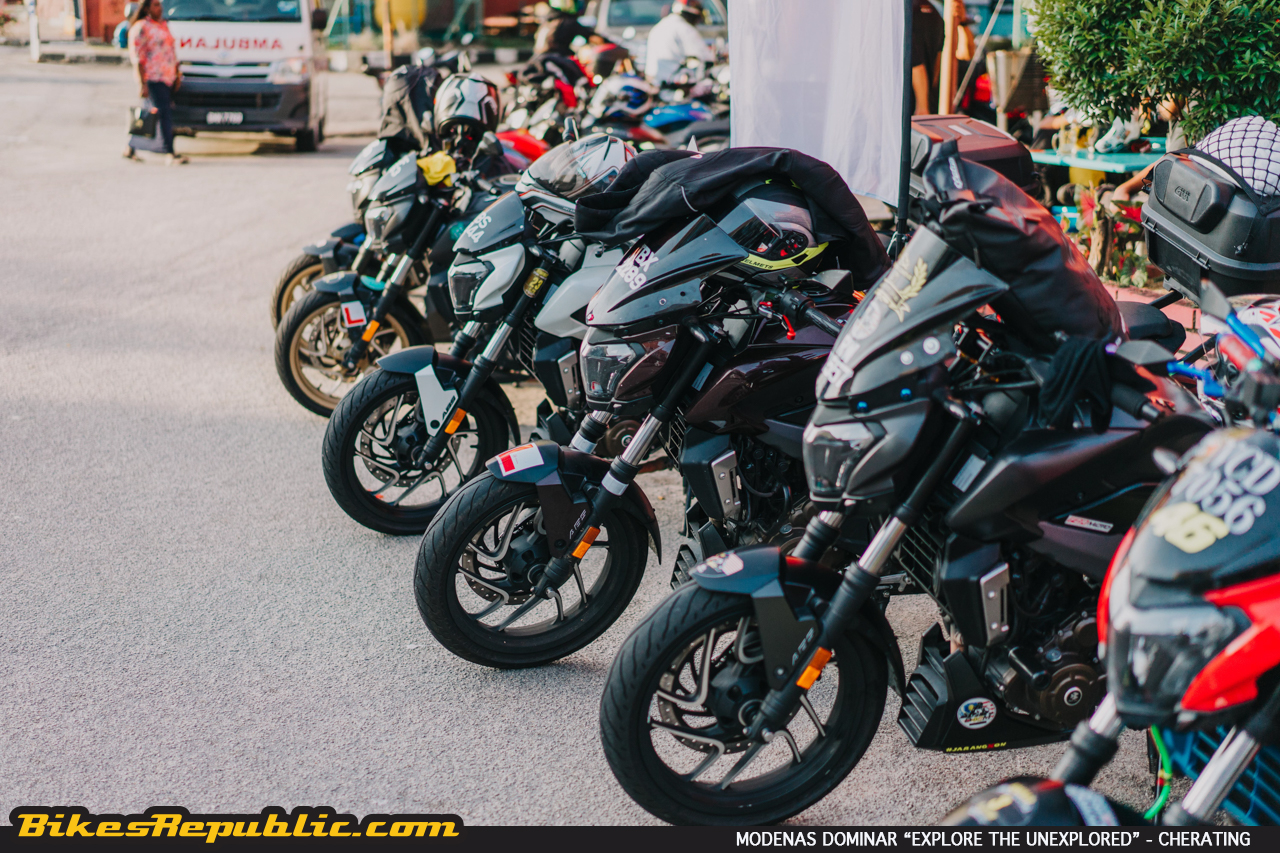
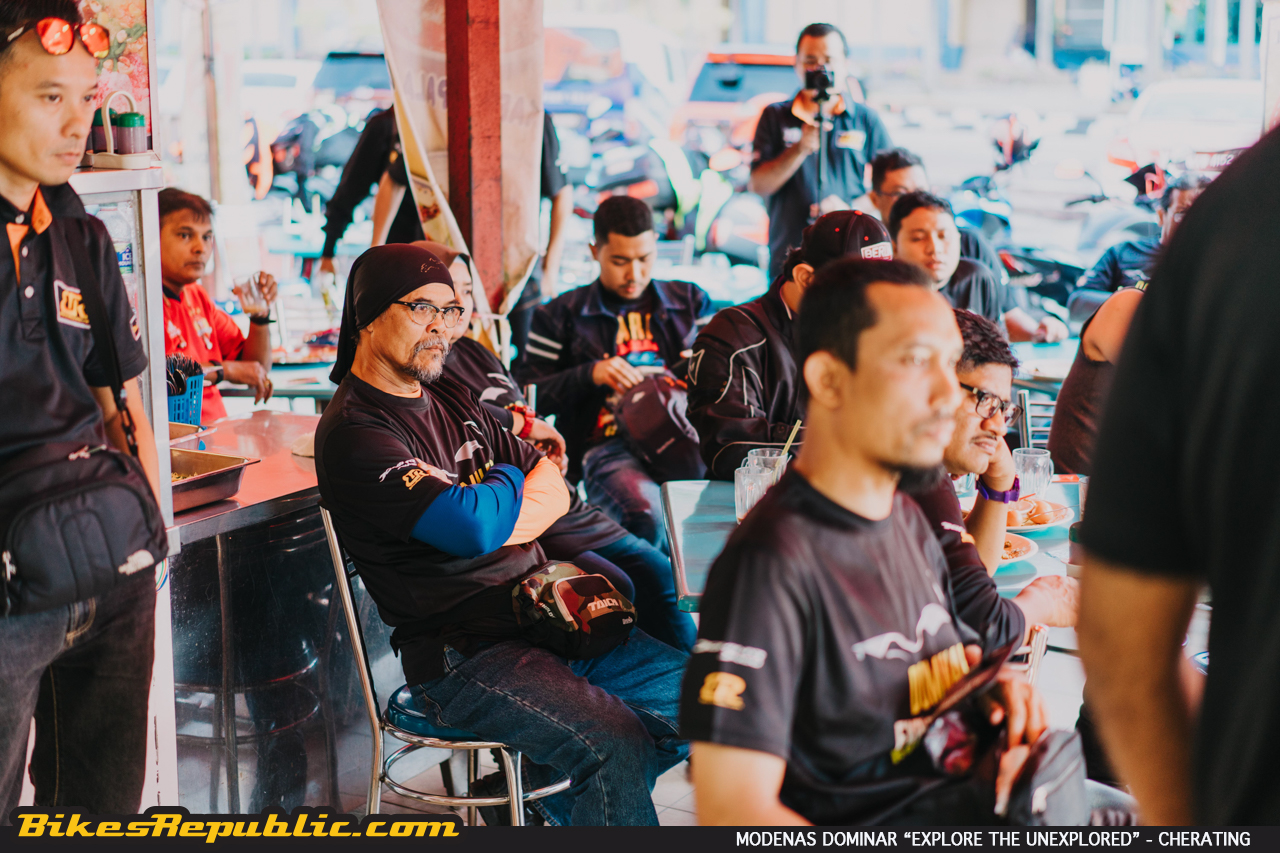
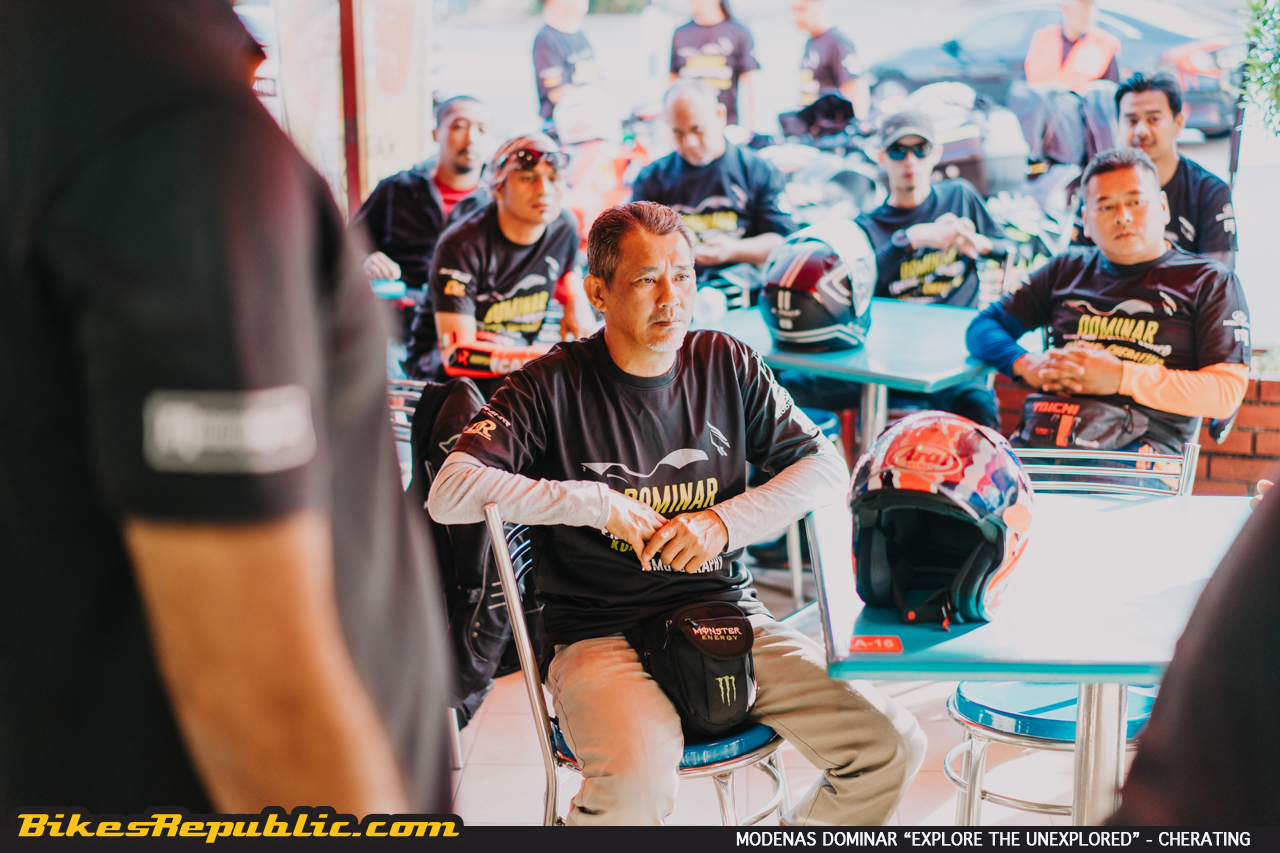
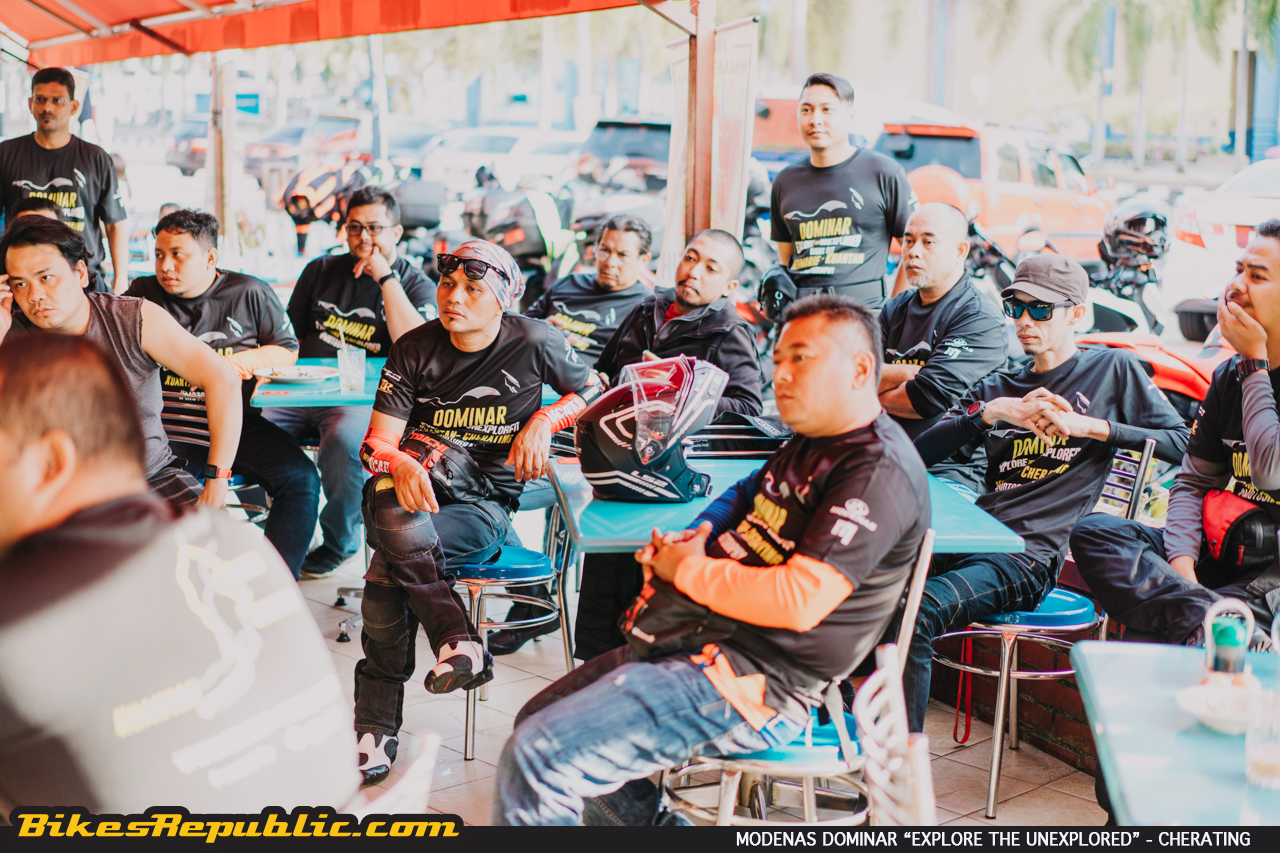
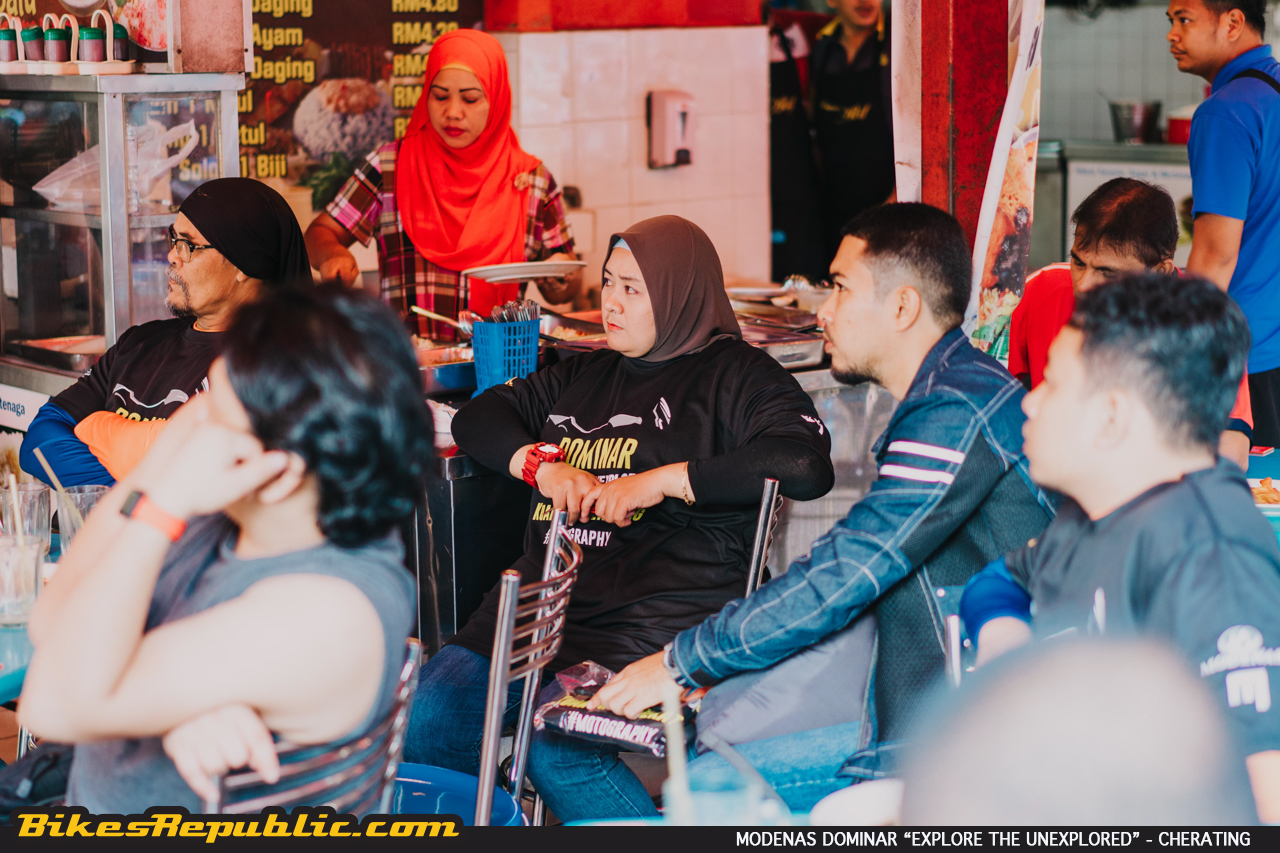
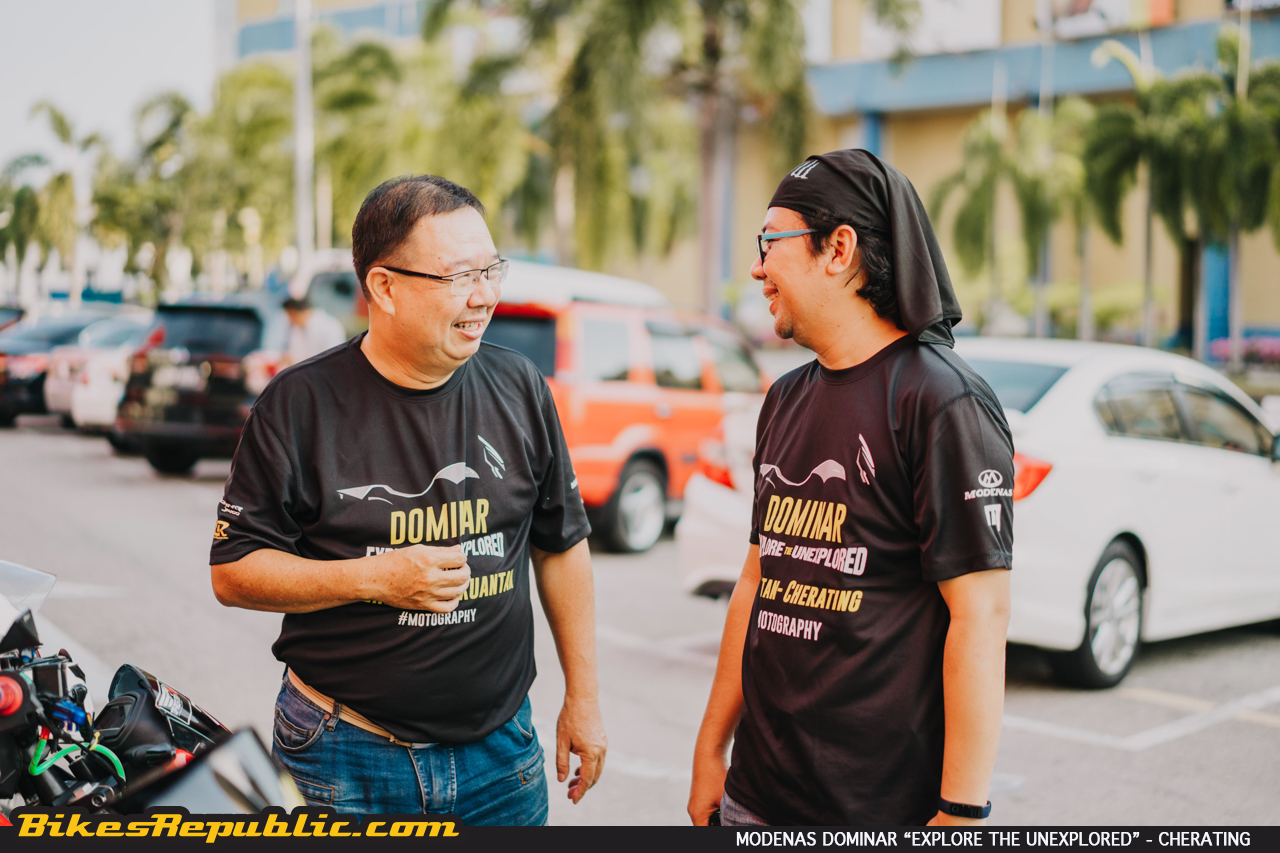
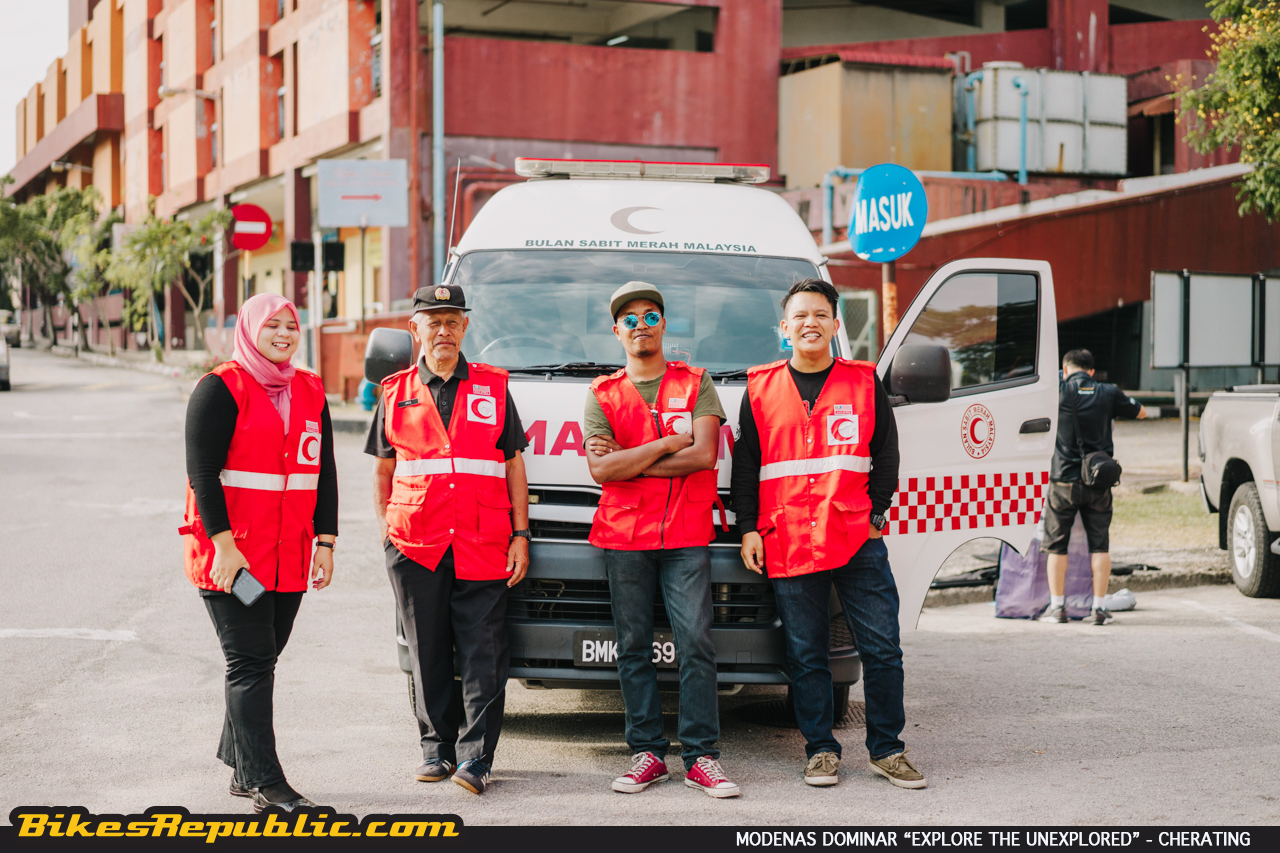
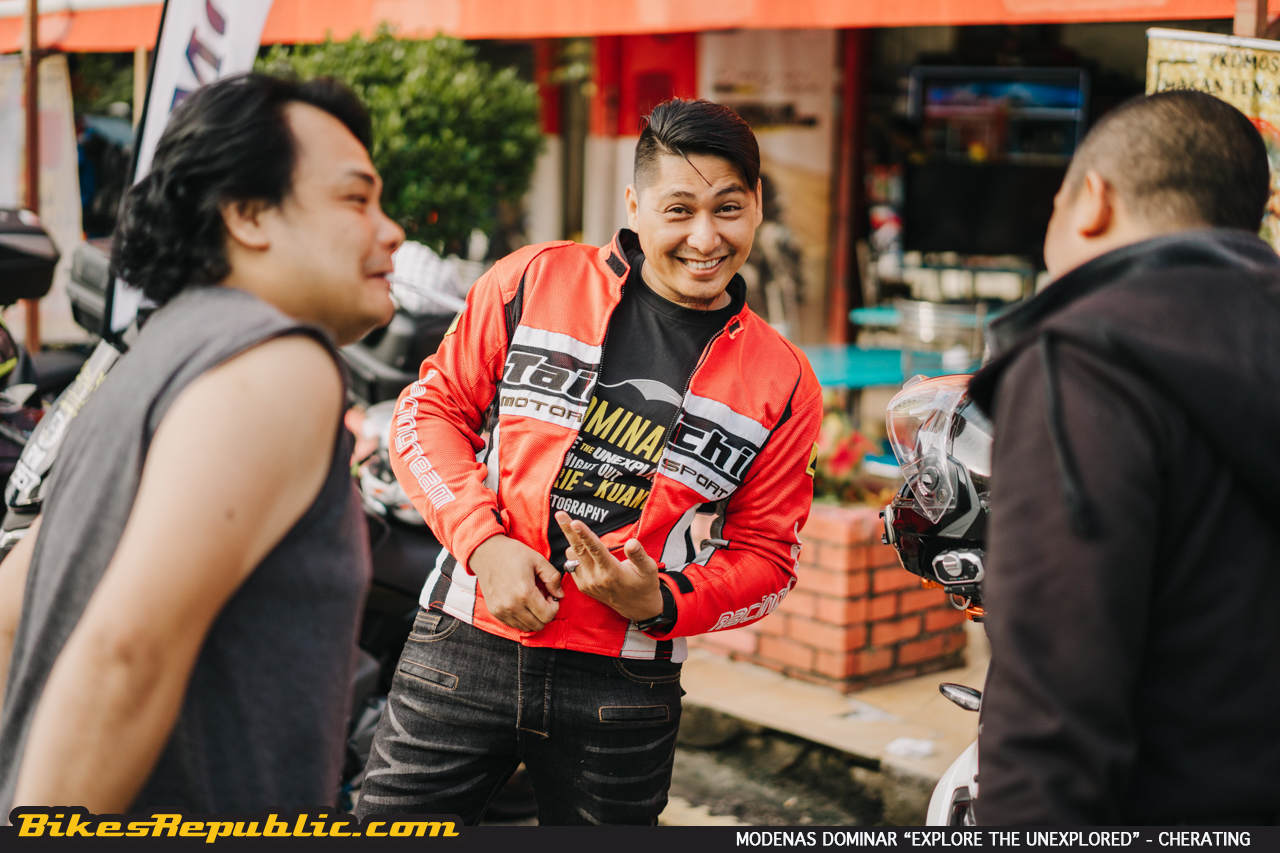
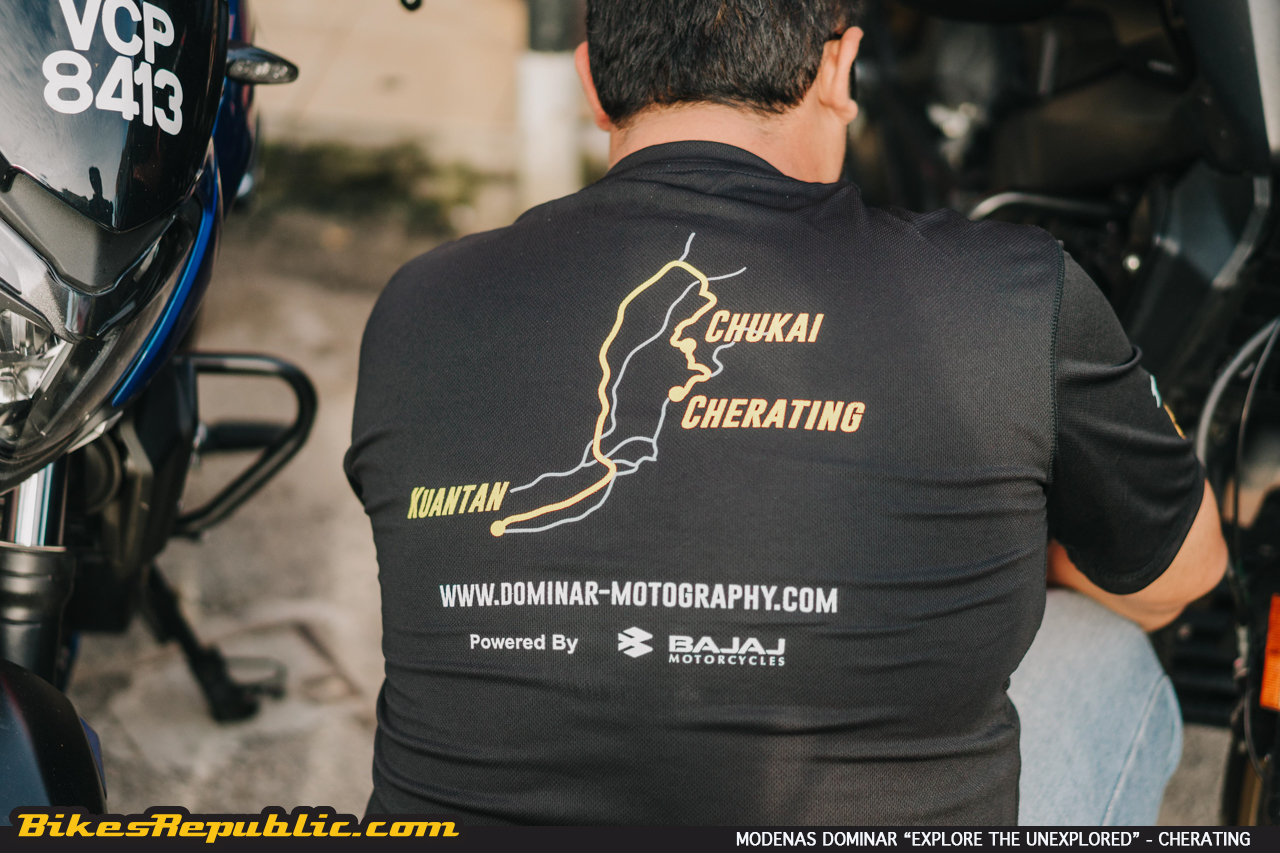
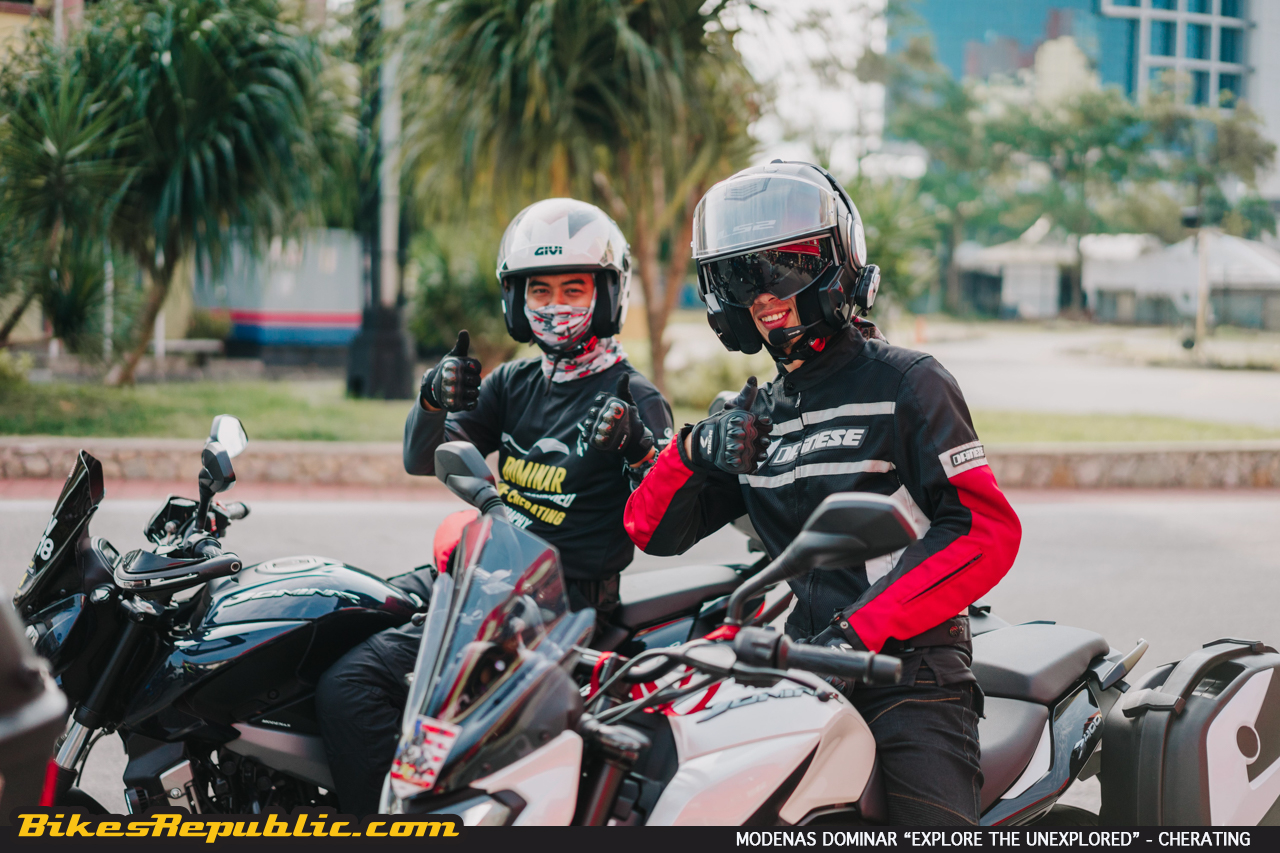
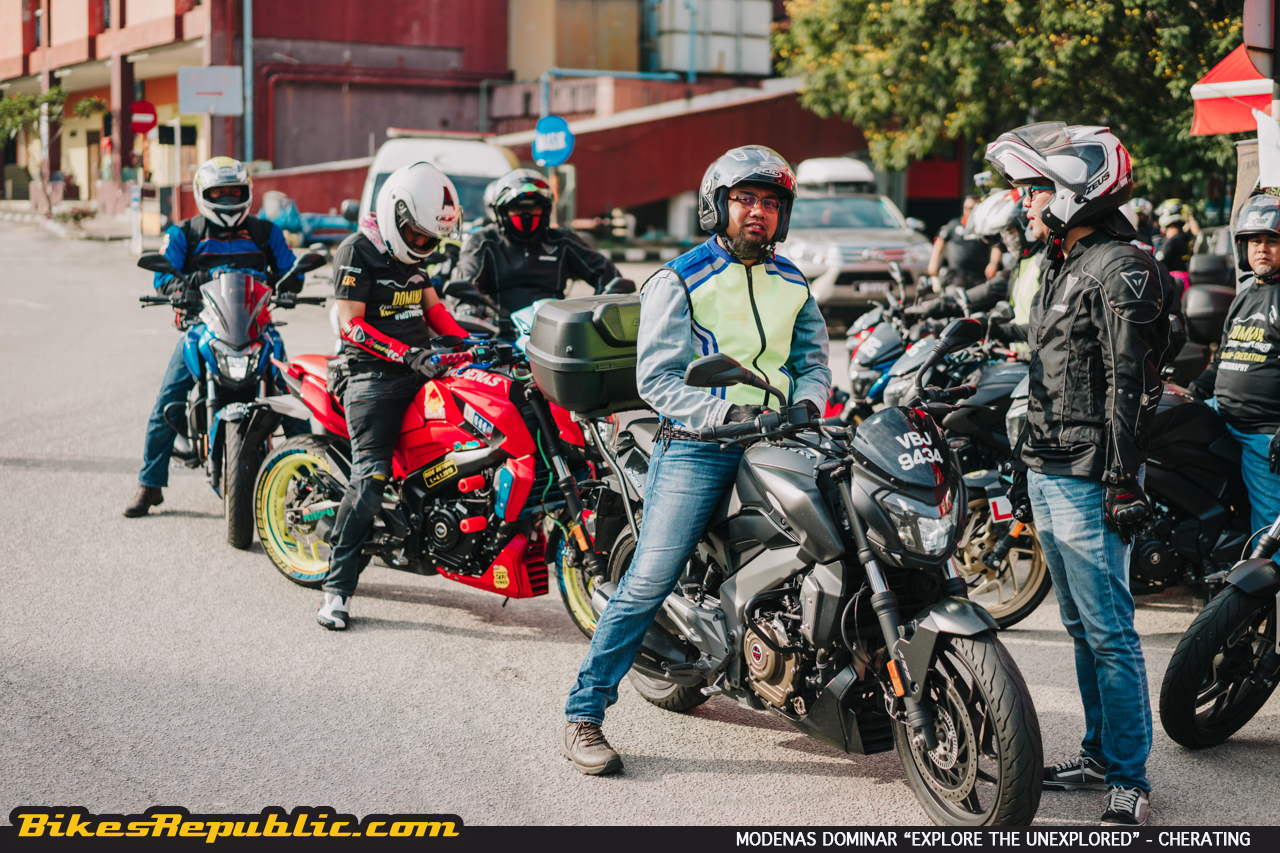
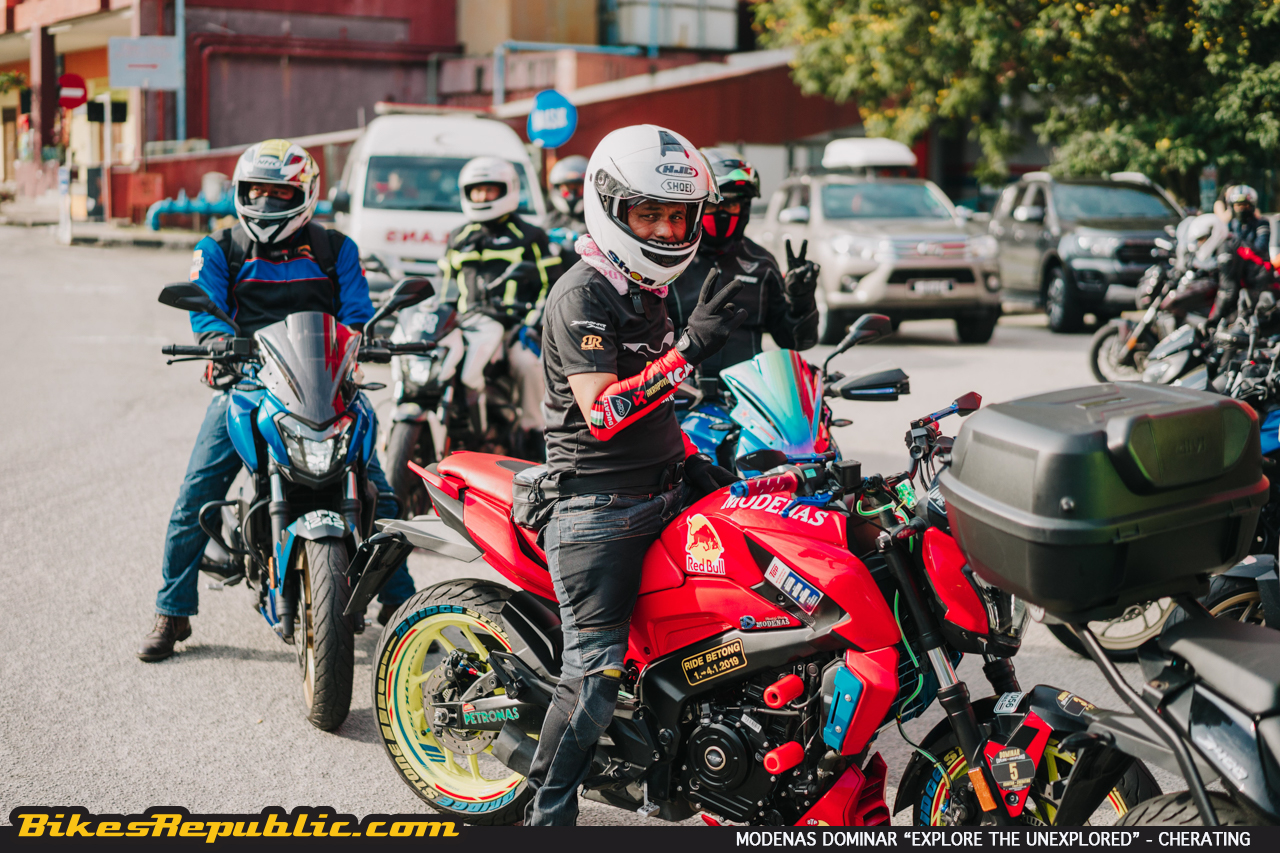
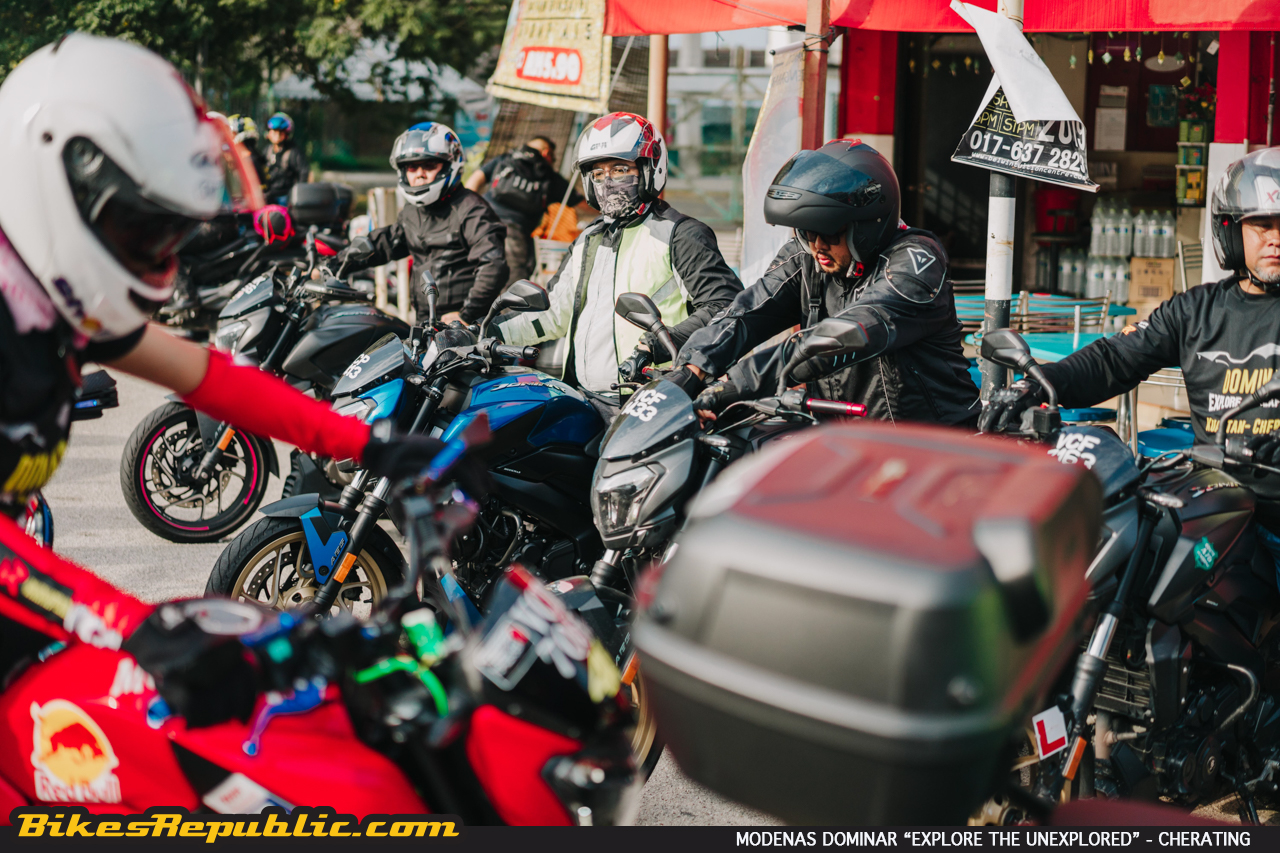
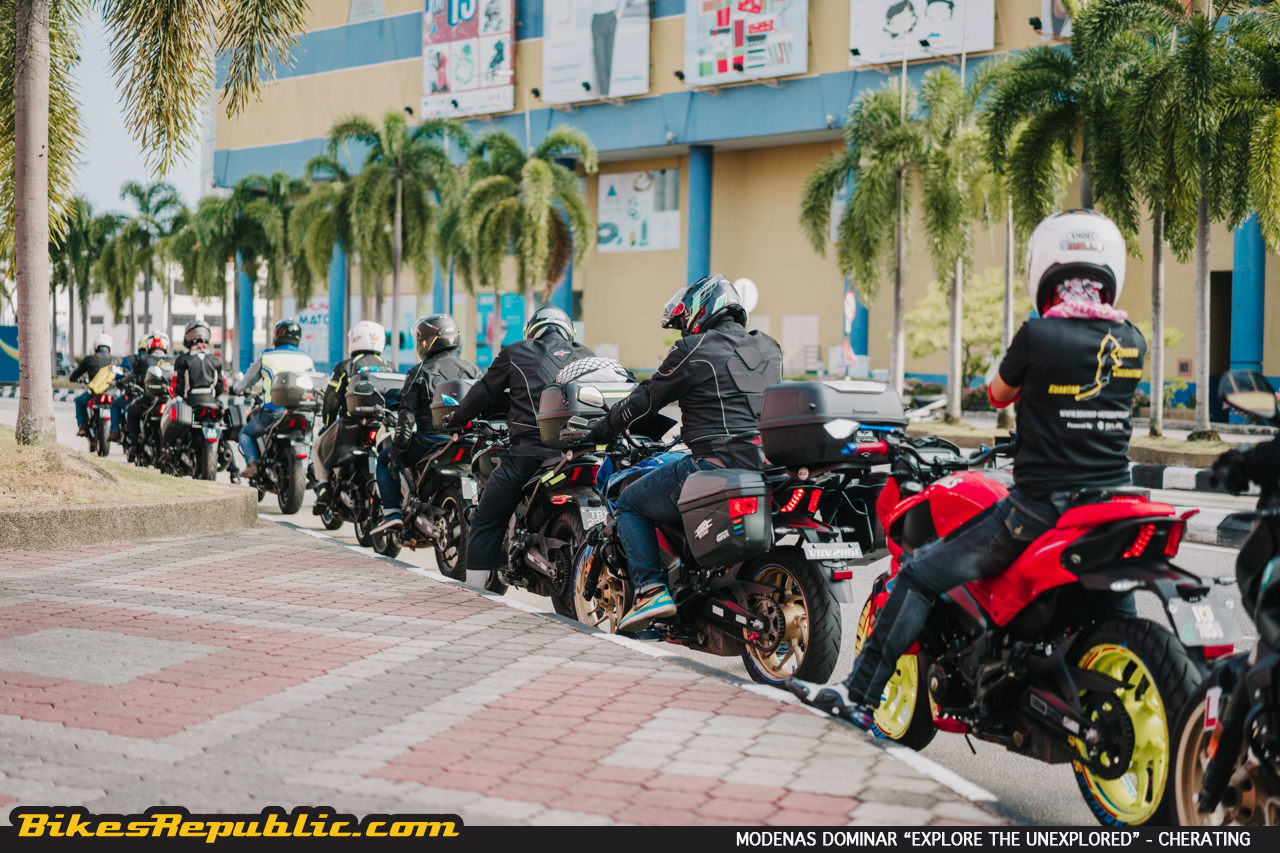
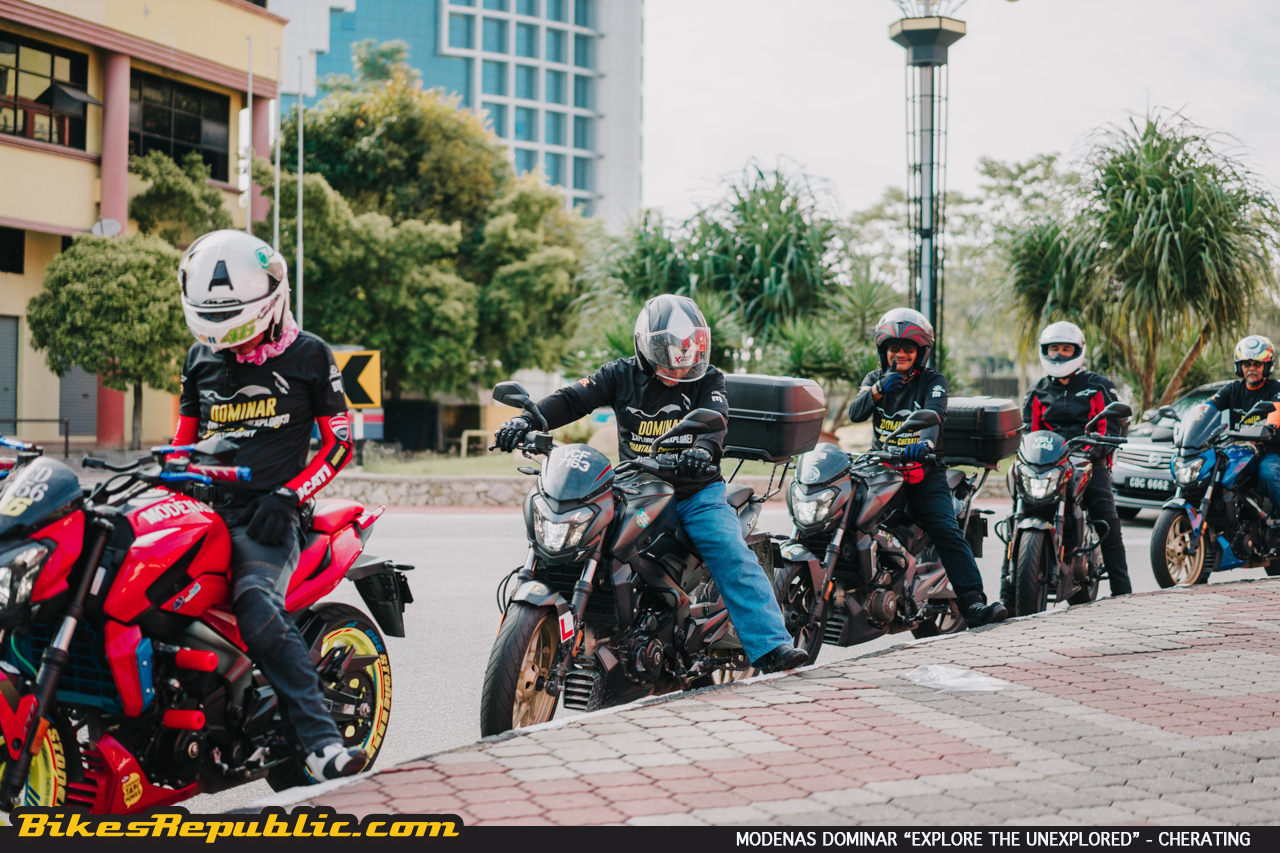
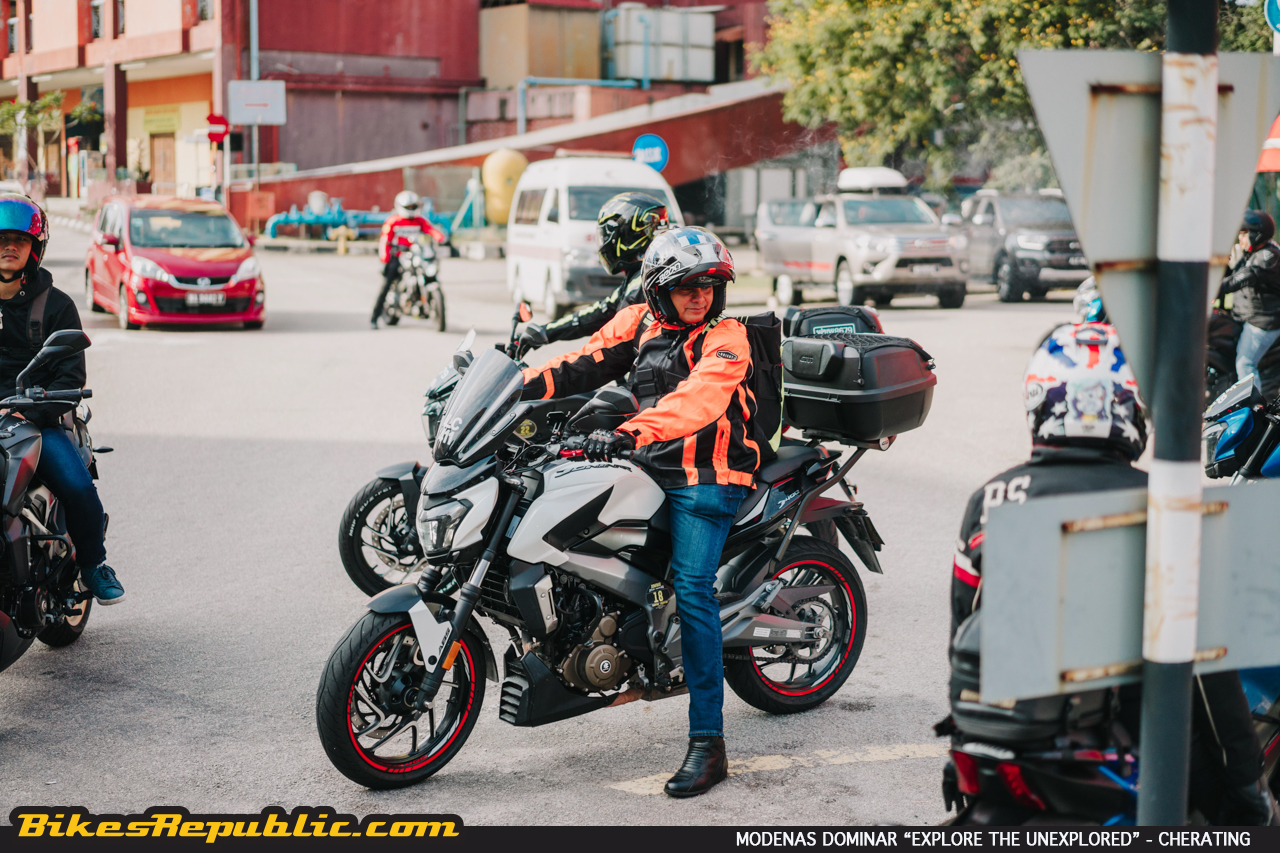
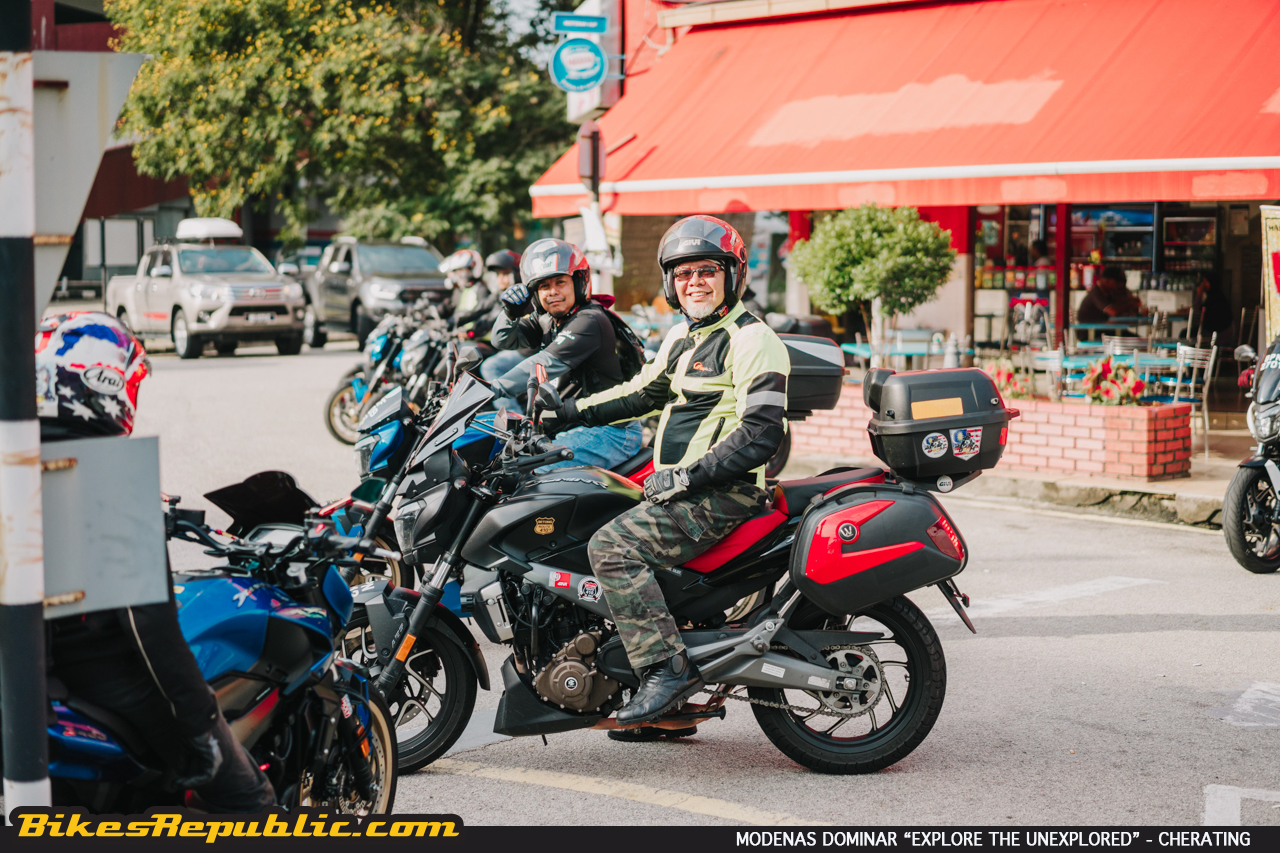
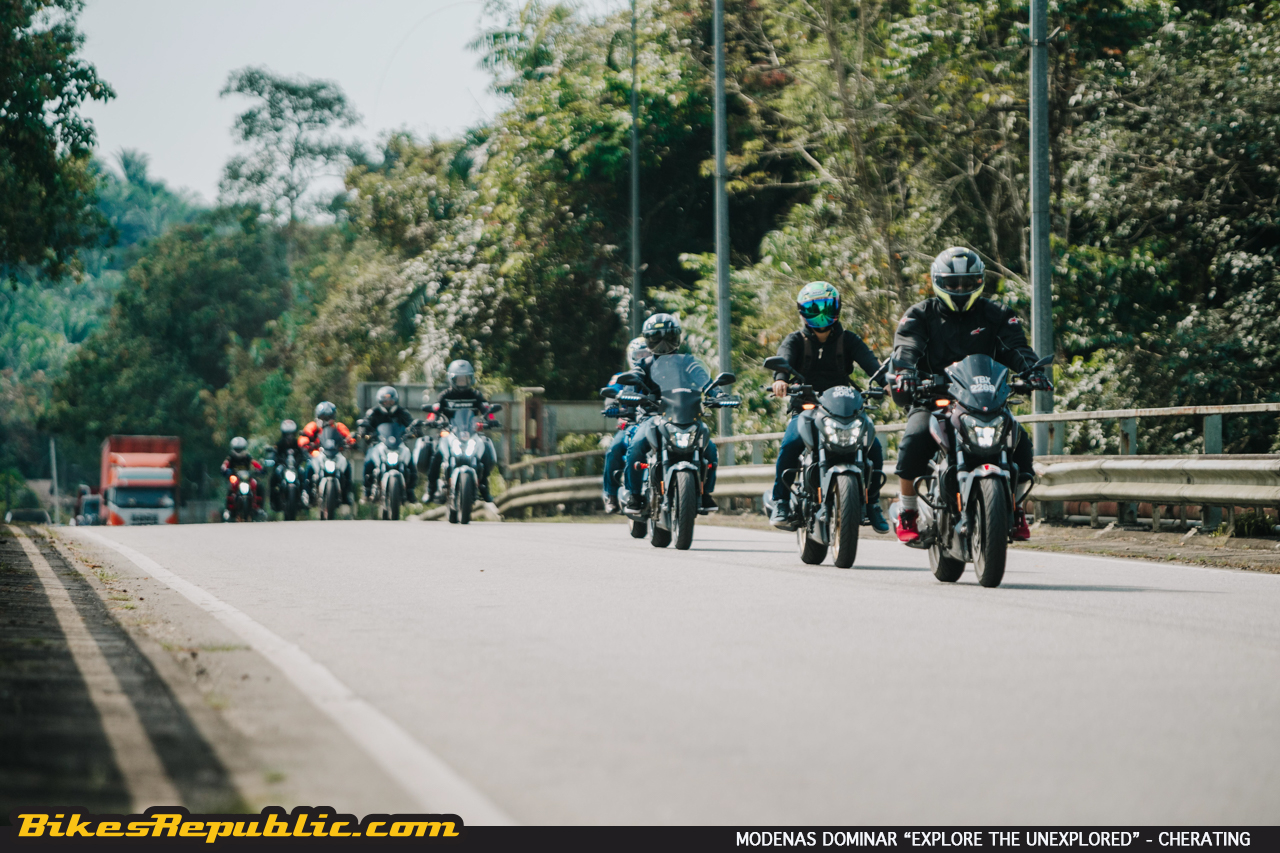
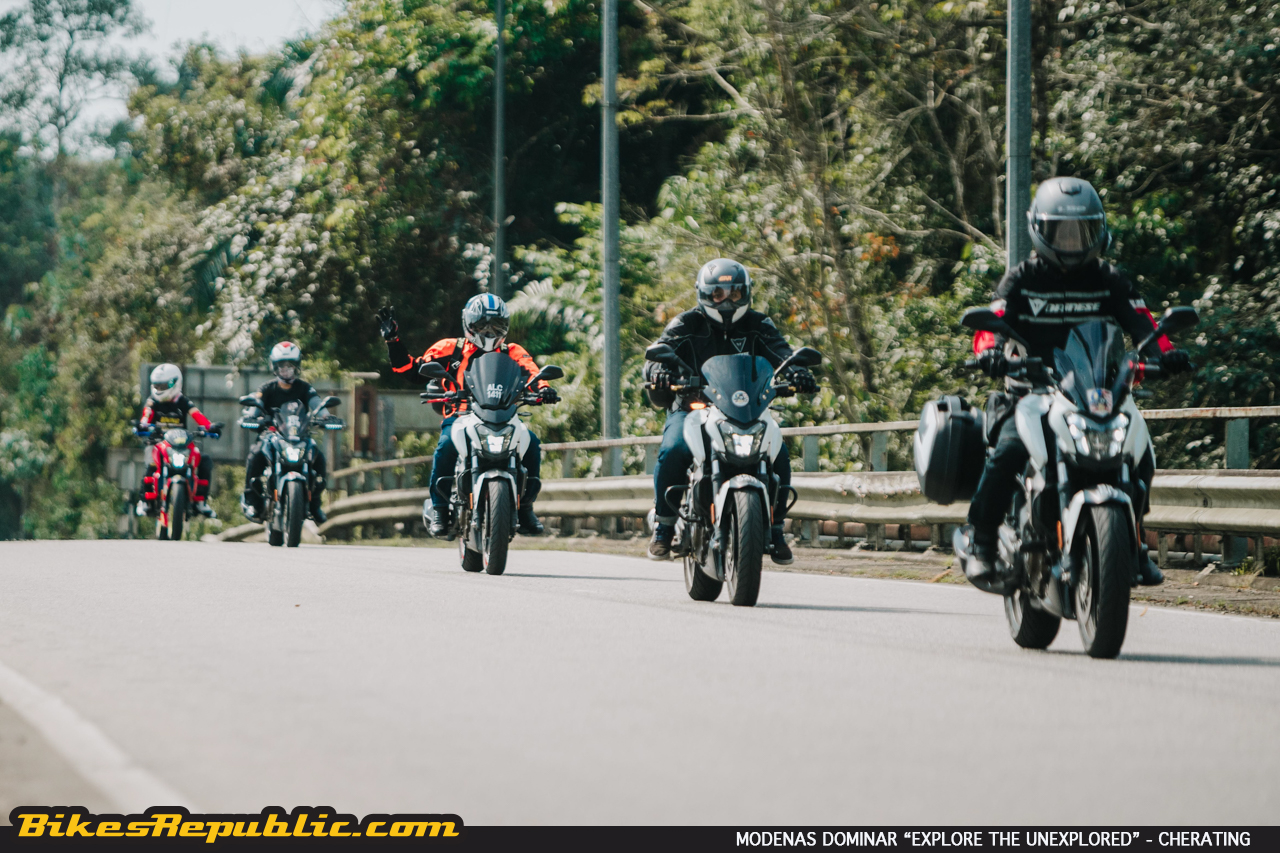
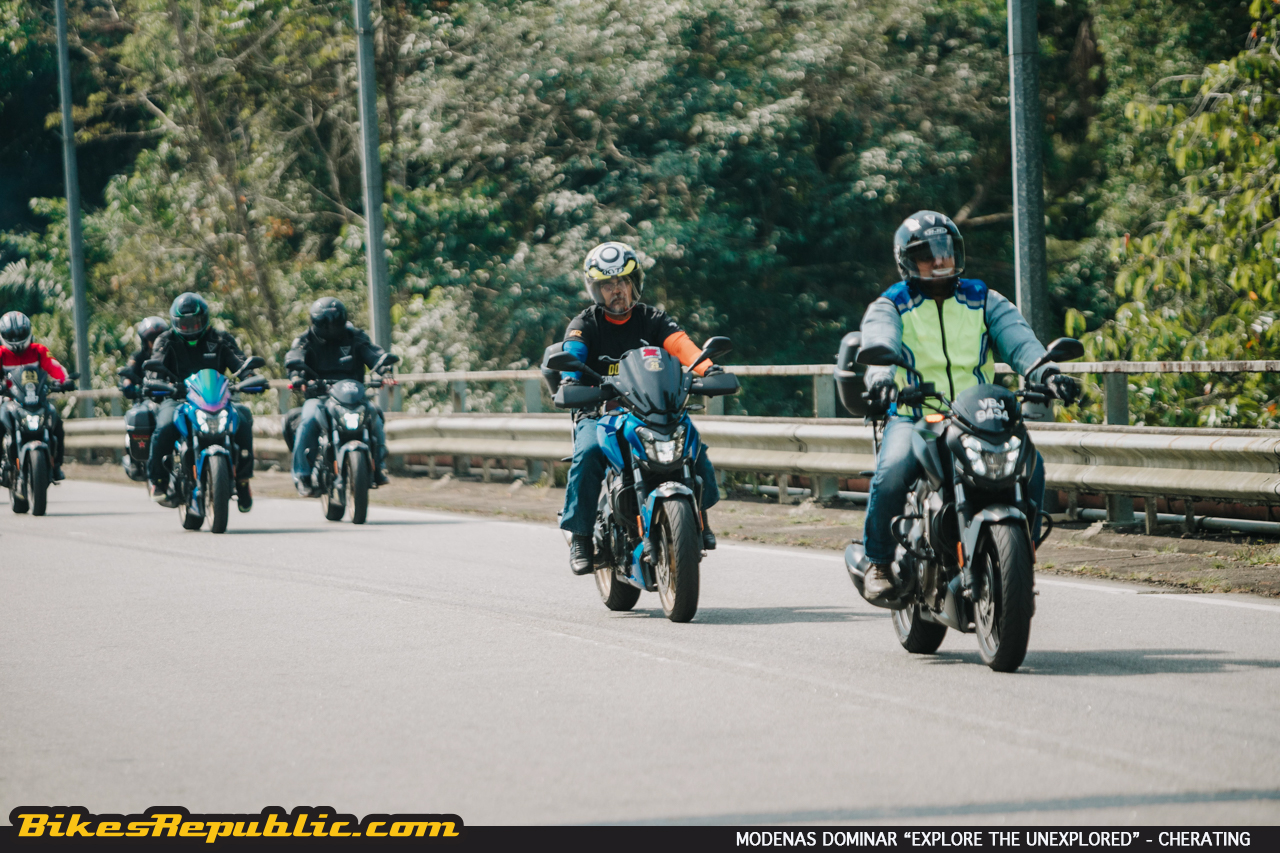
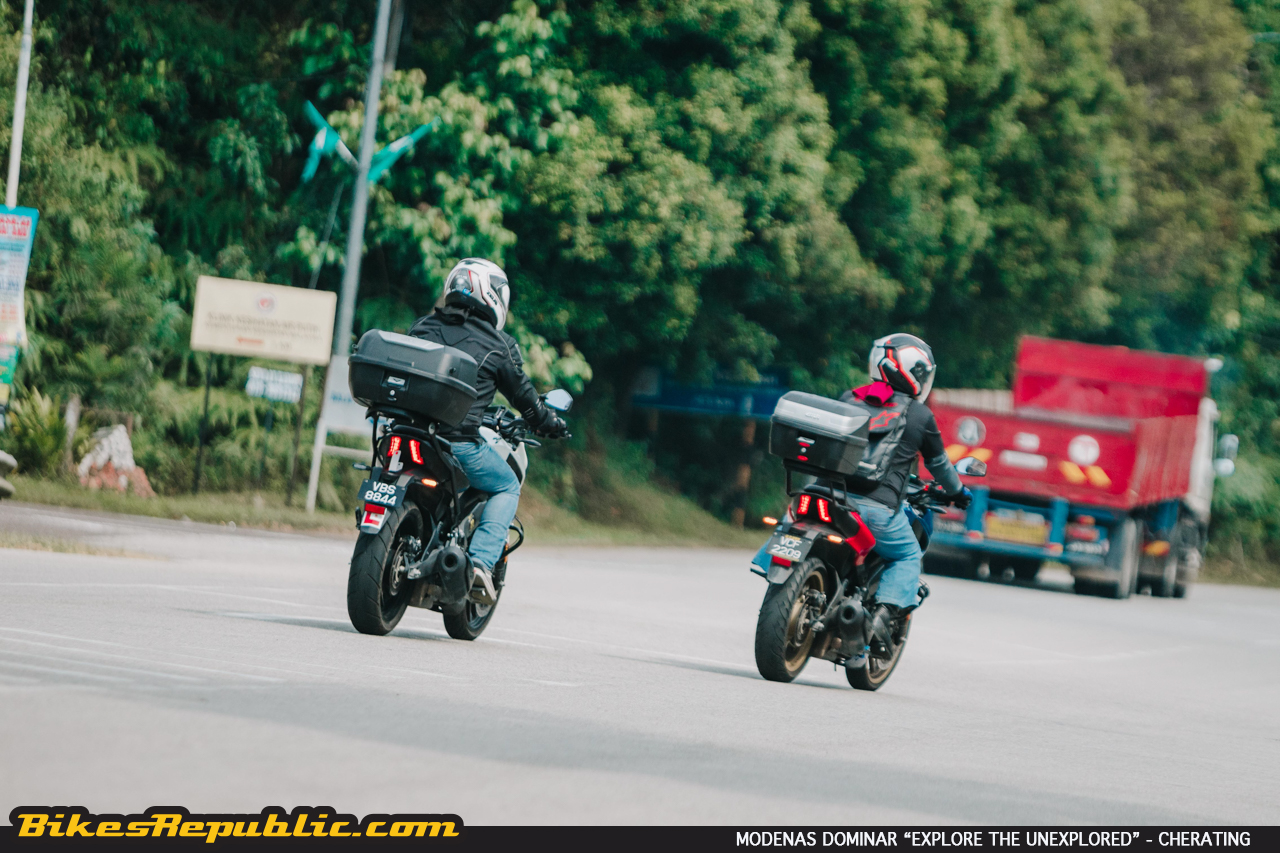
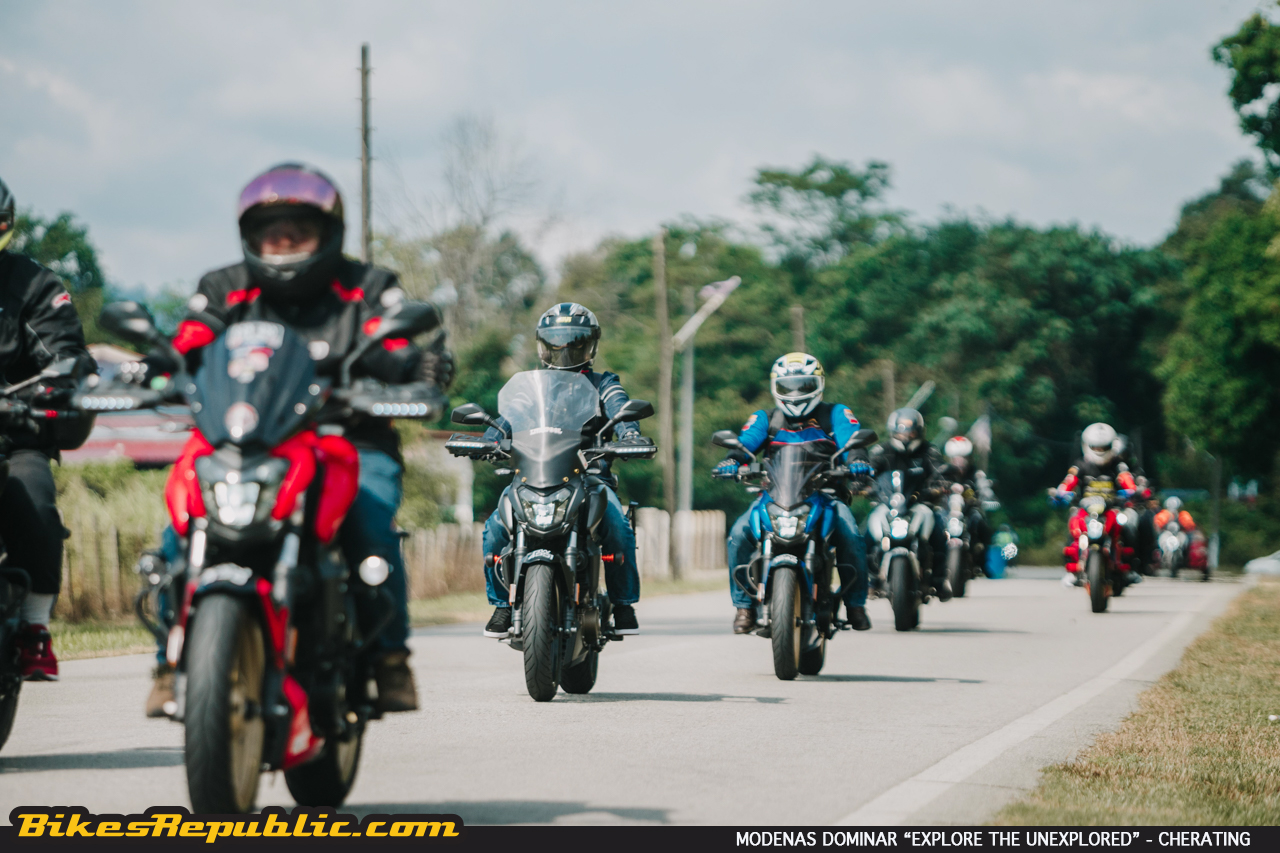
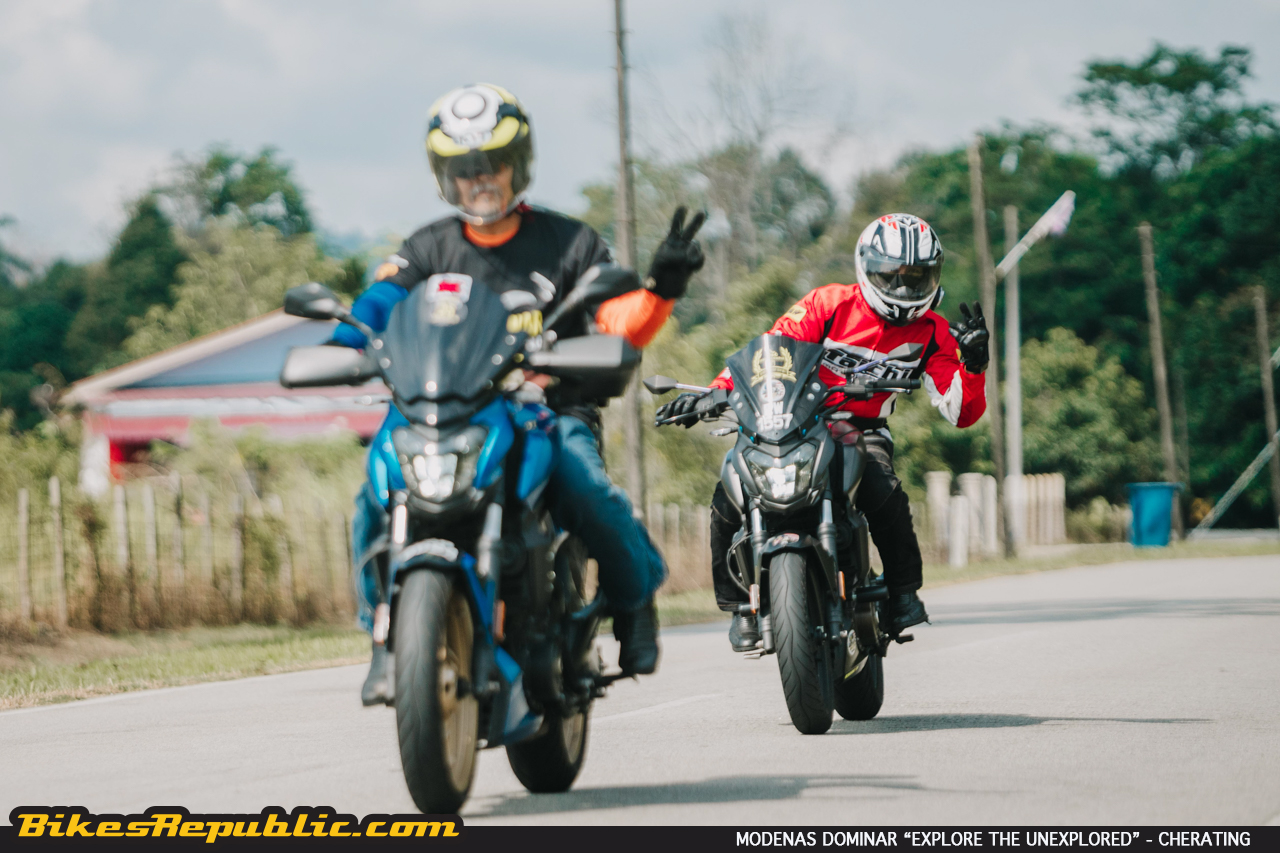
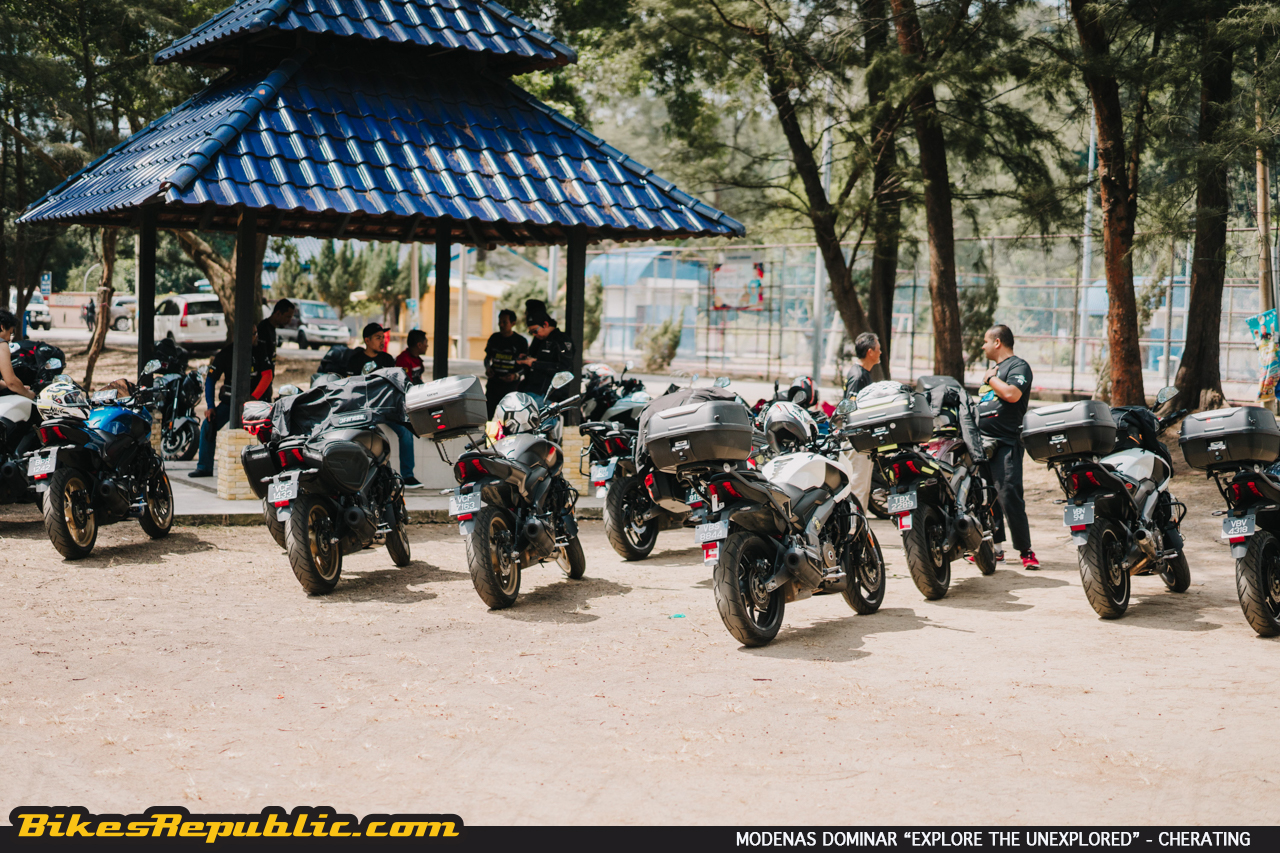
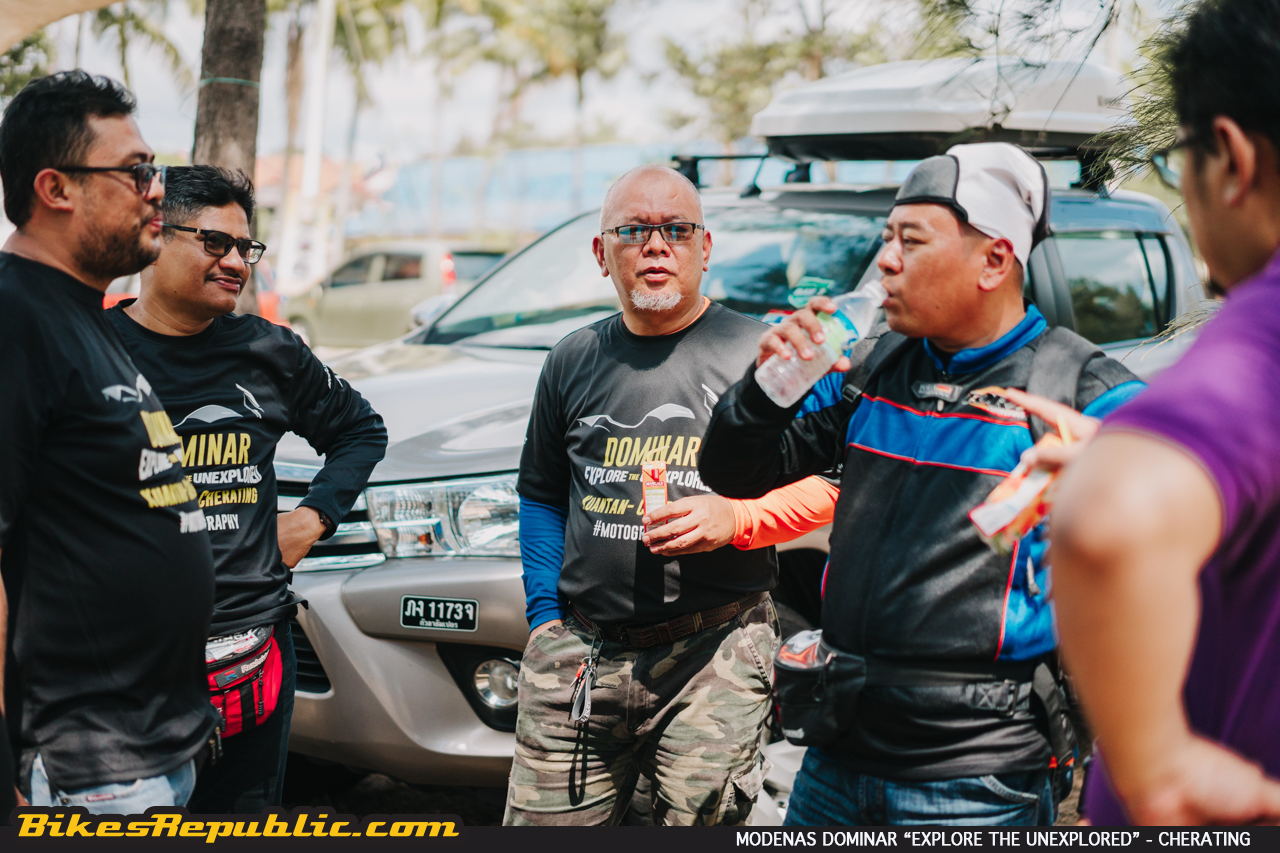
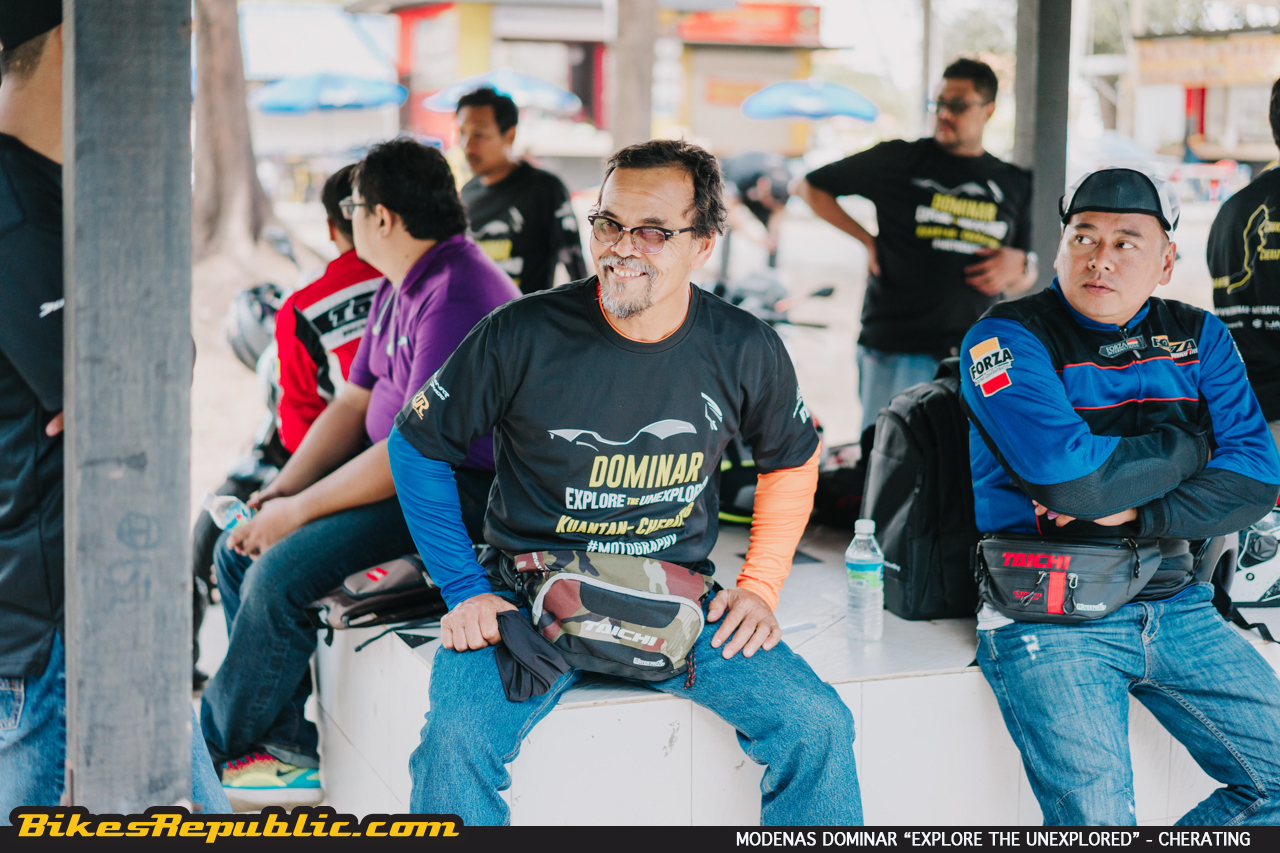
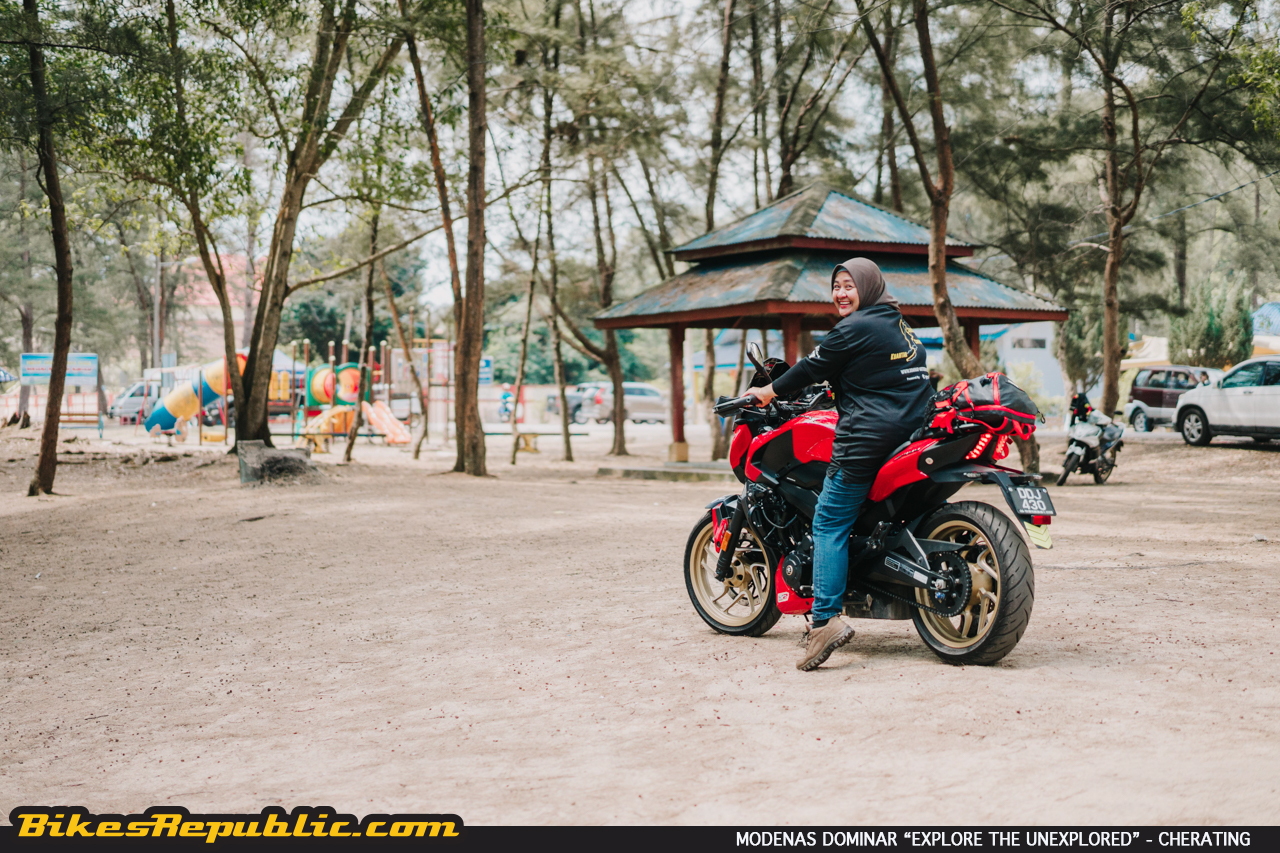
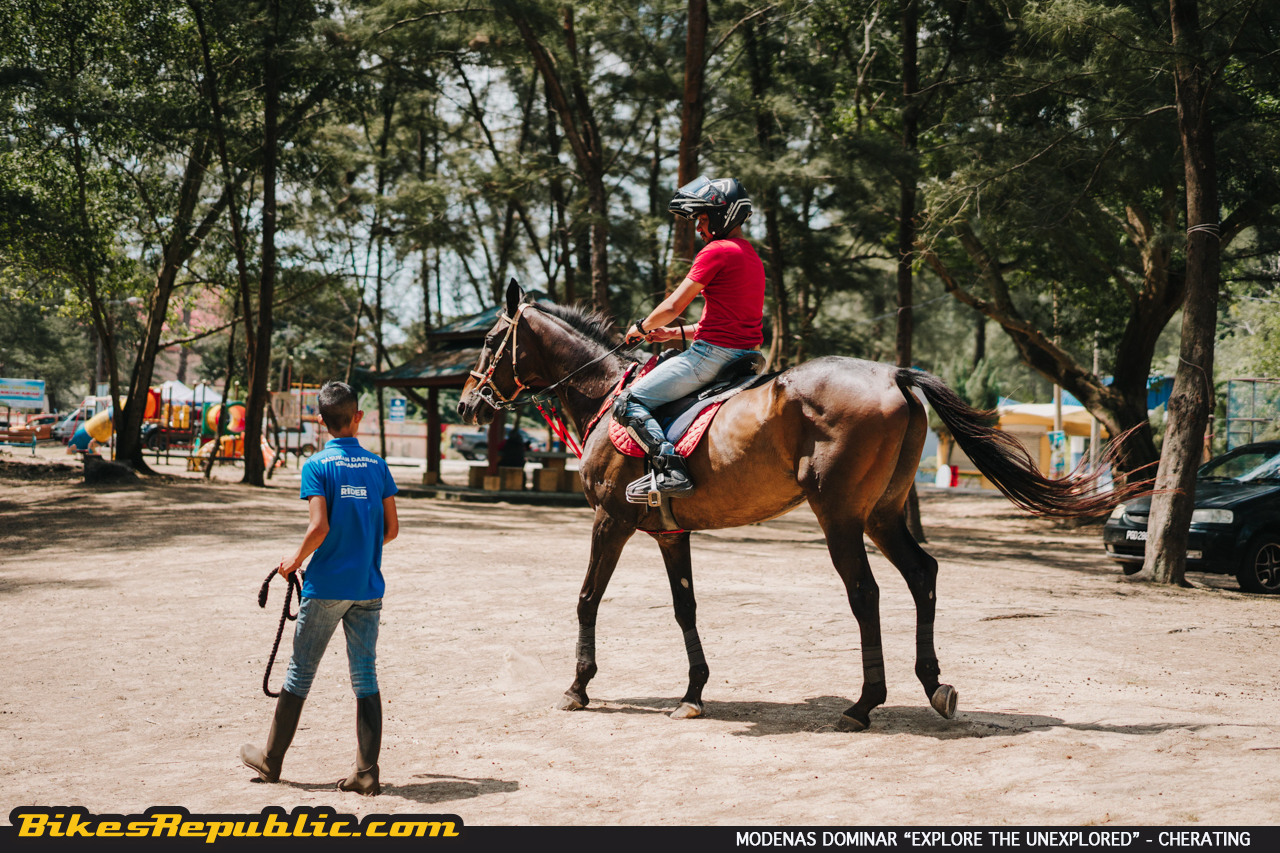
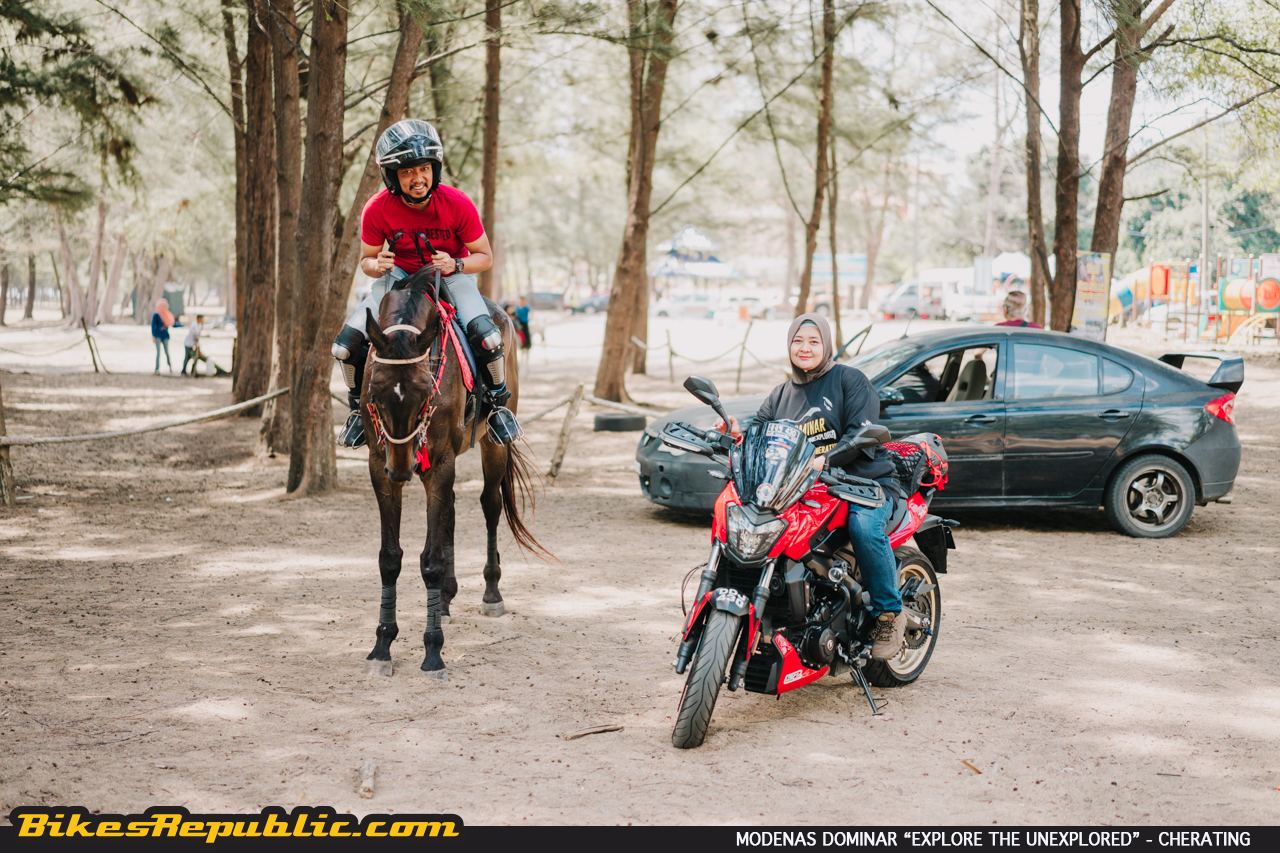
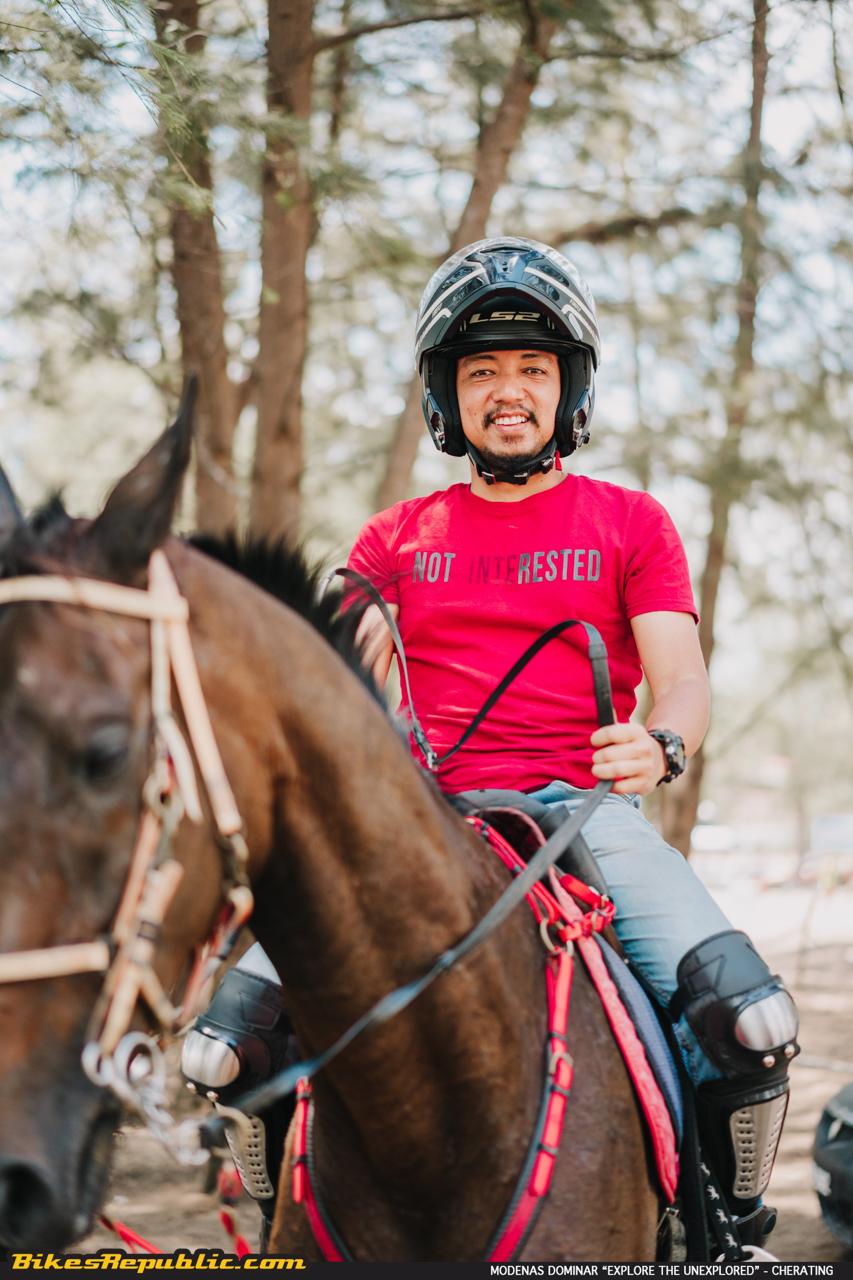
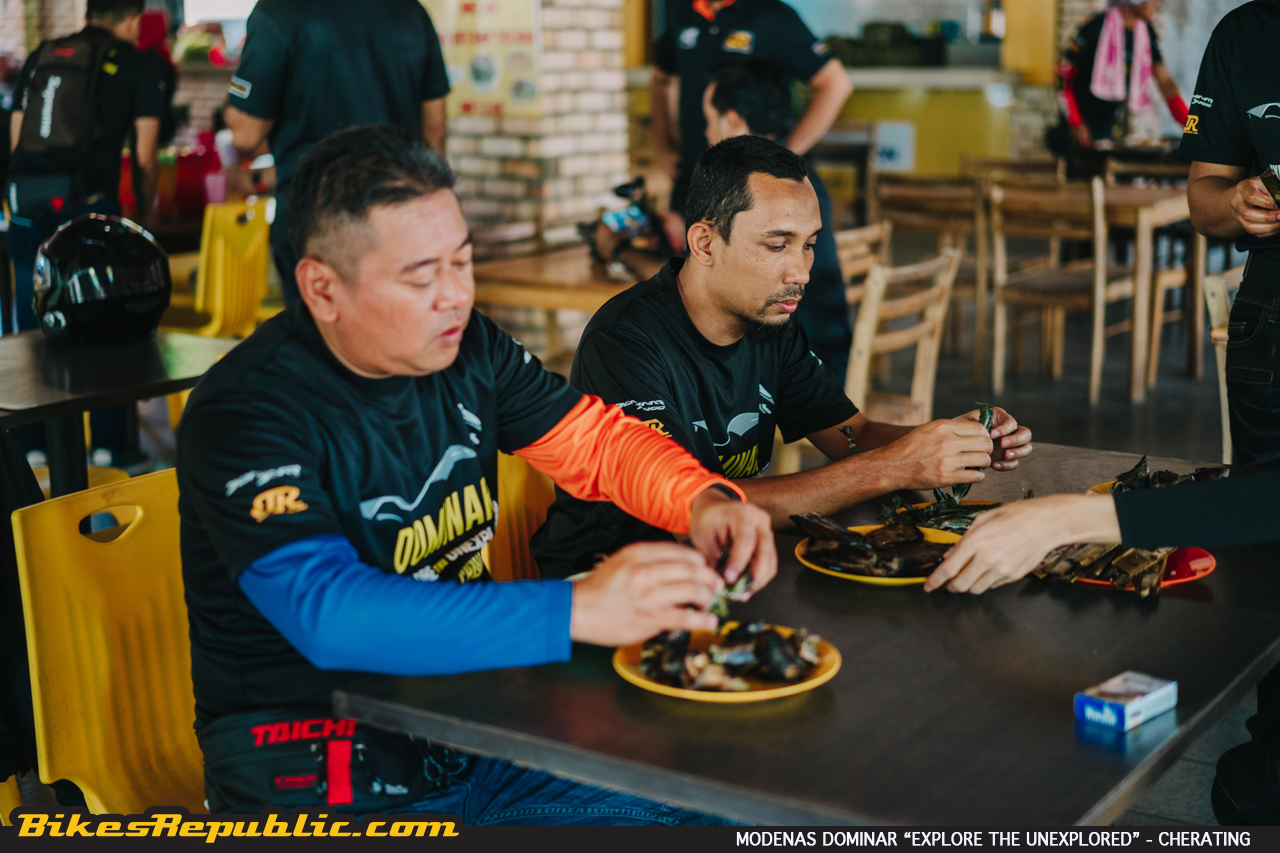
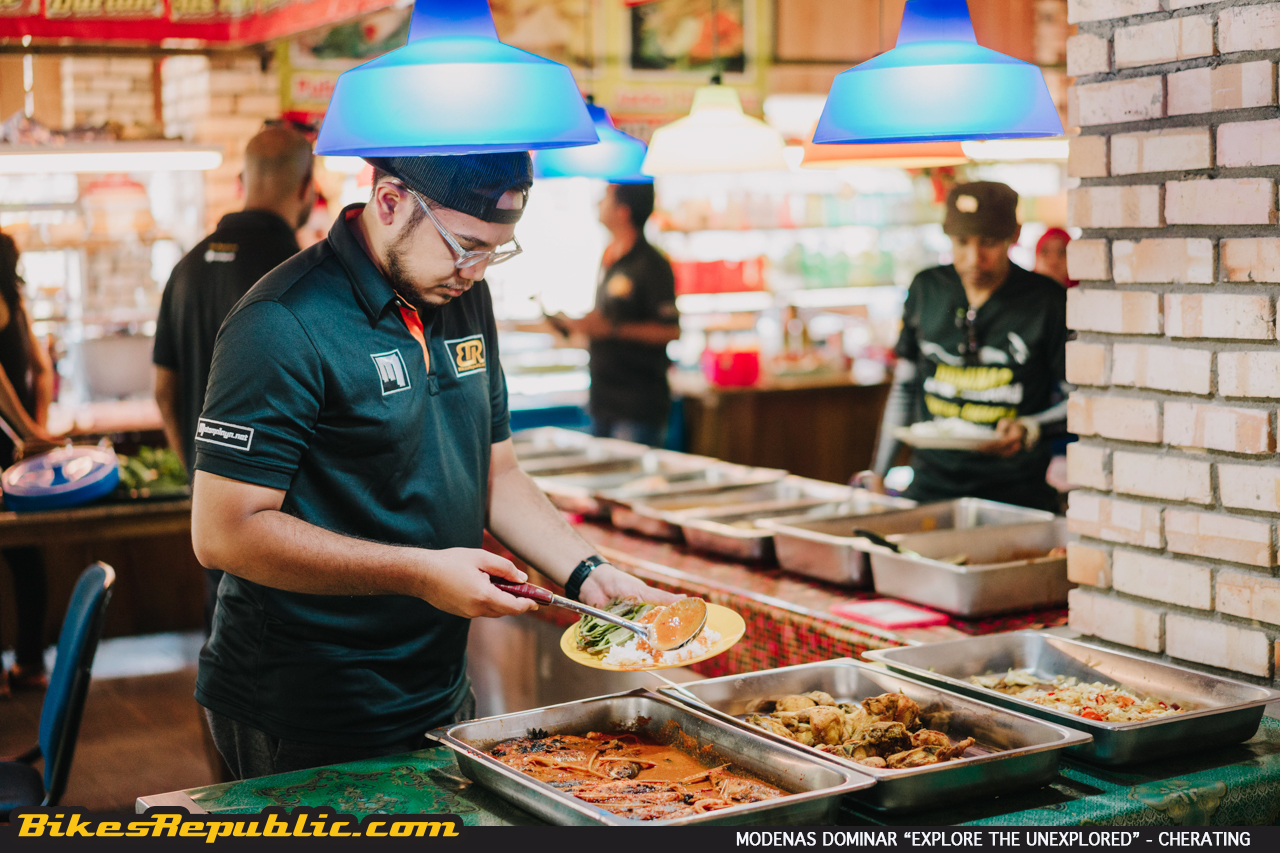
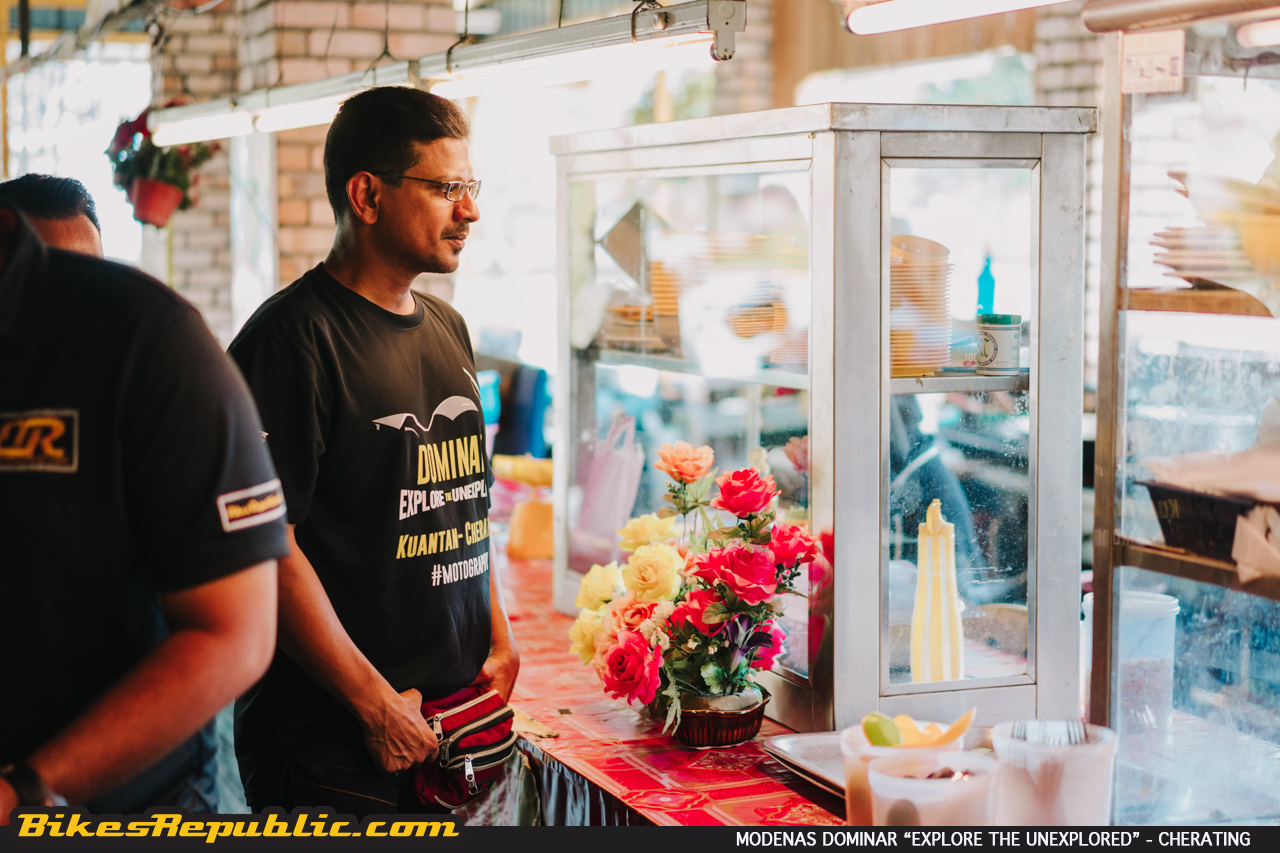
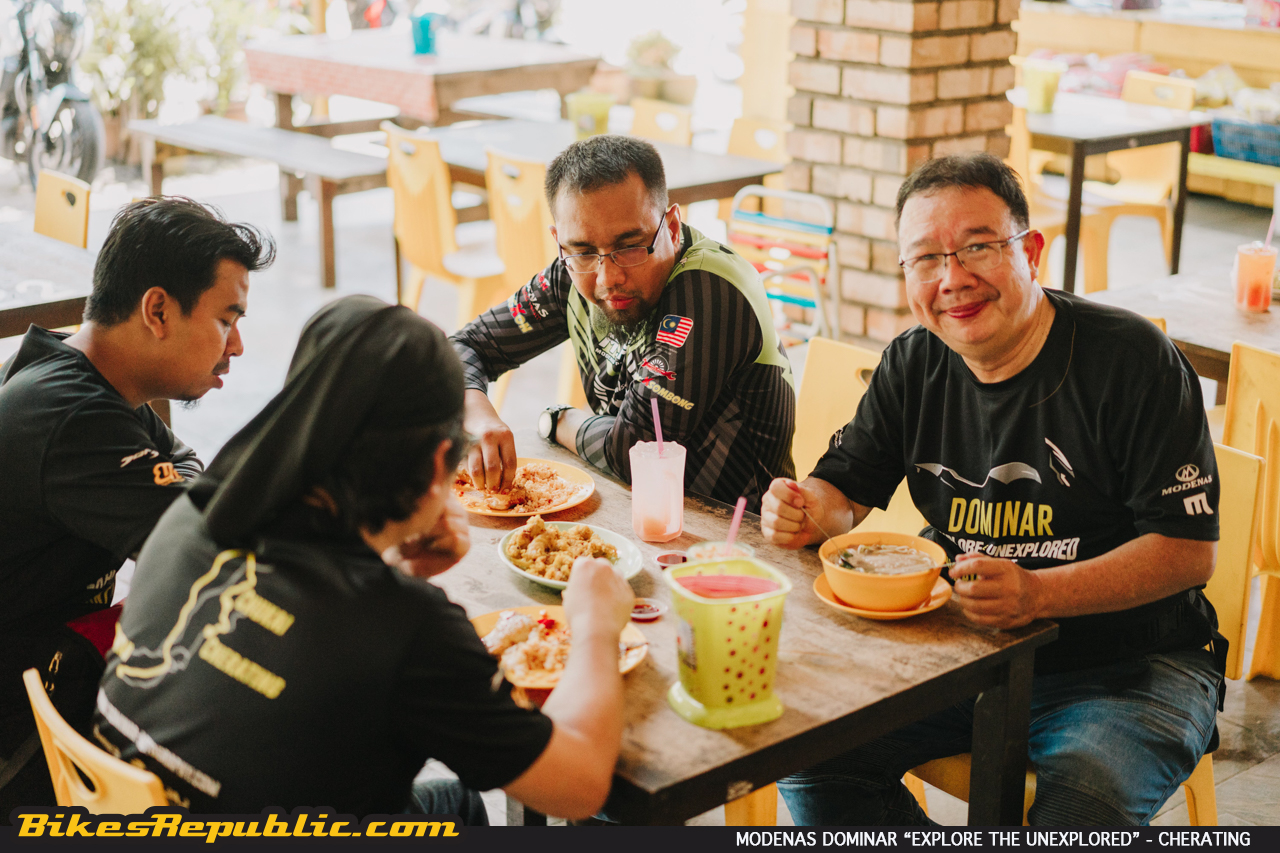
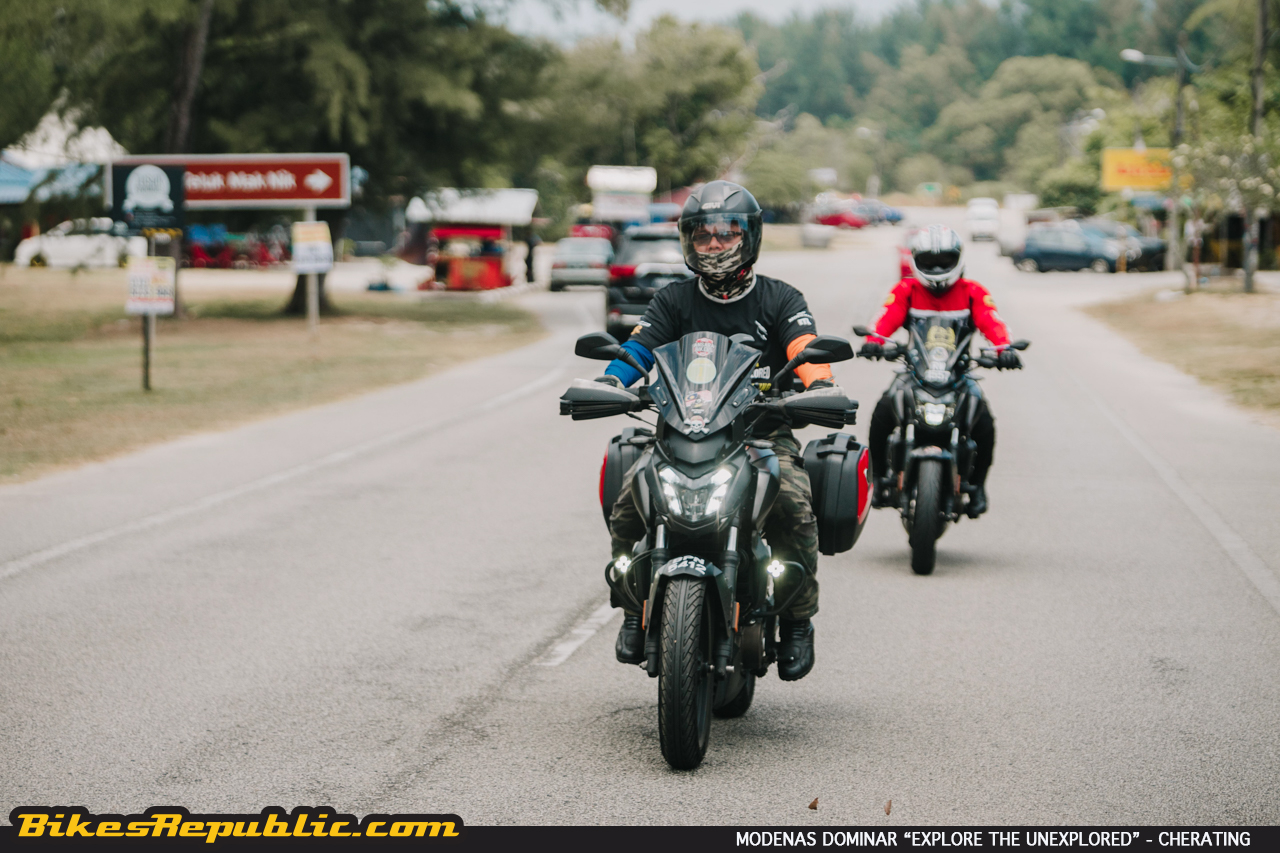
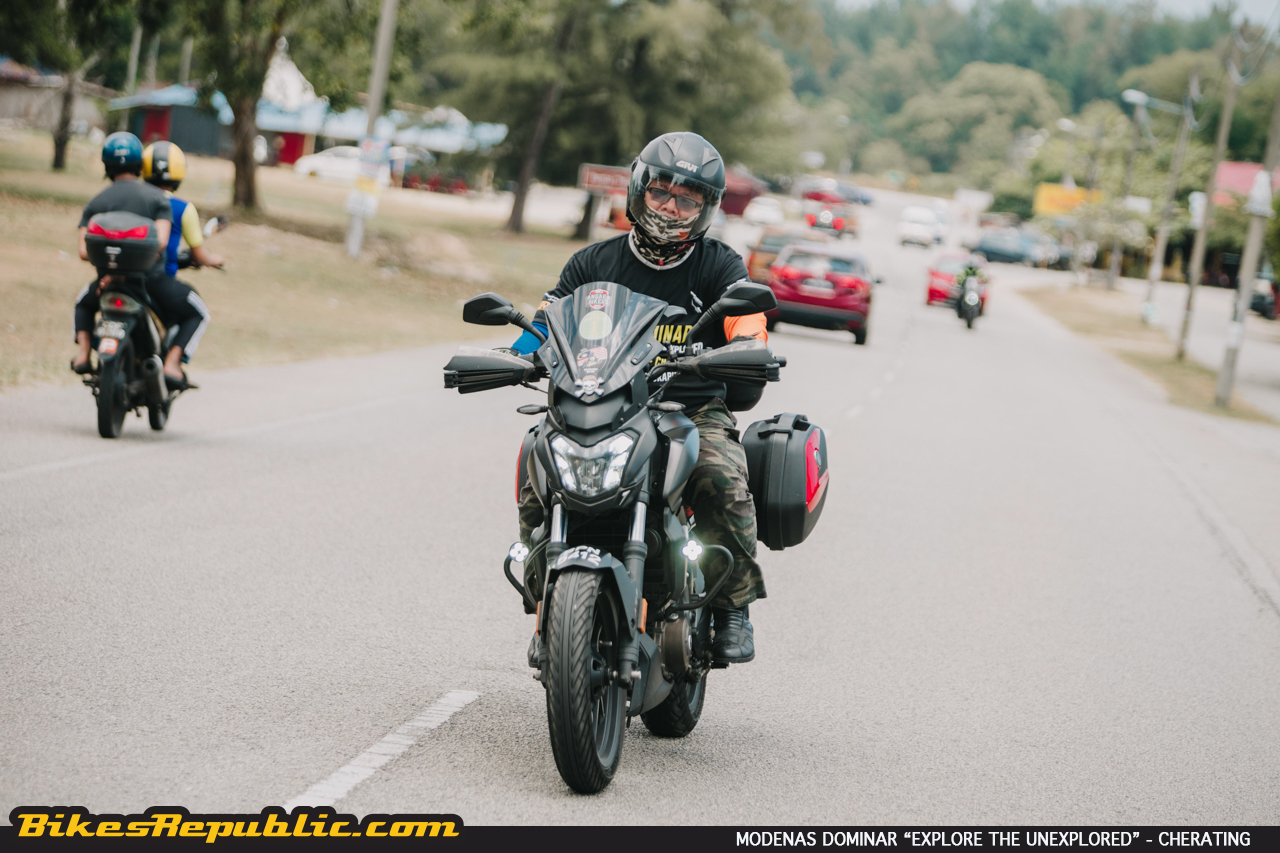
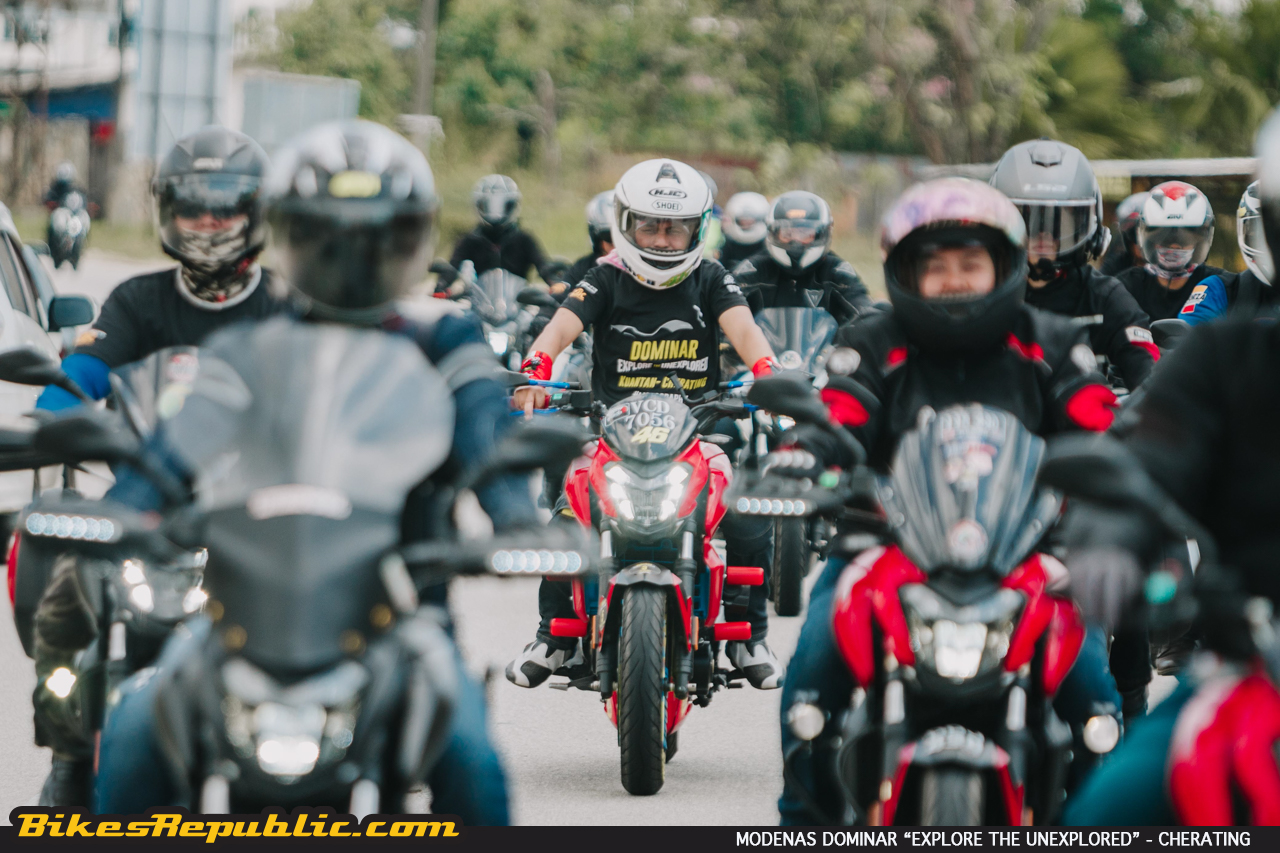
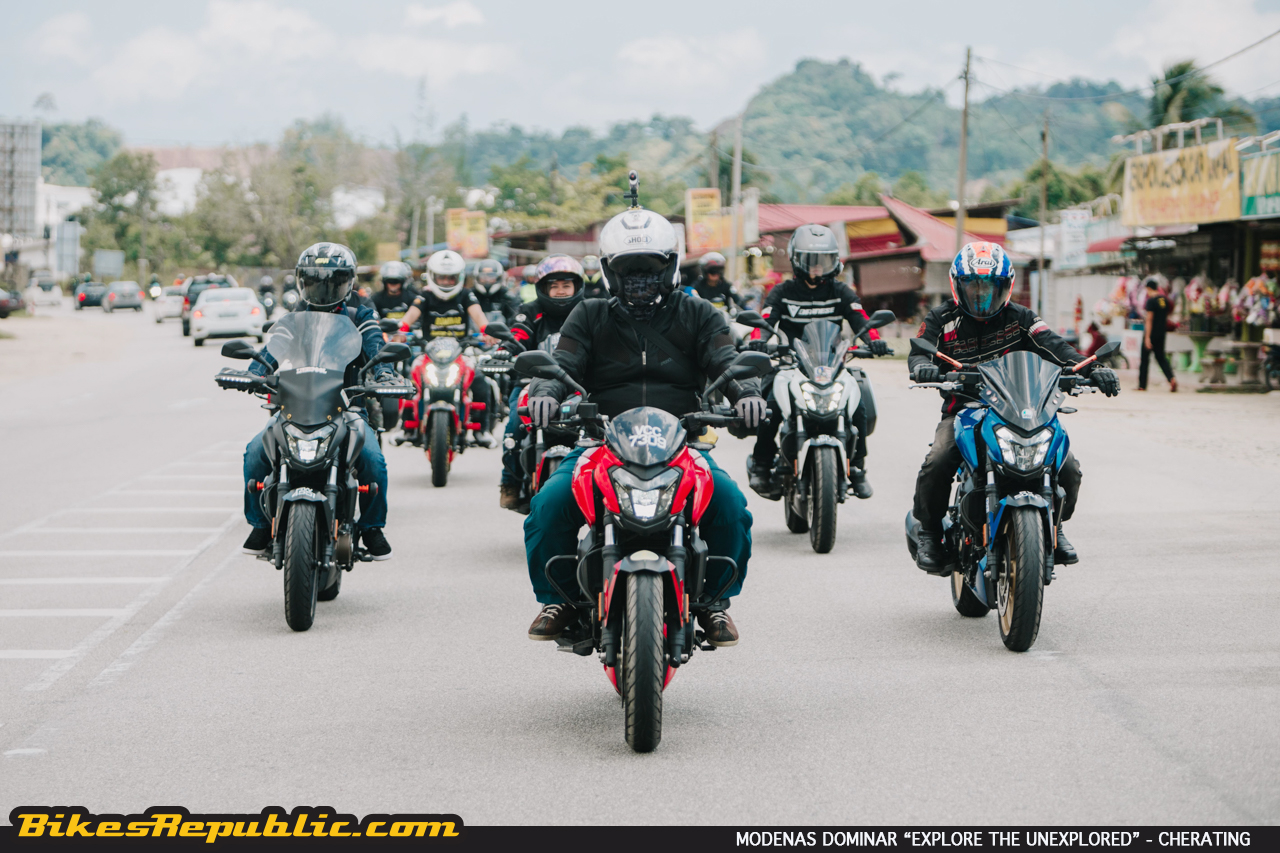
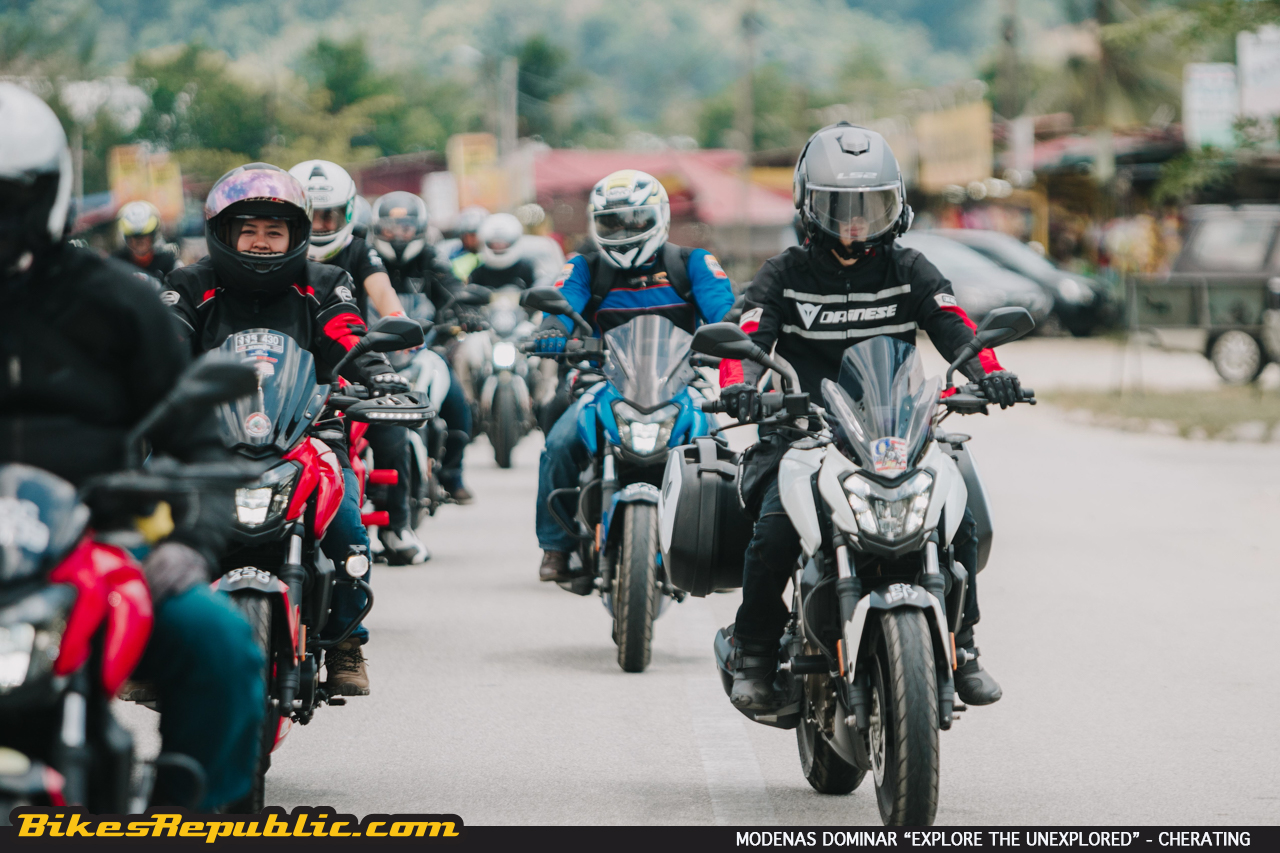
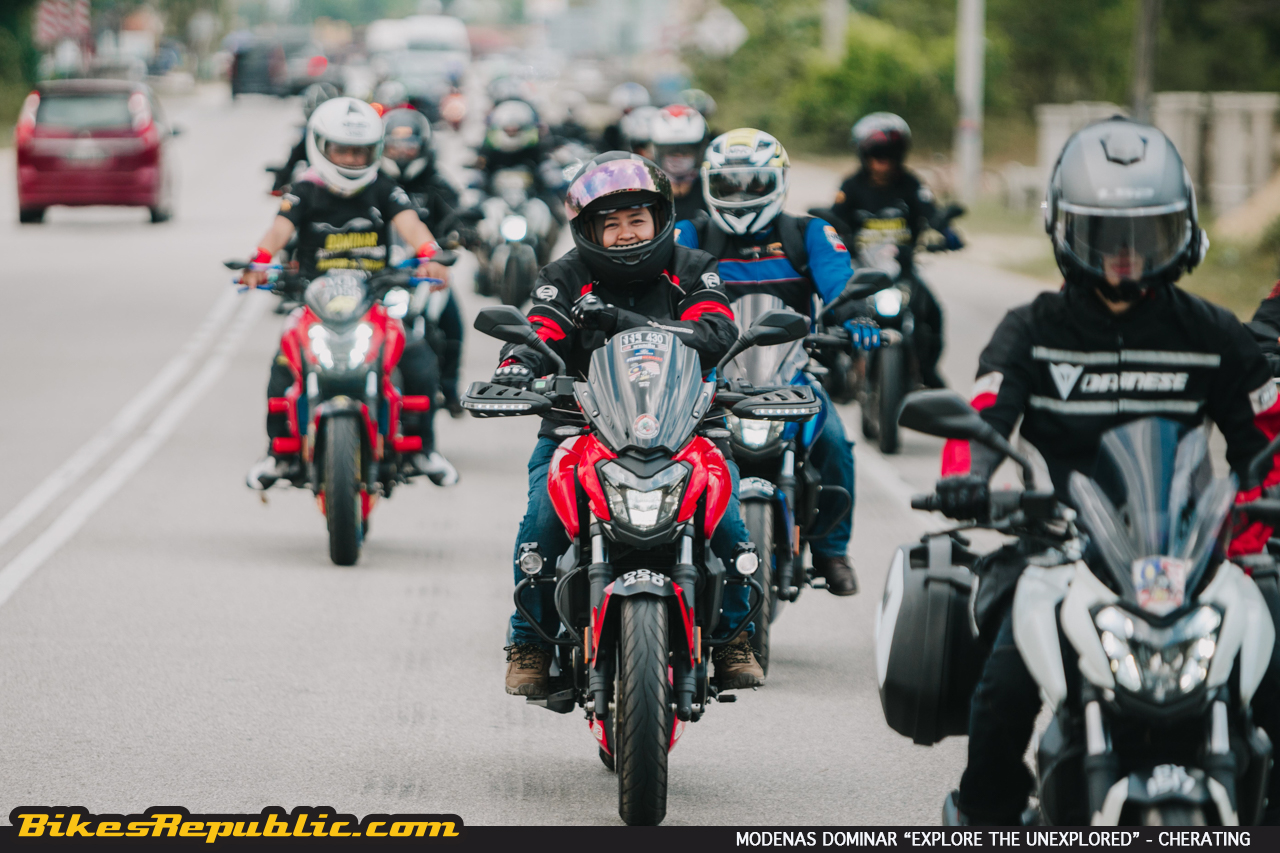
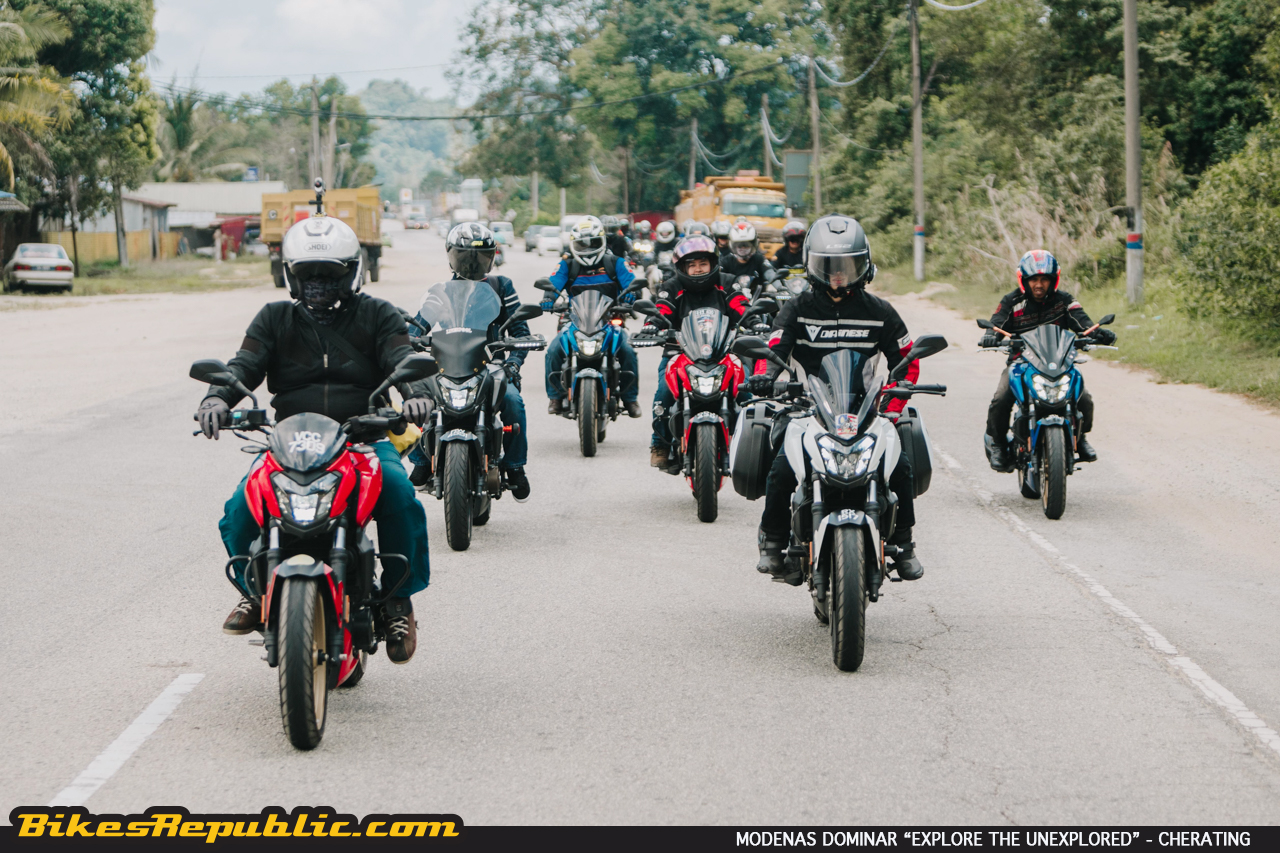
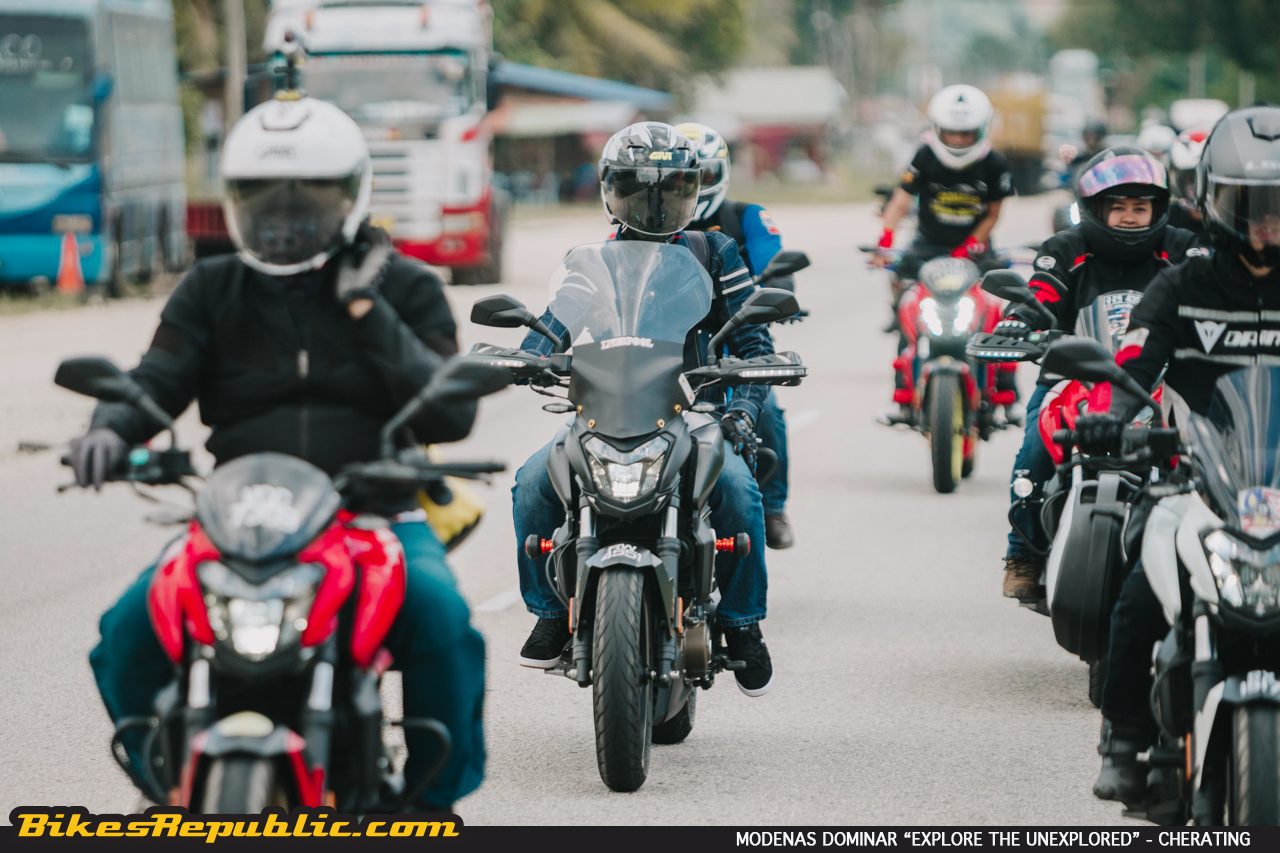
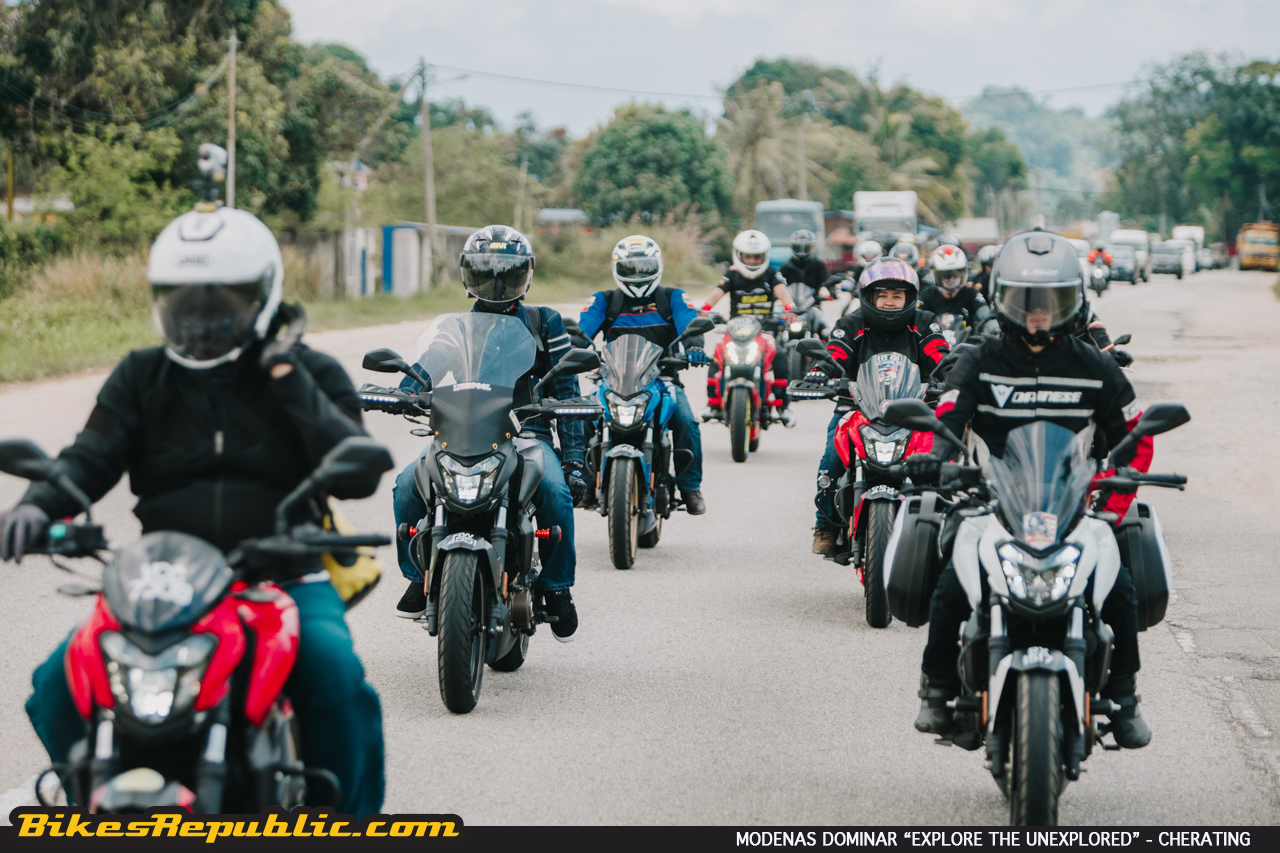
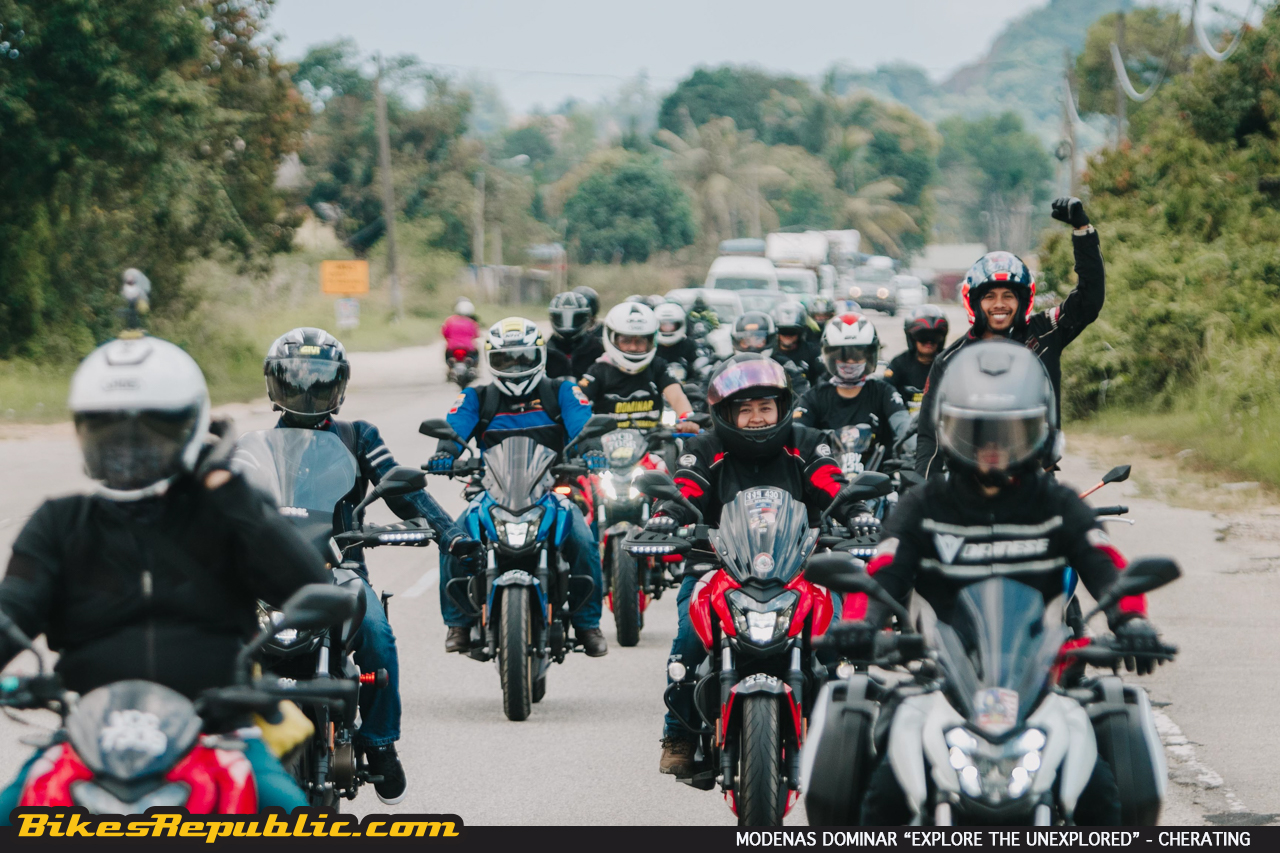
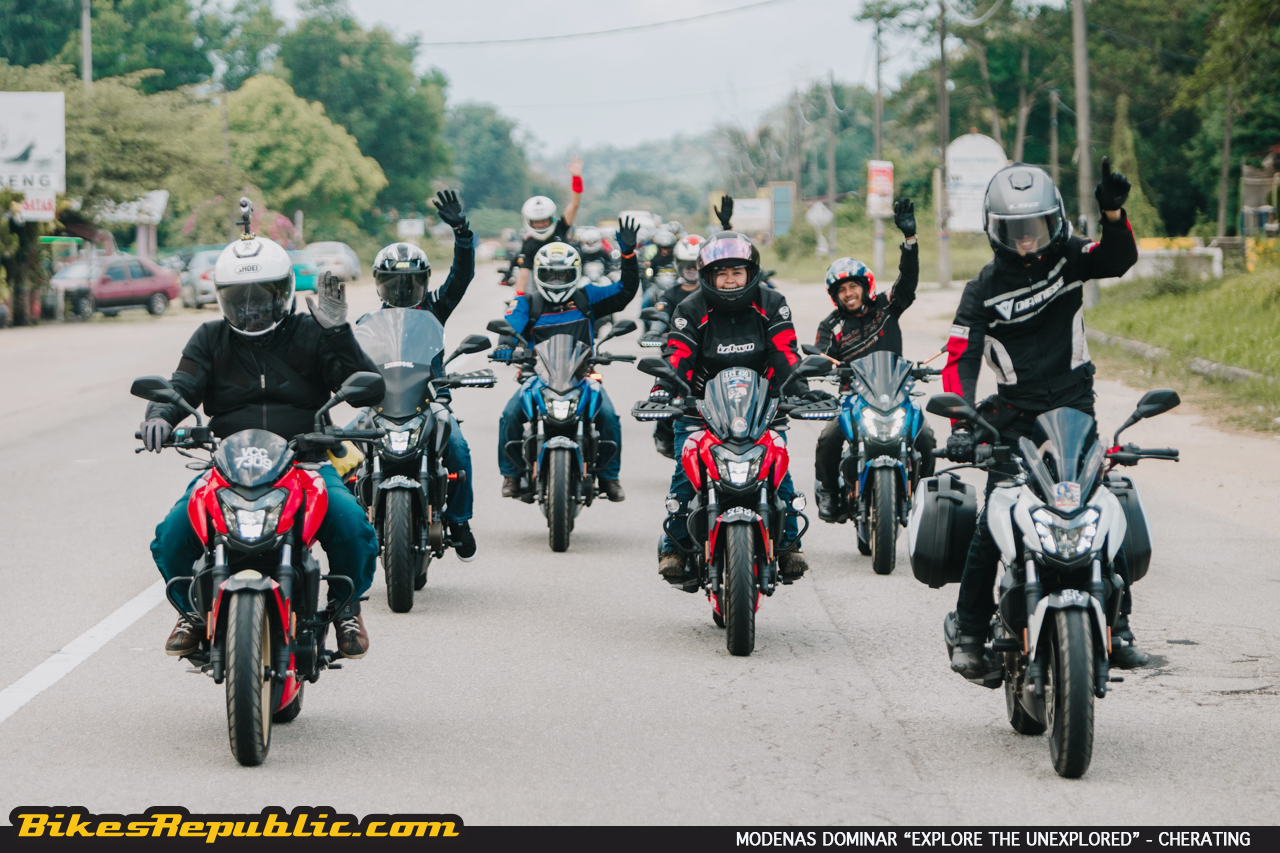
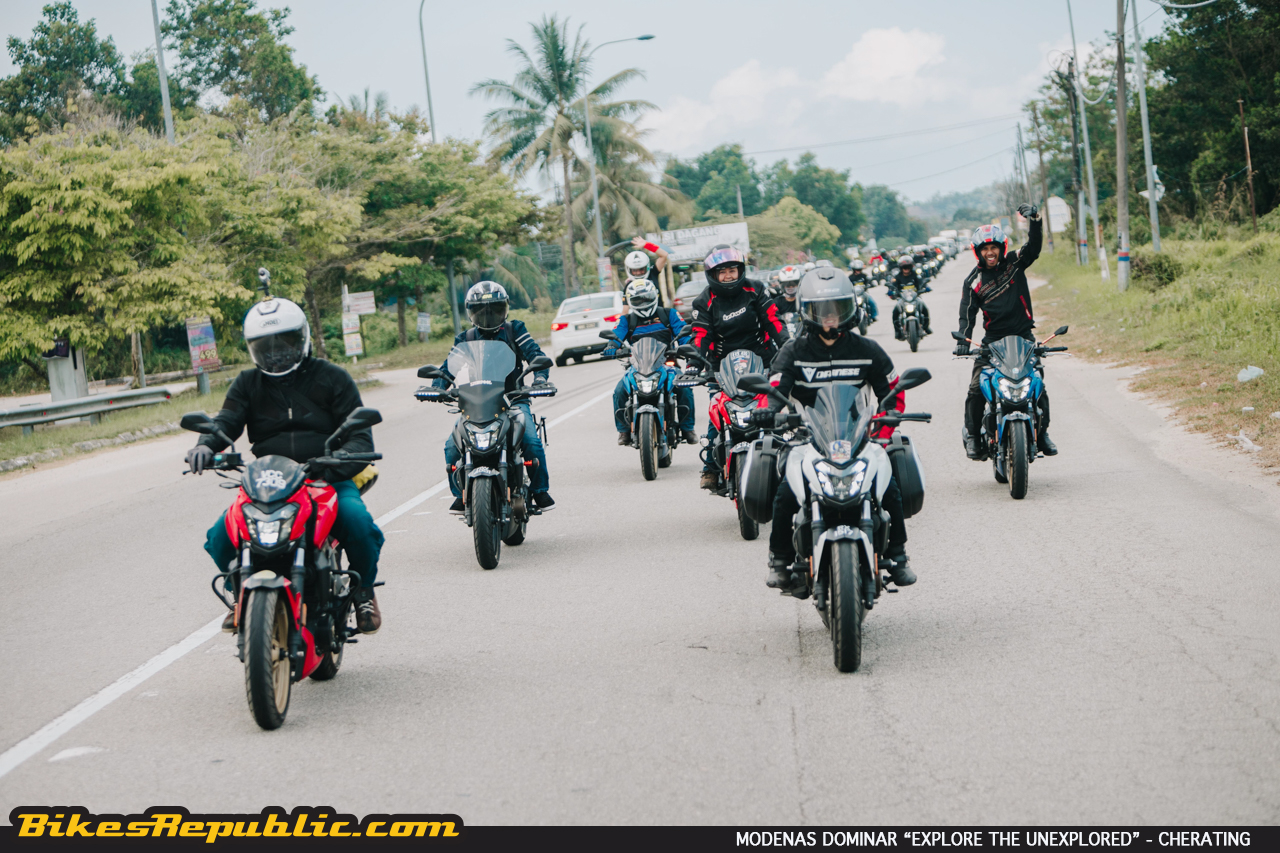
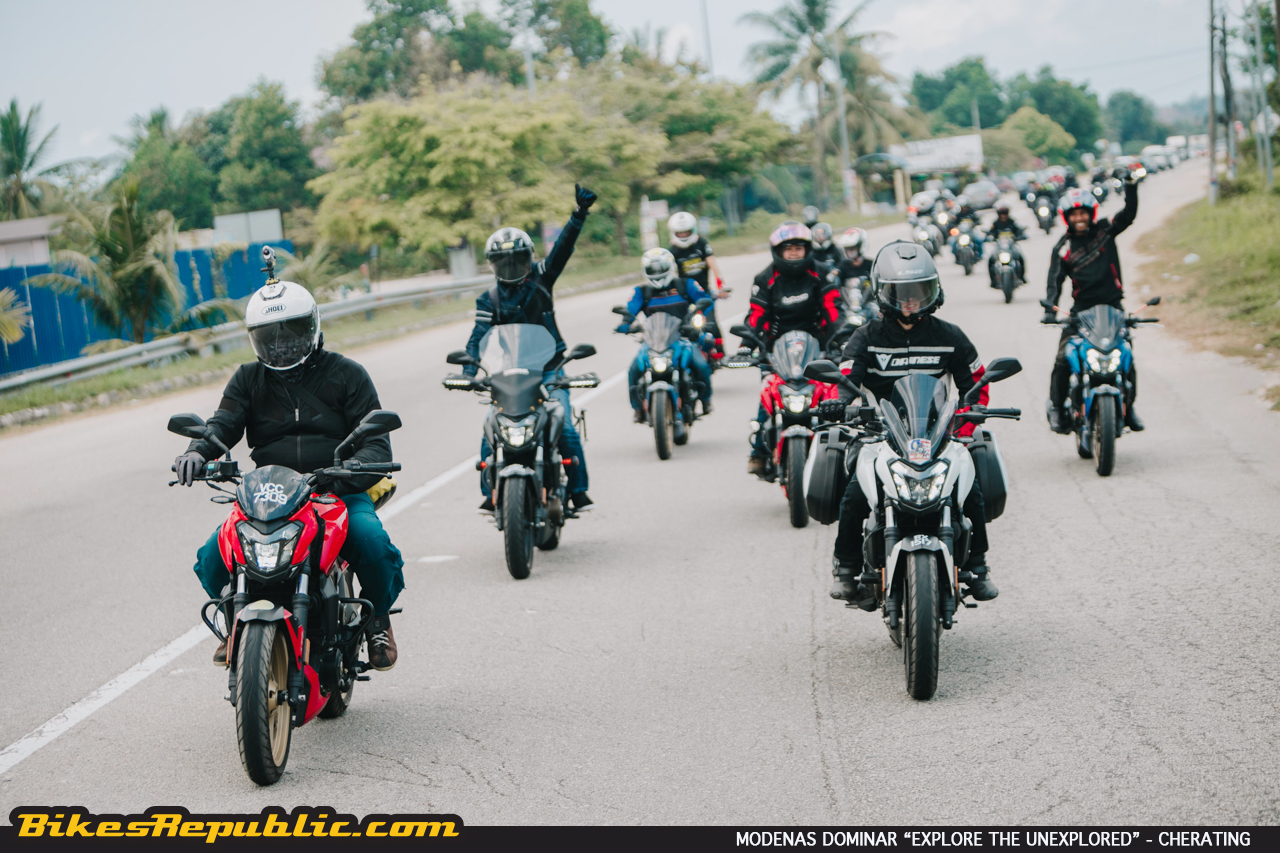
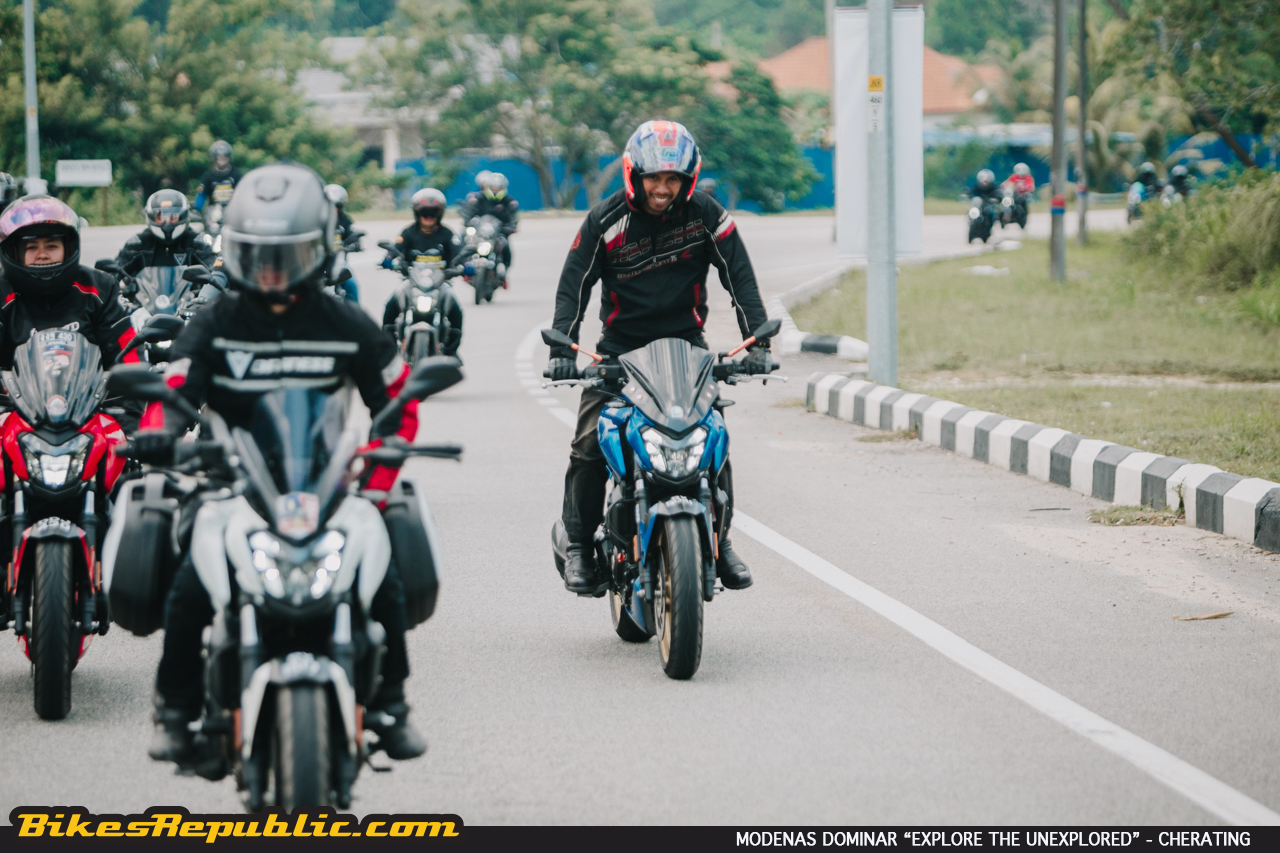
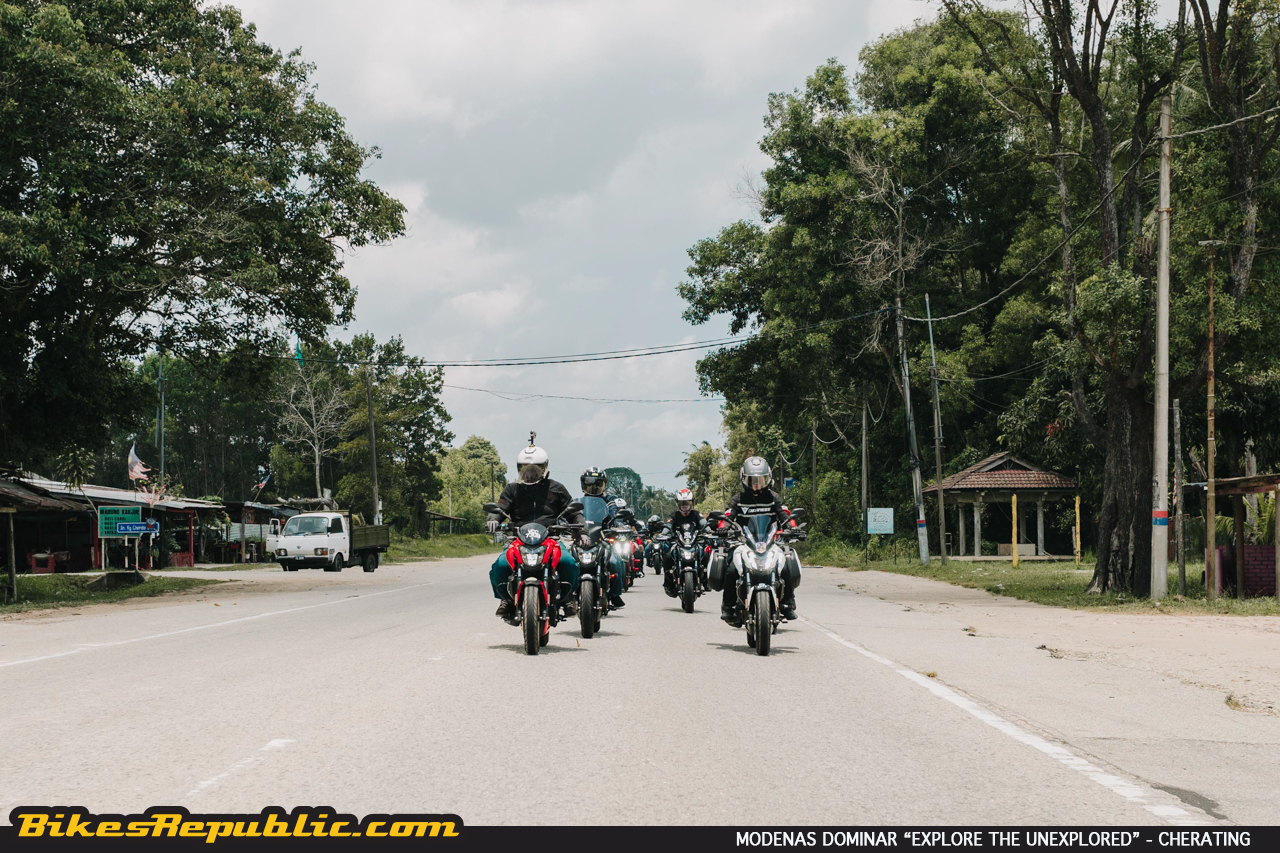
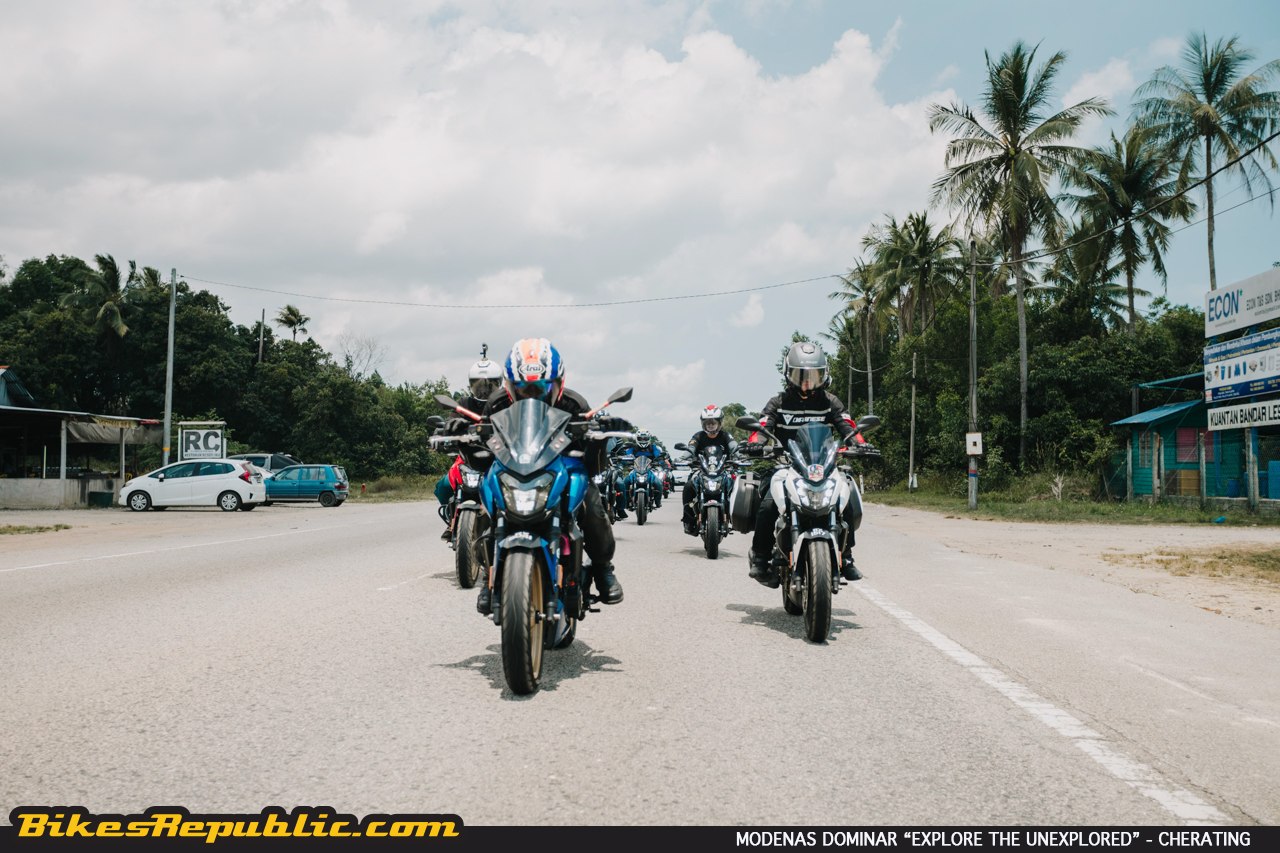
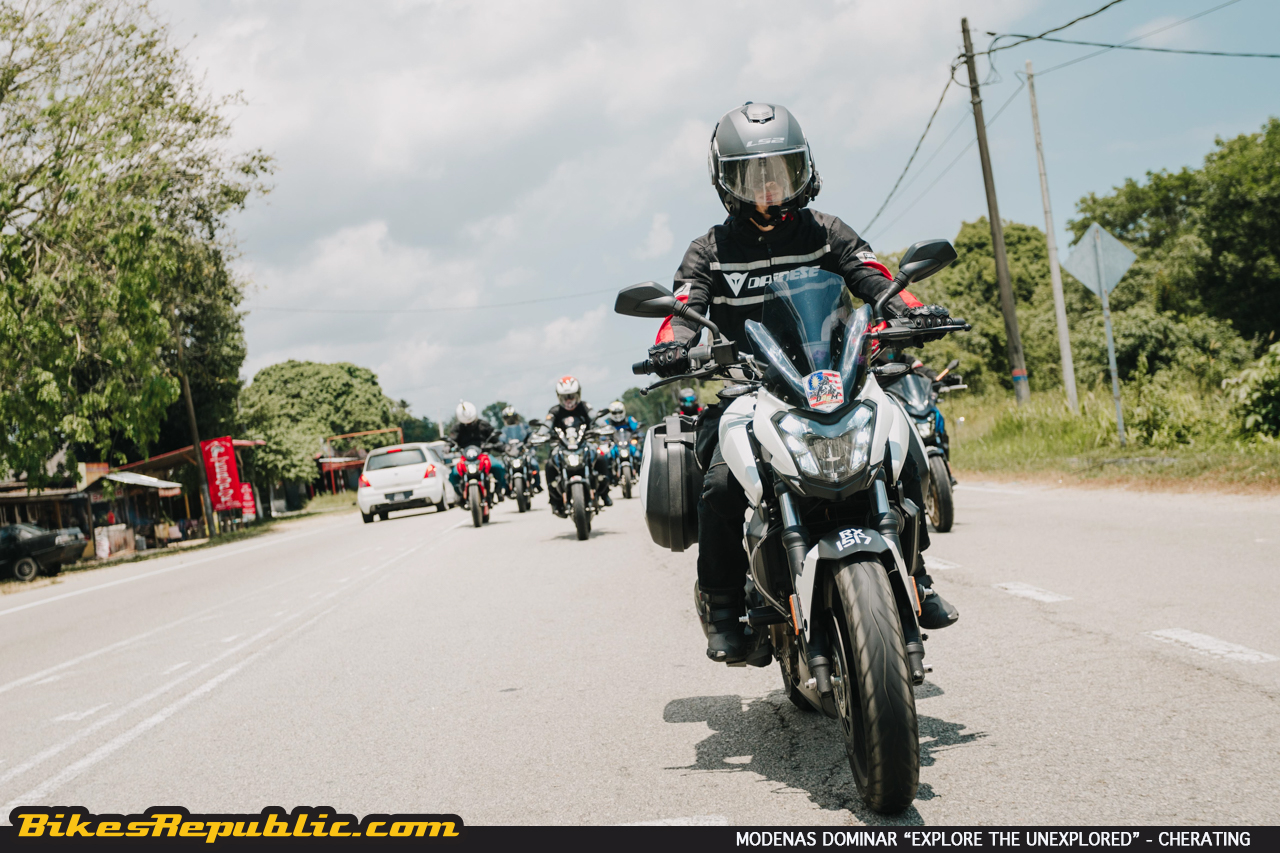
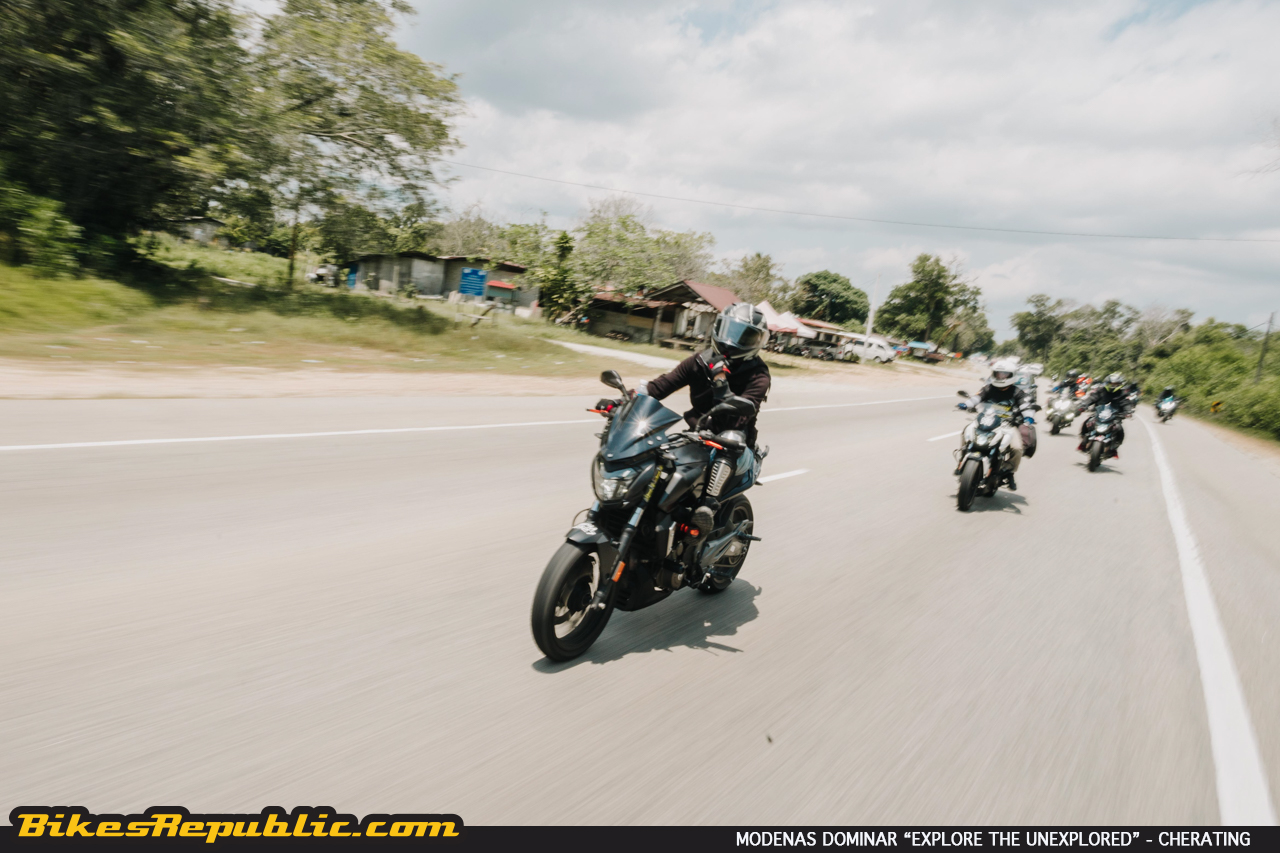
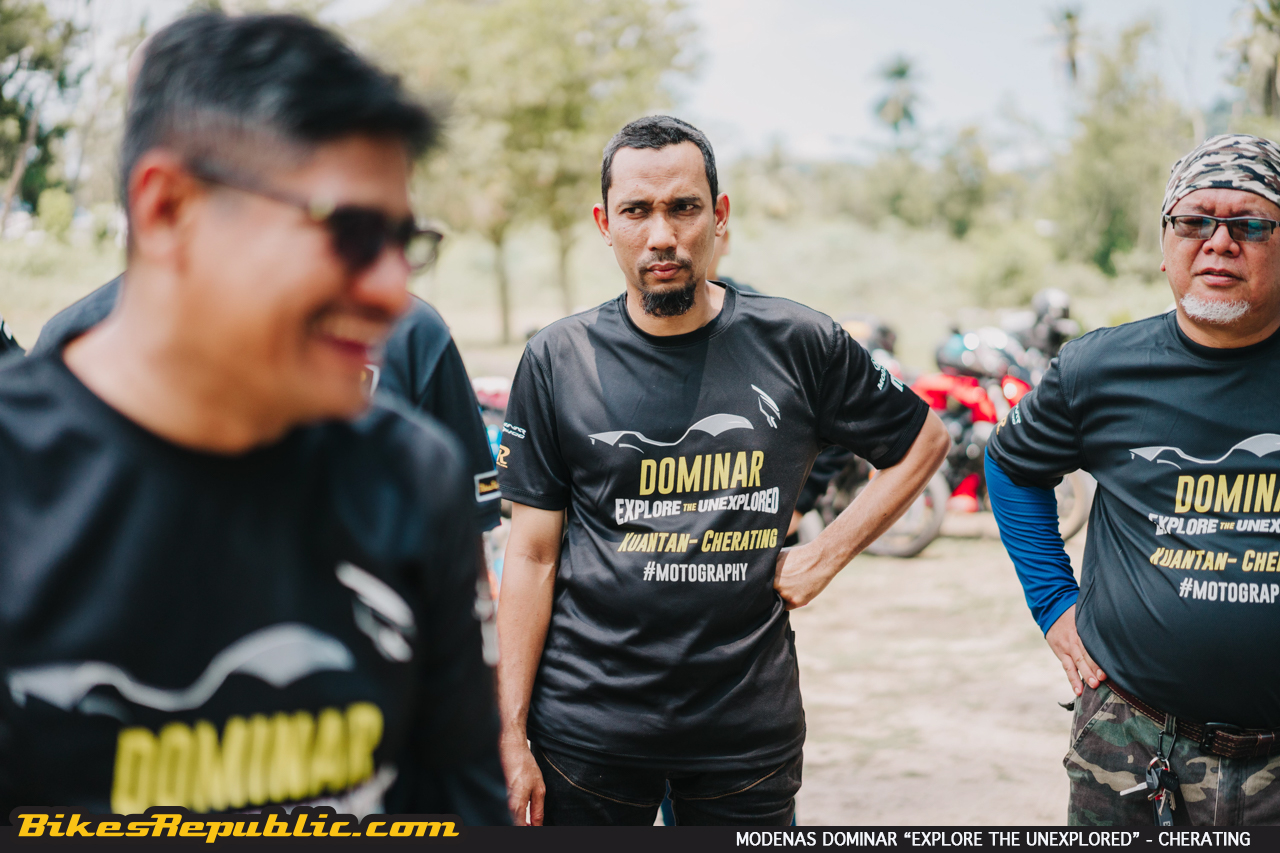
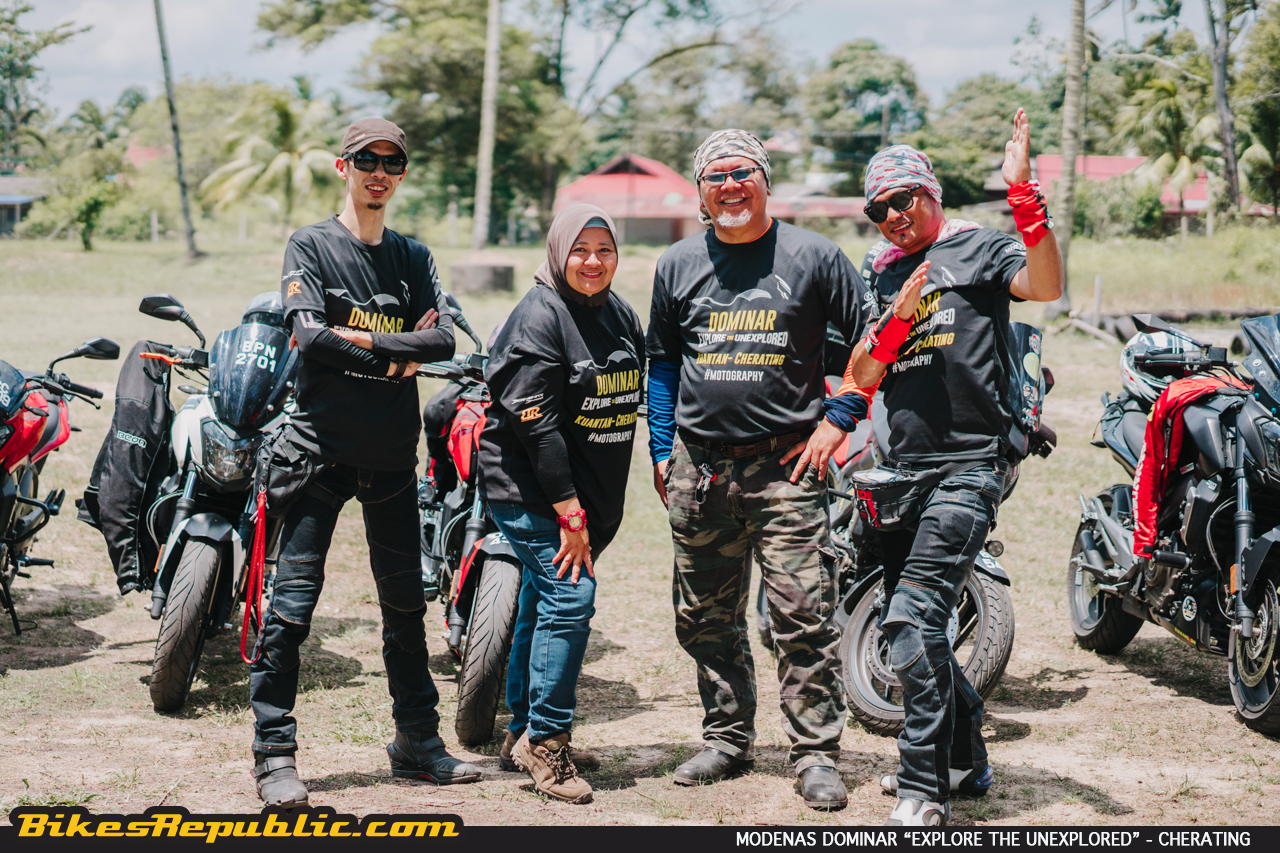
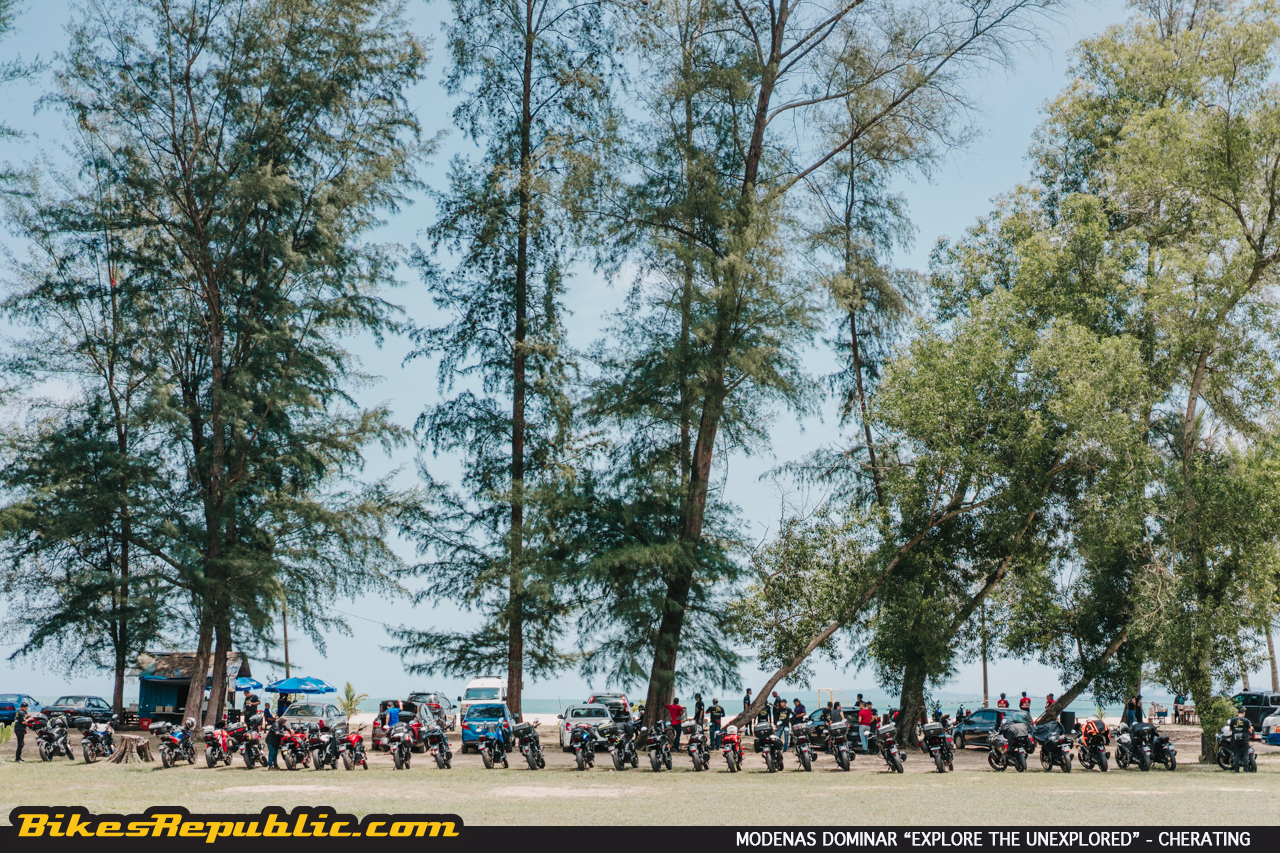
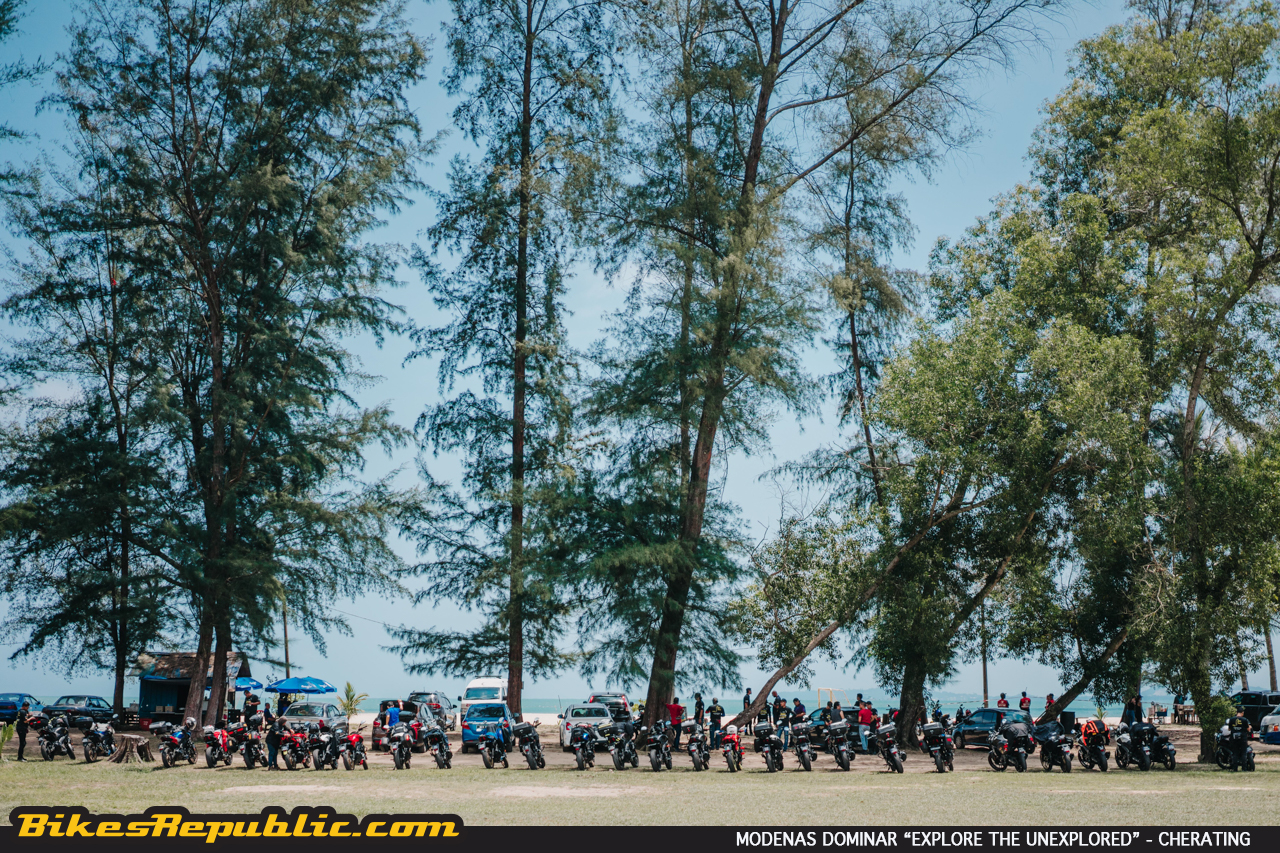
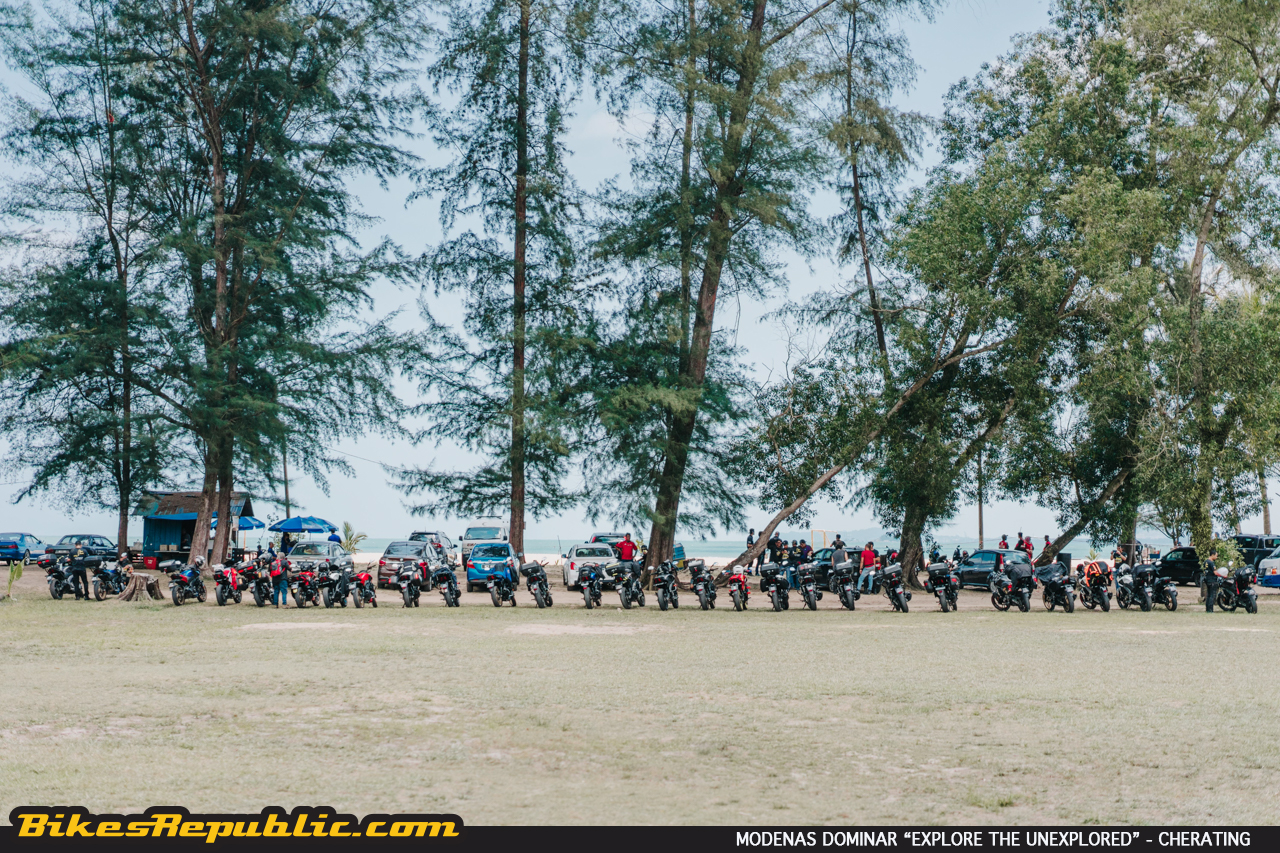
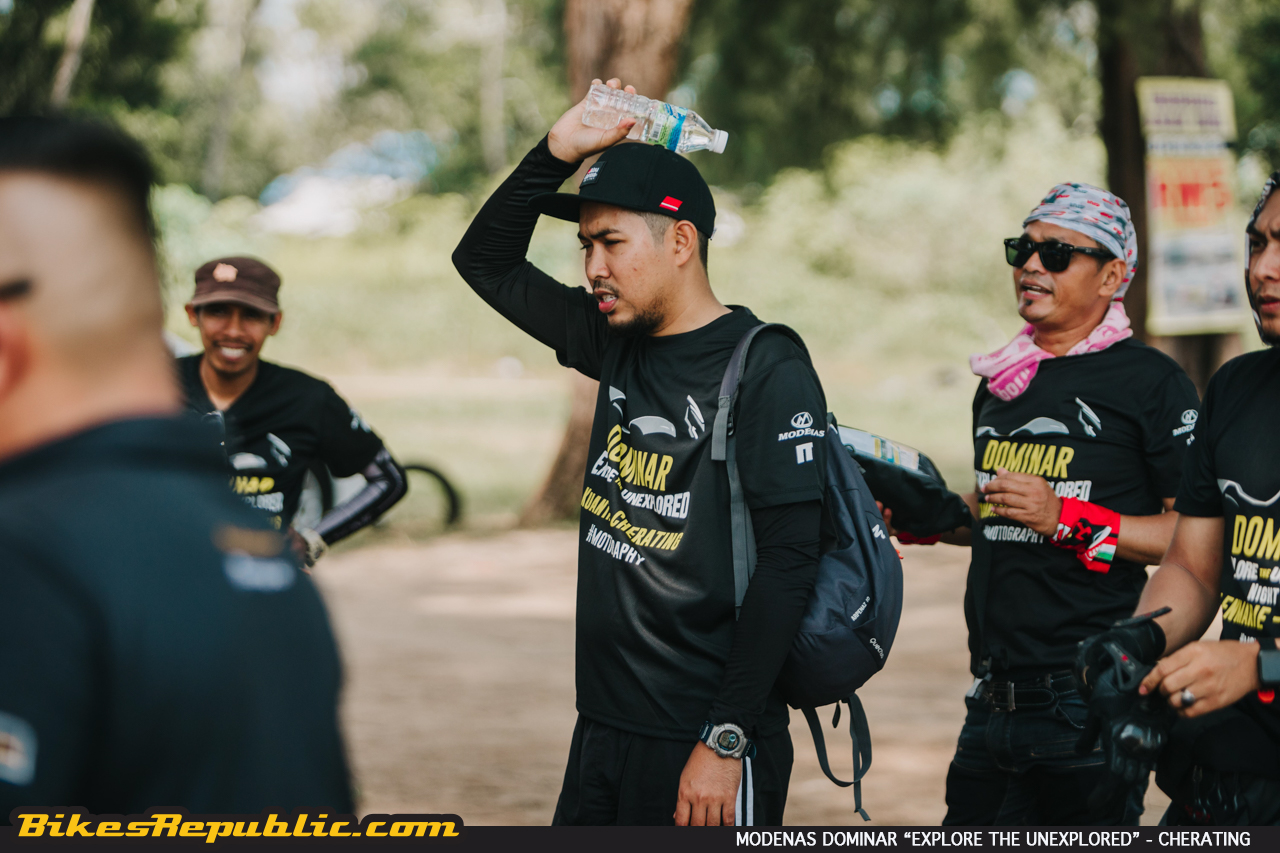
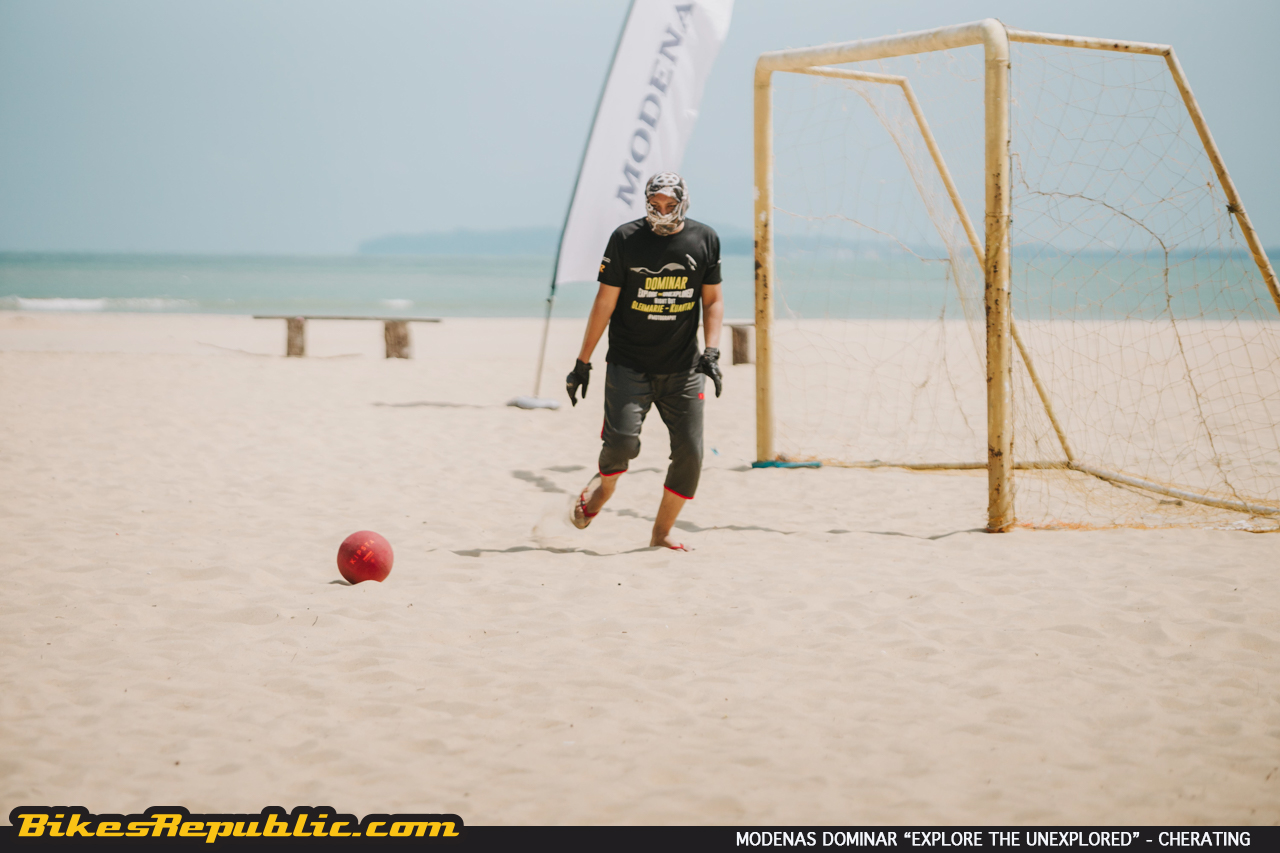
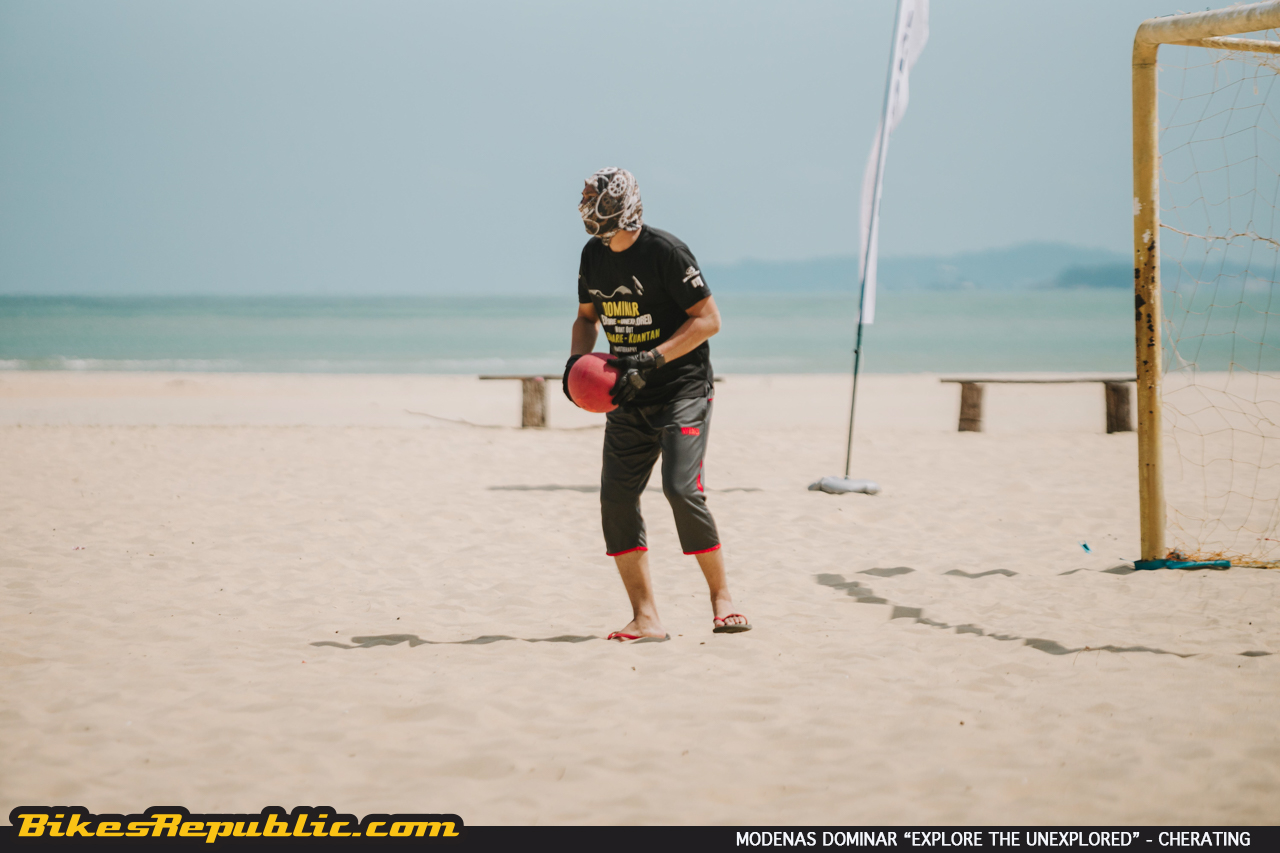
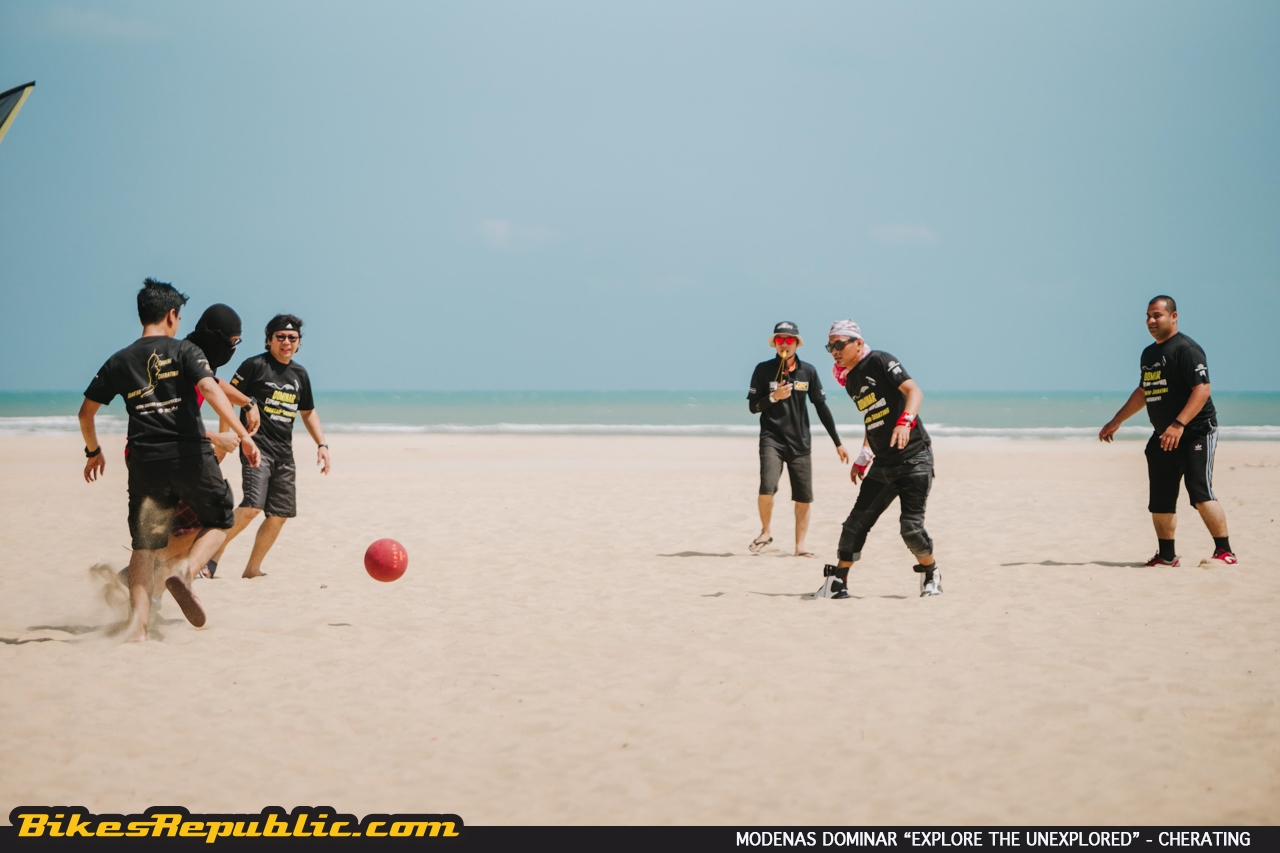
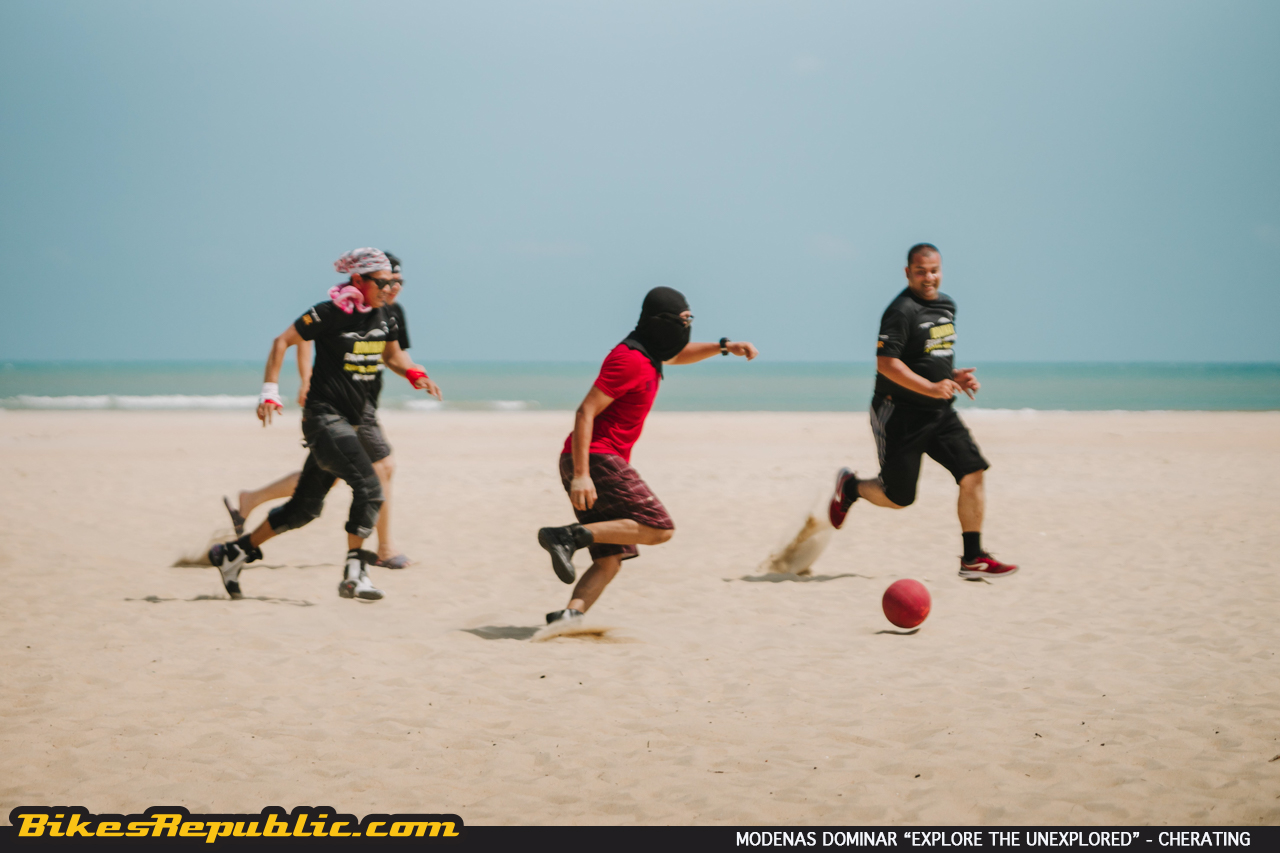
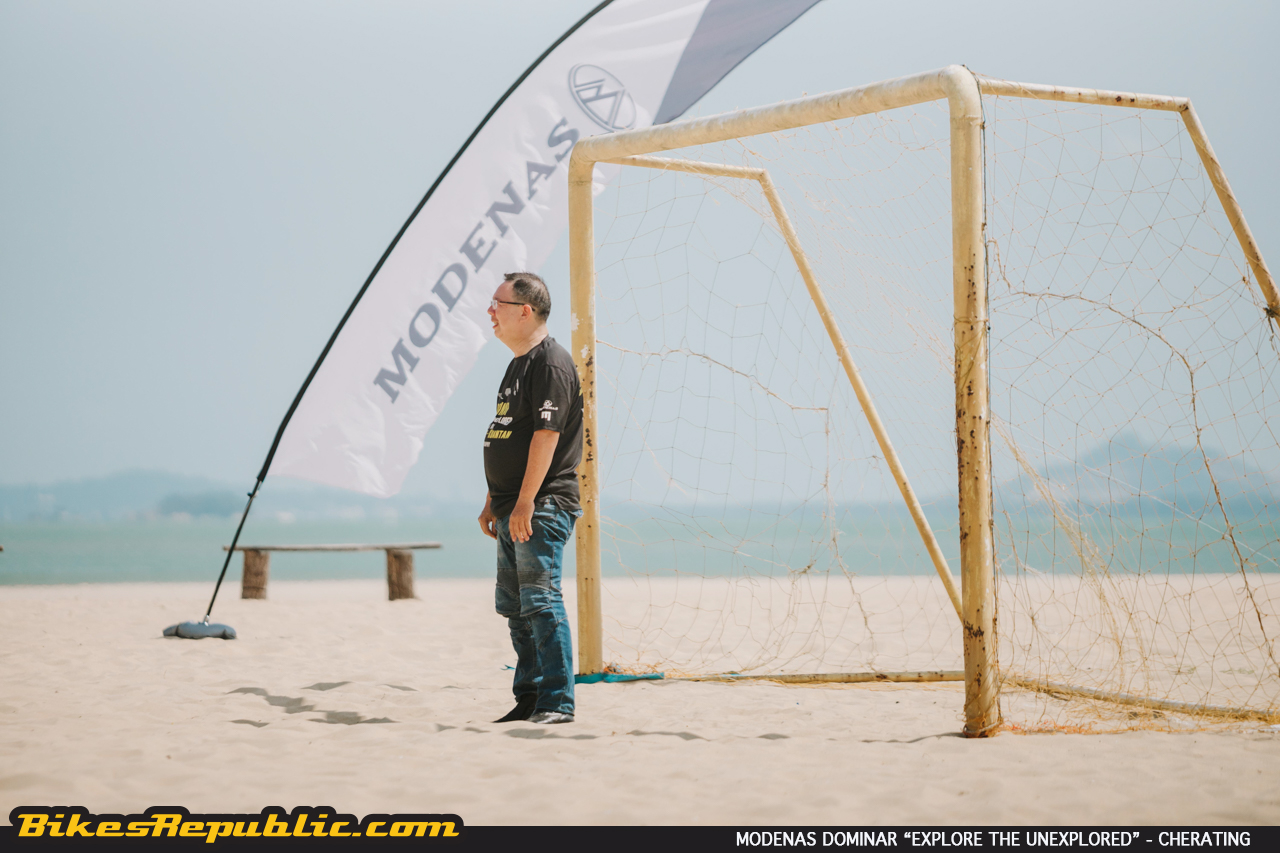
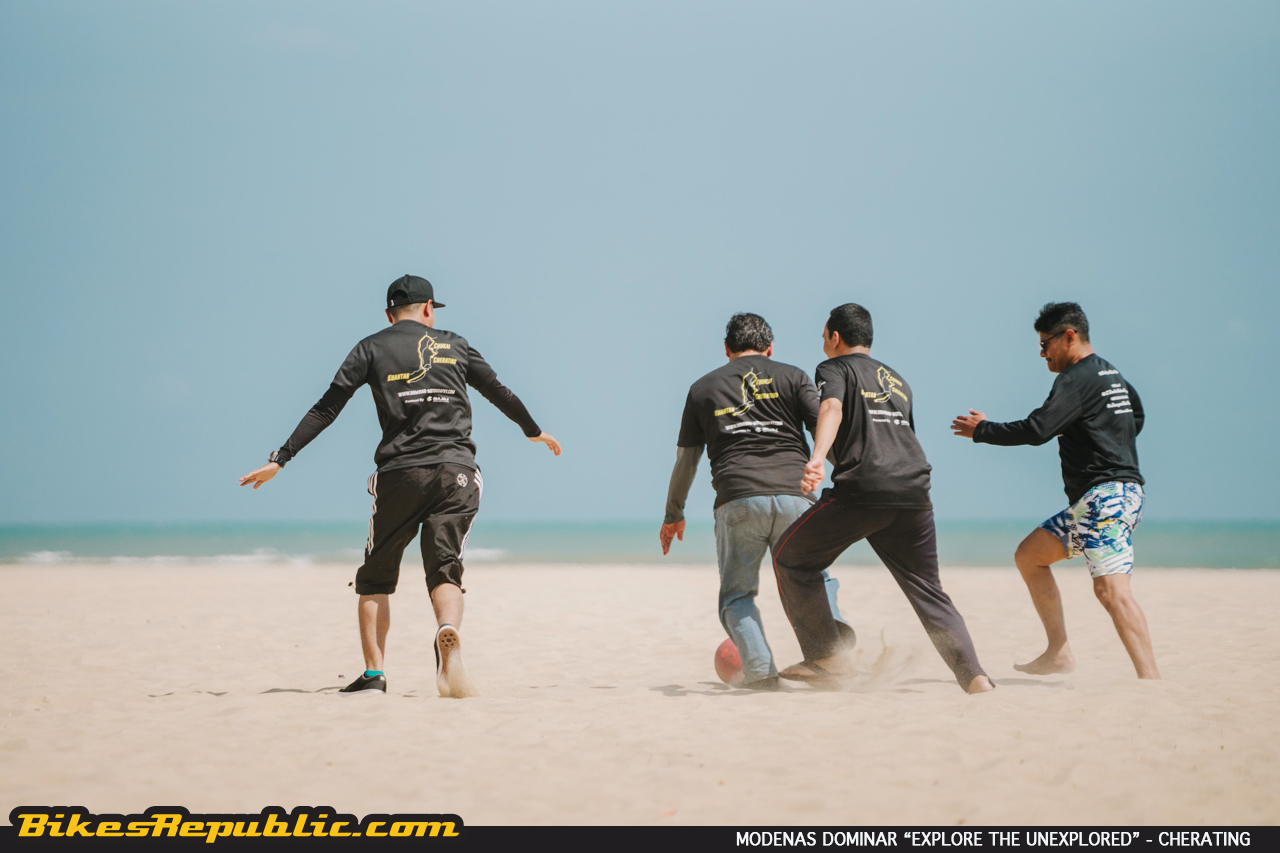
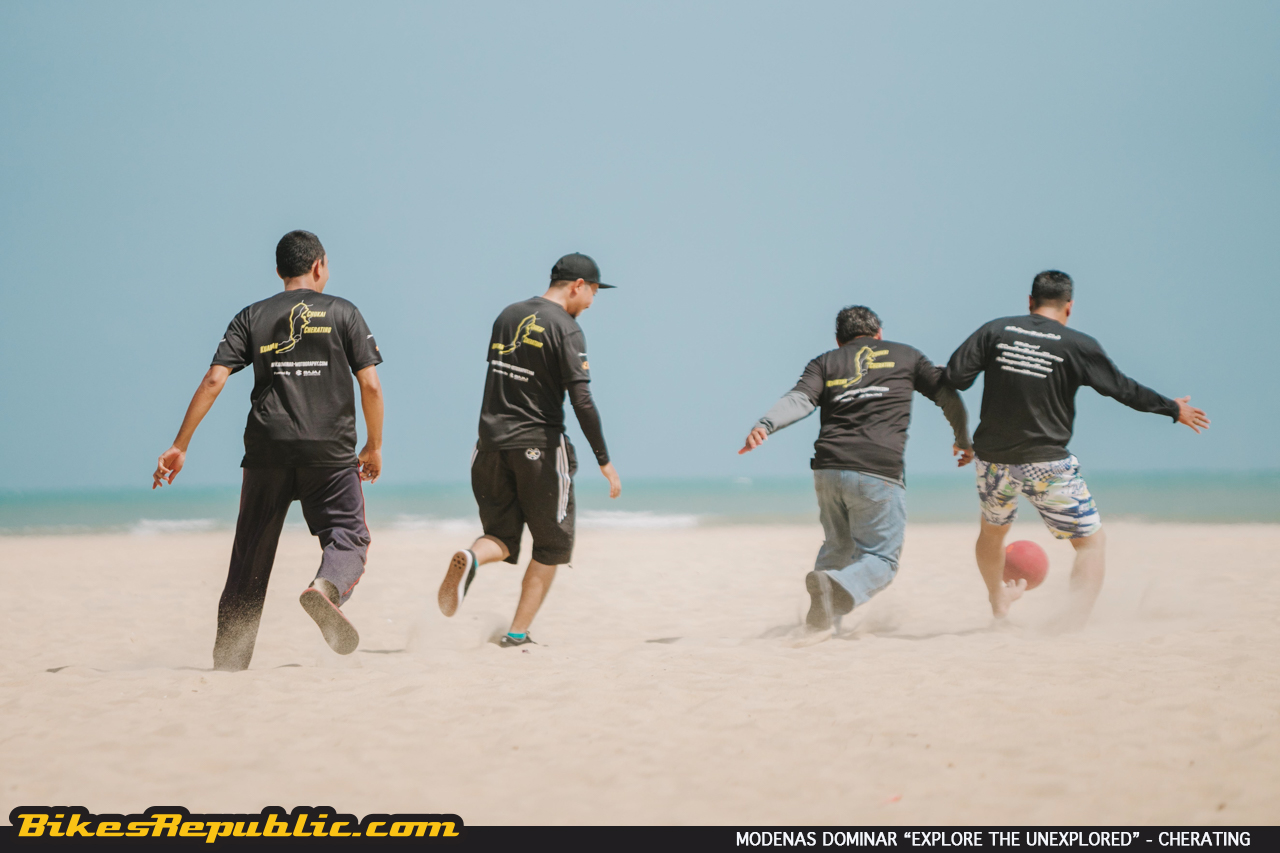
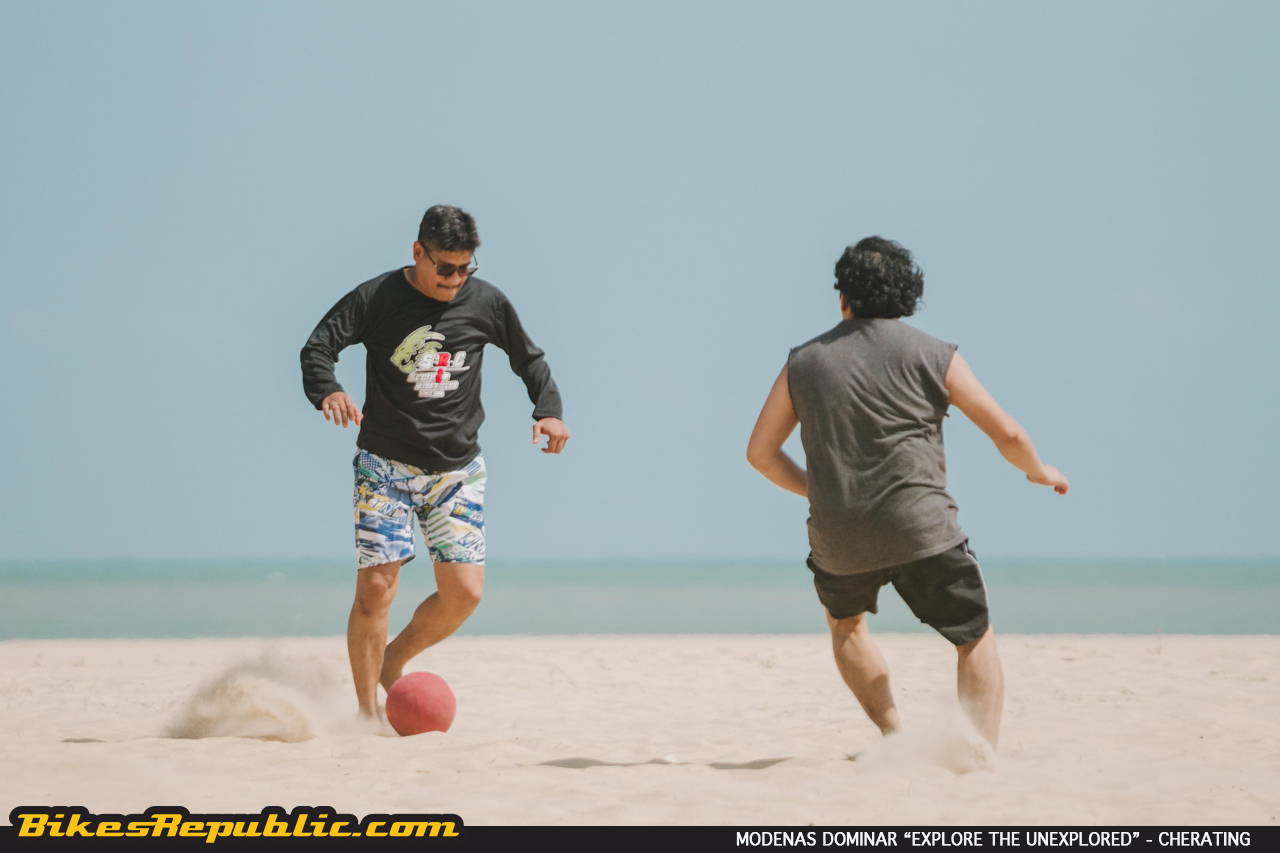
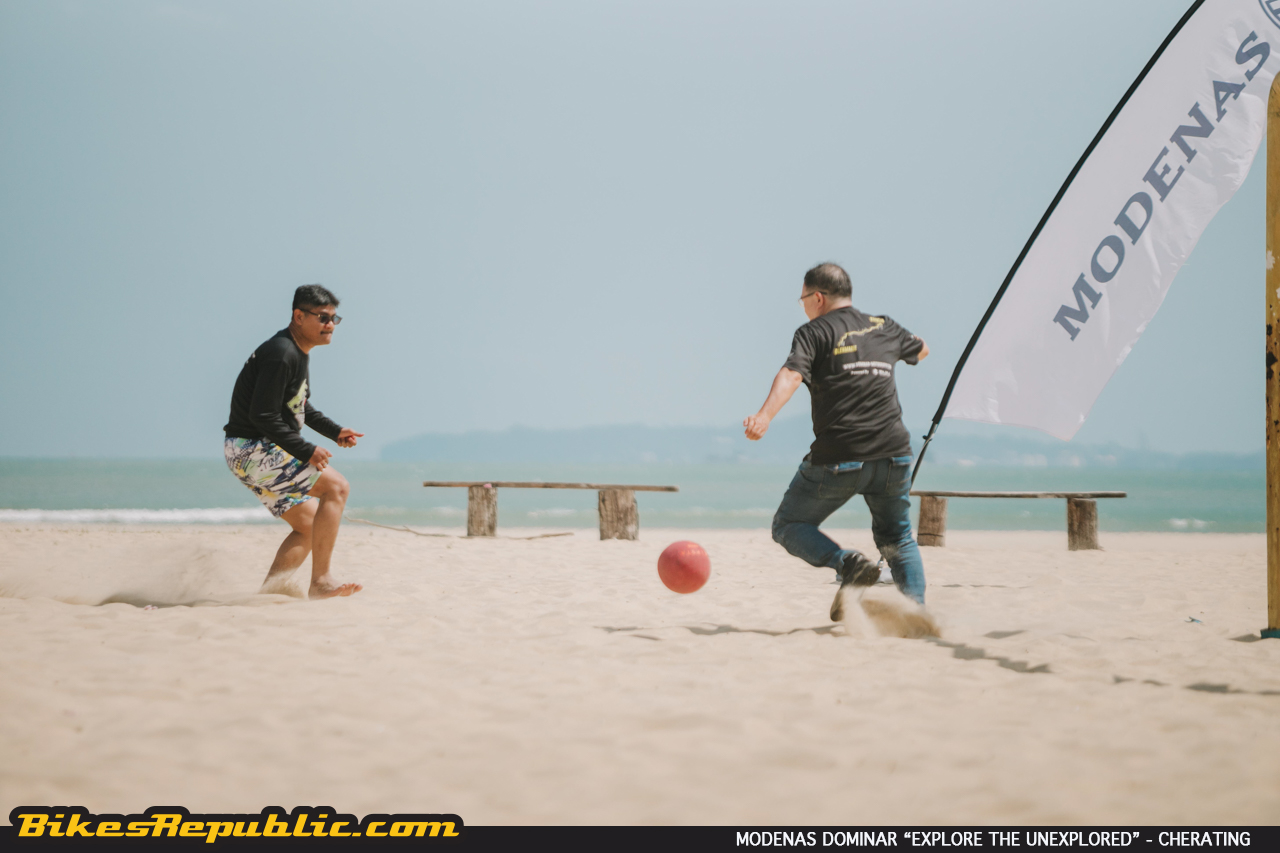
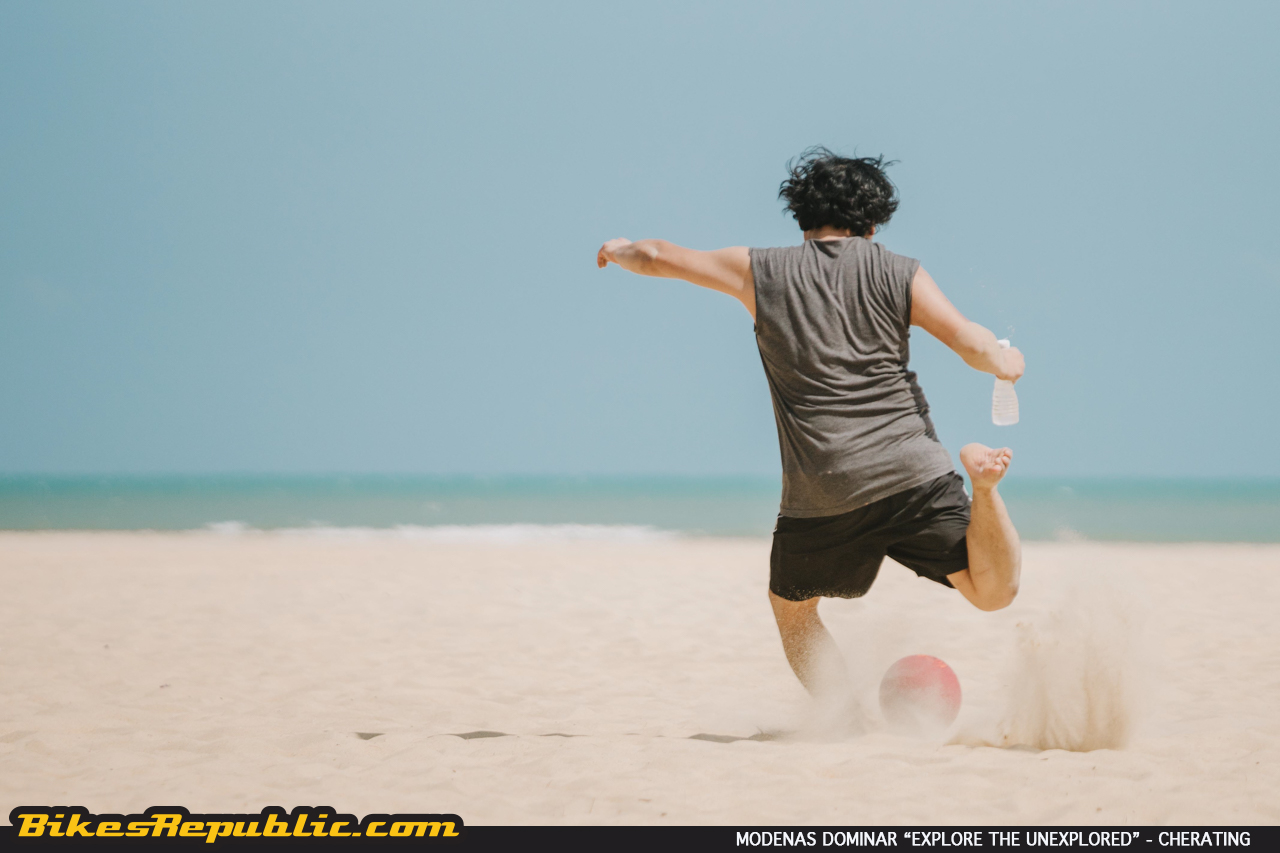
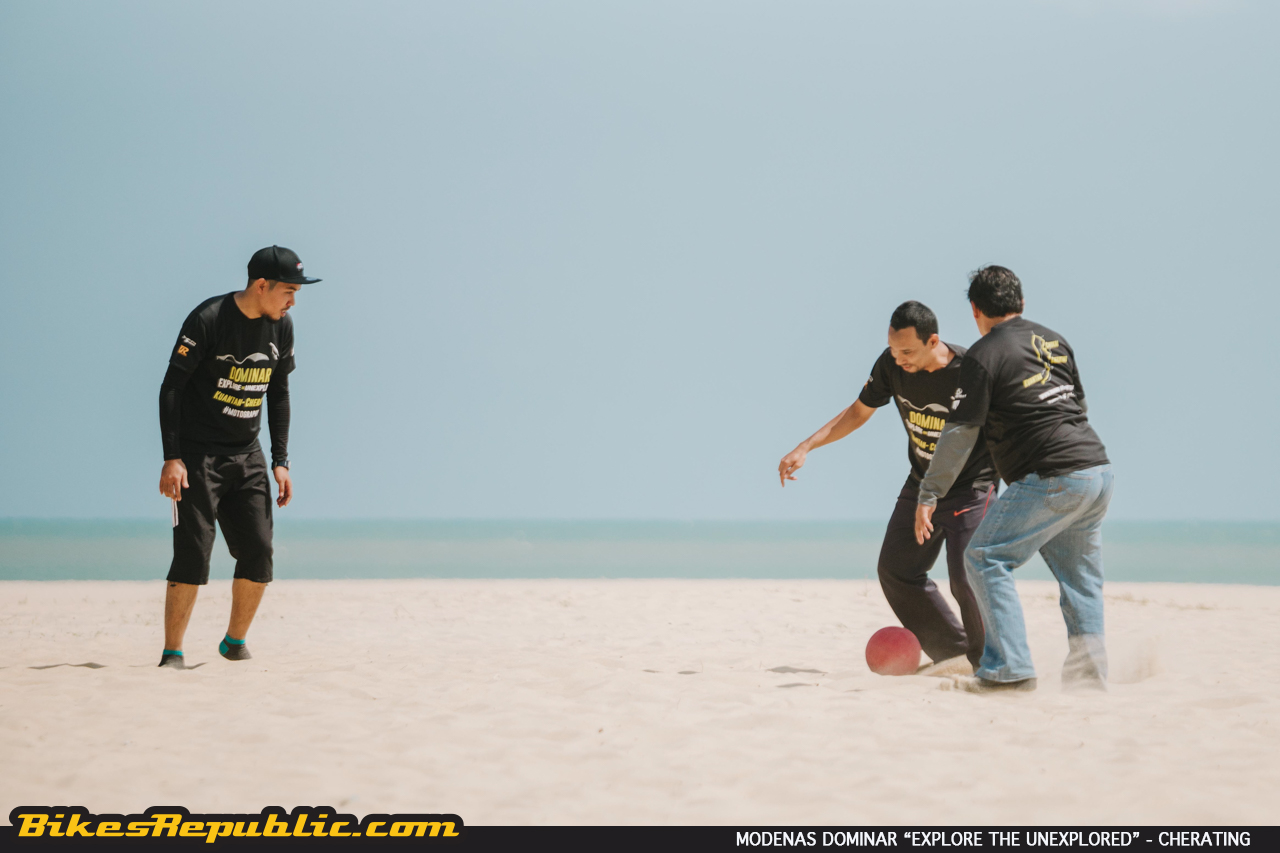
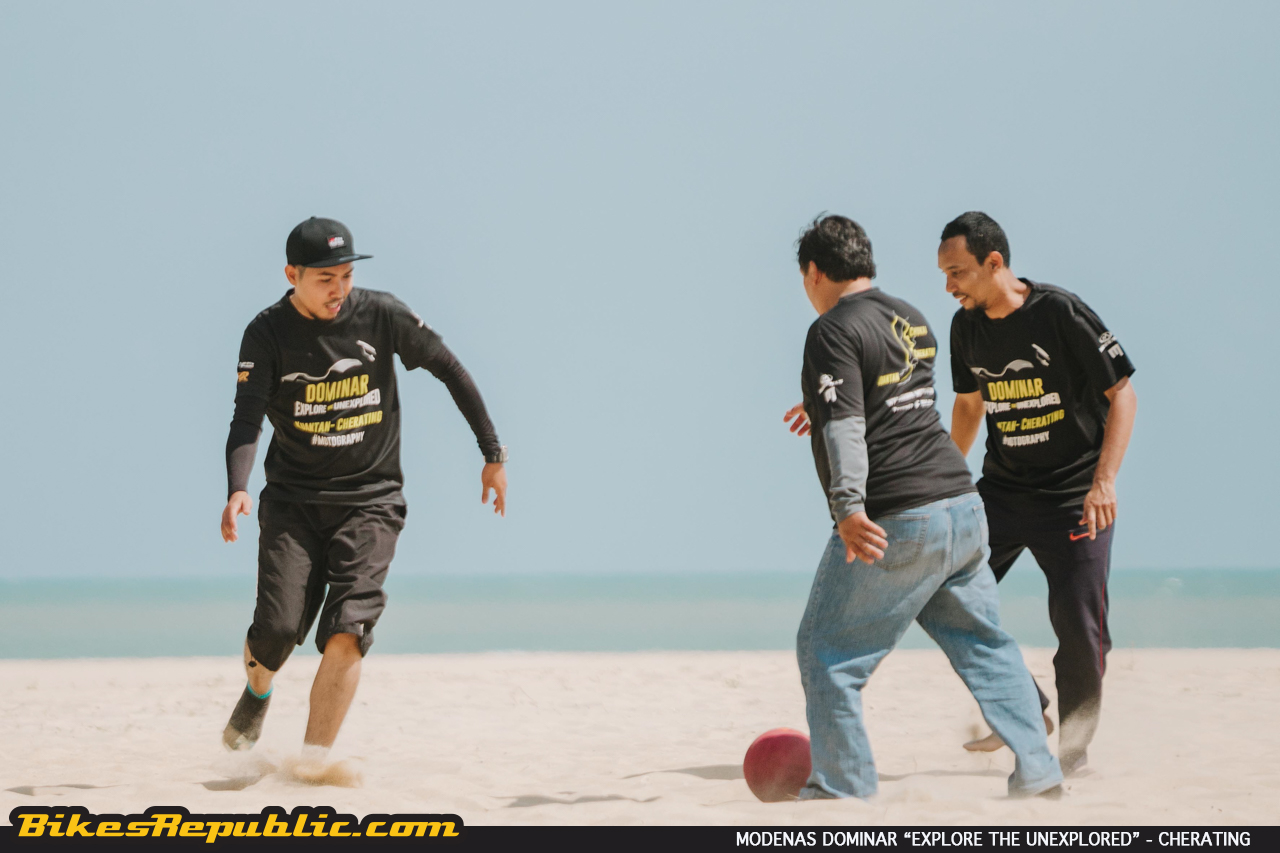
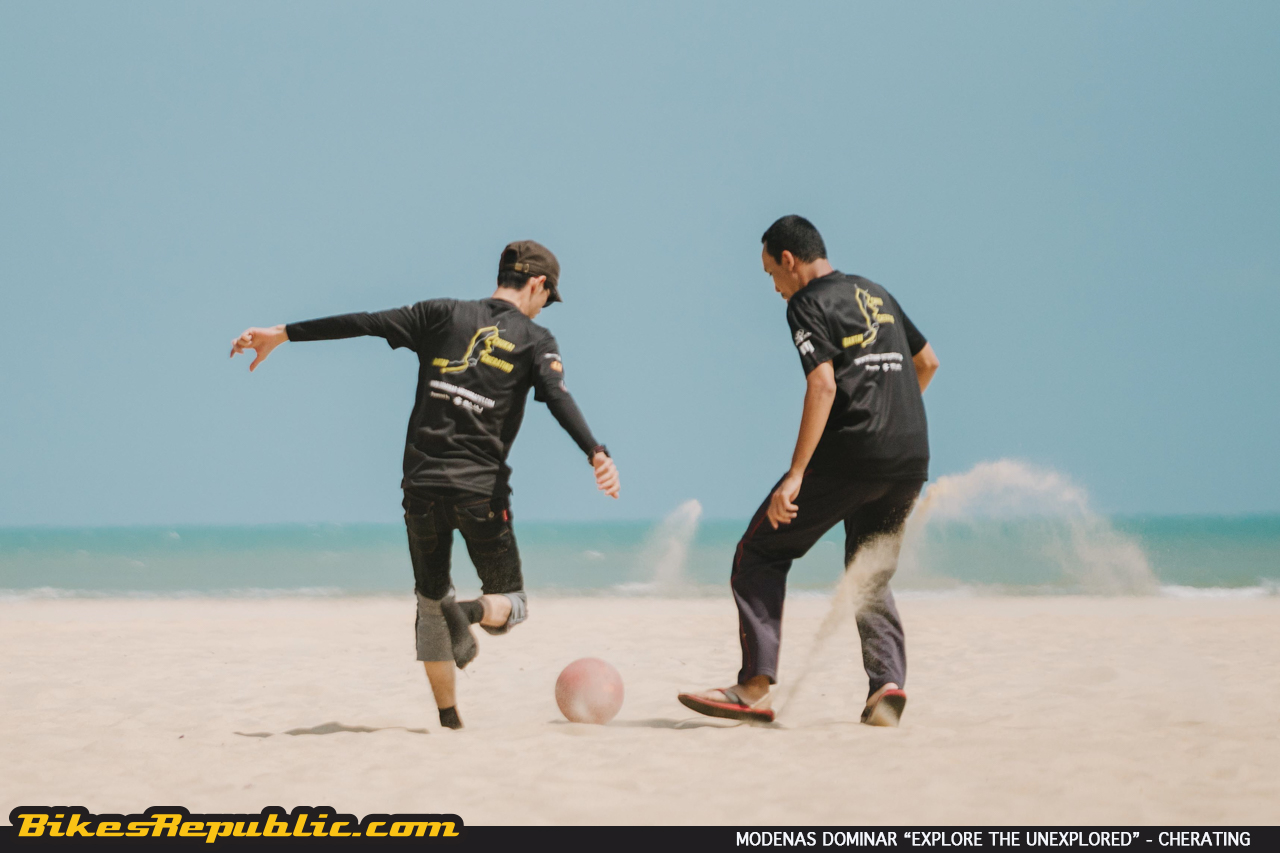
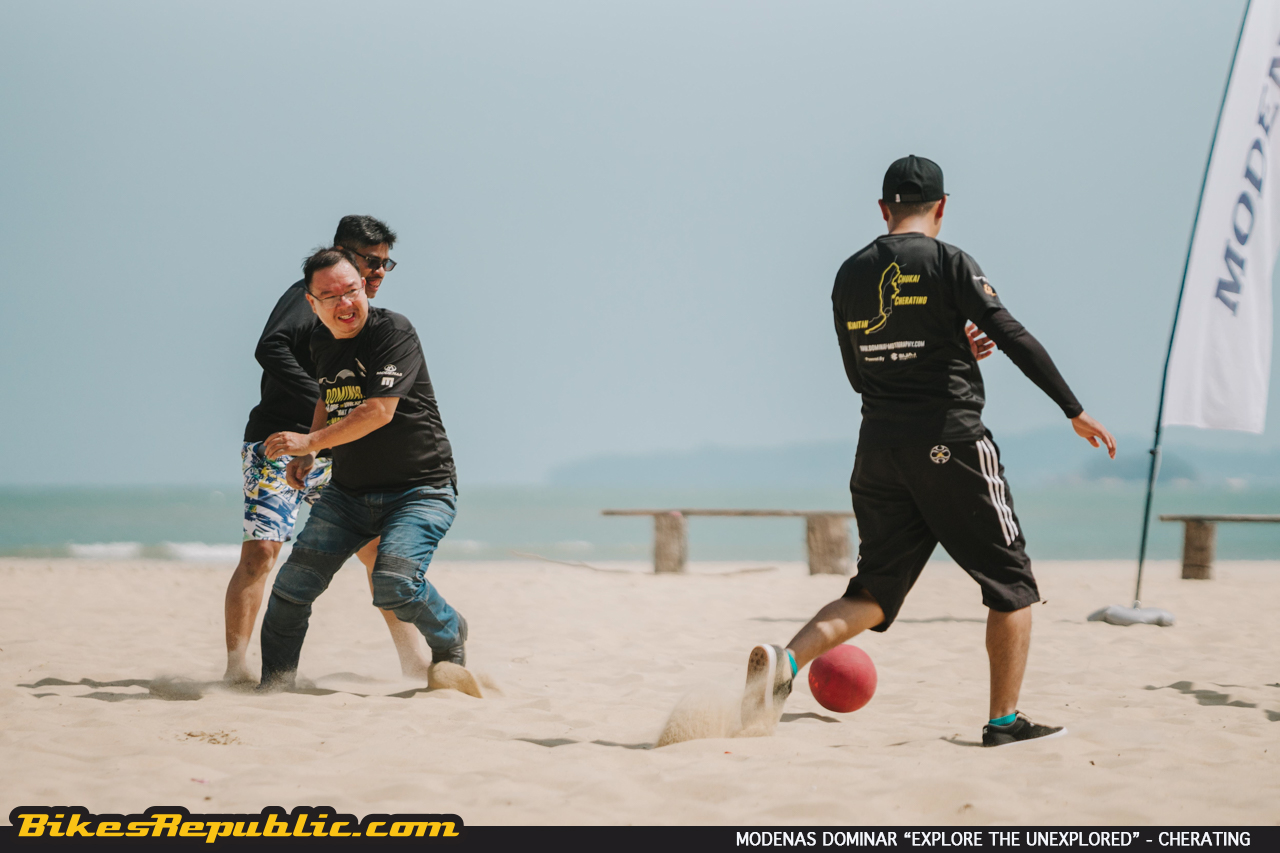
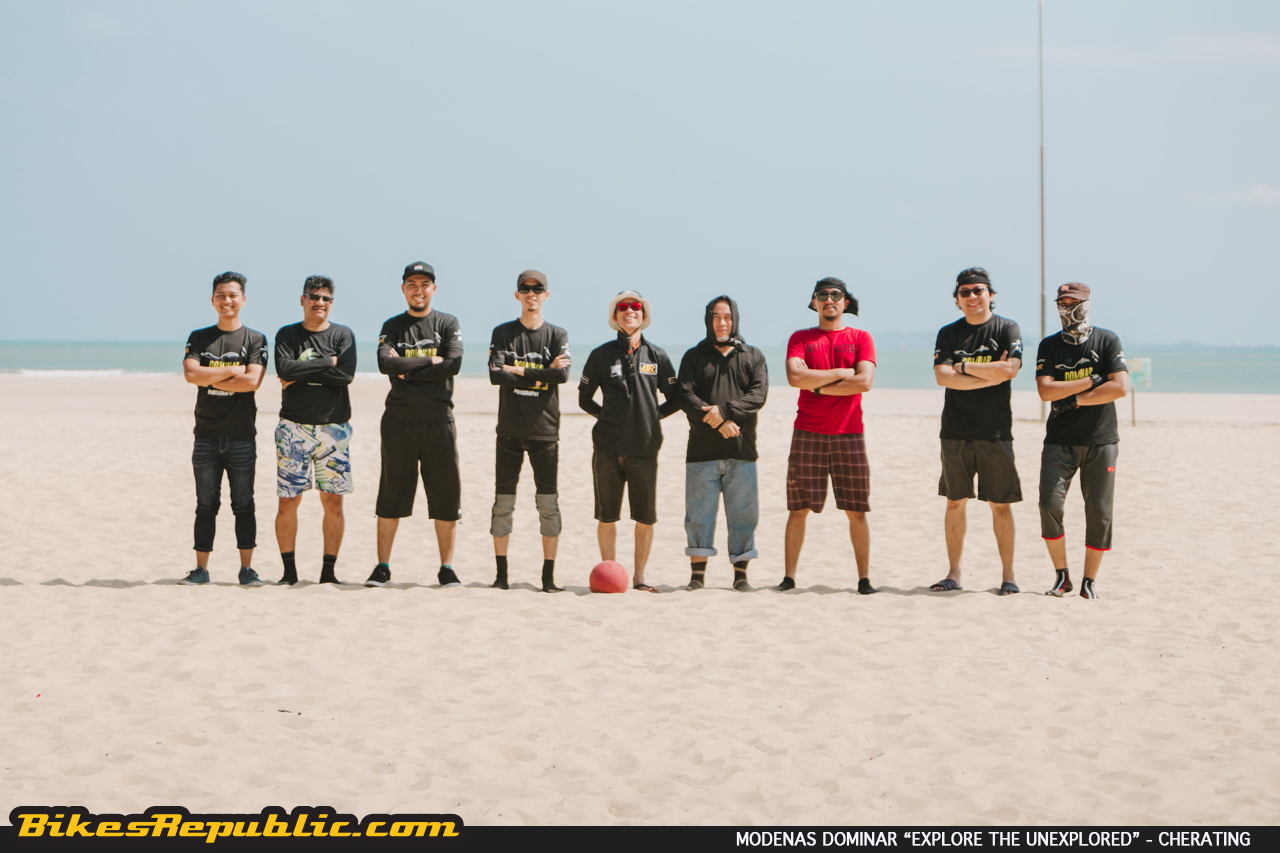
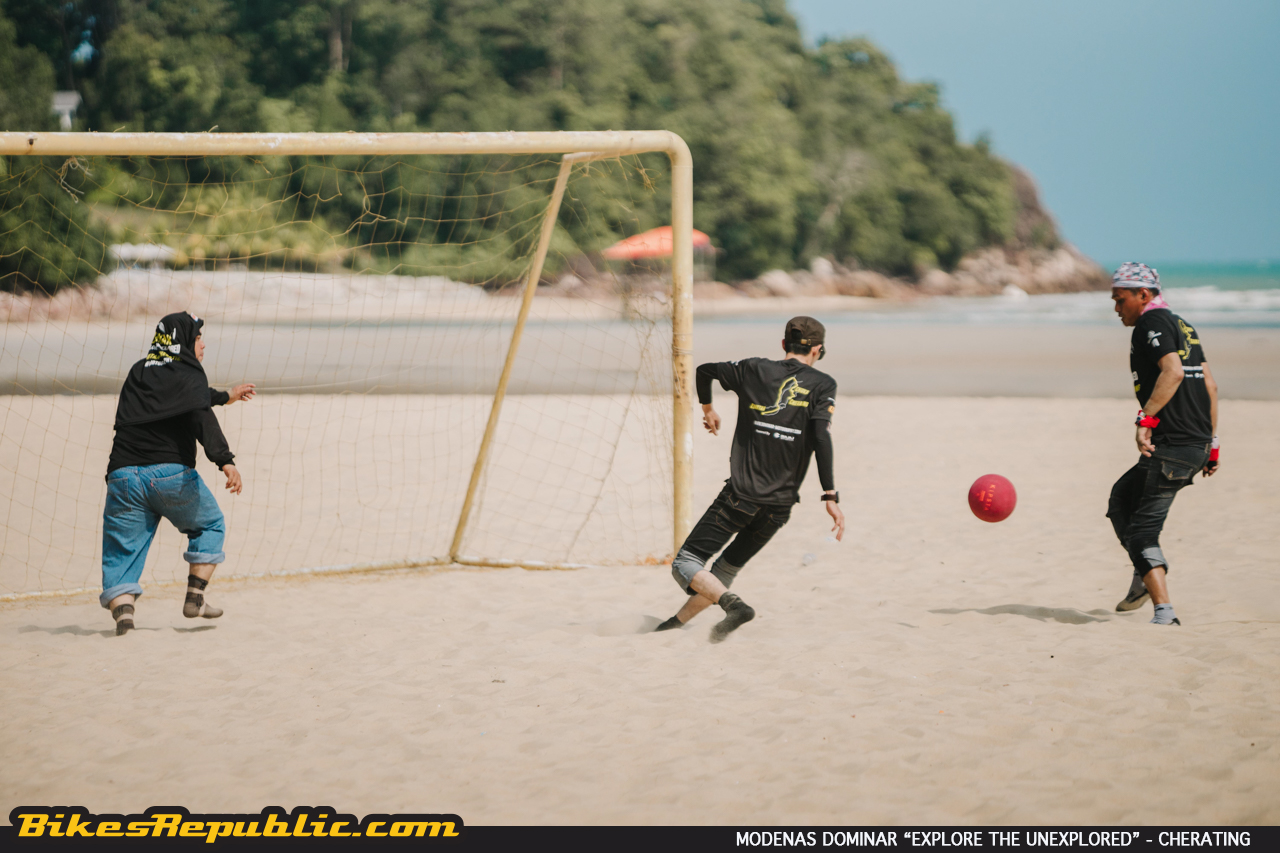
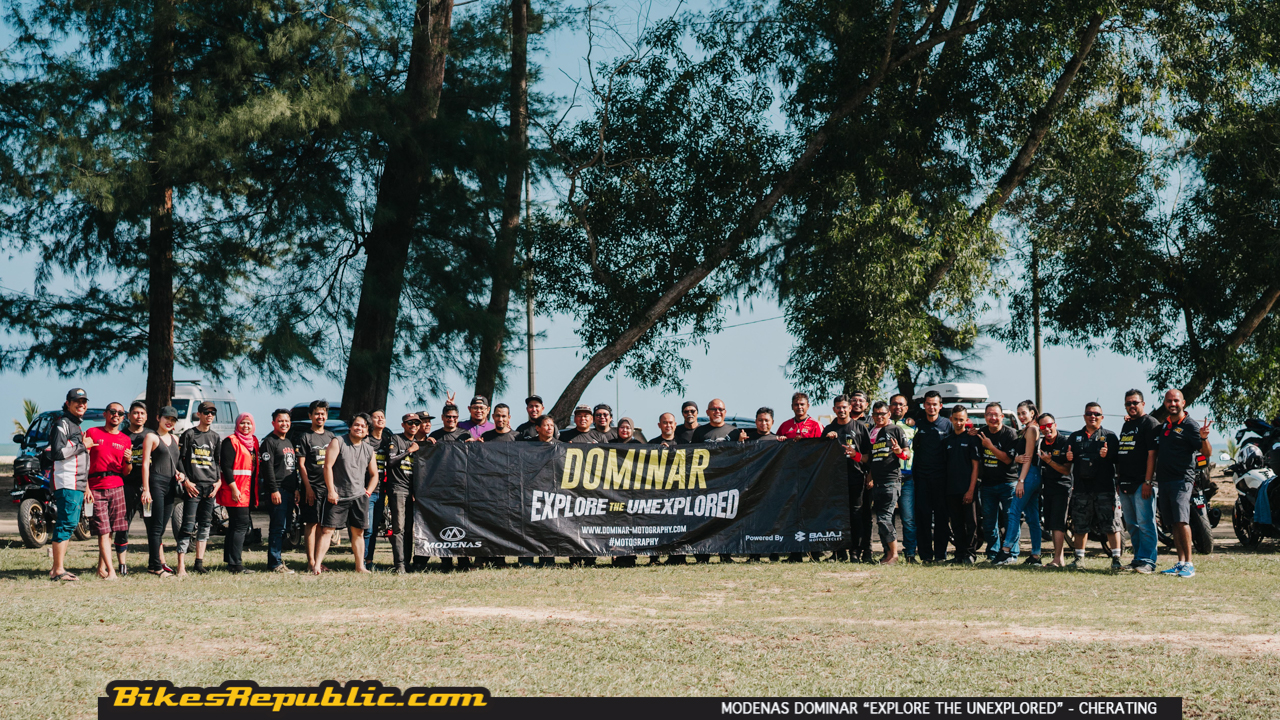
The fifth edition of the Modenas Dominar “Explore the Unexplored” took the owners from Kuantan to Cherating, Pahang.
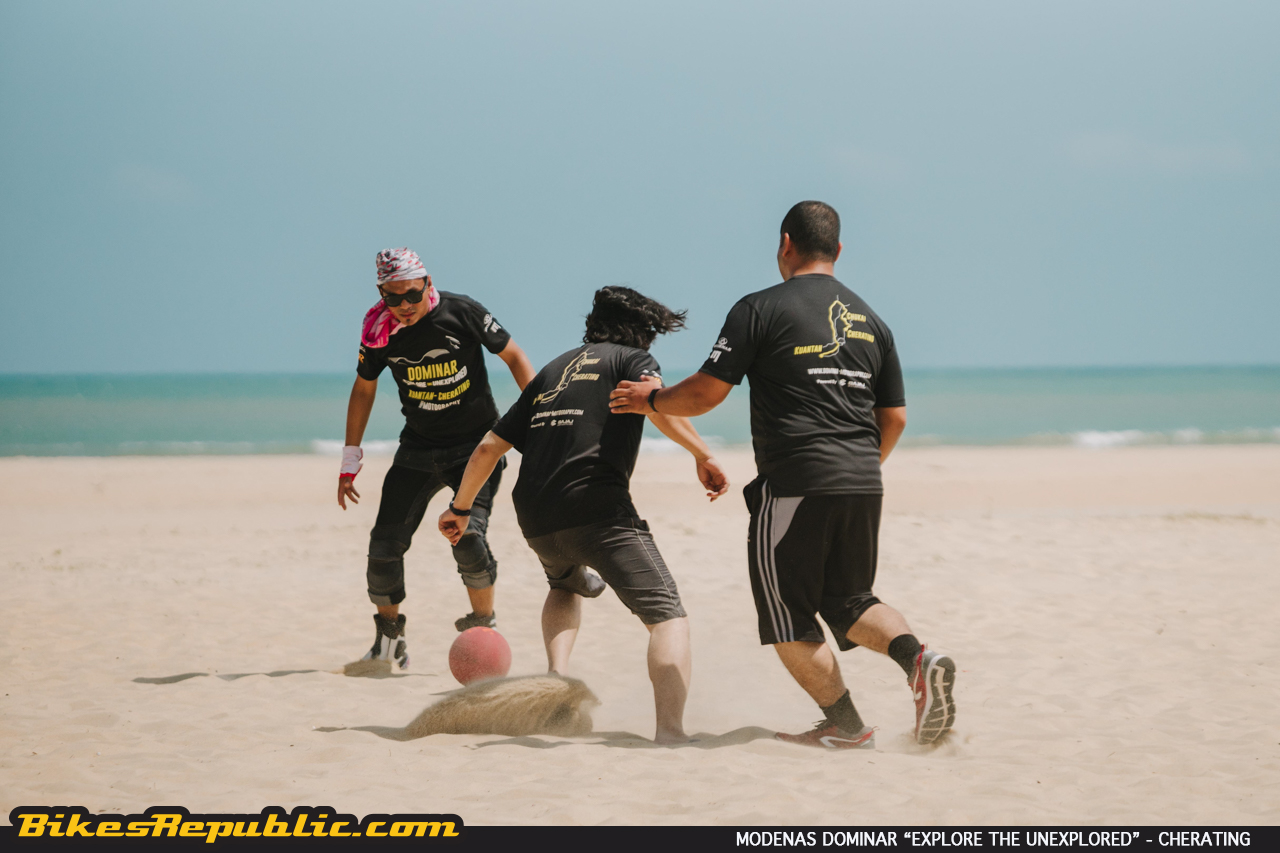
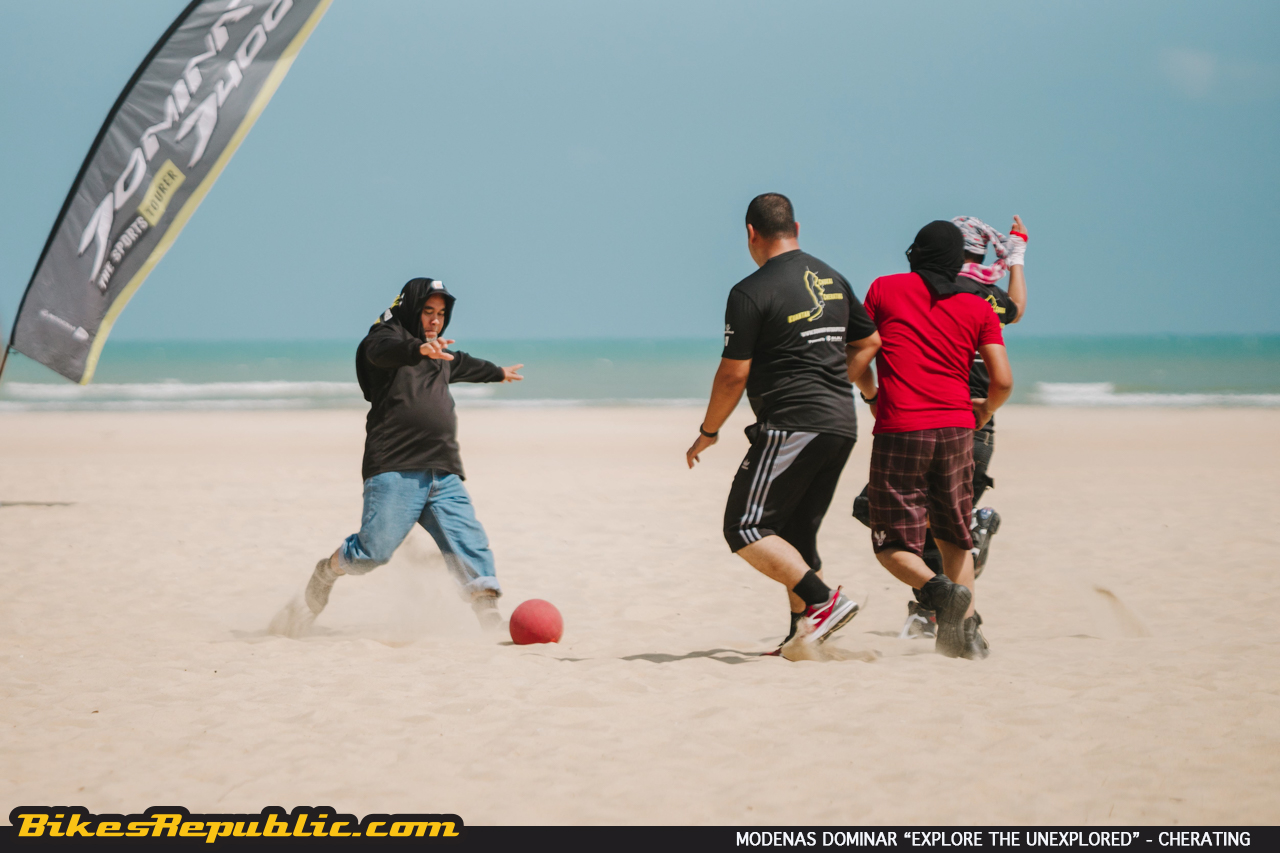
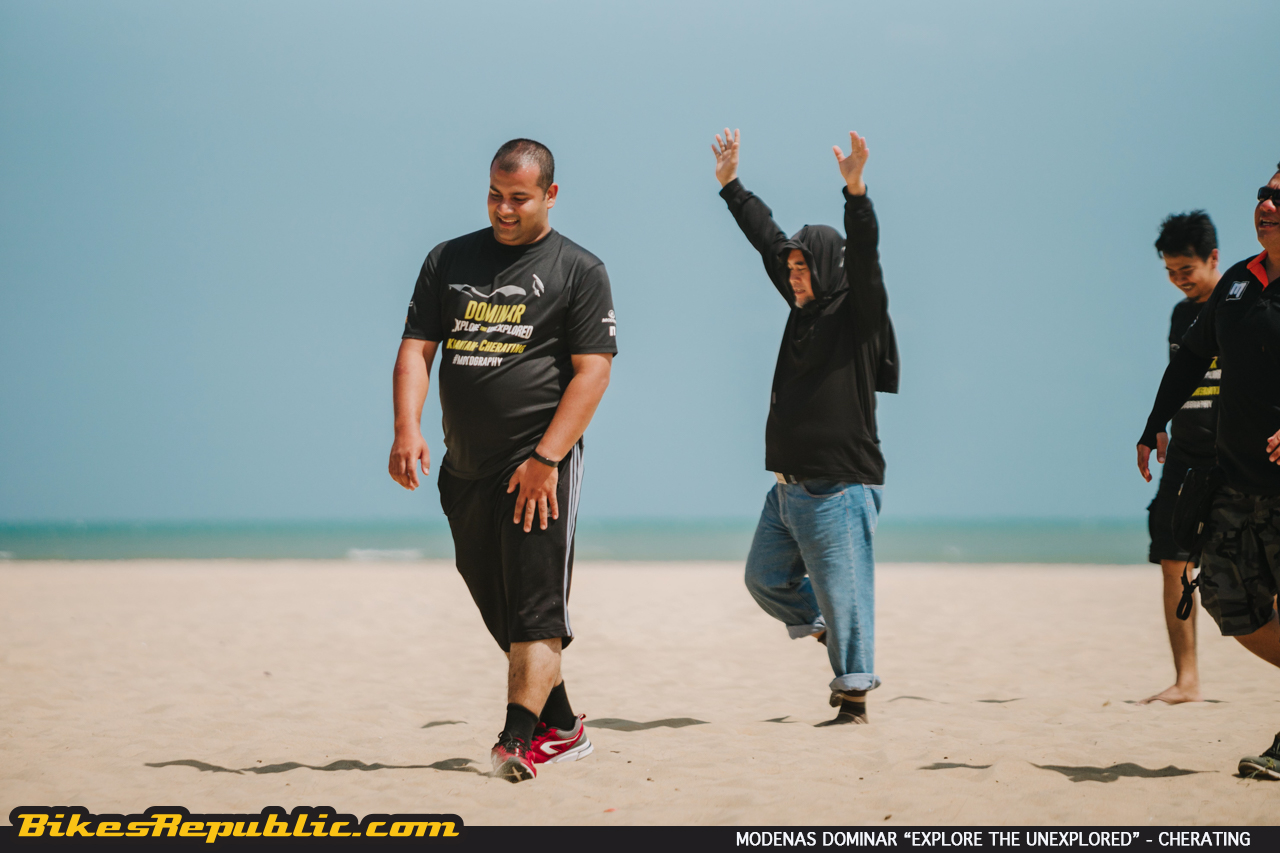
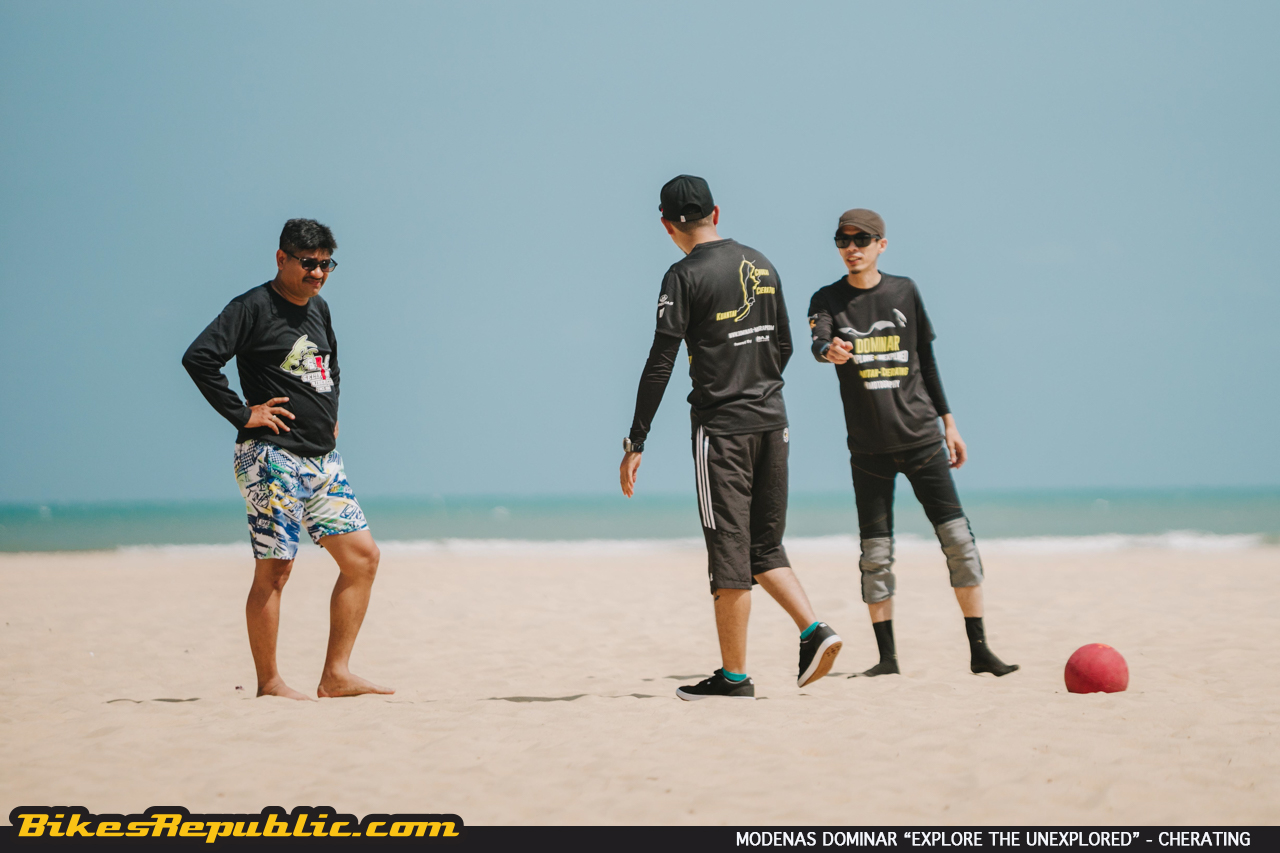
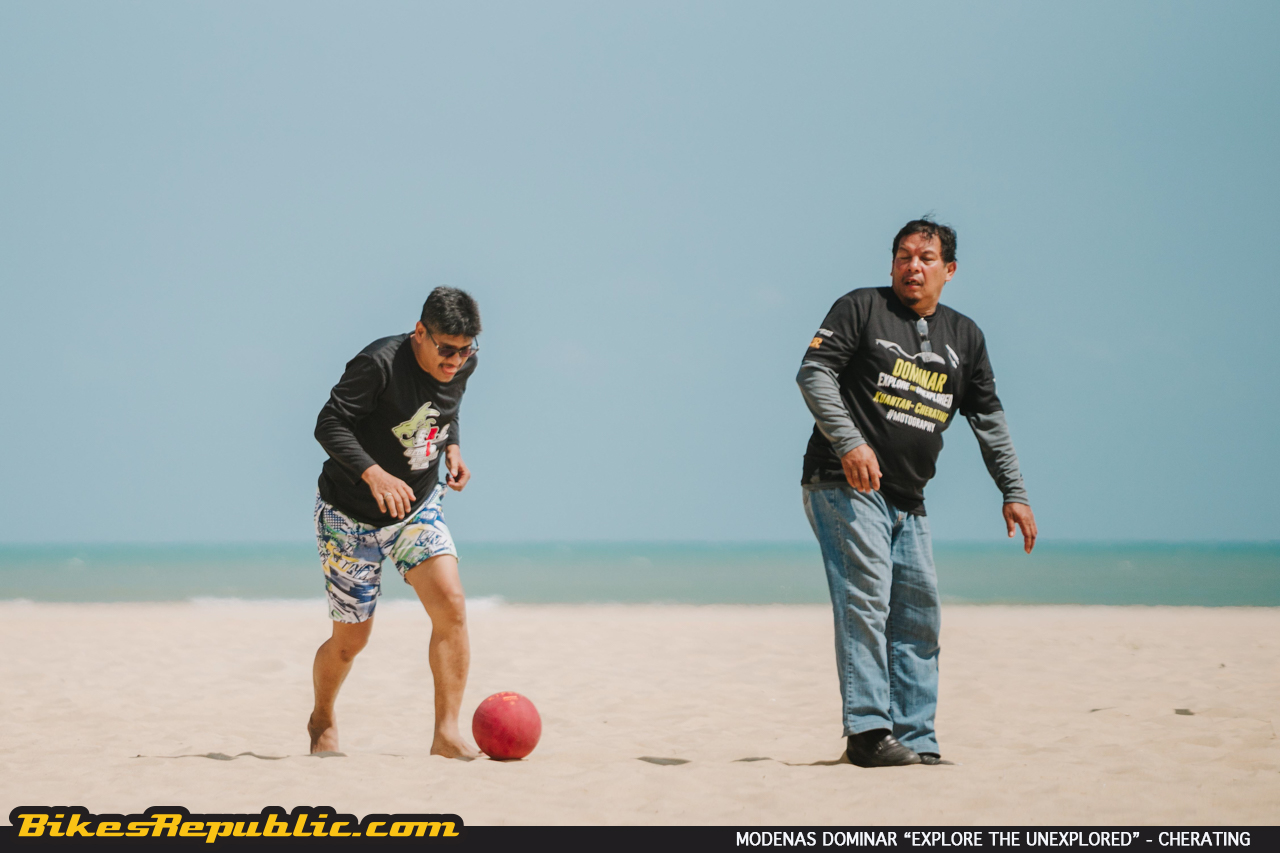
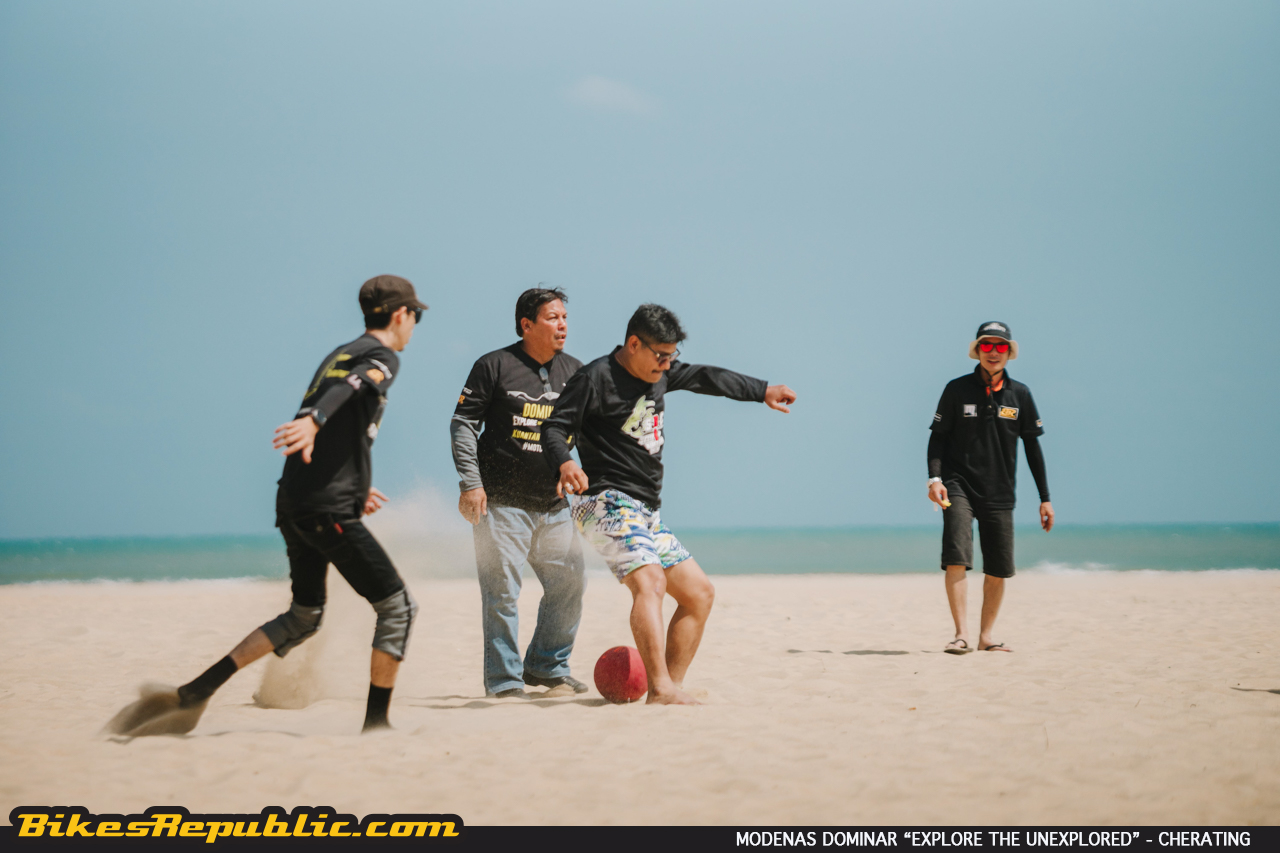
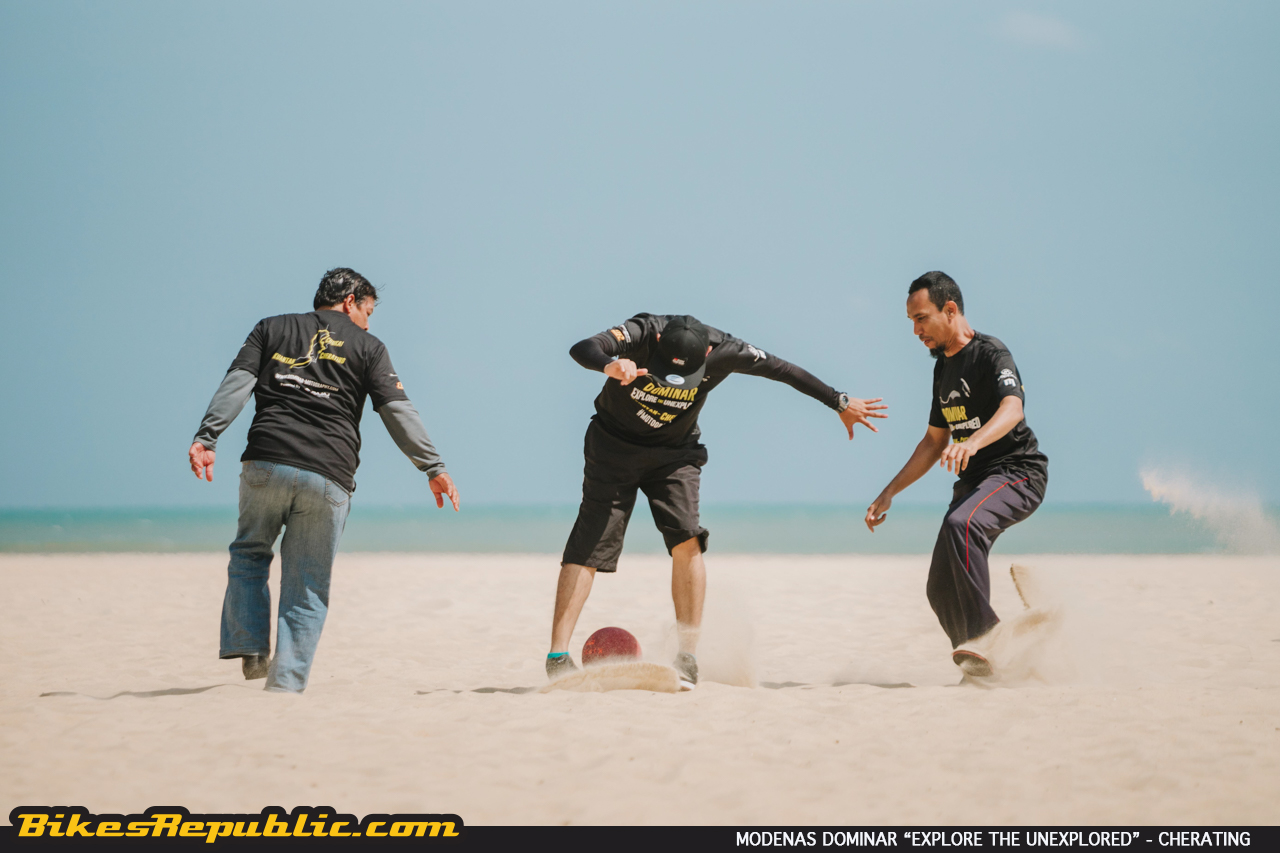
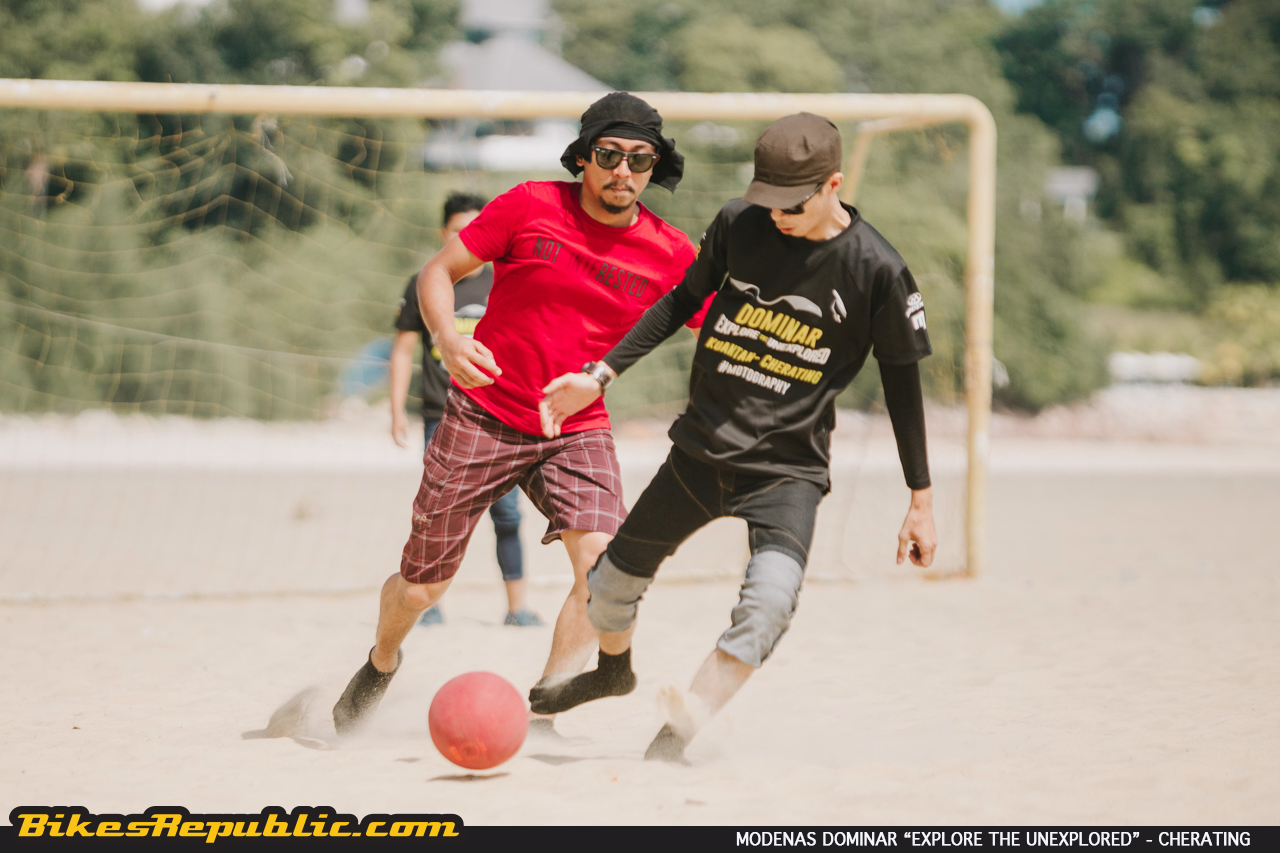
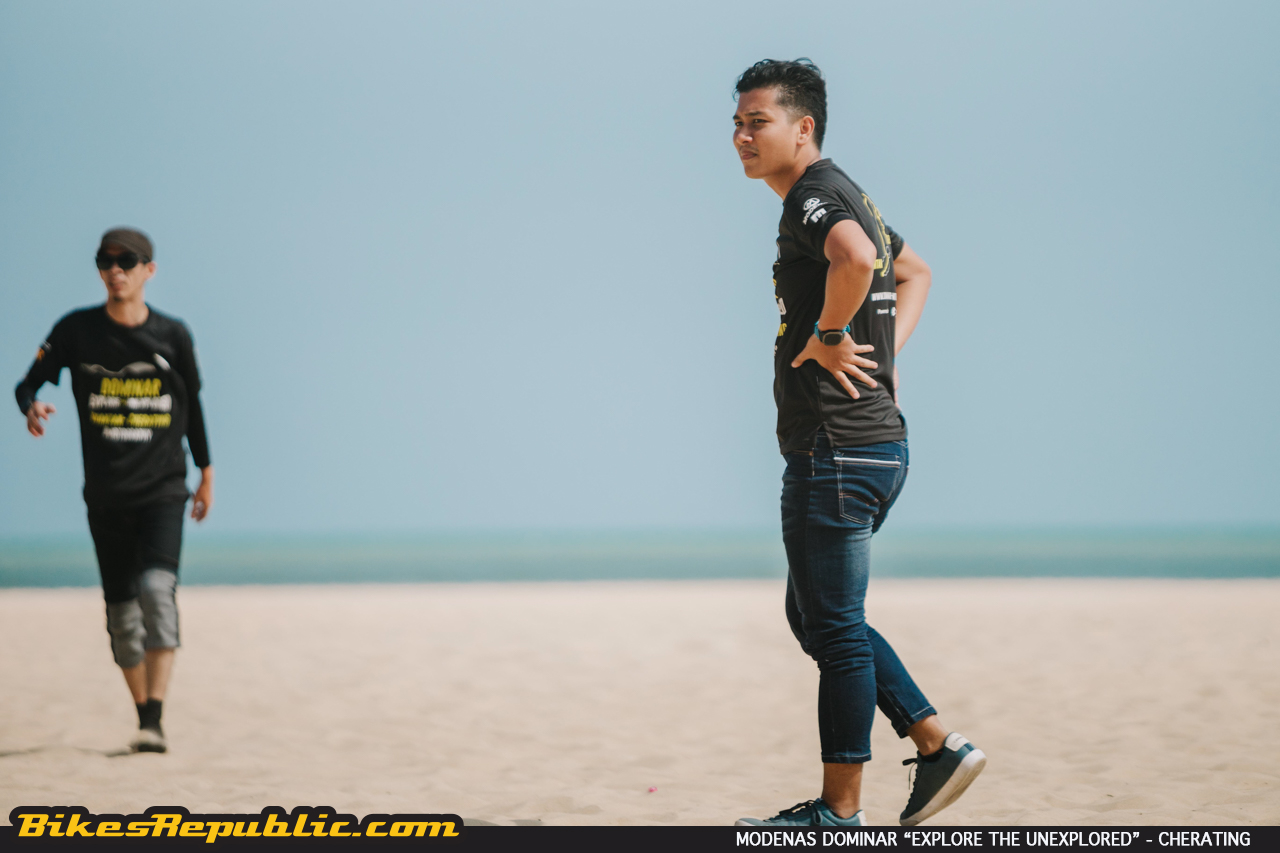
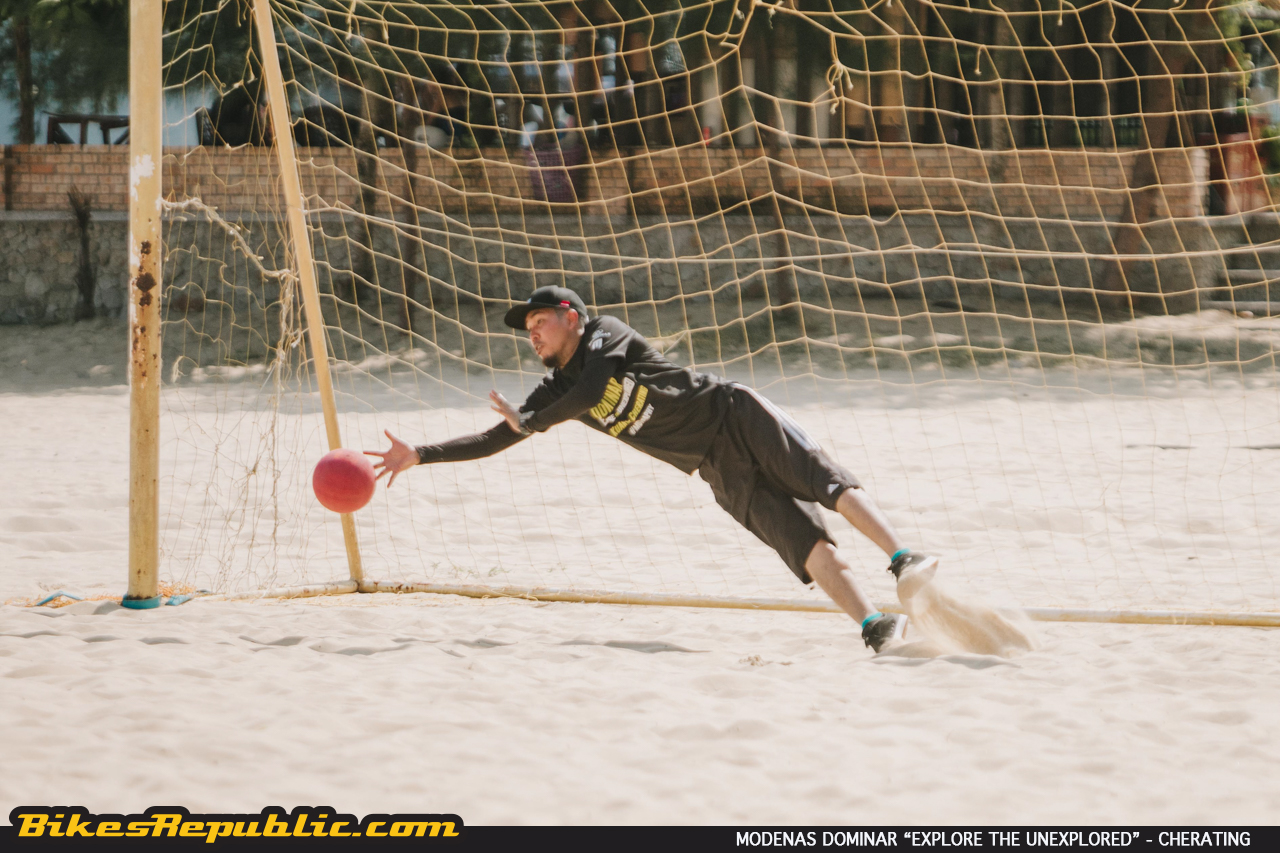
The riders had lots of fun at the beaches.
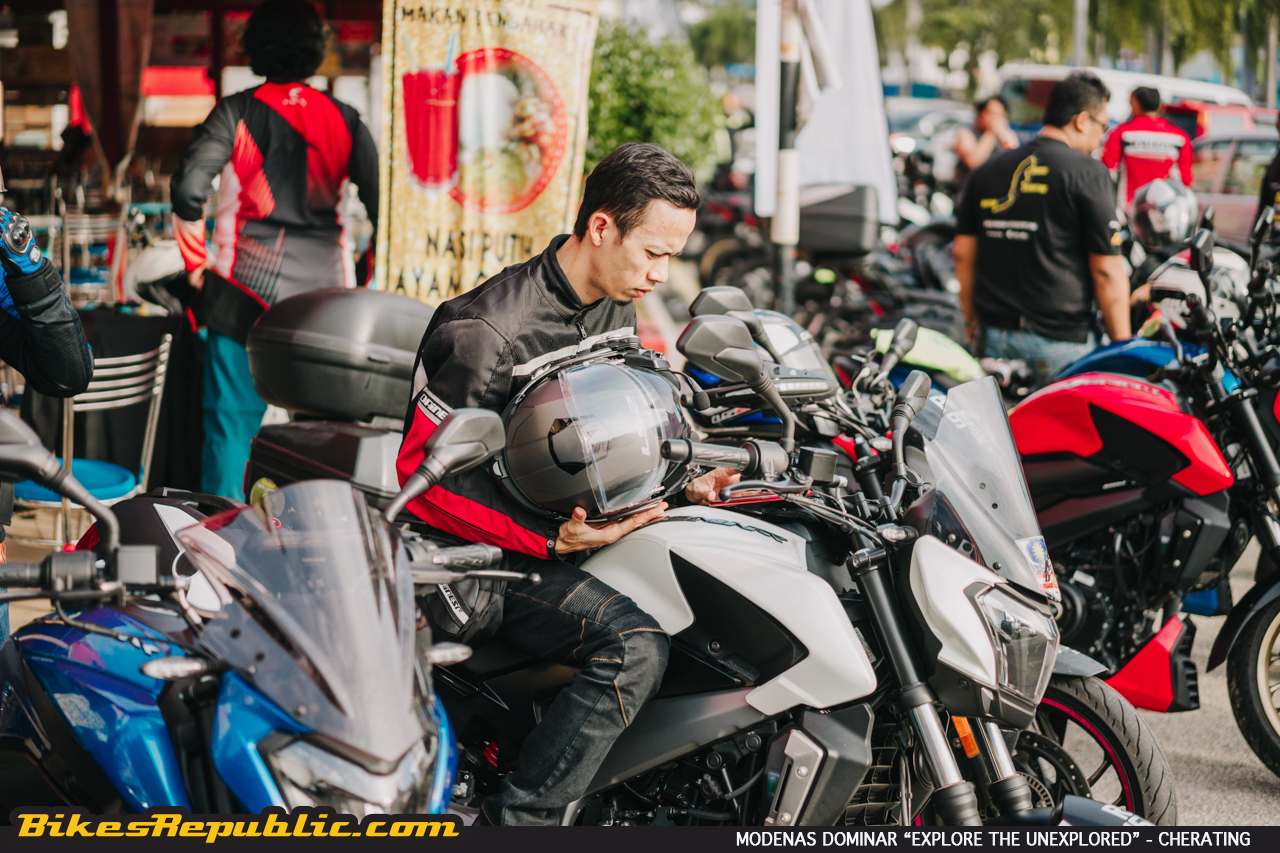
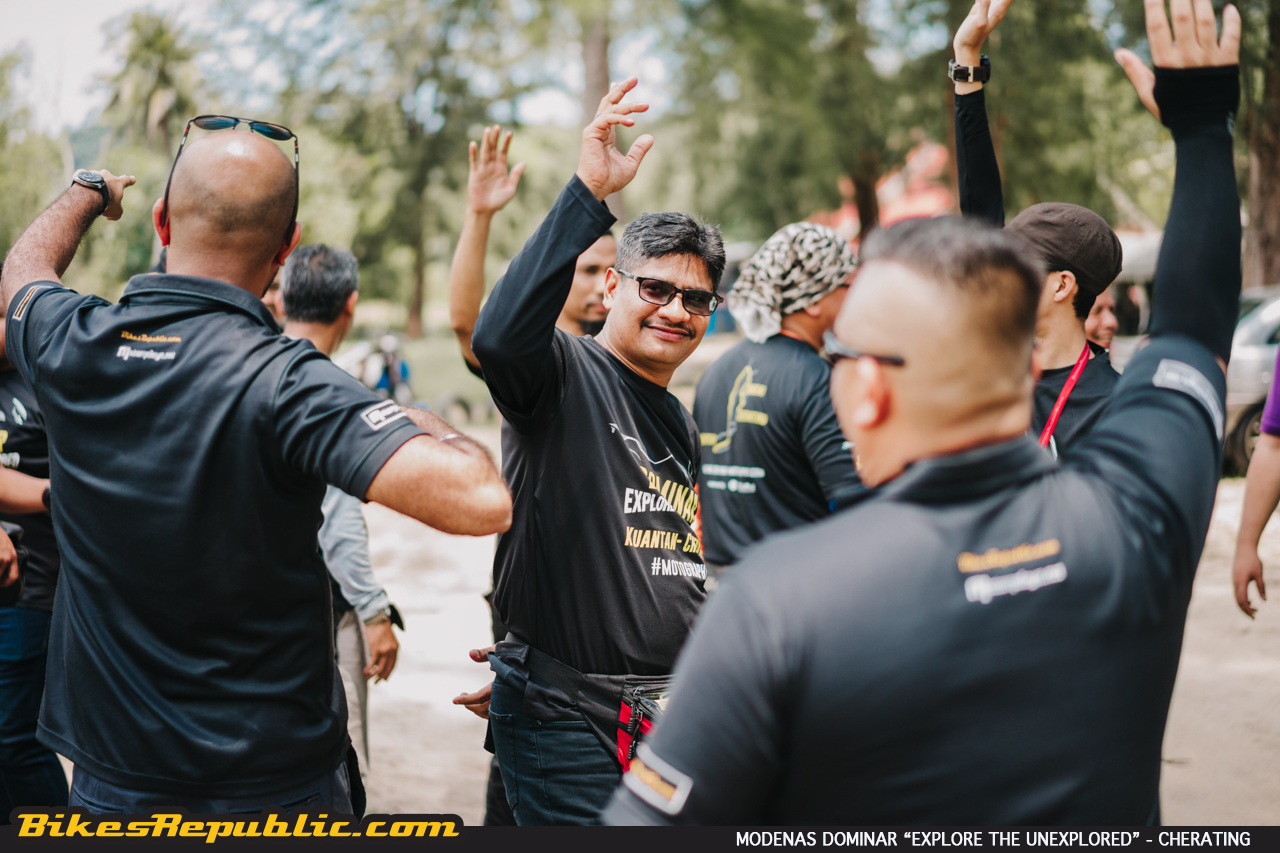
They also took plenty of pictures and videos for the #motography and #motographymalaysia initiatives.
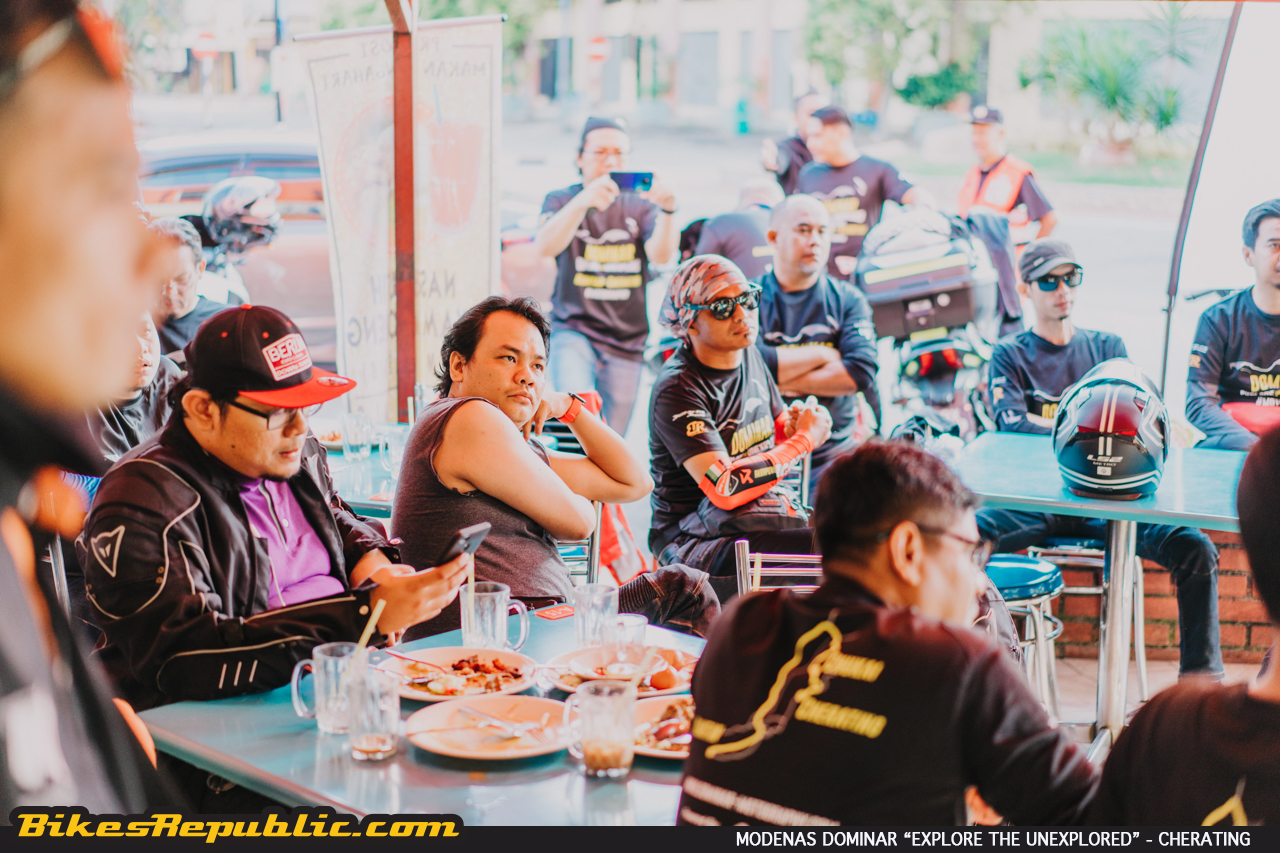
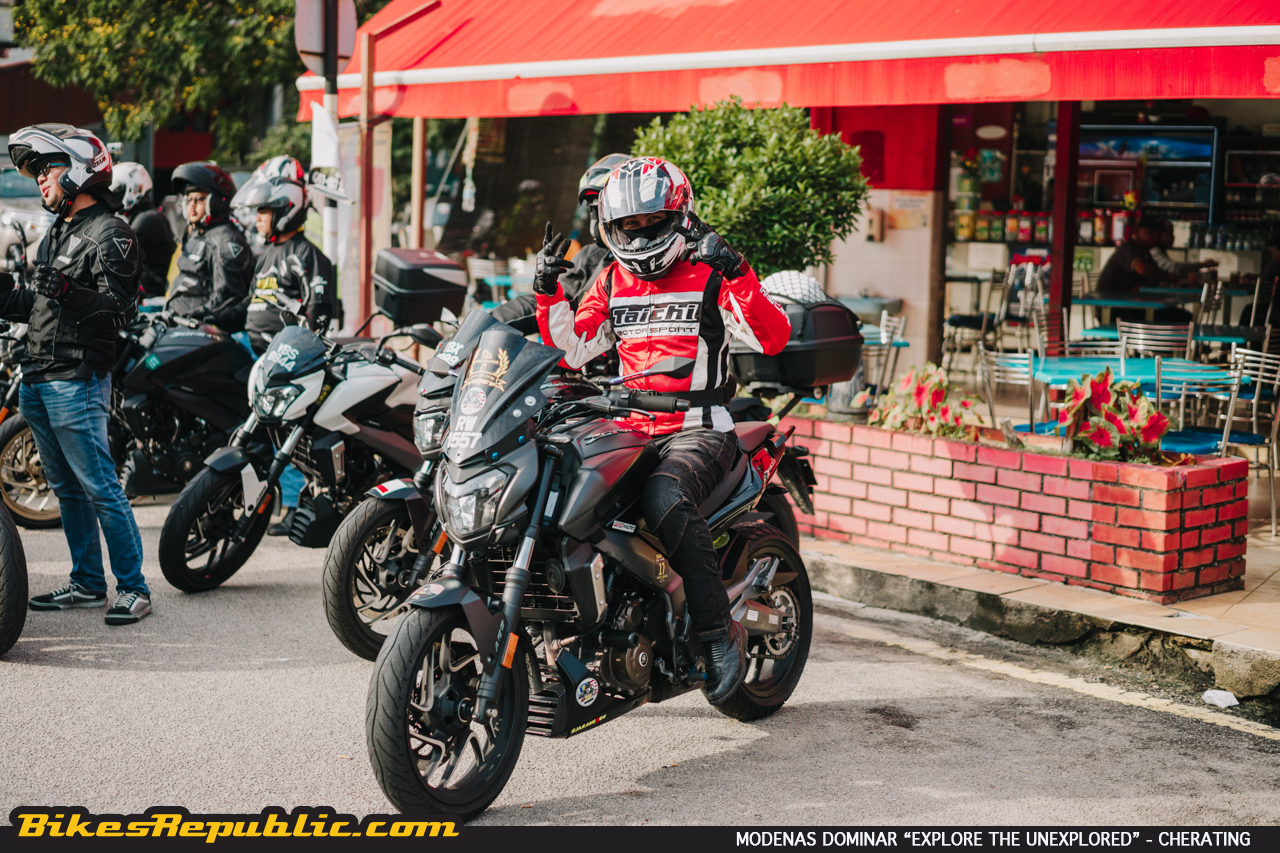
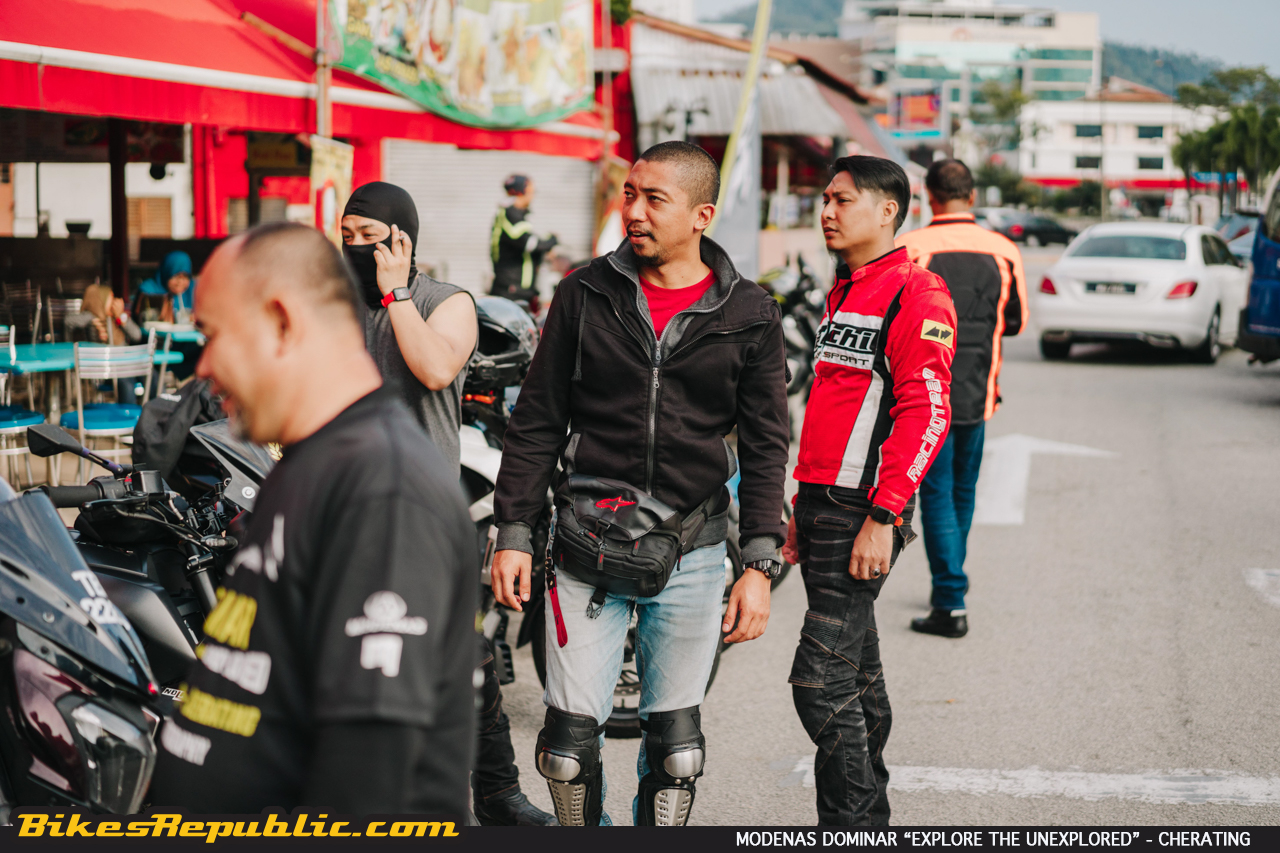
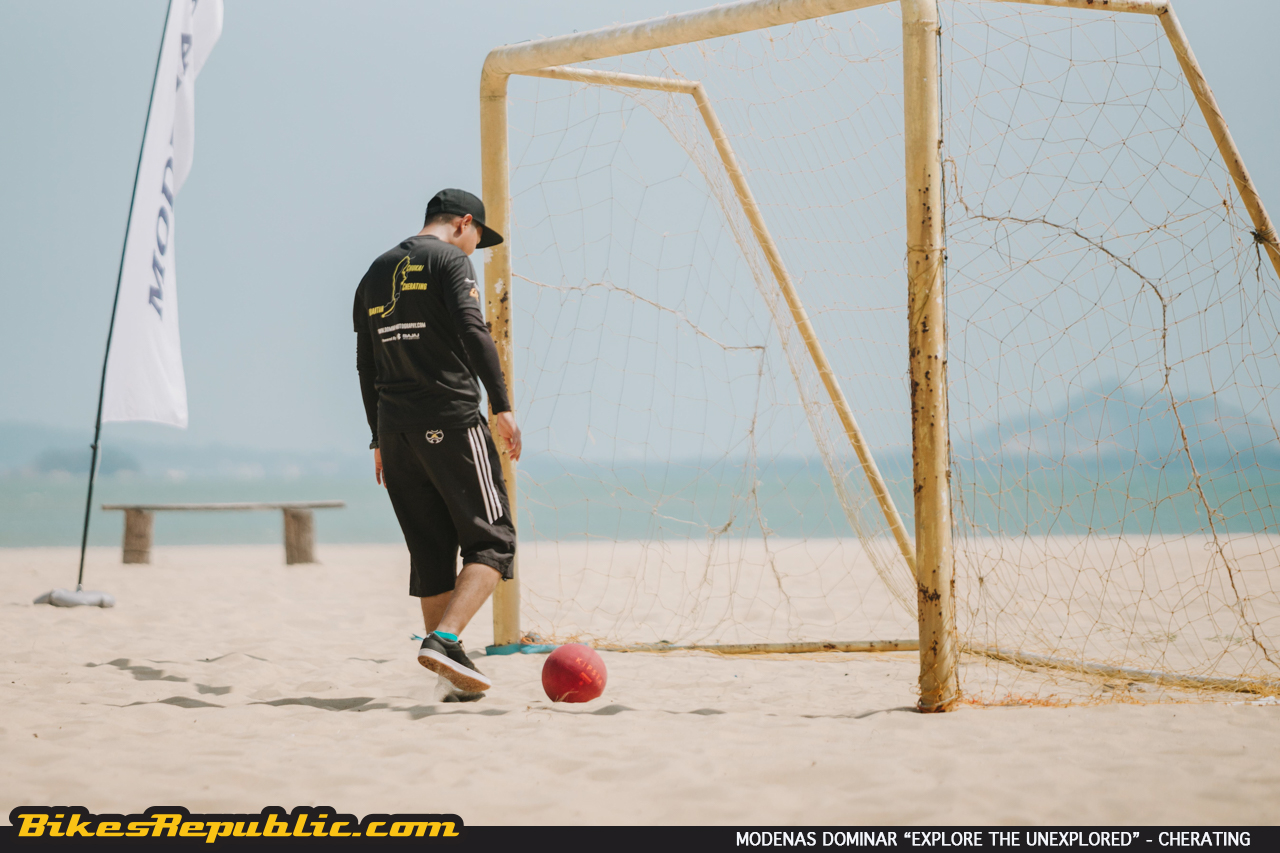
In this fifth edition of the Modenas Dominar “Explore the Unexplored” initiative, the owners rode from Kuantan to Cherating for fun and games.
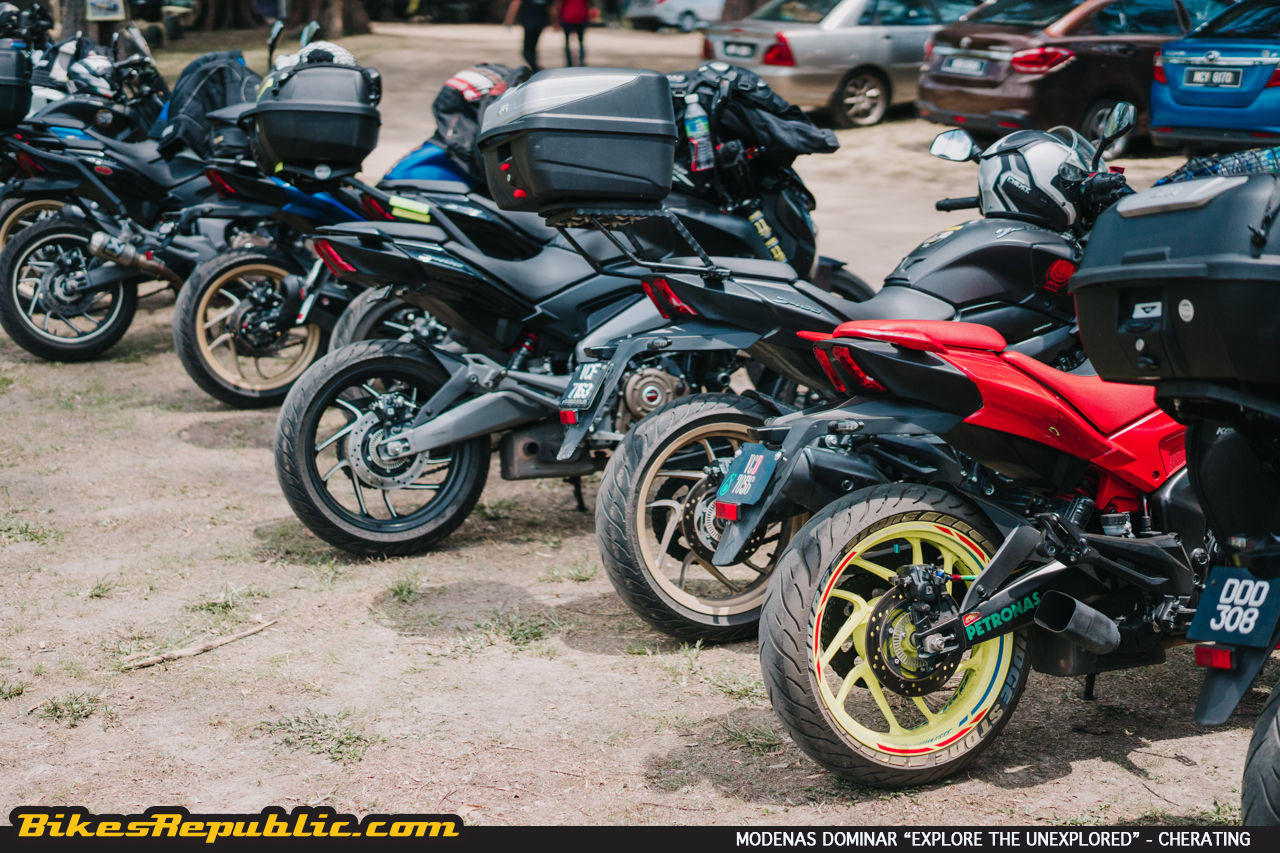
The ride is part of the onging #Motography and #MotographyMalaysia initiatives which encourages Modenas Dominar 400 owners to submit photographs and videos of their travels. The footages can then be used by all Dominar 400 owners who wish to travel to those same exotic locations.
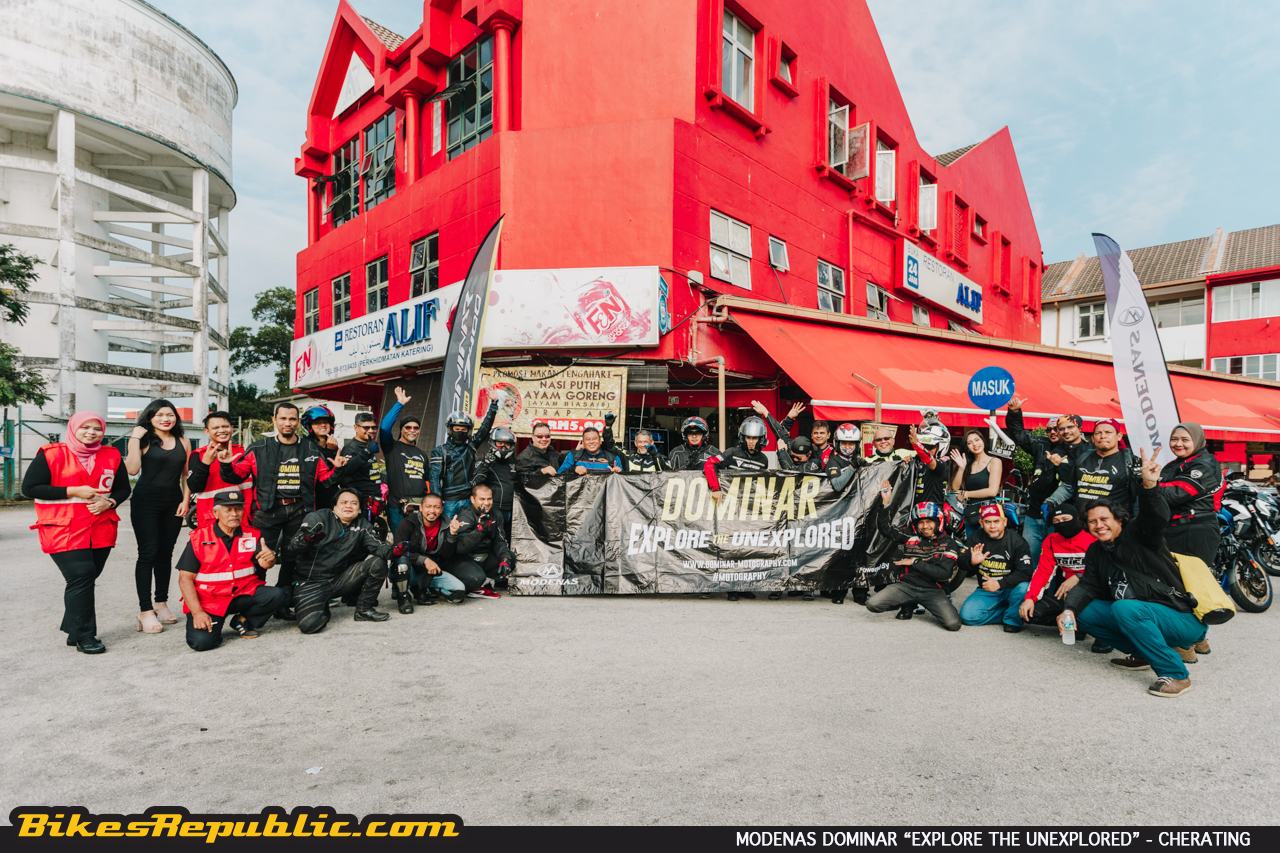
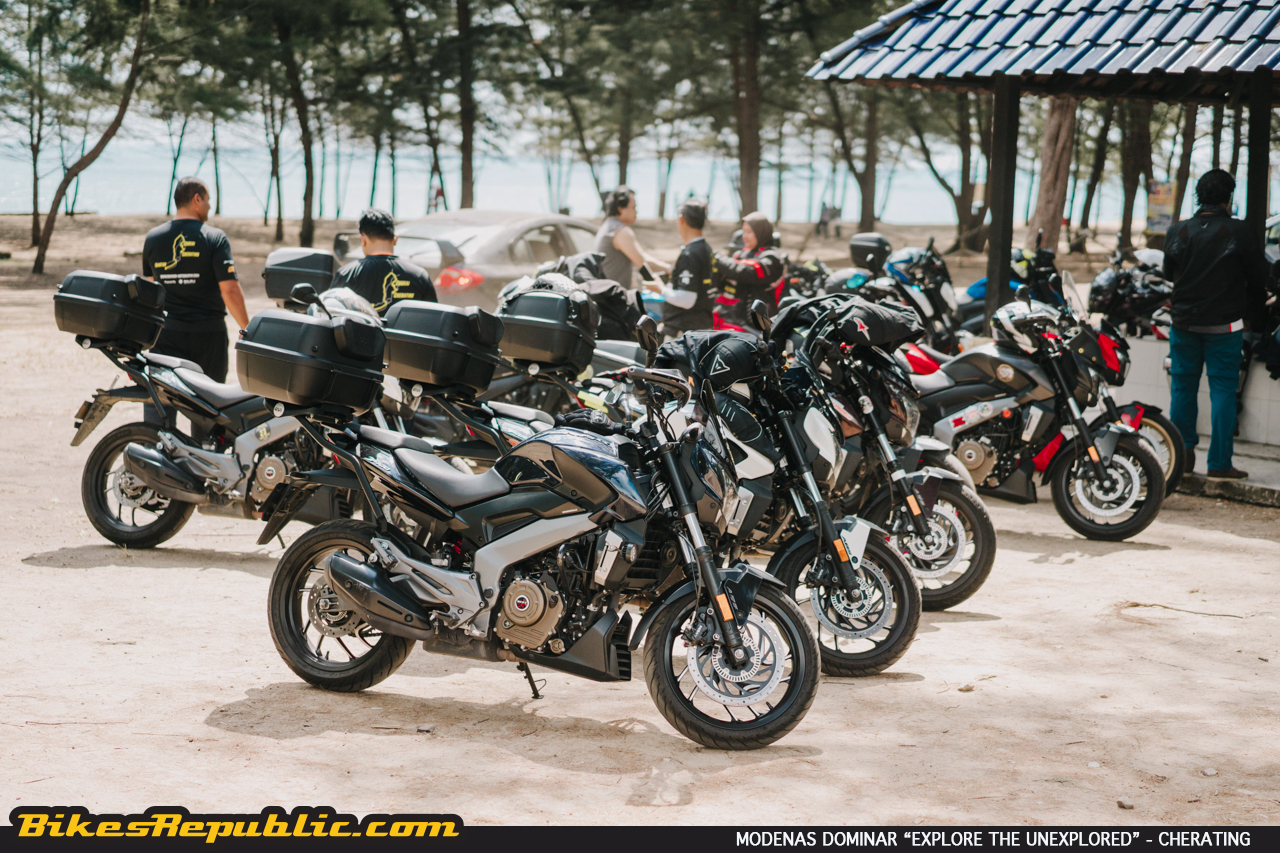
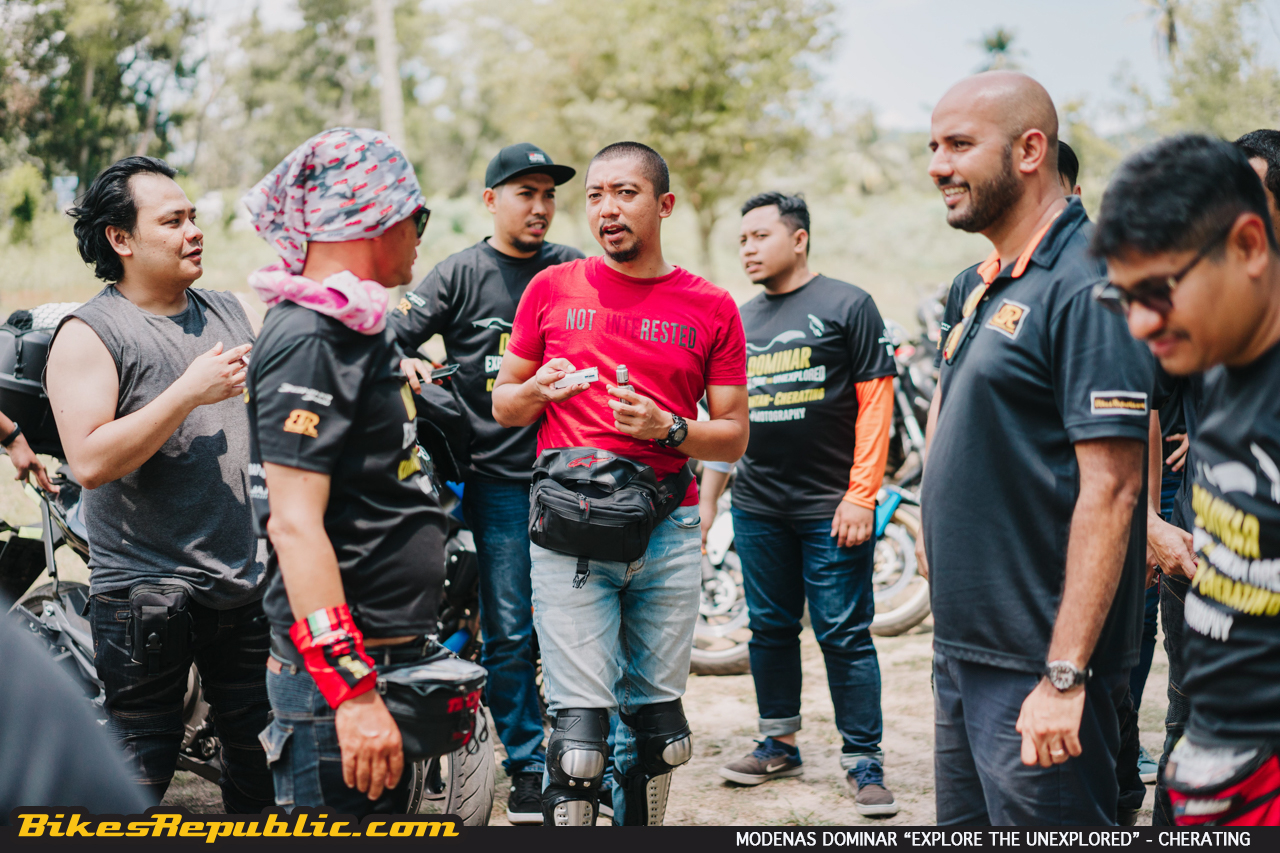
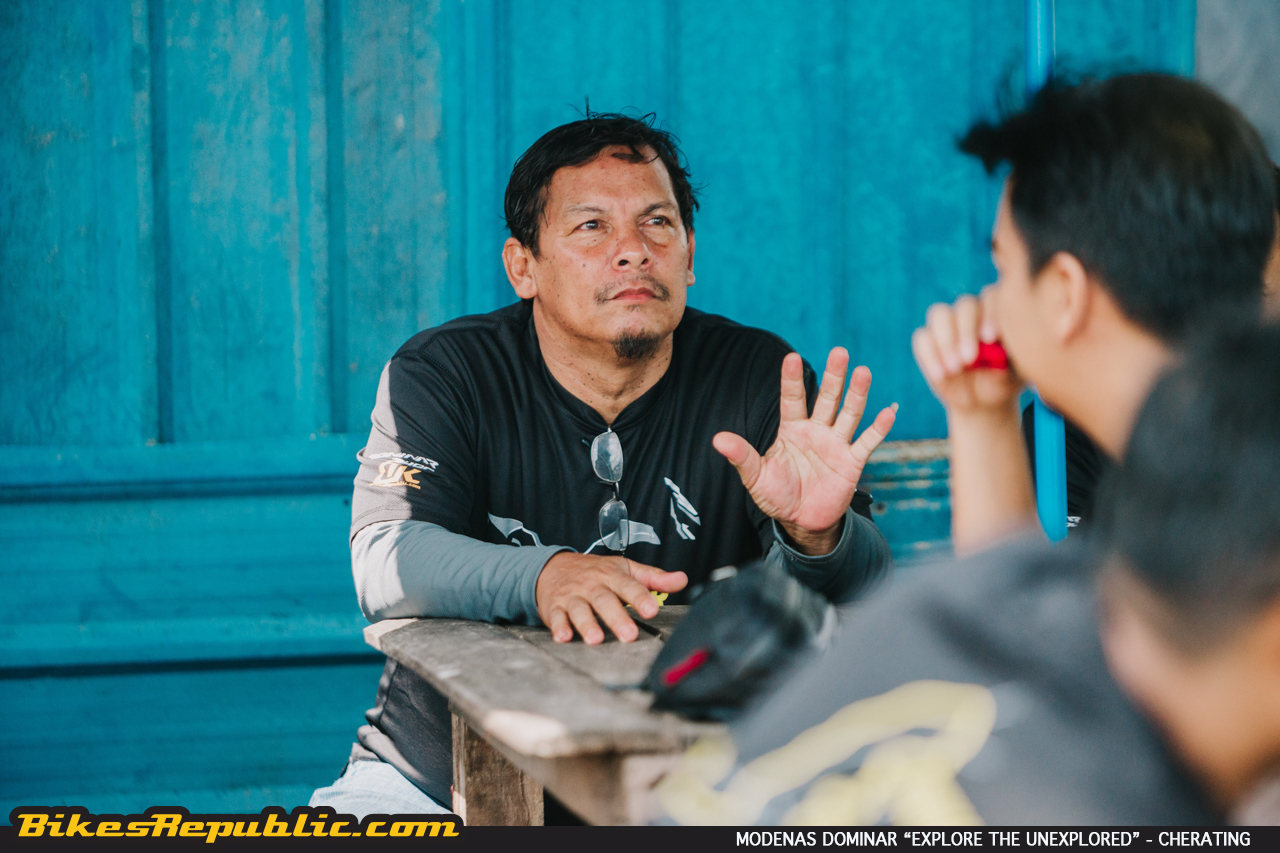
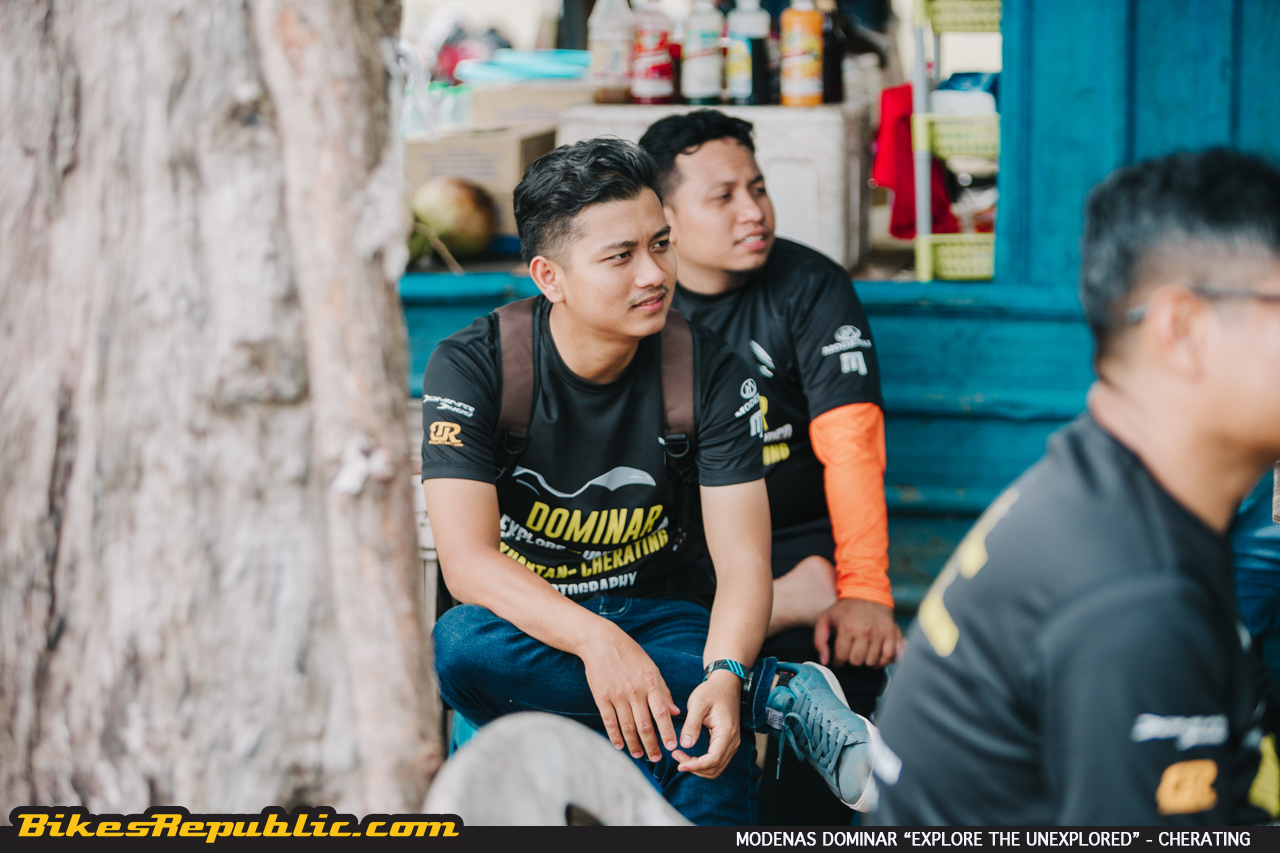
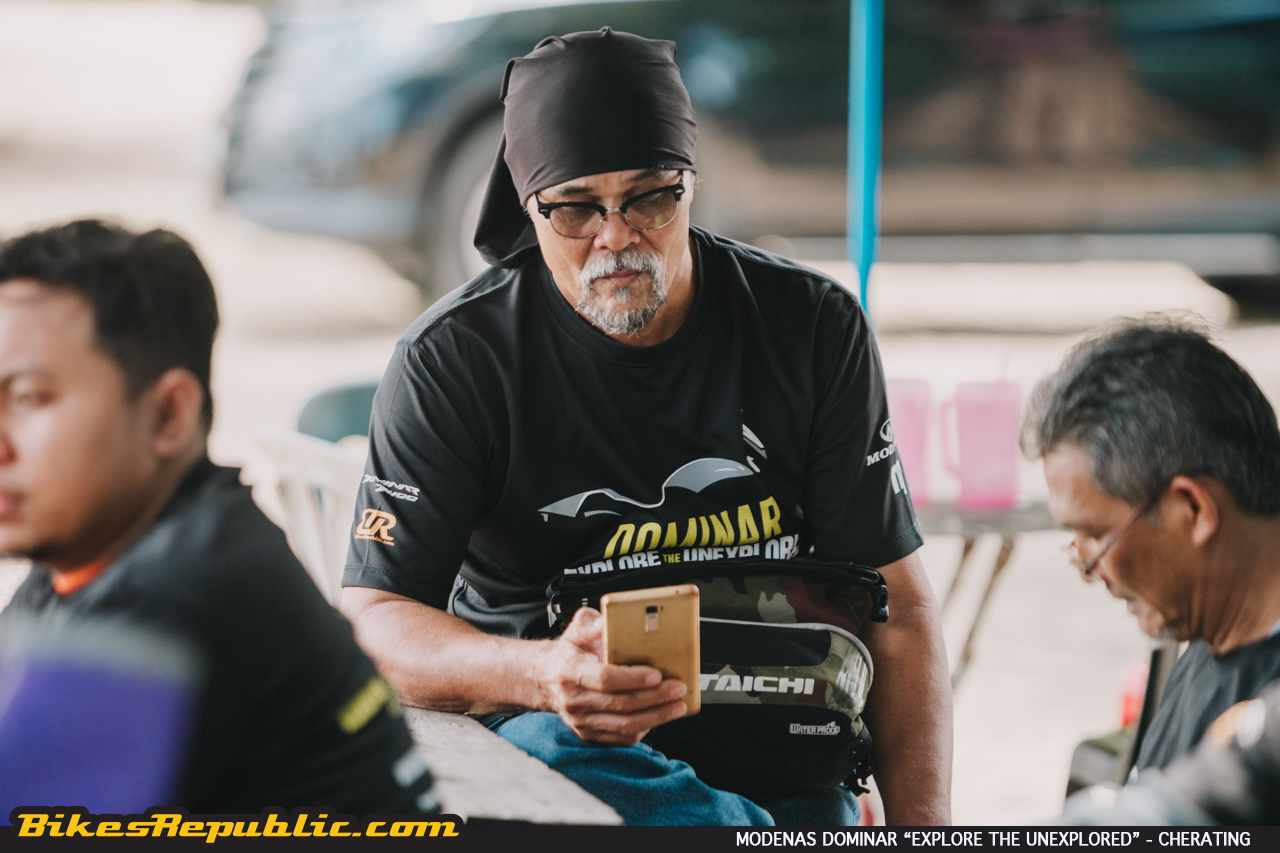
The riders grouped at Restoran Aliff for breakfast. Later, they were briefed on the day’s programmes and routes, and were soon flagged off. The first #Motography stop was at Pantai Teluk Mak Nik, or better known as Monica Bay.
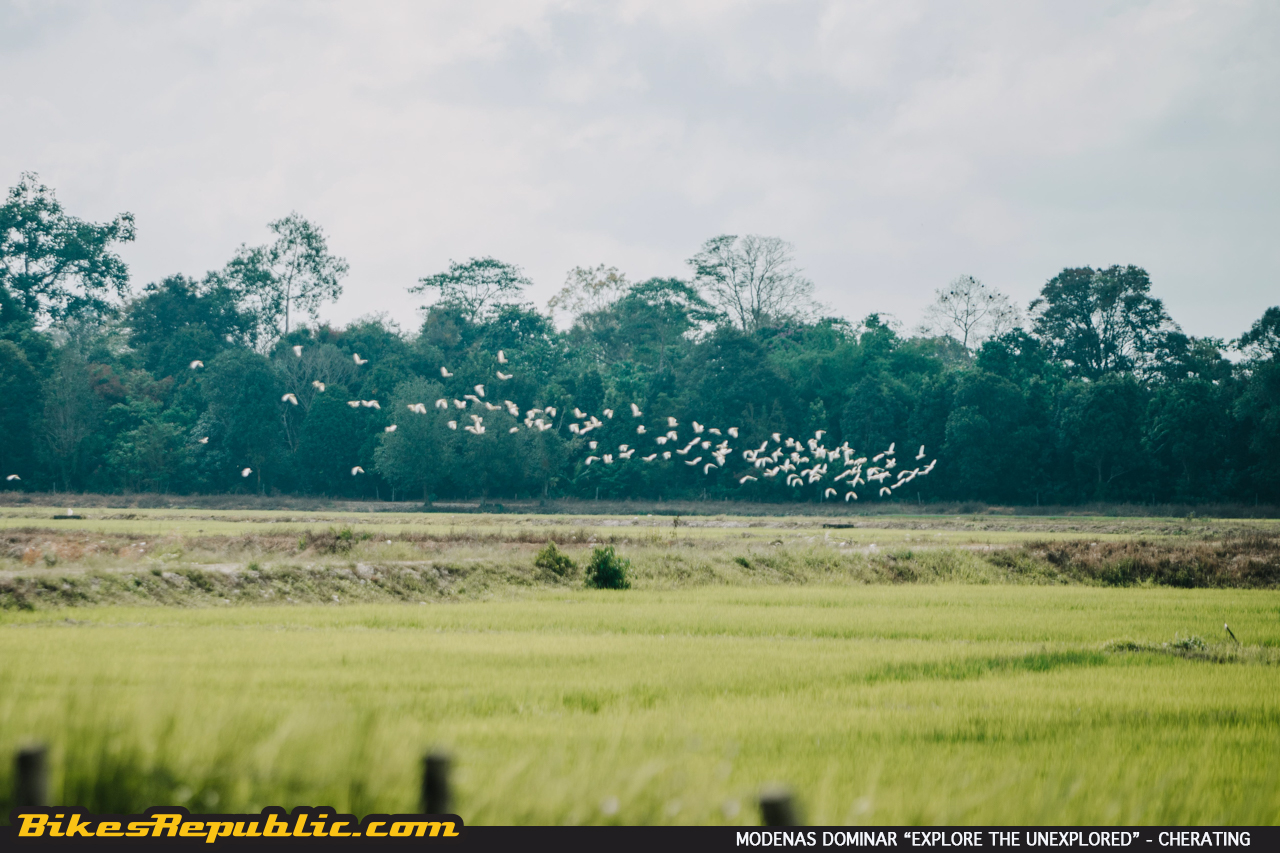
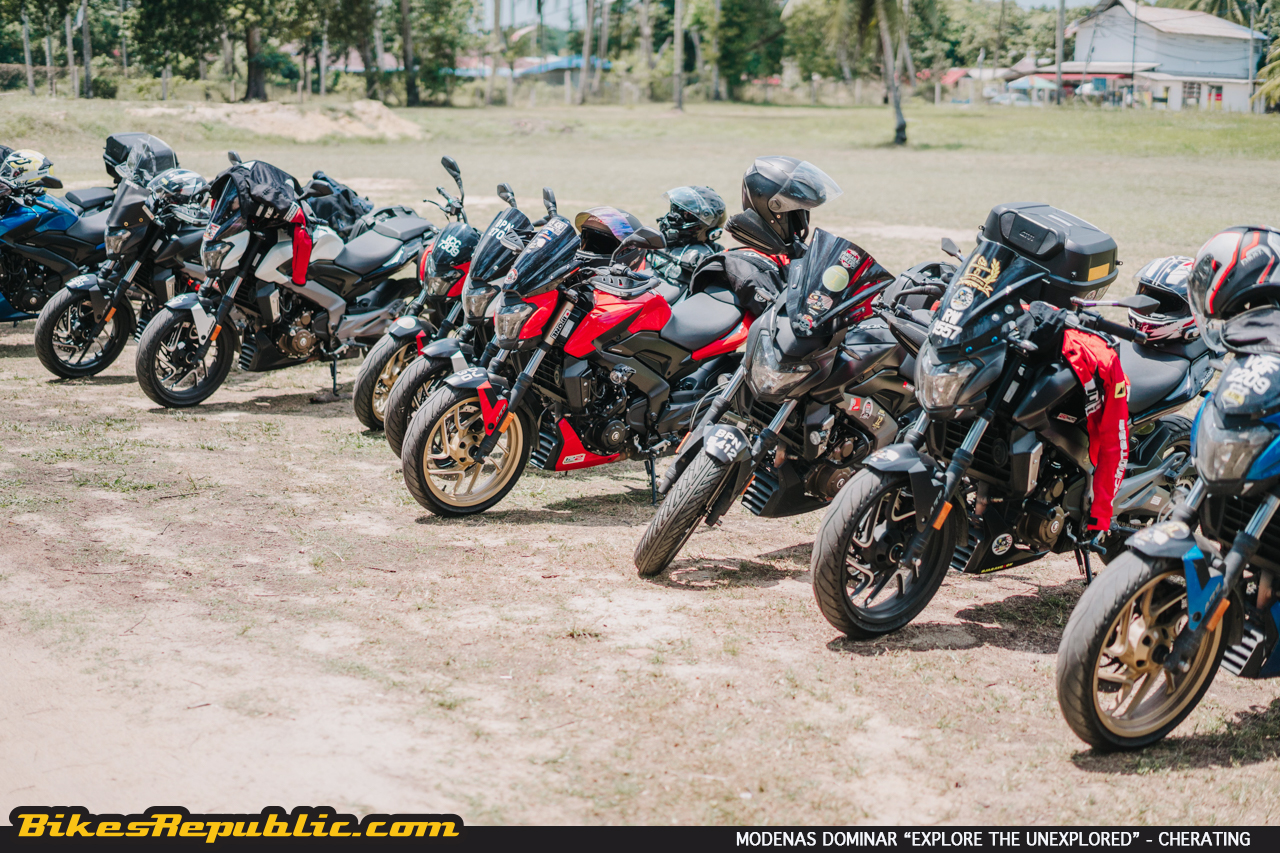
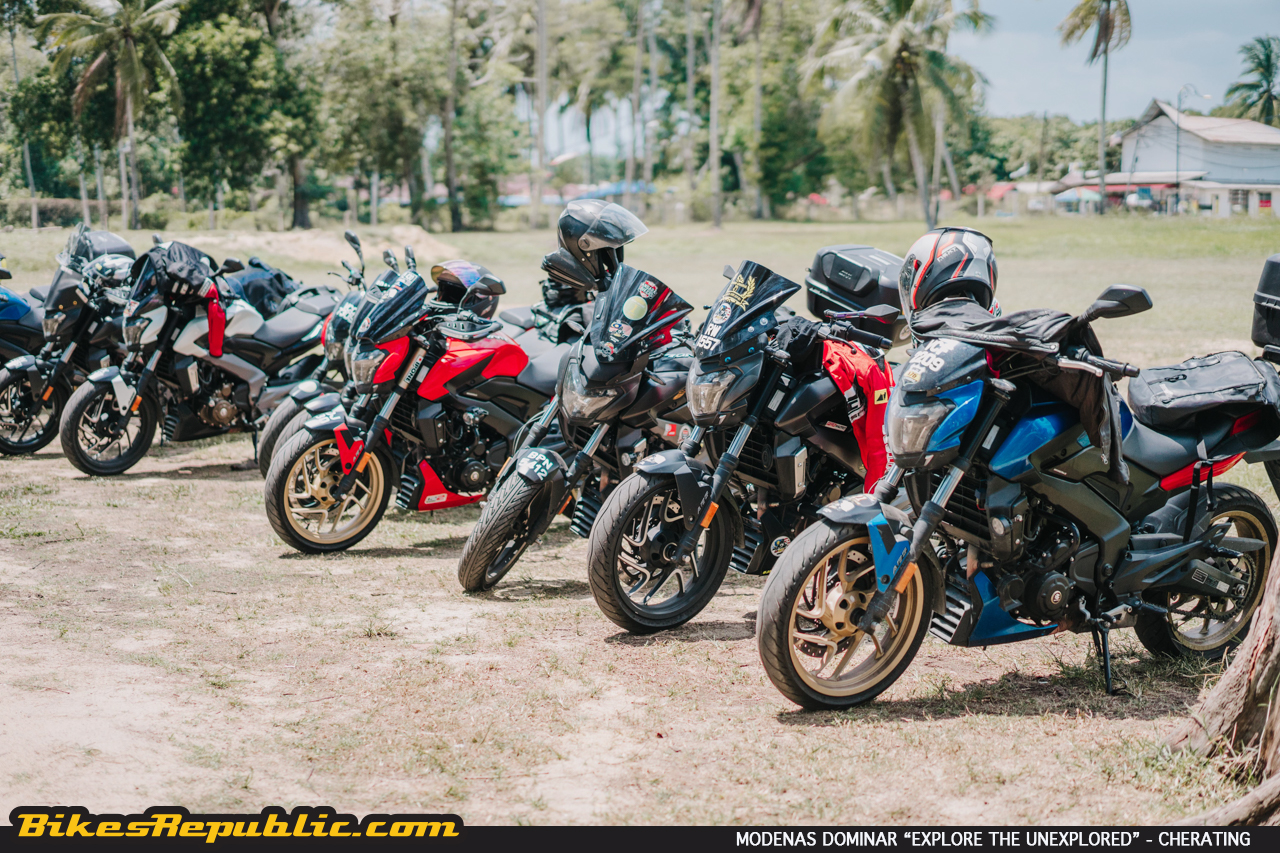
At the beautiful destination featuring sand and surf line by casuarina trees, the riders went ahead to place their bikes for their best shots. The shots were then uploaded to the #motography social media site. The best shot wins prizes, by the way.
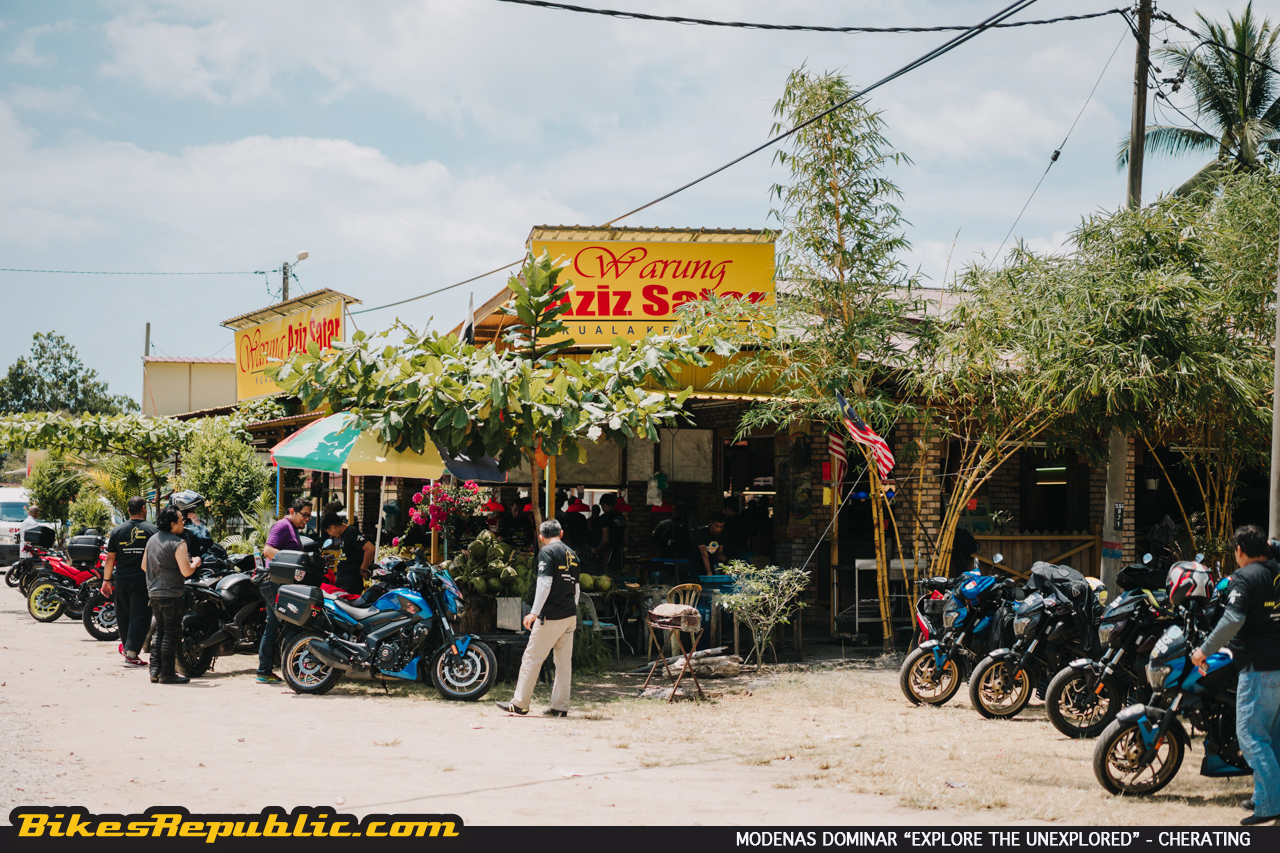
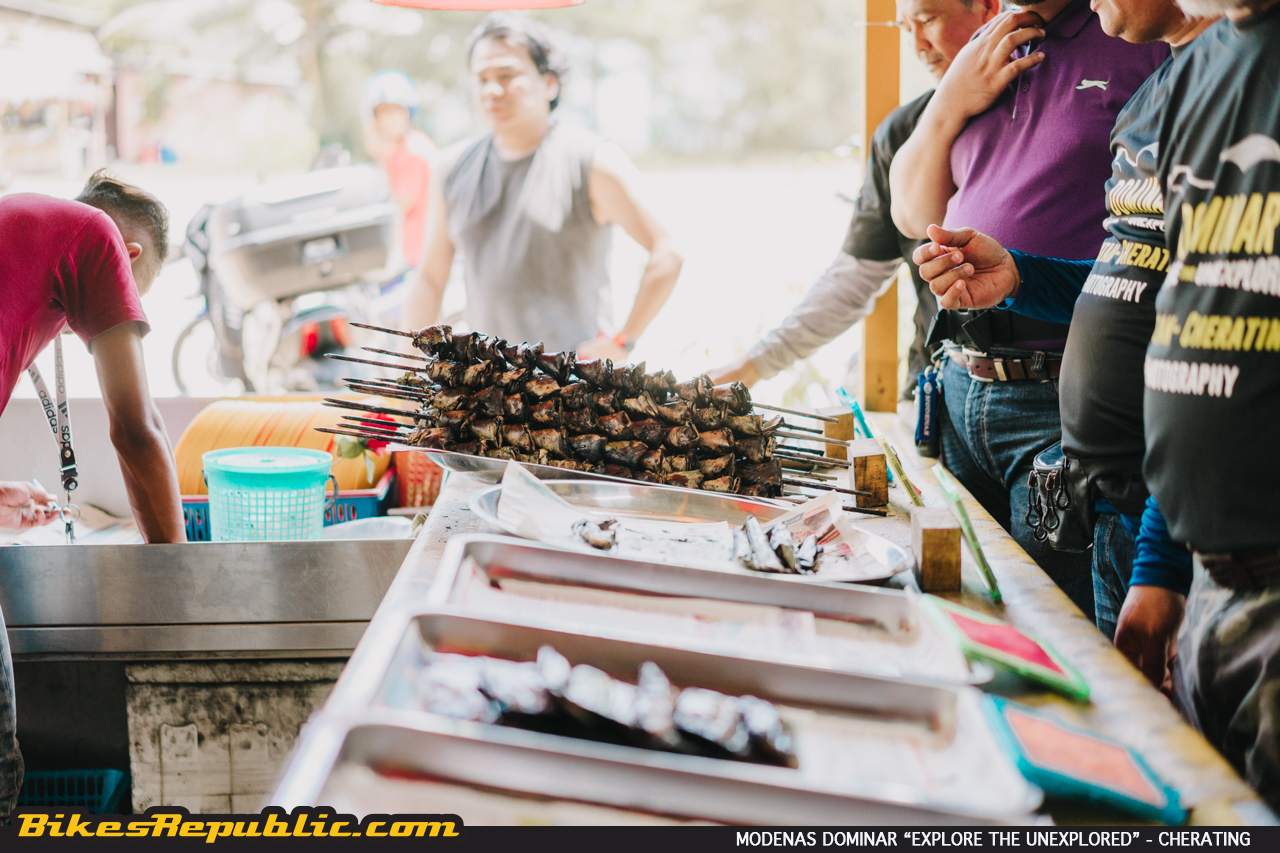
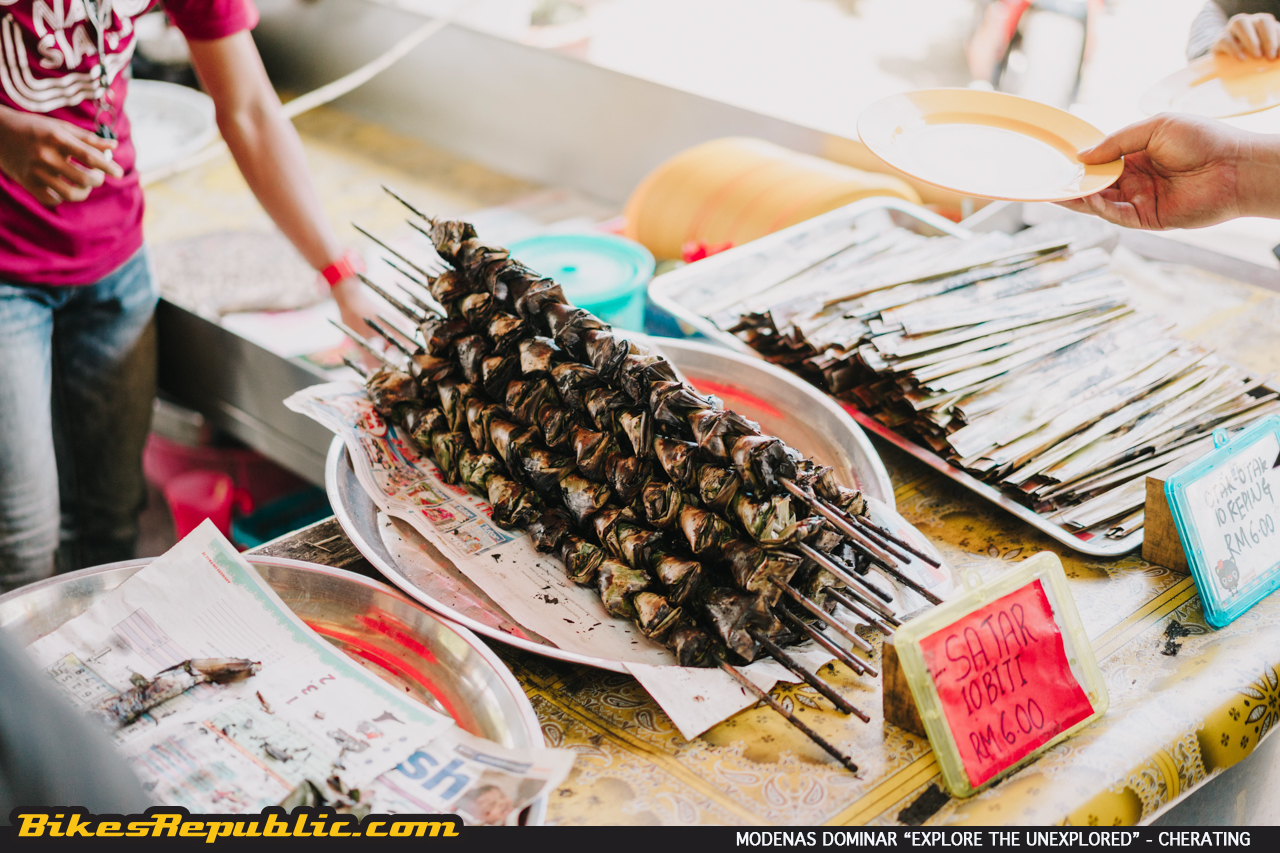
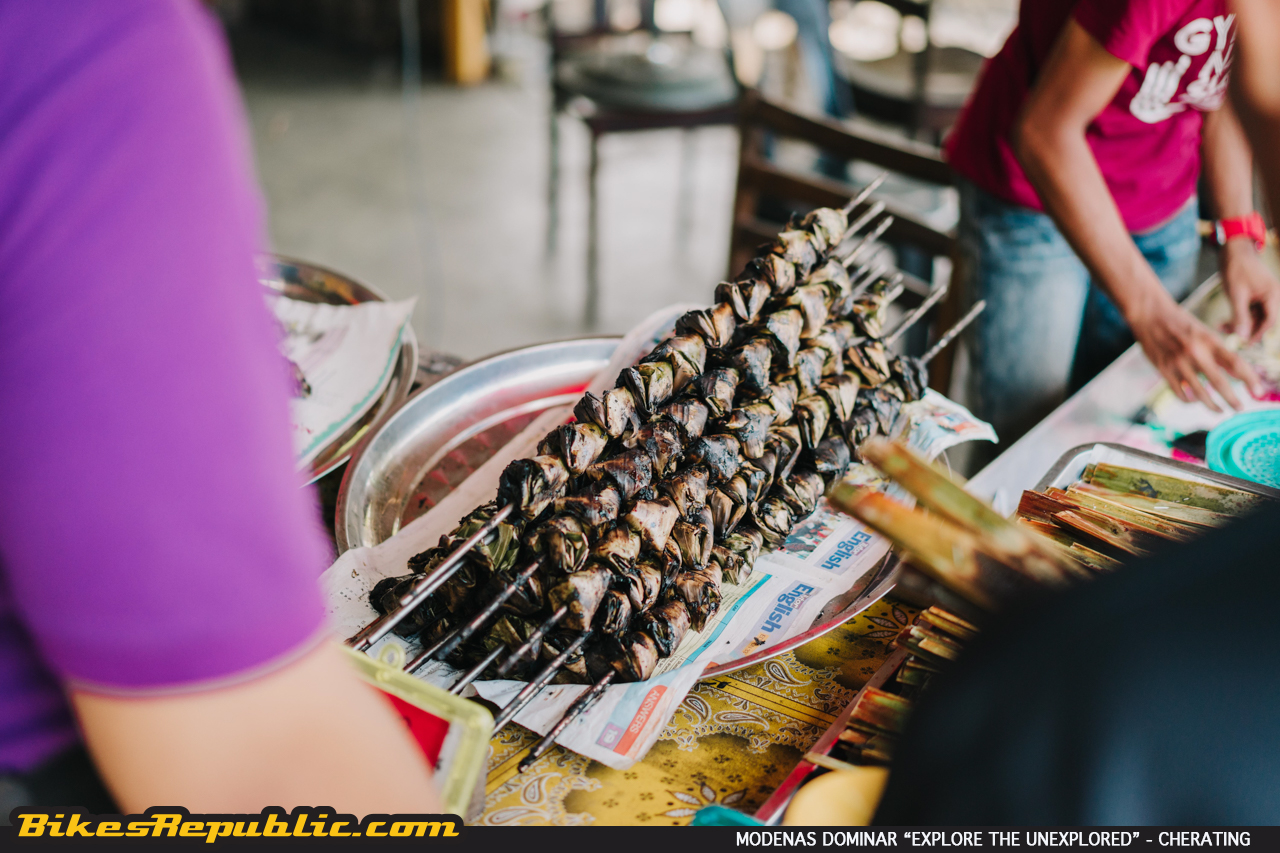
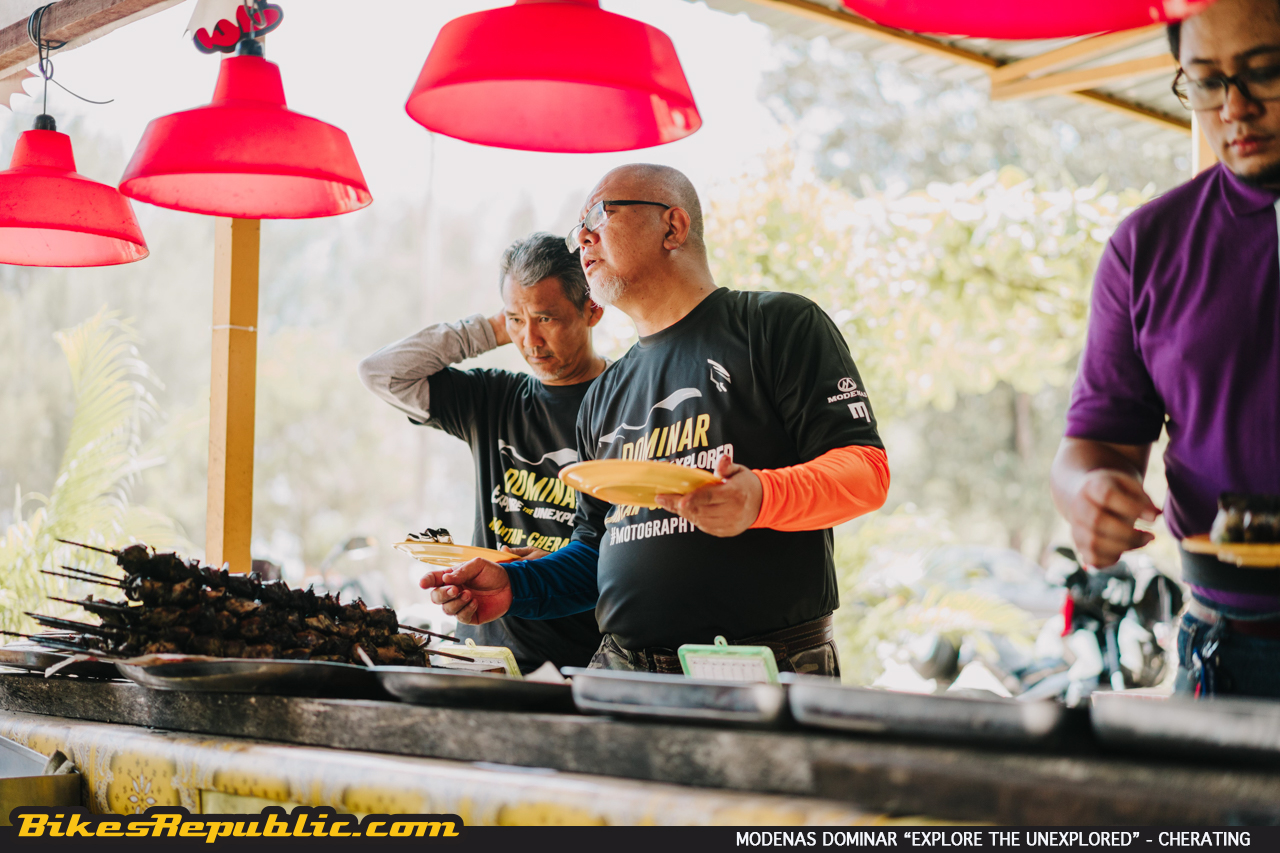
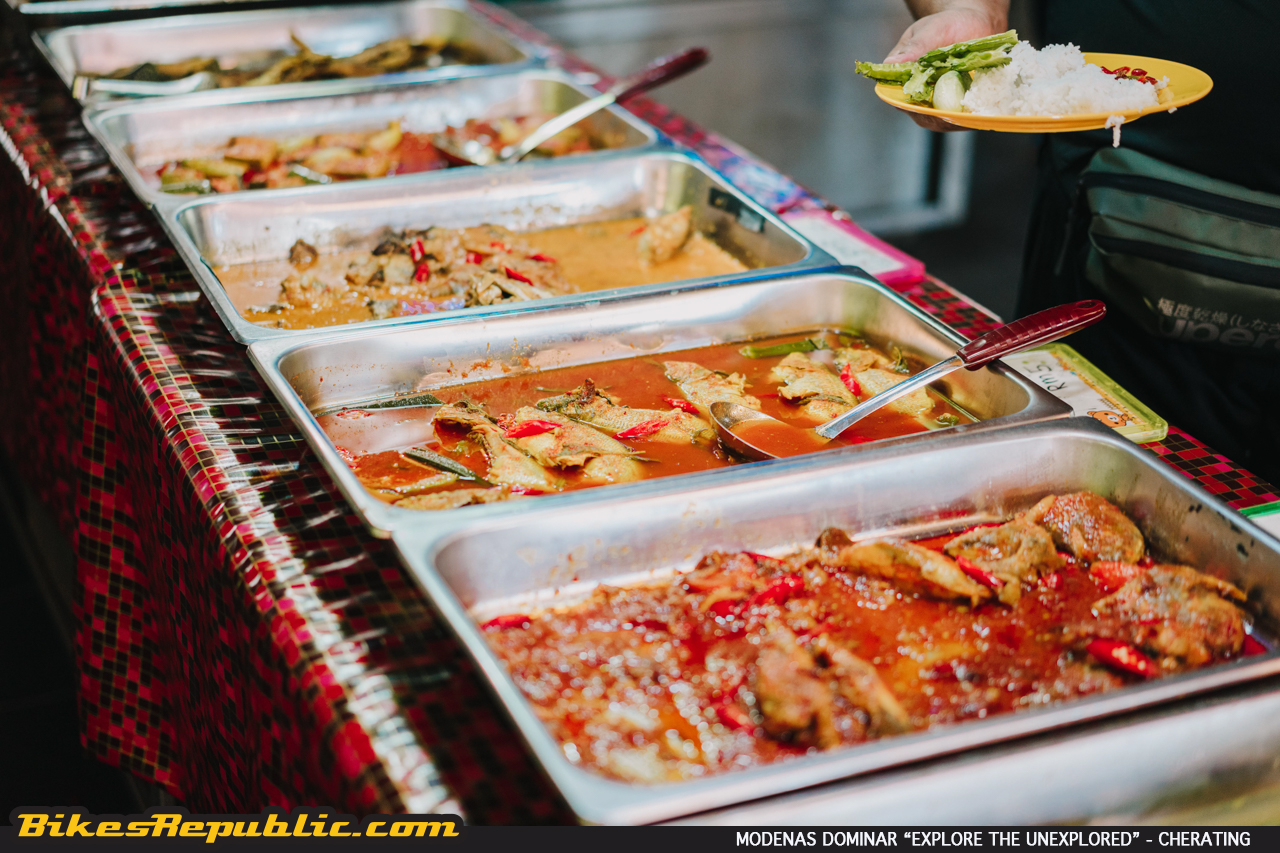
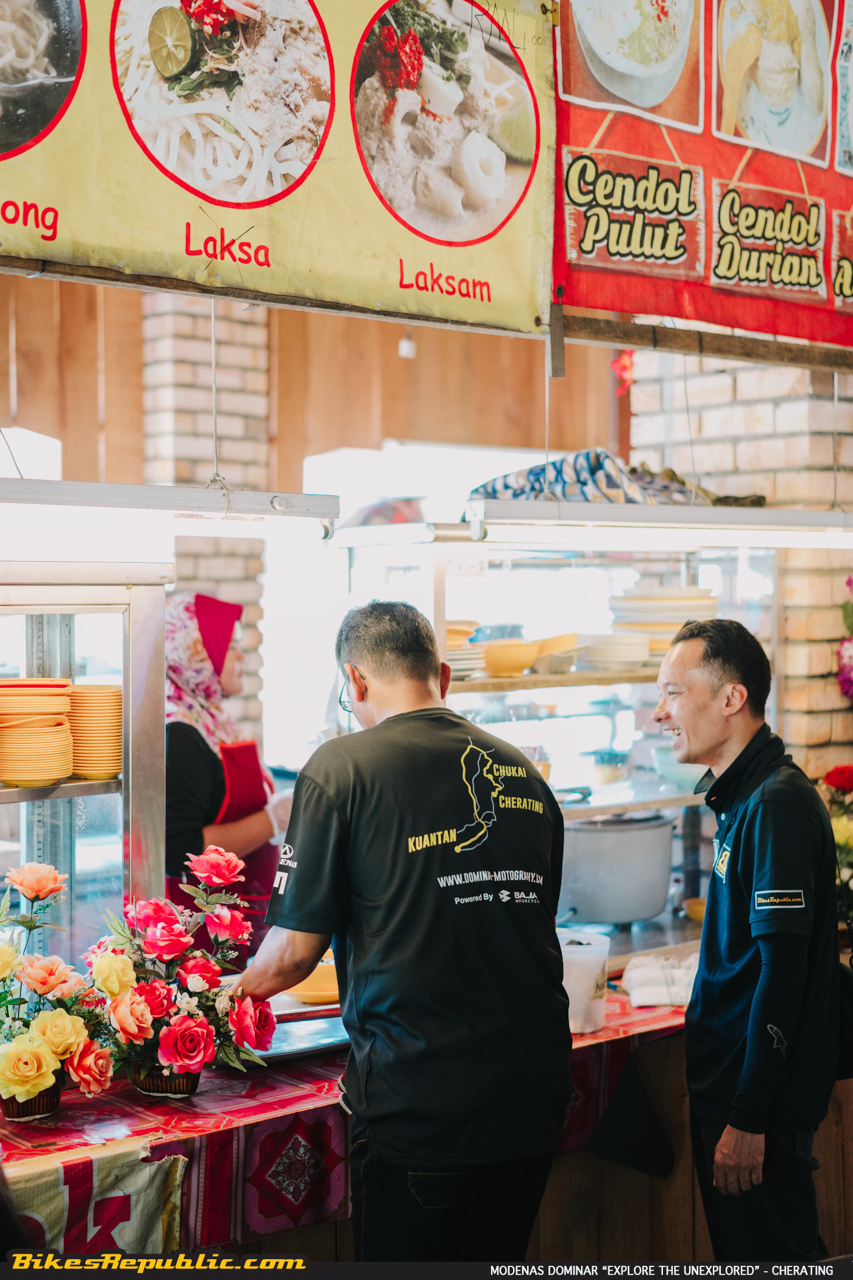
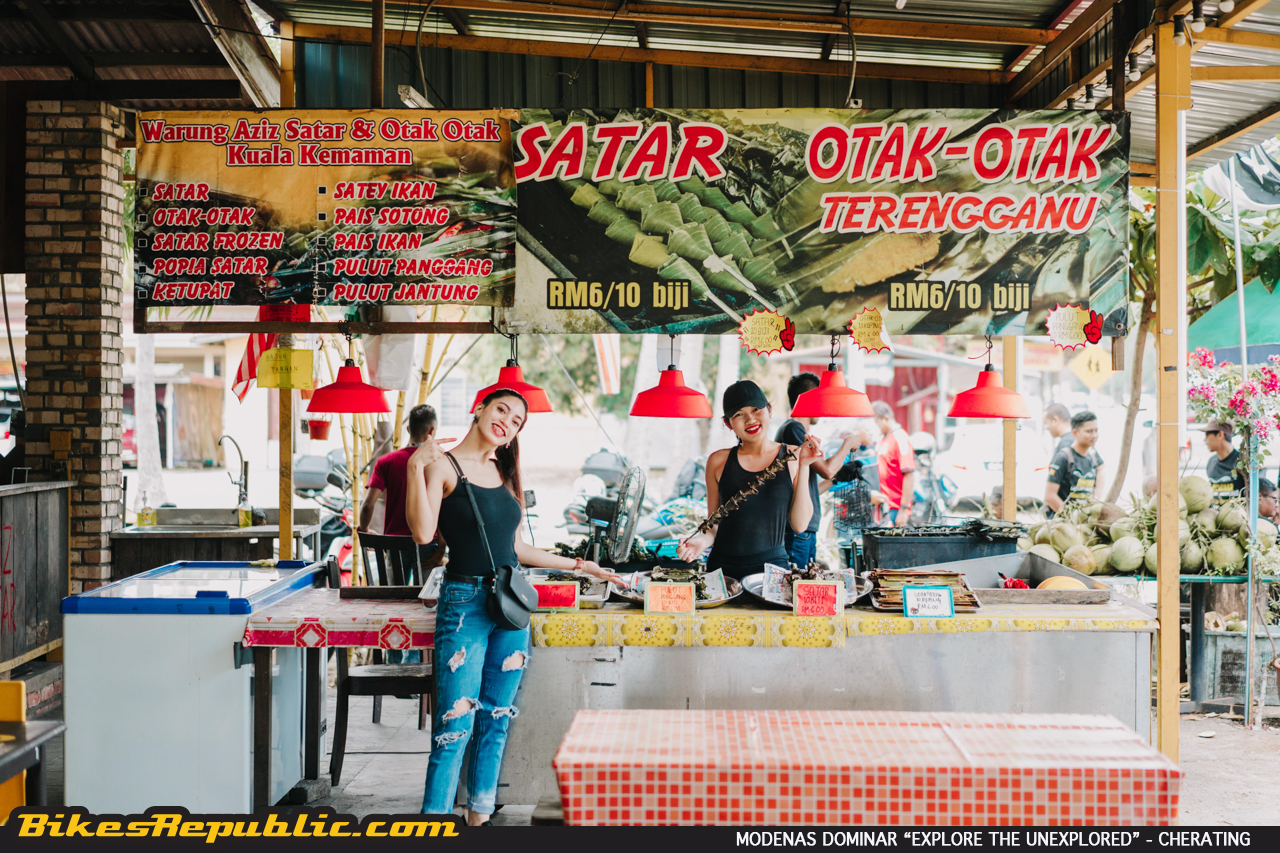
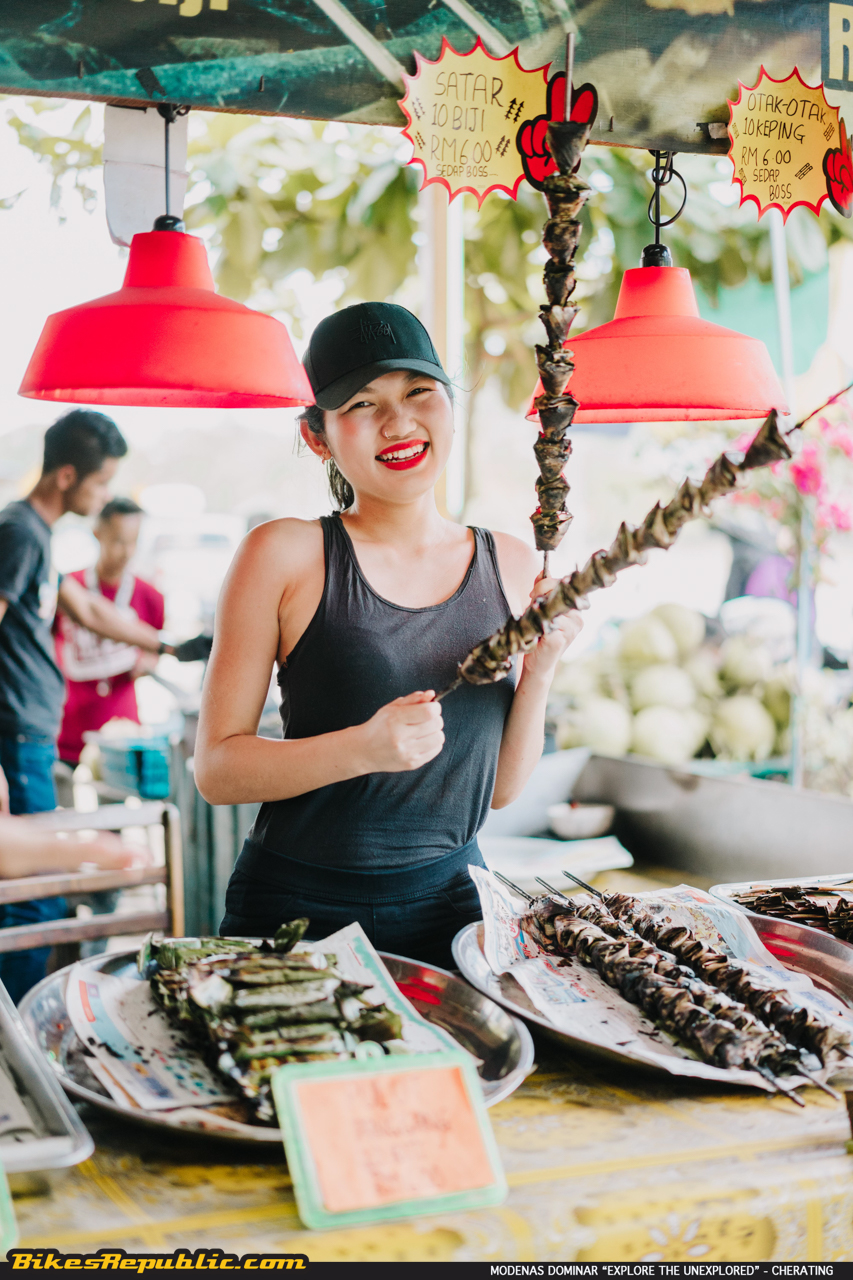
Moving on, the convoy rode to Warung Aziz Satar for lunch and refreshments.
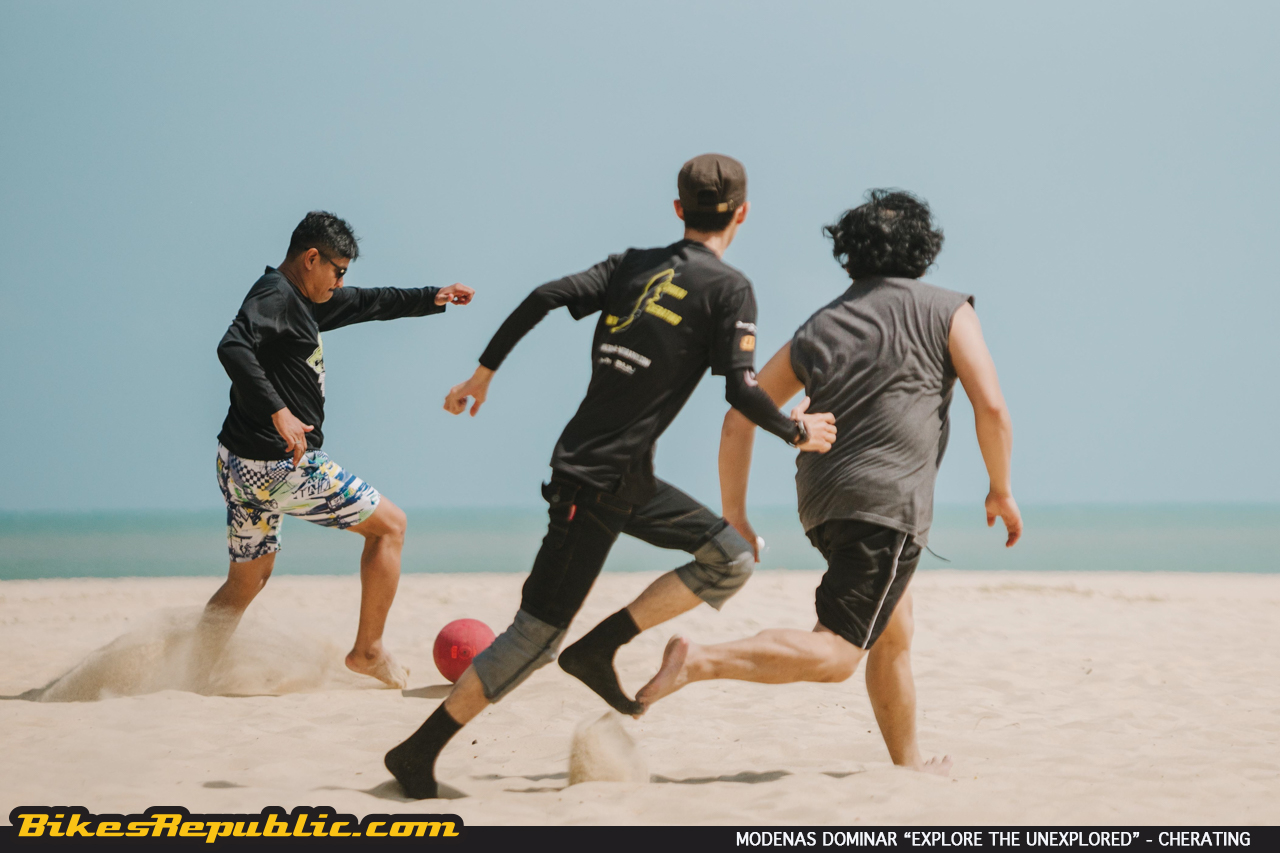
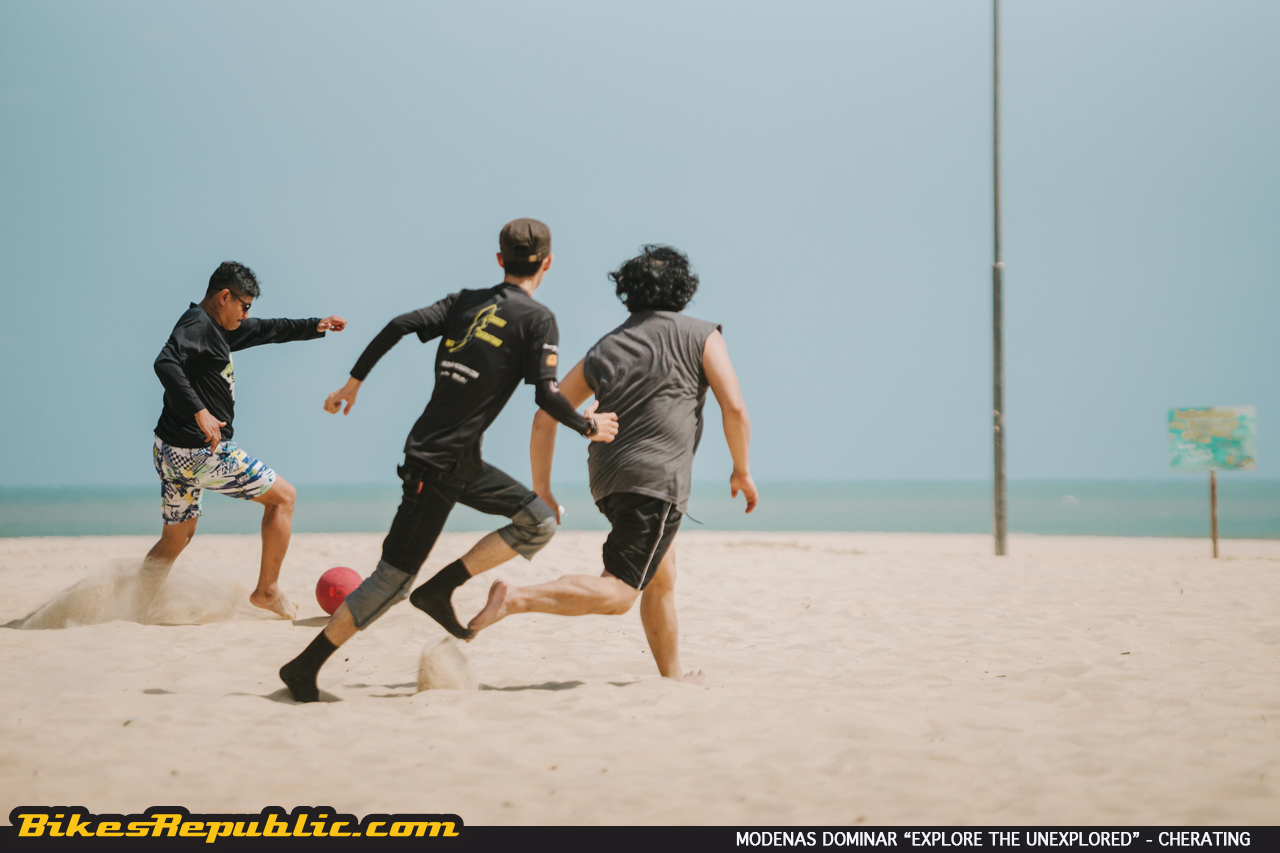
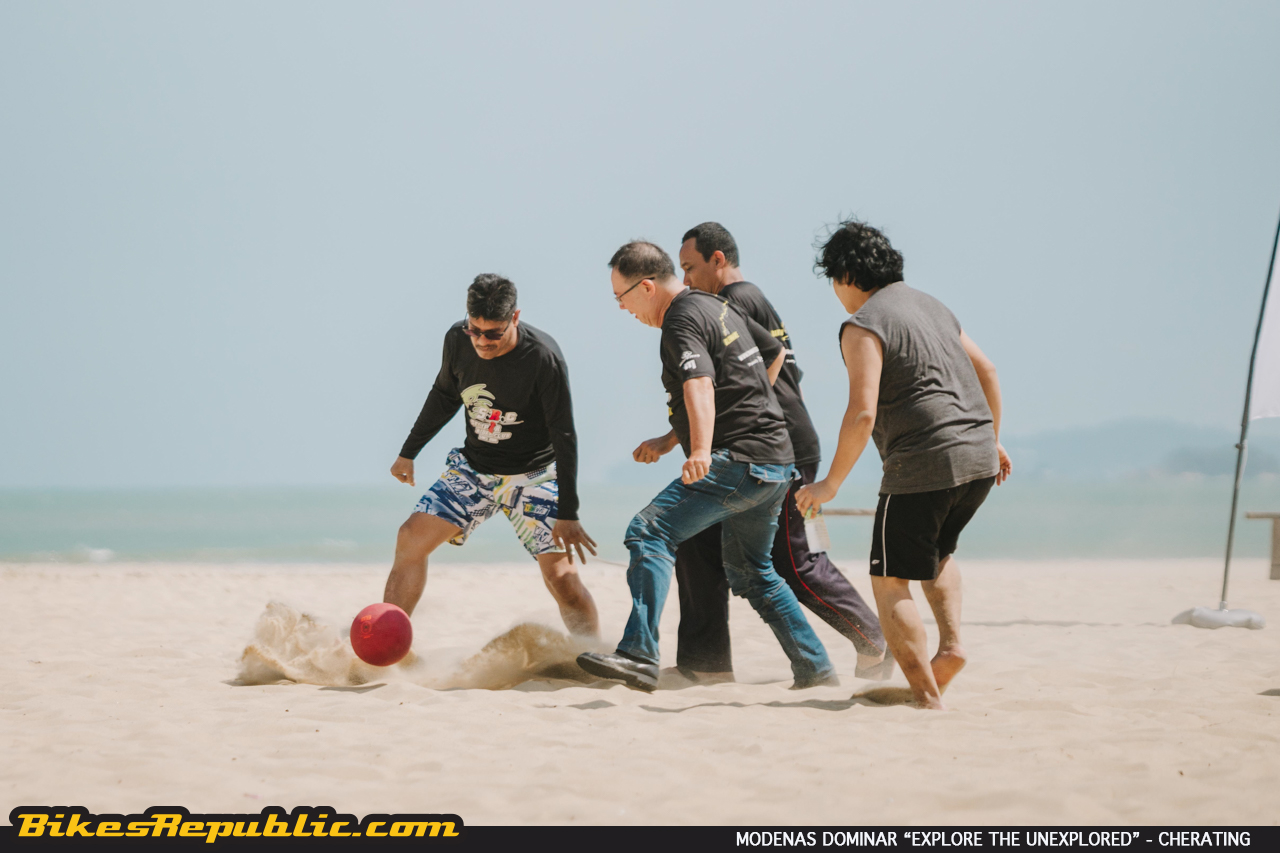
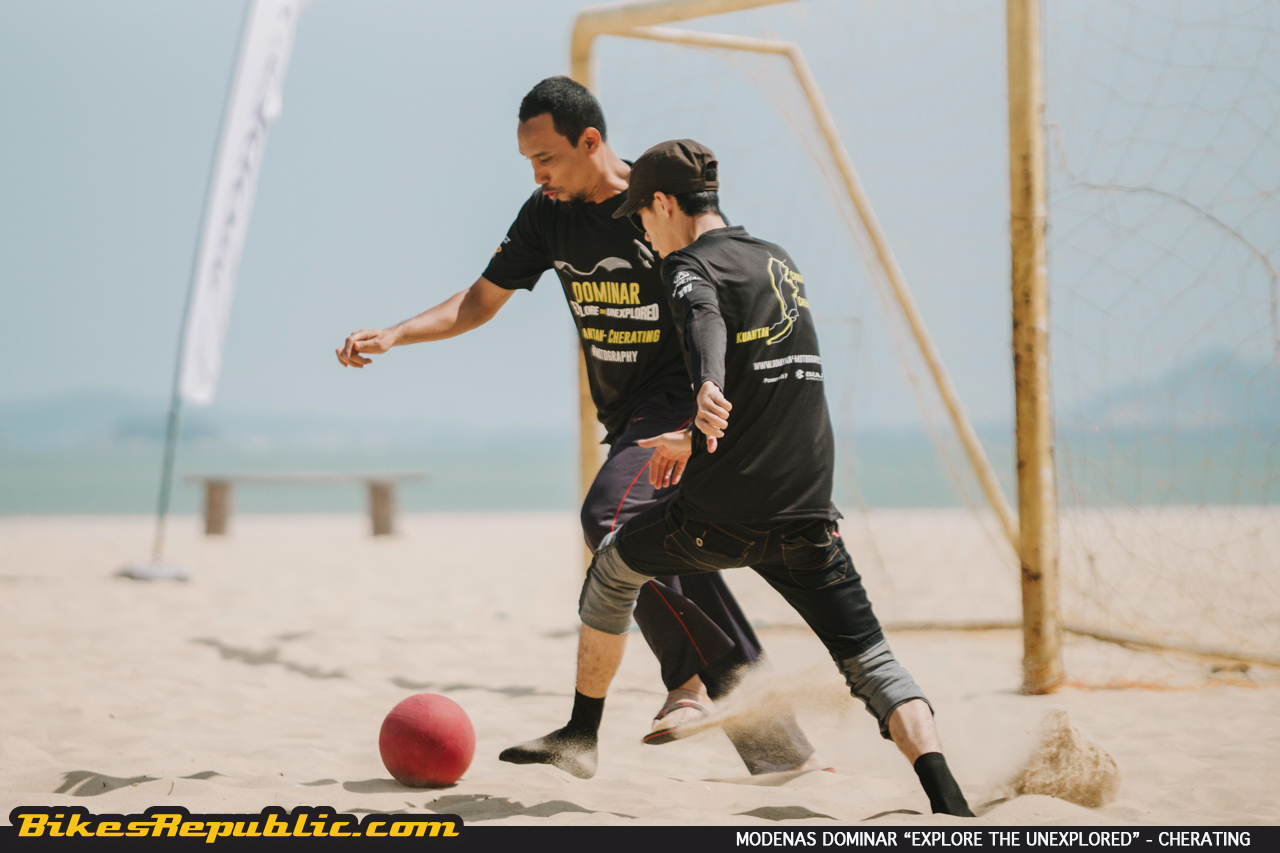
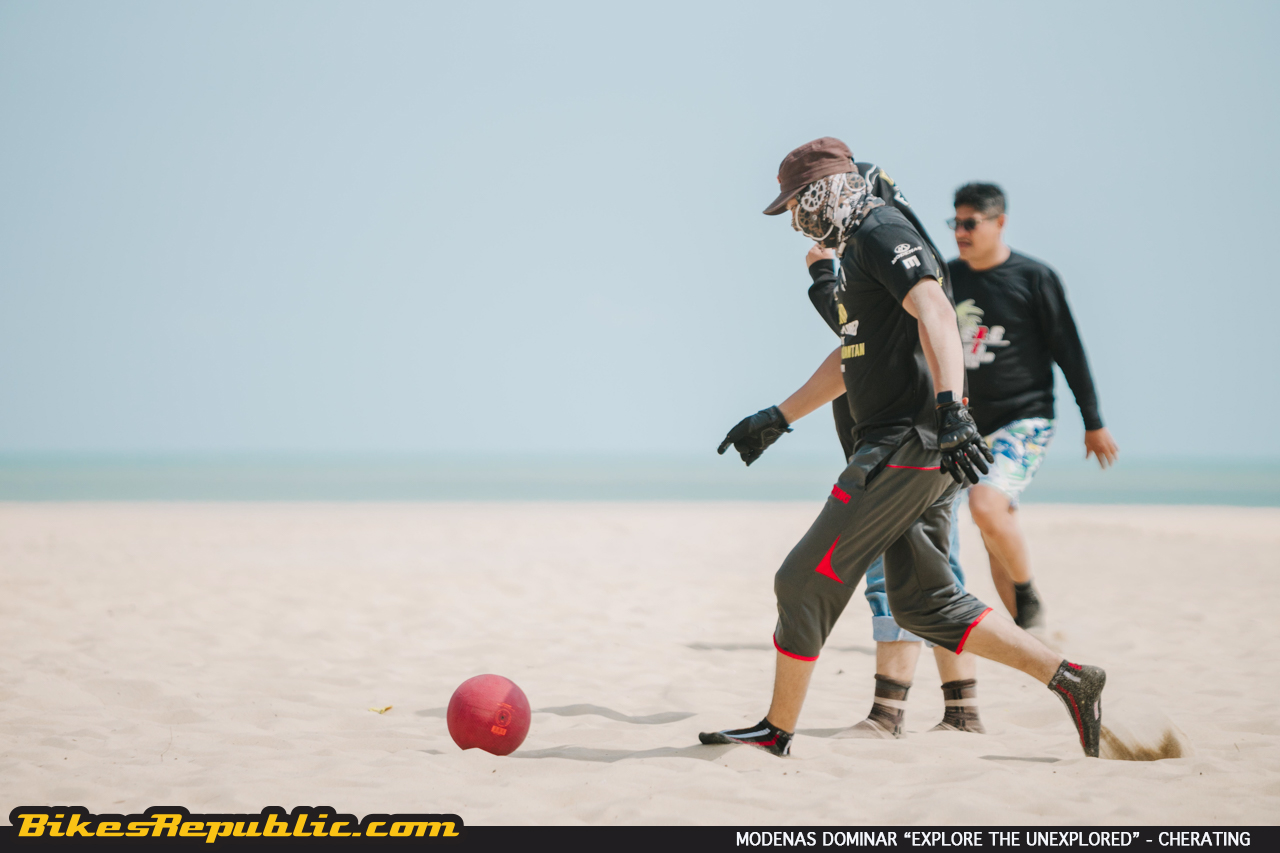
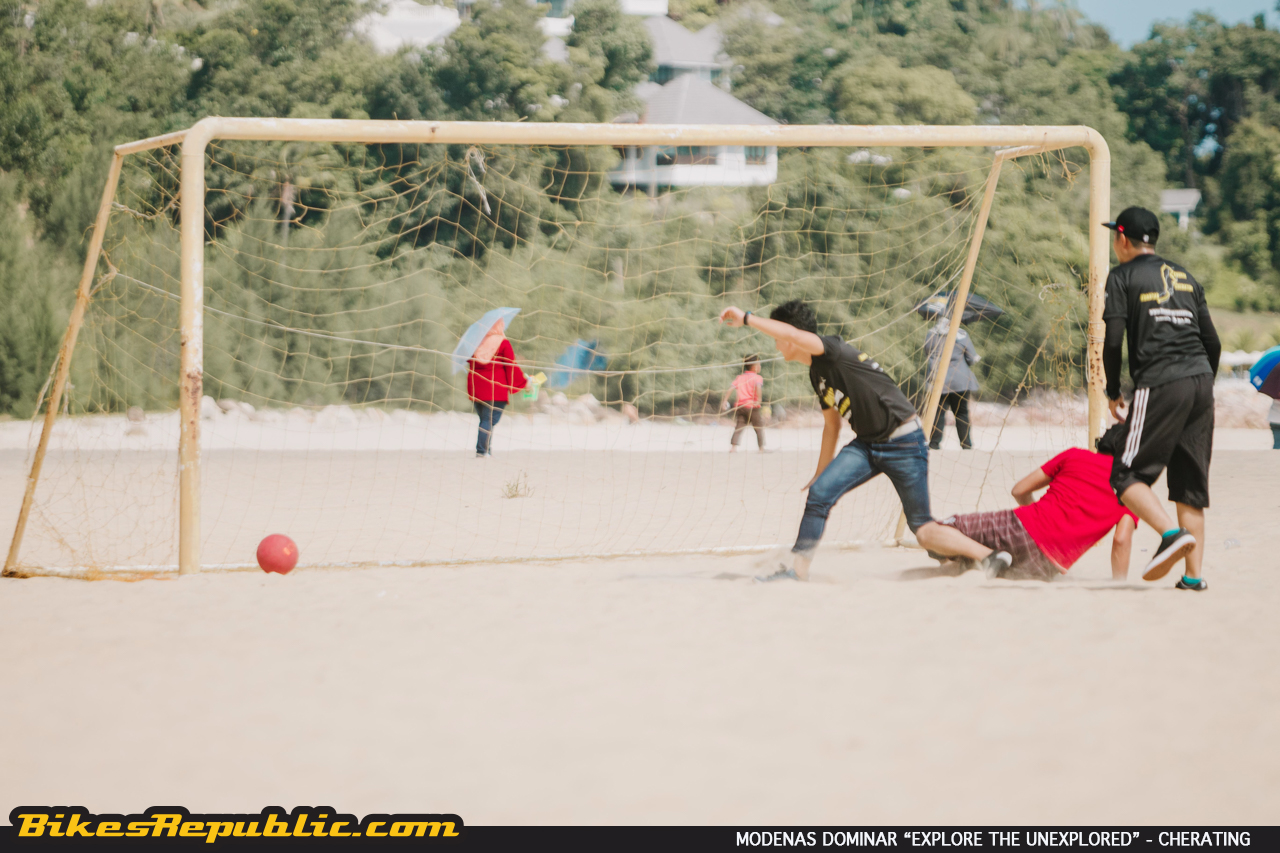
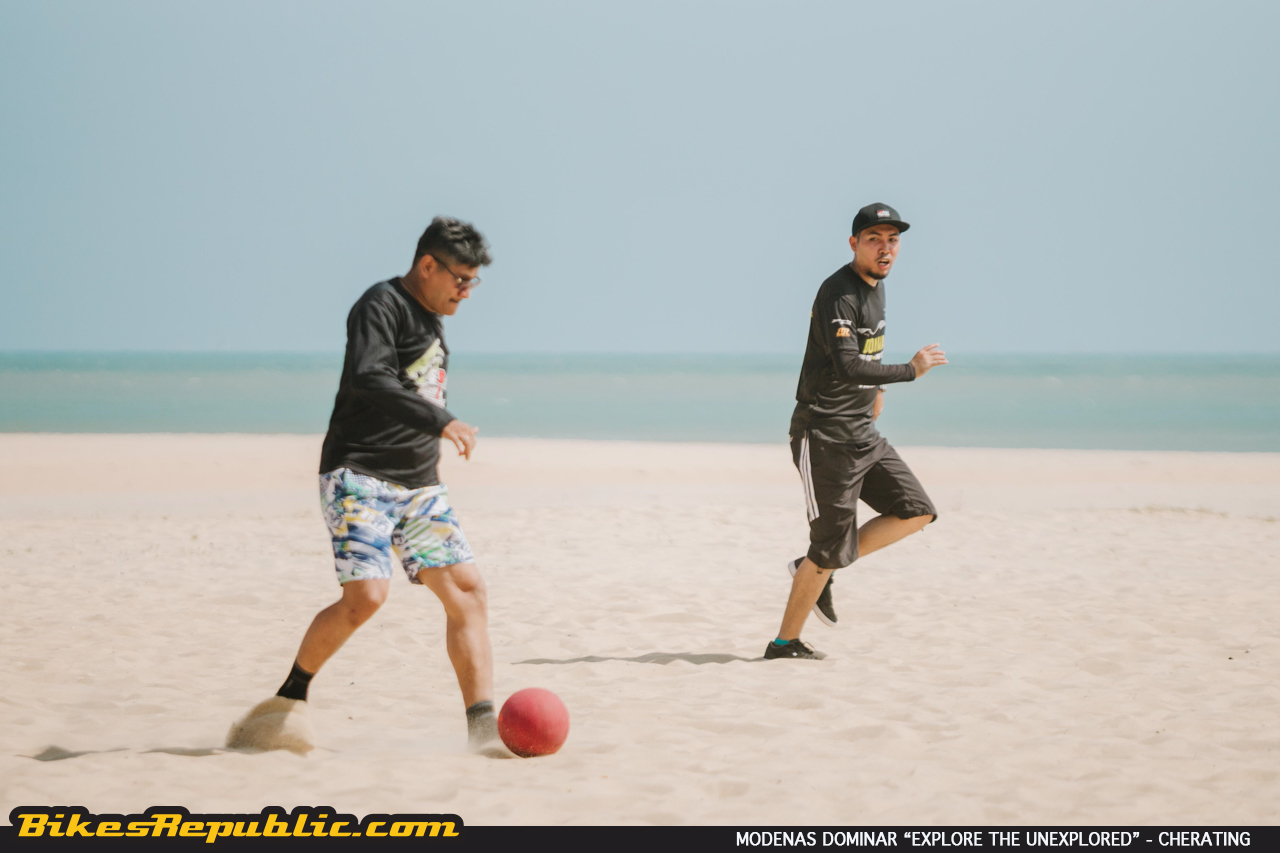
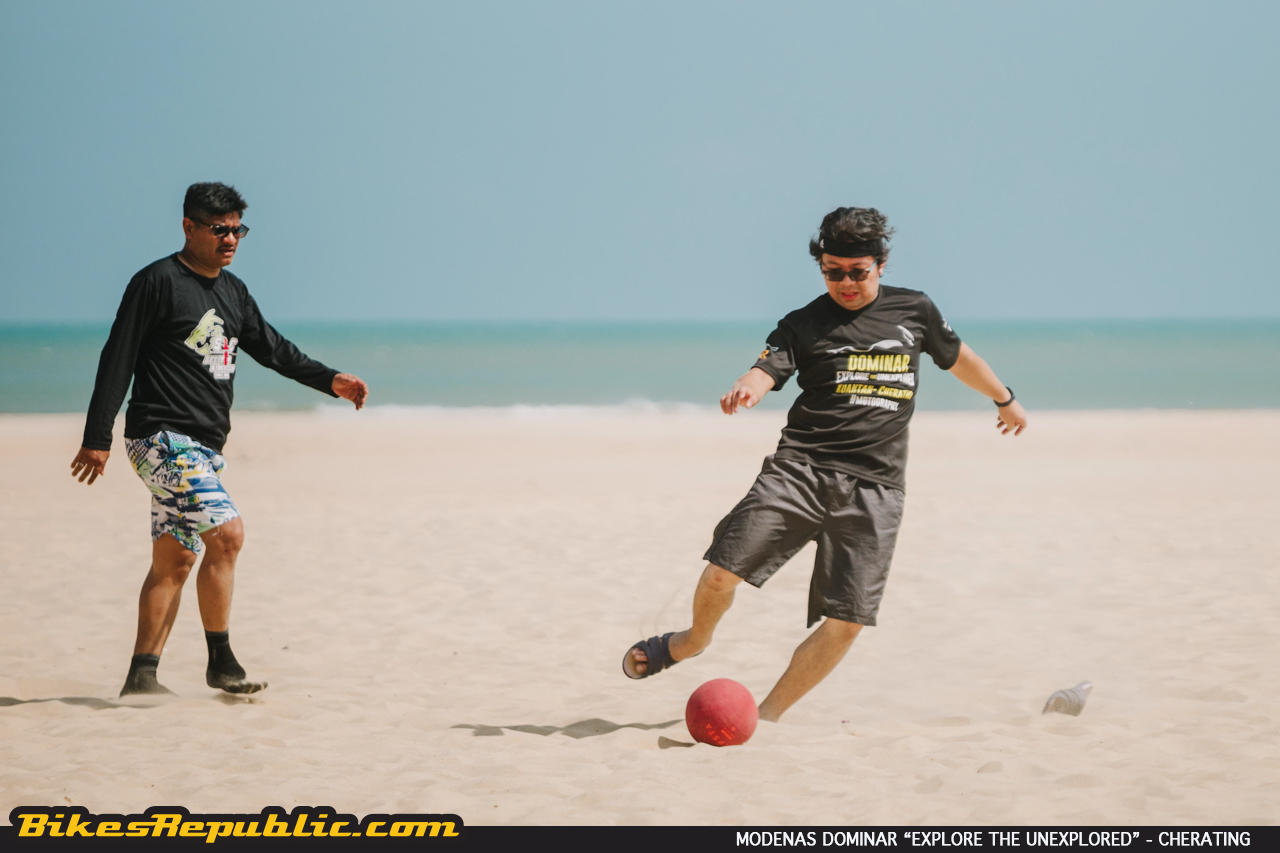
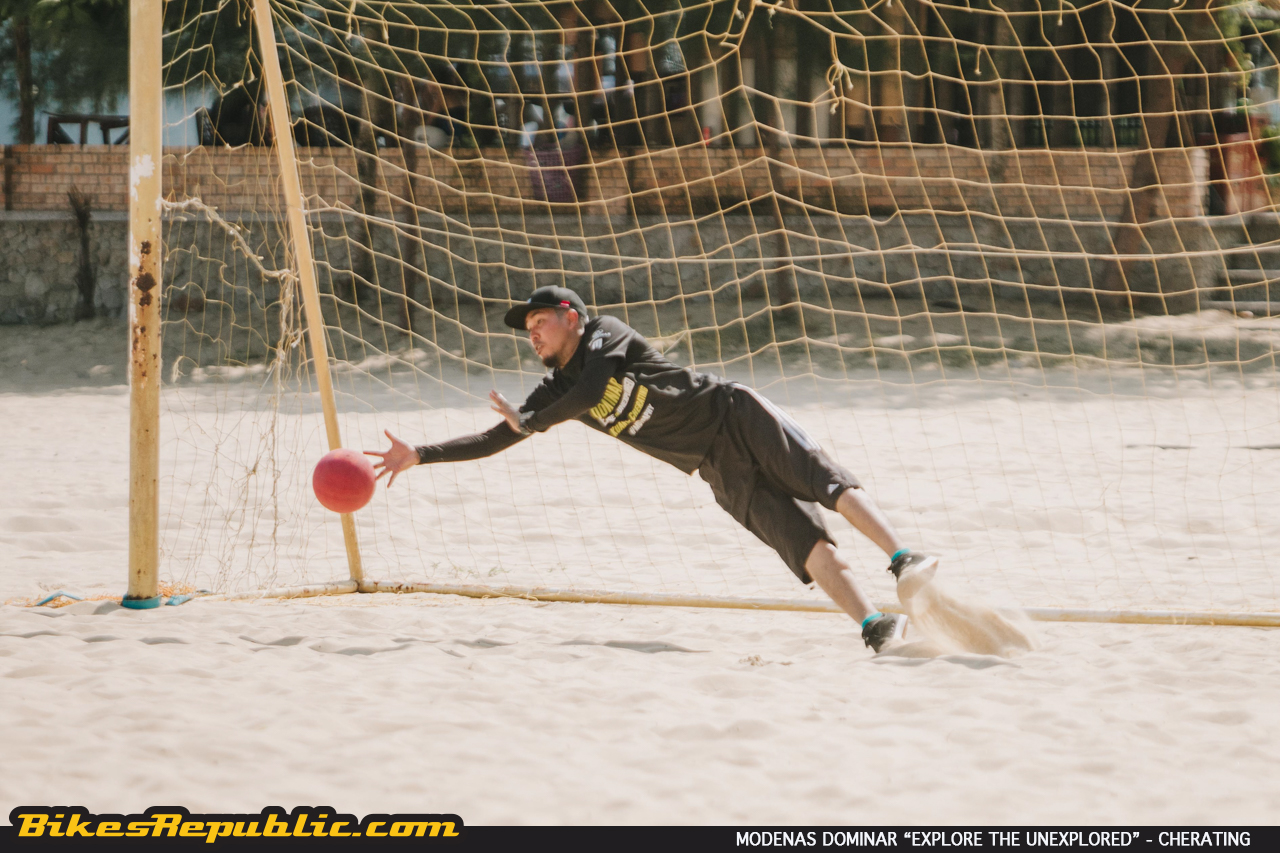
The riders then travelled to another location at the Cherating beach for a five-a-side beach football match.
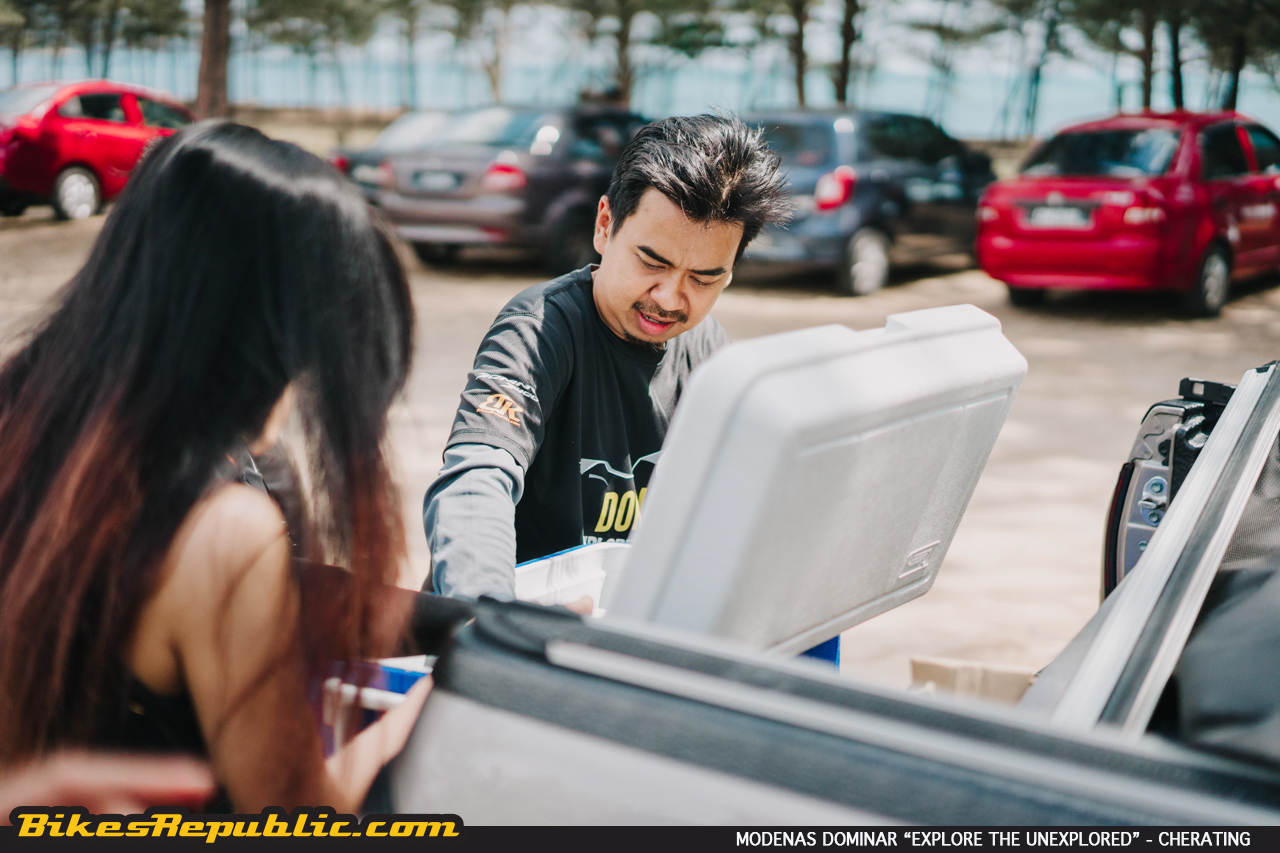
Finally, each rider partook a glass of fresh coconut water to bring this fifth “Explore the Unexplored” edition to a successful end.
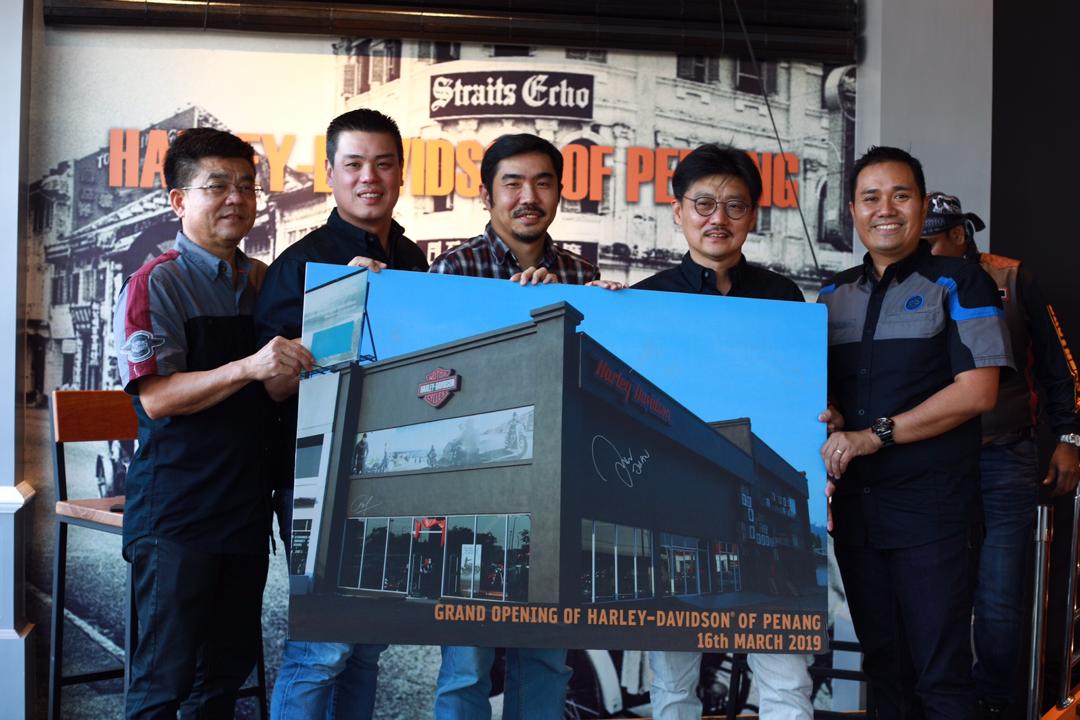
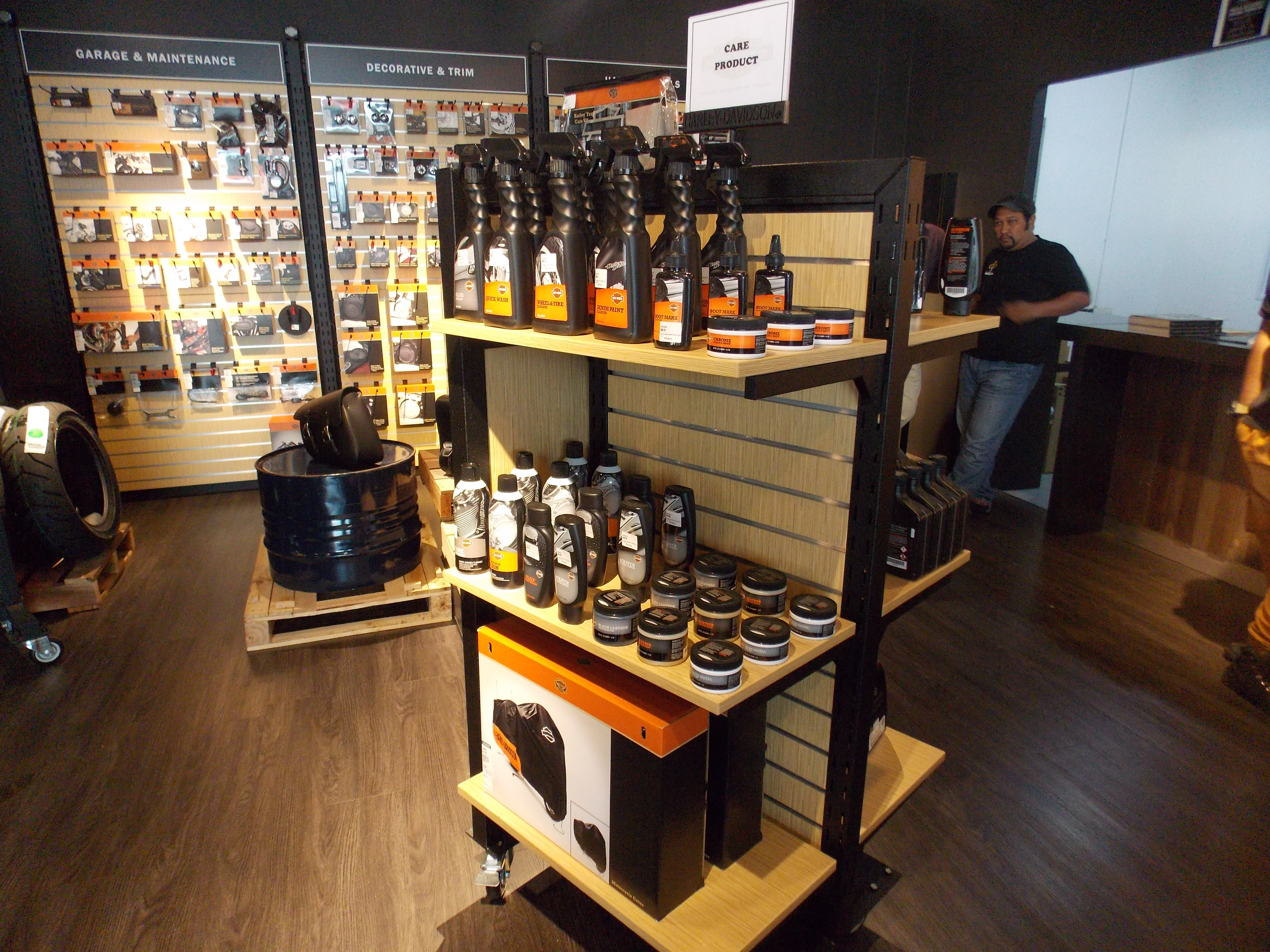
Harley-Davidson of Penang has officially re-opened.
It is located at Auto Juru City, Perai, Penang.
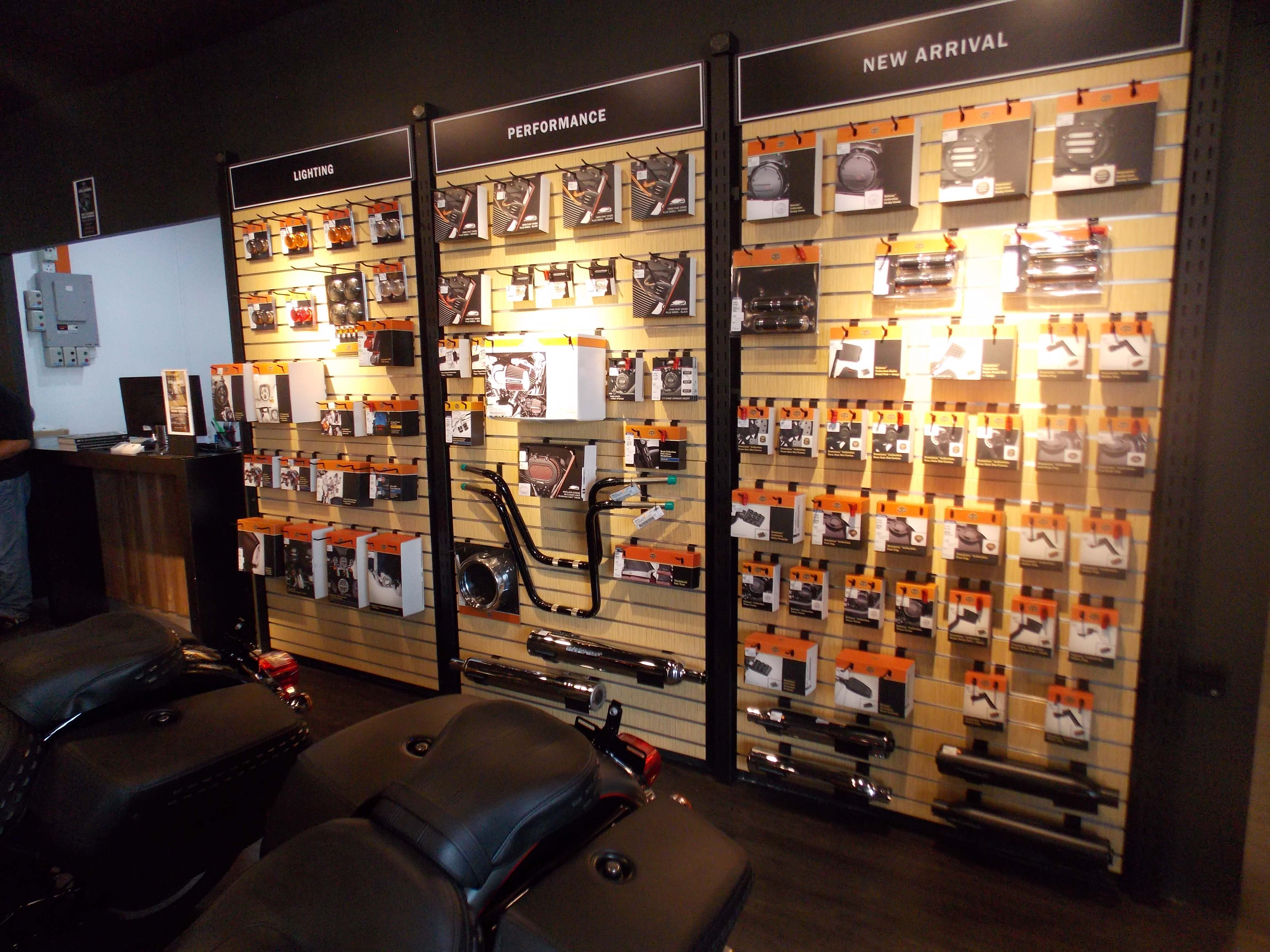
The dealership is a full-fledged branch offering an entire ecosystem for Harley owners, including sales, aftersales, merchandize, riding gear and so forth.
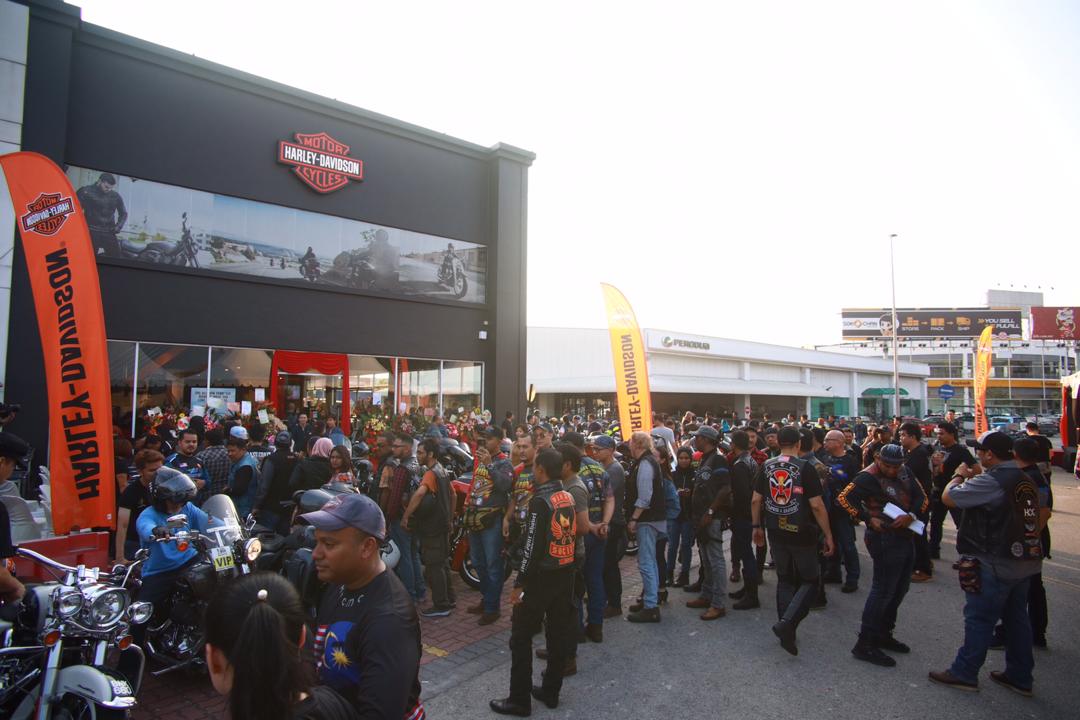
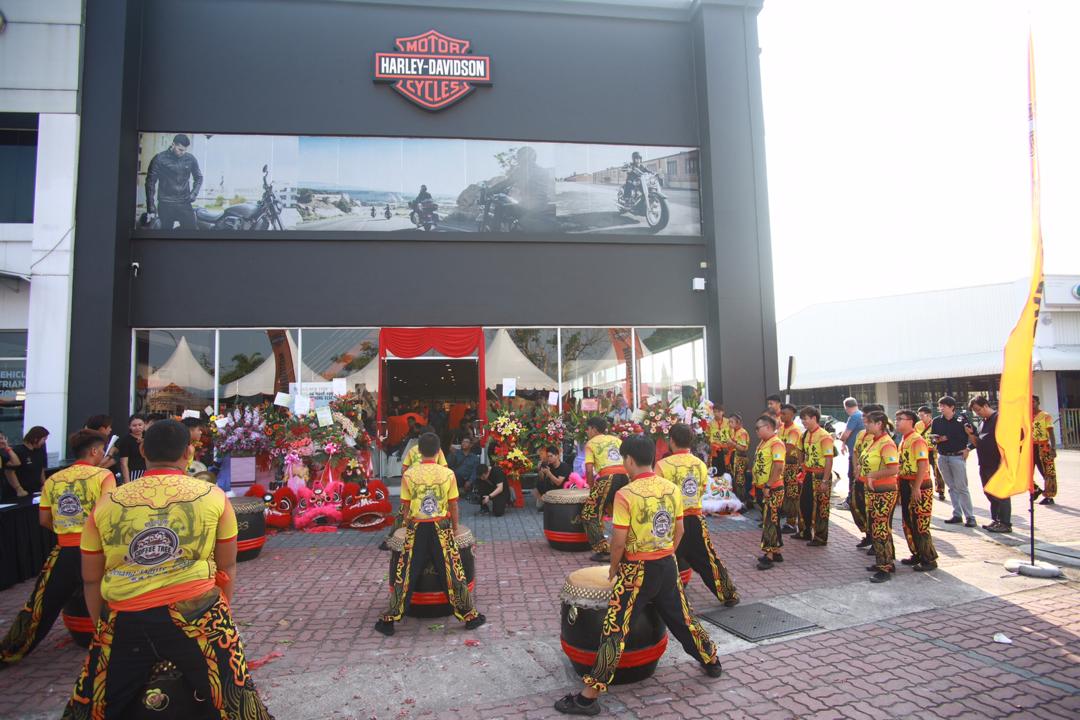
Harley-Davidson owners and fans in the northern region of Peninsular Malaysia now have a new place to call home. This follows the official re-opening of the Harley-Davidson of Penang.
The opening brings the total of Harley dealerships to three. Together with the Penang branch, Harley-Davidson of Petaling Jaya (HDPJ) and Harley-Davidson of Melaka (HDOM) reinforces the brand’s commitment to expand its footprint and strengthening its dealership network in this growing market.
GB Motorcycles Sdn. Bhd. will operate the Penang dealership. GB Motorcycles is formed from a partnership between Goh Brothers Group (an automotive retail group with extensive expertise and reach) and Kheoh Hock Seng (a specialist in premium motorcycles in Penang).
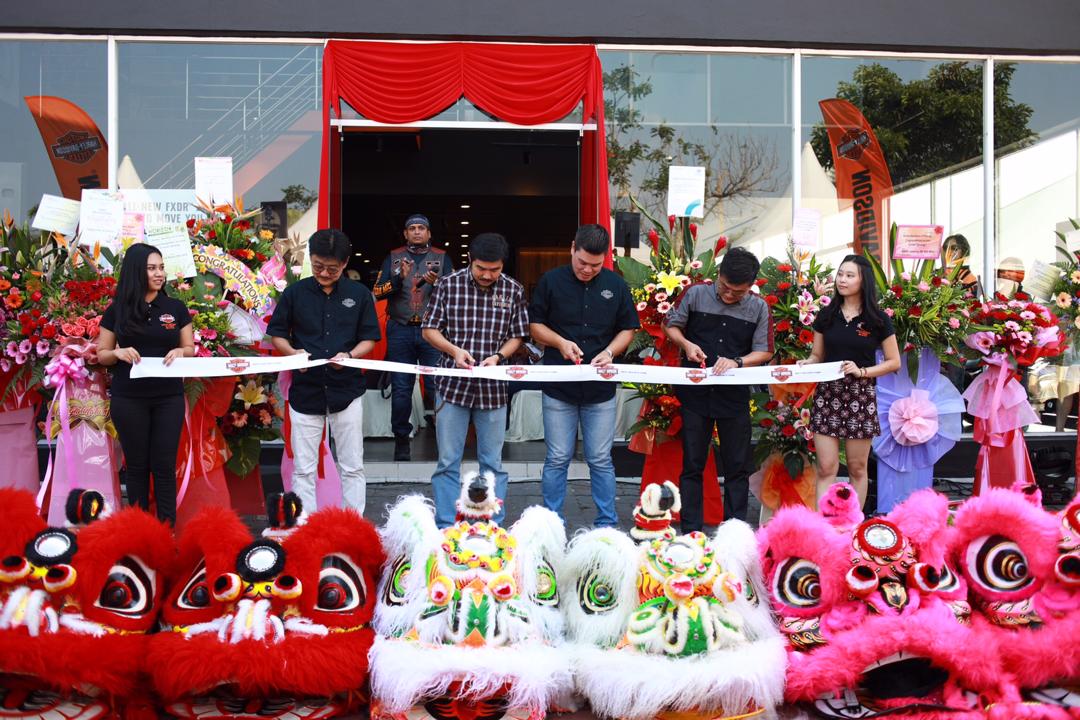
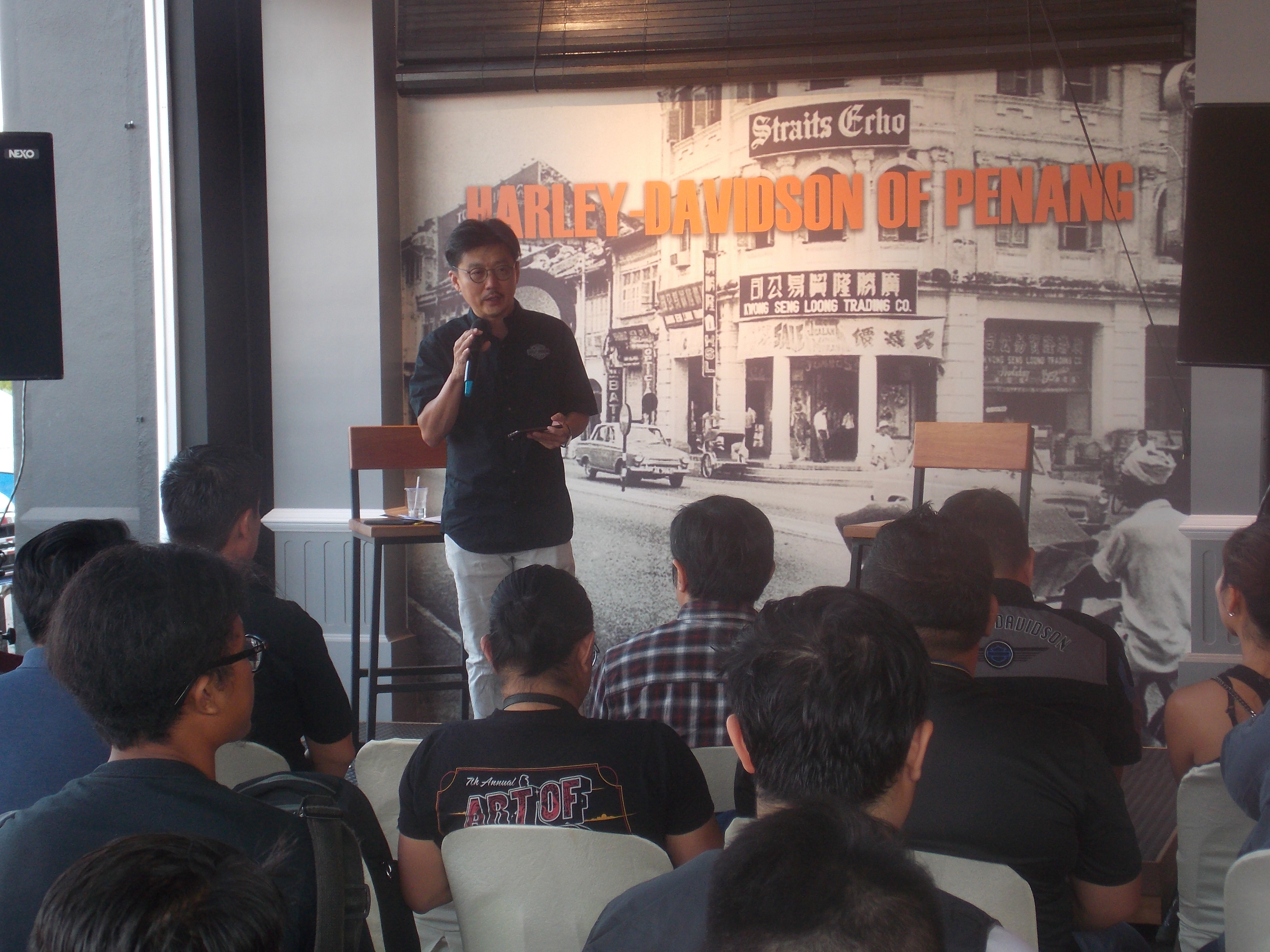
The dealership’s opening was graced by the Directors of the company, Mr. Goh Kian Sin and Mr. Kheoh Hock Seng; Mr. Koh Jyn Woei, District Manager at Harley-Davidson Asia Emerging Markets; and scores of Harley owners.
Mr. Johan Kleinsteuber, Managing Director of Harley-Davidson Asia Emerging Markets, said,“With strong commitment to the Malaysian market since 2008, Harley-Davidson is devoted to building up a trusted community for local biking enthusiasts and establishing a robust dealership network across the country. Our dealerships are important to us as they lie at the core of delivering the full premium Harley-Davidsonmotorcycling experience to customers. We are excited to have GB Motorcycles Sdn Bhd as our partner, and will be working closely with them to inspire more people to experience the Harley-Davidson brand and build the next generation of Harley-Davidson riders”.
What can you look forward to?
The new dealership isn’t a just a place that sells Harleys. Instead, it is an entire lifestyle ecosystem for the Harley family.
Among the facilities:
A large 6,000 sq. ft. (557 sq. m.) showroom, which is able to fit display bikes, merchandize, accessories, riding gear and large groups of riders.
The company invested RM 6 million in the dealership, aftersales, bikes, merchandize, accessories and parts for the ultimate customer experience. It also means that customers do not have to wait for servicing and parts.
Full range of models from the Sportster, all the way to the Tri Glide Ultra trike.
New CKD bikes priced from a super attractive RM62,600 for the Sportster (installment of only RM32 per day) to the Softail from RM97,800 (installment of just RM46 per day).
Besides the awesome pricing, Harley-Davidson of Penang also offers 1-year free service and 2-years factory warranty.
Besides the bikes and merchandize, the 4S Centre also includes a fully-equipped 3-bay workshop, complete with trained and professional H-D service personnel who graduated from H-D University, and special tools.
The dealership is located at the northern auto hub of Juru Autocity. The strategic location allows H-D owners from Perlis, Kedah, Penang and Perak an easy location to ride to.
H-D of Penang will also set up a roadshow satellite outlet soon in Penang to better service the island’s customers.
Mr. Kheoh believes in personalized service to each and every customer, so you may contact him directly when you call on Harley-Davidson of Penang. You may also call 04-5062200.
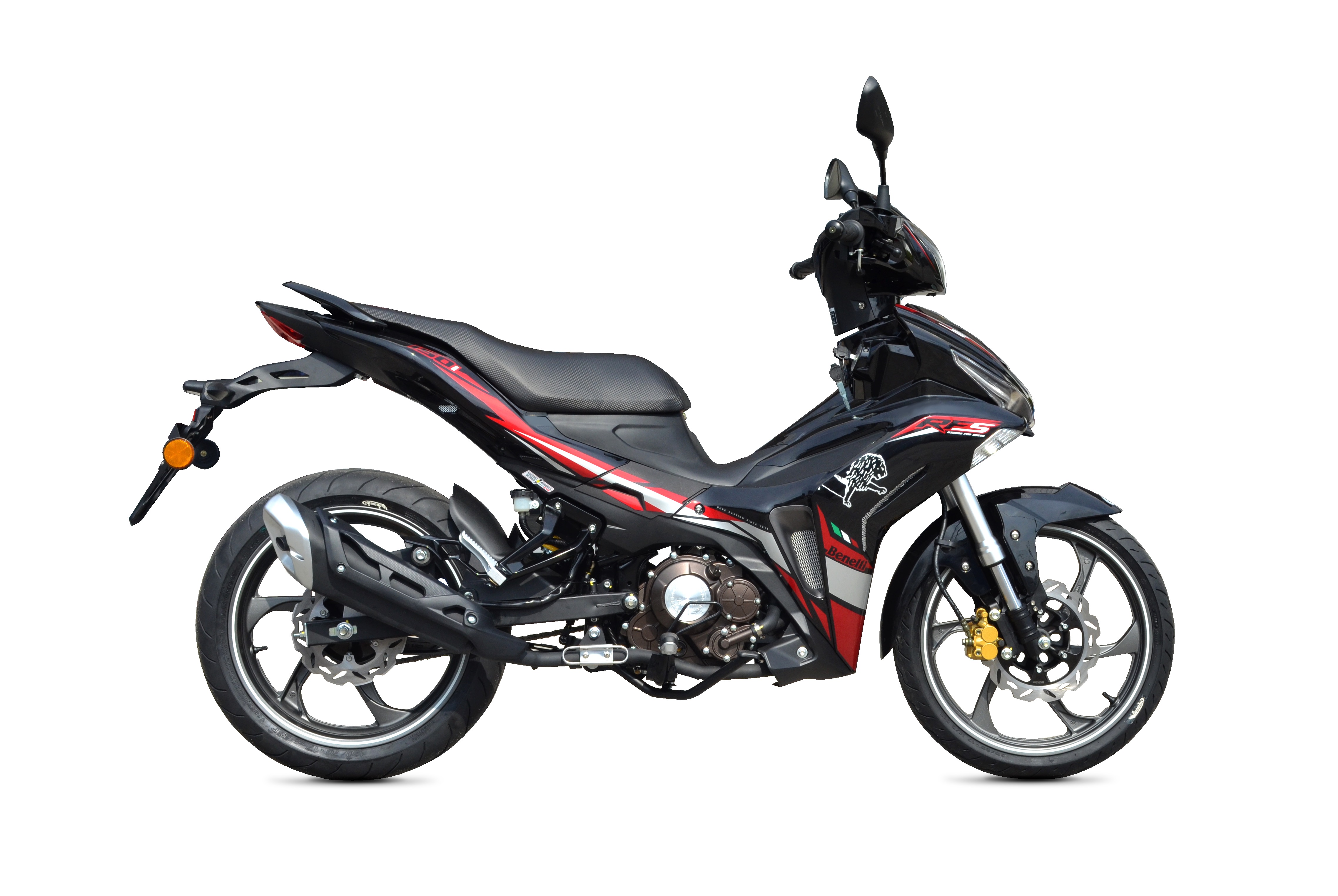
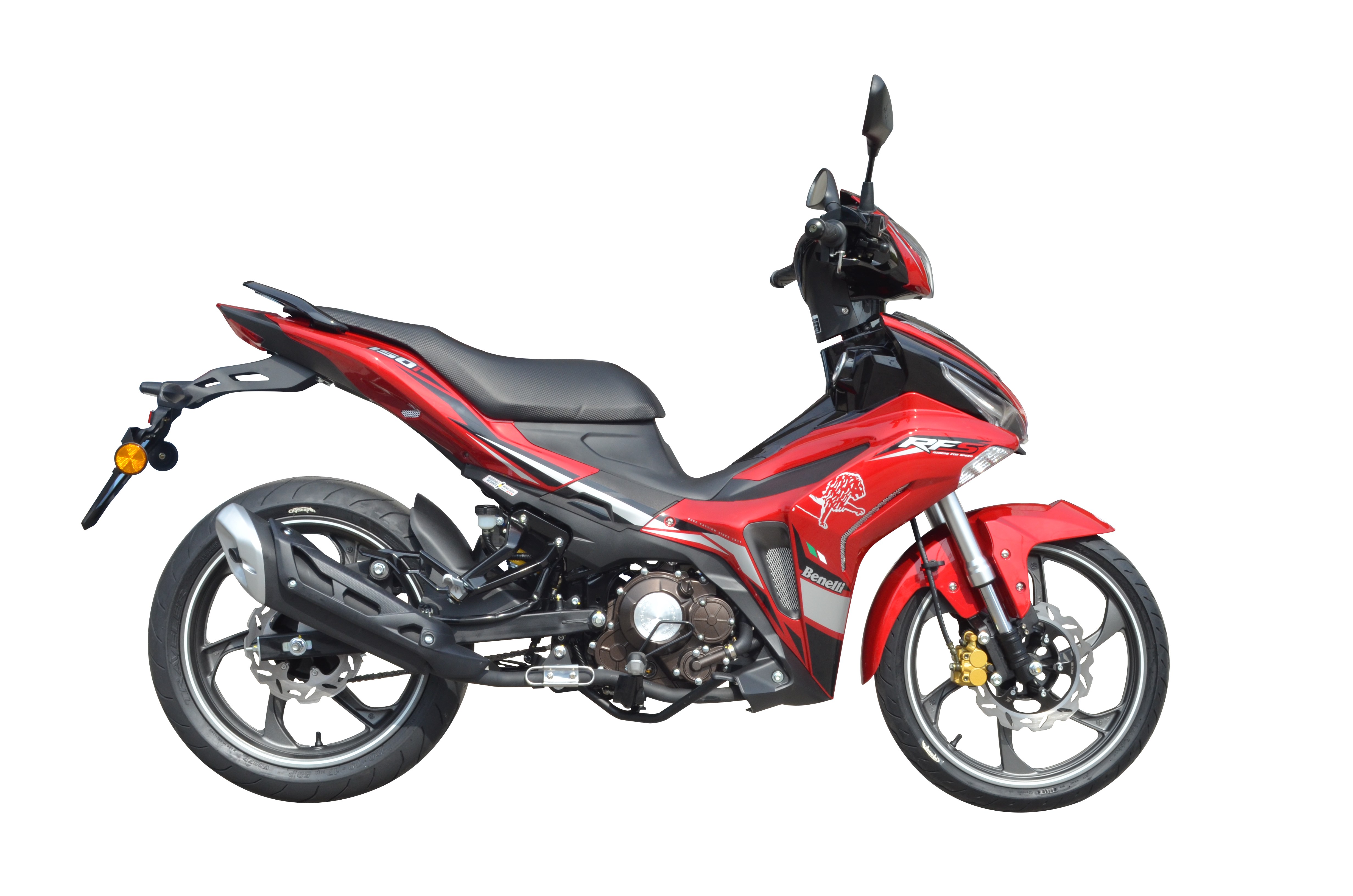
The 2019 Benelli RFS150i features new graphics and exhaust muffler.
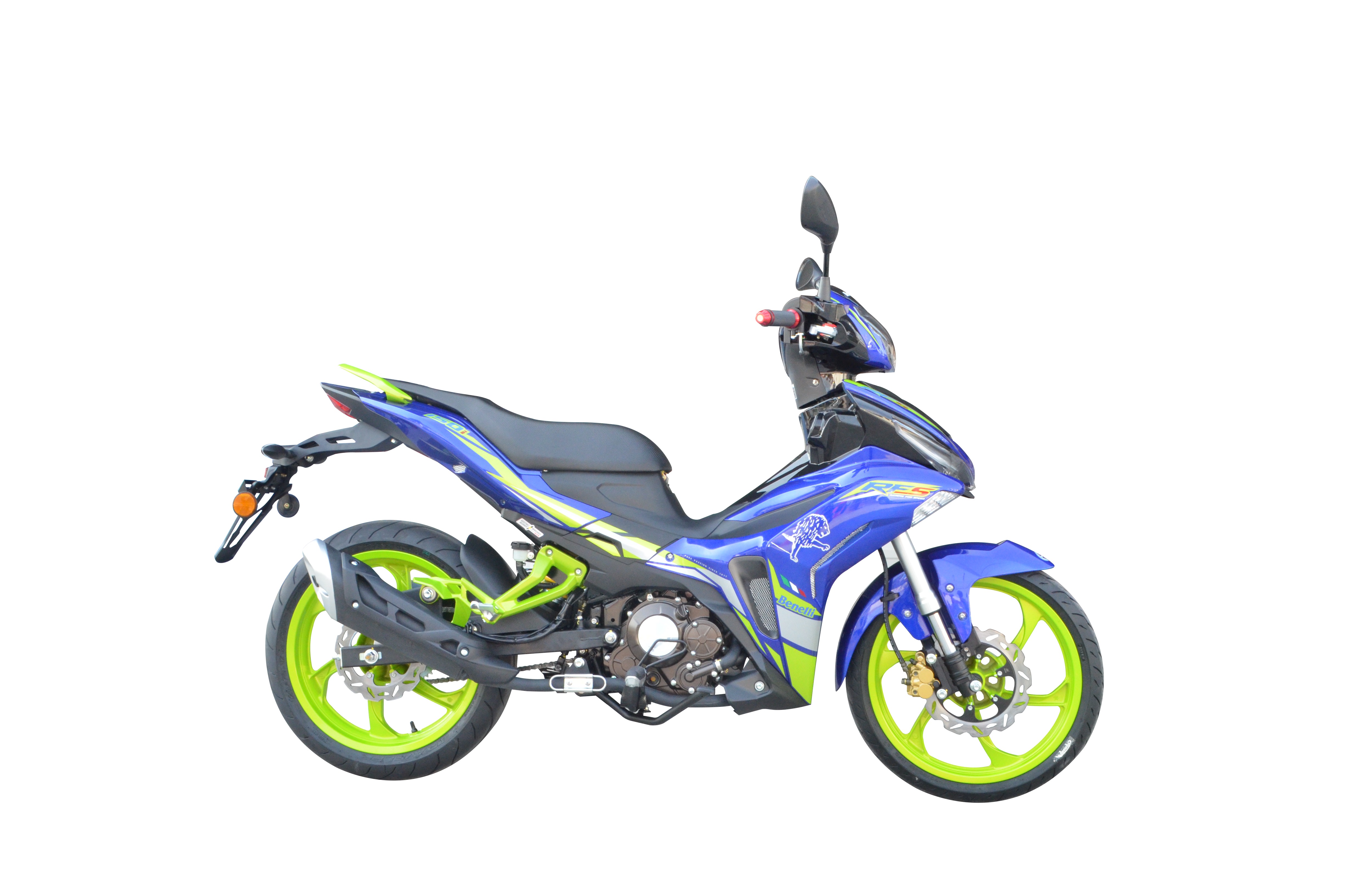
The Special Edition (SE) version also has new graphics and coloured wheels.
The SE is priced from RM 7,488 while the standard is from RM 7,328.
Looking for a 150cc super underbone that’s different from cookie-cutter Yamaha Y15ZR and Honda RS150R? Check out the Benelli RFS150i, then, especially with new graphics for 2019.
Distributed by Mforce Bike Holdings Sdn. Bhd. since two years ago, the RSF150i has seen encouraging sales in the northern states of Penang and Kedah, while still a rarity in the Central and Southern regions.
However, Mforce will up the ante this year with newer and more aggressive graphics plus other updates, on top of the bike’s already sporty styling. The 2019 model also features a new muffler which enhances both the bike’s styling and engine performance.
Additionally, the RFS150i Special Edition (SE) has also been updated to feature blue bodywork and fluorescent green rims. On top of that, the throttle grip and adjustable brake lever are made from lightweight alloy.
The 2019 Benelli RFS150i are available from all authorized Benelli dealers. The Special Edition (SE) is priced from RM 7,488.00 and the Standard is from RM 7,238 (nett selling prices excluding insurance and road tax).
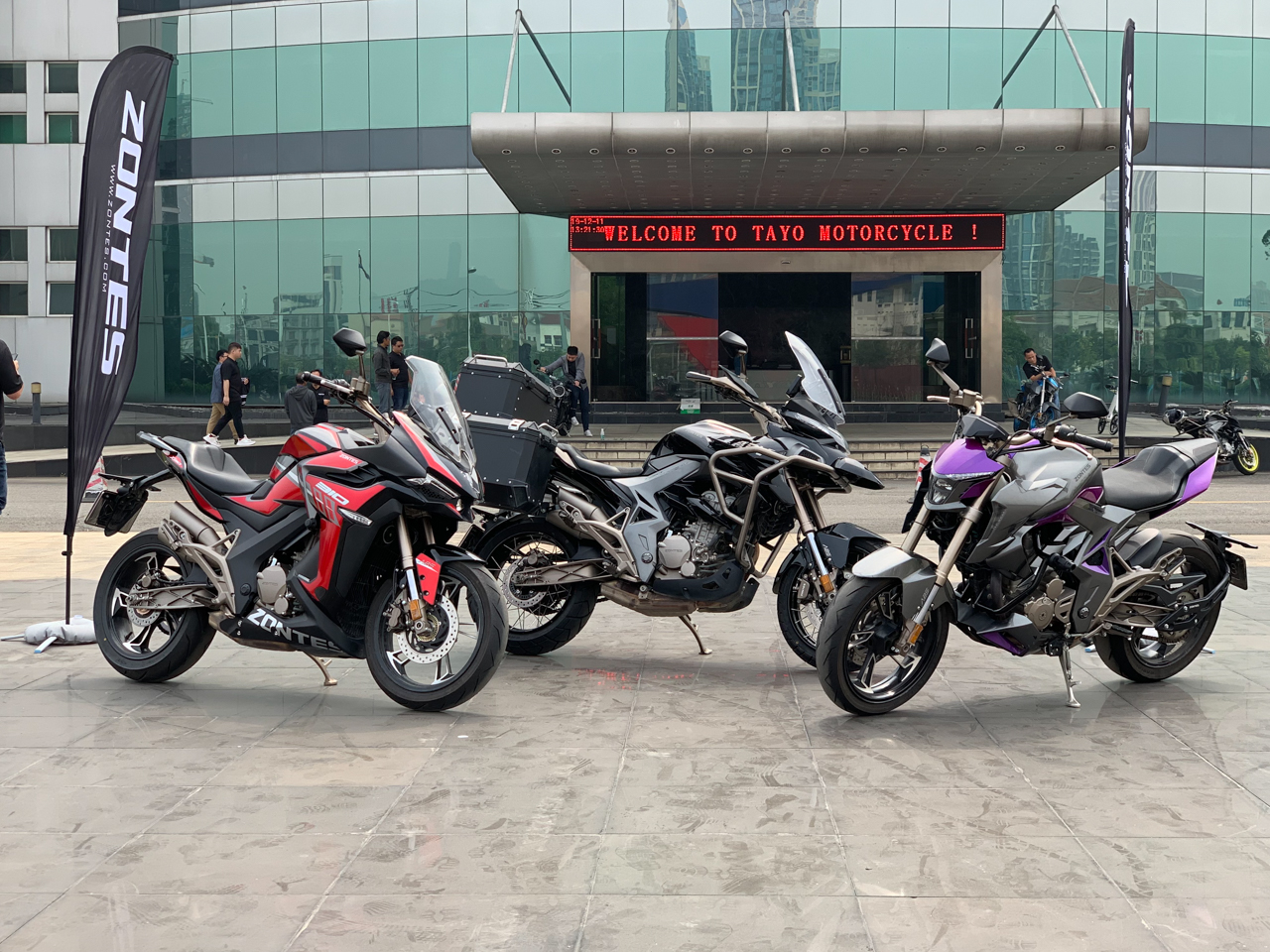
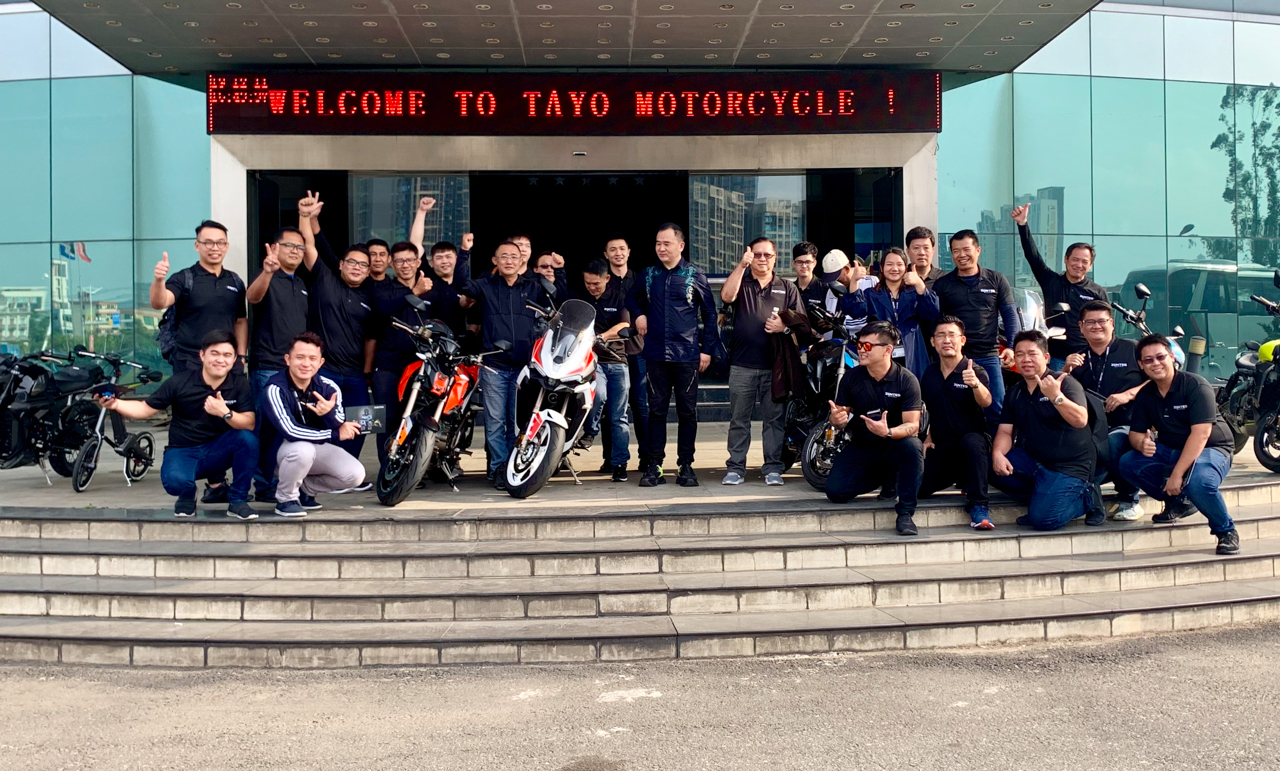
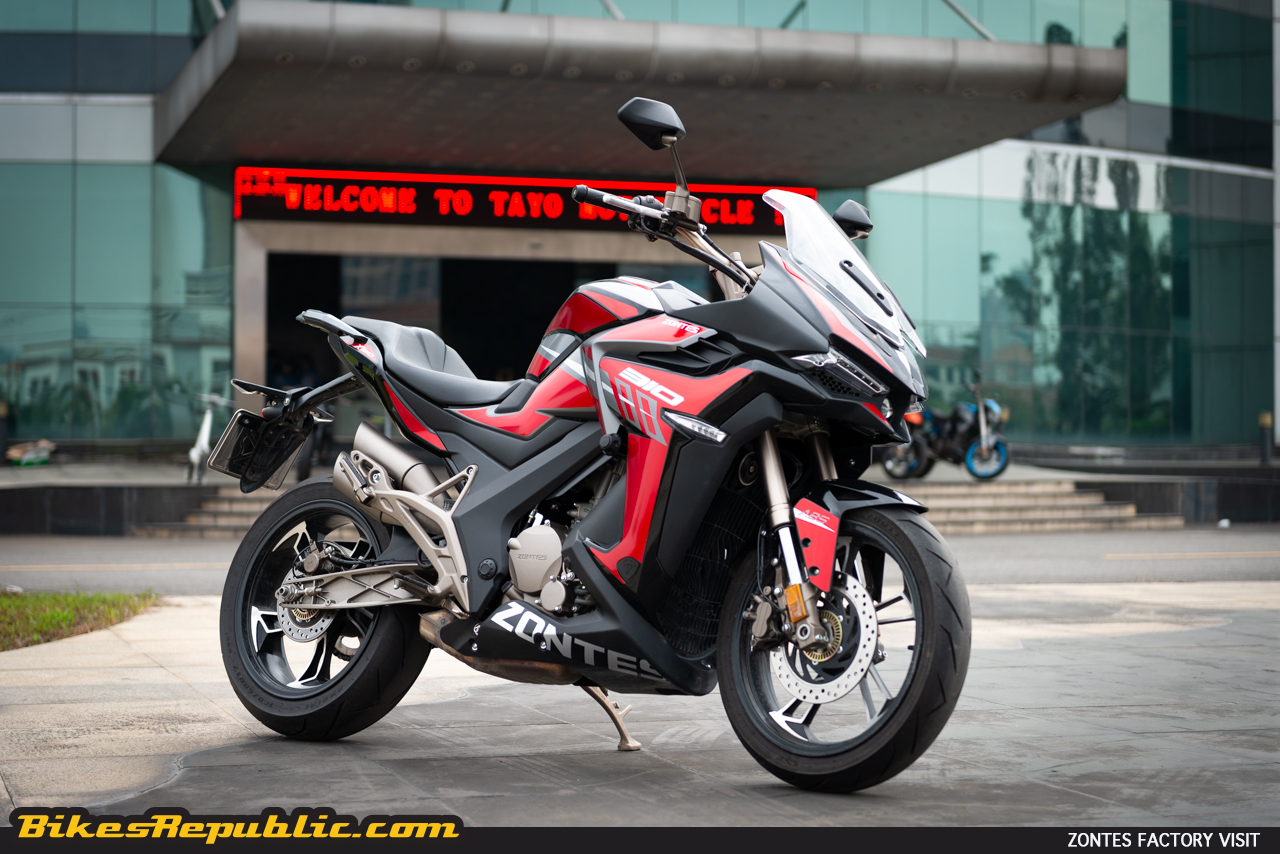
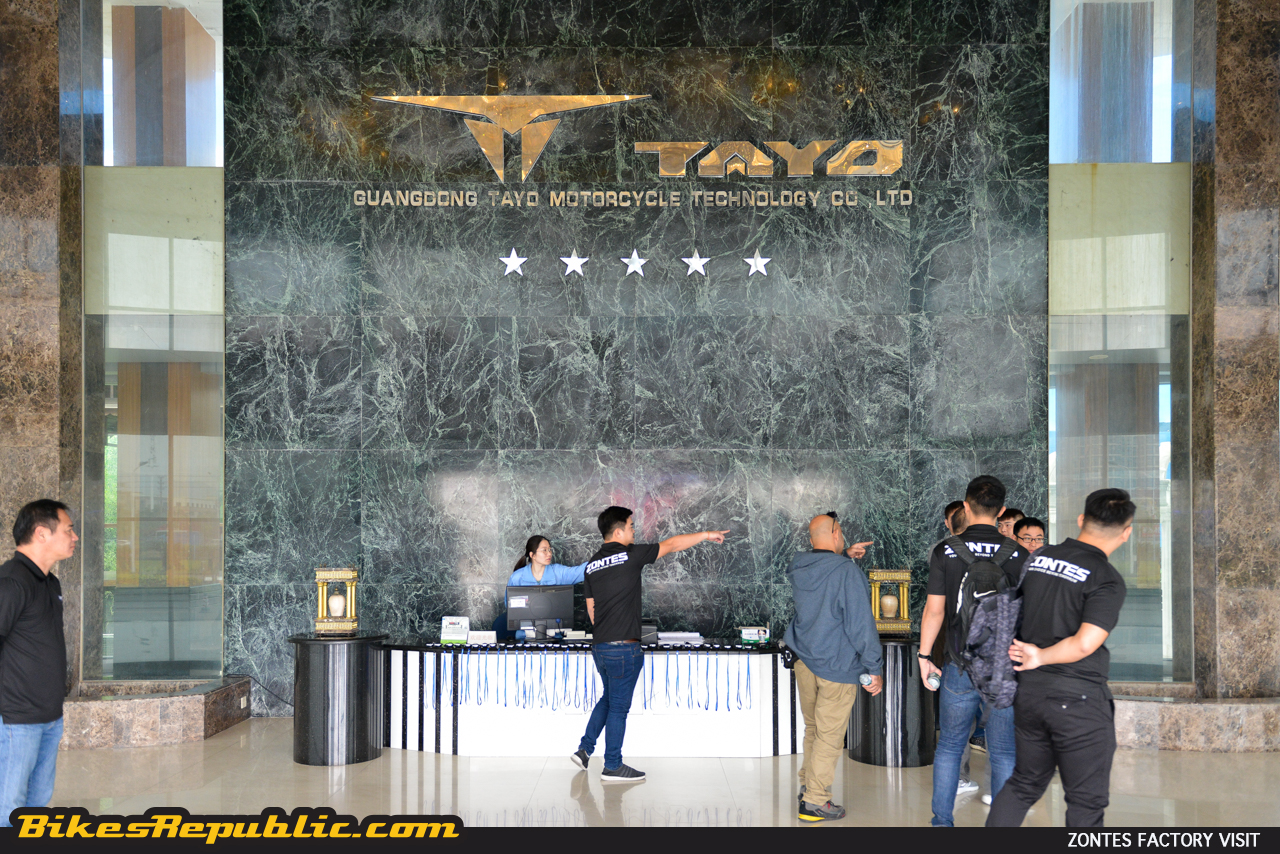
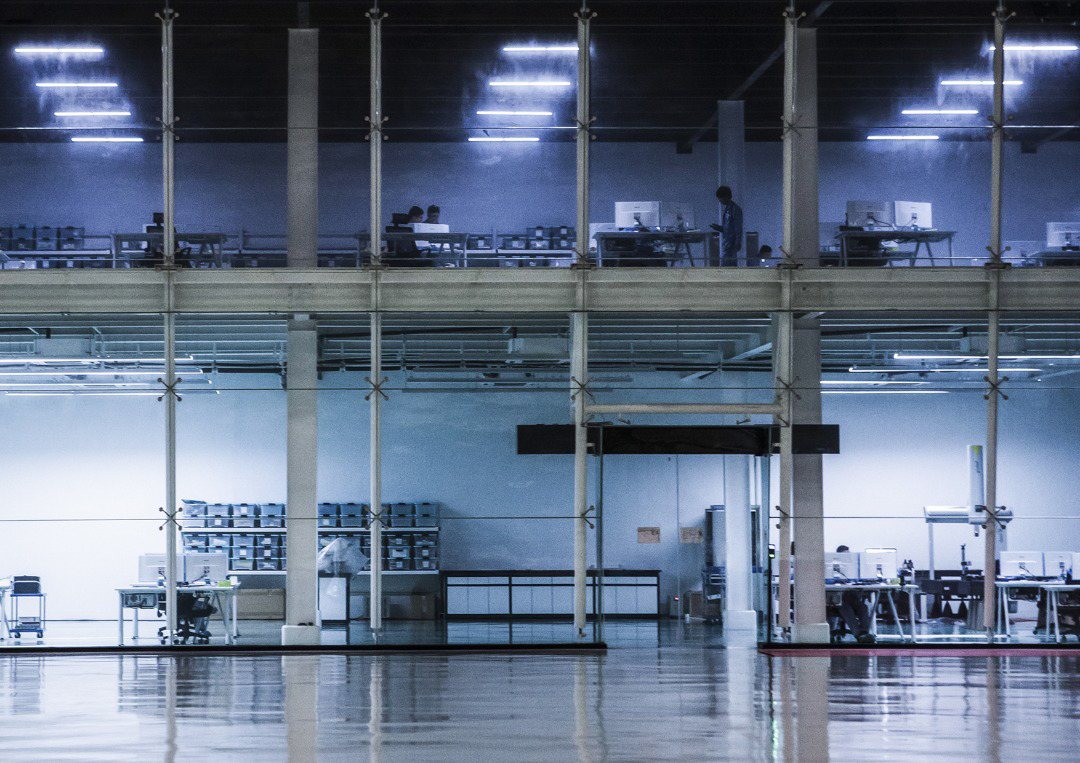
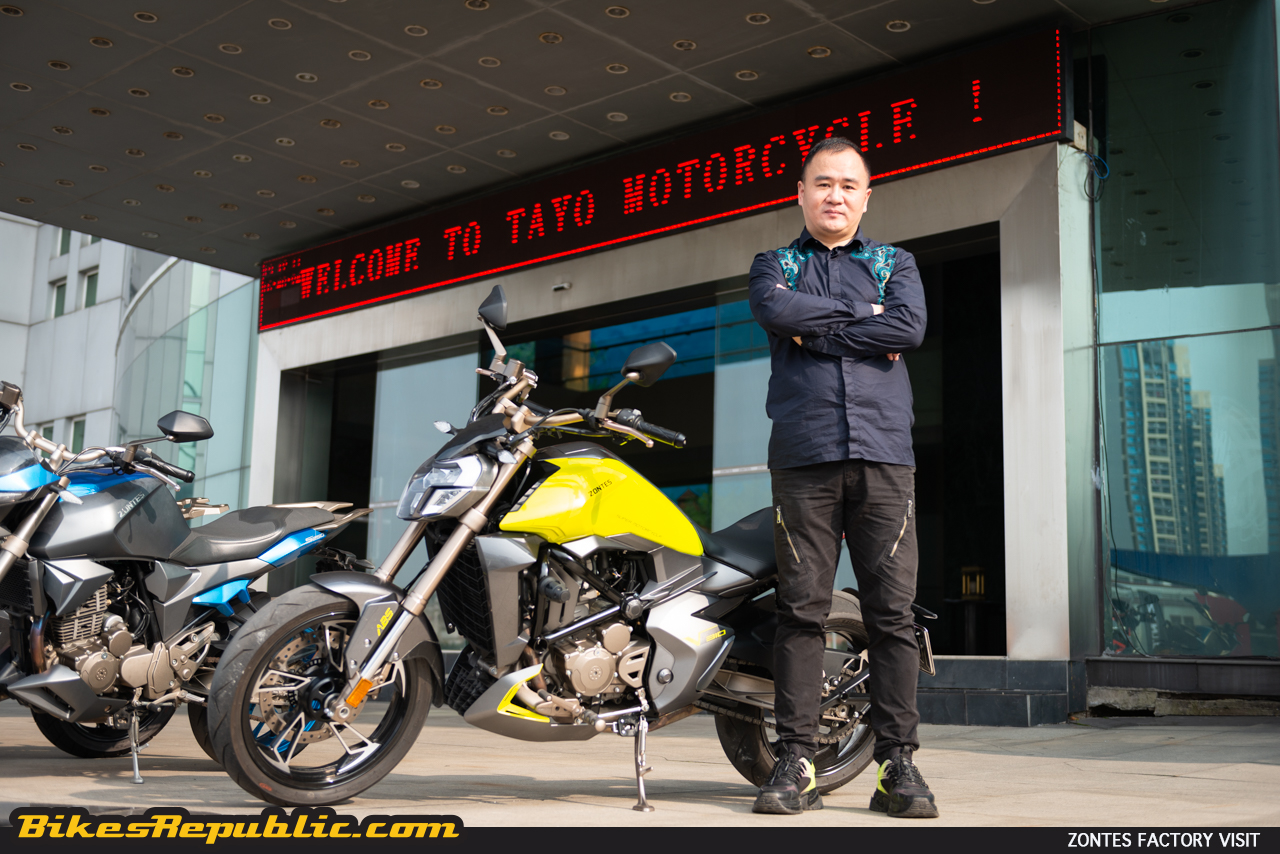
BikesRepublic.com and a number of Malaysian Zontes dealers visited the Guangdong Tayo Motorcycle Technology Co., Ltd. factory in China.
The company produces the Zontes brand among others.
What we saw truly amazed and impressed everyone.
As you know, Zontes is now making large waves in the Malaysian market.
We’ve been exposed to hundreds of bikes in our journey and can attest that Zontes motorcycles looked to have very high quality in terms of built and finishing.
Anyway, in order for us to witness that the bikes weren’t built in some small shed, Zontes Malaysia us at BikesRepublic.com and official dealers to the factory in Guangdong, China.
Purpose of the Visit
We guessed the main purpose was to put the jitters for another Chinese motorcycle brand to rest.
There were many upsets in the past with certain Chinese motorcycle brands. Many of our readers raised concerns about the quality, reliability, technology, aftersales service and availability of parts. Some of them experienced the difficulties firsthand. But truth is, the dealers suffered too from dissatisfied customers who came in droves.
Will Zontes change this?
Zontes is the flagship brand produced by the Guangdong Tayo Motorcycle Technology Co., Ltd. It is currently sold in many countries around the world including Thailand, Philippines, Indonesia, India, the Americas, South Africa and all over Europe including France and the United Kingdom, accompanied by rave reviews. The momentum is still picking up.
The quality and features we saw on the three bikes during the launch rivalled the best of the major manufacturers. However, there’s no substitute other than seeing how they were made.
Arrival at the factory
The staff had set up a row of models at the foyer to welcome us. There was a prototype and a couple of electric mopeds, too.
Before we entered the factory, the staff handed out sheets containing small stickers to cover the front and rear cameras on our phones. I was instructed to leave my DSLR at the reception.
As we approached the entrance into the factory, we were surprised to find a white sliding door right out of Star Wars.
We slipped on plastic covers on our shoes and face masks before entering.
Research & Development Department
Rows upon rows of computer terminals greeted us on the right, while a row of clay mock-ups were on the left. These were the design and R&D departments.
Design, R&D Department
The guys were working on the full-sized clay mock-ups of a couple of scooters and road bikes. Huge posters of design sketching hung on the wall in the background. Clay models make it easy to visualize and alter the final design.
There were also clay mockups of previous models sitting in the corner. Tens of them!
We passed the design department on the way down to the factory floor. We saw the designs for future Zontes models, and they were just as bold – if not bolder – than the current models. The company also has plans for 600cc to 1000cc Triples and inline-Fours.
Factory Floor
As we headed to the final assembly line, we chatted with the company’s representatives.
Guangdong Tayo produces 80% of the parts and components of their motorcycles in-house. That includes the engine, suspension (forks, shocks, swingarm), frame, bodywork, components including the LEDs, seats, handlebar, exhaust system, wheels, LCD screen, switchgear, etc. down to the bolts, nuts, screws and fasteners. Outsourced parts are the Delphi electronic fuel injection system, Bosch 9.1M ABS, tyres, pistons.
Why do they do so? Other manufacturers usually source their components from other makers while producing the bigger parts such as the engine cases, frames, seats, bodywork. Producing parts and components in-house can be more expensive, surprisingly, instead of picking out those from suppliers then assembled Lego-style.
The answer is rooted in the Guangdong Tayo’s President’s philosophies:
He wanted assurance in the best quality possible (even impossible, we’ll get to this) and knows he can control it better from within.
Problems or issues could be identified and resolved quickly. The company halts production as soon as an issue is found, rather than allowing them through and initiating a recall later. Solving issues with suppliers cost too time, which includes investigations, testing and finally arriving at a resolution (if at all). That takes up months or even years! By then, customers and dealers alike would’ve built up frustrations and distrust.
We asked about the factory’s production capability. The answer was, “One complete bike every 3 minutes.”
What about the ZT310 series? “The model was introduced just last year. By now, we have exported more than 20,000 units worldwide. We sold close to 100,000 units in China alone.” Everyone who heard that gasped.
We stopped at the engine assembly area, where we had a good look at the external and internal parts of the ZT310 engine. We’re being honest here, because we know our credibility is on the line, too. The quality of the engine’s cylinder, cylinder head, valve cover, crankcase casting; bearings, conrod, crankshaft was as good as you could find in any bike from the major manufacturers.
Each worker assembles one engine to completion, rather than fit certain parts and moving it on down the line to another person. This way, the factory can track each worker’s performance for further training and development.
CNC machining area
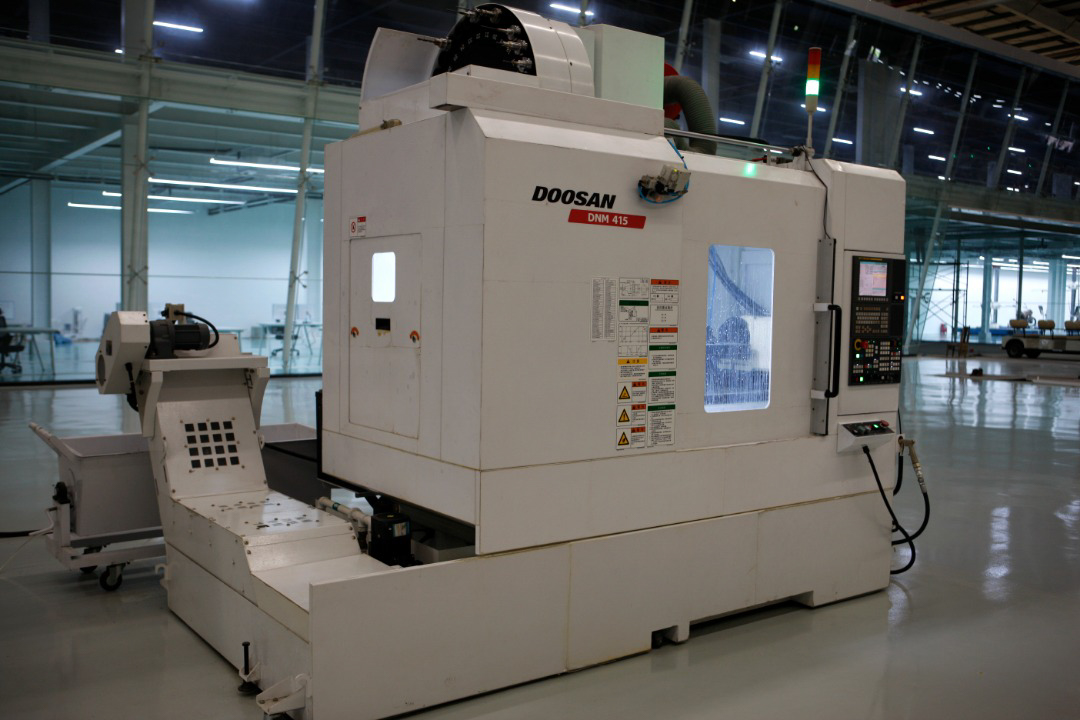
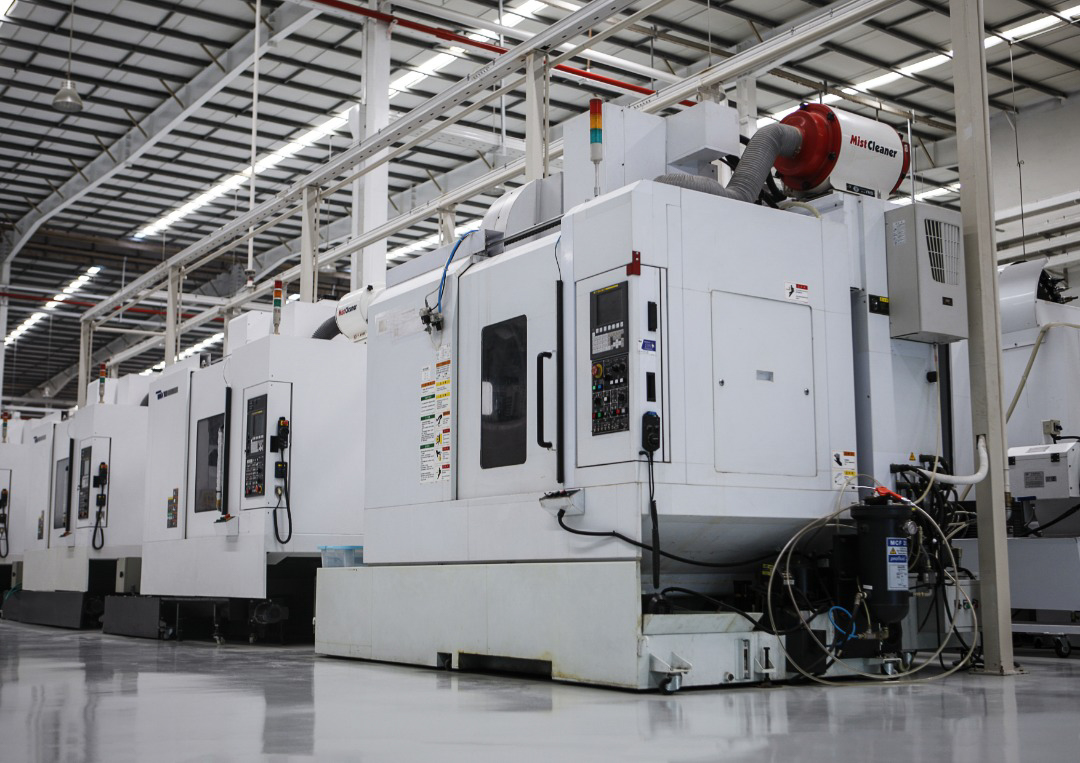
We were ushered down an isle past CNC (computer numerically controlled) machines. As the name suggests, a CNC machine receives instructions from a computer to mill parts. There are currently 50 of them, at an estimated USD 12 million each. “But these are not enough,” said the spokesperson. “There are still more machines on the way as we need to increase production to meet the orders!”
Computer Numerical Control (CNC) millers
Painting area
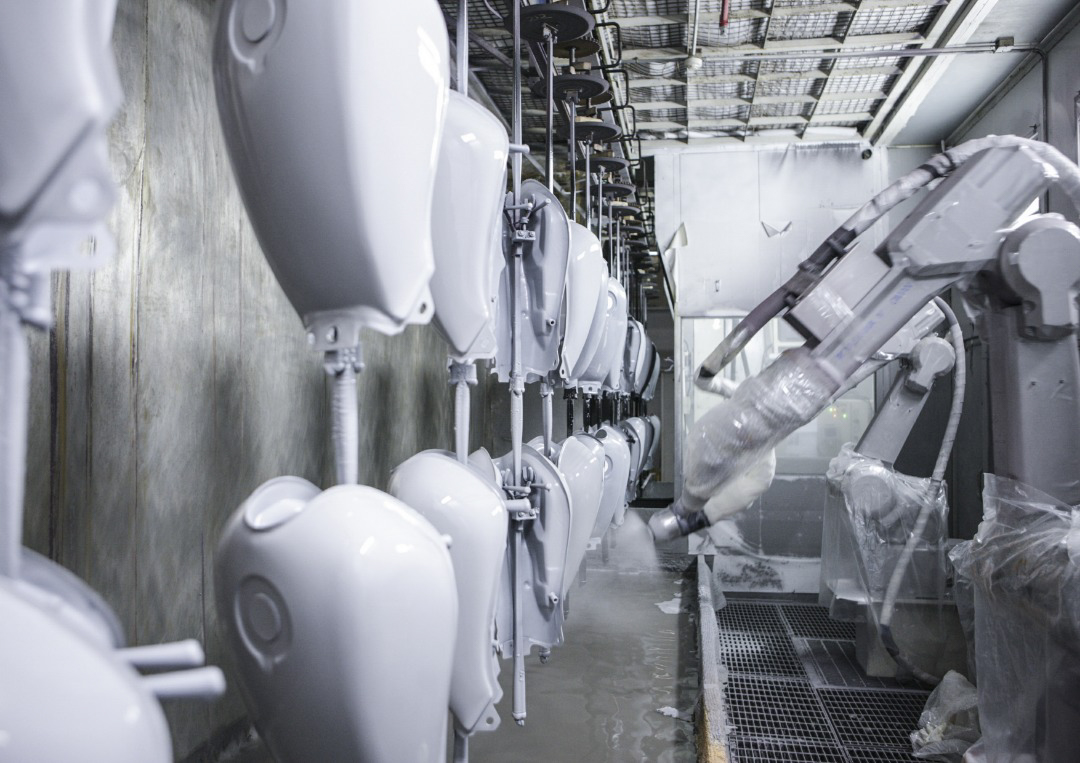
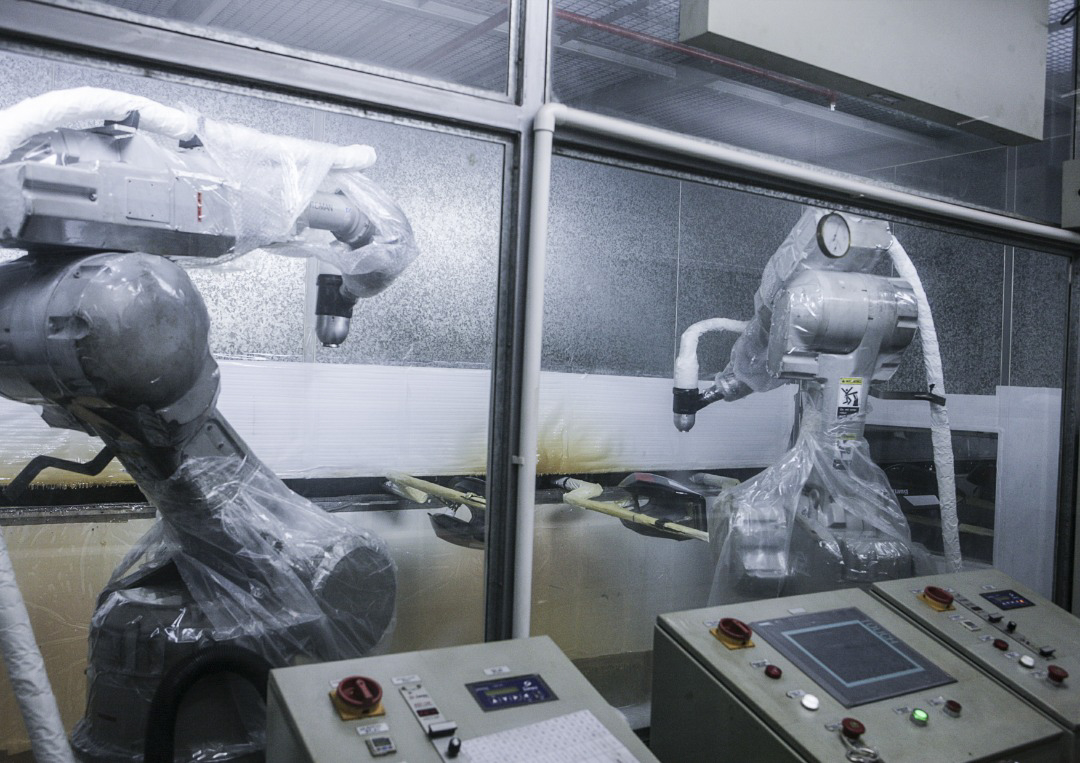
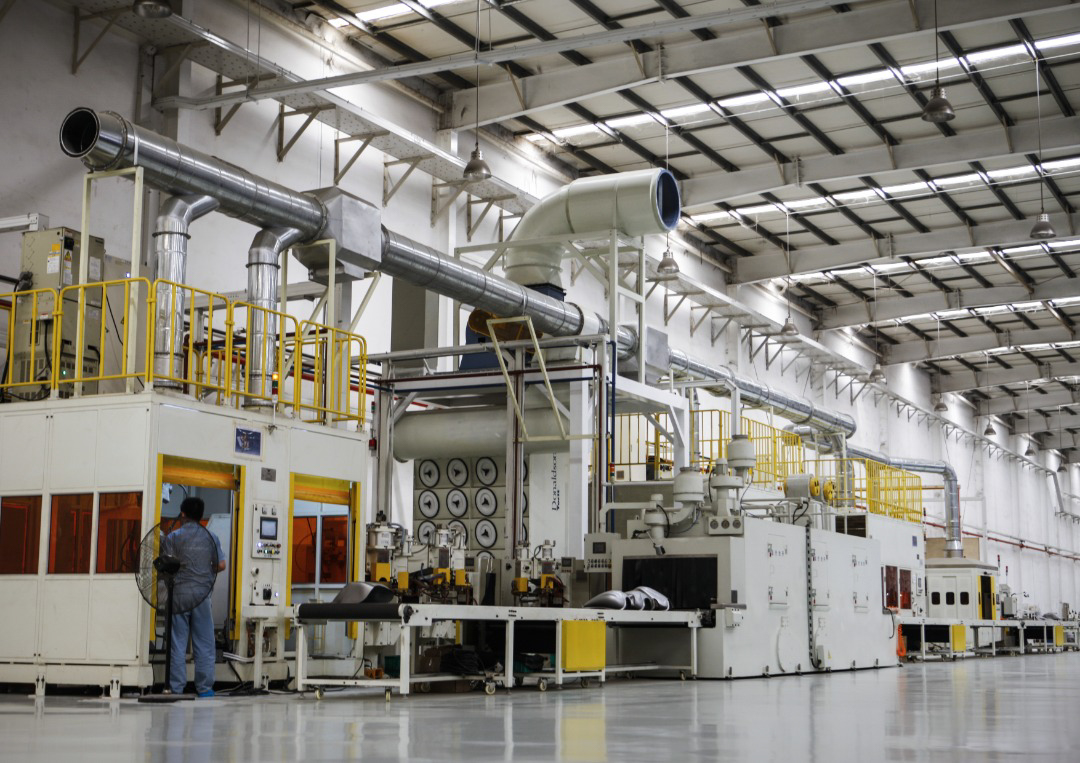
The bodyparts are mounted on “trees” and rotated into the spraying booth. Robots perform the painting.
Robots applying paint to fuel tanks
“These robots are from Japan, South Korea and Germany. But we programmed them ourselves. That’s why the suppliers come down here and learn from us,” the spokesperson exclaimed proudly.
The robots applying paint to smaller parts
There were racks of the completed parts, in this case the mudguards. Each showed consistent painting quality and finishing. We compared two mudguards from two different bikes, too, yet the quality was exactly the same.
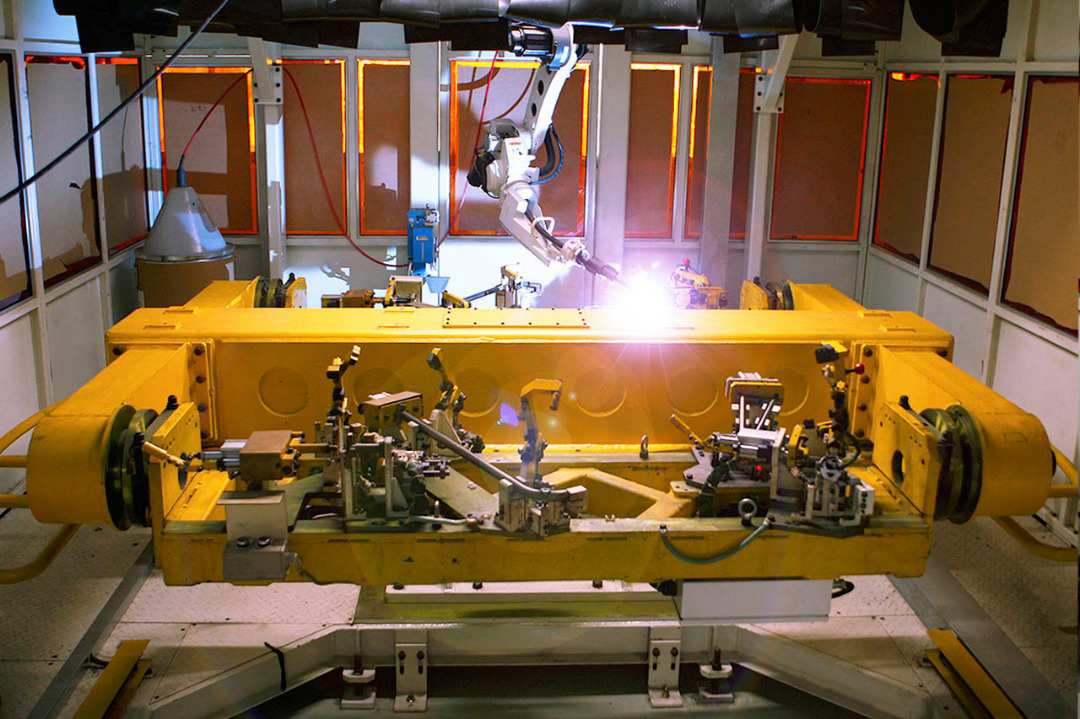
Frame welding area
This was what I personally wanted to see. That’s because no matter what great suspension or components you slap on a bike, the frame and chassis connect them together into a good or crappy bike.
A robot welding the frame tubes
Steel frames are easier and cheaper to produce. The material is strong at the cost of weight, but it can be set back to shape much easier. Frames play another critical role in Zontes bikes because the engine oil circulated through it to perform as an oil cooler. This means the welds have to be perfect.
Four axis deflection machine for welding exhaust pipes
Pre-bent steel tubes were placed on a jig which moves in all axis horizontally and turns like a vinyl turntable. The robots place the exact amount of solder and their welds are consistent. Expert welders finish the job by welding where the robots couldn’t reach.
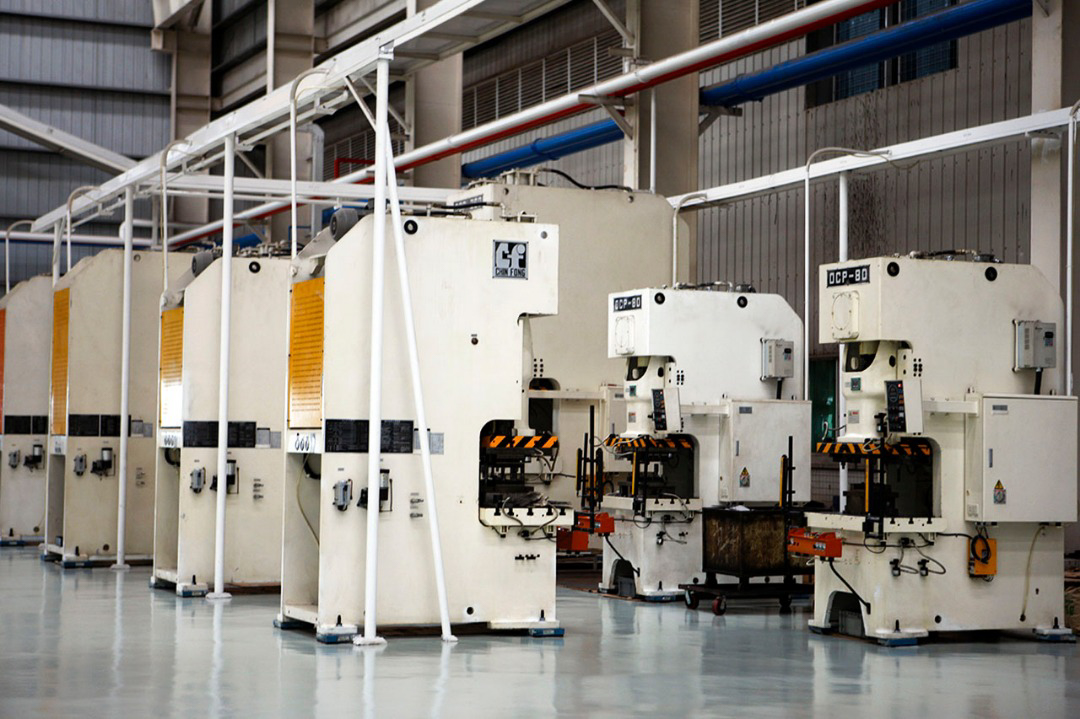
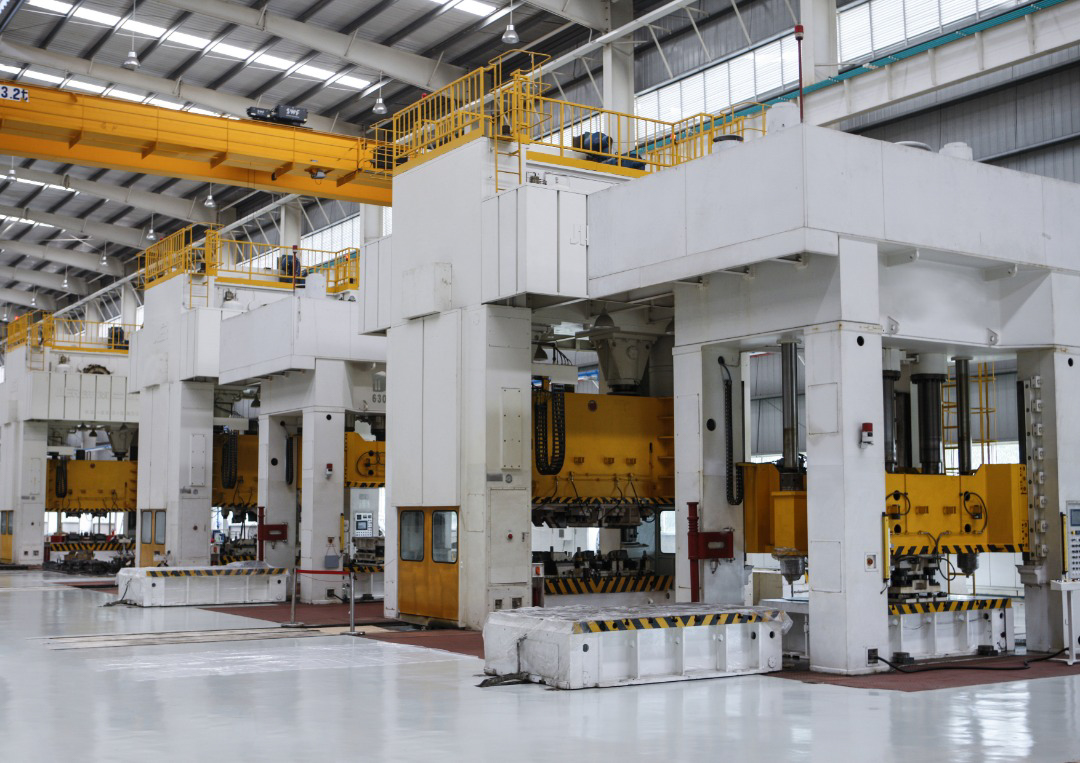
Stamping area
This was where metal sheets are turned into shapes. In this case, fuel tanks. Yes, Zontes motorcycles use aluminium fuel tanks.
Hydraulic presses to stamp fuel tanks out of aluminium sheets
Large sheets of aluminium were placed over a mold underneath. A large hydraulic press applied pressure from the top and voila, the top part of a fuel tank emerged.
Die casting area
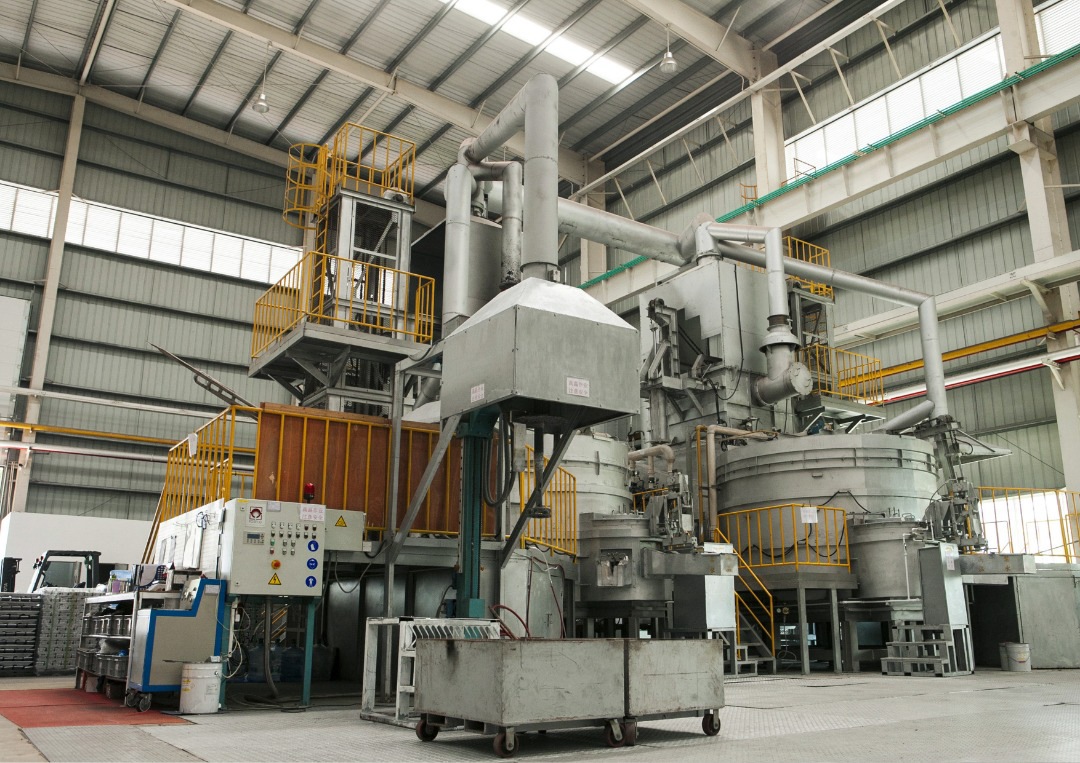
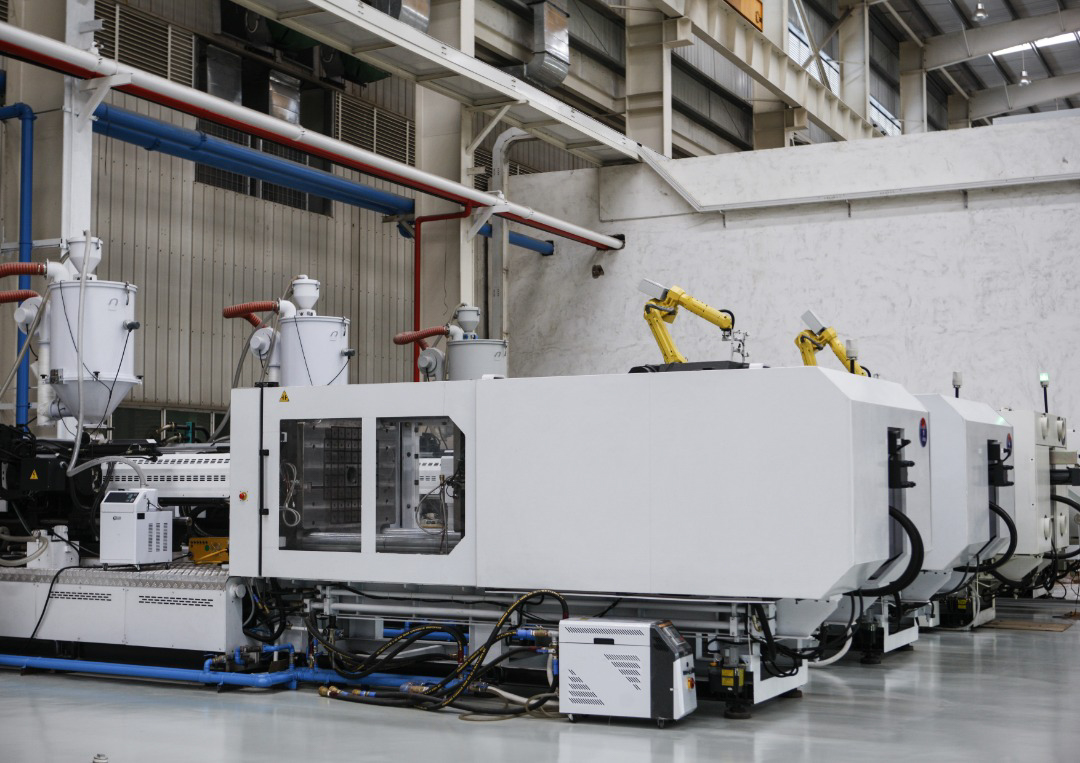
They cast metal and plastic parts here – aluminium high pressure die casting on one side and plastic casting on the other.
Molten aluminium was piped to machines to cast them into the required parts. They are usually the aforementioned engine parts. The rough cast parts were then cut of excess by workers with hand tools.
Aluminium casting area
Each piece was then checked with an x-ray machine to spot for abnormalities and defects. Parts with defects of more than 3 micron (the human hair averages at 50 micron) were rejected outright.
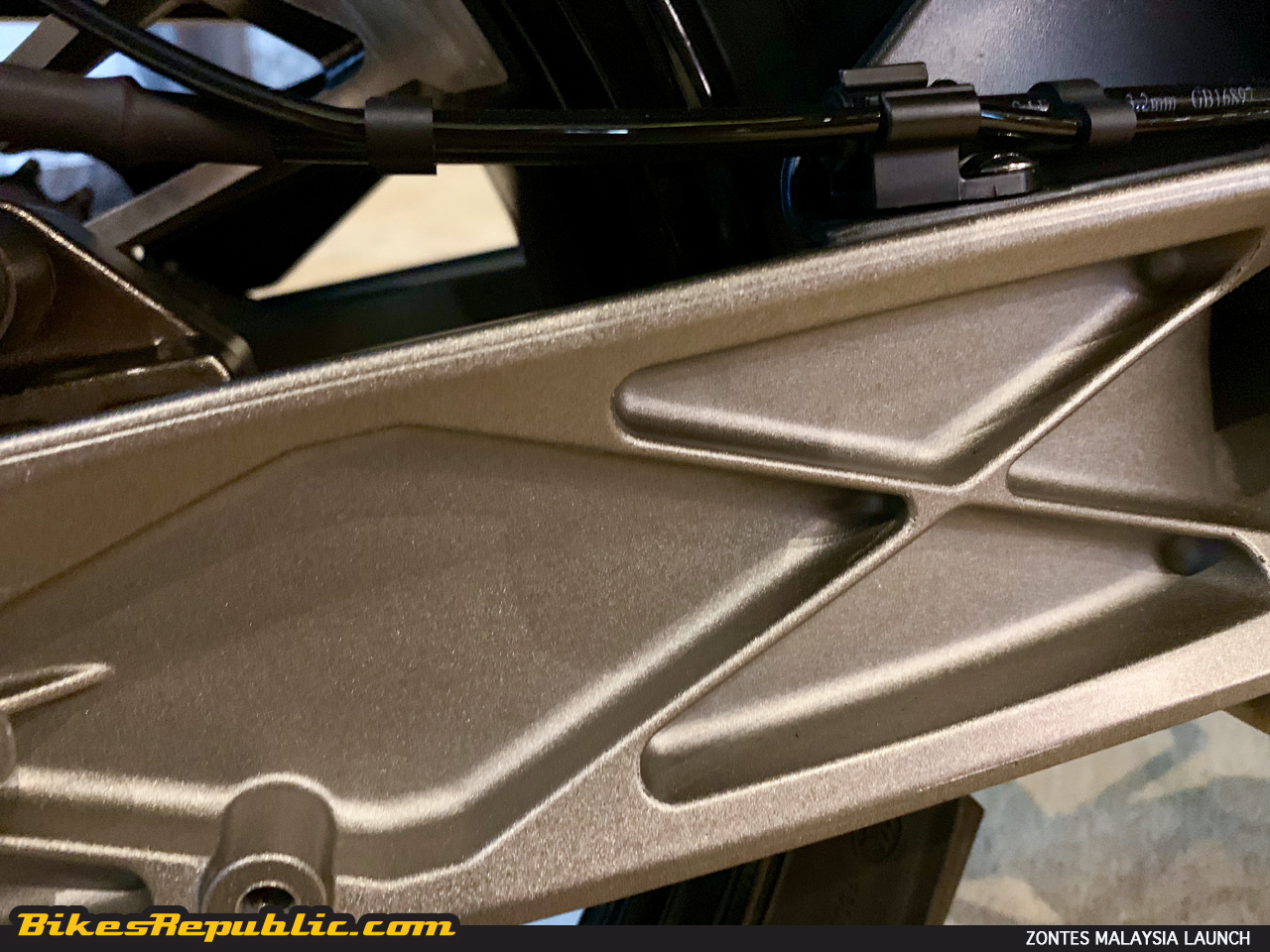
The supervisor at the section also showed us a complete swingarm for the new ZT310-V cruiser. It looked beefy but weighed only 4.7kg. The ZT310-series’ swingarms are cast in one piece rather than welded in sections to eliminate weak spots, besides allowing the engineers to tune its flex characteristics for handling.
The open lattice-work is reminiscent of KTM’s swingarms but doing do makes sense as the manufacturer saves some material and allows for the ease of spotting damages. Speaking of damages, the supervisor also showed us a bent swingarm. It was used to test for its strength. It required more than 2 tonnes of force to bend a truss, but it didn’t break.
As for plastics, Guangdong Tayo uses a “special” type of thermoplastic resin which is shatter poof. A factory worker demonstrated that property by placing a side panel on the ground and bashed it with a sledgehammer. But the part didn’t break or crack and returned to its original shape.
High pressure polymer die-cast
Fuel tank welding area
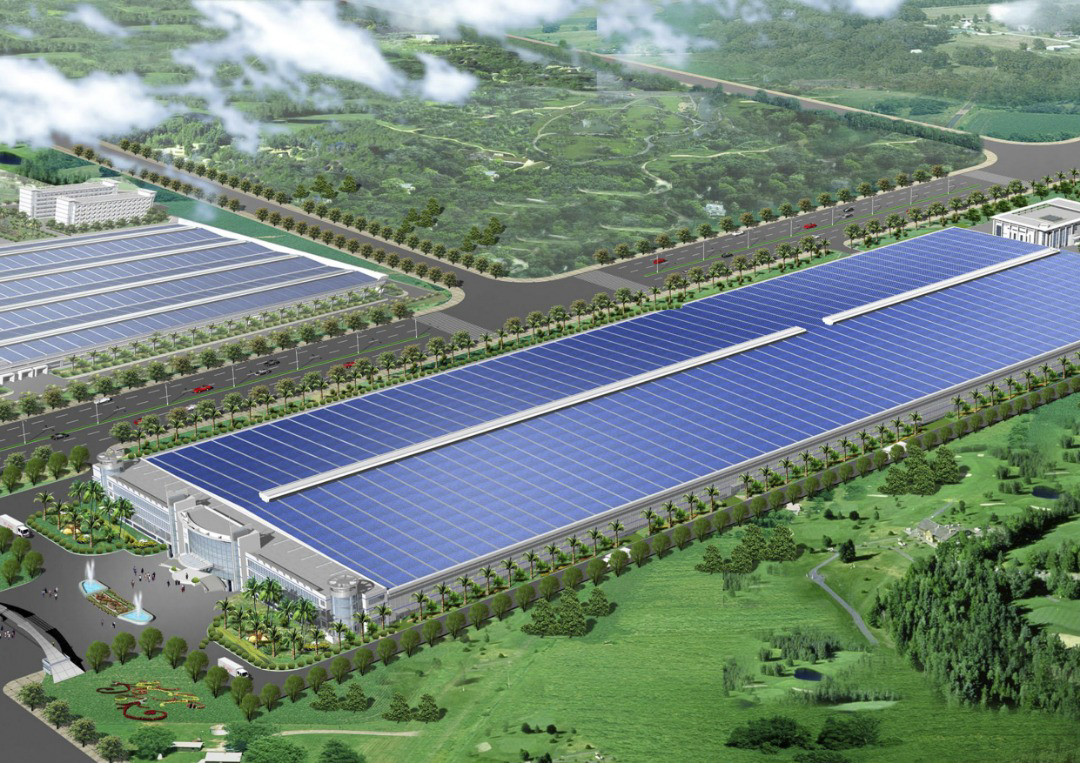
The factory was immense! The company’s website said it covered around 400,000 sq. m. (40 hectres) but they are still expanding to cater for the extra orders. We had to ride on electric airport buggies to our next destination.
Fuel tank welding area
We stopped at a section where the top and bottom halves of the fuel tanks were welded together. The task was performed by robots. The fuel filler spout was also welded on in this section.
Gear CNC machining area
We walked past another row of CNC machines. These were used to mill the gears of the transmission and cam sprocket, in addition to camshafts and transmission shift drums.
Testing area
The assembled motorcycles were filled with petrol and ridden around an indoor test track. Running the bikes outdoor would expose the new bikes to the weather. Each bike is tested.
Meeting the President of Guangdong Tayo Motorcycle Co., Ltd.
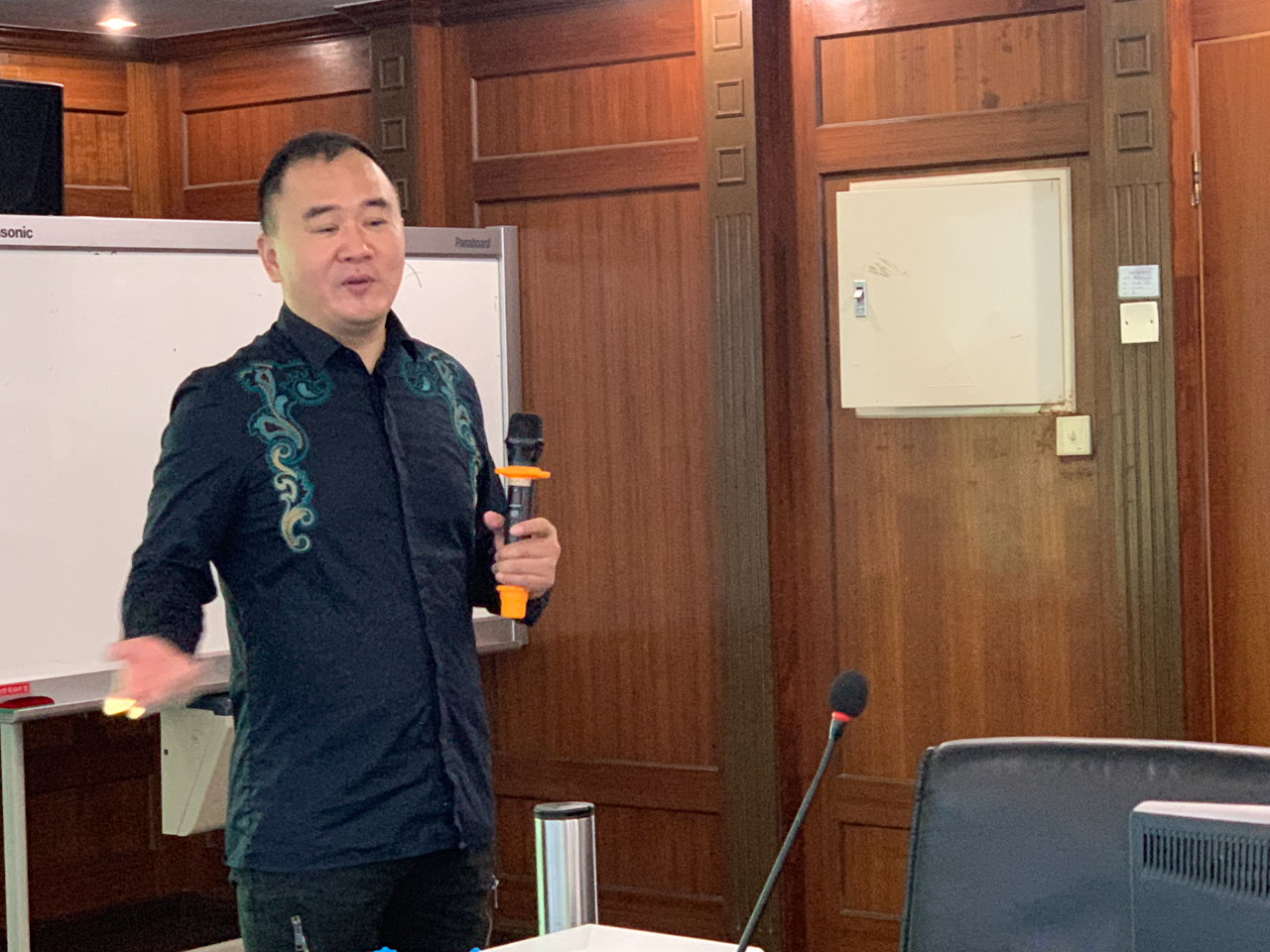
We congregated in the conference room after lunch and was joined by Mr. Tao, the President of the company.
Mr. Tao – President of Guangdong Tayo Motorcycle Technology Co., Ltd.
He outlined his principles for his organization, which centres around innovation and development of new ideas, or ideas that were proposed but never saw production.
It was amazing to hear how he pushes the envelope of technology. But he never forgot about infusing those technologies with quality and reliability. That’s exactly the reason why he chose to build entire bikes from scratch.
Mr. Tao put on a show for us before we headed back to Guangzhou. He got into his heavily modified Lexus and performed a drift show.
Conclusion
There were a number of sections where we weren’t shown, including the casting of the wheels and powder-coating. However, what we saw convinced us beyond doubt of the company’s commitment.
The Guangdong Tayo Motorcycle Technology Co., Ltd. isn’t some fly-by-night manufacturer who wants to churn out motorcycles by the thousands and sell them for high profits. Instead, what we witnessed was the obsession to produce the best motorcycles to compete with major manufacturers around the world.
Many used to laugh at Honda when they first started but look at them now. Will Zontes make it big? It’ll be foolish to bet against them.
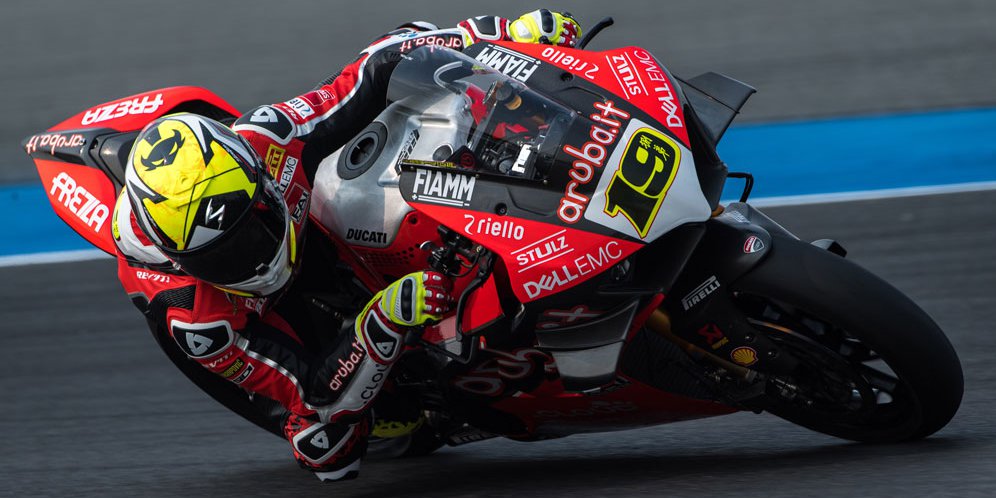
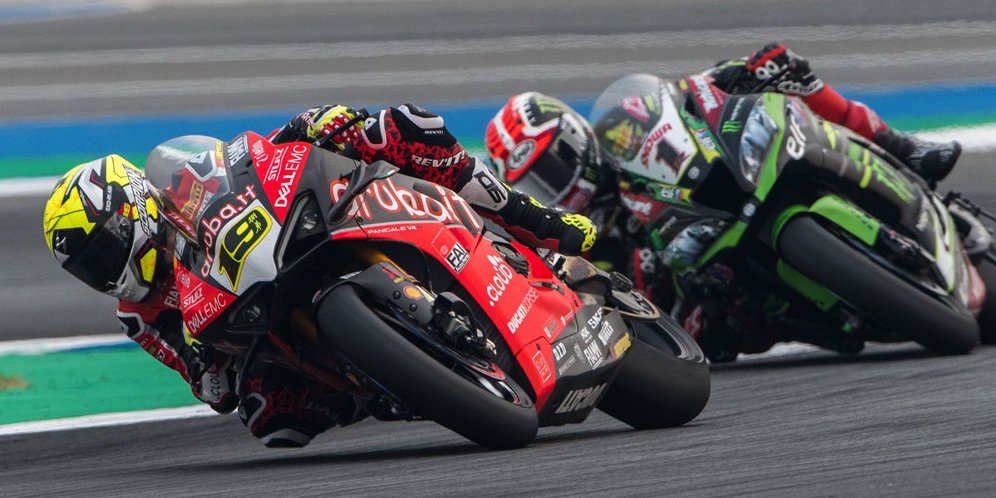
Alvaro Bautista and Ducati continued on their dream weekend streak by winning all three races at the Buriram Circuit in Thailand.
That makes it six wins out six races, thus far.
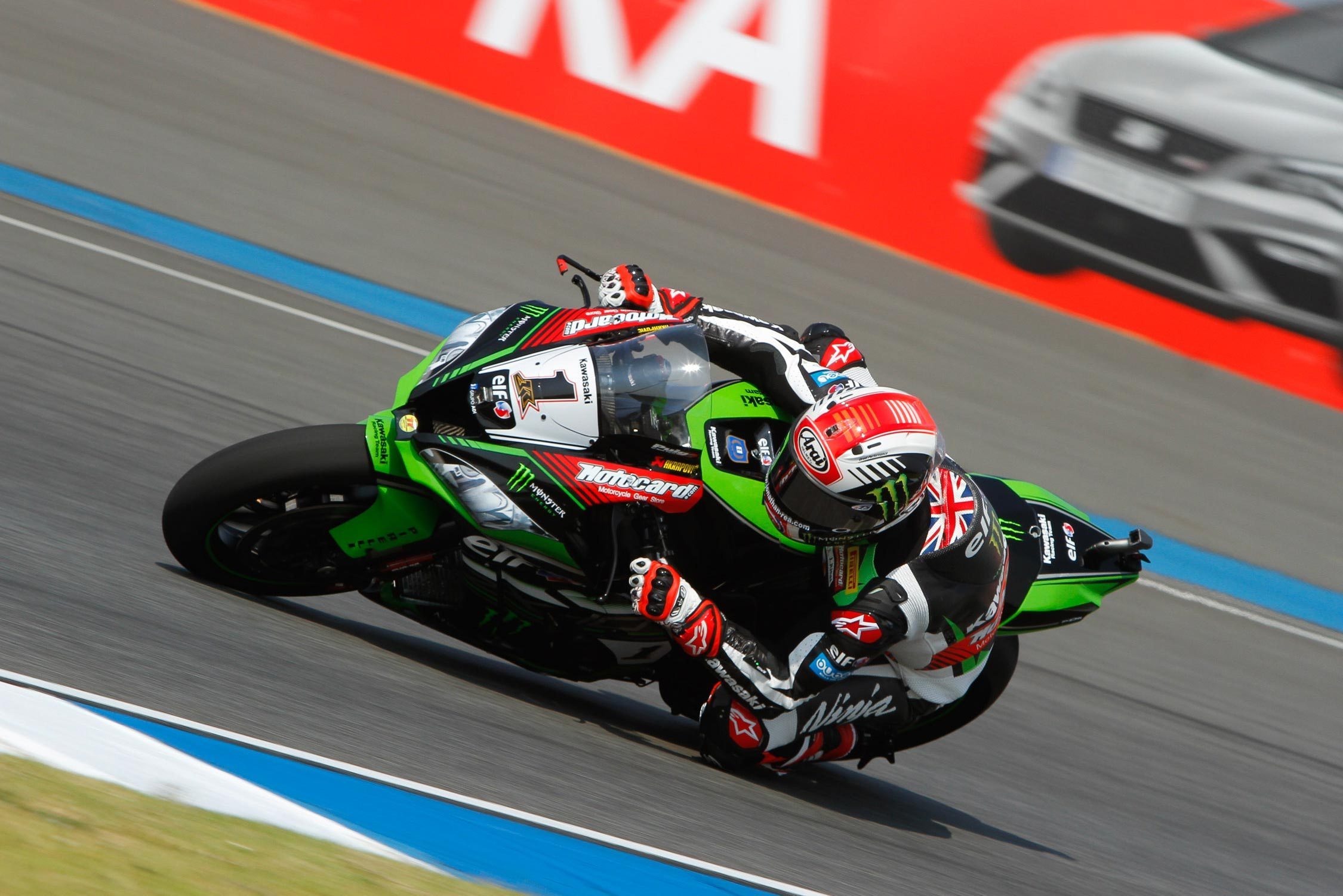
Defending champion Jonathan Rea put up a fight for the win but was bested by Bautista.
Alvaro Bautista rode his Ducati Panigale V4 R to maximum points after six 2019 Motul FIM WorldSBK races, after winning all three at the Buriram Circuit in Thailand.
Race 1
Bautista being chased by Rea
Defending champion Jonathan Rea (Kawasaki Racing Team WorldSBK) overtook Bautista into Turn 1. Bautista made up for the disadvantage on Lap 3 in Turn 3, but Rea cut back inside, and the pair collided. Bautista managed to control his bike, but it allowed Alex Lowes (Pata Yamaha WorldSBK Team) to slip past.
The Spaniard repassed Lowes on Lap 4 and went after Rea. Bautista caught Rea and passed him with 12 laps to go, and made it stick. He romped away from his challenger to finish 8.2 seconds ahead.
Alvaro Bautista (ARUBA.IT Ducati Racing)
Jonathan Rea (Kawasaki Racing Team WorldSBK)
Alex Lowes (Pata Yamaha WorldSBK Team)
Michael van der Mark (Pata Yamaha WorldSBK Team)
Leon Haslam (Kawasaki Racing Team WorldSBK)
Tissot Superpole Race
Jonathan Rea – Credit asphaltandrubber
Rea took the holeshot this time but was passed by Bautista. The latter ran wide into Turn 3 was re-overtaken by Rea. But the Ducati rider fought back and retook the lead in Turn 4 and started pulling away.
Meanwhile, Alex Lowes started pressuring Rea. However, Rea made a massive effort to lose Lowes and slashed Bautista’s lead down under half-a-second. His determination also netted him the fastest lap.
Unfortunately, the red flag was shown just as the race was starting to heat up. Again, it was Turn 3 which provided the drama. Leon Camier (Moriwaki Althea Honda Racing) and Thitipong Warokon (Kawasaki Thailand Racing Team) collided in the hairpin. Warokon was sent to the medical centre and the hospital afterwards.
Bautista was pronounced the winner, followed by Rea with Lowes just behind.
Alvaro Bautista (ARUBA.IT Ducati Racing)
Jonathan Rea (Kawasaki Racing Team WorldSBK)
Alex Lowes (Pata Yamaha WorldSBK Team)
Michael van der Mark (Pata Yamaha WorldSBK Team)
Leon Haslam (Kawasaki Racing Team WorldSBK)
Race 2
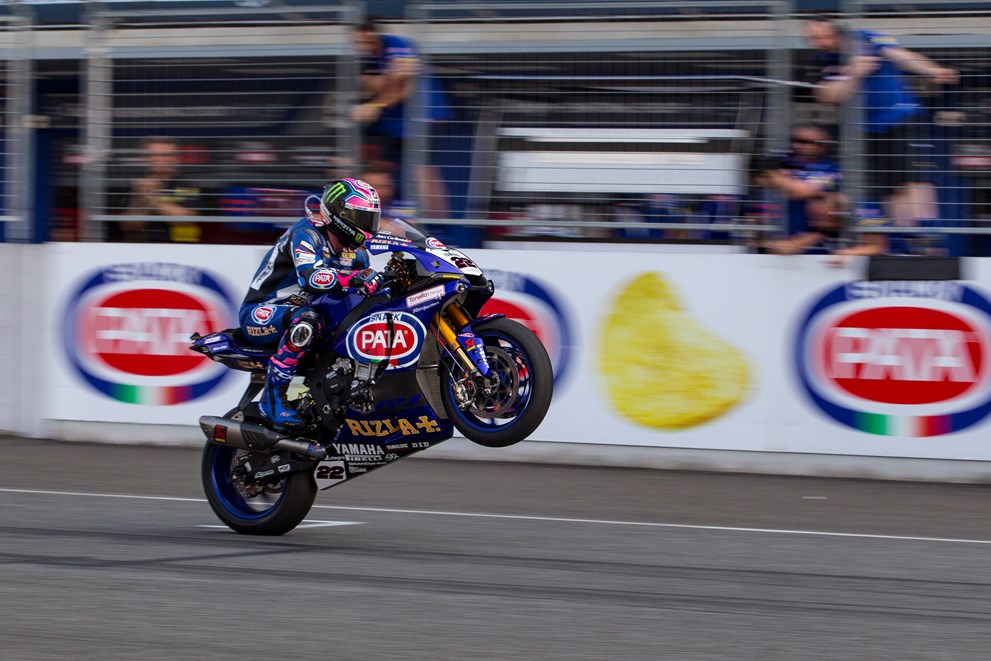
Alex Lowes – Photo credit alexlowes22
Bautista didn’t want to hang around and scrap it out this time. So, he took off from the start and led all the way to the finish, leaving Rea to fight it out with Alex Lowes.
Bautista romped home to finish 10 seconds ahead of Rea and Lowes. His accomplishments equaled Neil Hodgson’s record of winning the first six races of the season in 2013.
Lowes’ teammate van der Mark held off Haslam’s intentions for a finishing order identical to Race 1 and Superpole.
Staying hydrated is the most important in this hellishly hot season.
But what should you and shouldn’t drink?
However, please keep in mind that everything should be taken in moderation.
This may look like a Men’s Health article, but the hellishly hot weather affects us a lot as riders. But stop riding? No way! But how do we need to survive this heat? It’s especially worse after wolfing down durians in Bentong.
Here are a few suggestions to avoid being dehydrated duringyour ride. Dehydration is one of the most dangerous things to happen to us riders. It can cause loss of concentration leading to mistakes and wooziness.
Great for hydration:
1. Water. It’s the best. ‘Nuff said.
2. 100 Plus. Or other sports drinks such as Gatorade and Pocari Sweat. The electrolytes (fancy word for salt) in them can be more effective at hydrating. Drinking water infused with salt has been practiced in Malaysia homes for many decades, especially to counter the heaty effects of durians, after all.
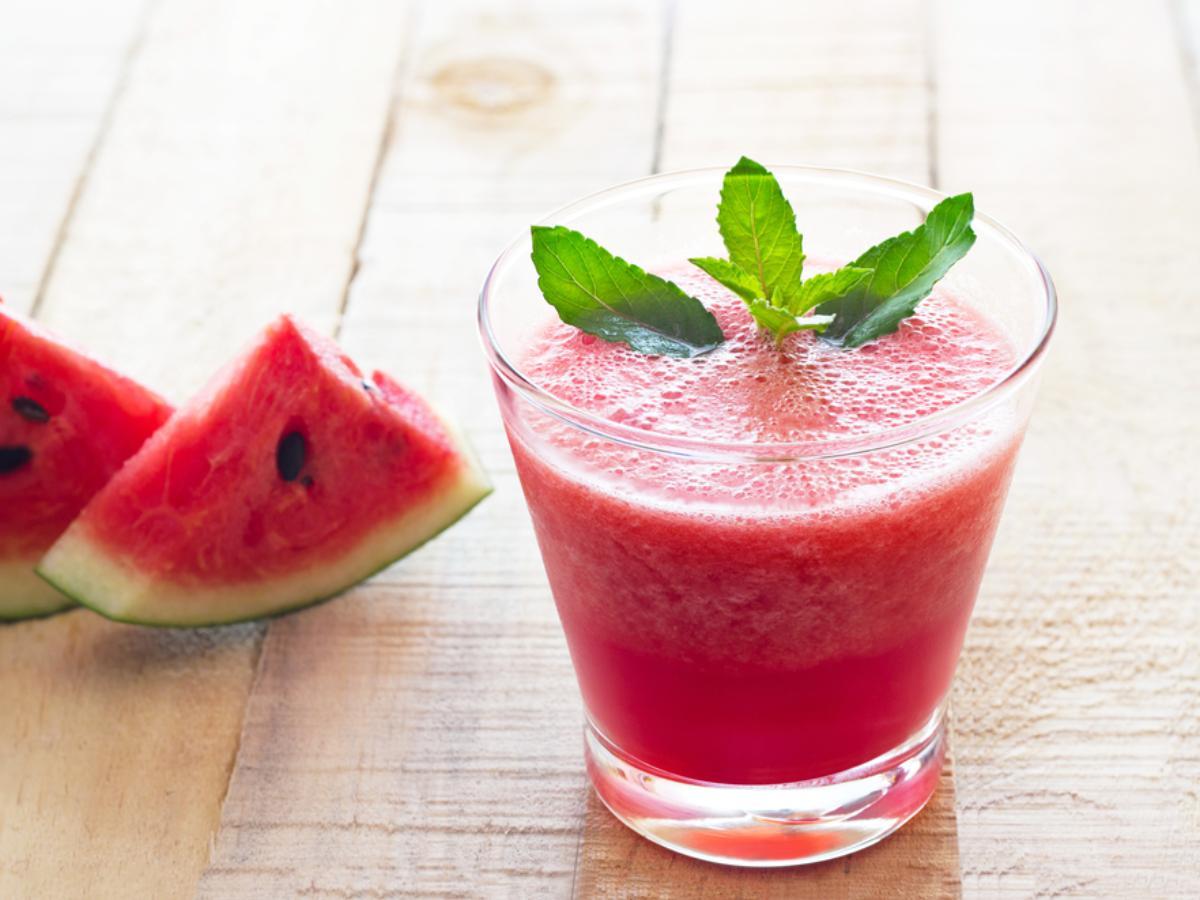
3. Watermelon. Eating watermelons retain 92% of the liquid. But if you opt for the juice of other fruit juices, make sure that it is pure without sugar. Packed juices contain sugar that inhibits hydration. Best way is to buy freshly-squeezed juices – again, as a reminder – without sugar.
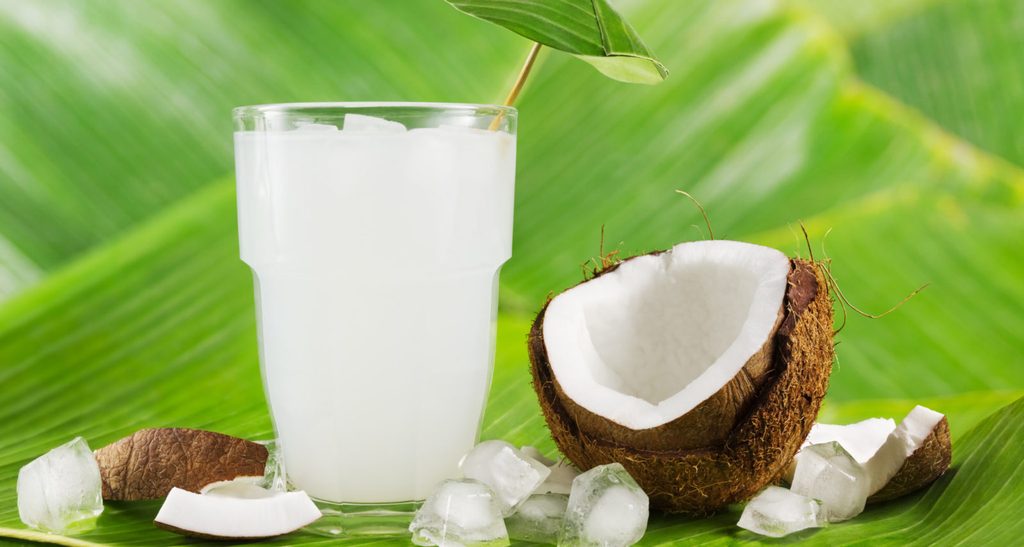
4. Coconut water. We’re so lucky in Malaysia. You can find coconut water almost anywhere. Coconut water contains 95% water, better than all fruit juices. Make sure you drink it straight from the coconut without added sugar.
5. Milk. Since milk is thicker than water, it leads us to believe that it’s more dehydrating, which isn’t the case. Besides containing calcium and Vitamin D, milk gives you fuel on hot days. But it only works for non-flavoured milks, so no chocolate, strawberry, Kurma, etc. flavours.
Worst for hydration:
1. Soft drinks. Sure, they’re advertised to quench your thirst but they contain caffeine which is a culprit in dehydration. If that’s not bad enough, they also have heaps of sugar and sodium that are bad for your teeth and bones. Drinking a single bottle is fine during your trip to perk you up, but it’s better to swap it for sparkling water to enjoy the carbonation.
2. Energy drinks. Energy drinks are just that: They provide energy. If soft drinks are bad, there’s even more caffeine, “fake” sugars and complex chemicals. Like soft drinks, these should be consumed with moderation – a can during the ride to keep you from dozing off – then followed by plenty of water.
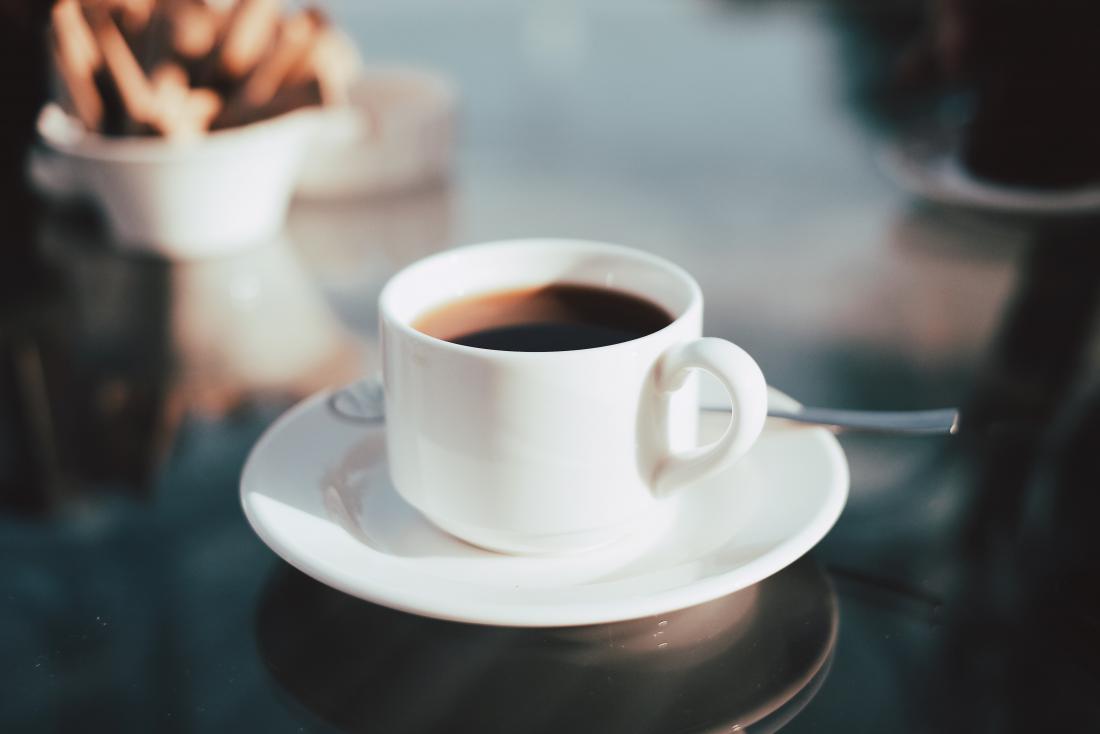
3. Coffee. Taken in moderation, coffee helps not everyone, but most to stay awake. Caffeine blocks your brain from receiving signals that you are tired but doesn’t actually make you feel less so.
Its dark side is caffeine, the same stuff they put into sodas and energy drinks. The substance is also considered diuretic, meaning it rids your body of fluids and salt. It works by forcing your kidney to release more sodium into your urine. That sodium then takes water with it from your blood and reduces fluid flowing through your blood vessels.
4. Smoothies. Our favourite drink in Phuket! Nooooo! The sweet, fruity drinks pack too much sugar. They’re awesome for refuel after a long ride and starting your day with a natural dose of vitamins but should be approached in moderation. The best way is to put add more ice for hydration.
5. Beer, wine, hard liquor. You shouldn’t even ride in the first place if you drink alcoholic beverages. Anyway, alcohol removes water from your tissues, meaning you have to drink even more water to offset the effect. The more alcohol in your system, the more dehydrating it is. Yes, it’s fine to drink beer after your ride, but the rule of thumb is one glass of water per can glass of beer. That way, you will be less dehydrated and hungover for the next day’s ride.
Conclusion
While there are good and “bad” drinks, good drinks can become bad too unless consumed in moderation. Hope these tips help.