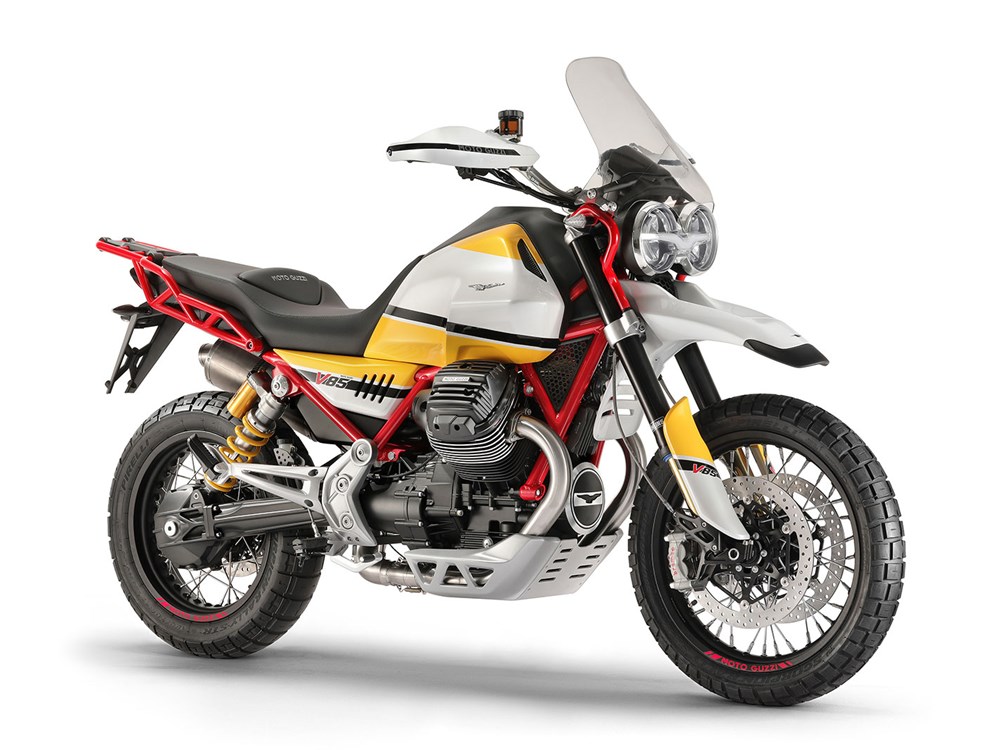
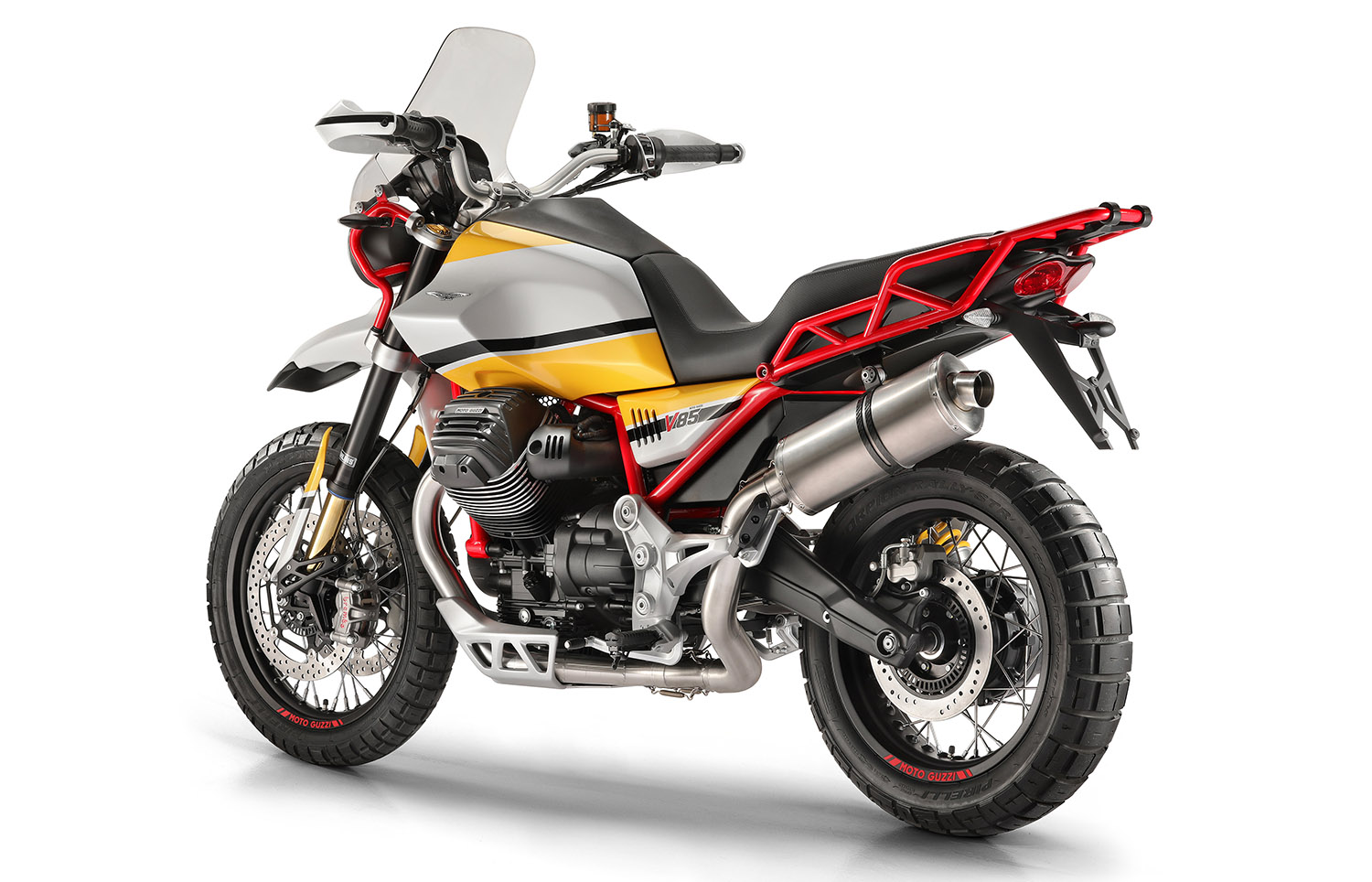
Moto Guzzi unveiled the V85 concept during EICMA 2017.
The V85 takes the form of a dual-sport motorcycle.
Patent filings for the bike has been leaked online.
There’s been plenty of positive buzz since Moto Guzzi unveiled their V85 dual-sport concept during EICMA 2017 in November.
Piaggio has plans for a new dual-sport ever since the Stelvio 1200 NTX was discontinued as it isn’t Euro 4 compliant.
The V85’s mini-site is fully running (please click here to visit the site) and provides some insights into the concept. The design speaks of rally raid bikes from the 1980s – namely the Paris-Dakar Rally.
But while the site conclude with the “Stay tuned!” message, Motorcycle.com has sighted and published the patent filing for the bike in Australia. A patent filing is good news as it means there’s a great possibility for a product to go into production.
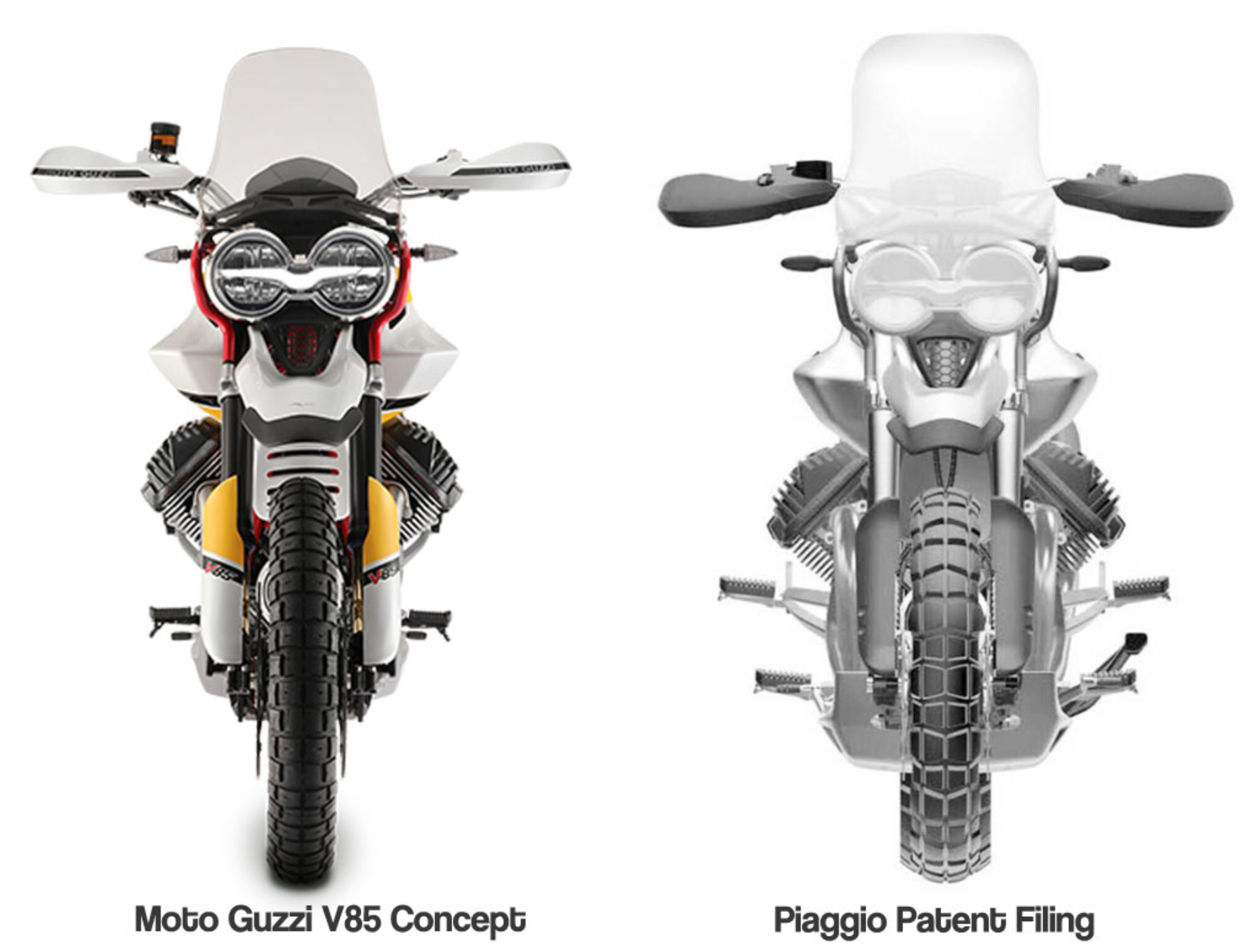
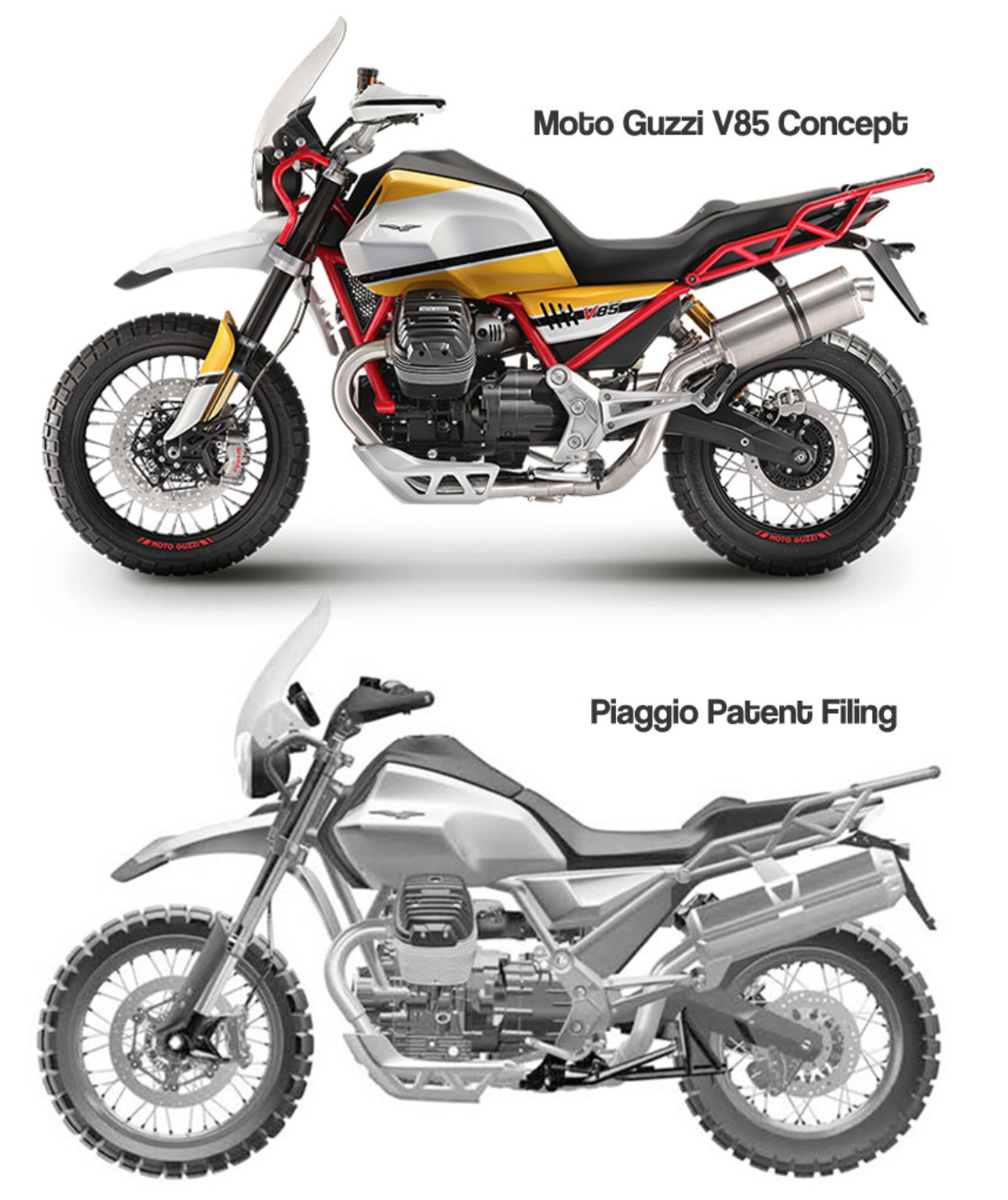
Comparison of concept vs. patent filing (front) – from Motorcycle.com
Referring to the pictures provided by Motorcycle.com, it seems that many design elements of the concept are retained. That’s a welcomed relief as bikes usually lose so much of the stunning details of the concept once they go into production. A good example is the KTM 790 Duke.
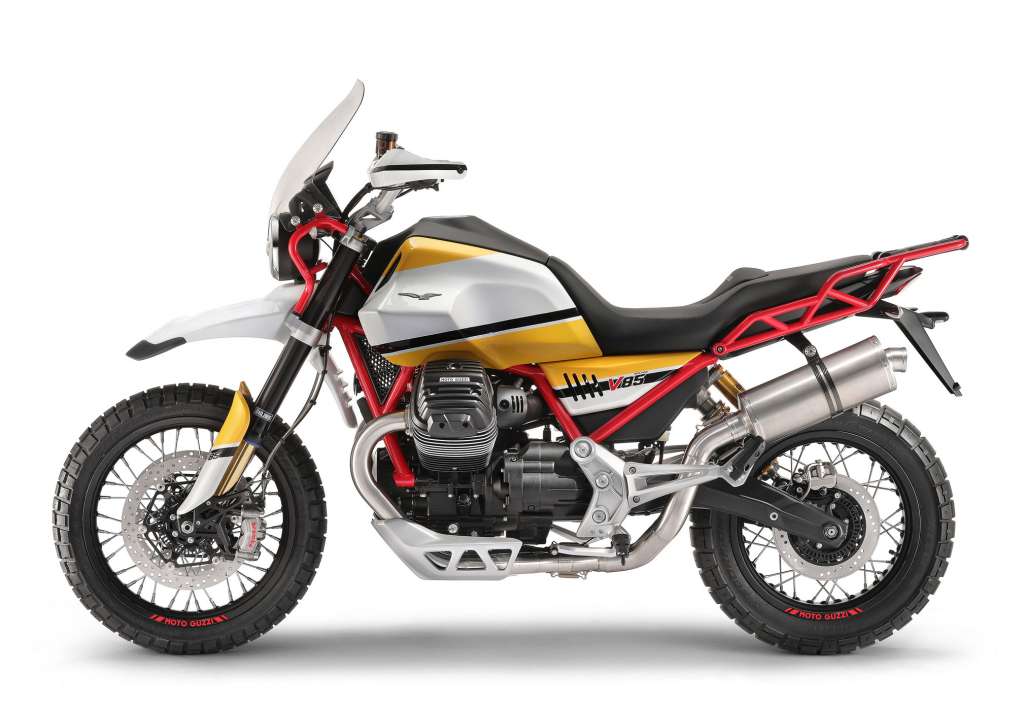
Comparison of concept vs. patent filing (side) – from Motorcycle.com
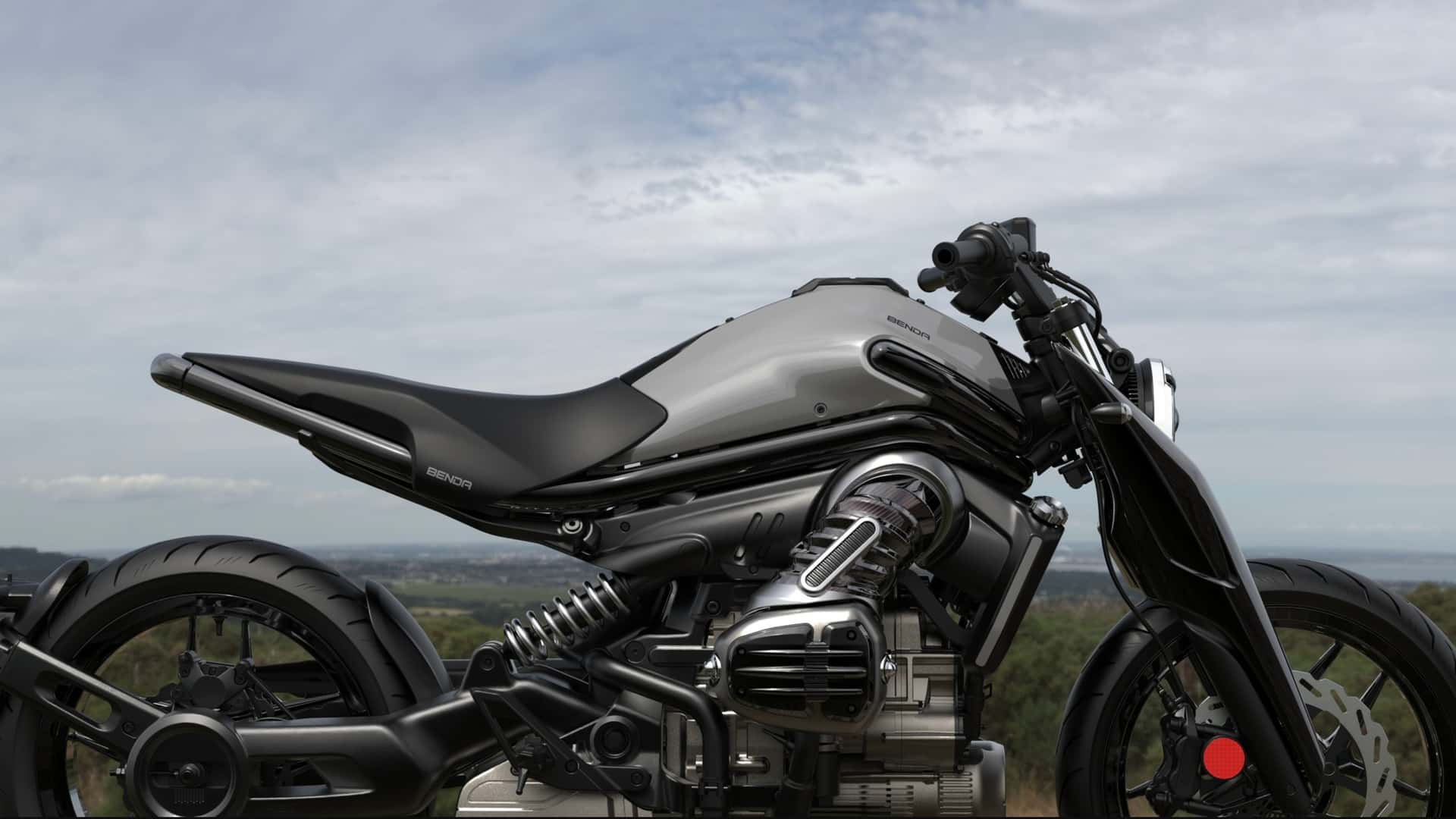
The V85 certainly looks great, with many details constituting a (welcomed?) departure from contemporary Moto Guzzi norms. Check out the rear monoshock which sits out in the open to mimic traditional dual shocks, the minimalist bodywork and steel tube frame, and retro paint scheme. The official site has also described the powerplant as an 850cc air-cooled 90o transverse V-Twin, which produces 80 bhp. That means it should be the engine that powers the V9 line-up.
Moto Guzzi has yet confirmed the V85’s full name, leaving it to fans to “vote” among Terra, Explorer, Bluster, Rover, Desert, Pathinder, Stelvio, NTX.
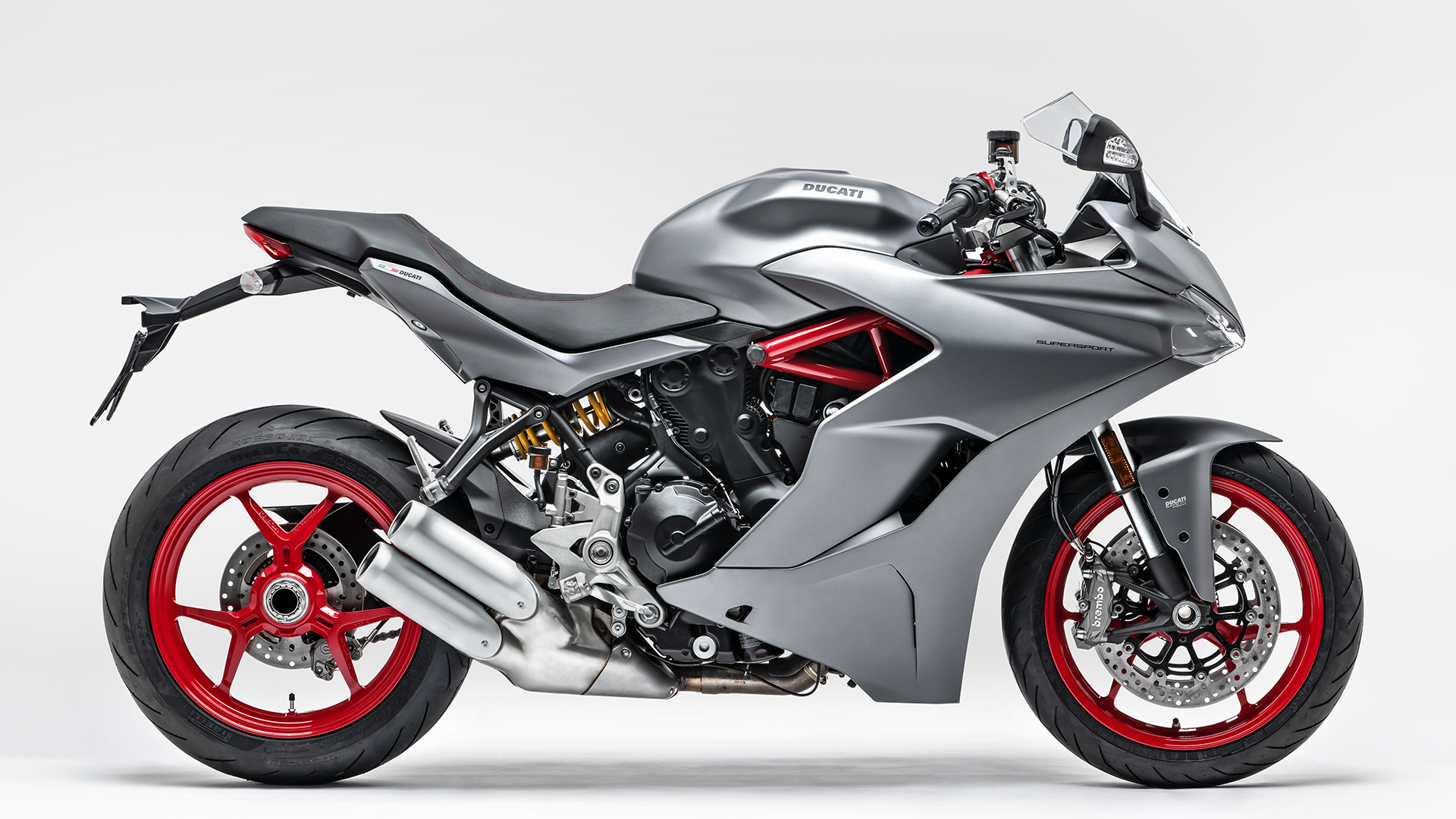
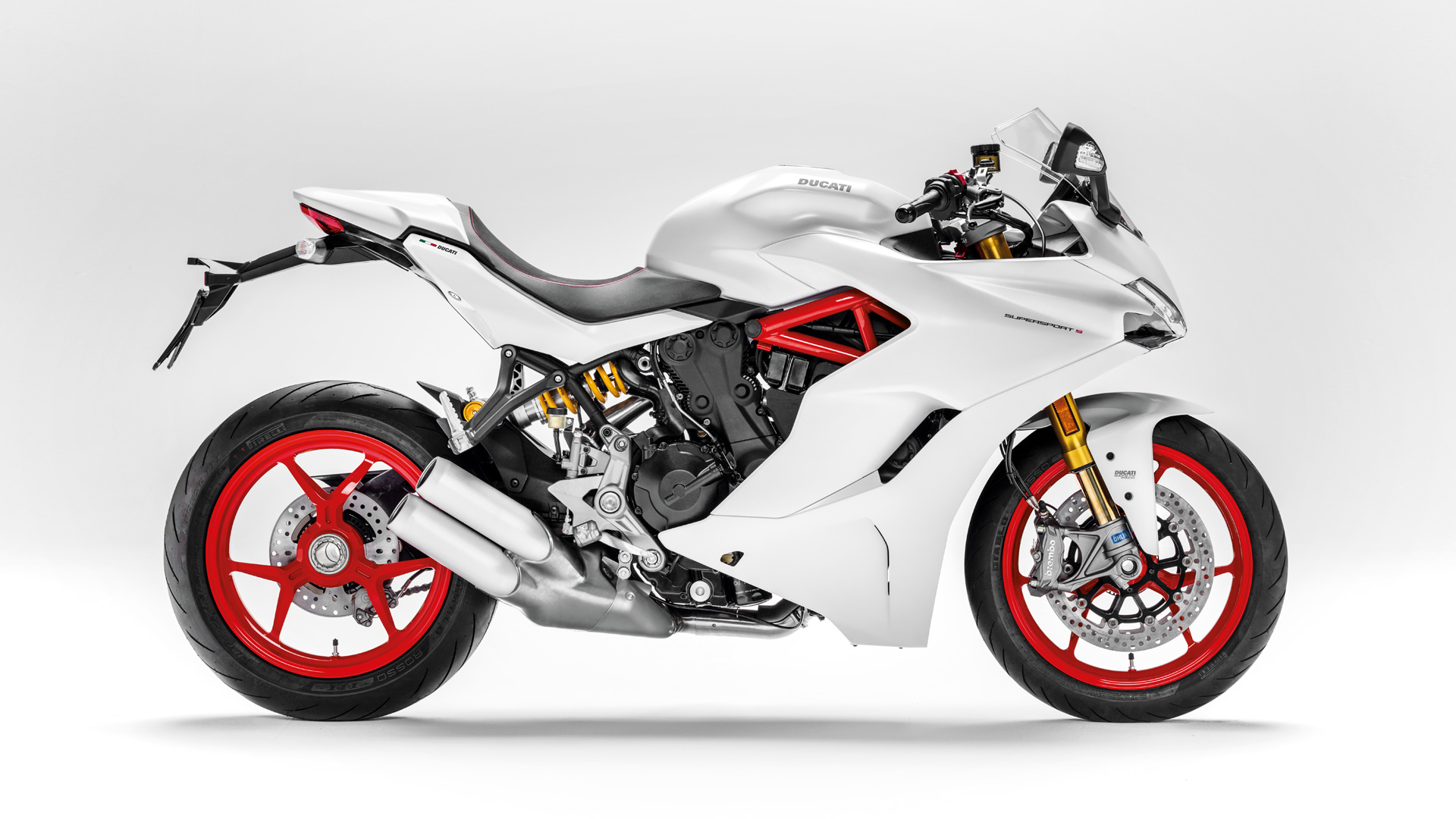
Possibly in a bid to differentiate between the “standard” Supersport and high-spec’ed Supersport S, the former will see the discontinuation of Ducati Red.
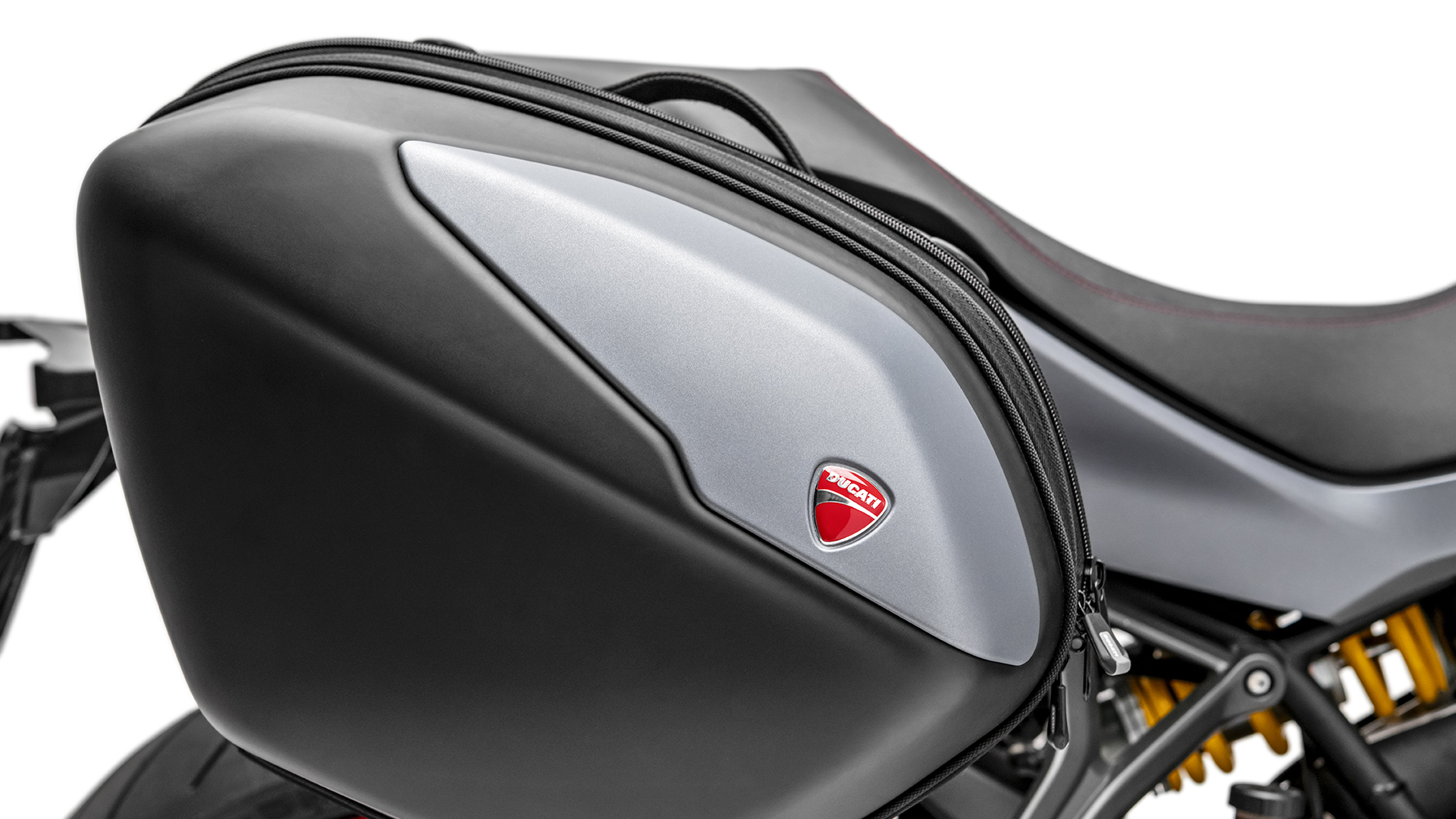
In its place is Titanium Grey with red wheels (previously black) and frame. The new colour scheme is reminiscent of the 916 Senna in the mid-1990s. According to a website which published the story, the manufacturer says that the rear seat cover will also be available in Titanium Grey. The new colour will also be available for the plastic inserts for the panniers.
The standard version features fully adjustable 43mm Marzocchi forks and a Sach shock. Owners could add on accessories such as Ducati Quick Shift later, later on.
As for the S-version range, the present Red and Star White Silk paintwork are continued. Standard features are fully-adjustable 48mm Öhlins forks with TiN-coated slider tubes, fully-adjustable Öhlins monoshock with remote reservoir, quickshifter and passenger seat cover.
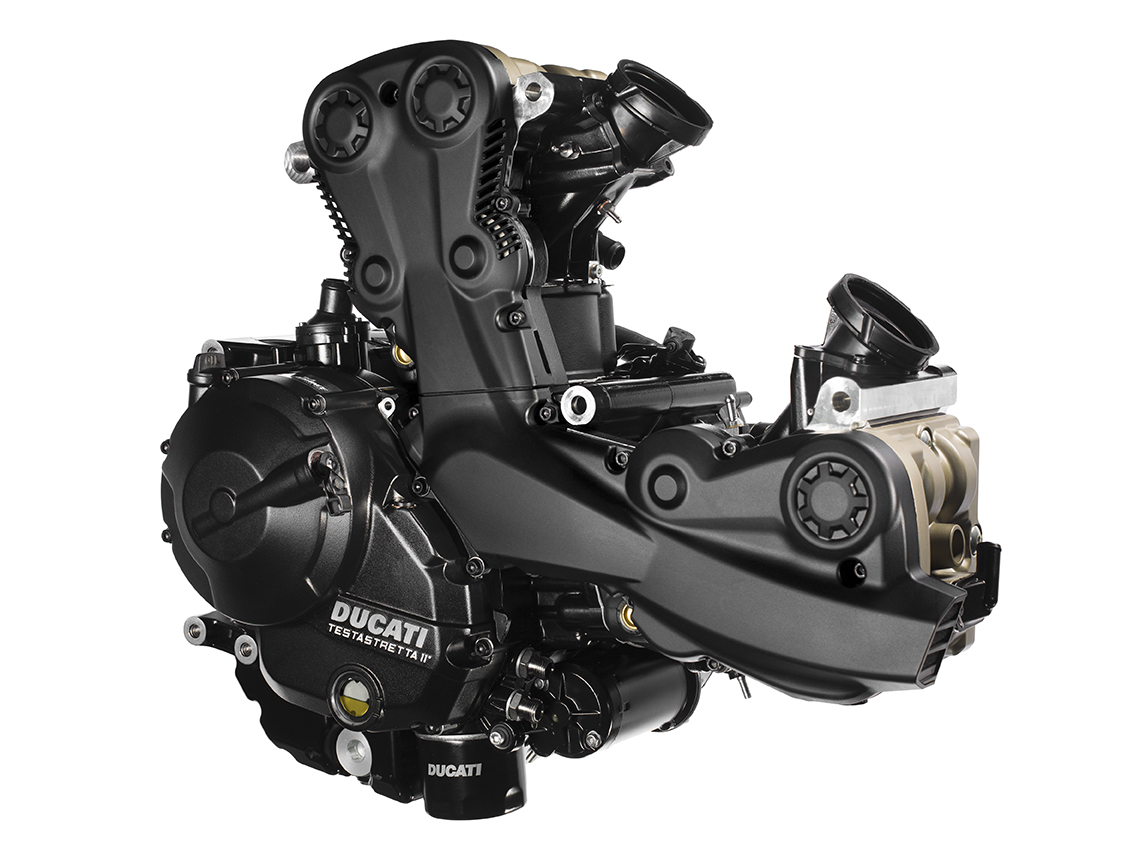
The engine remains the same 937cc, Testastretta 11o, 90o V-Twin (Ducati insists on calling it “L-Twin”) which produces 110 bhp @ 9000 RPM and 93.2 Nm of torque @ 6500 RPM.
Lubrication systems in modern engines provides sufficient lubrication.
However, most engine damage occurs during start up.
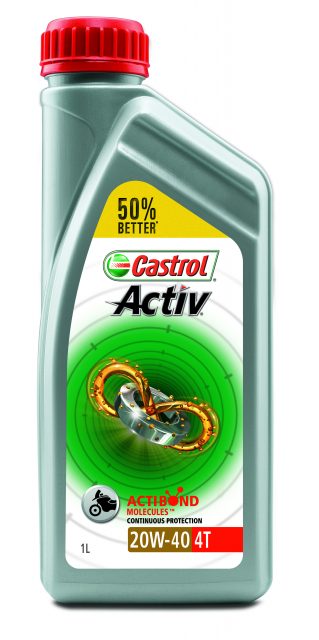
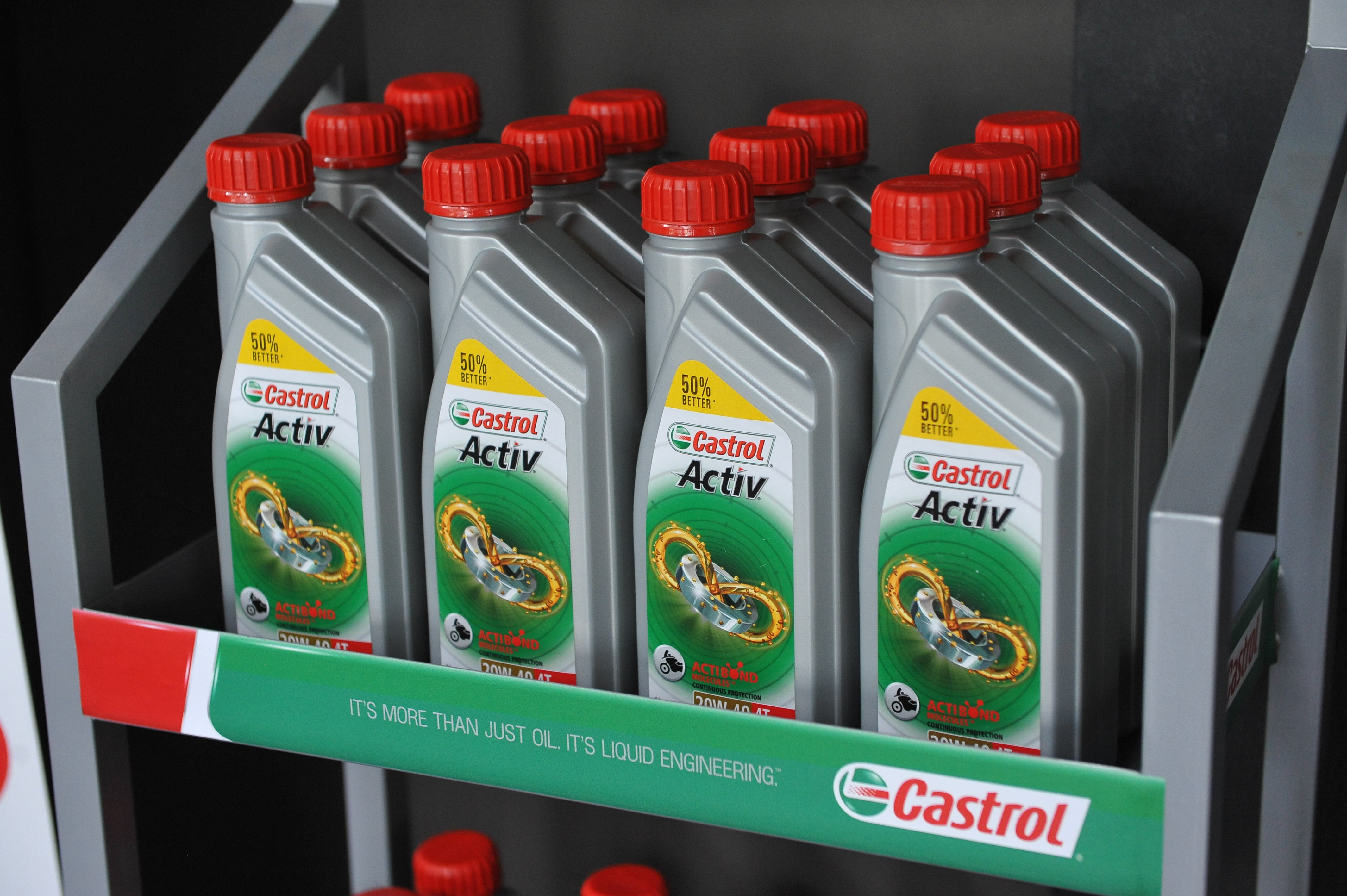
Castrol Activ aims to provide lubrication during all stages of engine operation.
Car drivers should be familiar with a Castrol product called Magnetec. The engine lubricant is infused with a formulation that clings to engine parts (hence “magnet”) even after you turn off the engine, thus protecting it when restarted. But Magnetec is for cars and lubricants for cars and motorcycle engines are different (click here to find out why they are different). Castrol aims to achieve the same for motorcycle engines with the new Castrol Activ lubricant.
Lubrication systems in modern engines do provide sufficient lubrication while running, but the oil will drain back down into the sump a few minutes after stopping the engine (that’s why we check the oil level with the engine off after running it for a few minutes). Therefore, there’s hardly any oil when we restart the engine, although almost all good lubricants will leave a layer a micron thick on the surfaces it lubricated before. But it depends if that layer breaks down at engine start. Besides that, most new engines have parts with coatings that trap some oil – usually the piston rings, piston skirts and cylinder bores – while other parts do not.
That is why, contrary to popular belief, most engine damage actually occurs during start up, not when fully running.
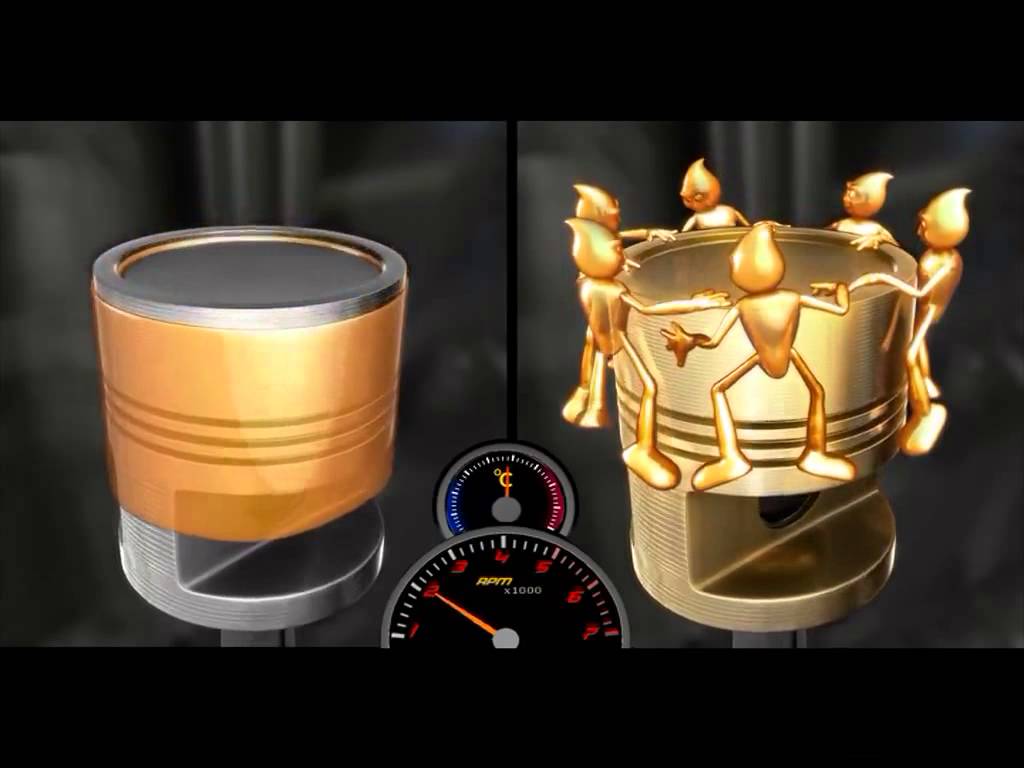
The new lubricant is fortified with improved Actibond molecules, that cling to critical engine parts through all stages of riding.
Keow Mei-Shan, Marketing Director for Castrol Malaysia and Singapore explained, “Modern riding conditions demand a lot from riders and their motorcycles. There can be at least 10 million instances per month where a motorcycle engine could get damaged simply whilst running. In fact, a motorcycle requires continuous protection not just whilst riding but also during start up and even when the engine is off. The new formulation of Castrol Activ has Improved Actibonds that provide continuous protection during start up, riding and even when the engine is switched off. Overall, new Castrol Activ promises Castrol’s Best Continuous Protection ever for motorcycles.”
Castrol Activ is able to protect your motorcycle’s engine through all three stages of operation:
During start up – Most engine wear occurs during warm up, just after start. The improved Actibond molecules reduces warm up wear by 75 thereby reducing wear and tear of vital engine parts.
During riding – The improved Actibond molecules fights deposits and provides superior engine cleanliness, to help ensure smooth running and reduce piston wear.
During engine switch off – By clinging on to engine parts even when the engine is switched off, Castrol Activ provides excellent protection against corrosion which may occur due to humidity.
We came across this Castrol Activ TVC from India, so please take a peek.
Castrol Activ meets API SL and JASO MA2 specifications. It is available in 1 litre bottles at Castrol Bike Points, motorcycle workshops and retailers throughout Malaysia at the price of RM23.50 for Peninsular Malaysia and RM24.20 for East Malaysia.
• Trusting your bike to a certified technician is a no-brainer. • There are great “traditional” mechanics out there but motorcycles are getting more complex. • A certified technician invariably means official training, discipline and knowledge.
Before we go on, surely you have experienced a horrific visit or two to a motorcycle workshop. You have ridden motorcycles for decades, but there always seem to be something to surprise you.
We had written about this earlier, please click on the link below to read about the horror stories of giving your bike to the wrong mechanic.
As we mentioned before, there are a few great mechanics around. These ‘otais’ cut their teeth in motorcycle maintenance and repairs usually from when they were very young. However, the key to their businesses surviving for so long is not due to offering cheap parts and accessories; instead, it is due their passion in applying proper workshop practice and techniques. Visit one and you may see a good workshop manual or two in the office.
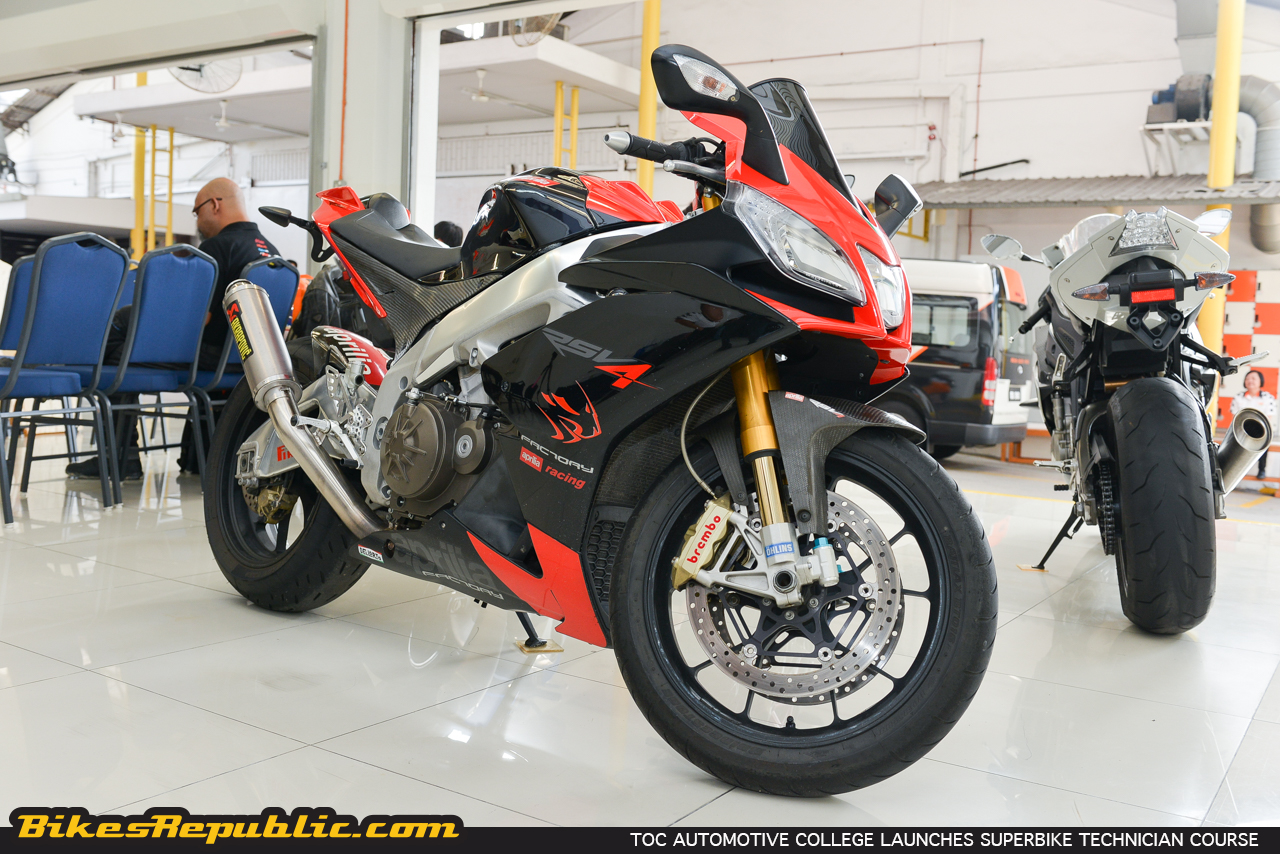
But how about the younger generation coming into the job market? It was something of an eye-opener for us when the TOC Automotive College launched their Superbike Technician Course a few weeks ago.
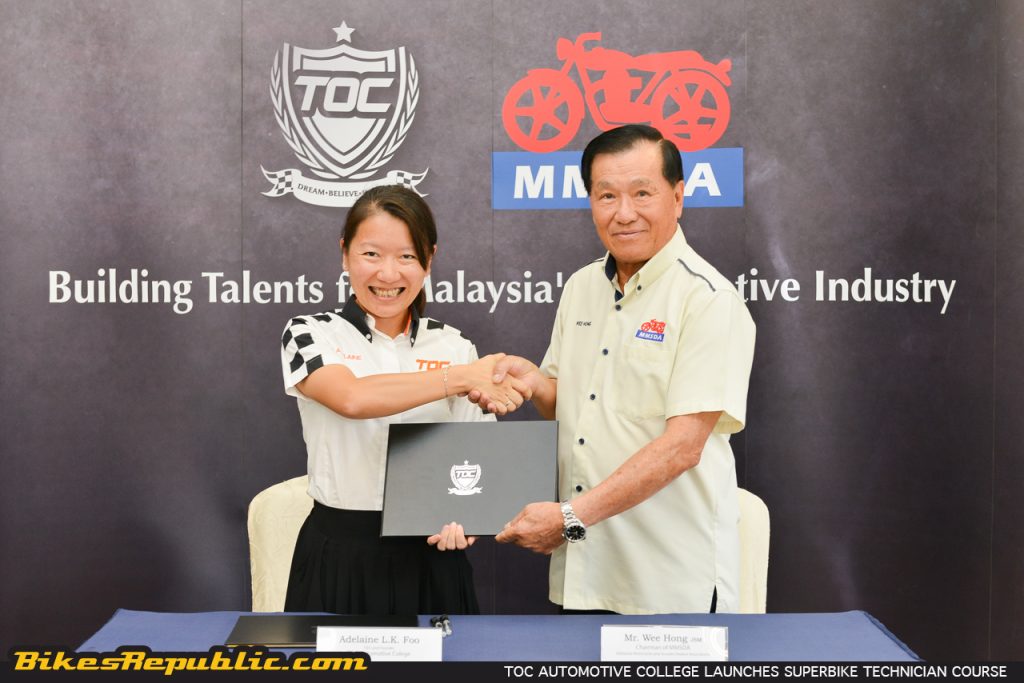
Mr. Wee Hong, Chairman of MMSDA iterated that there is a pressing need for qualified technicians at member workshops. (Please click on the link below for more details.)
So why the need for qualified technicians over those who were self-taught? (Again, we stress that not all self-taught technicians are bad.)
Therefore, the benefits of having your pride and joy looked after by a certified technician are:
• Proper workshop practices such as using the right tool for the right job. For example, using a torque wrench rather than whacking away with the pneumatic impact driver.
• TOC, for example, requires a passing mark of 80% for each subject. That means their graduates have already been ingrained with most, if not all, knowledge about motorcycles.
• Again, TOC does not compromise with students who missed any class twice in a semester. This sort of training inculcates not only skill and knowledge, but also discipline.
• Discipline translates to ownership and responsibility. We’ve had some great experience visiting a few workshops whose technicians performed superbly, despite their young age.
• Being certified means the technician is able to understand English. Now, it is not that we are ostracizing non-English speakers, but the cold, hard fact is that workshop manuals, owners’ manuals for imported motorcycles, guidebooks, most technical publications and videos are in English.
Motorcycles are getting ever more complex, especially in terms of electronics. The new crop of technicians is trained to diagnose these problems with the help of electronic testers.
While the above may not be 100% representative of the real world, at least it is better than having your bike’s CAN-bus worked on by a pokok ceri mechanic. Think of it this way: Would you visit a doctor or your neighbor (because he has a hot daughter) to diagnose your illness?
Interested to sign up for the TOC Superbike Technician Course? Want to build a career out of your passion? Click here to get more details about this course! And don’t worry about financing, TOC has you covered. Read about TOC’s financing program here.
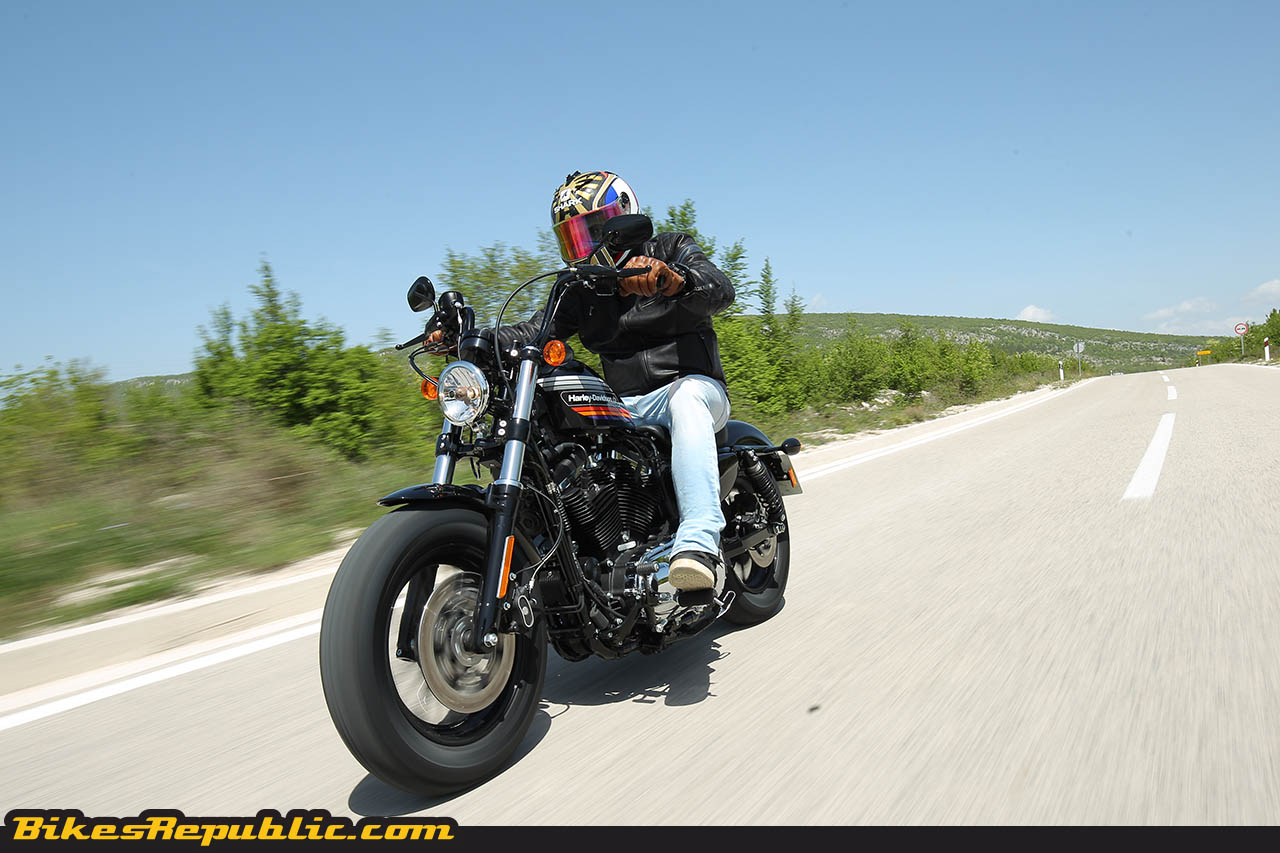
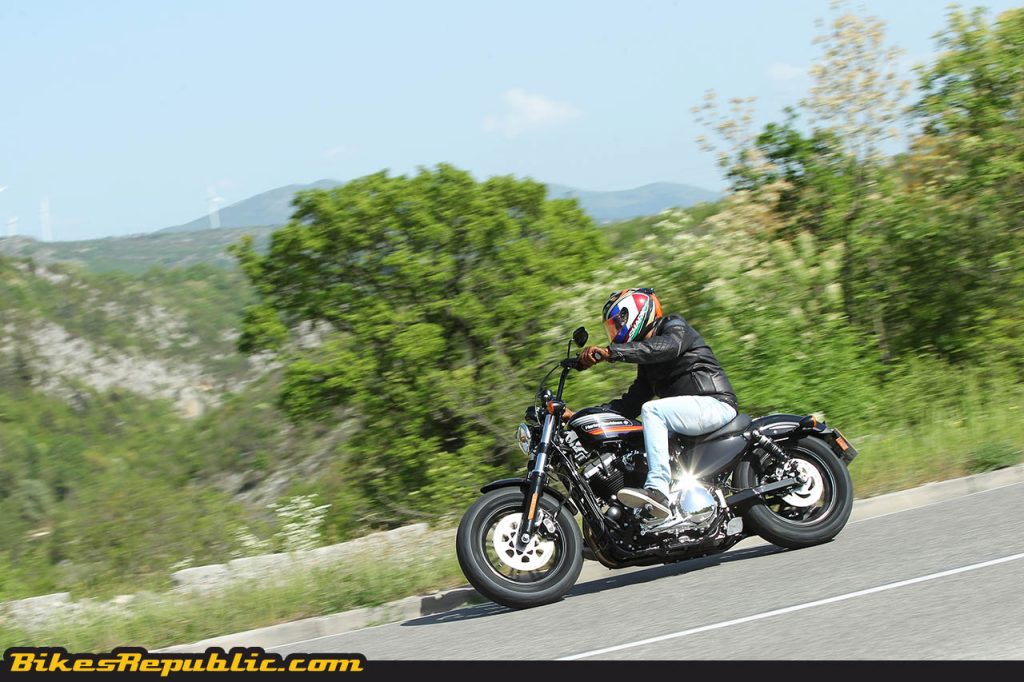
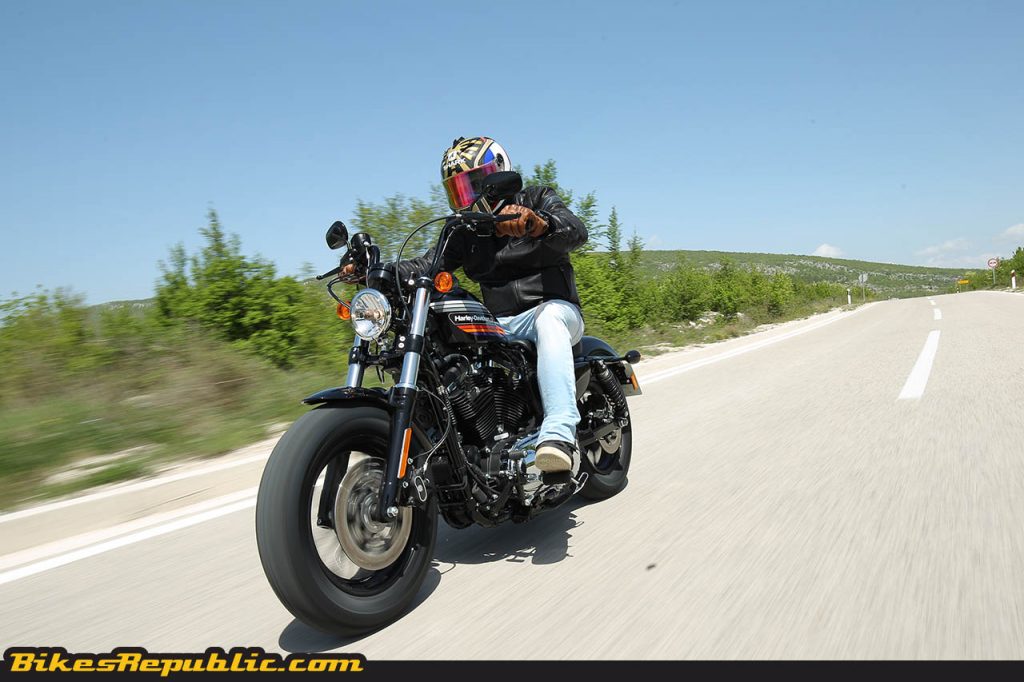
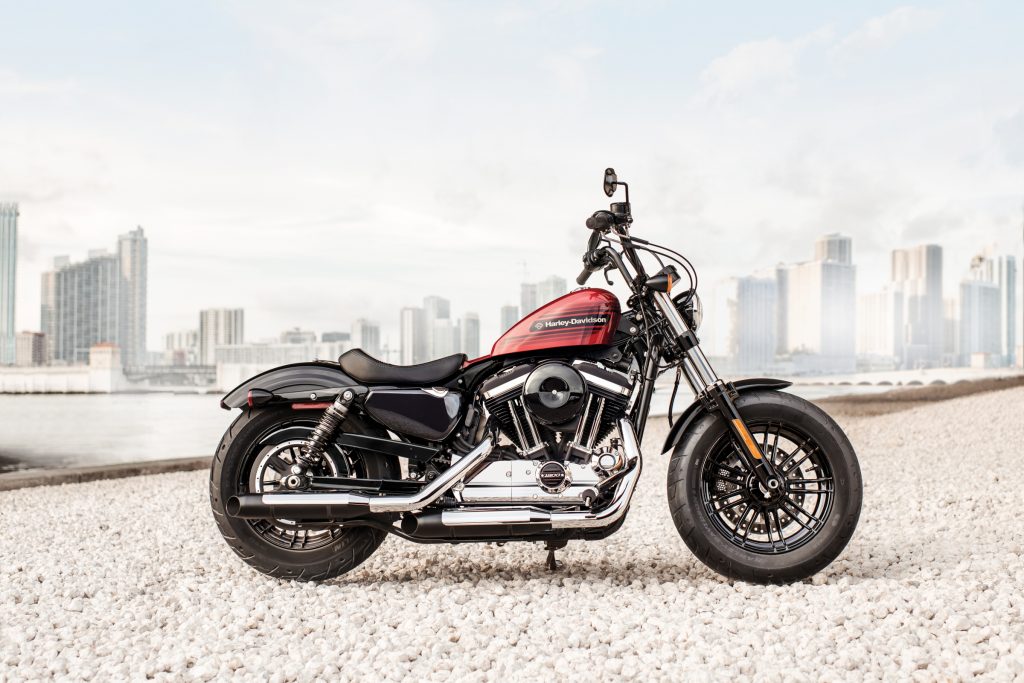
The Harley-Davidson Sportster 48 is among the most popular Sportster models.
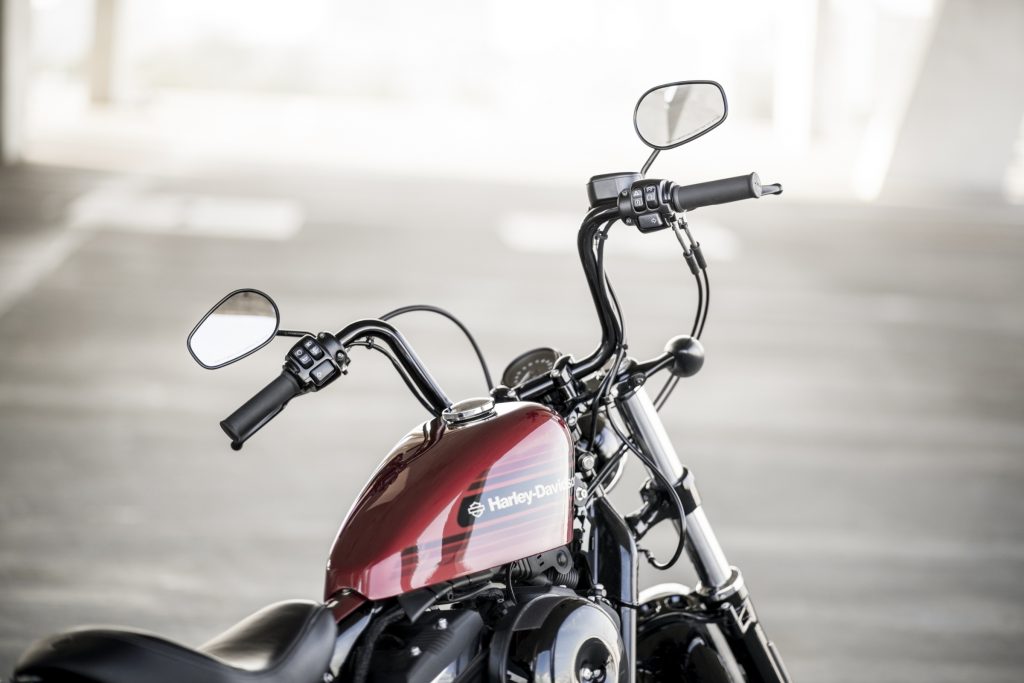
It gets its good looks from the iconic fat front tyre and a low profile.
But it’s smallish 8-litre tank makes it better suited for urban riding than long distance touring.
But if it is style you want then the 48 is the bike you need.
The 48 Special gets some retro touches such as chrome highlights and those AMF-era tank stripes.
So where the Harley-Davidson Sportster Iron 1200 is the hardcore chopper with performance that could make a sports bike blush, the Sportster 48 is the chilled out cruiser with a design that looks like it came right off a 60s era vintage Harley.
That iconic fat front tyre, the low slung body, forward controls and single-passenger seat are all meant to make the bike look retro cool. And cool it definitely is.
I have always been a huge fan of the 48. I have a 2014 Sportster 48 and love every bit about it, especially because of its laid-back yet powerful character, and because of its classic good looks of course. So if the weather is not too hot and I am having an easy day, I usually take out the 48.
The Iron 1200 may have that iconic chopper like styling and the ergonomics of it makes you feel totally in control weaving in and out of corners. But the 48 is different, it encourages you to slow down and enjoy the ride, some call it a thinking-man’s bike, the man with a free spirit but yet has places to be and people to see.
The 48 is lower than the Iron, a little over an inch closer to the ground, with a little more rake and trail and a shorter wheelbase. Then of course there are the tyres with the 48 getting beefier 130 section front tyres and a smaller 16 inch rim while the Iron 1200 gets 100 section tyres and bigger 19 inch rims. Both share the same 150/80B 16 rear tyre.
The wheels and the sitting position are the only difference between the two bikes, but the bikes are far from the same. The Iron 1200 lets you carry lower lean angles into corners which means more speed and agility, while the 48 feels like it is hardly done bending over when the foot pegs meet the road.
The build of the bike gives it a heavy metal feel to it, you will come to appreciate the weight of the bike. Cables running down the handle bar and beneath the frame all suggest that this is bike that will give you plenty to customize later on in its life, so you may never get bored of owning it.
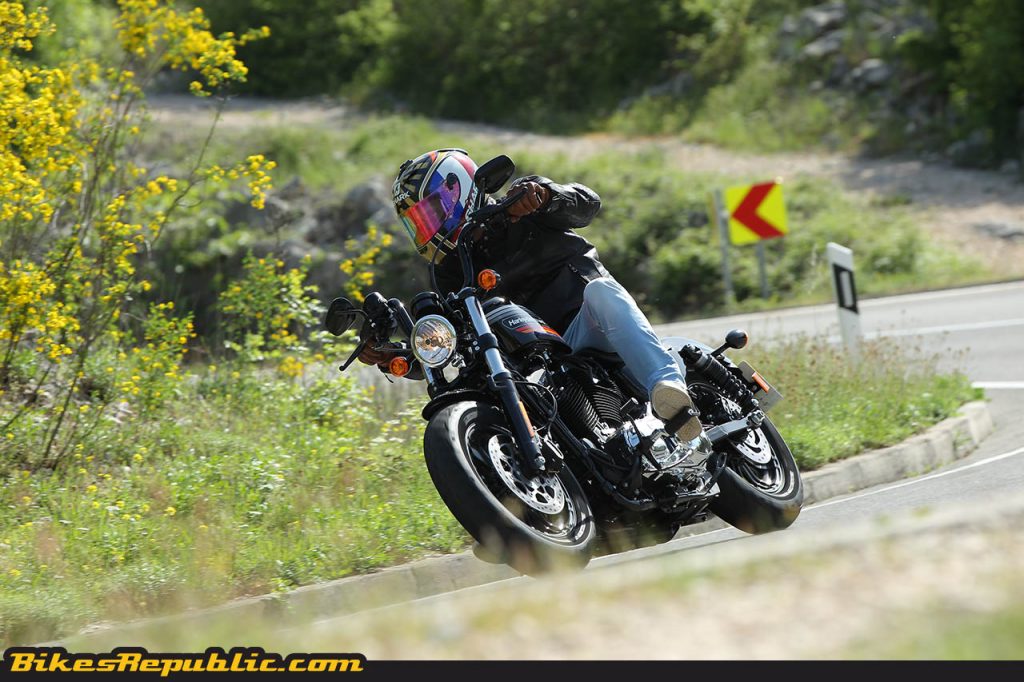
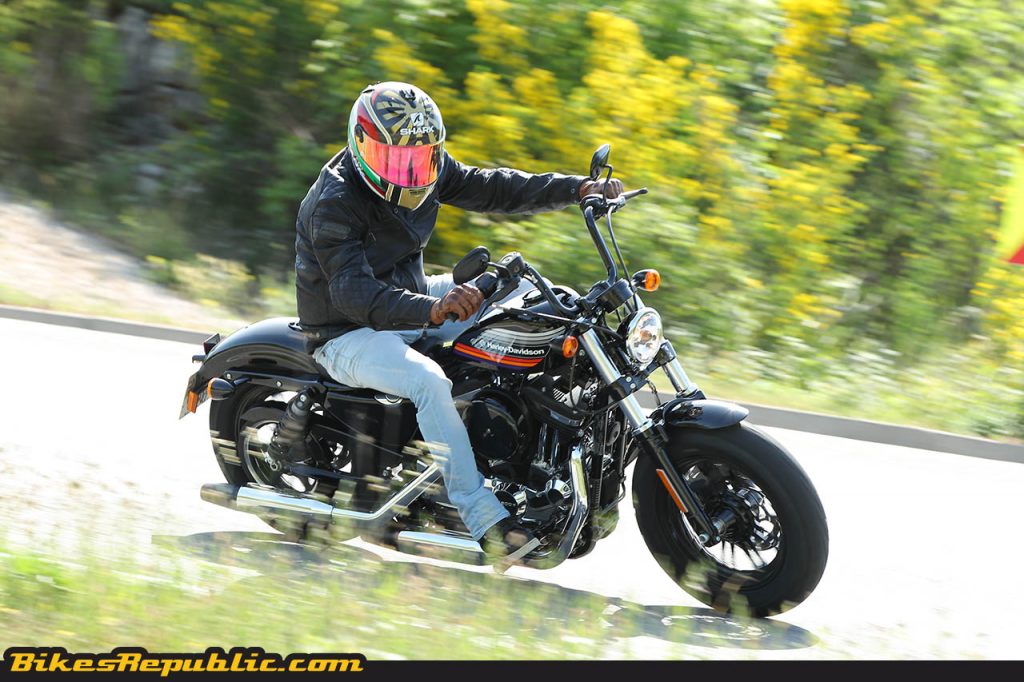
Living in Kuala Lumpur means you’re constantly surrounded by traffic, construction and buildings, and though the 48 felt at one with the roads carved into the cliff side roads of Split, Croatia, I will confess through experience that it is also perfectly adapted to life in the concrete jungle. It does not have a very good turning radius for tight u-turns, but at least you will still look cool while clumsily turning around.
And so, after spending some time with the Iron 1200, I hopped on to the new 48 Special. The Special variant gets some chrome highlights around the exhaust and other shinny bits. It also gets the same mini-ape bars as the Iron 1200 but not the headlight cover.
At first ride both bikes offer about the same character, and why shouldn’t they as both are powered by the same air-cooled evolution 1202cc engine with the same 100Nm of torque. Even the gearbox and all of its ratios are the same.
But the similarities end at the first corner, each bike has its own unique character in a corner. There is an immediate feeling that the 48 is a little reluctant to bite in as compared to the Iron. This is because of the thicker front tyre, but once it settles in the front end feels more confident especially during the exit where the Iron can feel a little nervous as soon as it squats under power.
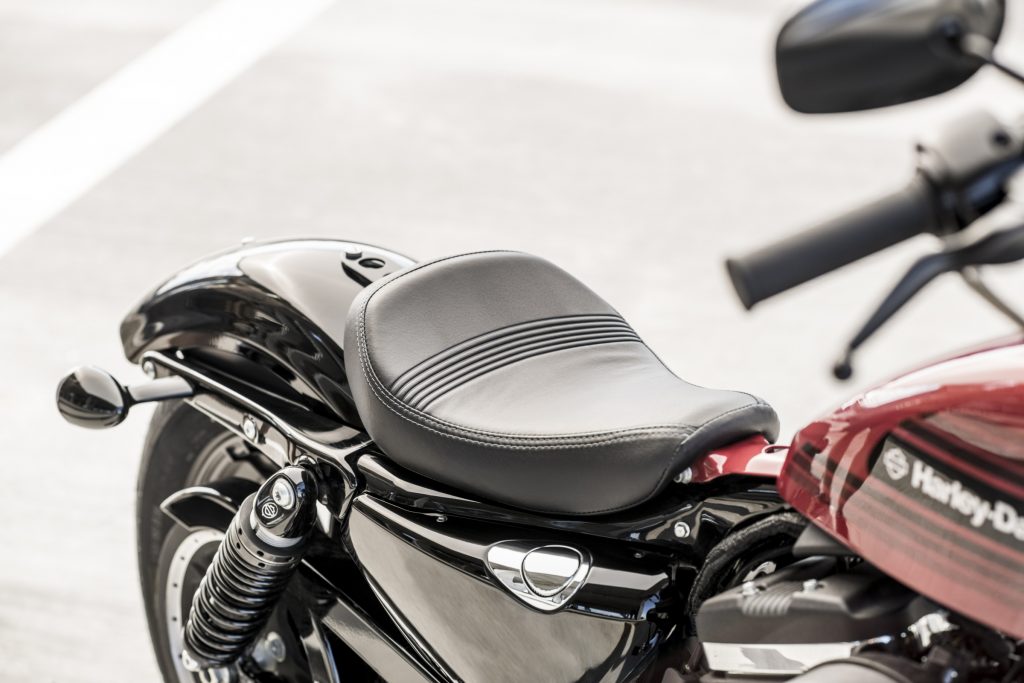
The Iron 1200 is also better to cover miles with. The 8-litre peanut tank of the 48 gives it a range better suited to city riding. And its outreached handle bars, foot pegs and smallish seat will kill your back after about an hour or so of riding. It becomes so uncomfortable that you simply want to get off the bike. It is a common problem with the 48, I suffered the same with my own bike and the solution was to get a bigger, more supportive seat. The seat on the Iron 1200 though is fantastic to say the least.
The 48 also comes with the same retro AMF-era paint job which just lends to its classic looks. The two new Sportsters, though visually different, are nearly identical in geometry yet completely unique in character. The 48 Special is obviously the more stylish sibling in the Sportster family.
The 2018 Harley-Davidson Sportster 48 Special is yet to hit the Malaysian market but we hear that may happen towards the later part of the year, and when it does arrive, this is one Sportster that would be worth giving a look at the Harley-Davidson KL showroom at The Gasket Alley in PJ.
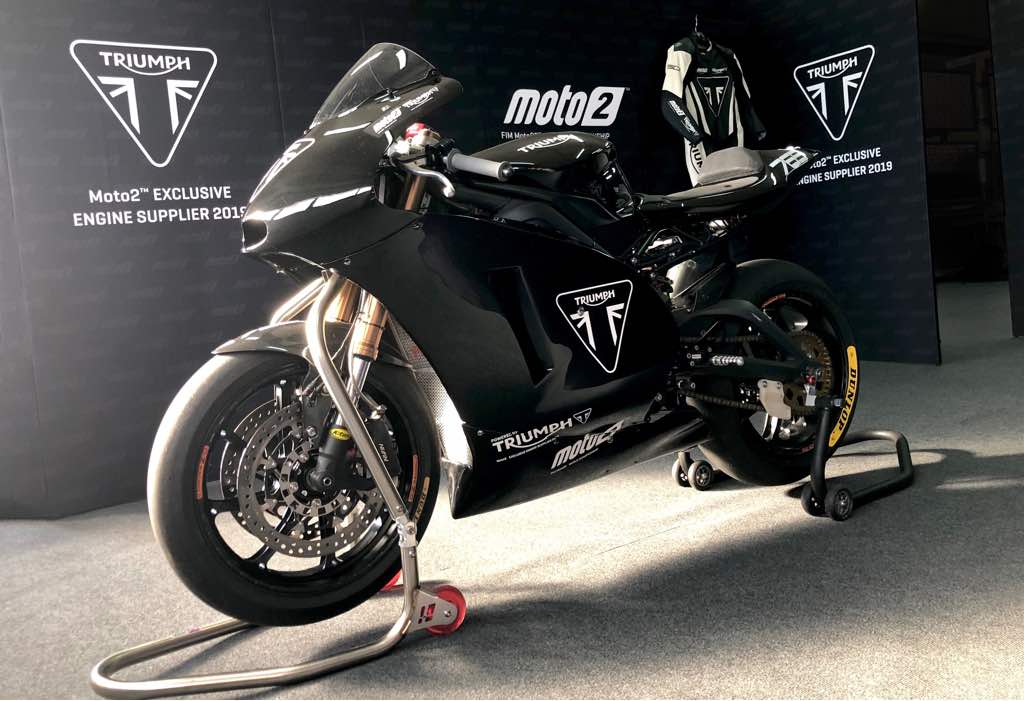
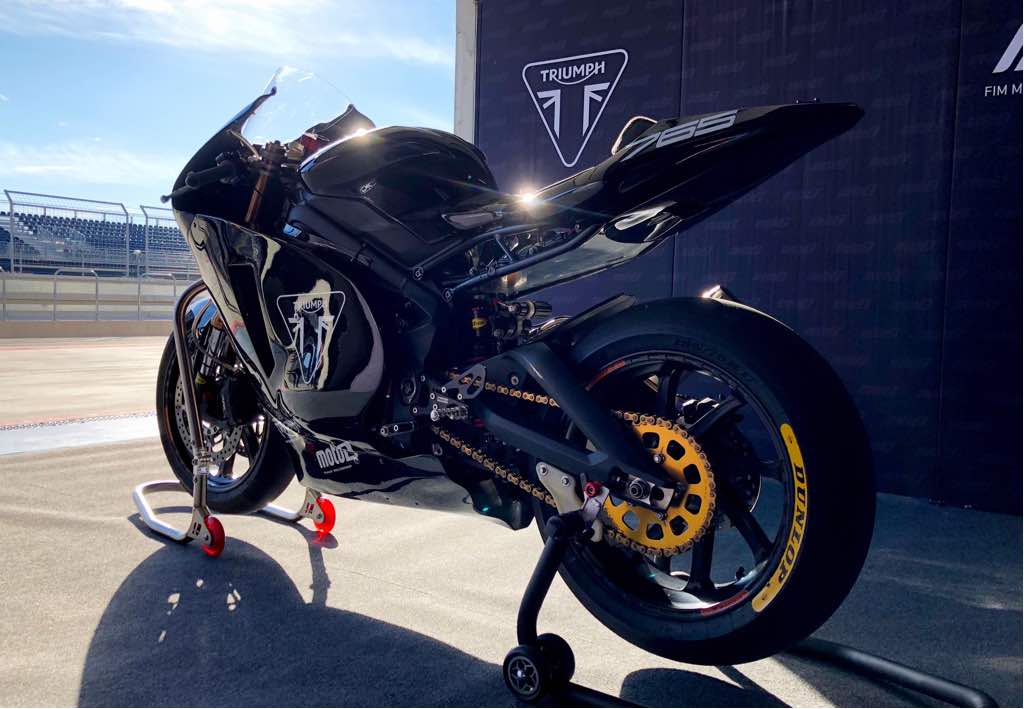
Triumph is the exclusive engine supplier for the Moto2 class in 2019.
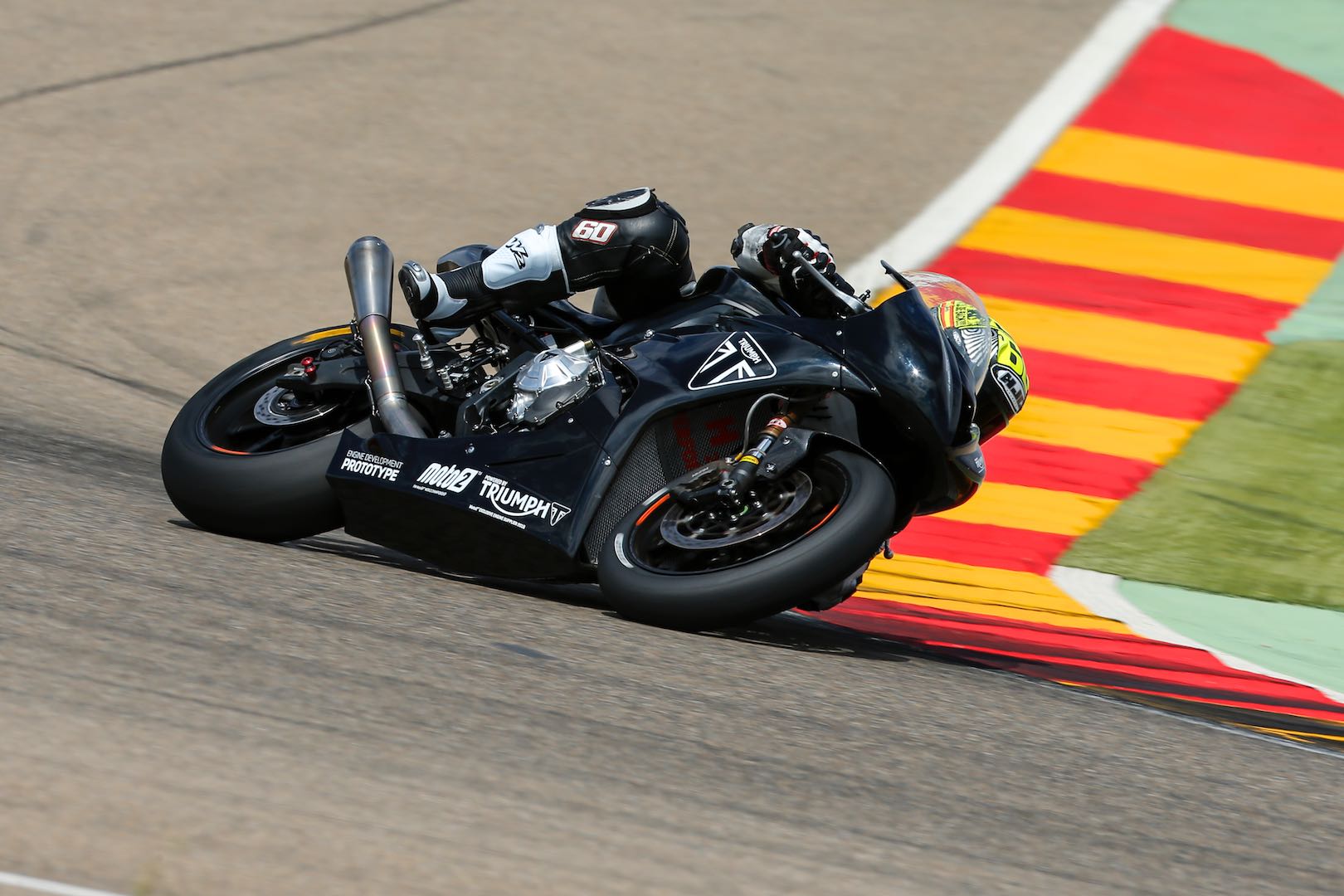
Moto2 teams are beginning to test the new engine.
The engine is based on the 765cc, inline-Triple based from the Street Triple RS.
Triumph Motorcycles is slated to supply the standard engine to Moto2 teams beginning next year (2019) as Honda’s current contract ends at the end of the 2018 season. Please click on the link below for our coverage.
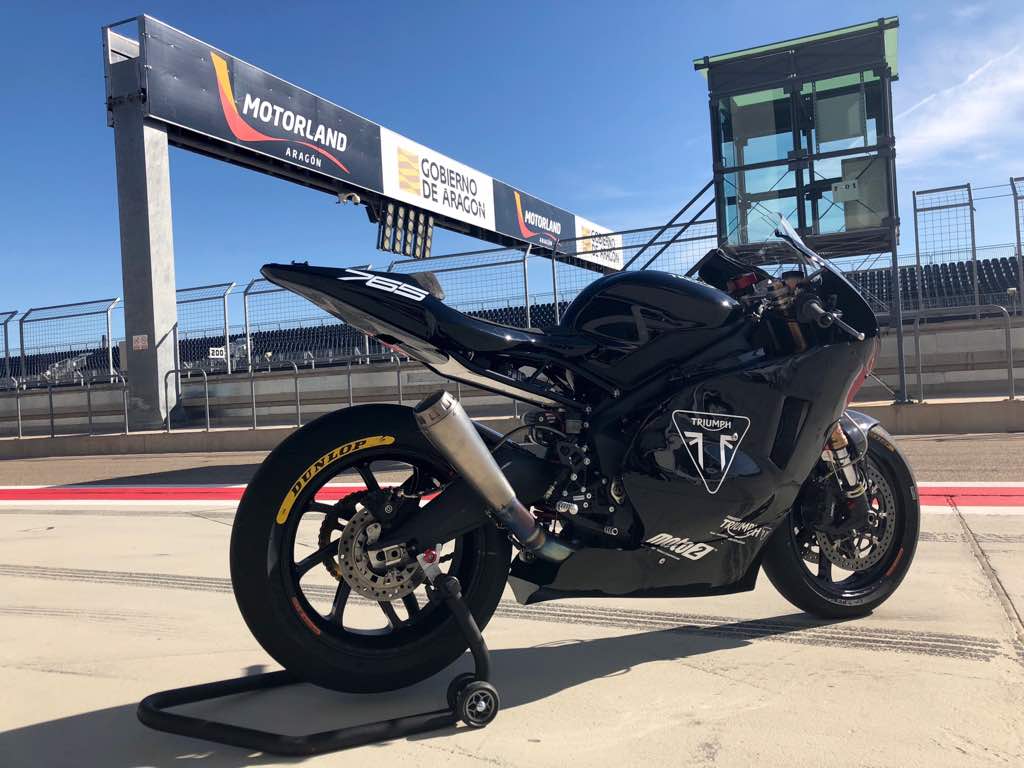
As such, Moto2 teams have begun testing the engine this year in preparation for the new season. Do note that Moto2 teams consist of frame builders such as Kalex, Speed Up, NTS and KTM (including Suter and Moriwaki at one point) who build frames and chassis around the spec engine which was based on Honda’s CBR600RR from 2010.
Triumph Moto2 engine being tested about a Triumph Daytona – courtesy of Ultimate Motorcycling
With the advent of a new engine supplier, these teams would have to build frames and chassis to suit the new engine’s mounting points and power characteristics. This should mean close competition in the season ahead as the teams obtain new data on handling and tyre wear.
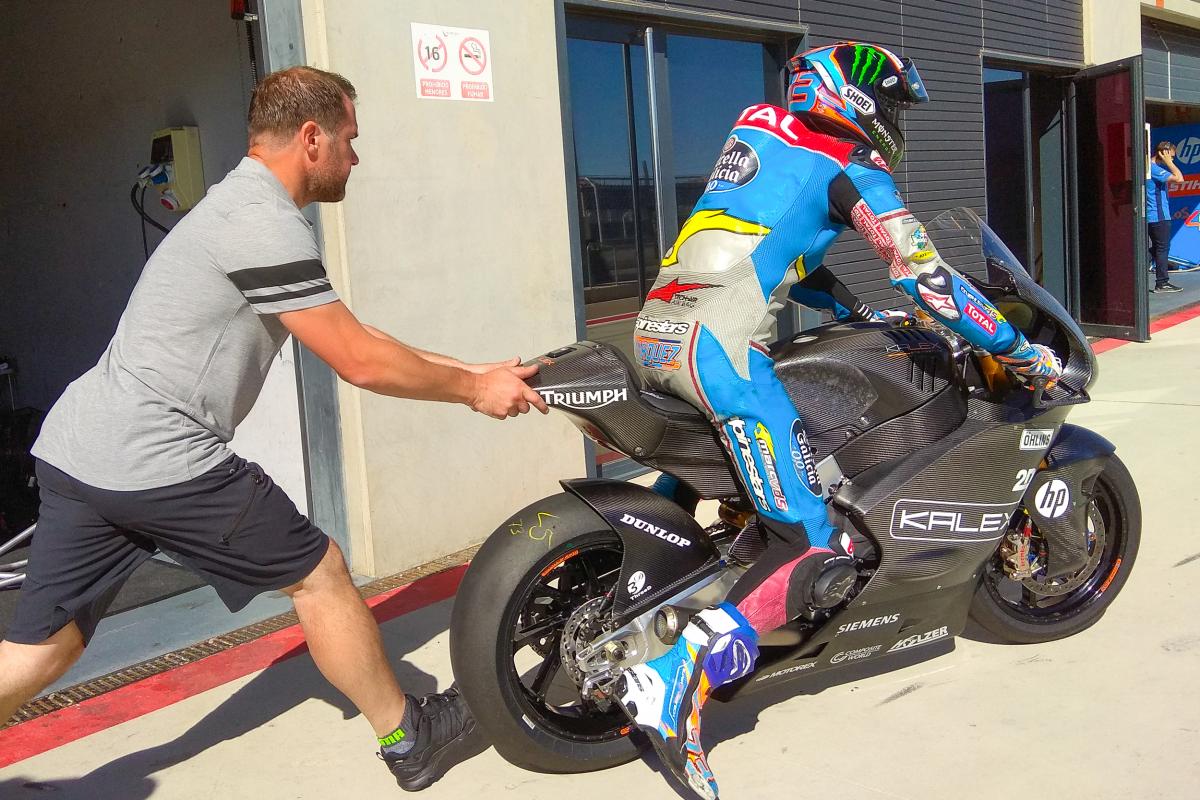
The latest rider to test the 765cc, inline-Triple based on the new Street Triple (please click here for our review) was Alex Marquez, multiple MotoGP champion Marc Marquez’s younger brother, on the EG 0,0 Marc VDS Kalex – Triumph.
Alex tested the new engine in the new Kalex at Motorland Aragon yesterday, following Julian Simon and Ricky Cardus’s tests aboard the KTM on the previous day. Jesko Raffin had also tested for Kalex, while Alex De Angelis tested the engine for NTS.
During testing at Valencia earlier this year, Jesko Raffin posted a time that was 1.3 seconds faster than the lap record set by 2016 Moto2 champion, Johann Zarco – using a standard 765cc triple engine from the Street Triple RS! Raffin commented that he encountered “zero problem” with the powerplant. Another rider had commented about the engine’s abundance of low-down and mid-range torque.