Bikesrepublic

Latest News

  • Aprilia has been missing in the middleweight supersport segment.

  • Rumours surround the possibility of the company working on a two-cylinder engine.

  • The new engine could be based on the present RSV4 superbike engine.

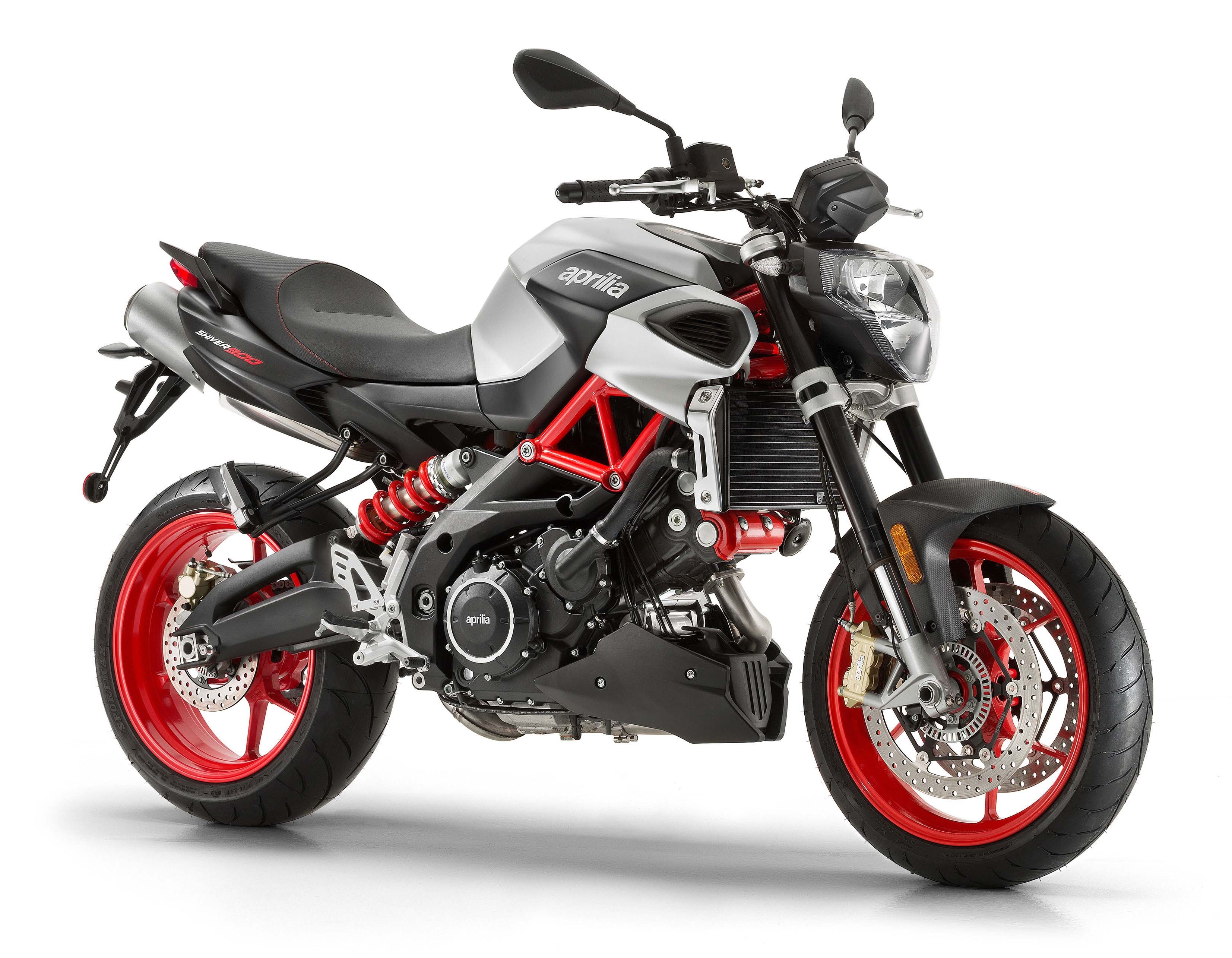
If there’s one manufacturer that’s glaringly missing from the middleweight supersport segment is Aprilia. Sure, sure, the Noale-based company has the Shiver 900 two-cylinder (V-Twin) bike, but that’s a naked sportbike/standard which started as a 750 in 2007.
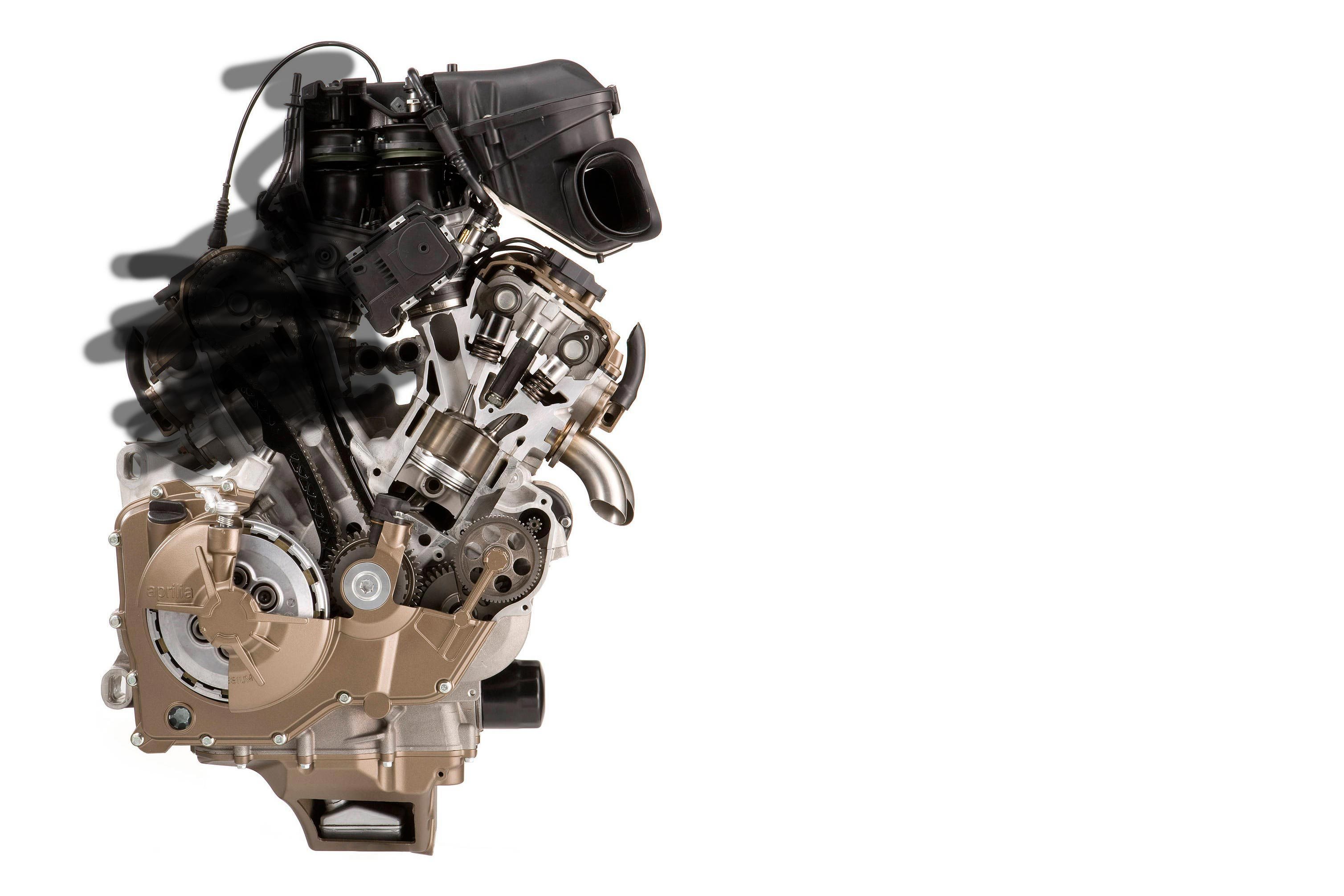
Well, Asphalt & Rubber reported that Aprilia’s R&D department is in fact working on a two-cylinder supersport bike. It is also believed that the factory will remove the two rear cylinders of the RSV4 engine, turning it into a parallel-Twin.
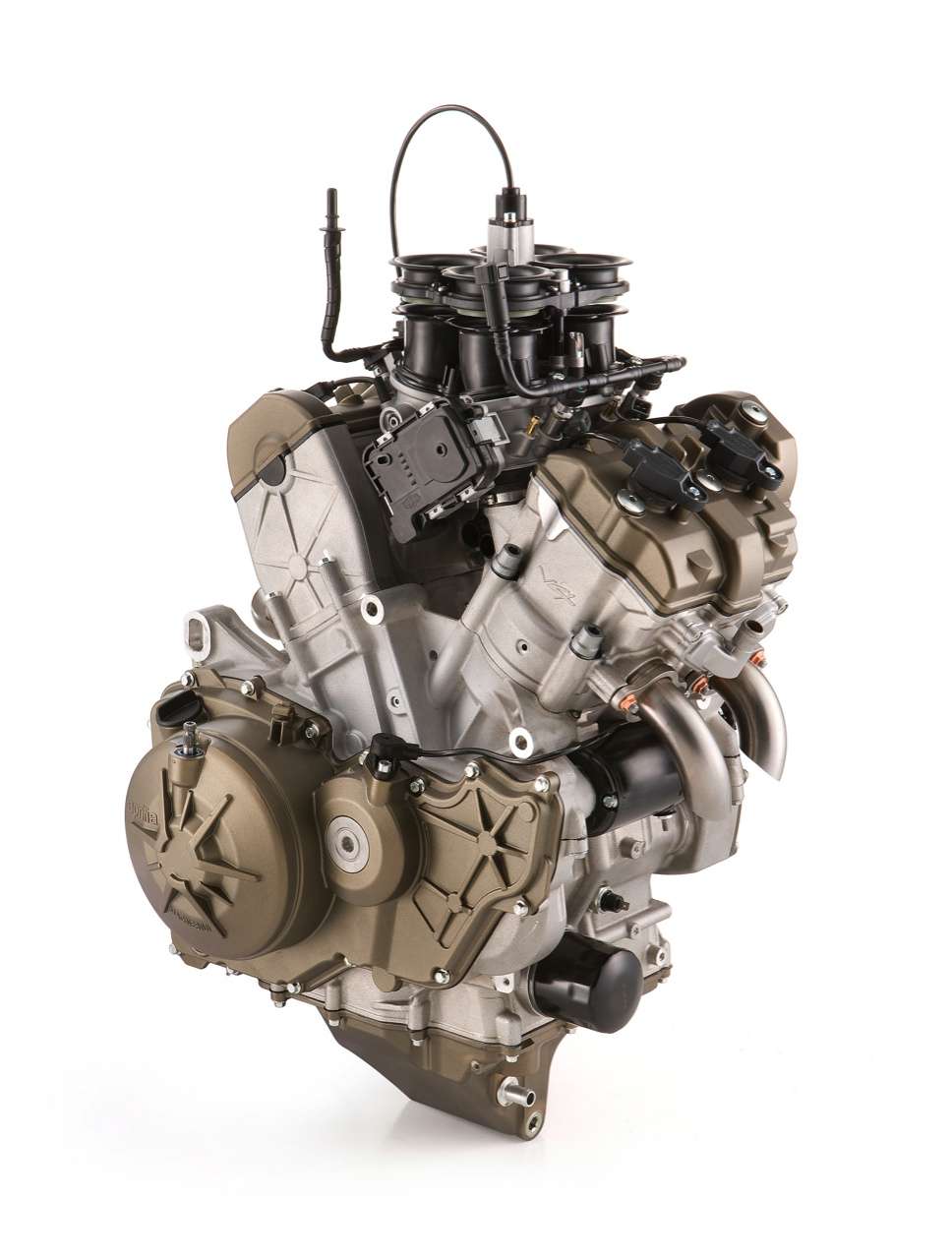
Parallel-Twins are more compact dimensionally and easier to pack within the tight constraints of a compact frame, for a compact machine overall. A compact frame and chassis should definitely be on the cards, since it’s a supersport bike. KTM has already gone this route by adding a cylinder to the 690 Duke single-cylinder thumper, resulting in the parallel-Twin LC8c in the new 790 Duke.

However, if Aprilia’s engine does come to fruition, you can bet that it will not be a 500cc powerplant, since the “new middleweight” segment for two-cylinder engines had moved up to 800cc.

You may also recall that it was Aprilia who brought out the APRC (Aprilia Performance Ride Control) rider aid suite to mass-produced motorcycles. It should be no different in this sense as the MV Agusta F3 800 will be the first middleweight supersport to be equipped with an IMU (Inertia Measurement Unit). The IMU is the key to lean-angle sensitive traction control and ABS (besides others) rider assistance.
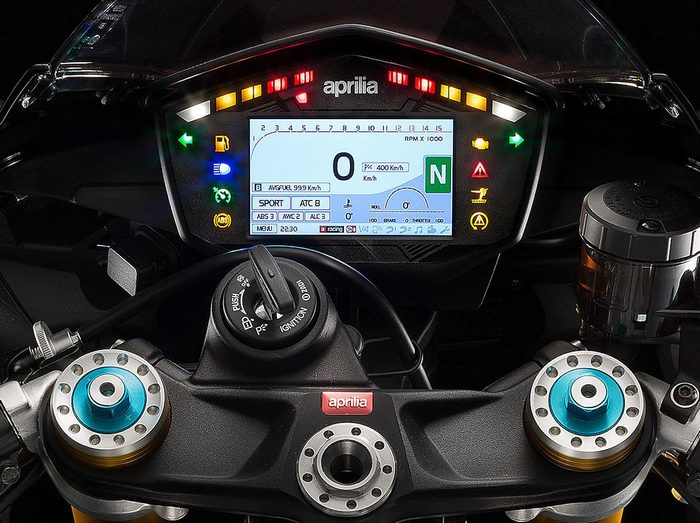
Aprilia RSV4 RF TFT showing APRC settings

Having a new middleweight engine should also serve as a positive for Aprilia, as they could have a new range of bikes based on the engine as the platform.

When could we expect to see the new middleweight Aprilia? Possibly at INTERMOT or EICMA in 2019, as the motorcycle industry gears up for the introduction of Euro 5 emissions standards in 2020.

So what is next for Aprilia in Malaysia?

  • Say hello to the new MV Agusta race bike which will be raced by the Forward Racing Team for the 2019 Moto2 season. 
  • It marks the first time that MV Agusta will return to GP since it withdrew from racing back in 1976.
  • MV Agusta remains the most successful European motorcycle manufacturer with the most Grand Prix wins.

This is the first official image of the MV Agusta MotoGP race bike slotted to make its debut in the Moto2 series of 2019.

Previewed on the official MotoGP website, the Forward Racing Team will race the MV Agusta with support from the Italian factory.

This is not the first time that MV Agusta will be racing in Grand Prix motorcycle racing, in fact, MV Agusta still is the most successful European motorcycle manufacturer of all time with a total of 75 world titles between 1952 and 1974.

Let that sink in for a while.

Check out the official video from the Forward Racing Team as they work on their new race bike.

A brief history

MV Agusta, which stands for Meccanica Verghera Agusta, was founded in 1945 in Cascina Costa, Italy.

If you’re wondering, Meccanica means Mechanic in Italian, Verghera is the hamlet where the first motorcycle’s were made. And Agusta was originally an aviation company which was formed by a certain Count Giovanni Agusta in 1923.

Just like Ferrari, MV Agusta originally built road bikes solely to fund its racing efforts. The company won the first race it participated in 1948, and it all went up-hill from there.

The company was known to build the best racing bikes in the world, and spared no expense in its passion to pursue the ultimate race bike.

Soon customer teams lined up to buy a MV Agusta, and this boosted the factory’s profits and gave them more money to build better bikes.

In 1957, Italian motorcycle manufacturers Gilera, Moto Guzzi and Mondial had agreed to withdraw from GP racing due to its escalating cost. MV Agusta too had earlier agreed to withdraw, but ended up racing anyway. The company went on to win 17 consecutive 500cc world championships.

When Count Domenico Agusta, son of the founder who had died in 1927, died in 1971, the company is said to have lost its direction. MV Agusta won its last GP in 1976 and completely withdrew from racing in 1976. And it was all downhill for the company from there, until it was resurrected by Cagiva in 1991. The rest as they say, is history.

Here’s hoping the iconic Italian brand comes back to its winning ways and finds it way up to MotoGP.

  • The third Ducati Red Weekend 3.0 is coming to Ducati Petaling Jaya this weekend on 4 and 5 August 2018.

  • Amazing rebates and offers on your favourite Ducati models are up for grabs including official merchandises and apparel.

  • There will also be live music performances and fun activities for the whole family too.

The third Ducati Red Weekend of the year will be happening this weekend and it promises to be one heck of a weekend filled with festivities including great offers. The Ducati Red Weekend 3.0 organised by Next Bike Sdn Bhd will take its place from 4 to 5 August 2018 at Ducati Petaling Jaya (next to the Federal Highway). (more…)

  • There was a time when manufacturers liked to name their sportbikes after racetracks.

  • They did so to commemorate race victories or to allude to the bikes’ character.

  • Here’s Part 1 of Ten Motorcycles Named After Racetracks.

There was a time when sport motorcycles had great names (some not so great, fair enough) rather than the invariable bowl of alphanumeric soup like “CSRXY1000RSSRR,” for instance. Boring. Looks more like a serial number.

Manufacturers used to name their bikes to commemorate their wins at certain tracks. There were also those named in such fashion as a… well, fashion statement, but hey, it was cool. There thankfully a few that still do these days, so we’ll get to them later in this list.

So, here are the Ten Motorcycles Named After Racetracks.

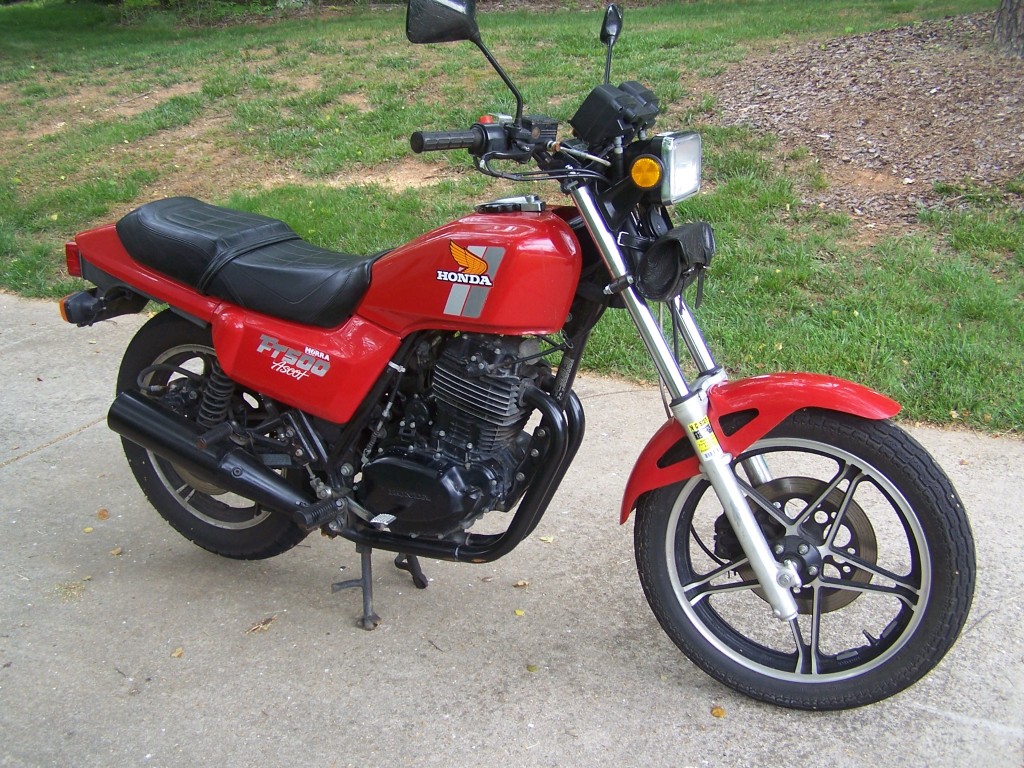
10. Honda FT500 Ascot

Honda FT500 Ascot – courtesy of cx500forum.com

Honda had never named their motorcycles after racetracks, except for one in 1982 called the FT500 Ascot. “FT” stood for “flat-track” and Ascot is the dirt oval in California. But while the name eludes to great riders powersliding the rear tyre, the FT500 was meant to be a “street tracker.” The 497cc, single-cylinder engine was derived from the XL and XR dirtbikes and produced an anemic 36 hp. Not surprisingly, it went out in a whimper. Perhaps this is why Honda doesn’t want to name its bikes after racetracks again?

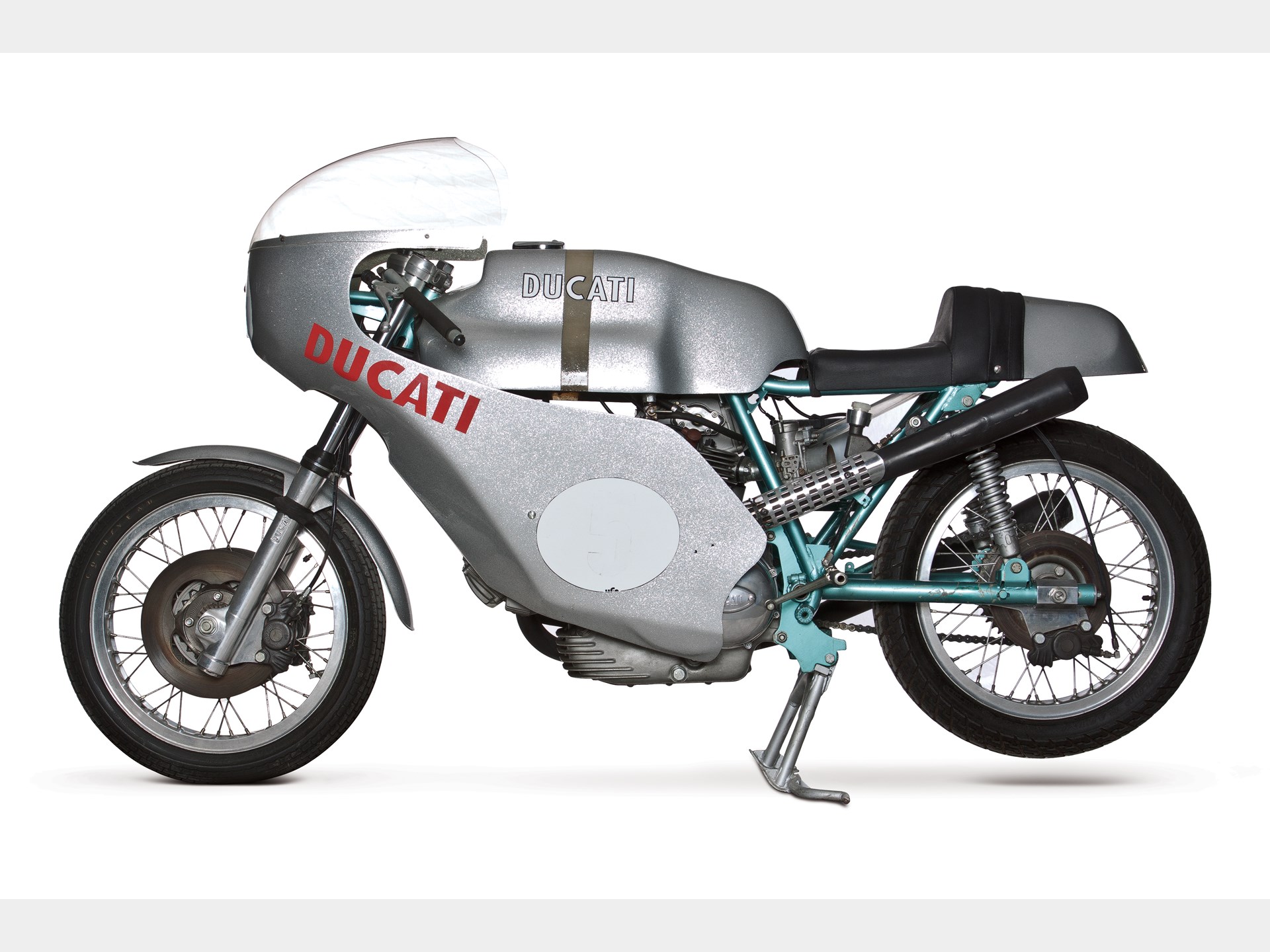
9. Ducati 750 Imola

The Ducati that Paul Smart rode to the infamous victory at Imola in 1972 was actually based on a touring bike. We’ll let that sink in for a moment.

Yep, it was adapted from the Ducati 750 GT and was the first Ducati to feature their signature Desmodromic valve actuation. Smart beat everyone on the bike, including one Italian racer by the name of Giacomo Agostini on his MV Agusta.

Ducati immediately released the replica of Smart’s bike and called it the “750 Imola.”

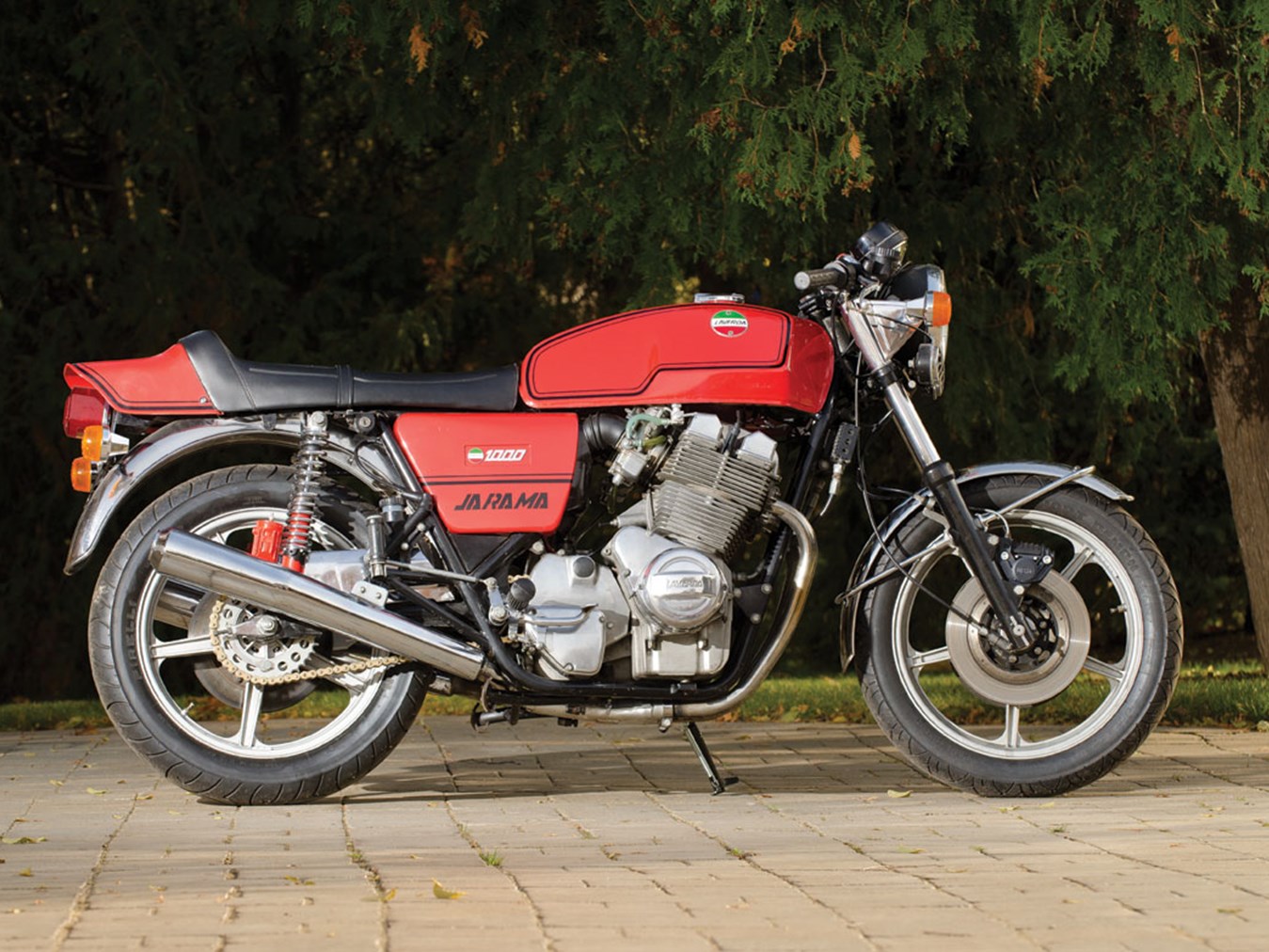
8. Laverda Jarama

Laverda Jarama – Courtesy of rmsothebys.com

The Laverda Jarama was named after the infamous Spanish racetrack when it was imported into the US, although it was the same bike as the 3CL sold in Europe. However, Laverda was also selling the Jota at the same time and the latter was more successful, prompting dealers to upgrade the Jarama to the Jota’s higher specs, hence what some call it “Jarota.”

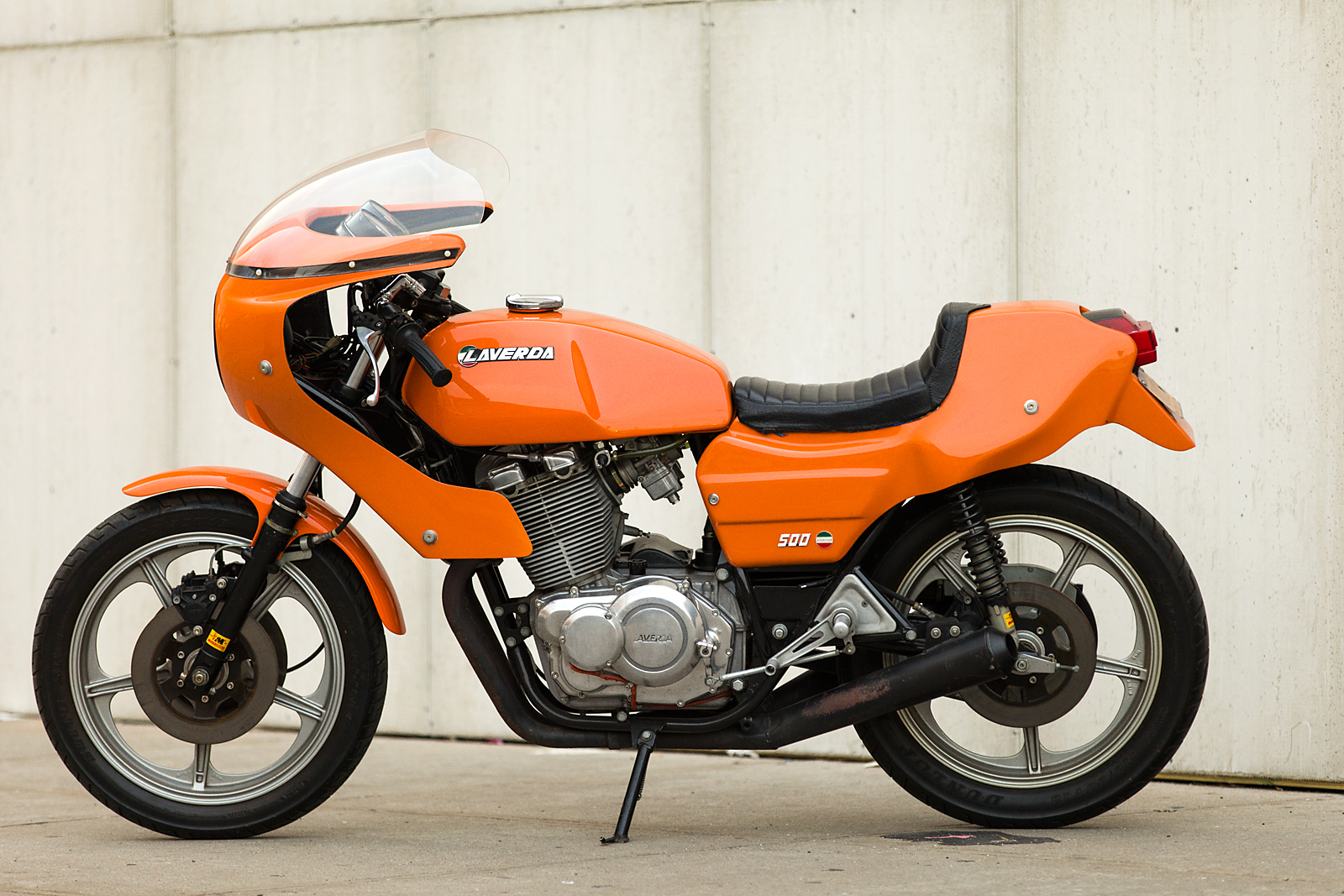
7. Laverda Montjuic

Courtesy of Moto Borgotaro

In the Jarama’s fashion, the Montjuic was also named after a racetrack in Spain. However, the Montjuic wasn’t a pretty road bike with a pretty name, as it started as a Formula 500 racing motorcycle. Laverda decided to sell the bike to the general public on the encouragements of the British importer to produce the road legal version and was christened the “Montjuic.” It was the most exotic middleweight of its time.

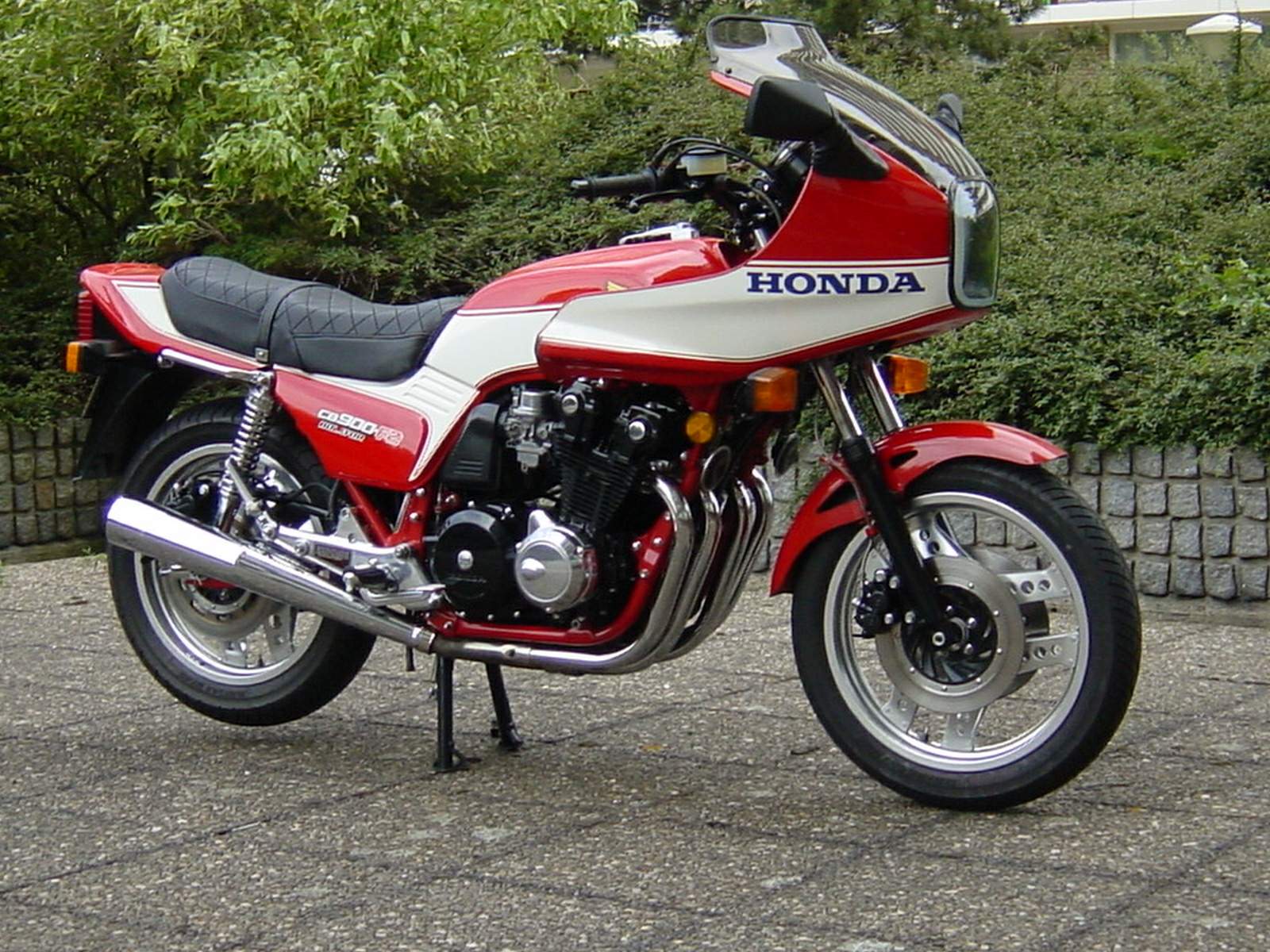
Honda CB900F2 Bol d’Or

Honda CB900F2 Bol d’Or – Courtesy of www.motorcyclespecs.co.za

Okay, okay we’re cheating because the Bol d’Or isn’t a racetrack but the 24-hour endurance race in France.

Still, how could we ignore this awesomely beautiful motorcycle? Built to replace the single-cam CB750F, the CB900F and CB900F2 were sold in Europe instead of the US and has more in common with the CBX1000 six-cylinder superbike. That fairing still allows the engine to be seen while being protective, and the design went on to inspire the Windjammer fairings.

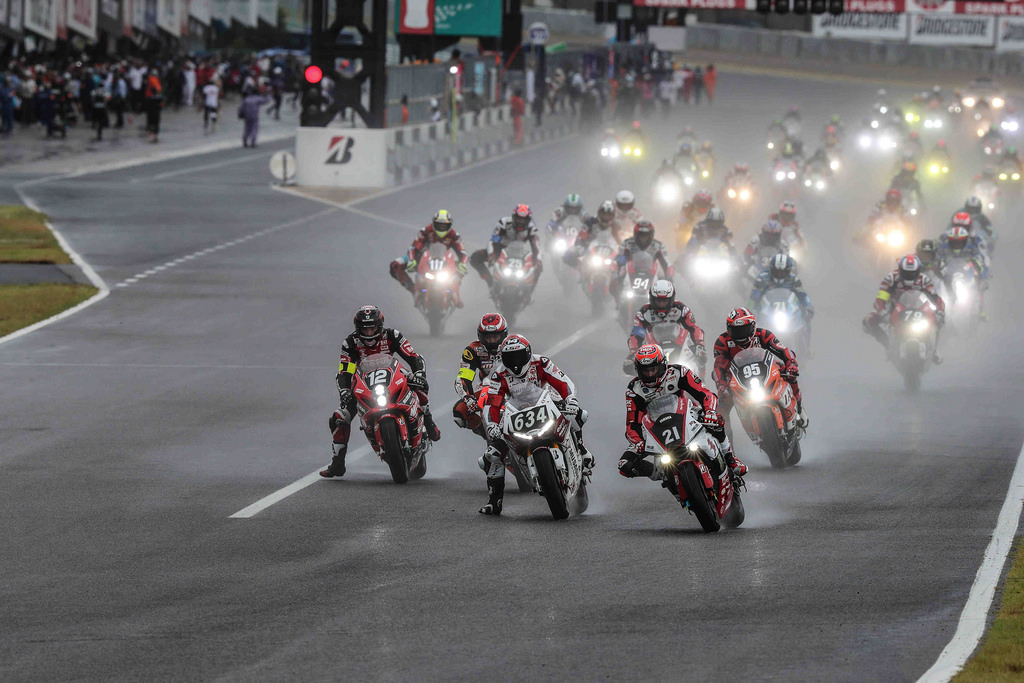
  • The FIM has confirmed Malaysia as a new round for the Endurance World Championship (FIM EWC).

  • The 8-hour race will be held at the Sepang International Circuit (SIC) on 7th December 2019.

  • The Malaysian round will also serve as the qualifying round for “part-timers” to join the permanent FIM EWC teams at the Grand Finale in the Suzuka 8-Hours.

Speaking of Zaqhwan Zaidi and the Honda Asia-Dream Racing team’s great result in last weekend’s Suzuka 8-Hours endurance race, the FIM has confirmed the Sepang International Circuit (SIC) as one of the venues for the 2019 and 2020 FIM Endurance World Championship (FIM EWC).

Please click on the link below for our news on the Honda-Asia Dream Racing Team at the Suzuka 8-Hours.

Zaqhwan Zaidi and Honda Asia-Dream Racing Team Celebrates P7 at Suzuka 8-Hours Endurance

The announcement was made during the Suzuka 8-Hours race, along with a change in the FIM EWC’s program.

The SIC round will serve as a qualifying event for the Grand Finale at Suzuka, Japan. It will have the same format as the Suzuka 8-Hours, including a Superpole Top 10 Trial and ends after nightfall. That means Asian teams who wish to take part in the Suzuka event will have to qualify through the SIC round. This is to create a parity for the FIM EWC’s permanent teams. The permanent and Japanese teams will be invited to SIC and the cost will be covered by Eurosport Events.

Also, as we mentioned earlier about coverage, the Discovery Group had stepped in to provide televised coverage on all five continents.

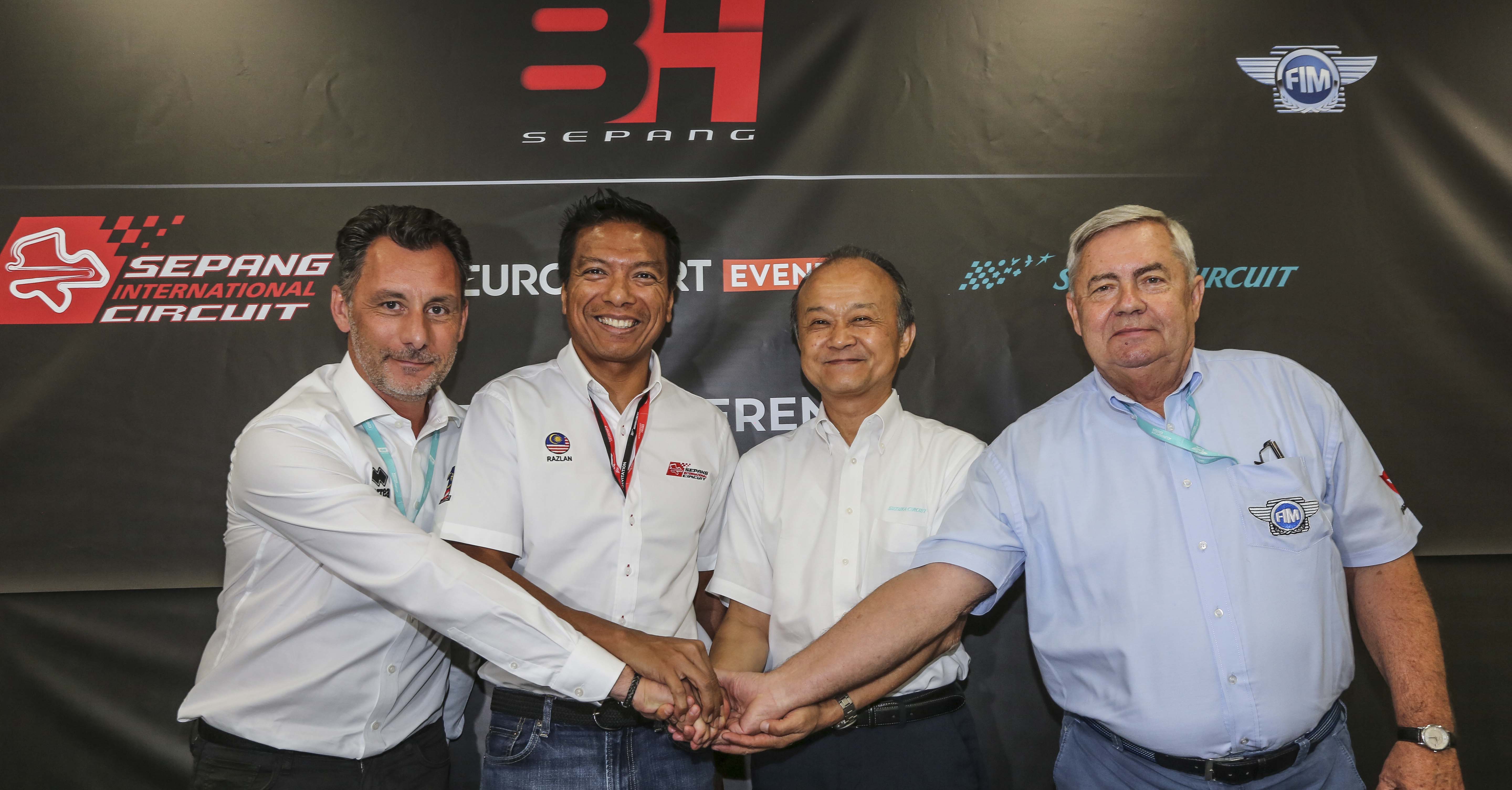
Sepang International Circuit CEO, Dato’ Ahmad Razlan Razali said, “Based on a public survey that SIC conducted for 3 months last year, we are pleased that this FIM EWC series was voted by Malaysians as an event they would like to see at SIC as a replacement for Formula One.  We are also pleased that the Sepang International Circuit will be the qualification round for Japanese and Asian teams for the grand finale at the iconic Suzuka 8-Hours.”

Dato’ Ahmad Razlan Razali during the press conference – courtesy of fimewc.com

The SIC has just completed its floodlighting project, allowing for night races. Dato’ Ahmad Razlan also hinted at having the 2019 SIC MotoGP team’s riders taking part in the event. (Please click on the link below for more information on SIC’s MotoGP team.)

SIC, Angel Nieto Team, Yamaha Join Forces from MotoGP 2019

This is very exciting news for Malaysian motorcycle sports fans, indeed. It is time we pit our national riders against the world. It’ll also be interesting to foresee the Malaysian Superbike Championship teams taking part in this prestigious FIM Endurance World Championship event.

The FIM EWC Sepang round will be held on 7th December 2019.

  • Bajaj Auto Limited is going all out to capture the entry-level and 110- to 125cc segments.

  • They are doing so by selling their bikes at aggressive pricing.

  • The lower pricing brought about lower profit margins but Bajaj hopes to make up through sheer volume sold.

Although Bajaj Auto Ltd’s push for higher market share has consumed their profit margins, the world’s sixth largest and India’s second largest manufacturer remain unfazed.

Bajaj is pushing for a larger share of the Indian motorcycle market through aggressive product pricing, according to Mint. “Aggressive product pricing” could be construed as the cheapest two-wheelers in India.

Competition for motorcycle sales is expected to peak in the next few months with the coming festive season. Most of the exponential growth is expected from rural areas where consumer spending sentiment is on the rise.

Bajaj seeks to increase the 110- to 125cc category in addition to their sub-100cc entry-level segment, said Kevin D’sa, Bajaj’s President of Finance said. The company intends to achieve 20% domestic market share this fiscal year and sees 25% as the long-term goal.

“We want to expand the bottom of the pyramid and take the entry-level segment share to 45% to 50% from 33% at present,” he said, adding that the new 110- to 125cc motorcycles are expected to debut in the last quarter of this fiscal.

According to the Society of Indian Automobile Manufacturers (SIAM), Bajaj Auto Ltd’s market share in the three months to June had expanded to 16.27% from 13.96%, compared to a year ago.

Bajaj’s plans to conquer both segments are likely a sore thumb in the eyes of their rivals Hero MotoCorp Ltd., Honda Motorcycle and Scooter India Pvt. Ltd. and TVS Motor Co. Ltd. who had lost marginal market share to Bajaj last quarter.

Investors were disappointed with Bajaj Auto’s announcement of lower than expected June quarter earnings (due to lower profit margins). They expect to witness a downtrend in profit margins for the next six to eight quarters if there are no further price cuts.

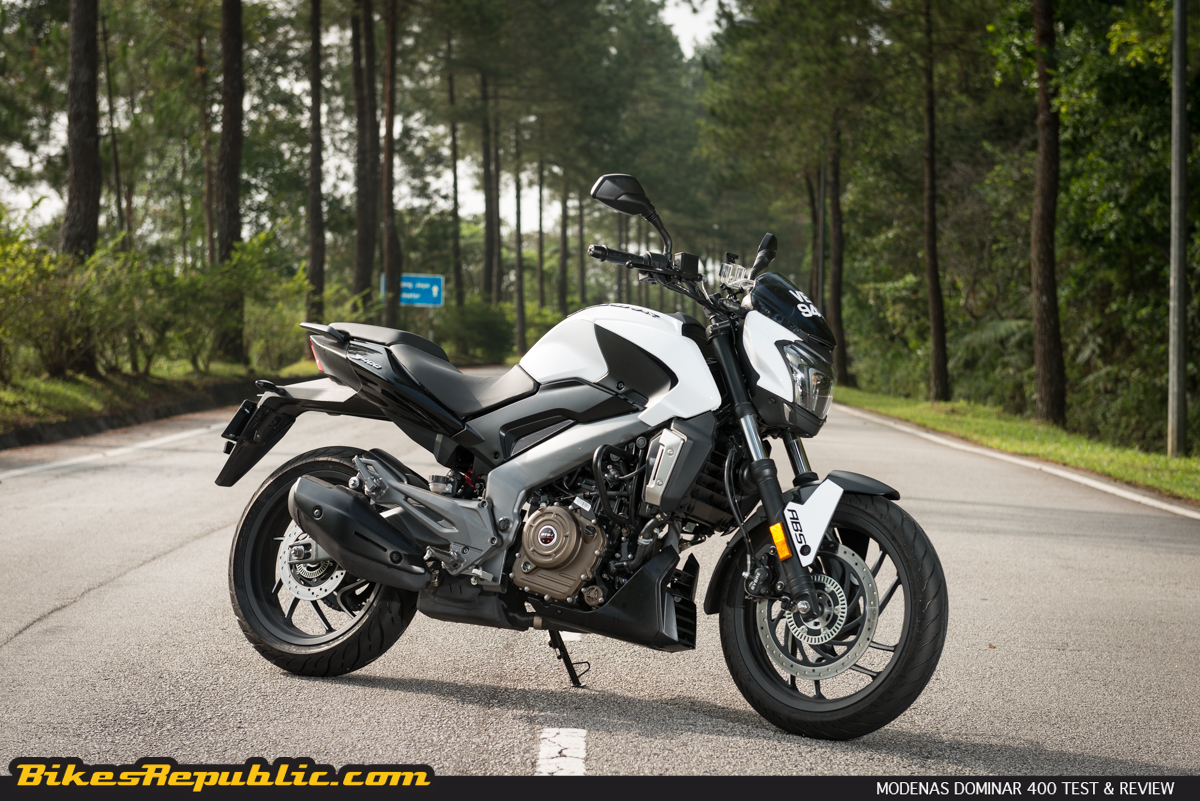
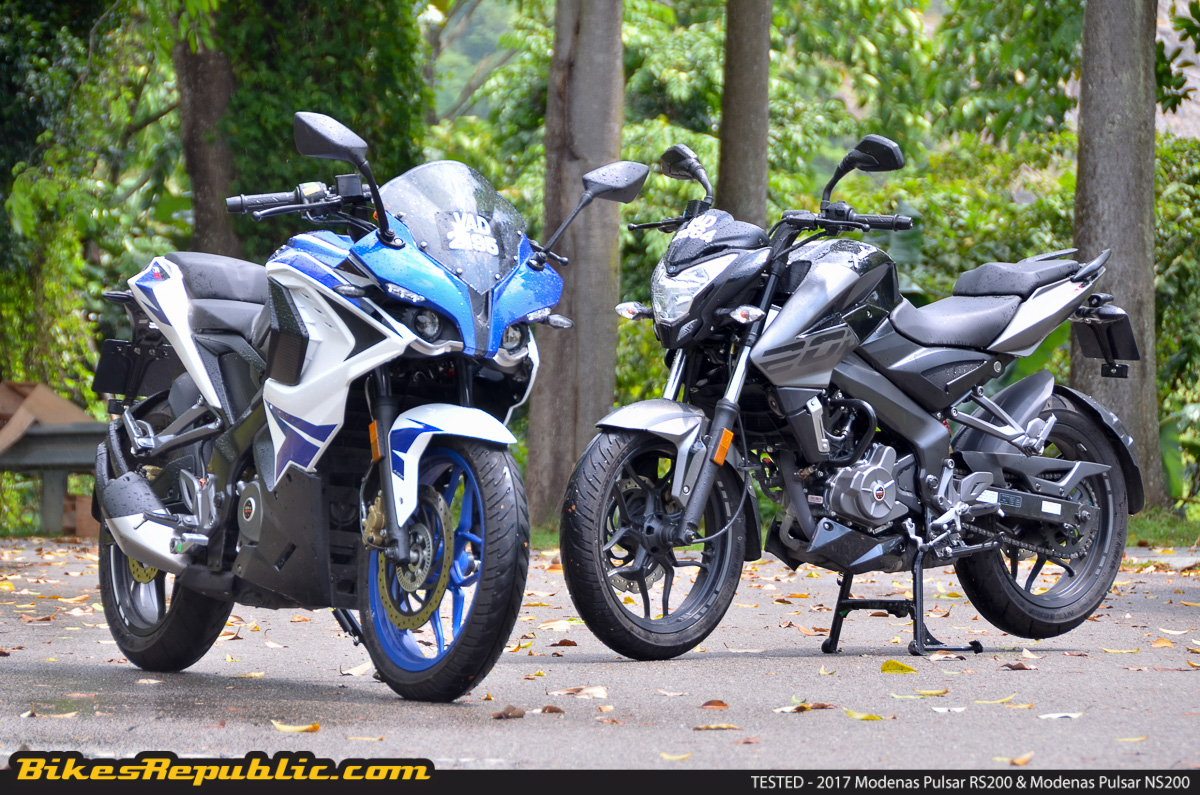
Bajaj Auto Ltd is also the technical partner to KTM Motorrad AG in building the lower capacity KTM Duke models. The Indian manufacturer has also exported the Pulsar 150, Pulsar 200 and Dominar 400 models to Malaysia.

Archive

Follow us on Facebook

Follow us on YouTube