Bikesrepublic

Latest News

  • We usually think of the Isle of Man when we hear the words TT.

  • But this footage was shot at the 2019 Czech TT.

  • Listen to the Yamaha R6 in all its glory.

When we hear the words “TT” for Tourist Trophy, the first thoughts are always of the legendary Isle of Man TT. But there are others around world such as this 2019 Czech TT.

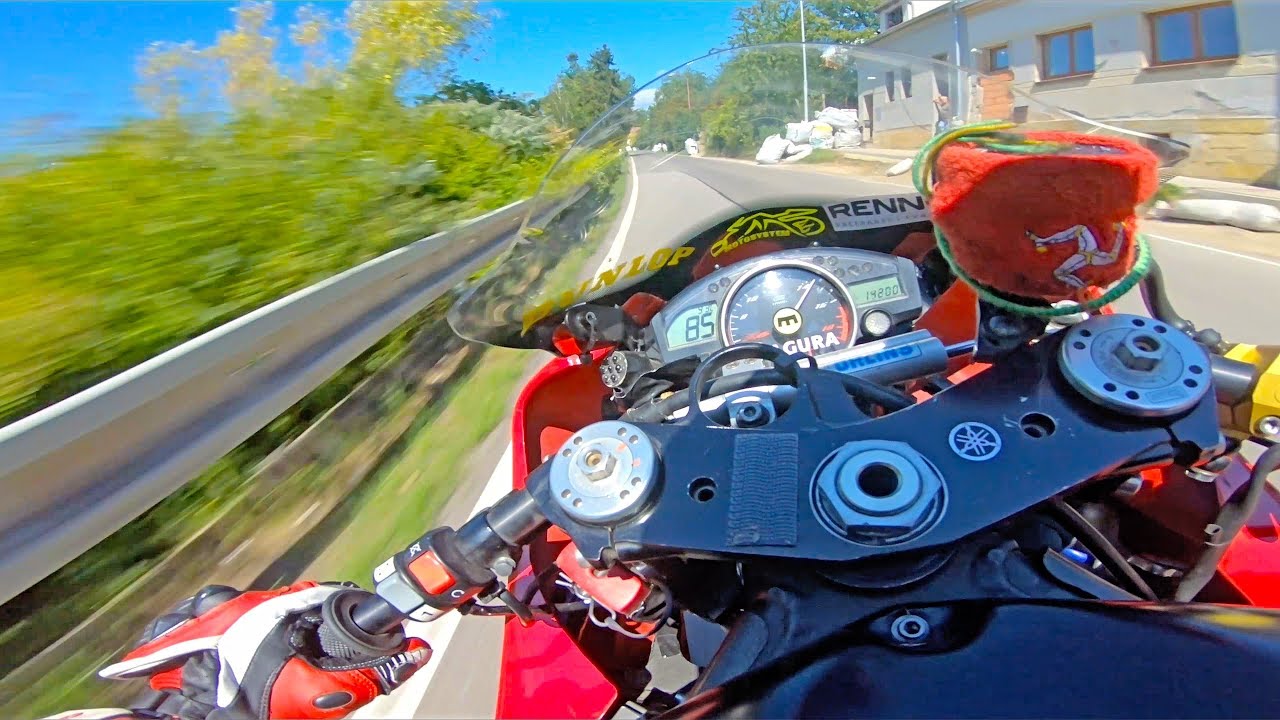
In this onboard footage shot by competitor Murtanio on his Yamaha YZF-R6, you get to see what a TT race is all about.

Blasts through the town centre with only sandbags separating the riders from buildings, while fences, trees, hedges line other parts of the track. Spectators are behind a number of these spots too and you can see some of them leaning over the fences to shoot pictures on their phones.

But nothing could take away the excitement in the footage as the R6 screams and howls it way around the “track.”

Here you can see Murtanio messing up the first few corners and was overtaken by another competitor on a Honda CBR600RR. He then got stuck behind for a number of laps while the leaders took off into the distance.

We know what you’re thinking: Why don’t they hold races like this in Malaysia. Ulu Yam-Batang Kali or Bukit Tinggi, Pahang would be great places. But look at their road condition.

Anyway, enjoy this clip which is unimpeded by commentary. There are many other such clips on Murtanio’s YouTube channel including a few on the Triumph Daytona 675.

  • The Ducati V4 Superleggera is on its way.

  • It will possibly weight 161 kg, dry.

  • No launch date yet.

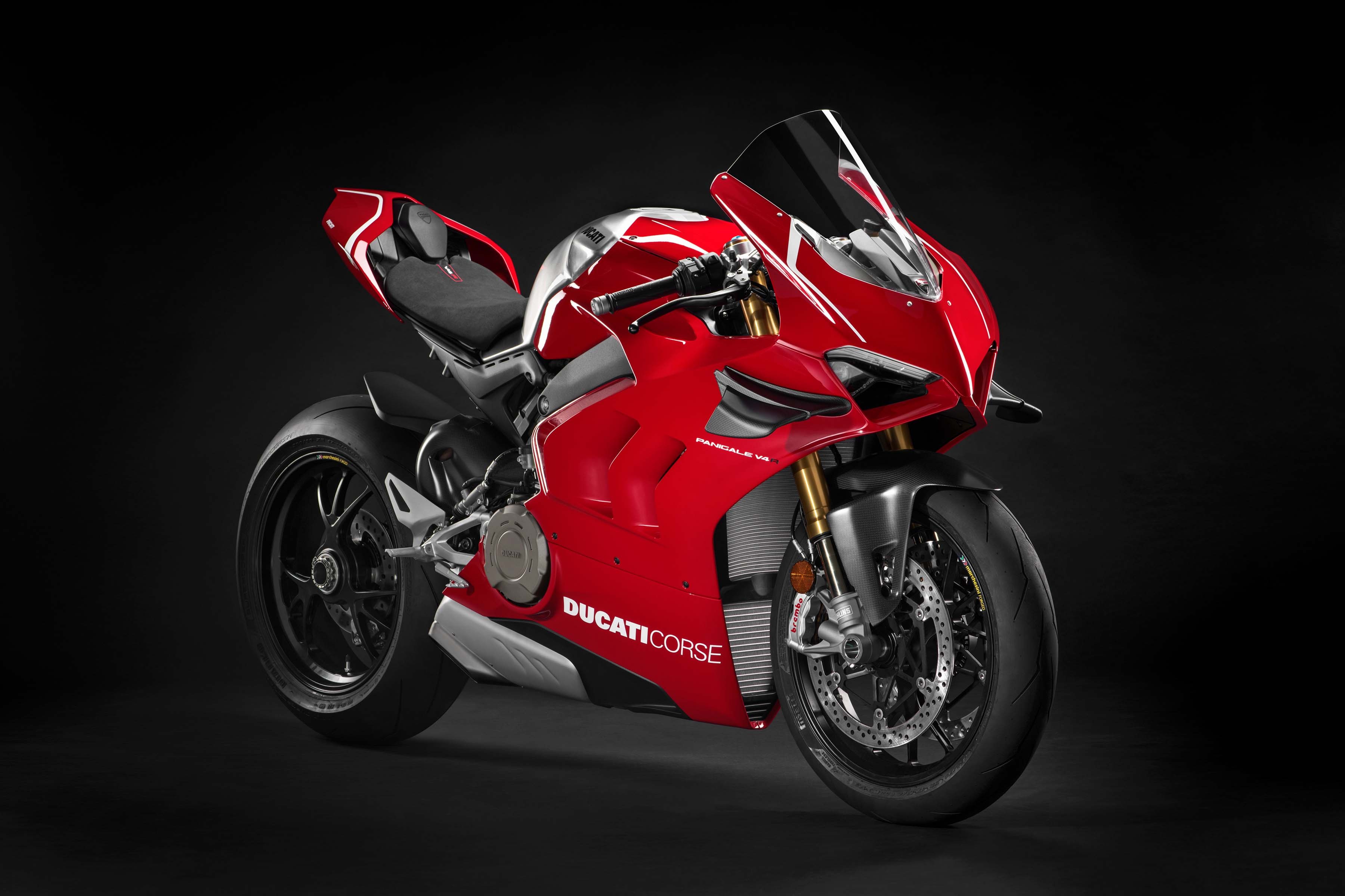
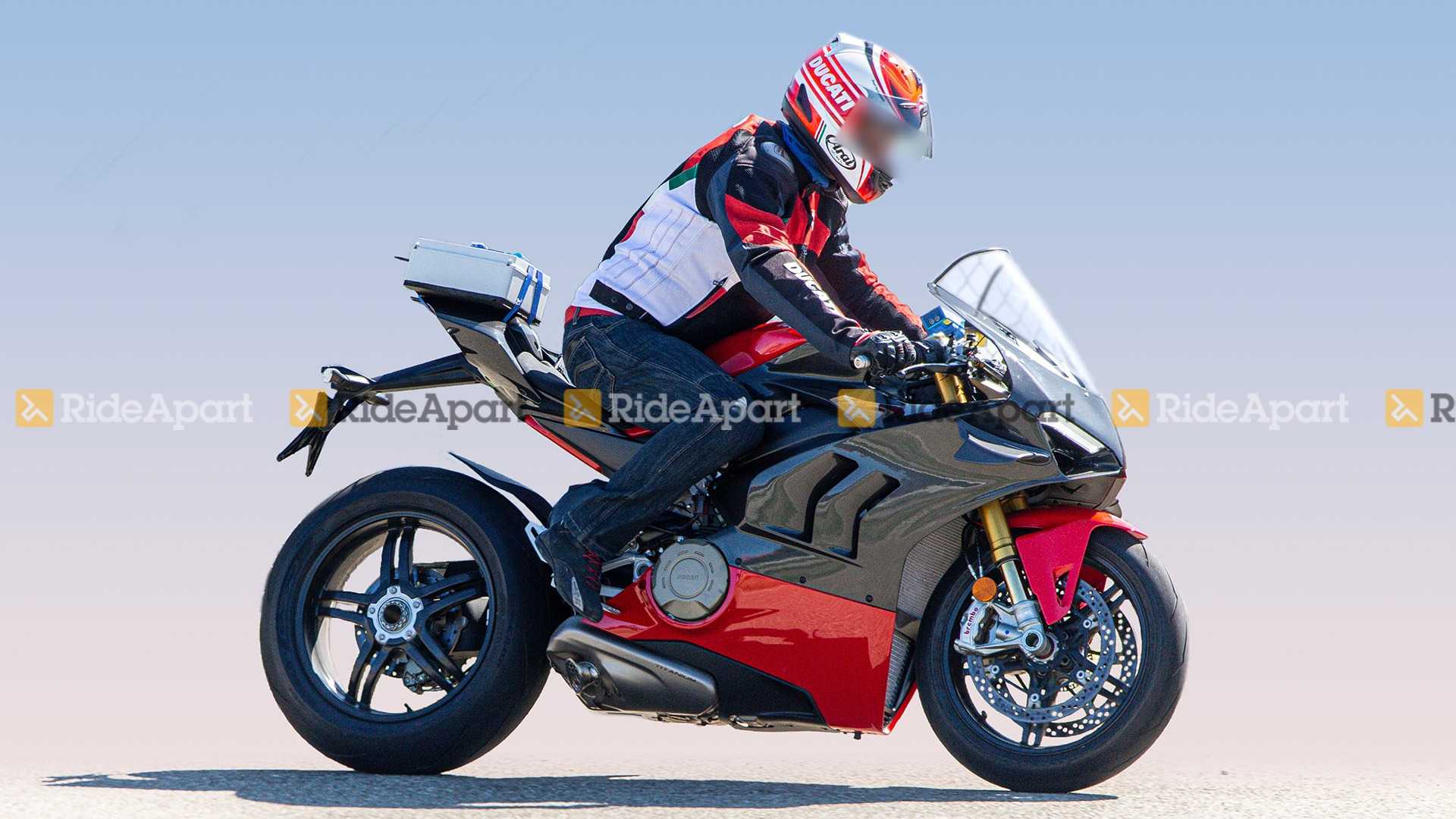
The Superleggera name has become a mainstay of Ducati’s most exotic models and recent type approval submissions confirmed that the Ducati V4 Superleggera is on the way.

Superleggera means “superlight” in Italian, hence the bike will feature lots of carbon fibre, magnesium and titanium parts to shed all that weight.

The type approval submission documents show the kerb weight (ready to ride) at 173 kg. But don’t be alarmed as manufacturers need to submit the bare minimum weight to have the bike in rideable condition. Which means all the weight of the engine oil plus fluids and minimum fuel.

Photo credit RideApart.com

So, what’s the real weight? Let’s compare it to the Panigale V4 R. The type approval kerb weight of that bike is 184 kg. That means the V4 Superleggera is 11 kg lighter in this sense. Ducati claimed the V4 R’s dry weight at 172 kg and wet weight at 193 kg. This ought to mean that the Superleggera’s dry weight is only 161 kg(!) and wet weight of 182 kg(!). That’s heavier than the 1299 Superleggera but the V4 is more complex thus weighs more.

However, all that extra weight will be forgotten when the throttle is twisted. The engine will be based on the V4 R’s 1000cc V-four instead of the 1103cc version in the V4 and V4 S. A new titanium exhaust liberates an extra 3.6 bhp bringing the maximum to 221 bhp. But! A race exhaust and ECU will pump that up to 234 bhp. Insert ear-to-ear grin here.

There are a number of other changes, as well but we have to wait for the official launch to see the specs.

  • The price of the 2021 Yamaha Ténéré 700 has been revealed in the US.

  • It’s the lowest priced middleweight dual-purpose bike of the lot.

  • Hong Leong Yamaha Motor has not confirmed whether they’ll release the bike in Malaysia.

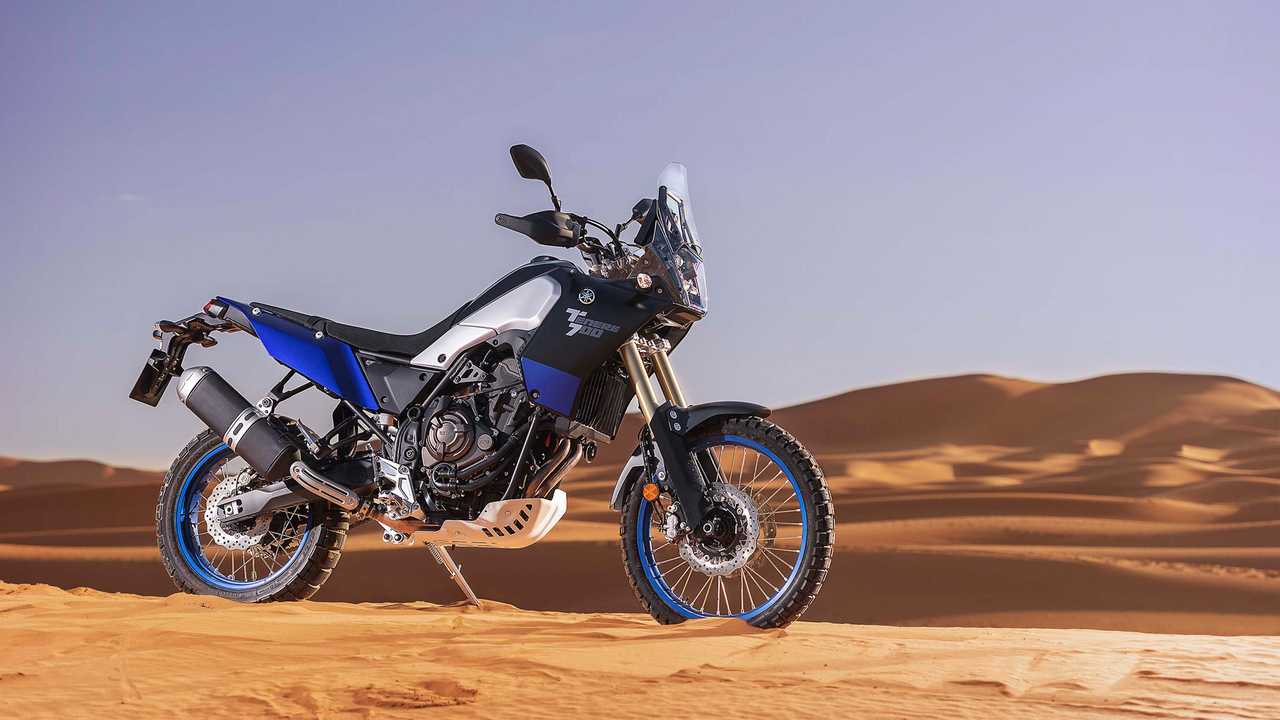
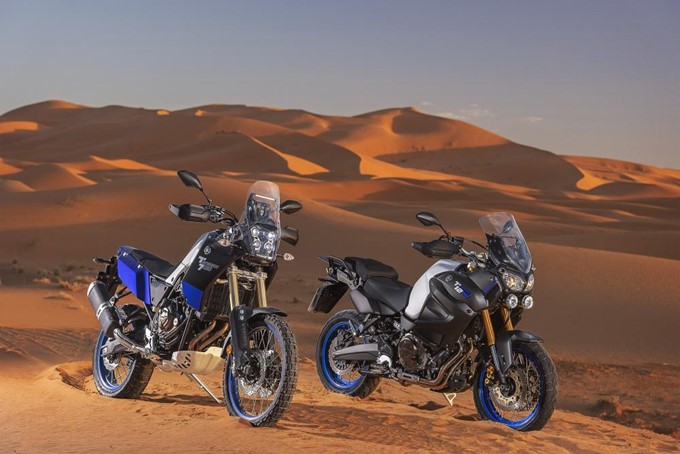
The price of the 2021 Yamaha Ténéré 700 has been revealed in the US and will turn the middleweight adventure motorcycle market on its head.

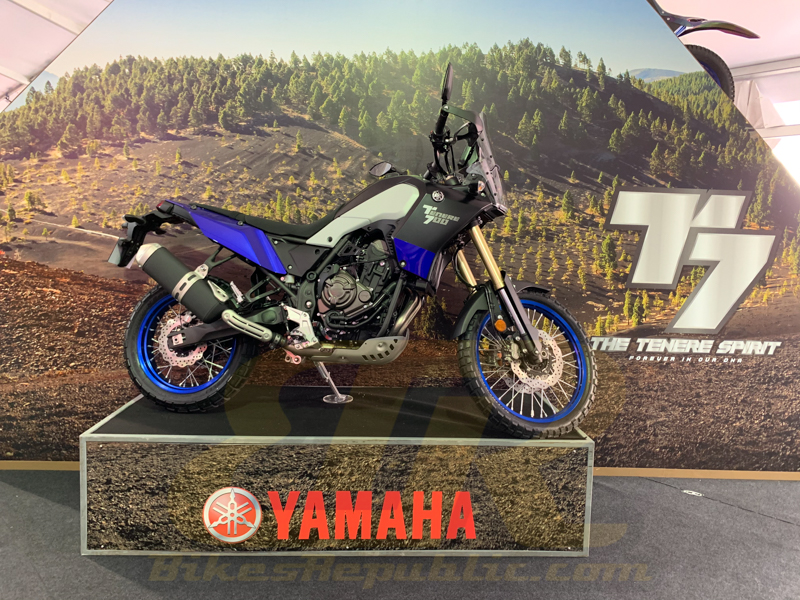
The concept bike was revealed back in EICMA 2018, but the production-ready model was later shown at EICMA 2019. But we Malaysians were luckier as the bike was actually shown at Yamaha’s booth at MotoGP.

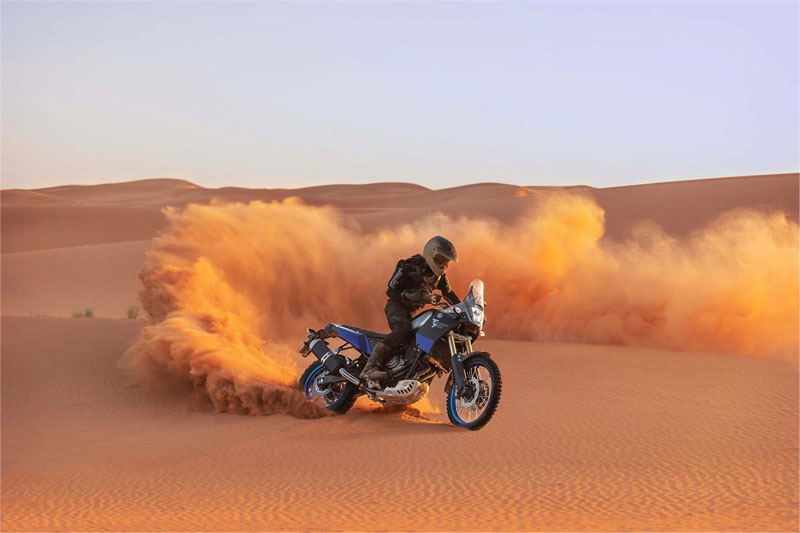
Based on the MT-07 standard bike, the Ténéré 700 promises to be a lightweight truly off-road capable bike. That torque from the 270-degree crank parallel-twin engine will do nicely, too. It’ll be a great departure from the current XTZ1200 Super Ténéré which is on the heavy side.

But the production-ready model looked even better than the concept, especially with those 4 LED headlamps tucked behind the windscreen. That and the tall front end of the bike gives the bike a Dakar Rally presence, no doubt inspired by the original Super Ténéré 750.

What’s the price then? USD 9,999 – RM 41,785.82 at today’s rate.

While the bike was displayed in Malaysia, Hong Leong Yamaha (HLYM) remains tightlipped about whether it’ll be released in Malaysia. Before you criticize them, HLYM prefers to train their dealers, the dealers’ mechanics, shore up spare parts, amongst others before bringing in a model to the country. Don’t forget also that HLYM assembles the bikes and they need time to set up the production line in terms of logistics and worker knowledge.

Still, we are quite certain that there are many waiting for this bike.

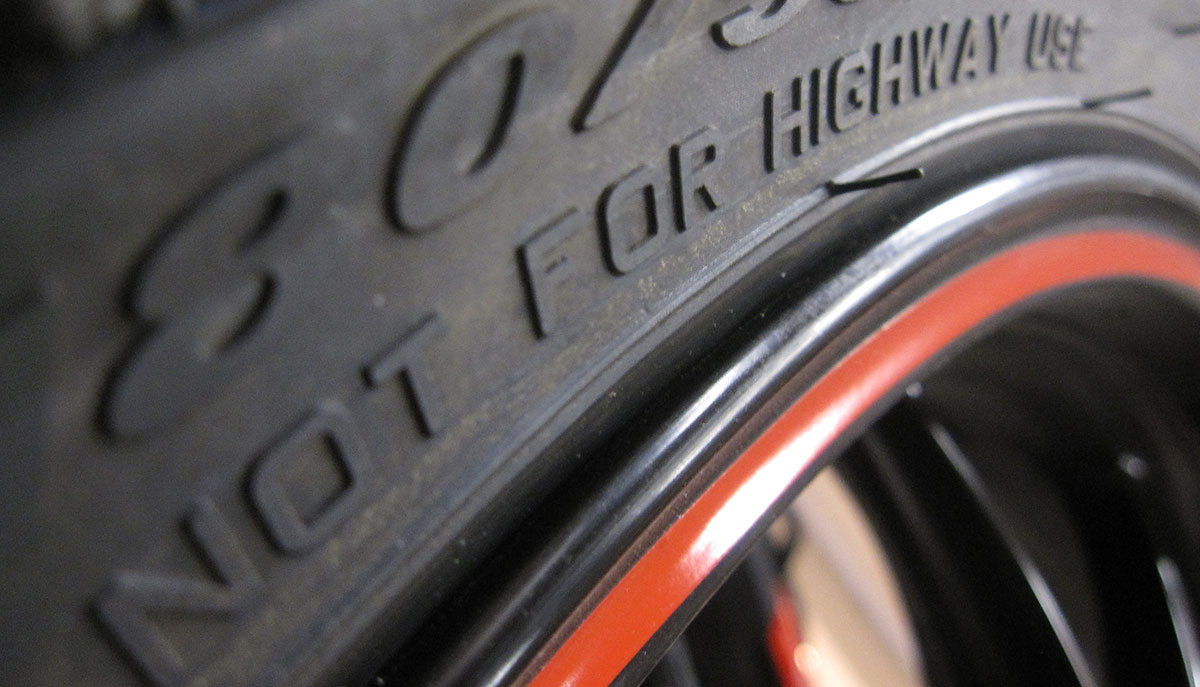
  • Slick racing tyres should never be used on public roads.

  • They pose more disadvantages and danger if they are.

  • Current street tyres are already better than some DOT race tyres from just 5 years ago.

We’ve written about it in just about every article about tyres and yet there are still some bikers who continue to use slick racing tyres outside the racetrack i.e. public roads.

Our friend Haizal Omar posted on his Facebook recently that he saw bikers equipping their bikes with slick racing tyres and riding them on the road. He also went to highlight why slicks are a bad idea on public roads.

Haizal is the lead instructor at his Alpha Track Academy and also an instructor at the Ducati Riding Experience (DRE). He’s also completed the instructor modules in the California Superbike School (in California, USA under the tutelage of guru Keith Code). So we listen when he talks.

So, why is using “slicks” such a bad idea? All the MotoGP and professional riders use them to win races, after all. That must mean they grip like crazy, right? They are expensive but they are a necessary part of riding quickly, correct? And since they grip really hard, it means that they also make riding much safer, right?

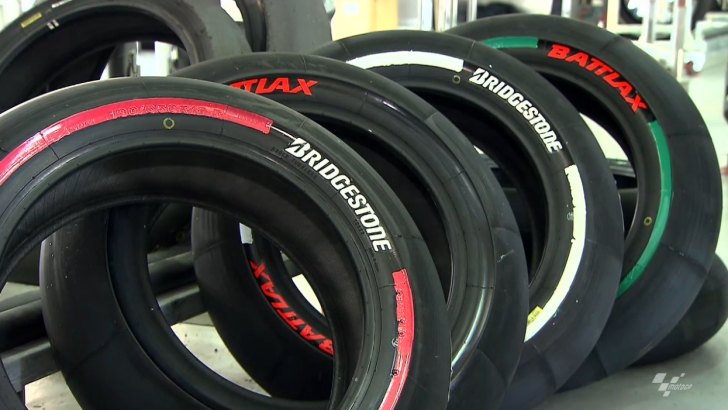
But before we carry on, what are racing slicks? The short answer is tyres that are exclusively meant for racing. They’re called slicks because they’re devoid of grooves on the carcass, in order to present an uninterrupted surface called footprint to the road surface. More footprint equals more grip.
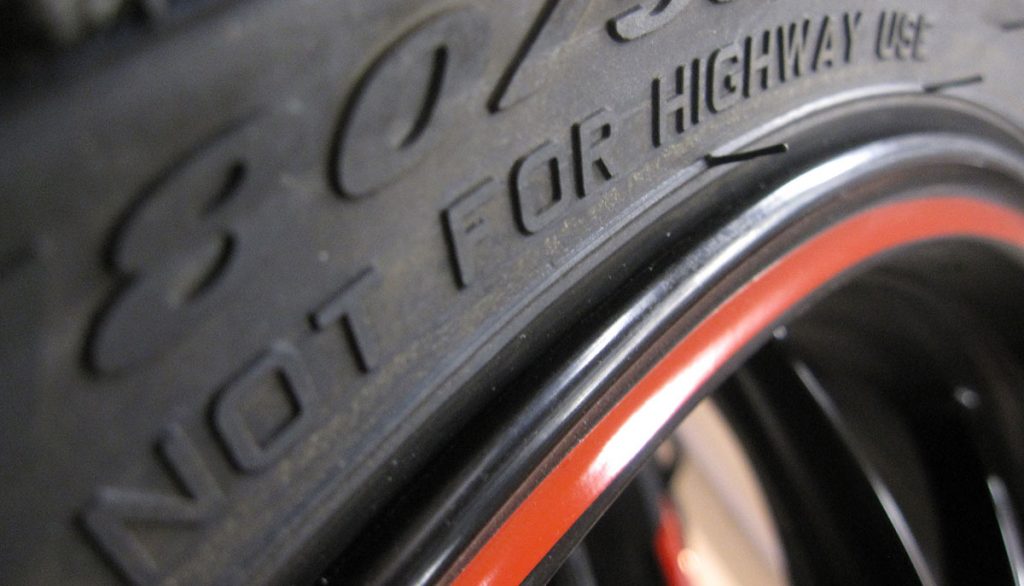
But there are serious caveats why they shouldn’t be used on public roads. Unheeding these conditions will result in (touch wood) unwanted situations sooner or later. 

By why? Let’s examine.

1. Temperature
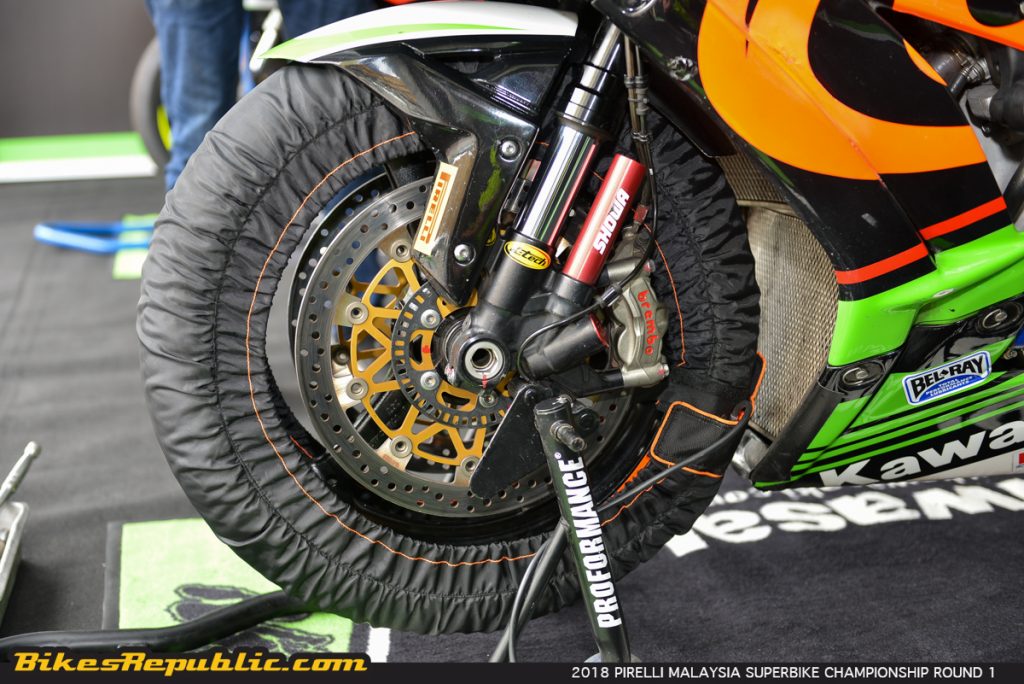
This is the most obvious factor.

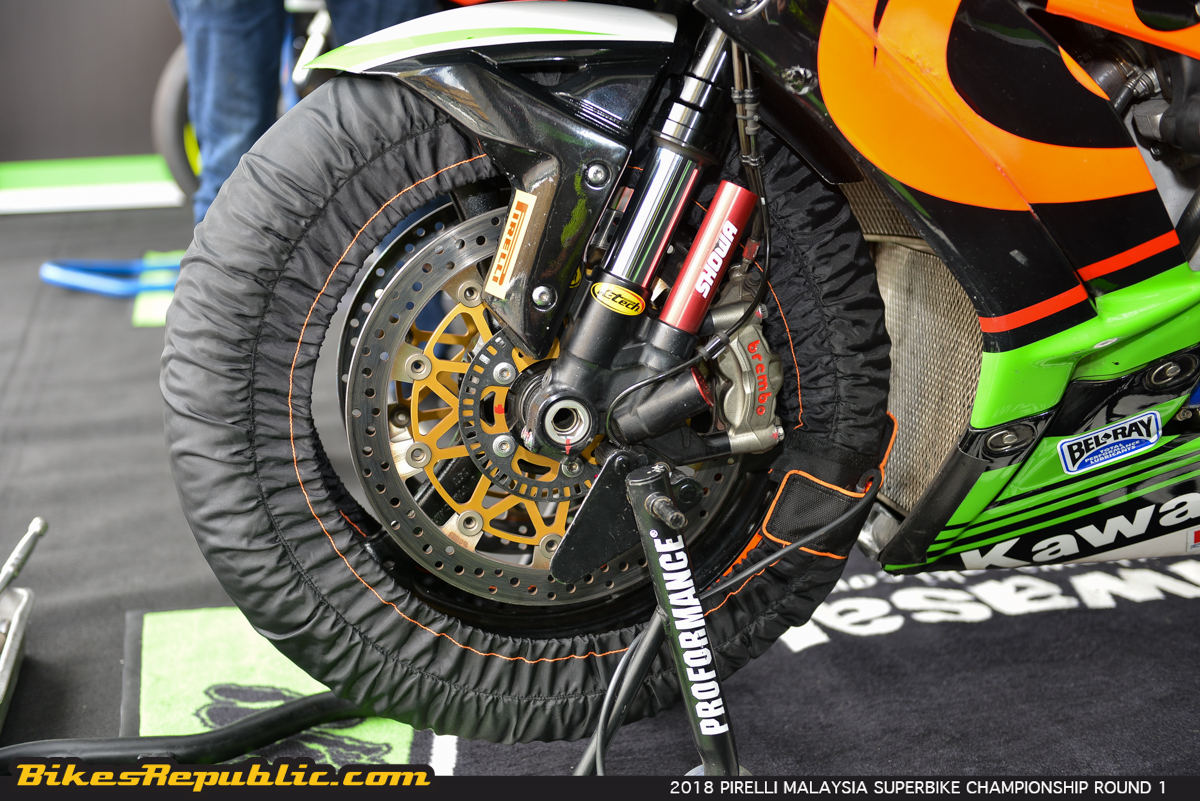
All types of tyres work at their optimum levels within a certain heat range. However, slicks work best around 100-degrees Celsius for the front and 120-degrees Celsius for the rear. That’s as hot and hotter than the boiling point of water at sea level.

This is why race teams wrap them in tyre warmers prior to a race.

The warmers are set at 90-degrees Celsius, for at least one hour.

Notice why the pro riders usually set their fastest race times after the third lap or in the middle of the race? Why do MotoGP riders keep talking about caring for their tyres?

The answer is temperature and how to maintain it within that range.

The point is, who carries tyre warmers to BHP Gombak for their “Karak Highway GP?” So firstly, the starting temperature’s already incorrect.
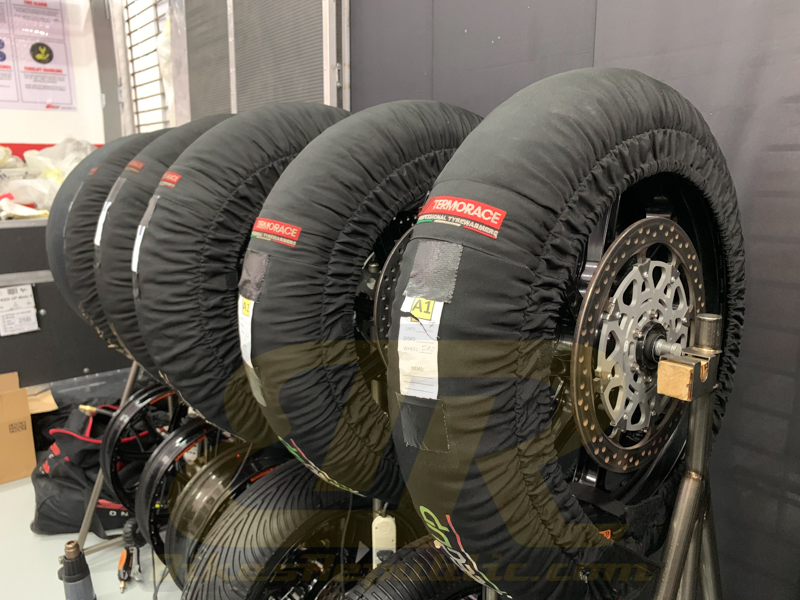
Secondly, running on public roads even without traffic will not build up temperature quickly enough, lest the biker rides like a total maniac, thereby endangering himself and innocent members of the public.

Thirdly, even if the rider is able to heat the tyres up to their optimum operating temperature, traffic, road, and weather conditions will conspire slow him down at some point, forcing the tyres to cool down to below their working temperatures.

2. Heat cycles
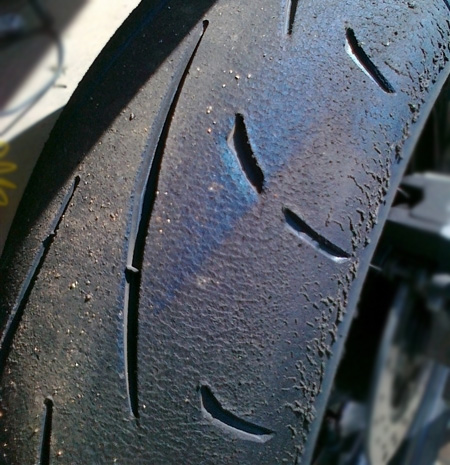
You will see this after you ride hard on the roads or the track — that blue/purple band on the edges of the tyres. The bands are indicative of the tyres releasing their oil after a “heat cycle.” This is natural as tyres DO contain oil as part of their compounds.

A heat cycle means the process of letting the tyres cool from working temperature back to ambient temperature. Depending on brand and compound, a racing slick lasts very few heat cycles, some as low as just 8.

That means even if you could work them up to working temperature, you could only use them for 4 daily commutes — assuming you riding to work and back home.

Regardless if you still have 99% rubber, those slicks are already useless after those cycles. In other words, no grip.

3. Cold shear
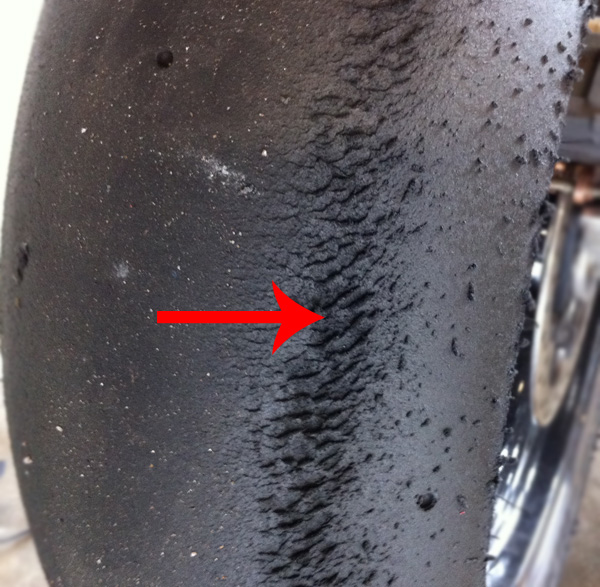
A biker once showed me his rear slick when I suggested that slicks shouldn’t be used on the road. On the edges were these bits of rubber not unlike what you get when you use a rubber eraser on paper.

Riders usually associate this condition to a grippy tyre but these were large and deep, instead.

It’s a condition called “cold shear.” As the name suggests, the surface is torn off due to being used below operating temperature. Instead of the tyre rolling across the road, it actually ploughs through. The tyre may even throw off chunks of rubber in extreme cases.

4. Weather conditions
This is the other obvious reason, apart from temperature.

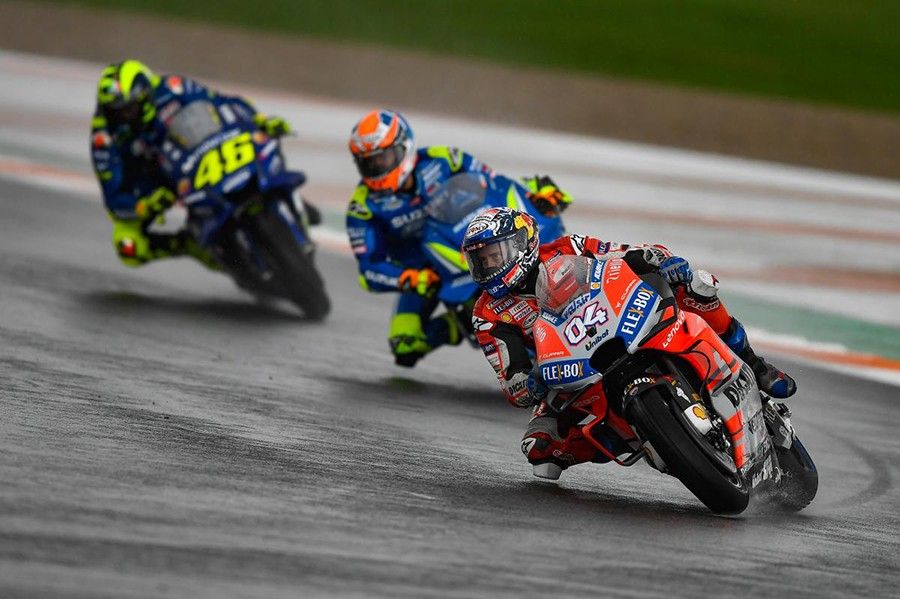
Slicks are meant to work only in one weather condition: Dry. The grooves of a tyre help to evacuate water between the contact patch and road surface and provide grip. Conversely, the lack of grooves will cause the tyre to aquaplane.

To be fair, slicks can work on damp roads (provided they’re up to temperature) but not over standing water. 

5. Suspension settings
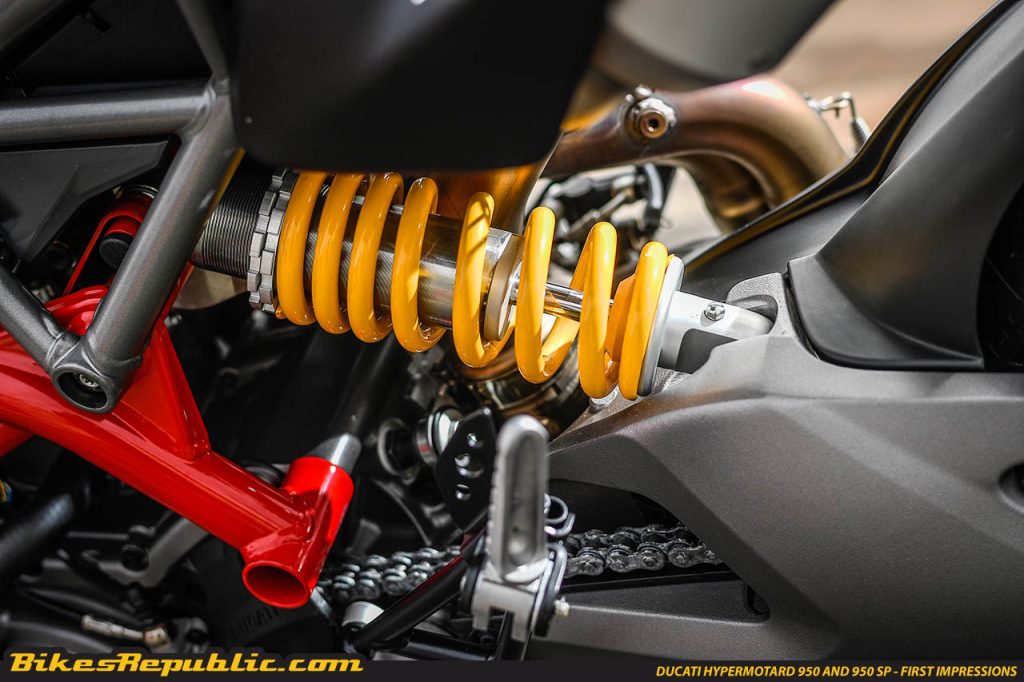
Using different tyres need different suspension settings. However, it’s much less crucial in using street tyres than it is for slicks. On the other hand, using street settings for slicks may not put enough stresses to warm them up. Then again, resorting to track settings for the streets would result in an uncomfortable ride.

6. You’re trying to win… what?
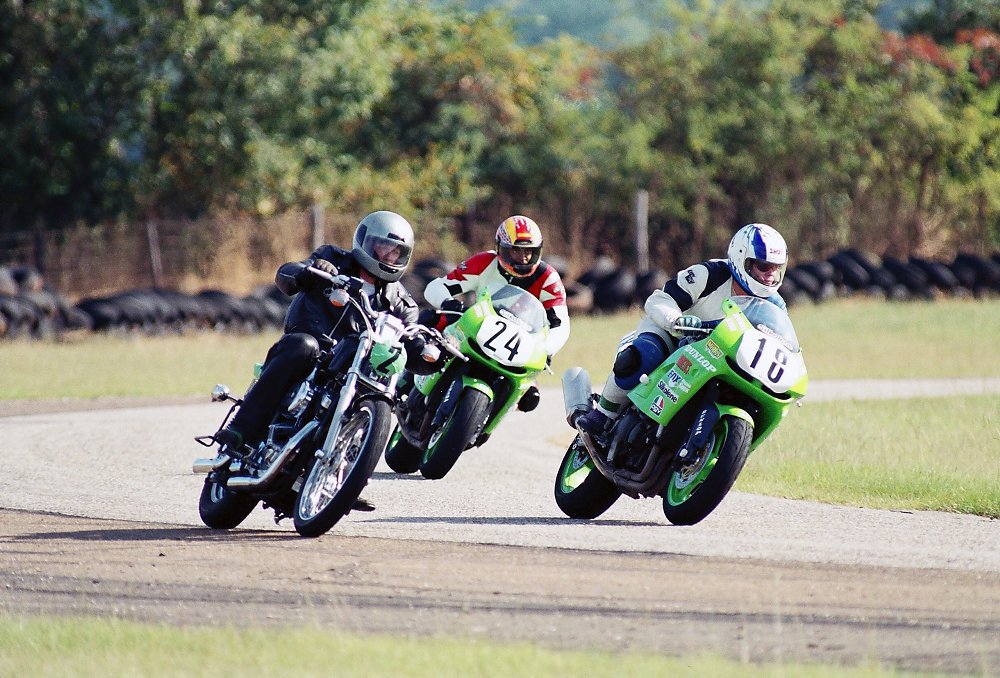
If you really want to experience slicks at their optimum levels, there’s no better place than at the track. Here, your slicks will warm up quicker even if you don’t use a warmer. Just take it easy for the first few laps and then put hammer down when the tyres have warmed up sufficiently

7. Street tyres are awesome
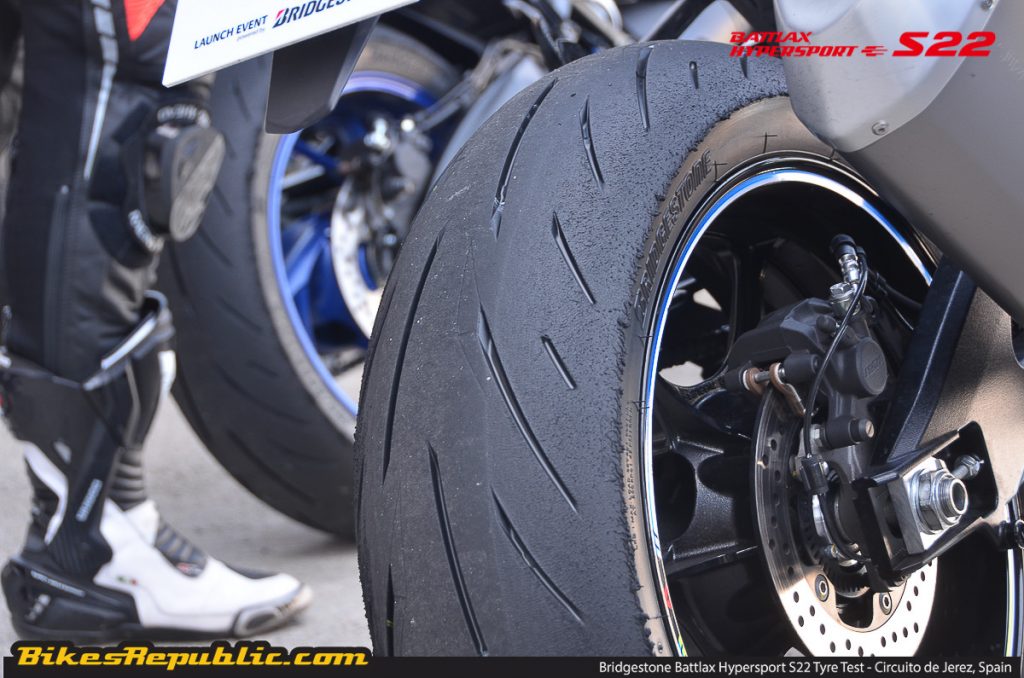
Street tyres these days perform at levels we couldn’t even dream of two decades ago. Sport-touring tyres like the Bridgestone T31 and Pirelli Diablo Rosso III stick like mad in the dry and the rain.

In fact, we rode the Panigale 959 equipped with the Diablo Rosso III at the Buriram circuit during the bike’s launch and not one rider complained about lack of grip.

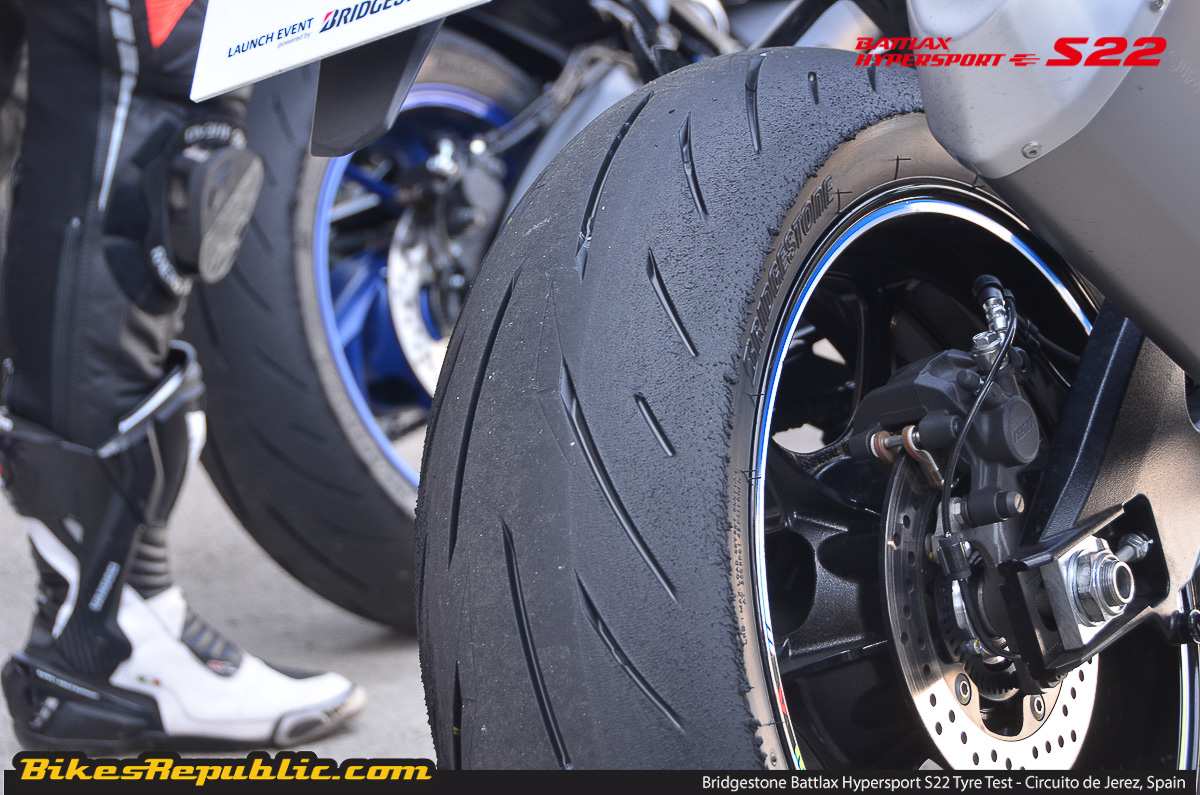
Our colleague Sep Irran tested the Bridgestone S22 at the Jerez Circuit on a cold day. Again, the tyres gave so much confidence.

In fact, the DOT street race tyres such as the Bridgestone R11, Pirelli Diablo Corsa SC1, Metzeler Racetec RR K3 and others offer so much grip on the latest superbikes we tested that we found them too good for the bikes!

So save your money and your skin and get the latest DOT race tyres. They warm up quickly, can last over many more heat cycles work in any condition, comfortable, and are definitely cheaper and easier to maintain than slicks.

8. Attend riding classes
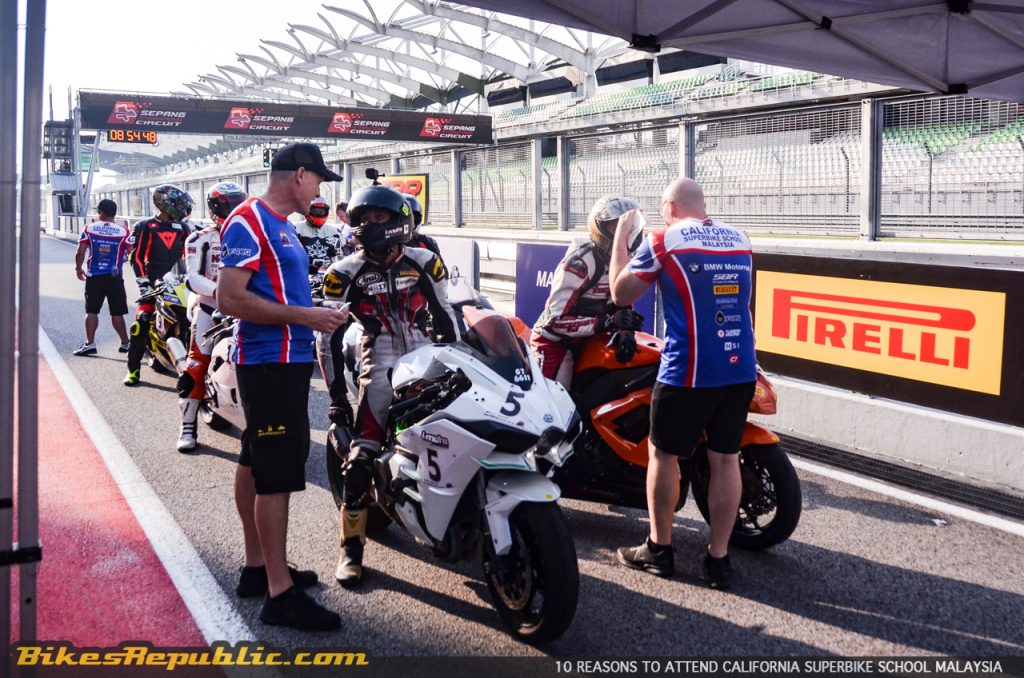
Through the lessons learned at Most Fun Gym and California Superbike School, tyre and grip “problems” are usually the direct results of incorrect riding techniques. Those schools don’t talk about what bike you ride or tyre you use, instead they look at how you ride to make the most of what you have.

Conclusion

The advantages of using street tyres for public roads far outweigh what could be obtained from using slicks. Which is actually like 10 vs. 0.

We’re not criticising you if you do use slicks but give a thought to what we wrote and switch back to street tyres. You’ll be amazed at what you could do on them.
  • Valentino Rossi will go to Formula 1 while Lewis Hamilton will take his MotoGP seat.

  • Rossi will drive Hamilton’s Mercedes AMG PETRONAS car.

  • Hamilton will ride Rossi’s Monster Energy Yamaha YZR-M1.

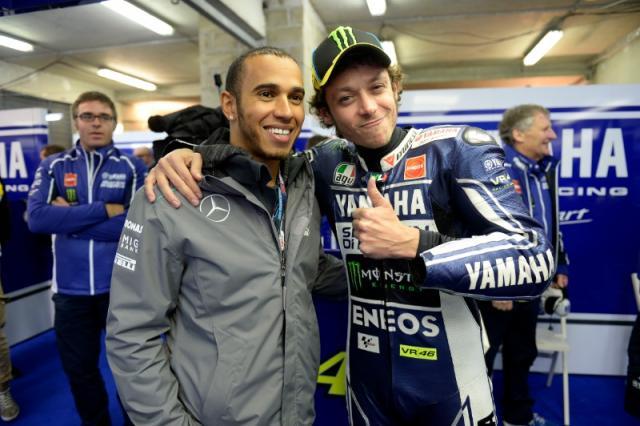
Valentino Rossi will go to Formula 1 while Lewis Hamilton will take his MotoGP seat.

The swap will happen at Valencia circuit on 9th December. Rossi will drive Hamilton’s Mercedes AMG PETRONAS car. Hamilton on the other hand, will ride Rossi’s Monster Energy Yamaha YZR-M1. The deal was probably pushed through by both men’s sponsor Monster Energy.

Hamilton had expressed his wish to ride a MotoGP bike earlier in the year, but it was Repsol Honda who responded with the message “Bring it on, Bro” in a tweet. But it didn’t happen, as expected, as the Repsol riders are sponsored by Monster Energy’s biggest rival Red Bull.

It won’t be the first time Hamilton rides a motorcycle, although it’s his first time on a MotoGP bike. He had ridden the GYTR Yamaha YZF-R1M with PATA Yamaha WorldSBK riders Michael van Der Mark and Alex Lowes at Jerez. He tweeted “Valentino Rossi I need to come to the ranch ASAP.”

As for Rossi, it’s not the first time he’s behind the steering wheel of a four-wheeler, either. He competes in the Monza Rally annually and has won it seven times up to last year. He had also tested in Michael Schumacher’s Ferrari Formula 1 car many years ago. He impressed the multiple champion so much that Schumacher offered him a spot as a driver.

We can’t wait to see the upcoming event!

  • The Knight Rider returns!

  • As Moped Rider.

  • The hilarious video is for a German online marketplace.

Remember that 80’s show Knight Rider?

Yeah, the one with the fancy black Pontiac Firebird called KITT that talks? Starring David Hasselhoff as Michael Knight whose the car’s driver, the pair fights dastardly criminals all over the United States.

KITT was an almost indestructible advanced crimefighting vehicle featuring a self-aware artificial intelligence, “TURBO BOOST” which gave a sudden kick (usually used to jump over obstacles), and serious weaponry.

The series ran from 1982 to 1986, but it turned the “Hoff” into a bona fide celebrity.

Well, guess what?

The Hoff and KITT are back. Er… mostly.

In this commercial for the mobile.de online marketplace, Michael Knight and moped KITT fight a couple of bank robbers, complete with POWER BOOST and MEGA BOOST for a greater kick. We won’t spoil it for you but Knight did use the MEGA BOOST function.

Fans will recognise the 80’s wardrobe and hairstyle, besides the cheesy action and camera work. But the video was a whole lotta fun and hilarious.

Hasselhoff said during an interview, “I’m just kind of synonymous with making fun of myself and having fun.”

Unfortunately, the commercial is only available in German (The Hoff is German, anyway) although the action takes place in the States. 

Archive

Follow us on Facebook

Follow us on YouTube