Bikesrepublic

Latest News

  • Ola Stenegärd is the father of the BMW R nineT series

  • His other projects included the HP2, S 1000 RR, G 310 R, among others

  • Stenegard’s inlfuences are deeply rooted in classics, cafe racers and customs

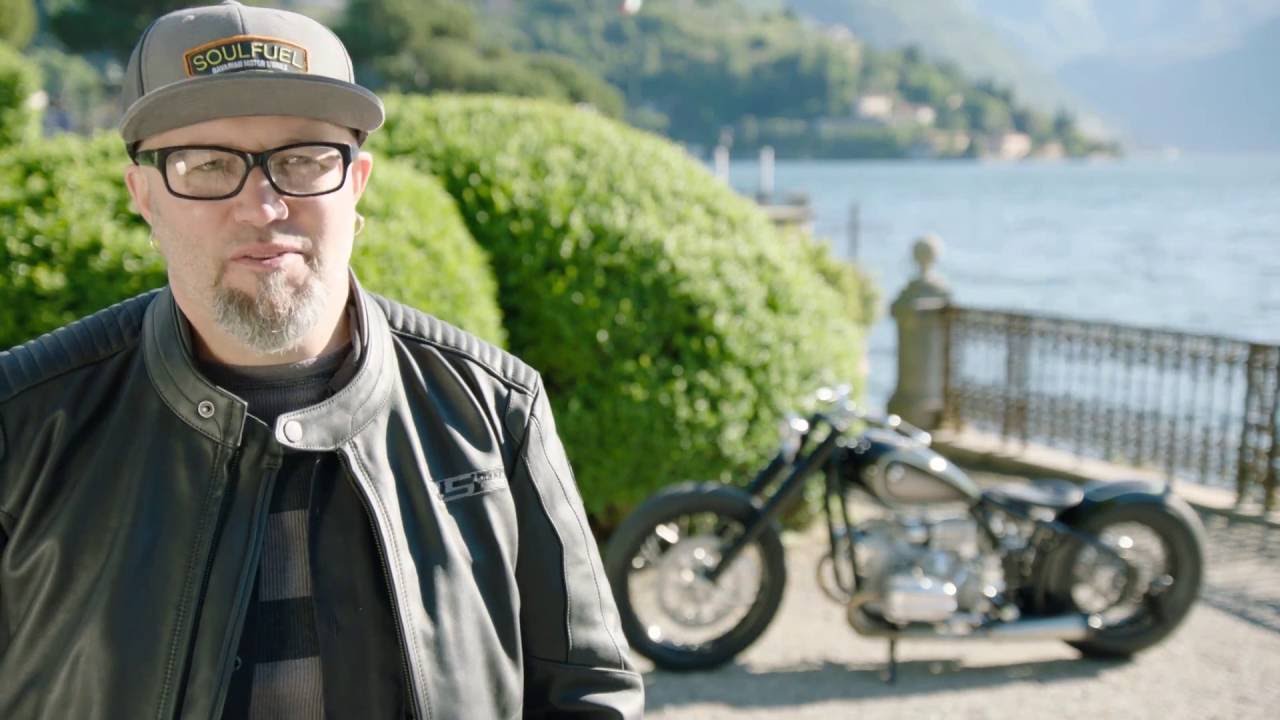
Ola Stenegärd is the current Head of Vehicle Design in BMW Motorrad.

Stenegärd studied Industrial Design in Stockhölm, Sweden and is also a graduate from the famed Art Center College of Design in Pasadena, California. His predecessor at BMW Motorrad, David Robb also graduated from that school. He first joined SAAB and then Indian Motorcycles before starting at BMW Motorrad in 2003.

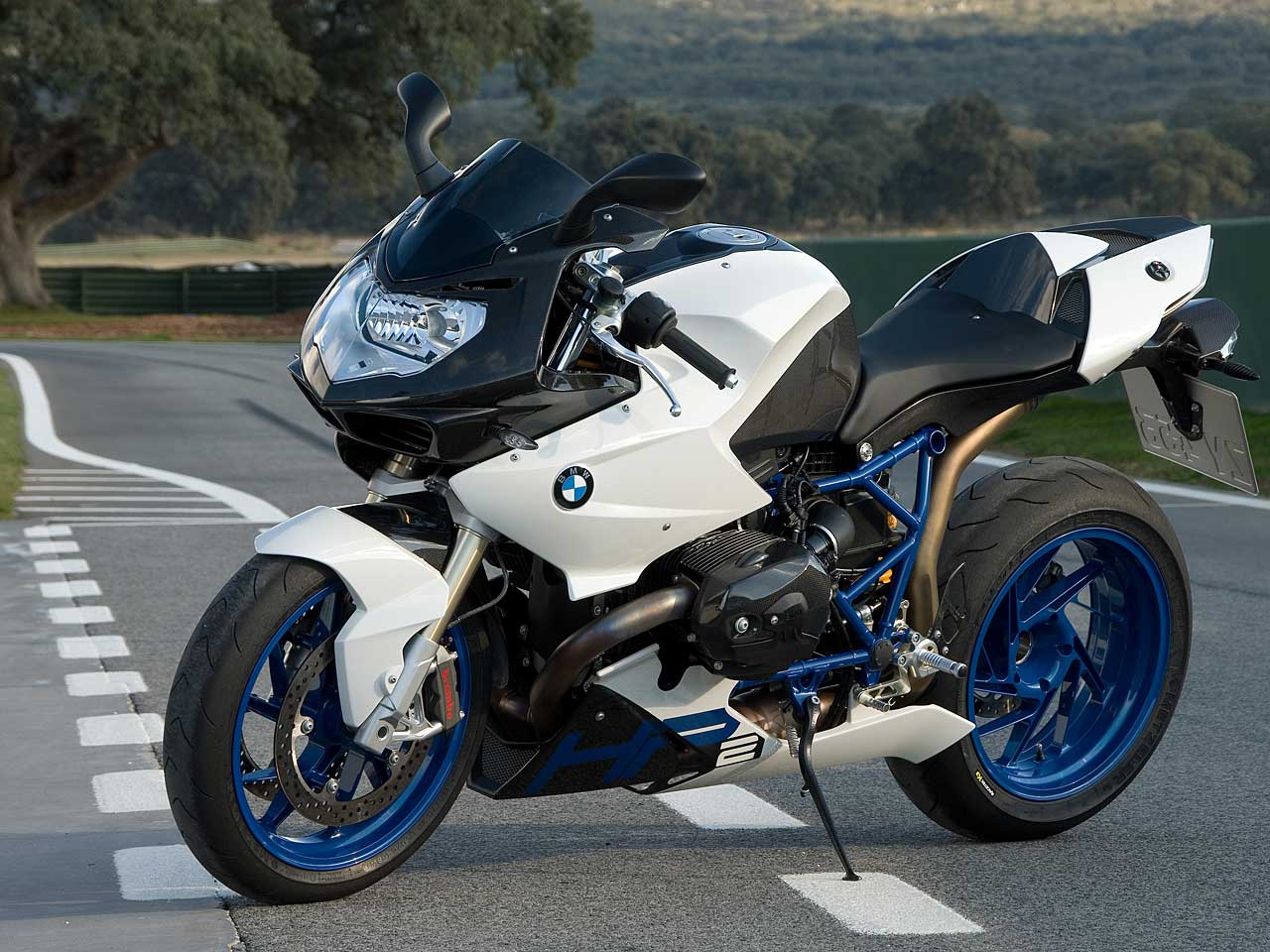
Stenegärd said in an interview that no one was interested in sportbikes at BMW when he joined, hence he was given the HP2 project. The success of the HP2 saw him proceeding to lead the S 1000 RR’s development. Stenegärd could’ve chosen the conservative route for the S 1000 RR’s design, instead he went on to create a motorcycle that’s distinctive and instantly recognisable.

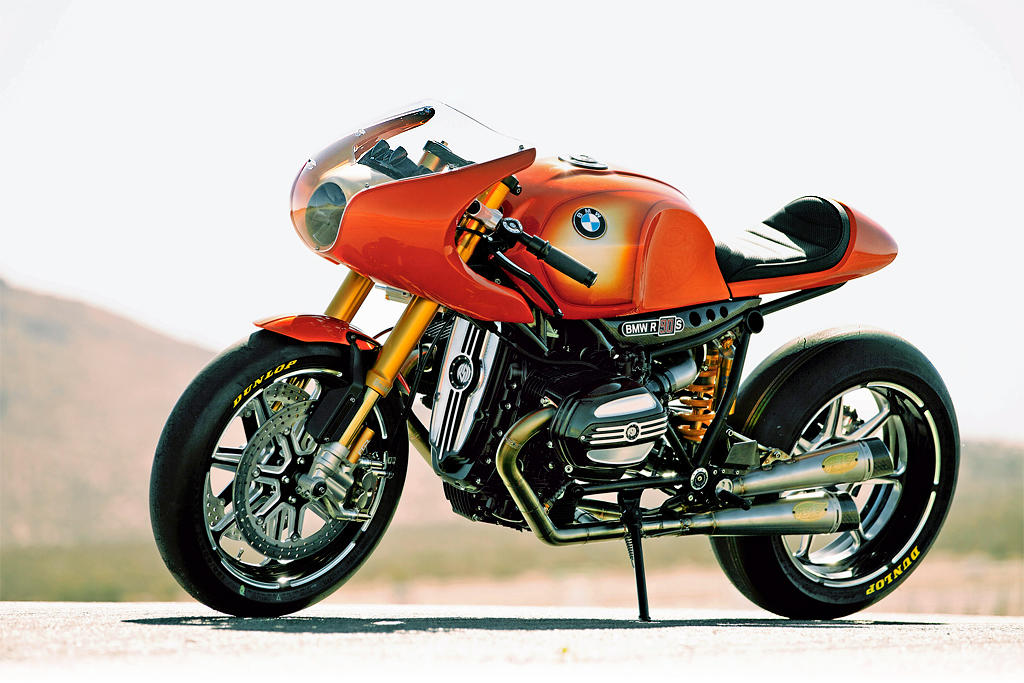
But Stenegärd’s roots are buried deep in the realms of cruisers, cafe racers and classics. He had known the legendary custom motorcycle builder, Roland Sands for many years and approached the latter about building a custom BMW. Stenegärd showed Sands what his team had been working on and the latter was intrigued. They went on to work together on the Concept 90.

Up to that point, BMW Motorrad was without a specific model to commemorate their 90th Anniversary in 2013. In the end, it was Stenegärd’s design for the R nineT which they chose.

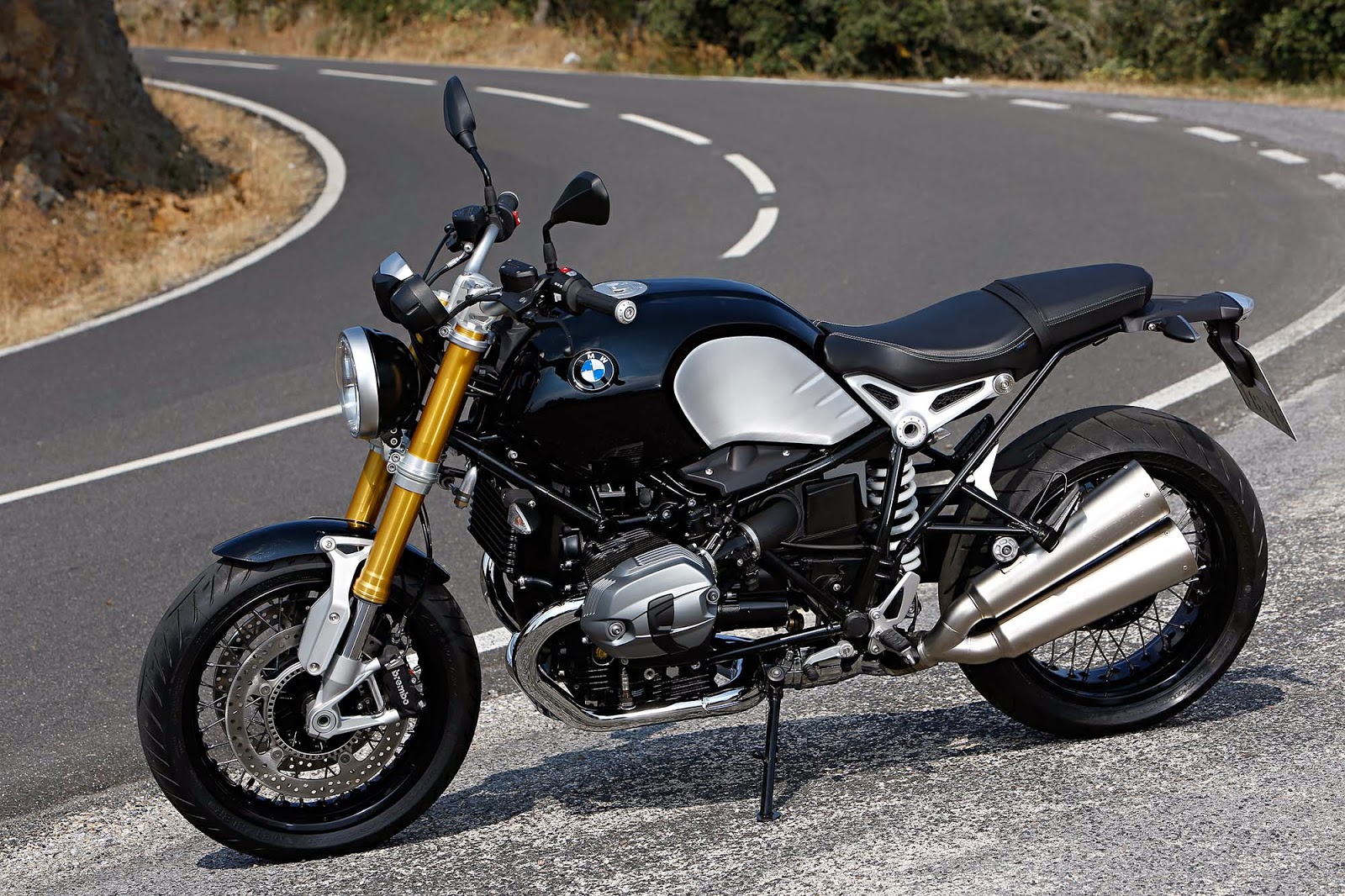
The R nineT went into production soon after and it began the the legacy of an entire range of motorcycles based on the R nineT platform. The R nineT family now includes the base R nineT, R nineT Scrambler, R nineT Pure, R nineT Urban G/S and the beautiful R nineT Racer. Furthermore, BMW Motorrad has recently entered the small-displacement, lightweight market G 310  R.

Click here for Part 3: David Robb

Click here for Part 2: John Britten

Click here for Part 1: Fabio Taglioni

  • The BMW R nineT Racer is the café racer of the R nineT family

  • It’s a modern retro which draws its lineage to the R90S

  • Good handling, torquey engine and great looks are its hallmark

I once dated a girl who was gorgeous, smart and independent, all-in-one. We’ve had so much to talk about, so much to share, including our passion for movies, music, the high life and motorcycles.

She was quite tall, had a nice chassis with the right dimensions in the right places. When she smiled, her lips curved bewitchingly. When she looked at me, those eyes burned straight through to my soul, eliciting primal desires I never thought I had.

Everywhere we went, other men would stare unabashedly. They didn’t even bother to grab serendipitous glances at her. I could “read” what was in their heads. Jealous? Yes. Yet I felt proud that she was holding tight onto my arm. Yeah, look all you want, bud, she’s mine. Imma playa and I play for keeps. Nyah nyah.

What more could a man ask for right?

Behind closed doors, on the other hand, it was all her. My opinions never mattered. I gave up on seeing my friends only to find her out partying with hers when I returned home.  I bought her the most expensive I could afford, but it wasn’t enough. She complained wherever I brought her, nevermind it cost RM400 for a dinner.

But all those heartaches turned into meaningless gripes as soon as she smiled, and especially when I see the look on the faces of other guys when I’m with her.

What is it with tough love?
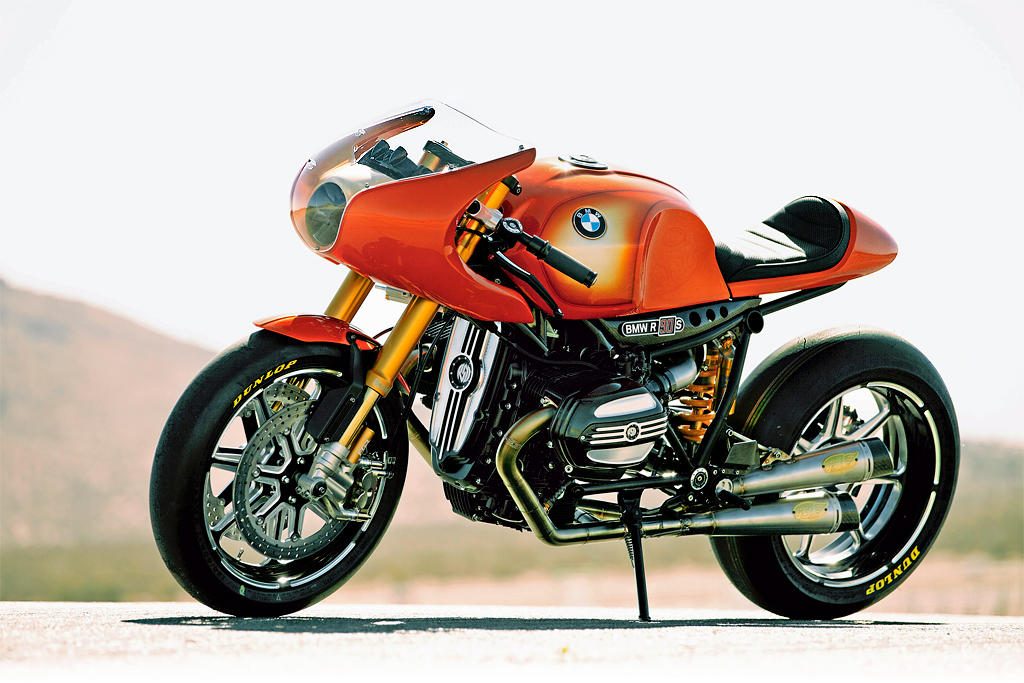
When BMW Motorrad’s chief designer Ola Stenegard approached Roland Sands to “do a BMW,” the famed customizer built the Concept 90 Prototype which drew inspiration from a famed BMW roadracer, the R90S.
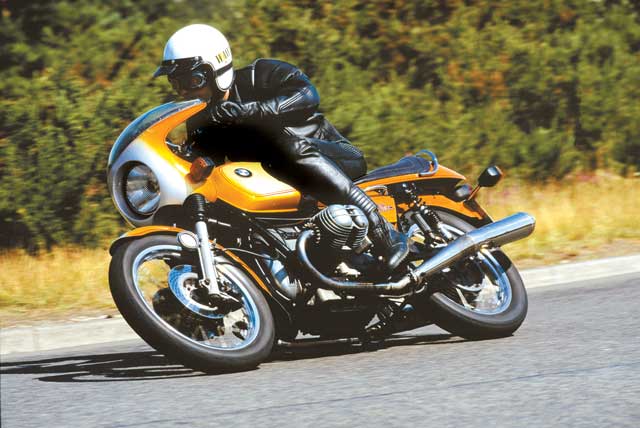
We were excited when we saw the R90 Concept, resplendent in that classic metallic orange paint, retro half-fairing housing a single round headlight. But when production of R nineT got underway, we wondered if BMW Motorrad will ever produce a café racer like the R90 Concept.

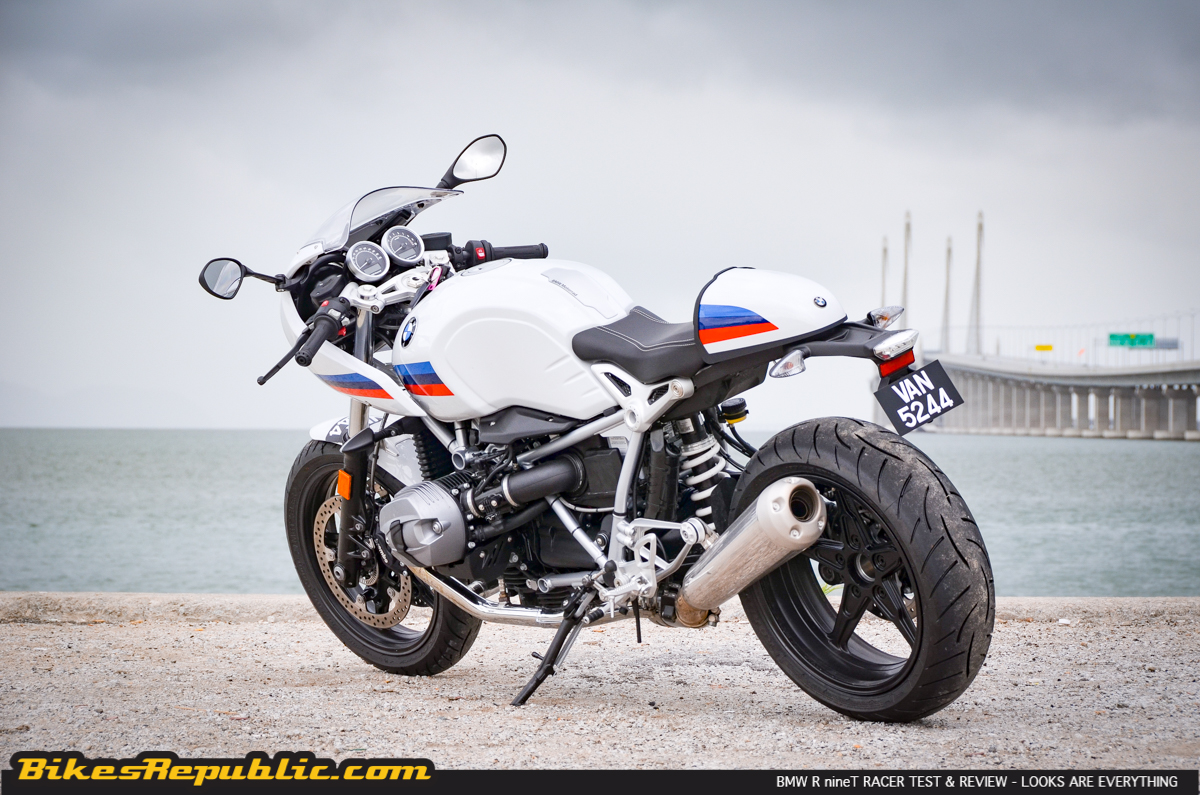
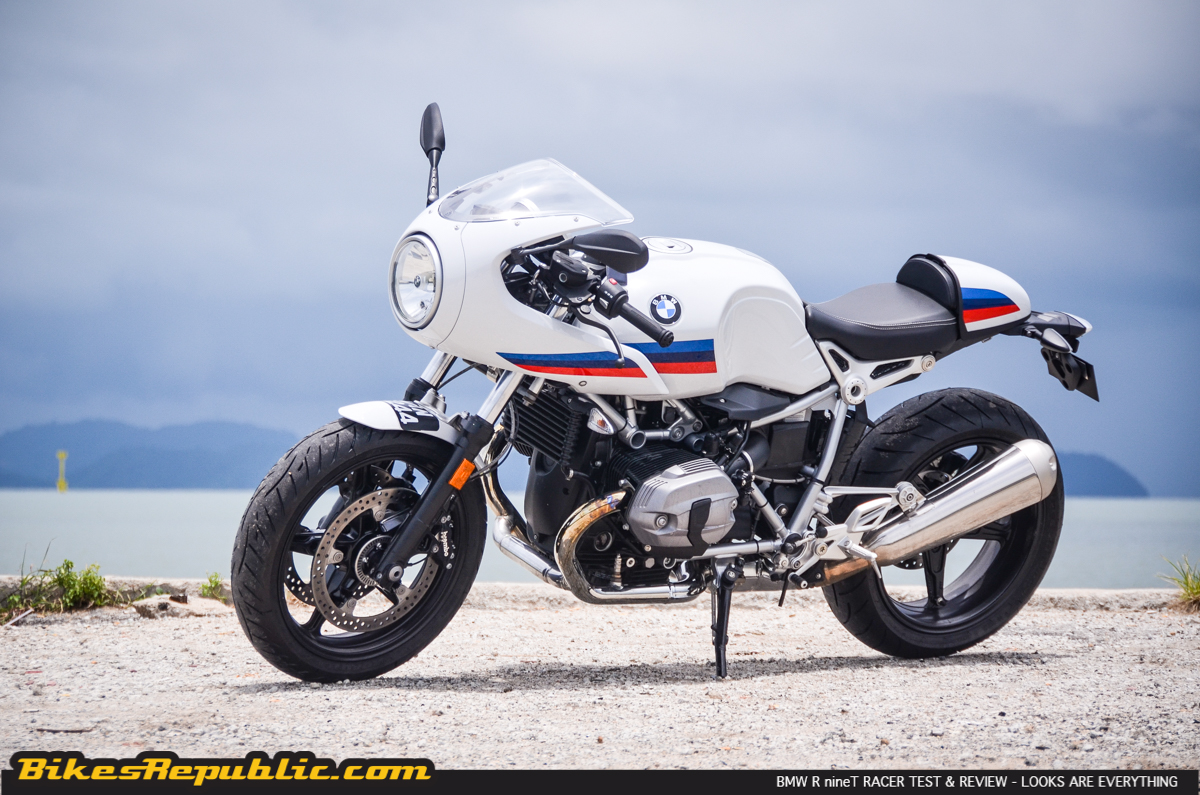
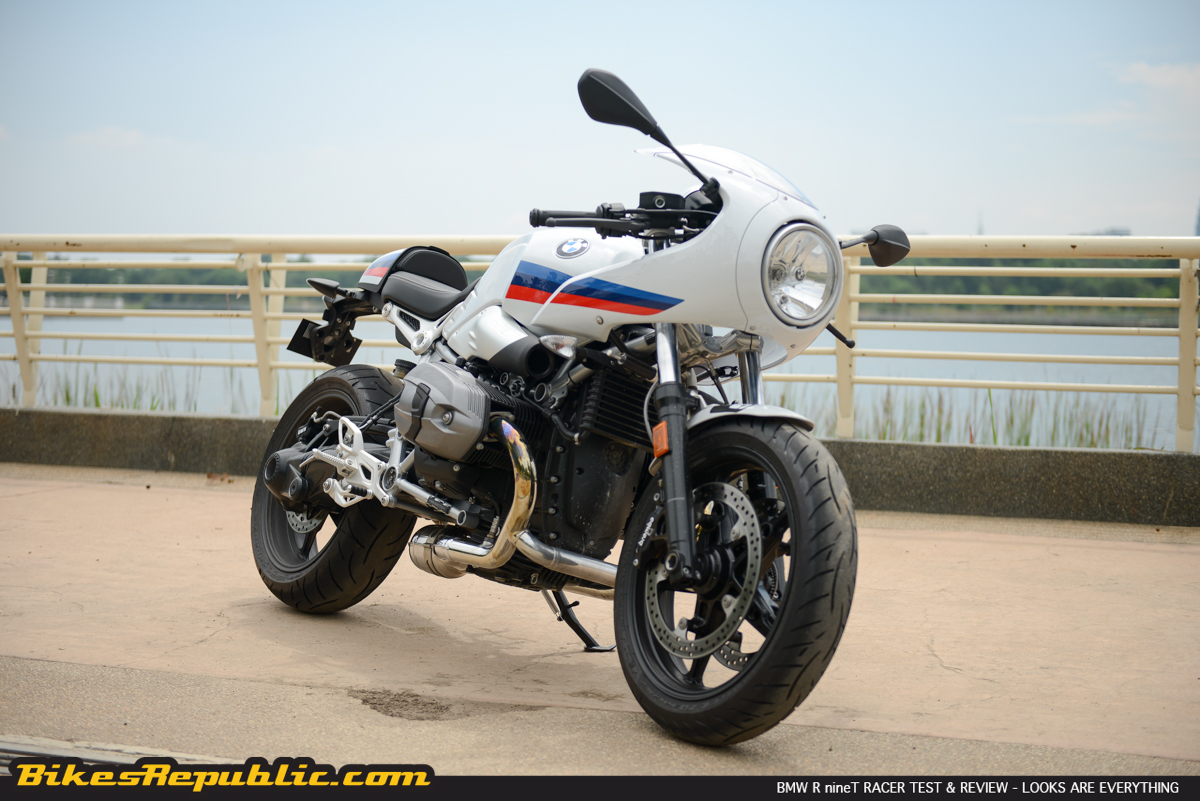
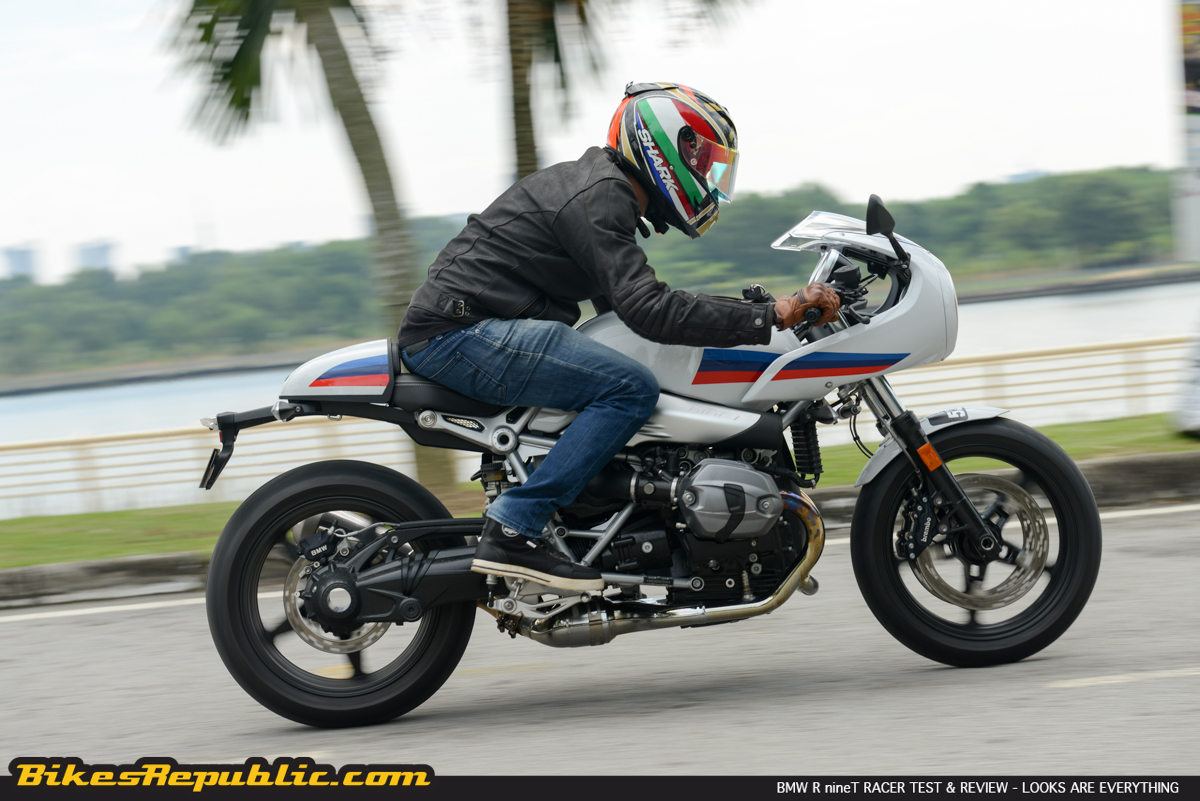
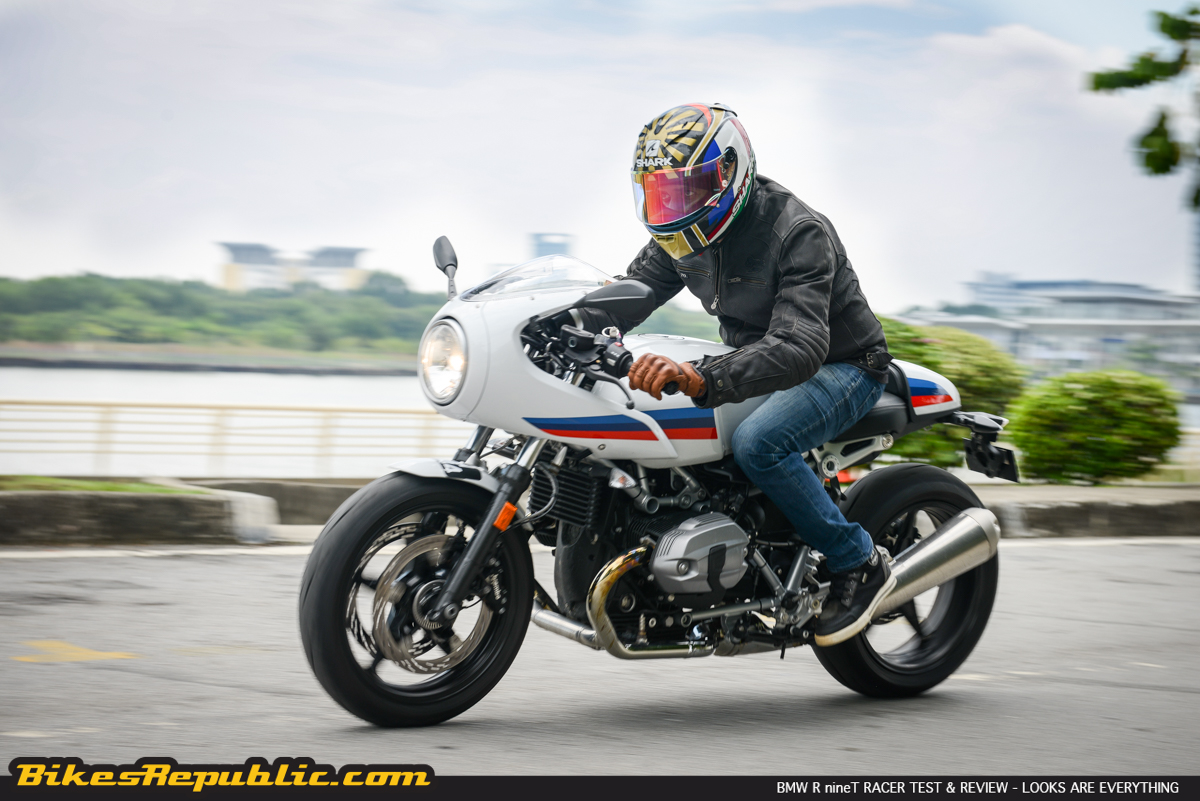
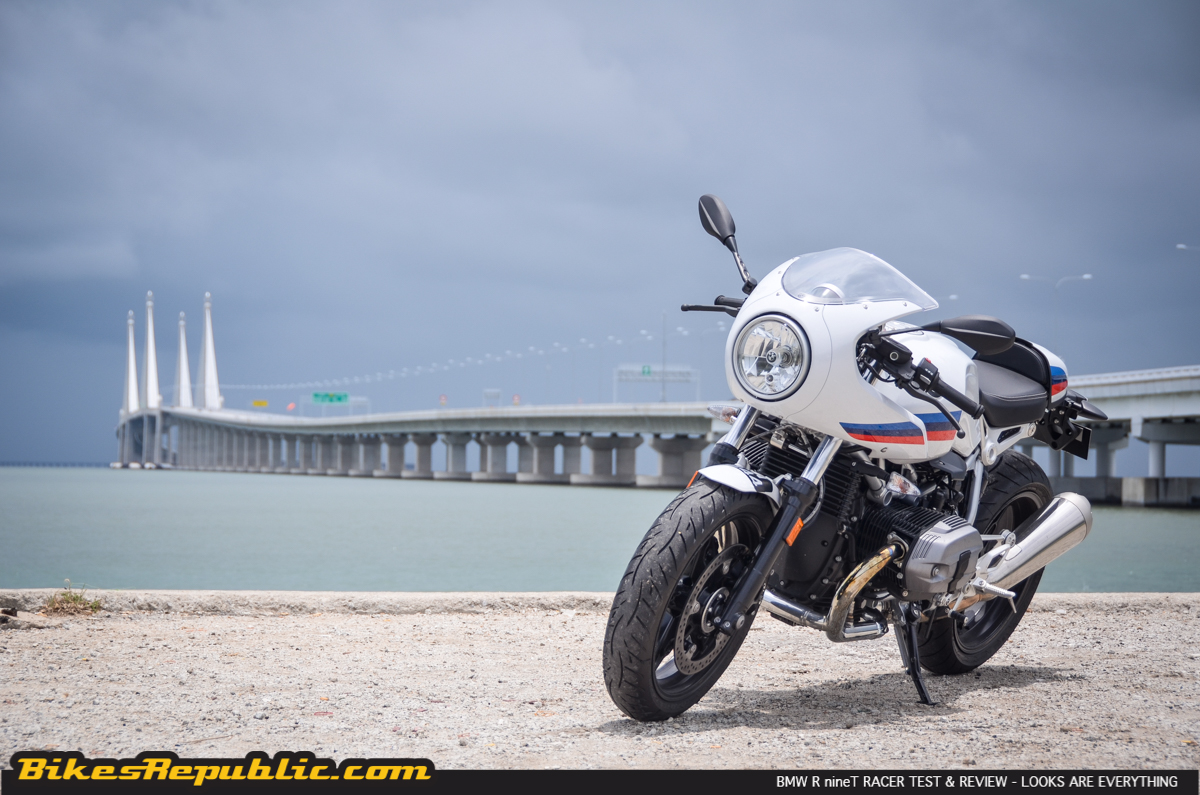
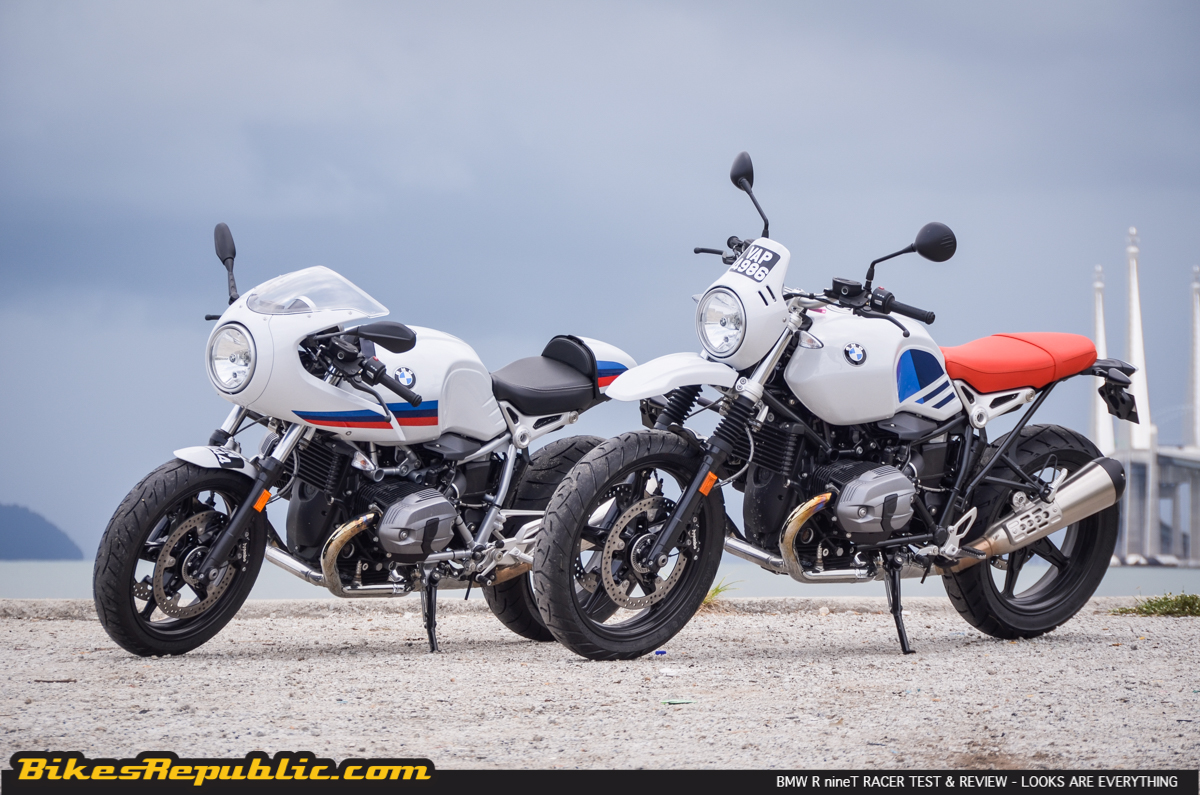
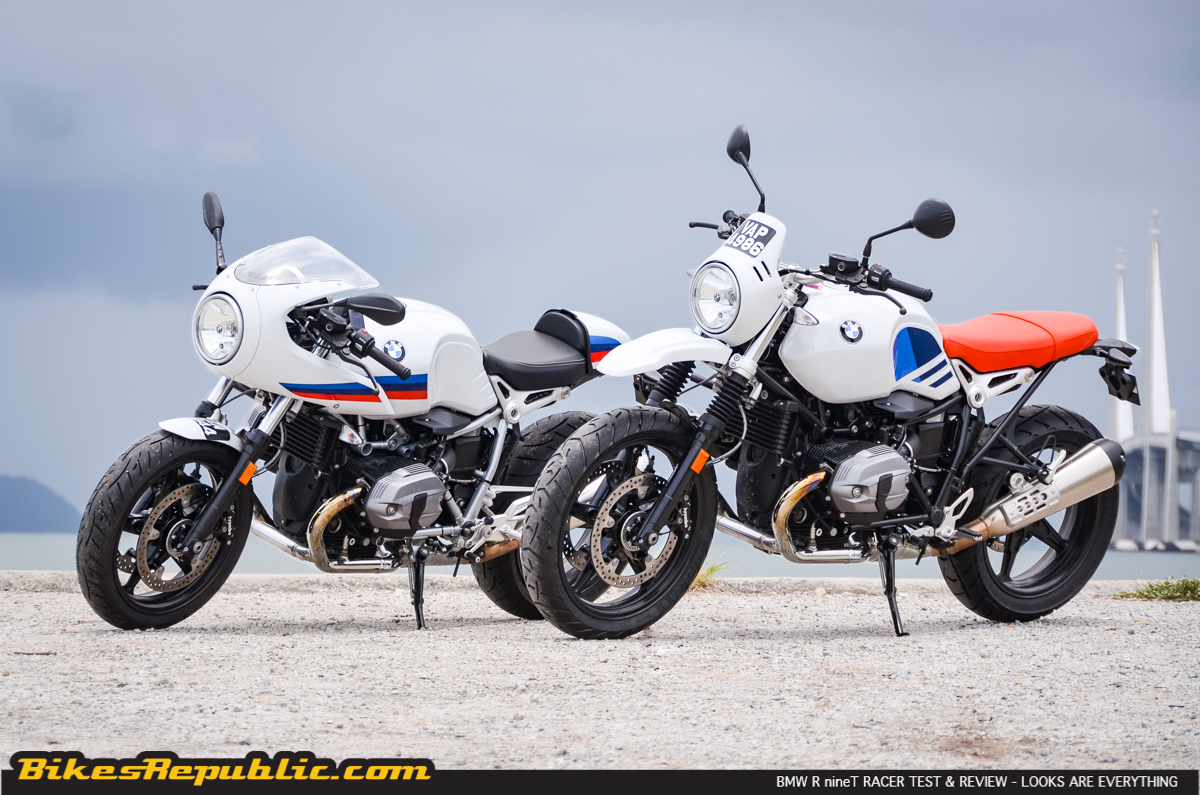
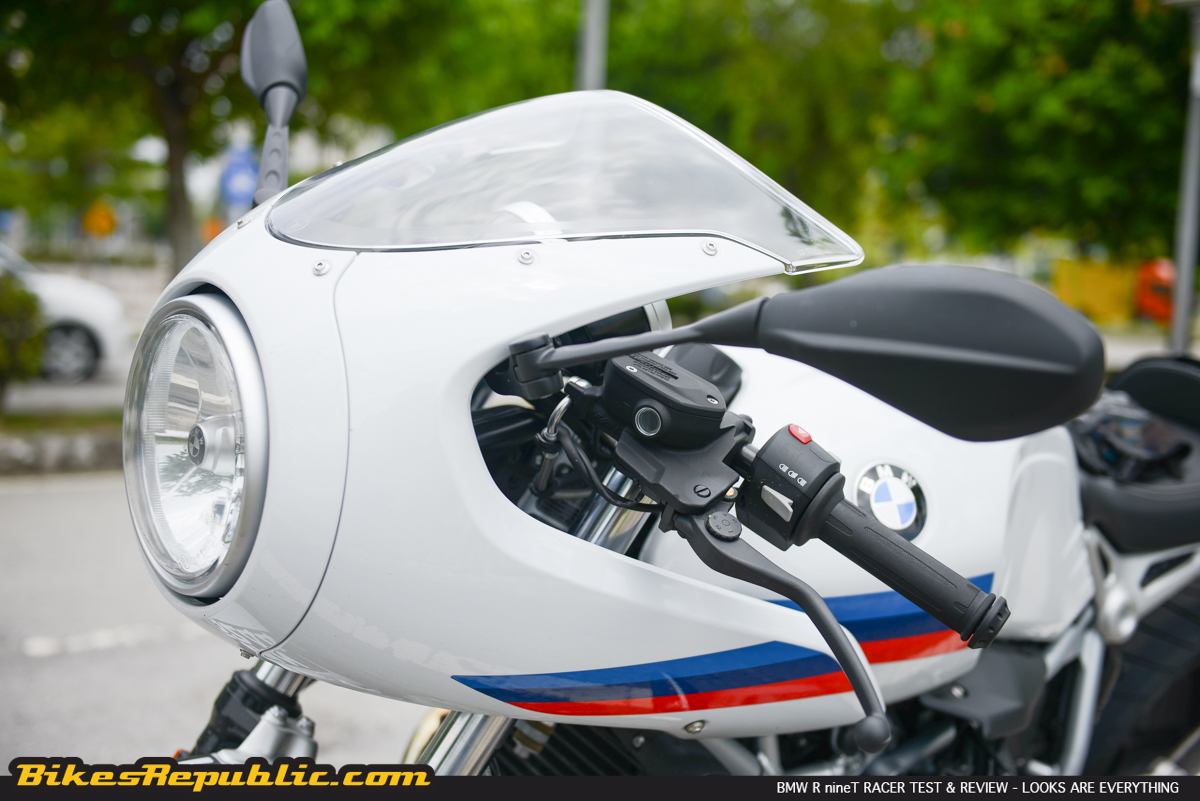
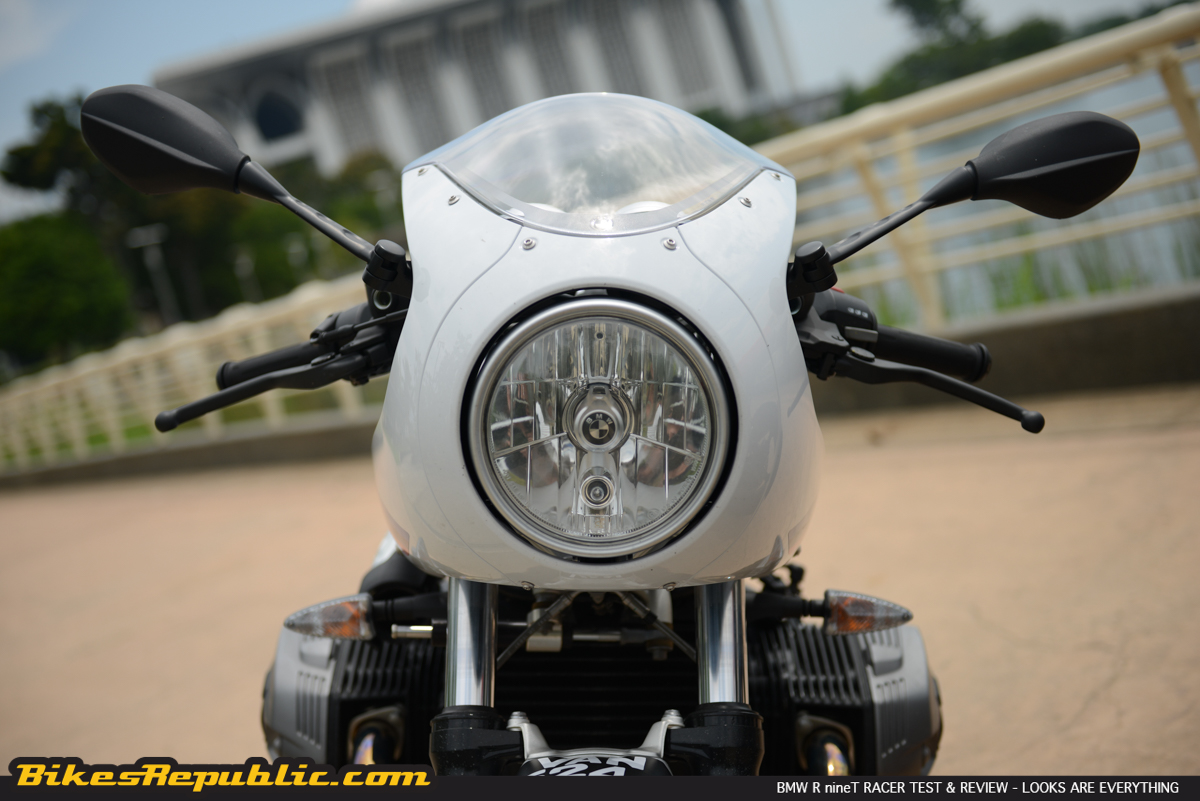
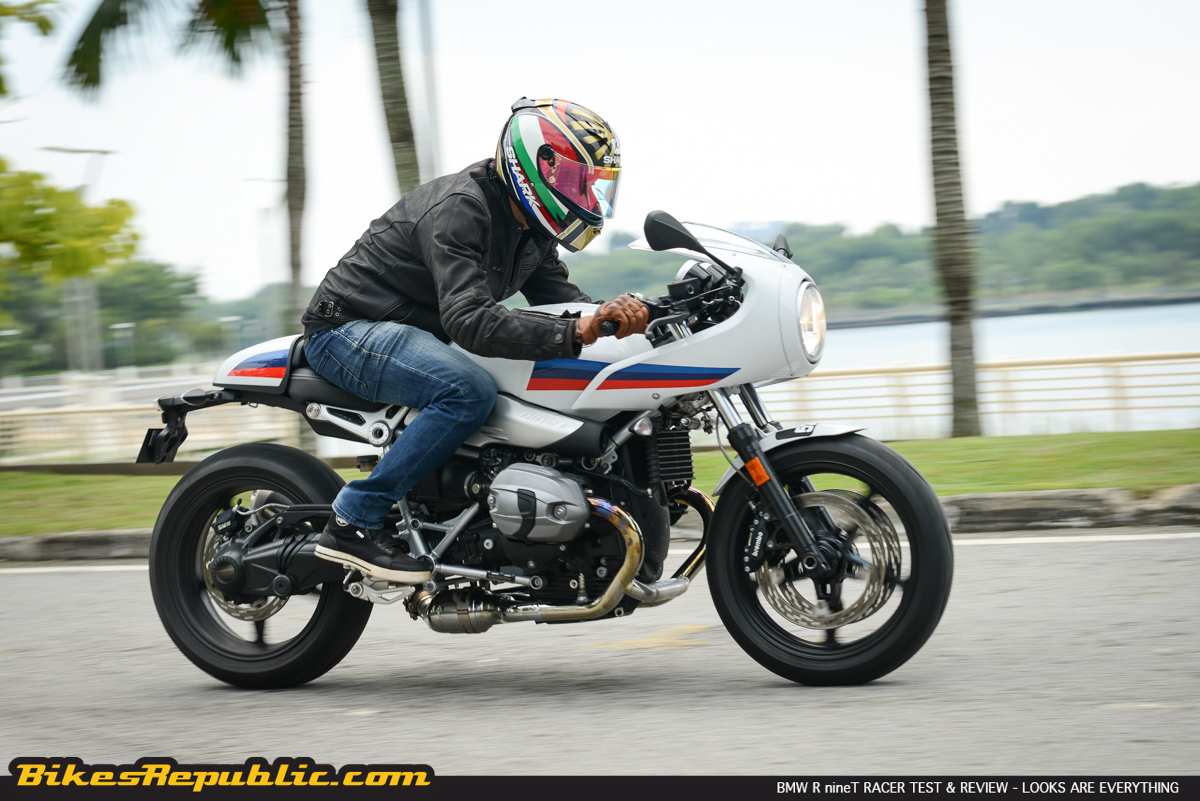
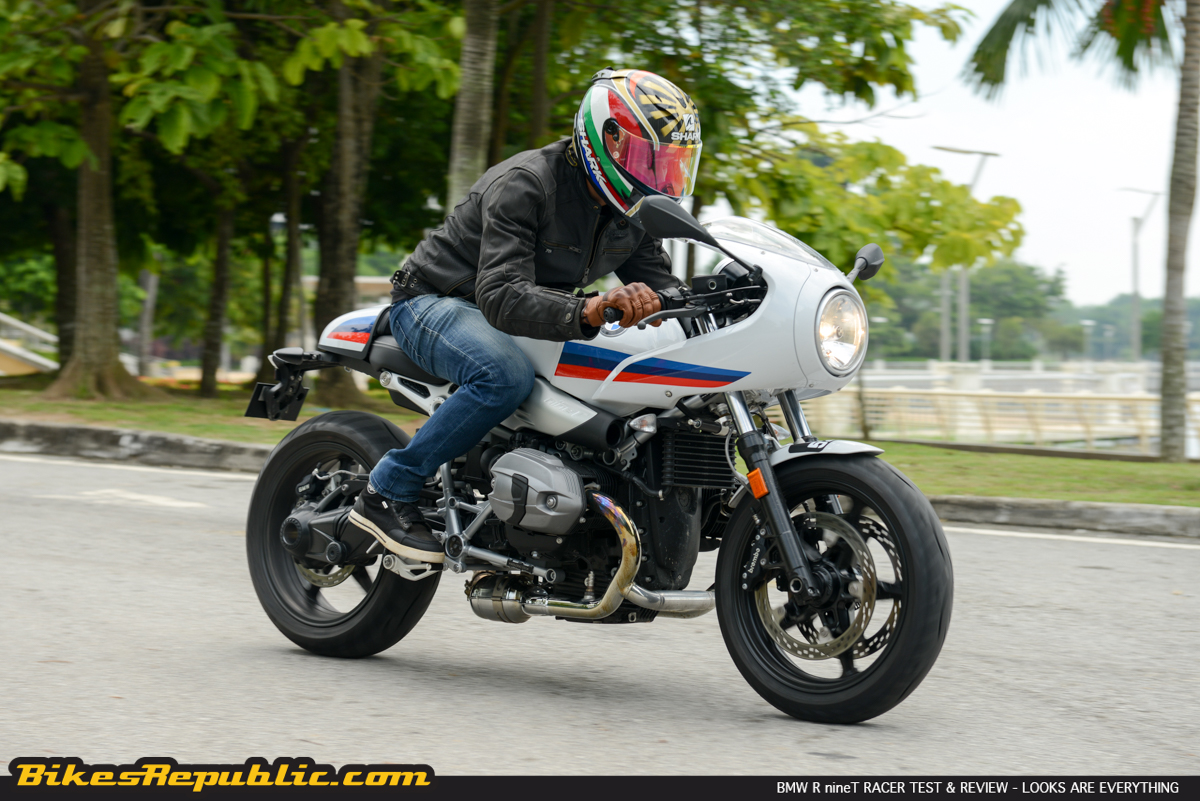
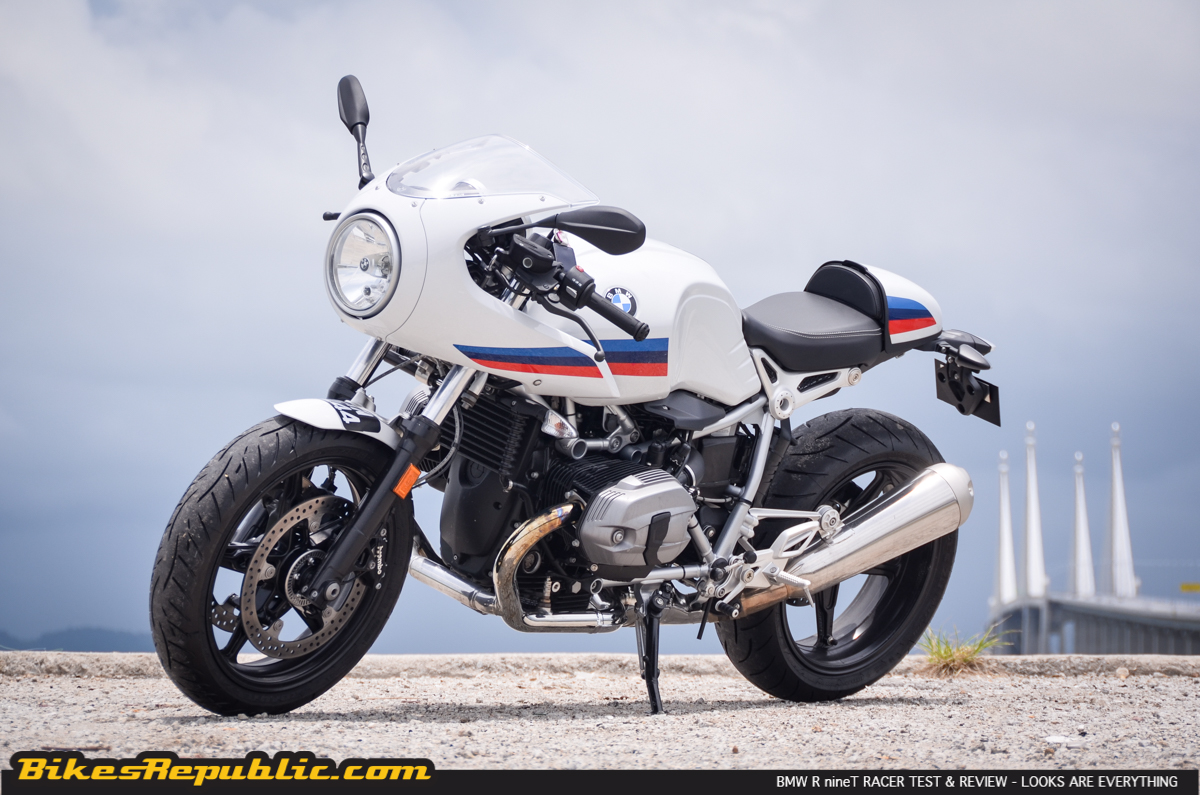
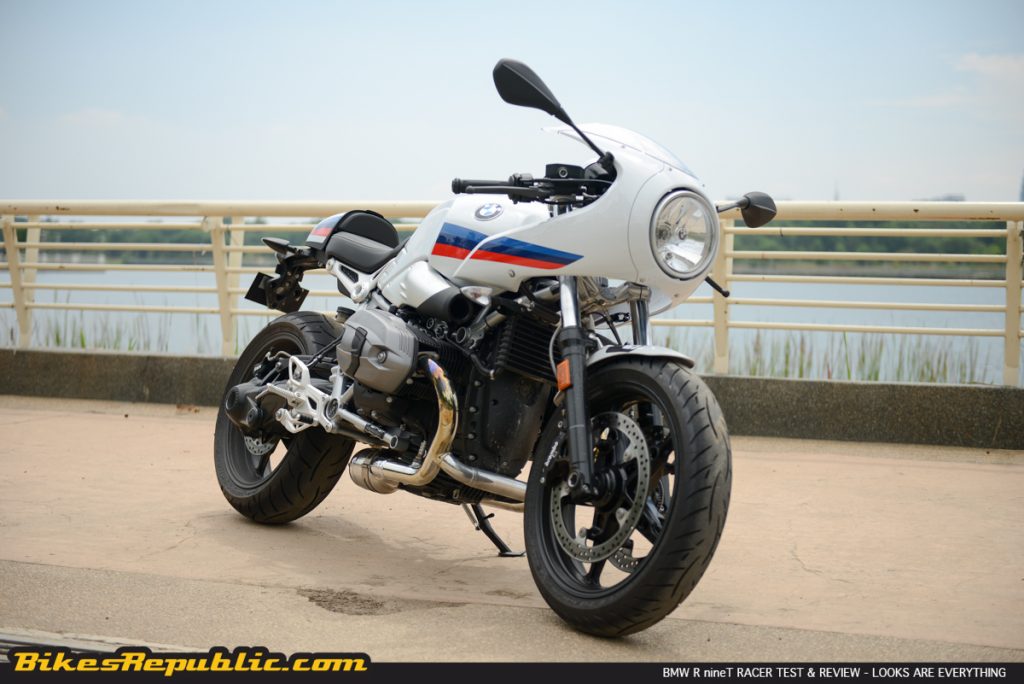
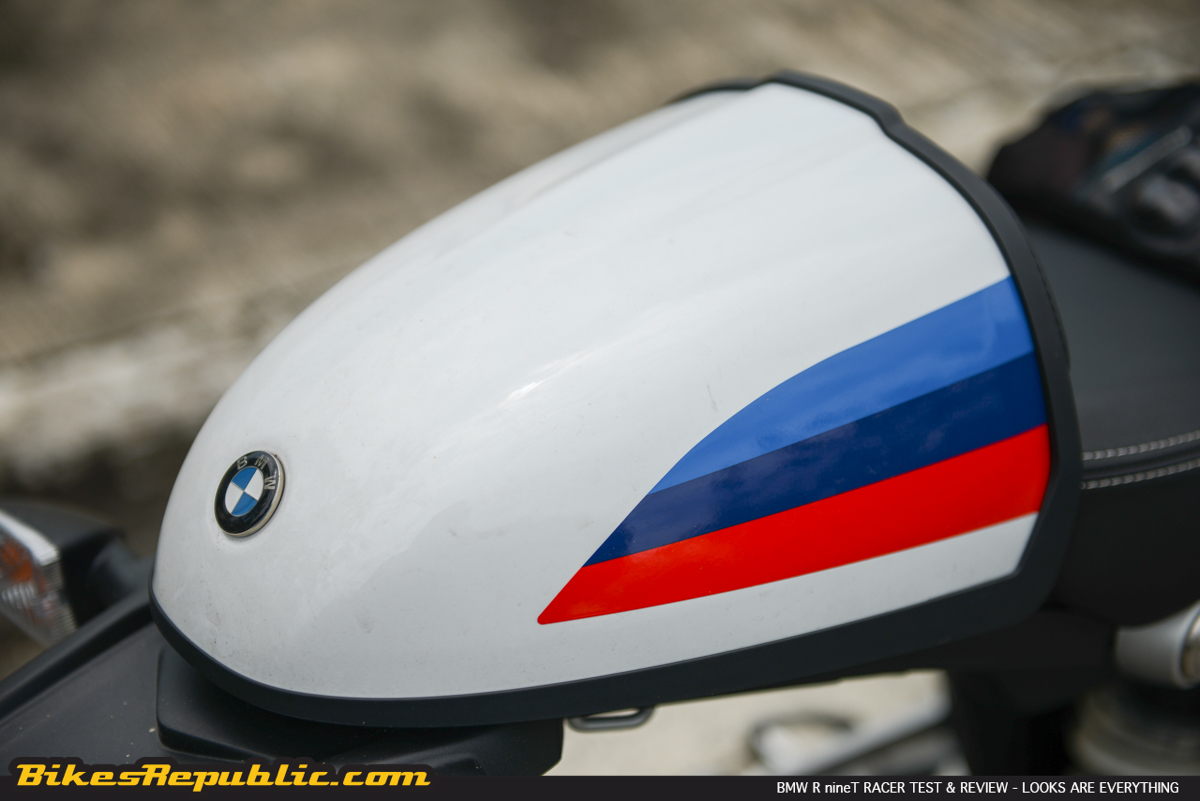
Well, here it is. The BMW R nineT Racer, complete with a frame-mounted half-fairing, clip-on handlebars, small seat, seat hump, and vintage BMW Motorsport paint scheme. Each component seemed to enhance the beauty of another.
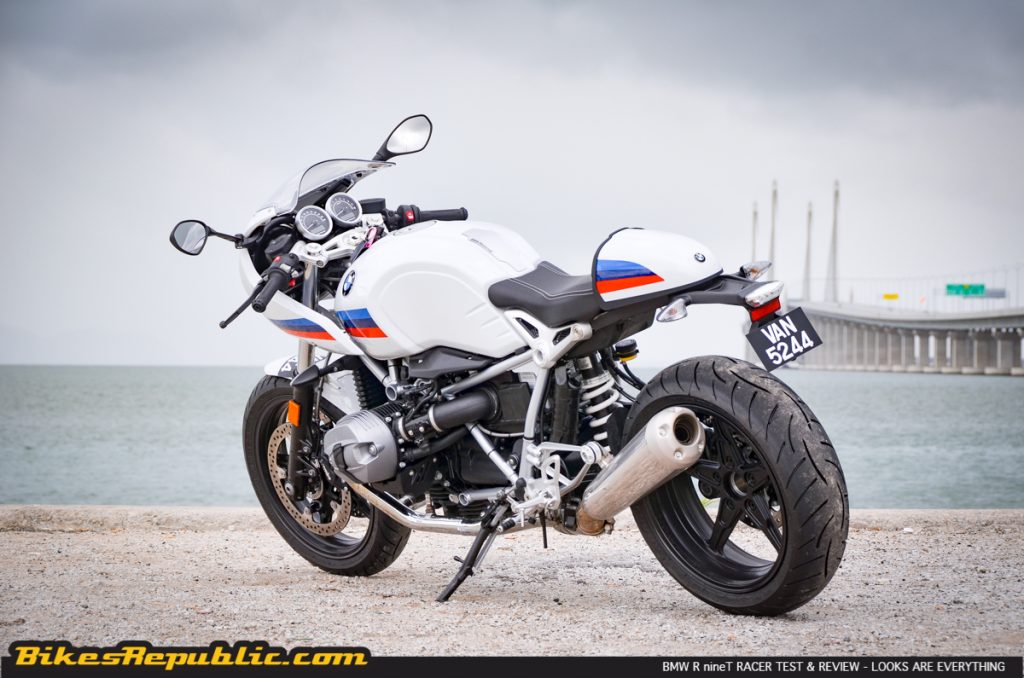
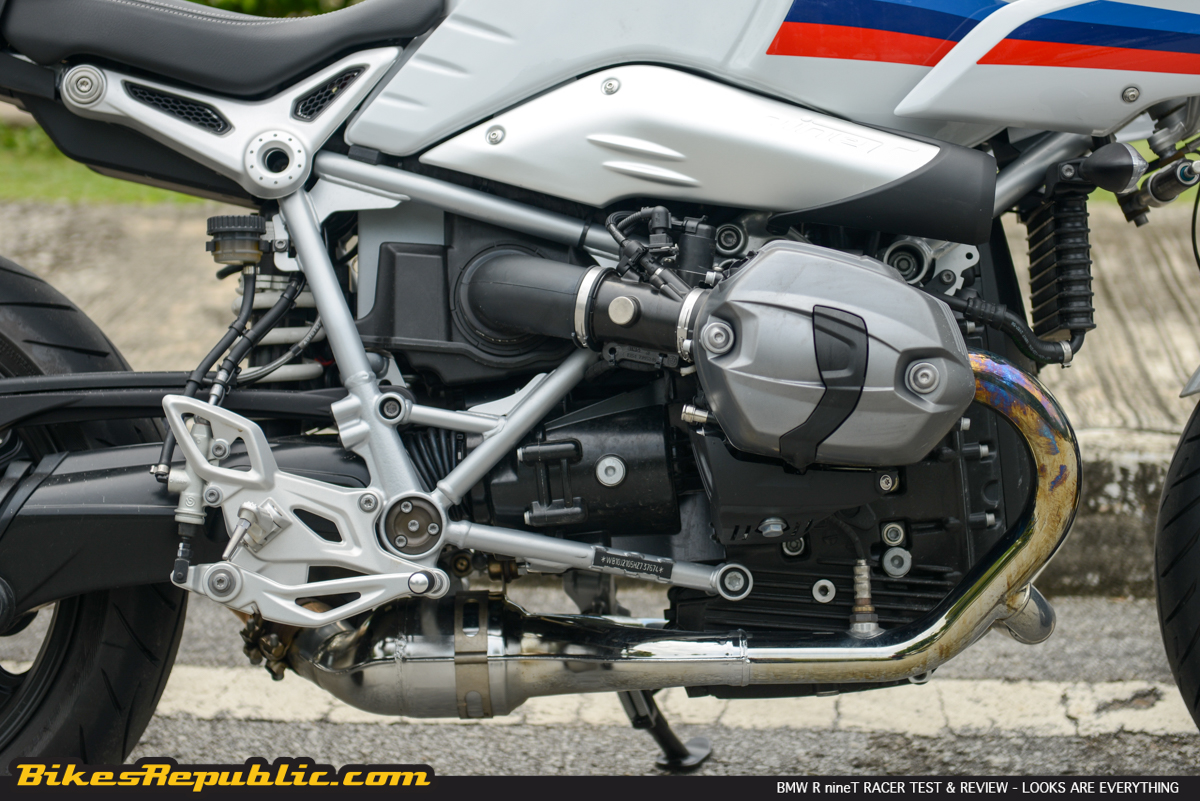
The BMW R nineT Racer is another variant built on the R nineT platform, to complement the base R nineT (click here for our review), R nineT Scrambler, R nineT Pure, and the just-launched R nineT Urban G/S (click here for our review). That means the R nineT Racer shares the 1178cc oilhead Boxer and frame but there’s where the similarity ends.

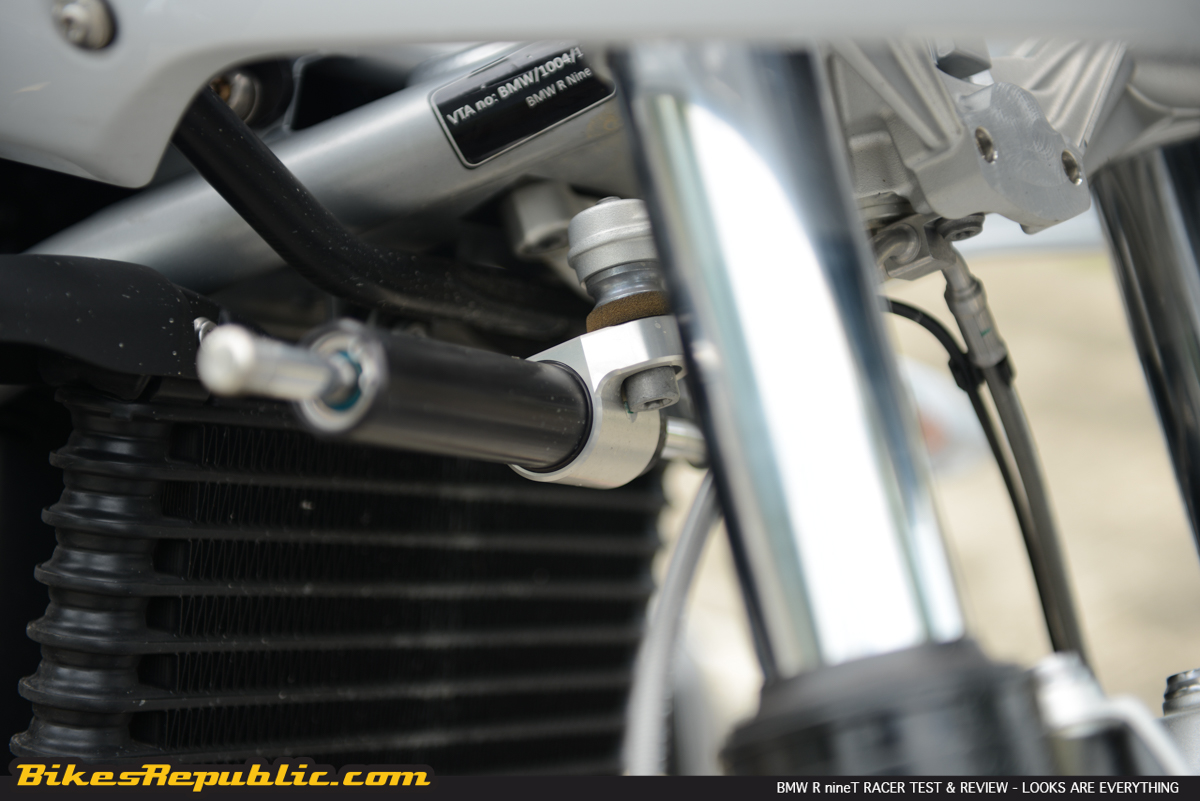
Unlike the base R nineT, The R nineT Racer’s forks are conventional telescopic, non-adjustable units while the fuel tank is steel instead of aluminium. The wheels are 17-inch cast aluminium ones, instead of cross-spoked ones.
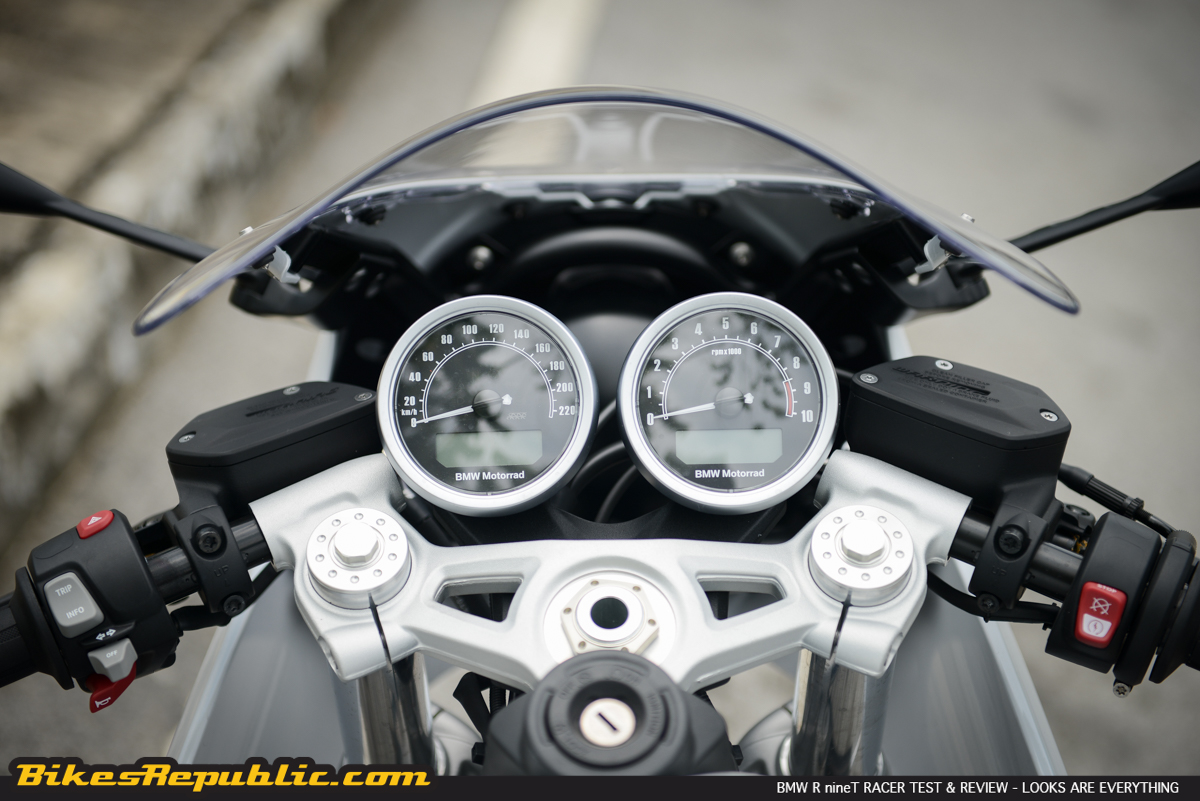
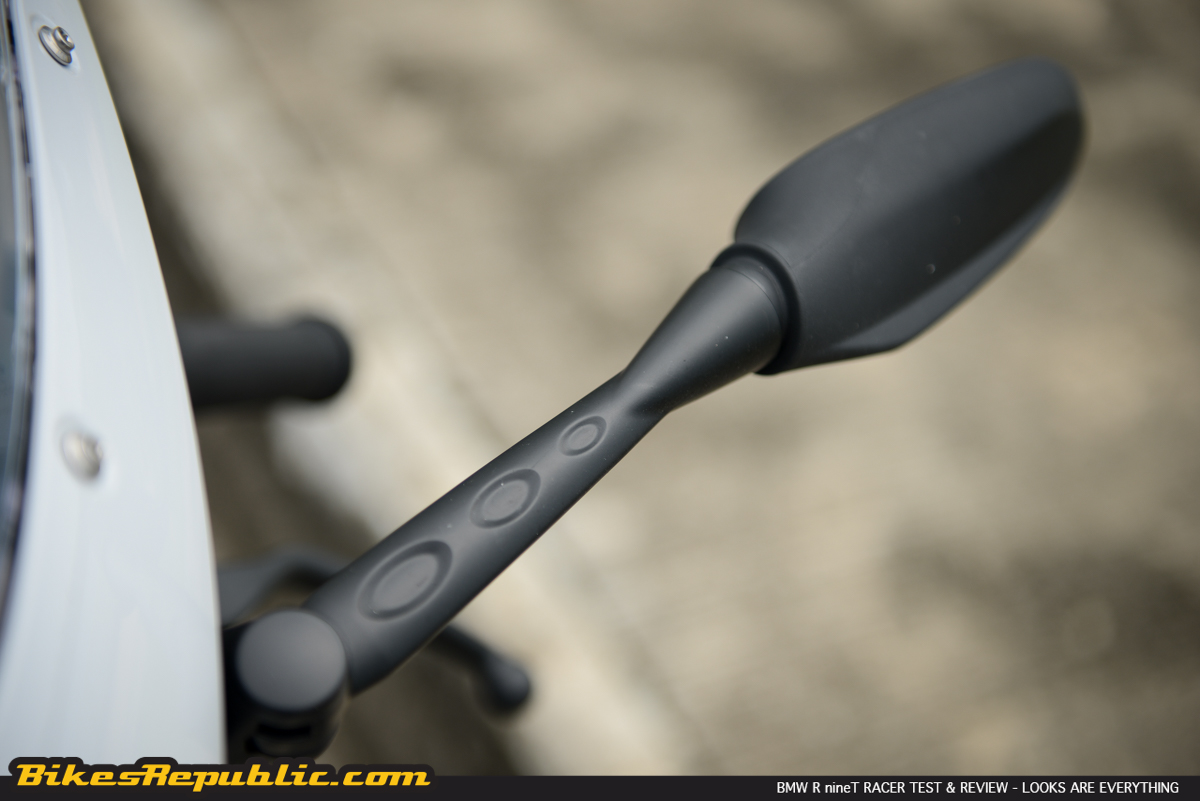
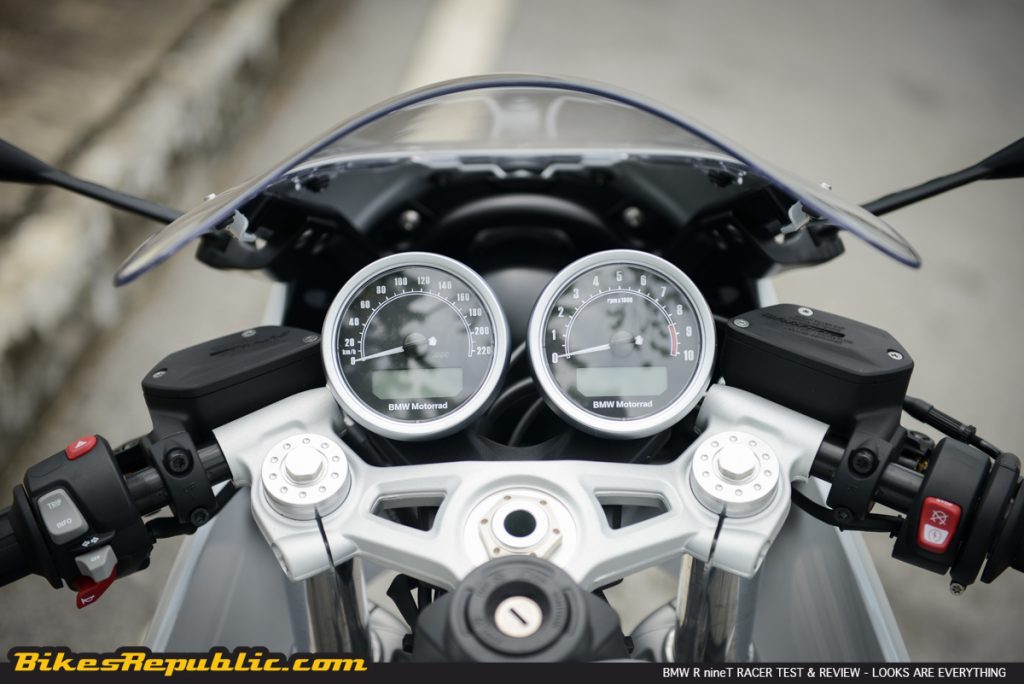
Behind that fairing’s bubble are two analog dials with LCD screens to display different info. No fuel gauge, tho’. Thumb the starter button and the Boxer-Twin comes to life just like the others – with a kick to starboard. But’s that’s the character of the Boxer through the decades. The charm is in how it vibes and rocks the mirrors, reminding you that it’s alive rather than merely “ON.” It fuels impeccably throughout the rev range, which puts more emphasis on torque rather than all-out horsepower.
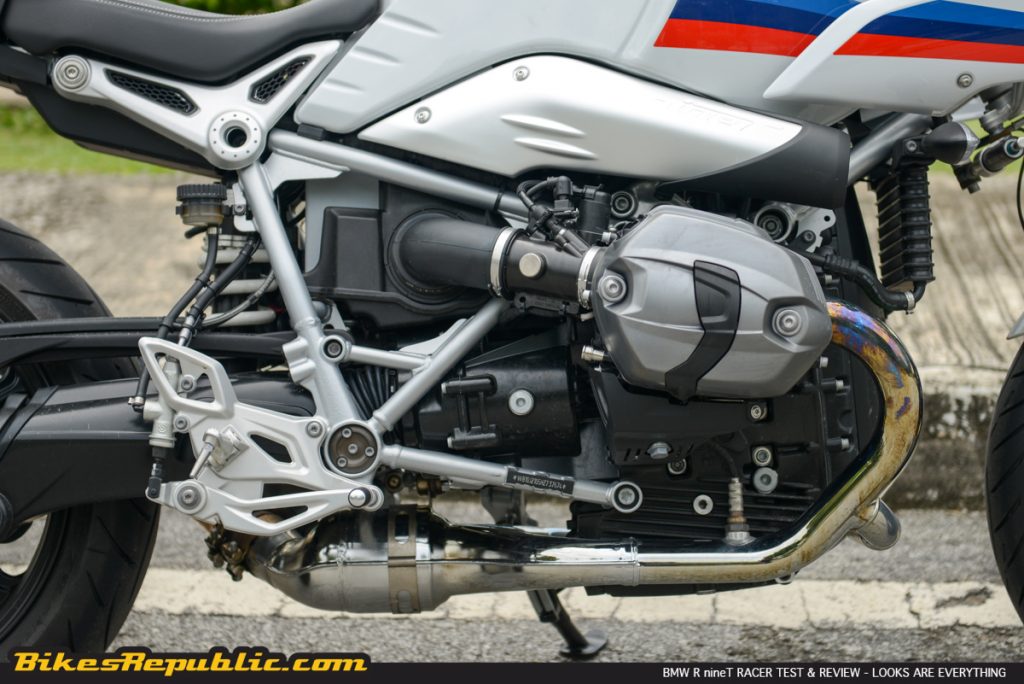
On the handling front, the Racer isn’t a bike you’d just throw into a corner. The long wheelbase, generous rake and trail, low height produces a bike that absolutely revels in long, high speed sweepers like those you find near the Menora Tunnel and Karak. But once it’s on its side, it’s battleship steady. The suspension is supple to deal with road irregularities despite being “low tech.”
Those Brembo front brakes are strong, though. Give it a hard two-fingered squeeze to suddenly and it would seem that your breakfast disagrees with your stomach.

True to its Racer name, the seating position is stretched out – long reach to the handlebars, torso low down onto the tank, feet back, knees up and bum offered to the sky gods. Just like a 70’s and 80’s racebike. Or a road race bicycle. Mass centralization be damned. Having owned a Cagiva Mito and Ducati 916 in the early 90’s, the R nineT Racer’s riding position didn’t seem too foreign, unless compared to contemporary sportbikes such as the S 1000 RR.
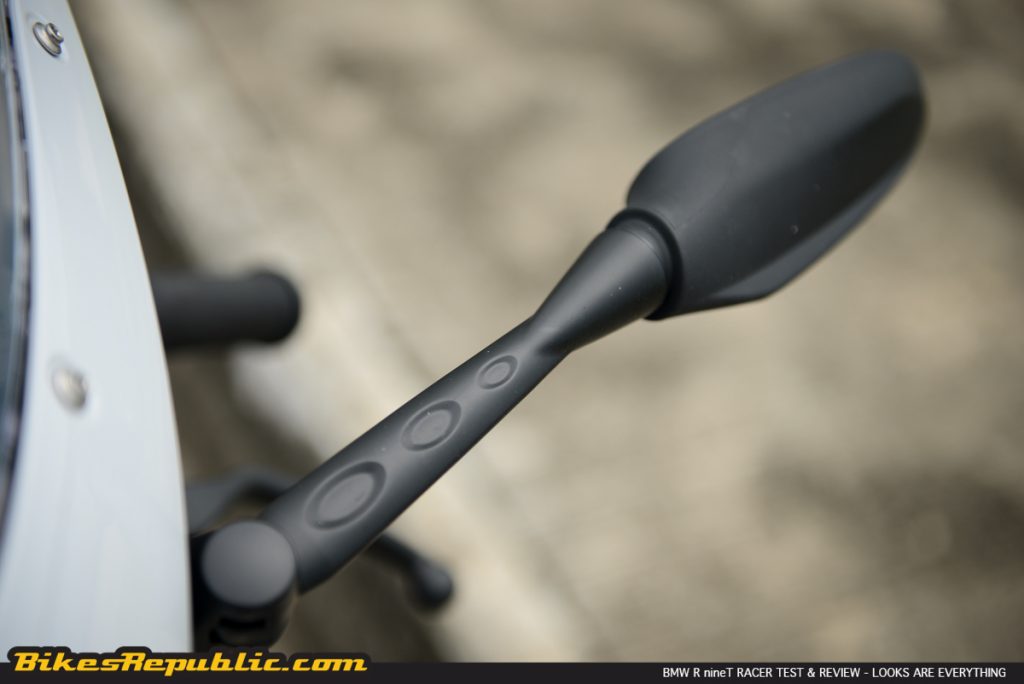
Of course, it’s more tiring compared to bikes with sit up riding position. With all that tank gripping, upper torso being supported by muscles in the lower back and core, you need to stretch yourself out when you stop after riding for 150 kilometres or so.

Still, I rode the bike from Penang to the Sg. Buloh R&R with a bagpack filled with my laptop, camera, clothes and toiletries strapped to my back, but I didn’t come away looking like the Igor from Notre Dame.
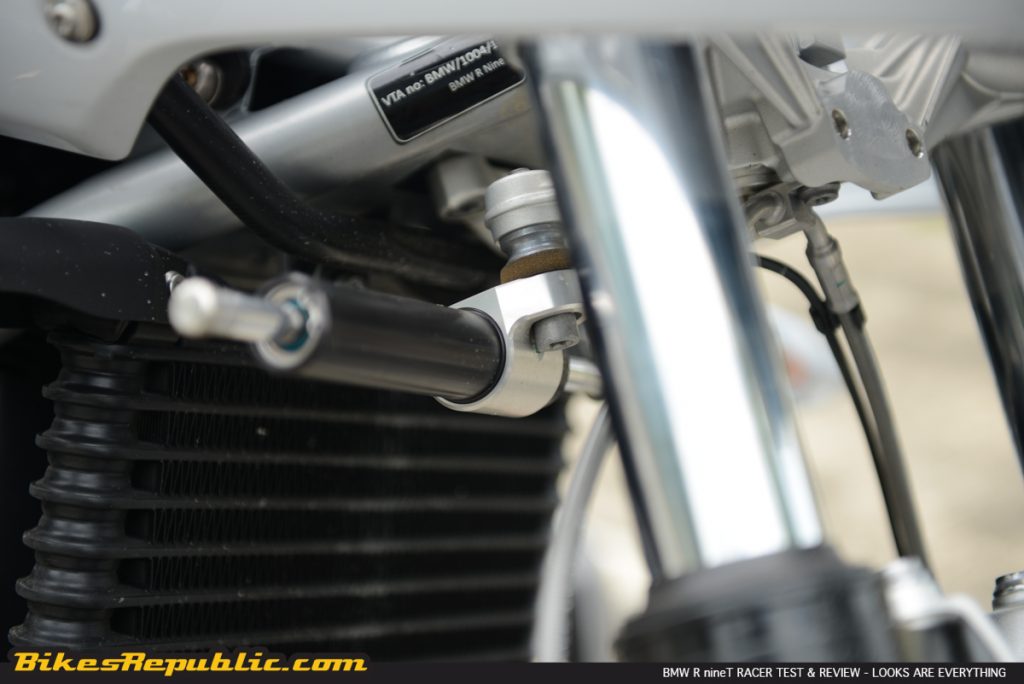
The engine is already good, but what really makes the R nineT Racer a great bike is its awesome looks. And it is drop dead gorgeous. The Malaysian populace at large has mostly grown familiar to big bikes and not many superbikes will grab their attention anymore.

But not the R nineT Racer. There seems to be an aura surrounding it.
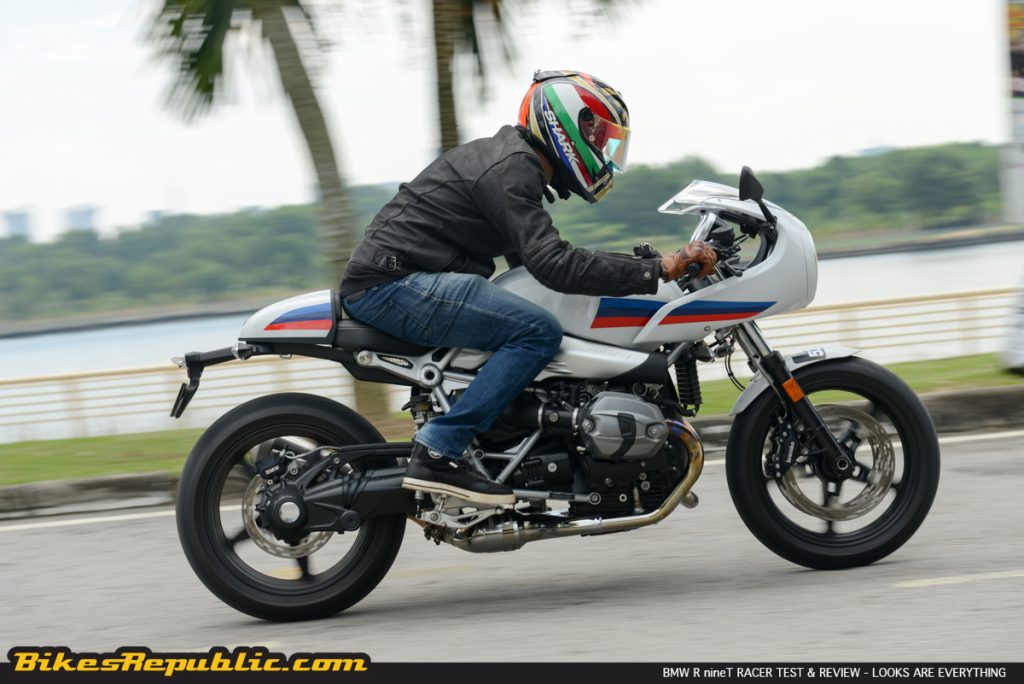
We would return to a crowd surrounding the bike wherever we parked. Conservative uncles would circle around the bike, with huge grins on their faces. Even other bikers will crowd around and started asking a whole bunch of questions. Park the bike anywhere and it seems to light up those premises. Stop at a set of traffic lights and everyone will stare at it like it was Claudia Schiffer.
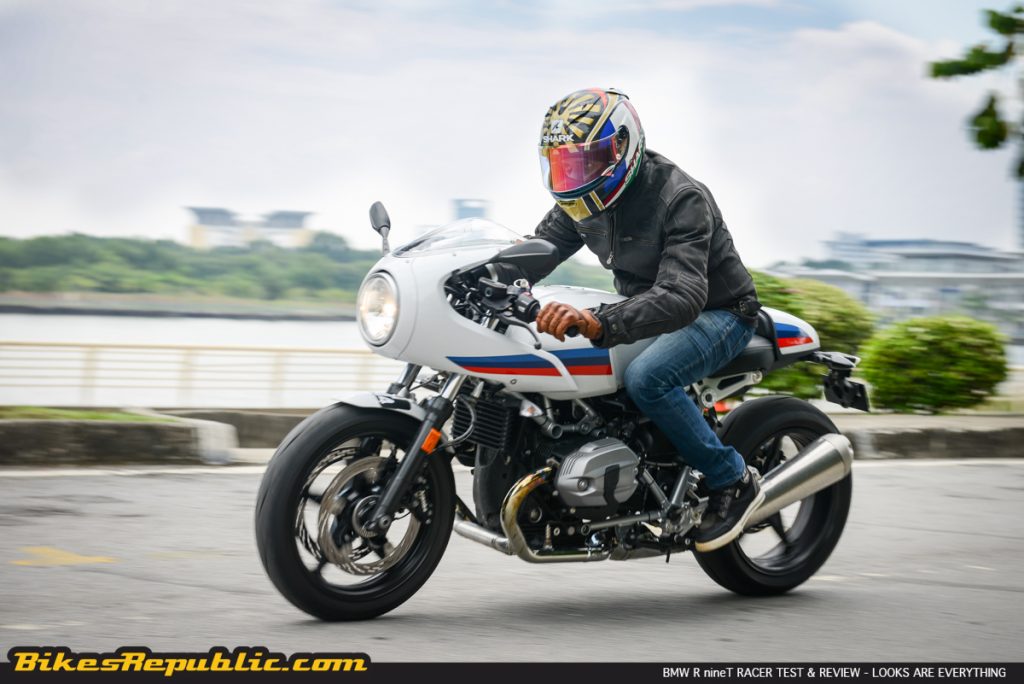
The main question we encountered was, “Isn’t it uncomfortable to be draped over the bike like that?” “No, it’s alright,” was how we answered. And if we were asked which of the R nineT range we would pick, we would answer, “The Racer,” without hesitation.

Guess looks beat tough love anytime.
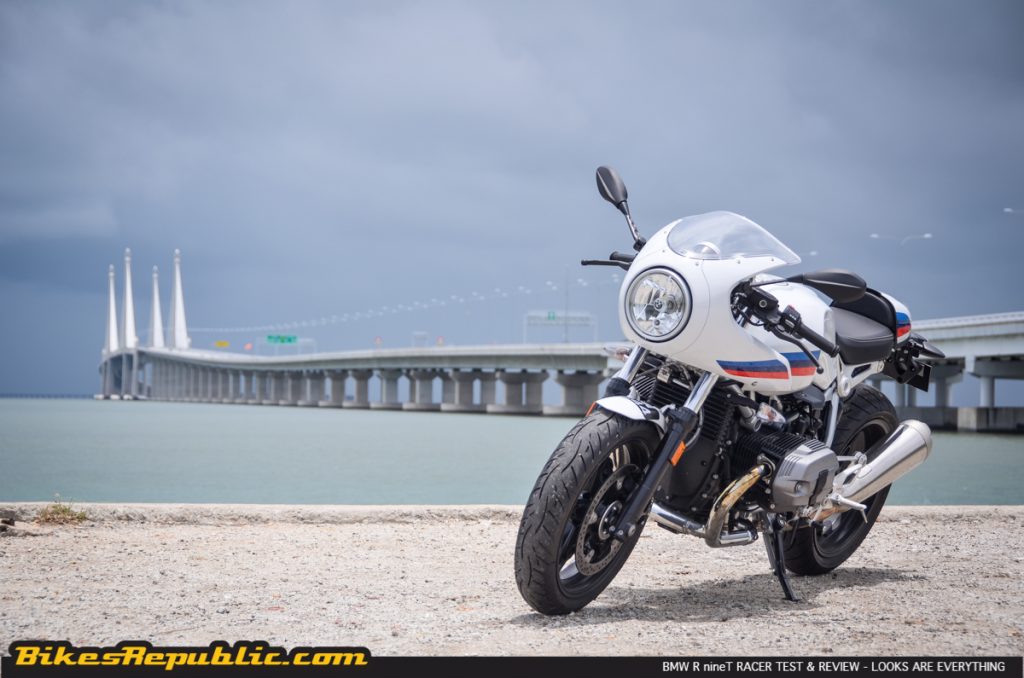
TECHNICAL SPECIFICATIONS

ENGINE
Engine type Air/Oil-cooled, 4-stroke, DOHC, 4 valves per cylinder, horizontally-opposed (Boxer) Twin
Compression ratio 12.0 : 1
Bore X Stroke 101 mm X 73 mm
Displacement 1170 cc
Fuel system Electronic intake pipe injection
Maximum power 110 bhp (81 kW) @ 7750 RPM
Maximum torque 116 Nm @ 6000 RPM
TRANSMISSION  
Clutch Single dry plate clutch, hydraulically actuated
Gearbox Constant mesh, 6-speed, shaft drive
CHASSIS
Front suspension 43mm telescopic forks, 125mm travel
Rear suspension Single central shock absorber adjustable for preload and rebound damping. 120mm travel
Front brakes Two 320mm floating discs, Brembo four-piston calipers
Rear brake Single 265 mm disc, Brembo two-piston floating caliper
ABS BMW Motorrad ABS, front and rear
Front tyre 120/70-ZR17
Rear tyre 180/55-ZR17
FRAME & DIMENSIONS
Frame Three-part frame consisting of one front and two rear sections; load-bearing engine and transmission; rear set frame removable for single rider
Swingarm Cast aluminium single-sided swingarm with BMW Motorrad Paralever
Trail 103.9 mm
Rake 26.4 degrees
Wheelbase 1491 mm
Seat height 805 mm
Wet weight 219 kg
Fuel capacity 17 litres


PICTURE GALLERY
Honda has released a short teaser video showing the “Project N.S.C.” which stands for the Honda Neo Sports Cafe.

The 31-second clip doesn’t show much except for a few specs such as LED headlight and indicators plus flat handlebar with a faint sound of an inline-four engine in the background.

The release date has been announced on 6 November 2017 which is during the EICMA 2017 or Milan Motorcycle Show.

As we head closer and closer to the big international motorcycle show in Milan, Italy that is EICMA 2017 (Esposizione Internazionale Ciclo Motociclo e Accessori) or the Milan Motorcycle Show, manufacturers are slowly releasing their teaser videos to give us a taste on what it’s going to be like. (more…)

 
Watch our first impression video on the soon to be launched Modenas Dominar 400!

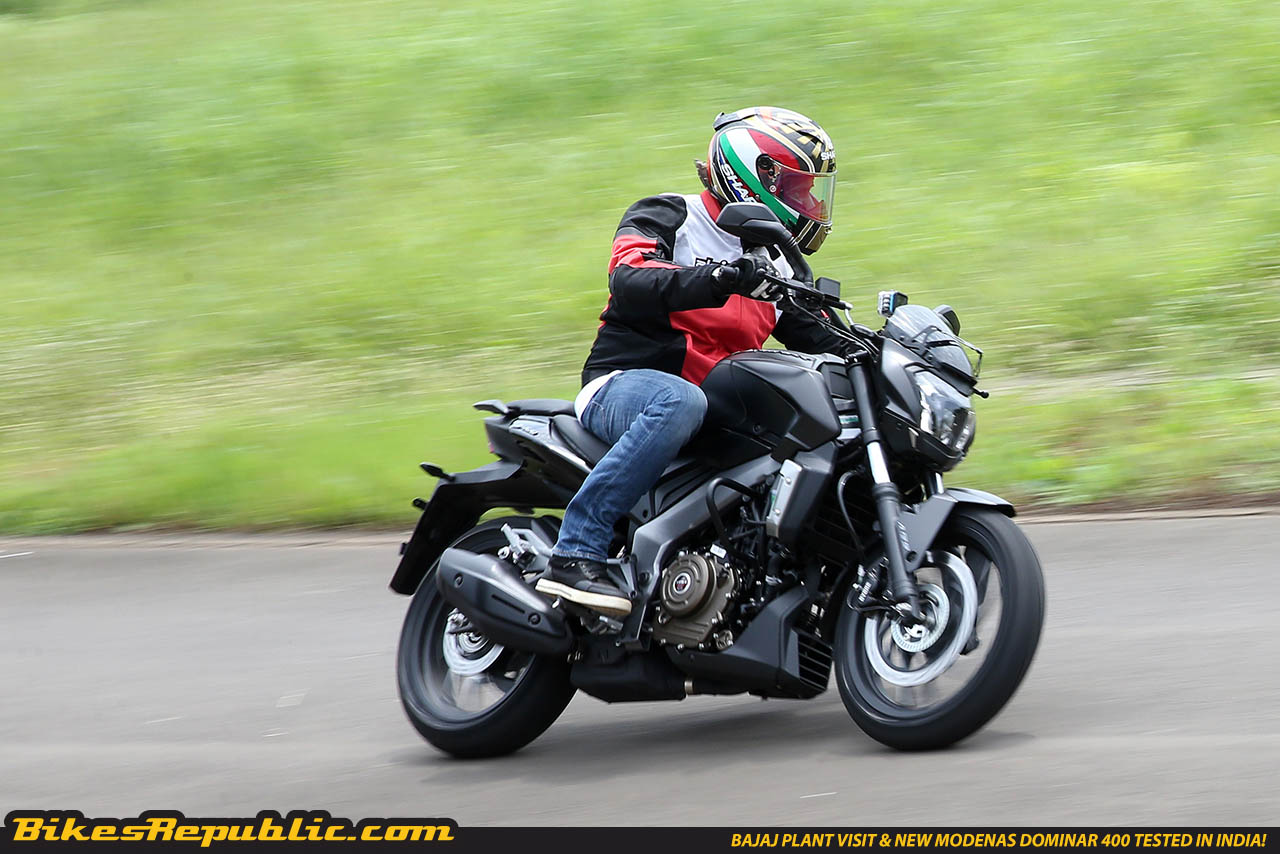
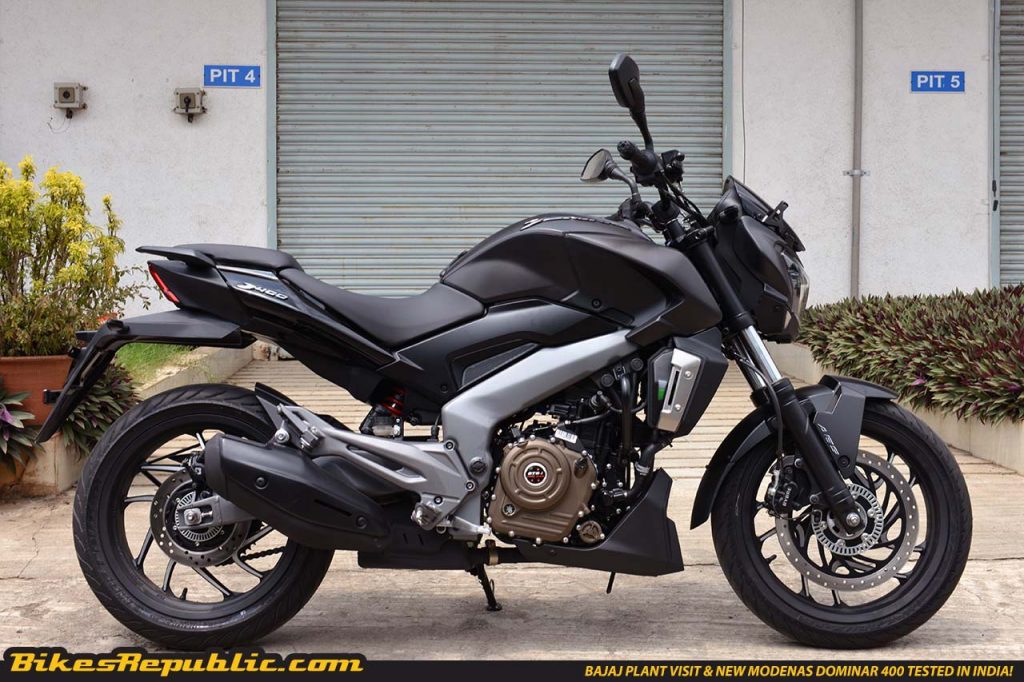
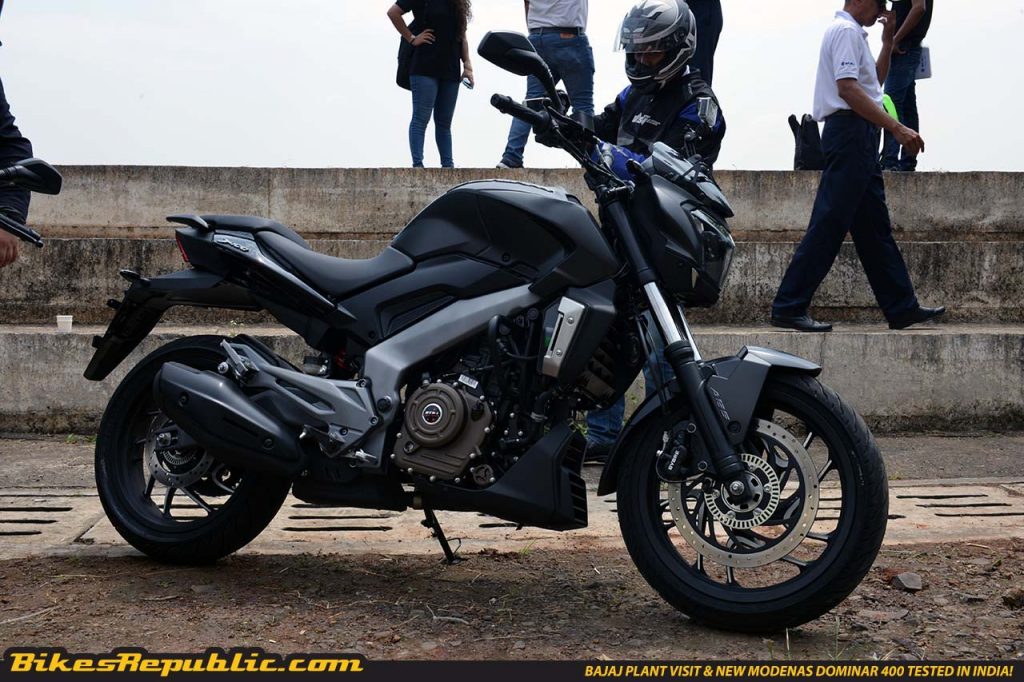
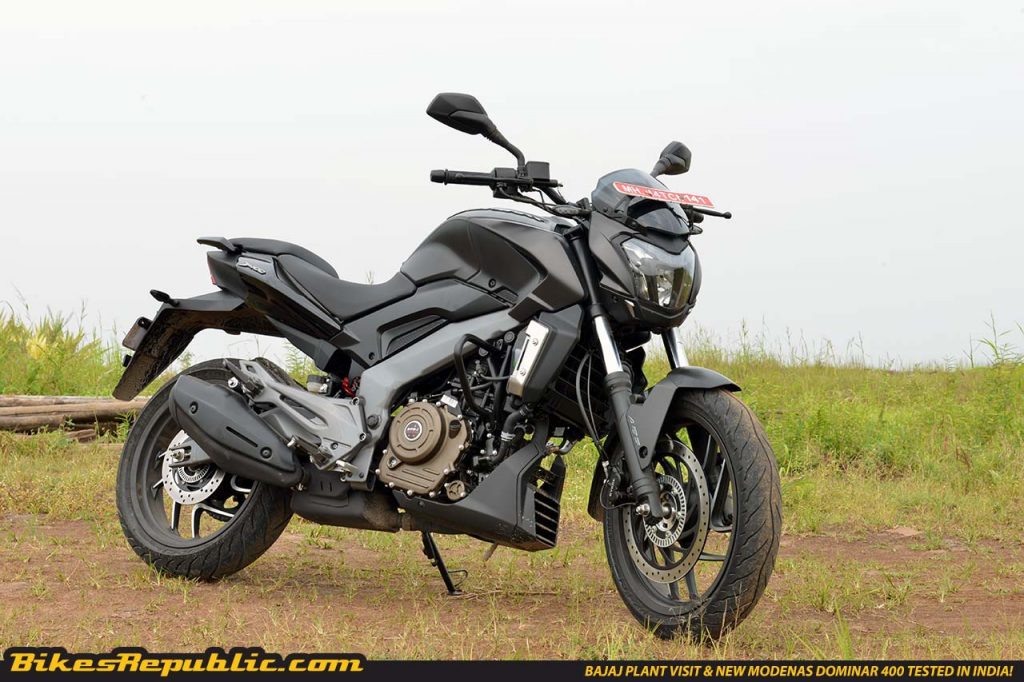
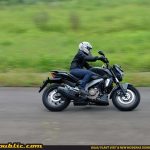
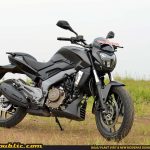
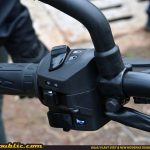
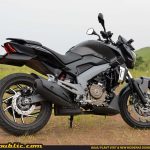
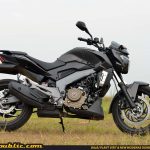
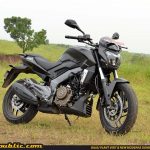
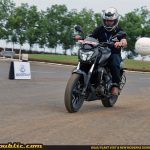
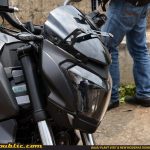
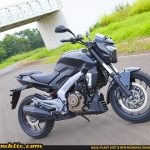
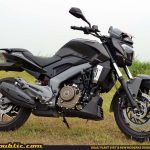
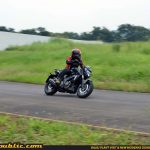
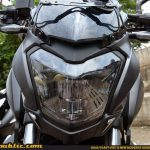
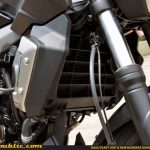
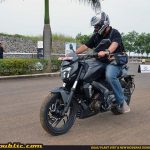
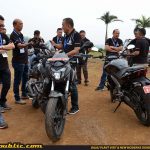
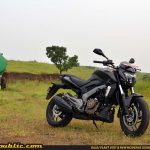
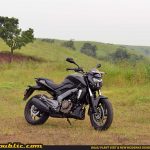
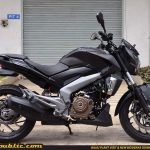
This is the Bajaj Dominar 400 – a single cylinder 373cc motorcycle hailed by Bajaj as a sports touring bike. It may look all nice and docile, and that is because it really is a friendly bike to ride.

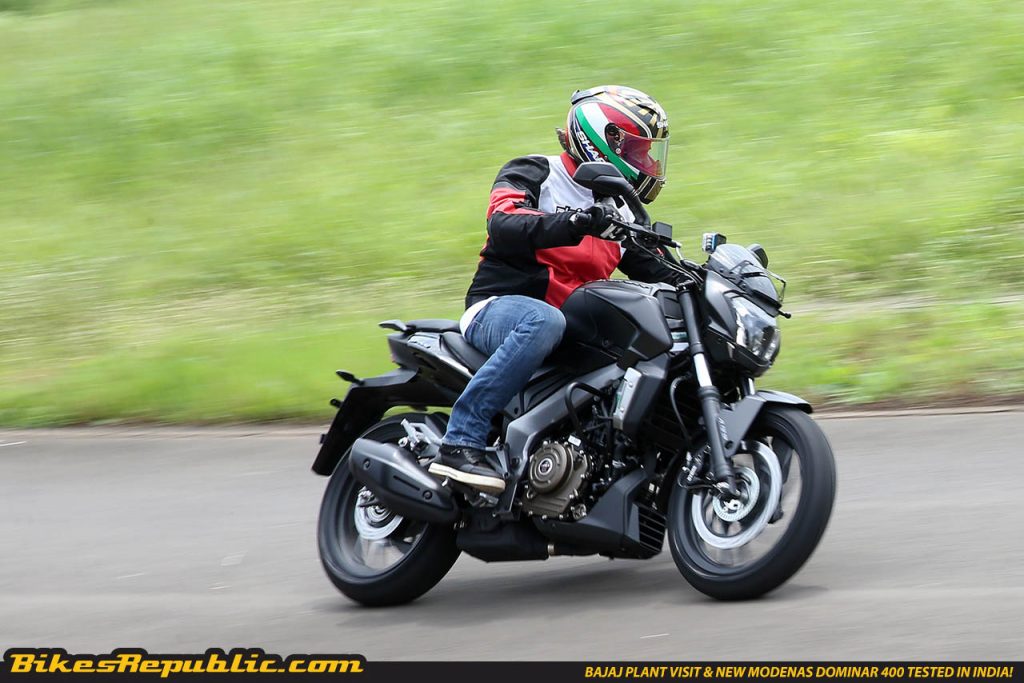
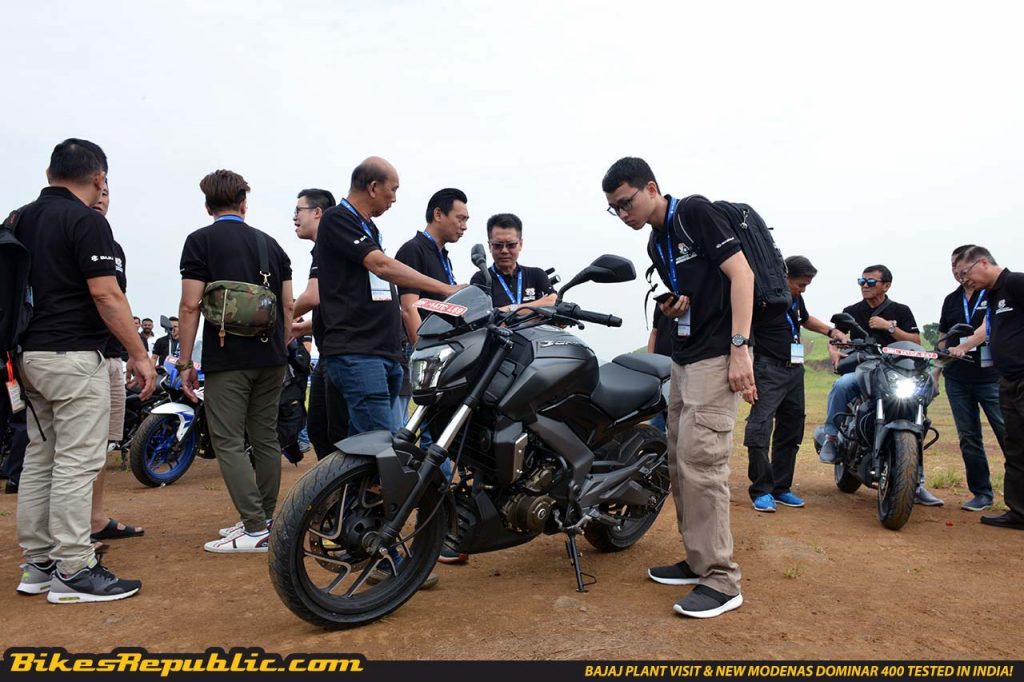
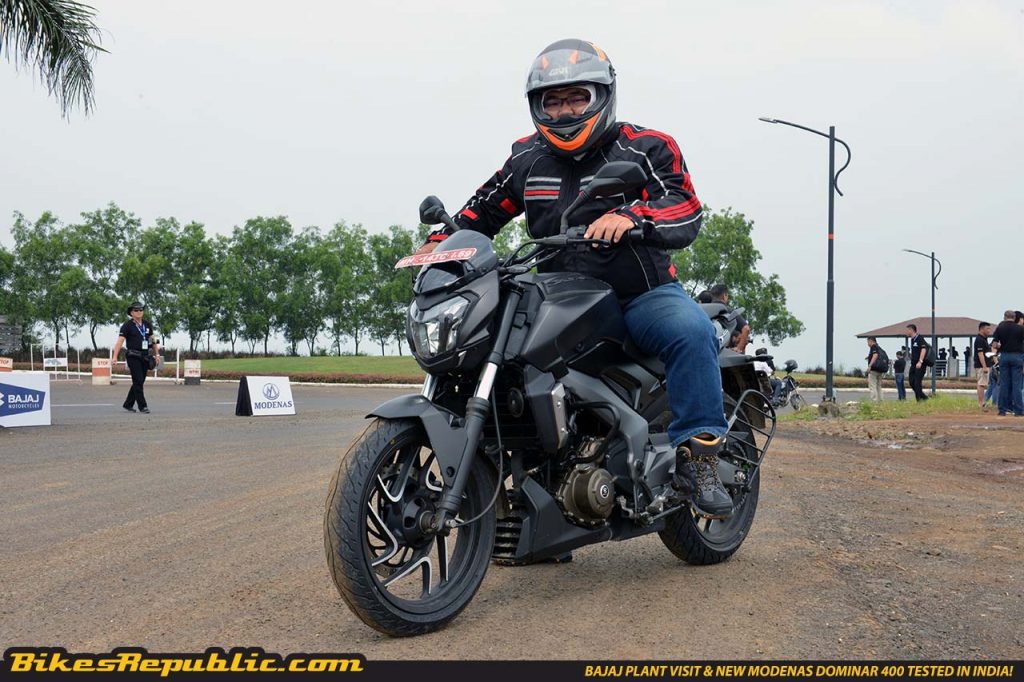
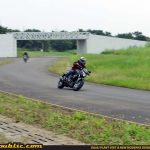
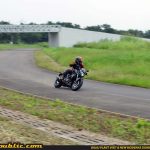
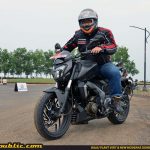
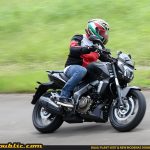
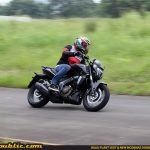
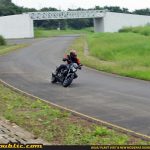
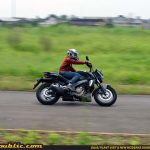
In a recent visit to the Bajaj factory in Pune, India, we were given the opportunity to ride the bike around the company’s test track – a 2.9 kilometre track with a one km long straight, banking, sharp and flowing corners, basically everything that will test the capability of any motorcycle.

The Dominar was wonderful on track, predictable and accurate. The standard tyres it came with however were not quite up to mark, but the tyres will be replaced with Metzeler tyres when this bike arrives in Malaysia, so that’s not a problem then. It is a wonder why Bajaj would call the Dominar a tourer, because it really could be a middle-weight naked sports bike. But then again, this is also a bike that seems to be quite happy to do it all.

So why were we riding this bike and why are we telling you about it?

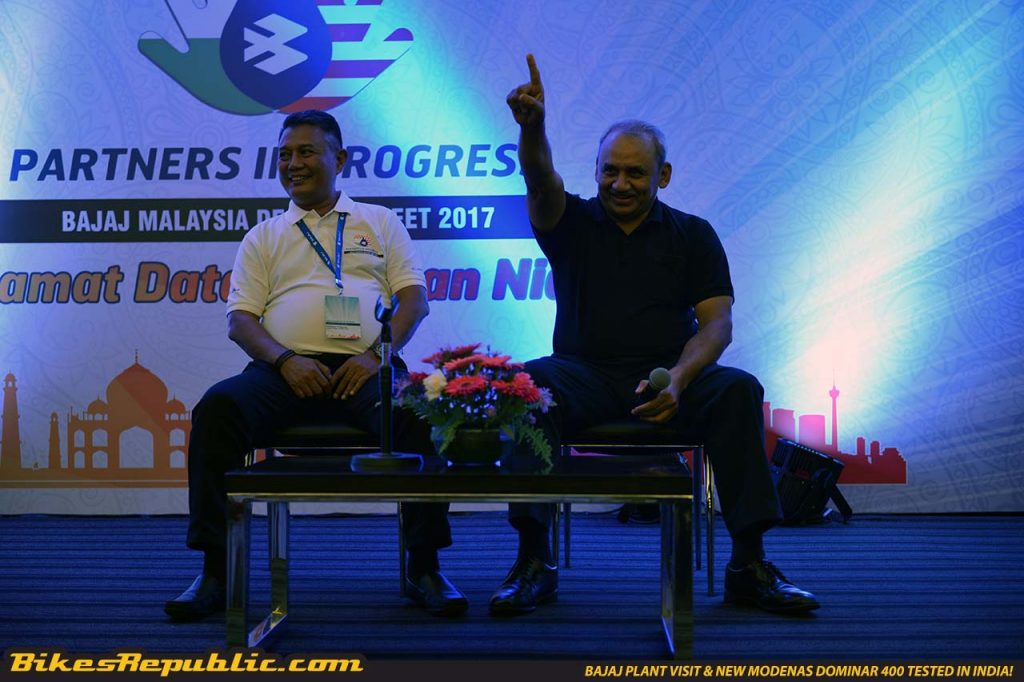
Lets go back to the month of May this year when Modenas launched three new models, and announced its collaboration with the world’s third biggest motorcycle maker – Bajaj.

Back then Modenas introduced the Pulsar RS200 sports bike, its naked variant the Pulsar N200, as well as the V15, a cafe racer like motorcycle designed for everyday use and impressive fuel economy. These were all Bajaj bikes sold in Malaysia under the Modenas brand.

Many were quick to criticise Modenas for rebadging Indian motorcycles instead of building their own. People usually are quick to have an opinion before actually understanding the topic in hand.

Rebadging makes perfect sense these days and many car and bike manufacturers do it. Why take on the huge capital and time investment when others have already done it? Bajaj had the perfect bikes for the Malaysian market, and Modenas had the image as well as the after sales capability to support the bikes in Malaysia. It was a match made in heaven, and Modenas has since sold about 2,000 bikes in just four months. This Modenas-Bajaj collaboration is a success, but in the words of hipsters today – haters gonna hate anyway!

The Bajaj Dominar 400 is going to be introduced to Malaysia around the first quarter of 2018. It is the bike that will take Modenas upmarket past their usual models, and it will be the first big bike introduced since the Jaguh of the 90s.

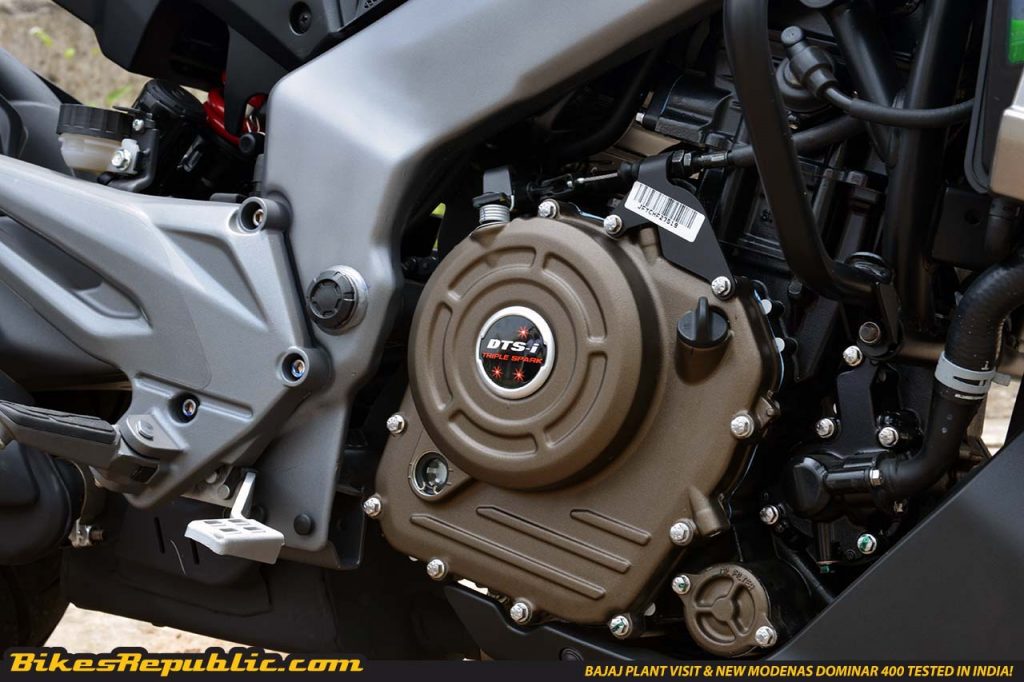
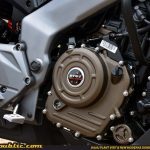
The 373cc, triple spark plug, single-cylinder engine means that the Dominar 400 will square off against the likes of the KTM 390 Duke and the BMW G310R. But with a price tag that is expected to be well below RM25,000, the Dominar 400 is the motorcycle that both KTM and BMW should pay attention to next year.

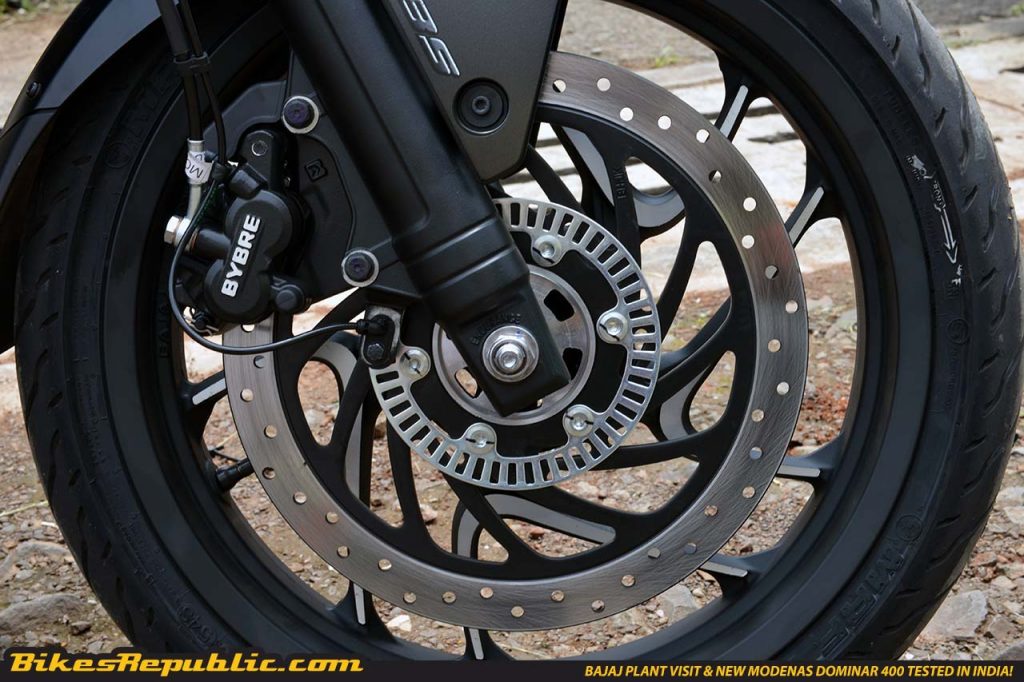
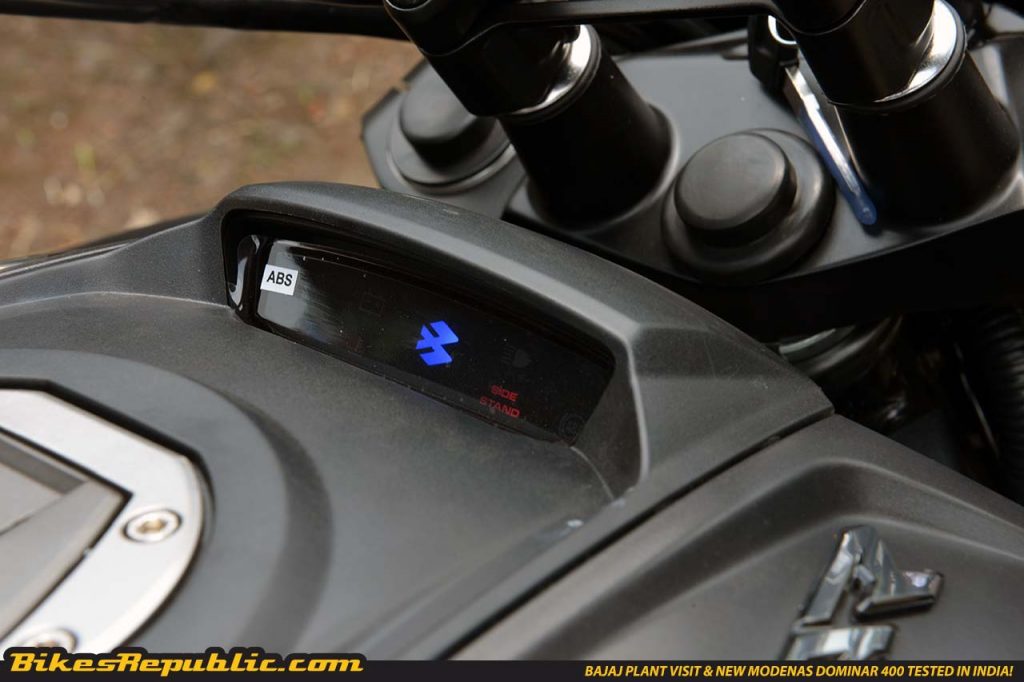
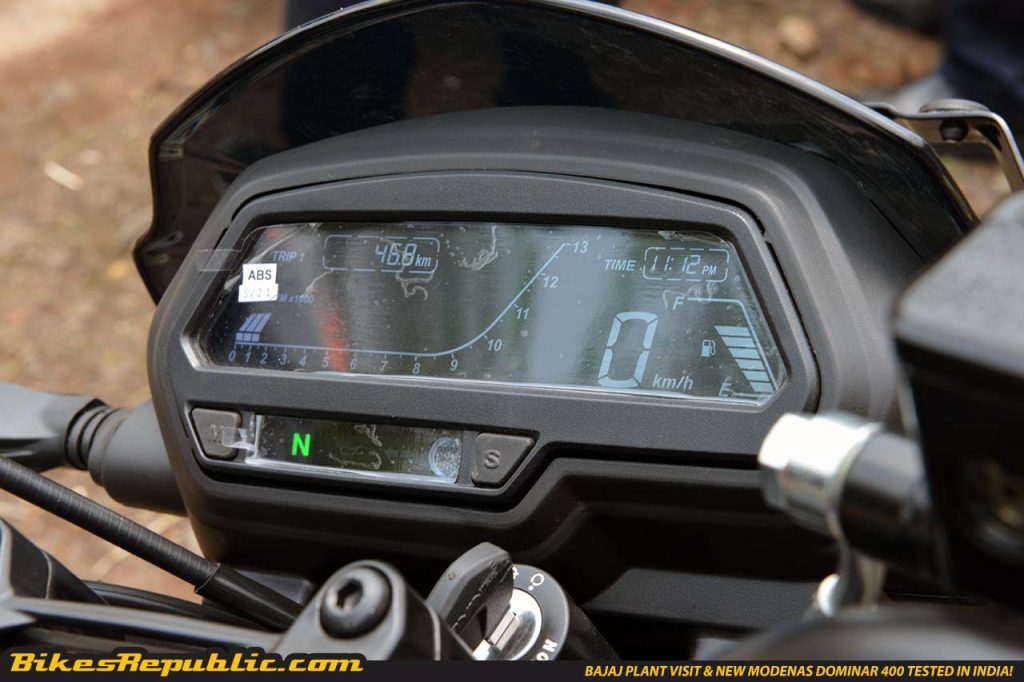
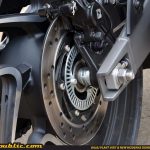
In fact, it is interesting to note that the engines for both the Dominar and the KTM 390 Duke are built side-by-side at the Bajaj plant in Pune. The Dominar 400 offers 32hp and 35Nm of torque, while the gearbox is a six-speed unit coupled to a Slipper clutch ensuring the rear wheel never locks up. On the topic of safety, Dominar 400 also offers twin channel ABS – meaning both the front and rear wheel comes with ABS brakes.

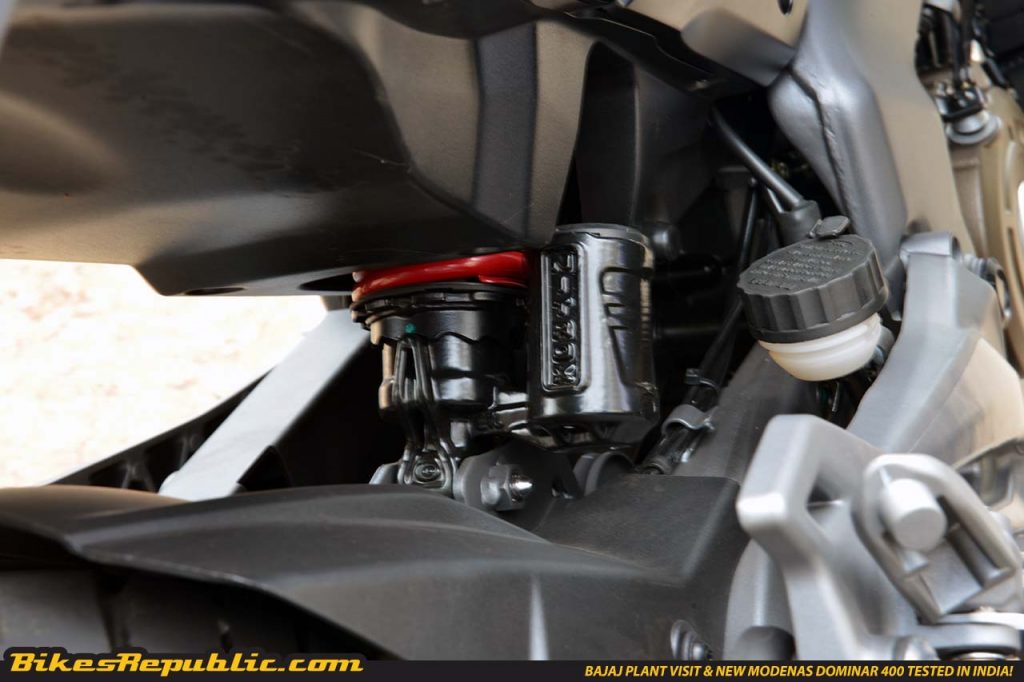
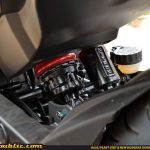
First impressions of the bike are good, though the kerb weight stands at a hefty 182kg’s, the bike is happy to be flicked around corners. The suspension too is decent with telescopic forks up front with 43mm of travel, and an adjustable mono shock at the rear, giving you a decent amount of suspension customisation to suit your riding style.

The seat is on the plush side and will take care of your bottom on long rides, and the 13-litre tank should give you a range of about 300 kilometres before needing a refuel.

The Bajaj Dominar 400 is a very talented motorcycle and promises to be a good companion for those looking for a weekday workhorse and weekend warrior. Slap on a windshield and some Givi bags and it will also go the distance with you. Now all that stands in the way of this bike and huge success in Malaysia is the price tag, but with the team at Modenas determined to make this another success story – you can expect a very competitive price tag as well. Watch this space!

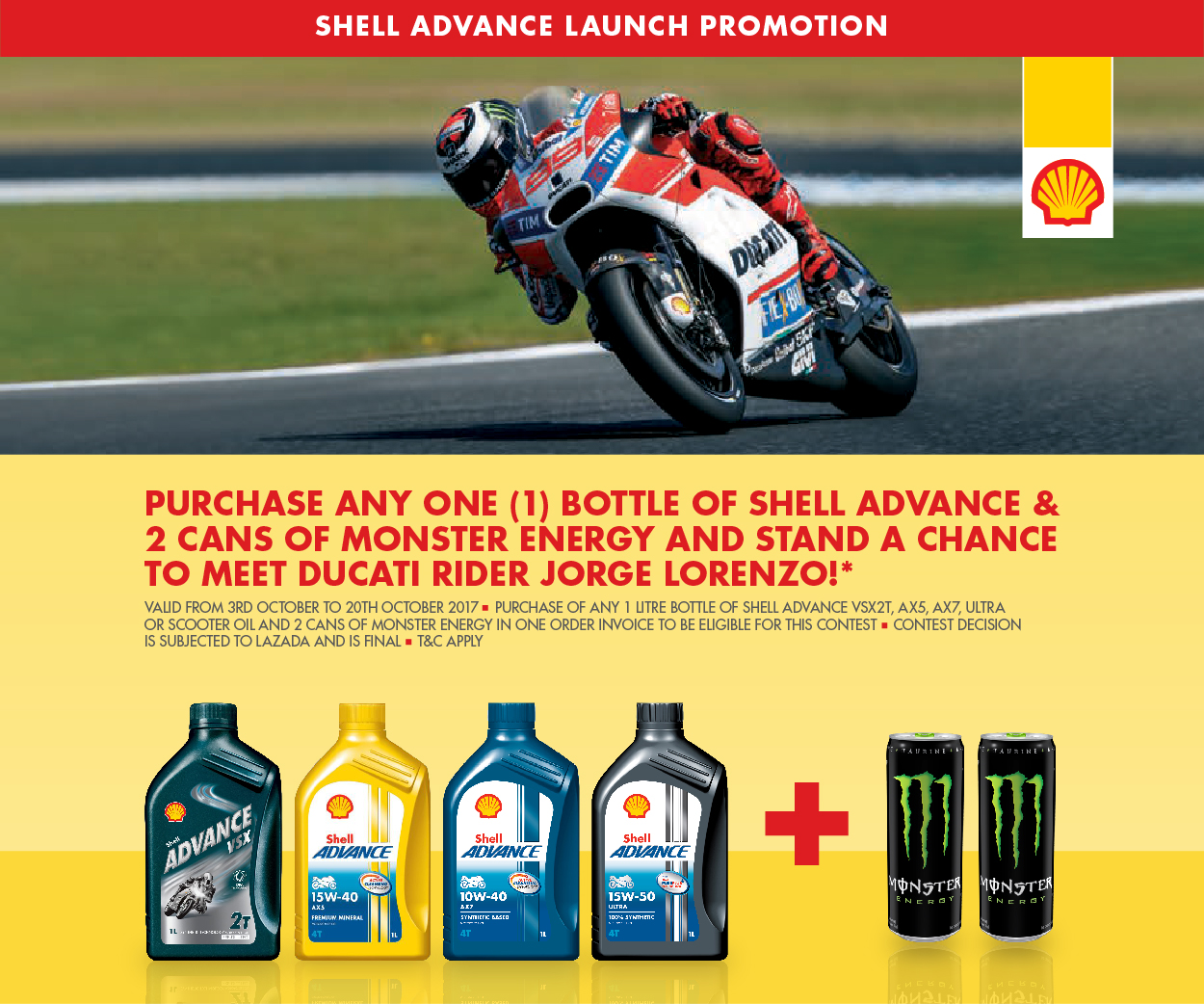
Shell Advance and Lazada is giving you an opportunity of a lifetime to meet five-time MotoGP World Champion and Ducati rider, Jorge Lorenzo.

Head over to Lazada and purchase a one-litre Shell Advance lubricants PLUS two cans of Monster Energy in one order invoice to be eligible for the contest.

Contest period from 3 October 2017 until 20 October 2017.

In conjunction with the upcoming Shell Advance Malaysia Motorcycle Grand Prix at the end of the month, Shell Advance together with Lazada is coming up with something very special for all you MotoGP fans especially if you support five-time World Champion Jorge Lorenzo. (more…)

  • Here are tips on how to ride through flash floods (or deep water)

  • Cardinal rule is to go slow

  • Throttle control and a cool head applies

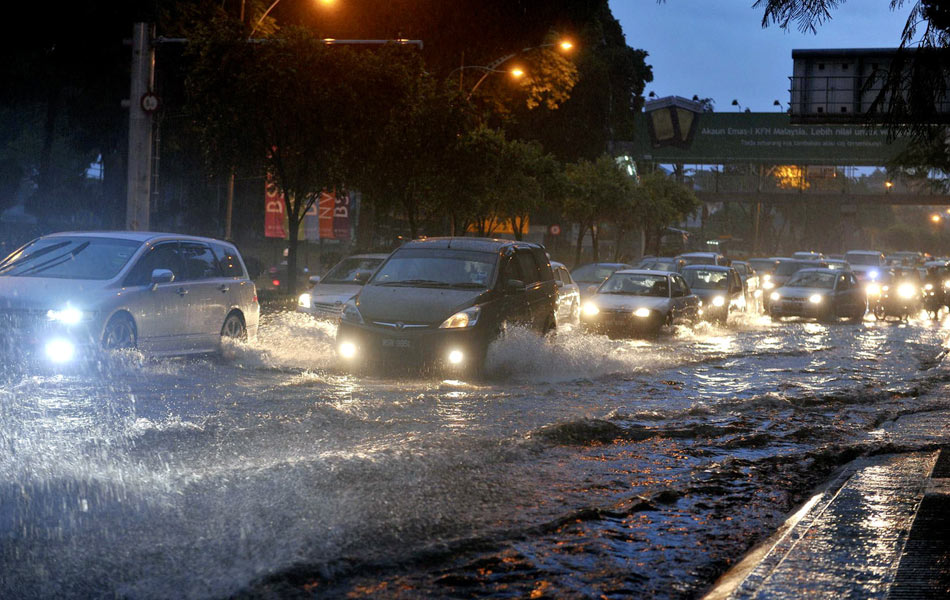
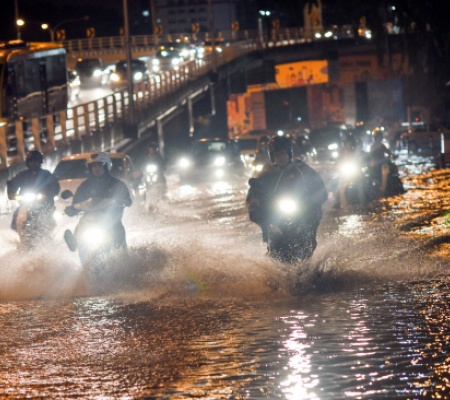
The weather has been mighty unpredictable in the Klang Valley lately. The days invariably start with burning white sunlight and scorching heat, only to give way to sudden heavy downpours. If the downpours continue for more than two hours, we could find ourselves  caught in flash floods.

Courtesy of Astro Awani

While it’s safest to sit out from riding in pouring rain and flooded roads, there’s no escaping it at times, especially around flood-prone areas where the roads remain flooded even after rain has stopped.

Here are our tips for riding through flash floods (and deep puddles of water).

1. Stop and Inspect

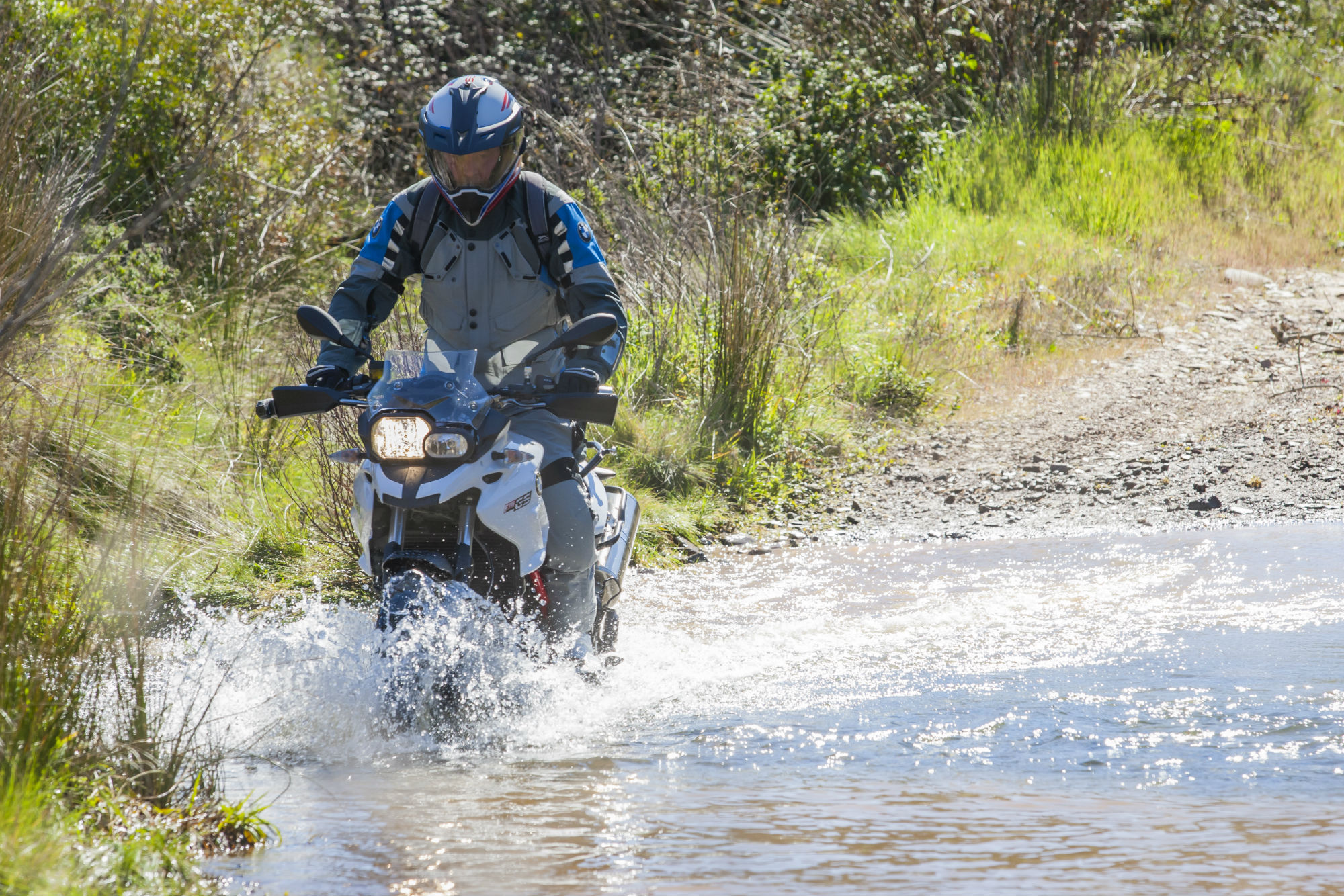
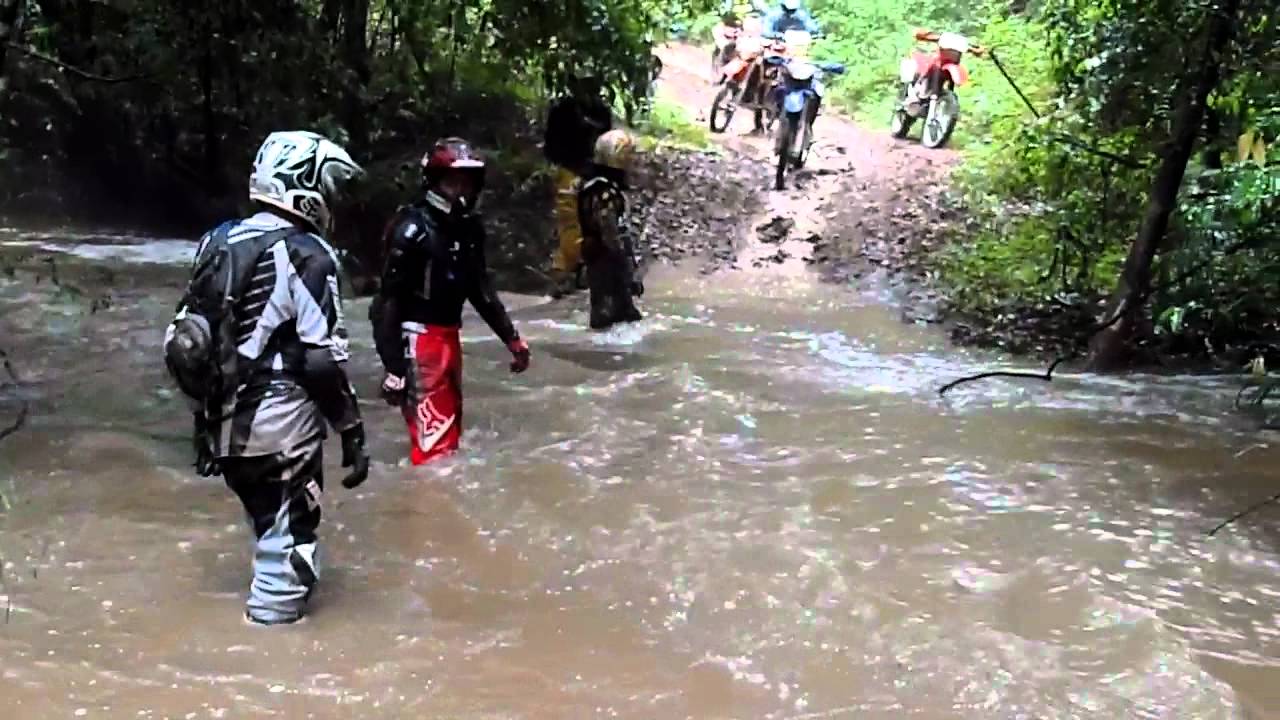
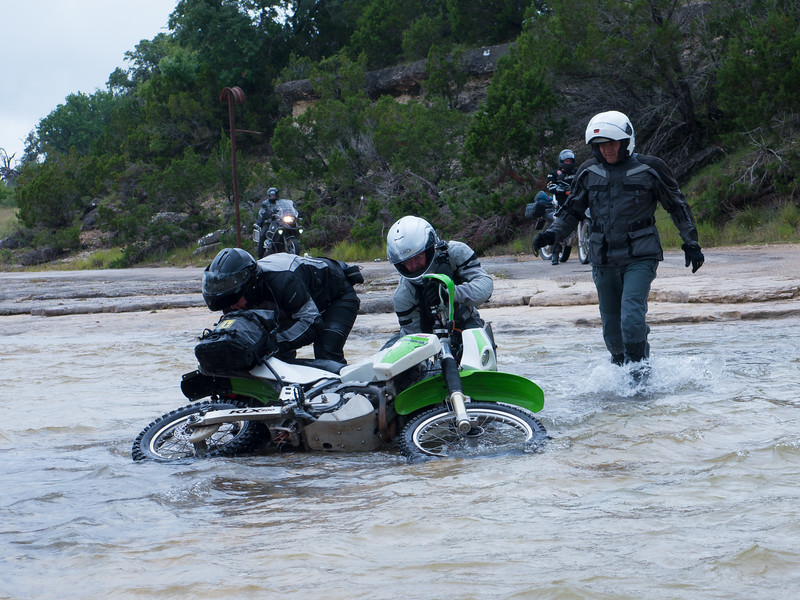
It’s just like adventure riding. No sane adventure rider will just banzai headlong into an unknown body of water without first inspecting its depth, potential hazards underwater and exit on the other side.

While you may not have to get off your bike and walk through floods on the road you travel on each day, you do need to stop and look for clues. If there’s another vehicle pushing through the water, note how deep it is. Observe if there’s a strong water current from one side of the road to the other.

If the water’s too deep or current’s too strong, forget it. Just wait for it to subside.

If you don’t already know the location of your engine’s air intake, now’s the good time to start. Check if it’s high enough above the water.

2. Stand Up

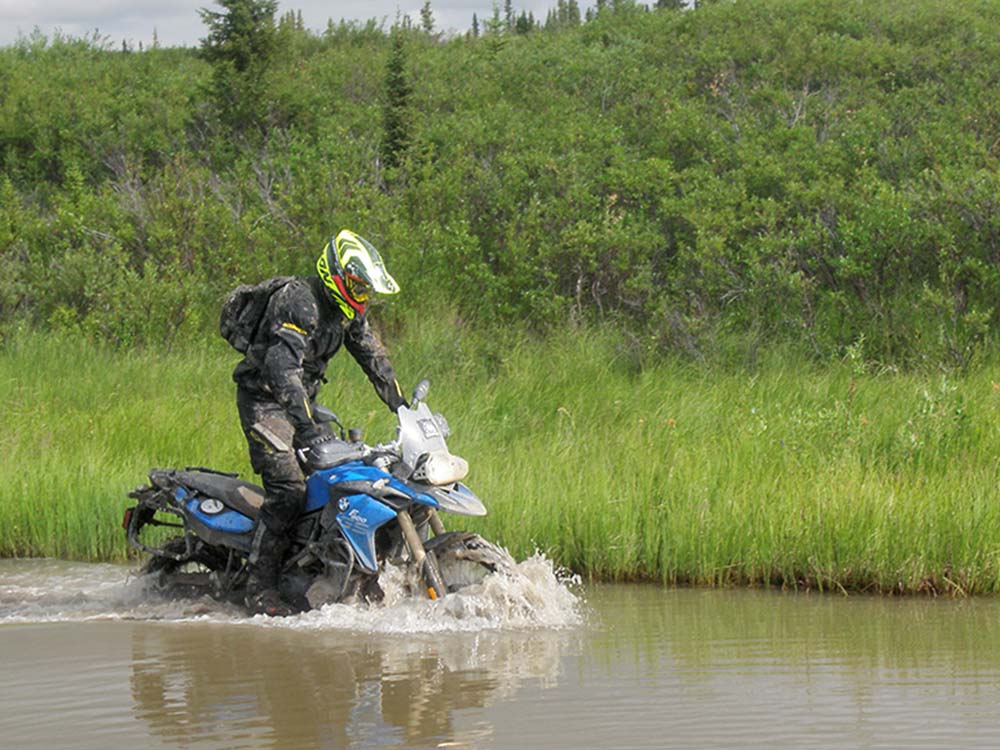
Riding through floods is no different from riding through a river when adventure or trail riding, so stand for better low-speed stability, meaning there’s more control when you crawl ahead at 10 to 20 km/h.

Courtesy of twistedthrottle

3. Go Slow and Straight

This goes without saying.

Throwing up a big splash may look spectacular in pictures but it isn’t a good practice in real world situations. Hitting a deep body of water at speed would most likely have the water act as a liquid brake/barrier. The bike will cut through the first few metres easily before coming to a sudden halt and causing the rider to lose control (or even thrown off).

They need to go a little slower than this. Courtesy of thestar

Keep your speed as low as possible and steady to keep the water’s bow wake below the height of the engine’s air intake. Remember, you’re riding a motorcycle, not a jetski.

It’s also best to stay off the sides of the road and ride in the middle of the lane.

4. Keep Moving

Don’t pull in the clutch or slam the throttle shut.

Maintain a steady throttle and speed in the gear you are in right now, even if you should feel a tyre or tyres kicking loose when contacting something in the water. In fact, you should open the throttle a bit more if that happens.

Courtesy of visordown

Roll off the throttle smoothly if you need to slow down more and stay off the brakes.

5. Exiting

Don’t gun it immediately after exiting the flood. You may increase your speed, but don’t slam open the throttle, without first giving the time for the water or whatever debris collected on the bike to “drop off.”

Also, with the bike still moving, drag the brakes lightly to clean them.

Courtesy of ultimatemotorcycling

6. Kill It!

But what if you hit, for example, a pothole and the bike goes down?

Make the effort to kill the engine before you lay the bike down into the water. You’d most probability have the time to do so, since you were riding at a slow speed, right? Right? Regardless, the engine should be shut down as quickly as possible.

Courtesy of smugsmug

An internal combustion engine is basically an air pump which sucks in air, adds fuel to it, compresses the mixture and sets it alight. But water is incompressible and non-combustible (duh!), and therefore has the potential of causing catastrophic engine damage.

Do not immediately attempt to start a motorcycle that has been lying underwater. Instead, you should pull out the spark plugs and the airbox cover to check for water ingress. If the spark plug electrodes are wet, do not reinstall them, but turn on the bike’s ignition and crank the starter a few times to push the water out of the combustion chamber.

Reinstall only when it’s sufficiently dry.

Conclusion

Riding through a flood isn’t difficult but one should do it with care and logic, obviously. Sticking to the above steps will have you home way ahead of car drivers, instead of ending up swimming in that filthy water. Think of it as urban adventure riding.

Archive

Follow us on Facebook

Follow us on YouTube