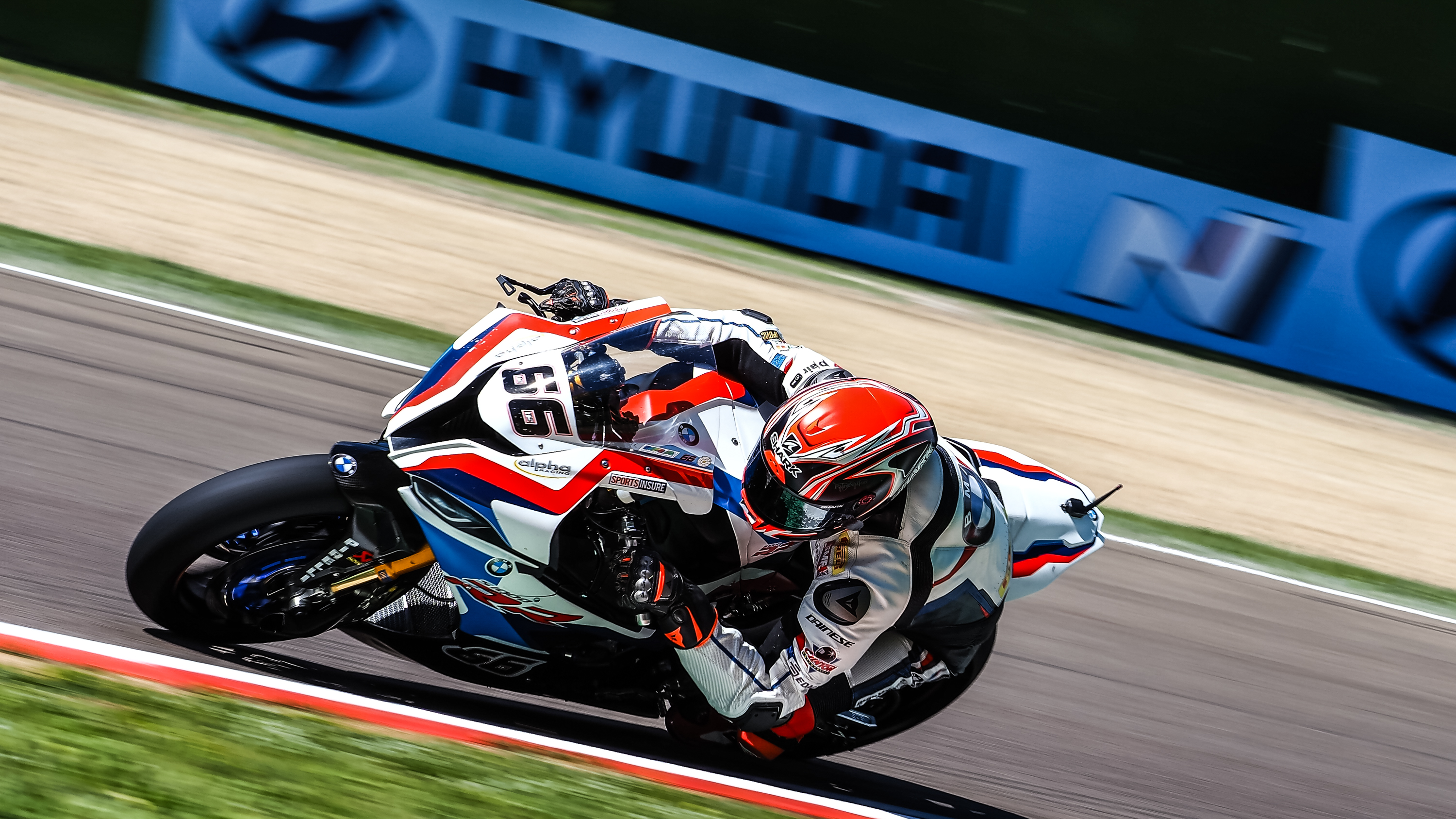
BMW Motorrad WorldSBK will continue with Tom Sykes in the 2020 WorldSBK season.
The rider took the new BMW S 1000 RR to four podiums in its debut season.
He will be joined by Eugene Laverty next year.
BMW Motorrad WorldSBK Team and rider Tom Sykes will continue their cooperation into 2020 WorldSBK Championship (FIM World Superbike Championship).
While the tie-up has yet to yield a win this season, Sykes had done well to put it on the podium at Misano, Italy; Donington Park (UK); and Laguna Seca (USA).
Those results were truly impressive, considering that BMW Motorrad announced their intention to join the championship with the new BMW S 1000 RR in November 2018. That left the factory, Shaun Muir team, and riders only a few months to prepare.
2013 WorldSBK Champion Sykes will be joined by Eugene Laverty next year, replacing Markus Reiterberger.
BMW Motorrad Motorsport Director Marc Bongers welcomed Sykes’s continuation with the team as it provides stability. “Continuity and stability are critical factors for the success of the project,” he said. “Tom Sykes has consistently moved in a forward direction with the new S 1000 RR.”
Continuity would mean that the bike will follow a steady and somewhat predictable development path as opposed to swapping riders all the time. As different riders have different riding styles, there will be too many variables to consider. There is no luxury of time for such ventures in world championship racing.
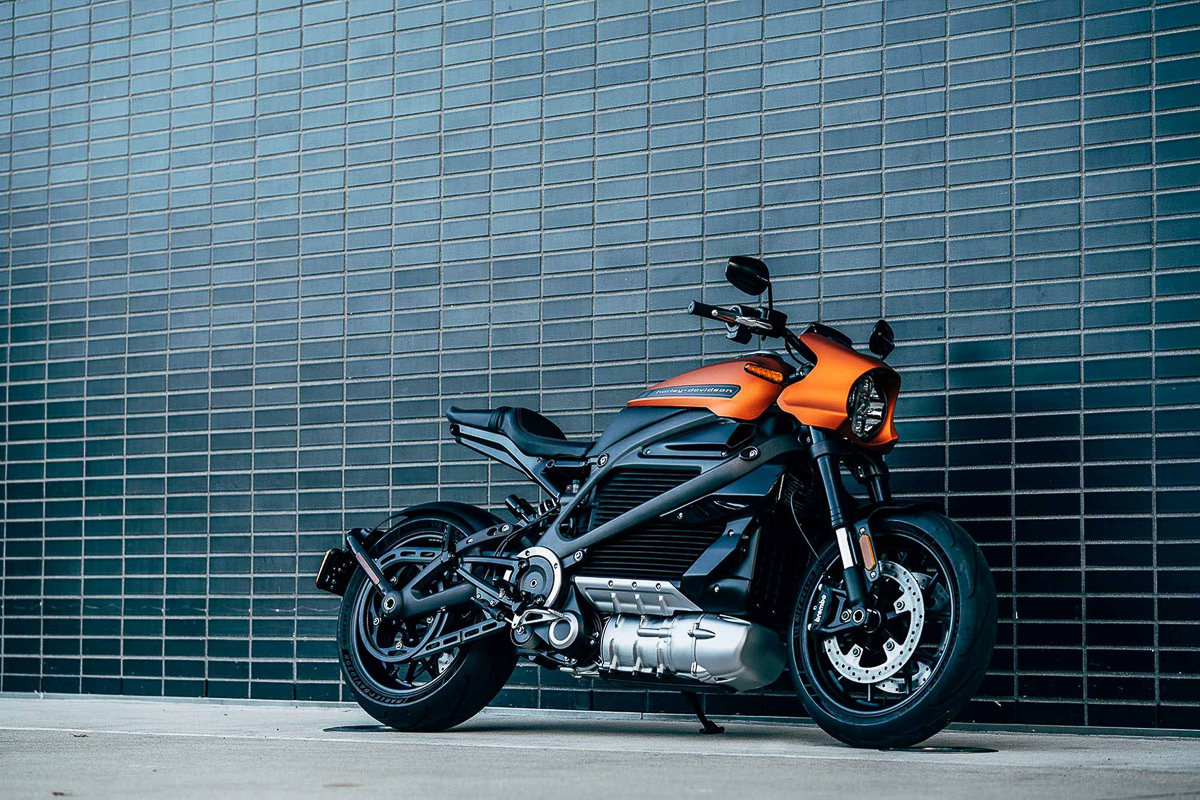
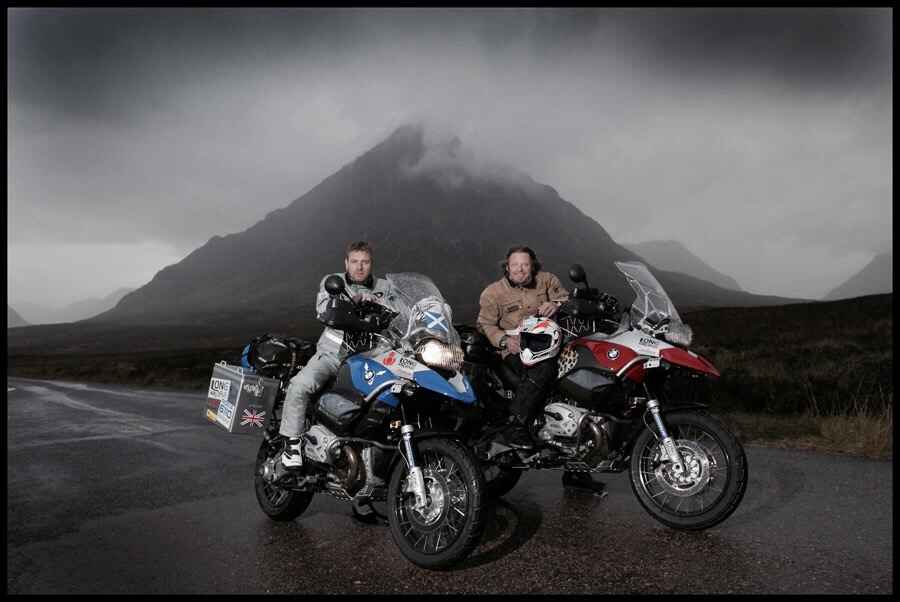
Ewan McGregor and his ridding buddy Charley Borman may ride the Harley-Davidson LiveWire electric motorcycle in the documentary Long Way Up.
It seems like a compromise as the two are ambassadors to Moto Guzzi and Triumph, respectively.
The program will cover their trip from South America to Los Angeles, USA.
Ewan McGregor and his ridding buddy Charley Borman may just ride the Harley-Davidson LiveWire electric motorcycle in the upcoming documentary Long Way Up.
The trip will see the duo travel from South America to Los Angeles, California instead of all the way to Alaska as expected earlier. South American media spotted four of the electric bikes and support trucks being offloaded in Tierra Del Fuego, Argentina.
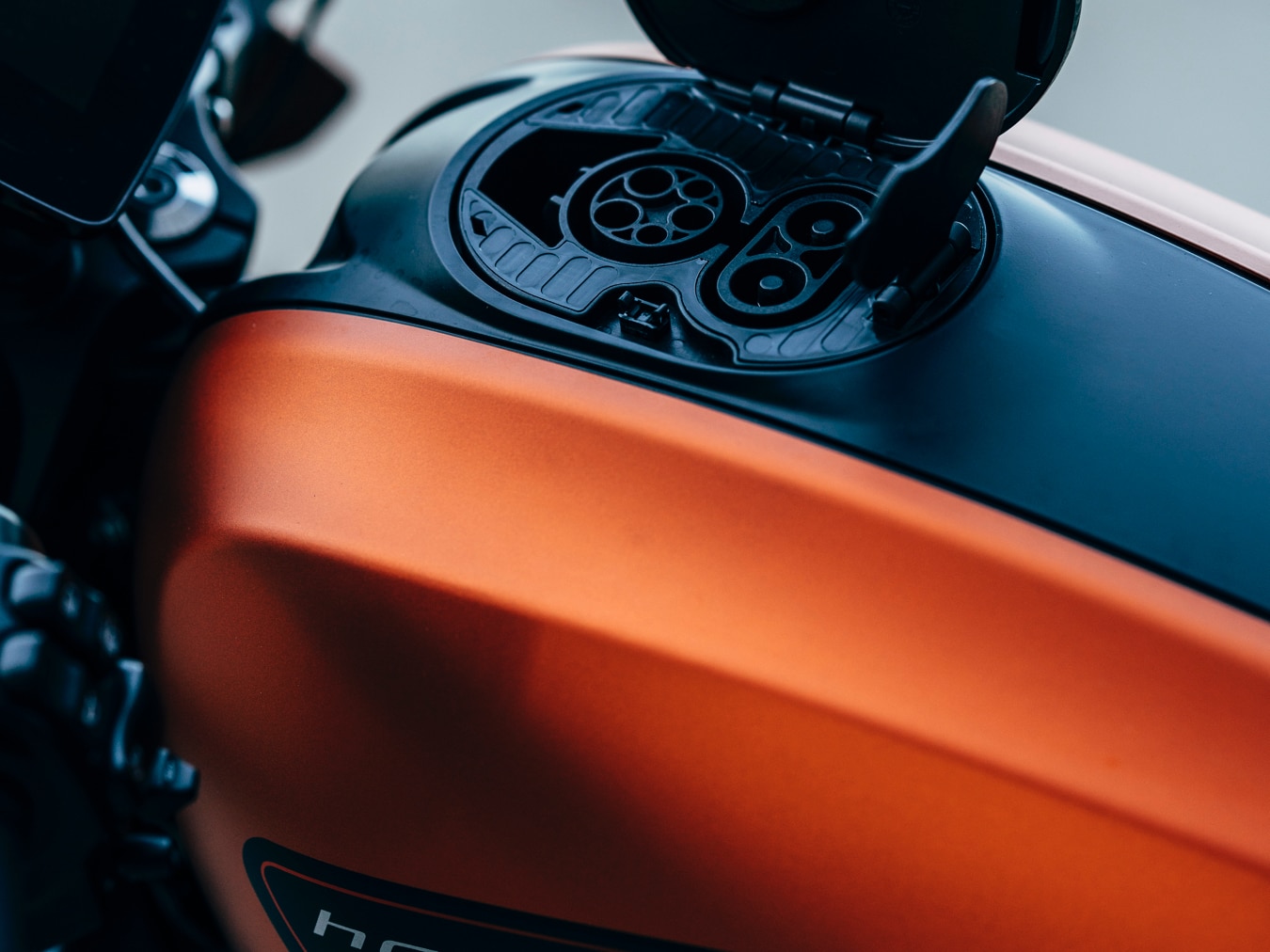
While we’re not criticizing the LiveWire, it has a highway range of up to only 150 km and 235 km in the city. However, it’s charging times that may drag the trip into a longer period of time. On the other hand, Harley announced that they’ve fast chargers that juice up the bike to 80% capacity in 40 minutes and 100% in an hour.
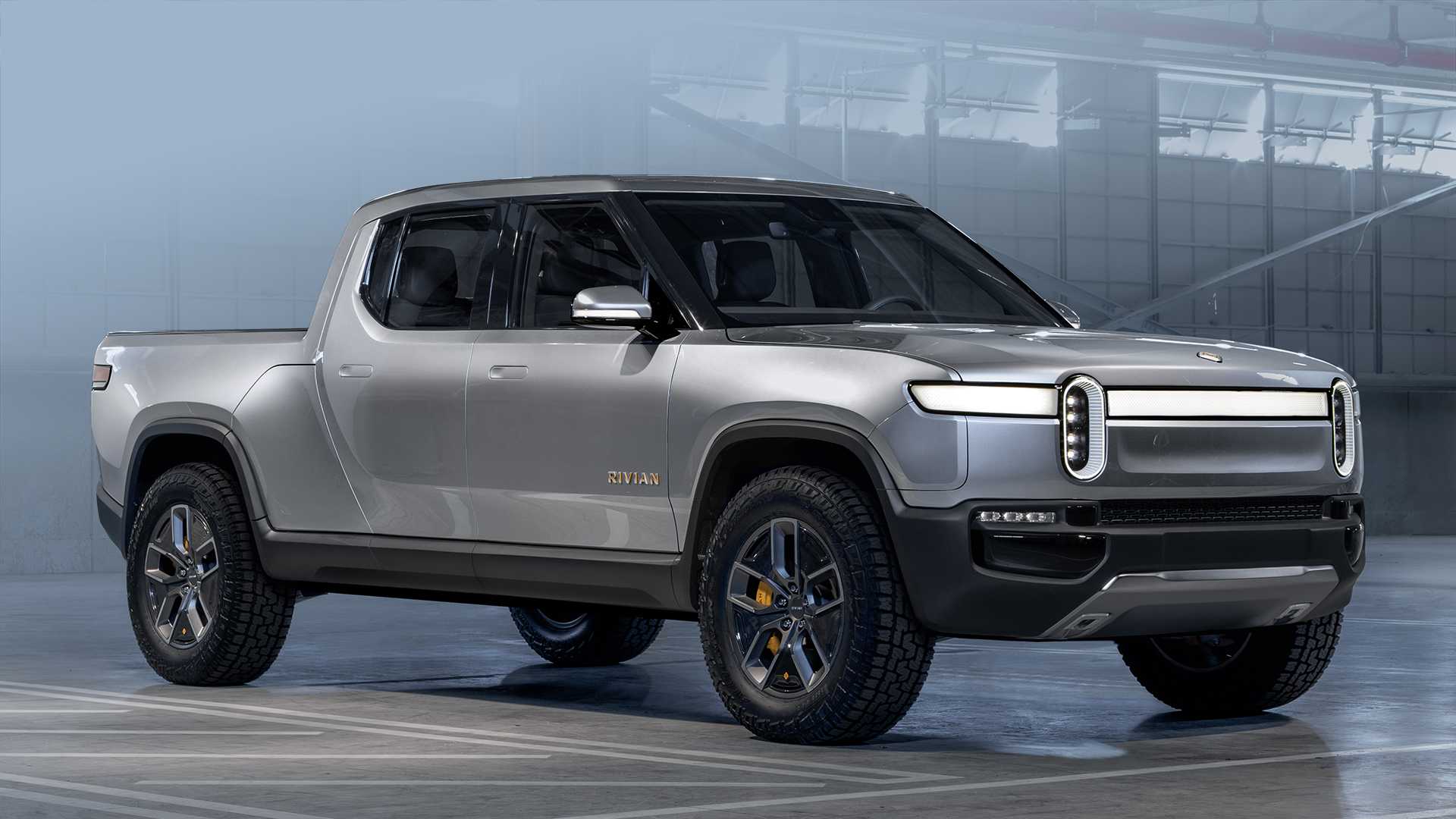
They may be supported by a pair of electric Rivian R1T trucks that have a range of up tp 650 km. These trucks will undoubted carry DC chargers for the bikes.
Riding Harleys seemed to solve the problem of representation. McGregor is the ambassador for the Moto Guzzi V85TT while Borman is the ambassador for Triumph Motorcycles. Many had expected to see the guys on two different bikes in this sequel. They rode the BMW R 1200 GS in Long Way Round in 2004 and Long Way Down in 2007.
The Long Way Down – Courtesy of BBC
It’ll be a high-profile branding exercise for the Motor Company, that’s for sure.
The European Association of Motorcycle Manufacturers (EAMM) published a report saying that the current technology in automated cars “failed to detect motorcycles.”
They found accidents that happened due to the car radars not picking up the bikes.
Certain manufacturers are making their bikes more visible to radar.
The European Association of Motorcycle Manufacturers (EAMM) published a report saying that the current technology in automated cars “failed to detect motorcycles.”
The alarming report was made after the association found that accidents in Europe and US on “autopilot” failed to locate a motorcycle in all situations.
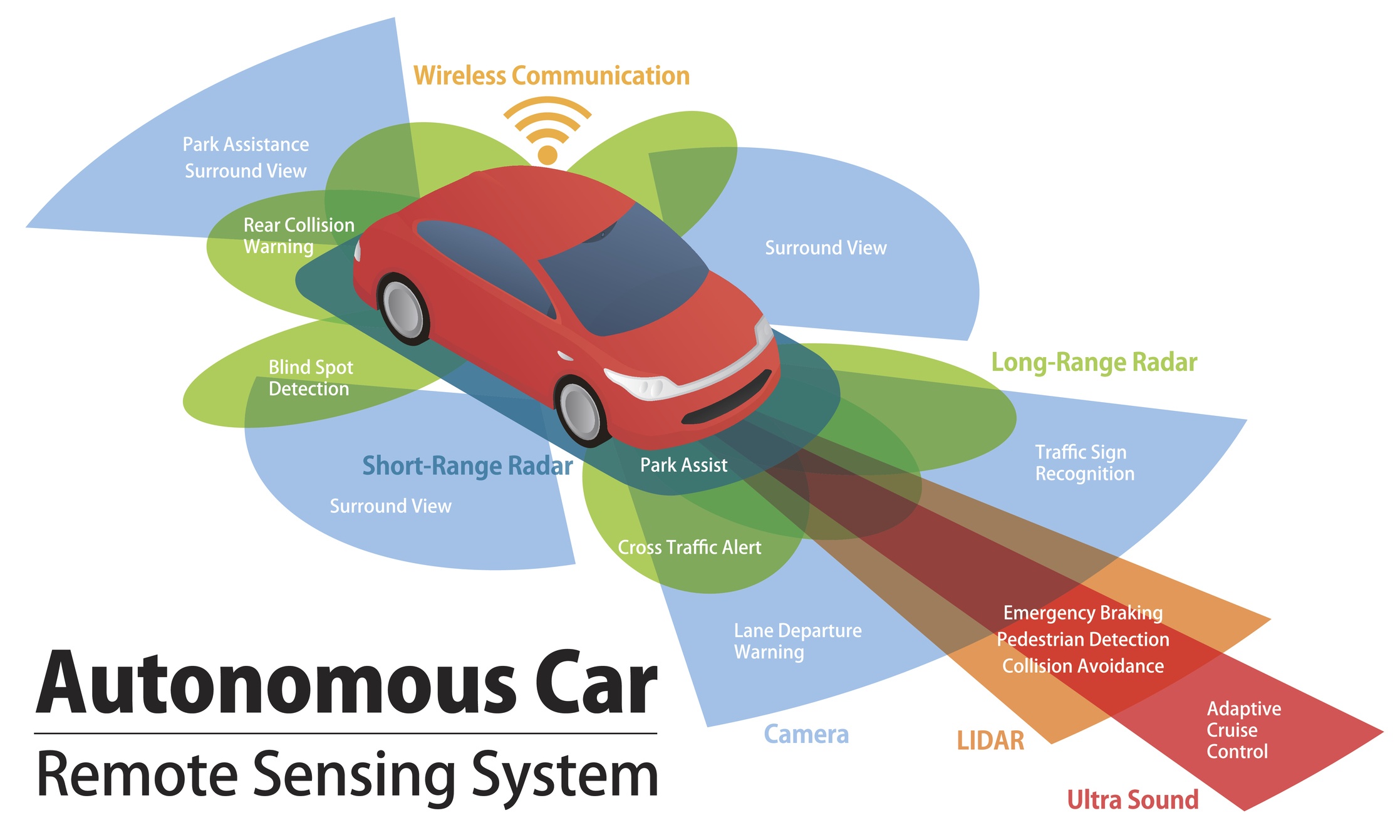
Before continuing, let us see what it means by “automated cars.” Certain cars (especially the luxury ones) are fitted with radars to detect objects around it, especially in their blindspots besides the vehicles in front and behind them. An expended function is self-drive, which means the driver takes his hands and feet of the pedals. The car will move in a set speed and turn through long radius corners all by itself. When the radar detects an object in front, the control unit will apply the brakes to slow down or stop altogether.
Remote sensing system on an autonomous car – Graphic credit innovationdestination.com
It’s supposed to make driving safer. But it may not be safe for bikes.
There are two aspects that confuse automated driving systems.
Motorcycles have small cross sections, hence presenting very low visibility compared to cars and trucks. This is why we turn on our lights in daytime.
Motorcycles are much more agile and can change directions quickly. Notice how we can move a couple of meters to either side when we come to stop at traffic lights? (Okay some don’t stop at the red light, but that’s a different matter.)
We’ll give you another example. Presenting a small cross section to radars is exactly what a stealth fighter does. It’s designed to deflect radar waves away from itself so that there’s only a small return signature (some say the cross-section equivalent to that of a bird) to the receiving radar. (Stealth fighters also use radar absorbing material on their outer skins, by the way.) Consequently, radar operators couldn’t see the plane on their scopes.
The EAMM deduced that modern cars don’t have reliable enough equipment to detect bikes. In fact, they also highlighted such statements as “the system may not detect small vehicles like motorcycles” in some automated car owner’s manuals.
“(This) is simply not acceptable from a safety point of view,” they added.
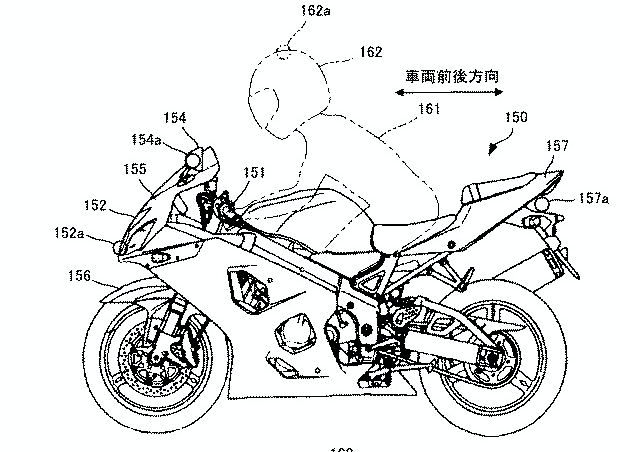
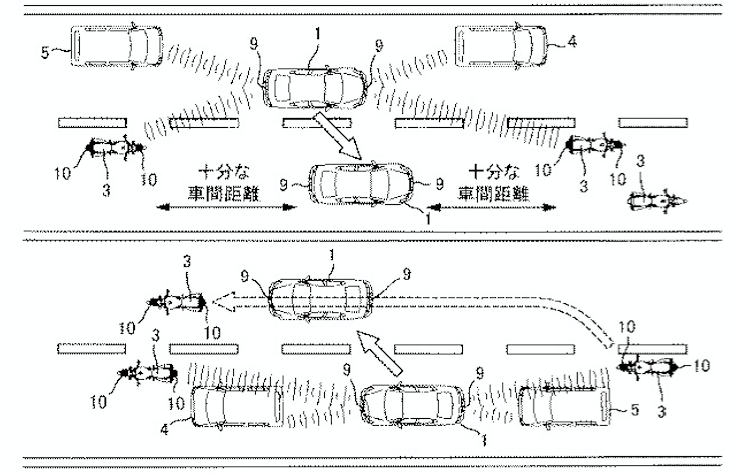
To combat this, Suzuki submitted patents for a bikes which is fitted by multiple radar deflectors to increase its visibility to radars.
Graphic credit Suzuki Corporation
However, Ducati and KTM are reportedly developing self-riding motorcycles, too.
It doesn’t mean that the rider takes his hands and feet off the controls like car drivers do so they can continue playing PUBG. Instead, the system detects other vehicles and takes action quicker than the rider could.
There may be another way around this conundrum in mixed traffic. Bosch and their rival Continental are working on a cloud-based traffic management system using 5G interconnectivity.
Each vehicle sends the data of its location, heading, speed and others to a central computer which then regulates its and other vehicles’ speeds for “better harmony.” Yes, just like what we see in movies of some utopian future.
While it’s a great way to save lives, many feel that it will impede on personal freedom to enjoy driving. Well, not in KL downtown on Friday nights, but you get what we mean. This solution faces an uphill task as it will require every single vehicle to be equipped with the system.
But you know they said that reaching the moon was impossible a long time ago.
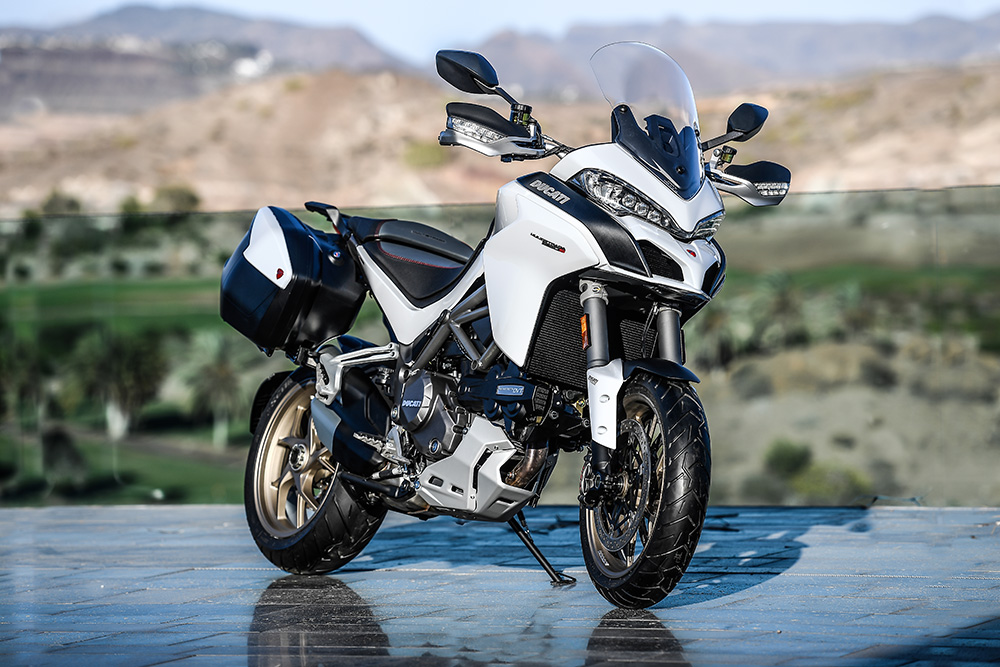
A Ducati Multistrada 1260 GT with radar-controlled cruise control and safety systems ought to be unveiled soon.
The Ducati Multistrada V4 will probably appear in 2021, instead.
Ducati have filed the MTS 1260 GT with the US Environmental Protection Agency.
Sorry to cut your dreams short. The Ducati Multistrada V4 isn’t on the way – yet. However, a Ducati Multistrada 1260 GT with radar-controlled cruise control and safety systems ought to be unveiled soon.
Italian magainze Moto.it came across a filing to the US Environmental Protection Agency for a new Multistrada 1260 GT. Motorcycle manufacturers in the United States are required to announce their upcoming models for the agency to keep tabs on their emissions levels.
Being a GT (Gran Turismo), the new bike should be fully accessorized with all the touring accoutrements one can shake a stick at. Be prepared for large volume panniers and top case, auxiliary lighting (i.e. spotlights), possibly better seats in addition to other stuff on top of the MTS 1260 S Tour Pack option.
Please click here for photos of the test bike.
But the biggest news may be that the MTS 1260 GT will be equipped with radar-controlled cruise control and safety devices.
Ducati is already working on the technology for at least since 2014 and vowed to be the first in the market. Since the upcoming KTM 1290 Super Adventure is rumored to use the system as well, Ducati engineers will surely work overnight to keep their company’s promise.
The Bosch radar system may regulate the bike’s speed with traction control on in traffic. A rear-facing radar, meanwhile, monitors vehicle’s in the rider’s blindspots (like luxury cars) and warn of a fast approaching vehicle.
It’s rumored to also prime the brake system for emergency stops.
The MTS 1260 GT will likely be the last twin-cylinder model, with the MTS V4 appearing in 2021.
Patents show a Honda roadgoing sportbike with active aerodynamics.
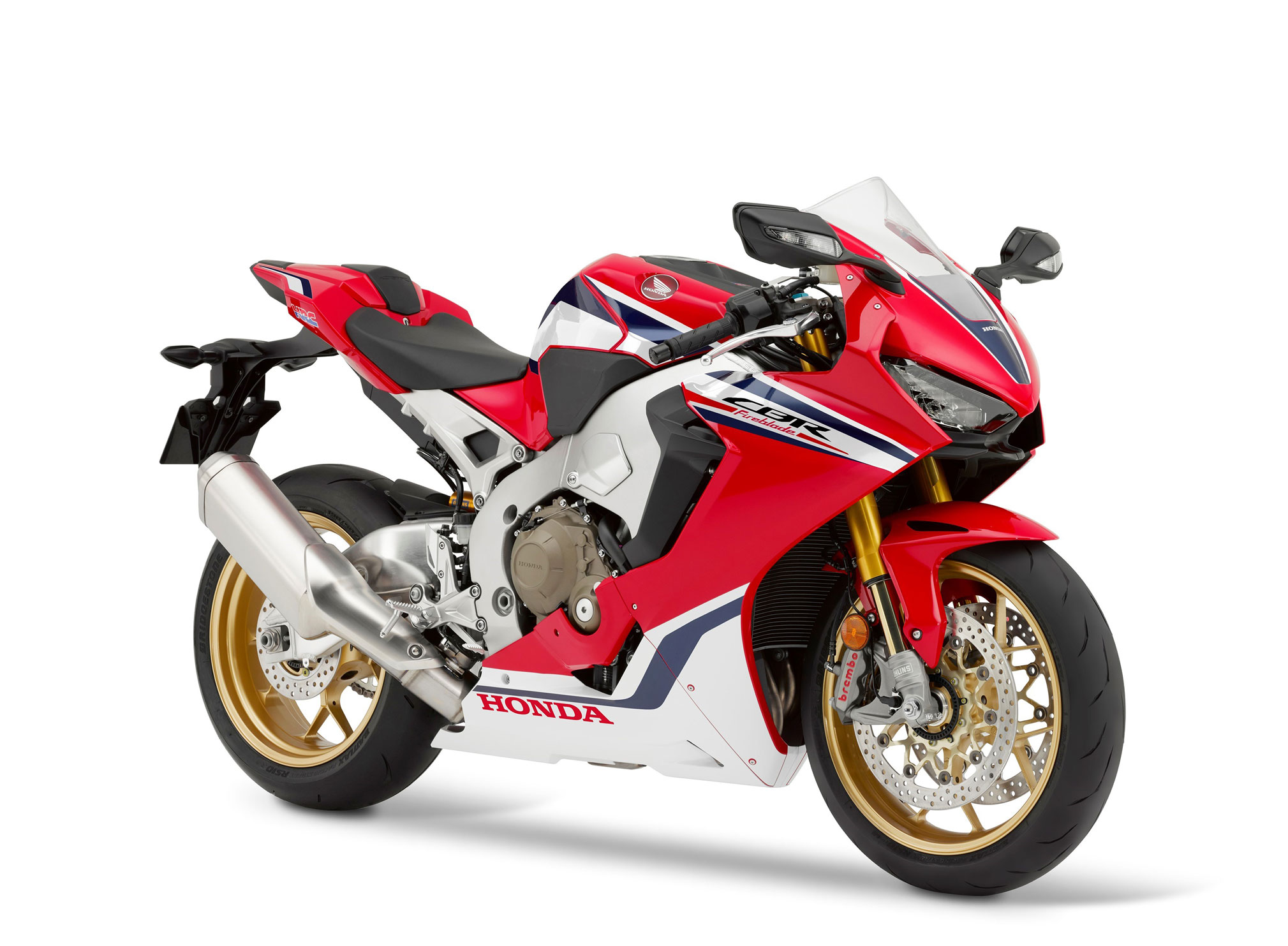
It could be the next-gen Honda CBR1000RR Fireblade.
The next bike ought to be unveiled in the next two years.
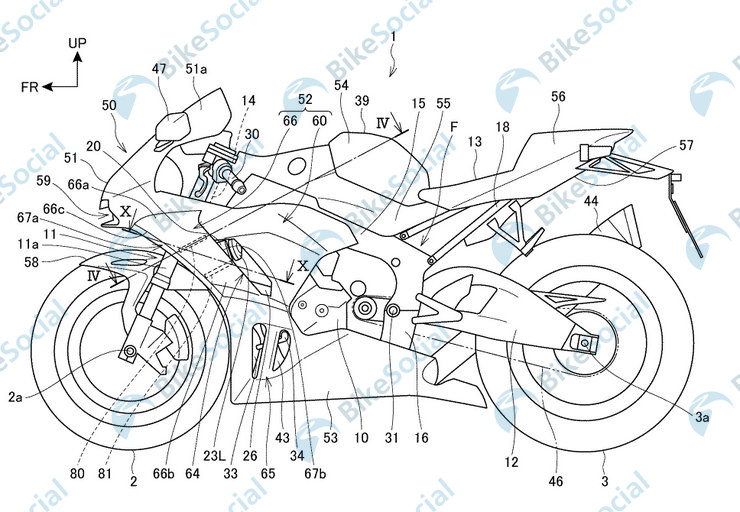
While Honda may not fill certain gaps in different motorcycle market segments, they sure are busy with coming up with new stuff and patenting them. The latest patent to leak shows a superbike – which may be the next-gen Honda CBR1000RR Fireblade – with active aerodynamics i.e. winglets.
The bike in the patent has the profile of the RC123V MotoGP racer, but it’s complete with mirrors and a number plate holder. It must therefore be a street bike.
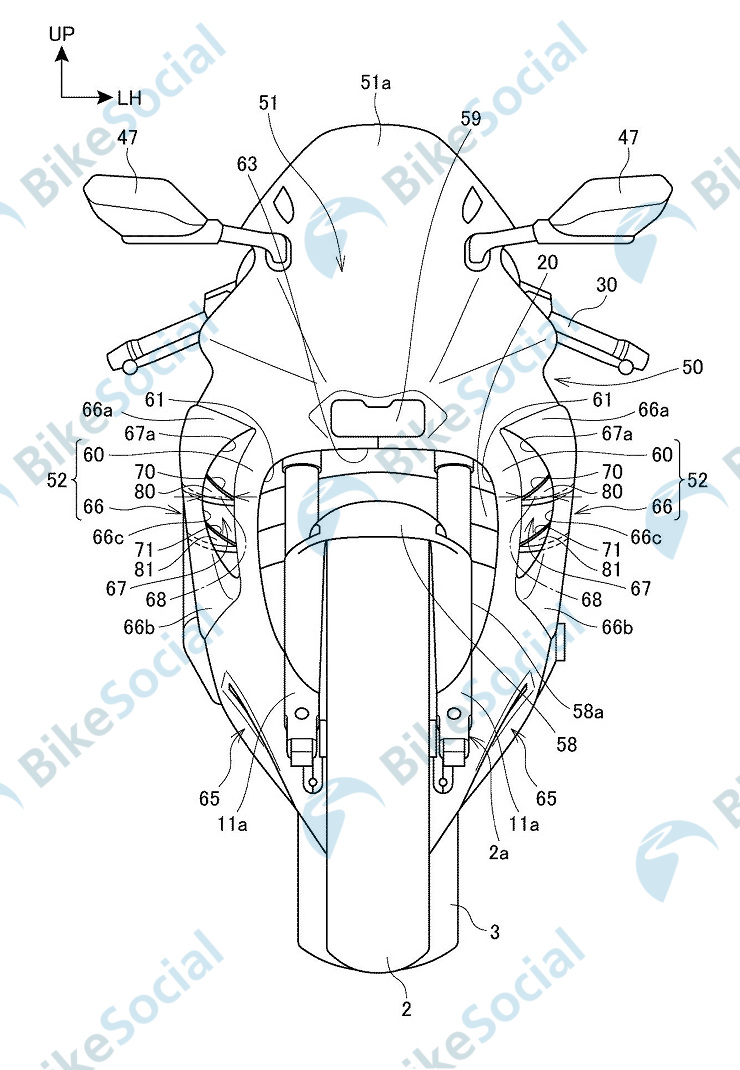
No. 52 on either side are the aerobodies – Picture credit Bennets UK
Back to the “winglets,” there aren’t mounted firmly in place. Instead, the wings swing out and retracts. We can assume that the wings retract at slower speeds when there isn’t need for more downforce. Having them open in the airstream all the time increases drag.
As such, the aerodynamic devices should be ECU-controlled, not unlike the sweeping wings of the F-14 fighter jet.
On another note, the patent submission shows an inline-Four engine. It’s been rumoured that Honda will bring back a V-Four performance motorcycle but that doesn’t like it. At least in these patent drawings.
No. 57 at the tail is the flip-out aero device – Picture credit Bennets UK
However, equipping the new CBR1000RR with variable valve timing or lift technology should be a bigger possibility. VVT/L can liberate more power while cutting back on polluting exhaust gasses.
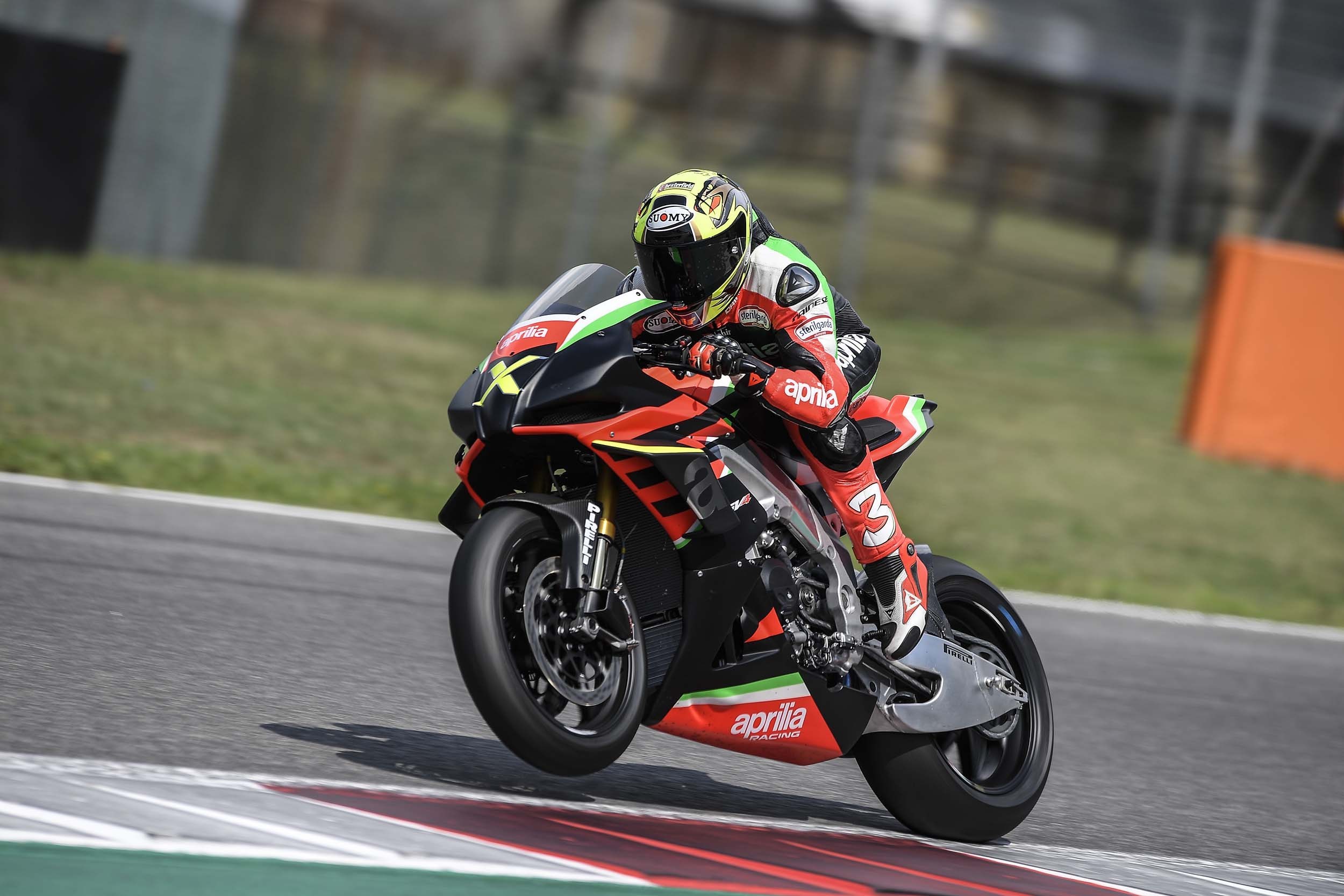
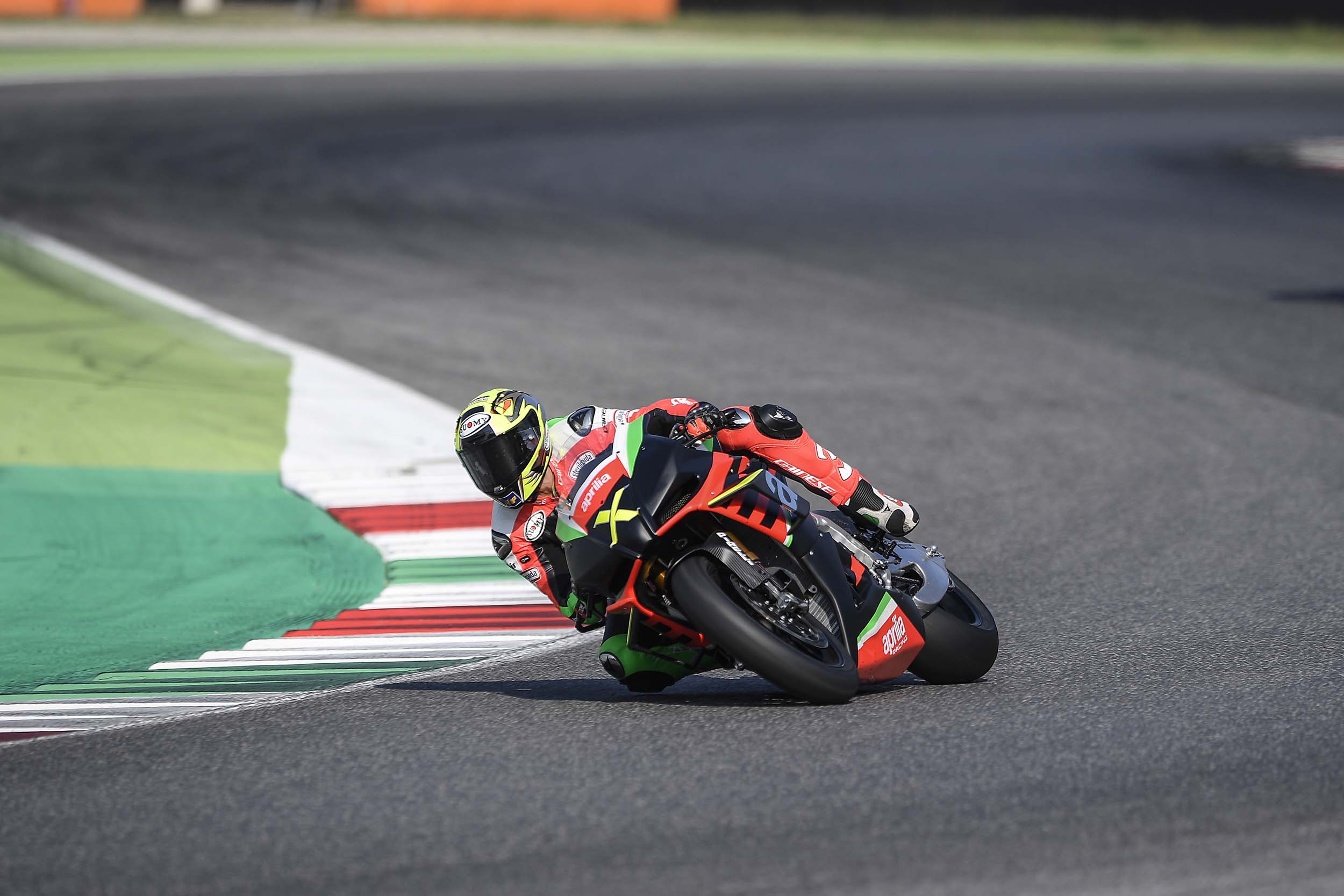
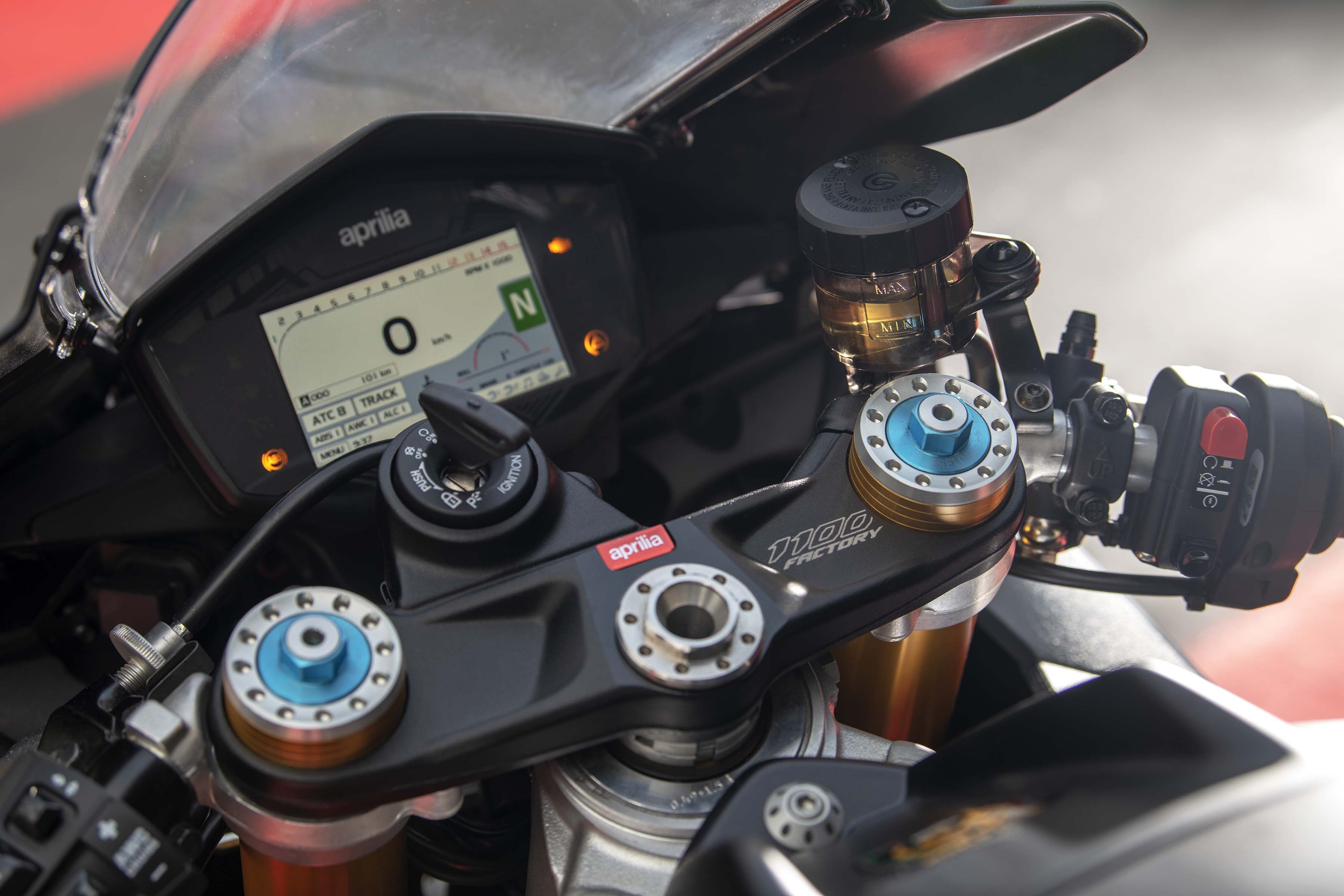
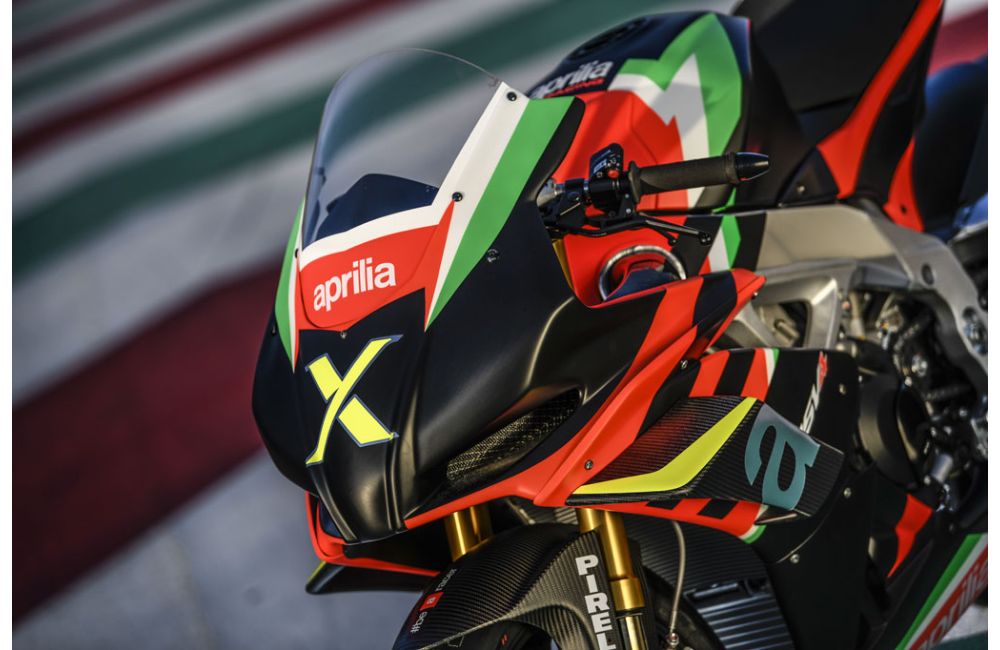
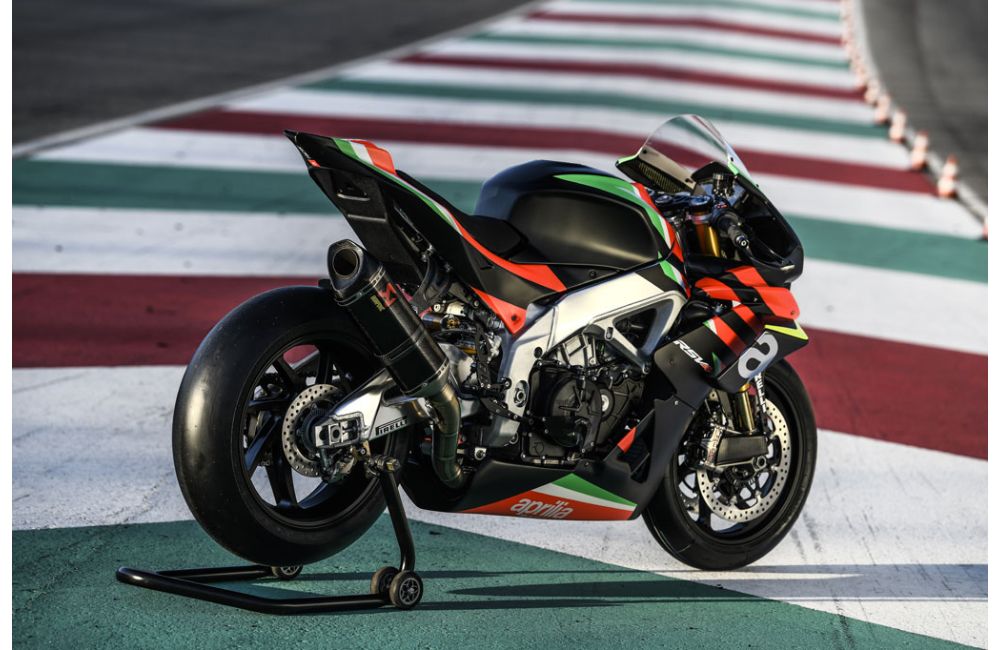
Max Biaggi took delivery of the Aprilia RSV4 X and rode it straight away at the Mugello circuit.
The bike produces 225 hp and weighs only 165 kg (dry), and only 10 were built.
Andrea Iannone will receive his soon.
Max Biaggi took delivery of the Aprilia RSV4 X and rode it immediately at the Mugello circuit.
“Tackling the corners at Mugello astride the RSV4 X is always a fantastic thrill. On this bike, the sensations are exactly like those of a racing bike and, as soon as I got on it, I felt like I had never quit racing,” said Biaggi in the press release. (Note the different swingarm on Biaggi’s bike.)
Aprilia is currently handing over the ultra-exotic and ultra-limited RSV4 X to only 10 lucky owners. Another MotoGP rider, Andrea Iannone is set to receive his shortly.
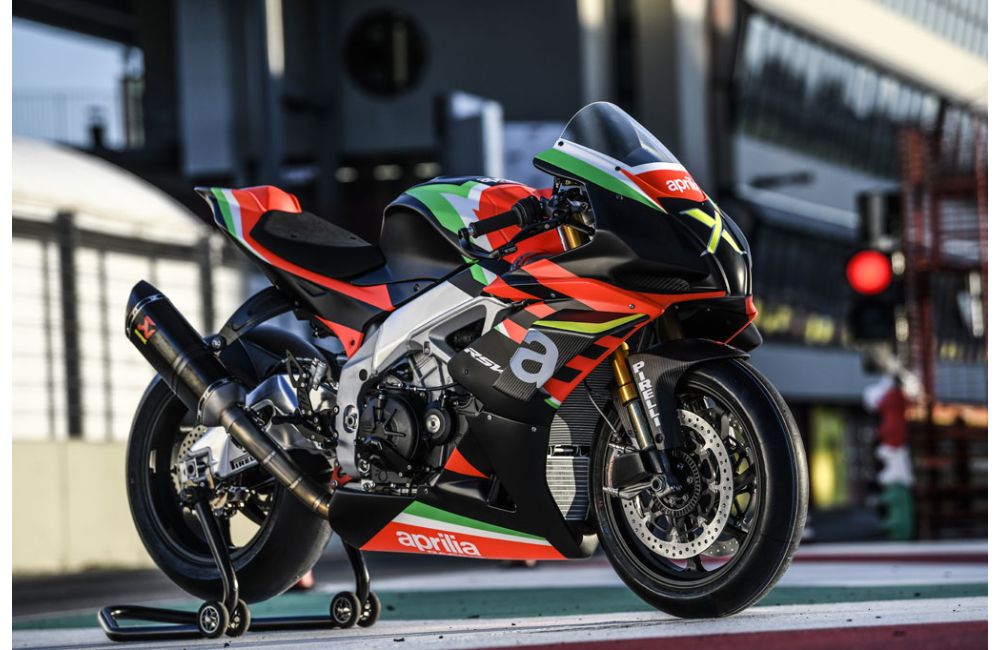
The RSV4 X commemorates Aprilia’s 10th anniversary in World Superbike (WorldSBK) racing, hence limiting it to only 10 units. But it isn’t just another lightly enhanced model with anniversary colours. Like Biaggi said, the bike is as close to a WorldSBK racer as you could get.
That heavenly sounding 1078cc V4 engine produces 225 hp hp and carries a bike that weighs only 165 kg (dry). that 1.36 hp to 1 kg in terms of power-to-weight ratio.
Aprilia engineers removed 26 kg from the RSV4 1100 Factory by lightening a number of components, fitting carbon fibre bodywork, installing a lighter fuel tank and utilizing a titanium Akrapovic exhaust system.
To increase power, the RSV4 X’s engine features new intake camshaft, valve return springs, bucket tappets and more aggressive cam profiles. The ECU was also updated.
But perhaps the most important feature is its gear shift pattern. Instead of the normal 1-N-2-3-4-5-6, the Aprilia uses a fully race N-1-2-3-4-5-6 pattern. Called the Aprilia No Neutral (ANN) shift, the manufacturer reports that it cuts the time to shift from 1st to 2nd gear and eliminates catching a false neutral. It’s the first time such a pattern is used in a roadbike.
Hey, how about featuring it in ALL roadbikes?!
Handling braking duties are the Brembo GP4-MS front brake calipers, clamping down on Brembo T-Drive discs.