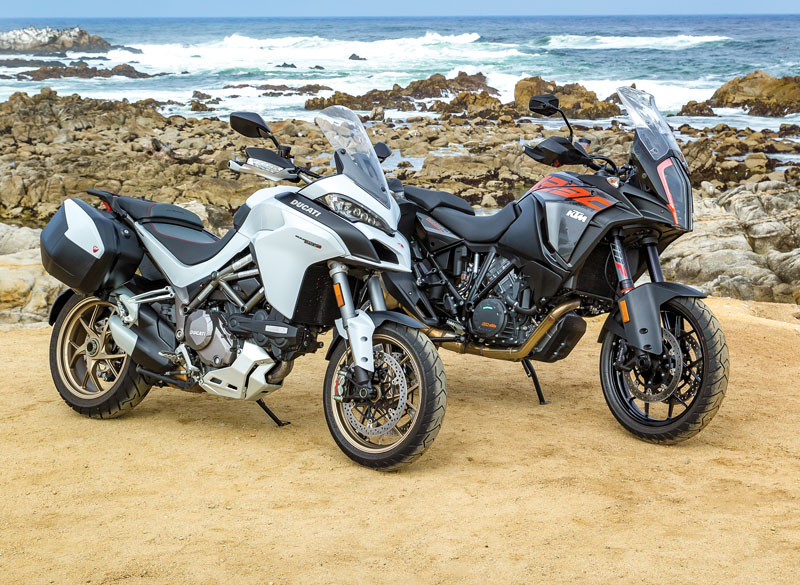
KTM CEO Stefan Pierer stated his desire to acquire Ducati in an interview.
He already has ideas on how to make the brands work together.
It’ll certainly be interesting to see if KTM does manage to buy Ducati from VW.
Everyone seems to want Ducati ever since the Volkswagen Group said it may be up for sale. Now KTM CEO Stefan Pierer says he’s interested.
In an interview with German publication Speedweek, Pierer recorded his interest to add the Italian marque to his collection. He even went as far as naming a few ideas on how Ducati could fit into KTM’s strategy.
The conversation started from his desire to turn KTM into the world’s third largest large capacity motorcycle manufacturer behind Honda and Yamaha.
Bold words in this soft global motorcycle market, but they were with substance. KTM is one of the very few brands to record sustained growth. Husqvarna, now owned by the Austrian manufacturer is also seeing a resurgence under Pierer.
How does it bode for Ducati, then? For one, the Italian brand will be at home with a brand owner who knows motorcycles instead of milking it as a financial instrument.
Instead, Pierer said that he saw that it’s the automotive industry which pioneered the “platform strategy” (building different models based on one engine or frame). “Today, engines and chassis are built partly identical for both KTM and Husqvarna, but in the house we are not working against each other,” he added. It makes sense since offering two brands increases customer frequency.
Yet, how should we imagine Ducati will fit in as a platform to KTM? Desmo LC8 engines? 75oV-Twins in Ducatis? These individual traditions and identities will not mix like orange juice and blood. We’re not even talking about the two brands’ racing effort yet. On second thought, however, Ducati may well benefit KTM in finding the magic equation in MotoGP, after all.
Still, it’d be interesting to see IF Pierer successfully adds Ducati to their stable.
We visited the Imperial War Museum, London at the end of Day 2 of the Triumph Motorcycles Malaysia London Adventure.
The Imperial War Museum displays exhibits that many of us had only seen on TV or read about.
It was full of with important modern warfare exhibits.
Continuing on the Day 2 of the Triumph Motorcycles Malaysia London Adventure, I was getting blown away by how just awesomeness of London. I came across the Imperial War Museum by blind luck.
Coming off Westminster Palace (The Houses of Parliament), I consulted Google Maps for my next destination. I was thinking of the British Museum and St. Paul’s Cathedral, but something else popped up at the edge of the screen: The Imperial War Museum.
It’s not that I like war, but warfare intrigues me. Unfortunate as it is, warfare is where human emotions are at its rawest. There’s also a saying that “No one is an atheist in the trench.”
However, warfare pushes the boundaries of technologies the hardest. For example, it was the US Department of Defence who created the precursor to the Internet. So was the GPS (global positioning system). Titanium was first widely used in the Northorp SR-71 Blackbird reconnaissance jet. Many of the technologies or solutions available to the public resulted from research and development in the military.
Along with my late-Dad, we’ve watched and read so much about the conflicts in antiquity (Rome, Greece, China, et al), World War 1, World War 2, communist insurgency in Malaya and Malaysia, Vietnam war, and every subsequent one in recent times.
St. Paul’s Cathedral and British Museum will have to wait.
Getting there
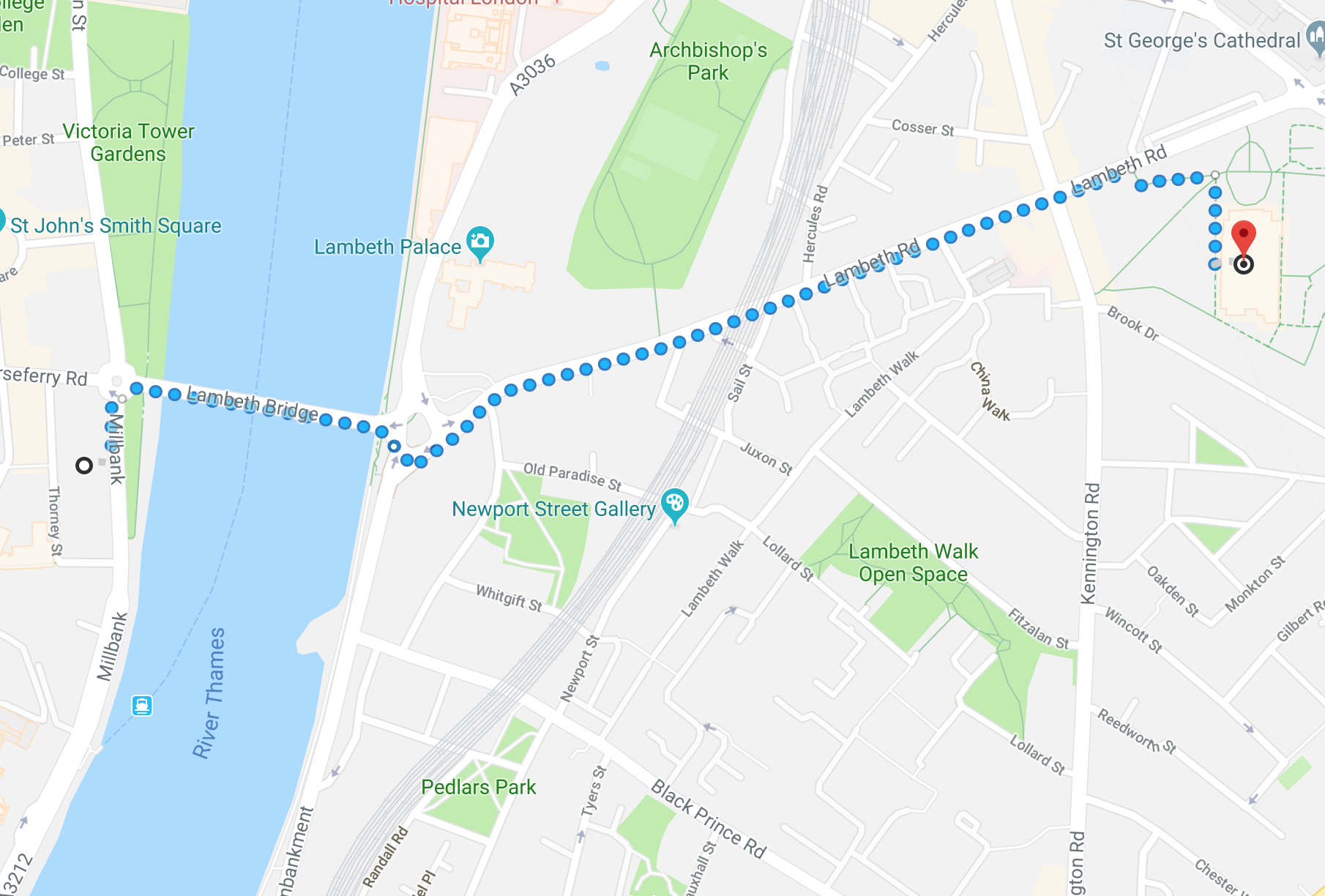
The Imperial War Museum has facilities divided among many locations throughout London and the United Kingdom. But this one at Lambeth is the main facility; a “short” 1.4-km (0.9-mile) walk across the Lambeth Bridge from the MI5 Security Service building.
My calves started to burn as I got to within 700m of the destination, but I kept pushing on. London has this magic of compelling you to keep moving, instead of squirrelling into the nearest café at the road side. Believe me, there are just so many cafés and restaurants anywhere you go around the city.
“We will never surrender,” as Winston Churchill said.
Soon, the courtyard of the museum appeared. Children running around the garden in multicoloured jackets confirmed it. The museum moved here in 1936. The building was originally the Bethelm Royal Hospital.
The compound
Alhamdulillah for the cool weather. I arrived without feeling like I’ve just completed a walkathon.
My eyes spotted a large yellow-colored shells and the barrel of a long gun. “Ya Allah! This is what I want to see,” my lips uttered involuntarily. (I’ve totally forgotten that I’ve not had lunch or any drink since breakfast at this point of time!)
I almost ran up to those guns. These are the BL 15-inch Mark-1 naval guns that I’ve read so much about! I suddenly felt a chill and goosebumps rose on my skin out of excitement. These were the best naval guns produced by the Royal Navy, hence serving from 1915 to 1959. The 15-inches referred to the gun’s bore (circumference of the tube, not length), while the length is at 16.52 metres long.
The gun was capable of shooting shells of 879kg with 222kg (490 lb.) supercharged cordite to a maximum distance of 27.3 kilometres, at 20o barrel elevation (such as on the HMS Hood). The HMS Vanguard’s maximum 30o elevation mounting increased the gun’s range to 34.6 kilometres. The guns were also employed as coastal defence guns in Singapore during WW2. At maximum elevation, the range was 40.3 kilometres.
Both are identical guns, except that the one on the left belonged to the HMS Ramilies and the other to the HMS Roberts.
These weren’t the biggest naval guns, by the way. That distinction belonged to the 18-inch behemoths fitted to the WWII Japanese battleships Yamato and Musashi.
Foyer and atrium
This particular Imperial War Museum does not charge an entrance fee. However, visitors are welcomed to drop some money into a donation box. Perhaps more importantly was photography and videography are allowed!
If those guns outside were interesting, I almost went complete bananas inside. Because, hanging from the ceiling (front to back) are a Harrier GR9 jump jet, V-1 flying bomb, V2 rocket and Spitfire fighter. These, all these fangled war machines were in those books and documentaries, but I didn’t for the life of me ever imagined seeing them up close and personal.
V-1 Flying Bomb
The V-1 (Vergeltungswaffe1 “Vengeance Weapon 1”) flying bomb was the first operation cruise missile of WWII. It was used by the Nazi Germany regime to terror bombing London. The first was fired at the city on 13thJune 1944, exactly after Allied troops landed at Normandy. A total of more than 9,500 V-1s were aimed at London.
However, the V-1 was primitive that it could not avoid anti-aircraft fire or fighter aircraft, and many were shot down that way.
V-2 Rocket
So, the Third Reich worked on Vergeltungswaffe2, better known as the V-2 rocket. The V-2 was the first proper intercontinental missile and the first manmade object which crossed into space.
Unlike the V-1, there’s no defence against the V-2. A survivor of a V-2 attack attested to seeing an entire block of London building lifting a metres into the air before exploding. More eerily, a double crack sound followed after the explosion. The “cracks” were the result of the bomb passing the sound barrier. The BBC reported that nearly 9,000 civilians and military personnel were killed by the rocket bomb.
Nazi Germany had been working hard on a nuclear program (they invaded Norway for the supply of “heavy water”) but they didn’t succeed in weaponizing that technology, thankfully. Otherwise, all of Europe would probably be speaking German now…
Another interesting fact was that the chief designer and engineer of the V-2 Werner Von Braun and his team surrendered to the American forces at the end of the war, rather than to the Soviet Union.
Von Braun and his team would go on to create the Saturn V rocket which carried the first humans to the Moon.
T-34-85 WWII Tank
The T-34 Soviet medium tank was widely regarded as the best battle tank in World War 2. Despite being outgunned by the excellent German Panzer and Tiger heavy tanks, the Soviets produced so many more T-34s to counter their losses. In fact, 44,900 T-34s were lost – the most in the war.
The secret to the T-34s success was its simplicity, which in turn meant easier and cheaper production. A total of 84,070 we built. By May 1944, they were producing 1,200 units of the T-34-85 variant per month.
Reuters Land Rover
The beat-up Land Rover was wearing the bright white paint and multiple “TV PRESS,” “REUTERS,” “FOREIGN PRESS,” etc. notations when the Reuters crew were covering the conflict in Gaza in 2006. Yet, an Israeli helicopter launched a rocket at it. The rocket went through the roof and exploded in the gearbox. Journalist Sabbah Hmaida was injured badly in his legs but his cameraman Fadel Shana suffered minor injuries.
Sadly, Shana was killed later when he was shot by an Israeli tank. The tank opened fired the second time, destroying the SUV he was travelling in. Eight other unarmed Palestinian civilians aged between 12 to 20 lay dead or dying from the blast.
As a journalist, it truly angered me that the Israelis actually shot vehicles with “PRESS” prominently emblazoned on their sides and roofs! What stank even more was when the Zionis regime exonerated the soldiers who fired the shots, through some incredulous reasoning.
You would definitely hear about the iconic Rolls-Royce Merlin engine if you’re an aviation/history fan. It was installed in almost every British warplane including the Hawker Hurricane, Supermarine Spitfire, de Havilland Mosquito, Lancaster heavy bomber, etc. etc.
This particular Merlin III engine was a 27,000cc (27-litre), 60oV-12 with single-stage, single-speed supercharger, producing 1030 bhp. The later Merlin XX produced 1,240 bhp.
According to the IWM, it powered the Hurricane Mk. 1 flown by Squadron Leader Tom Gleave of 253 Squadron. The squadron was protecting the Biggin Hill airfield on 31 August 1940 when they intercepted a formation of German Junkers Ju 88 bombers. Gleave hit two bombers but a shell hit his starboard wing fuel tank. His planes burst into flames, but he managed to bail out. The plane crashed at Mace Farm, east of the airfield. This engine was recovered by a local flying group in the 1960’s.
The American Packard Motor Car Company produced the Merlin 28 under license and designated it as the V-1650-1. It was this engine which went into the early North American P-51 Mustang. The later Merlin 66 became the Packard V-1650-7 which powered the P-51D variant. It was this plane which helped cripple the Luftwaffe fighter arm in the skies over Europe.
Enigma Machine
Radio messages in the military have to be codified (ciphered) to avoid the enemy from knowing your intentions.
Great Britian was in the process of being starved out and deprived of military materiel from America by Hitler’s U-boats (submarines). The U-boats meanced the Atlantic Ocean and sunk merchant ships of the Atlantic Convoy at will. Something had to be done quickly and one way was through breaking the German’s radio code.
The Germans used a machine called the Enigma to cipher their messages. The machine looked like a typewriter, but it actually replaced each letter typed with another letter through a “code” which only the sender and receiver know. Let’s say we typed in “Guten Morgen” on our end, the receiver will receive “XOGAT NQLRZ.” Therefore, the message is gibberish to anyone who intercepted it without the code.
The Allies made concerted efforts to capture the Enigma and break the code. It was finally broken by a British mathematician named Alan Turing. From then on, the U-boats were either avoided altogether (the Convoy charted other routes) or ambushed by the Royal Navy.
The cracking of the Enigma code remained Top Secret in the UK until the 1970’s.
Krupp Flak 8.8cm Flak
This is another piece of weaponry that Call of Duty players should know. It’s better known as the “Flak 88,” or “eighty-eight” in English and “acht-acht” in German.
It started out as a Flugzeugabwehrkanone, German for “anti-defence cannon.” The term “flak” is a contraction of that word. These cannons shot flak shells that are pre-set to explode at the chosen altitudes. The explosion throws out metal shrapnel in all directions. This method of anti-aircraft defence was for high altitudes where smaller shells could not reach. Remember this was World War 2 and SAMs (surface-to-air missiles) have not been developed yet.
The mechanisms of the gun was so well designed that later modifications adapted it to other roles such as artillery and anti-tank. That 8.8cm Flak KwK 36 version was fitted to the Tiger I heavy tank and it outranged every Allied tank on the battlefield. The later PaK 43 was fitted to the Elefant and Jagdpanther tank destroyers and lastly, the KwK 43 was fitted to the Tiger II.
Avro Lancaster Heavy Bomber
The Avro Lancaster was the backbone of the British Bomber Command in WW2.
It was used primarily in night bombing missions. But the true strength of the “Lanc” was its ability to be transformed quickly to carry almost any payload or mission. Its most famous missions include the bombing of German dams on the river Ruhr with “Upkeep” bouncing bombs, besides the fire-bombing of Hamburg.
The IWM displays the forward fuselage of a Lancaster christened as “Old Fred.” Old Fred served with the 467 Squadron of the Royal Australian Air Force. It flew in 49 missions in enemy territory, marked by the 49 “mission marks” below the canopy.
Japanese Katanas
One level up and it begins with the Pacific Theatre of WW2. Displayed here are a number of katanas (Japanese Samurai swords) that were issued to Japanese military officers. The katana gained its notoriety during this period as they were used to behead prisoners of war. Truth is, the katana is a weapon of chivalry and honour, as was the samurai spirit of Bushido. But war corrupts many things.
Mitsubishi A6M3 “Zero” Fighter
The Japanese Zero was the most feared fighter plane in the Pacific War’s early stages. It was instrumental in leading the attack on Pearl Harbor. As it was built light, it could outclimb and out-turn any American fighter, initially.
Fortunately, the Americans discovered an intact crashed Zero in Akutan Island, Alaska. It was shipped back home and experimented on. The US then developed the F6F Hellcat and new tactics to counter the Zero. The Zero was relegated to kamikaze attacks in the latter stages of the war.
M4 Sherman Medium Tank (refer to the video above)
Just as the Soviet T-34, the M4 Sherman Medium Tank was built in great numbers in WW2. Furthermore, it also had the sloped armor similar to the T-34.
Being built simple and easy to maintain, the Sherman were ubiquitous in the battlefields of both European and the Pacific. The chassis served as the platform on which the Allies could build specialized machines including the amphibious DD (Duplex Drive) M4 which “swam” from the landing ships to the beaches, Zippo flame throwing tank, T34 Calliope rocket launcher, anti-mine tank with steel chain flails, and more.
Some 49,234 were built from 1942 to 1945.
Battle of Berlin
At the end of the European theatre, the Allied forces USA, Great Britain and Soviet Union were racing toward the seat of the Third Reich – Berlin. While none of the nations admitted it, whosoever reached and conquered the city first would most probably have the biggest say after the war.
The Soviets made almost suicidal efforts to finally conquer the city, and it was costly for both sides. The Soviets Red Army also committed many atrocities towards Berliners, especially the women. As word spread, more Germans decided to surrender to the Americans, including Werner Von Braun.
These were the main infantry small arms of the Red Army.
BMW R75
The BMW R75, especially with a sidecar attached is probably one of the most enduring images of the Great War. The Wehrmacht (German Army) used it in Africa and Russia extensively. The sidecar’s wheel is attached directly to the motorcycle’s rear wheel. A locking differential and selectable road/off-road gear ratios could be selected. There are also gear for reversing. The engine was a new 750cc, OHV, Boxer which produced 26 bhp.
BMW’s rival Zündapp also had a motorcycle during the war called the KS750. However, the Army urged both manufacturers to standardize their parts for the sake of simplicity in the field. It resulted in both the R75 and KS750 sharing 70% of their parts.
It was the R75’s success that prompted the American Army to demand for a motorcycle of their own, resulting in the Harley-Davidson XA. The XA became H-D’s first shaft-driven model.
The R75’s story didn’t end there. In producing the legendary movie “The Great Escape,” the producers dressed up four Triumph TR6 Trophies to mimic the R75 for the jump sequences.
Field Marshal Montgomery’s Humber Super Snipe Staff Car and North African Campaign Map
This Staff Car was called “Old Faithful” and was used by Montgomery as his personal chauffeur-driven transport while commanding the British Eighth Army in North Africa. He used it to visit his troops in the field and gave them his famous “pep talks” from it.
Montgomery was the commander who led his troops in pushing German Field Marshal Edwin Rommel’s Afrika Korps all the way to Al Alemein, Tunisia and out of North Africa, opening the way for the Allies to invade Sicily, Italy. The Italian campaign knocked out the Fascist Italians, depriving Hitler of an ally.
It also turned out that the first shots in the Battle of Al Alemein were fired by the British on 23rd October 1942, exactly 76 years ago when I visited this museum. What a coincidence! The British troops had lost and surrendered in one battle after another, including Dunkirk, Norway, Tobruk and Singapore before this, so the Battle of Al Alemein was the turning point for the British.
Willys MB Jeep
The Jeep was another symbol of WW2. Simply put, it was the first 4X4 SUV. The troops loved it as a multirole vehicle that could do just about everything.
This particular Jeep was used by the Red Cross Homes in La Selva and Cuvia, Italy and Klagenfurt, Austria. The Jeep’s windscreen can be folded forward flat on the hood, thereby making it ideal as an ambulance. This particular unit was also used to deliver supplies to the Casualty Clearing Stations in those theatres. The Red Cross didn’t want to keep the Jeep after the war and handed it back to its former owner, Joan Whittington, who drove it back to England from Austria.
The Jeep were jointly built by Willys-Overland (MB) and Ford. The former produced 359,489 units while the latter built 277,896. It was used extensively in WW2, the Korean War and Vietnam War.
Little Boy Atomic Bomb Casing
This was one of the five actual spare Little Boy atomic bomb casings.
Filled with 64kg of enriched uranium-235, “Little Boy” was the atomic bomb dropped in the history of mankind. It flattened the Japanese city of Hiroshima on 6thAugust 1945. The bomb which was dropped on Nagasaki on 9thAugust 1945 was called the “Fat Man,” on the other hand.
The “bombs” hastened the Japanese military to surrender to the Allies, thereby ending the war in the Pacific and WW2, overall.
BAe Harrier GR.9
The Harrier attack/fighter was the first operational vertical/short take-off (V/STOL) and landing aircraft when it was introduced in 1969. Vertical take-off means the plane could get off the ground without needing to sprint down a runway. Instead, it goes up like and hovers like a helicopter. The engineers did this by aiming vectoring jet nozzles on the fuselage.
The carrier-borne version called Sea Harrier distinguished itself against the Argentine Air Force in the Falklands War in 1982. Although slower, the Harriers shot down 20 Argentine aircraft with no loss. Only 2 Harriers were brought down by ground fire.
Harriers were license built in the US for the Marine Corp as a close-support aircraft, called the AV-8B.
This particular Harrier started out as a GR.5, before being upgraded to the GR.7 and ultimately the GR.9. Great Britain had stopped flying the Harrier since 2010, replacing them with the American-made Lockheed F-35 Lightning II.
One Last Look
There were more which I videoed on that day but too numerous to be included in this already too long article.
There were sections on the Korean War, Cold War, War on Terror, UN Peacekeepers, and many more. Besides those, the museum also had a resource centre which was stocked full of books and videos for researchers. Its shop was like a toyshop combined with a bookstore!
In fact, I didn’t have much time to spend at the museum, unfortunately, as it was already 4pm. I didn’t have the luxury of reading each info card of the exhibits. Almost the all notes here were from my prior research. However, touching the V-2 rocket had my senses tingling. This was something significant out of history.
The only I could do at that sad moment was vowing to return some day. Like General McArthur.
Before I close, there’s something that I feel strongly about mentioning. It was heart-warming to see so many parents who patiently read the cards and explained it to their children. That’s what my late-Dad did for me.
On the other hand, I’ve seen so many Malaysian parents shrugging their shoulders and saying, “I dunno, let’s go” instead of teaching their kids. I hope these parents can take a cue from the English and educate your children.
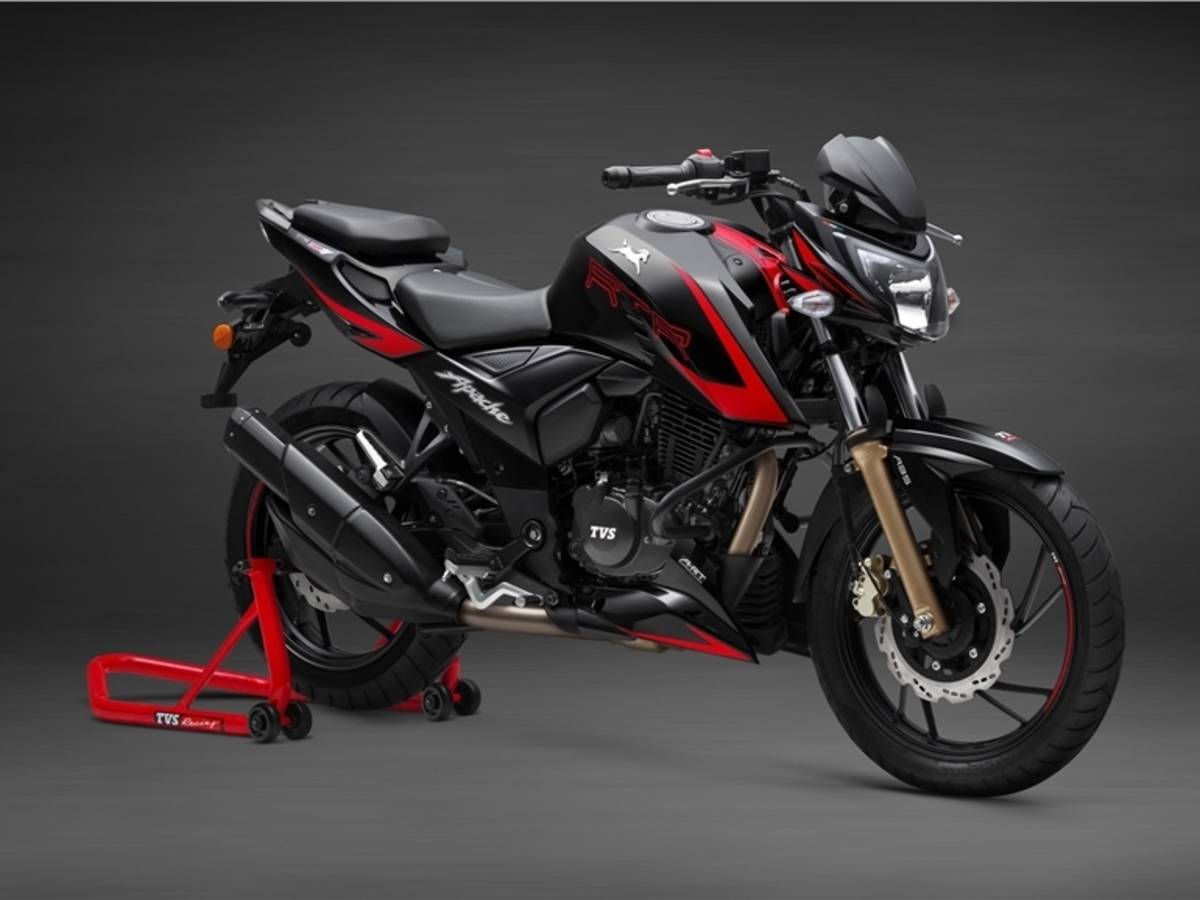
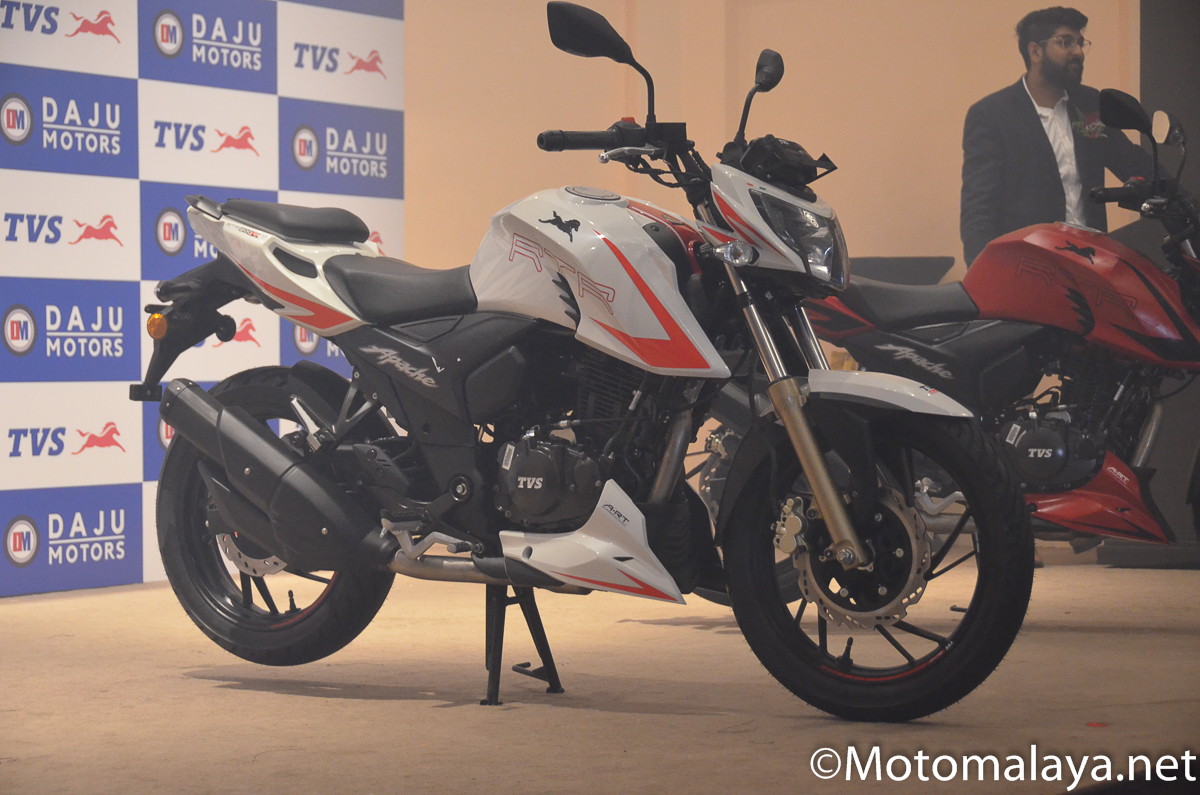
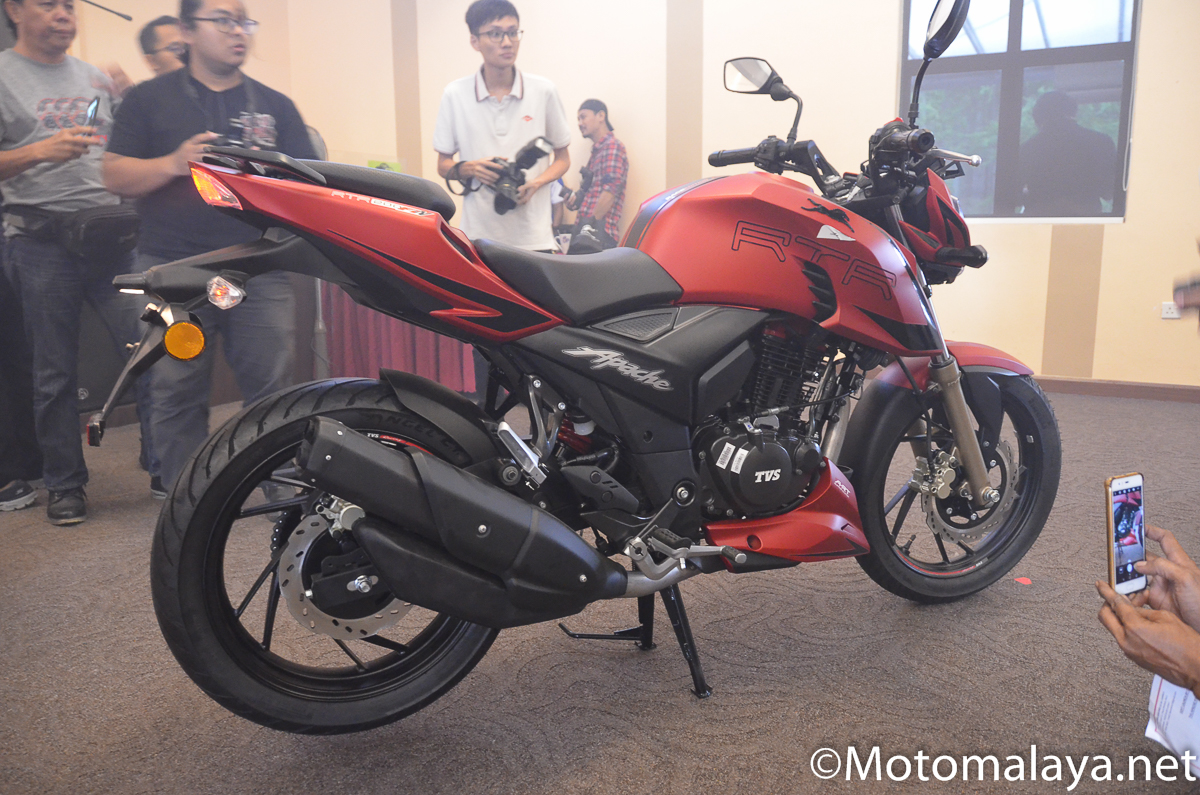
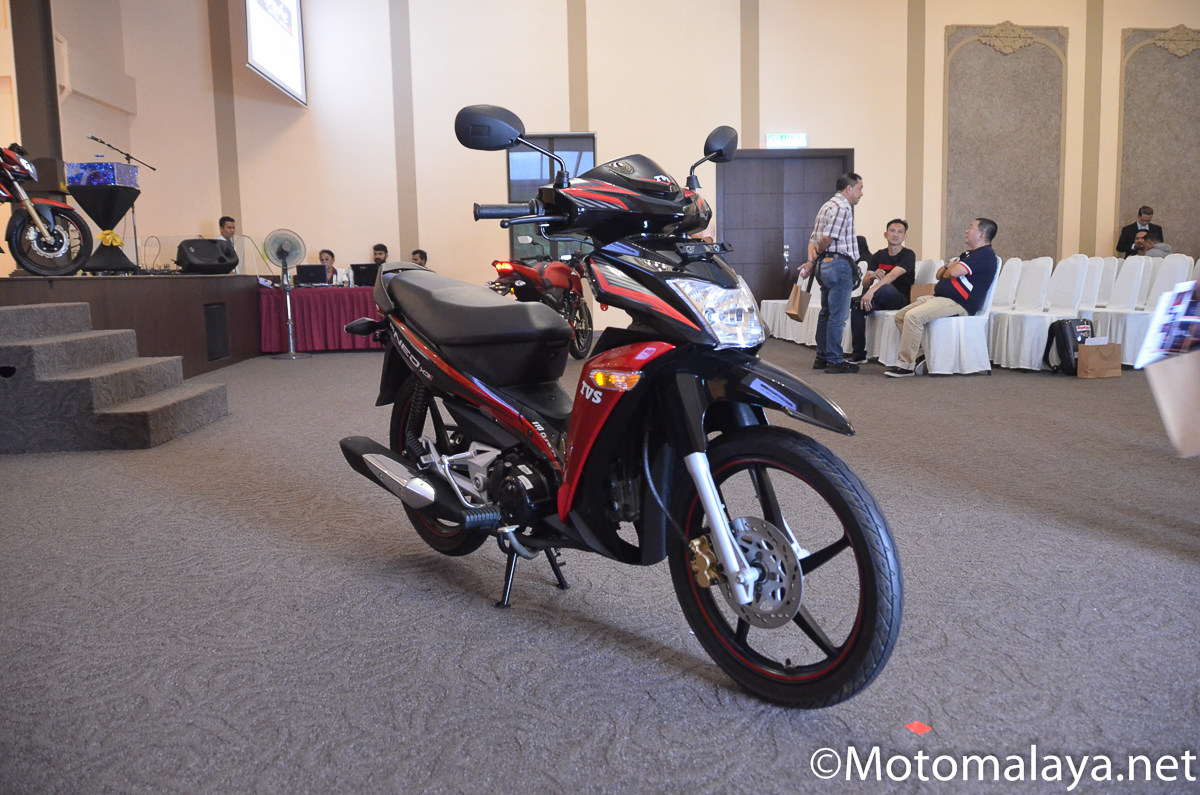
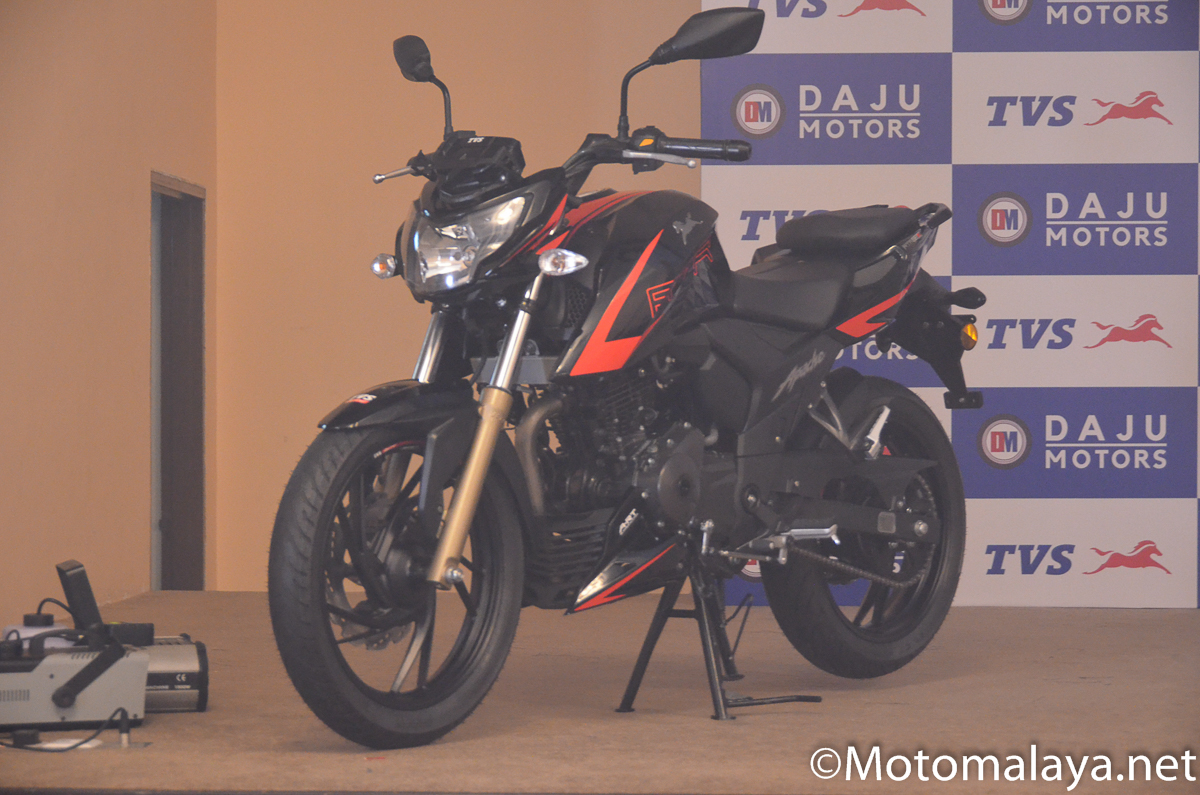
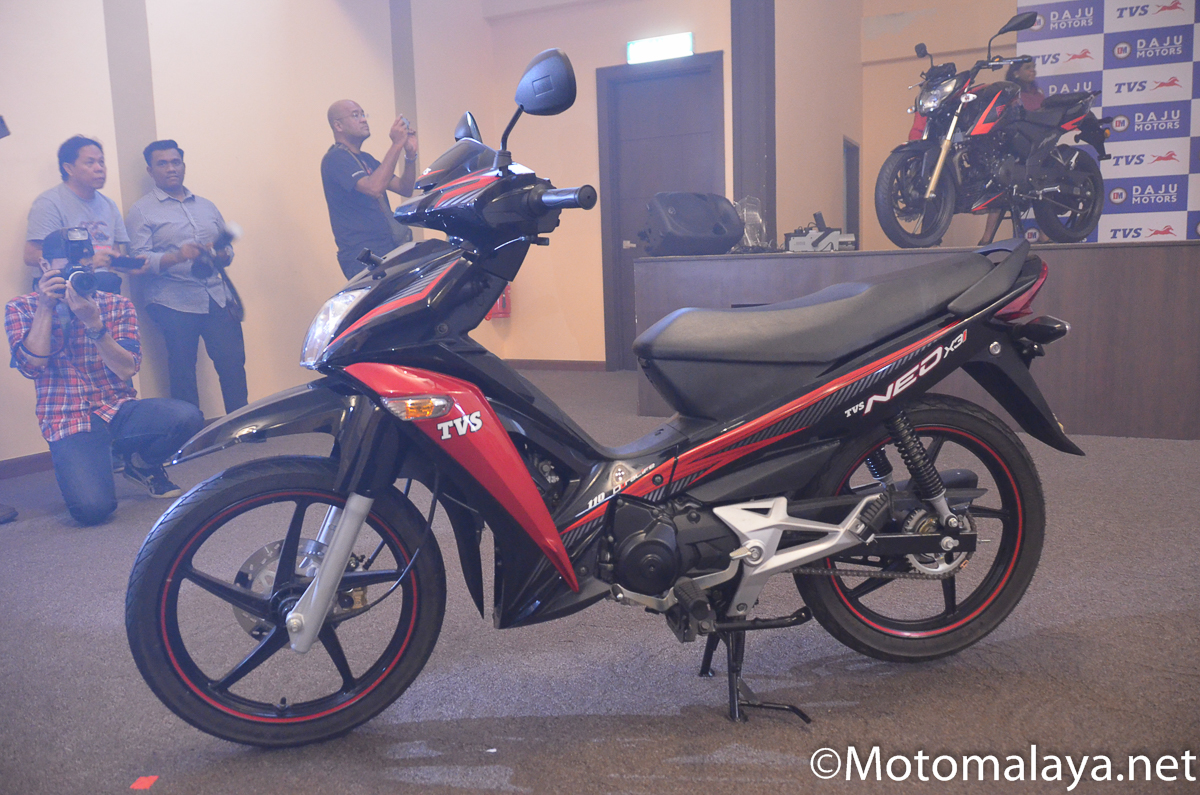
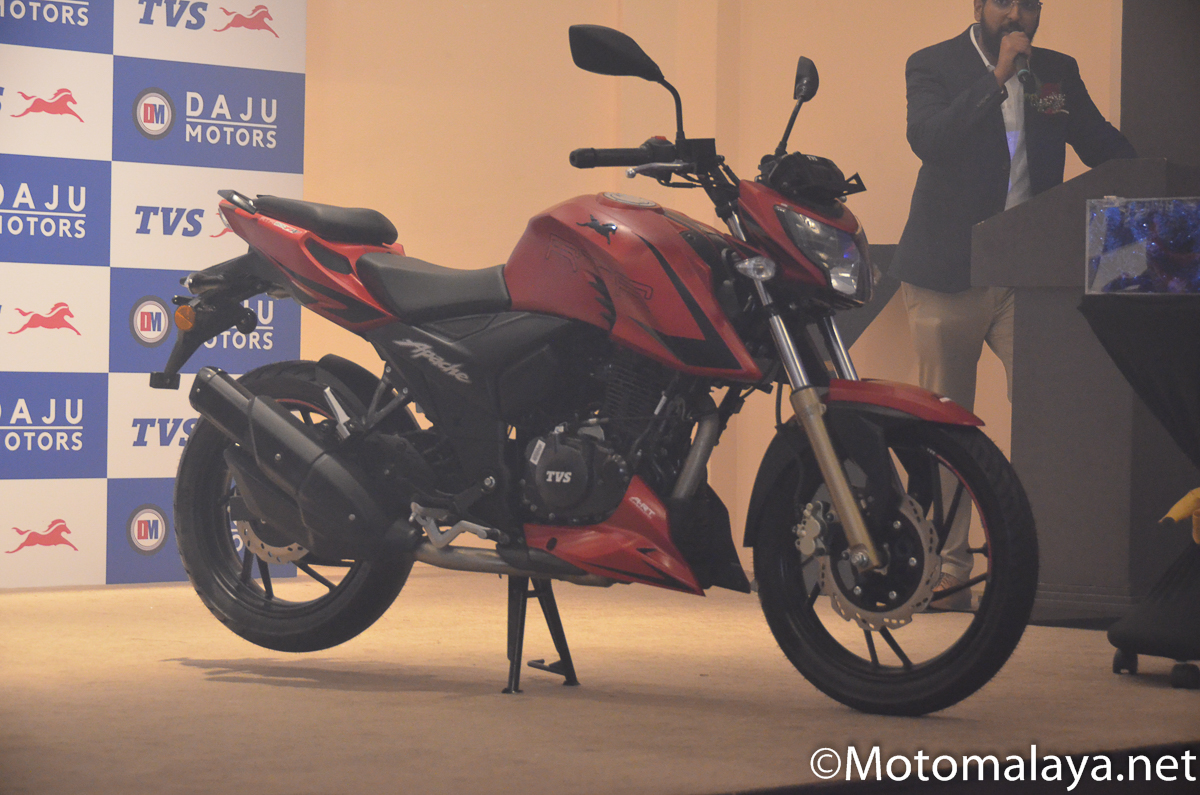
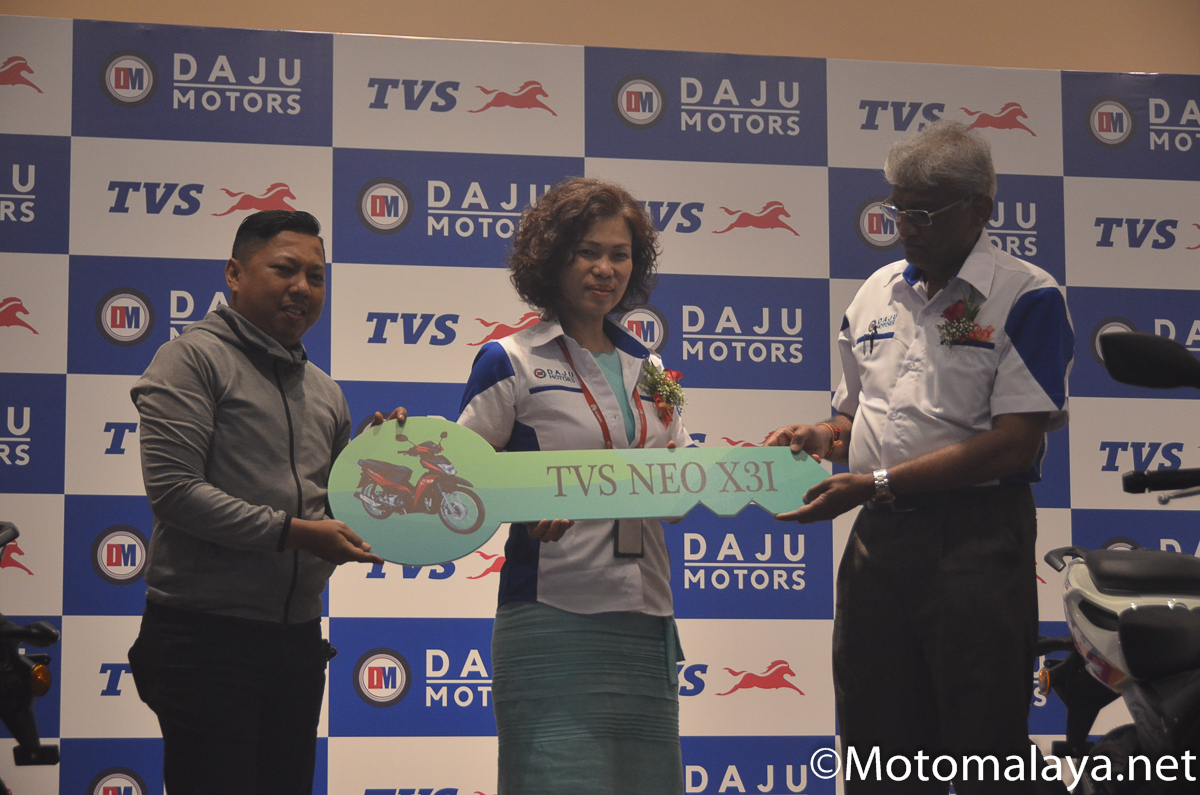
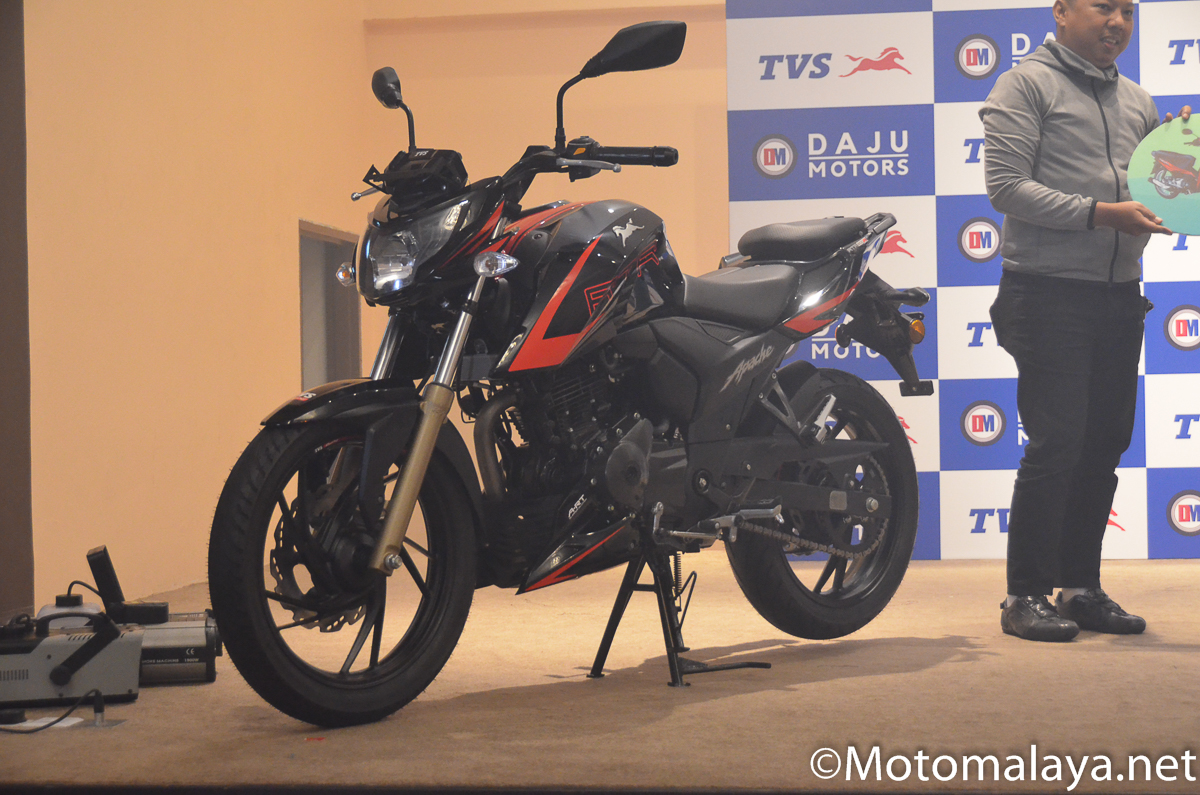
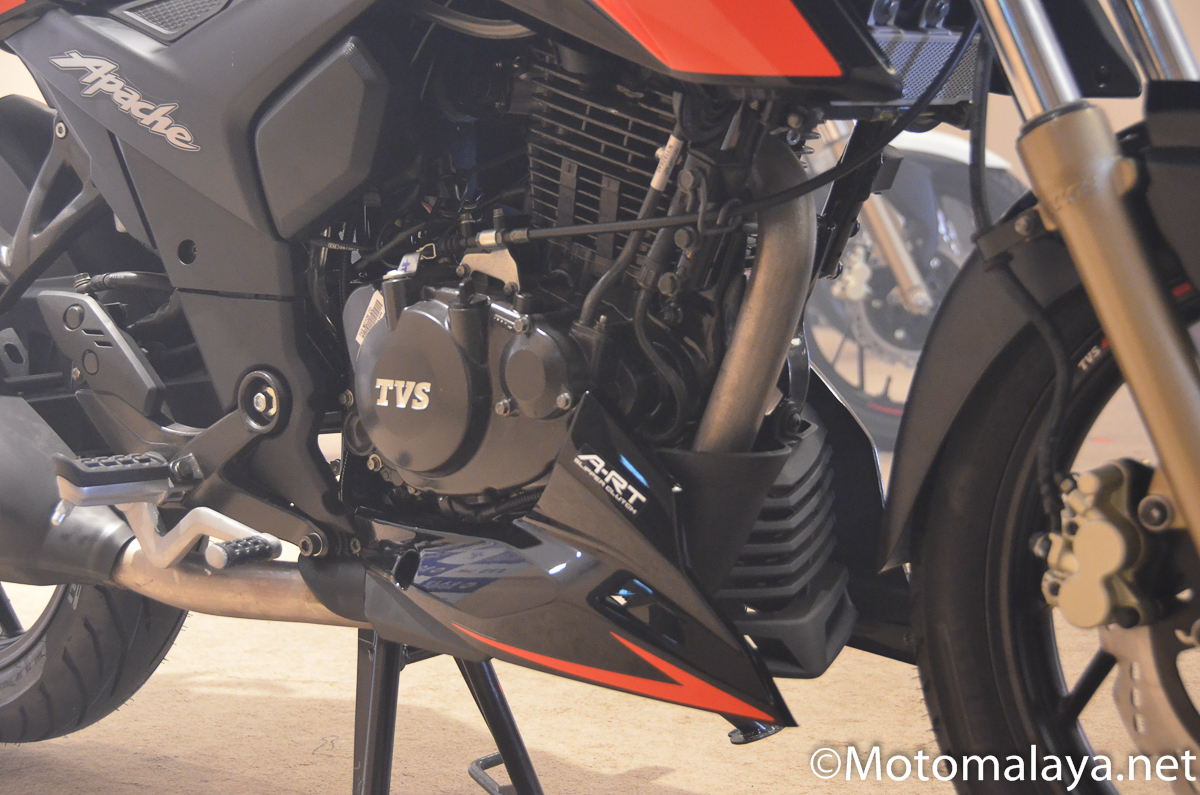
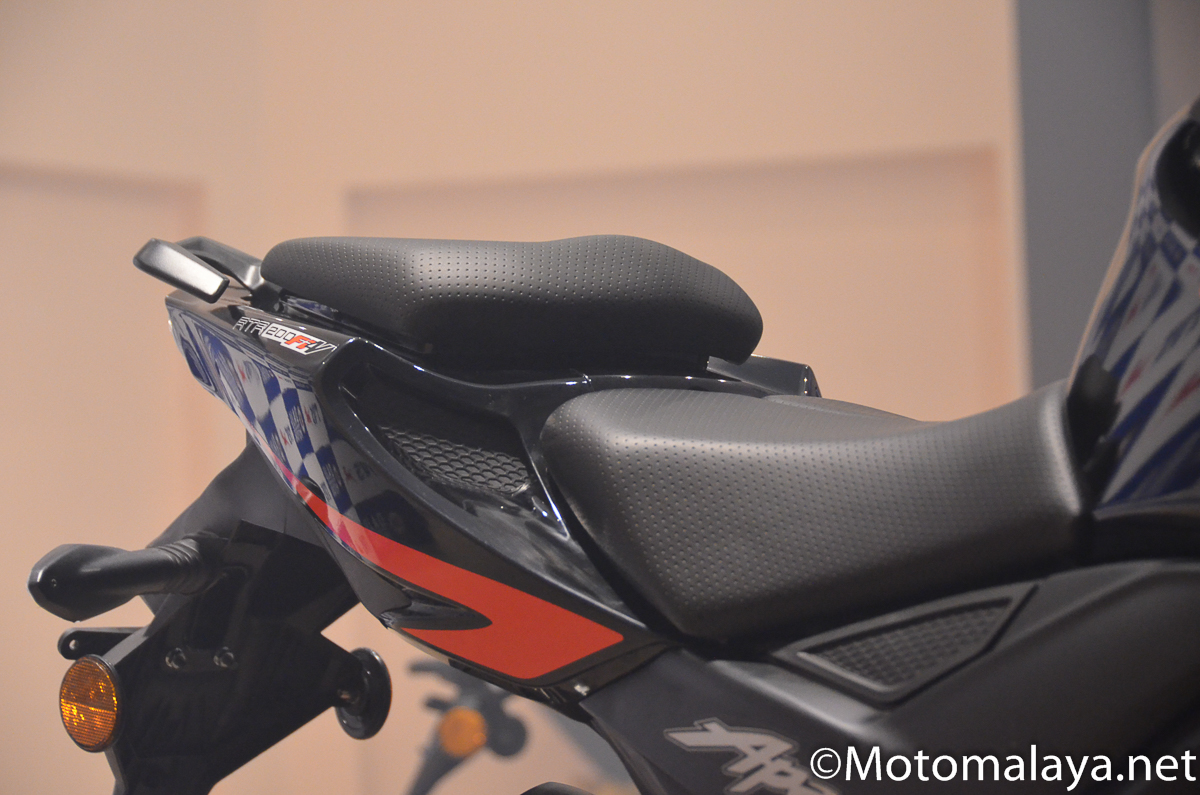
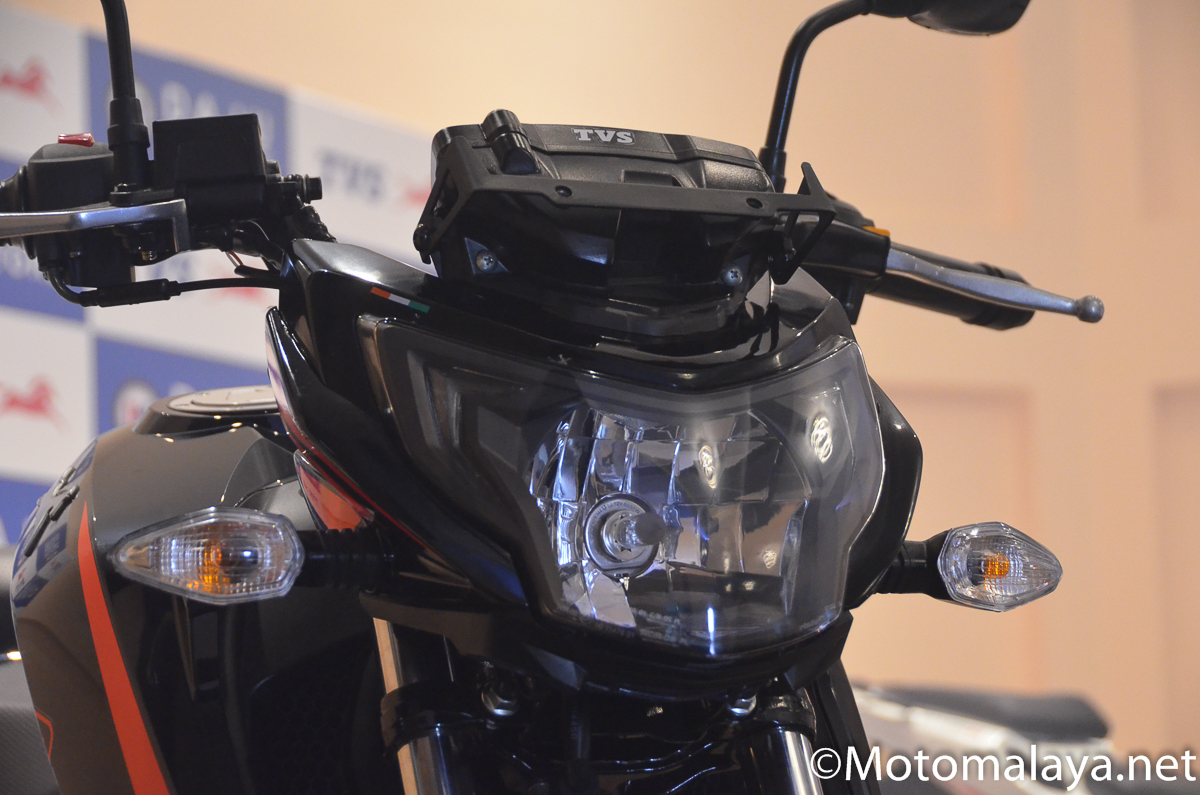
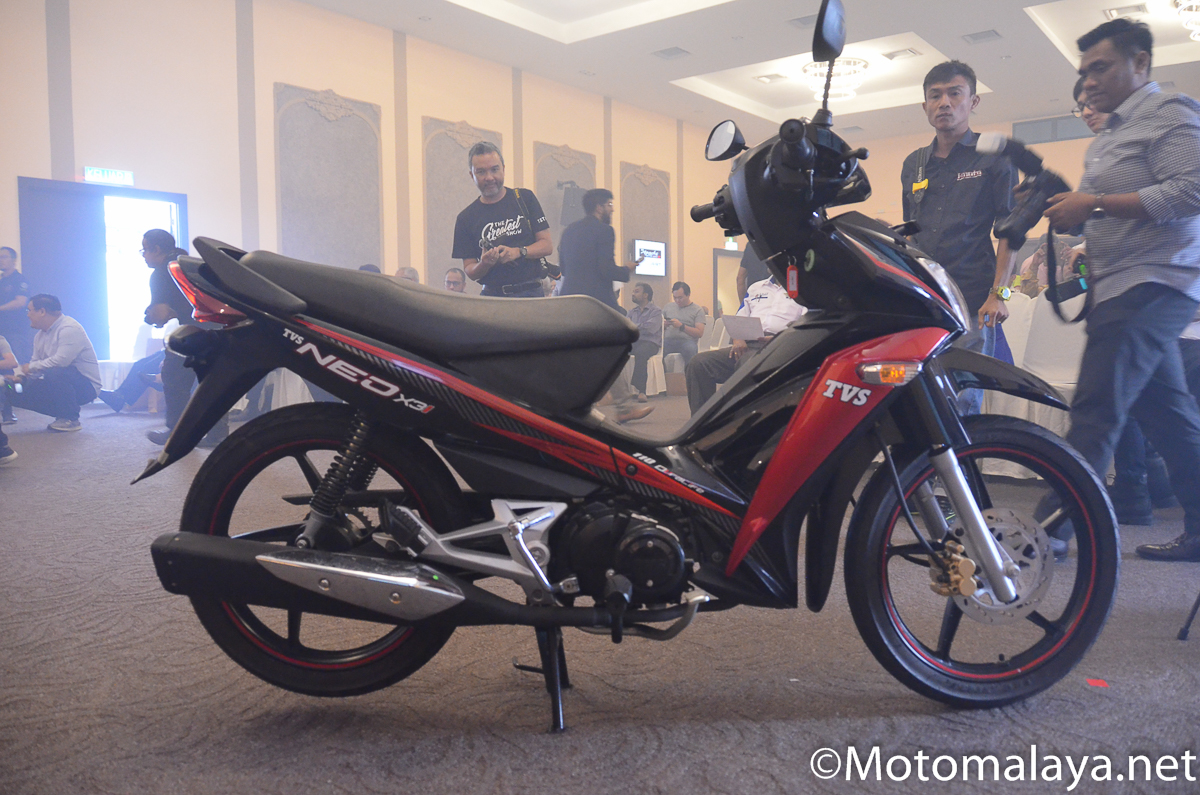
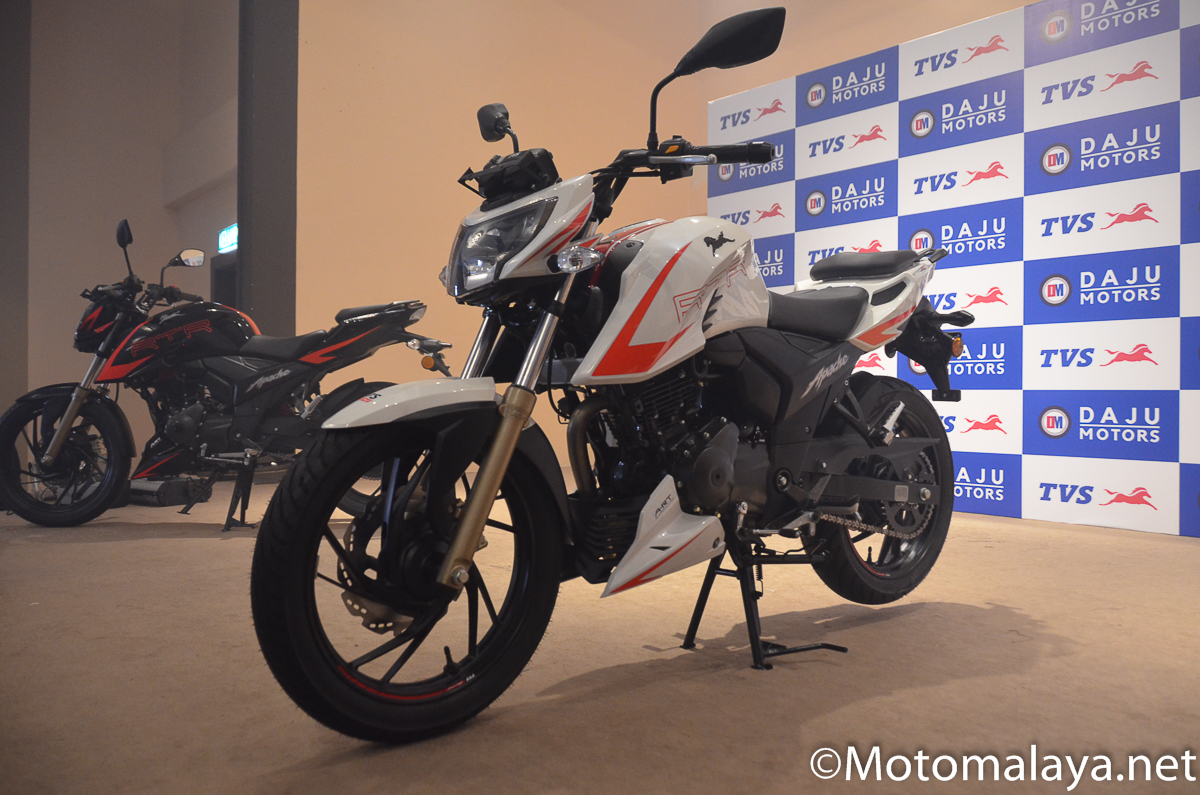
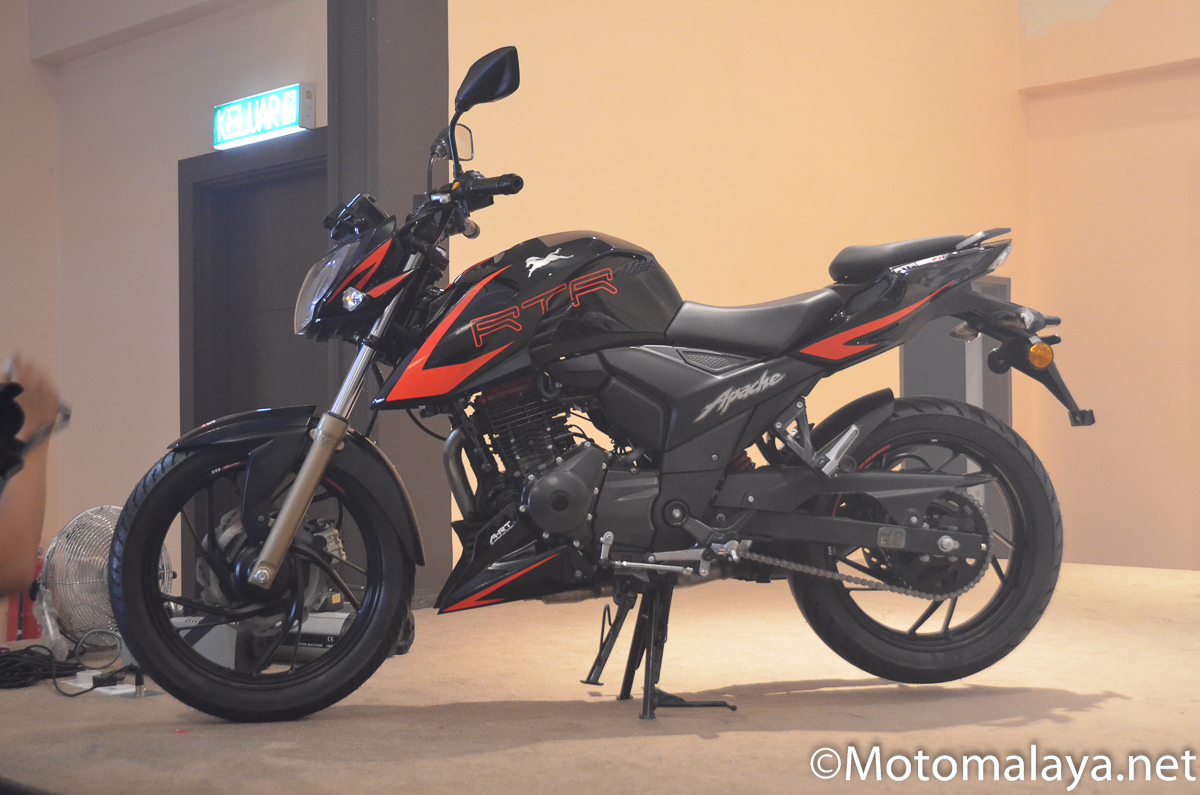
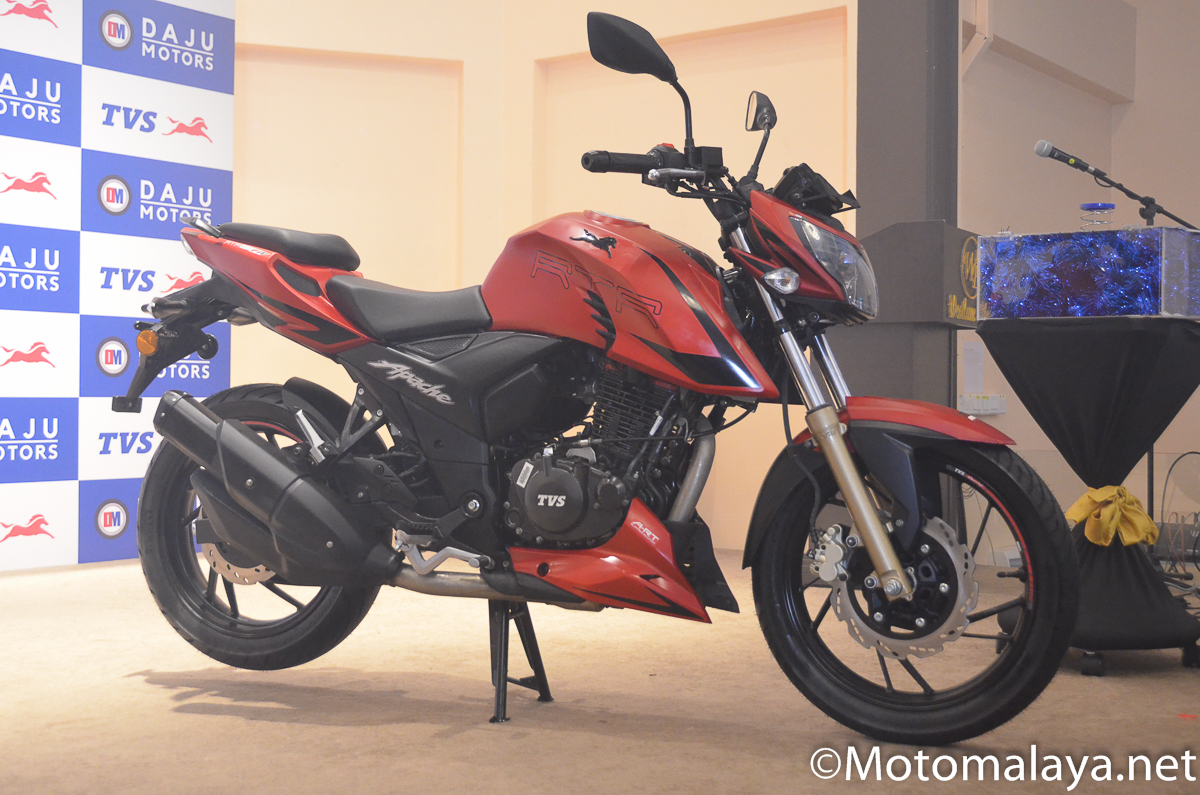
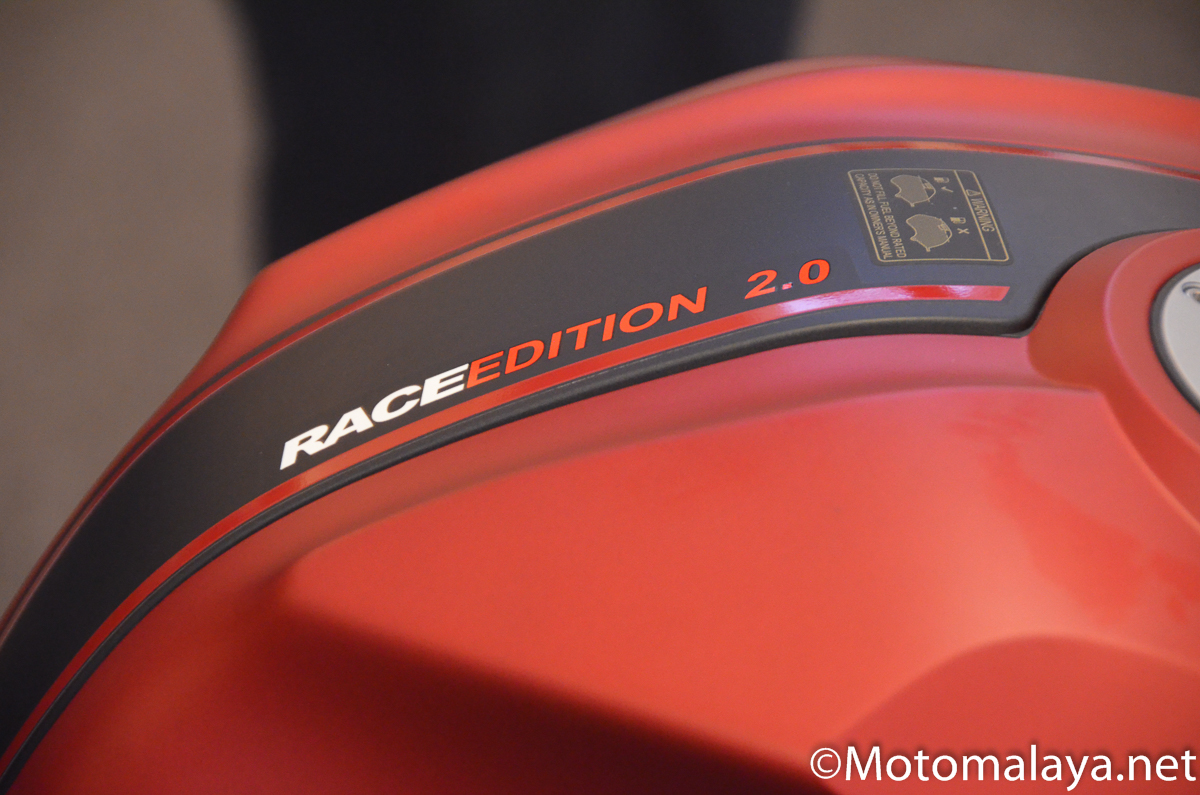
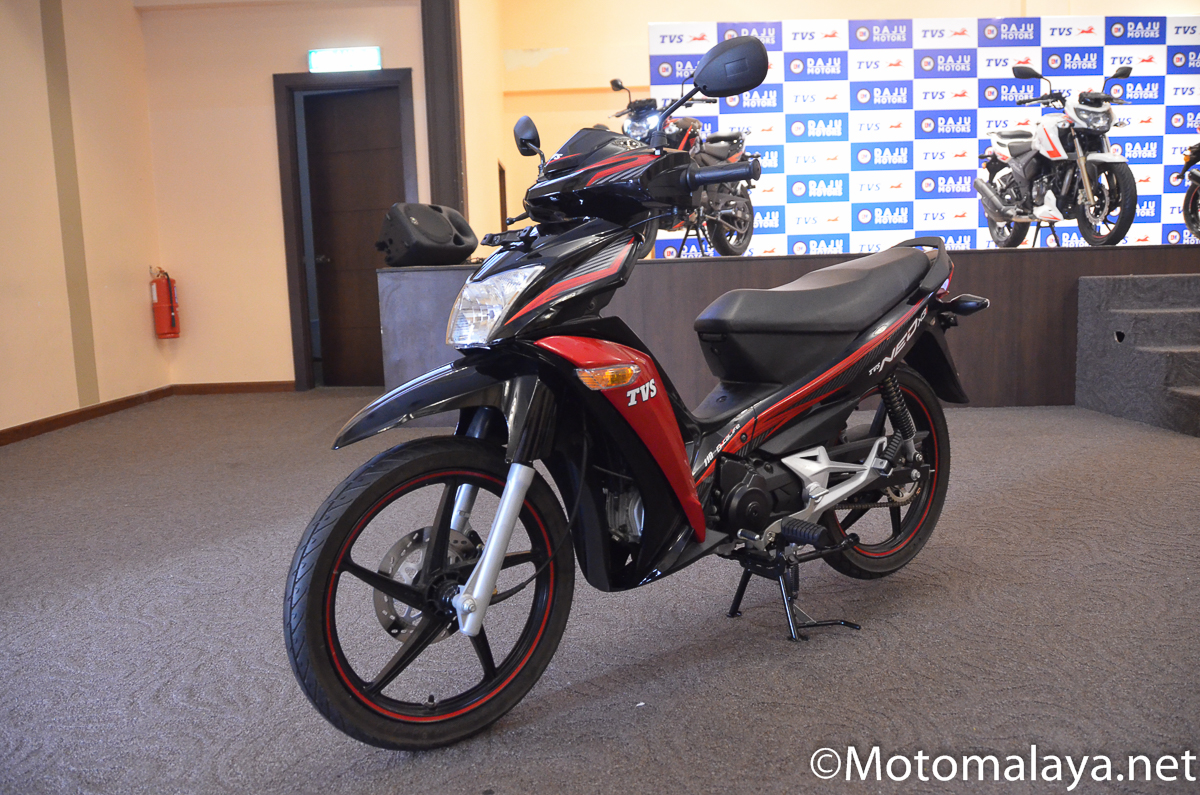
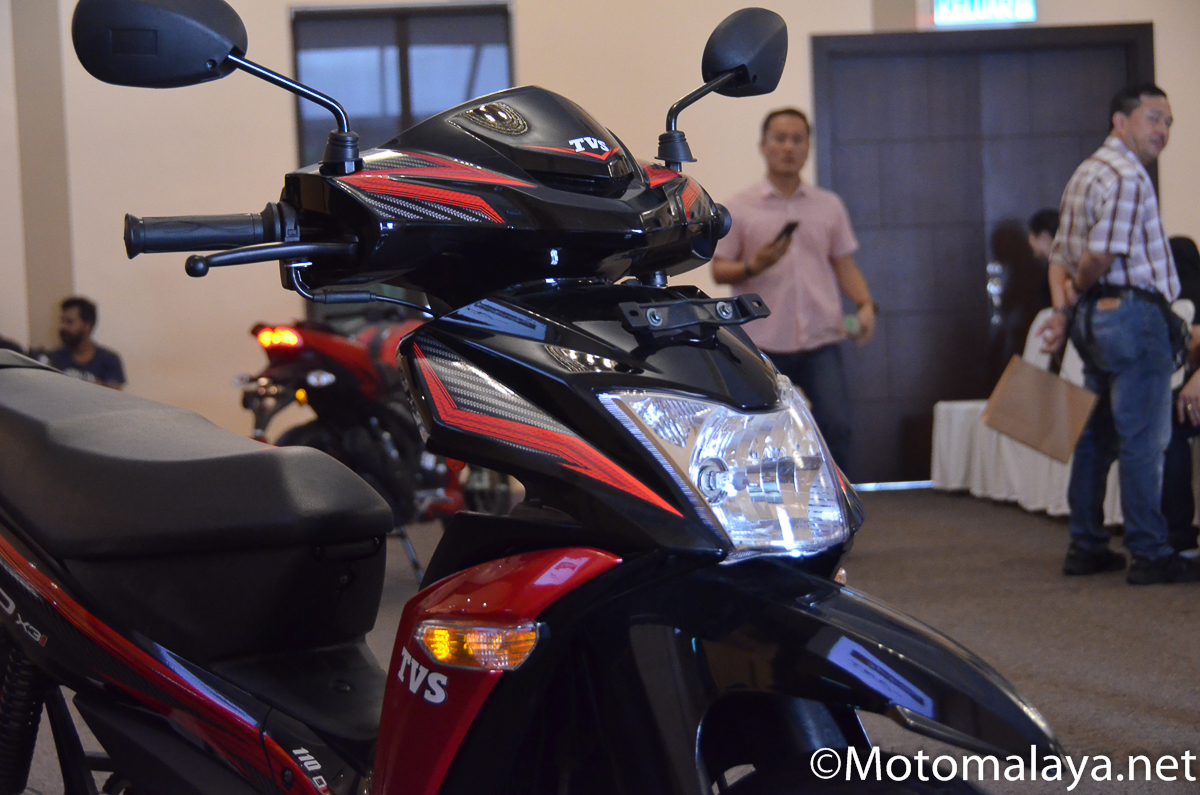
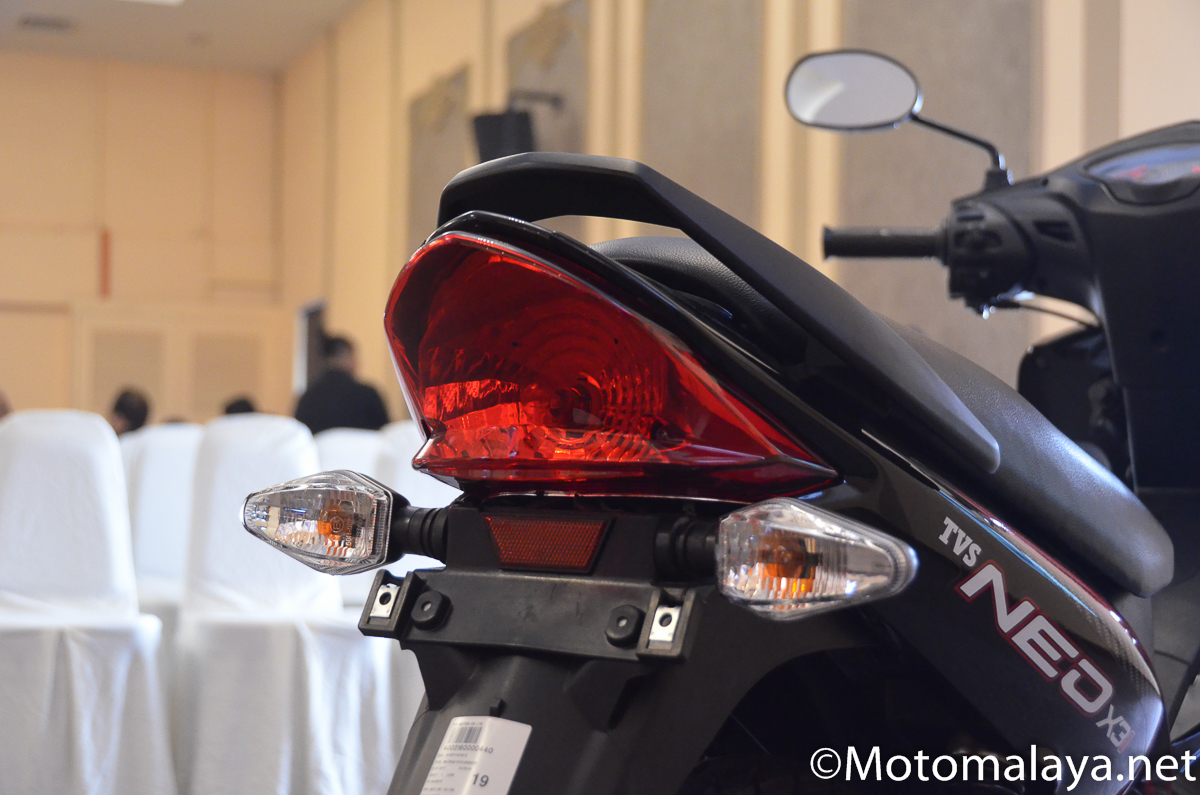
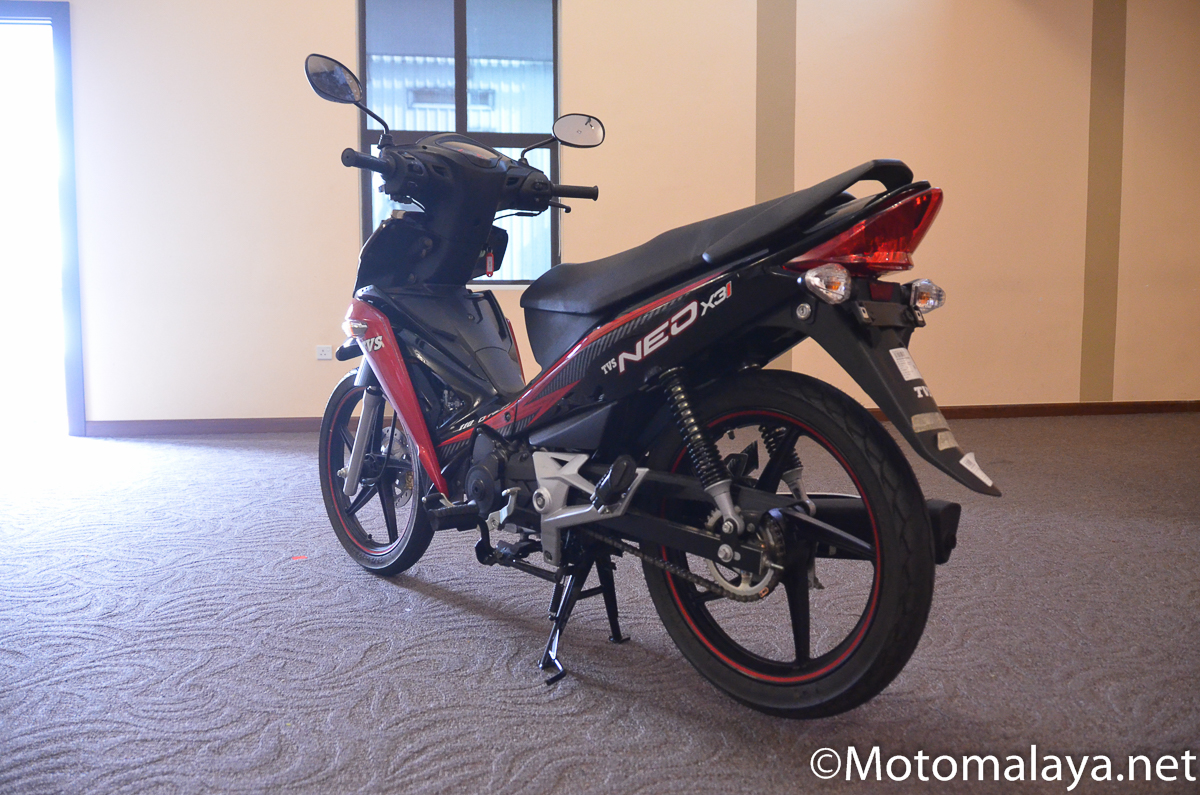
The TVS Apache RTR200 4V RACE Edition 2.0 and TVS Neo X3i are the new entrants to the Malaysian motorcycle market.
TVS Motor Company Ltd. is the third largest two-wheel manufacturer in India.
BMW Motorrad and TVS developed the BMW G 310 R and G 310 GS.
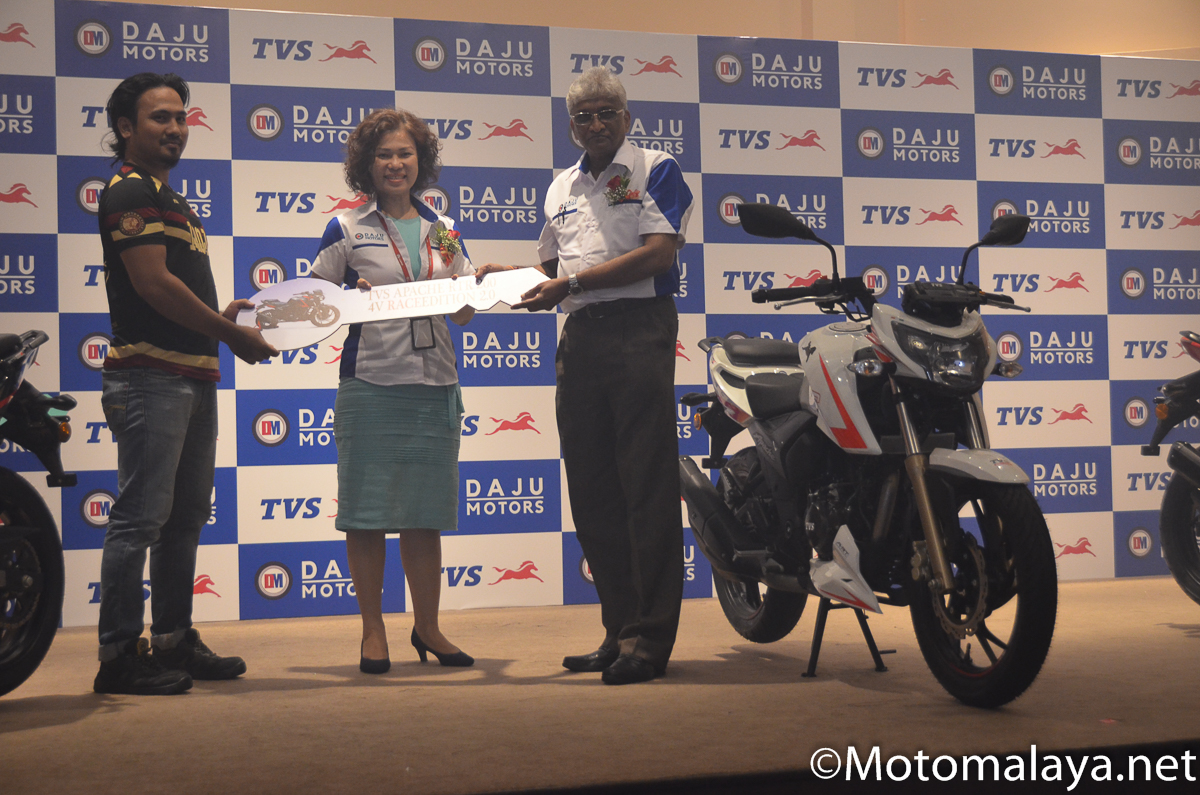
The TVS Apache RTR200 4V RACE Edition 2.0 and TVS Neo X3i launched today mark a new entrant in the Malaysian motorcycles industry.
TVS motorycles are distributyed by Daju Motors Sdn. Bhd. Both bikes were assembled in Indonesia for the Southeast Asian market, but they will soon be assembled locally in Malaysia.
TVS pushes this model as a lightweight performance motorcycle. The manufacturer claims that it can accelerate from 0-60 km/h in a commendable 3.9 seconds.
The engine produces 20.7 bhp at 8,500 RPM and 18.1 Nm of torque at 7,000 RPM.
Racing inspired split cradle chassis.
Race-tuned KYB monoshock.
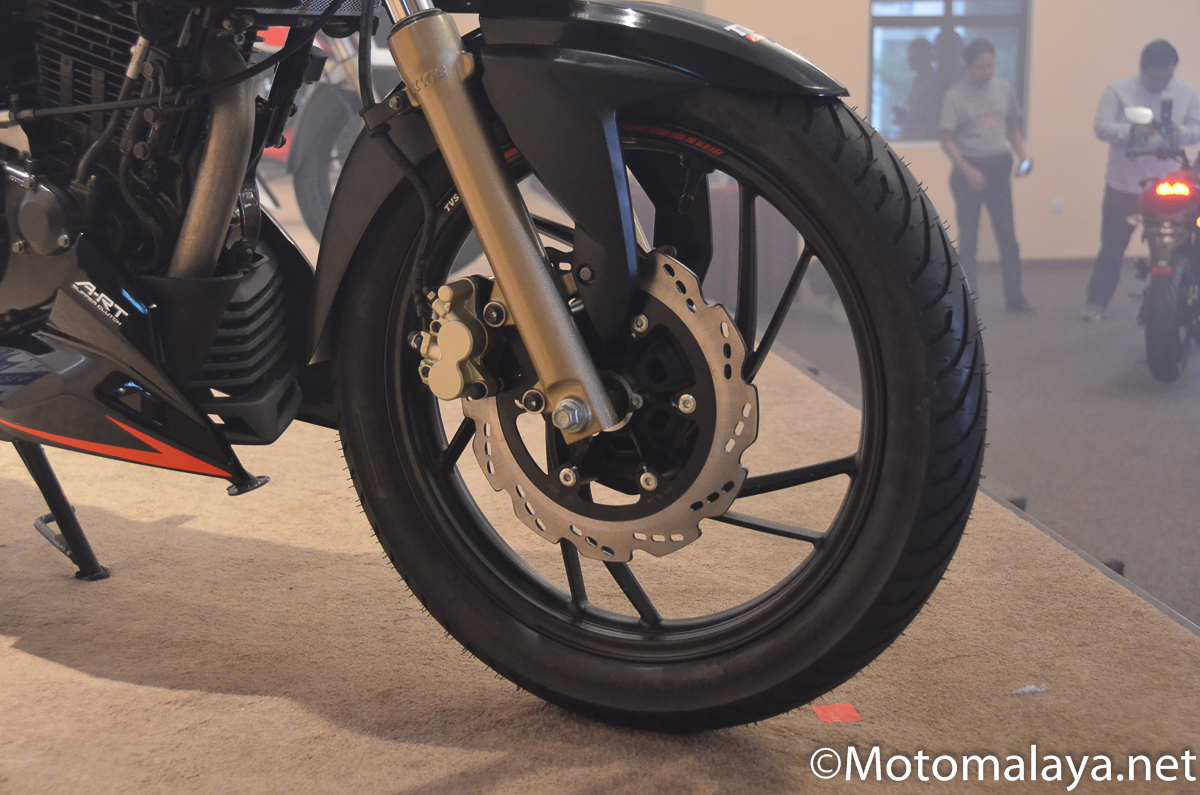
A-RT Slipper Clutch. TVS calls it the first Anti-Reverse Torque Slipper Clutch in this category.
Dual-barrel exhaust.
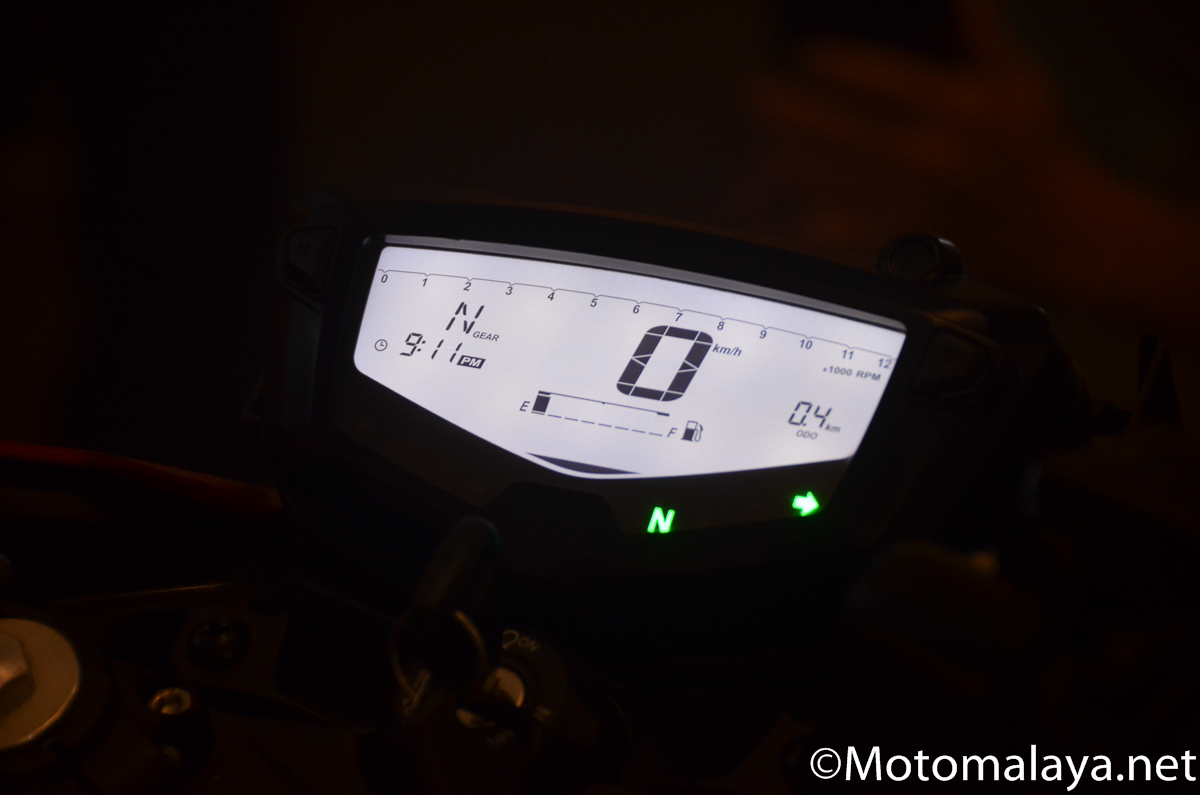
Full-LCD instrument cluster.
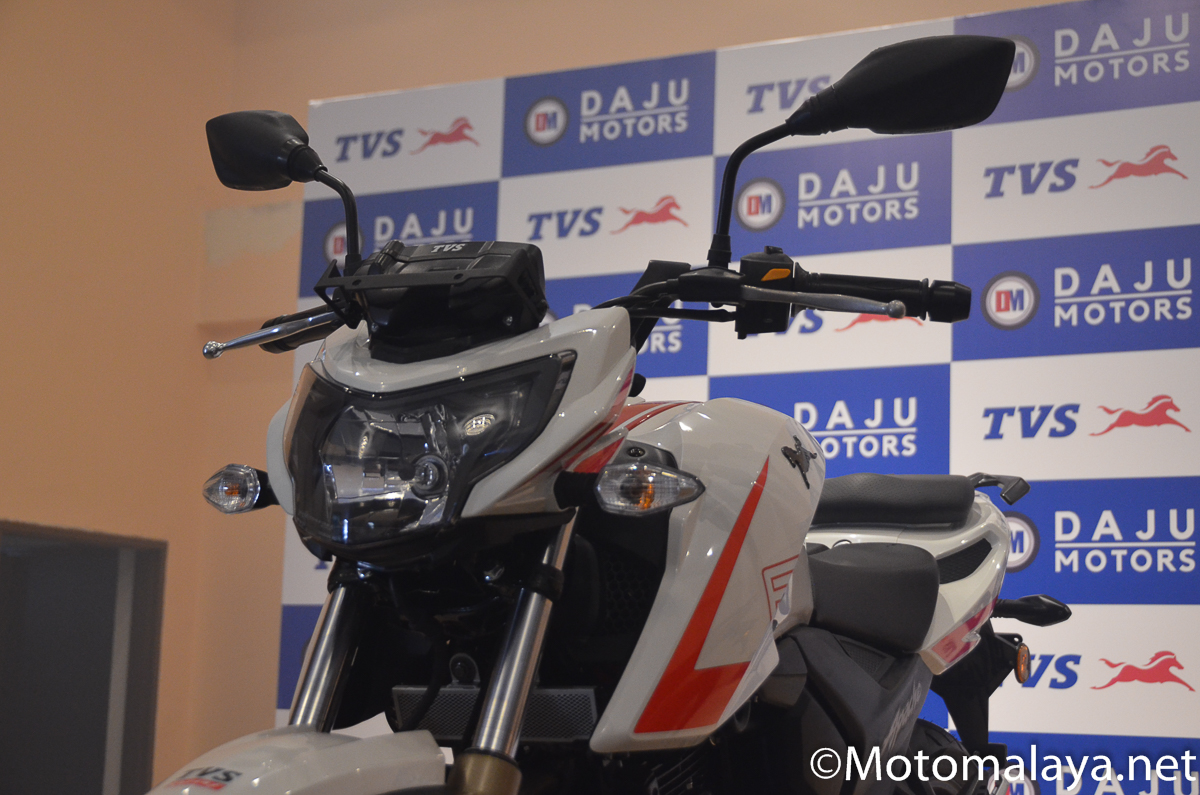
LED front position lights.
Telescopic forks with dual control-valves.
The 20.7 bhp power output is on the high side for a 200cc single-cylinder motorcycle. It should make for a spirited ride since the motorcycle only weighs 141kg, dry.
TVS NEO X3I (Price to be released soon)
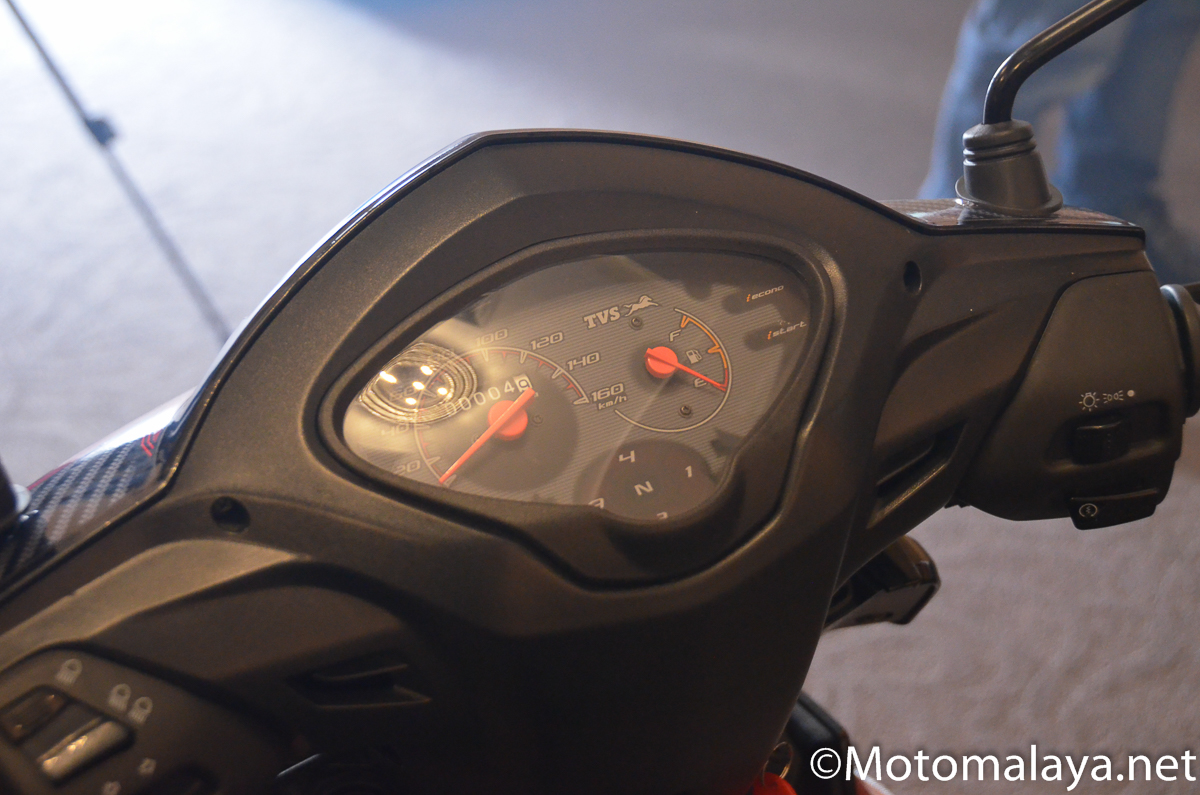
The Neo X3i is TVS’s entrant in the moped category where simplicity in maintenance is the important factor. However, the Neo X3i has a few good features that makes it stand out from the crowd.
Key features:
Air-cooled, 109.7cc, SOHC, single-cylinder Neo XR 110cc Power Engine.
A digital ignition mapping takes care of fuel delivery and combustion.
It produces 8.5 bhp at 8,000 RPM and 8.5 NM of torque at a low 4,500 RPM.
The 3,500 RPM spread between maximum torque and horsepower ought to make the engine more “flexible,” requiring less gear shifting.
The throttle includes a position sensor.
Large, body mounted headlamp.
iEcono indicator to help rider save fuel.
iCharge charging port for electronic devices.
WHO ARE TVS MOTOR COMPANY LTD.
TVS Motor Company Ltd. is the third largest two-wheel manufacturer in India. The factory has the capability of producing 4 million 2-wheelers and 120,000 3-wheelers annually.
The TVS name first shot into the limelight through a joint-venture BMW Motorrad to produce the BMW G 310 R and G 310 GS.
TVS Group has concerns in other industries such as automotive, aviation, education, electronics, energy, finance, housing, insurance, investment, logistics, service and textiles.
Valentino Rossi won his seventh Monza Rally over the weekend.
It was also his fourth victory in a row.
Rossi has proclaimed his love for rally racing since 2005.
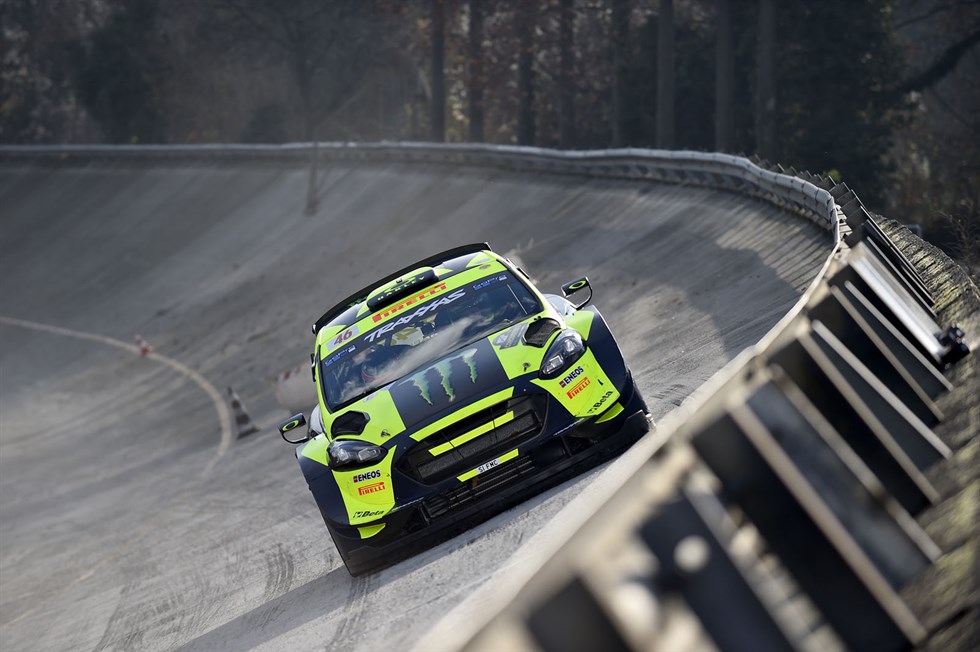
Valentino Rossi has at last won a race in 2018 in the Monza Rally, but behind the wheels of a rally car.
He secured his seventh Monza Rally win, the fourth in a row, by beating Teemu Suninen by 1 minute 27 seconds. Rossi and his navigator/co-driver Carla Cassina won eight of the nine asphalt stages. They tied Finnish rally star Suninen for the win of the ninth stage.
Rossi didn’t win the final head-to-head “Master Show” race, however. He was beaten by compatriot and nine-time Grand Prix motocross world champion Antonio “Tony” Cairoli but a mere 0.59s.
The top four drivers of the Monza Rally drove the Ford Fiesta WRC Plus, while Cairoli was the top non-Ford finisher in fifth overall in his Hyundai I20. The Top 5 finishing order was Rossi, Suninen, Roberto Brivio (brother of Ecstar Suzuki MotoGP team boss Davide Brivio), Alessio Salucci and Cairoli.
The Italian suffered through the 2018 MotoGP without a win, so this victory must’ve been something sweet for him.
Rossi’s first foray into rally racing was in 2002 at the WRC Rally Great Britain in 2005, driving a Peugeot 206 WRC but he crashed out in the second stage.
His World Racing Championship (WRC) idol, the late Colin McRae taught him the basics of rally car control afterwards. Rossi went on to race against McRae at the 2005 Monza Rally Show. He who drove a Subaru Impreza WRC and beat McRae who drove a Skoda Fabia WRC.
Rossi also tested a Ferrari Formula 1 car in 2006 at Valencia. He eventually finished 0.5s behind Michael Schumacher on the third day. However, Rossi announced that he will continue with MotoGP. Schumacher was disappointed but supported Rossi’s decision.
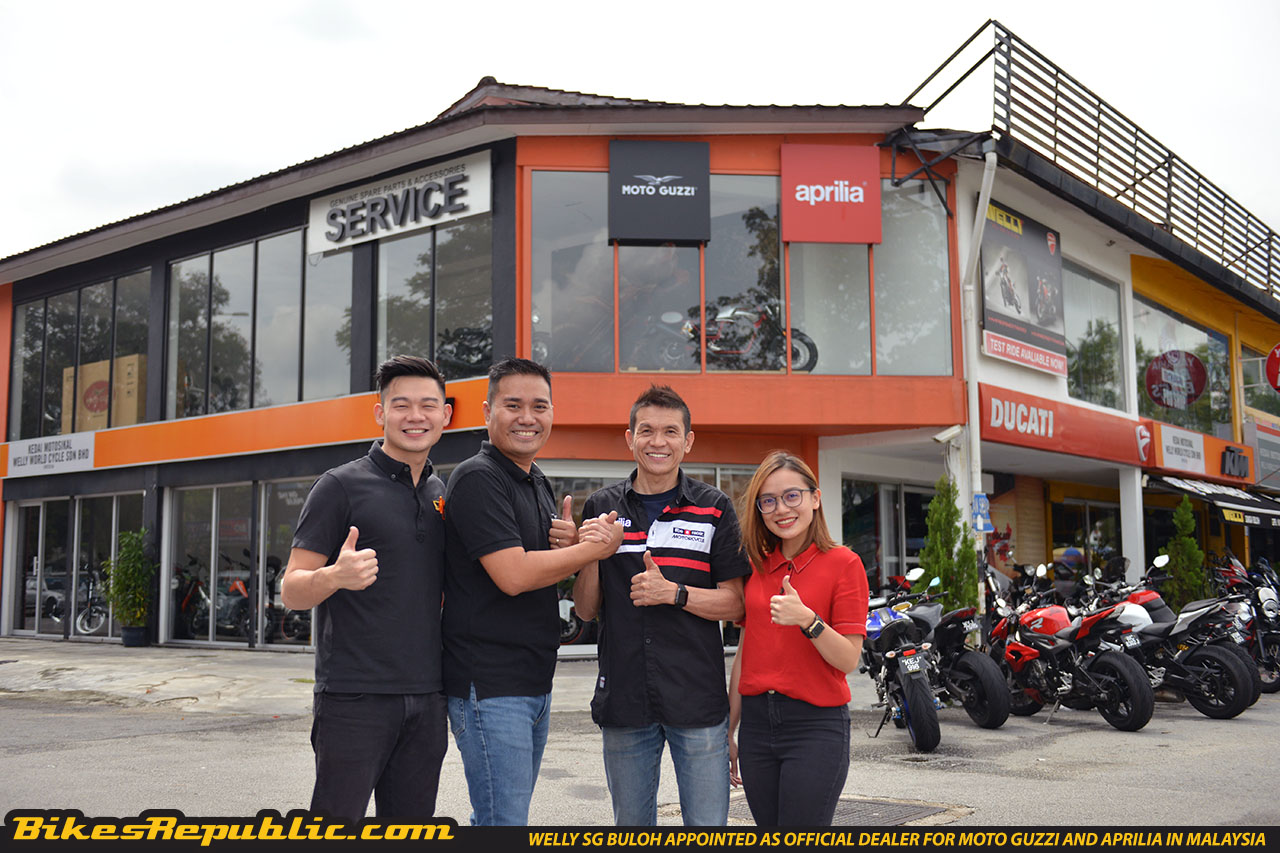
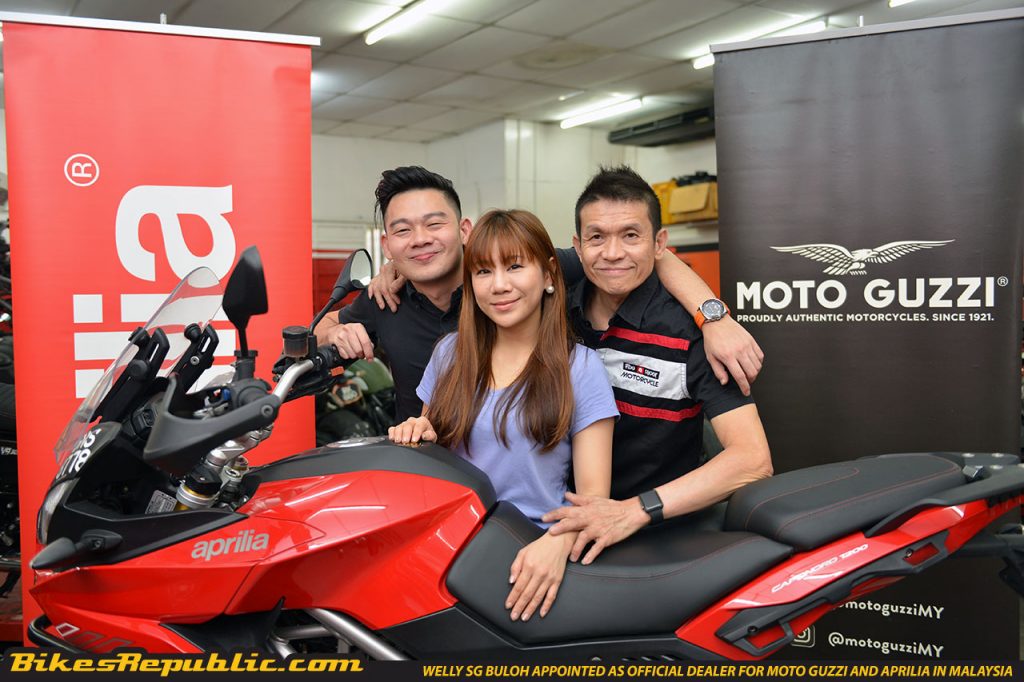
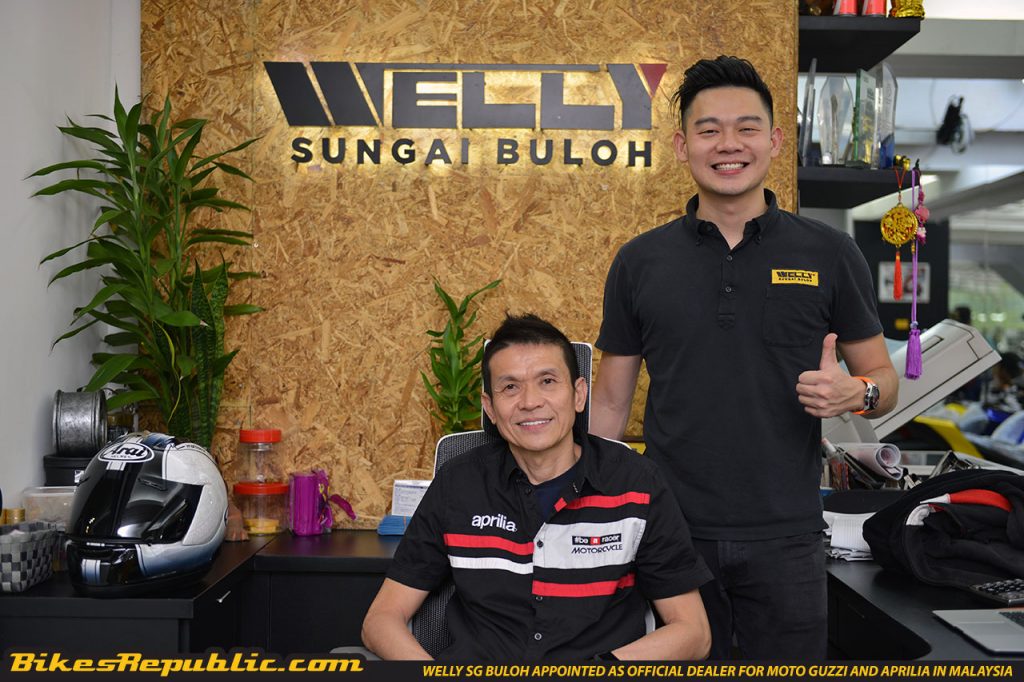
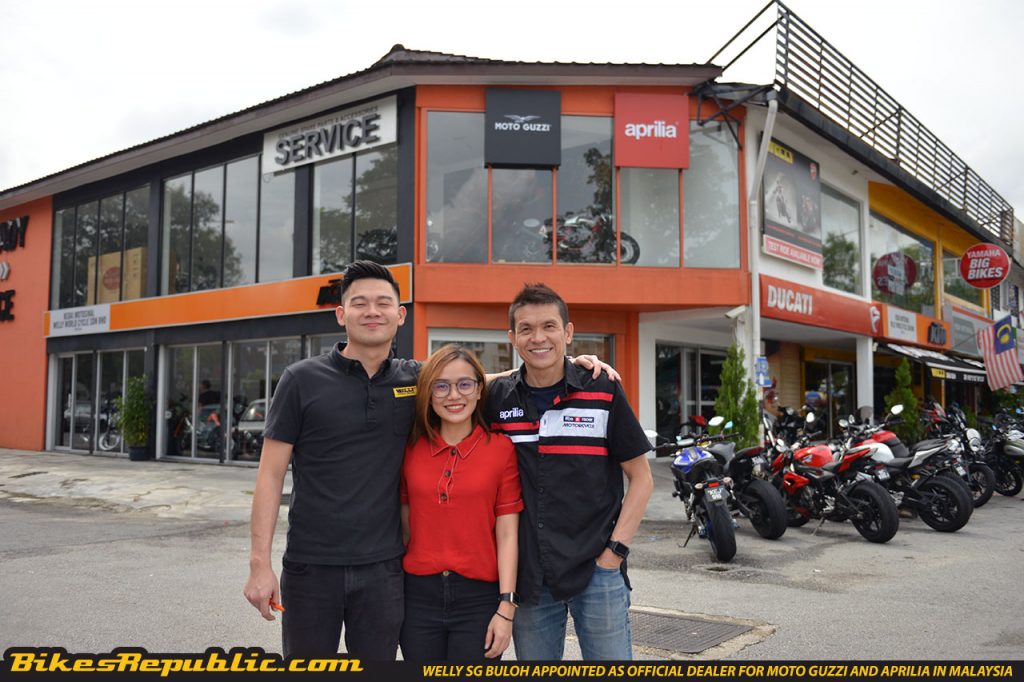
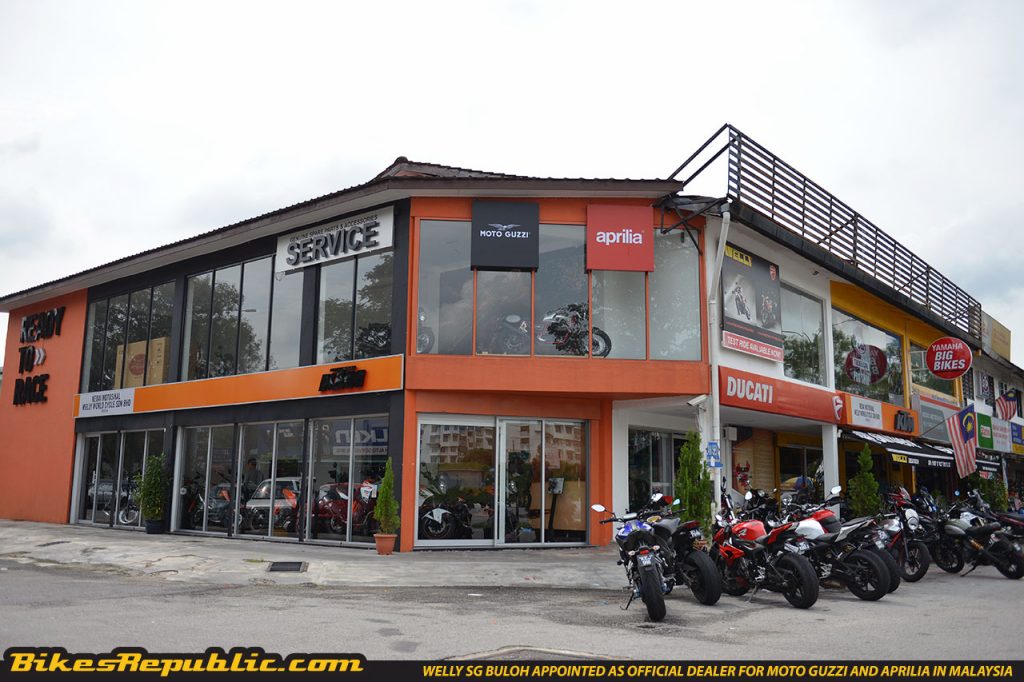
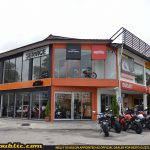
Welly World Cycle or better known as Welly Sungai Buloh is well known for its sales and after sales support for a number of motorcycle brands.
Welly Sungai Buloh is the official dealer for Ducati and KTM Motorcycles, among others.
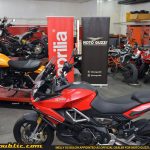
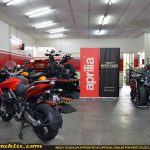
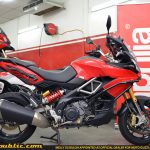
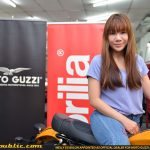
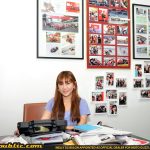
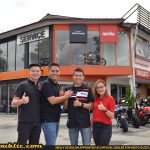
Adding to its portfolio, Welly Sungai Buloh is now the official dealer for Moto Guzzi and Aprilia motorcycles in Malaysia.
Besides selling Moto Guzzi and Aprilia bikes, Welly Sungai Buloh will also offer after sales support for both brands.
Welly World Cycle is a household name when it comes to buying new or used bikes and motorcycle accessories. The company is as synonymous with motorcycles as teh tarik is as synonymous with Malaysia.
Welly has been distributing big brand motorcycles for many years now, and does not just sell bikes but also has the know-how to maintain motorcycles through a well trained after sales team.
For years the company has been selling motorcycles from brands such as Ducati, Yamaha and even KTM to much success. The company has now expanded its business and is now the official dealer for Aprilia and Moto Guzzi motorcycles in Malaysia.
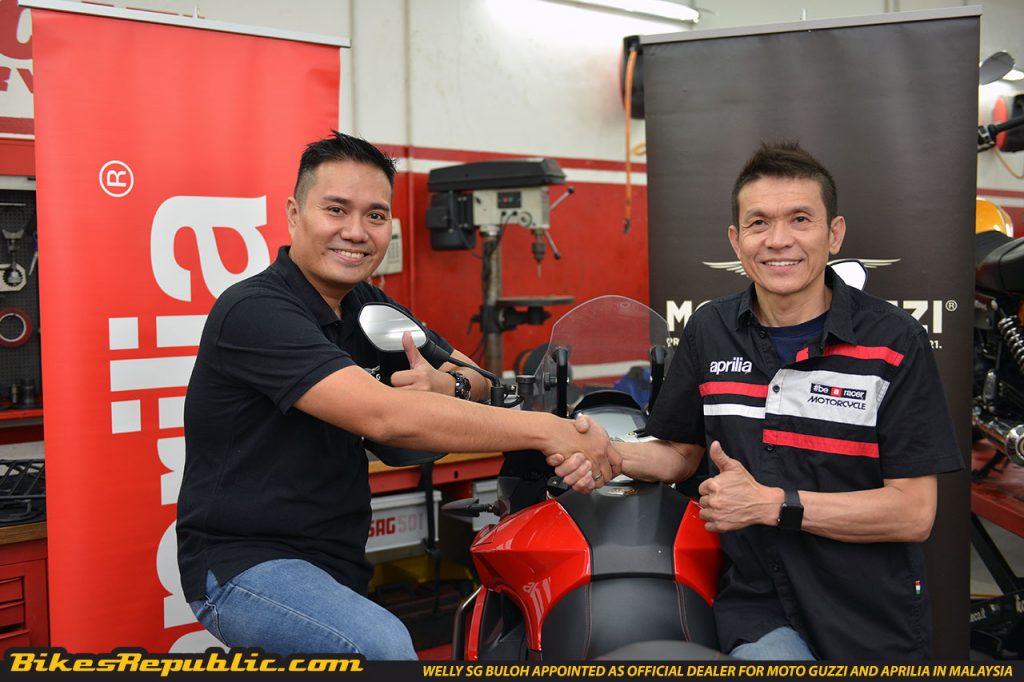
Welly World Cycle, or better known as Welly Sungai Buloh was appointed as official dealer for Aprilia and Moto Guzzi motorcycles recently, and will also provide after sales service for all Aprilia and Moto Guzzi owners in Malaysia.
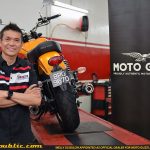
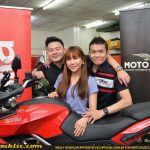
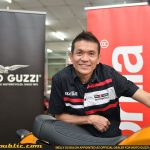
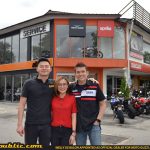
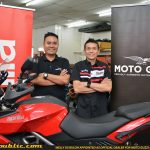
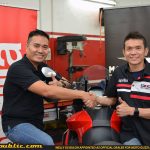
Speaking of Welly’s appointment, Juan Chow Wee (above, left), General Manager of Didi Resources Sdn Bhd, said, “We believe in finding the correct partner as this is important as we work together to build and develop the brand and its lifestyle. Welly World Cycle has a strong proven track record in delivering the best motorcycle ownership experience to its buyers by connecting to its owners personally”.
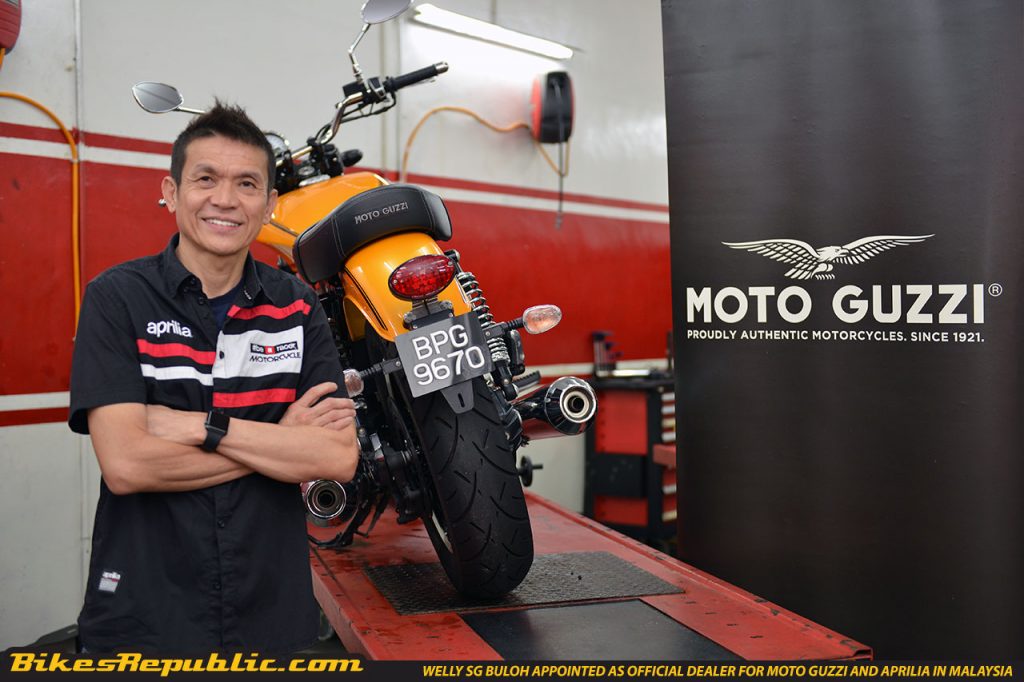
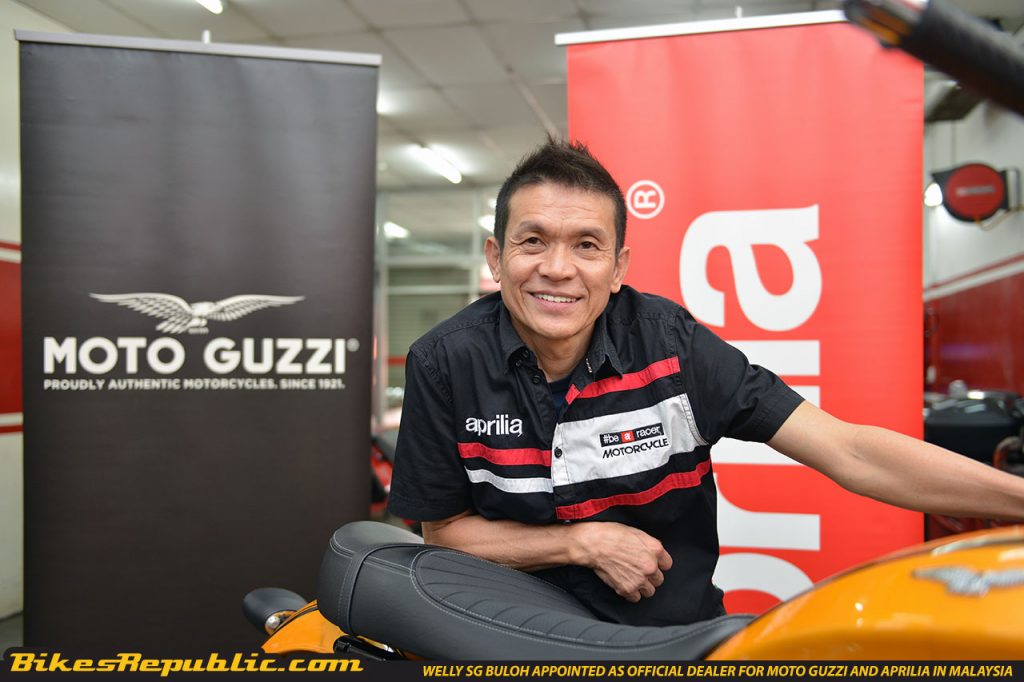
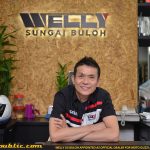
On behalf of Welly World Cycle, Ngo Yoke Kwang (better known as Ah Kwang, above), Managing Director said, “I am really happy to welcome these two legendary brands into our company portfolio. I believe 100% in strong after sales service, and believe that before selling any motorcycle brand, I need to ensure that the appropriate after sales support is in place. With Aprilia and Moto Guzzi, I want to create strong after sales support for both brands, so my customers know that they have the right support when they buy a Aprilia or a Moto Guzzi from us.”
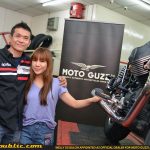
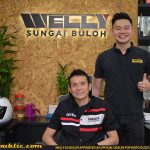
“A Moto Guzzi is a lifestyle motorcycle with a great build quality, with the right type of after sales support, I am confident that my customers will have a good ownership experience. As for Aprilia, it is a motorcycle that does not need any introduction. It has amazing power and performance and all it needs to be the ultimate motorcycle to own is a good after sales network, to which I am fully committed to building for Aprilia buyers who purchase their Aprilia motorcycle from Welly World Cycle,” continued Kwang, pictured above with son Kim Seng and daughter Bee who is also the Champion of the MSF Superbike Championship.
Welly World Cycle has now begun all Moto Guzzi sales with prices starting from RM56,8000 for the V7 III Stone, and RM65,700 for the V7 III Racer and more attractive prices for other models in the Moto Guzzi range. Test ride models for the V7 III and the V9 are also available.
The company, which is very much family operated and offers a comprehensive after sales service centre, is also offering a weekend ride for anyone who buys a Moto Guzzi motorcycle from Welly World Cycle before the 2019 Chinese New Year.
Welly Sungai Buloh is located at No.2135, 2136 and 2137, Jalan 3/1, Batu 13 1/2, Bandar Baru Sungai Buloh, 4700 Selangor Darul Ehsan, Malaysia.
Welly Sungai Buloh can be contacted at 012-5191200, 012 686 1768, 012-634,7113 or 012-7448391.
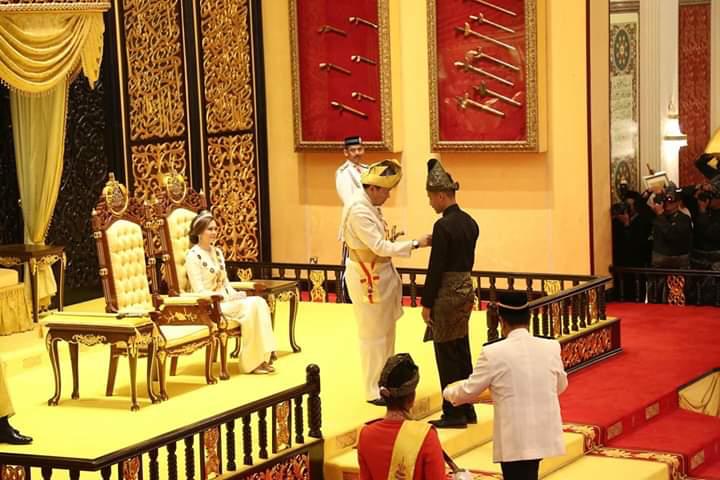
Malaysian MotoGP rider Hafizh Syahrin Abdullah was conferred the Excellence in Sports Award.
The award was presented by the DYMM Sultan of Selangor on the occasion of His Excellency’s birthday.
Hafizh Syahrin is the country’s first full-time MotoGP rider.
Malaysian MotoGP rider Hafizh Syahrin Abdullah has been conferred the Anugerah Darjah Kebesaran Bintang Kegemilangan Sukan (Excellence in Sports Award) today. However, the award does not carry the title of “Dato’.”
The award was presented by His Excellency DYMM Sultan of Selangor Sultan Sharafuddin Idris Shah Al-Haj Ibni Almarhum Sultan Salahuddin Abdul Aziz Shah Al-Haj today as part of His birthday celebrations.
Hafizh Syahrin distinguished himself as the country’s first full-time MotoGP rider when he was picked to join the Monster Tech3 Yamaha MotoGP team this year. He partnered two-time Moto2 Champion, Johann Zarco.
The rider will move onto a factory KTM RC16 works MotoGP bike next year following Tech3’s move to the new camp. Partnering Hafizh is Moto2 frontrunner Miguel Oliveira.
Hafizh began racing on pocket bikes. His exploits earned him the title “King of Pocket Bikes.” He moved on to Cub Prix racing before moving to Spain for the CEV series. It was there that he picked up the “El Pescao” nickname. “Pescao” means “fish” in Spanish as the rider had always excelled during wet races.