Bikesrepublic

Latest News

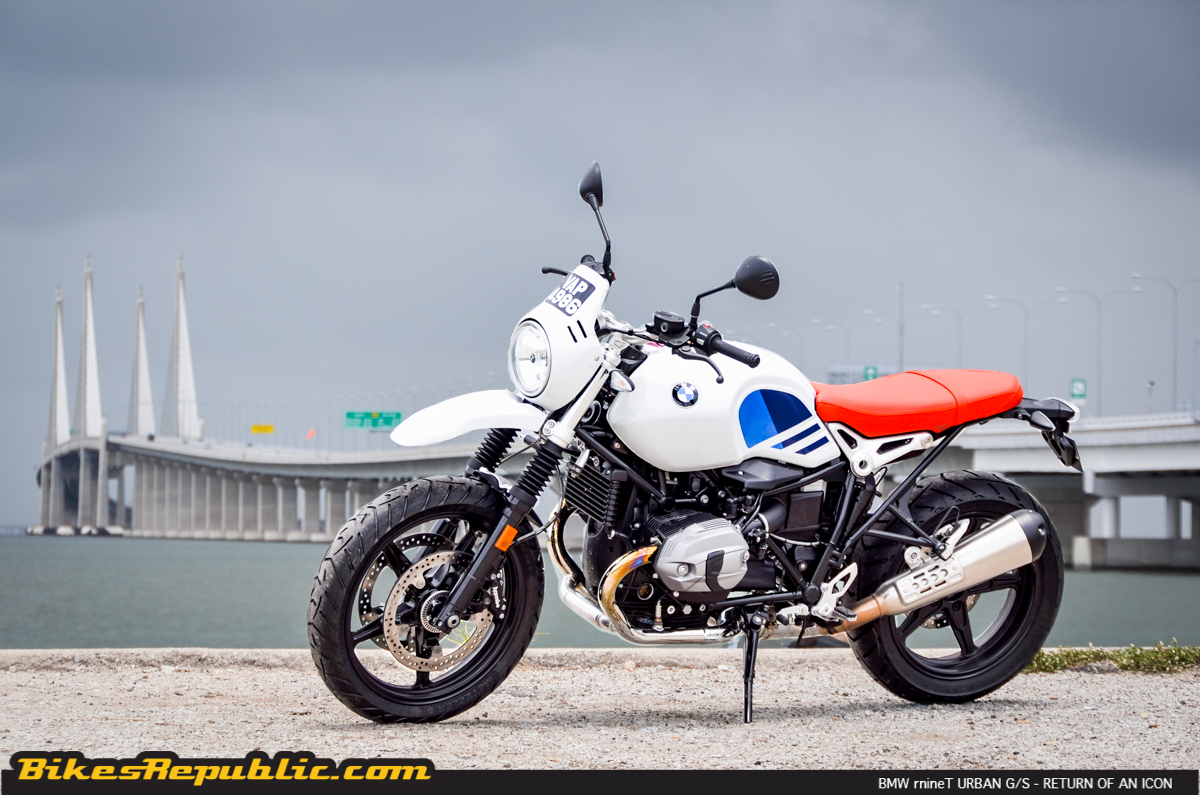
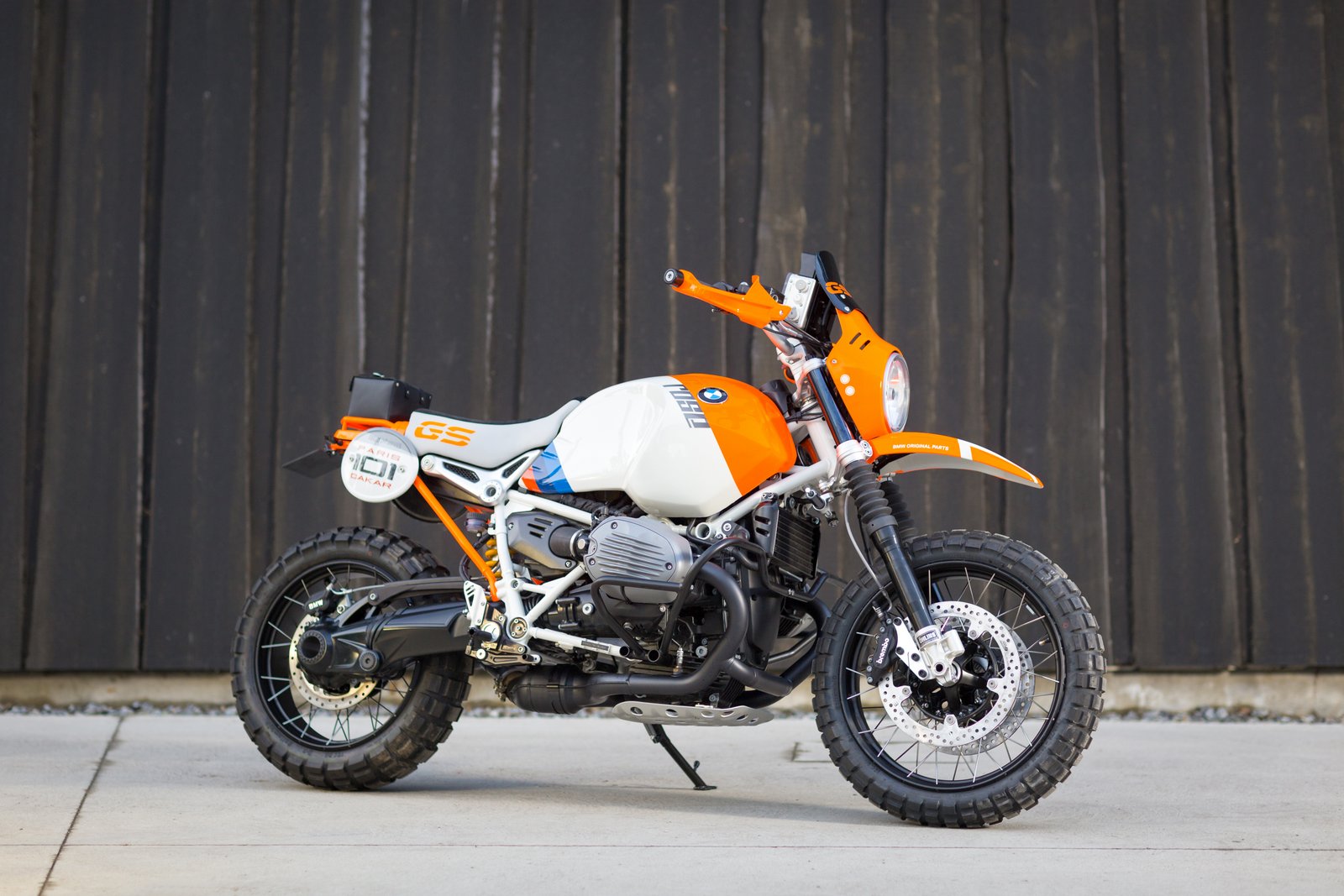
  • The BMW R nineT Urban G/S is based on the rnineT platform

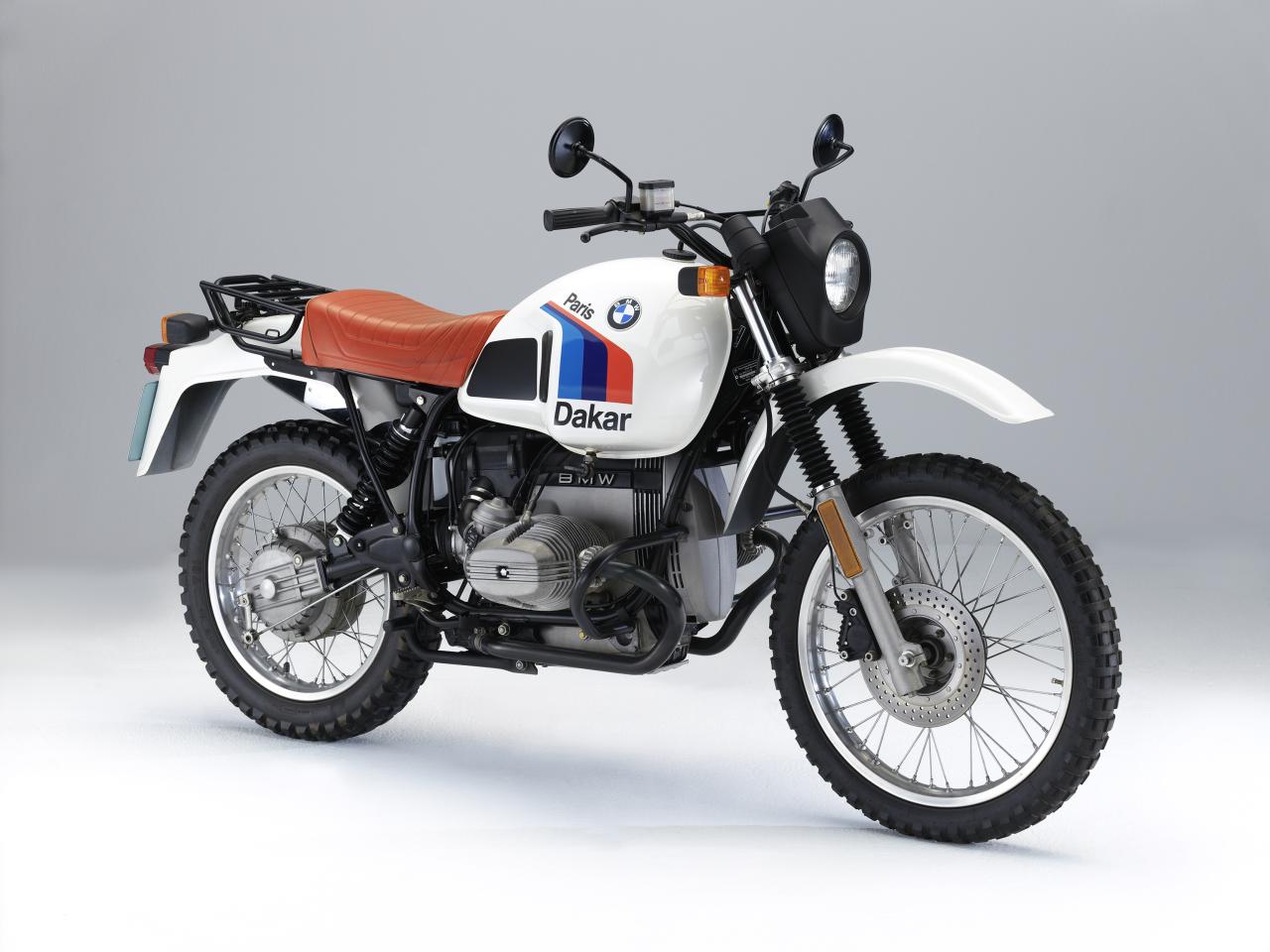
  • It harks back to the iconic R80G/S which won four Paris-Dakar Rally races

  • Accessibility, practicality and unconventional styling are its key points
“Wahid,” said Shaz in her sweetest voice, “You need to work on article about adventure riding.” That made the office lights turn in circles around me. Sure, I’ve ridden off-road and attend motocross training at Oh Kah Beng’s Most Fun Gym (MFG) from time to time, but to write about it was something else.

But lo’ and behold, a little research unearthed a whole treasure throve of amazing stories regarding the Paris-Dakar Rally.

This legendary rally raid event (now Dakar Rally or just The Dakar, and had moved to South America from Africa) which started in 1979 features classes for motorcycles, quads (ATVs), cars and trucks.

 

The Dakar isn’t quite like the type of rally we’re used to seeing in the World Rally Championship (WRC) where the competitors fly through 2km-long Special Stages (SS) to stamp the fastest time.

Oh no. Compared to The Dakar, WRC looks like a kiddy kart ride on the rooftop of a shopping mall.

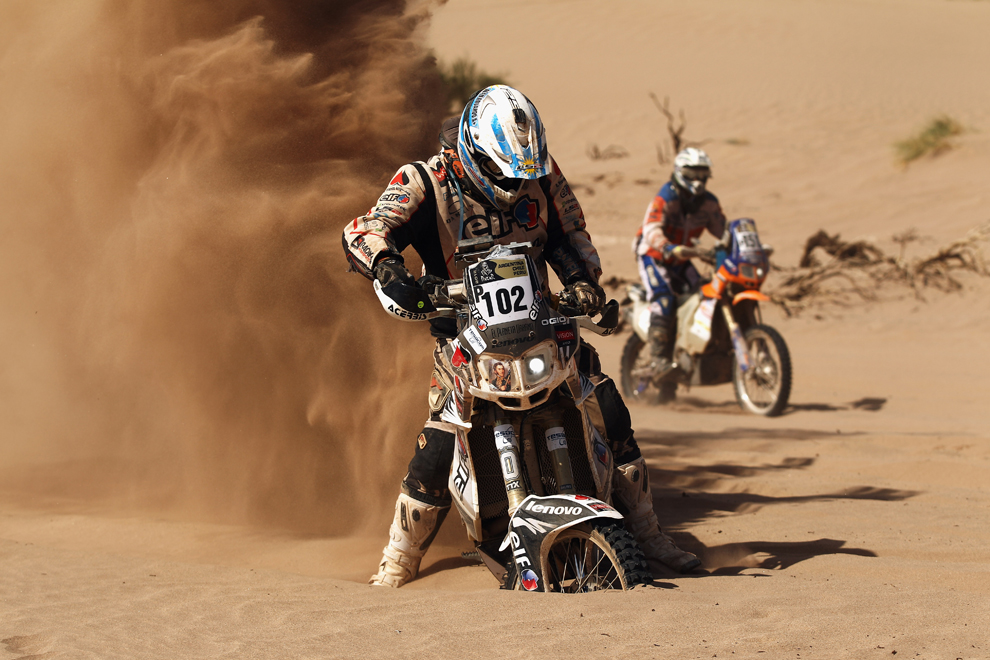
The Dakar required competitors to cover 800 to 900 kilometres per day in tough conditions. Less than 30 percent consists of road stages, while the rest are offroad – crossing over dunes, mud, camel grass, rocks and a whole bunch of other terrains that are difficult to even walk on, plus who knows of dangers the desert lie in wait for the unfortunate soul. There were even competitors who vanished without a trace. The total distance over the rally ran up to 10,000 kilometres. To finish is akin to winning in itself.

It didn’t come to be called The World’s Toughest Rally for nothing.
 

Anyway, as I scrolled through the long list honours, two particular letters jumped out at me. “G” and “S”. More specifically, “BMW R80G/S.”

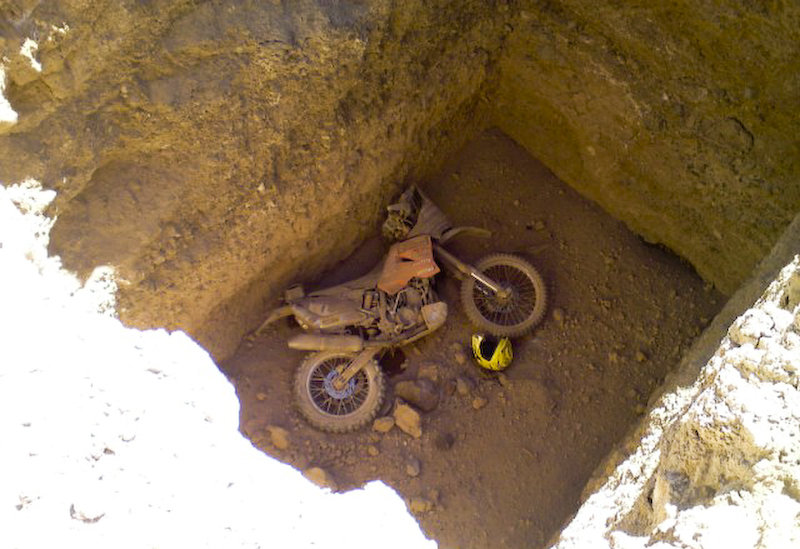
You see, motorcycles of the time were divided clearly into their respective roles; it was either fully road-going or off-road. The road-going motorcycles offered touring capabilities such as longer range, ability to haul luggage, and comfort for two. On the other hand, if you wanted a motorcycle that could handle Alpine dirt paths, desert tracks, sandy roads or the forests, it’s one which was stripped out of all the touring accoutrements. There was nothing in between.
BMW Motorrad made the bold decision to fill this void with a motorcycle that could do it all. The Reiseenduro (touring enduro) segment was born. (Reise means “a change of location” in German, while duro means “to endure” in Spanish.)

To cut a long story short, BMW Motorrad presented the R80G/S to the world press in Avignon, France on 1st September 1980. The “G/S” moniker stands for Gelände/Straße (off-road/road). BMW Motorrad promoted the R80G/S with the phrase, “Sports machine, touring machine, enduro… Welcome to a motorcycle concept with more than one string to its bow.”
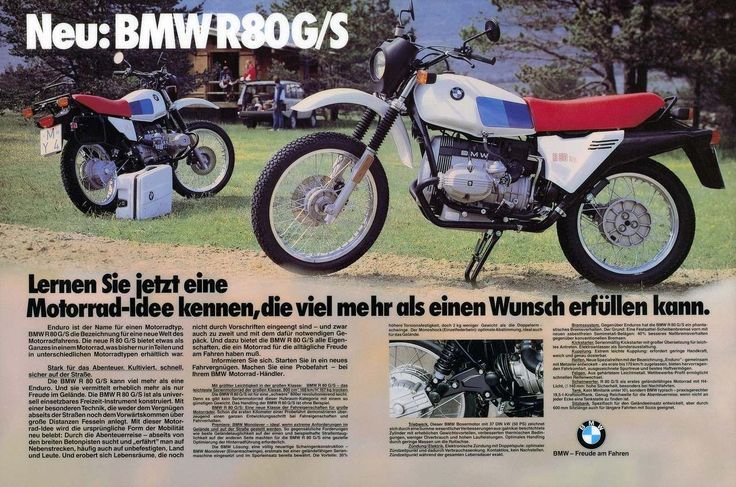
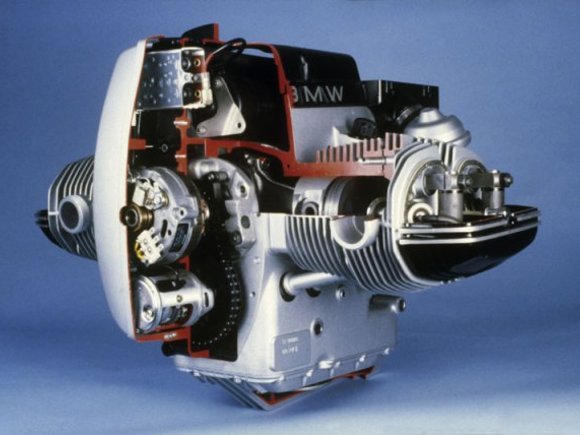
The R80G/S also broke several engineering grounds, including how its 800cc Boxer-Twin was mated to a single-sided swingarm which carried the driveshaft, called the “Monolever.” (The “Paralever” was introduced in 1987 on the R80GS and R100GS.)
So, the R80G/S was the Adam of all adventure-touring motorcycles, including the current R 1200 GS.

BMW joined the Paris-Dakar Rally in 1980, and rider Jean-Claude Morellet finished fifth on the R80G/S. That result had shown the G/S’s potential and encouraged BMW to commit everything in 1981, resulting in Hubert Ariol winning 3 hours ahead of the next competitor, while Morellet came home in fourth. A non-factory G/S with little modifications finished in seventh.

BMW won again in 1983 in the hands of a diminutive Belgian rider by the name of Gaston Rahier, ahead of Auriol. Rahier would go on to win his second Paris-Dakar rally in 1984 with R80G/S.
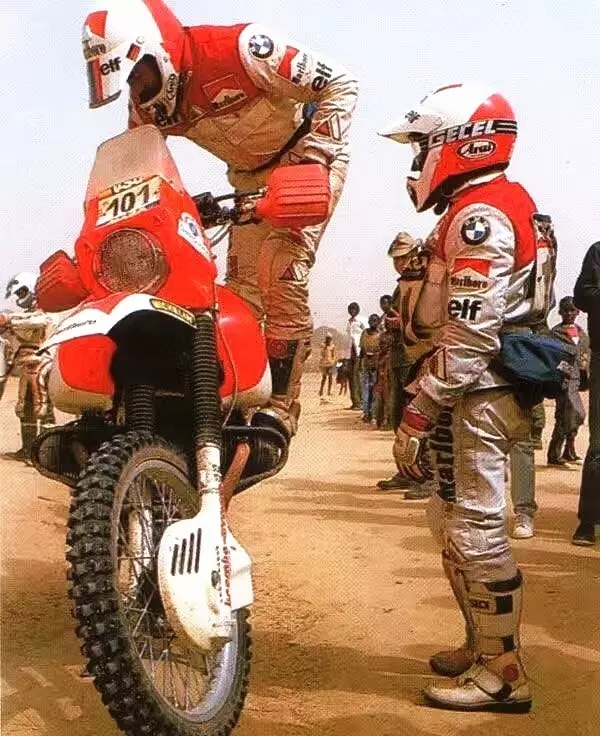
Four Dakar victories in five years. That’s why the R80G/S is an icon.

Let’s time travel back to 2017.

The 2017 BMW R nineT Urban G/S was formally launched in Malaysia during the BMW Motorrad Malaysia’s Nightfuel event in Penang. (Click here for our coverage.)
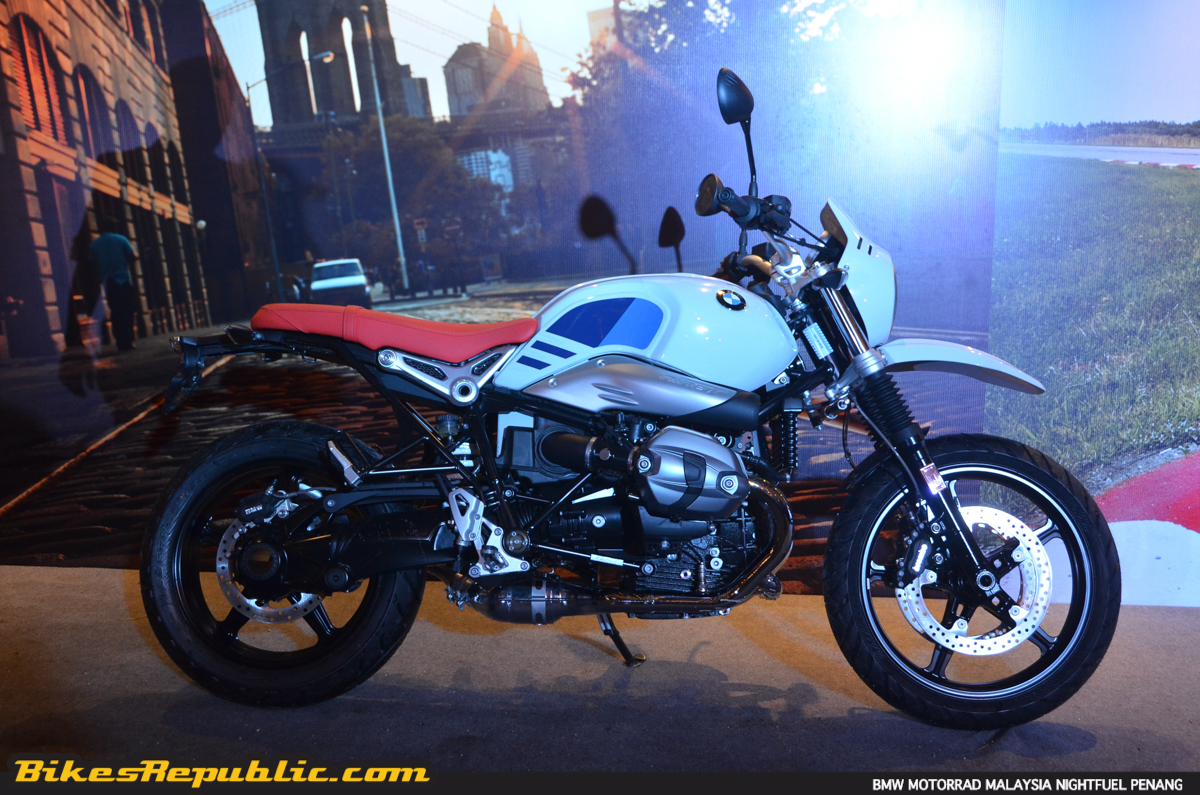
Built upon the modular BMW rnineT platform (click here for our test and review), its styling harks back the R80G/S, so it does look retro. But is it just a heritage bike?

BMW Motorrad Malaysia had prepared a unit for the ride up to Penang to cover the event, but since we were sharing different bikes among other members of the media, I only got to ride the Urban G/S from Tian Siang Motorrad in Ipoh.
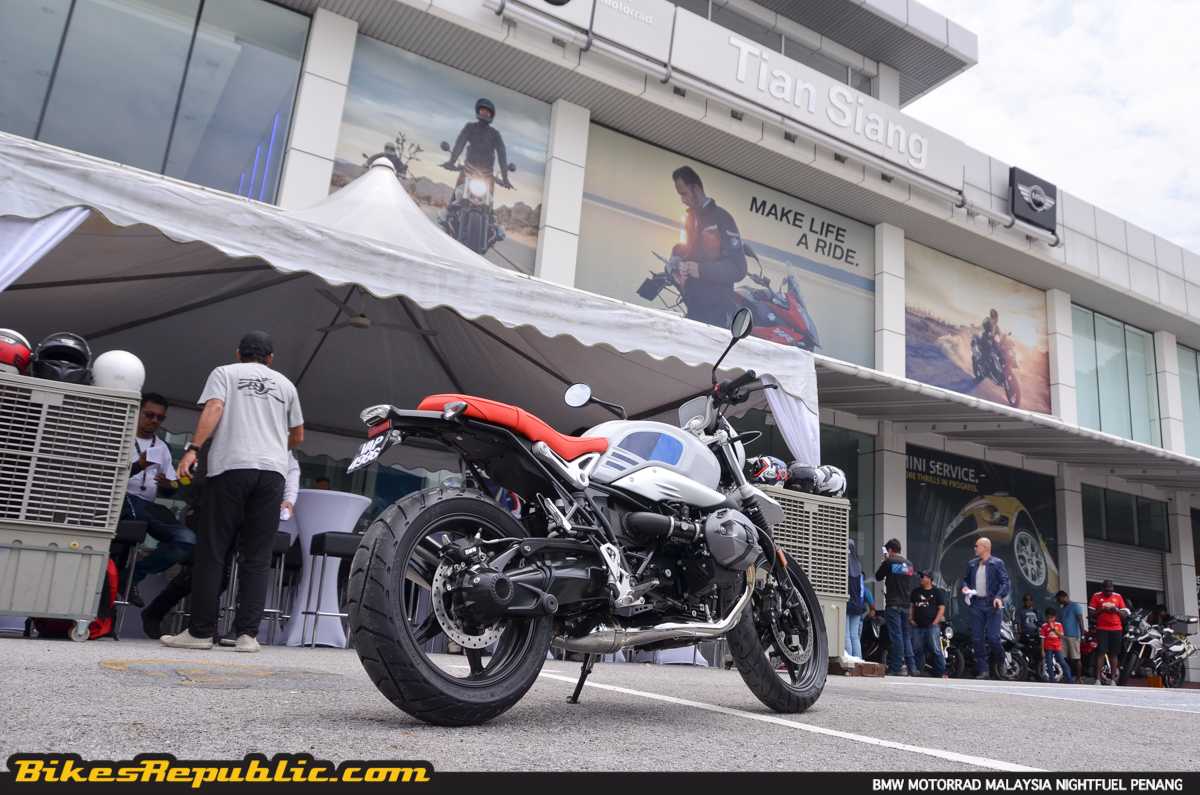
Getting off the manic S 1000 R naked sportbike/streetfighter, the R nineT G/S was a great change of pace, and of physical and mental aspects.

Compared to the S 1000 R’s plethora of features, the rnineT Urban G/S makes do with single large speedo with a small LCD screen embedded in it, there’s no ride mode (although ABS is always on), no electronic suspension settings, no quickshifter, no howling inline-Four.
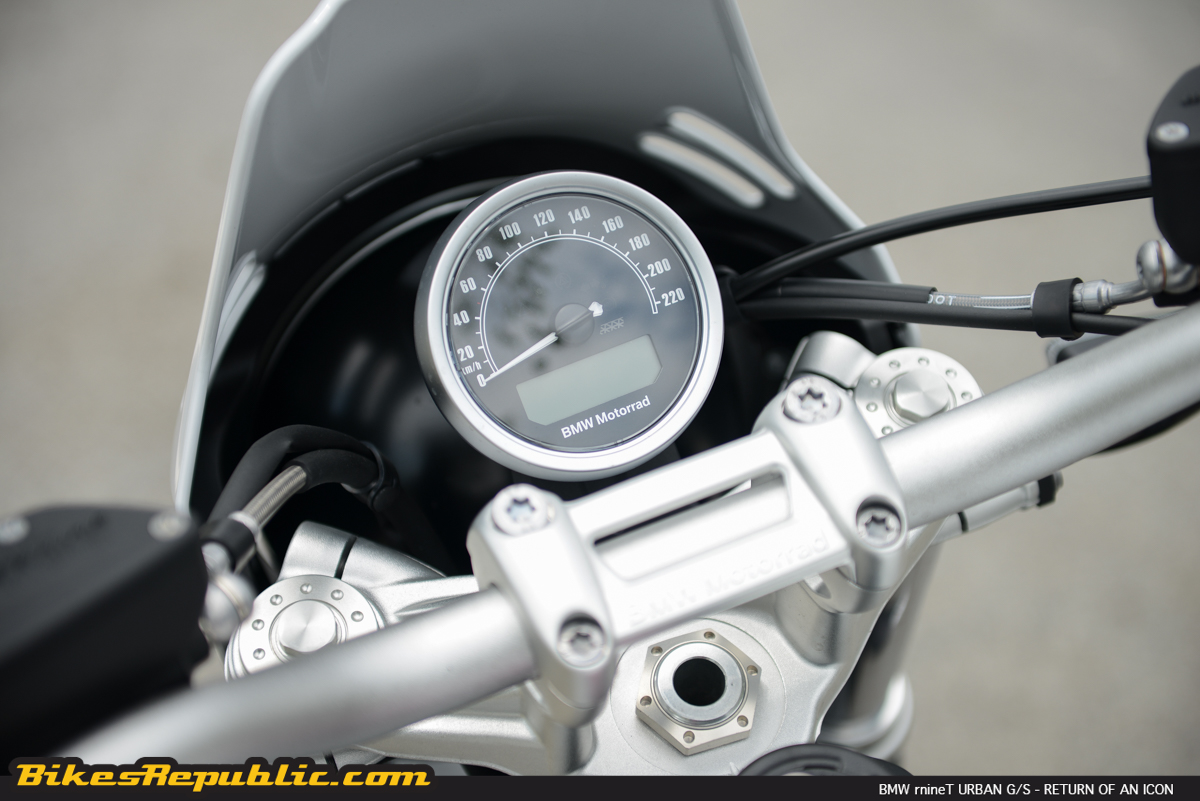
But it does have the 1170cc “Oilhead” Boxer-Twin, with 110bhp and 116 Nm of torque!
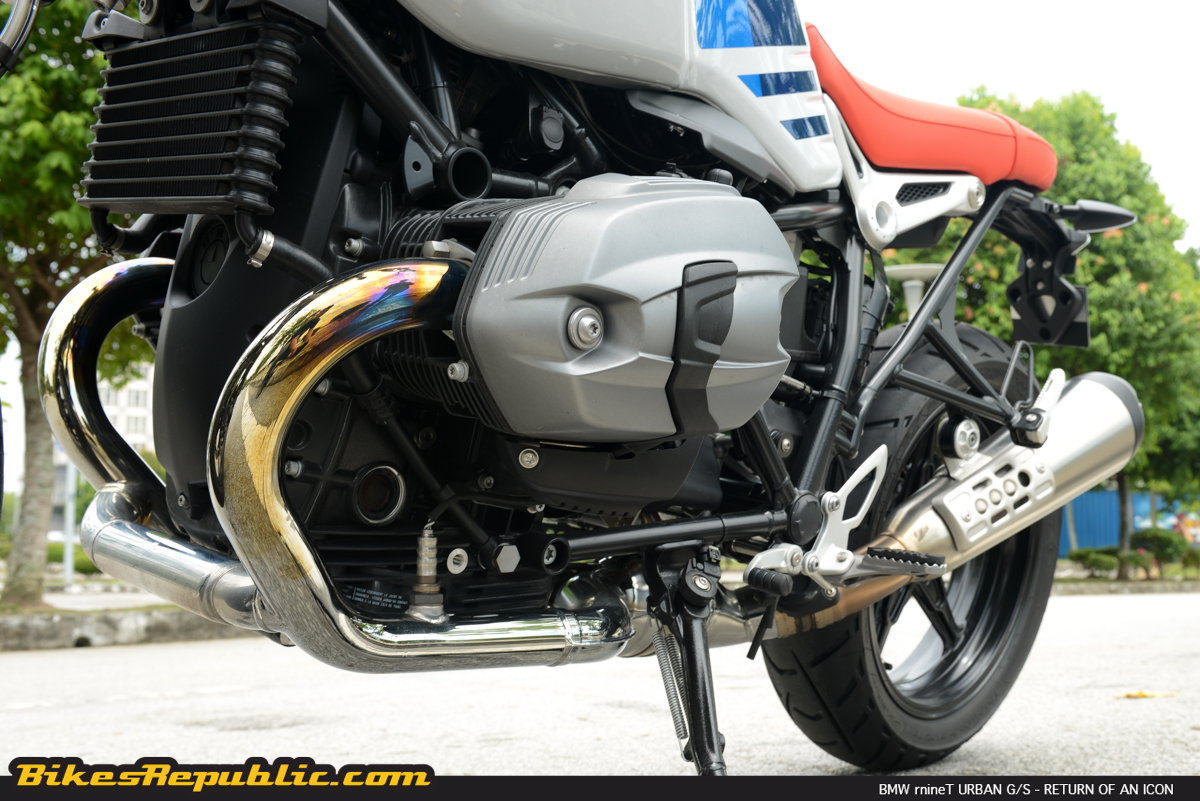
It started up with a roar and a “very” noticeable kick to right; similarly when you blip the throttle. This thing’s alive it’s is telling you to get going.

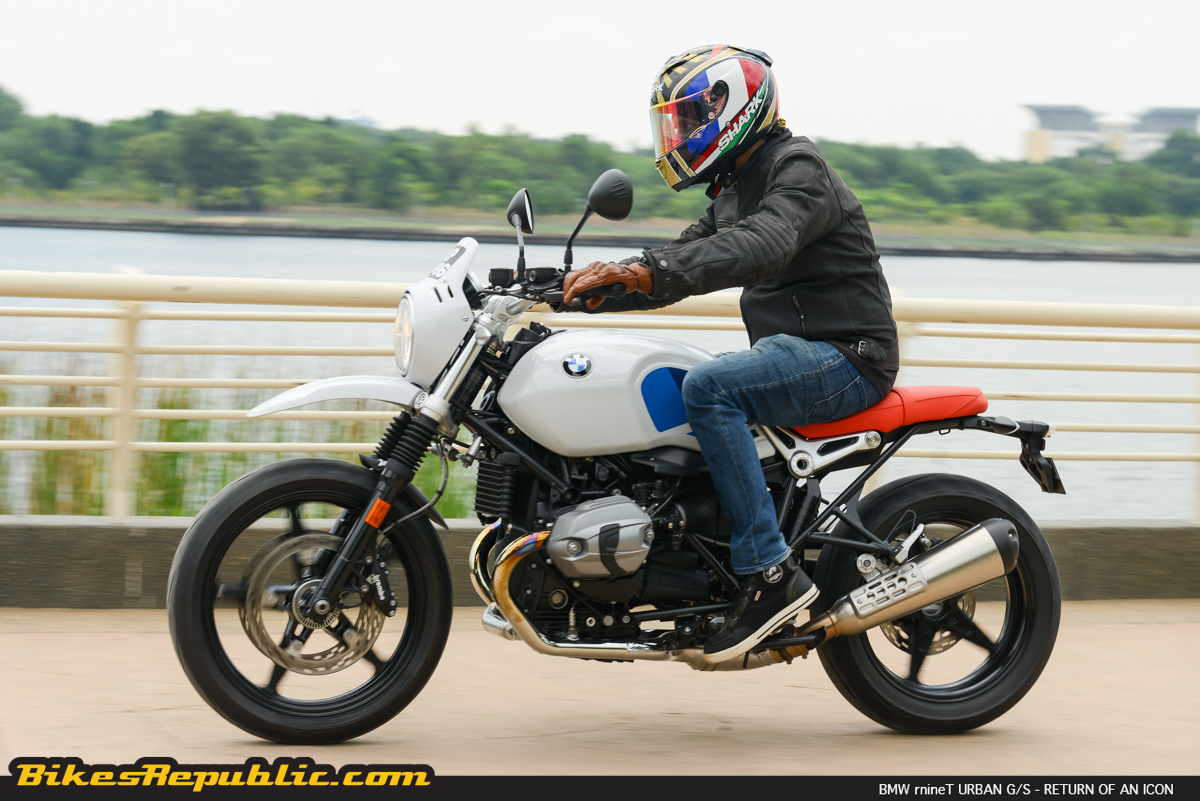
The handlebar behind that classic “windshield” put me in a straight up riding position. The seat was coloured like the R80G/S Paris-Dakar Edition’s and was flat. The footpegs were slightly forward like those on an enduro.
Letting out the clutch, the Boxer’s flat torque took over and pulled away smartly. There’s no rush, the engine note was relaxed, lazy even.

Out on the North-South Highway, we decided to punch it as we reached the winding road leading to the Menora Tunnel. The engine’s steady rumble turned into a roar, mixed with a warble from the airbox underneath the tank and BRRRAAAAP from the single exhaust. The exhaust was loud enough to warn other vehicles out of the way.
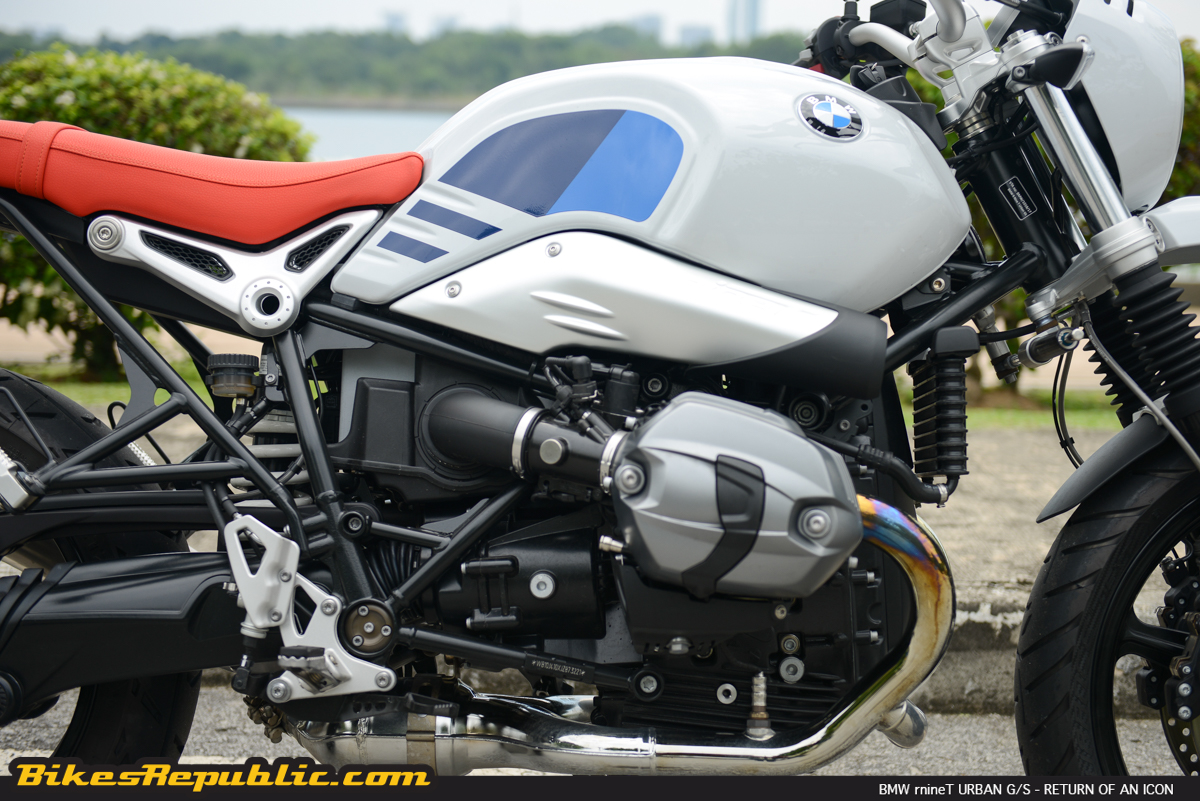
The suspension might be basic and lack adjustability but both ends handled well as we swung through those corners at high speeds. They also soaked up the bumps from the red speed-breaker lines painted across the lanes, without the bike threatening to go wide.

We switched bikes again when we stopped for fuel at Gunung Semanggol, and I got the K 1600 GT tourer this time. But I jumped on the chance to ride the Urban G/S again on our way to the Nightfuel venue.

Penang’s traffic was clear when we left G. Hotel at Gurney Drive, but it was a total gridlock when we reached the coastal highway leading to the old Penang Bridge. It was so bad that even small bikes found it hard to get through. Sep would later say, “It looked like a scene from a disaster movie. It’s like everyone in Penang was running away from a catastrophic event!”

I managed to hook on to the back of a group of local R 1200 GS riders as they blazed a trail by using the motorcycle lane. It was here that I truly appreciated the R nineT Urban G/S’s agility. It was stable while cutting lanes at crawling speeds even at full handlebar lock. Helping along was the progressive clutch lever and engine’s smooth, low down torque. The brakes were strong and progressive, without being too aggressive.

We hit the clear past the bridge. Then the heaviest rain came down out of nowhere!
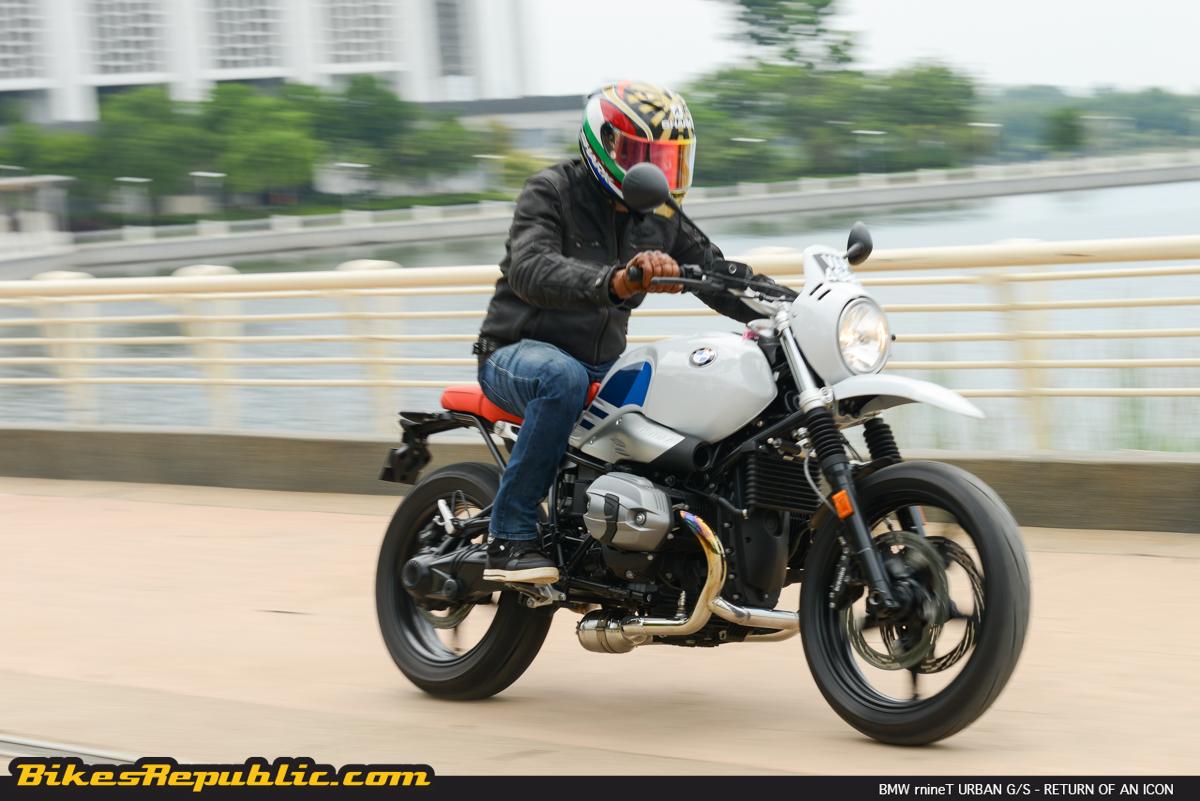
My riding gear had gotten wet on the way into Penang and I’ve left them to dry back in the hotel, so I was in my long-sleeve BMW GS Trophy T-shirt and, I’ve got the DSLR hanging in the rain! There’s only one thing left to do.

GUN IT!

I pushed past 130, 140, 150km/h while the rain slammed onto my skin like cold needles from the left. Yet, the R nineT Urban G/S remained stable. With my head slightly down behind the screen, knees and elbows tucked in, there was surprisingly little wind blast.
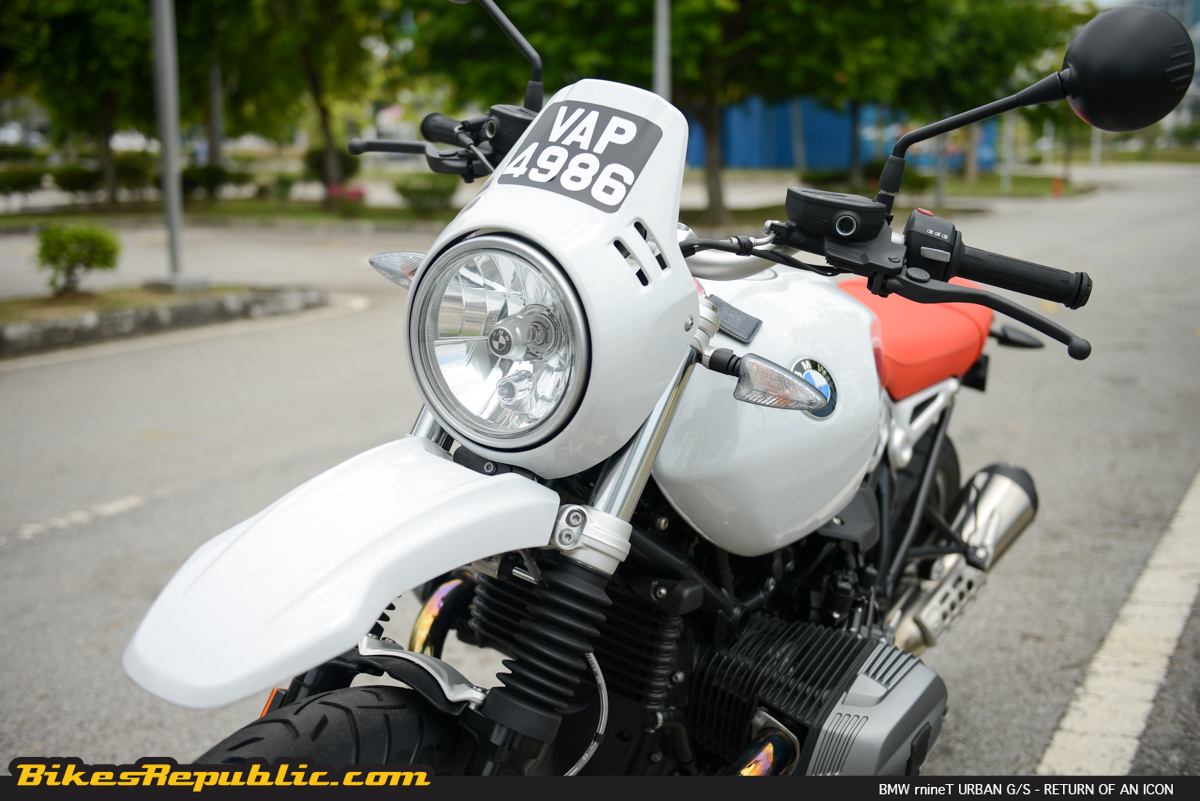
I parked at the first space in sight when I reached the event ground (in first place, just like Rahier, I’d like to think) and ran inside. It was only during the launch that it occurred to me that I was riding the country’s first registered BMW R nineT Urban G/S with such abandon.

Anyhow, an acquaintance in Penang met up with me later that night and we rode into town.

Penang’s roads seemed to have deteriorated somewhat and they were bumpy everywhere. Ridden at speeds of 60km/h above, the R nineT Urban G/S’s suspension glided over the bumps and potholes, but they felt a little stiff below that speed. So ride faster! Still, the pillion didn’t complain about being bumped around, since she’s much lighter than me.
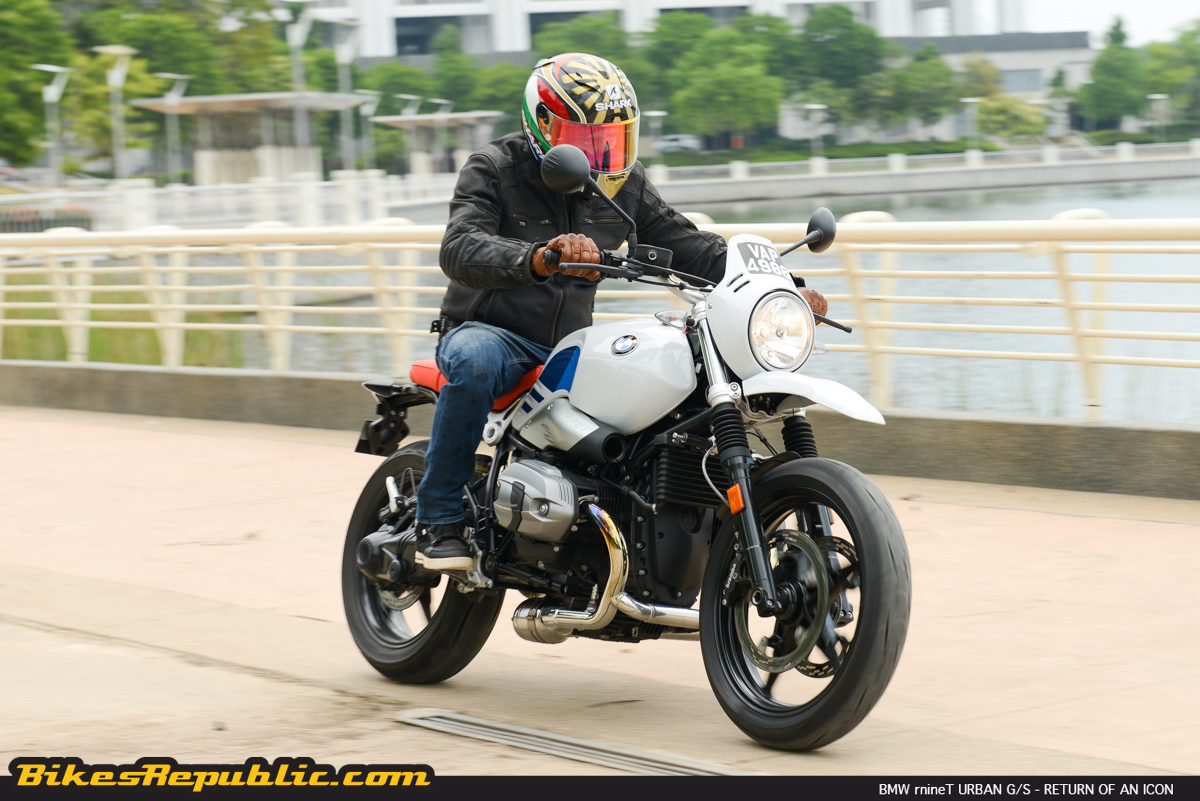
Back in Kuala Lumpur where the traffic moves at a faster rate and the roads are wider, the R nineT Urban G/S had no trouble with whatever road surface it encountered. Big bumps and potholes were taken while standing up on the pegs, and they felt like road pimples and dimples. I was fully in tune with the bike by then and riding felt very natural.

Additionally, true to its Euro 4 rating and BMW Motorrad’s principle of building economical bikes, the full tank of gas from the Tapah R&R lasted for two more days of urban riding.

Conclusion
The BMW R nineT platform was created to spawn more variants and it was truly refreshing to have the R nineT Urban G/S as a stablemate. It still does retain resemblances to the iconic R80G/S and it positively handled the touring aspect very well. While we didn’t take it offroad, the R nineT Urban G/S met the challenge of rough city roads with aplomb. That is why there’s “Urban” in its name.

Honestly, I wasn’t too enamored with it initially but having discovered its character and that it shared the R80G/S genes turned me into a believer.

Besides that, the BMW R nineT Urban G/S is further customizable to your personal tastes – the Lac Rose Concept being an example – letting it stand out from the sea of cookie-cutter styled bikes.
 

TECHNICAL SPECIFICATIONS

ENGINE
Engine type Air/Oil-cooled, 4-stroke, DOHC, 4 valves per cylinder, horizontally-opposed (Boxer) Twin
Compression ratio 12.0 : 1
Bore X Stroke 101 mm X 73 mm
Displacement 1170 cc
Fuel system Electronic intake pipe injection
Maximum power 110 bhp (81 kW) @ 7550 RPM
Maximum torque 116 Nm @ 6000 RPM
TRANSMISSION  
Clutch Single dry plate clutch, hydraulically actuated
Gearbox Constant mesh, 6-speed, shaft drive
CHASSIS
Front suspension 43mm telescopic forks, 125mm travel
Rear suspension Single central shock absorber adjustable for preload and rebound damping. 140mm travel
Front brakes Two 320mm floating discs, Brembo four-piston radially-mounted calipers
Rear brake Single 265 mm disc, Brembo two-piston floating caliper
ABS BMW Motorrad ABS, front and rear
Front tyre 120/70-R19
Rear tyre 170/60-R17
FRAME & DIMENSIONS
Frame Three-part frame consisting of one front and two rear sections; load-bearing engine and transmission; rear set frame removable for single rider
Swingarm Cast aluminium single-sided swingarm with BMW Motorrad Paralever
Trail 110.6 mm
Rake 28.5 degrees
Wheelbase 1527 mm
Seat height 850 mm
Dry weight 209 kg
Fuel capacity 17 litres
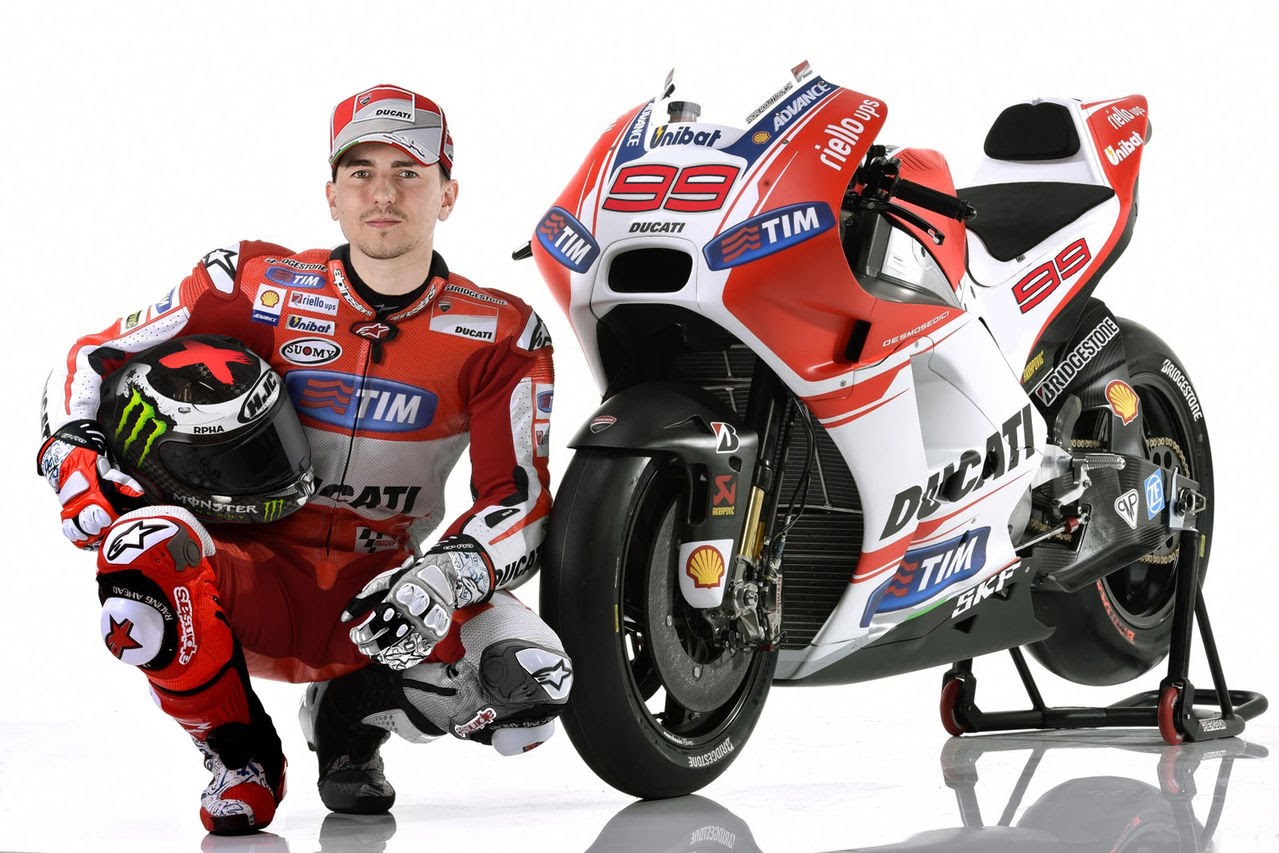
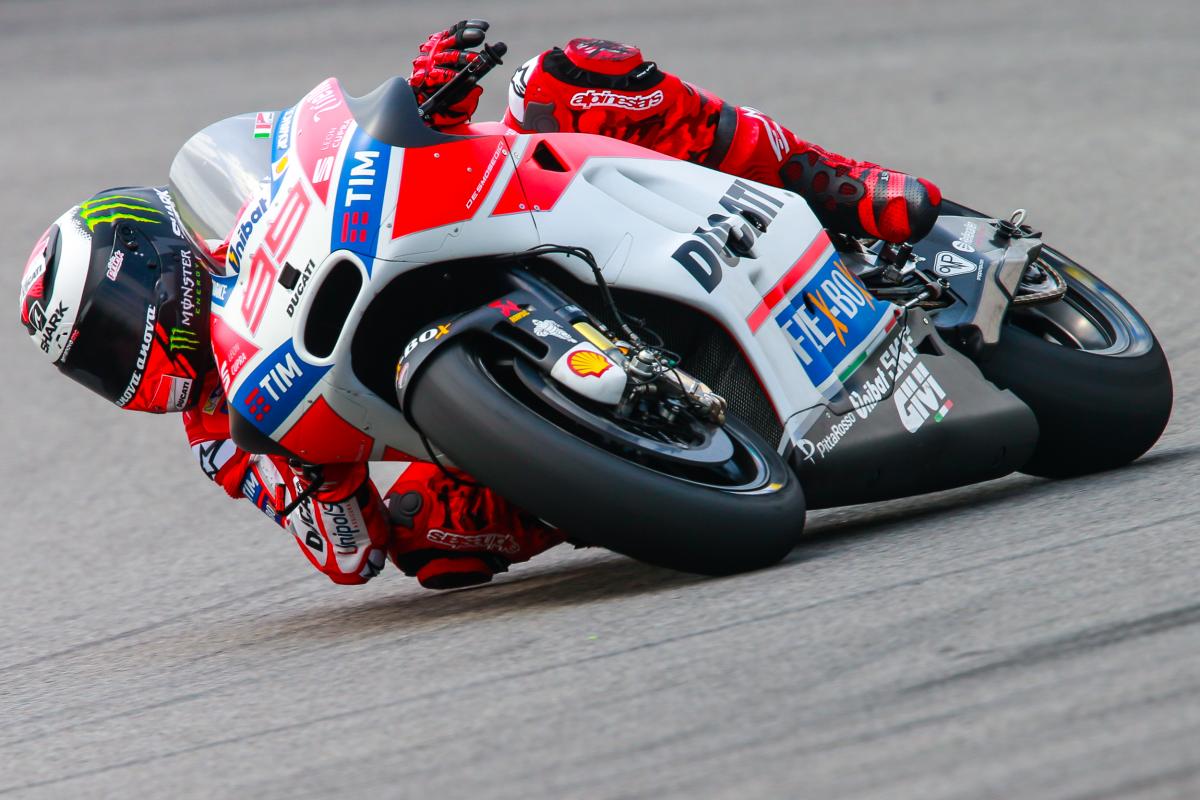
  • Buy Shell Advance motorcycle engine oil on Lazada Malaysia and you could Meet Jorge Lorenzo

  • Online shoppers stand to win exclusive meeting with the Ducati rider, MotoGP™ tickets and Oakley eyewear

  • Contest period from 3-29 October 2017

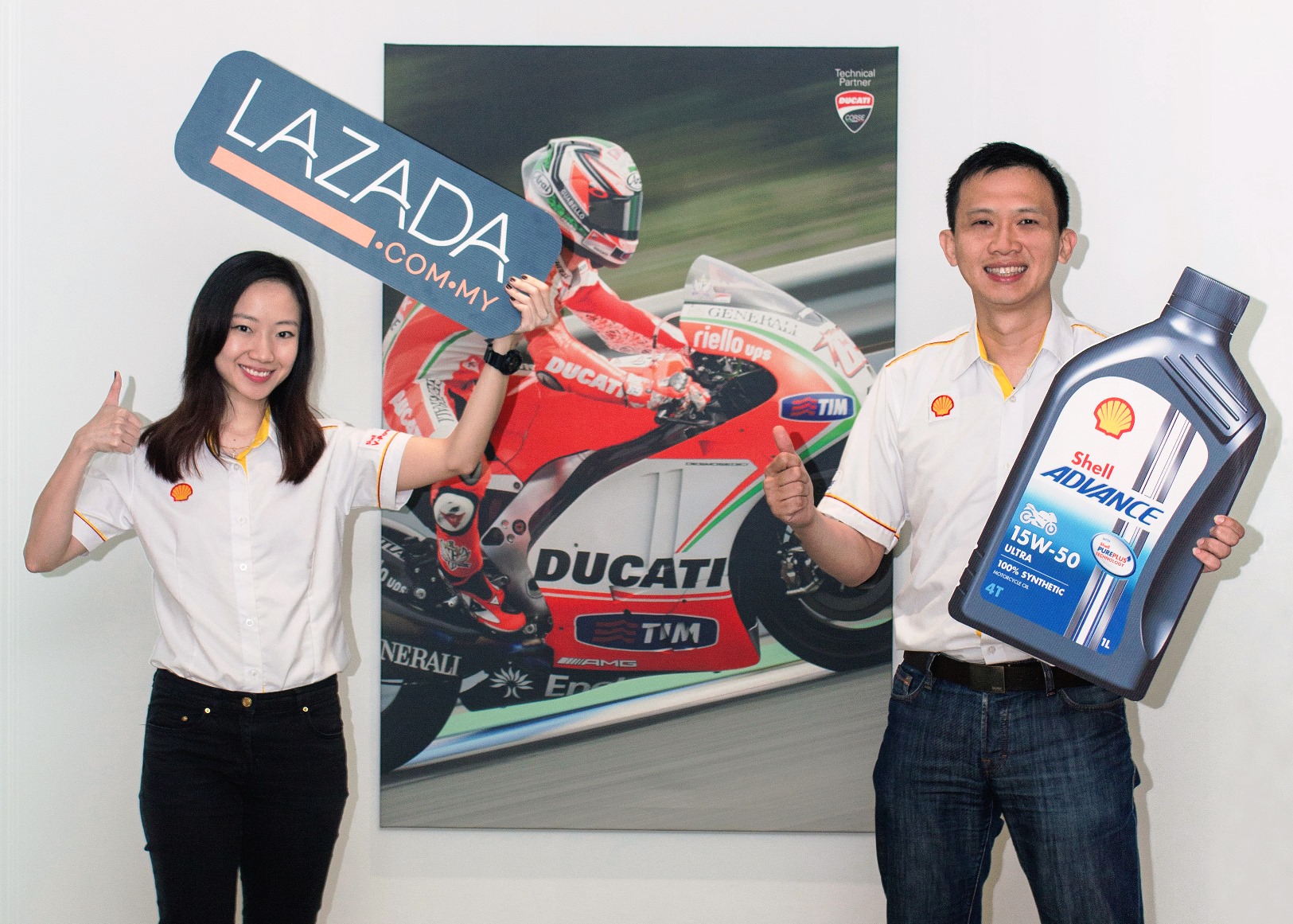
Buy Shell Advance Oil on Lazada Malaysia and Meet Jorge Lorenzo. Bikers nationwide can now purchase the complete range of Shell Advance motorcycle oils in full convenience from the Shell Malaysia Official Online Store on Lazada Malaysia, the leading e-commerce platform in the country.

Every purchase of the officially-sourced Shell Advance motorcycle oil will be delivered right to the customer’s doorstep in Peninsular Malaysia, Sabah and Sarawak. You can visit the Shell Malaysia Official Online Store on Lazada Malaysia by clicking here.

In conjunction with Shell Advance’s online debut and the upcoming 2017 Shell Malaysia MotoGP™, online shoppers and avid fans of MotoGP™ will have a chance to bag exclusive giveaways* with purchase of Shell Advance products:

  • From 3-20 October, purchase one pack of Shell Advance and two cans of Monster Energy Drink via Lazada Malaysia and be in the running for the Grand Prize of a special invitation to an exclusive meet-and-greet session with Ducati rider Jorge Lorenzo on 25 October 2017.  Only 100 lucky winners will enjoy this privilege.  The First Prize is one (1) Hillstand ticket and a welcome kit at Sepang International Circuit (SIC) for 150 lucky winners while 20 winners will take home the Second Prize of one (1) limited edition Monster Recon backpack each.
  • Also from 3-20 October, purchase any of one pack of Shell Advance Ultra or Ultra Scooter and receive one (1) Hillstand ticket and a welcome kit at Sepang International Circuit (SIC), on a first-come-first served basis
  • From 25-29 October, purchase one carton of Shell Advance Ultra with PurePlus Technology or Shell Advance AX7 for a chance to win a pair of Oakley eyewear personally autographed by Jorge Lorenzo.

Shell Lubricants General Manager for Malaysia and Singapore, Baljit Singh, said that the company’s continued collaboration with Lazada Malaysia following the successful launch of Shell Helix passenger car motor oils in August was further proof that it was working hard to meet their customers’ needs.

“We are now providing convenience to bikers all over the country who want nothing less than complete protection for their bikes’ engines that only Shell Advance can offer. Buying from the Shell Malaysia Official Online Store, you can ’outride’ any unpredictability or uncertainty about the quality or authenticity of the product. Best of all, you could be rewarded with a memorable meeting with the Ducati’s Jorge Lorenzo or tickets to the Hillstand at SIC that has been reserved exclusively for Shell this year,” he said.

Baljit also expressed delight that Shell Advance and Shell Helix products through its Shell Malaysia Official Online Store will be part of Lazada Malaysia’s Online Revolution shopping extravaganza this coming 11 November 2017.

The annual event is the biggest online shopping fest in Southeast Asia. Themed ‘Shop the Universe’, shoppers in six countries can look forward to millions of products from around the world at ‘out-of-this-world’ prices.  This year, for the first time, the offerings will include genuine, officially-sourced Shell Advance motorcycle engine oils and Shell Helix passenger car motor oils.

“We are thrilled to extend our collaboration with Shell Malaysia with the introduction of the Shell Advance range of motorcycle oils on our platform. Bikers across Malaysia can now enjoy unparalleled access to genuine products online with just a few clicks of the button. We look forward to the introduction of more products and services at the Shell Malaysia Official Online Store even we gear ourselves for the our biggest campaign in November, the Online Revolution,” said Hans-Peter Ressel, Chief Executive Officer of Lazada Malaysia.

Please click here to visit the Shell Malaysia Official Online Store on Lazada Malaysia.

You may also click here for our recent 3000km test and review of the Shell Advance Ultra with PurePlus Technology SAE 10W-40 Fully Synthetic engine oil by clicking here.


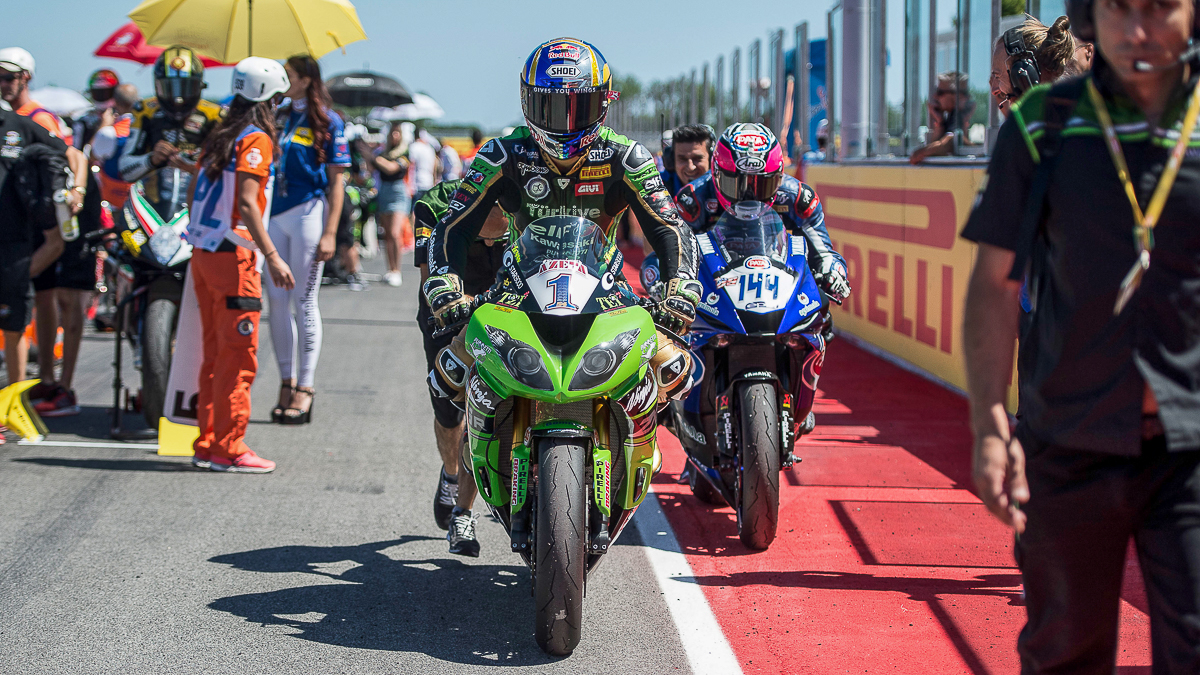
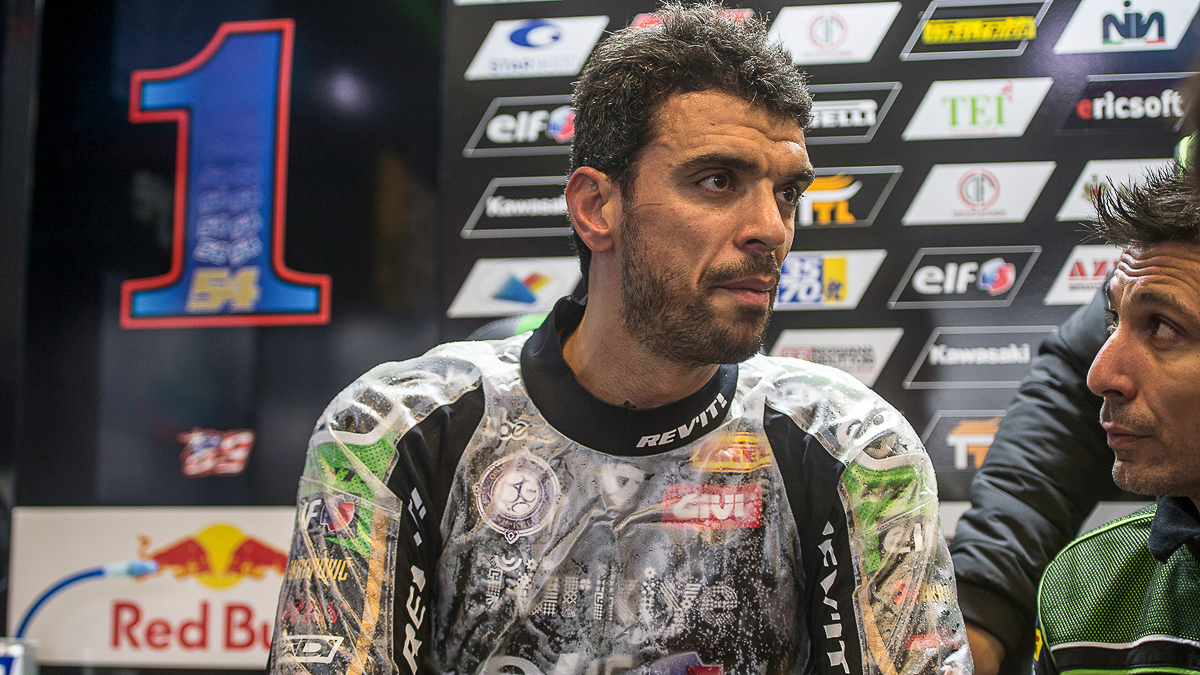
Five time WorldSSP champion Kenan Sofuoglu suffered a triple hip fracture during Saturday’s qualifying session when he crashed out at the Magny Cours Circuit in France.

The 33 year old Turkish rider was well on his way to a front row start before crashing out and declared unfit to race due to the extensive injury.

With only two rounds remaining, it is uncertain whether Sofuoglu can heal in time to fight for the 2017 WorldSSP title with the current leader, Lucas Mahias from GRT Yamaha Official WorldSSP Team.

The 2016 WorldSSP World Champion Kenan Sofuoglu (Kawasaki Puccetti Racing) recently missed the last French round at Magny Cours Circuit after crashing out during Saturday’s qualifying session. The five time World Supersport champion was declared unfit after suffering a horrendous triple hip fracture. (more…)

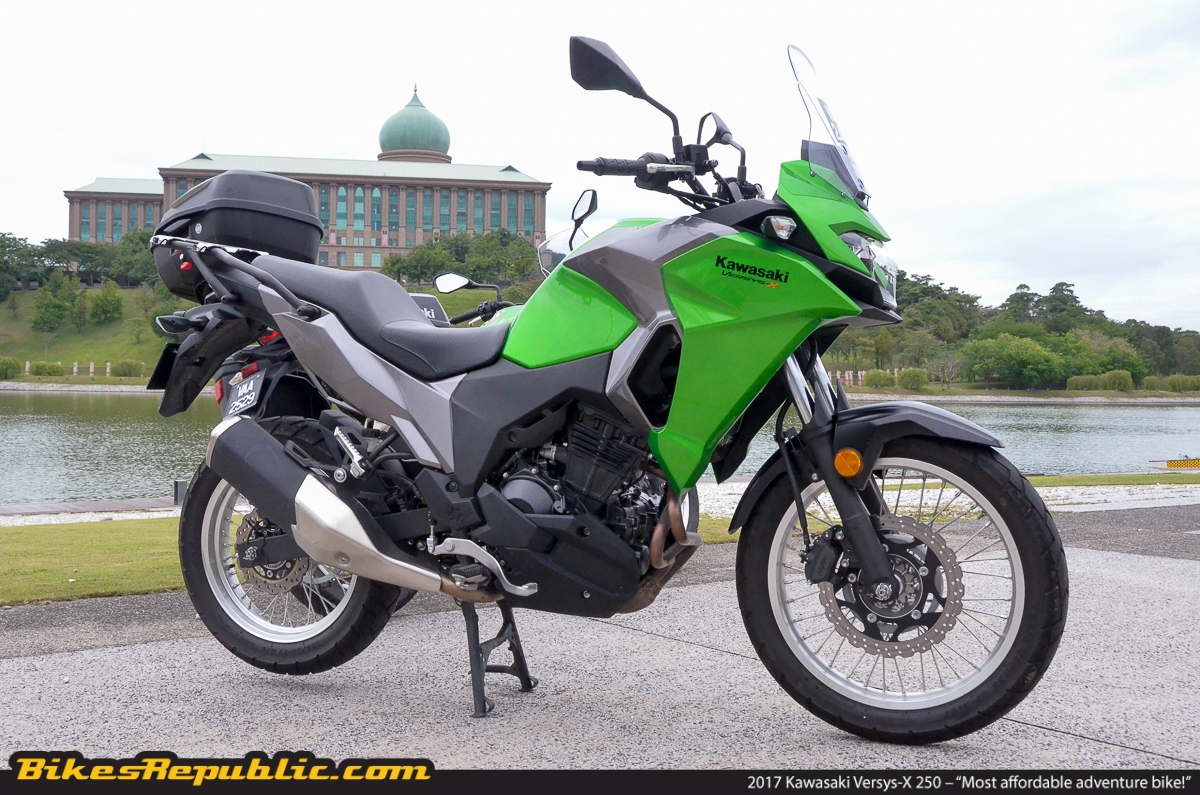
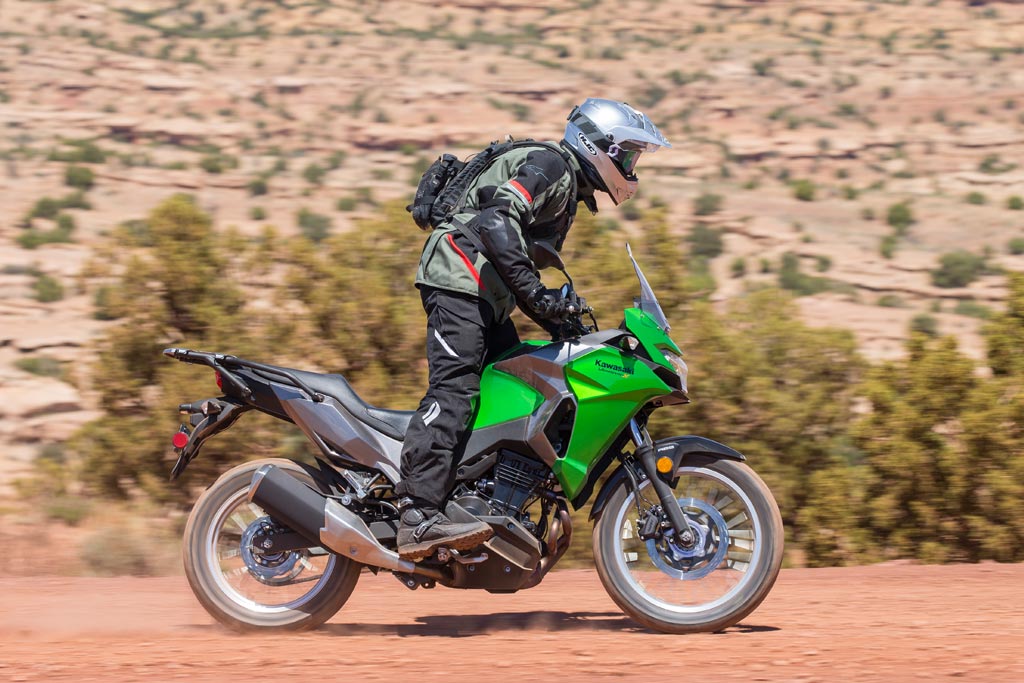
  • The Kawasaki Versys-X 250 offers the fun of adventure-motorcycling at a great price

  • It is also designed with features for adventure riding

  • It should appeal not only to beginners but also to seasoned riders

Courtesy of advpulse

The Kawasaki Versys-X 250 has come a long way from when adventure, adventure-touring, dual-purpose bikes that were big, tall, powerful beasts; runaways from the dunes of the Paris-Dakar Rally. Anyone remember those mighty 750cc and 900cc V-Twin DP (dual-purpose) bikes in the 90’s? Well, those were the granddaddies of adventure motorcycles.

The motorcycle class in the Paris-Dakar Rally (now Dakar Rally) had started out with competitors on smaller, single-cylinder bikes but as an arms war pushed the factories and riders to gain the upper hand against each other, the bikes became bigger and heavier, and of course more powerful. The single-cylinder, enduro-based bikes that were sold to the public and modified to race, gave way to purpose-built machines that were then sold afterwards as replicas.

However, with the increase in speed came increased number crashes and fatalities in the world’s toughest rally. That had the organisers knocking back the multi-cylinder format to single-cylinder bikes to cap the speeds, first from 690cc and to 450cc since 2011.

On the road, ironicaly, it went the other way in terms of engine capacities. Most true adventure and adventure-touring motorcycles in the market are being dominated by middleweight (750cc to 80cc) to open-class (1000cc and above) models.

The open-classers are not cheap for most motorcycle enthusiasts, unfortunately, ranging from around RM80,000. The middleweights on the other hand, are usually priced from RM50,000. Engine power range between 70bhp to 160bhp.

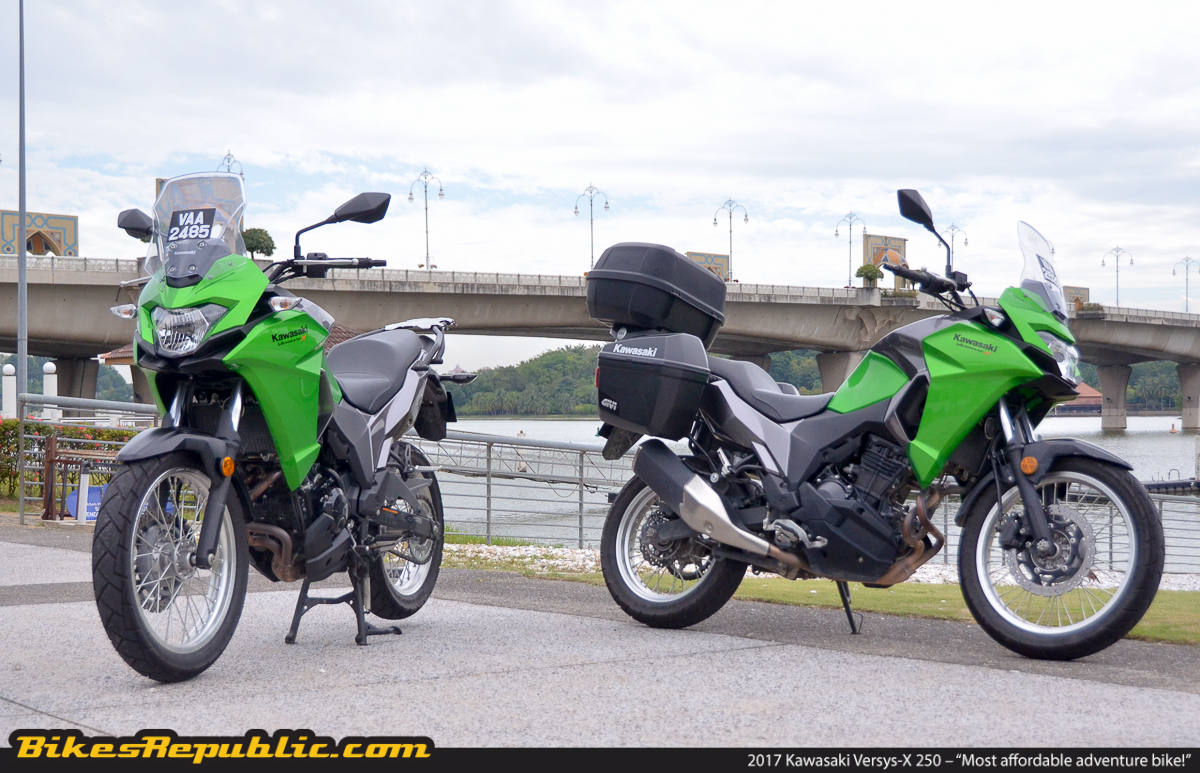
So, how about the Kawasaki Versys-X 250? (You may also click here for our First Impression and click here for our full on-road review.)

1. Smooth Power
Riding in the rough is not all about outright speed. Average offroad speeds are typically 30km/h, the fastest top speed being approximately 60km/h. Anything above that is for the pros, or if you’ve signed your last will and testament.

Let’s face it, most of us aren’t full-time or even part-time motocross or enduro riders.

The Versys-X 250 produces 33.5bhp and 21.7 Nm of torque, with a wet weight of 173kg, for a 5.2kg/bhp ratio. Comparing it to the Kawasaki KLX250 enduro, the KLX250 produces 23bhp and 21Nm of torque, but weighs only 136kg wet, for a 5.6kg/bhp ratio. They are actually very close to each other.

Why the lower horsepower on the KLX? Because too much speed in the rough isn’t necessarily a means to an end. Just like the big Dakar bikes of yesteryears.

For the Kawasaki Versys-X 250, beginners would appreciate it, pros would find it interesting.

Not only that, the throttle response is smooth and benign at the initial opening.

2. Controllability

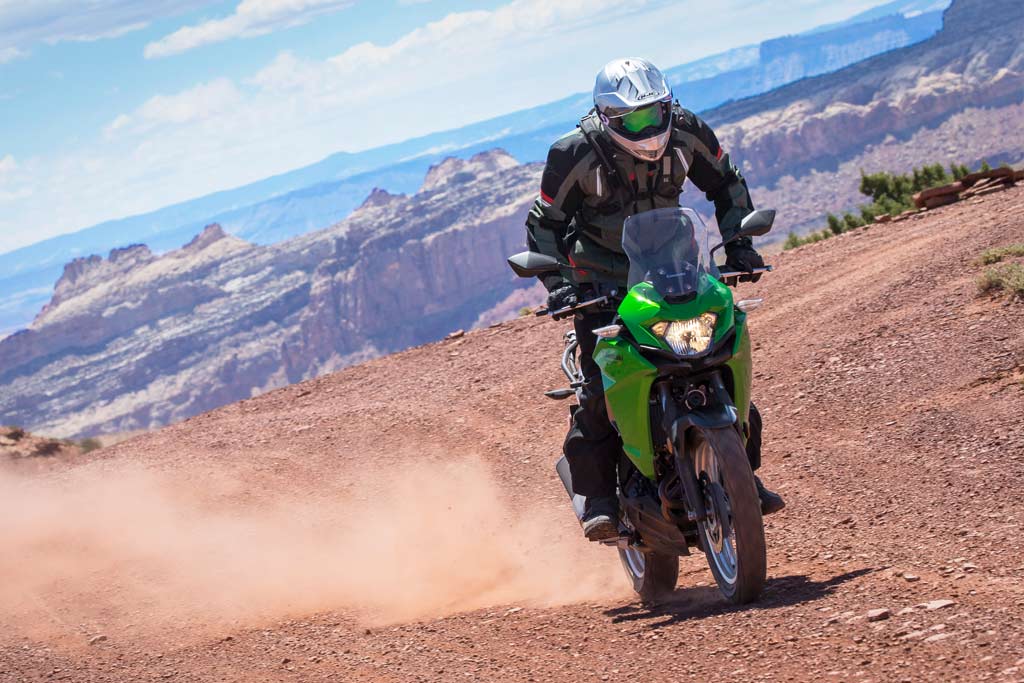
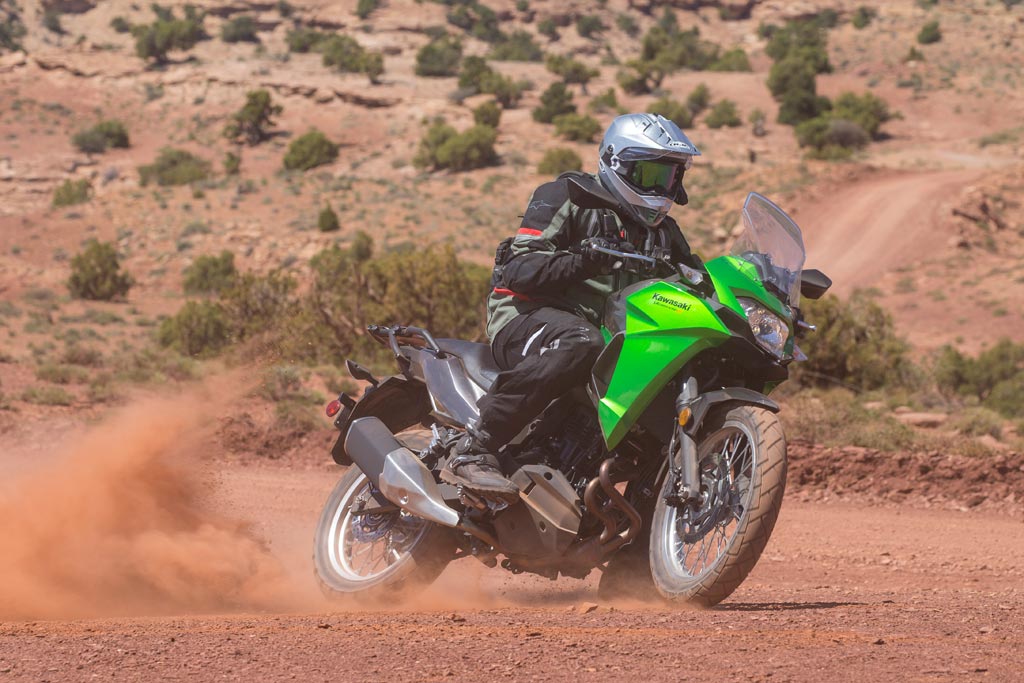
Riding offroad is all about the ability to handle a bike that’s on the edge of tyre adhesion, besides being able to point it where you want it to go.

Courtesy of advpulse

Sure, the bigger bikes have more electronics but they are still heavier, taller and may have too much power for the rough for most riders to handle.

Smooth and predictable power delivery and throttle response is super important.

Controllability stems from acceptable power, smooth power delivery, lightness, narrowness of the bike, long-travel suspension and especially for beginners, an acceptable seat height.

3. Lightweight

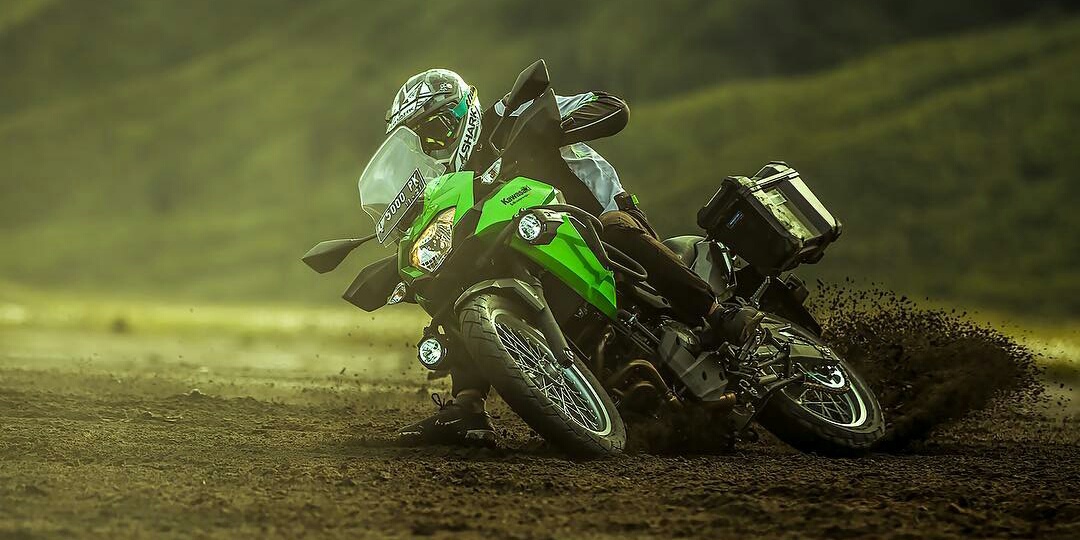
The motorcycle will jump, drop, slide, squirm under you as your ride offroad. Soon, your arms, leg, back, and core muscles will start to feel “The Burn.”

Courtesy of Ksatria Pinandhita

Now imagine if you’re riding a 200+kg bike while all that’s happening.

Not fun.

Your body and mind might give up soon enough, followed by a spill. Talk about putting a damper in your enthusiasm for the ride.

Let’s cite an example: This writer has ridden in ankle-deep sands in South Africa. While most participants chose the 1200cc adventure-tourers, this writer opted for a much smaller and lighter 660cc enduro. Soon, every single 1200cc rider crashed in that section except for one, but this writer got through without a single scratch. And that sand was nothing compared to the sand dunes of the Tenerife desert!

Having ridden the Versys-X 250 offroad afterwards, it’s the perfect bike for the job.

4. Slender Body

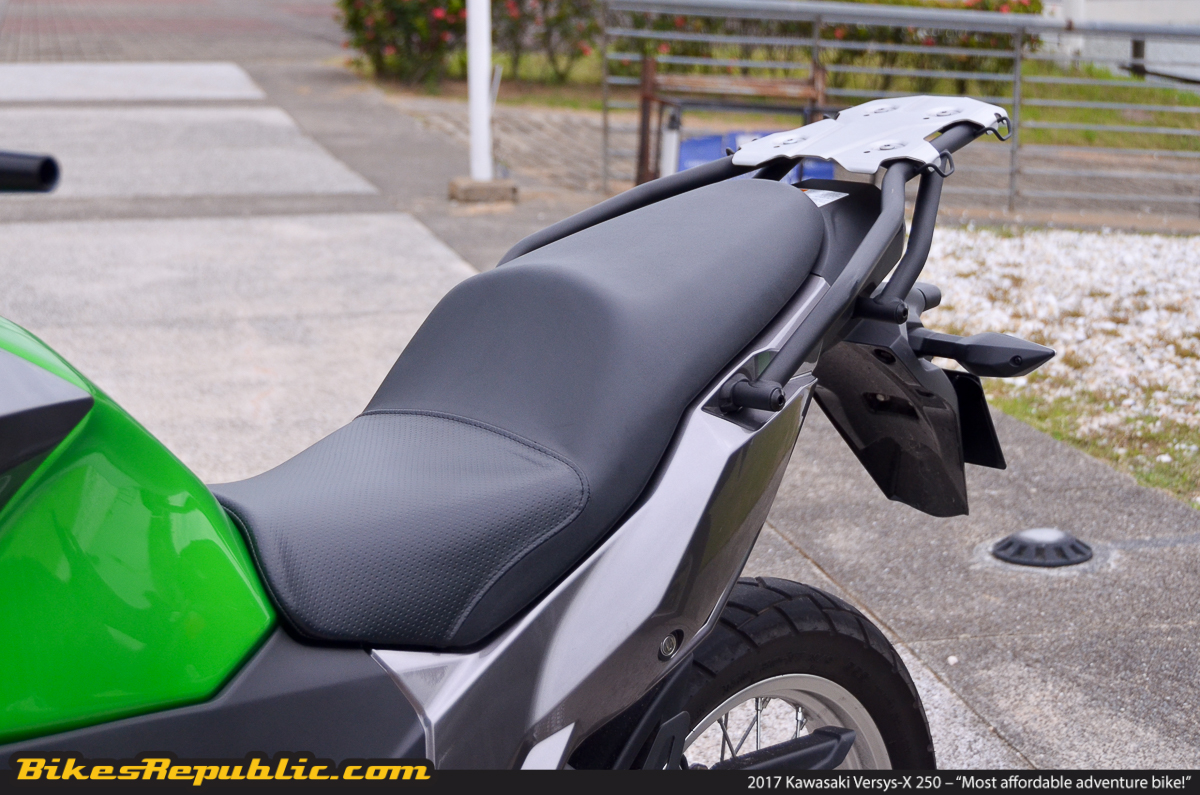
Having a narrow midsection where the seat joins the tank is an important design factor. As covered in our offroading tips article last week (click here to read), you need to stand up.

As you stand, your legs ought to be parallel to the bike’s vertical profile, instead of being splayed outwards like on a cruiser. That way, you could help to steer the bike by pushing down with your legs, or clamping onto the midsection to stabilize the bike on the faster straight sections.

The Versys-X 250 does have a narrow midsection, but there’s also a bonus.

Notice how the fuel tank slopes precipitously downwards toward to seat? That’s for the rider, especially us of Asian heights, to push our upper weight forward onto the front wheel. The sloping tank means there’s much less likelihood of it upper cutting the rider in the groin, should the bike hit a bump.

5. Long-Travel Suspension

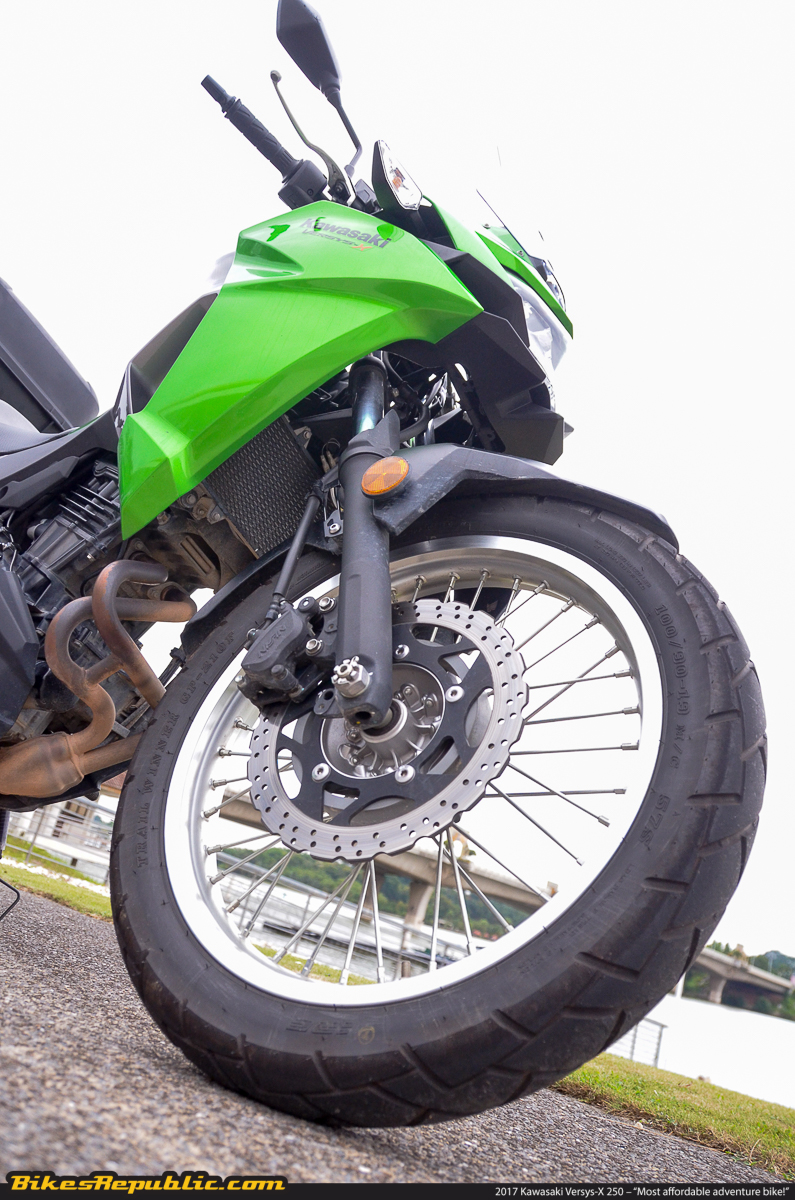
As with adventure motorcycle convention, the Versys-X 250 has 130mm front and 150mm rear suspension travel. The front wheel is 19-inches in diameter. That combination equals a relatively spacious ground clearance of 180mm.

A long-travel suspension means there’s more “space” for the suspension to absorb hits from the ground, especially on rough “no roads” to deliver a smoother, less jarring ride for the rider.

6. Low seat-height

Although adventure bikes are generally tall, the Versys-X 250 features a low-seat height of only 815mm to accommodate beginners and us of shorter stature.

Being able to touch a foot down in while riding offroad is reassuring especially for beginners, but it’s also something which has to be done while cornering. The quicker the foot touches down means the less the bike has to lean into a corner, consequently the less chance of the tyres sliding out from underneath.

Back on the road, the lower seat height also contributes to security when the bike is at standstill or crawling through traffic.

7. Practicality

Bikes of this nature are practical and the Kawasaki Versys-X 250 is no different. But since it’s a smaller capacity bike, it has a slender profile with tall a handlebar. Coupled to its lack of weight and you have a great urban bike. Being slim with the tall handlebar means you could filter through traffic without much worry, while being lightweight means its agile.

Plus, since the bike is comparatively tall, it gives you a better field of vision ahead of the traffic all around you.

8. Touring Capability

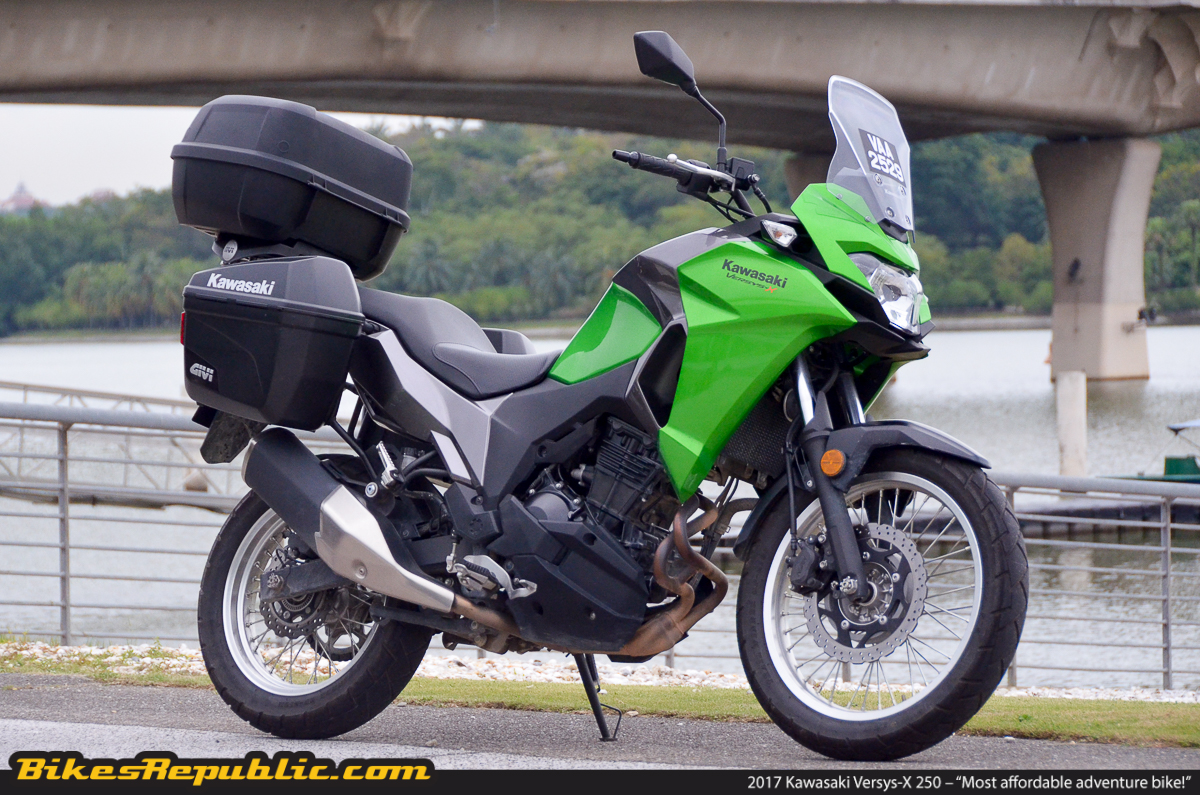
Because the Kawasaki Versys-X 250 is an adventure bike, it has much room for luggage. Throw on a pair of GIVI panniers and a top case and voila! You’ve got yourself an adventure-tourer (just like the Versys-X 250 we reviewed here).

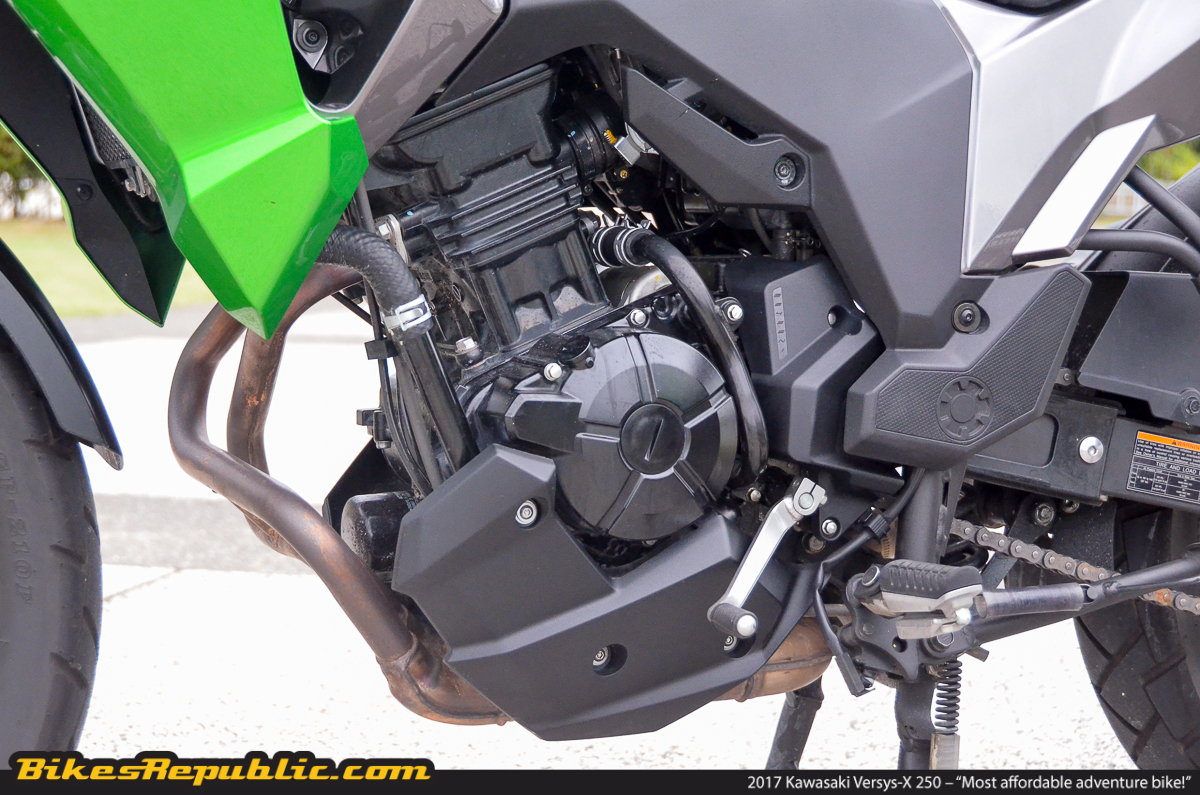
The liquid-cooled, four-valve per cylinder, DOHC, 249cc, parallel-Twin engine is also fuel efficient. Throughout our testing, we’ve extracted between 260 to 300km from the 17-liter fuel tank.

Top speed is a little above 150km/h and that’s fast enough for most applications.

Conclusion

In closing, the Kawasaki Versys-X 250 is the recommended for those who want to embark on the wonderful journey into adventure-riding. However, because it is practical, lightweight and agile, it should also appeal to seasoned road riders who want to try out the rough stuff. But remember that it’s also a very capable roadbike.

The enjoyment of adventure-riding shouldn’t need to be done on expensive machinery only, evidenced by the Versys-X’s wallet-friendly price tag of only RM23,789 (with GST). Truly the only kind in the Malaysian market.

TECHNICAL SPECIFICATIONS

Engine Liquid-cooled, DOHC, 8-valves, parallel-Twin
Displacement 249cc
Bore x Stroke 62.0 mm x 41.2 mm
Compression ratio 11.3 : 1
Fuel system Electronic fuel injection, 28mm with dual throttle valves
Maximum power 33.1 bhp (24.7 kW) @ 11,500 RPM
Maximum torque 21.7 Nm @ 10,000 RPM
Front suspension 41mm telescopic forks
Rear suspension Bottom-link Uni-Trak gas-charged shock, adjustable for preload
Front brakes 1 x 290 mm petal disc, 1 x balanced actuation dual-piston caliper
Rear brake 1 x 220 mm petal disc, 1 x dual-piston caliper
Frame High-tensile steel backbone
Rake 24.3 degrees
Ground clearance 180 mm
Seat height 815 mm
Fuel capacity 17 litres
Curb weight 173 kg

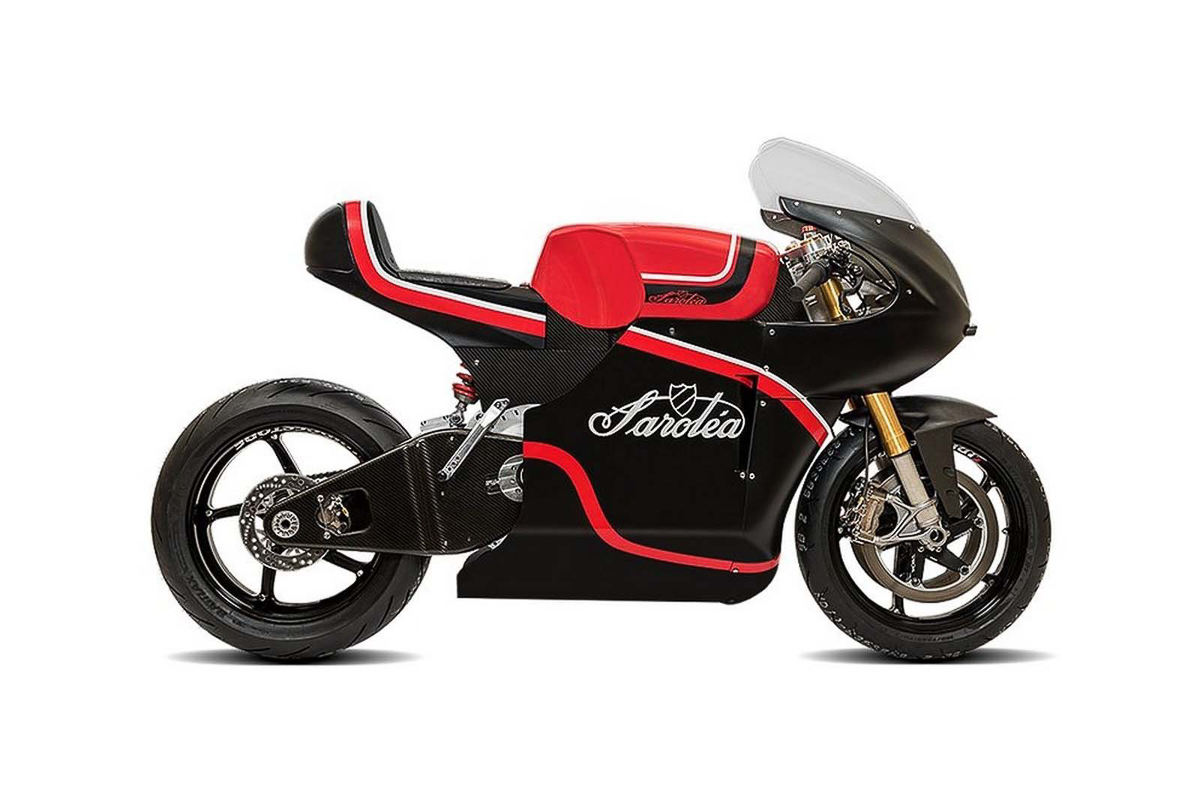
The Sarolea SP7 race bike has been considered as one of Dorna’s potential candidates as the 2019 electric MotoGP bike supplier for a one-make electric series in 2019.

MotoGP race direction representative Loris Capirossi just finished testing the Sorelea SP7 electric race bike ahead of the last MotoGP round in Motorland Aragon.

Other potential candidates include the Lightning LS-218 and Mugen’s Shinden Roku electric race bike which has won the Isle of Man TT Zero road race a total of four times.

It was just last week when ex-MotoGP racer and current MotoGP race direction representative Loris Capirossi conducted a private test on a very special bike at Motorland Aragon. Prior the MotoGP round, the 44 year old Italian went into the circuit on board the Sarolea SP7, a fully-electric race bike which is considered as a huge potential for a brand new MotoGP electric class set for 2019. (more…)

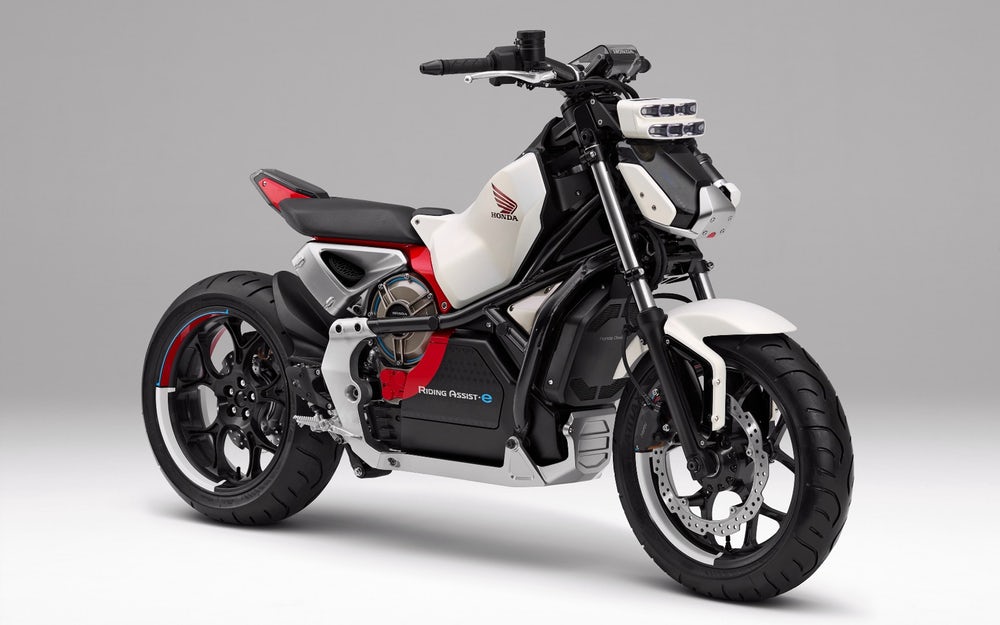
  • The Honda Riding Assist-e Concept is a self-balancing electric motorcycle

  • Shares the same frame with the Honda Riding Assist

  • The rider does not need to put a foot down at standstill

The Honda Riding Assist-e Concept at the upcoming Tokyo Motor Show.

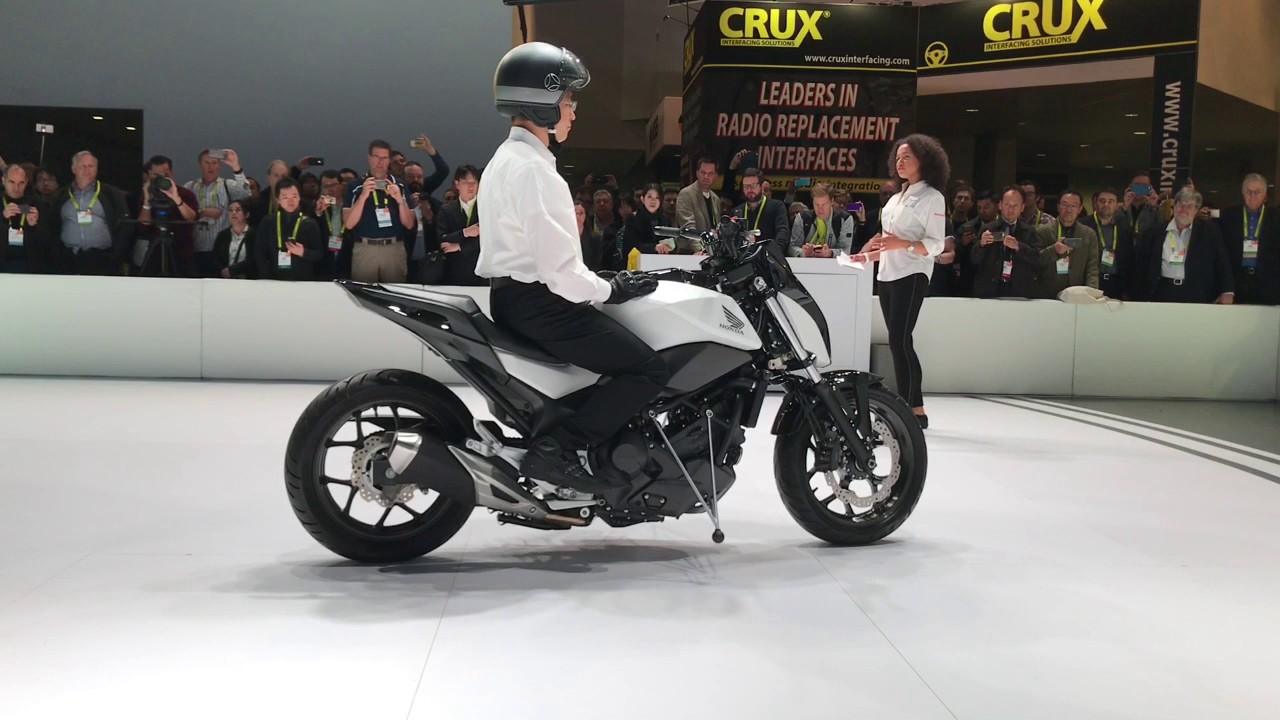
Honda had earlier previewed the Riding Assist concept (click here for our coverage) but that was powered by a gasoline engine. However, both the e-bike and petrol engine bike were built upon the Honda NC700 frame.

Riding Assist in Honda’s term means that the bike keeps itself upright when stationary at the traffic lights without needing the rider to put a foot or feet down to balance it. Also, the bike keeps itself upright at slow speeds, possibly a good feature for tackling u-turns. But that doesn’t mean you can’t fall off it.

Interestingly, the self-balancing feature was built by Honda’s robotics division. Honda have long been developing robotics and humanoid walking robots like the ASIMO in year 2000 was a prime example.

the Honda Riding Assist-e uses an electric motor mounted under the seat which sends power through a driveshaft to the rear wheel, like that on Honda’s VFR series. A radiator sits behind the electric motor. However, the self-balancing technology doesn’t use gyroscopes.

That’s as much as we know about the Honda Riding Assist-e at the moment, until it is fully unveiled at the Tokyo Motor Show on 25th October 2017.

In any event, the Honda Riding Assist-e and Riding Assist look production-ready and it’ll be interesting to see if Honda can bring them to life.

In our opinion, attention should be paid to electric bikes or e-bike as more and more countries around the world and our region are pushing towards the full banning of new gasoline-powered vehicles in favour of electric vehicles, within the next decade or so. But do not fear electric vehicles as electric motors transfer immediate torque without lag, unlike gasoline engines.


Archive

Follow us on Facebook

Follow us on YouTube