-
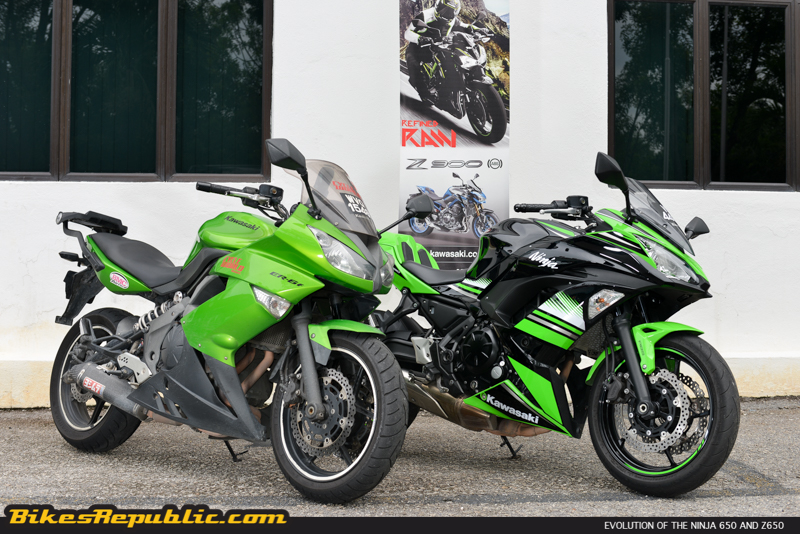
The new Kawasaki Ninja 650 and Z650 show much Kawasaki’s 650s have evolved.
-
They now feature new engines, styling and technologies.
-
The new models signify Kawasaki’s pursuit of excellence across their range of products.
It’s undeniable that three particular models ruled the Malaysian streets for the years between 2009 to 2015. They were the Kawasaki ER-6f, ER-6n and Versys 650 (we’ll omit the Versys 650 for the moment). Let’s see how the ER-6f and ER-6n have evolved into the Ninja 650 and Z650.
It could also be accurately said that the ER-6 models were collectively the catalyst which started the bike big boom, which consequently ushered all the other big bikes we have nowadays.
The ER-6 family began in 2006. A few of the model made their way to our shores.
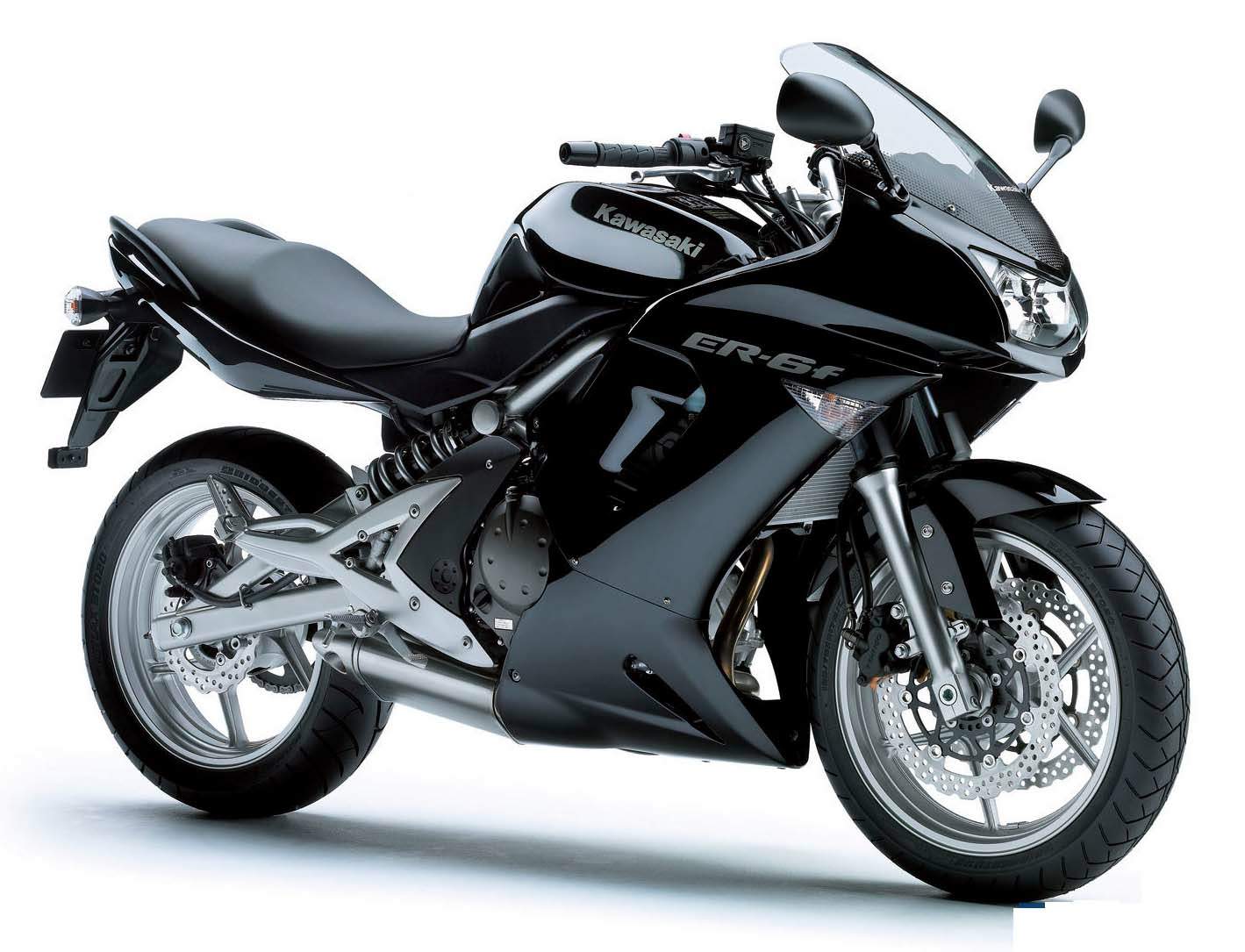
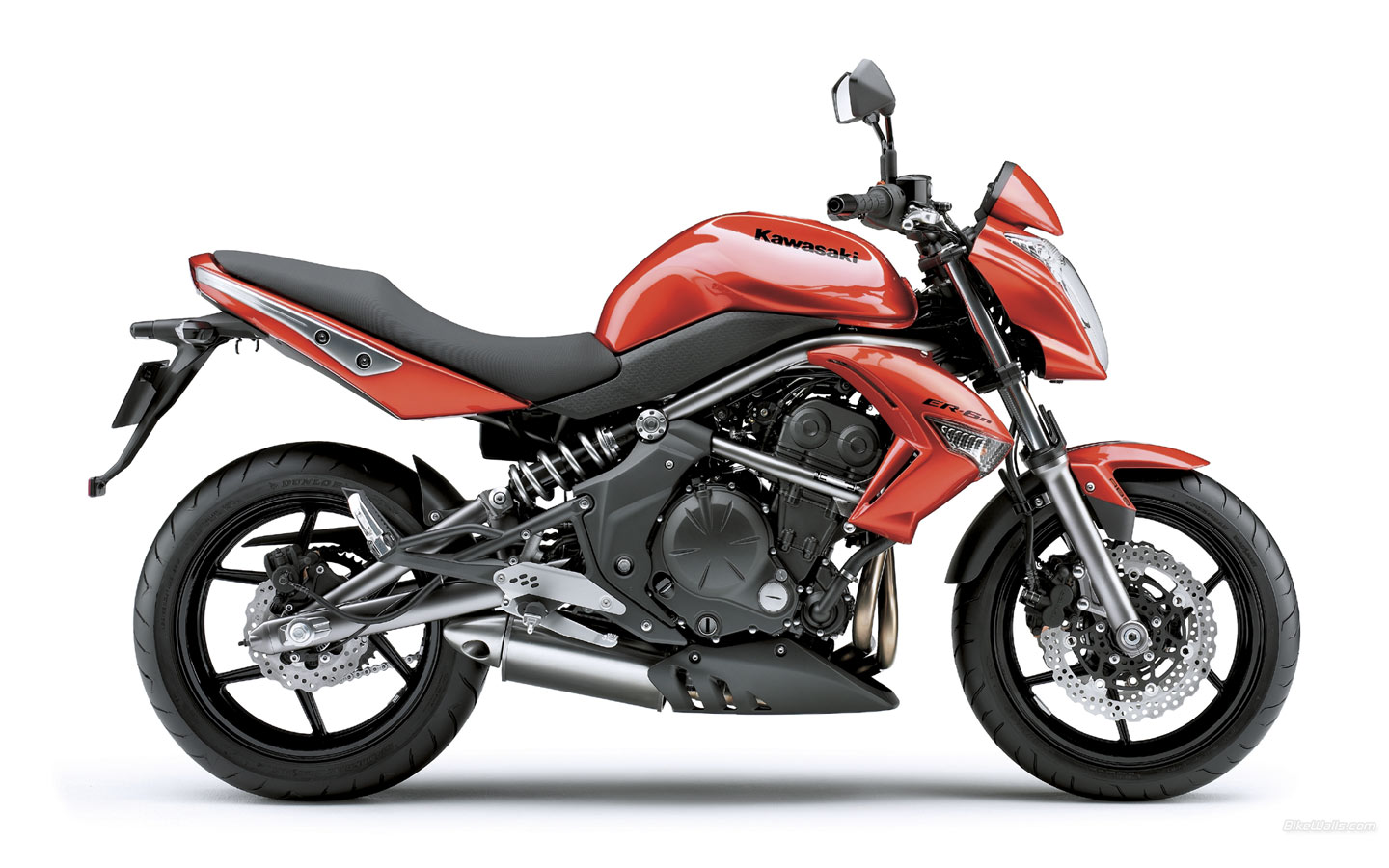
However, the ER-6’s true popularity started with the 2009 models. The ER-6f was fully-faired, while the ER-6n was a naked roadster.
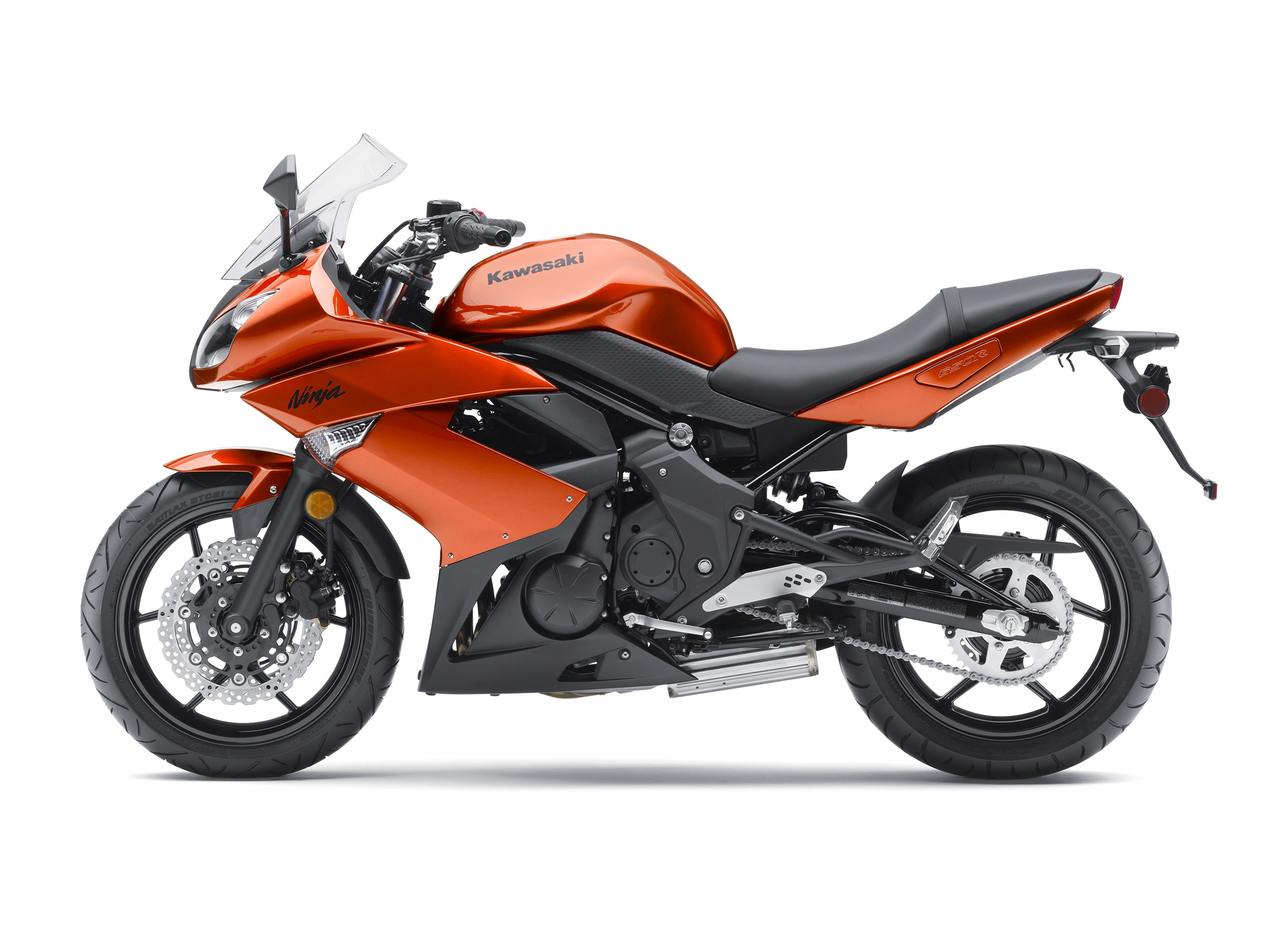
Both models were built on the same frame, chassis and engine platforms. They exhibited easy handling, good brakes, upright and and comfortable riding position, and a tractable engine with good torque and power characteristics to please newcomers, veteran and born-again riders. They were bikes that could do it all: Commuting, weekend canyon bombing, long rides, sport-touring, and track riding to some degree.
Best of all, they were the most affordable big bikes at sub-forty thousand Ringgit, since they were first to be CKD’d.
So popular was the ER series that even Malaysian riding schools started using them as bikes for newbie training and “Full B” license exams.
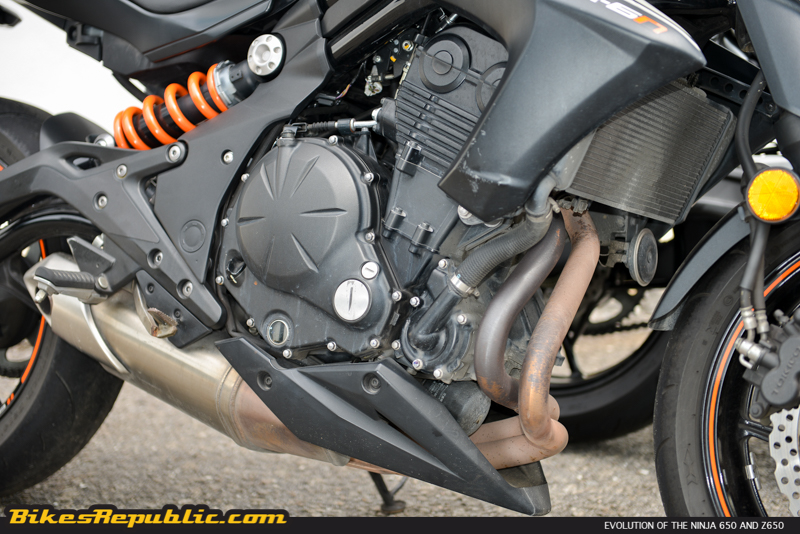
The engine was a simple, liquid-cooled, DOHC, eight-valves fuel-injected, 649cc, parallel-Twin. It pumped out a healthy 71 bhp and between 66 Nm (2006 to 2011) and 64 Nm (2012-2016) of torque. The distinctive thumping exhaust note results from the 180-degree crank.
EVOLUTION
The ER-6 variants (called Ninja 650R in some countries) made their debut in 2006. The second-generation ER-6 made their appearances in 2009 to 2011, before being superseded by the third generation from 2012 to 2016.
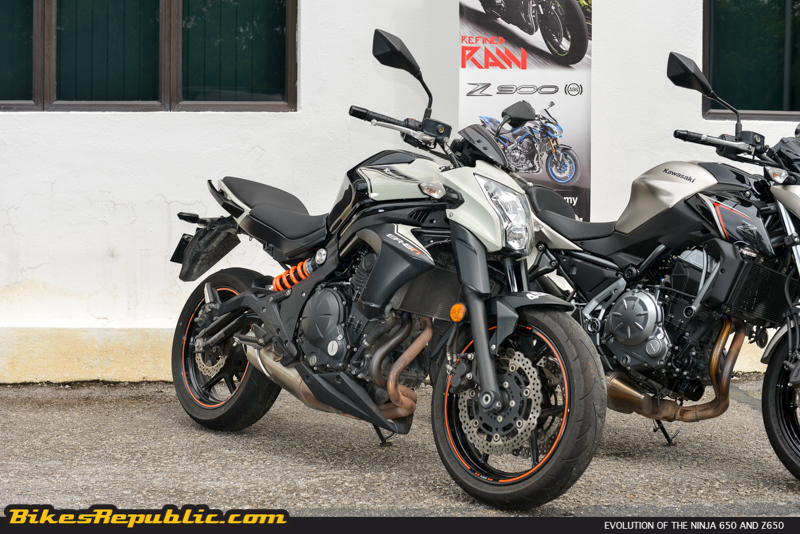
There were only minor exterior and internal mechanical changes between 2006 to 2011. On the other hand, the 2012 models had many changes including styling, stepped seats, a bigger fuel tank capacity, a new frame, and suspension with added travel. The ER-6f looked even sharper and sportier, while the ER-6n looked muscular.
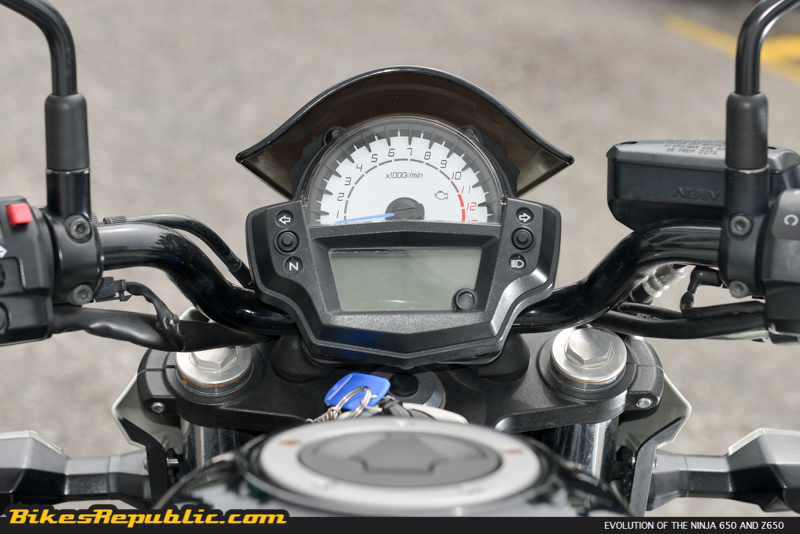
The engine was left almost untouched except for a small reduction in compression ratio. Spent gasses was pumped through a revised exhaust system. A new engine management mapping was tuned to spread torque further down the engine range, which lowered the peak power slightly. Kawasaki also debuted the ECO indicator in the LCD.
Since I own a 2011 model, I had felt that the 2012 version represented the peak of the ER-6 model evolution, when I tested both the –f and –n versions. Power was delivered smoother, the seats were comfier and most of all, it handled way better and was more stable than my own bike. It started right up every time and never once coughed through the throttle bodies.
Then Kawasaki took the covers off the 2017 models.
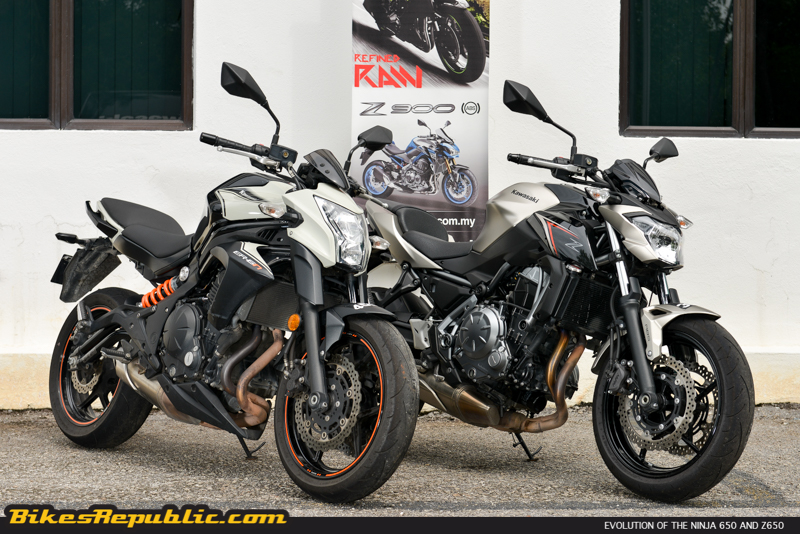
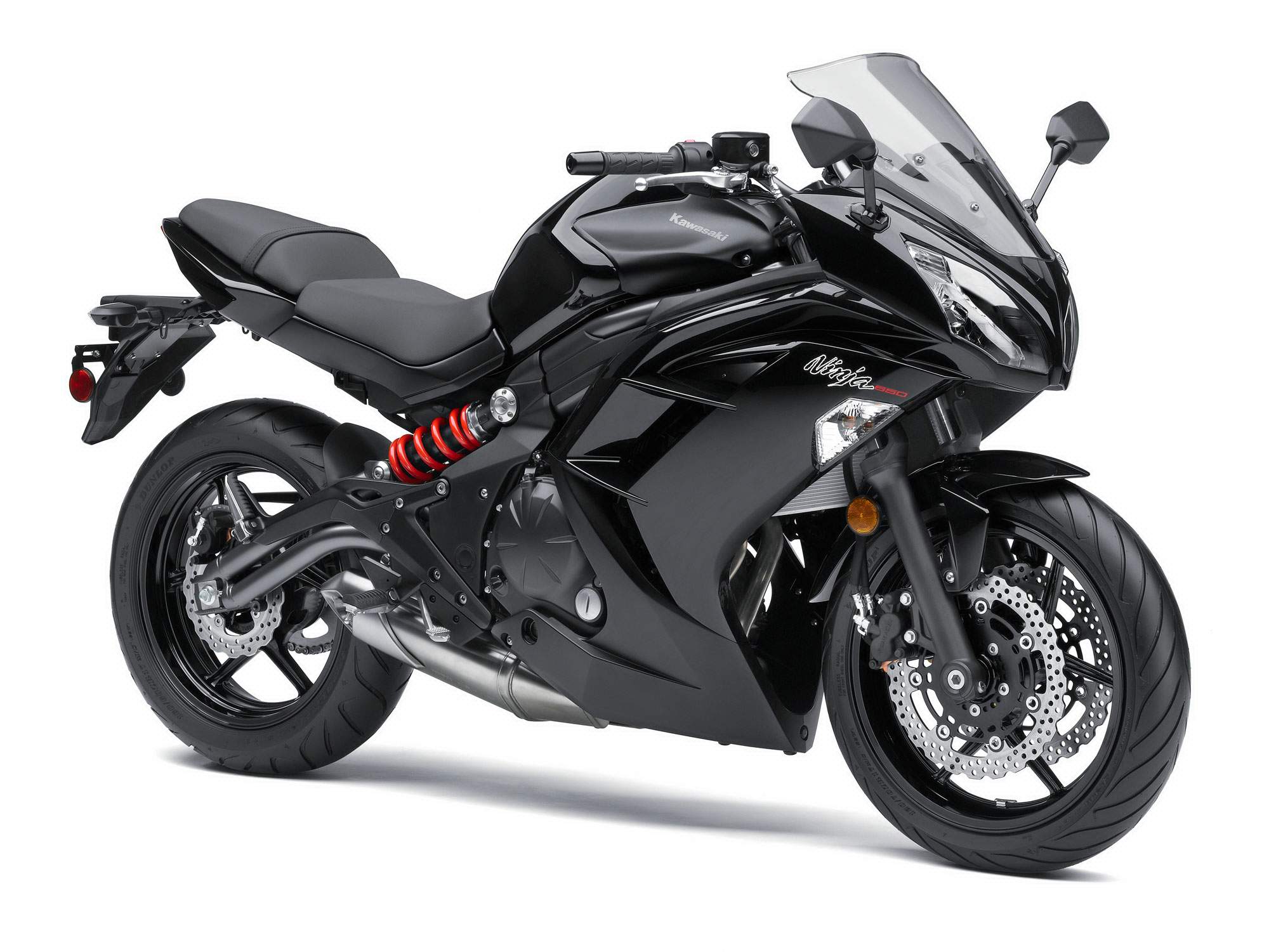
Kawasaki has now dropped the ER-6 name. The fully-faired version is now called the Ninja 650, aligning it as one universal designation. The naked version, on the other hand, is called the Z650, and inducted into Kawasaki’s family of naked bikes. Both the Ninja 650 and Z650 share the same engine and chassis components.
STYLING
The new Ninja 650 stands out prominently when viewed side-by-side with the 2011 model, showing how much the model has evolved and improved over a short period of time.
At the initial glance, the Ninja 650 now looks almost identical to Kawasaki’s multiple-race and championship-winning ZX-10R superbike, especially when decked out in the special-edition KRT colour scheme. Those headlights have gone “raptor-like” and the fairing wraps tightly around the body.
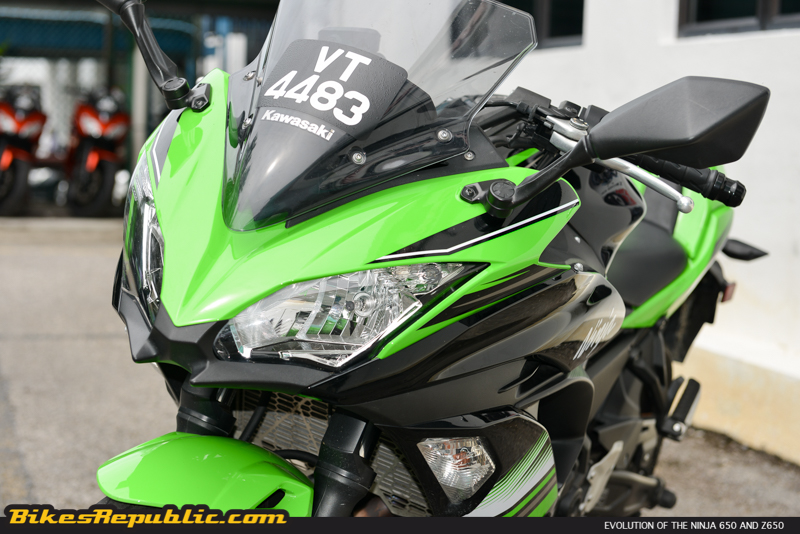
Speaking of the fairing, the new Ninja 650’s still features large side openings to vent hot air, but the rear part of the vent is enlarged and flared outwards to push hot air away from the rider’s thighs. Plus, the rear part of the fairing fits tightly to the frame, minimizing hot air from rising into the rider’s crotch.
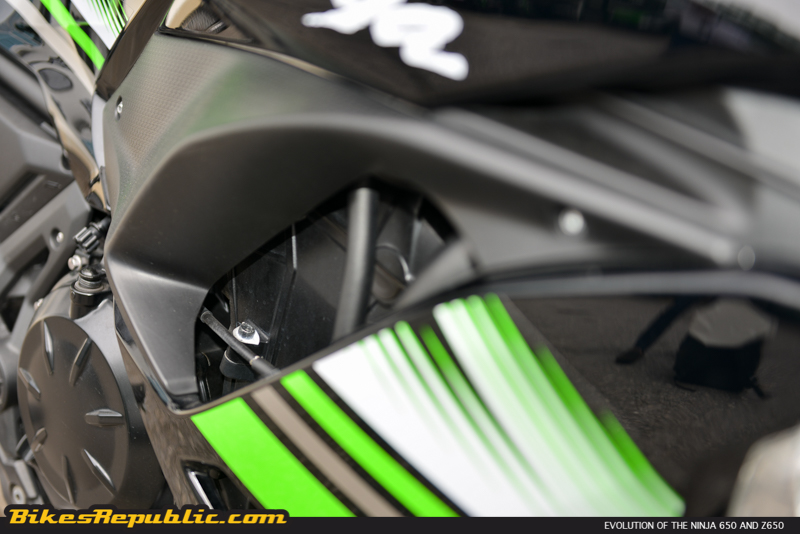
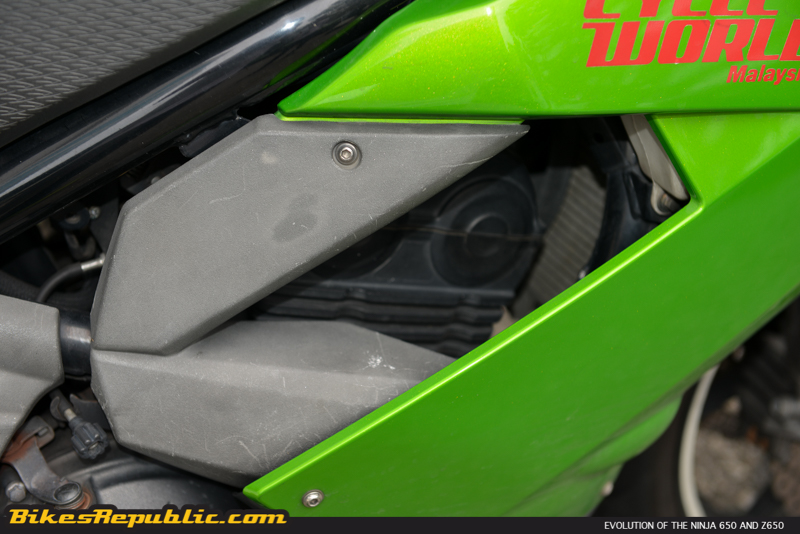
The effects are amazingly effective when compared especially to the 2011 and marked improvements over the 2012 models.
However, as sporty as the Ninja 650 may look, Kawasaki has wisely designed the ergonomics to be friendly to a broad spectrum of riders. The handlebars are set high and slightly forward, the rider’s seat is low (790mm seat height), and the levers are 5-way adjustable.
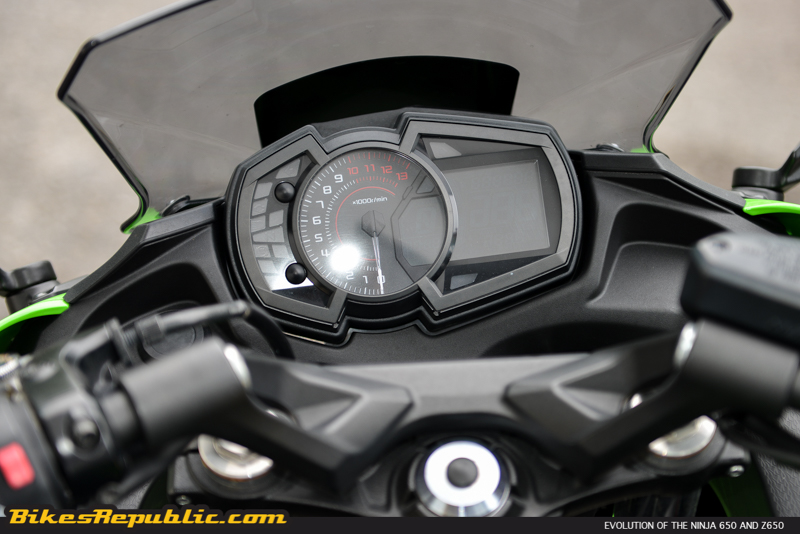
A new multifunction instrument panel is installed which includes a much-welcomed gear position indicator, shift light, and ECO indicator. The tach needle changes colour from white to pink to red as it swings up.
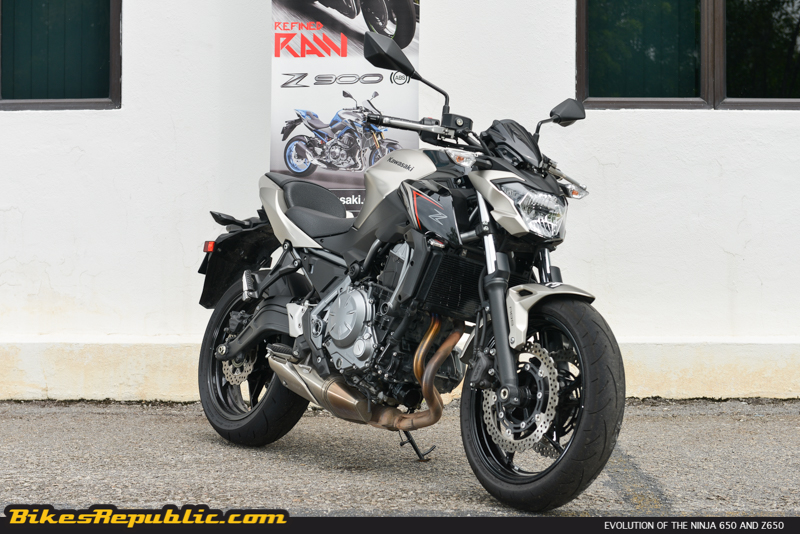
The Z650, meanwhile, has been given the Kawaski Sugomi (“sugomi” means “awesomeness” in Japanese) design treatment for a distinctively organic look. Kawasaki explained that they see the Z650’s stance as that of a black panther stalking its prey, in a crouched stance, with its head low and tail upswept.
A naked sportbike has to look fierce and that’s a great inspiration.
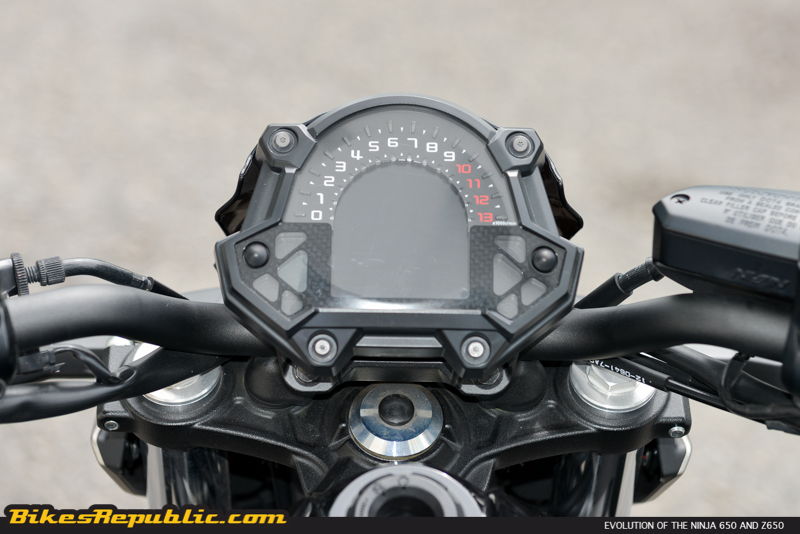
Unlike the Ninja 650, however, the instrument panel has a different design in order to fit behind that “flyscreen.” The tach is stacked on top of the LCD display, with the gear position indicator in the middle. The tach needle flashes at the rider’s preset rev limit.
The Z650 shares the same architecture as the Ninja 650 (more on this below), and as such it has the same seat height of 790 mm.
ENGINE
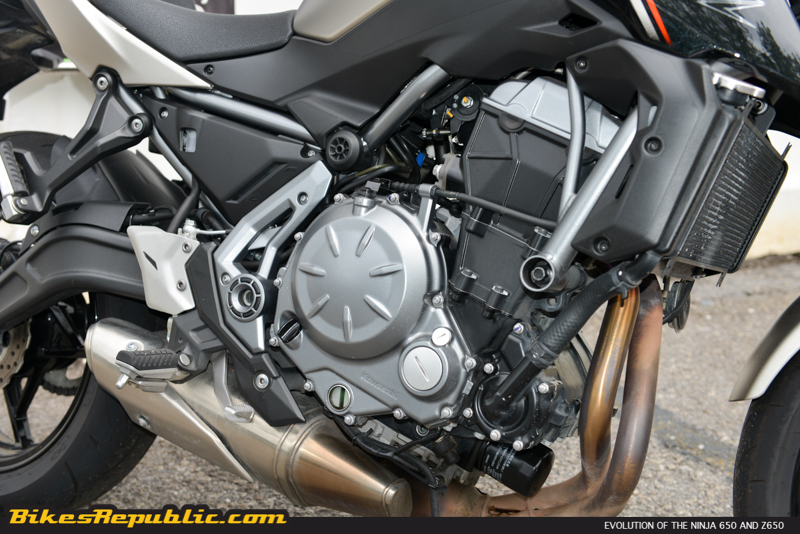
Kawasaki reengineered the familiar parallel-Twin engine to feature new cam profiles to reduce valve overlap duration (for better low-down and midrange torque); smaller, 36mm throttle bodies for smoother and precise throttle response; and a new exhaust system. These changes collectively result in a broader torque curve to provide the rider with power anywhere (in the rev range) at anytime it’s called upon.
Any previous ER-6 owner, myself included, could tell you that the engine’s strong back torque (engine braking) could sometimes impede smoother cornering transitions (as you’re dragged back by heavy engine braking, which causes the bike to lose speed, followed by instability and the reluctance to turn, ultimately resulting in the rider losing confidence), besides encountering rear wheel hop (or even skid) if we downshifted too aggressively.
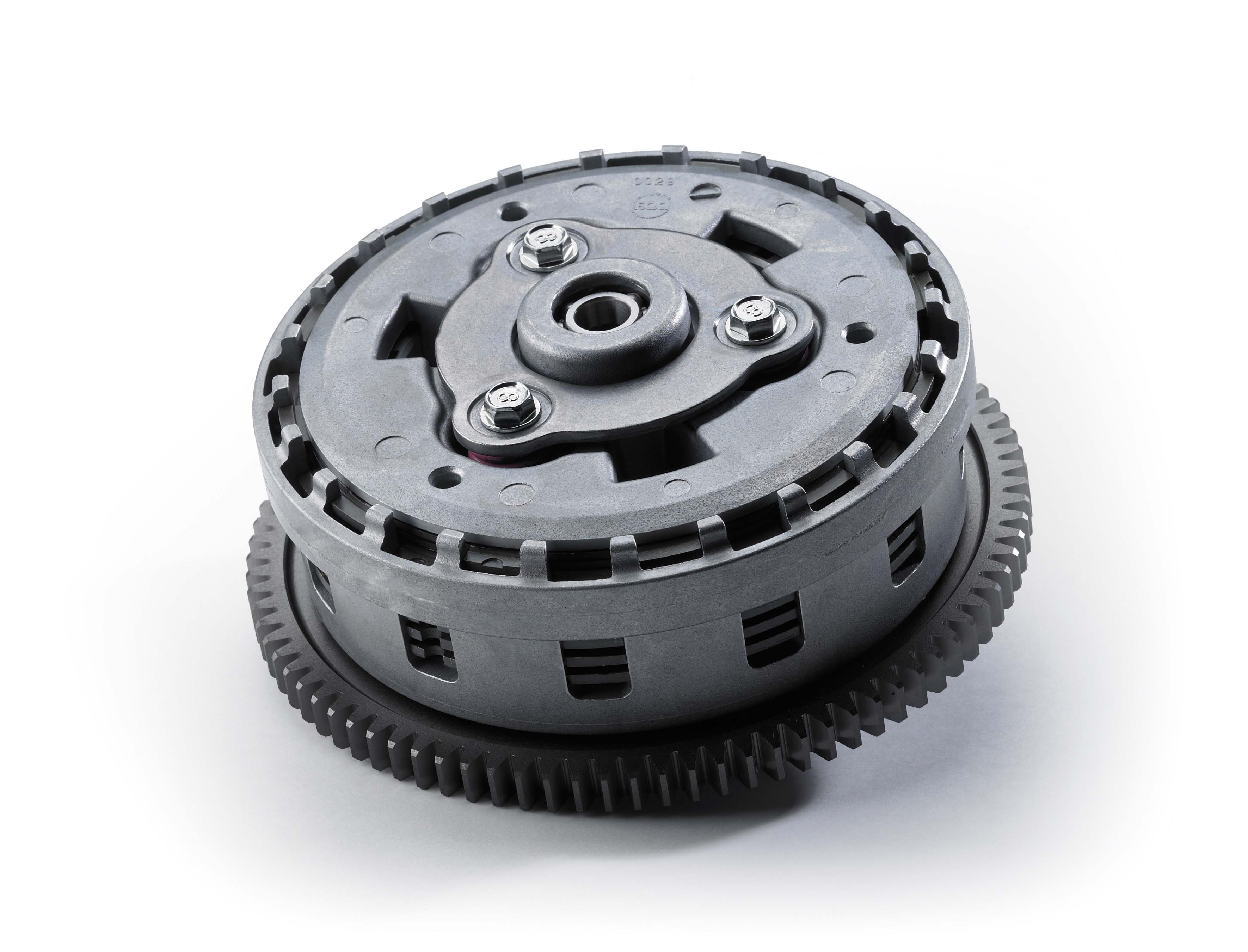
Kawasaki addressed this by adding an assist and slipper clutch. The slipper function is a nice addition, allowing for smoother corner entries and eliminating wheel hop. The assist function provides easier gear upshifting, by using cams that function as a servo mechanism which pulls on the clutch hub and operating plate together, to compress the clutch plates under acceleration.
FRAME AND CHASSIS
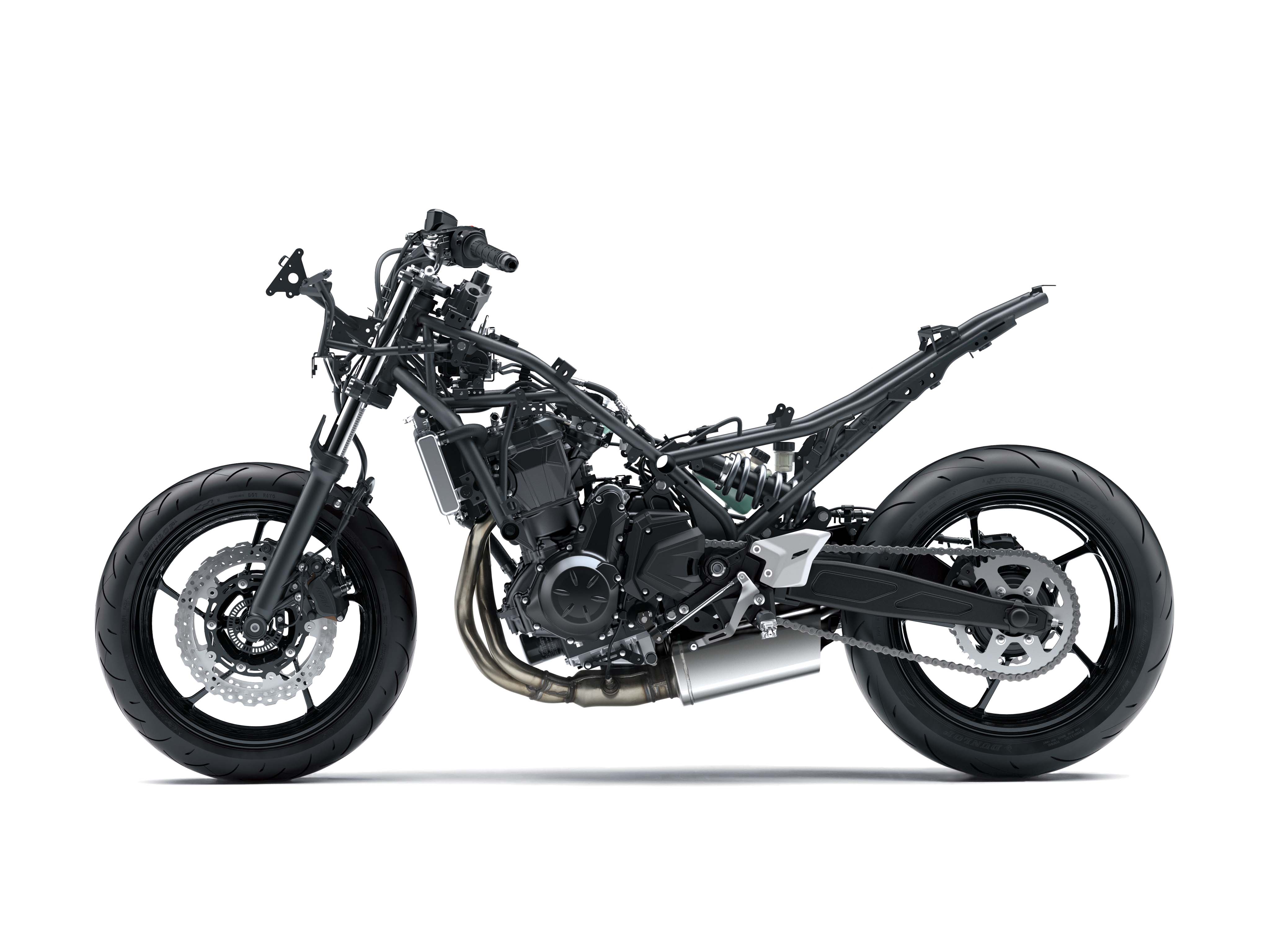
Kawasaki has also given the new 650s a new steel frame, which is 15 kg lighter than its predecessor – contributing to a light 193 kg and 187 kg overall weight for the Ninja 650 and Z650, respectively. The sections are made as straight as possible to tune the frame for shock and load dispersion. Rake is at a sporty 24-degrees.
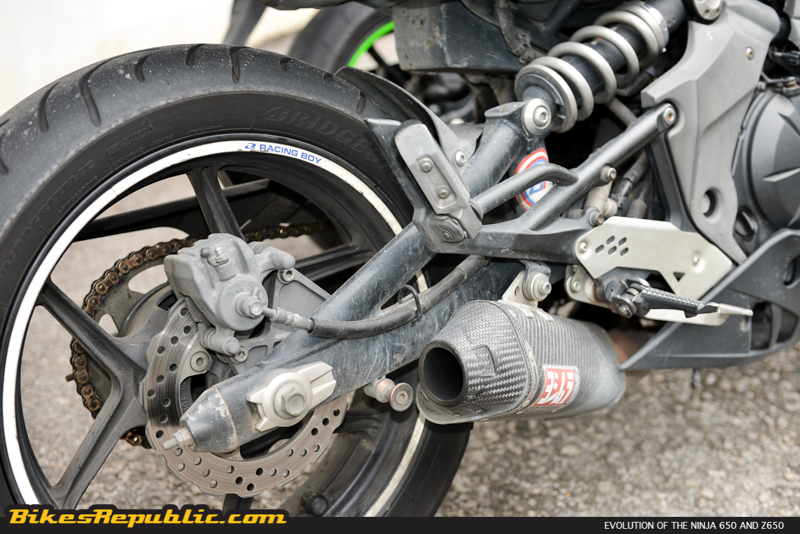
Moving downwards, the old ER-6 (and Versys) mounted their rear shocks on the right side of the motorcycle, connecting the frame and swingarm directly without a link. Adjusting the shock’s preload couldn’t be easier, but there are riders who complained of cornering imbalance (although this is subjective, as many motorcycles utilize this arrangement).
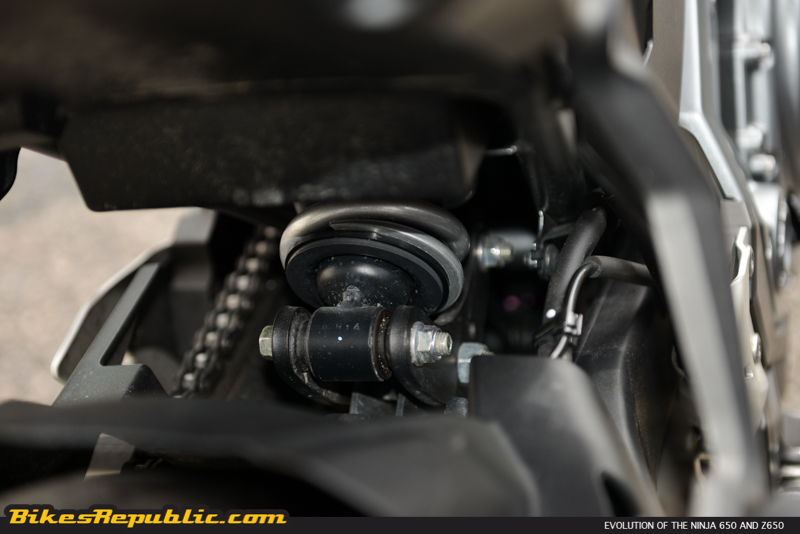
The new shock is now mounted in a horizontal back-link format for a more progressive action. But instead of installing part of the shock and linkage underneath the swingarm, they are positioned on top. This also ensures the components are moved away from the engine’s heat. The swingarm is now a curved unit (stronger while keeping the wheelbase short).
BRAKES
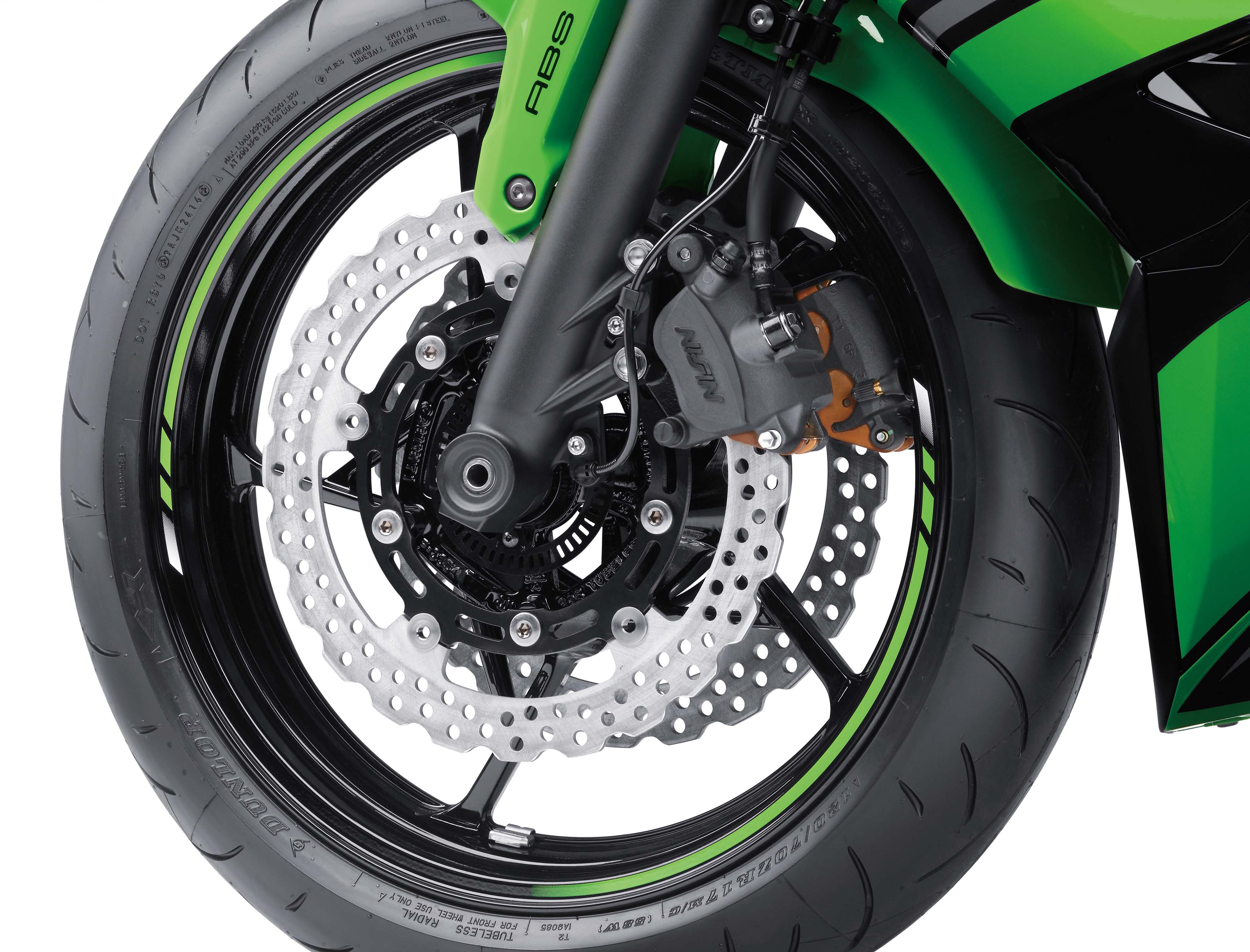
Braking is handled by a pair of dual-piston Nissin calipers gripping 300mm petal discs up front, while the rear is stopped by a single-piston caliper gripping on a 220mm petal disc. ABS is standard on both ends.
If a motorcycle is the sum of all its parts, then the it’s easy to see how the Ninja 650 and Z650 has evolved to be even better bikes. The answers are: Easy to approach, practical, economical, stylish while still being able to provide an exhilarating ride for both new and experienced riders.
Plus, the unbeatable price.