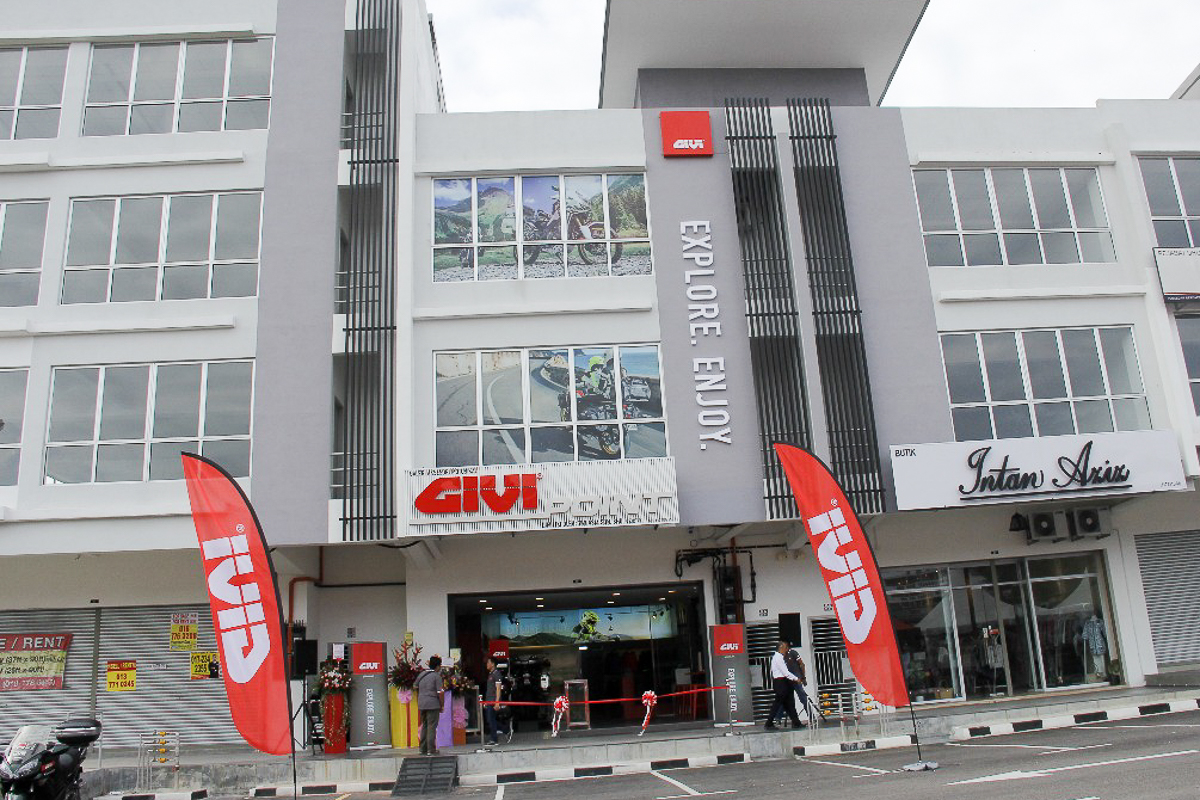
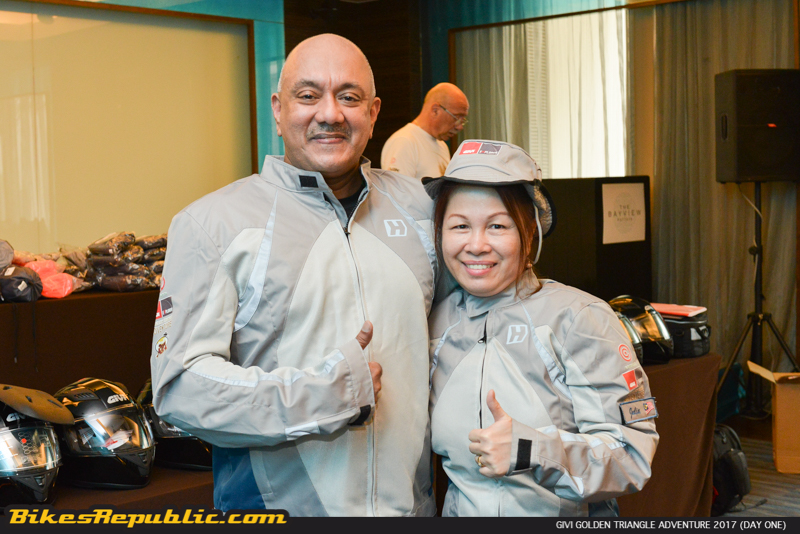
GIVI Malaysia has opened up yet another GIVI Point located in Johor Bahru near Jalan Tampoi.
This is the third GIVI Point to be launched after Kuala Lumpur and Penang.
Those who purchase a box from GIVI Point Johor Bahru from now until 19 February 2018 will receive a complimentary third brake light unit.
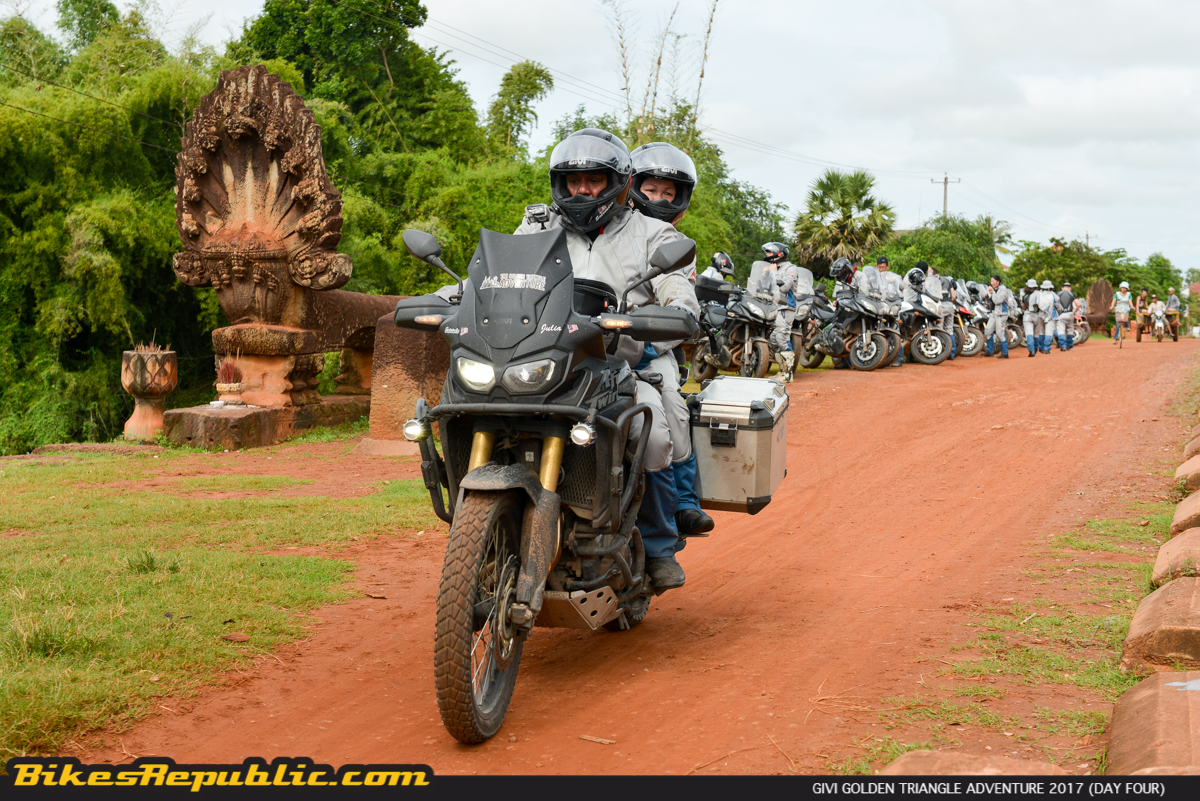
Renowned Italian motorcycle accessory manufacturer GIVI has officially launched their third GIVI Point located in Johor Bahru near Jalan Tampoi. This is the third GIVI Point in the country after Kuala Lumpur and Penang. The launch was officiated by GIVI’s International Operational Director Joseph Perucca together with GIVI Asia’s managing director On Hai Swee. (more…)
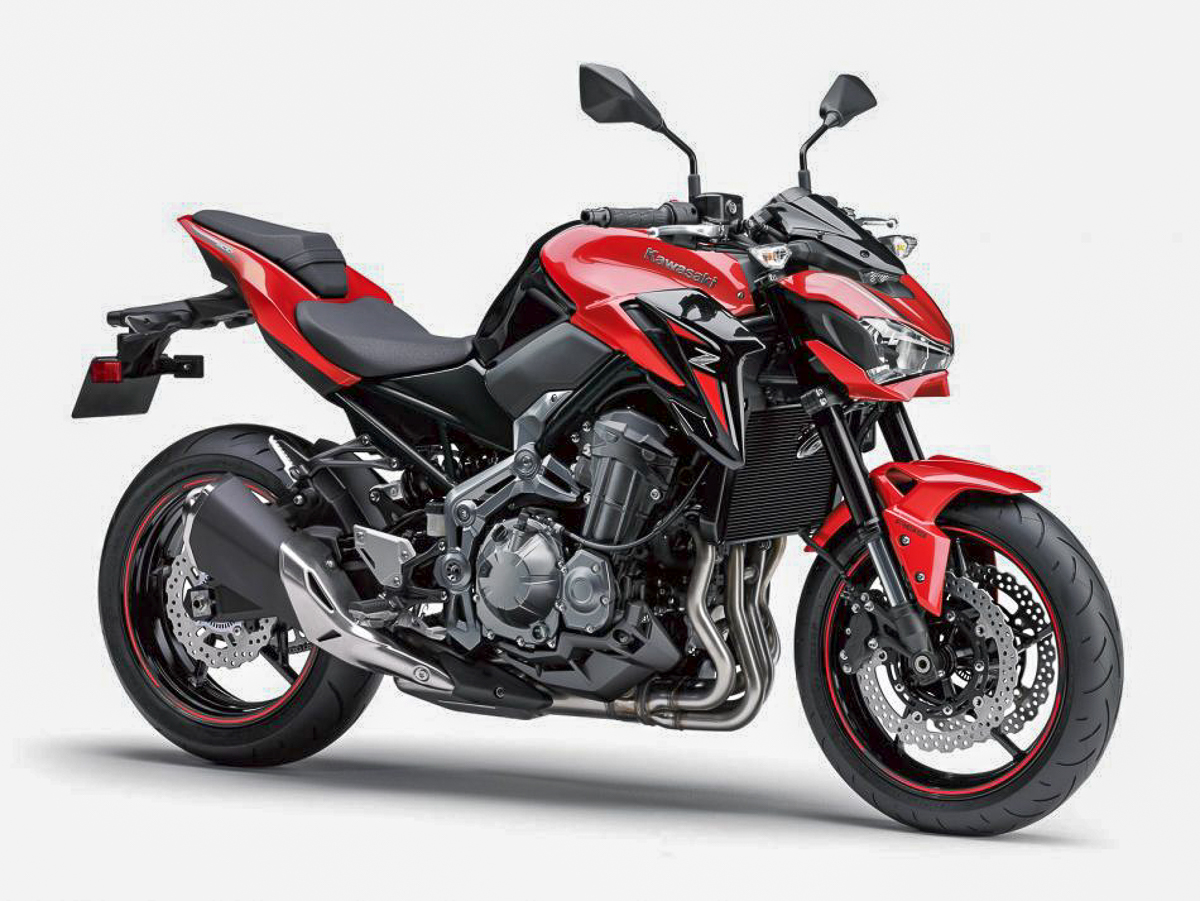
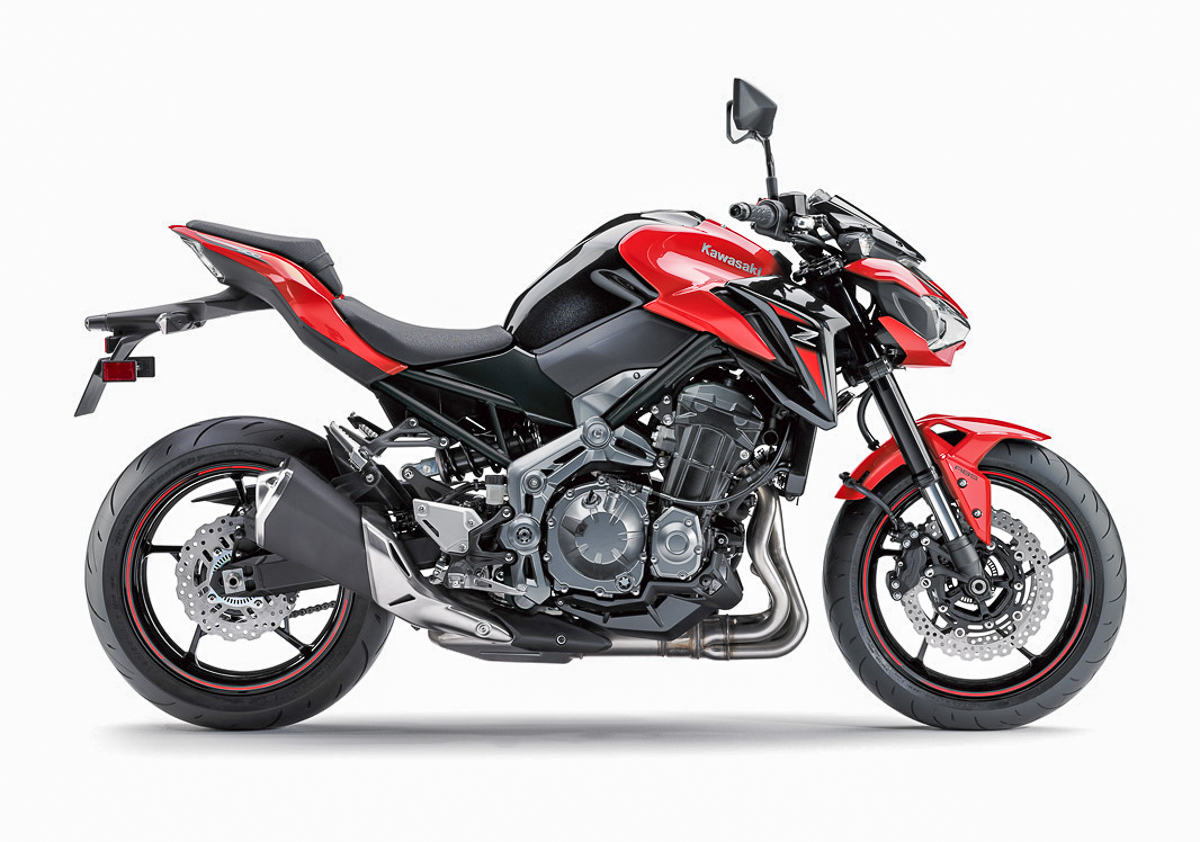
Kawasaki Motors Malaysia (KMSB) is now offering the 2018 Kawasaki Z900 ABS Special Edition in a brand new Candy Persimmon Red.
The latest red colour scheme is further elevated with Metallic Spark Black highlights to give it a more aggressive appearance.
Priced at RM50,959 (basic price with GST), the 2018 Kawasaki Z900 ABS produces 123hp and 98.6Nm of torque.
Good news to all you Kawasaki fans and enthusiasts out there. Kawasaki Motors Malaysia (KMSB) has announced that they are now offering the 2018 Kawasaki Z900 ABS in a brand new special edition colour, Candy Persimmon Red! (more…)
A lot of new riders today are quickly upgrading from kapcai to sports bike or naked bike.
Ranging anywhere between 200cc to 500cc, these entry-level motorcycles are getting a lot of demand and manufacturers are taking notice.
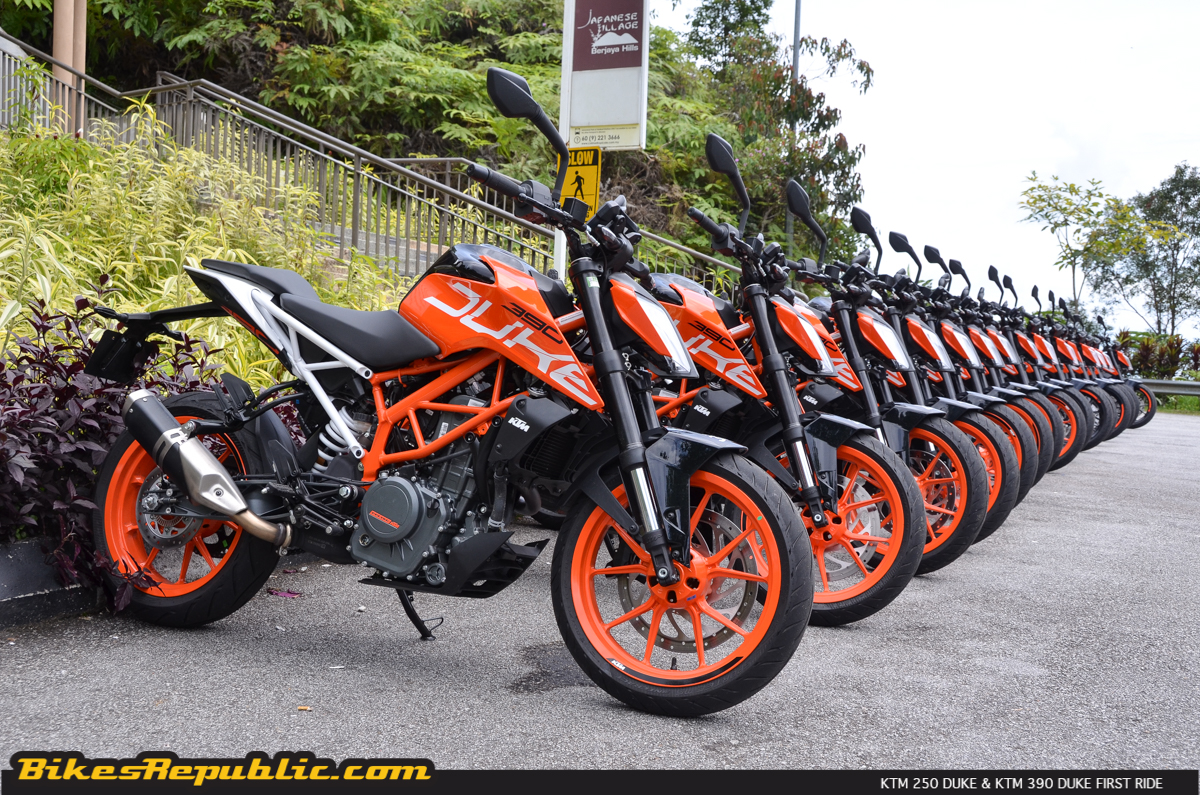
Sports bikes and naked bikes like the KTM RC390 and 390 Duke have become the ultimate riding choices even for veteran riders.
In this day and age, technology and advancements in the world of motorcycling have made more and more high performance motorcycles readily available for just about everyone and anyone. From small capacity Japanese cubs to European superbikes, one can and definitely will find the perfect bike for any occasion. (more…)
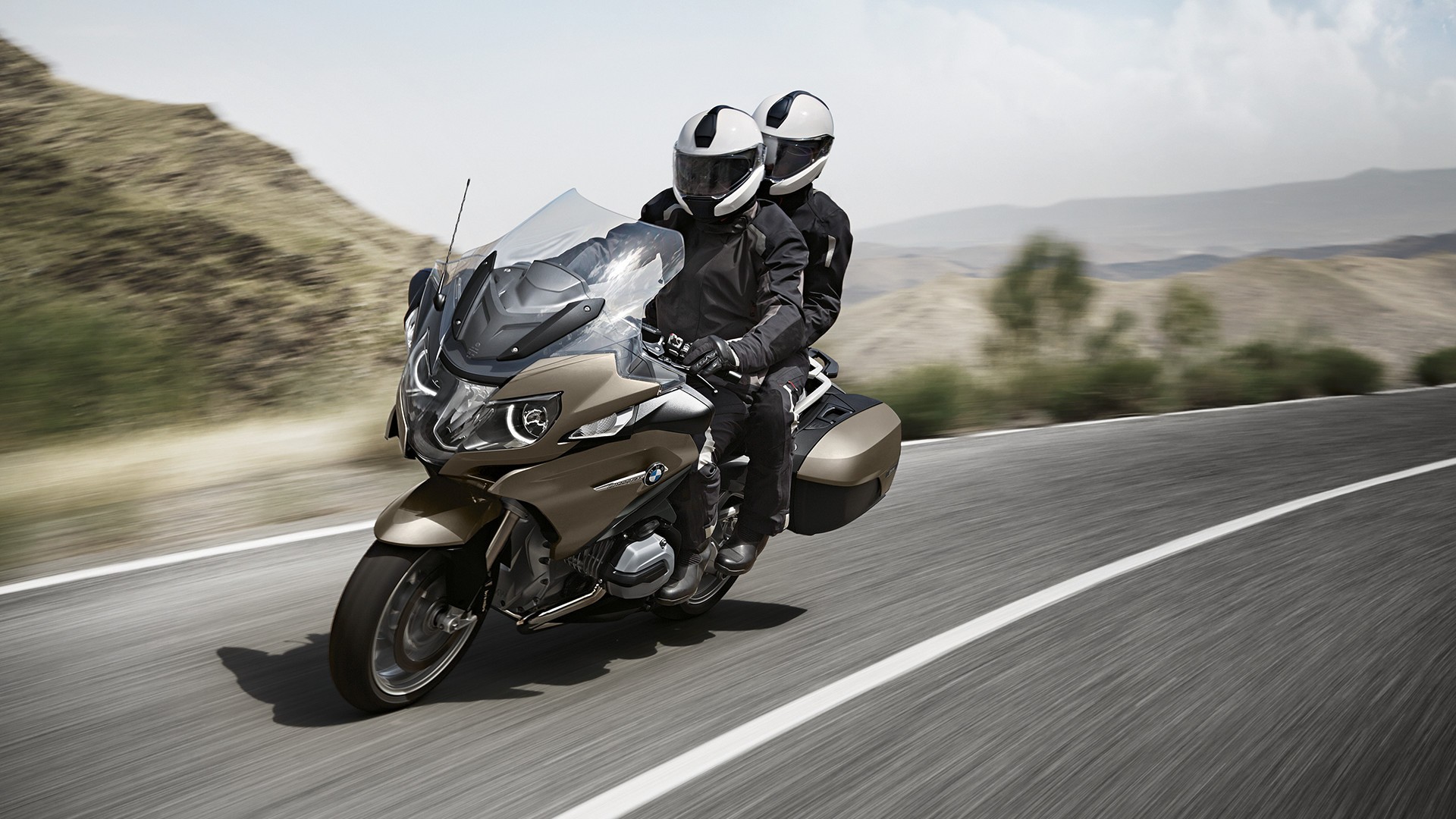
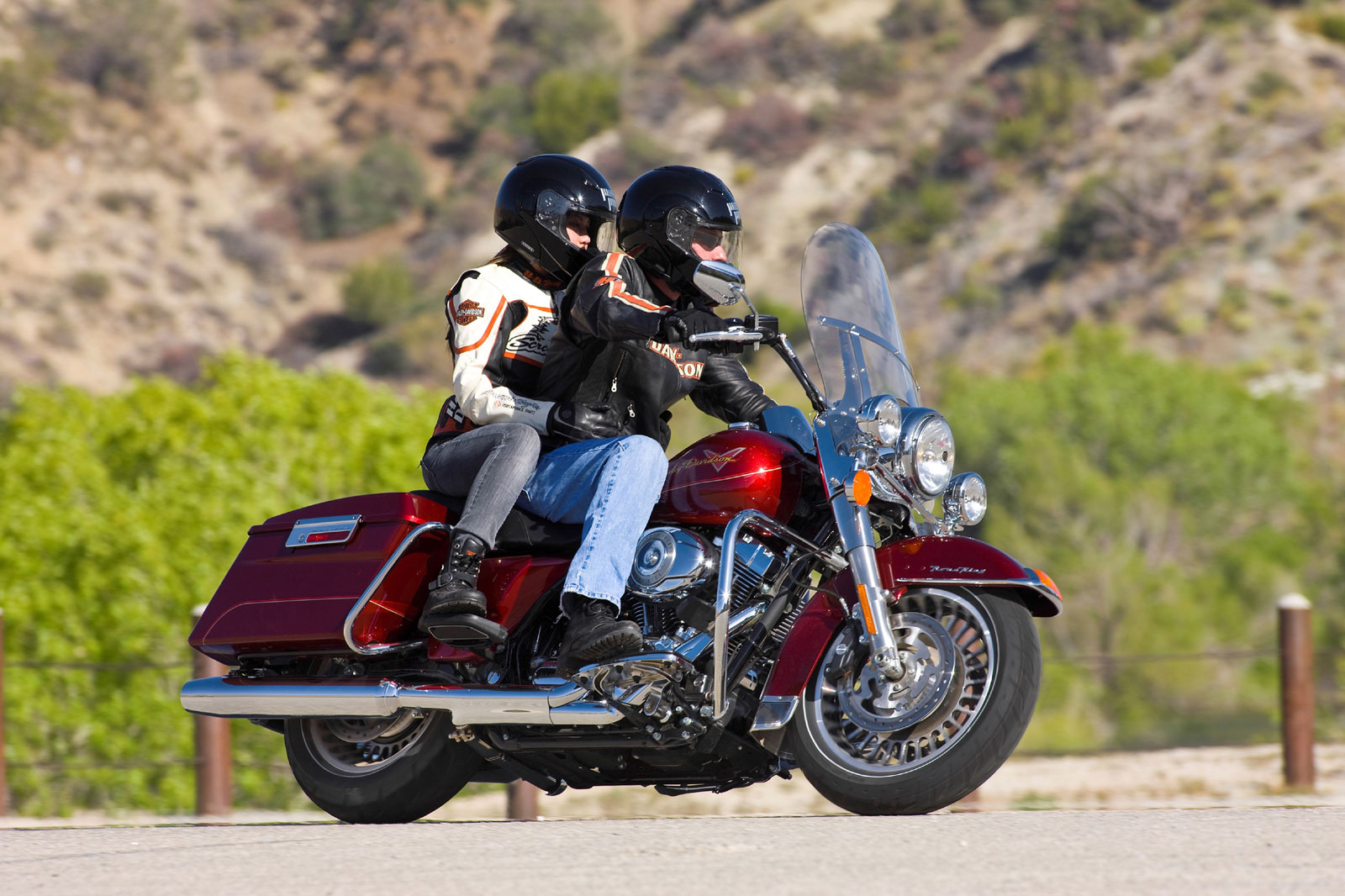
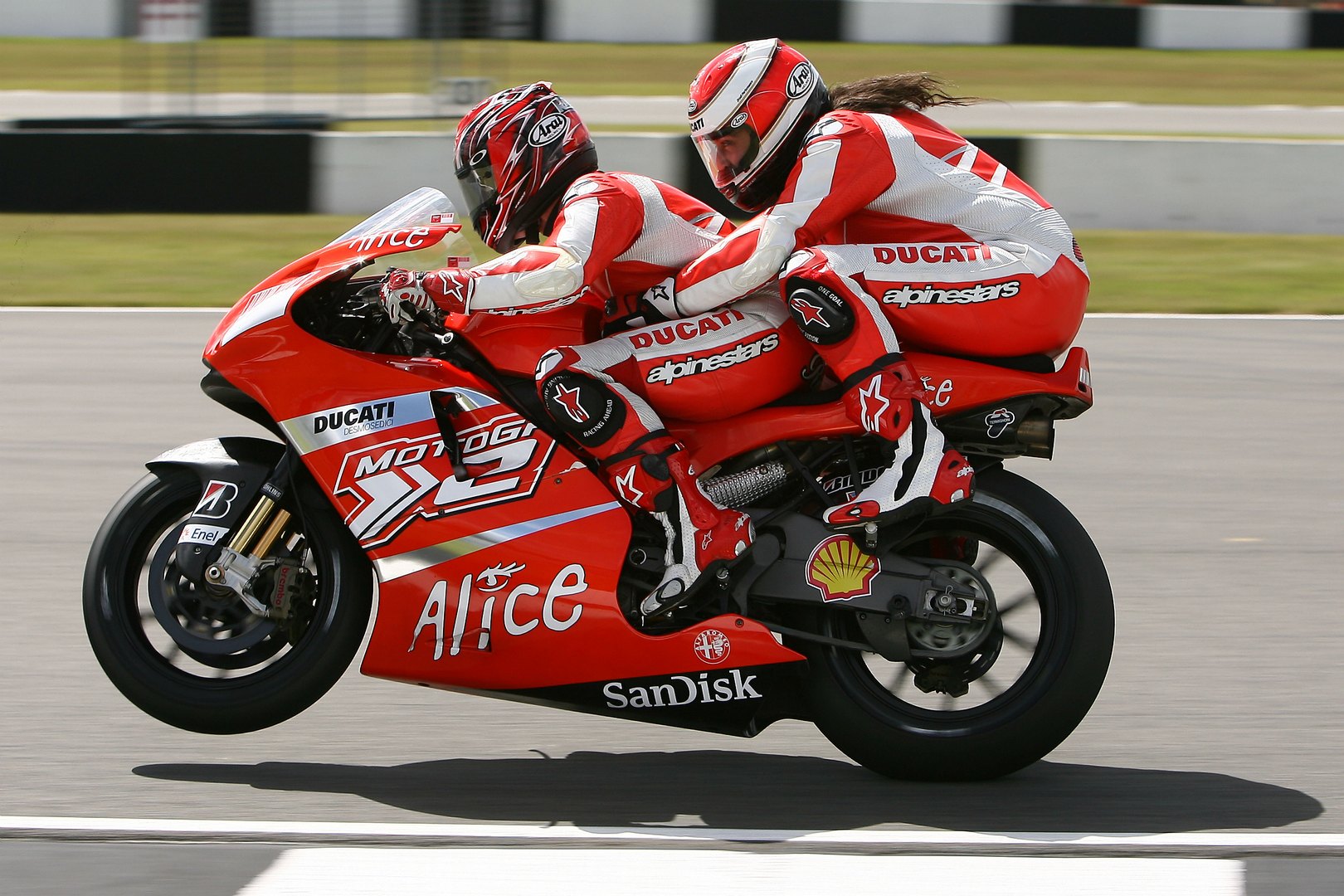
Riding with a pillion is great way to share the wonderful world of motorcycling.
Done right, your passenger will love motorcycles and riding.
It’s best to brief your passenger if he/she is a newbie.
Riding with a pillion is inescapable, especially if you commute by motorcycle. Whether it’s your other half or office buddy, it helps to understand a few tips about carrying a pillion.
Done right, they will enjoy the experience. Done wrong, they’d most likely to think of motorcycles as torture racks, or you’ll see the prospect of your romantic goal disappear. Or worse, touch wood, end up in a heap on the ground.
It helps to ask your passenger if he/she had ever ridden on bike. You could then brief him/her on what needs to be done or need not do. Convince them that you’ll take it easy and keep your word.
Right, let’s ride.
Gear up
We’re sure you’re always geared up when riding. However, do ask your would be pillion in advance if they have any proper riding gear and bring your spare jacket, helmet and gloves if they don’t. Their safety is your responsibility as soon as he/she climbs on.
Getting on
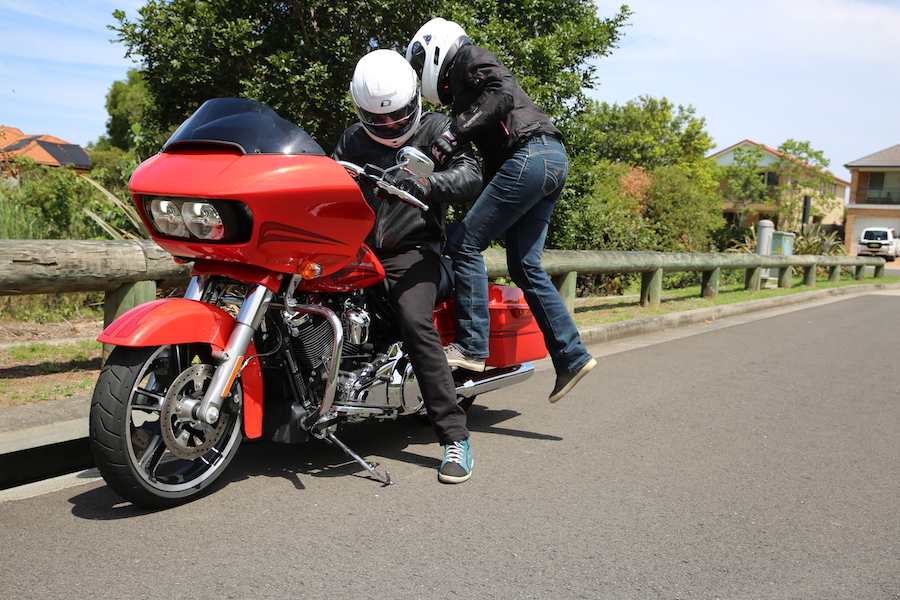
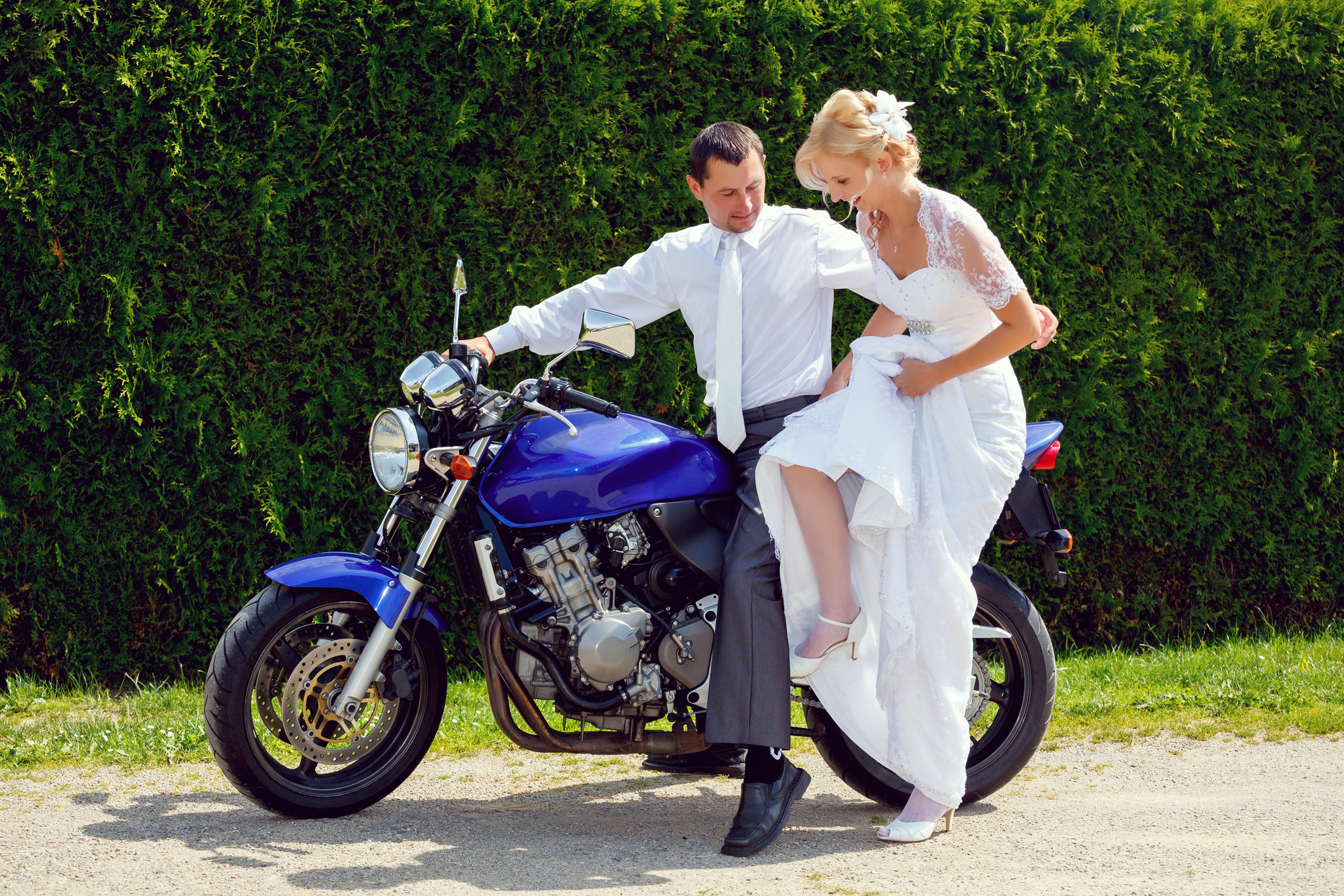
If your pillion is a newbie, take a few minutes to demonstrate how to get on. No, you don’t have to completely climb on, but a few physical pointers will be enough.
Let he/she know to climb on from the left side (away from the traffic), then stand straight up before swinging the right leg over the seat. He/she should then settle down onto the seat as gently as possible, otherwise the abrupt slam-down may cause you to lose balance.
Picture from amcn.com.au
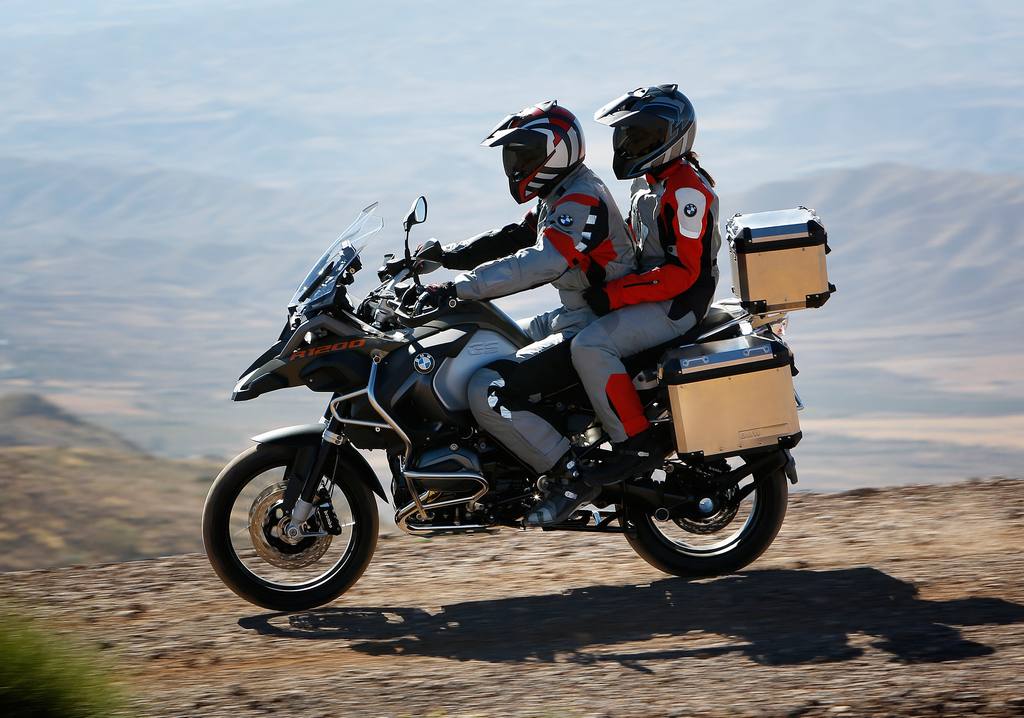
This is especially important if you ride a tall adventure- or sport-touring bike, as they could be top heavy from a full tank of liquid gold, in addition to panniers and top case laden down with durian. Do remember to brief your pillion about the panniers. You should also remember to compensate for some rocking around at the rear while the pillion finds a sure footing.
Do remember to let your passenger know to alight the bike only when you say so.
Picture from pinterest.com
Hold on
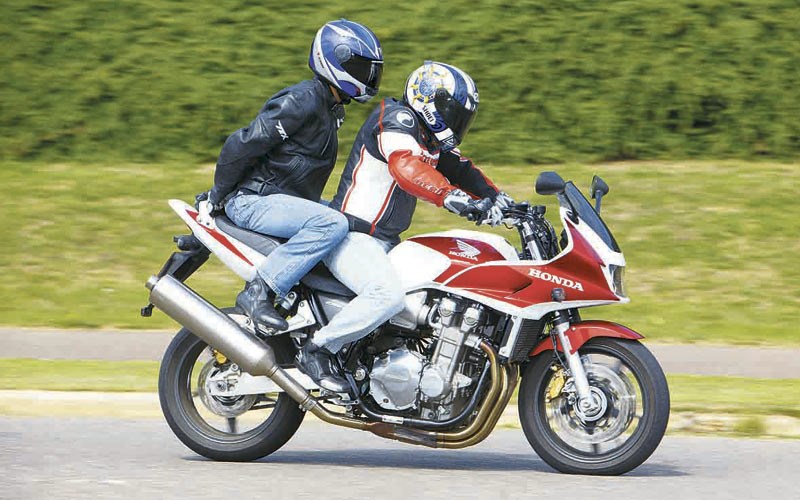
Request that your pillion hold on at all times, rather than allowing them to place their hands on their thighs. Your passenger may find it more comfortable to hold on to the grab bar, if he/she doesn’t want physical contact. That’s fine.
Picture by motorcyclenews.com
However, if your passenger doesn’t mind it, request that he/she hangs on to your waist or tug on your pants’ belt loops. The best way to ride is for the pillion to place his/her palms on the fuel tank. That way, both your masses become one for more stability instead of being displaced. He/she will feel more secure too, without the sensation of being thrown off the bike.
Picture by totalmotorcycle.com
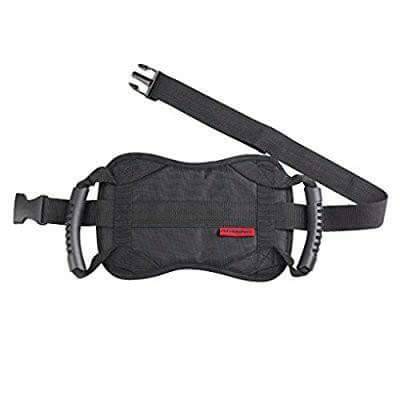
We found a great solution while browsing through Hodaka Motoworld. This Komine Tandem Riding Belt AK-322 attaches to the rider’s waist, while the pillion holds onto the handles. For just RM 180 before 6% GST, it’s a worthy investment.
Let them know to tap you on the shoulder should they need help or to pull over. If he/she holds on to your neck, it means that you’re riding too fast.
Keep both feet up
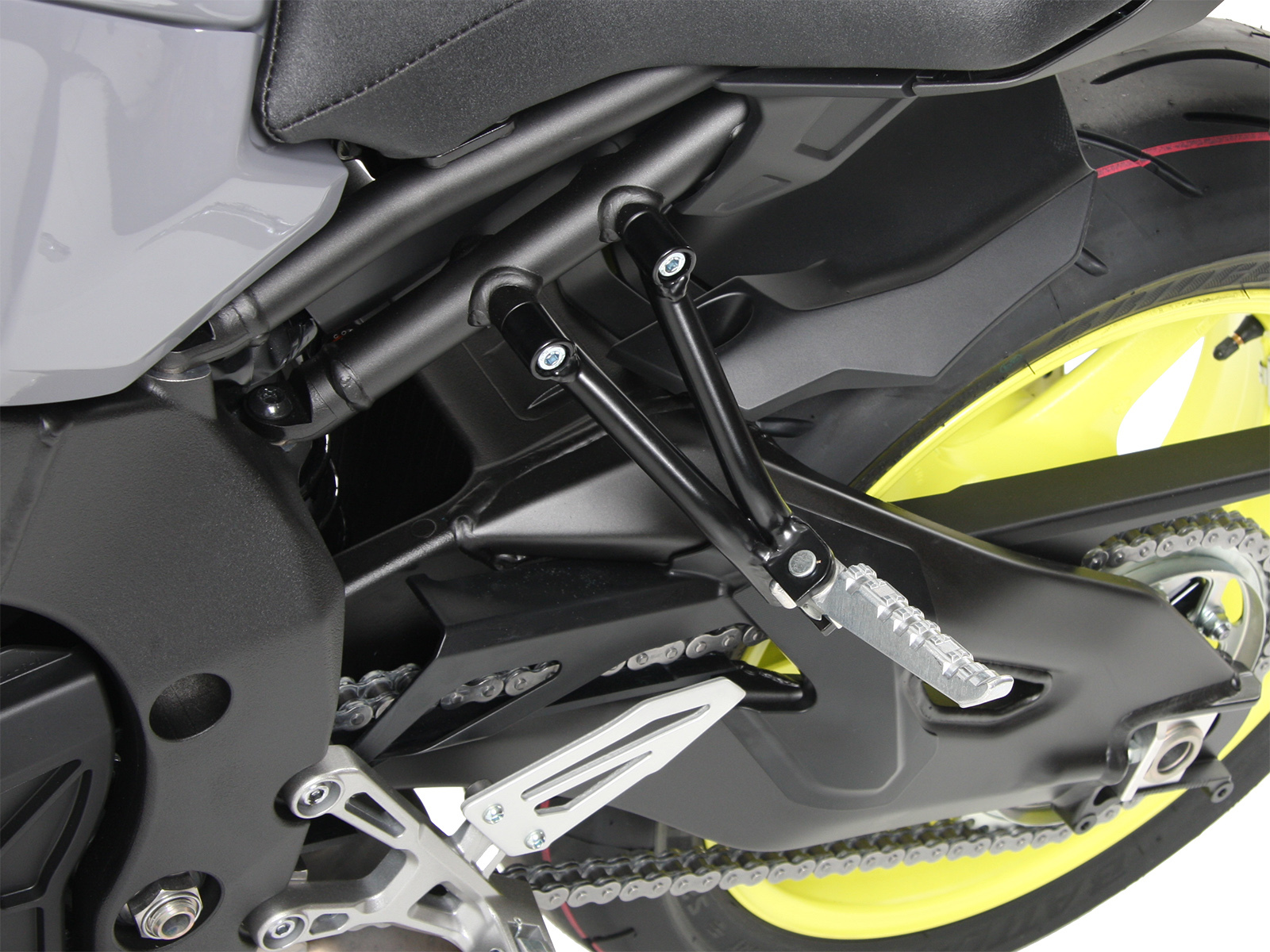
Do let your pillion know that he/she should keep both feet up unless it’s time to get off. He/she may mistakenly think it’s their job to help keep the bike up at traffic lights and cause a loss of balance.
By the way, you know that you can’t carry a passenger if your bike doesn’t have passenger footpegs right…?
Corners! Charge!
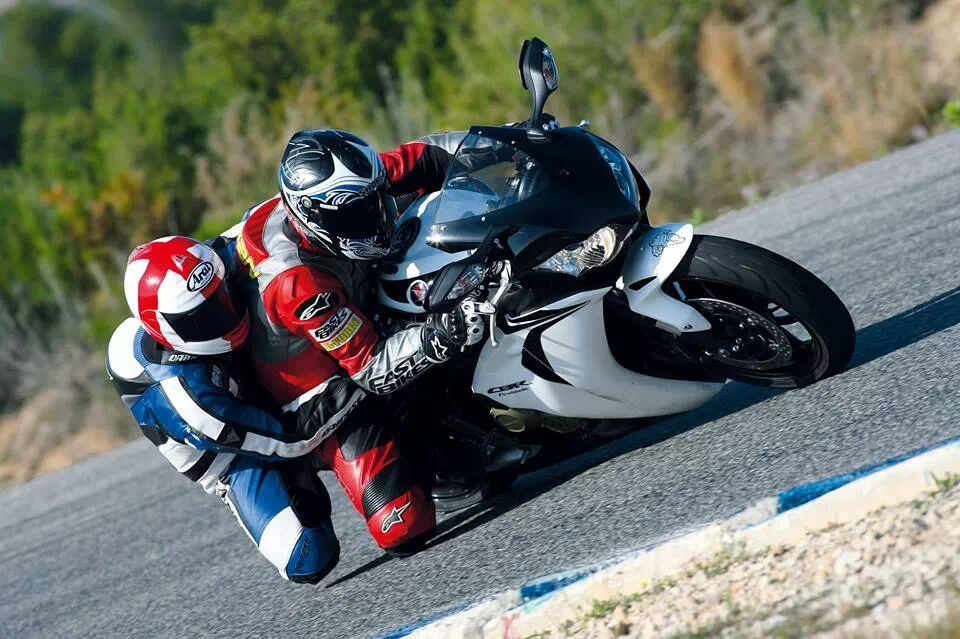
Wait! No, hang on. It may be exciting for the rider, but corners are usually scary stuff for the passenger, experienced or otherwise. Suck it up and take it easy, you still have the opportunity to ride from BHP Gombak to Karak in less than 12 parsecs next time.
Brief your passenger from early on to stay relaxed, especially in the waist and torso, and lean with the bike. He/she doesn’t have to assist by leaning in more, and definitely not by leaning the other way.
However, that also depends on your riding to a greater degree. Take it easy with your corner entry and mid-corner speeds to allow him/her to stay relaxed.
Don’t fidget
Your passenger should be relaxed but not as so relaxed to start squiggling around at the back to take selfies while filtering through the weekend traffic jam at Bentong. Or when riding offroad. Or applying makeup.
Picture from pinterest.com
Adjust your bike
Increase the rear tyre pressure and shock preload to compensate for the extra weight. Too low a tyre pressure will cause the rear to wobble. Too little preload will cause the rear to squat, taking weight off the front.
Also, you should adjust the headlamp should it shoot into space.
Change of performance
Keep in mind that the pillion’s extra weight will also cause a difference in performance, when attempting an overtake and the extra distance required to brake. Additionally, turning and avoiding hazards would also be more sluggish.
Be sensible and smooth
There’s no point in trying to show off your skills to your pillion. Unless of course, you’ve just met an adrenaline junkie.
EEEEEK!!!!
Don’t blast off or chop the throttle abruptly. Fight the temptation to charge through a corner after being inspired by Marquez. Take it easy and the ride will be a breeze.
Let them feel that riding is actually exhilarating and that you’re a cool guy, if you’re trying to woo the opposite sex.
Their technology has advanced much over the years.
Finding out about how they work is just as important as choosing one and maintenance.
There was a point in time when a motorcycle didn’t require a battery to start, relying instead on points and condenser ignition system, but now batteries are getting ever more advanced in order provide power to starter, lighting system, electronic ignition (ECU) and coils, riding aids, other electrical and electronic systems and accessories.
It’s the battery that’s powering all those systems at the start and when the motorcycle’s charging system can’t provide enough power for example when the bike is idling for a long time at the traffic lights.
Furthermore, the battery also needs to protect the delicate electrical and electronics by absorbing voltage surges and spikes.
BASIC WORKINGS OF A BATTERY
What exactly is a battery? To put it simply, it is an electrochemical device which converts chemical energy to electrical energy.
A basic 12 Volt (V) battery is made up of:
Six cells that typically produce approximately 2 volts each (depending on type of cells), producing between slightly above 12.0 to 13.2 volts, in total.
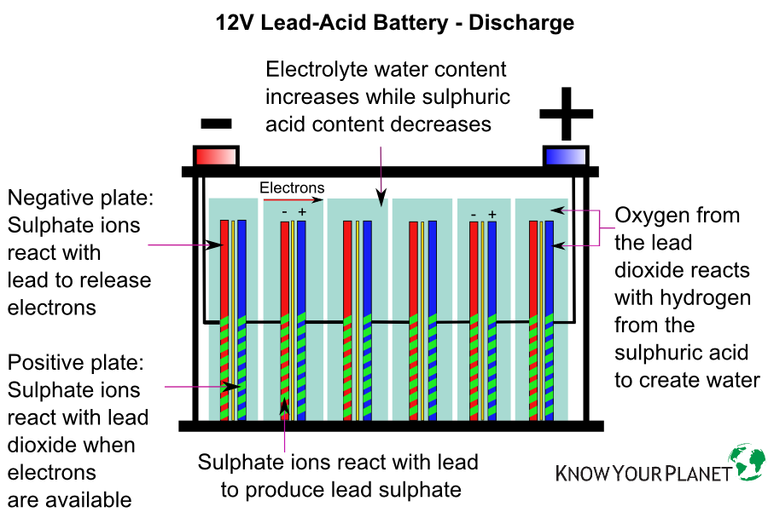
Each cell consists of alternatively charged positive and negative lead (Pb) plates i.e. positive, negative, and so forth. The more plates in a cell, the more current (flow of electricity – Amp) and energy capacity (ampere hours – AH).
Insulators that are placed between the individual cells.
The cells are then connected to each other.
Electrolyte (commonly known as battery acid) which is a sulfuric acid and distilled water solution, is added to the flood the plates.
The lead plates react chemically to the sulfuric acid, lead sulfate, while the acid is turned into water which in turn is split into hydrogen and oxygen.
The chemical reaction releases electrons from the negative plates. The electrons (which are negative in charge) flow to the components they need to and return to the battery’s positive terminal and plates. This is what’s known as the electrical current.
The electrolyte will eventually be diluted through discharge i.e. electrical usage.
Charging reverses the chemical process.
TYPES OF BATTERIES
1. Wet cell
Also known as the flooded lead-acid cells battery, it was invented way back in 1859. As the name suggests, the cells are inundated in electrolyte and needs to be checked and topped-up as required from time to time, especially in our hot and humid weather.
When stored in a discharged state, the heavier acid molecules sink to the bottom of the battery, causing the electrolyte to stratify (separating into layers of water and acid). When the battery is used again, most of the current will only flow around this area, wearing out the bottom parts of the plates.
Adios soon enough.
Being filled with liquid also requires the battery to be fixed in an upright position to prevent spillage. While being gradually being phased out as OEM fitment for motorcycles, they are still widely available due to their low cost.
2. Absorbed glass mat (AGM)
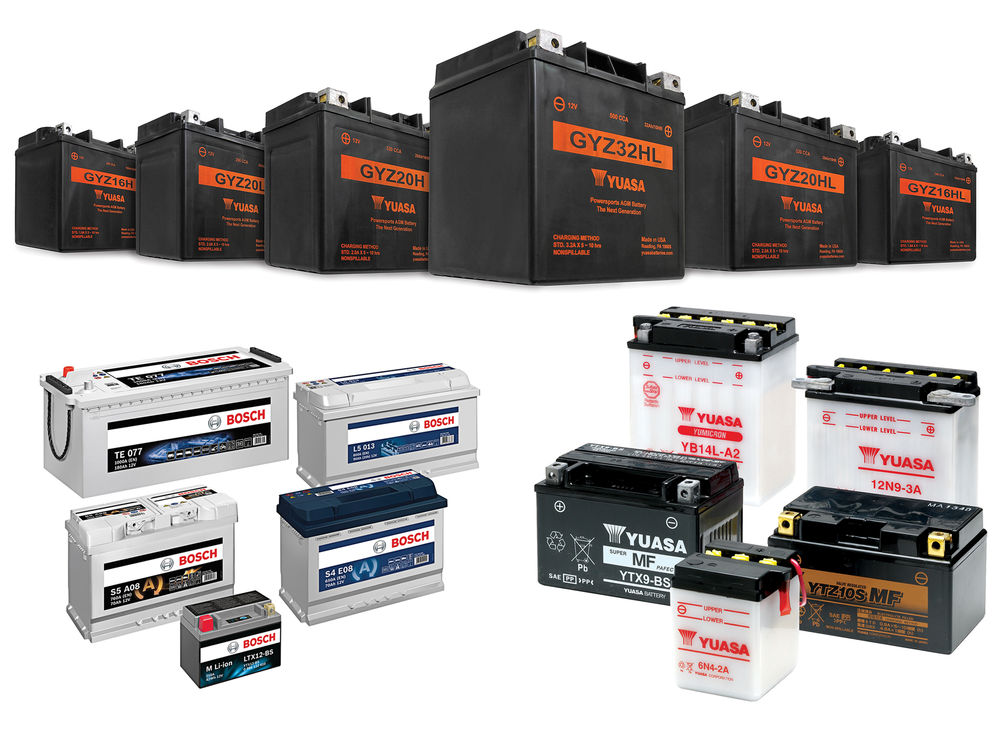
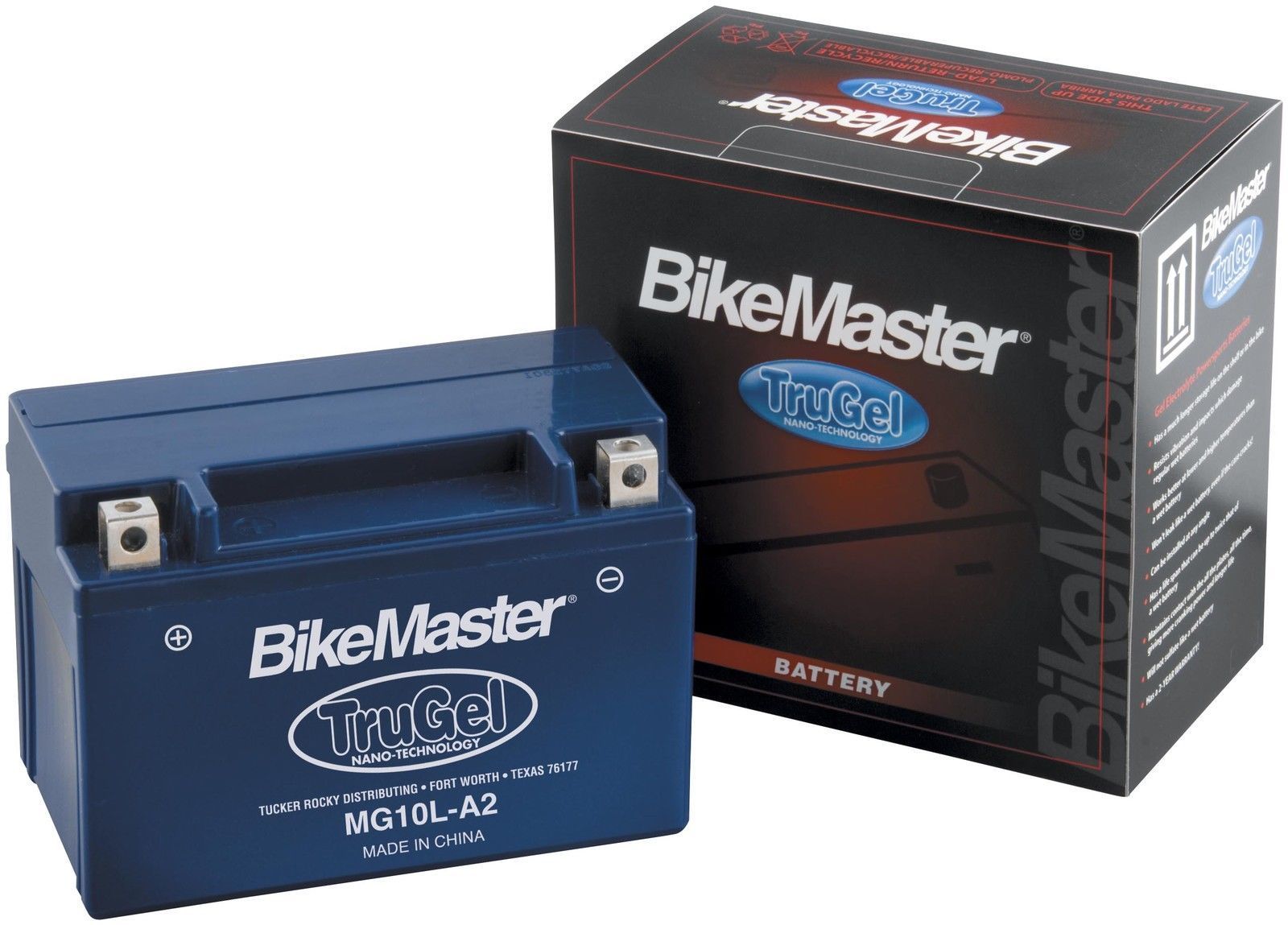
The AGM battery is the most common type of OEM fitment nowadays, usually produced by Yuasa for our market.
If you’ve ever replaced your OEM battery to another “maintenance-free” type, especially if it’s from Yuasa or Koyoko, chances are that it’s an AGM.
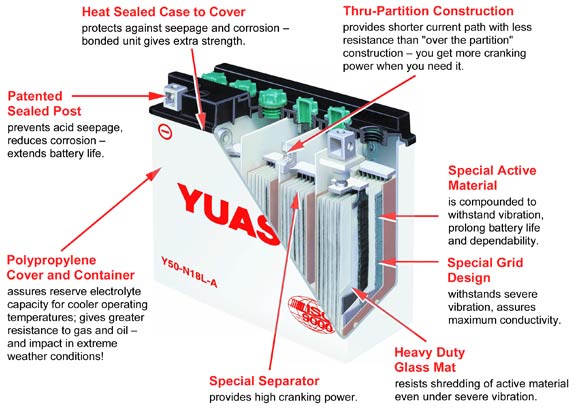
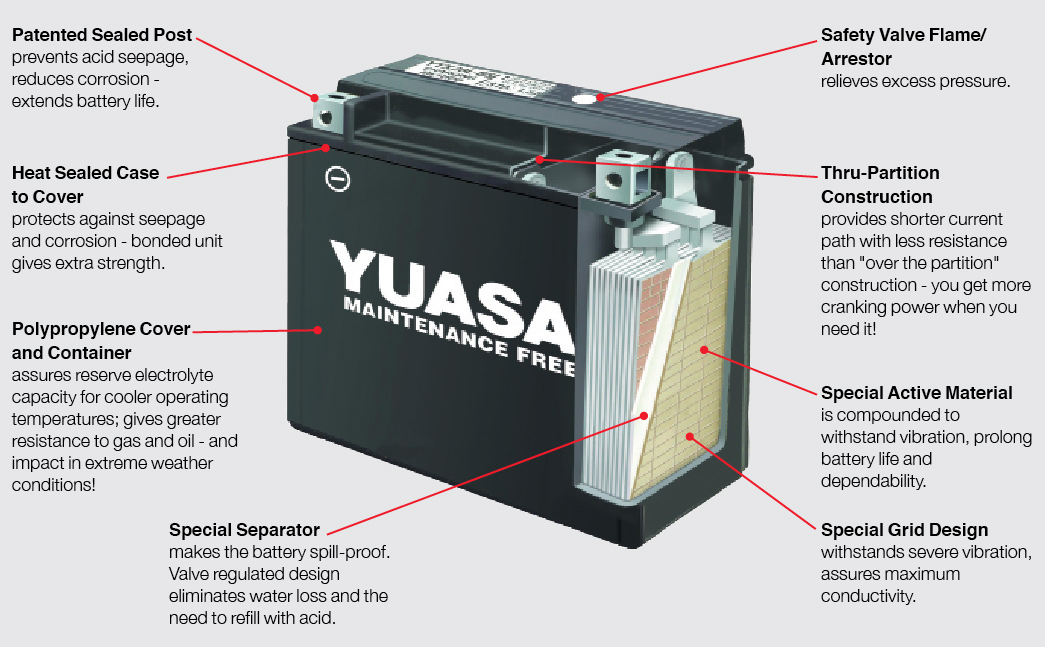
In an AGM type, the electrolyte is absorbed by a glass fibre mats that sit between cells. The mats greatly reduce evaporation and doesn’t require topping up, consequently. The electrolyte becomes the separator material, allowing the plates to be compressed together, increasing energy density compared to wet cells or gel batteries.
To reduce gas pressure build up in the casing when overcharged or discharged, the AGM battery includes a one-way blow-off valve. Due to that feature, AGM batteries also belong to the group called “valve regulated lead-acid” (VRLA) designs.
Another advantage of the mats is that the electrolyte is held in place and doesn’t slosh around or stratify like in wet cells, which means the battery could be mounted in different positions.
AGM batteries arguably have shorter lifespans since they have higher acid contents to increase standby voltage and lower water loss rate. If your AGM battery shows more than 12.56 V in an open circuit (battery not connected to anything on the bike), it means there’s more acid content. Again, while this is normal for the AGM type, it may not live long.
3. Gel battery
A gel battery, also known as gel cell, is A VRLA battery uses gellified electrolyte. Sulfuric acid is mixed with fumed silica, resulting in an immobile, gel-like mass.
Since there’s no liquid involved, it doesn’t need to be kept upright, electrolyte evaporation is reduced, there’s no spillage and corrosion problems. Besides that, it is more shock and vibration resisitant.
4. Lithium-Ion
Li-Ion batteries are all the rage now, despite not being fitted on a widespread basis due to cost. To describe the functions of a Li-Ion battery requires an entire article by itself!
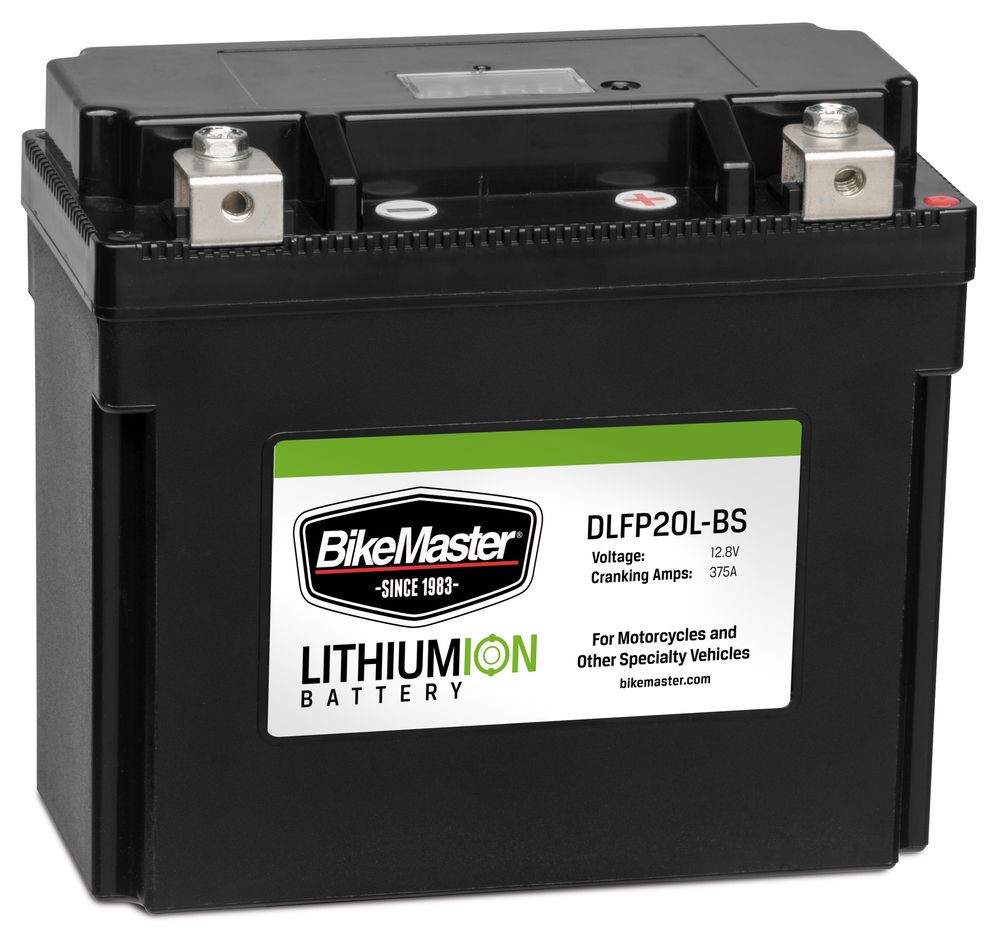
To surmise, however, the advantages of the Li-Ion compared to VRLAs are mainly substantial weight savings and better cranking pressure (CCA – Cold Cranking Ampere). Cranking pressure denotes how much stored energy is available for cranking up the engine, besides supporting the electronics and electrical systems and accessories.
Disadvantages of Li-Ion?
A discharged Li-Ion battery can’t be brought back to life unlike a VRLA. Additionally, you need to use chargers that are compatible with Li-Ion batteries, although you may also use that charger for VRLA batteries.
That’s it for Part 1, the basics. We’ll cover the subject of maintenance in the next edition.
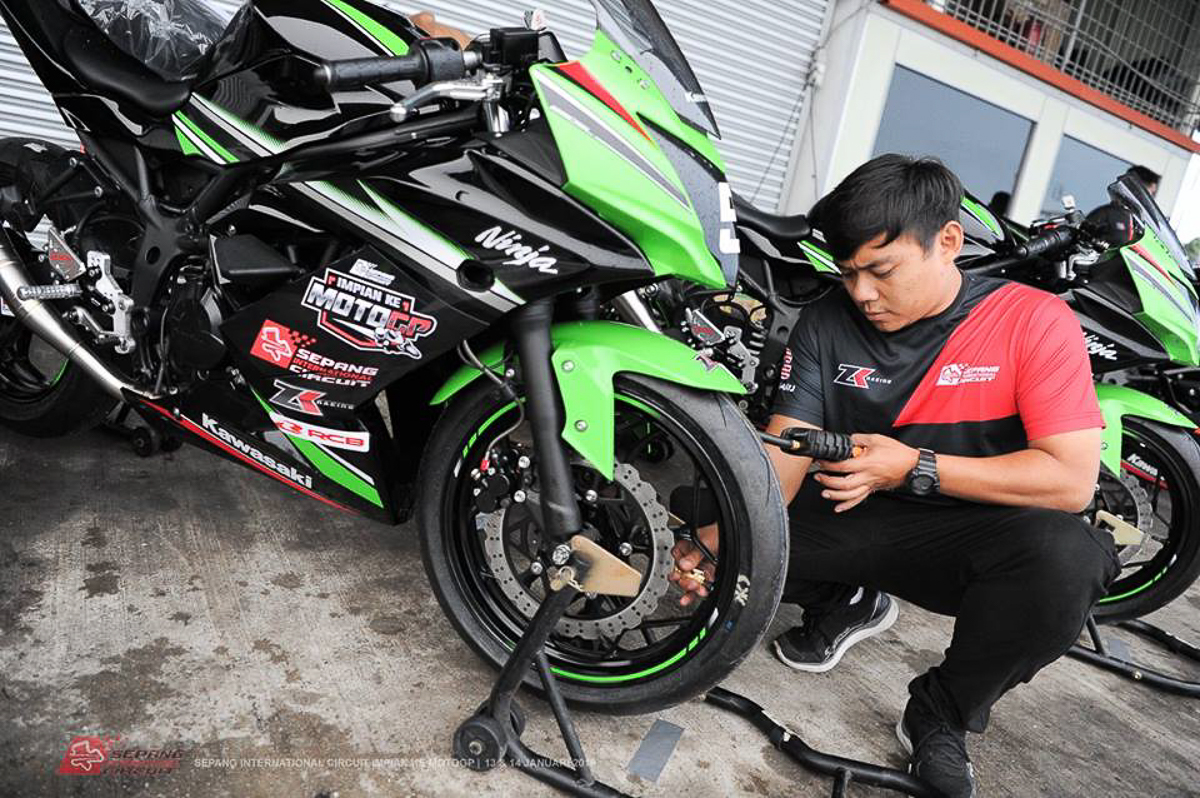
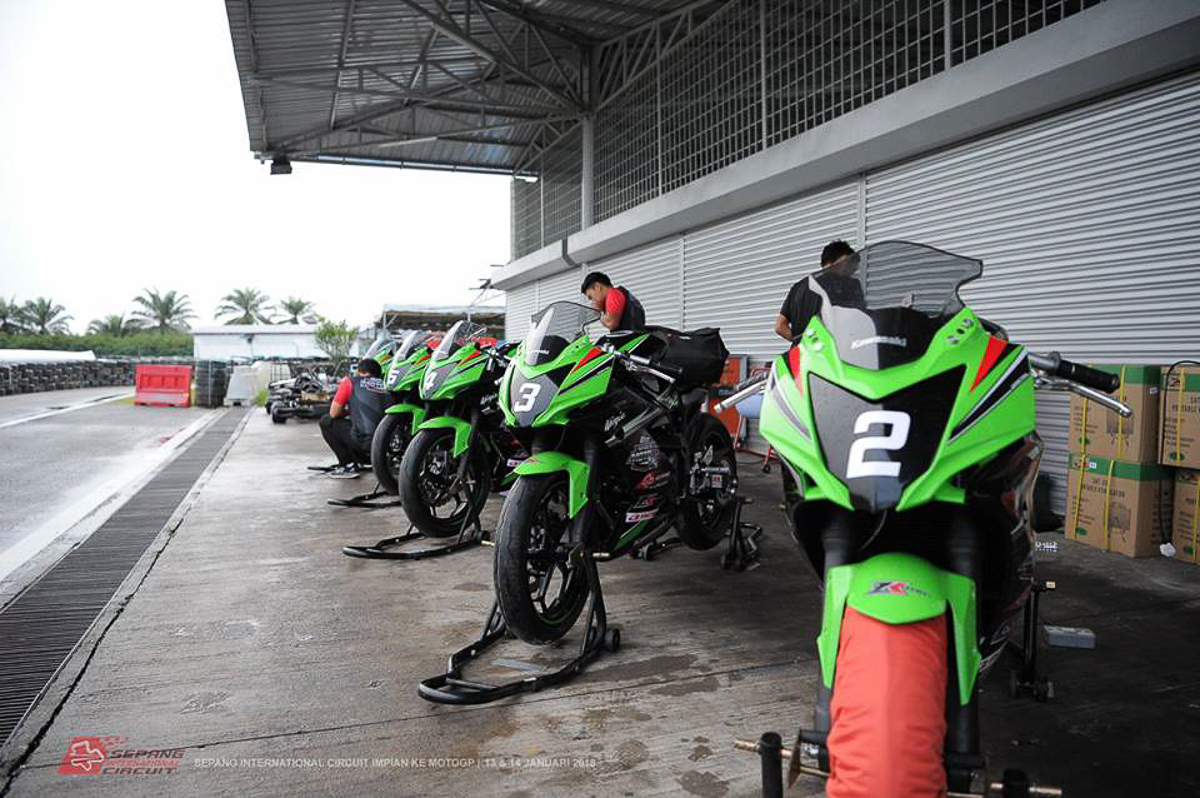
Kawasaki Motors Malaysia (KMSB) has supplied the race bikes needed for the young riders selected to undergo the Impian ke MotoGP SIC program.
A few units of the Kawasaki Ninja 250 SL streets bikes which have been tuned for racing will be used by the riders to train led by Zulfahmi Khairuddin.
Kawasaki Malaysia is known for being active in supporting the local racing scene and national motorsports industry.
In our recent report this morning, five young riders have been chosen to join the Impian ke MotoGP or ‘Dream to MotoGP’ program organised by the Sepang International Circuit (SIC). The training program which will be spearheaded by our very own national rider Zulfahmi Khairuddin will begin in the next few weeks. (more…)