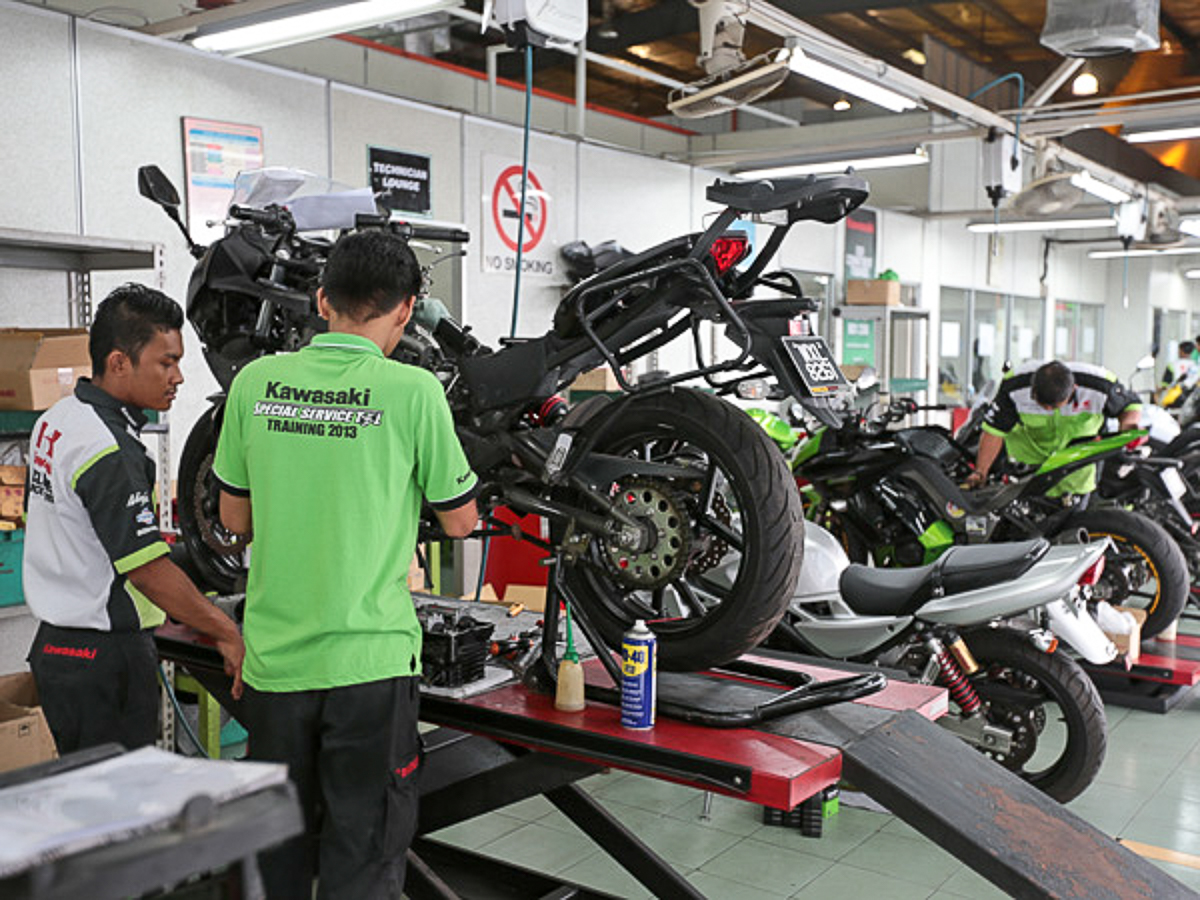
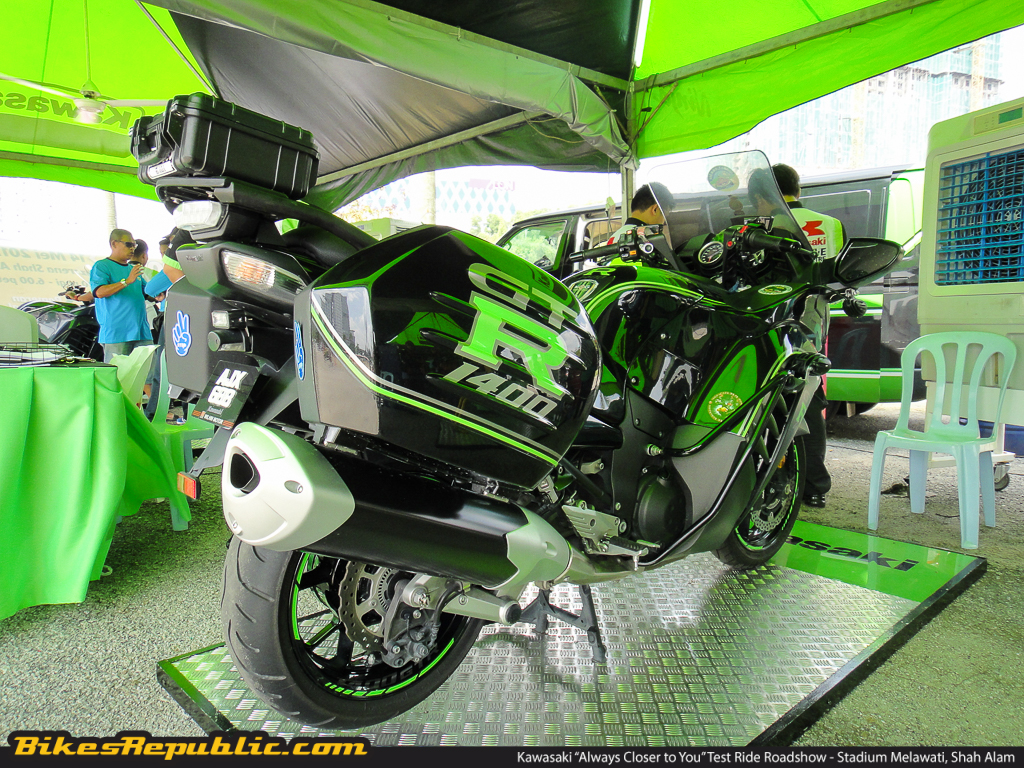
There are several advantages of getting your bikes serviced at any of the Kawasaki Exclusive Service Centre (KESC) across the country.
Equipped with the latest tools and equipment, all KESC are ready to service or fix any issue as fast as possible.
Combined with trained mechanics plus Kawasaki genuine and approve parts, only the best are allowed as part of Kawasaki Motors Malaysia’s great after-sales services.
There comes a time in every motorcycle owner’s life where they have to send their beloved bikes for its regular maintenance service. While there are many reliable private workshops out there who claim that they can do anything and everything under the sun for your motorcycles, Kawasaki Motors Malaysia took a step further with their Kawasaki Exclusive Service Centre (KESC). (more…)
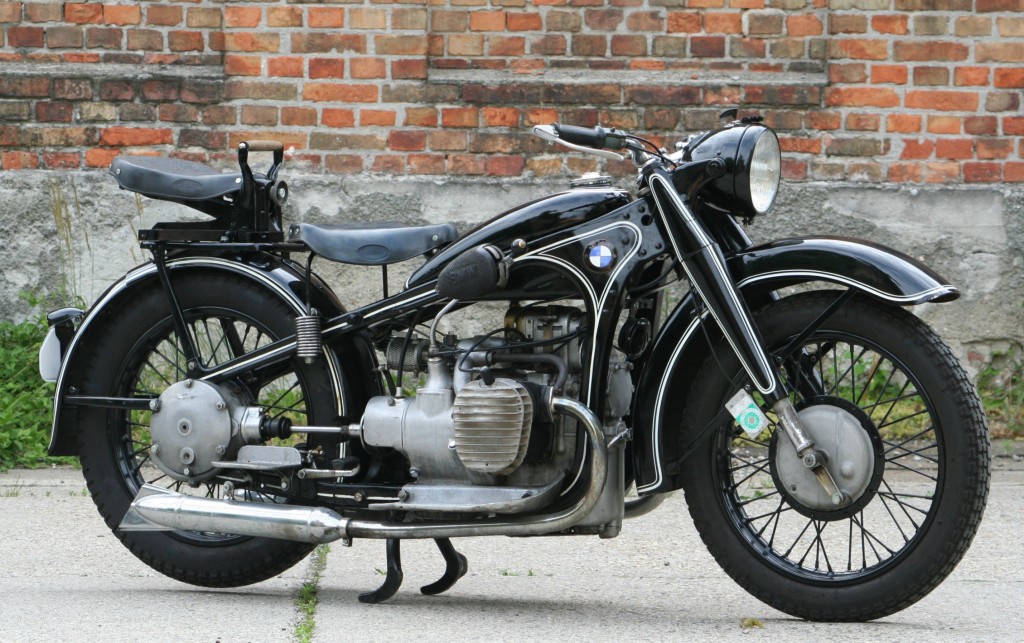
Fork dive – compression of the forks when the brakes are applied – has been something that gave chassis and suspension engineers migraine headaches ever since BMW featured the first production hydraulically damped telescopic fork on the R12 in 1934.
Fork dive is counter-productive; as little suspension travel is left to soak up bumps in order to keep the front wheel planted to the road. If the bumps are large enough or if there are multiple successive ones, the front wheel will start to hop as it runs out travel, causing loss of traction, instability and potentially loss of control. (Or a rolling stoppie!)
Besides that, most riders find it disconcerting when the forks bottom all the way down, leading to loss of confidence, leading them to either release the brakes and/or failing to turn into a corner.
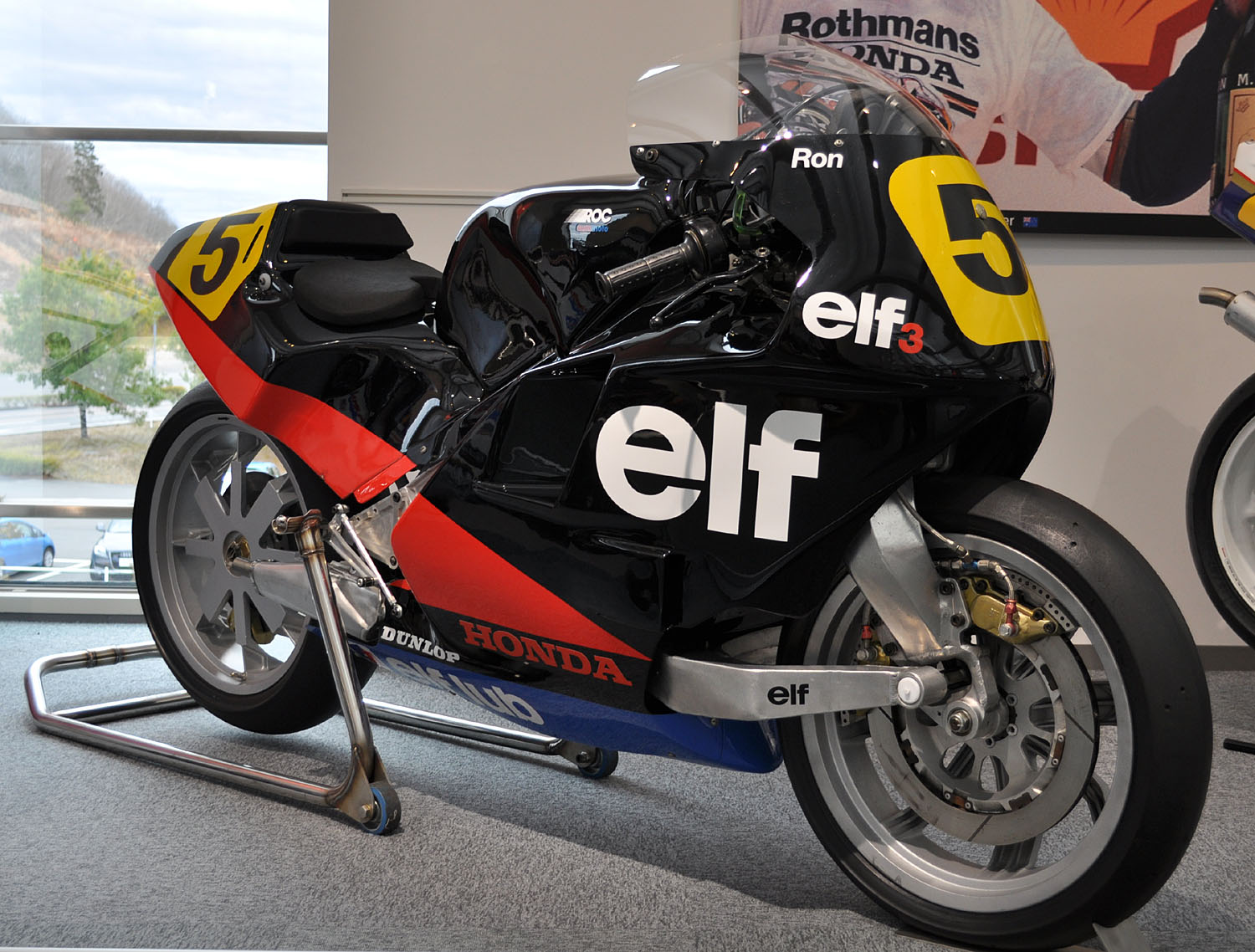
Well, many folks decided it was time to eliminate front end dive, and one notable solution was presented by the ELF Racing Team GP racer in the late-70’s through to the late-80’s, ridden by one Ron Haslam. The single-sided swingarm front suspension removed shock absorbing and damping duties from the steering head, in the pursuit of making the front end more stable under extreme braking. Honda saw a potential in the program and started supplying racing engines to the team.
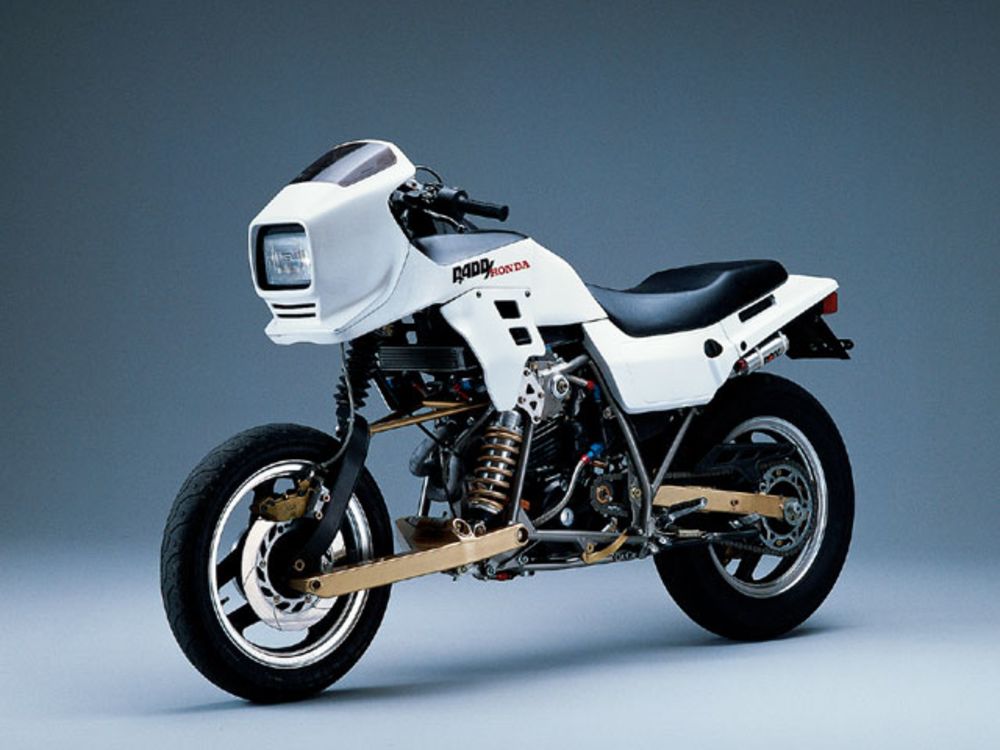
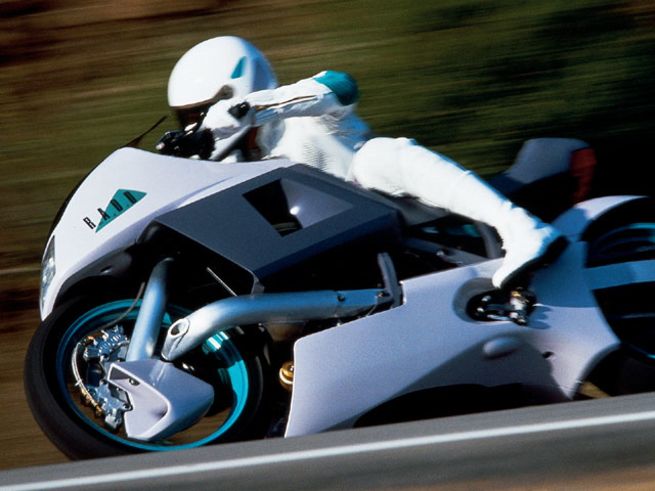
A designer named James Parker also saw the capability of the single-sided swingarm front suspension and went about designing his own, which he then named together with his company, Rationally Advanced Design Development – RADD.
His first prototype was based around a Honda XL600R engine and frame, donated by Honda USA, which he got a young dirt tracker and Superbike rider, one who will one day become a 3-time 500cc World Champion, to test ride it. He was Wayne Rainey.
Rainey was impressed by the handling and feedback of the front suspension. Honda Japan wasn’t interested, however, as they were already involved with ELF.
Parker went on to work on a Yamaha FZ750 next and the finished project named RADD MC2 was revealed at the 1987 Milan Motorcycle Exhibition.
Yamaha Japan got wind of the MC2 and began work on their own project, called the Morpho, without Parker’s approval. When Parker found out, he negotiated with Yamaha to license his designs before the Morpho was unveiled in 1989. But the project hit a roadblock as Yamaha has always outsourced fork production to contractors.
However, there’s light at the end of the tunnel for Parker’s RADD concept as Yamaha Europe demanded that Yamaha Japan build a new sport-tourer. That’s where the RADD chassis found a place.
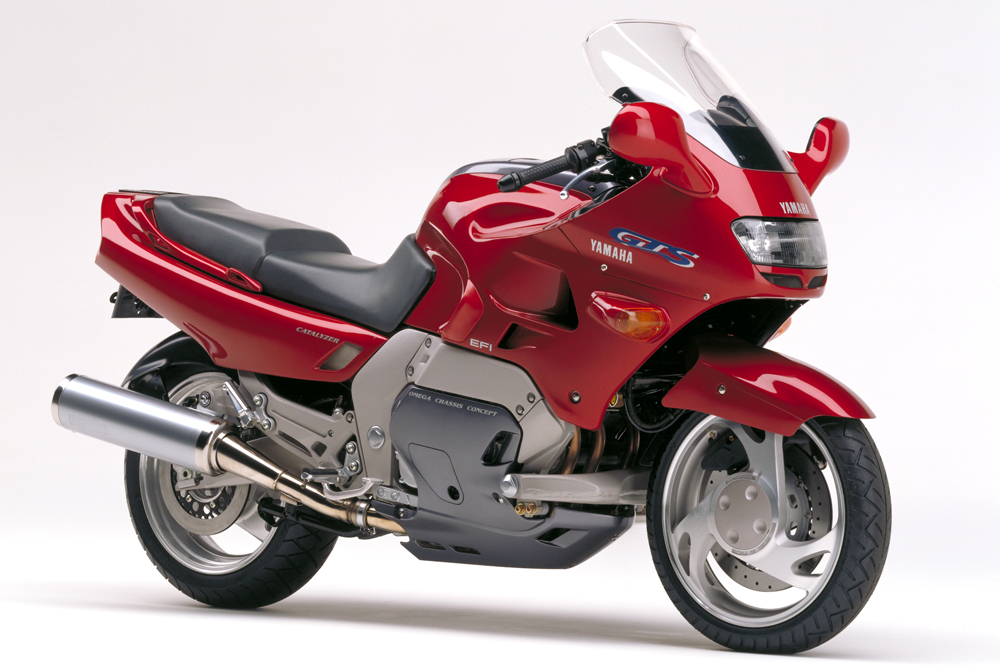
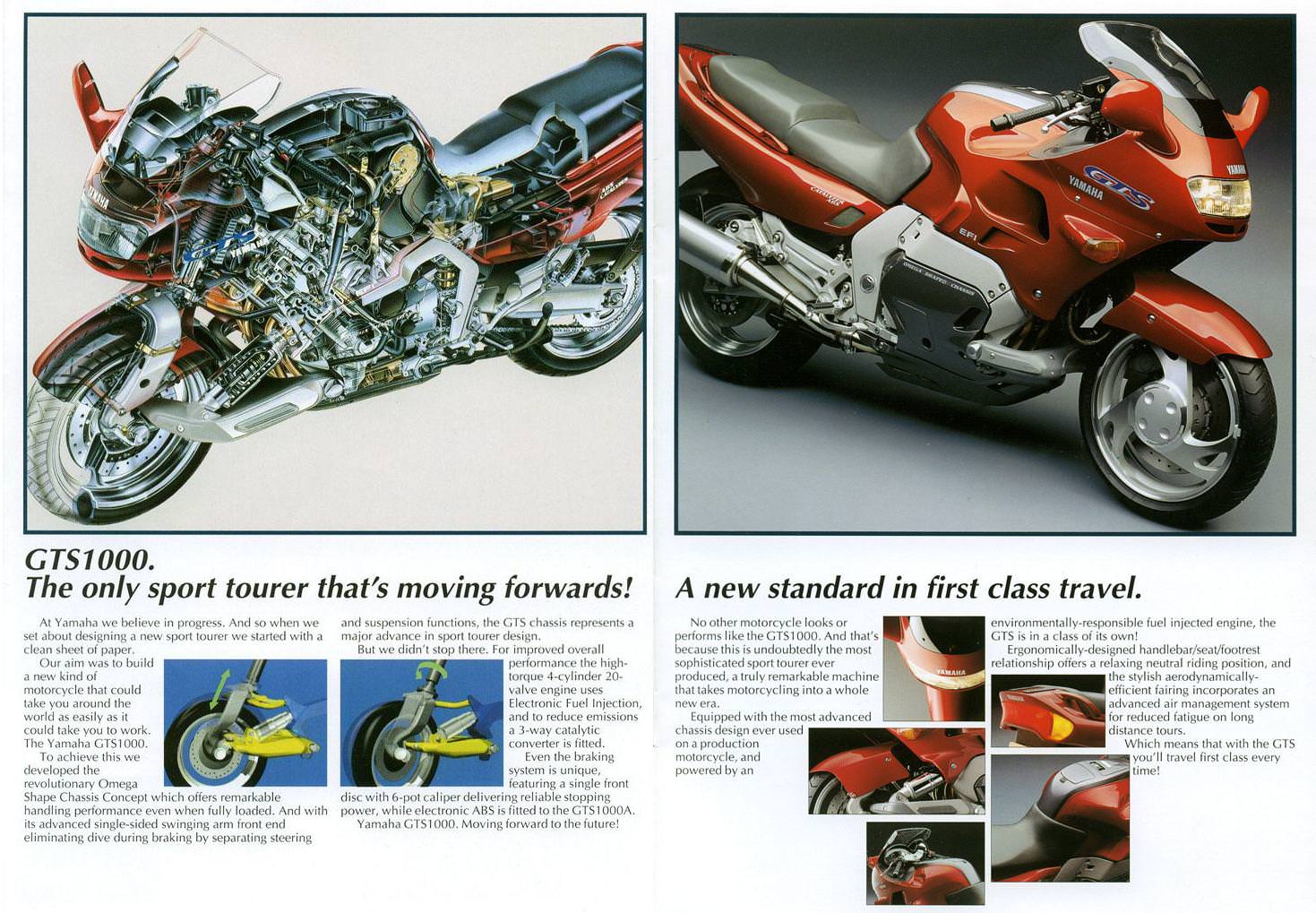
The result was the GTS1000 in 1993. Besides the RADD front suspension, it also boasted other new technologies such as electronic fuel injection, ABS, and for the first time on a motorcycle, a catalytic convertor. The engine was lifted from the FZR1000, but detuned to 102 bhp.
The GTS1000 looked great and was generally praised by the media, unfortunately the price tag of US$ 12,999 put many potential buyers off as they felt the improvements and added weight did not justify the extra cost.
Plus the fact that Ducati launched the 916 in the same year, which overshadowed every single bike for the next two years, the GTS1000 included.
Continuing our unusual production motorcycles series, here’s the second instalment. (Please click here for Part 1.)
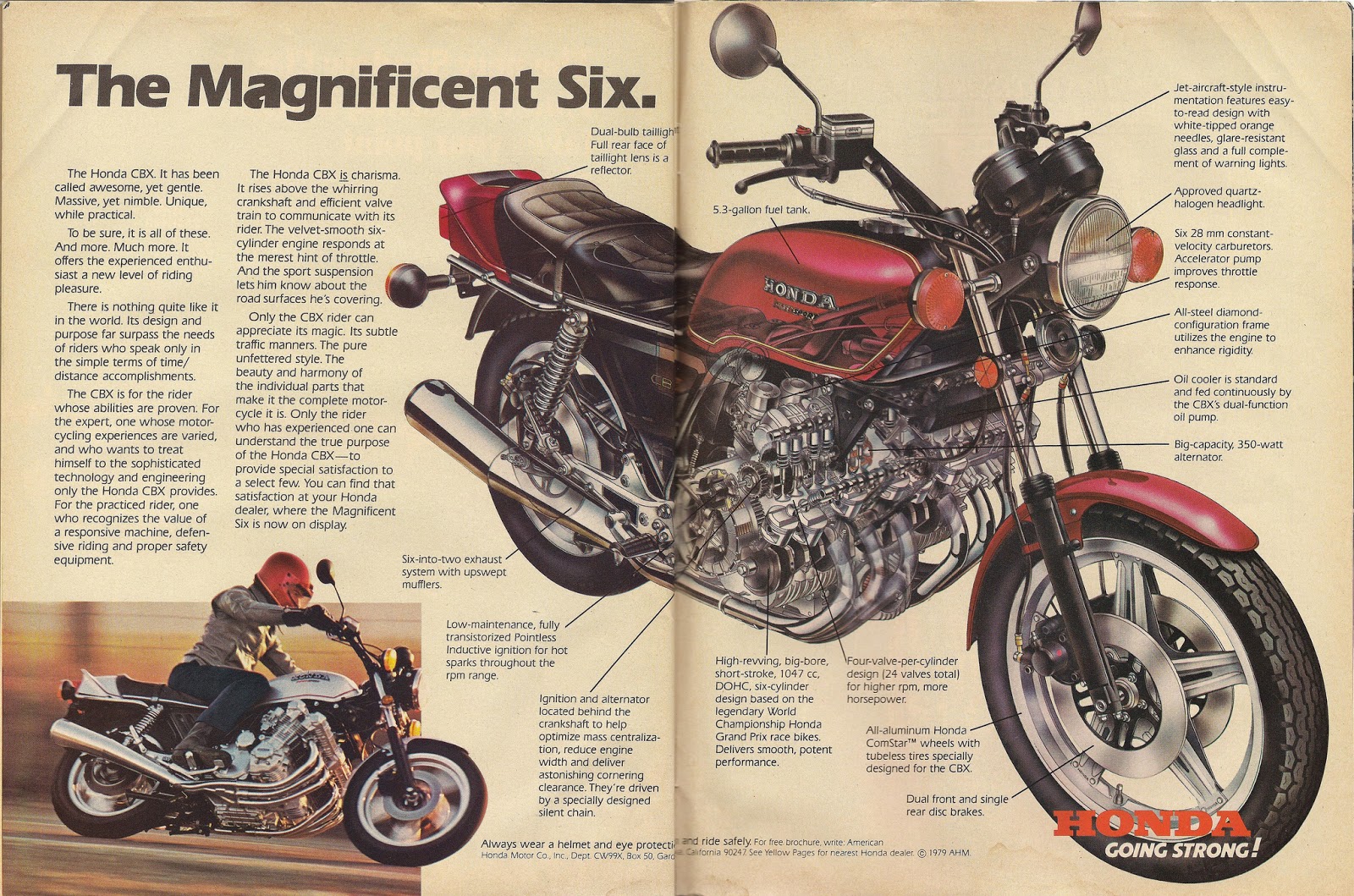
While most of the bikes on this list were a little too outrageous and tanked in terms of sales, there were a few that went on to become classics and icons. One of them was the 1978 Honda CBX1000, also known as the “Super 6.”
Honda was locked in an arms race with Kawasaki (also Suzuki) who slaughtered everyone with the Z-1. 10 years after the world’s first “superbike,” the CB750, Honda was on the warpath again and introduced the CBX1000 in 1978.
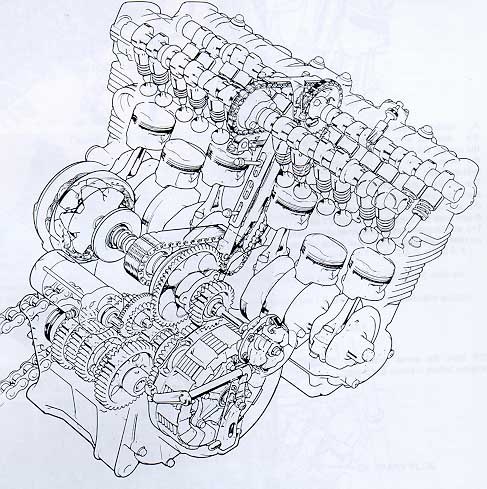
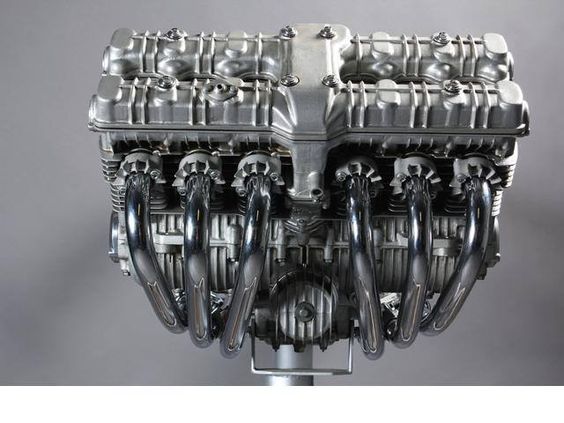
While multi-cylinder engines have been around for many years, the CBX1000’s engine was an air-cooled, DOHC, 24-valve, 1047cc, inline-Six. (But the Honda wasn’t the first production inline-Six, that honour went to the Benelli Sei in 1972. The Sei was based on the inline-Four Honda CB500, interestingly.)
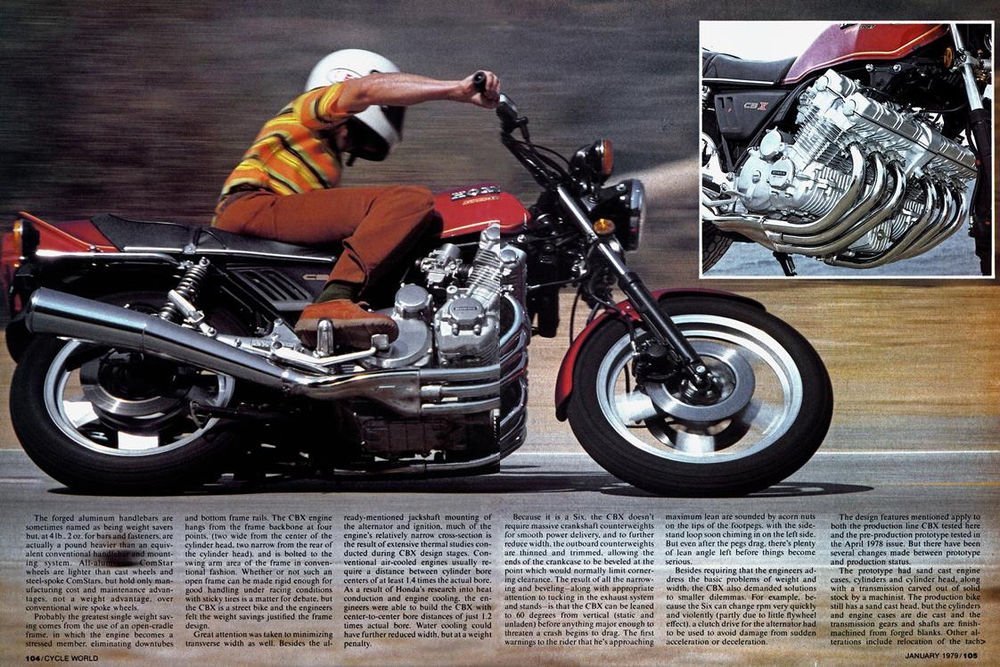
The engine may look like an engineering monstrosity, but look closer and the careful considerations shine through in terms of minimizing the engine’s dimensions placement. For example, the cylinder block was tilted forward to lift the crankcase up higher from the ground. Similarly, the engine was only wide at the top while relatively shorter across the crankshaft. Honda’s engineers did so to avoid the critical items from scraping during full lean and or in a crash.
Weight was on the hefty side, as expected, tipping the scales at 272 kg, wet. But with 105 bhp on tap, the CBX1000 from blitzed the ¼-mile.
Cycle World ran a whole host of acceleration tests and found the production CBX1000 was in fact faster than the pre-production unit. In 1978, the test bike clocked a ¼-mile (400 m) time of 11.64 seconds at 188.72 km/h. A year later, they tested the production CBX and it blasted through the ¼-mile at 11.36 seconds, although the terminal speed was identical at 188.72 km/h. Top speed was 214 km/h. (The speeds may seem “normal” these days, but do remember that this was in 1978 – 79.)
Cycle World testing the CBX1000
Those performance figures confirmed that the CBX1000 was the fastest production motorcycle of its time and was immediately likened to the Vincent Black Shadow.
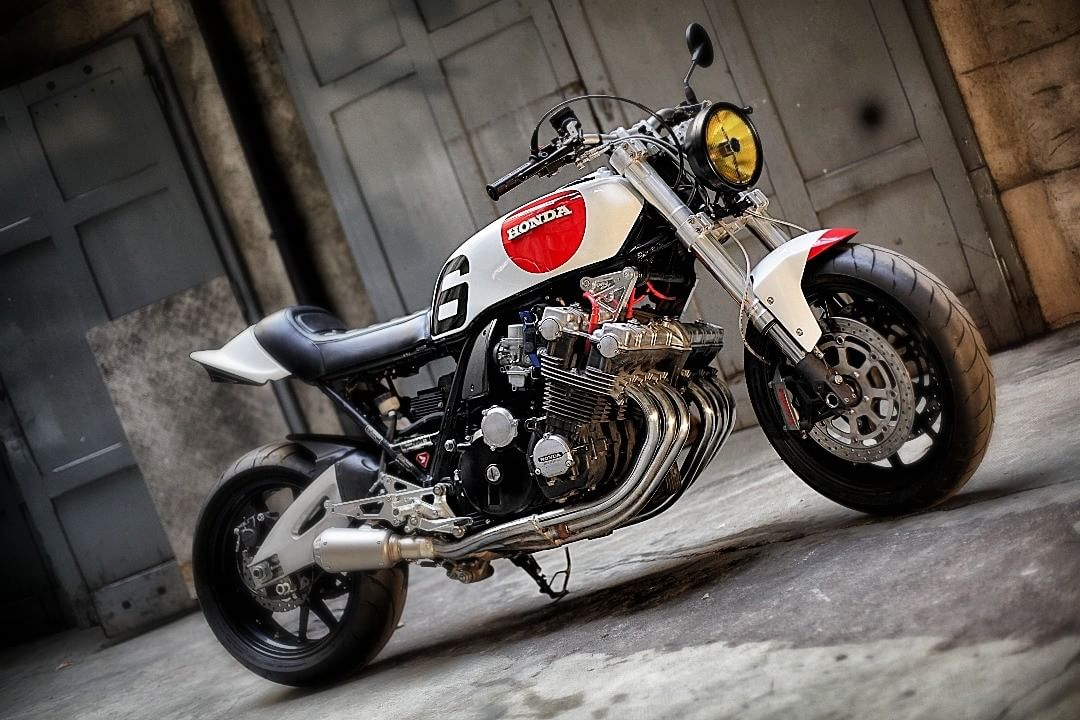
The Honda CBX1000 and its beautiful engine survive to this day, favoured by motorcycle customizers.
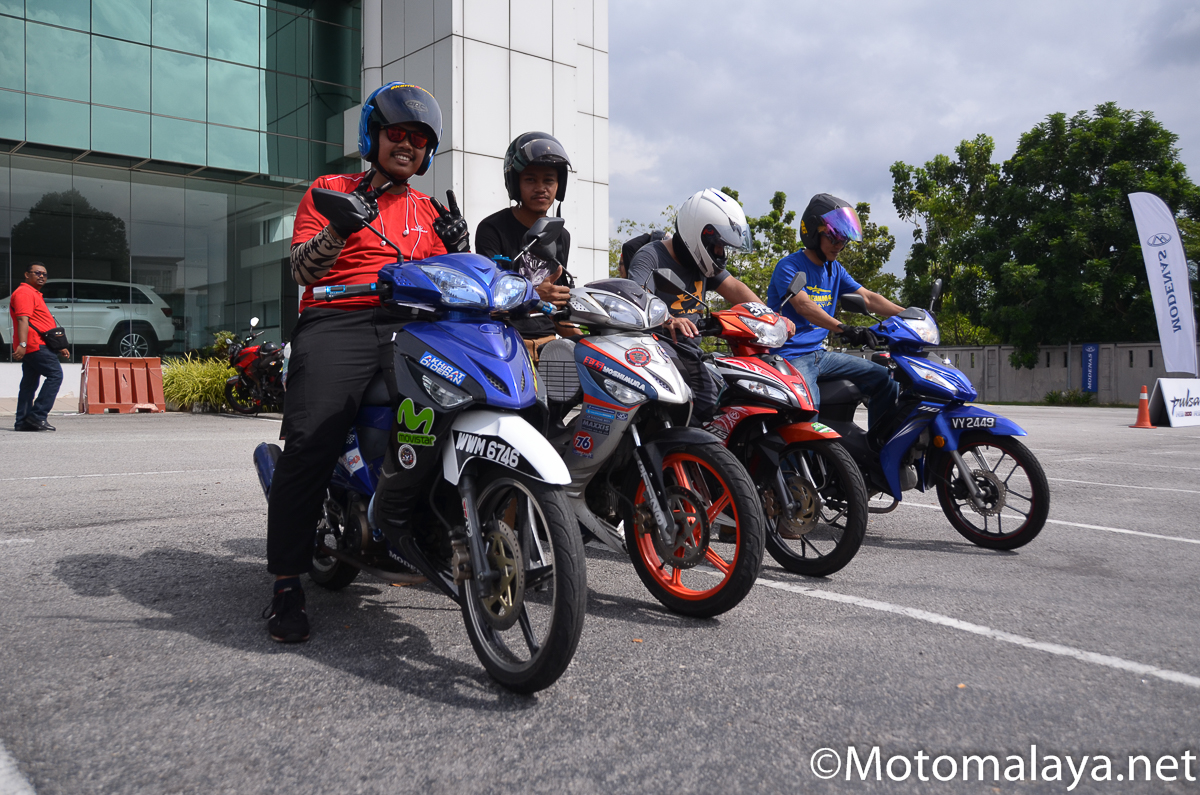
Modenas organised a very special program for some 300 Modenas bike owners earlier today called the Gempak Santai Modenas.
All those who attended earlier today enjoyed some fun activities including lucky draws, test rides, and service campaigns for their beloved bikes.
The aim of the program was to strengthen the relationship between the brand and all of its customers here in the country.
Malaysia’s national motorcycle manufacturer Modenas conducted a very special event today called the Gempak Santai Modenas Volume 1. Over 300 Modenas bike owners from across the country gathered at the EON Head Office Complex in Glenmarie Shah Alam where Modenas hosted some very interesting activities for all those who attended earlier today. (more…)
Among the cookie-cutter bikes, there are a few that were meant to break the mold.
These unusual designs sometimes worked, while some failed.
Here’s the first instalment of this series.
Is it surprising that a non-biker says, “That’s a what? And that one? All motorcycles look the same to me.” In this age where bike designs are governed by the wind tunnel or heritage, his observation is correct. So, please don’t get upset if he didn’t recognize your XZRT3000SR.
Motorcycles have evolved over the years and we are at an age where designers are churning out designs that have either proven to work or stood the sales floor test.
That meant they must’ve experimented with other concepts at some point, right? Correct. The successful ones evolved into the bikes today but whose concepts were too outlandish died unceremonious deaths.
Here’s Part 1 of the Ten Most Unusual Production Bikes.
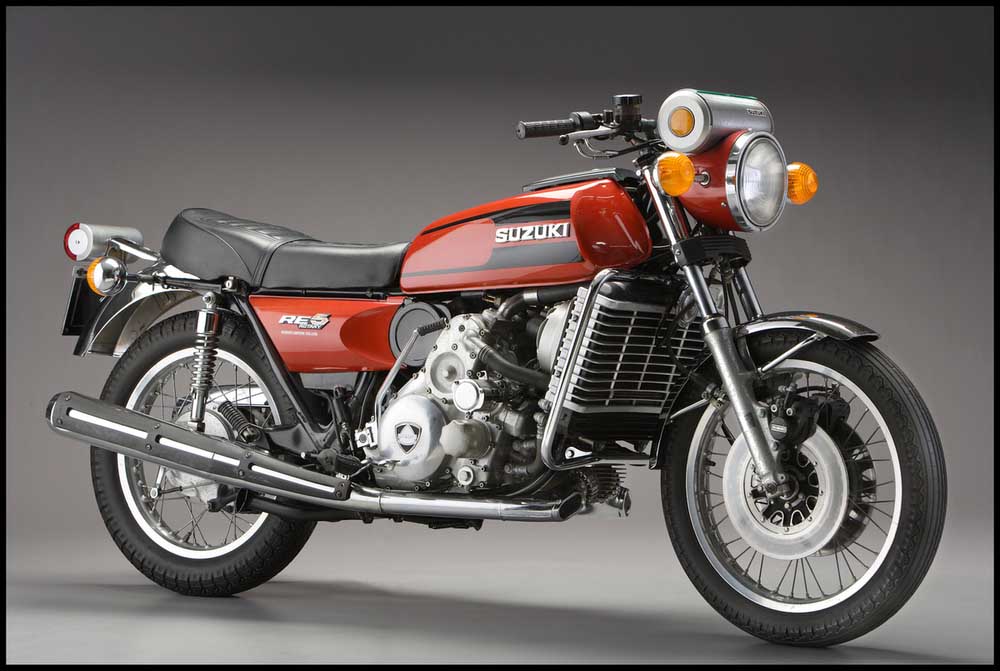
1974 SUZUKI RE5
The rotary engine enjoys a cult status, especially in the automotive segment, powering the equally cult Mazda RX-7 family.
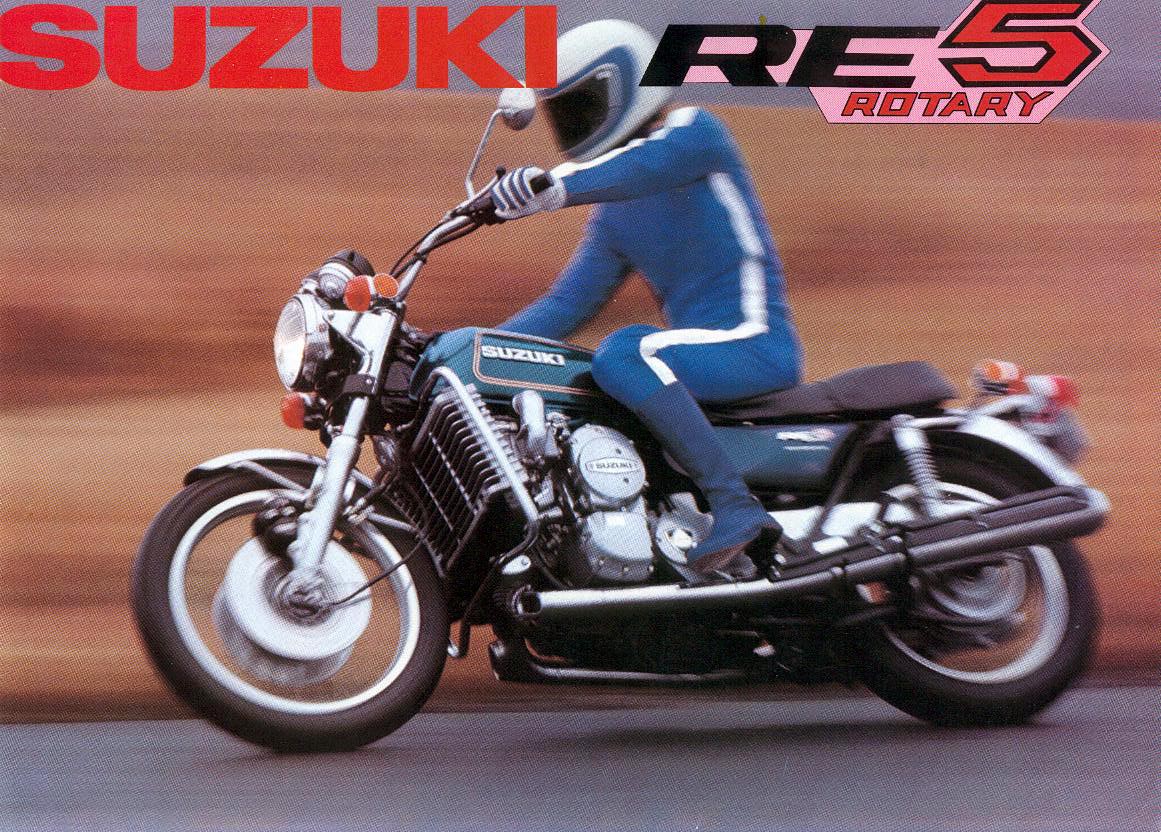
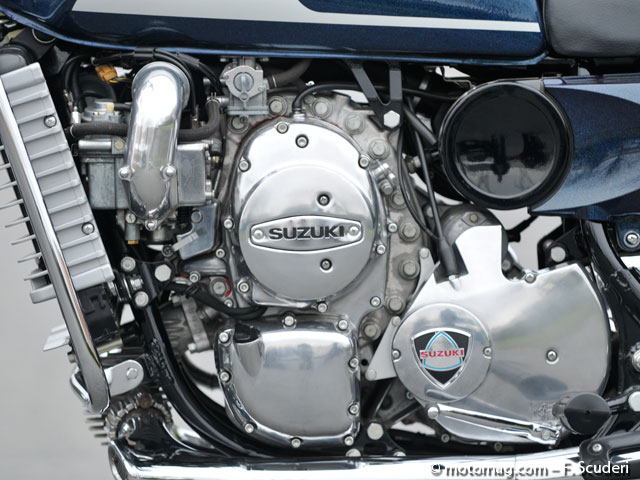
However, how many motorcycles have actually utilised that kind of powerplant? It’s rumoured that all the four Japanese manufacturers have rotary engine prototypes at some point, however it was Suzuki – typical in pushing the boundaries of motorcycle engineering – who had the jujubes to put it into production, in the form of the RE5, sold from 1974.
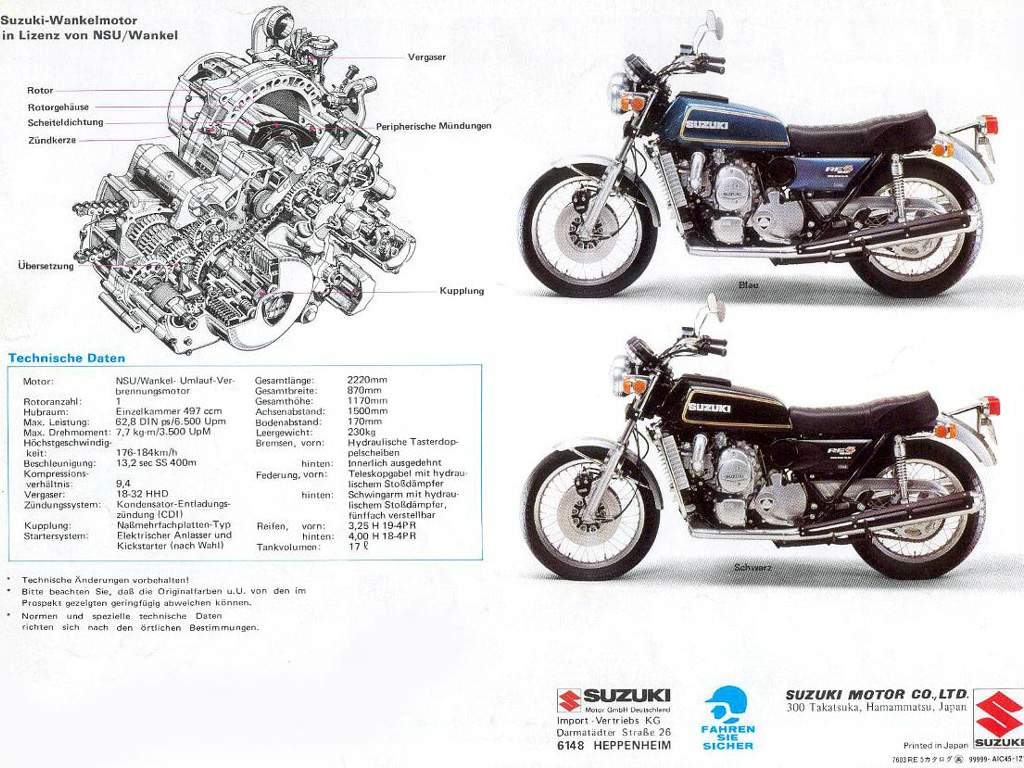
The rotary engine, also known as the Wenkel, offers a number of advantages when compared to the ever-popular piston engine. Rotary engines are more compact and lighter as they have fewer parts, and produce higher specific power outputs from smaller displacements.
So, that begs the quiestion: Why aren’t there more motorcycles powered by rotary engines?
While simple in concept, rotary engines require numerous complex subsystems to perform, and these add up to a weight penalty that outweighs its gains.
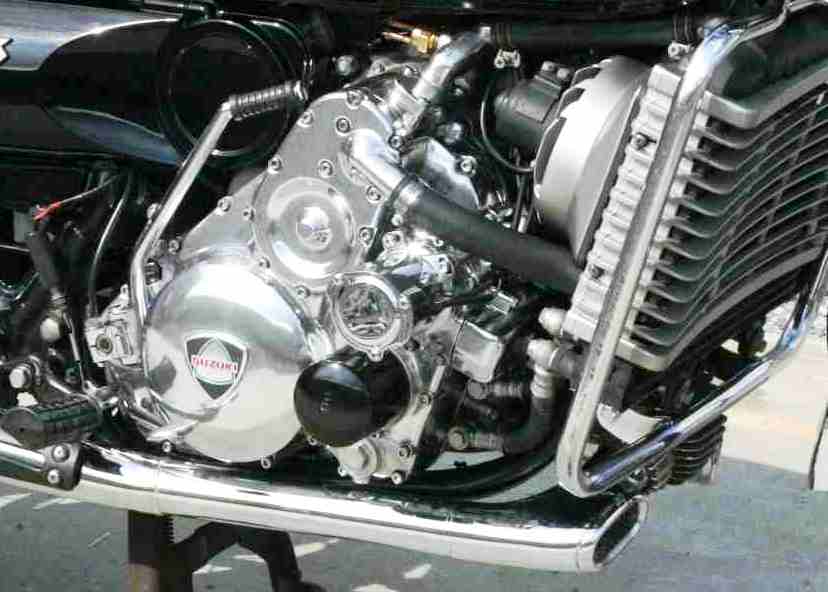
For example, although the RE5’s rotary engine consists of only a single rotor, exhaust temperatures could reach 930o Celcius – more than hot enough to melt aluminium, copper and zinc. Because of this, Suzuki engineers had to design a crazily complex double-skinned exhaust system. Besides that, the engine had to be lubricated from three oil reservoirs each with its own pump. The throttle controlled both primary carburetor butterfly and inlet manifold of the port valve, besides governing oil supply into the combustion chamber. A total of five cables were connected via the throttle grip.
The RE5’s 497cc engine produced 62 bhp and 74.4 Nm of torque, achieving the high specific power output objective of the rotary engine. However, the motorcycle weighed 260 kg, wet. On the other hand, the Honda CBX1000 “Super 6” with an inline-Six cylinder engine produced 105 bhp while weighing only 12 kg heavier.
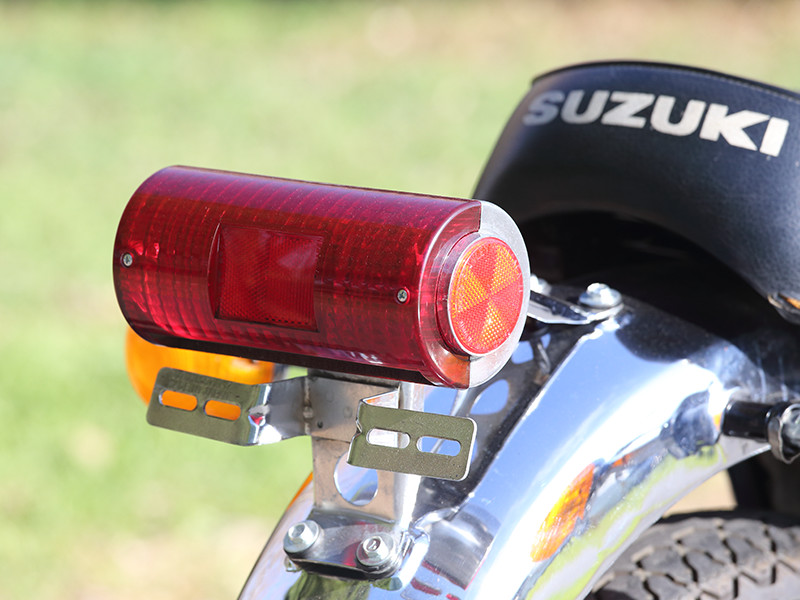
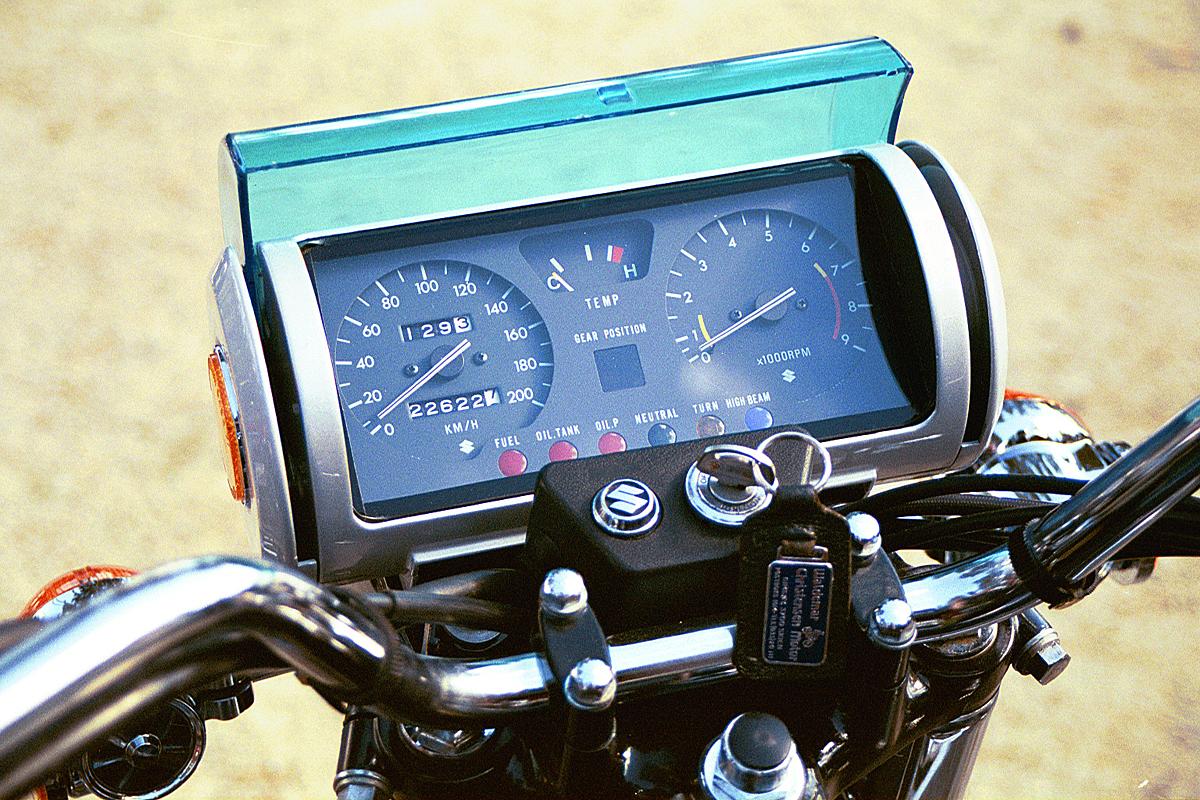
Maybe its styling could save it? Err… but what about those “tin cans?”
Suzuki roped in the famed automotive designer, Giorgetto Giugiaro (yes, he whose company designed Alfa Romeos, Bugattis, Maseratis among many others), to style the RE5. He designed the “tin can” instrument cluster and taillight to reflect upon the “rotary” theme.
Not surprisingly, the RE5 bombed on the sales floor. Cycle World called it “expensive, over-complicated, underpowered and hideous,” and was subsequently declared as one of their “Ten Worst Motorcycles.” Ouch.
One of the best aspects of riding is the never-ending quest to ride better.
Riding skills should be learned correctly and refreshed from time-to-time.
It applies to all riders regardless of age and experience.
With the New Year long weekend coming up, there are surely many bikers who will go out riding and touring. Besides preparing yourselves in terms of logistics, please make sure that you’re prepared in terms of riding, too. We’ve assembled these Ten Quick Tips to Enhance Your Riding Skills to assist.
The fundamentals, of riding any motorcycle is the same whether if he’s just obtained his license or a veteran who has been riding since Merdeka. Similarly, while motorcycles and their related technologies such as tyres, brakes, chassis, electronics, weight distribution have improved exponentially within the last decade alone, that doesn’t mean the rider only has to sit onboard and do nothing. Those technologies assist in riding enjoyment and safety but are virtually useless if the rider isn’t equipped with the necessary skills.
1. Steering
Bikes don’t steer by themselves.
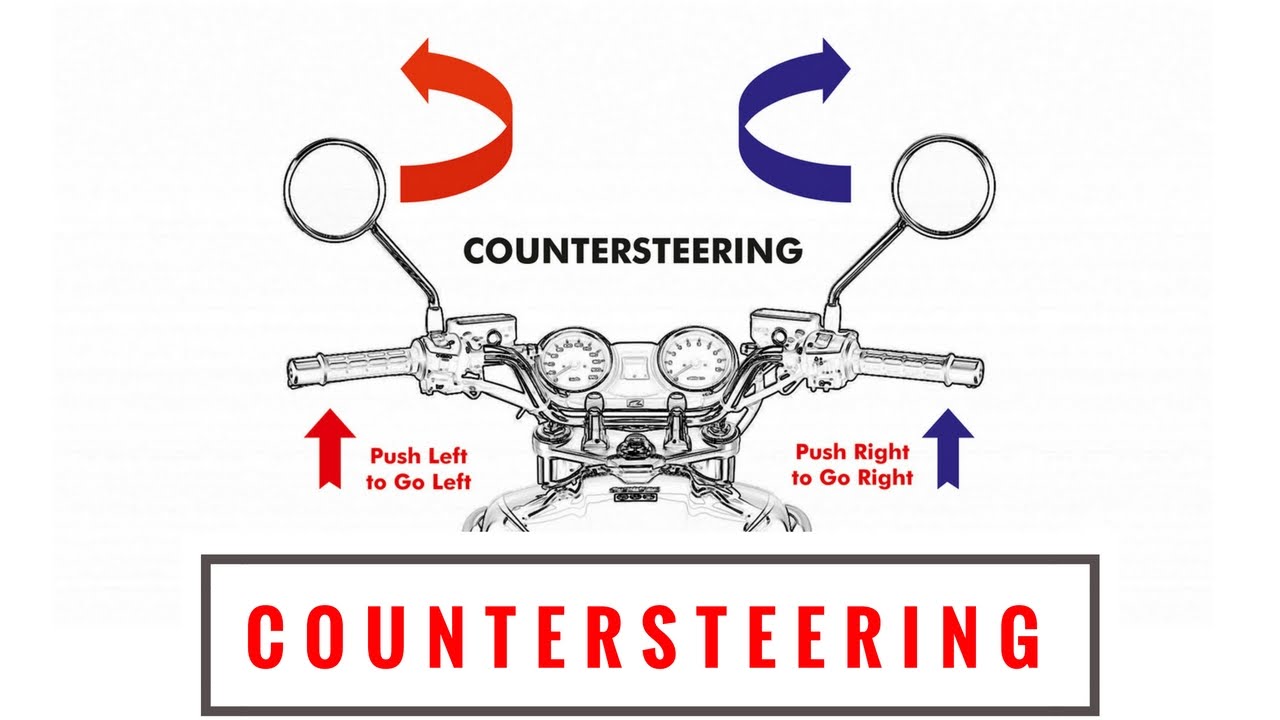
You need to countersteer.
You push on the left handlebar to go left, and push on the right to go right. The rate of steering (how quickly the bike tips over and turns) corresponds to the amount of force and speed you apply it to the handlebar. That means: If you shove on the right handlebar hard and abruptly, the bike will snap over to the right faster, and vice versa.
Learning to countersteer actively allows you to place your bike precisely on where you want to go.
Countersteering – Courtesy of sPEEDY pADDY
2. Throttle Control
Don’t treat your throttle as an on/off switch.
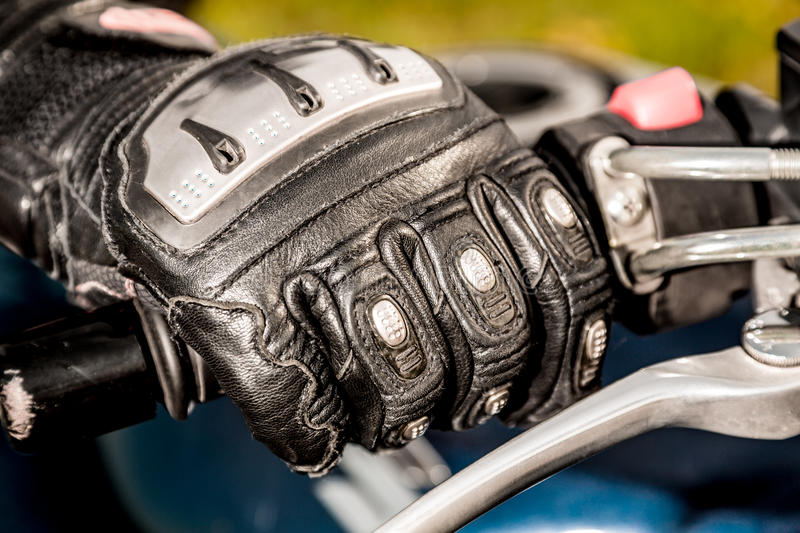
Instead, good throttle control plays a tremendous role in controlling the bike’s front and aft weight distribution, hence tyre traction, suspension action, smoothness and overall speed. It should be rolled on and rolled off, not whacked open or snapped shut in like a light switch. This is especially important when cornering or riding on slippery roads.
When approaching a corner, trace a line which will allow you to come on the throttle as soon as possible. Turn the bike in, come one the throttle smoothly and keep applying it as you leave the corner. Do not oscillate it on and off in midcorner as that’ll unbalance the bike and reduce tyre traction.
So, what’s the perfect line through a corner? It’s the line which allows you to open the throttle the soonest, all the way through, and on the exit.
Throttle control – Courtesy of dreamtime.com
3. Vision
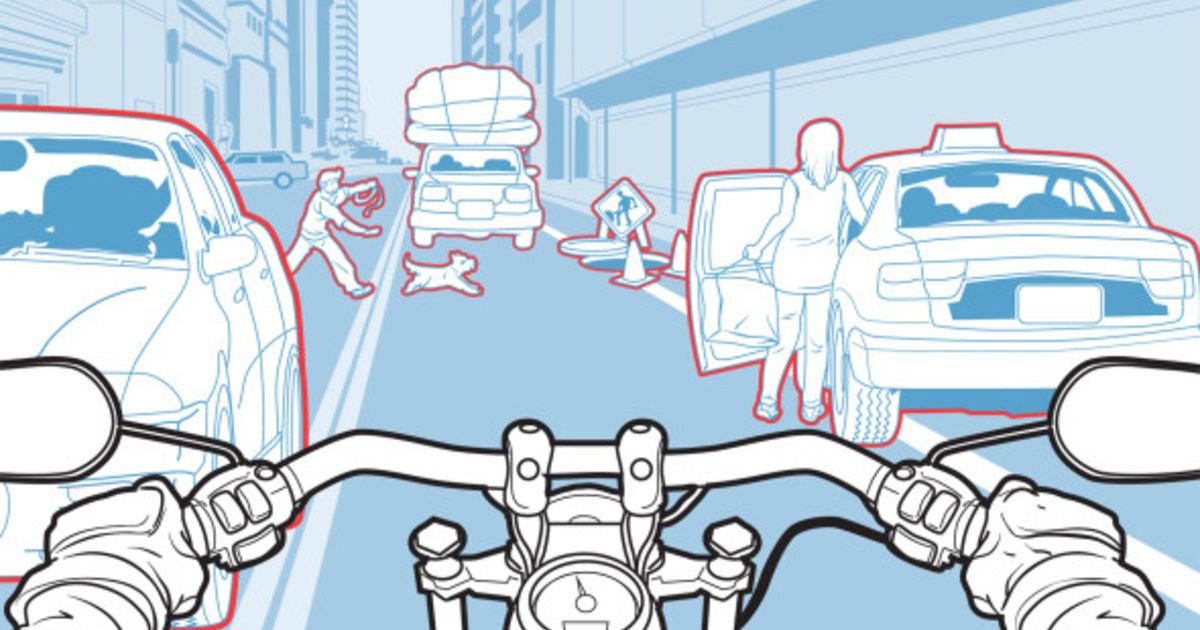
“Your bike goes where you look.” Repeat that to yourself as soon as you wake up, on the bike and off the bike until you go to sleep.
Admittedly, looking away from danger is difficult as our brains are hardwired to “Keep an eye out on danger.” On a motorcycle, however, keeping your eyes on the taik lembu in your patch guarantees that you will run through it. It’s called, “Target fixation.”
Target fixation – Courtesy of Cycle World
Watch this video below (courtesy of RNickey Mouse channel):
When danger presents itself, look for escape routes and steer towards the best option, instead of towards the thing you want to avoid. That’ll keep you from spraying dung all over your bike and yourself, and similarly from hitting that car which swerved into your lane.
4. Braking
What’s the single most powerful component of your motorcycle?
The engine? No. It’s the brakes.
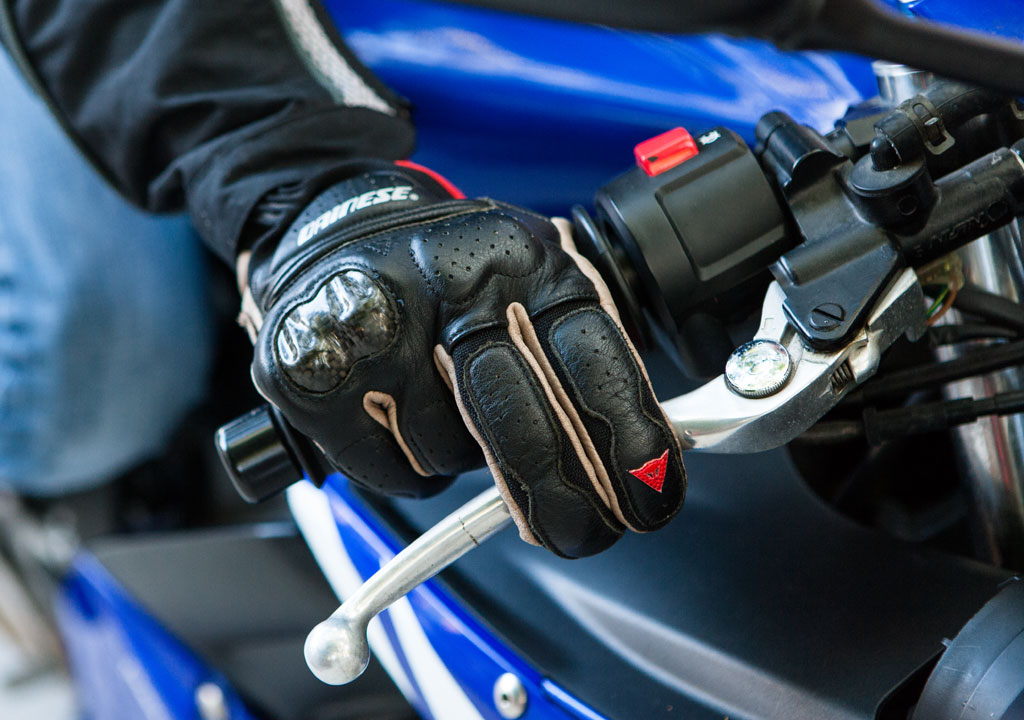
No other component translates so much of the rider’s input into such big reactions. Just like the throttle, you should start thinking of brakes as the device you use to achieve your target speed – say for a corner – instead of being an on/off switch.
And as with the throttle, the brakes should be applied smoothly. Never grab it abruptly with the grip of death. In fact, if done right, rolling off the throttle as you transition to the brakes and getting back on the throttle smoothly does wonders for your riding.
Also, do remember to clamp your knees onto the fuel tank and leave your arms and elbows as relaxed as possible when you apply the brakes.
Stiffening up your arms and elbows by locking them will render them useless in helping you to steer the bike away from danger.
Besides that, stiffening up your arms and elbows will transfer all of the deceleration forces to them and your body, fooling you to think that you’ve reached the limit of your suspension, brakes and tyres, when you could actually apply more brakes.
5. Let it Slide
We know, blood rushes through your body when a tire breaks traction and “kicks out.” Is that a bad thing? Unless your bike has swapped ends (the rear had overtaken the front), there’s always the possibility of saving it (although you may need new underwear).
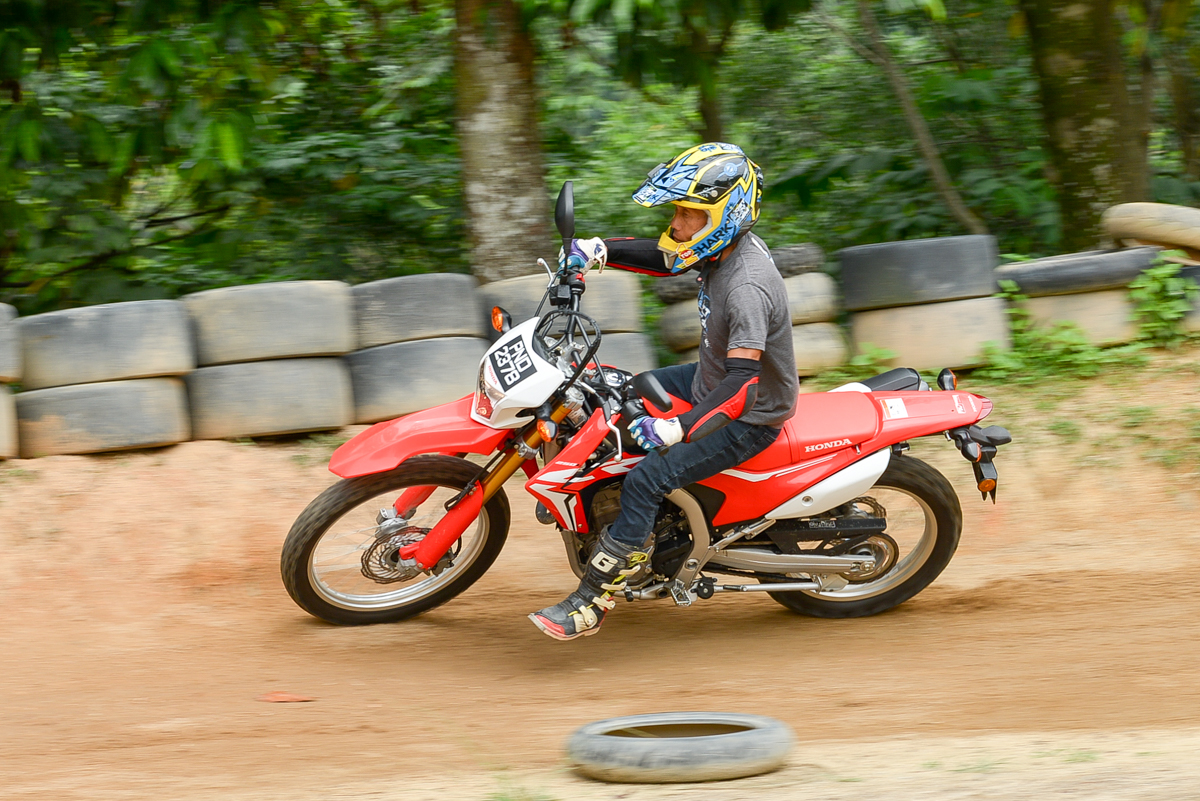
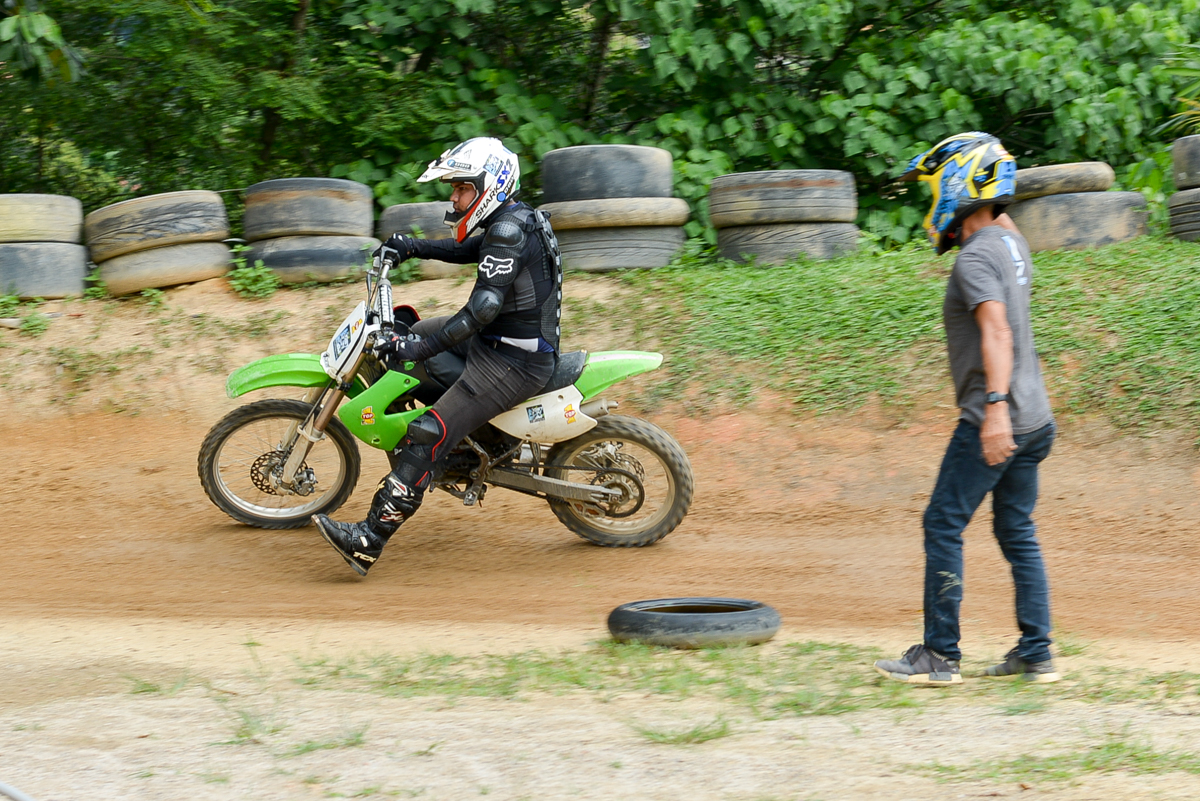
The best way to practice slides is on a dirtbike on a dirt track. Dirtbiking teaches your body how to respond to slides by using all the skill sets you’ve learned so far. Once you’re back on the pavement, you won’t panic when the tires get loose. (Best place to learn this is at Most Fun Gym where we train.)
However, the basic technique is to always ride relaxed even when the bike slides. A sliding bike doesn’t mean it’s out of control. Instead, a sliding tyre is only trying to find a stable position. Riding stiff just means you’re resisting it from finding this position. So let it slide, while you stick to steering, throttle control and vision.
6. Turn and Burn
What are bikes for if not for corners!
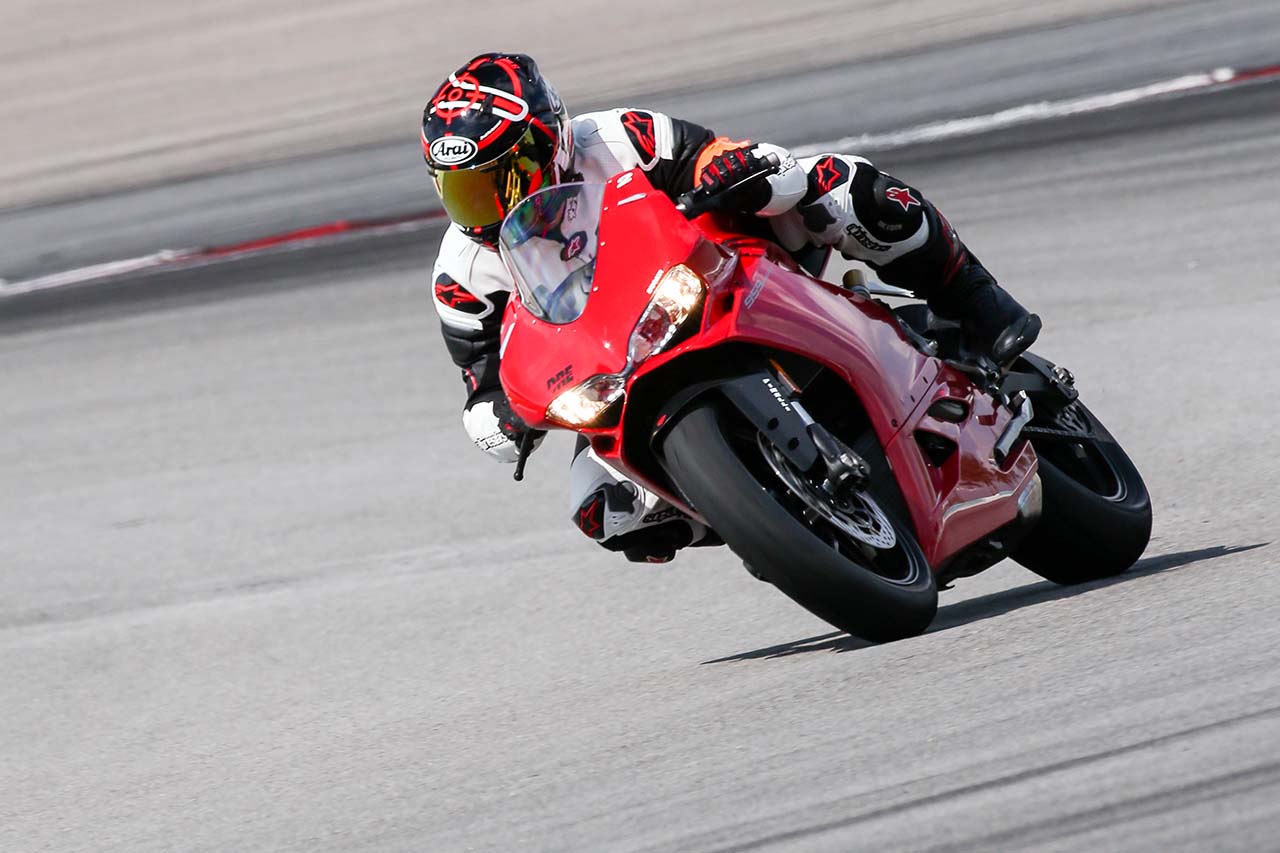
Apply what you’ve learned above about countersteering, throttle control, braking, vision and sliding – in the correct order, of course – and soon find yourself confidently sweeping through corners without too much thought.
7. Visit the Track
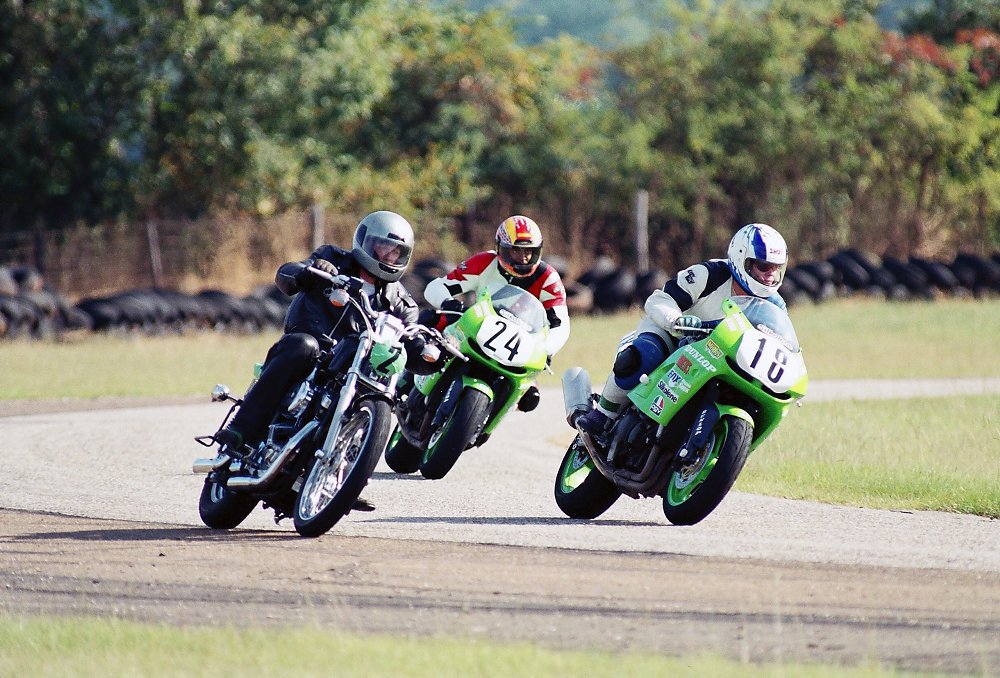
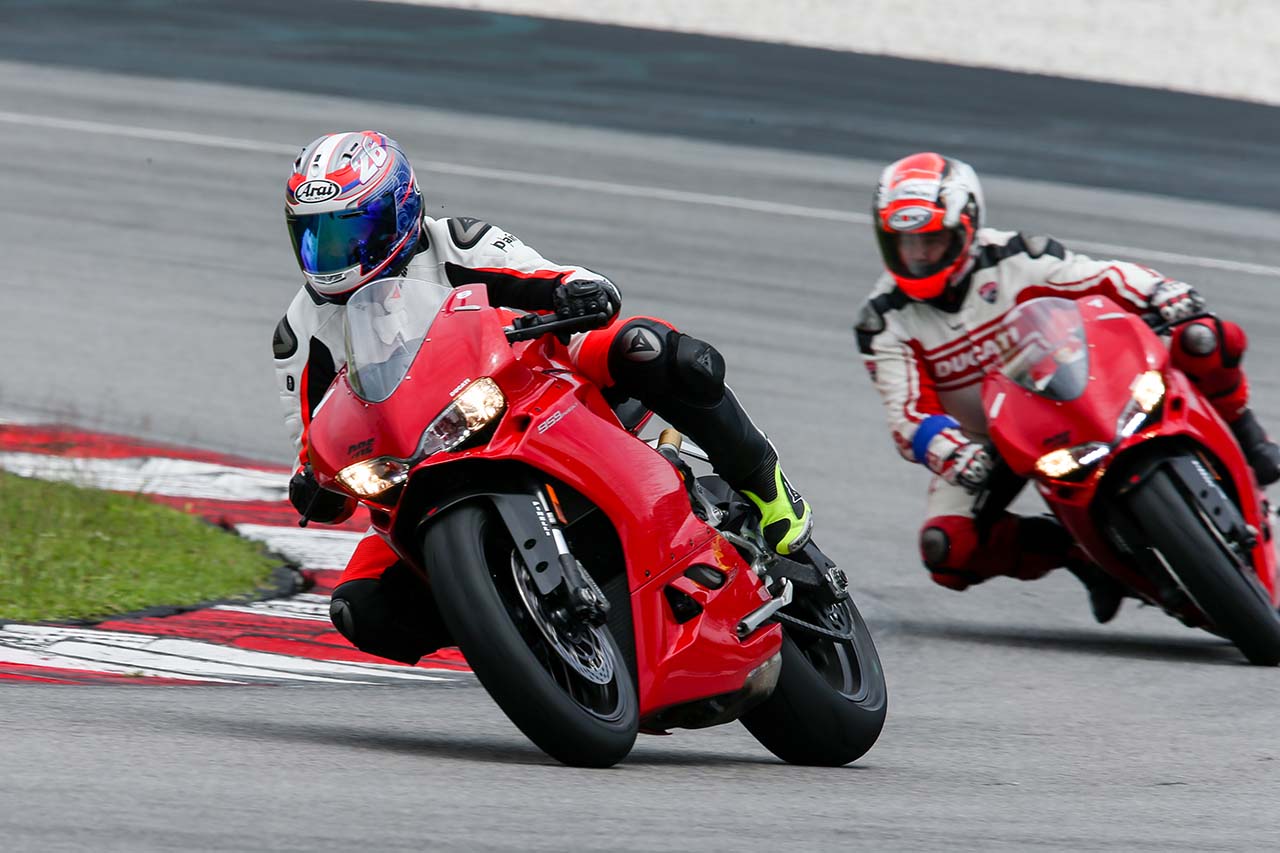
The best place to apply all the skills you’ve learned is of course, the racetrack.
Track sessions are usually divided into “classes,” so you may start with newcomers to avoid getting scared senseless by the faster riders.
Needless to say, the track provides the best environment not just for racing but for pure riding, since there are plenty of run-off areas and everyone else is going the same direction; no punk driving his mom’s car; no zombie pedestrians with their faces stuck in their phones; definitely no babi hutan crossing the road; no diesel spill from the bus whose driver’s practicing for F1.
Since you ride at elevated speeds on the track, you’ll find yourself in so much control when you get back into the real-world – just don’t apply racetrack speeds on the roads.
9. Iqra (Arabic for “Read”)
Buy books and watch videos. Study, then go out and practice, because there’s no two ways about it.
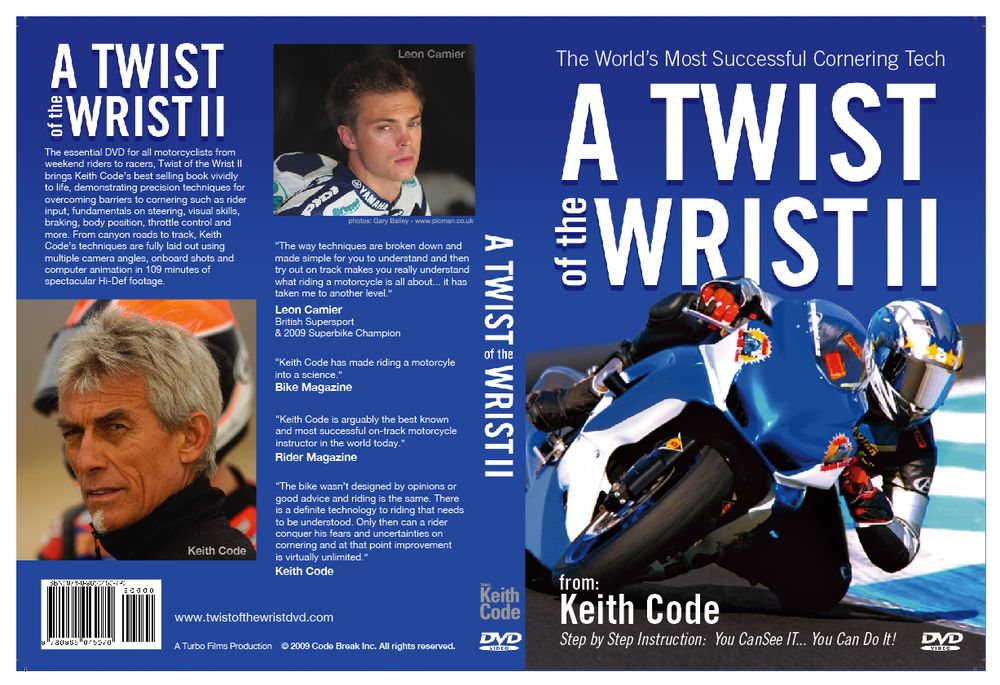
Books we recommend are A Twist of the Wrist Vol. II by Keith Code, Sport Riding Techniques: How to Develop Real World Skills for Speed, Safety, and Confidence on the Street and Track by Nick Ienatsch, and Total Control by Lee Parks, among others.
Getting advice from your buddies could work, but if (while we’re not doubting their skills) he’s the kaki tapao at Kuala Kelawang, you may want to look for more reliable sources. Most, if not all, good riders take it easy on the road and only ratchets it up at the track. Best is to learn from a real teacher, or at least a buddy who has attended an official riding school or two.
9. Find a (Real) Sifu
As mentioned in No. 8, the best way to learn is having an instructor watch you ride and critique your riding.
Riding schools teach the fundamentals and you could always develop your own riding style in a correct manner. Learning to ride by yourself is open to interpretation and you may end up harbouring bad riding habits.
We always recommend that any rider learn dirt riding. As Most Fun Gym’s motto puts it, “Learn offroad, master all roads,” dirt training makes you a much, much better and safer rider. That’s why all the top riders learn dirt riding.
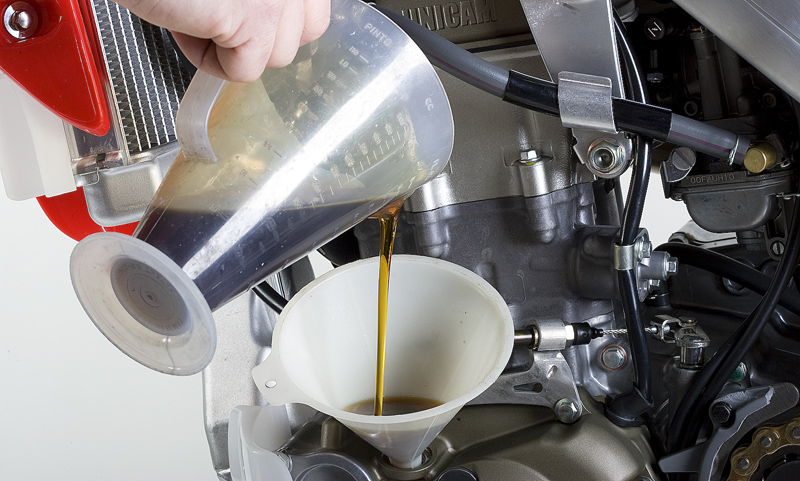
10. Maintain Your Own Bike
Performing your own maintenance means you could invariably find out more about your bike. Besides, you’re more likely to develop a personal bond with your bike and treat it with respect, instead of just being a machine that you’d flog without remorse.
Performing your own maintenance could also allow you to spot potential problems with the bike.