Bikesrepublic

Latest News

  • How much do you have to pay if you get pulled over for a traffic offence?

  • The guide below is standardized among the PDRM, JPJ and DBKL.

  • Remember that “The more you delay, the more you pay.”

Ever wondered how much is the summons rates you need to pay if you get nicked by the traffic police for an offence? We’ve put together this PDRM Traffic Summons Rates as a general guide. You may always check to see if you’ve been summoned at the Polis DiRaja Malaysia’s (PDRM) official site or through portals such as MyEG.

First category offence Vehicle type Standardized summons rates (RM) Examples of offences
1 – 15 days 16 – 30 days 31 – 60 days
Offences relating to primary cause of accident, safety or road users, traffic congestion and public safety. All types of vehicles incl. motorcycles below 250cc 300 300 300 1. Driving above 40 km/h faster than speed limit.
2. Failure to stop at red light.
3. Using mobile phone
4. Not wearing a helmet.
5. Going against traffic.
6. Using the emergency lane except for emergency purposes.
Second category offence Vehicle type Standardized summons rates (RM) Examples of offence
1 – 15 days 16 – 30 days 31 – 60 days
Offences relating to negativve behaviour of driver and vehicle technical problem that activelu contributed to the accident, traffic congestion and public safety. All type of vehicles 150 200 300 1. Driving below 40 km/h faster than speed limit.
2. Perforing U-turn where it is prohibited.
Motorcycles below 250cc 100 150 300 3. No driving license.
4. Stopping inside the yellow box.
5. Not adhering to “No Entry” sign.
Third category offence Vehicle type Standardized summons rates (RM) Examples of offence
1 – 15 days 16 – 30 days 31 – 60 days
Vehicle technical problem which passively increases the risk of an accident, traffic congestion and public safety. All type of vehicles 100 150 250 1. Lights not working.
2. Brake light not working.
Motorcycles below 250cc 50 100 150 3. Light is not turned on.
4. Side view mirror not installed.
5. Transporting unsuitable object on vehicle.
Third category offence Vehicle type Standardized summons rates (RM) Examples of offence
1 – 15 days 16 – 30 days 31 – 60 days
Other offences not contained above that did not contribute to accident, traffic congestion and public safety. All type of vehicles 70 120 150 1. Expired driving license.
2. Did not change vehicle ownership.
Motorcycles below 250cc 50 100 150
3. Not displaying “P” sign.


As you can see, traffic offences are divided into four main categories. However, certain offences don’t appear as clear cut. Take for example if a motorcyclist is riding a 1000cc motorcycle without a B (full-B) bike license and a full-B “L” license either. His offence is categorised as “having no valid motorcycle license.” If he has an “L”-license but didn’t display the L-stickers, his offence should fall under Category Four.

Another offence motorcyclists should take not is about not riding on the motorcycle lane where available. The offence is considered not adhering to a no entry sign.
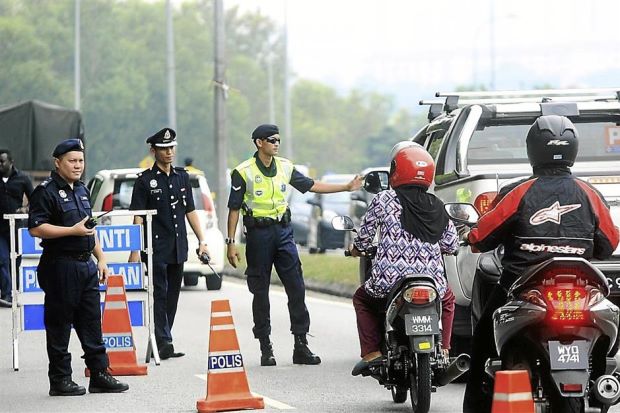
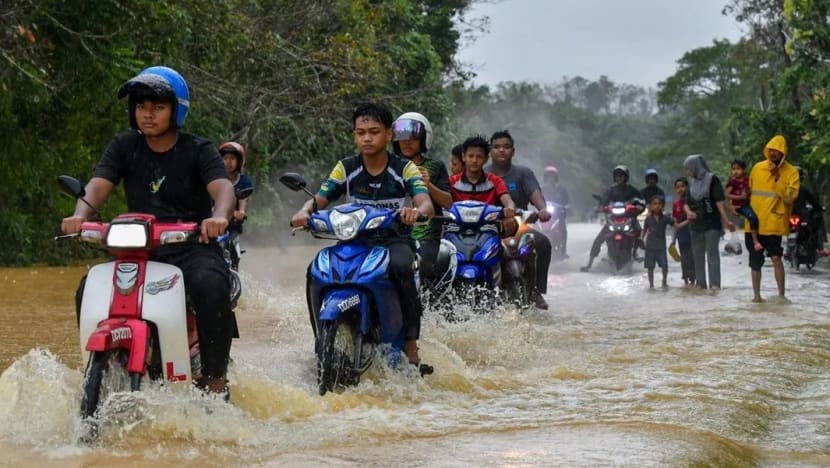
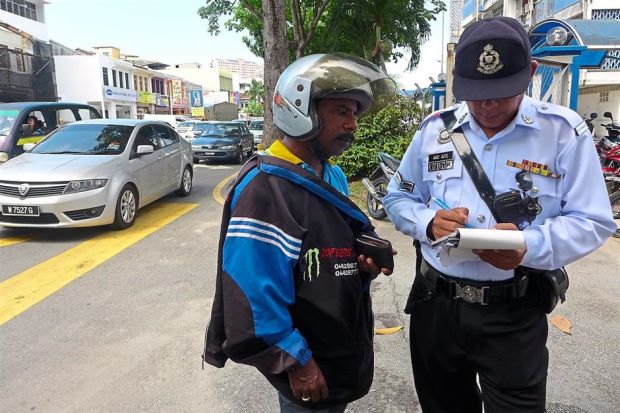
Image by thestar.my

There are non-compoundable offences, of course, such as riding with expired road tax. That would automatically mean that one is riding without insurance coverage. It’s an offence that sends one straight to the Majistrate’s Court and subject to the judge’s mercy.

Driving under the influence of alcohol or drugs could result being fined up to RM 5,000, a jail term and your license being revoked.

However, what kind of offence also depends on the issuing officer. So be nice if you get stopped.

Another thing to note is that the rates are standardised among PDRM, JPJ and DBKL. To encourage quick settlement of outstanding summons, the government has put the “The more you delay, the more you pay” initiative in place since 1st July 2013.
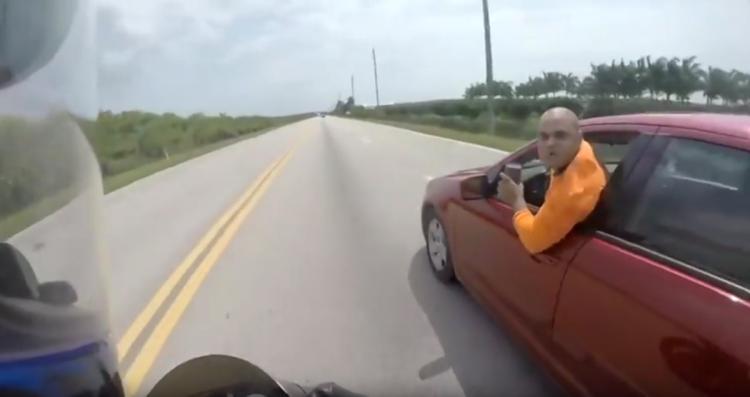
 

  • We motorcyclists always complain about car drivers.

  • But car drivers always complain about bikers too.

  • Let’s be fair to ourselves and everyone we share the roads with.

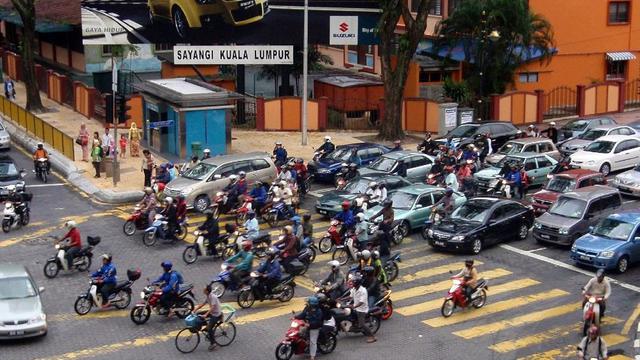
If you’ve ever commuted during the rush hour, you’d encounter all sorts of Malaysian driving and riding behaviour. Well, thing is, motorcyclists blame car drivers and drivers blame motorcyclists. It seems that Malaysian road-users don’t take responsibility and accountability of their actions, resulting in this mess we call “Malaysian traffic.”

Yes, yes, I agree, there are drivers who shouldn’t even get out of their houses, much less drive, but when I drive do I see why car drivers always blame motorcyclists for every tit-and-tat.

Take for example at the famous Pandan Roundabout. I see bikes shooting past red lights everyday – one almost got run over by a 4X4 last night, but similarly, my wife and I were almost t-boned by an Exora last week.

Let’s be fair to ourselves and society.

1. Not stopping

Number One on the list is definitely no other than this. Red means stop. Full-stop. Period. End of story, end of argument. It doesn’t matter if the roads are empty like a zombie apocalypse.

Red light: STOP.

On the other hand, a traffic light that has just turned green doesn’t make it necessary to go right away. No, it’s not a racetrack. A green light signifies that it’s go when it’s safe to do so. One should look out for another vehicle that ran the light on the other side, before moving.

And hey, car drivers, stay off your freaking horn. Green means go only when it’s safe. Jeez!

2. Riding in Large Groups

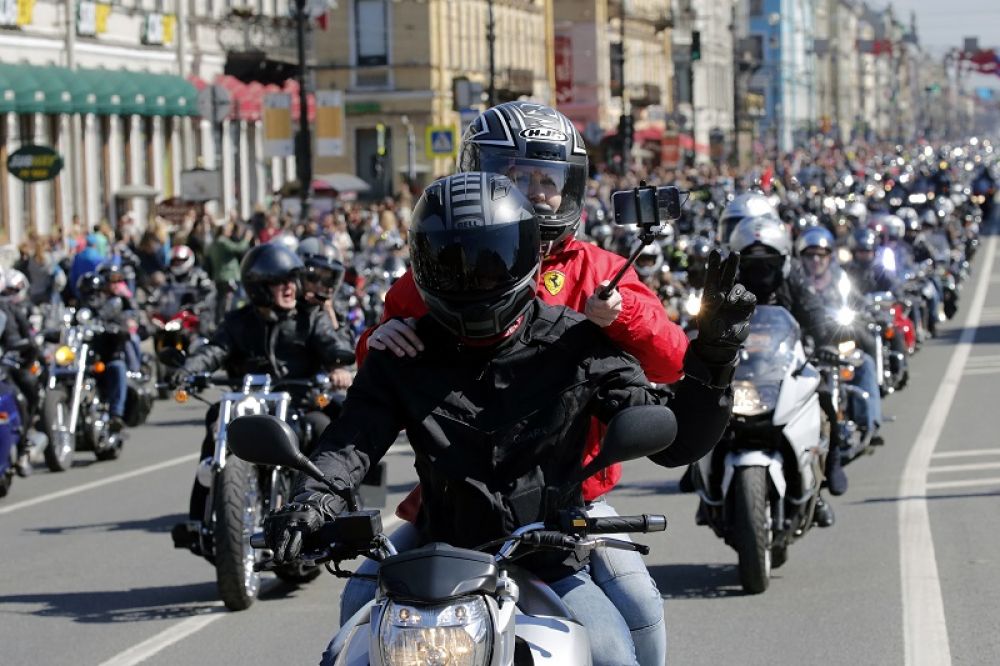
Yes, I do enjoy group riding but please, leave some room for other traffic too, unless the ride is marshalled by the traffic police. It’s just best to ride with a lead marshal, one or two runners and the last man (sweeper), while leaving the group to ride in a loose formation.

3. Pipes too loud

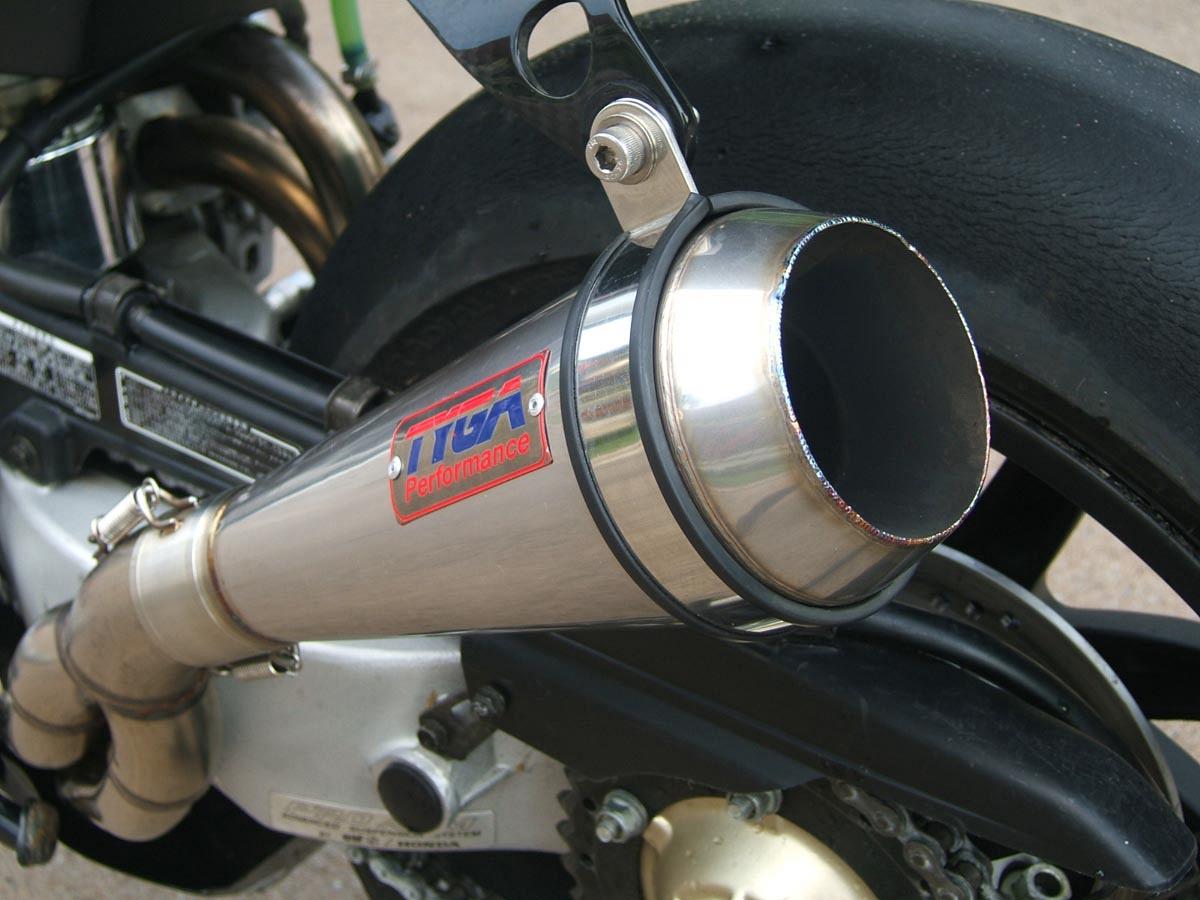
The “loud pipes save lives” concept is still a much-debated subject, but I’ve noticed how a slightly louder than stock exhaust is enough to announce your bike’s presence to other road users. But problem is pipes that are so loud they’ll wake the dead. What does it prove? Loud equals fast? Loud equals fun?
Sheesh. An exhaust that’s too loud will only annoy the public. There’s this group of idiots who like to blast up and down the main road in our taman, scaring old folks and babies. In Indonesia, the kampung folks will throw rocks at these guys.

4. Jumping queue

Oh, this happens all the time.

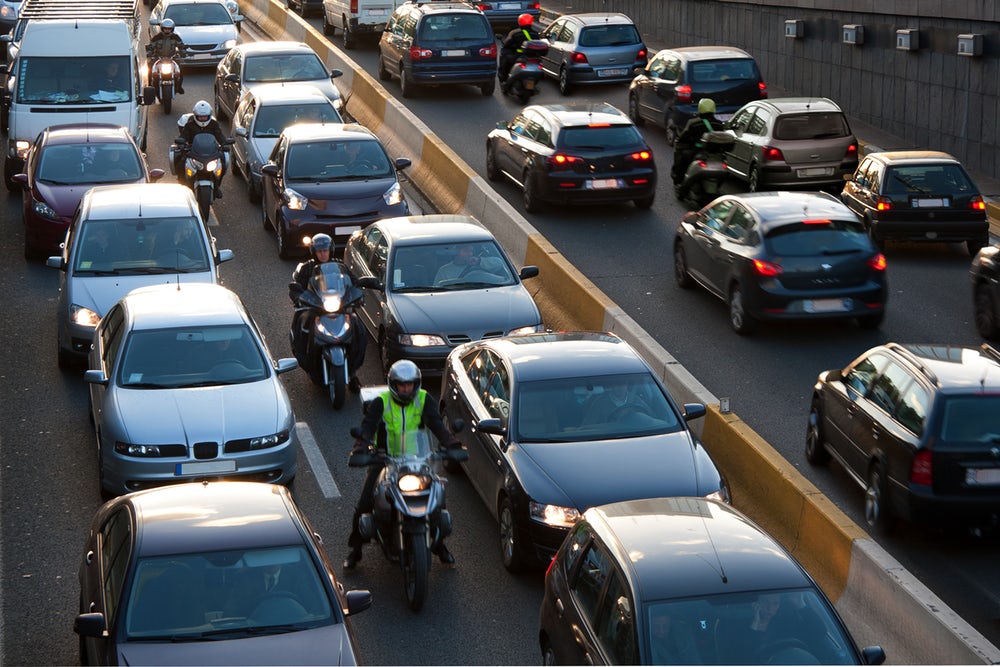
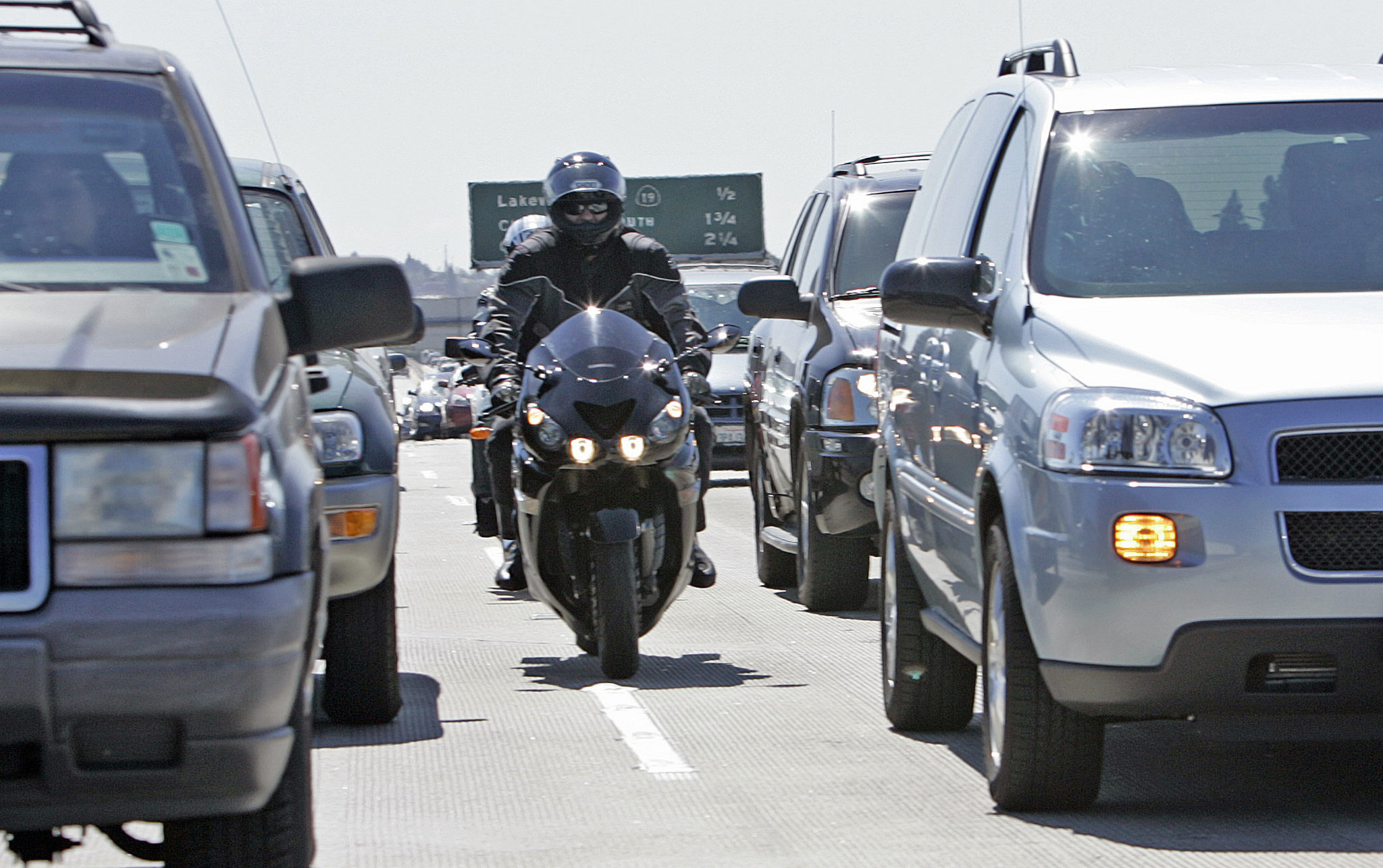
We’re a lucky bunch that traffic filtering is allowed. But we have to do it intelligently. How many times have we seen motorcyclists who’d just cut in front of car to go into the other lane without signaling or giving adequate time to the car drivers? But when a car driver does this exact same thing, these same motorcyclists get upset. Ironic.

5. Headlights too high

The motorcycle’s headlights are pre-adjusted in the factory for the majority of riders. But if you’re a heavier rider or carry a passenger and luggage, you’d best remember to adjust the headlights.

If you notice road signs are brighter instead of the road in front of you, that’s a sure indication of the need to adjust it. Adjustment is simple as the headlight adjuster is easily accessible to most bikes.

6. Tailgating

Do we really need to tailgate cars to intimidate them out of the way? Most drivers don’t understand our bikes’ performance and think they’re already faster than everyone else on the road. Tailgating them may annoy them enough to “brake test” you.

It’s easier to just more productive to overtake them quickly on their left and leave them behind. It’s not the correct thing to do but let’s not waste our energy and time.

7. Scaring car occupants

As with tailgating, let’s just pass other cars even if they hog the lanes. Passing closely on purpose or giving them an Akrapovic- or SC Project-salute (blasting of the throttle to scare them) isn’t necessary. If a car driver pissed you off, honk, overtake to the front, and just roll your head. I would dare to bet my last Ringgit with you that 99.999999% of all drivers have no idea of what wrong they did, so it’s a waste of time.

8. Riding too slow

There’s definitely nothing wrong if you ride slow, but take the left lane and stay there, allowing traffic to pass on the right. It’s common to see a slow bike occupying the overtaking lane, holding up all the traffic. It’s as unsafe as much as it’s damn annoying.

9. Riding too fast

The safest way to filter through traffic in between two slow-moving lanes is to ride no more than 30 km/h faster. That means there’s enough room for emergency avoidance and braking, while the bike is still maneuverable since it’s moving.

But when we blast past traffic at much higher speeds, the safety margin becomes slimmer and slimmer. Many car drivers have complained aobut bikers not giving a damn and continuing to blast past, despite having signaled much earlier. Why? Because the bikes were travelling way too fast. Of course, there are braindead drivers who signal and turn in right away without checking what’s behind, but that’s a different story.

10. Pulling stunts

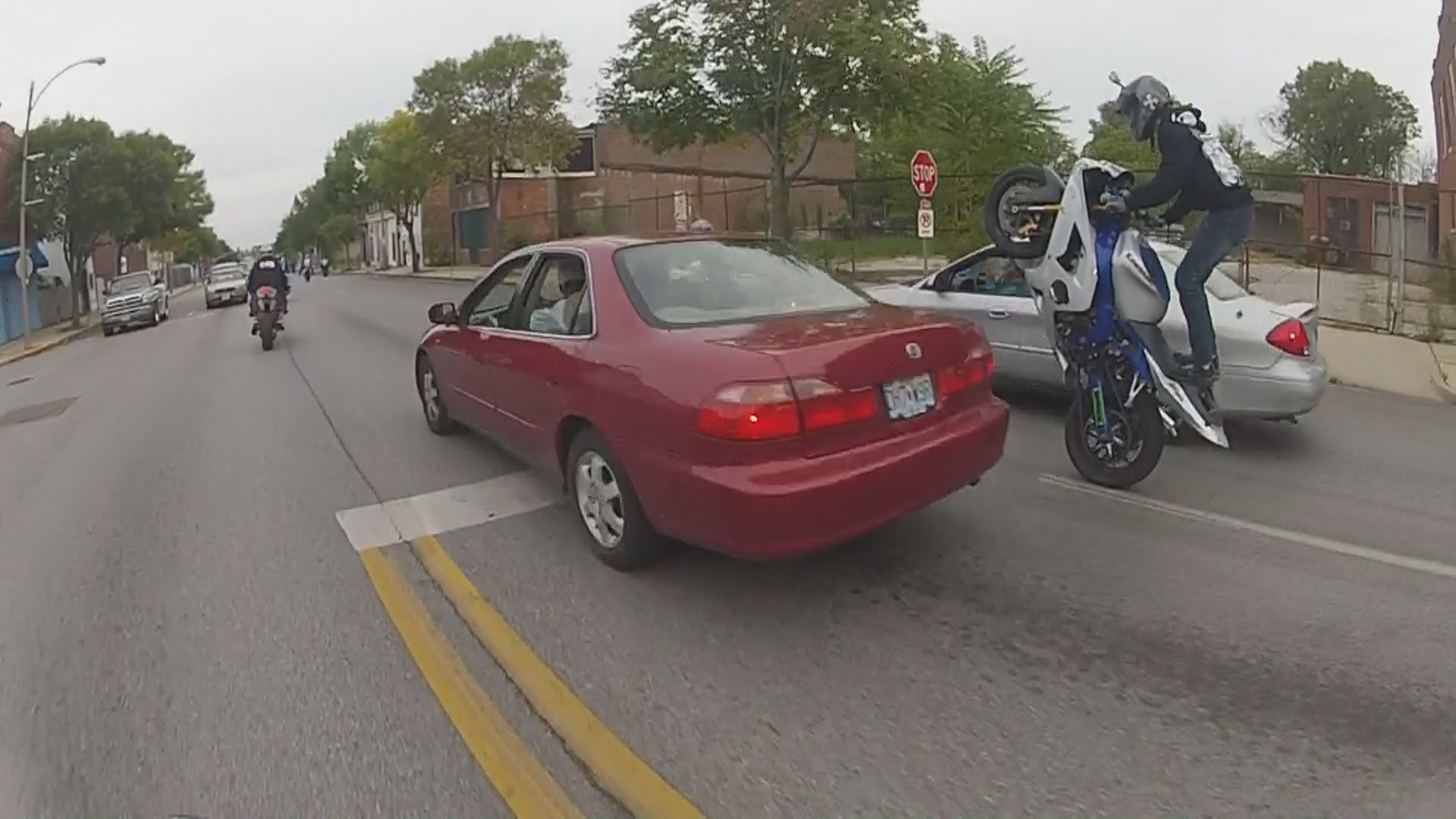
This is totally unacceptable and unforgivable. Pulling stunts in traffic or in public is the surest way of being branded as hooligans. And humans have this propensity to brand everyone as being the same just because of a small number of miscreants.

Stop it! Pull stunts in private spaces or on the track.

A 73 year old farmer from Australian breaks neck in a bike accident near his cattle farm in Victoria near Melbourne.

Still conscious but knowing that he had broken his neck, the man rode back home to call for help while holding his head up by the hair.

Doctors confirmed that he broke his C1 and C2 vertebrae but is expected to fully recover after a successful surgery.

The older generation is seen by many as weak, frail and have troubles in dealing with the modern world. There are a few exceptions where they proved us wrong big time by performing something so badass that they blew our minds with some of the world’s most amazing feats. (more…)

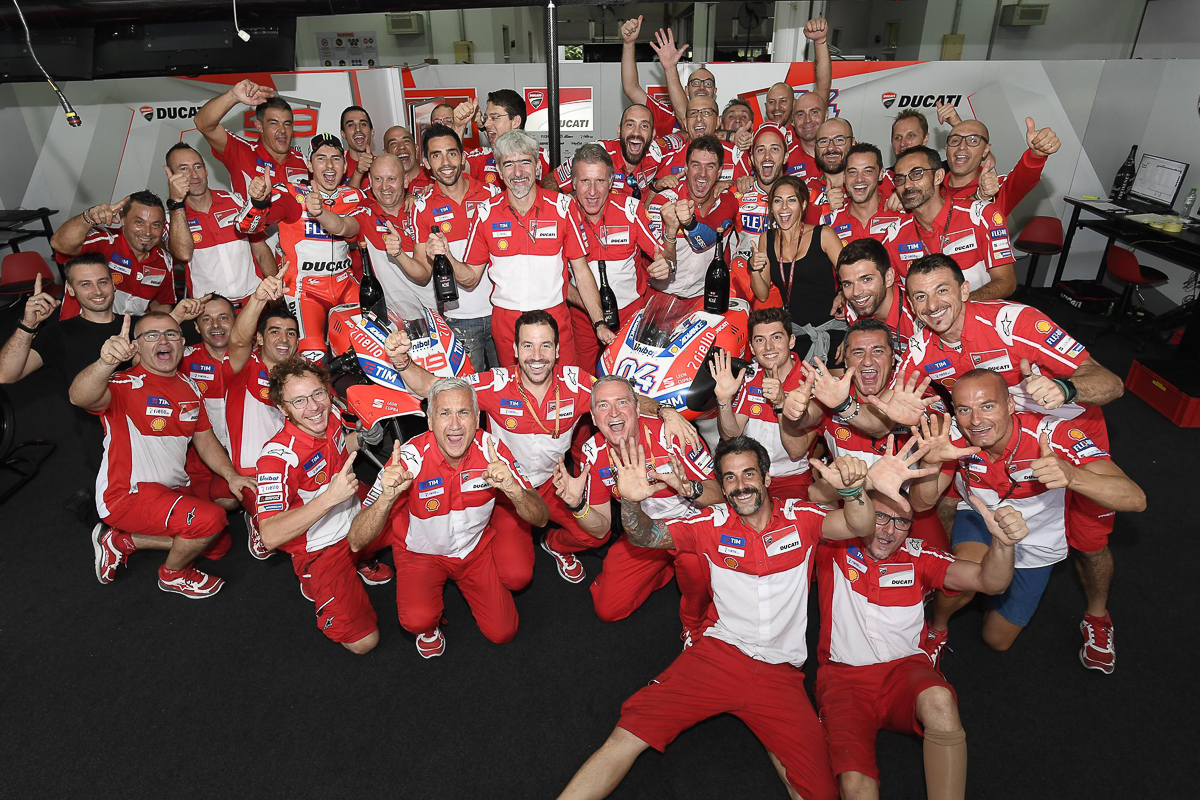
Ducati sold over 55,800 bikes worldwide in 2017 (55,871 in total) which is a slight increase from 55,451 back in 2016.

The Italian manufacturer continues with its upward positive sales trend for the past eight years.

Ducati plans to continue to increase their sales margin this year with their 2018 models which include the highly-awaited Ducati Panigale V4.

Image source: MotoGP

Ducati is proud to deliver the positive news that they have successfully delivered a total of 55,871 motorcycles to their customers around the globe. While most manufacturers are reporting a slight decrease in sales margin, Ducati saw a slight increase in sales figures compared to 2016 where they sold 55,461 units. (more…)

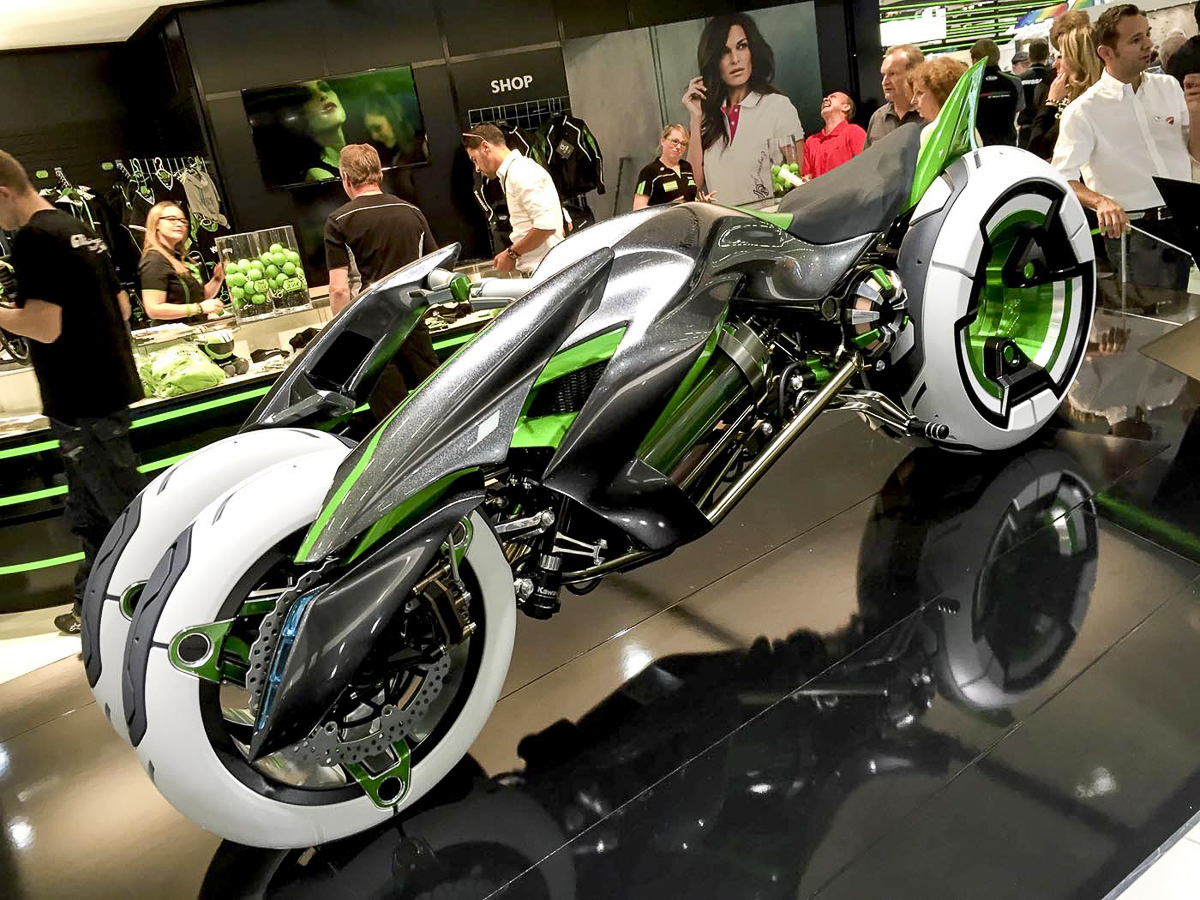
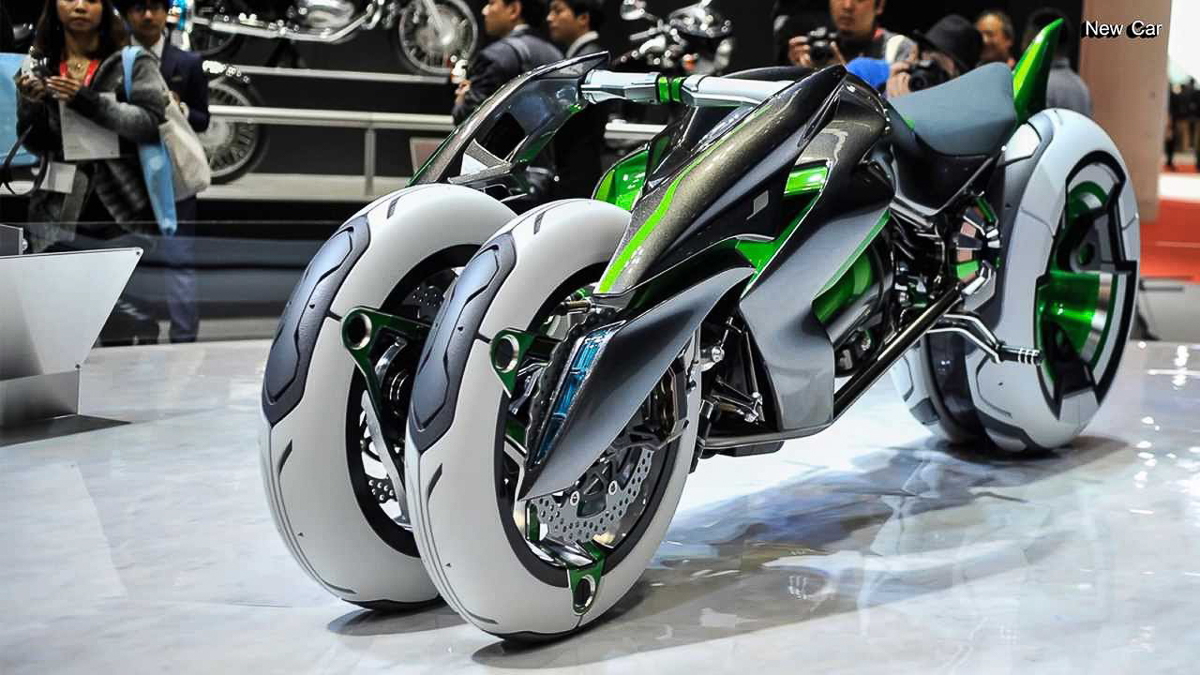
Kawasaki USA has recently released a video on the 2018 Kawasaki J Concept three-wheeled motorcycle.

It seems that Kawasaki is back on the three-wheeled motorcycle train with this brand new video clip.

The J Concept is able to communicate flawlessly with the rider and carries several riding modes which allow a complete change on the bike’s characteristics.

Kawasaki USA recently released a short two-minute video on what looks like one of their directions for the future. The clip primarily focused on a brand new three-wheeled motorcycle entitled “Kawasaki | New Heights (J Concept)”. Is Kawasaki refocusing back on their three-wheeled technology? (more…)

  • The clutch is what allows the engine to either engage or disengage drive from the engine to the transmission.

  • How a clutch functions is simple and straightforward.

  • We also discuss how slipper, besides assist and slip clutches work.

For those who are currently riding motorcycles with manual clutches i.e. with a clutch lever, we’ve learned to use it from that very first time we rode one. We’ve gotten so used to it: Clutch in, shift a gear, clutch out and continue riding or stop.

But how does the clutch actually work? And more recently, what is a “slipper clutch?” To take it even further, what is an “assist and slip clutch?”

A motorcycle, or automotive clutch for that matter, is a mechanical device that engages or disengages the drive from the engine to the transmission and ultimately to the rear wheel.

Think of the clutch as being the middle man, between the engine and transmission. Or a fuse between two electrical circuits. No fuse to connect, no electrical transmission.

Truth is, the operation of a clutch is simple.

BASIC CONSTRUCTION

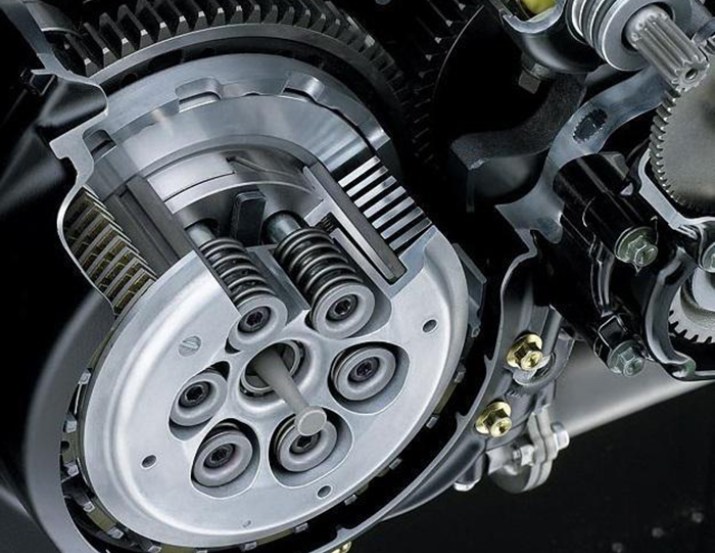
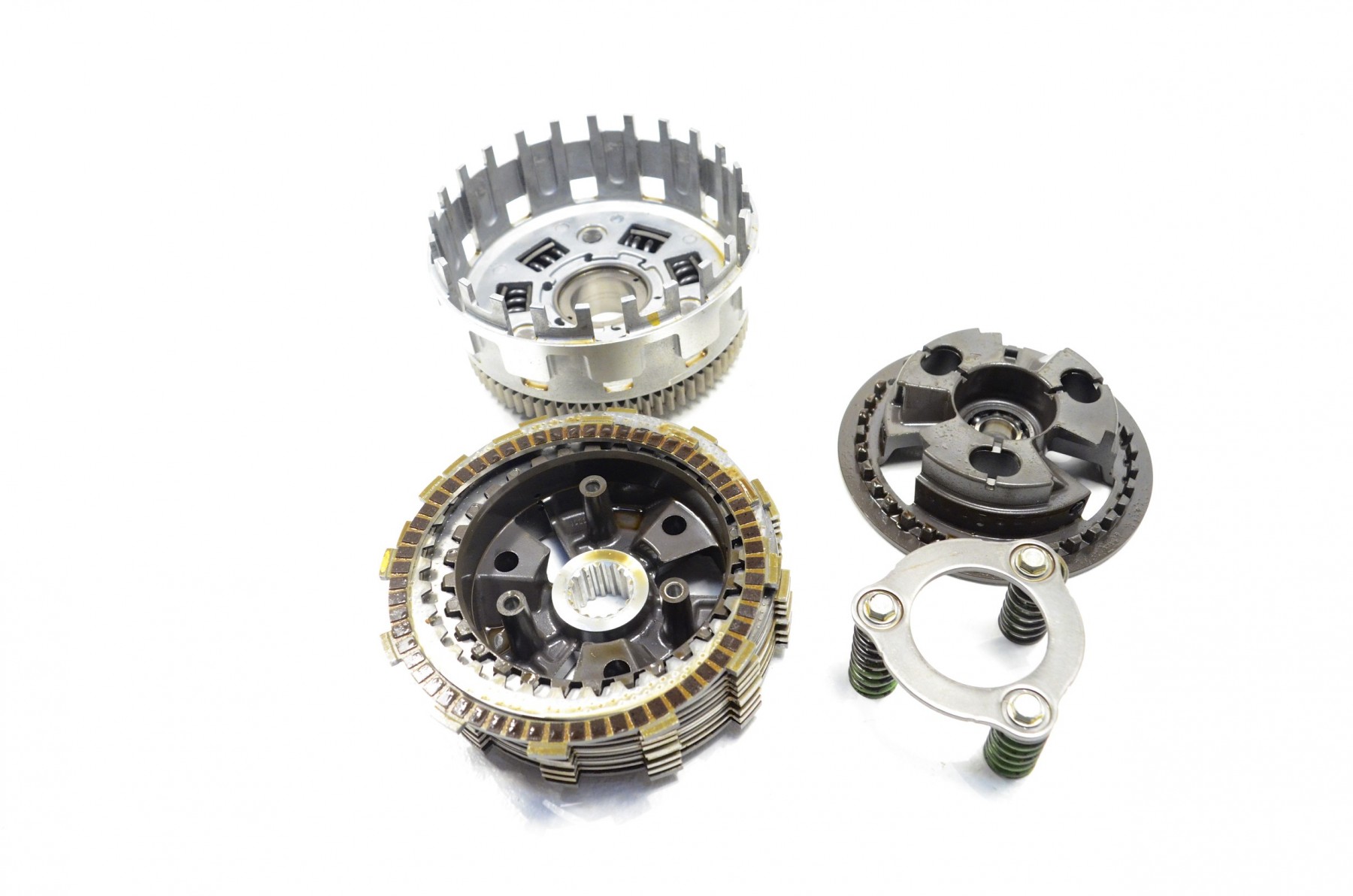
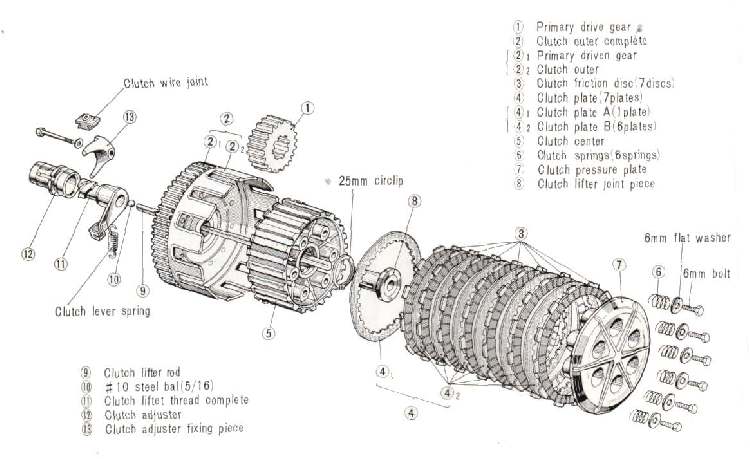
A clutch consists of a few basic parts. Referring to the picture below, we’ll use the corresponding numbers:

  1. Primary drive gear. This gear is driven but another gear attached to the crankshaft’s output shaft.
  2. Primary driven gear and clutch basket assembly. The gear is driven by the primary drive gear (1), which turns the clutch basket, along with the friction discs (3).
  3. Friction discs. These discs have “teeth” on the outside to fit into the clutch basket. When the clutch is engaged, the material on the either side of the faces “grip” the steel clutch plates (4).
  4. Clutch plates. These are usually made of steel and have their surfaces either “dimpled” or smooth. Their teeth are on the inner circumference and mate to the clutch centre (5).
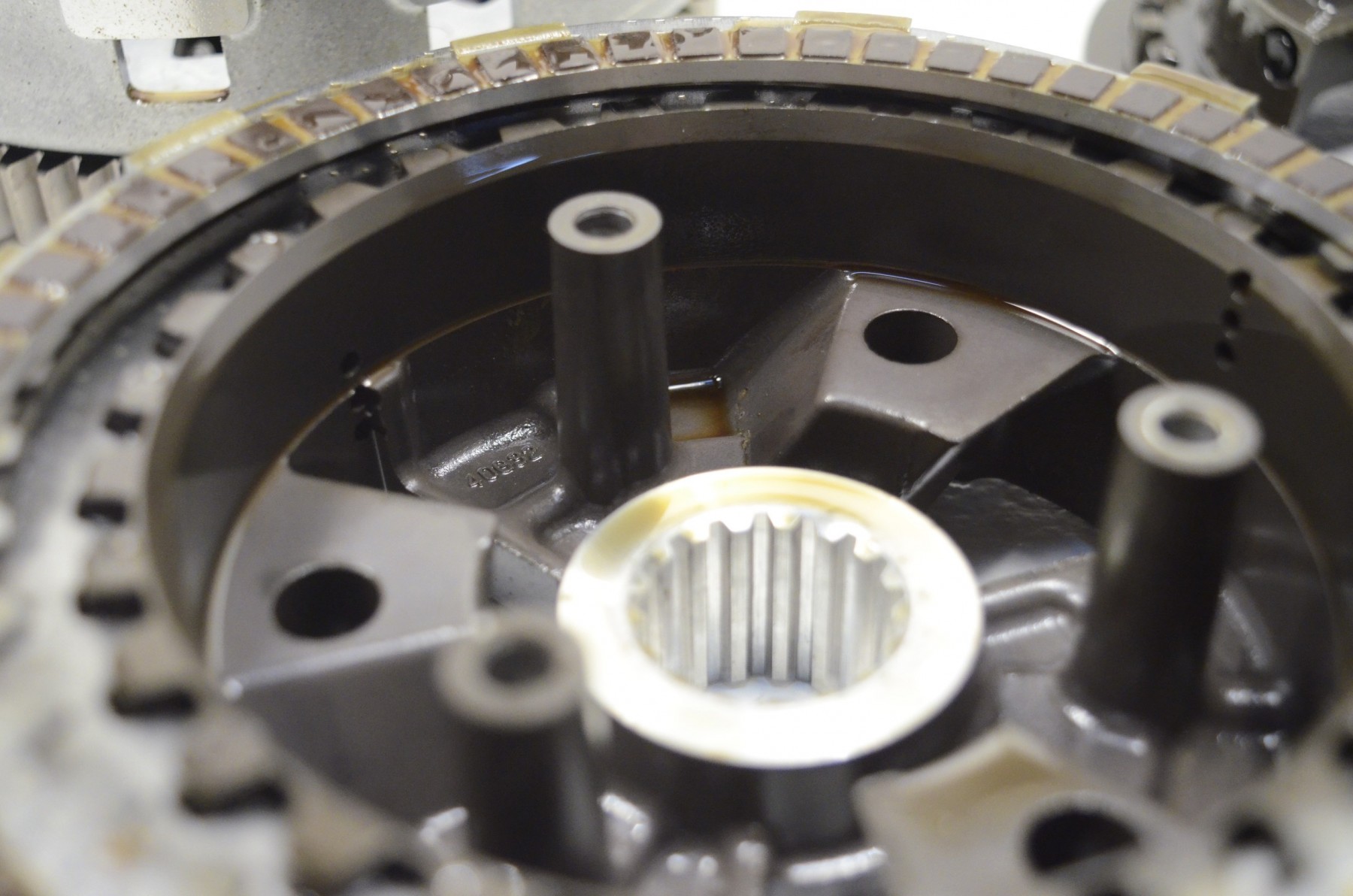
  5. Clutch inner, where the clutch plates (4) mate to and is splined to the transmission’s input shaft.
  6. Clutch springs. These apply pressure to the pressure plate (7) to “press” it against the friction plates (4).
  7. Pressure plate, which is sometimes called the clutch cover.

Items (3) to (4) make up what’s called a “clutch pack.” Let’s skip forward to the next parts:

  1. Clutch lifter rod or pushrod; and

(Unnumbered) Clutch wire joint.

When you pull the clutch lever, the clutch lifter rod (9) pushes the pressure plate (7) outwards against the springs. The pressure plate now sits slightly above the frictions discs (3) and clutch plates (4). The decrease of pressure means the clutch plates (4) is able to slip against the friction discs (3), which means the clutch inner (5), hence the transmission’s input shaft also spins freely. In turn, the engine’s drive is disconnected from the gearbox, and it’s this instant when we say the bike’s “freewheeling.”

When you let go of the clutch lever, the lifter rod moves back in place, allowing the clutch springs to compress the pressure plate onto the clutch pack. The friction discs, as the name implies, produces friction against the clutch plates and they rotate together in unison, as with the clutch inner. The engine’s power is now fully transmitted through the clutch assembly to the transmission.

SLIPPER CLUTCH and ASSIST & SLIP CLUTCH

We’ve covered on the functions and benefits of the slipper clutch before. Please click here for the full article.

To recap, a slipper clutch, what was more commonly known as the torque limiting clutch, allows the clutch to “slip” when there’s too much engine back-torque resulting from overzealous downshifting or chopping the throttle especially in the lower two gears, to avoid the rear wheel from hopping or locking up.

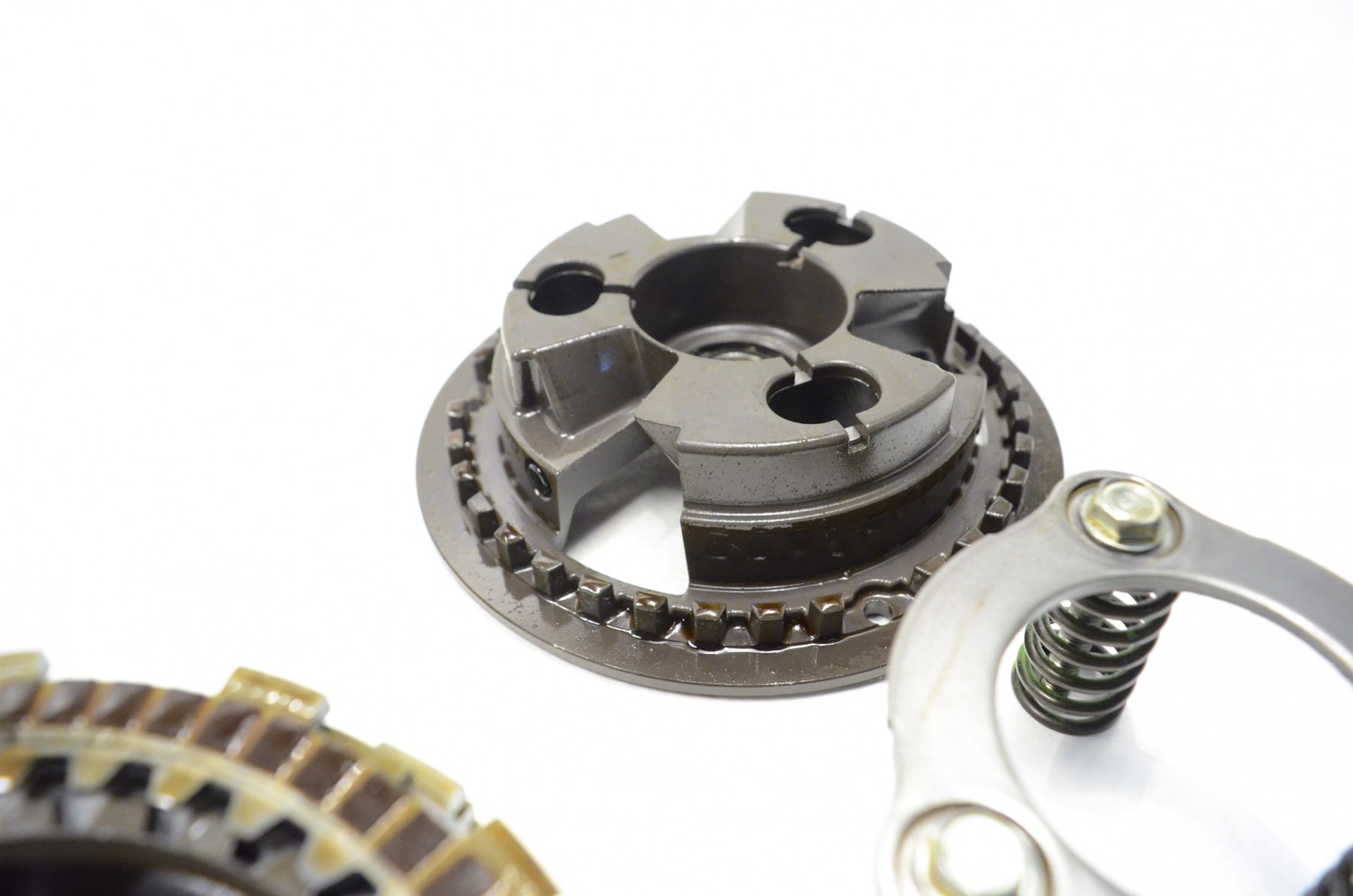
Slipper clutches work on the same principles when under power. However, in a slipper clutch, there are “ramps” built into the basket’s inner hub and pressure plate. Under hard engine deceleration, the ramps are forced together which then pushes the pressure plate off the friction plates and clutch plates; in effect decoupling the engine and transmission.

As for the “assist and slip” clutch, used by KTM (which they call Power Assist and Slip Clutch – PASC) and a few other manufacturers, the ramps in the pressure plate are also made to compress harder onto the clutch friction discs and clutch plates during acceleration. This allows the use of softer or fewer clutch springs. Consequently, the clutch lever needs a softer pull.


CONCLUSION

Before we close, a wet clutch is bathed in oil for cooling and lubrication. As we mentioned in an earlier article, DO NOT use automotive oil in a motorcycle engine as the clutch will start to slip and wear them out abnormally. Please use engine oils with MA or MA2 rating.

You may also wonder why cars use only a single pressure plate and friction disc compared to motorcycles. The answer is space. It’s either we use larger-sized plates or multiple smaller plates in order for the clutch to absorb and transmit the engine’s torque sufficiently.

Archive

Follow us on Facebook

Follow us on YouTube