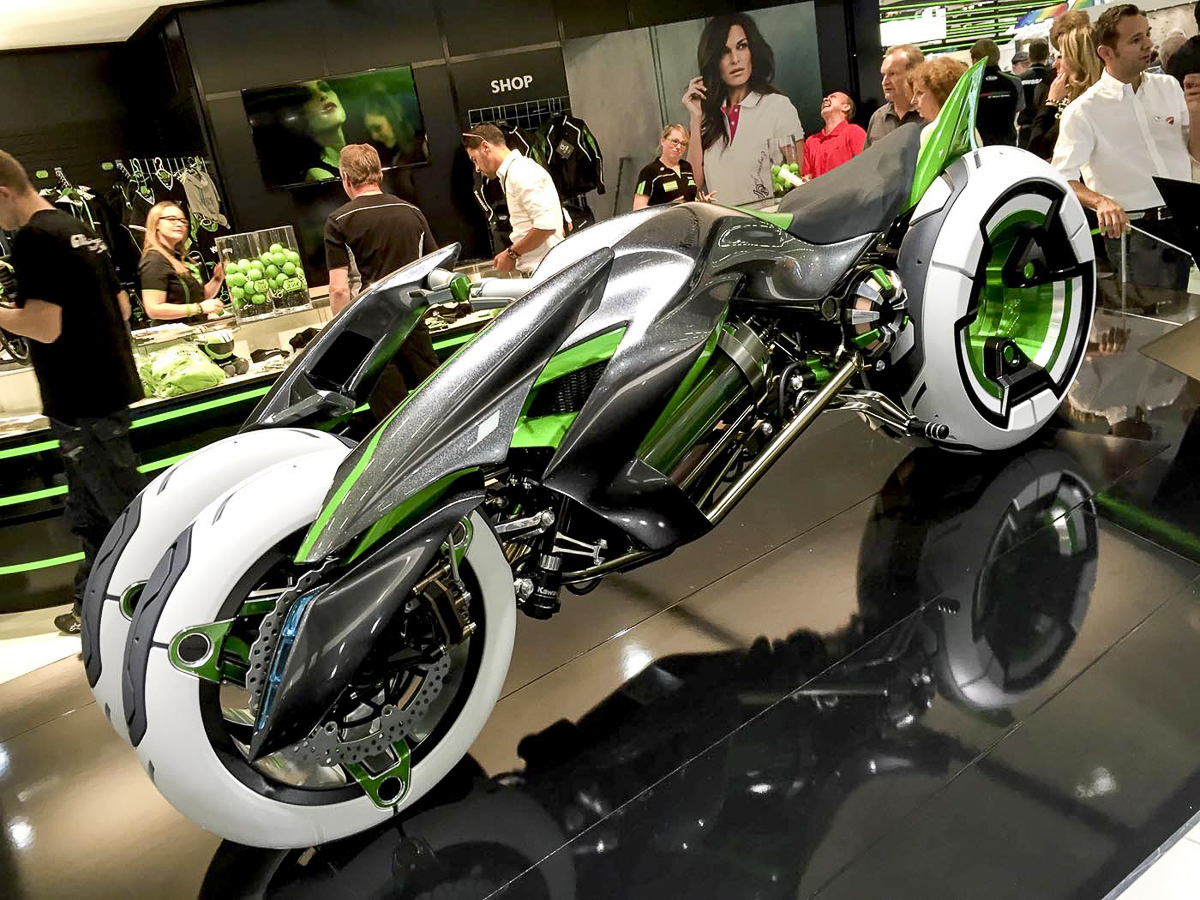
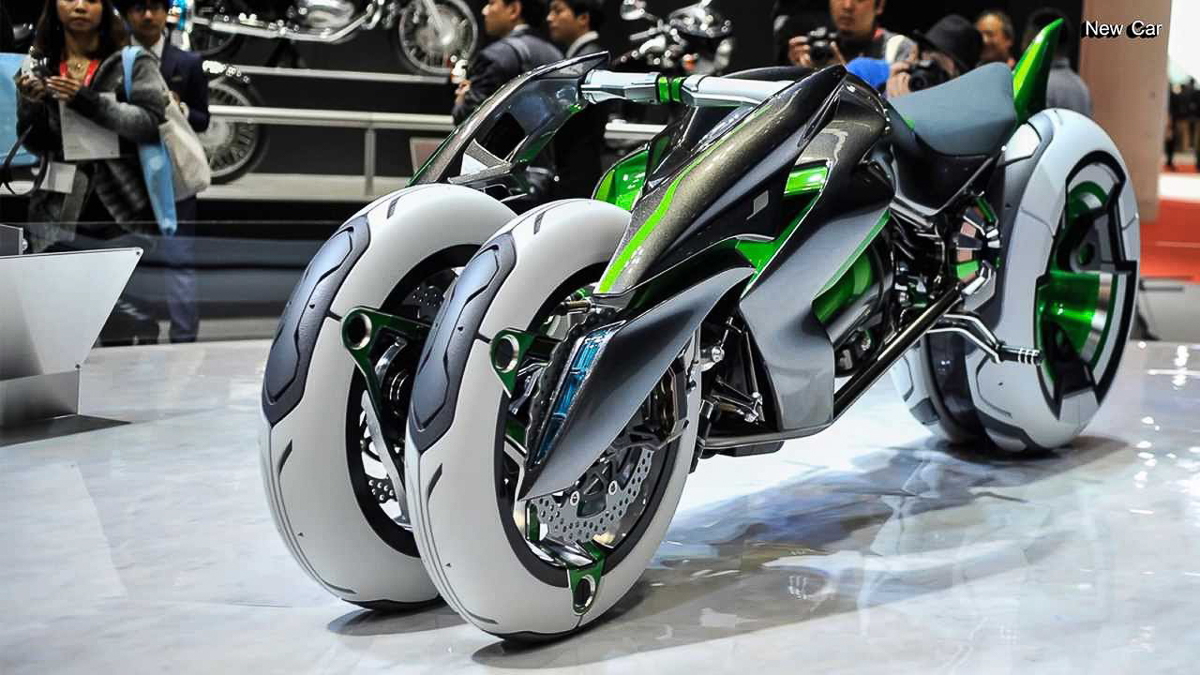
Kawasaki USA has recently released a video on the 2018 Kawasaki J Concept three-wheeled motorcycle.
It seems that Kawasaki is back on the three-wheeled motorcycle train with this brand new video clip.
The J Concept is able to communicate flawlessly with the rider and carries several riding modes which allow a complete change on the bike’s characteristics.
Kawasaki USA recently released a short two-minute video on what looks like one of their directions for the future. The clip primarily focused on a brand new three-wheeled motorcycle entitled “Kawasaki | New Heights (J Concept)”. Is Kawasaki refocusing back on their three-wheeled technology? (more…)
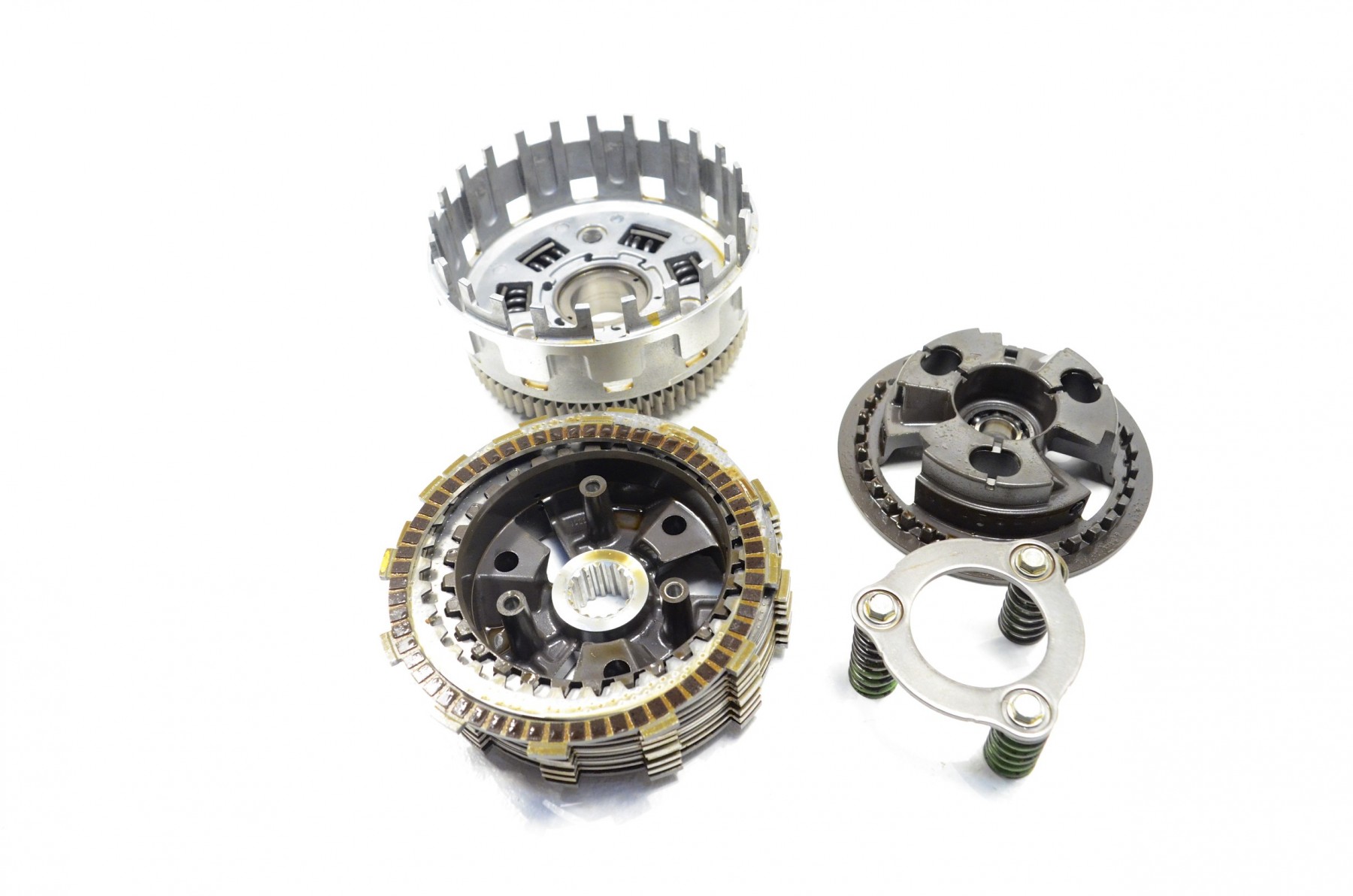
The clutch is what allows the engine to either engage or disengage drive from the engine to the transmission.
How a clutch functions is simple and straightforward.
We also discuss how slipper, besides assist and slip clutches work.
For those who are currently riding motorcycles with manual clutches i.e. with a clutch lever, we’ve learned to use it from that very first time we rode one. We’ve gotten so used to it: Clutch in, shift a gear, clutch out and continue riding or stop.
But how does the clutch actually work? And more recently, what is a “slipper clutch?” To take it even further, what is an “assist and slip clutch?”
A motorcycle, or automotive clutch for that matter, is a mechanical device that engages or disengages the drive from the engine to the transmission and ultimately to the rear wheel.
Think of the clutch as being the middle man, between the engine and transmission. Or a fuse between two electrical circuits. No fuse to connect, no electrical transmission.
Truth is, the operation of a clutch is simple.
BASIC CONSTRUCTION
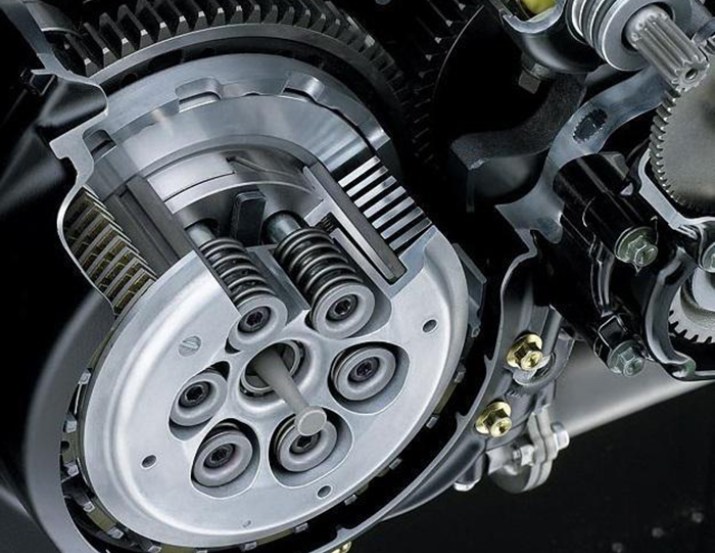
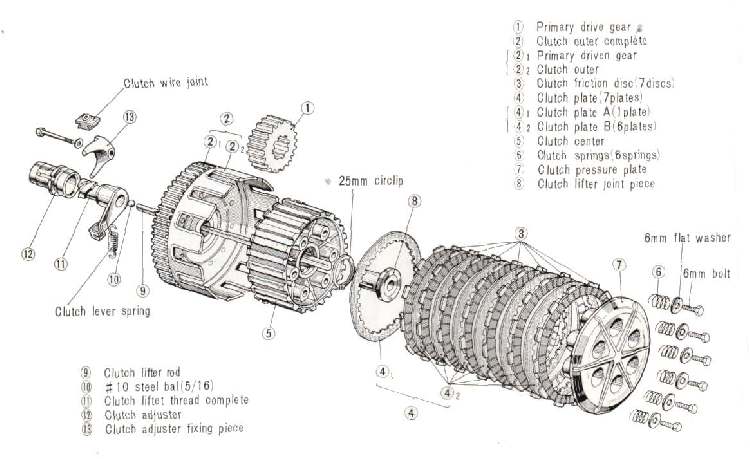
A clutch consists of a few basic parts. Referring to the picture below, we’ll use the corresponding numbers:
Primary drive gear. This gear is driven but another gear attached to the crankshaft’s output shaft.
Primary driven gear and clutch basket assembly. The gear is driven by the primary drive gear (1), which turns the clutch basket, along with the friction discs (3).
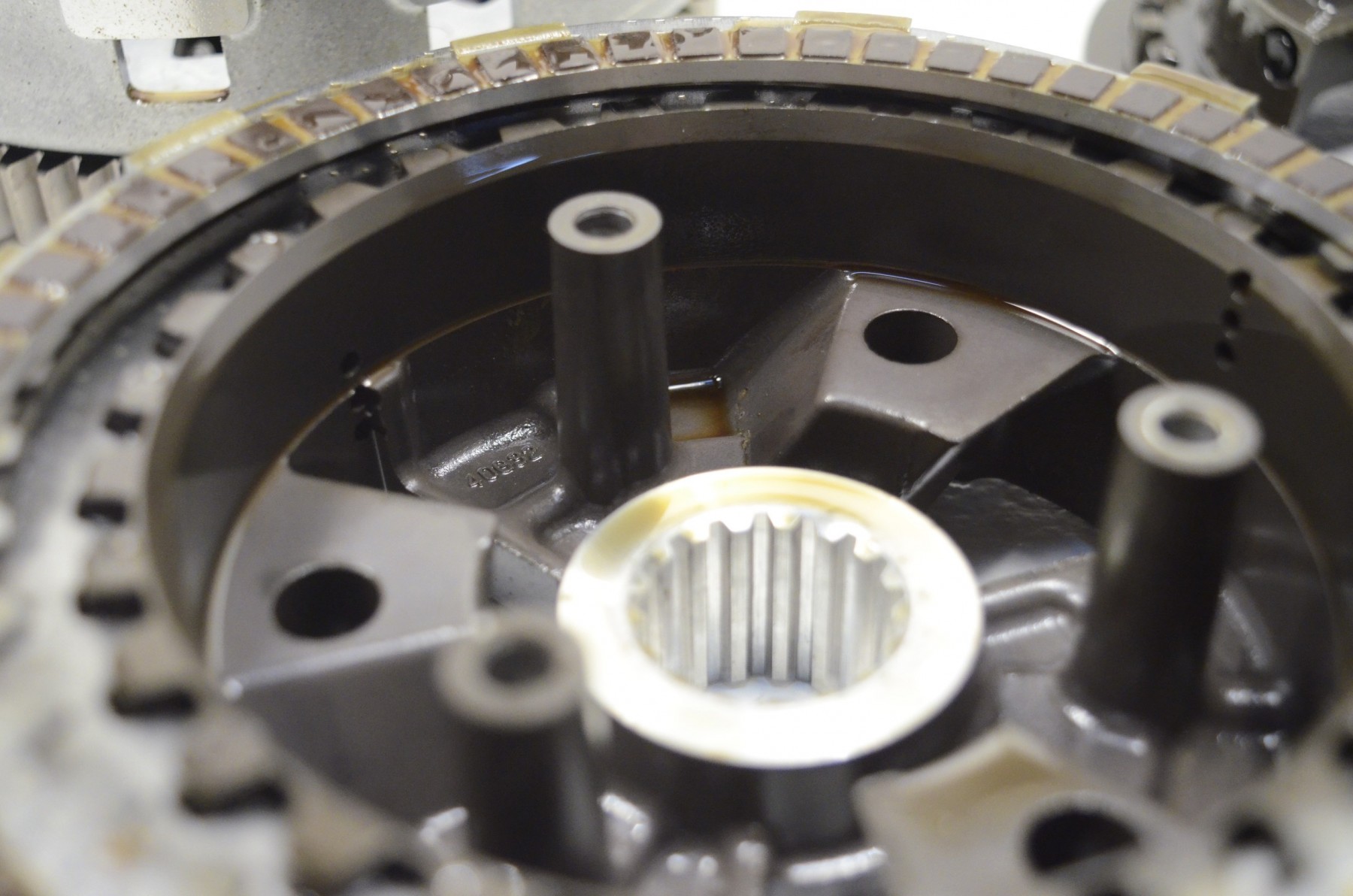
Friction discs. These discs have “teeth” on the outside to fit into the clutch basket. When the clutch is engaged, the material on the either side of the faces “grip” the steel clutch plates (4).
Clutch plates. These are usually made of steel and have their surfaces either “dimpled” or smooth. Their teeth are on the inner circumference and mate to the clutch centre (5).
Clutch inner, where the clutch plates (4) mate to and is splined to the transmission’s input shaft.
Clutch springs. These apply pressure to the pressure plate (7) to “press” it against the friction plates (4).
Pressure plate, which is sometimes called the clutch cover.
Items (3) to (4) make up what’s called a “clutch pack.” Let’s skip forward to the next parts:
Clutch lifter rod or pushrod; and
(Unnumbered) Clutch wire joint.
When you pull the clutch lever, the clutch lifter rod (9) pushes the pressure plate (7) outwards against the springs. The pressure plate now sits slightly above the frictions discs (3) and clutch plates (4). The decrease of pressure means the clutch plates (4) is able to slip against the friction discs (3), which means the clutch inner (5), hence the transmission’s input shaft also spins freely. In turn, the engine’s drive is disconnected from the gearbox, and it’s this instant when we say the bike’s “freewheeling.”
When you let go of the clutch lever, the lifter rod moves back in place, allowing the clutch springs to compress the pressure plate onto the clutch pack. The friction discs, as the name implies, produces friction against the clutch plates and they rotate together in unison, as with the clutch inner. The engine’s power is now fully transmitted through the clutch assembly to the transmission.
To recap, a slipper clutch, what was more commonly known as the torque limiting clutch, allows the clutch to “slip” when there’s too much engine back-torque resulting from overzealous downshifting or chopping the throttle especially in the lower two gears, to avoid the rear wheel from hopping or locking up.
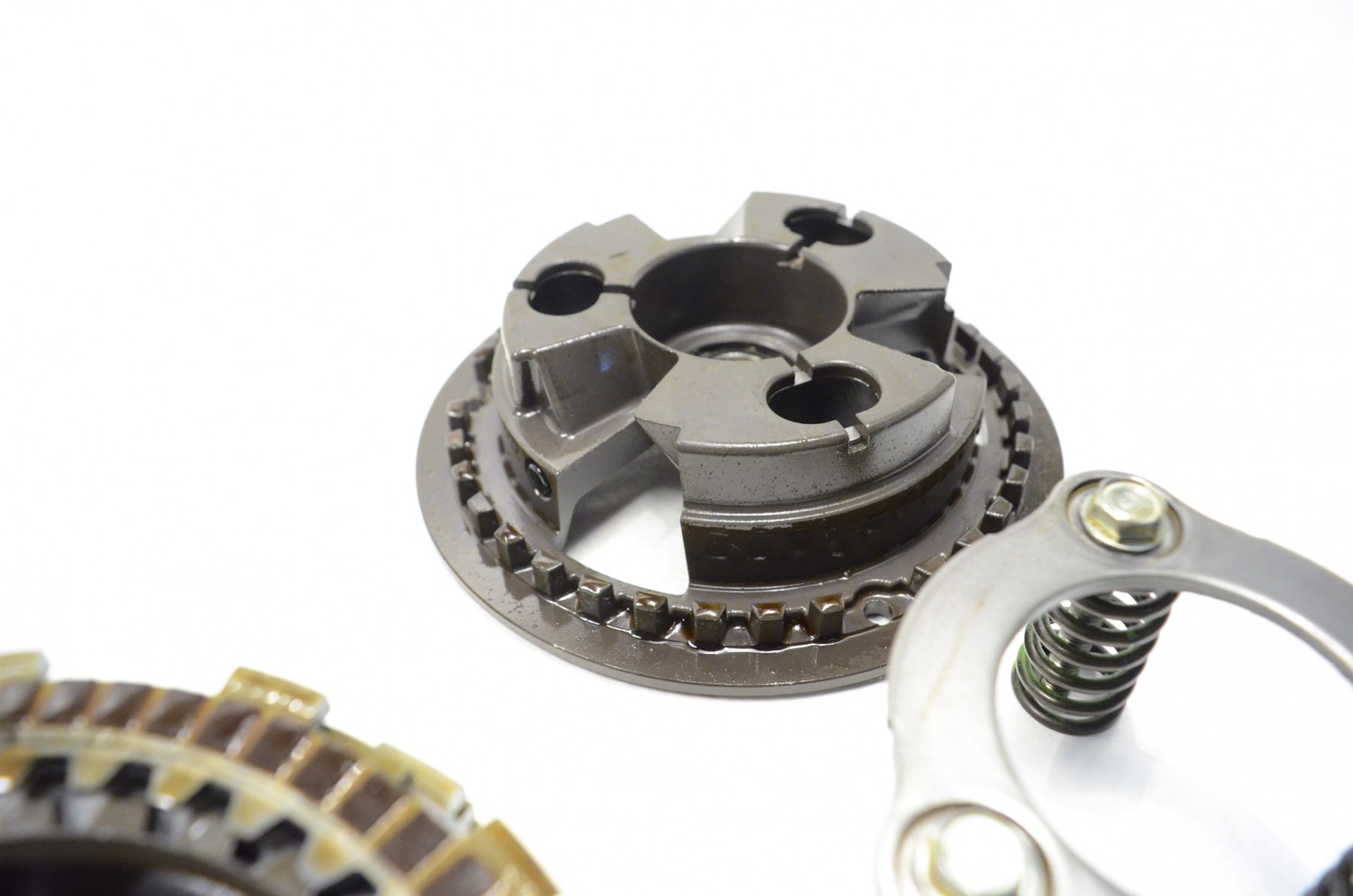
Slipper clutches work on the same principles when under power. However, in a slipper clutch, there are “ramps” built into the basket’s inner hub and pressure plate. Under hard engine deceleration, the ramps are forced together which then pushes the pressure plate off the friction plates and clutch plates; in effect decoupling the engine and transmission.
As for the “assist and slip” clutch, used by KTM (which they call Power Assist and Slip Clutch – PASC) and a few other manufacturers, the ramps in the pressure plate are also made to compress harder onto the clutch friction discs and clutch plates during acceleration. This allows the use of softer or fewer clutch springs. Consequently, the clutch lever needs a softer pull.
CONCLUSION
Before we close, a wet clutch is bathed in oil for cooling and lubrication. As we mentioned in an earlier article, DO NOT use automotive oil in a motorcycle engine as the clutch will start to slip and wear them out abnormally. Please use engine oils with MA or MA2 rating.
You may also wonder why cars use only a single pressure plate and friction disc compared to motorcycles. The answer is space. It’s either we use larger-sized plates or multiple smaller plates in order for the clutch to absorb and transmit the engine’s torque sufficiently.
The latest Nitro Circus stunt team saw Travis Pastrana jump a motorcycle over motoring enthusiast and celebrity, Jay Leno.
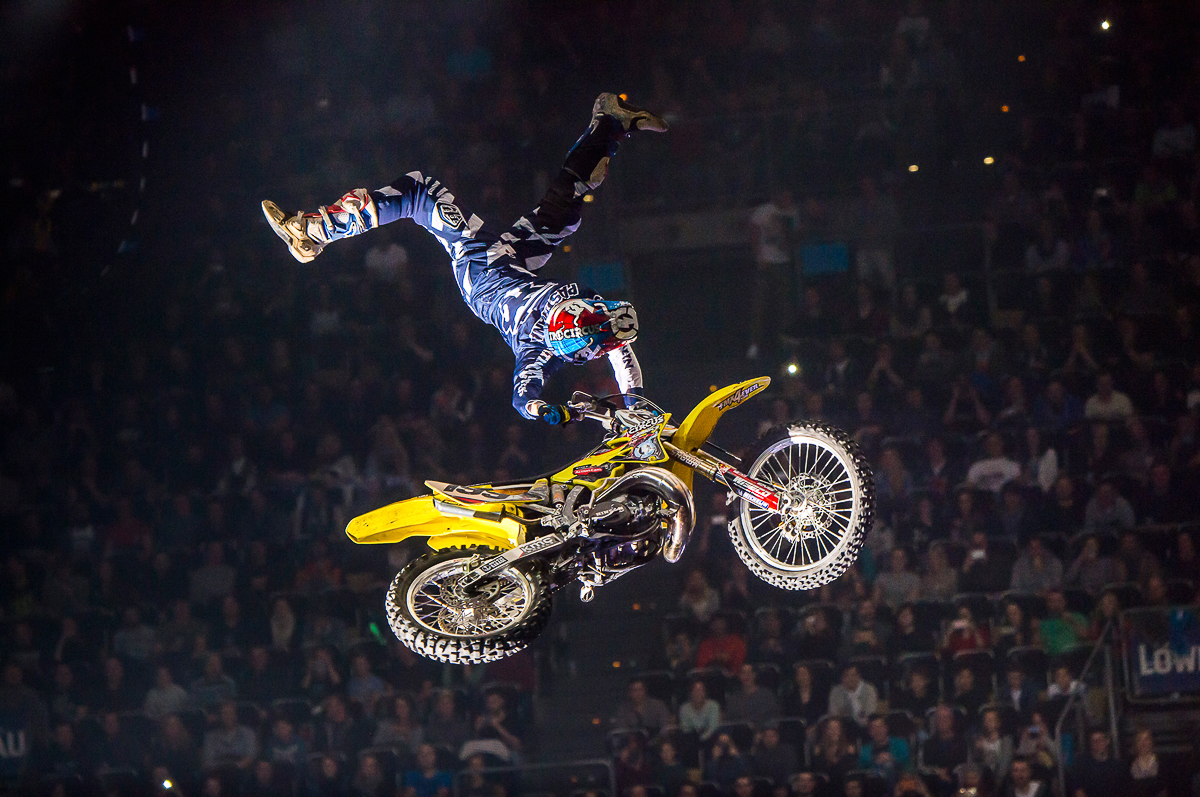
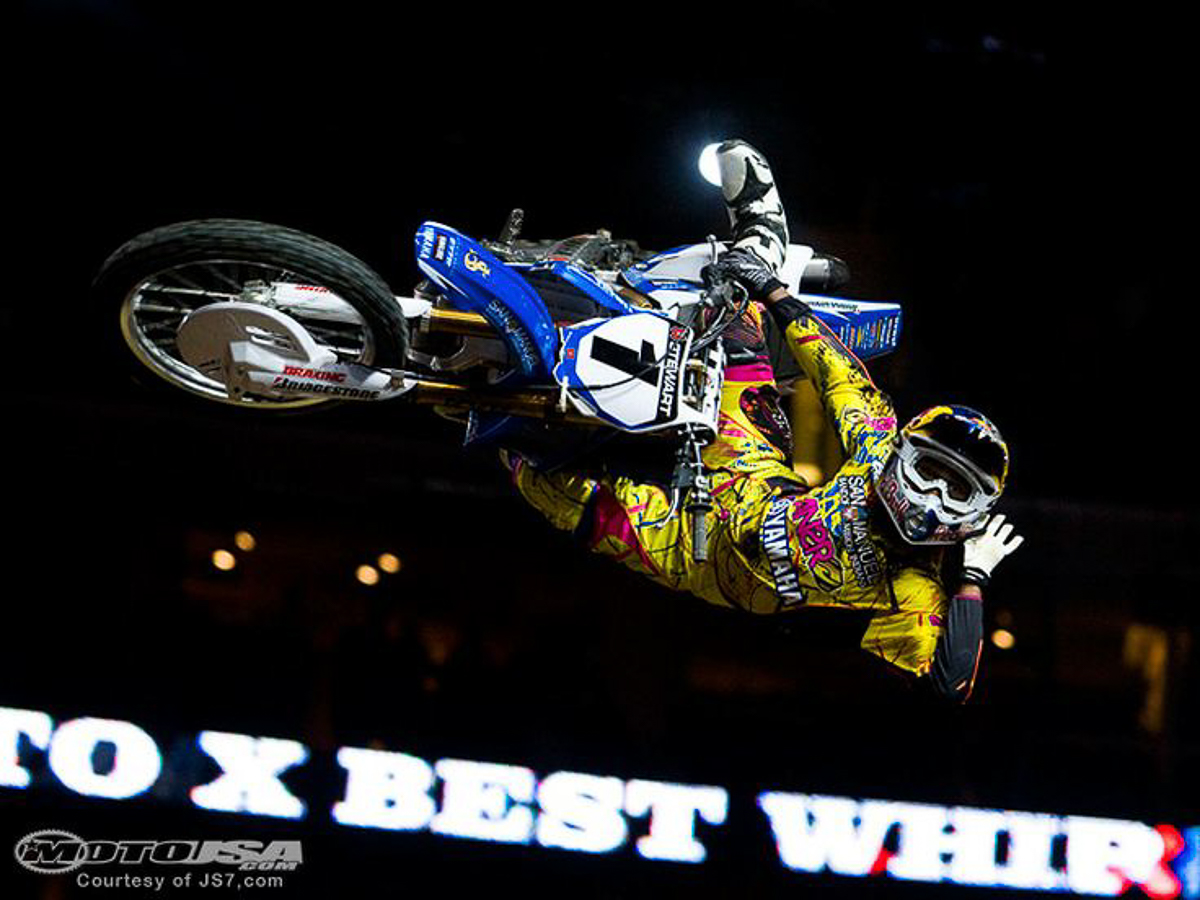
Pastrana and his motorcross stunt crew performed the flips and jumps over Jay Leno at one of their Nitro Circus events in the US.
Travis Pastrana is known for winning 14 X-Games medals including 2006 where he performed the first ever double back flip using a motorcycle.
Ever since I was a young lad, getting in front of the TV during weekends and finding myself watching the X-Games freestyle motorcross events was one of the fondest childhood memories I had. With the likes of Brian Deegan, Mike Metzger, Nate Adams and many more, the most prominent figure was (and still is) without a doubt Nitro Circus founder, Travis Pastrana. (more…)
MV Agusta joins Brembo master cylinder recall bandwagon currently actively running in the US.
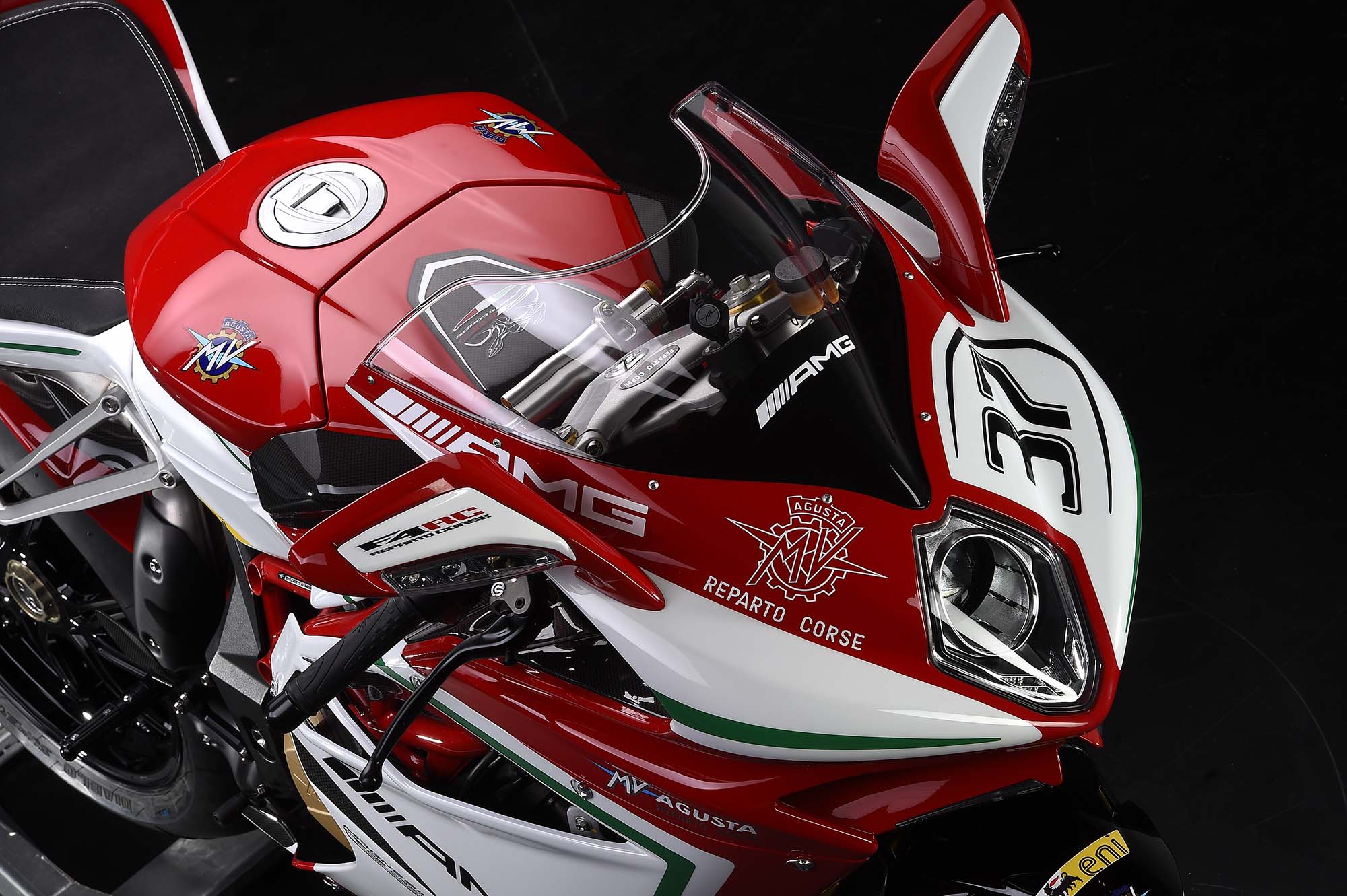
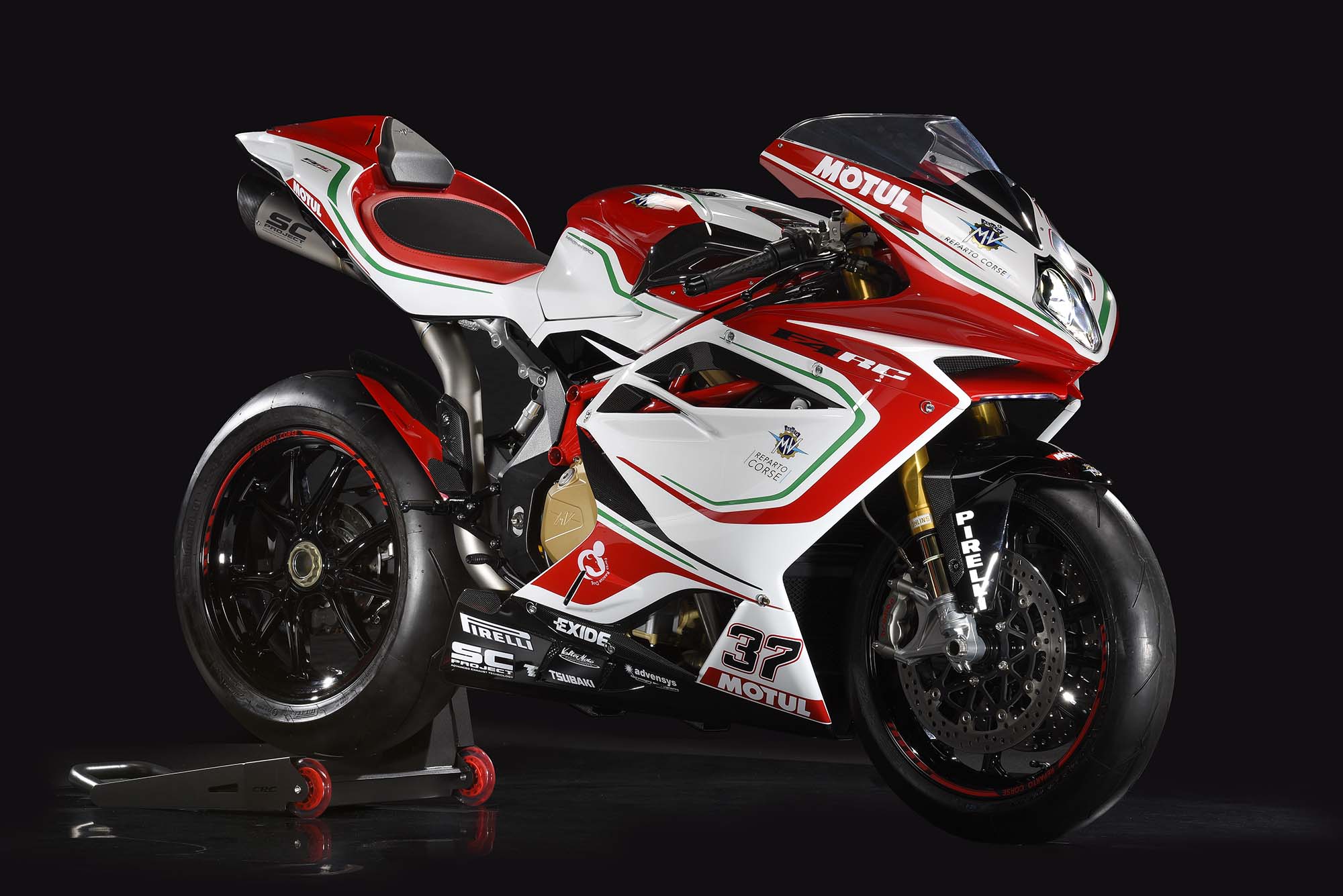
Only 27 units of MV Agusta F4 RR and F4 RC have been identified and MV Agusta US has notified the owners.
No such news from MV Agusta Malaysia regarding the recall affecting the bikes here in the country.
The recent Brembo recall on their very popular PR16 front radial master cylinder unit has been joined by another manufacturer in the US which happens to be MV Agusta. The premium Italian motorcycle manufacturer has issued an official notice which only affects 27 units of the MV Agusta F4 RR and MV Agusta F4 RC built from 2015 to 2016. (more…)
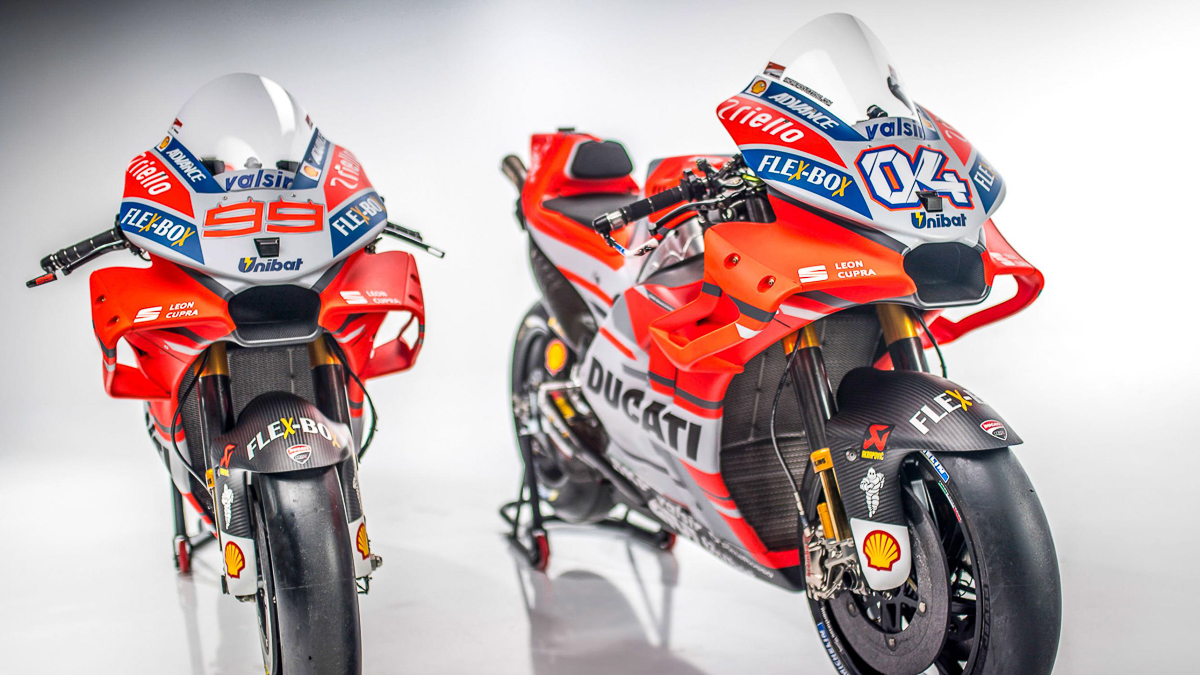
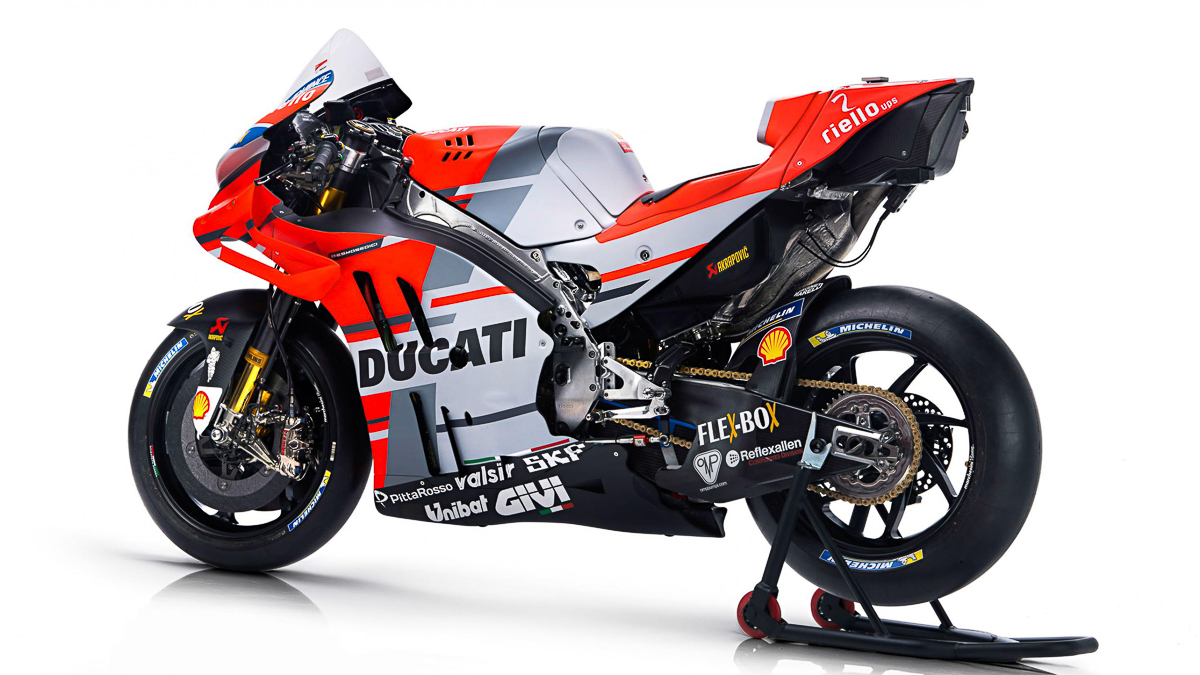
The Ducati Team has unveiled their latest race machinery in the form of the Ducati Desmosedici GP18.
Together with Jorge Lorenzo and Andrea Dovizioso, the new livery consists of a combination of Ducati red with white and grey highlights.
Not much detail has been revealed about the 2018 Ducati MotoGP factory bike apart from an increase in horsepower.
The Ducati Team is the first to unveil their MotoGP machinery for 2018 earlier today. In a massive presentation arranged in the Borgo Panigale, the ceremony was joined by Ducati CEO Claudio Domencali, Ducati Corse General Manager Luigi Dall’Igna, Ducati Corse Sporting Director Paolo Ciabatti and Team Manager Davide Tardozzi alongside test rider Michele Pirro and of course, Jorge Lorenzo and Andrea Dovizioso. (more…)
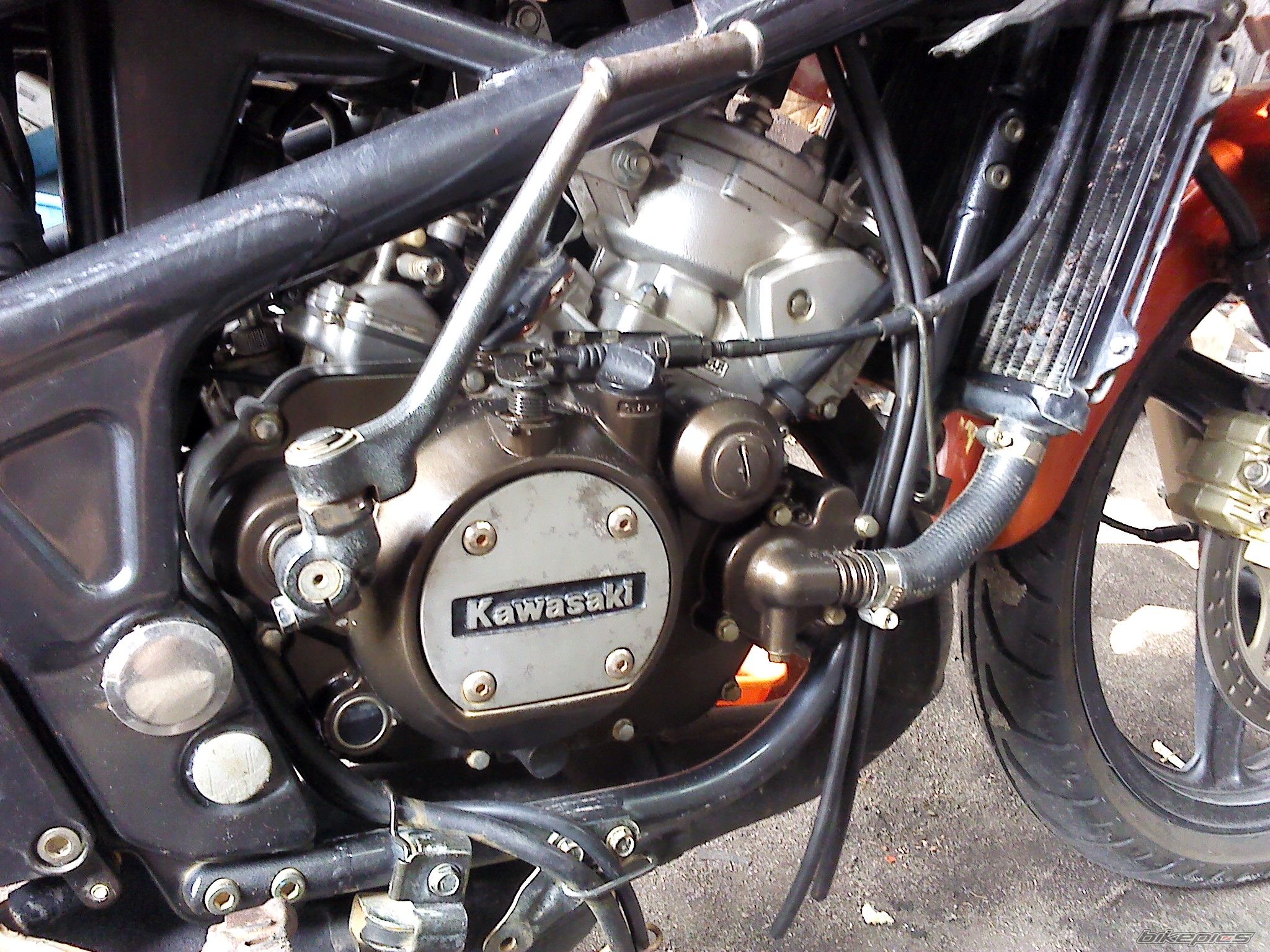
We’ve shown how a four-stroke engine works, now it’s the two-stroke’s turn.
Production has been phased out but there are still many on the roads and in competition.
A two-stroke is simple hence lighter in weight.
We’ve covered how a four-stroke engine works and even took a peek inside the combustion chamber of one previously (click here for the article and here for the video), so it’s only right that we show how a two-stroke works this time.
While production of new two-strokes has been fully phased out, there are still many on the road and in competition. Fans this engine format love the simplicity, light weight and most of all, the power.
A two-stroke performs all the necessary functions of intake, compression, power and exhaust in one up-stroke and one down-stroke of the piston, within one complete 360o revolution of the crankshaft (1 RPM). A four-stroke, on the other hand, completes all four tasks on each separate stroke in 720o revolution of the crankshaft (2 RPM). This means the two-stroke produces twice the power stroke of a four-stroke in every 2 RPM.
Consequently, a two-stroke is twice as powerful as a four-stroke of the same capacity. In theory, anyway.
Let’s watch the video below:
As you can see, a two-stroke engine does not utilise poppet valves like in a four-stroke. That means it doesn’t require a cam chain or belt, camshafts, buckets, shims, springs, etc. in addition to the valves. That equals simplicity and weight savings.
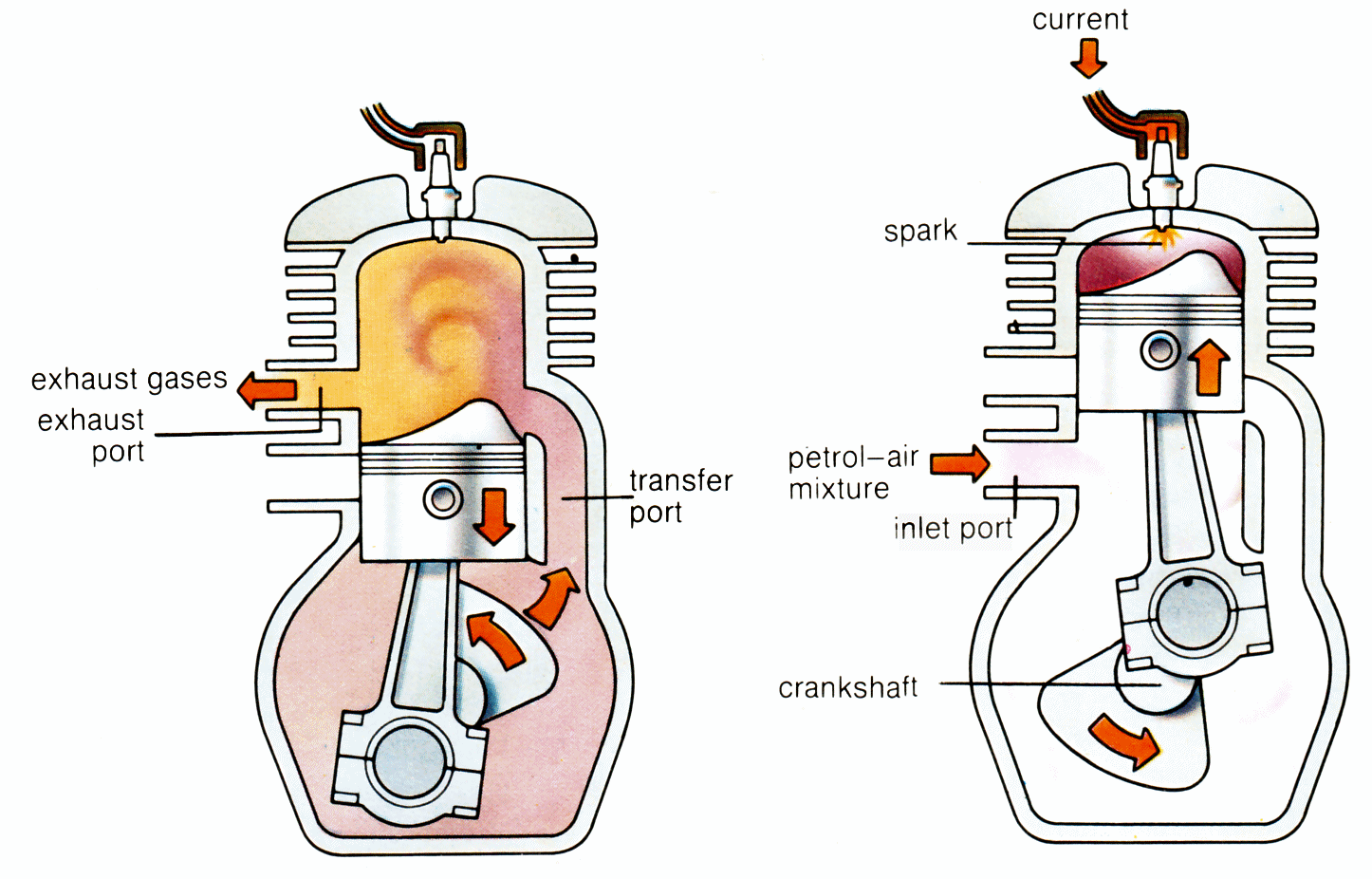
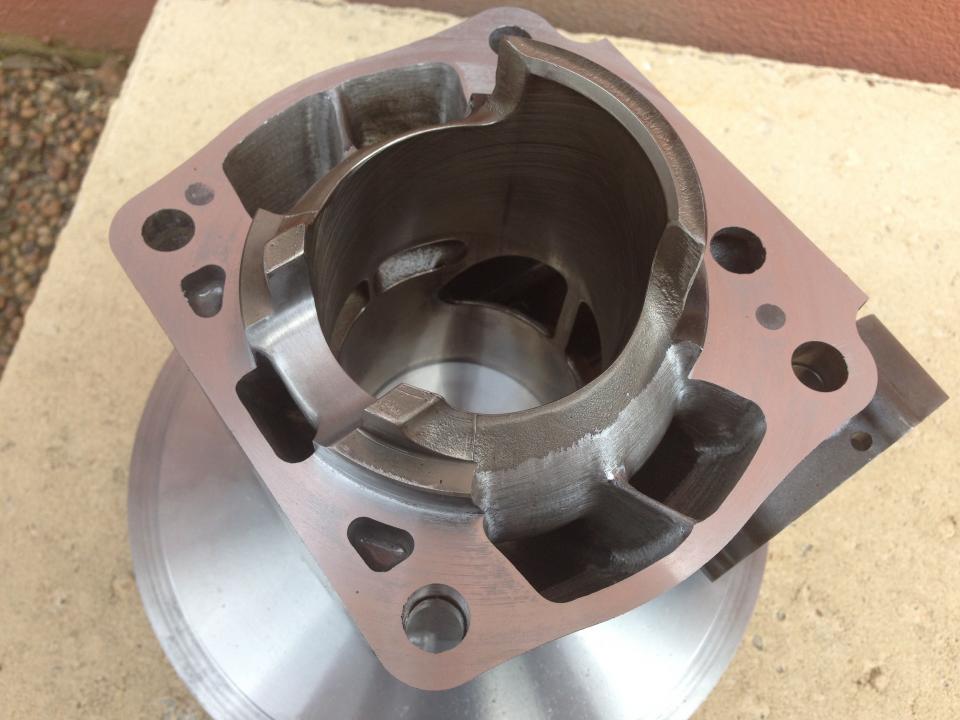
The type seen in the video is the simplest variety, which uses the crankcase and underside of the piston as charge pumps. As such, this arrangement is called a “crankcase-scavenged two-stroke.”
When the piston rises on compression, the bottom of the piston creates a partial vacuum in the crankcase. The piston uncovers the intake port on the cylinder wall and the combustion mixture rushes in to fill the crankcase.
As the piston nears top dead centre (TDC), the sparkplug fires and combusts the mixture. The pressure of the combustion drives the piston back down, transferring the energy to the crankshaft.
On its way back down, the piston now uncovers the exhaust port, allowing the burned gasses to exit the combustion chamber. The piston also compresses the mixture in the crankcase simultaneously.
As the piston travels further downwards it starts to uncover the transfer port. The pressure created by the piston pushes the charge (combustion mixture) into the combustion chamber via the transfer port.
The process then repeats, with the piston first closing the transfer port.
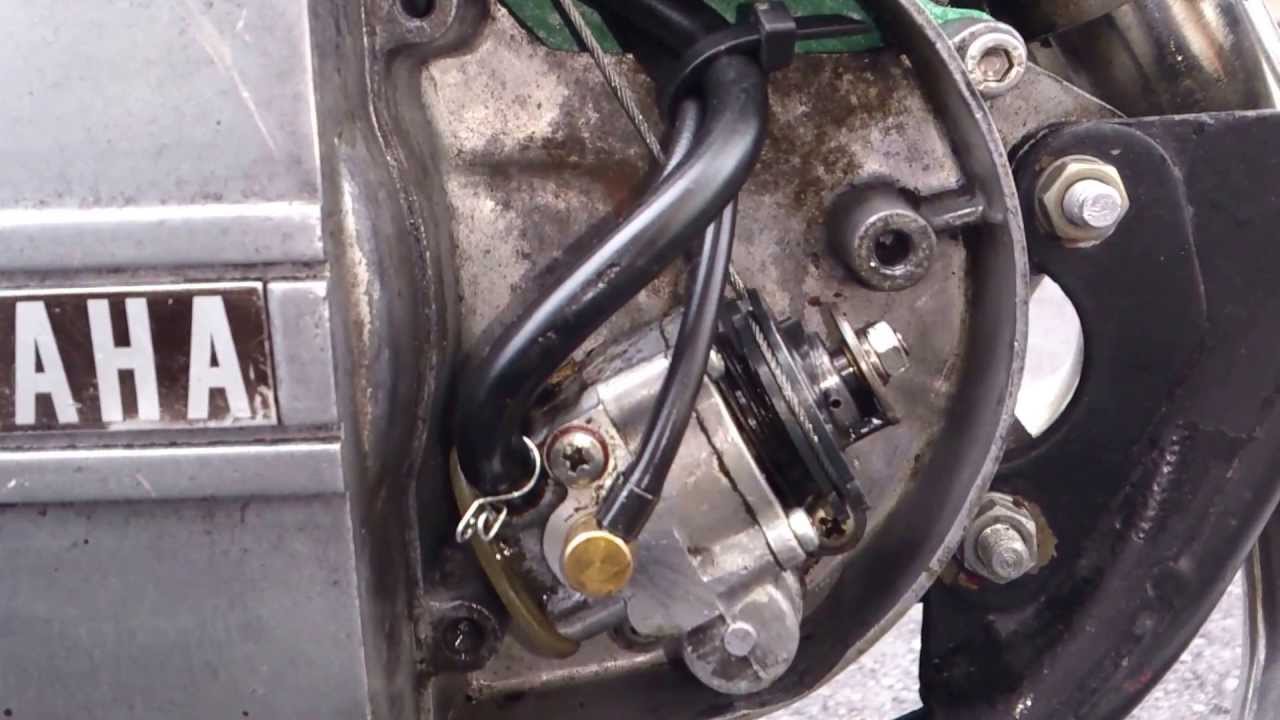
Because the charge is constantly pumped through the crankcase, this makes it impractical to lubricate the crank and piston using pumped oil circulation like a in a four-stroke. The lubrication had to be therefore premixed i.e. lubricating oil mixed with the fuel or injected into the crank bearings with a metering pump such as Yamaha’s Autolube system. Yes, this is the 2T oil you and I are familiar with.
One more thing! Keeping the throttle closed while the engine is revving high will kill it. The oil pump is actually attached to the throttle, which means no 2T gets through when its closed. That’s why the 2T is mixed directly to the fuel, but this may cause sparkplug fouling, on the other hand.
Because the oil is mixed with the fuel, very little of the oil is actually combusted. This leads to the oil being ejected into the atmosphere, hence the pollution. Additionally, some of the fresh charge (unburned fuel) gets mixed with the exhaust gases and escapes through the exhaust. This is why you’d see two strokes having a sheen of black oily goo surrounding the exhaust header and exhaust pipe’s tip.
This is why two-strokes are phased out. There have been many developments over the years to make two-strokes cleaner but they have yet to be made practical for motorcycles.
One last thing: If a two-stroke is supposed to be twice as powerful, why are the 500cc two-strokes slower than 1000cc four-stroke bikes in MotoGP?
Running the engines on a dyno to produce high power output is one thing, but it’s another in real-life applications. A four-strokes generally spread their power throughout a wider range in the powerband but a two-stroke’s powerband is usually limited to a very small range, hence called “peaky.”
For a rider, a wider powerband means he could use it to exit corners easier. This translates to better lap times and higher top speeds, since he could open the throttle earlier. Well, this is just part of the story. There are many other aspects in play, also. We’ll save that for another article, so stay tuned!