Bikesrepublic

Latest News

  • Hydraulic forks have been around since 1935.

  • The springs provide the preload function.

  • Damping works by forcing hydraulic fluid through orifices or shims.

The hydraulic fork has been with us since the BMW R12 in 1935. Since then, forks have been revised to no end in the pursuit of excellence, giving rise to electronically controlled suspension.

But how do they really work? What goes on in there?

Basic principles

The most basic principle involves inserting a spring in each fork. For many years, the spring was the only component to play the role of preload (keeping the suspension from bottoming out) and damping (absorbing shocks).

The earliest form of damping came in more… springs. Yup, you’ve got one with larger diameter, surrounding another with a smaller diameter. The former is longer than the latter, so as the fork compresses more due to a larger bump or shock, the shorter, more tightly wound spring comes into play to put up more resistance. This provides a rising rate suspension, in effect.

Hydraulic damper rod
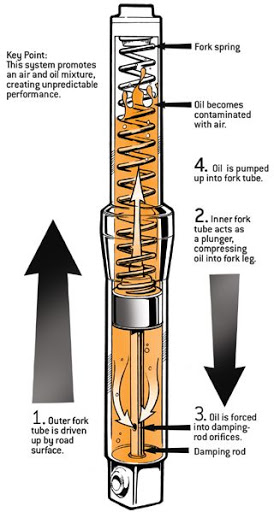
Next to arrive was the hydraulic fork.

When the hydraulic damper appeared, fluid is pushed through orifices on a damper rod to create damping. The rod is inserted into each fork leg, on top of the spring. The damping rate – how the quickly the suspension reacts – depends on the size or sizes of the orifice or orifices.

Cartridge forks
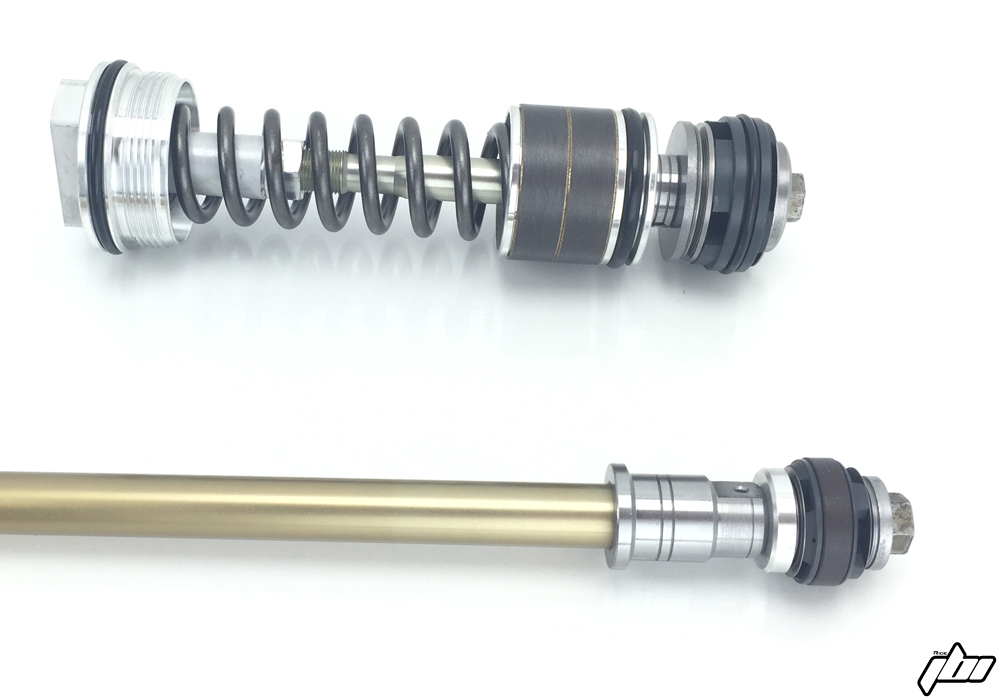
Fork cartridge – Credit JBI

Instead of using damper with orifices, a cartridge consists of different sized shims. Oil is then forced through. A soft shock will bend the weakest shim to allow oil through. Harder shocks will bend more shims to allow the wheel to move up at a faster rate. This means damping is more precise. One of the biggest advantages of the cartridge fork is that you can replace certain shims for different damping characteristics.

Separate function forks
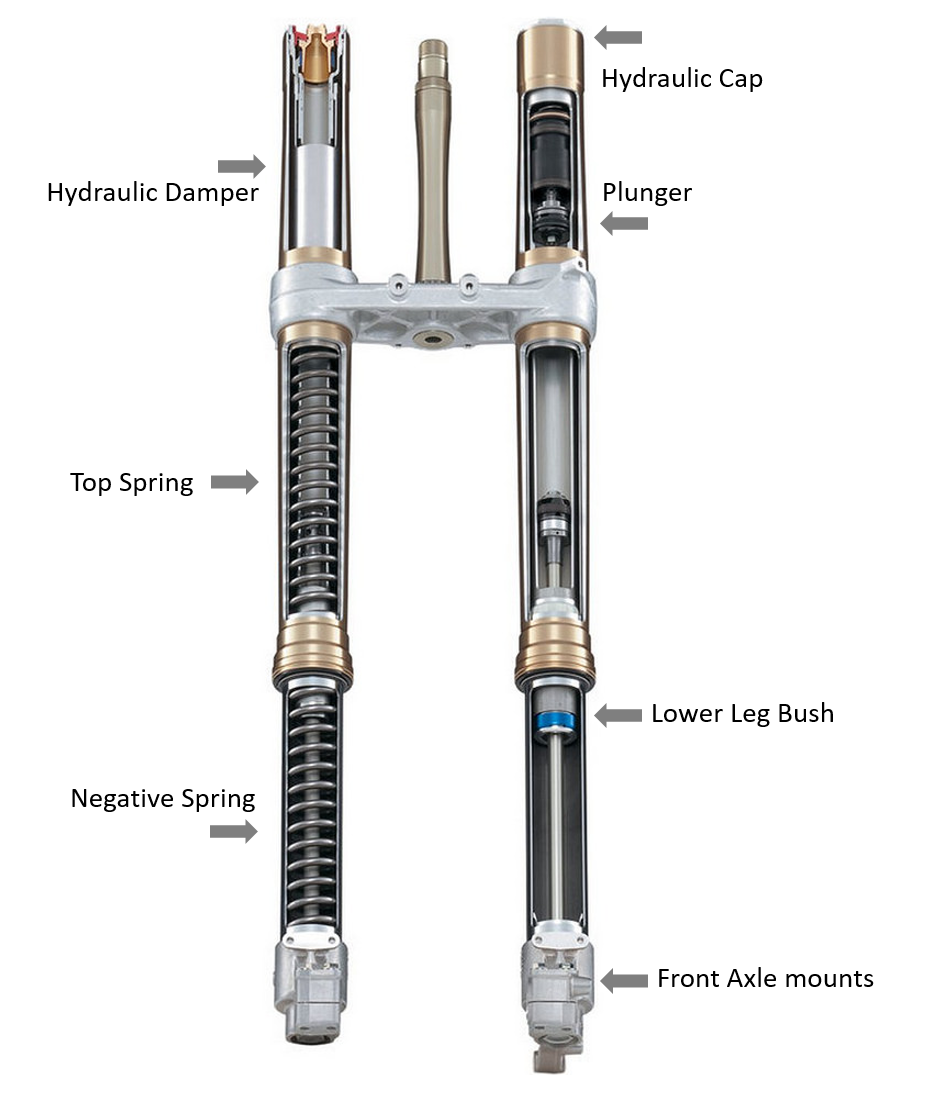
As the name suggests, one fork leg holds the spring or springs, while the other size holds the damper mechanisms. The one with the spring controls preload, while the other checks damping. This way, the forks could be made to cater to their specific purposes. They can also be lighter as the components are not duplicated. Having different functions on each side doesn’t give off different feedback when the bike is turned to either side as the forks are tied to the same triple clamps.

Electronic suspension

These systems can control preload and damping, or separately depending on the bike. Instead of having the rider adjusting the parameters with tools (plus sweat), it’s all done through a button on the handlebar.

However, the principles remain the same. What’s different is that sensors on the fork and swingram provide real-time ride height and damping data to the suspension ECU. The ECU then determines the correct strategy i.e. setting, depending on the selected mode. The ECU then sends signals to servos to alter the parameters.

Fork oil
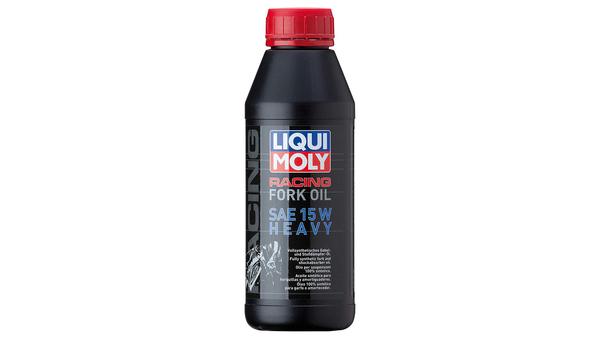

Damping works by converting kinetic energy (moving fluid) to heat. This is why oil is commonly used as it could absorb the heat plus has low flow resistance. Changing the oil to difference viscosities or amount alters the damping characteristics.

But bear in mind that it must be replaced at every 20,000 km.
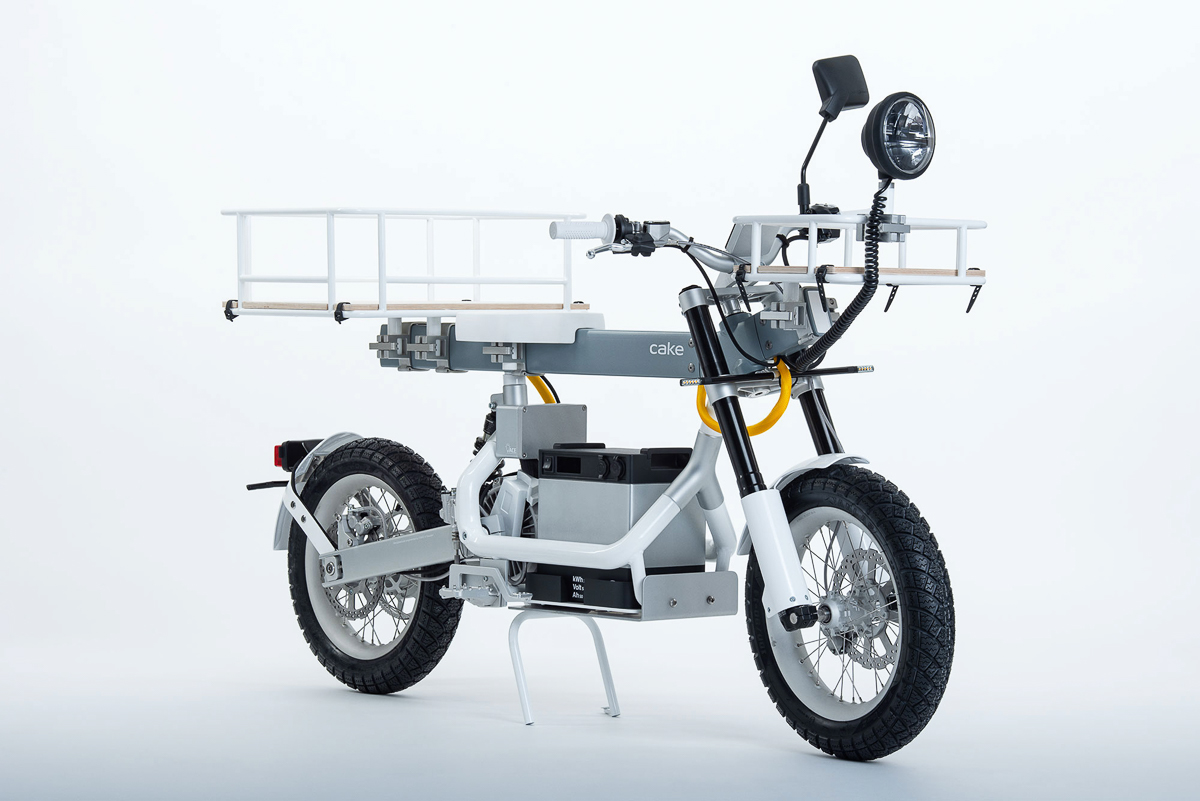
Electric bikes are on the rise in the ever-growing urban environment and more manufacturers are jumping on that bandwagon. For one particular Swedish company called Cake, they’re offering something that’s so outside the box, we’re thoroughly impressed. What you’re looking at is the Cake Ösa, arguably the world’s most versatile electric bike yet. (more…)

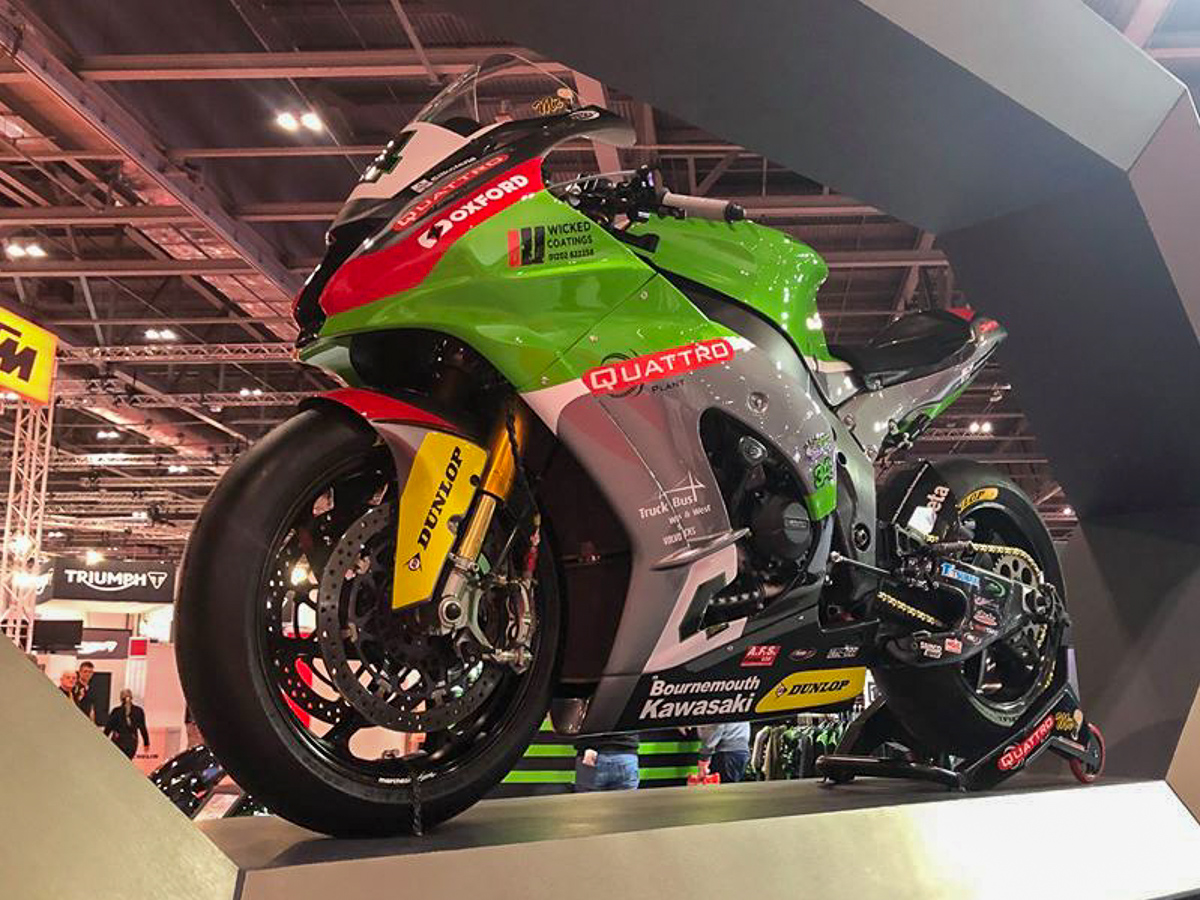
John McGuinness is back on the racing calendar for 2020 as he inked a new deal with the Quattro Plant Bournemouth Kawasaki Team. The 23-time Isle of Man TT winner will be racing this beautiful Kawasaki Ninja ZX-10RR in multiple IOMTT categories which includes Superbike, Superstock, and Senior TT. (more…)

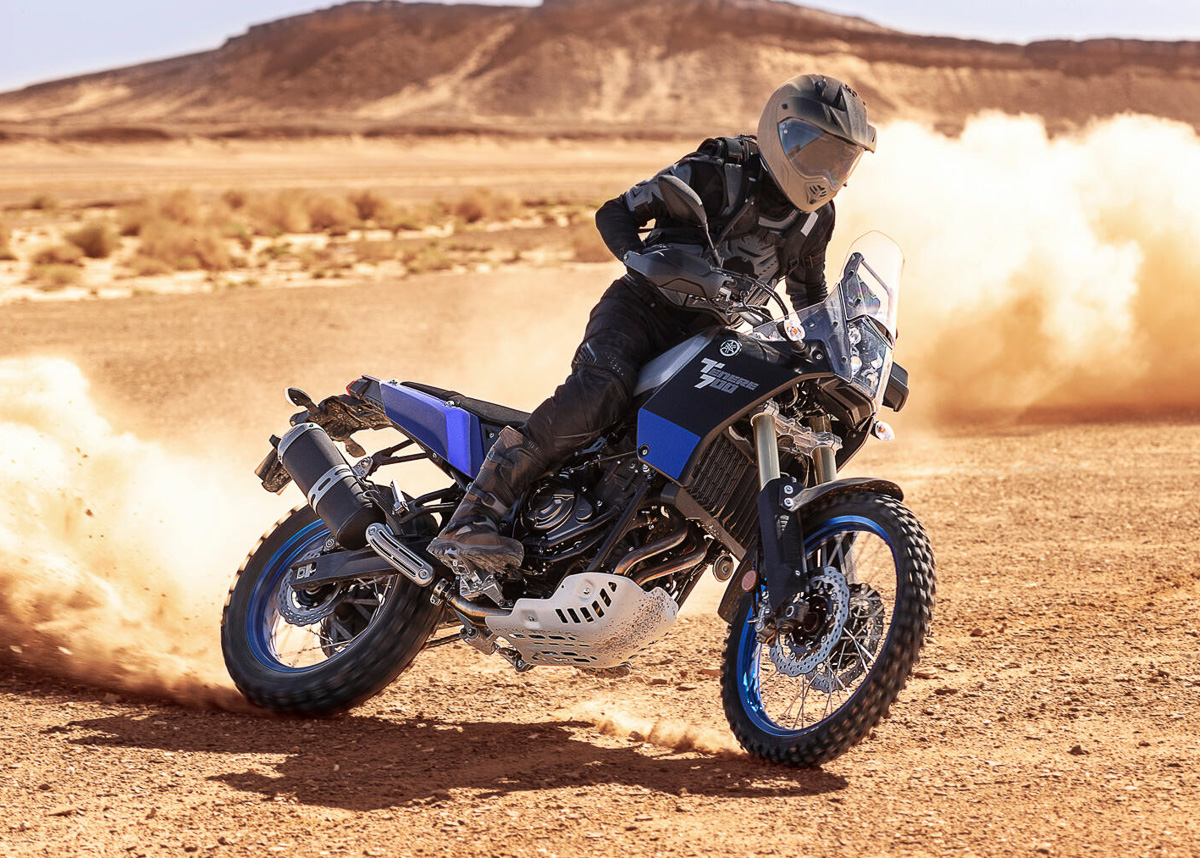
If you’re in the market for one of the coolest looking adventure bikes around, the Yamaha Ténéré 700 should be high up on your list. Designed to take on any terrain, it’s also one hell of a good-looking bike and the iF Design Award team seems to agree as they handed out one of their coveted awards to the beautiful machine. (more…)

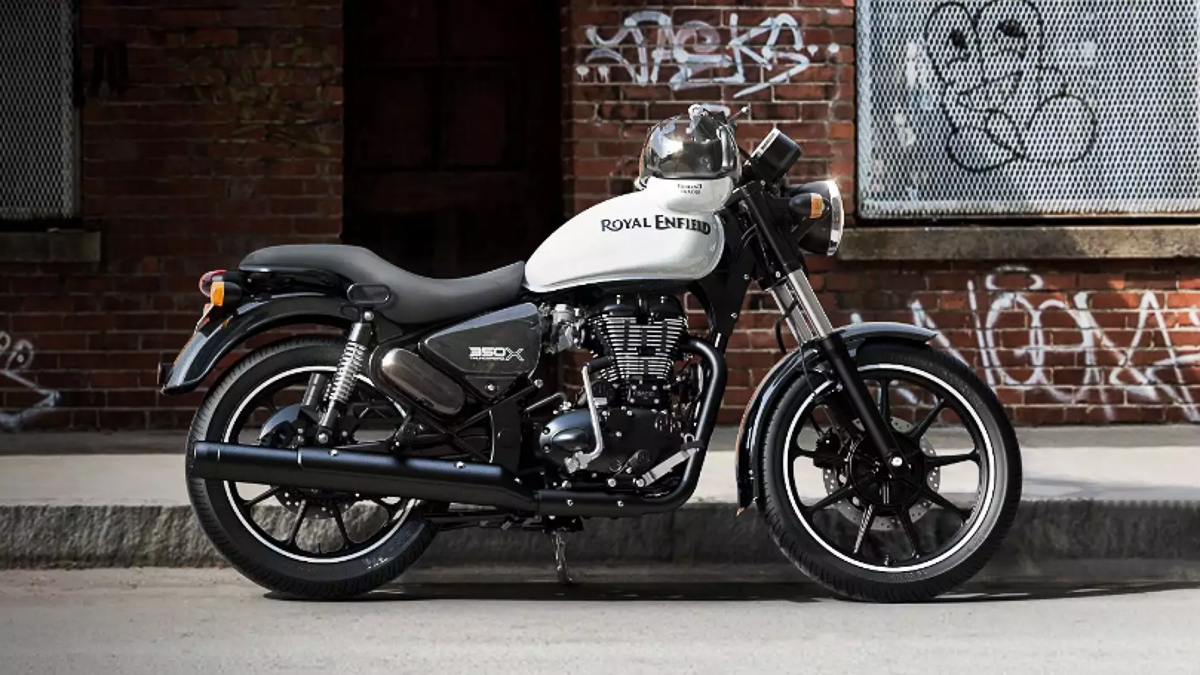
The last time we heard anything related to Royal Enfield, it wasn’t a positive one as they’ve axed their 500 series, namely the Bullet and Thunderbird (with Classic to follow suit). Determined to stay in the game, they’ve filed trademarks for two new models; the Royal Enfield Flying Flea and Roadster. (more…)

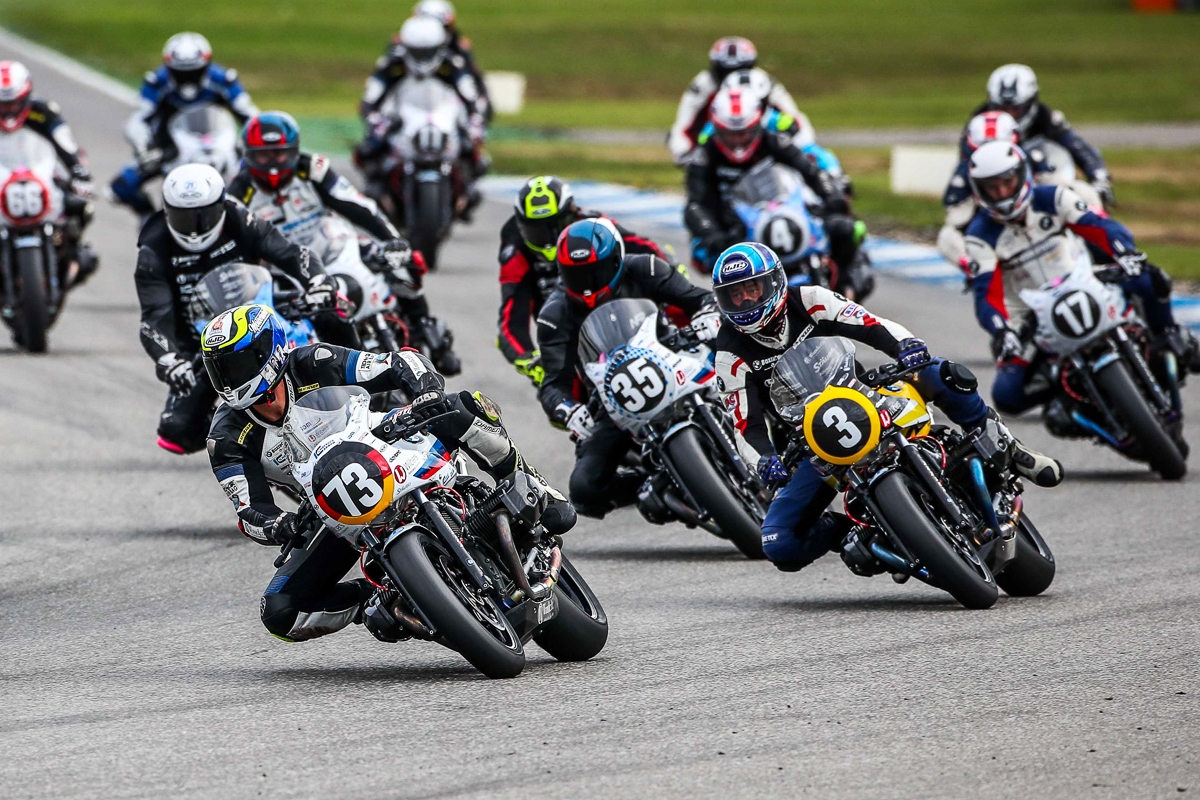
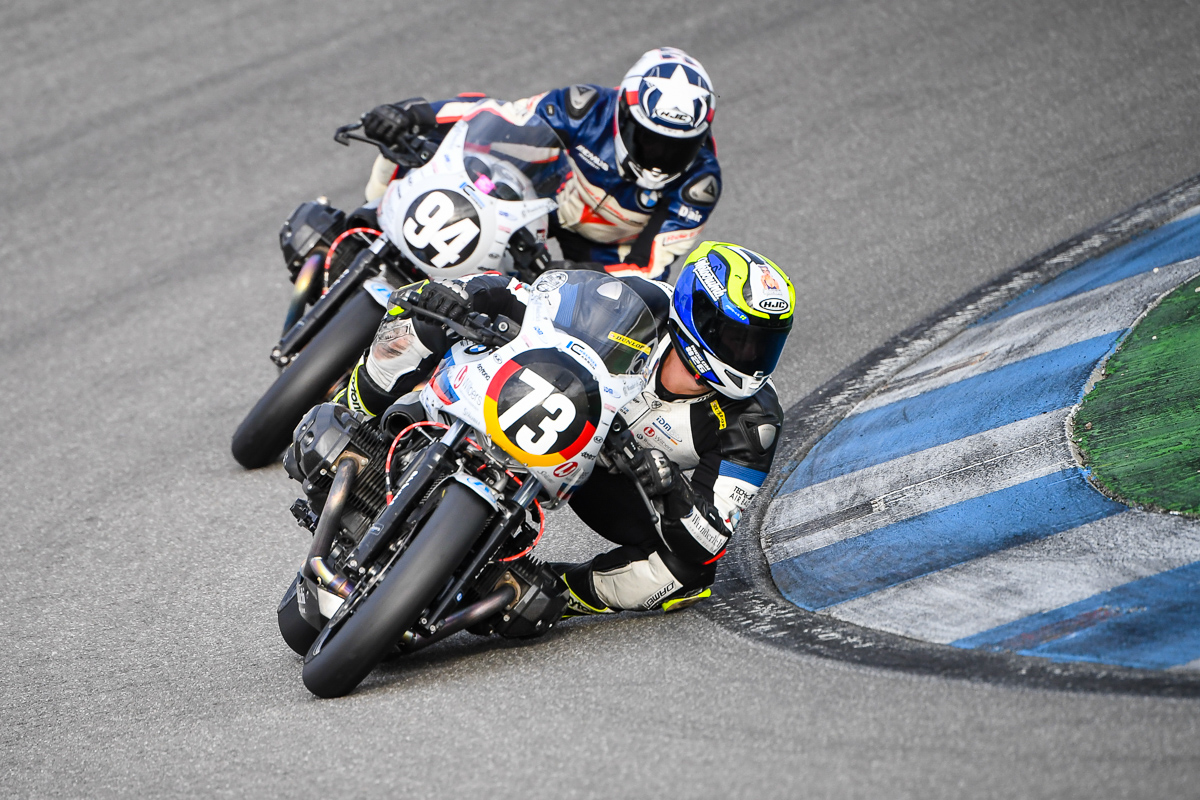
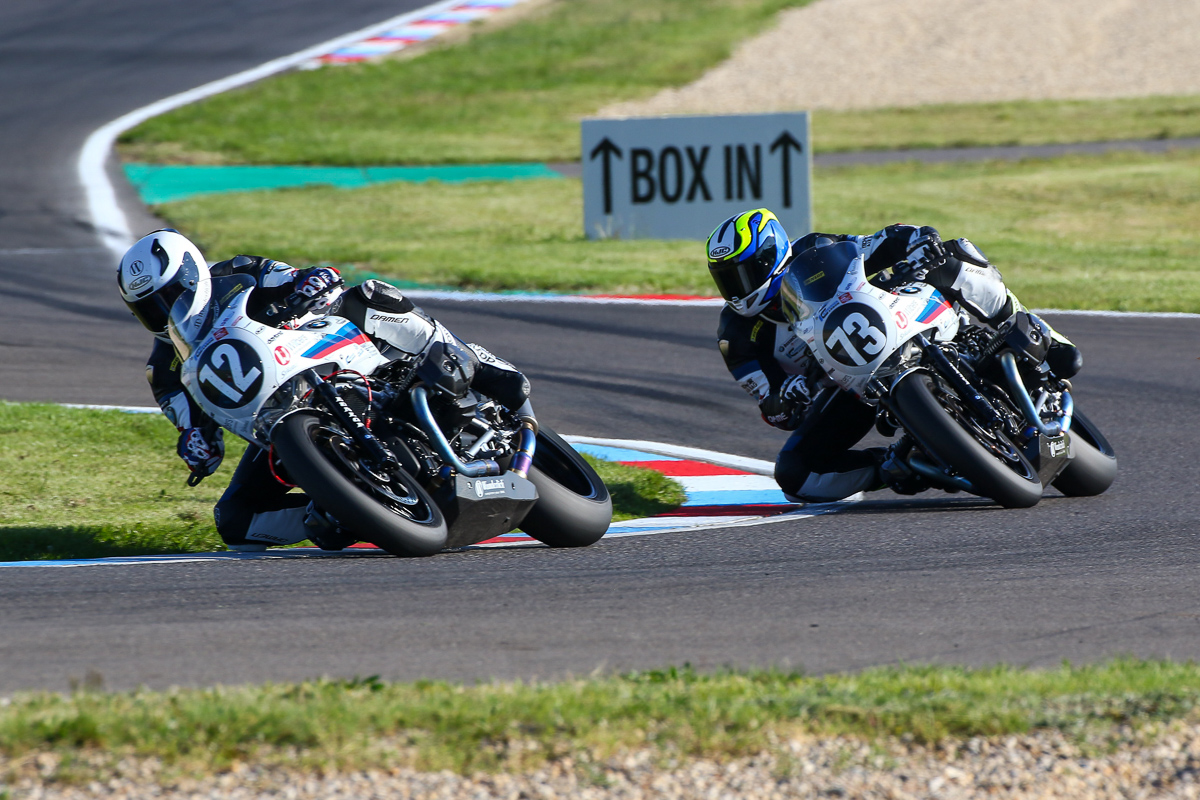
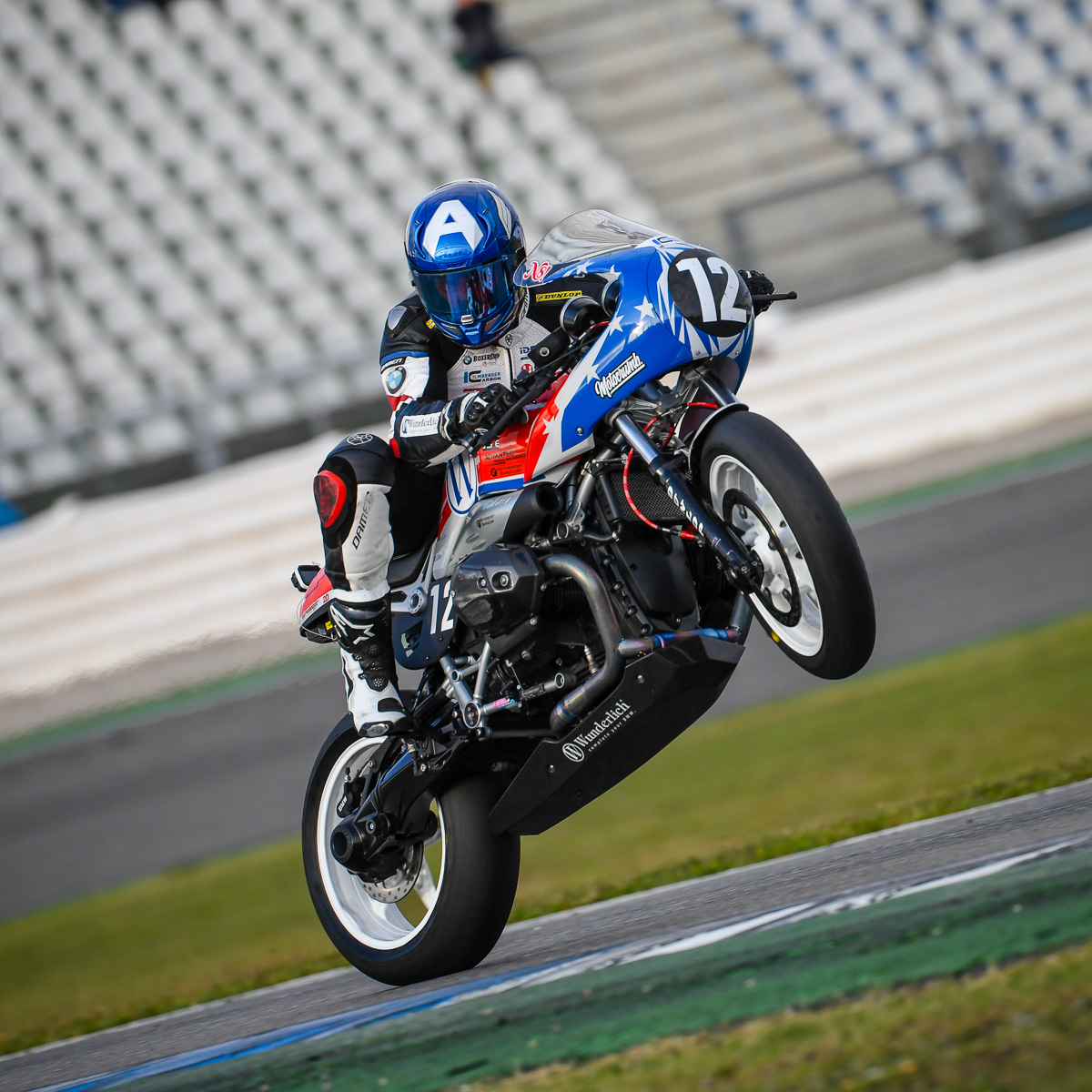
Apparently, there’s a race series out there with a bunch of cool guys and gals racing on the sexy BMW R nineT Racer and it’s called the BMW Motorrad BoxerCup. Its second season will commence in May until September covering seven rounds, mostly in Germany, Austria, Czech Republic, and the Netherlands.

Question: Why haven’t we heard about this regarding the first season (just for this particular editor)?? Well, you get some, you miss some. Anyway, The BMW Motorrad BoxerCup 2020 will be held in conjunction with the International German Motorcycle Championship IDM and there will two races per race weekend.

Think of it as a one-make race series where riders battle it out on the same identical BMW R nineT Racers which have been optimized for racing. We’re talking Wilbers fork and strut, carbon fibre cylinder head covers, Ilmberger rear end and engine spoiler (holy baloney), BOS titanium manifolds and mufflers, Staübli quick-release brake couplings, Wunderlich windshield and frame sliders, BMW Motorrad ABS racing software, Gilles Tolling footrest and race-spec shifter, and Dunlop race tyres.

Another cool fact is that all participants are supplied by one of the most well-known brands in the business, HJC. In other words, the race will be based solely on riding skills as the bikes are identical with no added performance advantage whatsoever. So yeah, this might be one of the coolest one-make races on the planet.

For those who are interested to witness this spectacle, below is the racing calendar for the BMW Motorrad BoxerCup 2020.

  • 22-24 May 2020 – Red Bull Ring, Austria
  • 3-5 July 2020 – Most, Czech Republic
  • 24-26 July 2020 – Schleiz, Germany
  • 31 July-2 August 2020 – Oschersleben WSBK, Germany (confirmation pending)
  • 14-16 August 2020 – Assen, Netherlands
  • 11-13 September 2020 – Lausitzring, Germany
  • 25-27 September 2020 – Hockenheim, Germany

40 Years of the BMW GS (Part 2) – The BMW R 100 GS

Archive

Follow us on Facebook

Follow us on YouTube