Bikesrepublic

Global News

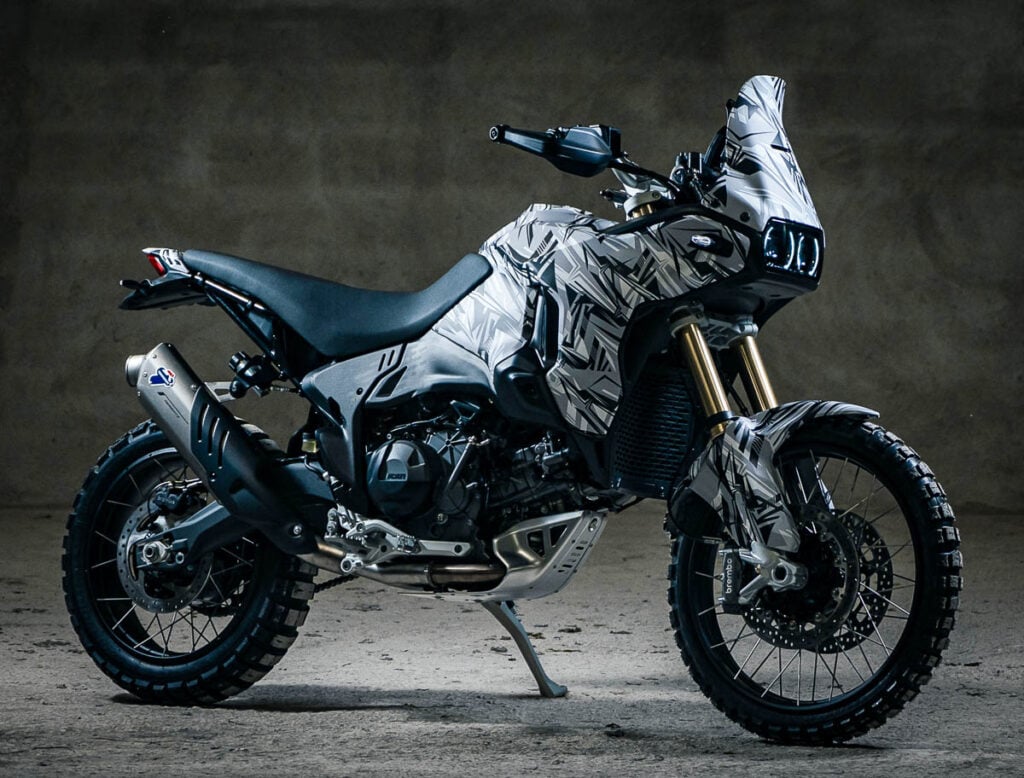
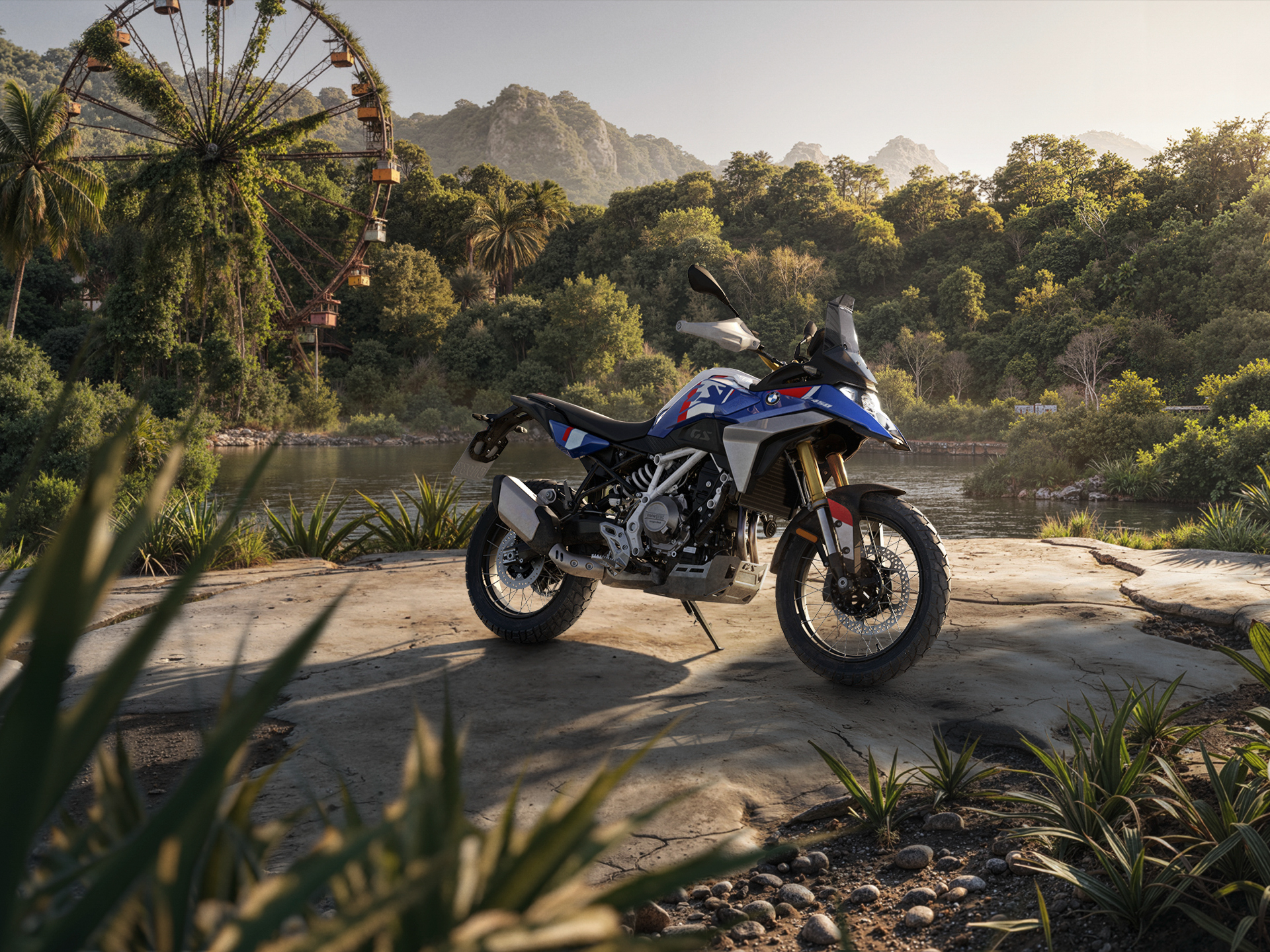
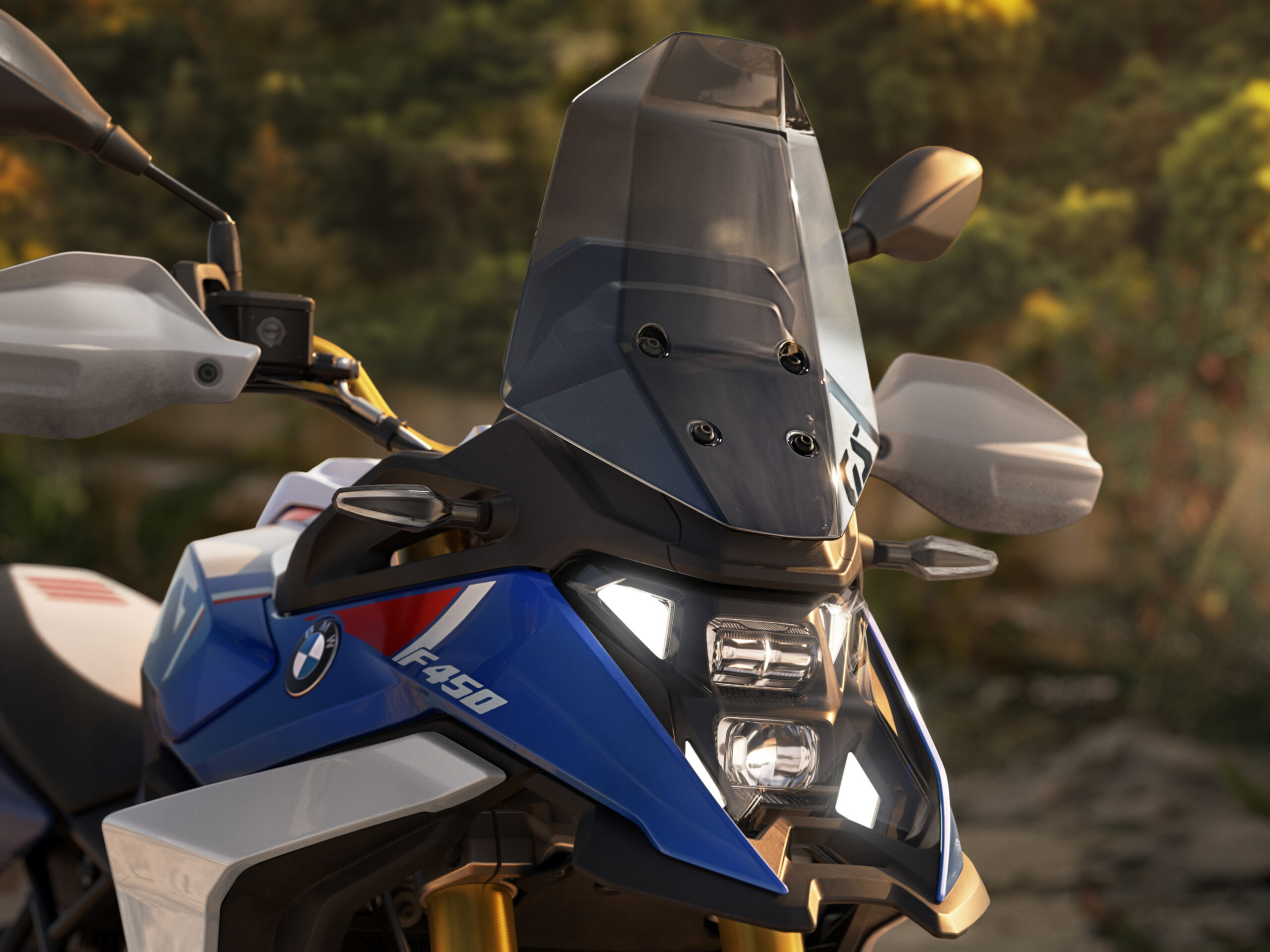
Finally, after many months of teasers and “previews”, the BMW F 450 GS has been launched, at EICMA 2025.

This new bike promises nimble handling, great engine torque and power, and versatility both on- and off-road.

Highlights
  • All-new 420cc, parallel-twin which produces 35 kW (48 hp) at 8,750 rpm and 43 Nm at 6,750 rpm.
  • Yes, BMW Motorrad decided to go the multi-cylinder path instead of sticking with the single-cylinder format prevalent in this class.
  • Also interestingly, this parallel-twin has a unique 135-degree crankshaft, instead of the 180-deg., 270-deg., or 360-deg. variety in other motorcycles.

  • BMW claims that the powerplant consumes only 3.8 litres of fuel for every 100 km, which gives the bike a potential maximum range of “over 350 km” from its 14-litre tank.
  • Apart from the engine, another nifty new feature is the Easy Ride Clutch (ERC).
  • It is a centrifugal type clutch which allows idling and gear changes without needing to pull the clutch lever (like on smaller cc mopeds).
  • The ERC is only fitted to GS Trophy variant  and when combined with Shift Assistant Pro eliminates the need for manual clutch operation.
  • However, the clutch lever is still retained, in case the rider wants to intervene during manoeuvring.
  • BMW explains that the ERC, while based on the centrifugal clutch concept found on mopeds, is actually an “advanced” system as the clutch plates remain “closed during overrun.”
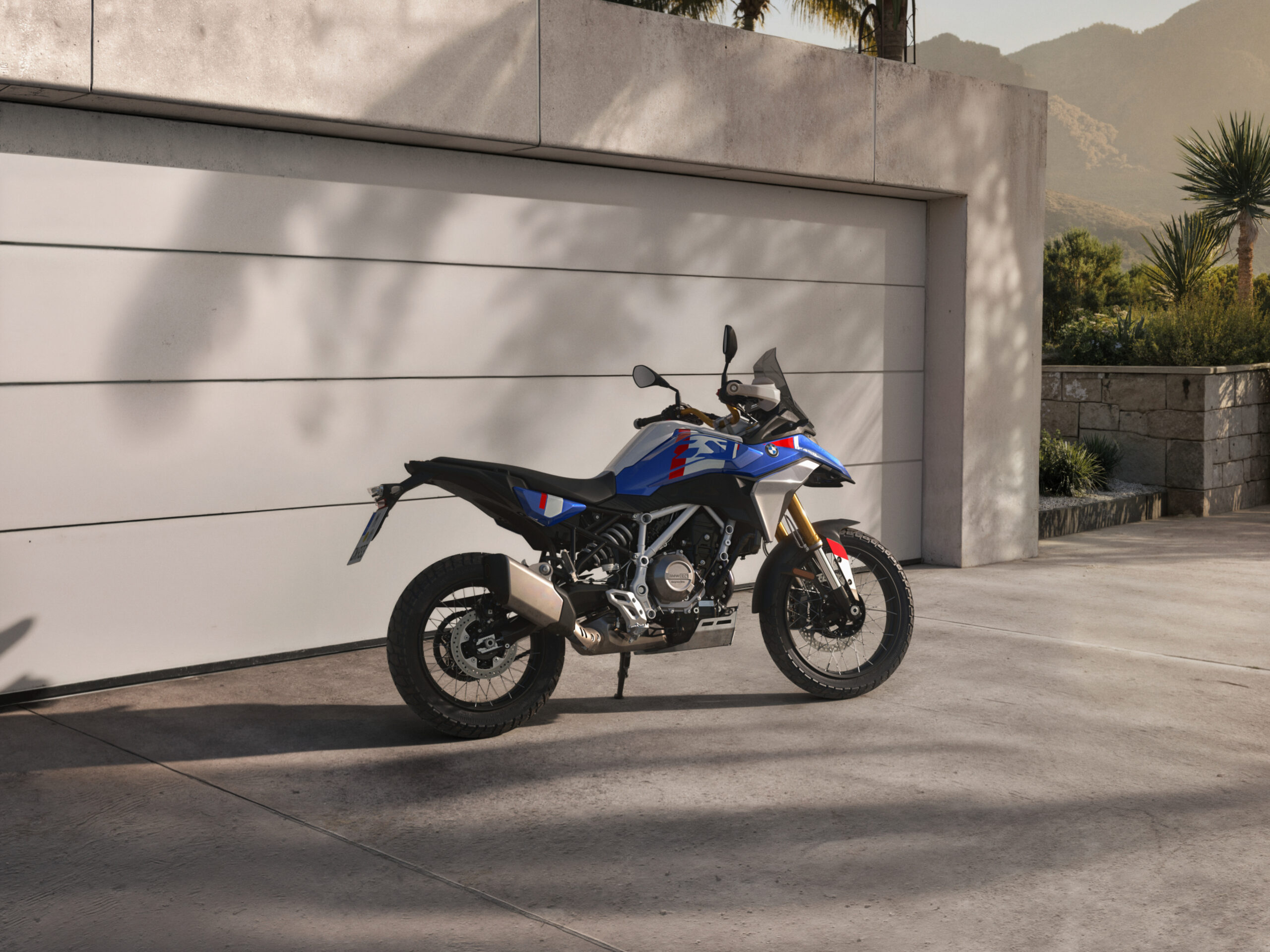
  • The BMW F 450 GS offers three riding modes as standard: “Rain”, “Road” and “Enduro”, allowing the motorcycle to be adapted to suit individual preferences.
  • Standard equipment also includes ABS Pro, Dynamic Brake Control (DBC), Dynamic Traction Control (DTC) and engine drag torque control (MSR).
  • The additional “Enduro Pro” mode, which is used from the Exclusive equipment variant onwards, is designed for off-road use with coarse-tread off-road tires and allows the ABS on the rear wheel to be deactivated.
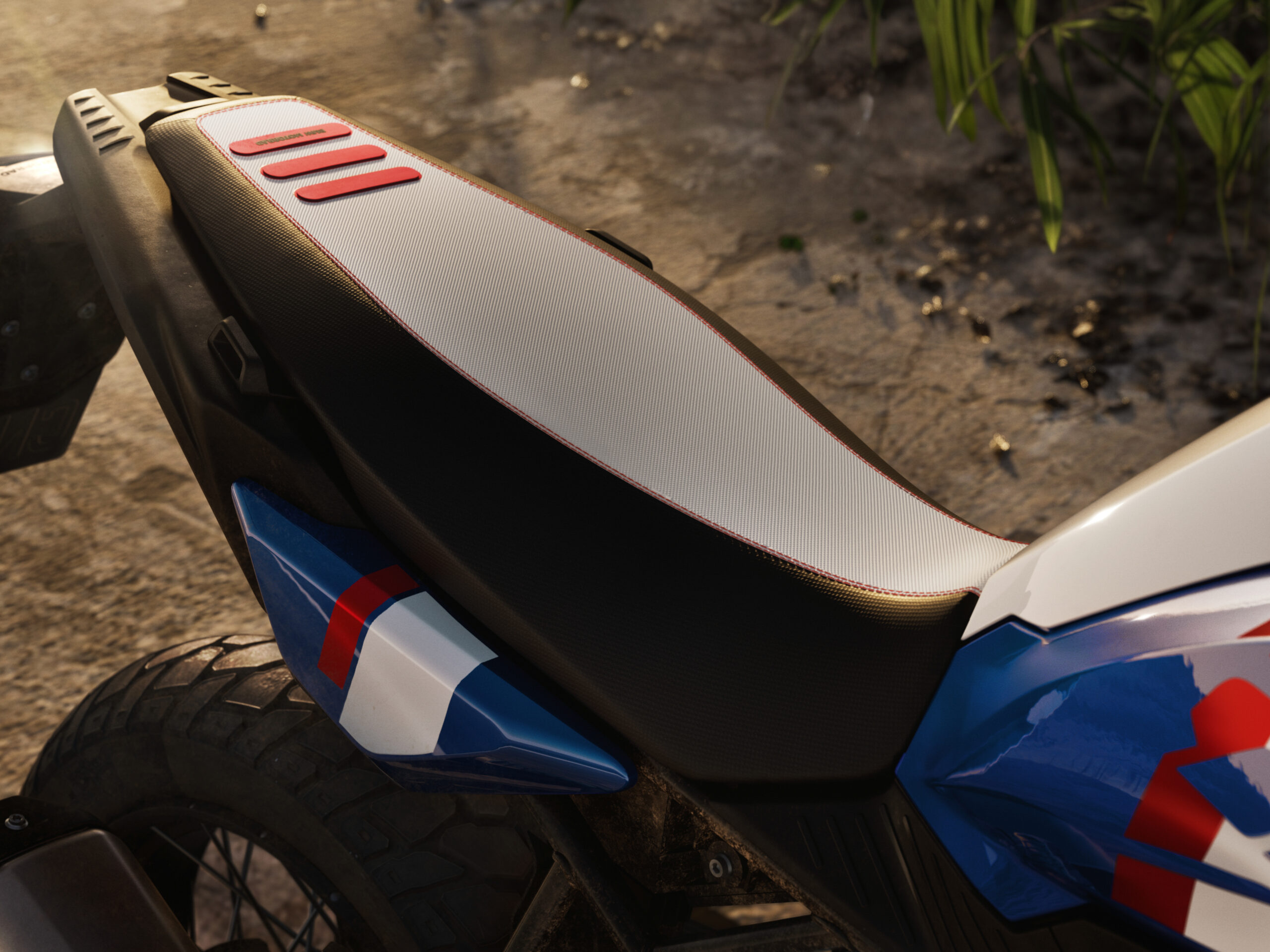
  • The specially developed lattice-tube frame consists of welded steel tubes and forged parts.
  • Suspension in front consists of 43mm KYB upside-down forks. The Sport and GS Trophy variants feature the so-called “sports suspension.” The fork is adjustable for rebound and compression damping.
  • Rear wheel control is provided by a closed, hollow-cast aluminium double-sided swing arm, coupled with a directly connected KYB central spring strut (adjustable spring preload and rebound damping).
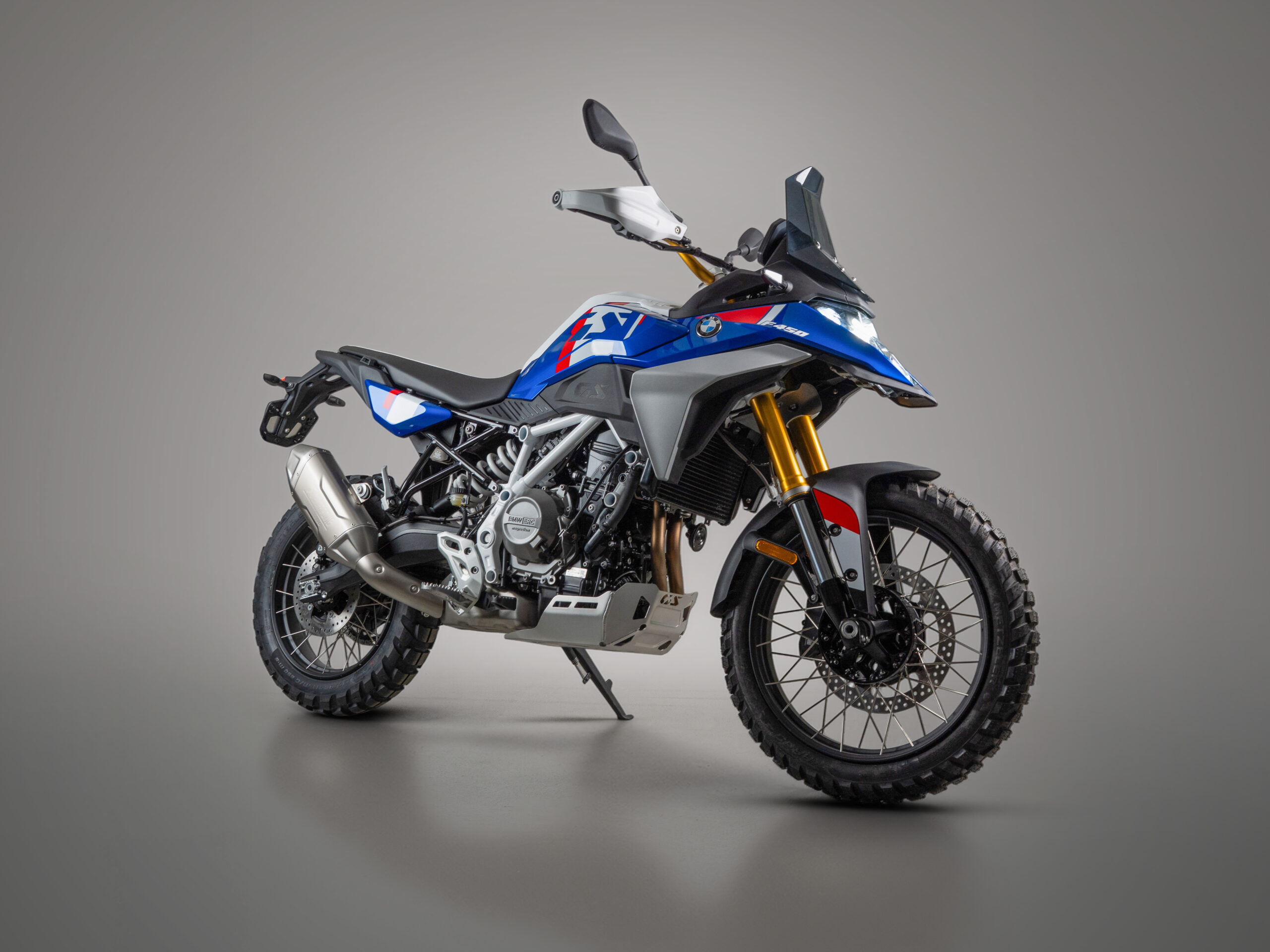
  • Standard wheels on the BMW F 450 GS are cast aluminium but owners can opt for the Original BMW Motorrad Accessories cross-spoke wheels.
  • Braking duty is handled by a floating single-disc brake with a Brembo 4-piston fixed caliper and a 310 mm brake disc up front, coupled to  a single disc brake with 1-piston floating caliper and 240 mm diameter behind.
  • BMW Motorrad ABS Pro is standard equipment, the feature provides lean-sensitive ABS braking.
  • Dynamic Brake Control (DBC) offers increased safety when braking, by preventing unintentional throttle application.
  • Footrests with adjustable gearshift and footbrake levers for optimal grip on and off-road.
  • Adjustable hand levers as standard.
  • Heated grips as standard.
  • Powerful LED headlights and lights as standard.
  • Connectivity with extensive options and exemplary functionality in the form of a large, perfectly legible 6.5-inch TFT display.
  • Practical USB-C socket in the cockpit area.
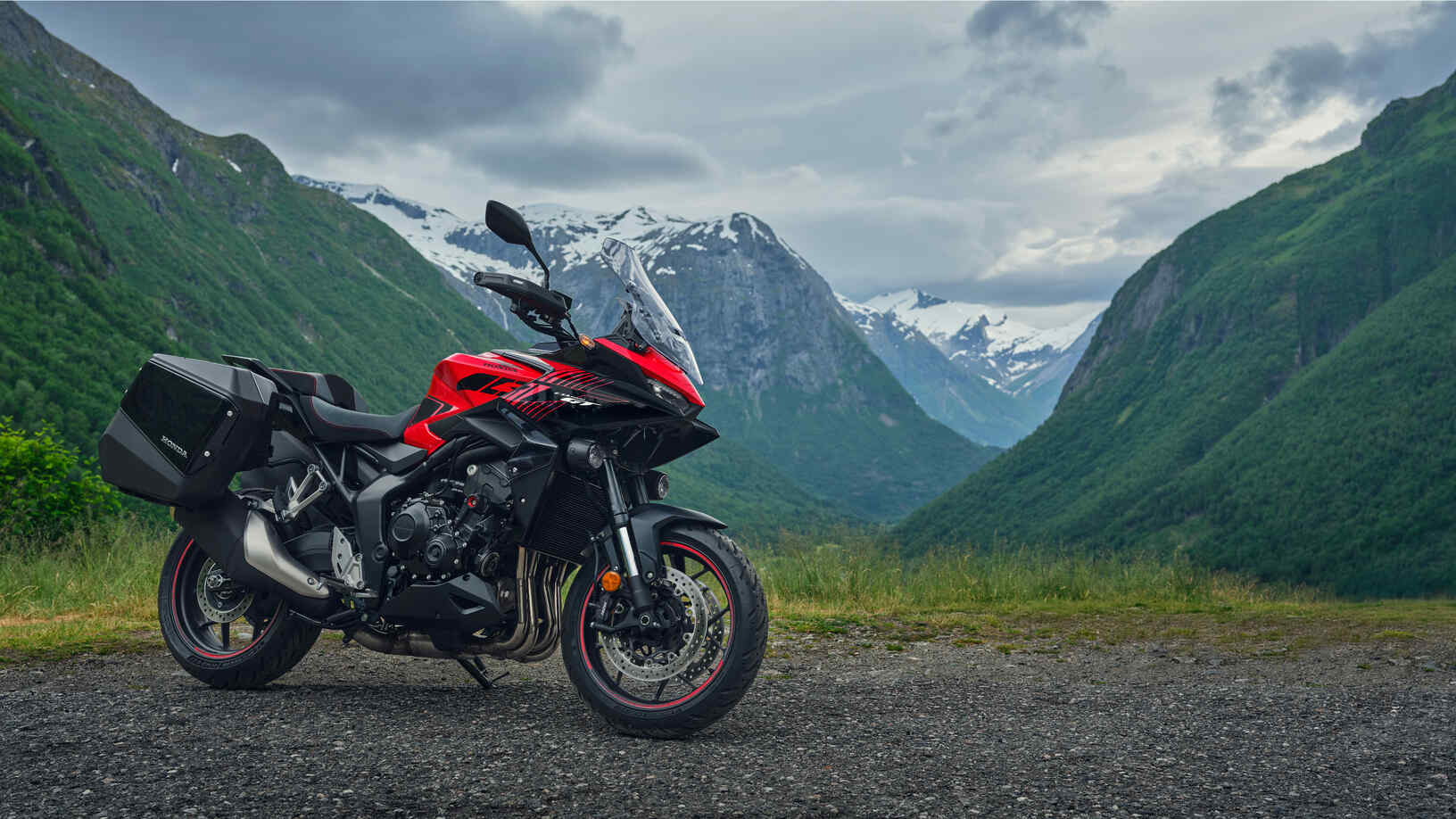
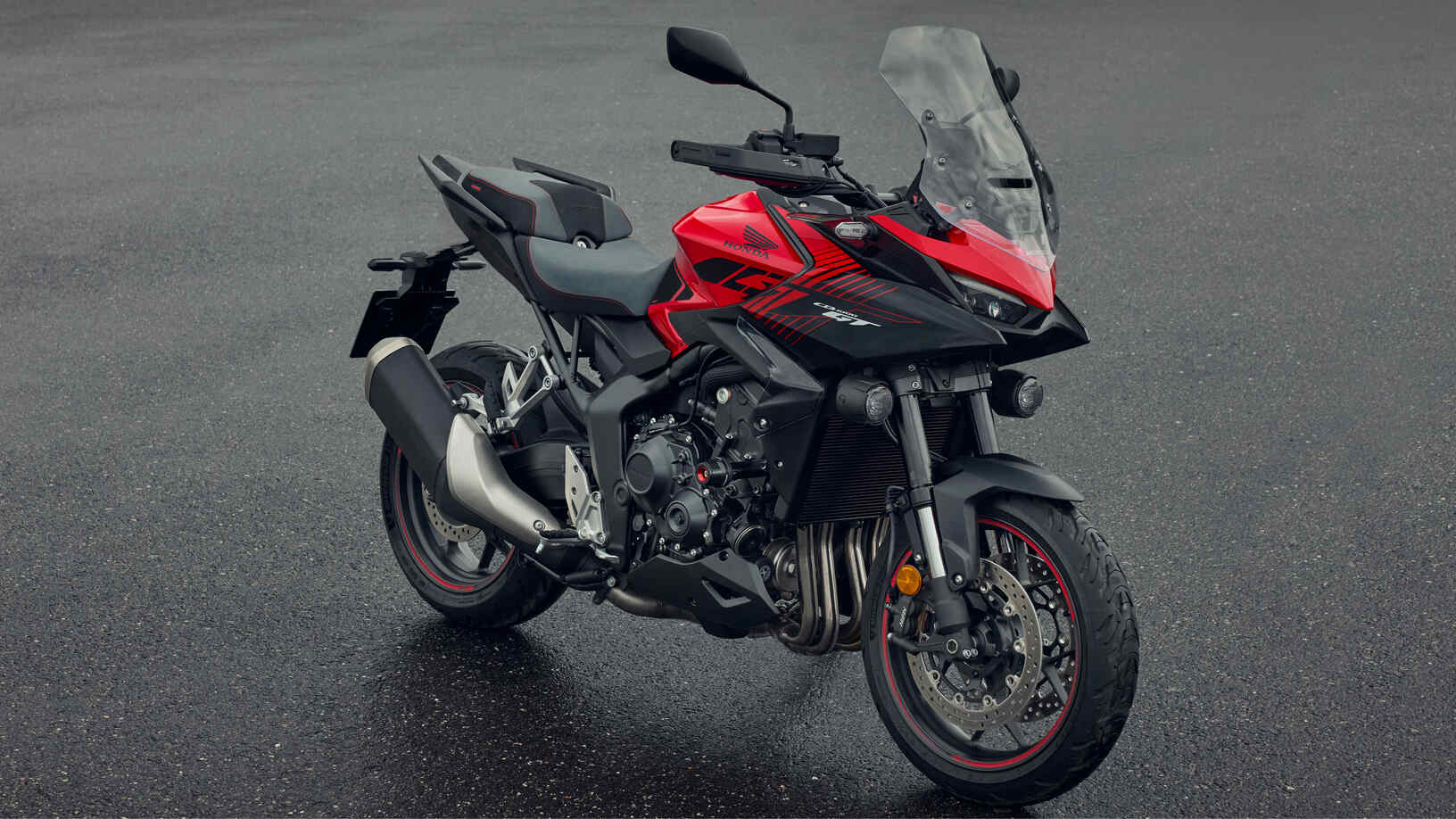
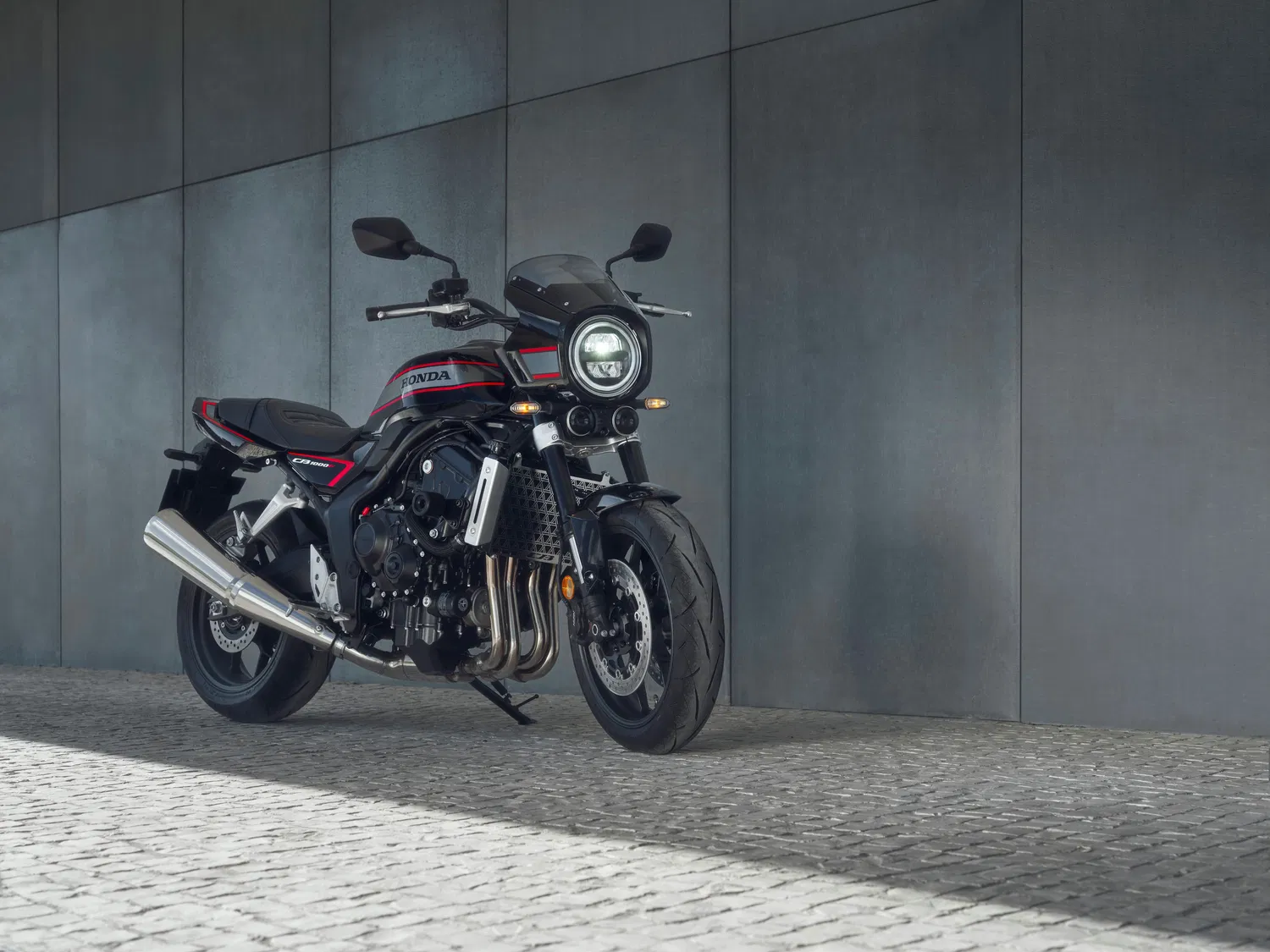
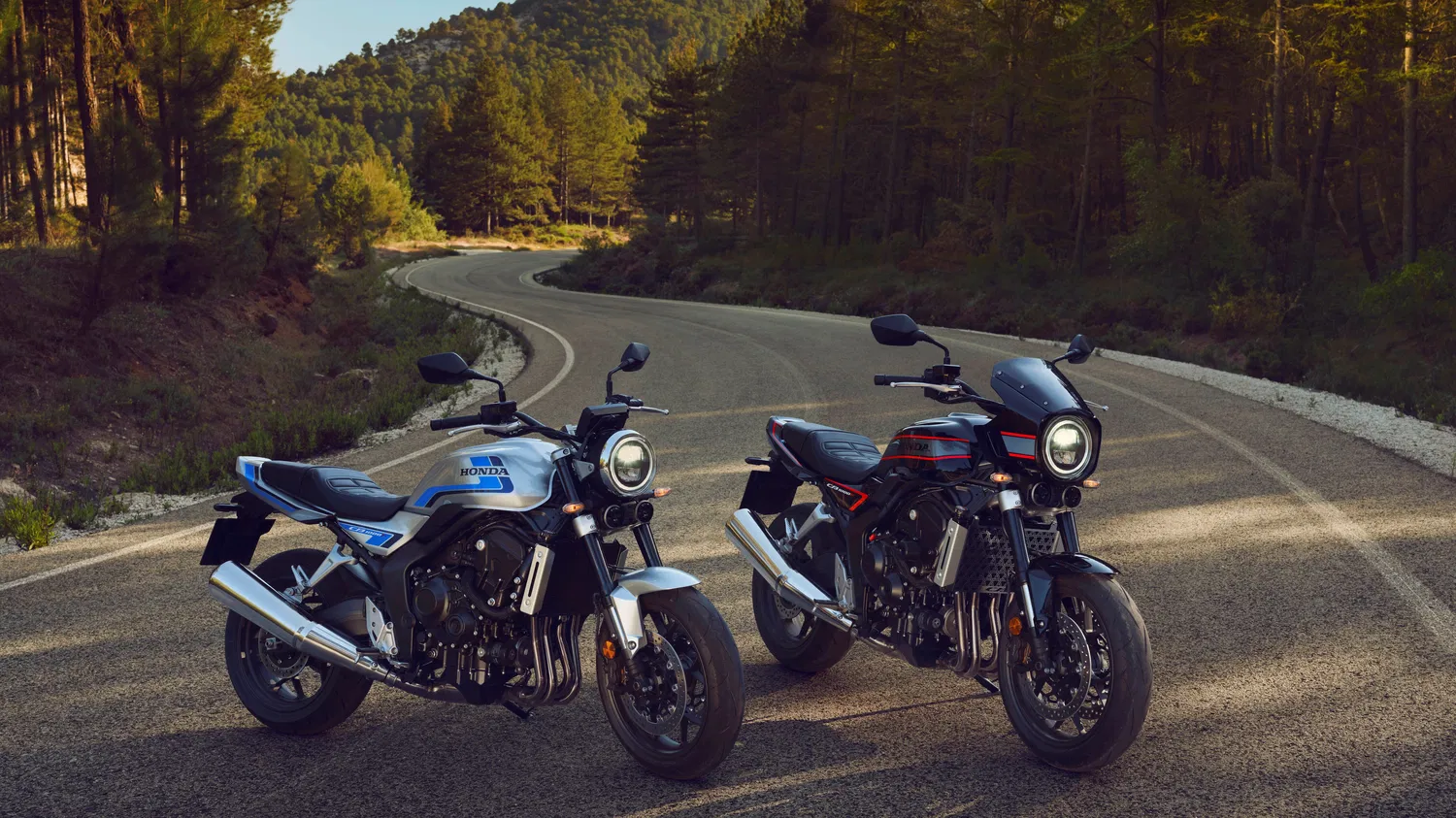
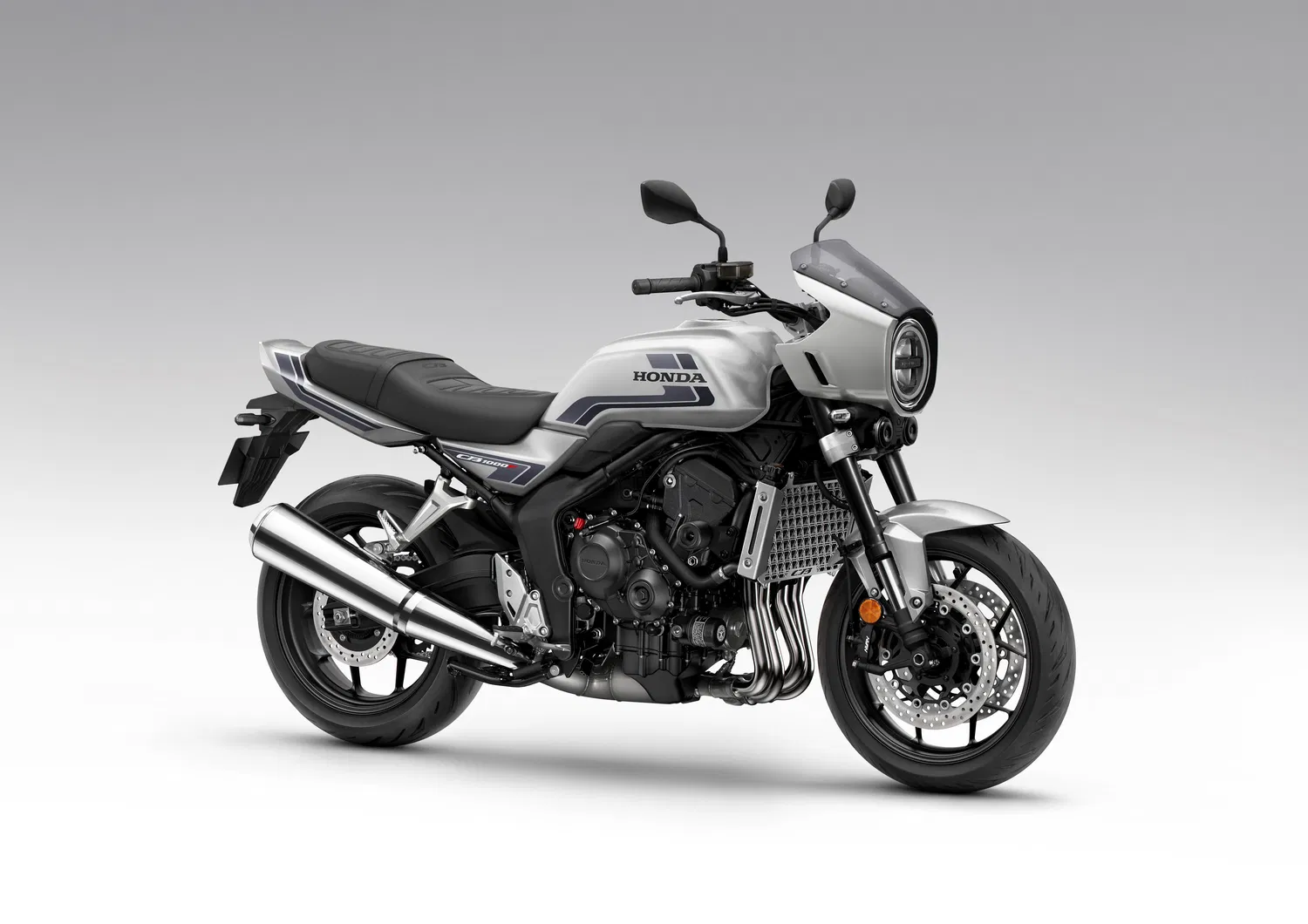
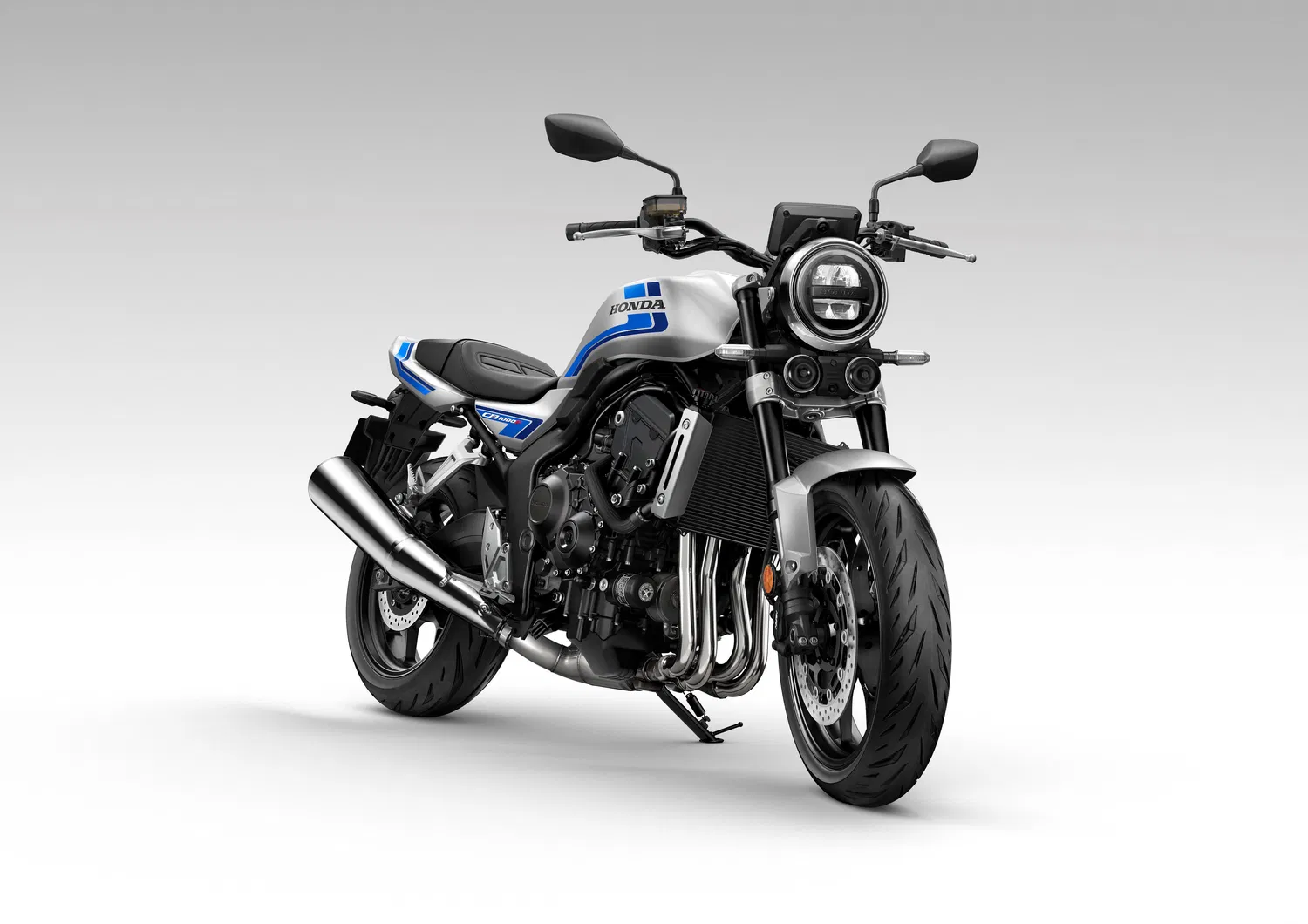
Honda has a wide variety of motorcycles but one glaring absence in their line-up is a big bore, four-cylinder sport-tourer. Realising this, they have premiered the 2026 Honda CB1000GT at EICMA 2025.
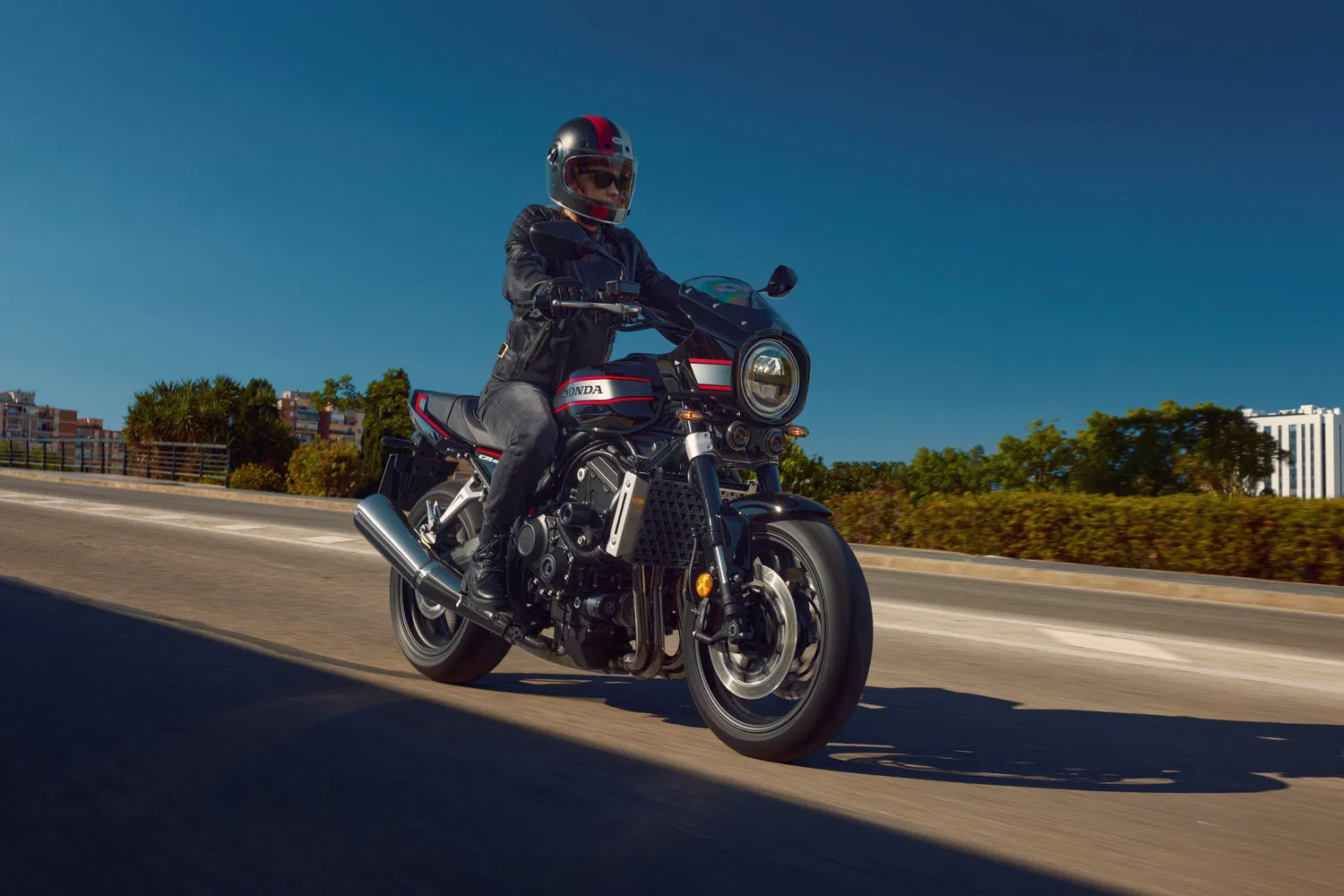
This bike’s development was perhaps under the radar as everyone had been paying attention to the CB1000F, but it is a nice surprise, nonetheless.

From Boon Siew Honda’s Press Release

MILAN, Italy, November 4, 2025 – Honda today presented the world premiere of the CB1000GT, a sport tourer model equipped with a 1000cm3 liquid-cooled DOHC inline 4-cylinder 4-stroke engine, at EICMA 2025 (the Milan Motorcycle Shows; Press days: November 4-5, Public days: November 6-9) in Milan, Italy.

Key features of CB1000GT

●Development concept

Under the concept of “High Performance Tourer – going faster, farther with comfort –,” the CB1000GT was developed as a new sport tourer model that perfectly balances the high power and handling of a naked sportbike with the comfort and carrying capacity of a touring-bike.

●Power unit

Based on the CB1000 Hornet’s 1000cm3 liquid-cooled DOHC inline 4-cylinder 4-stroke engine renowned for its power, a CB1000GT-specific fuel injection (FI) setting and throttle-by-wire (TBW) system were adopted. While maintaining powerful output characteristics, the engine provides a smooth output at the onset of throttle opening, reducing fatigue for both the rider and passenger, thereby contributing to enhanced comfort during long-distance touring.

●Body

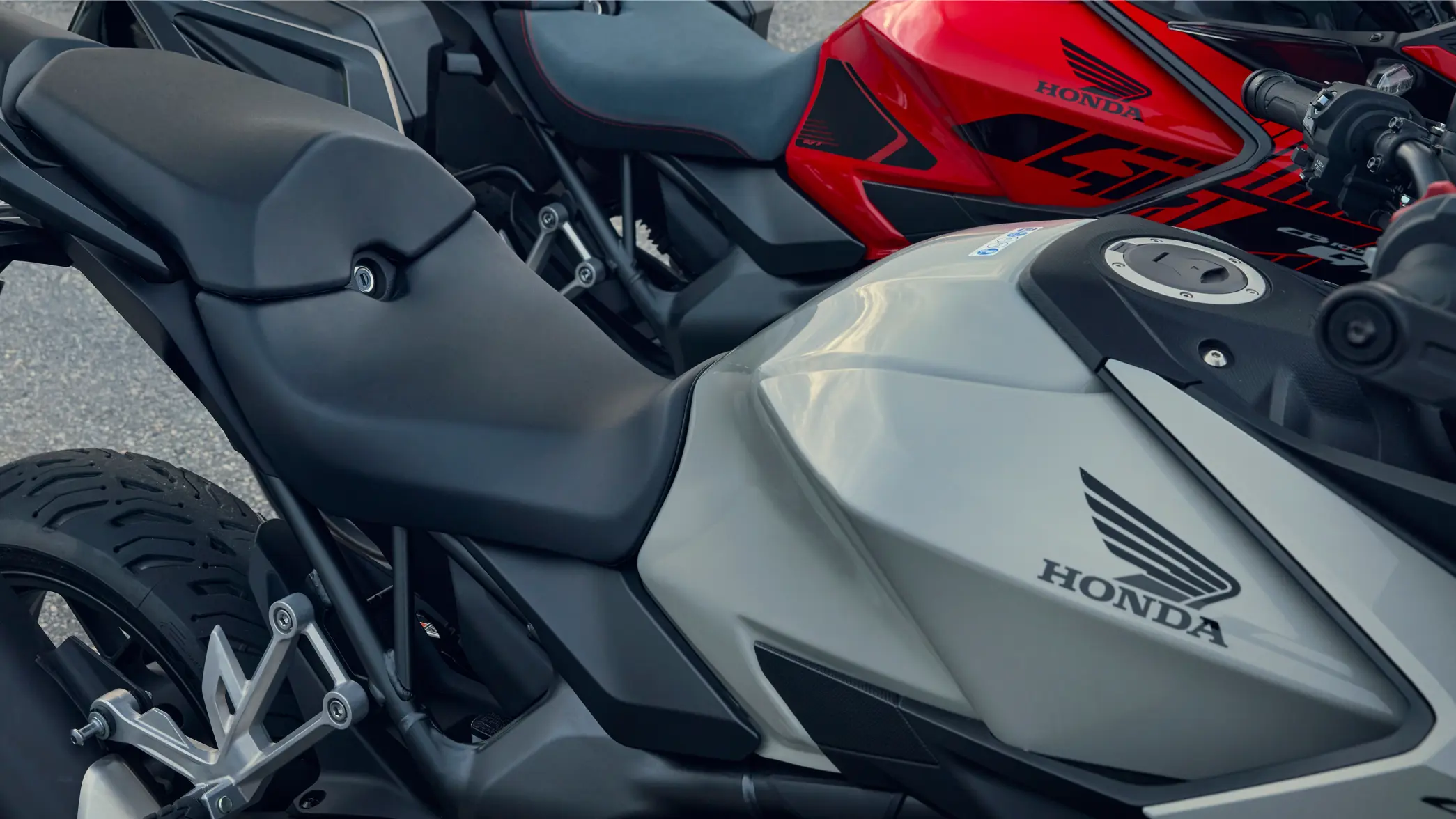
Based on the CB1000 Hornet’s steel diamond frame, the seat rail section was newly designed to further increase body stability while riding, in consideration of accommodating a passenger and luggage.

The CB1000GT features EERA*1 (Electronically Equipped Ride Adjustment) electronic suspension system as standard equipment. The system recognizes the riding conditions based on various data such as the body attitude measured by the six-axis IMU (inertial measurement unit), engine control data from the ECU (electronic control unit), and wheel rotational speeds, then optimizes the damping force of the front and rear suspensions accordingly, which enables precise automatic adjustment of damping force based on road conditions.

●Styling

The functionality of the “High Performance Tourer” is also expressed through the styling. The image of a comfortable ride befitting a grand touring model is evoked by the high-performance engine with a sophisticated appearance, as well as the sharp, sculpted design of the integrated piece of front cowl and shrouds.

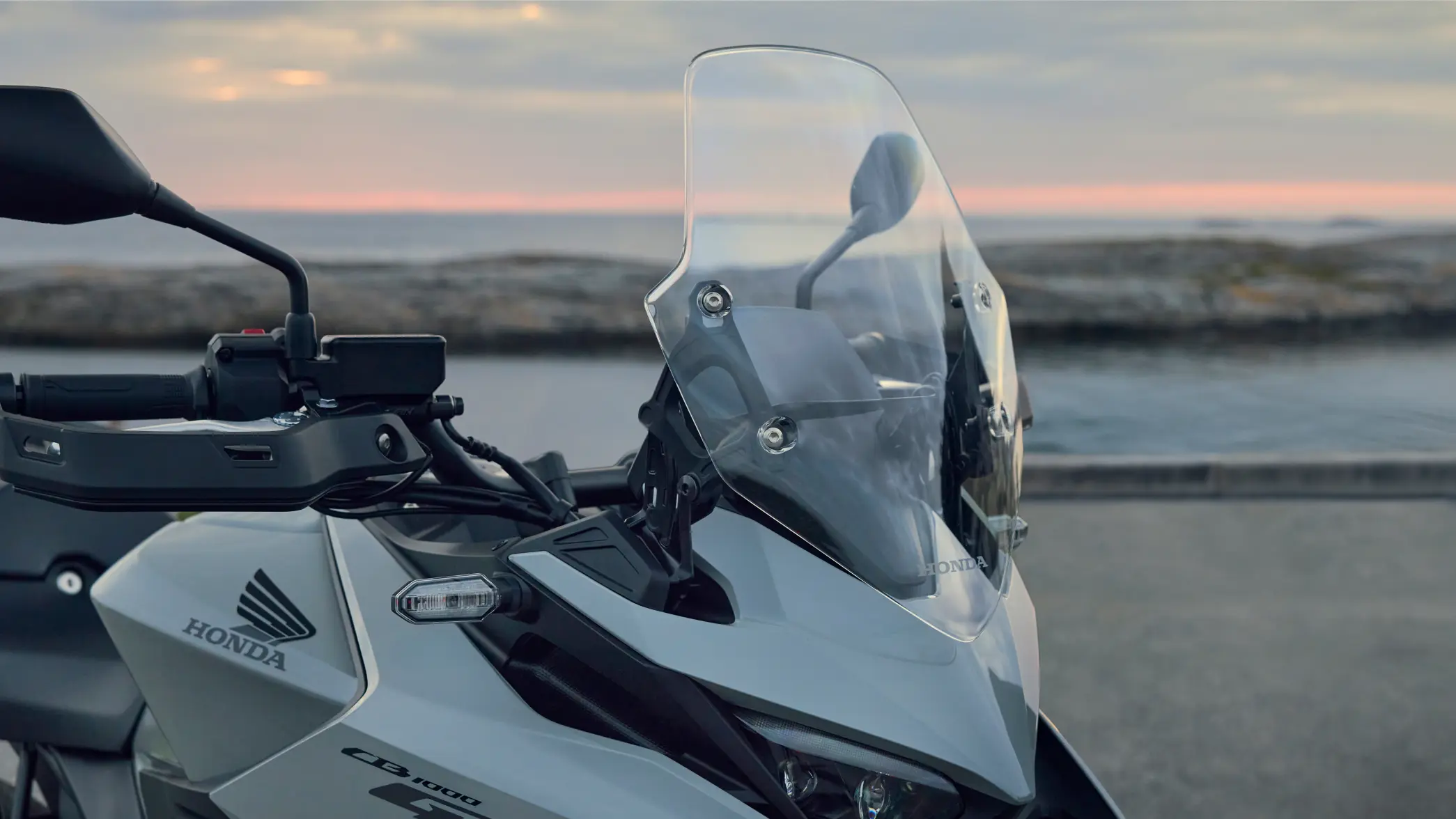
The front cowl features an adjustable screen with five positions with a total vertical adjustment range of 81mm. While maintaining a sharp design, the front cowl achieves both high protection performance and neutral handling characteristics.

●Electronics and control features

The CB1000GT is equipped with a number of advanced features, enabling the rider to enjoy a fun and comfortable riding experience in a wide range of situations, from sporty riding to long-distance touring with a partner. Such features include a set of riding modes the rider can choose from in accordance with their preferred riding style in a wide range of riding situations and road surface conditions — from city streets to winding roads. In addition to the four preset modes — Standard, Sport, Rain, and Tour —, each of which combines optimal engine output characteristics and front and rear suspension damping force characteristics for each situation, the rider can set their own favorite settings as User mode.

Another standard equipment of the CB1000GT is the quick shifter, which eliminates the need for left-hand clutch operation except when starting or stopping. This function helps reduce rider fatigue during both urban and long-distance riding.

The CB1000GT also features the original Honda RoadSync*2 as standard equipment, which enables the rider to use Bluetooth®*3 to link their smartphone to the bike and use hands-free functions for things such as phone calls and road navigation.

●Genuine accessories

To make the CB1000GT even more enjoyable and comfortable to use, a wide range of genuine accessories are available, such as top cases and pannier cases that increase luggage capacity, as well as tall windscreens and comfort seats that further increase riding comfort.

The CB1000GT is scheduled to go on sale in Europe, Japan, as well as Asia & Oceania and other regions.

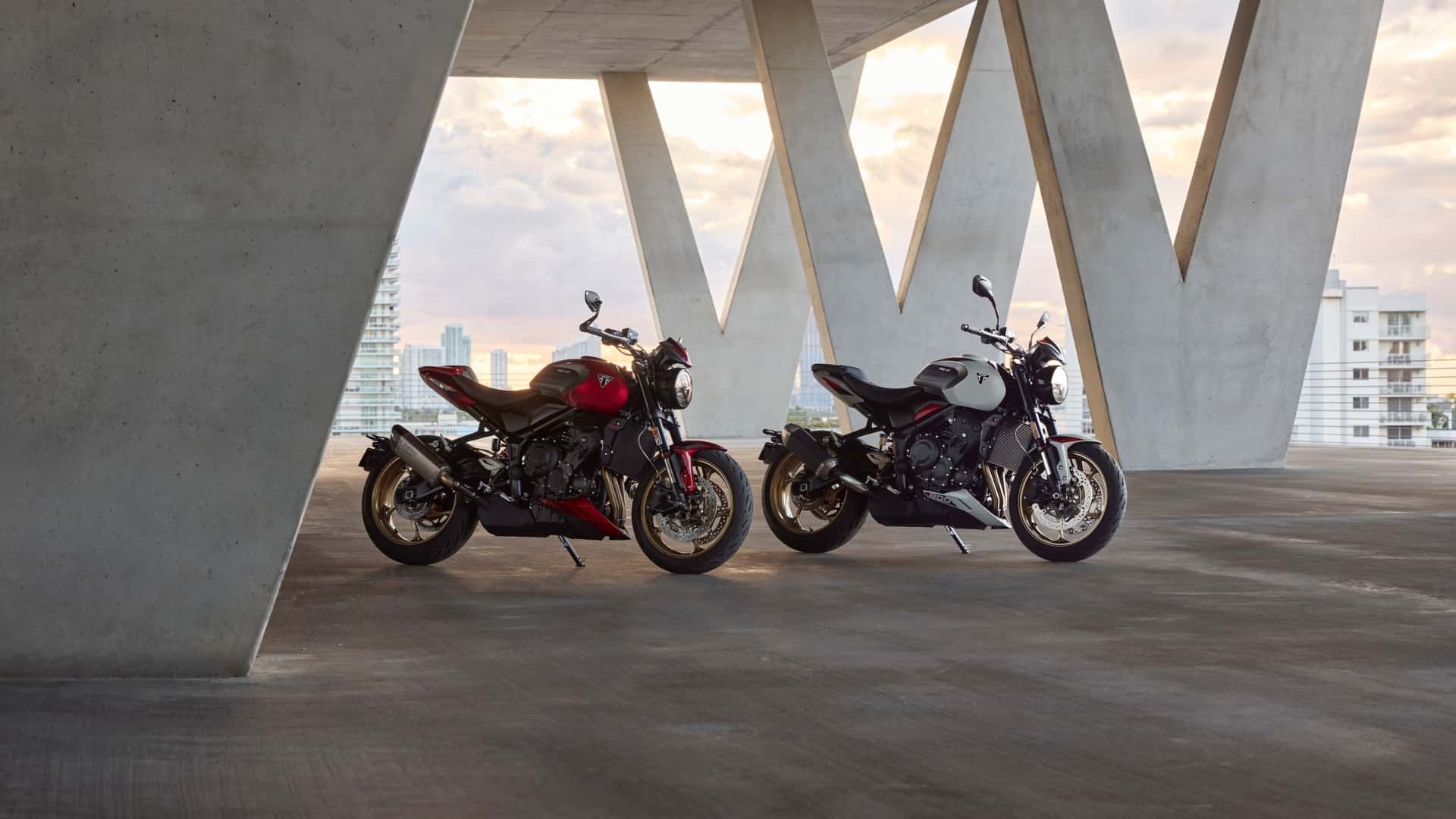
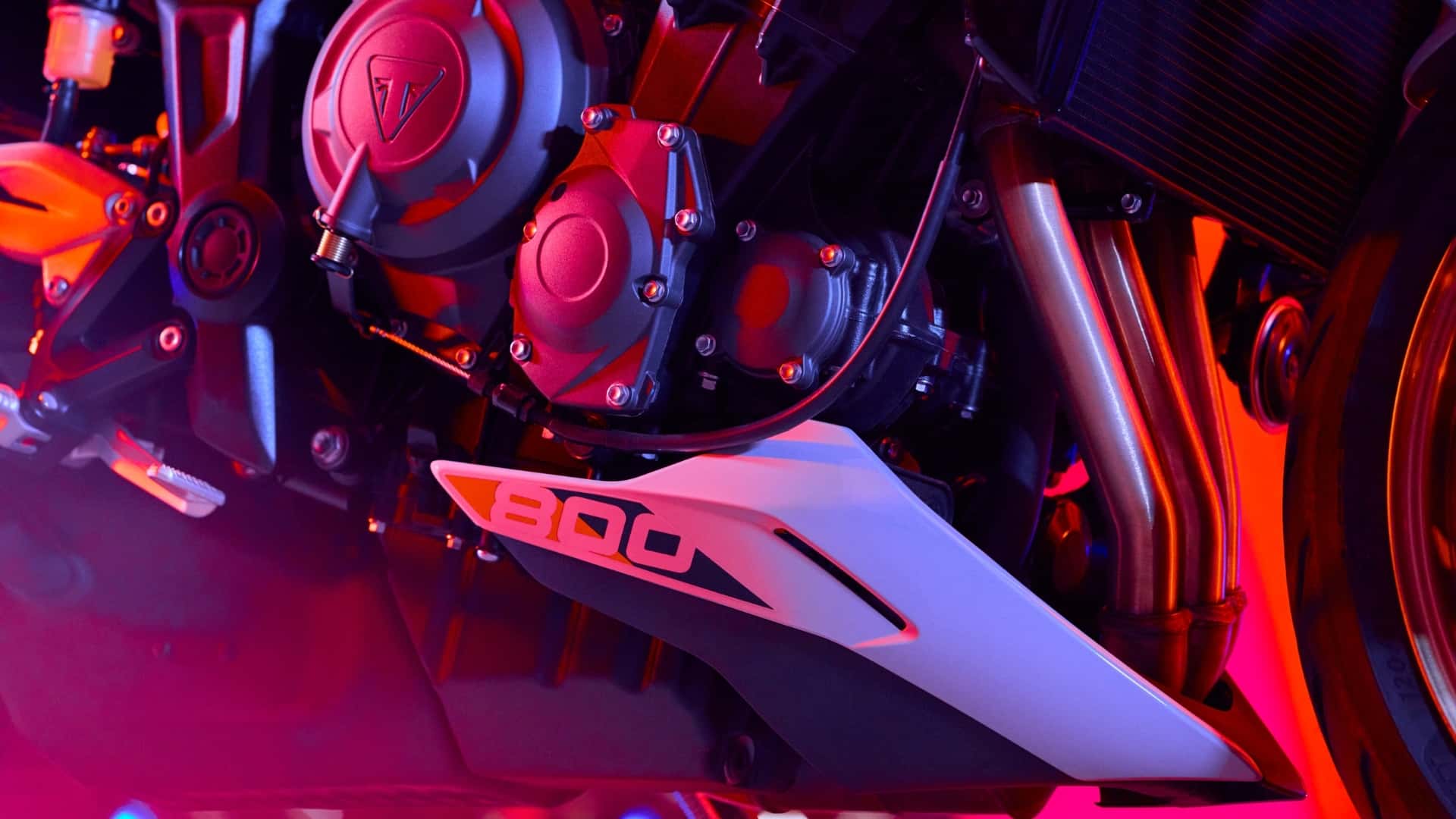
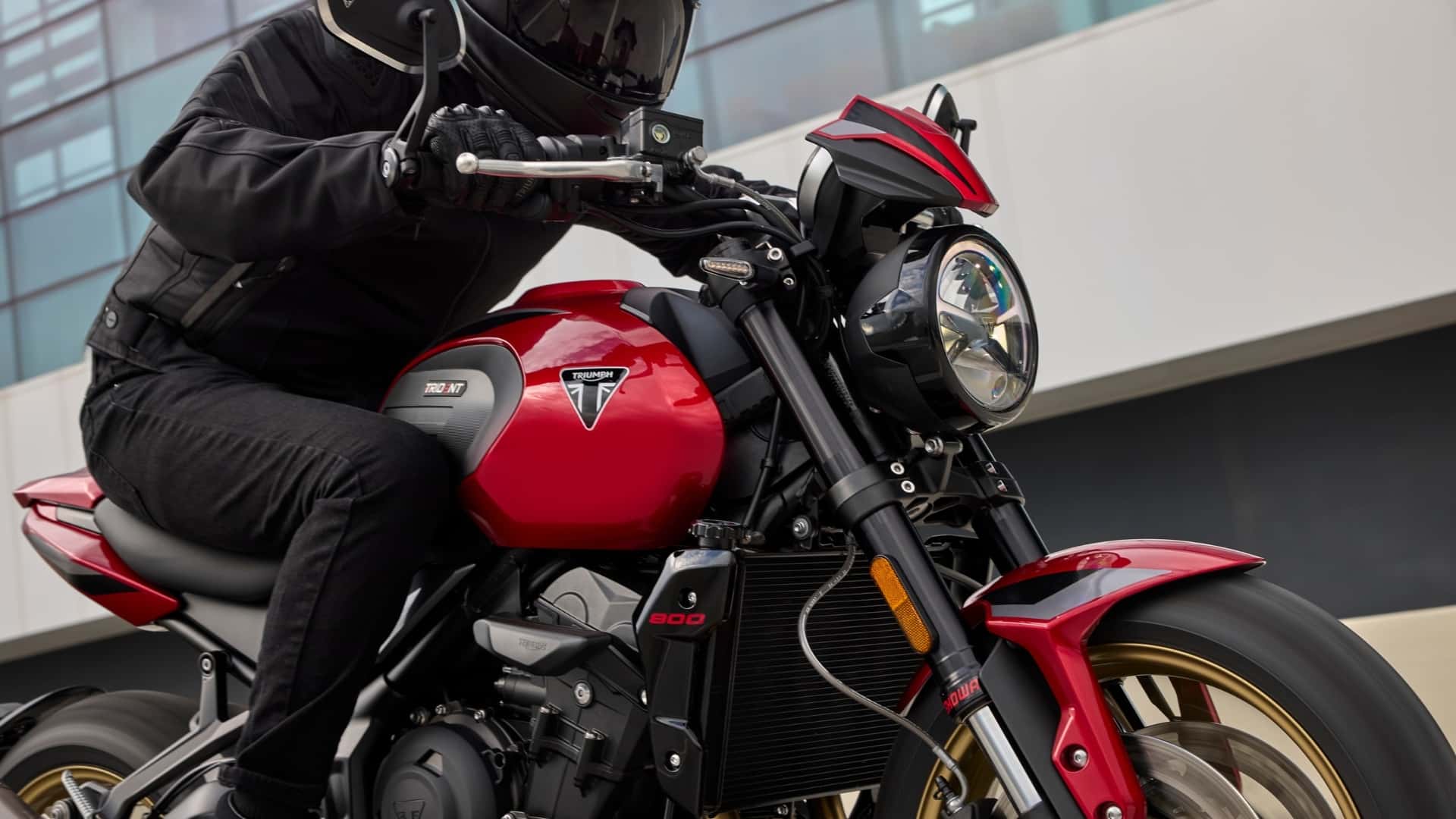
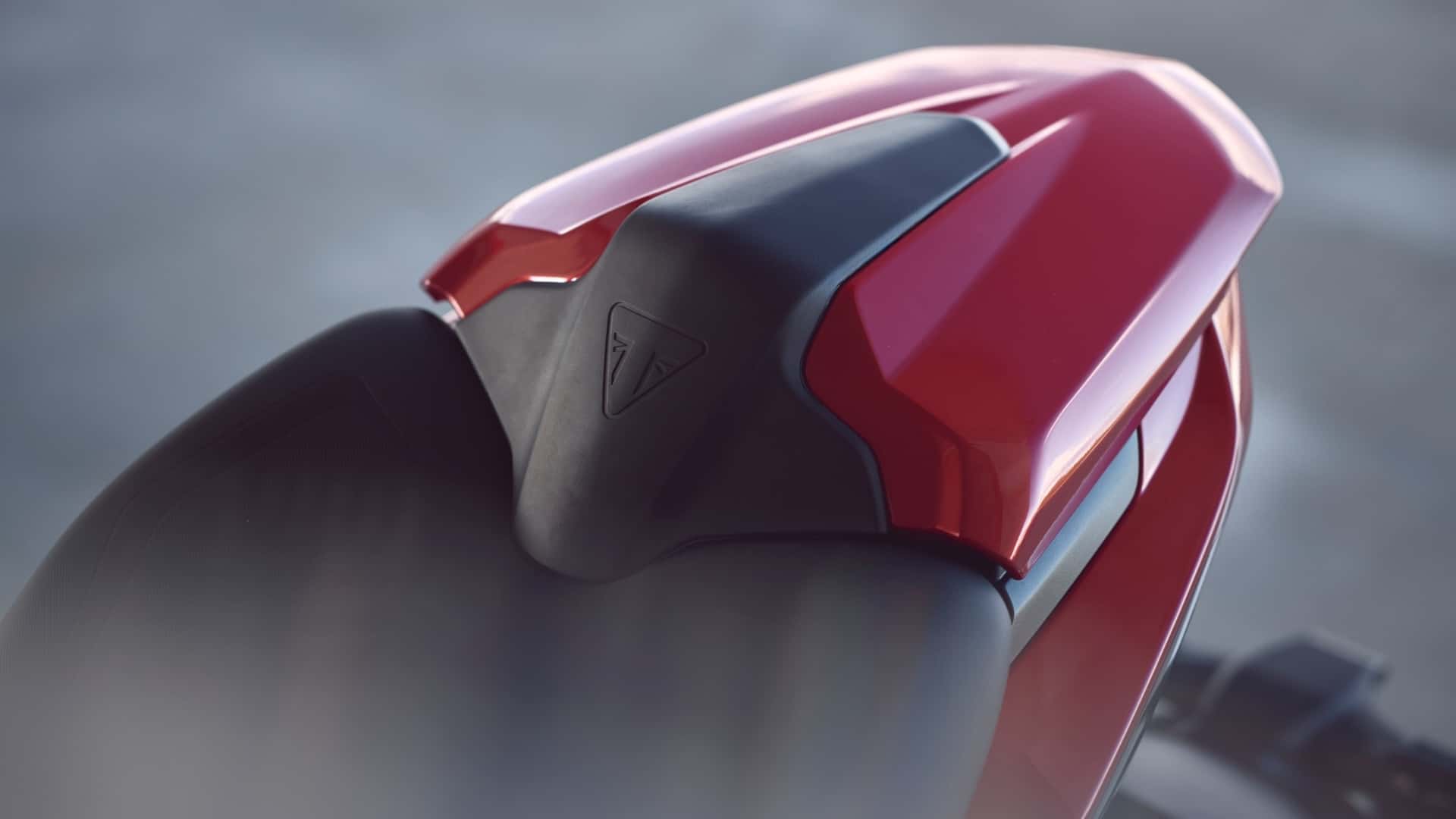
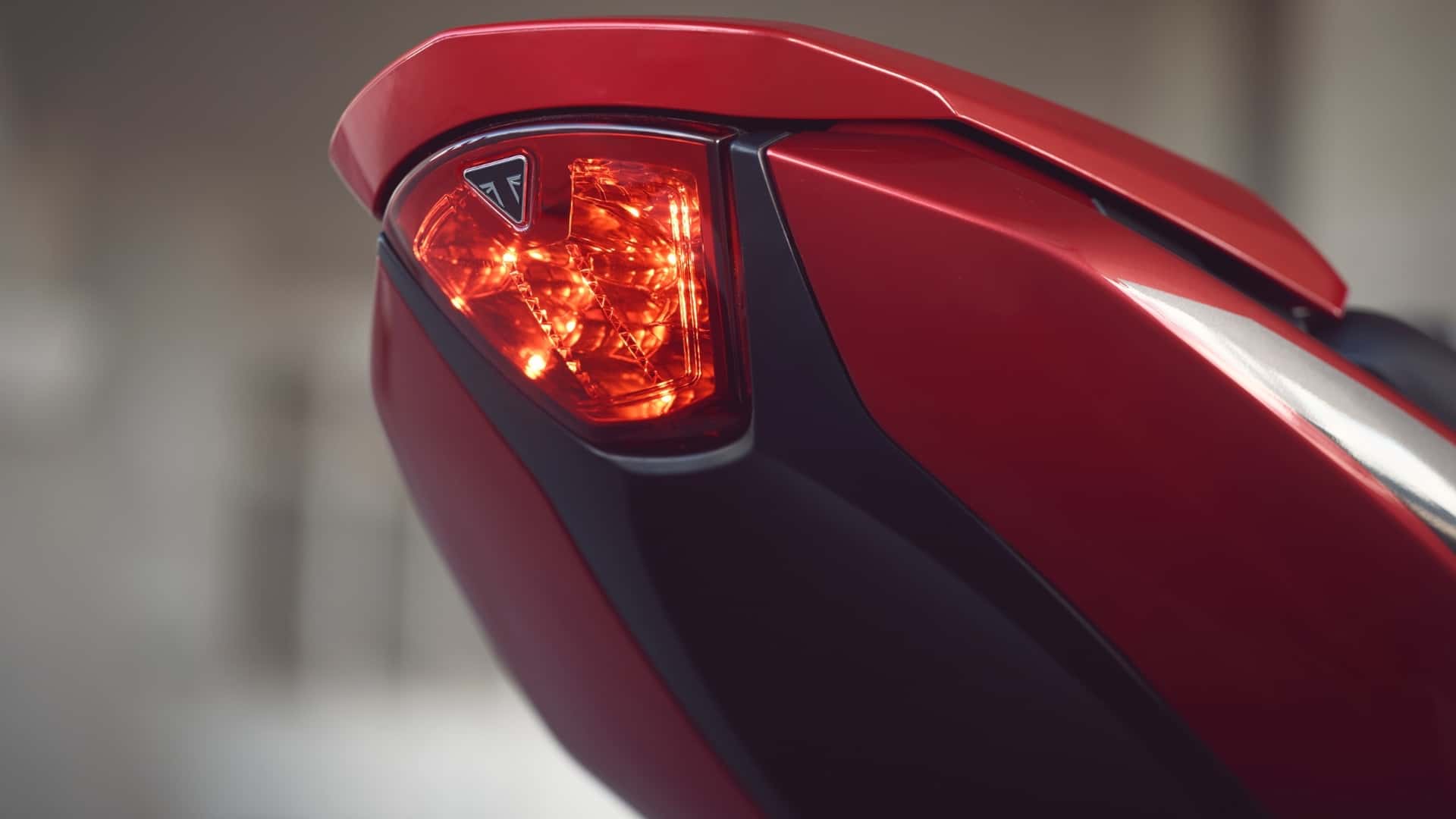
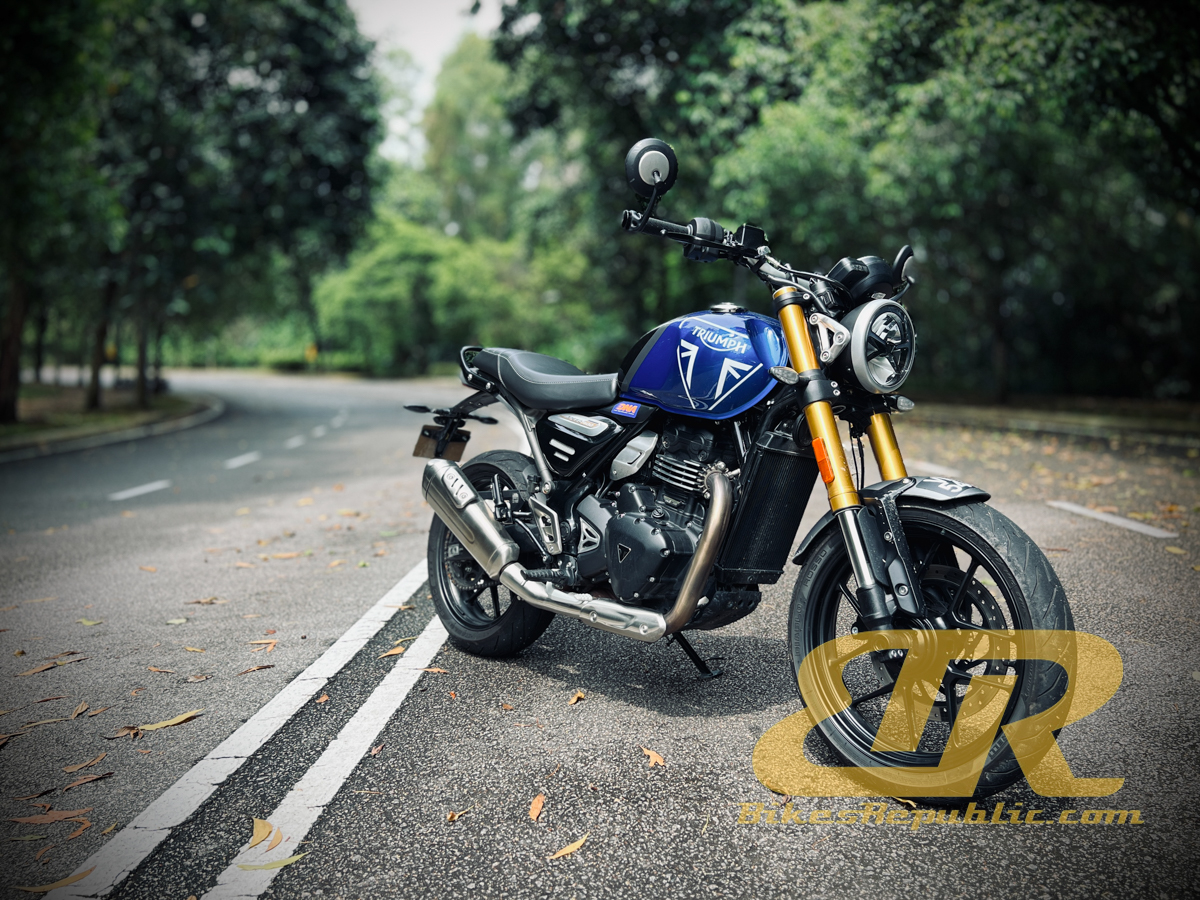
The Triumph Trident 660 was an instant hit as soon as it came out, and now Triumph wants to up the game with the 2026 Triumph Trident 800.

The 800-series of triples already exist for some time, powering the Tiger 800 then the Tiger Sport 800. However, the triple on the Trident 800 is all-new, rather than a direct carry over from the other models.

Triumph places it between the entry-level Trident 660 and the bonkers Street Triple 765RS. As such, the 800 boasts many additional features that are not available on the smaller 660, but not as comprehensive as the 765 RS’s.

Highlights
  • 798cc, three-cylinder, DOHC engine which produces 113 hp at 10,750 RPM and 82.7 Nm at 8,500 RPM.
  • Triumph went ahead and gave the engine a twist-forged crank, high compression pistons, and three throttle bodies.

2026 Triumph Trident 800

  • Suspension duties is handled by fully-adjustable 411mm upside-down Showa forks, while the rear monoshock features preload and rebound adjustments.
  • There are twin 310mm brake discs up front, along with a pair of radially-mounted four-piston calipers up front.

  • Seat height is only 810 mm high, which is a boon for any rider.
  • Lean-sensitive cornering ABS and traction control.

  • Three riding modes: Road, Sport, Rain.
  • Triumph Shift Assist quickshifter.

  • Cruise control is standard.
  • Bluetooth connectivity with the 3.5-inch TFT meter is also standard.

  • And of course, lighting is LED.
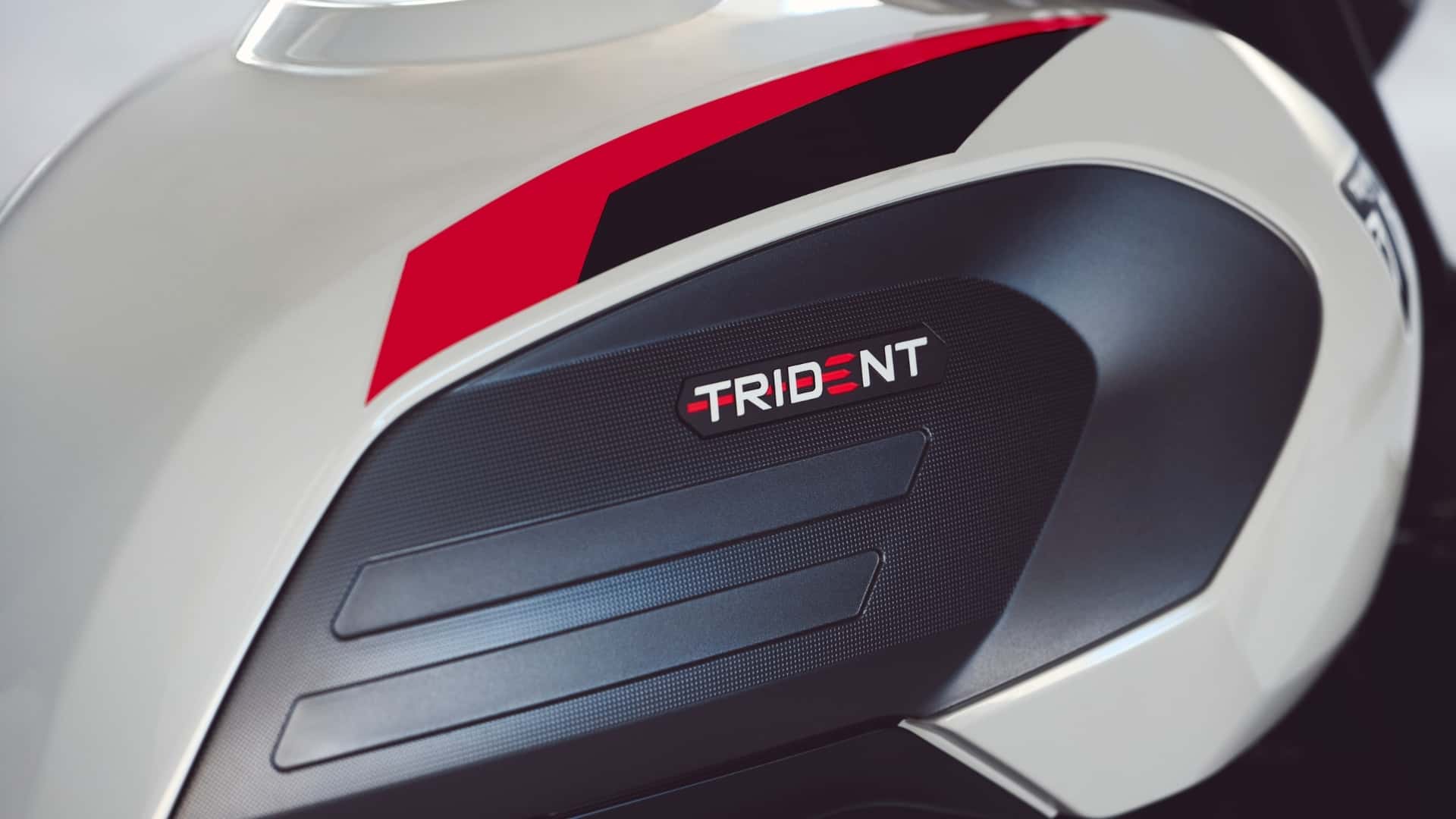
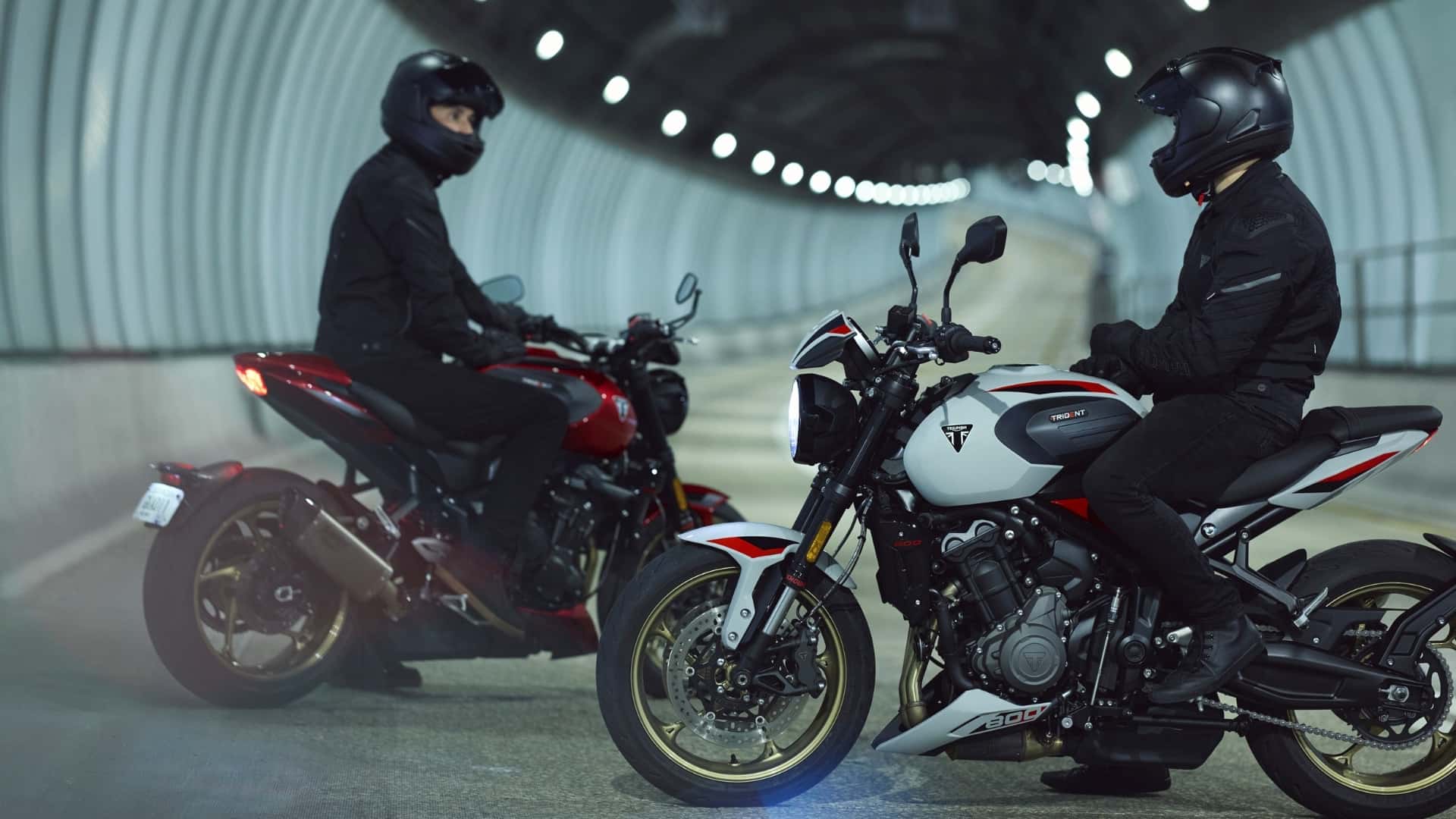
  • In terms of styling, the Trident 800 looks nearly identical to the Trident 660’s silhouette, but has more premium detailing.

  • The 2026 Triumph Trident 800 will be available in three colours called: Ash Grey, Carnival Red, and Jet Black. Gold-finished wheels are standard.

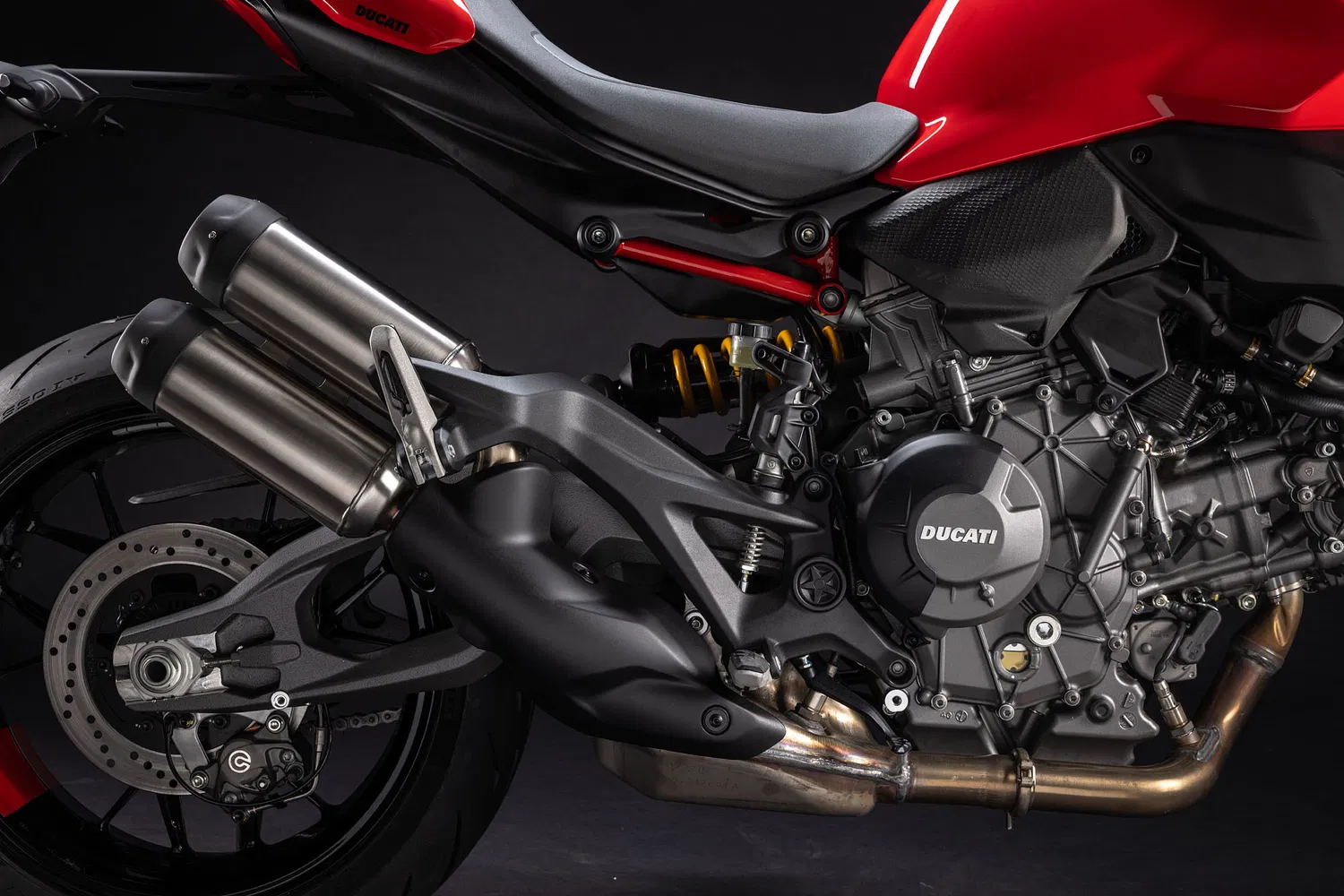
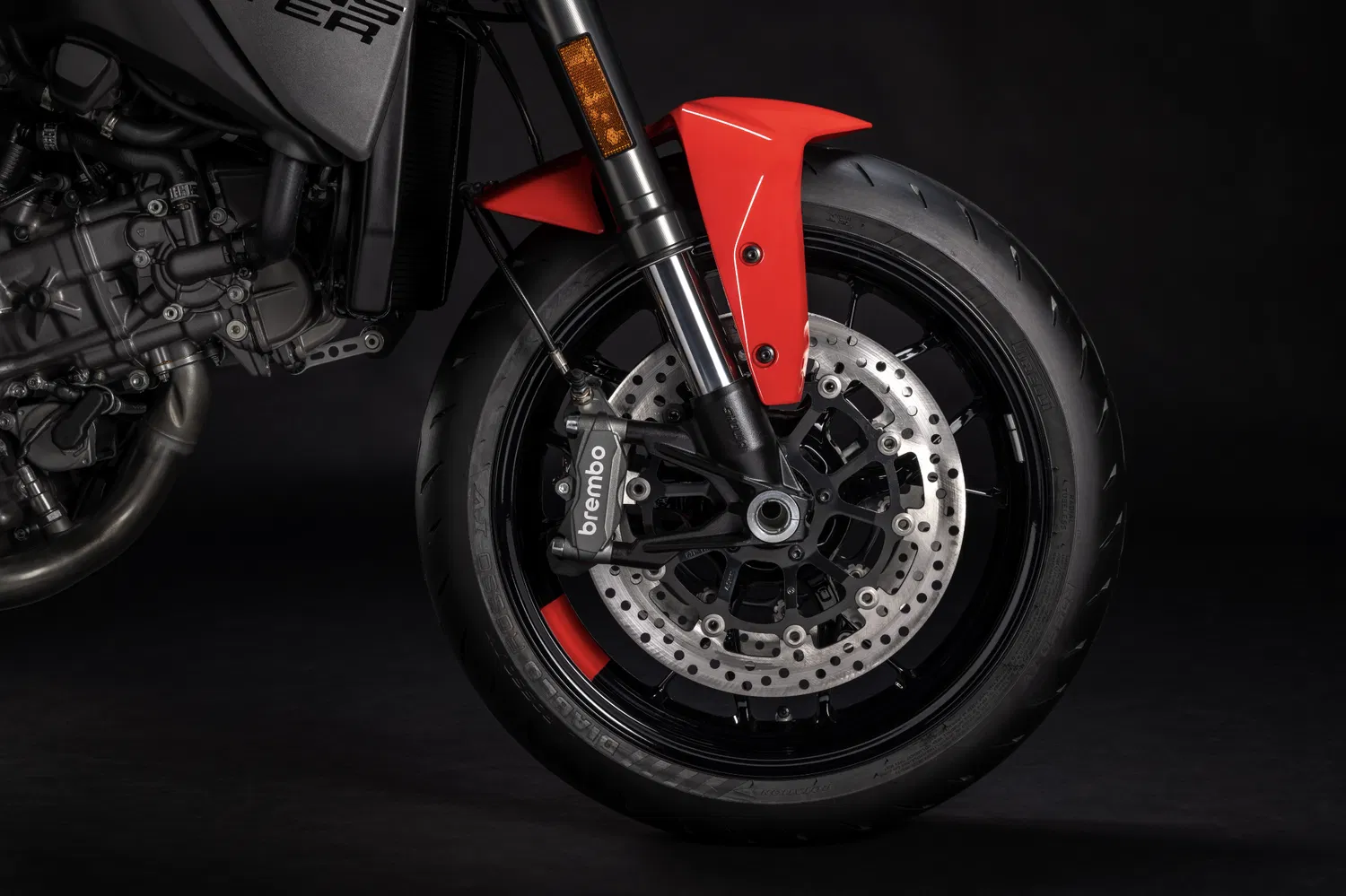
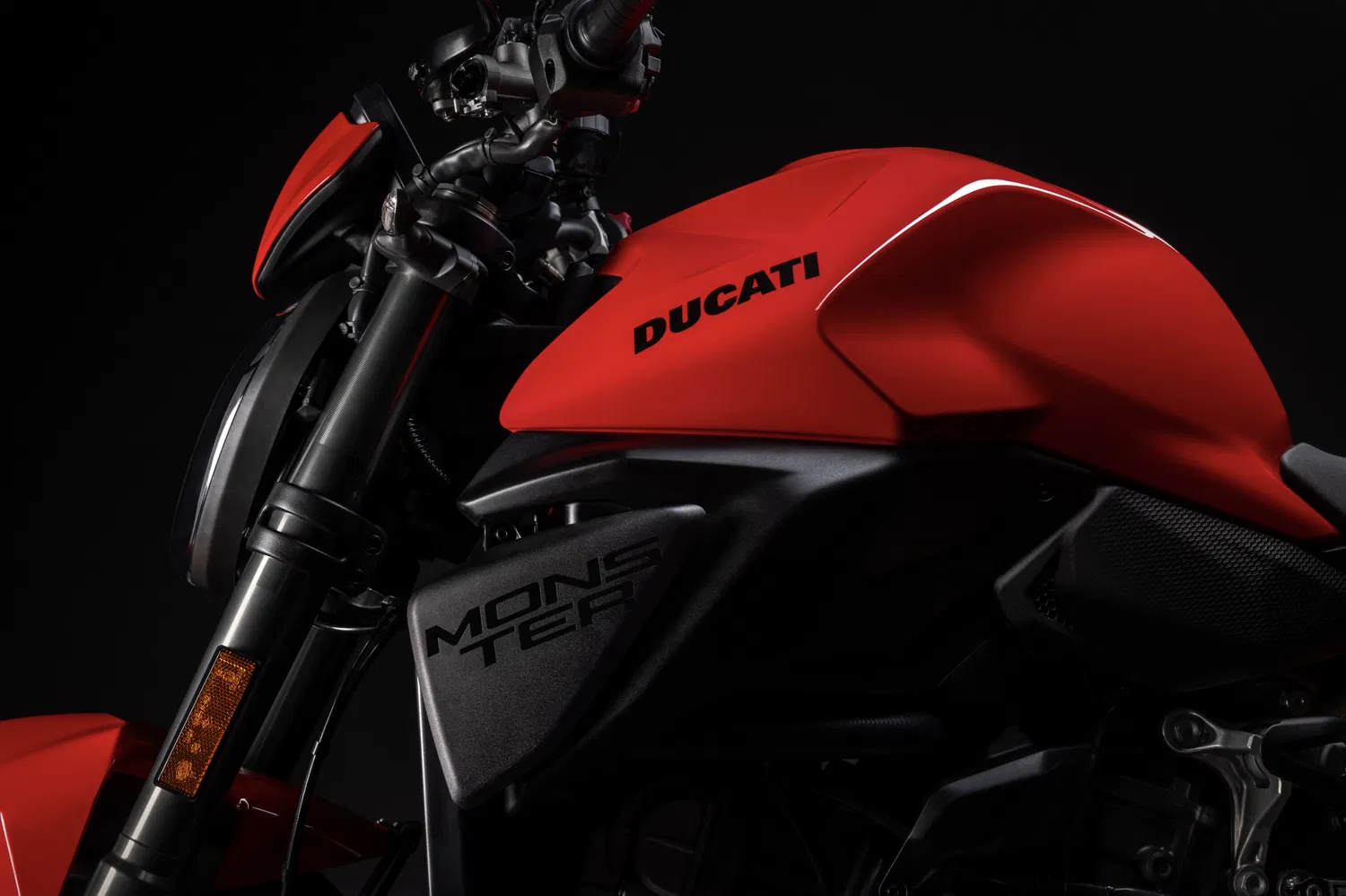
The 2026 Ducati Monster has been unveiled, marking the 5th generation of the venerable naked roadster. And it was something expected to happened, to utilise the 890cc V2 engine.

Highlights:
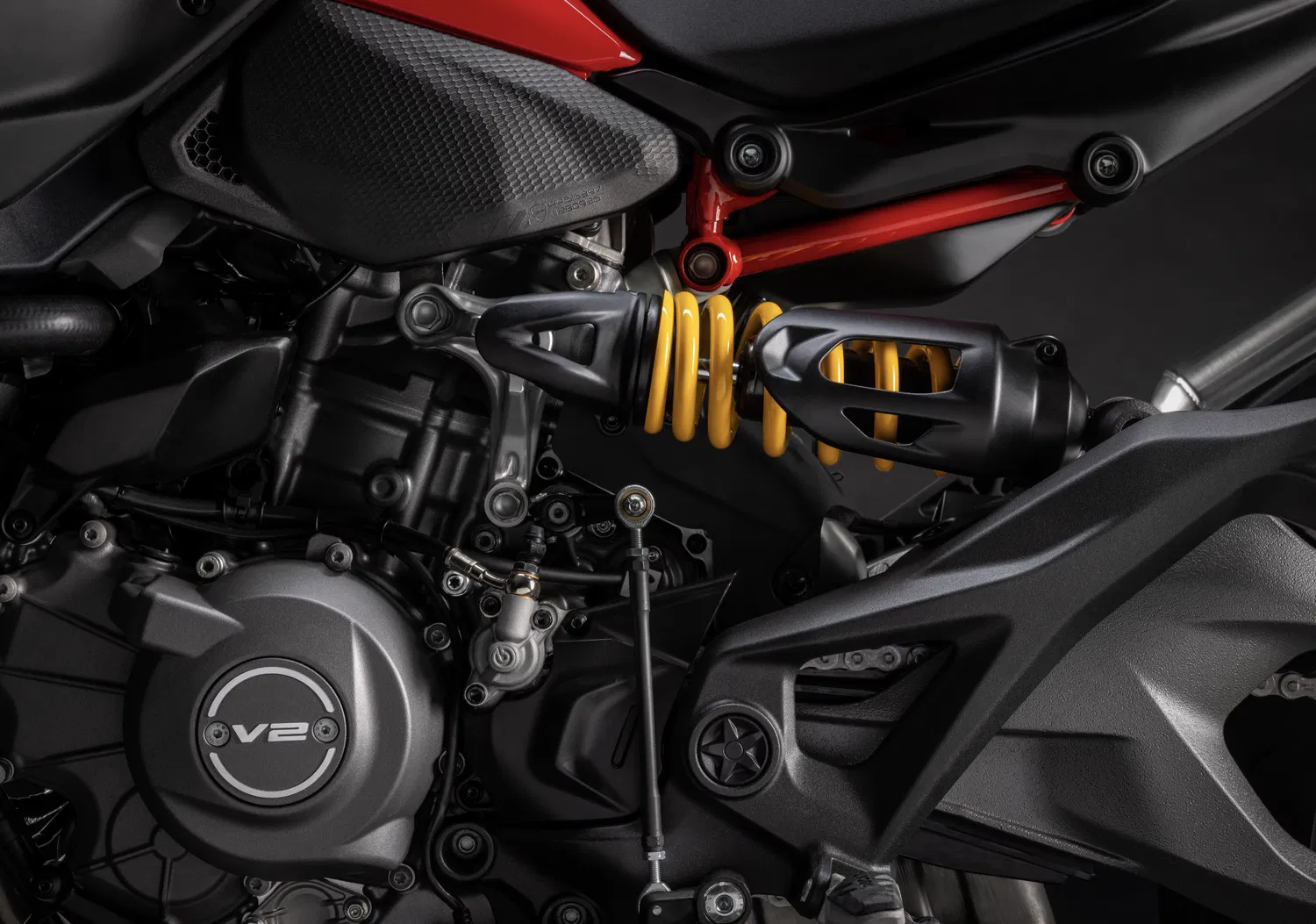
  • 890cc, V2 engine with Intake Variable Timing (IVT) valvetrain – this engine is nearly 6 kg lighter than the previous Testastretta Evoluzione V2.
  • The engine produces 109.5 hp at 9,000 RPM, and 90.8 Nm at 7,250 RPM, but that’s just part of the story as 80% of that maximum torque is already available from 4,000 RPM.

  • That broad spread of torque provides better tractability when riding on the streets and twisty canyon roads.
  • As with newer Ducatis, this new engine features extended valve clearance checks at every 45,000 km.

  • Following the previous generation Monster, the 2026 model uses an aluminium monocoque frame to which the cylinder heads bolt directly to.
  • A technopolymer trellis-style subframe then connects to that “frame.”

  • The 2026 Ducati Monster uses a double-sided swingarm which looks similar to the new Panigale V4’s.
  • These changes shed 4 kg (now 175 kg dry) over the outgoing model.

  • Showa 43 mm upside down forks handle suspension duties up front, a pre-load adjustable monoshock is at the back.
  • Brakes are Brembo M4.32 radial calipers gripping 320mm discs up front.

  • Electronics are the usual fare for Ducati: Six-axis IMU controlling cornering ABS, traction and wheelie control, engine braking, and the latest version of Ducati Quick Shift.
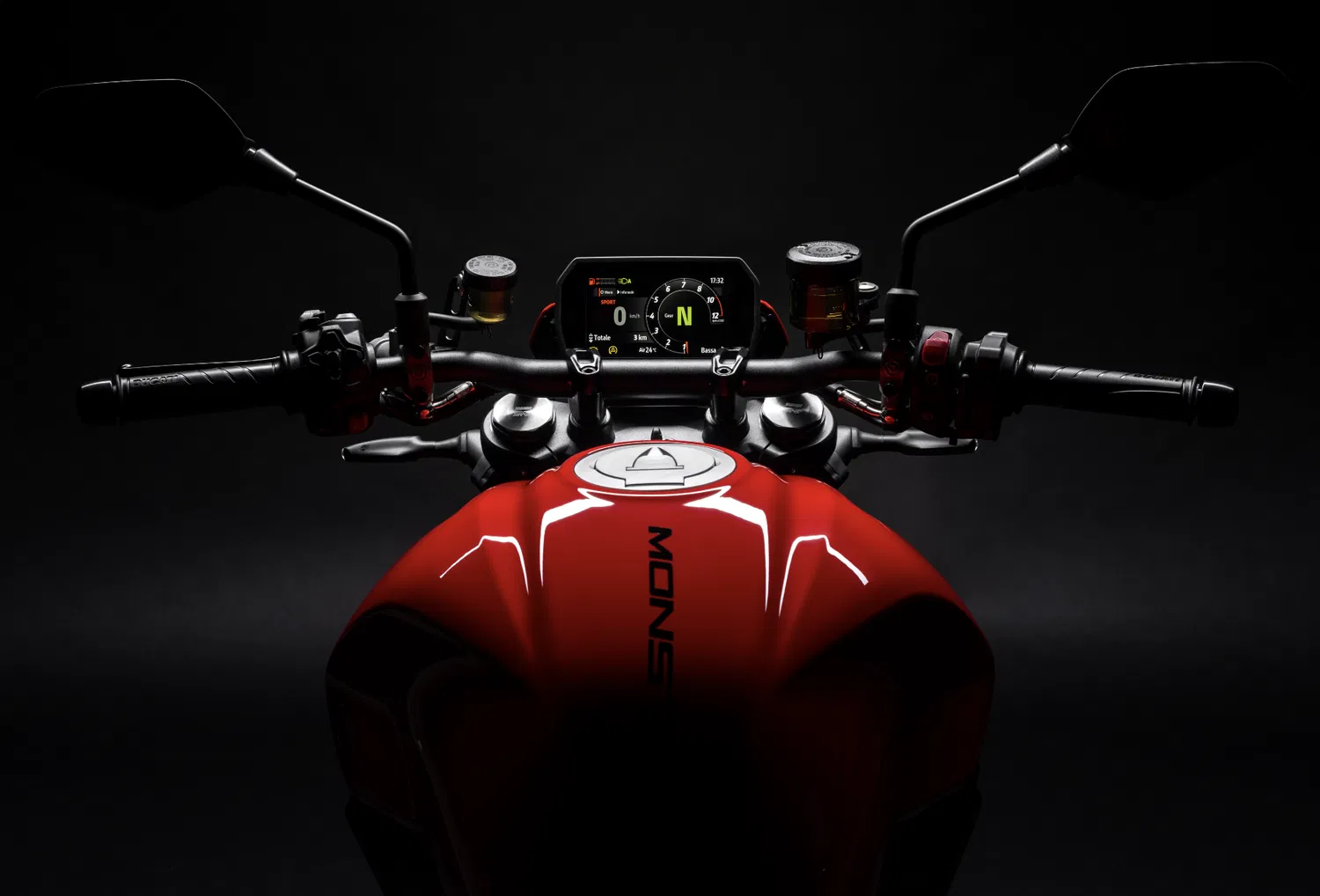
  • Four modes: Sport, Road, Urban, and Wet, through a new petal-style joystick on the left switchgear and a 5-inch TFT dash with day/night display modes.

  • The system is ready for Ducati’s Multimedia System and turn-by-turn navigation, and cruise control.
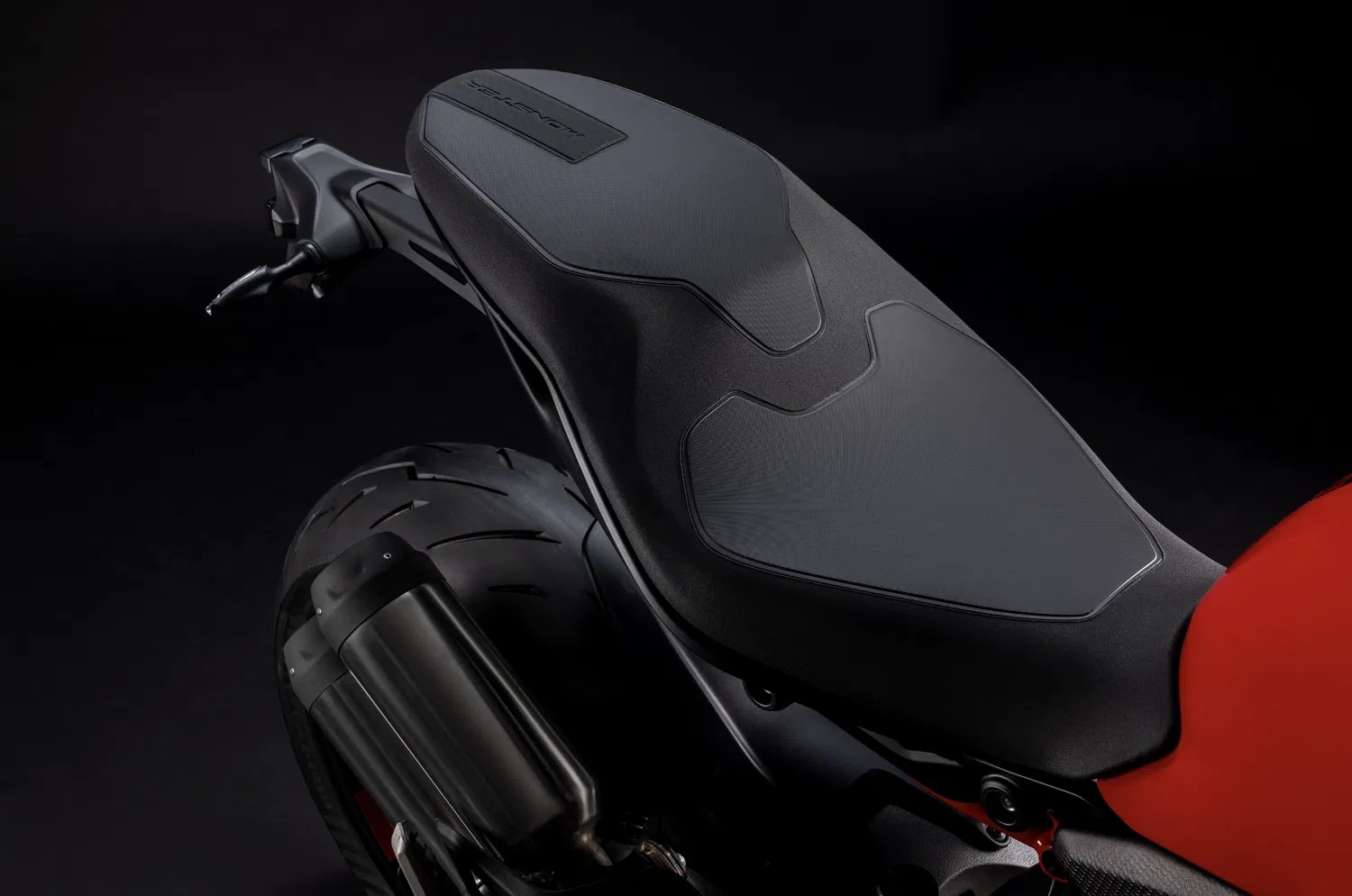
  • A new, narrower seat with a height of 815mm completes the ergonomic package.

There are two versions: The standard Monster, and a Monster Plus (will there be a Pro Plus, too? Just asking), besides two colour options namely Ducati Red, or Iceberg White.

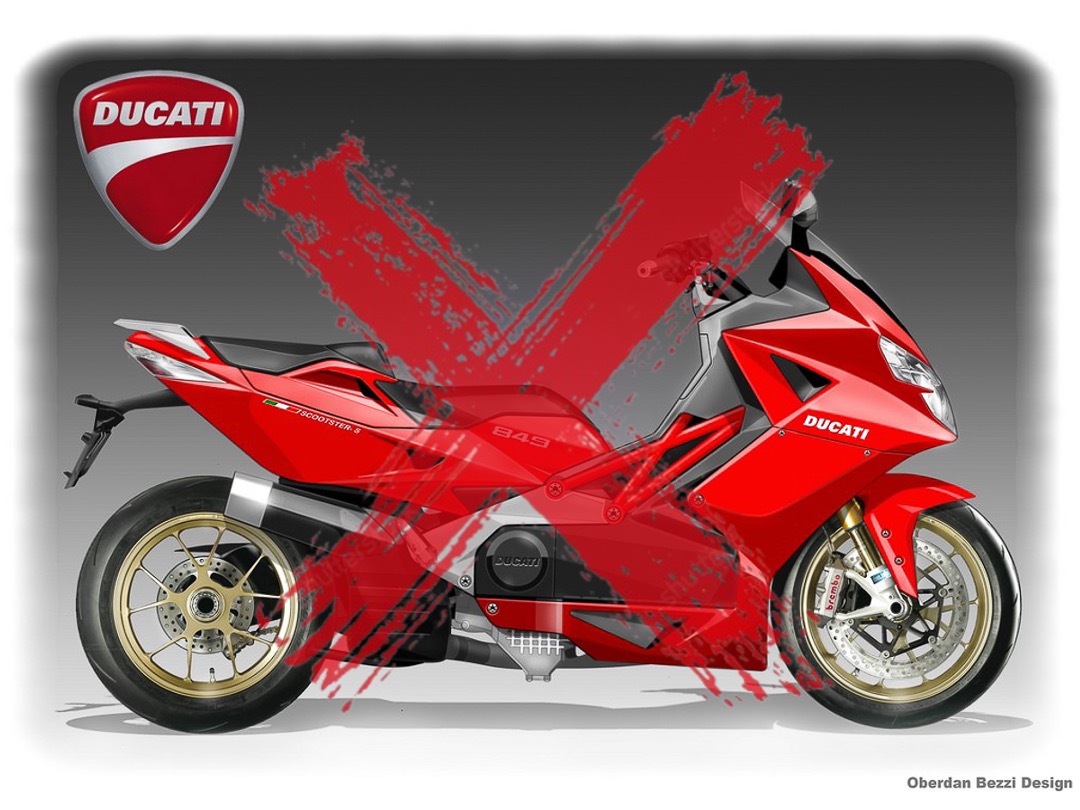
Virtually all European brands have made low-cost models, i.e. BMW, KTM, Triumph and see brisk sales, but not Ducati, despite the mounting pressure of current riders  – both new and veterans – switching to these smaller bikes.

In an interview with MCN, Ducati’s Head of Product Communications, Giulio Fabbri, said that his company had made the decision “many years ago.”

However, the decision was not driven by keeping the brand’s “premium” reputation. Instead, it was due to the drive to equip their motorcycles with the best technologies, components, hence pricing.

For the record, Ducati did make 400cc models in the past.

One was the Monster 400 from 1997 to 1998. It was first intended for Japan, Singapore, and Italy but was subsequently exported Thailand, Taiwan, Indonesia, and the Philippines where there high taxes for bigger motorcycles. However, Ducati was under the Cagiva Group during this time.

The current Ducati management produce the 400cc Scrambler Sixty62 from 2016 to 2022. And yes, its downfall was due to being priced higher than its peers.

“Our pillars are style, sophistication and performance,” Fabbri said. “If you put these three together, and if you want to make a small bike, you are absolutely priced out of the market. So, this is the reason why you will never see a small Ducati.”

He emphasised further that Ducati are taking a different approach to younger riders. Instead of cheap, low-capacity machines, the company is using lower-cc performance machines to draw fresh blood to the brand.

“This is also one of the reasons why we decided to enter motocross and introduce the 698 Mono, (as) we need to take care of younger riders.”

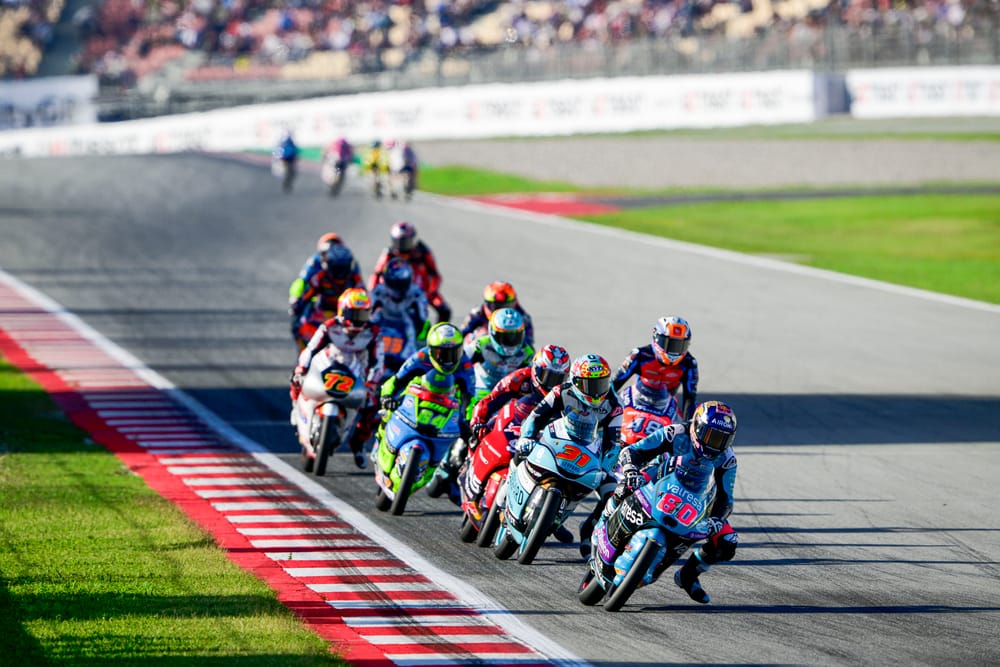
2028 is already slated to be an important, if not watershed year for MotoGP as there will be many significant changes to the premier class bikes. However, it will not be the only class seeing these changes, as the feeder Moto3 class will be affected. Now a rumour has surfaced that Yamaha wants to be the exclusive engine supplier for Moto3, in 2028.

The current Moto3 formula allows for different manufactures to compete. As such, we have been seeing the likes of Honda and KTM vie for glory. In more recent years, other manufacturers have “rented” the 250cc, single-cylinder KTM RC250GP 250cc bike and slapping their names on it for branding.

To keep costs under control, the rules stipulate that teams can use up to six power units over the course of a full season, with a cost cap reported to be €60,000 (MYR295,302.00). Chassis are also limited to a cap of around €85,000 (roughly MYR418,344.50).

However, the development costs borne by Honda and KTM are undoubtedly high, as no one likes to lose. As such, there is talk of turning Moto3 into a single-make race like Moto2 – where one manufacturer supplies the engines, while teams rent or buy frames, chassis, and other components rather than renting the complete bike.

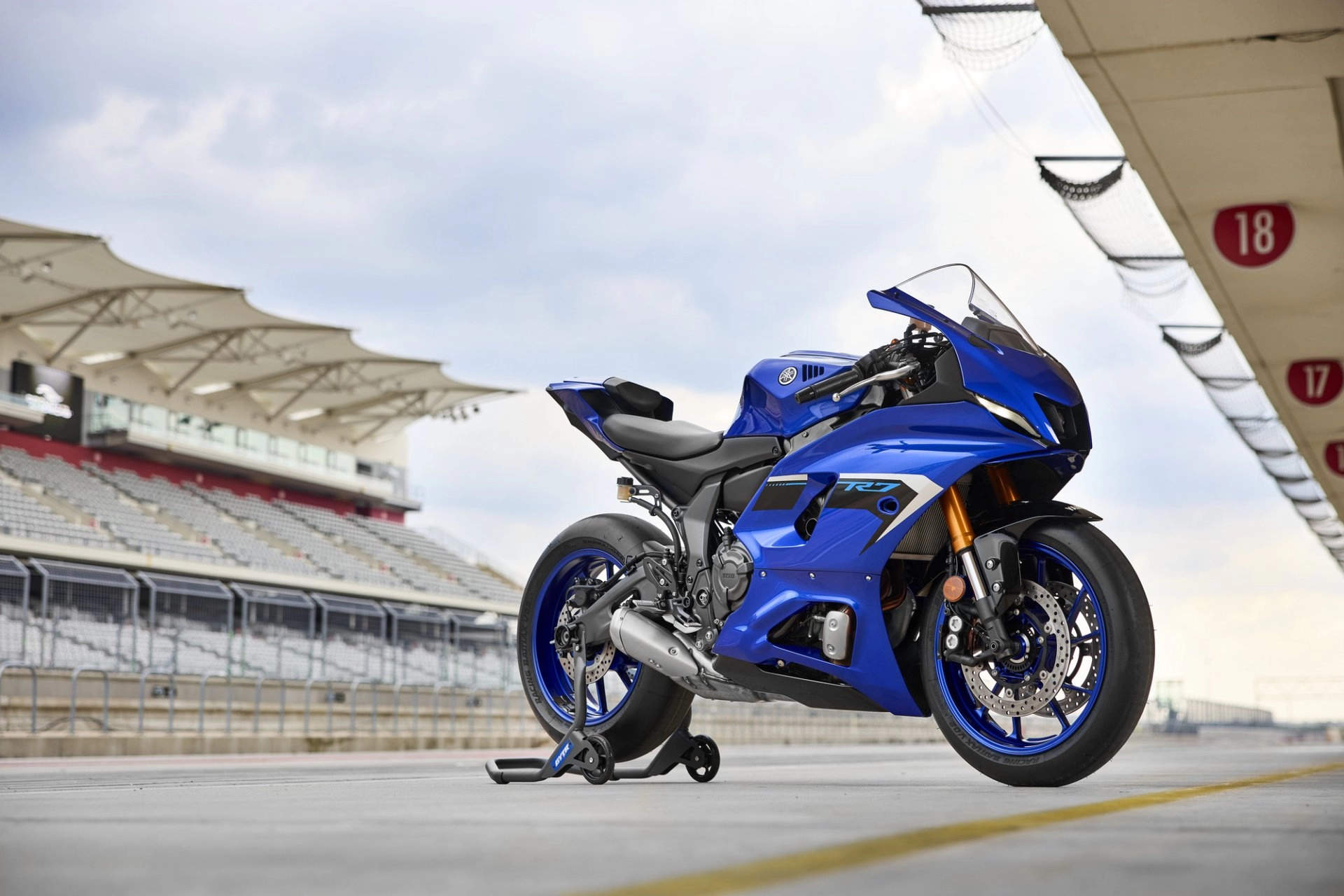
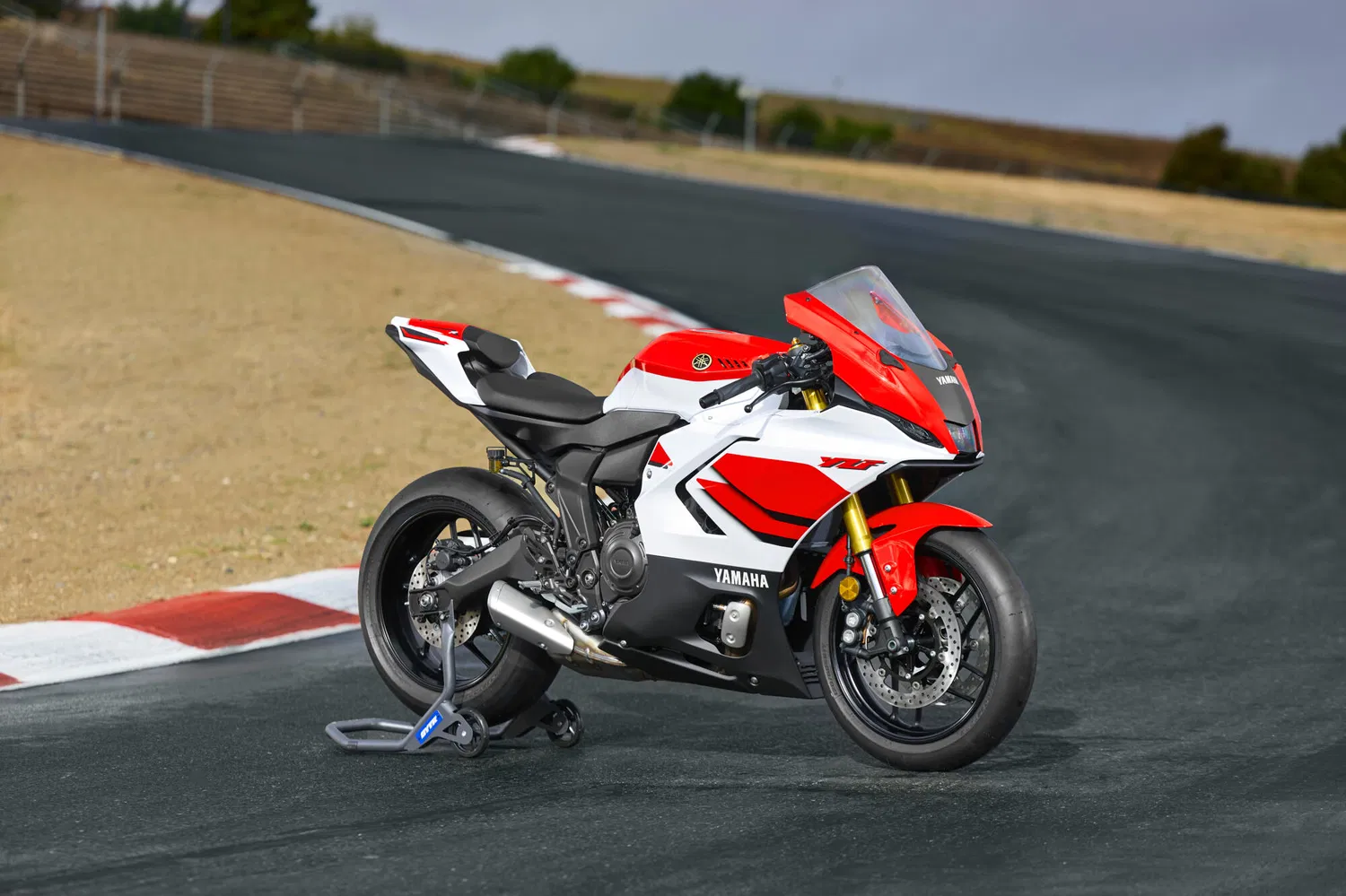
If the rumours are true, we may just see Moto3 bikes using the Yamaha R7’s 689cc, twin-cylinder engine. The engines will modified for racing, of course.

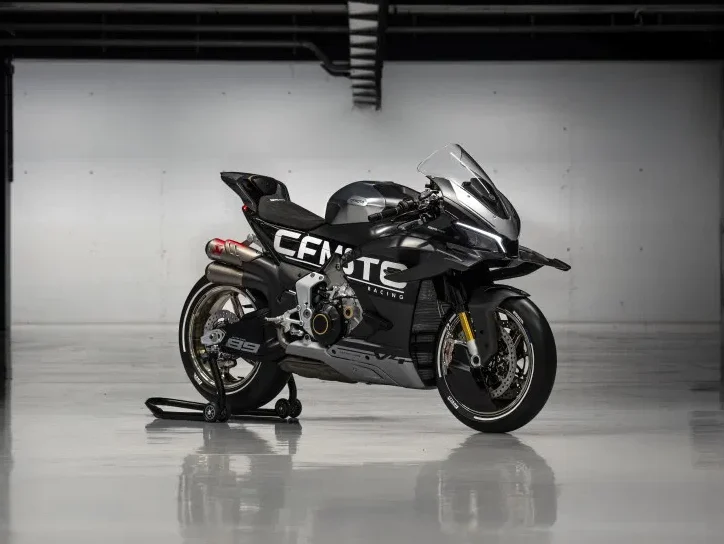
It was also said that other manufacturers are interested in supplying the engines: Honda, KTM, and CFMOTO.

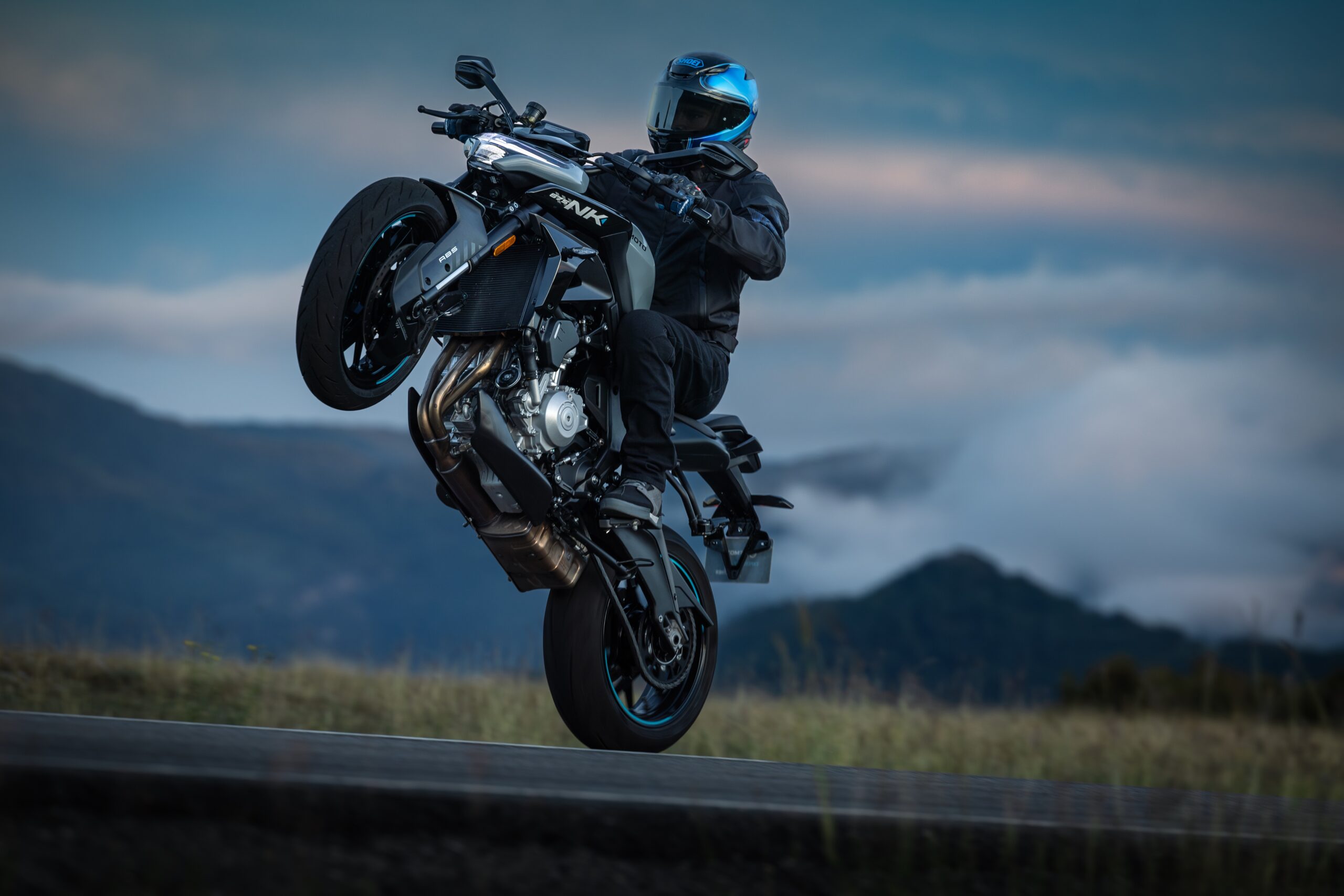
Are you ready for the revolution? CFMoto has just outsold established marques such as Suzuki, Ducati and KTM in France.

So okay, France is a little far from Malaysia but French motorcyclists are known to be very discerning in their choices, and are always looking out for the best performing and equipped motorcycles. Therefore, seeing them pick up on Chinese bikes that are still being maligned is interesting.

According to Moto-Station, from the period between January to September 2025, CFMoto had sold 4,741 units, which equates to 3.38% of the industry’s total sales volume. That was enough to put the manufacturer in 6th place overall, behind Honda, Yamaha, BMW, Kawasaki, and Triumph.

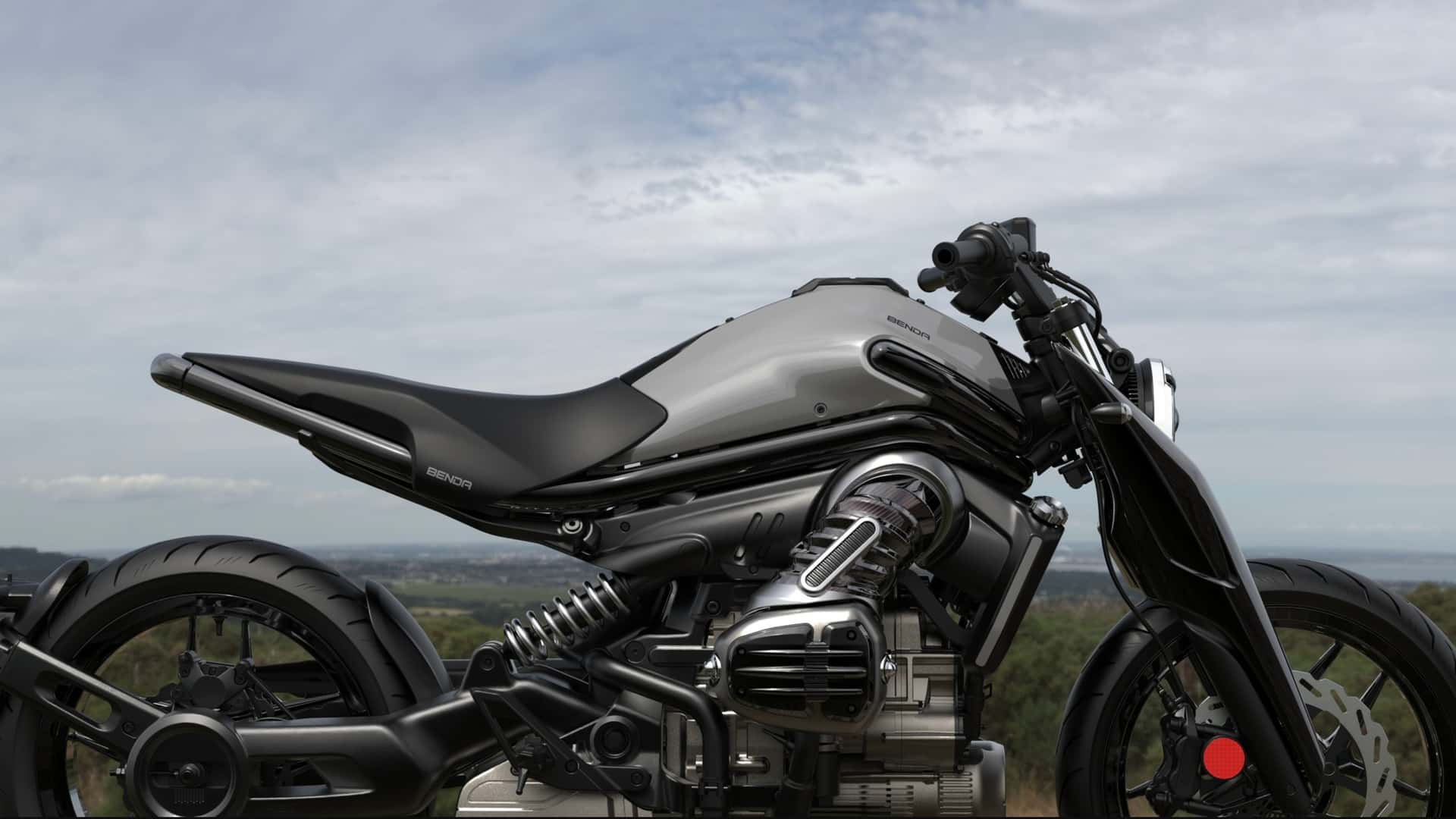
But CFMoto was not the only Chinese manufacturer to make a mark. Further down the list, we can see Voge, Zontes, QJMotor, Benelli, Benda, Kove, and Moto Morini.

Here are the figures, published by Moto-Station.com:

  1. Honda : 31,677 (22.58%)
  2. Yamaha : 22,485 (16.02%)
  3. BMW : 14,591  (10.4 %)
  4. Kawasaki : 11,101 (7.91 %)
  5. Triumph : 8,583 (6.12%)
  6. CFMoto : 4,741 (3.38%)
  7. Suzuki : 3,936 (2.81%)
  8. Ducati : 3,175 (2.26 %)
  9. Piaggio-Vespa : 3,119 (2.22%)
  10. Voge : 3,038 (2.17%)
  11. KTM : 2,977 (2.12 %)
  12. Zontes : 2,808 (2.0%)
  13. Aprilia : 2,637 (1.88 %)
  14. Royal Enfield : 2,625 (1.87%)
  15. Harley-Davidson : 2,053 (1.46%)
  16. Kymco : 1,846 (1.32%)
  17. Sym : 1,539 (1.10%)
  18. QJMotor : 1,212 (0.86%)
  19. Moto Guzzi : 1 104 (0,79%)
  20. Peugeot : 1 081 (0,77%)
  21. Indian : 918 (0,65%)
  22. Benelli : 877 (0.63%) – under QJMotor
  23. Orcal : 849 (0.61%)
  24. Husqvarna : 658 (0.47%)
  25. Benda : 563  (0.40%)
  26. Mash : 483 (0.34%)
  27. Sherco : 482 (0.34%)
  28. Kove : 378 (0.27%)
  29. Rieju : 223 (0.16%)
  30. Moto Morini : 139 (0.10%) – under the Zhongneng Vehicle Group
  31. MV Agusta : 127 (0,09%)

Chinese motorcycle manufacturers have been knocking on the doors of many markets for at least two decades now. Their first products were outright copies, unreliable, and good luck in finding parts. But several, including CFMoto and QJMotor, have since served as technical partners to the established brands. The former builds the KTM 790, 890, and 990 LC8c engines, while QJMotor who holds Benelli was supposed to produce smaller Harleys and MV Agustas. Loncin used to produce engines for the BMW F 750 and F850 series.

On the other hand, manufacturers such as Zontes, Kove, Benda have been pushing for the latest technologies and features at breakneck pace.

Benda LFC 700 PRO

Across the Taiwan straight, er… Taiwanese giants SYM and Kymco have kept pace. Kymco, in particular, had been producing engines for the BMW C-series of scooters.

While Chinese motorcycles have not taken over the entire market yet in Malaysia, the impact is being felt in the small cc categories, namely mopeds and scooters.

So, again, we ask: Are you ready for the revolution?


Triumph is set on a launch blitz of 29 bikes in the next 6 months. The Hinckley-based maker says it is their biggest launch programme in history.

The launch follows a record sales year which saw them deliver 141,683 bikes worldwide between July 2024 and June 2025. That was a 136% sales increase since 2019, with Triumph now operating through 950 dealers across 68 countries.

The new model announcements are set to begin on October 21 with the ‘True Originals Never Settle’ campaign which hints at a shake-up in their modern classic range, followed by a second reveal titled ‘Made to Upstage’ just one week later.

Chief Commercial Officer Paul Stroud commented: “The momentum we’ve achieved over recent years is extraordinary. Our record sales, expansion into new segments, and the number of upcoming product launches all reflect the quiet optimism we feel about the future.”

“We are committed to delivering a range of motorcycles that are exciting, innovative, and built to the highest quality standards, for our customers around the world.”

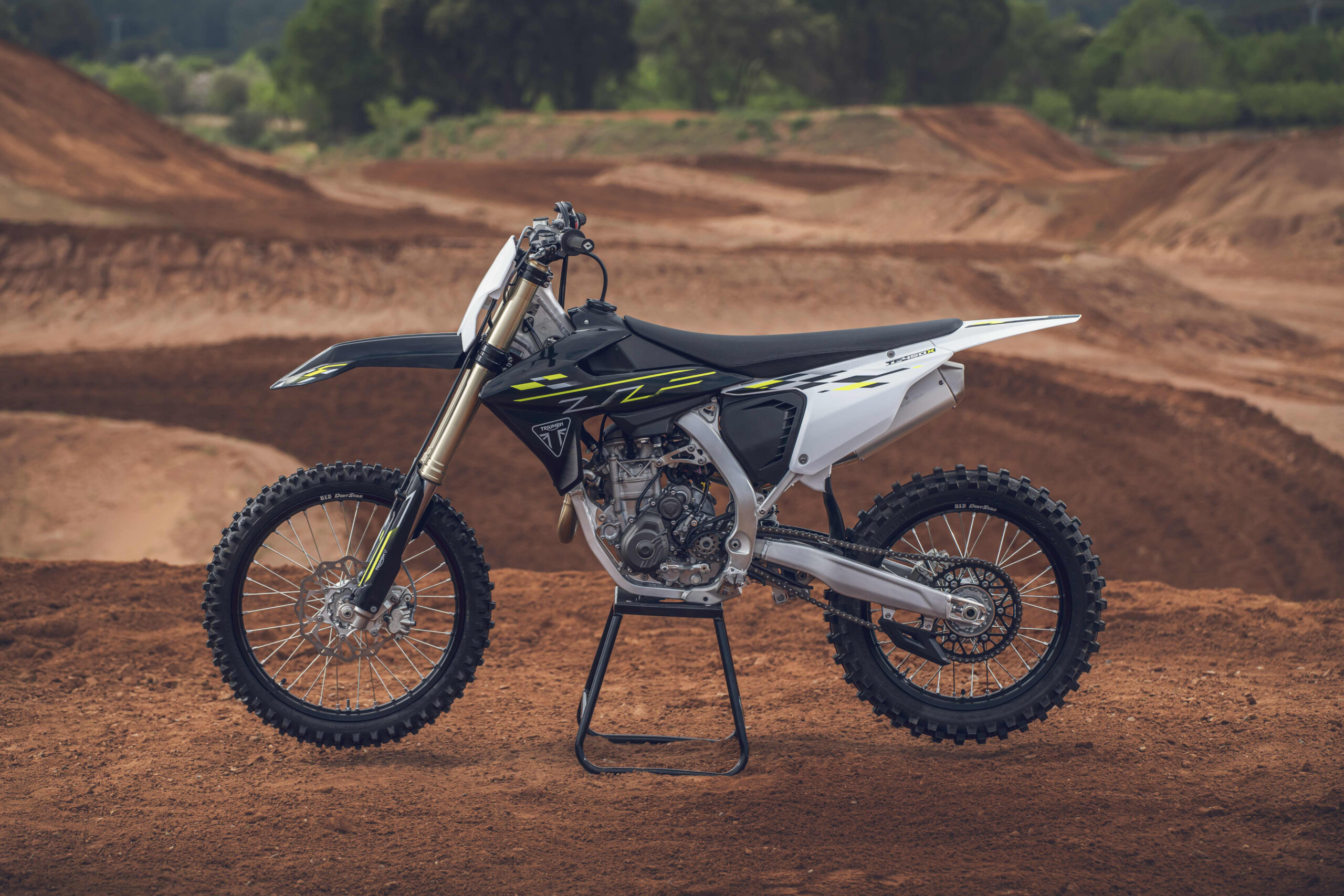
Of the 29 models planned, seven are already known, including the new TXP electric youth bike range, the TF 450-X, and two cross-country machines. The remaining 22 will comprise either entirely new models or updates to existing platforms.

Dealers worldwide will also host preview events between now and the first quarter next year.

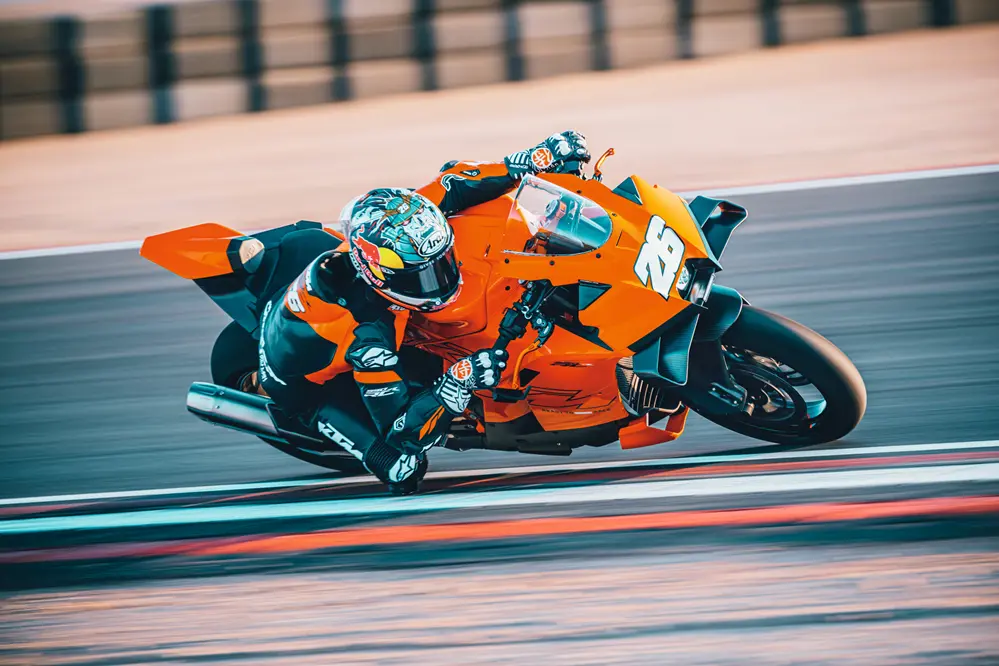
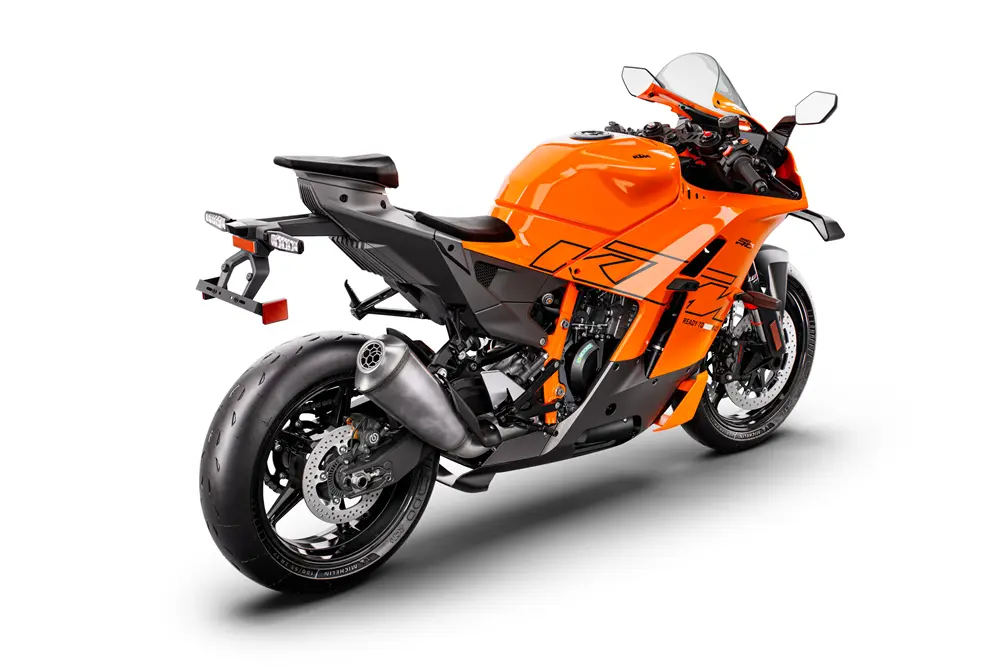
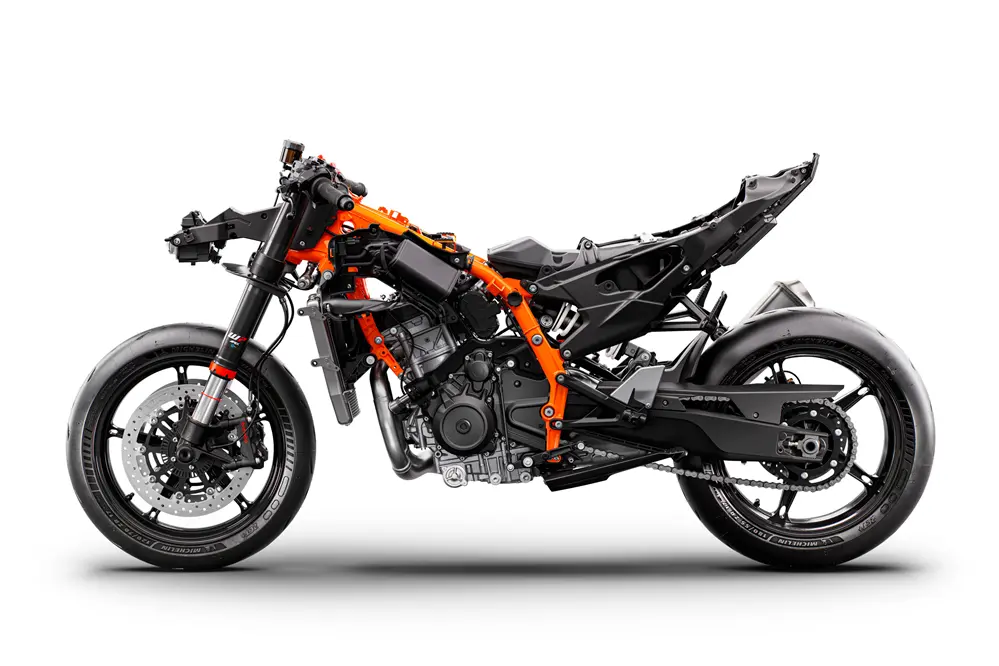
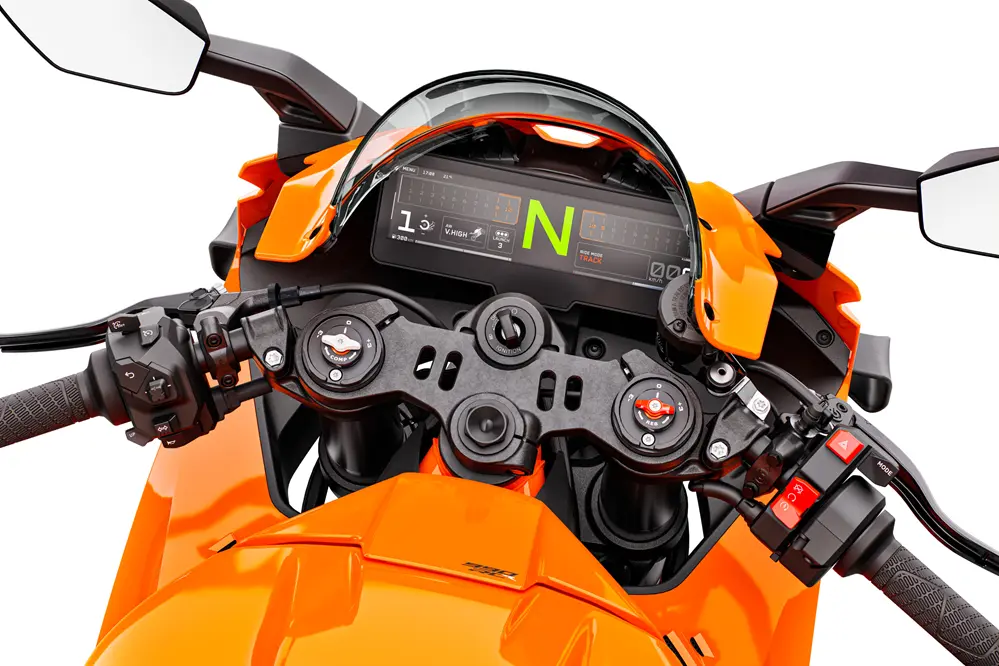
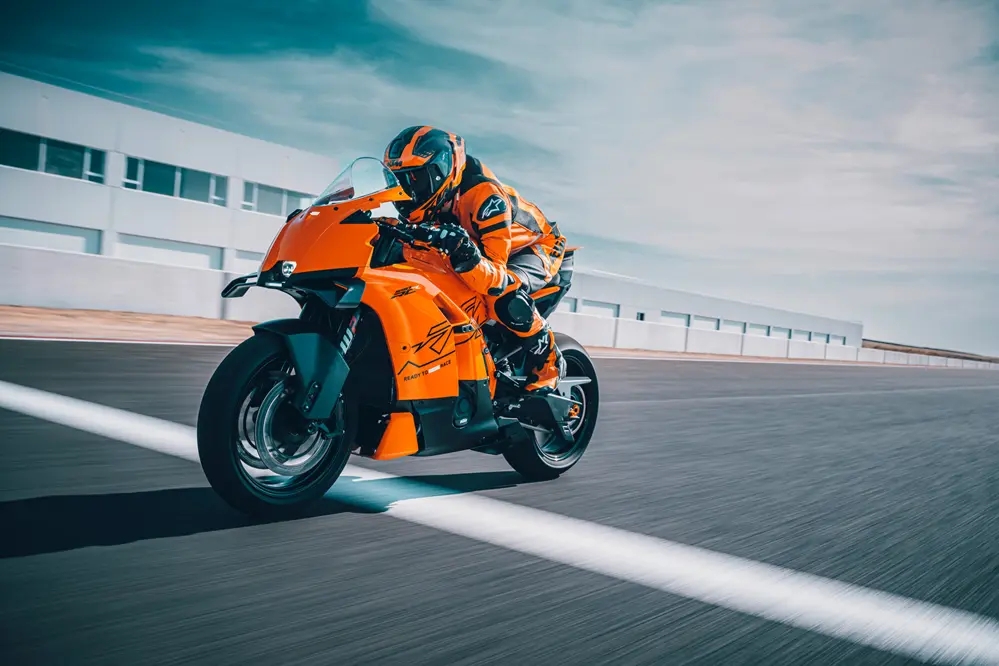
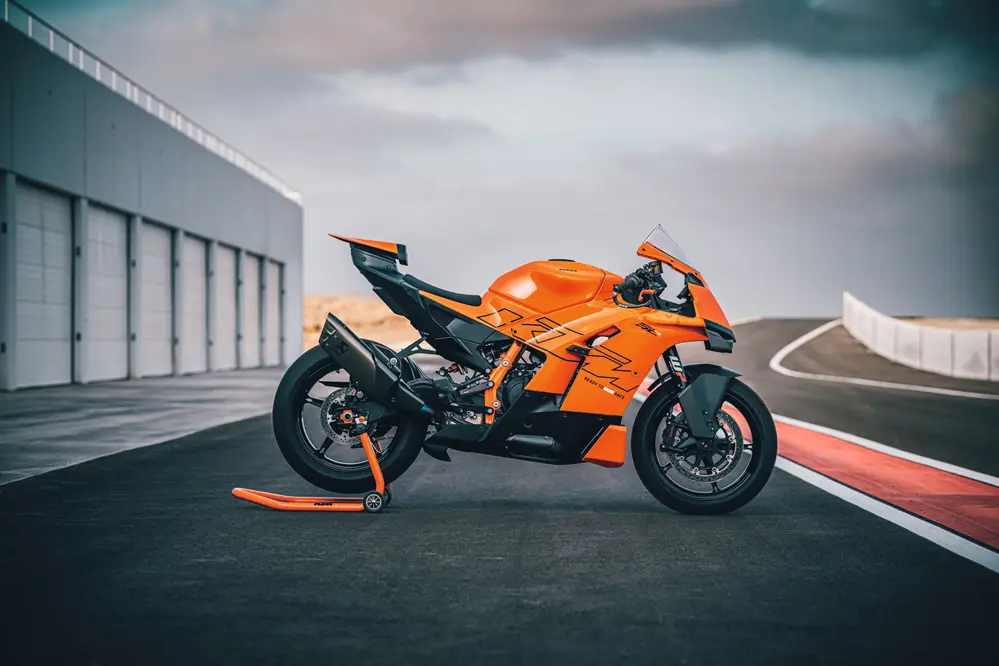
The production-ready version of the KTM 990 RCR sportbike has been revealed. Factory assembly will begin for European customers this October, and expected to arrive in dealers from November.

The expected price in the UK is from £13,499 (MYR75,840.10). A track-only version will be launched in February 2026.

That pricing puts it in the middle of the current supersport segment, with the Yamaha YZF-R9 priced from £12,254 (MYR68,845.44) and Ducati Panigale V2 starting at £15,395 (MYR86,492.20). The Honda CBR600RR and Kawasaki ZX-6R are priced below £11,000 (MYR61,800.21), and the Ducati’s Panigale V2S sitting on top from £17,395 (MYR97,728.61).

The 990 RCR is powered by a 947cc parallel twin engine, shared with the 990 Duke naked. Final claimed performance is 128.2 hp at 9,500 RPM, and 103.1 Nm of torque at just 6,750 RPM.

The bike tips the scales at approximately 195kg ready to ride with a 15.7-litre fuel tank.

Suspension duties are handled by by 48mm WP open cartridge forks with 30 clicks of compression and rebound damping, plus a further three turns for preload. At the back, a WP monoshock provides three changes for high-speed compression, and 30 for low speed.

Rebound also gets 30-clicks, with 10 stages of preload adjustment for good measure. These feed down to a set of 17-inch rims taken from the 1390 Super Duke R, shod with Michelin Power Cup 2 trackday tyres.

Stopping power up front comes from the latest Brembo Hypure calipers. There are also pillion provisions.

The standard seat height is pretty high at 845 mm, but the footpegs are adjustable in three positions. Clip-on bars are non-adjustable, but mounted straight for comfort – with four ABS modes equipped as standard. Front/rear weight distribution being a claimed 52.5%/47.5%.

As for the electronics, the riding modes consist of Rain, Street, Sport, Custom – plus an optional Track setting. The latter includes two extra personalised set-ups.

Like many modern KTMs, there’s also the brand’s controversial Demo Mode, which gives the full suite of electronics for the first 1500km, before the customer must purchase their desired tech packs to keep.

After revealing the Honda CB1000F as a concept during the Suzuka 8 Hour race in August, they have now revealed the ready product.

The CB1000F is the latest model in the CB family’s 65-year-old history. But more specifically, the CB1000F resembles the CB750F/CB900F from the 80’s. More significantly, it resembles the bike ridden by one Freddie Spencer to a Daytona victory, before he went on to be a 500cc world champion.

As we mentioned previously, it is based on the CB1000 platform, which has now expanded to three variants, namely CB1000R (Neo Cafe roadster), CB1000/Hornet (naked), and now the CB1000F.

Therefore, all three bikes share some basic architecture and features.

Highlights
  • 1000cc inline-four engine, but retuned to produce 122 hp at 9,000 RPM and 103 Nm at 8,000 RPM, compared to the other two variants’ 155 hp @ 11,000 RPM and 107 Nm at 9,000 RPM.
  • It is clear here that this bike is intended for a more approachable, everyday riding experience, rather than an all-out street blasting.
  • Honda says it has been “developed under the conceptual target of creating the ‘Best Balanced Roadster’. The CB1000F handles like a middleweight but with big bike feel. And, with the ‘80s now proving such an influential decade in clothing, music, style, and more, the CB1000F is very much a bike ready for today.”

  • To achieve this goal, Honda revised the cams, lengthened the intake funnel from 50 mm to 140 mm, and a minimum diameter of 36 mm.
  • The exhaust system has the same 4-2-1 arrangement but gases exit through a three-chamber megaphone muffler.
  • Front suspension consists of 41mm Showa SFF-BP USD forks which are adjustable for spring preload and rebound/compression damping. (Non-adjustable on the CB1000/Hornet).

  • At the rear is a Showa shock that also allows for preload and rebound damping adjustments.
  • Nissin four-piston radial-mount front brake callipers grip 310mm floating discs up front, while out back is a 240mm disc that’s paired with a Nissin single-piston calliper
  • The CB1000F gets cast aluminium wheels with 120/70-ZR17 and 180/55-ZR17 front and rear tyres.

  • The CB1000F also receives wheelie control and cornering ABS, three riding modes which include Standard, Sport and Rain, and two customisable User modes for riders to choose from.
  • The dash features a 5-inch TFT screen, which has smartphone connectivity via the Honda RoadSmart app.

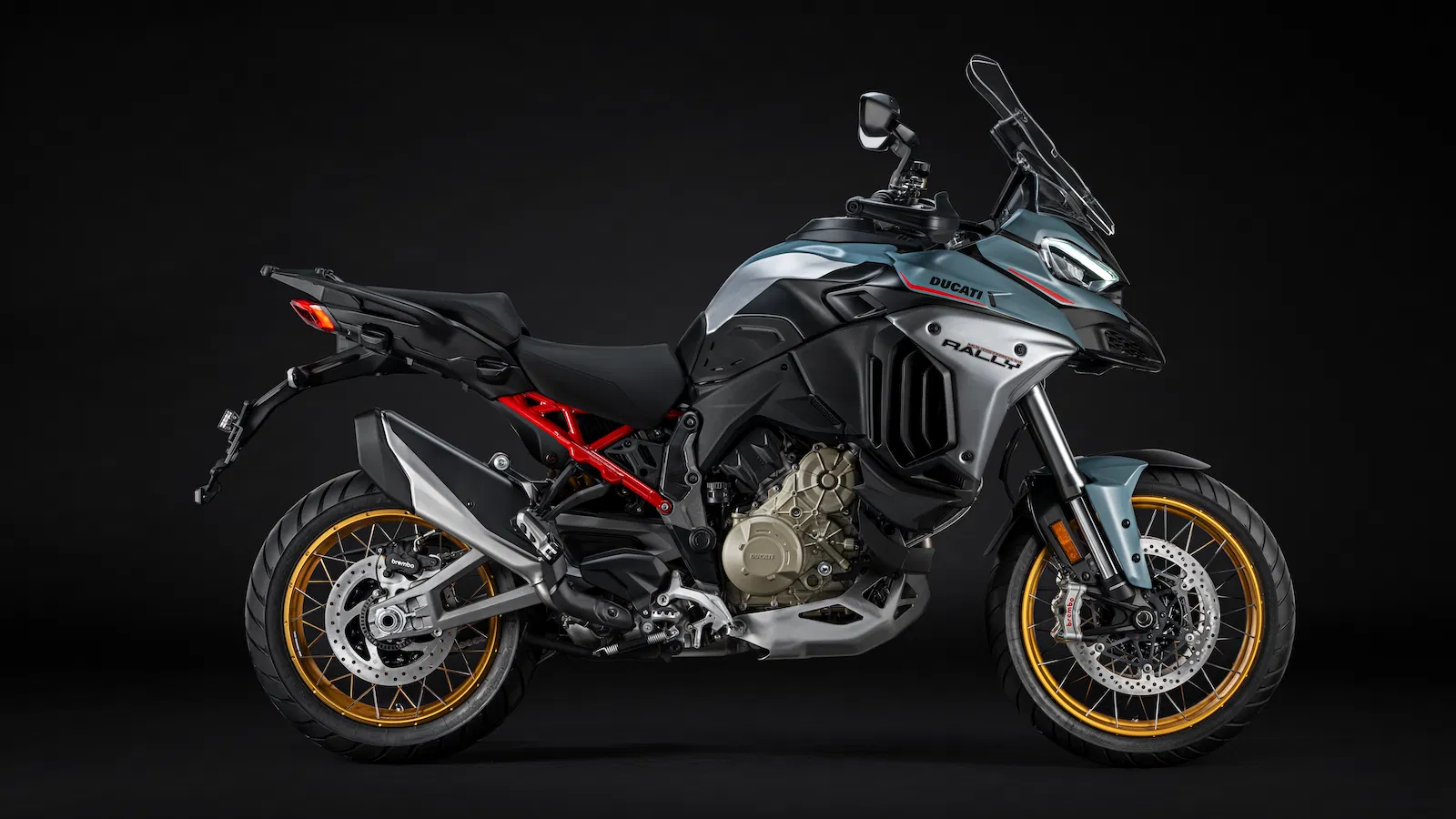
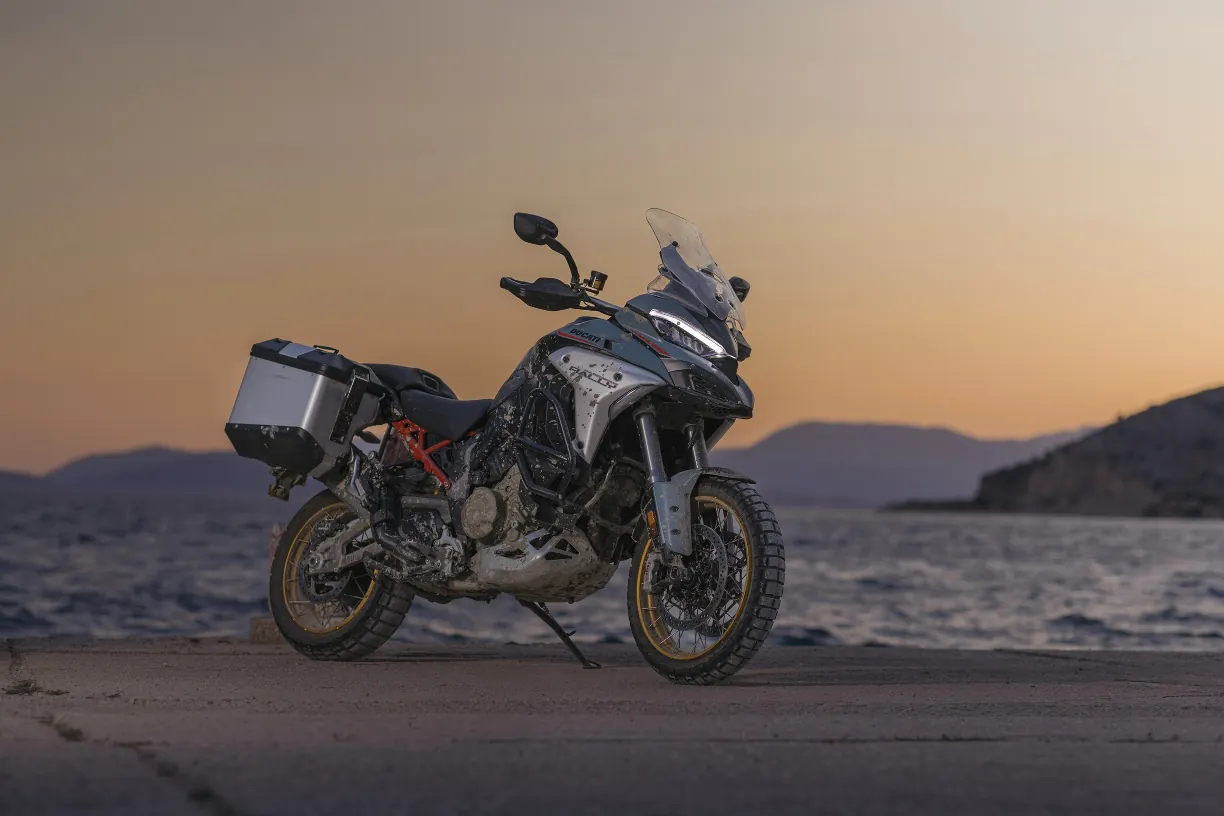
The 2026 Ducati Multistrada V4 Rally has been revealed, featuring some revisions to the first version launched just 3 years ago.

Before we move on, let us draw a deep (and deeper) breath as the new bike is equipped with almost everything in the alphabet.

Highlights
  • Still powered by the madcap 1158cc, Granturism0 V4 engine, which produces 170 hp at 10,750 RPM and 121 Nm at 8,750 RPM.
  • Ducati says that it delivers “a particularly linear torque curve,” but we wonder that means they have addressed the engine’s slightly anaemic power delivery at lower revs and speeds.
  • As per the Panigale V4/V4 S, Multistrada V4/V4 S, and Diavel V4/V4 S models, the engine deactivates the rear cylinder bank while in a standstill and at low revs,to save fuel and cut down on emissions.
  • The Granturismo V4 features conventional valvetrain, as opposed to Ducati’s Desmo, thus valve clearance interval is set at 60,000 km.
  • As for servicing, the interval is every 15,000 km.
  • To boost off-road capabilities, the suspension on the Rally has 200 mm of travel for both front and rear axles, increasing ground clearance to 230 mm.

  • Speaking of suspension, the 2026 Ducati Multistrada V4 Rally boasts a new electronic semi-active Marzocchi suspension, called Adaptive DSS Evo.
  • It allows for adjustment of the preload and hydraulic compression and rebound damping of the fork and rear shock absorber.
  • Sensors can even tell if you are riding over a bump or into a pothole, and adjusts the damping accordingly. (Superb for Malayian roads!)
  • The suspension is equipped with a (switchable) Automatic Lowering Device (ALD) which drops the bike’s seat height when speeds go below 9 km/h – great for trudging in off-road conditions or riding through heavy traffic.
  • It then returns to the normal set height when you hit 20 km/h off-road, or 45 km/h on the road.
  • Suspension settings can be made while the bike is moving.

  • Its algorithm works in conjunction with the Inertial Measurement Unit (IMU), which in turn sends data to the ABS, ECBS, EBC, DTC, DWC, ACC, BSD, BSW, FCW, BLE control units or servos. But wait, no karaoke function? (Just kidding.)
  • Other electronic features include Electronic Combined Braking System, and Adaptive Cruise Control which utilises the bike’s radar.
  • The radar also runs the blind-spot detection and forward collision warning features.
  • The TFT screen measures 6.5 inches and through it, you can select your riding modes, Ducati Connect, suspension control, and more.
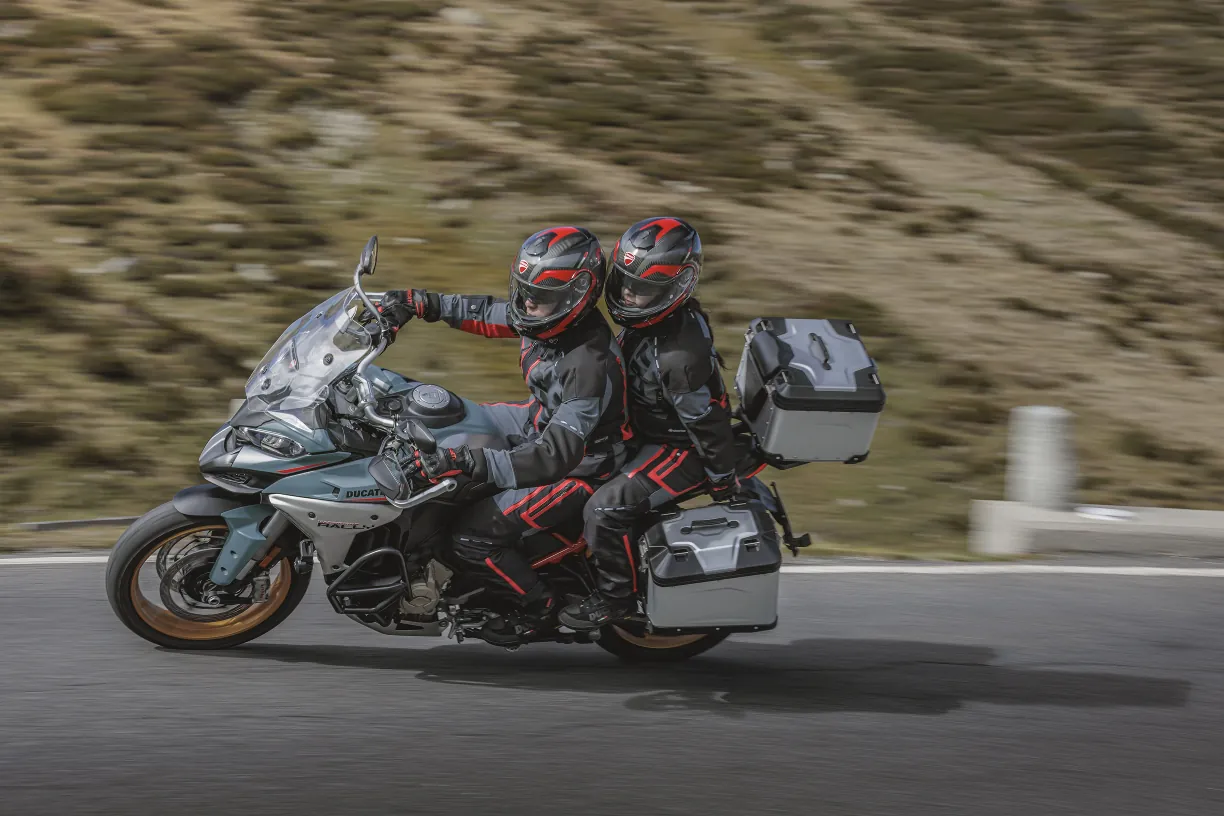
  • Ducati pays a lot of attention to aerodynamic of course, not just for their MotoGP bikes. As such, the Multistrada V4 Rally has front wind deflectors that increase protection for the rider and passenger.
  • The windshield is also 40 mm wider and 20 mm taller.
  • Additionally, the pannier mounting positions have been revised to “provide ample legroom for the passenger.”
  • Wheels are spoked aluminium.
  • Last but not least, the bike is equipped with a 30-litre fuel tank.
  • Colour options are Ducati Red/Brushed Aluminium with black spoked wheels, and Jade Green/Brushed Aluminium with gold spoked wheels.

The 2026 Ducati Multistrada V4 Rally is priced from USD31,995 (MYR135,194.81)

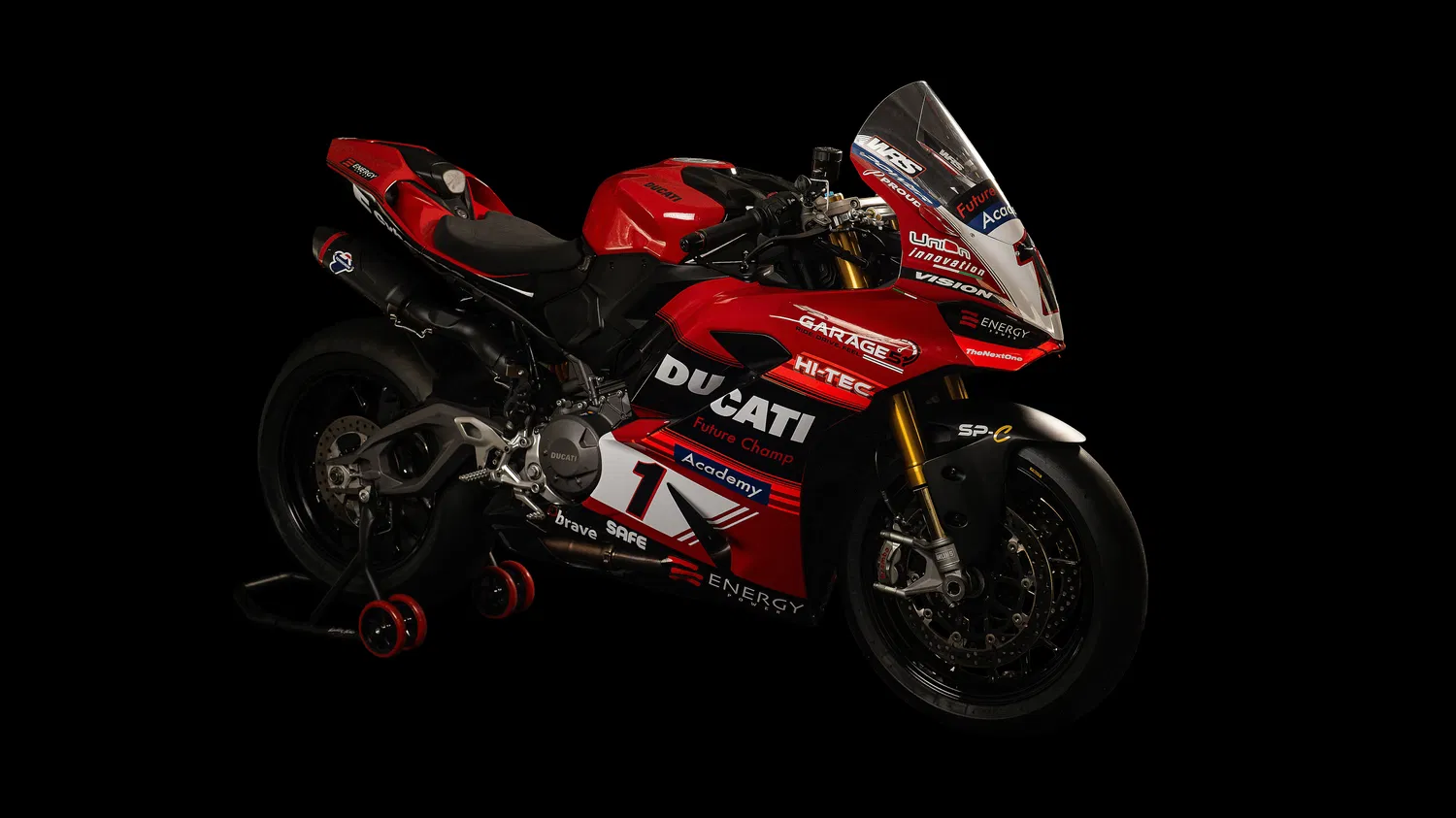
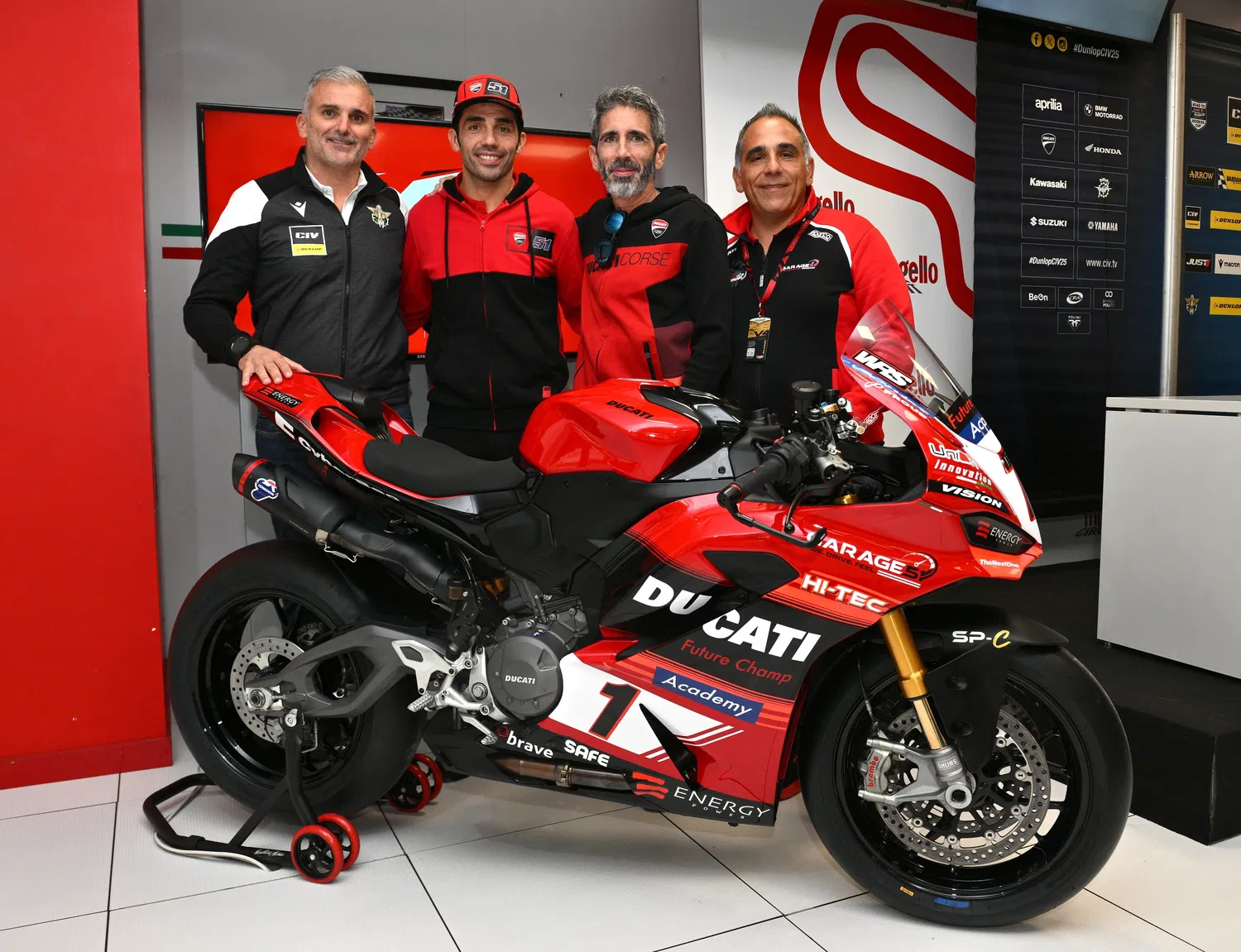
Ducati will start a new riding academy in 2026, called Ducati V2 Future Champ Academy. It is aimed at getting young riders into racing, for both domestic and international talents.

Stating the obvious, the programme is designed to allow young racers the chance to ride the brand’s Panigale V2 motorcycle, as well as creating a talent pool for the future.

The new racing academy will kick off in 2026, with the project set to form part of the Italian ​​Championship (CIV), World Ducati Week 2026, and the World Superbike paddock. The format will include traditional sessions like pre-season testing, qualifying, and a double race for each round.

Garage51 is a platform that allows young riders to learn about motorcycles and racing, and is run by Michele Pirro, Ducati’s official test rider. Pirro will offer riders from the new Ducati V2 academy technical guidance, with further details about the project to be revealed at next month’s EICMA show, in Milan.

Francesco Milicia, VP Global Sales and After Sales Ducati, said: “Ducati’s history is deeply intertwined with the world of racing, and investing in young riders means building tomorrow’s champions today. This is why we are very proud to launch the V2 Future Champ Ducati Academy, a strongly desired project designed to guide new talents from passion to professionalism, offering them all the tools they need to become protagonists in the motorcycle racing world of the future.

“The format was created for those who want to take a challenge and improve, relying on the support of an excellence like Ducati, which has made racing its essence. The key to this journey is Michele, whose commitment to the development of the Desmosedici GP has contributed significantly to Ducati’s current results. I would like to thank him not only as a professional but also as a friend: with his experience, technical expertise, and enthusiasm, he will certainly be an inspiration to our young riders.”

Please go to the official Ducati V2 Future Champ webpage for more information.

It is a great step for Ducati to take this step as other manufacturers such as KTM with their Red Bull MotoGP Rookies Cup and Austrian Junior Cup.

Archive

Follow us on Facebook

Follow us on YouTube