Bikesrepublic

Global News

BMW Motorrad’s CEO, Markus Flasch says that the company is not particularly keen in making electric motorcycles or dirtbikes. However, electric scooters are ongoing.

Speacking to US website Common Tread, Flasch laid out some of BMW Motorrad’s plans, including for their future superbikes.

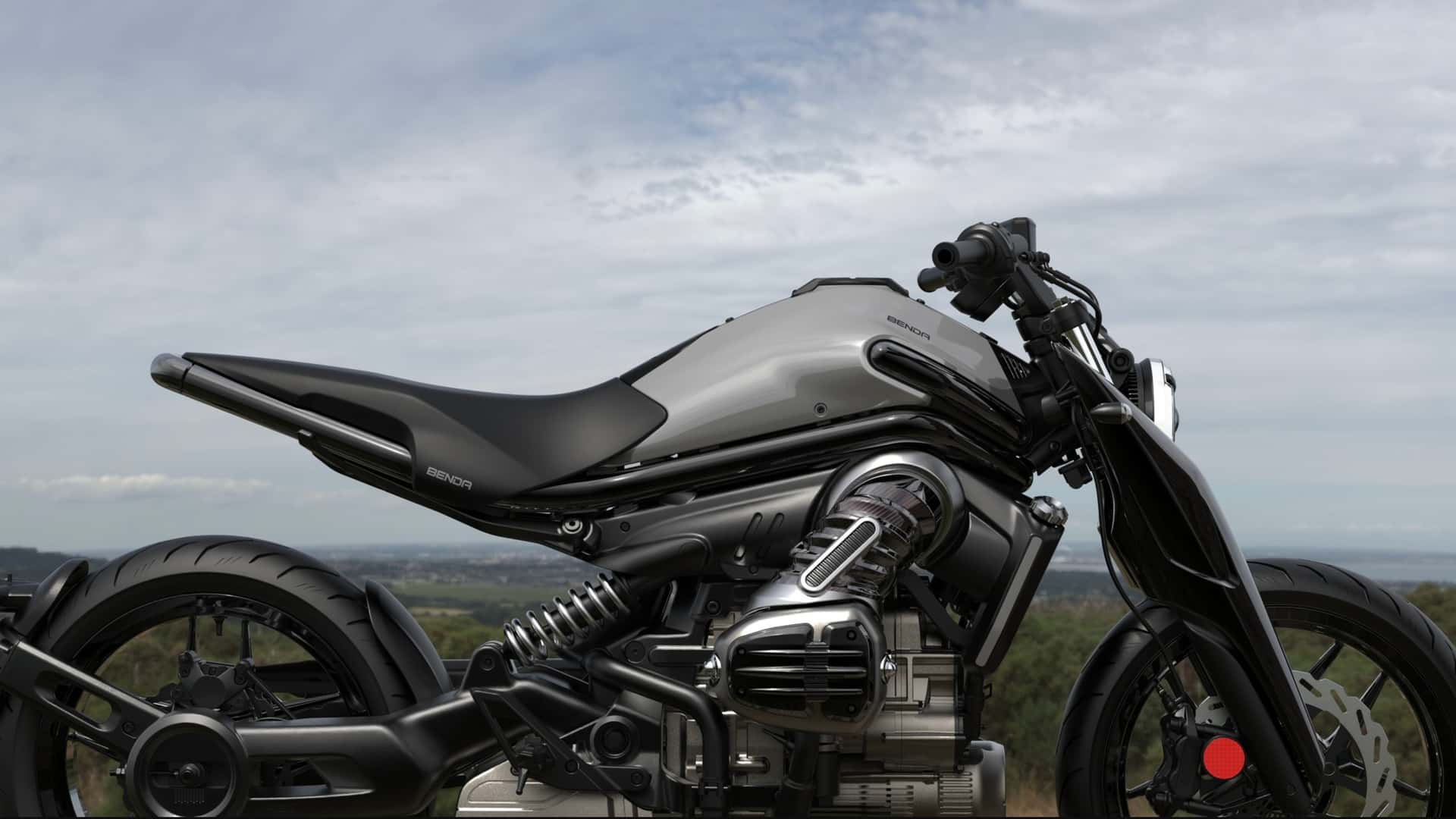
“You can look forward to seeing something smaller than the 1000 cc [S 1000 RR]. But it’s a bit too early to talk about it.” However, the inline-four engine will stay at 1000cc for the S 1000 range i.e. S 1000 RR/M 1000 RR, S 1000 R/M 1000 R, S 1000 XR/M 1000 XR.

As such the smaller superbike in question could be from the F 900, or even the G 310 range.

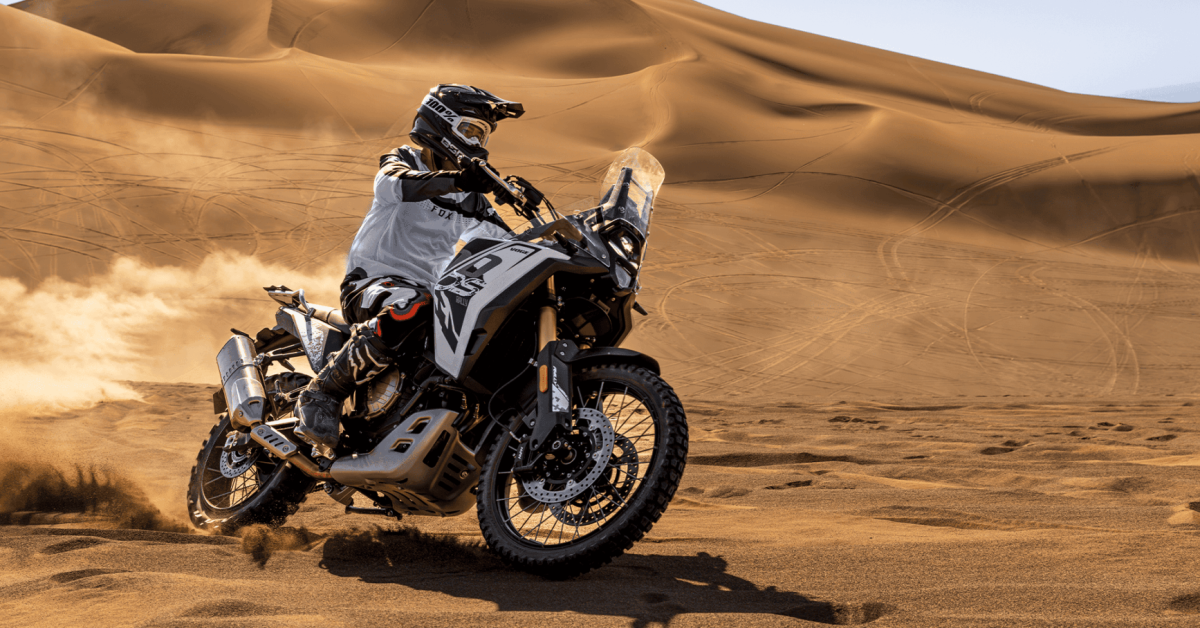
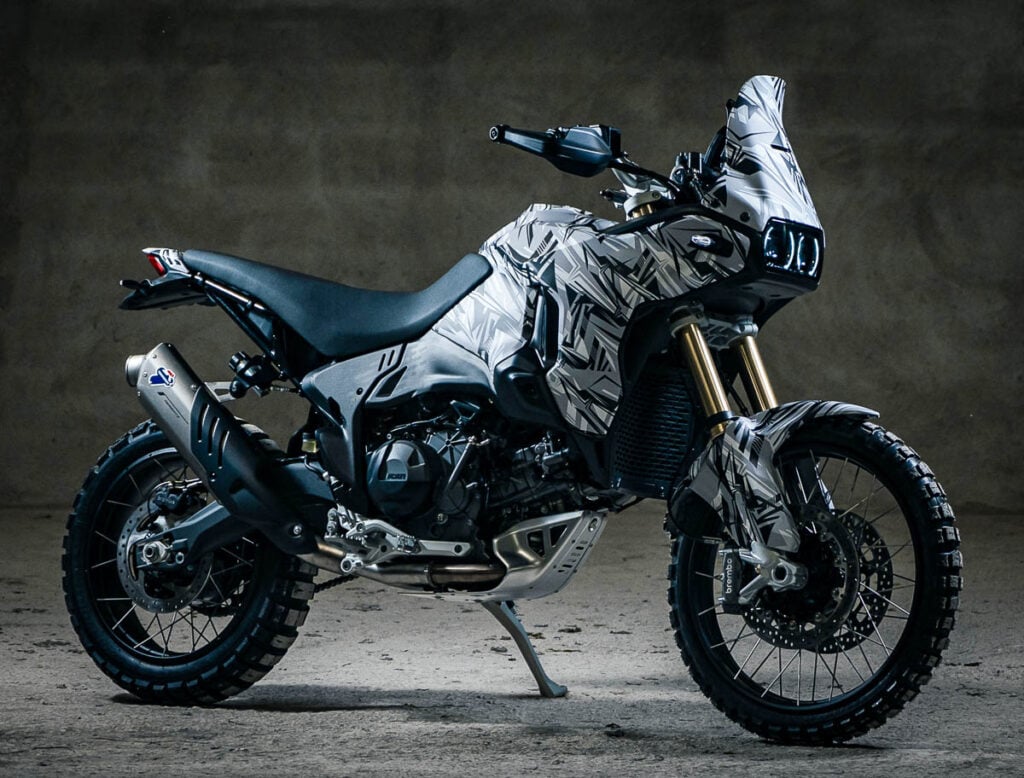
Flasch does not want to follow his rivals Triumph and Ducati who have since dabbled into the motocross and enduro segment, as BMW Motorrad’s products are already covering many areas. “We are making this decision talking to our customers and talking to our dealer base and we ended up, for the moment, not going this route,” he told Courts.

Back to electric motorcycles, BMW will not make an electric motorcycle at the moment, as Flasch says customer response is behind that decision, too. Instead, they will continue with electric scooters, since the CE range is leading the 11 kW and above segment.

Royal Enfield has just sold 124,328 motorcycles in September 2025 alone.

That record breaking feat is historic, among other applicable adjectives, compared to 86,978 in the same month last year. It equates to a 43 percent year-on-year increase.

The majority – 113,573 – were sold in India compared to 79,325 in September 2024. Exports increased sharply, too, which saw 10,7555 bikes shipped compared to 7,653 last year.

Royal Enfield’s boss, B. Govindarajan, summed it up pretty well. He called it an “incredible start to the festive season” and pointed to the newly updated Meteor 350 as a hit with the community. Historically, Royal Enfield’s strength is not in one motorcycle, instead it is distributed throughout their range i.e. Bullet, Classic, Meteor, Hunter, Himalayan, and the 650 twins.

However, the lion’s share was contributed by their new 350 lineup. Indeed, 1,07,478 units were sold.

In terms of Q2 2026 sales (yes, it is considered as 2026 financial year), Royal Enfield sold a total of 5,91,903 units, marking a 30% YoY growth over 4,54,779 units in the same period last year.

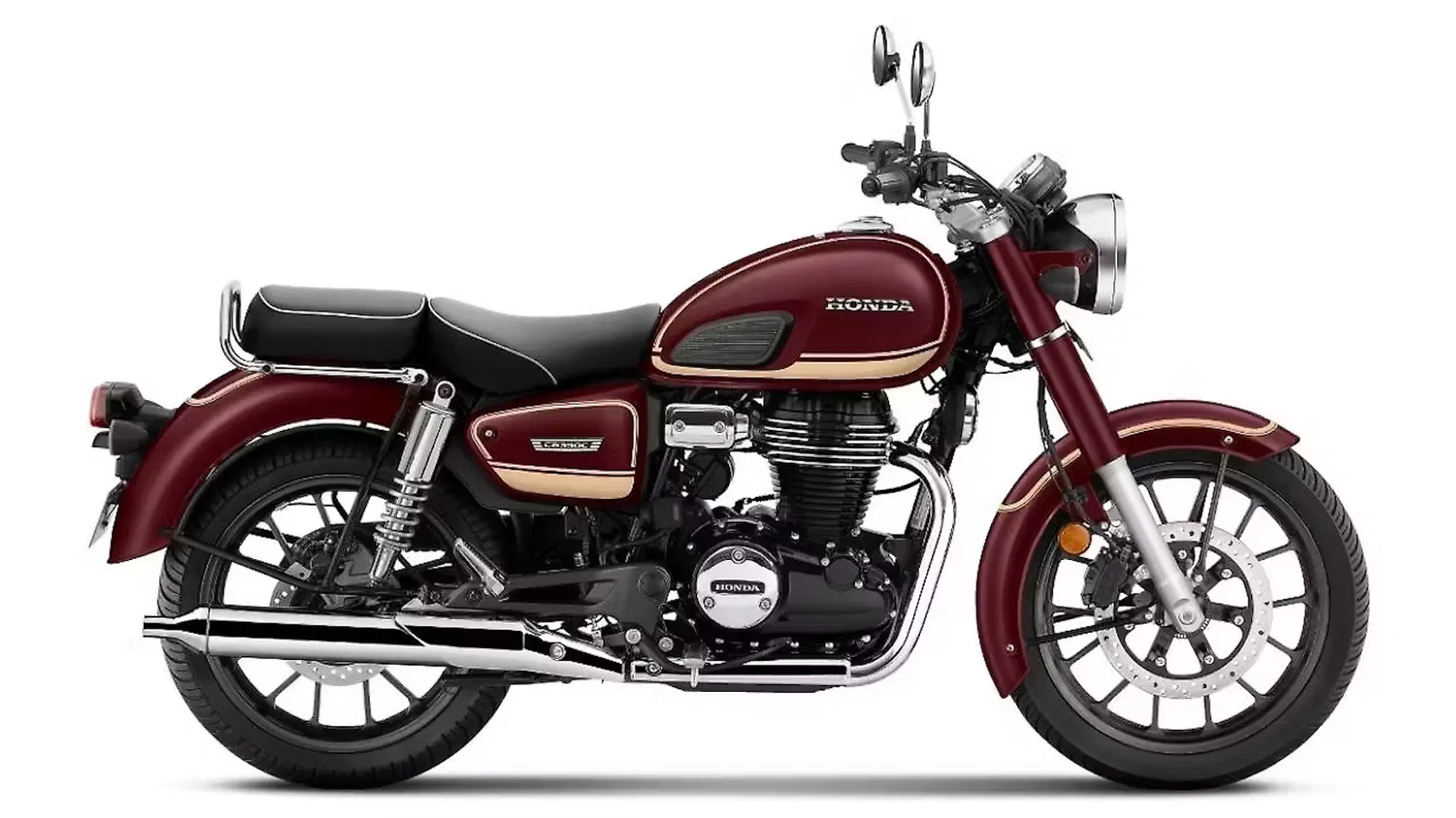
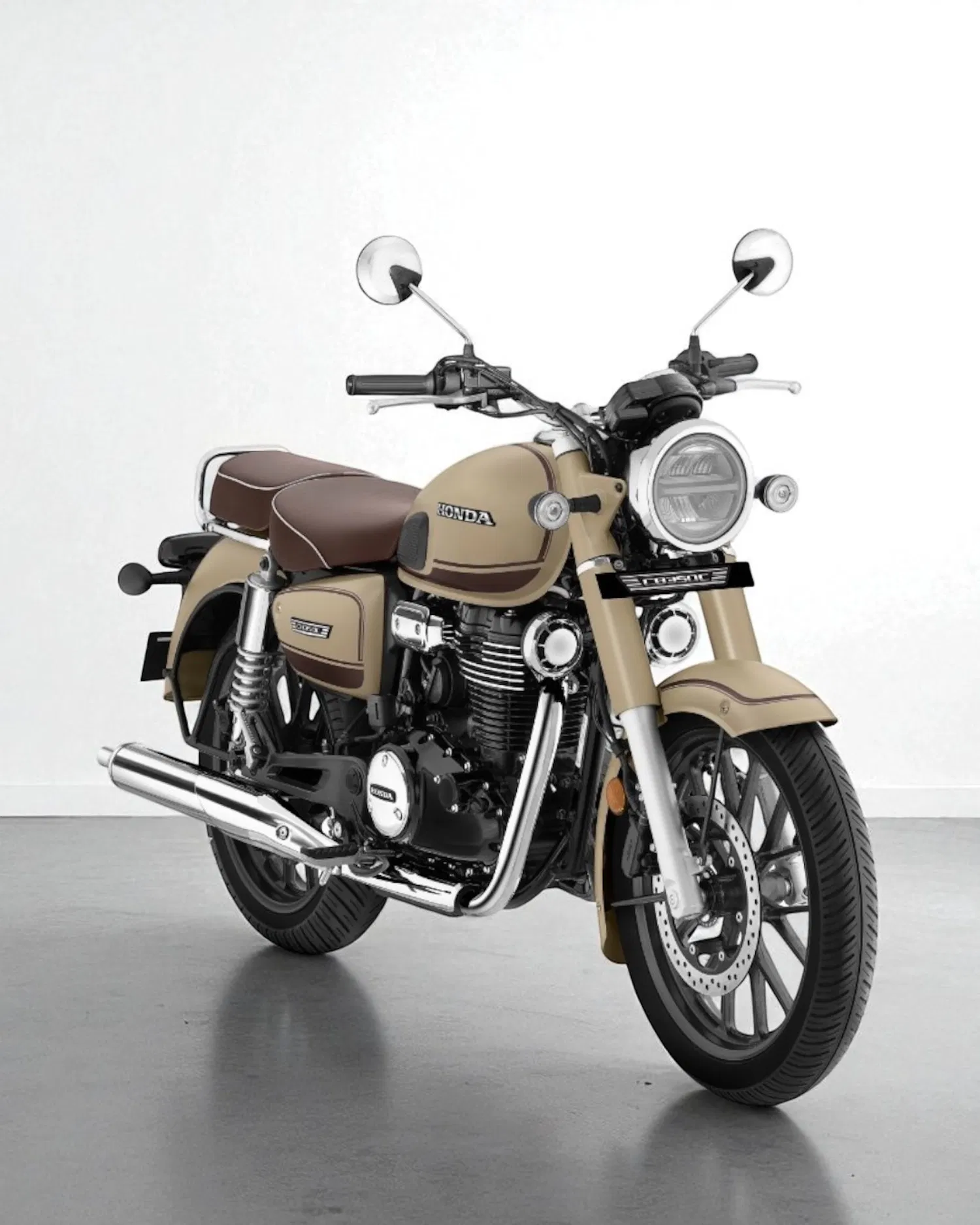
You must have thought this was a Royal Enfield, but no, it turned out to be the Honda CB350C Special Edition. We had initially thought the same too.

Launched in India, the Honda has begun selling in the country’s dealerships, with a starting price of INR201,900 (MYR9,591.12). There are two colourways offered, namely Red Metallic, and Mat Dune Brown.

The CB350C Special Edition is undoubtedly meant to rival the Royal Enfield Classic 350, and other similarly styled motorcycles in the country. And look, it has two horns. (We have been told by Bajaj that the most important component of any motorcycle in India is the horn.)

Apart from the styling, the bike is based on the CB350RS/GB350S platform, powered by a single-cylinder, air-cooled, 348cc engine. It makes 20 hp at 5,500 RPM and 28.5 Nm at 3,000 RPM.

We have tested the CB350RS and found to be a simple, practical, comfortable, and affordable machine. It sounded great too. In other words, we would call it “unpretentious.” Sure, it was not fast for a 350cc machine, but trying to ride like a bat out of hell on it is missing the plot altogether.

The bike is equipped with modern features such as LED lighting, Honda Selectable Torque Control traction control, and dual-channel ABS.

Honda CB350RS Test and Review, The Ultimate Lighweight Retro?

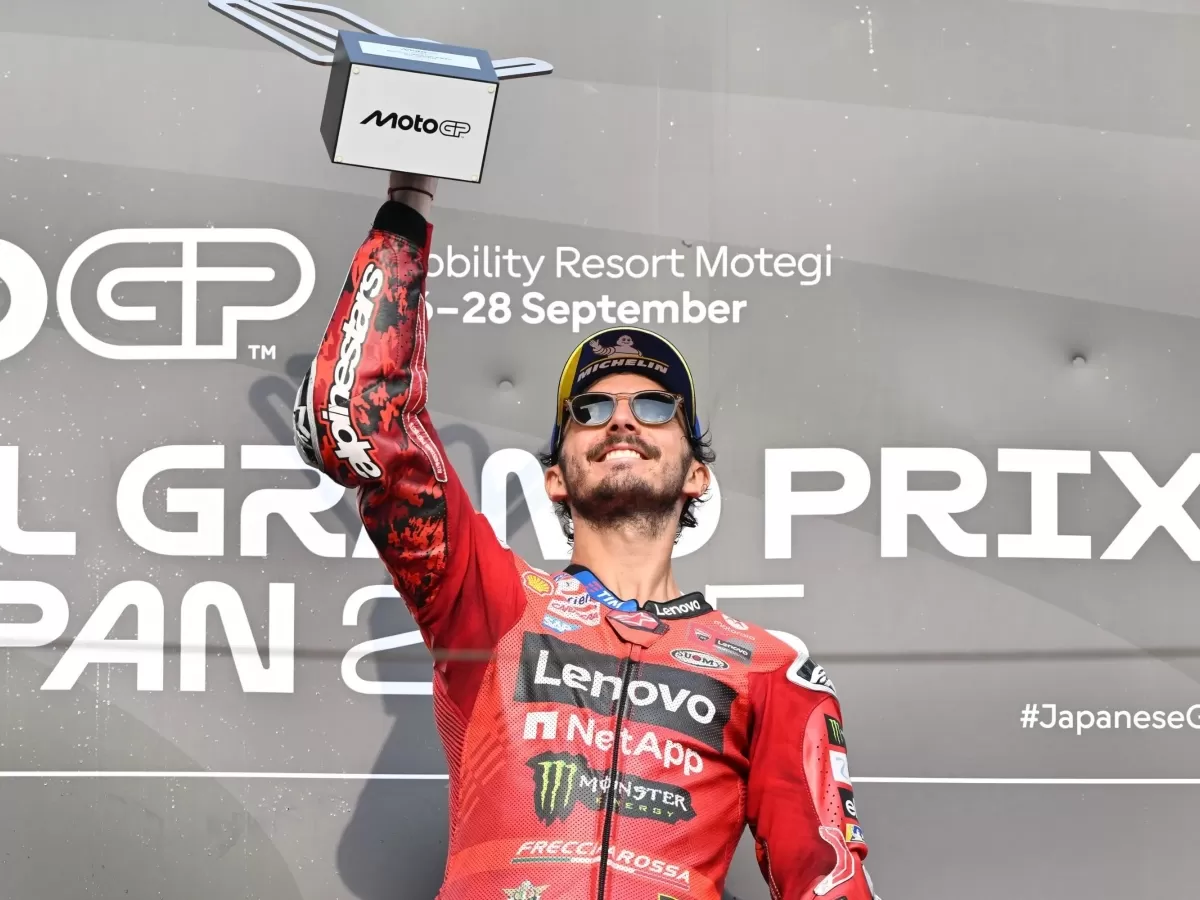
Ducati MotoGP factory rider, Francesco Bagnaia said he was “very happy, but very angry” after dominating the weekend at the Japanese Grand Prix, held at the Motegi Ring. “Pecco” as he is more popularly known, had qualified on Pole, grabbed the Sprint race win, before going on to win the main race on Sunday.

Pecco had been suffering the entire season as he found himself struggling to adapt to the Desmosedici GP25. More specifically, he had complained of front-end issues which robbed him of his braking strength, and feel, besides understeering (the front going wide). As such, he arrived in Japan without a single podium in the past 10 races.

But it all changed after Ducati offered some ‘unconventional’ changes in the Misano post-race test.

“In the test in Misano, I was riding 0.7 faster, so quite a huge difference,” Bagnaia said in Japan.

“I’m very happy about today, but I’m also very angry about this weekend, because maybe we could’ve done it earlier, maybe after one or two grands prix.

“We just struggled a bit during the season, but finally the test in Misano gave us the possibility to try things that have helped me a lot. Some specific [things] that have helped me also in other situations.
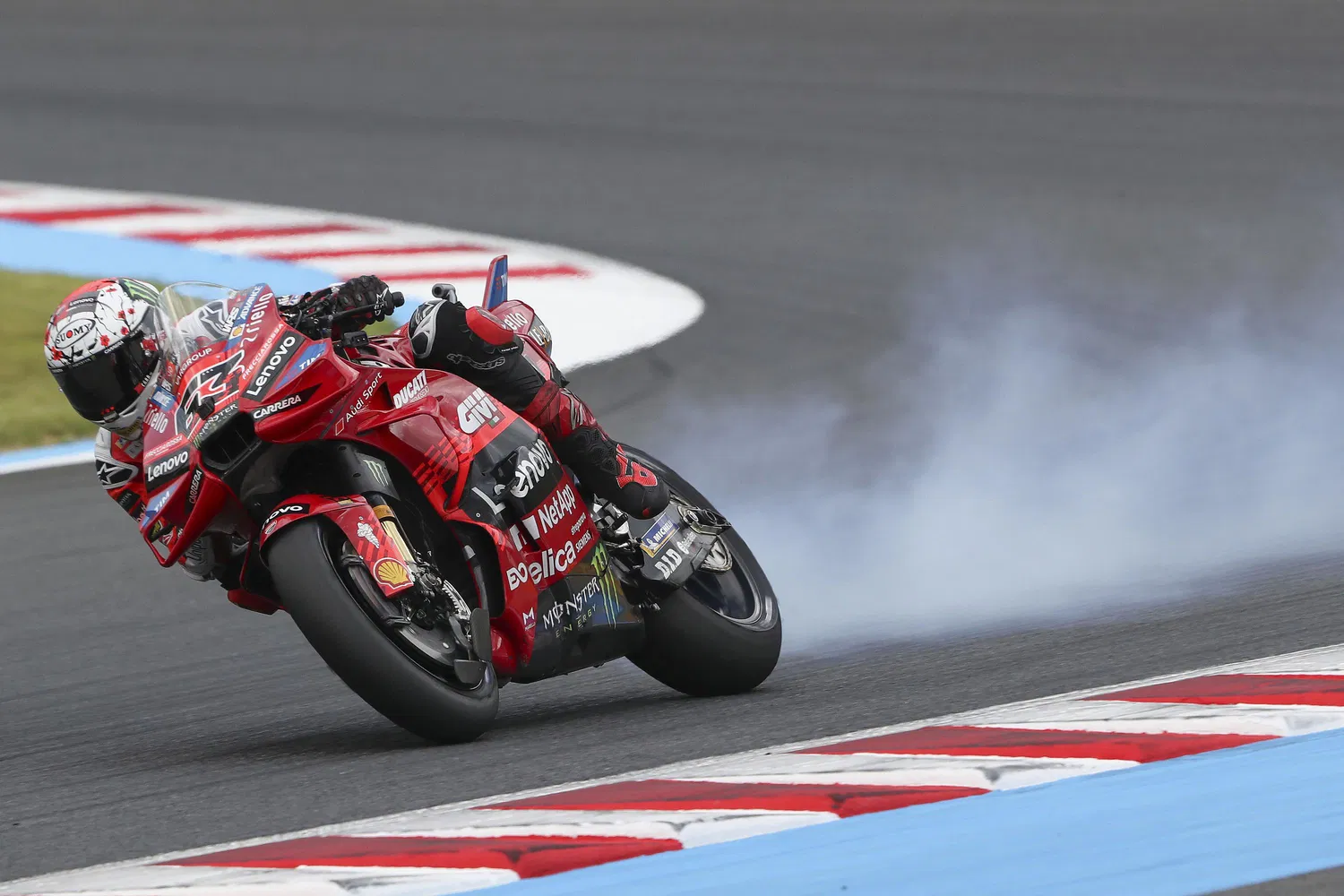
Francesco Bagnaia Motegi Japan

“So, super-happy about it, finally we found it.”

When asked what were the changes that Ducati made, Pecco circumvented the question with a vague answer, possibly because he was instructed to do so: “Honestly, I’m just a rider and I’m just here to push. Sometimes when I push, I’m 20th. And sometimes when I push, I win. It’s not only a matter of me.”

“We tested different things in Misano, different things that we already had. But we never had the chance to really try this season.”

The visible change was the GP24 rear seat aero. It was also rumoured that Bagnaia had an older swingarm, forks and perhaps ride-height device. The engine cannot be changed due to the rules, but the end result is that Bagnaia appears to have finally rediscovered the feeling of last year’s GP24.

“This weekend I was riding my bike and not fighting with it,” he said on Sunday evening.

“It was much easier for me to brake hard, enter fast into the corners, and without having that much movement, that much locking, that much understeering.

Pecco’s win had also opened up an entire chapter of conspiracies, regardless if it is true or otherwise, about Ducati being ‘preferential’ toward Marc Marquez, who is Pecco’s teammate and had secured his 7th MotoGP in Japan after coming home second in both the Sprint and Main races.

Marc Marquez juara MotoGP 2025 champion

Marc Marquez has become the 2025 MotoGP champion, which is also his seventh time winning the championship title.

Marc finished the main race at the Motegi circuit in Japan in second place behind his factory Ducati teammate, Franceso “Pecco” Bagnaia. They also finished the Sprint race on Saturday in the same positions.

However, Marc only needed to finish the race with a points tally exceeding that of his brother Alex Marquez, who rides for the Gresini Ducati team, to become champion. In the end, Marc has collected a total of 541 points so far, 201 points ahead of Alex who is in second place overall. Alex can no longer catch Marc, even though there are still five rounds remaining.

Marc’s championship means it was a 2,184-day wait for him to become world champion again. The last time he became champion was in 2019, before he broke his right arm in 2020. After that, he underwent four surgeries to treat it, and also suffered more than 100 crashes on the track while struggling with his bike when he wasn’t 100% recovered.

This race win in Japan is the second this year for Bagnaia, after he struggled throughout the season to adapt himself to the new Ducati GP25 bike. He finally received advice on his bike setup from former Ducati rider and also former world champion, Casey Stoner, thus enabling him to win both races in this round.

It has been some years since the last Kawasaki Z1000 was sold – way back in 2020, to be exact. And it is back, and bigger as the 2026 Kawasaki Z1100 SE and the Z1100.

Well, the new bike retains the Sugomi look of the previous model, but the giveaway that it is the new model is a “sleeker” exhaust silencer. But yes, it is still big in order to satisfy the Euro 5+ emission standard.

Good news is the new Z1100 boasts some revisions under the skin.

Highlights
  • The new engine has new pistons, valve springs and cams.
  • It produces 134 hp at 9,000 RPM and 112.5 Nm at 7,600 Nm, clearly indicating that it is meant for street riding.
  • The gearbox is now equipped with a slip and assist clutch.
  • There is now a ride-by-wire throttle, which in turn allows for ride modes and cruise control.
  • An inertial measurement unit (IMU) takes care of lean sensative ABS and traaction control.
  • A new 5-inch TFT screen with Bluetooth connectivity is also fitted.
  • As for the variants, the 2026 Kawasaki Z1100 SE boasts gold coloured Showa forks, Öhlins S46 monoshock with remote adjuster at the back, Brembo monoblock calipers with steel-braided brake hoses, and topped off with a different paint scheme.
  • Kawasaki claims that both variants weigh the same, although a little heavy at 221 kg.
  • The standard edition if offered in Ebony/Metallic Carbon Gray, while the SE is available in Metallic Matte Graphenesteel Gray/Metallic Matte Carbon Gray with green wheels.
  • UK prices for the 2026 Kawasaki Z1100 SE is £12,699 (RM71,872.780) and the standard 2026 Kawasaki Z1100 is £11,099 (RM62,817.23).
  • The main rival of the bike should the Honda CB1000 SP, which retails for £9,999 (RM56,591.54) in the UK, and RM69,999 in Malaysia.


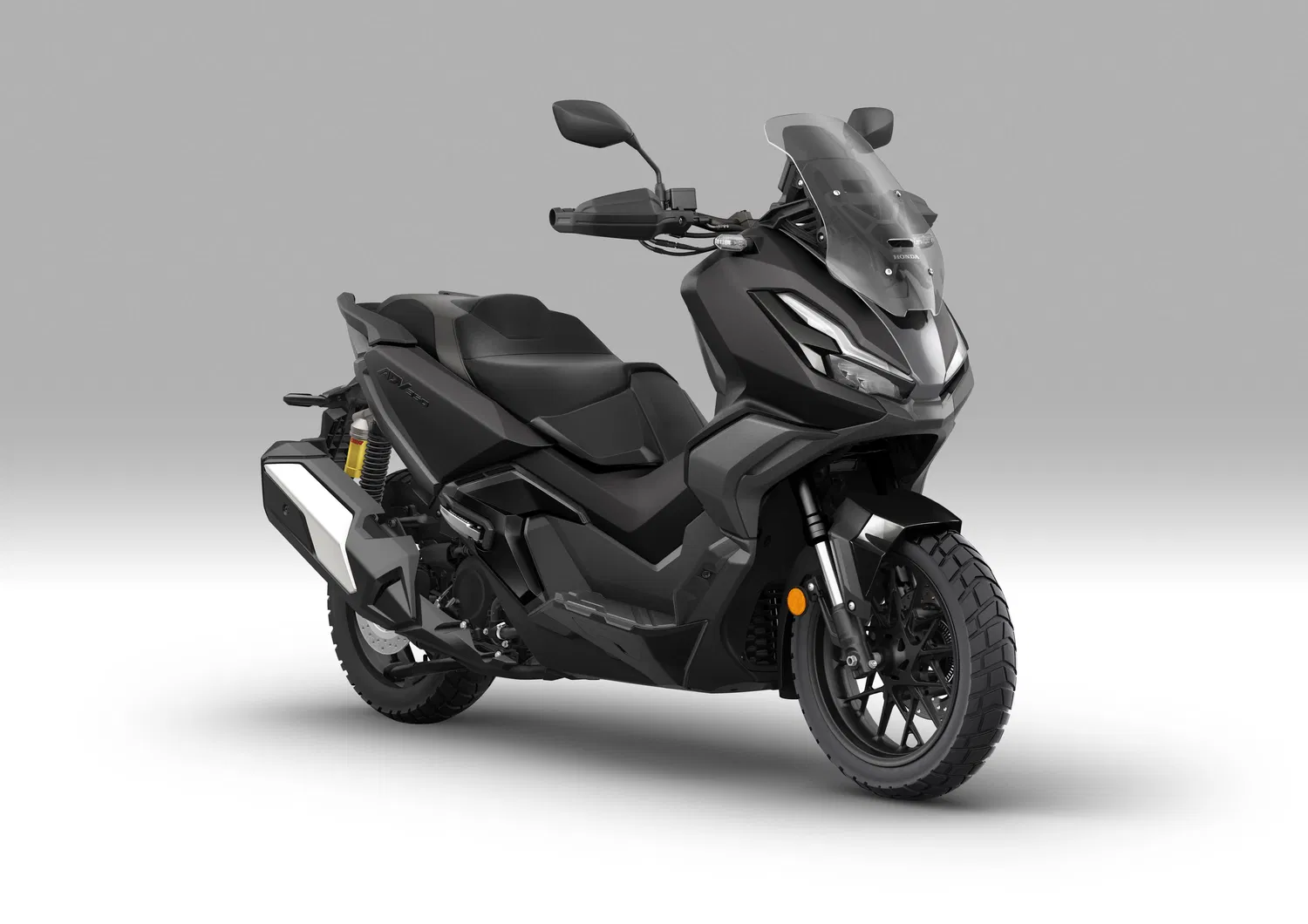
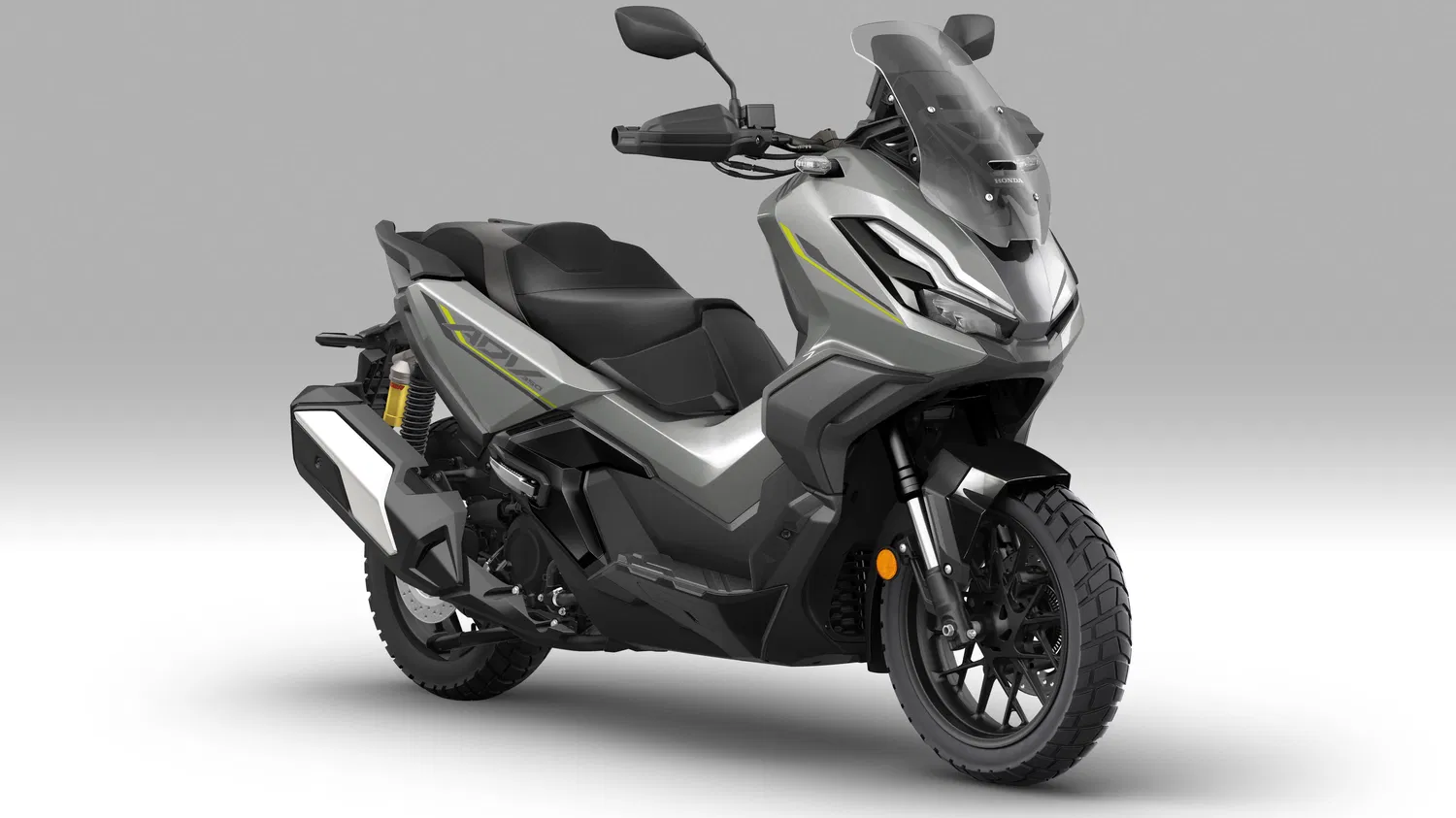
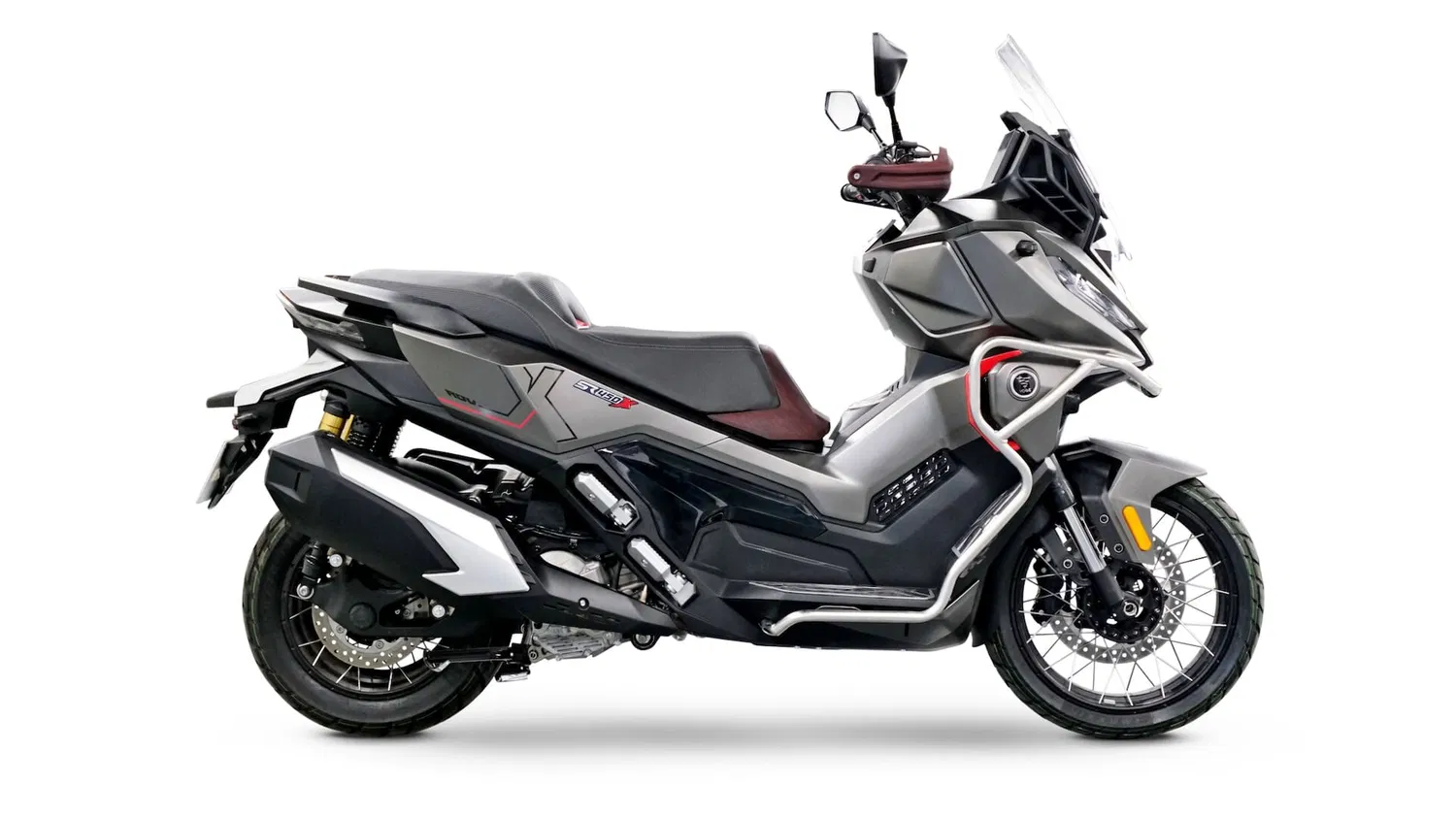
The Honda ADV350 is undoubtedly one of the most popular scooters in Malaysia, among many other countries. It has seen some significant updates for 2025 from its 2022 predecessor. As such, there are only new colour updates for the 2026 Honda ADV350.
In case you missed it, the current year model is chock-full of features such as:

  • Tweaked 330cc, single-cylinder, liquid-cooled engine to conform with the Euro 5+ standard.
  • It produces 29 hp and 31.4 Nm of torque.
  • Using Honda’s eSP+ technology, it boosts fuel efficiency to achieve a range of up to 330 from its 11.7-litre tank.

  • Other convenience features include a massive 48-litre underseat storage space with internal lighting, which includes another phone/device charging socket.
  • There is another phone/device charging socket in the upper, left side compartment.
  • Electronic features include keyless start, TFT screen which is compatible with iOS and Android smartphones, Emergency Stop-Light System, and many more.

With all that out of the way, there are four new colourways, called, Mat Pearl Cool White, Mat Coal Black Metallic, Pearl Falcon Grey, and Iridium Gray Metallic. So since it is just colour updates, you do not have to worry if you have already ordered a 2025 model.

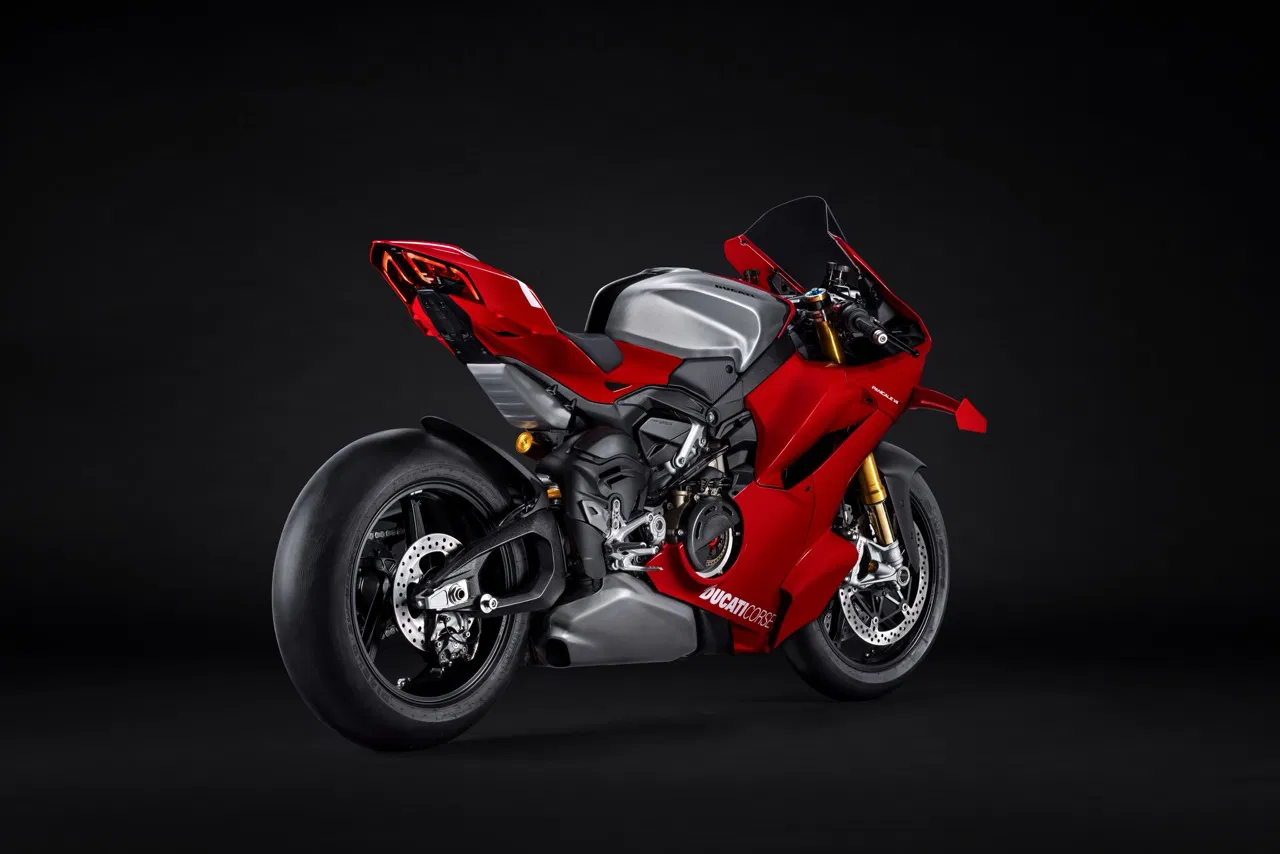
The new, 2025 Ducati Panigale V4 and its V4 S variant are already fast, potent weapons for the road and track, but there is no beating the full-monty 2026 Ducati Panigale V4 R superbike homologation machine.

What is a homologation special?

Before we go further, allow us to explain something.

The World Superbike Championship is production based, meaning that the bikes we see battling on the track are based on the bikes that we can buy in a local dealership.

that manufacturers who take part in the  (WorldSBK) need to produce a certain number of the motorcycle they wish to race in the series. Additionally, the racebike must follow the same frame, engine displacement plus some of its internals, and intake system of the road bike.

However, producing large numbers of these sort of bikes with top notch racing gear is prohibitively expensive for the factory, and more importantly, consumers at large. It is thus that manufacturers began making a special variant in limited numbers, fitted with almost all the goodies for racing, in order to homologate (qualify) the bike for WorldSBK racing.

There have been many iconic homologation specials through the decades from Ducati, each wearing the “SP” (ex. 916 SP) and SPS (ex. 996SPS) badges, before proceeding to “R” since when the Panigale debuted.

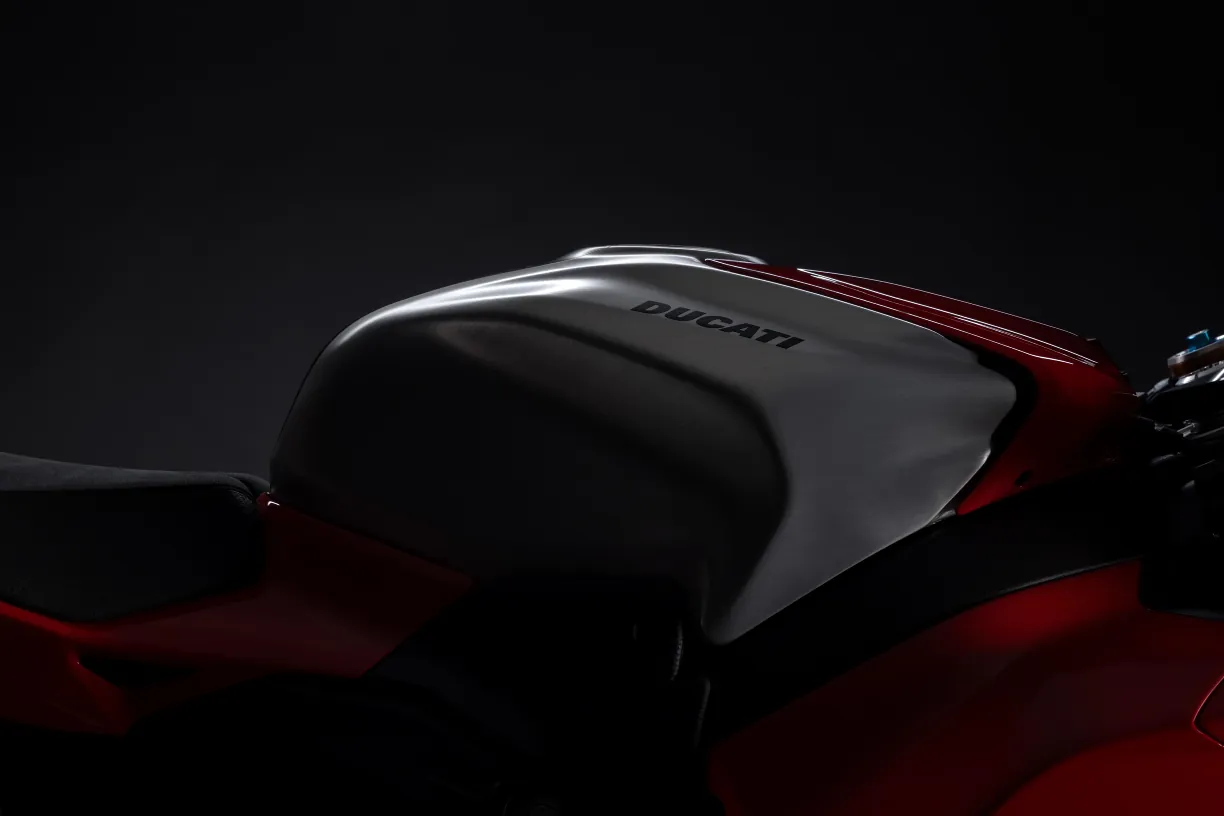
Highlights of the 2026 Ducati Panigale V4 R
  • It certainly looks like this new homologation special is the closest ever to Ducati’s WorldSBK and even MotoGP racer.
  • New Corner Sidepods, carried over from the 2021 MotoGP bike, making it the first production bike to use them.

  • The bodywork, based on the latest Panigale V4’s fairing, features larger wings that increase downforce by 25 per cent compared to the previous V4 R, which equates to 6 kg more load on the front tyre at 300 kph.
  • New dynamic front air intake developed with Ducati Corse, boosting intake pressure and adding 1.2 bhp at top speed.

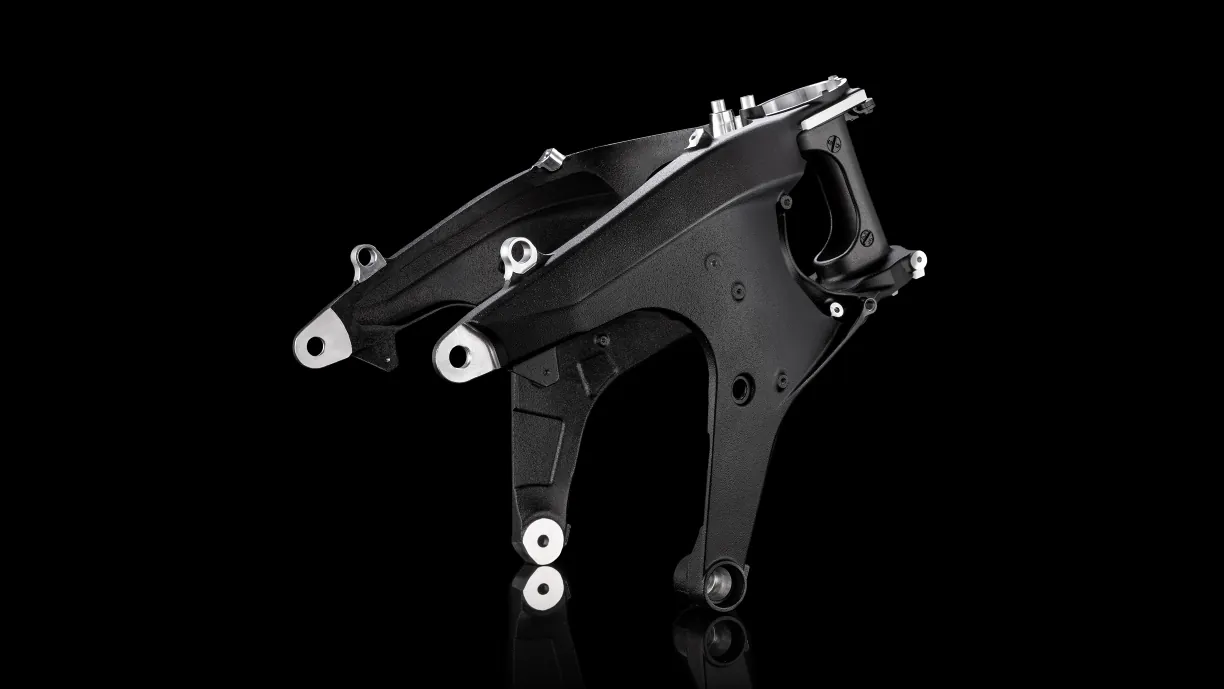
  • The chassis follows the 2025 Panigale V4’s, with a Front Frame offering 40 per cent less lateral stiffness and a brand-new Hollow Symmetrical Swingarm.
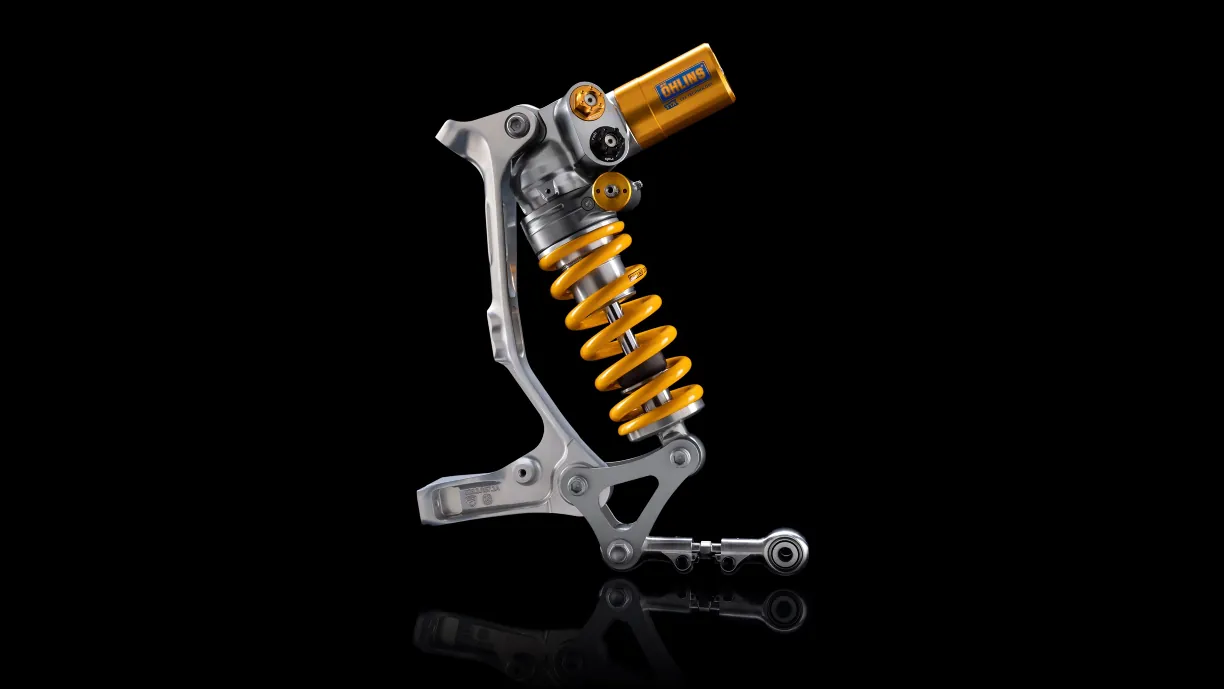
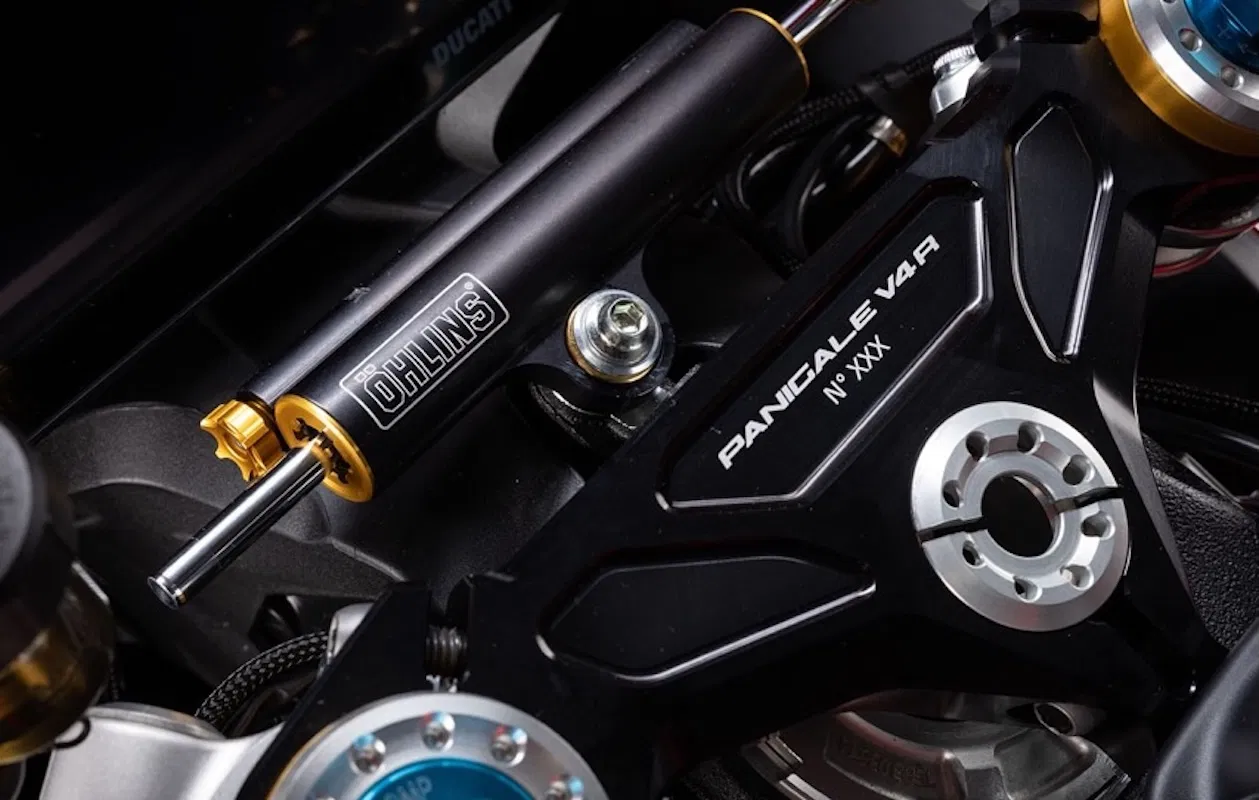
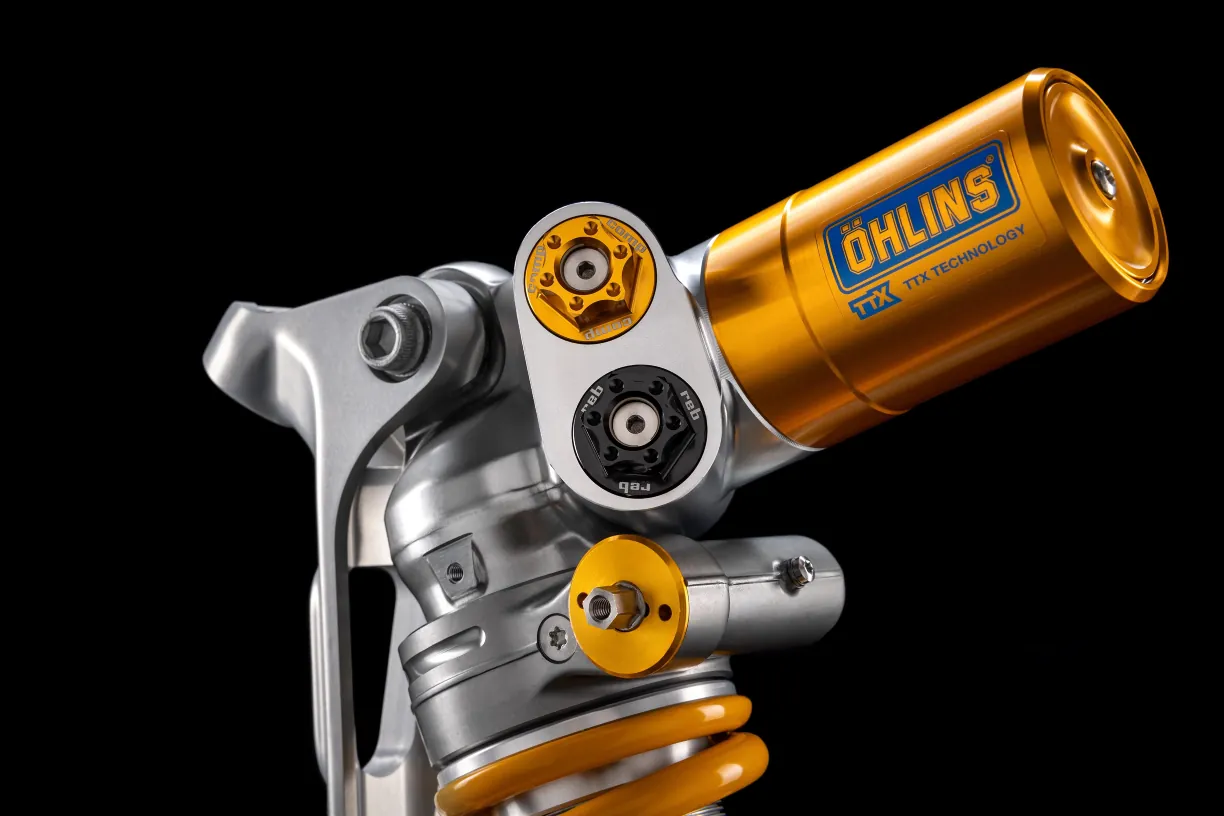
  • Suspension up front consists of Öhlins NPX25/30 forks, while the rear features a TTX36 rear shock, plus a new Öhlins SD20 steering damper with revised settings.

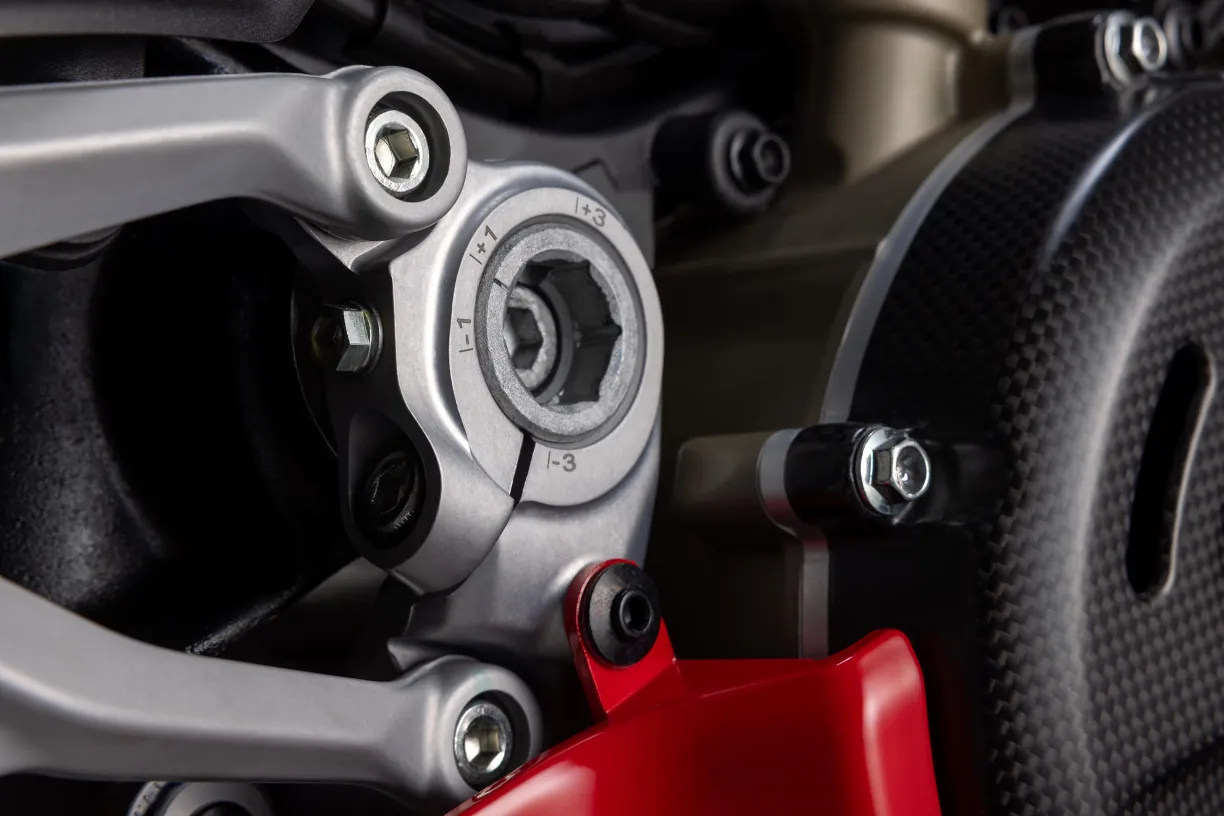
  • Swingarm pivot height allow for four positions in 2 mm steps, while the rear ride height is 32.4 mm versus 13 mm previously.
  • New, forged aluminium 5-spoke wheels, with Pirelli Diablo Supercorsa SP v4 tyres as standard.

  • Braking is handled by new Brembo Hypure front calipers, gripping on 330 mm discs.
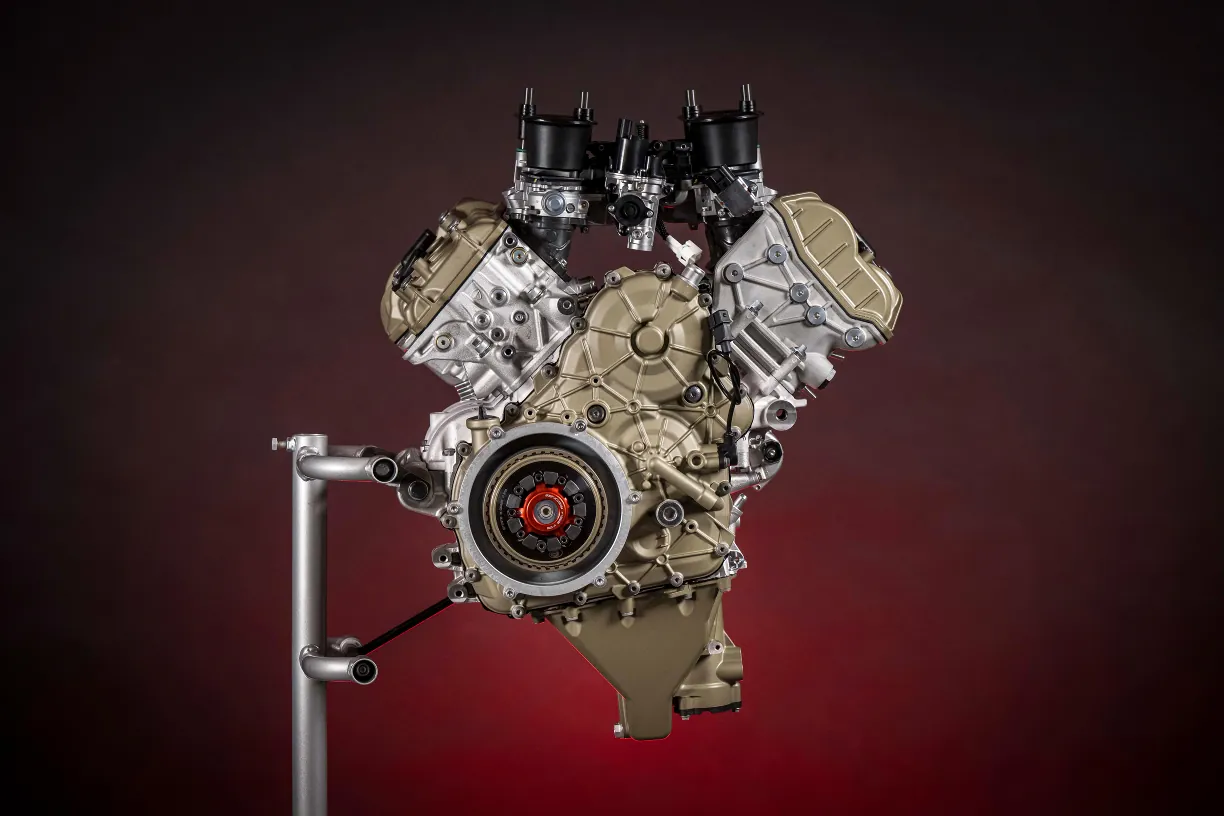
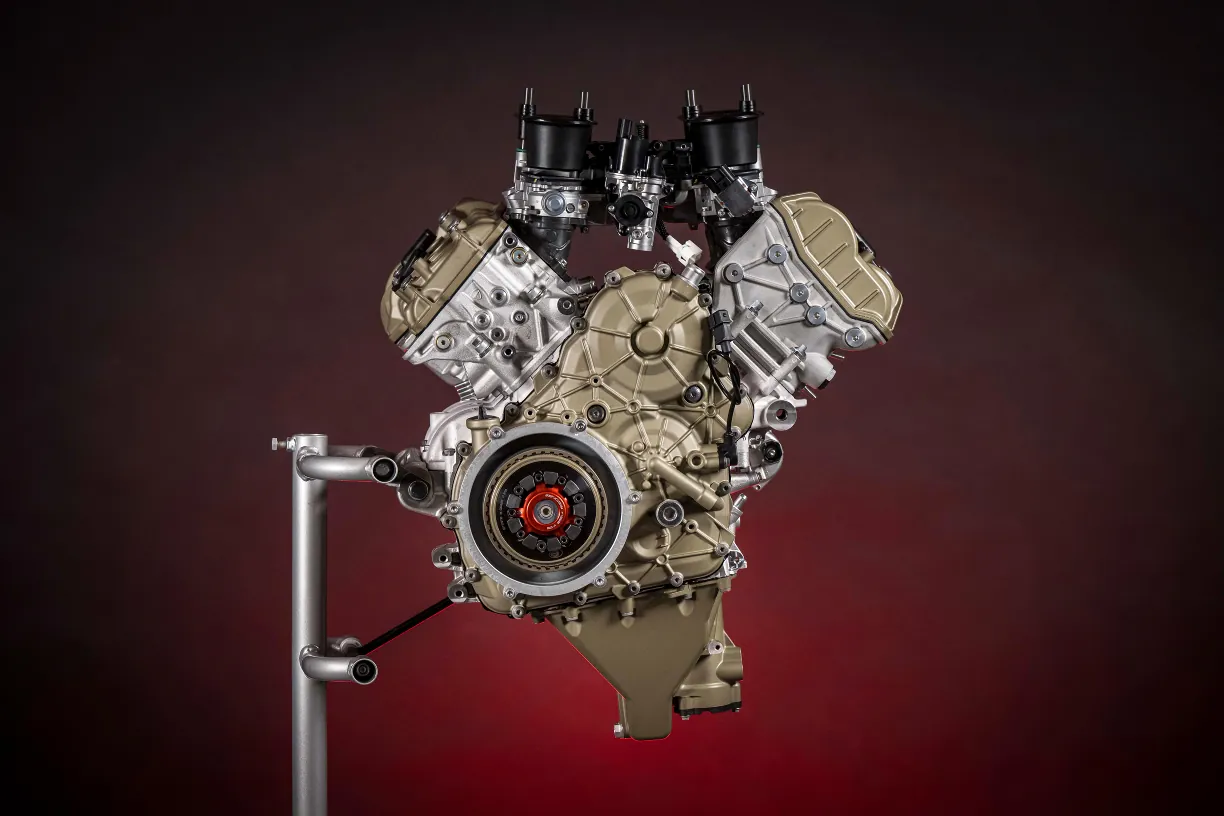
  • The 998cc Desmosedici Stradale R engine produces the same 215 hp power output, but Ducati says it is the best for “possible technical base for the Superbike World Championship.” In other words, this is just the standard tune.

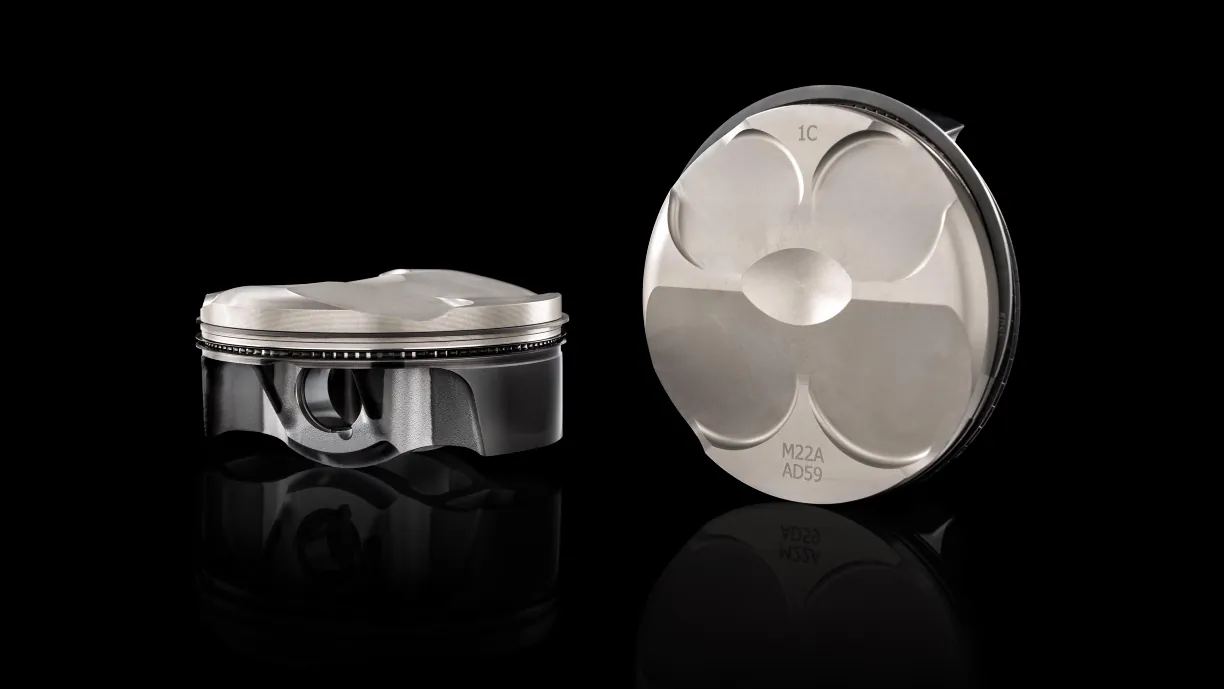
  • The engine internals feature 5.1% lighter 2-ring pistons, revised crankshaft with more inertia, new intake layout with repositioned injectors, redesigned exhaust cams, and shot-peened connecting rods for durability.
  • These changes deliver a stronger torque in the midrange and on top, as in 7 per cent more at 6,000 RPM and a higher peak of 113.8 Nm at 12,000 RPM.

  • Fitting the full racing exhaust pushes maximum power output to 235 hp, rising further to 239 hp if you use the Ducati Corse Performance Oil.
  • The 2025 Ducati Panigale Ve R is the first to introduce the Ducati Racing Gearbox (DRG), with neutral (N) under first gear instead of between first and second.

  • As such, it also introduces the Ducati Neutral Lock (DNL) system to prevent accidental shifts into neutral.
  • Final drive gearing has changed from 15/42 to 16/43, raising top speed to 318.4 km/h in road trim, or 330.6 km/h with the racing exhaust.

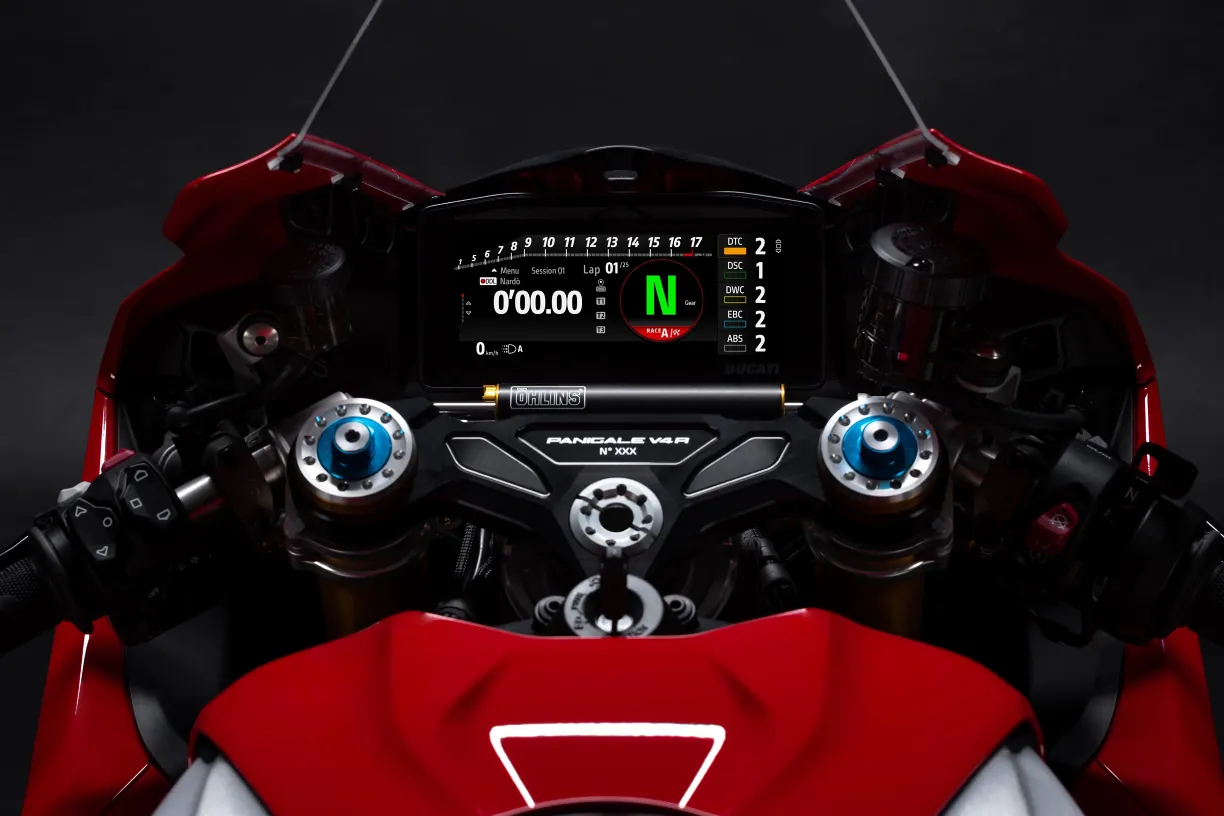
  • Electronics now feature the Ducati Vehicle Observer (DVO) algorithm, managing both ABS Cornering and engine braking.
  • A new Ducati Data Logger (DDL) system is available as an accessory, integrating sensor data with bike telemetry to speed up setup changes.

  • A new Race Brake Control system adjusts combined braking to allow later braking points and more use of the rear brake, similar to MotoGP bikes.
  • The bike uses the same 6.9-inch TFT screen from the latest Panigale V4.

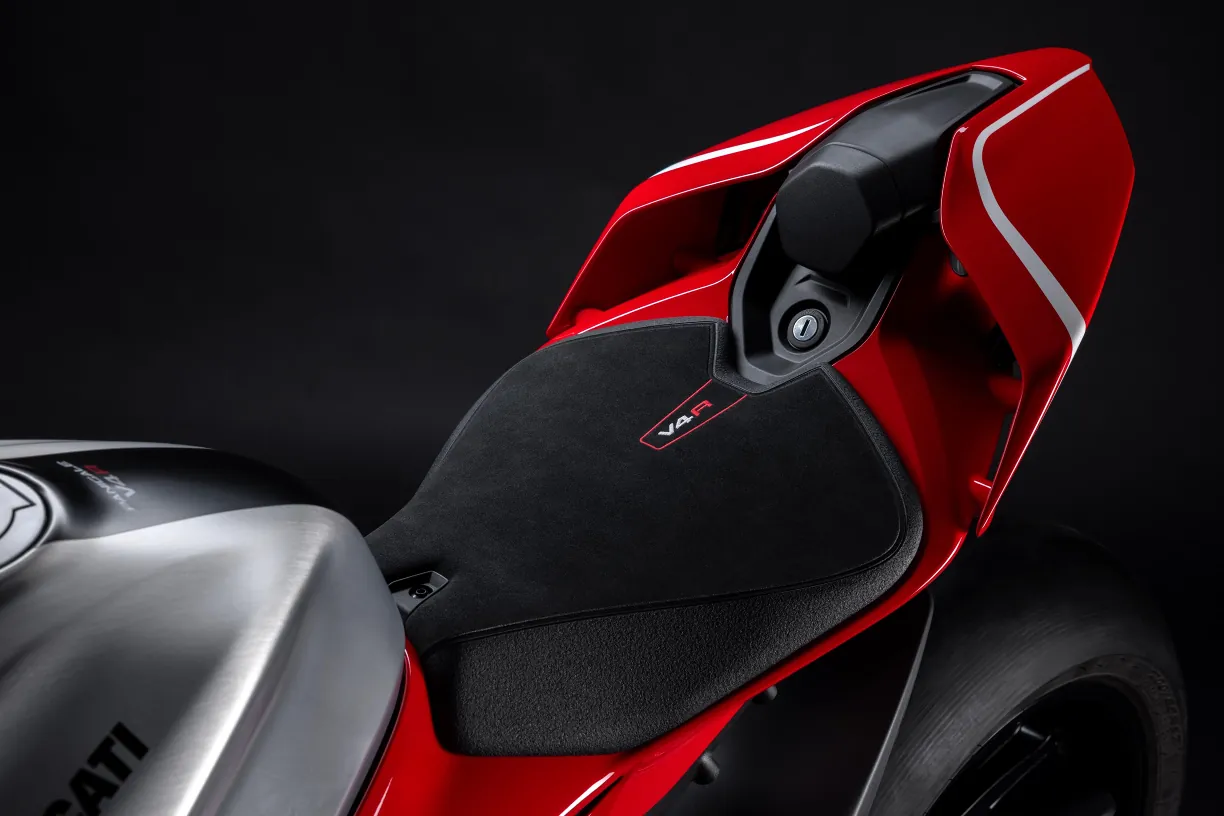
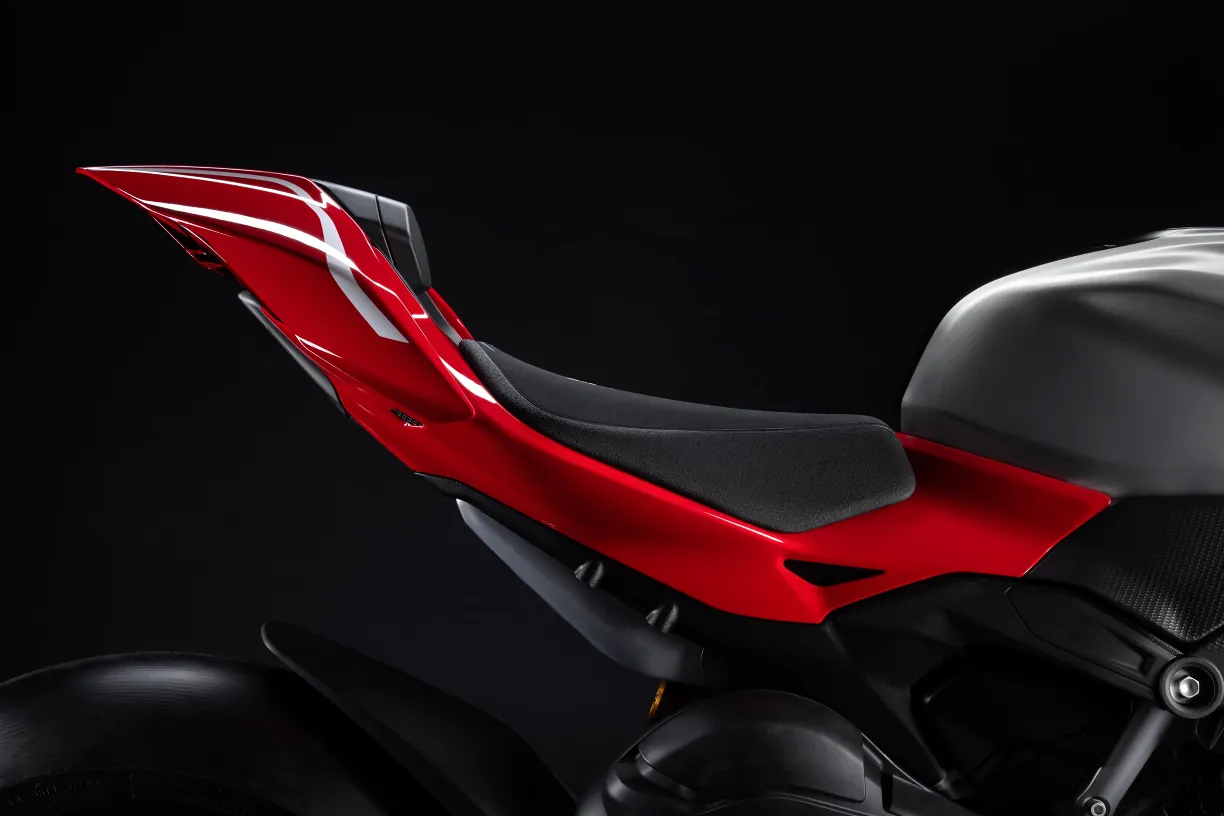
  • The seat, fuel tank, and footpegs have been revised. The pegs sit 10 mm further inboard than before, improving support under braking and when hanging off mid-corner.
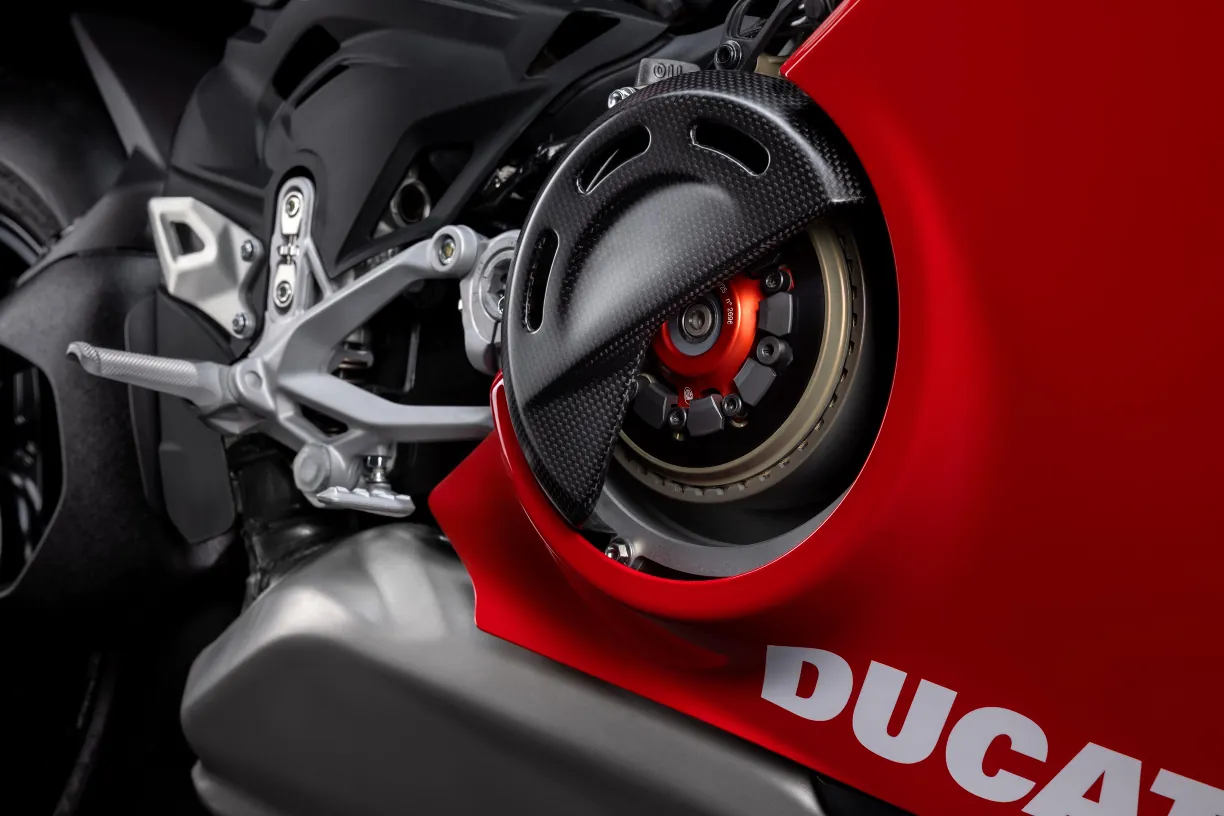
  • Other official upgrades include carbon wheels (–950 g lighter), race fairings, upgraded brakes, and ECU software for slick tyres and track calibration.

Here is the painful part for us plebs: The 2026 Ducati Panigale V4 R is priced at £38,995 (RM221,267.11) in the UK, but course it should be sub-RM500,000 when it arrives in Malaysia.

Photo gallery

The Suzuki Hayabusa was born in the middle of the arms struggle among manufacturers in producing the world’s fastest hyperbike. The war was essentially a two-horse race between Honda and Kawasaki at that point, before the ‘Busa came along to blow them away in 1999. Then as things began to get even crazier, the European Union hit the panic button to limit road bikes to a top speed of 299 km/h or face bans, which forced the makers to agree to a “gentlemen’s agreement” to do so. As such, the Suzuki Hayabusa keeps the record as the fastest road-going motorcycle.

The bike has grown sharper over the years and now, here is the Suzuki Hayabusa Special Edition for 2026, in the footsteps of the 25th anniversary edition last year.

This Special Edition is equipped with a specially-liveried bodywork, while leaving the rest mechanically (and electronically) unchanged. Indeed, the 1340cc, inline-four engine still produces 190 hp and 150 Nm. Traction control and ABS are governed by a six-axis IMU (inertial measurement unit). The large tank holds 20 litres for long distance running (at elevated speeds, nonetheless), and the bike weighs in at 264 kg, wet.

There is a Special Edition emblem on the fuel tank, plus special decals. The white lining on the front fairing is not painted, instead it is a white molding. The rear seat cowling is included with the bike, and finishing things off is a special exhaust muffler.

Suzuki did not publish the price of the Suzuki Hayabusa Special Edition, but the standard edition is currently priced at RM111,200.

Photo gallery


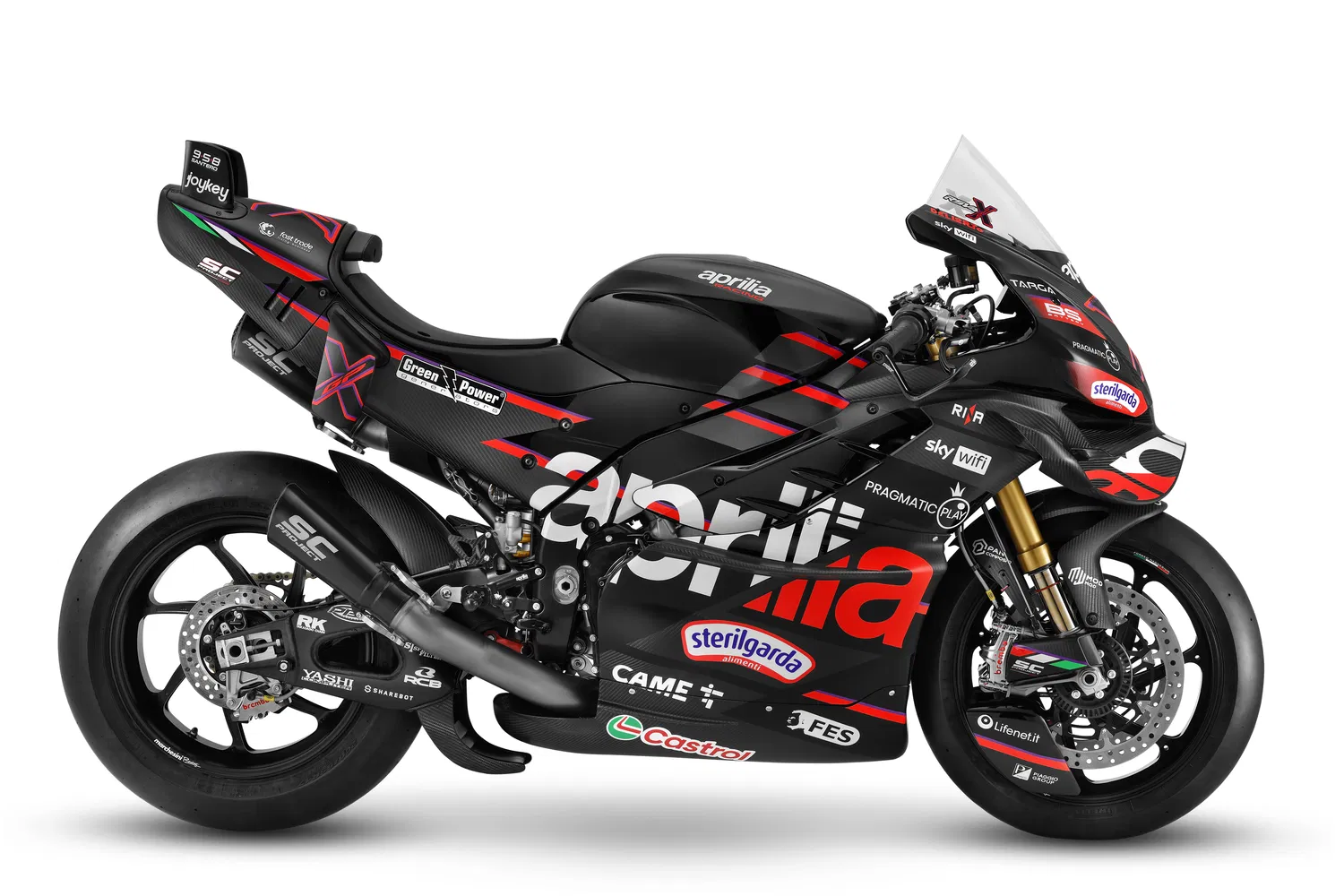
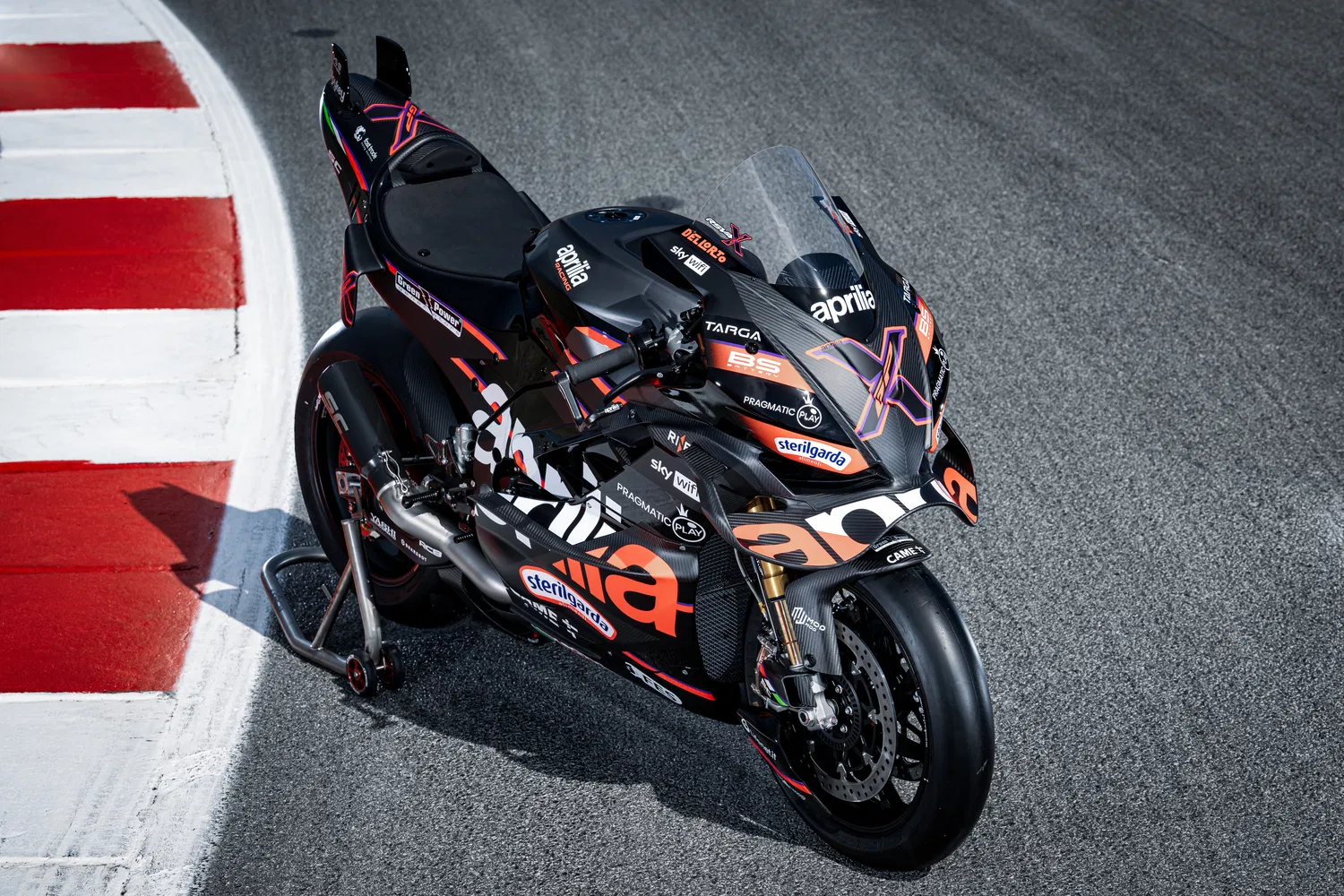
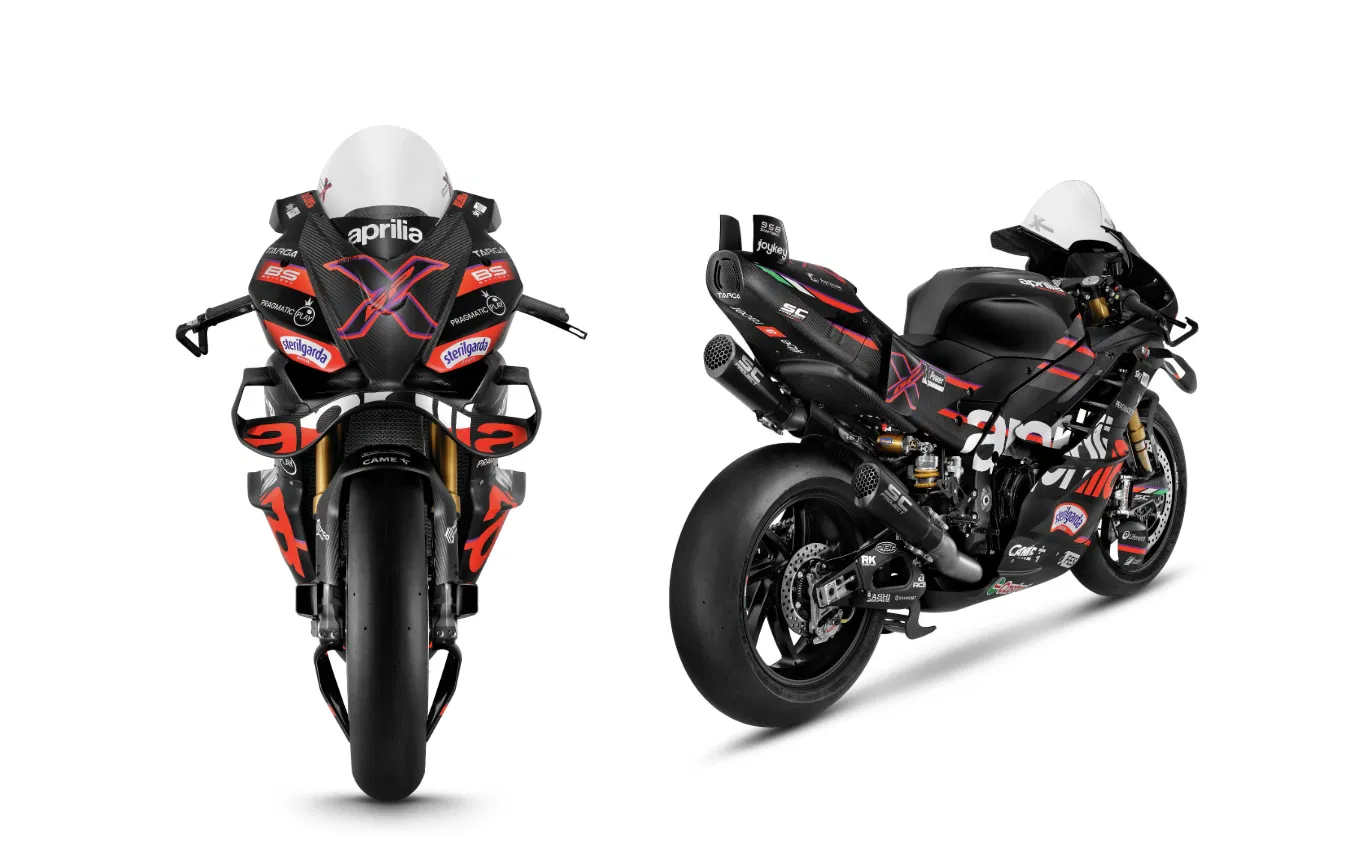
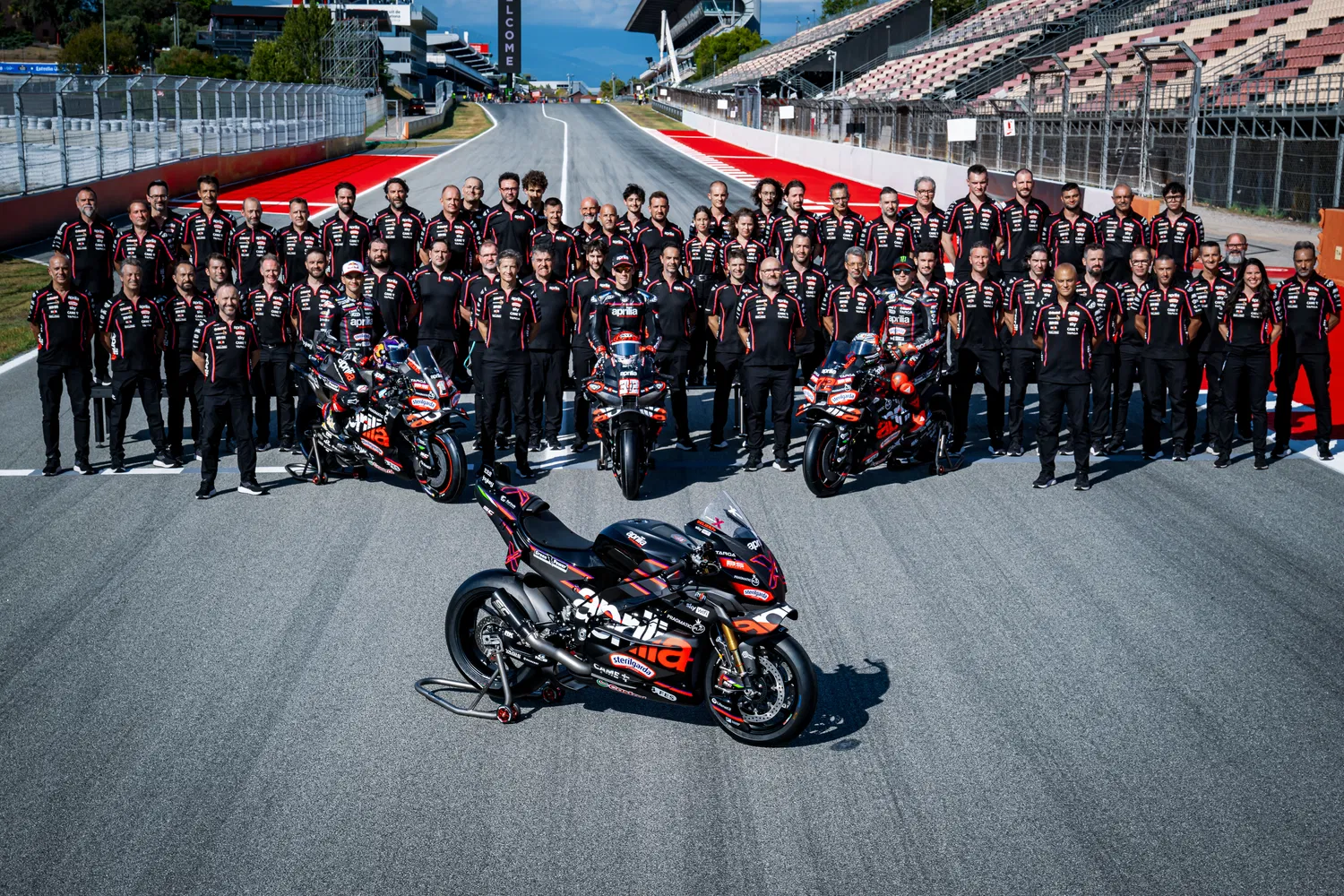
The Aprilia RSV4 X-GP has been launched, as the brand commemorates their 10th anniversary in MotoGP racing, and it is a MotoGP tech-laden missile.

“Really?” you ask? Try 234 hp, 131 Nm, 165 kg, Brembo T-Drive discs, and all the aerodynamics features of the Aprilia RS-GP25 MotoGP race bike.

The RSV4 X-GP is the fifth machine in Aprilia’s ultra-exclusive “X” line, after the RSV4 X (2019), Tuono X (2020), RSV4 X Trenta (2022) and RSV4 X ex3ma (2024).

Highlights
  • 1,099cc 65 degree V4 tuned to full SBK-spec, with maximum power at 234 hp at 13,750 RPM, and peak torque at 131 Nm at 11,000 RPM.
  • Sprint racing filter, reworked intake trumpets, higher compression ratio, a dry STM clutch.
  • The APX Racing ECU, which is not available for the road, take care of fully adjustable traction control, engine braking, power delivery, anti-wheelie and data-logging, and GPS.
  • Owners even get a Yashi laptop loaded with the management software.
  • Suspension consists of Öhlins pressurised FKR up front, and TTX shock at the rear.

  • Brakes are Brembo GP4-MS calipers biting on 330mm Brembo T-Drive disc in front.
  • The rims are forged magnesium Marchesini M7R Gen, wrapped with Pirelli racing slicks used in WorldSBK, as in 125/70 SC1 front, 200/65 SCX rear.
  • Jetprime racing switchgear.
  • Spider rearsets and other billet stung.
  • PBR titanium sprocket.

  • RK 520 chain.
  • Leg wing and tail wing technology directly from the current RS-GP25, making this the first MotoGP-derived bike with these features.
  • They work together with the front wing, under wing, and cornering winglets to create downforce under braking, in corners, and even mid-straight to glue the front wheel to the ground.
  • The rear subframe follows the RS-GP25’s carbon seat support from PAN Composite, serving both as a weight-saving measure, and another aerodynamic aid.
  • Completing the MotoGP look is double-pipe SC-Project MotoGP exhaust, a full carbon fairing with RS-GP25 race livery.

  • And a MotoGP-style SC-Project exhaust system.

We did not bother about how much it costs, but we’ll publish it anyway for you, our readers: €90,000 (RM443,781.00). Only 30 units will be produced for worldwide customers.

Here comes CFMoto again, making waves with another midrange sportbike, called the CFMoto 750SR-S, after introducing the 500SR Voom and 675SR-R just last year.

This latest 750cc variant follows the 675SR-R, by utilising an inline-four cylinder engine instead of a triple like the 500SR.

The manufacturer lists the 749cc engine as producing 110 hp at 10,250 RPM and 80 Nm at 9,000 RPM. While that looks in the ballpark of other 750cc sportbikes, it is actually lower than that of the class-leading Suzuki GSX-R750 which produced 147 hp and its GSX-R600 brother which produced 119 hp. However, the point is the CFMoto 750SR-S is tuned for better torque suitable for street riding despite its racy looks and winglets, while the Suzuki is a race bike.

Highlights
  • 749cc, inline-four, DOHC, 6-valve engine which produces the aforementioned 110 hp at 10,250 RPM and 80 Nm at 9,000 RPM.
  • Spent gases exit through four exhaust mufflers mounted in pairs on both sides of the tail.

  • Six-speed transmission with slipper clutch.
  • Front suspension consist of a pair of 43mm KYB upside-down forks.

  • Rear suspension uses a KYB monoshock and single-sided swingarm.
  • The front brakes consist of twin 320mm discs gripped by a pair of Brembo M4.32 Monobloc calipers.

  • Electronics include a six-axis IMU (inertial measurement unit), cornering ABS and cornering traction control.
  • The IMU also facilitates cornering lights.

  • 6.2-inch colour TFT screen.
  • Its seat height is 805 mm.

  • Fuel capacity of 17 litres.
  • CFMoto claims a curb weight of 213 kg.

Apart from these specifications, the maker claims that the CFMoto 750SR-S can accelerate from standstill to 100 km/h in less than 3.5 seconds, and a top speed in excess of 240 km/h. Again, it is not a track bike.

Six-time World Superbike Champion Jonathan Rea has announced that he will retire from full-time motorcycle racing at the end of the 2025 season.

“JR” who is 38 years old and hails from North Ireland posted a video on his Instagram page announcing the news while also explaining the reasoning behind his decision. He had also hinted that he would be involved with racing in a different way. Given that Rea stated he was retiring from ‘full-time’ racing, this could mean that a test rider role could be on the horizon.

Rea is the most successful WorldSBK rider of all time after winning six consecutive titles between 2015 and 2020 for Kawasaki, while having the distinction of owning 119 victories throughout his WorldSBK career. He also has the the most podium finishes – a whopping 264 of them.

Unfortunately, the last two seasons have been tough after switching to Yamaha. Rea stood on the podium once in 2024, before suffering an injury during pre-season testing this year. He sustained multiple fractures to his left foot and missed the opening three rounds.

I’ve been thinking about this day for a long time and very I’ve decided to step away from full-time racing and retire,” Rea said on social media. “This sport has been everything to me from growing up as a child in Northern Ireland dreaming of racing bikes, to standing on the top step of the WorldSBK Championship, winning races and world championships.

Throughout my career I’ve only ever had one goal, and that was to win. That mentality defined who I was. I never raced to make up the numbers, I raced to be the best. But the time has come to listen to my body, my mind, and most importantly, my instinct.

If I can’t race to win, then it’s time to step away. I have the same love for the sport that I had on day one, to right now in this present day. I’m incredibly proud of what I’ve achieved during my lengthy career; six world championships, more than 100 race wins and so many other accolades along the way.

These are some records that I never imagined could be possible, but it’s not the records, the trophies, or the race wins, it’s the people and the memories that I take with me forever. I’ve had the honour of working with some incredible teams, sponsors and engineers during my career. You’ve all been part of this journey and I’m incredibly grateful that you’ve let me live my dream.

To my family, mum and dad, brothers and sisters, thank you so much for all your sacrifice during the early days of my career. To my wife Tatia and our kids, Jake and Tyler, thank you so much for being my anchor and my rock during the good and all the tougher times,” Rea continued.

To all my rivals and competitors during my career, thanks for making me dig deep. I was such a better rider because of you guys. To all my fans, thanks for you unbelievable support and loyalty. All the support during good times and bad times have really helped me through and gave me the career that I dreamed of.

Whilst I’m stepping away from full-time racing, this isn’t goodbye. I’ll always be a part of this sport, just in a different way. So, from the bottom of my heart, thank you for everything. It’s been one hell of a ride. I’ll see you in the paddock.

Archive

Follow us on Facebook

Follow us on YouTube