Bikesrepublic

English

The Malaysian Anti-Corruption Commission (MACC) seized cash amounting to RM1.9 million, two luxury cars worth RM900,000, and bank accounts valued at RM34 million in an investigation into false claims and misuse of loan bonds for the construction of a highway in the Klang Valley.

MACC Chief Commissioner Tan Sri Azam Baki stated that the commission had opened three investigation papers when the probe began on May 9.

We have opened three investigation papers: the first involves false claims amounting to RM361 million linked to sukuk funds. The second investigation concerns false claims of RM416 million in sukuk funds and RM50 million in bank loans. The third case involves soliciting and accepting bribes worth approximately RM12 million from several parties,” he said.

Azam added that MACC had arrested nine individuals, including one with the title “Datuk Seri,” while 31 others had their statements recorded.

Generally, this case involves the misuse of sukuk funds provided by lenders or those issuing the bonds,” he explained.

Last month, four individuals, including a ‘Datuk Seri,’ were detained on suspicion of making false claims worth around RM360 million.

The suspects—three men and one woman, aged between 50 and 70—were arrested while giving statements at the MACC office between 4 PM and 6 PM yesterday.

Initial investigations revealed that the suspects allegedly committed the offences between 2016 and 2017.

All four are suspected of submitting false claims worth approximately RM360 million using sukuk funds for a RM1.3 billion highway construction project in the Klang Valley.

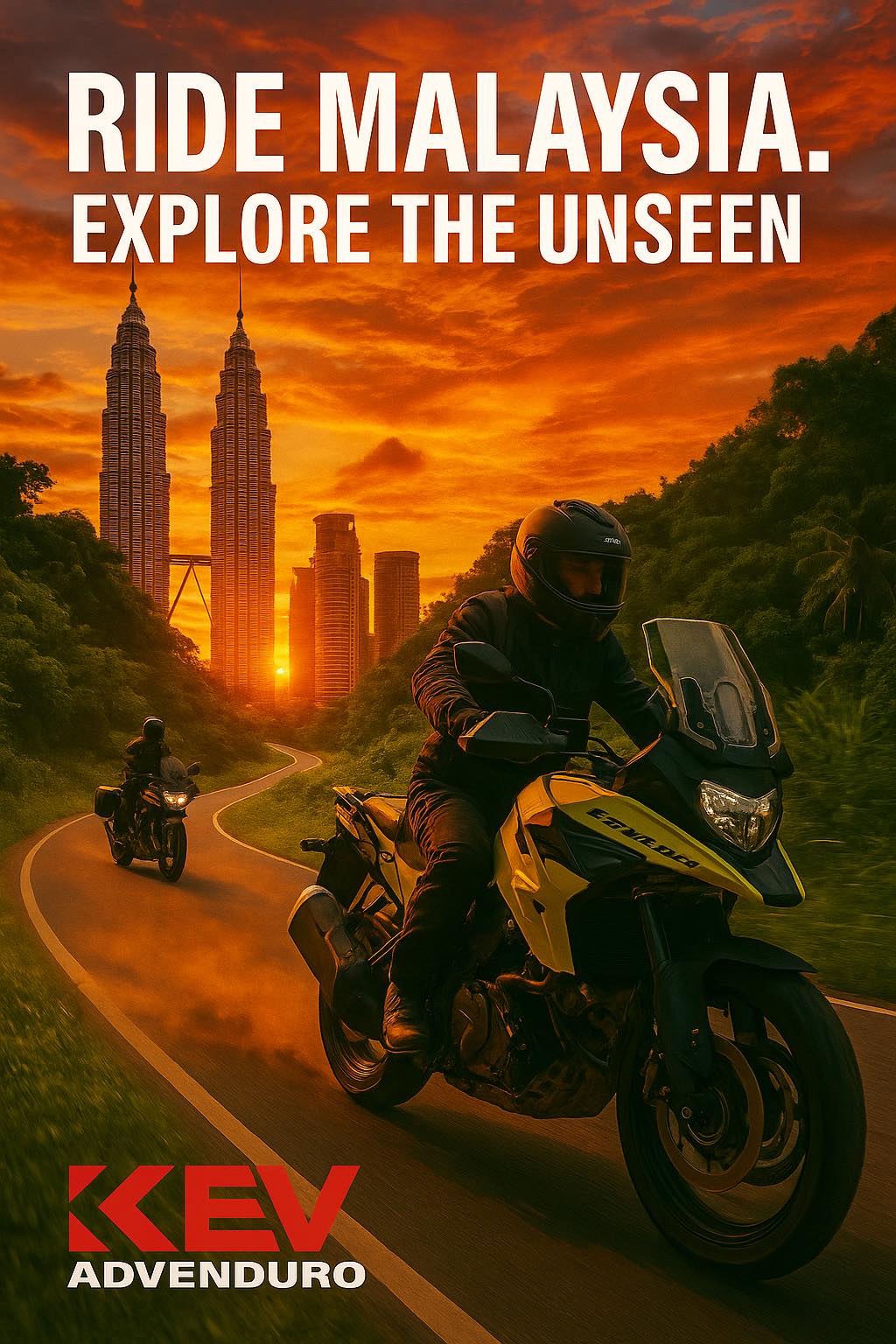
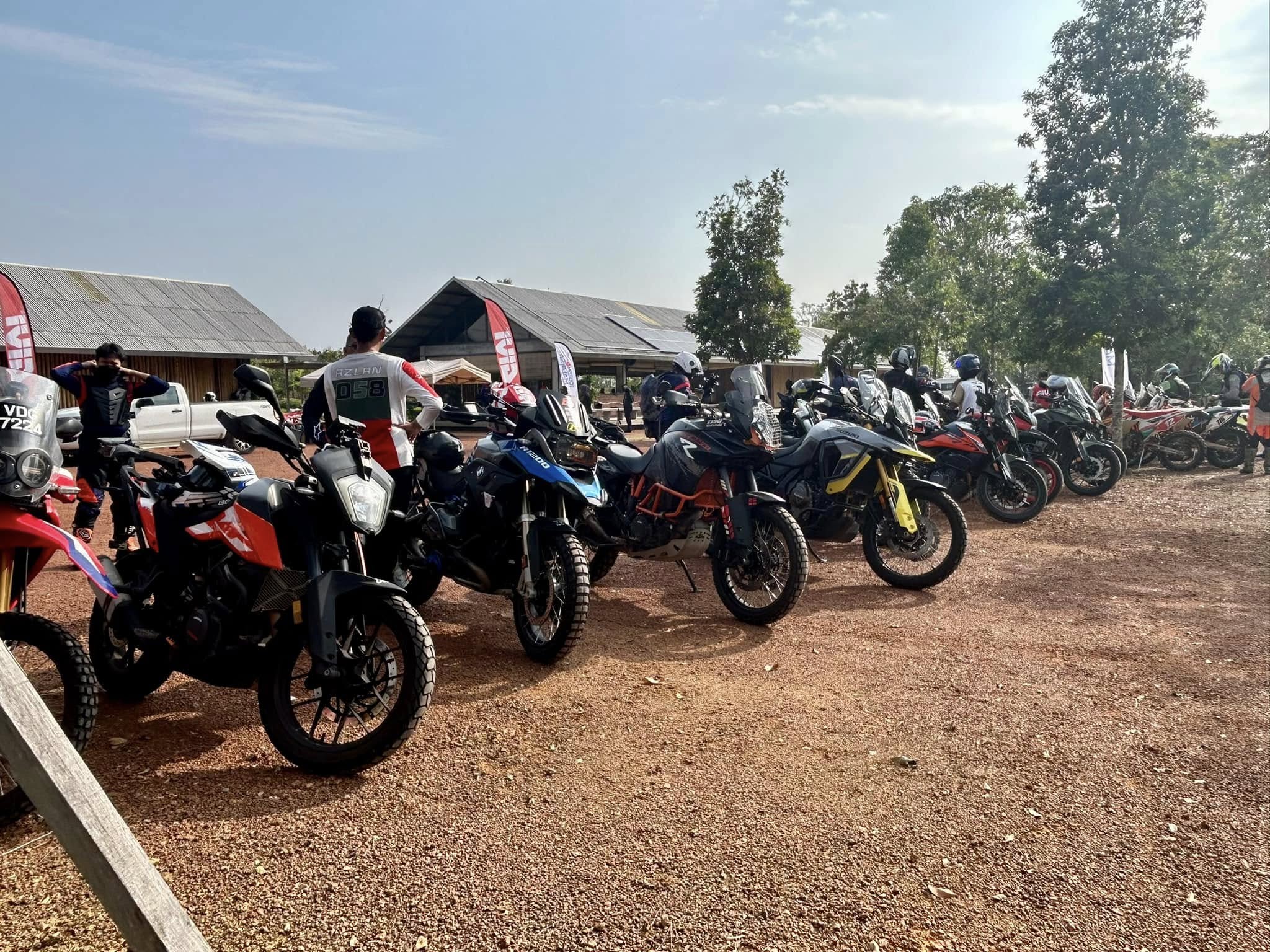
Looking for on-road motorcycle tours? Plenty. But how about an off-road-road tour? Now that is rare. Or better yet: A mix of both on-road and off-road motorcycle tour? And guided by certified instructors, at that. KEV Adenduro has you covered.

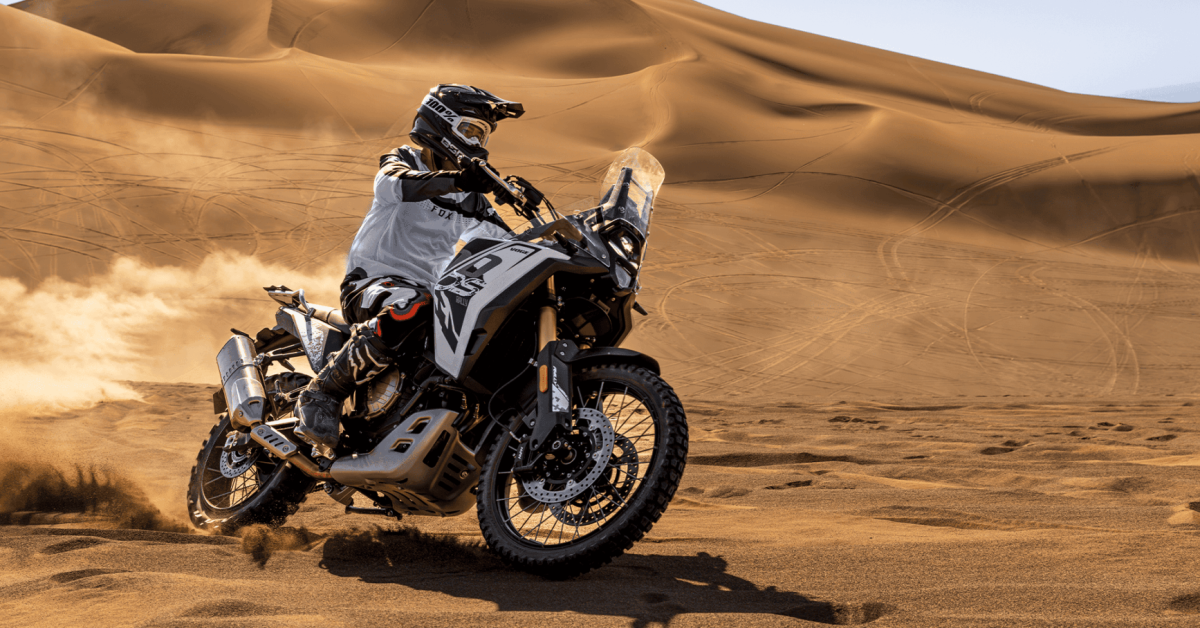
Malaysia is a haven for motorcycle riding and touring, with her extensive network of highways connecting major cities and big towns, B-roads that takes you to small towns, and back roads through villages lined by quaint houses and covered by triple canopy trees. There is even a mountain for Alpine-like cool weather in less than an hour away from the capital, Kuala Lumpur. However, if getting to even more beautiful locations that have not been exploited is your wish, they are only accessible via off-road routes.

As such, KEV Advenduro has the answers. The participating riders can choose among several tour packages: Fully on-road, fully off-road, or a mix of on-road and off-road riding.

The organisation will also provide full riding gear consisting of Givi helmets, Hevik riding jackets and gloves, and even GoPro action cameras to record your memorable moments.

But, what if you do not have a motorcycle or just wish to test out a different one? The service also offers several types of motorcycles. There are 250cc and below bikes for beginners, as well as those ranging from 450cc to 1000cc.

Each tour includes meals and refreshments, as well as a support truck with highly experienced technicians. Accommodations are also available for multi-day rides.

But hang on, that is not all. KEV Advenduro also offers an exclusive deal where up to 50% of your tour cost can be credited towards the purchase of a new motorcycle of the brand you rode (among selected brands) within 45 days.

Please call or WhatsApp 012-3928818, or visit KEV Advenduro on Facebook and Instagram for more details.

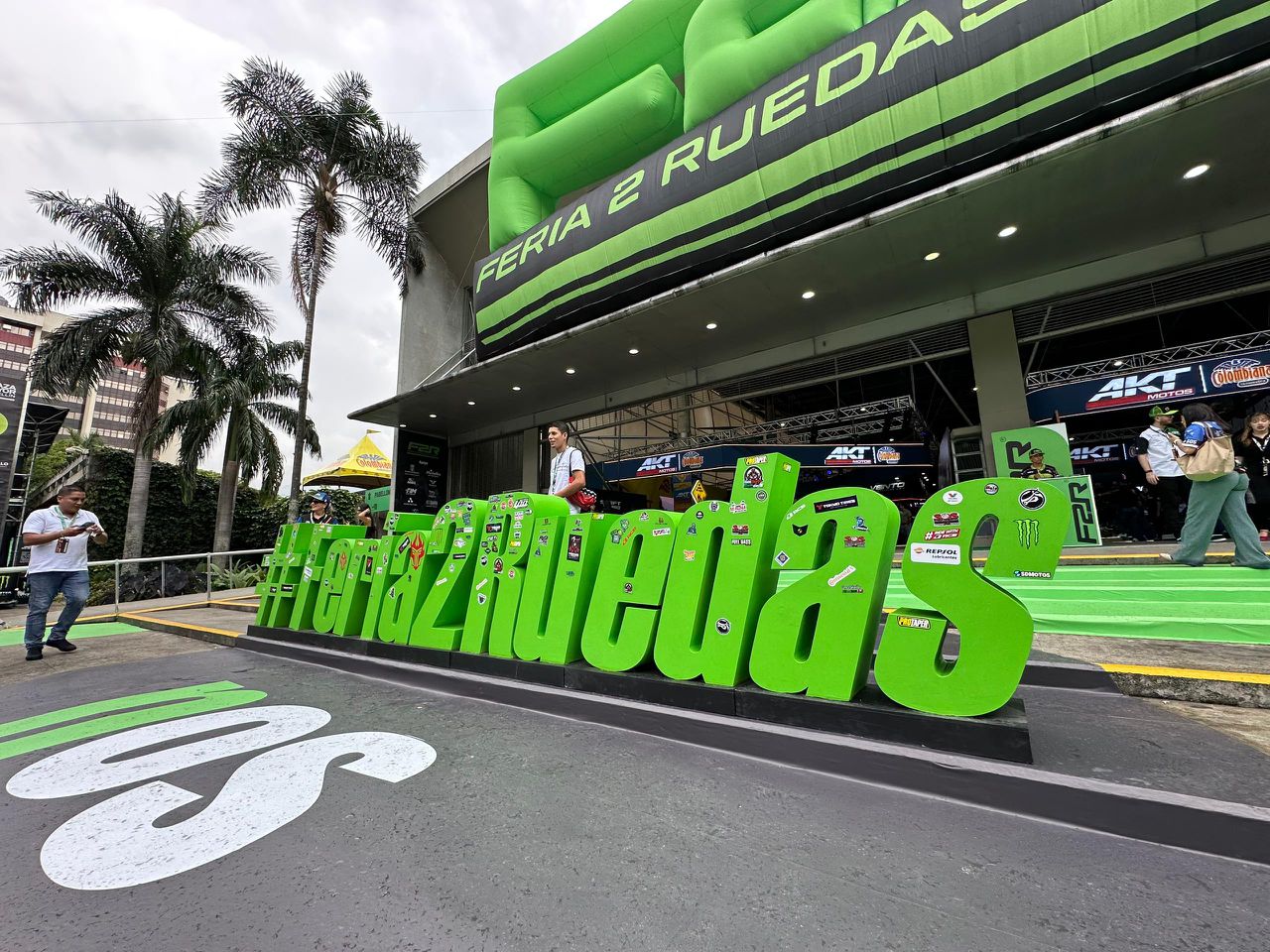
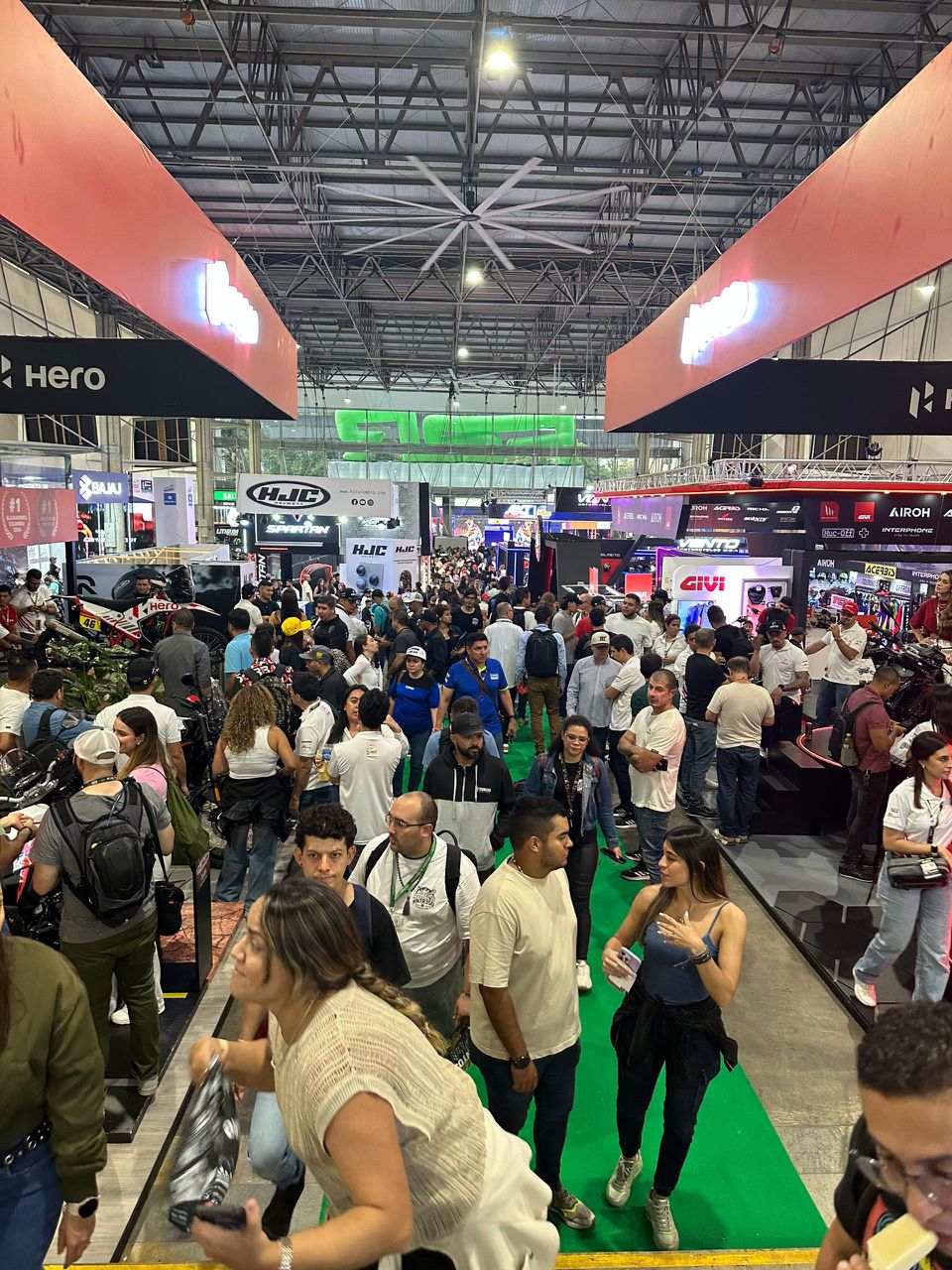
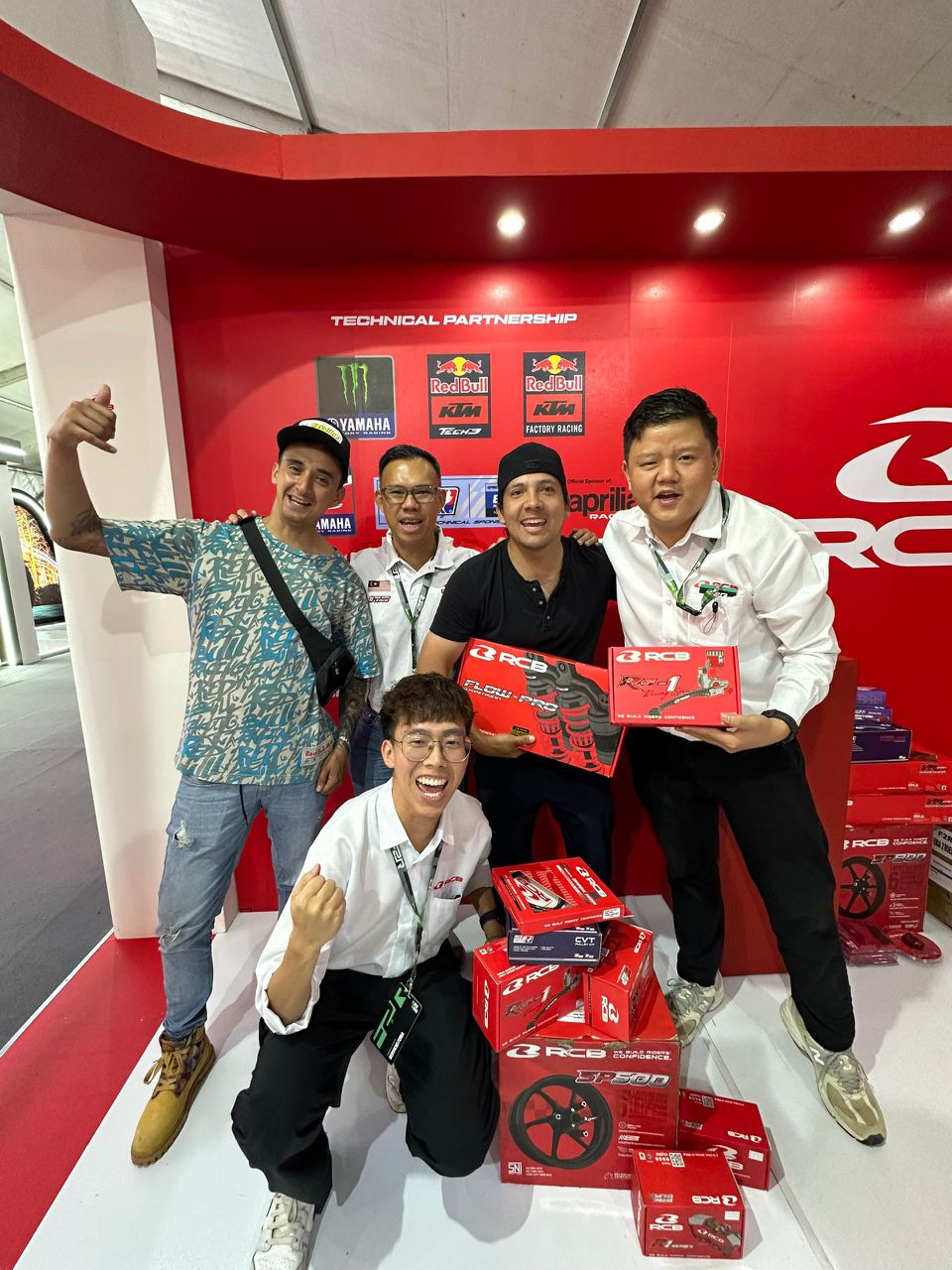
  • RCB debuted at South America’s largest two-wheel show flying the Malaysian flag.

A homegrown brand has made Malaysia proud again: RCB has just made their debut in South America.

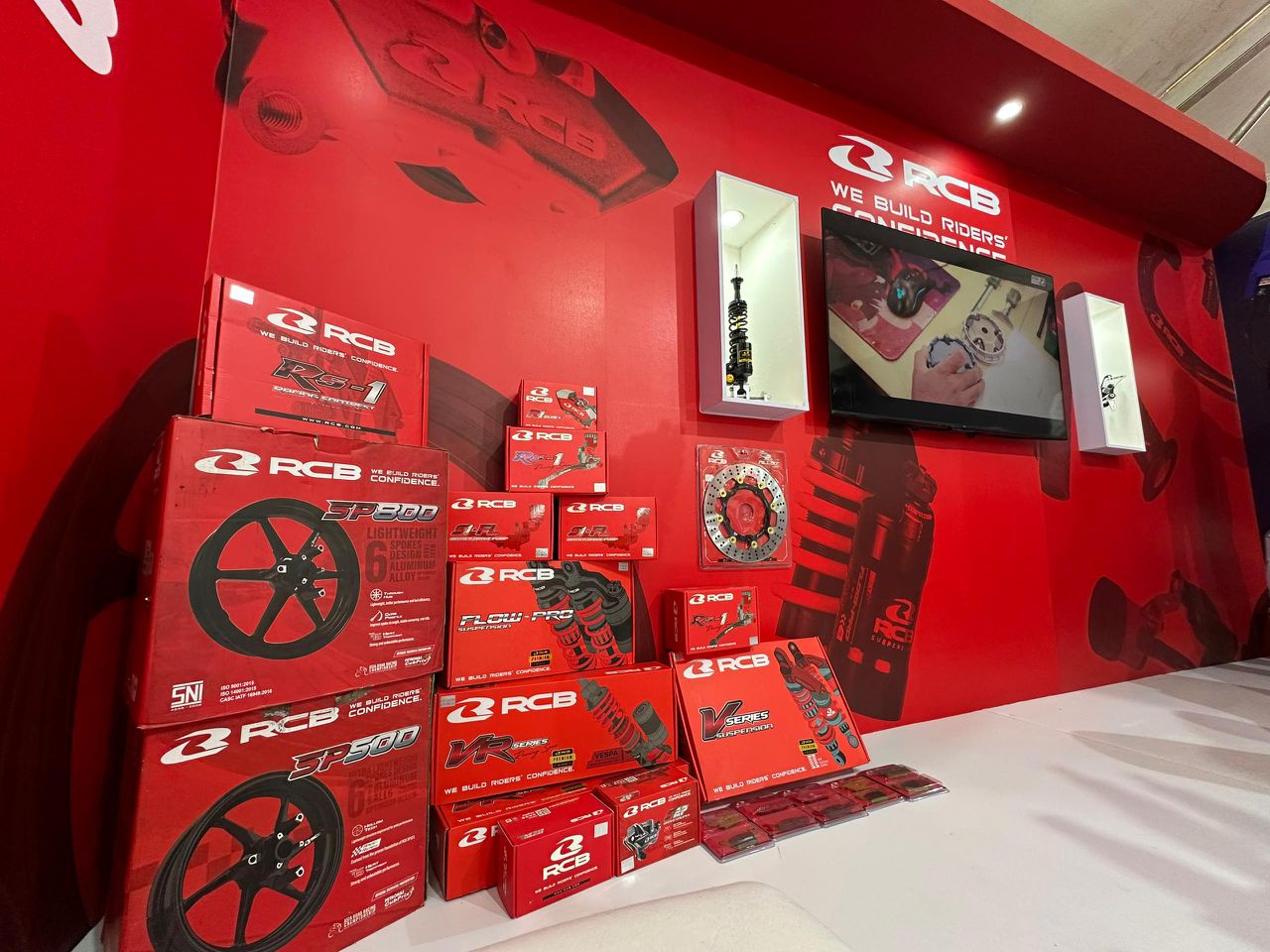
RCB a.k.a. Racing Boy grew exponentially within 2 decades to being a global brand, even sponsoring the factory Monster Energy Yamaha MotoGP team. Supporting their growth is an extensive catalogue of products, backed by high quality.

From RCB’s Official Press Release

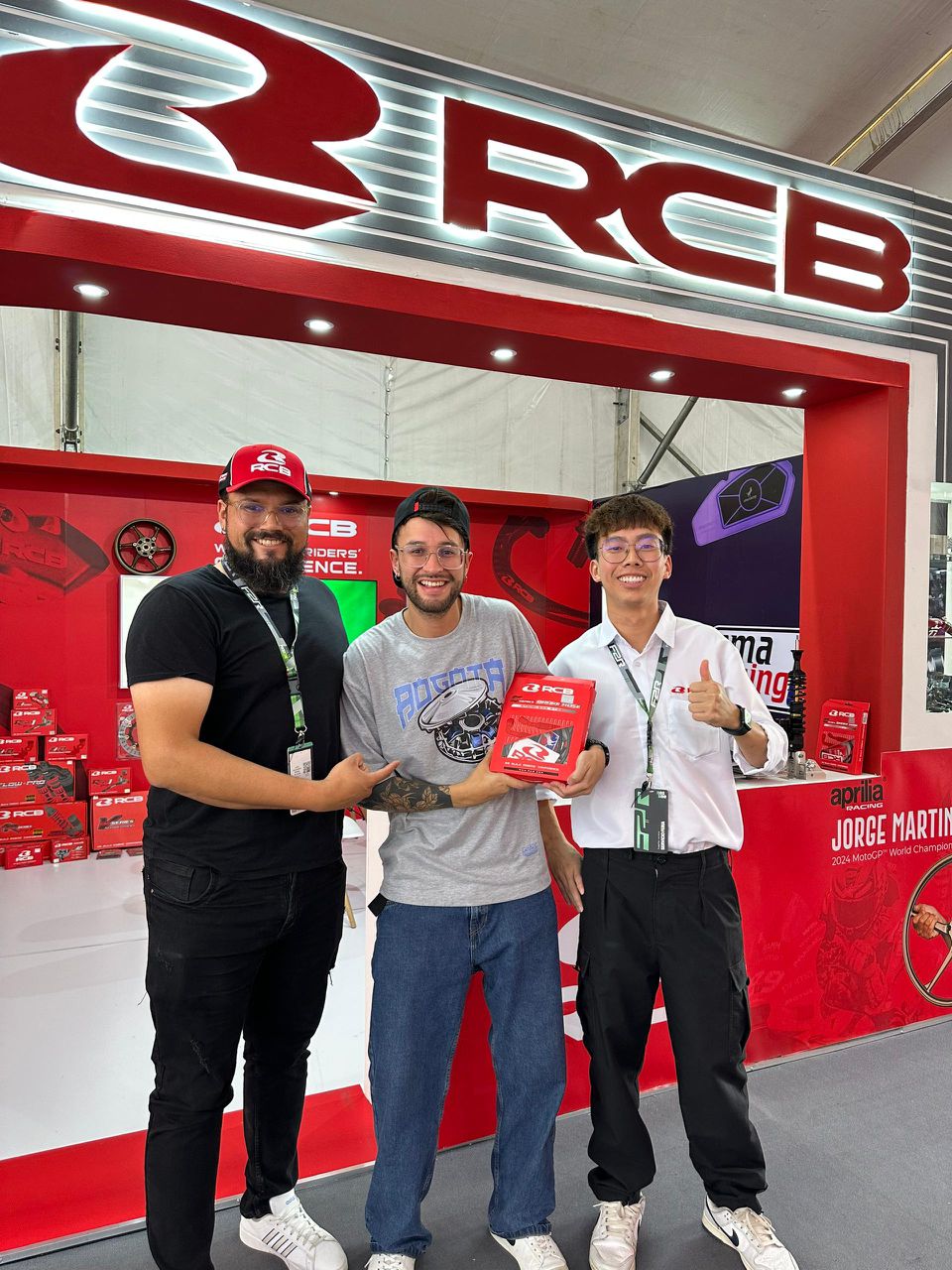
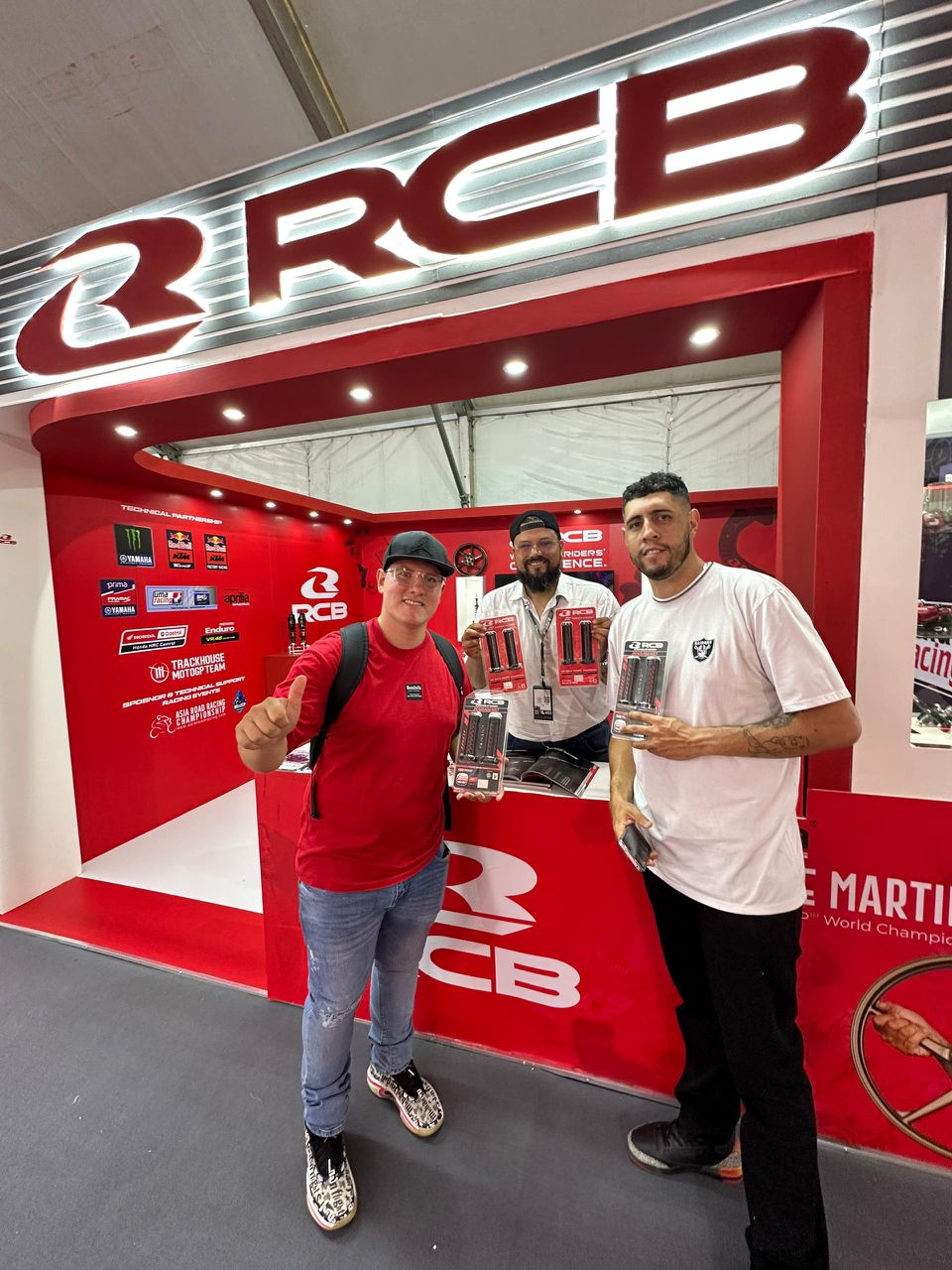
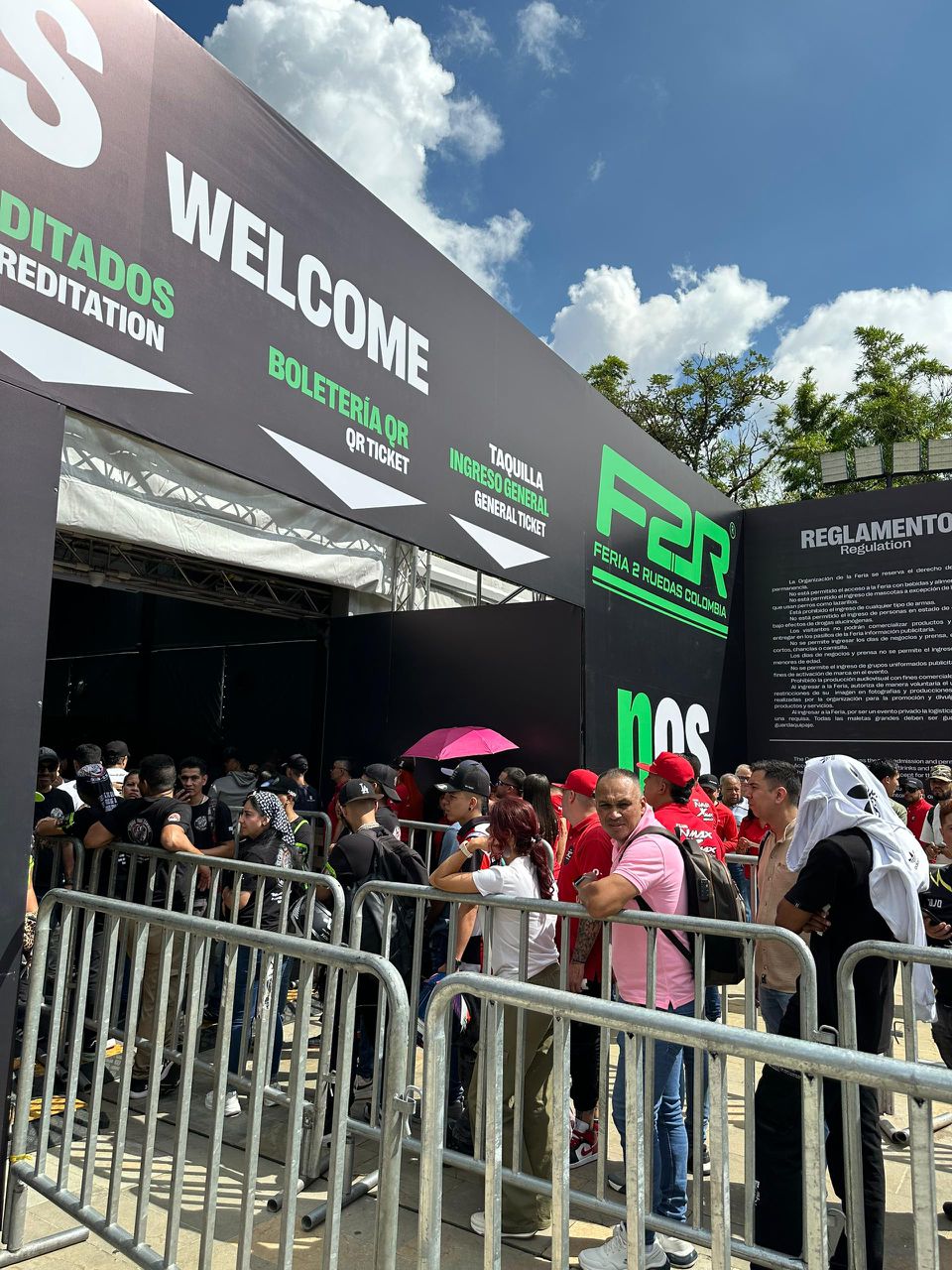
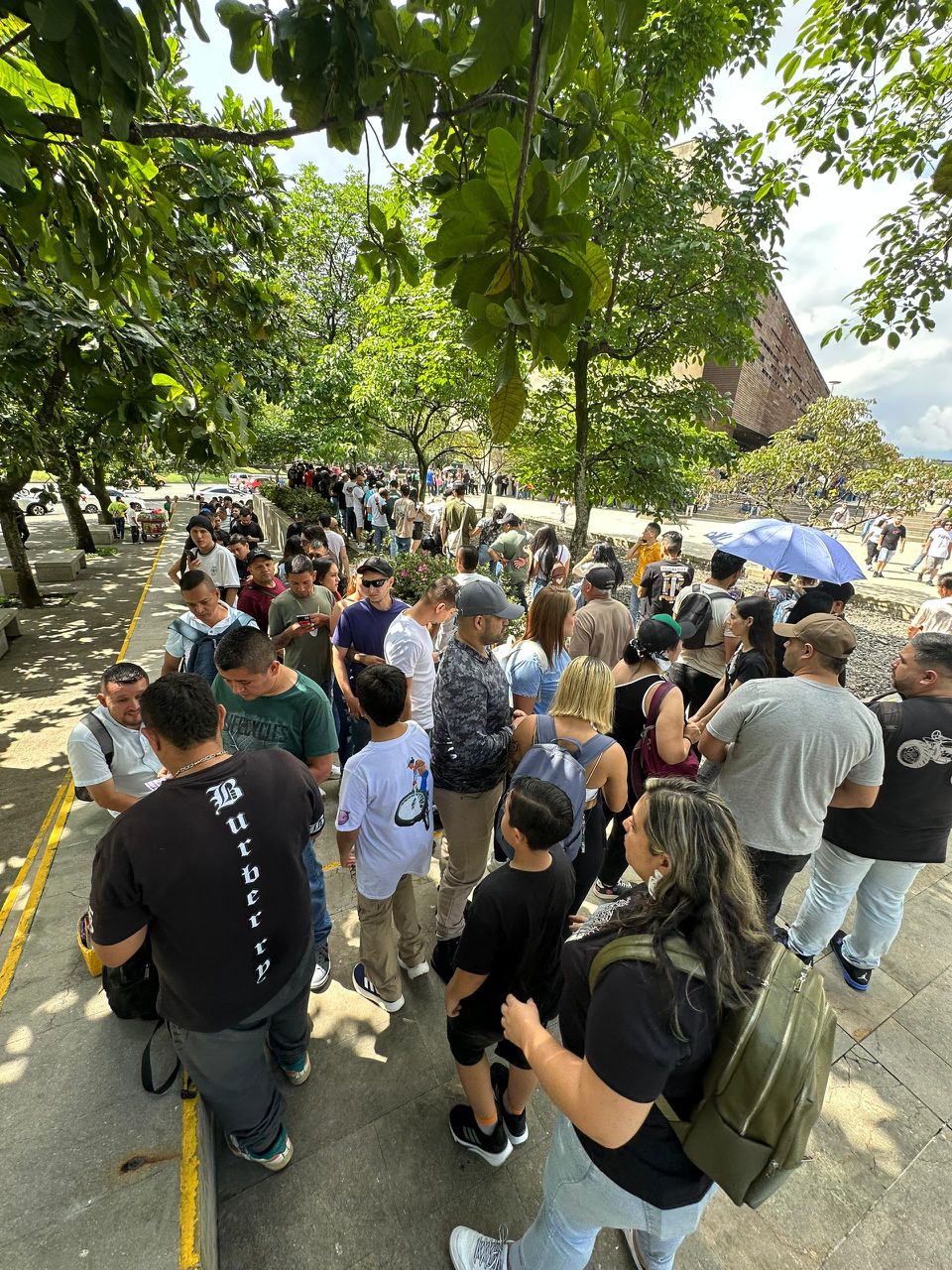
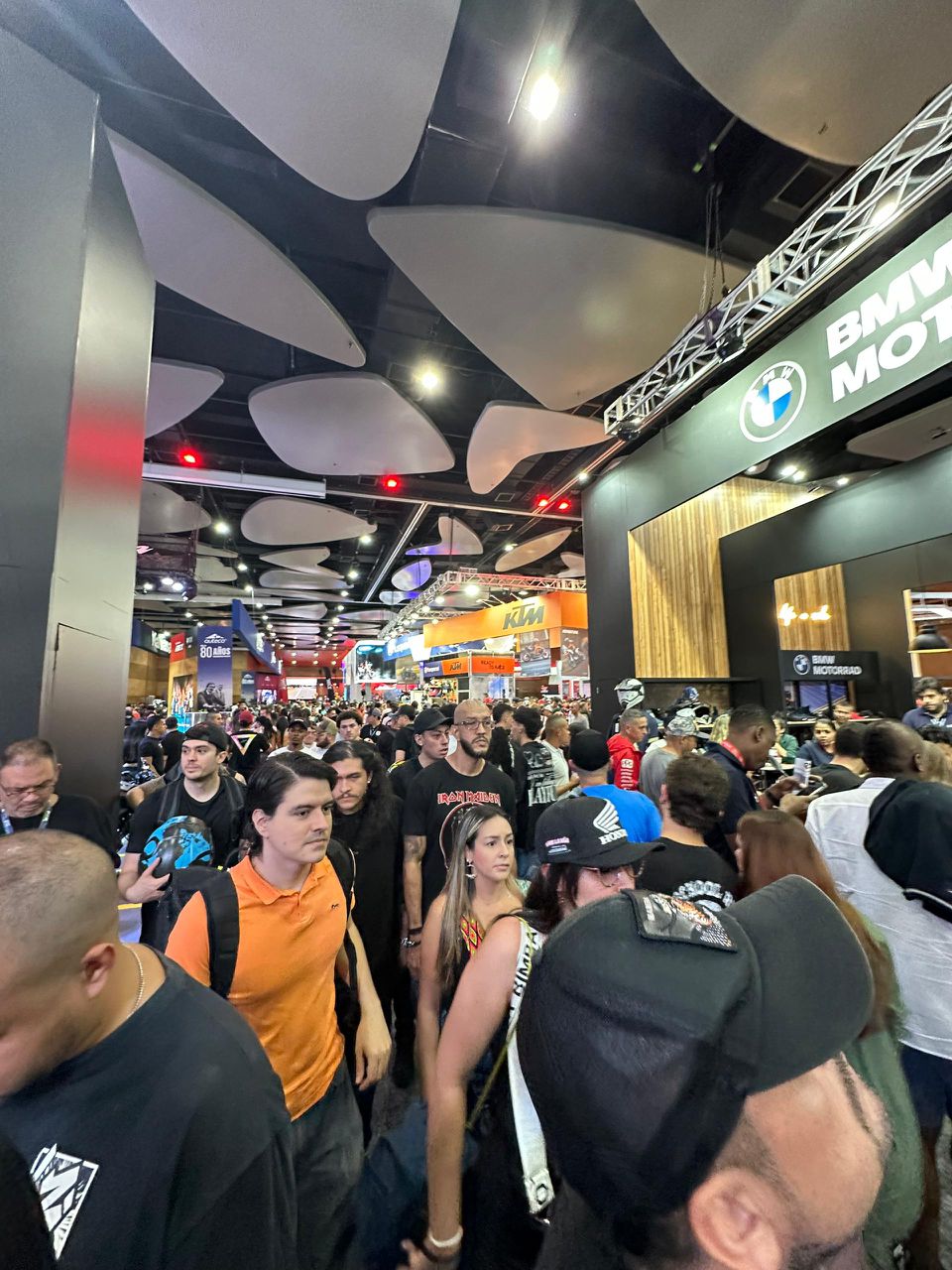
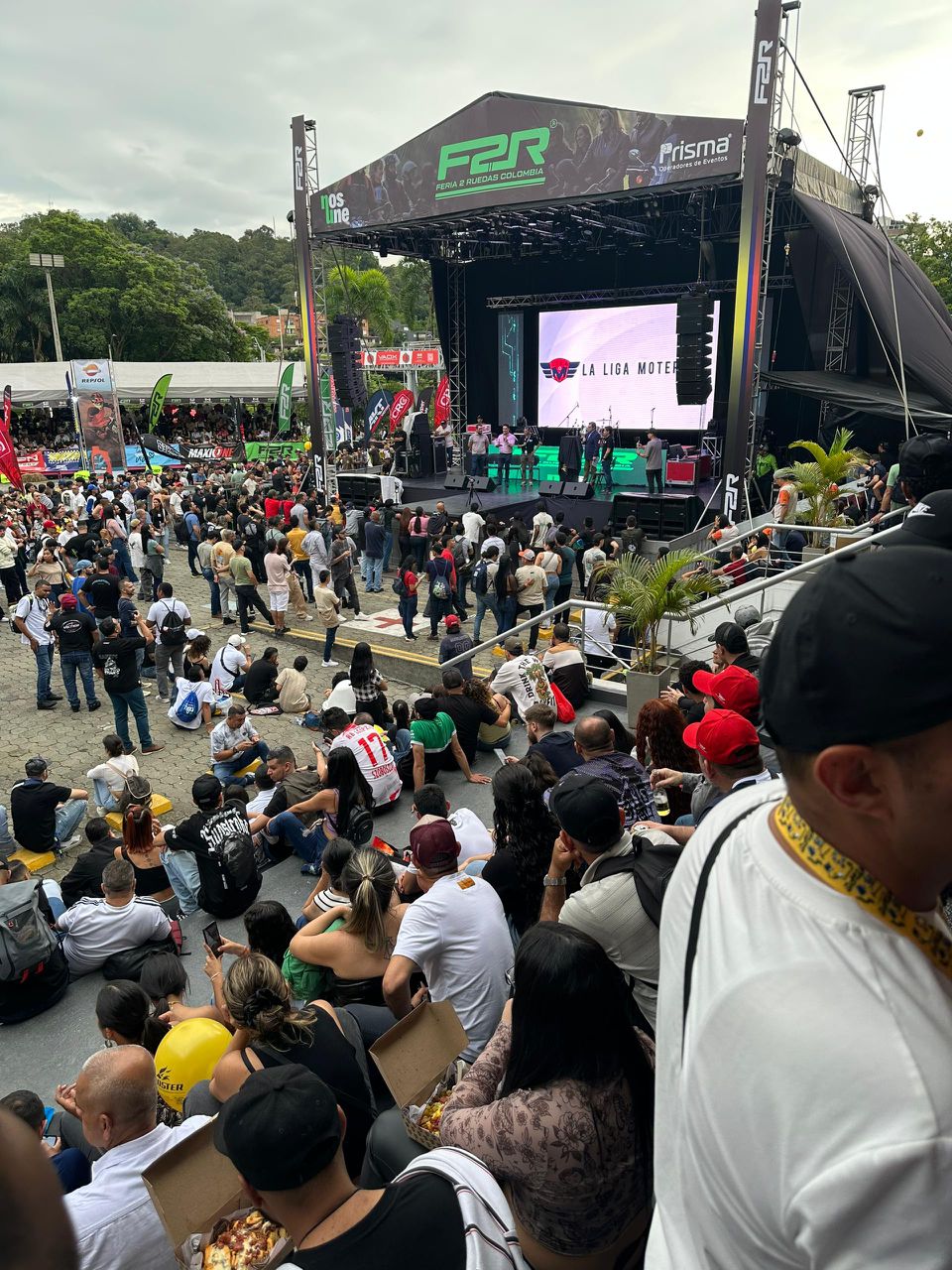
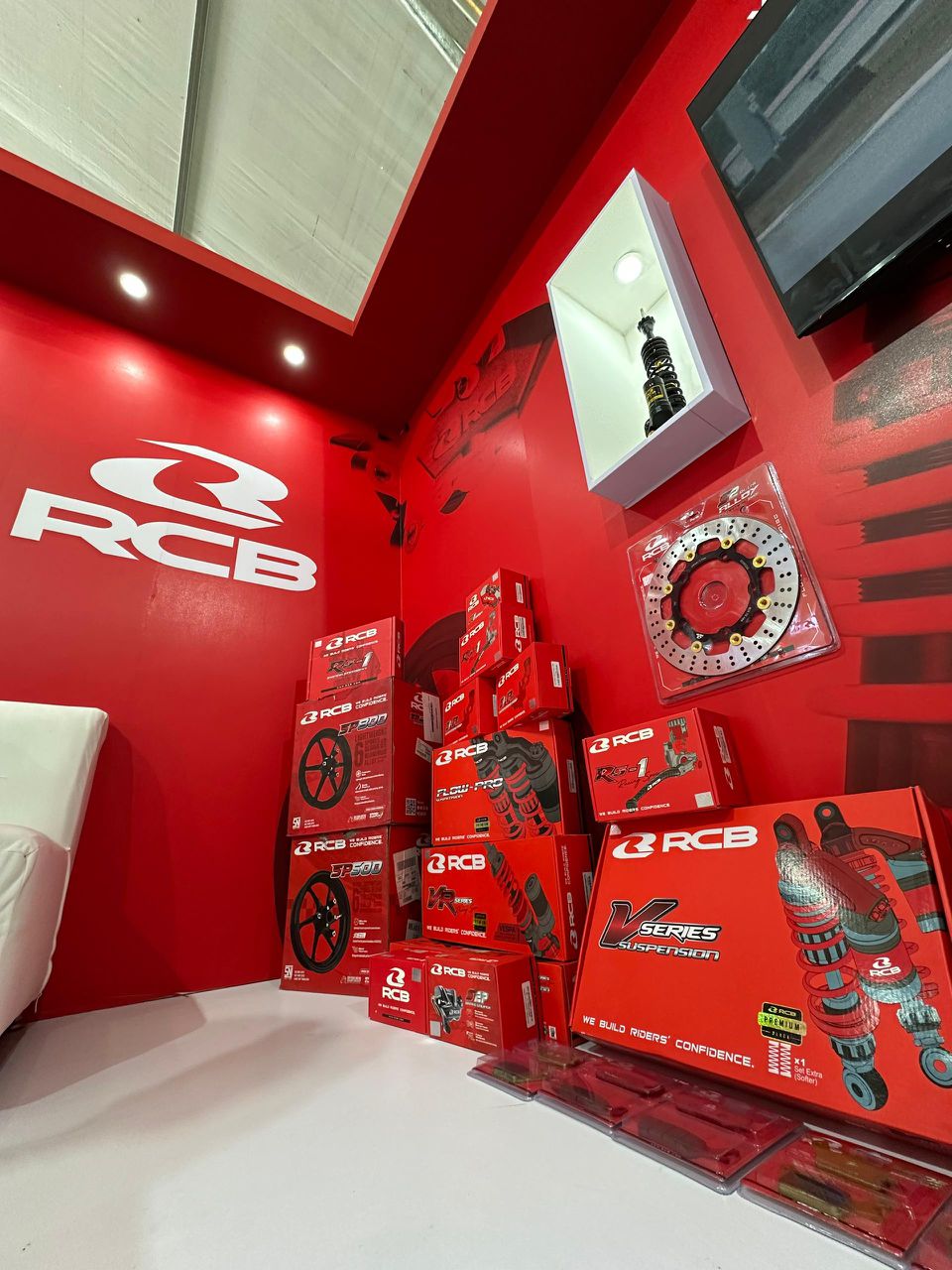
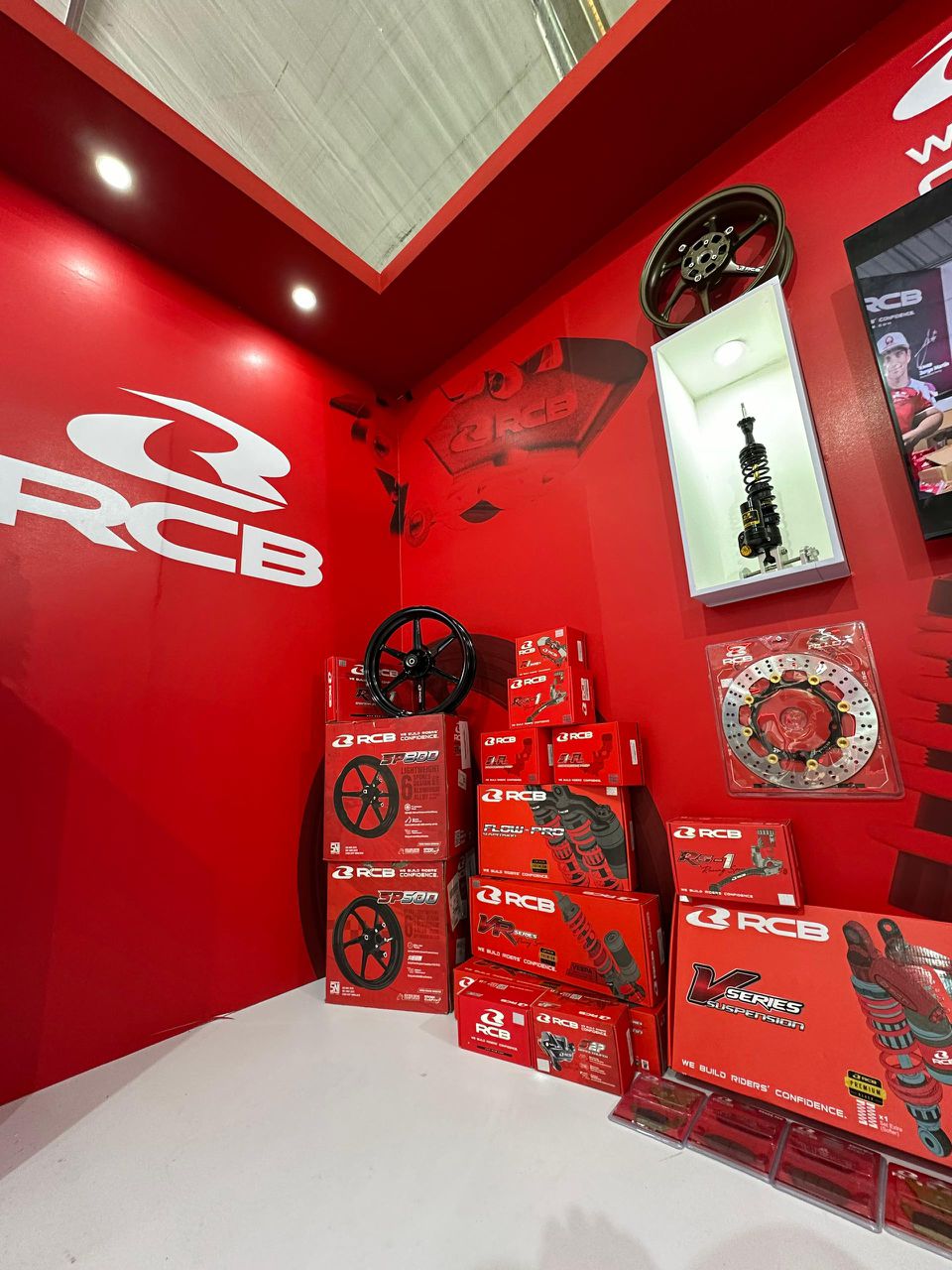
Colombia, Tuesday, 27 May 2025 – RCB proudly marked its first official appearance in South America by participating in the region’s largest two-wheel exhibition, showcasing its cutting-edge product lineup and connecting directly with the vibrant Latin American riding community. The reception was extraordinary, with passionate riders and traders from Colombia and neighboring countries warmly welcoming RCB into the scene.

To our delight, we discovered that RCB already enjoys a growing fanbase in the region. For years, motorcycle shops and riders have been sourcing RCB parts through Asian dealers, a testament to the brand’s organic reach and strong reputation among two- wheel enthusiasts. While this event marks RCB’s first official showcase in South America, the brand has already established a quiet yet expanding presence. The warm welcome we received from Colombian riders and retailers reflects strong recognition of RCB products for their reliability and performance.

Our official presence now strengthens that momentum, making it easier than ever for riders, distributors, racing teams, dealers, and clubs across South America to access genuine RCB products. The event proved highly successful, paving the way for deeper partnerships and community connections.

This visit has affirmed what we long believed, RCB already enjoys a passionate and loyal community in Colombia,” said Marcus Leong, Group Marketing Director.

We’re now committed to supporting them more directly by streamlining access to genuine RCB products, making it faster, easier, and more dependable than ever,’’ he added.

RCB extends its sincere gratitude to everyone who stopped by the booth and played a part in making our debut in Colombia an overwhelming success. “Amo a Colombia,” the team proudly shared.

RCB showcased a range of its top-performing motorcycle components, including brake systems, rims, suspension parts, and racing accessories, drawing strong attention from visitors. The brand received enthusiastic interest from local distributors, racing teams, and motorcycle dealers eager to explore partnership opportunities. Throughout the event, RCB connected meaningfully with riding clubs, South America RCB fans, influencers, and everyday riders, gaining valuable insights into the preferences and needs of the Latin American two-wheel community. The brand also generated significant buzz on social media, and interest from the attendees who visited the show.

Follow RCB for the latest updates on product launches, regional partnerships, and future events:

Instagram: @rcb.global

Instagram: @rcb.colombia

Photo gallery
  • Honda reaffirms authenticity, addresses misleading claims.

Honda is the largest motorcycle manufacturer in the world and is one of the leaders in new technologies. So, being the leader means there will those who want to associate themselves – regardless if officially or otherwise.

It happened sure enough, with certain quarters claiming that some non-Honda motorcycle or motorcycles sold in Malaysia are actually using Honda’s engines or technologies. It prompted Boon Siew Honda to issue the disclaimer below.

From the Official Press Release

Boon Siew Honda would like to address the recent inaccurate claims that have begun circulating. These claims suggest that Honda engines are applied and being used on non-Honda motorcycles.

We wish to clarify that this allegation is incorrect. The engines used across Honda’s model line-up are proprietary designs exclusively engineered and manufactured by Honda. Our advanced technology is not shared, licensed, or supplied to any other motorcycle brands available here in Malaysia.

At Honda, we value the trust our customers place in us and remain committed to delivering high standards of quality and technological advancement. Every component, including our engines, is the result of dedicated research and engineering aimed at enhancing our customers’ riding experience.

We encourage the public to verify any claims about Honda products through official channels or by consulting authorized Honda dealers nationwide. For more information, kindly contact 1-800-88-3993 to speak with their customer relations representative or email them at enquiry@bswhonda.com.my.

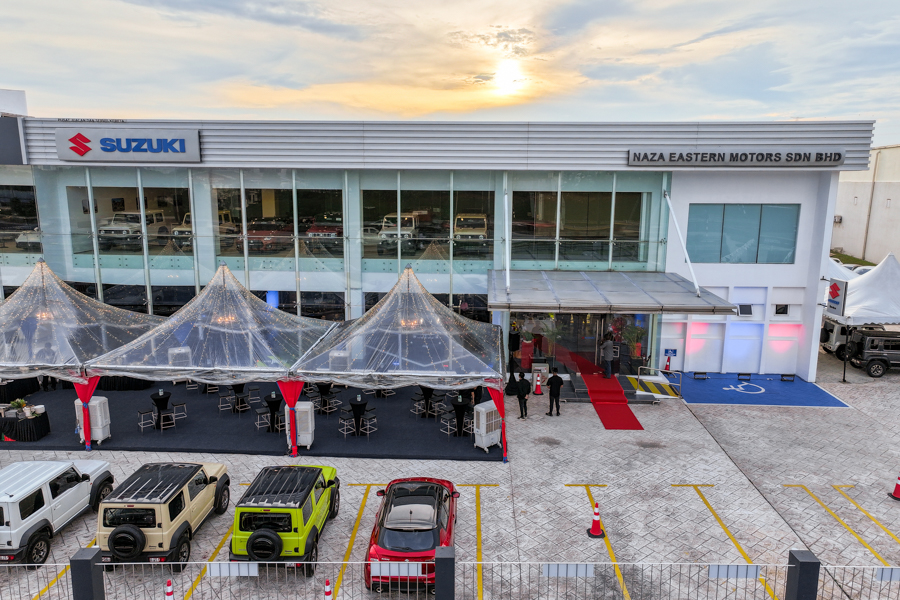
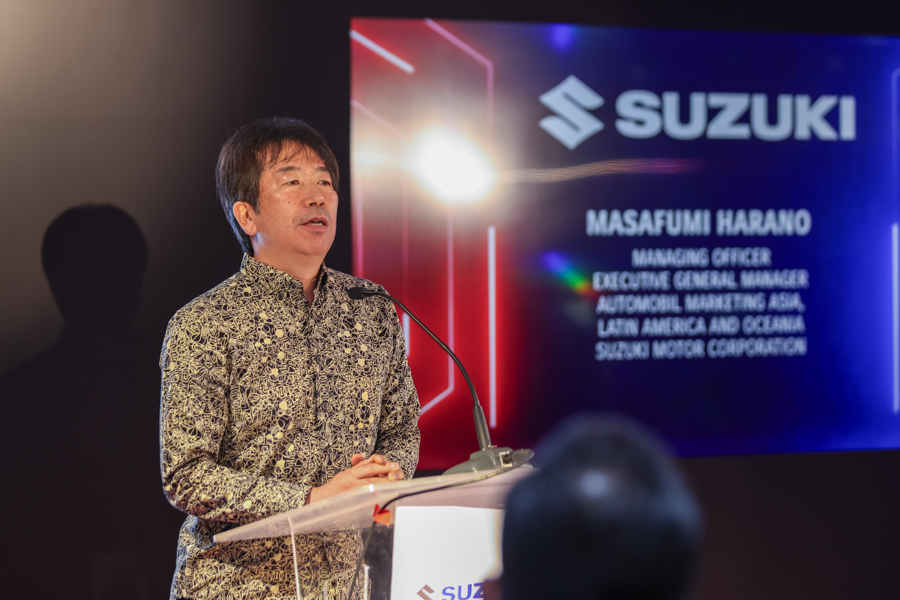
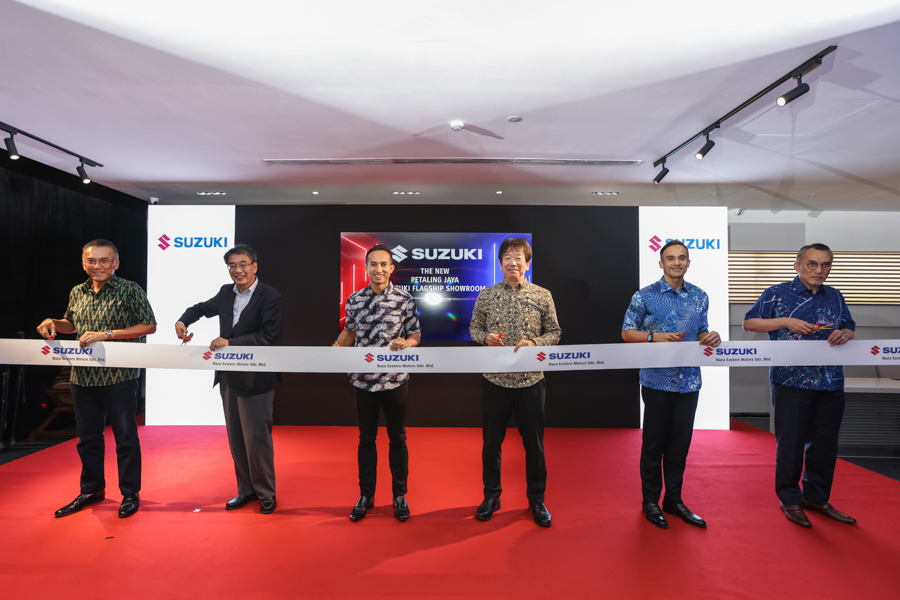
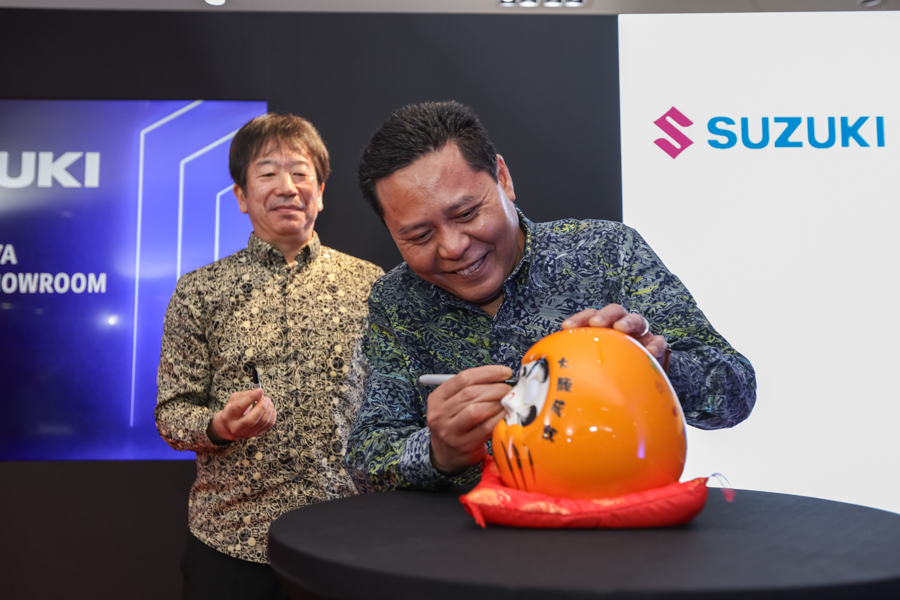
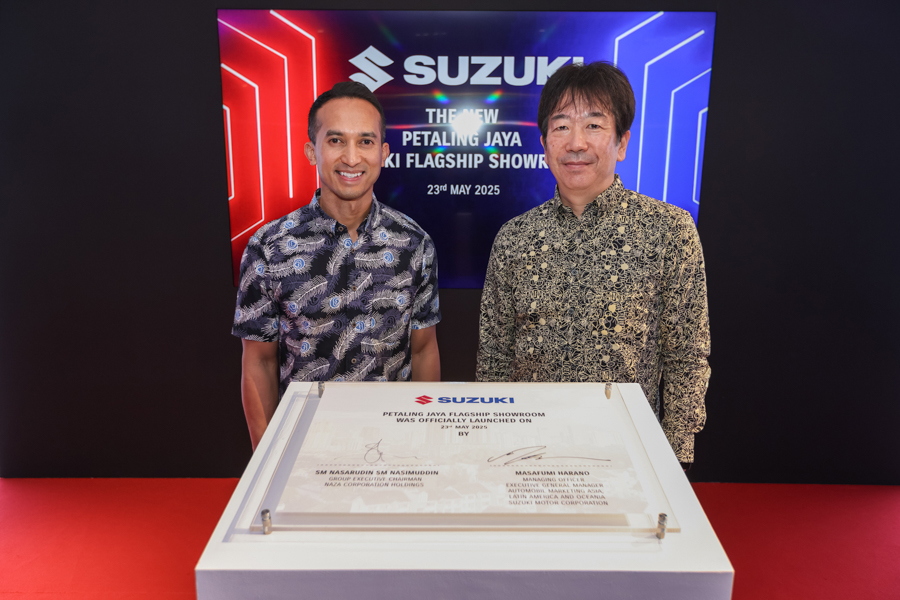
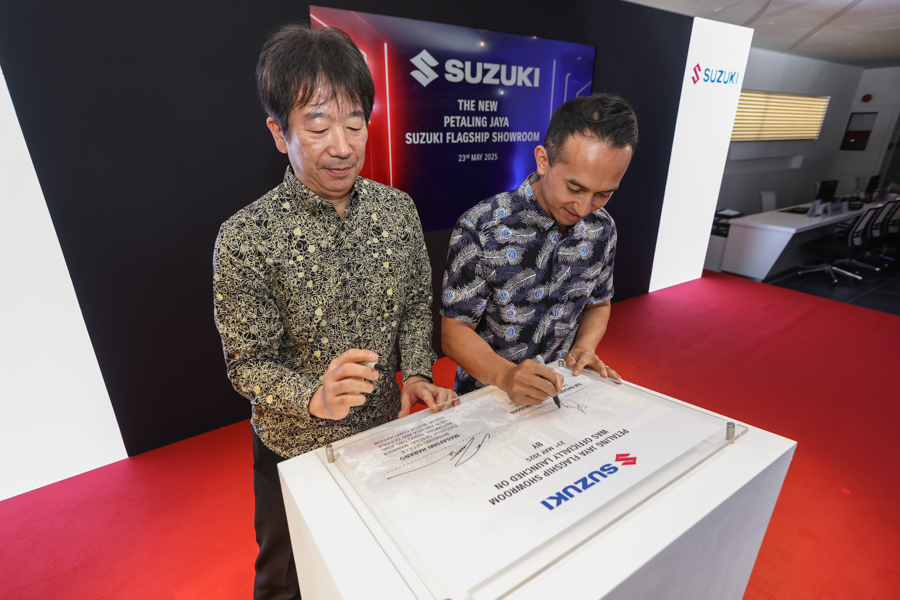
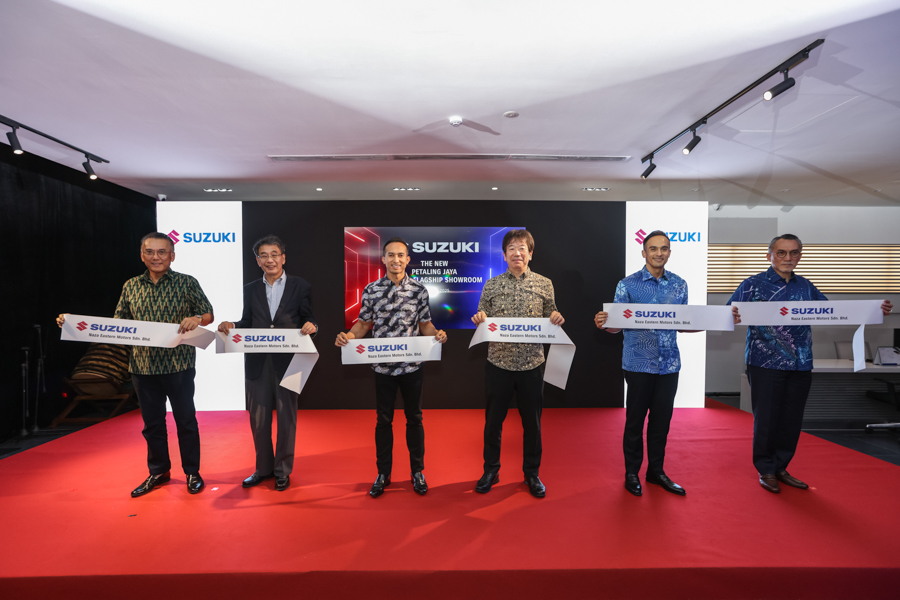
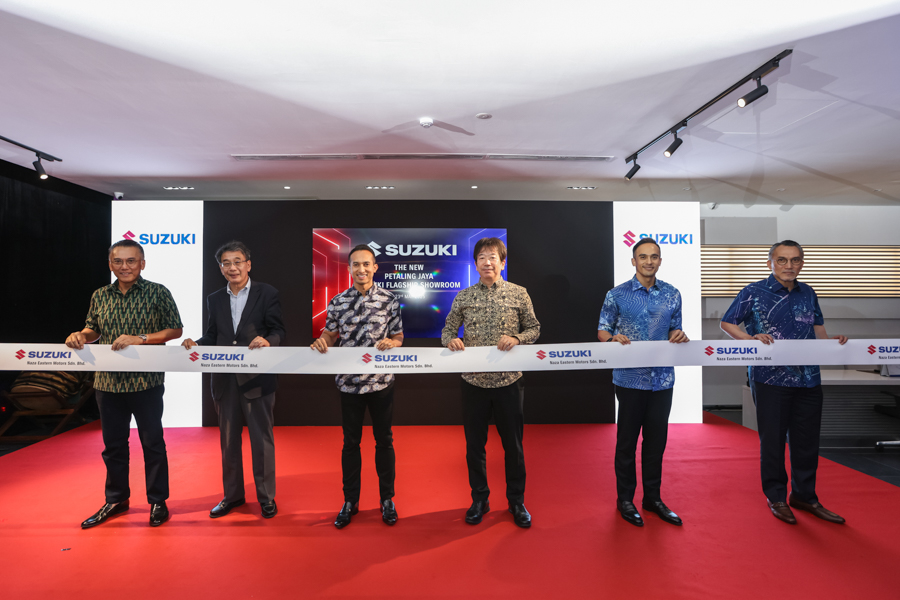
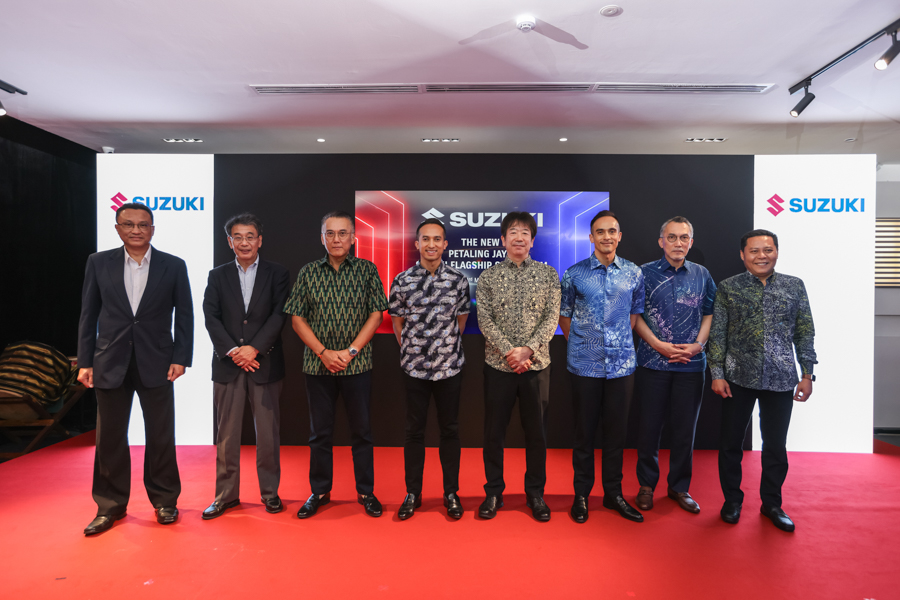
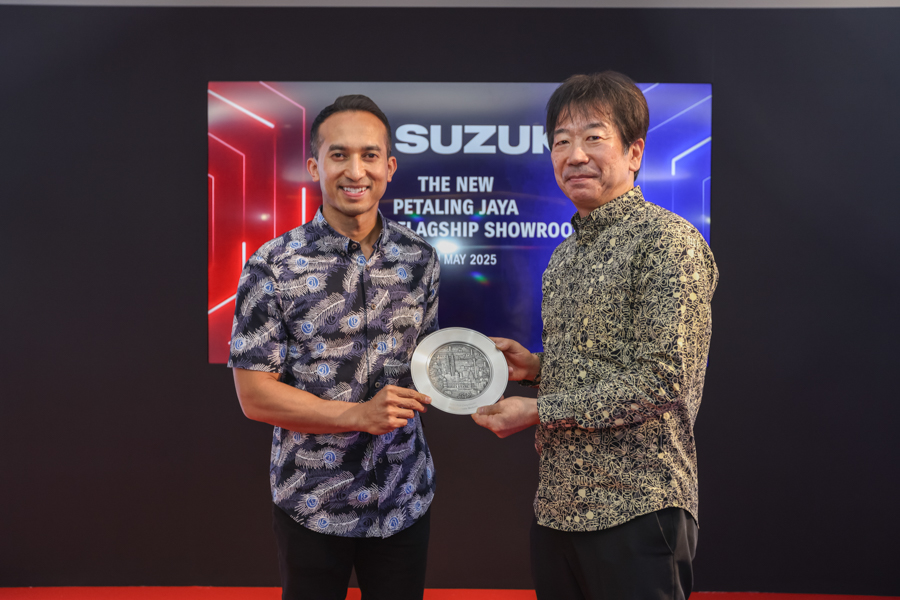
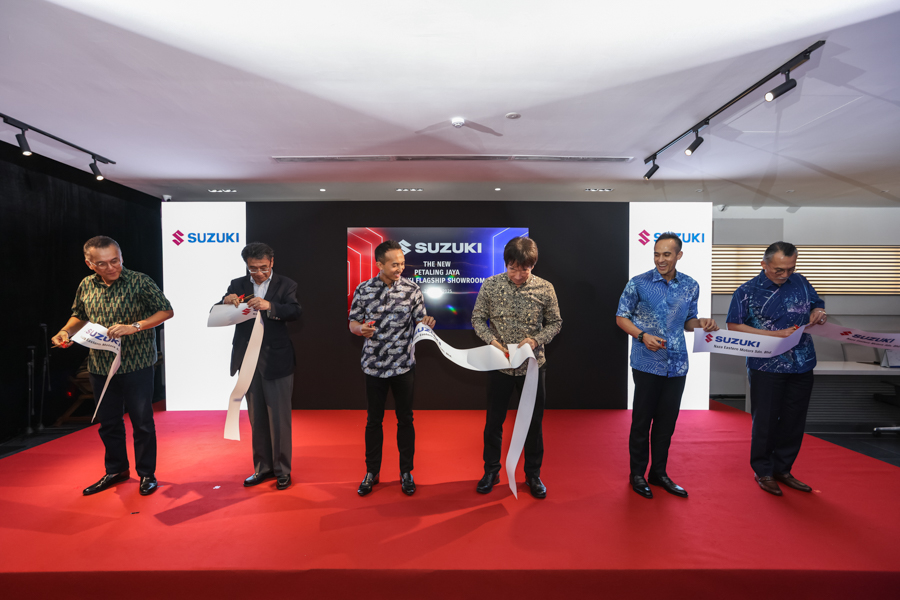
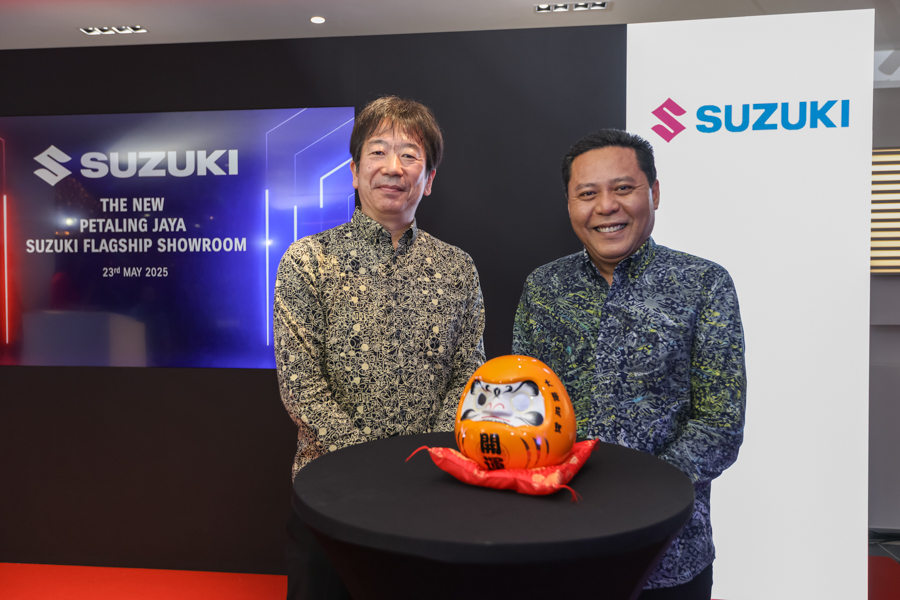
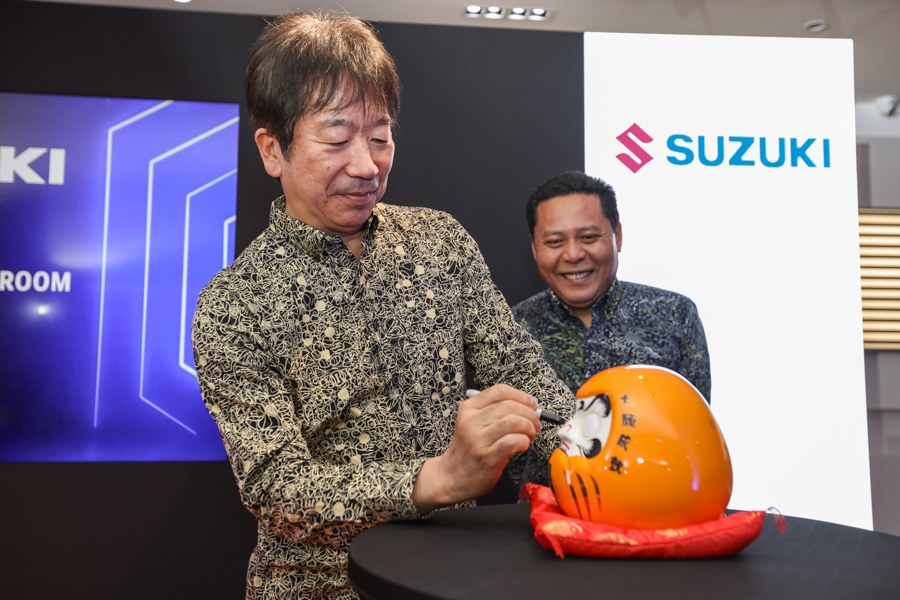
Petaling Jaya, 23 May 2025 – Marking a key milestone in its transformation journey, NAZA Automotive Group (NAZA Auto), through its wholly-owned subsidiary Naza Eastern Motors, today officially launched the first flagship Suzuki Cars Malaysia showroom in Petaling Jaya — a state-of-the-art facility designed to redefine the Suzuki retail experience in Malaysia and accelerate the brand’s growth trajectory in the country.

Strategically located next to the iconic NAZA Auto Mall, the 5,000-square-foot flagship showroom is more than just a sales outlet — it is a destination experience, reflecting NAZA Auto’s sharpened focus on customer-centric innovation and sustainable business growth.

The showroom incorporates Suzuki’s latest corporate identity and design, featuring vibrant zones, dedicated service counters within the showroom itself, a lifestyle lounge with a kids’ corner, and private discussion rooms—delivering a seamless, personalised experience from product discovery to ownership.

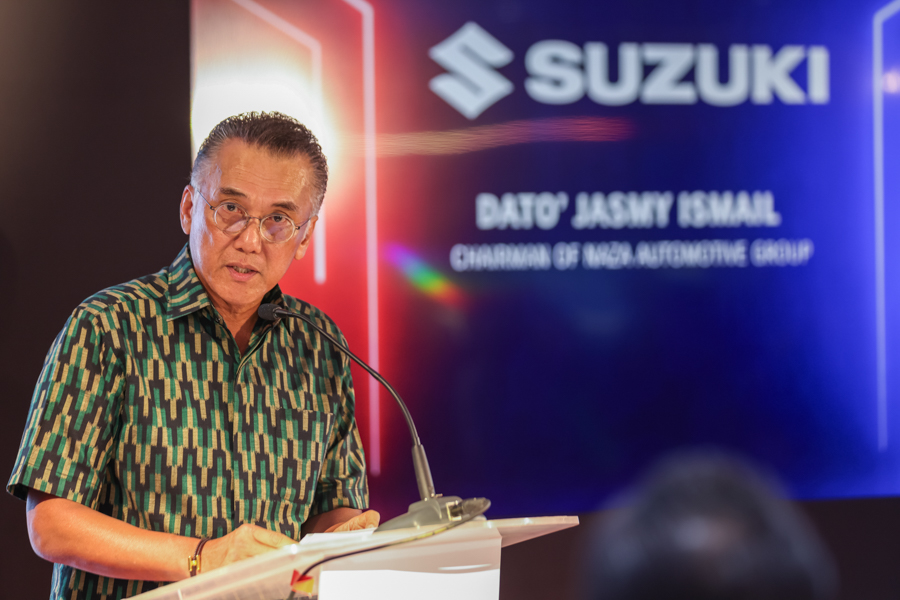
Dato’ Jasmy Ismail, Chairman of Naza Automotive Group, said the launch embodies NAZA Auto’s broader vision to future-proof its business and deepen its engagement with Malaysian consumers in an evolving, experience-driven market.

This flagship showroom is a bold statement of NAZA Auto’s transformation into a leaner, more agile, and customer-focused automotive group. It reflects our strategic realignment to concentrate on core, high-impact segments like Suzuki, which remains one of the most trusted and dynamic brands in the compact and urban mobility space,” Dato’ Jasmy said.

This facility is not just about showcasing cars—it is about creating meaningful, end-to-end customer journeys, delivering value beyond products, and ensuring Suzuki continues to thrive as a brand of choice in Malaysia’s highly competitive automotive industry.

As part of its ongoing realignment strategy, NAZA Auto is streamlining its business portfolio to focus on profitable automotive brands while phasing out non-core, lifestyle-oriented segments that no longer align with its long-term objectives. Suzuki Cars Malaysia is a strategic growth pillar under this roadmap, with plans to expand its dealership footprint over the next few years, supported by digital engagement platforms, innovative aftersales solutions, and loyalty programmes tailored to meet the needs of an evolving customer base.

The new Petaling Jaya showroom will also serve as the exclusive showcase for all future Suzuki models entering the Malaysian market, solidifying its position as the central hub for Suzuki’s brand experience and new product rollouts.

In conjunction with the launch, customers can look forward to exclusive mid-year promotions and tailored loyalty programmes, designed to reward both new and existing Suzuki owners.

As we celebrate this significant opening, NAZA Auto reaffirms its confidence in the Malaysian automotive industry’s growth potential, especially in the compact SUV and crossover segments where Suzuki’s versatility, reliability, and distinctive style continue to resonate strongly,” added Dato’ Jasmy.

NAZA Auto remains committed to investing in innovative, customer-first solutions and strengthening our leadership in the Malaysian automotive sector by building sustainable, profitable, and future-ready businesses that create long-term value for our customers, partners, and stakeholders.

The launch of the flagship showroom reinforces NAZA Auto’s positioning as a trusted automotive leader in Malaysia, and reflects the Group’s continued resilience and agility to adapt to industry shifts, while embracing new opportunities in mobility, digitalisation, and customer engagement.

Photo gallery

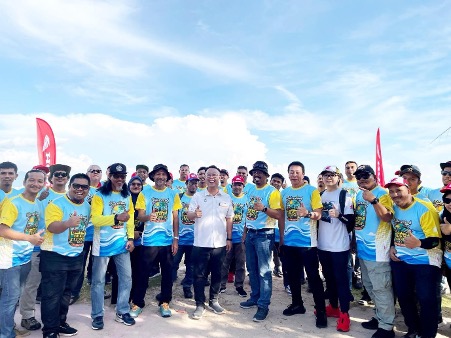
Penang, 23rd May 2025 – Boon Siew Honda continues its dedication to environmental sustainability through the organization of a beach clean-up activity held at R&R Bagan Ajam, Penang, last Saturday.

Officiated by YB Chee Yeeh Keen, Bagan Jermal’ state legislative assembly (ADUN), the initiative was part of Boon Siew Honda’s ongoing commitment to sustainability, reflecting our belief in creating a future where the joy of mobility coexists with care for the environment. Aligned with our dedication to  contributing positively to the communities around us, this effort also highlights our responsibility beyond products and technology by supporting a cleaner, healthier environment through collective action.

This activity marked the commencement of Honda Ride to Reach, a Corporate Social Responsibility (CSR) initiative by Boon Siew Honda dedicated to supporting communities in need, starting from within the organization itself. It reflects Boon Siew Honda’s commitment to both environmental responsibility and active community engagement.

Press Information

The activity started at 7:30am with a flag off for the Ride to Reach bike convoy ride from Boon Siew Honda Headquarters to R&R Bagan Ajam for the beach cleaning activity. Overall, 64.8 kilograms of waste has been collected and properly redirected to designated waste management centers for responsible processing and disposal.

Mr. Rosidan bin Haron, Chief Administrative Officer and Chairman of Ride to Reach expressed, “I am happy that Boon Siew Honda is able to contribute to improving our public spaces this year. This is part of our ongoing effort and responsibility toward greening and sustaining our environment. Last year, we successfully planted 888 plants around Boon Siew Honda Headquarters. Now that we are venturing beyond our premises, I look forward to seeing even more impactful and sustainable environmental initiatives from Boon Siew Honda.

The activity was attended by 51 Boon Siew Honda’ associates including Mr. Rosidan and Mr. Koji Nishimura, Chief Manufacturing & Purchasing Officer.

Moving forward, Boon Siew Honda plans to expand these efforts by involving business partners and Honda riders in future the CSR programs. Together, we aspire to foster a stronger, more connected, and caring community.

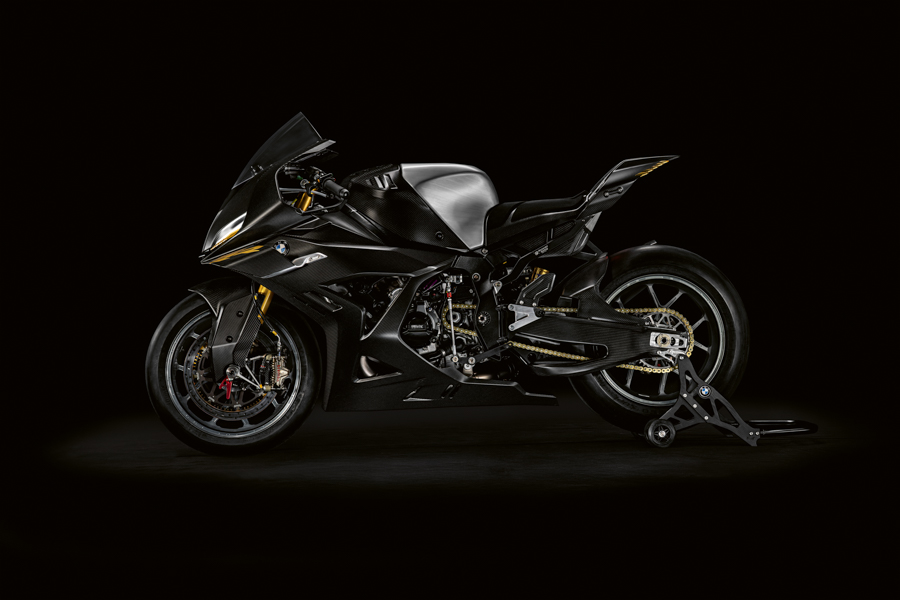
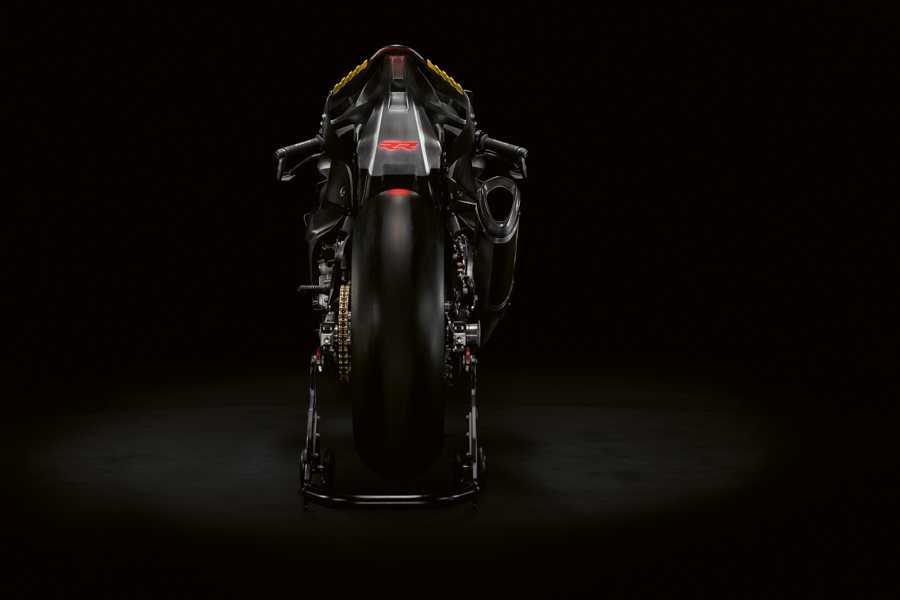
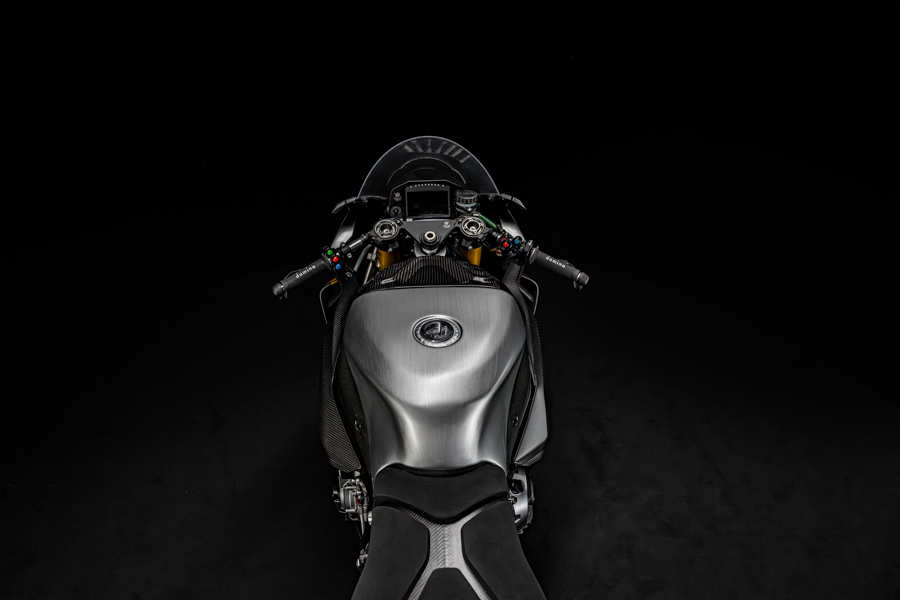
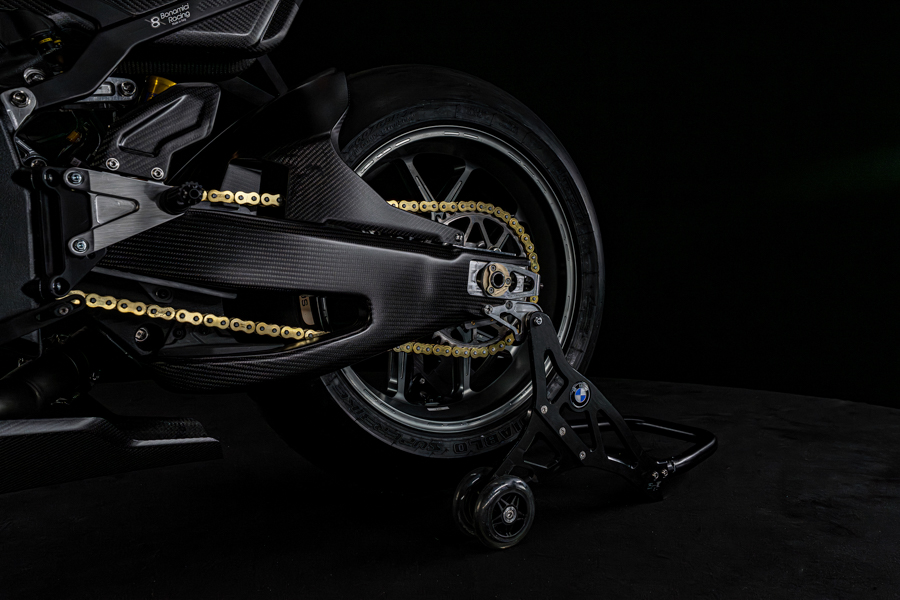
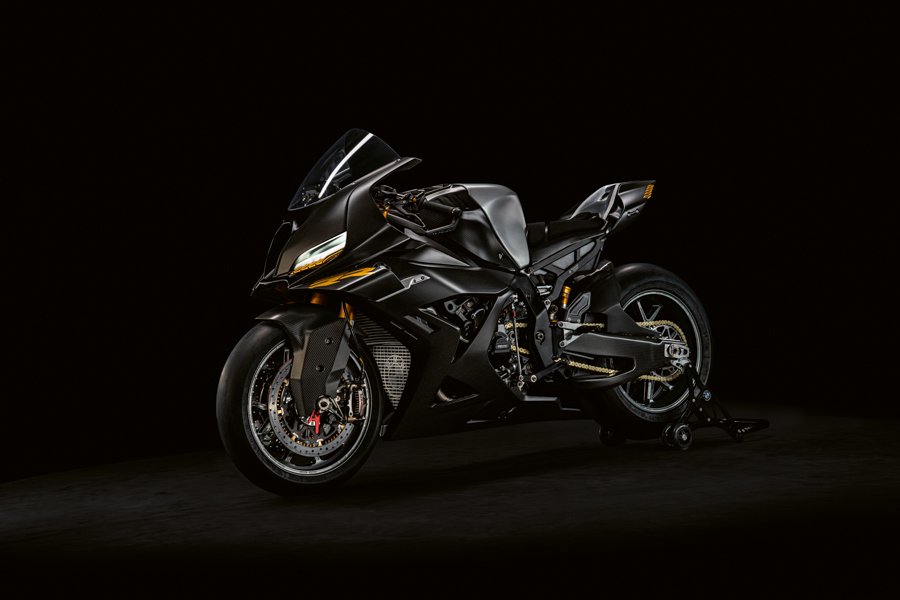
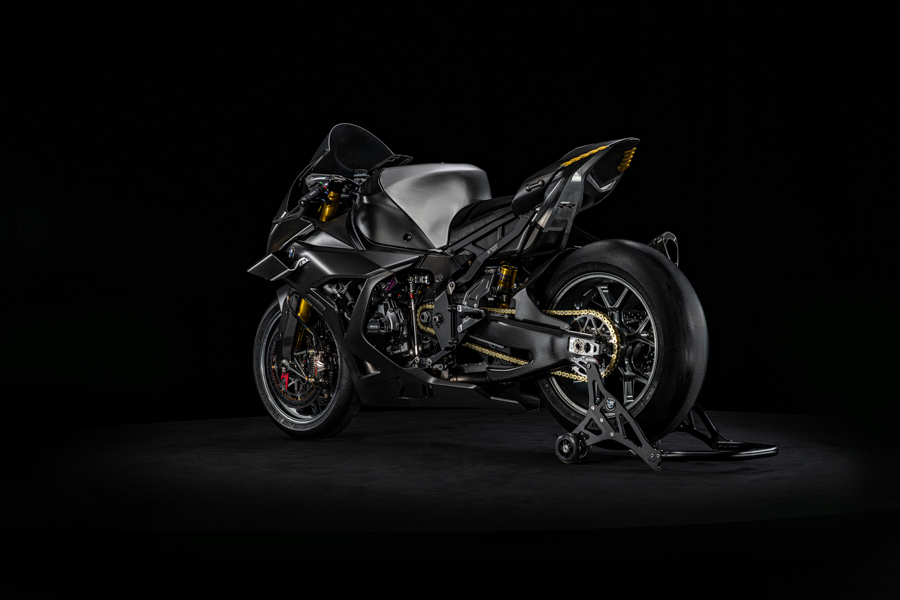
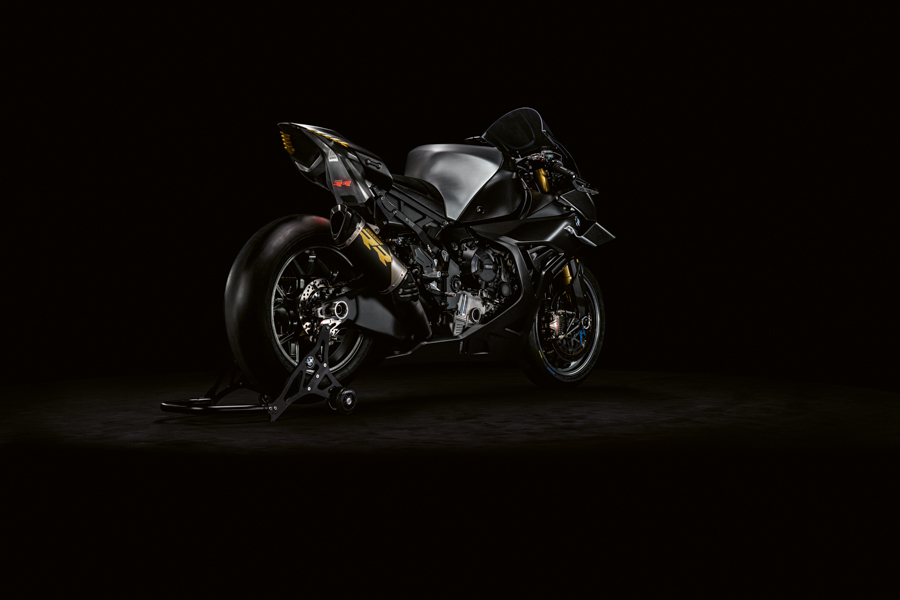
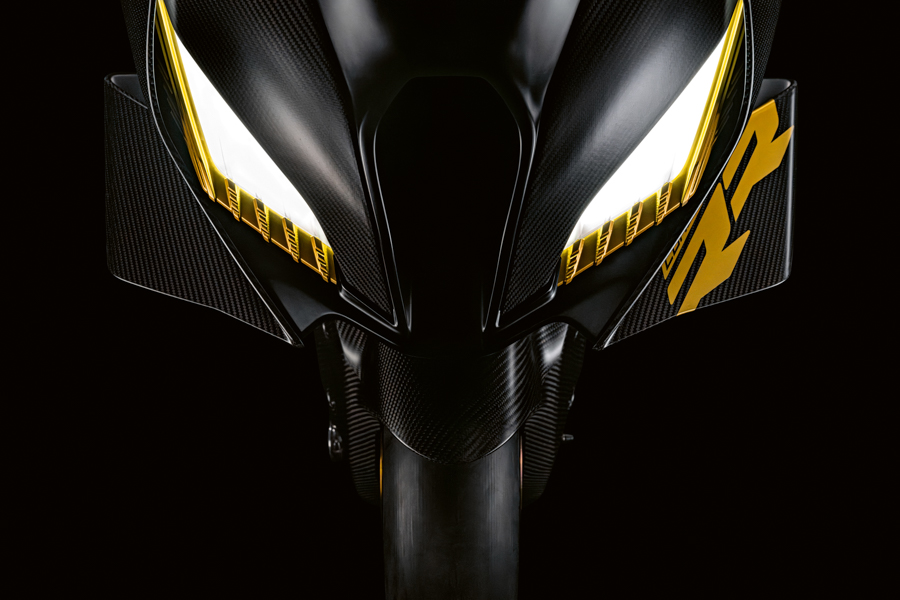
Well, it did not turn out to be the new generation of S 1000 RR yet, at least not in its production form, but BMW Motorrad had revealed the BMW Concept RR early this morning. The Concept RR was shown to an exclusive list of special guests at this year’s Concorso d’Eleganza Villa d’Este event on the banks of Lake Como, in Italy.

In doing so, BMW Motorrad have confirmed their commitment to future RR superbike models. The striking new concept is powered by the same 1000cc engine as Toprak Razgatlıoğlu’s World Superbike-winning S 1000 RR. It is not an 800cc engine as some may have speculated. In fact, it is the engine that produces more than 226 hp.

Unfortunately, it is not for sale at the moment, especially since that engine is not constrained by emissions standards. But we can be sure that BMW will surely draw upon the concept for the future RR.

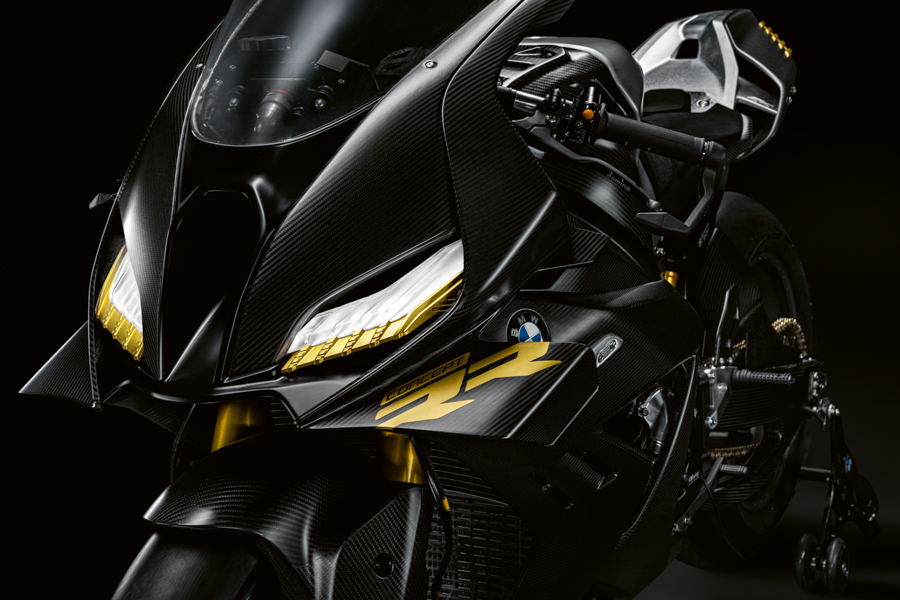
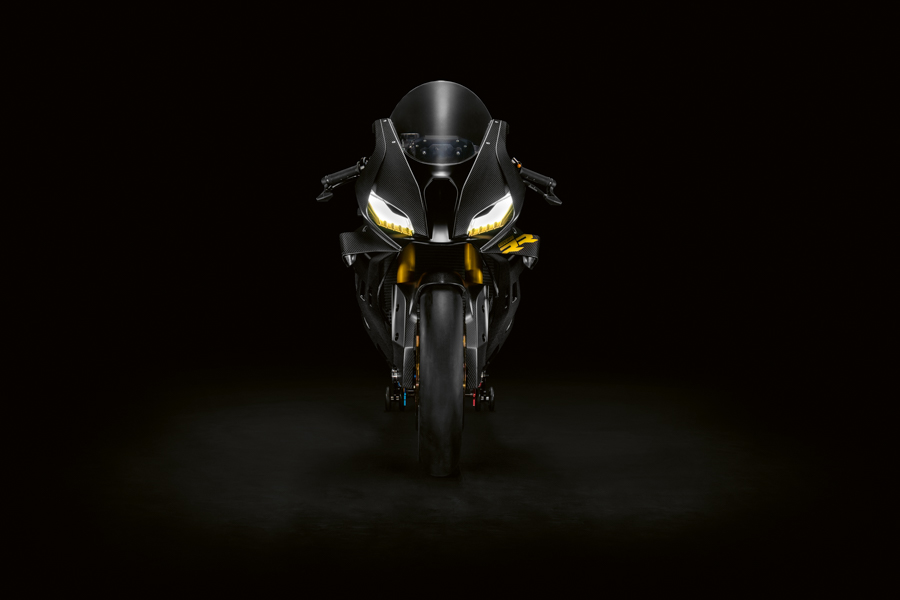
One example are the headlights, which suggest that it will be also available as a road-legal machine, while the race-only model will also be available such as the Yamaha YZF-R1 and Suzuki GSX-R1000RR in Europe.

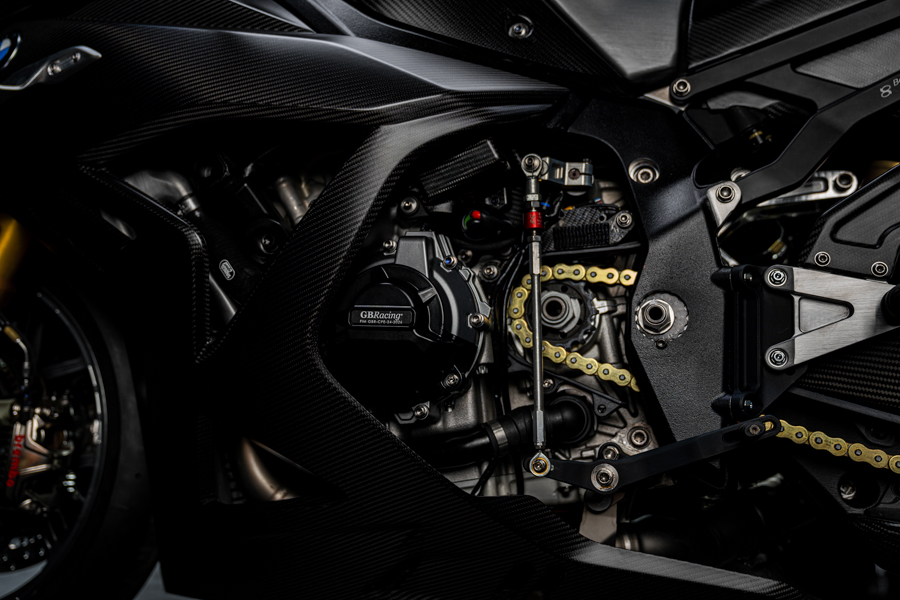
In terms of electronics, it retains the same electronic control systems as the World Superbike racing machine, which governs engine management, traction control, engine braking, race derived switchgear, with the standard full colour TFT dash display stripped out for a smaller, track-only dials, etc.

The frame features swingarm pivots and footpegs with adjustable positions, too.

The BMW Concept RR is wrapped in a stunning bodywork, made of carbon fibre. BMW say that they emphasise aerodynamics for high top speeds, and cornering speeds. However, the winglets are smaller than those on the current S 1000 RR and M 1000 RR, There are gold-trimmed eyelashes-like secondary fins to smooth out airflow beside the headlights.

The only thing to wait for now is BMW Motorrad’s announcement that it will be made available to the buying public and race teams. It will happen.

Photo gallery

KTM has been thrown a lifeline at the 11th hour by their long-time partner Bajaj Auto, as most expected. And in doing so, Bajaj is set to become the majority and controlling stakeholder in Team Orange.

The news came on the back of a news that KTM had secured an €600 million infusion last week. Rumours began circulating that it was Bajaj who brought that bag of cash. However, KTM did not disclose the “donating” party while Bajaj kept mum.

And then…

Come Thursday, Bajaj Auto made the formal announcement that they plan to acquire majority control of KTM AG, through their wholly owned subsidiary, Bajaj Auto International Holdings BV (BAIHBV). Besides that, the full funding plan will be €800 million in order to stabilise KTM’s finances and support its ongoing restructuring.

The deal marks a significant transformation in Bajaj Auto’s global two-wheeler strategy, as it transitions from a minority shareholder to majority stakeholder in KTM. The Pune-based company has long partnered with KTM, but this move will give it deeper operational and financial control, bolstering its position in the high-performance and sports motorcycle segment globally.

According to Bajaj Auto’s stock exchange filing dated May 22, 2025, the Board approved the proposal on May 21. The funding initiative is designed to provide immediate liquidity to KTM and meet a court-imposed deadline in Austria related to the company’s debt restructuring plan.

May 23rd deadline

The funding is aimed at meeting a critical deadline of May 23, 2025 set by Austrian courts. Under the court-approved restructuring plan, KTM must settle 30 percent of creditor claims by that date. Failure to do so could result in insolvency proceedings and removal from self-administration.

Bajaj Auto’s financial backing is essential to avert this scenario, ensuring KTM’s operational continuity and shielding its global reputation as a premium motorcycle brand.

Breakdown of the €800 million rescue package

As part of the rescue package, BAIHBV has executed a facility agreement to extend a secured loan of €450 million to KTM AG. This will be held in escrow until approved by the court in Austria. Additionally, Bajaj’s subsidiary has subscribed to €150 million worth of convertible bonds issued by Pierer Bajaj AG (PBAG), a KTM group entity.

These new commitments are in addition to the €200 million  already infused by Bajaj as shareholder debt, bringing the total financial backing to €800 million.

We published news earlier that Honda believes that electric vehicles is the way of the future. And now, that philosophy has been strengthened further when Honda Motor Co., Ltd. Director, President and Representative Executive Officer (Global CEO) Toshihiro Mibe held a press briefing during the 2025 Honda Business Briefing, on Honda initiatives centering on automobile electrification.

The company had just sold 20.57 million units of motorcycles, which account for approximately 40% of the global motorcycle market.

From the official Press Release

TOKYO, Japan, May 20, 2025 — Honda Motor Co., Ltd. Director, President and Representative Executive Officer (Global CEO) Toshihiro Mibe held a press briefing today, on Honda initiatives centering on automobile electrification.

Following is a summary of his formal remarks:
  1. Recent changes in the EV market environment and the direction of the strategy realignment

In order to  sustainably offer the joy and freedom of mobility, Honda has put the highest priority on its initiatives in the areas of the environment and safety, including an ambitious goal to “achieve carbon neutrality for all products and corporate activities” and “zero traffic collision fatalities” by 2050.

For small-size mobility products including passenger vehicles, Honda believes that electric vehicles (EVs) are the optimal solution for achieving carbon neutrality from a long-term perspective. Based on this belief, Honda made the strategic decision to make a major shift toward the popularization of EVs and has been making progress with various initiatives.

In the meantime, the environment surrounding the automobile industry is changing day by day. Uncertainty in the business environment is increasing, due particularly to the slowdown in the expansion of EV the market due to several factors, including changes in environmental regulations, which had been the premise for the widespread adoption of EVs, as well as changes in trade policies of various countries. In order to maintain its competitiveness in such a business environment and continue to help and inspire people through its mobility products and services, Honda must create new value not only through electrification but also with enhanced application of intelligent technologies, and then offer such value to a broader range of customers in more accessible and affordable ways.

From this standpoint, Honda will realign its automobile electrification strategy, in the following two directions.

    • Further enhance the competitiveness of EV and HEV models with the core focus on application of intelligent technologies.
    • Strengthen its business foundation through the reassessment of the powertrain portfolio.

In the area of applying intelligent technologies, which will be the most critical competitive area of automobile business in the future, while focusing on independent development of next-generation ADAS as a key driving  force, Honda will create new value from multiple aspects, while also leveraging collaboration with partners.  With this core focus on the advancement of intelligent technology applications, Honda will strengthen its business foundation by reassessing its powertrain portfolio, such as EVs and HEVs.

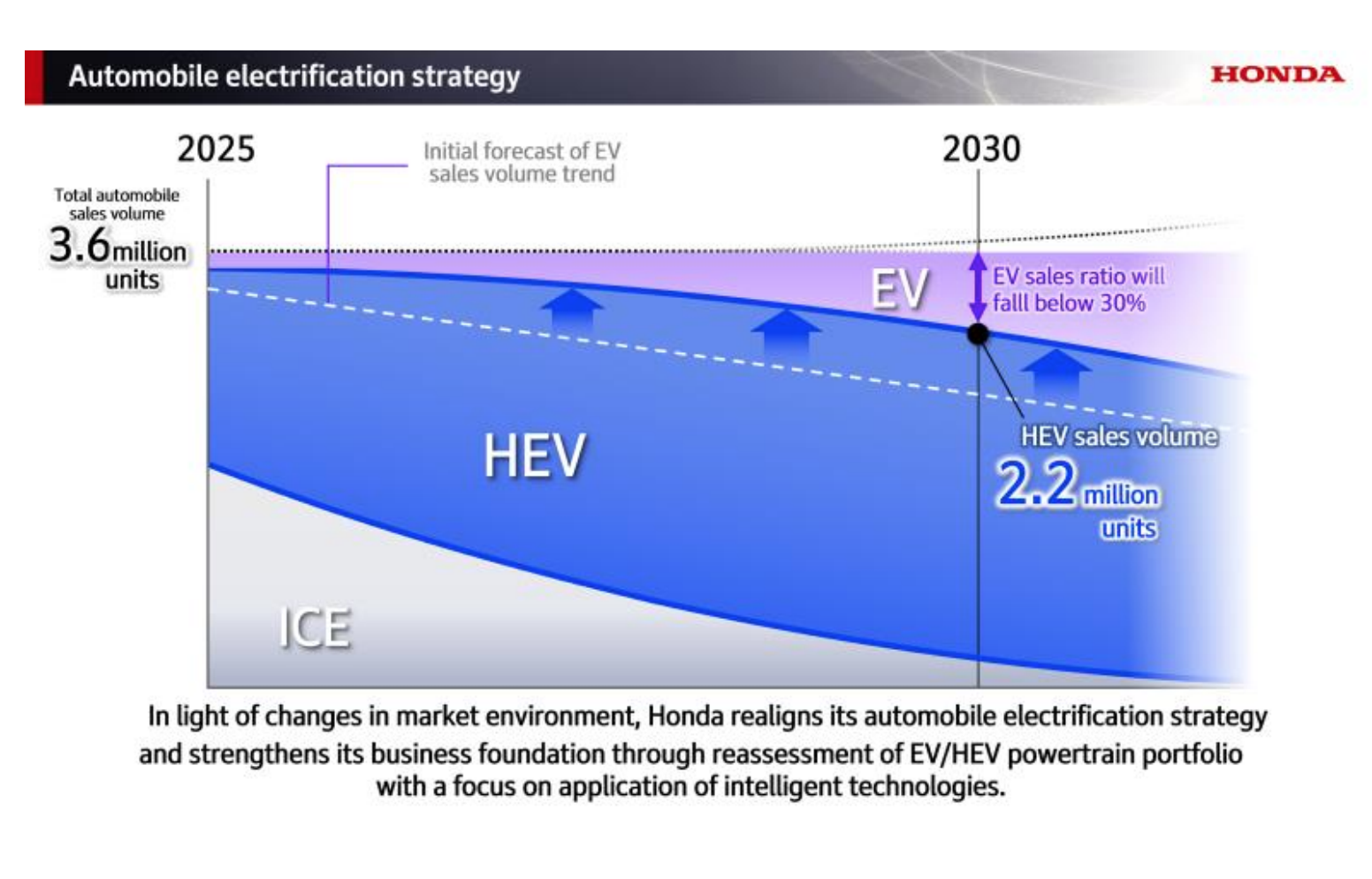
As for EVs, due to the revision of the product launch plan considering the recent market slowdown, the Honda global EV sales ratio in 2030 is now expected to fall below the previously announced target of 30%. On the other hand, current market demand for HEV models is high. Therefore, Honda will position its HEVs, mostly next-generation HEV models to be introduced to market in 2027 onward, as the powertrain that will play a key role during the transition period toward the popularization of EVs and further enhance its HEV lineup.

With the steady execution of this realignment, by 2030, Honda will strive to increase total automobile sale volume to above the current level of 3.6 million units, with a HEV sales target of 2.2 million units at the core.
1-1. Enhancing the competitiveness of automobile models through the development and expanded application of next-generation ADAS.

As one of the key technologies to enhance application of intelligent technologies, Honda is currently developing its original next-generation ADAS which assists the driver with vehicle operations such as acceleration and steering throughout the entire route, whether on expressways or surface roads, to the destination the driver inputs on the navigation system. Developing next-generation ADAS is especially challenging in urban areas, where there are various types of people sharing the road, and where turning at intersections is frequent. However, by leveraging the recognition and behavior planning technologies we have amassed through our automated driving development, Honda is working to develop next-generation ADAS that enables safe and comfortable driving all the way to the destination, including in urban environments. Honda will apply this new, next-generation ADAS to a broad range of key EV and HEV models Honda will launch in North America and Japan around 2027.

Currently, next-generation ADAS technologies are being adopted mainly to high-end EV and PHEV models due to technical challenges such as power supply constraints and the need for SoC cooling. However, the full-fledged hybrid system of Honda has technological advantages necessary to overcome such challenges as it meticulously performs highly efficient energy management. Also, based on the Honda M/M Concept*1, which calls for maximizing the space available for people and minimizing the space required for mechanical components, Honda can install ADAS-related devices while minimizing the impact on cabin space and vehicle
design, which makes it possible to equip small-size vehicles with next-generation ADAS.

By leveraging such unique strengths of Honda HEV and car design technologies and by adopting this next-generation ADAS not only to EVs but also to increasingly popular HEVs, Honda will take advantage of its large business scale to achieve both high competitiveness and low cost, and offer high value-added “joy of mobility” at affordable prices for more customers.

In China, where electrification and application of intelligent technologies are proceeding faster than other regions, Honda will work with Momenta Global Limited, a Chinese startup company developing autonomous driving technology, to develop next-generation ADAS optimized for road conditions in China and install it to all future models Honda will launch in China.

1-2. Strengthening Honda EV strategy

Honda will further advance its original two-motor hybrid system, e:HEV hybrid system, and platforms in all aspects. Both small-size and mid-size e:HEV systems will realize the world’s most efficient powertrain through various advancements such as an expansion of range where the engine operates most efficiently and an increase in the driving efficiency of the hybrid unit. By combining this hybrid system with 1) a next-generation platform which is advanced in all aspects, including driving stability and further weight reduction, and 2) a newly-developed electric AWD drive unit that realizes highly precise and responsive motor control, Honda will strive to improve the fuel economy of the next-generation e:HEV model by more than 10% and further advance a driving experience unique only to Honda, which is high-quality, exhilarating and resonating with all of the driver’s senses.

Moreover, to increase the cost competitiveness of HEV models, which are the core of Honda automobile business, Honda is pursuing further cost reduction mainly with key components such as batteries and motors with various initiatives including co-creation activities with suppliers, further improvement of production efficiency and commonization of more parts and components. Through these initiatives, along with an increase in sales volume, Honda is aiming to reduce the cost of the next-generation hybrid system by more than 50% compared to the hybrid system installed to models introduced in 2018, and by more than 30% compared to the hybrid system introduced in 2023 to current models.

In the North American market, which is the main battleground for Honda HEV models, there continues to be solid demand for large-size vehicles with spacious interiors and high cargo capacity. In order to fulfil such demand in a sustainable manner, Honda will develop a hybrid system for large-size vehicles, which will feature powerful driving performance, high towing capability and high environmental performance, with an aim to apply this hybrid system on products to be launched in the latter half of the 2020s.

While further refining the competitiveness of its products, Honda will launch 13 next-generation HEV models globally, over a four-year span starting in 2027, to build a broad lineup of HEV models and capture growing HEV demand in the market.

1-3. Initiatives toward popularization of EVs

Due to the recent market slowdown, the Honda EV sales ratio in 2030 is now expected to fall below the previously announced target of 30%. In light of this outlook, Honda is reassessing its EV strategy and roadmap, including plans for the EV product lineup and the timing of relevant investments including one to build a comprehensive EV value chain in Canada.

In the meantime, there is no change in the Honda position that EVs are the optimal solution to achieve carbon neutrality of passenger vehicles. Therefore, Honda will steadily carry out initiatives being undertaken to prepare for the future EV shift at the appropriate timing.

As for the Honda 0 Series, which will become the main pillar of the company’s future EV business, the first-generation models will be introduced to market next year. Through these models, Honda will offer the value of SDVs tailored to each and every user through “ultra-personal optimization,” which is made possible mainly by the ASIMO OS and AD/ADAS Honda introduced at CES 2025.

In order to offer even more sophisticated AD/ADAS functions, the next-generation Honda 0 Series models will be equipped with the Centralized E&E Architecture. In addition, jointly with Renesas Electronics, Honda will develop a high-performance system-on-chip (SoC), which will achieve one of the industry’s top class AI performances of 2,000 TOPS 2 (Sparse) with 20 TOPS/W power efficiency. With these technologies, Honda will continue to increase the value SDVs can offer to its customers. Looking ahead to the forthcoming period of EV popularization, Honda will steadily work to build a strong EV brand and business foundation from a long-term perspective.

1-4. Summary of the realignment of the automobile electrification strategy

Honda is committed to creating new and unique value suited to the era of intelligent and electrified mobility products. When the driver wants to take the wheel, they can enjoy high-quality and exhilarating “joy of driving” unique only to Honda, and when the driver wants a stress-free ride to the destination, they can take advantage of the value of SDVs and enjoy a comfortable ride whether on surface roads or expressways. Honda will provide such a wide range of experiential value in one vehicle.

Moreover, as a symbol of the transformation of Honda automobile business, the new “H mark” will be used not only for EV models, but for major HEV models, starting with the next-generation models to be introduced to market in 2027 and beyond.

1-5. Automobile production and procurement systems

Honda is striving to pursue a resilient supply chain strategy that is not easily swayed by fluctuations in demand—such as shifts between EVs and HEVs—or unforeseeable factors such as changes in government policies in different countries.

During the early adoption period, where fluctuations in the speed of EV popularization are expected, Honda will establish a flexible production system that is capable of optimizing production according to demand and sales strategies. This will be achieved mainly with mixed-model production lines capable of producing both EVs and HEVs. In anticipation of continuous growth in HEV sales and a mid- to long-term EV shift, Honda is working to secure a stable supply of electrified components, particularly batteries, by optimizing supply capacity and allocation, including the effective use of existing assets.

Moreover, Honda has established supply chains based on its longstanding commitment to “build products close to the customer,” which is a concept of “local production for local consumption.” In addition, Honda has been strengthening its flexible production system that enables the swift transfer of production models between facilities.

Such a system is enabling Honda to adjust the production allocation flexibly according to demand. While maintaining a commitment to “local production for local consumption,” Honda will continue to strengthen its supply chains to be resilient to unexpected changes in the market.

2. Initiatives in motorcycle business

For the fiscal year ended March 31, 2025, Honda motorcycle unit sales reached 20.57 million units, which account for approximately 40% of the global motorcycle market, setting an all-time record for fiscal year sales in 37 countries and territories. Moreover, demand for motorcycles is expected to grow further, particularly in the Global South, which includes India, the world’s largest motorcycle market, where population is increasing and people’s income is increasing. Industry-wide sales are expected to grow from the current level of 50 million units to the level of 60 million units by around 2030.

In order to capture this growing demand, Honda will offer attractive products tailored to the diverse needs of global customers and also optimize its product supply system. Furthermore, in order to maintain its position as an industry leader in environmental initiatives, Honda will accelerate electrification of its motorcycle products, while also improving the fuel economy of its ICE models and expanding the lineup of flex-fuel compatible models.

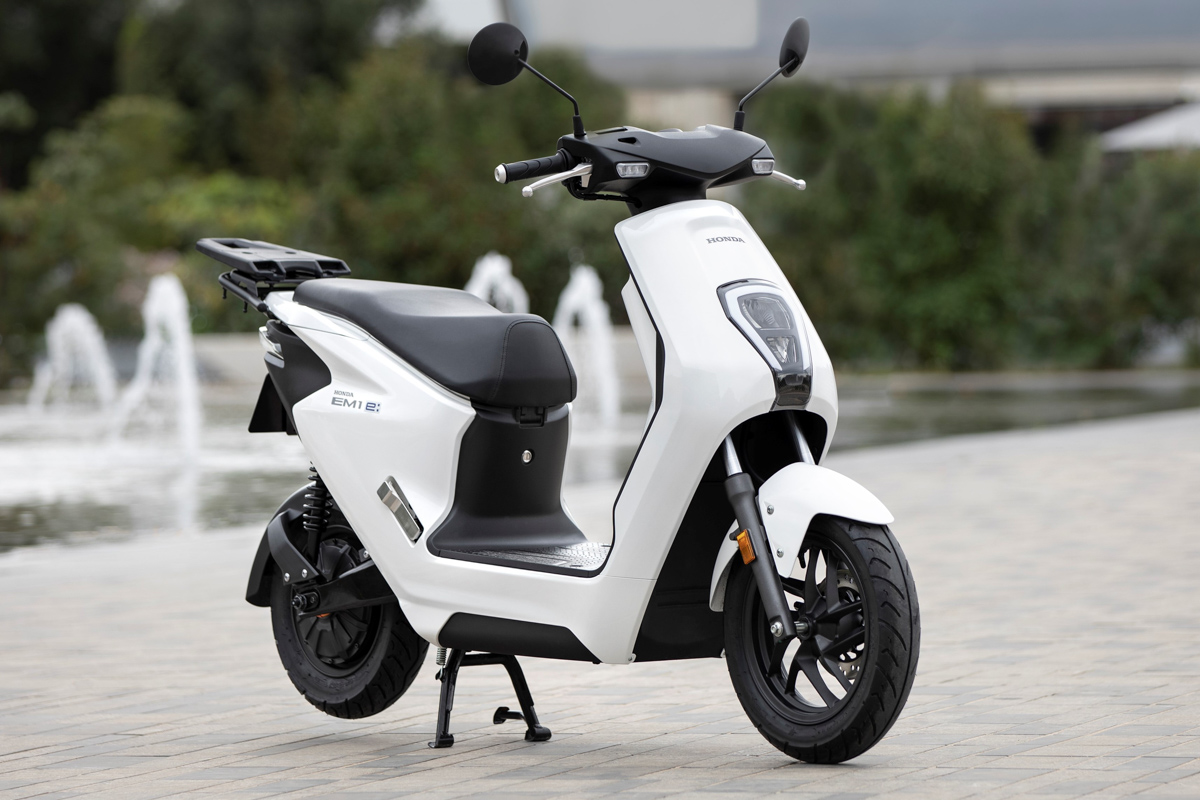
As for electric motorcycle models, in February of this year, Honda began sales of Active e: and QC1, which were announced in India last year. Moreover, sales of CUV e: and ICON e:, global electric commuter models began first in Indonesia, then in Vietnam, Thailand and the Philippines. The CUV e: is also scheduled to go on sale in Europe and Japan this year. Going forward, Honda will modularize models developed exclusively as electric models and begin production at a highly efficient, dedicated electric motorcycle production plant which will become operational in India in 2028, which will enable further strengthening of the electric motorcycle business structure. Through these initiatives, Honda will offer more affordable electric  motorcycle models to more customers, and further down the road, Honda will strive to capture the No. 1 market share in the electric motorcycle market, as well.

In this way, by continuously launching attractive products and building an efficient supply system for both ICE and electric models, Honda will effectively capture growing demand for motorcycles. As a result, in the long term, Honda motorcycle business, including both ICE and electric models, will establish a solid profit base with a global market share of 50% and ROS of more than 15% as of FY2031 (fiscal year ending March 31, 2031).

3. Financial strategy – improvement in profitability, reassessment of resource investment, capital allocation 

Toward 2030, Honda will improve profitability with 1) continuous expansion of motorcycle business, 2) cost reduction effects in automobile business associated with the adoption of the next-generation e:HEV system and platforms, and 3) an increase in unit sales of HEV models, and will keep making progress toward achieving the company-wide ROIC target of 10% for the FY2031 (fiscal year ending March 31, 2031).

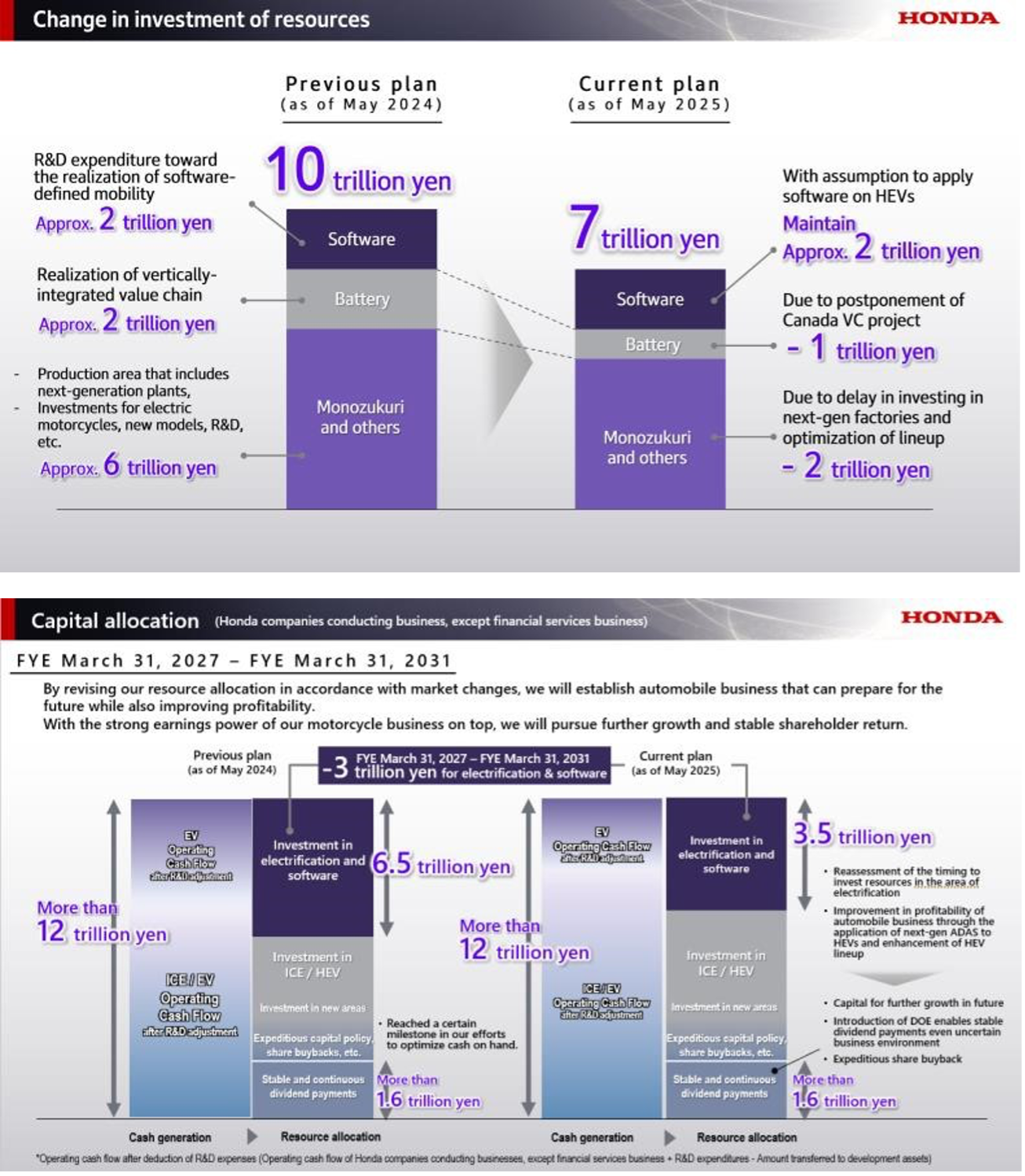
As for the plan announced last year to invest 10 trillion yen in resources to pursue its electrification strategy, Honda decided to reduce the investment amount by 3 trillion yen, to a total of 7 trillion yen, over the period through the FY2031 (fiscal year ending March 31, 2031), based on its decision to postpone the project to establish a comprehensive EV value chain in Canada and change the timing to construct dedicated EV production plants.

Regarding the changes in capital allocation over the five-year period starting from the 2027 fiscal year, in light of the reduction in the resource investment amount, Honda will strive to generate more than 12 trillion yen in cash, combining its ability to generate cash stably from its motorcycle business and an increase in unit sales of HEV models. As for resource allocation through the 2031 fiscal year, while reducing EV-related investment by 3 trillion yen, Honda expects a minimal increase in investment related to HEV business. As for shareholder returns, Honda will maintain the previously announced target and strive for more than 1.6 trillion yen.

Revising its resource allocation by responding to market changes swiftly and flexibly, Honda will establish automobile business that can prepare for the future while also improving profitability. By adding the strong earnings power of its motorcycle business, Honda will pursue further growth even under uncertain market conditions. Moreover, Honda made a decision to introduce DOE (dividend on equity ratio) as an expression of its ongoing commitment to maintain shareholder returns in line with business growth. In this way, Honda will achieve growth through further strengthening of its business structure and stable, and continuous shareholder returns at the same time.
Here is Part 2 of the history of more recent technologies that have made motorcycles they are today.

6. Suzuki GSX-R1000 K7 (2007)

As we mentioned earlier, Yamaha somehow dropped the ball after developing the ride-by-wire system by not giving their bikes ride/power modes. (Your bike needs to have ride-by-wire throttle for ride/power modes.) Suzuki got rolling with it when they introduced the GSX-R1000 K7 the next year, along with the B-King. Granted, they had only two rides modes, namely A and B. Mode A gave full engine power, while B cuts it back for riding in the rain.

7. Ducati 1098R (2007) – IMU-based traction control

Some say the first motorcycle to feature traction control was the BMW K1. However, it featured ABS which is the simplest form of traction control. Instead, it was the Honda ST1100A (1992) which followed the ST1100 Pan European that had both ABS and a rudimentary traction control system.

The true modern TCS which works via the ECU and IMU (inertial measurement unit) which calculated the motorcycle’s lean angle and pitch was introduced with the Ducati 1098R. The system, developed by Bosch, provided eight levels of TC settings.

The system was further developed and became Ducati’s integrated electronics suite which debuted with the Multistrada 1200 in 2010.

8. BMW R 1200 GS (2008) – Electronic suspension

Several high-end modern motorcycles use electronic suspension, including sportbikes, sport-tourers, nakeds, dual-sports. However, it began with the 2008 BMW R 1200 GS.

Developed by Sachs, BMW called it ESA (Electronic Suspension Adjustment) and was offered as an option back then. It altered the rear shock’s preload through a handlebar button and stepper motor.

The system was further upgraded to include more settings such as rider only, rider only with luggage, rider and pillion without luggage, and rider and pillion with luggage. Further development saw the advent of Dynamic ESA which self balances.

On the 2013-2014 BMW S 1000 RR HP4, BMW introduced the Dynamic Damping Control system which adjusted the rear suspension’s damping on-the-fly.

Other manufacturers followed suit, especially Ducati which featured the also Sachs developed Skyhook system. Showa also developed their electronic suspension that are fitted to er… Japanese bikes. KTM models such as the 1290/1390 Super Duke GT uses WP’s electronic suspension.

Anyhow, this system is complex and expensive, thus is limited to, as we said earlier, top-tier models. And oh, it is banned in WSBK and MotoGP. Although it is allowed in the FIM Endurance World Championship, teams favour non-electronic suspensions as their insides are easier to fettle with.

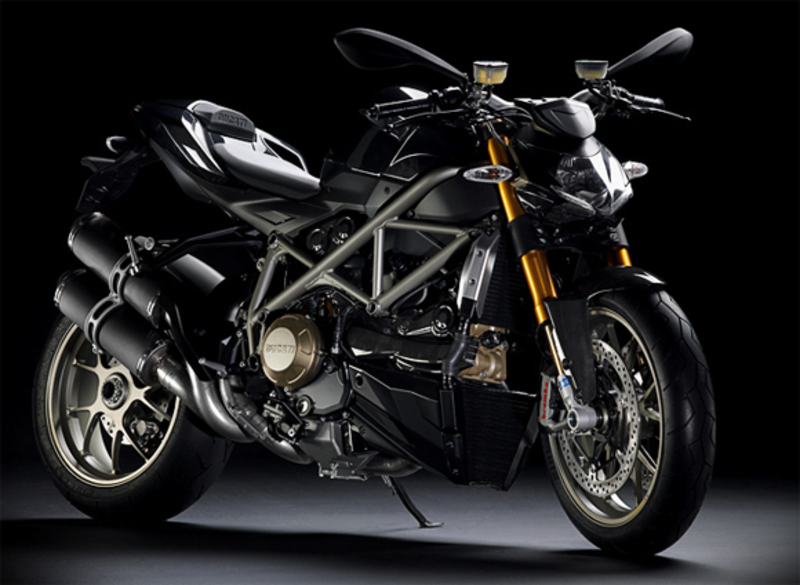
9. Ducati Streetfighter 1100 (2009) – LED headlights

So many Ducatis in this list… but yeah, they truly pushed new features on their motorcycles. LED headlights are everywhere these days, even on kapcais. And it all began with this bike.

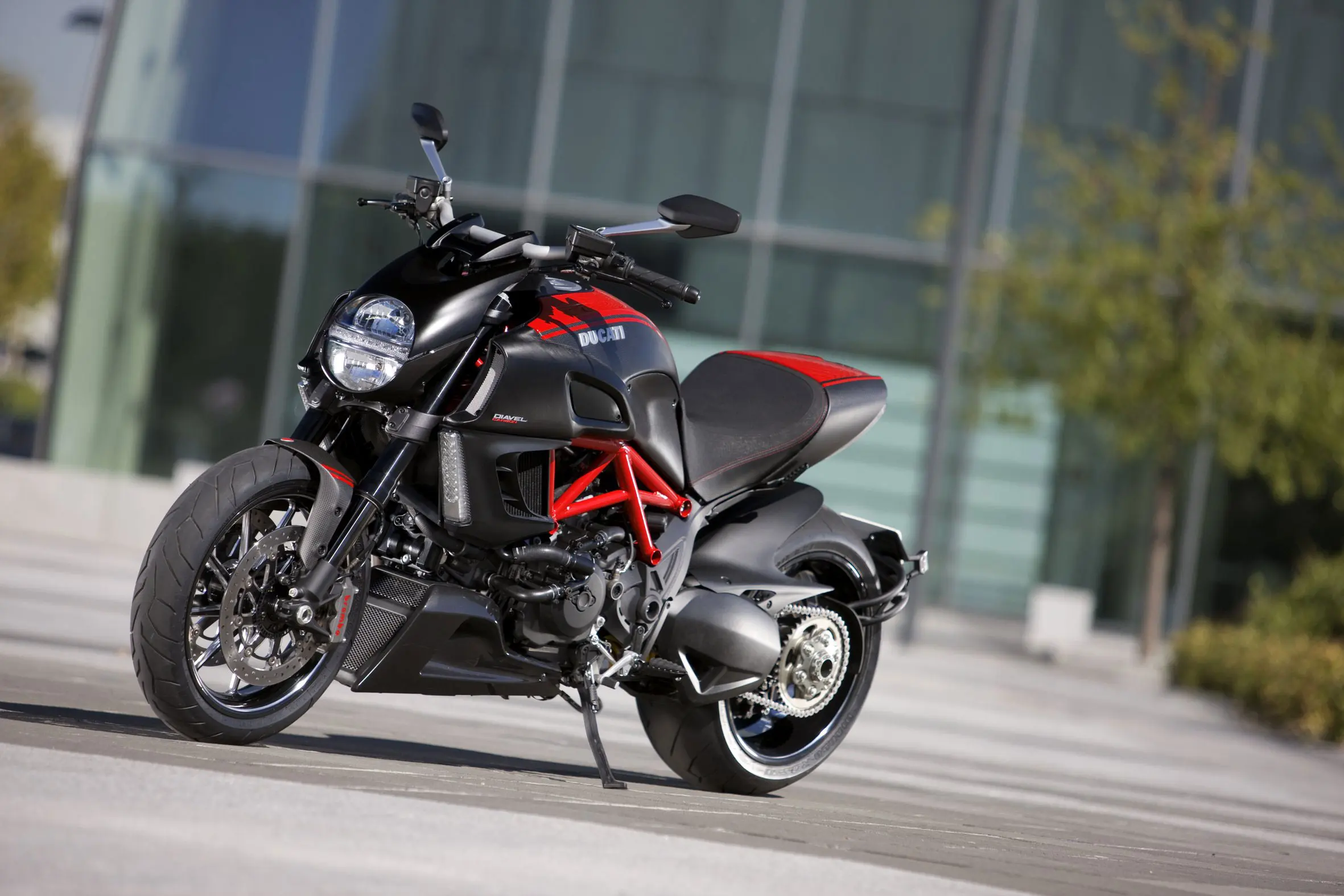
10. Ducati Diavel (2011) – TFT display

Motorcycle instrument clusters were LCD for a long time, then came the TFT which offered much sharper pixels. Soon, riders could pair their smartphones to the TFT for music streaming, phone operations, and navigation.

However, it was the Ducati Monster 1200R in 2016 which showed off the world’s first fully-colour TFT screen.

The TFT is screen is everywhere now and new motorcycles are expected to feature it.

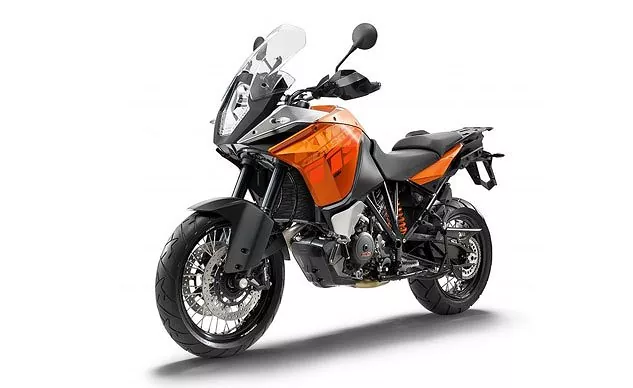
11. KTM 1190 Adventure (2014) – Cornering ABS

Traction control and ABS are good, but actually needs different parameters and strategies when the bike is leaned over into a corner. Remember that the motorcycle’s tyre profile is rounded compared to cars that are flatter. So, applying the brakes until (standard) ABS activates in a corner will just have the bike standing straight up instead of tracking along the chosen line. The same happens when TCS decides to cut engine torque in the middle of the corner.

So again, Bosch went to work and introduced Cornering ABS and Cornering Traction Control – packaged as “MSC” (Motorcycle Stabilily Control) to the 2014 KTM 1190 Adventure, by further utilising the IMU’s data. KTM was so confident in the system that they called the 1190 Adventure “The uncrashable motorcycle.”

Continental also developed their own system and was fitted to the first BMW S 1000 XR.

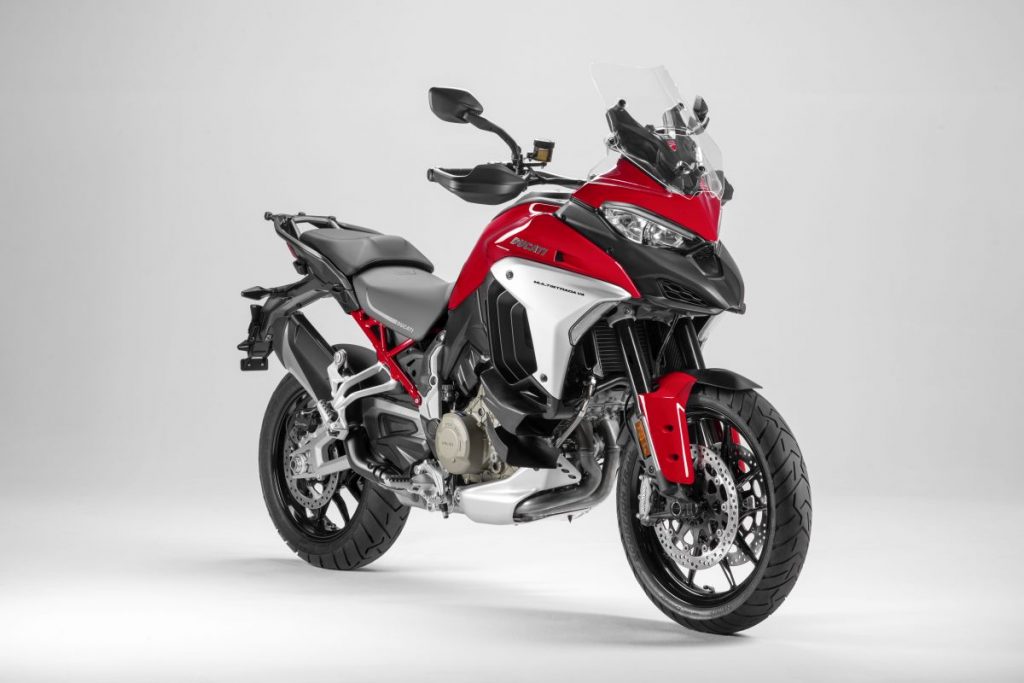
12. Ducati Multistrada V4 (2020) – Radar and Adaptive Cruise Control

BMW was the first to announce that they were working on a radar equipped bike and adaptive cruise control, but were undoubtedly shocked by Ducati who introduced it on the Multistrada V4. Included in the suite was also Blind Spot Detection which detected and warned the rider of other vehicles.

Mark you calendar! The new generation 2027 BMW S 1000 RR will be revealed on 23 May, 7pm CEST (1am, 24 May in Malaysia). BMW Motorrad has just released a teaser image in their social media platform ahead of the launch.

The teaser image shows a bike profiled against a black and gray background, and we can just make out the silhouette of an S 1000 RR. Apparent are the top of a large windscreen, split fuel tank, seat, and tail unit. You should also be able to pick out the large front winglets, too.

Anyway, will there be a performance enhancement? The current inline-four-cylinder engine produces 209 hp and 112.6 Nm. It is not the most powerful among its peers (on paper anyway), so upping its maximum power may also benefit the bike in World Superbike competition.

2025 BMW S 1000 RR

Apart from the engine, BMW had used a prototype and unhomologated chassis when they won the WSBK crown in 2024 as part of the championship’s concessions. However, had to revert to the roadgoing S 1000 RR frame (as per WSBK rules), only to see factory rider and champion Toprak Razgatlıoğlu complaining almost every weekend. Thus a new frame could well be in the works, too.

The reveal should be for the base S 1000 RR variant, while the racing homologation M 1000 RR ought to follow a year after.

Modern motorcycles are technological marvels, in due to advances in the materials and techniques used to build them, tyres , suspension, and of course, electronics, besides aerodynamics. But all begin from somewhere in time. There are motorcycles that revolutionised motorcycles to the state we are in right now.
We have covered the mechanical advances in a previous article, so we will cover mostly on the electronics front in this one.
1. Honda X-ADV (2017) – The one which popularised adventure scooters
Okay, the first one on the list is not about electronic advancements, although the Honda X-ADV is equipped with the trick Honda Dual-Clutch Transmission (DCT).

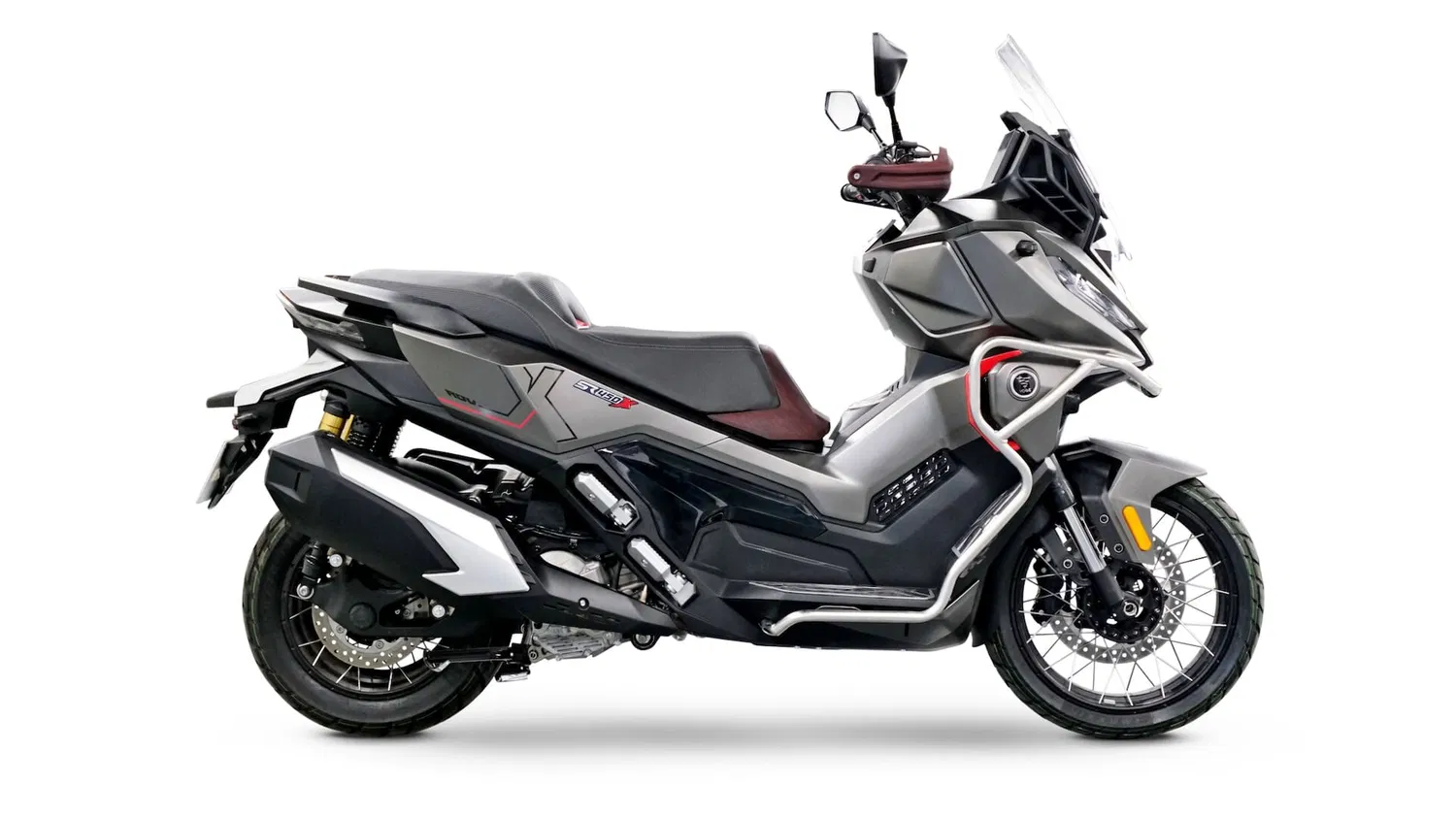
It was not the first adventure scooter, either, but it was the definitely the adventure scooter (despite Honda insisting that it is a “crossover motorcycle”) that popularised the adventure scooter segment. Look at where we are now… Honda launched the ADV350, followed by the ADV160, followed by almost every manufacturer issuing their own adventure scooters: WMoto, Zontes, SYM, just to name a few.

2. Kawasaki Z1000H (1980) – First fuel injected engine

Save for a handful of small motorcycles, big and small bikes in this age are electronically fuel injected. The method of fuel delivery is primarily used to clean up exhaust emissions, but it can also boost performance tremendously compared to the carburetor. And it is so ubiquitous that we do not even need to think about it anymore.

While electronic fuel injection fully caught on in the late-90s and early-00s, the 1980 Kawasaki Z1000H was already equipped with it. However, the market did not catch on to it as it needed to go against the well-established carburetor.

The next fuel injected bike would be the Kawasaki GPz1100 in 1981, followed by Honda’s first EFI bike, the CX500 Turbo in 1983.

3. BMW K100RS/K1 (1988) – First motorcycle ABS

The Anti-lock Braking System (ABS) was first develop for cars by Daimler Benz way back in 1978, only to find its way onto a motorcycle in 1988 when BMW launched the K100RS SE and K1. These were primitive systems and added 10 kg to the motorcycle’s weight. This system was also the grandaddy of traction control. The Ducati 1098 R became the first production motorcycle to include race TC.

Other manufacturers were slow to catch on, and BMW continued to persist with it, despite complaints of the system having faults here and there. But now ABS is a necessity, a guard against panic braking.

4. Bimota Tesi 1D (1991) – First digital meter display

This was hard to nail down but it was the Bimota Tesi 1D which had the first LCD digital display. And we meant completely digital, not part digital, part analog. The Tesi’s display had a strip for the tachometer, which another LCD panel for speed, temperature, odometer and fuel level. Looking back, it looks so rudimentary!

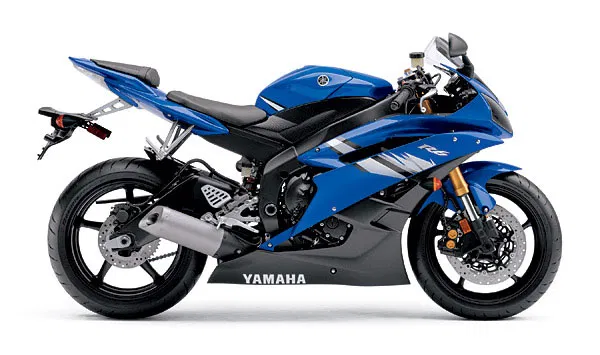
5. Yamaha YZF-R6 (2006) – First ride-by-wire throttle

Along with a new crossplane engine equipped YZF-R1, Yamaha launched the updated YZF-R6 with fuel injection. It also had four titanium valves per cylinder and a stratospheric 17,500 RPM redline. All these changes resulted in 133 hp at 14,500 RPM.

Oh yes, it had the Yamaha Chip Controlled Throttle (YCC-T) ride-by-wire throttle. However, it was not a true system like today as there were throttle cables leading to the ECU which calculated the throttle valve opening and injection. Yamaha did not capitalise fully on this technology by giving the bike ride modes and Suzuki capitalised on it.

Closing

Okay, that was Part 1, now onwards to Part 2!

Archive

Follow us on Facebook

Follow us on YouTube