Bikesrepublic

English

Here comes CFMoto again, making waves with another midrange sportbike, called the CFMoto 750SR-S, after introducing the 500SR Voom and 675SR-R just last year.

This latest 750cc variant follows the 675SR-R, by utilising an inline-four cylinder engine instead of a triple like the 500SR.

The manufacturer lists the 749cc engine as producing 110 hp at 10,250 RPM and 80 Nm at 9,000 RPM. While that looks in the ballpark of other 750cc sportbikes, it is actually lower than that of the class-leading Suzuki GSX-R750 which produced 147 hp and its GSX-R600 brother which produced 119 hp. However, the point is the CFMoto 750SR-S is tuned for better torque suitable for street riding despite its racy looks and winglets, while the Suzuki is a race bike.

Highlights
  • 749cc, inline-four, DOHC, 6-valve engine which produces the aforementioned 110 hp at 10,250 RPM and 80 Nm at 9,000 RPM.
  • Spent gases exit through four exhaust mufflers mounted in pairs on both sides of the tail.

  • Six-speed transmission with slipper clutch.
  • Front suspension consist of a pair of 43mm KYB upside-down forks.

  • Rear suspension uses a KYB monoshock and single-sided swingarm.
  • The front brakes consist of twin 320mm discs gripped by a pair of Brembo M4.32 Monobloc calipers.

  • Electronics include a six-axis IMU (inertial measurement unit), cornering ABS and cornering traction control.
  • The IMU also facilitates cornering lights.

  • 6.2-inch colour TFT screen.
  • Its seat height is 805 mm.

  • Fuel capacity of 17 litres.
  • CFMoto claims a curb weight of 213 kg.

Apart from these specifications, the maker claims that the CFMoto 750SR-S can accelerate from standstill to 100 km/h in less than 3.5 seconds, and a top speed in excess of 240 km/h. Again, it is not a track bike.

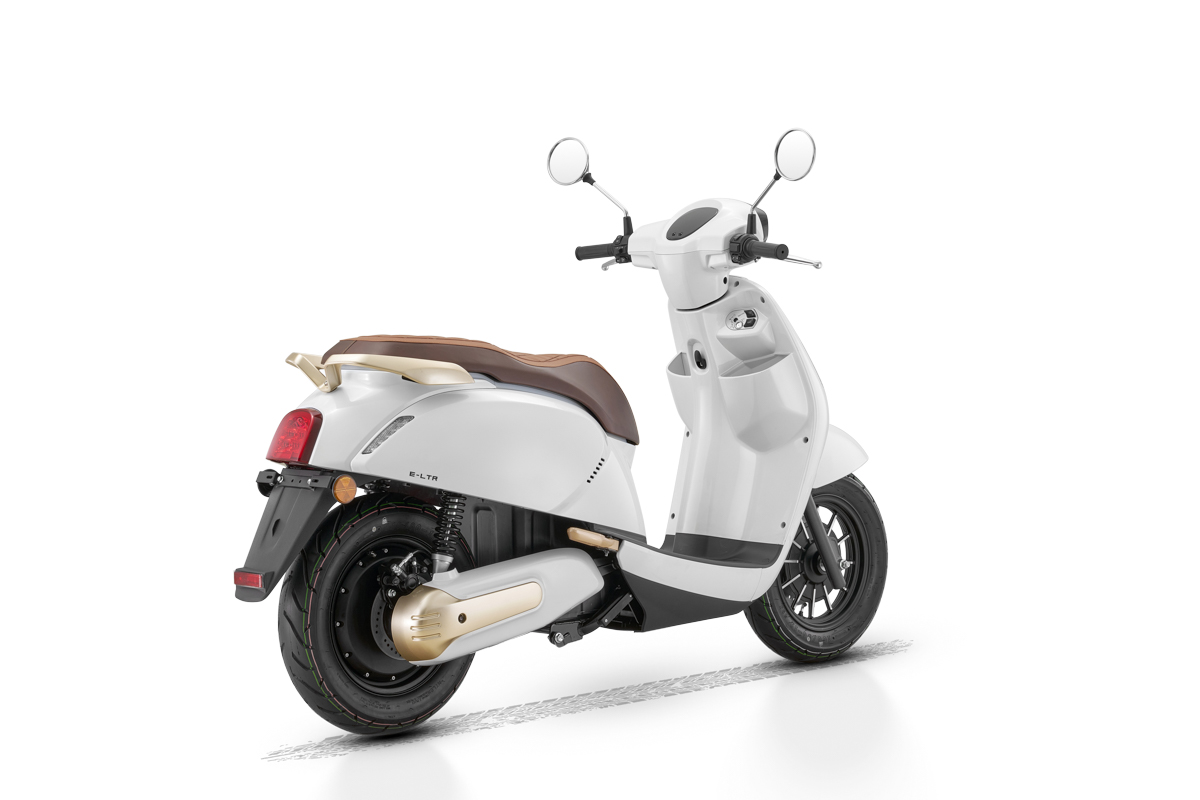
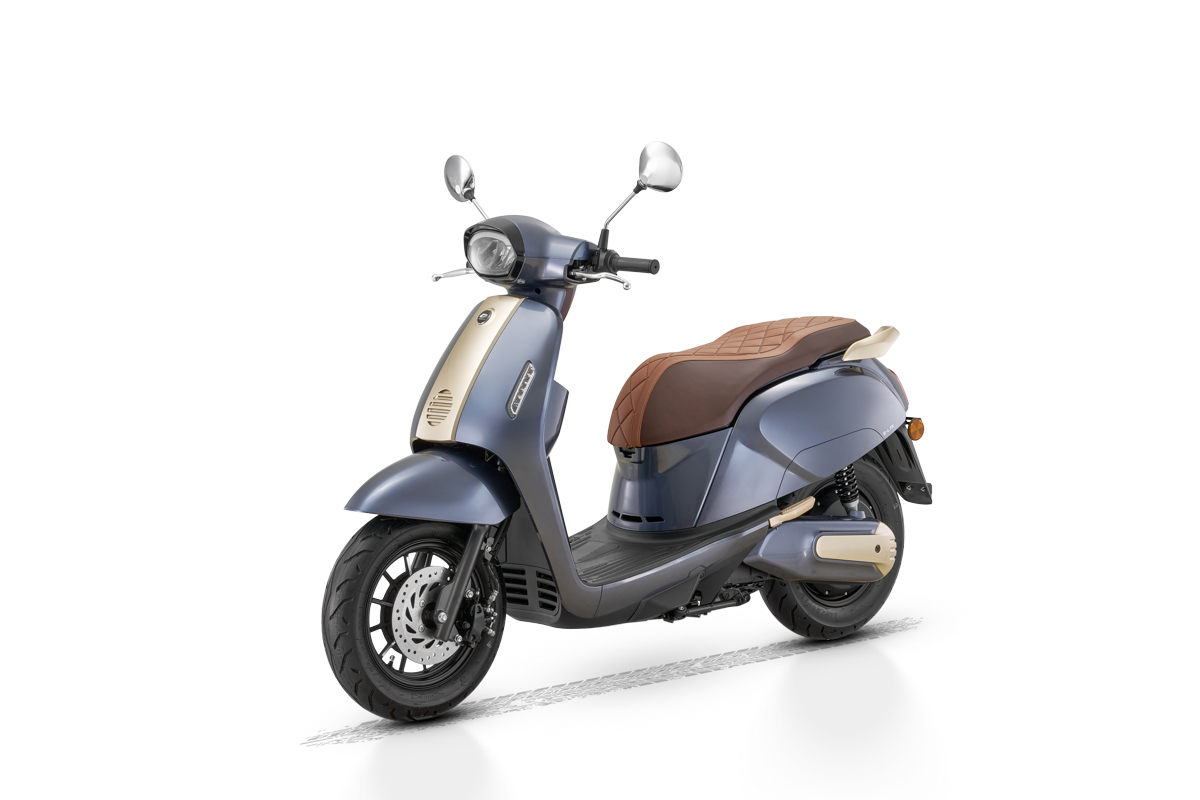
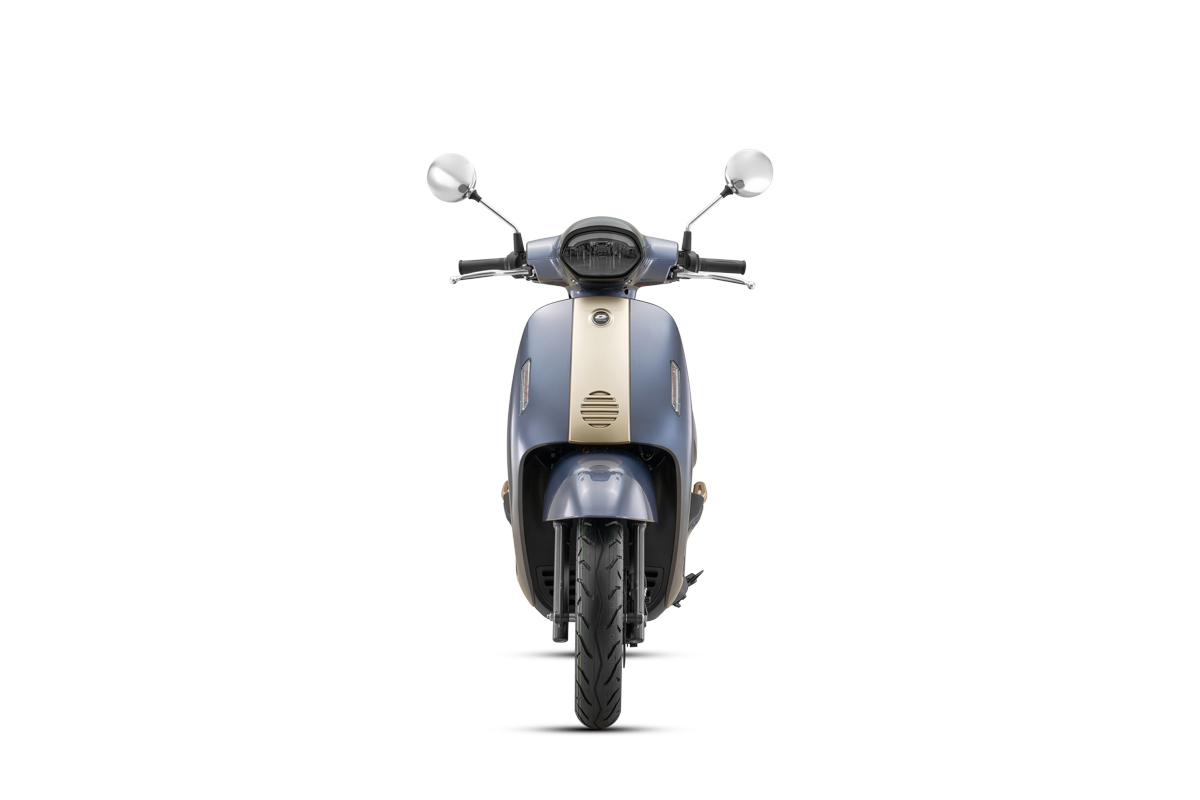
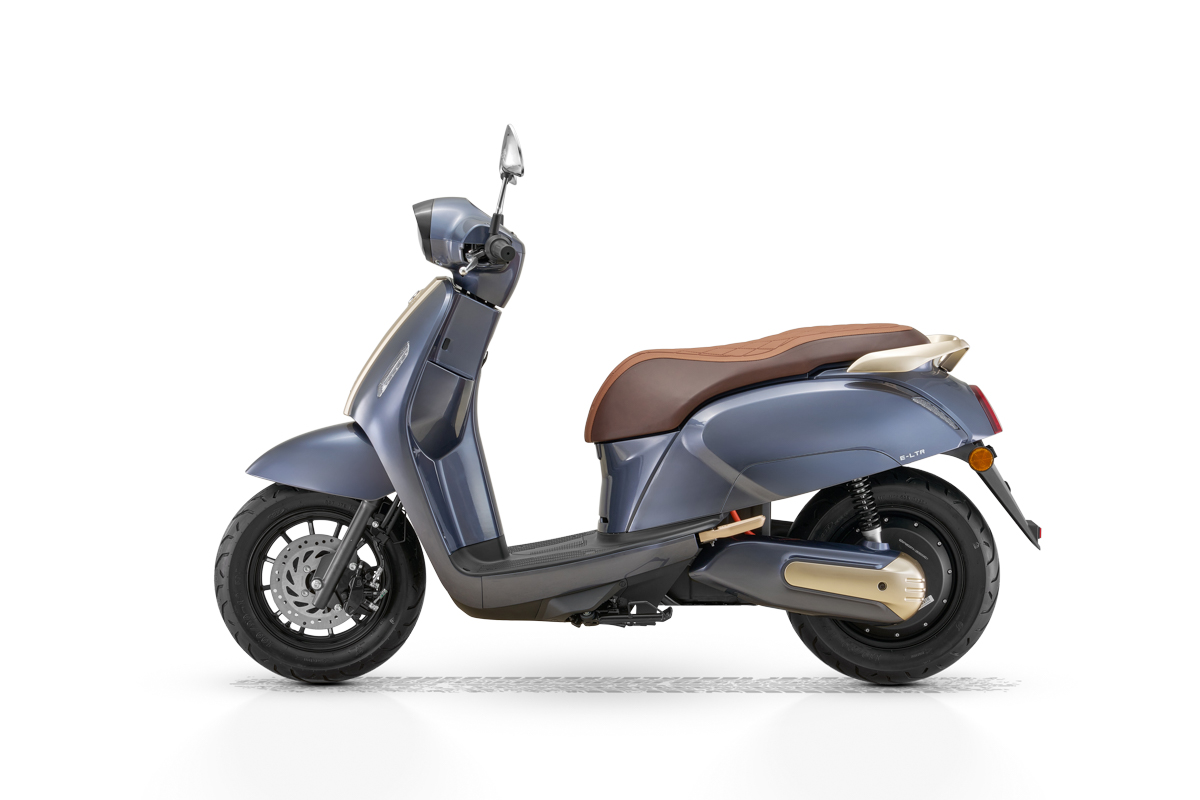
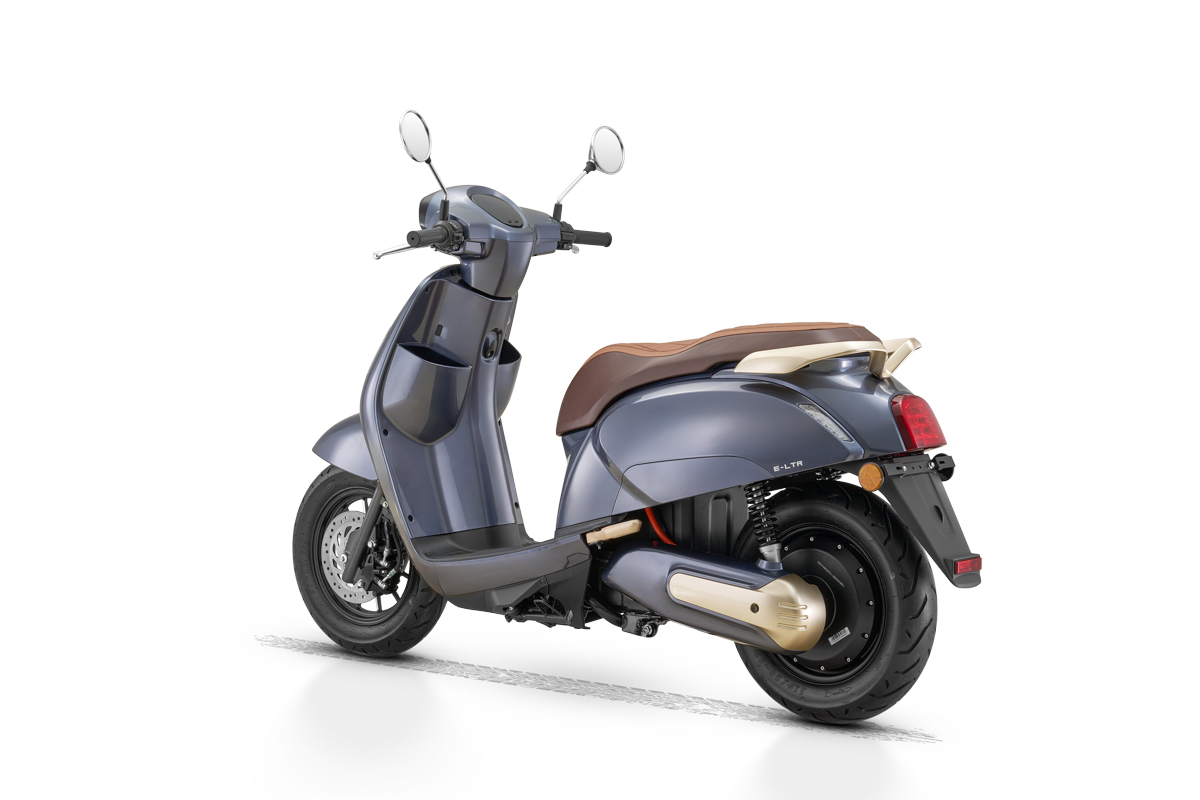
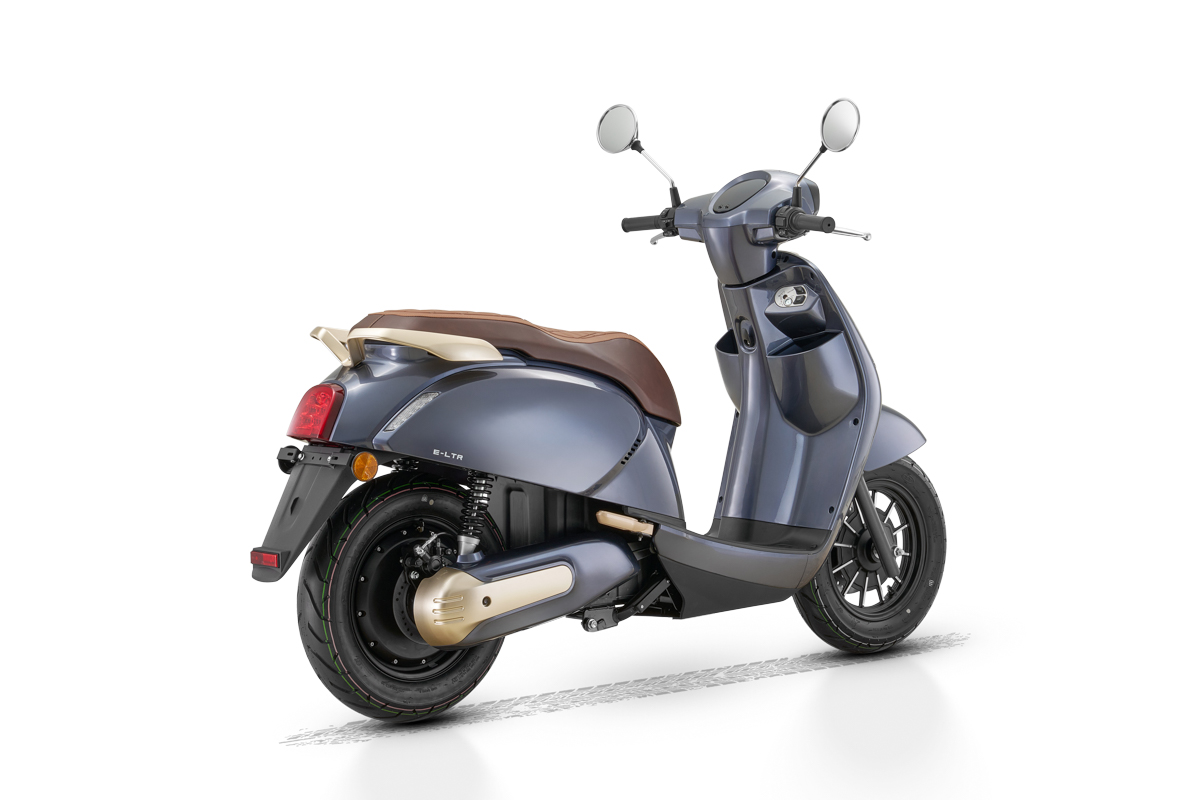
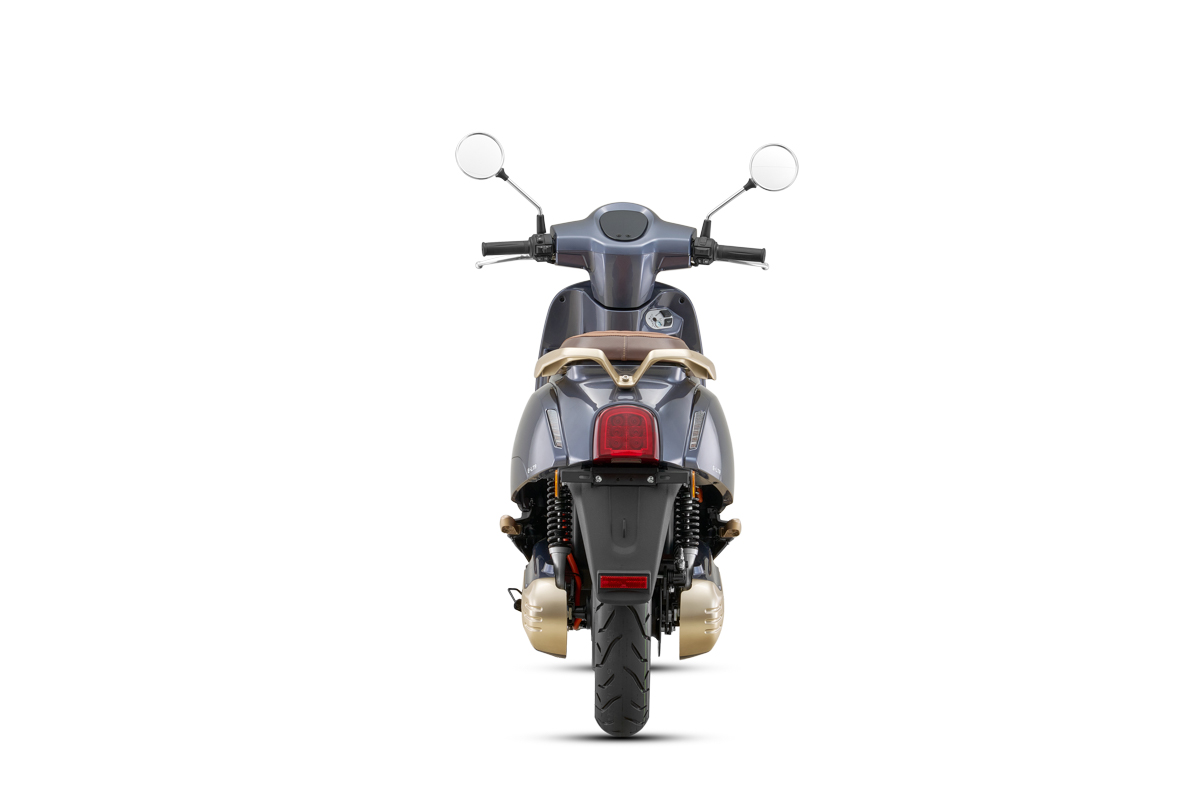
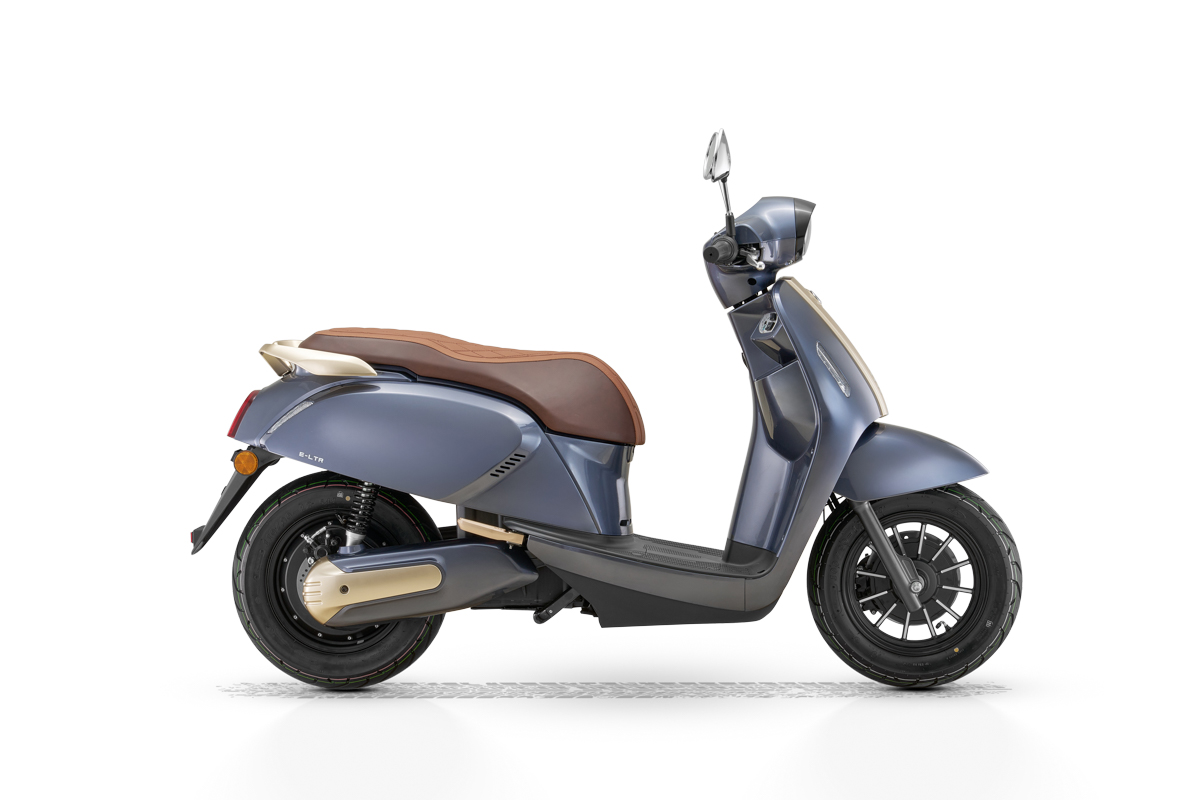
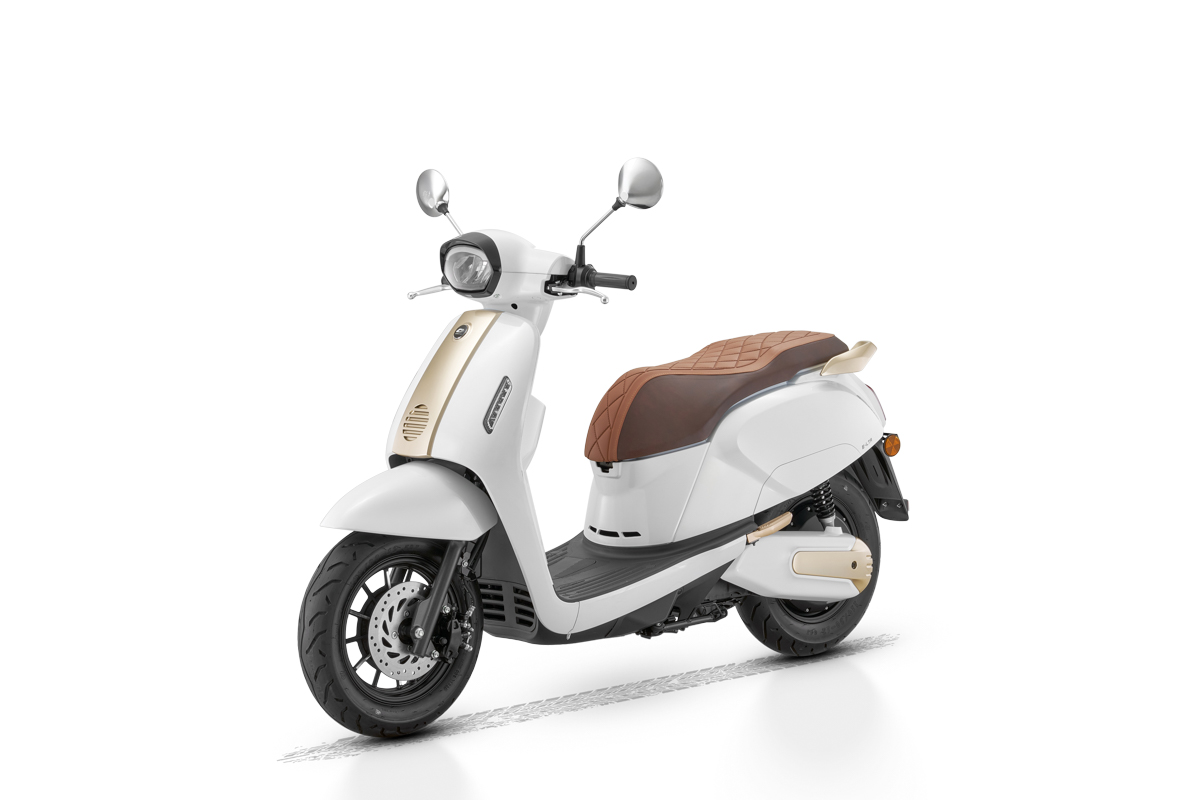
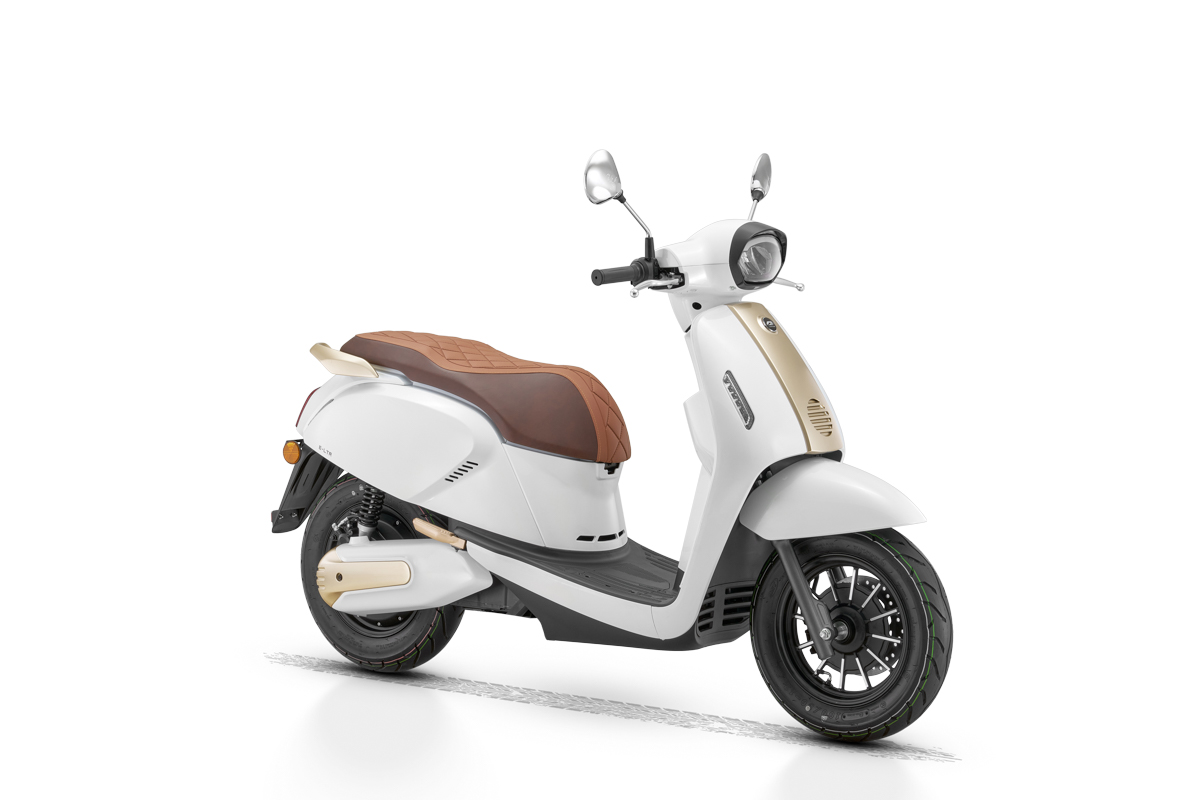
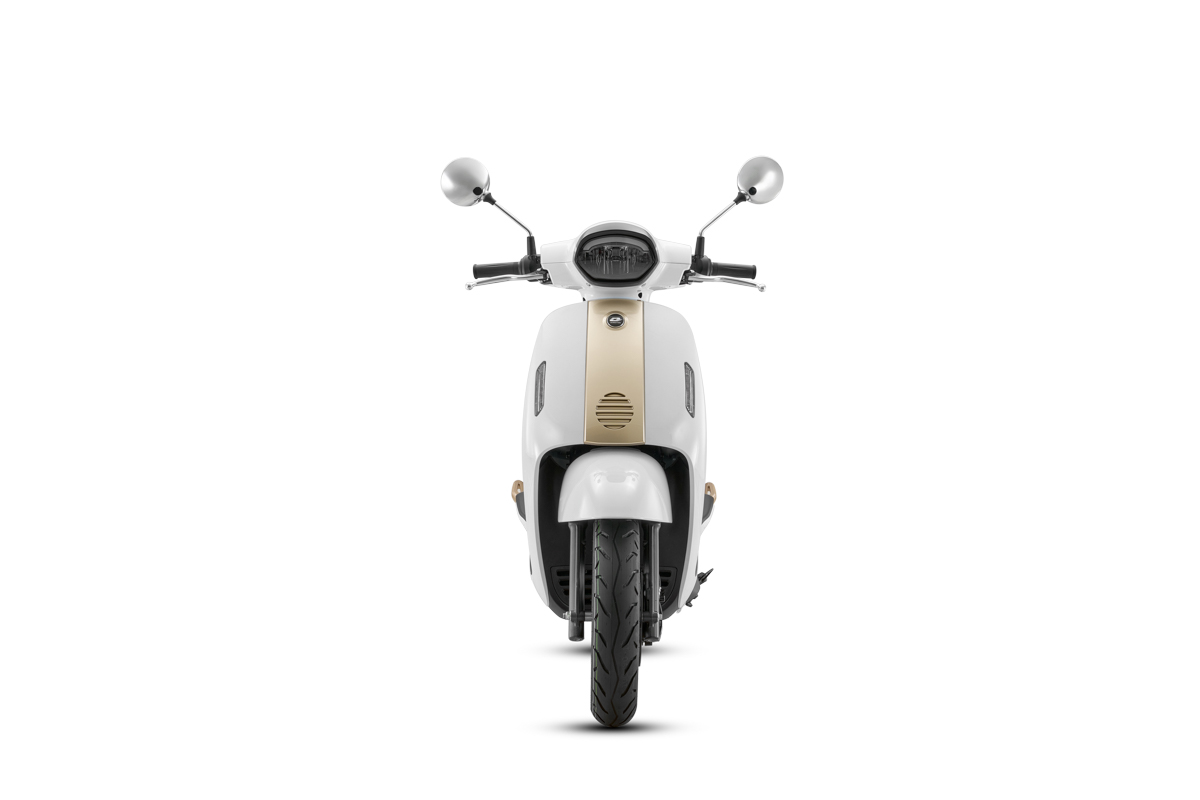
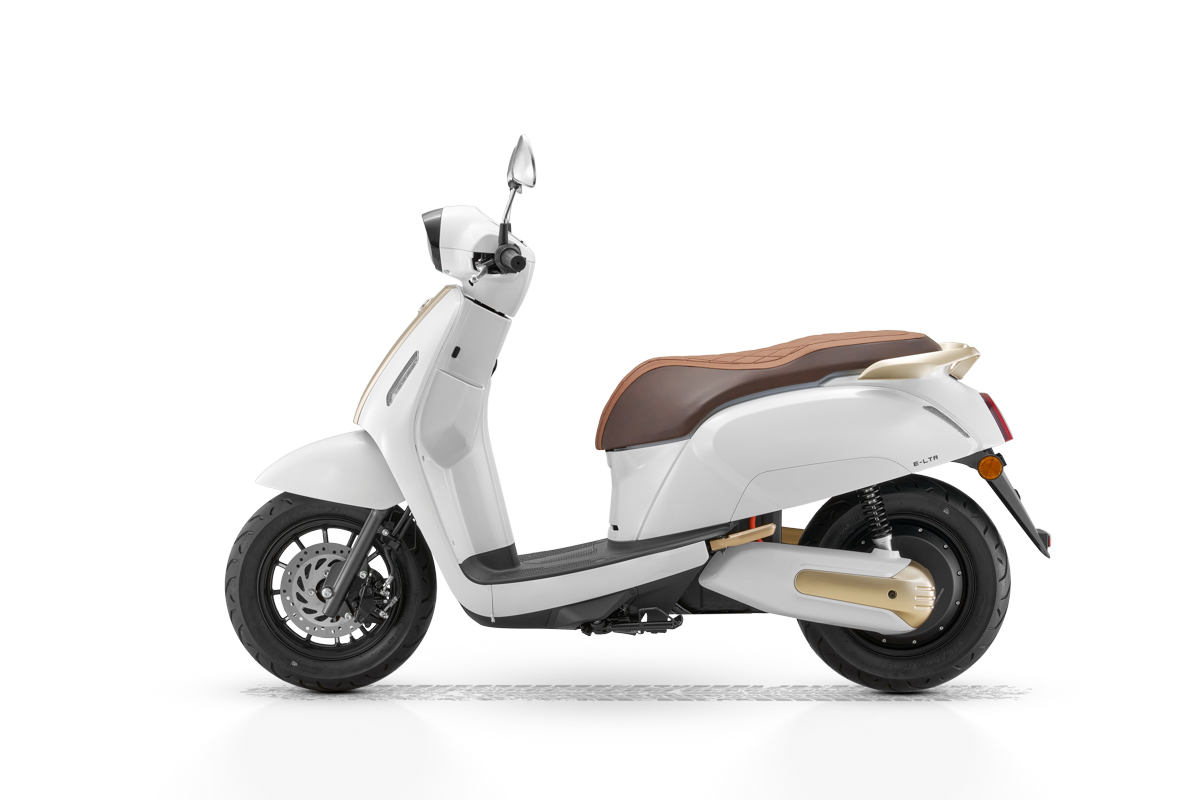
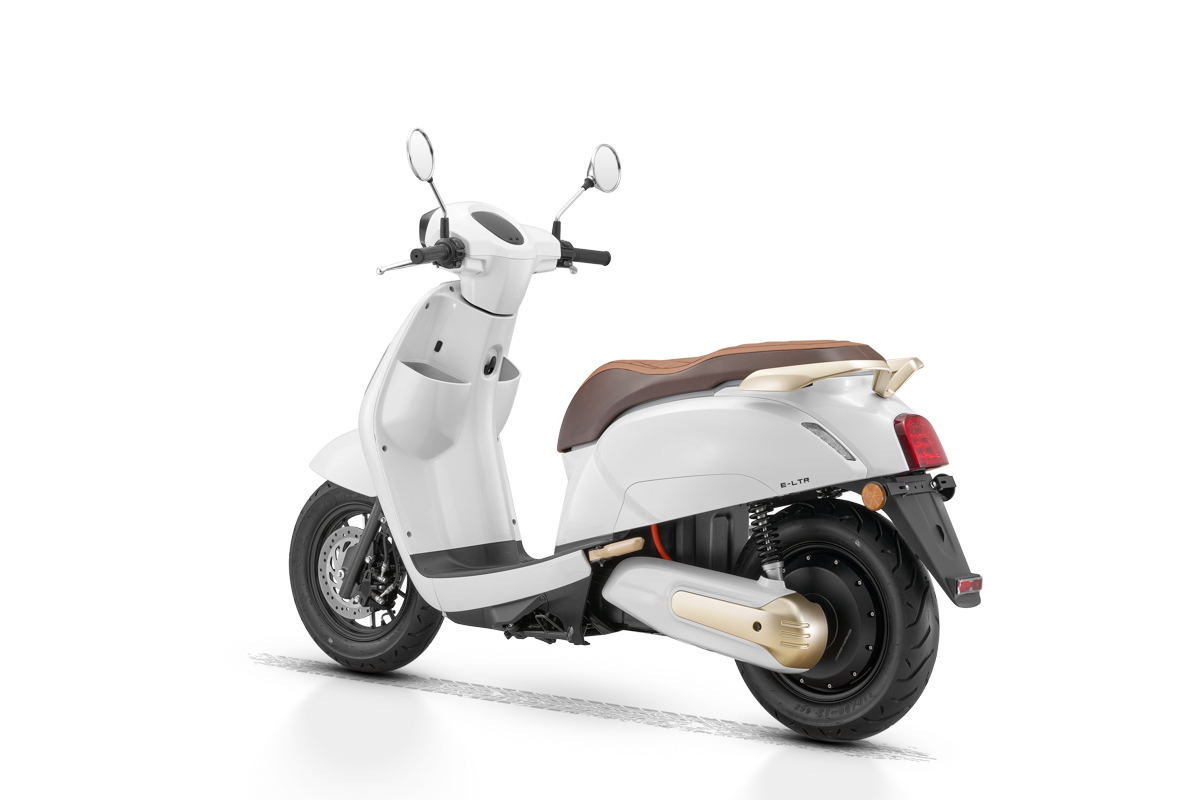
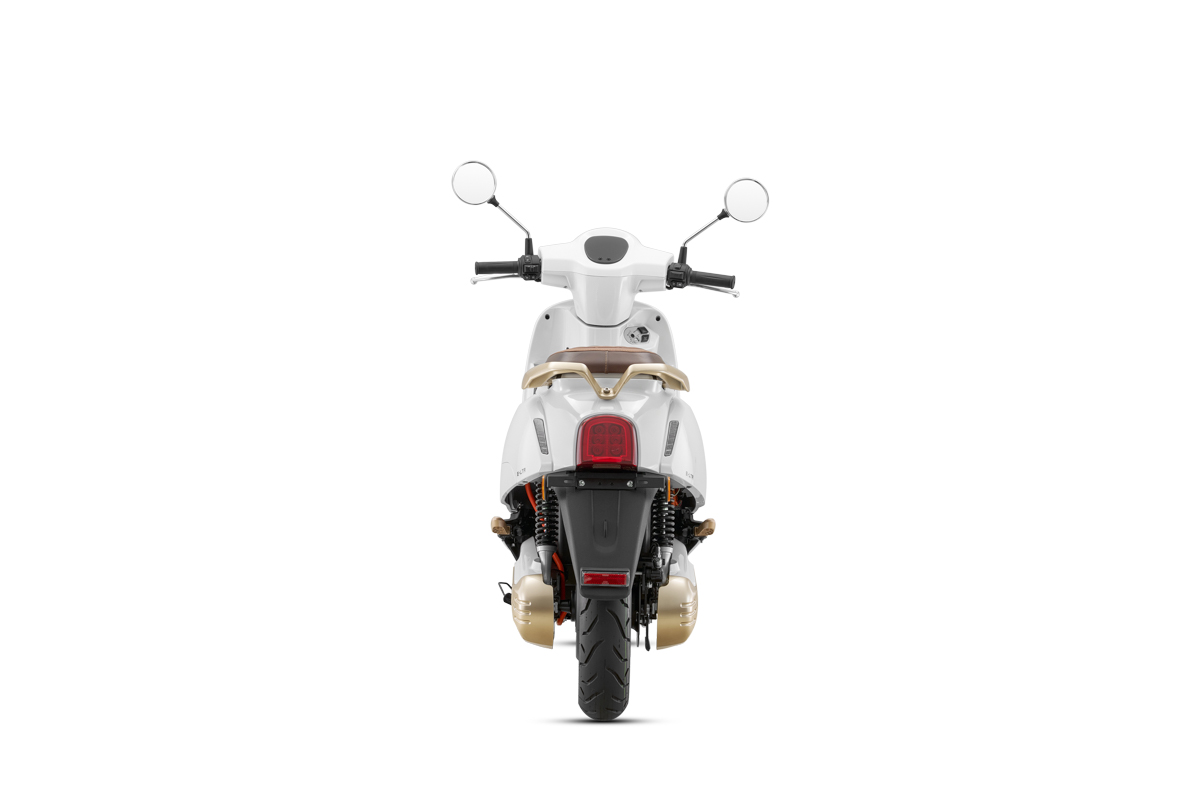
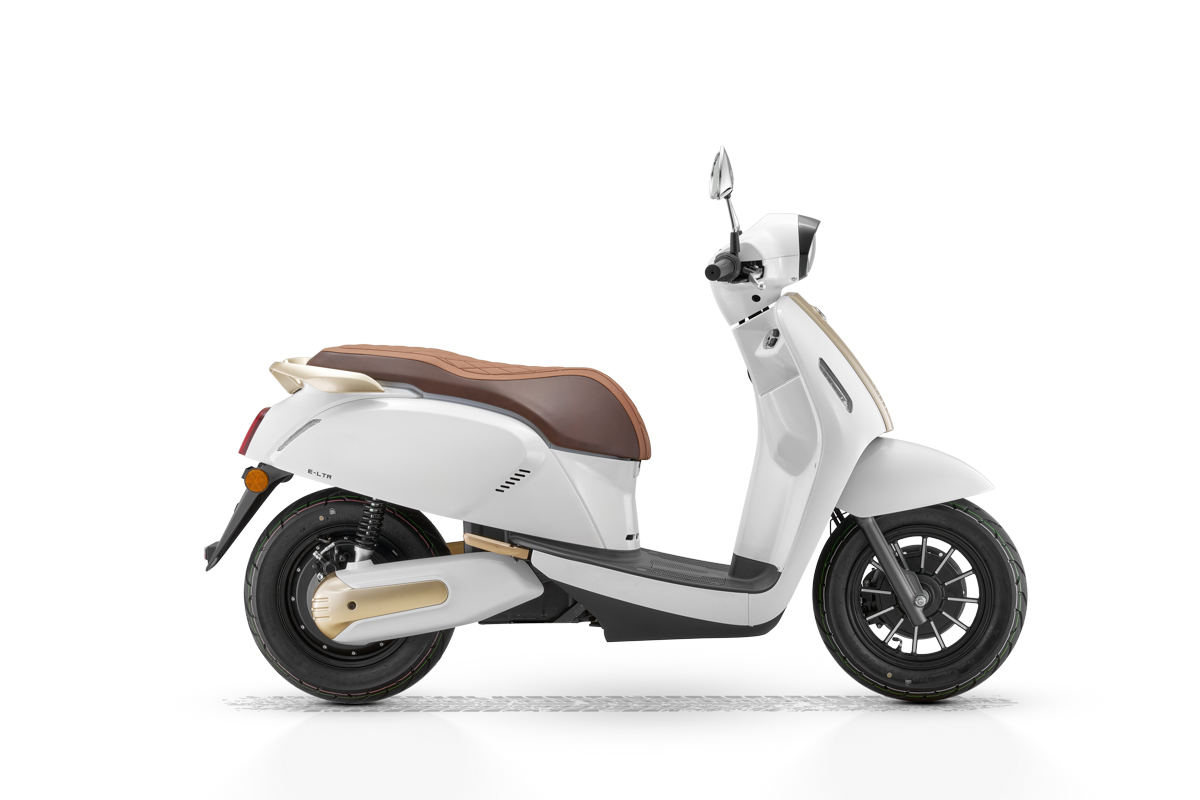
QJMOTOR Malaysia has launched the QJMOTOR E-LTR electric scooter. It blends modern styling, dynamic performance and practical technology for everyday riding.

This official launch marks QJMOTOR’s inaugural entry into the Malaysian electric scooter segment. The QJMOTOR E-LTR is available in two attractive colours, Dark Blue and White, offered at a price of RM6,999.00 (excluding registration charges and insurance) and will be available at all authorised Mforce dealerships across Malaysia. Owners will receive a rebate of up to RM2,400 under the MARiiCas initiative, subject to terms and conditions.

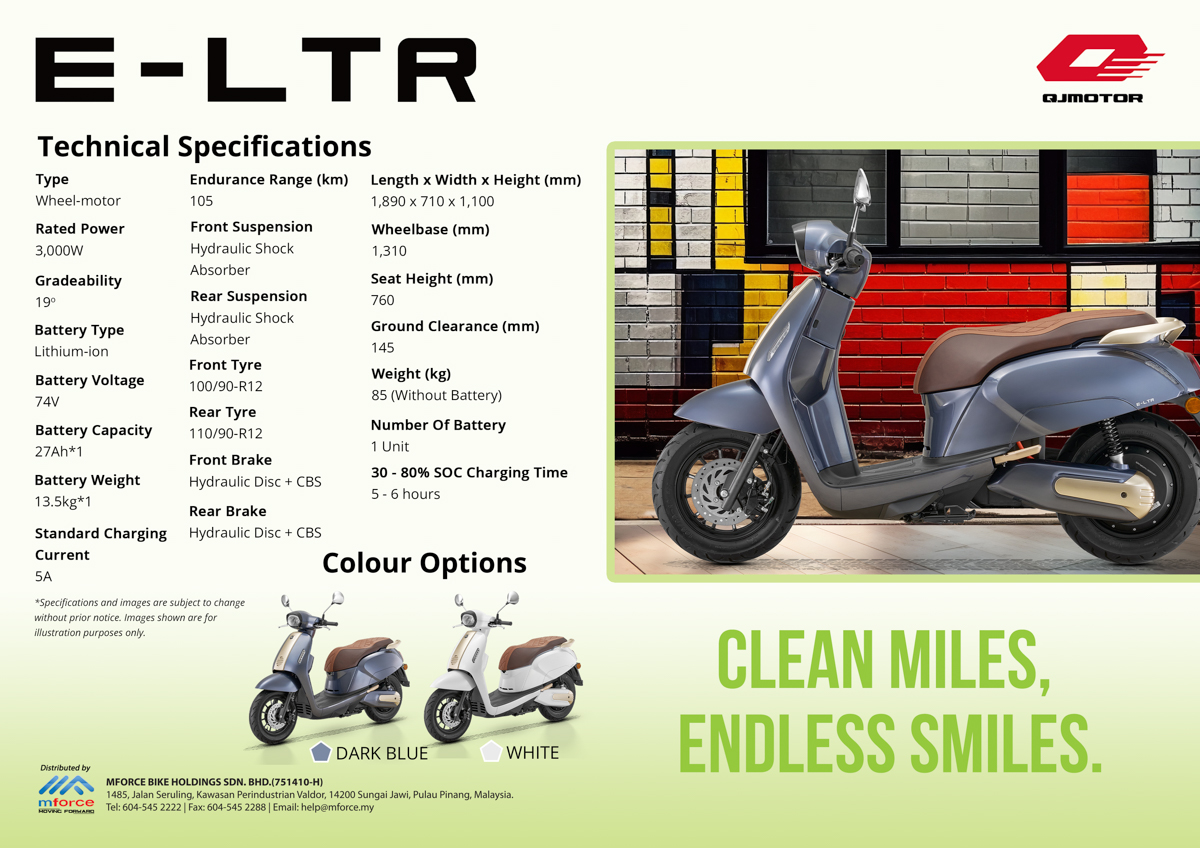
In terms of performance, QJMOTOR E-LTR is powered by a 3,000W wheel motor with an air-cooled system. It delivers a top speed of 70km/h, a maximum climbing grade up to 19° and an endurance range of 105km on a single full charge. Interestingly, QJMOTOR E-LTR offers three riding modes that can be selected according to comfort.

It is equipped with a 74V27Ah Lithium-Ion battery. The scooter comes standard with one battery, while a second unit can be added as an option. Charging from 30% to 80% SOC takes 5-6 hours, while a full charge provides up to a 105km range.

For dimensions, the scooter measures 1,890mm in length, 710mm in width and 1,100mm in height, with a wheelbase of 1,310mm, ground clearance of 145mm and a seat height of 760mm. The curb weight is only 98.5kg, making it lightweight and agile for urban mobility.

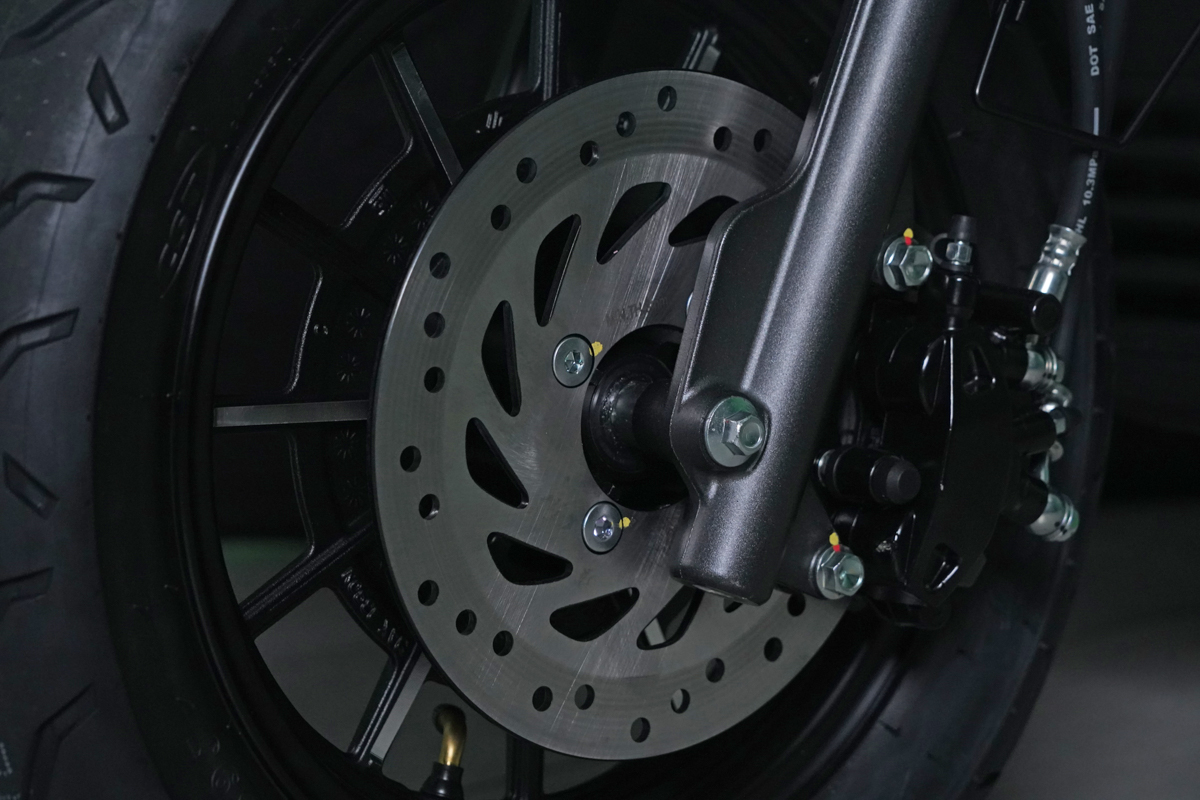
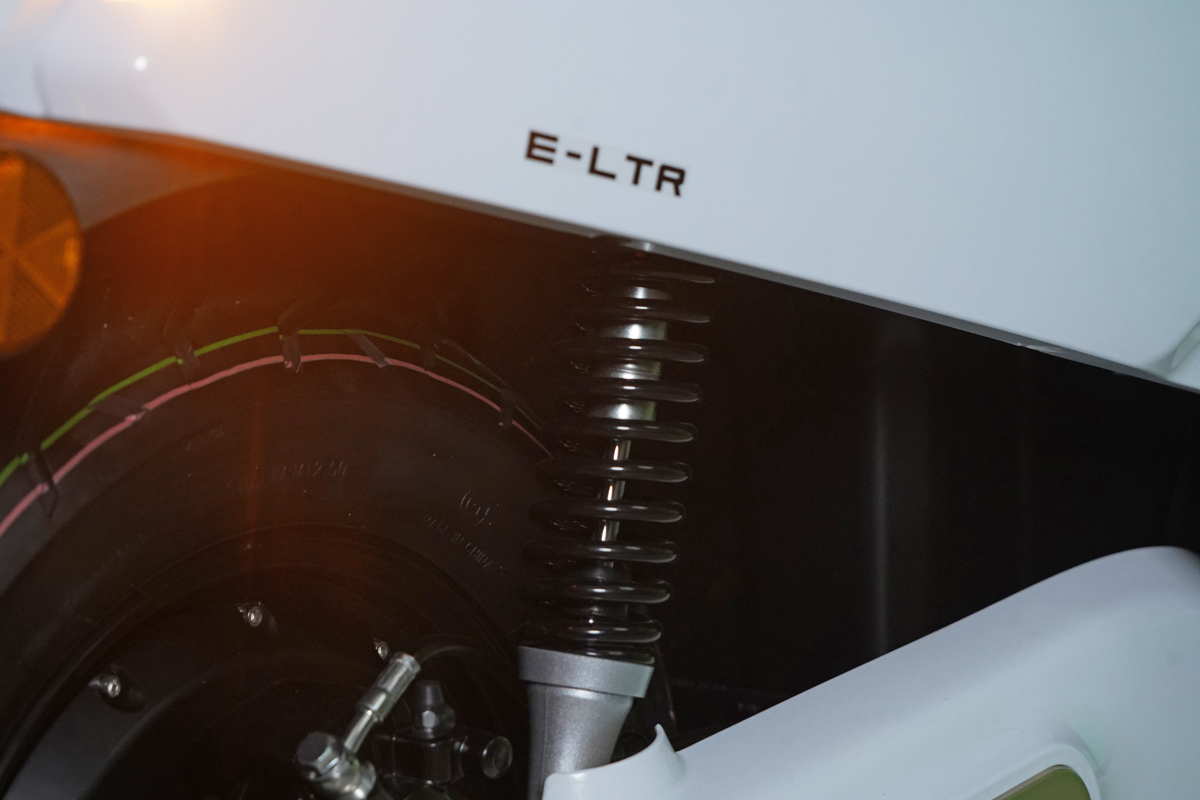
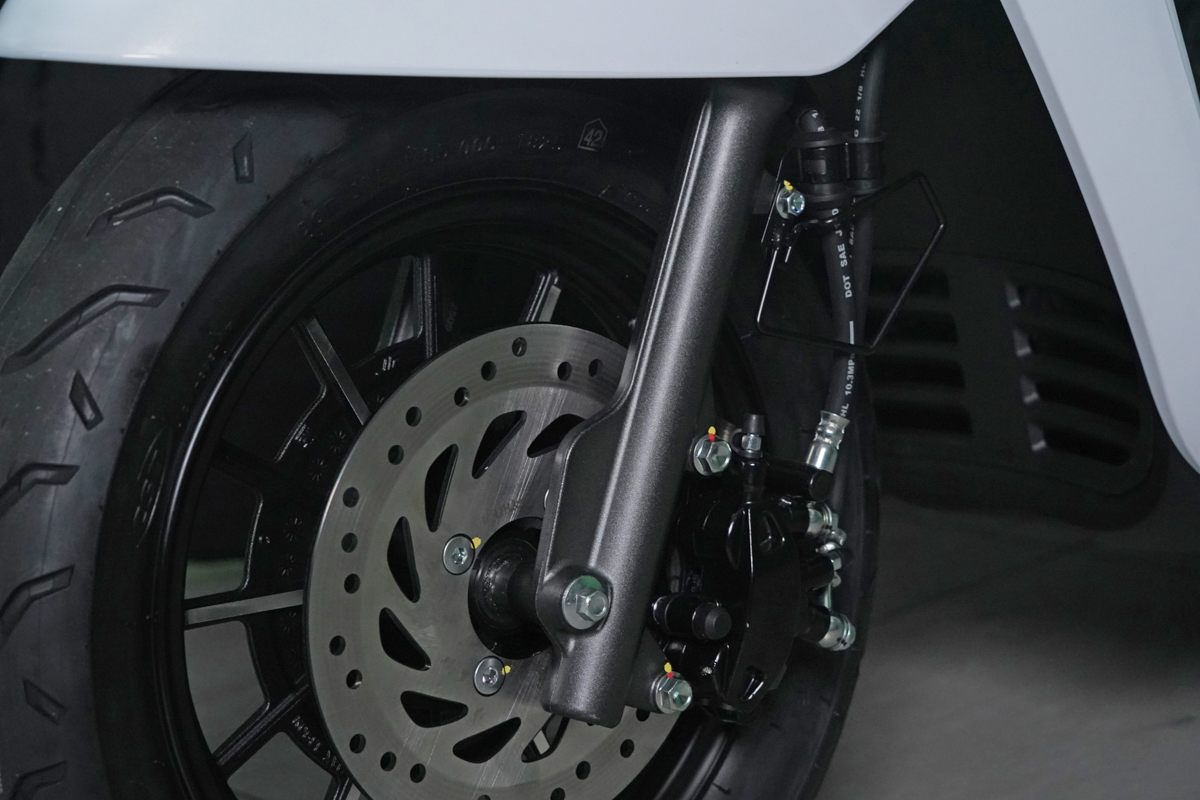
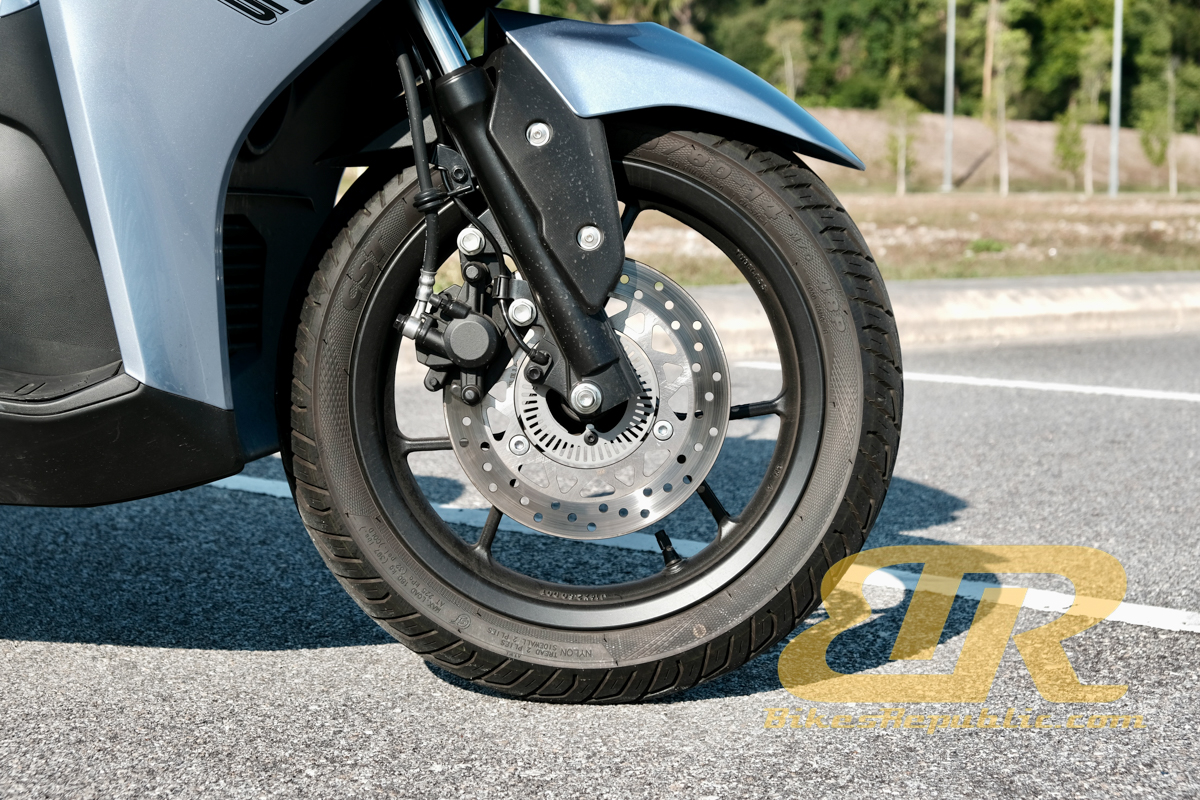
The suspension setup includes a hydraulic front shock absorber and dual hydraulic rear suspension. Braking power is handled by hydraulic disc brakes with CBS (Combined Braking System) on both front and rear wheels, complemented by 100/90-R12 front tyre and 110/90-R12 rear tyre, both designed for enhanced grip and stability.

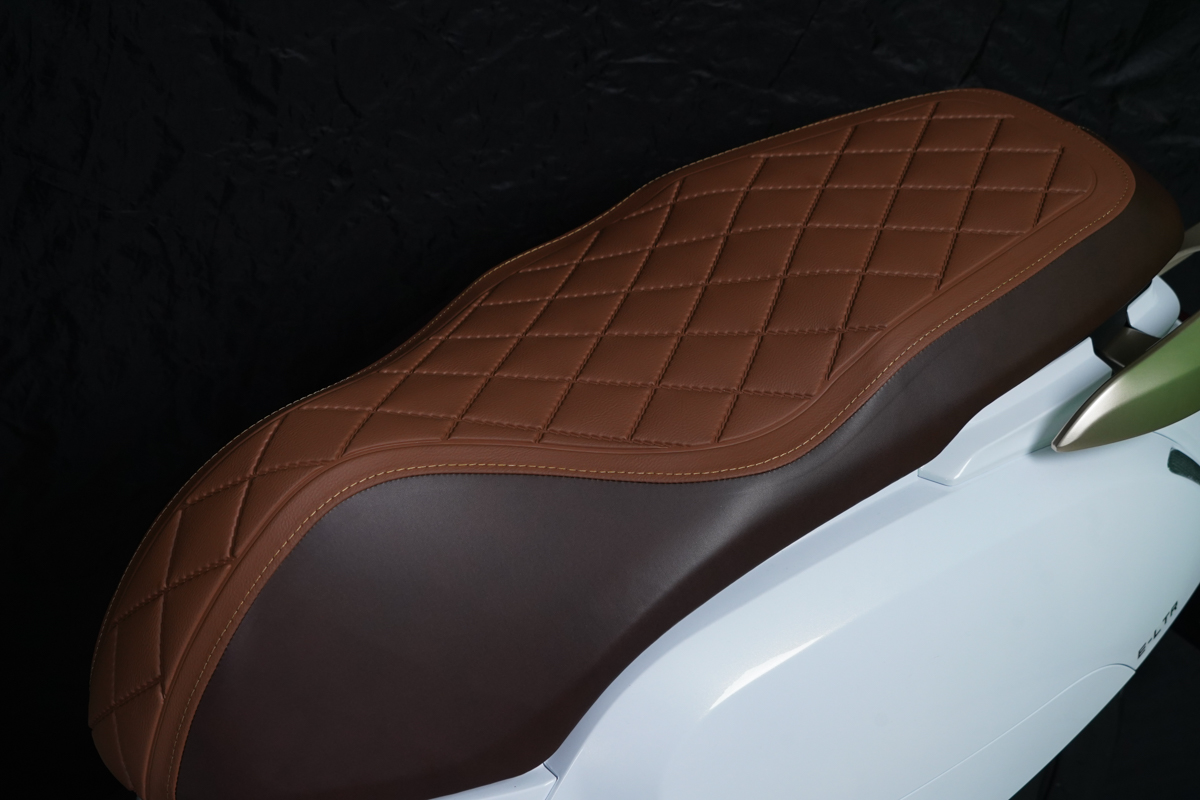
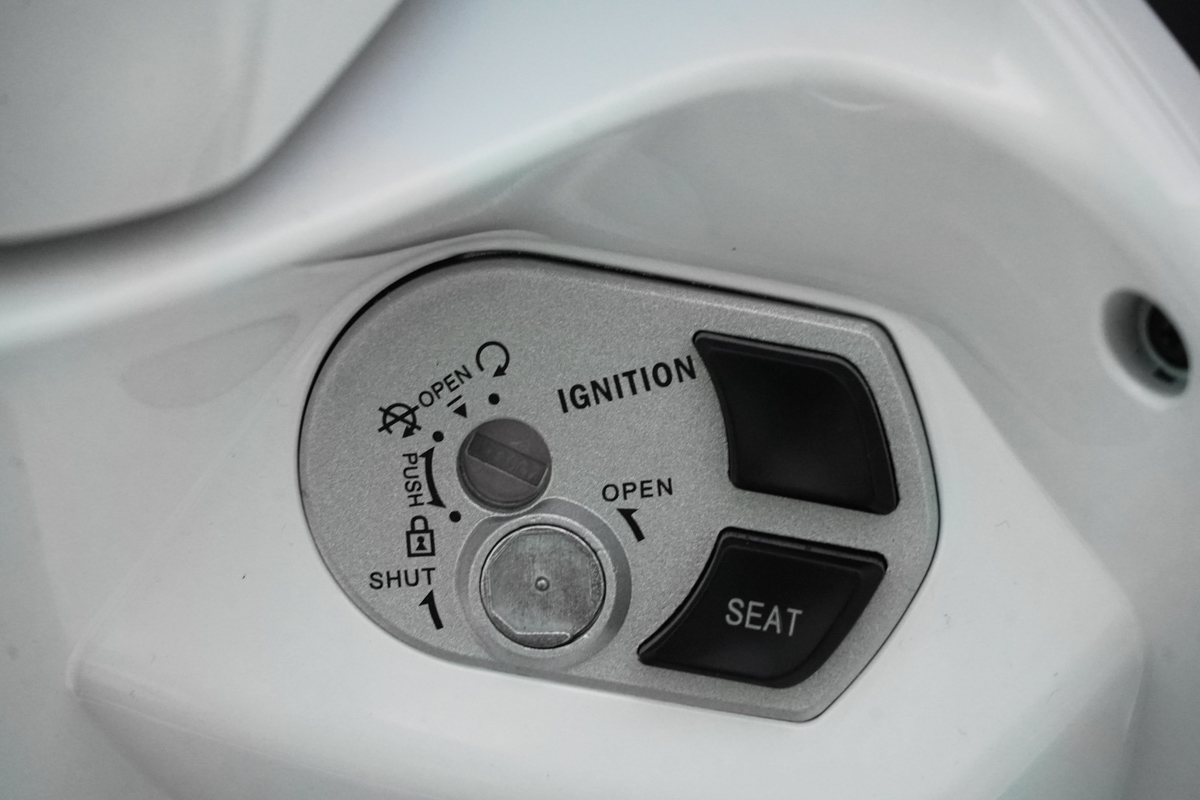
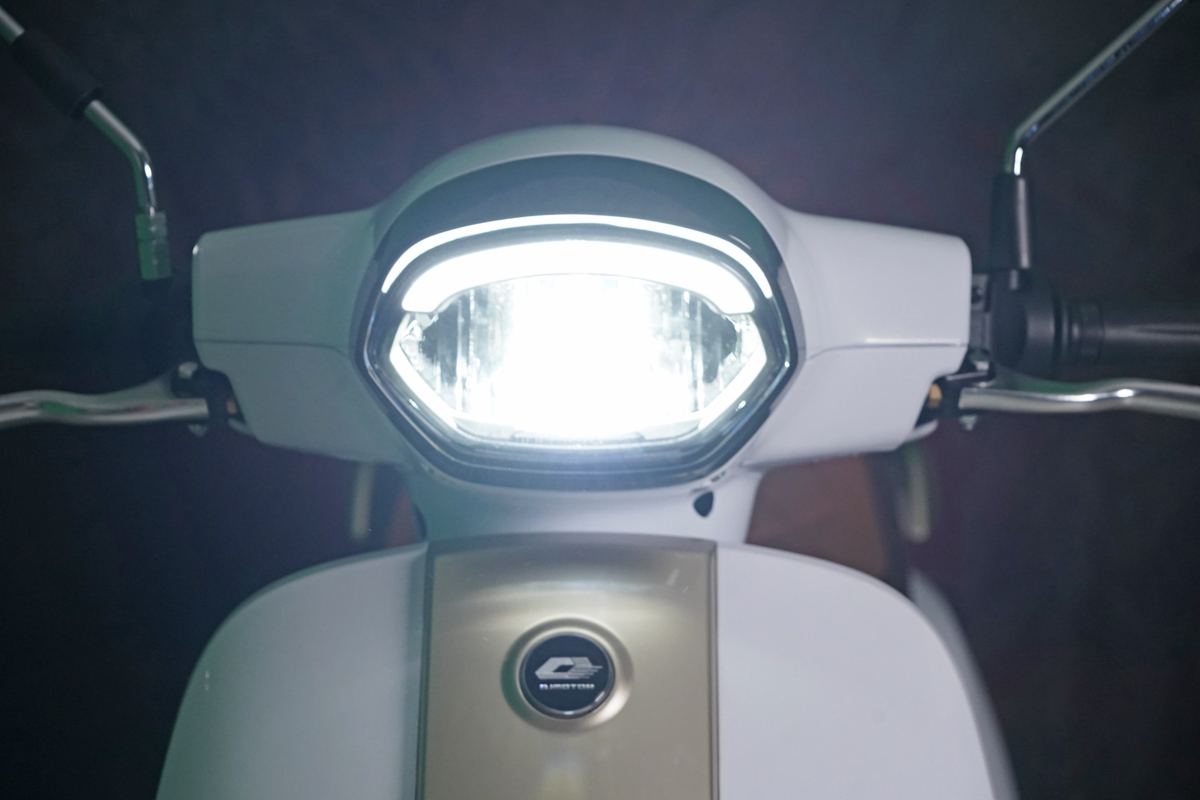
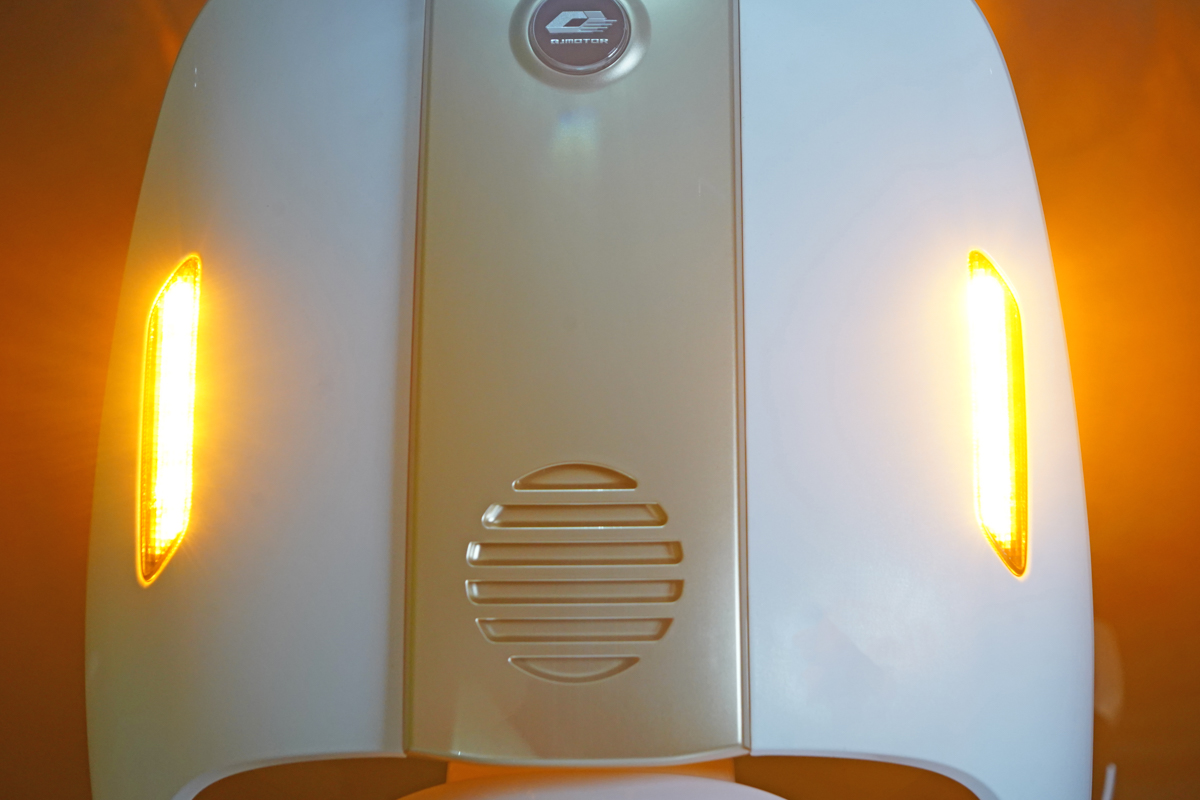
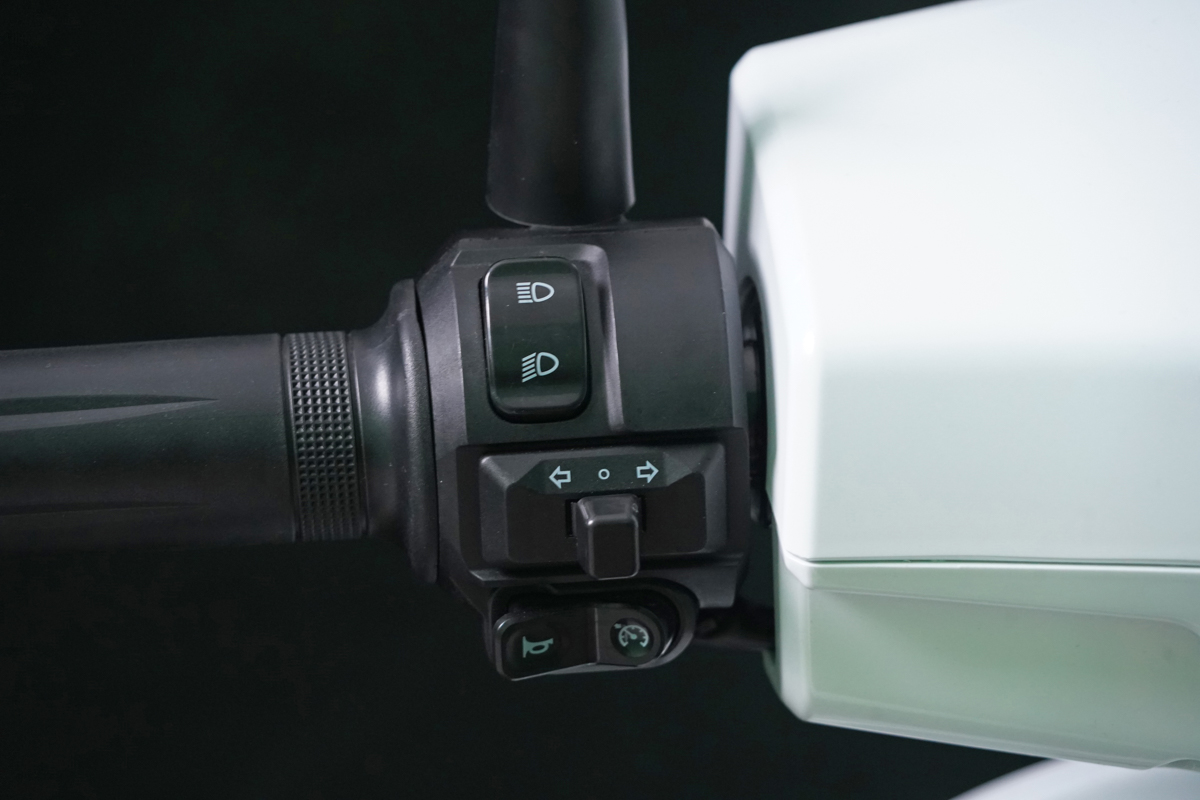
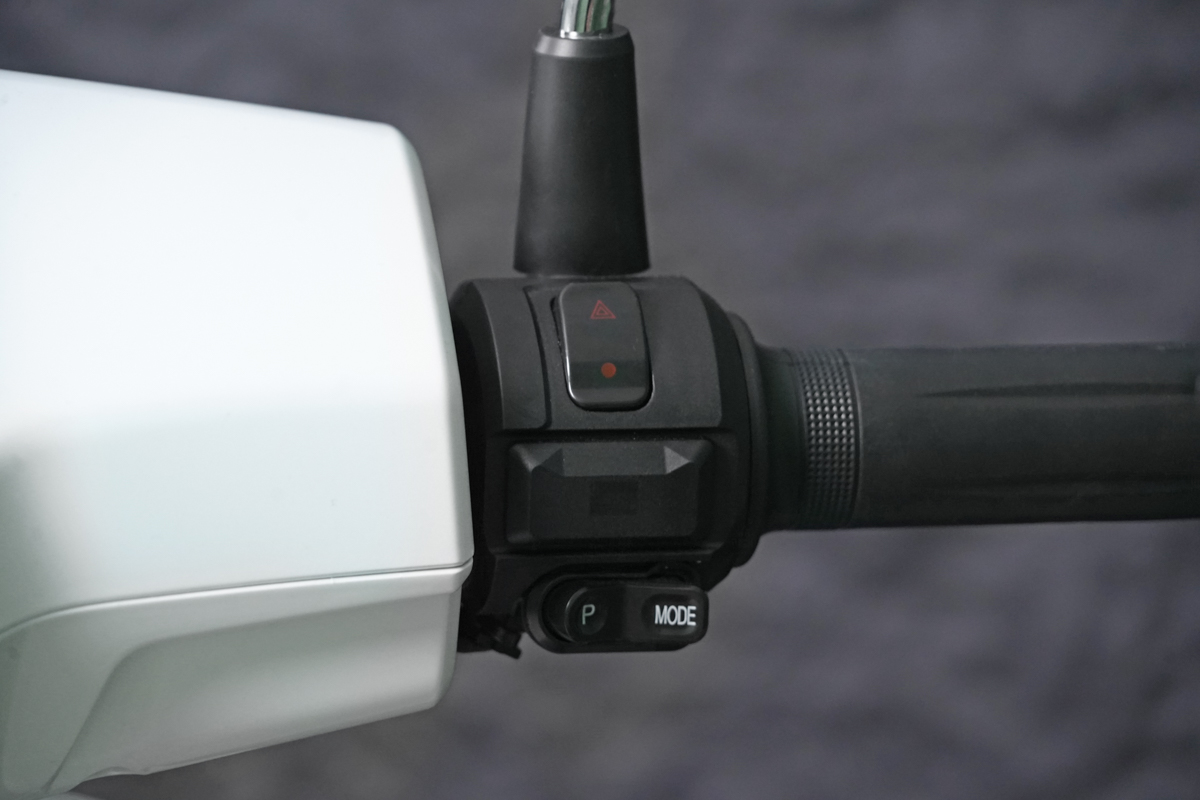
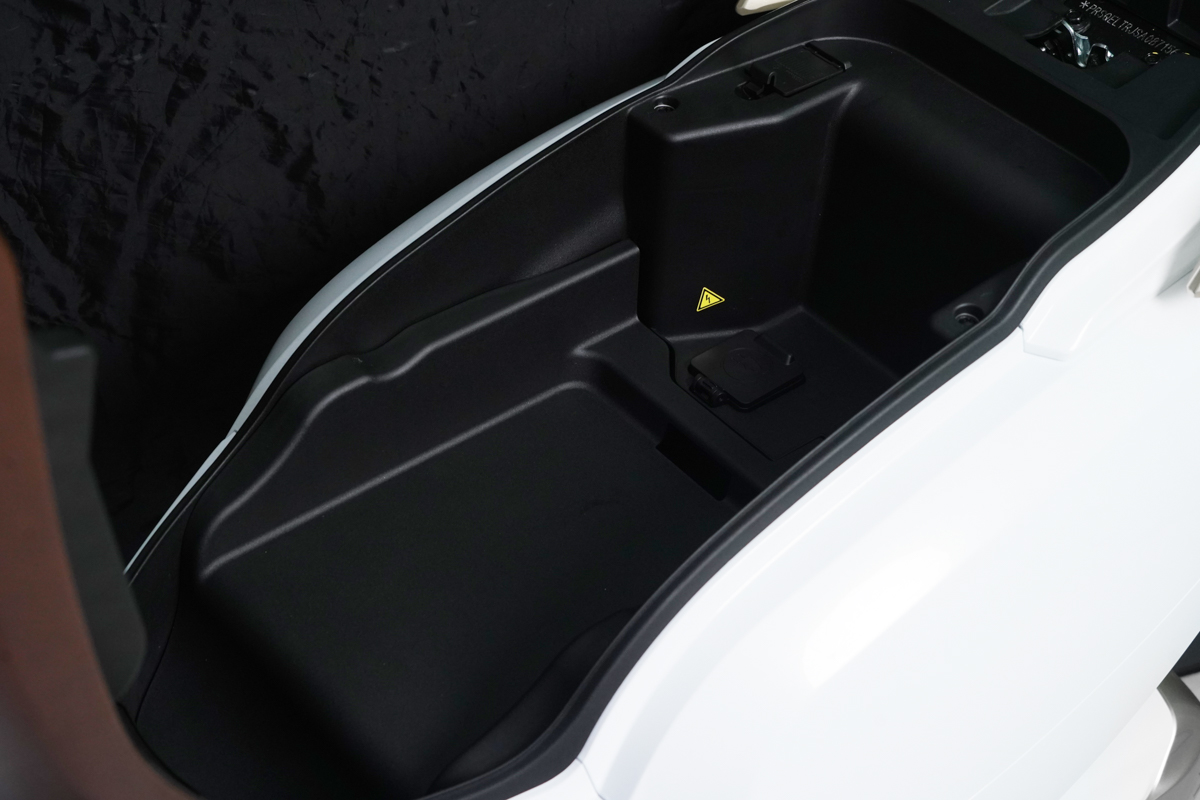
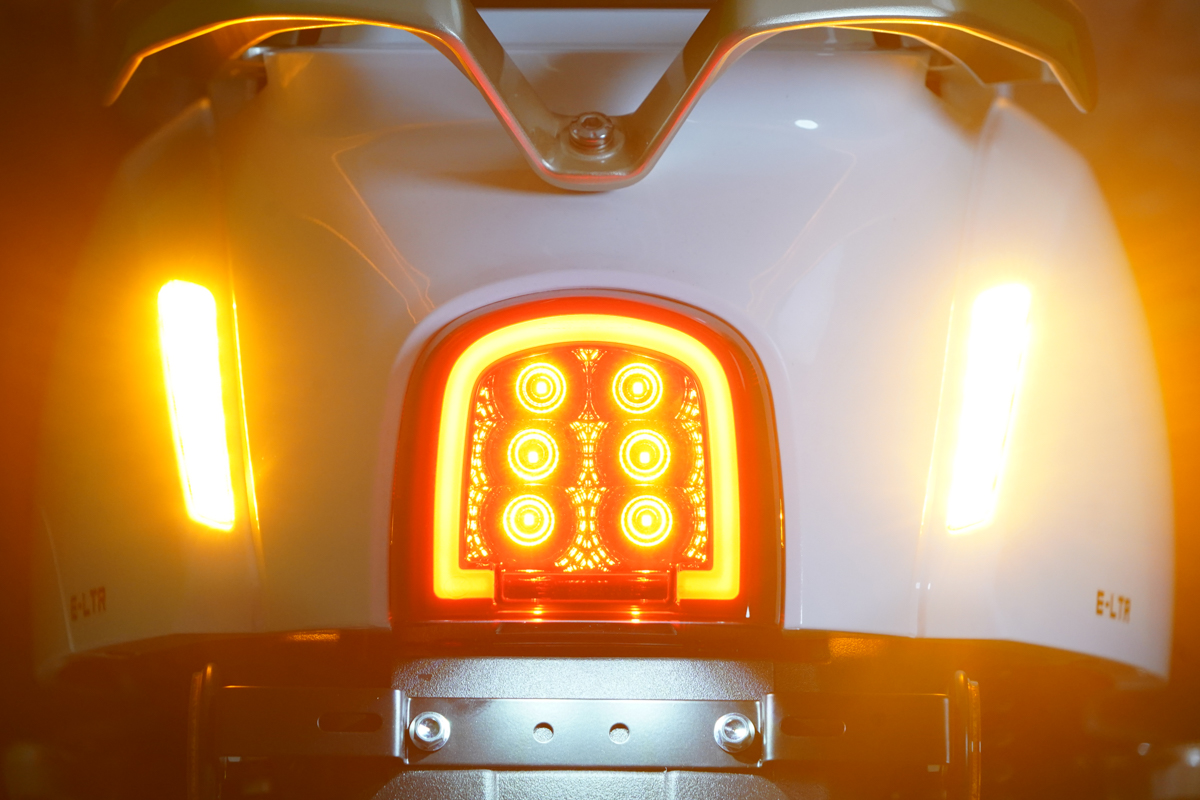
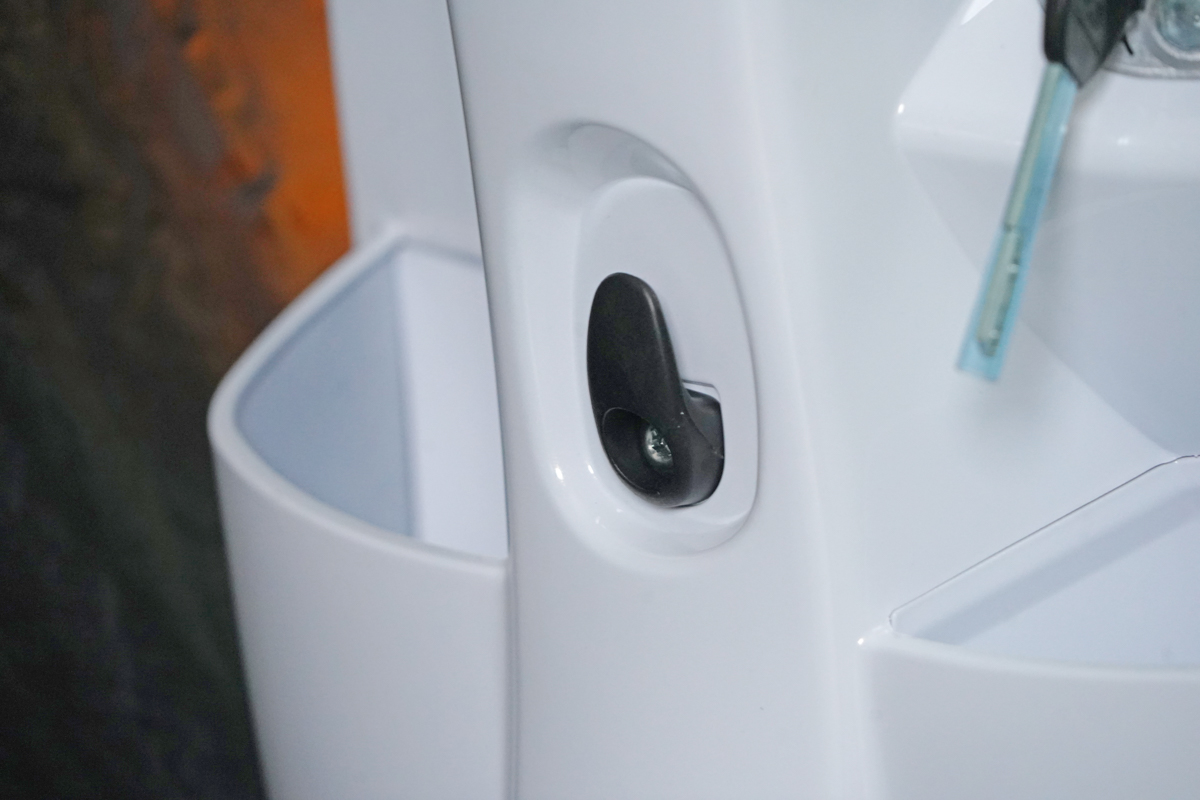
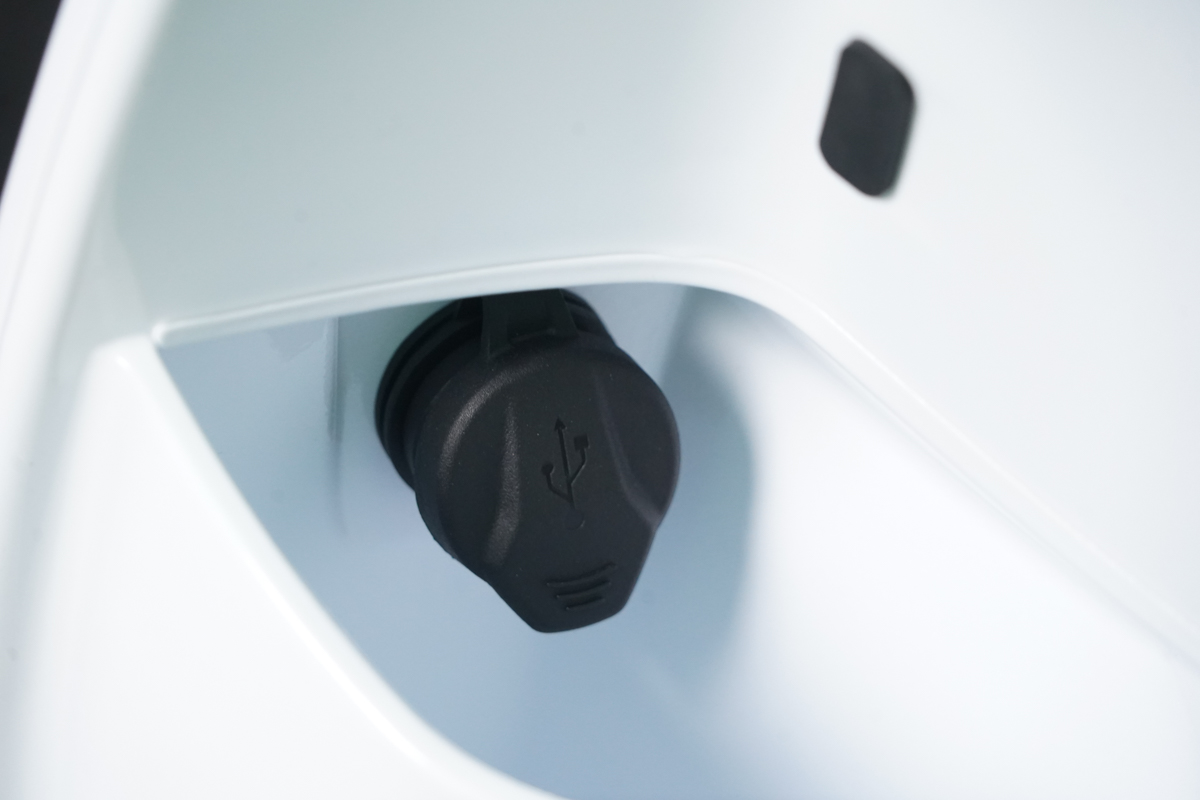
QJMOTOR E-LTR also comes equipped with a variety of modern features, including an LCD digital meter, LED functions for the headlamp, tail lamp, signal lights and hazard button. This scooter is further enhanced with a side stand safety switch, anti-theft key system, premium textured seat, dual front storage pockets, under-seat storage space, a practical hook and a USB charging port.

Additionally, the scooter features an Error Code (ERR) diagnostic system, allowing riders to easily identify and troubleshoot any technical issues quickly and efficiently.

With every purchase of QJMOTOR E-LTR, buyers will enjoy a two-year manufacturer warranty or coverage of up to 20,000km (whichever comes first), subject to terms and conditions. Customers will also have access to genuine spare parts online through Mforce Bike Holdings Sdn. Bhd.

Photo gallery

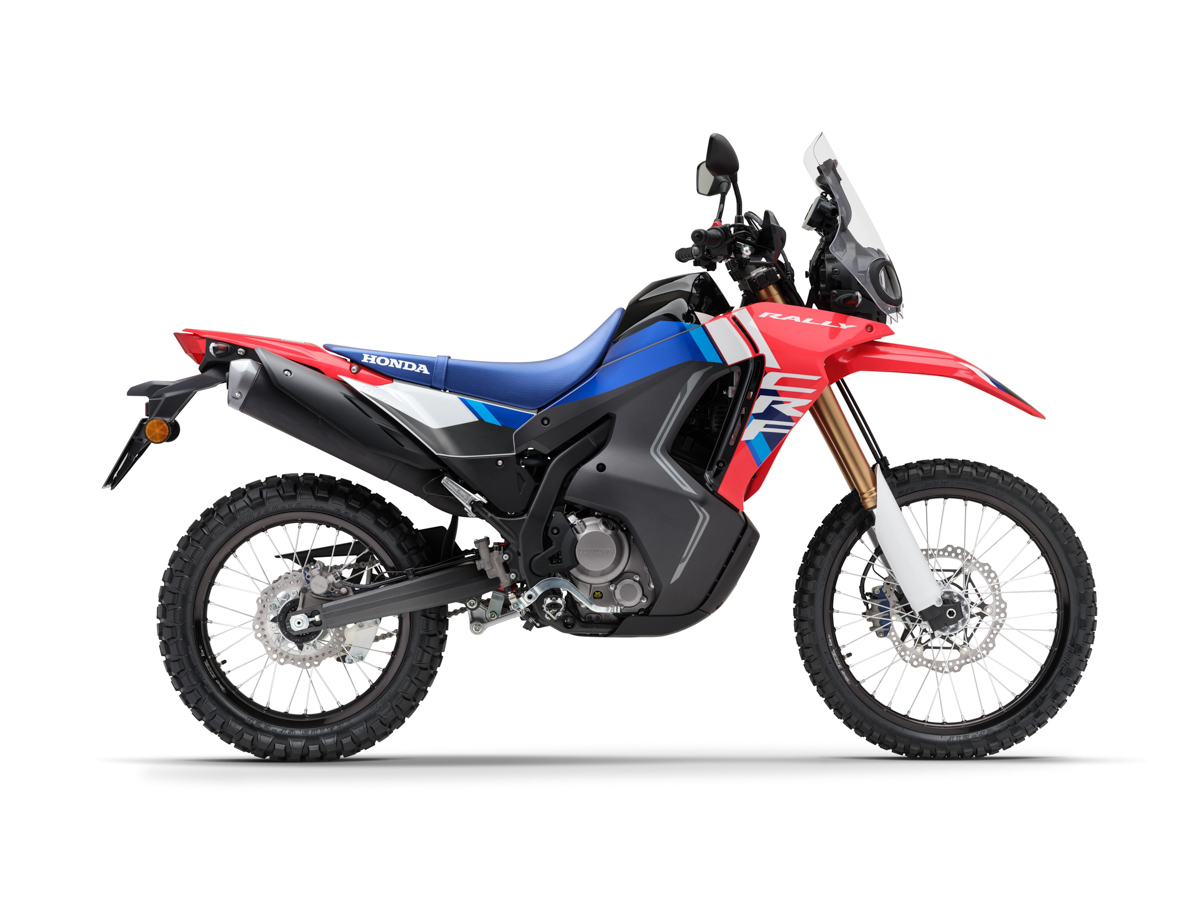
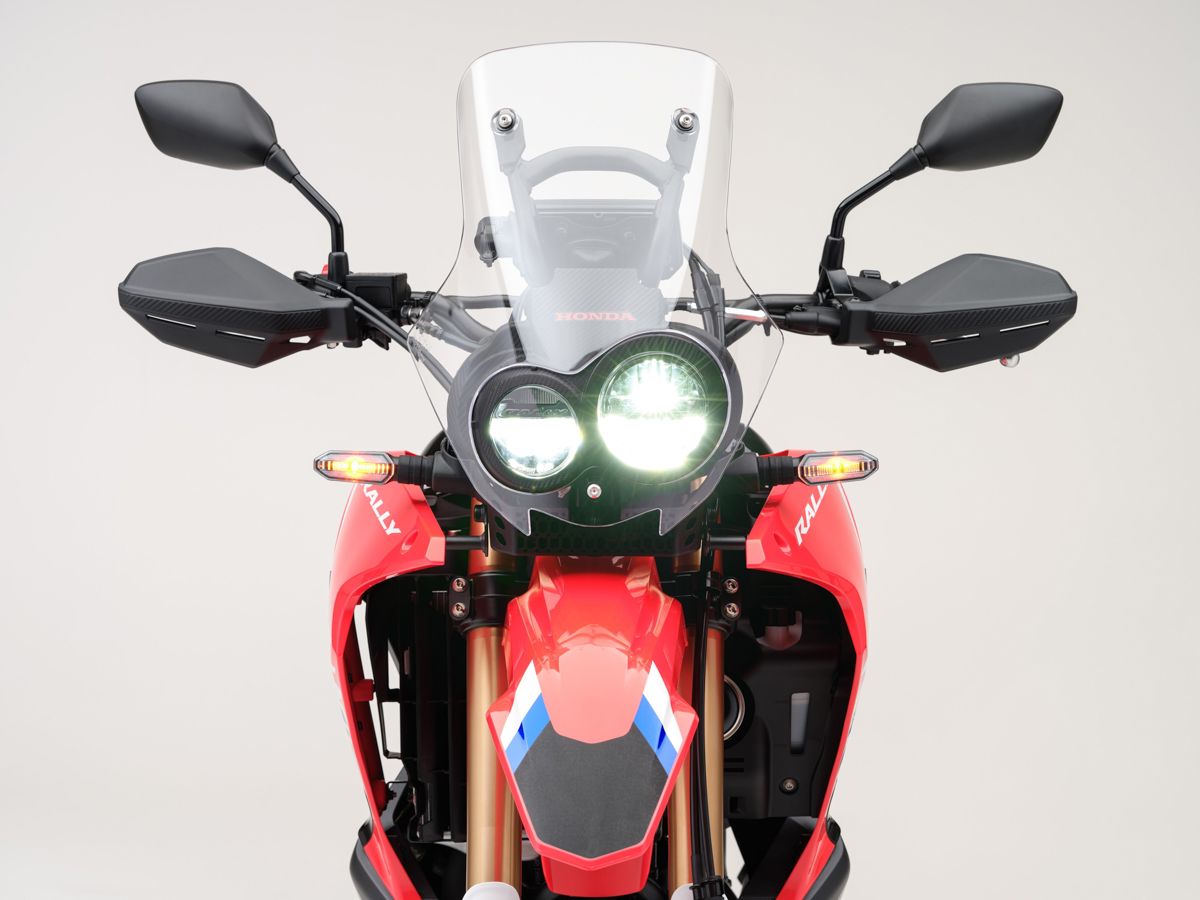
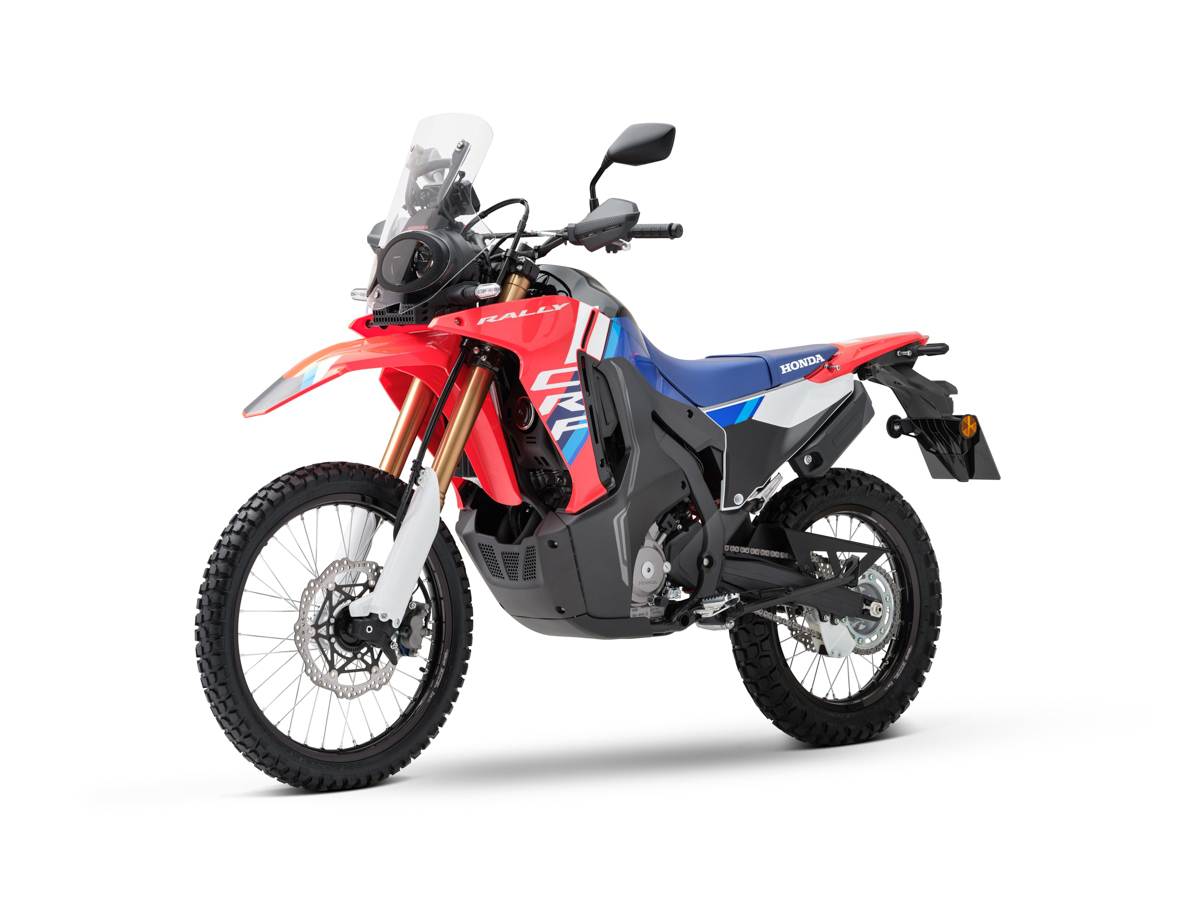
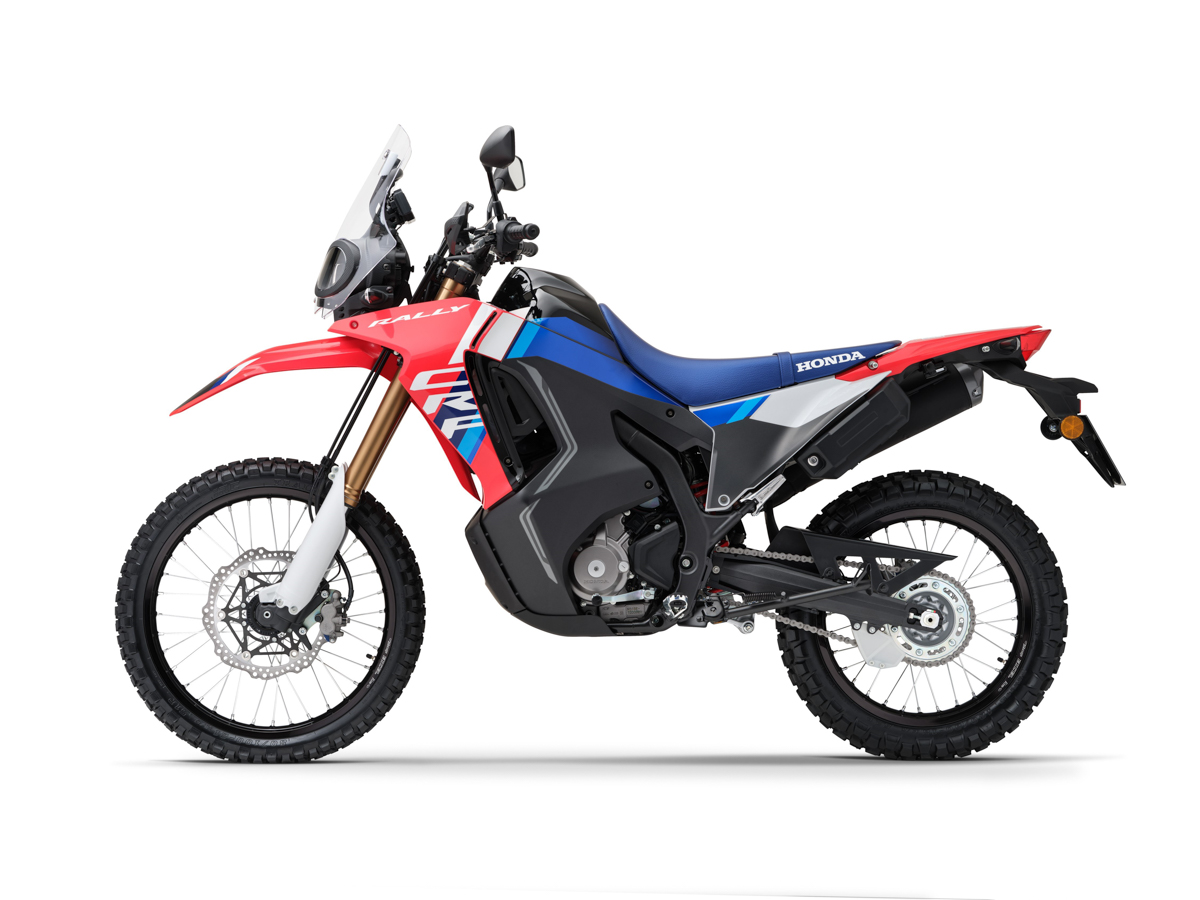
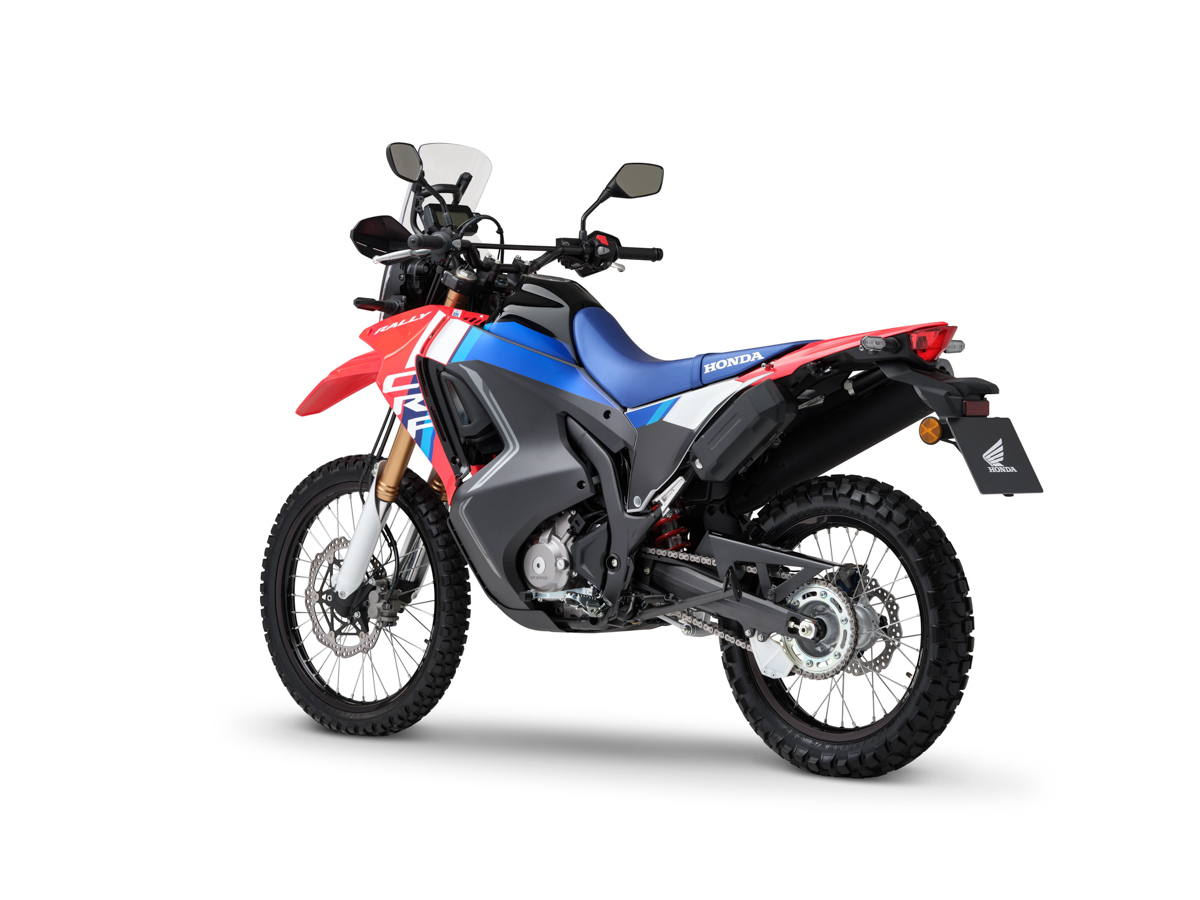
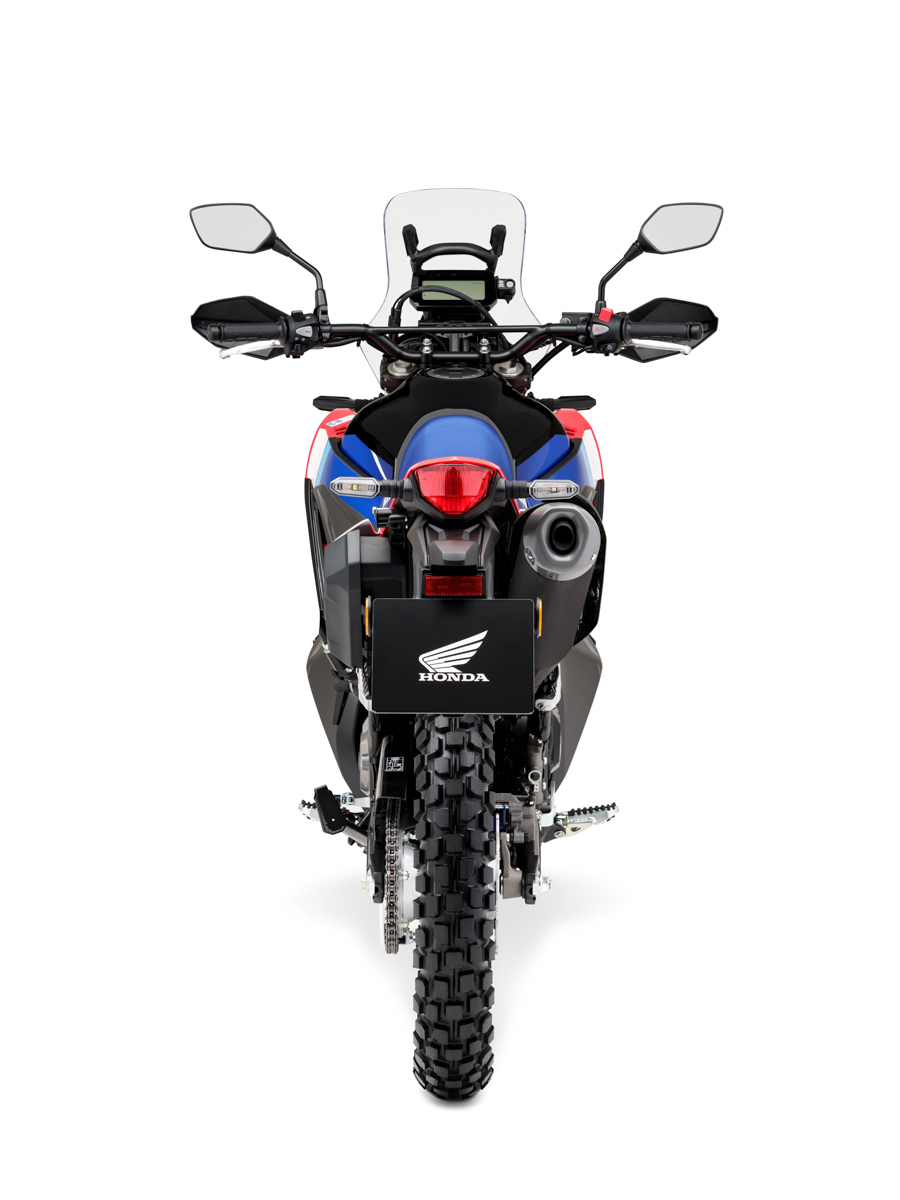
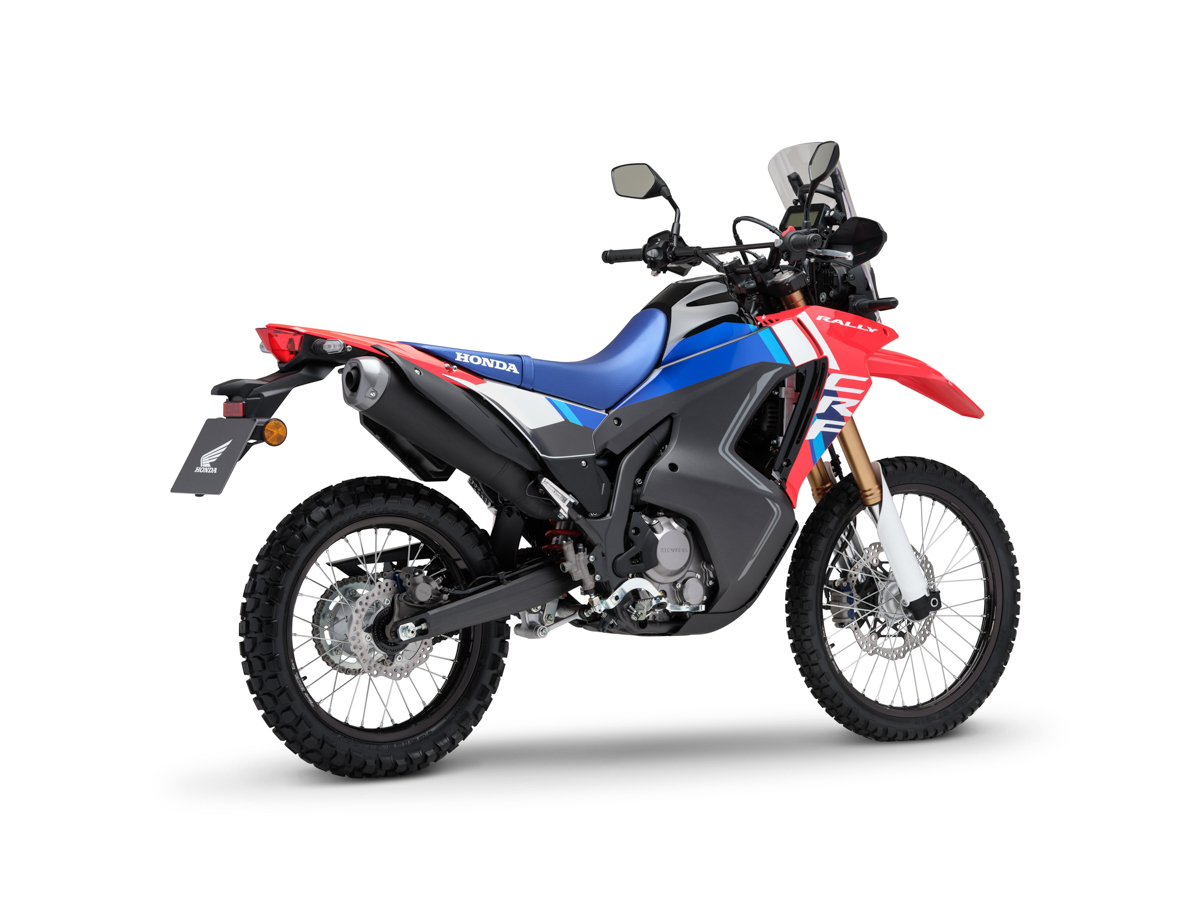
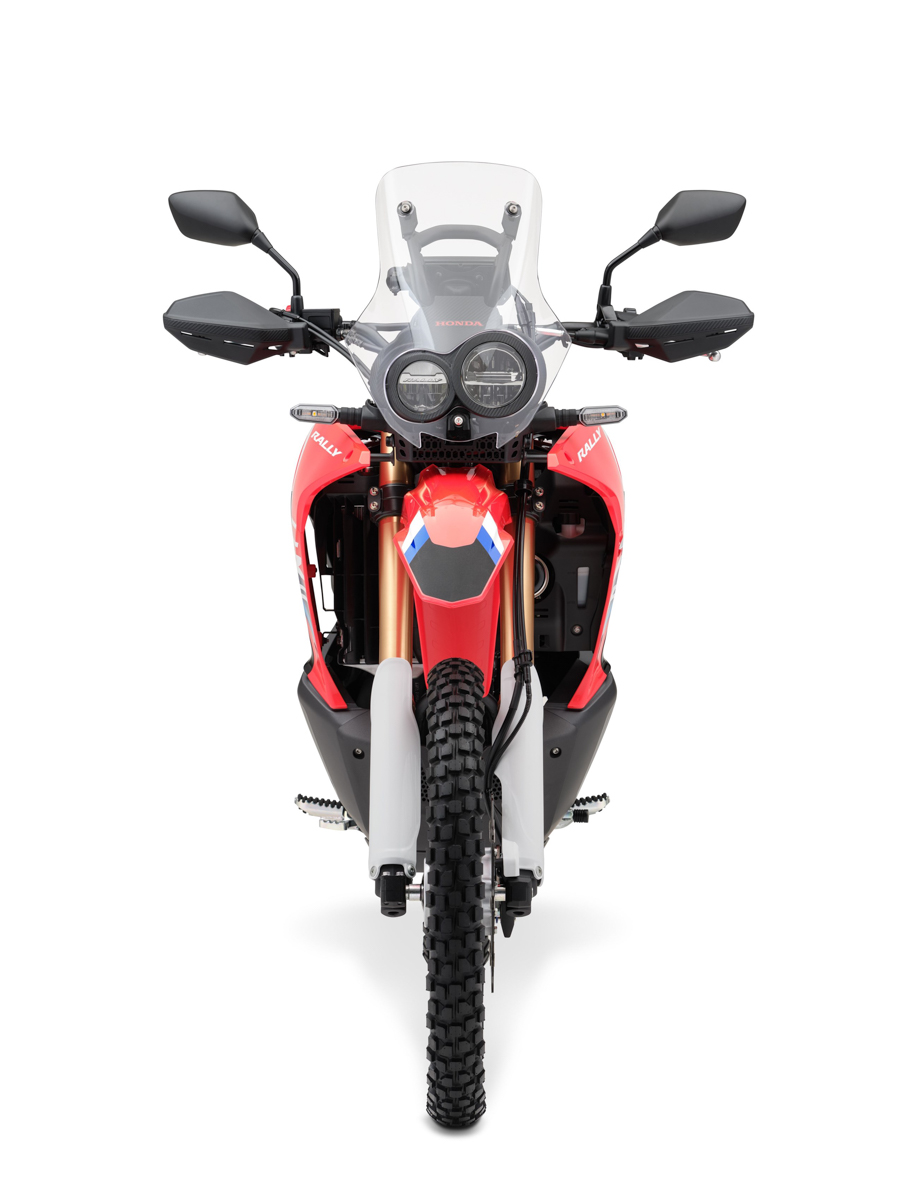
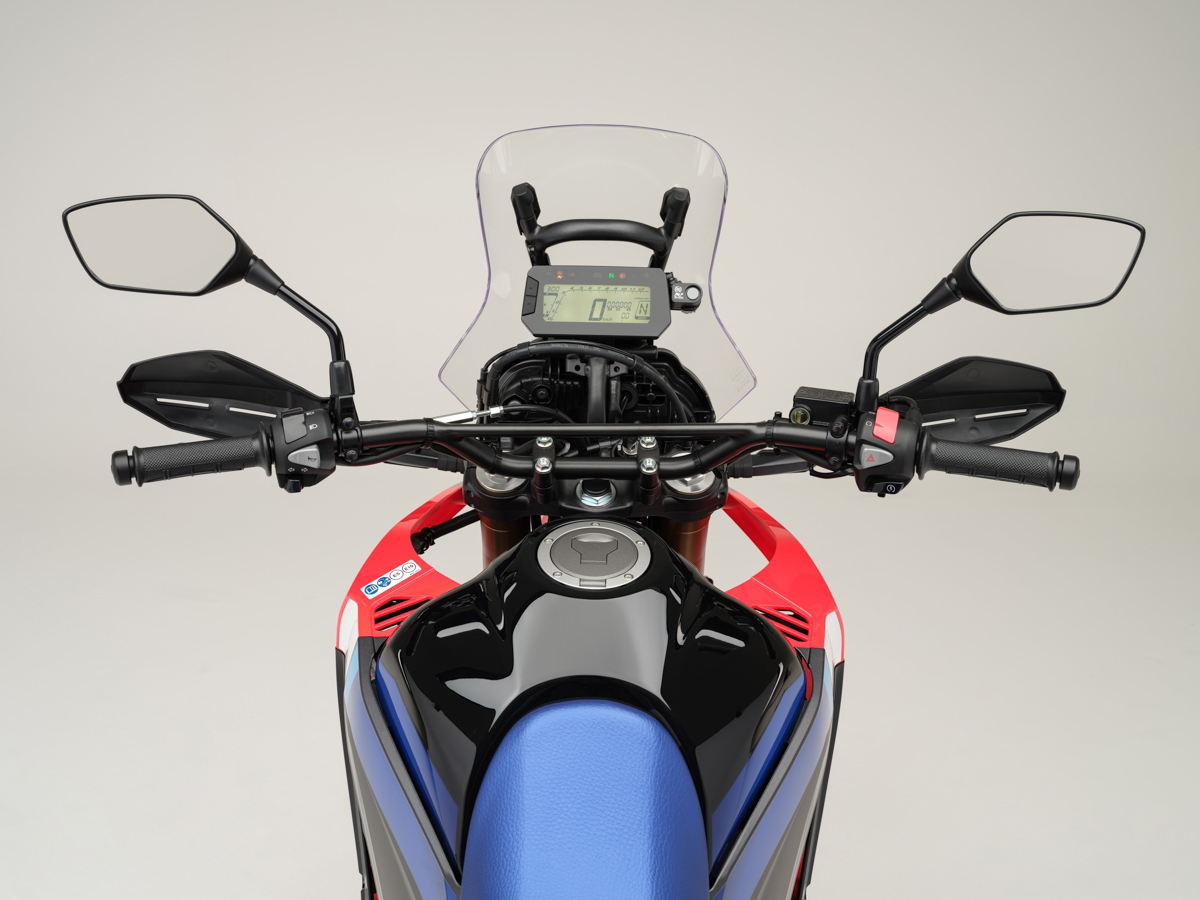
The 2025 Honda CRF250 Rally is heading to Malaysia, and will be available from end-August, with a recommended selling price of RM28,599.

The long-running CRF250 Rally is the maker’s smallest entry in their CRF dual-purpose/adventure line-up. Building upon the manufacturer’s philosophy of reliability, accessibility, and practicality, the CRF250 Rally has found much positive reception worldwide. It is therefore that Honda carries out small updates each year. First: do not fix what is not broken; and two: Ensure that parts are continually available.

Highlights of the 2025 Honda CRF250 Rally
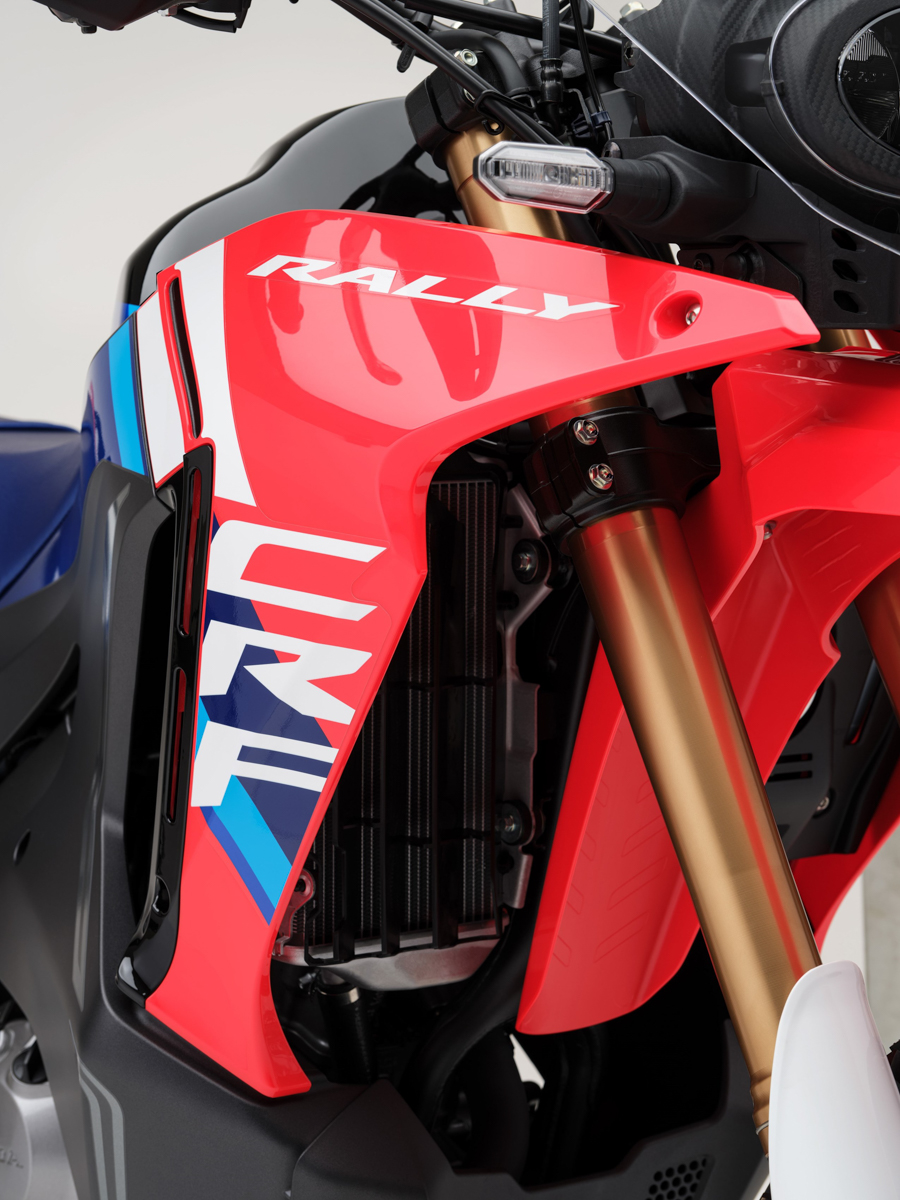
  • Adventure with rally- style graphics across the sides, enhanced with bold multi-tone bodywork colours and a navy-blue seat (just like the classic Africa Twin).
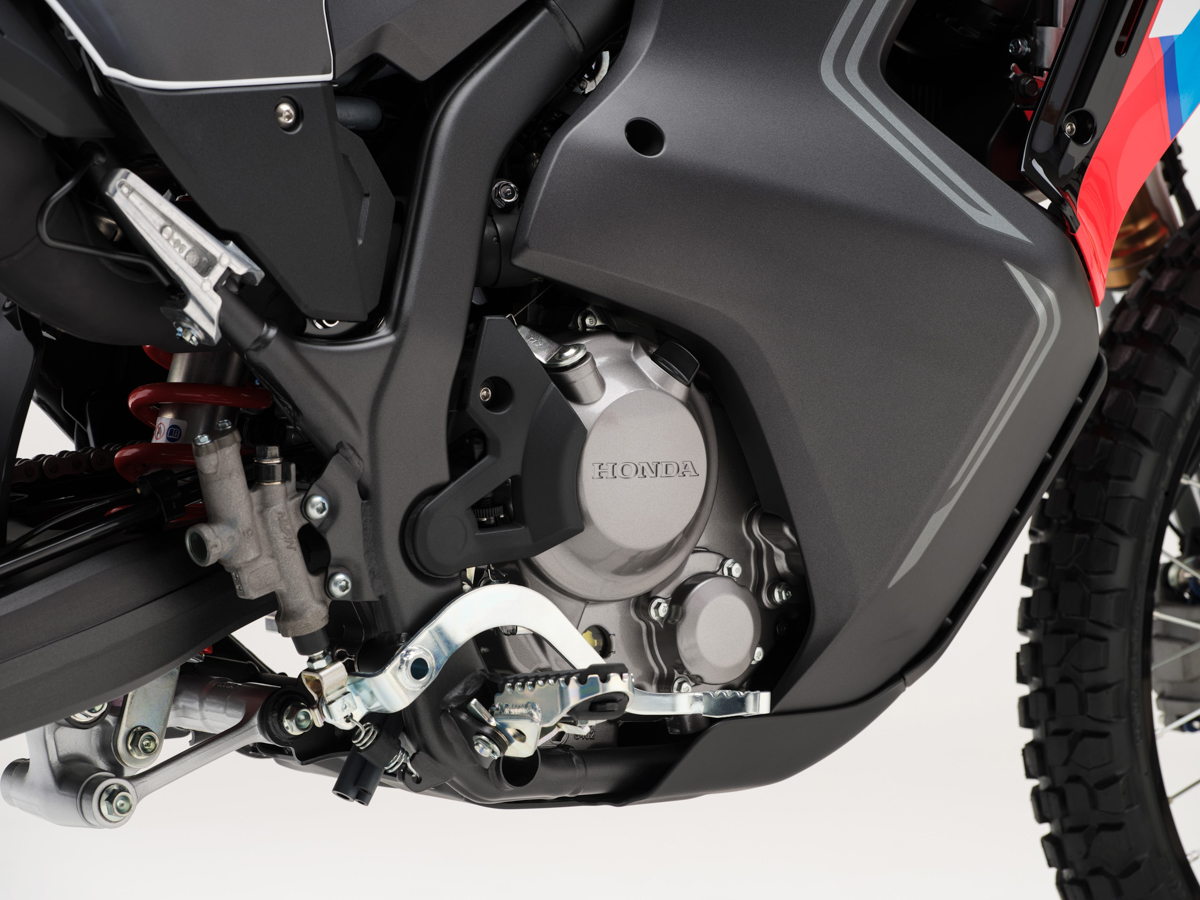
  • Powered by a 250cc, single-cylinder, four-stroke, liquid-cooled, DOHC, four-valve engine.

  • Engine power is channeled through a slipper and assist clutch, on the way to a six-speed gearbox.
  • Honda has updated the engine for better heat management and dissipation.

  • It produces a maximum power of 24.5 hp (18.3 kW) at 9,000 RPM and a maximum torque of 21.9 Nm at 6,500 RPM.
  • Front suspension consists of Showa upside-down forks.

  • The rear suspension Honda’s Pro-Link single monoshock and linkage setup.
  • Dual-channel ABS is standard.

  • The new swingarm is 5 kg lighter.
  • Twin lens LED headlights, as before.

  • 12.8-litre fuel tank.

Boon Siew Honda offers a two-year or 20,000km manufacturing warranty, whichever comes first. For more information, please click https://hondabigbike.com.my/model/crf250-rally/ or https://boonsiewhonda.com.my/product/crf250-rally/ and visit the nearest Honda BigWing or Honda Impian X near you. Customers may also reach them via their toll-free number at 1-800-88- 3993.

Photo gallery

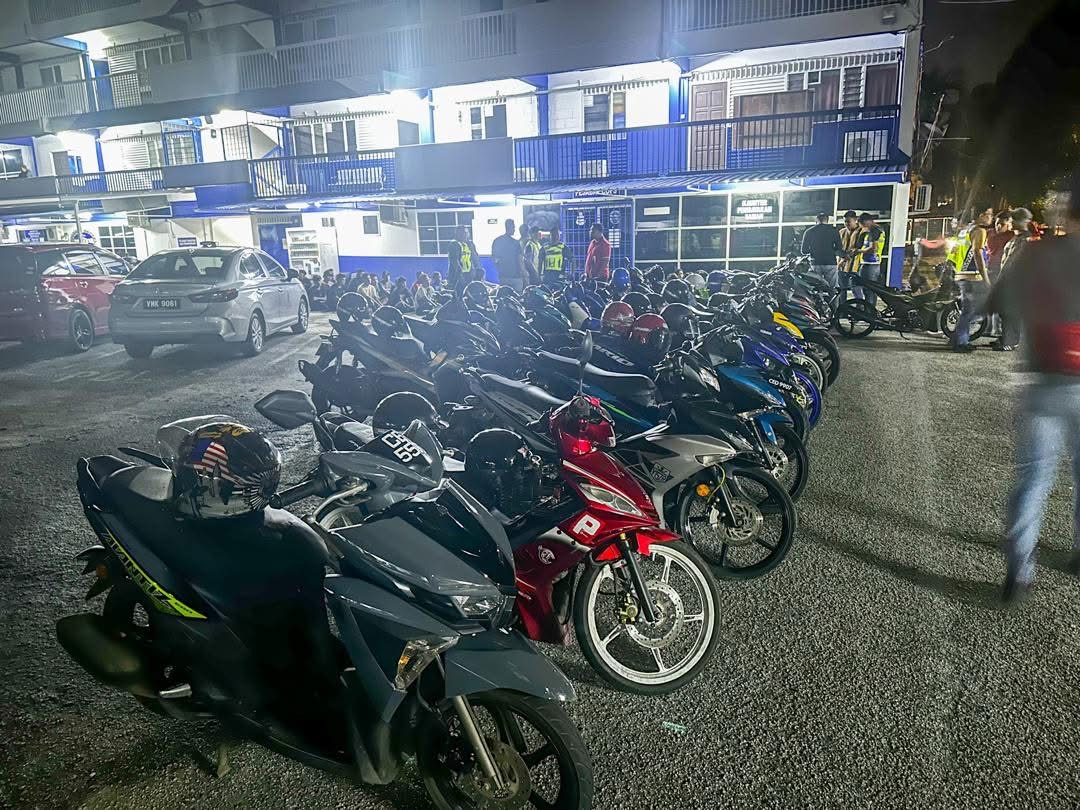
The issue of marshals and motorcycle convoys is one of the focuses of the fourth series of the Royal Malaysia Police (PDRM) Special Dialogue, scheduled to take place in the fourth quarter of this year. The dialogue will focus on aspects of road safety and traffic management.

Home Minister Datuk Seri Saifuddin Nasution Ismail said this is because road safety is an ongoing challenge that demands serious attention and a strategic approach.

According to him, among the issues to be discussed are motorcycle convoys and marshals, as these trends pose safety risks and can even lead to loss of life.

We will discuss various matters, including the issue of convoys. In fact, there are standard operating procedures (SOPs) in place.

However, marshals appointed by organizers have limitations. They cannot control other vehicles or override traffic lights (and so on),” he said.

He stated this at a press conference for the PDRM Special Dialogue Series III at the Sime Darby Convention Centre here today.

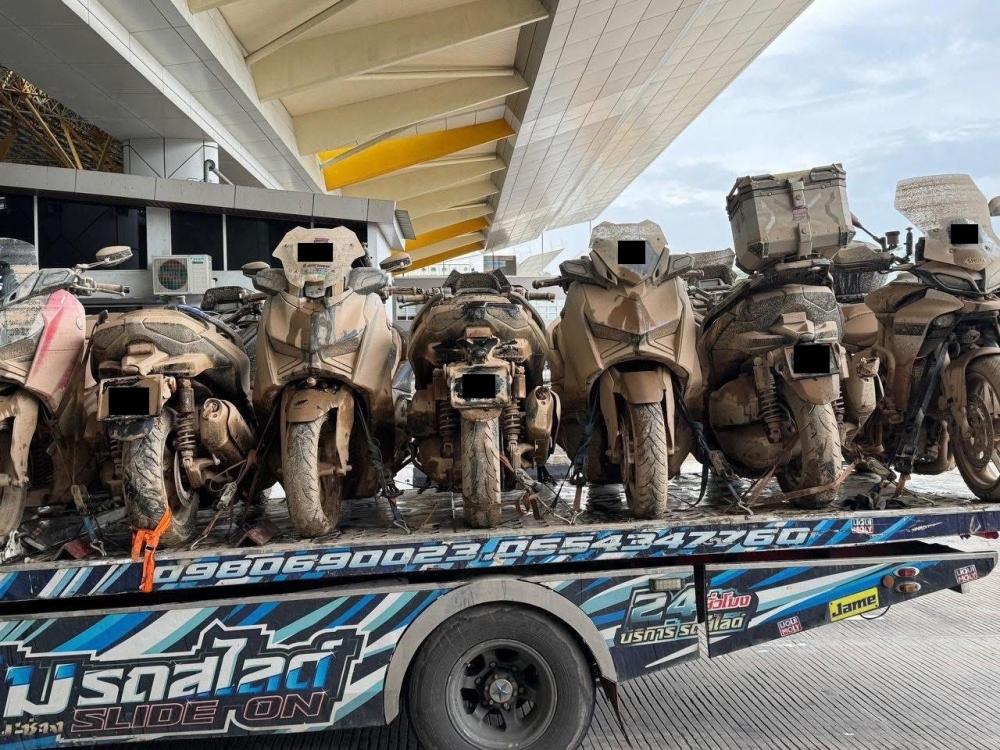
Previously, five fatalities were recorded due to accidents during the RXZ Members 7.0 gathering in Gong Badak, Kuala Nerus, Terengganu last Saturday.

Bukit Aman Traffic Investigation and Enforcement Department (JSPT) Director Datuk Seri Mohd Yusri Hassan Basri was reported as saying that police cooperation will continue to be enhanced, especially to facilitate and assist participants.

He said this includes enforcing rules and laws if there are participants who commit offenses such as riding dangerously or disturbing other road users.

Six-time World Superbike Champion Jonathan Rea has announced that he will retire from full-time motorcycle racing at the end of the 2025 season.

“JR” who is 38 years old and hails from North Ireland posted a video on his Instagram page announcing the news while also explaining the reasoning behind his decision. He had also hinted that he would be involved with racing in a different way. Given that Rea stated he was retiring from ‘full-time’ racing, this could mean that a test rider role could be on the horizon.

Rea is the most successful WorldSBK rider of all time after winning six consecutive titles between 2015 and 2020 for Kawasaki, while having the distinction of owning 119 victories throughout his WorldSBK career. He also has the the most podium finishes – a whopping 264 of them.

Unfortunately, the last two seasons have been tough after switching to Yamaha. Rea stood on the podium once in 2024, before suffering an injury during pre-season testing this year. He sustained multiple fractures to his left foot and missed the opening three rounds.

I’ve been thinking about this day for a long time and very I’ve decided to step away from full-time racing and retire,” Rea said on social media. “This sport has been everything to me from growing up as a child in Northern Ireland dreaming of racing bikes, to standing on the top step of the WorldSBK Championship, winning races and world championships.

Throughout my career I’ve only ever had one goal, and that was to win. That mentality defined who I was. I never raced to make up the numbers, I raced to be the best. But the time has come to listen to my body, my mind, and most importantly, my instinct.

If I can’t race to win, then it’s time to step away. I have the same love for the sport that I had on day one, to right now in this present day. I’m incredibly proud of what I’ve achieved during my lengthy career; six world championships, more than 100 race wins and so many other accolades along the way.

These are some records that I never imagined could be possible, but it’s not the records, the trophies, or the race wins, it’s the people and the memories that I take with me forever. I’ve had the honour of working with some incredible teams, sponsors and engineers during my career. You’ve all been part of this journey and I’m incredibly grateful that you’ve let me live my dream.

To my family, mum and dad, brothers and sisters, thank you so much for all your sacrifice during the early days of my career. To my wife Tatia and our kids, Jake and Tyler, thank you so much for being my anchor and my rock during the good and all the tougher times,” Rea continued.

To all my rivals and competitors during my career, thanks for making me dig deep. I was such a better rider because of you guys. To all my fans, thanks for you unbelievable support and loyalty. All the support during good times and bad times have really helped me through and gave me the career that I dreamed of.

Whilst I’m stepping away from full-time racing, this isn’t goodbye. I’ll always be a part of this sport, just in a different way. So, from the bottom of my heart, thank you for everything. It’s been one hell of a ride. I’ll see you in the paddock.

The Malaysian E-Hailing Alliance (GEM) has expressed its full support and warm welcome for the Gig Workers’ Bill 2025, which was presented for its first reading in the Dewan Rakyat yesterday. The bill aims to provide protection and recognize the role of 1.2 million workers in the sector.

GEM stated that the bill marks a historic moment, as it is the first time that over 1.2 million gig workers are officially recognized under the law.

It added that this move opens a new chapter in protecting workers’ rights and welfare, while simultaneously creating a fairer, more sustainable, and inclusive employment ecosystem.

Among the key highlights is the official definition of a gig worker, which will eliminate ambiguities regarding their status.

In addition, the bill also guarantees income and fair payment rates through a negotiation mechanism,” GEM said.

Other focuses include the establishment of a dispute resolution tribunal to protect gig workers from exploitation.

The bill also introduces mandatory social protection to strengthen the safety net for gig workers and their families,” it added.

In the same statement, GEM also expressed its appreciation to the Ministry of Human Resources (KESUMA) for conducting over 37 engagement sessions with all relevant parties, including gig workers, platform providers, trade unions, government agencies, and state governments.

It stated that this inclusive approach reflects the spirit of Malaysia Madani, which upholds the principles of social justice and inclusivity.

Furthermore, a total of 487 unions, associations, and non-governmental organizations (NGOs), representing over 1.42 million workers, have also expressed their full support for the bill.

Malaysia is now set to be among the first 15 countries in the world to provide a clear definition for gig workers,” GEM said.

Yesterday, Harian Metro reported that the Gig Workers’ Bill 2025, aimed at providing protection and recognizing the role of 1.2 million workers in the sector, was presented for its first reading in the Dewan Rakyat today.

Human Resources Minister Steven Sim, while presenting the bill, stated that the second and third readings will be conducted during the current parliamentary session.

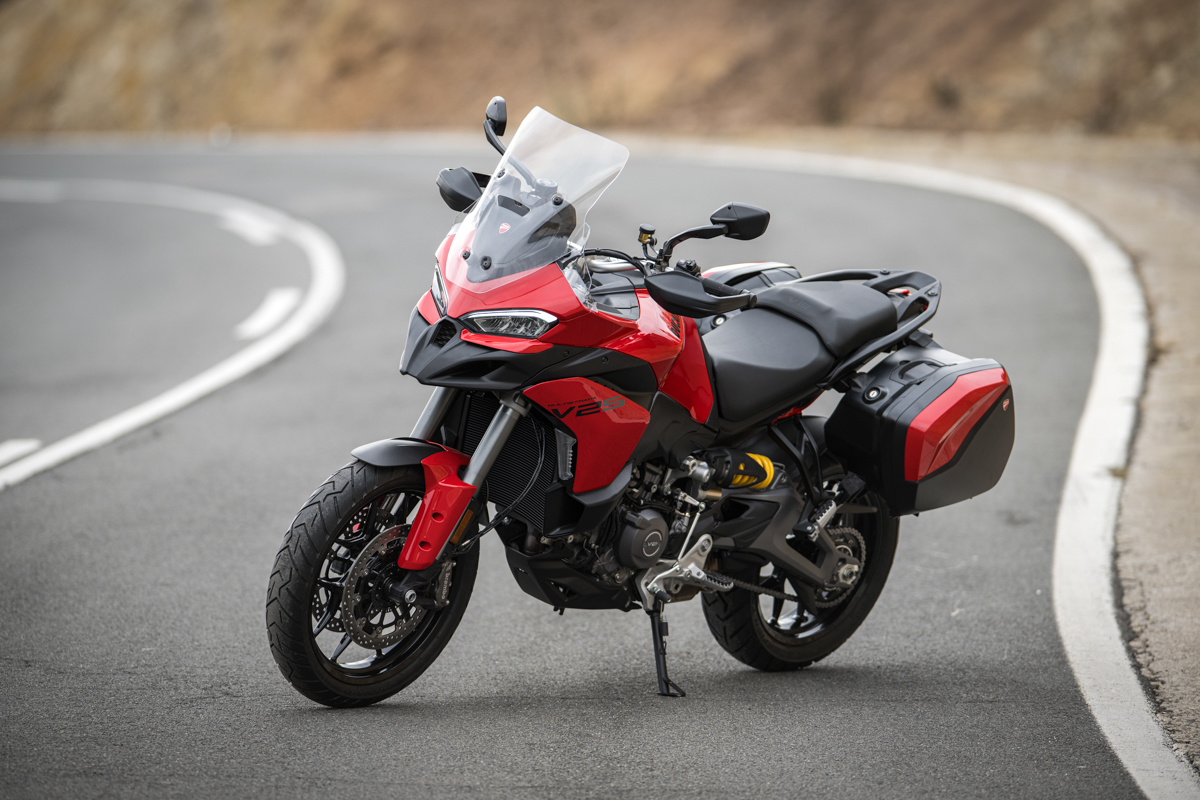
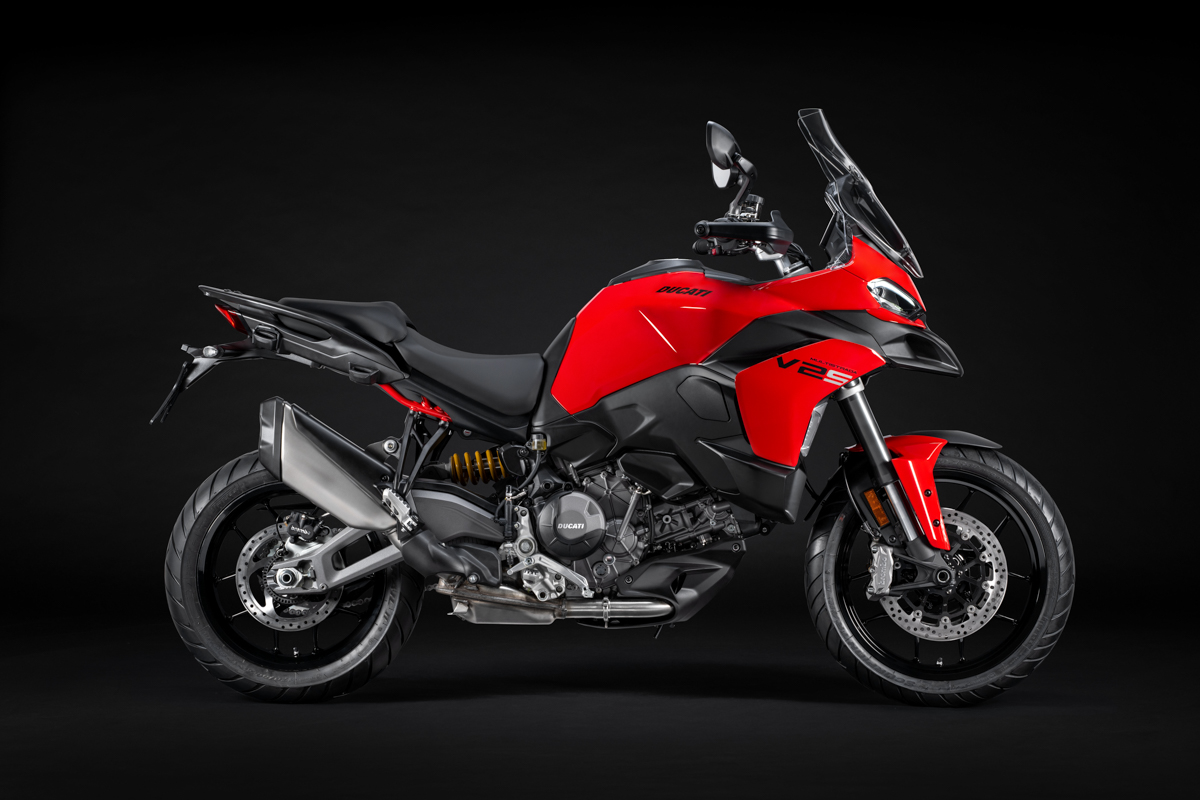
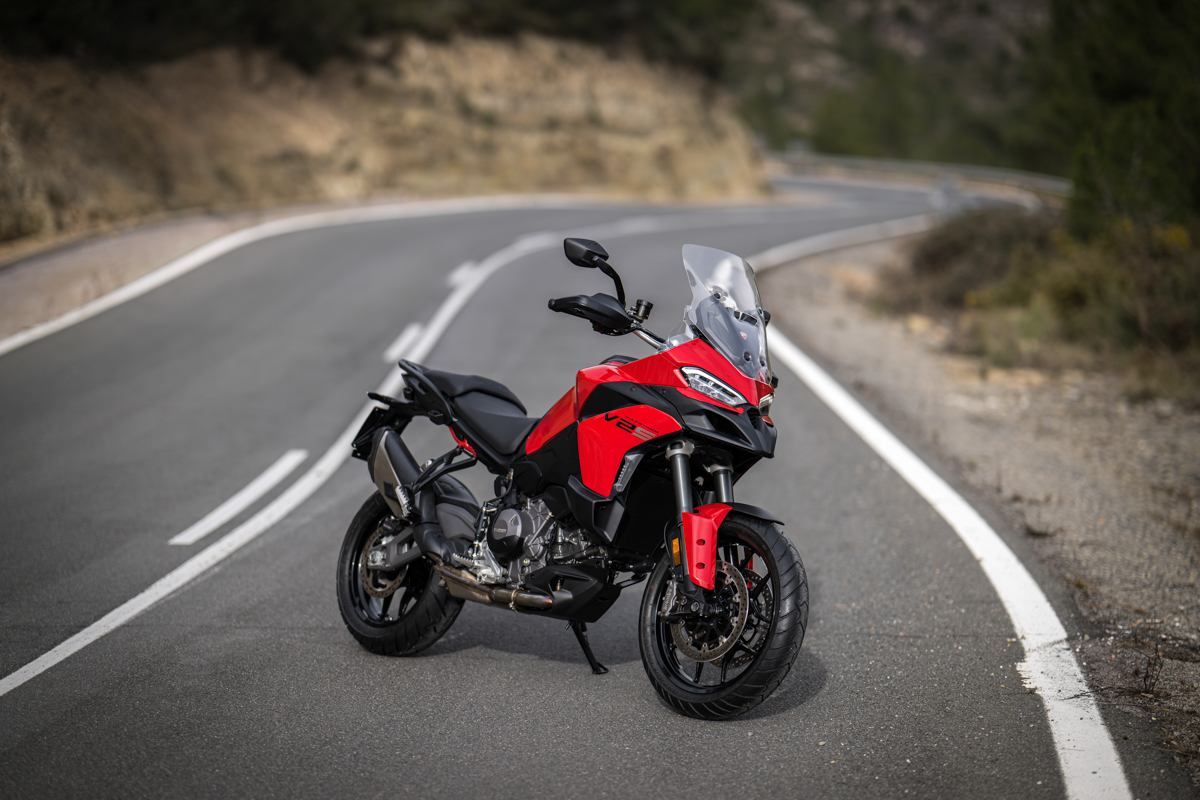
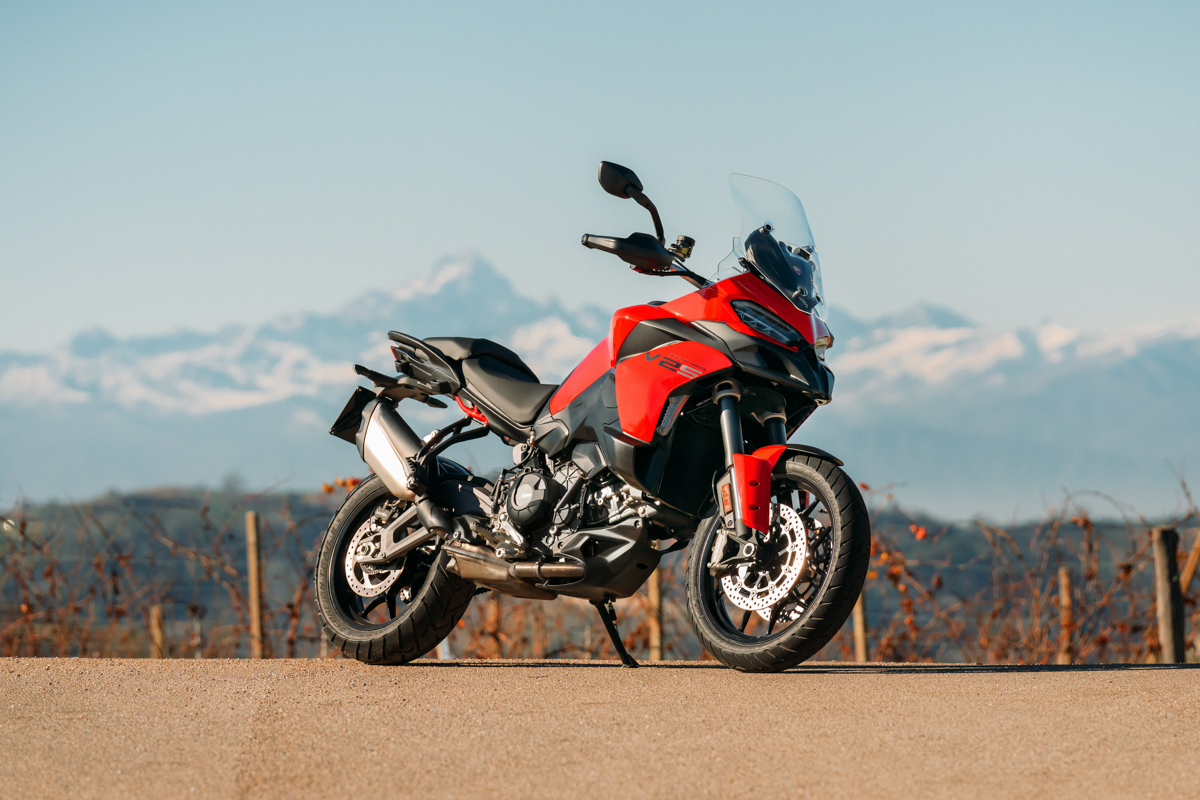
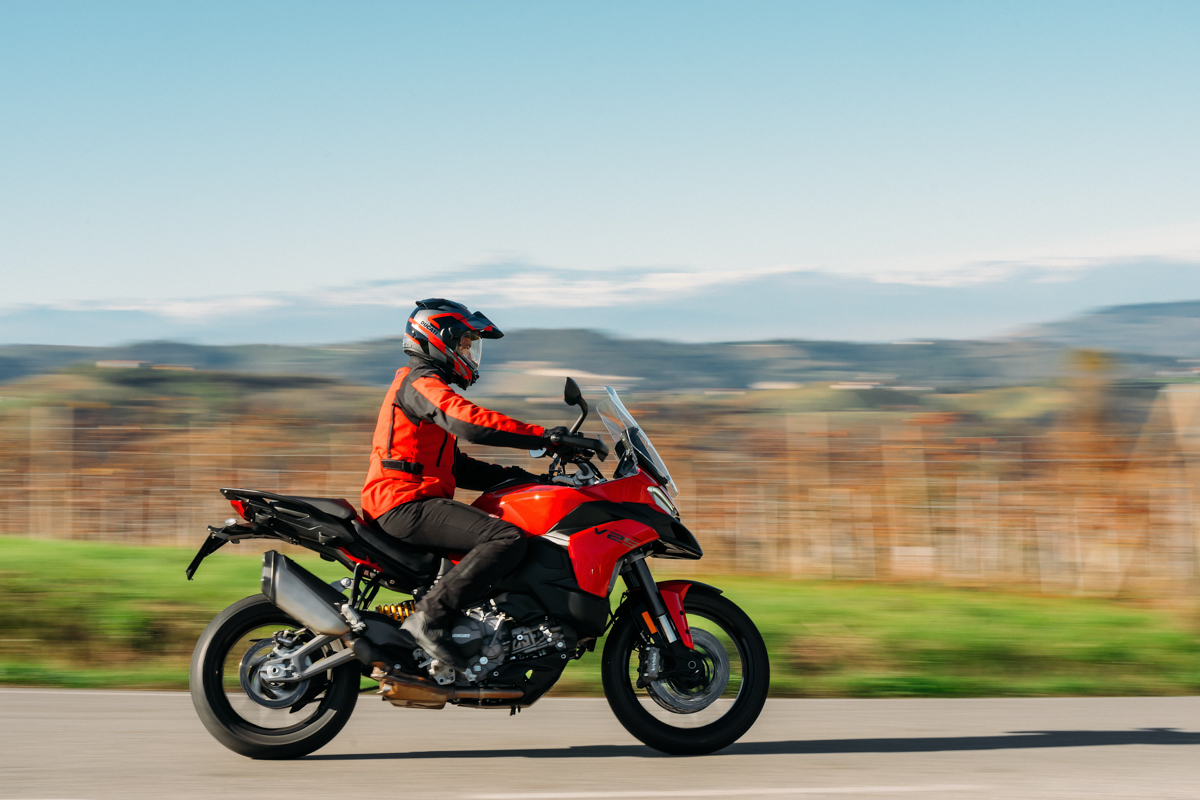
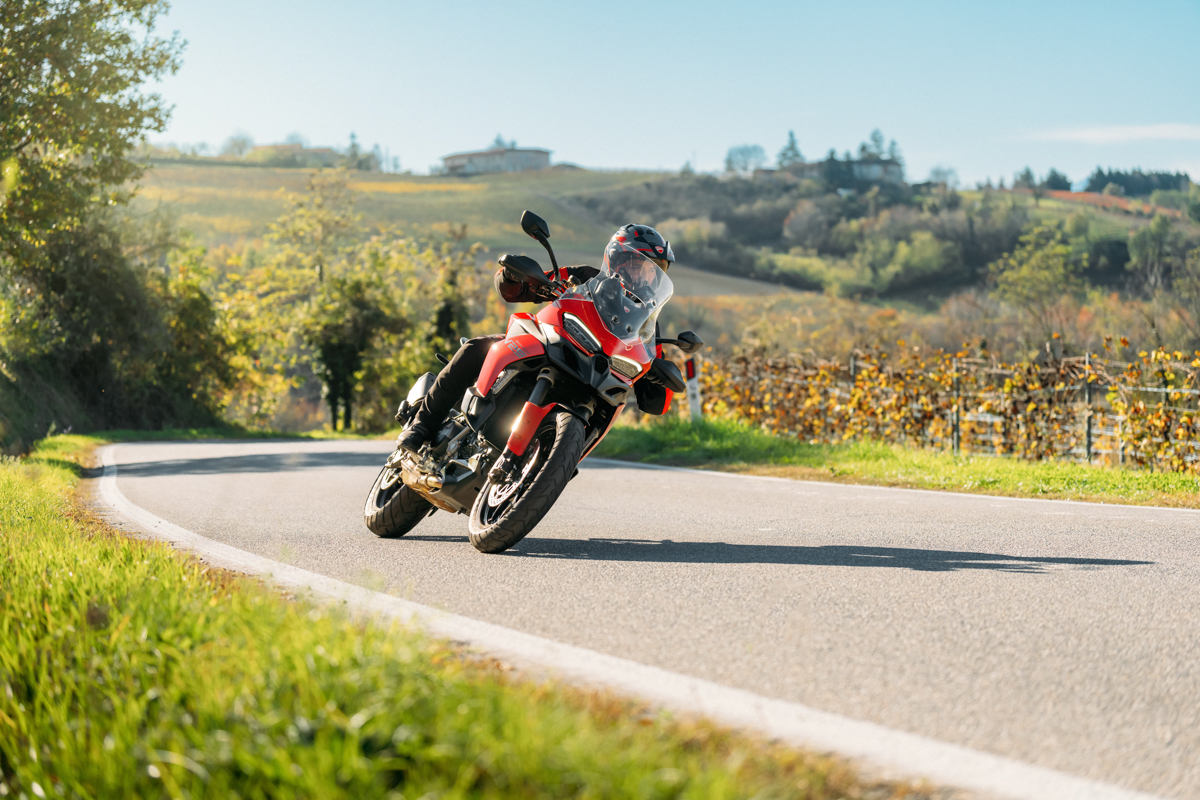
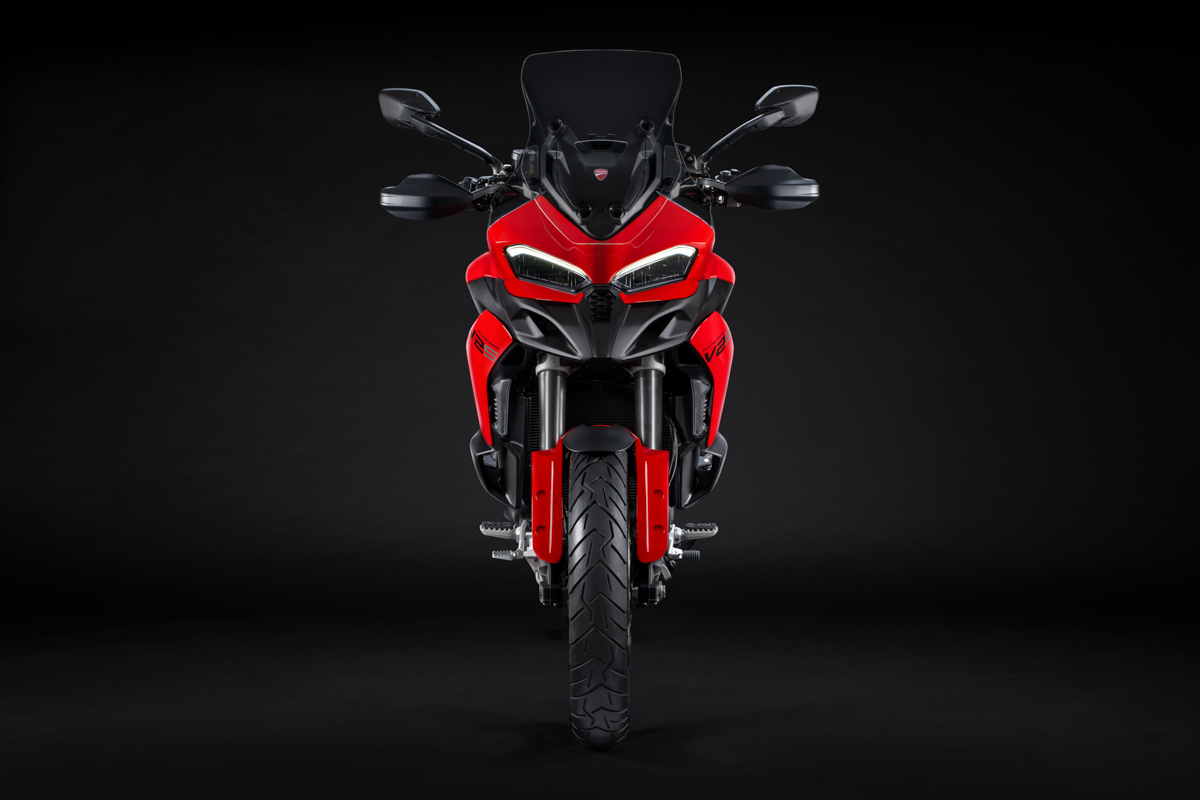
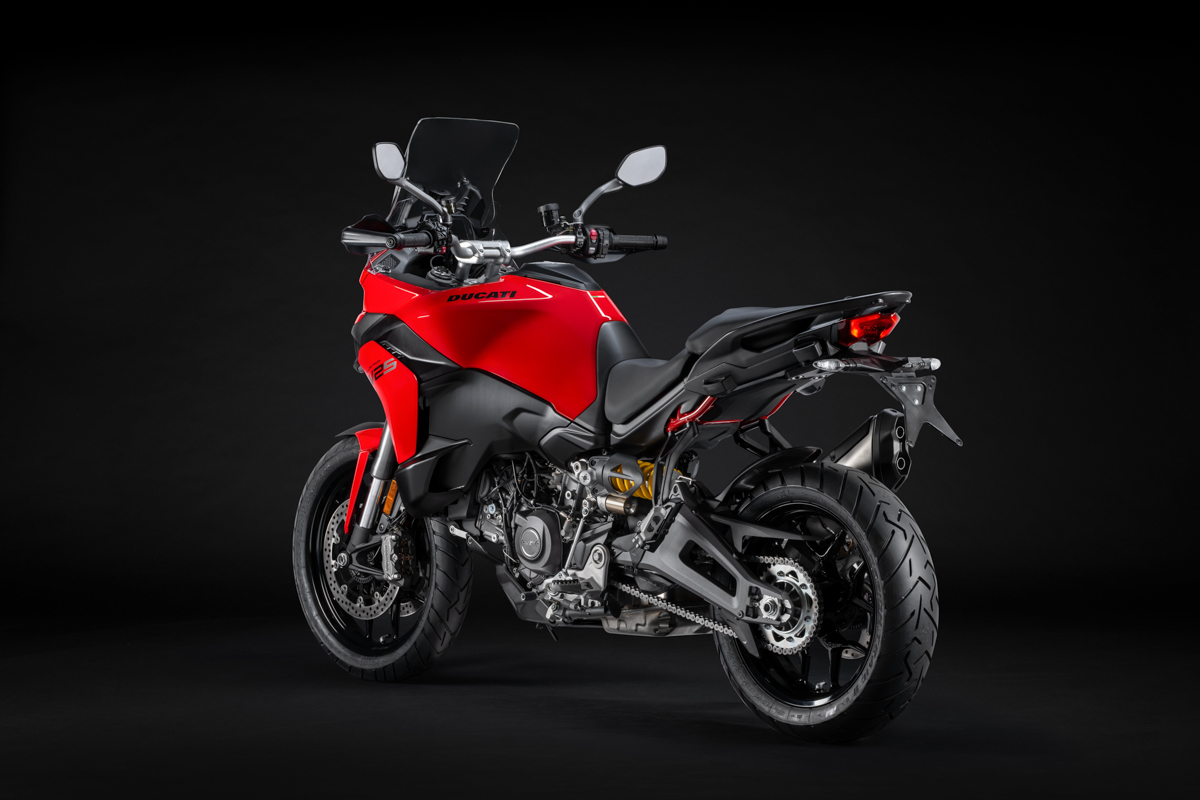
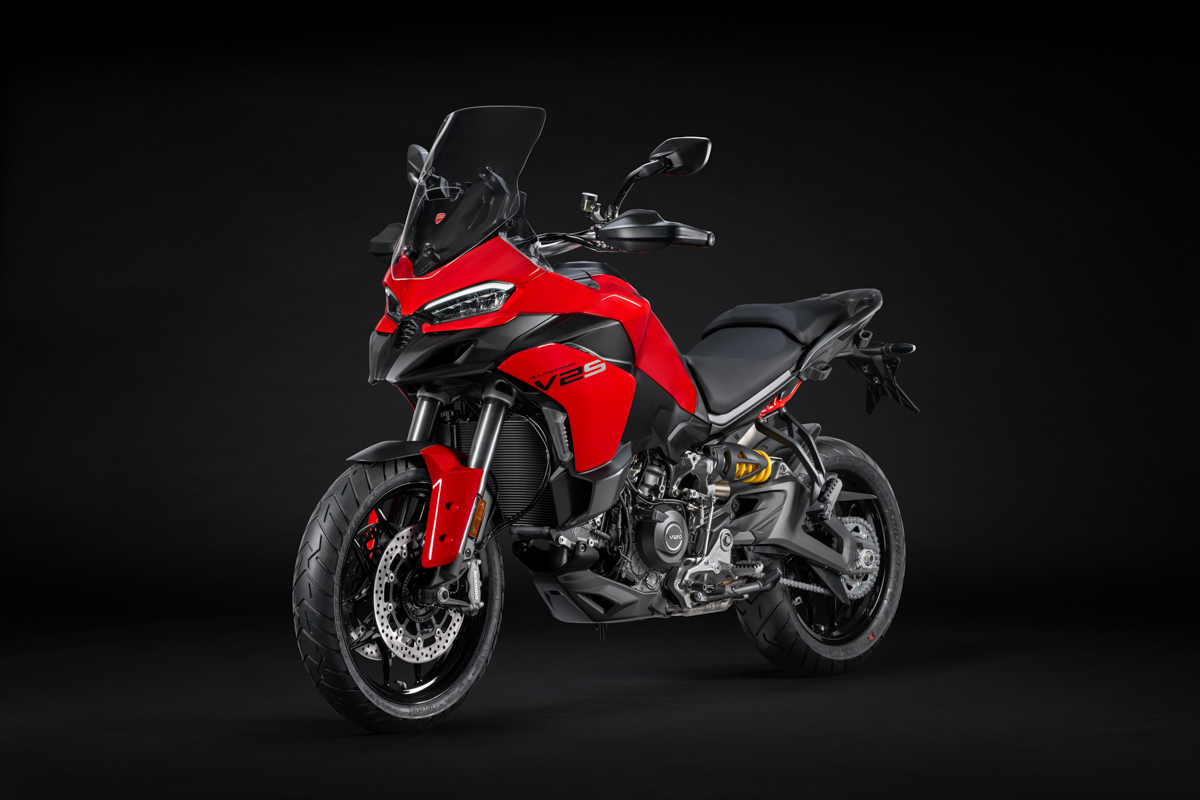
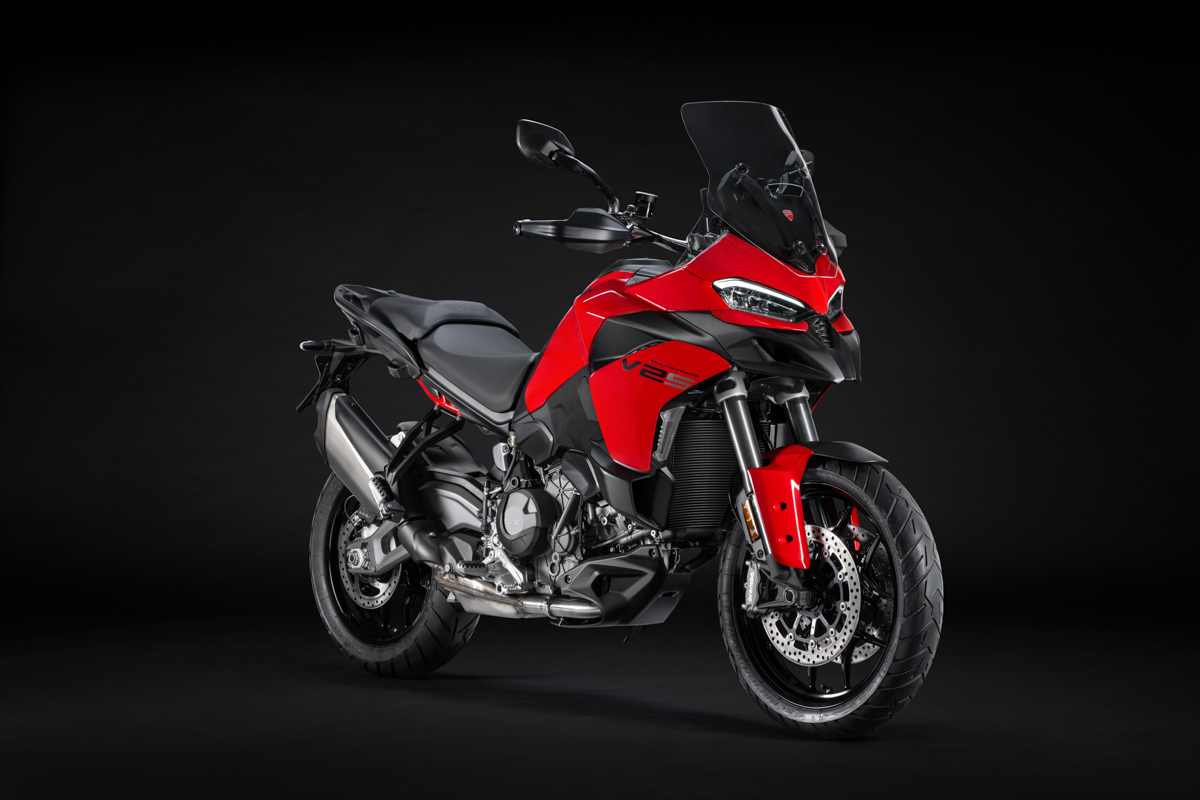
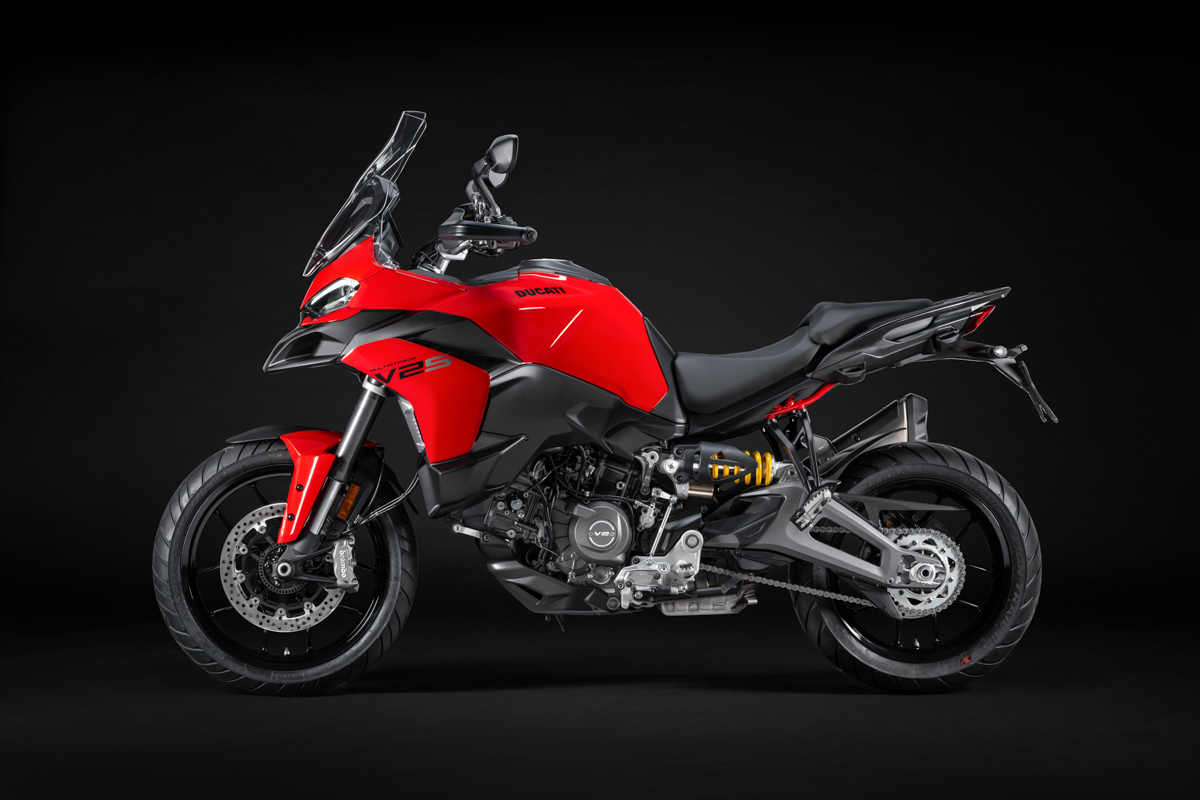
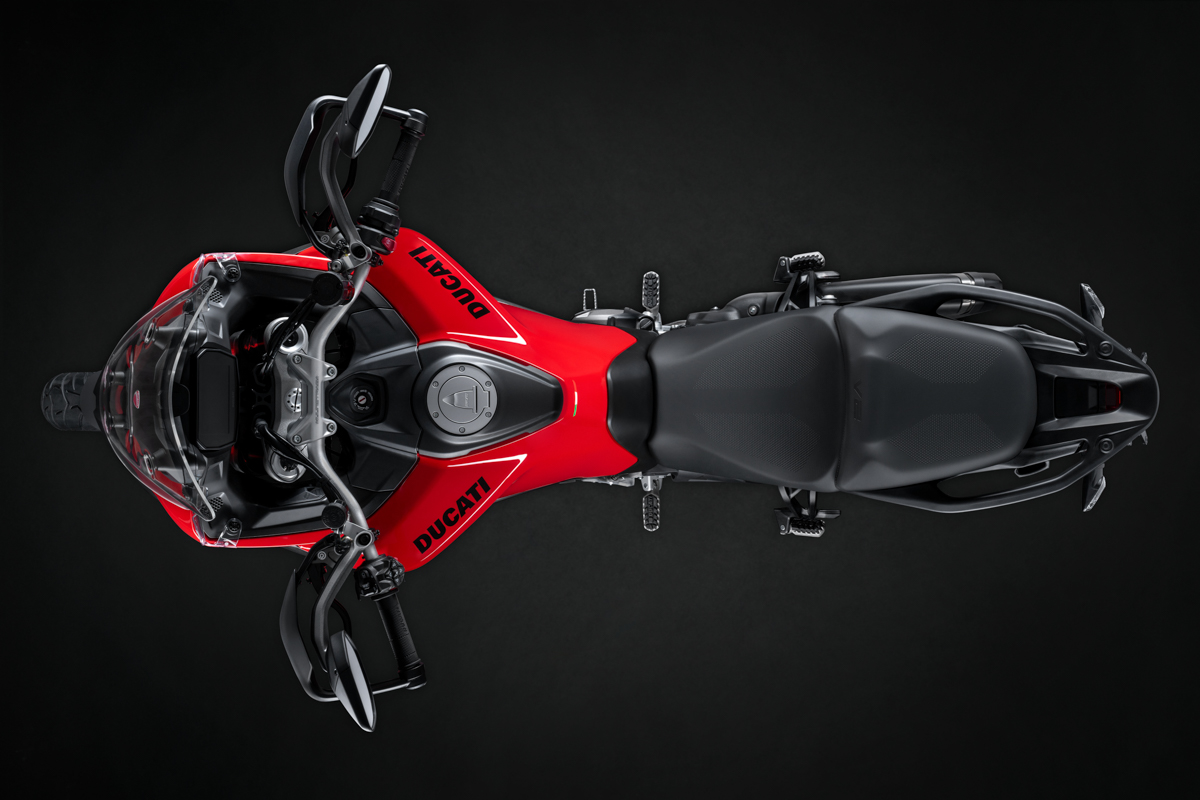
The all-new 2025 Ducati Multistrada V2 has arrived in Malaysia.

Ducati Malaysia hosted an exclusive preview of the highly anticipated 2025 Panigale V2 and Multistrada V2 at the Ducati flagship showroom, marking a new chapter in Ducati’s middleweight range. The event, held ahead of the Naza Automania Vol.3 weekend, welcomed invited top Ducatisti, DOC Malaysia members and dealer network representatives for an up-close first look at the latest evolution of two of Ducati’s most celebrated models.

The Panigale V2 and Multistrada V2 range embody the perfect balance of innovation, performance, and style, reaffirming our commitment to making the Ducati experience more accessible to Malaysian riders. We remain deeply appreciative of the support from our dealers and the Malaysian riding community as we continue to grow together,” said Rizal Jailan, CEO of Naza Automotive Holdings.

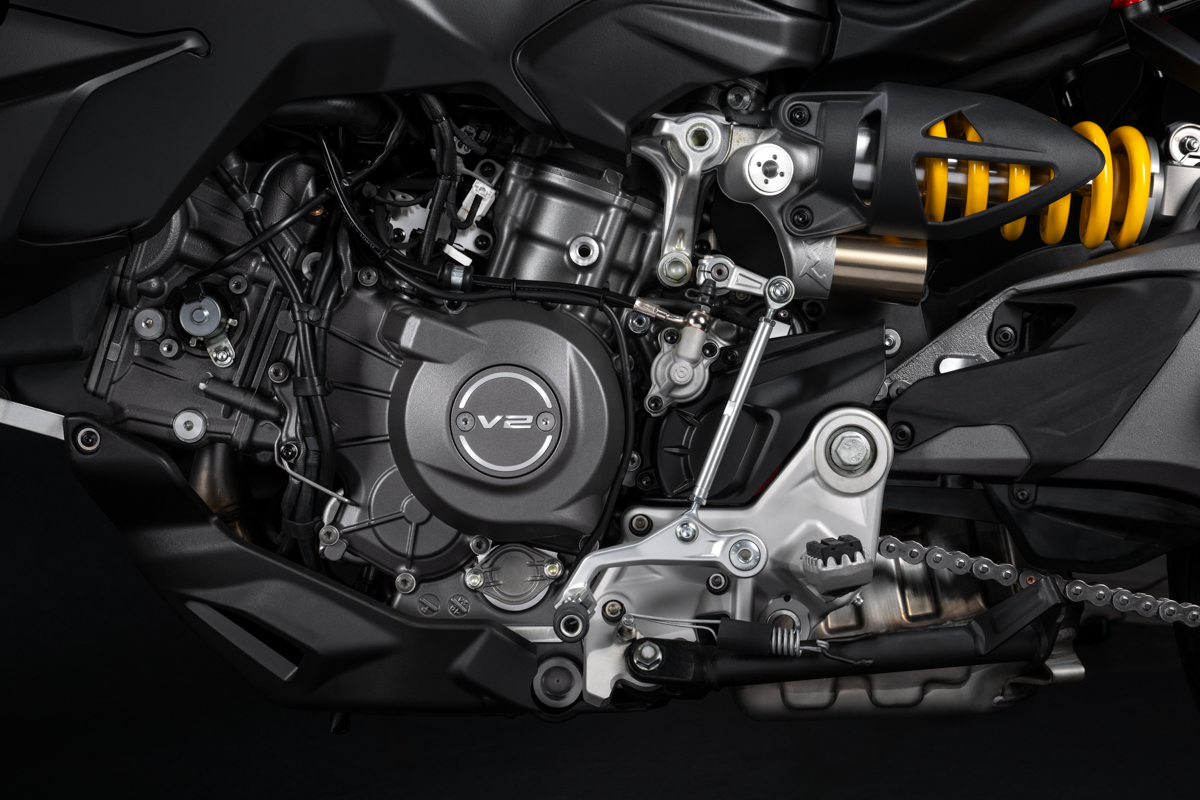
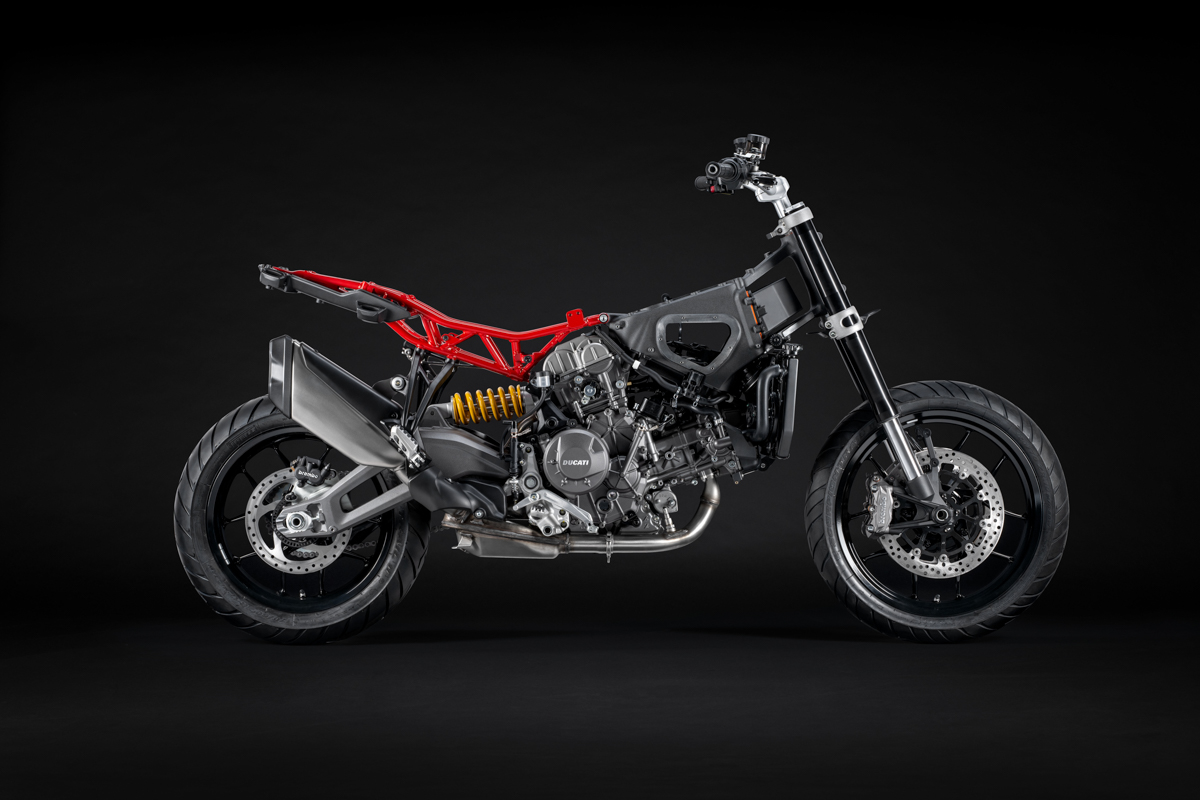
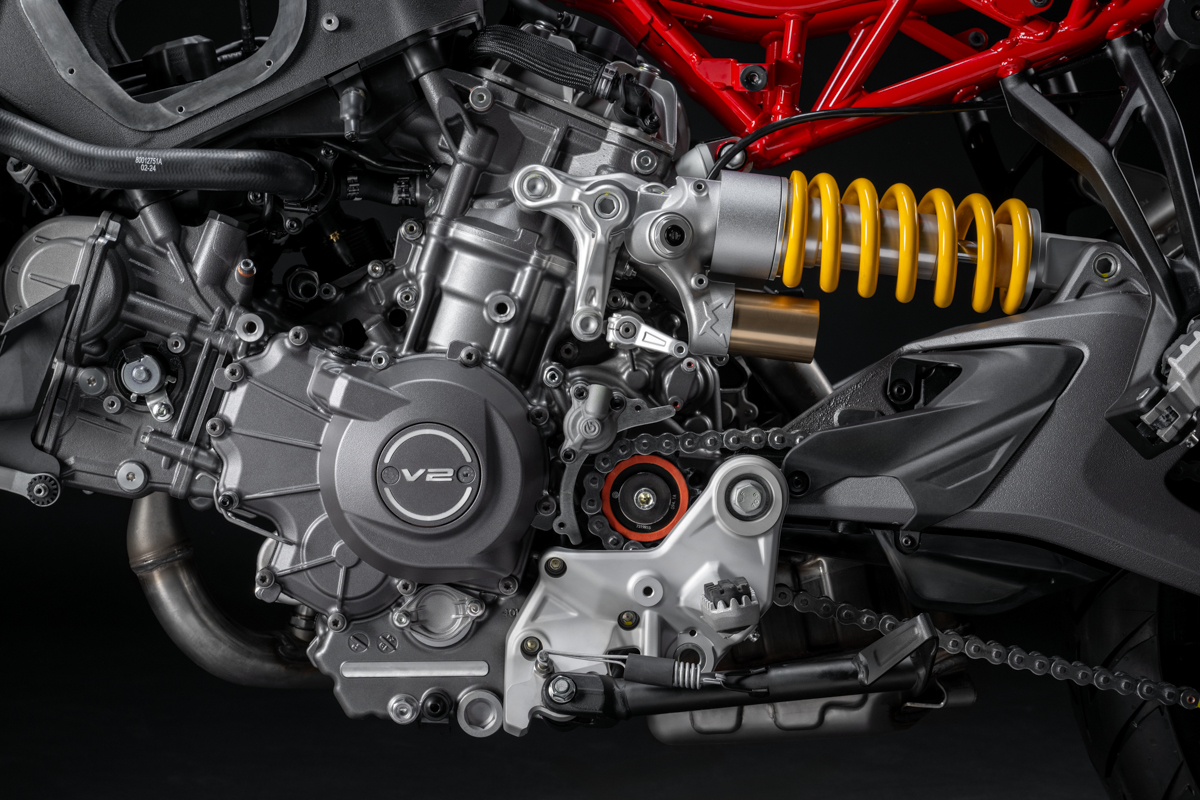
To recap, the 2025 Multistrada V2 features the new 90° V-Twin (Ducati calls it the “L-Twin”) engine which replaces the Superquardro.

Engine highlights
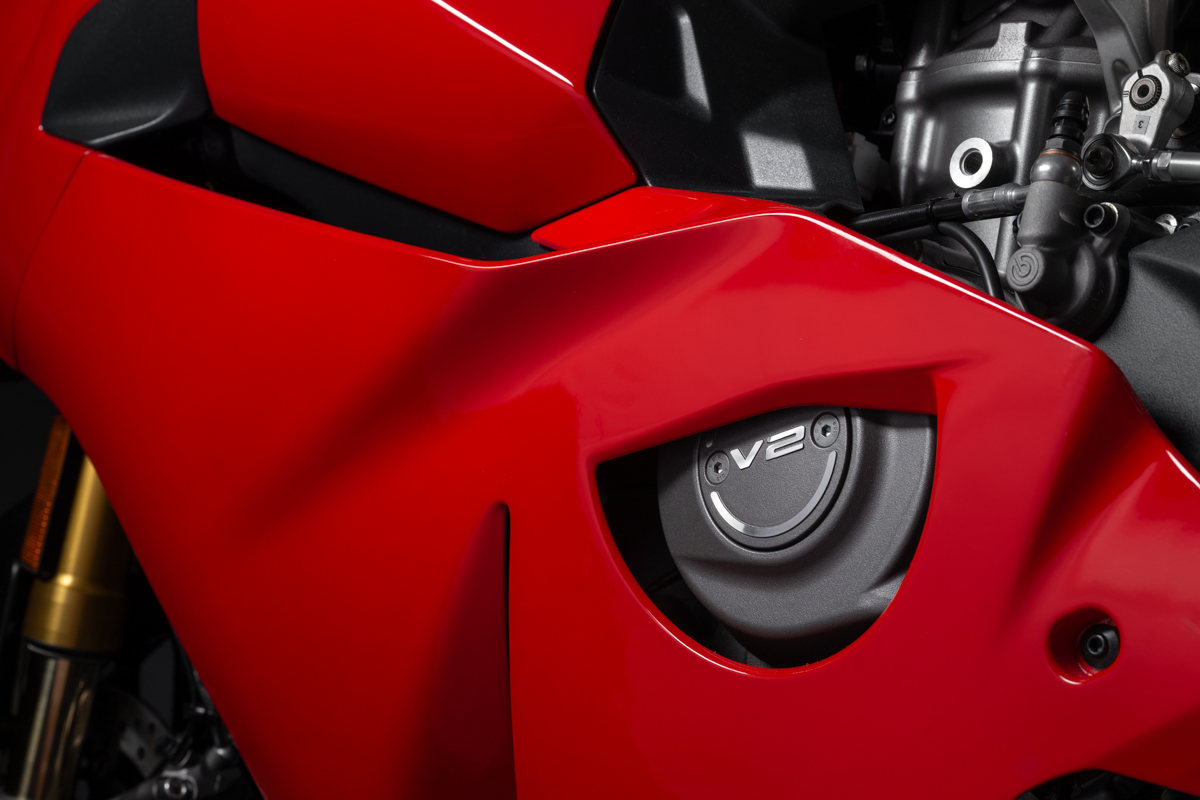
  • The new 890cc V2 (90º V-Twin) engine it entirely new, producing 115 hp at 10,750 RPM and 92 Nm at 8,250 RPM.

  • The valvetrain features spring valve actuation like that in the Granturismo V4 engine, as opposed the Ducati’s synonymous Desmo valvetrain.
  • As such, valve clearance interval is stretched to 45,000 km.

  • Lighter, 6-speed transmission with Ducati Quick Shift 2.0.
  • These measures mean the new engine weighs in at only 54.4 kg, which is 9.4 kg lighter than the Superquardro.

Motorcycle highlights

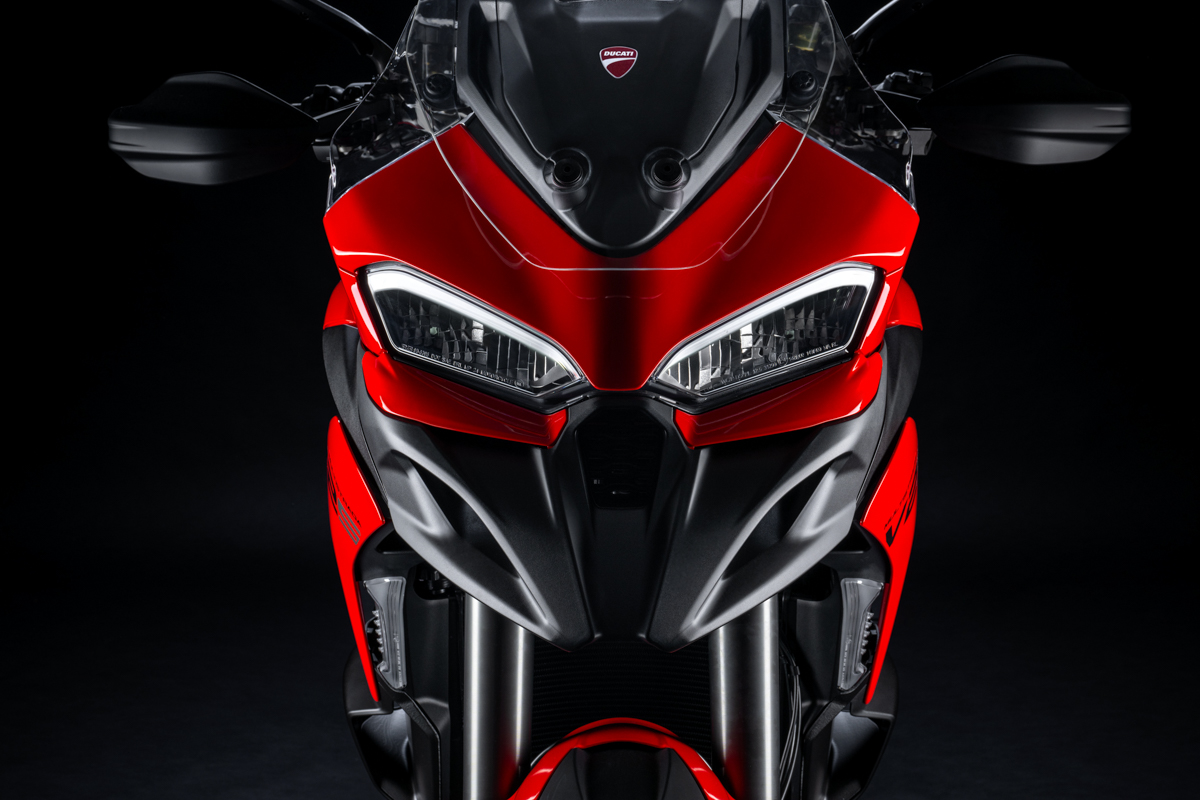
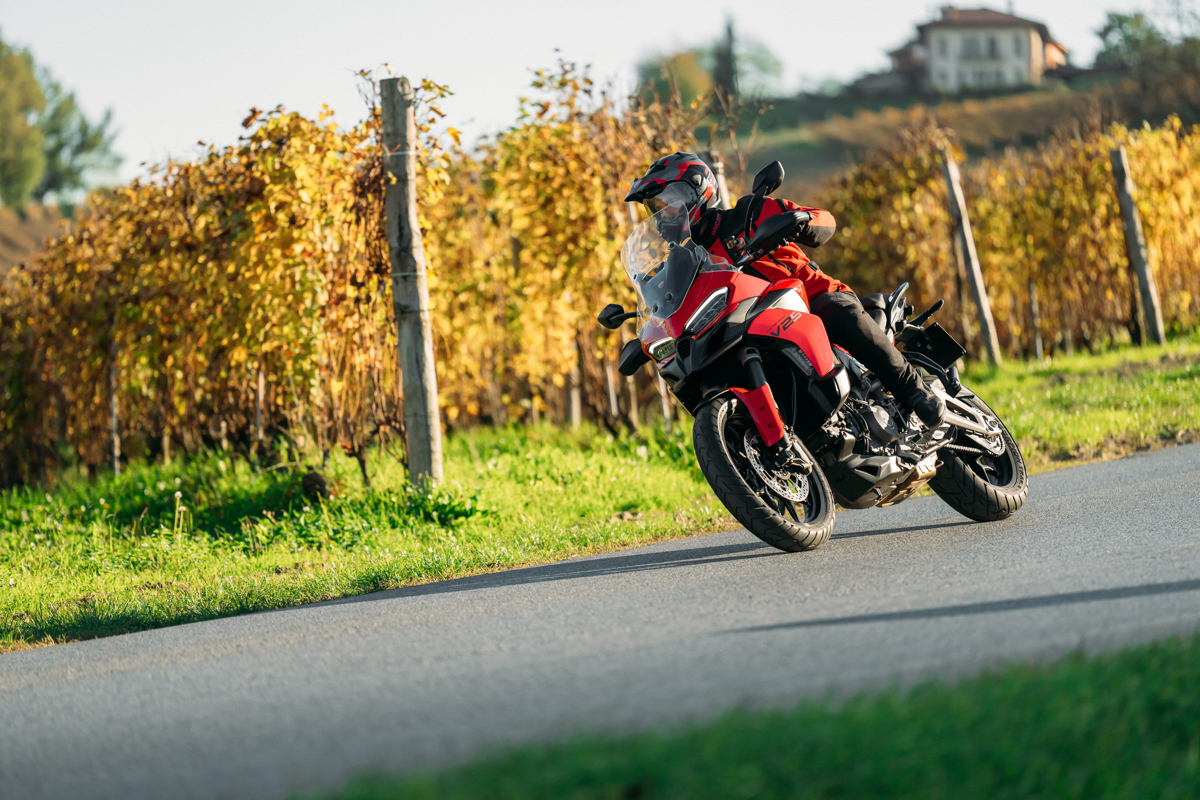
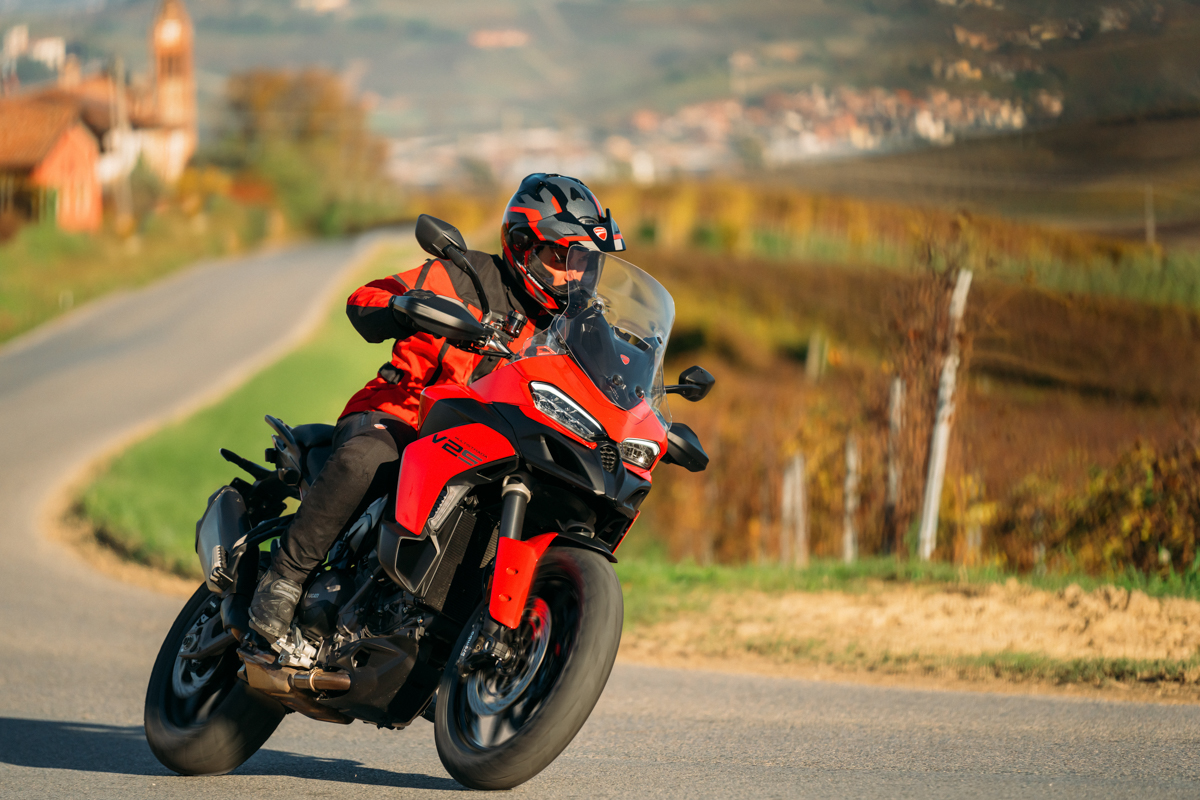
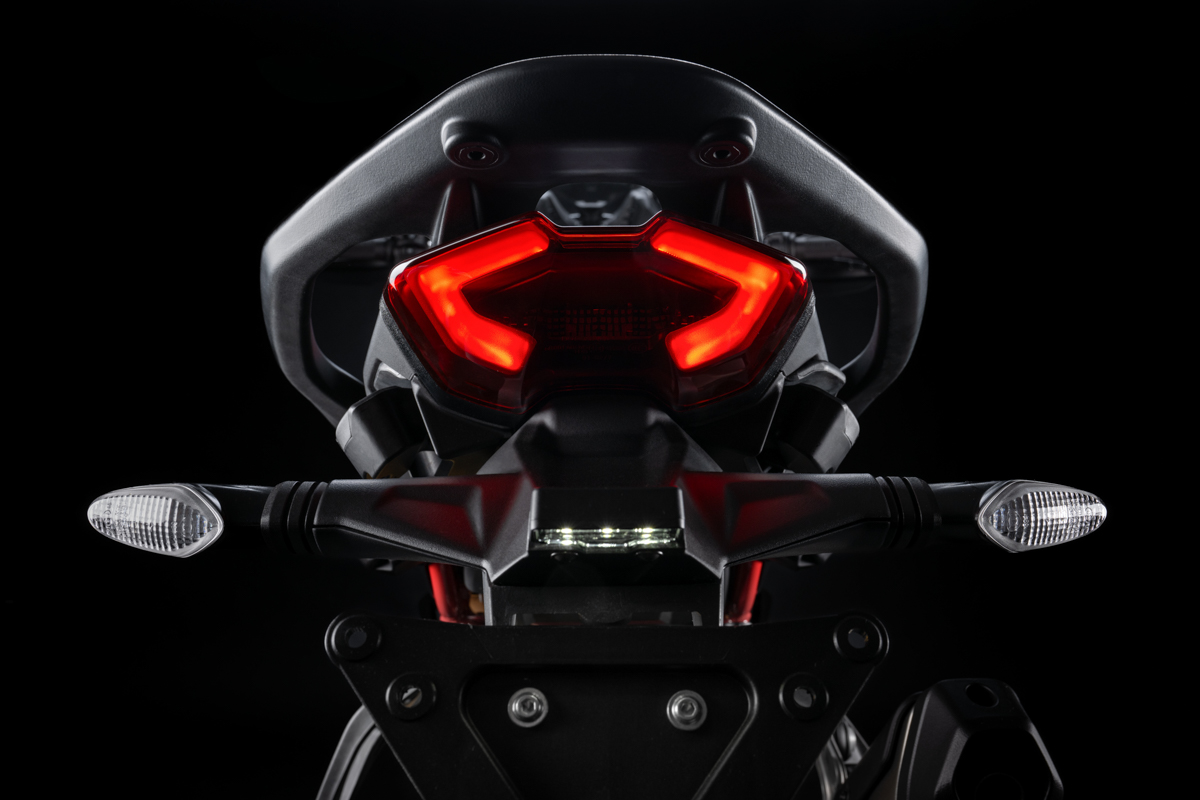
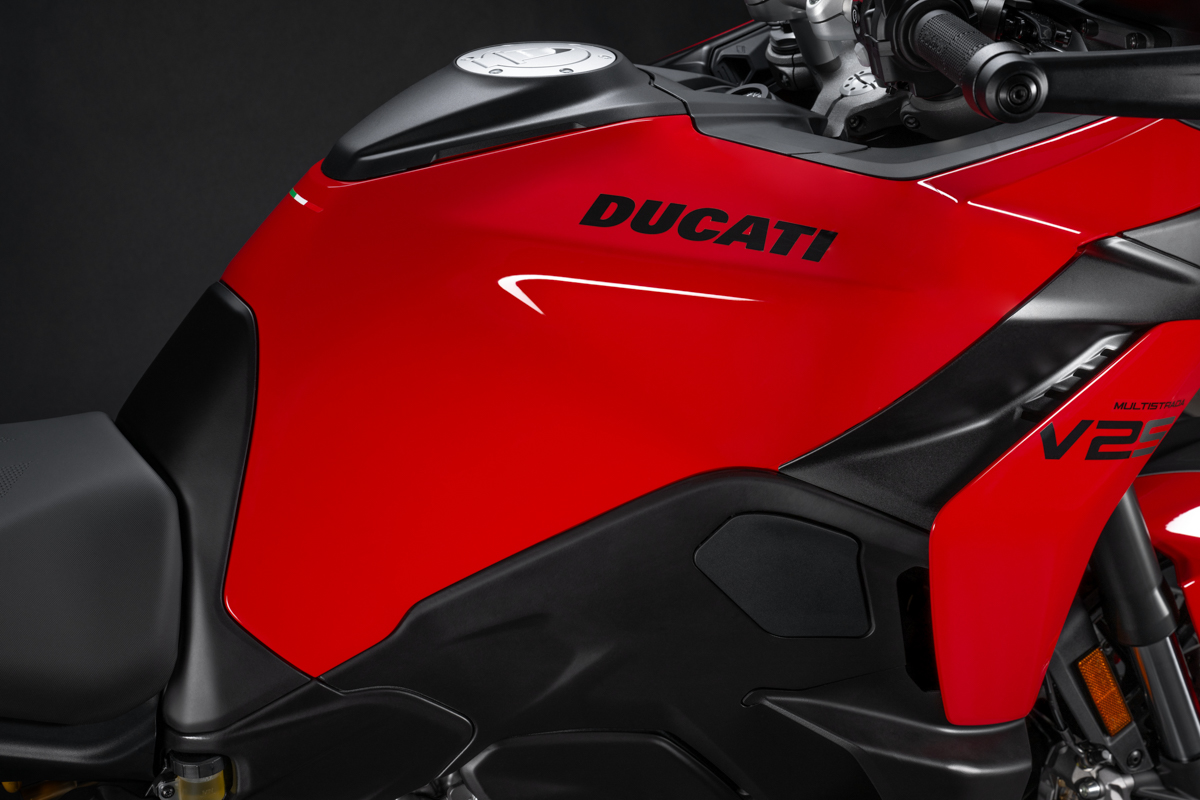
The 2025 Multistrada V2 redefines Ducati’s mid-size crossover with a sharper focus on agility, comfort, and accessibility. Now 18 kg lighter at just 199 kg dry, it blends the character of a twin-cylinder with true everyday versatility. The new design refines the iconic Multistrada silhouette with a shorter “beak,” integrated aerodynamics, and improved ergonomics, while a redesigned seat and adjustable heights (down to 790 mm on the V2 S) ensure comfort for every rider. Its aggressive Full-LED lighting, slimmer proportions, and improved passenger accommodations make it as stylish as it is practical for commuting, touring, or exploring backroads.

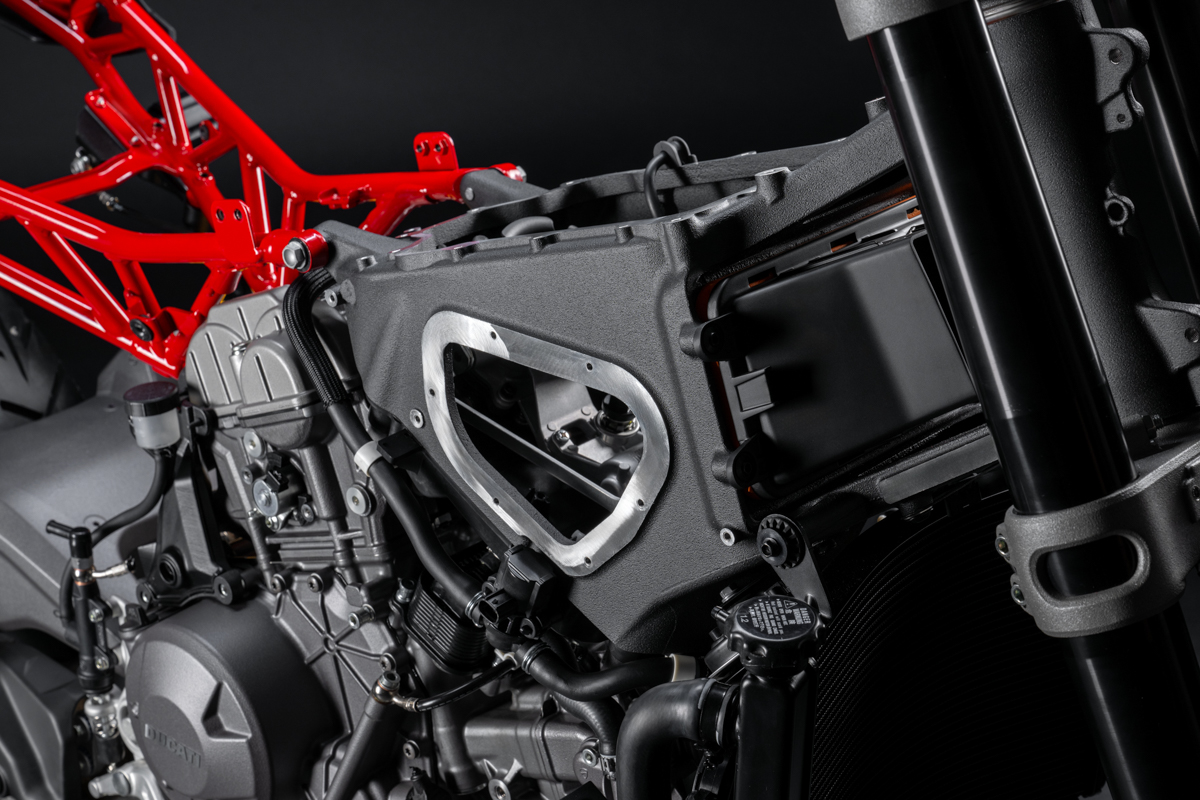
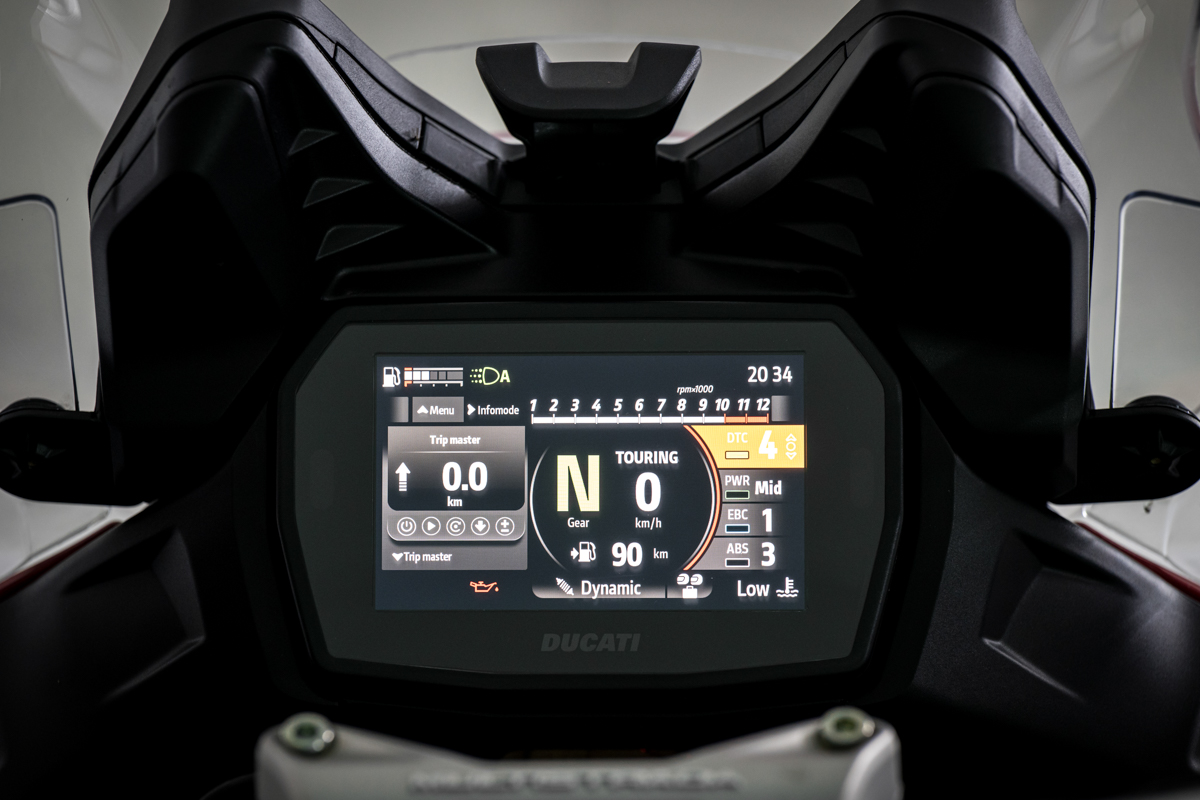
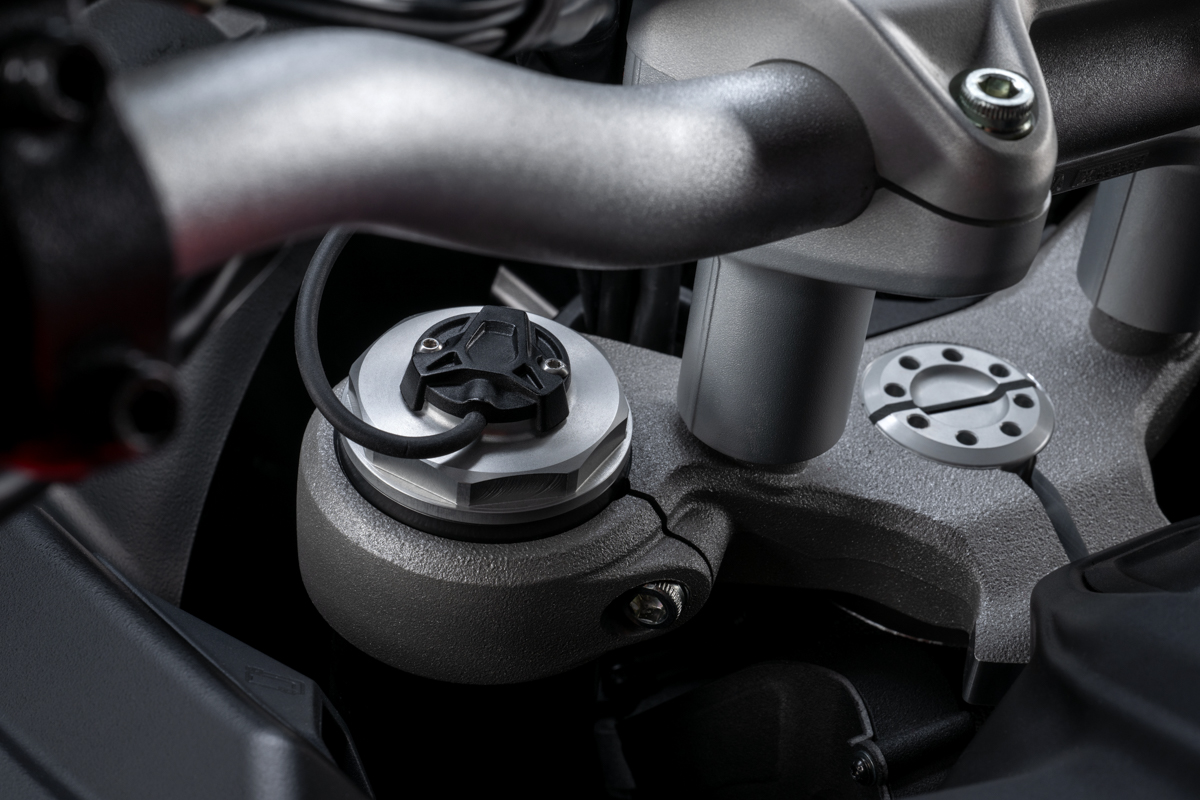
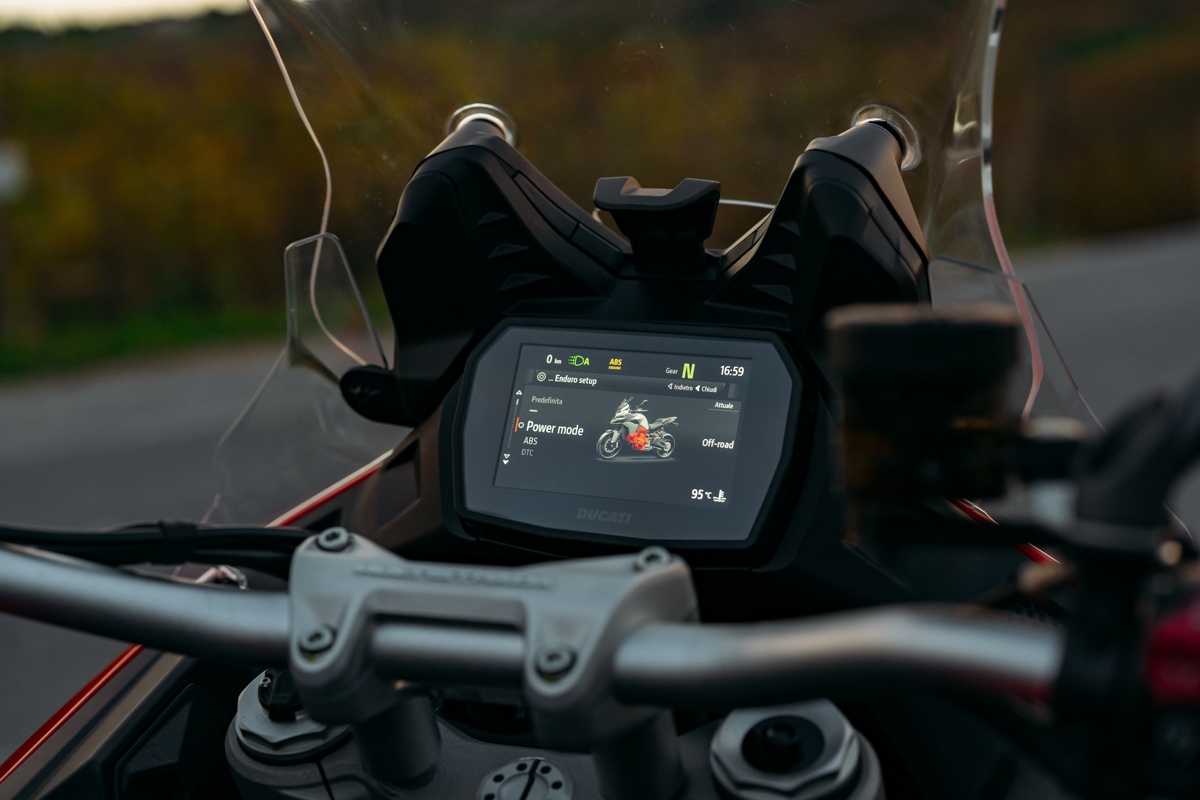
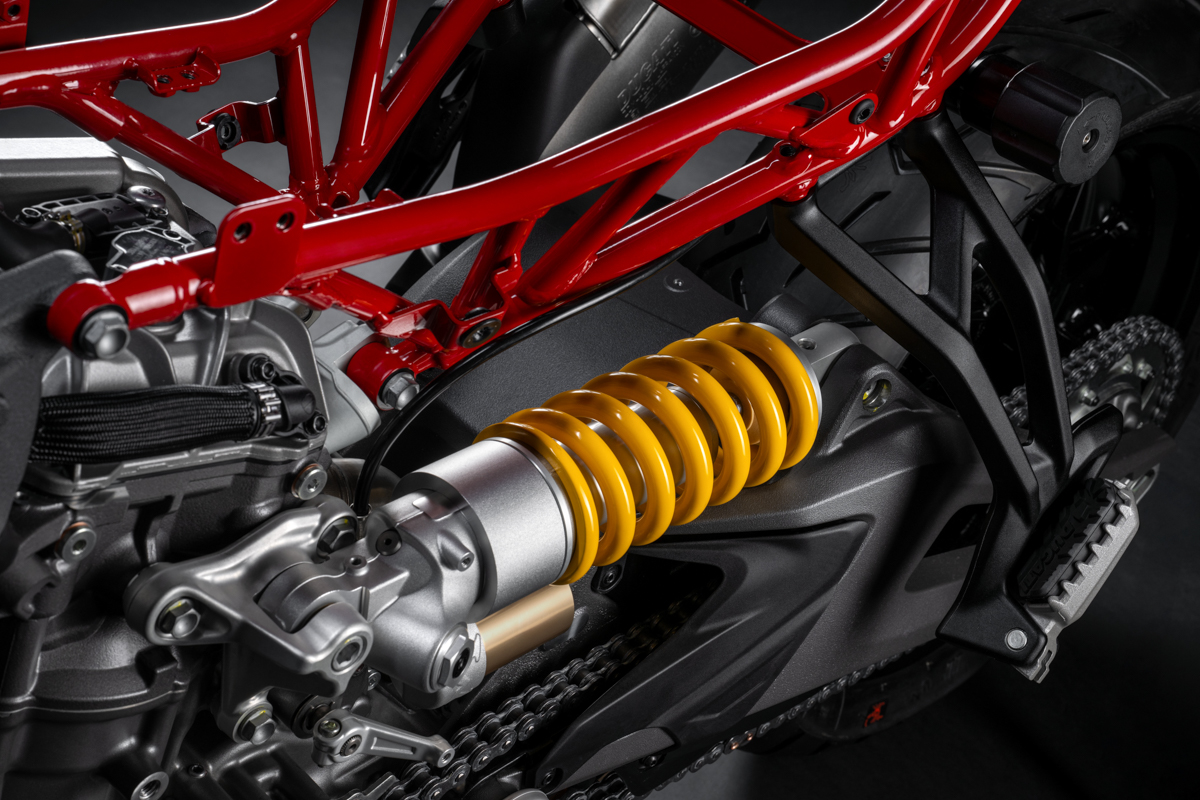
The aluminium monocoque chassis and long-travel suspension balance on-road precision with off-road capability. The V2 S introduces semi-active Skyhook Suspension, electronic preload adjustment, and a premium electronics suite including multiple Riding Modes, customizable Infomodes, smartphone connectivity, and advanced safety aids like Cornering ABS, DTC, DWC, and Brake Light EVO. Together, these upgrades make the Multistrada V2 the most refined, intuitive, and versatile adventure-sport Ducati yet.

Price

The 2025 Ducati Multistrada V2 is priced from RM112,000 (for the standard version).

Photo gallery

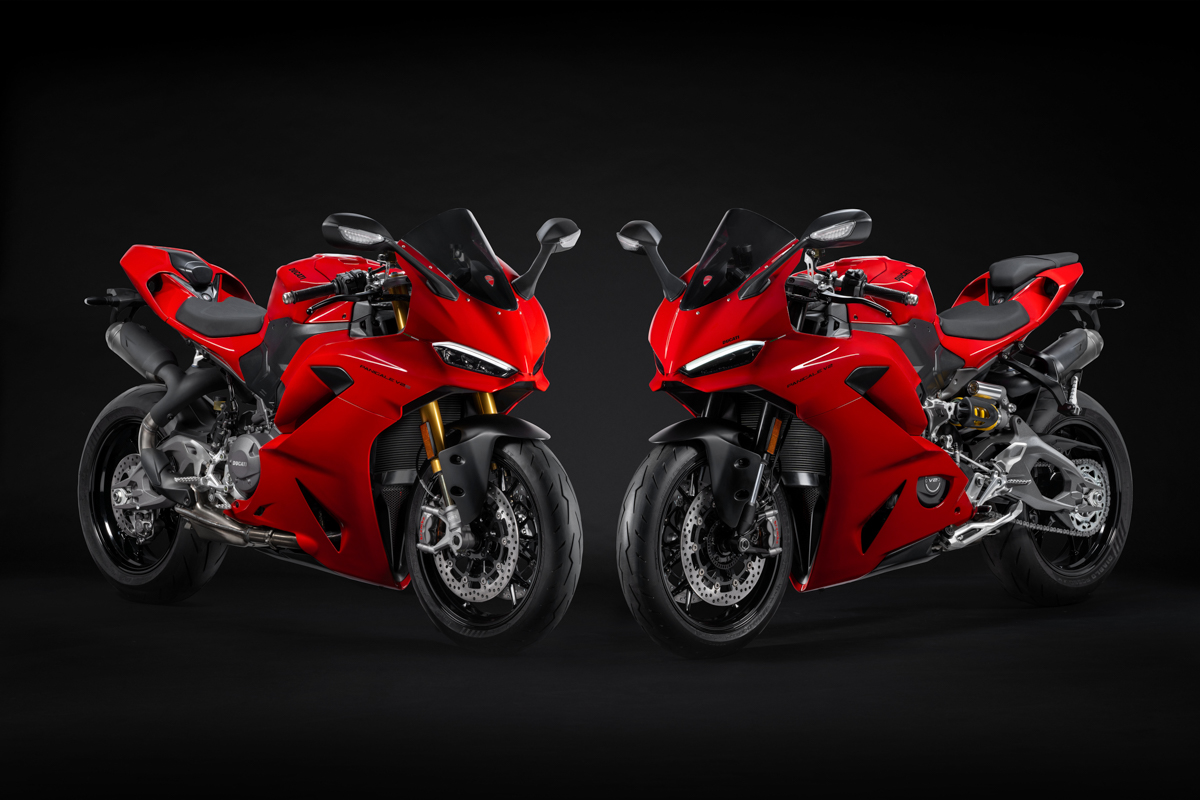
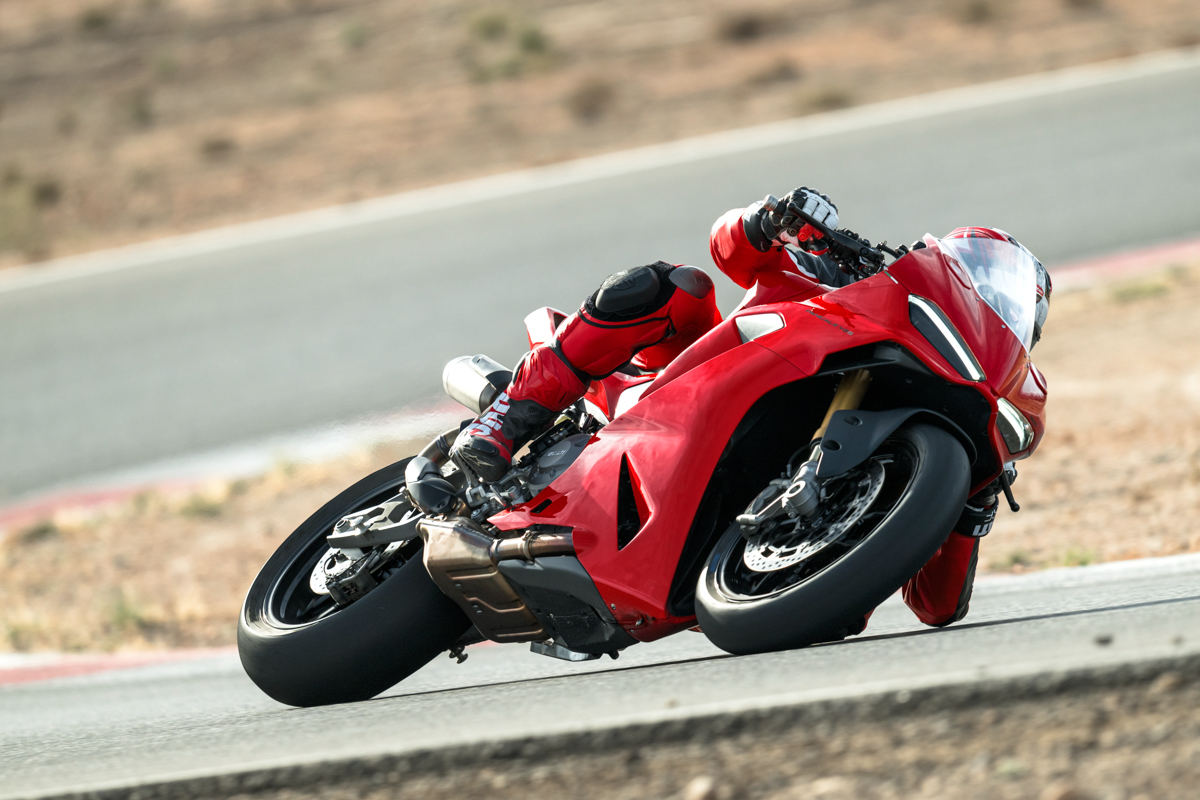
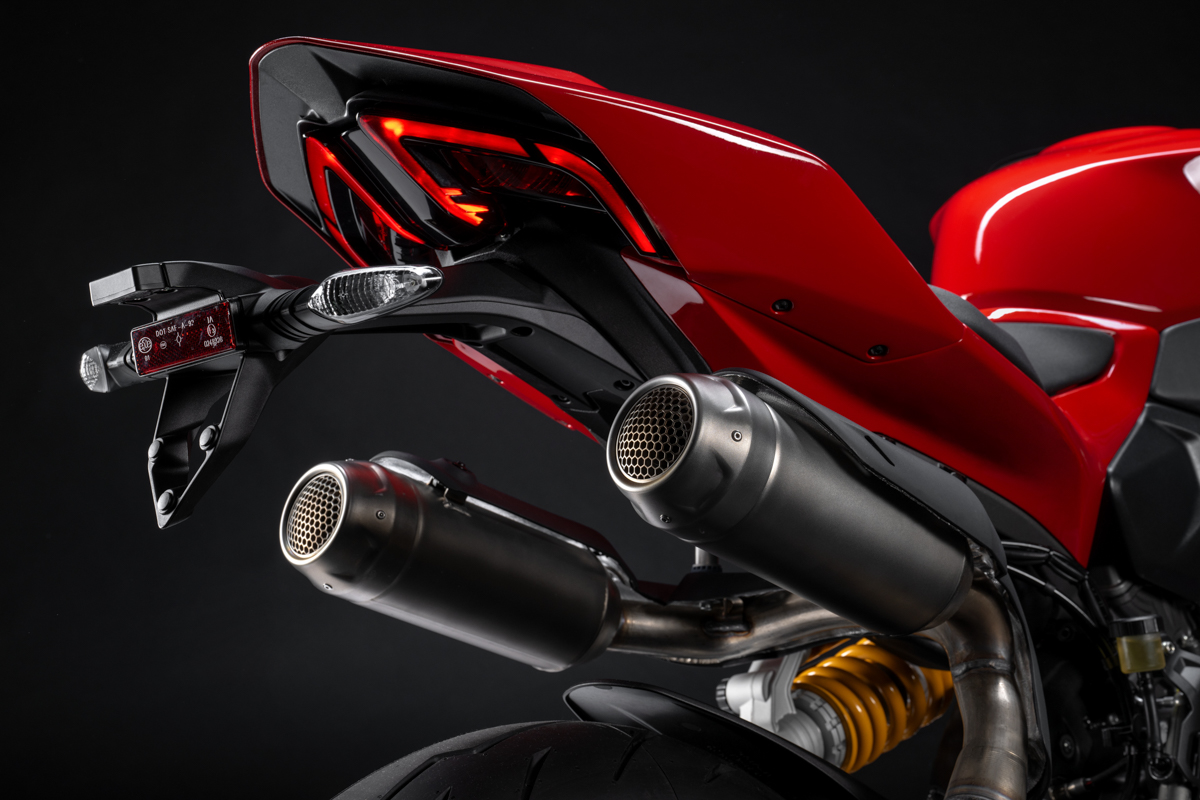
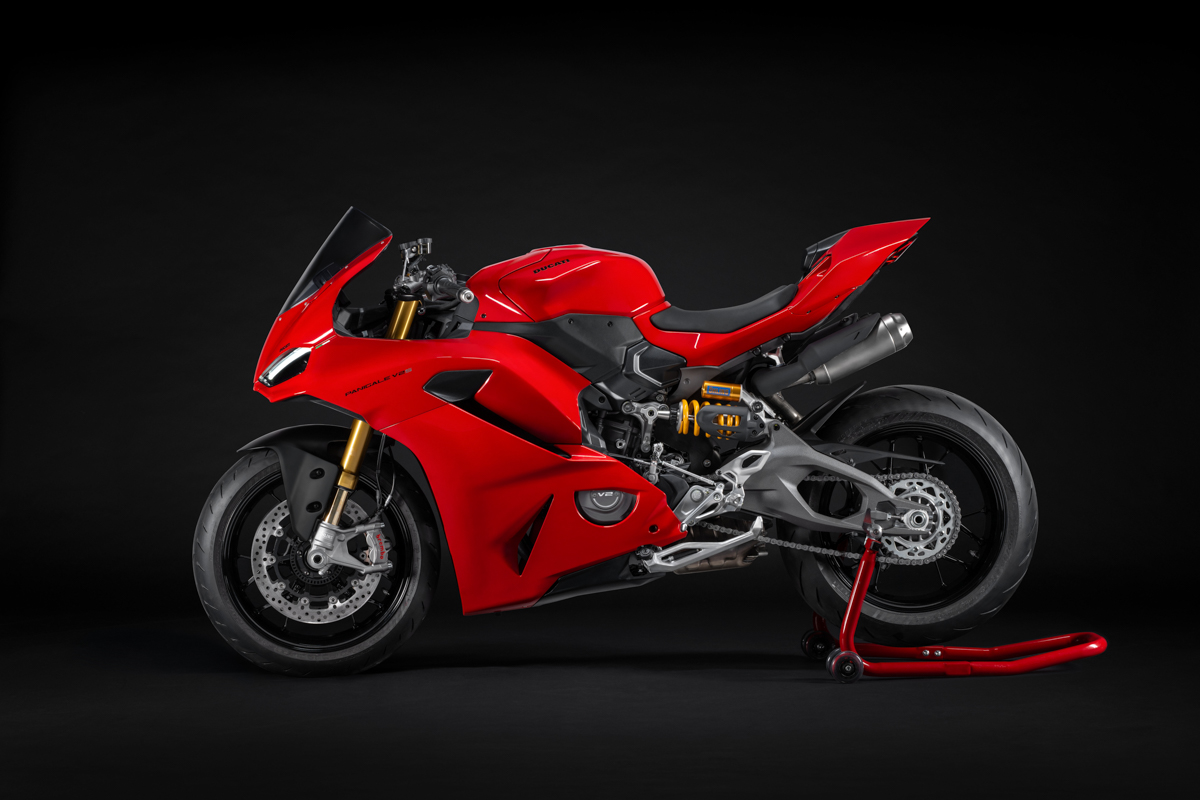
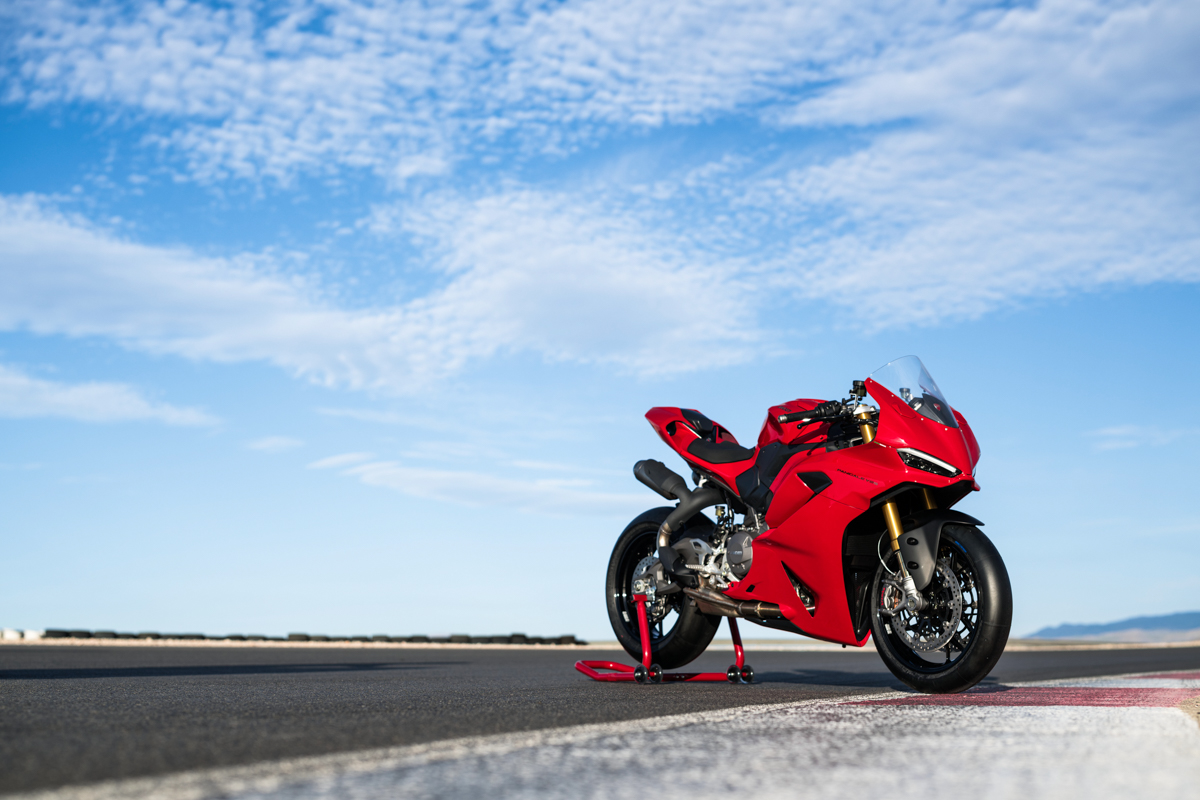
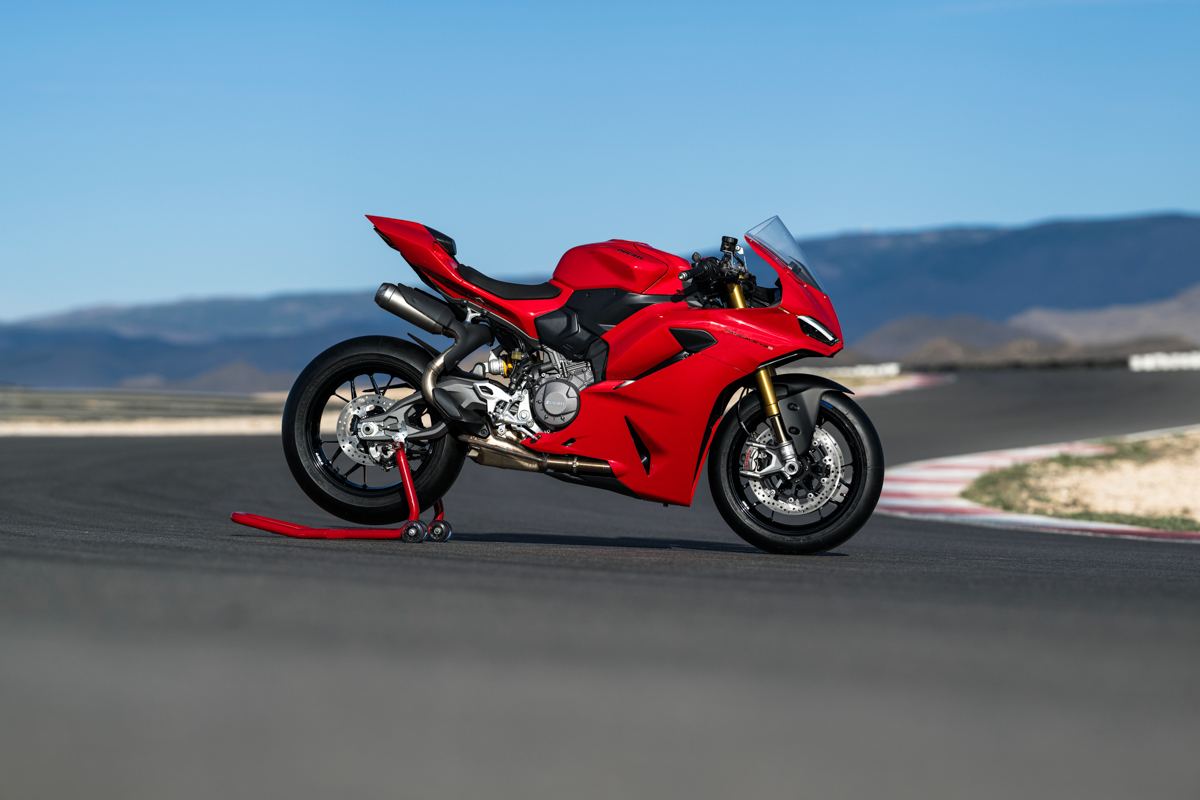
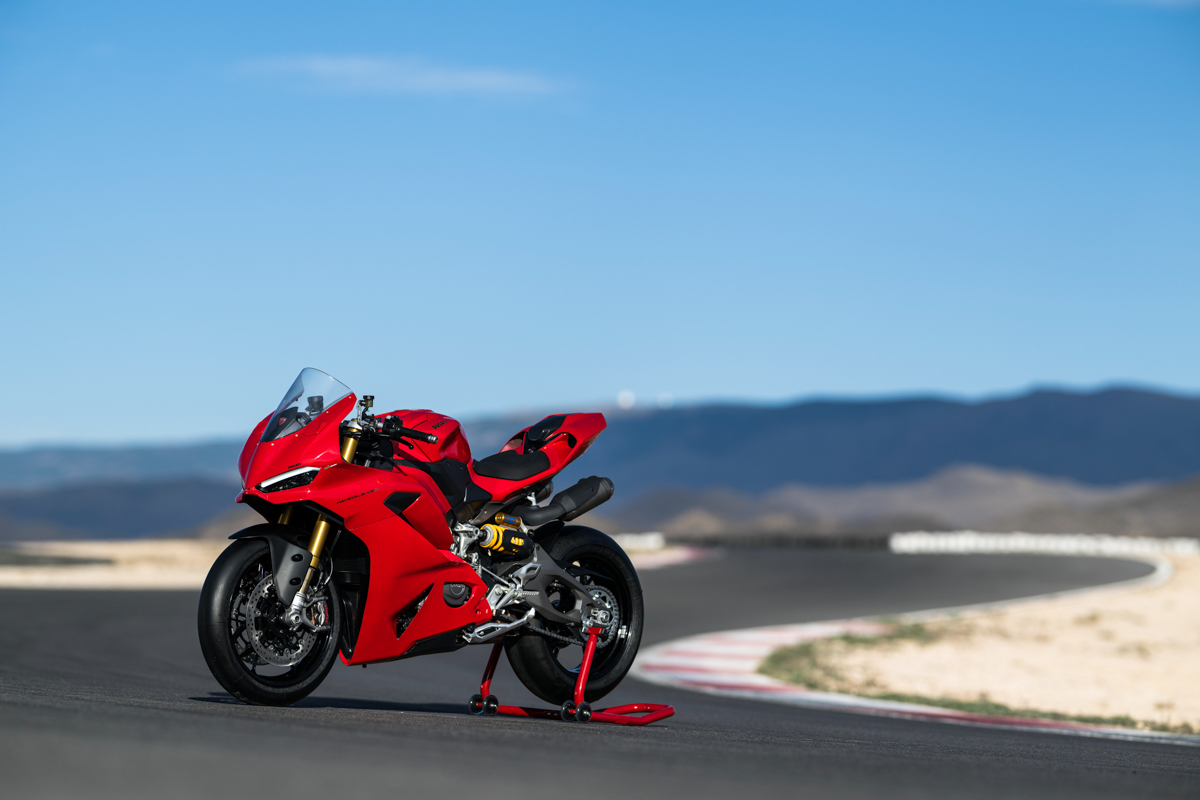
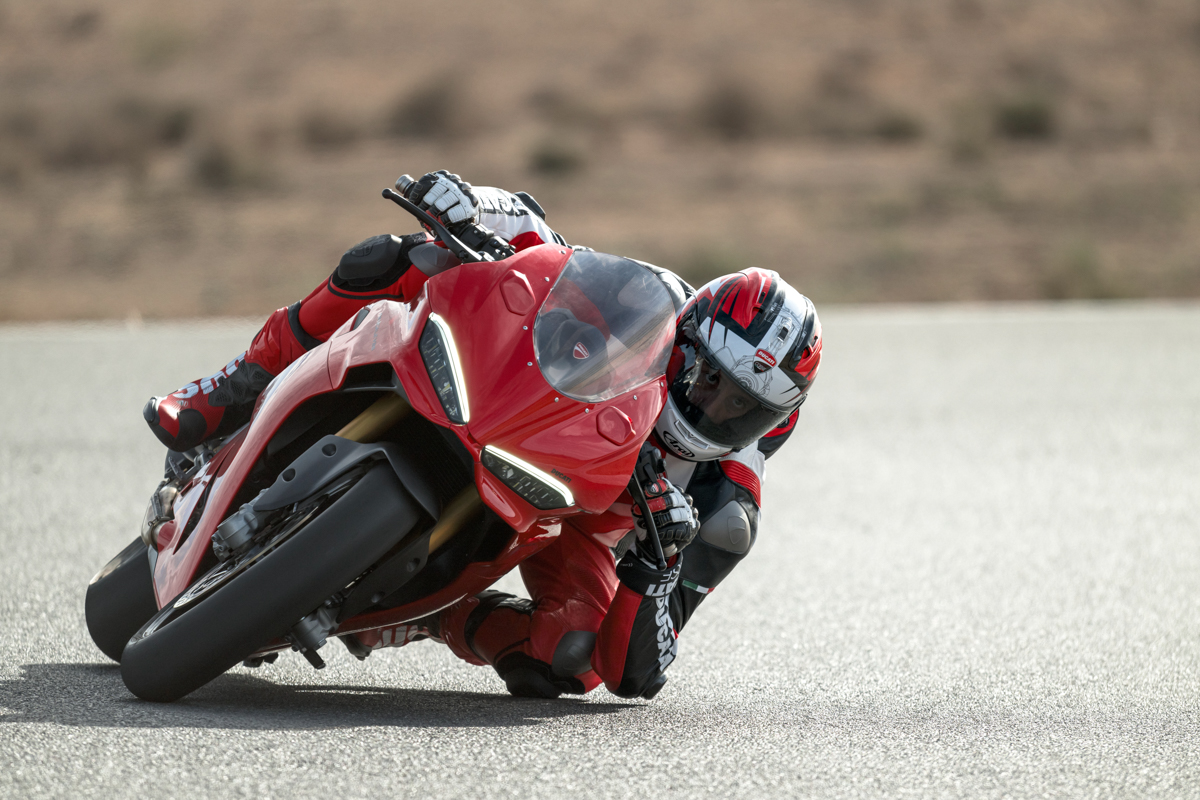
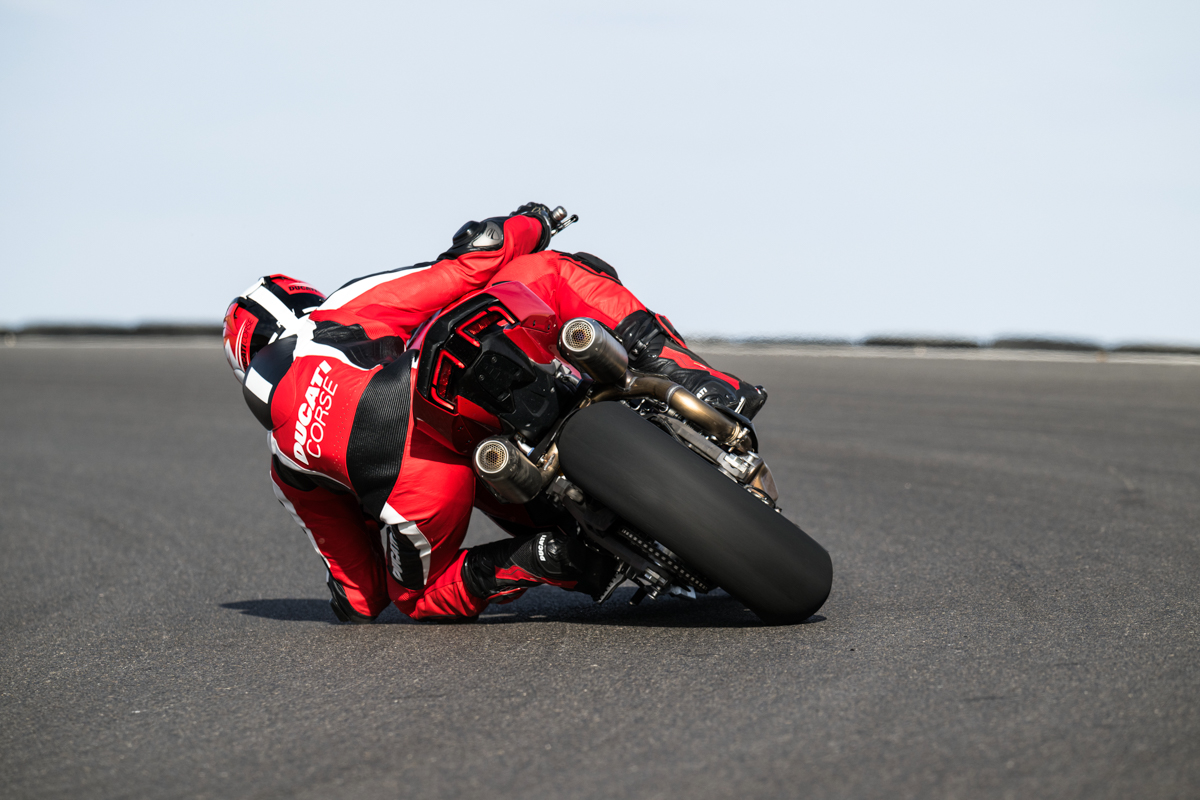
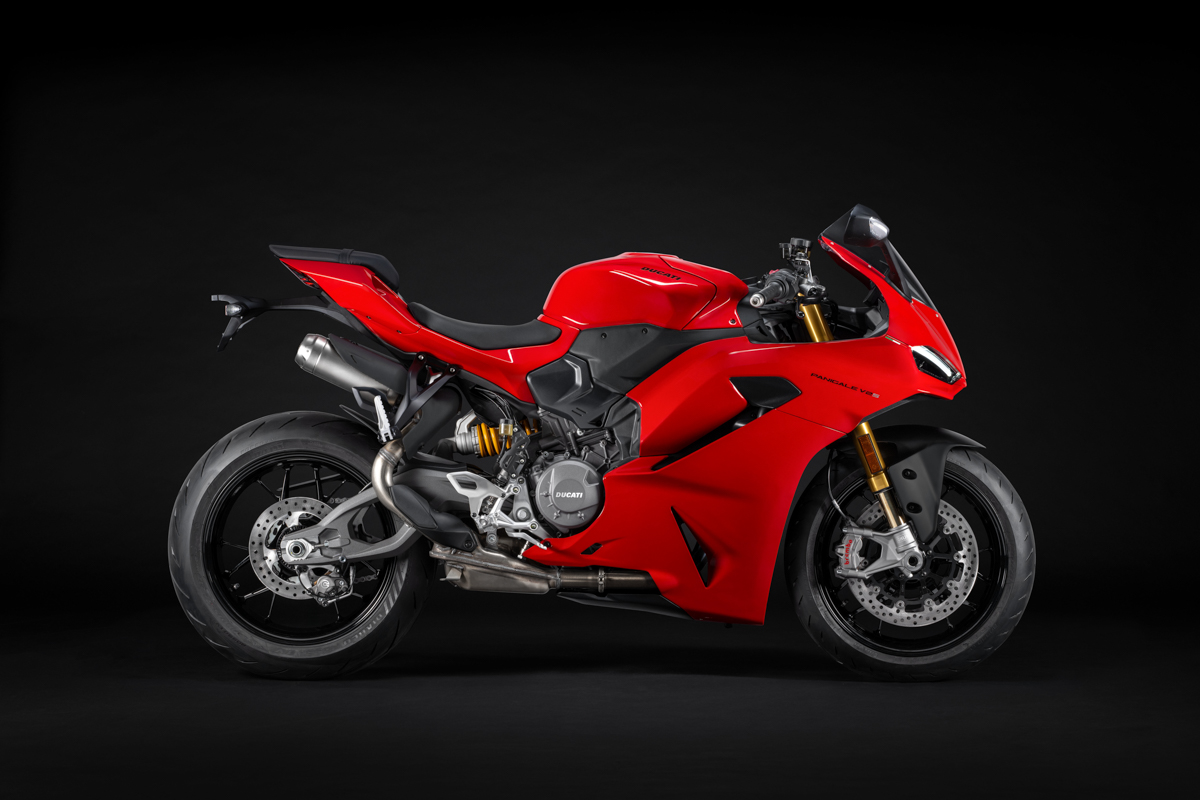
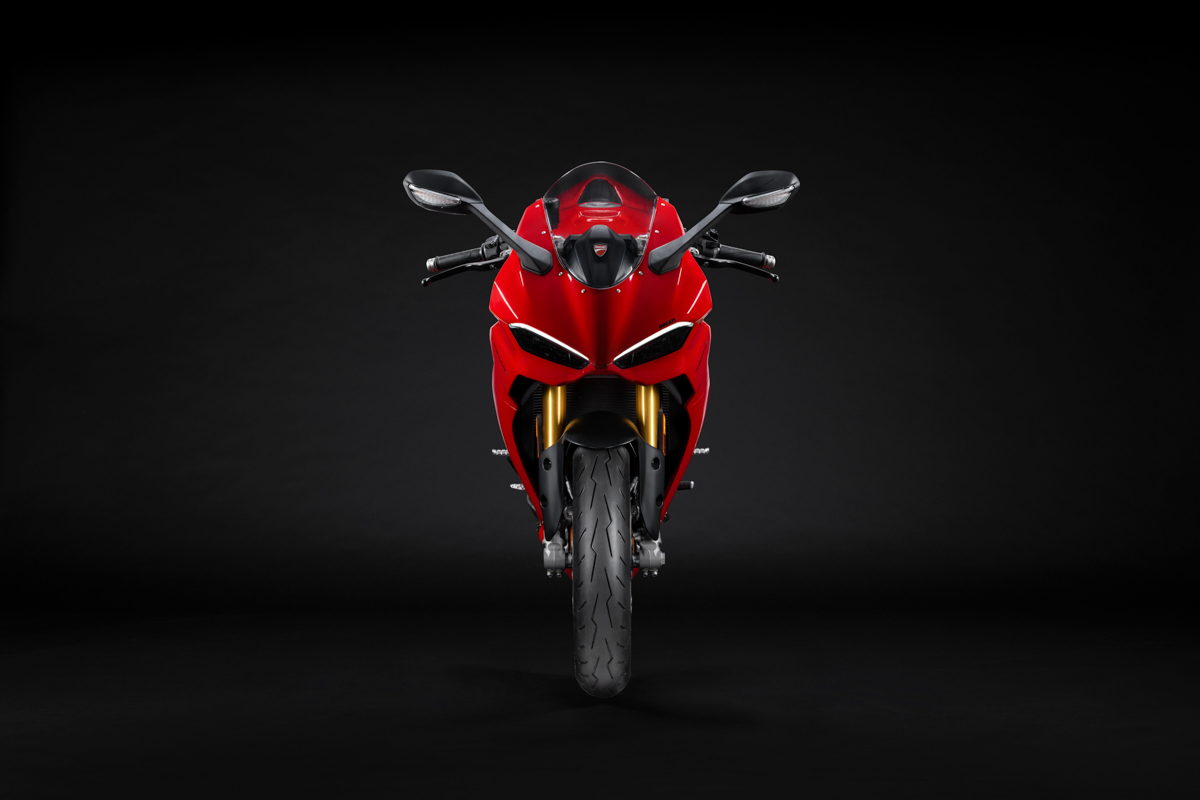
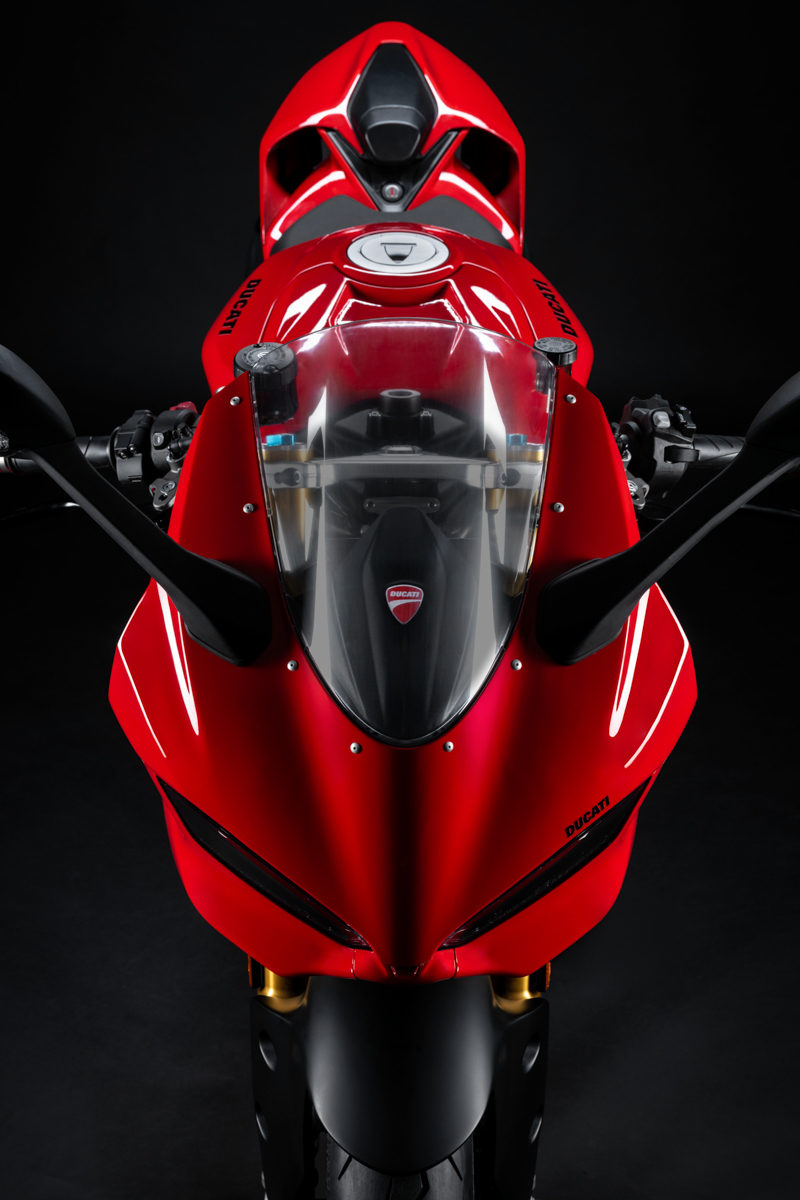
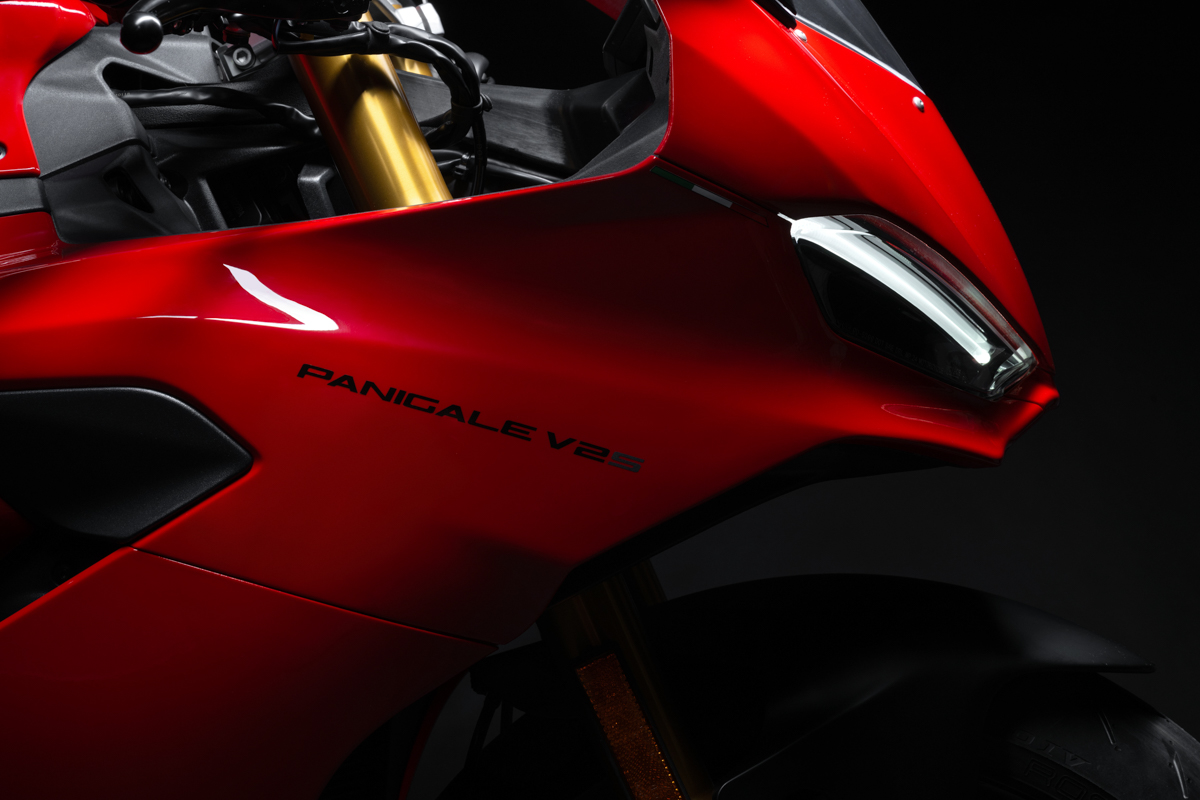
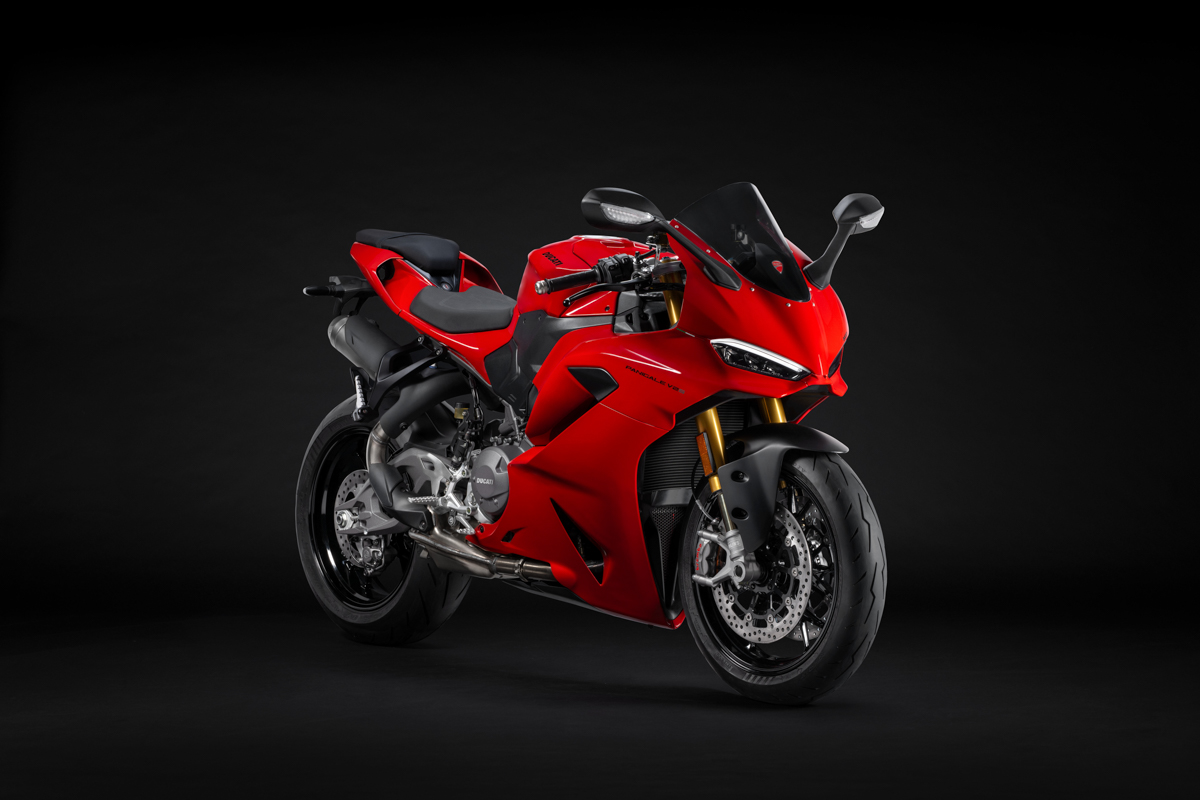
The all-new 2025 Ducati Panigale V2 has arrived in Malaysia.

Ducati Malaysia hosted an exclusive preview of the highly anticipated 2025 Panigale V2 and Multistrada V2 at the Ducati flagship showroom, marking a new chapter in Ducati’s middleweight range. The event, held ahead of the Naza Automania Vol.3 weekend, welcomed invited top Ducatisti, DOC Malaysia members and dealer network representatives for an up-close first look at the latest evolution of two of Ducati’s most celebrated models.

The Panigale V2 and Multistrada V2 range embody the perfect balance of innovation, performance, and style, reaffirming our commitment to making the Ducati experience more accessible to Malaysian riders. We remain deeply appreciative of the support from our dealers and the Malaysian riding community as we continue to grow together,” said Rizal Jailan, CEO of Naza Automotive Holdings.

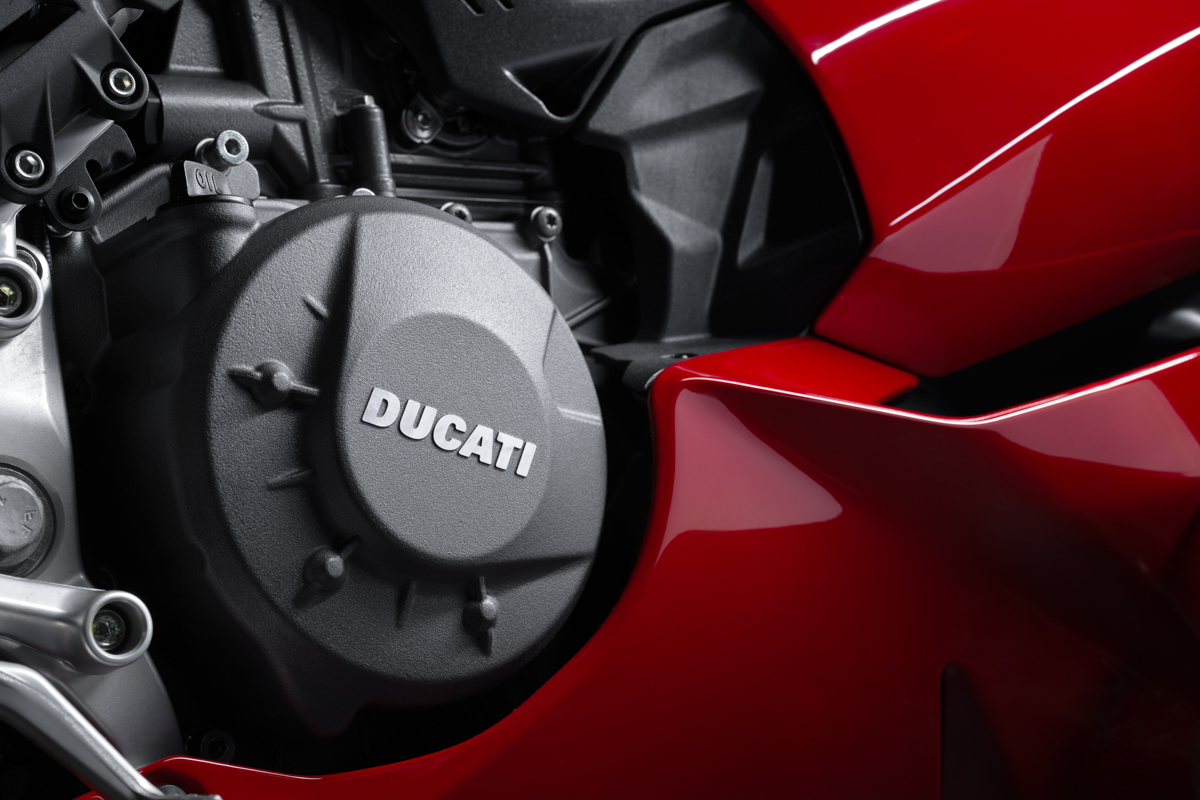
To recap, the 2025 Panigale V2 features the new 90° V-Twin (Ducati calls it the “L-Twin”) engine which replaces the Superquardro.

You maybe interested to know about the Evolution of Ducati V-Twin Engines.

Engine highlights
  • The new 890cc V2 (90º V-Twin) engine it entirely new, producing 120hp and 93.6Nm compared to 148hp and 104.4Nm.
  • It features Intake Variable Timing (IVT), which adjusts intake timing up to 52°, to deliver smooth torque at low revs, sharp response in the mid-range, and exhilarating performance at high rpm.

  • Over 70% of maximum torque is available from 3,000 rpm, with more than 80% sustained between 3,500 and 11,000 rpm.
  • The fat, low- and mid-range RPM torque delivery brings back the traditional V2 torque delivery.

  • The valvetrain features spring valve actuation like that in the Granturismo V4 engine, as opposed the Ducati’s synonymous Desmo valvetrain.
  • As such, valve clearance interval is stretched to 45,000 km.

  • DLC-coated rockers, chain-driven cams, and hollow intake valves save an extra 5% of weight.
  • Also like the Granturismo V4, the new V-Tw… L-Twin’s cylinder liners are aluminium.
Copyright GDS
  • These measures mean the new engine weighs in at only 54.4 kg, which is 9.4 kg lighter than the Superquardro.
  • The racing exhaust system pack liberates 126hp and reduces a further 4.5kg.

Motorcycle highlights

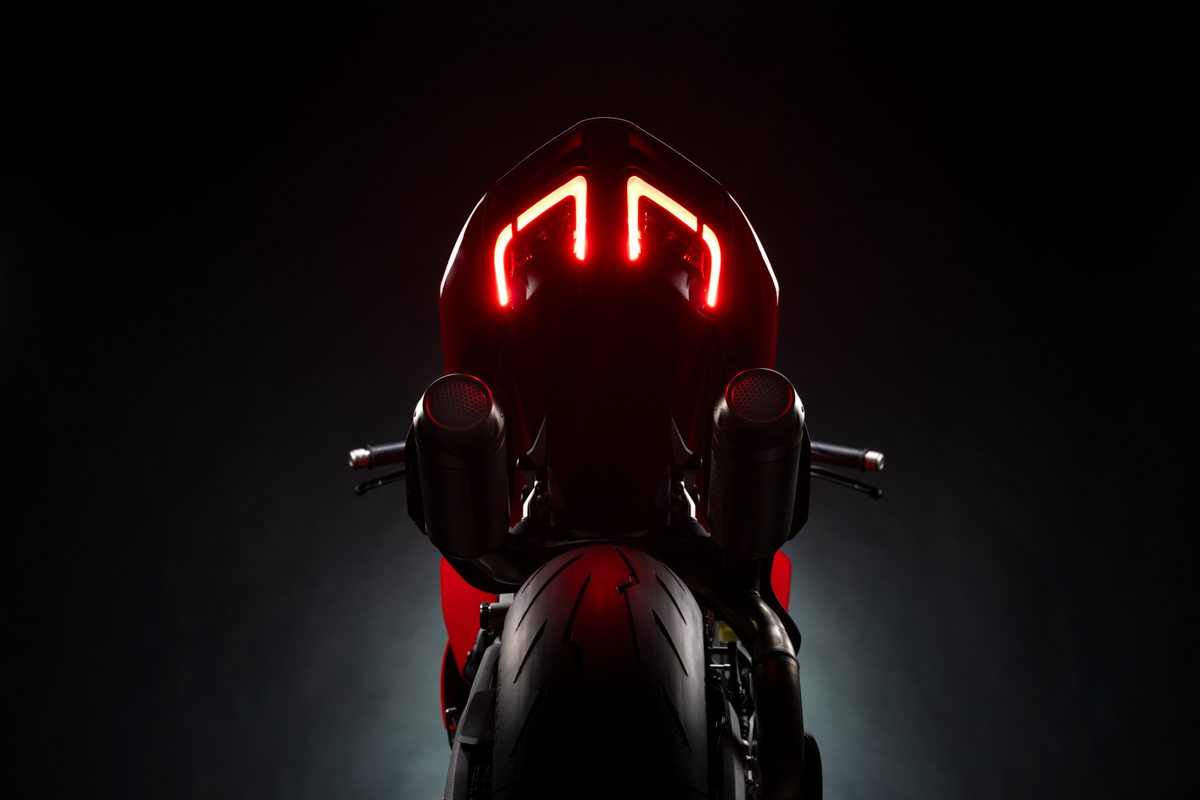
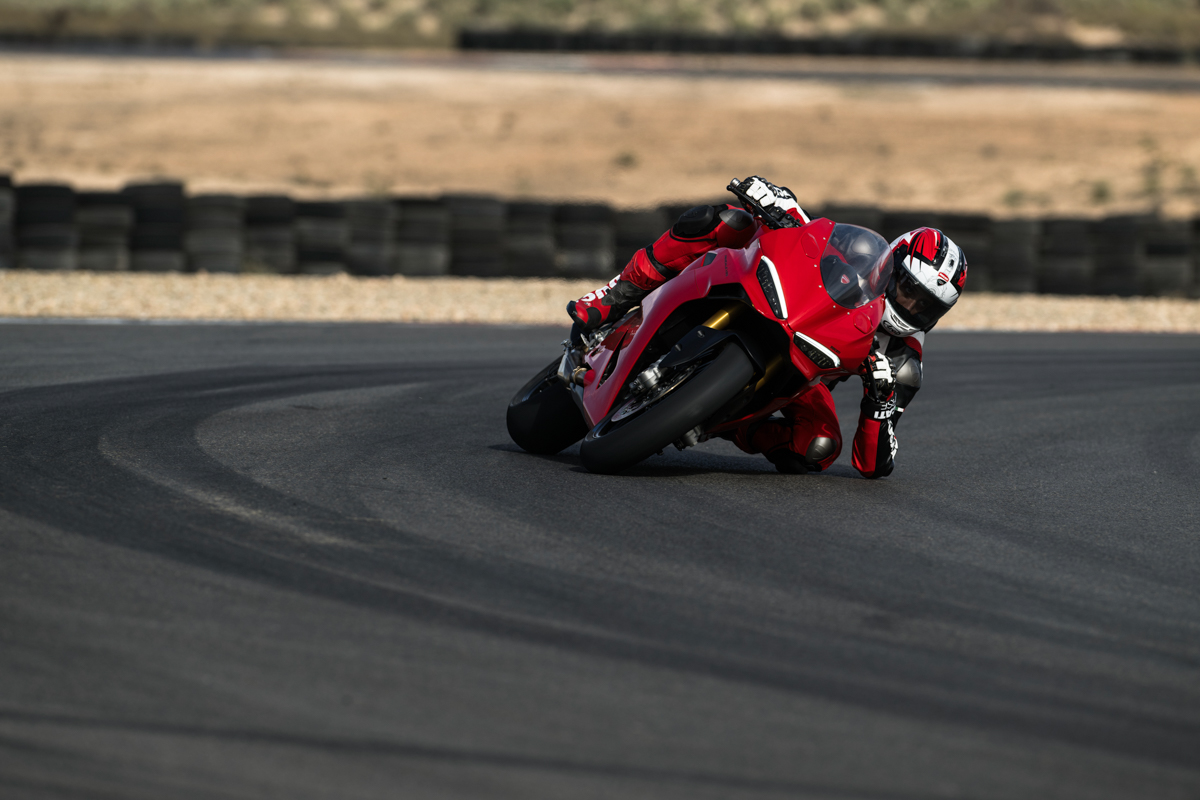
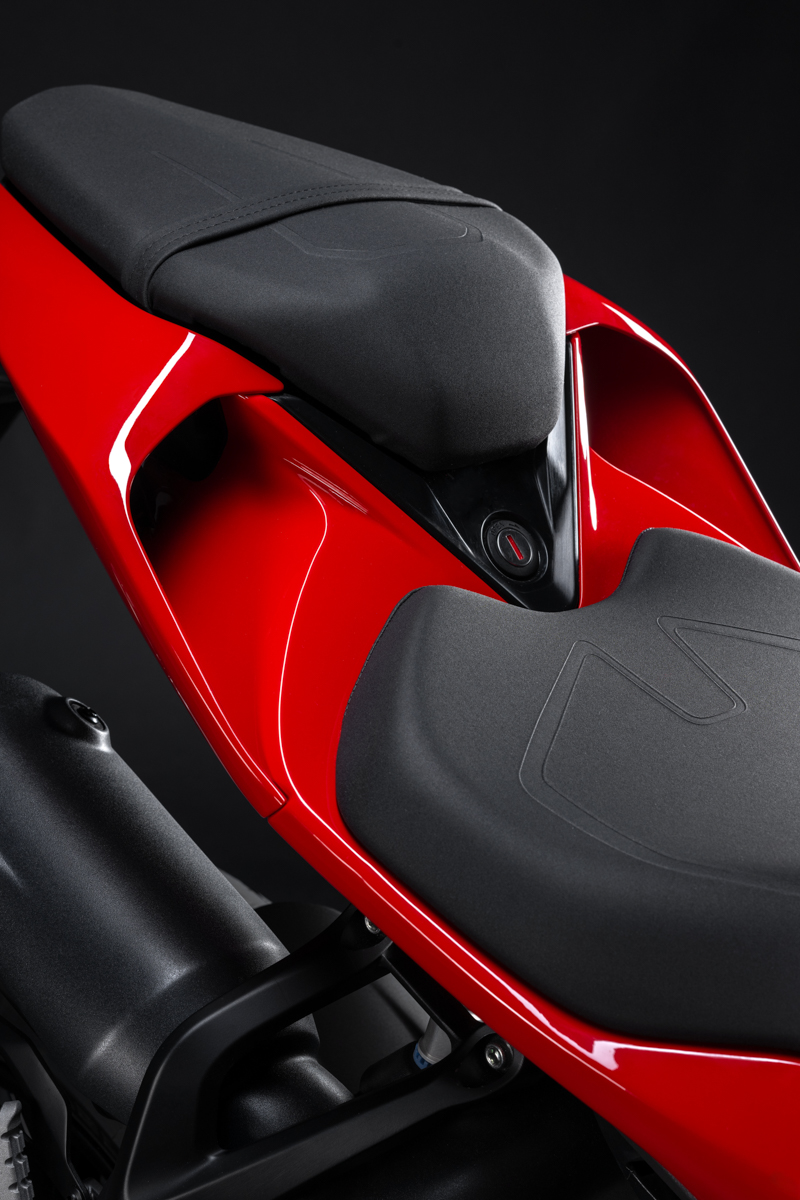
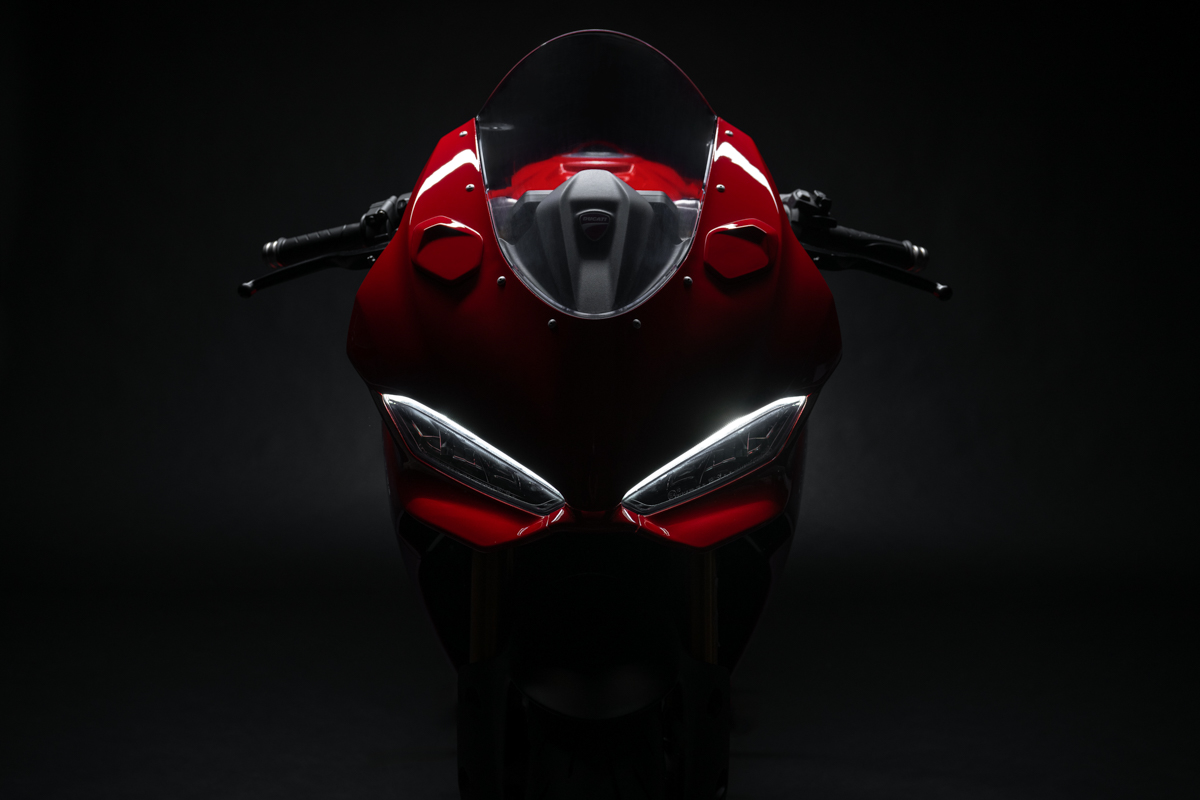
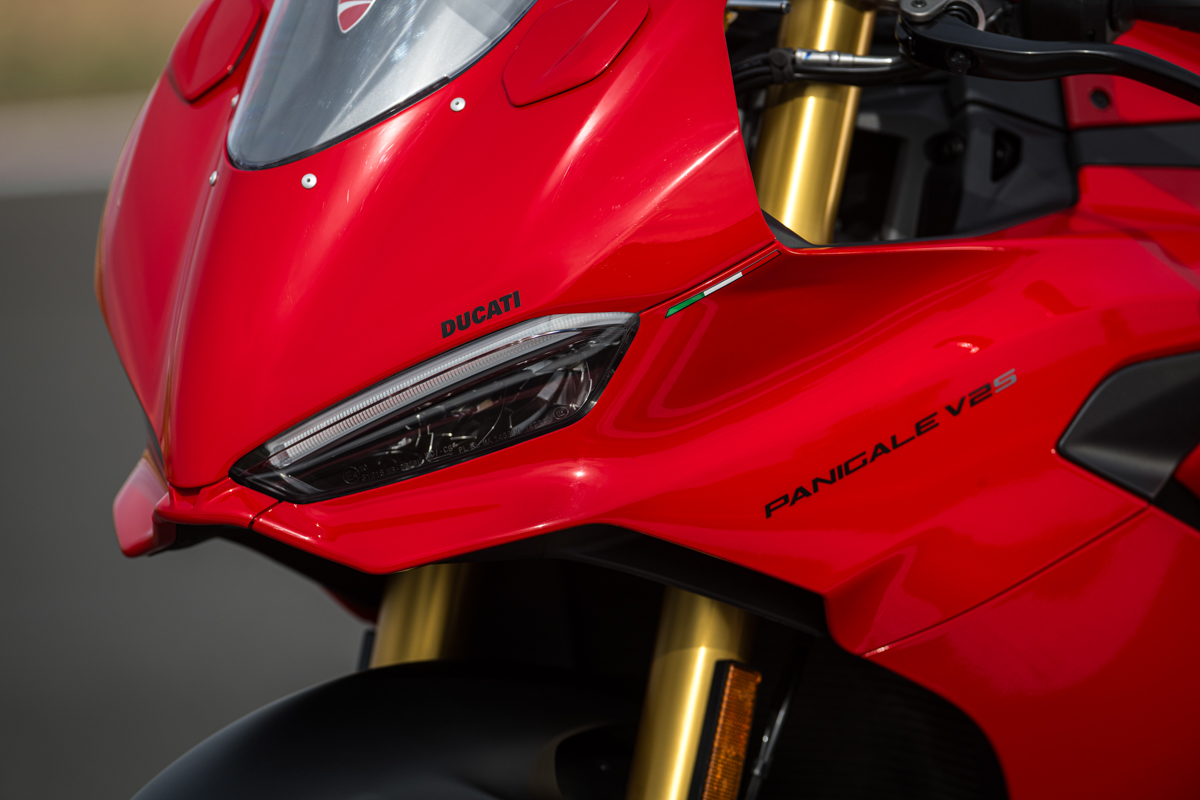
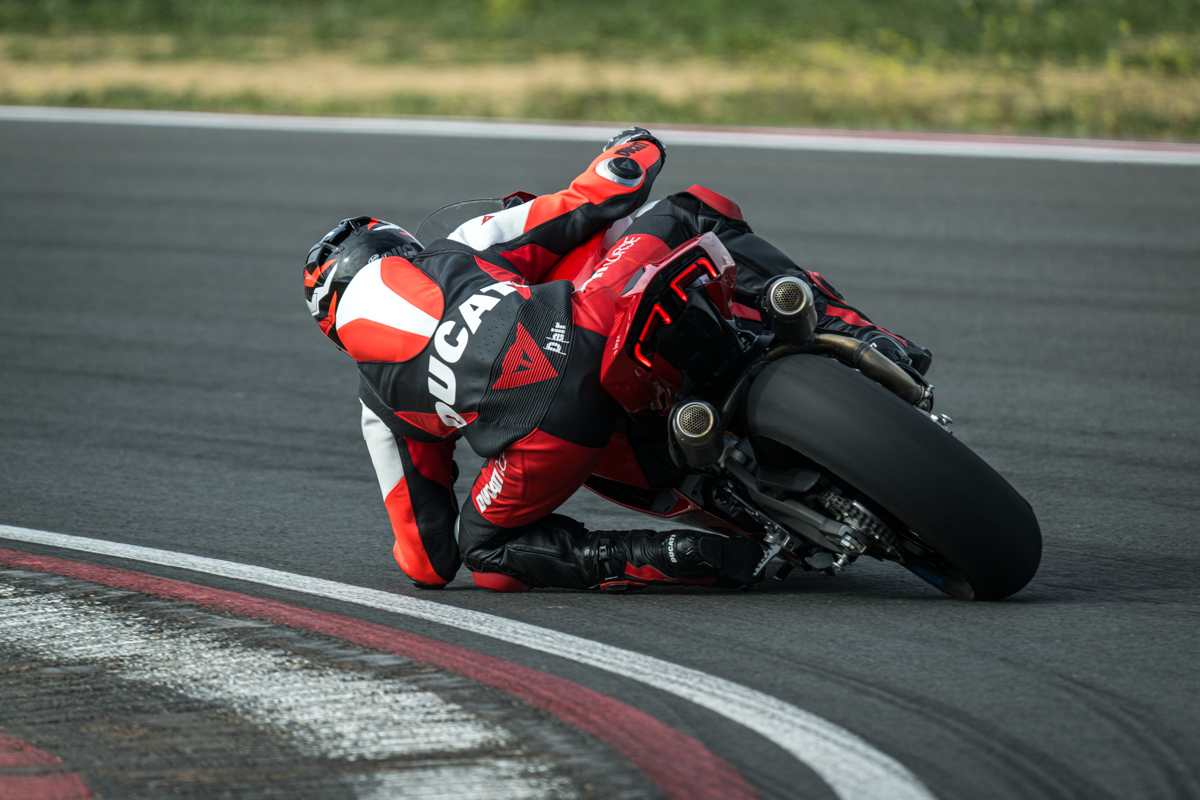
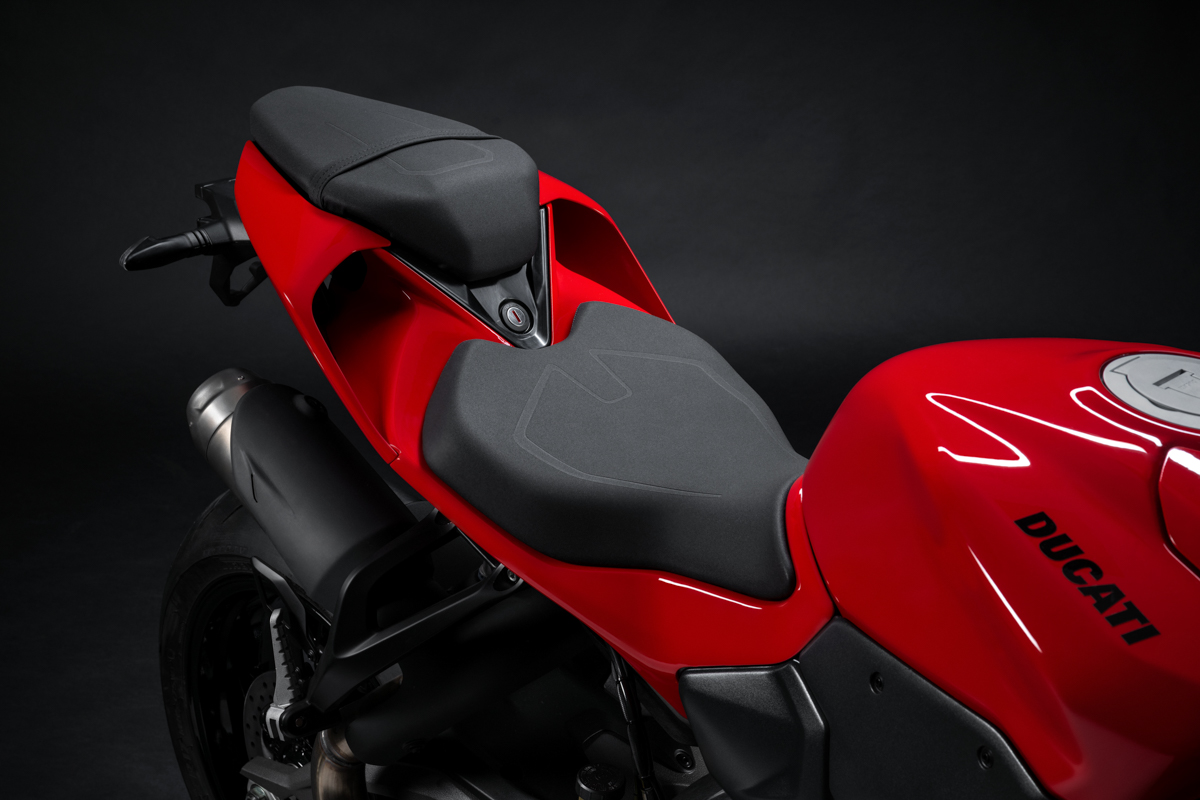
The 2025 Ducati Panigale V2 is Ducati’s lightest twin-cylinder supersport model. Drawing from Ducati’s twin-cylinder legacy, it blends exhilarating speed with reduced effort, allowing riders of all levels to ride faster with confidence. Its styling borrows from the Panigale V4, with sharp LED lighting, sculpted aerodynamics, and a MotoGP-inspired tail that combines elegance with aggression. Ergonomic refinements, including a reshaped tank and improved airflow management, enhance comfort while preserving precise front-end feel.

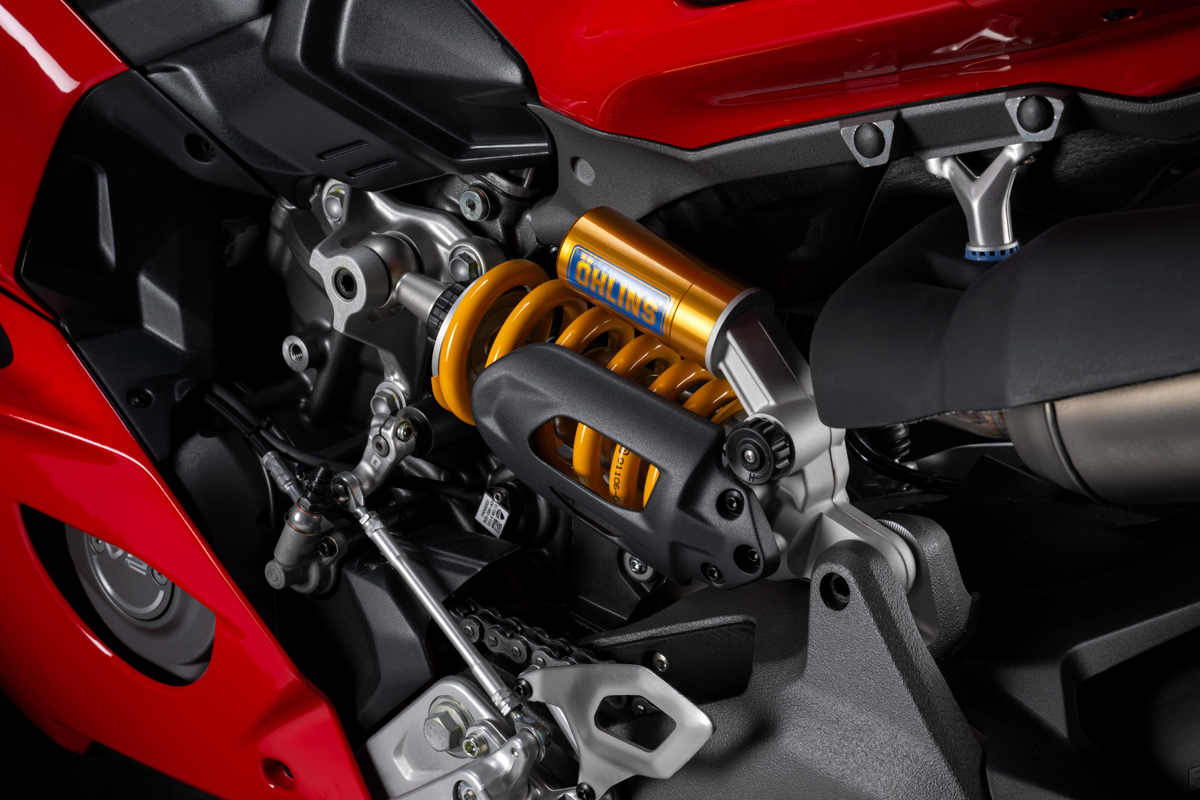
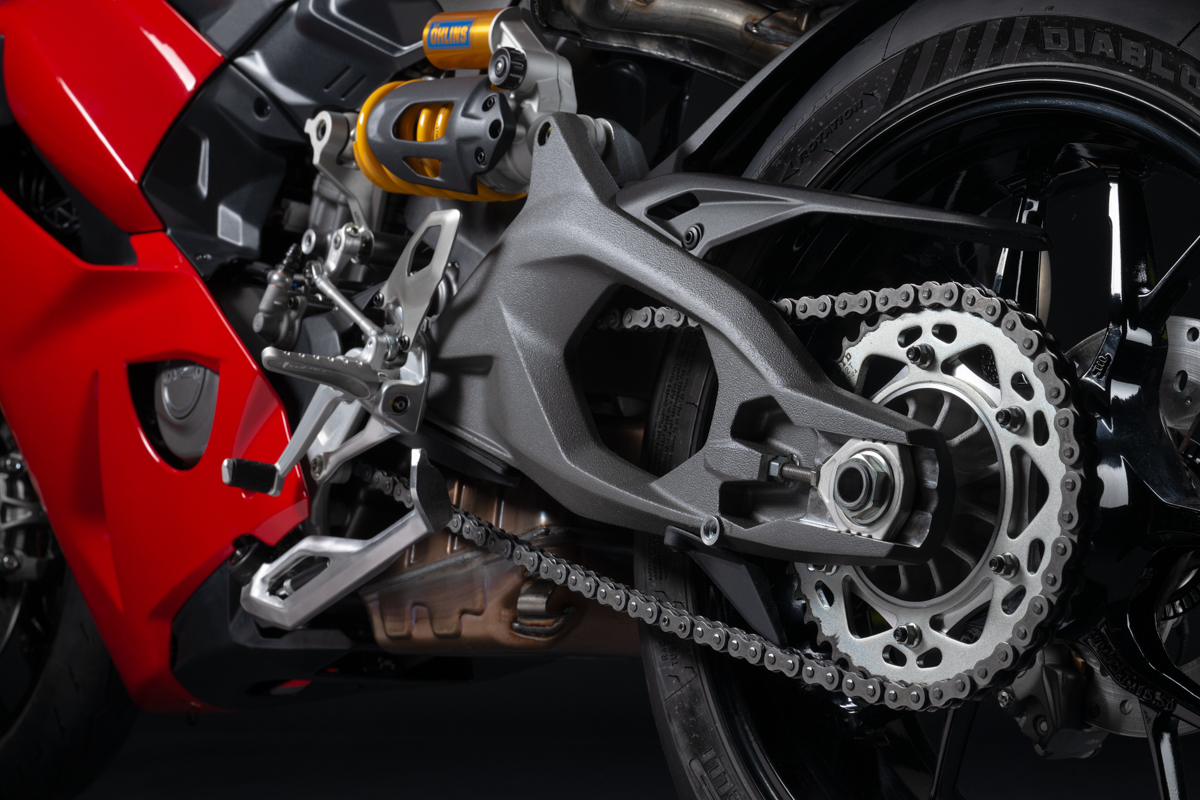
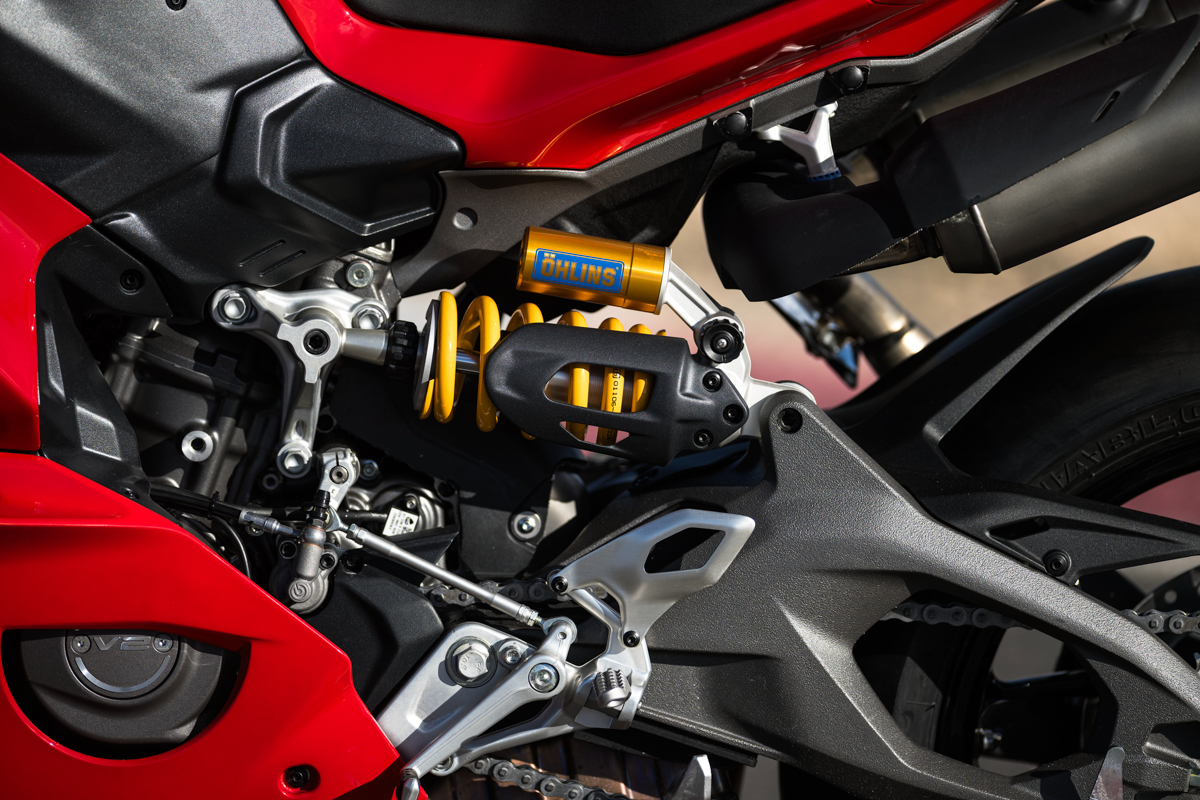
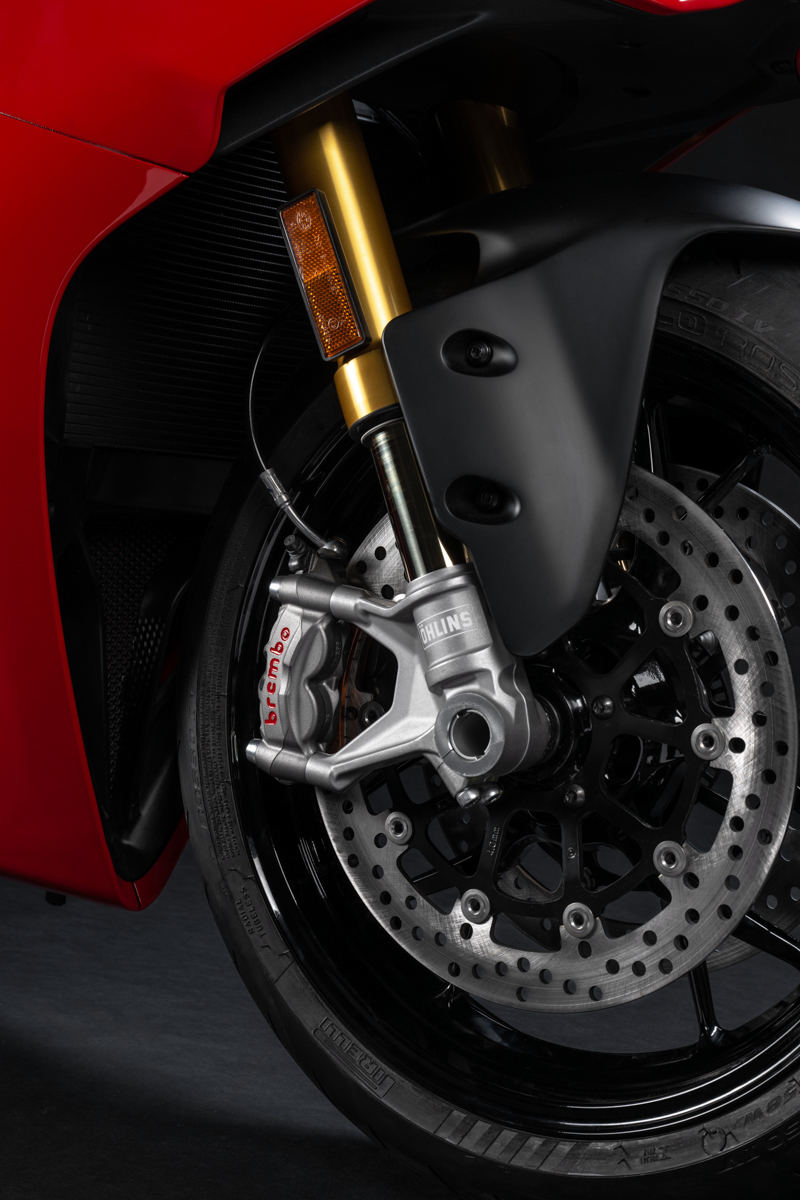
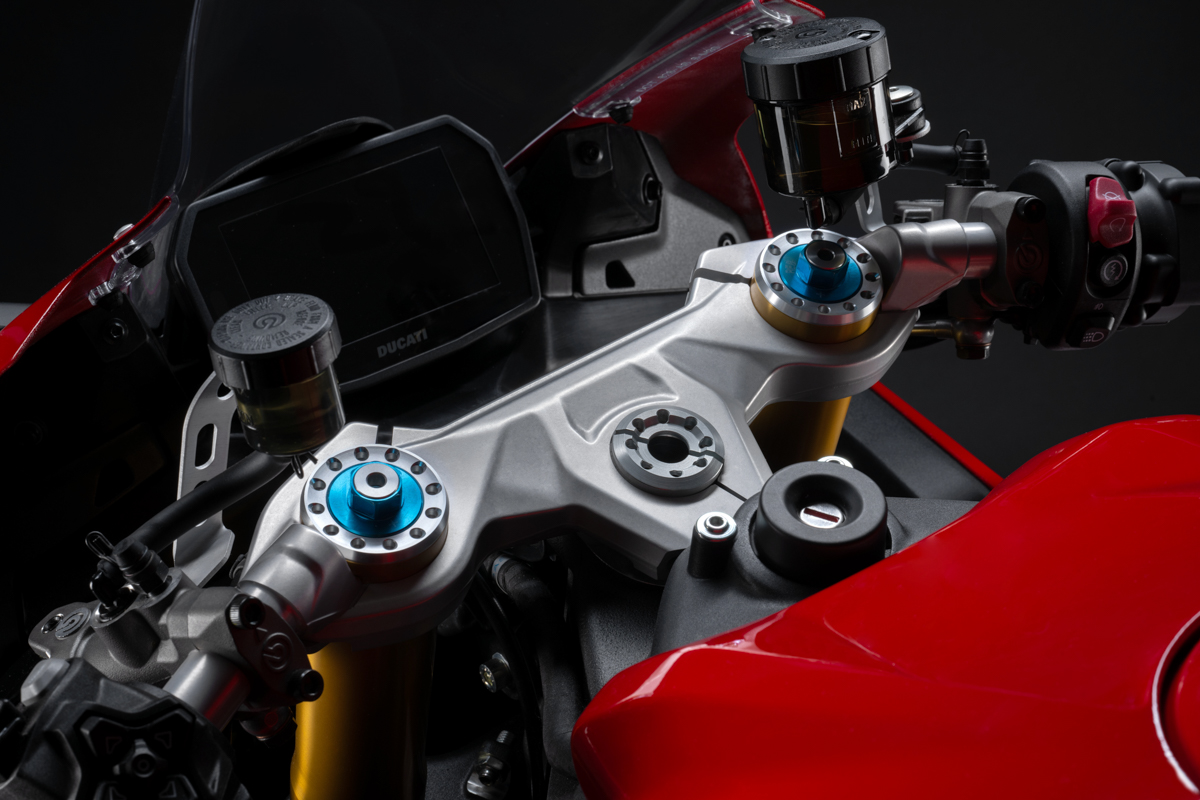
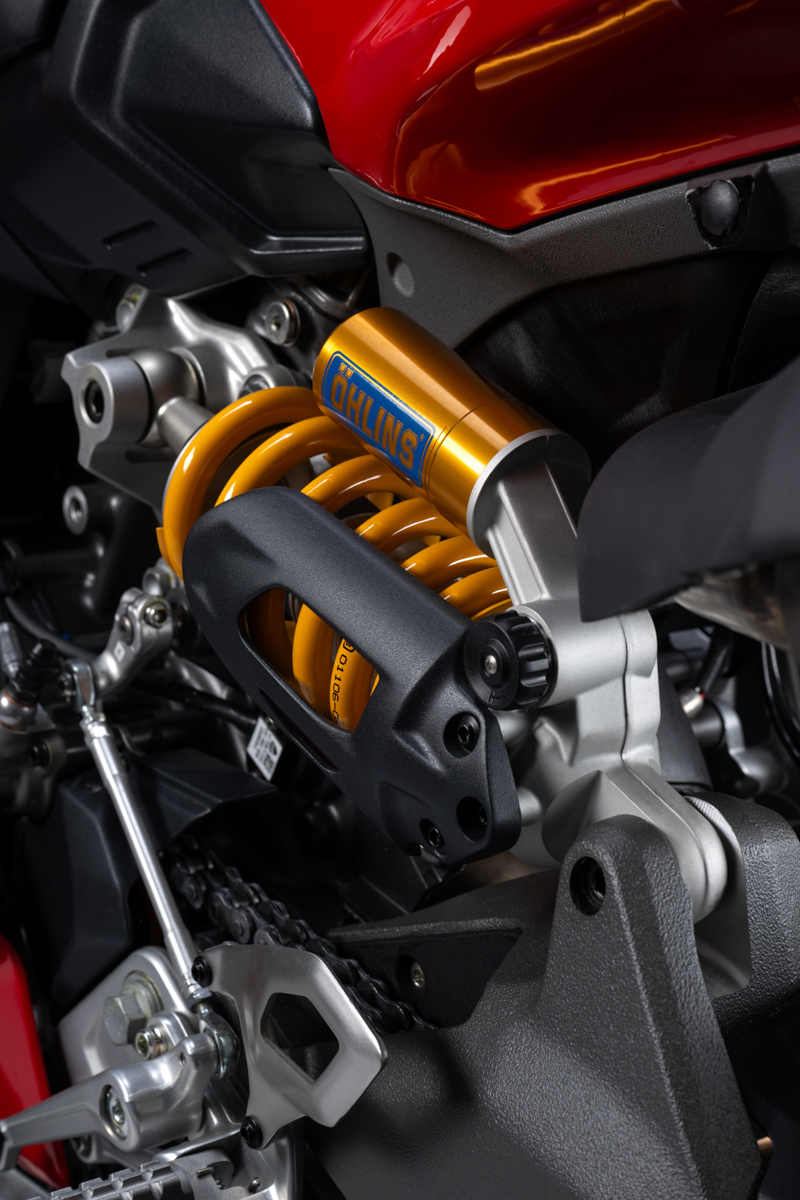
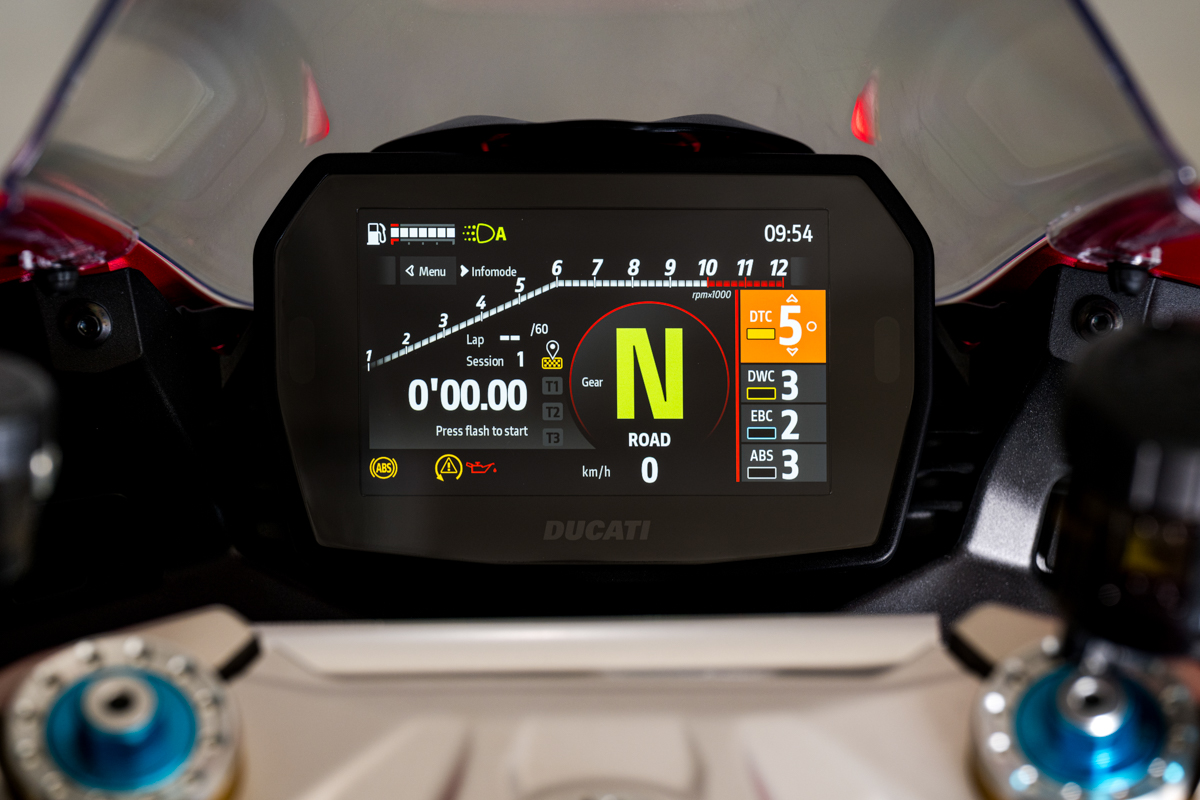
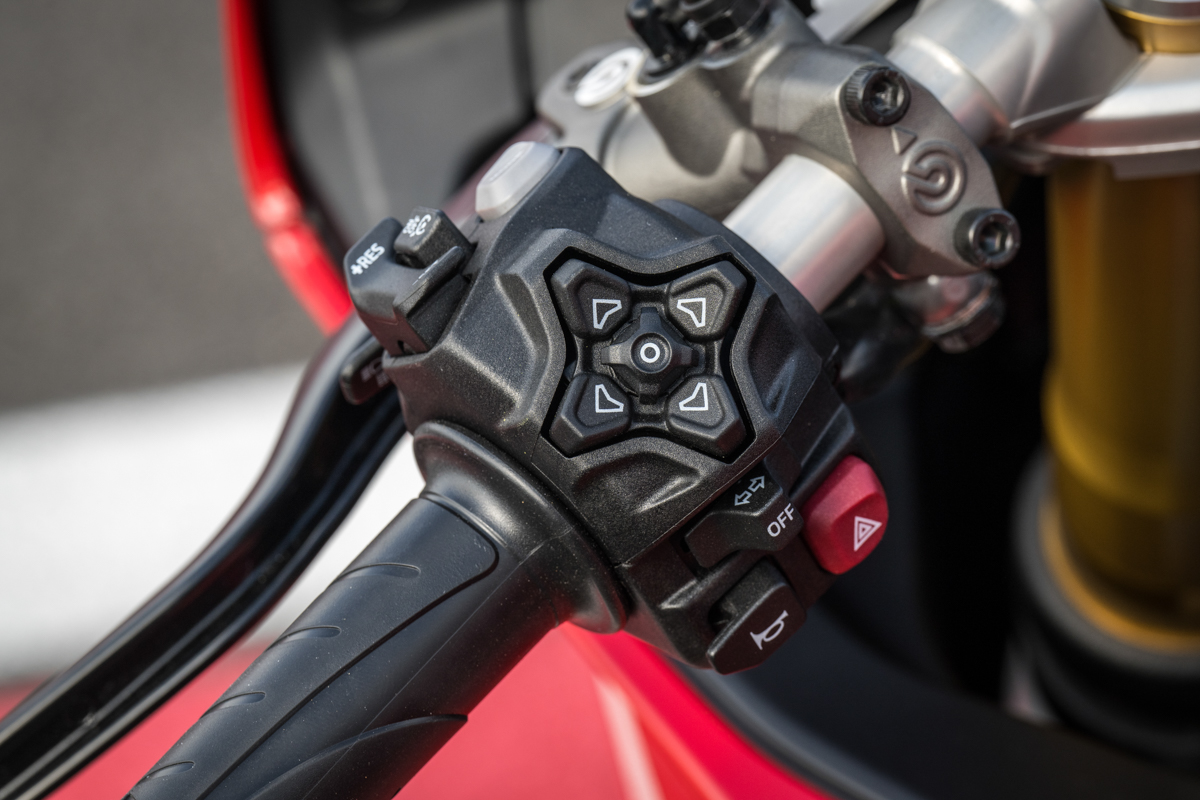
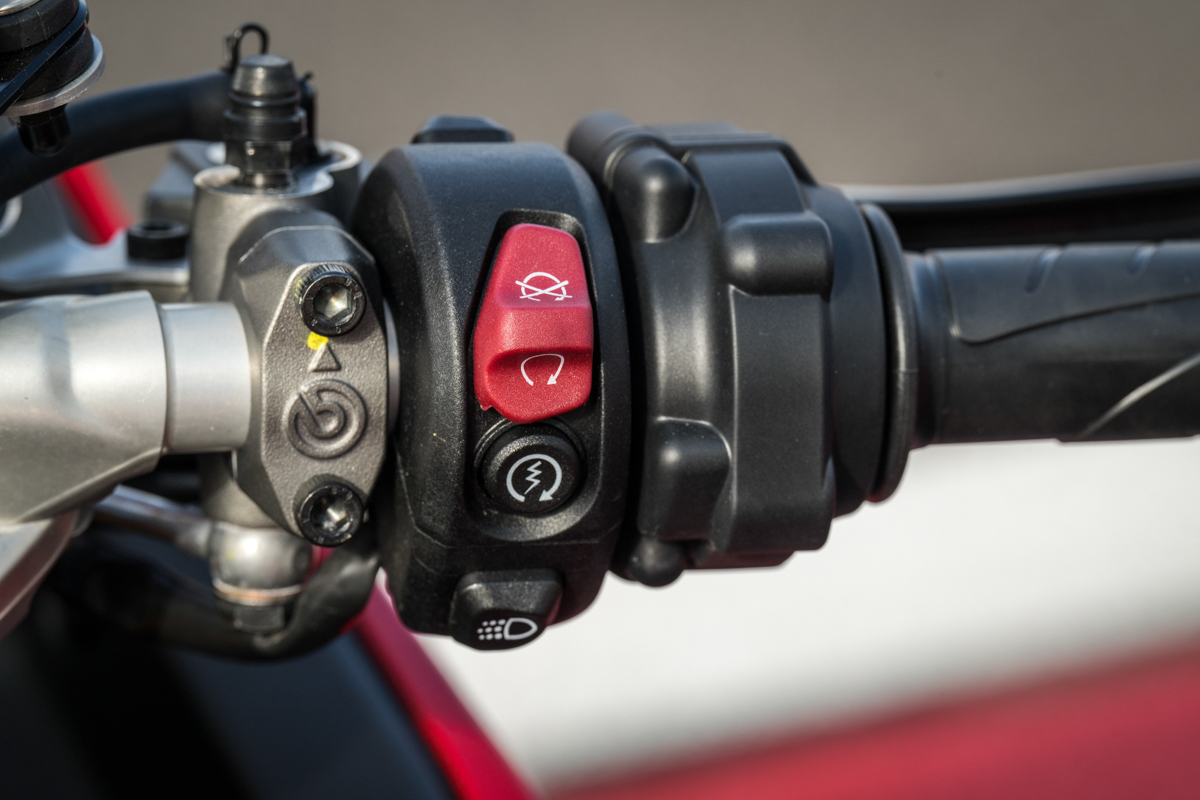
The new aluminium monocoque chassis, dual-sided swingarm, and fully adjustable suspension balance agility with stability, while the V2 S raises the bar with Öhlins suspension, Brembo M50 brakes, and a 176 kg dry weight. A six-axis IMU underpins advanced electronics (Cornering ABS, DTC, DWC, EBC and Quick Shift 2.0) controlled through four Riding Modes and displayed via a new 5” TFT with race-derived interfaces. The result is a sharper, lighter, and more approachable Panigale that delivers the thrill of a superbike on both road and track.

Price

The 2025 Ducati Panigale V2 is priced from RM125,000 (for the standard V2).

Photo gallery

We have said many times over: Do not ever, EVER, compromise when it comes to safety-related components and products. This is especially true when ordering cheap parts from online sellers. Case in point, the Federation of European Motorcyclists Associations (FEMA) have found brake pads that include asbestos being sold through AliExpress.

The brake pads and brakes shoes (for drum brakes) are produced by Tanaki and Zhangxingyue. All the products noted in the action are produced in China, and all of the products fail to meet REACH (Registration, Evaluation, Authorisation and Restriction of Chemicals) regulations. These guidelines aim to protect consumers from coming into contact with harmful substances and to protect the environment.

The substance is great for absorbing heat therefore its use in brake pads, and is fireproof hence its use in fireproof suits, but its dust is dangerous when inhaled as it causes mesothelioma in the lungs. Mesothelioma is a cancer that starts as a growth of abnormal cells from a thin layer of tissue that covers many internal organs. Asbestos dust cannot be flushed out, hence will stay in the lungs for a long time to come.

The only advice we can provide at the moment is to insist on asbestos-free brake pads and shoes when you replace them. Apart from that, stay away and do not inhale brake dust when the mechanic or you clean your motorcycle’s brakes with compressed air.

brake-pads
SBS brake pads are asbestos free

Asbestos has been banned in many countries around the world, including the European Union and Malaysia since 1999. However, the bans cover different aspects of the usage of asbestos. For example, while the use of asbestos has been banned in the U.S. and Europe, Malaysia only banned the substance from building materials in government hospitals, clinics, schools, and buildings. As of 2025, the Malaysian authorities is still working towards a total ban.

Your bike may be equipped with the best master cylinder, hoses, and calipers, but it all ultimately comes down to the brake pads to slow your bike down. This is the component that provides the friction when it grips the brake disc, and converting kinetic energy (movement) to thermal energy (heat).

Brake pad friction ratings

HH-rated pads are the strongest brake pads one can buy, but do you have any idea what those two Hs stand for? The letters indicate the friction rating and specifically pertain to the puck’s coefficient of friction, with the first letter quantifying the CoF at a normal operating temperature and the second letter listing the pad’s CoF at an extremely high temperature of 340° Celsius. G and H ratings are common for motorcycle brakes, with a G-rating offering a CoF between 0.45 and 0.55. H is the highest rating available and corresponds to a CoF of 0.55 or greater.

Brake pad material

ORGANIC

These pads are devoid of metal content (and asbestos) and instead blend rubber, glass, or Kevlar materials into a heat-resistant binding resin. Organic pads are the softest and thus the quietest option available and are exceptionally easy on rotors. They’re also easy on your wallet. Downsides include shorter service life (compared to semi-metallic or sintered pads) and fading with aggressive use. Organic pads are most commonly found on older (pre-1990s) bikes, smaller modern bikes, and for rear applications on some larger modern machines.

SEMI-METALLIC

These pads incorporate some metallic material (usually 20 to 40 percent by volume) into the friction material to increase the pads’ friction level and durability and to improve fade-resistance under heavy use. These pads were invented as cars and bikes became faster, requiring stronger, more resilient brake systems. Semi-metallic pads are still fairly quiet, don’t score rotors as much as all-metal sintered pads, and are a popular option for a variety of bikes.

SINTERED

The name refers to the production process, which uses extreme heat and pressure to cement powdered metal (usually bronze) to the backing plate. Sintered brakes have a very high coefficient of friction and excellent heat transfer, making them ideal for aggressive use and racing. The downsides are price, increased rotor wear, and the fact that they usually require some heat to perform their best.

Your motorcycle brakes have a tough job.

What’s amazing is that it does. Take the BMW S 1000 XR for example: It accelerates to 160 km/h in 6.1 seconds and 151 metres. Yet it slows to a complete stop in just 5 seconds and in less than 100 metres.

That kind of performance makes the brakes the most powerful component of a motorcycle, contrary to what many believe is the engine. Think about: The force from one or two of your fingers is enough to bring a flying motorcycle down to sane speeds in less time and distance, than the engine takes to accelerate the bike.

That impressive performance is due to the power and resilience of the modern hydraulic brake system, which is comprised of the following components.

Master cylinder

Whether operated by your right hand or your right foot, this converts mechanical force into hydraulic pressure via a lever acting on a piston that presses on a fluid. The force with which you pull the lever, the lever’s leverage ratio, and the size of the master-cylinder piston determine the amount of pressure imparted on the system, which may exceed 10.5 kg/cm².

Brake lines

These multilayer hoses transmit pressure from the master cylinder to the calipers and typically utilize a Teflon inner lining surrounded by a braided-nylon, Kevlar, or stainless-steel reinforcing layer that’s then wrapped in a protective sheathing. The stronger the hoses the better, since any expansion under pressure will reduce braking force and feel. Because rubber hoses lose their strength over time, most manufacturers recommend replacing them every four years.

Brake caliper

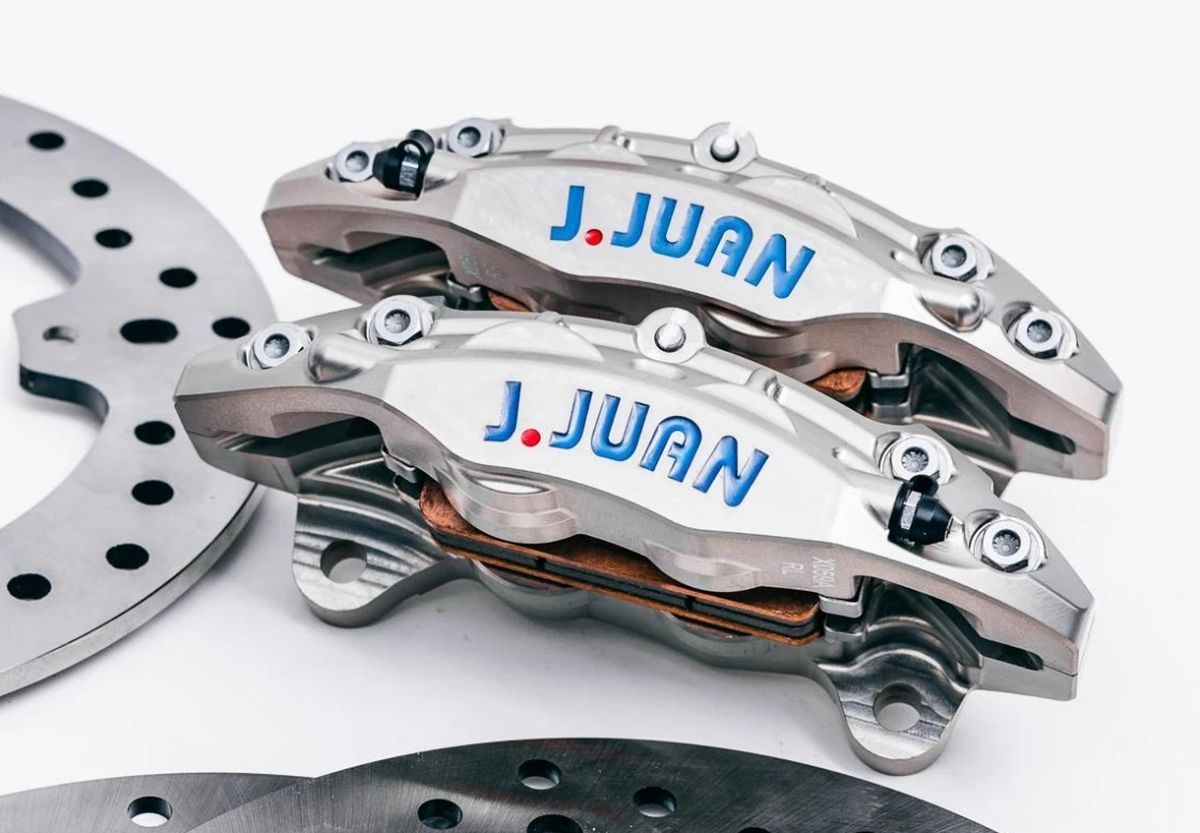
The brake caliper is where the multiplying power of hydraulics comes into play. Since pressure applied to a confined liquid is transmitted undiminished and with equal force to all surfaces within the system, the pressure from the master cylinder is exerted uniformly on the much larger area of the caliper pistons, increasing the force many fold.

Brake pads

If any part of the brake system deserves sympathy, it’s the pads. Their job is to convert your bike’s kinetic energy into heat by way of friction. And we want them to do it quietly and repeatedly and without getting too hot. It’s not uncommon for the brakes on an aggressively ridden streetbike to heat up to 180° Celsius, while the pads and discs on a racebike may exceed 315° Celsius.

Brake disc (or drum)

Transferring the brake pads’ resistance to motion to the wheels and on to the tires’ contact patches are the brake discs or drums. Discs are typically made from stainless steel, while drums are lined with cast iron. Both materials provide a durable, heat-resistant surface for the brake pads to press against. Modern brake discs are relieved, and or drilled, to assist in cooling and to help shed water and debris.

Brake fluid

This is the elixir that allows it all to happen. Brake fluid is responsible for transmitting force from the brake lever to the back of the brake pads. It needs to be non-compressible to effectively transmit pressure, have low viscosity to be compatible with ABS components, have good lubricity for master-cylinder and caliper pistons seals, offer corrosion resistance, and also have a very high boiling point.

Brake fluid is available in four grades: DOT 3, 4, 5, and 5.1. DOT 3, 4, and 5.1 fluids are glycol based and miscible, while DOT 5 fluid is silicone based and can’t be mixed with any other type of fluid. Glycol-based fluids are hydrophilic and will attract and absorb moisture out of the air. DOT 5 fluid is hydrophobic, but due to the repeated heating and cooling cycles and the imperfect sealing of master cylinders and calipers, all fluids will eventually ingest some quantity of water. The difference is that glycol-based fluids will pull moisture out of the air on their own while DOT 5 will not, meaning DOT 5 has a much longer service life.
If you’re thinking DOT 5 sounds really appealing right now, think again. Expense, as well as the fluid’s compressibility and viscosity, makes DOT 5 unsuitable for everyday use. So why does it exist? It was created for the military to use in vehicles that will be parked for years at a time. Harley-Davidson used DOT 5 until a decade ago but specifies DOT 4 now.
A fluid’s classification has little to do with its chemical makeup. Rather, it’s based on the fluid’s boiling point. The Department of Transportation sets minimums for each grade’s “dry” and “wet” boiling point, with the former state completely free of moisture and the latter containing 3.7 percent water as is common after a year or so of regular use. DOT 3 fluid has the lowest minimum dry boiling temperature at 205° C (140° C wet), while DOT 5.1 has the highest at 270° C (180° C wet).

As the temperature ratings above suggest, any water content in the brake fluid will reduce its boiling point. Boiling brake fluid will make your brake lever feel spongy and braking force will be diminished. This condition is known as brake fade or, more specifically, fluid fade. Replacing your brake fluid regularly (most manufacturers say every two years) will help ensure your brakes always perform their best.

Radial vs axial mount callipers

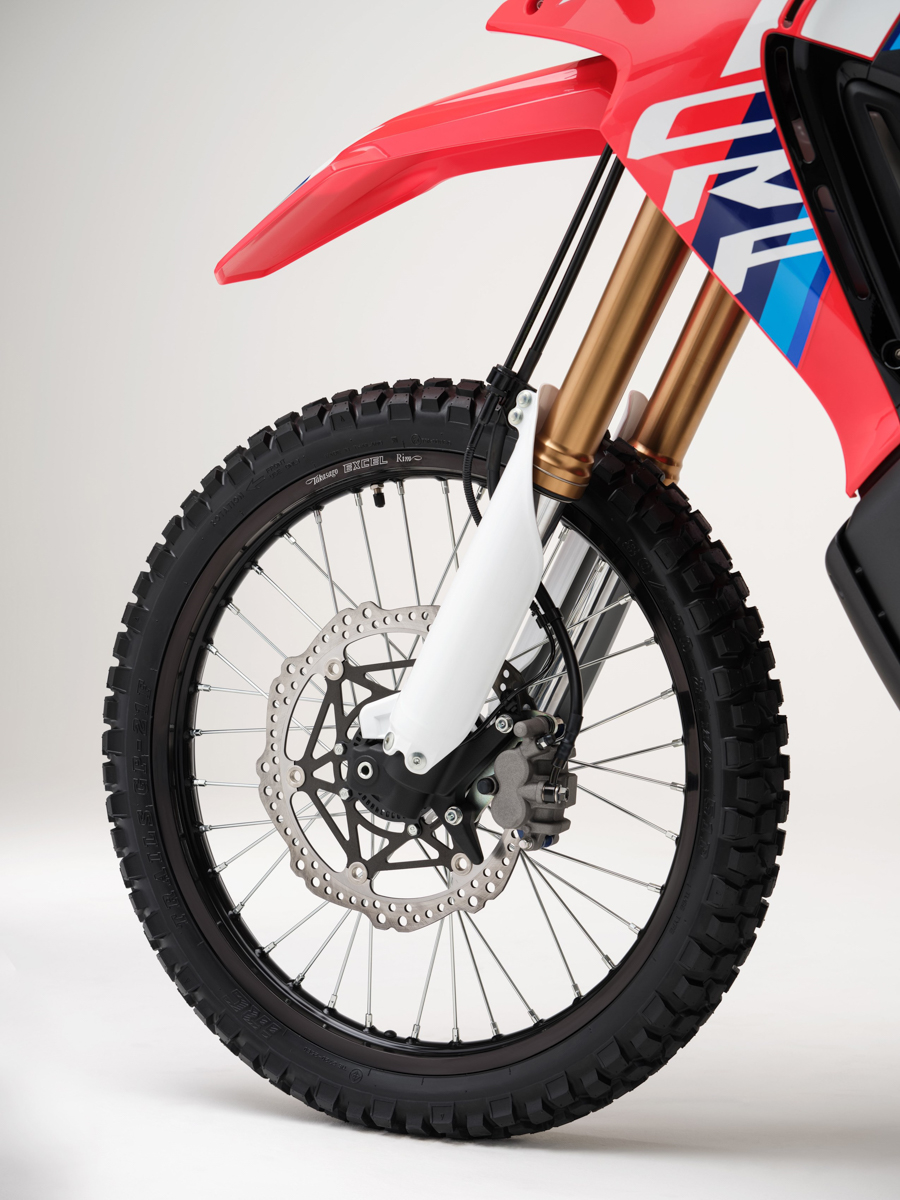
Nearly all modern sportbikes have radial-mount brake calipers, and the general consensus is that they’re better. But why? First, the difference between radial-mount brakes and axial-mount brakes: Radial brakes are secured via bolts that are parallel with the brake disc as compared to bolts that are perpendicular to the disc face (see photo at right) as on traditional brakes.

Radial mounting typically offers better caliper-to-disc alignment and is significantly more rigid than axial mounting. A more rigid setup yields better pad-to-disc contact for improved power and, more significantly, better feel at the lever.

Some 600 police officers and personnel will be deployed to control traffic flow and ensure security during the RXZ Members 7.0 event at the Gong Badak Motor Circuit in Kuala Nerus on August 22 and 23.

Terengganu Police Chief Mohd. Khairi Khairuddin said this year’s attendance is expected to exceed 100,000 participants, compared to 60,000 last year.

He stated that the involved officers and personnel will be stationed at selected locations across the state to prevent congestion that could disrupt public daily activities.

“A total of 600 police officers and personnel will be stationed at selected locations, not only in Kuala Terengganu but also in all districts, including Besut, Marang, Dungun, Setiu, and Kemaman.

“To ensure safety, the Motorcycle Patrol Unit (URB) and Mobile Patrol Vehicle (MPV) Unit will conduct patrols in accommodation areas and homestays,” he said during a press conference at the Terengganu Police Contingent Headquarters (IPK) here today.

Mohd. Khairi said last year, three fatal accidents involving RXZ Members 6.0 participants were recorded, while 89 summonses were issued for various offenses.

Additionally, there were three cases of fraud involving non-existent homestays, resulting in losses totaling RM1,400.

In this regard, he reminded all RXZ Members 7.0 participants to comply with traffic rules and avoid causing noise in public areas that could disturb public order.

“Participants of the gathering are advised not to bring prohibited items, as the police are constantly monitoring suspicious activities… Also, ensure that the booked accommodations are legitimate to avoid falling victim to fake homestay scams,” he said.

Archive

Follow us on Facebook

Follow us on YouTube