Bikesrepublic

Latest News

  • What do the markings on engine oil bottles tell us?

  • A full understanding of engine oils results in using the correct oil.

  • Using the wrong oil could result in higher maintenance and repair costs.

It always happens. Post anything about engine oil and emotions get stirred harder than a Frappuccino. There are just so many fears, myths and misunderstanding. So, let’s start with the basics such as the markings on engine oil bottles.

Every engine oil bottle has markings on them, telling us something about its properties. What goes on beyond that would be the specifics such as the base oil, additive packages, high-heat protection, etc.

GRADE
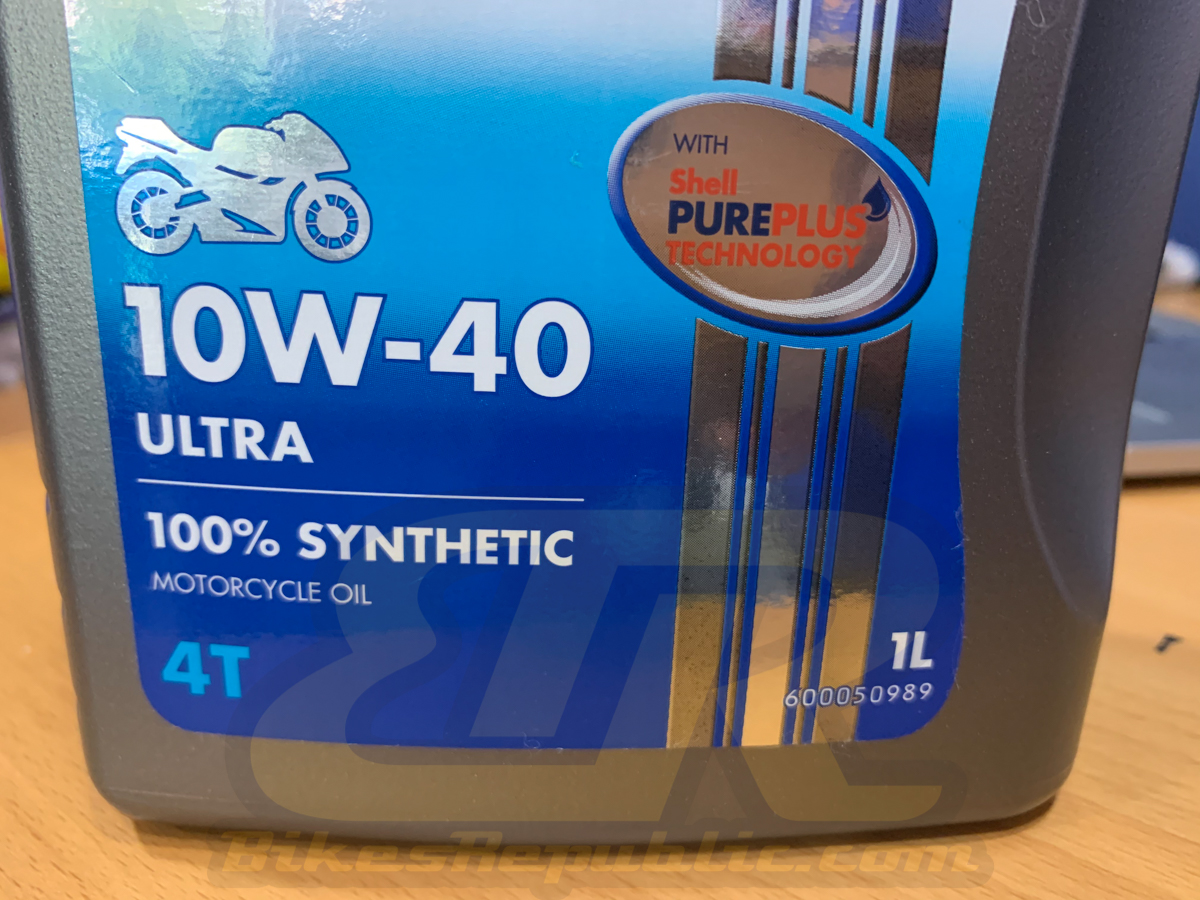
This is the oft-discussed property. Common nomenclatures are 5W-40, 10W-40, 15W-40 and so forth. They’re also marked as SAE 10W-40, sometimes (these days) but we’ll get to SAE later.

They denote the viscosity index (VI) of the oil at certain conditions. We say again, “certain conditions.” Viscosity means the flow properties of oil. A less viscous fluid flows easier and we usually call it “thin.” On the other hand, a more viscous fluid flows slower and we call it “thick.”

So, a 10W-40 oil is more viscous then 15W-50.
Credit Rymax Lubricants

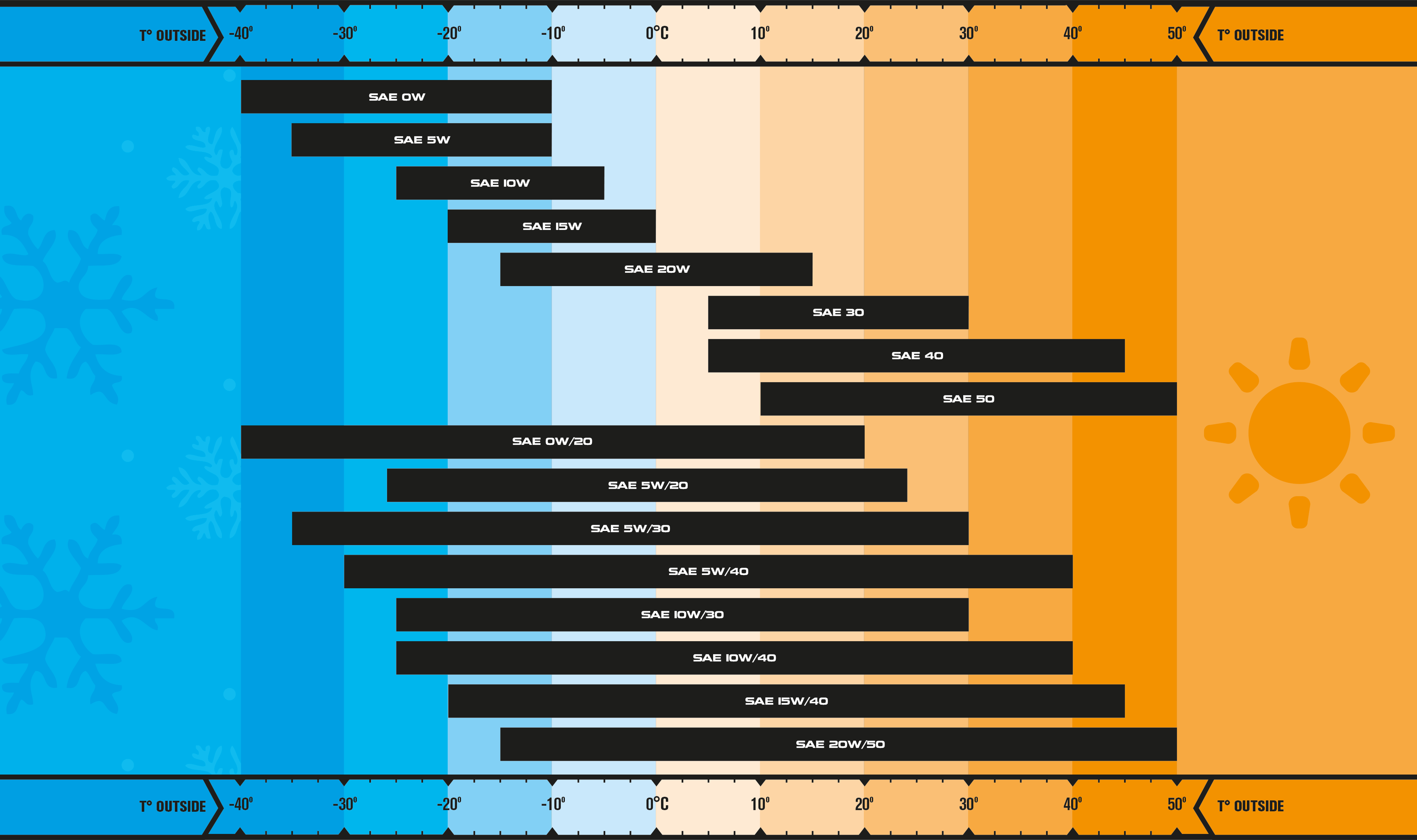
The “W” stands for winter and tells us what the viscosity is when the ambient temperature (weather) drops to freezing point and below. Please refer to the chart below.

So, a 10W-40 oil can maintain a viscosity index of 10 at -25-degrees Celsius. As such, the “W” in engine oils doesn’t concern us in Malaysia at all, unless the Earth shifts the Equator to become the North or South Pole somehow. It also doesn’t matter we stayed overnight at Genting Highlands.

By the way, oils with two numbers are called “multigrades” because they can perform through a wider range of temperatures compared to single grade oils such as SAE 40.

As for the upper ranges, more viscous oil is needed at higher ambient temperatures. Since our weather normally stays below 40-degree Celcius, any 40-grade is good enough. However, using a 50-grade oil such as 15W-50 is also okay especially for older engines that need more sealing.

One caveat that must be observe is the use of oil that’s too thin or too thick. Too thin and the oil will be too light at high temperatures to provide good protection, while an oil which is too think may not get pumped through small gap sufficiently. The safest bet is to go by the engine manufacturer’s recommendation then move to a higher viscosity when the bike ages.

SAE

SAE stands for Society of Automotive Engineers. They are the people who set the standards for engineering professionals in various industries. Among the key members were Henry Ford, Thomas Edison, Glenn Martin, Orville Wright and Charles Kettering. They currently have over 138,000 members worldwide.

Oil properties standards such as viscosity index was specified by SAE called the SAE J300.

Although not shown these days, oil grades still adhere to SAE standards.

API SL/SM/SN
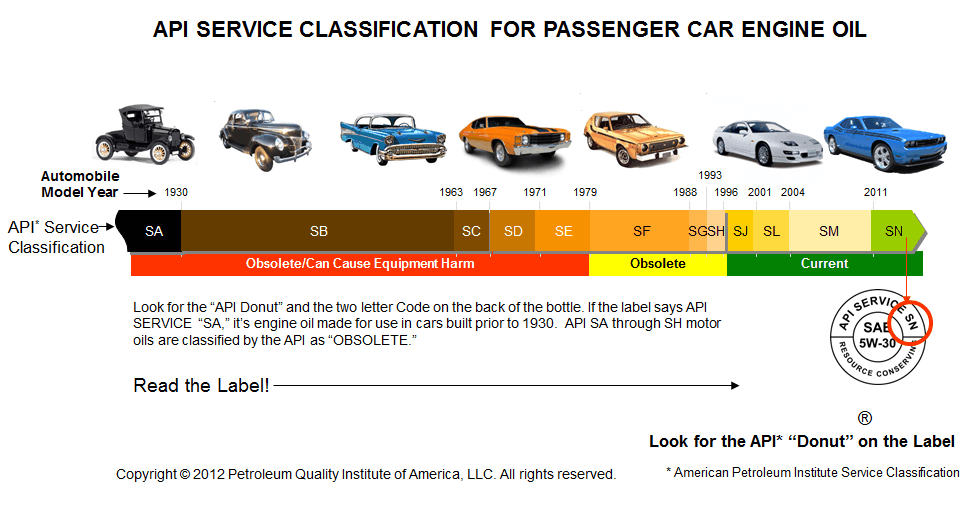
You may have heard friends say “SN” grade. This has no connection to the viscosity index. Some even called it “oil quality” but the real desription is the oil’s service standard as classified by the American Petroleoum Institute (API).

The short explanation for the classification is the oil’s suitability to the performance of vehicles, according to when they were produced. In other words, newer bikes require higher oil specification oil. This is because the oil grades were developed hand-in-hand with automotive manufacturers and the API.

The current standard for petrol engines, SN, was introduced in October 2010 for vehicles produced from 2011 onwards. Grades SA through SH are considered obsolete and should not be used.

The classifications are backward compatible, meaning that you can use SN oil for older vehicles. Refer to the chart above.

Classifications are made depending on the oil’s properties such as soot thickening, seal compatibility, aftertreatment compatibility, fuel economy, oxidative thickening, piston deposits, sludge and wear.

JASO MA or JASO MA2
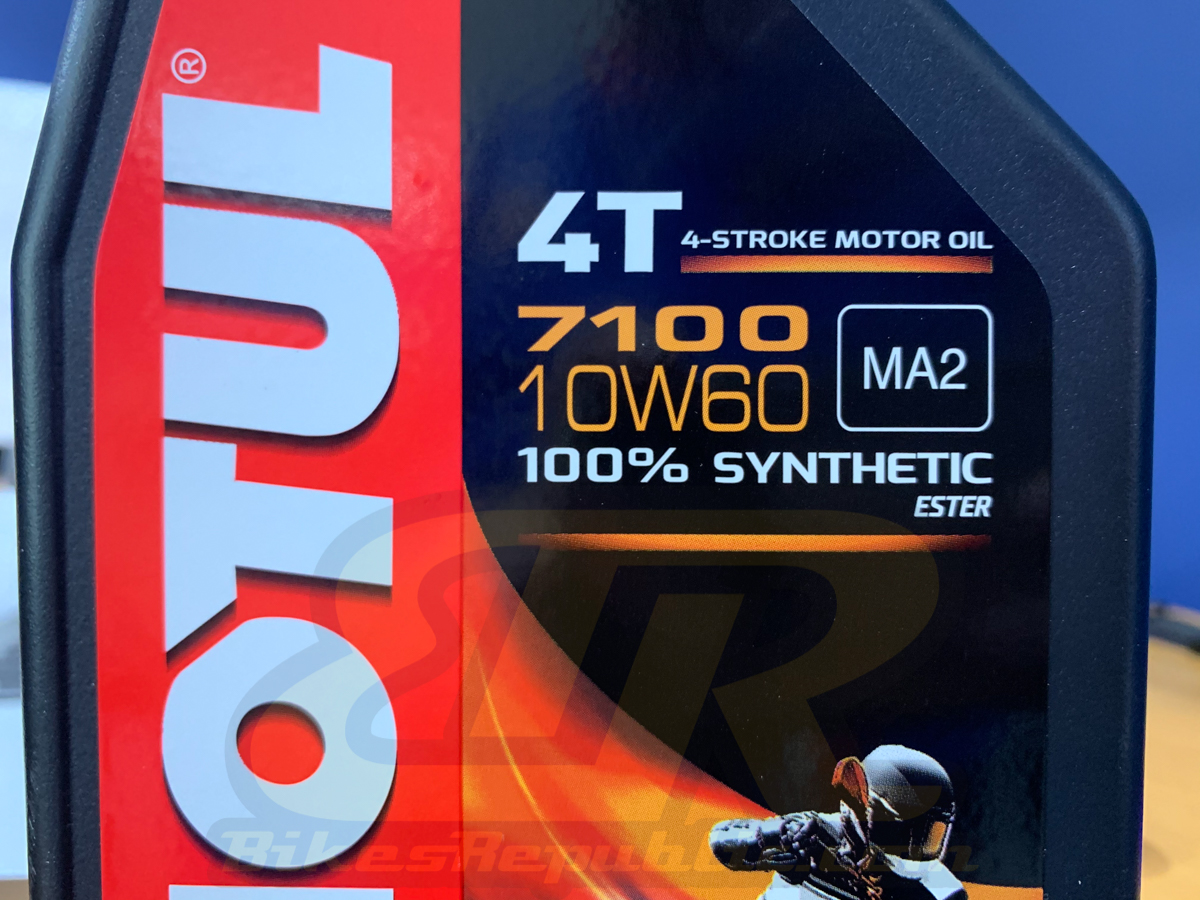
The short description is the oil’s compatibility with “wet clutches.” The engine oil in virtually all motorcycles (apart from certain models) is shared between protecting engine parts, the transmission and clutch.

As such, the oil needs to withstand high temperatures and pressures from combustion, shearing forces in the gearbox, and still allow the clutch plates and friction to grip each other in order to transfer the engine’s power. This is why we should never, ever use engine oils for cars!

Anyway, the standard is JASO T 903:2006. To meet JASO requirements, the oil must be of API SG classification and above.

The oil is tested for dynamic friction, static friction and stop time to meet the JASO T 904:2006 clutch friction test results. They are then divided further into JASO MA, JASO MA1, JASO MB, and JASO MA2.

Do consult your user’s manual if your bike requires JASO MA/MA2 specification oil.

CONCLUSION

We’ll stop at this for the moment. We’ll take a look at the lubricants’ base oil such as PAO, ester, GTL, mineral, etc.
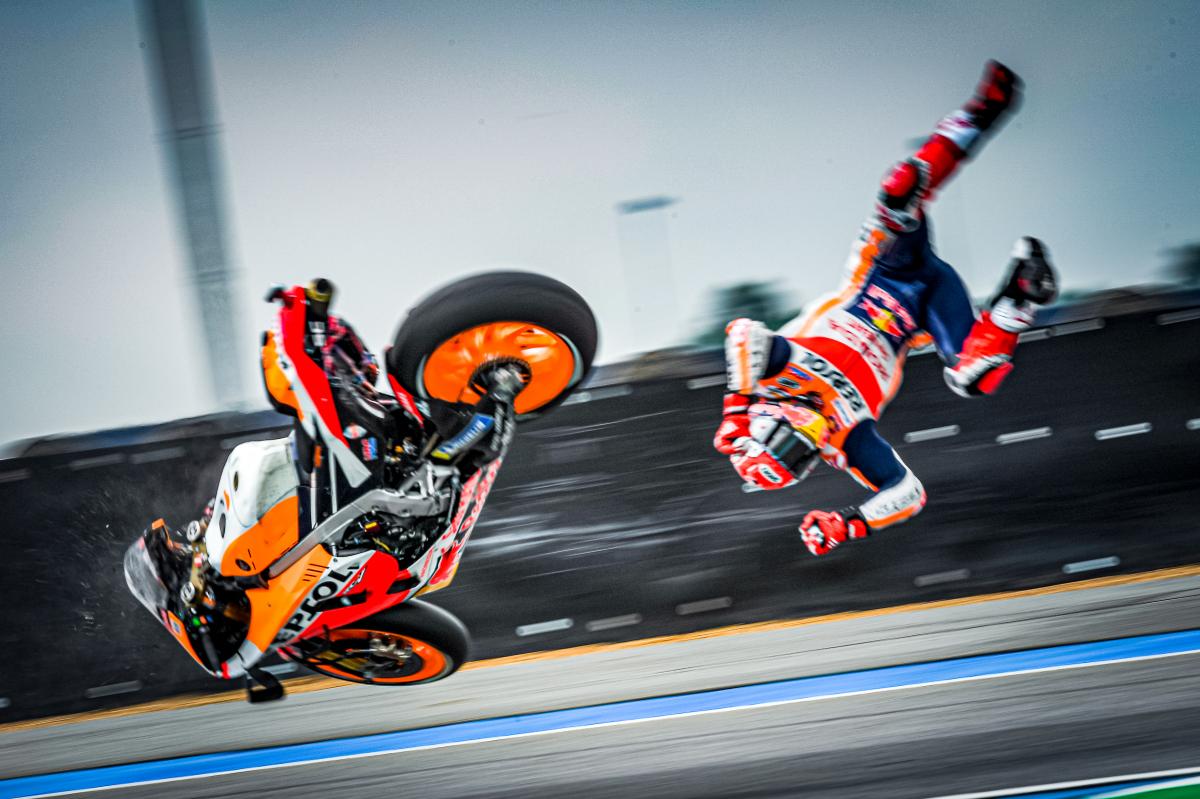

  • Marc Marquez is set to receive another shoulder surgery, this time to his right shoulder.

  • He had dislocated the shoulder in Motegi.

  • But subsequent crashes in Sepang, Valencia and Jerez worsened its condition.

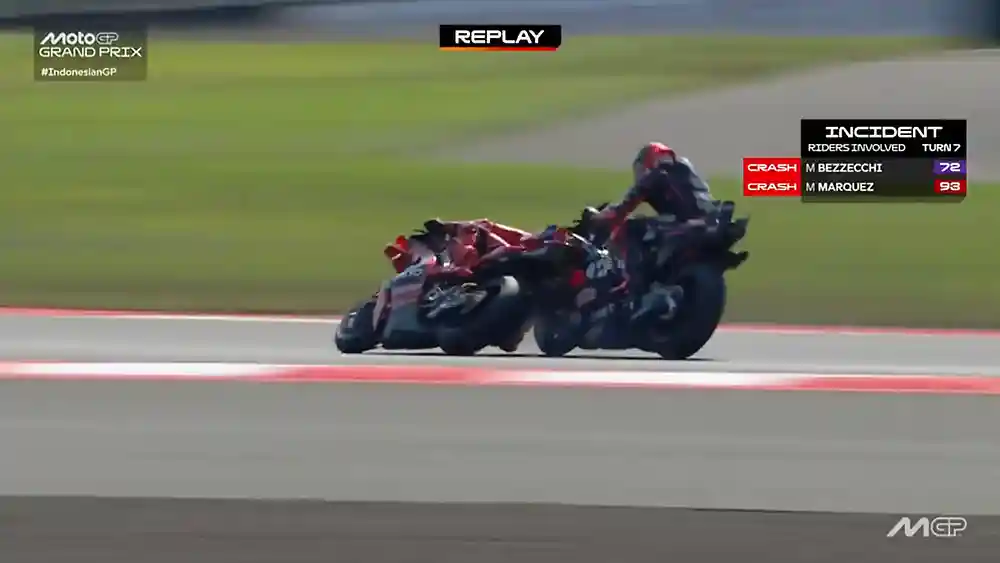
Marc Marquez had a much-publicized surgery for his dislocated left shoulder in 2018, but he is now going to have another, this time to his right shoulder.

He had already dislocated the shoulder at Motegi but the spill during Q2 at Sepang exacerbated the injury.

Trailing Fabio Quartararo, he highsided at Turn 2 and landed hard on his ankles and knees at Sepang. He was forced to cancel the dinner appointment with participants of the Honda Asia Journey later that night. When he made a video conference call to address them, there were apparent bruises and lacerations to parts of his right knee and thigh. But no one knew that he had actually dislocated his right shoulder.

But Marc being Marc, he continued racing and finished the race in second behind Maverick Vinalez, thereby maintaining his Top 2 finish all year except for one race. He went on to win the season finale at Valenica two weeks later.

He would highside again two days later at the same track during the first 2020 off-season tests and landed on the right shoulder

If that wasn’t enough, he crashed again five days later at the current tests at Jerez, again landing on his right shoulder.

The reigning MotoGP champion will have to face a long rehabilitation period through winter. Testing duties will be taken over by Cal Crutchlow and Stefan Bradl.

  • Grab is hiring motorcycle e-hailing riders.

  • The GrabBike pilot programme will last for six months from January 2020.

  • Interested riders need to sign up by 2nd December 2019.

Grab is hiring motorcycle e-hailing riders in view of the Ministry of Transport’s decision to greenlight the service for a pilot programme.

As we published earlier, the programme will run for six months beginning January 2020. It will be carried out in the Klang Valley only in order for the ministry and e-hailing operators to collect data.

Interested riders can sign up by 2nd December 2019. Successful applicants will be notified within 5 working days or by 9th December.

Conditions to fulfill include: The motorcycle must not be more than five years old; the rider has a valid motorcycle license; he or she above 18 years old; and no outstanding summonses with the police or Road Transport Department (JPJ).

GrabBike drive-partners are also expected to deliver food (except for cake and pizza). As such, they will each be provided with a smaller food delivery bag and special training. Also, riders are not allowed to turn off requests for ferrying passengers, although they can do so for food deliveries.

In terms of renumeration, the operator will charge a 20% commission for their cash wallet.

GrabBike also says that for the first month only, riders in the Klang Valley will receive special incentives, a riding jacket and helmet for the pillion.

Please click on the link below if you are interested: https://www.grab.com/my/blog/driver/grabbike-beta-program-perintis-perkhidmatan-pengangkutan-baru/


  • We usually think of the Isle of Man when we hear the words TT.

  • But this footage was shot at the 2019 Czech TT.

  • Listen to the Yamaha R6 in all its glory.

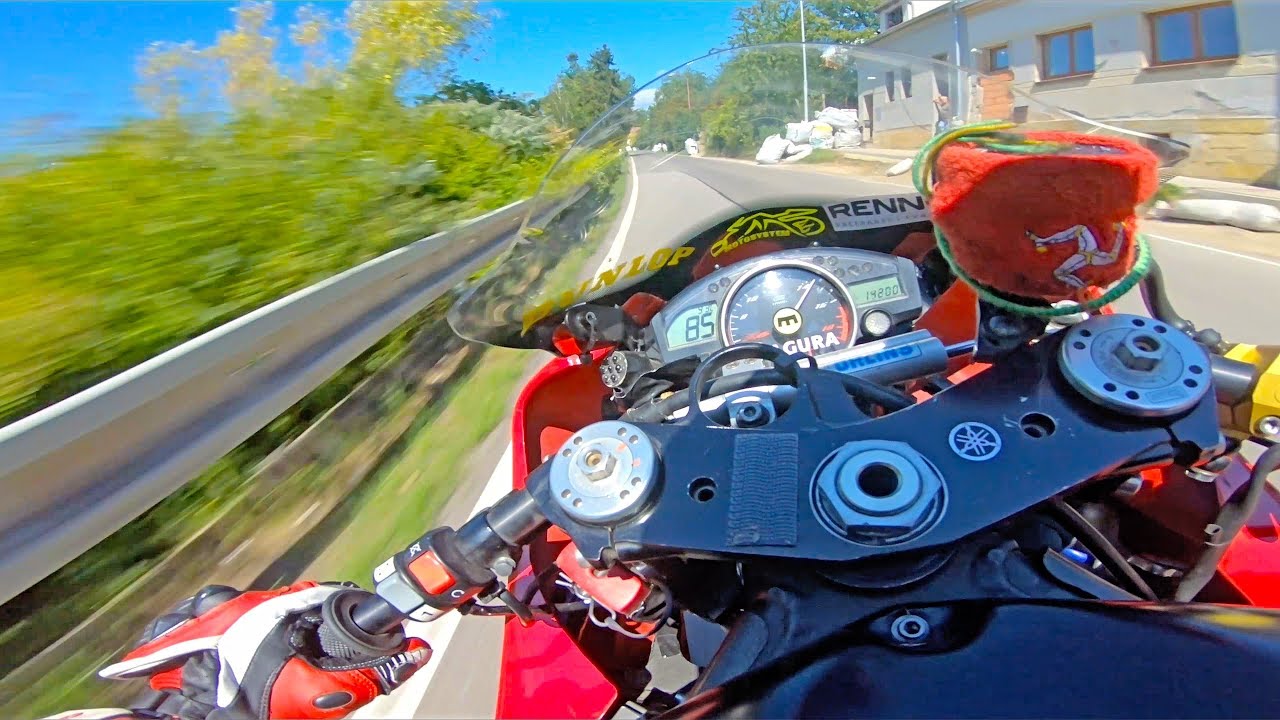
When we hear the words “TT” for Tourist Trophy, the first thoughts are always of the legendary Isle of Man TT. But there are others around world such as this 2019 Czech TT.

In this onboard footage shot by competitor Murtanio on his Yamaha YZF-R6, you get to see what a TT race is all about.

Blasts through the town centre with only sandbags separating the riders from buildings, while fences, trees, hedges line other parts of the track. Spectators are behind a number of these spots too and you can see some of them leaning over the fences to shoot pictures on their phones.

But nothing could take away the excitement in the footage as the R6 screams and howls it way around the “track.”

Here you can see Murtanio messing up the first few corners and was overtaken by another competitor on a Honda CBR600RR. He then got stuck behind for a number of laps while the leaders took off into the distance.

We know what you’re thinking: Why don’t they hold races like this in Malaysia. Ulu Yam-Batang Kali or Bukit Tinggi, Pahang would be great places. But look at their road condition.

Anyway, enjoy this clip which is unimpeded by commentary. There are many other such clips on Murtanio’s YouTube channel including a few on the Triumph Daytona 675.

  • The Ducati V4 Superleggera is on its way.

  • It will possibly weight 161 kg, dry.

  • No launch date yet.

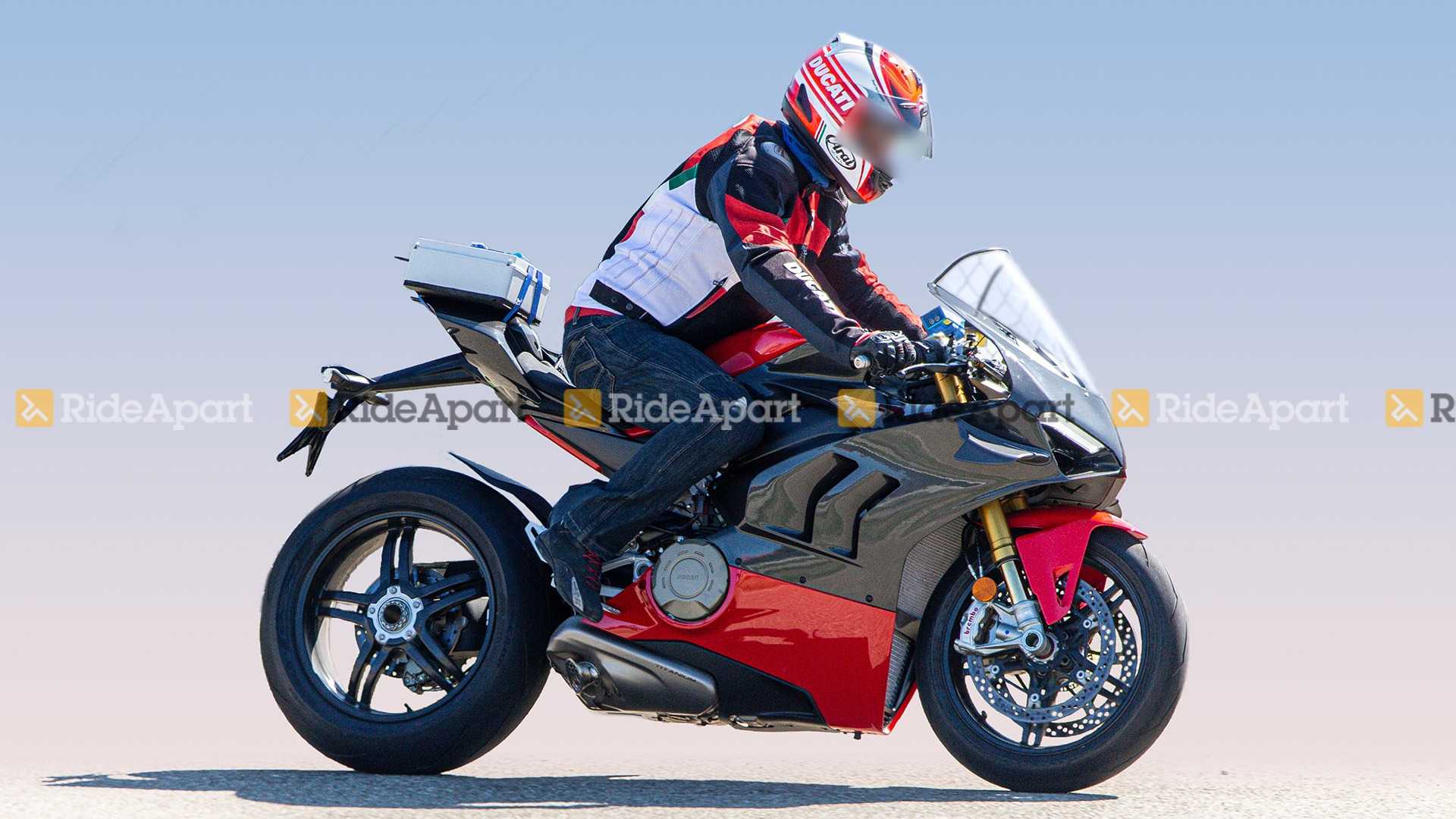
The Superleggera name has become a mainstay of Ducati’s most exotic models and recent type approval submissions confirmed that the Ducati V4 Superleggera is on the way.

Superleggera means “superlight” in Italian, hence the bike will feature lots of carbon fibre, magnesium and titanium parts to shed all that weight.

The type approval submission documents show the kerb weight (ready to ride) at 173 kg. But don’t be alarmed as manufacturers need to submit the bare minimum weight to have the bike in rideable condition. Which means all the weight of the engine oil plus fluids and minimum fuel.

Photo credit RideApart.com

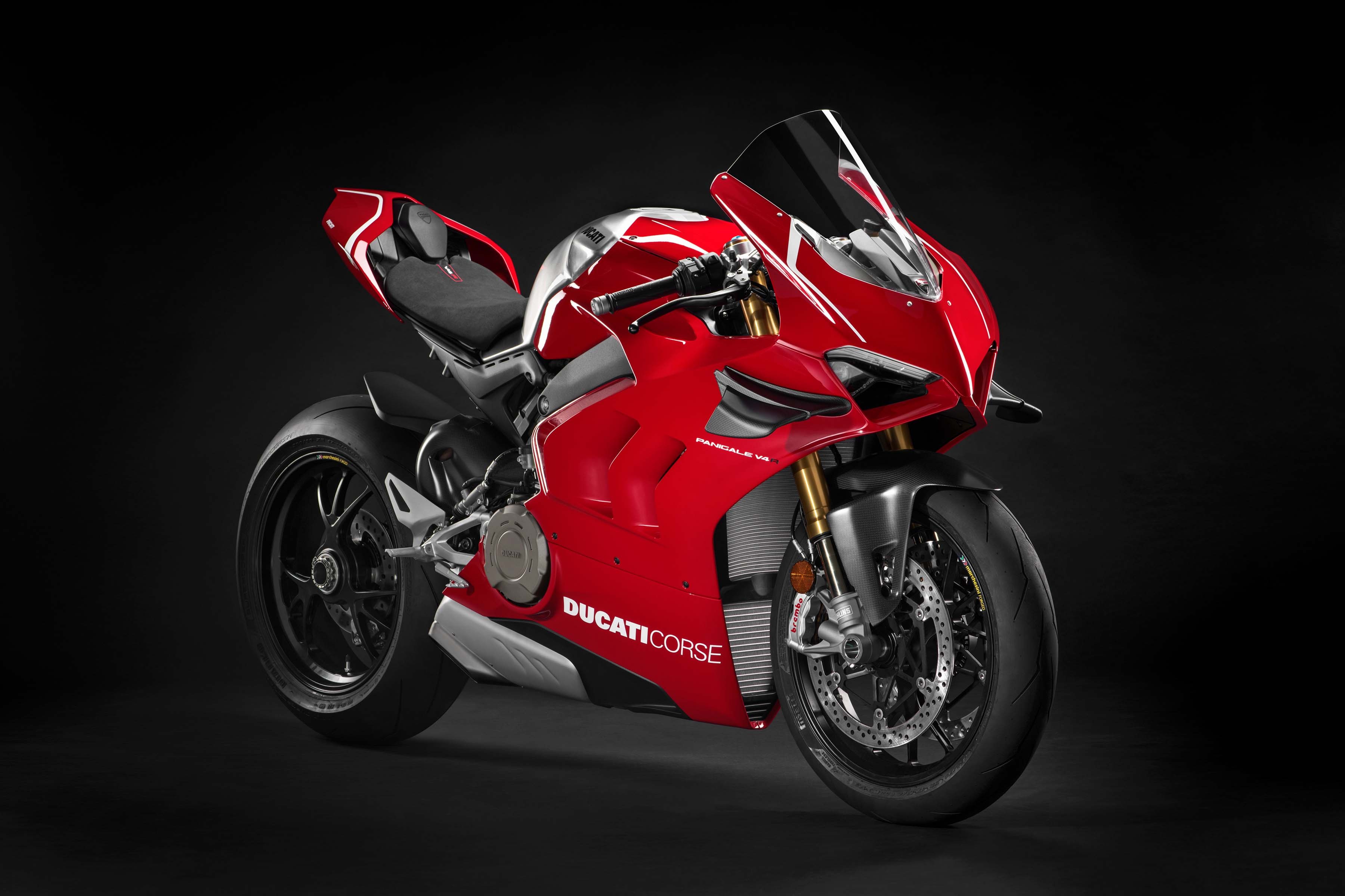
So, what’s the real weight? Let’s compare it to the Panigale V4 R. The type approval kerb weight of that bike is 184 kg. That means the V4 Superleggera is 11 kg lighter in this sense. Ducati claimed the V4 R’s dry weight at 172 kg and wet weight at 193 kg. This ought to mean that the Superleggera’s dry weight is only 161 kg(!) and wet weight of 182 kg(!). That’s heavier than the 1299 Superleggera but the V4 is more complex thus weighs more.

However, all that extra weight will be forgotten when the throttle is twisted. The engine will be based on the V4 R’s 1000cc V-four instead of the 1103cc version in the V4 and V4 S. A new titanium exhaust liberates an extra 3.6 bhp bringing the maximum to 221 bhp. But! A race exhaust and ECU will pump that up to 234 bhp. Insert ear-to-ear grin here.

There are a number of other changes, as well but we have to wait for the official launch to see the specs.

  • The price of the 2021 Yamaha Ténéré 700 has been revealed in the US.

  • It’s the lowest priced middleweight dual-purpose bike of the lot.

  • Hong Leong Yamaha Motor has not confirmed whether they’ll release the bike in Malaysia.

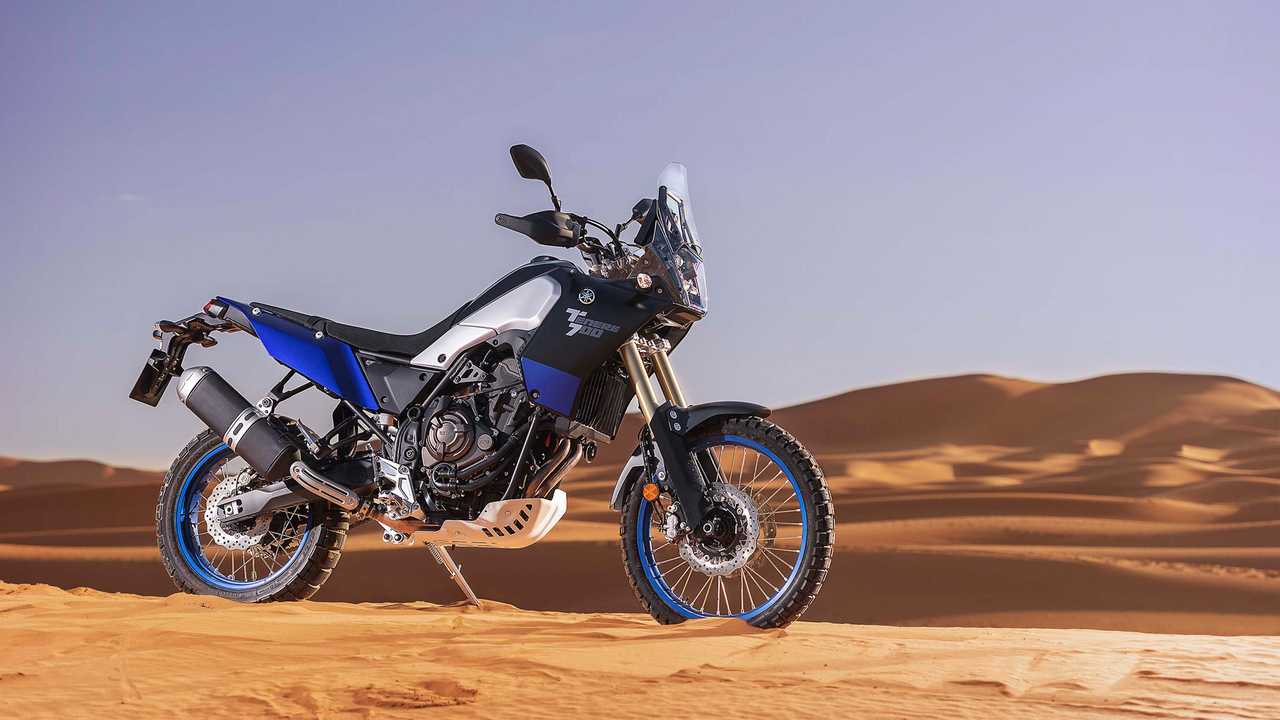
The price of the 2021 Yamaha Ténéré 700 has been revealed in the US and will turn the middleweight adventure motorcycle market on its head.

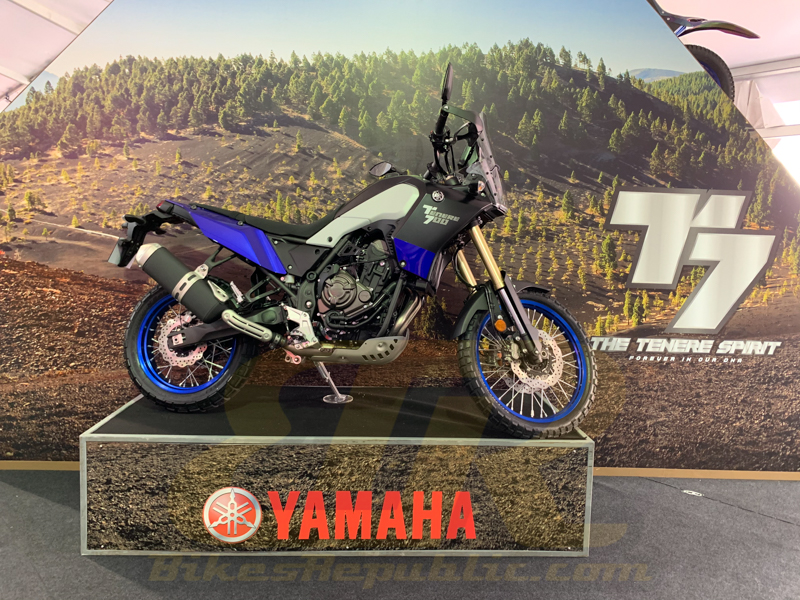
The concept bike was revealed back in EICMA 2018, but the production-ready model was later shown at EICMA 2019. But we Malaysians were luckier as the bike was actually shown at Yamaha’s booth at MotoGP.

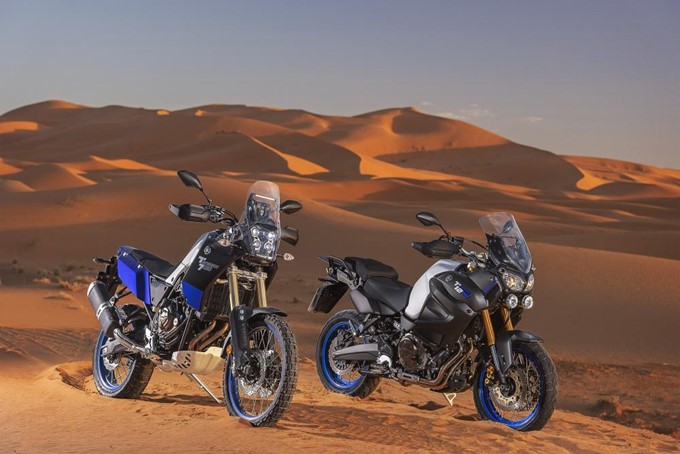
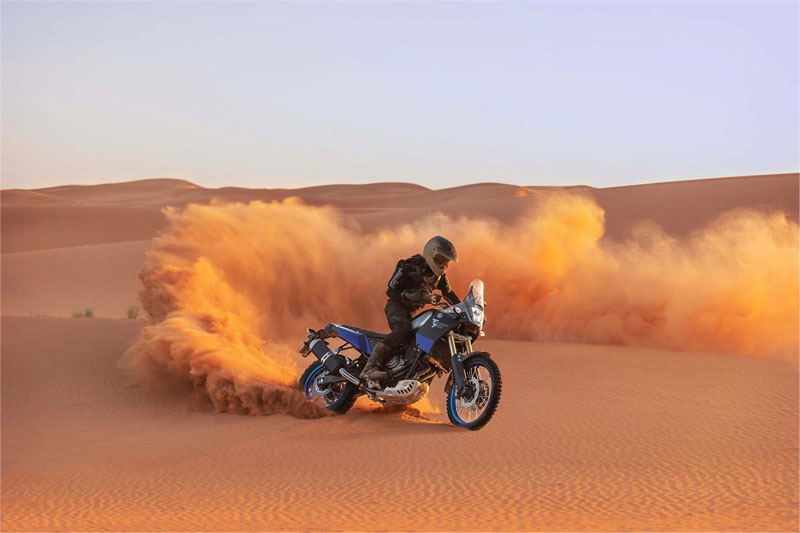
Based on the MT-07 standard bike, the Ténéré 700 promises to be a lightweight truly off-road capable bike. That torque from the 270-degree crank parallel-twin engine will do nicely, too. It’ll be a great departure from the current XTZ1200 Super Ténéré which is on the heavy side.

But the production-ready model looked even better than the concept, especially with those 4 LED headlamps tucked behind the windscreen. That and the tall front end of the bike gives the bike a Dakar Rally presence, no doubt inspired by the original Super Ténéré 750.

What’s the price then? USD 9,999 – RM 41,785.82 at today’s rate.

While the bike was displayed in Malaysia, Hong Leong Yamaha (HLYM) remains tightlipped about whether it’ll be released in Malaysia. Before you criticize them, HLYM prefers to train their dealers, the dealers’ mechanics, shore up spare parts, amongst others before bringing in a model to the country. Don’t forget also that HLYM assembles the bikes and they need time to set up the production line in terms of logistics and worker knowledge.

Still, we are quite certain that there are many waiting for this bike.

Archive

Follow us on Facebook

Follow us on YouTube