Bikesrepublic

Latest News

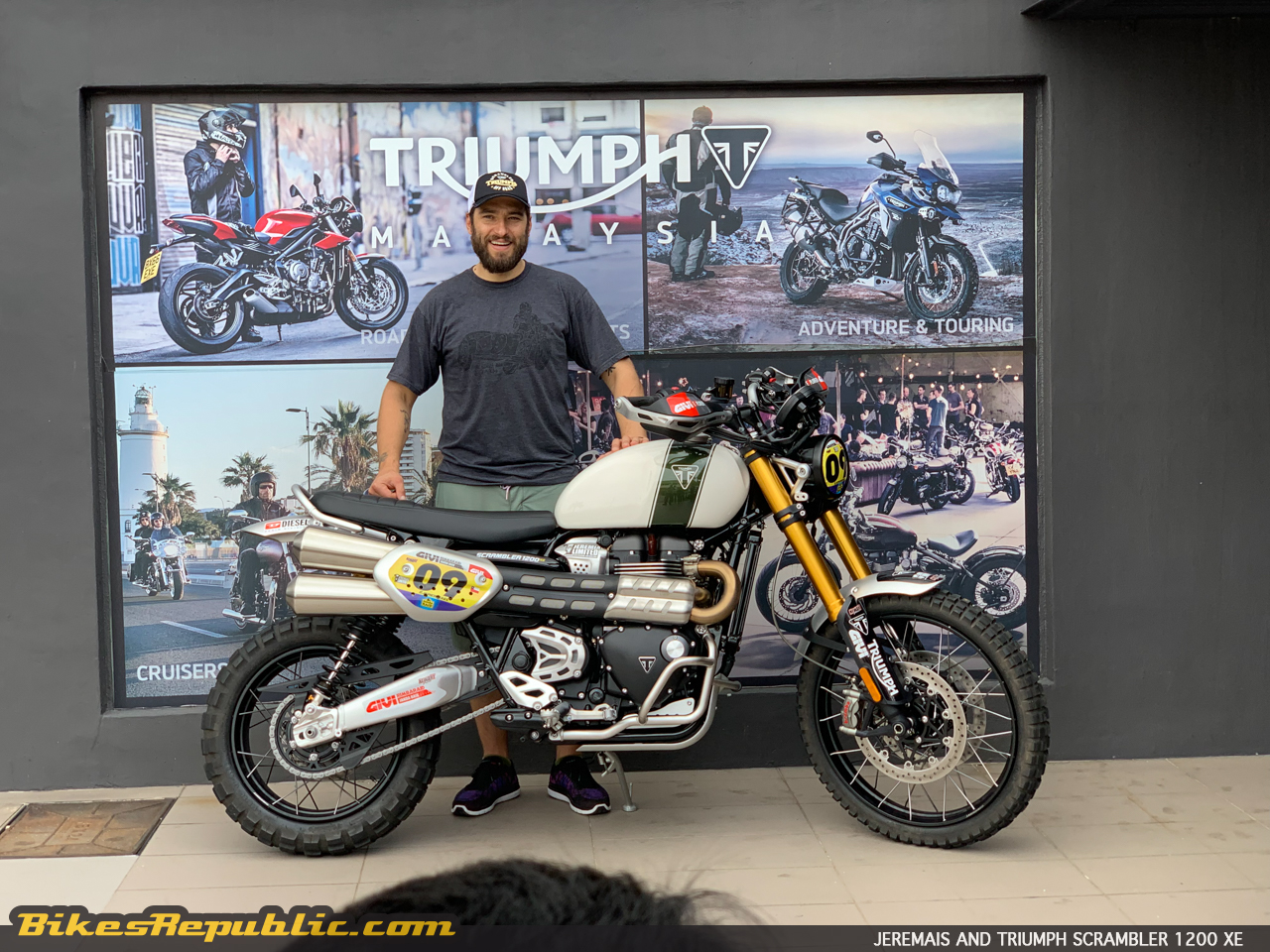
  • Jeremais Israel is set to rock GIVI Rimba Raid at Janda Baik 2019 on the Triumph Scrambler 1200 XE.

  • Jeremais was a works HRC rider in the Dakar Rally.

  • The Scrambler 1200 XE had finished fifth overall at the recent Mexican 1000 Rally.

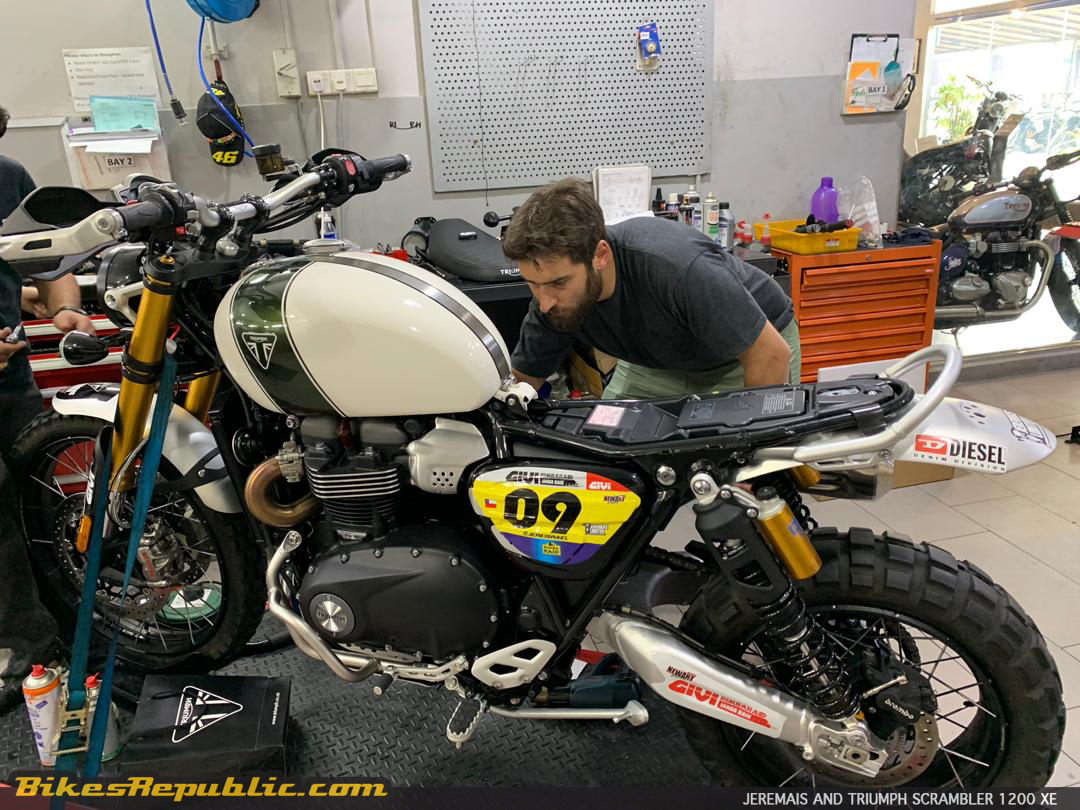
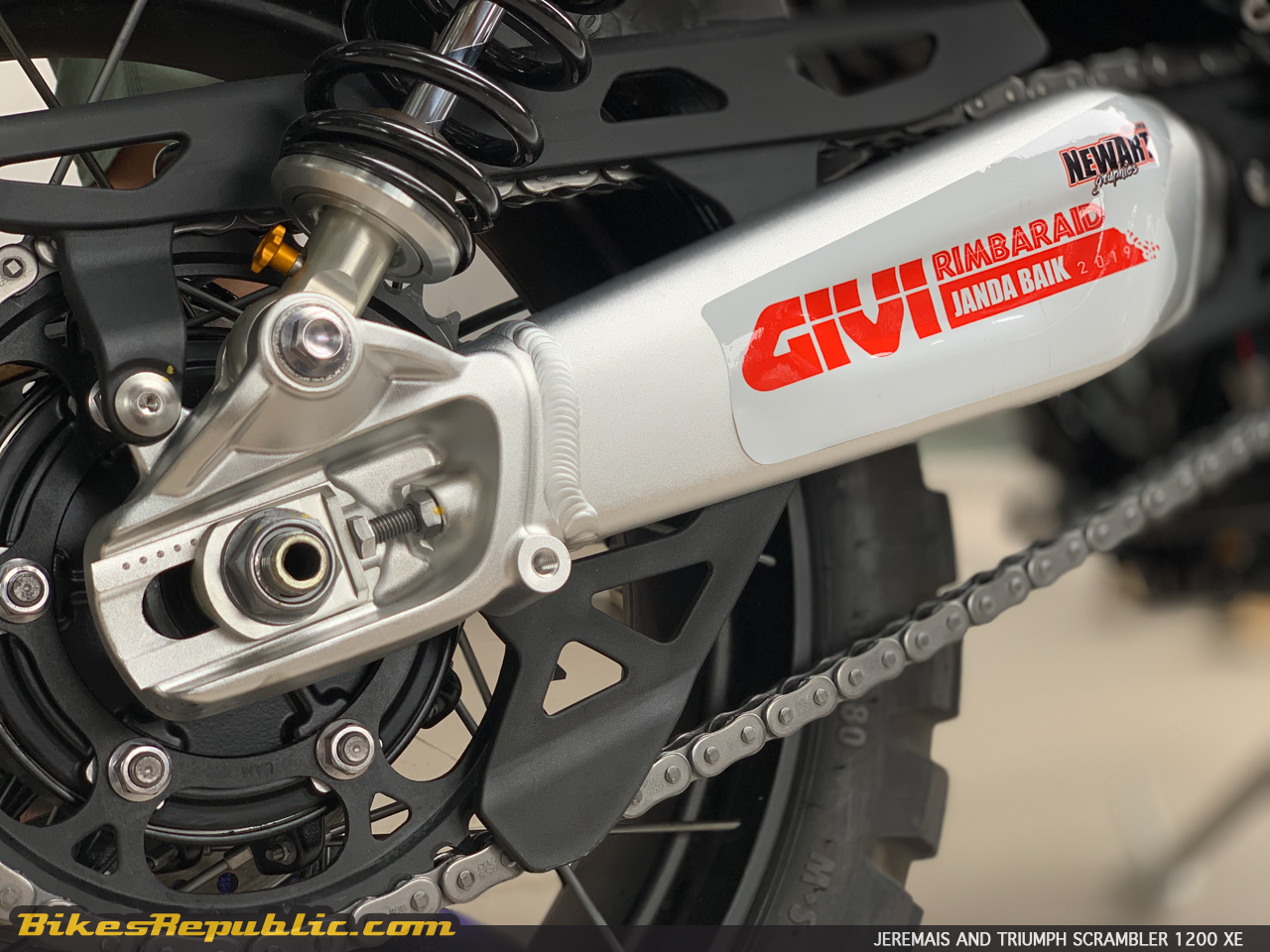
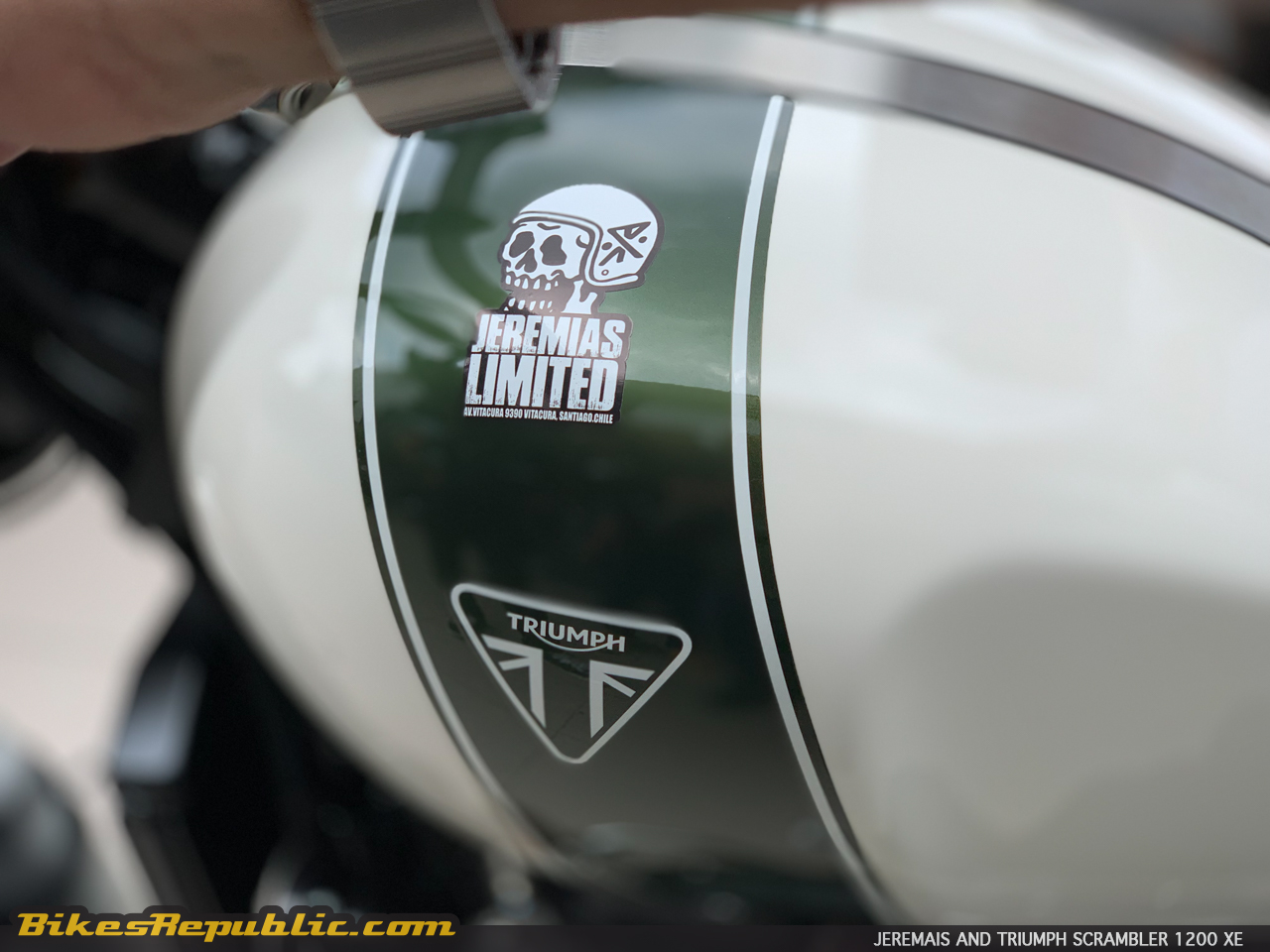
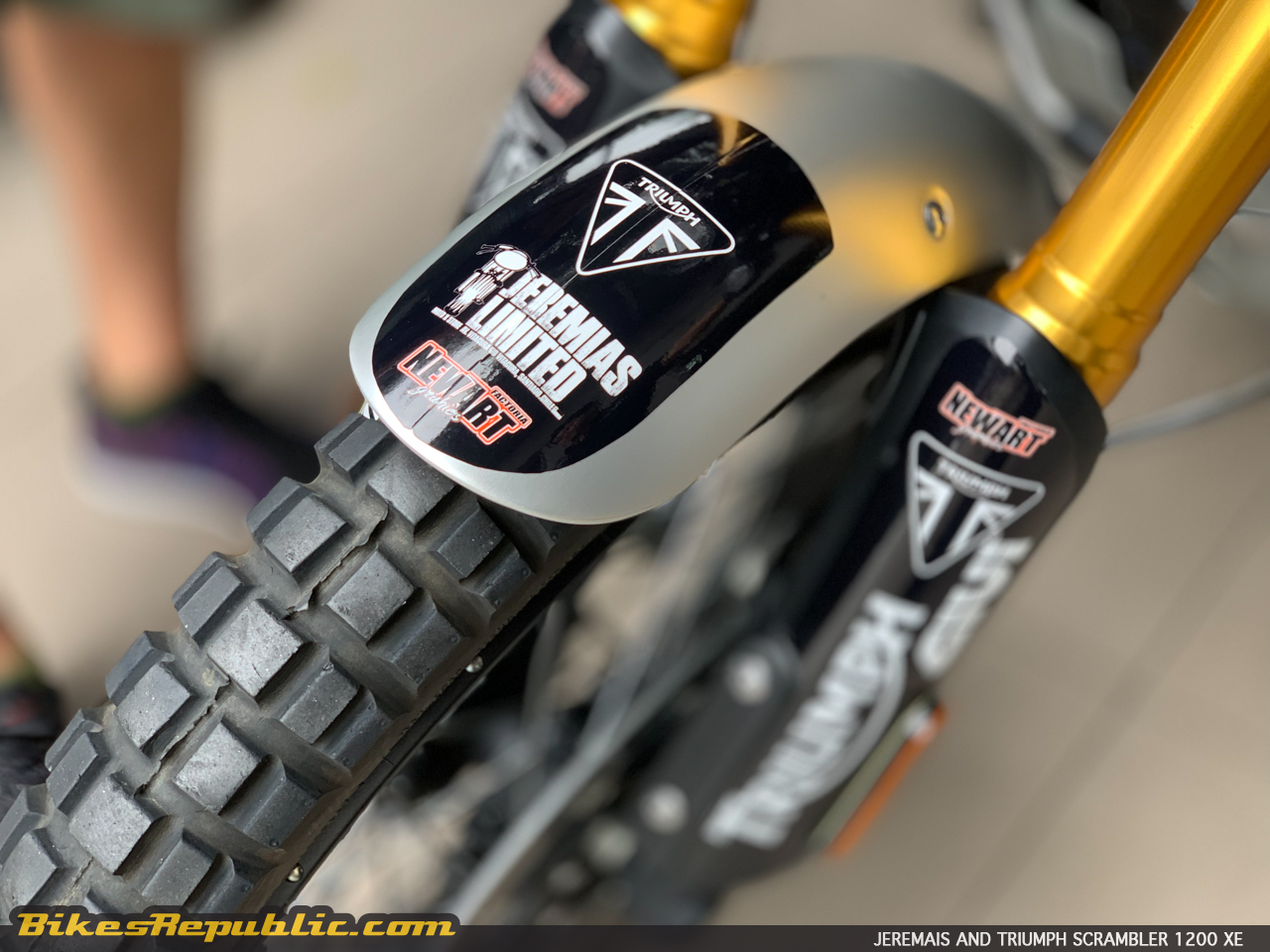
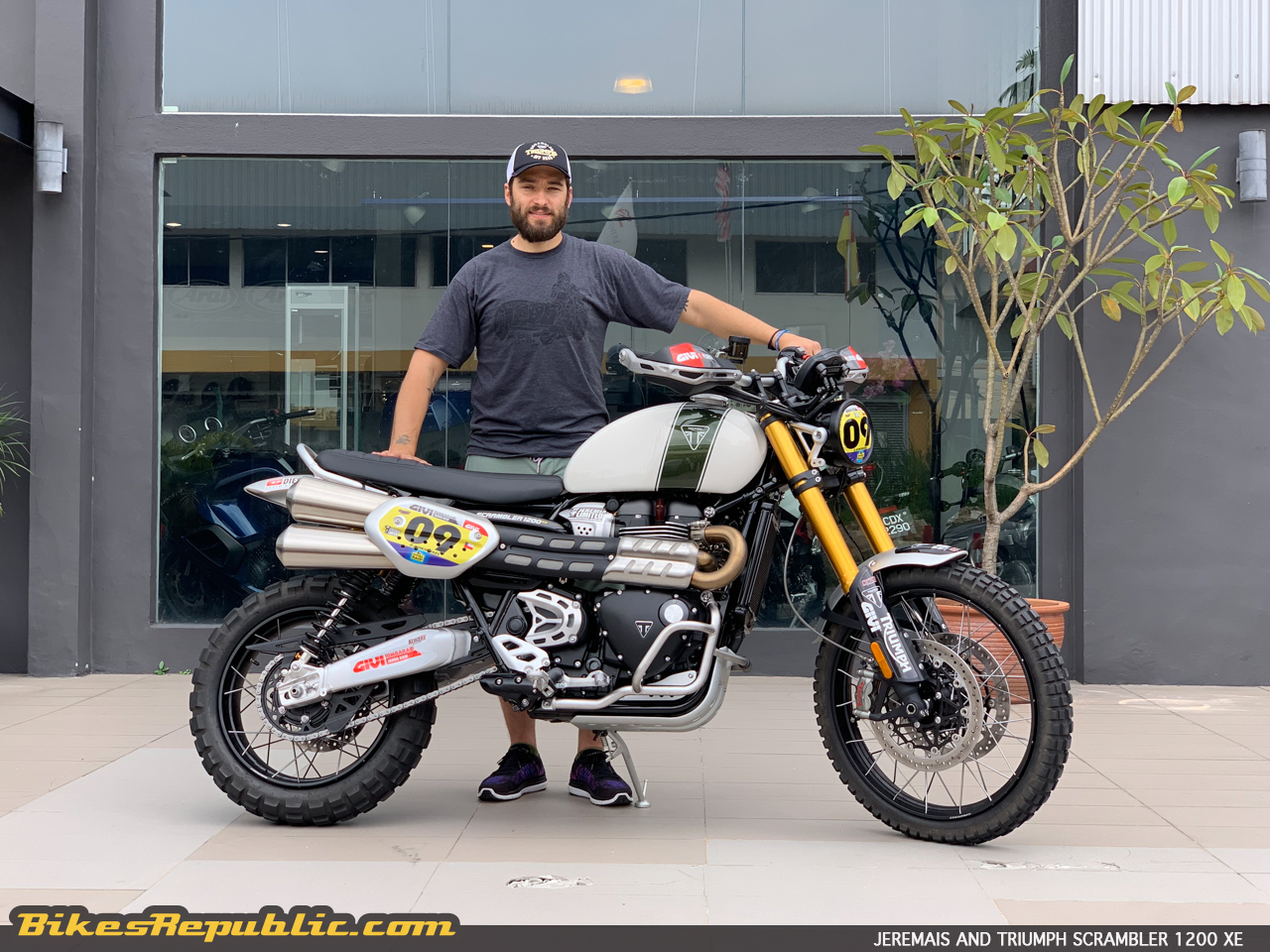
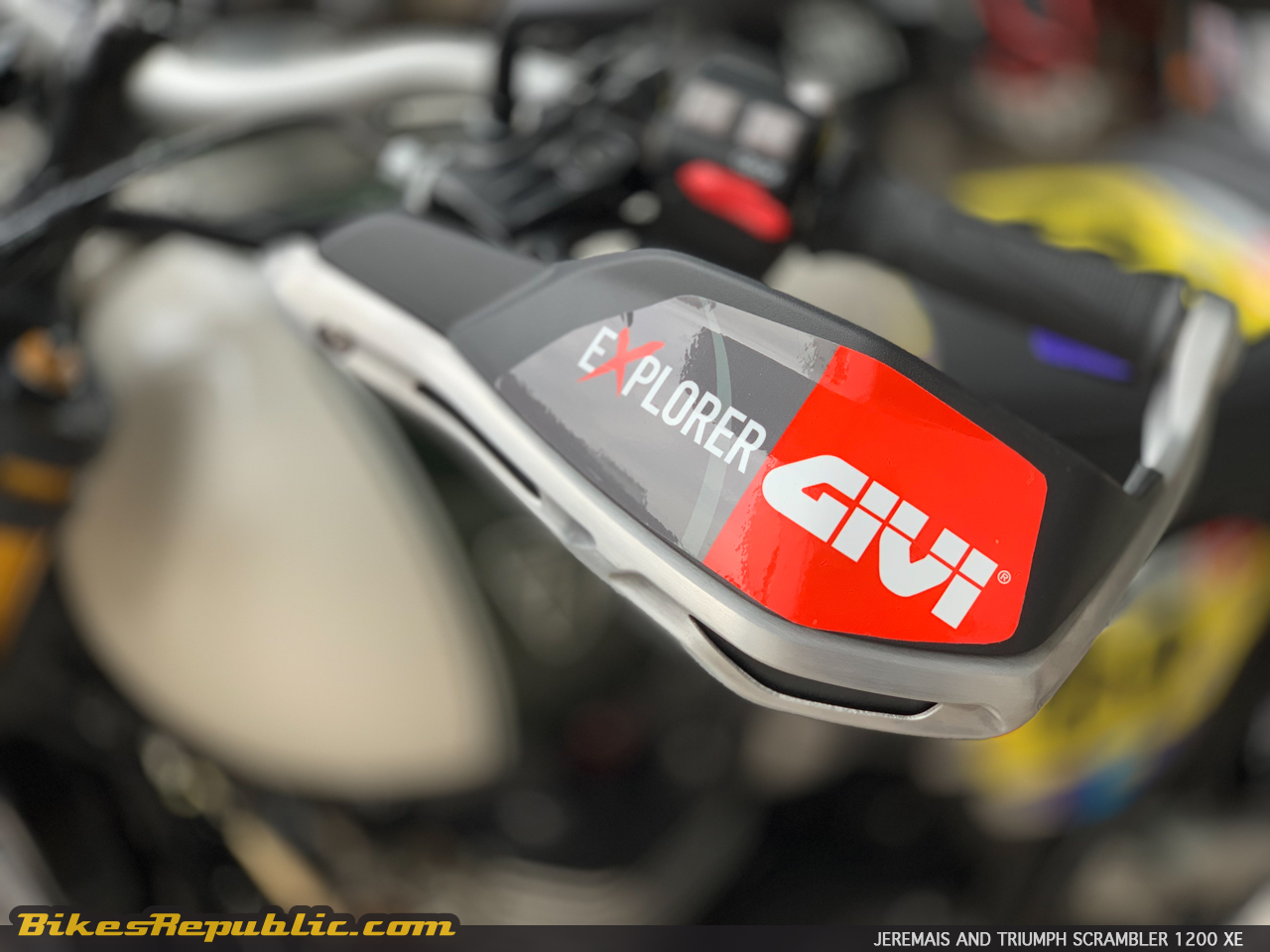
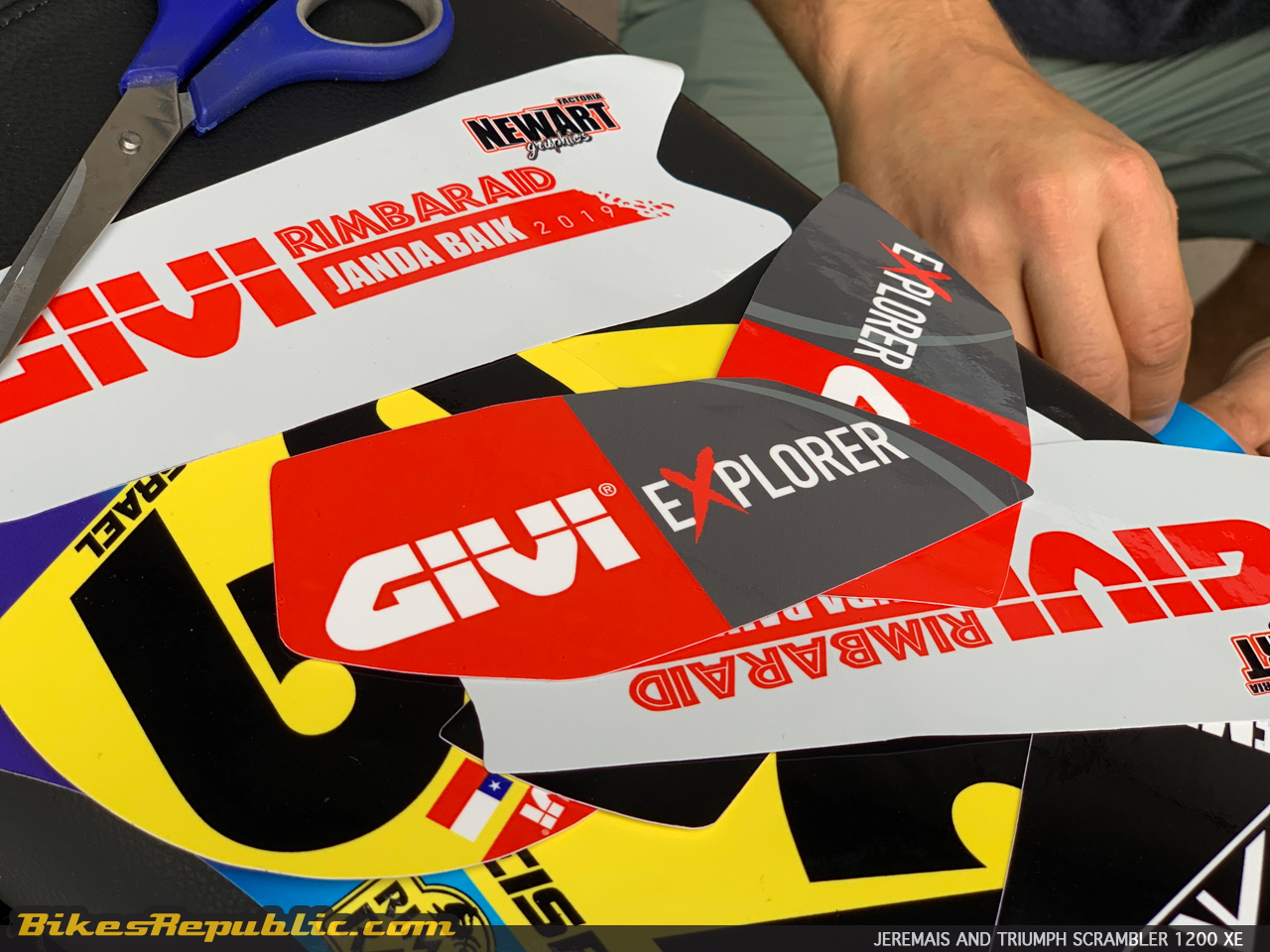
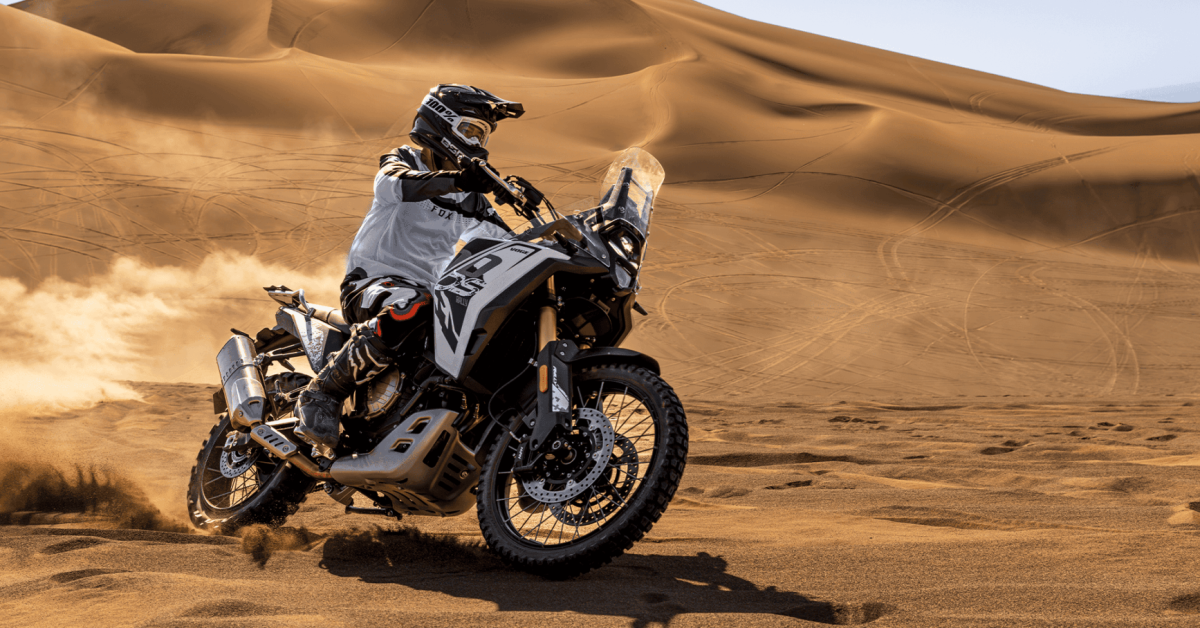
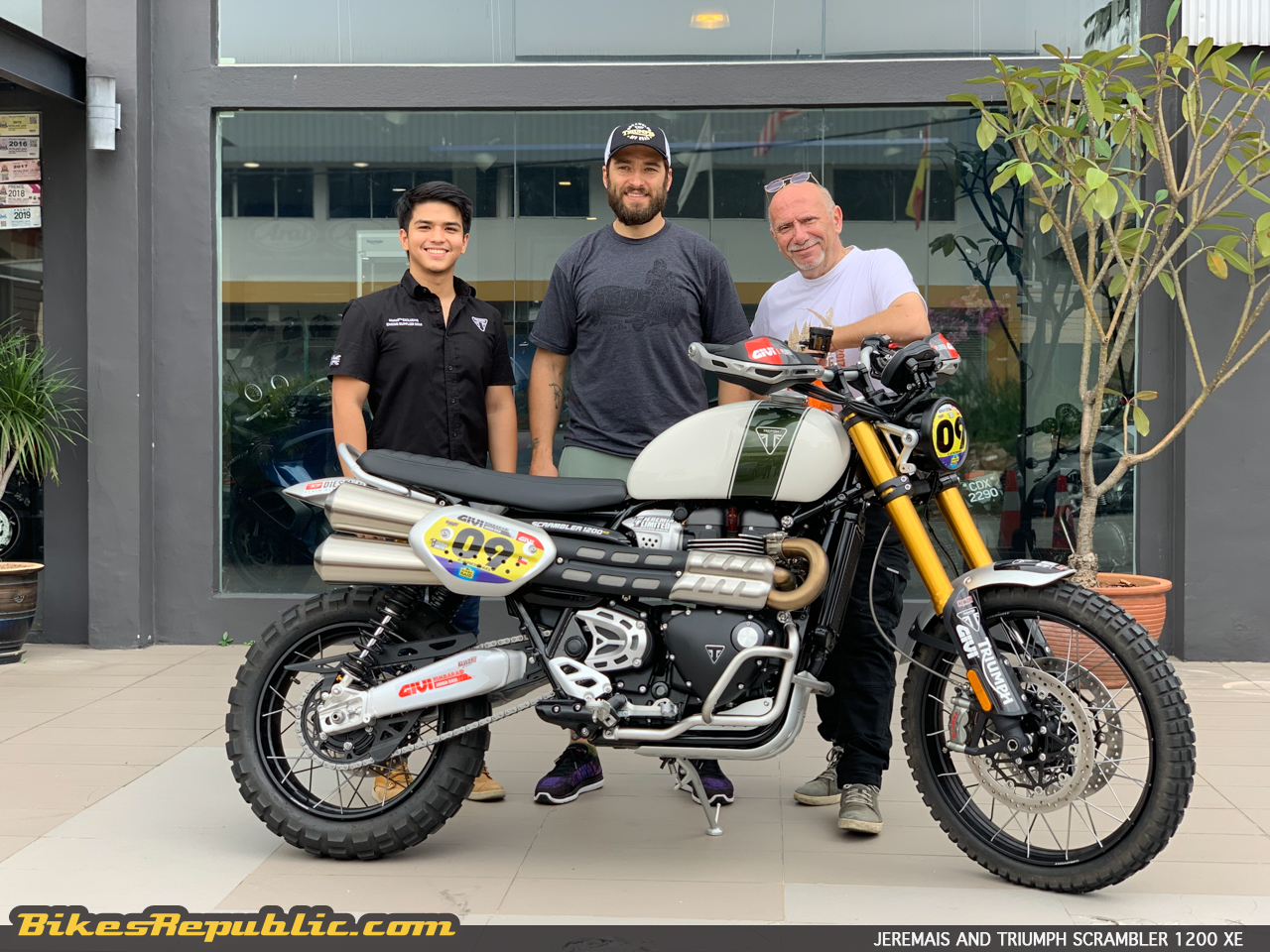
Chilean Dakar Rally and off-road racer, Jeremais Israel is set to rock GIVI Rimba Raid at Janda Baik 2019 on the Triumph Scrambler 1200 XE.

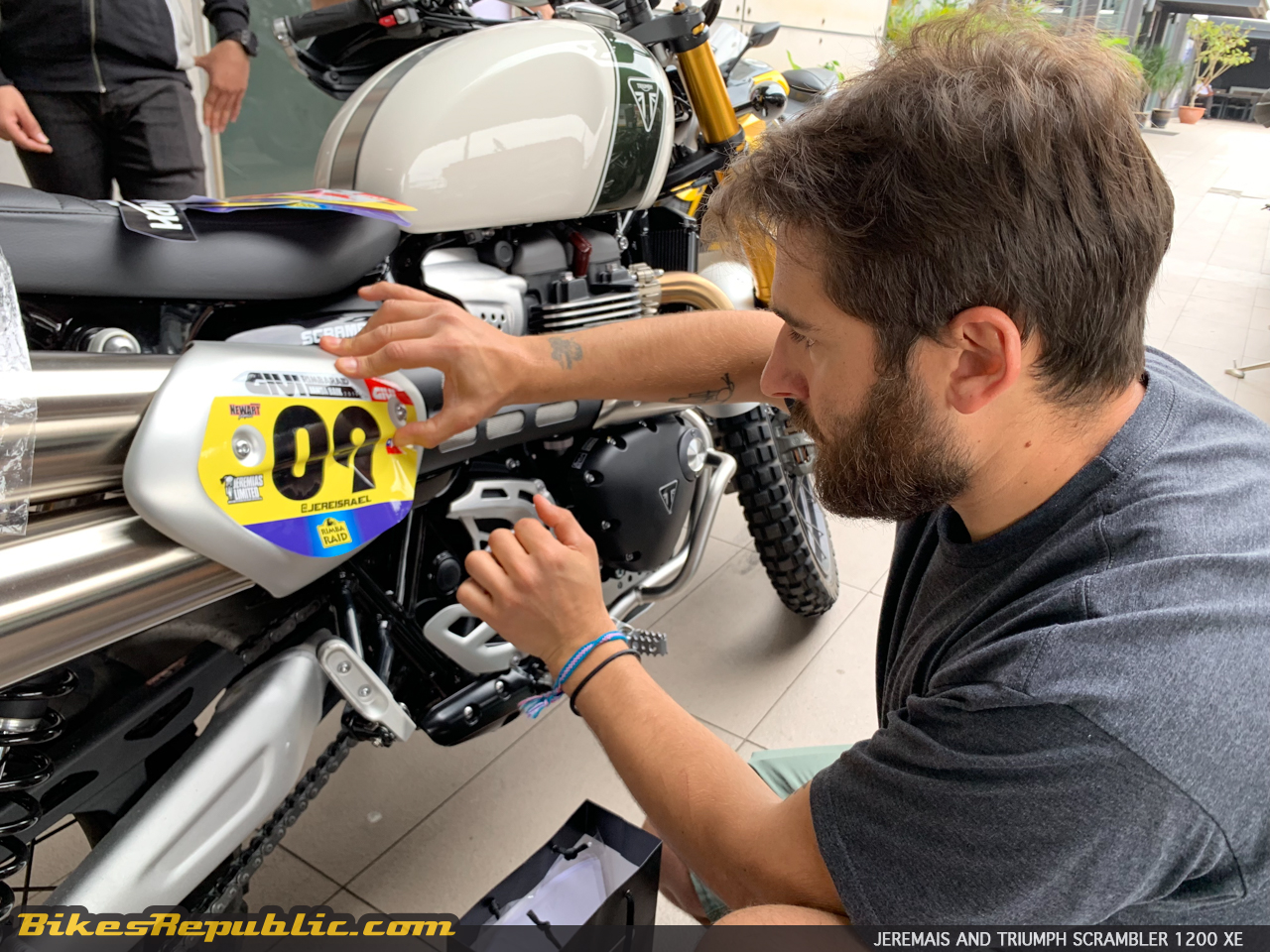
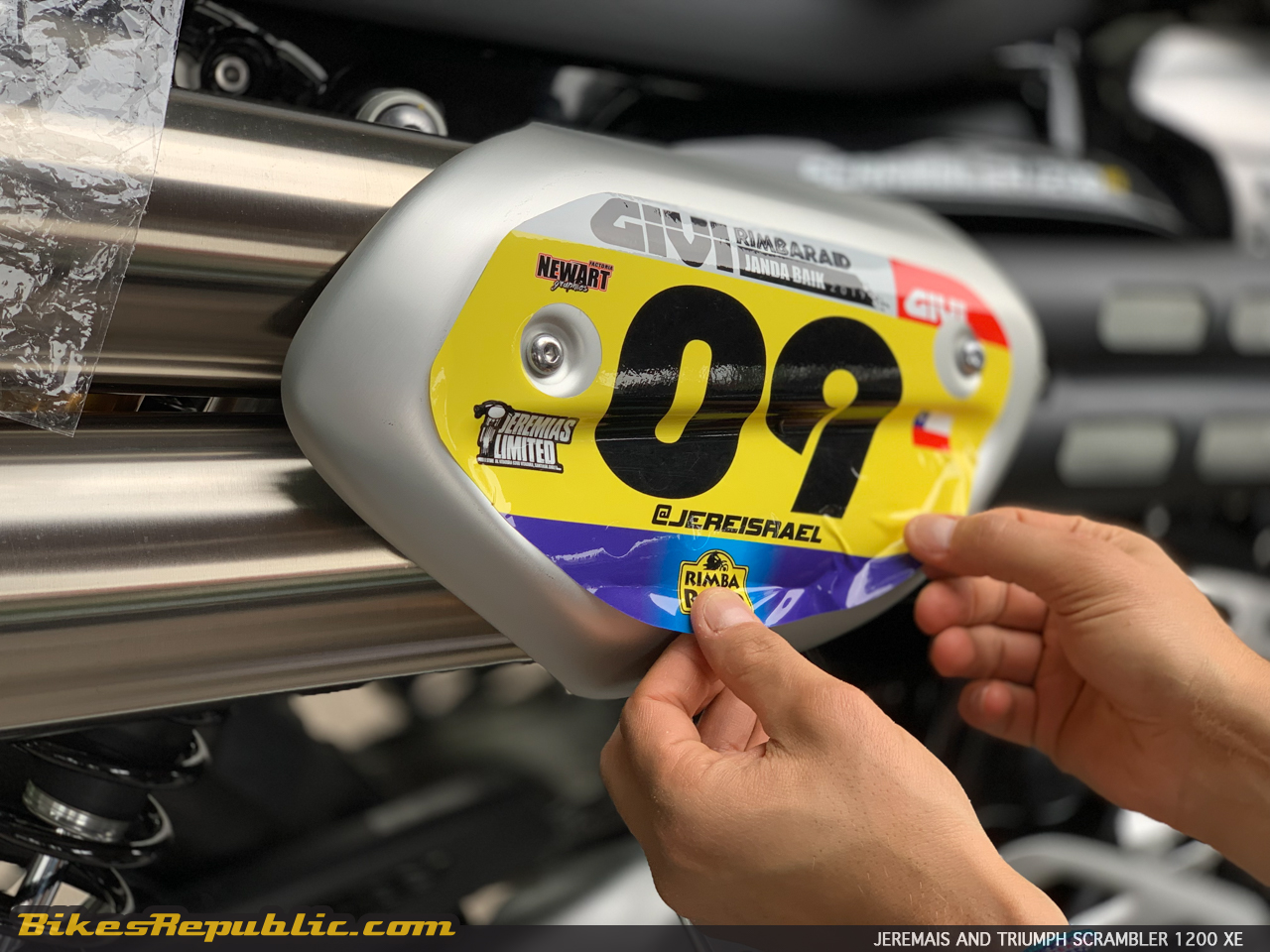
The rider was present at Triumph Motorcycles Malaysia this morning to receive the bike and prep it. He will be using the #09 number plate in the race. Jeremais was specially flown in by GIVI to compete in Rimba Raid. He will also conduct a special off-road riding clinic tomorrow morning at Ukay Perdana.

The Triumph Scrambler 1200 XE is a true-blood off-road bike, dressed up in the classic Bonneville body. It’s inspired by the TR6 Trophy ridden by Steve McQueen and his stuntman Bud Ekins to a number of wins in the Baja 1000 Rally.

It features long-travel fully-adjustable Öhlins suspension, cross-spoke wheels, engine crash bars, under-engine skid plate, bark-buster style hand protectors as standard. The electronics are also geared towards off-road performance, although the bike rides pretty well over paved roads, too.

British stunt rider Ernie Vigil had proven the bike’s toughness and ability to duke it out with 450cc dirtbikes in the Mexican 1000 Rally recently. He finished fifth overall on a bog-stock bike.

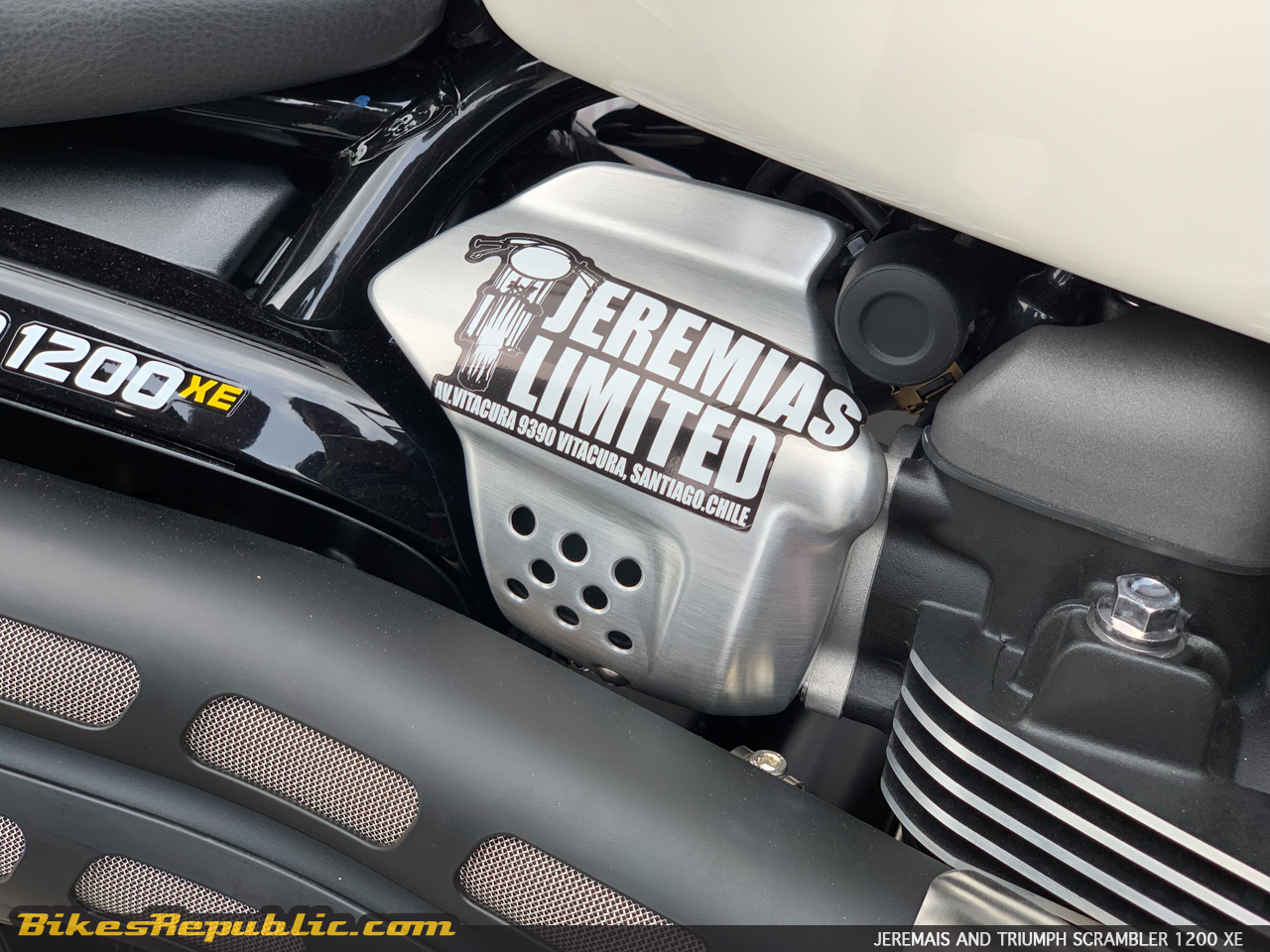
Jeremais will also be riding a fully stock bike in GIVI Rimba Raid.

PICTURE GALLERY

  • The Honda ADV 150 was unveiled at the 2019 Gaikindo Indonesia International Auto Show (GIIAS).

  • Its design follows the 745cc X-ADV but with a number of differences.

  • The ADV 150 is road-biased.

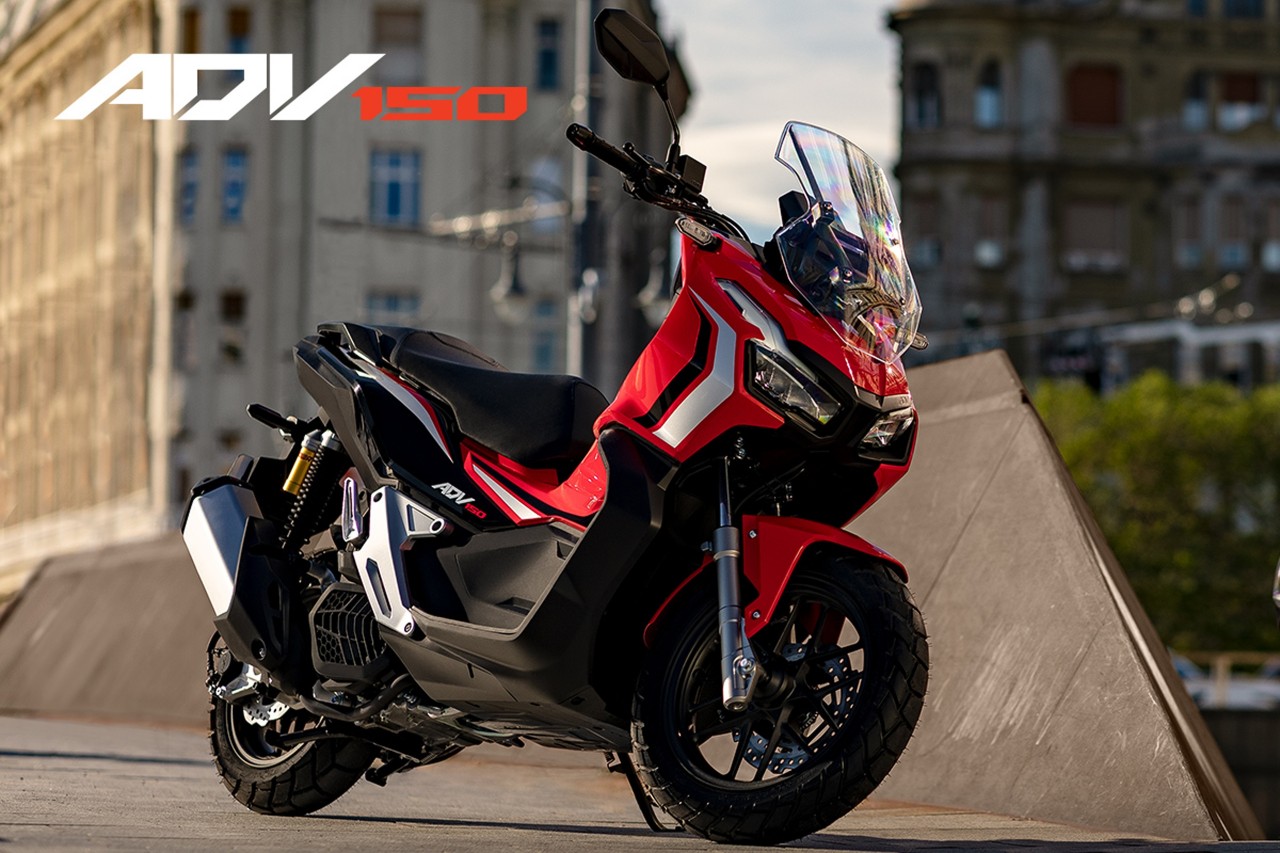
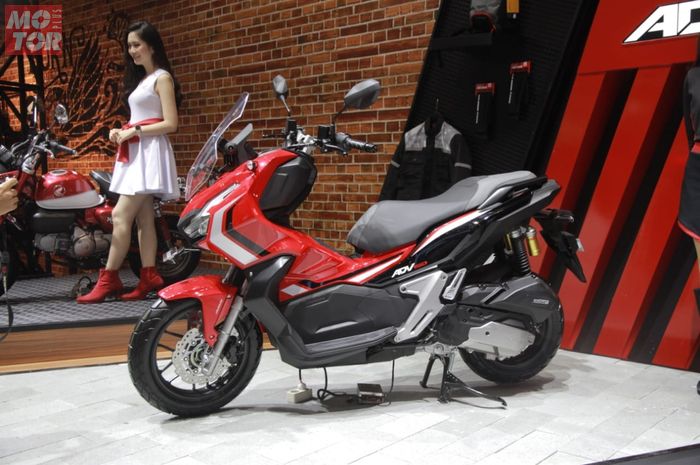
The Honda ADV 150 was unveiled at the 2019 Gaikindo Indonesia International Auto Show (GIIAS).

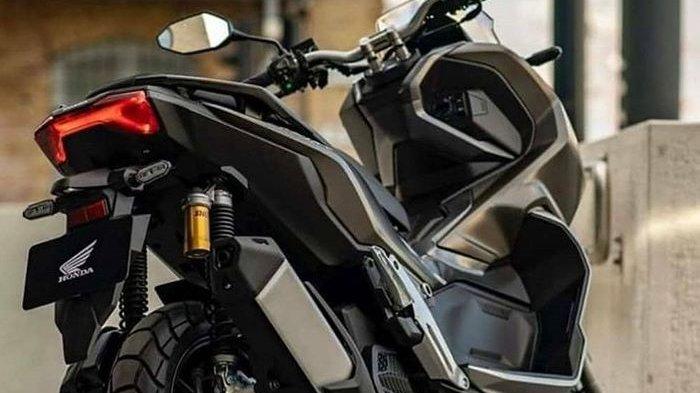
Taking inspiration from its larger, 745cc brethren, the ADV 150 features similar lines albeit in a smaller package. The large front fairing contains the dual headlamps like the bigger bike but gives the bike an unmistakable identity.

The windshield is non-adjustable. The LCD screen underneath also looks similar to the bigger bike’s. We do hope that the ADV 150 has a larger storage space than the 745. There’s LED lighting all-around.

Powering the bike is a 149.3cc, SOHC, single-cylinder engine. It produces 14.7 hp at 8,500 RPM and 13.8 Nm 6,500 RPM. The figures appear suspiciously identical to those produced by the PCX150’s powerplant. Anyway, power is sent to the rear wheel via a v-matic transmission instead of the Dual Clutch Transmission (DCT) found in the 745cc X-ADV.

The ADV 150 is more road-biased. As such it uses normal telescopic forks and a pair of Showa gas shocks in the rear. Another indication of its road vocation are the 14-inch front and 13-inch rear cast alloy wheels.

Will it be launched in Malaysia? It would give the Yamaha NVX 155 should it be introduced here.

  • Art of Speed Malaysia 2019 drove us to FNG Works to witness Mizuki being built.

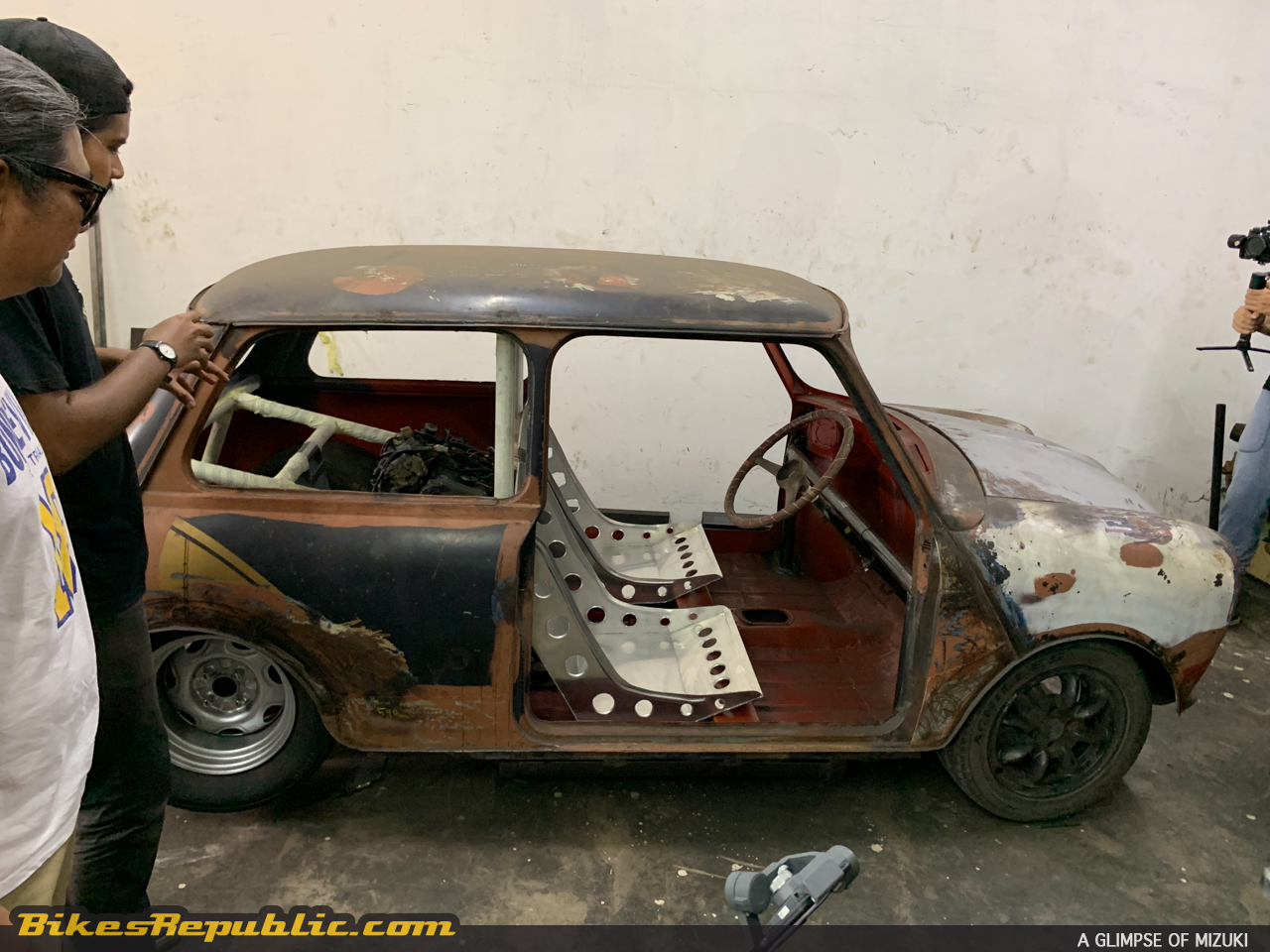
  • The project marries a Mini Cooper with a Suzuki Hayabusa engine.

  • The completed work will be the grand prize at Art of Speed Malaysia 2019.

In keeping up with tradition, there will be a grand prize at Art of Speed Malaysia 2019 (AOS) by the name of MIZUKI.

But there is a major difference in the prize this year. AOS has pretty much given away motorcycles up to 2018. This year, the lucky person will walk away with car.

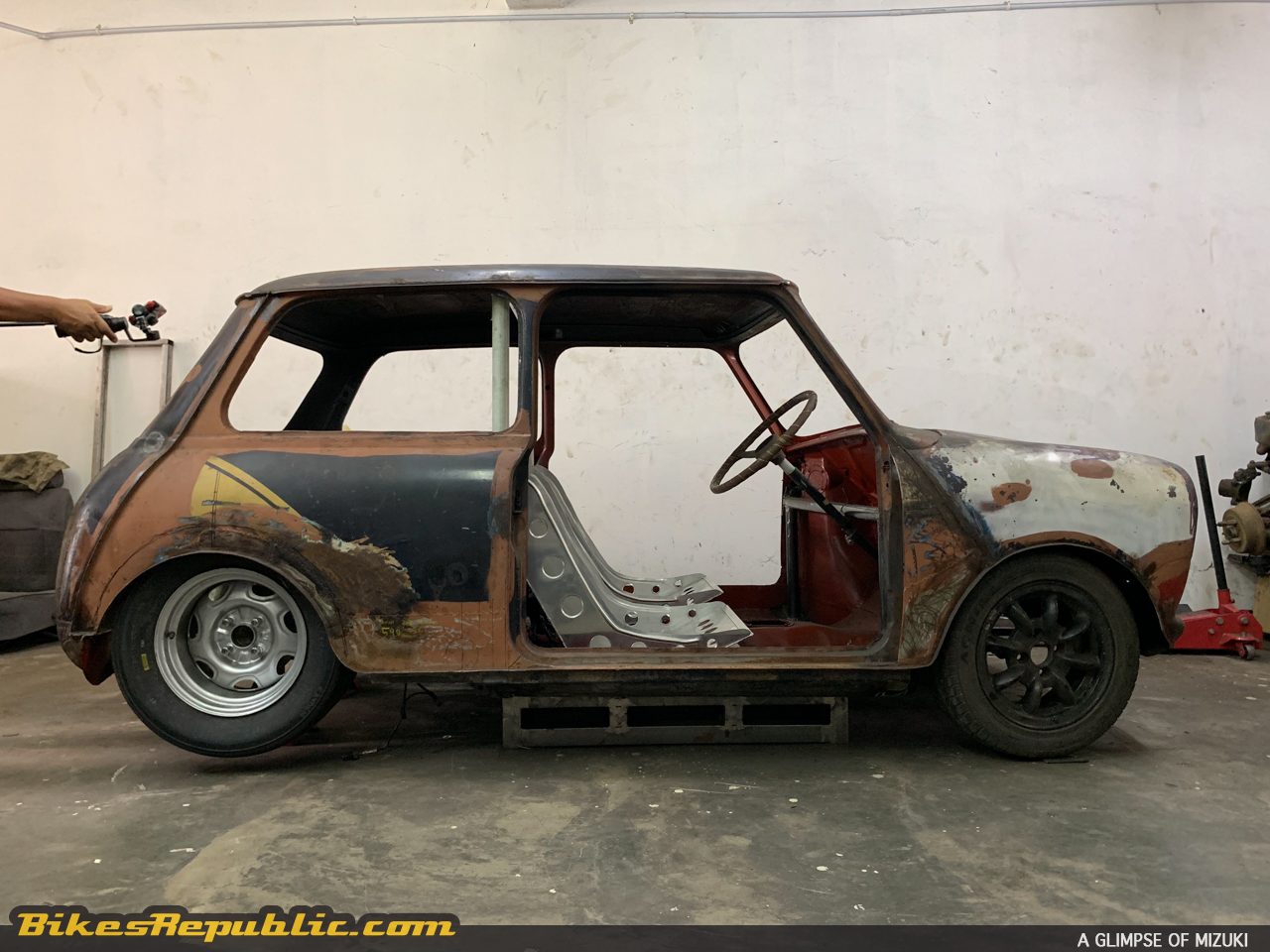
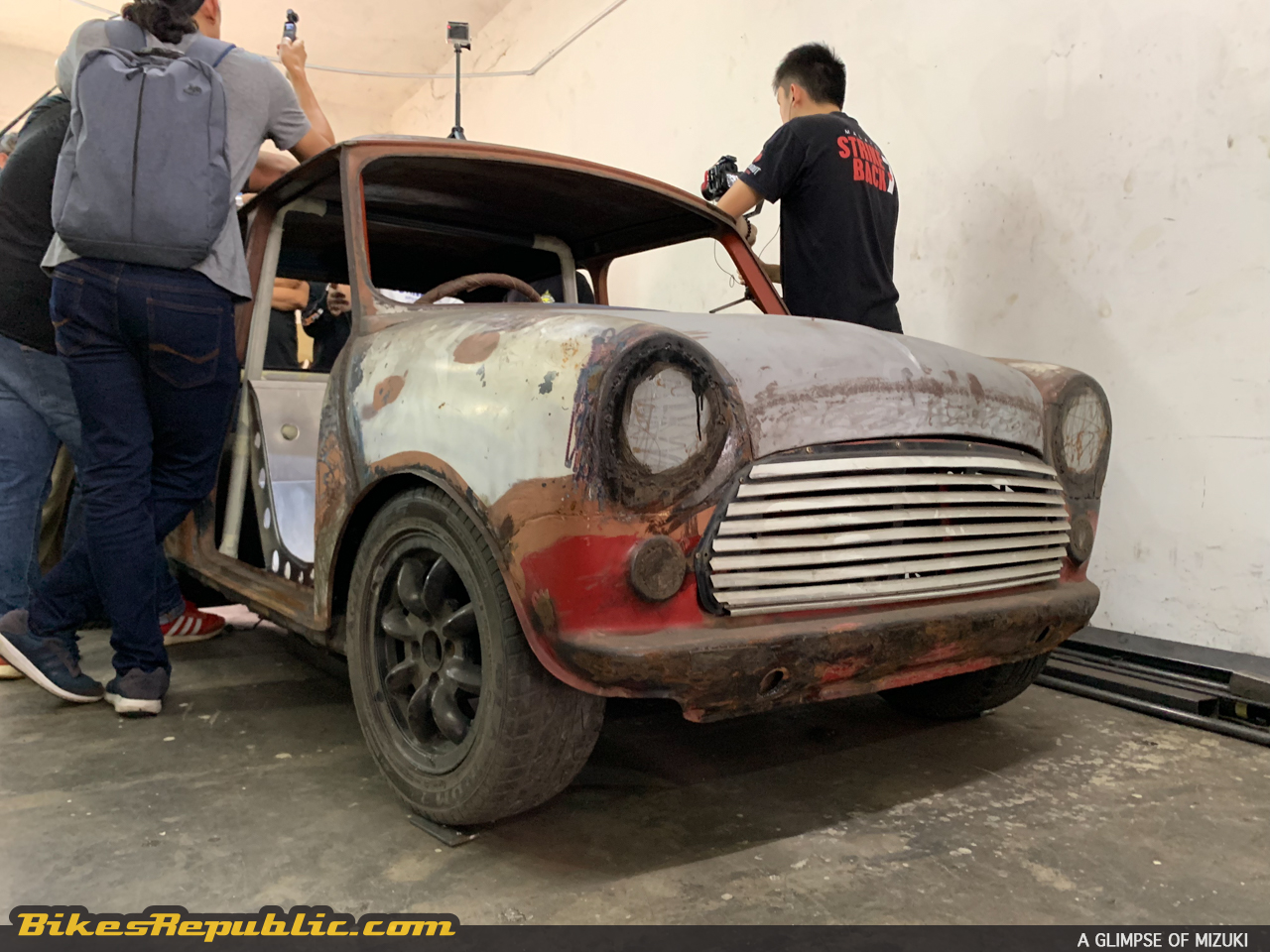
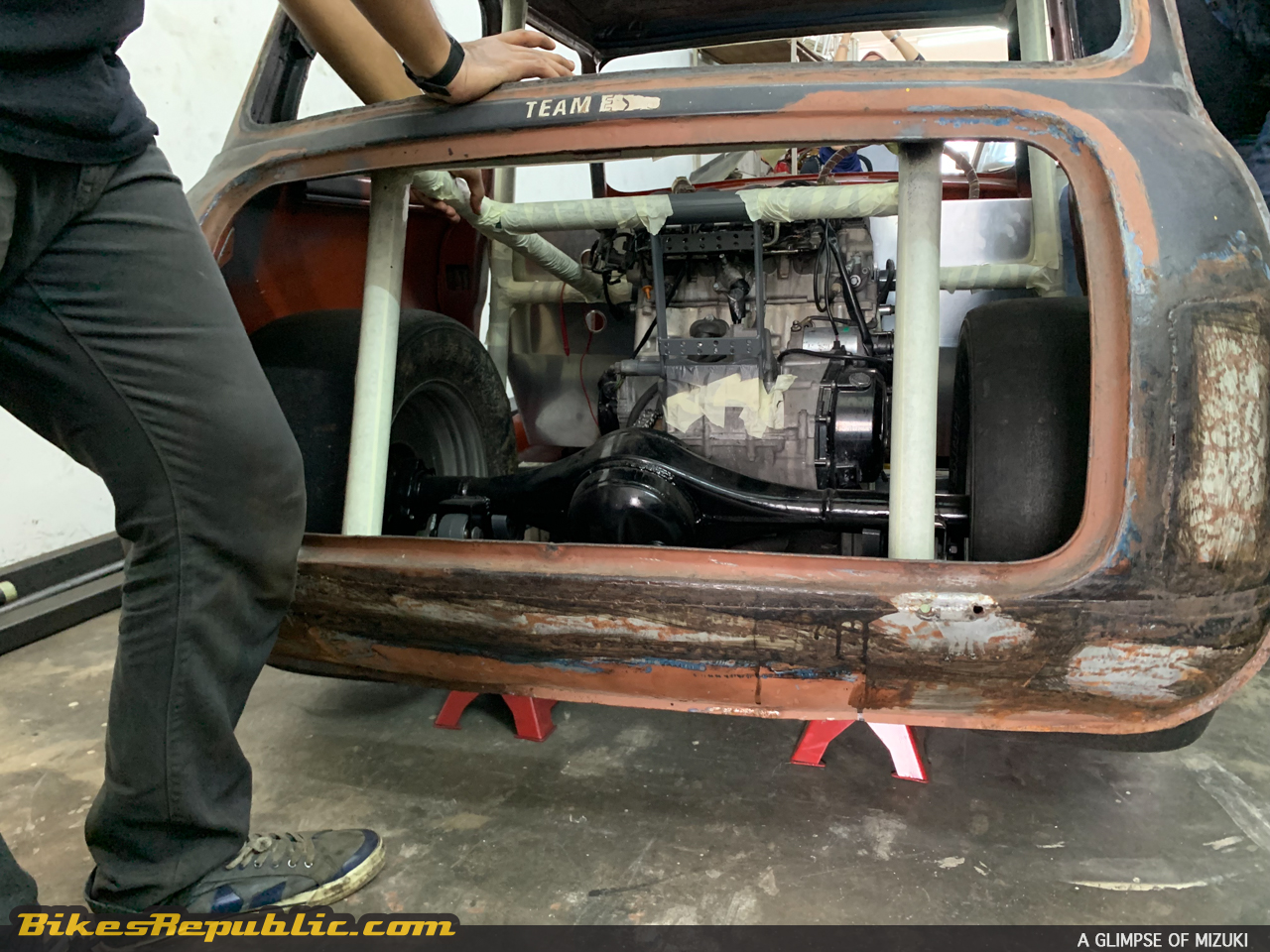
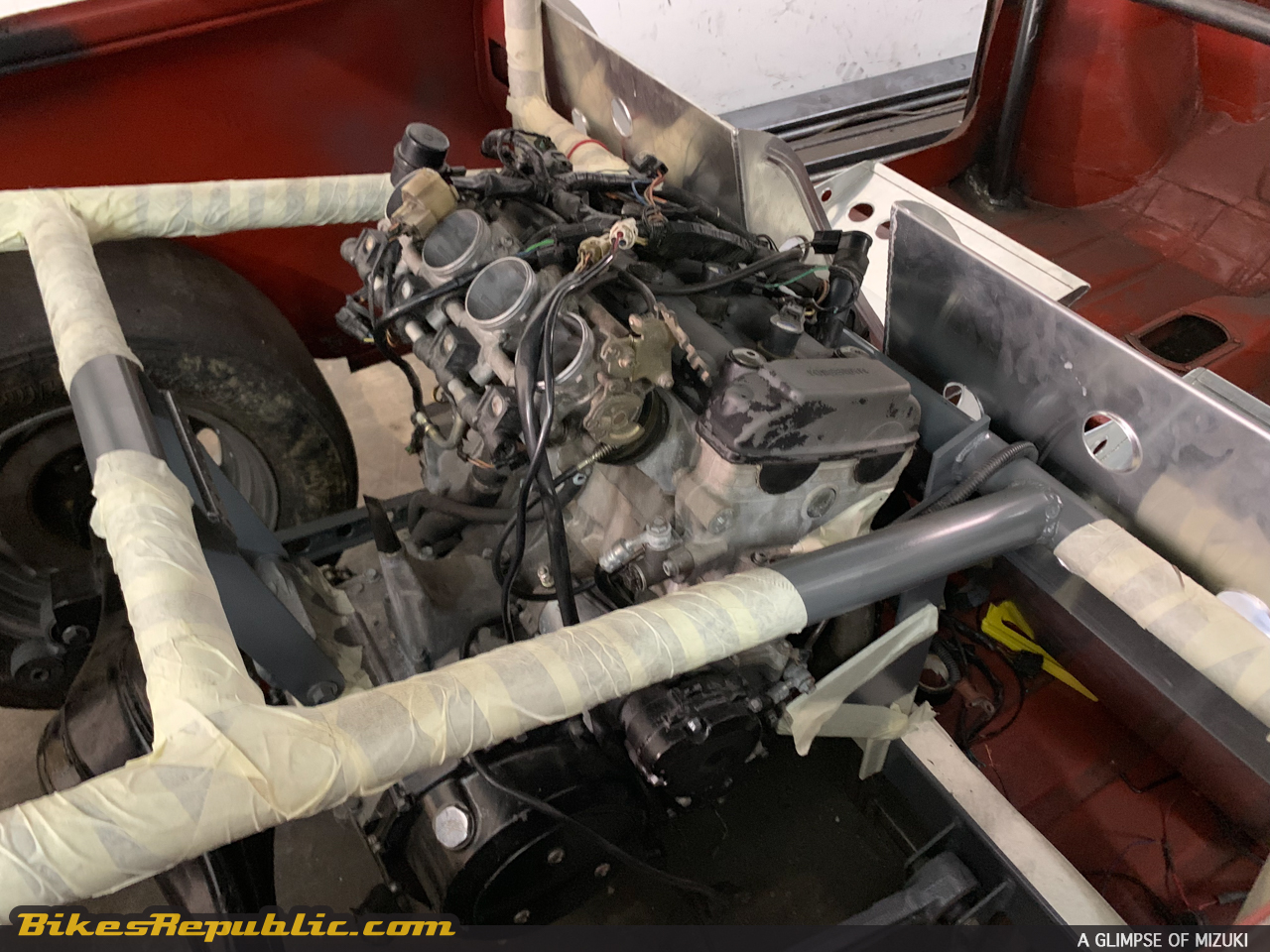
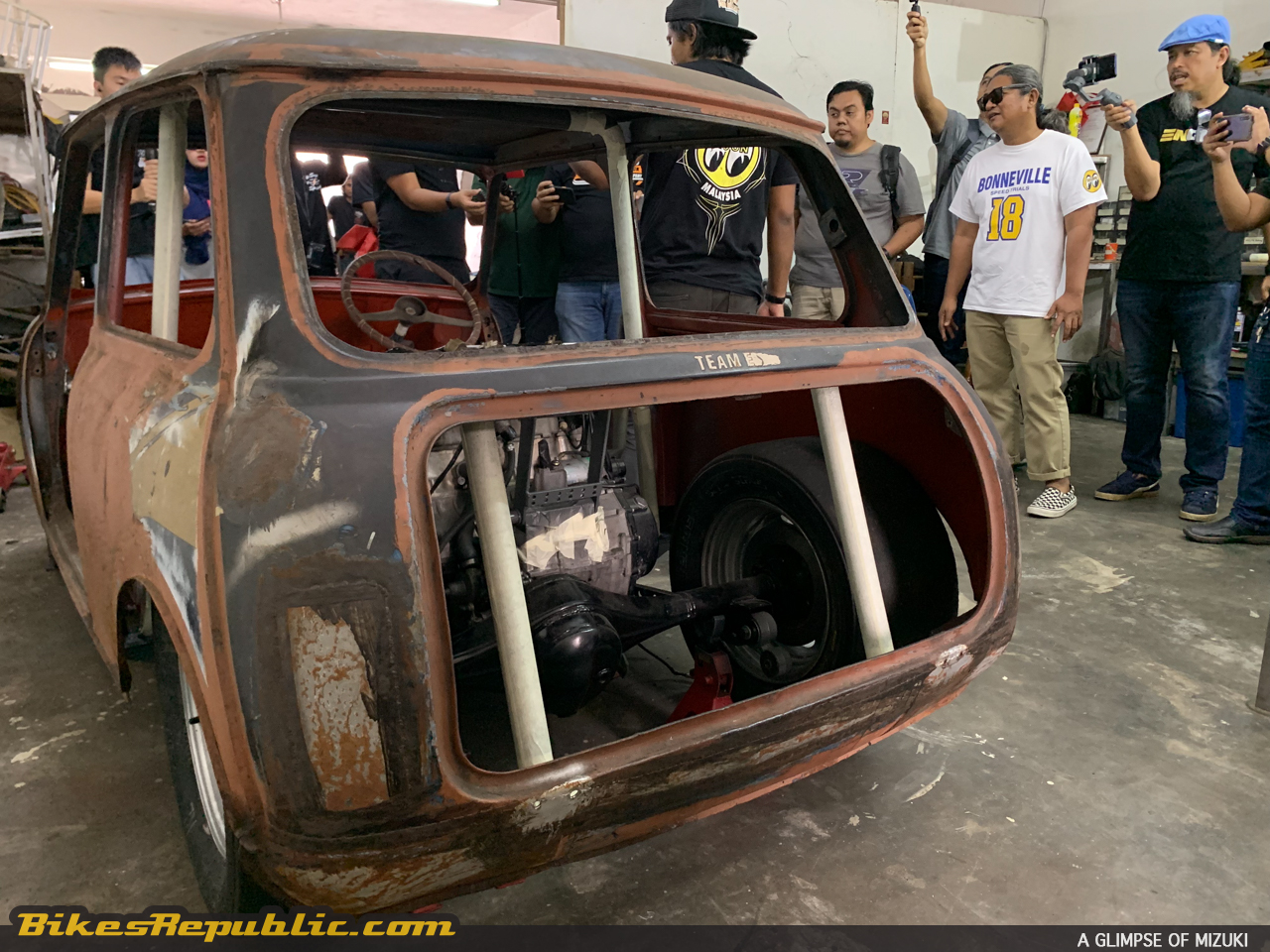
Well, car is over-simplifying it. It’s a specially-built 70’s-style drag car with a superbike engine. The project involves marrying a Suzuki Hayabusa engine to a Mini Cooper body, hence the amalgam of the names Mini Cooper and Suzuki, resulting in Mizuki.

Again, that only sounds simple because the work is exceedingly extensive instead of just plunking an engine into the husk of an old car.

AOS arranged a special field trip for the media to visit FNG Works in Ipoh. FNG Works was contracted to bring the ideas to fruition this year.

Asep Ahmad Iskandar

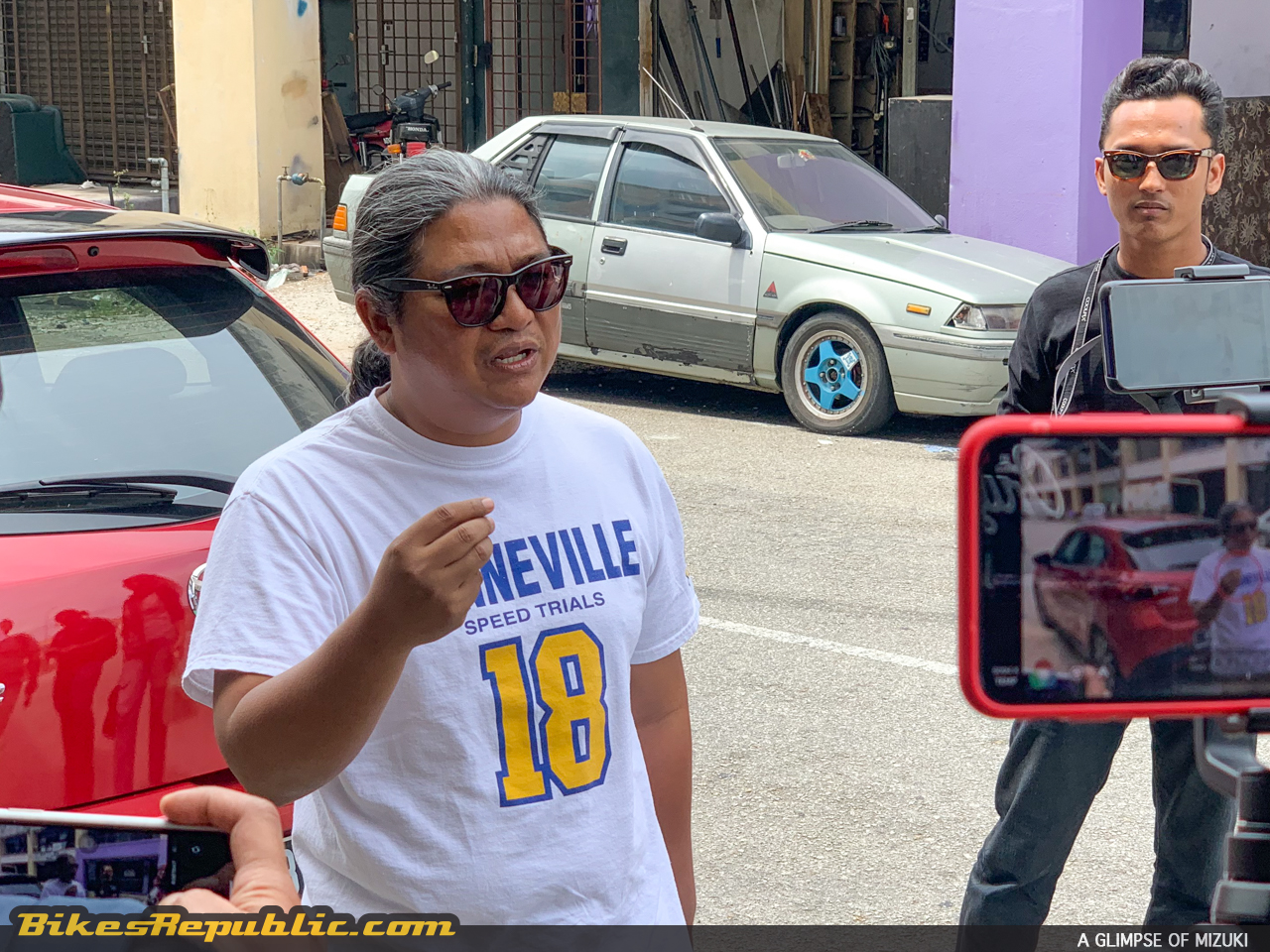
There, AOS founder Asep Ahmad Iskandar and FNG Work’s chief builder Irwann Cheng explained the work involved.

Irwann Cheng

Asep wanted to contract a build for AOS and his boys found an old Suzuki Hayabusa engine. “When we met the seller to seal the deal, the seller offered us the rusted-out shell of a Mini Cooper. He and his friends have tried to get the project going but never got around to it,” explained Asep.

The items were subsequently brought to FNG Works for fabrication and assembly.

Since then, they have stripped out the car and installed a space frame to carry the engine in space behind the driver. The Suzuki engine is left stock, as with the chain final drive which connects to a Perodua Rusa differential, driving the rear wheels. The wheels are shod with fat, 10-inch wide drag racing tyres.

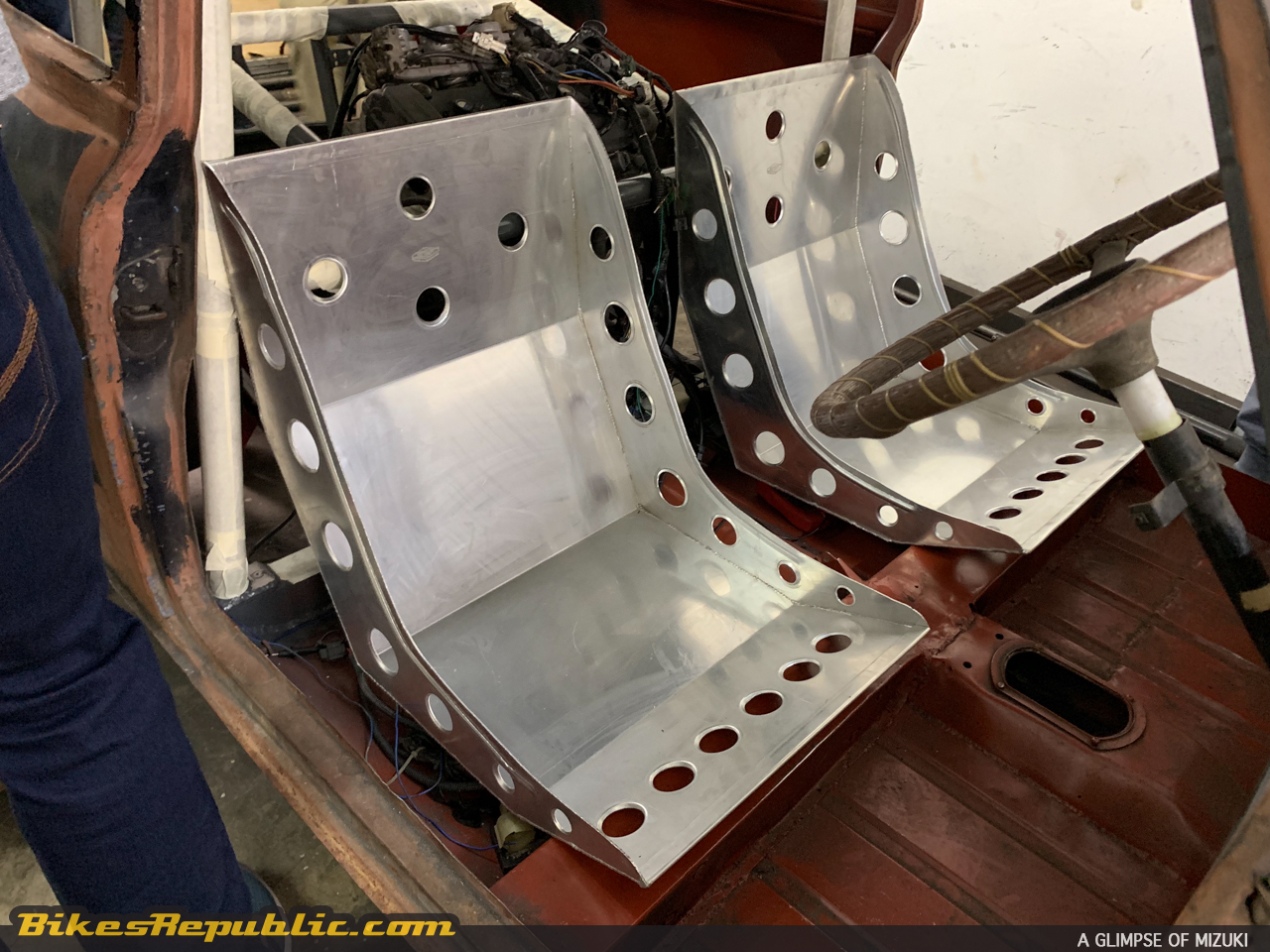
The stock driver and front passenger seats were swapped out for a pair of custom-made aluminium ones. The beautiful seats were fabricated by Saidi Racing Fabrications.

While it doesn’t look it in the pictures, the car is near completion. Asep and co have spent more than RM 30,000 for the build, thus far. “We hope that the new owner of Mizuki will actucally take it to the dragstrip and run against other dragsters. We always commissioned builds that are driveable, albeit not street legal.”

The project highlights the ingenuity of Malaysian talent in custom builds. FNG Works is well-known in their exploits, having won a number awards for their creations. “Part of AOS’s goal is to bring Malaysian talents to the fore,” said Asep. “Malaysia has plenty of great talents that just needs exposure.”

So, come down to the Art of Speed Malaysia 2019 Powered by PETRONAS on 27th and 28th July, at MAEPS Serdang and stand a chance to bring Mizuki home with you. You may also find more information in Art of Speed Malaysia’s official Facebook page.

Mizuki Specifications

Body shell: 1976 Mini Cooper
Engine: 1999 Suzuki Hayabusa

Rear:
Subframe: Replaced and reinforced with tubular spaceframe structure
Wheels: 13″ steelies with 10″ wide slick tyre
Axle: Modified Perodua Rusa axle
Drivetrain: Chain driven
Brakes: Modified Honda EG9 unit
Suspension: Ladder bar suspension with D2 Motorsport Hi Lo Soft Hard adjustable coilover+absorber

Interior: Stripped
Seat: Custom made by Saidi Racing Fabrications
Steering wheel: Original
Pedal box: Modified

Front:
Subframe: Original
Wheels: 12″ steelies
Suspension: Original
Brakes: Original disc brakes
Petrol tank: Mooneyes unit

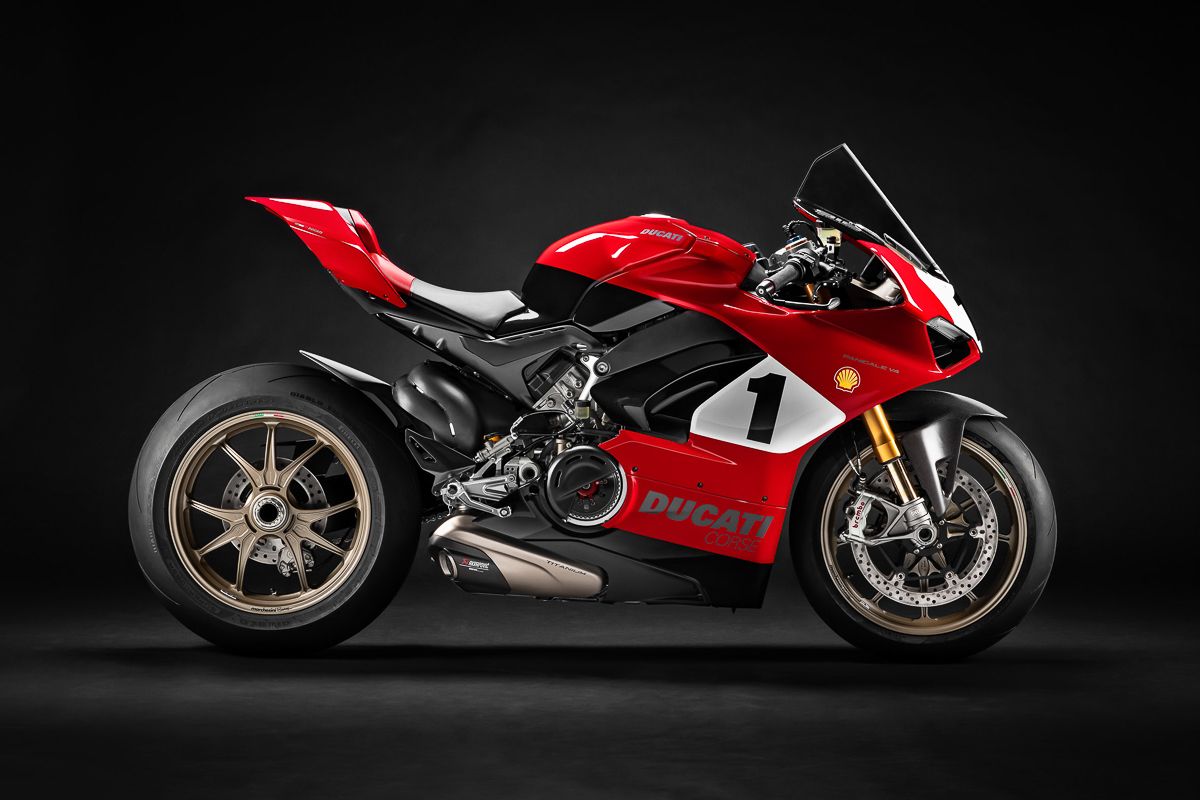
The recently announced Ducati Panigale V4 25th Anniversario 916 has just been introduced and the folks from Next Bike Sdn Bhd aka Ducati Malaysia has confirmed that this very special and super limited model will be making its way here in early 2020. (more…)

  • Alvaro Bautista is now 81 points behind closest rival Jonathan Rea.

  • There are four rounds left, with eight main races and four Superpole races.

  • With a maximum of 248 points on offer, it may not be enough for Bautista.

In one – if not the most – remarkable turnaround in WorldSBK history, Alvaro Bautista suddenly finds himself at a disadvantage against his main rival Jonathan Rea.

Bautista had given the Ducati factory and fans to cheer about when he won 11 races in a row on the Ducati Panigale V4 R. It was without a doubt the return of Ducati to dominate the series like it once had in through the 90s and early 2000s. Heck, pundits were starting to say that Bautista could very well win every single race of the season.

Oh, but how the mighty have fallen.

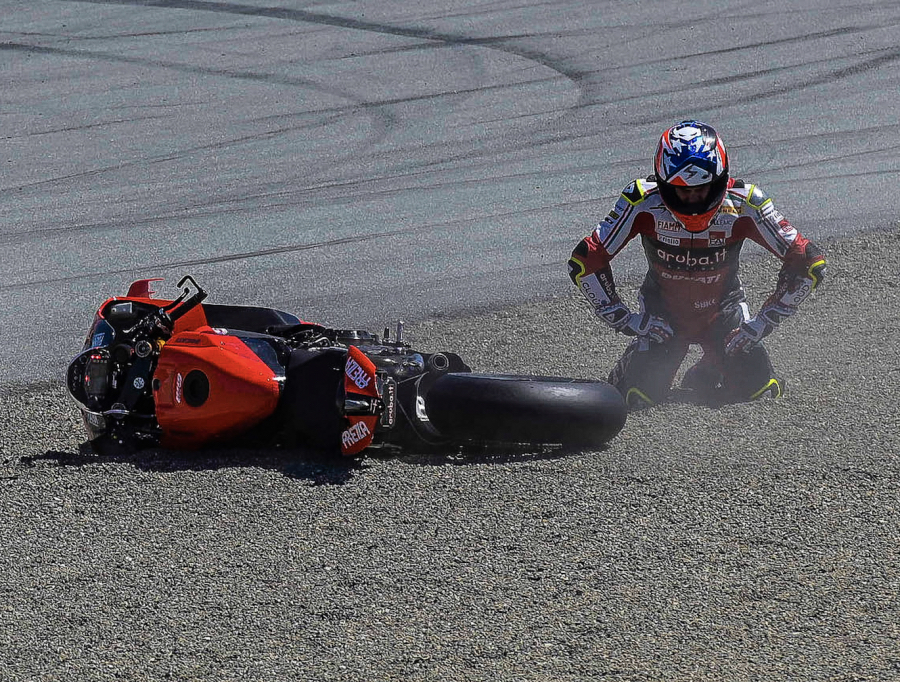
Rea put in stunning rides in Imola and Jerez, by winning both races in those two rounds. Bautista’s streak started to unravel, and he crashed in the second race in Jerez.

He crashed again in Race 2 at the next round in Misano (although he finished 3rd in Race 1 and 1st in Superpole). He remounted to finish 14th for 2 points.

Moving on to the British round at Donington Park, Bautista crashed in Race 1. He finished 4th in Superpole and 3rd in Race 2.

The next round in Laguna Seca was the worst. He crashed in Race 1 and was classified as 17th. The crash hurt his hand and he opted to stay out of Superpole. Then he fell again in Race 2.

That’s 5 non-scoring races in 10 races. Rea on the other hand, picked up seven wins, one 5th place, and two 2nd places.

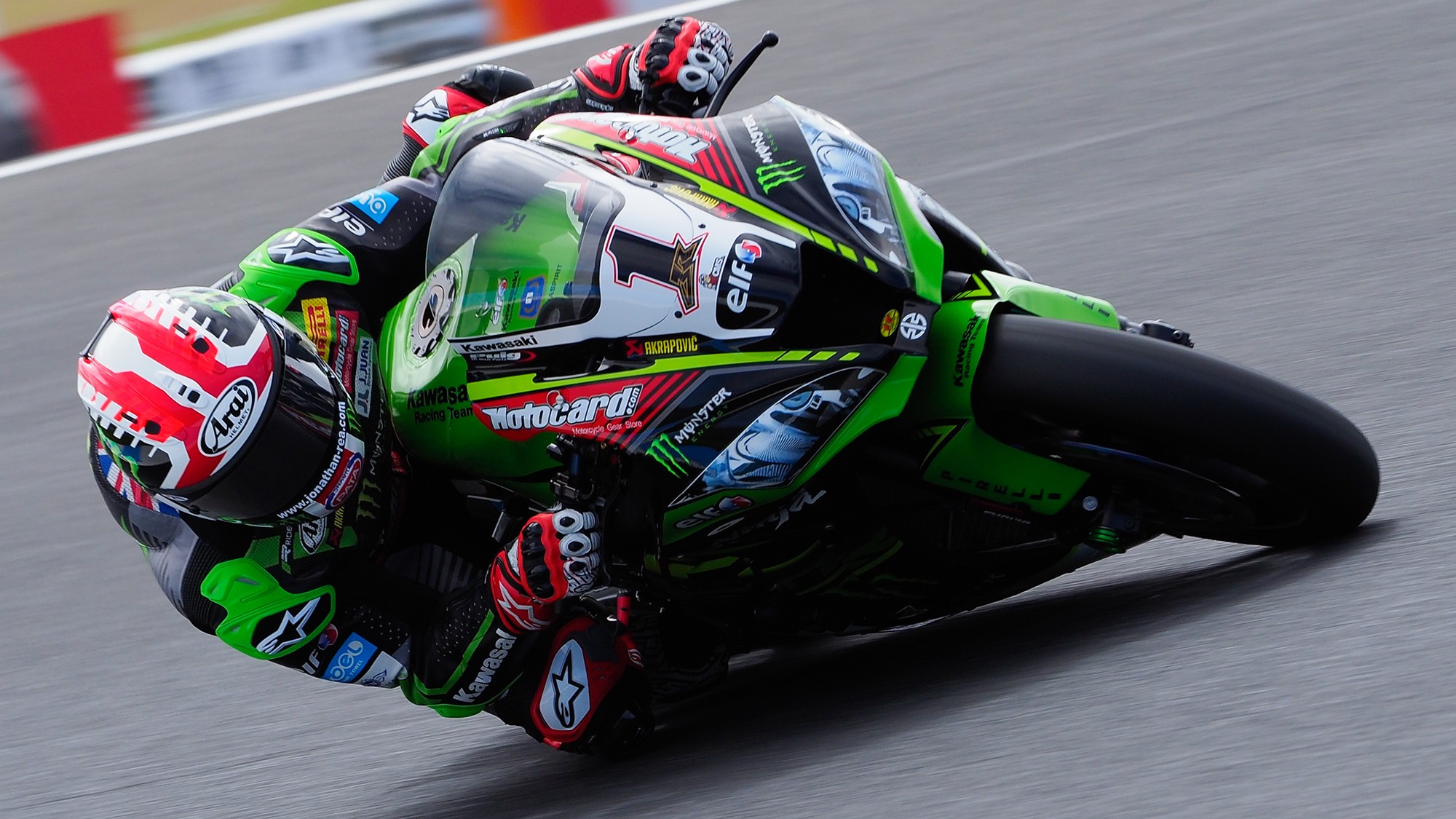
Jonathan Rea – Photo credit WorldSBK.com

As a result, Jonathan Rea on the Kawasaki Ninja ZX-10RR now leads Bautista leads by a massive 81 points.

There are four rounds left with 12 races to go, including Superpole. Each win gets 25 points, while a Superpole win is awarded 12 points. As for finishing second, the rider is awarded 20 points in the Race and 9 points in Superpole.

So, Bautista will obtain 248 points if he won them all. Adding to his current points haul of 352, will result in a total of 600 points. If Rea finished second all the way to the end, he will earn 196 points. Add that to his current accumulation of 433 points and you will have the 2019 and Five-Time WorldSBK Champion.

Bautista could only hope that Rea somehow finish lower than second place in a few races.

Ducati’s lead in the manufacturers’ championship is under threat, too. They are now just one point ahead of the Kawasaki Racing Team WorldSBK.

Yes, the adage, “To win, you must first finish” is still very applicable.

  • California Superbike School Malaysia visited us the second time.

  • The school is the premier advanced motorcycle riding course.

  • Spread over two days, students go home as better riders.

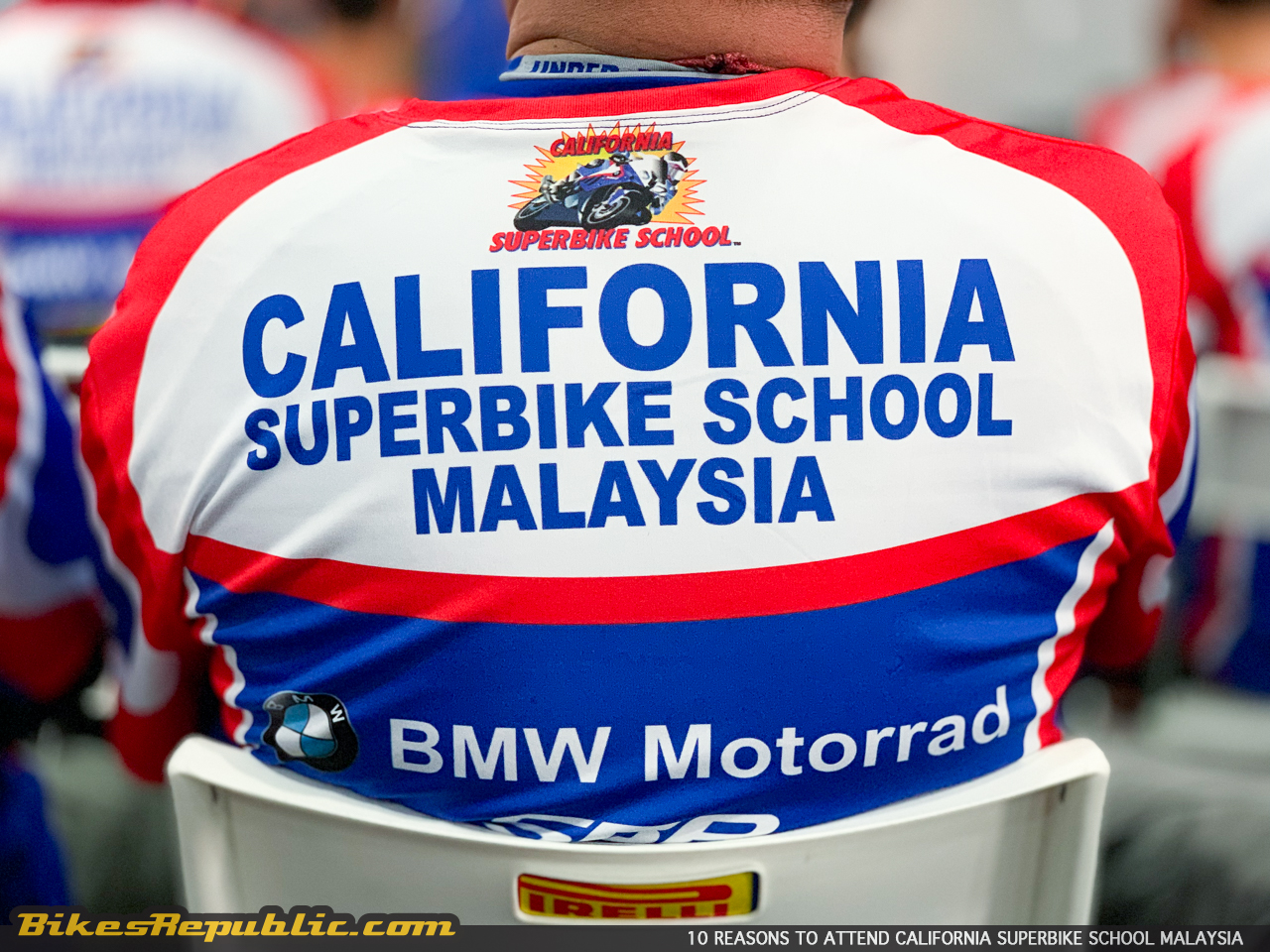
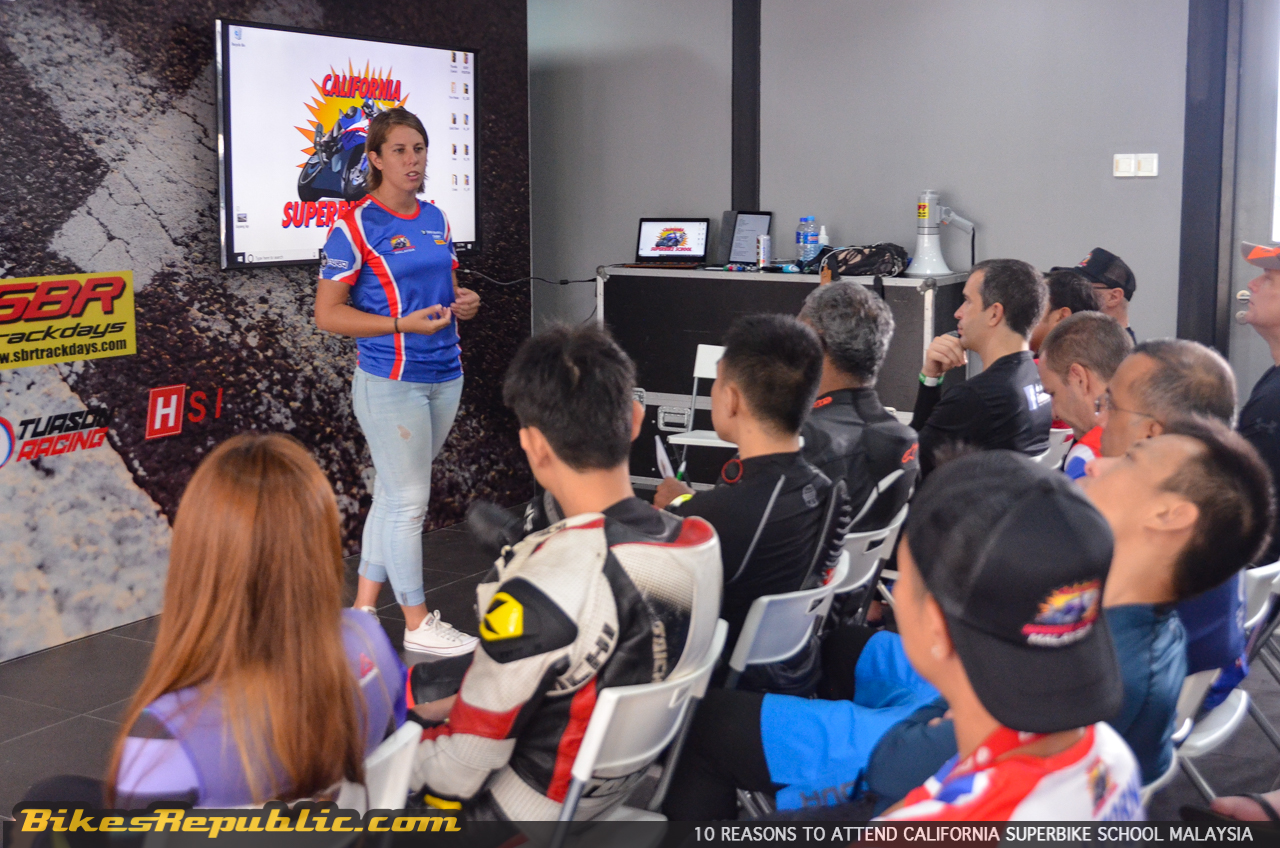
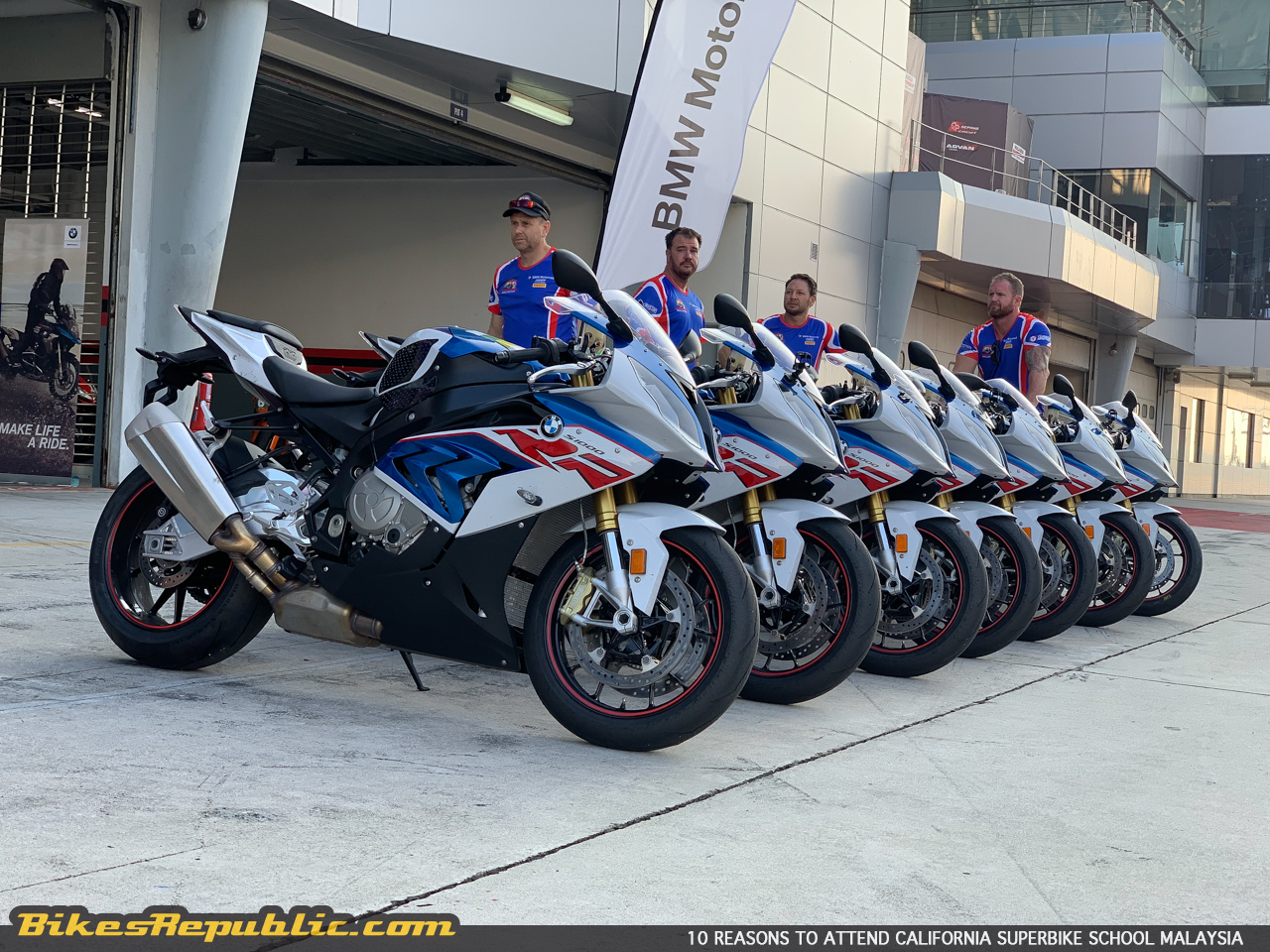
If there is one riding school that stands out head and shoulders above the rest, it is the California Superbike School (CSS). So, we decided to outline the 10 reasons you should attend as the first part of our coverage.

Founded by guru Keith Code nearly forty years ago, the school had instructed thousands of students who went on to enjoy riding even more while being safer at that.
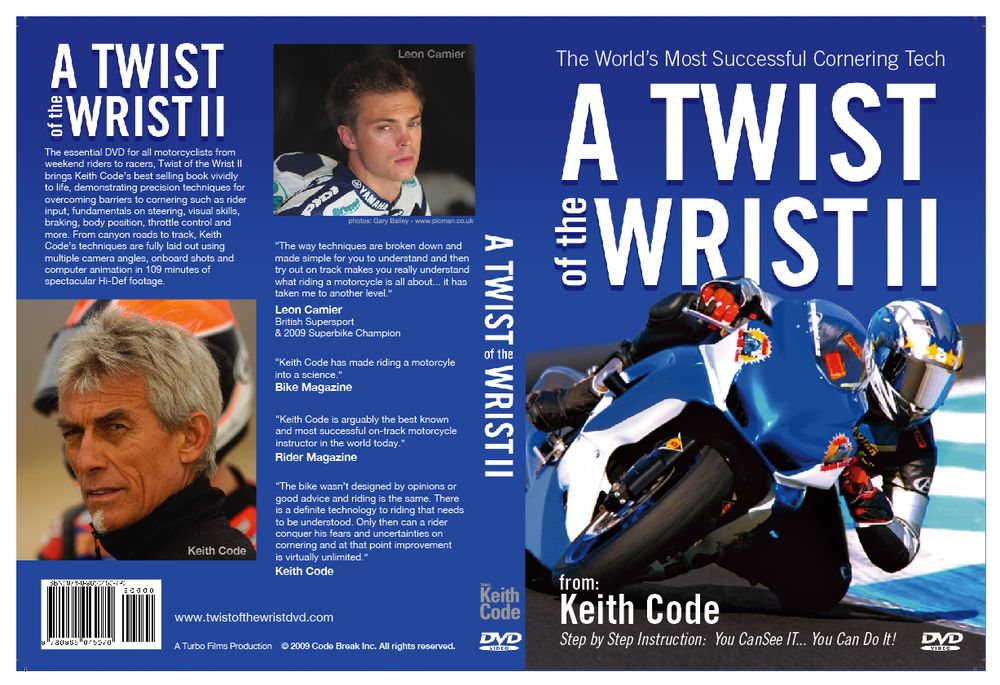
CSS then opened a branch in Australia to cater to the APAC region.

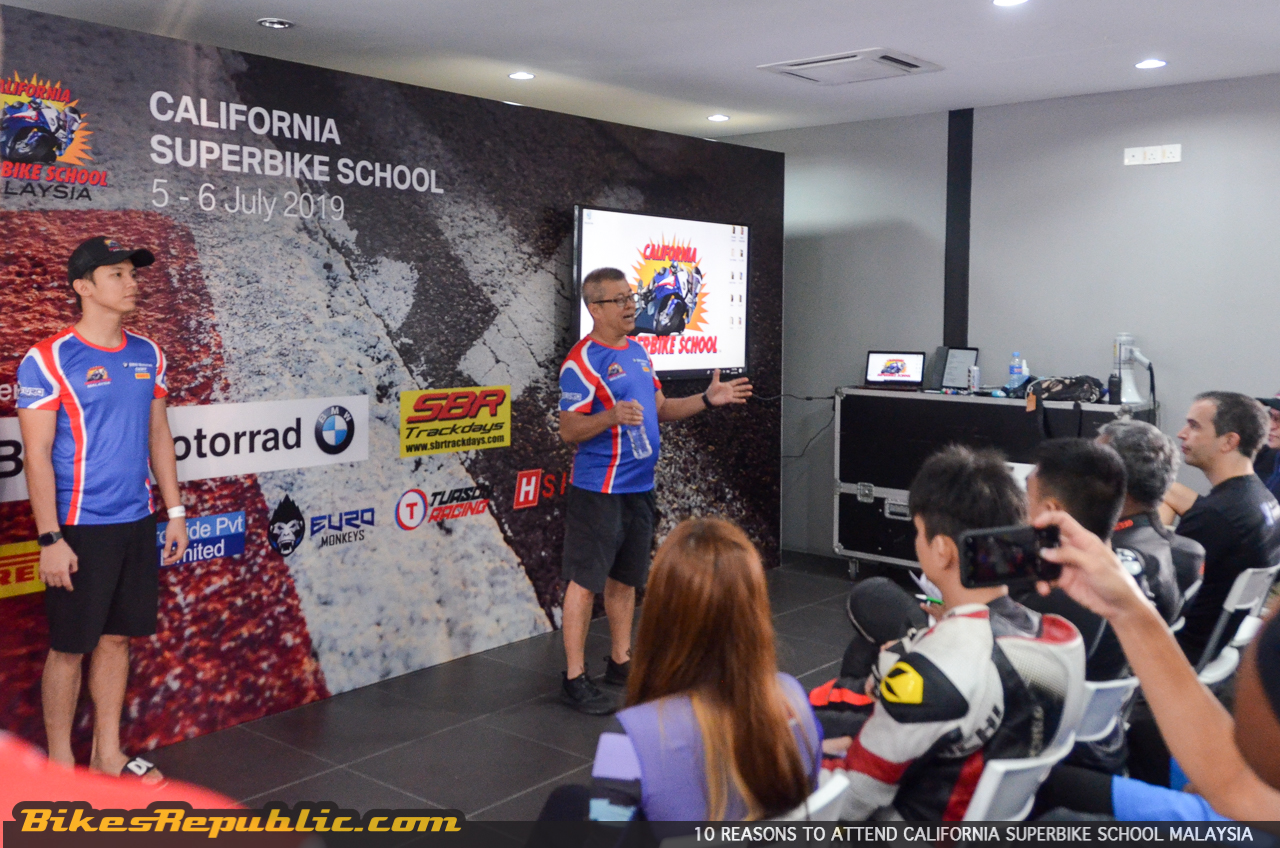
They had visited Malaysia last year for the first time and were back again in 2019. They were hence called California Superbike School Malaysia (CSSMY). We wish to thank SBR Trackdays and California Superbike School Malaysia for this unprecedented opportunity to attend Level I and Level II at the Sepang International Circuit.

We came away more than just impressed. We were amazed at the improvements as bikers, but even more impressed at the level of professionalism put forth by both SBR and CSSMY.
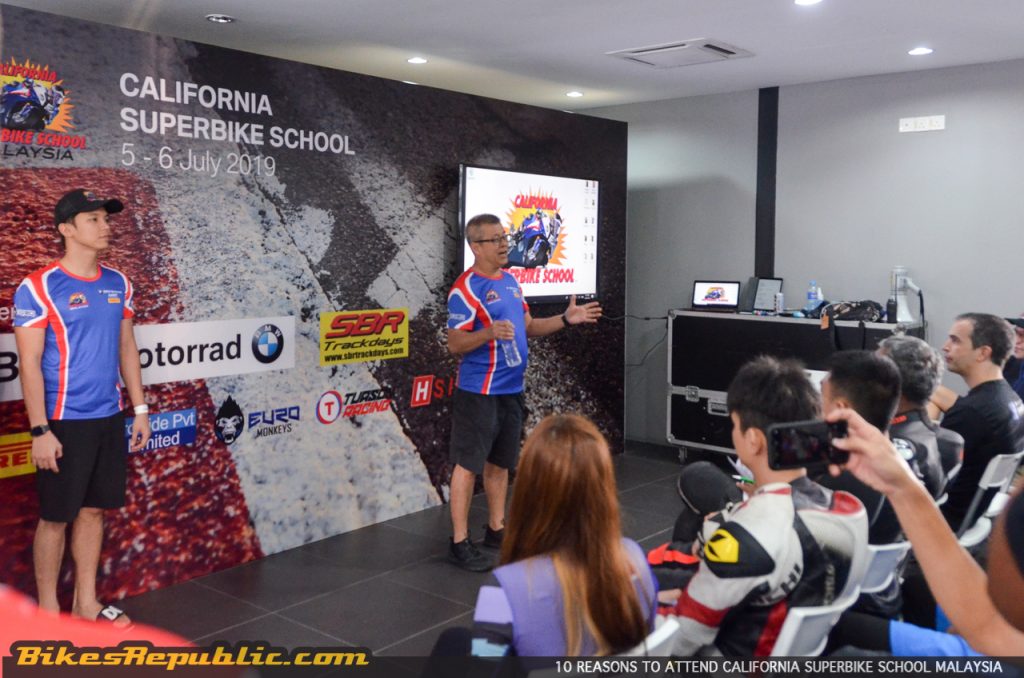
So, here we go. 10 reasons.

1. The Art of Cornering

Every biker lives for corners. Regardless of type of motorcycle, we lust for the twisty stuff. Additionally, it doesn’t matter if just sweeping through a corner or dragging an elbow, motorcycling is all about cornering.

Unfortunately, the act of cornering sometimes scares riders or causes crashes because riders are not armed with the right knowledge and skills. Cornering a bike is as much as about safety as it’s about enjoyment. That is why cornering is an art, as much as it is science.
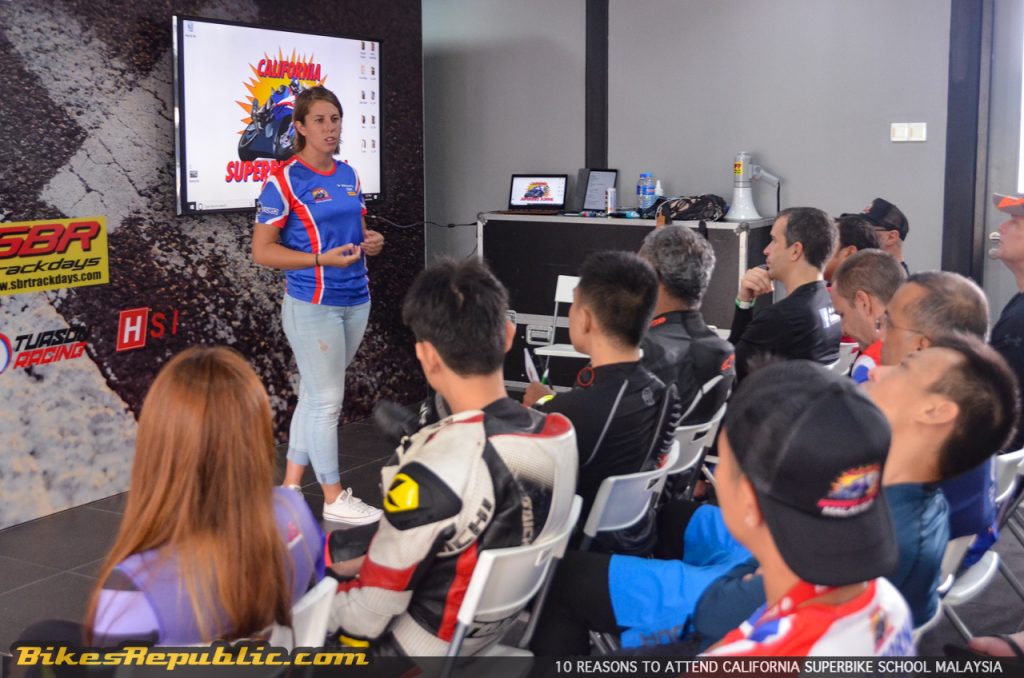
CSSMY breaks cornering down to minute details to build your skills one step at a time. Soon it becomes second nature and you don’t have to over-analyze everytime the road goes less than straight.

2. It’s not about speed

The CSSMY instructors never once mentioned speed or lap times. Instead, they teach you the correct basics of riding and cornering, then allow you to build your confidence and speed naturally.

In that sense, it doesn’t matter if your lap times are good enough to put you on front row of the MSBK grid, or if you’re touring around on SIC for the first time.
CSSMY is simply unlike other schools that tell keep pushing participants to “Open, open, open” like they’re hookers, then throwing them into the deep end of the pool. That kind of school resulted in crashes and people getting hurt (we were there!).

3. It’s not about what you ride

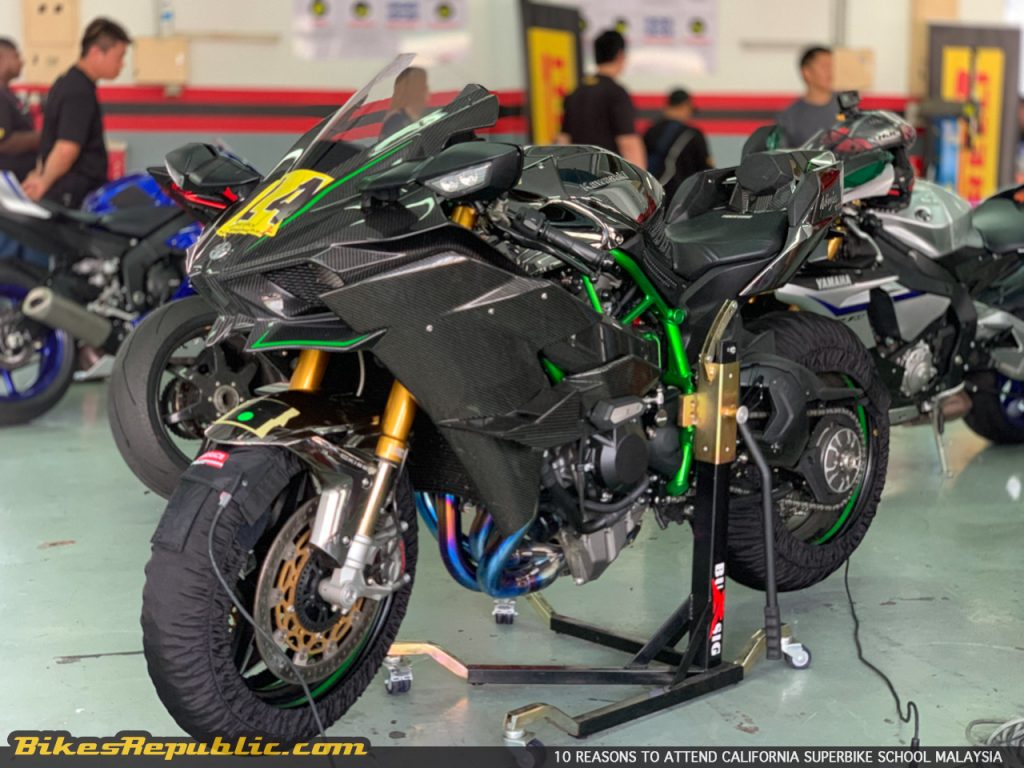
While 99% of the bikes during CSSMY were sportbikes, the school doesn’t restrict the type of bike you ride (with the exception of underbones and bikes under 250cc, of course).

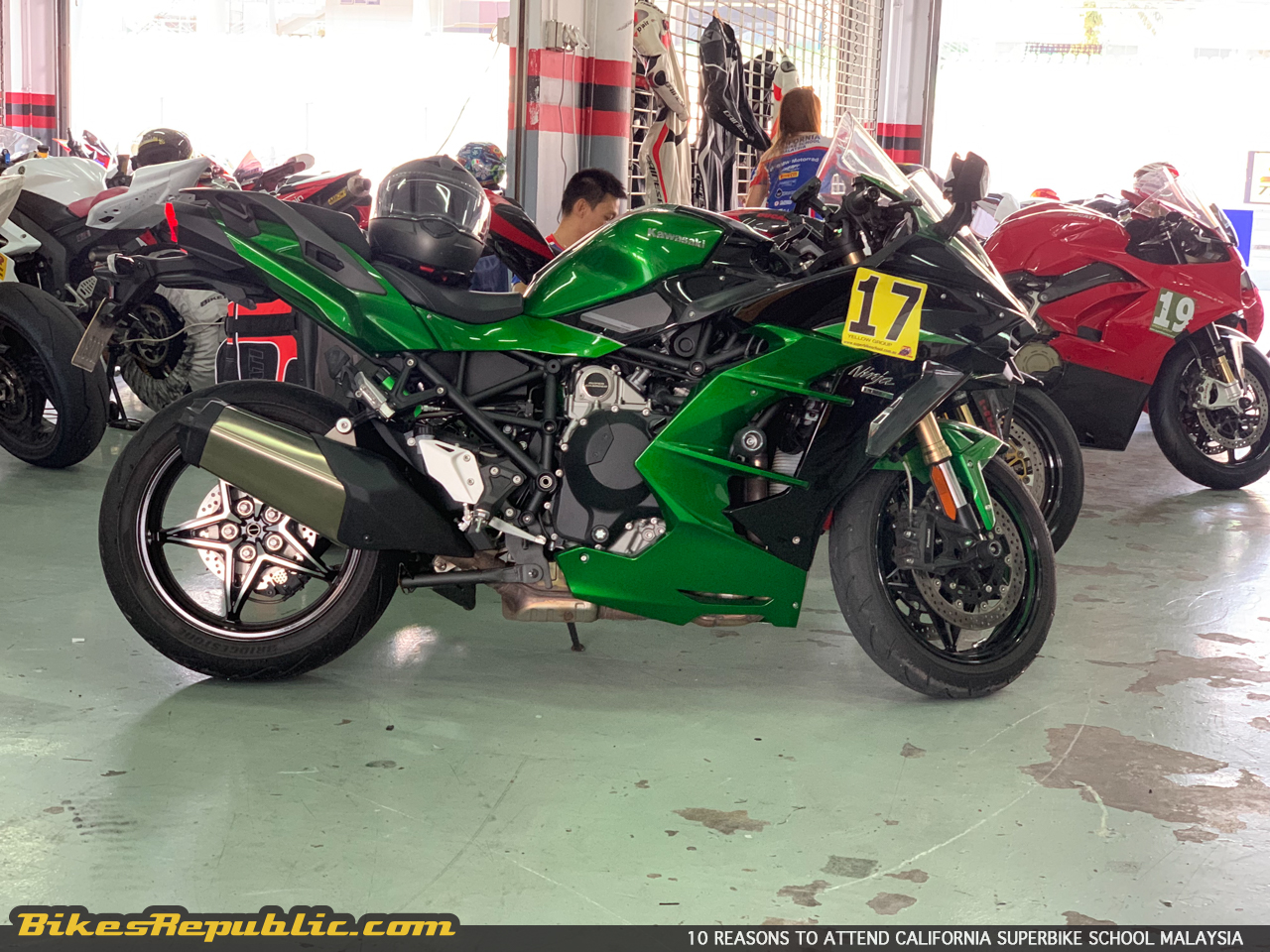
In fact, I’ve seen pictures of participants riding cruisers in CSS USA. So, it doesn’t matter if you ride a Ducati V4 R or Yamaha Tracer 900 GT or Triumph Tiger 800 XRx or a Harley-Davidson Fat Boy.

The focus is on cornering and riding skills.

4. It’s not about your equipment

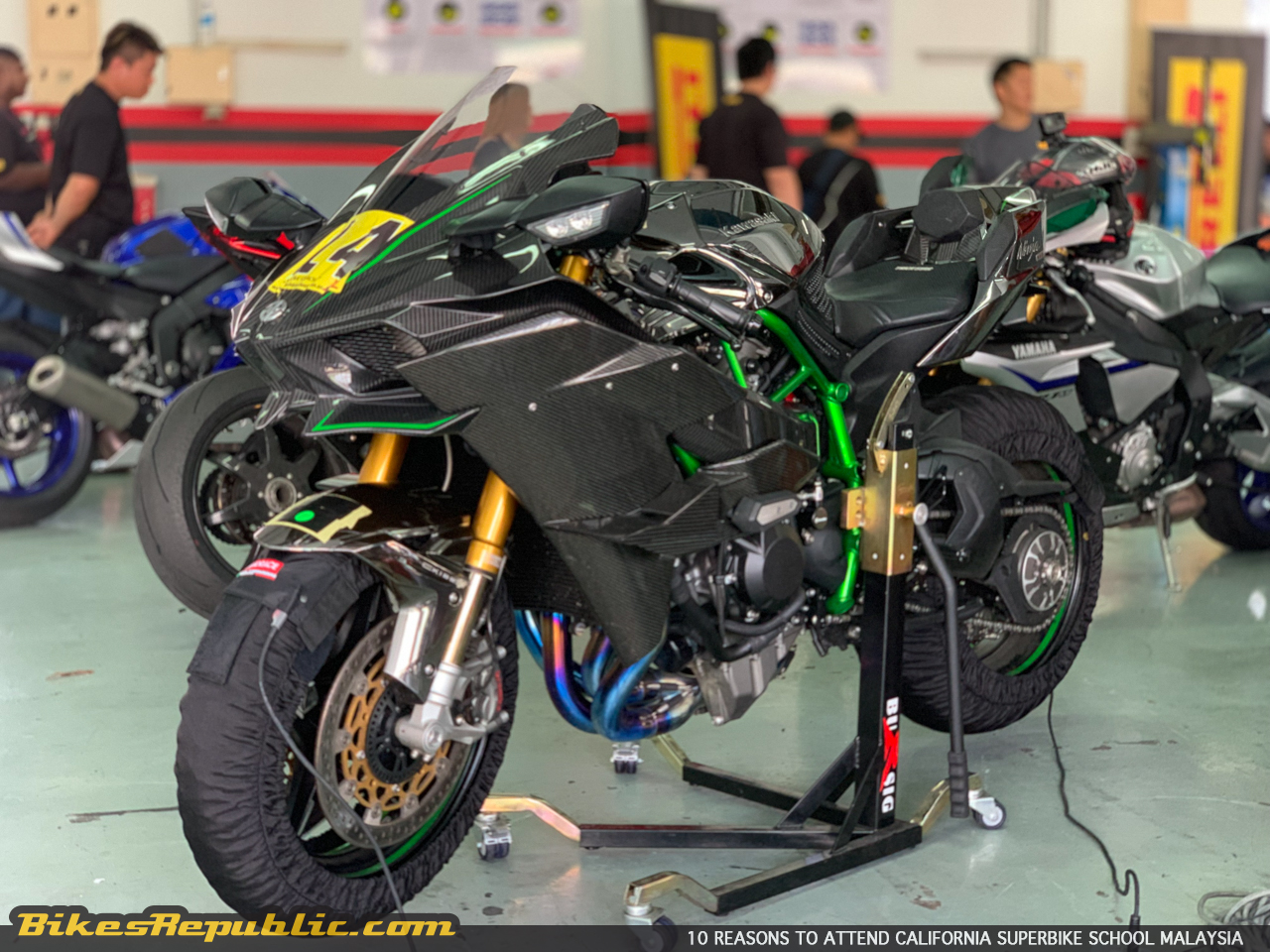
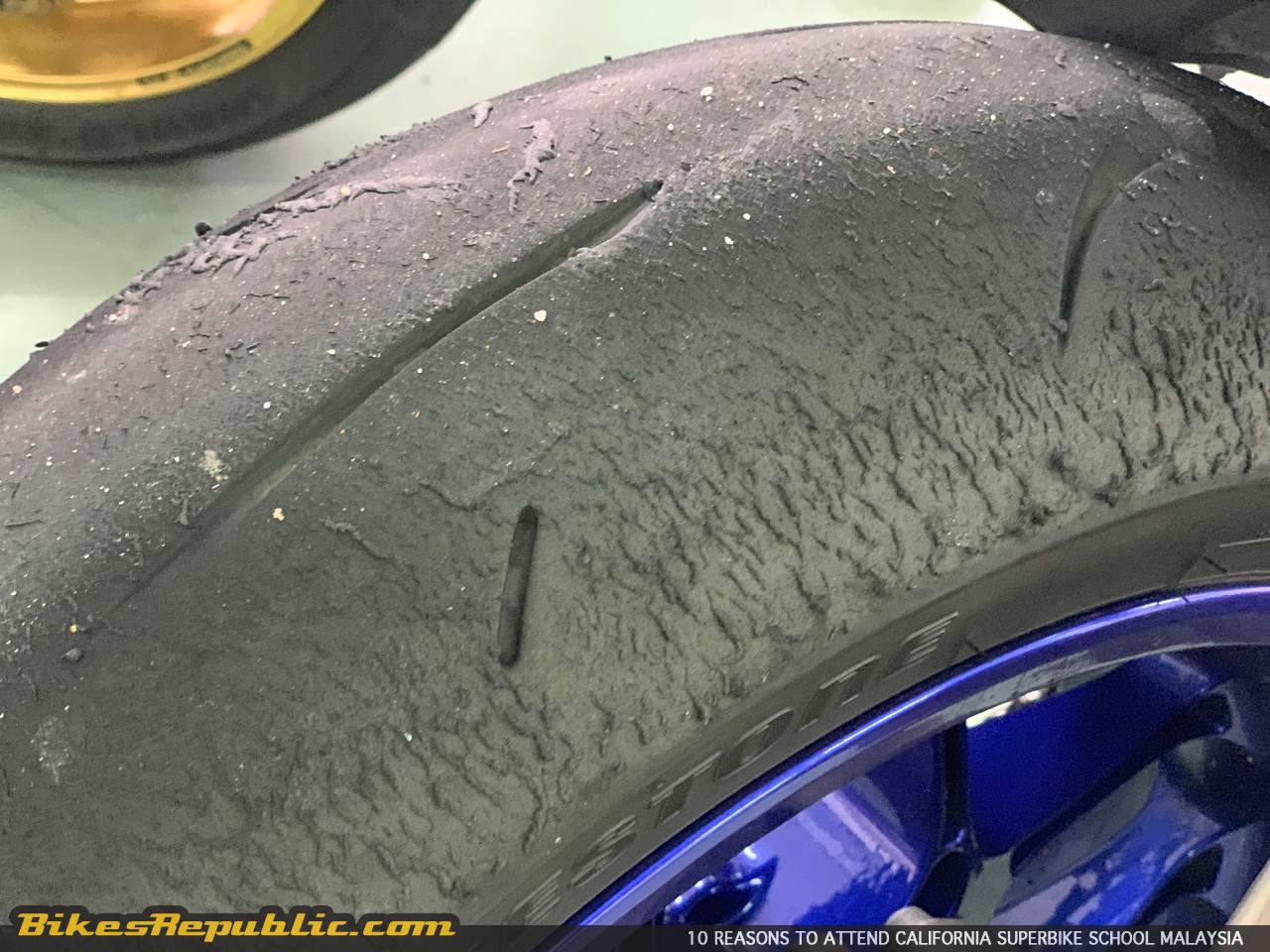
You look over and you see a bike running slick tyres, Öhlins suspension and race-spec brakes but they mean almost nothing in CSSMY. While it’s great that the rider brought a specific bike to learn on in the school, no participant feels pressured that they must have the latest and baddest techo wizardry.
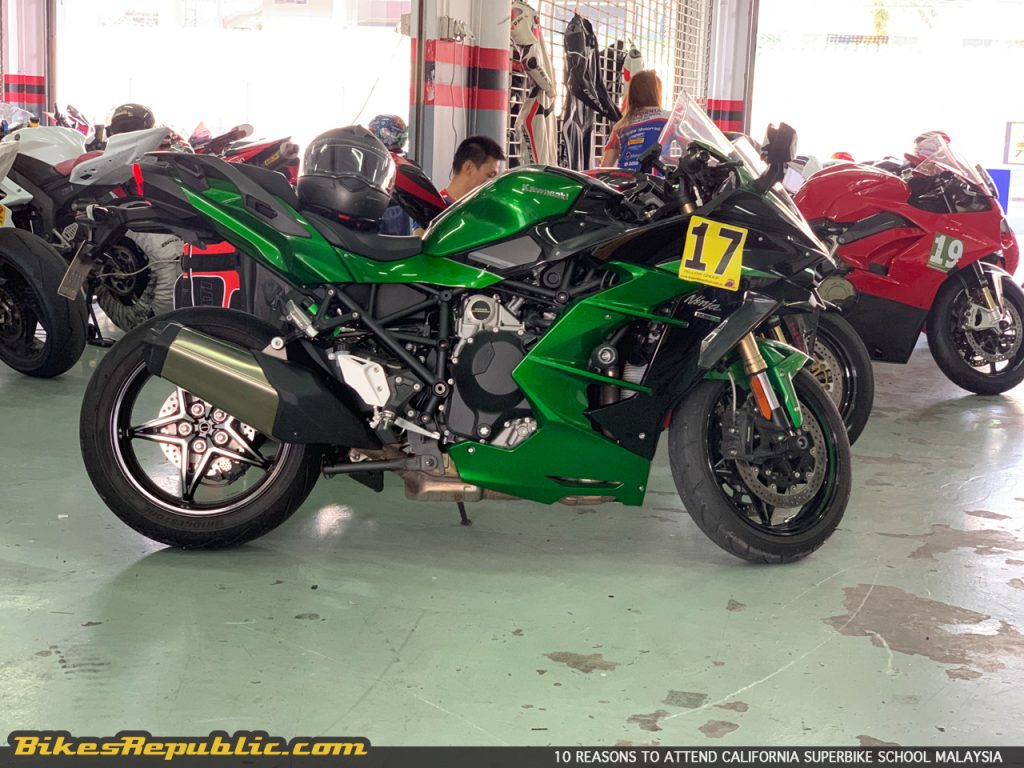
Again, it’s about the rider. One can have the best bike on the planet, but it’s nothing without the rider.

5. Easy to understand classes, drills and debriefs

Rather than inundate students with techno babble and physics lectures, the school formulates teaching methodologies that are easy to understand and remember. Of course, students may raise technical questions and the instructors are more than happy to oblige.
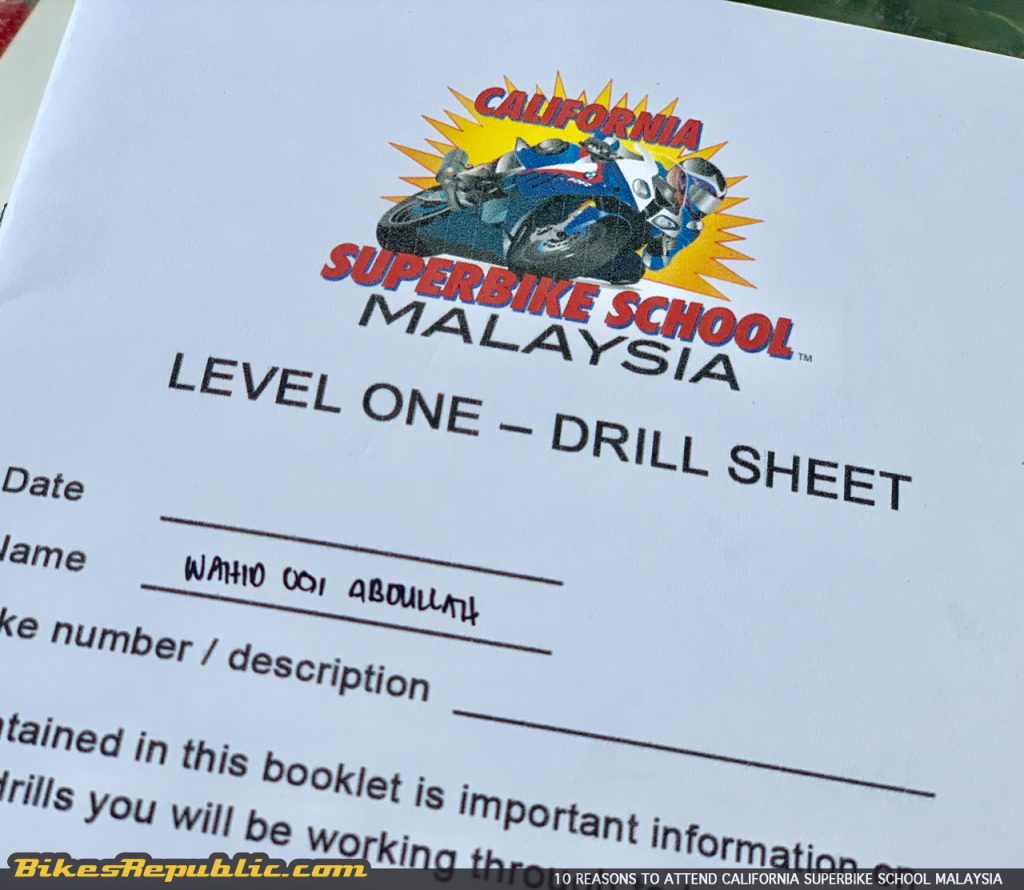
The classes started with questions from the instructor, followed by answers from the students and they were discussed. The discussions were laid back with plenty of fun and laughs.

Out on the track, an instructor will ride ahead of us and use pre-determined hand signals to remind us of the specific drill.

Back in the pits, we’d sit down with the on-track instructor and work through what we learned in the classroom and track session. He would suggest corrective measures in the next session.

6. Small instructor/student ratio

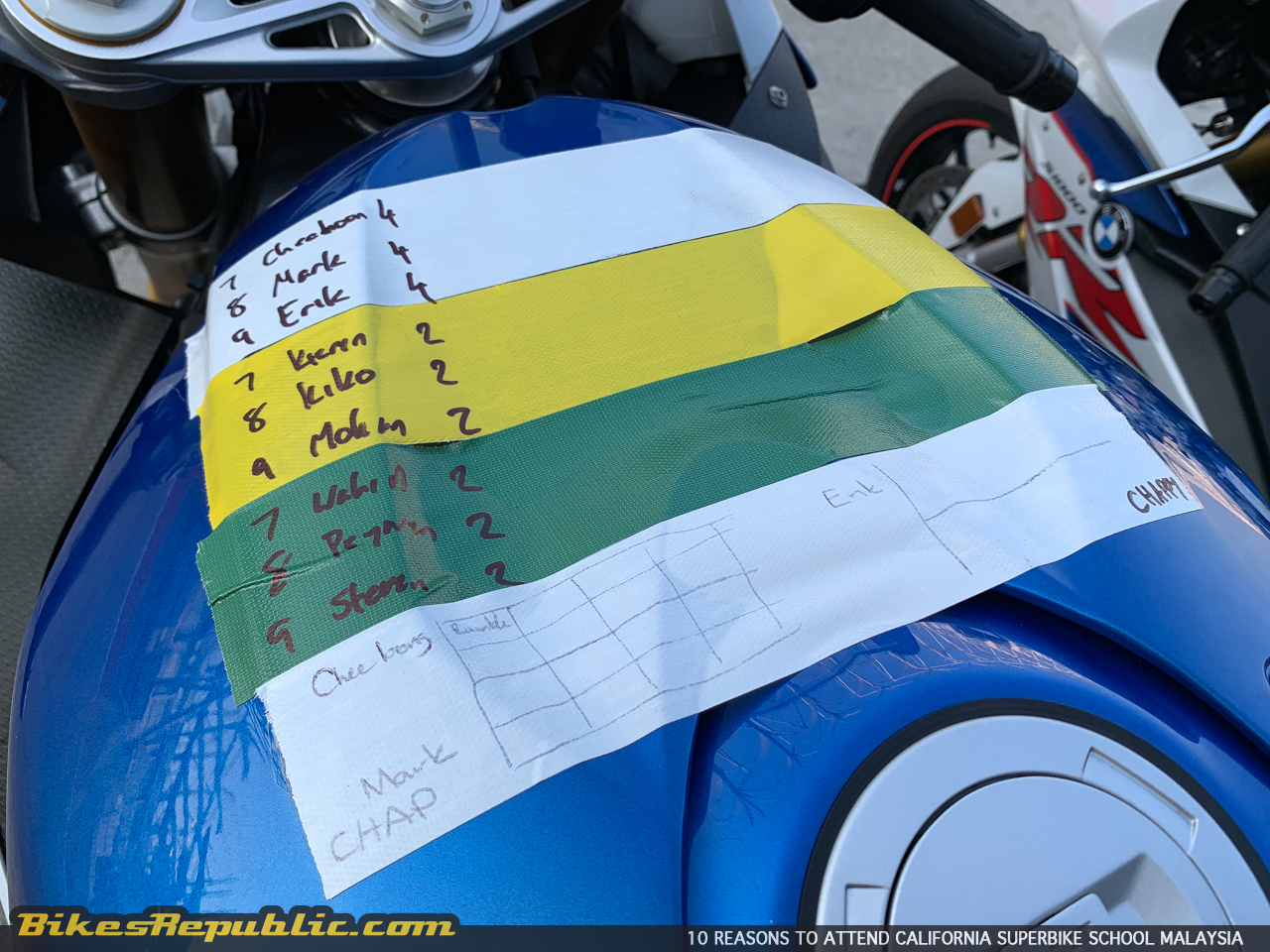
Only three students are assigned to each on-track instructor. That way, the instructors can pay more attention to each student.
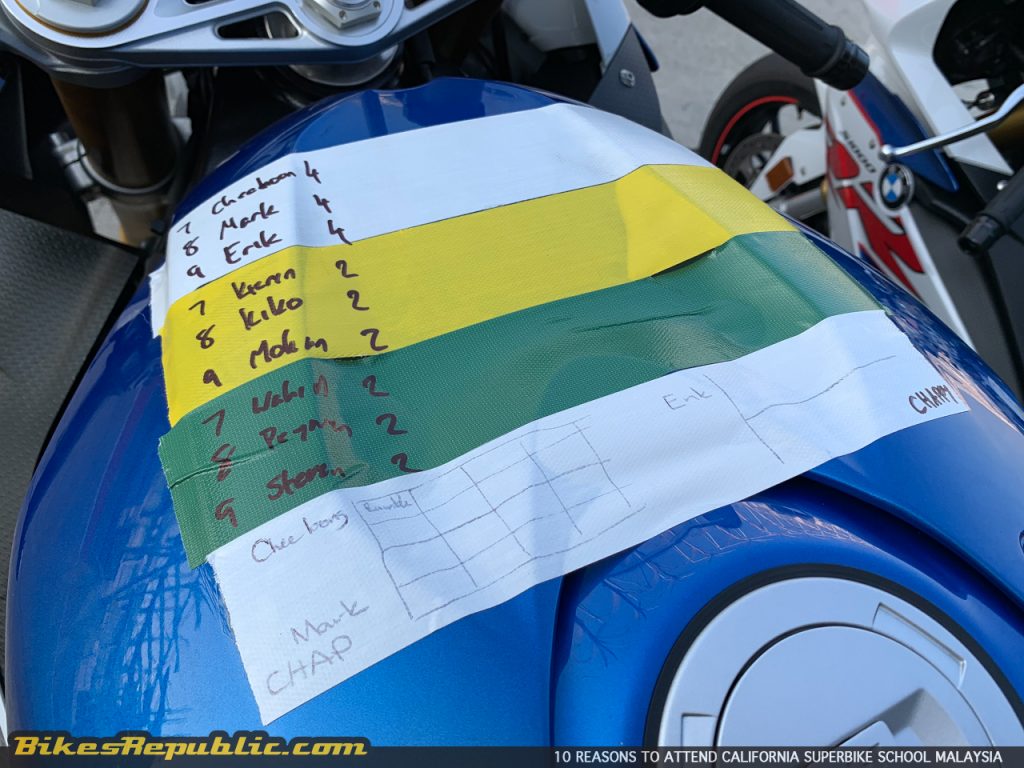
7. All positive

The instructors do not berate the students for their mistakes, instead it’s always about positive reinforcement. A student may have totally cooked the entire session, but the instructors were always there to suggest ways to improve.
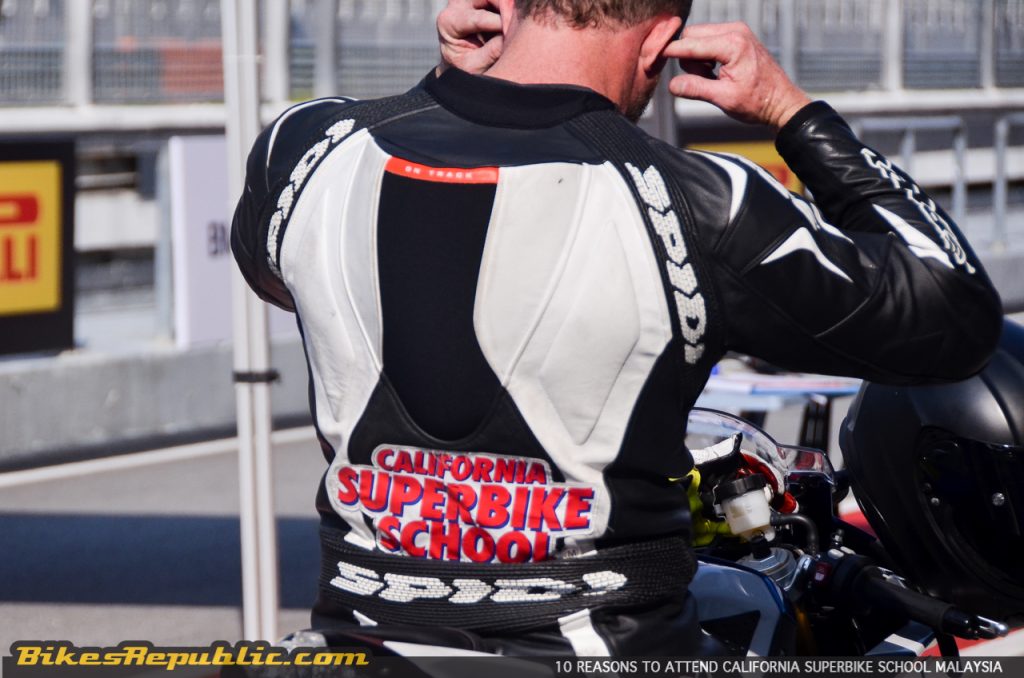
Would you prefer to hear, “Why didn’t you open?! You must open!!!” or “Don’t worry about it, follow me in the next session and see what I do”?

8. All instructors ride the same way

We noticed that all the instructors ride almost exactly alike, in terms of how the steered their bikes, body positioning, head positioning, cornering lines, braking, reference points, etc.
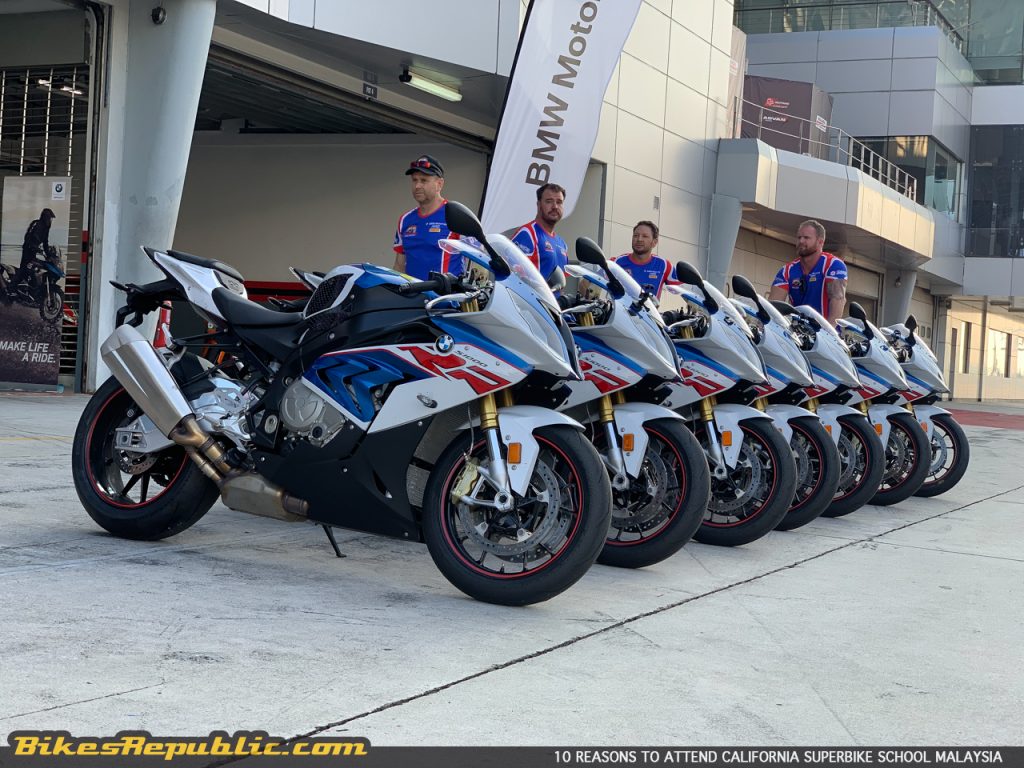
This was not only an awesome sight but it’s fair to the students. It means that a student attached to one instructor isn’t getting less or more from another. Instead, they learn what was taught to the letter.

9. Skills can be applied anywhere

Conducting the courses at the racetrack provides the safest environment. The skills taught in CSSMY can be applied any time you ride because they cover the fundamentals of steering, throttle control, vision, braking, body positioning, etc.

10. Improvements that are measurable

All of us started the course with some level of uncertainty, self-doubt, fear. Some didn’t know what to expect. Some just wanted to survive.
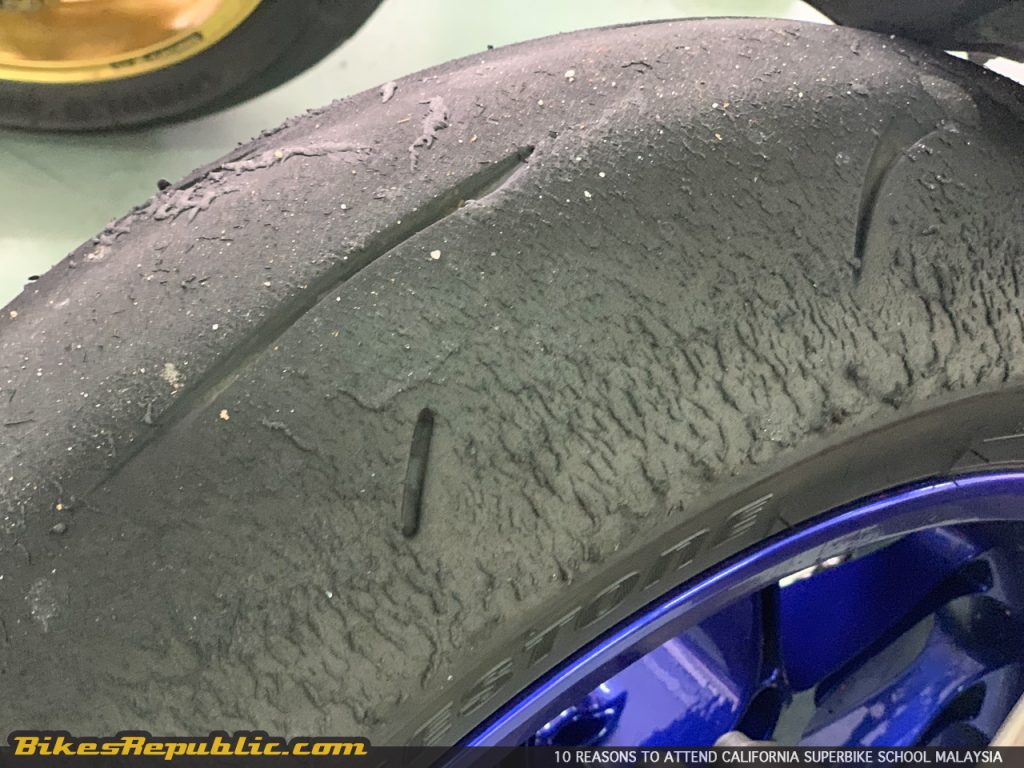
But it was easy to see that everyone had improved and were genuinely relaxed by the middle of the second day. The riders who had struggled every lap were now riding at steady paces. Those who feared corners leaned over further. And those hotshots went even faster but looked more natural than all contorted on their bikes.

That’s because CSSMY had accepted our fears and shortcomings and took positive steps in overcoming them in an objective-based method.

Conclusion

The California Superbike School Malaysia has to be attended by every biker. We owe it to ourselves, our riding buddies and the community at large that we upgrade our riding skills. You will find riding is so much more pleasant and safer, in addition to going home feeling that you’ve achieved the best thing in your life.

CSS Malaysia will be back next year so start saving!

Please stay tuned for this writer’s personal experience in the California Superbike School Malaysia.
Archive

Follow us on Facebook

Follow us on YouTube