Bikesrepublic

Latest News

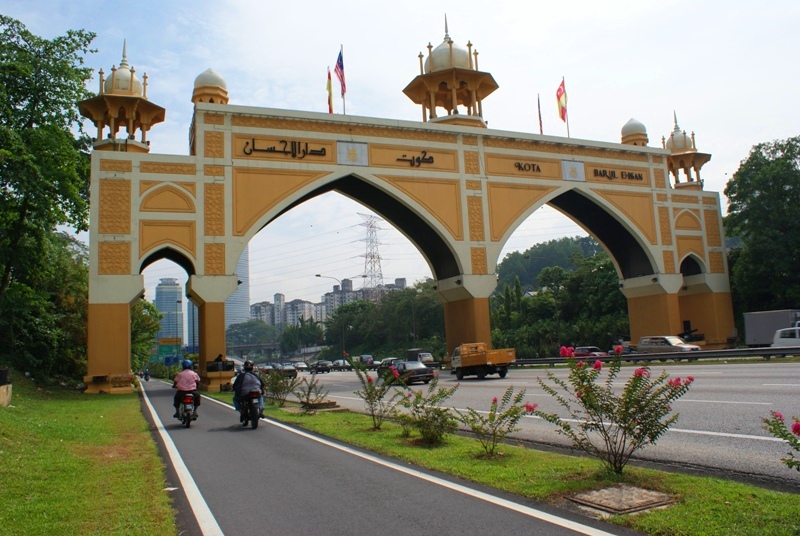
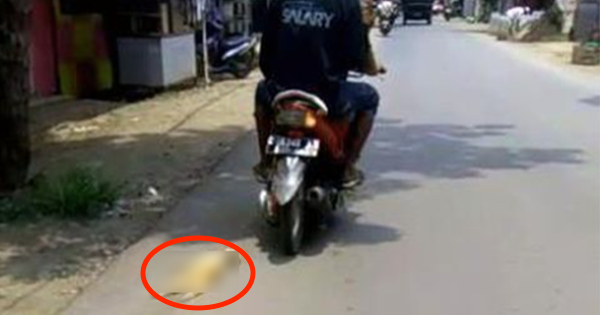
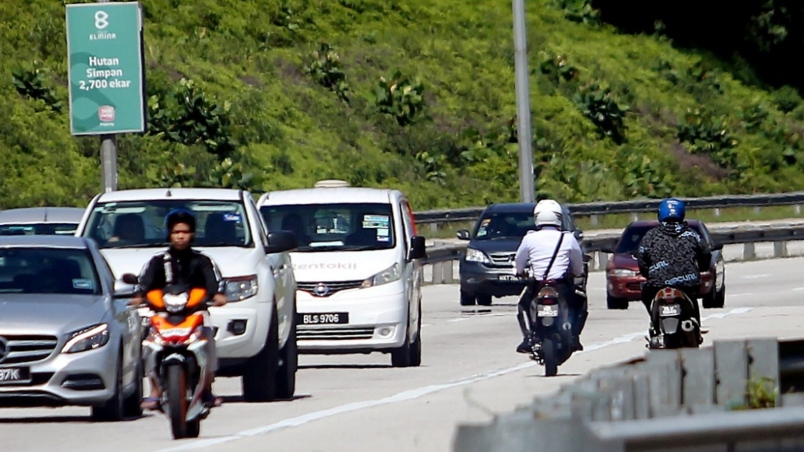
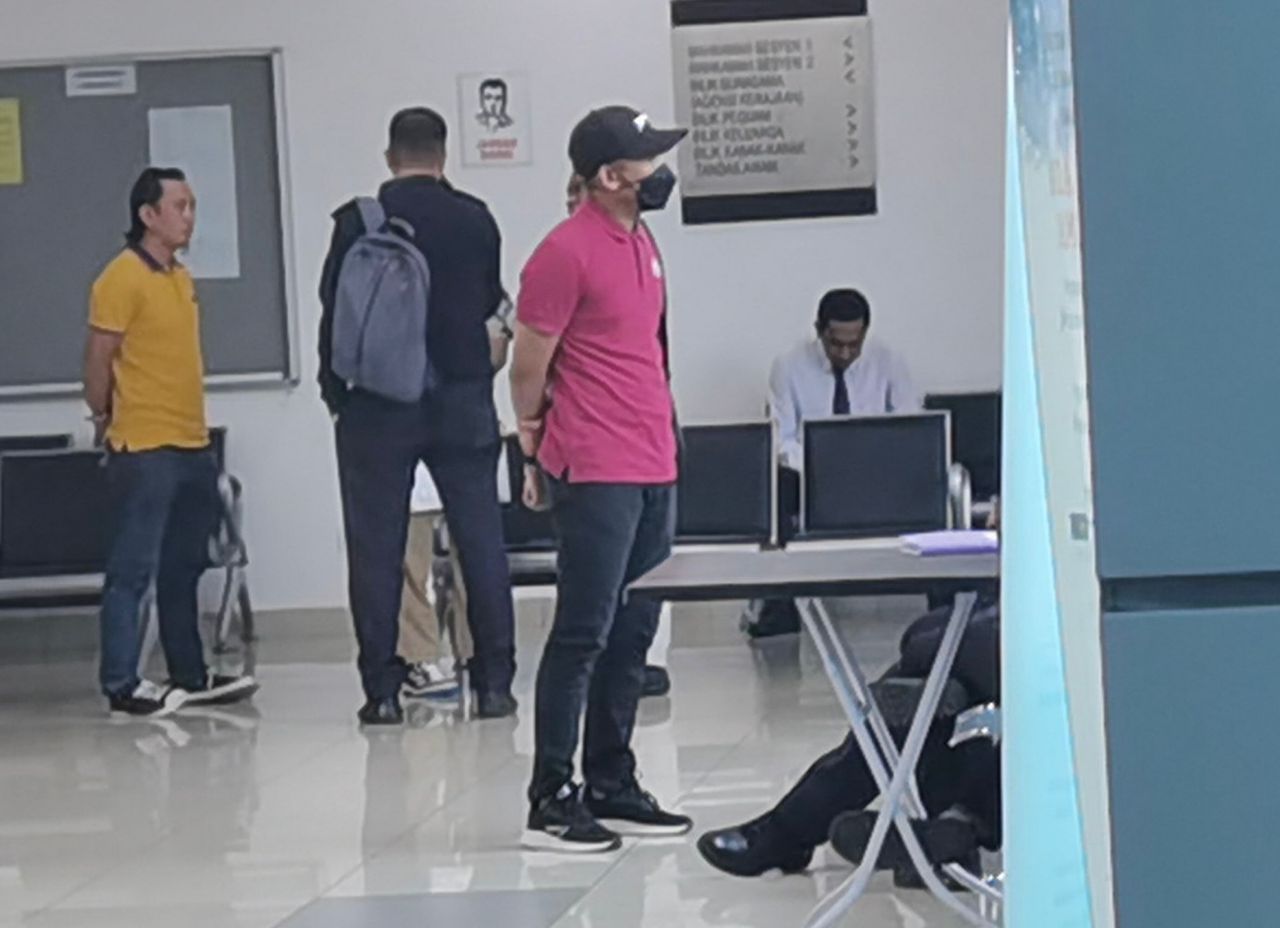
A recent article posted by the Malay Mail has the author complaining about motorcyclists riding their bikes on the Federal Highway.

More bikes are taking the main carriageway as some parts of the dedicated bike lanes are closed for renovations.

While some do ride carelessly, it is not fair to label all bikers as ‘nuisances’ or ‘mat rempits‘.

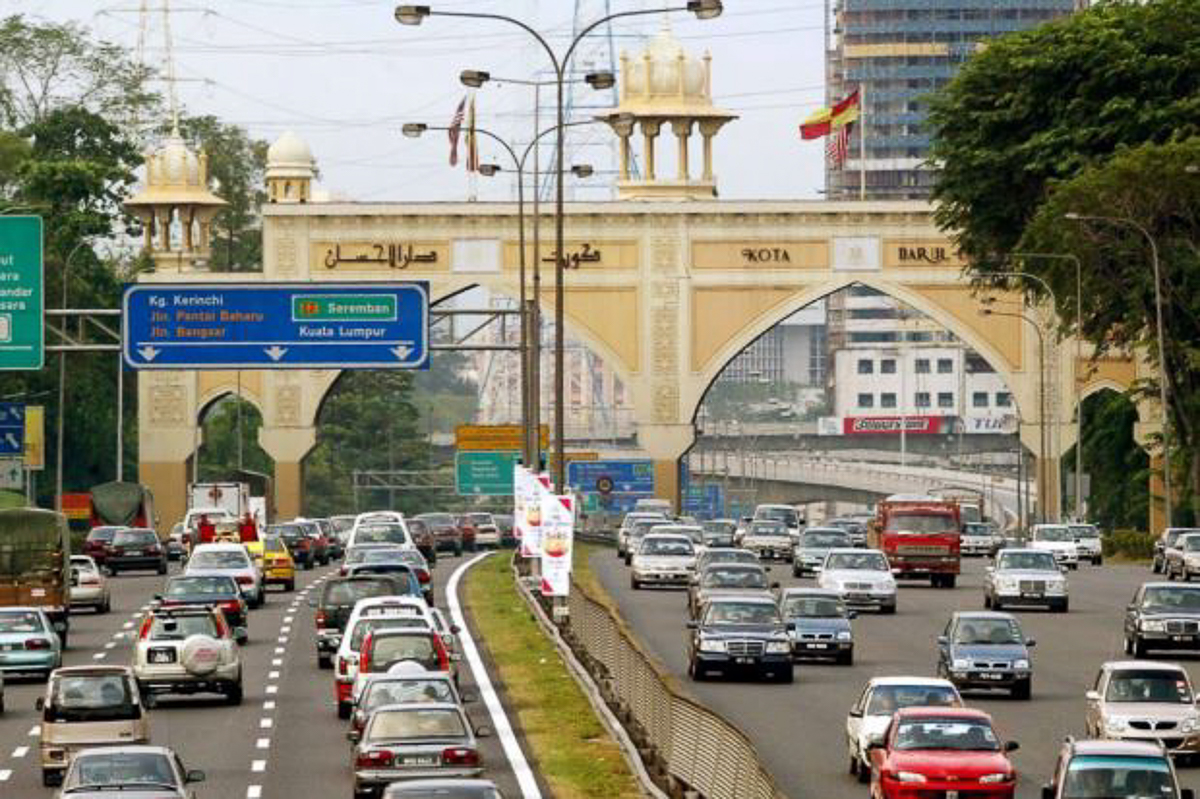
Image source: The Star

In reference to a recent article published by the Malay Mail earlier today, the author clearly stated that more motorcyclists are taking their bikes onto the main carriageway and went on to blatantly label them as ‘nuisances’ and even ‘mat rempits’ (street hooligans). The biased article, which may be confusing for some especially other motorists, was written without considering the true story behind the event. (more…)

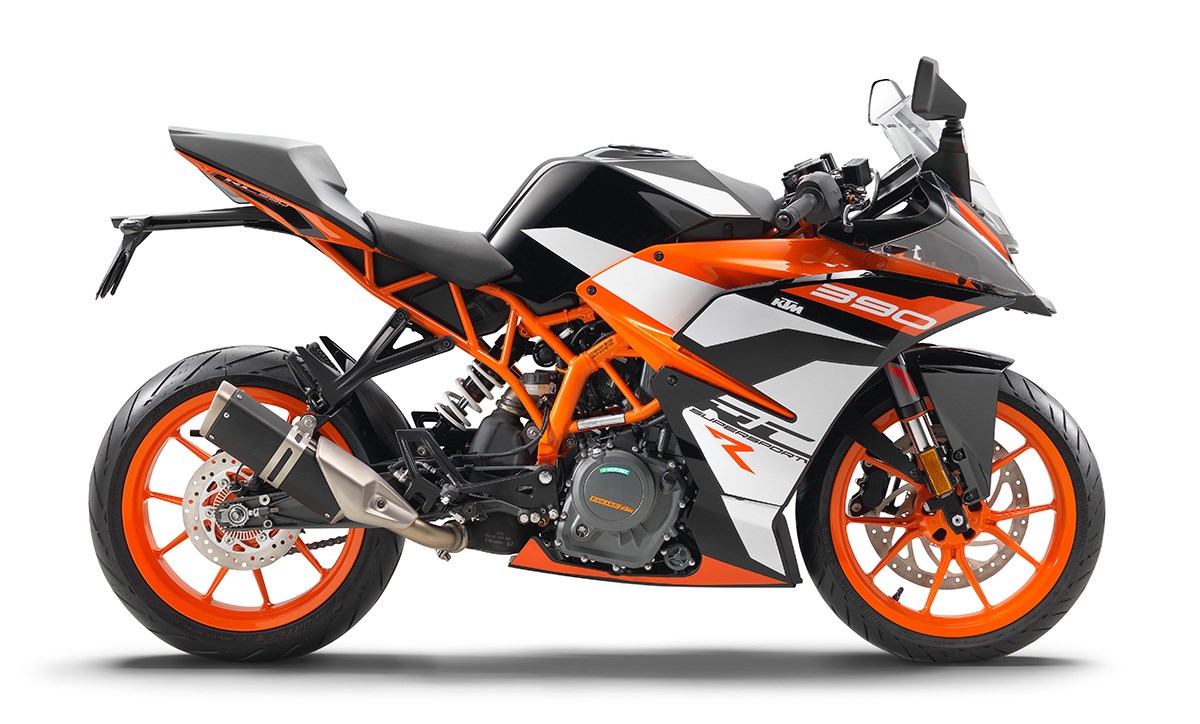
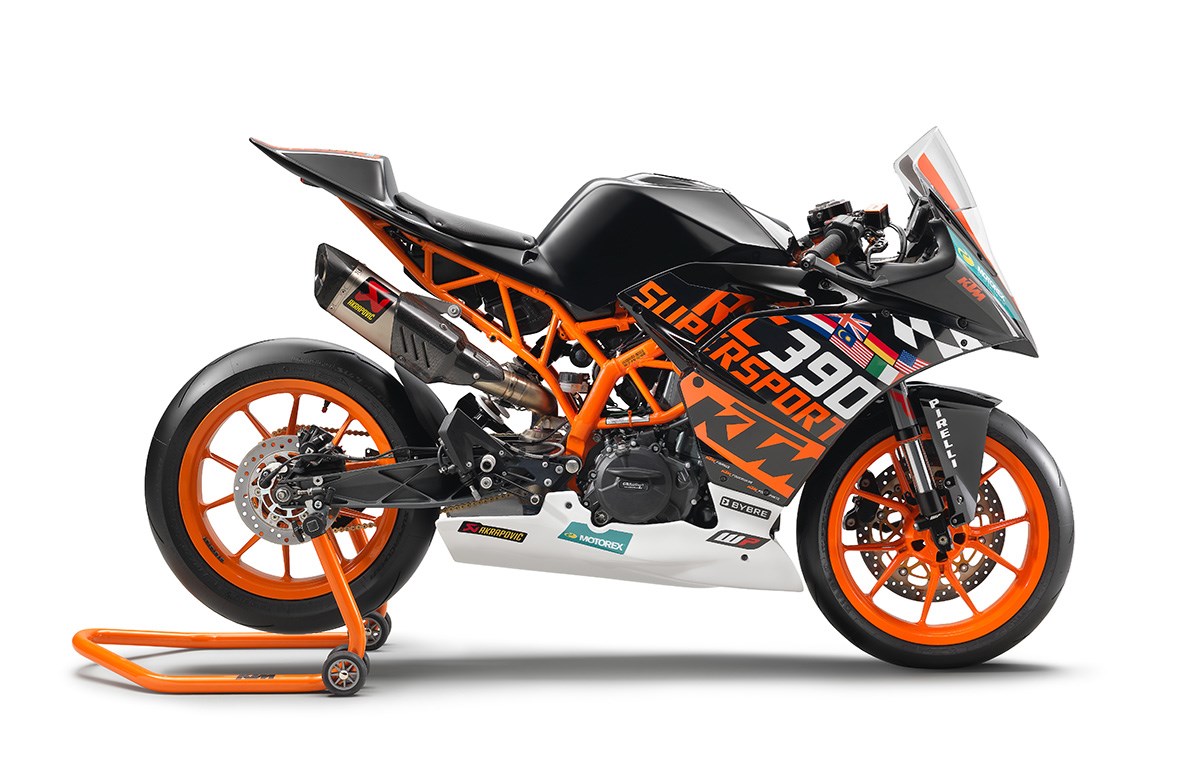
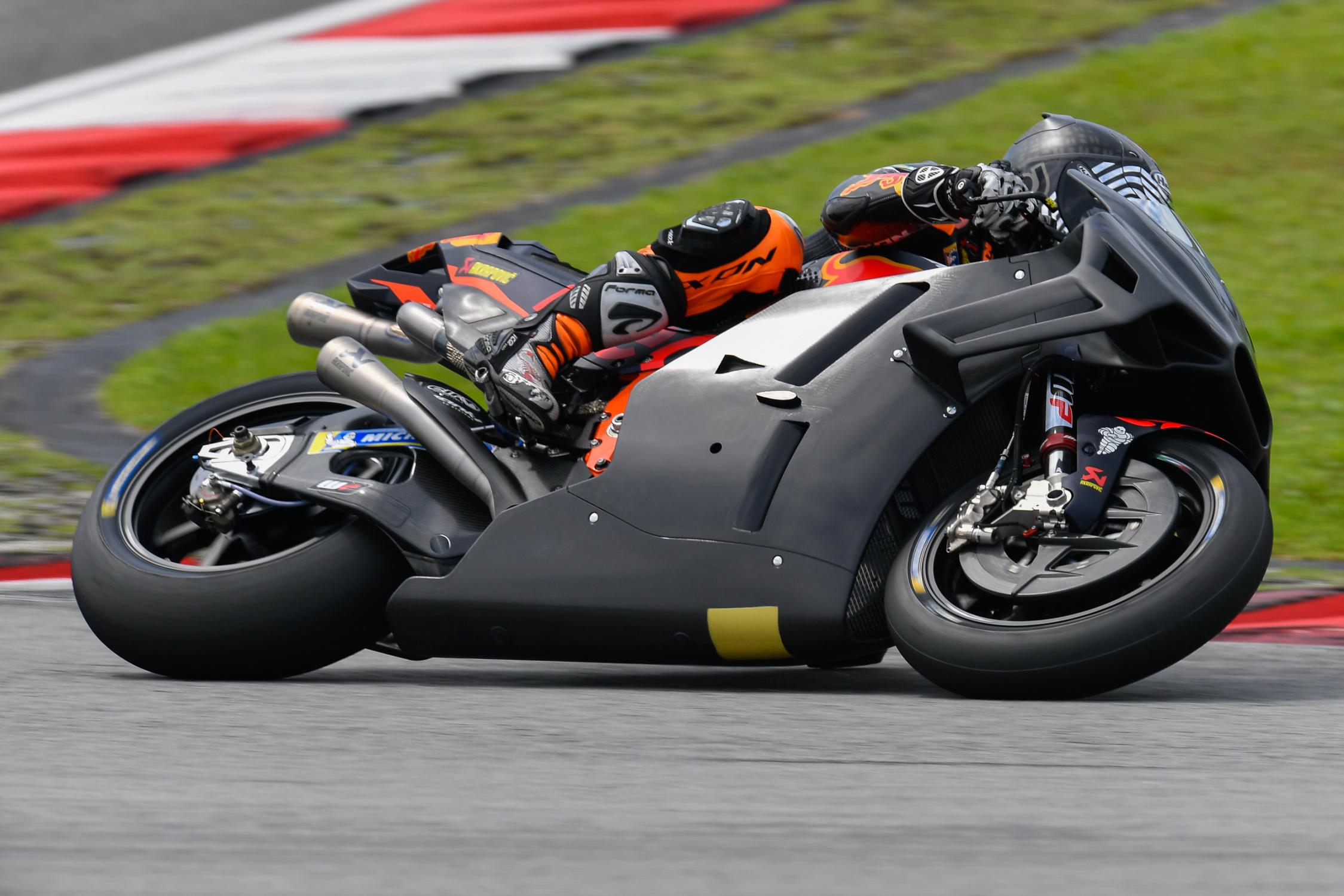
KTM has announced the homologated and very limited edition track-ready 2018 KTM RC390 R.

Designed to be more track-friendly, KTM is also offering a full Supersport 300 race kit for the RC390 R.

Priced at €8,500 (around RM40,901), the RC390 R is limited to just 500 units worldwide.

Calling all KTM fans! KTM has just announced the very limited and super exciting 2018 KTM RC390 R. This homologated version has been equipped with a load of track day goodies to blast through circuits looking and feeling like a pro rider. (more…)

  • Dani Pedrosa blitzed the field, beating out a late charge by the Ducati factory riders.

  • Dani had always been strong and won at Sepang.

  • Early chargers Yamaha Factory Team were pushed down the order.

Dani Pedrosa staved off the Ducati charge to end the first day of the 2018 Sepang Official MotoGP Test as the fastest rider.

The late afternoon session saw a thrilling tussle between Honda, Ducati and Yamaha factory teams, with their riders swapping fastest times.

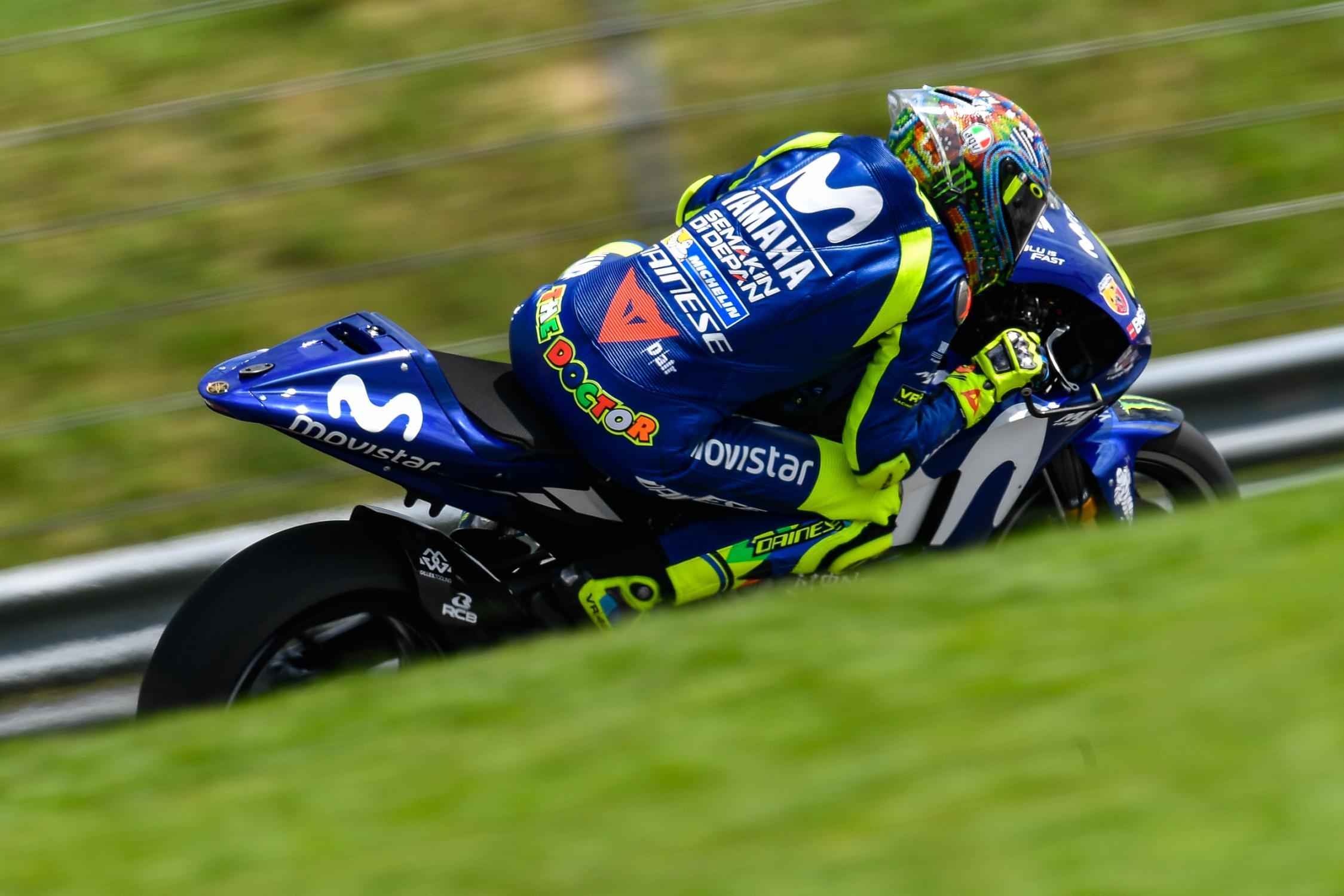
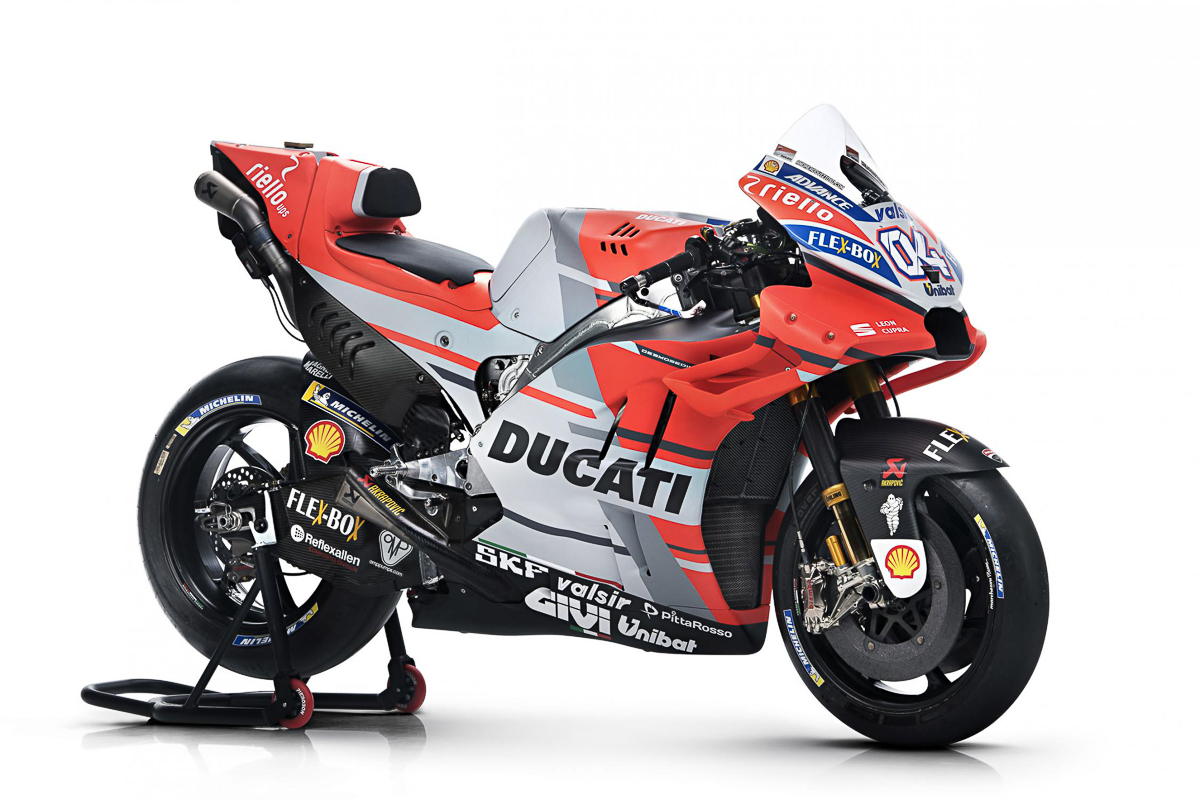
It was Valentino Rossi (Movistar Yamaha) who went fastest after lunchtime, only to see Andrea Dovizioso (Ducati MotoGP) go on top. Desmo Dovi then held on to the top spot for some time before the former fought back to record a 2:00.322 time.

Picture from MotoGP.com

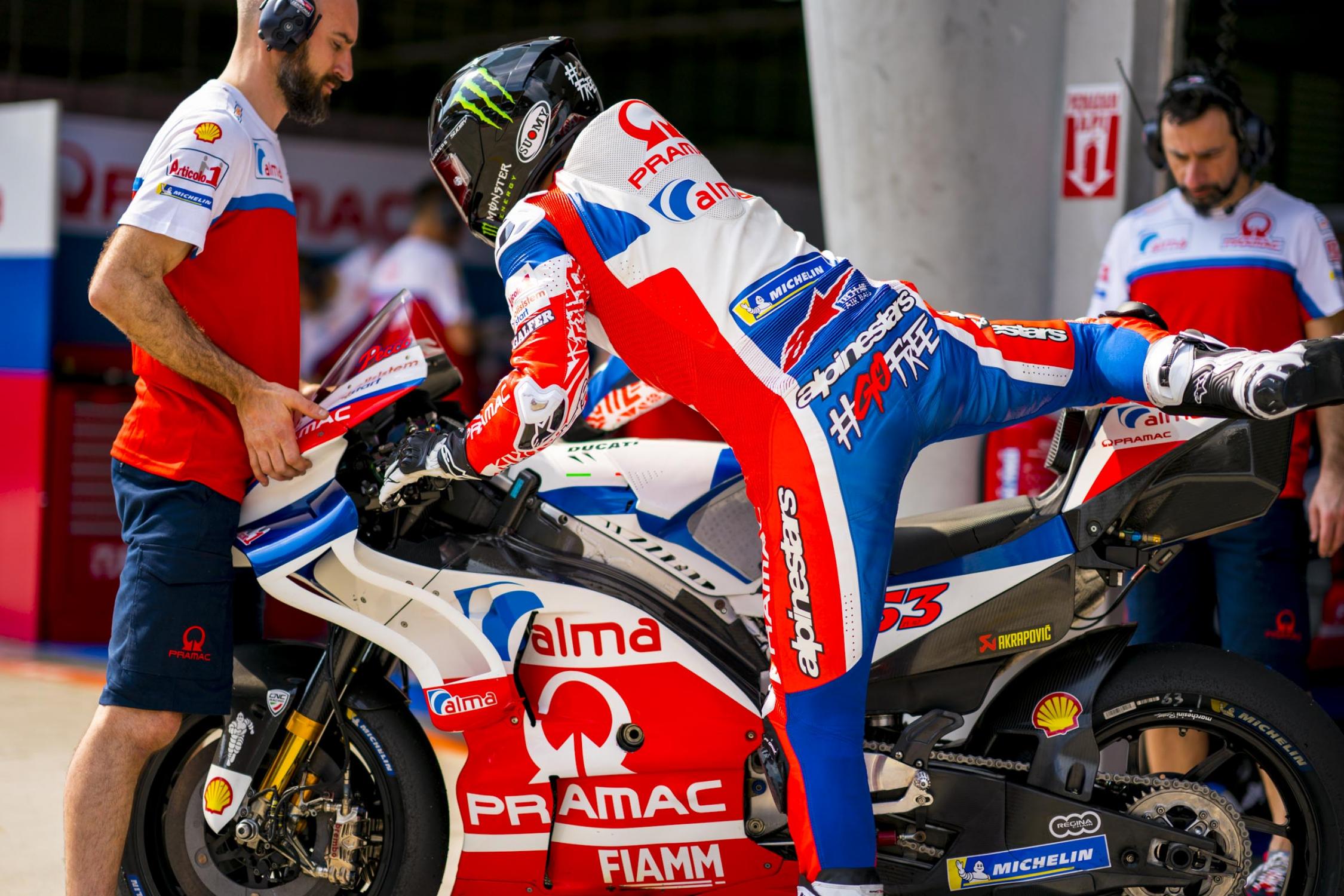
But as the clock counted down to the end of the first day, most riders hit the track en masse. However, it was the Ducati-mounted riders who proved to be faster. Danilo Petrucci and Jack Miller of Alma Pramac Racing recorded the fourth and fifth fastest times of the day with 2:00.123 and 2:00.178, respectively.

Picture from MotoGP.com

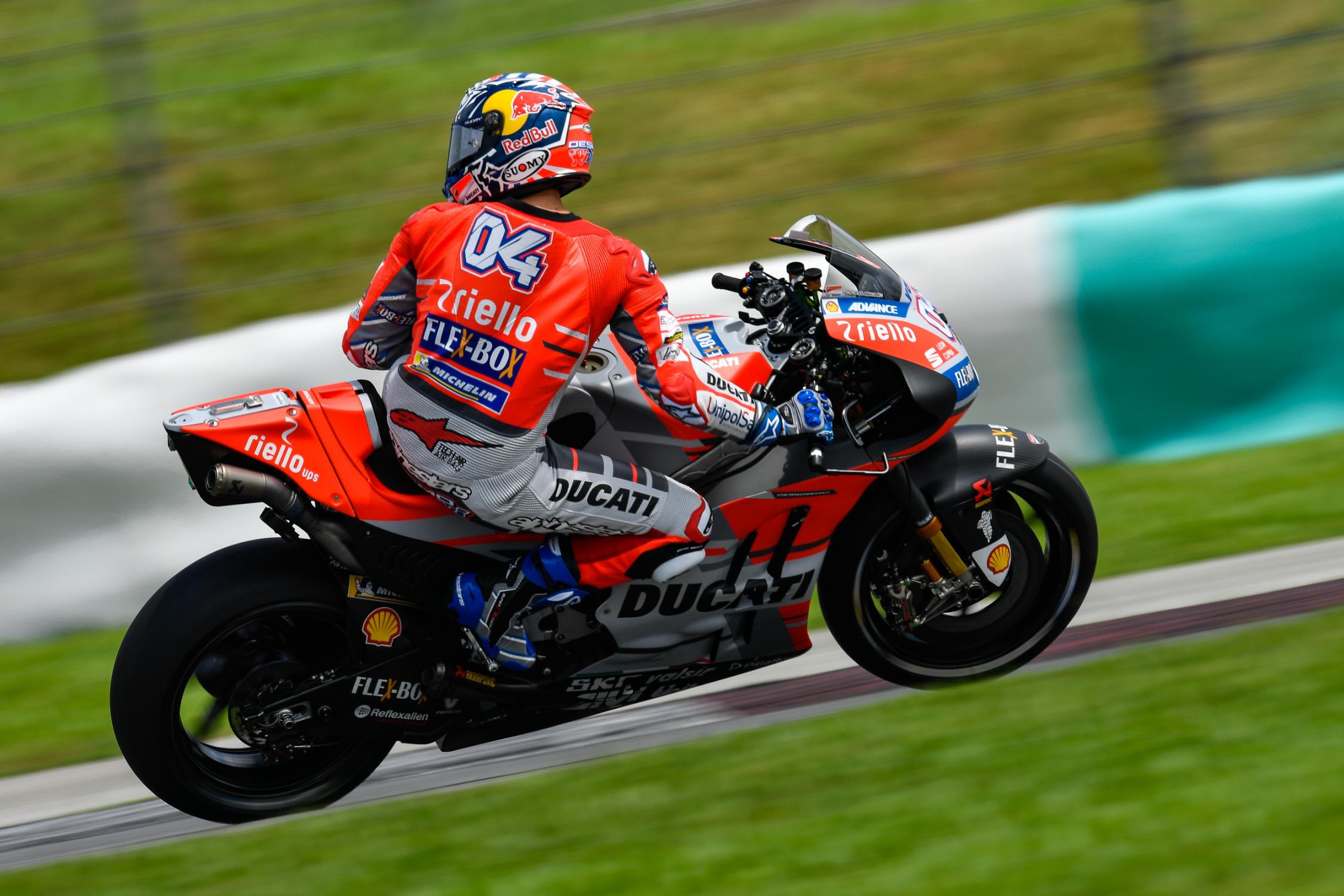
As for the Ducati factory team, Andrea Dovizioso reclaimed the top spot with a time of 1:59.770, while his teammate Jorge Lorenzo clocked 1:59.802.

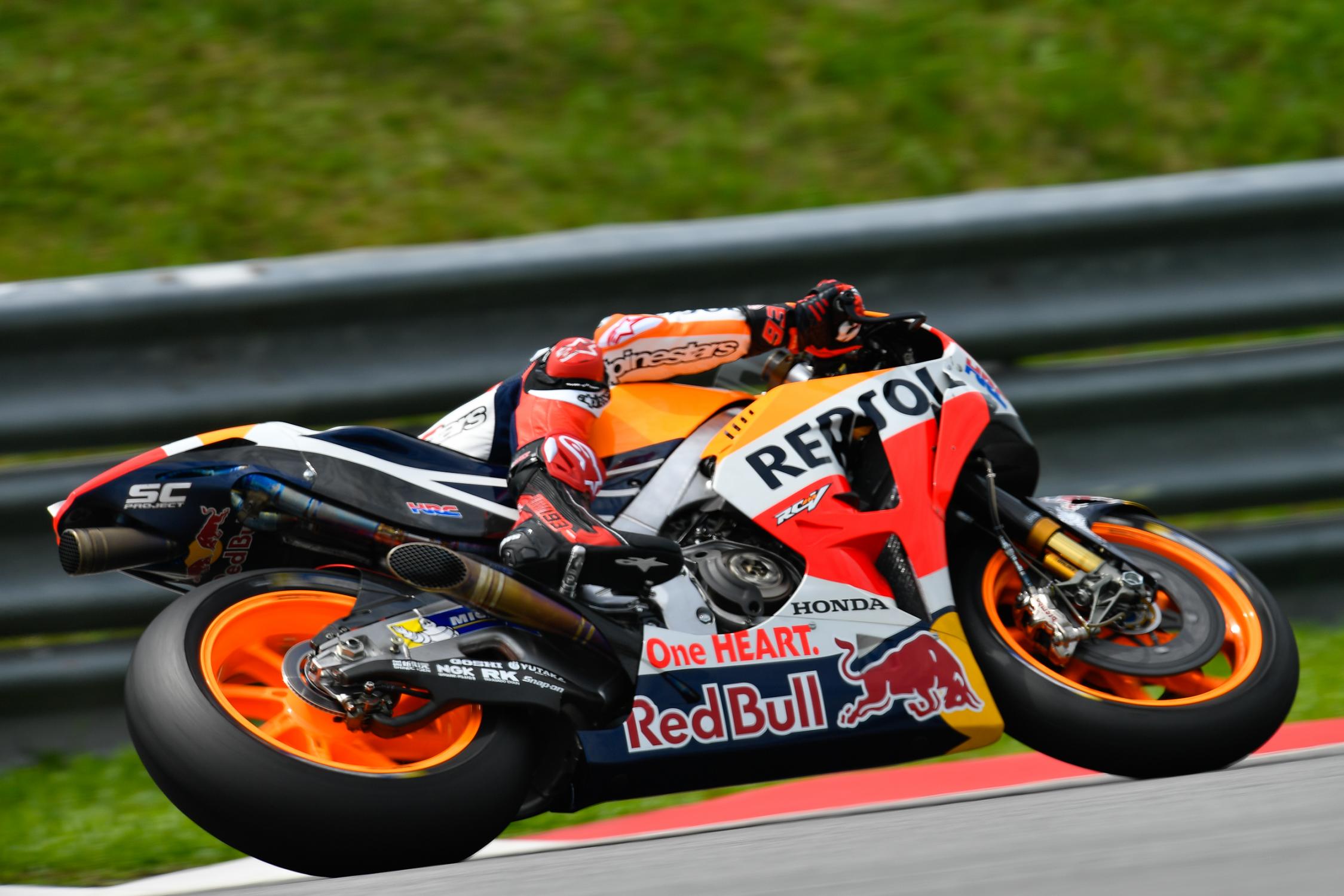
It was not to be an all-out celebration for Dovi, as Dani Pedrosa (Repsol Honda) charged into first place with a blistering 1:59.427 lap time. Dani’s time is just 0.235 seconds slower than his record-setting pole time in 2017.

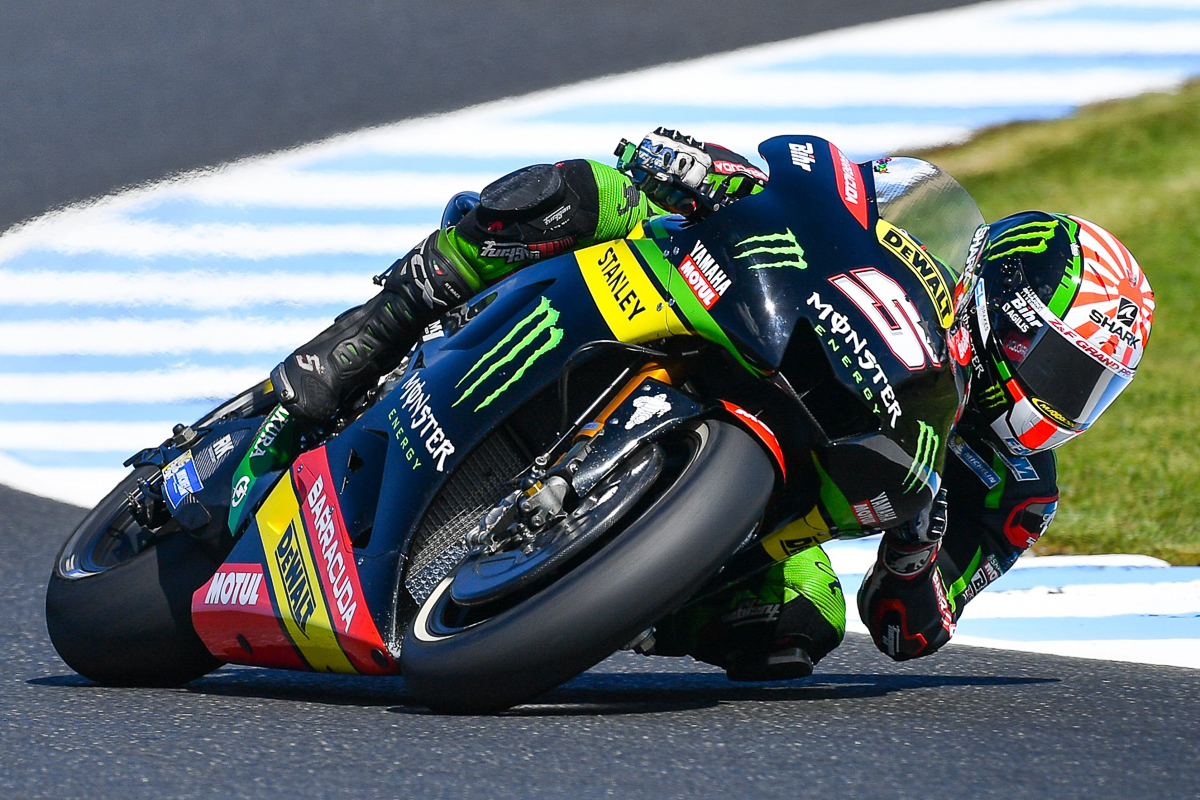
Rossi found himself relegated to sixth, with Marc Marquez in seventh with his best lap of 2:00.290. The morning’s fastest man, Johann Zarco bested his earlier time (recorded on a damp track) with 2:00.421, ending the day in  eighth.

Picture from MotoGP.com

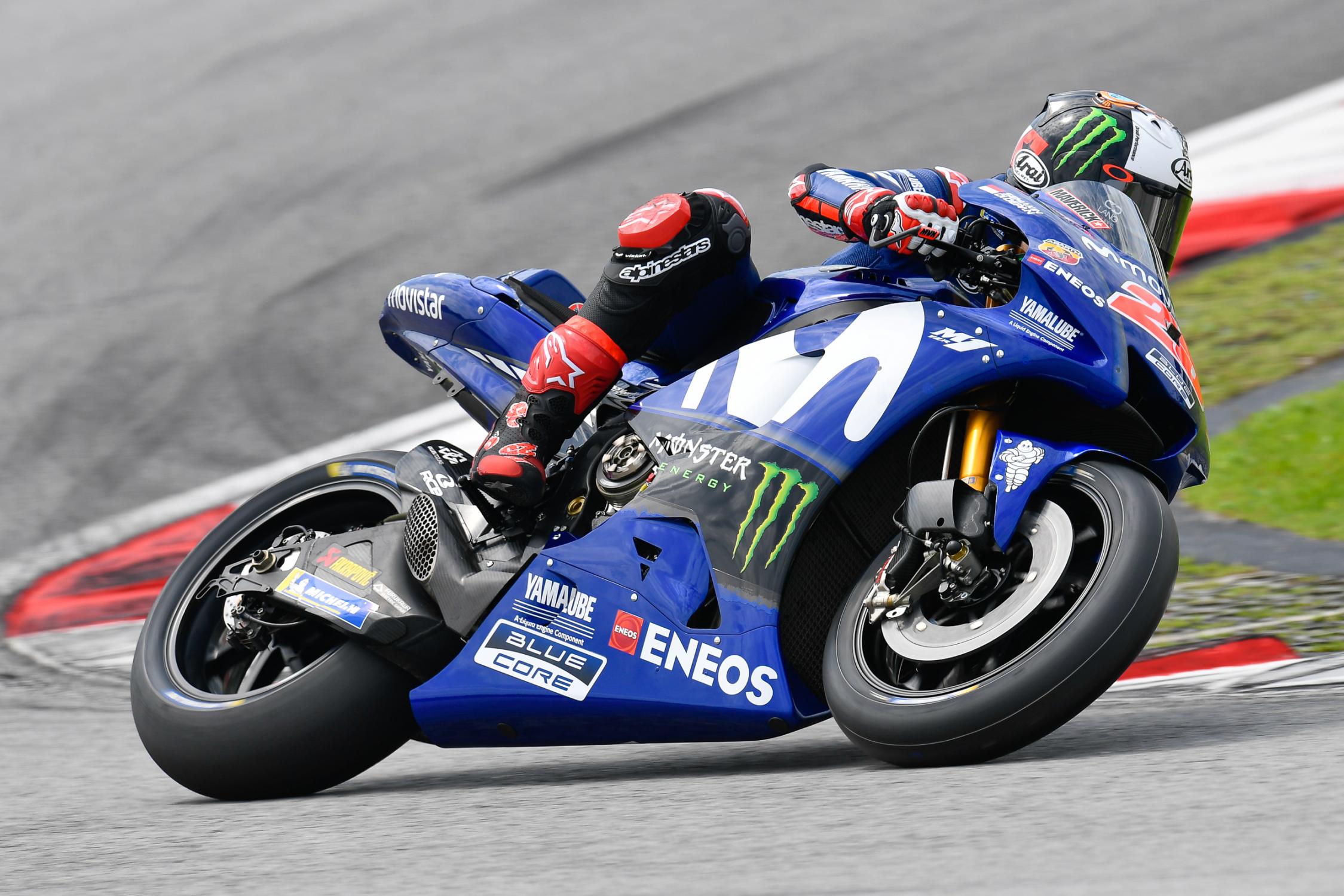
Rossi’s teammate, Maverick Vinalez had put in 72 laps on this first day, more than any other rider. He had posted an initially strong time at 2:00.714 but the advancing horde saw him pushed down to 13th.

Picture from MotoGP.com

With such a fast early pace exhibited by Pedrosa, how will it be tomorrow? The Klang Valley saw a heavy shower late in the evening, so how will that play out tomorrow?

Stay tuned as we continue to bring you more excitement from this test.

Picture from MotoGP.com
  • The 2018 MotoGP season has begun with the Winter Tests.

  • Held at the Sepang International Circuit, the teams are back to test their new machinery.

  • Dorna has put more restrictions on the number of tests this year, making this session all the more important.

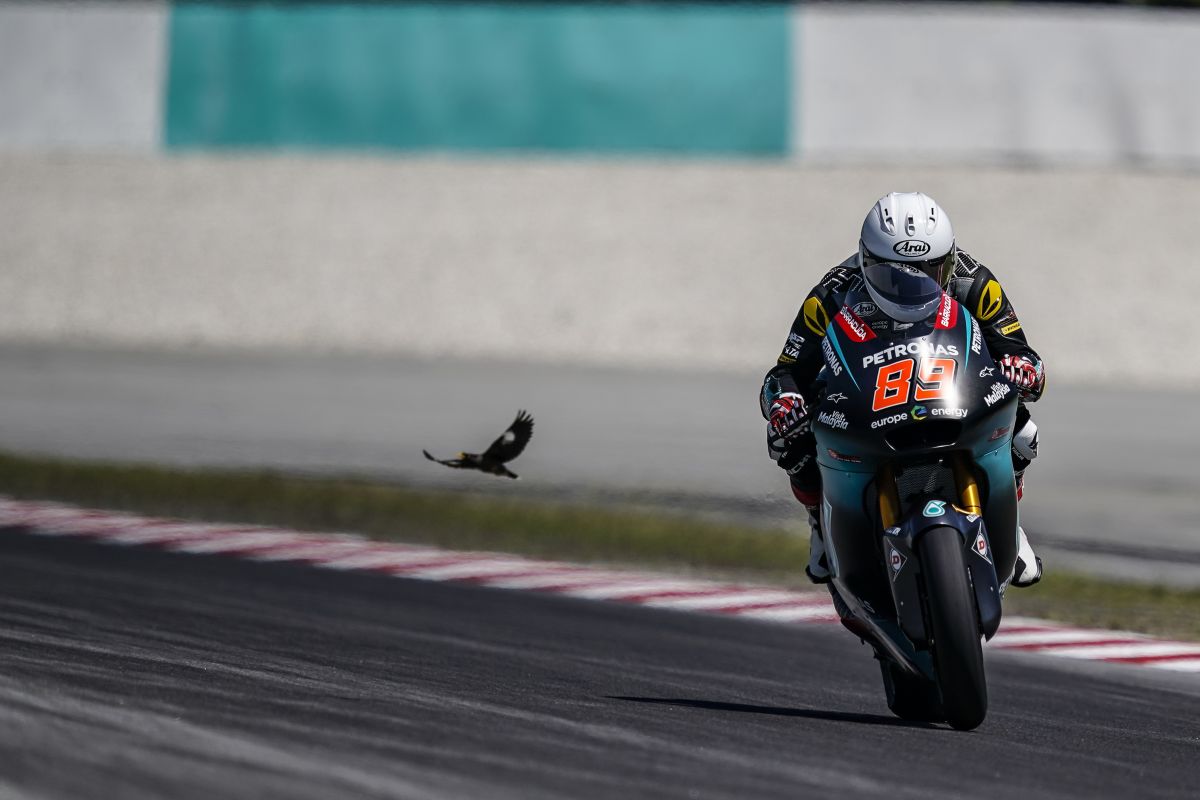
While the first race of the 2018 MotoGP is a few months away, the riders are back for the MotoGP Winter Tests at the Sepang International Circuit, in which 2017 MotoGP Rookie of the Year, Johann Zarco sounded his intentions early by posting the fastest time.

The tests are customarily held in mid-February previously, but has been brought forward this year due the extra round at Buriram, Thailand in the 2018 calendar.

It goes without saying that the Winter Tests or also officially known as the Sepang Official MotoGP Test is one of the most important events of every MotoGP season. Sepang is the chosen track due to the weather which features high humidity, high temperatures and occasional torrential rain, besides the high speeds attainable. That makes SIC as one of – if not the only – track where they will look for “baseline settings” for this similar sort of variable weather and track layout, besides testing their new bikes, equipment and for the riders to get their mojo back after the holiday season.

In the first test session of the first day (28th January), Johann Zarco topped the timesheets with a time of 2:11.863 on his 21st and penultimate lap. Dani Pedrosa posted the second fastest time so far at 2:12.527 (0.664s behind) and Jorge Lorenzo in third with 2:12.897 (1.034s back).

Defending Champion, Marc Marquez is way back in ninth, having posted the time of 2:13.406, which is incidentally the exact time posted by Valentino Rossi in eighth. Rossi’s teammate Maverick Vinalez is seventh, with a time of 2:13.395.

The Yamaha pair is no doubt itching to test their 2018 machines which is utilizes the 2016 chassis, after they encountered the lack of rear grip in the rain in the 2017 season. The new bikes were officially launched just three days ago.

MotoGP: Movistar Yamaha launches 2018 Yamaha M1; Vinales stays until 2020

The times are still far behind the fastest Qualifying 2 time of 1:59.212 posted by Dani Pedrosa in the 2017 Shell Malaysia MotoGP round. Zarco recorded the second fastest Q2 time at 1:59.229 and Jorge Lorenzo was in sixth with 1:59.622.

The weather at SIC is overcast with the occasional light rain and the track is damp in certain spots. Its temperature has dropped from 30 oC to a low of 29.3 oC at the time this report went online.

Stay tuned as we continue to post results and findings throughout the day.

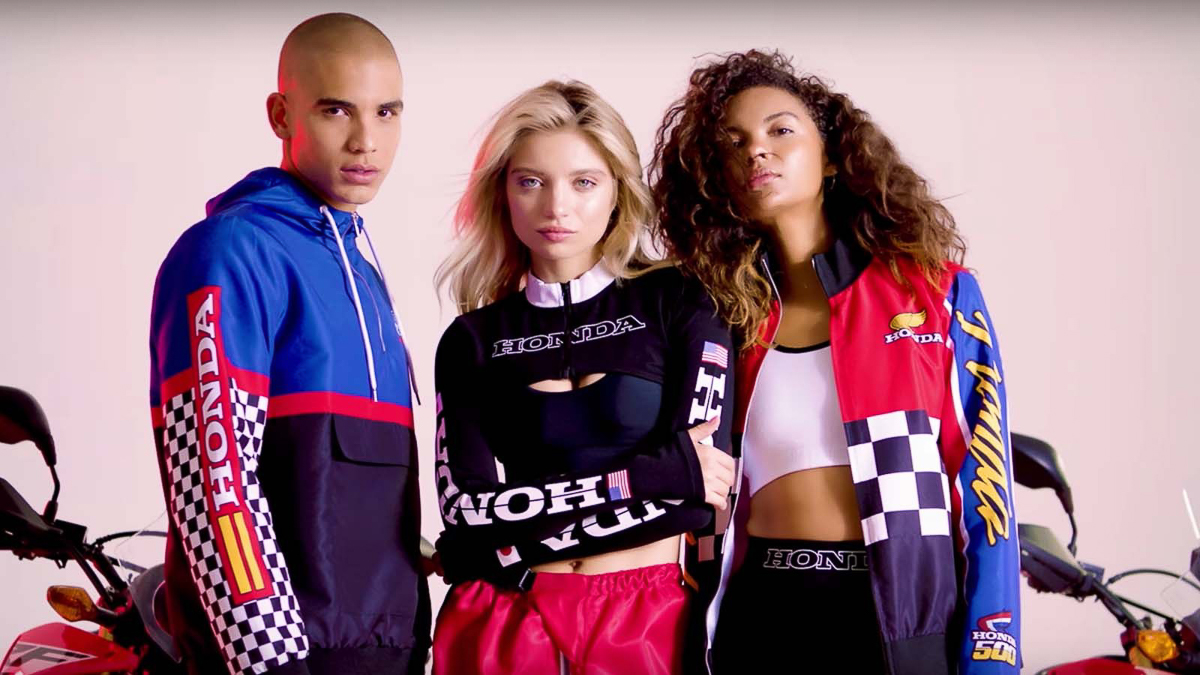
Honda Powersports US has collaborated with Forever 21 in coming up with a brand new clothing line called the F21xHonda collection.

The motorsport-branded fashion items are based on the glory days of Honda racing back in the late 80s and 90s.

Although the partnership was unexpected, Honda is known for their amazing strategies in marketing campaigns dating back to the 1960s.

With fashion today rapidly growing into something that is getting mixed perceptions, there’s no doubt that it is one of the biggest businesses each and every year. So it comes as no surprise (well, maybe a bit surprised) when American Honda hooked up with Forever 21 to create a modern clothing line for today’s youths based on the late 80s and early 90s motorcycle scene called F21xHonda collection. (more…)

  • The ABS (Antilock Brake System) is now integral with motorcycling.

  • It allows the rider to apply maximum braking pressure without locking the wheel(s).

  • ABS technology has evolved to the stage that it allows for added functionalities.

We covered the basics on how a motorcycle brake system works in Part 1 and now let’s expand it to the Antilock Brake System (ABS). The basic premise of ABS is to prevent the wheel or wheels locking up (stop rolling or jem brek, as we call it locally) when the rider grabs a handful of brake lever or when braking hard on slippery surfaces.

ABS is now an integral part of motorcycling, although there are a number of models not equipped with it in Malaysia. The European Union has mandated that all motorcycles above 125cc are equipped with it since 2016.

BMW was the first to introduce an electronic/hydraulic ABS on a motorcycle, on the 1988 K100. It added 11 kg to the bike. Honda and Yamaha followed suit in 1992, offering the system as an option on the ST1100 and FJ1200, respectively. In comparison, the current system offered by Bosch weighs a scant 0.7 kg for the base version and 1.6 kg for the enhanced variety.
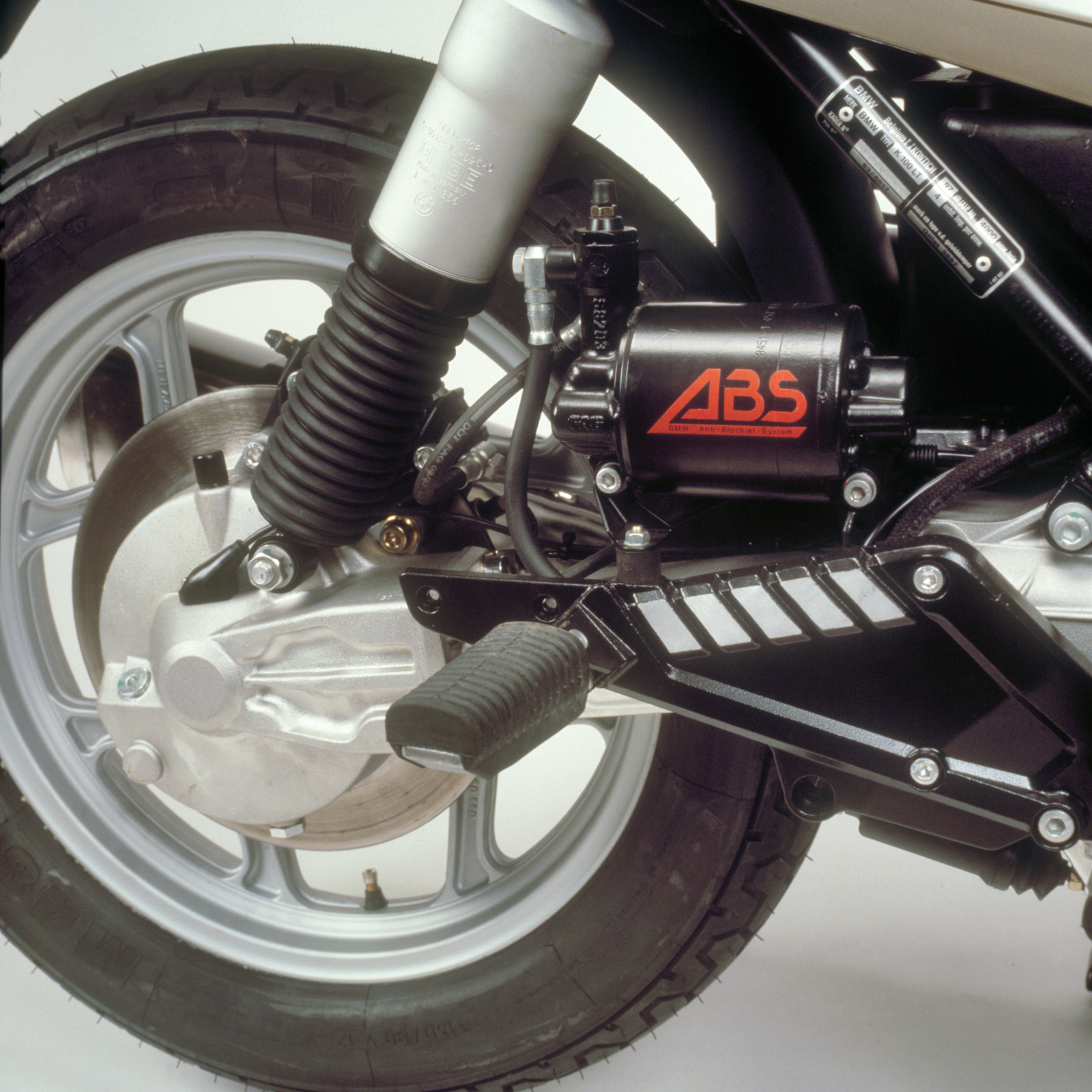
ABS was once viewed as a weight handicap, besides added complexity and cost, as such, most motorcycle manufacturers offered it as an extra option.

The first versions were adopted from cars. Whereas cars have all four tyres on the road and isn’t very prone to large fore-and-aft weight transfers, certain challenges were faced when adopted to motorcycles. For example, the system triggered too early even before a rider could really brake hard enough, in addition to the brake lever and pedal pulsating upon activation and surprised riders into releasing the brakes. It was an unnecessary distraction riders could live without.

However, the continual advancement in electronics has brought on many positive improvements in ABS technology to where it is presently. New ABS systems work almost imperceptibly.

Maximum braking force for any wheeled vehicle is when the wheel is just about to lock. However, it’s a different story when the wheel does lock up as there are many variables depending on road friction which in turn depends on weather and road conditions. Moreover tyre wear, tyre pressure, different tyre sizes, suspension, the dynamics of weight transfer during acceleration or deceleration, and cornering.

This is where ABS comes into play.

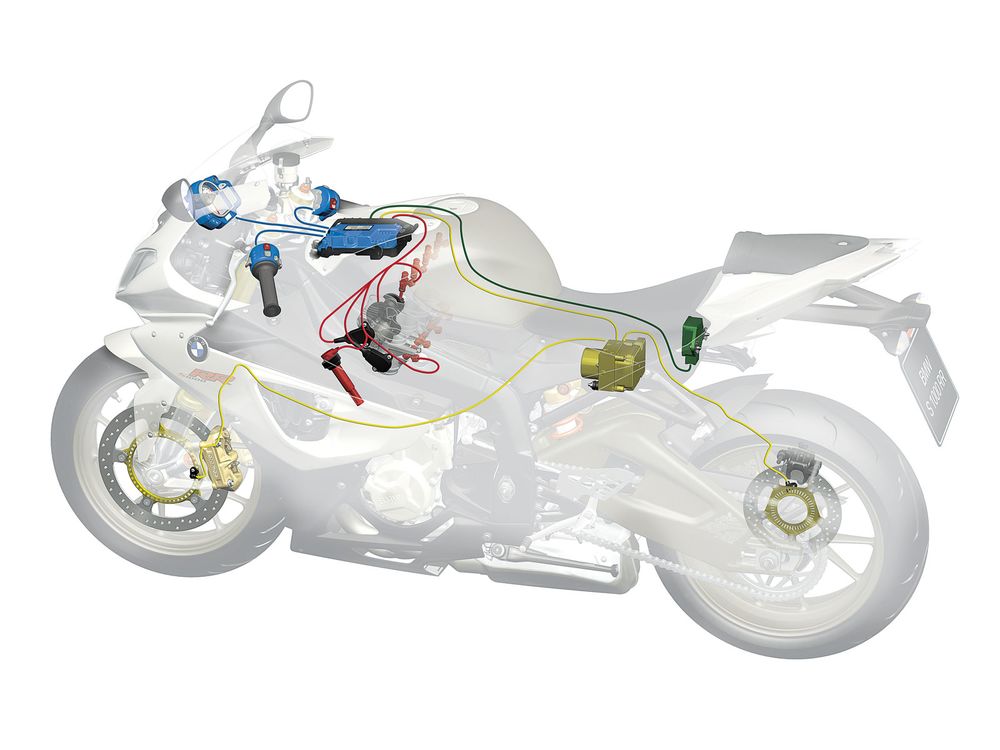
Wheel speed sensors are mounted above slotted rings on each wheel to measure and compare wheel speeds. The signal is sent to the ECU (electronic control unit) for monitoring. The ECU calculates based on information from both wheels for two parametres: whether the deceleration of one wheel exceeds a fixed threshold, and the other whether there is brake slip. These factors indicate a locked wheel.
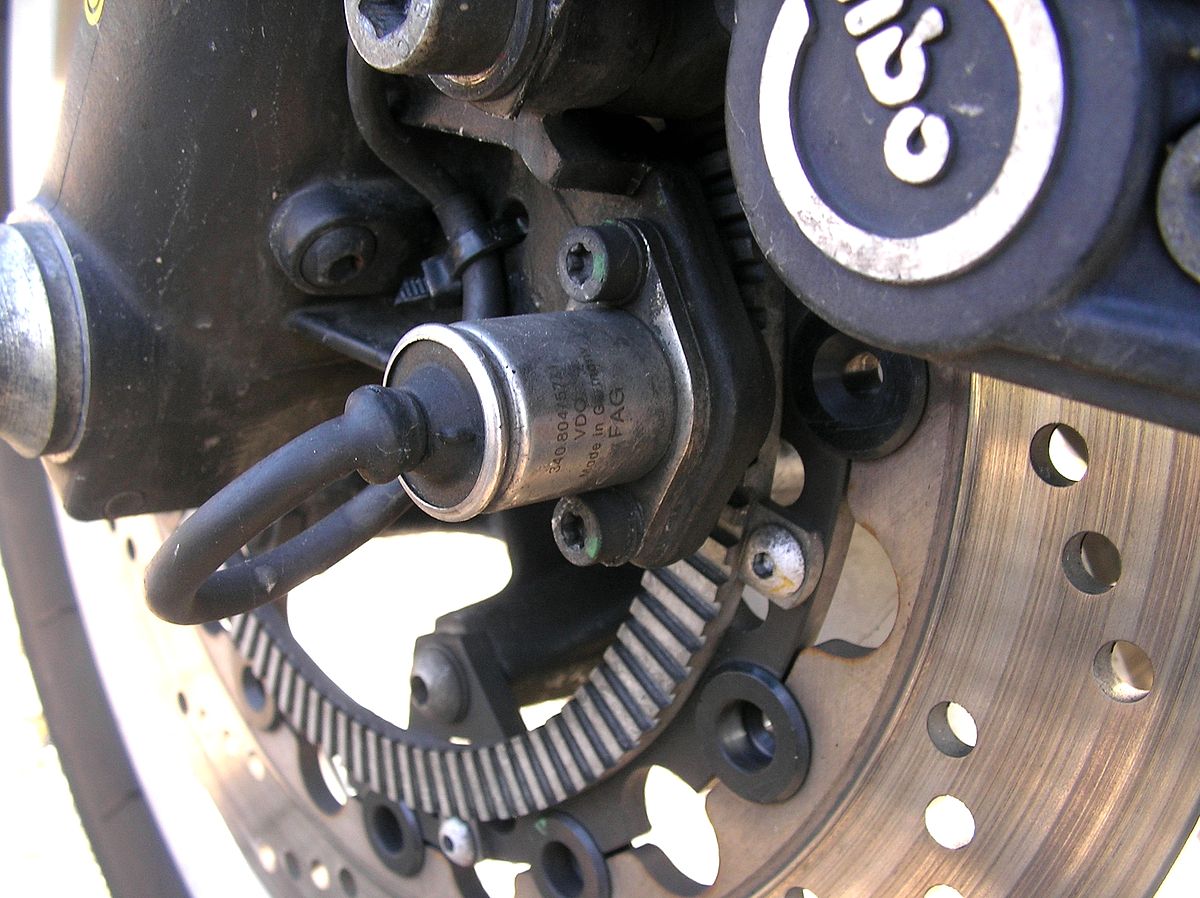
The ECU signals the hydraulic unit to hold or release brake pressure, just momentarily before reapplying the brake pressure, to get the wheel back to the point of maximum braking force just prior to locking up. This pressure modulation allows the tyres to regain grip and enable the rider to control and steer his bike. In other words, ABS allows the rider to apply maximum braking force without locking the wheels and losing control. That’s why ABS is banned from top echelon racing such as superbikes, and all classes of MotoGP.

There are a few types.

The first and older ABS I (in 1988) was also known as piston systems. Using a spring-tensioned piston, a motor pulls back the plunger piston to open increase the space for the brake fluid, effectively lowering its brake pressure. ABS II (in 1993) still uses the spring-tensioned piston, but replaced the plunger with an electronically controlled friction clutch. Both were used on BMWs although Honda used the second system on their touring and large bikes.

The newer valve and pumps systems uses solenoid inlet and outlet valves, pump, motor and accumulators/reservoirs. When the system is activated, the brake fluid is stored in accumulators to release the pressure. A pump er… pumps back the fluid. That’s what cause the pulsation on the brake lever or foot pedal.
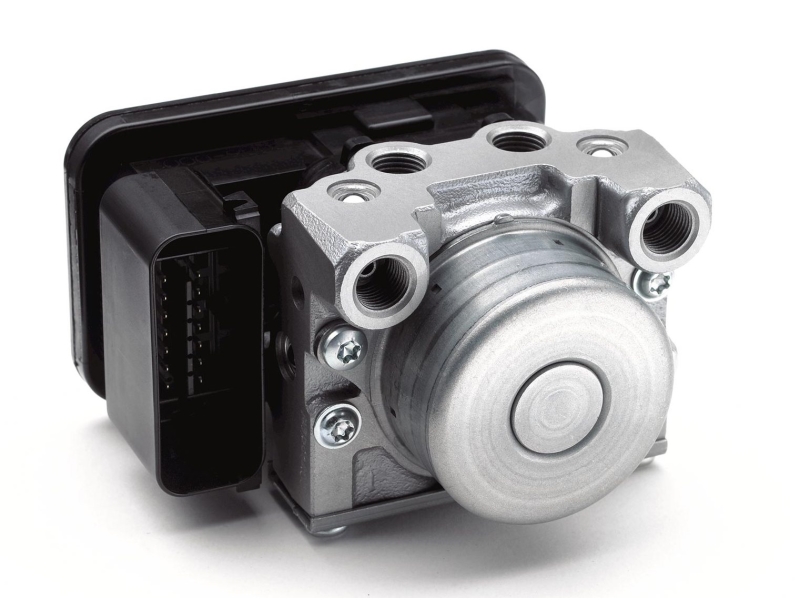
The best ABS systems cycle through this process at 24 Hz (Hertz, times per second). No human could possibility emulate this feat.

Again, with the advancement of electronics, the ABS has seen some intriguing added functionalities, too, such as dual-channel, combined braking, cornering, rear lift-up mitigation (anti-stoppie, or anti-wekang), supermoto, and offroad ABS. Even traction control depends on the sensors and ECU for speed and tyre slip signals.

But those are stories for another time.
Archive

Follow us on Facebook

Follow us on YouTube