Bikesrepublic

Latest News

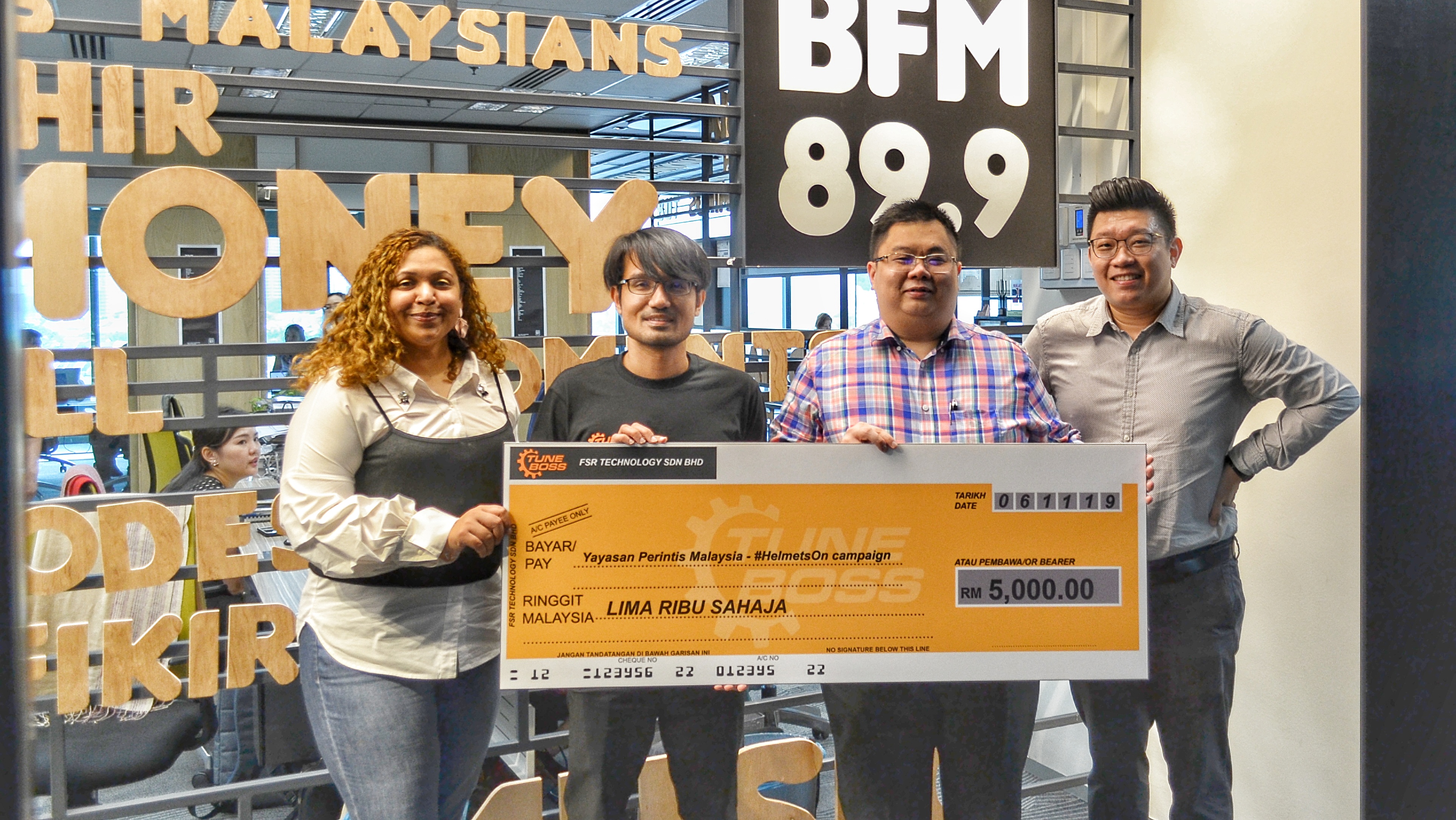
  • FSR Technology, the maker of TuneBoss donated RM 5000 to the #HelmetsOn Campaign.

  • The programme hopes to reach more than 200,000 children in 200 schools and equipping at least 50,000 children with correctly sized helmets.

  • Statistics show currently on 15% of Malaysian children wear proper safety gear while going to school.

FSR Technology, the company behind TuneBoss, recently donated RM5000 to the MyPerintis and BFM Radio’s #HelmetsOn Campaign.

A mock cheque presentation ceremony was held at the BFM radio office, in Menara Ken TTDI between Farhan Ali of FSR Technology to Dato Lawrance Low of MyPerintis on the 20th of November 2019.

“It is a way for us to give back to the community that helped us grow and this campaign allows us to be part of the solution, to help those who need it,” said Farhan, FSR Technology CEO.

In March 2019, MyPerintis, a non-governmental organisation, joined the Ministry of Education to launch a helmet and road safety campaign called the Adiwira Topi Keledar Pilot Programme. 

The pilot campaign was a considerable success – distributing 1,500 helmets to 30 primary schools in Kota Bharu, Johor Bharu and Klang Valley, and educating over 27,000 children about the importance of helmets and road safety.

Following the successful pilot programme, the initiative has been renewed with the support of BFM89.9 in hopes of reaching more than 200,000 children in 200 schools nationwide and equipping at least 50,000 children with correctly sized helmets.

The campaign pledges to buy children motorcycle helmets at RM50 each, and to be given out to children in need of the safety device.  

Statistics from the Malaysian Institute of Road Safety Research (MIROS) show that only 15% of Malaysian children wear proper safety gear when riding pillion on their way to school.

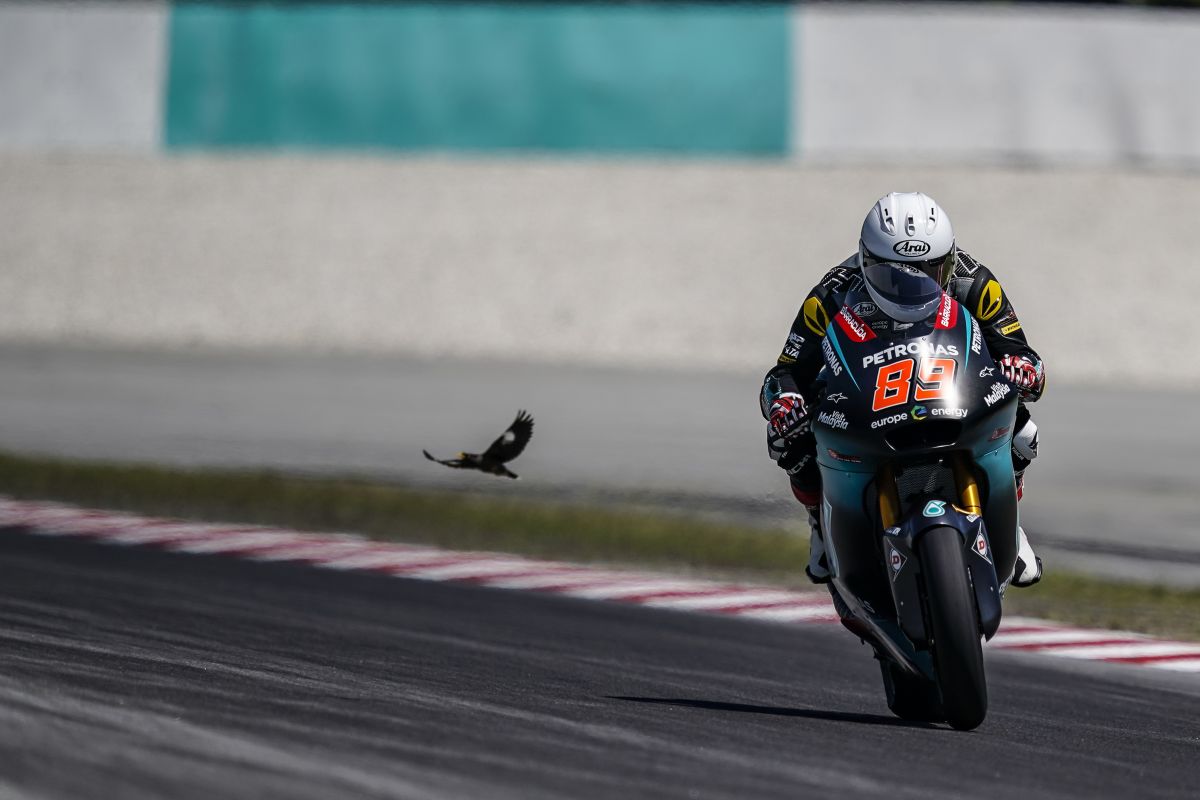
  • Hafizh Syahrin will take part in the Sepang 1000 km Endurance (S1K) this weekend.

  • The race is his preparation for the World Touring Car Races in December.

  • He will also ride in the FIM Endurance World Championship.

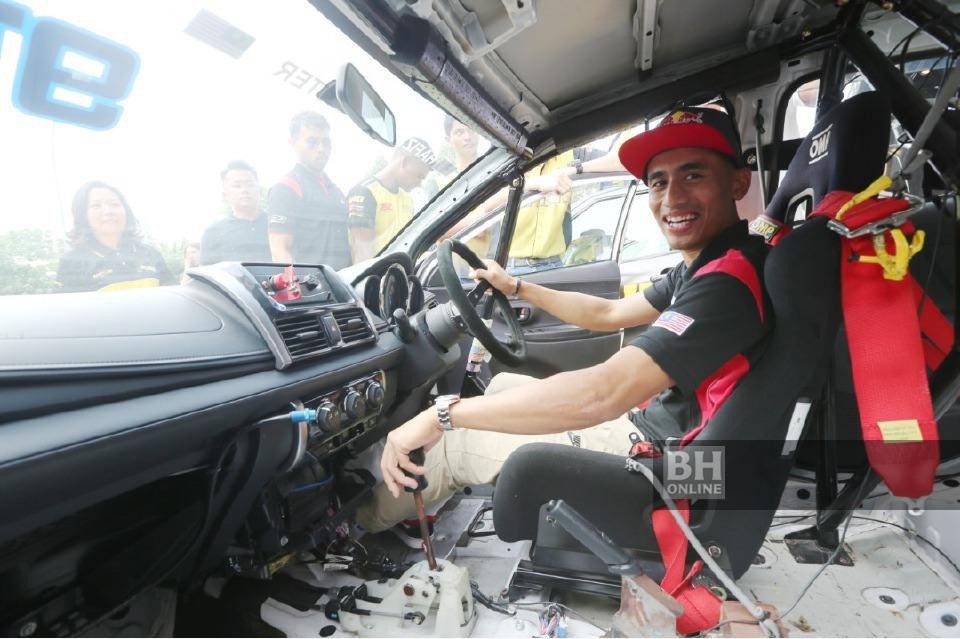
Hafizh Syahrin is excited to try his hand at four-wheels racing in the Sepang 1000km Endurance (S1K) this weekend.

Using his time out away from his usual vocation, Hafizh had been training with Hi-Re SIC Dream Chaser team a week before the season ending race at Valencia. The training aim to bring him up to speed in the world of four-wheeled racing at the Sepang International Circuit.

Hafizh said that the S1K will be his preparation for the World Touring Car Races (WCTR) which will be held back-to-back with the FIM World Endurance Championship (FEWC) motorcycle endurance from 13th to 15th December.

He will also race in the FEWC in a Petronas and SIC backed team which consists of Franco Morbidelli besides another rider.

“I have to prepare myself in mental and physical aspects. I have to familiarise myself with different sensations and feel in a car on the track.”

He will be driving a Toyota Vios with the number 910 along with 17-year-old up and coming driver Bradley Benedict Anthony, and Alister Yoong who is the  son of former Malaysian Formula 1 driver  Alex Yoong.

72 cars will fill the SIC grid this weekend.

  • Marc Marquez says he wants the fastest bike on the MotoGP grid.

  • To him an easier bike to ride will benefit other Honda riders too.

  • Honda is currently working on a number of areas to improve the RC213V even more.

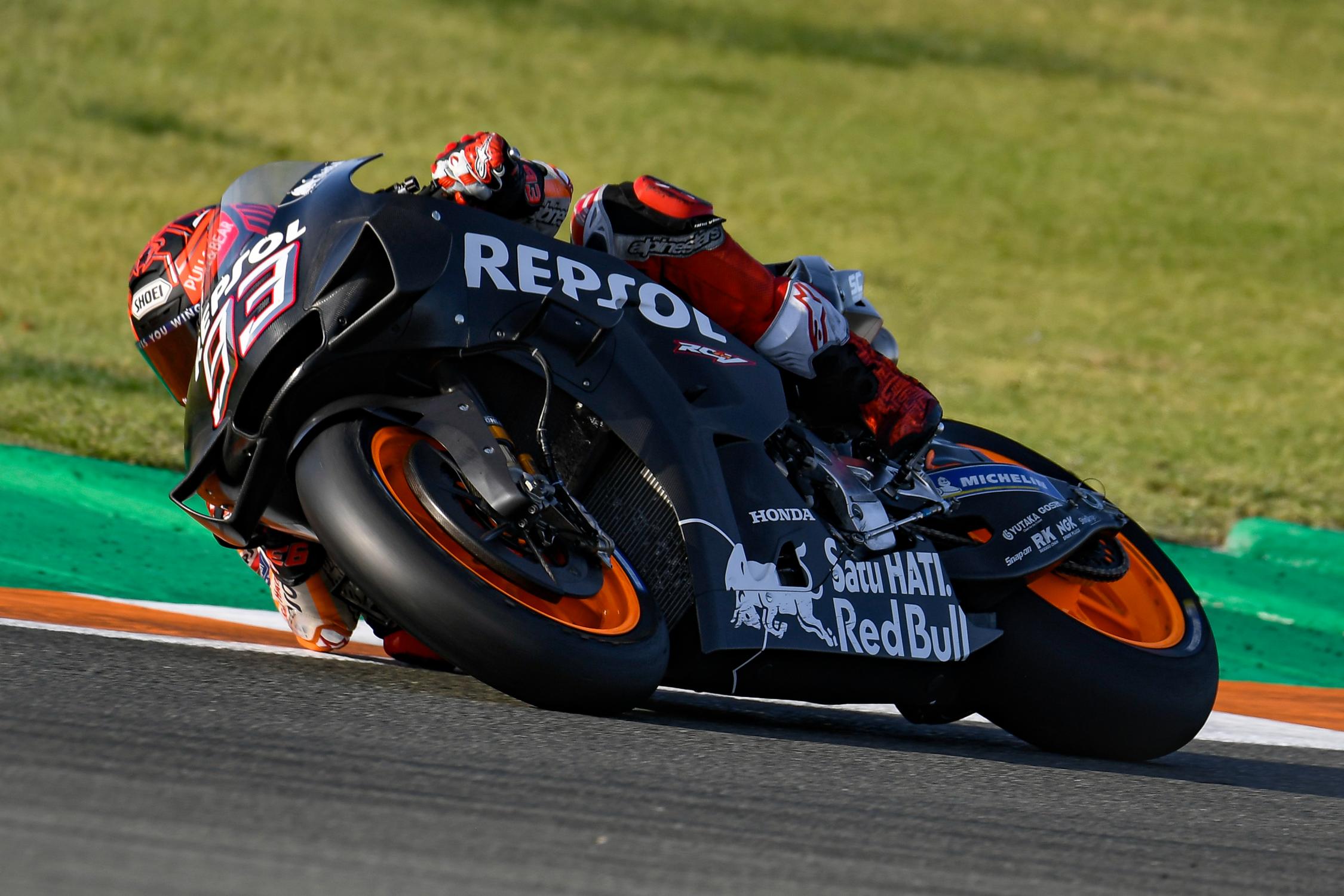
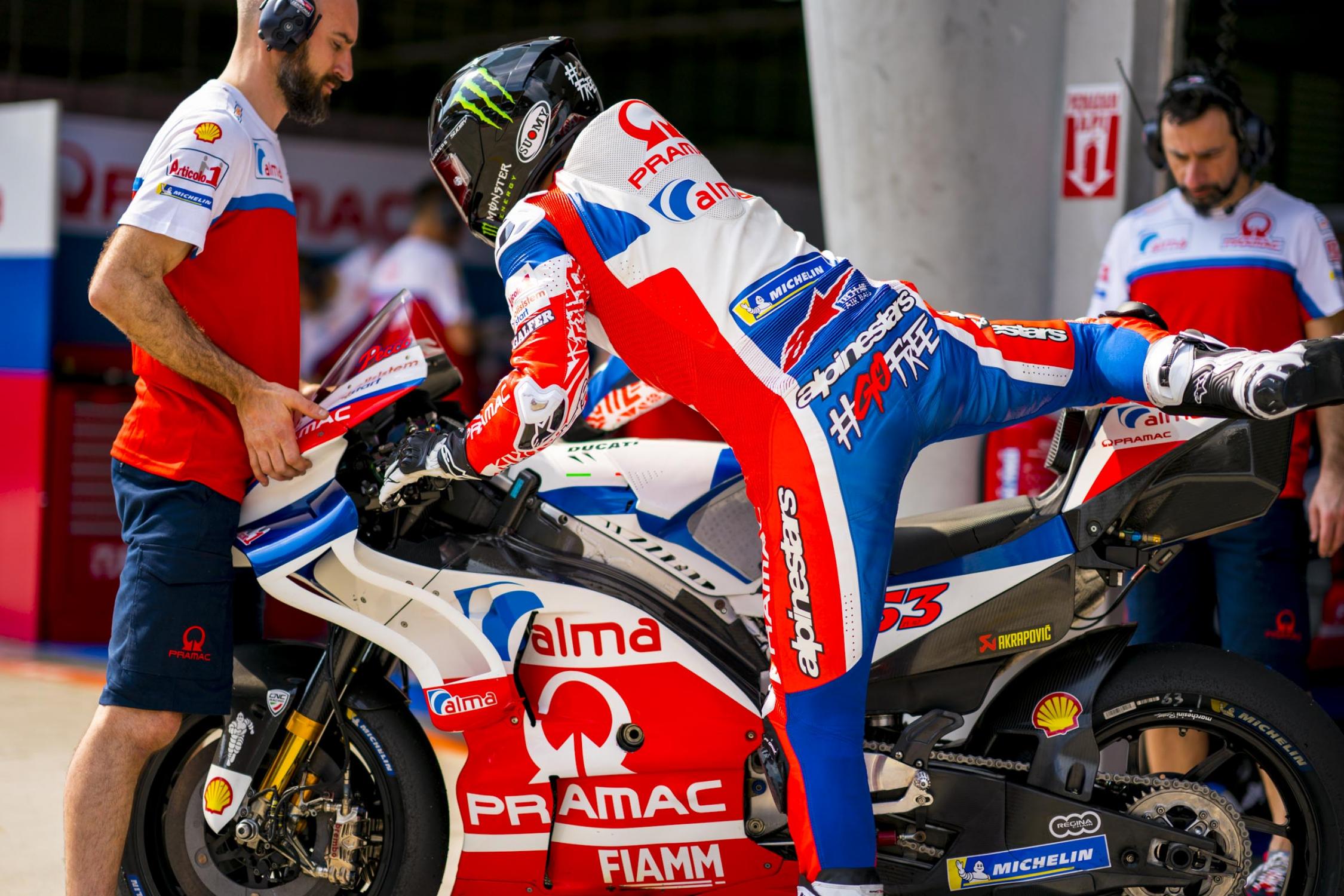
“If you have an easier bike (to ride), it will help all the Honda riders. But my target is to have the fastest bike.” That’s what 8-time world and current MotoGP champion Marc Marquez said at the conclusion of the first of the 2020 off-season tests at Valencia.

‘It doesn’t matter if it’s difficult or not, what I want is try to win. It doesn’t matter if I have to push more or less on the riding,” he continued.

Indeed, of the four Honda riders in 2019, Marc was the only one completed the season in the top eight. He scored 12 wins and 6 second places with just one DNF in 19 rounds. He almost singlehandedly won Honda’s constructor championship and Repsol Honda’s team championship. While he did this, other Honda riders were crashing their brains out and one broke his back and quit racing altogether.

He finished the tests seventh fastest, but don’t count on the results as the riders, teams and manufacturers are still trying out new stuff.

“I’m very happy about the test, we tried the first steps of the 2020 bike. The first steps on the engine, some evolutions on the chassis, to try to understand. Negatives and positives like always. But overall. We did a good test and now in days we will be in Jerez. There I think it will be even better to understand the level of the new bike.”

He also said that the team is working on new aerodynamics while not concentrating too much on electronics. The two main problems that he sees are Yamaha’s strong corner exits and the Honda’s last part of braking when turning into corners.

The first area could be seen with Fabio Quartararo’s unexpected and amazing form, as well as Maverick Vinalez’s constant challenge at the end of the season.

The second concern was evident in the number of front end crashes by Marquez and Crutchlow throughout the season.

Next stop is Jerez.

  • Motorcycle ownership means maintenance.

  • Maintain your bike properly and it will last for a long time.

  • But what the most replaced within every year?

Own a motorcycle and you have to keep maintenance in mind. Motorcycle maintenance is so much easier these days as parts and consumables last longer and are more reliable. That reliability means technicians only need to perform “big” maintenance jobs between longer intervals.

But what needs to be replaced the most frequently? Let’s looks at those items that generally fall within a single year of ownership.

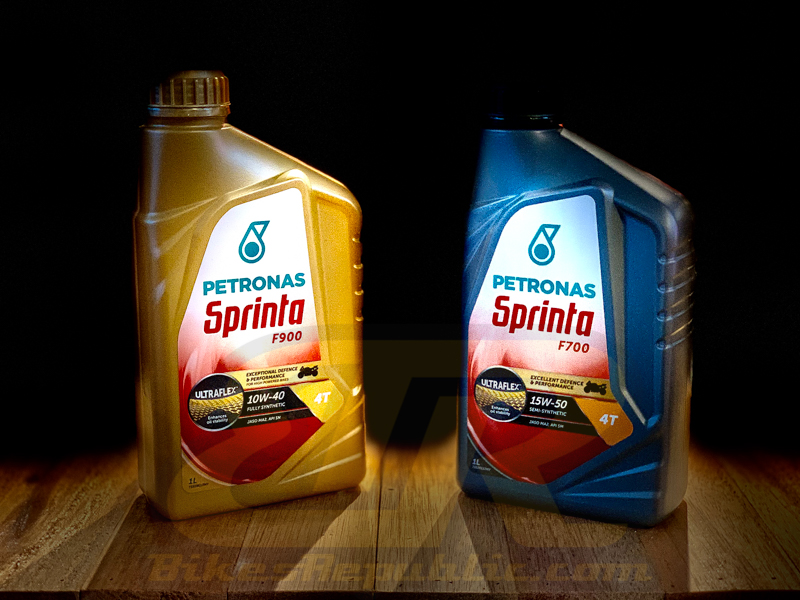
1. Engine oil

The most obvious consumable that needs replacing. Oil change intervals can vary from motorcycle to motorcycle and the type of oil you use. Always check your user’s manual to confirm.

Mechanics usually recommend replacing semi-synthetics oils at 3,000 km and fully-synthetics oils at 5,000 km. However, there are manufacturers who recommend oil changes at 8,000- or 12,000 km depending on the recommended grade.

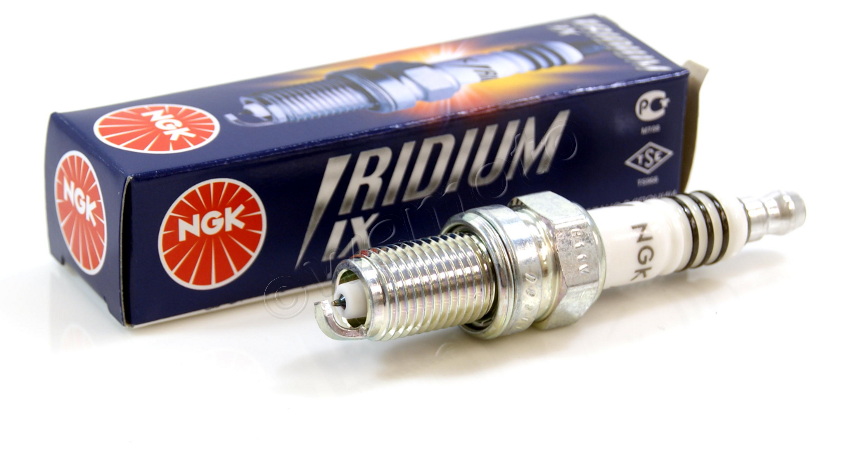
2. Spark plugs

Current iridium spark plugs need to replaced between 10,000 to 12,000 km, depending on the manufacturer’s recommendation. Of course, modern spark plugs are so good that they keep running even after 50,000 km but fuel economy and performance suffers. The degradation is progressive and you don’t even notice it. 

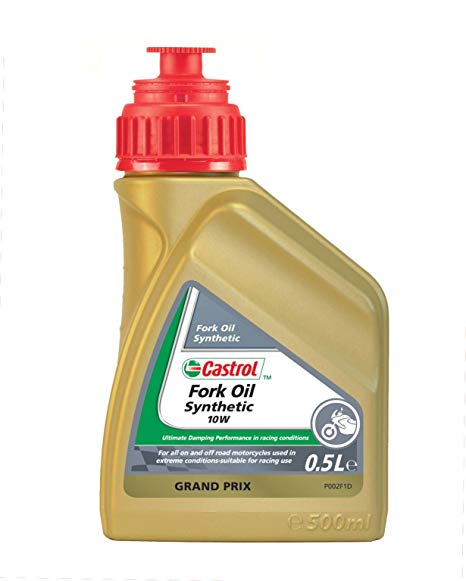
3. Fork oil

There are still many disputes about how often you should replace fork oil. Some manufacturers don’t even publish the interval in the user’s manual. It’s sad to say that fork oil is the most neglected consumable on a motorcycle.

Through personal experience, we replace it between 20,000 to 25,000 km.

The forks move up at down like the pistons in the engine do, albeit slower. That movement squishes the oil through orifices in the fork piston or cartridge to convert kinetic energy to heat. Hence the oil will definitely break down in time.

Do not wait until you see it starting to leak because you may not be sure how much has leaked out. Also, do replace the seals.

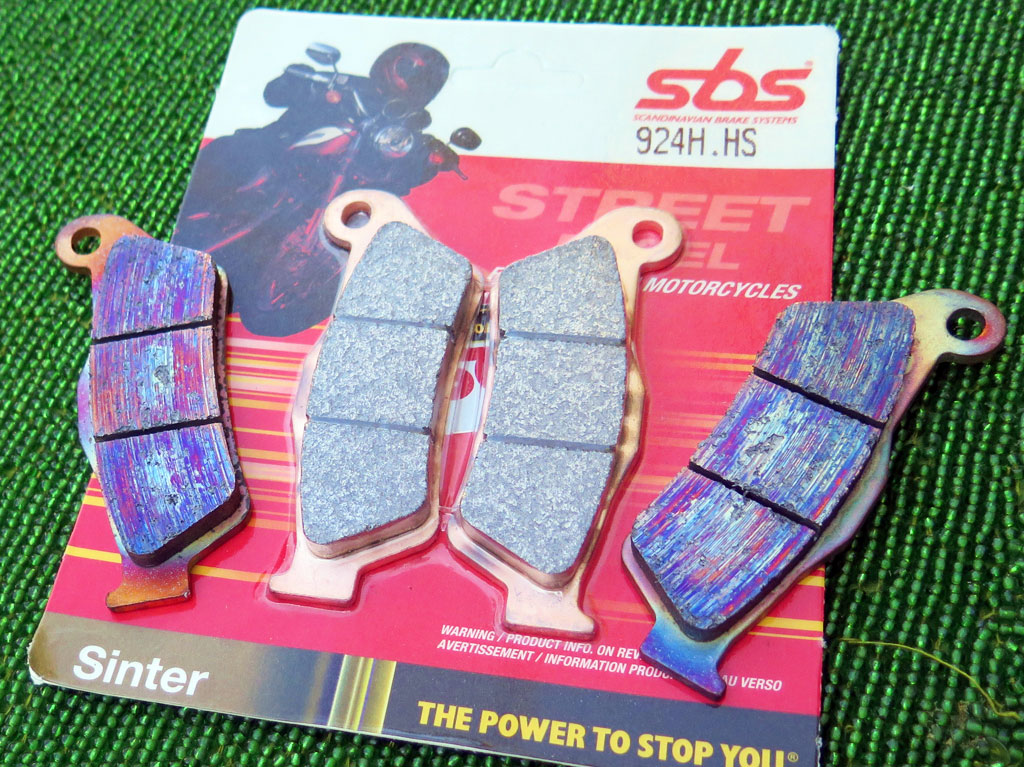
4. Brake pads

Brake pads slow you bike down by clamping down on the spinning brake disc, converting kinetic energy (movement) to heat.

The rate of wear depends on how you apply your brakes, from how fast, type of material riding condition (highway, dirt, rain) so there’s no set mileage. As such, you ought to check them at least once a week when you inflate your tyres. (You do check your tyre pressure right?)

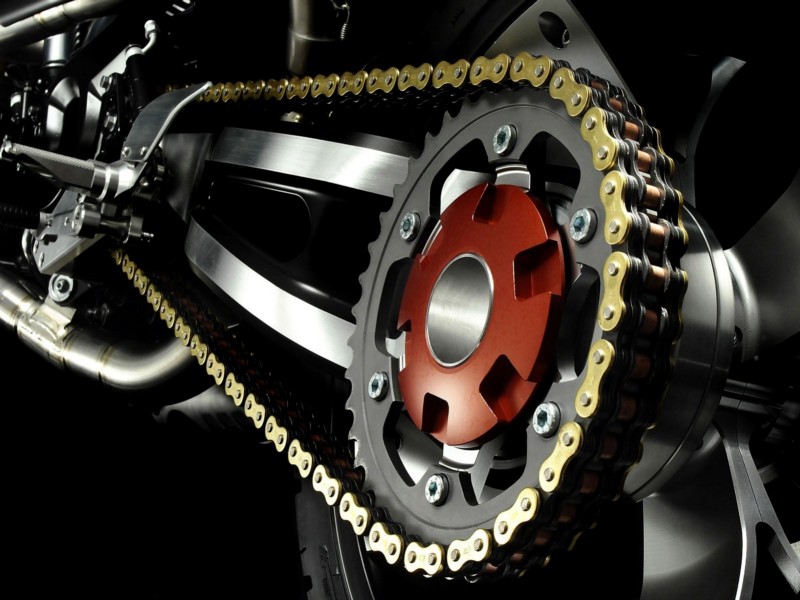
5. Final drive i.e. chain, belt, driveshaft

The final drive is also one of the most neglected part. All types need to be kept clean, but the chain is the most maintenance intensive. Do clean and lubricate it after riding through a rain storm or after riding for 400 km. 

Again, depending on how you ride, maintain and type of chain you use, a good set should last you around 30 to 40,000 km. I’ve personally seen a poorly maintained chain with their broken rubber rings sticking out after just 8,000 km. Not only did he never cleaned it, but he never once lubed it, as well.

6. Battery

Modern batteries are really lasting provided that they are well-maintained. The common AGM (absorbent glass mat) maintenance battery could last approximately 2 years or if certain steps were taken since new. A new battery has to be charged after filling the acid, and plugged into a trickle charger during extended downtime. Also, the bike’s charging system shouldn’t undercharge or overcharge it.

An incorrectly activated or maintained battery can go kaput within 8 months to 1 year.

  • Kawasaki will be the first to fully adopt the Bosch Advanced Rider Assistance Systems.

  • The suite of systems helps to ensure safe following system, avoid forward collision and provide blind spot warning.

  • Which model has not been revealed.

There were intense speculation that the Ducati Multistrada 1260 Grand Tour or new KTM 1290 Super Adventure would debut advanced rider systems. But it turned out that Kawasaki will be the first to adopt the Bosch Advanced Rider Assistance Systems.

The Multistrada 1260 Grand Tour was unveiled at the Ducati World Premiere 2019 while the KTM 1290 Super Adventure wasn’t ready for EICMA 2019. Now it’s said the 2021 Multistrada V4 and the upcoming KTM will feature such systems.

Kawasaki has since announced that one of their models will feature the Bosch Advance Rider Assistance Systems. The set of electronics include Adaptive Cruise Control (ACC), forward collision warning and blind spot detection. The system was adopted from Advanced Driver Assistance Systems for cars.

According to Bosch, the three systems are active at all times, scanning for potential hazards. We can agree that our attention can sometimes be distracted or get lulled into a sense of contempt.

The system is fed by data from a pair of mid-range radars up front and behind the bike. With the cruise control activated the ACC will have the bike maintain a safe distance to the vehicle in front.

As for the forward collision warning system, it will detect brake lights on the vehicle up ahead and warns the rider with a visual as well as aural cues.

Blind spot detection works like in some upscale cars by inserting a warning light in the rearview mirror. (A great feature for sportbikers.)

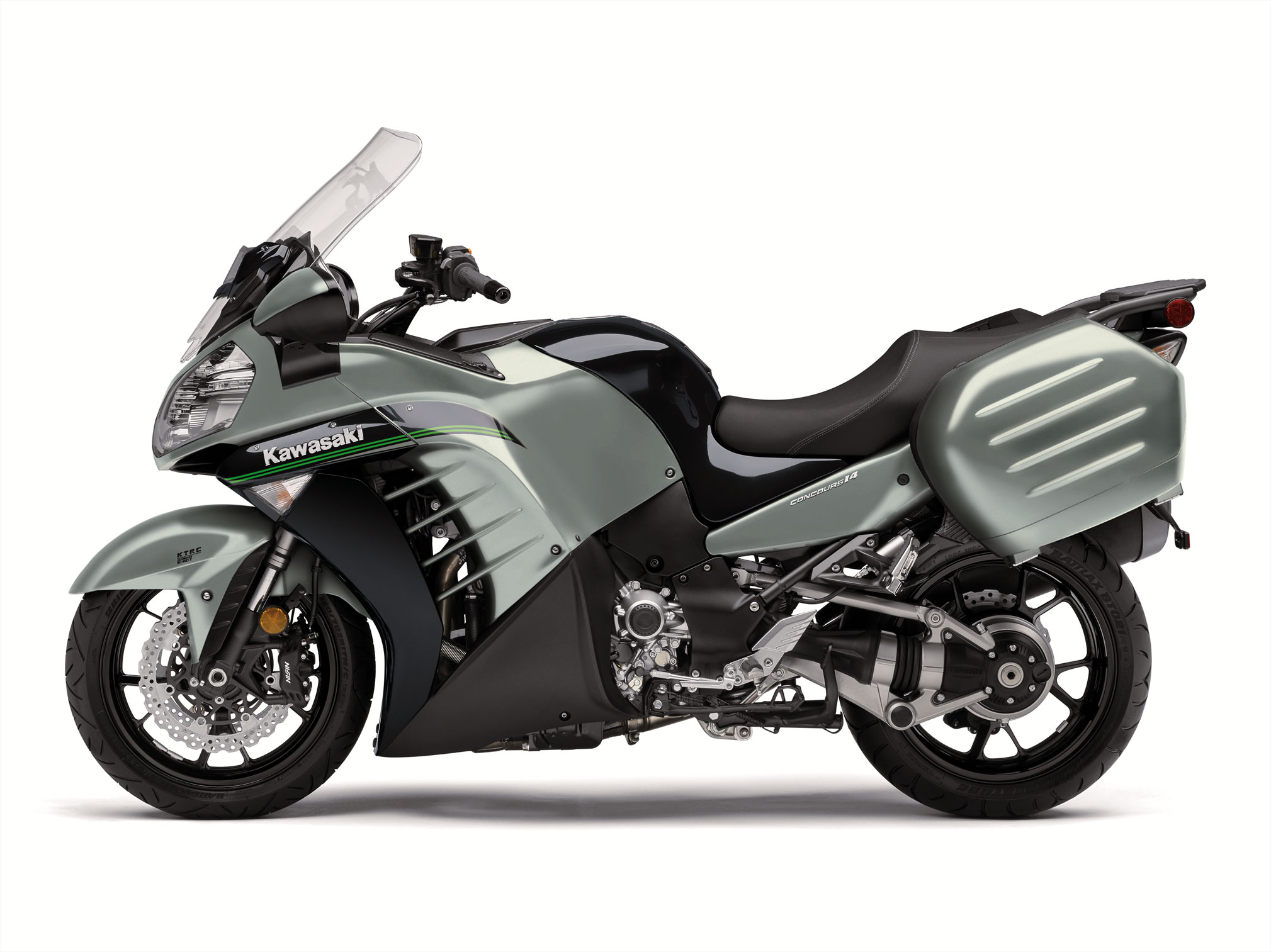
Kawasaki did not mention which model will feature these new systems, but our guess is the new 1400GTR since it’s a sport-tourer and the Euro 5-compliant model hasn’t been revealed yet.

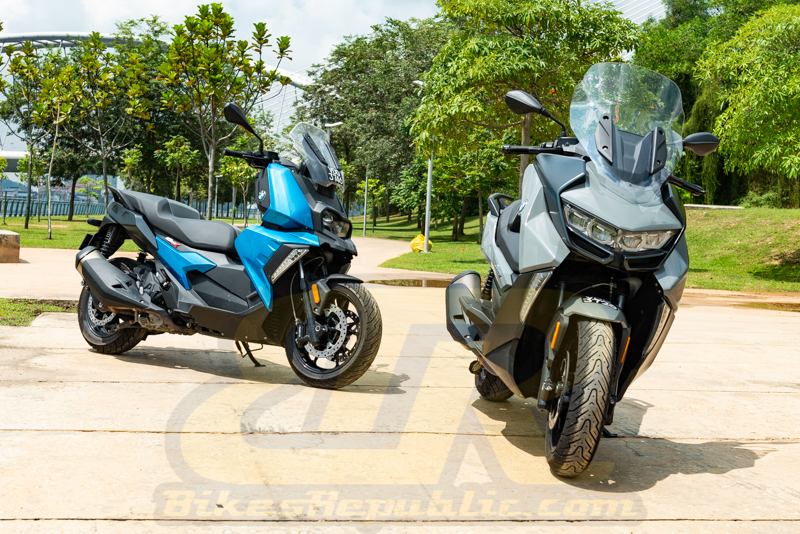
  • The BMW C 400 X and BMW C 400 GT are part of BMW Motorrad’s Urban Mobility lineup.

  • They are well equipped with the TFT screen, Bluetooth connectivity, Keyless Ride, ASC and ABS.

  • Sure, they are scooters but they ride like big bikes hiding underneath the bodywork.

Scooters. Lovely bikes to ride as commuters, low fuel consumption, lots of cargo space. But iffy handling, lowly specs and “meh” performance. Right? But what about the BMW C 400 X and BMW C 400 GT?

Now, this dynamic duo are really different in almost every single way. Hear us out.

BMW C 400 Platform

BMW Motorrad calls their scooters “Urban Mobility.” The C 400 lineup are the smallest of the C-series which includes the larger (and faster) C 650 range.

Both are powered by the 350cc, single-cylinder engine which produces 34 bhp at 7,500 RPM and 35 Nm of torque at 6,000 RPM. Power is sent through a  centrifugal clutch and finally a stepless CVT transmission.
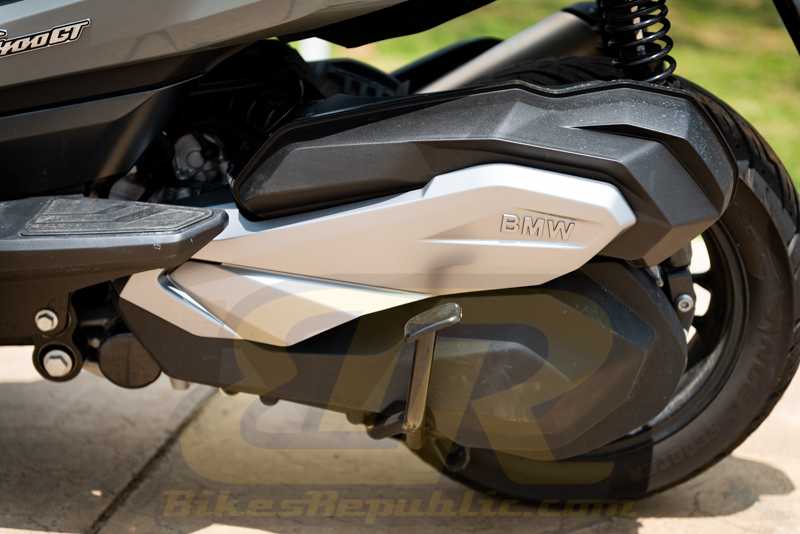
The forks are 35 mm units with double spring struts at the rear. But there are two 265 mm brake discs up front and one at the back. Wheelbase is a slightly long 1565 mm. ABS and ASC (Automatic Stability Control i.e. traction control) are standard on both bikes.

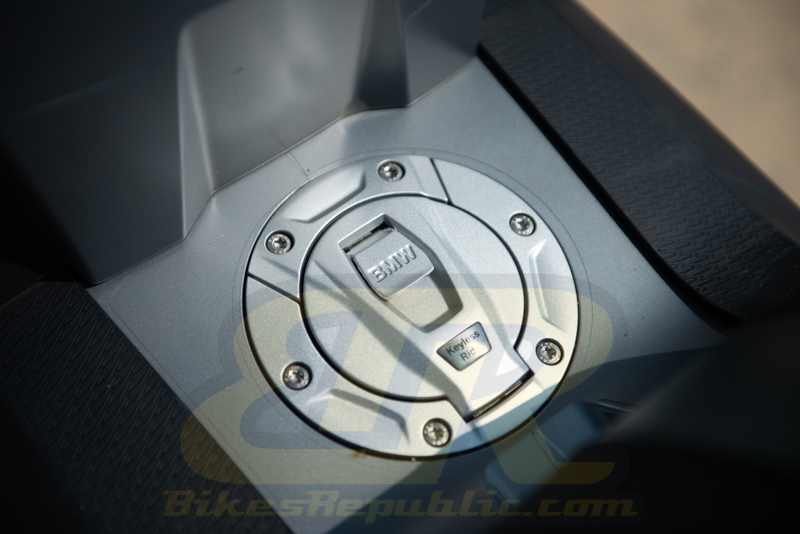
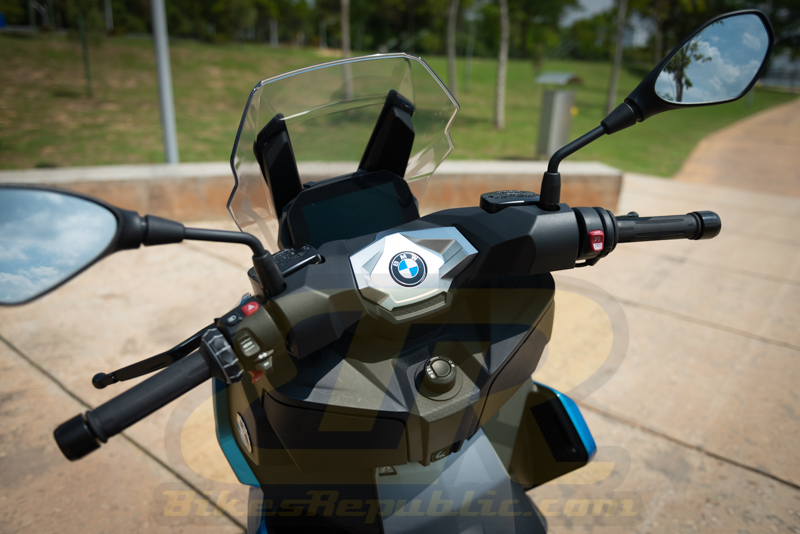
That large TFT screen takes centre stage when you approach either bike. Look closer and you’d pick out the keyless ignition button, keyless fuel cap and BMW multi-controller wheel.

The TFT can connect to your phone and Bluetooth communicator.
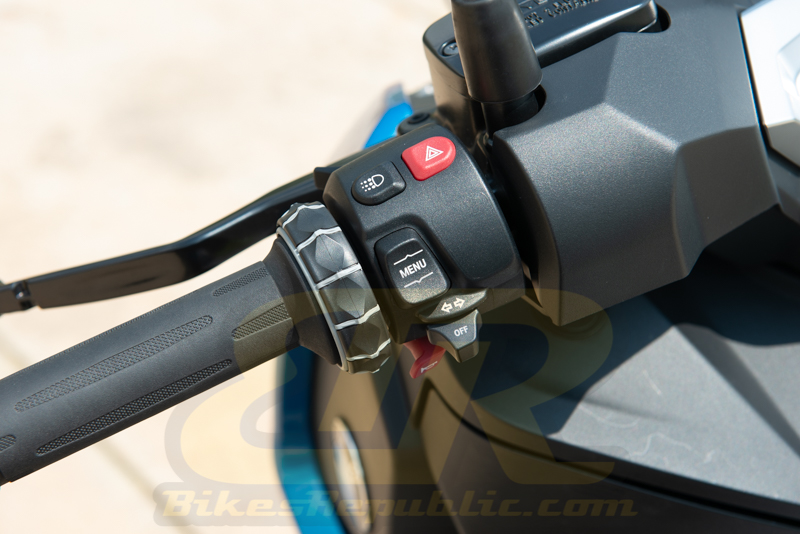
This is where it gets interesting.  You can have navigation on the TFT screen when connected to the BMW Connect app on your phone, showing you turn-by-turn directions.

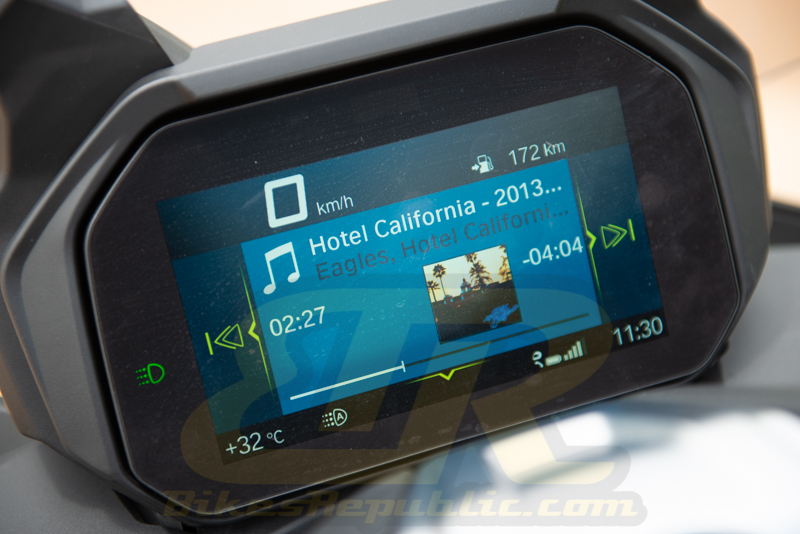
Switching to the multimedia screen, you can see the music that’s playing through it. From there, you could use the multifunction wheel on the handlebar to play, pause, choose the song, and even playlist. Only problem was we couldn’t get the karaoke function to work. Just kidding.
Now flip it to the phone function and you’d see your phone’s contacts. Select the person you want to call and voila.
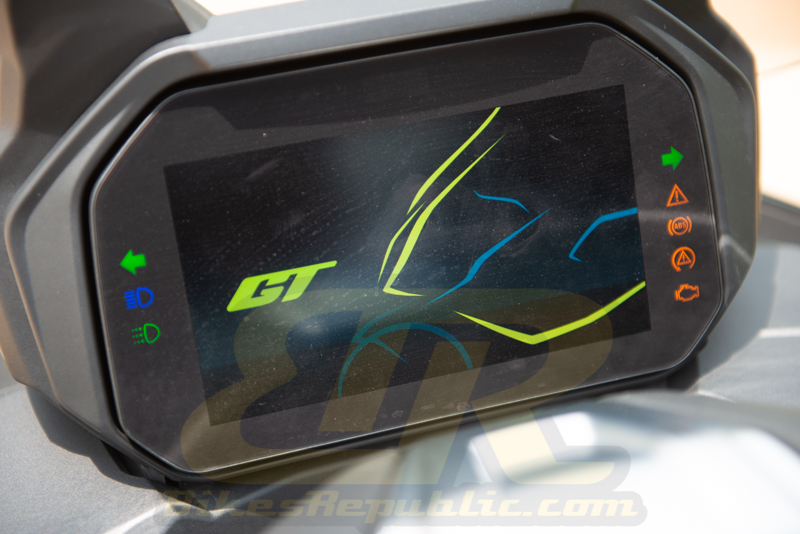
Sure, these functions are available on bigger bikes, too but no other scooter outside of BMW’s line-up do.

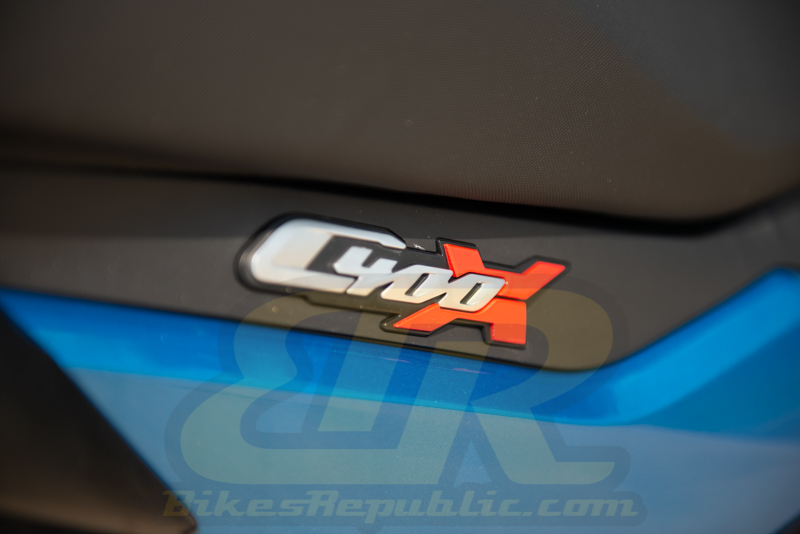
BMW C 400 X (from RM 44,500)
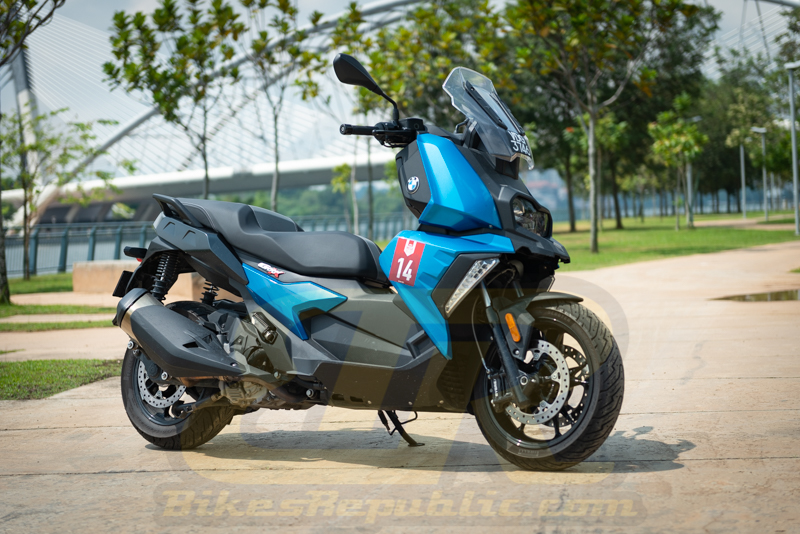
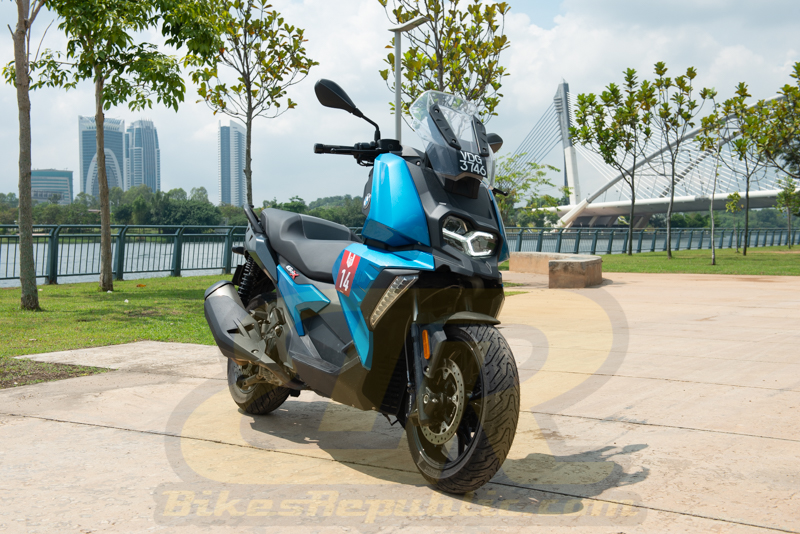
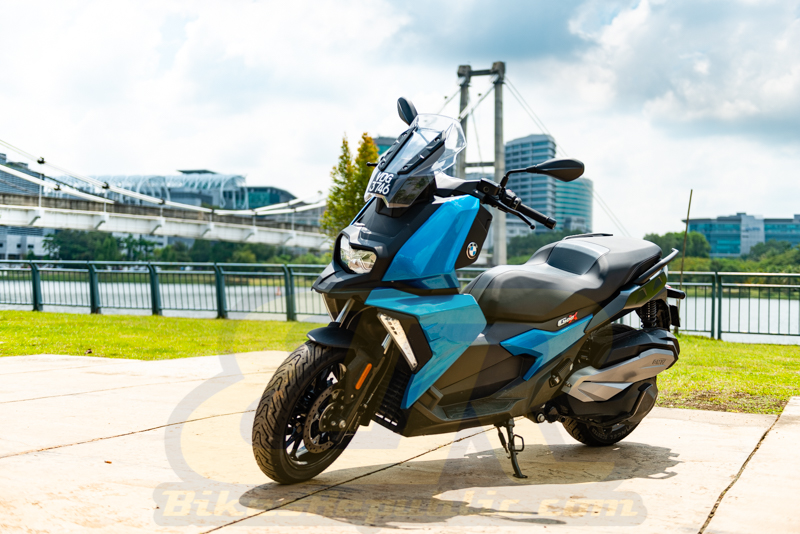
The C 400 X is designed for daily commuting. That explains its distinctive “cut down” look for easy manoeuvring through city traffic and narrow streets. 

Compared to the C 400 GT, the “X” has a flyscreen, thinner seats and minimal bodywork. The headlamp looks similar to the R 1250 GS’s while the  tail section looked like it was tacked on although it shares the G 310 R’s design.

It weighs 204 kg fully fuelled and ready to go. But it could still carry 201 kg of payload! That means if you and your passenger weigh a total of 150 kg, you could still load 51 kg of luggage onto the bike. What is this? A GS?

But it’s a scooter, right? Yes, until you ride it.
Twisting the throttle the first time, I gave it a wristful like I would on other scooters and small bikes. The bike just took off down the road so fast I thought I was going to blow past the intersection and into the Oldtown White Coffee’s lobby up ahead. Whoa boy!

A two fingered pull on the front and rear brakes brought the bike to a complete stop as quickly as a big bike on Brembo brakes. I kid you not.
Approaching the sweeper after the fire station at Cyberjaya, I slowed well down as I feared that the handlebar may wag back and forth, besides grounding the bodywork like on other scooters. Surprise, surprise. The handlebar stayed steady as if it has a steering damper (it doesn’t) and there was a huge amount of ground clearance left.

So, I gunned it into the next left-hander which led to highway at much higher speeds. The bike’s low CG-long wheelbase combination actually let the bike hold its line and truly railed through. Again, the handlebar stayed steady. It was as if I was riding a conventional big bike.
We had the opportunity to ride both bikes to a camping trip organised by GIVI Asia (Malaysia) the next day. Running on the highway to GIVI Asia;s HQ at Bukit Beruntung, the C 400 X ran at 130 km/h without feeling like it was going to throw out the piston and rod through the footboard, despite its quoted top speed of 139 km/h.

Y-suku (Yamaha Y15ZR) riders tried to give chase but they soon gave up.
The engine was very economical too, still leaving 2/3 of the 12.8-litre fuel after that 63.3 km blasting.

It was a 137 km ride from GIVI Asia’s HQ at Bukit Beruntung to Lata Lembik in Pahang. Part of the route covered Batang Kali from Ulu Yam Lama to Gohtong Jaya, before descending back down to Genting Sempah. From there it was on the Karak Highway, then through Bentong.

My colleague Amirul was ahead on the C 400 GT, riding with pillion.

Heading up Batang Kali, both of us were constantly snapping at the back wheels of the bigger bikes up ahead. The road was wet but both of us C 400 riders just kept up the pace.
And we still had 2 out of 10 bars of fuel left  when we reached our destination.

BMW C 400 GT (from RM 48,500)
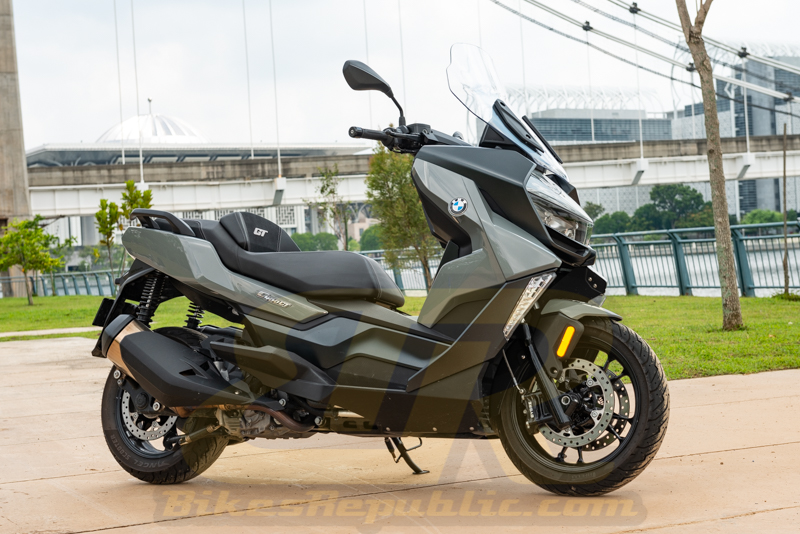
We switched bikes later in the week.

It takes on the maxi scooter style for touring, hence the “GT” designation. You get a larger bodywork, and larger and taller windshield for more protection from the elements. The headlamp and taillamp were just as distinctive as the X’s although styled differently.
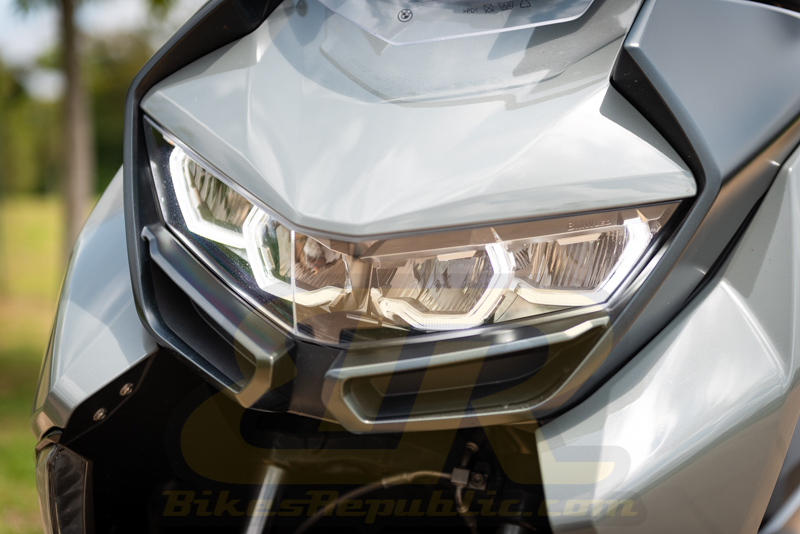
The seats were felt a little wider and taller due to extra padding. The front panel was style differently and had two lockable cubby holes just like the X’s. There’s a USB connector inside the left compartment for charging devices.
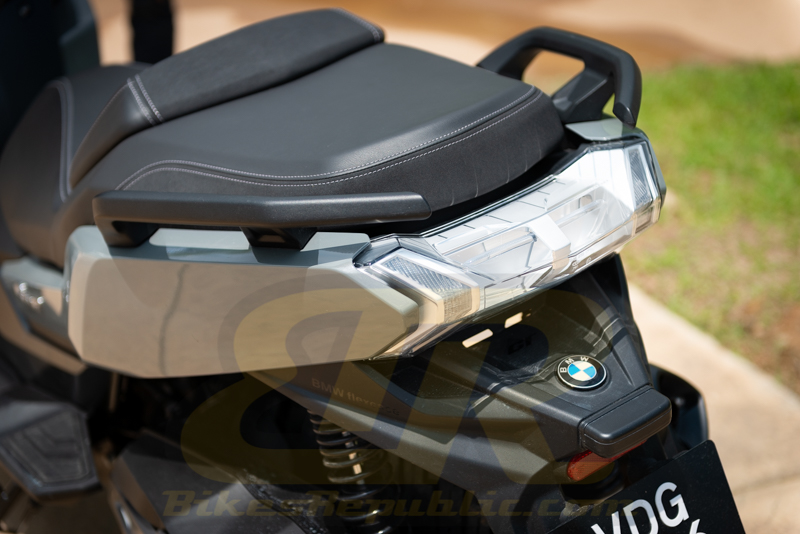
The extra bodywork brings it wet weight to 212 kg, but maximum permissible payload increases to 203 kg.
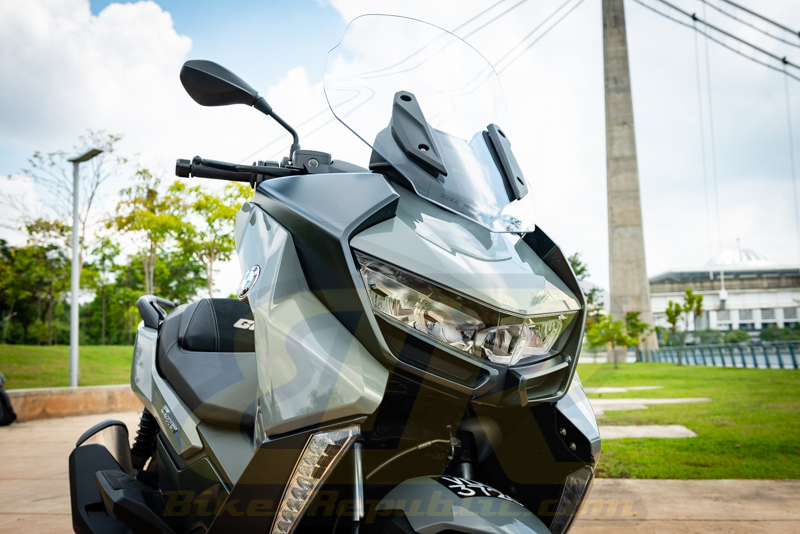
That’s a far as the difference goes between the two bikes, the rest are based on a shared platform.
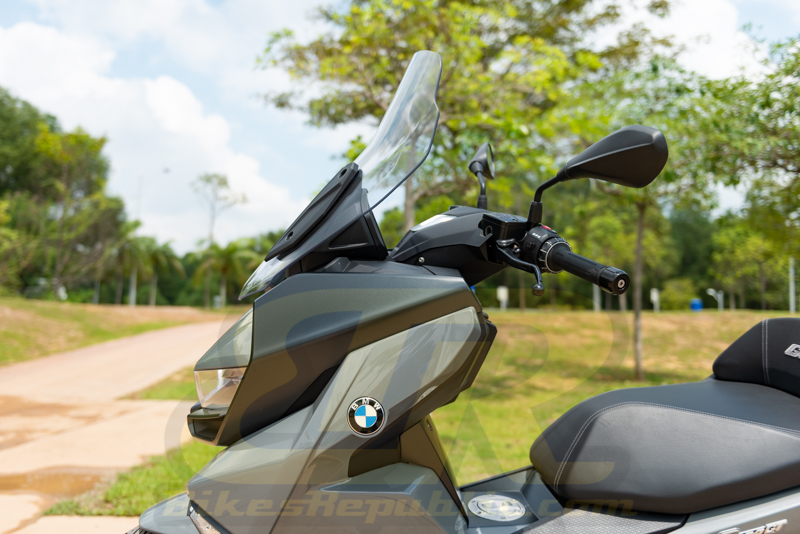
The GT has a taller seat height due to the taller seat but I liked the extra comfort it afforded. Riding it out the first time, the lack of windblast was immediately discernible. 

But the bike still hoots down the road like the X. The extra comfort was especially appreciated when riding the 60 km daily commute as I didn’t get buffeted by the wind. The windshield was great at stopping rain and water splashed off other vehicles in front.
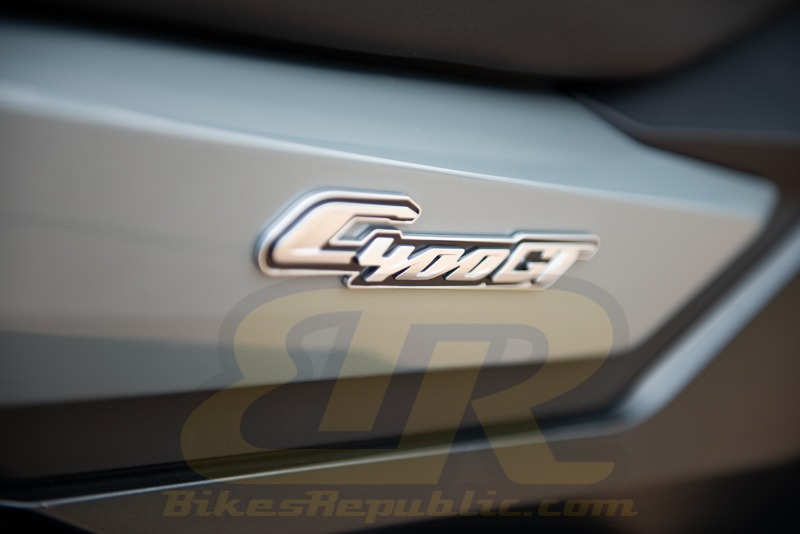
 

The GT’s handling was slightly different to X’s due to the higher seat.  Although it still tracks through corners, the handlebar did wag around. But as long as the bike headed to where I pointed it, I wasn’t concerned.

Conclusion

The only shortcoming was storage space under the seat. In order to keep the seat low and body narrow, the underseat compartment was shallow. Yes, you could place two jet-type helmets in there, but you couldn’t lay down a laptop backpack. Ah well, a top case will cure this.
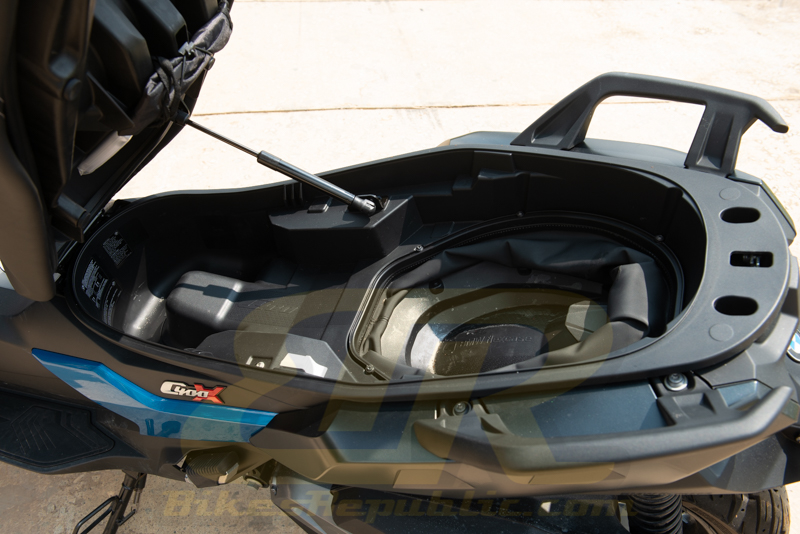
Another thing was you have turn on the ignition in order to open the forward storage compartments and seat. We know it was designed as so in the interest of safety, though.

They ain’t exactly cheap but if you are the type who loves scooters, they are truly worth your hard-earned money.

We loved the C 400 X and C 400 GT. Both actually surprised us at how good they were as scooters… er… Urban Mobility vehicles. Maybe that’s why BMW Motorrad doesn’t call them scoots.
Archive

Follow us on Facebook

Follow us on YouTube