-
The 1990s say clearer distinction between types of motorcycles.
-
However, the decade was the golden age of sportbikes.
-
Almost all manufacturers vied for the World Superbike title.
As 90s dawn, excess during the 1980s started to give way to multiculturalism.
Factors such as the fall of world communism and the beginning of the World Wide Web brought the world closer, despite the 90s being sometimes called the deadliest decade since World War 2.
But the fall of communism opened new markets and saw capitalism expanding faster than before. Companies strived to conquer emerging markets, seeing them pushing innovation to even greater heights. It was also during this decade that the European Union (EU) was created to open up trade and share defence capabilities.
Similarly, motorcycles in the 1990s started to be segmented along clearer lines. However, no one can deny that it was the golden era for sportbikes as WSBK (before the series was sold to Dorna and became WorldSBK) started gaining more popularity than the World Grand Prix Series.
Click here to read: Motorcycles that Defined the 1970s
Click here to read: Motorcycles that Defined the 1980s – Part 1
Click here to read: Motorcycles that Defined the 1980s – Part 2
So, here we go: The Motorcycles that Defined the 1990s
Harley-Davidson FLSTF Fat Boy (1990)
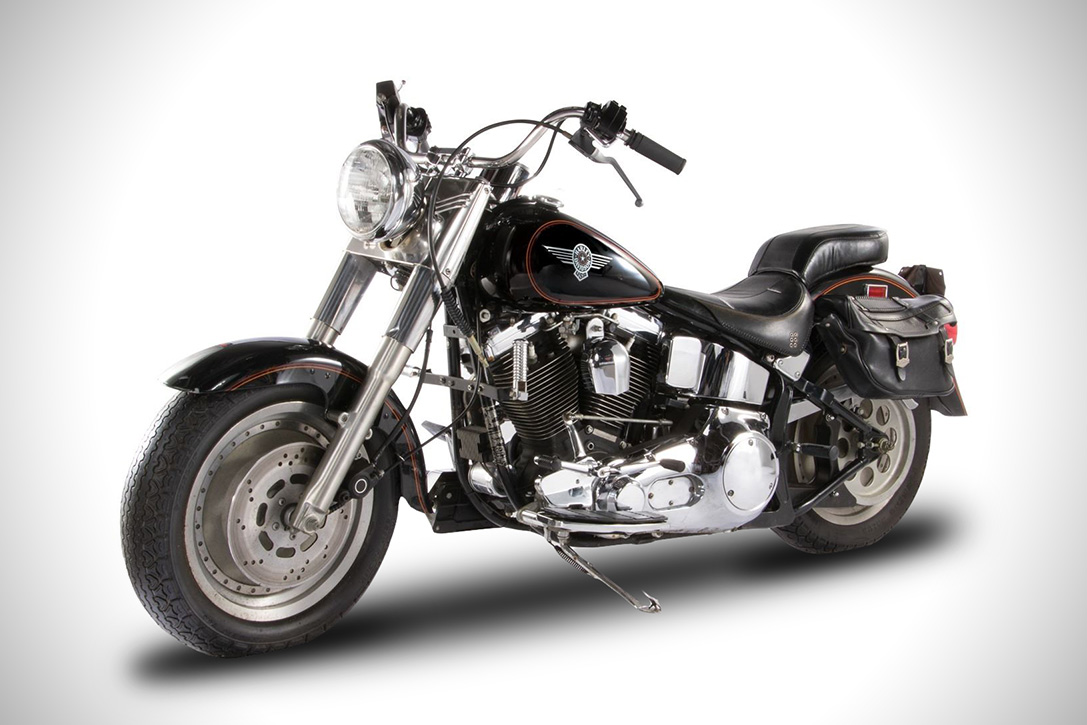
Let’s start with the Harley that became a cultural phenomenon.
The Motor Company had been bought back by Willie G. Davidson and Vaughn Beals from AMF in 1981. By 1984, they had created a new engine called the 1340cc Evolution (better known as Evo) and the first Softail framed bike, the FSXT Softail.
But Harley needed something to drop a bomb and create and explosion, so to speak.
After a couple of years of riding around on prototypes, they revealed the FLSTF Fat Boy in 1990.
It was quite a revolution at the time: trimmed back but with large and imposing styling, including those “disc” wheels. Some thought the name was a combination of the Fat Man and Little Boy atomic bombs dropped on Japan. Likewise, they likened the grey paint scheme and disc wheels to the B-29 Stratofortress bomber that carried those bombs. This was later dismissed as an urban legend.
But sales truly exploded after the bike was used in the movie Terminator 2: Judgment Day.
Suzuki DR650 (1990)
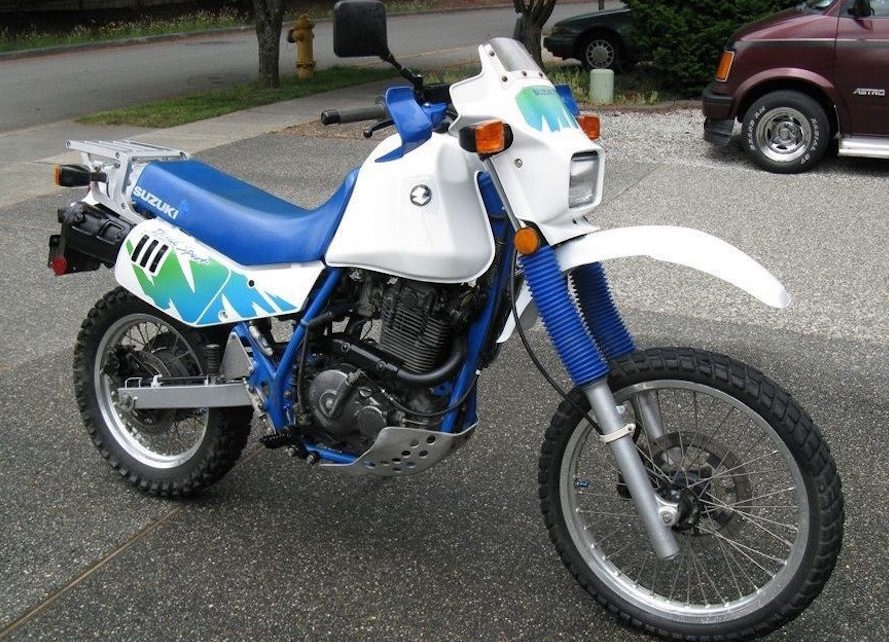
The DR650 shows how a simple, reliable machine can last for ages. Using an air-cooled, carburetted single-cylinder engine, it was a dual-purpose bike that truly went anywhere. It was so simple that one could strip it down in the bush (just ask our friend Rob). That’s why it’s so popular that it was once the best-selling bike in Canada. In fact, Suzuki is selling it next year. With a new paintjob.
Kawasaki Ninja ZX-11 / ZZ-R1100 (1990)

Kawasaki wanted to put the fastest production bike title out of reach hence they introduced the Ninja ZX-11.
The 1052cc, DOHC, 16-valve, inline-Four put out 145 bhp and 106.8 Nm of torque, and featured ram air induction the first time on any production bike. Those figures took the bike to 283 km/h. Not only that, it blasted through the quarter mile in 10.43 seconds at 211.45 km/h.
The ZX-11 would hold on to the record for another six years.
Britten V1000 (1991)
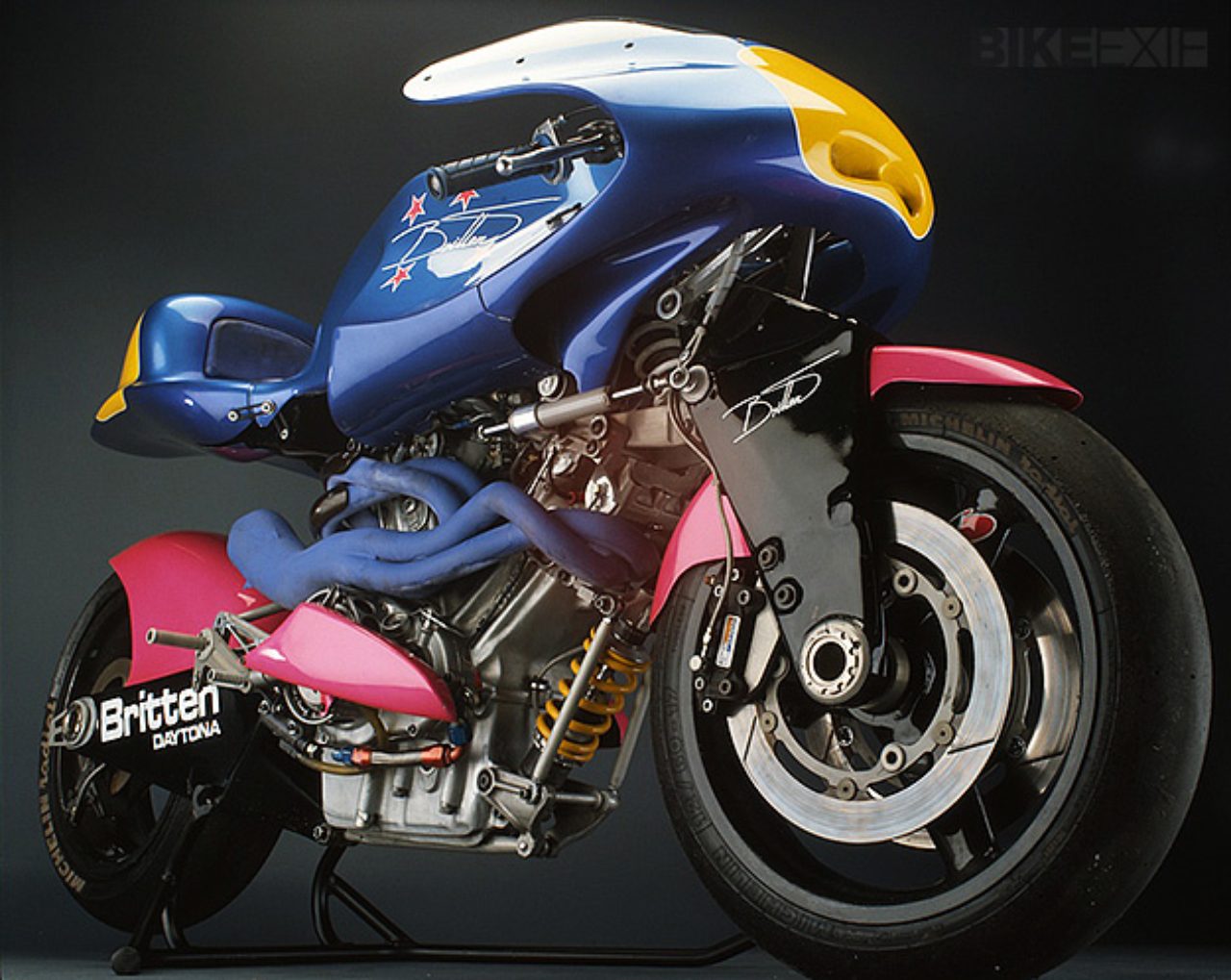
We don’t want to include race bikes here but the Britten V1000 was a work of genius that can’t be ignored, nor should ever be forgotten.
John Britten was enamoured with the lack of parts for his Ducati in New Zealand and that it didn’t handle well, causing him to crash at a race.
So he and his friends decided to built their own bikes, in the den of his home’s backyard! Heck, he even heat cured engine parts in his wife’s pottery kiln. They laid their own carbon fibre parts.
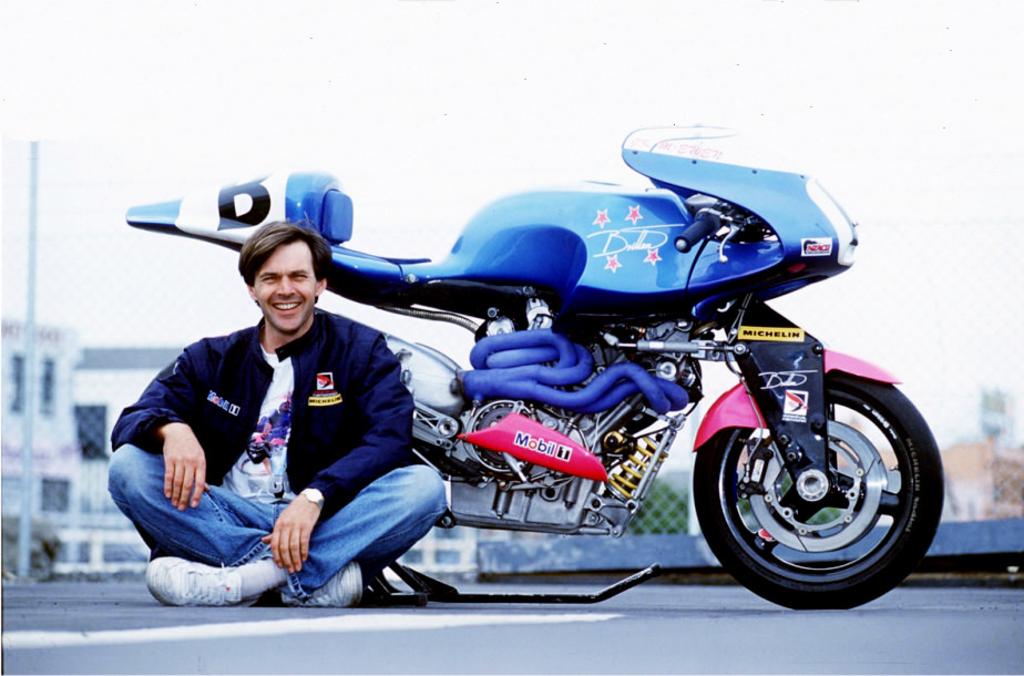
The result was the V1000 superbike racer. It boasted everything modern race bikes have and more. It used carbon fibre almost everywhere; the radiator was located under the seat; double wishbone front suspension (carbon fibre, of course); frameless design and data logging for the first time; titanium valves; titanium conrods; among others.
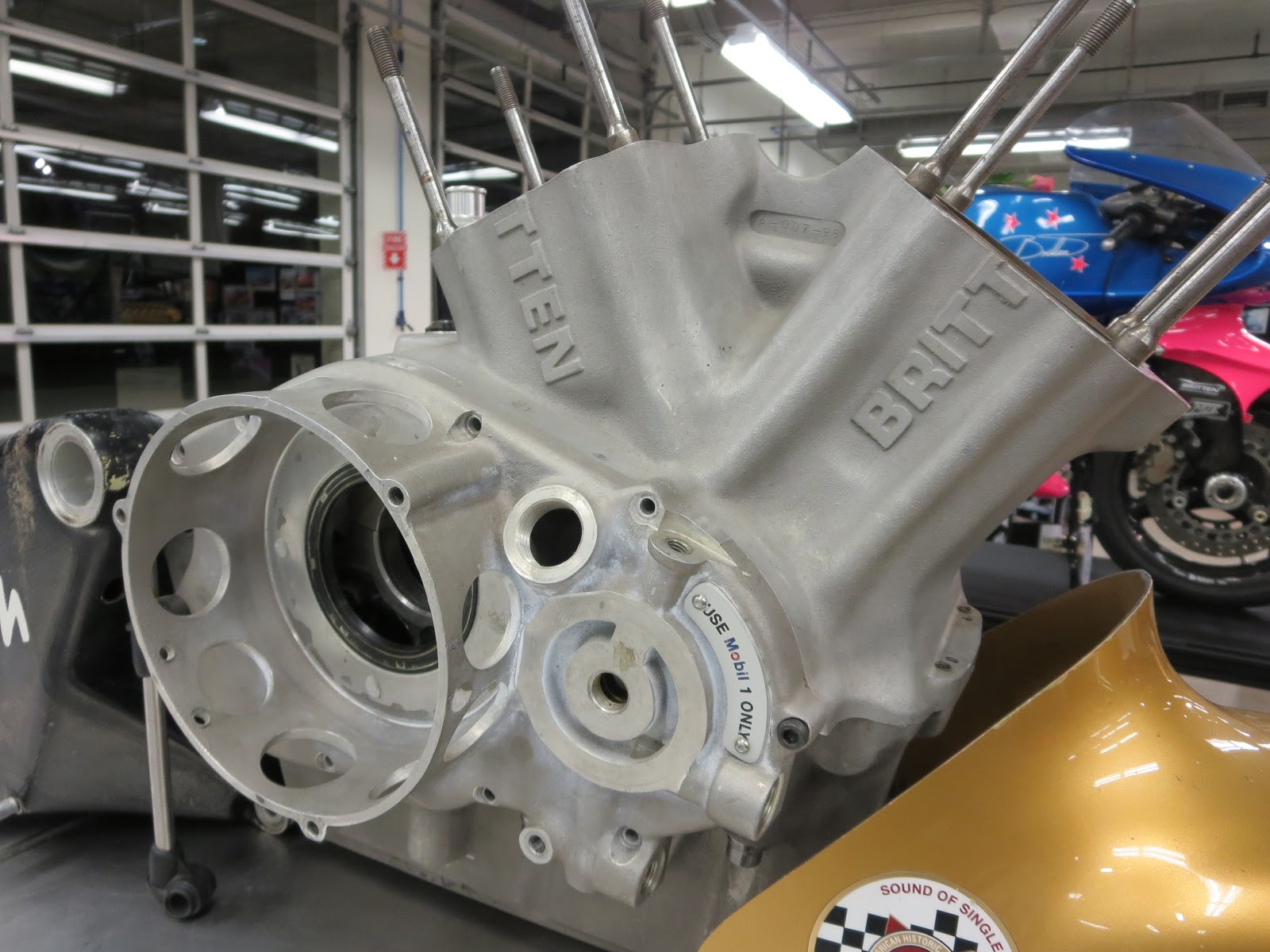
The engine produced 166 bhp, while the bike weighed only 138 kg, giving it a top speed of 303 km/h.
It went on to win the Battle of the Twins and other races.
Unfortunately, John passed away from cancer not long after, leaving his dream with the V1000. Only 10 (plus one prototype) were ever built.
Ducati 888 (1991)
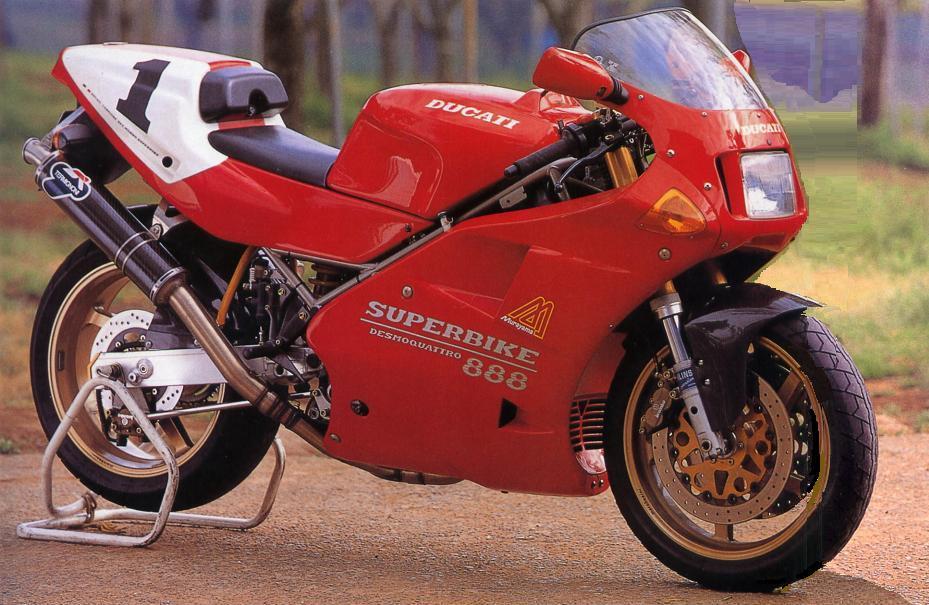
While the Ducati 851 won the manufacturer’s first WSBK title, the 888 sounded the alarm bells in the Japanese factories.
Truth is, the 888 wasn’t innovative as liquid-cooling, four-valve heads and electronic fuel injection made their appearance in the 851. The 888 was the 851 with enlarged capacity and revised suspension.
The engine Desmoquattro V-Twin made only 94 bhp and 80.5 Nm compared to the Japanese bikes that made over 100 bhp at the point. However, Ducati claimed the race bike made 134 bhp and weighed on 142 kg, dry.
But that was enough to win Ducati and Doug Polen the 1991 and 1992 WSBK titles.
Aprilia RS 125R Extrema (1992)
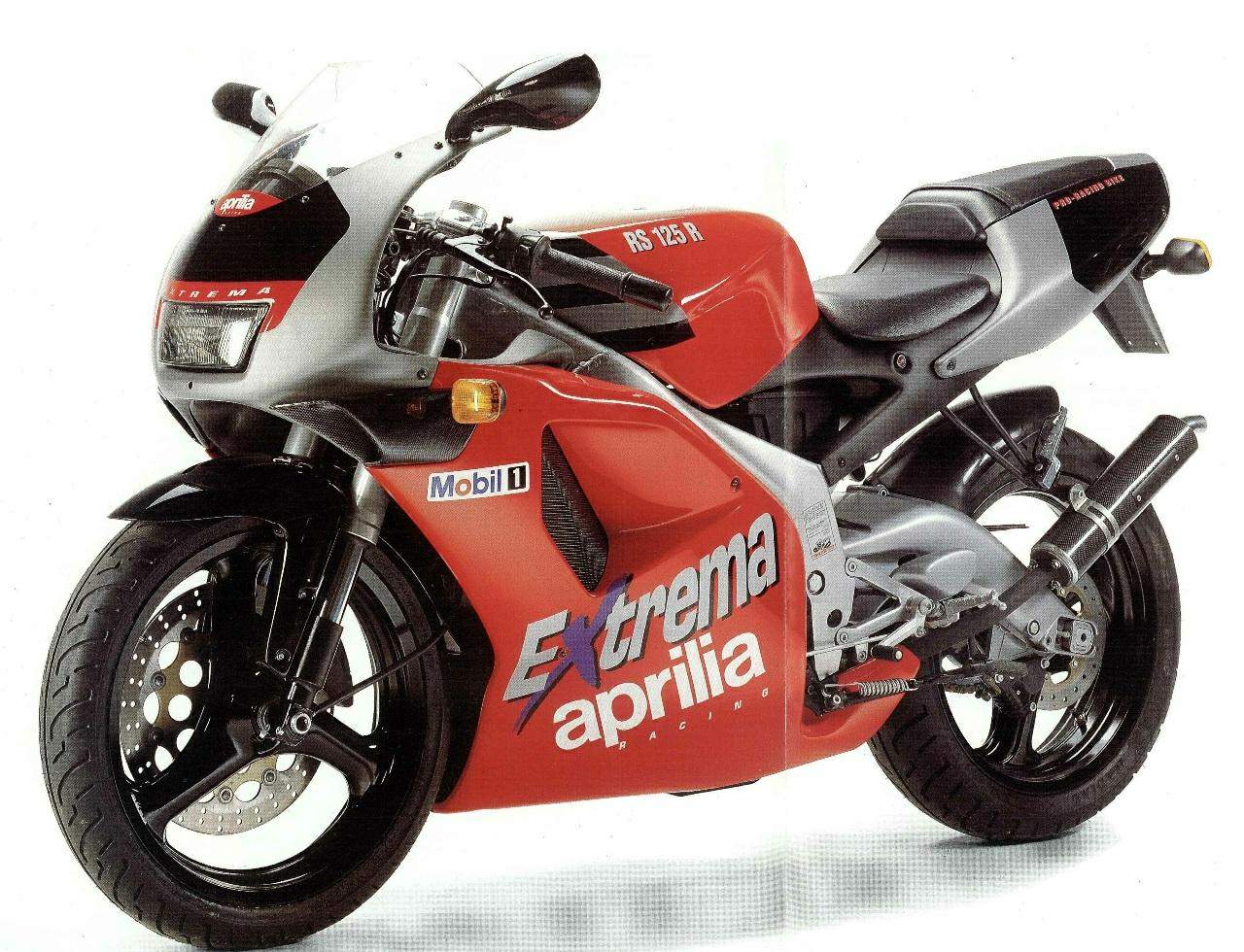
This well-known bike came out this year alright and gave the Cagiva Mito a run for its money. But the truly popular model with the bulbous bodywork came out later in 1996. The two-stroke single produced 34 bhp and 24 Nm of torque, and could hit around 180 km/h. Traffic light GP was the best during the era.
BMW R1100RS (1992)

This BMW Motorrad sport-tourer was the first to use the new air-cooled Boxer with oil-cooled heads, hence popularly known as the “Oilhead.” It superseded the air-cooled “Airhead” engines that were in use since the R32 in 1932.
The Oilhead became the Boxer for the manufacturer for many years to come and was enlarged to 1200cc, before being superseded by the “Wasserhead” in 2013. But the 1200cc Oilhead is still used in the R nine T.
The R1100RS also used the engine as a stressed member, a design that’s adopted until today. It was also the first BMW motorcycle which uses the Telelever front suspension set up.
It proved immensely popular and there are still many running today.
Honda CBR900R / CBR900RR Fireblade (1992)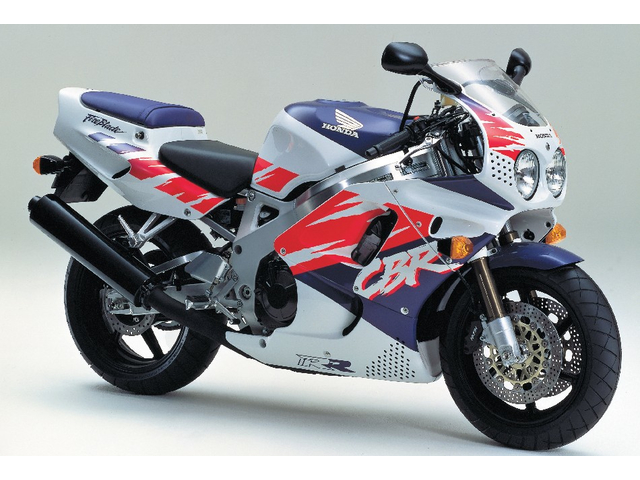
We thought we’d leave the best of 1992 (and of future generations to the last).
While sportbikes gained more power and technology since Suzuki’s GSX-R750 in 1985, they also gained more and more weight and heft. But the CBR900RR proved once again that light is right.
Interestingly, the project had started out as the CBR750RR to compete in the 750cc sportbike class. But project leader Tadao Baba protested that if Honda made a bike that was powerful, light and easy to ride, people will buy, 750cc be damned.
So Honda enlarged the inline-Four engine to 893cc to find the balance between the 750’s agility and 1000’s power. But the engine was still shoehorned into the original 750cc-sized frame. Tadao’s team then pared away all superfluous parts and weight in a typical Japanese OCD fashion.
What they ended up with was truly groundbreaking — the bike weighed only 185 kg dry, 205 kg wet. That’s just 2 kg more than the Honda CBR600F2. The next lightest over-750cc bike was the Yamaha FZR1000 which was 34 kg heavier!
It was also agile as Honda used a 16-inch front wheel.
Suffice to say, the CBR900RR wiped the showroom floors with the other sportbikes, until the Yamaha YZF-R1 came out in 1998.
Triumph Tiger 900 (1993)
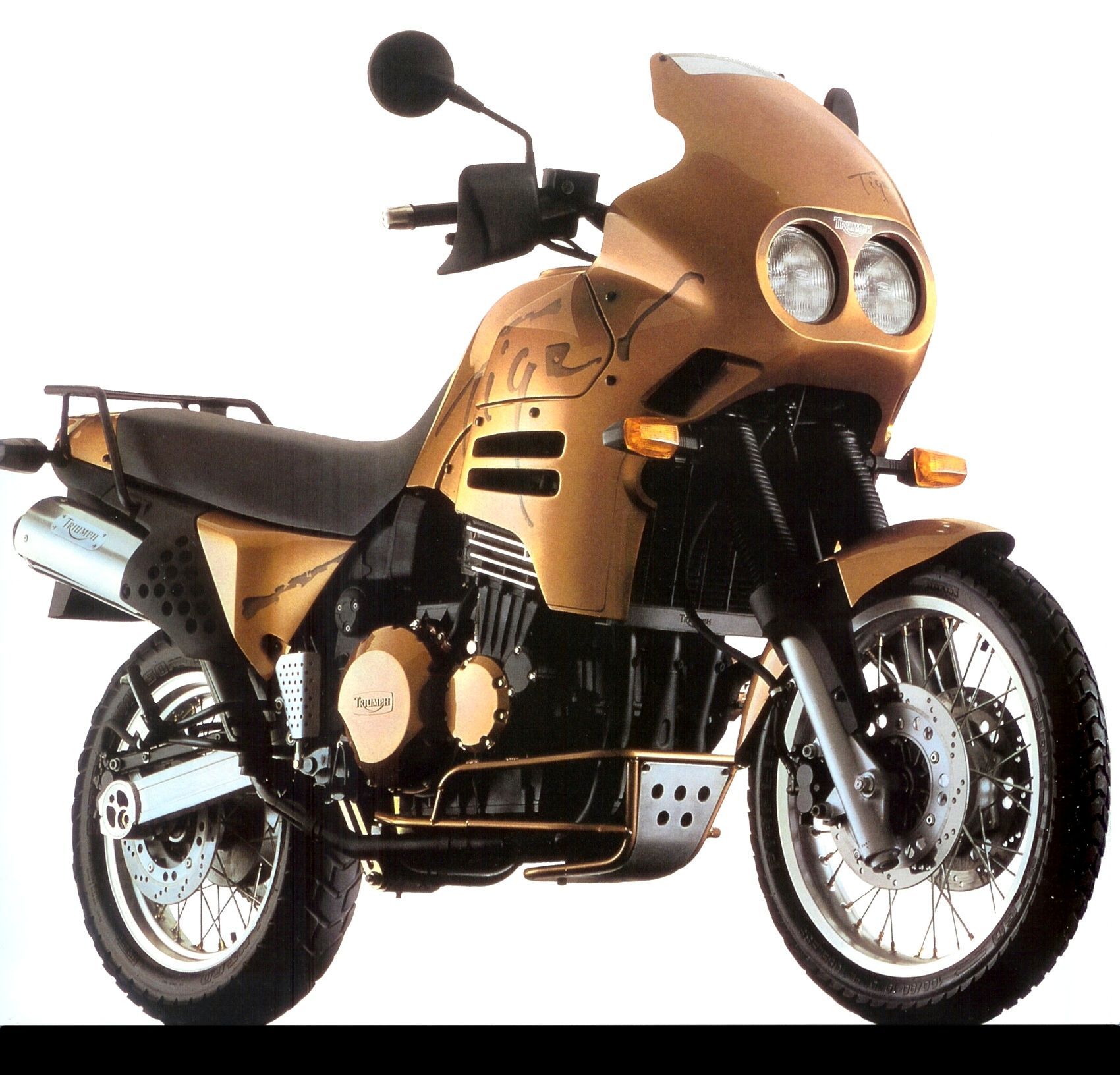
Let’s start the year with this one, which was the grandaddy of the current Tiger Sport 1050.
Fans called this bike the “Steamer” and it was made during the time when the Paris-Dakar Rally was at its zenith — the hunting grounds of the Honda Africa Twin, Yamaha Super Tenéré, BMW G/S and Cagiva Elefant.
The 885cc, DOHC, 12-valve, inline-Triple made 85 bhp and 82 Nm. That doesn’t sound a lot, correct, but the Steamer was the fastest adventure bike of the time, hitting 210 km/h when its competitors struggled to reach 180 km/h.
It may look big and unwieldily, but in truth it weight only 209 kg and was nimble — a trait of all Triumphs.
The engine went on to 955cc, powering the er… Tiger 955i and finally the Tiger Sport 1050. By then it had become more road-oriented, as Triumph decided that the new Tiger 800 would be the true dual-sport model. The Tiger 800 had a different developmental path, as a result.
Yamaha YZF750 (1993)

The YZF750 was one of the best 750cc sportbikes ever made but largely underrated as it was sandwiched among the Ducati 888, Kawasaki ZX-7R, and later the Honda CBR900RR Fireblade and Ducati 916.
But it was the sweetest handling sportbike when it was introduced and served until 1998. In fact, there were owners who shoehorned the YZF1000 engine into the YZF750’s chassis!
Yamaha also built the SP version for WSBK homologation. (It didn’t get the OW02 designation, though.)
Ducati Monster (1993)
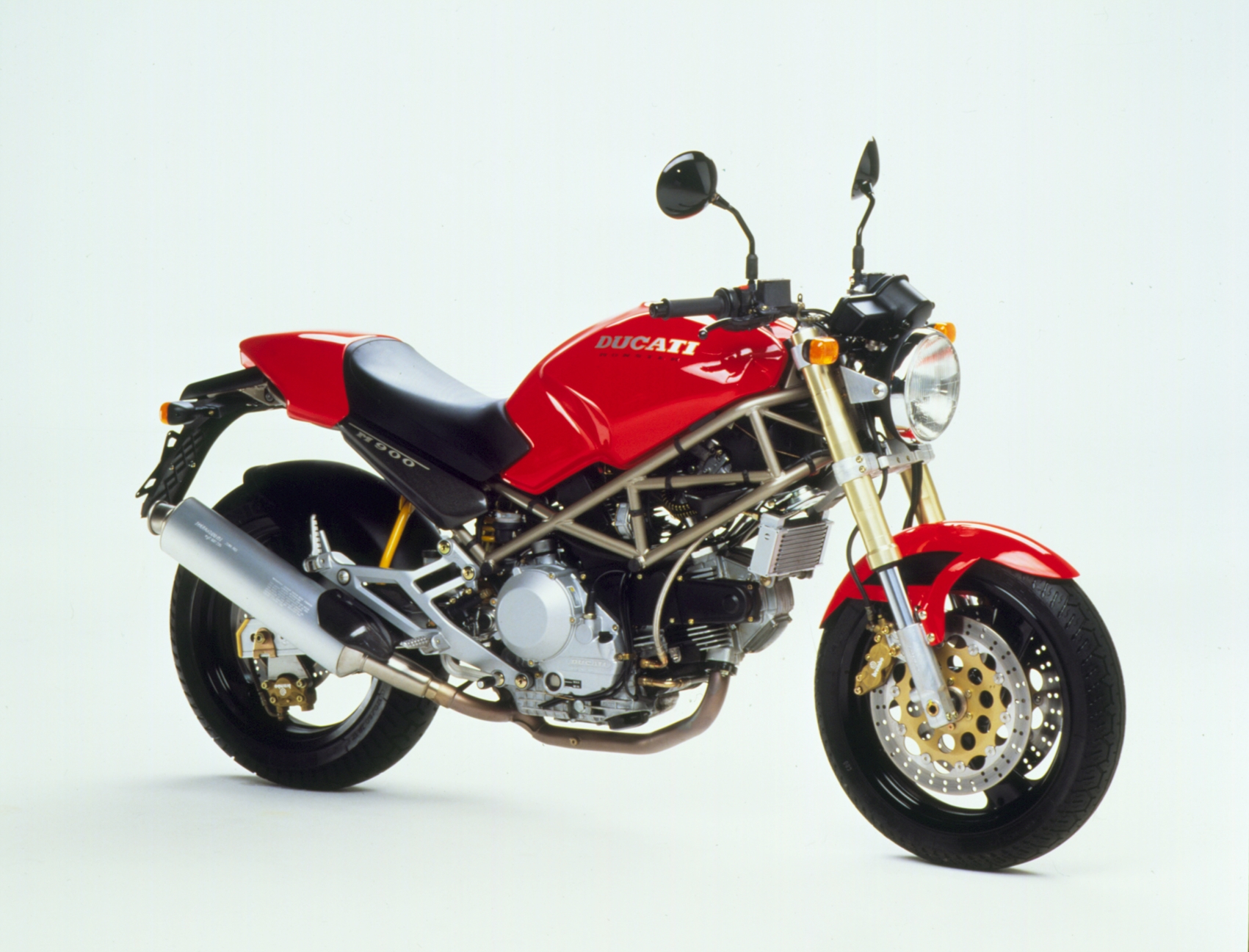
The Ducati Monster went on to popularise the naked sportbike category, but it was meant to be a parts bin special at the time of its inception. The manufacturer had wanted to create a bike that cheaper to produce and sell, compared to the expensive 888 sportbike.
But it turned out to be a special alright, as discovered by Ducati’s test riders. Despite looking something like a cruiser, it had the propensity to lean way over and pull wheelies out of corners. Consequently, they dubbed it “Il Monstro” (“Monster” in Italian) and the name stuck.
The Monster would be the bike that saved Cagiva (owners of Ducati at the time) from bankruptcy, and see many revisions and iterations until today.
BMW R1100GS (1993)
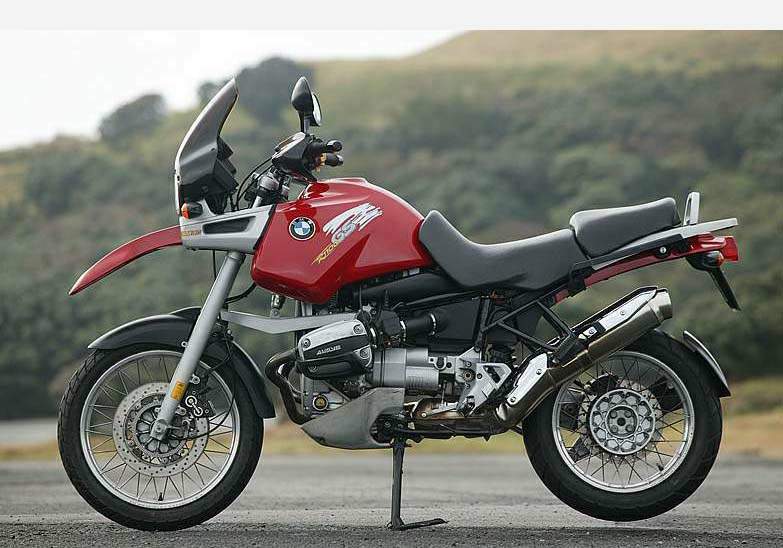
The BMW R1100GS was released a year after the R1100RS received the Oilhead Boxer. It was also the model to break away from the R80G/S and R100GS’s styling mould, and lead the way to how the future GS models would look like.
Other features included Bosch Motronic fuel injection, Telelever front suspension, Paralever rear suspension which incorporated the driveshaft and ABS as an option.
BMW F650 (1993)
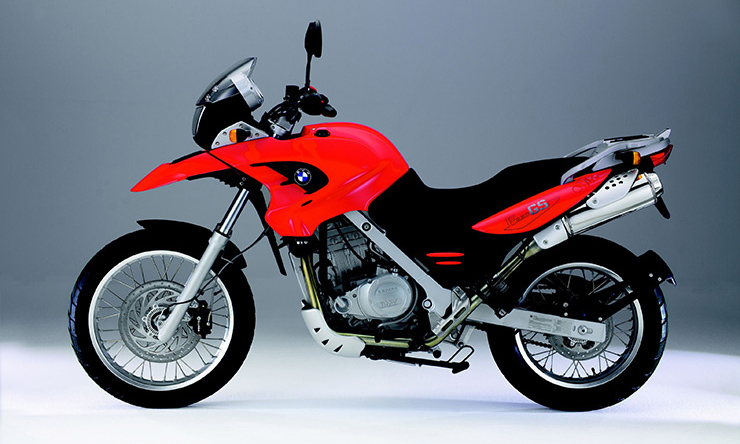
The F650 was also revolutionary in BMW Motorrad’s history as the first single-cylinder bike since the 1960 R27. It also has the distinction of being the first chain-driven BMW.
An interesting fact was the F650 was co-designed with Aprilia, who produced the Pegaso 650. Now you know why both bikes looked similar! The 654cc engines for both the BMW and Aprilia were made Rotax. Now you know why they sounded alike!
The single-cylinder F650 would be produced all the way to 2000, in different variants. It was superseded by the F650GS in 2000; then the parallel-Twin 798cc F650GS in 2008; before being reverted to single-cylinder and called the F650GS in 2009 (G650GS for the US market).
Kawasaki Ninja ZX-9R (1994)

Okay, let’s start 1994 with the Ninja ZX-9R because it was the year when a certain bike revolutionised the sportbike segment until today.
Kawasaki was actually blindsided by the Honda CBR900RR. The former and all Japanese manufacturers had stuck to the 750cc for agility and racing, and the 1000cc open-class for power.
So, they had to respond against their long-time nemesis with this bike.
But rather than going the Honda way of building a light bike, they decided to bring the bike closer to the big bore end. It resulted in a bigger bike which weighed 215 kg dry – a whole 30 kg more. Granted, it had 125 bhp which was 10 higher than the CBR900RR but it couldn’t challenged the class leader directly.
As such, Kawasaki called the Ninja ZX-9R an alternative to the CBR.
Honda RVF750 RC45 (1994)
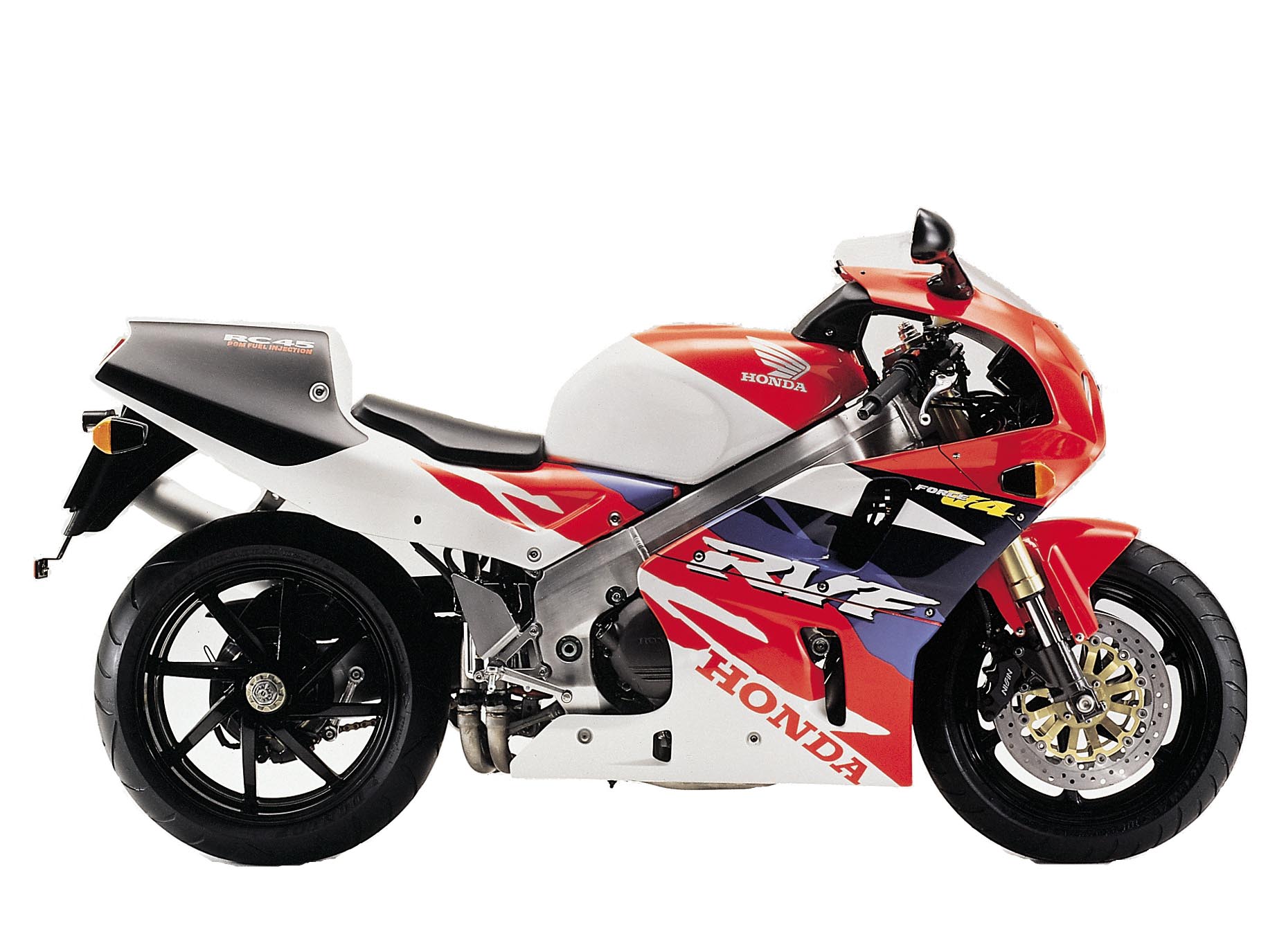
Honda was contesting the WSBK title with the VFR750R RC30 but it was starting to show its age and beaten by Ducati, Kawasaki and Yamaha. Honda was the company who took losing like a katana to the belly.
In fact, their mantra is “Win on Sunday, sell on Monday” and it’s founder Soichiro Honda who said, “Racing improves the breed” despite “The Power of Dreams” tagline.
The RVF750 was redesigned from the VFR750 RC30, using the RVF endurance racer’s technology. It’s made for one sole purpose: To win the WSBK title again.
As such, it was a race bike from ground up and hand-built by HRC (Honda Racing Corporation). Only 200 were made.
But it struggled in WSBK, especially against the next bike on this list. On the other hand, the RC45 was dominant at the Isle of Man TT with Joey Dunlop and Jim Moodie; AMA Superbike and Daytona 200 with Miguel Duhammel and Ben Bostrom; FIM World Endurance from 1988 to 1998 (shared with the RC30); and the Macau Grand Prix with Michael Rutter.
It made nearly 200 bhp in its final racing form, more powerful than Honda’s own all-conquering NSR500 two-stroke GP bike.
Triumph Speed Triple (1994)
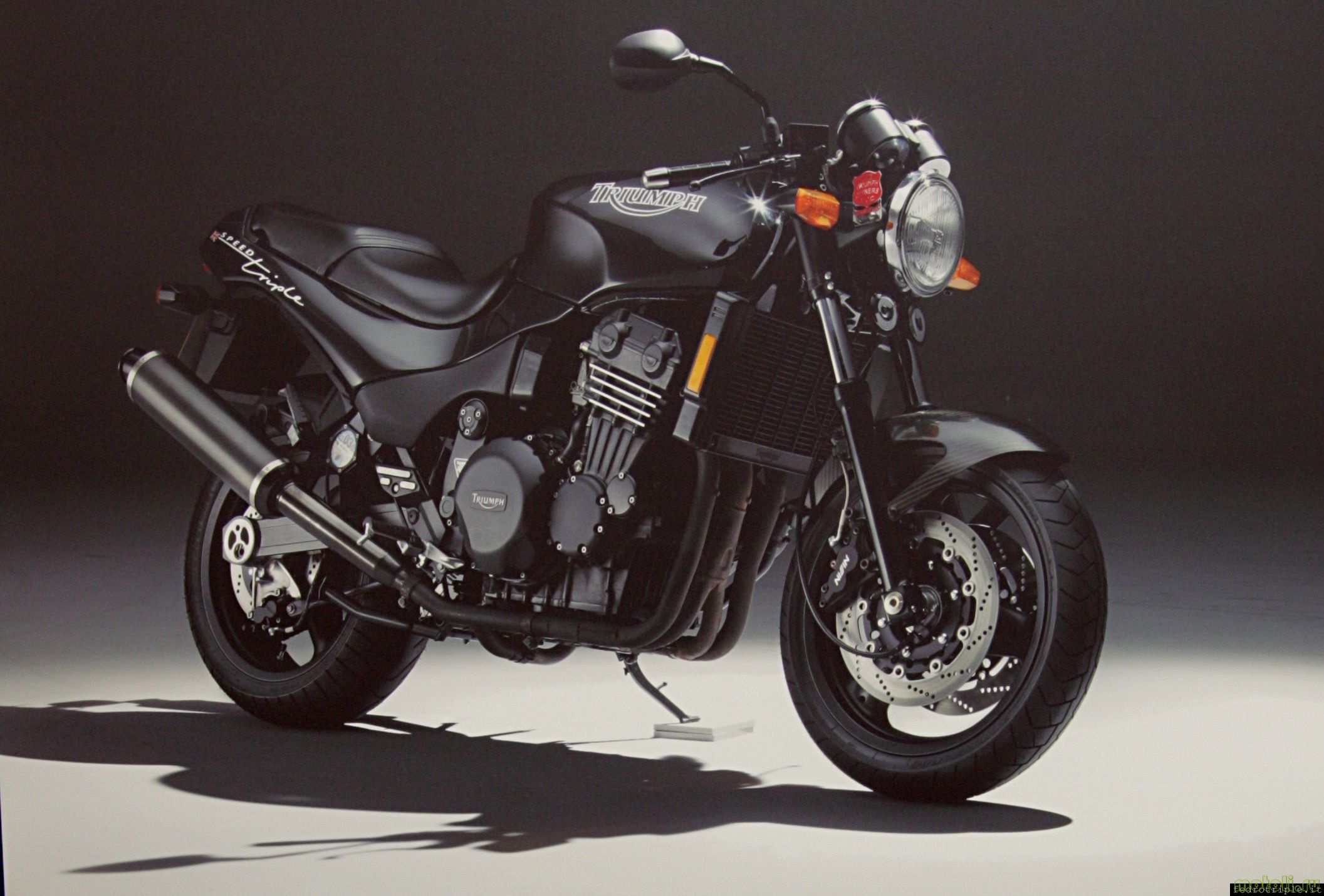
If the Ducati Monster popularised naked sportbikes (although they claimed it began the street fighter revolution), it was the Triumph Street Triple showed the way for factory streetfighters.
Two versions were offered, initially, the 900 and 750. The former used the 855cc, inline-Triple engine shared with the Trident, Daytona and and Thunderbird. It produced 98 bhp and 79.8 Nm of torque.
That was good to provide the rider with an enthralling ride. Wheelies, stoppies and burnouts were included in the package.
The Speed Triple was continuously updated and has reached the 1050cc beast now, along with the superb Street Triple 765 (whose engine is the base for Moto2 engines). There may be a more powerful one soon.
KTM Duke 620 (1994)
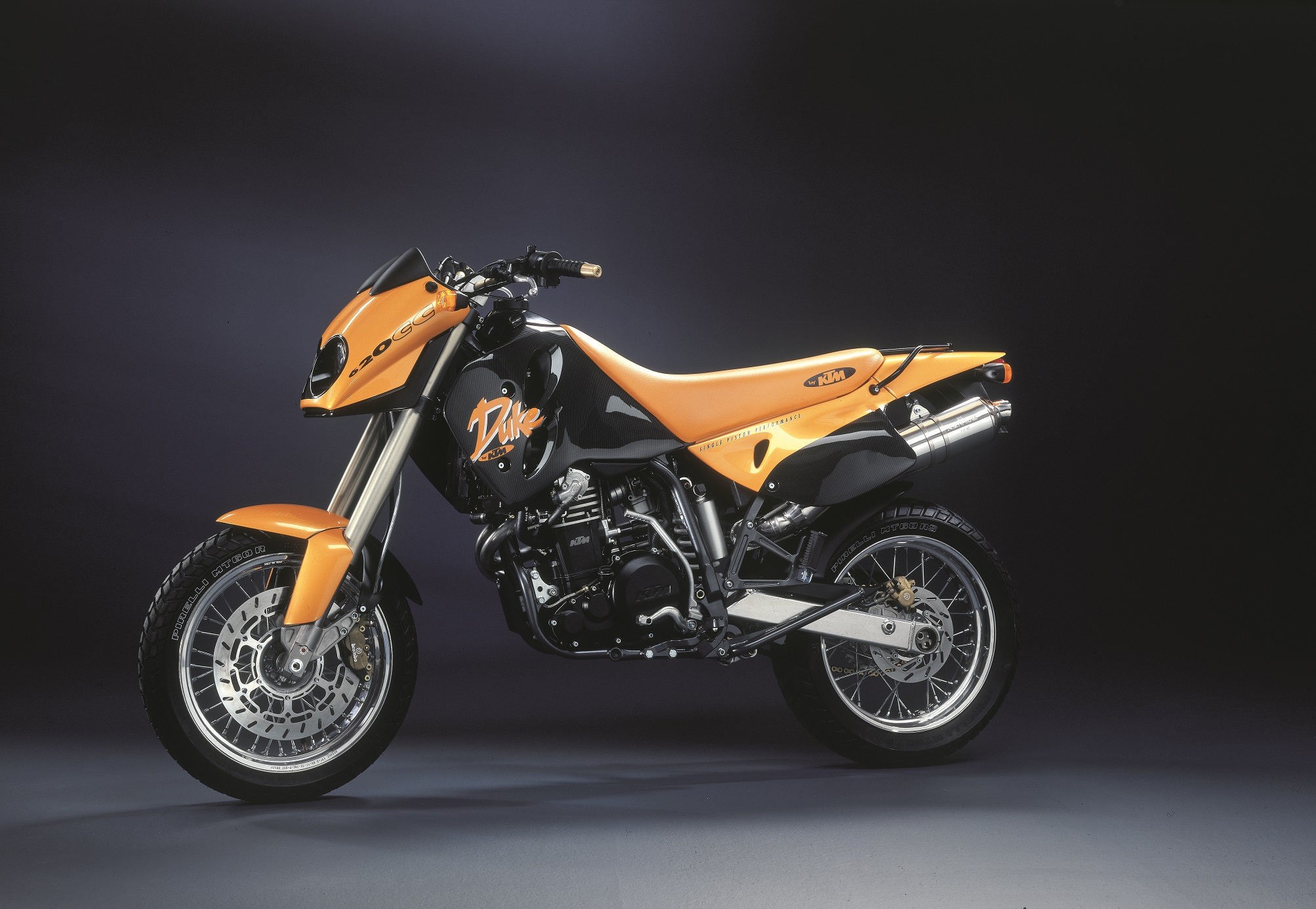
The Duke 620 is an important bike in history because it was the Austrian manufacturer’s first venture into road bikes.
The 609cc, SOHC, 4-valve, single-cylinder engine produced a healthy 55 bhp and 60 Nm, which goaded riders into riding on the borderline of irresponsibility and insanity. Although the factory marketed it as a naked bike, it was the smaller streetfighter to the Triumph Speed Triple.
Ducati 916 (1994)
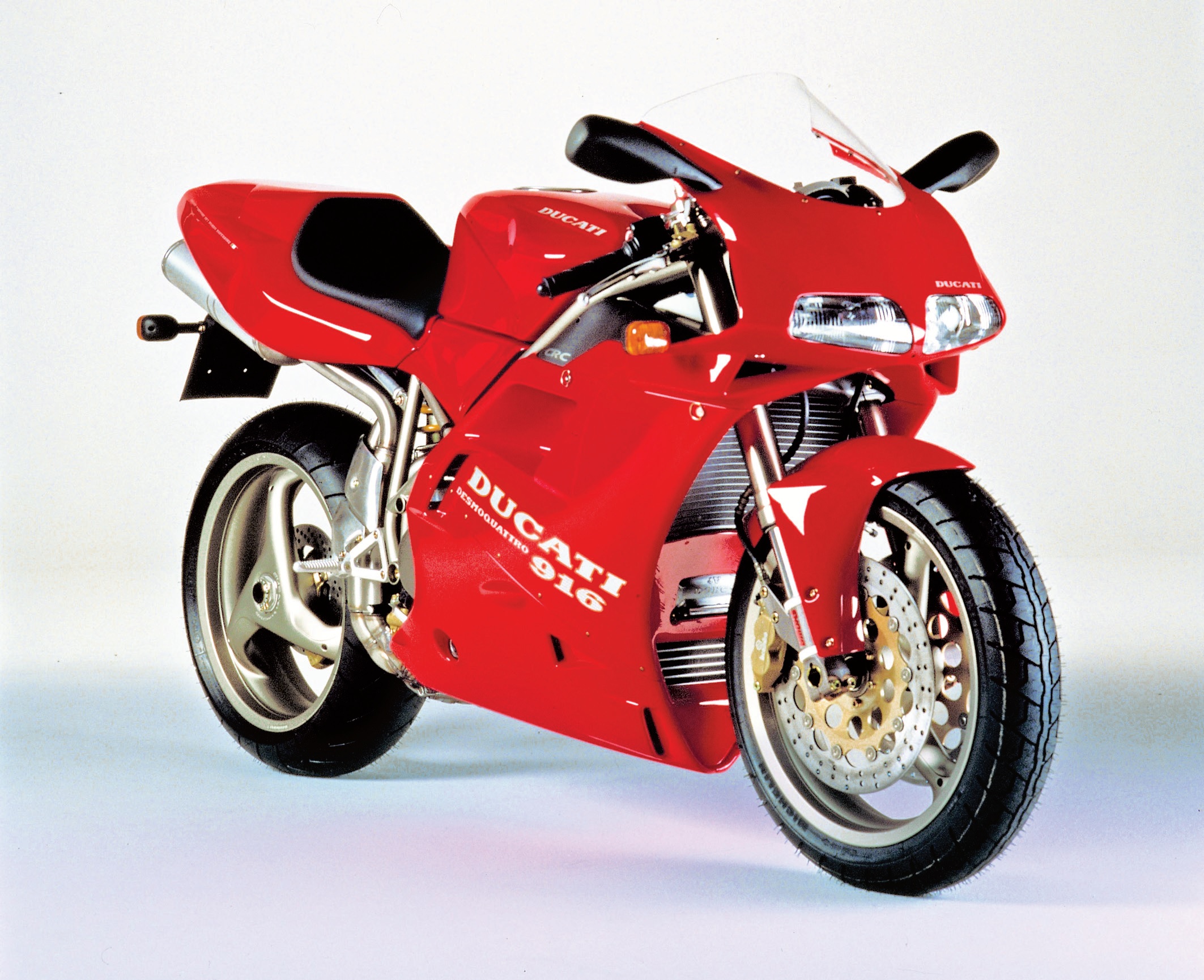
Sorry to keep you waiting. Here it is, the bike that turned sportbike design and engineering upside down. Designed by the late Massimo Tamburini, it would become the most beautiful bike of all time. Its looks were backed up by performance which completely dominated the WSBK field.
The engine evolved from the 888’s and hit 114 bhp with 91 Nm of torque.
It wasn’t about grunt which made the 916 such a dominating bike. Instead it was the overall package which was shrink wrapped into the size of a 250.
The single-sided swingarm was made for quicker wheel changes. The underseat exhausts gave the bike a clean, lean and purposeful look. The thin midsection let riders clamp the tank easier and gave the feeling of sitting in the bike as one, rather being perched precariously on it.
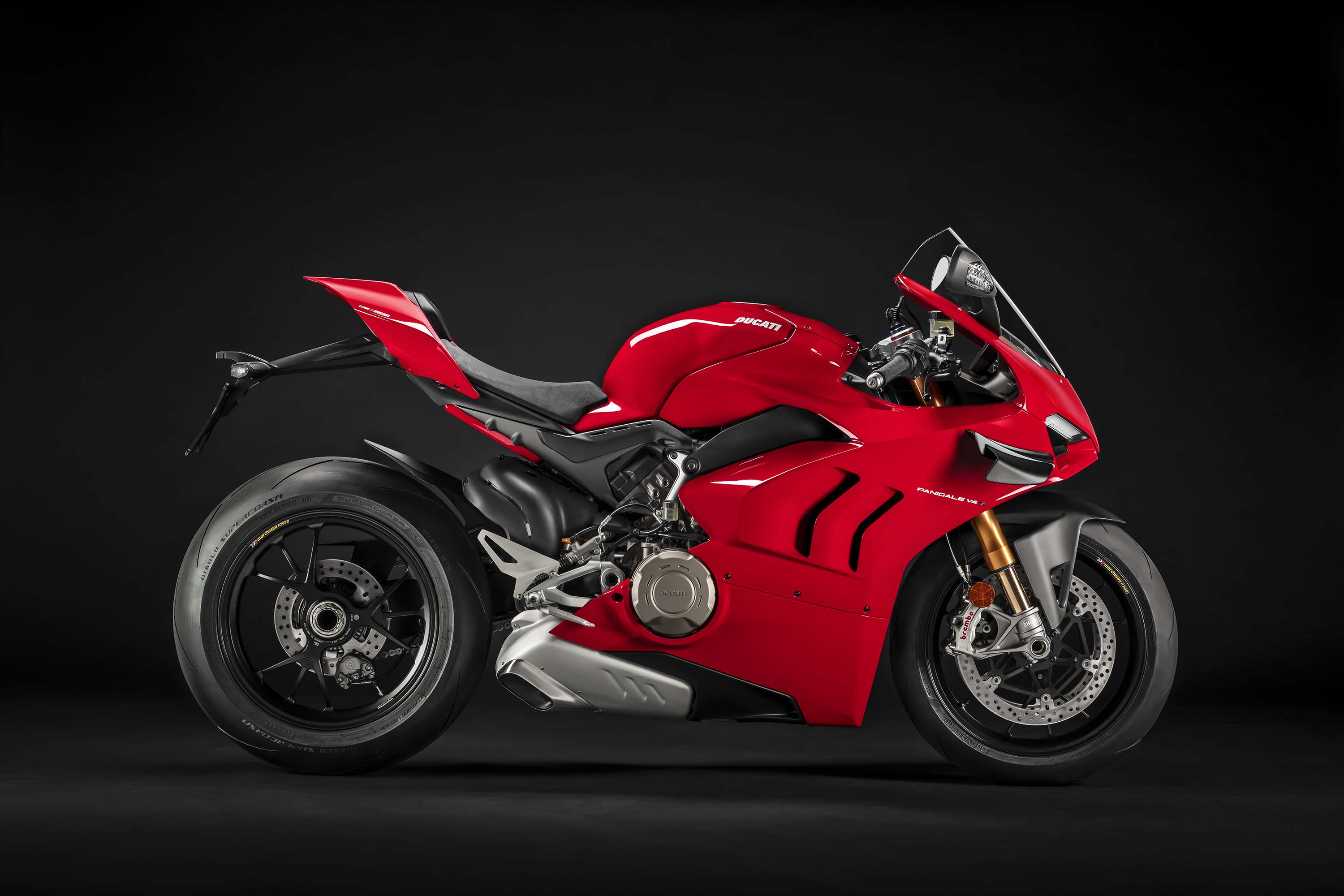
It was from advent of the 916 that sportbikes look the way they do now. It was also the bike that truly made “Ducati” a household name. That was why Ducati commemorated the 25th anniversary of 916 recently with the Panigale V4 S 916 25th Anniversario edition.
One journalist put it best, “1994 was the year the Ducati 916 came out. No one remember what else did.”
End of Part 1
Let’s take a break here. Just like the 80s, the 90s gave birth to bikes whose legacy continues until today. There are still five years to go until the end of the decade. We’ll continue with what else came along.
In the meantime, please check out these previous features.
Click here to read: Motorcycles that Defined the 1970s
Click here to read: Motorcycles that Defined the 1980s – Part 1
Click here to read: Motorcycles that Defined the 1980s – Part 2